BRAZIL July 2006: Gringo in Brazil – Day 4
Ola –
It’s about 6 p.m. here in Curitiba and I thought I’d try to send today’s travelogue early while I’ve got energy and remember what I did today.
As noted yesterday, Curitiba is a planners’ must-see city. Before going into this.. I should point out that at 2800 feet it’s a totally delightful climate, requiring a sweater late afternoon and evening. The air quality is quite good (unlike so many other South American cities I’ve visited); we’ve had nothing but clear blue skies.


Curitiba’s history is interesting in that it had a very large influx of Europeans in the late 18th and 19th centuries and their influence is strong. Today, the population includes about 50% whose origins are not South American. The intelligentsia had a big influence on the town — most notably one mayor — Jaime Lerner — trained as an architect, who became mayor in the 60s. The city is known for its efficient transportation system, which includes devoting lanes on major streets for the bus system. The buses stop at designated elevated “tubes.” They say that the system is used by 85% of the population. The buses are clean, modern, quiet and zip through town. There are several different kinds of buses marked by their color… We haven’t completely figured out the system, but we seem to get where we need to go.. or at least close… The city has also done an amazing job or creating, preserving, and caring for green areas. Someone said they have about 50 meters of green space per person… The mix of cultures has created some strange food availability and some of the most popular dishes are Ukrainian and eastern European.
The story as I understand it is that sometime in the 1960s, Curitiba’s population was about 430,000, (It’s now 1.6 million) and residents worried that the growth would change the character of the city… So they held some kind of competition and Jaime Lerner (a young Brazilian Jewish architect) won the competition and then later became mayor… (a post he kept for 30+ years). His proposal stressed strict controls on urban sprawl, reduced traffic in the downtown by creating a web of walking streets (you can actually walk all through the center without confronting cars), preservation of historic buildings, and a transit system that would be affordable for all residents.. These ideas became the master plan for Curitiba.
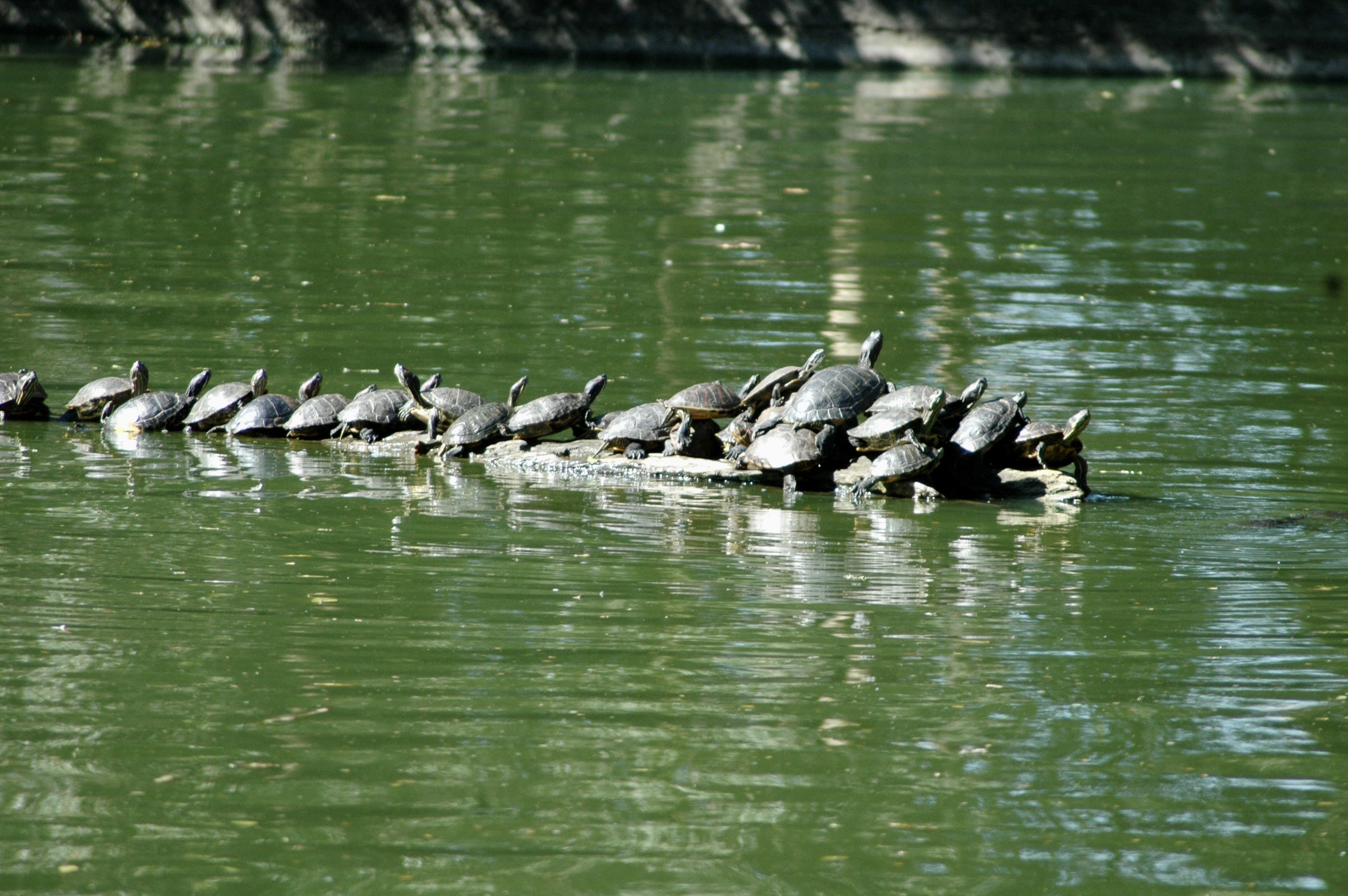
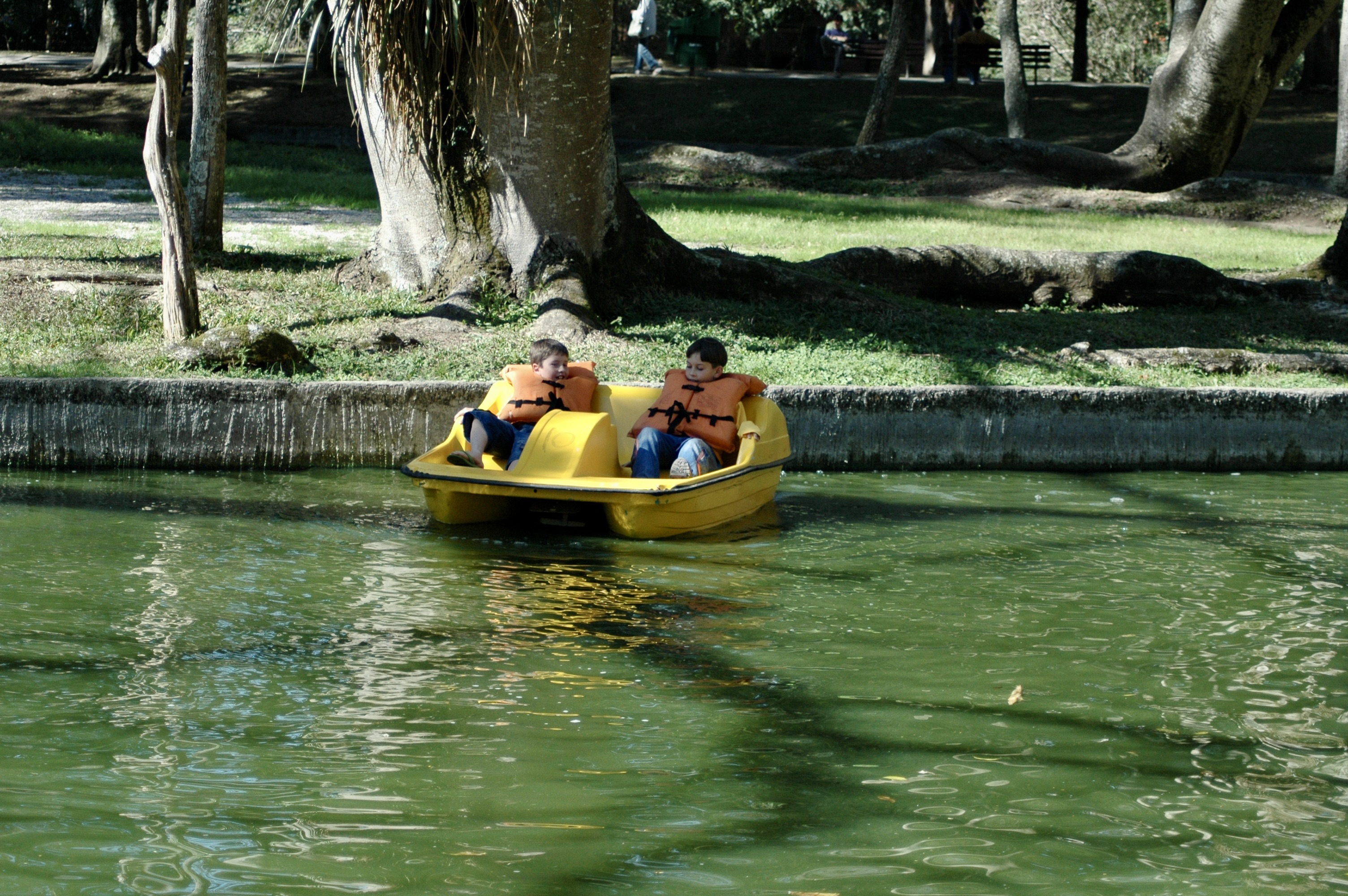
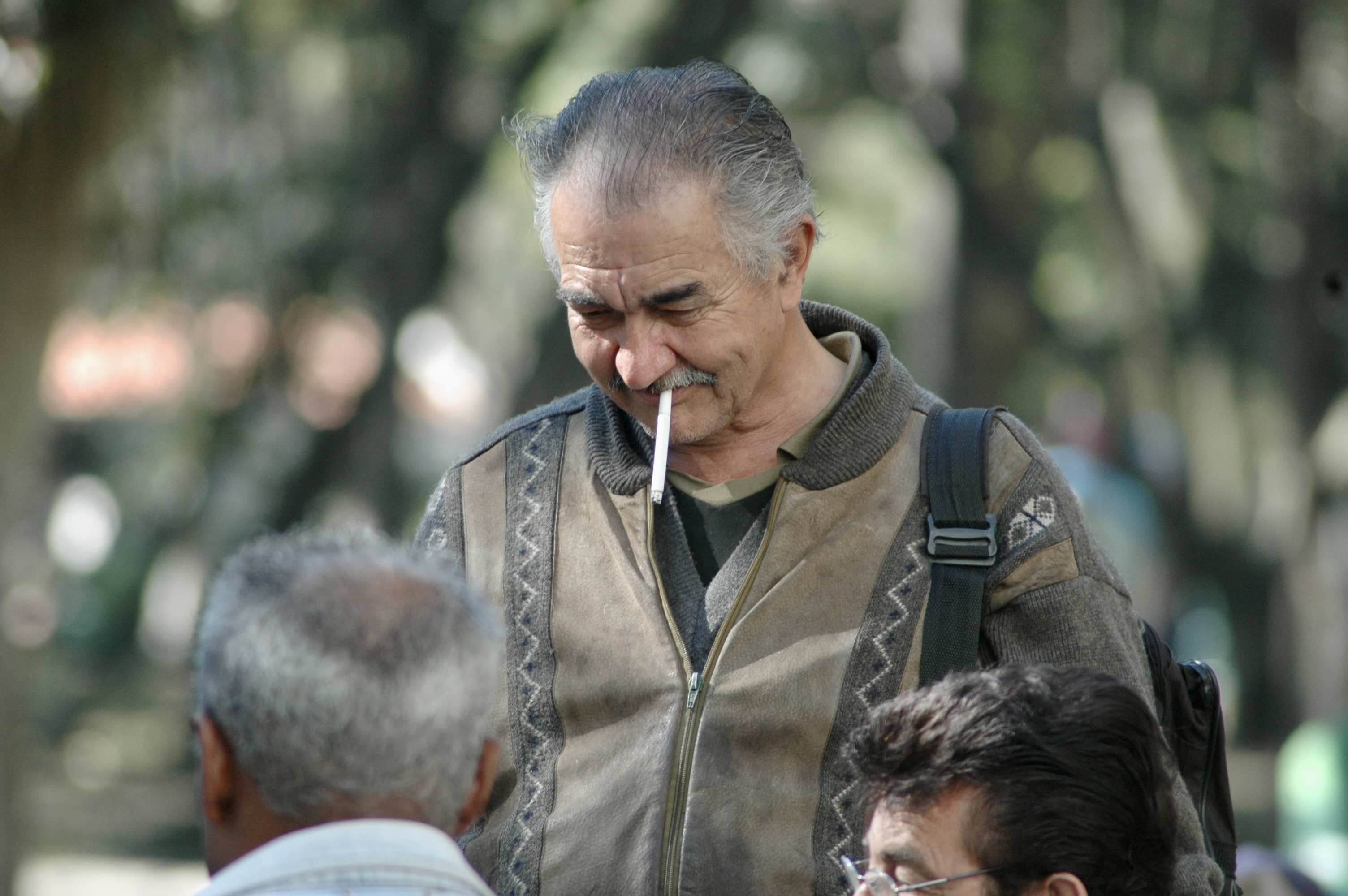
Today, we set out on foot walking to several major parks and through the walking street system. We encountered a demonstration against Bush and also a demonstration against Israel… everything was quite peaceful.. We also went to see the newest “citizen street”– Citizen streets (Rua de Cidadania) are mall-type structures that have been built in various parts of town – always near transit stops – that provide municipal services, shops, child care, and leisure activities so that local people don’t need to go to the center of town to deal with simple services, shopping, etc.
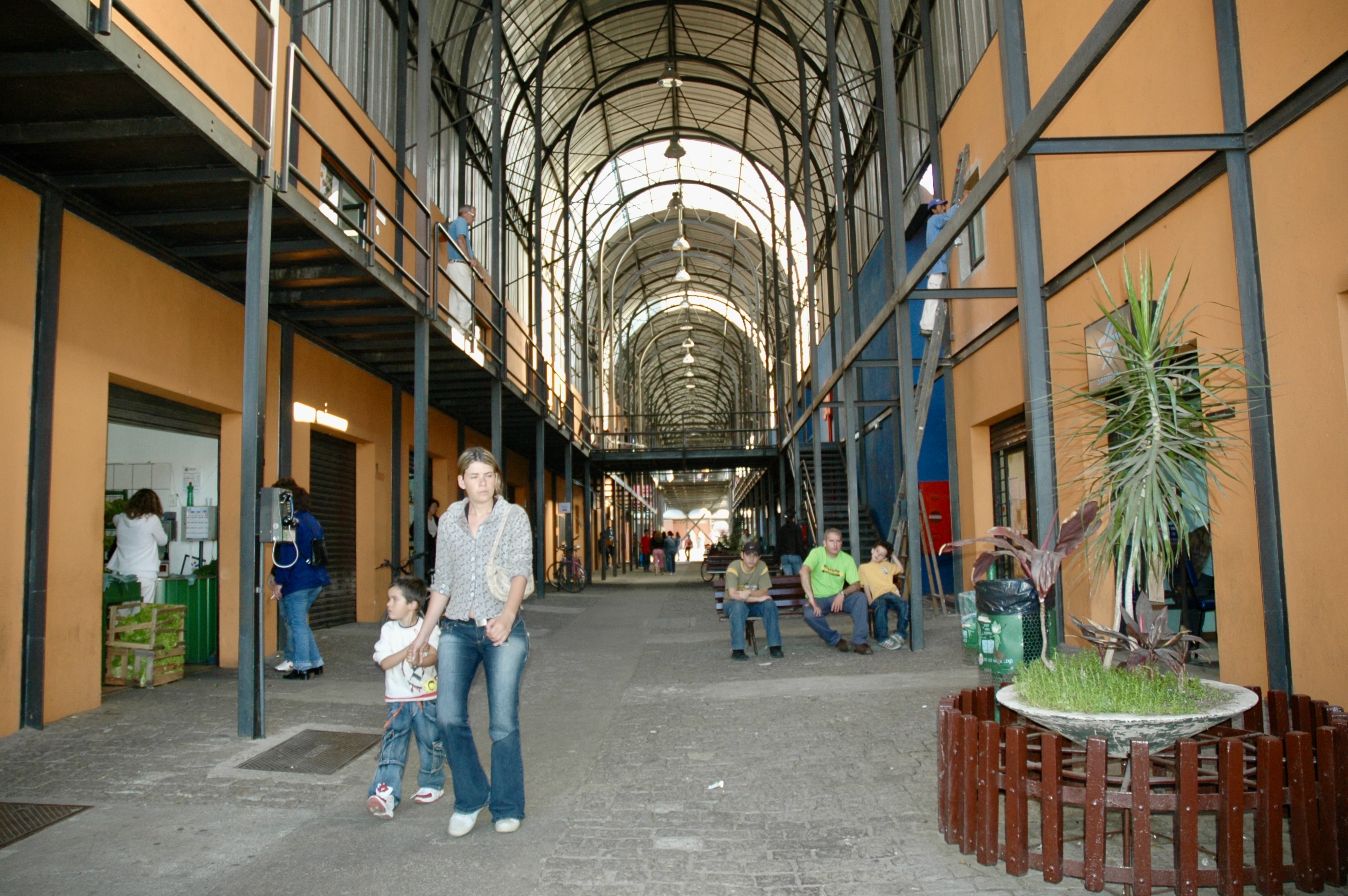


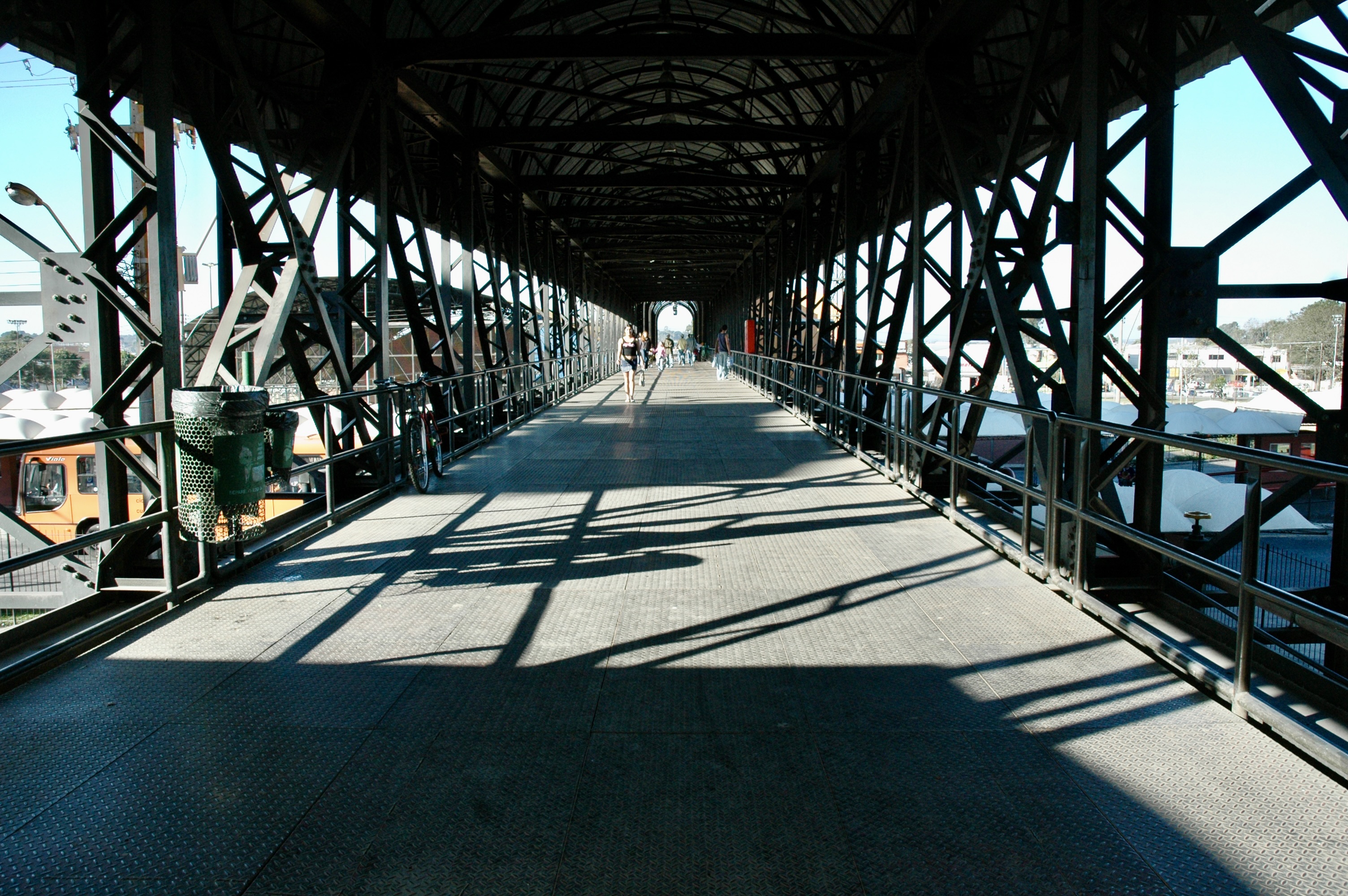
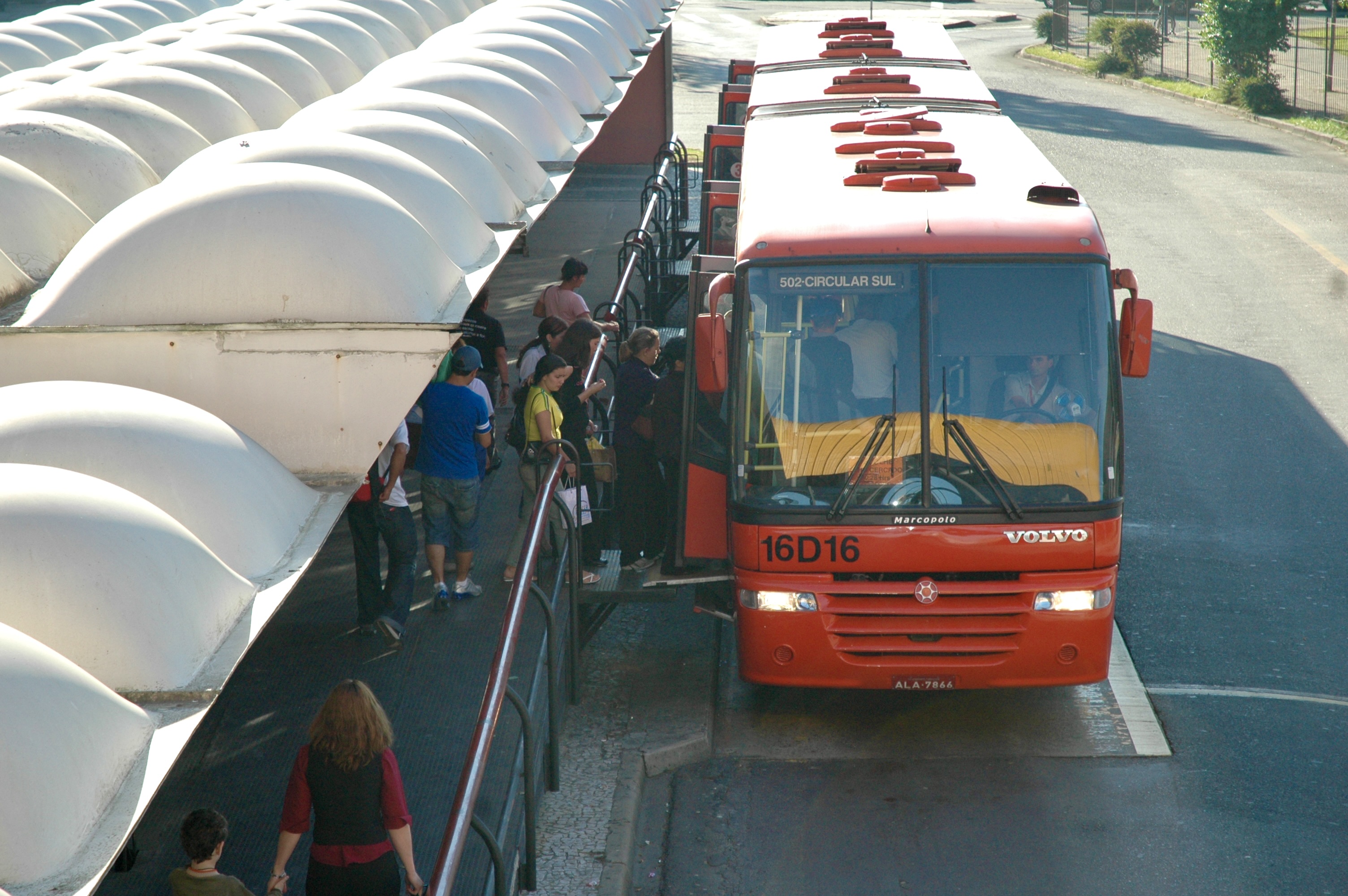
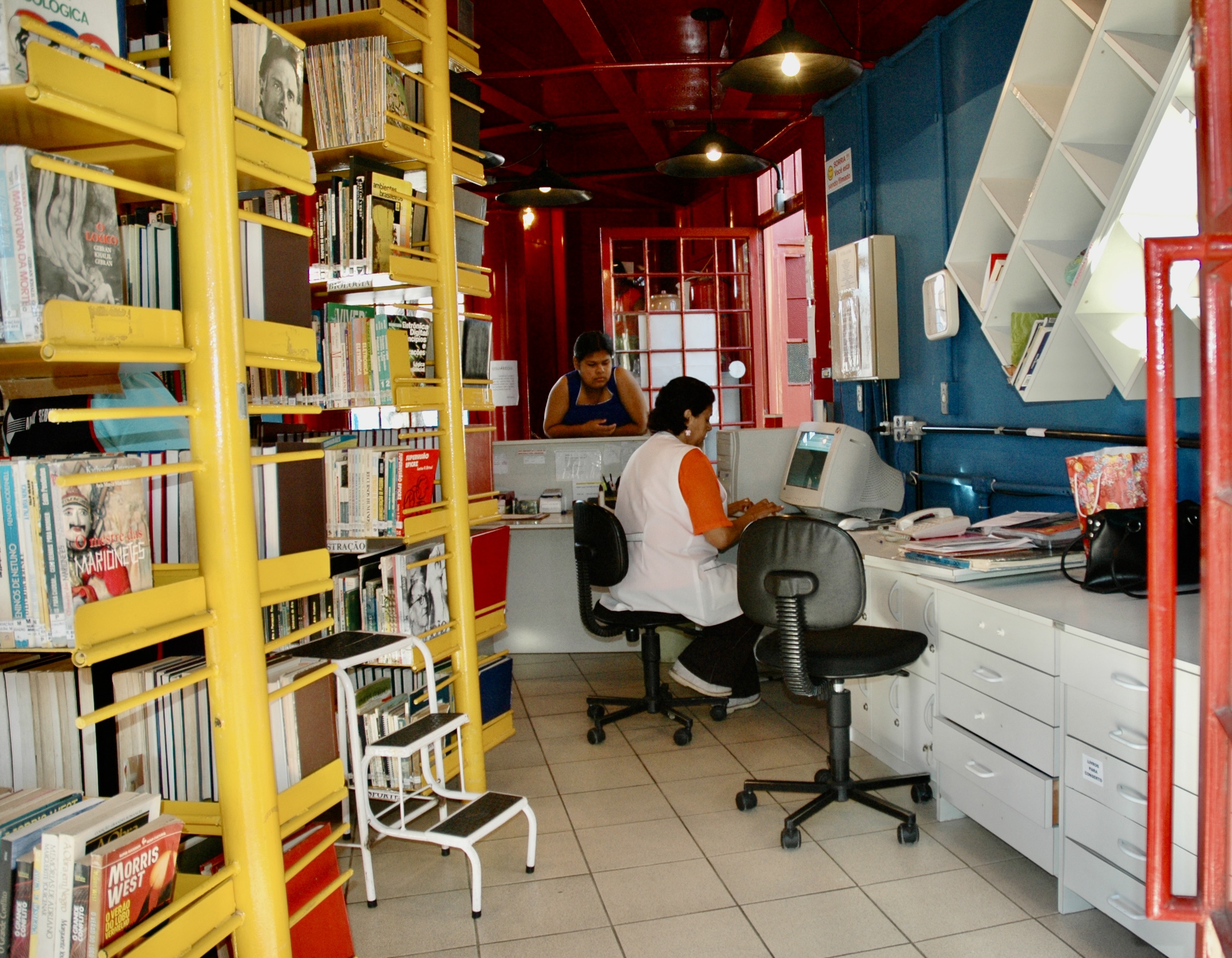
We visited this very large new one that was very close to the center of town.. It included a clinic, shops, art classes, and music classes, and a lot of services like getting different licenses along with small shops. We then decided to go to an outer neighborhood called Boqueirao (a working class neighborhood with lots of factories) to see their citizen street.. Boqueirao is at the end of the bus line — about 20 minutes from the center of town… Their citizen street was incredible, really well designed and in very good condition (even though it is much older than the one downtown).. It included a library with computers, all kinds of public services, a small police station, as well as hairdressers, food stores, book store, etc. The library was being used by a wide range of ages and chess games were going the whole time with people of all ages. The “street” was on multiple levels with access tangent to all of the major bus lines.. There also was a well used full-size, roofed-over soccer field attached to the “street.”


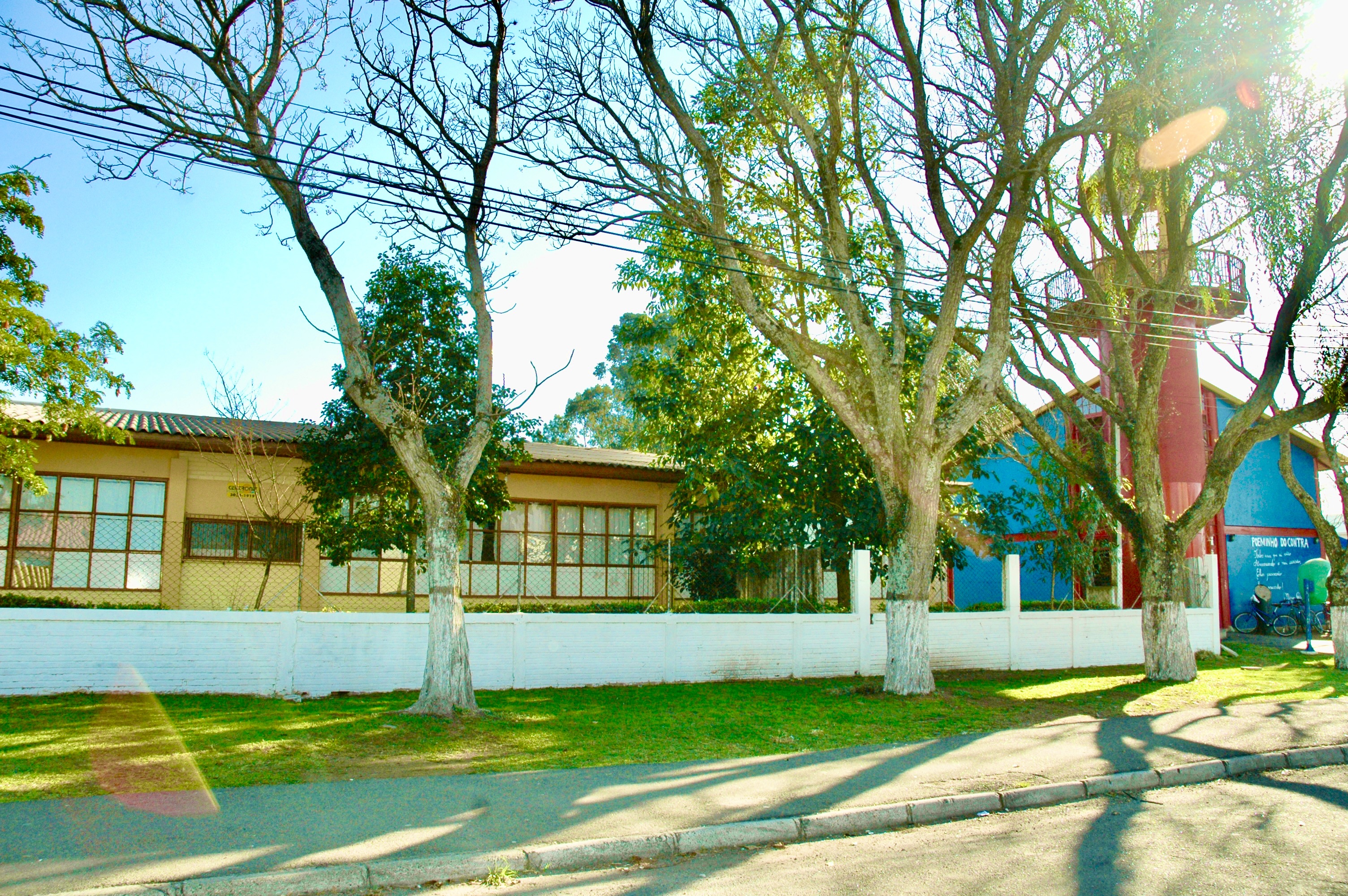
From there we took a taxi because I really wanted to see one of the Faroles de Saber — the towers of knowledge — … There are 47 of them scattered around town (another invention from the progressive 60s)… The taxi driver wasn’t sure where to find one in that neighborhood, but he was wonderful in stopping people who obviously lived in the neighborhood.. and actually we got to this delightful building that was adjacent to the local public school, as are all the Faroles. Each of the Faroles de Saber is different but always — resemble to some degree — a lighthouse with a beacon on top of the tower — a wonderful symbol about learning. They are tiny.. but always house a library with at least 5,000 books, and a computer room.. Some probably have other features.. This one was painted bright red and blue and was cylindrical… Very inviting… the library was on the first floor and circular stairs (like in a light house) took you to the computer room above. We saw children and adults using the equipment and everything was sparkling clean.
From there we trekked back to the center of town in quest of ice cream.. not as easy as we thought … Anyway, we stumbled on a tiny little juice place that uses coconut milk as a base for really great juices… so we opted for that.
We’ll head out for dinner in a few hours and then tomorrow it is off to Sao Paolo and wedding preparations.
Take care — Ciao
Fern
 Fern's Travel Notes