Mississippi May 4, 2012: Next day in Dixie


From Greenwood to Indianola to Greenville
But first a few things I forgot from yesterday:
I brought copies of the piece we had done about Southern Echo in 2004. Most had gotten copies when it was published. But they all looked at the photos again and told me what had happened to each and every person pictured in those 20 pages. Good news and bad news. Some of the young people had gone to college. Some were married. Some were dead. And the hardest story for me was what had happened to an extended family of 16 people (who I remember vividly) living in a rusted broken down trailer with fly paper hanging everywhere. Just one month ago lightning hit a tree near the trailer and it fell on the trailer, splitting it in half and killing one of the young girls. (She was about 4 when I was there in 2004 so she was 12.) The family moved to a trailer a block away after the accident.
Ok on Thursday morning I left the shangrila of the Alluvian Hotel and headed to Indianola about 40 miles away. Population about 12,000, home to B B king museum (and Club Ebony which has historic roots as place he sang). My hosts were not fans of the museum which was developed by the Chamber (White-dominated) as a tourist draw.
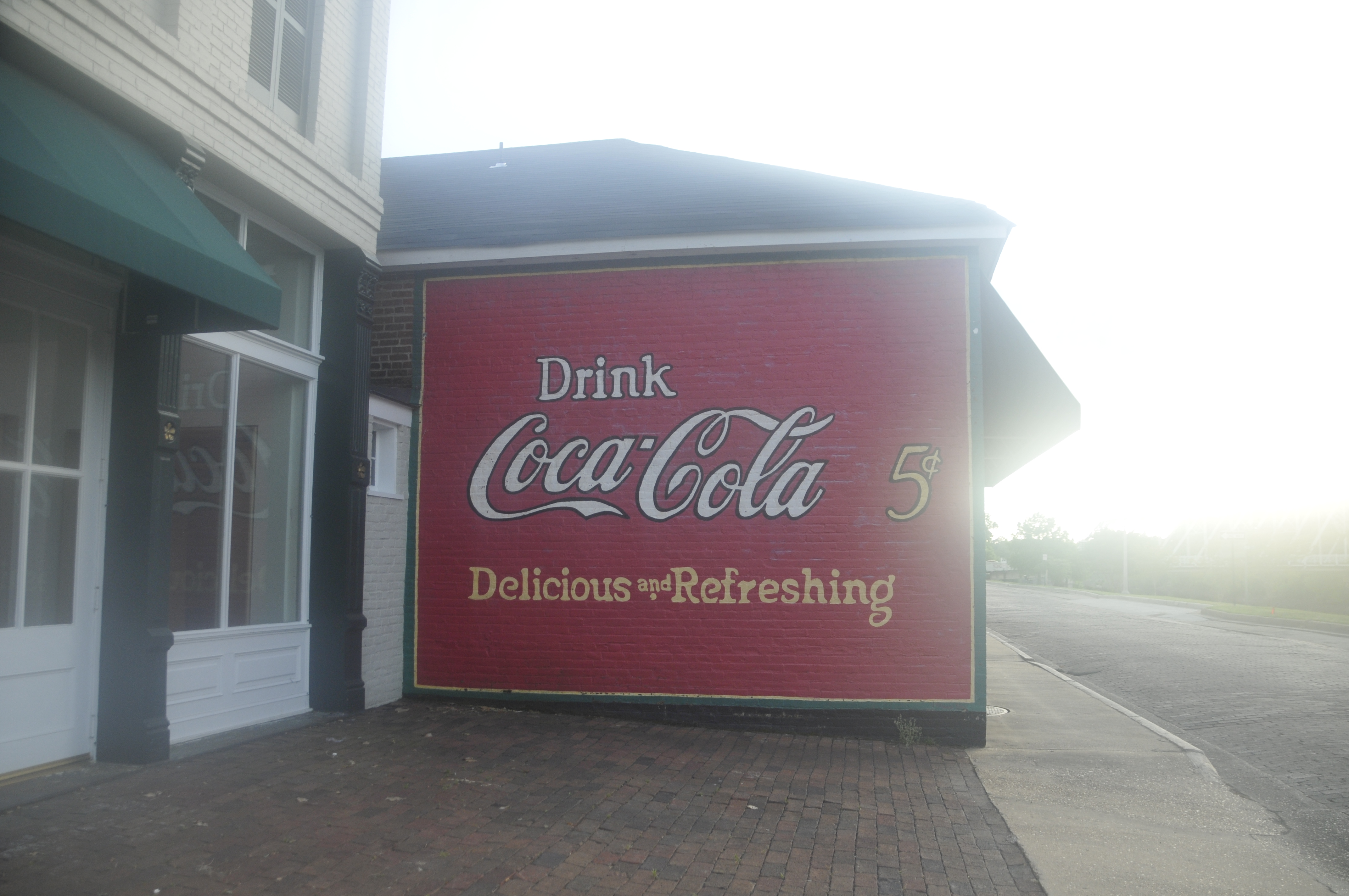
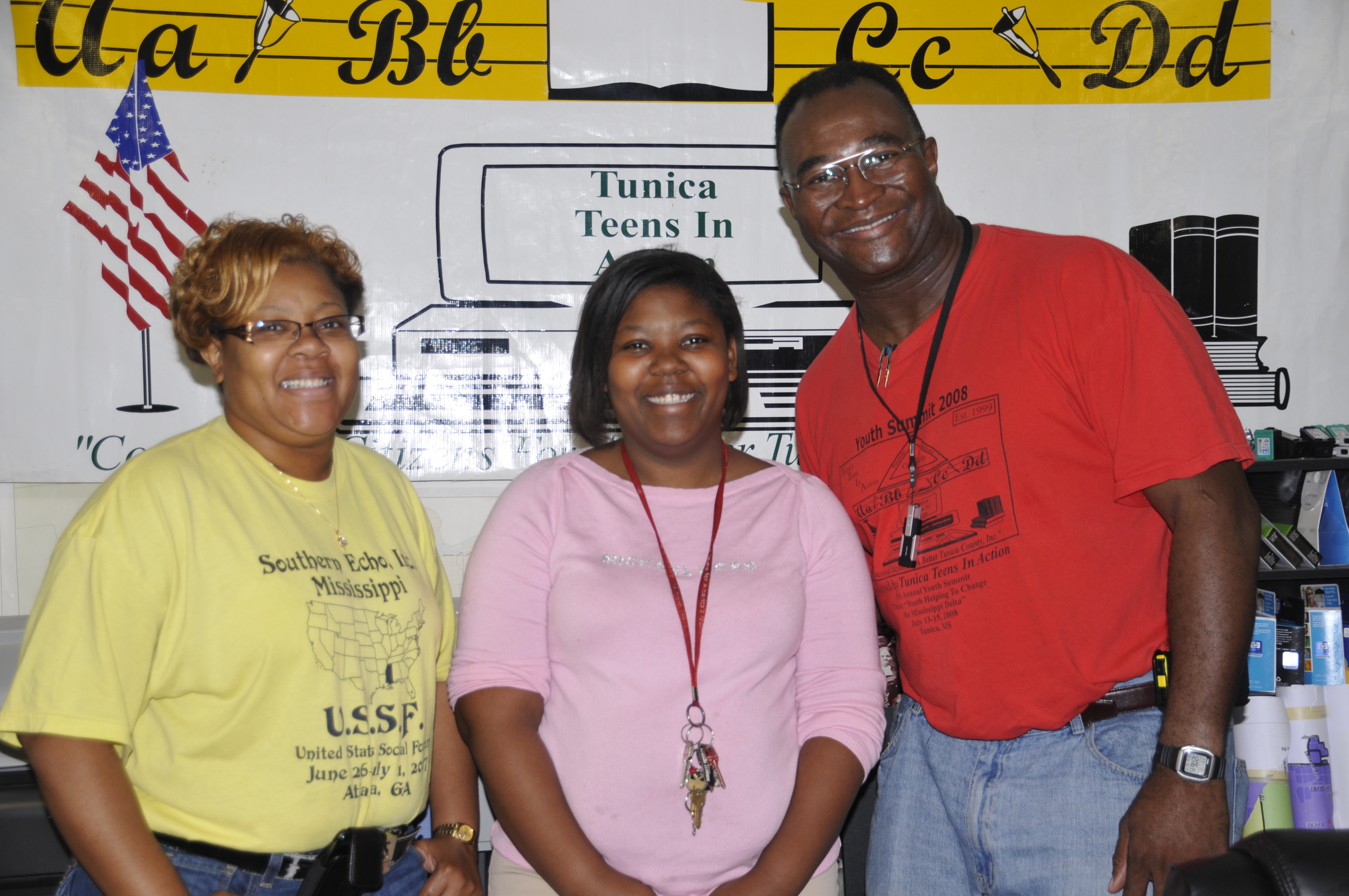
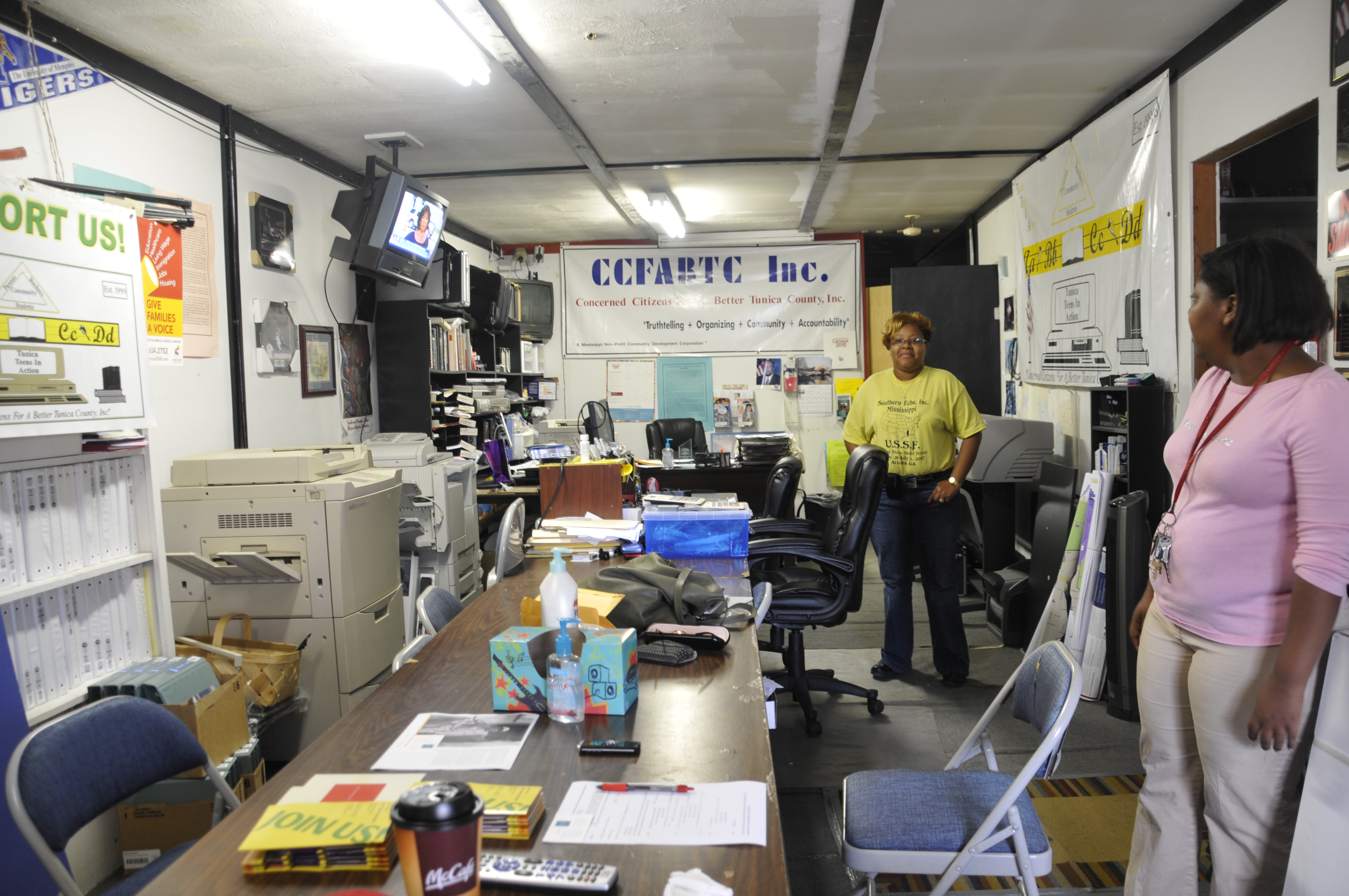

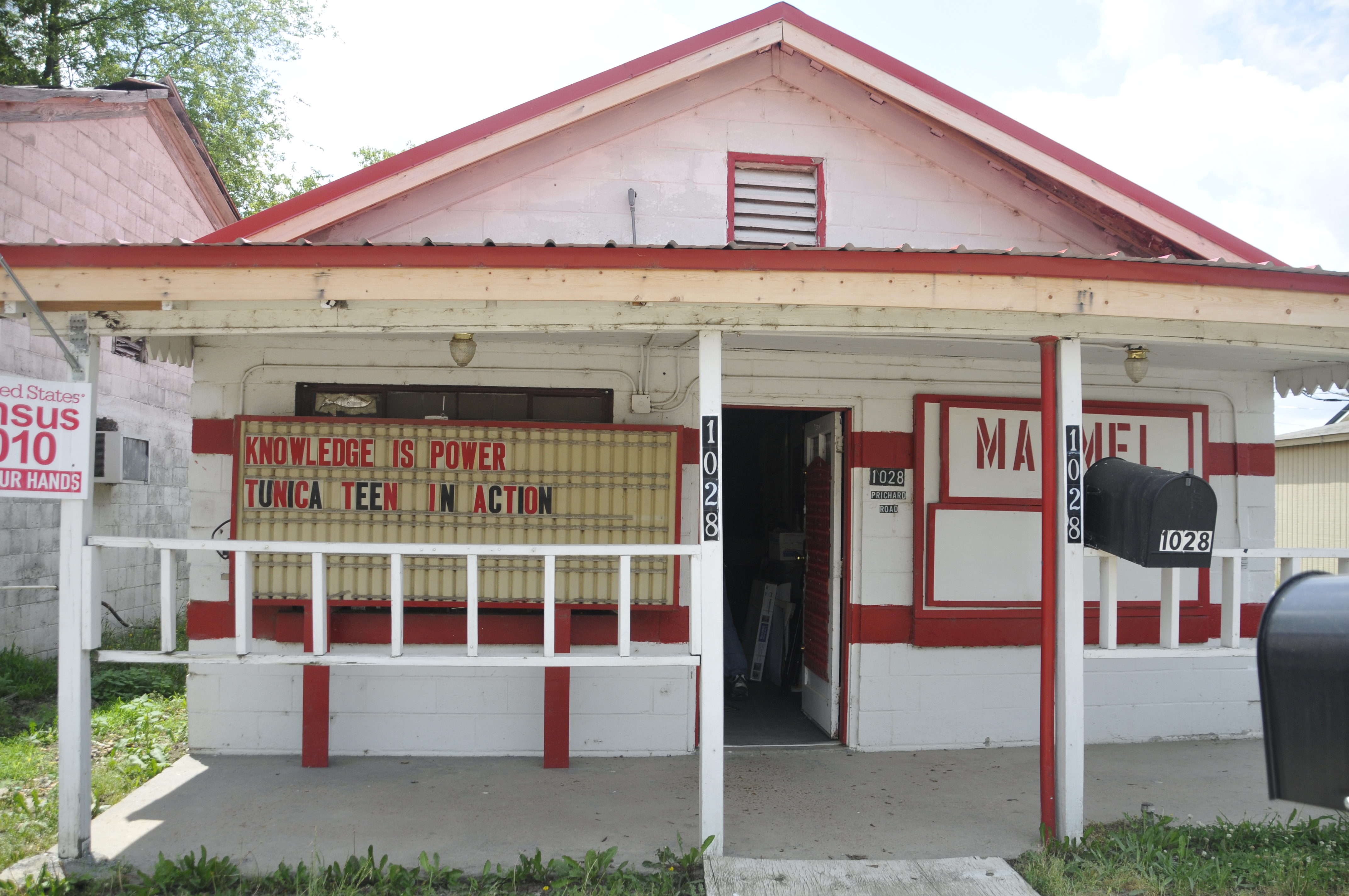
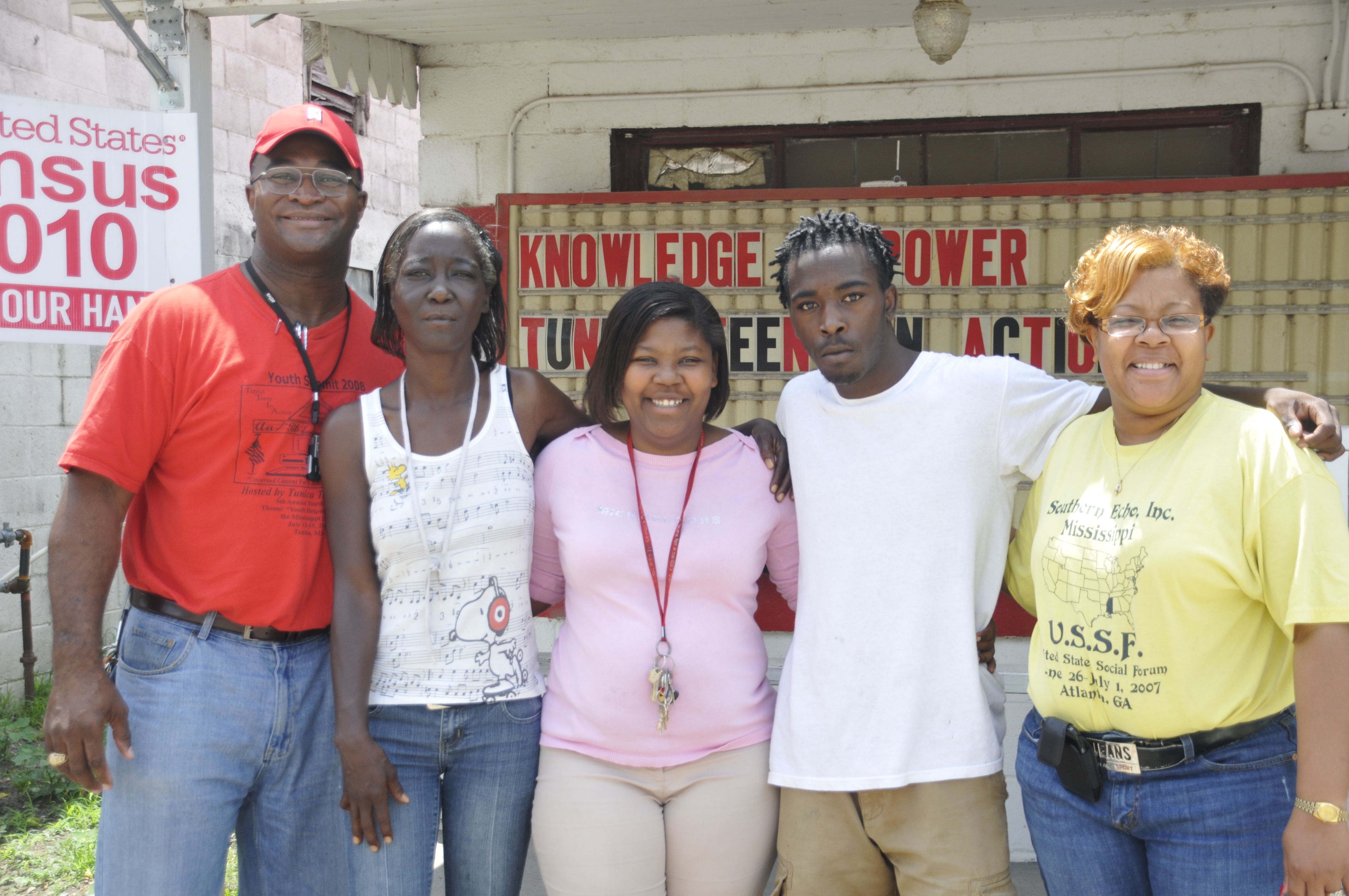
My meetings in Indianola were once again intense, complicated, and full of spirit amid obviously challenging situations. After the meeting Betty Petty drove me around to help put things in context –the 99.9 % Black public schools (in pretty miserable condition complete with barbed wire everywhere) and the nearly 100 percent white “academies” or private schools. The areas of town where whites live and the area where blacks live. The bayous. The all-Black cemetery. The all-White cemetery. The area (all-White) where BB king asked to have a house built in exchange for agreeing to lend his name to the museum. The street the chamber offered BB a place to build his house and (no surprise) it was in the Black section of town. Apparently he comes to town every July and he just stays in a motel.
As Betty and I drove through the White neighborhoods it was difficult not to notice confederate flags — usually flying proudly next to US flags. By the way, corporal punishment is still prevalent in schools and every teacher has a paddle.
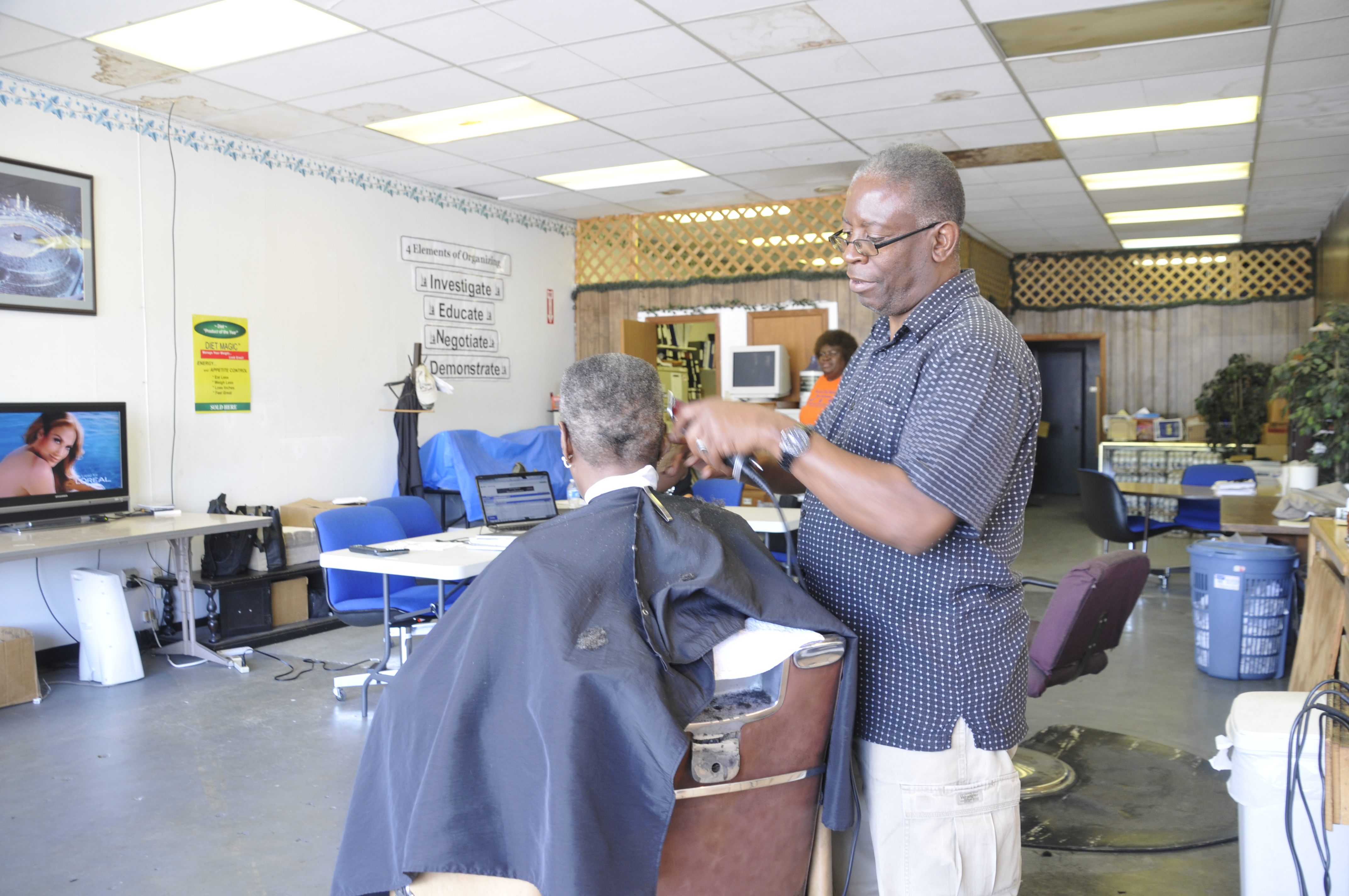
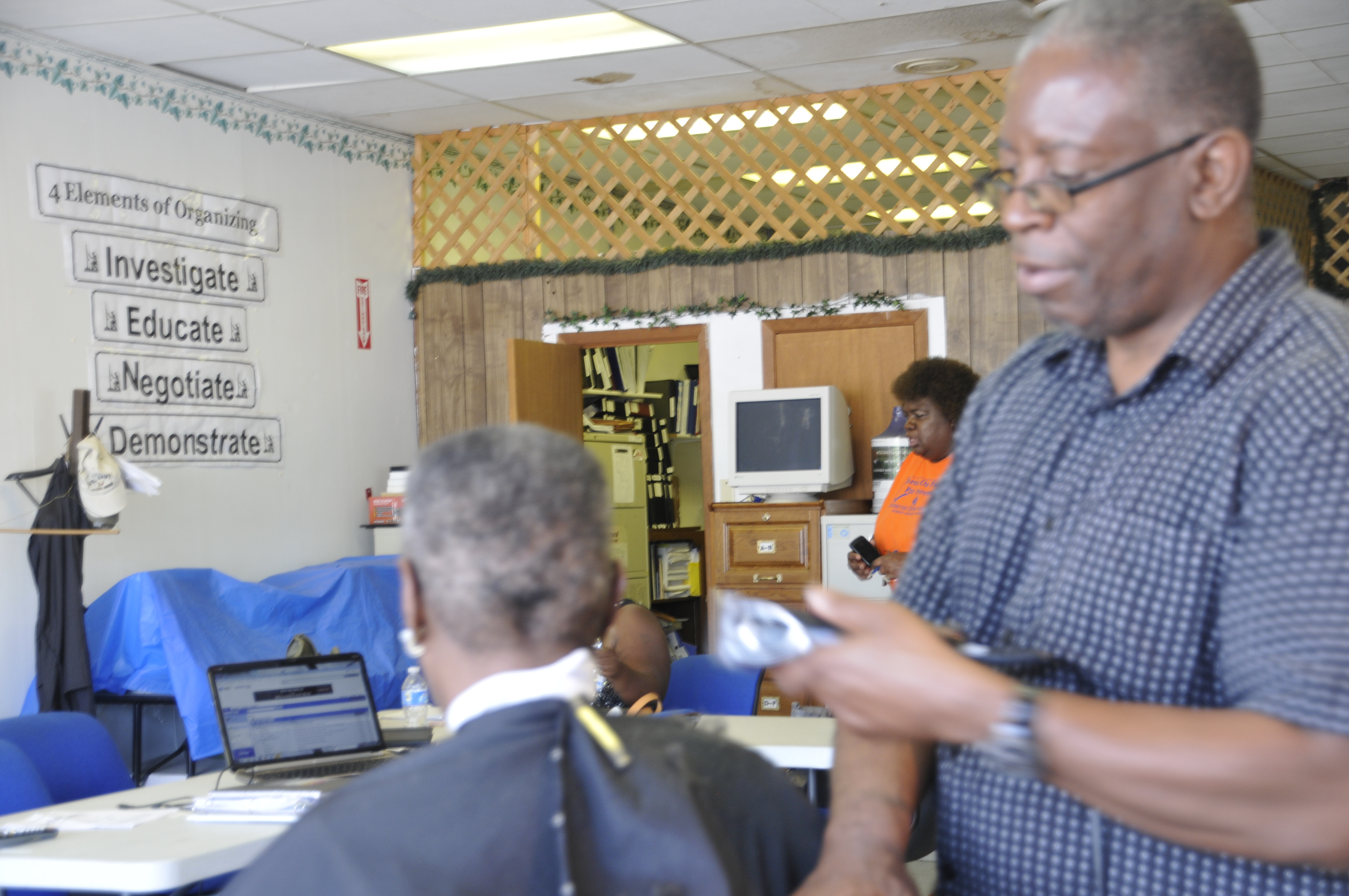
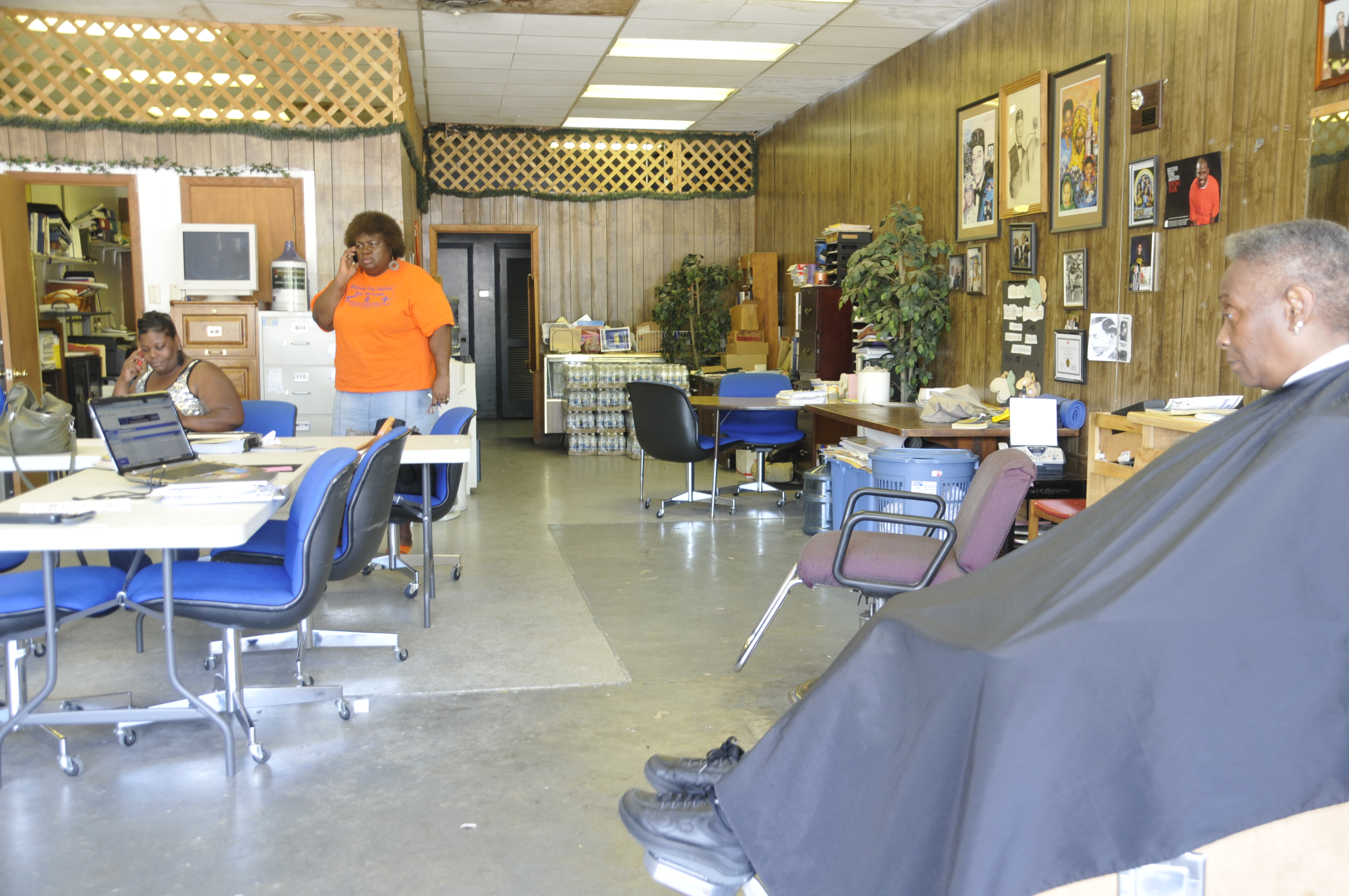
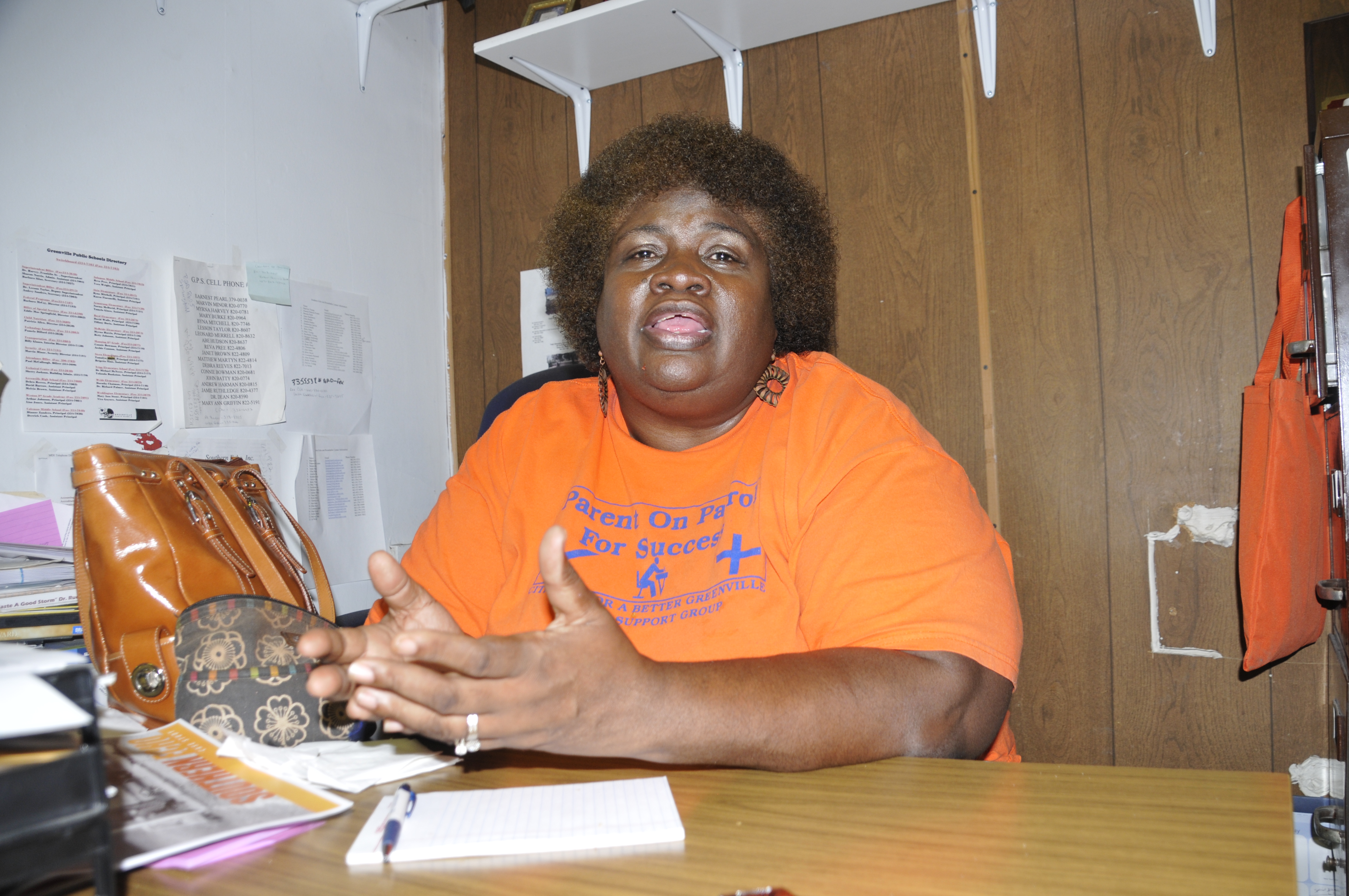
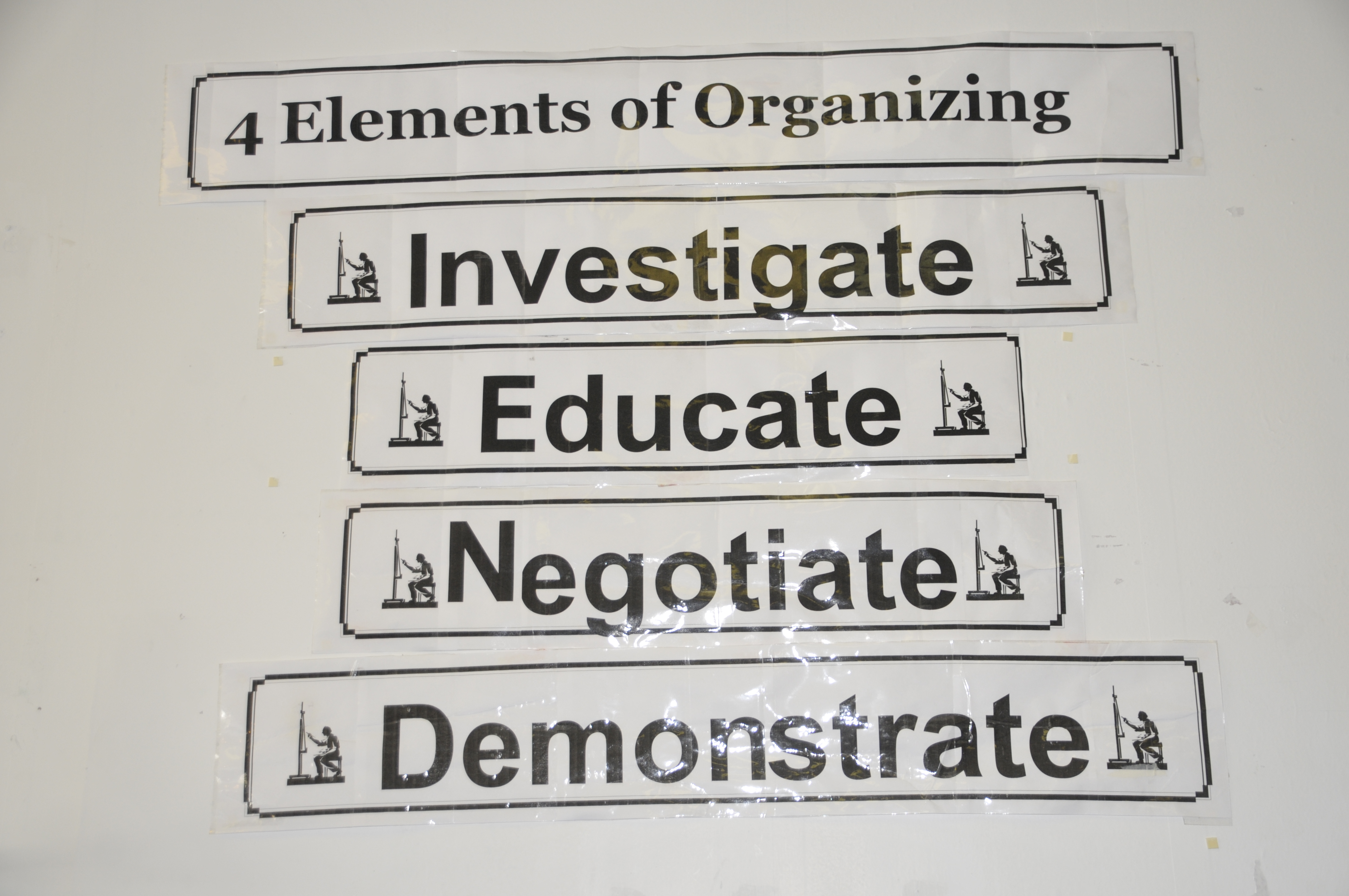
Then I drove to Greenville to a tiny organization that has (for its office) a desk in a barber shop!! I loved it. A little haircutting… A little local politics. The barber is the brother of the E.D. of the organization. The E.D. is quite a talker. I think I only asked one question and she took it from there for about 90 minutes.
The drive from Indianola to Greenville is on a two lane road going thru farmland. Cotton gins along the way and almost no buildings until you approach the town –and then it’s fast food city. I actually missed lunch completely because I thought I’d find an alternative. I finally came upon a BBQ but I would have either had to sit outside (90 degrees and equal humidity) or sit in the car with the engine and air running and drip hot sauce all over. So lunch never happened.
After my meetings I met up with the father of one of my ASU PhD students (who grew up in the Delta). It was an interesting conversation and a different perspective about the Delta (also an African American perspective– just different), which in some ways flips part of the issue to class. The father has a good job (though not college educated) and the family includes many professionals. When I asked the father if he ever thought his son and/or his other children would come back to Mississippi, his answer was quick and direct: “only for a Mississippi minute” (which although the pace was slow I took to mean “not in my lifetime.” Still the father felt growing up in Greenville was a good experience and that the schools were what you made of them.
Conversations with my interviewees about education and expectations always came around to kids coming back to the Delta and the importance of family in the Delta. Betty told me her organization raised funds to take a group of teens to Chicago and that when they came back, they all wanted to move to Chicago. Which wasn’t a surprise but did prompt lots of discussion.
Finally, after a really long and intense day I headed back to Greenwood arriving just before dark with about 30 minutes to see the town where “The Help” was filmed. I opted to try Delta Bistro (which is where I began this note) for dinner having already had dinner at Giardinos at the alluvian the night before.
I naturally ended the evening with emails, prep for Friday, and figuring out what info I still needed to get.
Ok. More tomorrow
Fern
 Fern's Travel Notes