Brno, CZECH REPUBLIC 8/4/2012
Hi –
It’s really August 5 right now, but this note is about yesterday’s activities.
Just arrived in Paris (drive from Brno to Prague was quite tame; only a very short amount of “invisible construction” which narrowed the road to one lane in each direction — dropped off rental car; flew on Smart Wings (mmm???) to Paris; train from CDG to Gare du Nord; taxi to hotel)… It’s raining, and we’re meeting friends for dinner in about two hours, so I thought I’d take the time to complete the travelogue about Brno from yesterday — probably the most interesting part of the trip for any of you.
Spent an hour or two at Jana and Jarek’s (absent Jana who was still at the clinic dealing with an unexpected flood); greeting the family, (Lallin’s sister/brother in-law and partner) and having limited conversation due to language challenges. They are all fluent in Czech, Russian, and German. Vera and Pavel (Lallin’s sister and brother-in-law) are retired engineers, with Pavel also having been on the faculty of the Technical University. Rudolph (Lallin’s partner) was a trucking foreman, and remains a total opera buff. After a few snacks and homemade apple strudel, we left to visit the Tugendaht House (the only UNESCO Heritage site in Brno).
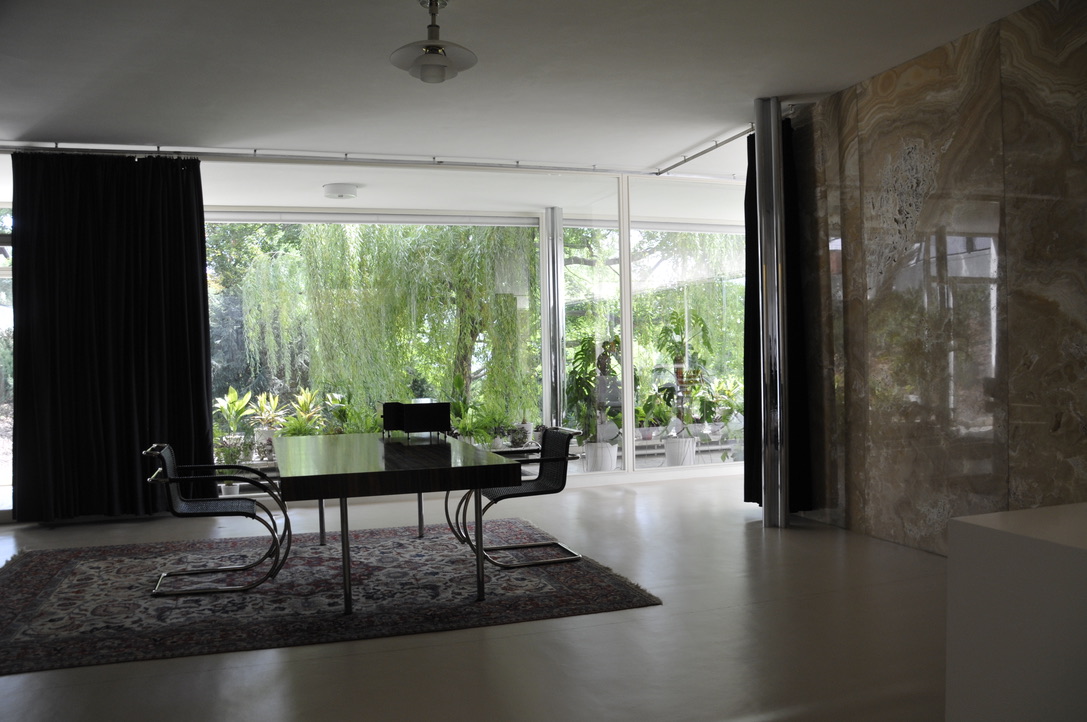
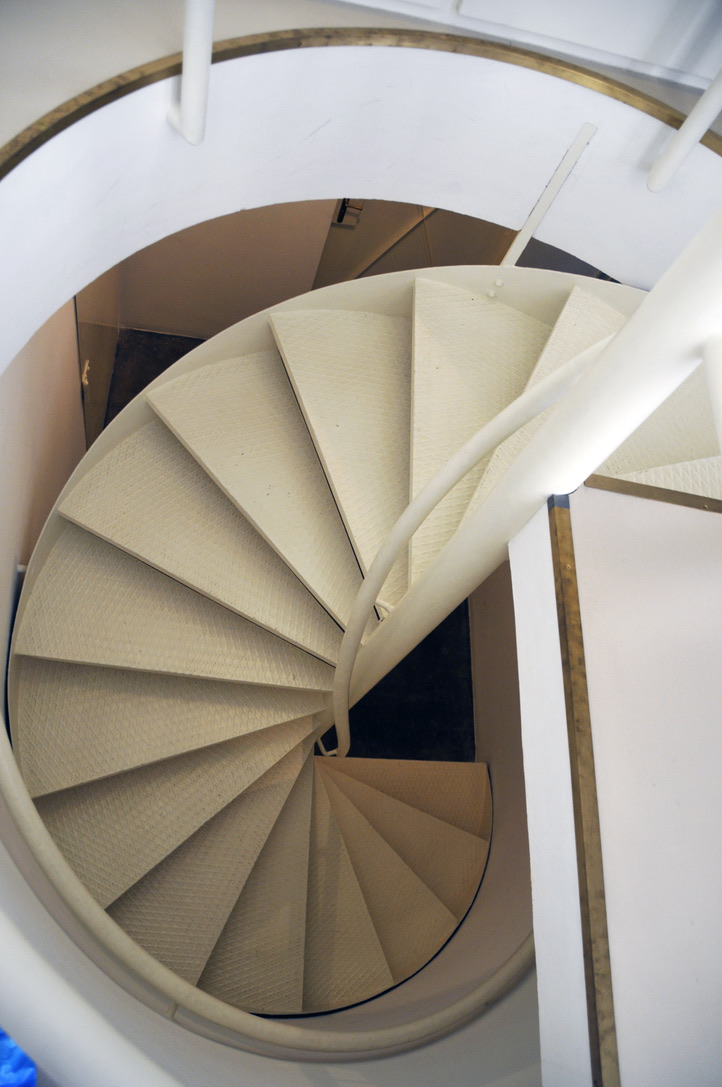
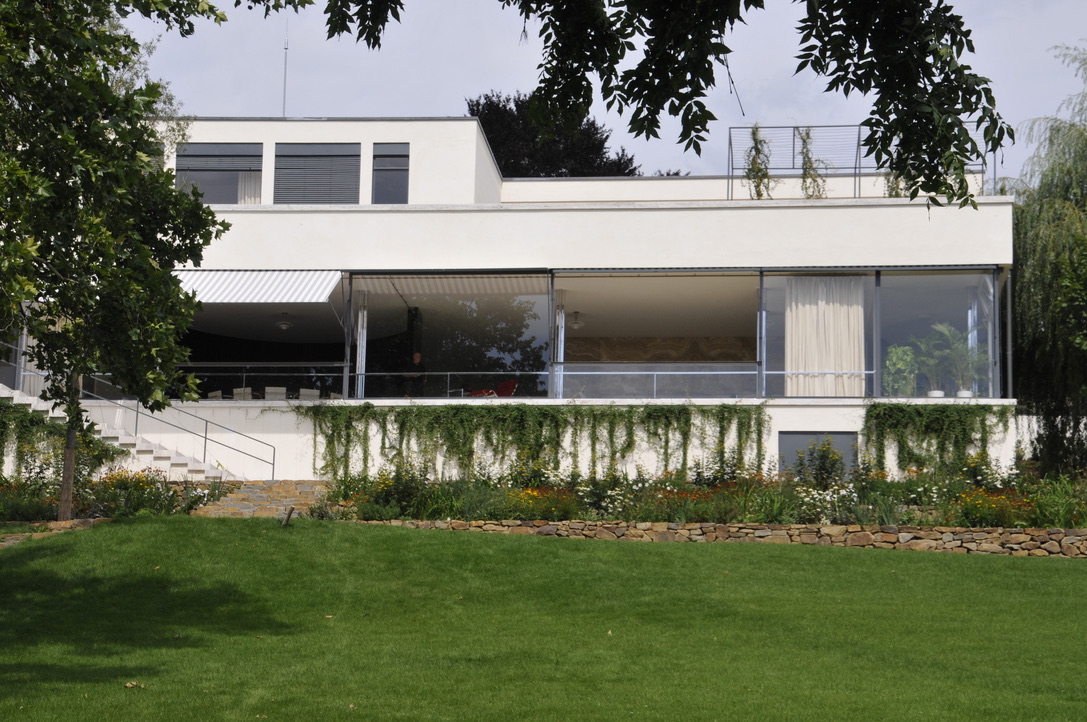
The Tugendaht House was designed by Mies van de Rohe in 1929 for a Jewish family (Fritz Tugendaht was an industrialist) that had lived in Brno for many years. They hired Mies (Bauhaus) to design their family home on a really beautiful and large city site — about an acre, on a sloping site. They gave Mies full reign… It was to be his design and they were willing to forego any comfort to have that house. As a “work of art” the house is lovely, with huge expanses of windows (that operate electrically); everything is white (or exotic woods) — floors, walls, most furniture, etc. Almost no personal quality… apparently the family was told that they shouldn’t hang anything on the walls as the view was the art. But the house has quite a story. The family fled in 1937, in advance of the Nazis (mother and children left first and father and governess left soon after they packed up the house). Over the years the house saw many activities that were certainly not contemplated by Mies or the family: first the Germans used it as offices and stripped much of the wood to use as firewood; later the Russians kept horses inside the house during WWII — treating it as a stable and the building was truly wrecked. After the war, the Communists took over the building and first turned it into a dance studio (probably because of the large room, unobstructed by columns (due to the nature of the construction and design) and then as a physical therapy center for children with disabilities. It was at that time (1972) that Mike and I first visited the building. I remember it well because there were large mirrors on the walls everywhere. It was clear that it had been an amazing house and building but it was in terrible disrepair and the mirrors were just sort of glued on the walls.
In the1980s the Brno government did a half-baked rehabilitation, as a result of pressure from locals as well as the international community… professing that they didn’t have the funds to do any more than basic repairs. Apparently the family tried to get the house back under the Jewish Restitution laws, but they were unsuccessful since so many years had passed and also because they used a portion of the law based on ownership of a “work of art” and the government said a house is not a work of art — or at least this is how I understand the issue. In any case, the government, with help from EU and UNESCO did a very intense restoration and the building is now a major treasure of Brno… and at the moment (and from what we can tell) — the house will remain owned by the city of Brno.
A bit ironic — and good — that the treasures of the wealthy sometimes fall into public ownership, to be used by the many not the few.
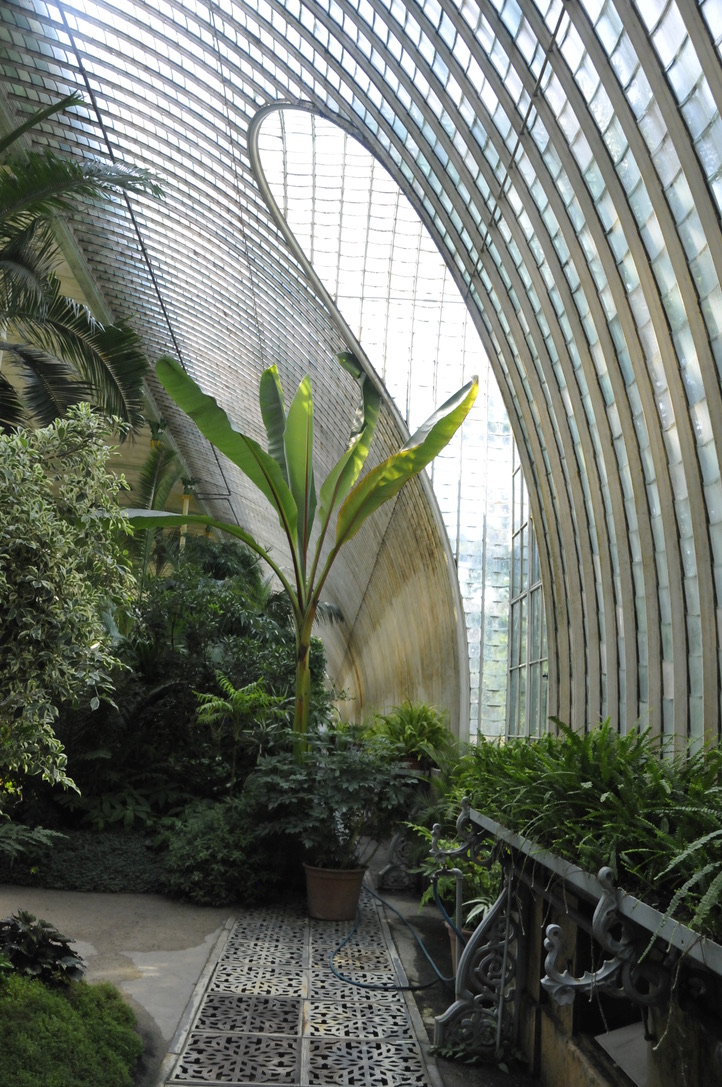
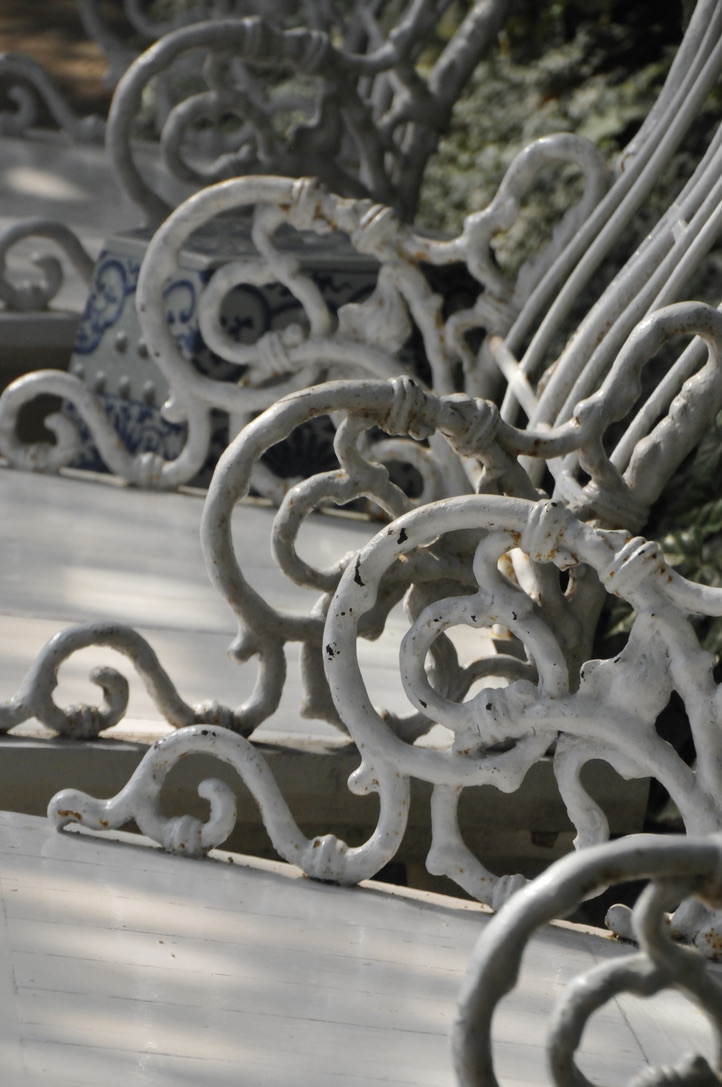
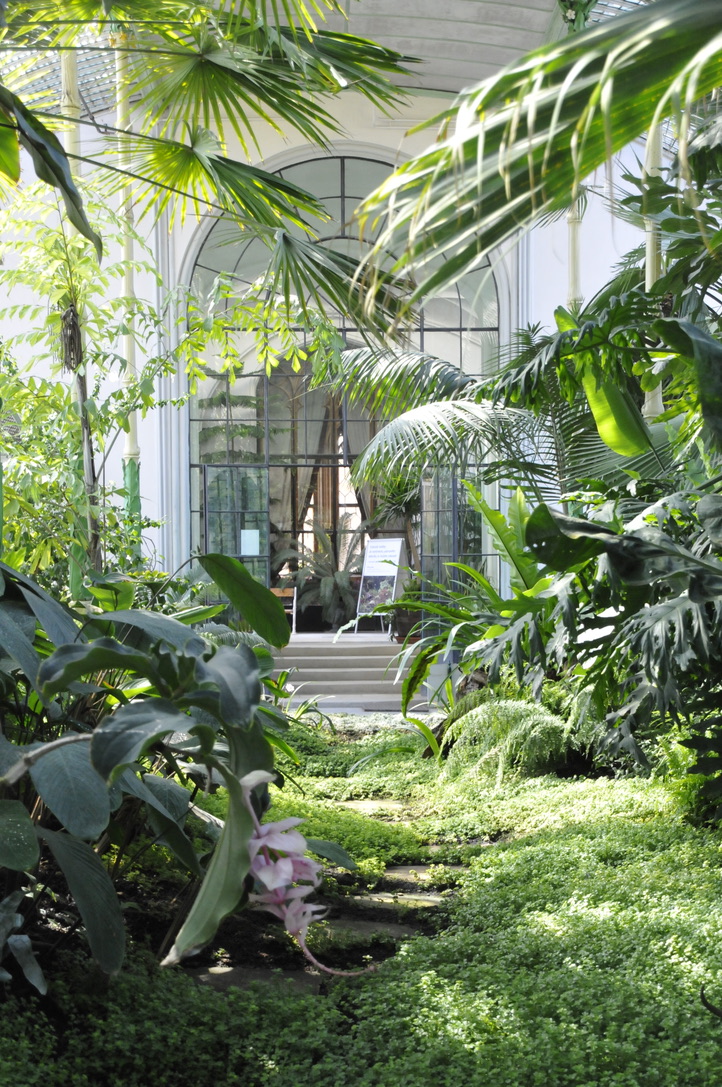
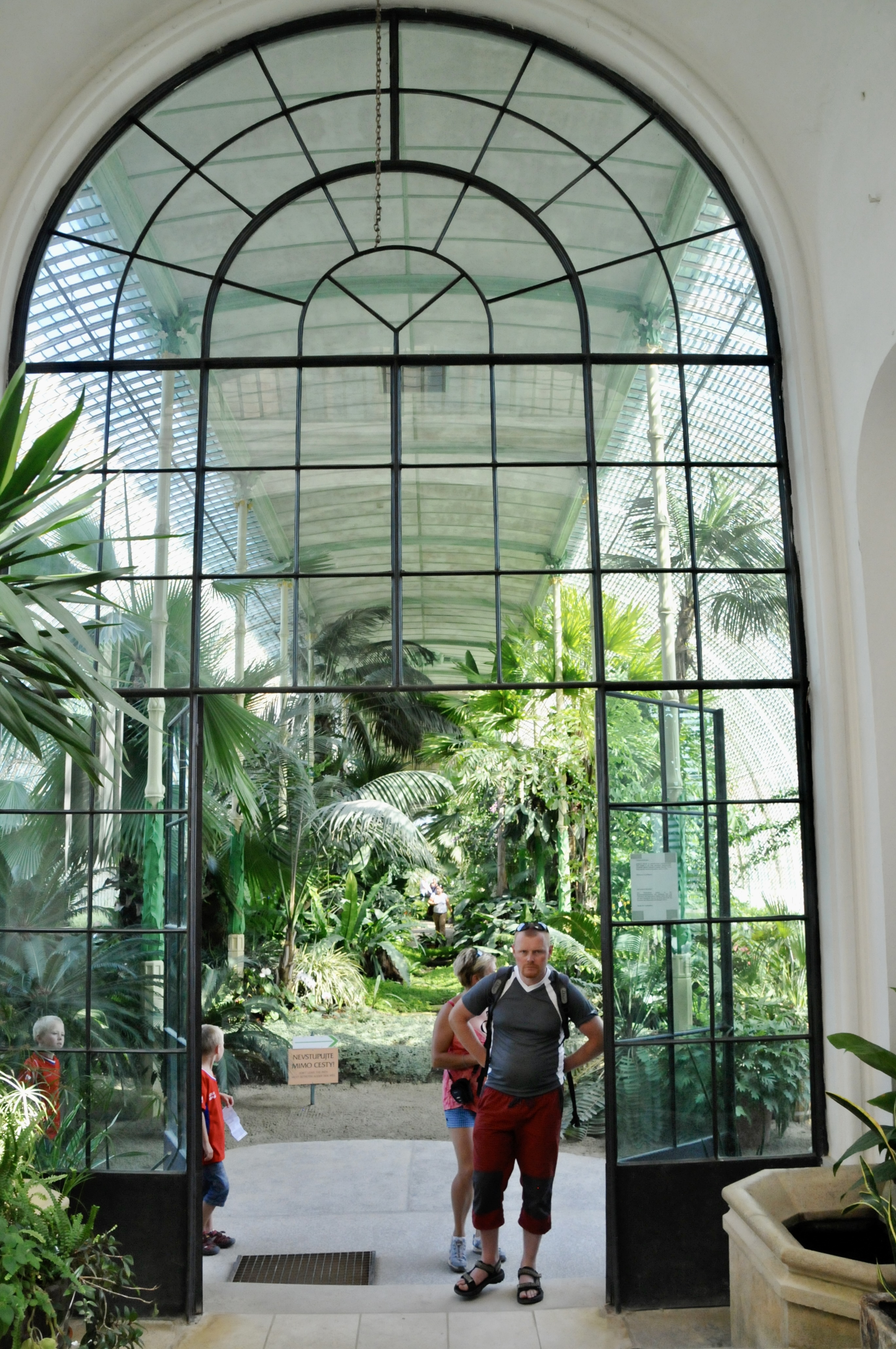
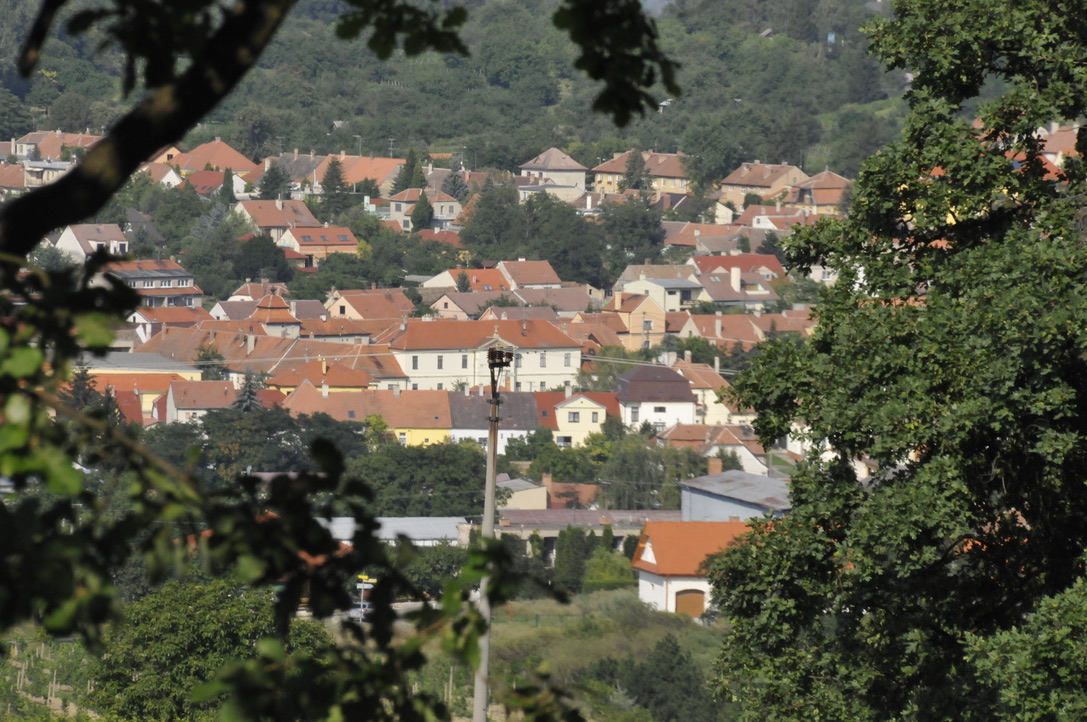
From the Tugendaht House, we drove with Jan and Jarek to Lednice-Valtice another UNESCO heritage area in southern Moravia. Again, the treasure of the wealthy — now in public hands.. It’s the largest park in the country. Apparently Lednice was owned by the House of Liechtenstein since the 13th century. The palace was first a Renaissance villa, but in the 17th century it became one of the summer residences of the Prince of Liechtenstein. In the mid-1800s, it was rebuilt in a Neo-Gothic style. The park that surrounds the house is laid out in an English garden style… and has everything including a minaret (supposedly the tallest outside of the Muslim world at the time it was constructed in the very early 1800s), and an amazing greenhouse (which Jafek says was the first greenhouse in Central Europe)… and then we drove to a wine growing area in Moravia and walked up a hill for a view of Austria. We remembered this walk up the hill many years ago with Lallin, because at that time with travel out of the Eastern Bloc into any Western countries severely restricted… going up the hill to get a view of a western country was about as close as one got to “traveling.”
We meandered back to the city.. and joined everyone for a very typical Czech dinner (heavy) in a wonderful Baroque restaurant.. in a cavelike setting… underneath the old section of the city.. probably about 5 floors below street level. There are many of these kinds of spaces in Brno.
OK.. now you’re up to date, if you are following.
Not sure how much I’ll write from Paris, .. Take care
Fern
P.S. For those who asked. Lallin died about 6 weeks ago. Apparently his heart gave out totally unexpectedly… He was just walking in the apartment and collapsed. No warning at all. He had been the recipient of a heart transplant 10 years ago. Lallin was a planner — head planner for Brno and then the Moravia area.
 Fern's Travel Notes