January 3, 2014 Delhi

Shubh sundhyaa… which I think means Good evening.
January 3, 2014. Delhi, India. 7:30 pm. Greetings from Delhi.
Today was a complicated and exhausting — but really great.
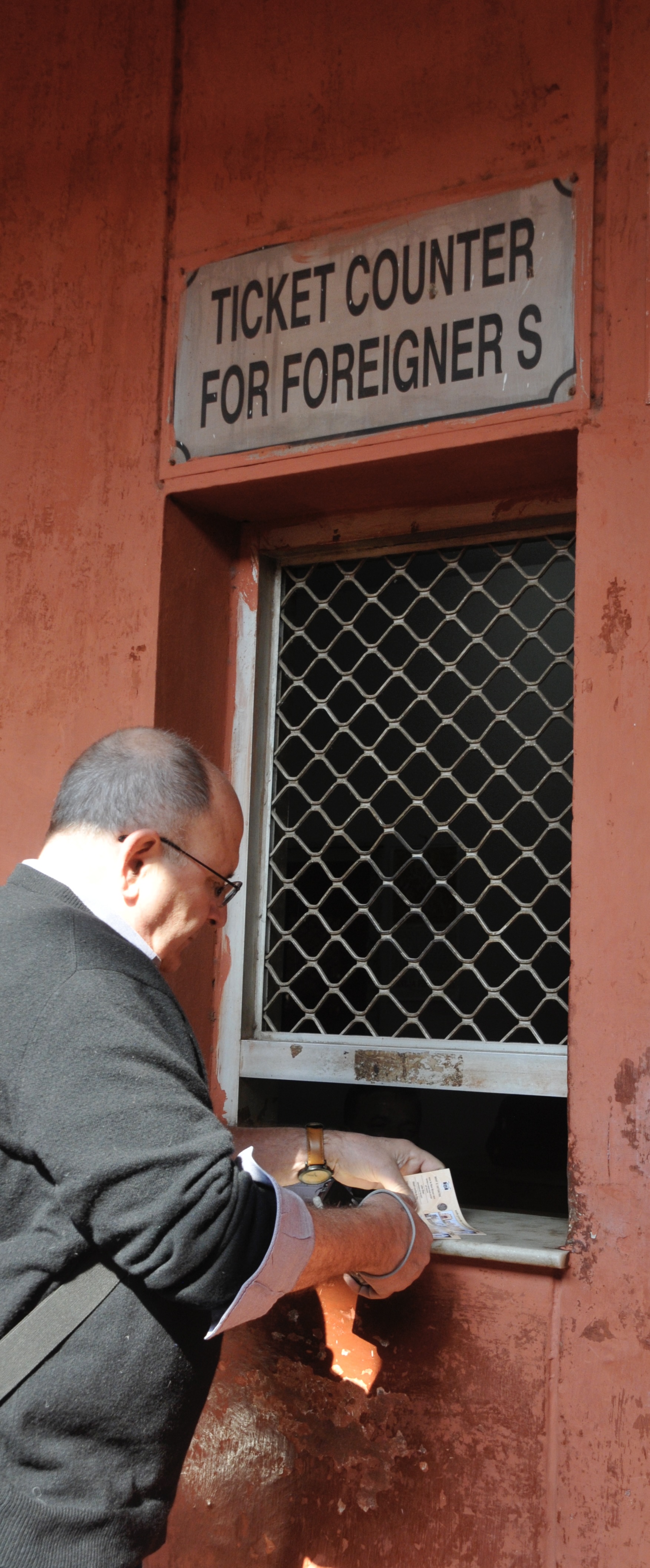
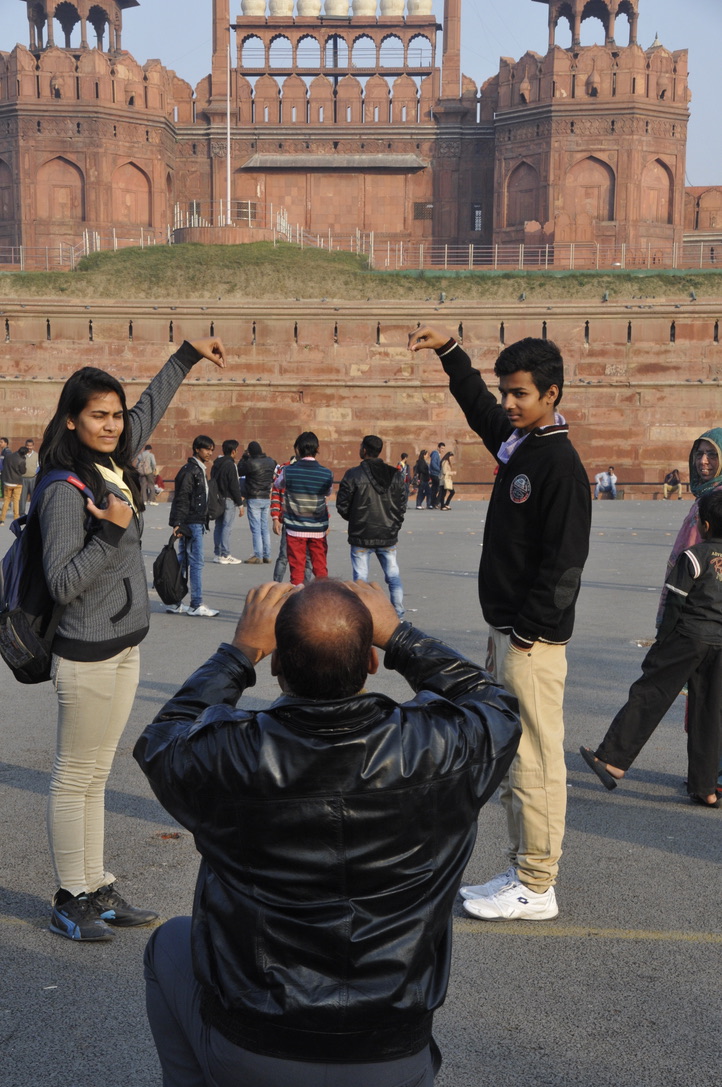
After breakfast we got a taxi and just told him to take us to the Red Fort (a destination we would only be at briefly, but it was the easiest way to get to a general area and then walk from there). We walked around the exterior of the Fort and went inside briefly… and then headed out to explore the city! (The Red Fort was constructed to be the fortified palace of Shahjahanabad in 1648. As you might imagine, the name represents the red sandstone walls. The structure is considered to reflect the height of creativity of this period… and while it was apparently planned according to Islamic models and plans it has a lot of elements that fuse other traditions.)
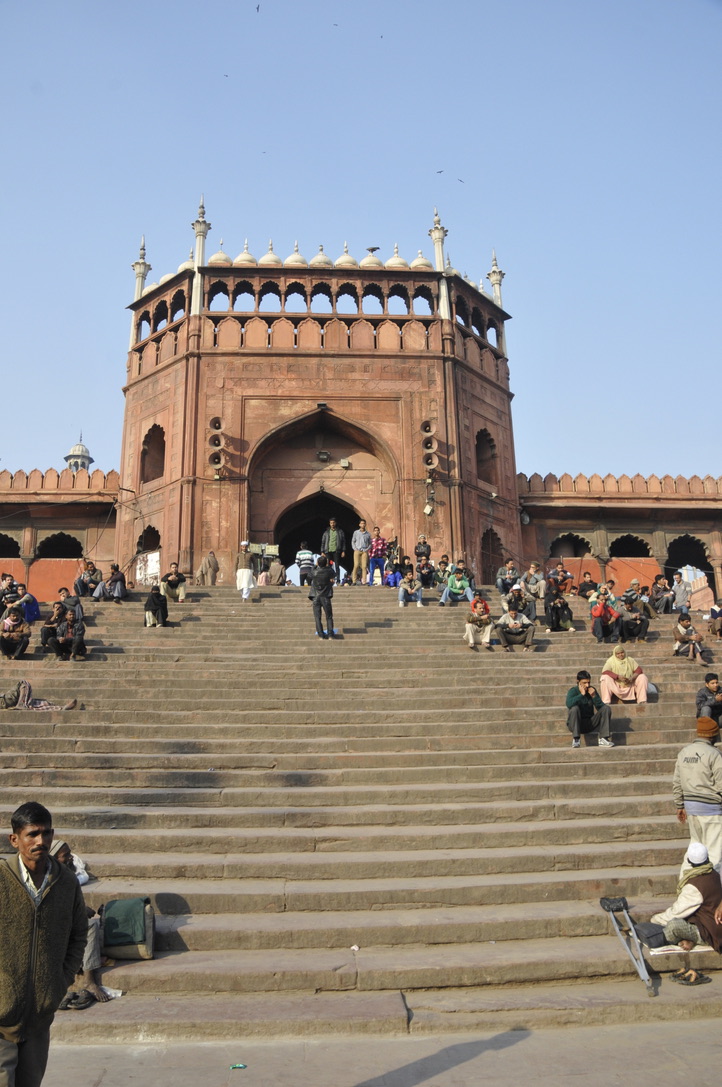
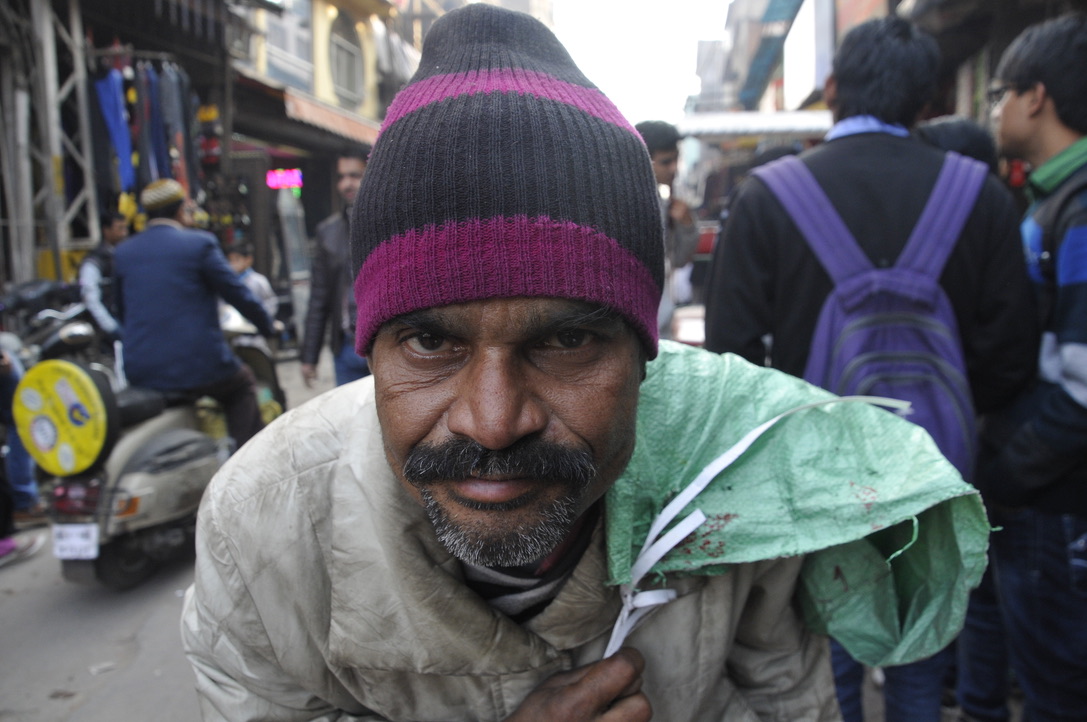
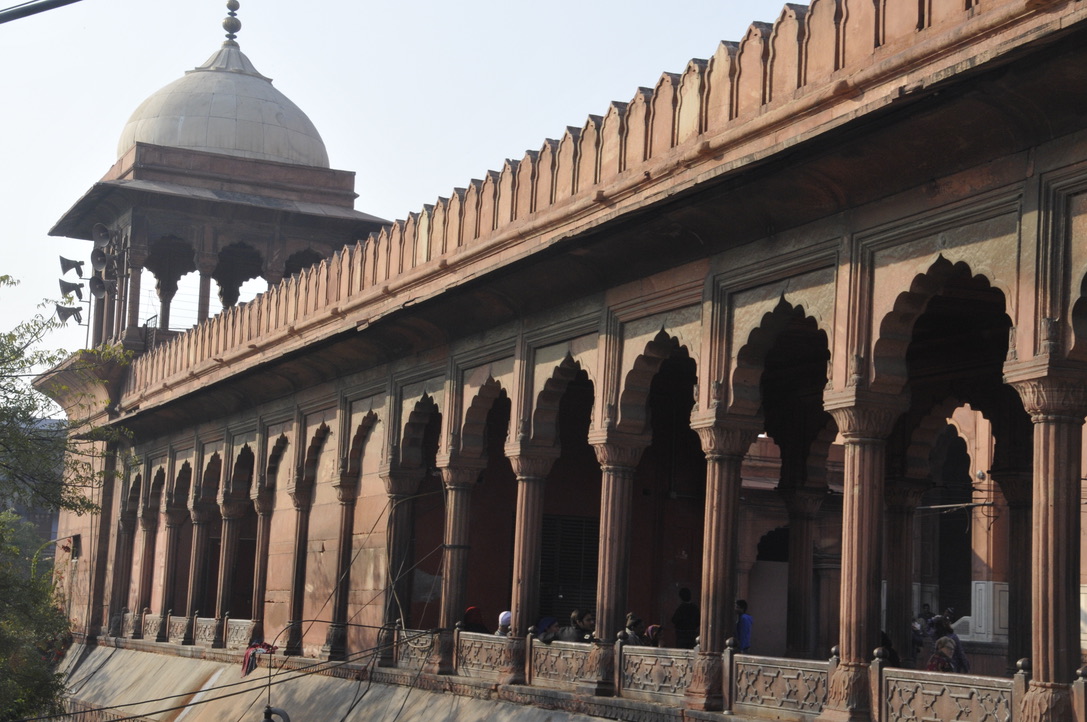
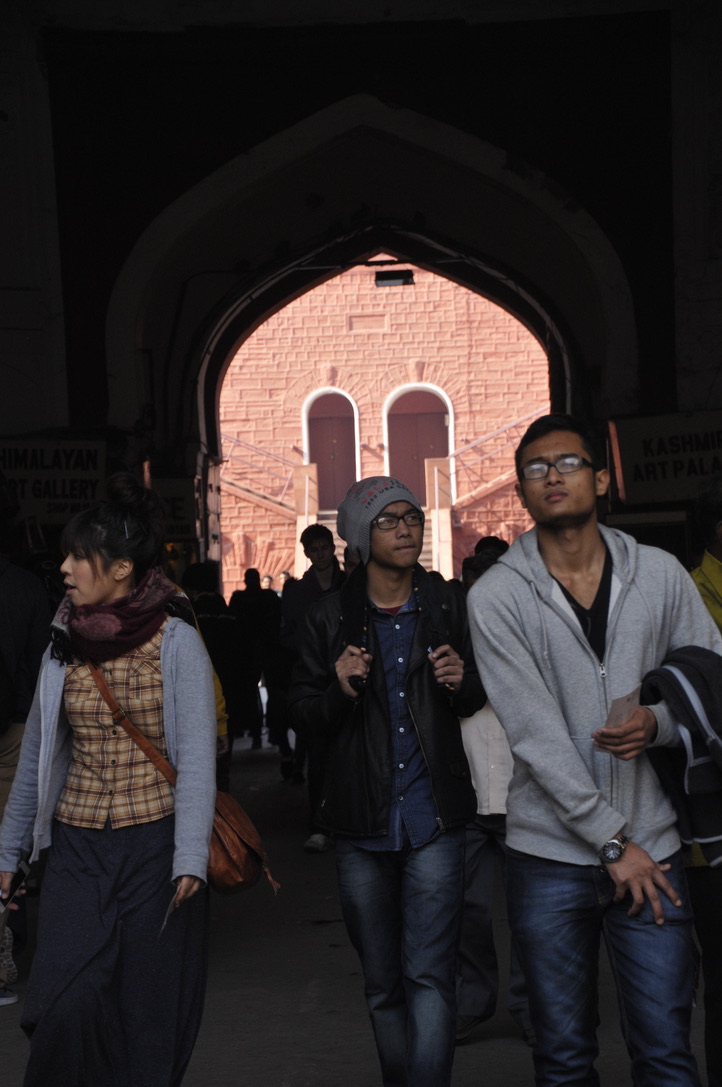
So, we quickly left the Fort (a little too touristy for us) and headed across the main street (a very very daring act — but we utilized all those skills we learned in Nepal, going together with Indians and never standing as the first person in the row that is trying to cross the street. Sometimes this is really an art, as the Indians seem to have the pace down pretty well and the pace changes if the majority of vehicles that you need to cross are cars, or buses, or motorcycles, or cycles, or rickshaws.
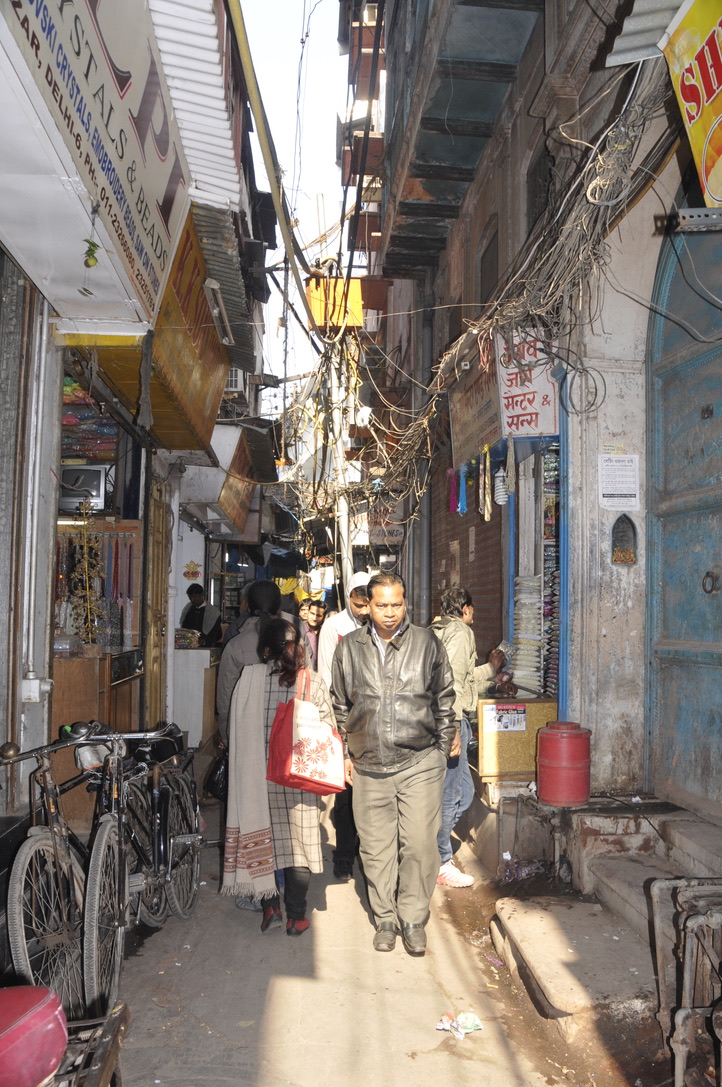
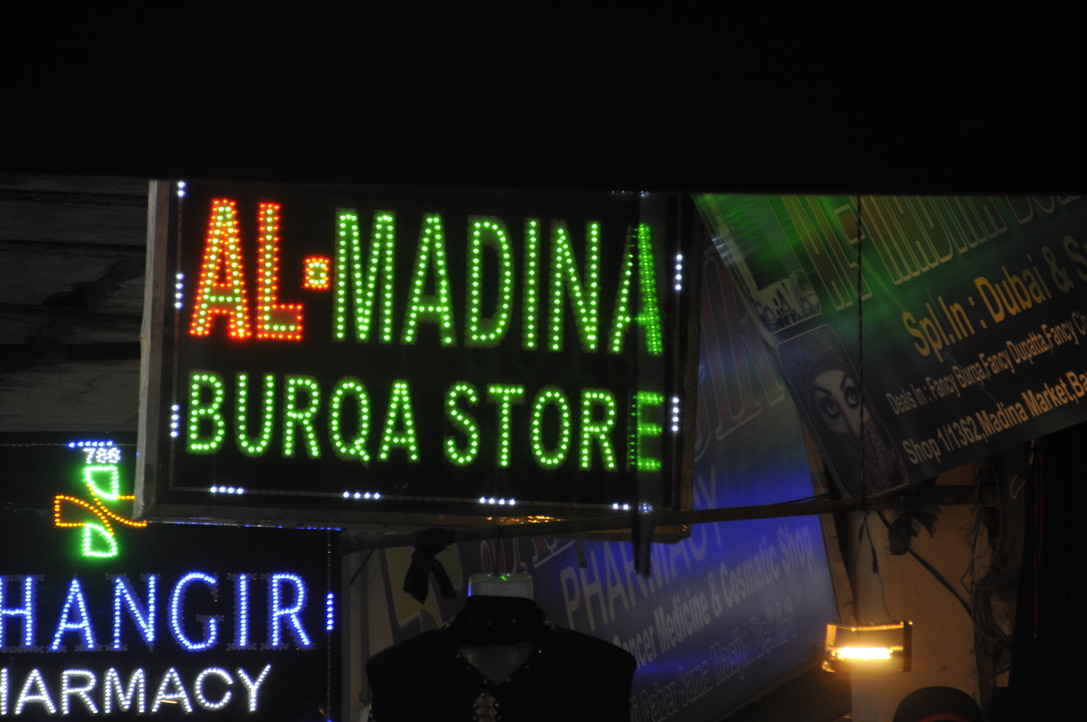
Anyway, we made it across and walked a few blocks and then headed into miles and miles of the most chaotic, busy, crowded, noisy series of bazaars you can imagine. Actually, there is order of a certain kind. You can walk through these very very narrow streets — varying from between 6 feet to 10 feet wide, with shops on both sides (really stalls) whose width is generally anywhere from 5 feet to 12 feet wide (and sometimes even more narrow) — and go for the equivalent of 20 blocks and all the shops are selling wedding saris, or go the equivalent of 8 blocks and everyone is selling used tires .. or decorative ribbon.. or burkhas… or fancy burkhas. So the organization is by “type” which is similar to how Hanoi streets in the old section are set up, too.. and as is the case in many other cities.
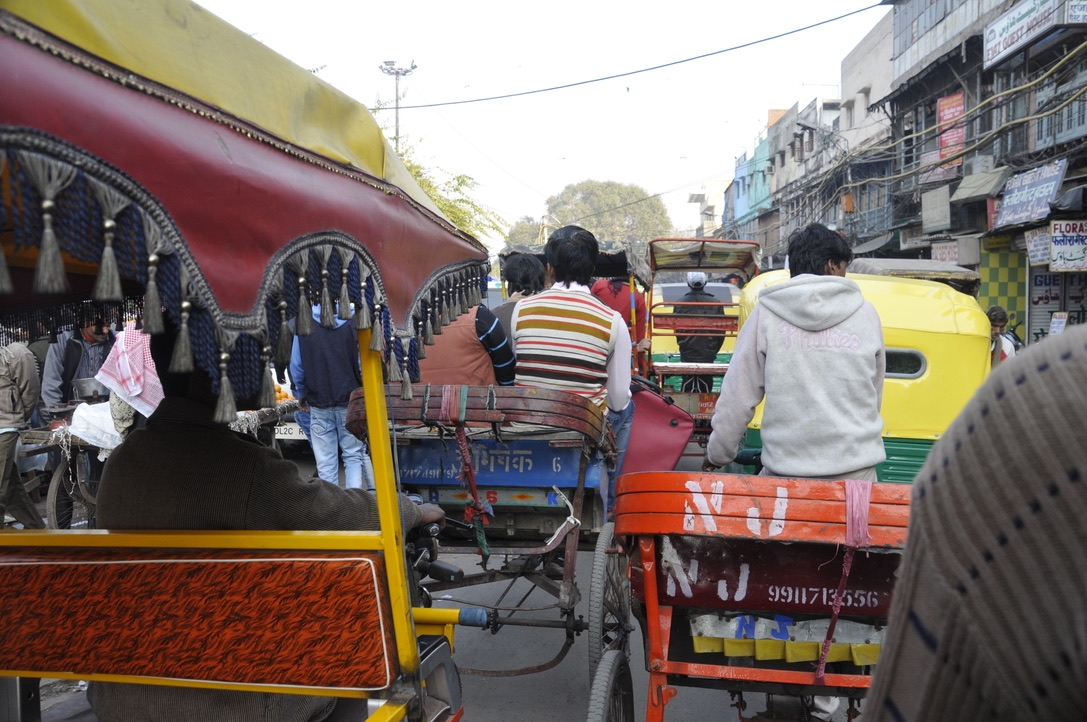
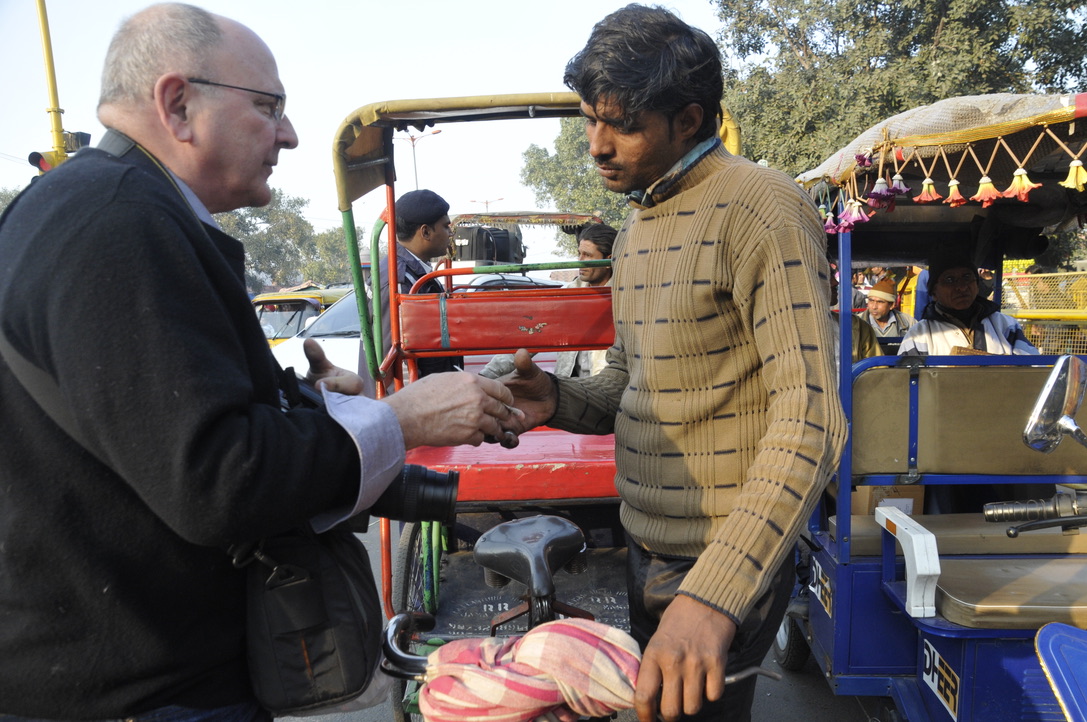
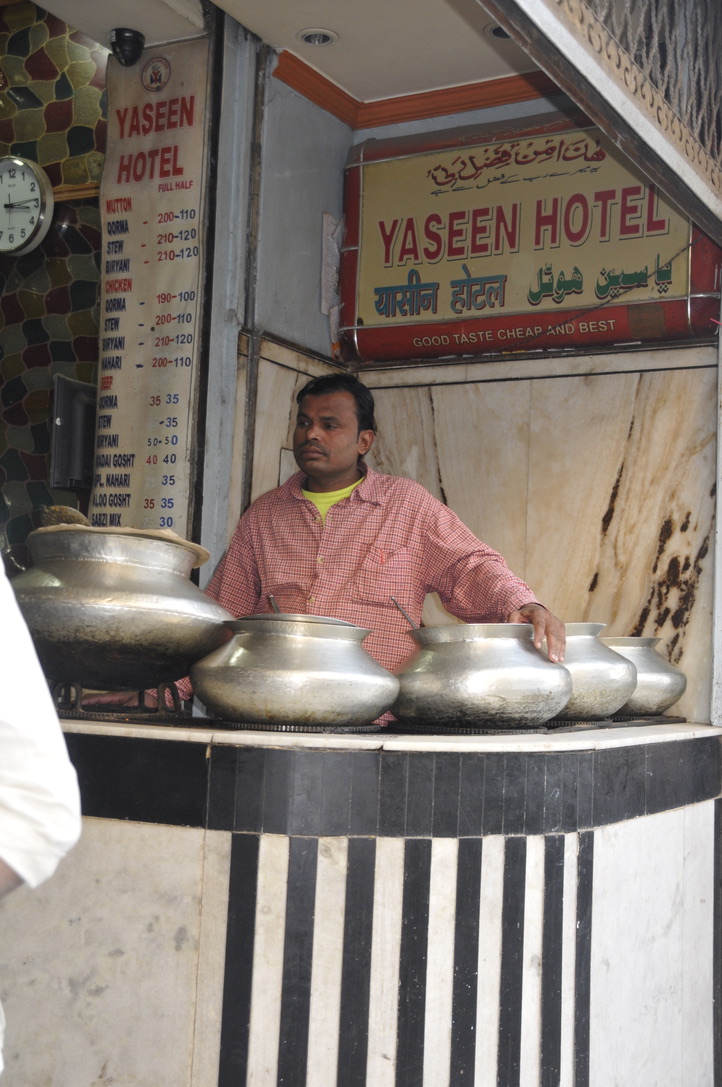
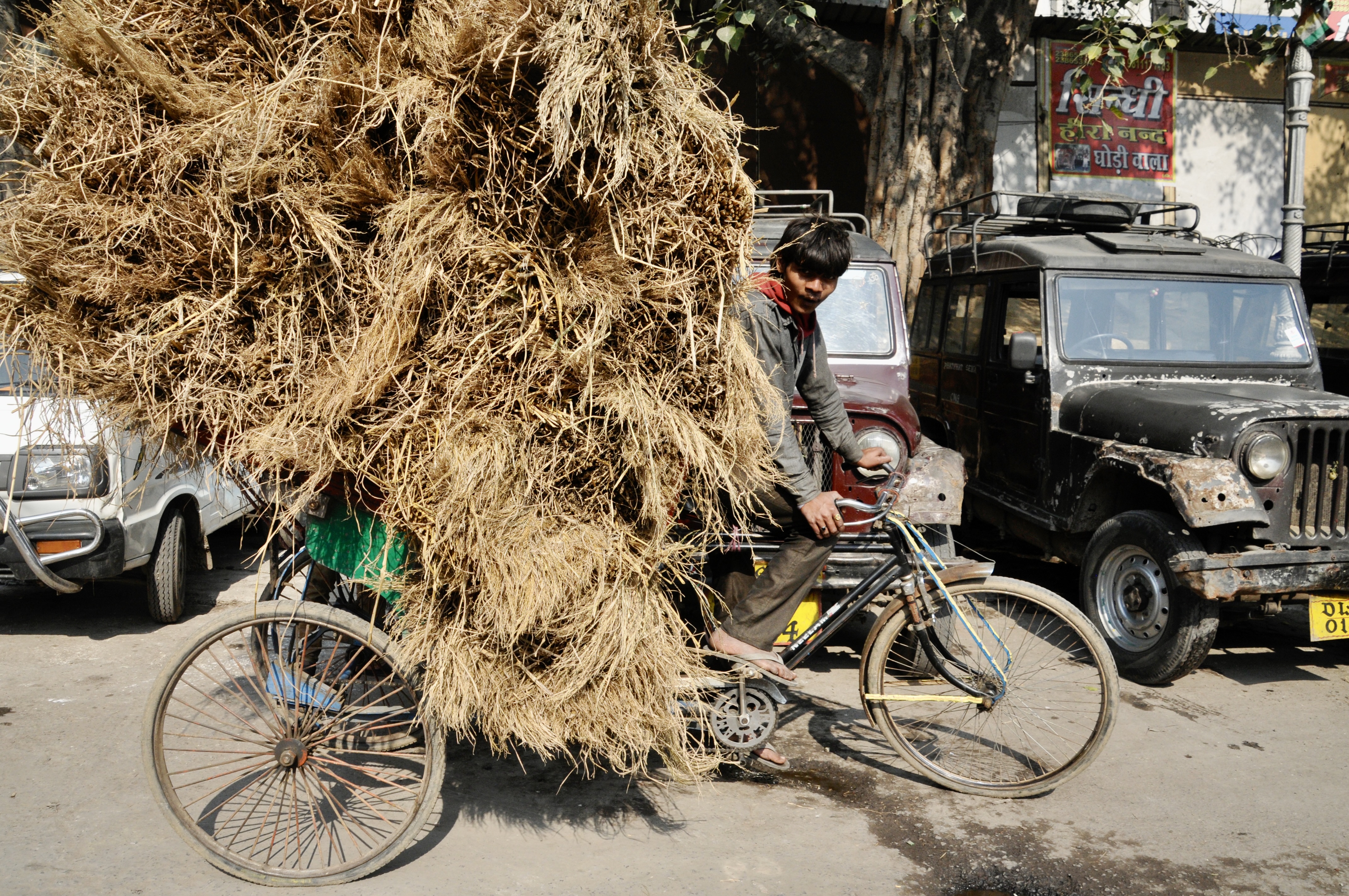
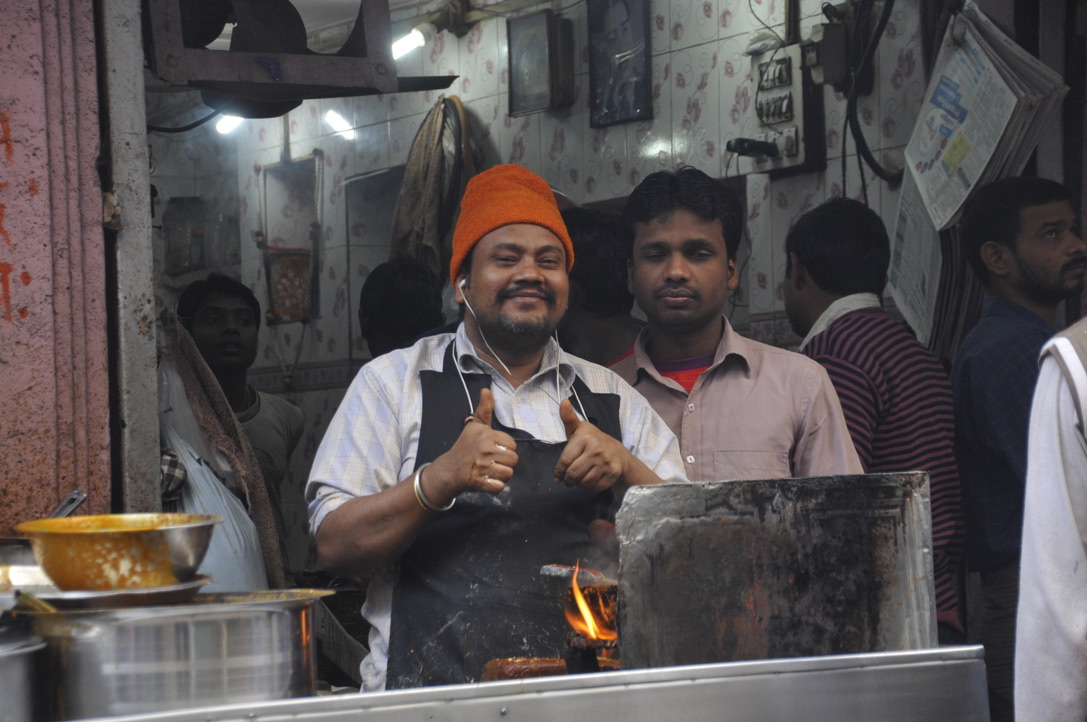
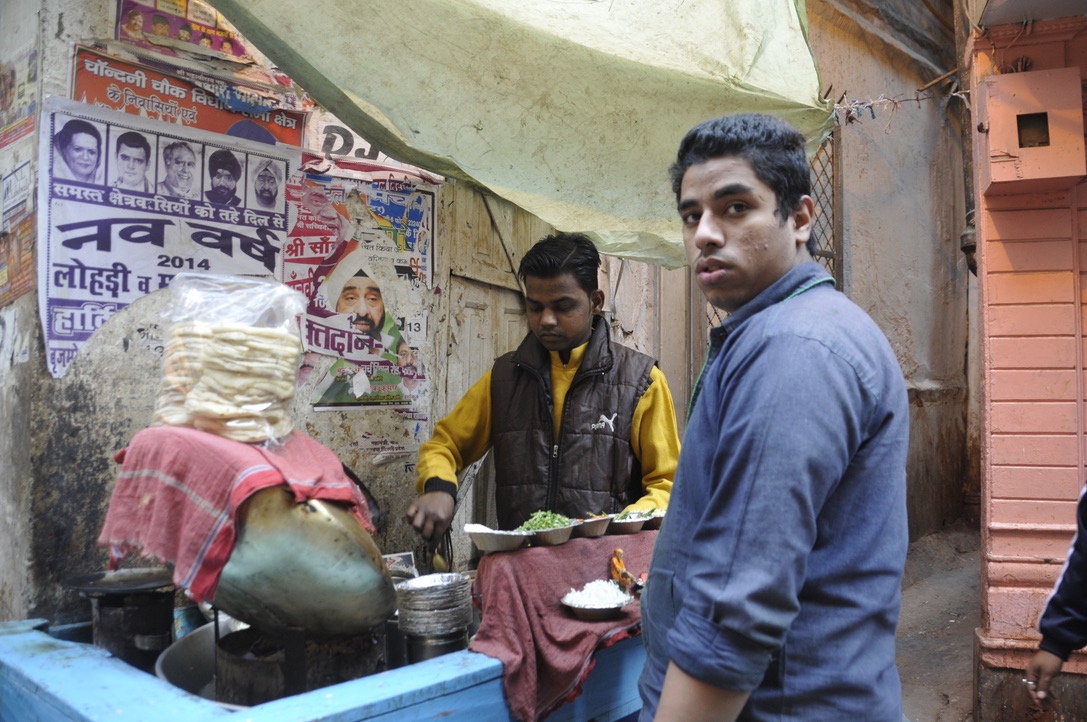
The activity is very intense. People everywhere — Indians, Muslims, Hindus, — some in western garb and many in Muslim outfits. And amid the people walking in these narrow streets are workers trying to deliver goods (being carried to and fro either on the heads of workers or in rickshaws (cycles) being driven by workers. And then there are the motorcycles, and the people being carted all over by someone else’s pedal power or by motor-driven rickshaws (including us after several hours of walking the streets of the bazaars!) There’s also a huge amount of food stalls.. one guy (and they all appear to be men) cooking at a stove and people lining up to grab a bite. Some of the food looked great, but we promised ourselves to be ultra-careful on these final days so as not to get sick (or any sicker than we already are). We started our walk at about 11 a.m. and at 2 decided we needed to eat something.
We had the name of a “restaurant” in this Chandni Chowk area — given to us by a landscape architect who had come to the states in the fall to visit Mike because his son was headed to Berkeley. He knew Mike through a mutual friend (a Harvard classmate of Mike’s) who is an American but who has lived in India for the last 40 years (that’s another story for another time). Anyway, we will meet up with this architect tomorrow morning, visit his office, and go see some of the slums of Delhi. So we hopped onto one of the pedal-powered rickshaws and once again a guy who probably weighs 120 lbs pedaled both of us for about 10 minutes in the middle of traffic, the narrow streets where two rickshaws can barely get by if they are side by side, potholes and garbage piles everywhere, etc… and he took us to the big mosque, which we knew was very close to “Karim” — the restaurant we were looking for. Sure enough, a few feet into an alley, there was a sign that said “Karim – inside restaurant” with an arrow. Karim must be quite an entrepreneur…
From what we read on the menu (they had an English version).. some ancestor was the head chef for the royal family in the 1700s.. and that employment ended in mid 1800s… when the last of that royal line was dethroned (?).. But the children and grandchildren inherited the cooking information.. and in 1911 during the coronation of King George V, the family moved back to Delhi and had the idea to open a “restaurant” with the idea that the foods of the royals should be available to common people.


So, Karim’s is a series of little spaces on both sides of the street (alley) — totaling about 6 structures. Each can probably seat about 20 people (in some cases on two floors). It’s very very basic. Formica tables, plastic dishes, only soup spoons (no forks).. and a straight- forward menu (which was in English, although the waiter couldn’t speak any English, but he knew the menu organization by heart so we could just point and he’d figure it out). We shared our table (with a young couple from Delhi; he was a lawyer, she’s in biotech) and at the end of the meal chatted with them. We got the half-order of chicken biryani and a half-order of tandoori chicken tika and some naan. They don’t serve any wine or beer; just coke and soda water (which comes in a paper cup). We ate “upstairs.” Food was good. And very cheap. The whole lunch costs us about $7.00 I think.
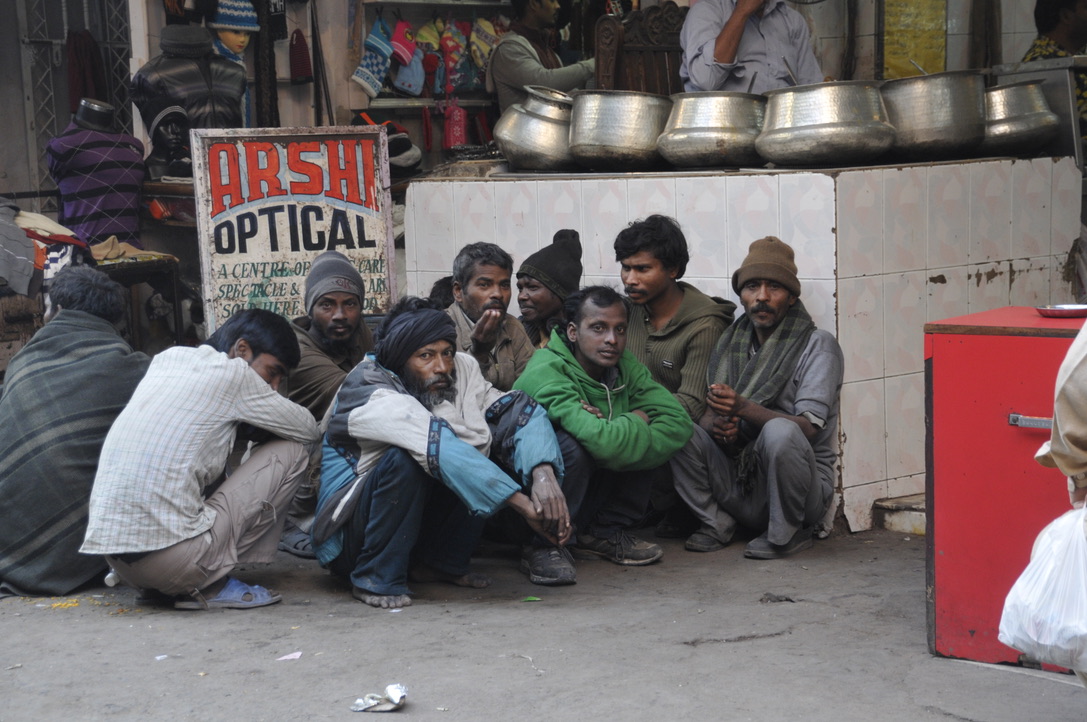
After lunch we continued our walk into the bazaar area — going even deeper into this maze. Most shops have generators out in the front of the shop, on the street, for their lights (about two naked light bulbs per shop), adding to the noise of the street. And we walked into a totally different section for about 45 minutes. Not really certain, but I think we were in a section that had Pakistani food and maybe Pakistani vendors. Wherever we walked in this section there would be groups of impoverished Pakistani people — about 20 or so to a group — squatting on the ground, very close to one another, and very close to particular stalls. We think that these particular restaurants give them scraps of food to eat after the lunch hour. As the hour became later we could see these groups — still on the ground — eating rice and other foods with their hands.
Another point — someone is always sweeping these little streets/alleys using a straw broom.. and they attempt to make piles of the dirt and garbage that is strewn in each little area. But the act of doing the sweeping and walking by it constantly was a real mess for our American sinuses. Not much one can do. It seems as if these little piles just stay there; not sure that they every get collected into any larger garbage zone.
After a total of about 4.5 hours of walking, we jumped into a pedal-driven rickshaw to get back to the Red Fort area where the original taxi driver was to meet us. He was there, although his car was blocked by a parked bus with no driver in sight.. But only a minor detail. Headed back to the hotel.. and then off to a “stand-alone” restaurant (as they refer to all restaurants that are not in hotels) called Veda.. a somewhat upscale tandoori place that had a mix of patrons — Germans, French (from what we could hear from eavesdropping) and mostly Indian (professional class we assume)… Good meal (appetizer was fried yogurt stuffed with figs with a mint sauce).. rest of meal was lamb.
That’s it.. signing off.
Fern
 Fern's Travel Notes