Final Days :: 48 Hours in Warsaw. September 28-30, 2014. From Rzeszow to Warsaw.
Farewell to Poland. Almost 48 Hours in Warsaw
September 30, 2014
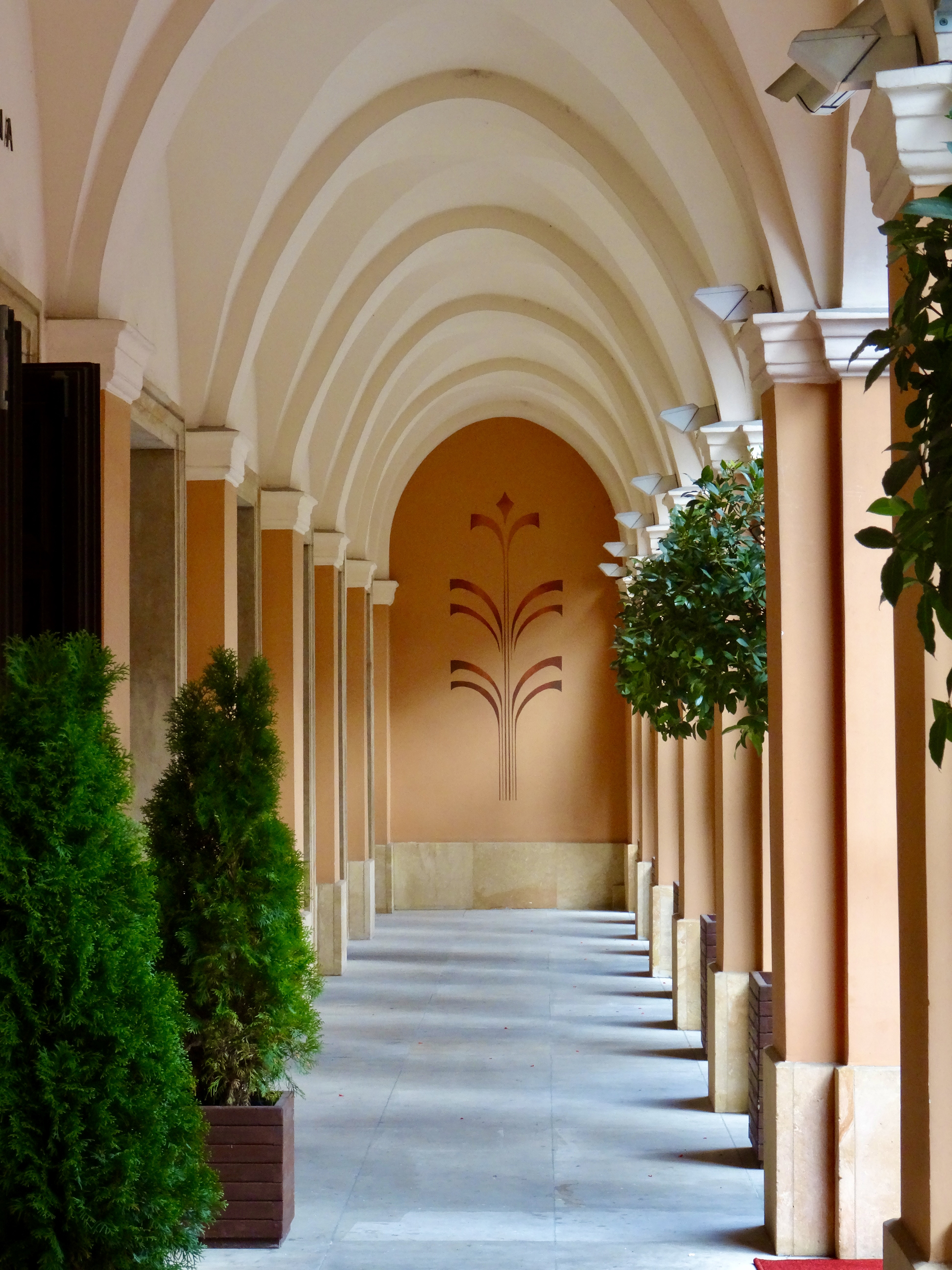
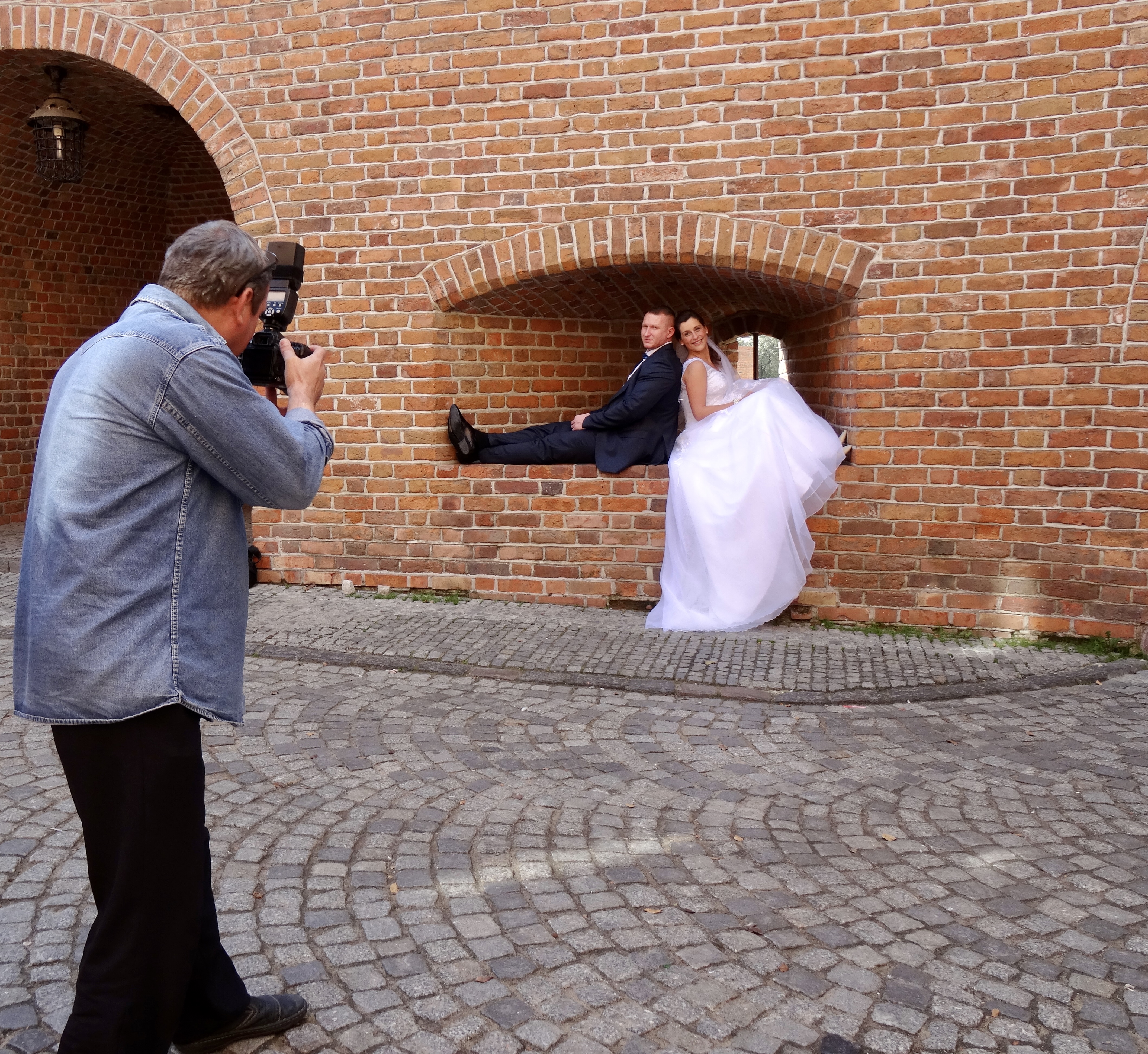
Left the Bristol Hotel in Rzeszow at 5:45 am (although I could have left an hour later; airport is very tiny and also very close to downtown). Arrived in Warsaw at about 10 and took taxi to the Hotel La Regina. The 30-minute drive gave me my first glimpse of the city I hadn’t visited in 30 years. Frankly, I didn’t remember or recognize anything. The La Regina is a small, boutique hotel located on the edge of the “old town” — it’s upscale, tasteful, and one of the hotels where you just know the service will be impeccable which it was.
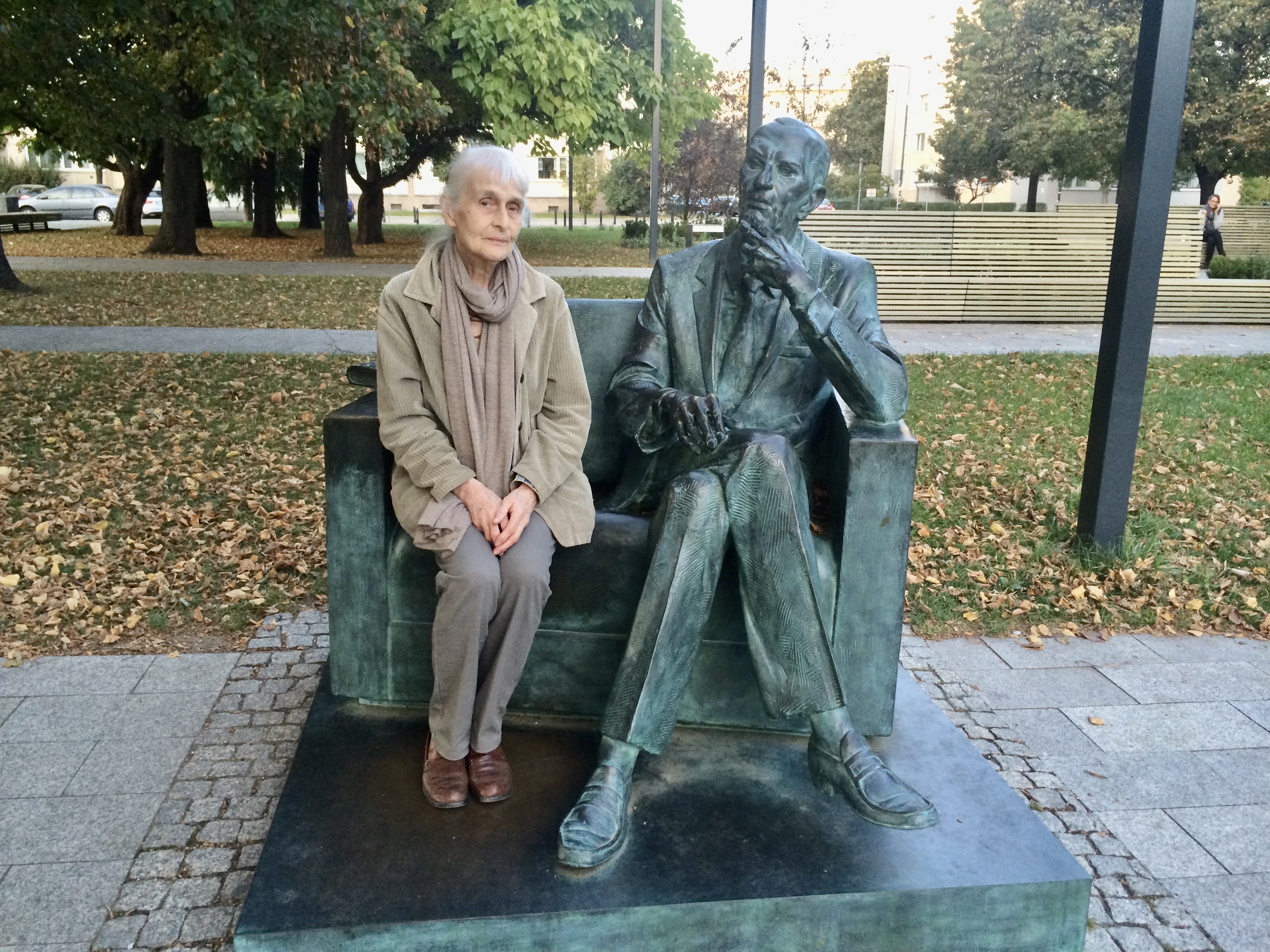
I decided to stop in Warsaw on my way back to the Bay Area (even though it would be very brief — under 48 hours) because I could connect with an old friend who lives in the city. She is the widow of someone who taught with me at Penn State many years ago. We’ve kept in touch and visited them when they were at University of Texas Arlington. Barbara moved back to Warsaw three years ago when her husband Andrej died. It was good to know someone who knew the city so well — having gone to the University there and maintaining close relations with family and friends in the city over the 20+ years she resided in the US. During all those years, she also kept her small apartment — the one she had during her student days. Some years after the “transformation,” she and her husband bought another apartment in the same neighborhood (which she says has changed drastically since the government decided to build the soccer (football) stadium just a few blocks away.
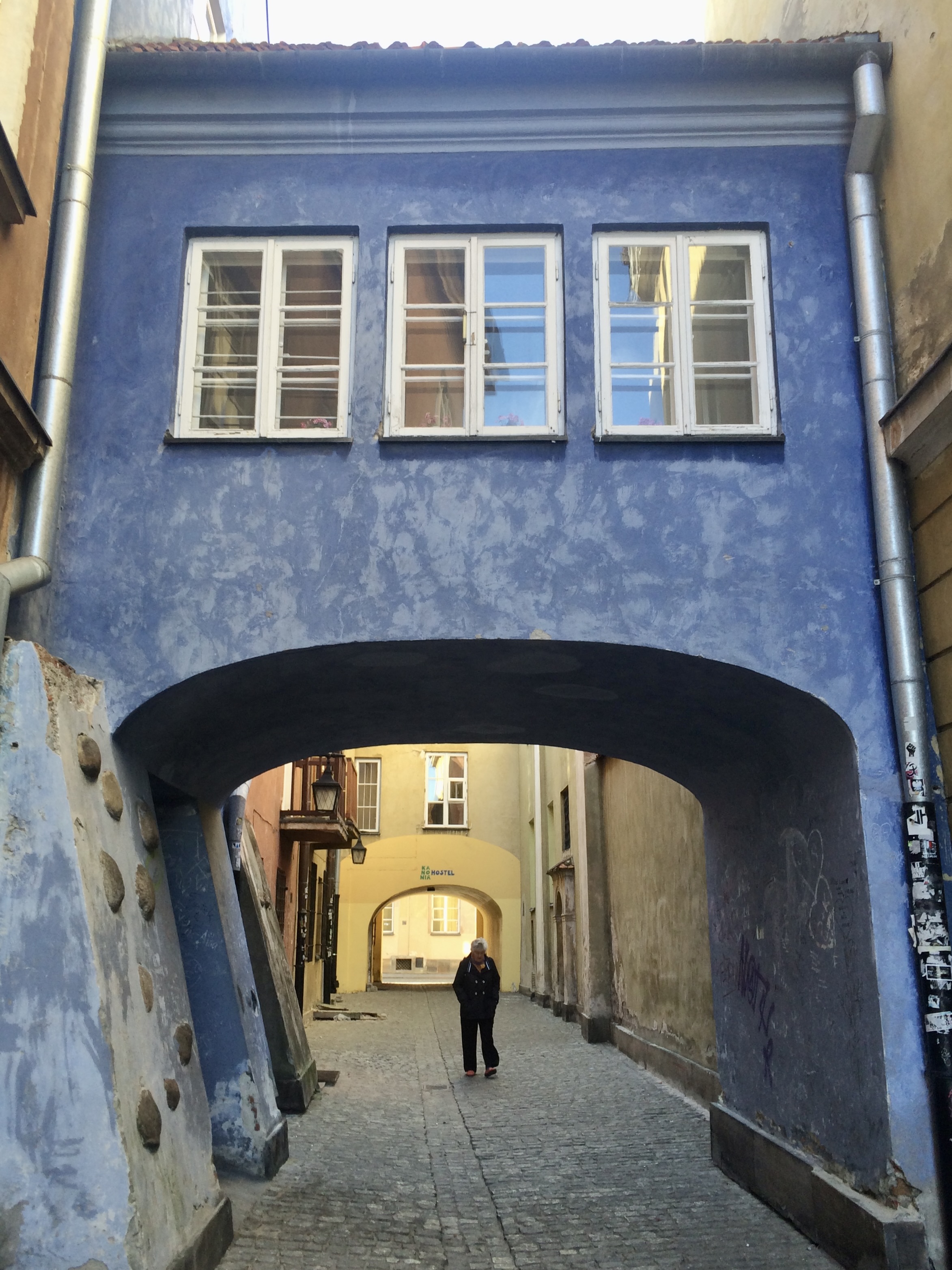
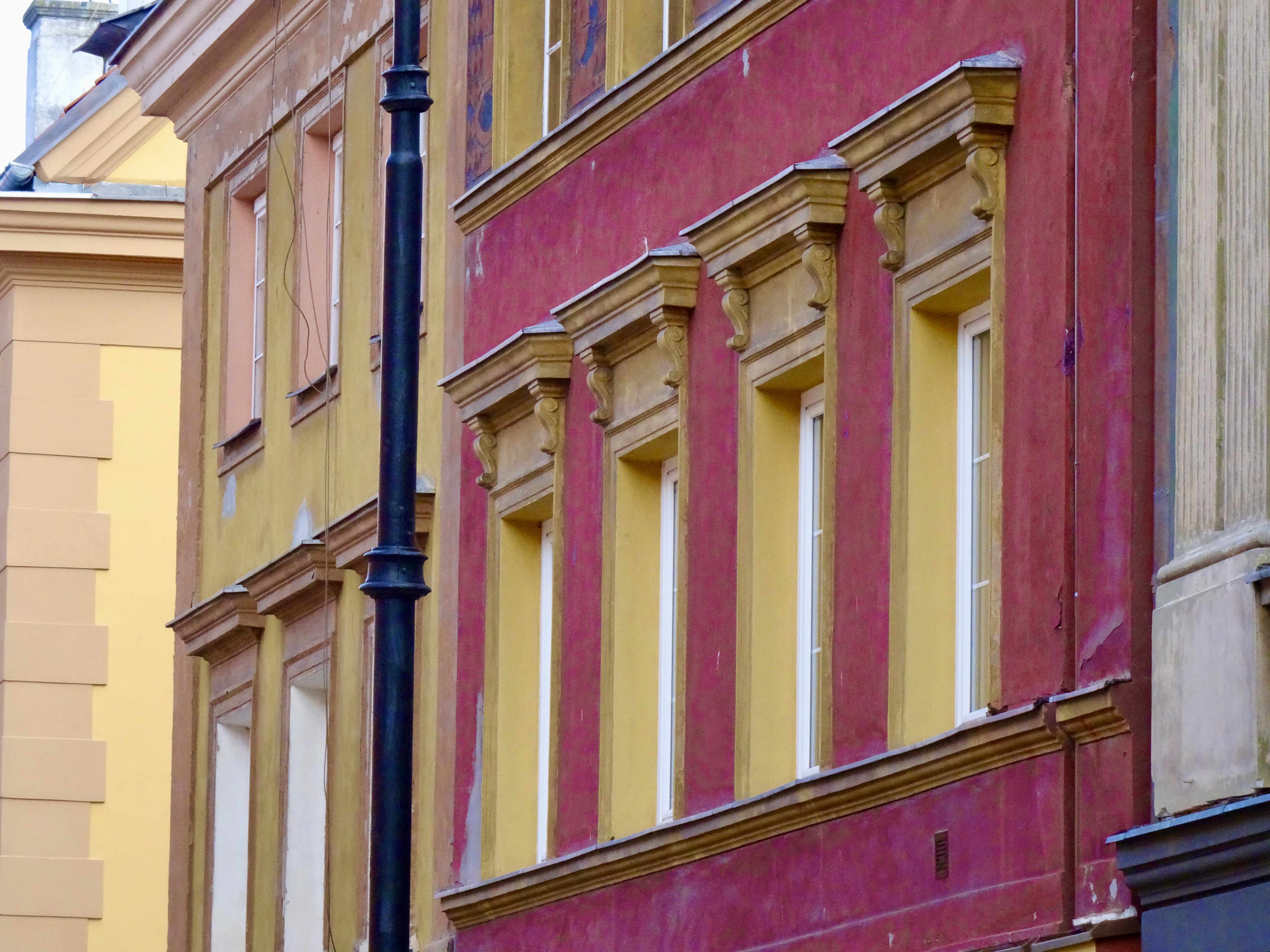
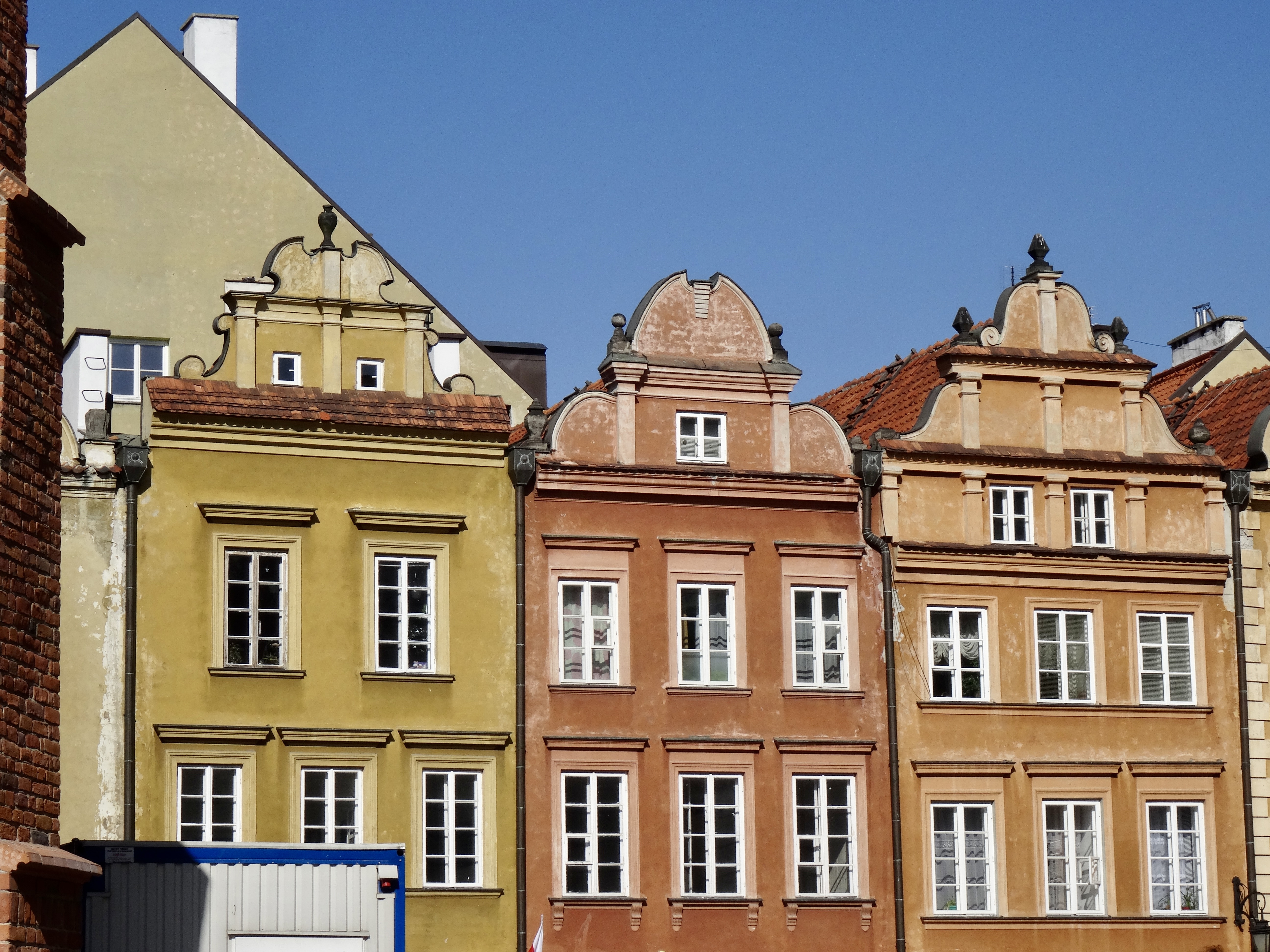
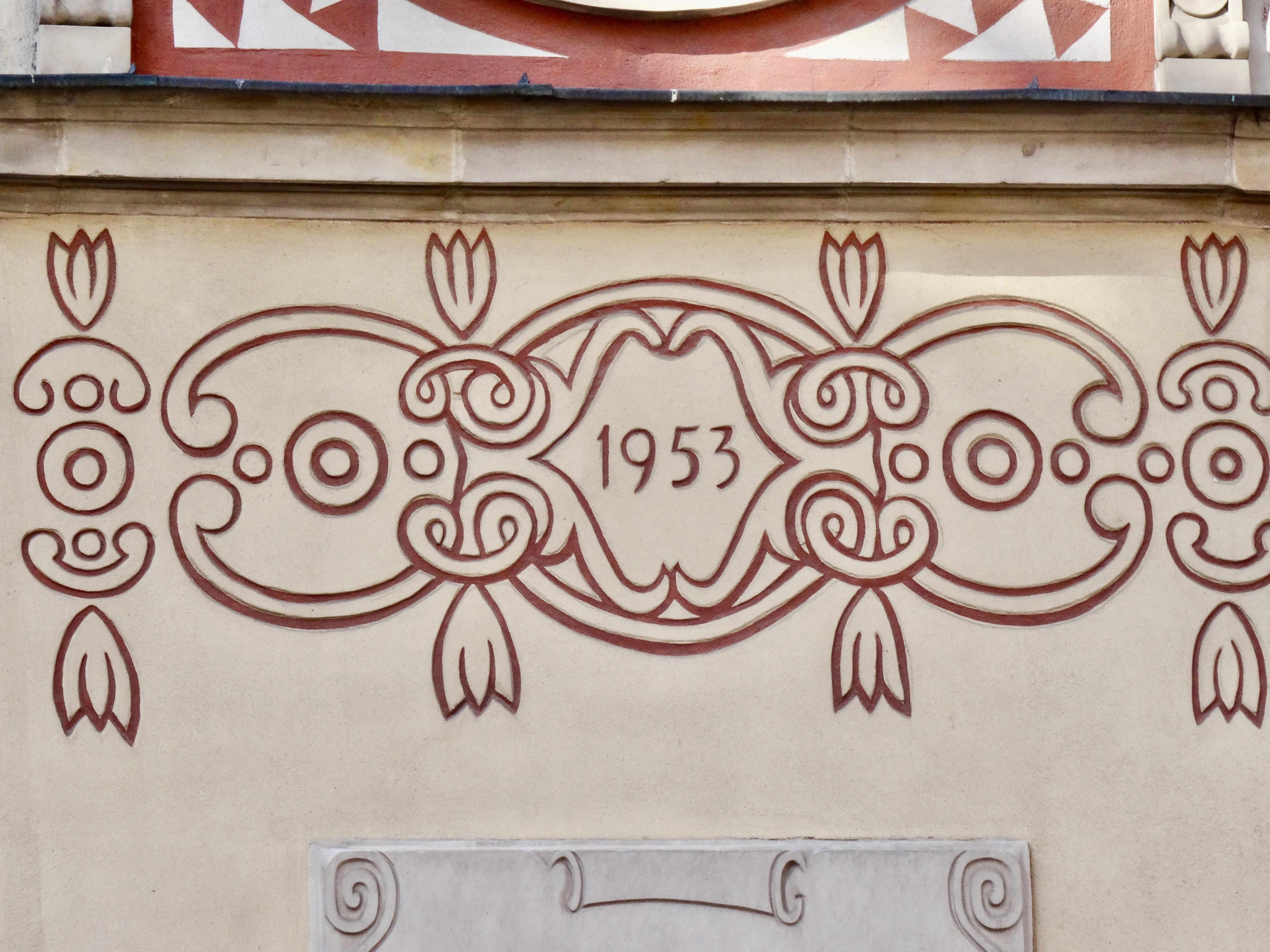
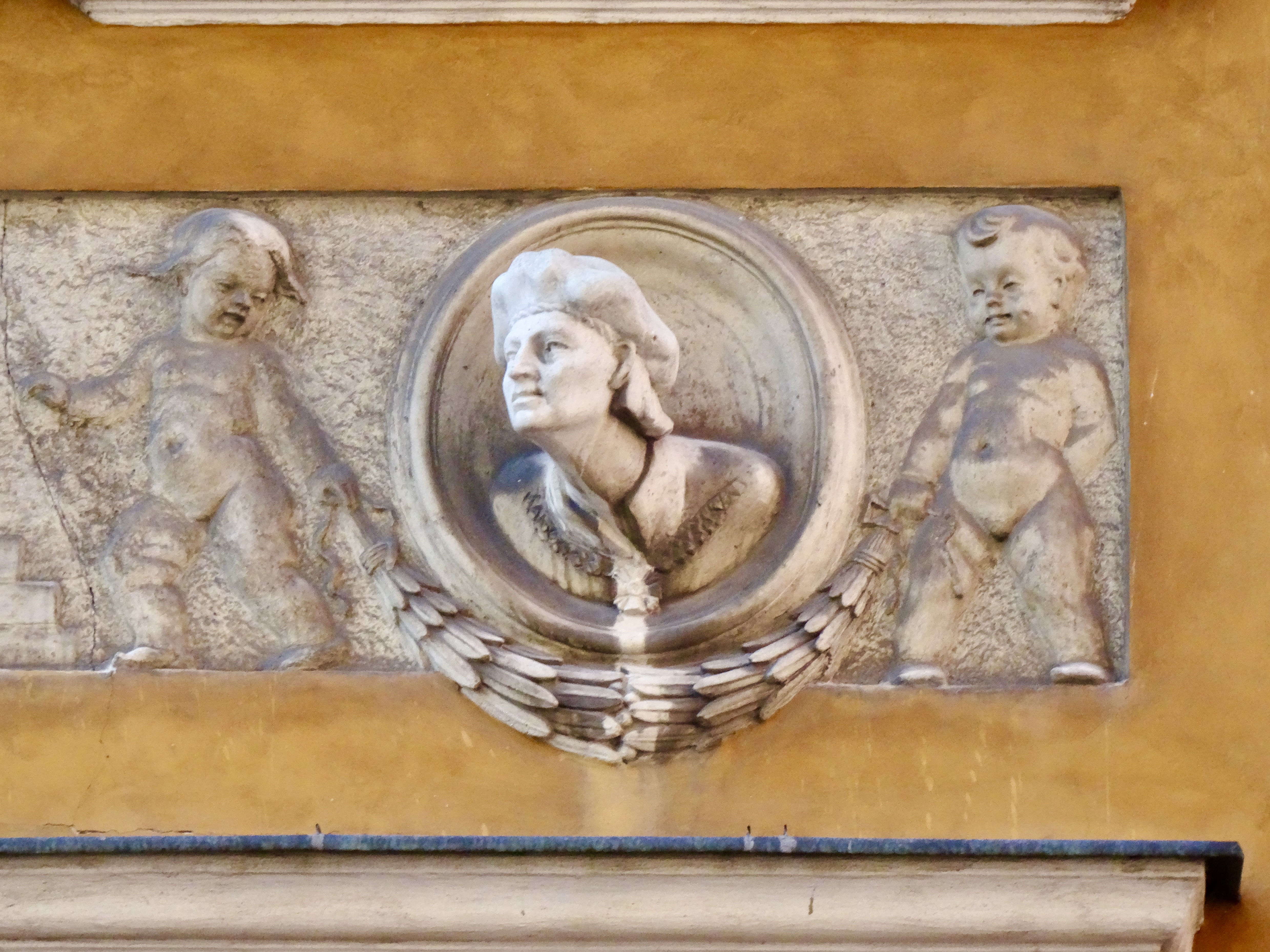
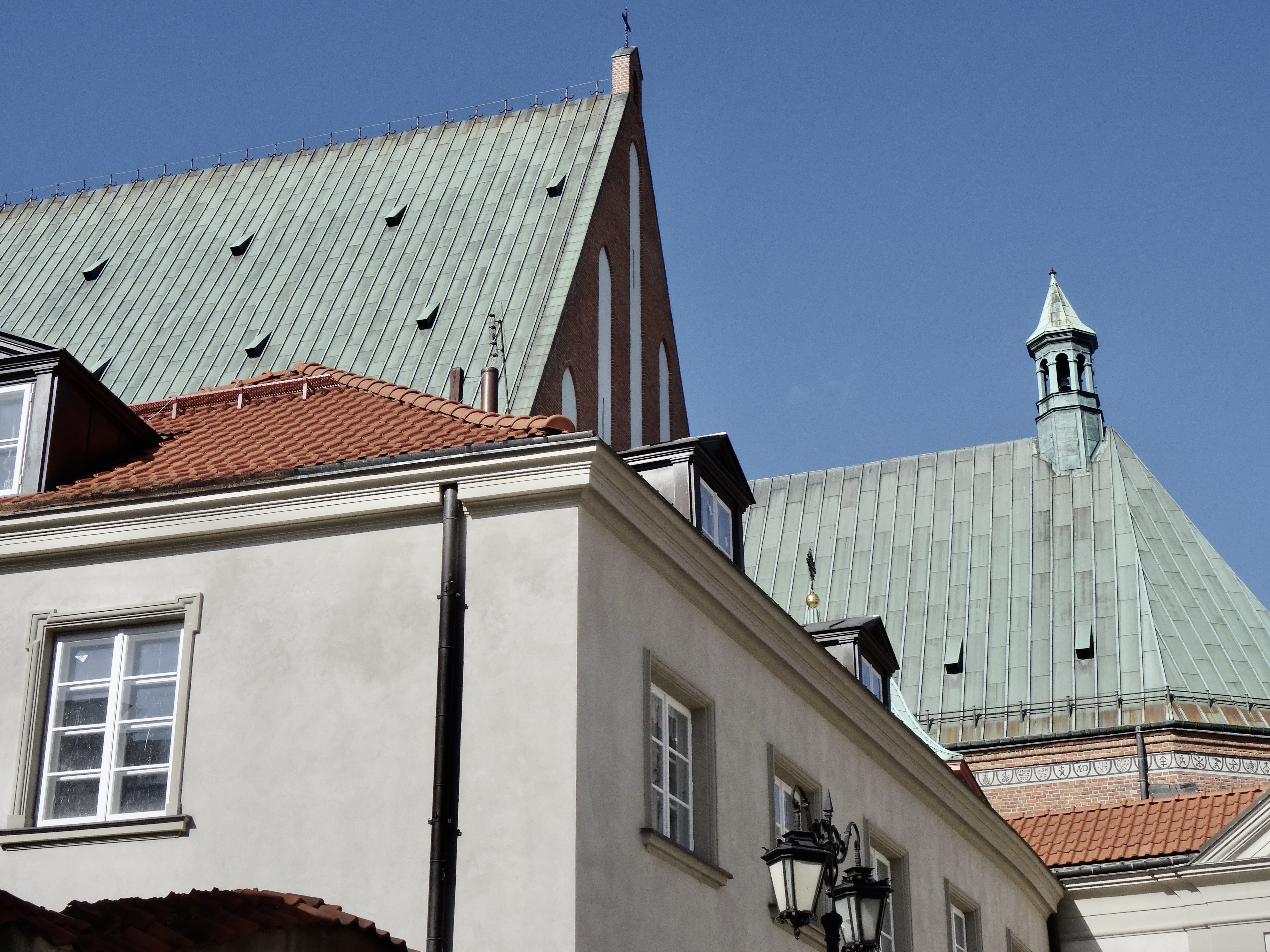
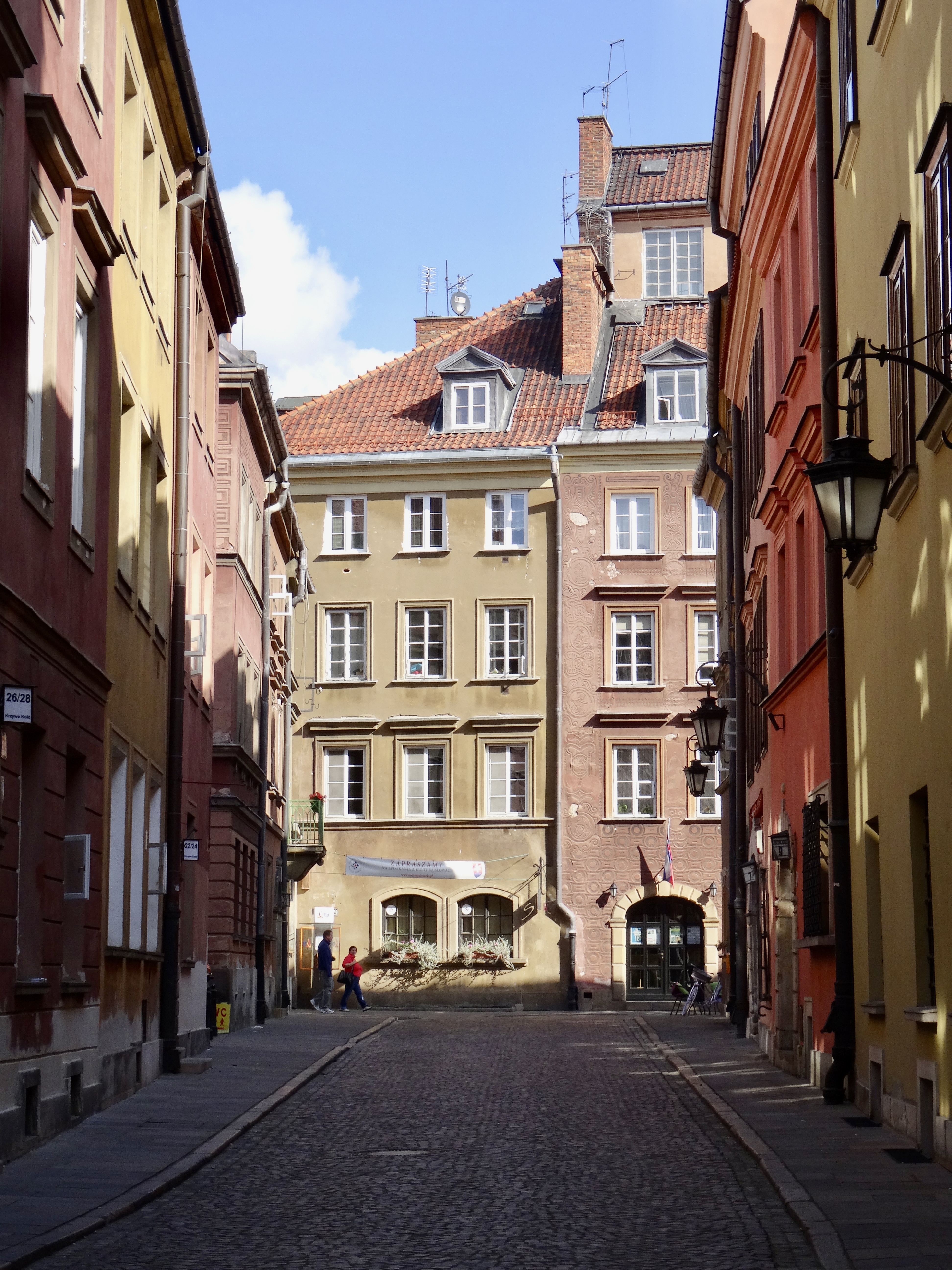
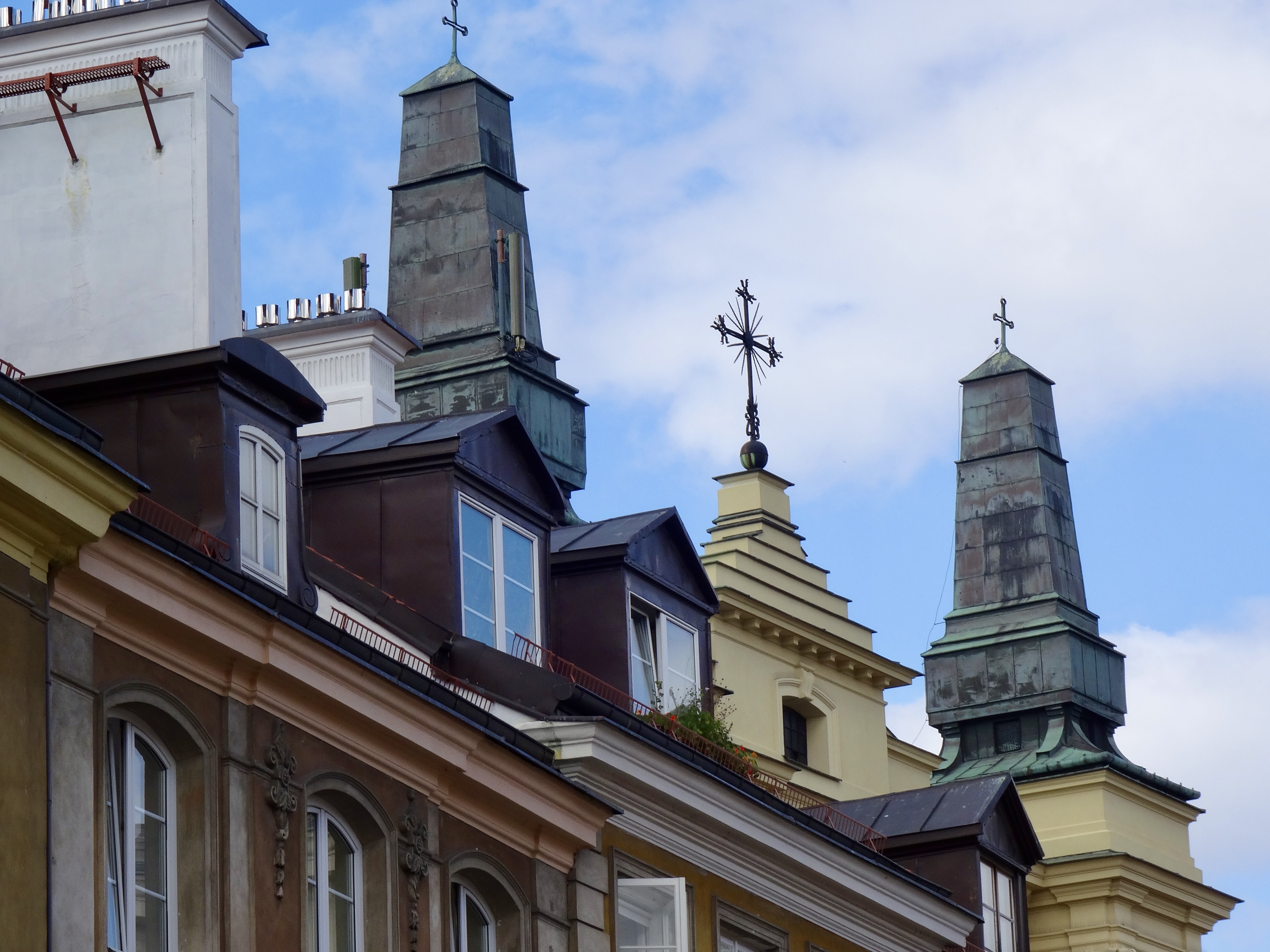
Anyway, we sort of miscommunicated in that she thought I was going to call as soon as I got to the hotel, but somehow she forgot to send me her phone number. Thus, it took a few hours until we met up with each other. So I took the opportunity to walk to the old town. The La Regina (part of a group of hotels called Mamaison) which is located at the edge of the old section of the city. Now, when I say “old” it is an important term to consider here in Poland. The Old section of the city (dating to 1300s and 1400s in part and then 1700s in other parts) was completely destroyed during WWII (including the Royal Palace which is a huge multi-story structure that stretches about two square blocks and was constructed in parts over a few centuries beginning in the 14th Century). Anyway, after the war there was much discussion about what to do with the old section (then-non-existent) and in 1971 a decision was made to completely reconstruct it (including the palace) in its original form using all the skills and craft from the original construction.
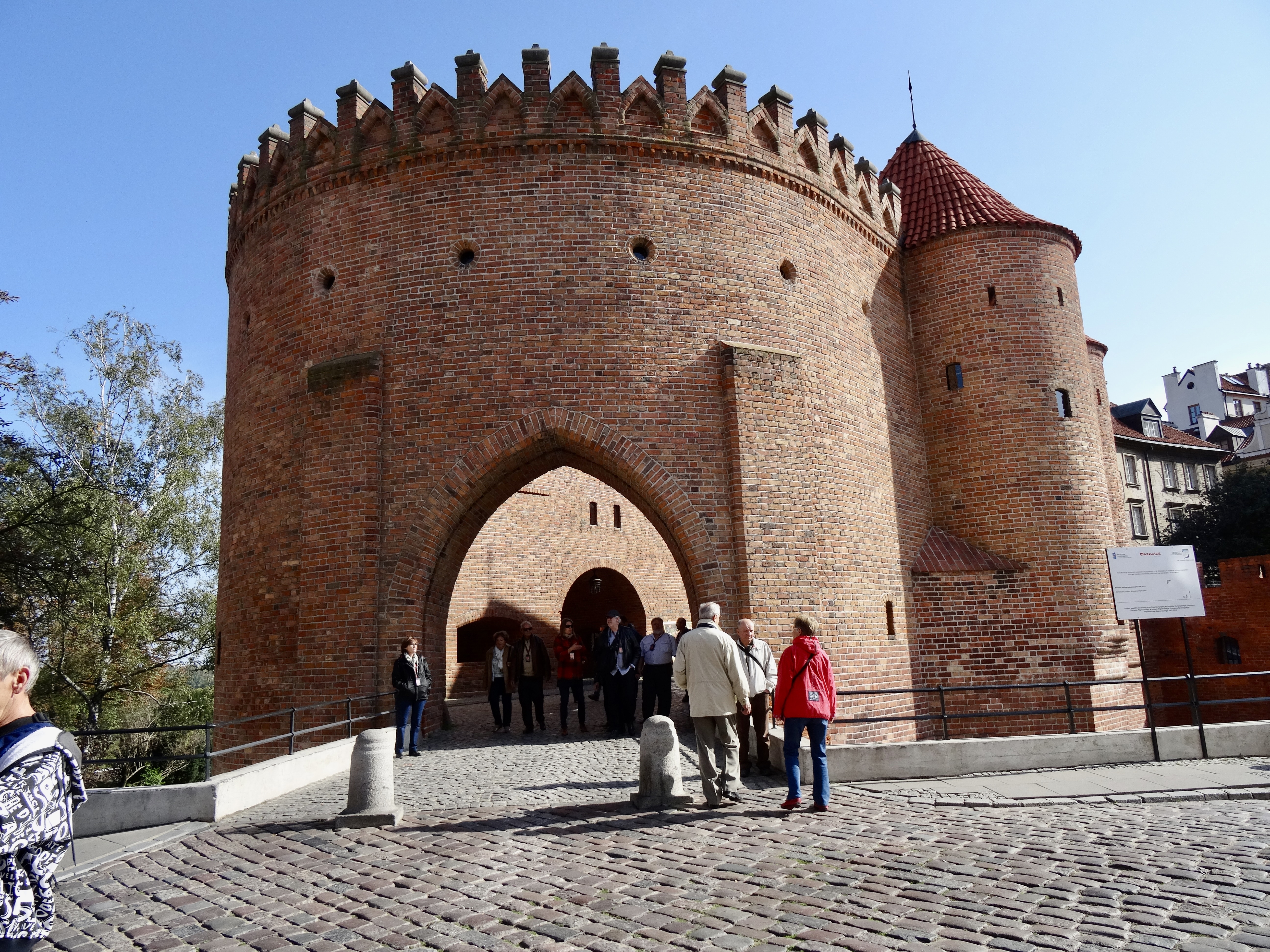
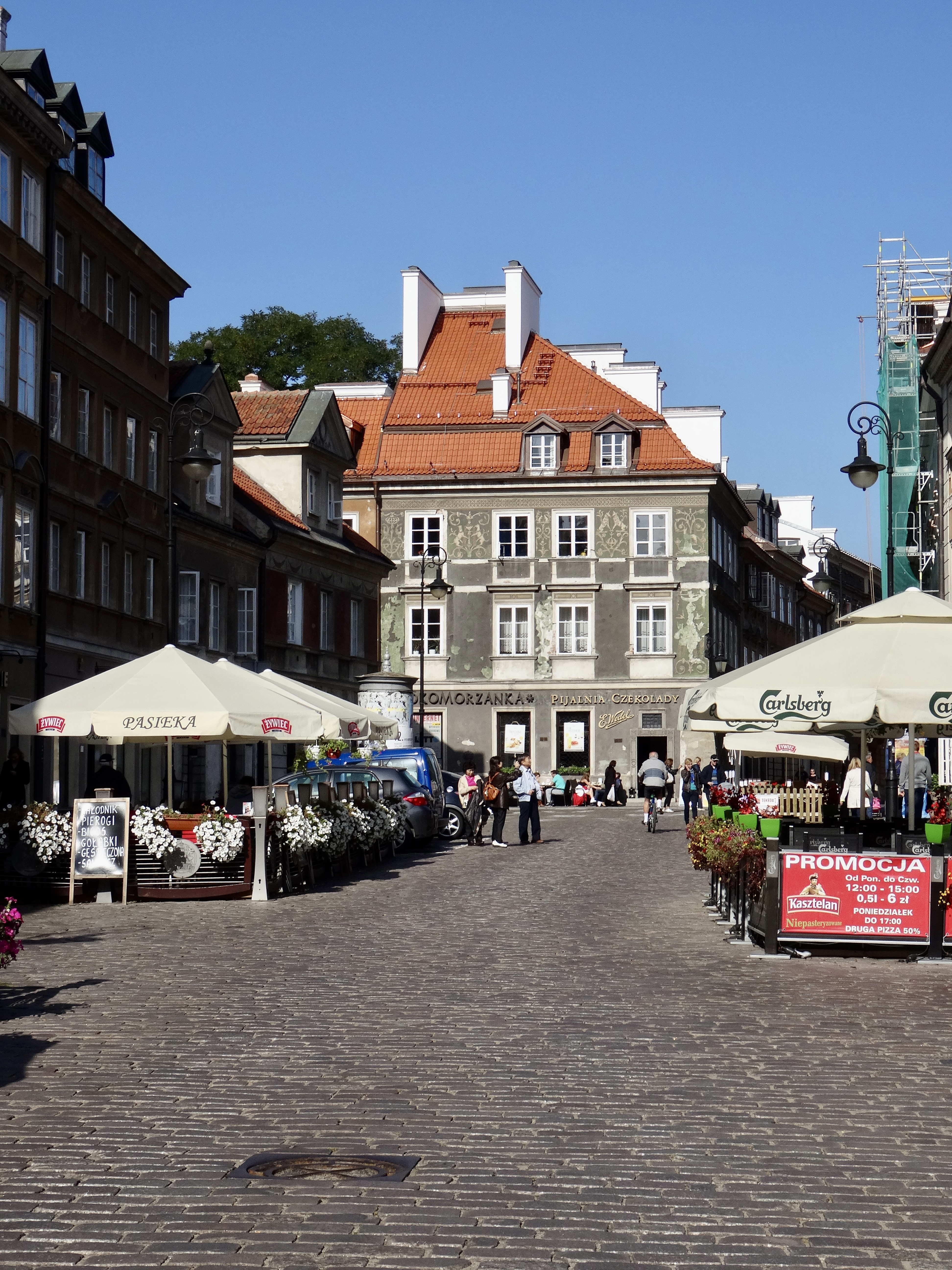
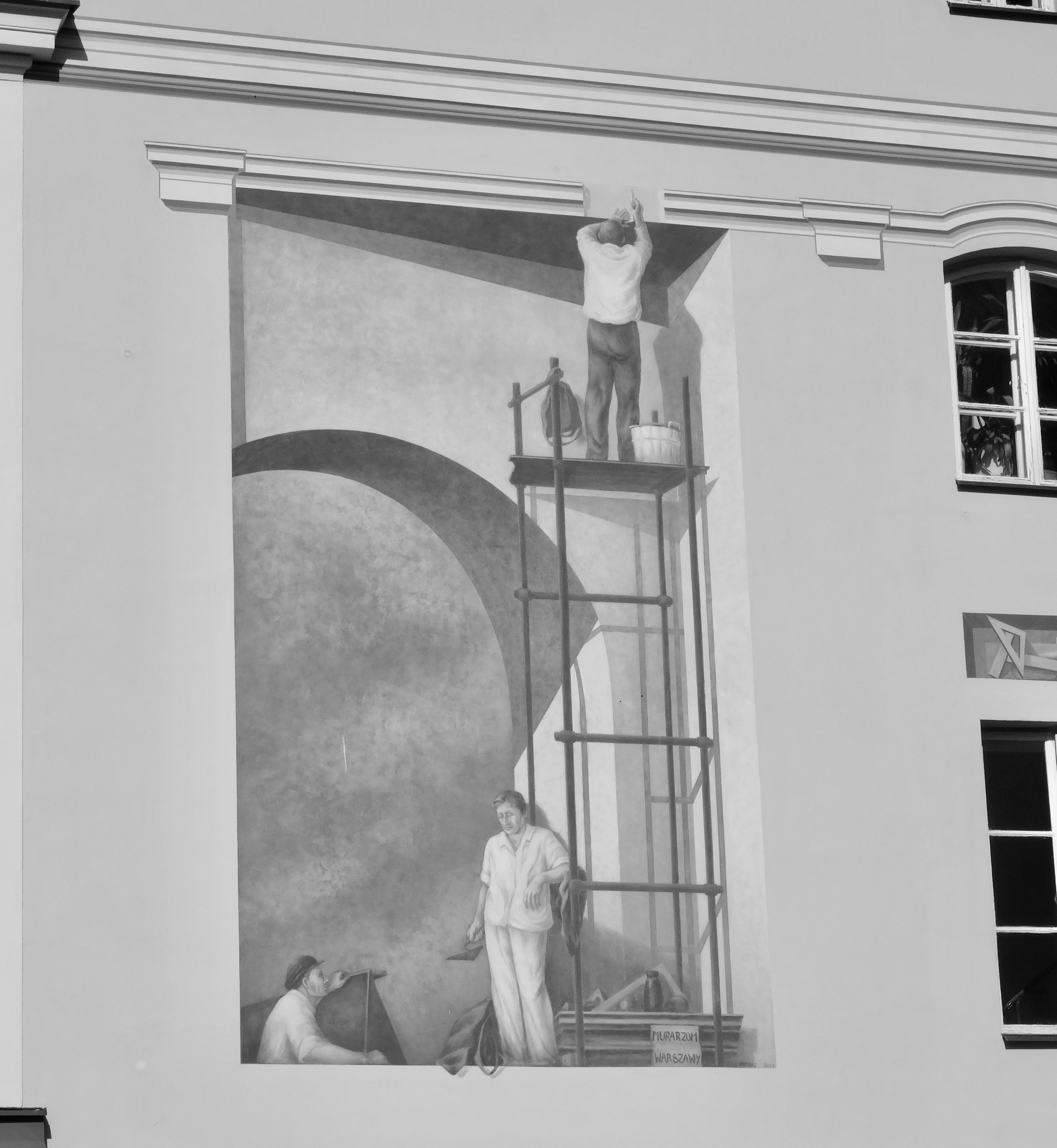
Factories and ateliers were created to make the fabrics and the gilded frames and the furniture in the same techniques of what was being replaced. And the entire section of town was made to look like it looked when it was destroyed. Disneyland? Well maybe, but it was done so well and with such finesse and with such an effort to make the center of town look as if it had survived all those centuries that I have to admit I was a bit perplexed as to how I actually felt about it all. The Poles are very proud of the decision and of the skill that went into do the recreation (not rehab and not renovation since all of it was totally rubble after 1945). Apparently Hitler had a plan for the site, including the location of the palace — to create a very special Aryan village.
I roamed around a bit and then Barbara (my friend who lives in Warsaw phoned me –she realized I didn’t have her number–and we connected, naturally in front of the palace. I hadn’t gone inside when I was strolling (in my boot!), but she really wanted me to see it and I was glad she insisted. I was shocked that such a building replete with details that could only be done by craftsmen trained in every conceivable sort of trade — trades and skills that I thought had long disappeared. Barbara was obviously extremely proud of the effort and the results. I was in awe.
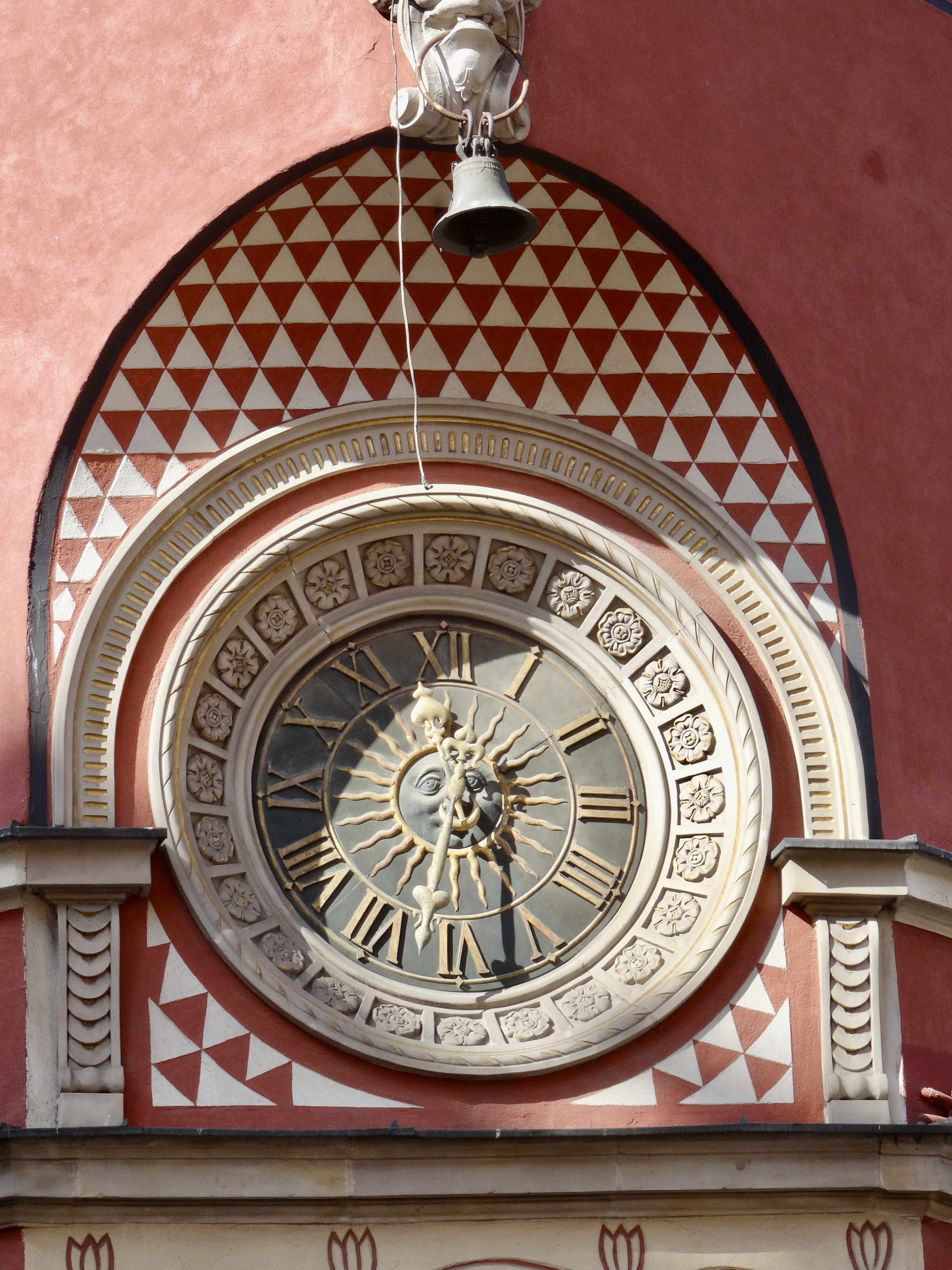
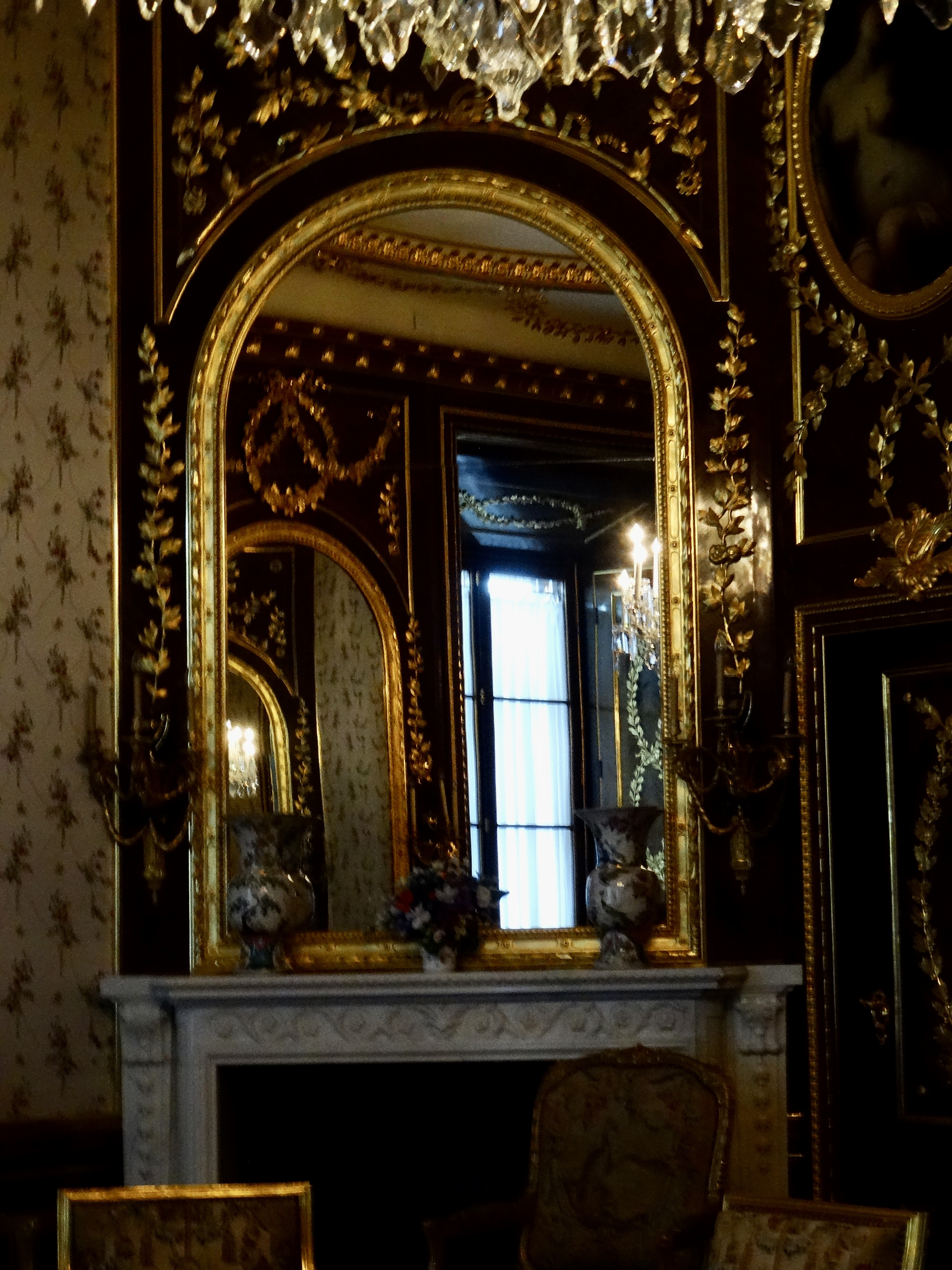
The palace has put together an interesting exhibit (in the basement since every nook and cranny of the upper floors have been built to match exactly what was there in the 1930s) that takes you through the history of the creation of the palace and through the destruction, which is what makes the experience even more amazing. Barbara is very opinionated and I think as a senior “stateswoman” feels she can comment about everything, even in public. So she was quick to criticize the last part of the exhibit/film which takes you through the period from 1971 (the decision to reconstruct in the exact form) to 1980s when the palace reopened. She was correct in her criticism. The early years from 13th century to 1945 (it’s actually split into two different rooms and two different styles of presentation/multi-media) were powerful with incredible graphics, photography, Chopin, and a very good script and voice-over/narration. But when they did the third part of the exhibit (the reconstruction), there was no fanfare, no sense of importance, and no sense of the jubilation. But Barbara described vividly the day the decision was made and the excitement of the completion of the project. Interesting. (And certainly a political decision). Barbara said that nearly every Pole (especially those in Warsaw) volunteered to help the craftspeople.. and that they donated money and also objects to help outfit the Palace (e.g. crystal from particular periods that their families had stashed away — to replace the artifacts that were destroyed.)


But the most fascinating thing to me was how they had all the drawings of what had been — in order to recreate it. So here’s what I know:
- Architecture students over the years had been drawing and measuring every nook and cranny of the palace for decades; somehow those drawings were hidden, preserved somewhere and they were used as the base for the construction.
- The old town section had been painted many times by an Italian painter who loved Warsaw. His paintings were used as the base for scale and color and detail for the town center.
- Once the war began, the curator of the palace began to hide paintings and as many artifacts as he could in people’s attics and basements all over the country, so a portion of the objects were preserved, but certainly not all of them.
- The curator snipped samples of fabrics and wallpaper and other details and saved all of this (making it possible to recreate bolts of fabric to match originals).
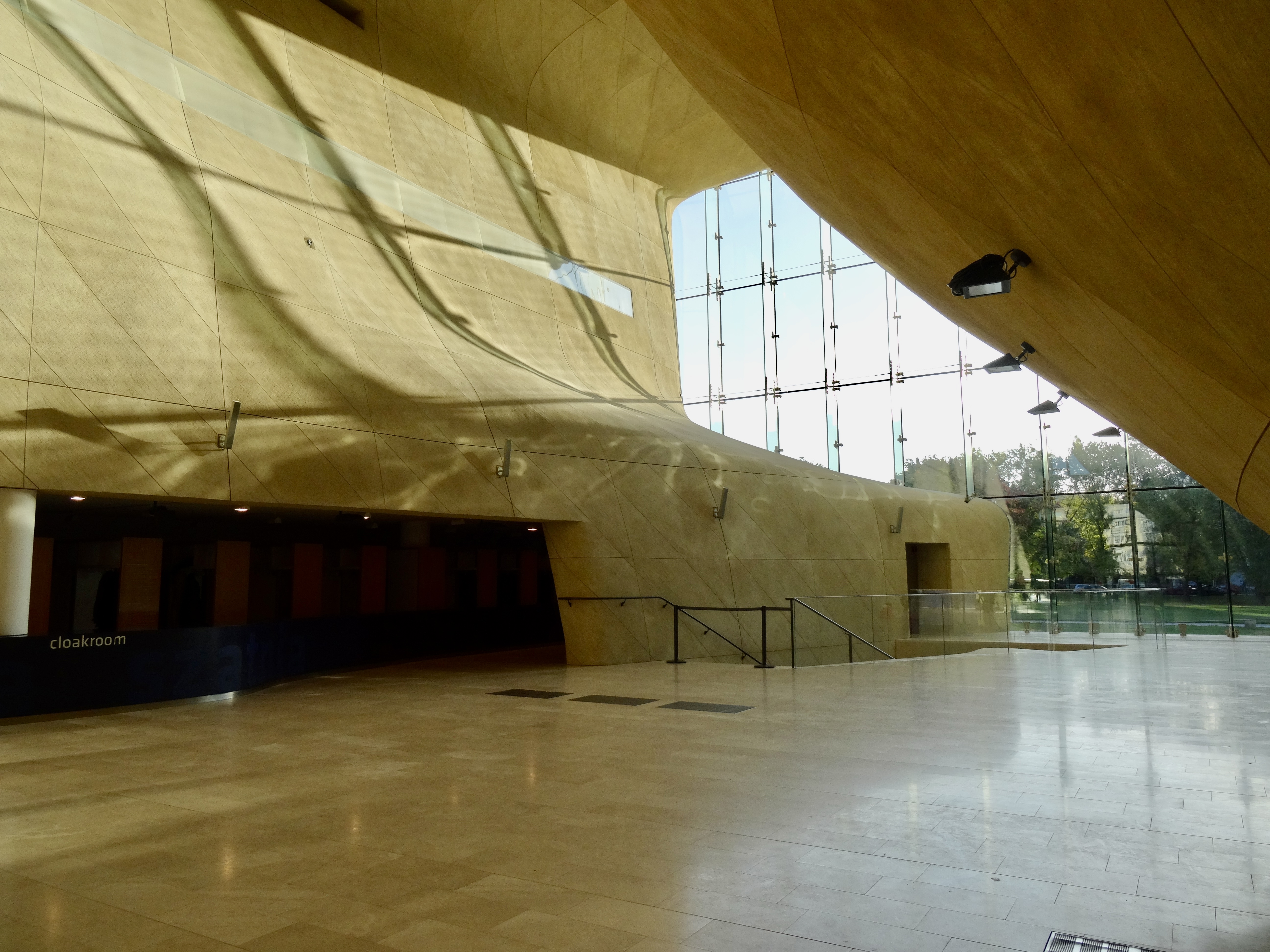
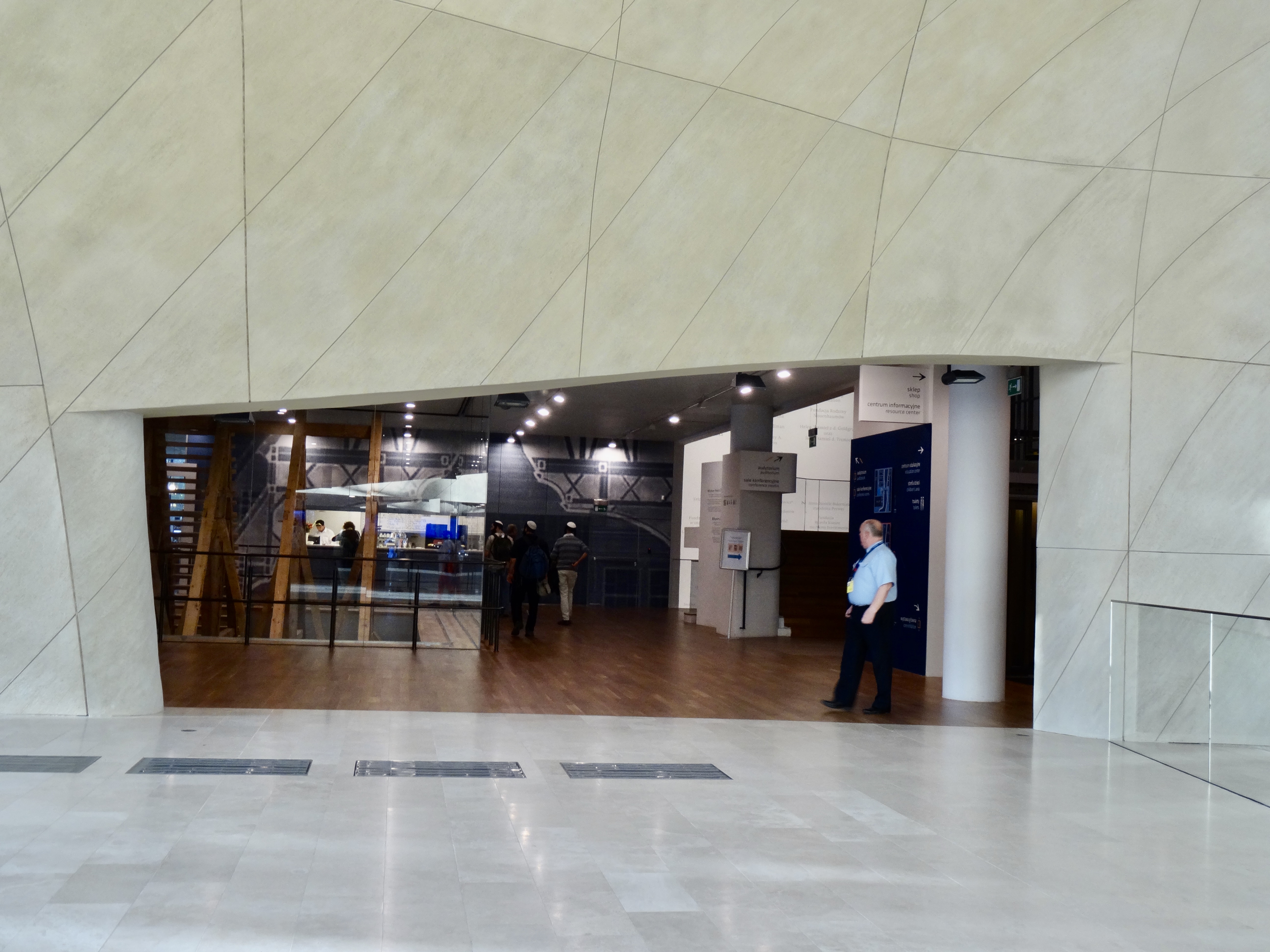
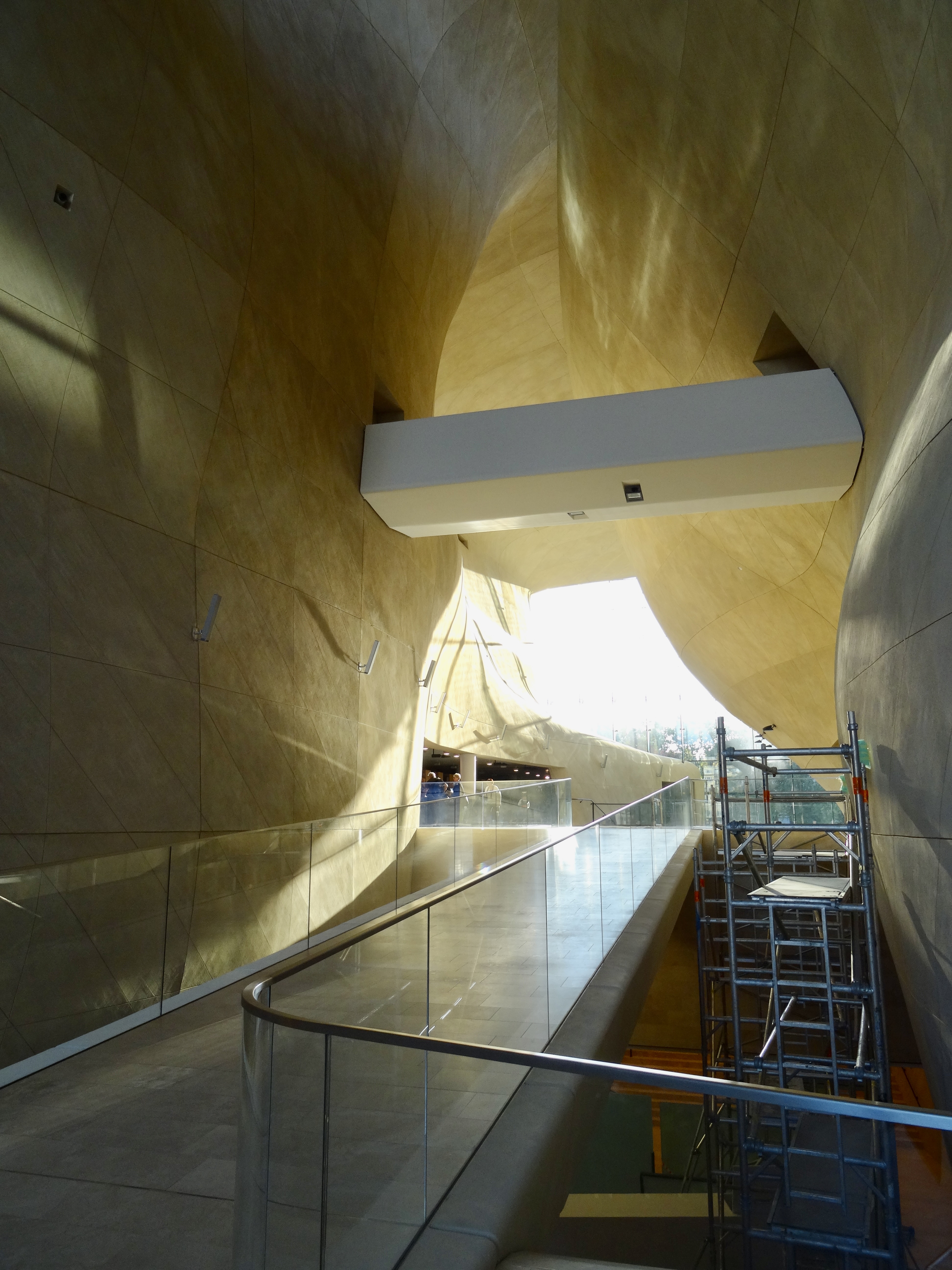
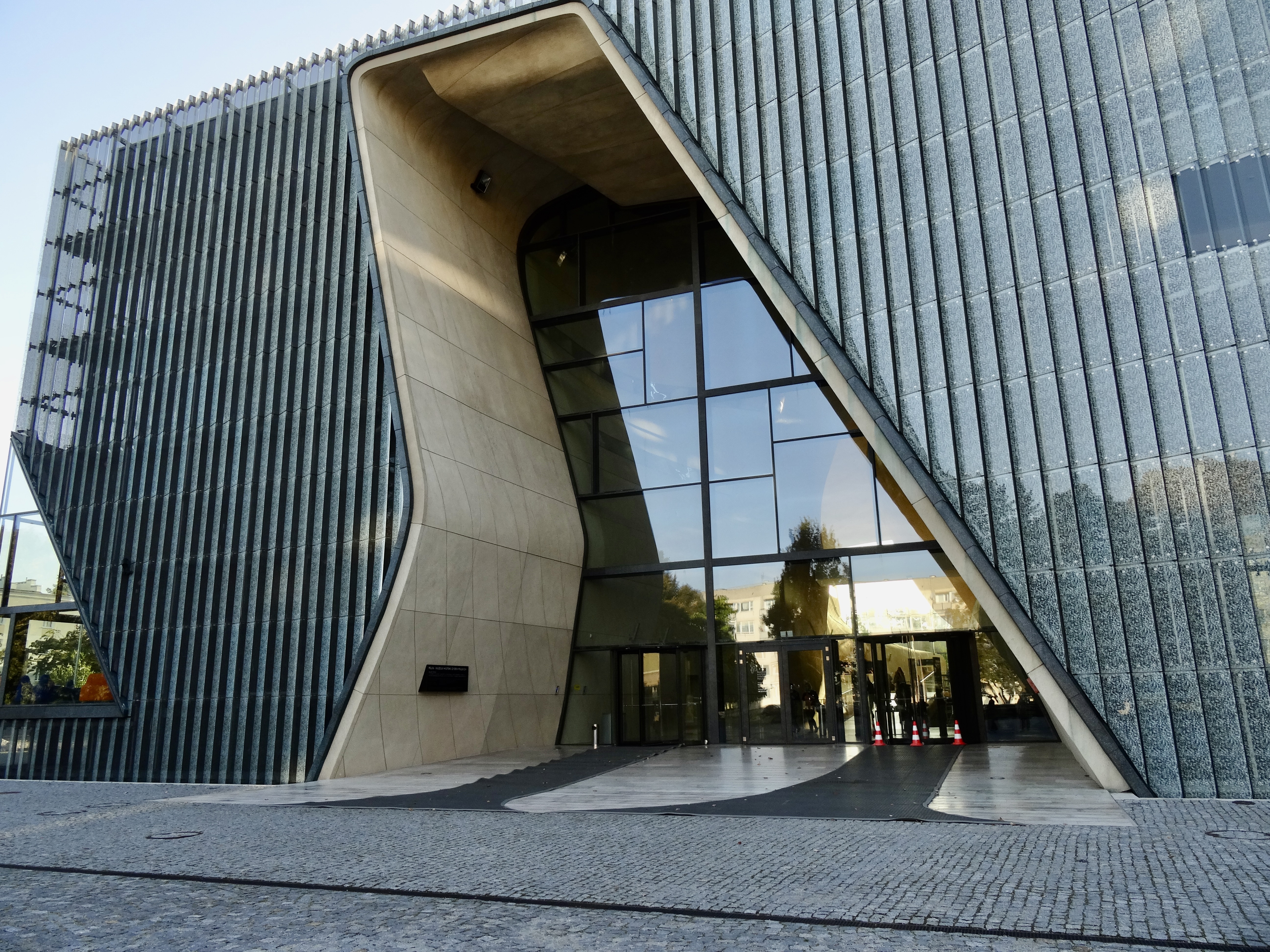
After the Palace, we headed over to a new Jewish Museum that had recently been opened in Warsaw (in the neighborhood of the old ghetto). It was designed by a Finnish architectural firm (and you know how I’m all things Finnish) and Barbara thought I’d like the architecture. Must say that I never experienced so many “Jewish” places in my life, before this trip. My very unaffiliated position has not exactly made me a frequent observer of these things.. But the building, Called POLIN, was quite stunning. And it was definitely still in the earliest days of opening as only one exhibit section was open with signs announcing when the rest of the exhibits would open. The architects were Rainer Mahlamäki and Ilmari Lahdelma. By the way I didn’t like the façade pattern that was made of letters (Hebrew and Polish) that said “Polin” or Poland. The building has a huge entry area… and the intention of the museum is to be the whole history of Polish Jewry.. not just the period during the war.. so it’s a large undertaking for the exhibits. By the way, on the donor wall the Koret Foundation (SF) has a very prominent place. After this, we headed to a special pierogi restaurant… Zapiecek.. which was located on Aleje Jerozolimskie (that’s the street name).. just off Nowy Swiat which is a happening street with cafes and coffee shops and close proximity to the University. We shared a “small order” or savory pierogis (9 of the medium sized dumplings filled with things like spinach and mushrooms and cheeses) and a “small order” of the sweet ones (filled with sweet cheeses, apples and raisins, jams, berries, etc). We also had soup as a starter.. You could have rolled me out of there… But pierogis are the thing to have… along with Polish beer.
We talked well into the night and closed the place down at close to midnight when Barbara (who refuses to take taxis) realized that the tram line would be ending soon. So off we went.. Me to the hotel and Barbara to her apartment.
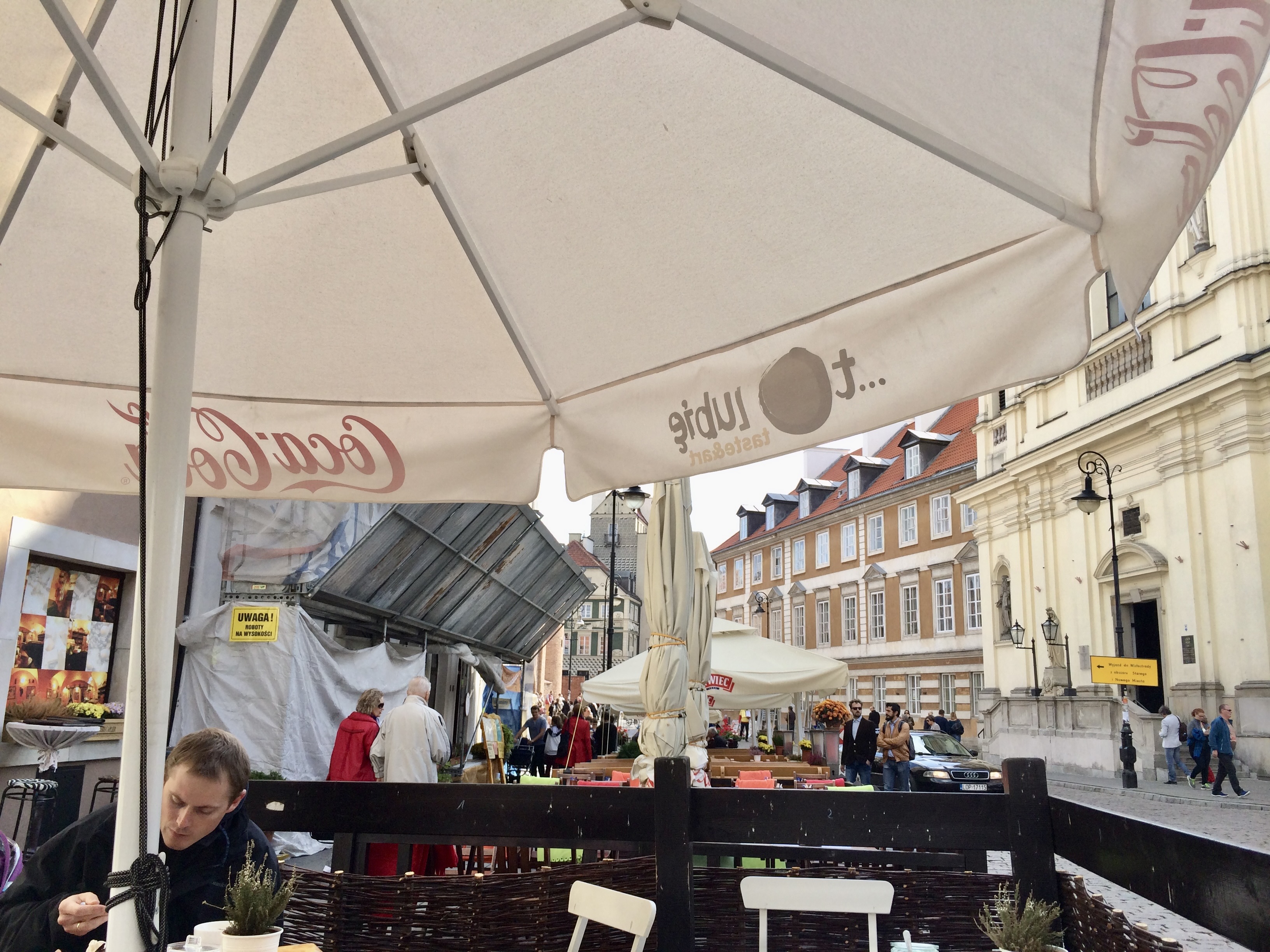
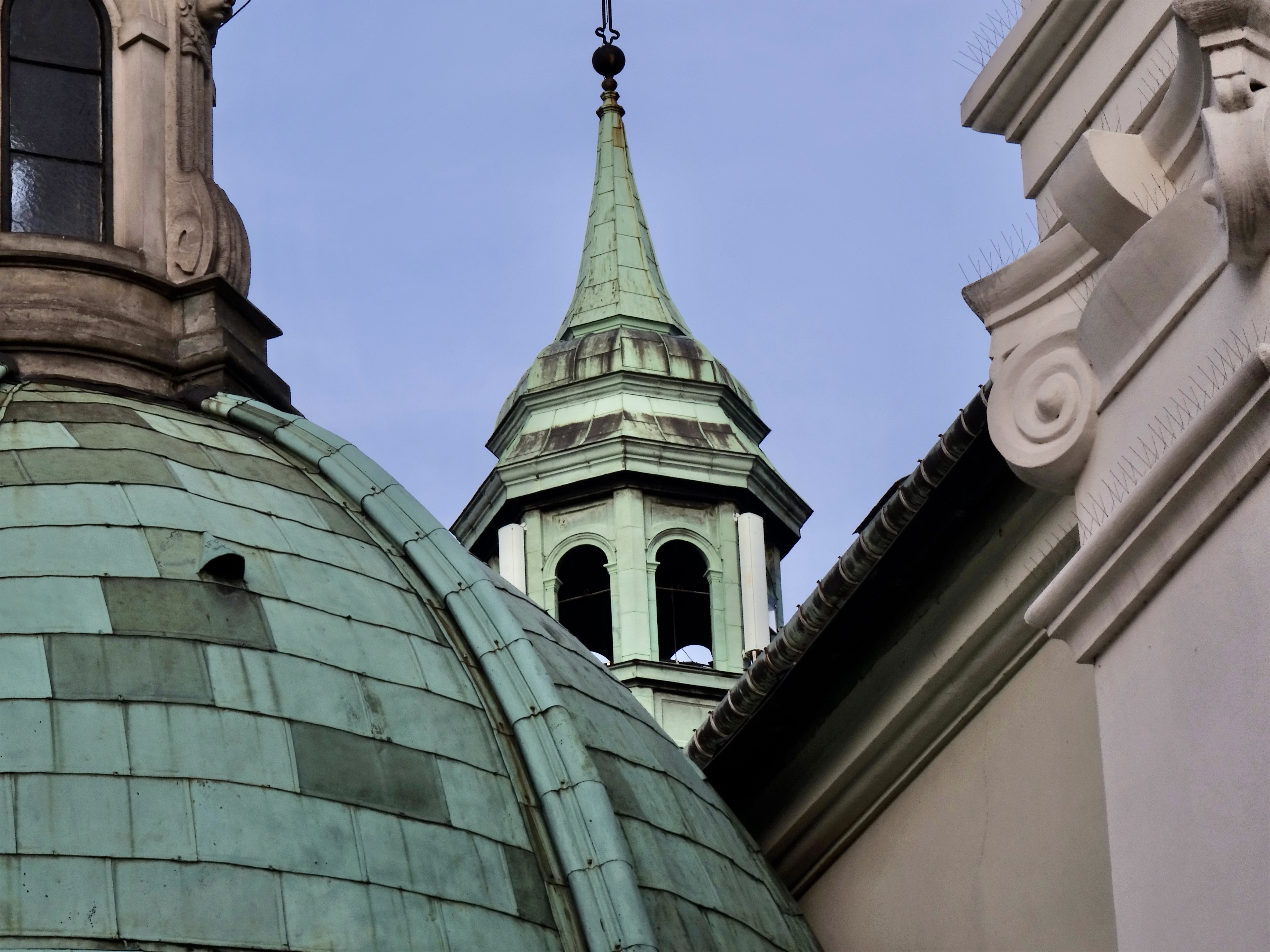
The next morning (my final day in Warsaw and in Poland), we met mid-day so that I could have a few hours to catch up on work and also to do a little gift shopping (which didn’t turn out to be too productive –just four very nice hand painted small plates).. and some decorated Polish eggs for people at the office back in Oakland. After I woke up, I headed to my newly found breakfast café, a few blocks from the hotel.. (I had eaten there the day before, so I was sort of a regular already)… The café plays Beatles and Rolling Stones music.. Actually it was a great little place with just about four seats inside and about 10 outside under a canopy… They baked their own breads and made their own jams.. I was in heaven… It’s called To Lubię.. and they have a sign outside that says “Life’s too short, eat cookies” It’s actually built into the bell tower of a Dominican church… Supposedly all their recipes come from the monks from the monastery located behind the church.. including the liqueurs which seemed really interesting, but it was breakfast! (I believe that “To lubię” means “I like it!” They serve lunch and also I believe light dinners.
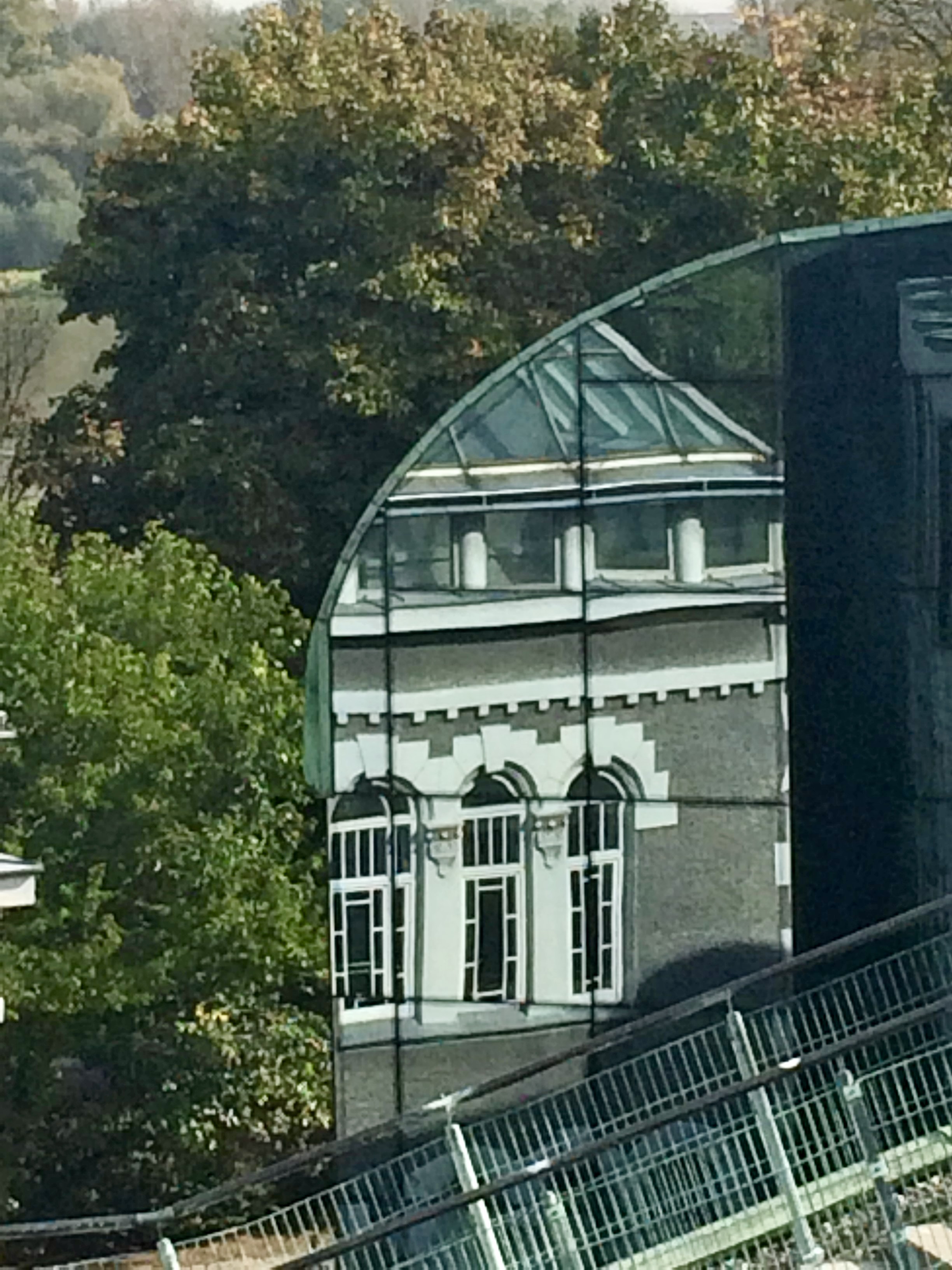
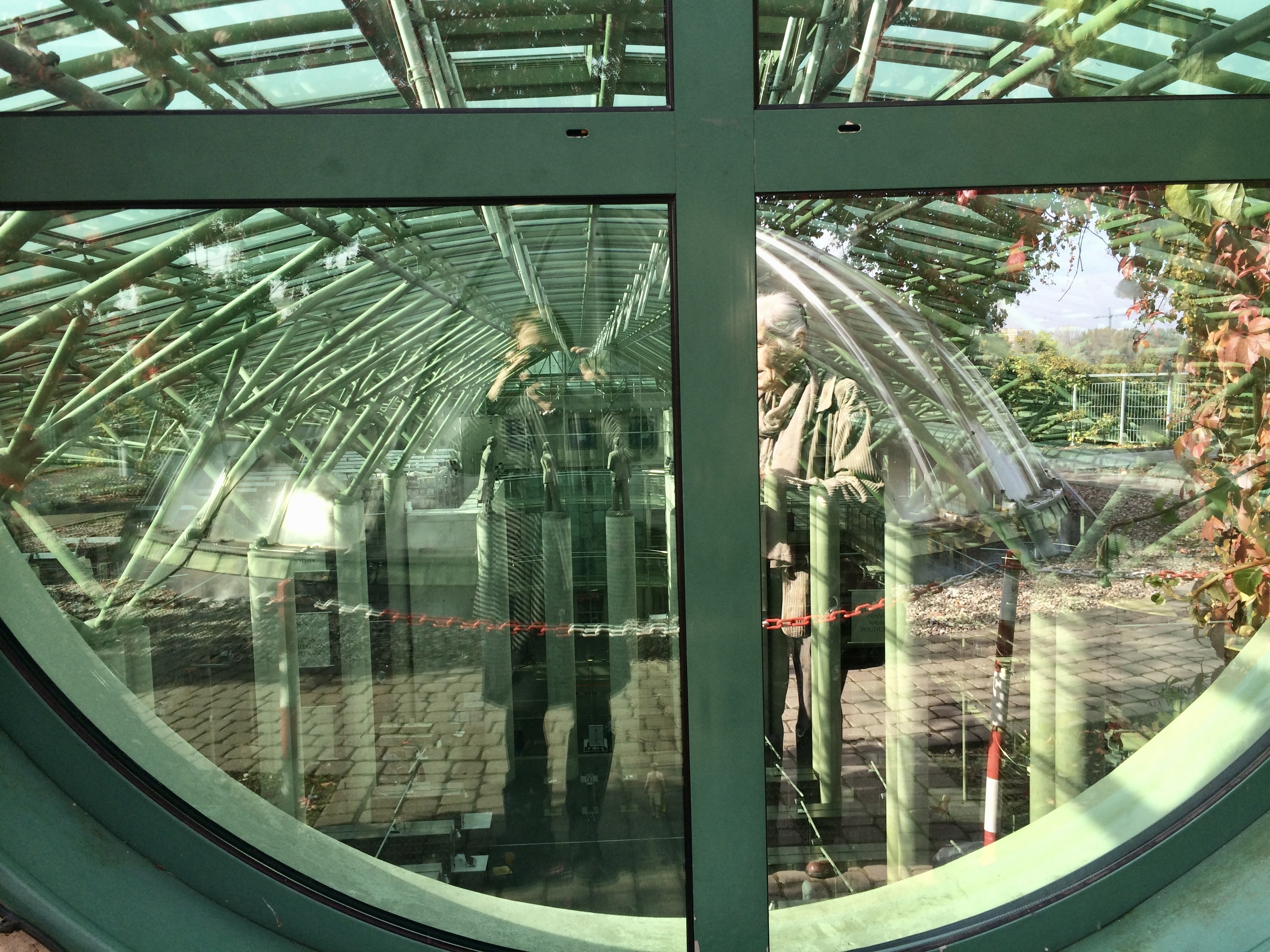
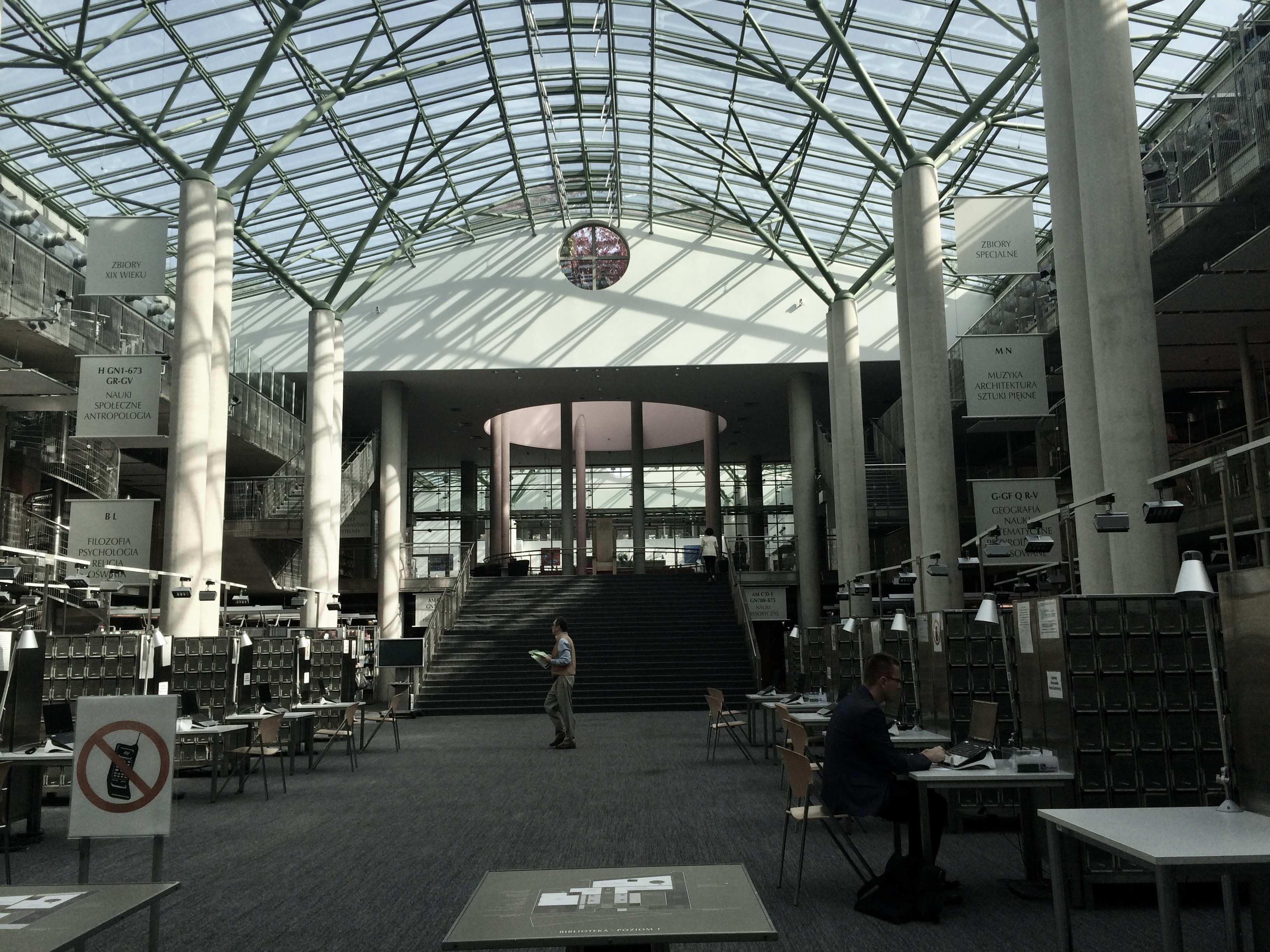
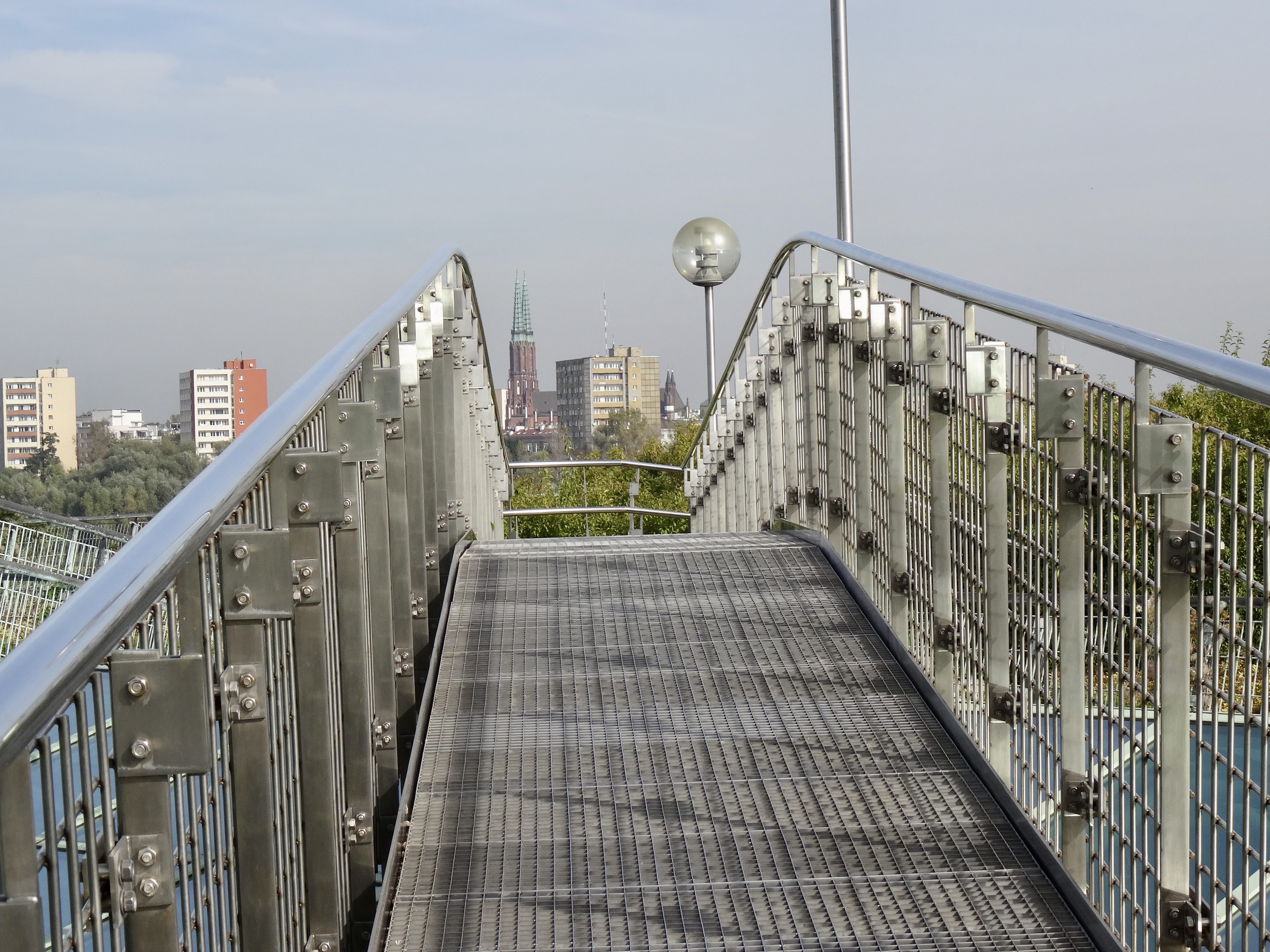
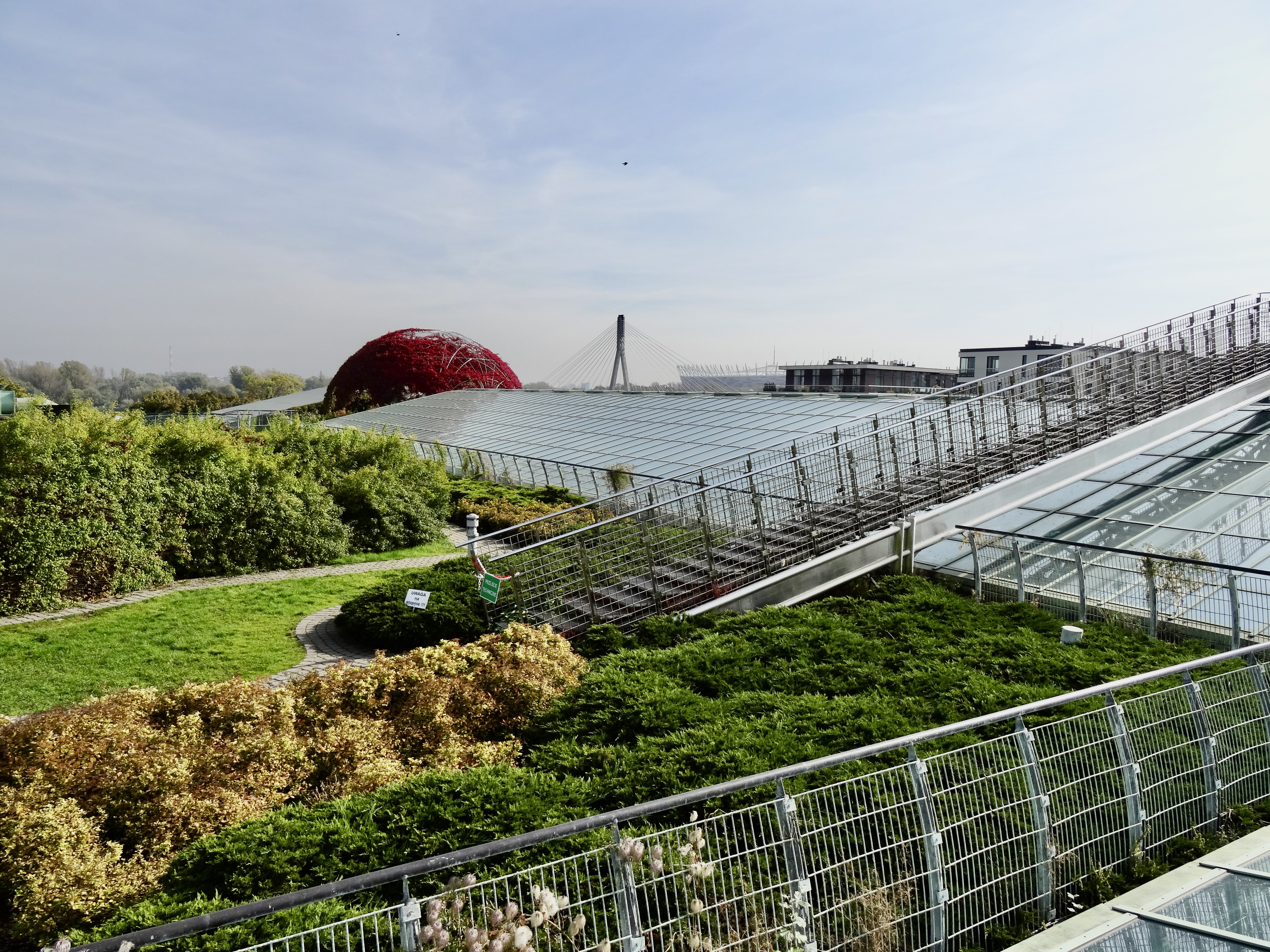
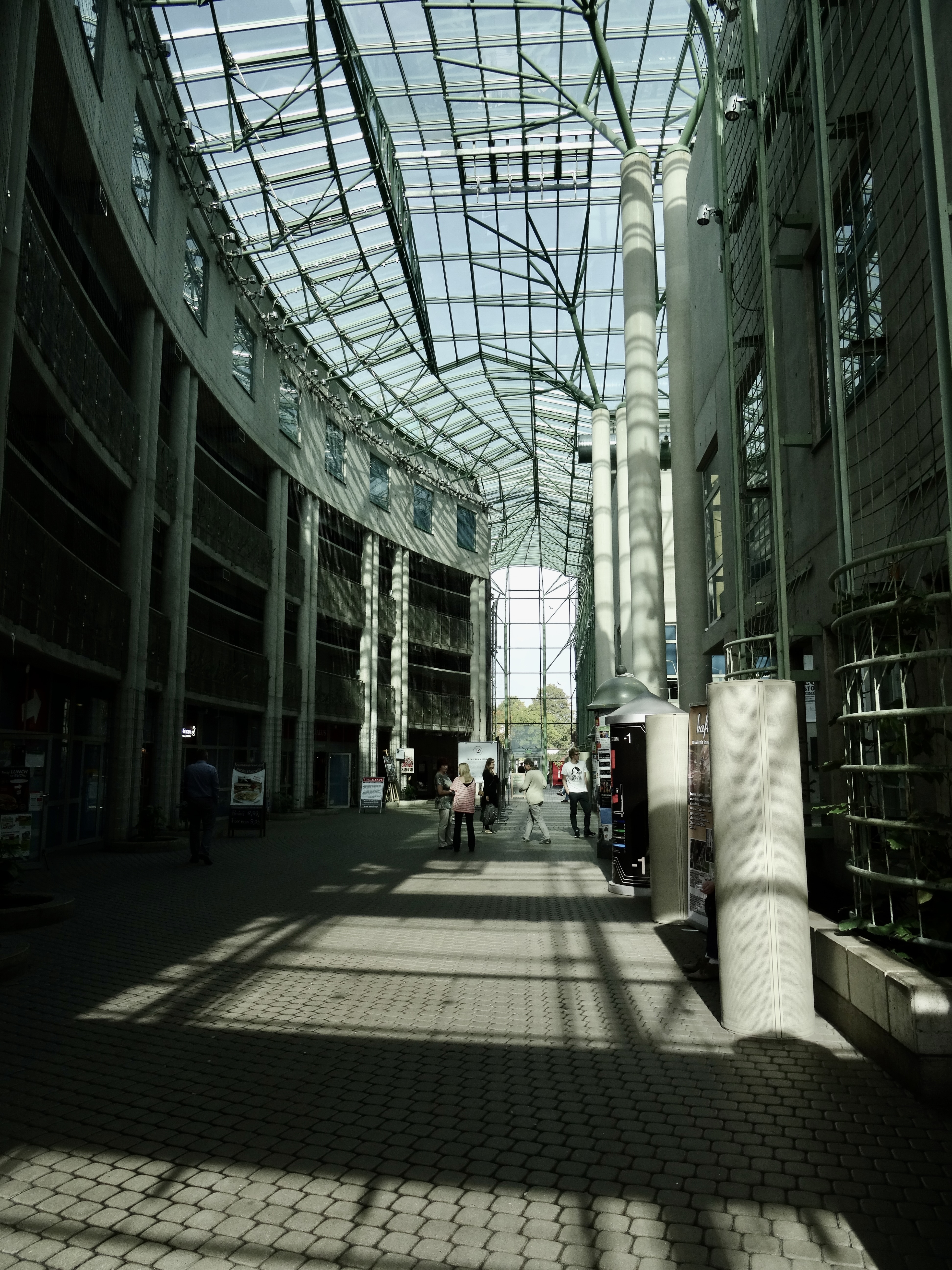
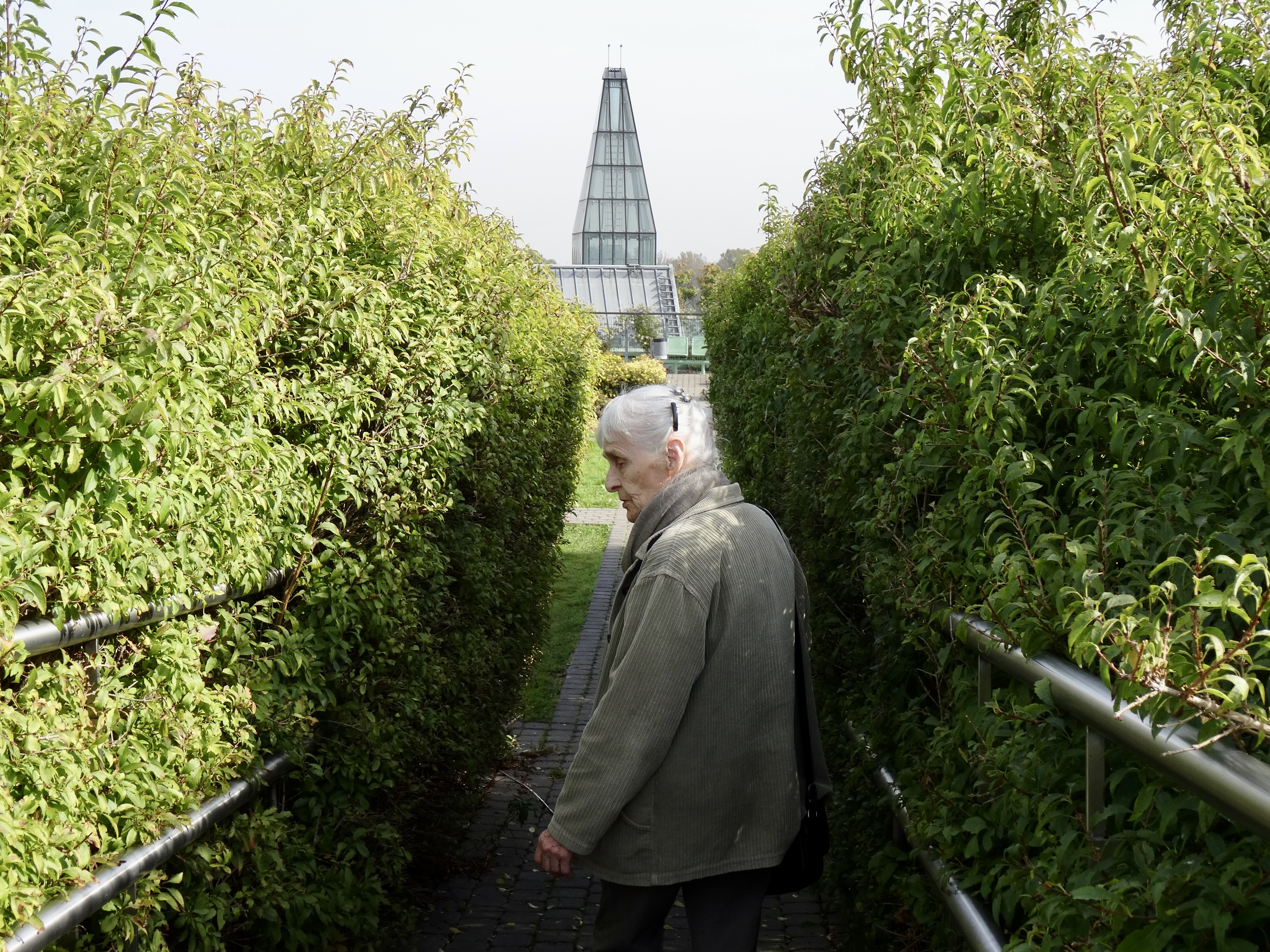
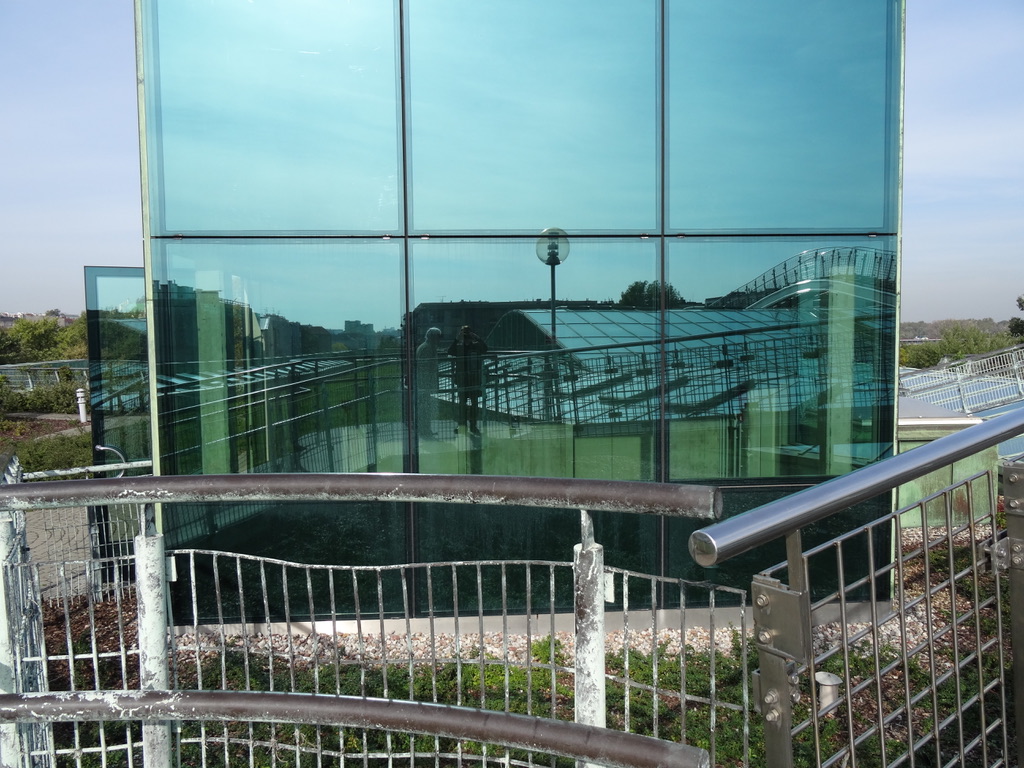
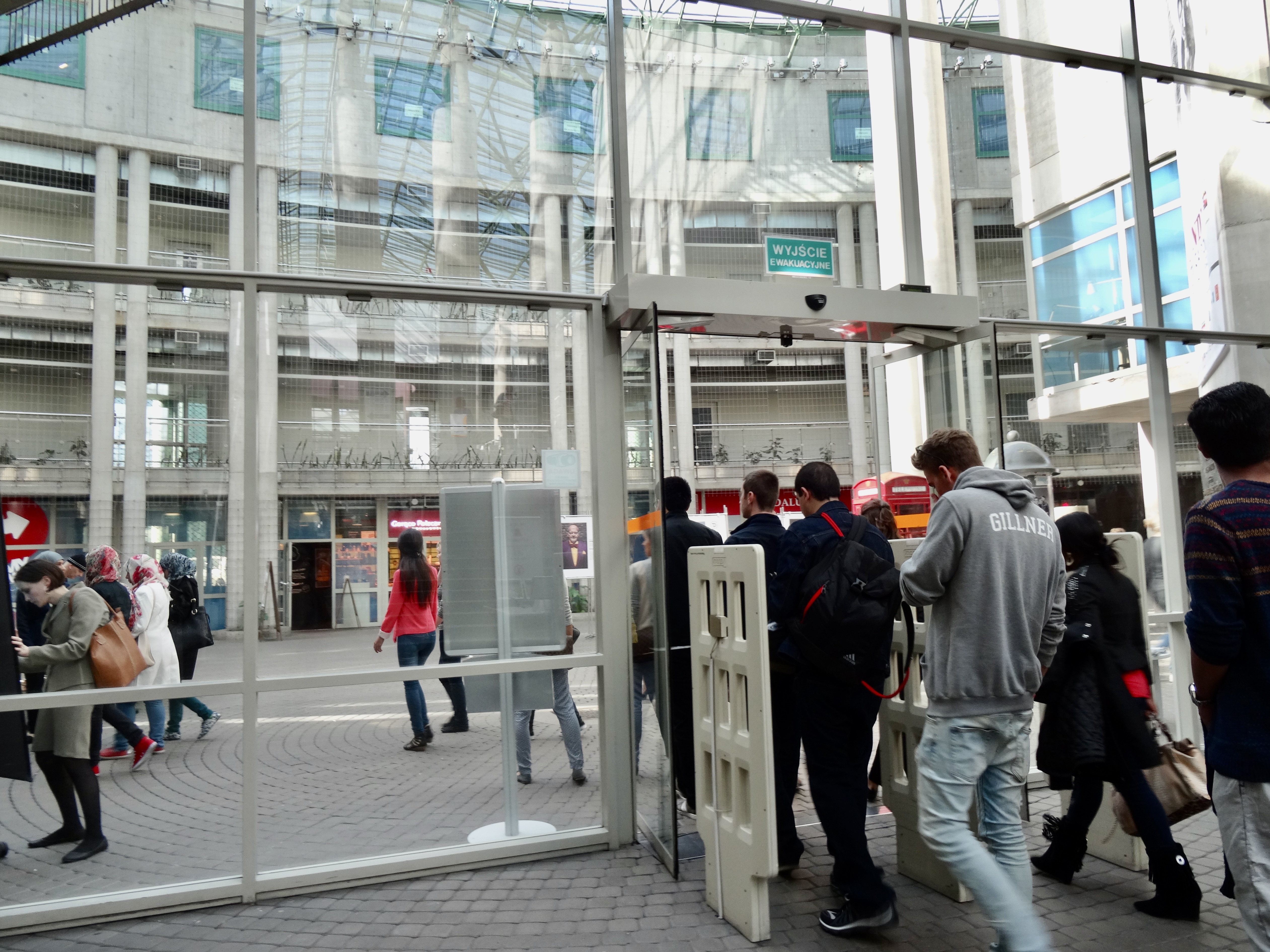
I then met up with Barbara at the University of Warsaw Library.. which I had read about and which was supposed to have very interesting gardens on the roof and also good views of Warsaw from that roof. Well the building is rather strange. Barbara hates it.( remember she is very very opinionated and given that she is well into her 80s I think she feels she has the right to articulate her feelings—about everything) She thinks it is a total waste of space and that it doesn’t feel like a library inside.. but she does prefer books and the library is obviously geared to a lot of new technologies. Anyway, like many university libraries these days, the first floor entrance area is like a commercial street with shops and cafes.. and then you enter the library..
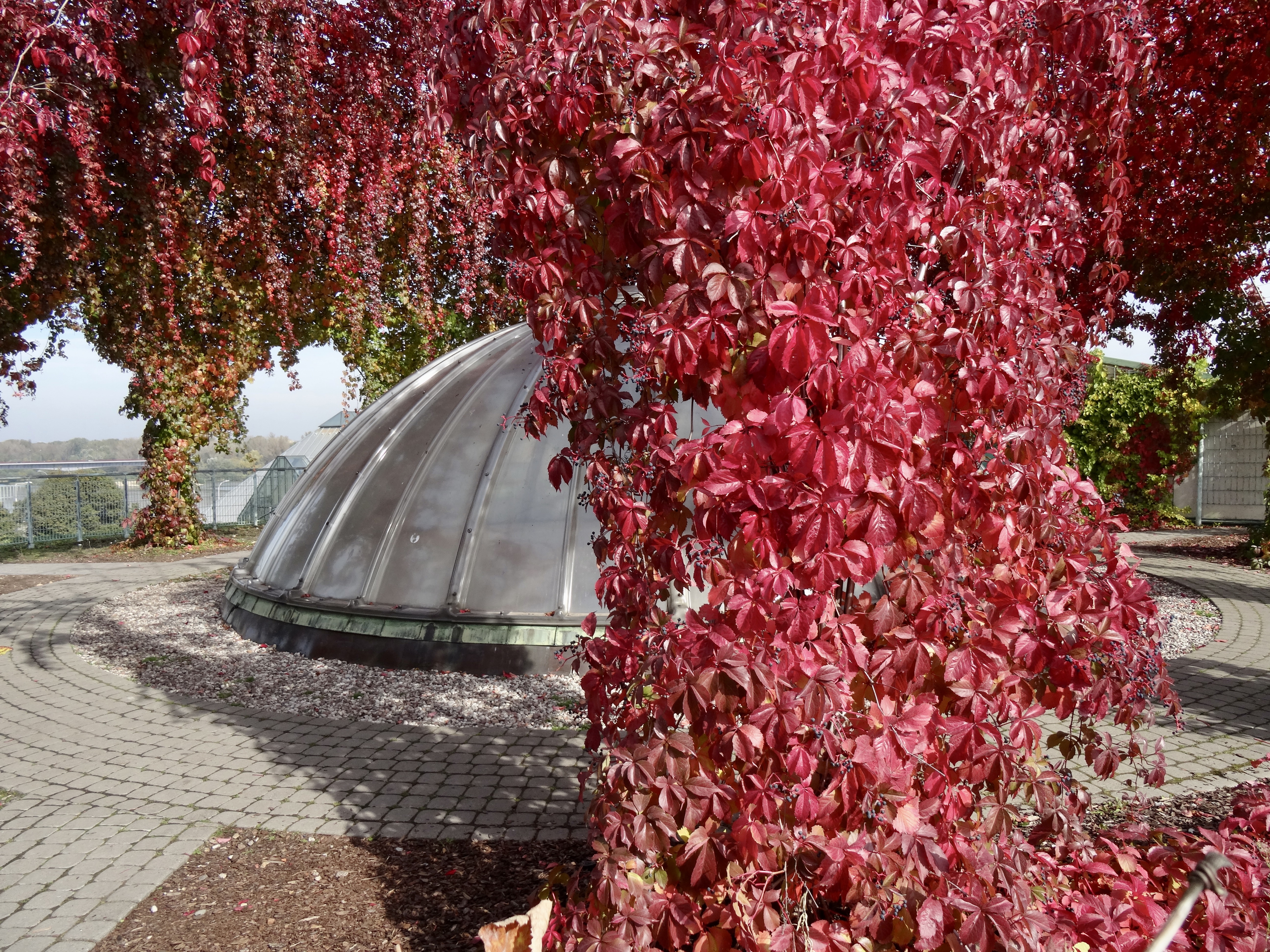
It was designed by two Polish architects after a competition for the selection (Budzyński and Badowski ).. and it was opened around 2000. I’m told it was blessed by Pope John Paul II. The rooftop garden wasn’t what I expected.. it is accessible to everyone and you can actually walk up a series of ramps from the street and not go through the library to get to it.. (although given my “boot” they let me take an elevator to the garden).. But the garden isn’t really tended and there aren’t many places to sit.. I had envisioned a series of vegetable gardens and great areas to sit outside and read/study.. But that was not the case. We walked to a little bookstore café to get a snack.. and then I headed to the hotel to pack before meeting up with Barbara for dinner. Our conversations got deeper and deeper into contemporary Polish politics and the situation in this “post-transformation period.” In general, many people feel that Lech Walesa was “used” and that soon after the transformation, factories closed and the economy and services deteriorated.. They say they have “freedom”.. but what does that mean.. freedom to travel, yes.. but no money to go anywhere.. Unemployment is very high and the Poles have become the cheap labor source for wealthier nations.. Many Poles have been relocating to places like Ireland to find work. Complicated…
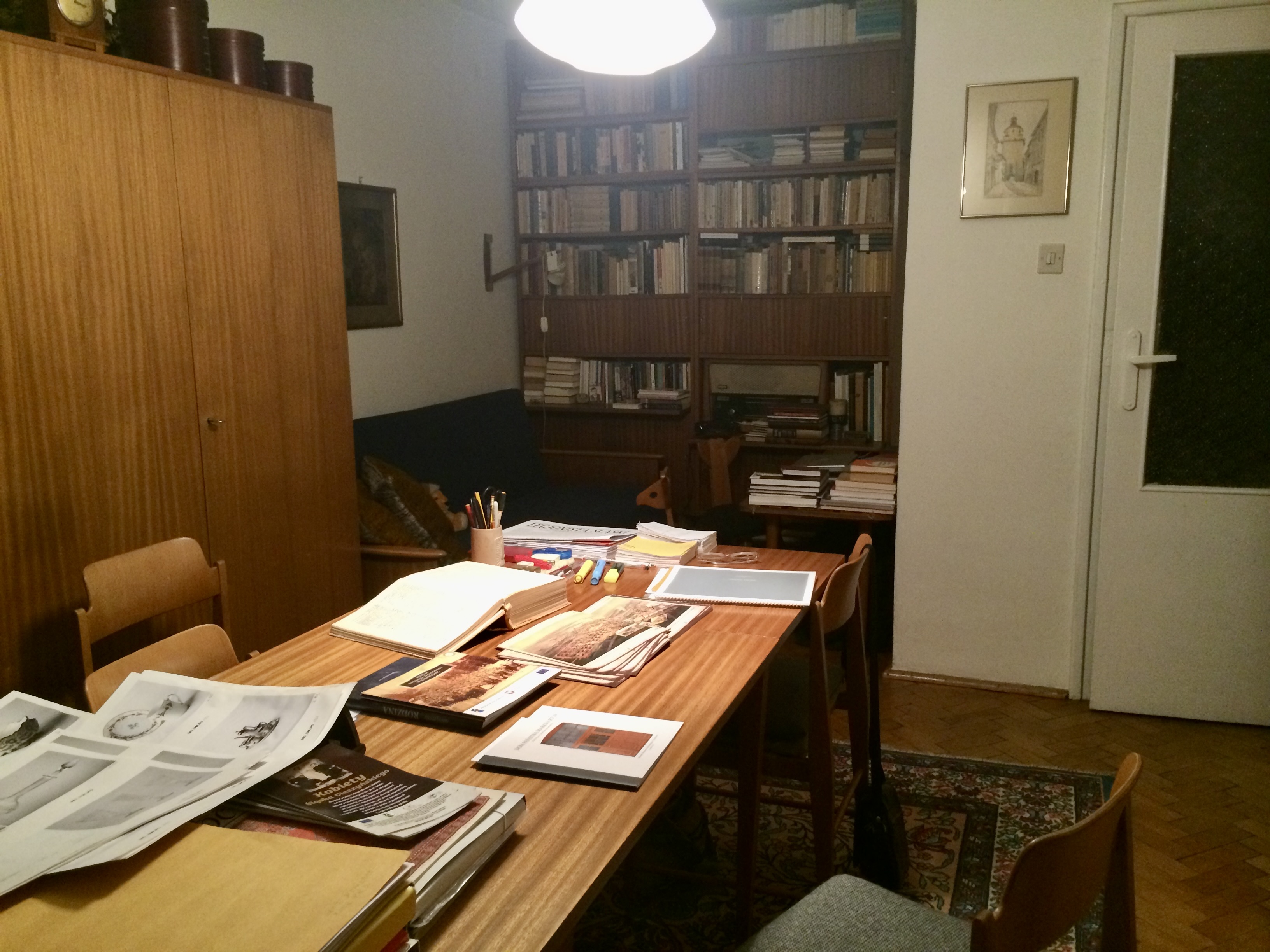
So a few hours later I took a taxi across the bridge to Barbara’s apartment. It is a total of 170 sq. ft.… one room essentially and very very well organized. She has lots of books so in addition to the walls of bookshelves that make the apartment feel even smaller.. if you open any cabinet — even in the bathroom — it’s filled with books. But she manages to sleep, cook, eat, and work on a wide assortment of projects.. all in this little space. I’m in awe as I can never have enough space. She’s been working on a catalogue of an exhibit of her late husband’s things.. and she showed me the catalogue for a wonderful exhibit that she curated that showcased the company town where her grandfather worked.. He was in a factory that made linen. Amazing archival photos and actual implements that had been handed down to her from her grandparents and parents. The catalogue is a gem.
We headed to an Italian restaurant for dinner.. Pasta.. more carbs.. and starch… and wine.
And after a lot more talking… I headed to the hotel at about midnight.. to await my 4:30 am wake up call.
That’s it.. I’m heading back now… See you in California or Washington.
Best.. Fern
 Fern's Travel Notes