5 August 2016 – Cape Town
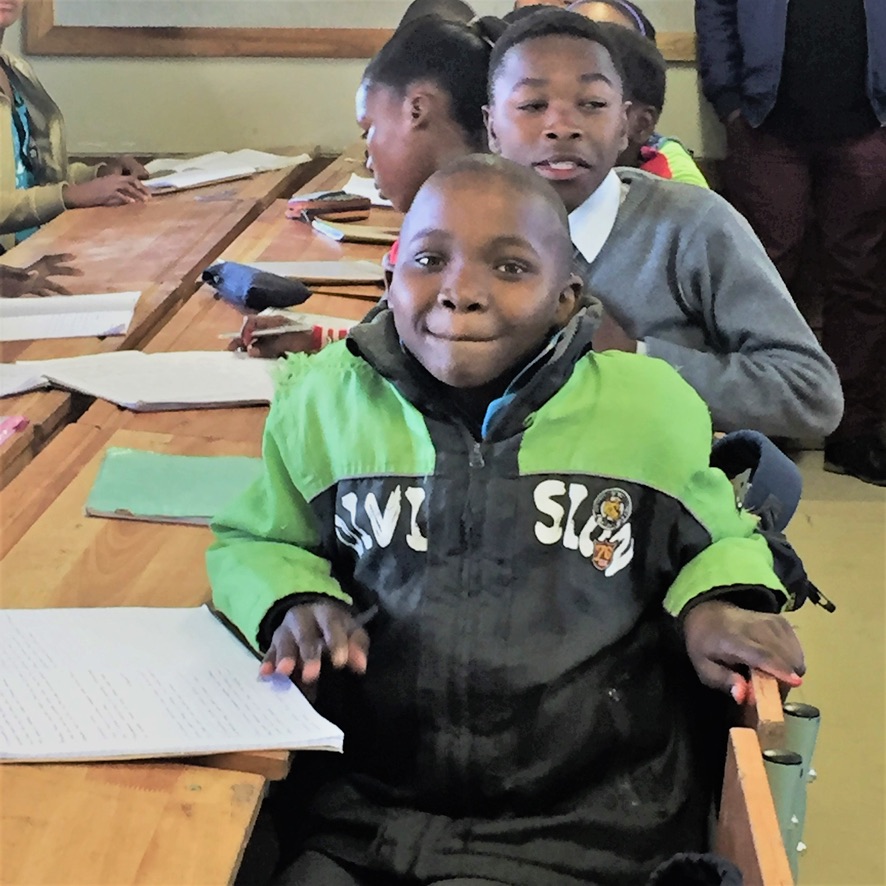

Greetings on August 5 –Another busy day….. Started very early to get to a primary school located in the Philippi area. It goes from Kindergarten through 7th grade. The school we visited was only about two years old and was pretty sprawling, but construction was poor and the roof was already leaking and paint in other areas was chipped. But it is new, and big, and covers a large area. Turns out that most new schools are the result of decisions by the ANC and if the principal is well connected they can probably get a new school. This K-7 school has 1,650 students. The teacher to student ratio in classrooms is 1 to 52. (!)
Noticed several things that I hadn’t realized yesterday, and or particulars about this school:
- A lot of classes are “teacher-less”: One teacher was showing us around the school for about two hours. He left his class totally unattended (7th grade math); we said several times that we could either come back or stroll around the school unattended; they wouldn’t hear about that. … When I asked about the students being left alone, he said “they’re fine; they have assignments to do in their workbooks!”
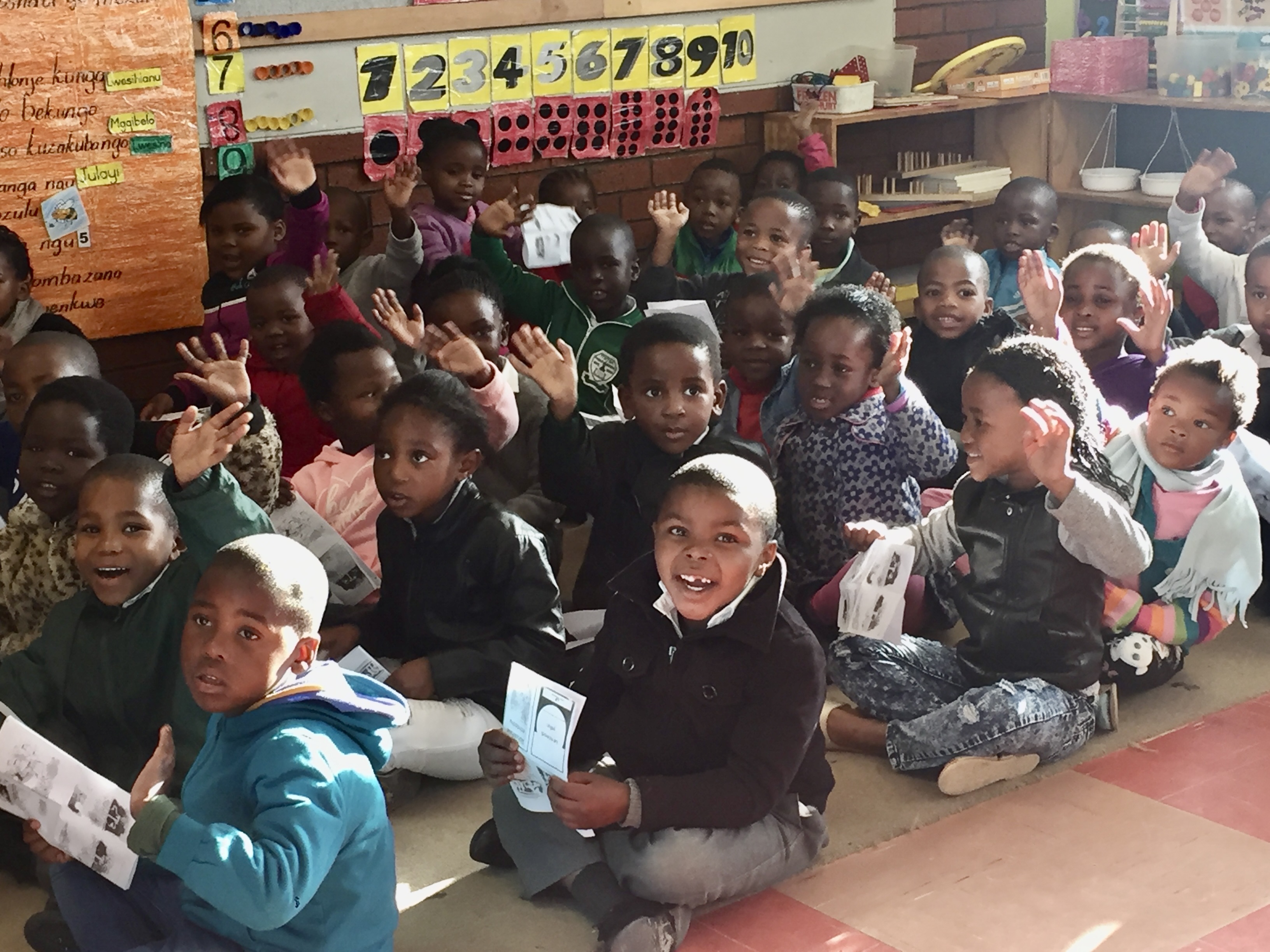
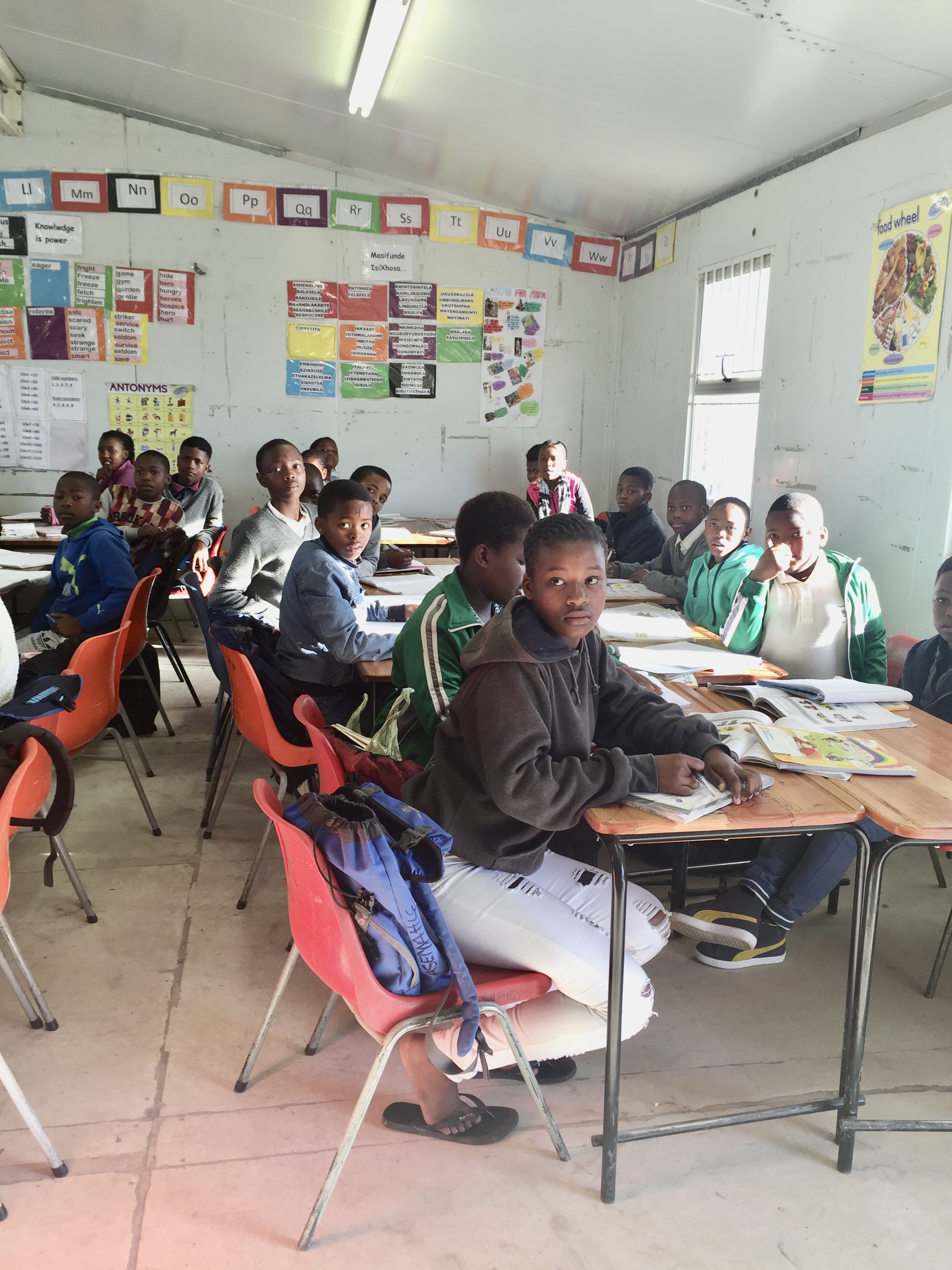
- When any visitor comes into a classroom, all students stand up immediately (without any prompt) and say in total harmony “Good afternoon teachers” (assuming all visitors are teachers, I guess); then after you say “good morning” the students again in harmony say “how are you, we are fine; how are you”… We say “We are fine” and then they often repeat this all over again, until someone suggests they sit down.
- The school has started a small garden where unemployed mothers work in the garden; they then sell the produce to a restaurant and get to keep the money
- There is a great emphasis on discipline and meeting test standards; very little creativity in teaching
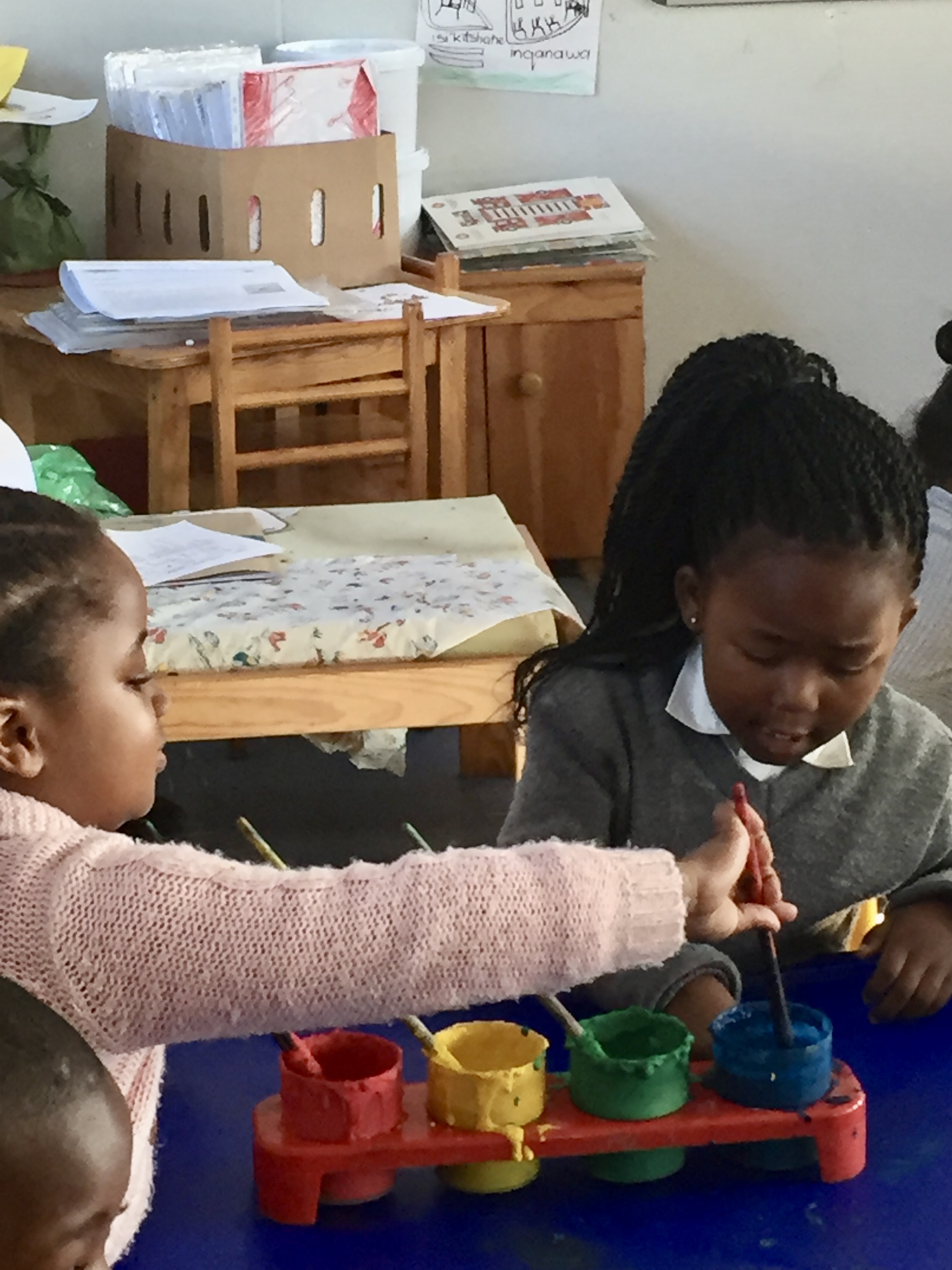
- Classrooms are pretty barren
- There are no substitute teachers; on any given day there might be 10% absenteeism on the part of teachers – either leaving classes unattended or else teachers have to monitor their own class and a second class
- Variation in principals (level of training, understanding of policy, knowledge of student issues, etc.) is vast
- No landscaping, shade, or open space in any of the schools, even new ones
- Very little decoration in classrooms
- Once again, library without books (or pitifully low number) and computers (about 20 for 1,650 students) are not used because software licenses have expired and teachers don’t have technical or technological skills.
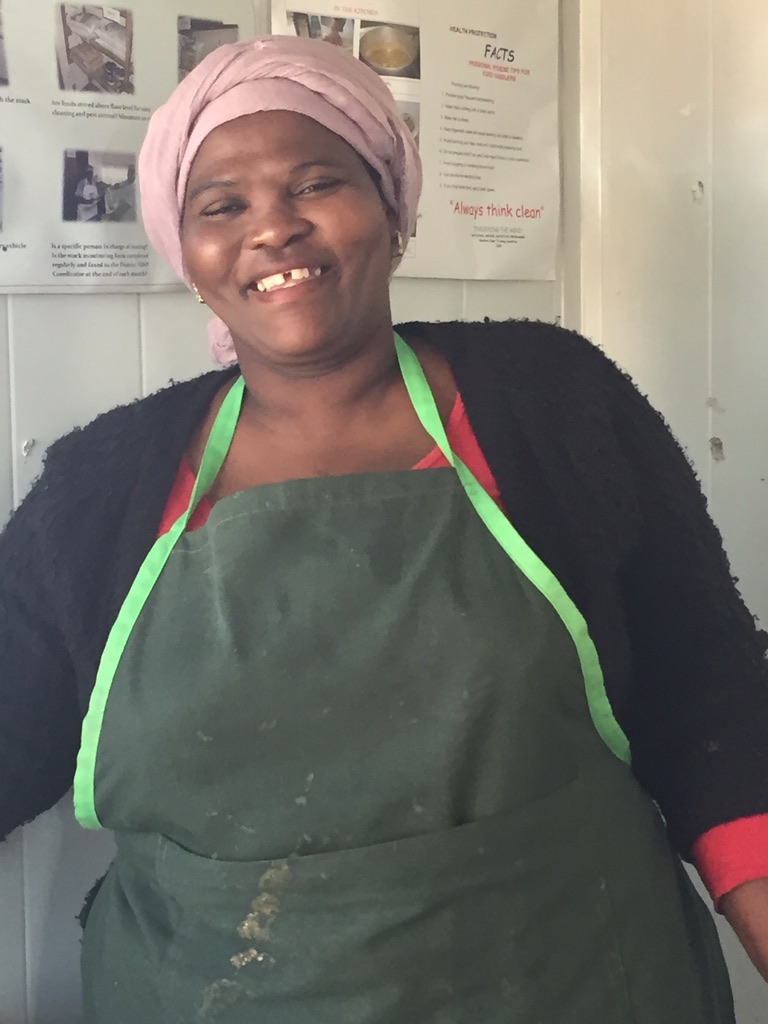
- All students get one full meal (lunch) and a snack in the morning; meals are prepared by volunteer moms who then get to take home any excess food (as pay)
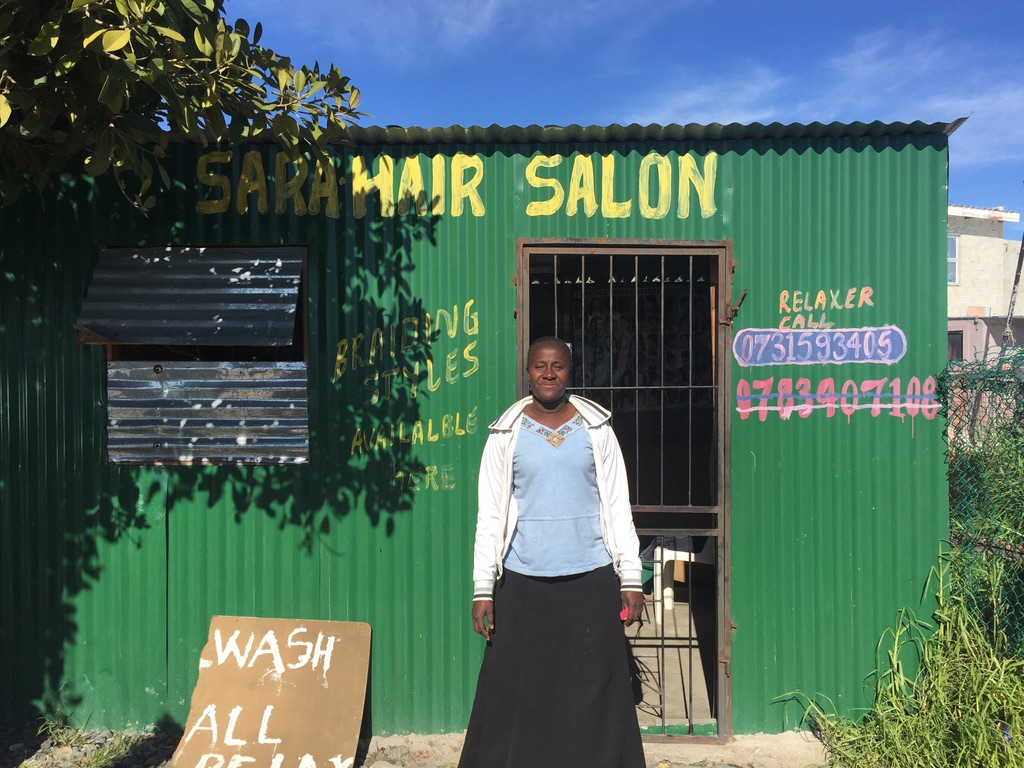
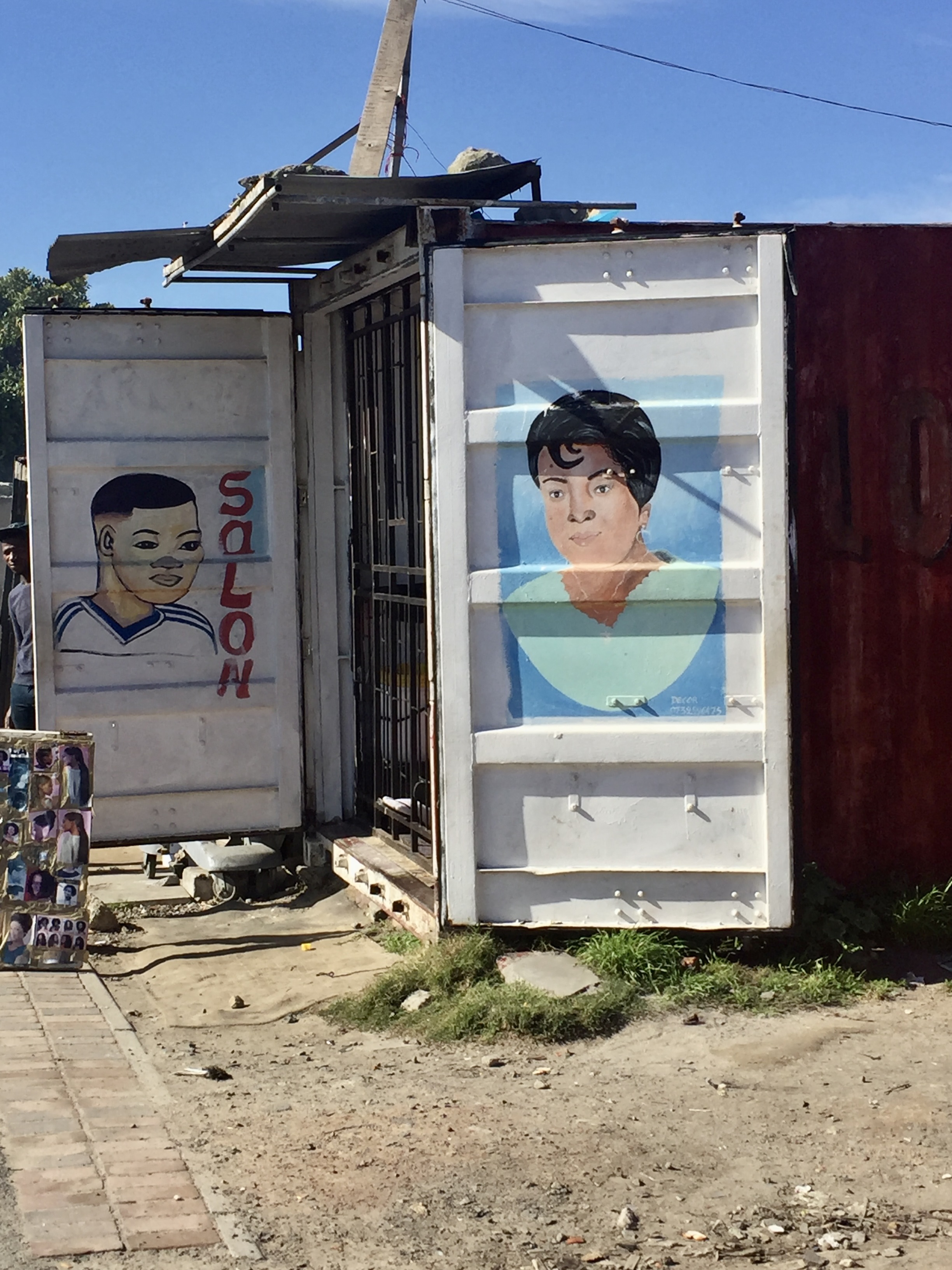

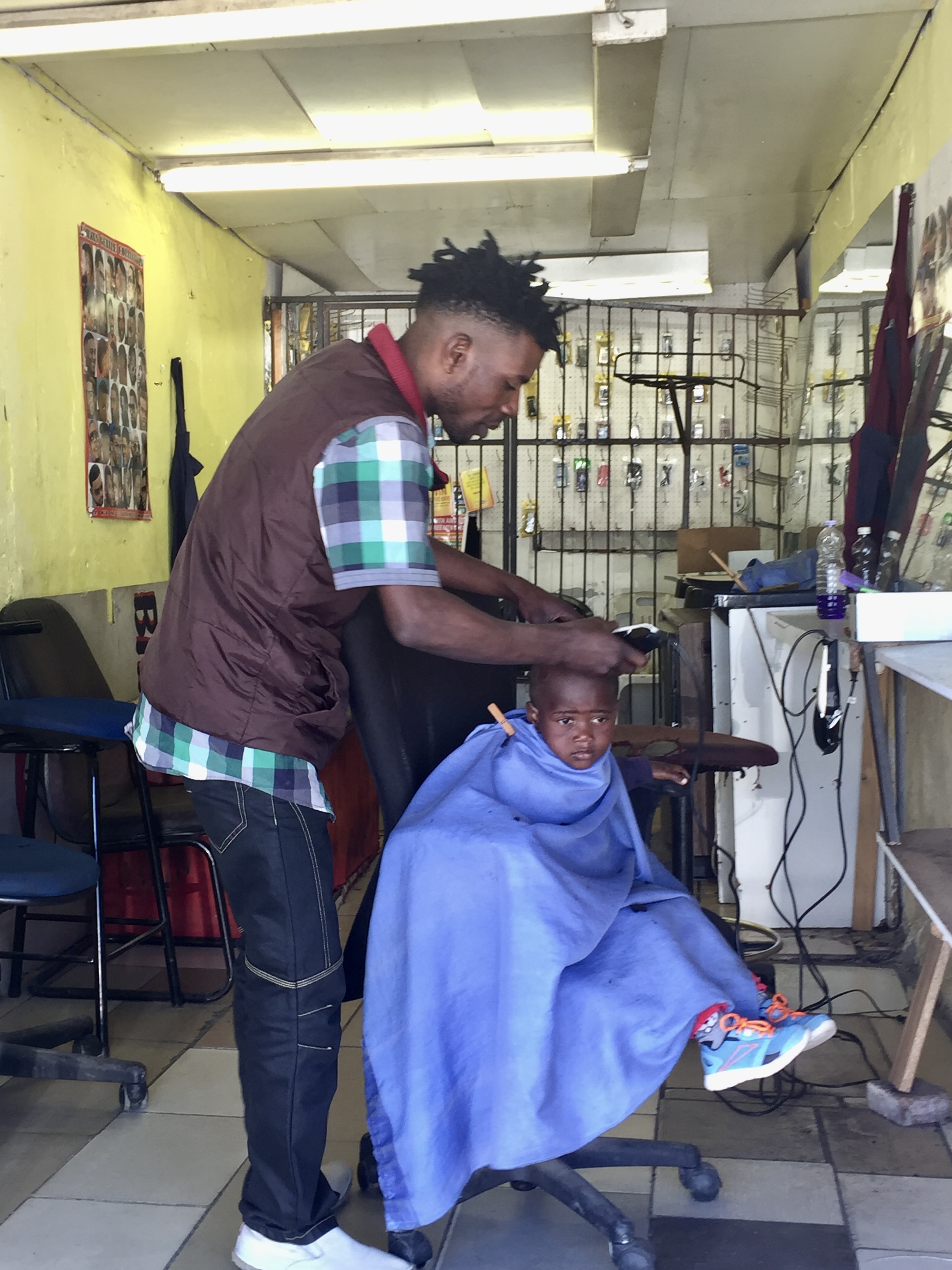
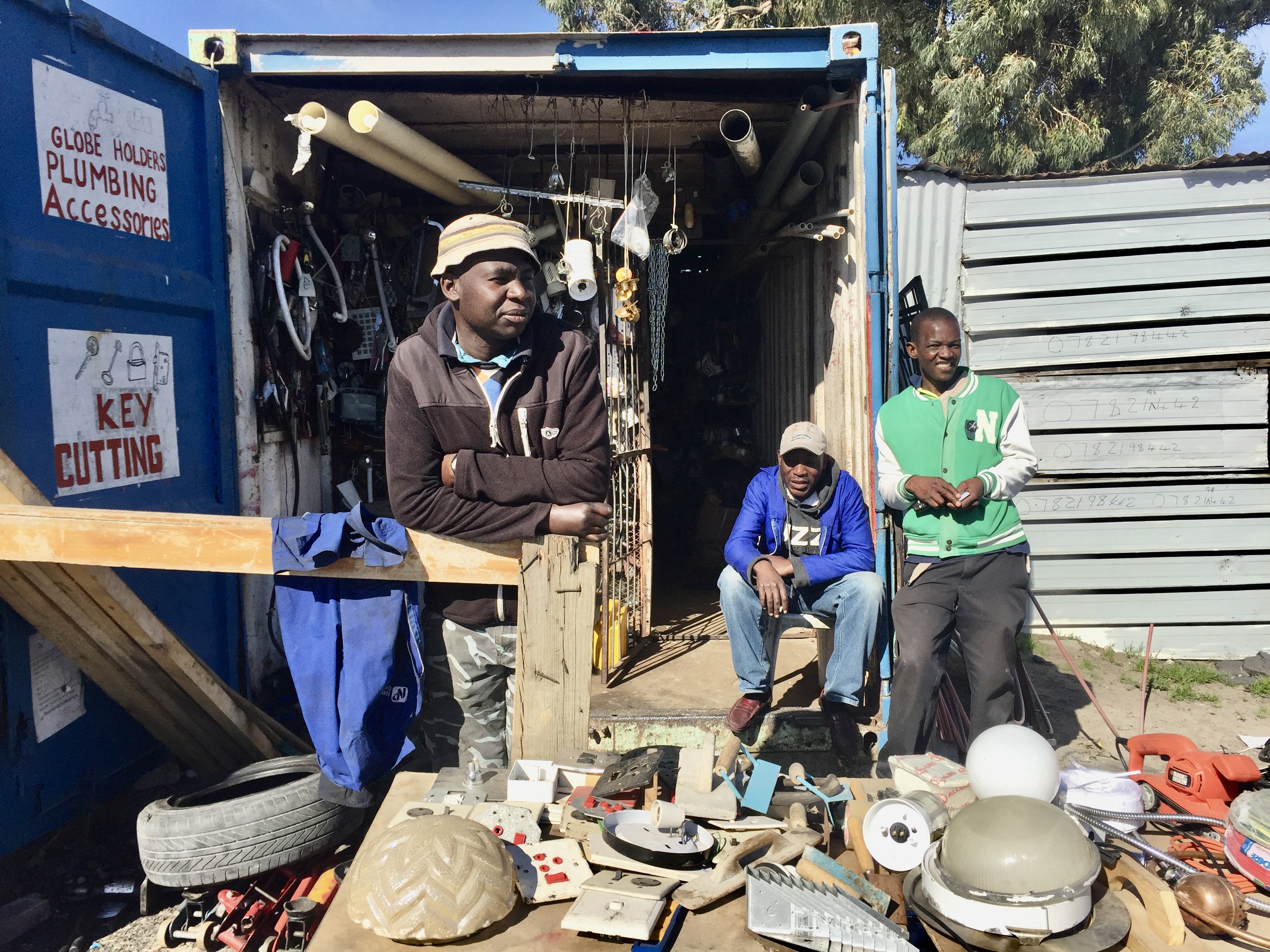
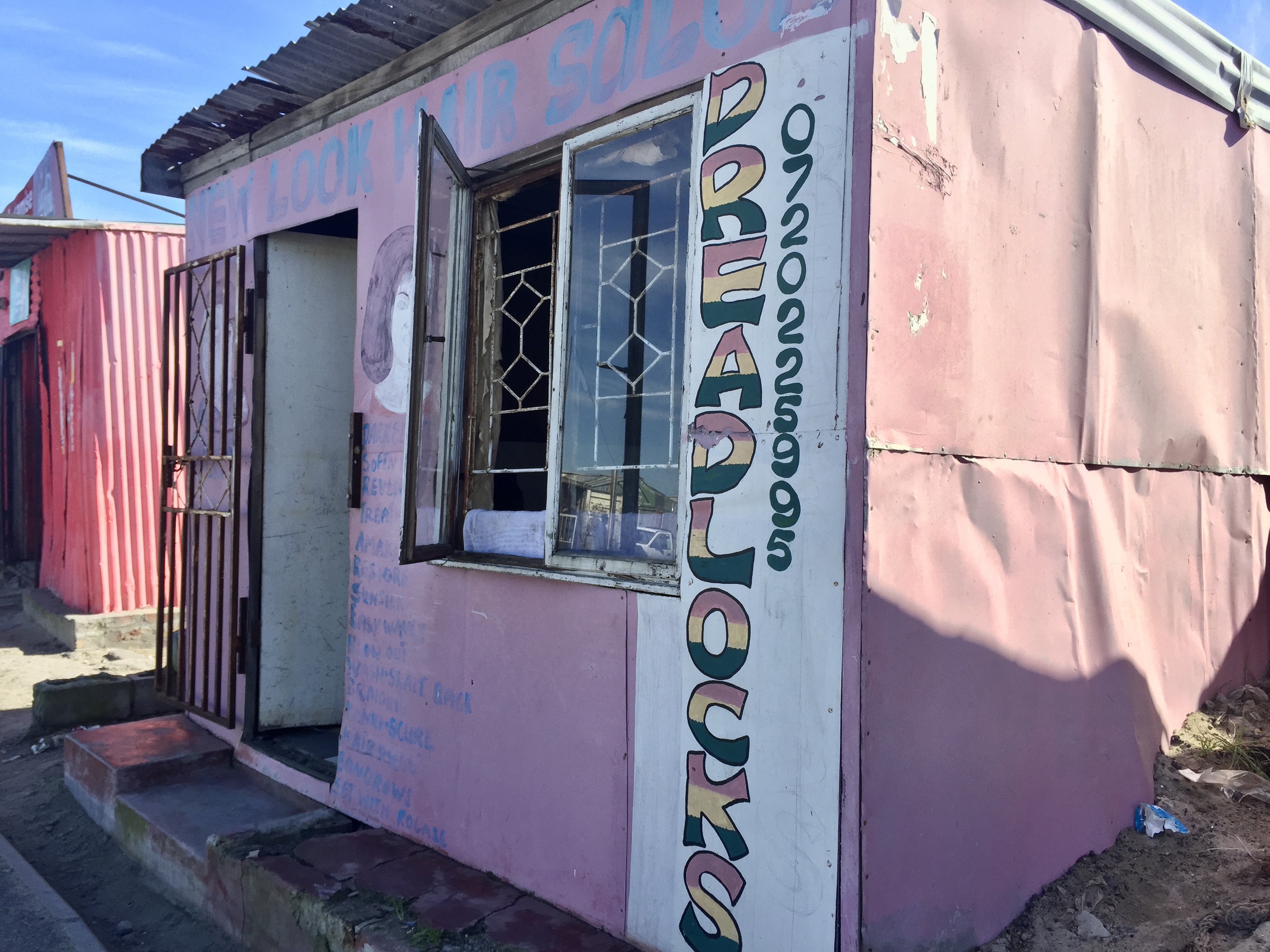


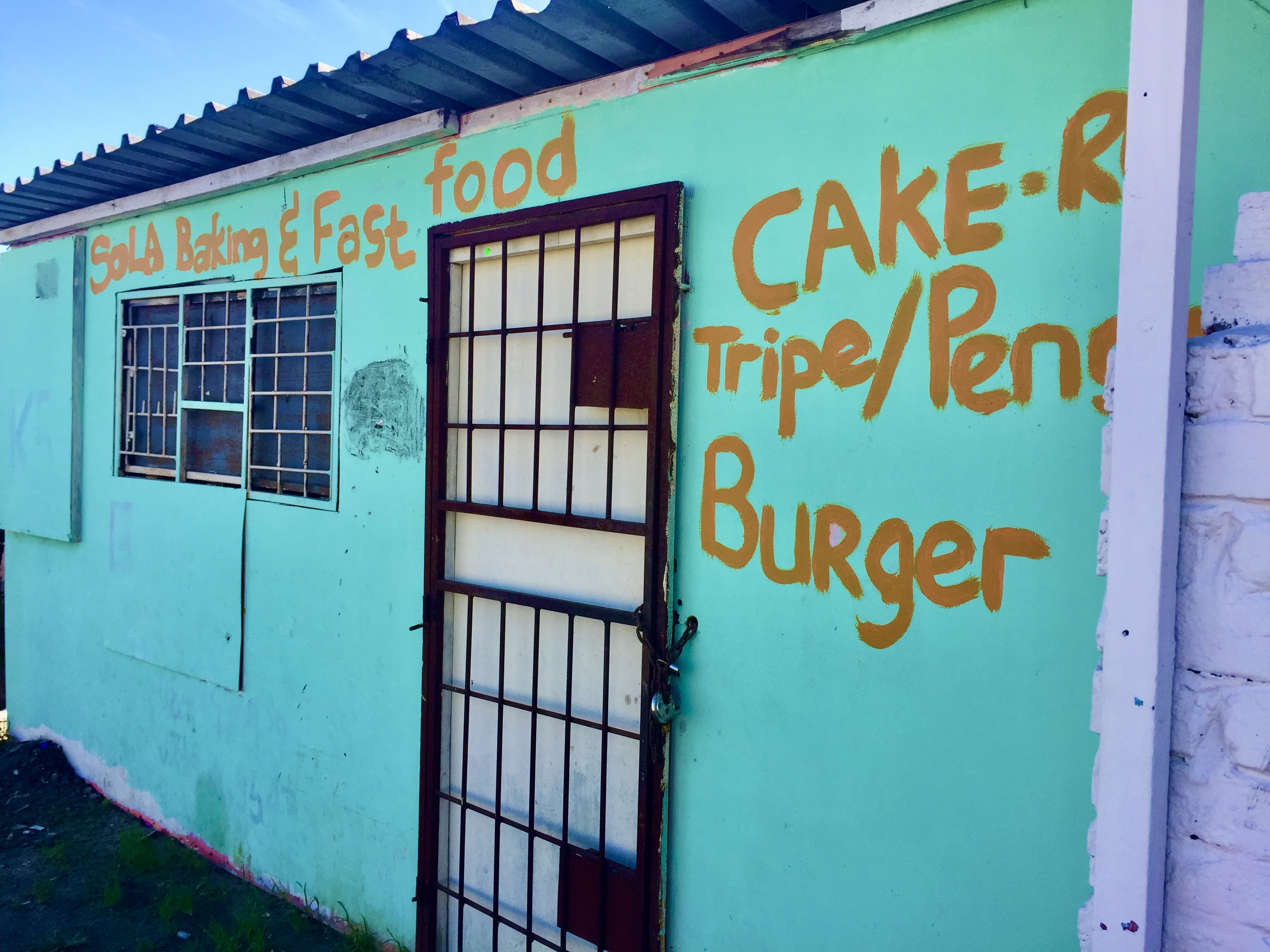
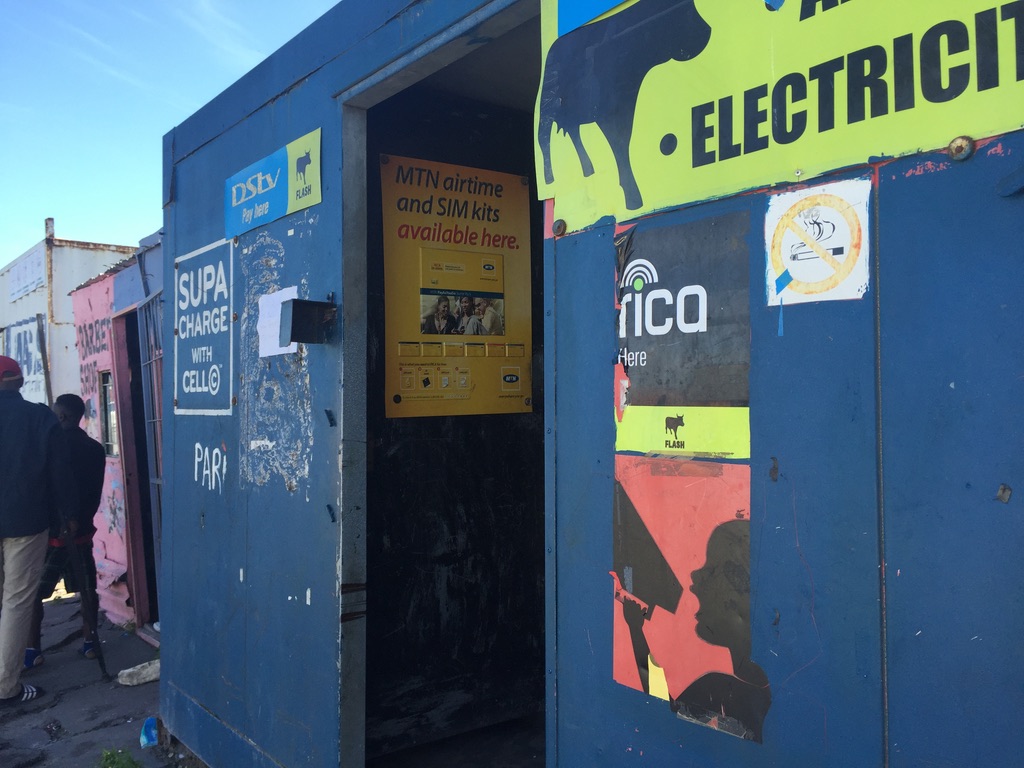
After spending about 3 hours at the school, including meetings with some teachers, the principal, and the vice principal/math teacher/math chair, we headed to see more of Philippi. I was especially interested in walking down the “commercial” streets. Township commercial streets are chock full of tiny, unstable, “buildings” or “structures” that are about 8’ x 8’ by about 6’ tall. No plumbing, few have electricity (often jerry-rigged by tapping into a light pole), and they all have very handmade graphics telling you what they are selling or what services they offer. Every “shopkeeper” has a folding chair in front of their shop, sitting and waiting for customers. As usual, people were very friendly as I strolled and photographed shop after shop.. Lots of beauty salons, somehow functioning with buckets of water, this tiny space, and jerry-rigged electricity.
The townships have only gotten larger from the time Mike and I were last in South Africa — and no new infrastructure has been added.
The issues of the townships are complicated. Over and above extreme poverty and density issues, there’s about 65% unemployment, and the delivery of services is scarce. The term township refers to the underdeveloped urban areas that for the past 200 years and ending at the end of apartheid, were reserved for non-whites. They are built on “excess” land on the edges of cities. . But it’s more complex than that, and is an evolving situation. People are in very self-help houses that are about 10’x10’ by 7’…. Mostly of corrugated metal (or plywood or random materials that have been scavenged) that has been joined together to form a sort of “box” that has a cut-out hole for a window and a door. One new thing is that there now seems to be a little pre-fab operation going on the street where you can buy the pieces of corrugated metal with the window already punched out, and we even saw what we thought was a structure already for occupancy being brought to a tiny site.
Township living is messy, often dangerous, and distant. It’s dusty (with no paved roads) and lots of dogs roaming around. It’s unclear if the residents “own” their “homes” and if they own the land on which the house is situated. I could go on and on about these marginal communities, but that’s for another time.
I’m rapidly fading – it’s about 1 am, and another busy day awaits me…
So, very quickly :
After the township, we went for a quick lunch and to visit MonkeyBiz, and then headed to Capetown Technical University where Chris was going to give a talk on the silencing of Black children in South Africa and colonization. It was well received… I was supposed to give a talk on Monday, but things got too complicated given the short time of our visit.. and the fact that we have a series of meetings on Monday.. So I’ll just do it when I’m back next July.
Headed to dinner with some faculty – Ethiopian food (quite good) at a funky place called Timbuktu, located in the Obz neighborhood (near the Observatory).
Got back around 11:00 pm to do some work for FTA and respond to emails…
More tomorrow.
Fern
 Fern's Travel Notes