UW in Cape Town Part Three. September 3-5, 2017
Molweni – Ninjani..
Hopefully this note will get things caught up…

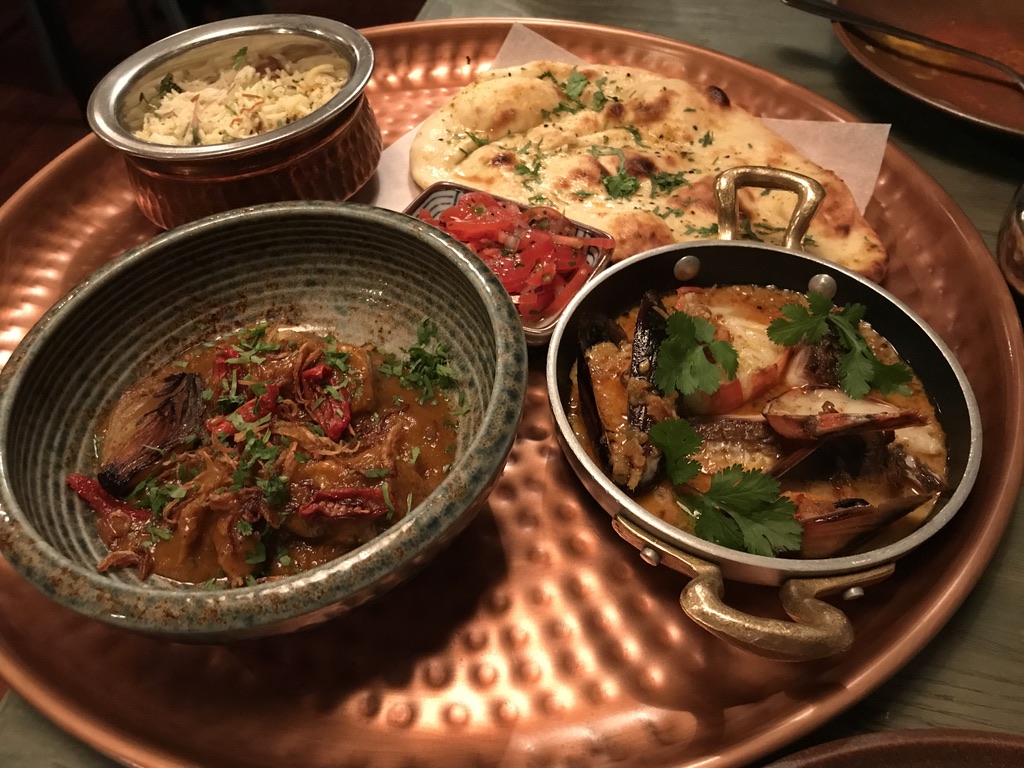

Following the trip to Franshhoek, we took the grad students out to dinner to a simple Greek restaurant (you can get any type of food you want in Cape Town). I think it was called Acropolis. Thought it would be good to touch base with the grad students to be sure they didn’t feel marginalized by all the attention the undergrads needed. Seems like it is all good. They are a great bunch – smart, mature, independent, and eager.
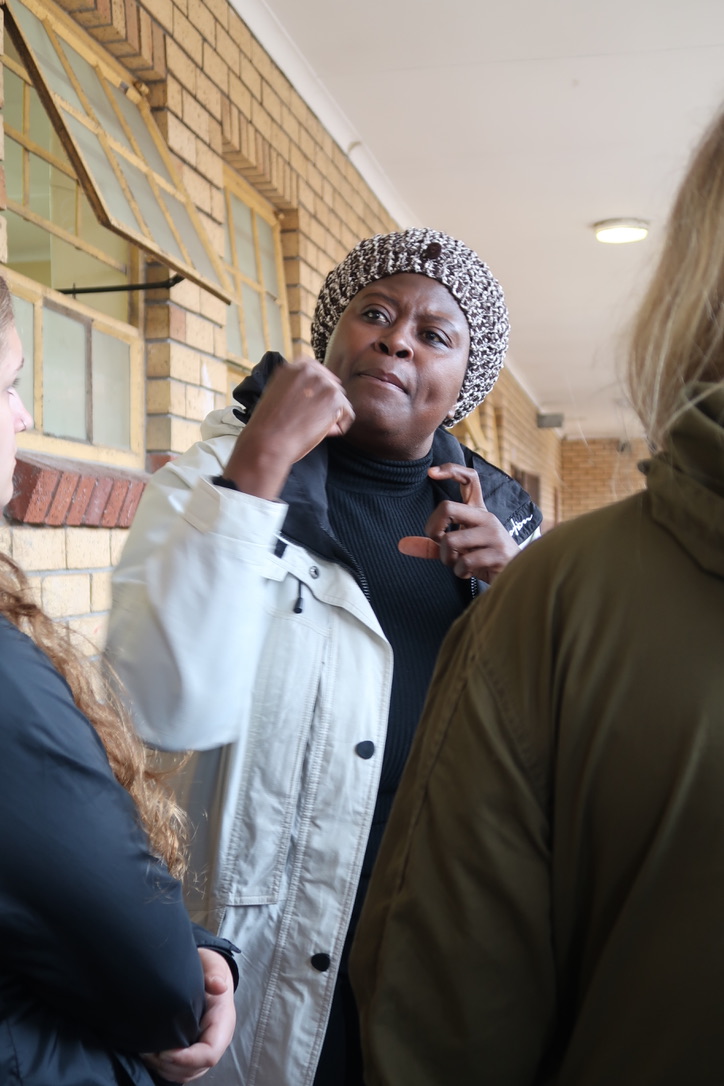
The program officially started on Monday (your Labor Day). We took the entire group (we have a van and driver and also a car). I’m not eager to drive in Cape Town although I did it many years ago. Traffic is horrendous, makes NYC look calm and collected. But that doesn’t really bother me – it’s dealing with all of that while driving on the “wrong” side of the road) to an NGO called Amandla Development – in Philippi — who had agreed to give the students an introduction to townships and Philippi specifically. Chris and I had met the founder and director previously. He’s an American of Jamaican descent – a Yalie – who has been in South Africa for about 12 years. Following his introduction (more on content in a minute), we got a tour of the township led by the principal of the high school that some of the students will be working at.
I’m now sitting in a café called Knead, in Muizenberg. Students are all at their sites and settled for about three hours, which gives me time – finally – to catch up on this blog and also to work on my presentation for the University next week.
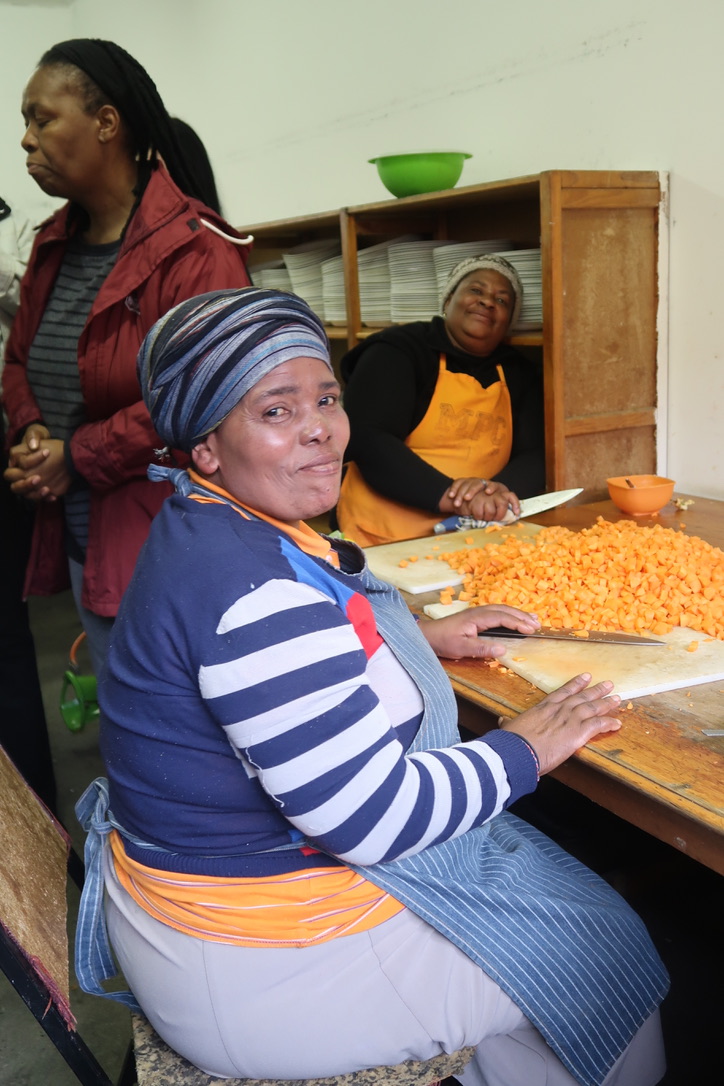
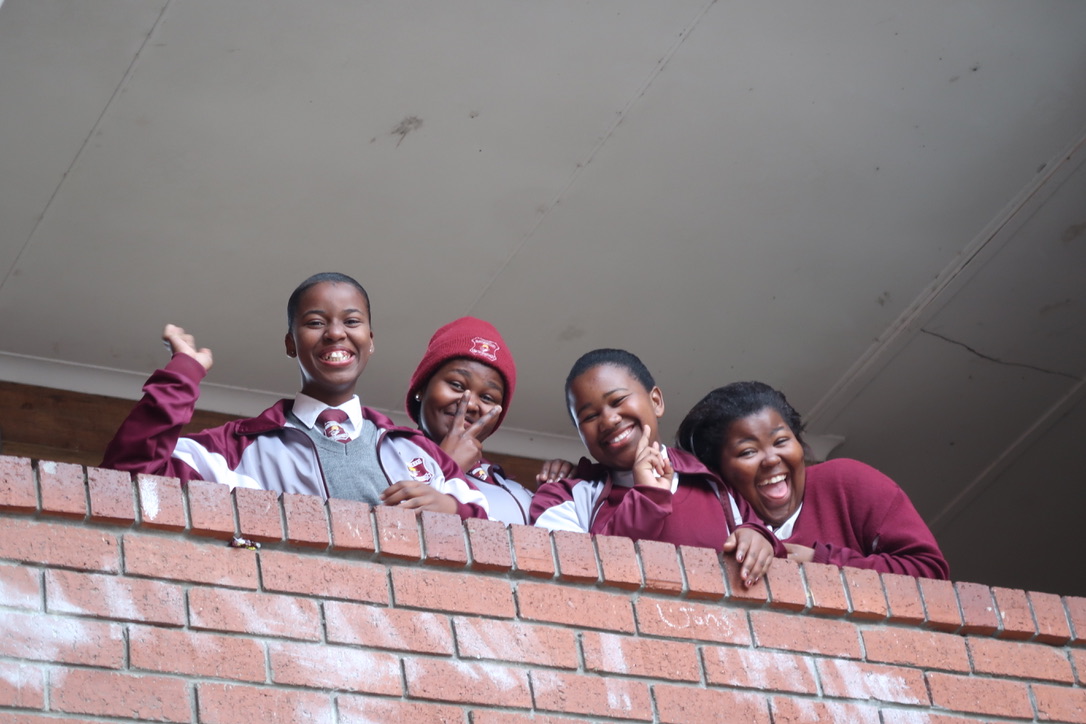

So – a little about Philippi, a little about townships in general, a bit about the sites the students are at, a bit about the weather (miserable), and naturally a bit about food.
We are all staying in the downtown area of Cape Town – students in a hostel called 91 Loop, probably upscale by hostel standards. Chris and I are a few blocks away in a little house in the BoKaap – which used to be called the Malay District when I was here about 14 years ago. It’s an area that is being gentrified rapidly (with many houses being turned into B&Bs) while retaining the historic bright colors that embellish every house. The area has many restaurants, cafes, and bars – of every type and price range. It’s possible to walk to the waterfront and to other parts of town, although we’ve cautioned students to be in pairs and to be ever-so-cautious, especially when it’s dark. So far so good.
For those less familiar with townships: they are residential developments that during Apartheid confined all non-whites (Blacks and “Coloureds” and Indians) living near white-only communities. “Near” could mean 20 miles away. Beyond this, there are legal implications related to official ownership, etc. While apartheid has officially now been over for 22 years, the townships continue – no longer with police restricting access in and out, but in reality – as tens of thousands of shacks made of corrugated metal, wood, or other found materials. Shacks are about 80 sq. ft. I’d say… and a family of four generally lives in one. No running water, electricity – if you are connected – is purchased as you need it. No toilets; there are out-house type facilities that are shared by about 10 or 20 families for each.
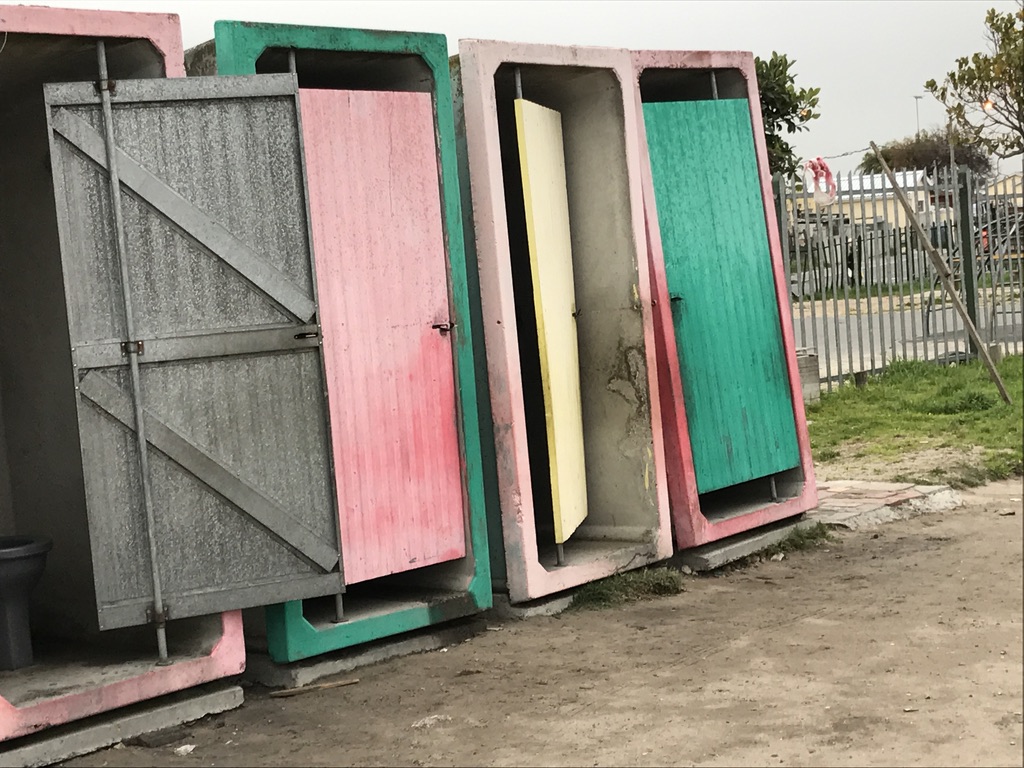
The shacks butt up one against the other along a street and often back to back with little room to maneuver. On many streets there is commerce – indeed on practically every street someone has a little shack that sells something (staples, tires, etc.) or performs services (barbering, beauty salon, copying, etc.), but some streets are clearly all commercial. There are townships as large as a million people and others with a few hundred thousand. The scale of the townships and the number of them is staggering. Since my first trip here, it seems that they have grown not shrunk. But that’s not to say that there isn’t any move toward building more permanent structures, although the movement is both minuscule and caught up in corruption and it’s unclear what, if any, actual plan exists to be able to make such a massive shift. For those of you interested there is something called the Mellon Initiative that has built some number of decent houses in some townships (mostly in or near Langa). From what I’ve heard this initiative was started and funded by an Irish zillionaire. Not certain what his connection to South Africa is… but apparently he not only funded, but brought workers for a month to build these houses according to the plans. They are small, brightly painted, and certainly stand out from the shacks – but not certain at all as to how selection is handled as to who gets these rather special structures. There are a few other programs like a semi-self-help.. but all of these efforts barely touch the tip of the iceberg
Philippi: about 200,000 residents – many many kids… Philippi is also home to a new development (I’m told about $12 million from a wealthy foreigner (American?) called Philippi Village (which–based on who you talk to—is either the collection of shipping containers that have been turned into tiny shops and restaurants or the very defunct cement factory that has been re-purposed, in part, into a library and a collection of spaces for NGOs. And some say it is all of that. For those who have seen the use of shipping containers in NYC, London, LA…. Not sure who copied who..!! It’s also very unclear who is really benefiting from this development
Weather: it’s been unseasonably cold … we had one beautiful day that was actually warm, several overcast days, and today rain. Fortunately we also had a nice day yesterday when we took the boat to Robben Island to visit the prison and see Mandela’s cell.
OK… next section (Part Four) will cover the programs and food.. and miscellaneous tidbits of sitings and observation.
All my best –
Fern
 Fern's Travel Notes