UW in Cape Town — September 15, 2017
Moleweni – Friday, September 15, 2017
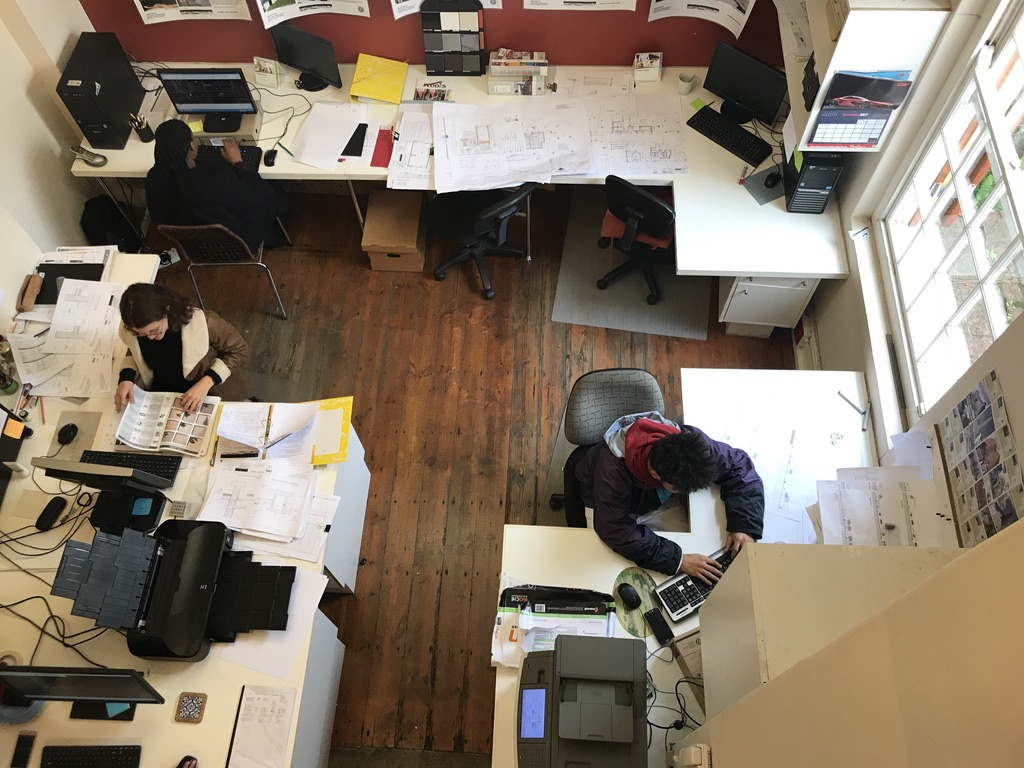
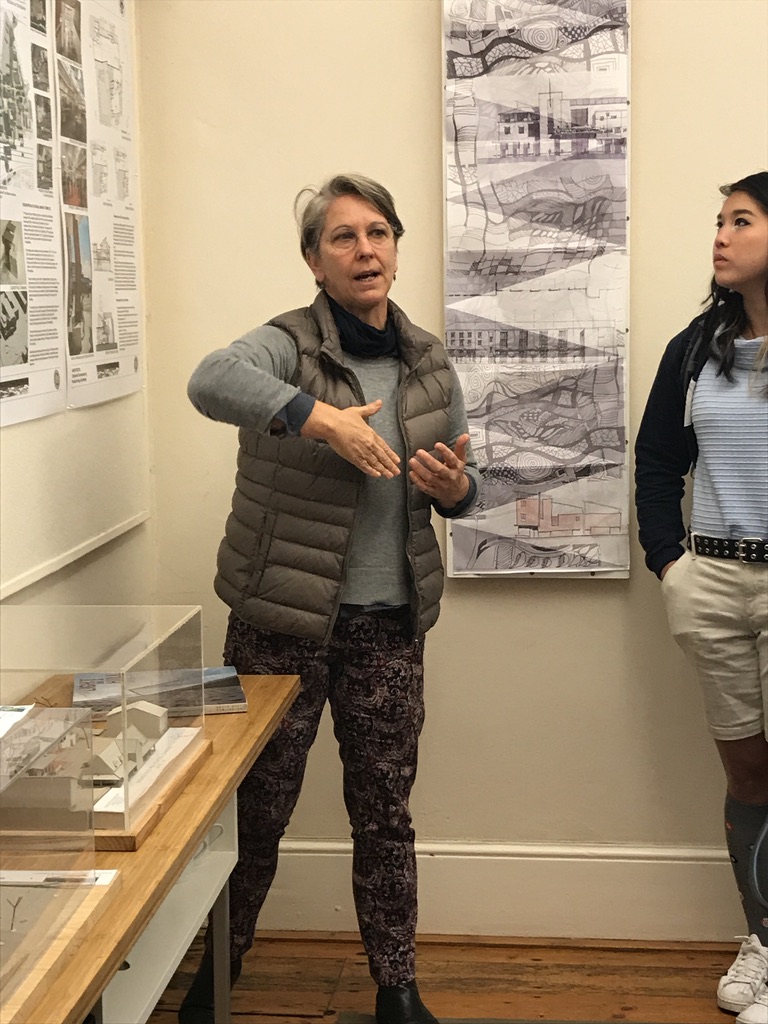
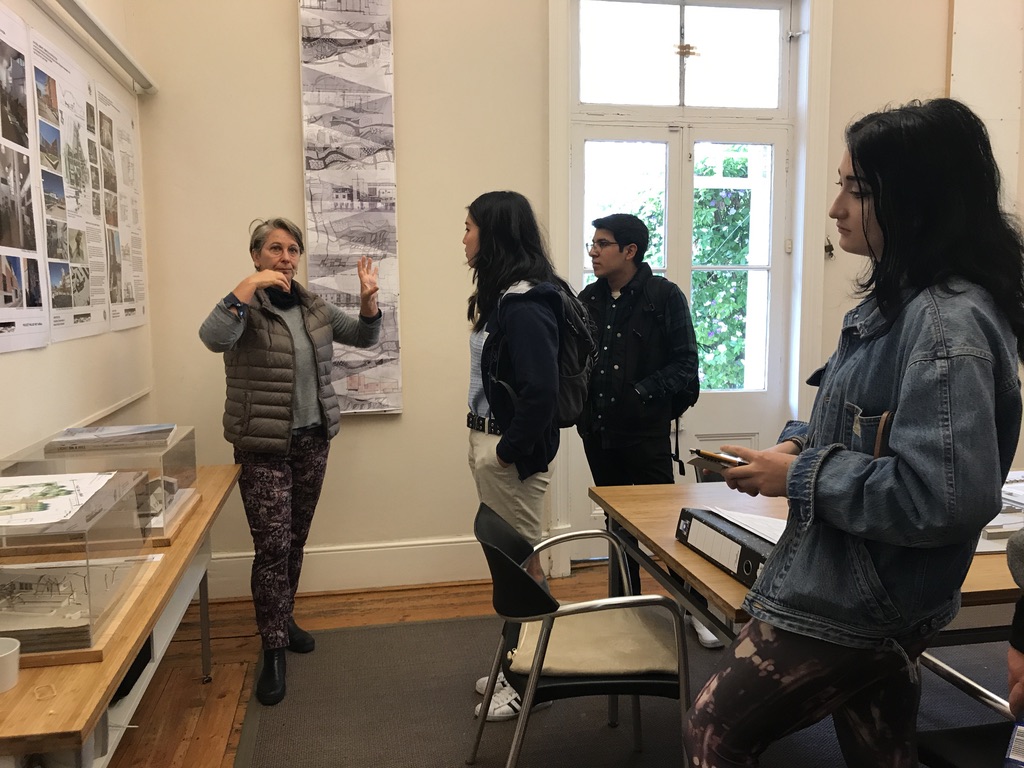
Started the day (after morning chai at my favorite café), by heading to Tarna and Nickie’s offices with all of our students. We got a little tour of their offices which are located in a nice part of Cape Town inside a house that includes an addition. The front half of the house is the office and the back part is where Nickie’s mom still resides. Apparently her dad was an architect (just passed away one month ago) and also a professional guitar maker (actually all string instruments). It’s the house Nickie grew up in and when she started her practice her parents said – “Why not save money and set up the office here in these front rooms,” which she did. Over the years she took over more space and they renovated so that the office and the house are really two separate but connected spaces… and at some time Tarna moved into a part of the space with her firm. They frequently collaborate on the same projects so it seems to have worked out well.
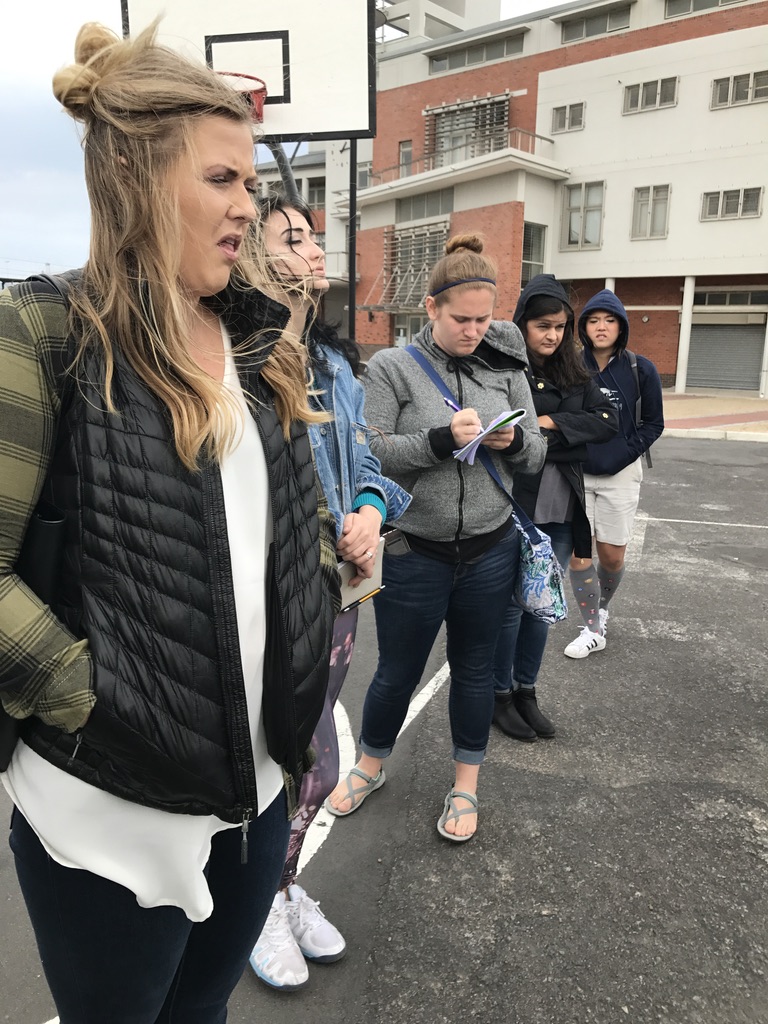
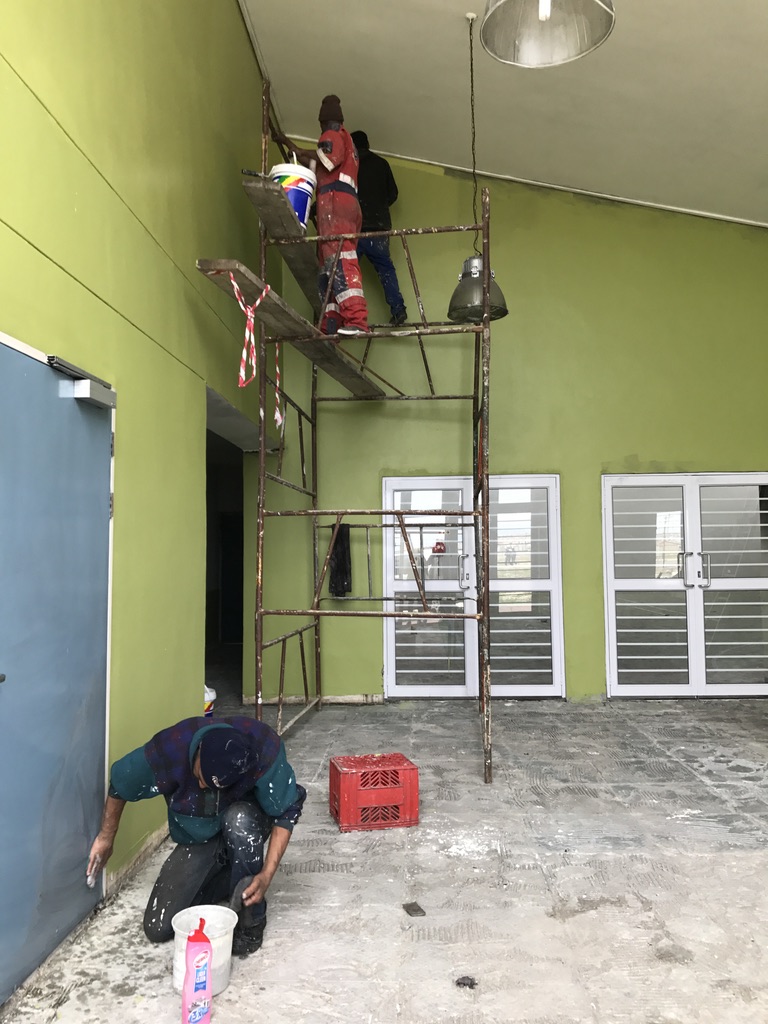
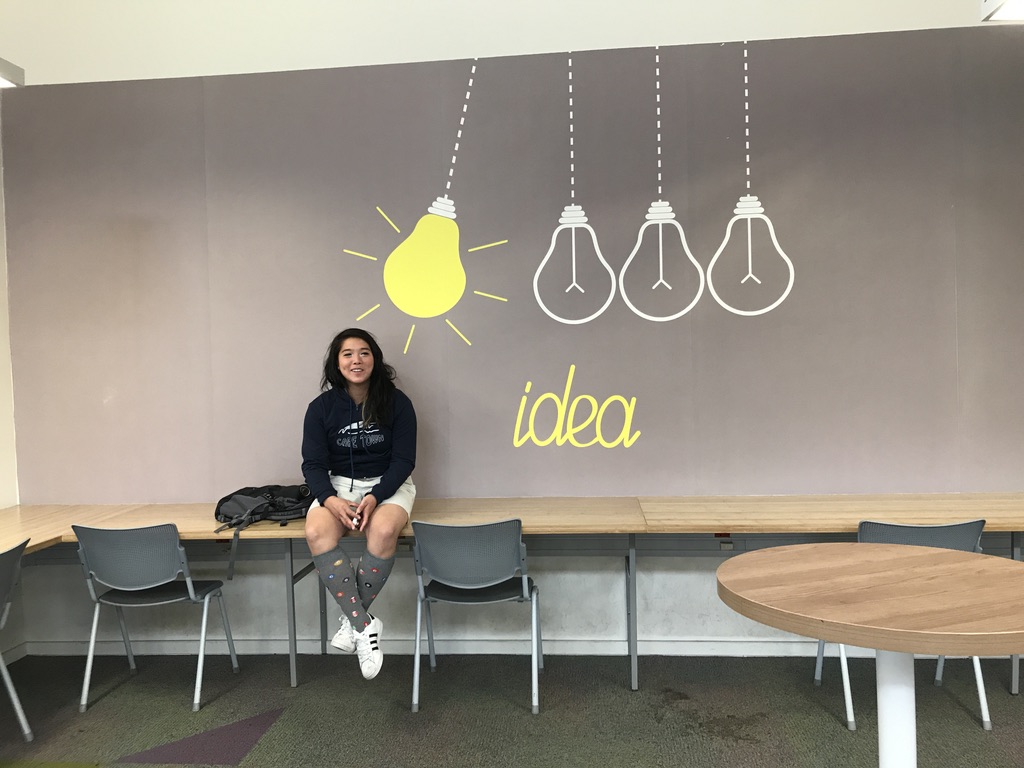
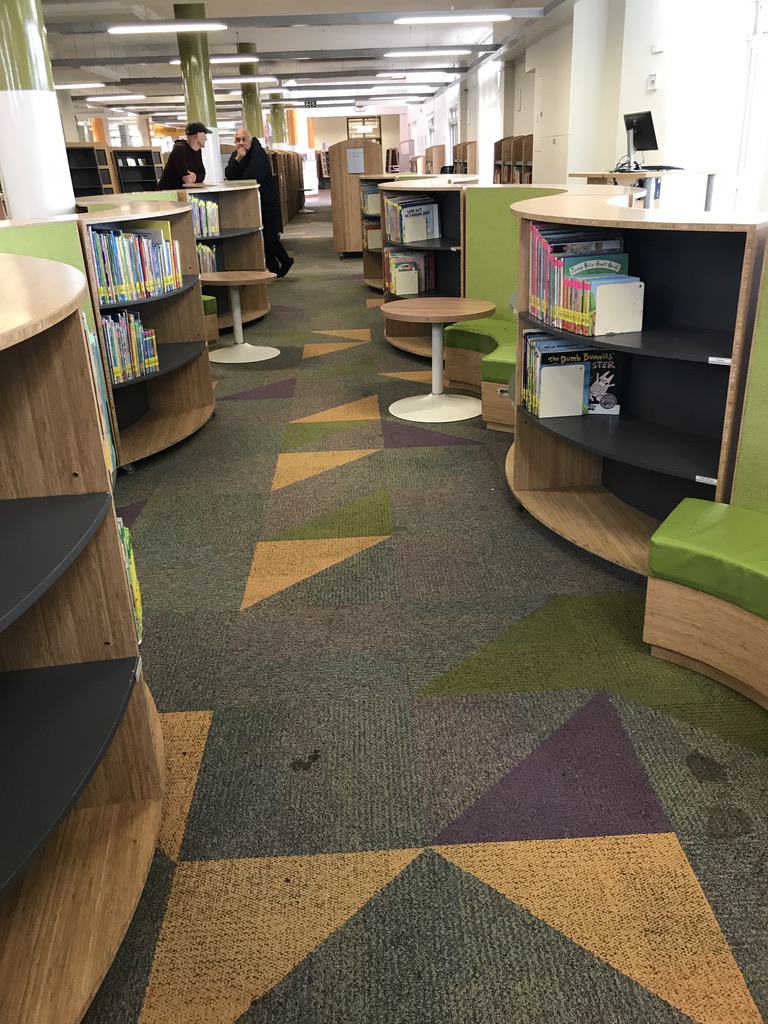
From there we headed to Khayelitsha (where they had designed two libraries). Khayelitsha is the largest Black township in Cape Town, with a population of somewhere between 500,000 and one million (depending on what resource you use or who you speak to – statistics here is another problem and the census is not accurate at all. Around 70% of residents live in shacks and people walk 200 meters or more to access water. Unemployment rates are huge (60-70% and those that work are earning about $1,500 per year or less. This is similar to other townships, except that the population is larger. Khayelitsha was created during apartheid as a residential area for migratory workers that were needed in the city.

Khayelitsha is also interesting because it has both “informal” housing (shacks) and “formal” housing (more substantial housing that was built recently by the government. The formal housing is structurally more sound but often – while it has a shower – doesn’t have water connections. We’ve also seen government housing with photovoltaic panels (one per house, which I assume is for hot water) but they are not necessarily connected and many are not facing the right way to capture the solar power. Khayelitsha is also a good place to understand how apartheid functioned from a physical standpoint. .It has a few main roads (I think just four) that enable access into the community and during apartheid those roads would get sealed and were guarded. In order to get out one needed a “pass.” The physical design enabled the closure of the whole community.
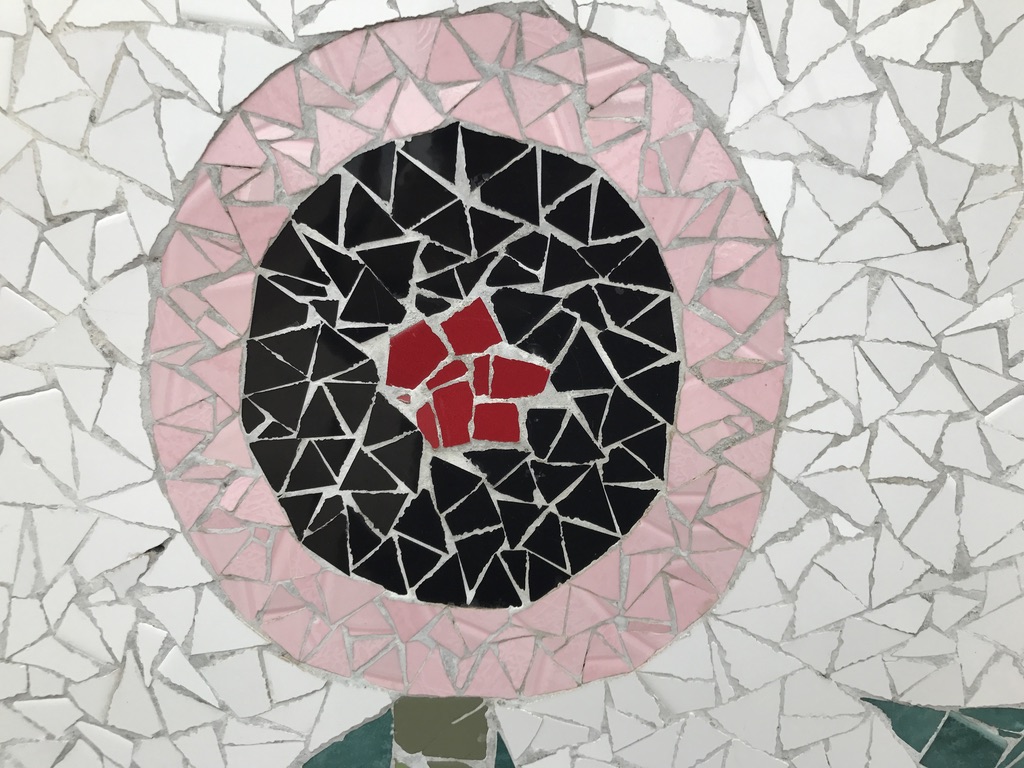
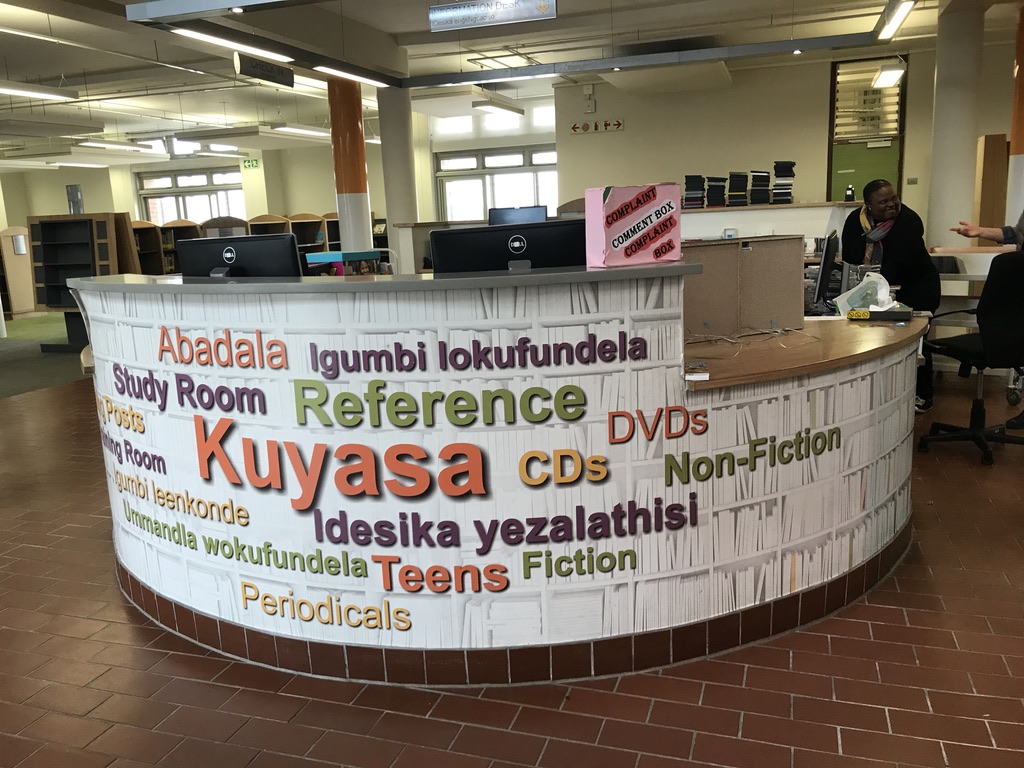
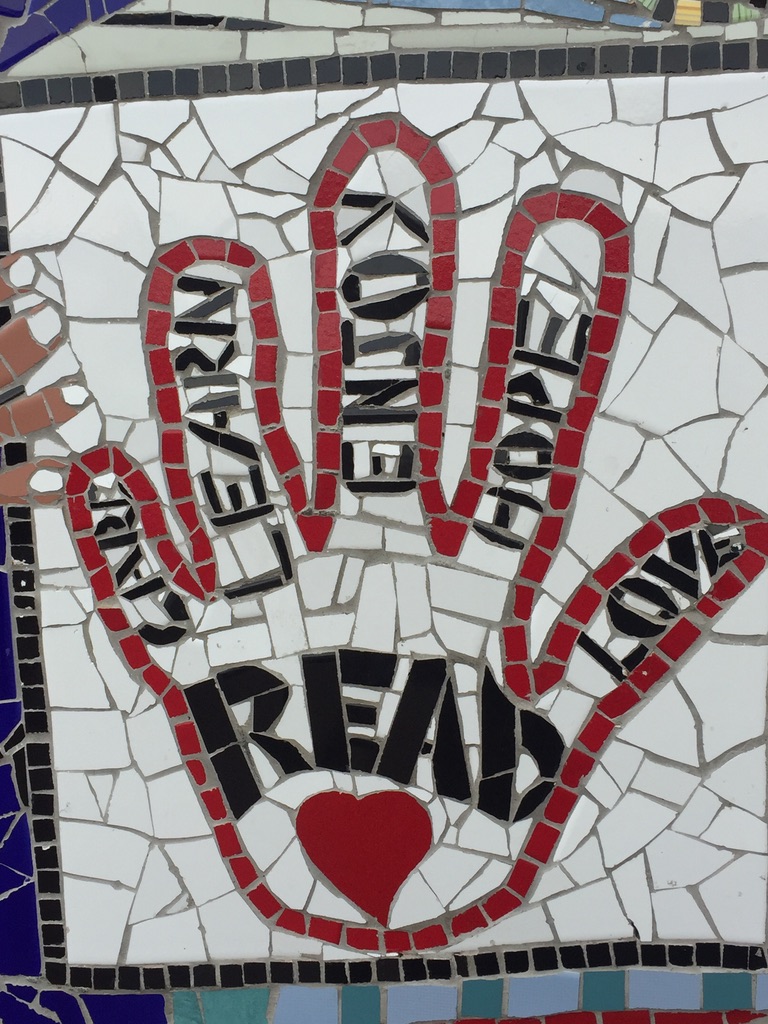
Tarna and Nicola took us to see the two libraries they had designed and explained a lot about the bureaucracy of working on government projects and the difficulty of getting innovative ideas implemented. They constantly mention that they believe that the work they are doing is “setting the bones for the beginning of a possibility!!” But they did a great job and the buildings are bright, energy-efficient (even if the maintenance people are having a hard time keeping things running), thoughtful about the users, and more. They also engaged local artists and artisans to do tile work and window screening which was great to see.
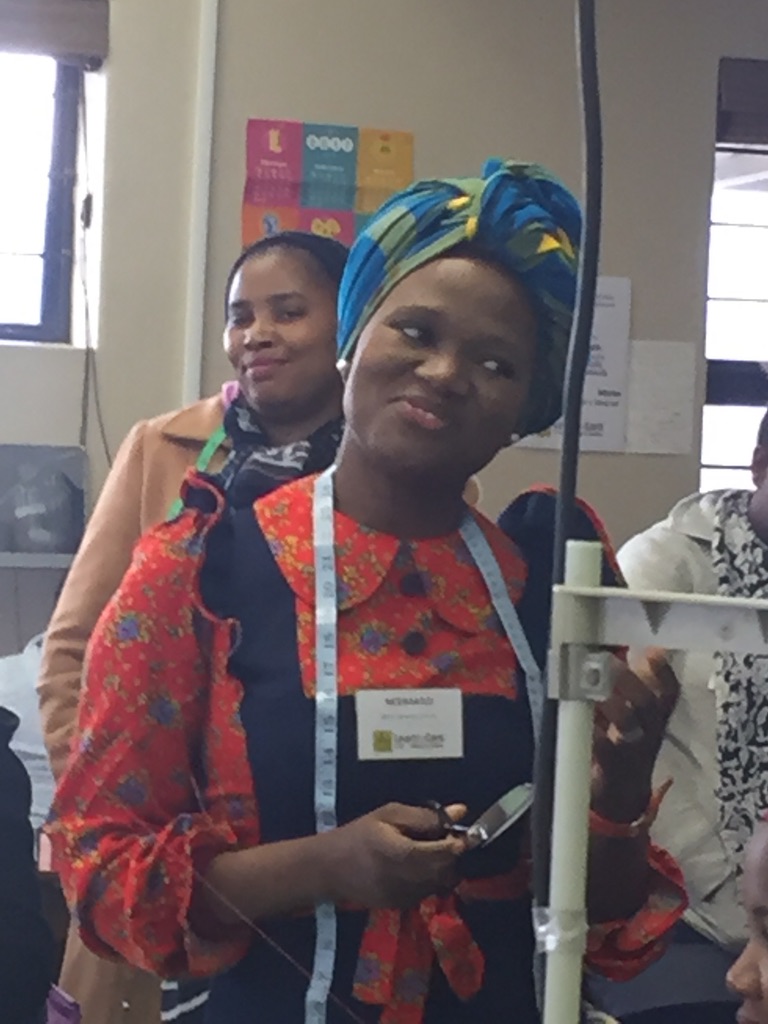
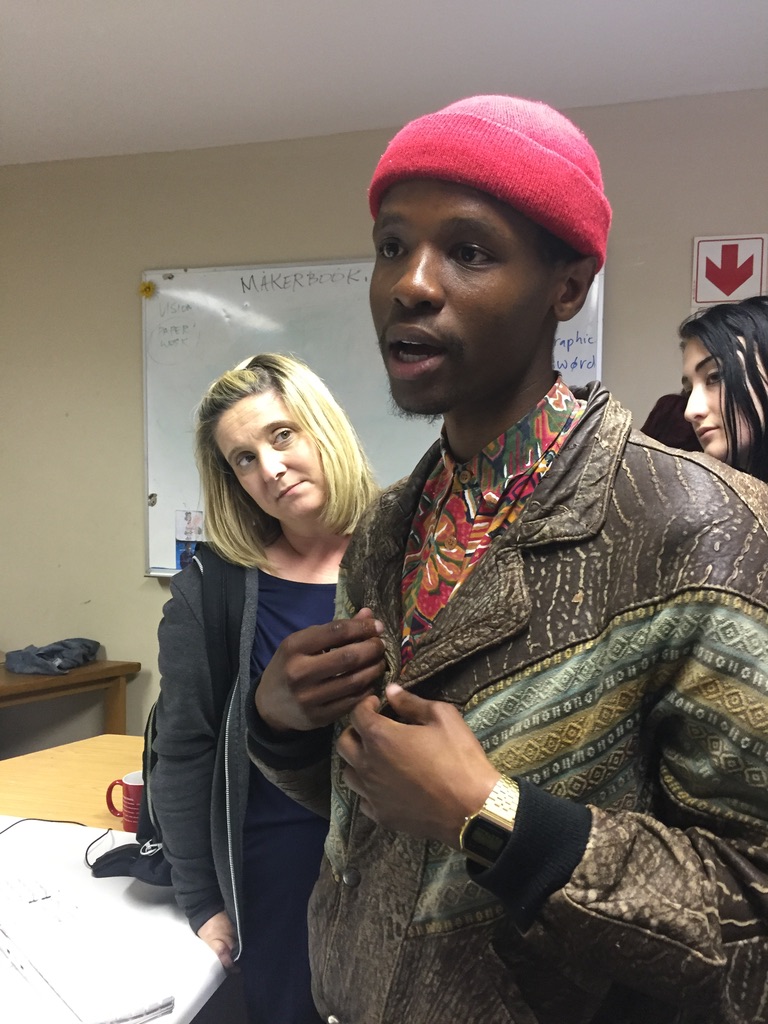
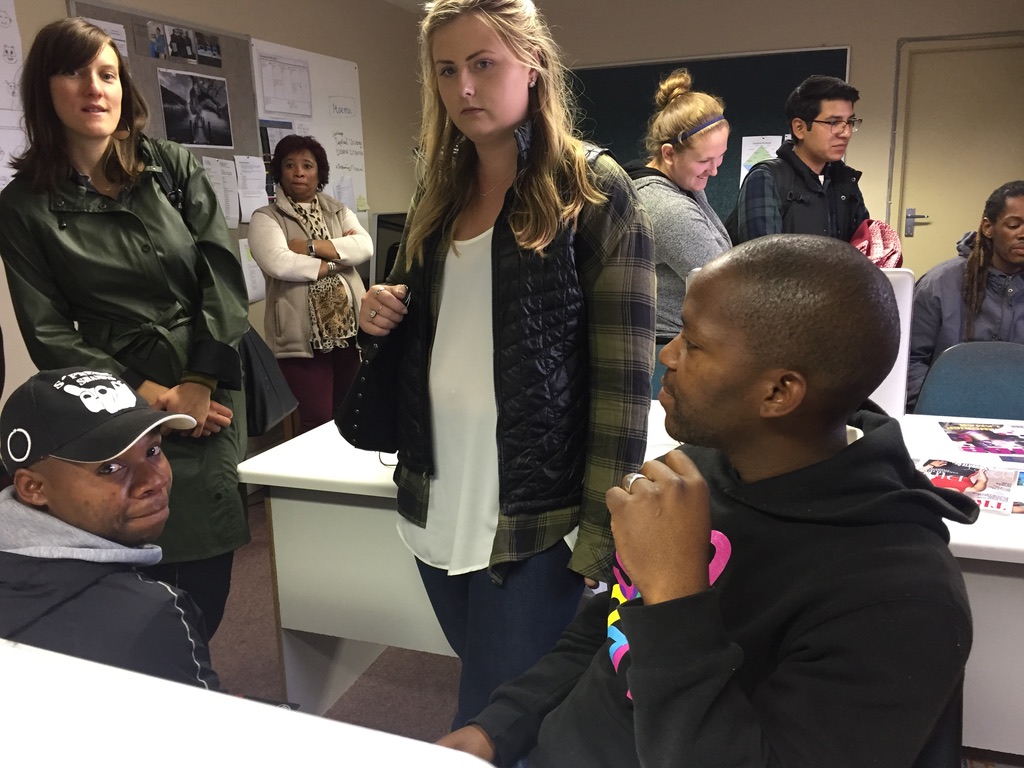
After we visited the libraries, Tarna and Nickie arranged for us to have lunch at Earn to Learn – a nonprofit that teaches job training skills to very low income people. We ate a great meal prepared by the woman who teaches restaurant skills… and then we got a tour of the whole operation. The teach graphic design (all male students), sewing (all female), baking (women), sewing production (women preparing for factory jobs) and woodworking (men). Still the organization is solid, has a good track record, and the products they produce and skills they learn are clearly top notch. Once we left Khayelitsha, we headed back to the CBD and then had dinner at a great Ethiopian restaurant (Addis) with the grad students. We were joined by Samu, an engineer who lives in Jo’burg and is a friend of Chris’. Samu lived in the US for two years as a Fulbright student doing graduate work at Washington State University.
Weather today was extremely windy, so much so that at times I needed to walk backwards
 Fern's Travel Notes