Americans in Nairobi 12/17/2018
Salamu Kutoka Nairobi (Greetings from Nairobi)

Hope you are well.
While it is only the end of our second day here in Nairobi (third night), we are packing so much into each day, it feels as if we’ve been here for at least a week.
So a few observations and comments and then some descriptions of our adventures today.
- Very few people assume we are from the US as it’s clear there aren’t too many Americans coming to Nairobi to stroll the city; true there are probably many Americans here in Kenya – but they just stop off in Nairobi to prepare for safaris. Thus we are a bit of a rarity. Taxi drivers, shop keepers, etc. all ask where we are from. Oakland or San Francisco don’t prompt any real recognition; California prompts some small familiarity, but mostly we are sticking to the big picture – “We’re from the US”
- Being from the US brings an immediate response – “Obama!!” which easily leads to a few fist bumps and smiles and comments like “good president” – which leads to the Trump comments: “bad president!”
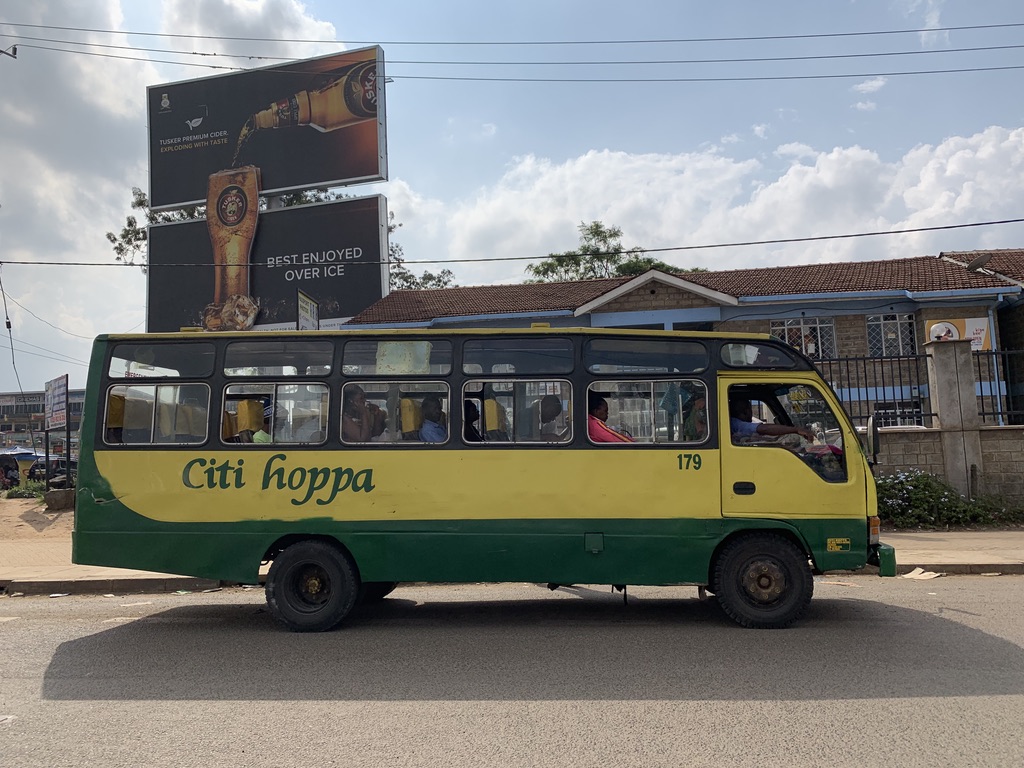
- Workers leave their houses at about 5:30 am every morning in order to be at work by 8 am; they need to avoid the likely traffic jams which would make them late. They travel on “matutus” – little vans or minibuses that take passengers (for low fares) from outlying slums and low income areas into the central area and other destinations. They operate 24 hours a day and have distinct routes. They are very crowded and not in great repair. Until recently these matutus were privately owned but we were told that the government recently took them over because the drivers (owners?) kept threatening to strike which would truly screw up the “functioning” of the city. Some of the matutus boast portraits of famous people; music is generally being played on the vans — I think this attracts passengers.
- Again, because not many Americans seem to be here in Nairobi several people think we are from Iceland – not sure why they chose that country, but they are surprised when we respond in the negative to that question.
- Women are clearly much friendlier than men (although the taxi drivers – all male, I think – are also quite chatty if you engage them).
- We’ve been asked if we’ve been anywhere else in Africa and people are surprised we have traveled in Africa several times before this trip, and perhaps surprised we have returned.
- When we explained to one taxi driver that we were planning to visit a bunch of different neighborhoods and then listed a few, he said “So you are going to see both sides — the poor and the rich..” True.
- Very little evidence of Christmas here; in fact, other than the market selling some handmade little angels one wouldn’t know the holiday is just around the corner.
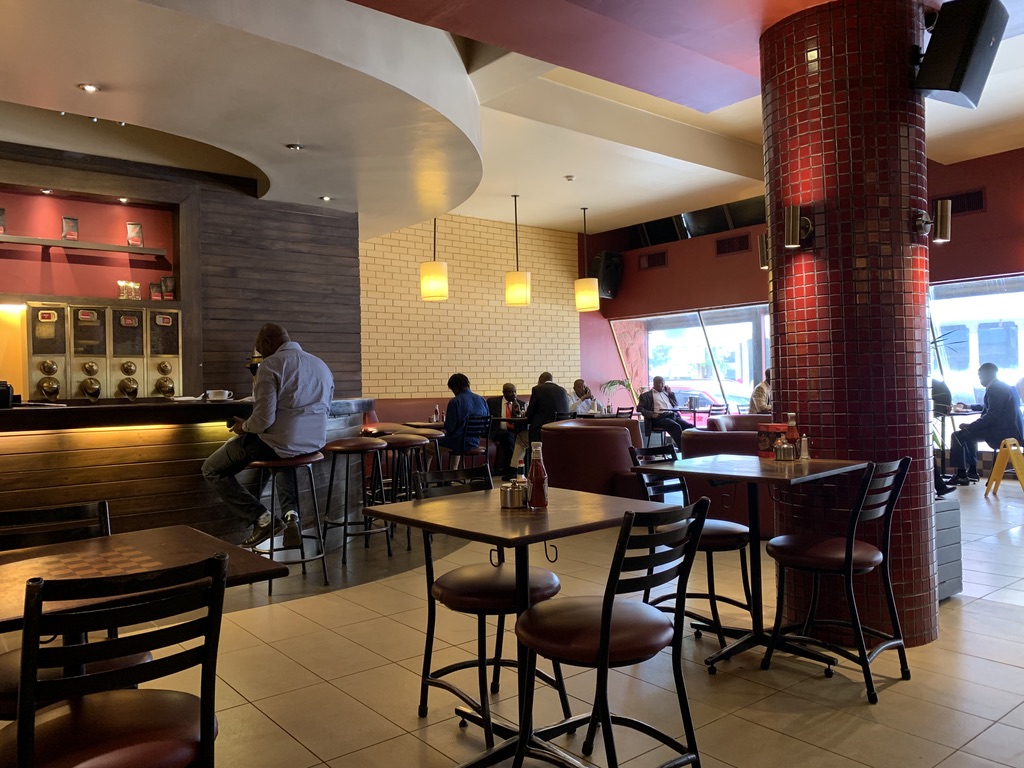
We bypassed the hotel breakfast this morning and got out into the streets; walked about .75 miles to the Java House which is like a Starbucks with a restaurant menu. There are Java Houses all over the place. We obviously stood out a bit as the only White people in the place, but everyone was either friendly or totally ignored us. Our waitress explained that Java House was started by an American couple in the 1980s and after opening a few stores sold their ownership to locals who have expanded the “chain” – She was quite proud of the operations with 60 shops and more coming, including expansion into Uganda. I guess it is the Starbucks of Africa (by the way, don’t think there are any Starbucks here – so Howard Schultz, watch out. Interesting, since there are Starbucks all over Asia and Latin America).
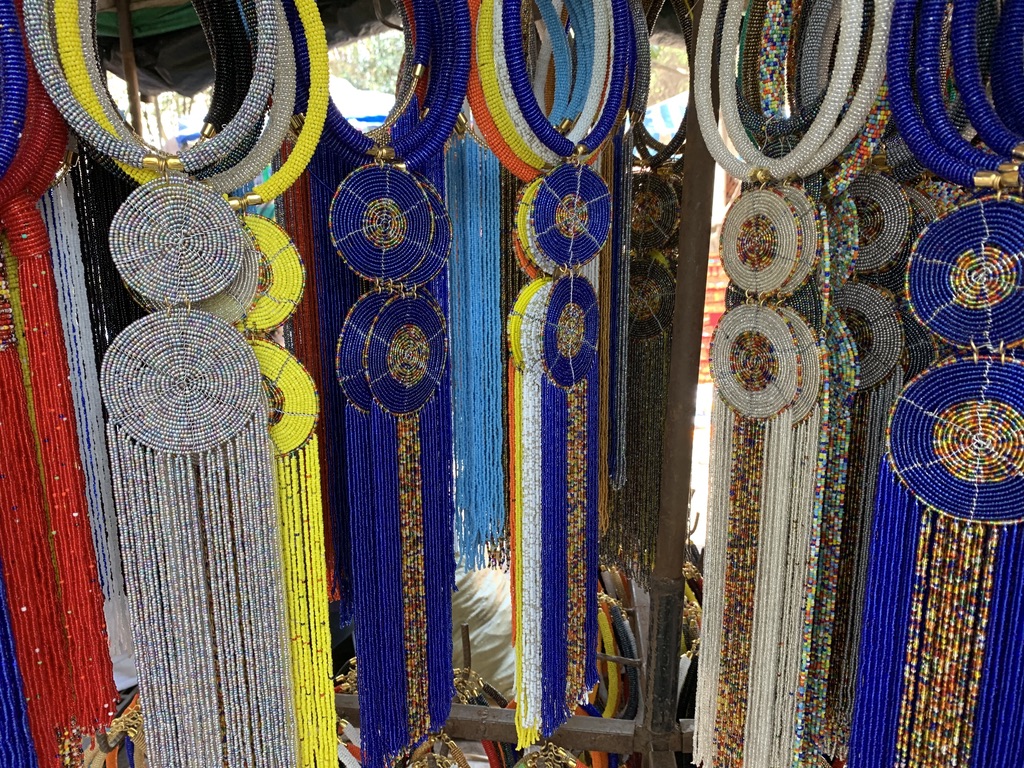

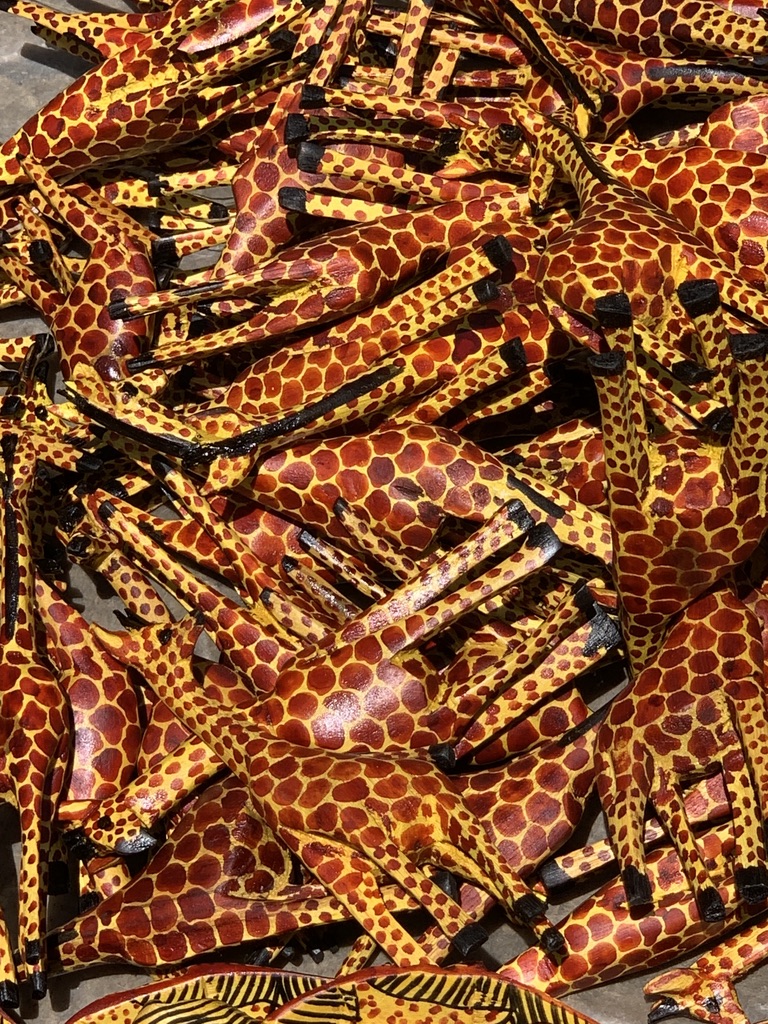
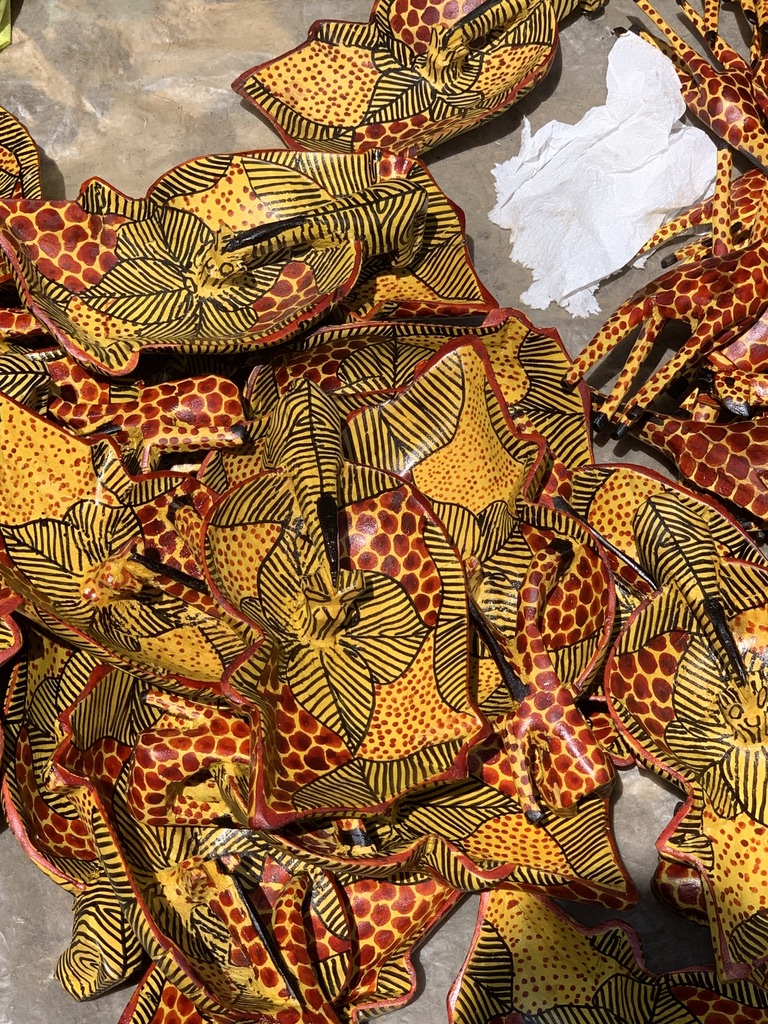
After breakfast, we walked to the Maasai Market which takes place only on Tuesdays. The walk was pretty straight forward, except for crossing multi-lane roads without any pedestrian walkways or traffic lights (there are very very few traffic lights in Nairobi); it’s sort of run for your life. Our trick in these situations here and in other developing nations is always: find a group of locals trying to cross the same street and get in the middle.. when they move, you move!
The Market is filled with craftspeople selling their wares. The sellers probably outnumbered the potential patrons 30 to 1 so there are a lot of men trying to tag along with you as you meander the “stalls” (really just goods on the ground and the seller sitting on a chair nearby).
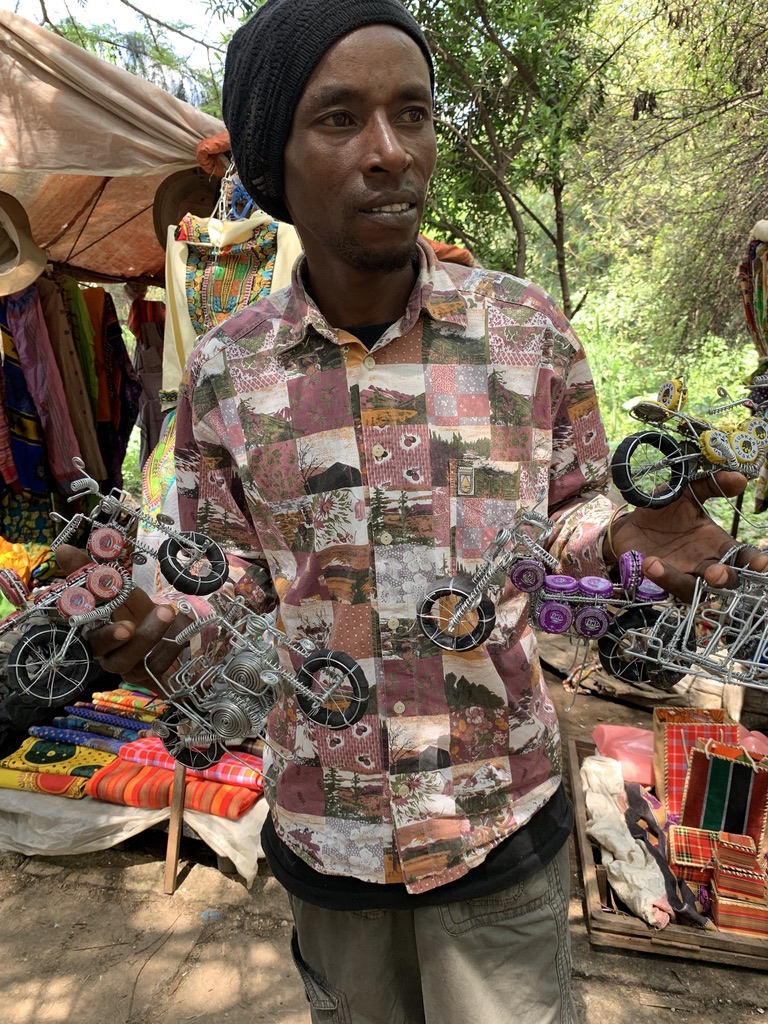
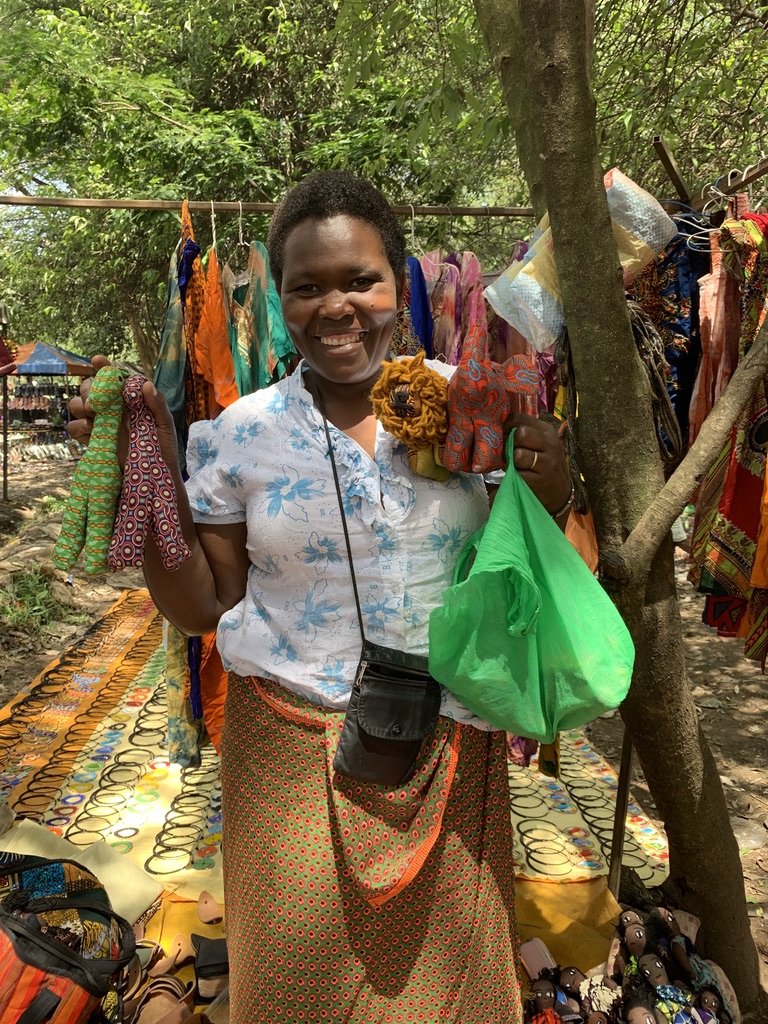
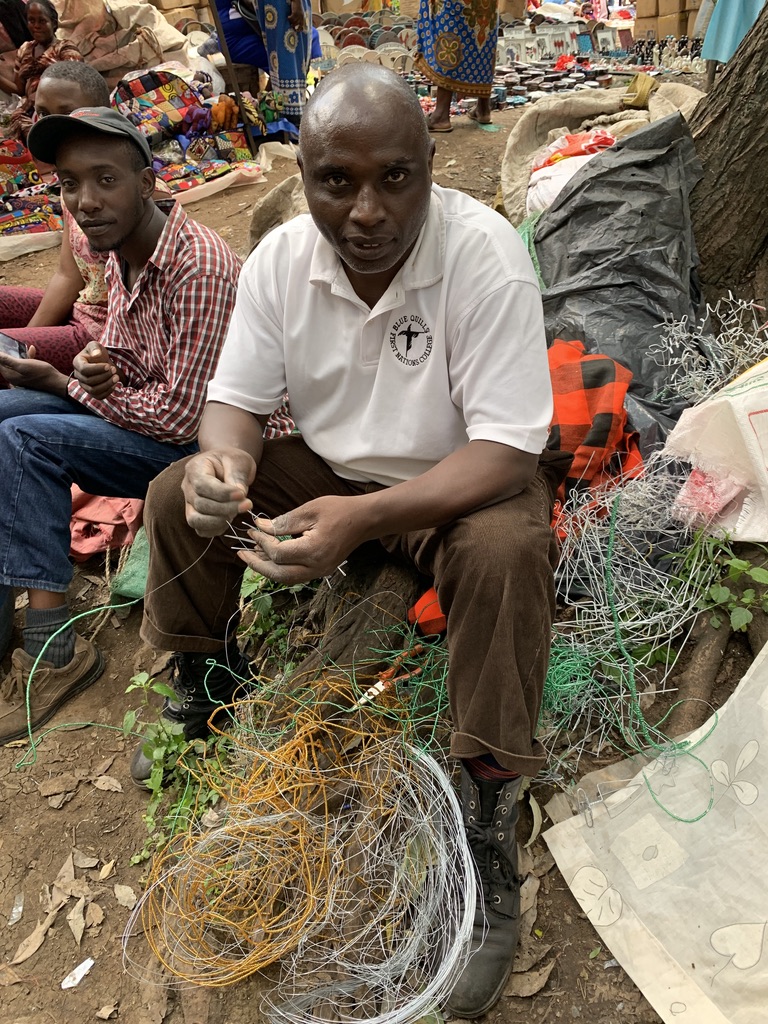
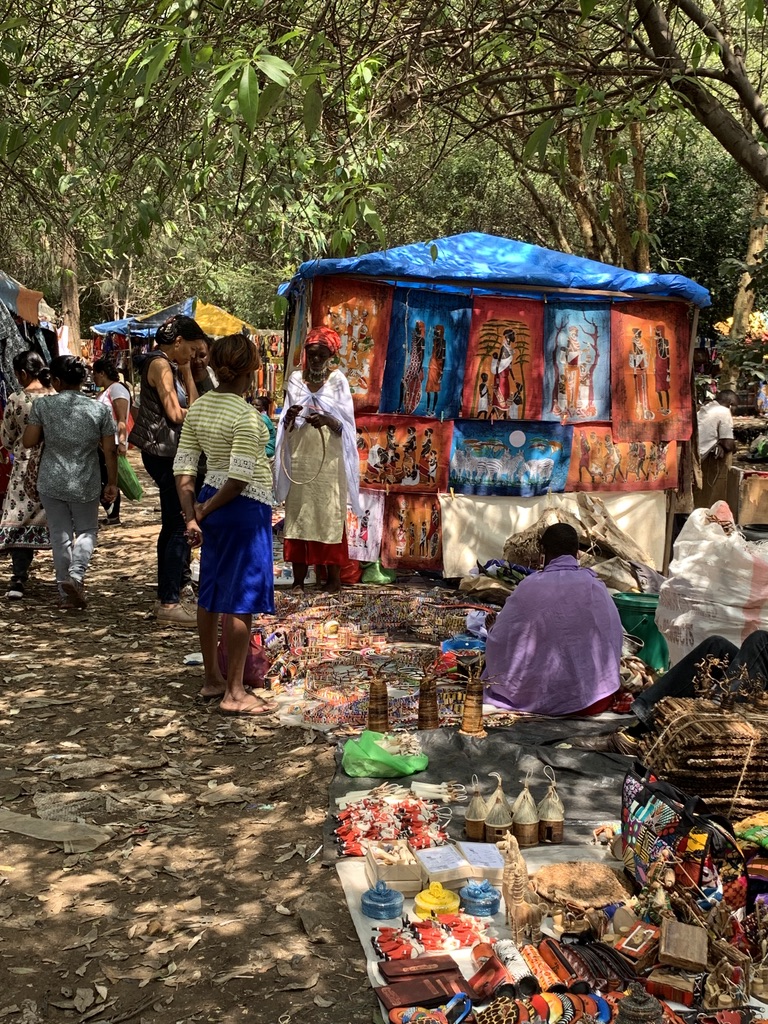
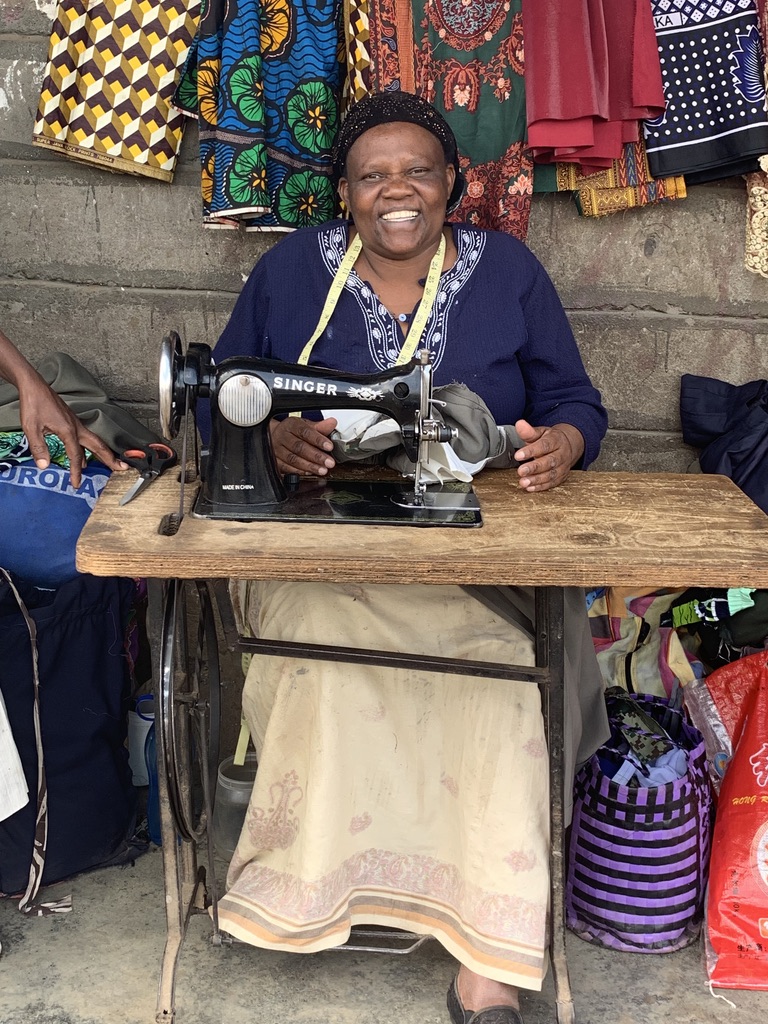
The market had some nice things, but we’re conscious of the fact that we need to think about packing and also we are so early on our journey… bound to find other things. From the market we walked back to the hotel (and into another world)… to just freshen up and head to the “shantytowns” or “slums” where the marginalized population of about 2.5 million live.
Enroute back we stopped into the University of Nairobi, which is located down the street from our hotel. It’s a typical large public university – Getting onto the campus wasn’t so easy; and like all the students we needed to show identification and go through a security check. Mike joined some students on a bench as I checked out the bookstore. By the way, there are signs all around the University that state “University of Nairobi is a corruption-free zone”
We knew we needed a taxi to get to Kibera (the largest of the slums – housing about one million people, although no one really knows the count). I had a conversation with the woman at the desk at the hotel – I explained that we wanted a “street taxi” to drive us to Kibera and then to wait to pick us up; we would walk around for about 90 minutes. We knew it would not be possible to find a taxi in or near Kibera to bring us back into town. And we also knew we didn’t want a hotel taxi.
She was quite sweet and understood, but explained that the hotel could not do this; they are only allowed to call for official taxis, or take us by hotel car. Their “taxis” are fancy cars (including Mercedes), so we opted to walk around the neighborhood to find a taxi and do our own negotiation. We actually only had to walk across the street to find a bunch of cars waiting for passengers. We explained what we wanted and the driver, Julius, was most accommodating, although he was a little nervous about our walking through Kibera on our own. Like all “visits” to areas of this sort, it’s challenging. You stand out as an outsider on more levels than it is possible to describe. But we insisted and Julius said he’d just wait for us in a designated location. We walked and chatted with a few people and realized once again that slum dwellers may be the most entrepreneurial people in the world.
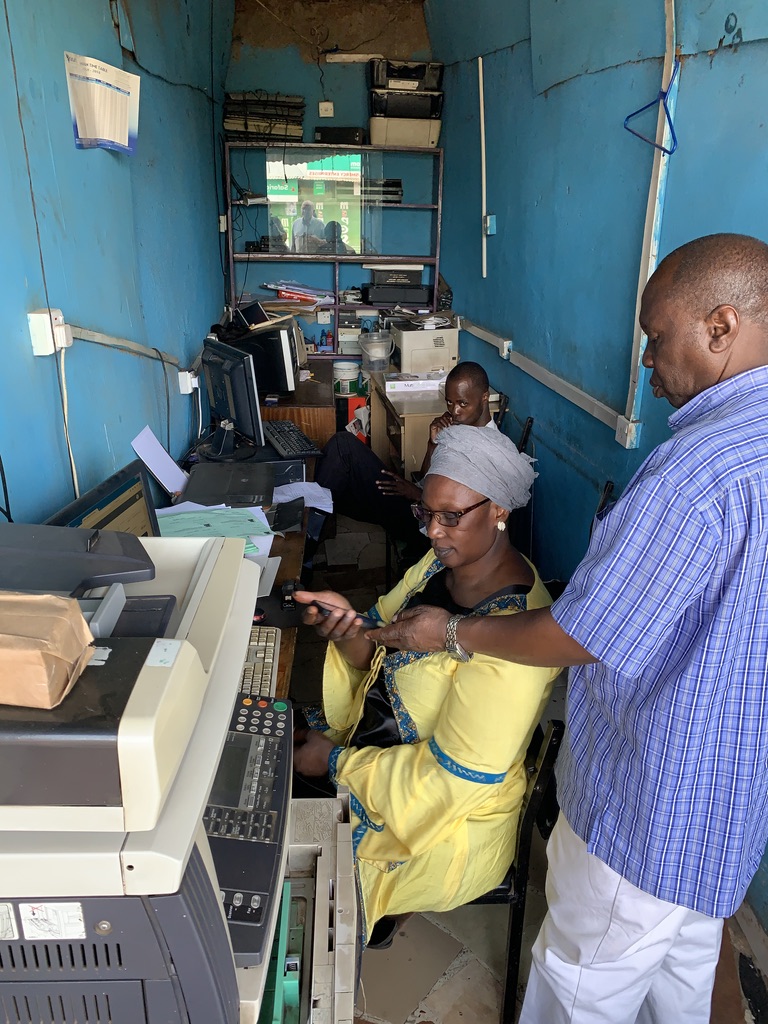

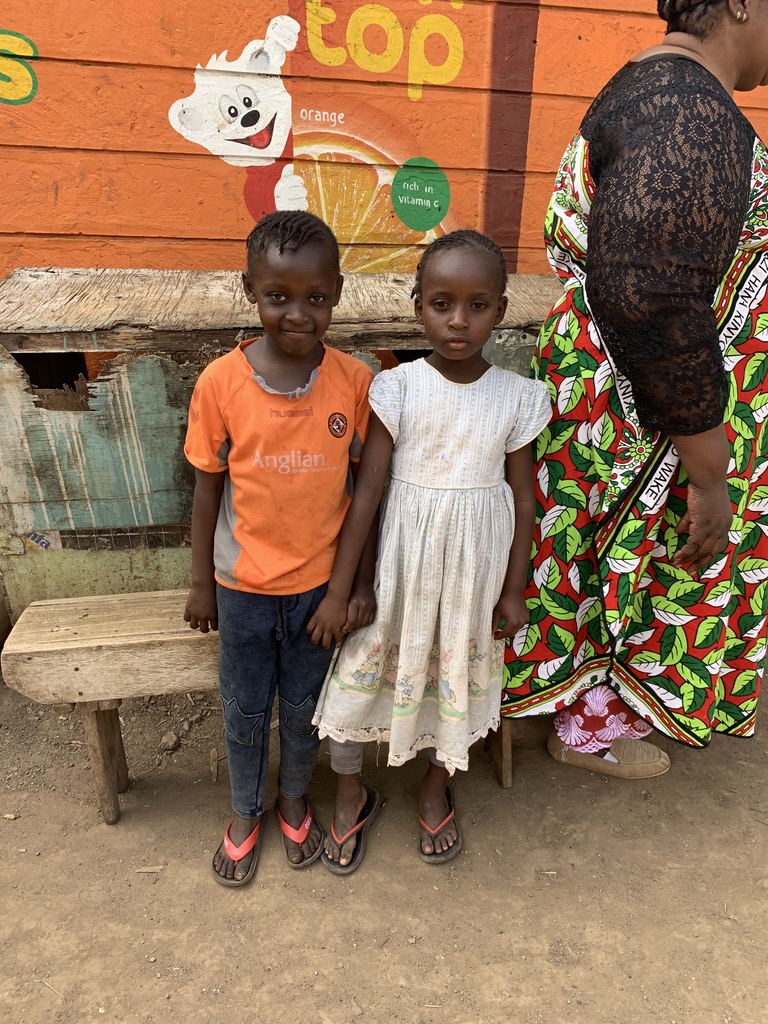

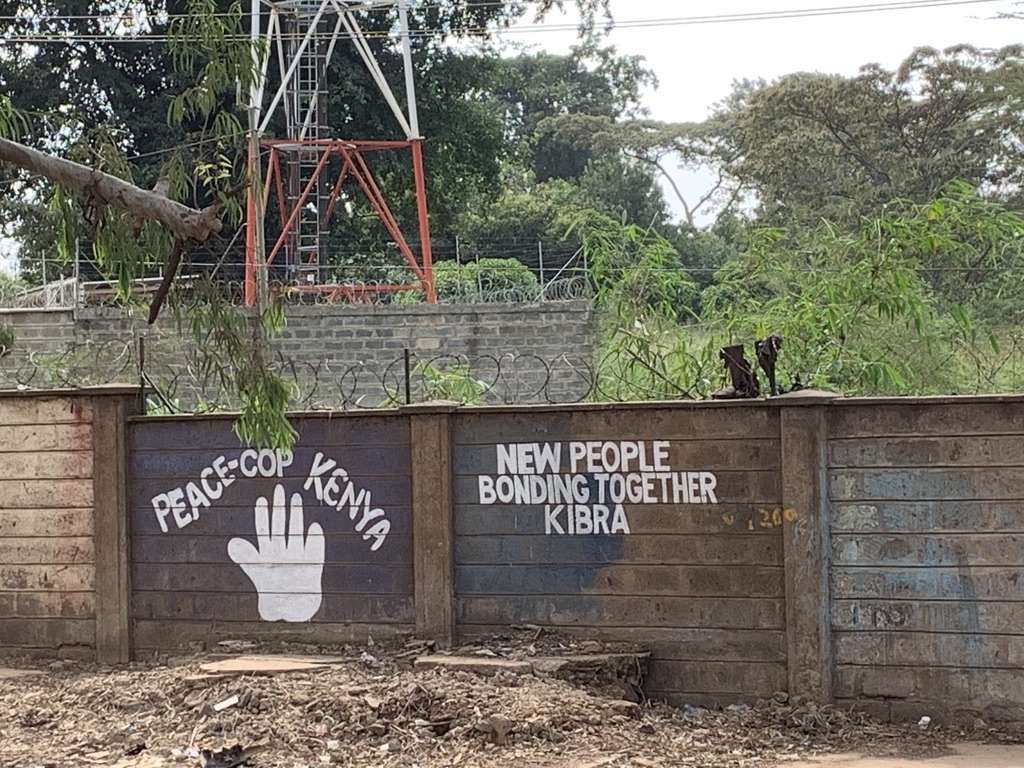
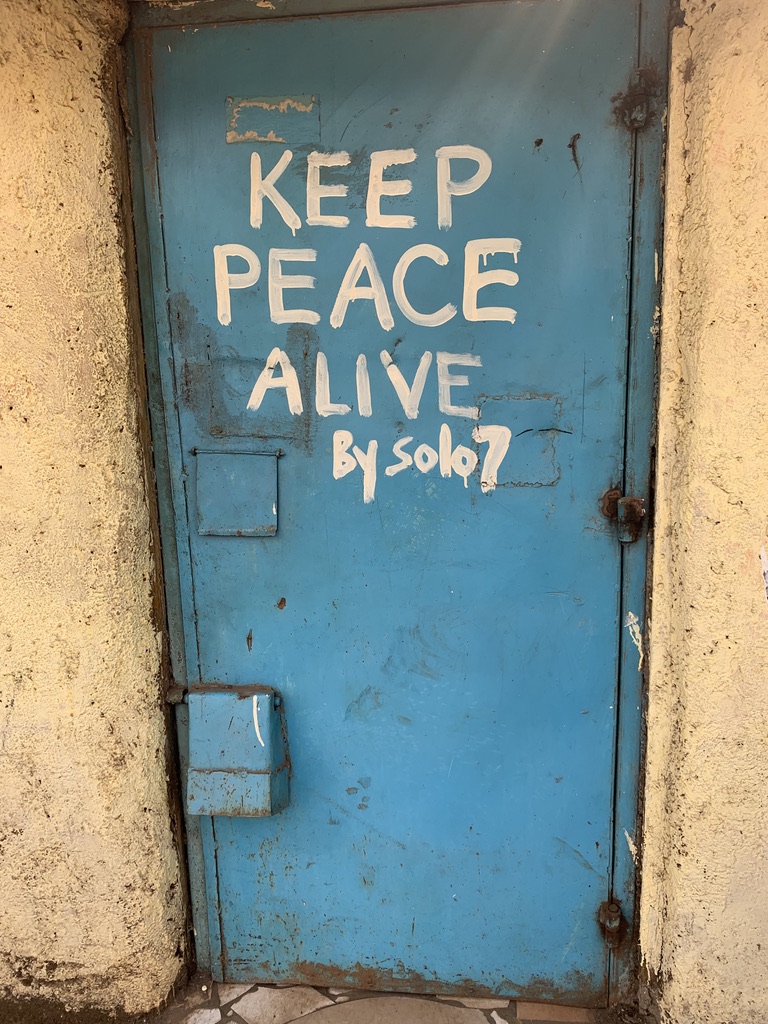
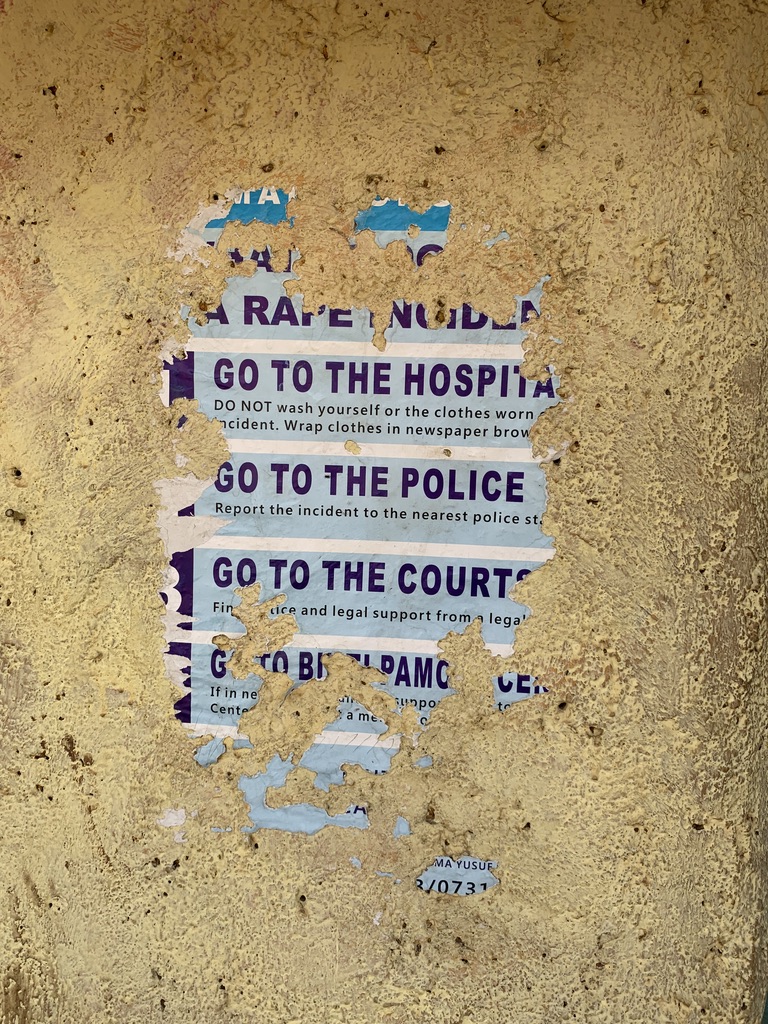
People in Kibera earn just a few dollars a year; there are virtually no services; and education is hard to come by. We did however see that there is a strong movement against violence with campaign-type signs everywhere pushing for “peace” and against all forms of violence. Interestingly this is the only place in Nairobi we didn’t see police or guards or machine guns. We also saw a lot of signs about HIV protection. According to the research we did, Kibera has one of highest rates of HIV in the world.
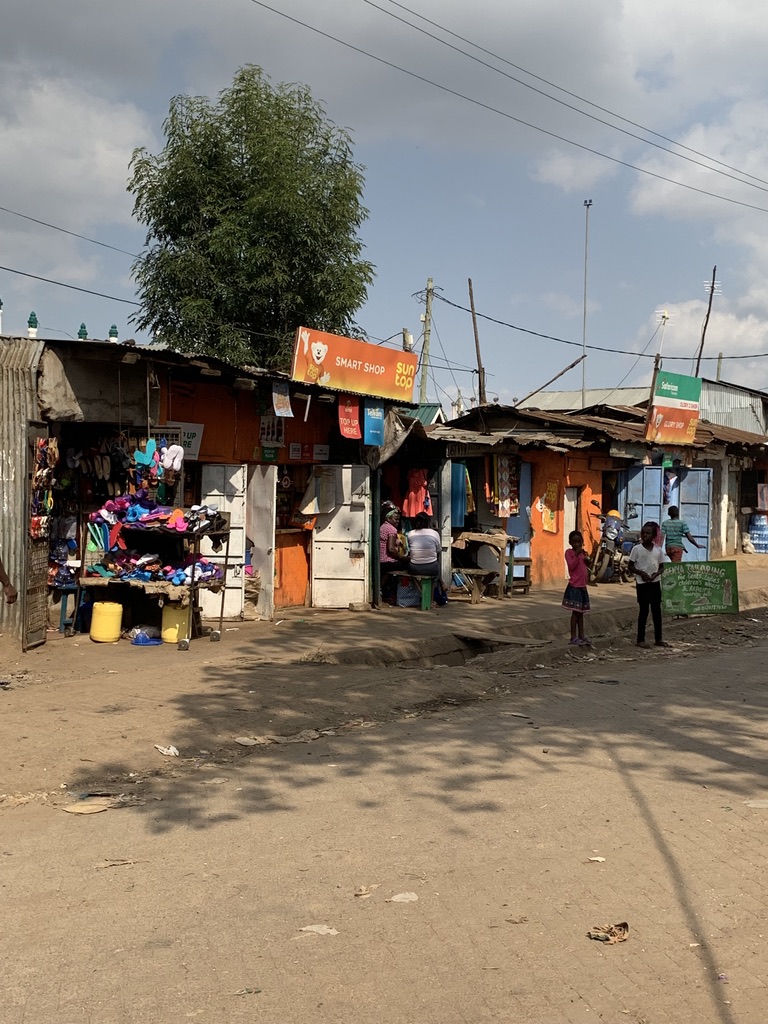
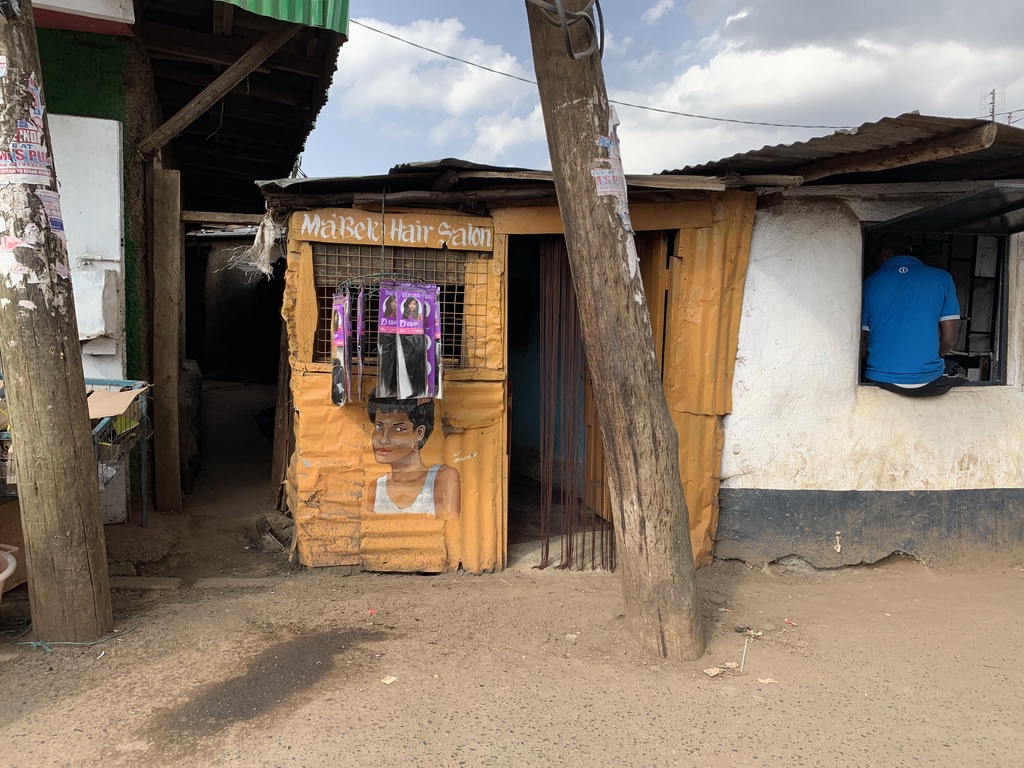
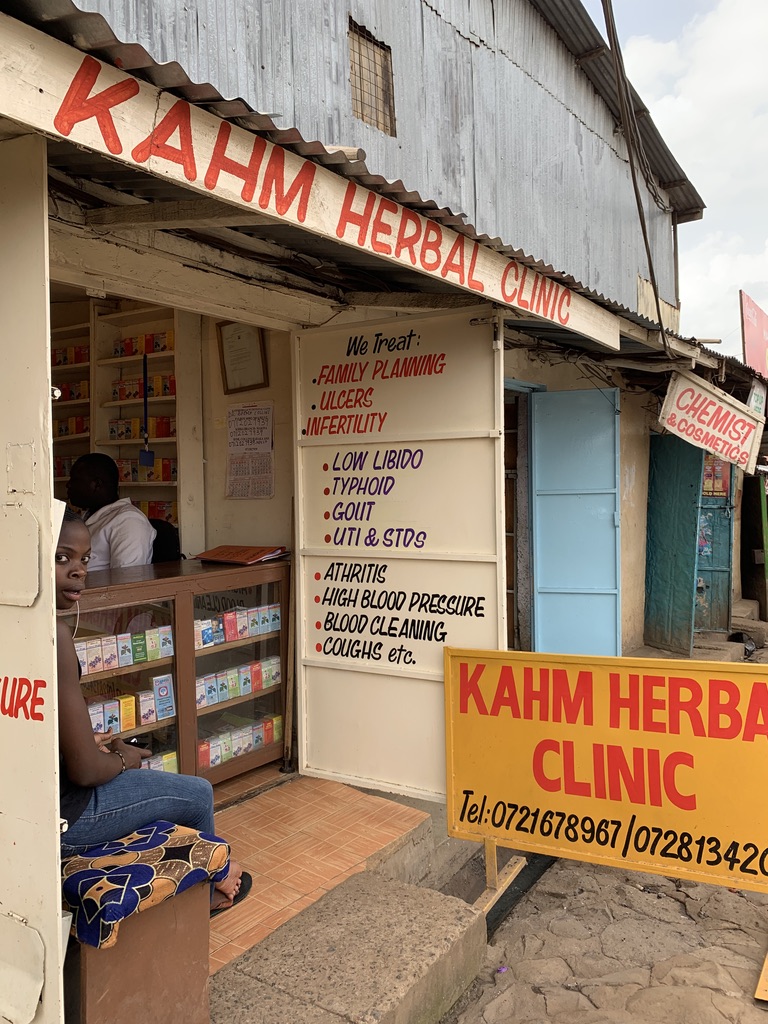
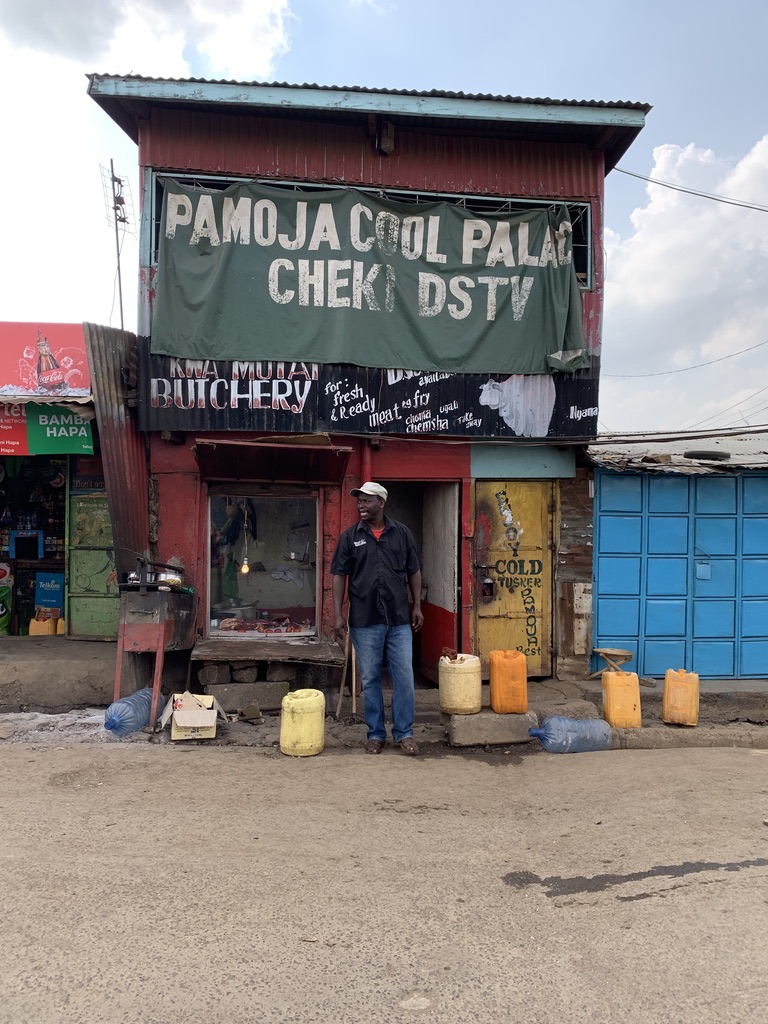
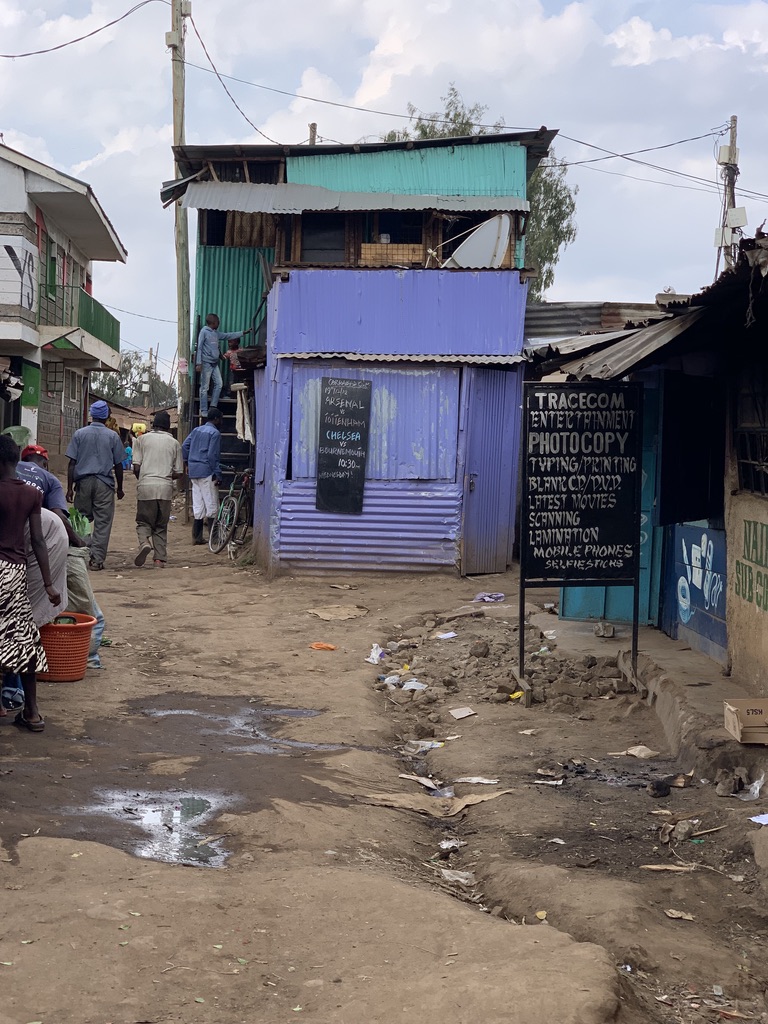
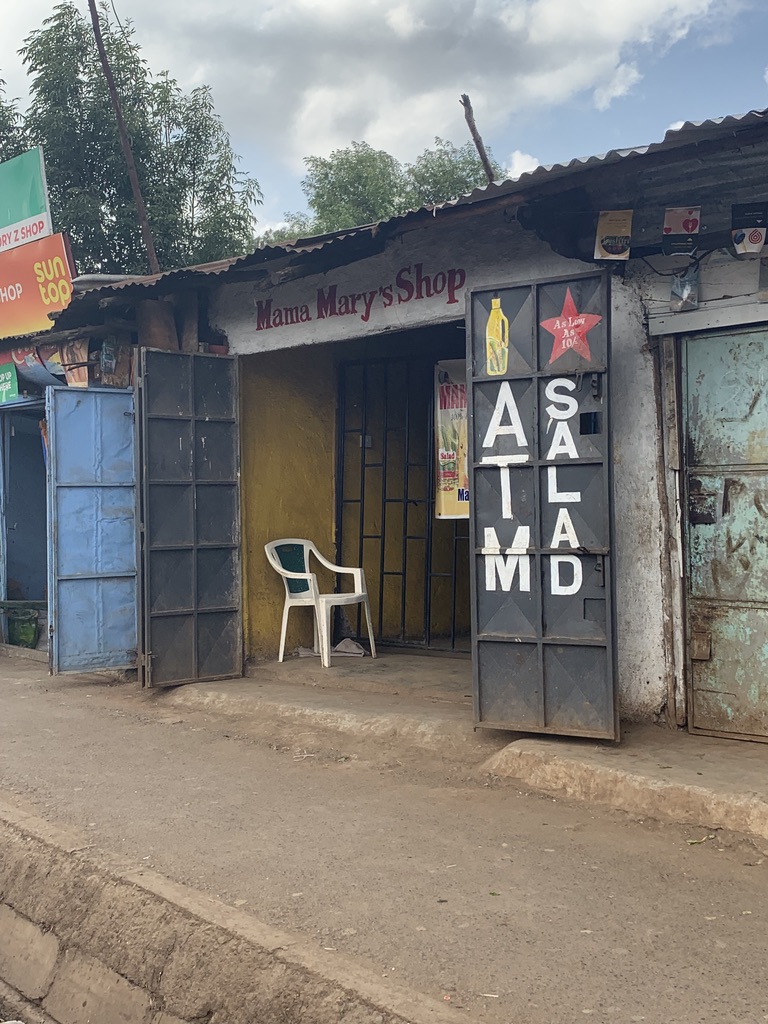
The “shops” in Kibera are about 10’ x 9’ at most; they are built of mud or tin or random pieces of found wood. Electricity is gerry-rigged and water is all but unavailable. Garbage collection is very infrequent, if at all. And raw sewerage is evident as you walk through the town. Supposedly there have been recent reforms and experiments and education in Kibera is supposed to be the best of all the slum areas. Still, we strolled for more than an hour and never saw a school. Kids loved to speak with us and loved having their pictures taken. With the adults, it was once again the Obama connection – once they knew we were from the US. Amazing!
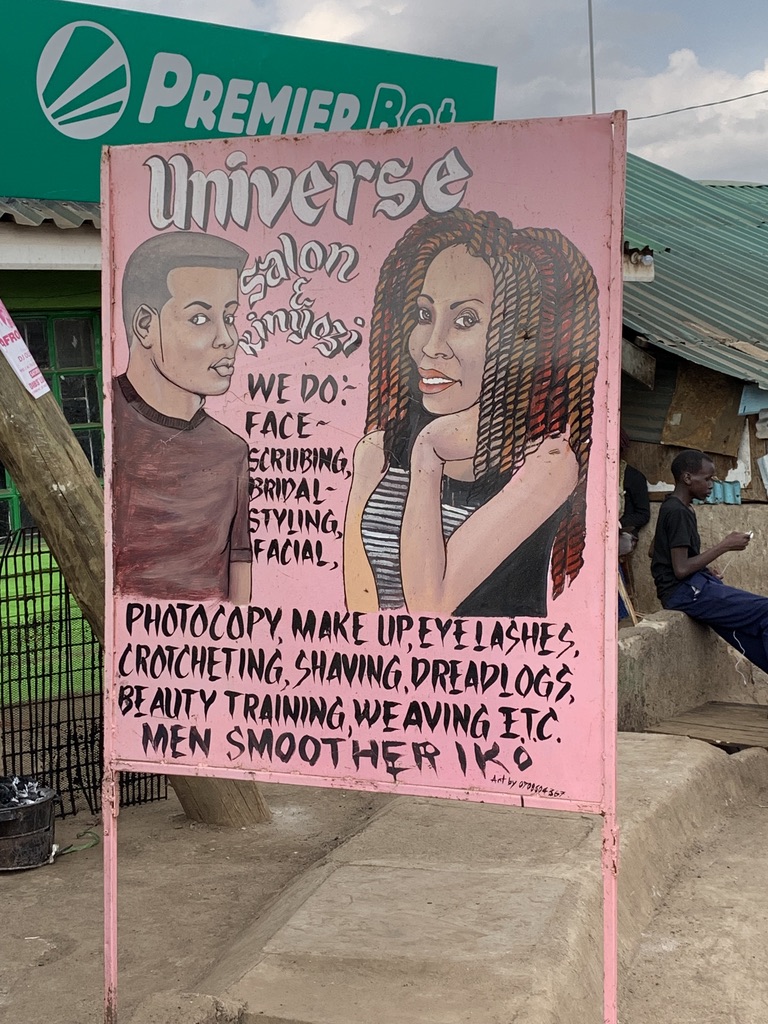
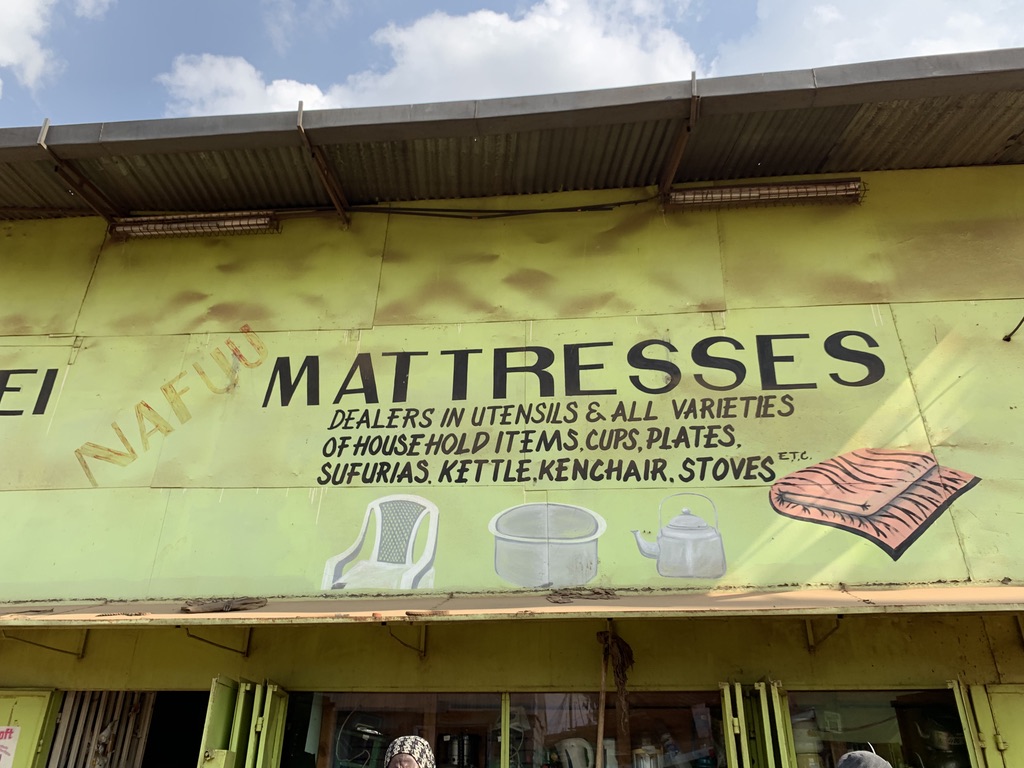
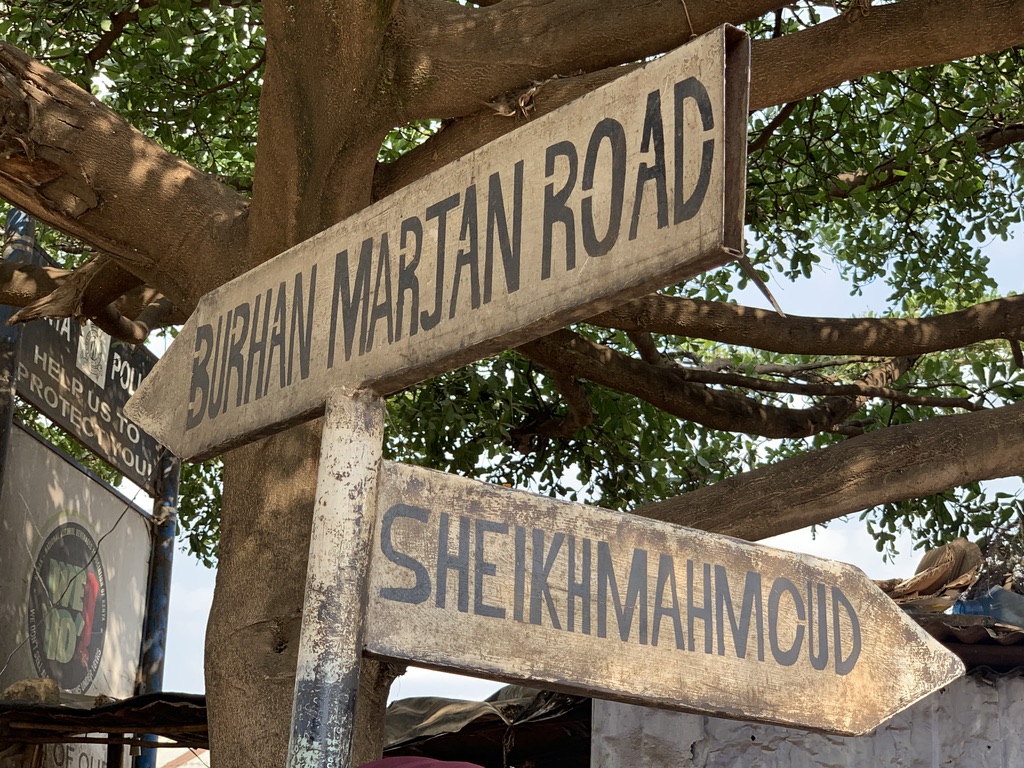

We rejoined Julius at the taxi at the appointed location about two hours later, and headed back to the hotel for a drink.
Tonight we were planning to eat at Amaica, some kind of fusion African restaurant we read about. But we wound up having dinner at Nyama Mama, because Amaica was closed for the holidays (very difficult to find these things out in advance!). Still we were set on eating African food, so this place seemed to make sense. It was fine, but not great. Crowd was very mixed.
Fern
 Fern's Travel Notes