Americans in Nairobi 12/18/2018
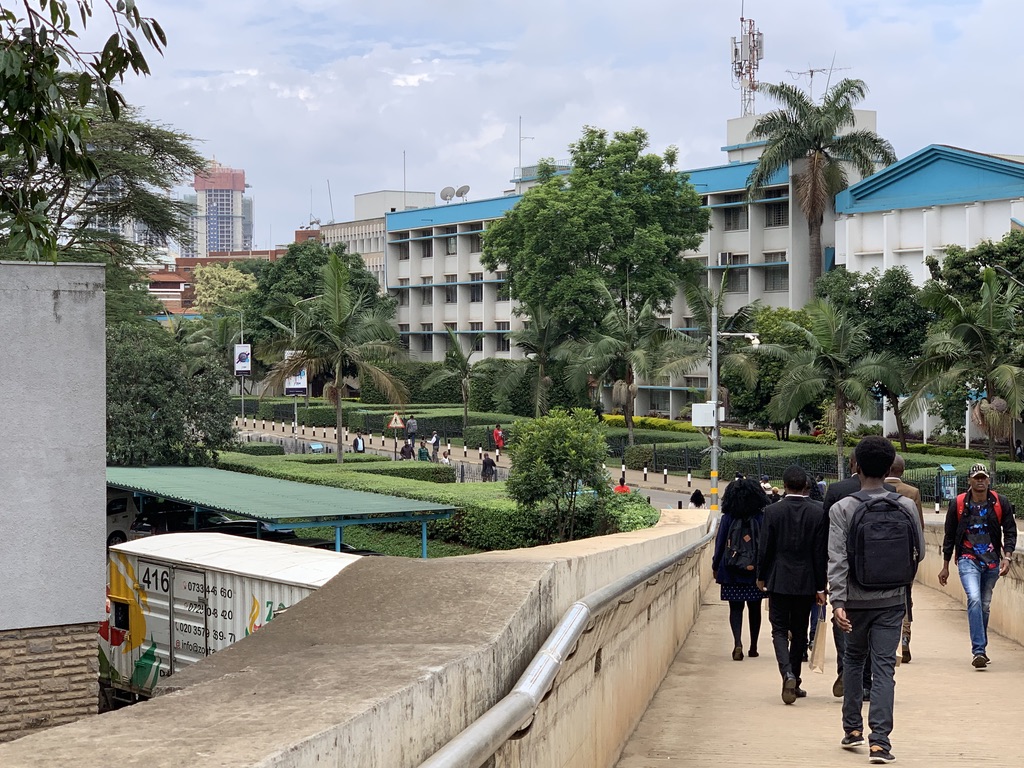
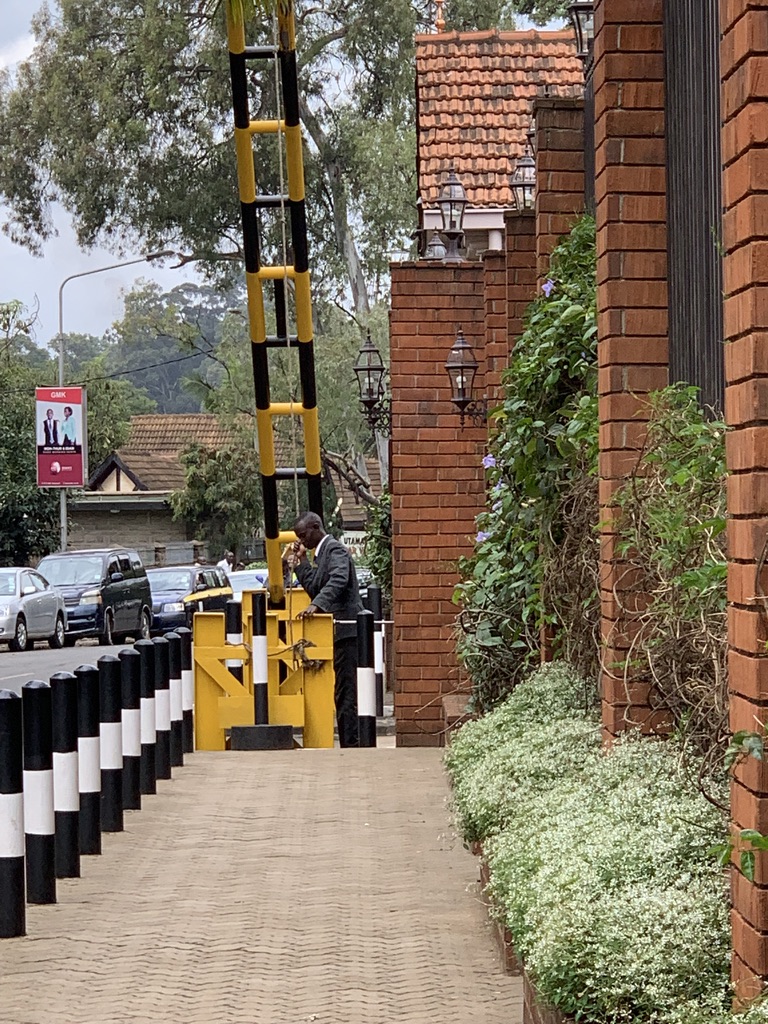
This morning we opted to return to Java House, where we now are familiar faces; two visits and we are regulars!
So after walking back to the hotel to figure out our day, it became obvious that rain would be coming soon. Thus we opted not to walk any where and that maybe we should be real tourists for a day.. or at least a little like real tourists. We decided to rent a driver and head to the neighborhood known as Karen (an upscale area north of the center of town where we were staying). We used a driver from the hotel because we figured we might need the car for at least six or seven hours. The driver (whose name escapes me) was quite knowledgeable and was able to relay a good deal of information and was quite conversant, once he realized our politics. So despite the fact that the drive was long, due to the incredible number of cars, matatus, and buses and trucks choking the air and trying to move from place to place on inadequate roads, we had a good time.
During the drive we discussed local politics (corruption), schools (inadequate unless you can pay to go to private schools of some sort) – 50 students to a classroom, insufficient supply of text books – much like what I witnessed in South Africa last year.
The driver was – in many ways — a typical Nairobi worker – grew up in a rural area focused on farming, with minimal support for schooling but like everyone else saw Nairobi as the dream for a job with potential. We also talked about the role of missionaries in Kenya, historically. He had an interesting line: “The flags follow the crosses…”… meaning that first the missionaries come and then they are followed by the colonizers, with the missionaries making it easier for the colonizers to “set up shop.” We talked about salaries and how one gets by; we discussed the situation in the slums, and we talked about the Kenyan Constitution and the structure of the government. He says they copied the US Constitution.. which actually sounds true.. They have a president and two official houses that make up the legislative branch. One includes one member from each “county” within Kenya; the other is based on many many sub areas within each “county.” He says the problem is that he thinks they copied the constitution and didn’t really tailor it enough to meet local needs.. and we laughed and said that we felt that after more than 200 years it was time for a new constitutional convention and a new constitution for the US that would consider how much things have changed..
We also discussed the land issue which is a complicated and essential topic in African cities. Apparently, the government is beginning to crack down on illegal development on public land. As a result several shopping centers and other buildings have been torn down. Greedy developers just move onto properties and start building. Historically, no one said anything and the buildings got occupied and that was that. Not clear this effort will change things much, but it’s seen as a start.
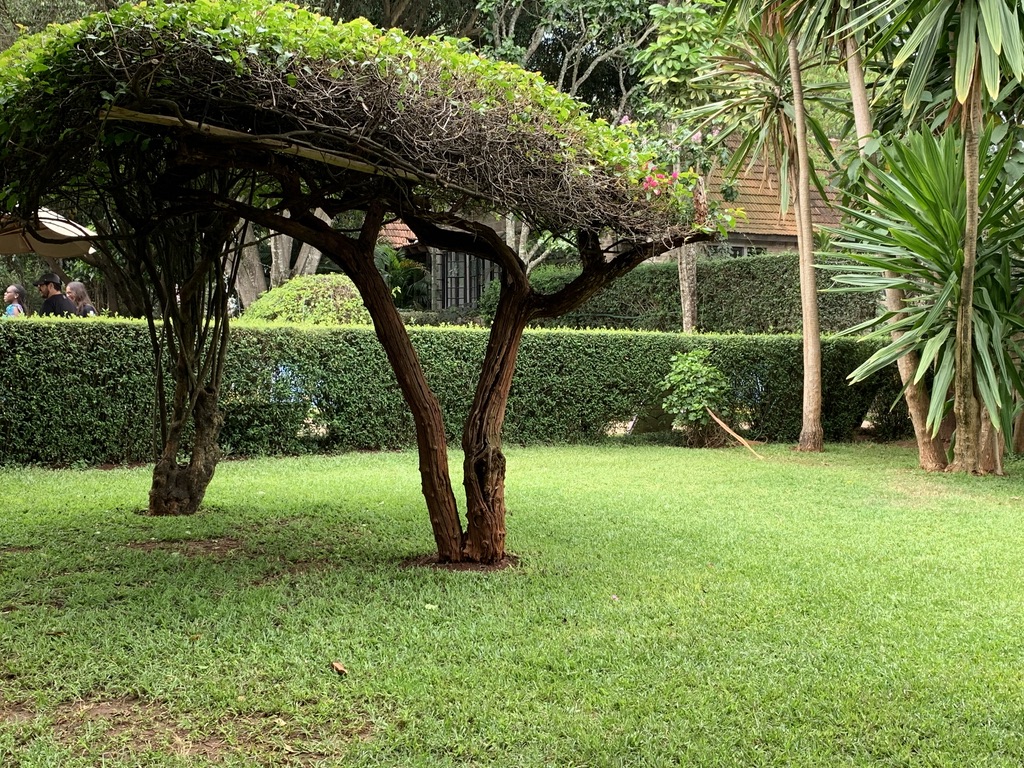
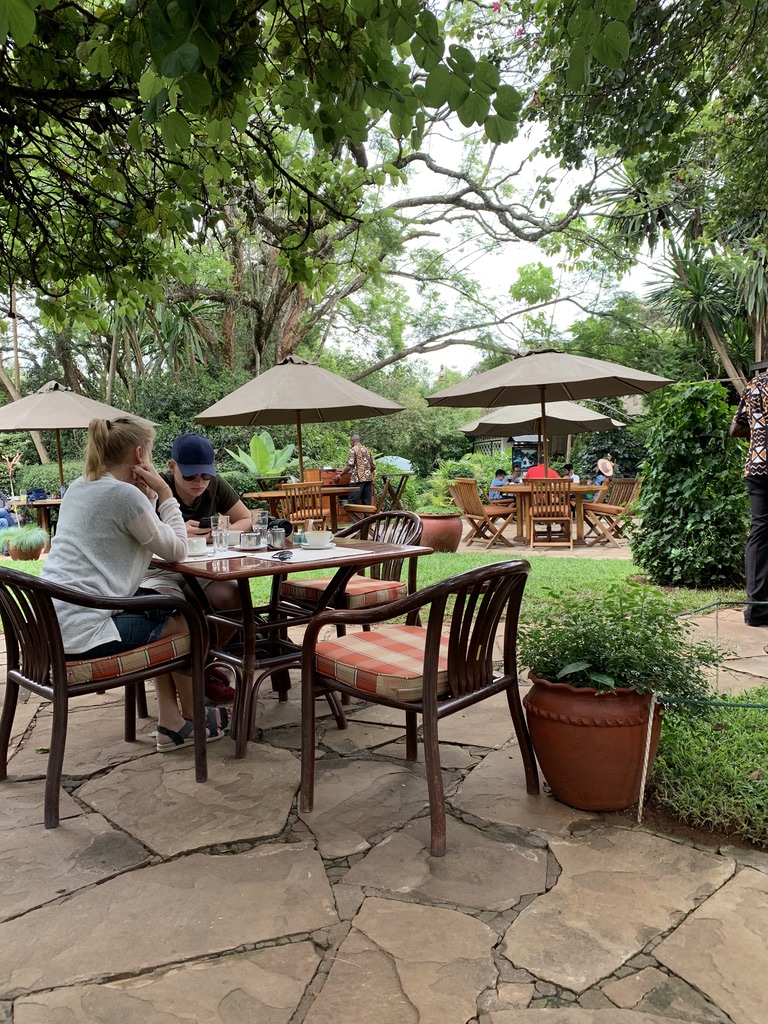
We headed first to Tamambo, a wonderful little café on the coffee grounds of the original Karen Blixen estate (more on that in a bit); service was incredibly slow and we worried it could put a dent into the very long list of things we wanted to see and do. After lunch I headed to the Kazuri bead factory to see the bead-making techniques and check out their on-site shop while Mike got dropped off at the Giraffe Center where he was determined he would “kiss” a giraffe (apparently you get some kind of pellet of food and stick it between your lips and the giraffe comes over and slobbers over you and grabs the food). Did not sound like something I needed to experience.
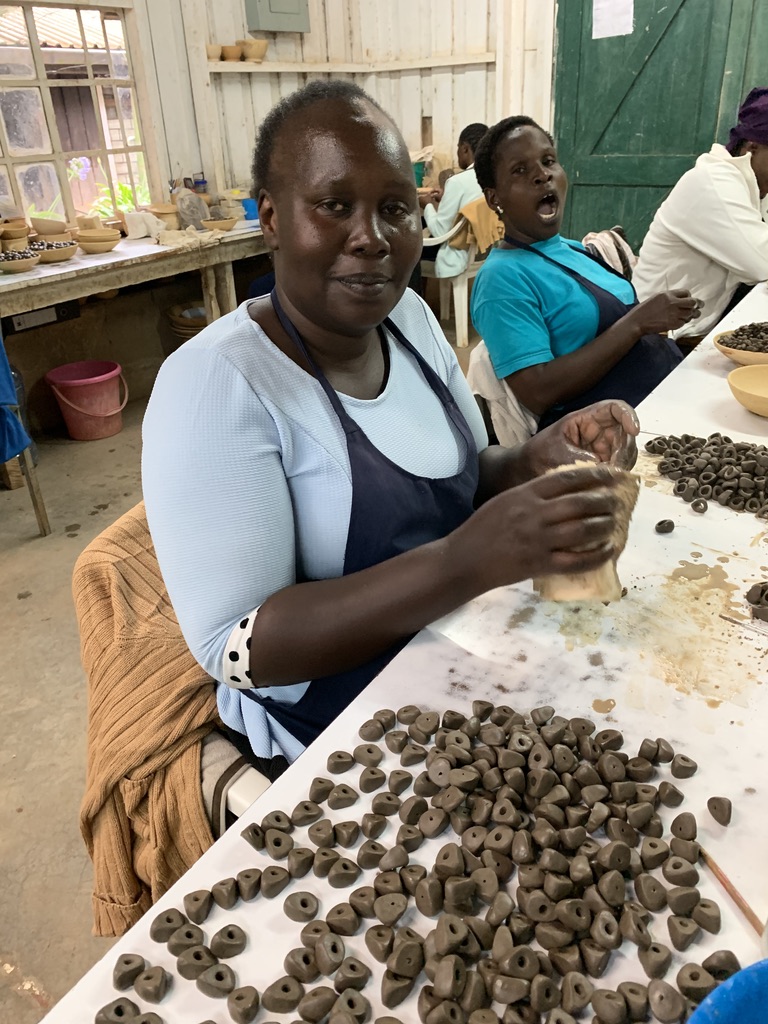
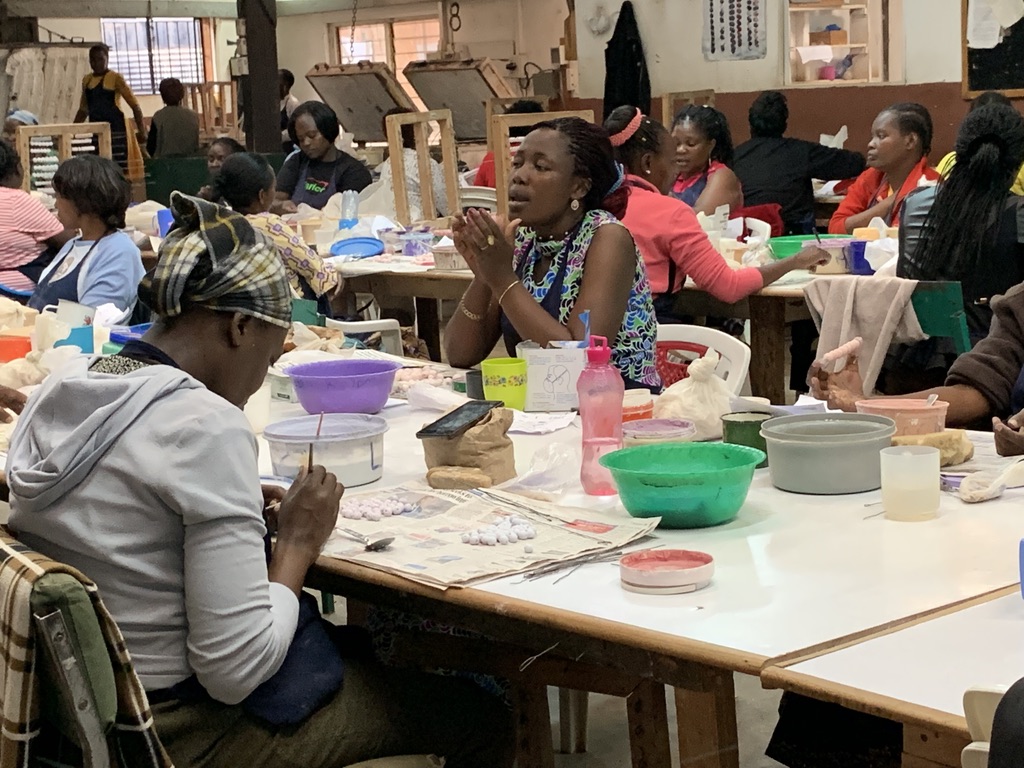
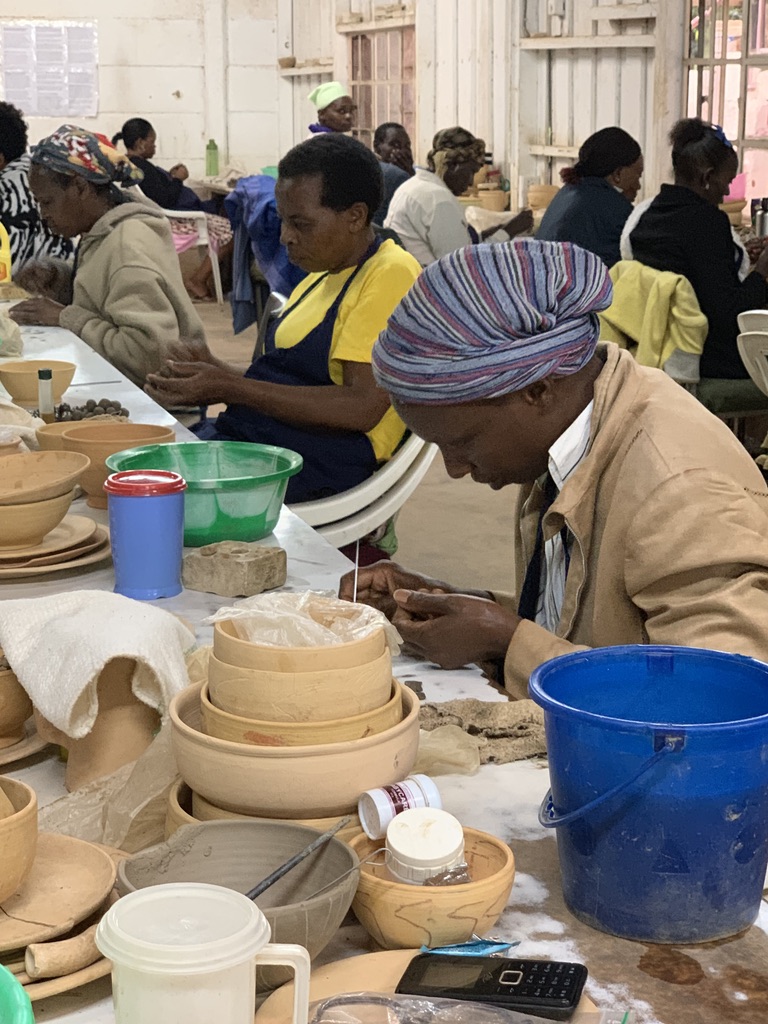
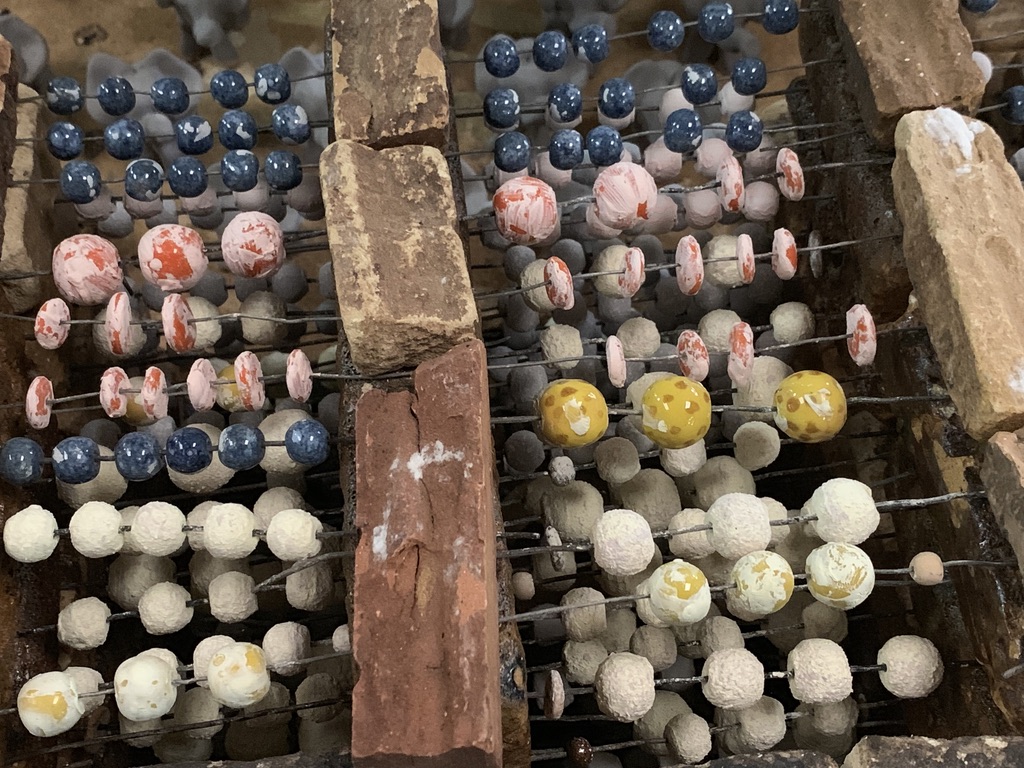
So, back at the bead factory. There was a ‘mandatory’ tour which proved informative and also disturbing. The bead center was started by some religious person who wanted to help unmarried mothers. Now, some years later it’s a thriving enterprise with at least 70 workers (mostly women – and the women make the beads; the few men working there make the mugs and newer items they have added to their portfolio). When I went inside the first building (really a series of huts) everyone was singing a religious song – it was Christian but they were singing in Swahili, and then there was a prayer. Apparently this happens twice a day. The bead-making process is very rote and the women have strict quotas they must meet each day. They do rotate the jobs.. two days you are making the clay beads; two days you might be putting the holes into the beads; two days you’re involved with the firing; two days painting (based on a very strict pattern and color scheme you are given); two days involved with firing once the colors are on the beads; two days stringing the necklaces.. etc. etc. Turns out that Kazuri has established quite an enterprise with orders from around the world.
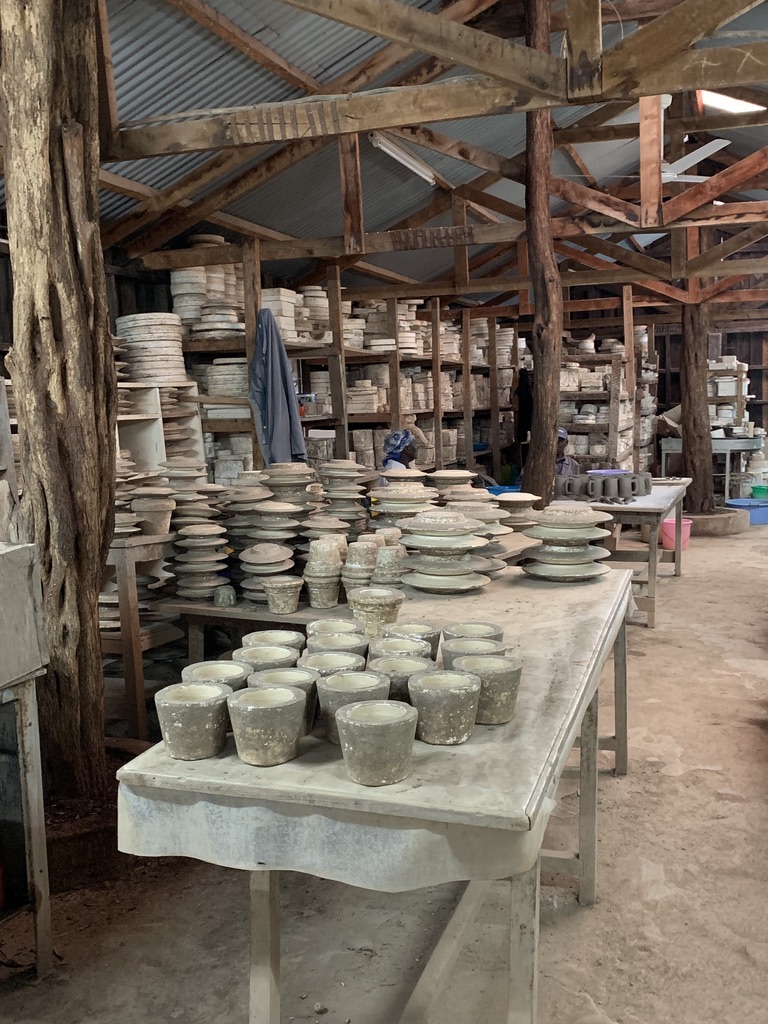
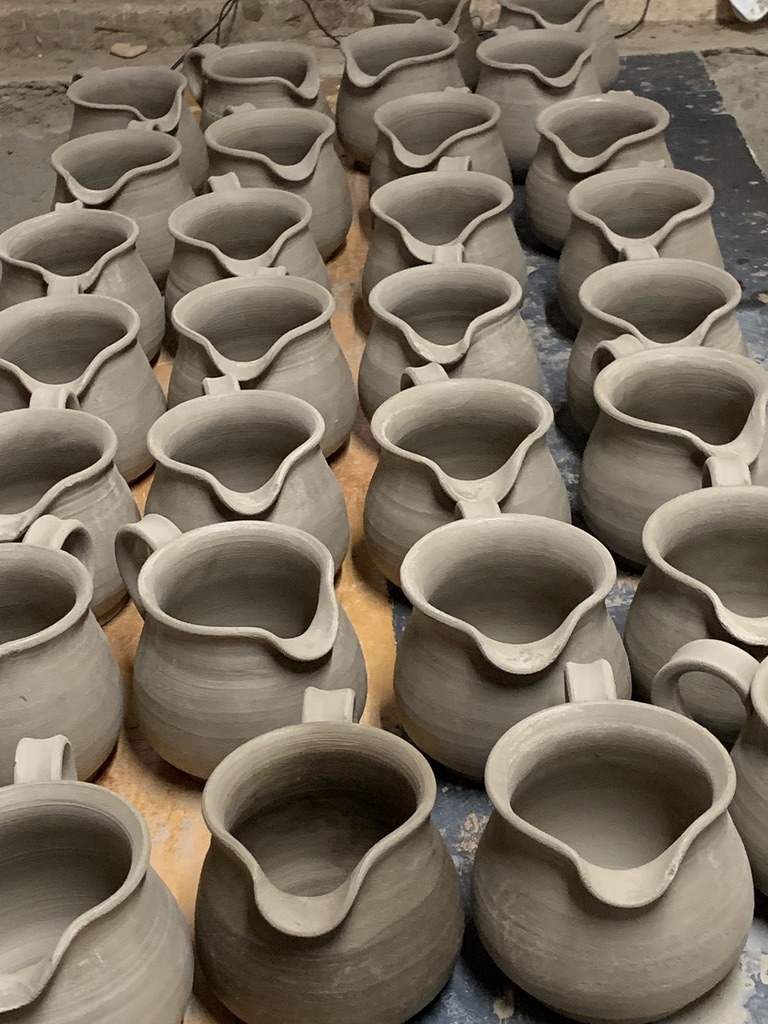
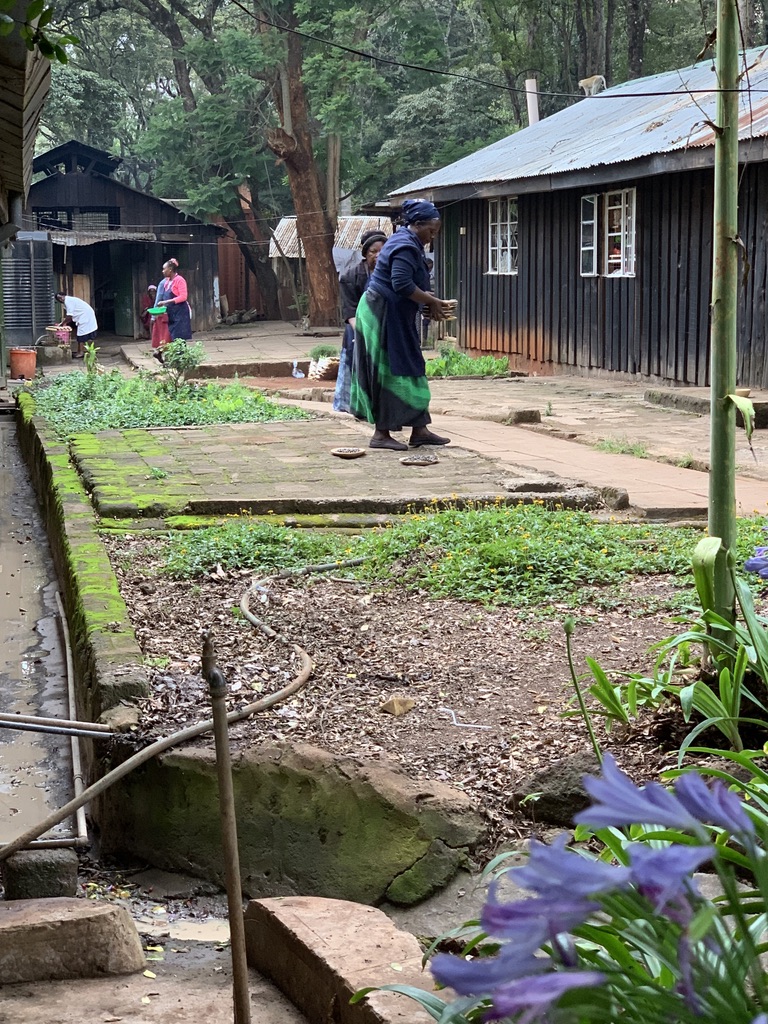
Meanwhile, Mike got his wish in that he fed the giraffe, but didn’t do the pellet in the mouth deal. (For images of Mike feeding the giraffe, you need to contact him directly)
By now it was pouring and we were glad we hadn’t decided to walk.. From there we went to an amazing craft store to check out the wares… Many really spectacular things, but pricey and too much to carry home.
Then we headed to the Karen Blixen Museum. (This is the “Karen” for whom the whole area is named and nearly everything around is named Karen something.) Karen Blixen is the Danish author of “Out of Africa” – goes mostly by the pen name Isak Dinesin. The museum is actually her house – the one depicted in the film version with Robert Redford and Meryl Streep and the one described in great length in the book. The grounds are quite wonderful and many of the artifacts in the house pointed to an independent woman with big ideas. Apparently she left Kenya after 18 years to return to Denmark, never to come to Africa again even though she lived another 30 years. For some time the house was rented out and then after her death the Danish government bought the property and held onto it, hoping it would become a historic place of interest. When Kenya became independent, the Danish government gave the property with all of its artifacts to the new nation, which has clearly invested in preserving it and promoting it as a destination.

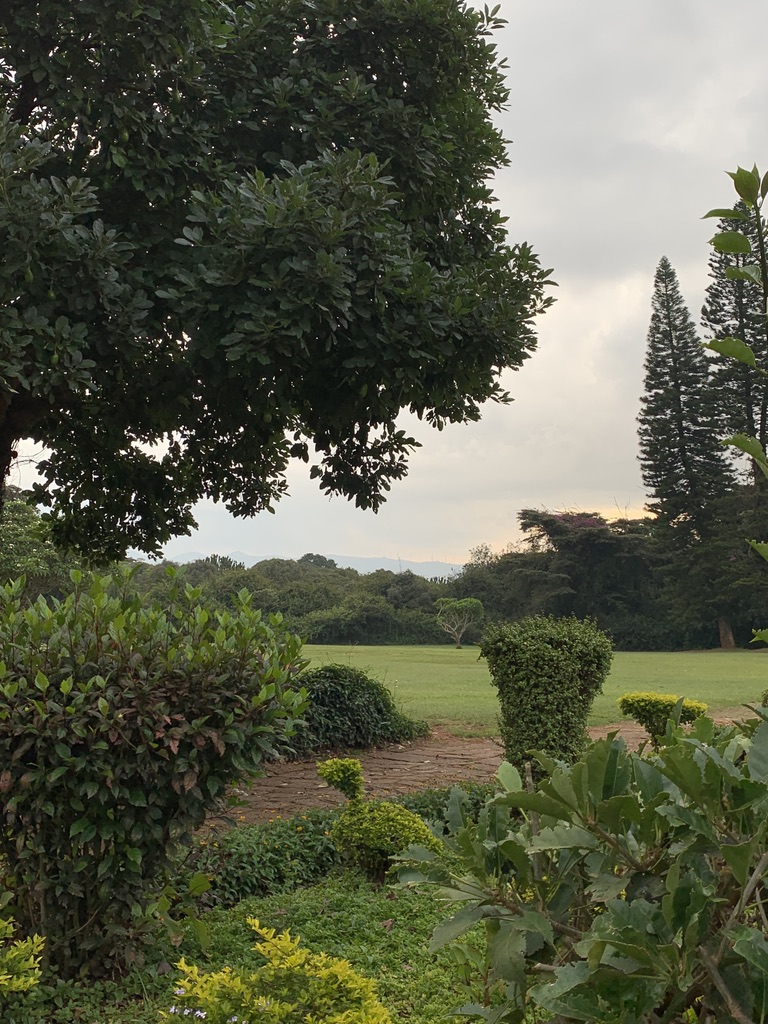

After all of these stops, we headed to Talisman, a much recommended restaurant (in Karen – down a small side path and rocky road). We told the driver to go home to his family (two daughters and a 4-month old son) and that we would find a way back to the hotel. He seemed pleased with the arrangement. And it was now really coming down, with lightning and thunder.
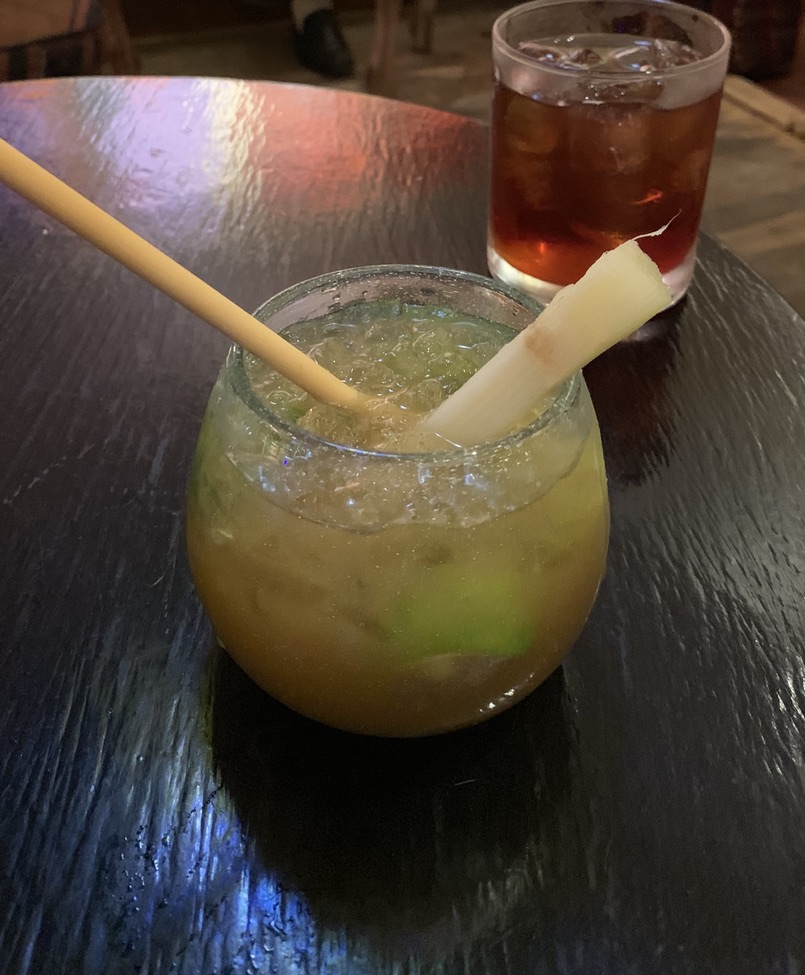
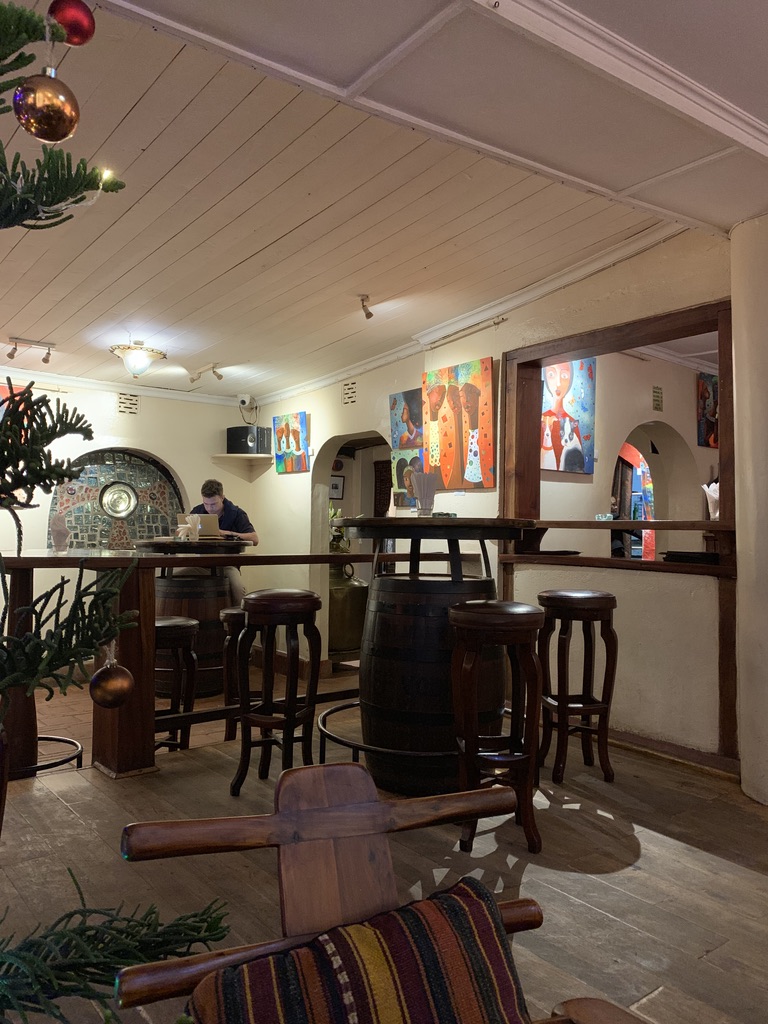
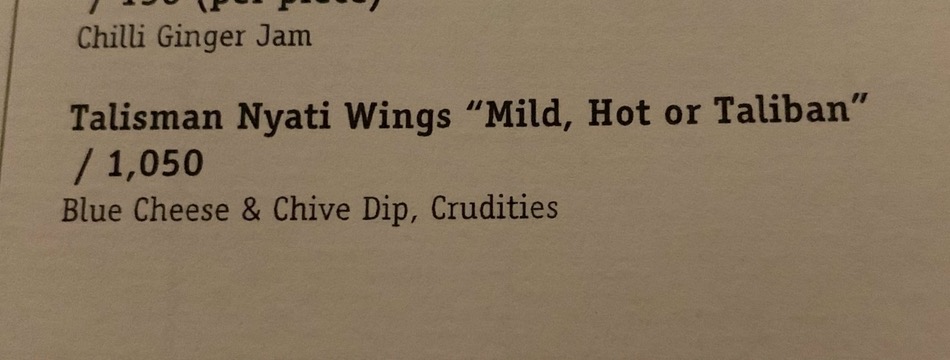
Talisman was a pleasant surprise – a “gastrolounge” in an old farmhouse with meandering rooms for the bar and the restaurant. Crows was a total fusion of Nairobi (albeit, missing poor people). Following drinks (I’m now really into these “dawas” we headed to one of the dinner spaces. The menu was totally eclectic – we opted for samosas, Moroccan spiced beef, and also the ostrich dish (great!) and couldn’t resist dessert – chocolate malva (sort of mousse with a champagne orange curd). The house and each room had several fireplaces, which was good because the rain was unrelenting and the spaces were sort of open… and clearly no heat.
We fetched a taxi back to the hotel to pack… It was an intense 4 nights and 3.5 days. All good. Highly recommend a trip to Nairobi.
Fern
 Fern's Travel Notes