December 26 2018. Kigali on the Day after Xmas.
Greetings. Happy Boxing Day 2018
Well, the “retreat” part of the hotel was still fully booked, so we were moved to the “chalet” section this morning; but we were headed out right after breakfast so left our packed bags in our delightful room and figured we’d find out what the new room was like when we returned from being out all day.
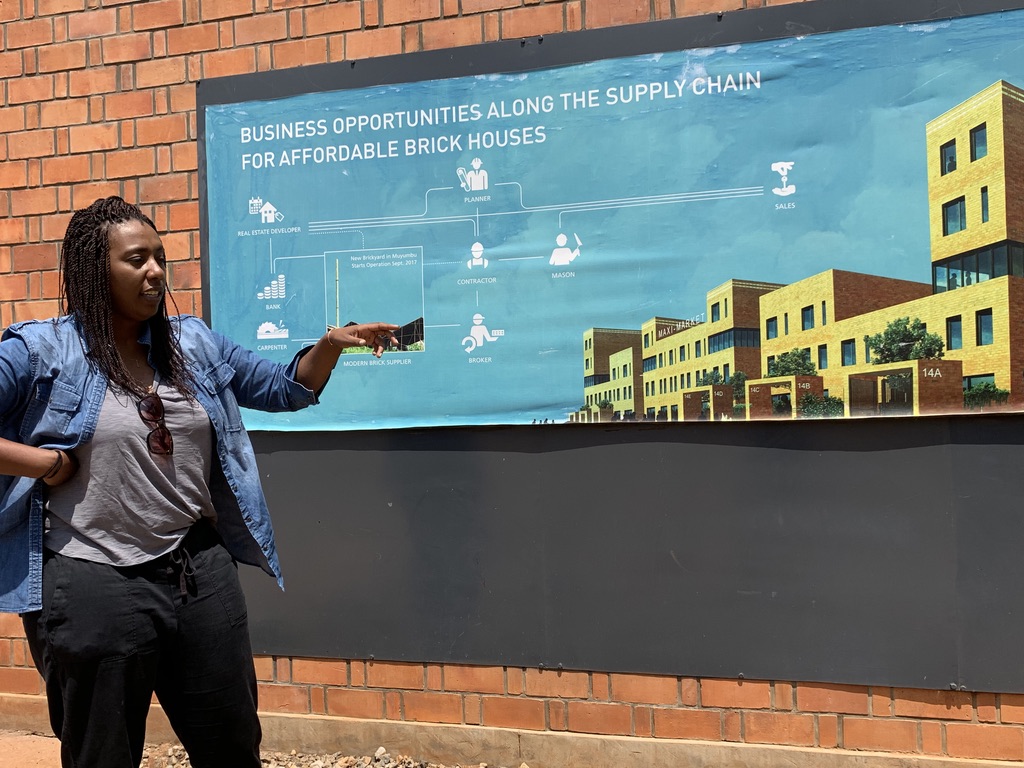
Then we set out to meet Fatou, an architect who graduated from Columbia and who is a former student of a few faculty we know at Columbia. She met us at the hotel and off we went. Fatou has been living in Kigali for about 6 years. She grew up in San Francisco, Germany, and France. Her mother is American; her father is Senegalese. She tried to start a small firm in NY and then worked for the New York City Planning Department, (or maybe it was the other way around) and then decided to live overseas. She applied for a job with the Department of Housing in Kigali (she had never been there before). Although it took a year to hear back from the city of Kigali, she was eventually hired and became the Head of the Department of Housing. She worked there for about three years and learned a huge amount about how the city works (and also where it doesn’t work); she also built a lot of connections as she dealt with approving permits and working with the master planners for the city (who were from Singapore). For the past three years she’s been working with a Swiss agency (that operates a bit like a consulting company) finding ways to create affordable housing for Rwandans (and also works in Burundi and the Congo).

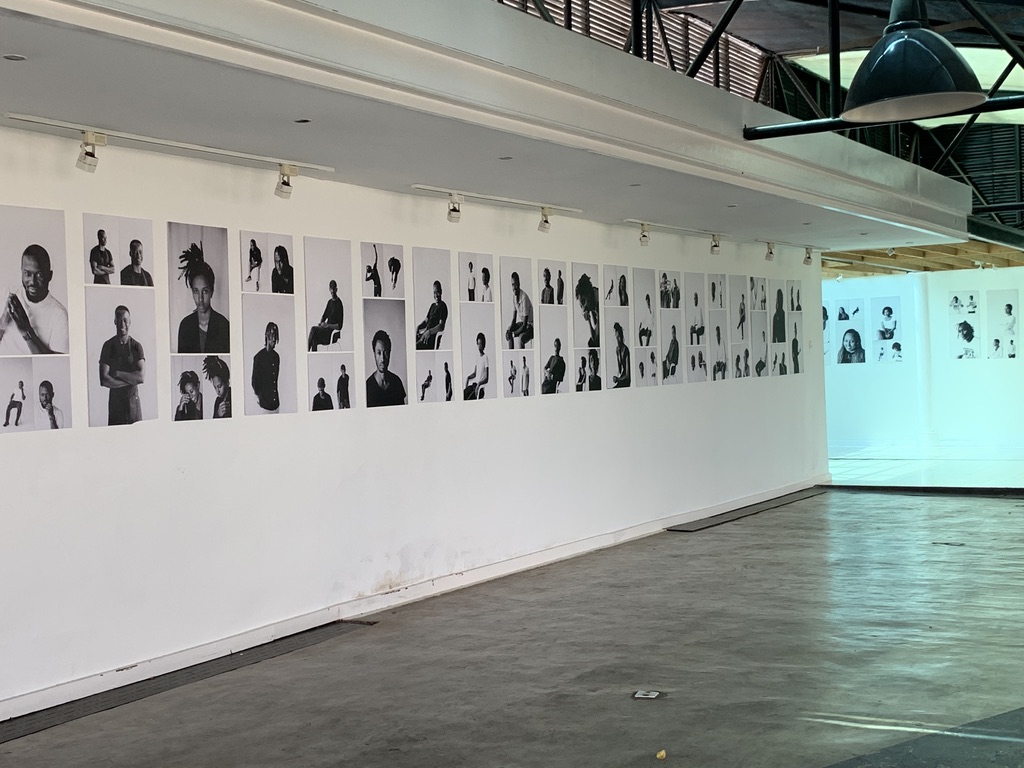
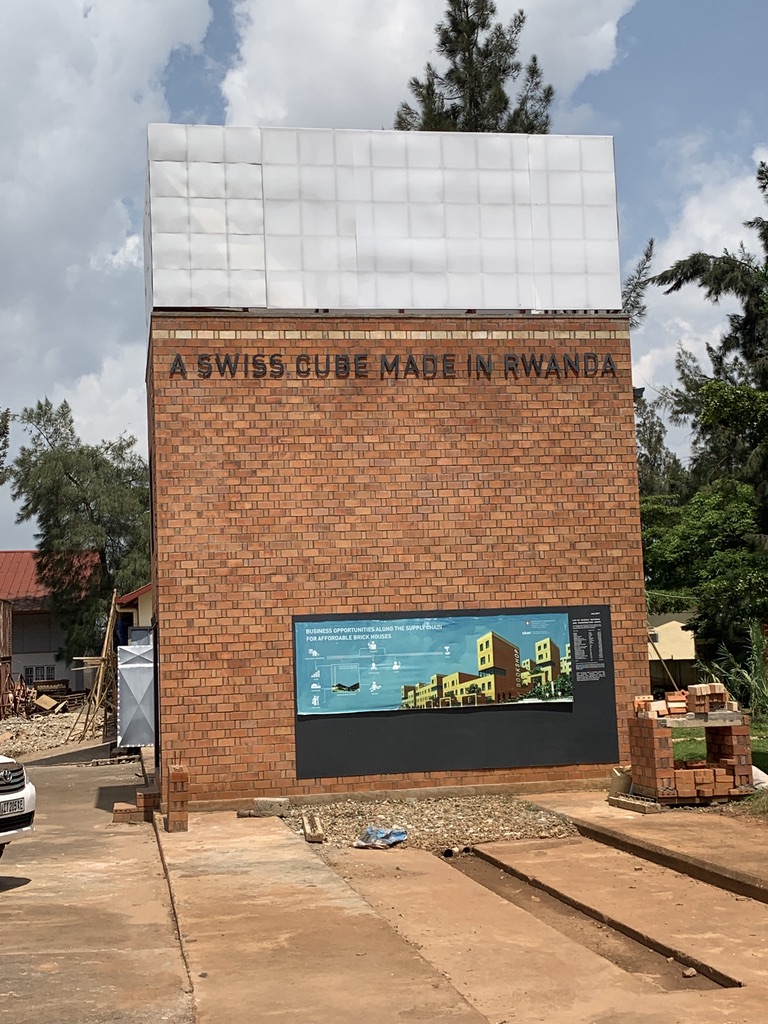
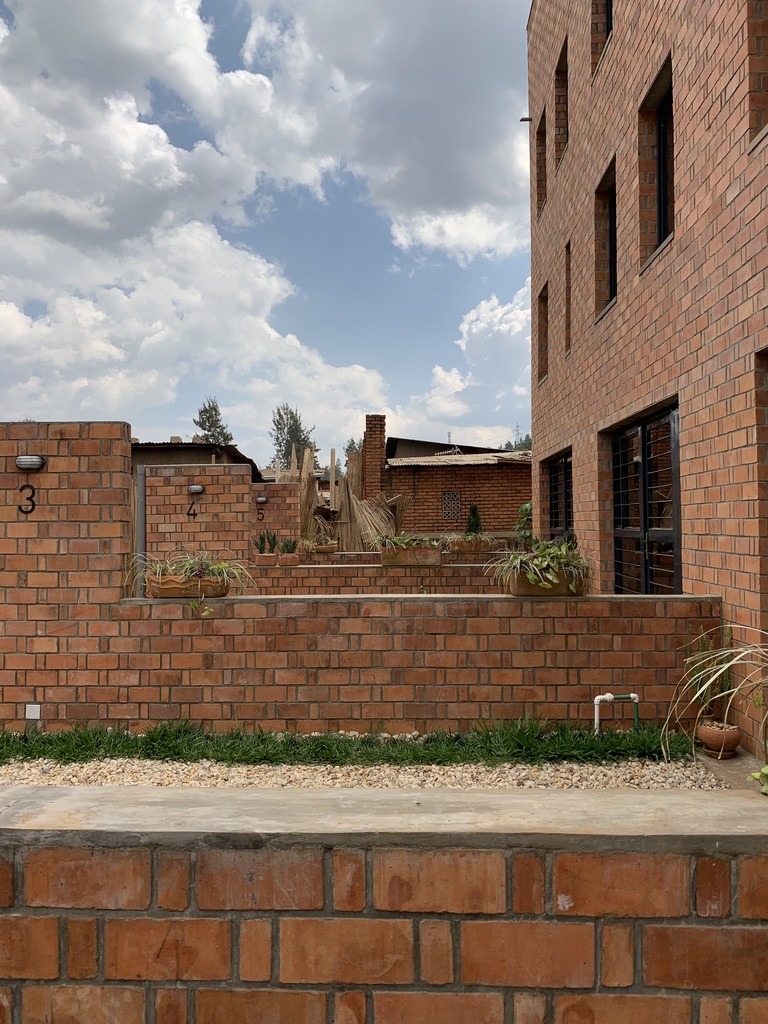
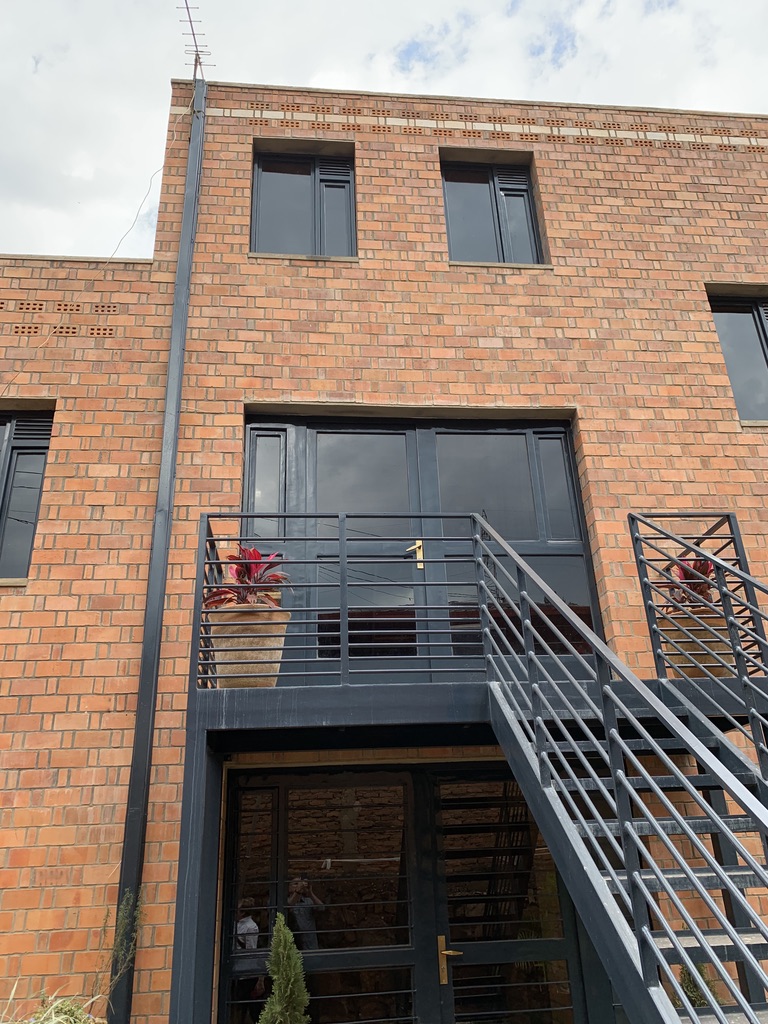
She drove us around the city, pointing out various neighborhoods and areas – explaining a lot of the contradictions of the city and the politics that drives decisionmaking, which was really fascinating. Until now, despite the fact that we had visited several marginal (informal – or as they say in Rwanda: “unplanned”) communities, we were stymied as to how projects get done, who does them, where funding comes from, etc. Then Fatou took us to the prototype house her group (that she appears to manage – 50 people, including 3 architects and many engineers) had developed as part of this Swiss initiative. I asked about the motivation of the Swiss to do this work and she said they really don’t want migrants coming into Switzerland. In any case, the prototype building was interesting. And then we drove to the first implementation of the project – 8 houses built in one of the “unplanned” neighborhoods (basically squatter settlements that have grown over decades).
It’s a really complicated process in that the government is trying to eliminate the unplanned neighborhoods (we saw scores of houses with red Xs on them – denoting that they would be removed and that the people needed to vacate. But where do they go?
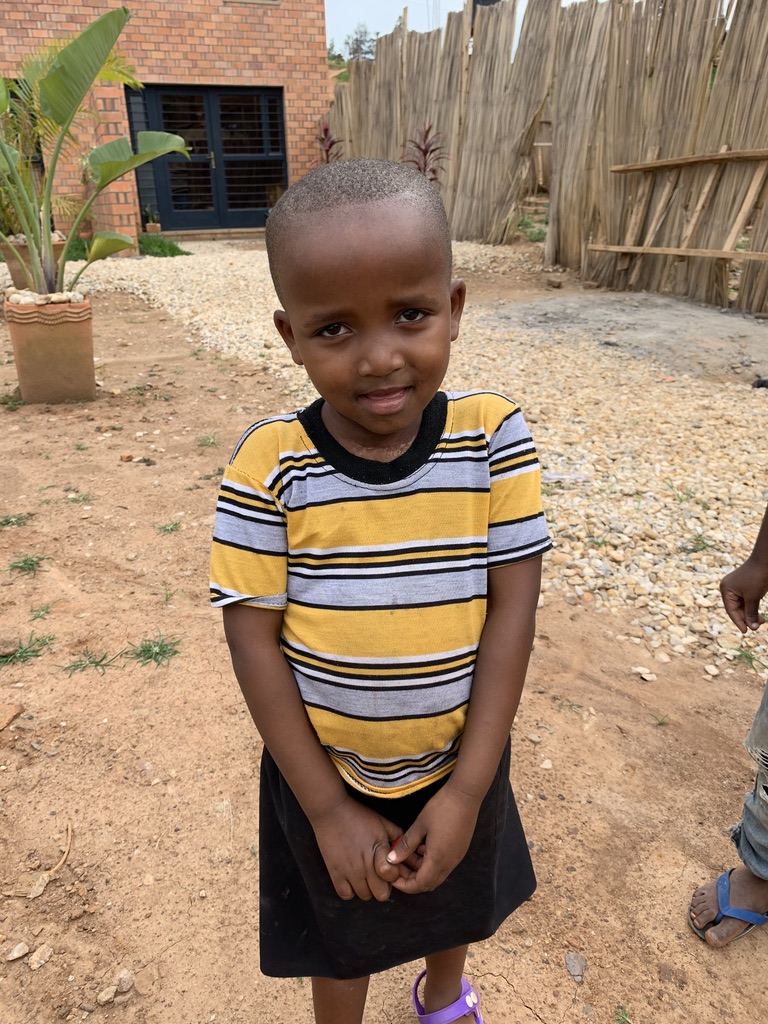
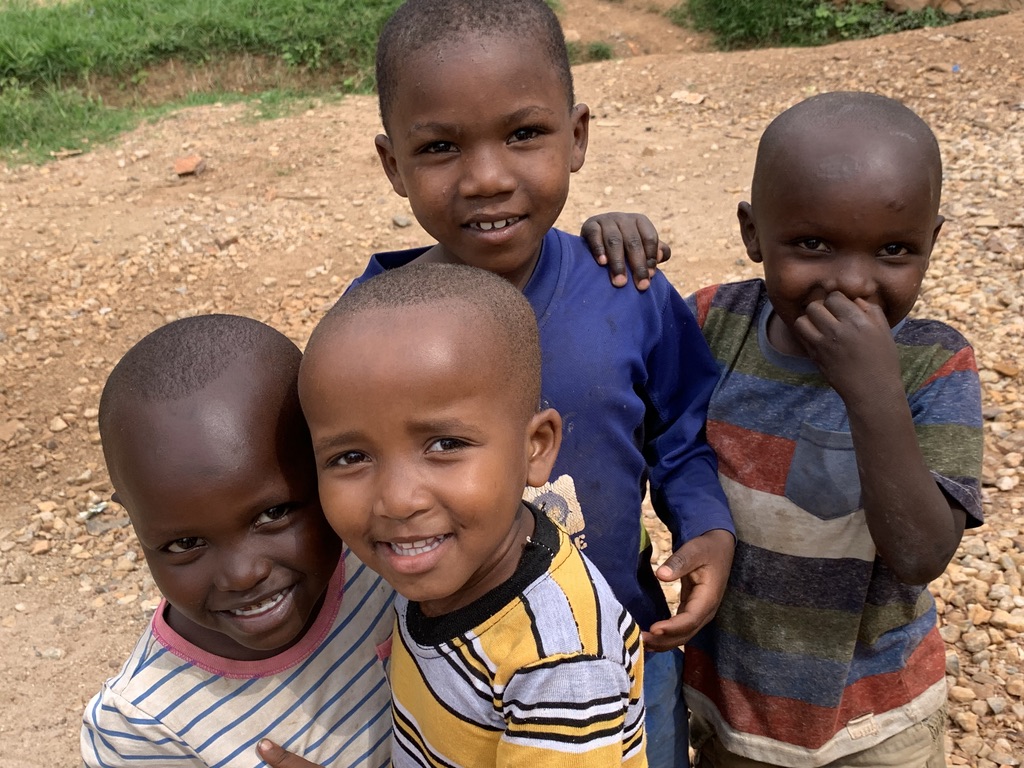
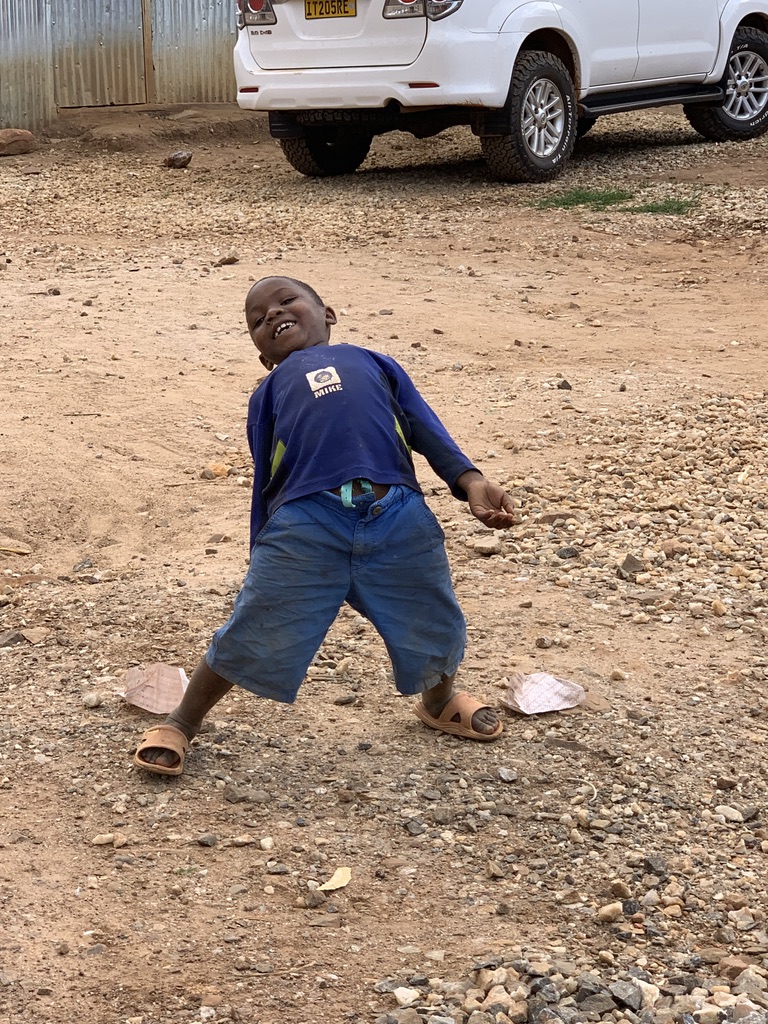
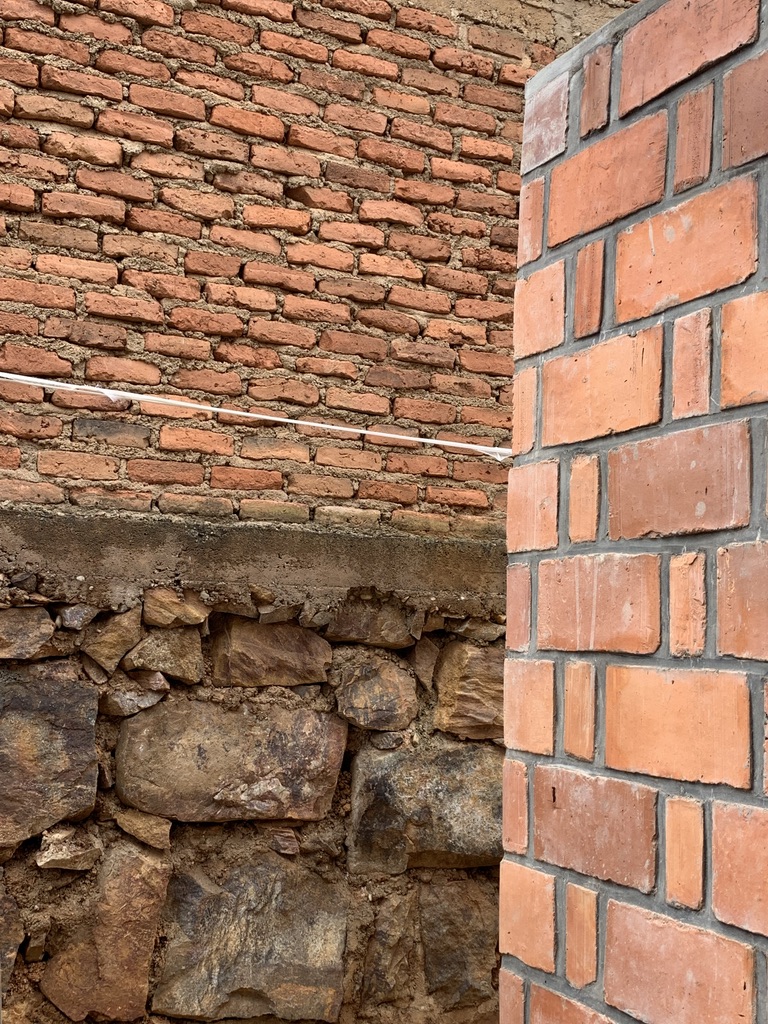
This pilot project is an effort to show that housing can be constructed inexpensively and encourages local workers to create the materials needed for the housing. The Swiss project is mostly interested in creating jobs with wages that enable Kigali people to live better in their own city. To develop the house, people need to own the land. Unlike what I saw in South Africa, Rwanda appears to have completely documented every parcel of land and ownership is clearly delineated. At the moment these 8 dwellings stand out among the other houses in the area. The project has promoted the development of a brickmaking company as well as many other training of technicians. These houses are constructed of brick that is made locally, with cavities allowing for rebar and grout in critical locations. They are assembled in an interlocking manner that uses less brick and less mortar than traditional versions in the country and thus produces better results.
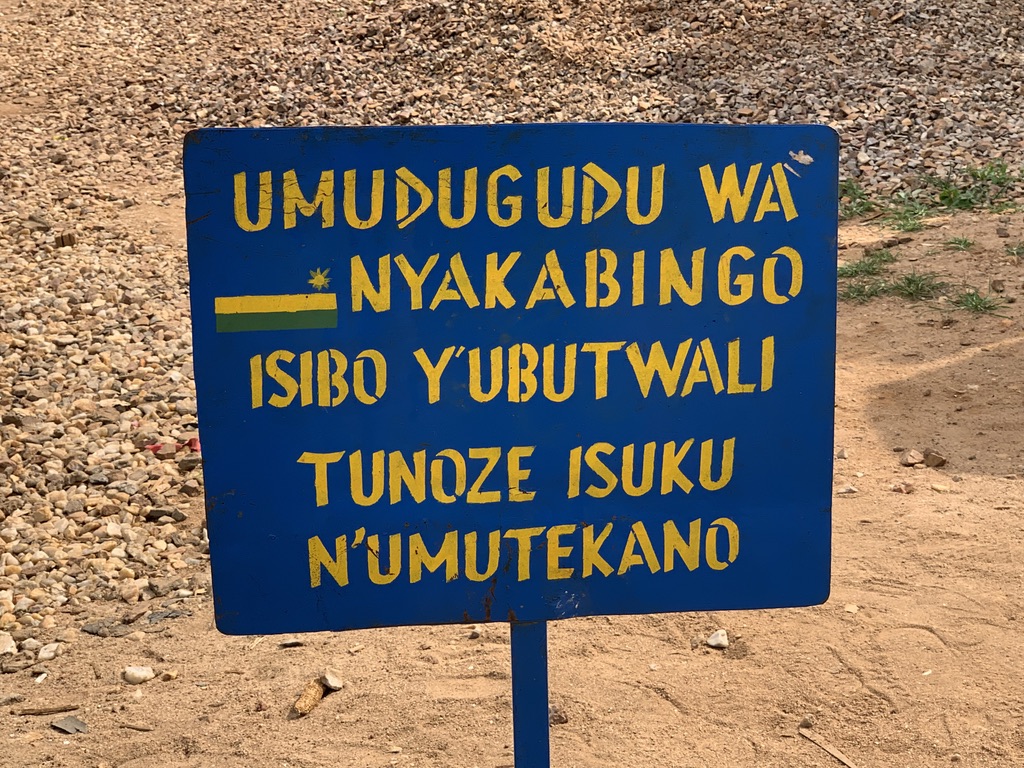
Fatou is obviously extremely proud of the project. People have already moved into the first units. I asked a lot about how others in the community feel about these very new houses and about financing and lots of details about the role of various international groups working in Rwanda, as well as what, if anything USAID is doing. We talked about various philanthropic efforts and also philanthropy’s role in Rwanda, as well as international efforts including Clinton Initiative. Doesn’t sound too promising to go that route. And, as suspected, the NGOs are all involved in social and health programs because that’s where the money is; not in doing much needed housing. And we discussed the role of the Chinese in Africa. My head is spinning with information. We also talked about the “umudugudu” program where everyone in the country volunteers within their neighborhood on the last Saturday of every month to work on infrastructure projects in their own neighborhood. There is also a clean-up day where everyone works to keep the city clean. These are mandatory programs. Some degree of budgeting is based on “performance standards” and if I understood it correctly, each little neighborhood (of about 200 people) has a “contract” which states what will get done in their neighborhood each year; that contract and the list of work moves up to some kind of a “cell” level and then to a ‘sector” level and then to a municipal level. The contracts are reviewed against actual performance. Everyone sees the ratings of all neighborhoods at the end of the year and it is embarrassing if your neighborhood is ranked very low.
That said, there is a cultural tradition of cleanliness which keeps the streets in every neighborhood – from the wealthiest to the poorest – unbelievably clean. Even those living on dirt and mud roads without any real sanitation program keep their roads and paths clean and litter-free. But the government has become very rigid and has full control. So edicts can come down very quickly and whatever is said, happens – immediately. For example, apparently the president came to see a new building and the city officials closed off two streets around the building for that day. The president said that the city was really nice without cars on those streets. So, immediately (the next day) the streets were permanently closed to traffic, even though the decision to close those particular streets didn’t really make sense, and it’s now caused some traffic problems. Similarly, the government is following the Singapore-created master plan and it is being followed – meaning that many properties are being torn down and property owners are being forced to create higher density housing which is costly for little property owners. The neighborhood we visited (where the new houses are located) doesn’t have real electricity (they tap into existing lines) and no running water in the shack-like houses. These new houses have electricity (which is purchased in advance by going to an electricity store or agency – you get a receipt and a code that you punch into a little device that plugs into the wall; when you run out, you get more) and running water.
We also learned that all housing for the “vulnerable” (disabled, etc.) is done by an “engineering brigade” from the military.
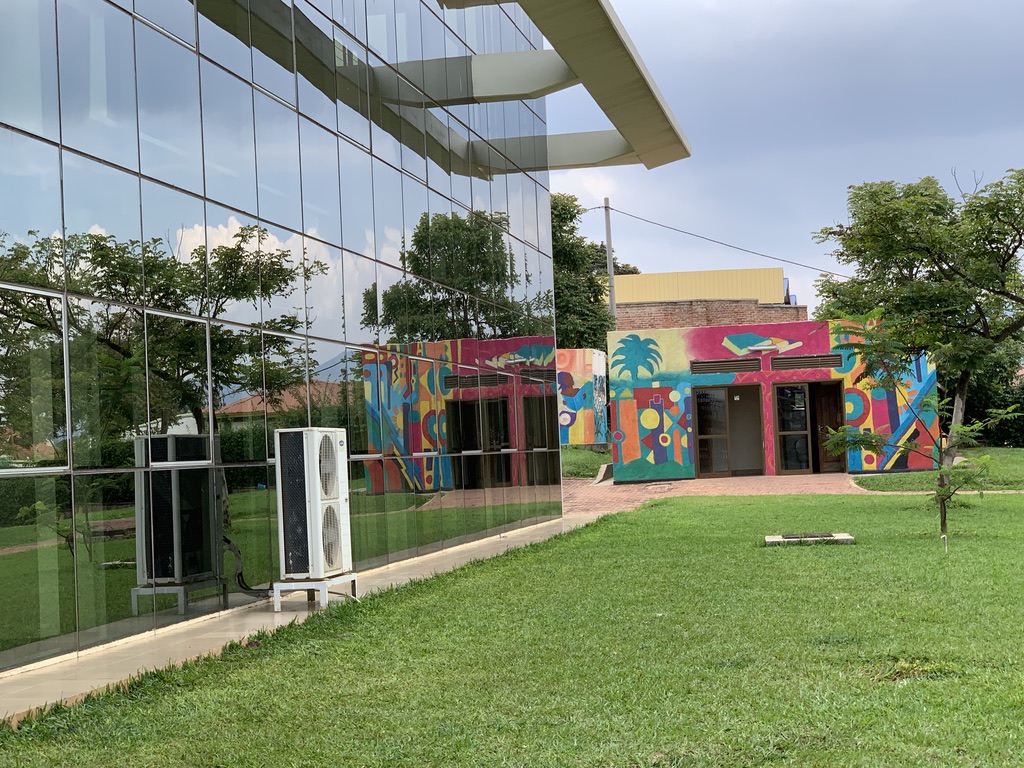
We made a short stop at a very modern library that has a rooftop coffee shop owned by a Rwandan who recently returned from living overseas. There we also got a good view across some of the other hills that make up the city. By the way, the city is lush with green growth – which to some extent sometimes hides the physical problems. But still, infrastructure is many, many times better than Kampala, and it is a delight to see organized driving with traffic lights, paved streets, and even lights that give the timing for how much longer it will take to change from red to green.

We returned to the hotel to have a drink and to talk some more.. and then we went to our much downgraded room But it’s only one night so we can make it work. We leave Kigali tomorrow fairly early in the am and head to Dar es Salaam. Tonight we will eat at the hotel’s Fusion restaurant – located in the Retreat part of the hotel. Hopefully we will be allowed in, given that we are no longer guests in that section and there is a lower key restaurant in our part of the complex!
All the best..
Fern
 Fern's Travel Notes