From Eindhoven to Maastricht.. October 22, 2019
Greetings from Maastricht, Netherlands
Hope all is well and that you are all surviving in spite of the Trump Daily Trauma. Unfortunately we get CNN here – loud and strong, so there’s no escape.

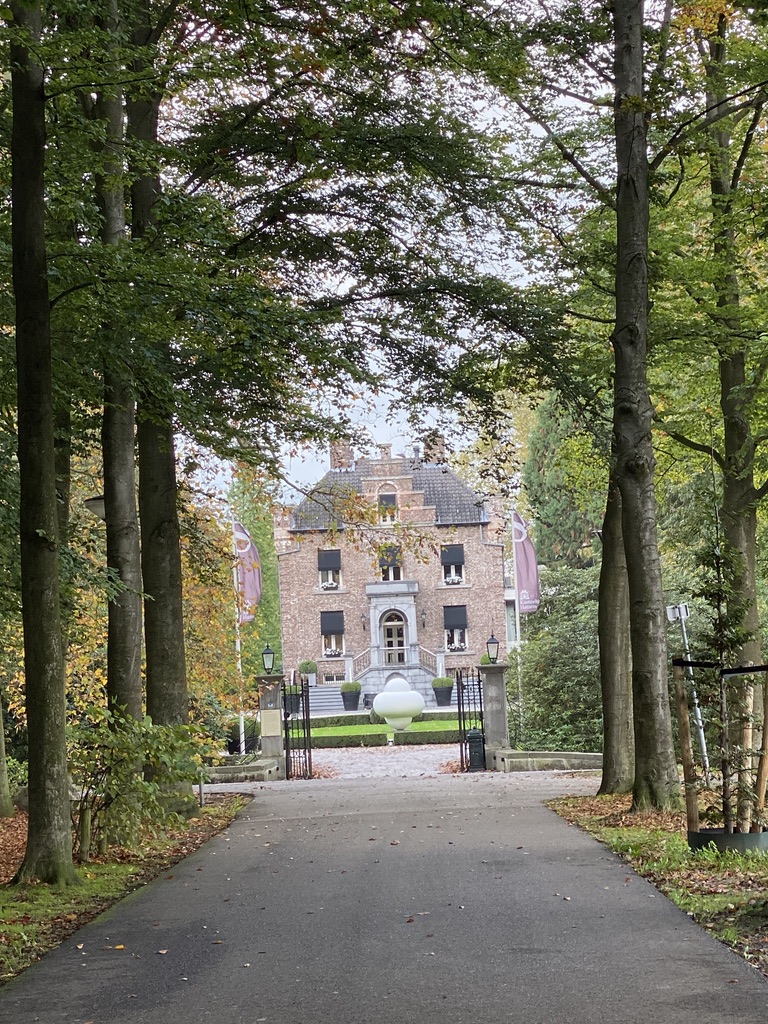
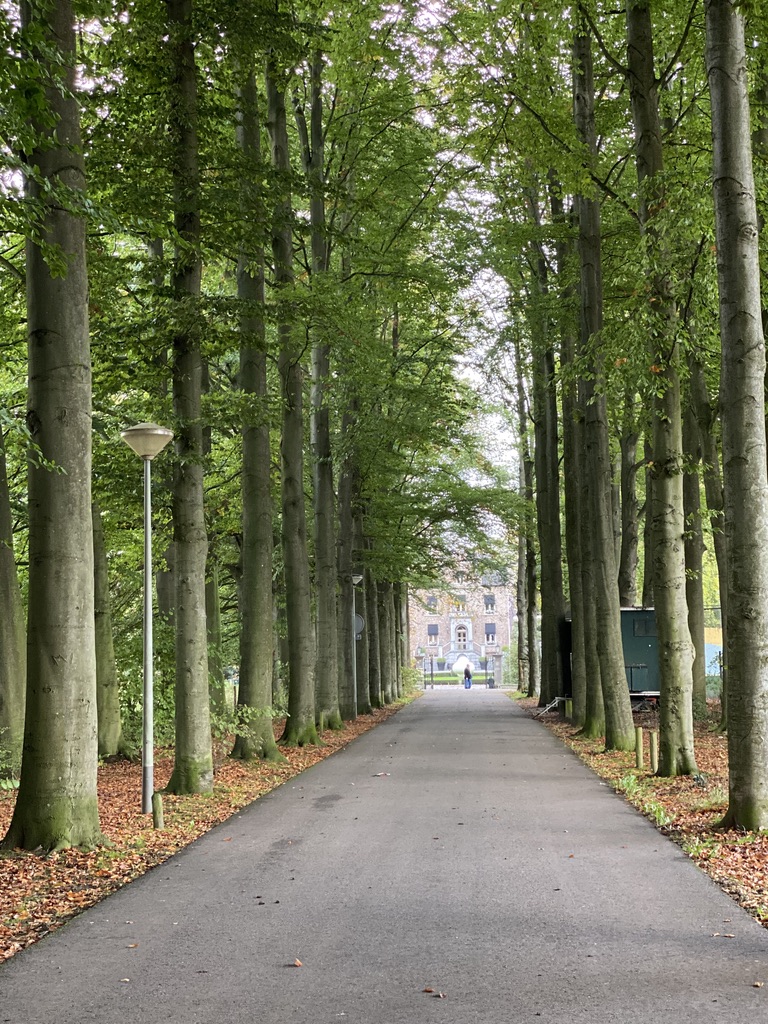
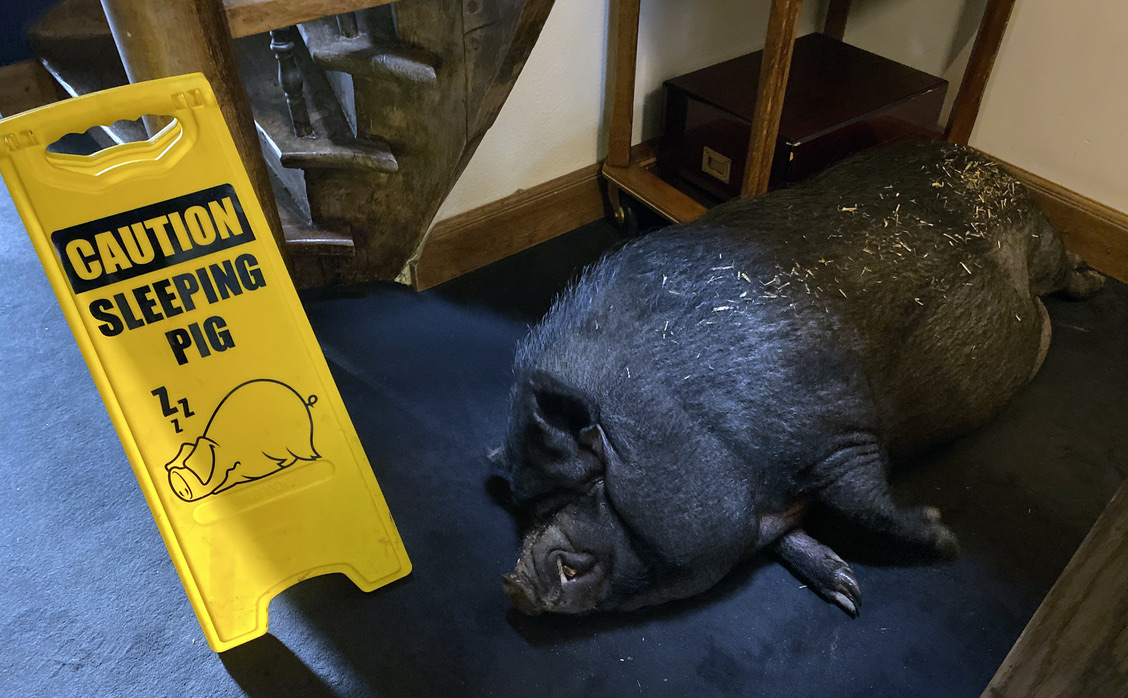
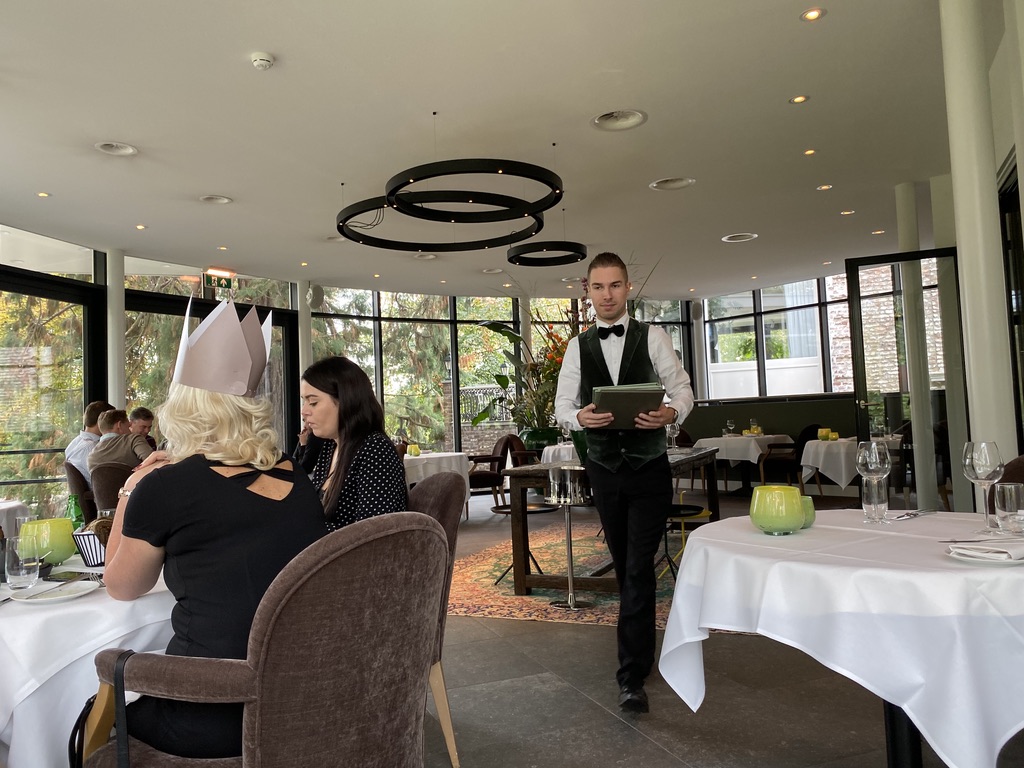
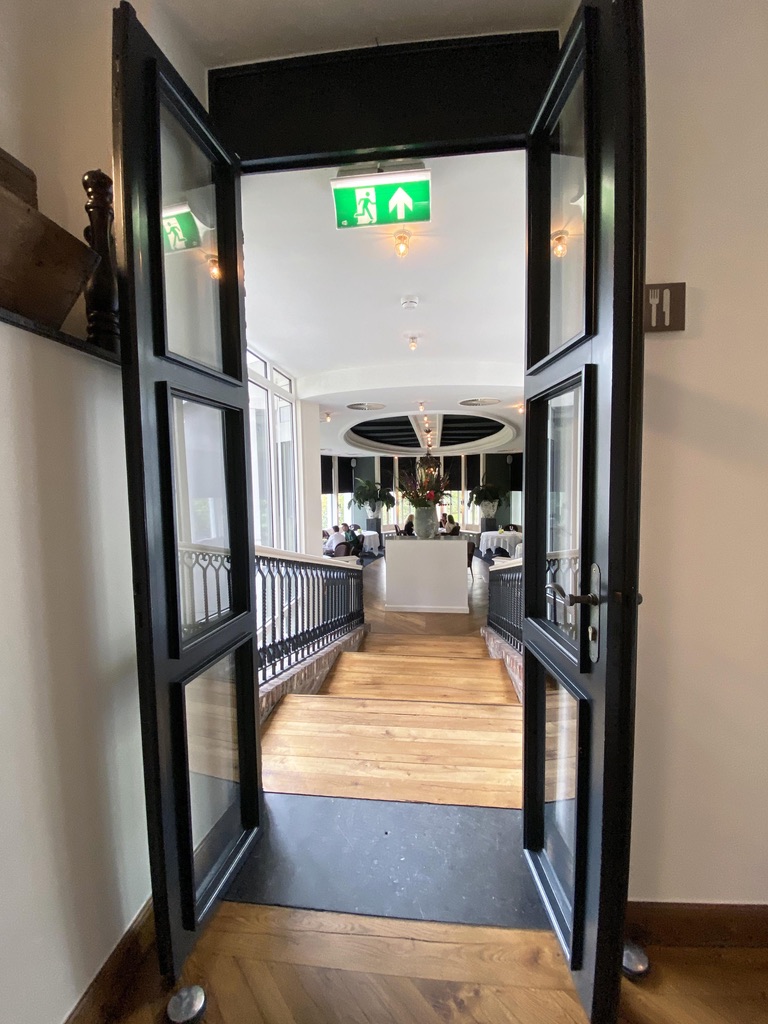
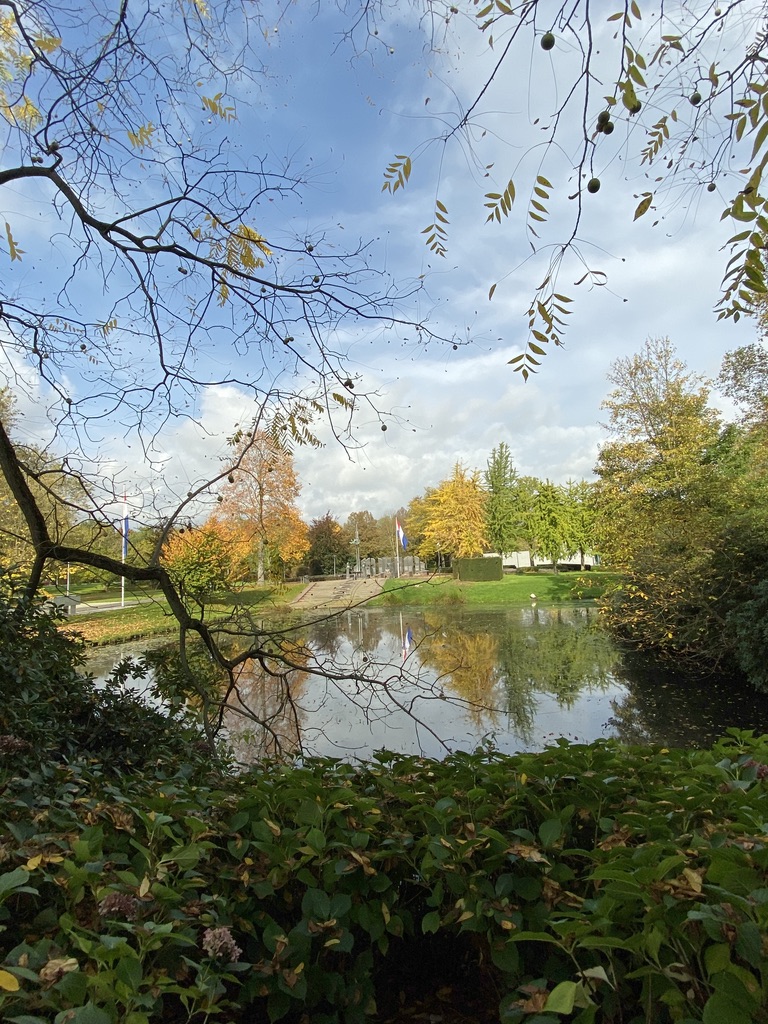
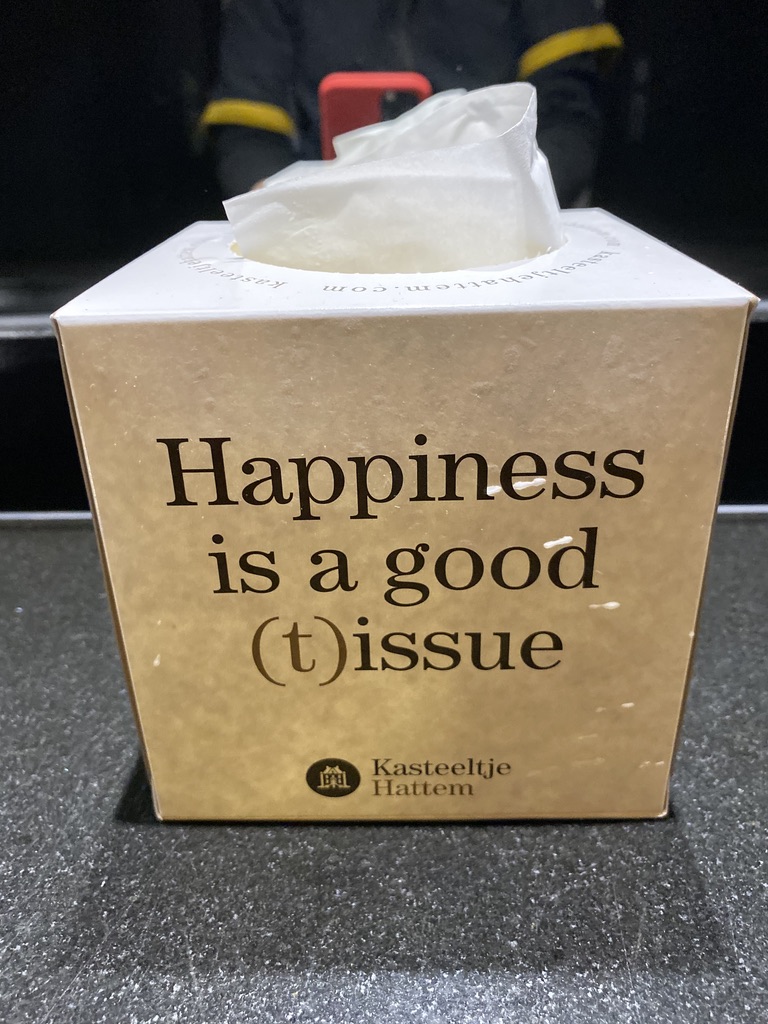
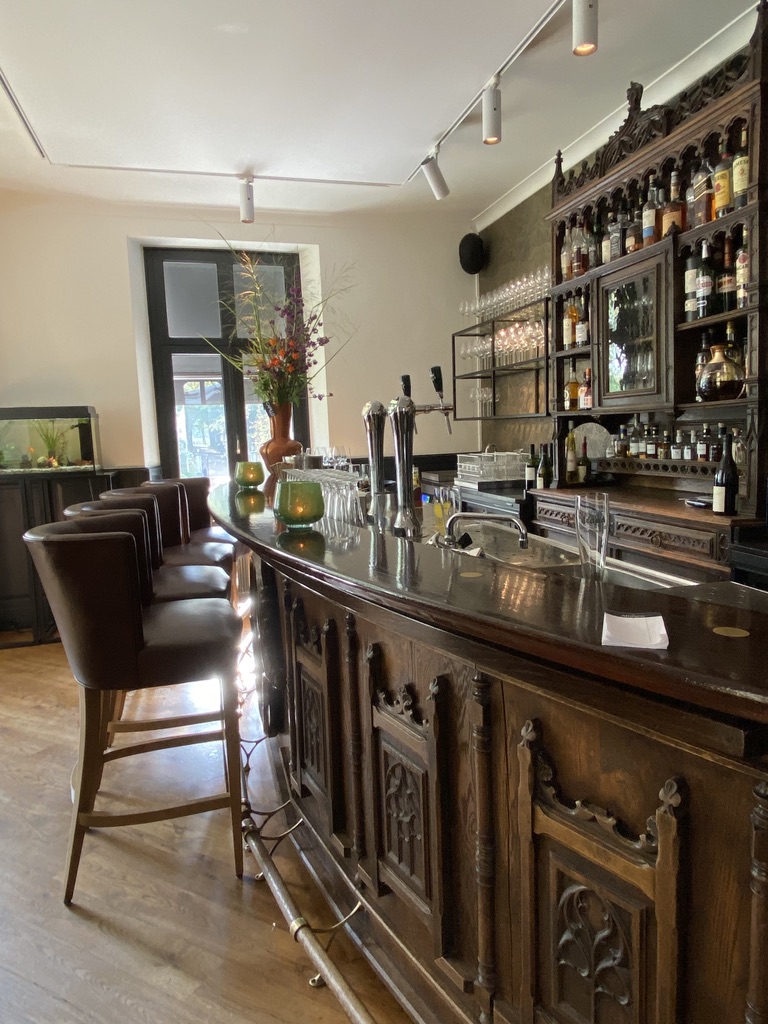
After an early breakfast in Eindhoven, we packed up and headed to Maastricht (a wonderful town that I’ve personally visited four times prior to this trip, but it was Carols’s first visit. We decided to take small roads which added to the simple 75-minute journey, but gave us a chance to really see the Dutch countryside and to stop in a few small towns en route. Our plan (??) was to stop for lunch in Roermond – a town with lots of canals and rivers running through. We surveyed the town and then looked for a place for lunch and literally stumbled upon the smallest castle in the Netherlands which had been converted into a little inn with a wonderful restaurant. Kasteeltjm Hattem, sits on a river and was certainly more than we had expected for lunch. The castle itself is pretty spectacular, sitting in a wonderful park with a grand drive to the front of the building. We had a delightful lunch which was interrupted briefly by a stray chicken that strolled into the elegant dining room, and as we exited we met the “sleeping pig” – which I believe might have been on its way to the butchering process, although it was treated very much as a pet. We shared two lunch specials: lobster salad and steak tartare.


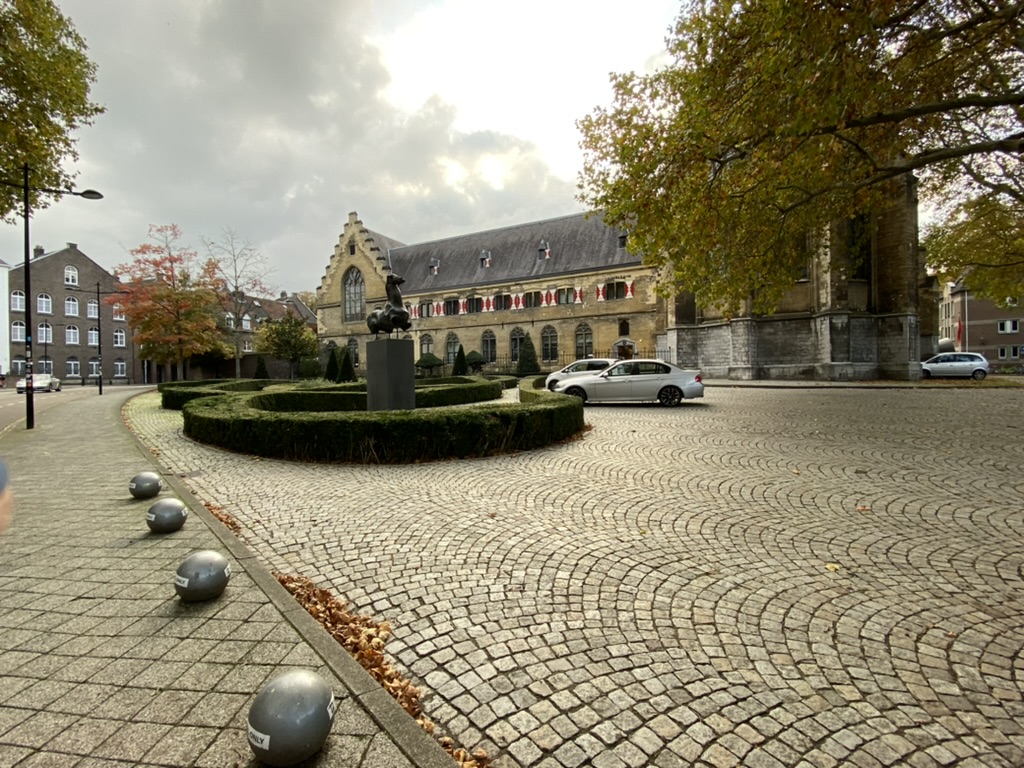
From Roermond we made our way – slowly– to Maastricht – which from our long walk around town seems as wonderful as it was in all my prior visits. But, before I describe the town, let me tell you about the Kruisherenhotel, where we are staying. It’s a former monastery and church and was built in 1438. Late in the 18th Century, the French conquered the Netherlands and the Order of the Holy Cross was driven out of the Netherlands. Under French rule, the monastery became an accommodation for soldiers and some parts of the church were used as barracks and to store weapons. The former monk cells were used as dormitories and an eating area and some rooms were used to manufacture ammunition. In 1815, the intention was to sell the property, but again it reverted to being barracks and also a munitions store. By the end of the 19th Century, there were efforts to find new uses for the site. Around that time, the Historic Building Trust of the Netherlands saved the site from further ruin. Victor de Stuers, co-founder of the Trust was born and raised in Maastricht and decided the property should be restored. He approached his friend who was a government architect. The restoration was completed in 1921 and then the National Agricultural Research Station was moved to the building. But the old church proved to be too cold for research so they moved that function to the cloister. Over the years the church was used as a postal service, offices for the Food Inspection Department, and also as a sports facility.
During WWII, the buildings stored copper that was requisitioned by the Germans and used for munitions. At the end of the war, the Allies hid various goods on the site to prevent them from being stolen. The church served several other diverse functions over the next decades and finally Camille Oostwegel a wealthy Dutch man who studied hospitality, was looking to develop a hotel, and selected the Kruisheren and decided this was a perfect venue (I agree!) –supposedly paying homage to the building’s former use as a place for people to stay. While he received support from the city of Maastricht for his plans, the Historic Buildings Committee was less enthusiastic. Apparently the guidelines for historic buildings state that they can only be renovated if the building remains in its original form. So – the architects had a real challenge.
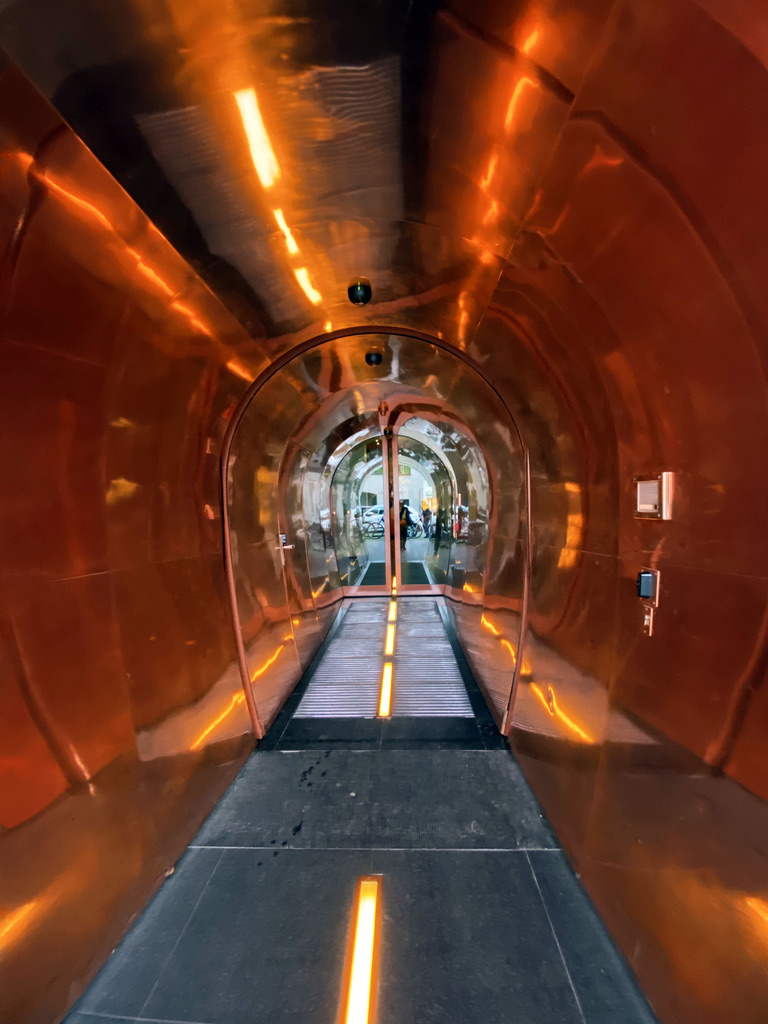
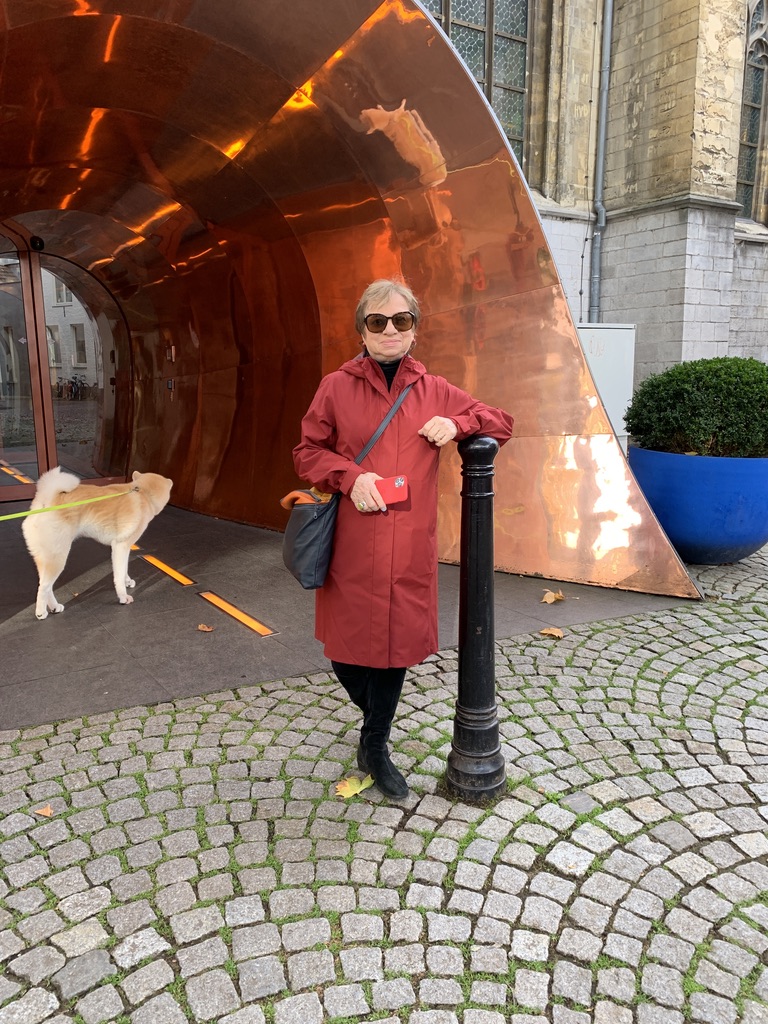
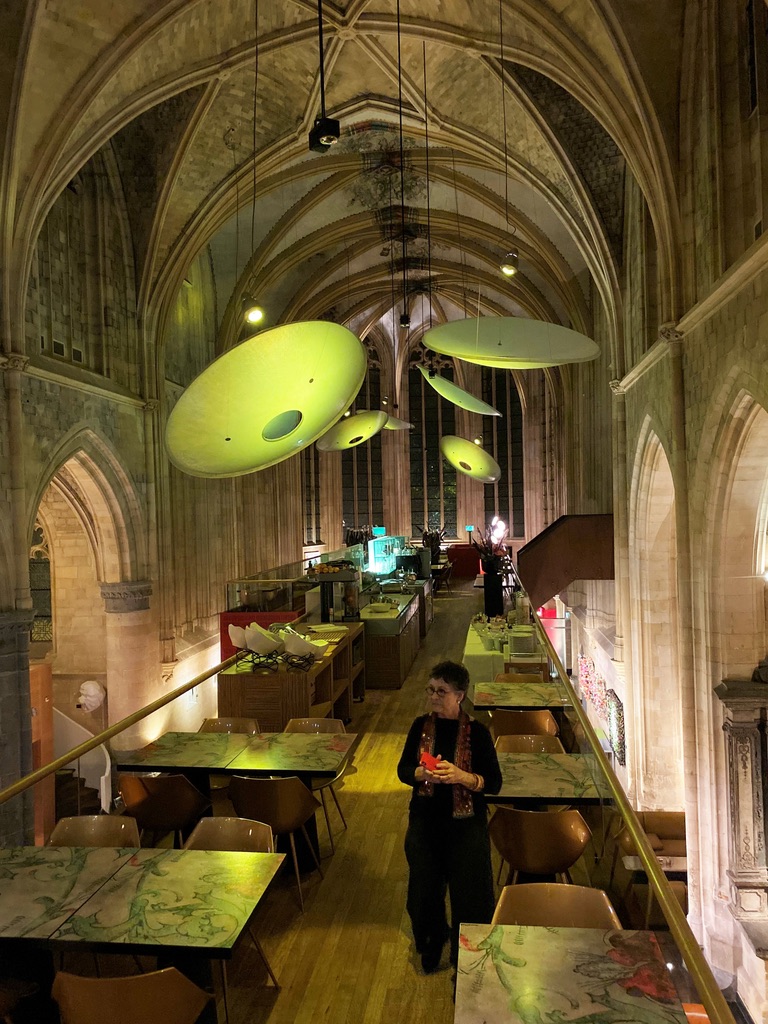
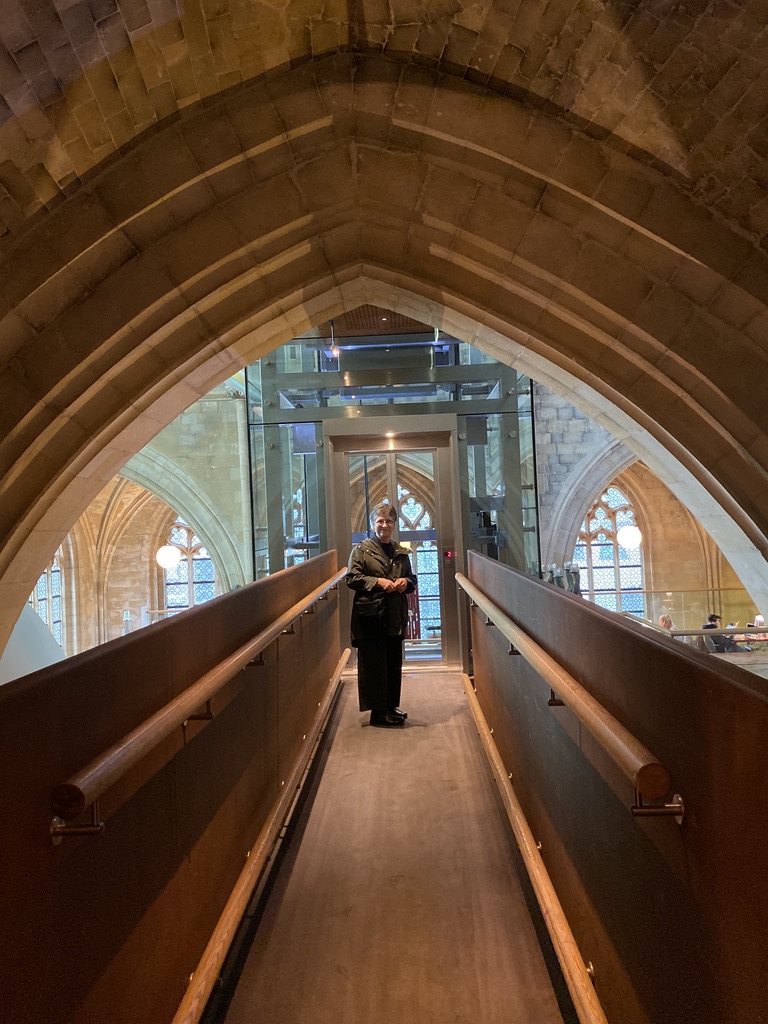
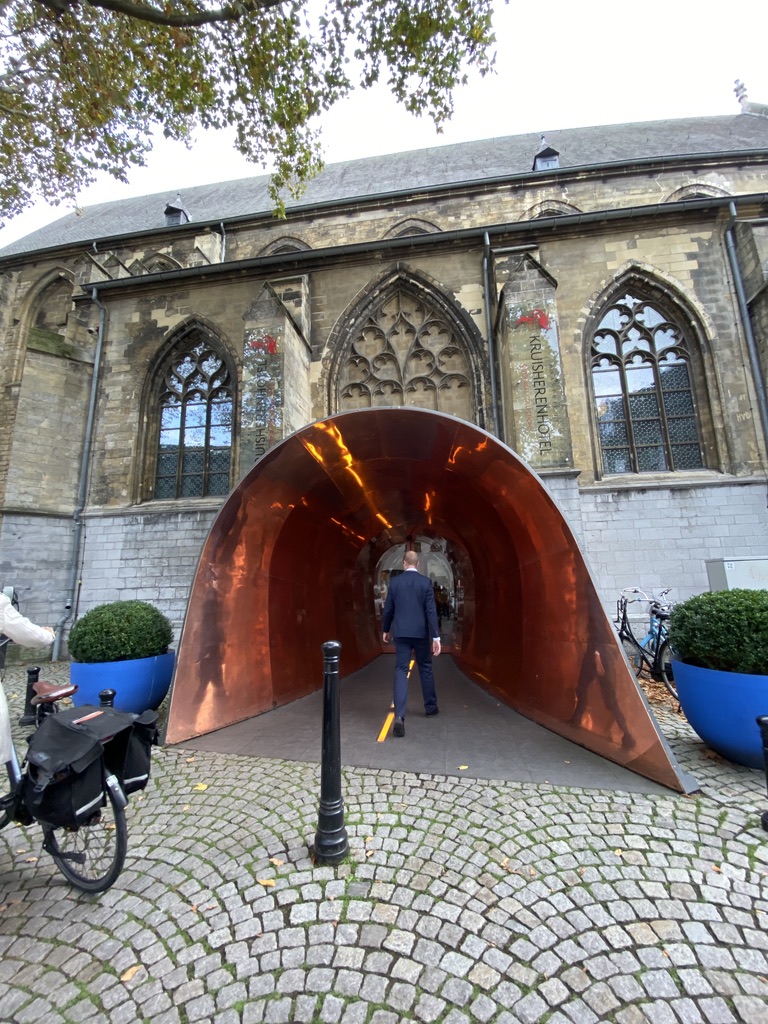
They eventually designed a building that sort of sits inside the original building and everything that has been added can be easily removed. The result is amazing. The entire “shell” of the church and monastery remain in tact and repaired. But a very contemporary set of structures has been set inside. It’s hard to explain.. but imagine a glass elevator “floating” in the space of the medieval church, that gets you to the floors above; imagine an orange “floor” that floats above the original first level of the church. On that “floor is a bar and restaurant, with nothing really bolted to the walls of the original church. Because the hotel needed some offices and they could not build walls that attached to the church walls.. the architect created an egg-like form that sits inside the building where the office workers sit. Even the entrance to the hotel is a structure that holds the automatic sliding doors – it’s a polished copper “tunnel”… and so much more.. The photos don’t yet do justice to the space… I’ll try to capture better over the coming days.
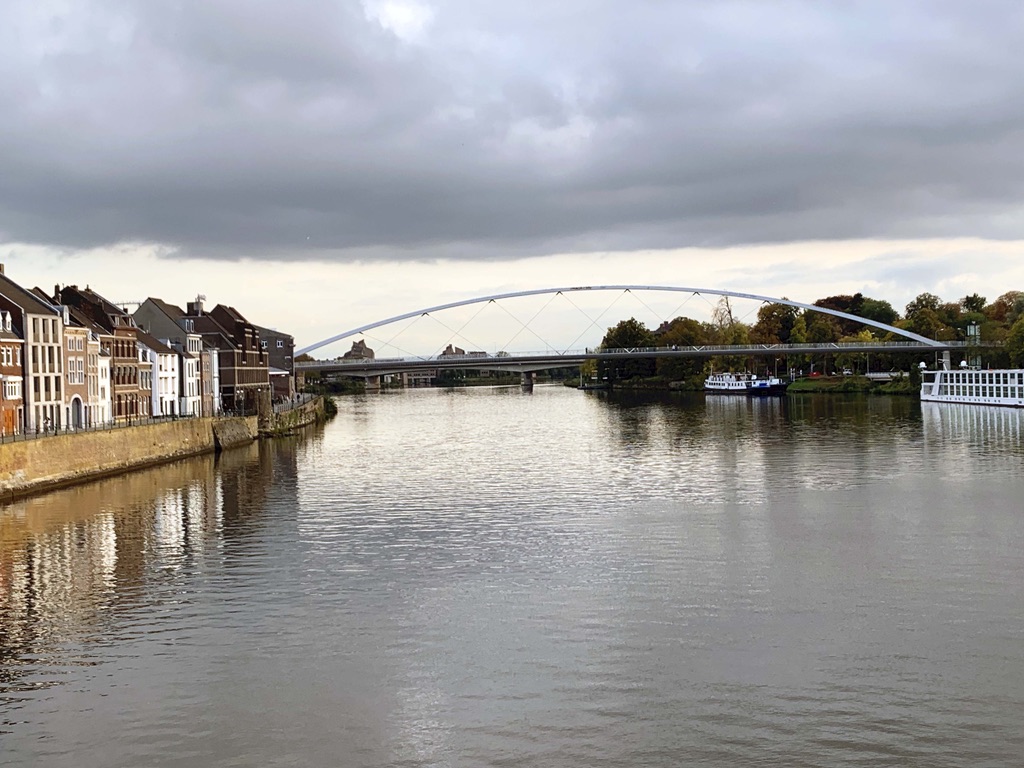

Anyway, after checking out our rooms, and the hotel itself we strolled the city center… crossed the River Maas on the footbridge.. and eventually (after getting some work done) strolled to dinner across the street at a little Turkish restaurant called Mandalin – Turkish, with a bit of a French twist. Food was great (started with a mezze plate, moved onto my very favorite Turkish dish – manti – but they did it with a bit of a twist in that it had portobello mushrooms and truffles, and our main course was the rack of lamb… ).
Strolled back to the hotel and had an after dinner drink in the apse of the church!
Oh, to make things nearly perfect – the sun came out today.
All the best –
Fern
 Fern's Travel Notes