A Religious Day in Amsterdam! 10/25/19

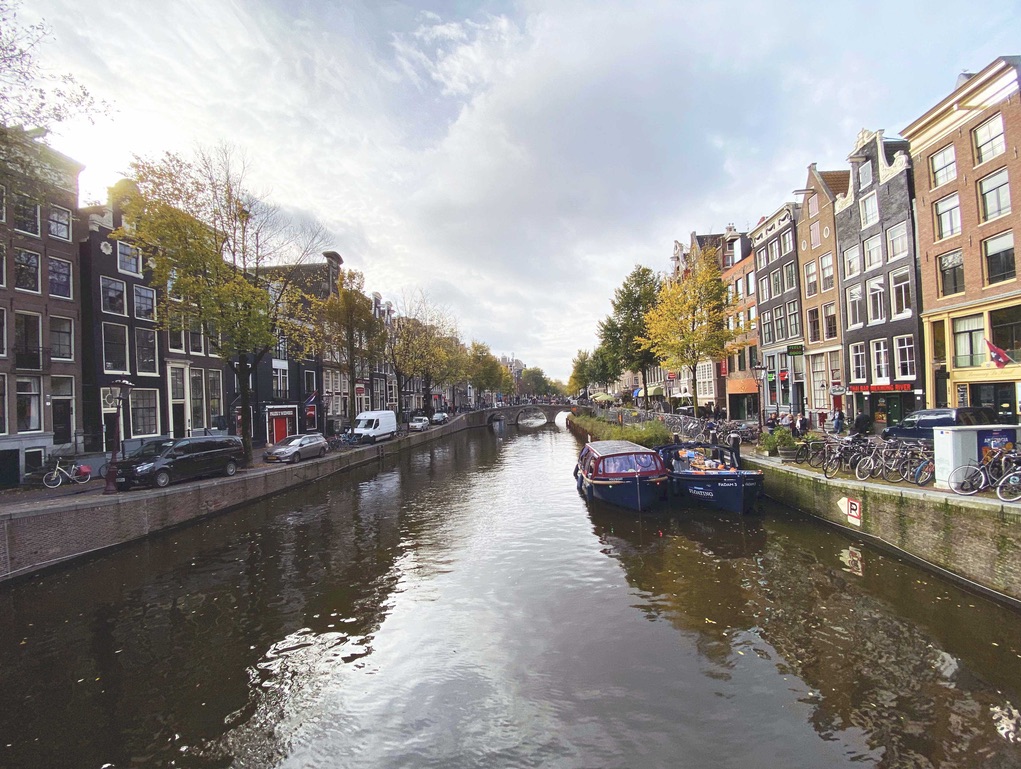

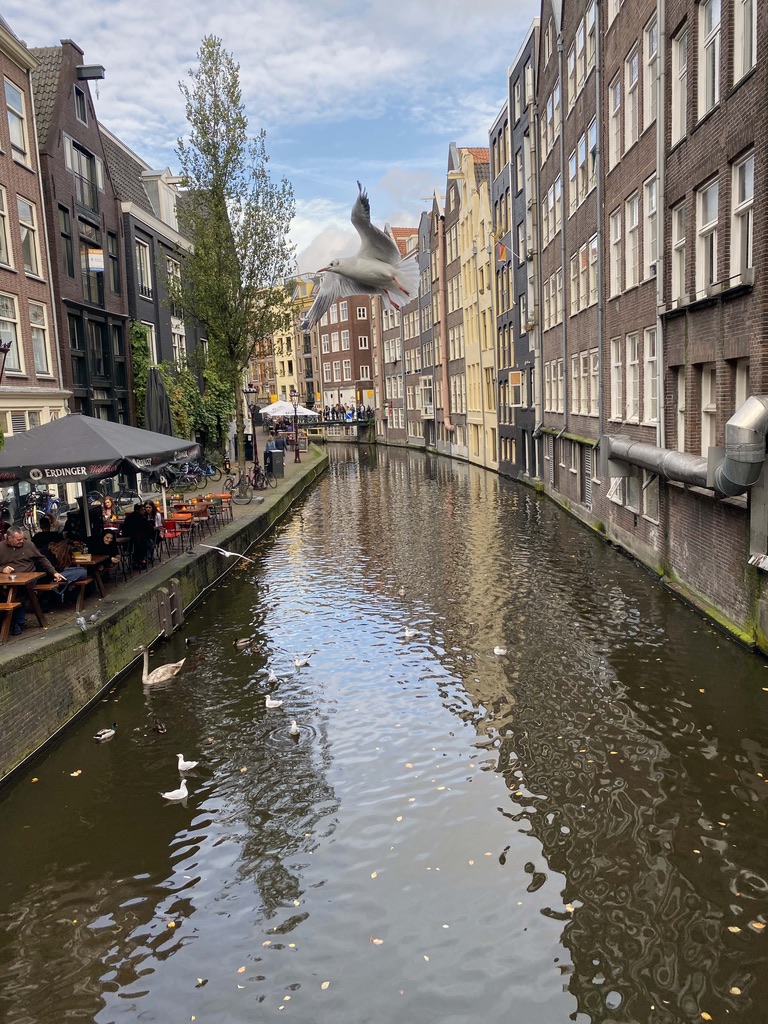
Greetings from a very sane and peaceful nation where cops don’t generally carry guns, where concern over the environment is evident, where bikes reign supreme (to every pedestrian’s fear), and where the general population is articulate, well-read, and clearly dismayed over the US’ actions –
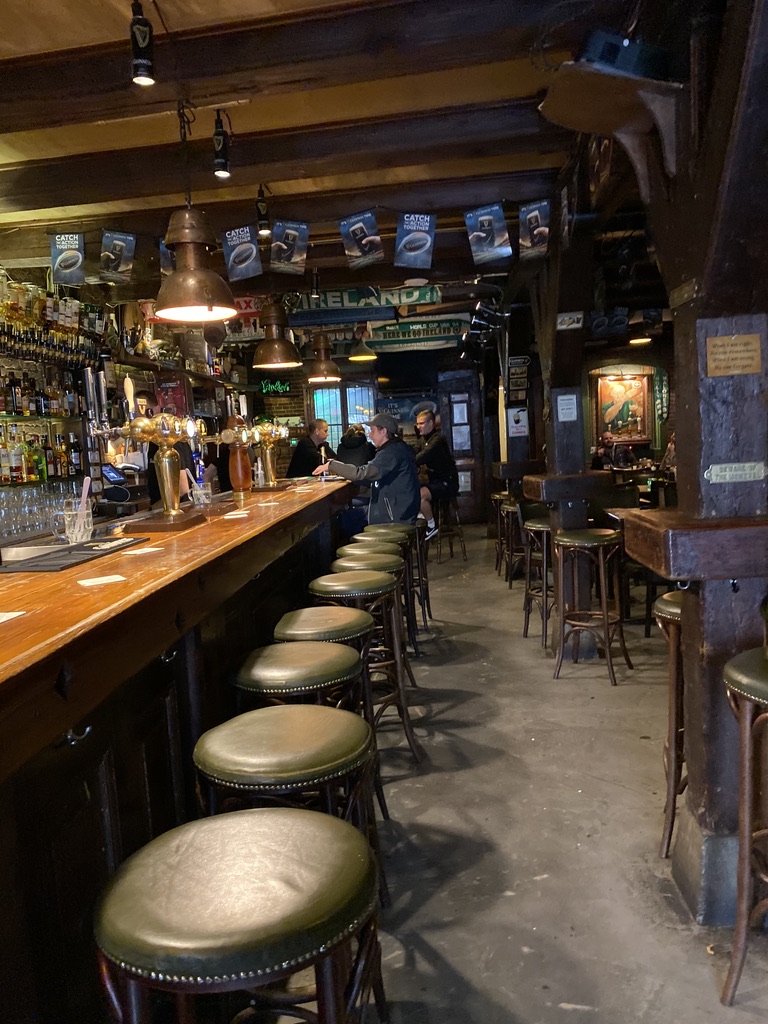
So, we started out a bit late and headed out without breakfast.. we walked a bit and scrutinized numerous possible places for breakfast or brunch and before we knew it we were not in an area that had much choice (there’s actually a multitude of places but it was a bit late and many places were already on lunch menus. So we wound up inside a very old, dark Irish pub (Molly Malone’s) where most people had already been drinking for a while (from the selection of 75 whiskeys), but they had really good home-smoked salmon and also the Dutch staple – tomato soup and wonderful brown bread, so we indulged (sans alcohol).

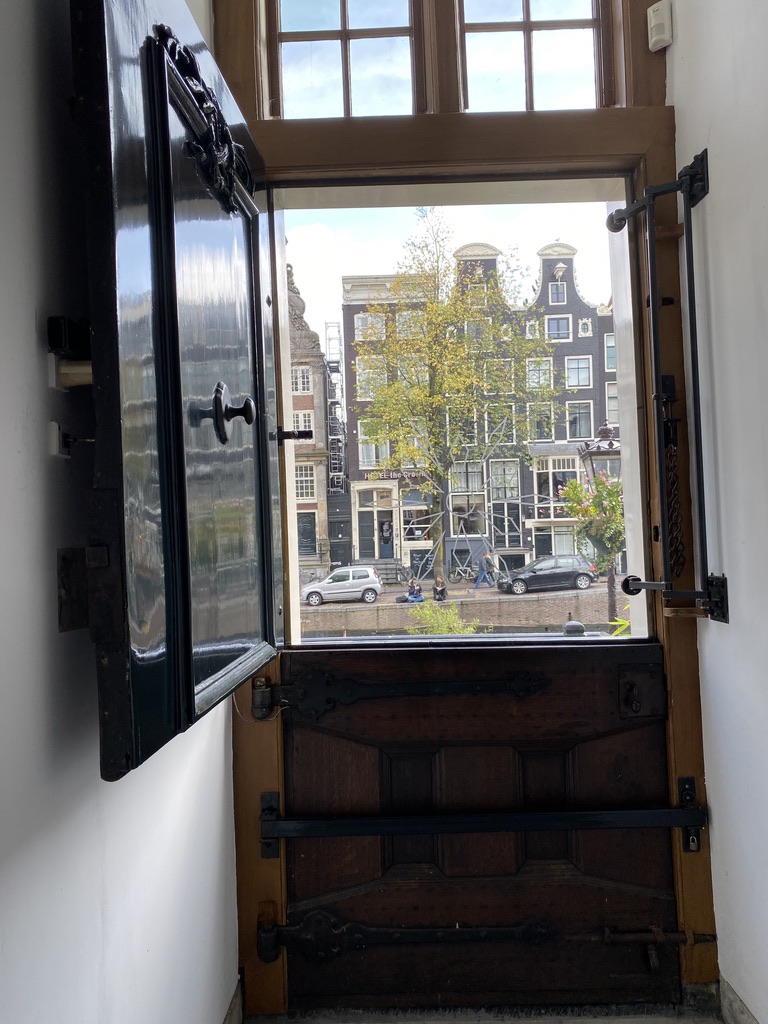
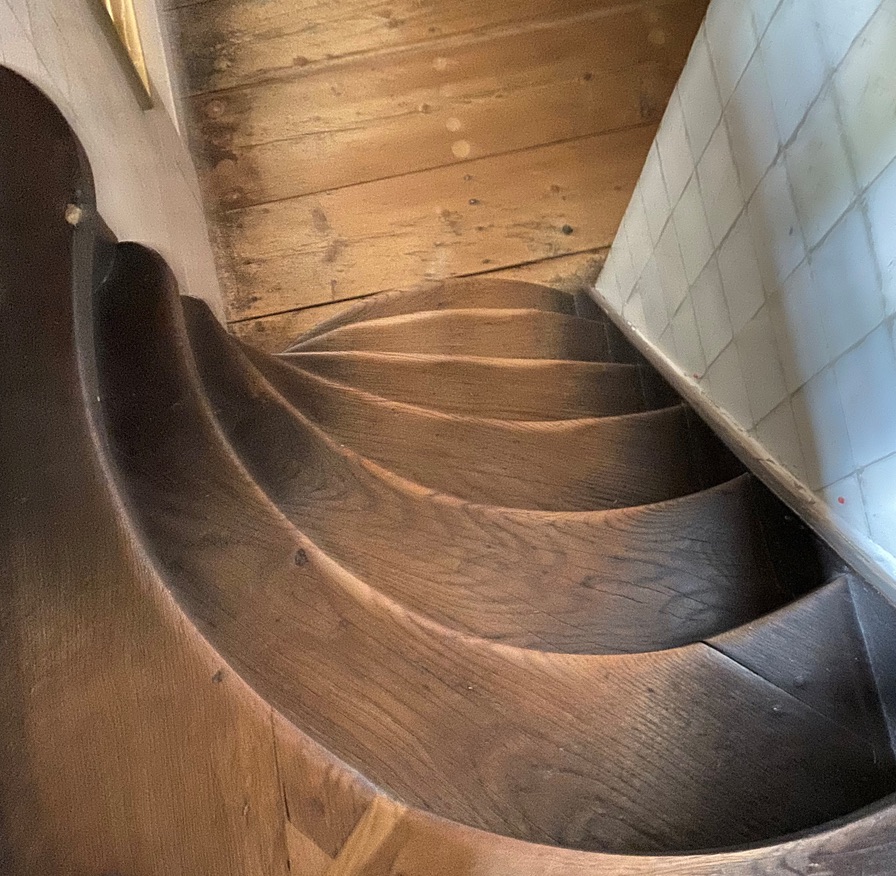
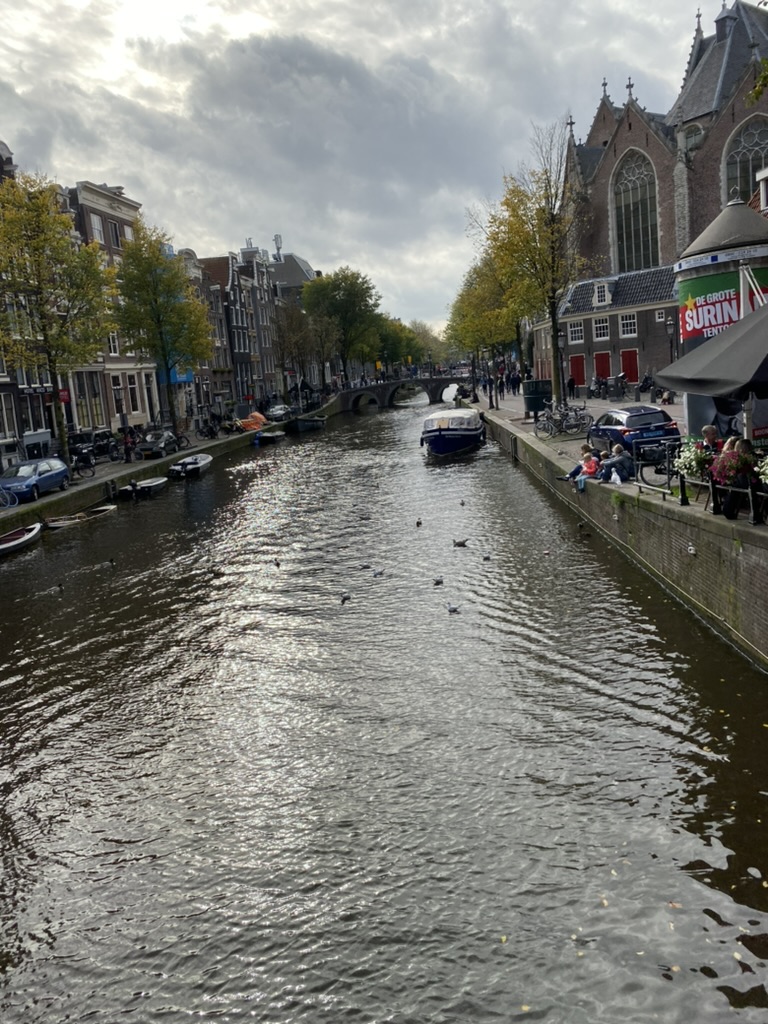
Then we headed to this unique building known as the pink cathedral – one of the “hidden” or “secret” churches in Amsterdam –- Our Lord in the Attic. These secret churches (‘schuilkerken’) came about because of the Protestant Reformation when religious attitudes began to change and also because of the Eighty Years War, when the Netherlands won their independence from Catholic Spain. Most Catholic churches transformed themselvesm(or were transformed) into Protestant churches, and the Netherlands became an independent Protestant-influenced republic. Catholics were forbidden to worship in public or in a church that looked like a church. Thus, religious Catholics created churches in their houses that were hidden from view behind the facades of private houses and large canal houses.
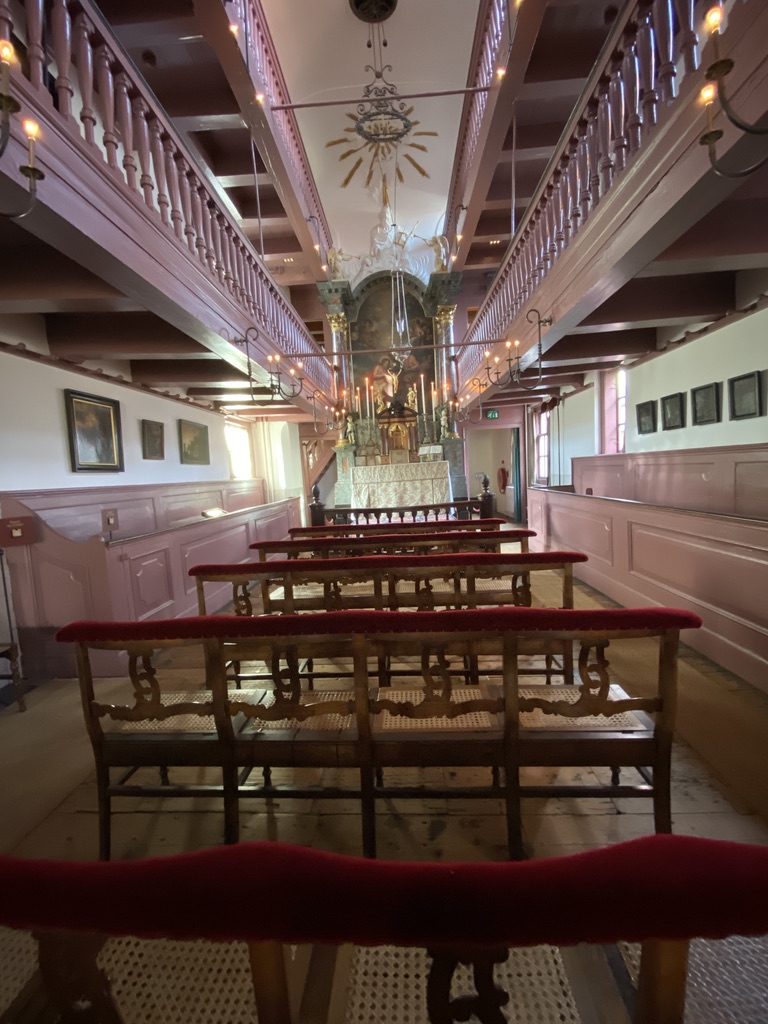
By the 19th Century, Amsterdam became more tolerant and people of all faiths could openly worship as they chose. And large Catholic churches were built, and most of the hidden churches disappeared. But Our Lord in the Attic, exists as it had centuries ago.
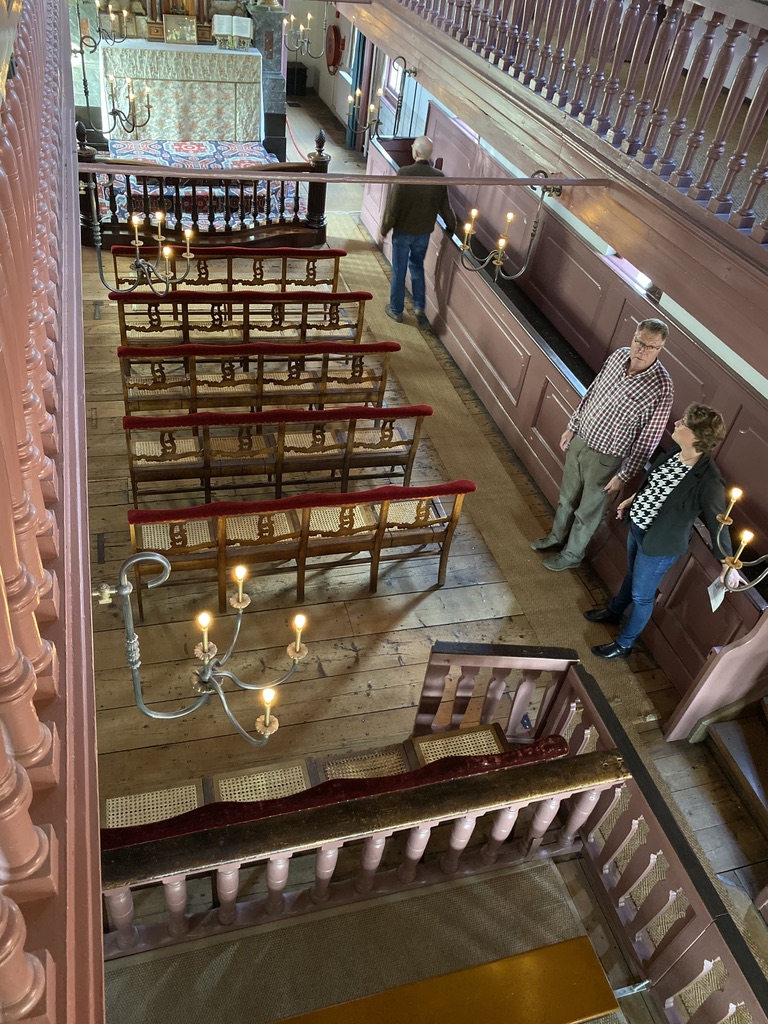
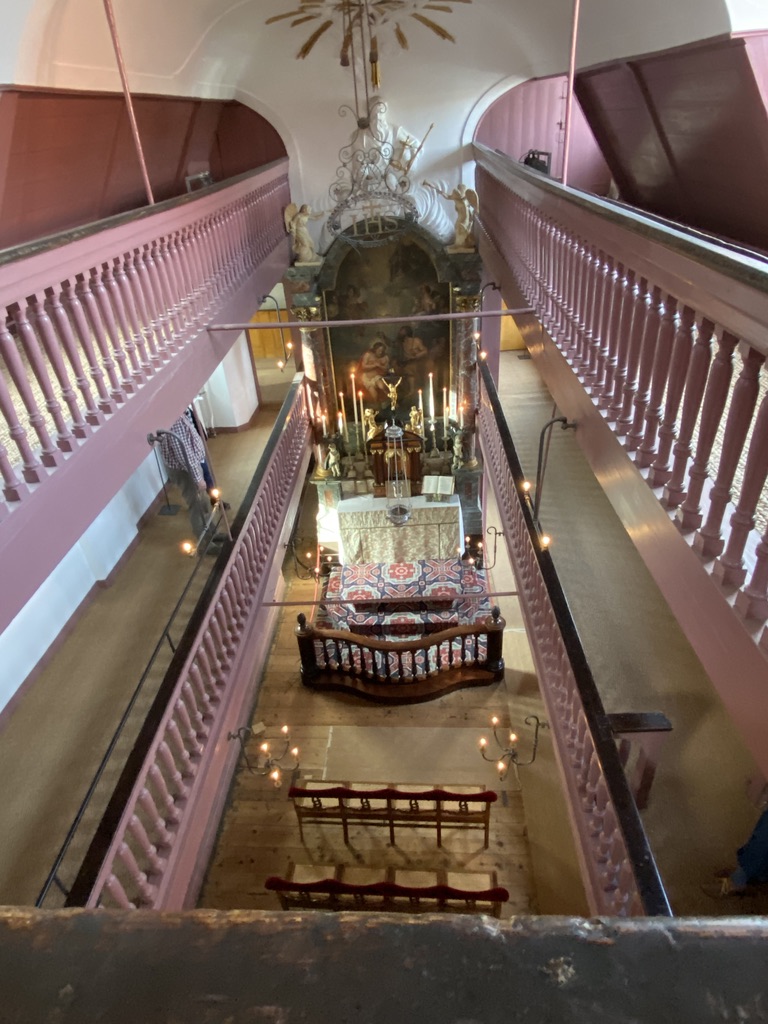
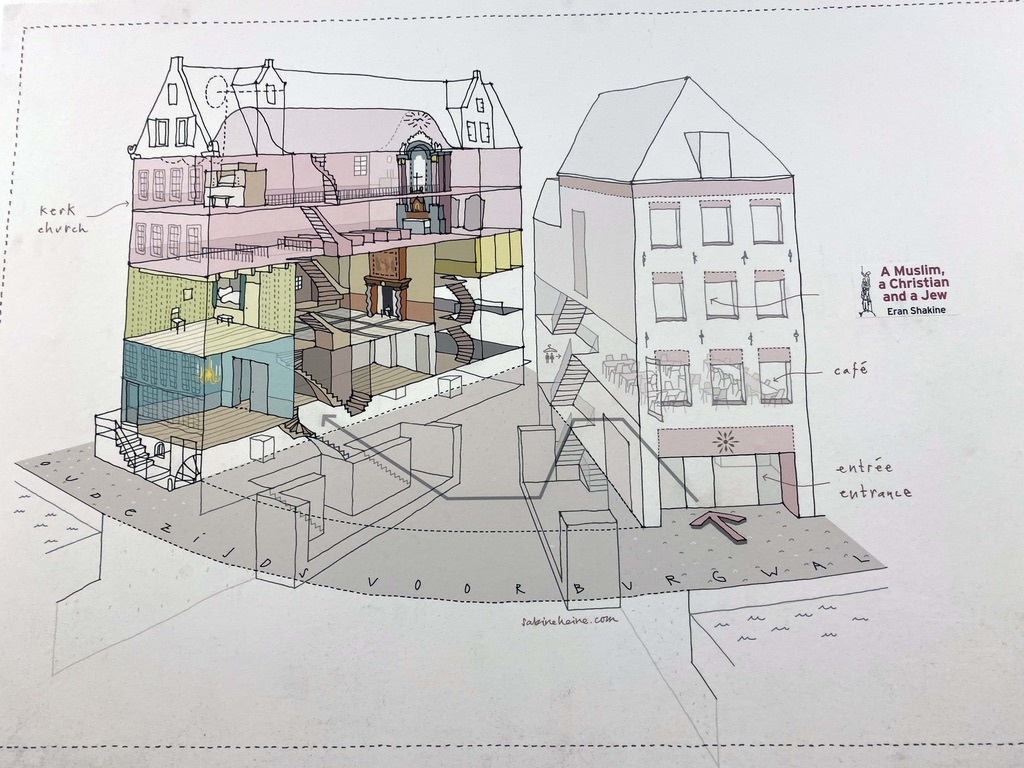
The story is amazing and the building is incredible. It’s a large 17th Century house situated right on one of the canals. The first two large floors are a residence and the top two floors are a full church, complete with an altar, pews for about 80 people on the main floor and more seats on the balcony level. There are two confessionals, an organ, a room to prepare the sacraments, as well as a room for the priest – and more. The owner of this building was a German merchant (Jan Hartman) who was responsible for the construction of the building. It remained a functioning parish for 200 years.
From there we walked (total walking today was 7.1 miles and up and down 11 floors!!) through several neighborhoods and across many canals – en-route to FOAM Museum but then we re-routed ourselves and will go to FOAM tomorrow or Monday.
We headed to the Portuguese Synagogue since we were already on this religious roll. It’s located in the old Jewish Quarter and dates back to 1675. At that time it was the largest synagogue in the world and supposedly demonstrated Amsterdam’s religious tolerance at that time. It is lit by 1,000 candles on holidays; there is no electricity. Amazingly, it survived WWII and is still in use (sort of). Spanish and Portuguese Jews had fled the inquisition and became merchants in the Netherlands. As we left the synagogue we asked about the monthly concert we had heard was held in the sanctuary. Turns out it was last night. We thought it would be great to sit in this large candle-lit space for a concert. Oh well, didn’t time that so well. We also asked if they still held Shabbat services and they said they did. We asked if we could come and they answered positively and said the services begin at 6 pm.
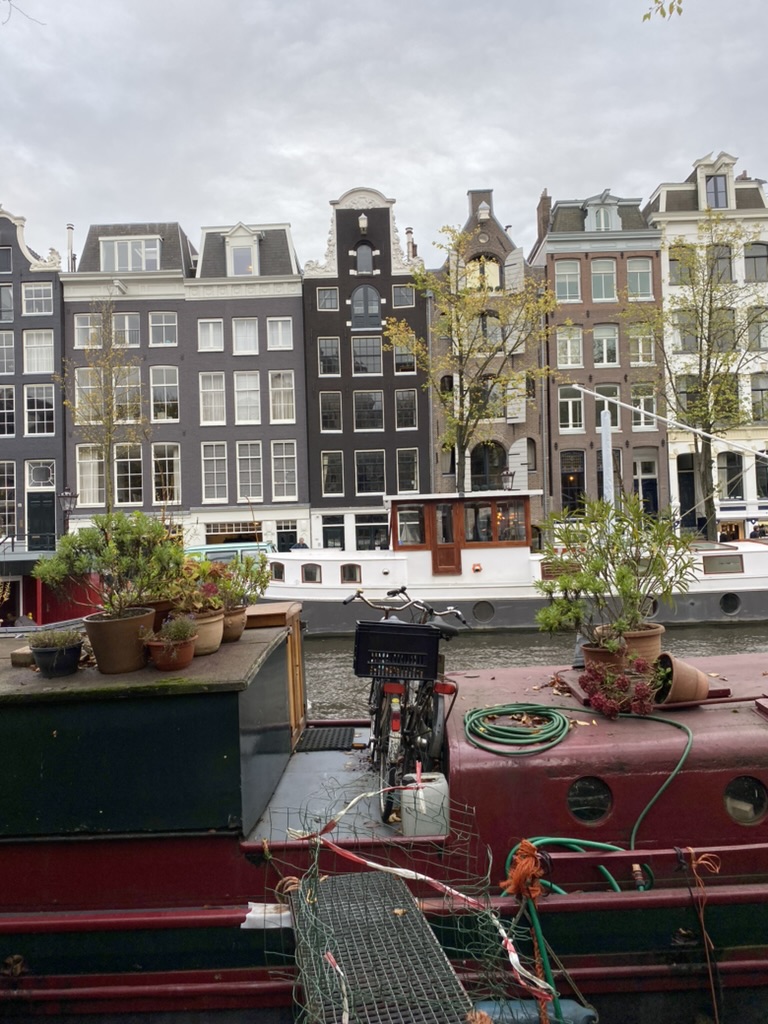
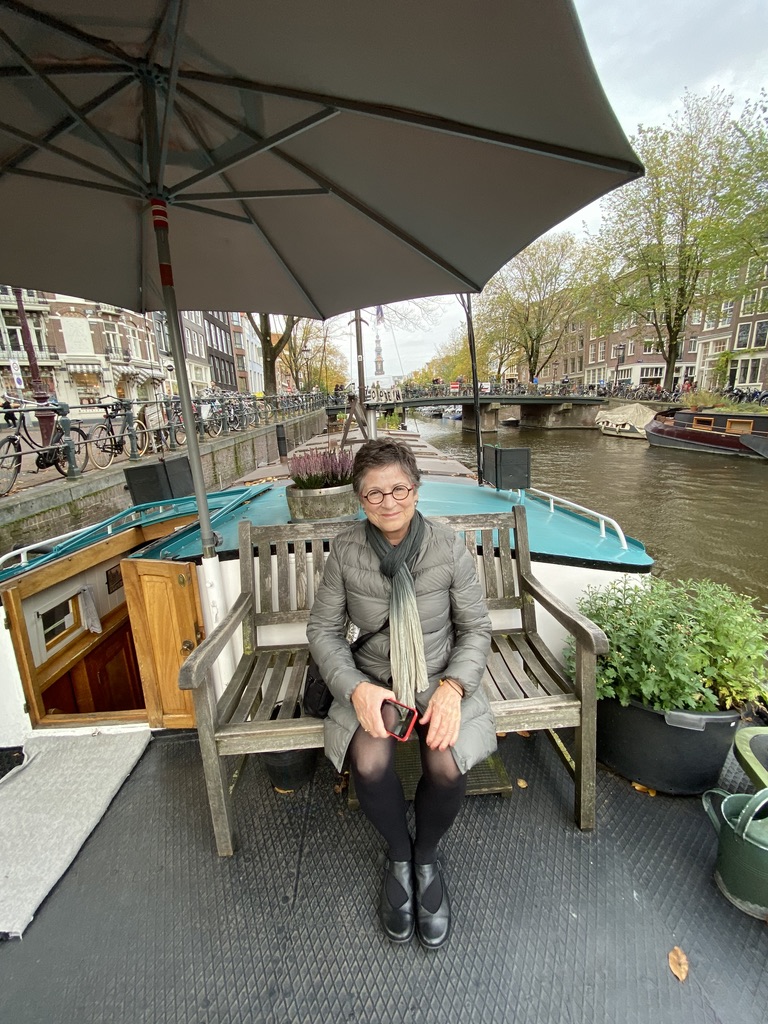
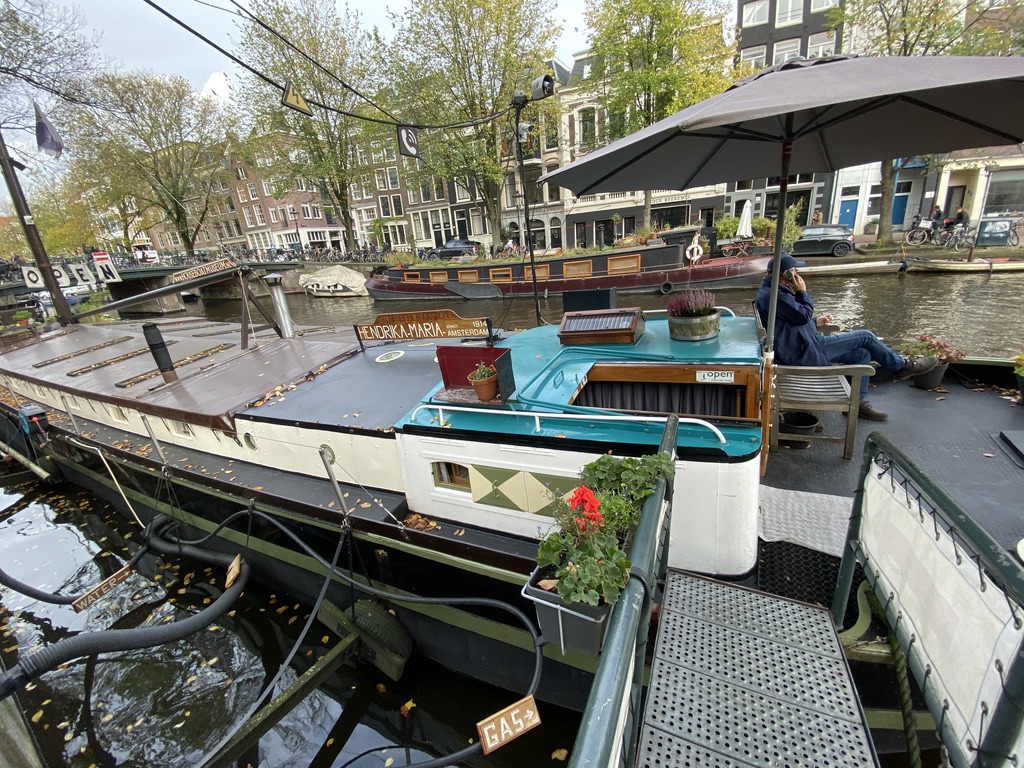
We strolled to the houseboat museum – really just a simple houseboat with some photos and a video – but interesting. Decided I could not live in such tight quarters; I am way too claustrophobic. Then we headed for a warm drink (it was really cold and windy today), and decided we’d walk back to the synagogue and see what the services were like.
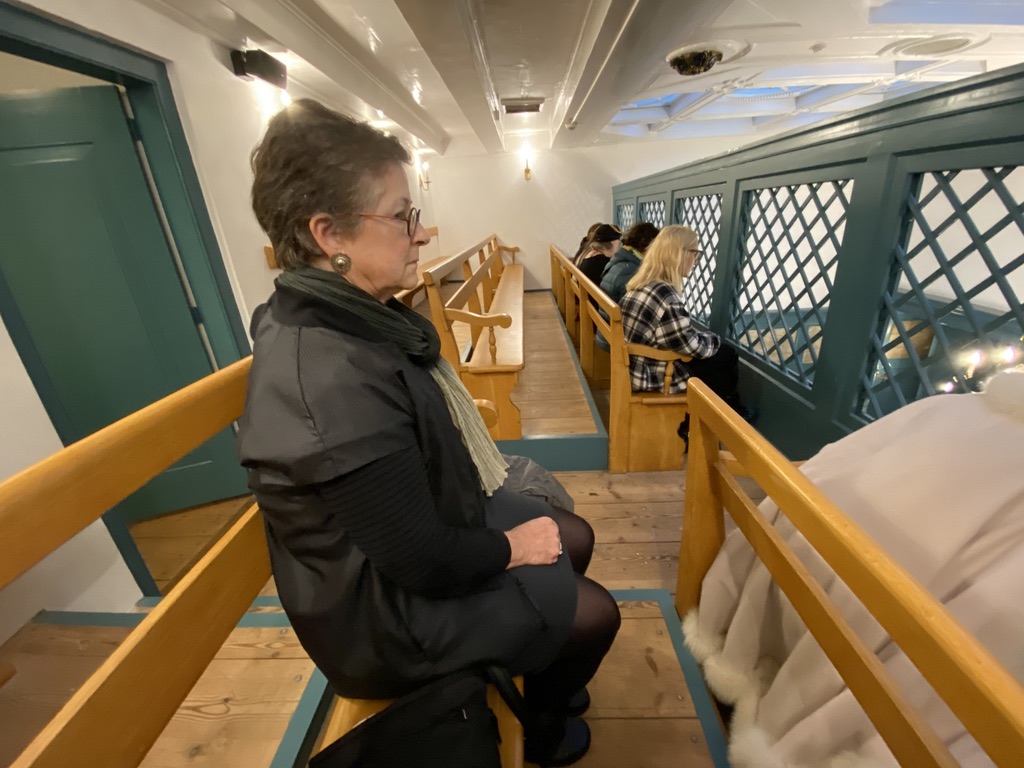
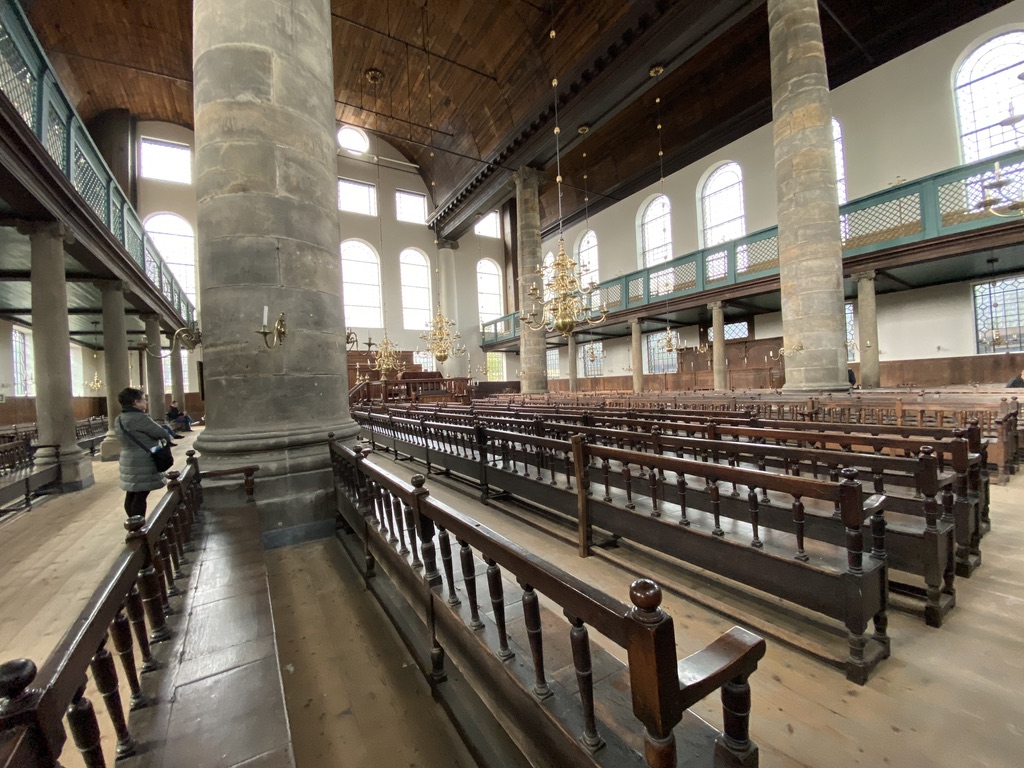

We anticipated sitting in that grand space with all the candles and also listening to a great choir. We arrived back at the synagogue and were greeted by a young man who asked us a lot of questions about why we wanted to visit and where we were from and what we did, and subtly asked if we were Jewish. There were some police nearby (this time with guns) and they only let us into the property two at a time. They asked some people for their passports. No problem – we understood. Finally we were in the courtyard area and we headed to the front door of the synagogue but it was locked; we went around the side, but all doors were locked. Then we saw a young couple in the courtyard and asked them. We were told they use a small building, called the winter synagogue, for weekly services, not the main synagogue – there went the dream of the 1,000 candles. But we were already there, so we went in and were ushered to the balcony level (for women) because the men sit downstairs in the main space. It is a very orthodox synagogue and women and men are definitely not equal.
Since neither Carol nor I speak or read Hebrew, and since I am not a practicing Jew, the experience was a bit foreign. Fortunately the service was quite short; just prayers, no sermon. There were a total of 10 men downstairs and 12 women upstairs. Apparently that is the standard number of people they get on any Friday night. No wonder they are not using the main sanctuary. Toward the end, as we exited, we chatted with a woman who turned out to live in Alameda. She’s in Amsterdam to do research for a historical novel she’s writing that involves a Jewish girl in 17th Century Amsterdam. We wound up going to dinner with her at a really good reistafel restaurant about a 15-minute walk from the synagogue. It was an interesting conversation. She’s actually a trained attorney; grew up on Mercer Island (near Seattle), but has family in the Bay Area and wound up moving to San Francisco about 35 years ago. She, too, was born Jewish but had no real affiliation. She is fourth or fifth generation American, which is very rare for Jews. She no longer practices law, and being a novelist is her full time job. The book sounds interesting. We shared a cab (enough walking) and headed to our hotel.
That’s it for today. Tomorrow is another day.
I’m sorry to hear about the fires and the heat in California. Hoping those of you in the Bay Area and southern CA are safe and well.
Fern
 Fern's Travel Notes