10/28/2019. Farewell to Amsterdam and the Netherlands — We shall return; An active day of eating, discussing social housing, and more
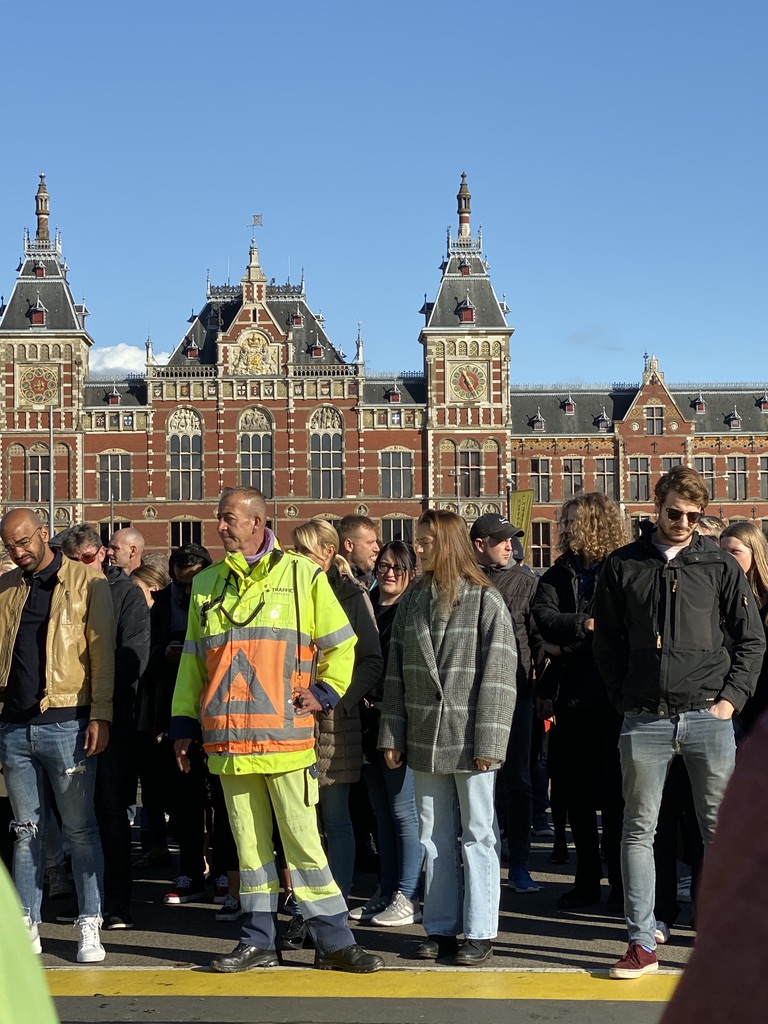
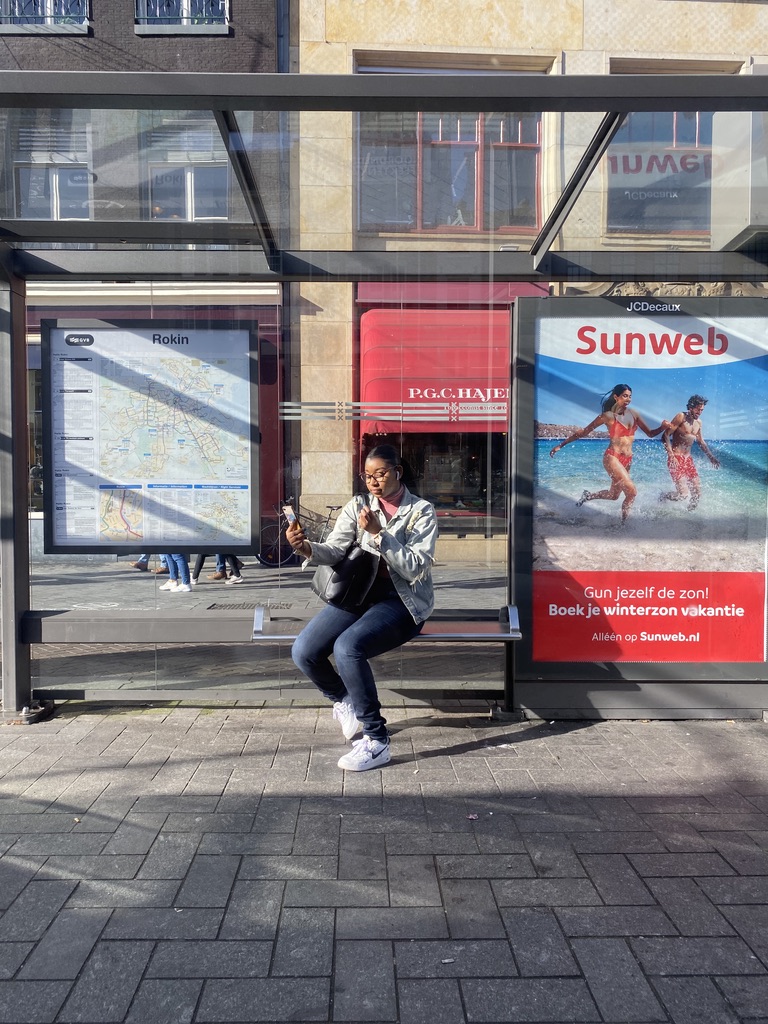
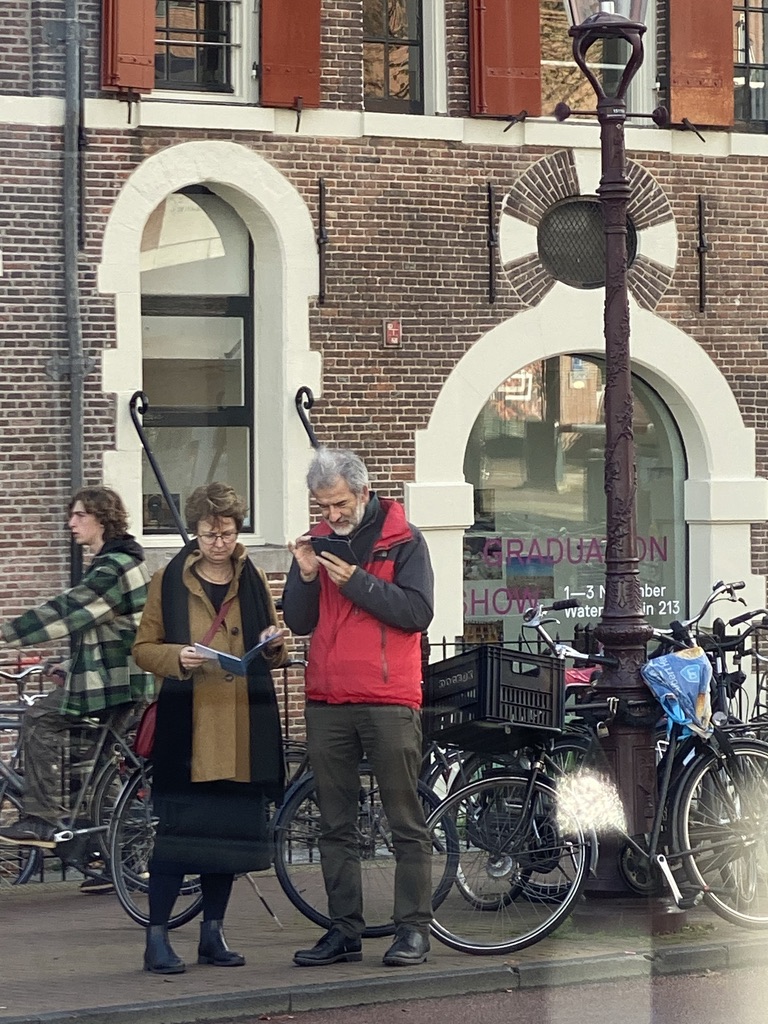
Packing to leave – Greetings from Amsterdam one last time.
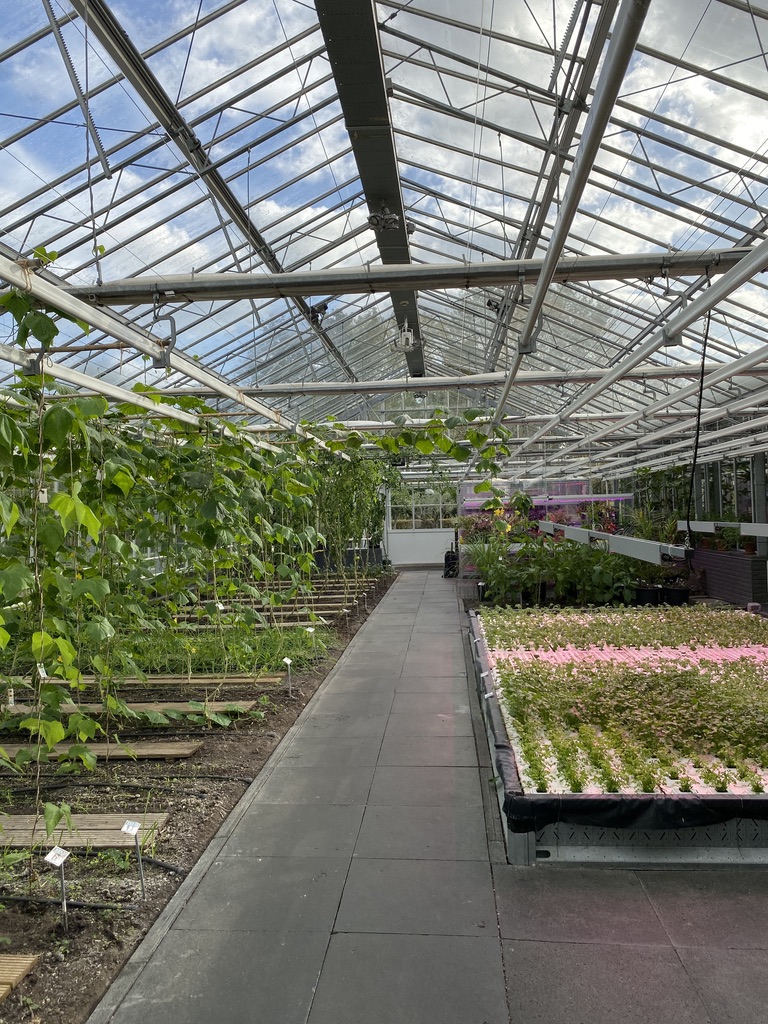
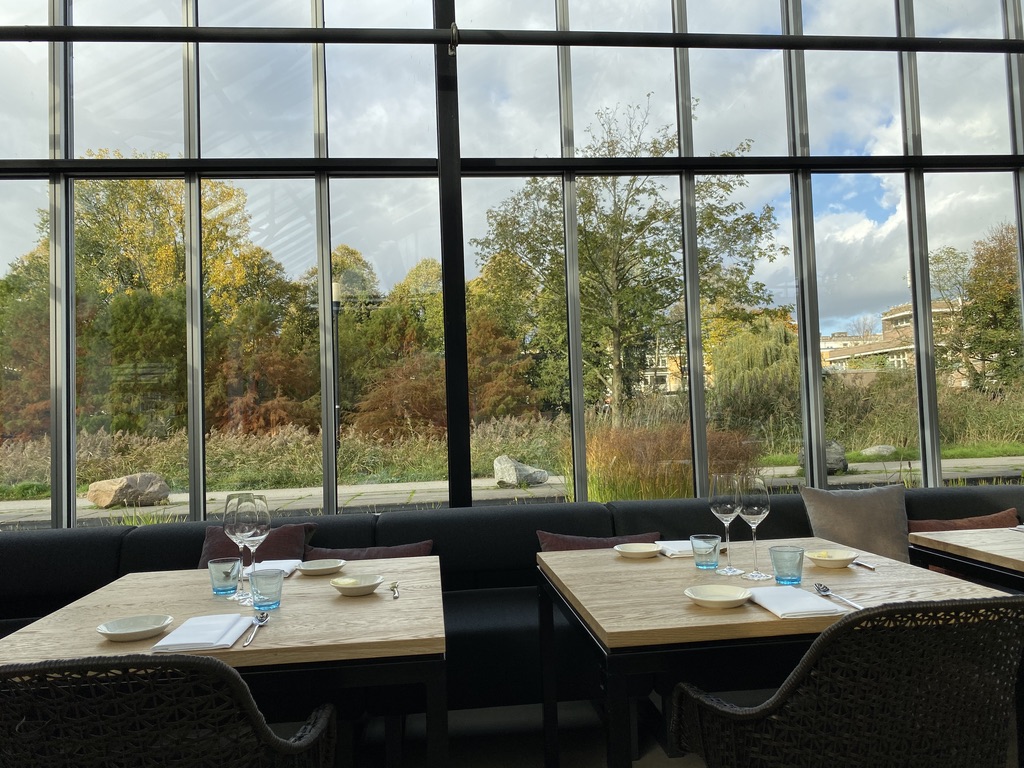
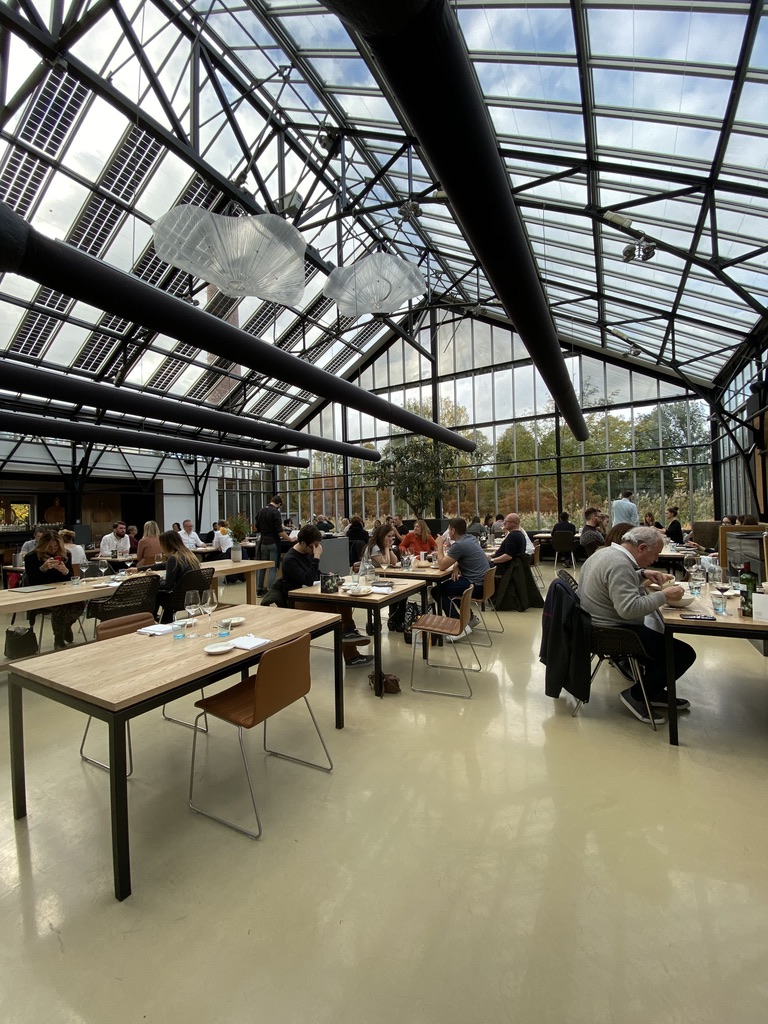
It’s been a great last day. After spending a bit of time in the early morning doing some work (yes, work!) and a bit of organizing so that packing won’t be too awful later in the evening, we headed out for a wonderful last lunch. We took the tram and changed to a bus (did it all correctly, today, no mistakes! Getting to be a local) to get to DeKas Restaurant which is located in a wonderful greenhouse just inside Frankendael Park. Apparently it was slated for demolition and the owners decided to repurpose the greenhouse and these restauranteurs decided to use part for a working greenhouse and the other part for a charming, spacious restaurant. They also have a 4-acre farm on the outskirts of Amsterdam so all of the food is sustainably grown. The restaurant’s specialty is combining sweet and sour flavors.. so they use interesting vinegars in many of the preparations. “Picked in the morning, served in the afternoon” is the mantra here.
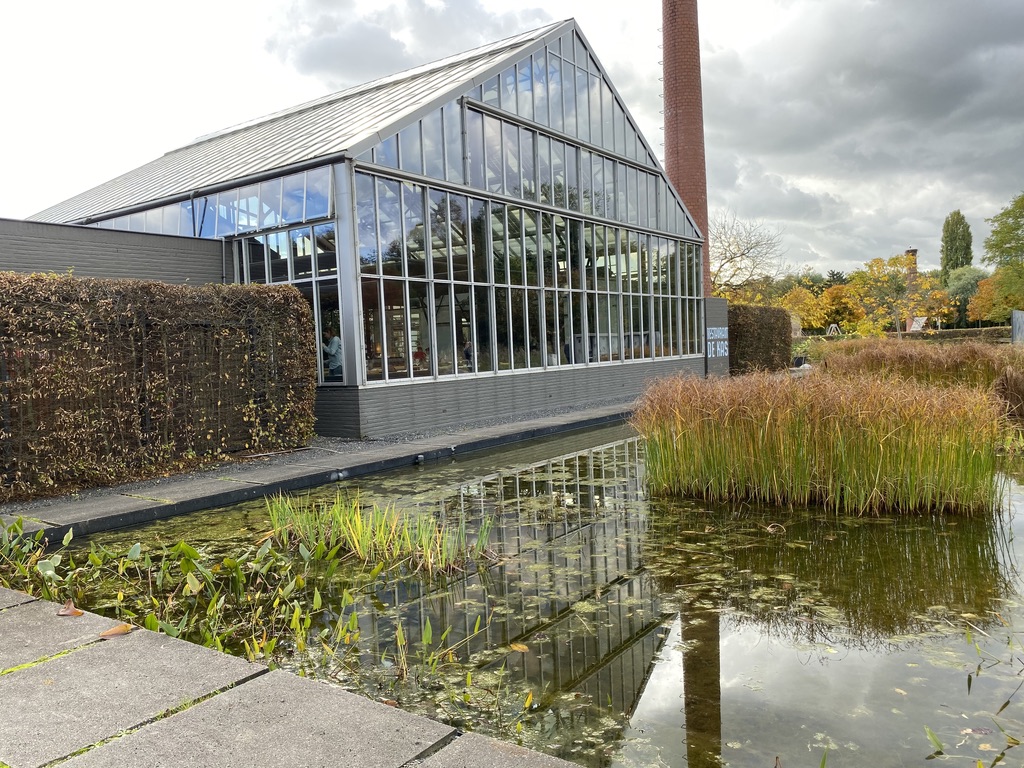
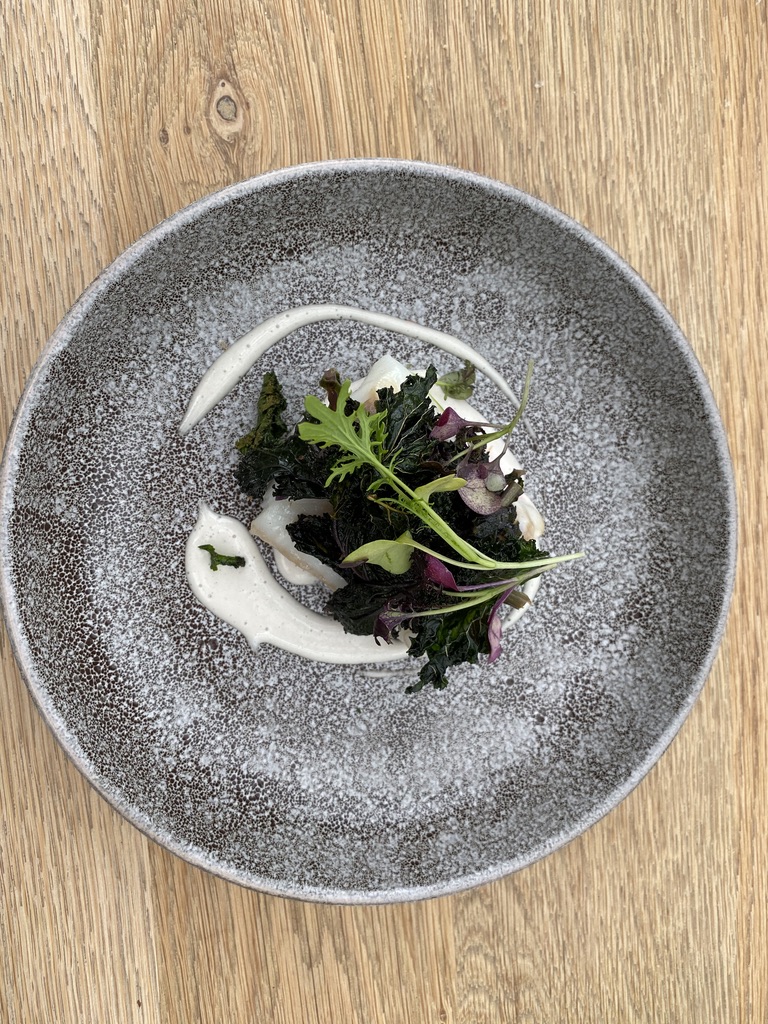
It was a wonderful meal – (big on various kinds of kale!) – and each portion was plated like a work of art. Interesting conversation with the waiter who suggested we try a Dutch wine! It was quite good. (White). He said the Dutch wine business is in the early stages but that given global warming they expect the wine regions to change and that the Netherlands will become a significant player in the wine industry.






From there we boarded a bus again and headed to the Tassenmuseum – a small museum devoted to exhibiting handbags and luggage. Apparently Heinz en Hendrikje Ivo had collected small antiques. One day, Ivo found a leather handbag from the 1820s, made of tortoise shell and was fascinated by the beauty and started researching the history of the handbag and went on to build an amazing collection which they initially showed at their house (turning it into a little museum). Some years later the museum moved to its present location in a canal house in 2007.
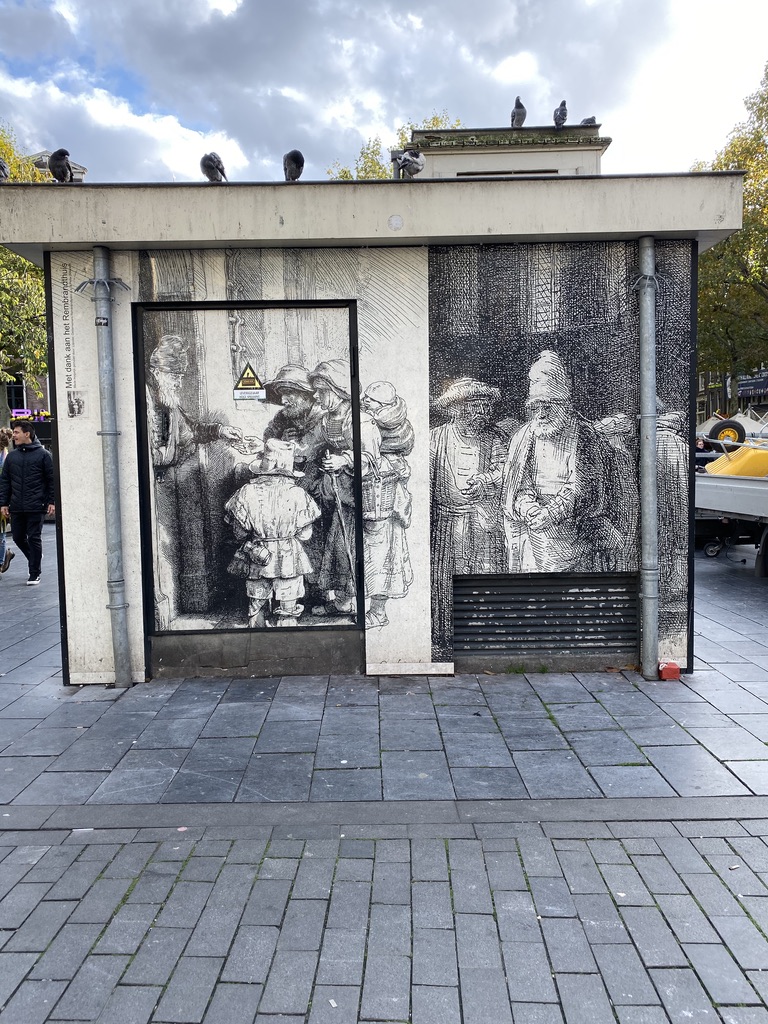
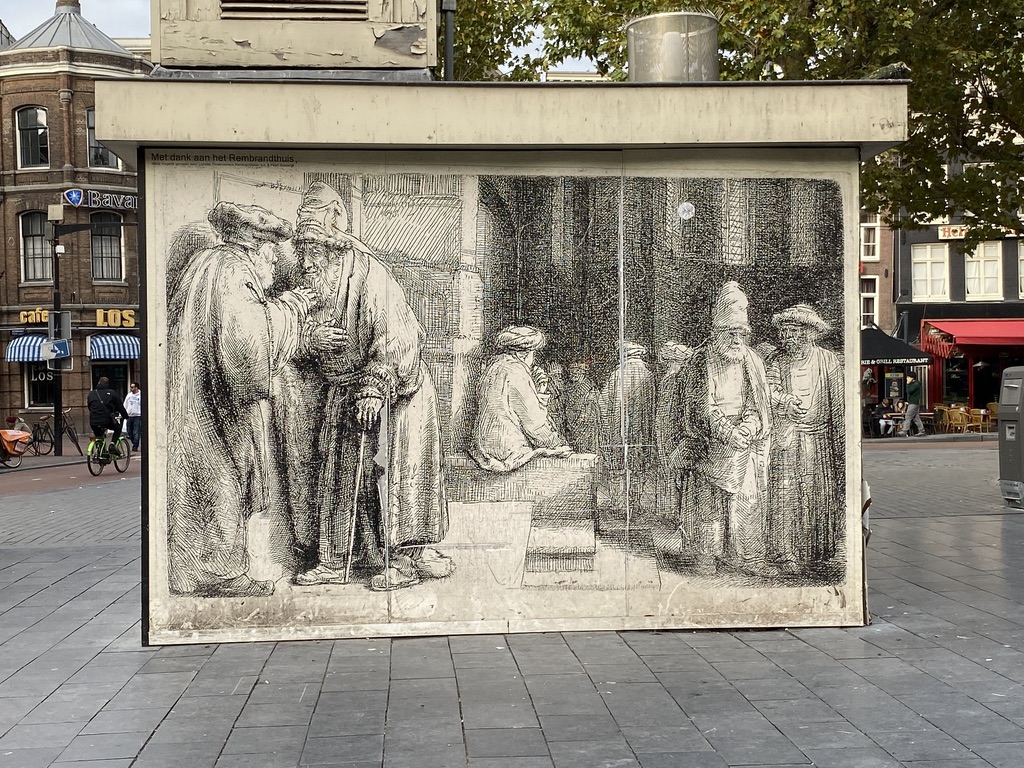
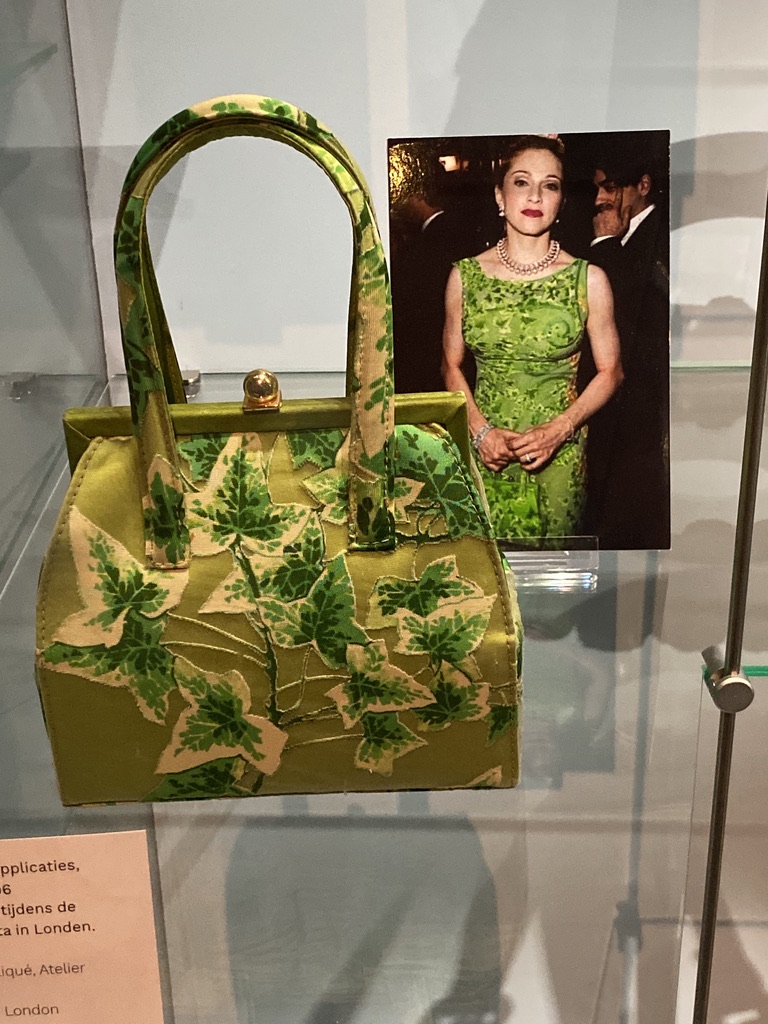
The exhibit is very well done and the collection probably has more than a thousand items – from 17th century bags to current, from a green handbag used by Madonna when she attended an event in London to the purse carried by Teresa May. We strolled the exhibit which was fascinating and well documented, and then hopped onto a bus to take us to Het Schip – a social housing project in northwest Amsterdam.
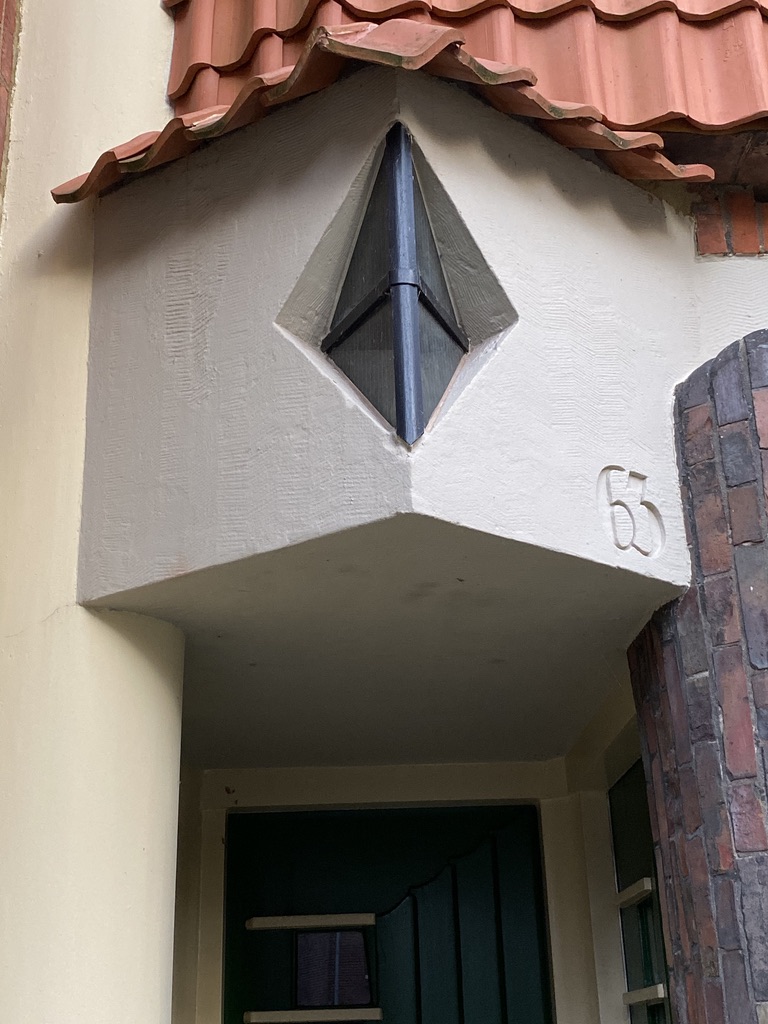
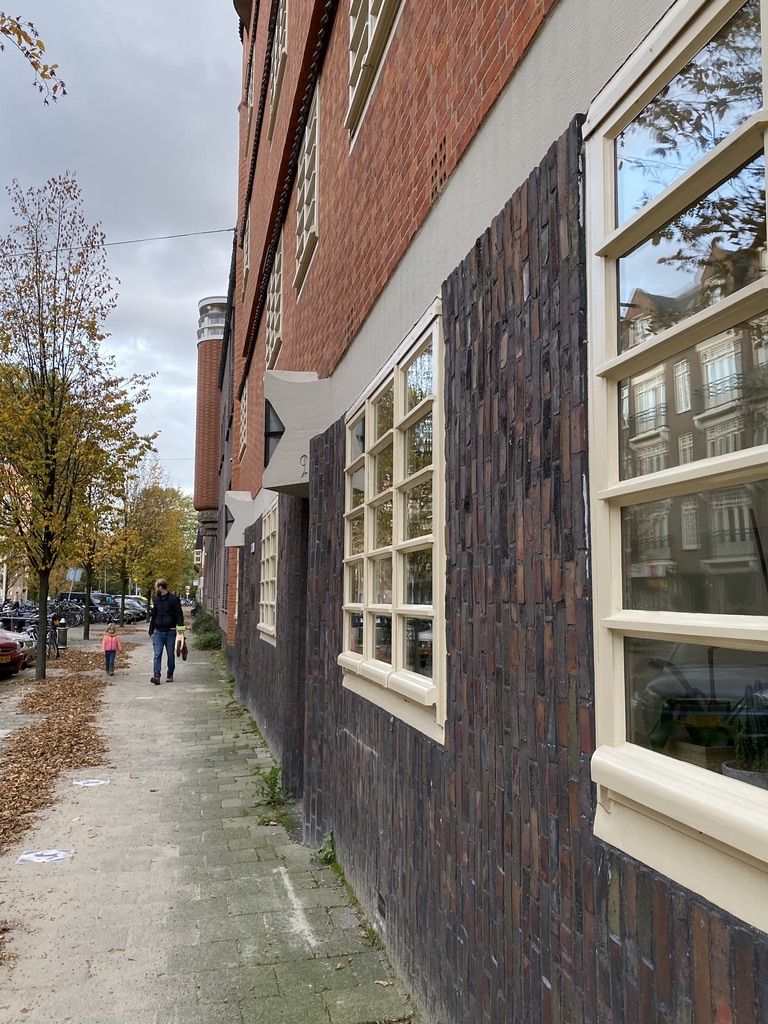
Het Schip (the “Ship”) is an apartment building in the Spaarndammerbuurt district that reflects the architectural style of the Amsterdam School of Expressionist architecture. It is considered perhaps the single most important example of this style of architecture using brick expressionism. It was designed by Michael de Klerk and it vaguely resembles or reminds one of a ship – hence the name. While there is a huge amount of design integrity, it’s quite different from different angles. It was designed in 1919 to house working class residents in 109 units and to include a meeting hall, and a post office (which is now a museum of the Amsterdam School.
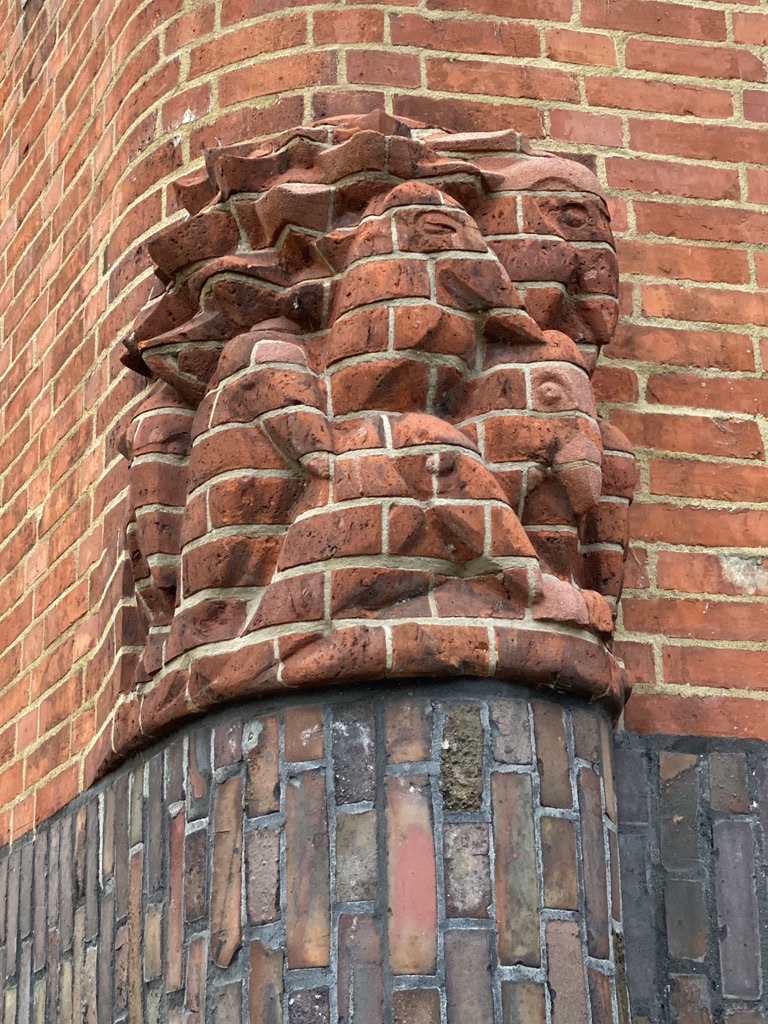
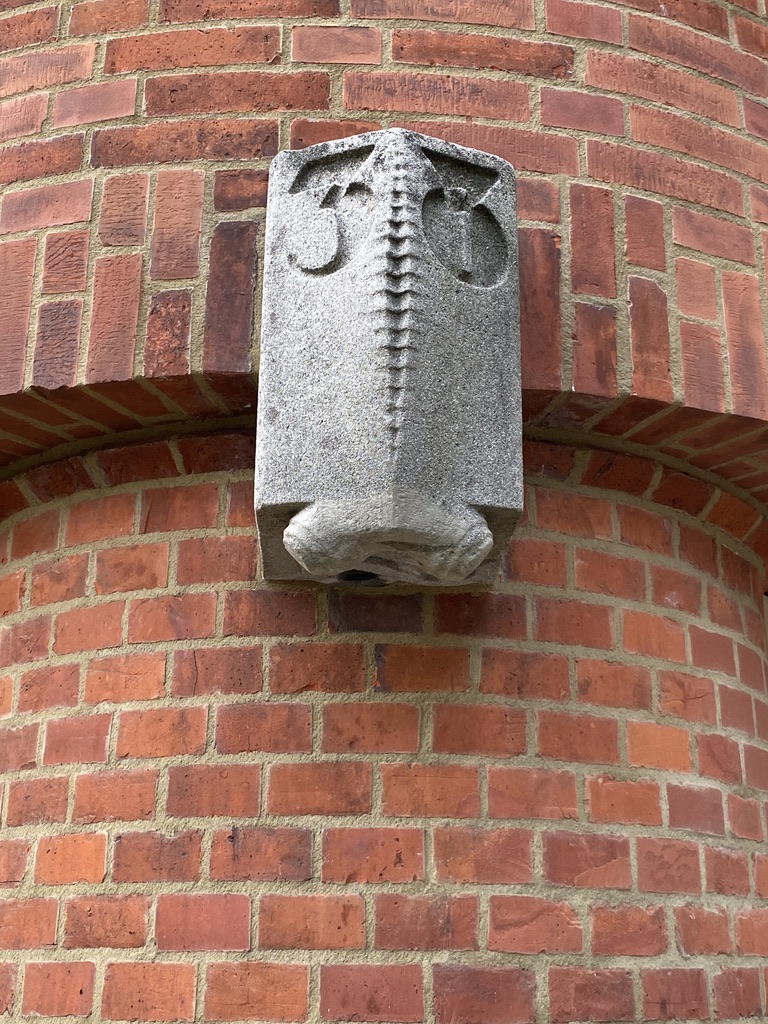
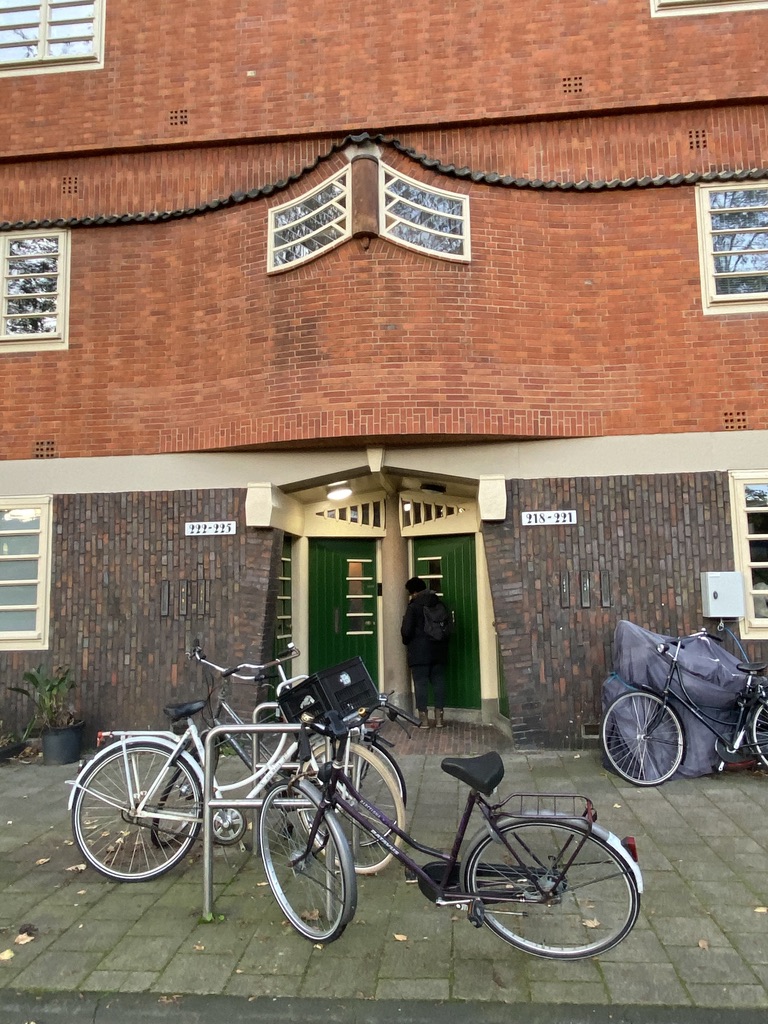

In the 19th and early 20th century, Amsterdam faced a housing shortage, with many working-class people living in cramped quarters – often without electricity, heat, or running water. Often several people lived in one room. In the early 1900s (1901, I think), the Dutch government passed the National Housing Act (Woningwet). This law set high standards for housing and resulted in the demolition of old, inadequate tenement-style buildings and also created new housing reflecting the desired living conditions and were developed with prices that made them accessible to Amsterdam’s low-income citizens. This law also set aside financial resources for the development of other low-income housing. One of the affordable housing developments created after the passage of this act was the Spaarndammerbuurt, where Het Schip and several other Amsterdam School social housing projects are located. Most of this housing was funded by cooperative housing associations and workers collectives, socialist organizations, and religious groups. One of these groups commissioned the architect, Michel de Klerk, to design and build three blocks of “proletarian housing,” including Het Schip.
The apartments in this complex reflected a radical change regarding living conditions for the poor and working class people in the early 1900s. The units included several rooms rather than the typical single-room occupancy that was common at the time. They also included flush toilets and had good natural light and ventilation from windows. Ground-floor units had gardens. The building also housed a post office, and a telephone box.
We had planned to visit, and then found out that the little museum that explains the building was closed on Mondays. We decided to go anyway, thinking that seeing it all from the outside would be fine.
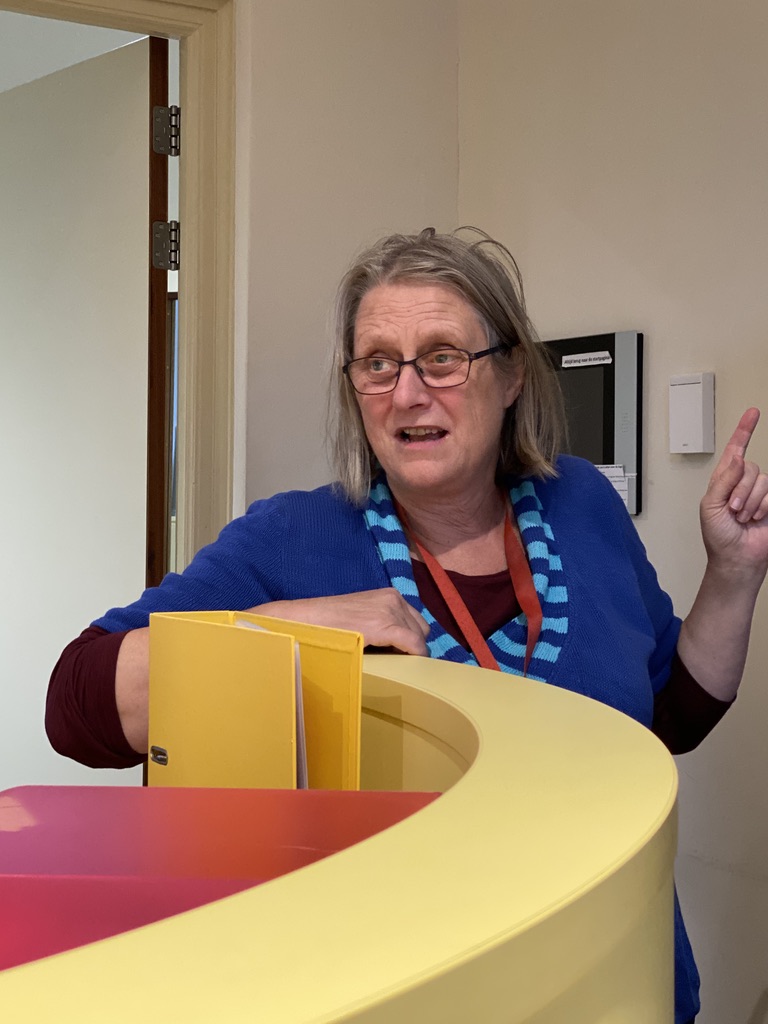
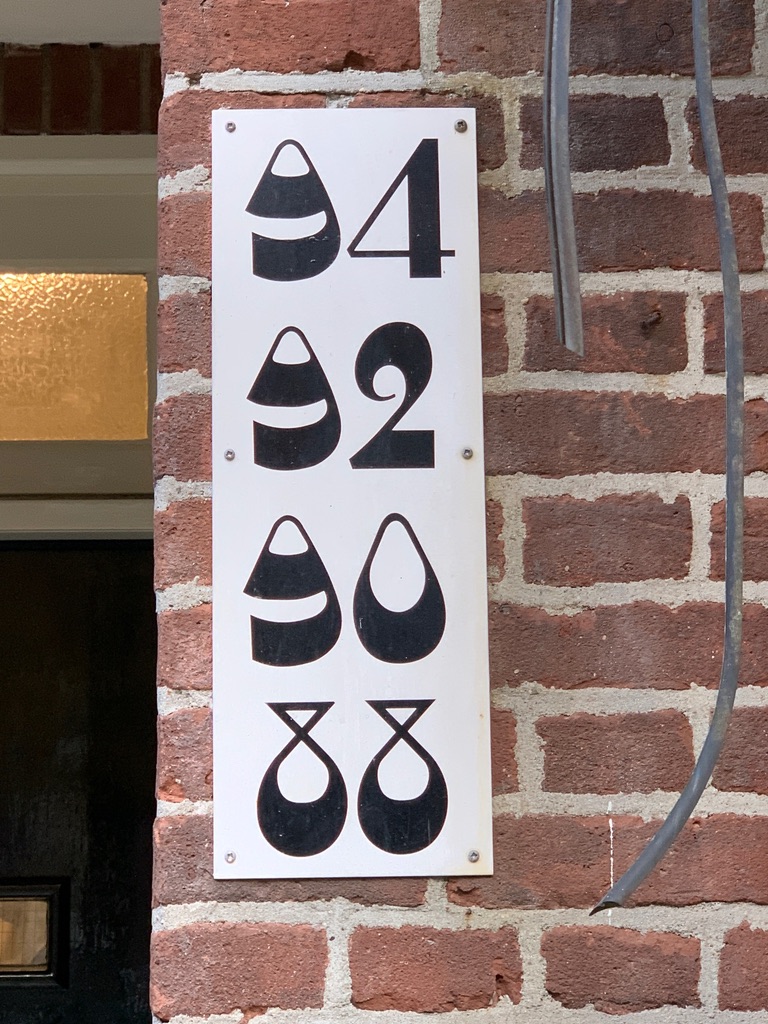
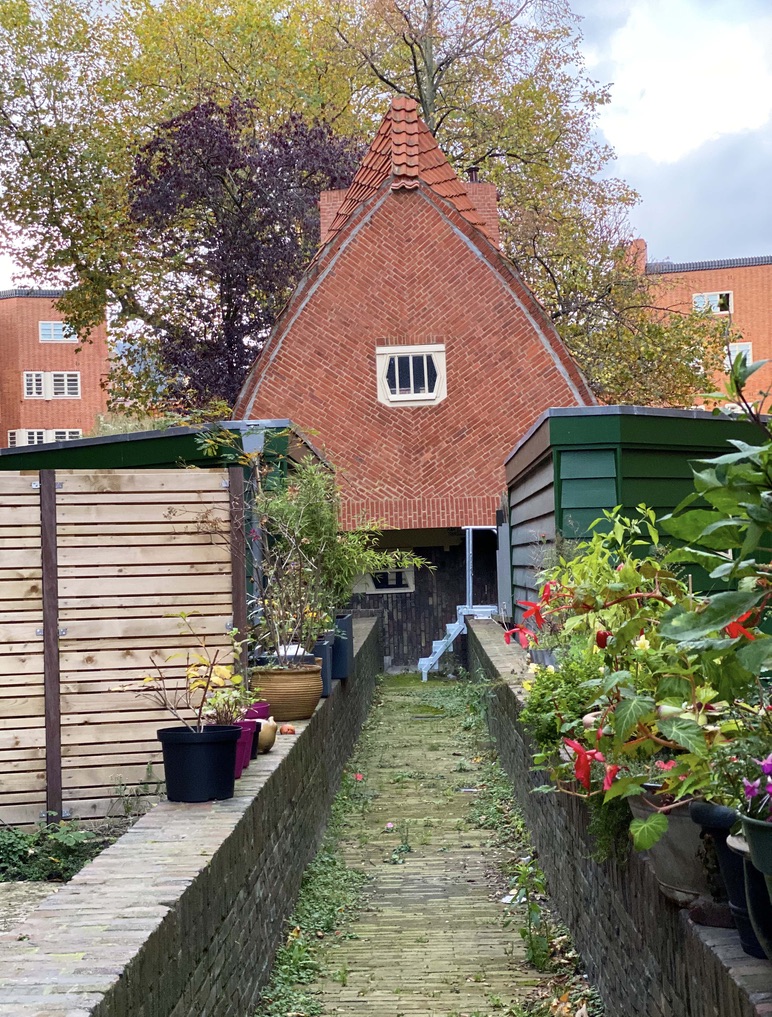
So, we got there and were walking around the perimeter and then I decided to try the main door (leading to public spaces) – It was open so we walked in.. We were checking out the lobby (cautiously, knowing that perhaps we weren’t supposed to be there) when a woman appeared. She asked how we got in and we explained that the door was open. She was a bit flustered but then we struck up a conversation. Turns out she founded the little museum and is very active in the social housing movement. Apparently one day she stopped at the post office and admired the building and was told it was to be demolished. She thought that was a terrible situation and fought to reclaim it as a museum to honor Dutch architecture, Het Schip, and social housing. She’s been managing it ever since. She gave a us a quick history of the place including the fact that there had been a small school at the site and deKlerk literally designed Het Schip to be built around that school – above it and adjacent to it and behind it. The school is no longer there and additional housing was created.
The craftsmanship, details, and overall design are amazing to see – an honor to the residents. Alice (the woman) is feisty and intelligent. She talked to us about more recent struggles to ensure that social housing will remain forever in the hands of low income people and not go the way of the UK which privatized units within their social housing and made efforts to increase the amount of privatization. We talked about the need for affordable housing in the US and when we finally bid adieu to Alice she cheered us for caring about this issues amid (as she called it) these “Trumpies” who want to destroy civilization! We promised to tell everyone we know to come to visit Het Schip – so I am doing that here. Don’t go on Mondays because the museum is closed and you might not luck out to meet Alice.
She let us stroll the courtyard, and then we walked the entire perimeter. From what I can tell, the design ensures that every resident has their own “front door” on street level, even though some doors lead to staircases that lead to second or third level units. Resident gardens are thriving and the entire complex is very well maintained; looks like lots of kids and families as well as singles.
As it got dark (we had to change our clocks on Saturday night so the sun sets at around 5:30 now), we headed to the bus and back to the Central Station, from which we could walk back to our hotel. We just finished dinner (decided to eat at the hotel so that we wouldn’t lose much time) and now I’m wrapping this up and shutting down, packing, and headed to bed – Need to head to airport at 7 am.
See you all stateside. Hope the fires are subsiding (but we are well aware of the realities – it’s all over the news here).
Best –
Fern
 Fern's Travel Notes