13: Amman. 12/30/22

Greetings from Amman –
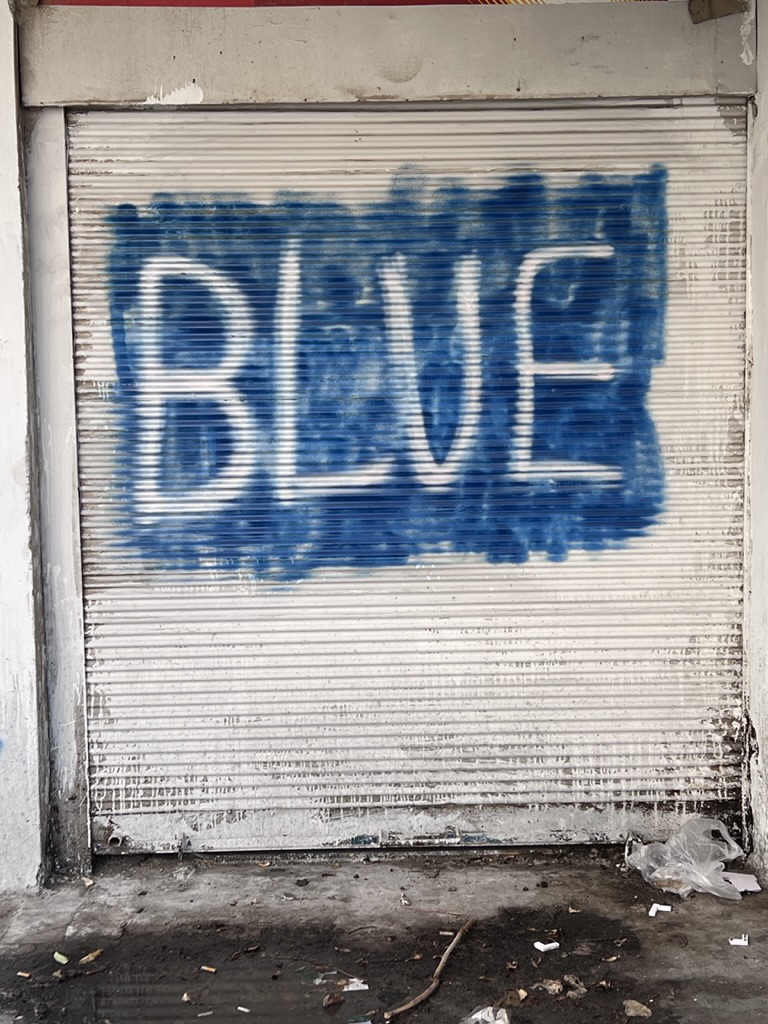
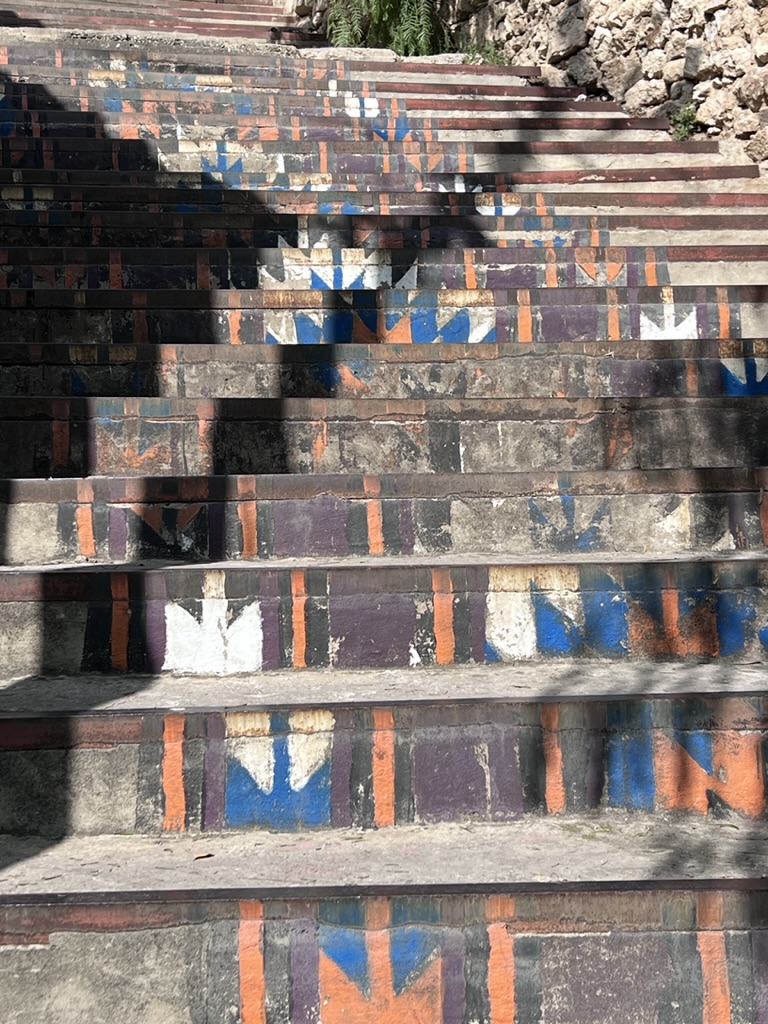
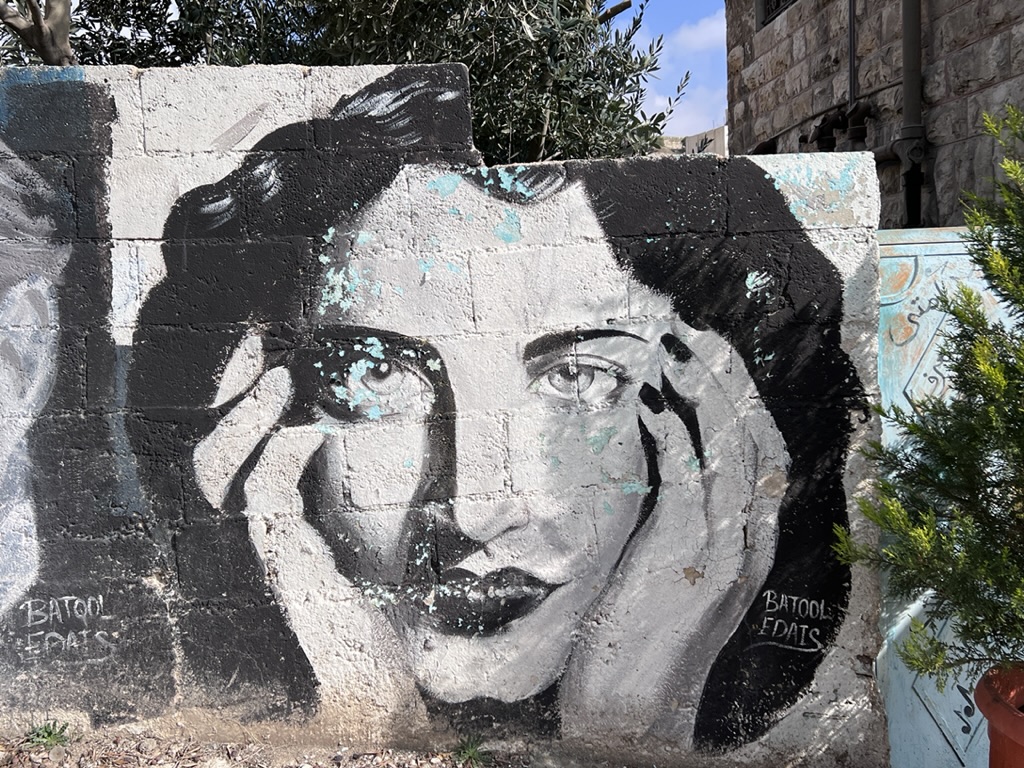
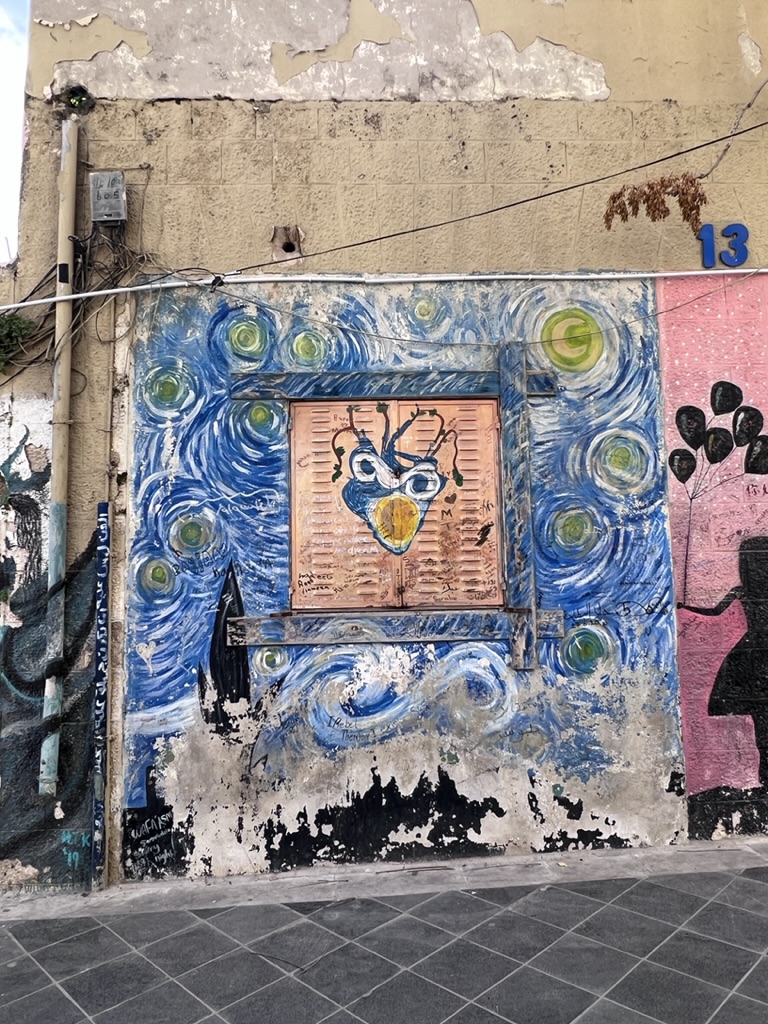
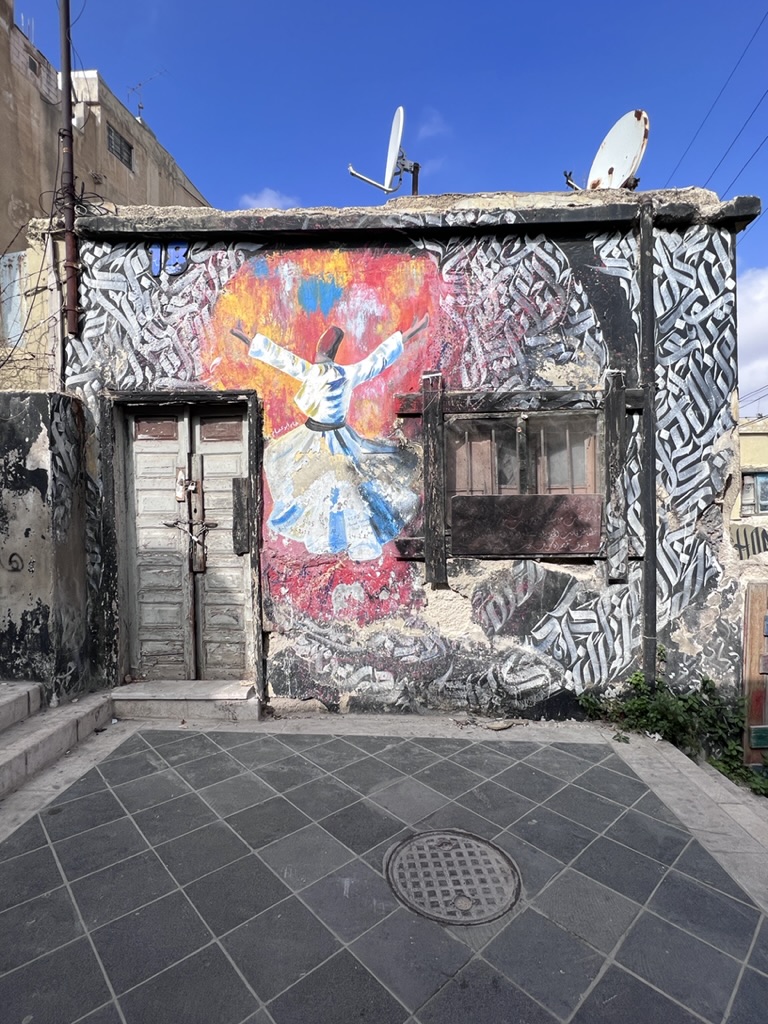
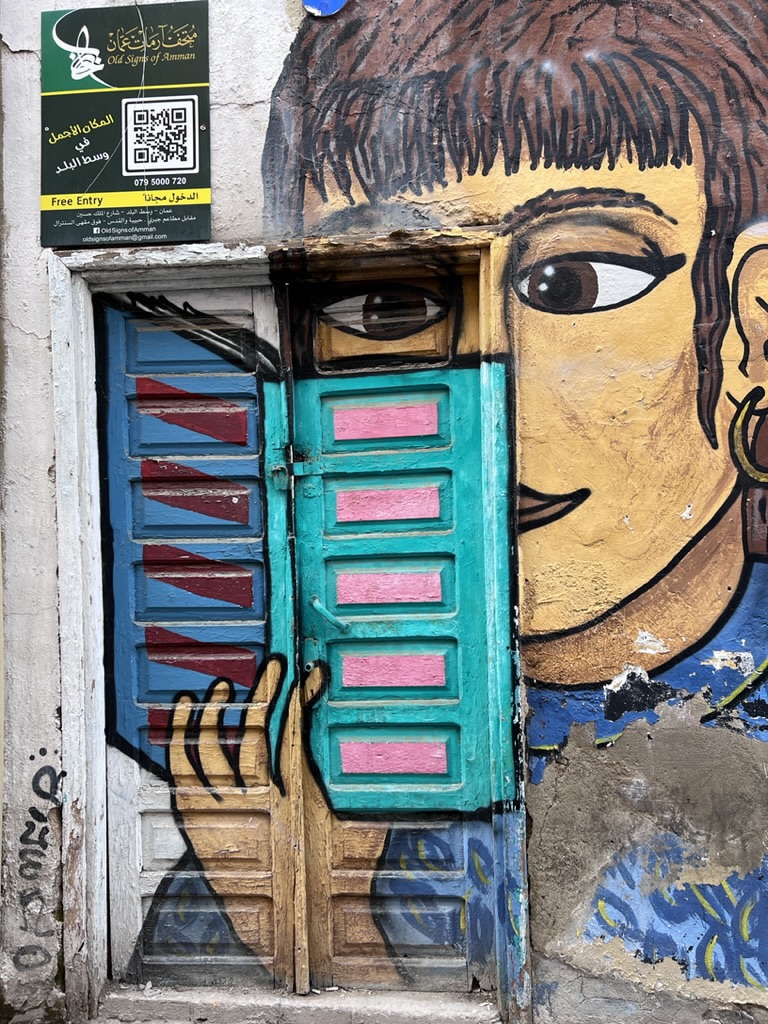
Following a fantastic breakfast at the W, we set out for Darat al Funon, an arts space that was created from vacant historic houses and warehouses about 30 years ago. They have an outdoor theater and gallery spaces, and more. We took a taxi to “Paris Square” which is actually a traffic circle and walked from there.. all cobblestone streets and steep slopes. We were walking downhill. Passed all sorts of murals and little cafes, and lots of shops that were closed. I think this was the arts district. As we approached Darat al Funon, we realized that it, too, was closed. Friday is the official weekly holiday (I guess like Sunday in the US). So we just continued to walk in the direction of the Roman Theater (which was going to be our final destination.
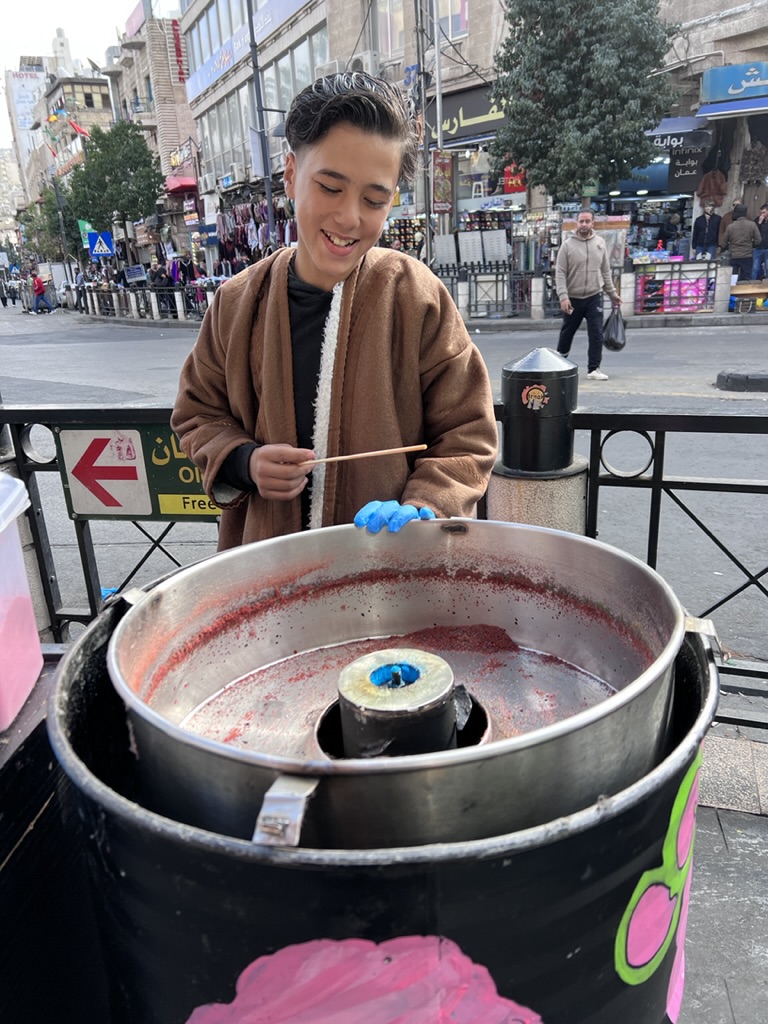
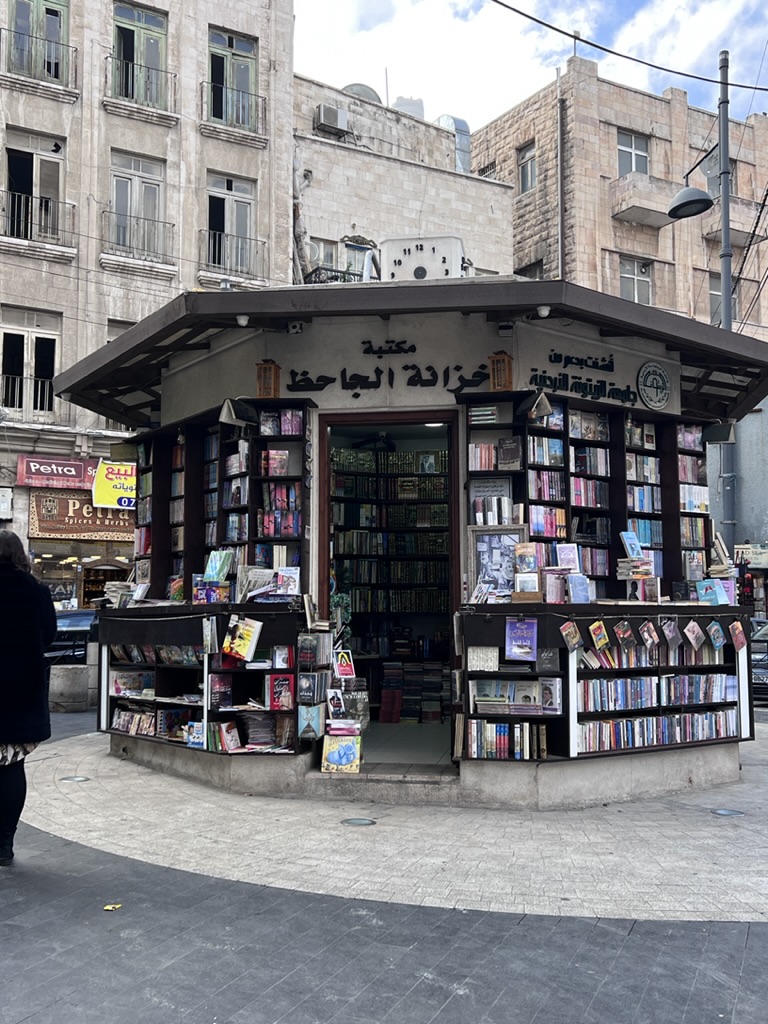
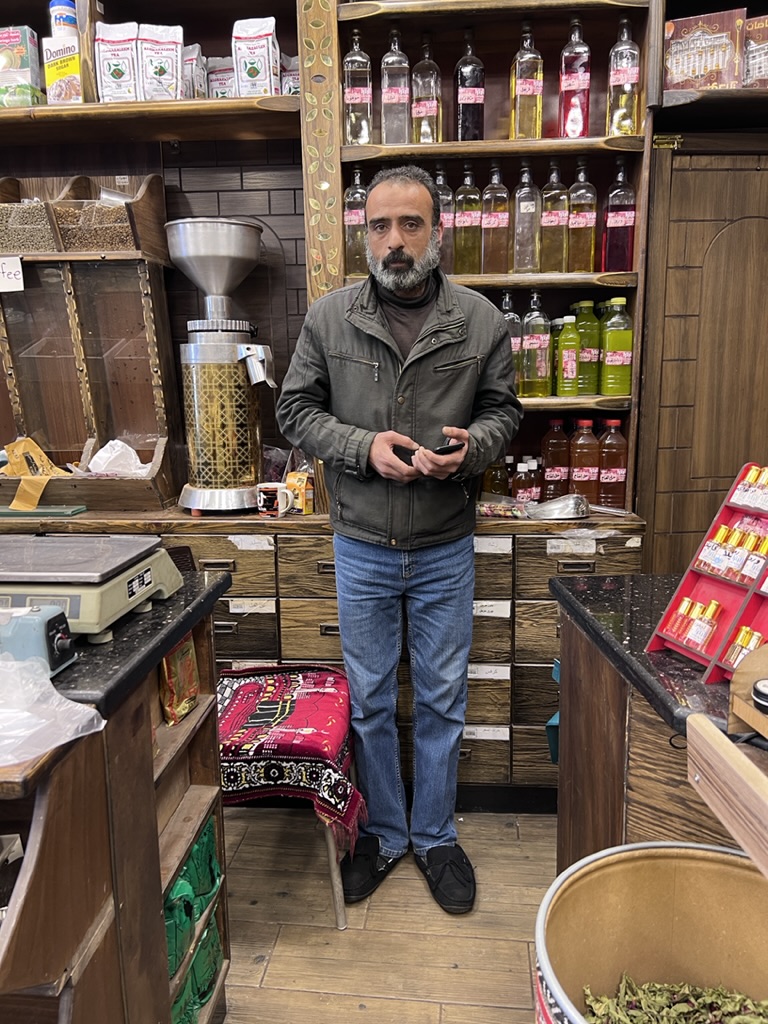
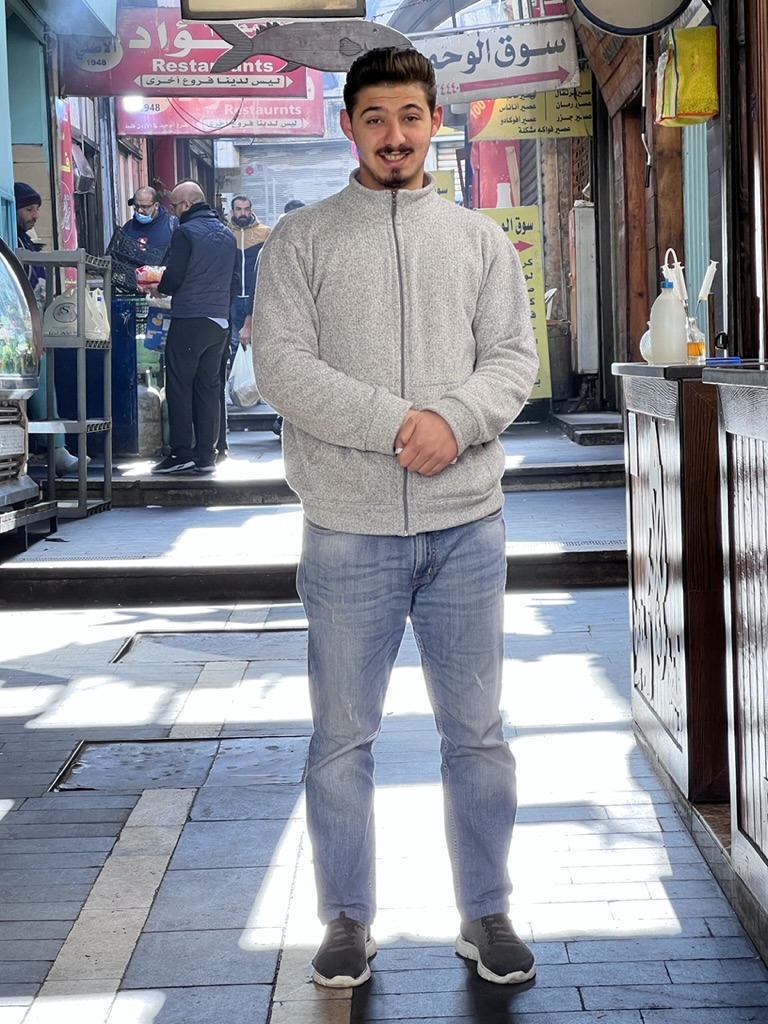
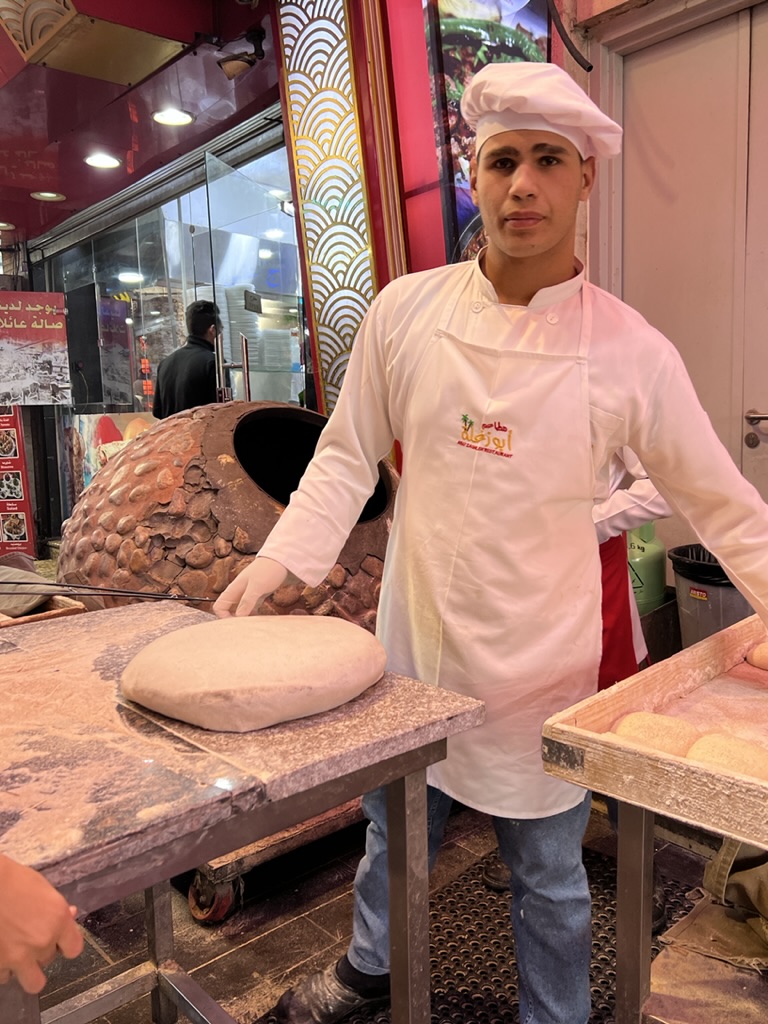
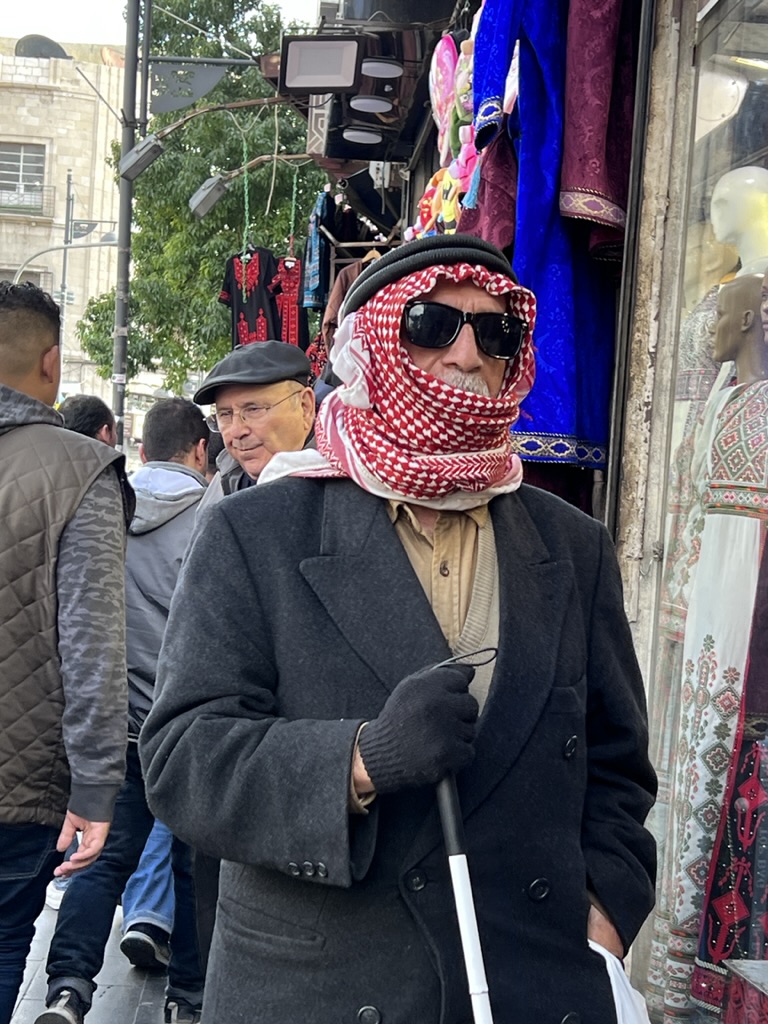
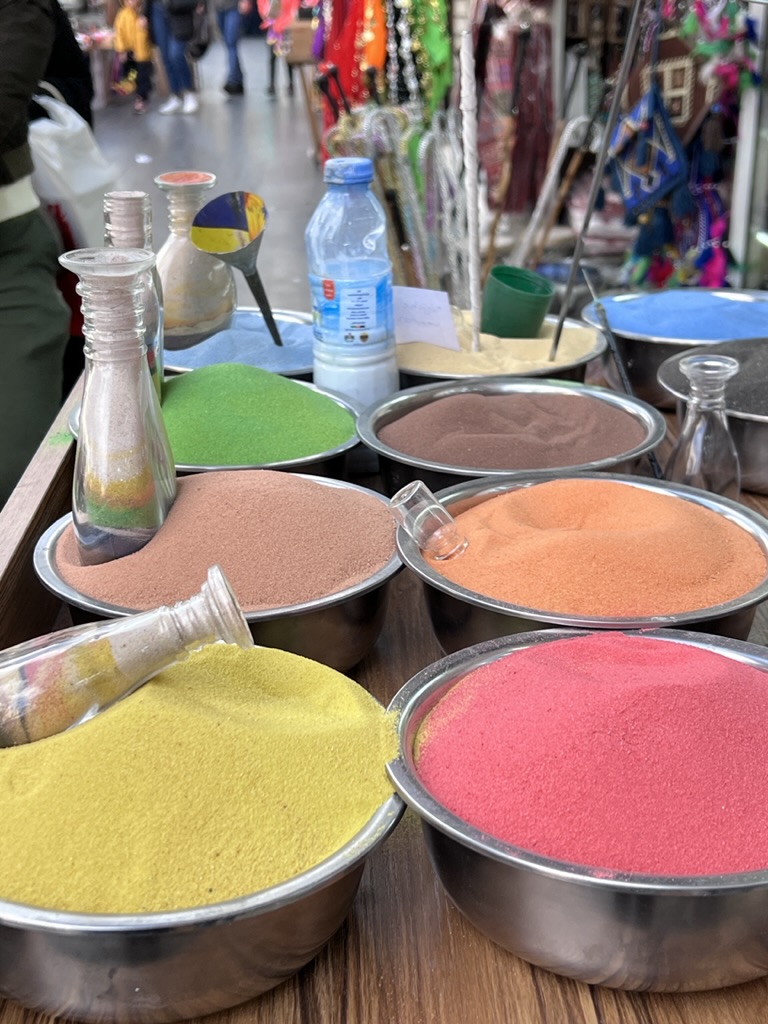
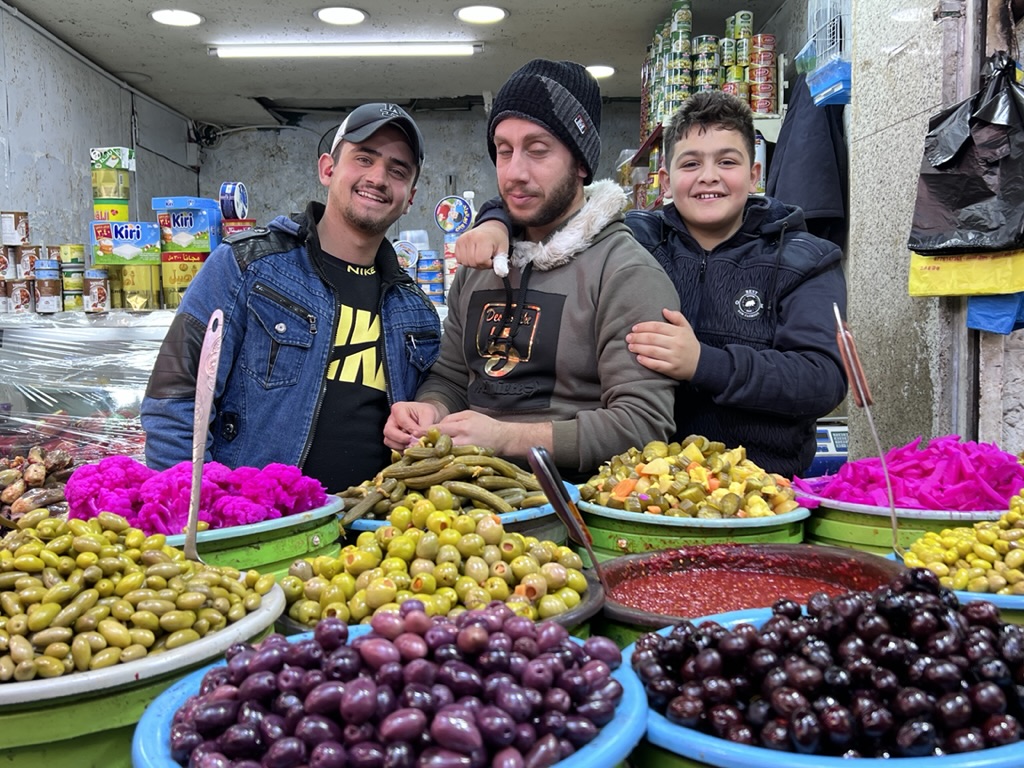
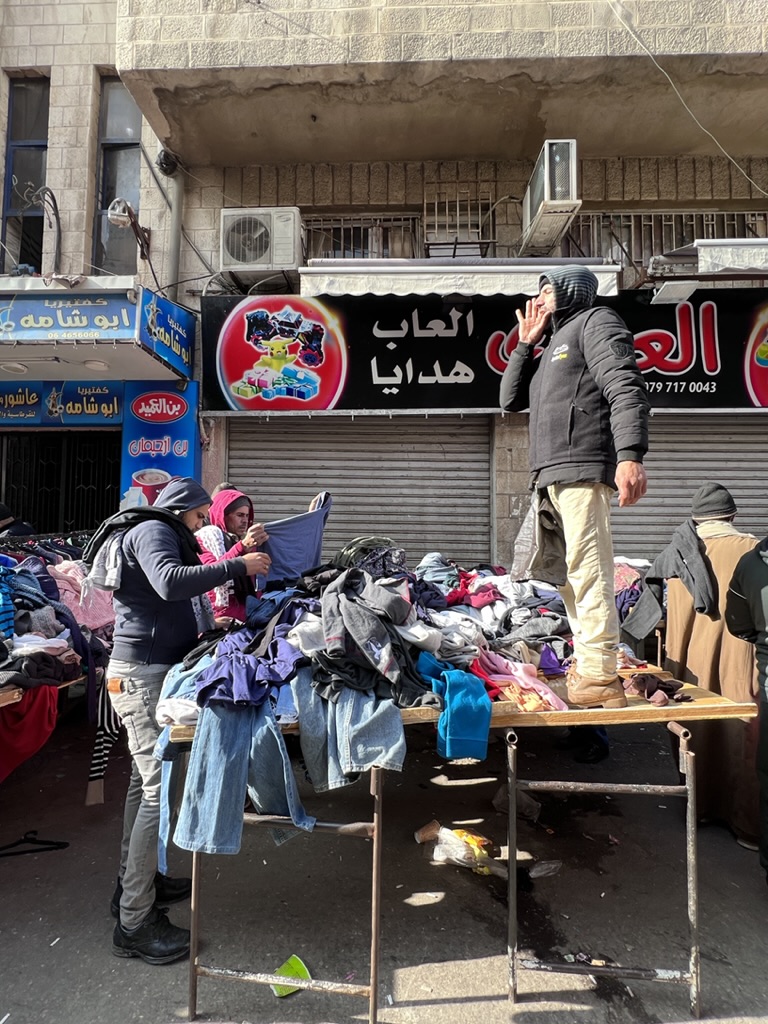
But we were pleasantly surprised as we walked down narrow corridors and streets to suddenly empty out into what seemed like at least a mile-long strip of tiny shops and vendors in the street—with lots of offshoot smaller streets. We meandered for a few hours just taking it all in—spice shops and stalls, tiny shops that sold everything you can think of, herb stalls (Mike bought some kind of oil that is supposed to be good for the knees!; I bought some interesting soaps, including one made in Syria—the packaging on one of the soaps says that it “whitens”—didn’t get that one since I figure I’m white enough already), clothing stores, vendors with piles of tee-shirts just all jumbled up, food stalls, electronic stands, and of course many shops and outdoor stalls to purchase burqas and hijabs for women and long shirts for men. The vendors were all friendly and open to my taking photographs by the dozens; no one really tried to get us to buy anything even when we went inside to look at what was being sold. The streets were crowded and vendors were yelling what I assume were “marketing pitches.” And at the appropriate intervals, the calls to prayer were heard throughout the streets, but frankly the vendors and shoppers in this area didn’t seem to notice.


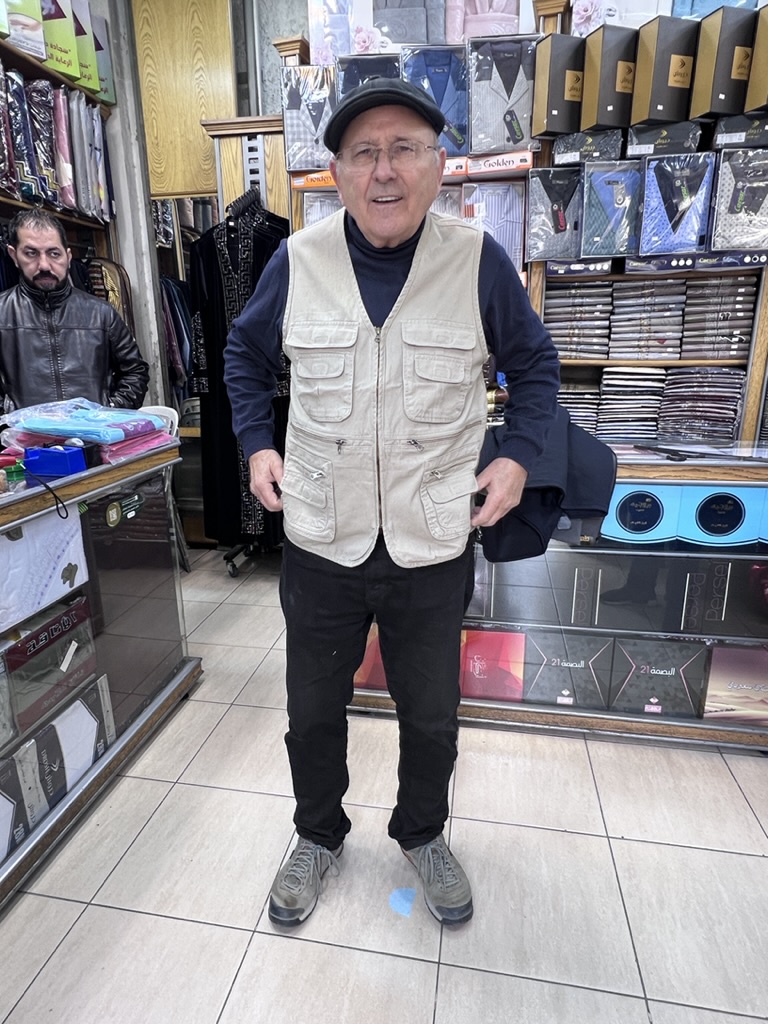
On one street we noticed really nice men’s vests with lots of pockets; Mike has several of those Scott-e-vests which are pretty pricey and he loves having all those pockets. We went into the shop and Mike is now the owner of a new vest that cost about 1/20th the cost of the Scott-E-Vest. Probably should have bought more than one, but always thinking about packing for our return (and we already have those three alabaster things).
In some ways, these shopping streets remind me of the major shopping street in my Brooklyn neighborhood in my childhood days (where my grandfather had a tiny shop that I remember well.. it began first as a pushcart, before my time). 13th Avenue in Boro Park, Brooklyn was a working class shopping street filled with small stores that were also packed with goods and with people. By the time I was growing up the pushcarts and outdoor vendors were mostly gone, but the shopkeepers all had “stands” outside their stores (sort of old-fashioned “promos” to try to get customers interested enough to come inside the store). My grandfather’s shop was big enough to hold about 6 customers at a time, because it was so filled with products.
By the way, we are getting pretty good at negotiating taxi prices. Today we paid just 5 JOD for basically the same distance that Mohamed charged us 25 JOD.
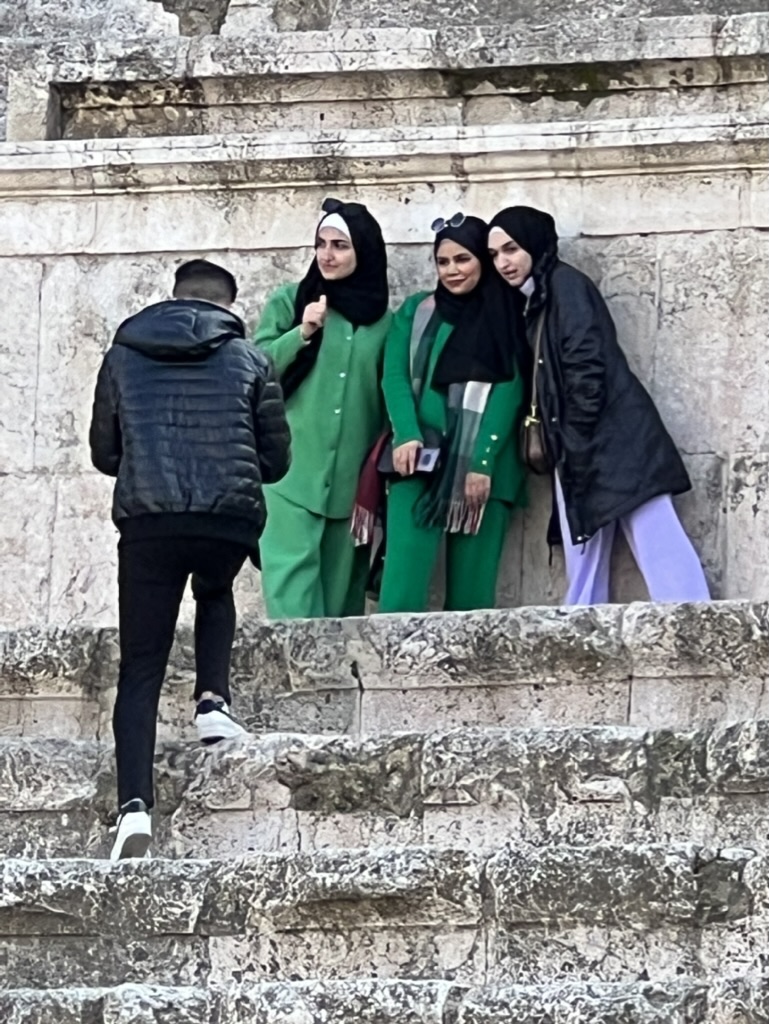
We eventually made it to the Roman Theater which seemed to be the gathering place for families of every conceivable part of the middle east. It’s quite impressive, built at the end of the 2nd century AD (when Amman was known as Philadelphia), at the direction of Emperor Antonius Pius who holds the distinction of never having had to lead the nation in war. The Theater seats 6,000, and was designed to be oriented toward the north to keep the sun off spectators. Spectators were separated in the seating area by class, gender, and nationality. The rulers sat closest to the action of the stage, the military got the middle section, and the general public including slaves, servants, and others squinted from the top rows. In reality the theater was designed so that there were clear views from all parts of the theater and the acoustics were excellent throughout the theater.
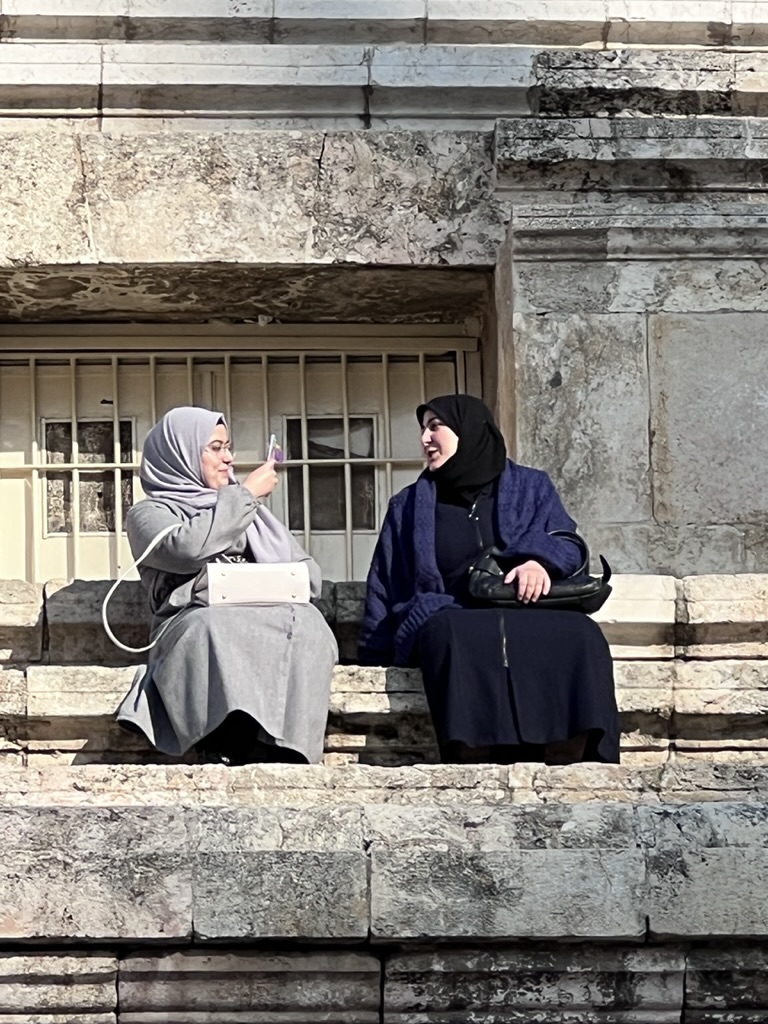
While we were people-watching a cop came by (perhaps to test his English) and told us that there are several “secrets” about the theater. One of them is that someone could stand at the far right of the stage and another person at the far left – approximately 200 feet apart—the two parties can hear one another perfectly; he referred to this as the “Roman-era mobile phone!” The people-watching was great; everyone taking photos with their phones and many taking selfies; strange to see photos being taken by women in hijabs and even burqas—a sort of culture clash of old garb and new technology.
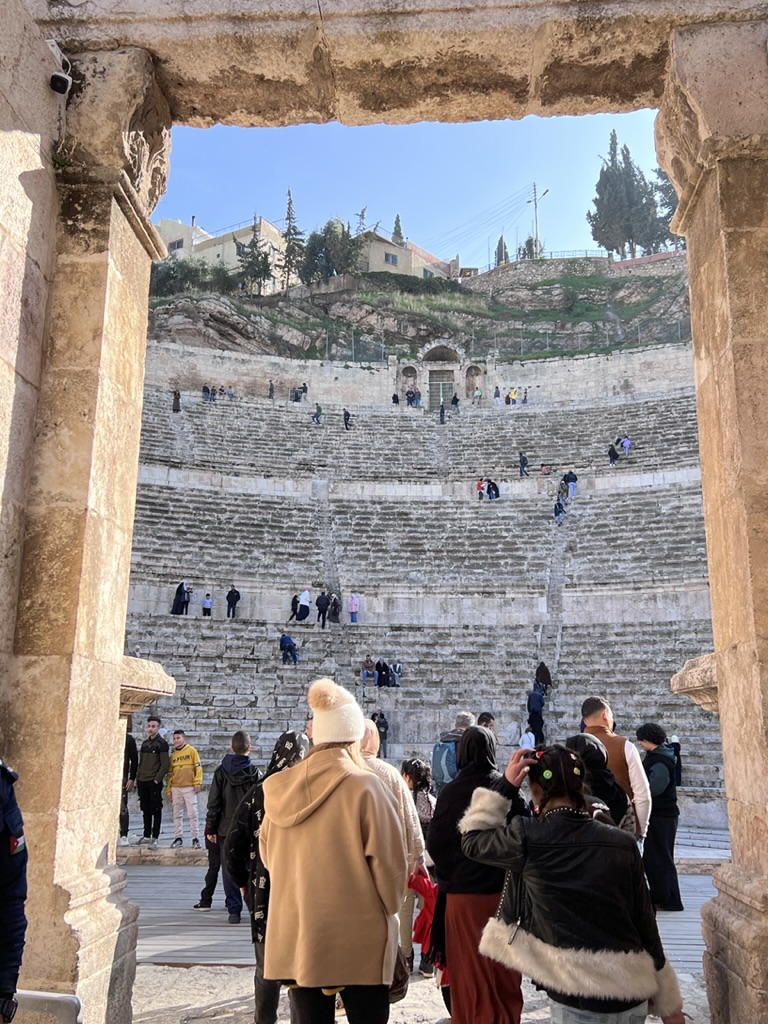
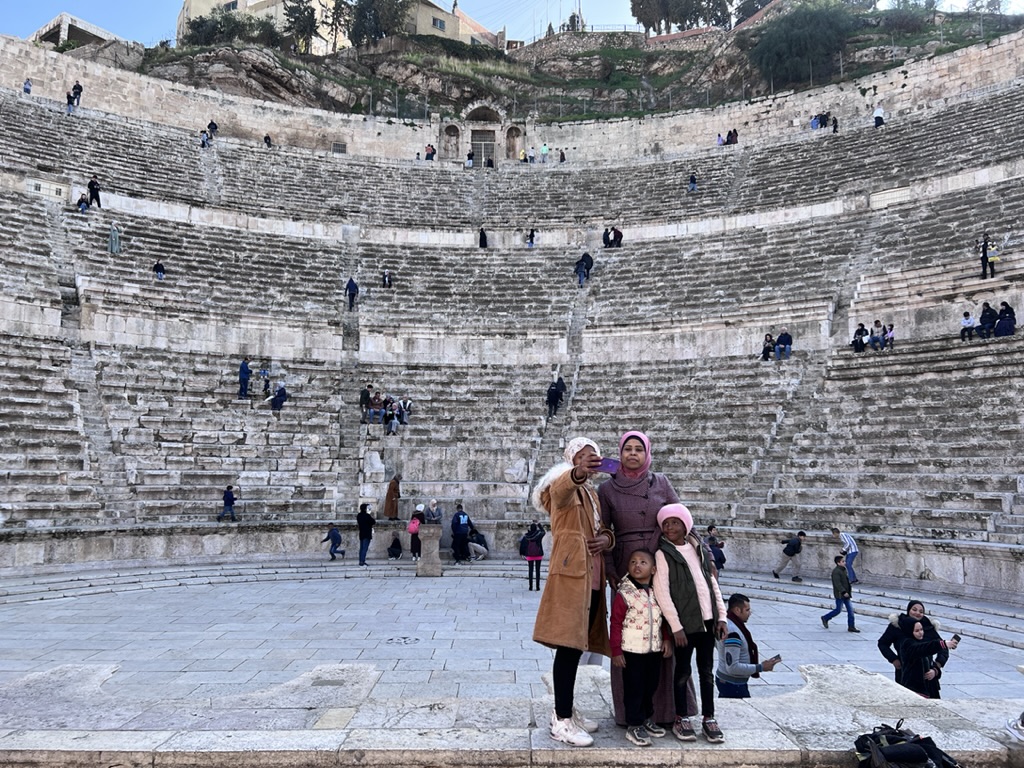
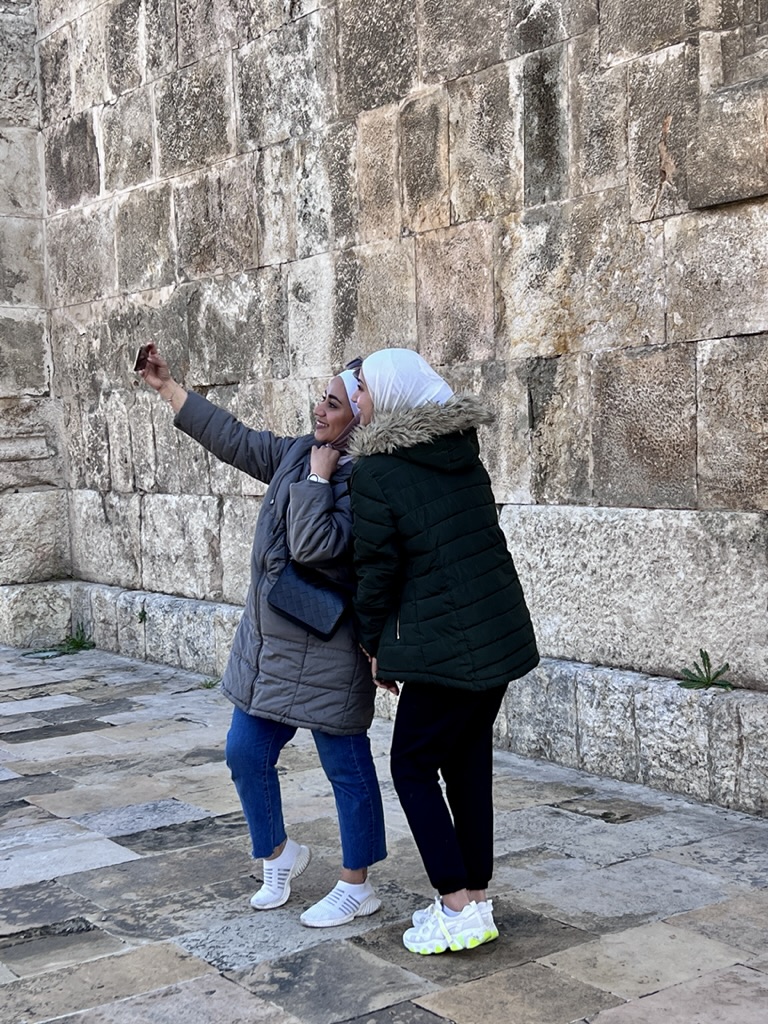
After watching the action, including several kids playing football (soccer) in the “pit” we strolled to the plaza outside and eventually found our way back to the hotel.

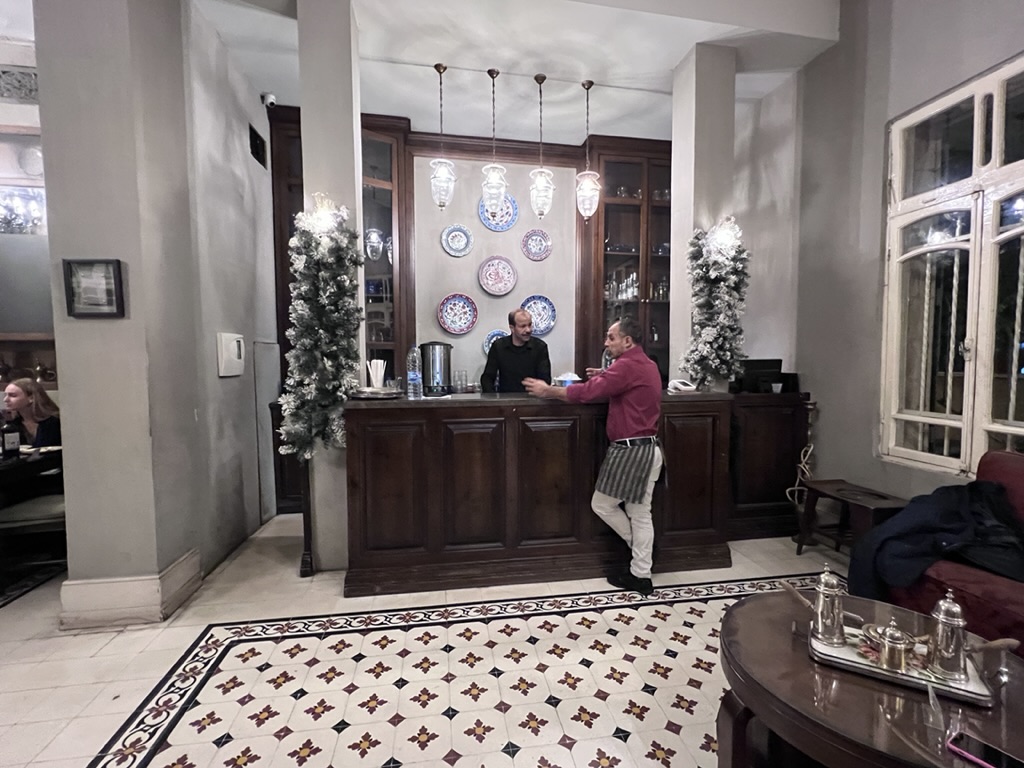
We went to Sufra for dinner—which was quite good, only we ordered way too much. Two mezzes (a labneh with pickled aubergine and spices; and an arraya) and two mains (two different fetayeh which are cooked and served in clay pots); we ended with a simple dessert and herb tea. We also had wine; they didn’t show any wine list… just said they had red and also white. We had a local red wine which was simple and fine.
That’s it for me… signing off until tomorrow, New Year’s Eve.
Fern
 Fern's Travel Notes