Americans in Kampala Uganda. 12/21/2018
Posted on Saturday 22 December: Greetings from Kampala, Uganda –
We headed out fairly early – by taxi – for Nakasero Market located in the center of Kampala. It’s huge and mostly about food. It’s divided into two sections – an open area where sellers are located under literally hundreds and hundreds of well-worn umbrellas to protect themselves and their produce from the sun (and rain). The other part of the market (which stretches for several blocks) is focused on hardware, clothing, and miscellaneous items. We strolled for about 90 minutes amid the vendors and customers. We were literally the only tourists there. It’s a body-to-body experience, squeezing through tiny aisles along with shoppers, workers carrying trays on their heads, workers carrying huge sacks of flour or rice or whatever.
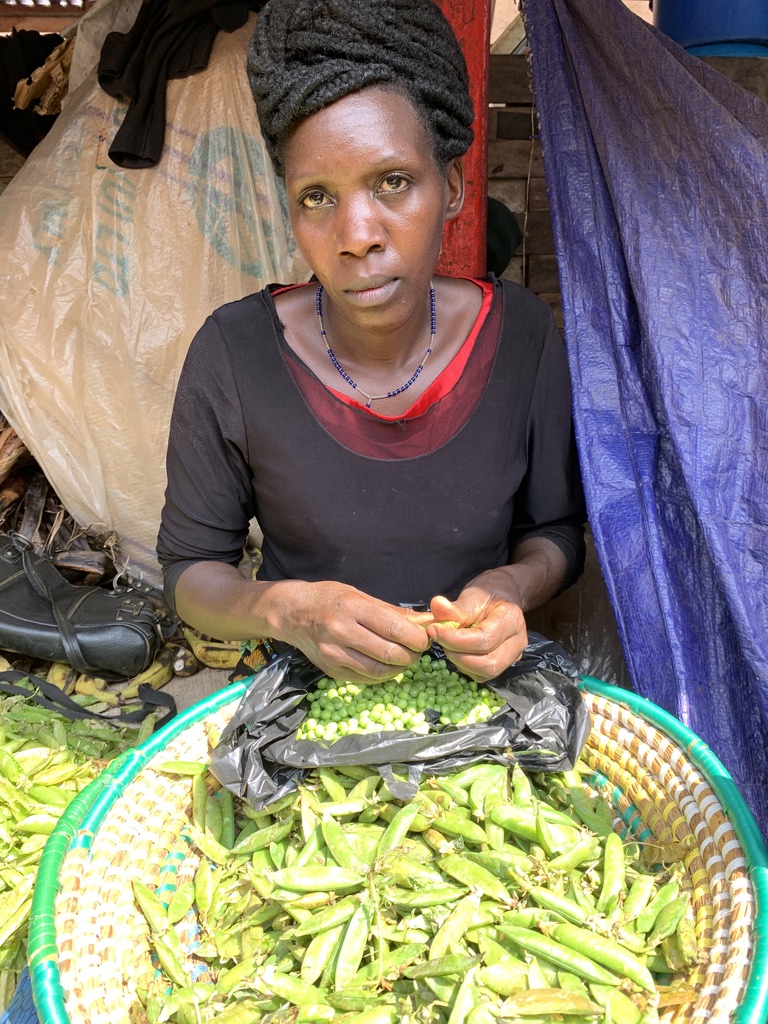

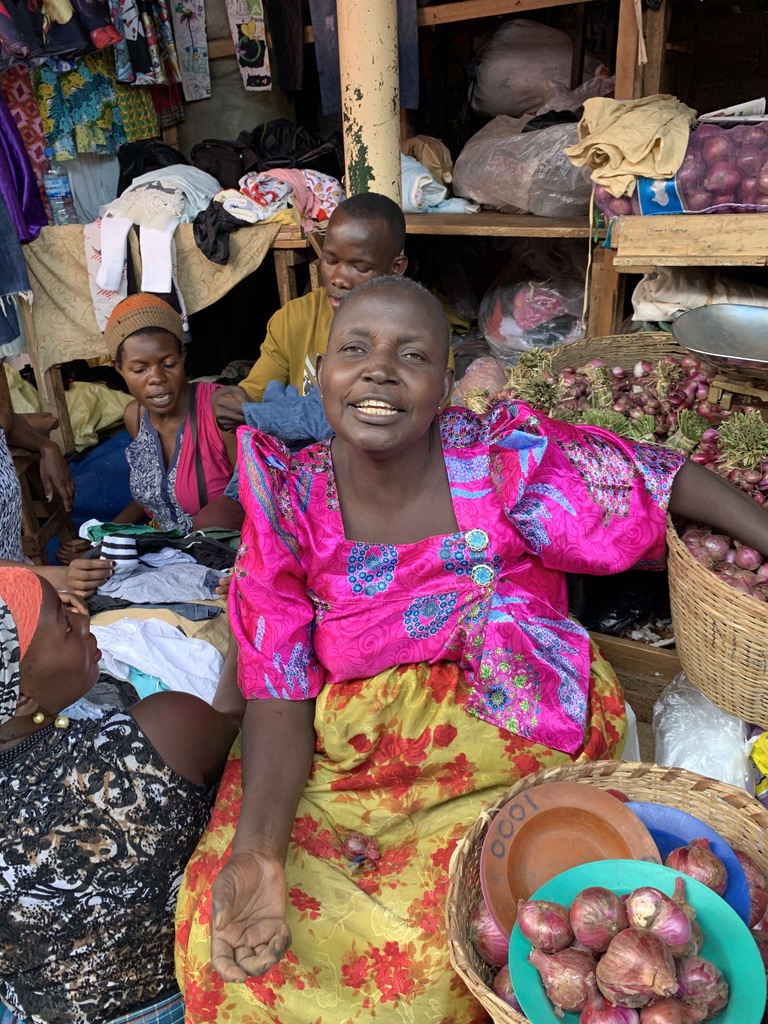
We walked the thin line of wanting to see everything and to photograph and not wanting to get in the way of the people who really needed to be there to work and to shop. Most people were friendly; some didn’t want their photos taken. Some tried to speak Italian to us, thinking we were from Italy. (So now we’ve been recognized as Italian, Icelandic, French, and Russian; never once as Americans). Several people (when I stopped to chat and photograph) were surprised we were from the US; those few who had heard ort California responded “Schwartzenegger!” and one thought he was the President of California. Apparently his movies are well watched here in Uganda. I talked to one father sitting off to a side with his 6-year old son, whose name was “Michael Jordan!” And one man wanted us to hire him to be our “house guard;” every house of any significance, and all public and private buildings in Uganda have their own guard or guards (in fact when you pull up to any restaurant a guard inspects the car before you can bring the car close to the restaurant). When we said we didn’t have a guard, the guy was very shocked and then said “You must be poor.”
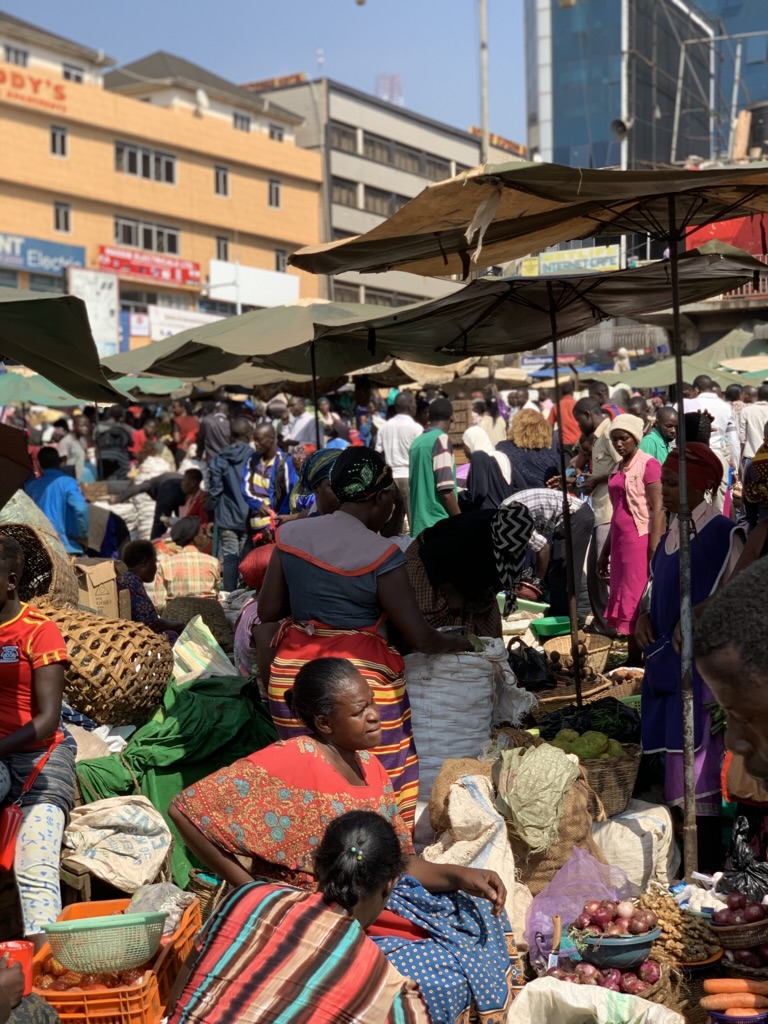
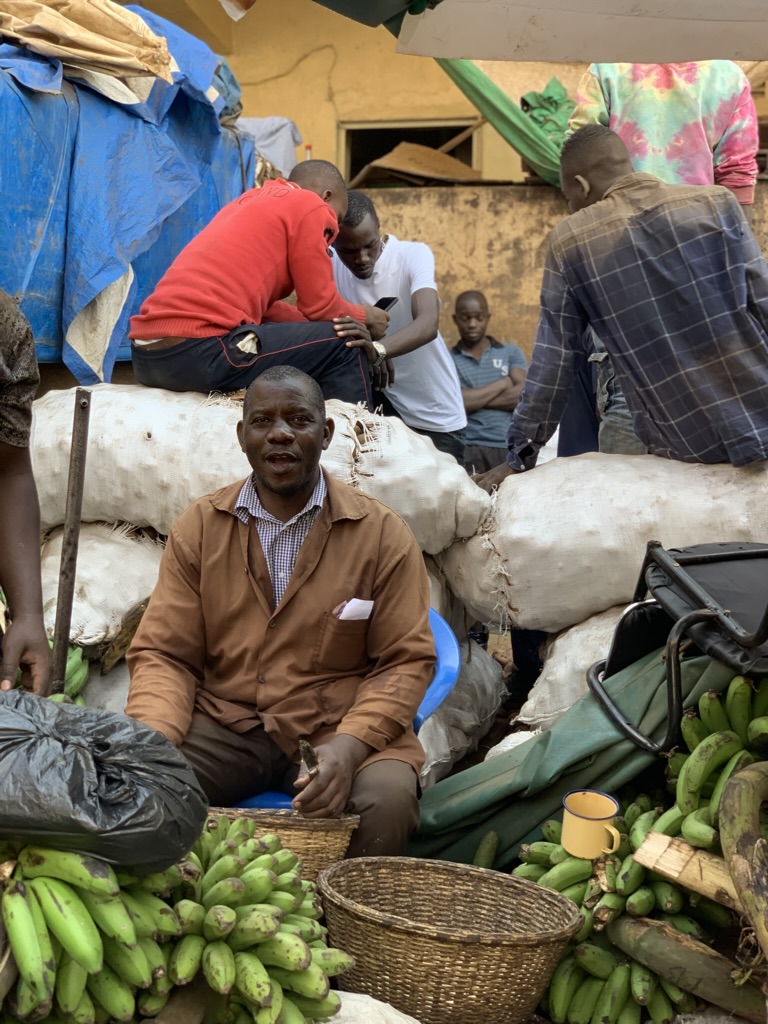
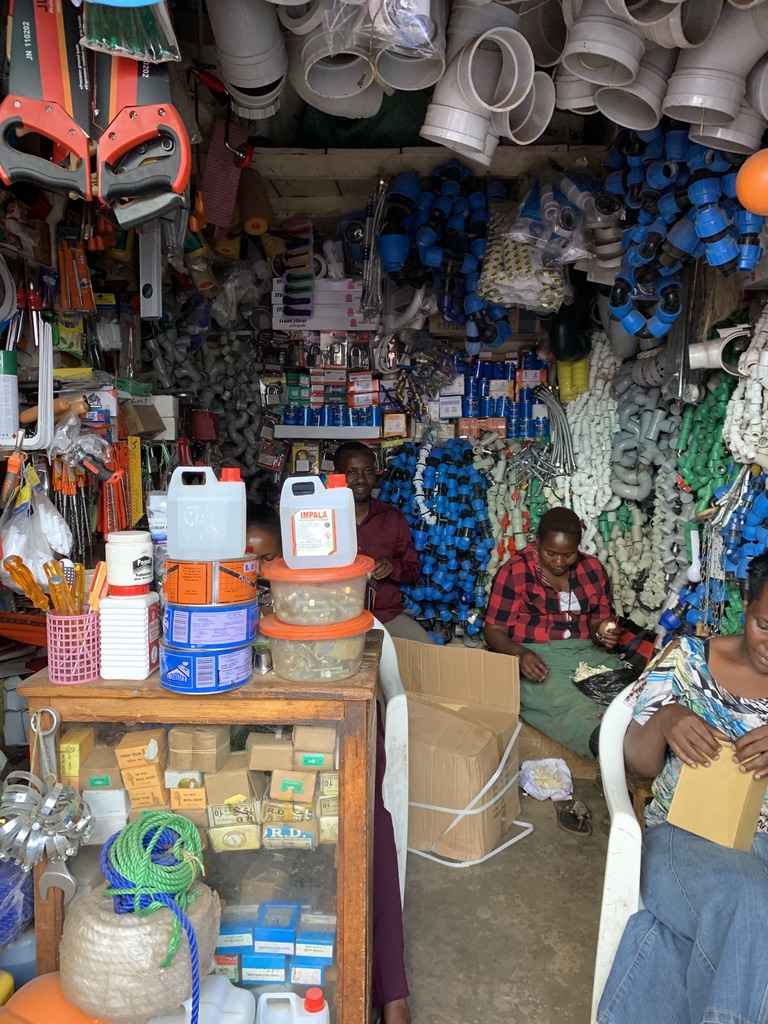
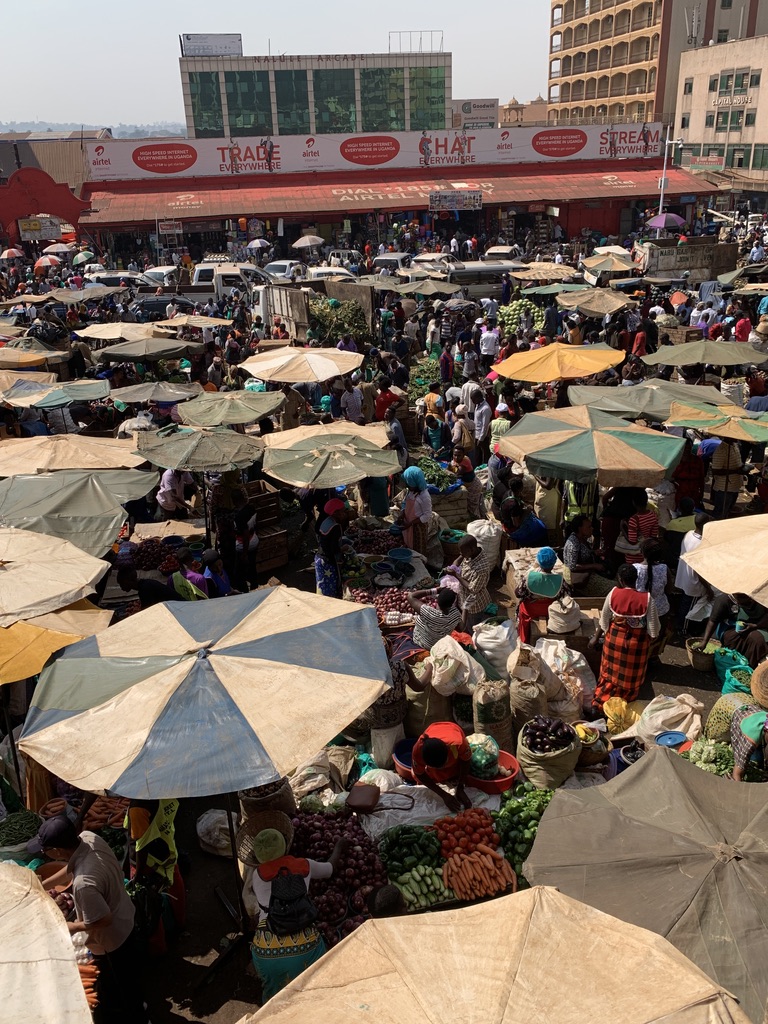
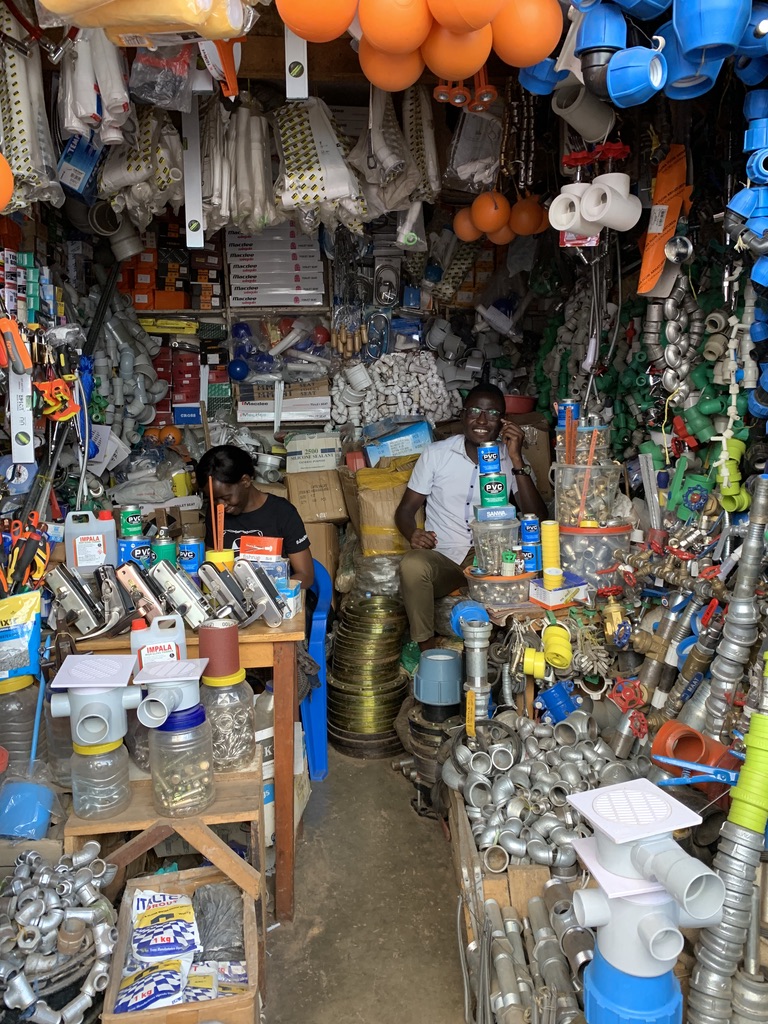
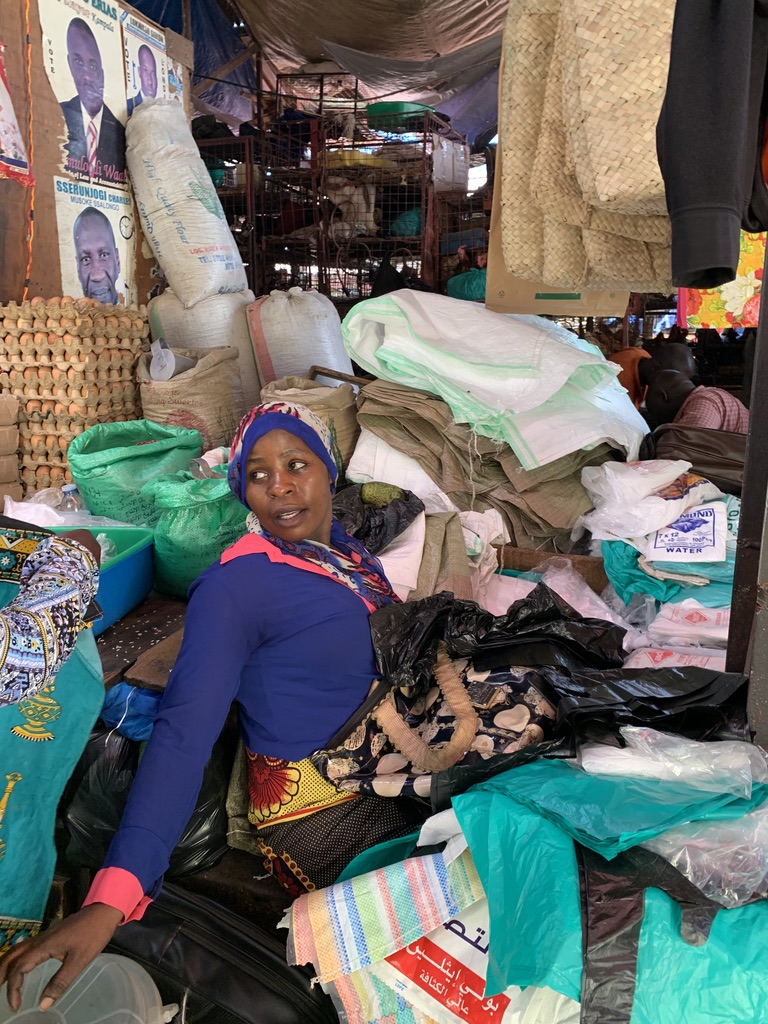
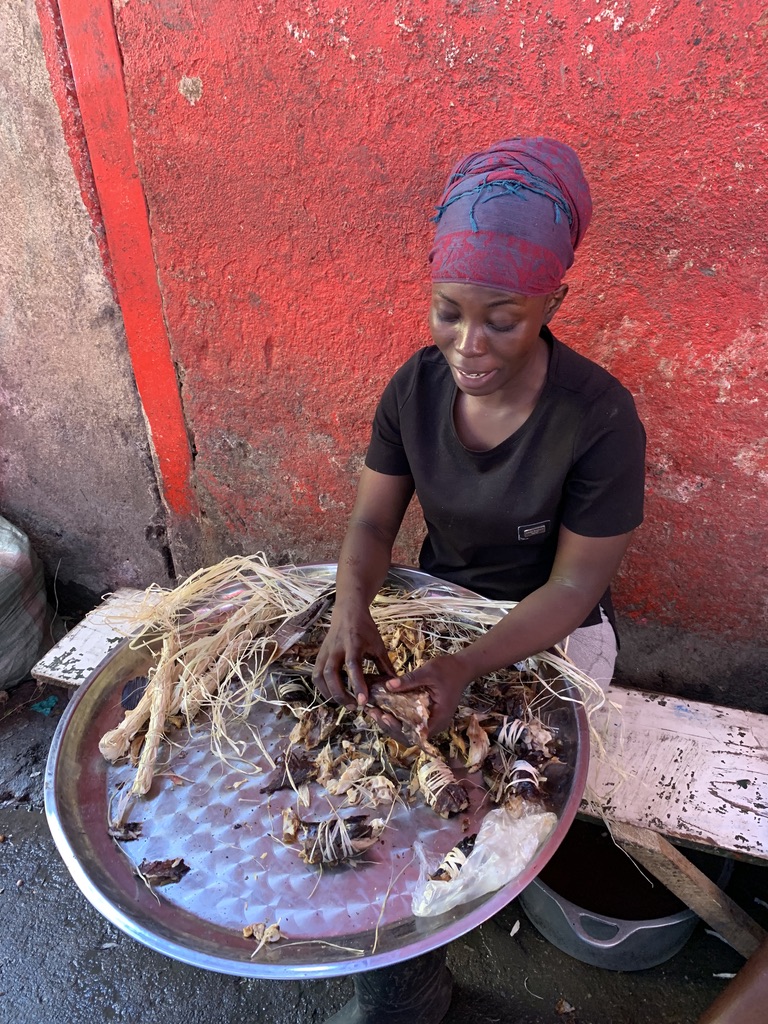
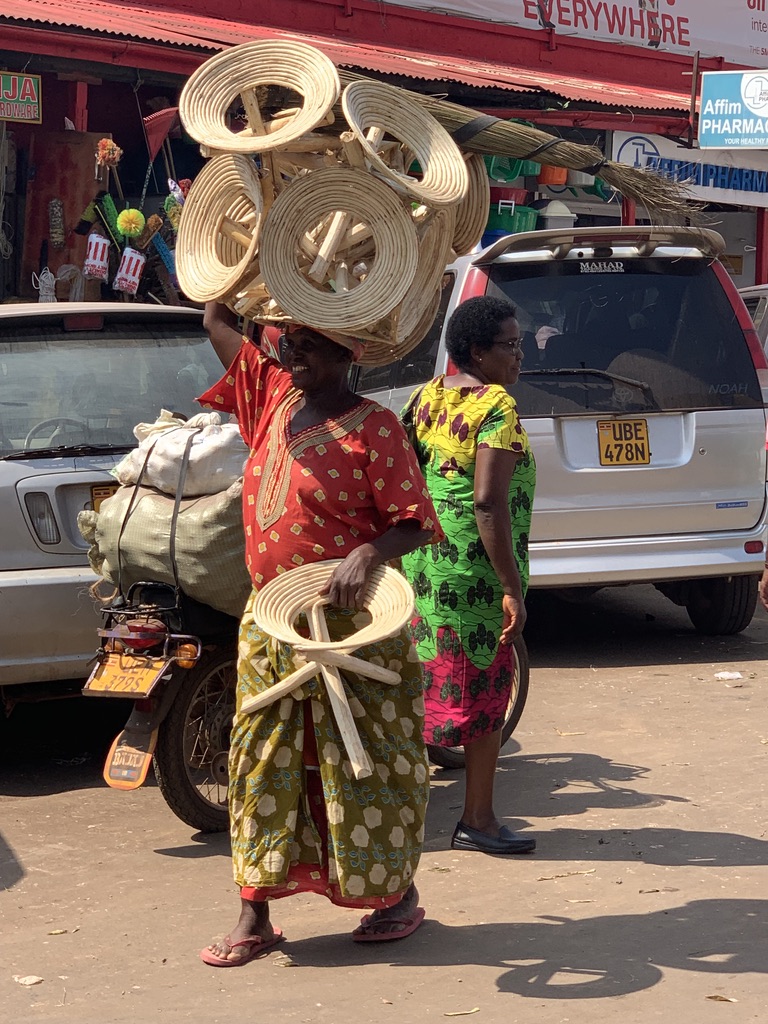
During our walk through the market, Mike tasted some sauteed grasshoppers. I begged off; I’ve eaten fried ones in Mexico which were actually good, but I just wasn’t up for it that early in the day.
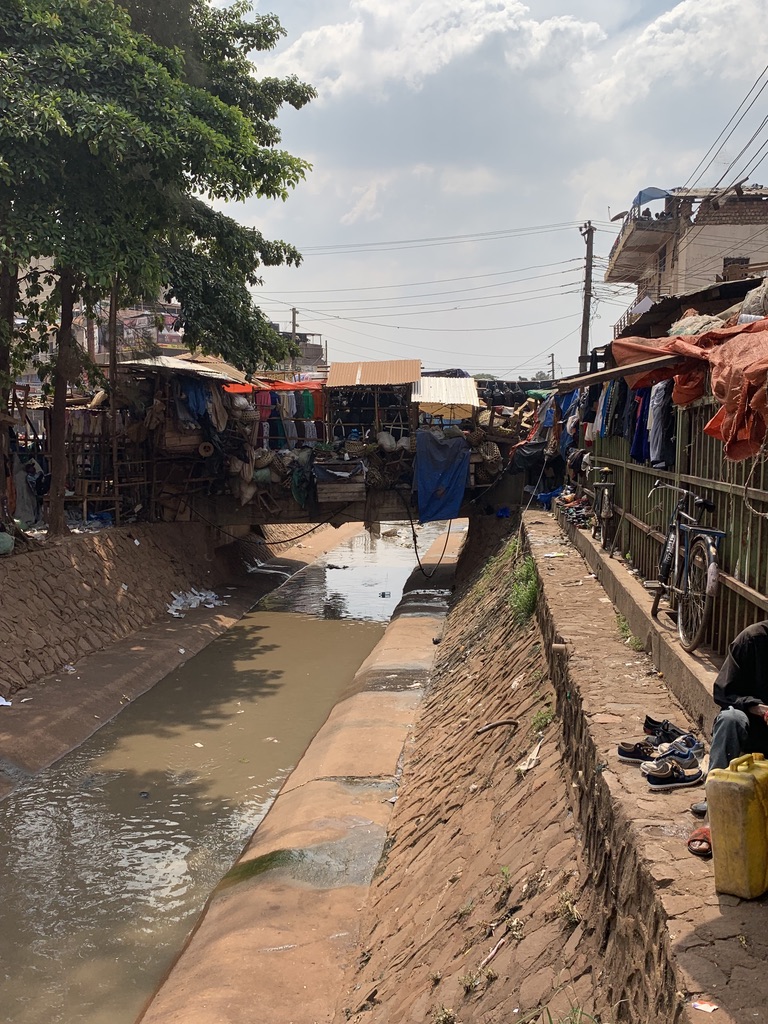
Hooked up with the taxi and headed to Owino Market – which began in 1971 with 320 vendors and today there are 50,000 vendors!!! Trust me, that number is real. The market started as a food market and over time diversified into all sorts of other items including a giant shoe area, clothing, scrap metal, cooked food, chicken and meat and fish. Owino makes Nakasero seem like a little corner grocery.
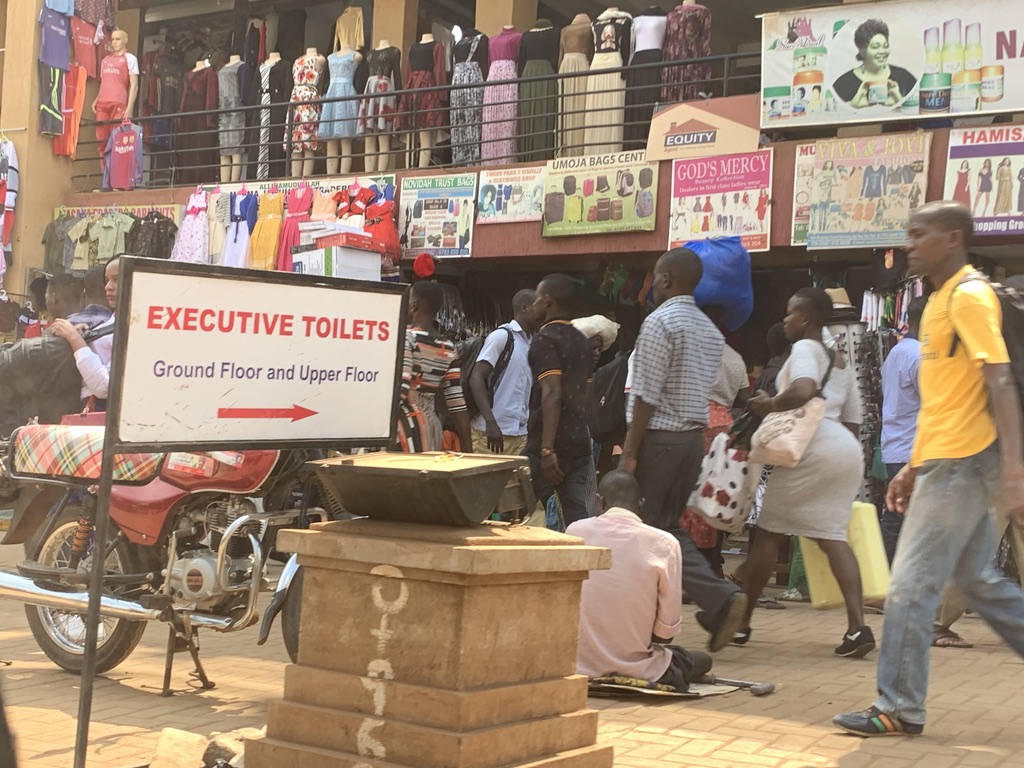
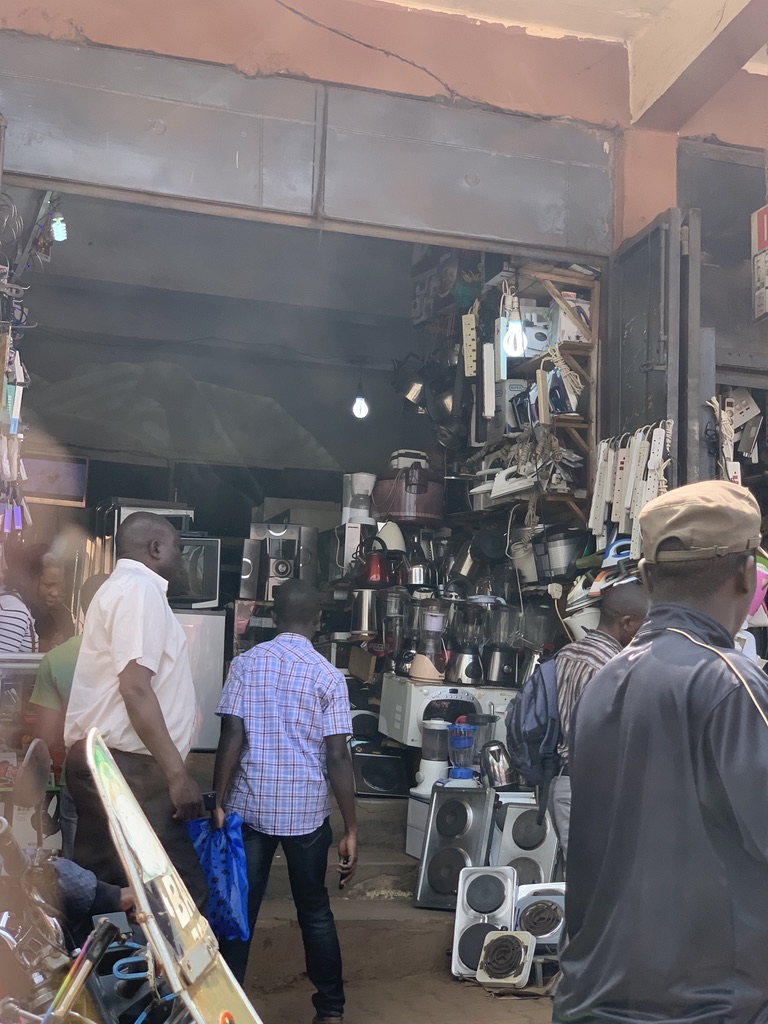
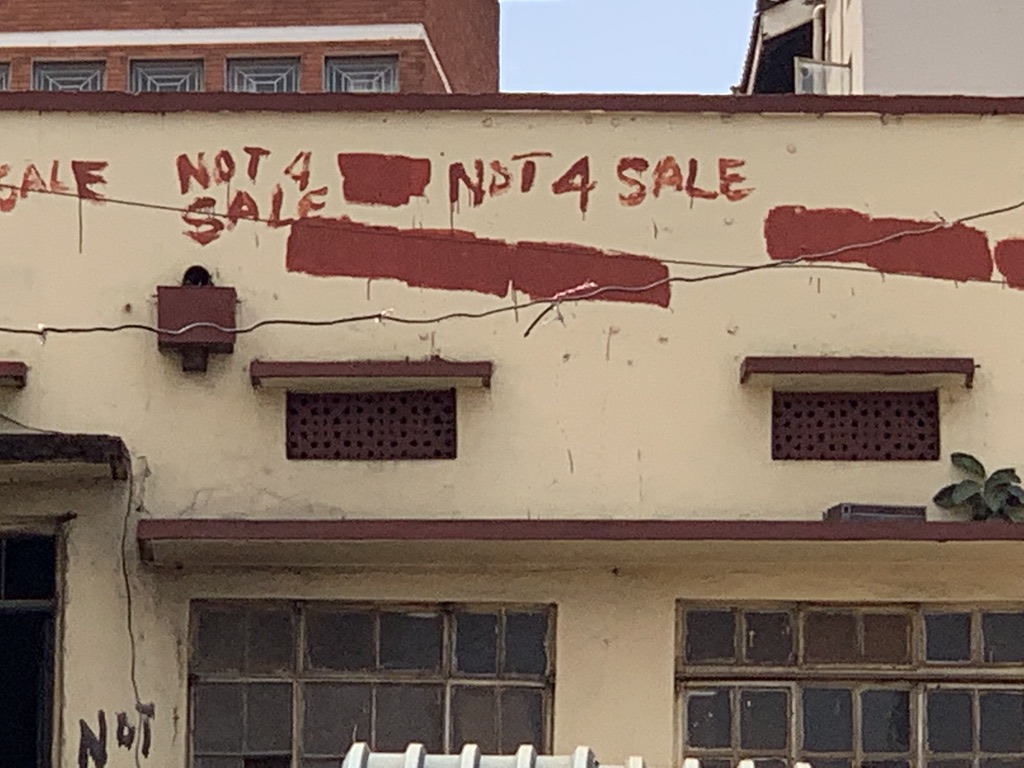
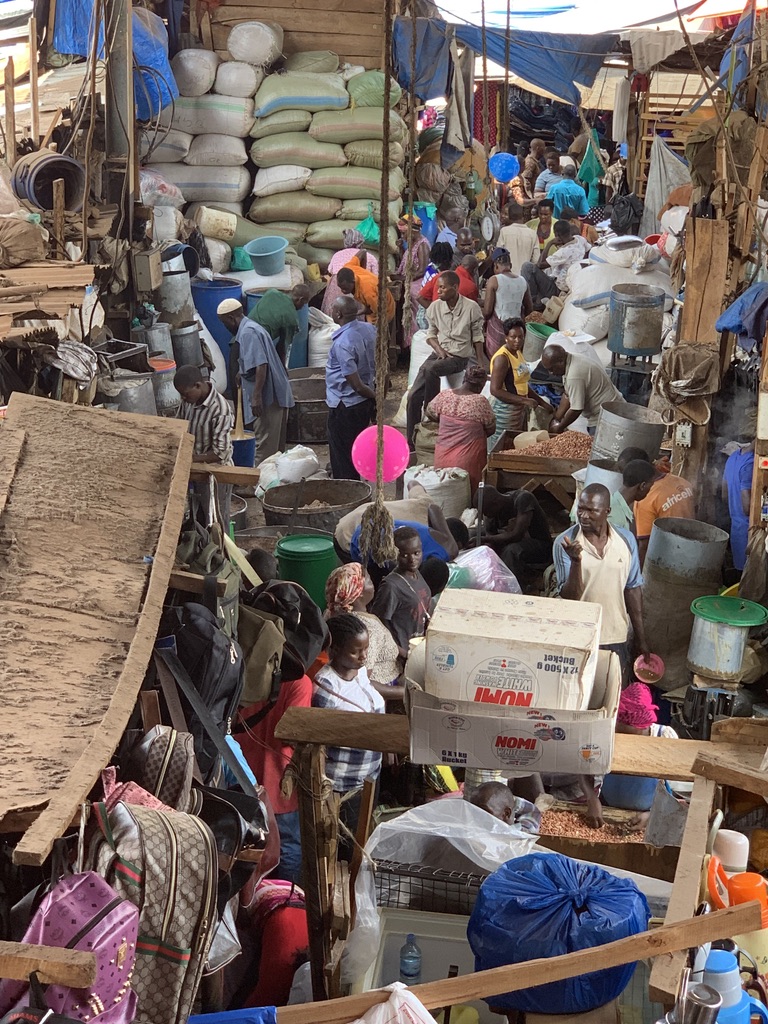
Owino, is the biggest open market in Uganda and probably in all of East Africa – covering about 17 acres. Despite this vast area, it is totally overcrowded. I’d say that about three quarters of the vendors are female.
It’s totally impossible to describe and also impossible to photograph Owino Market. You can barely stand in one spot for more than a few seconds since the crowds are moving along and you sort of need to move along with them. It’s also not just a visual experience; it affects all senses. We’ve been to markets all over the world – in Southeast Asia, South and Central America, India, and more – but this one is not only the largest but also the most complex market I’ve experienced. Not sure how one finds their way around or out. The taxi driver sort of followed us around and also bought himself two shirts while we were busy photographing. He said it was impossible to find one’s way around.
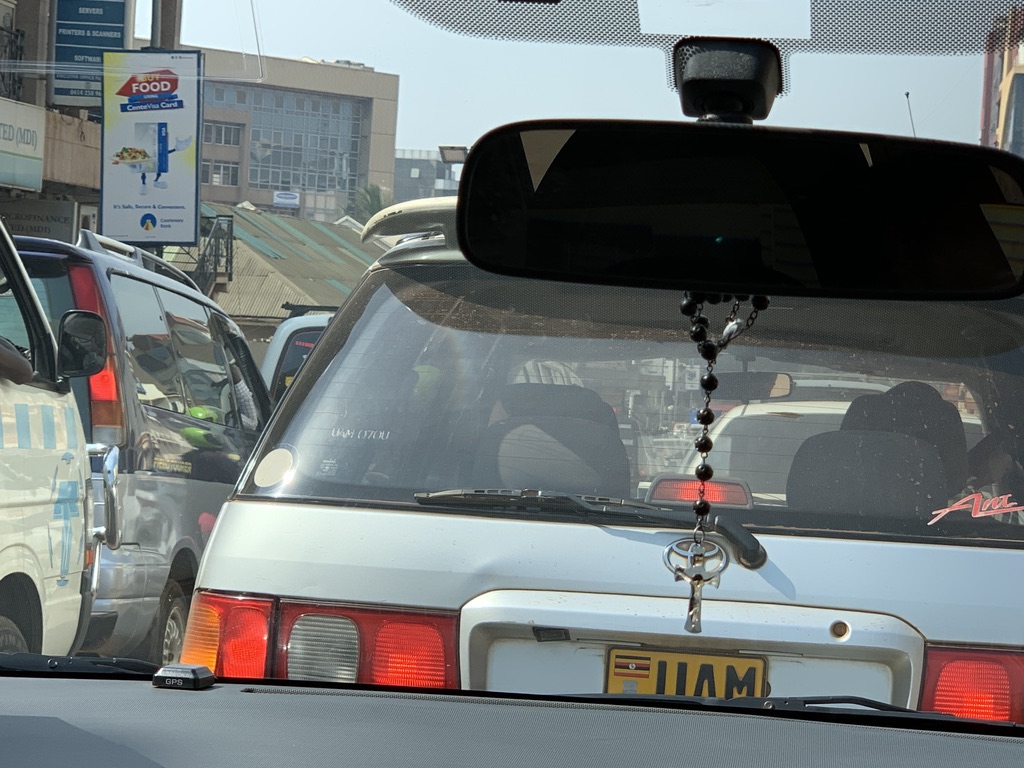
After about 90 minutes we headed to the street and into the taxi. And then the fun began. We decided we would go to the Uganda Museum which was only about 5 kilometers from the market. But the streets were gridlocked. We literally sat in the car for about 15 minutes without moving at all; eventually we moved at a snail’s pace – It took us more than 70 minutes to go the 5 kilometers. If it wasn’t so complicated to navigate the route, we would have walked.
On the long drive and as we passed through many different neighborhoods whose residential wealth or poverty appeared somewhat obvious we discussed with the driver what kind of people lived in each area. The taxi driver offered that Kampala has five economic classes. He then gave examples of who was in each of the classes. Frankly, the conversation started because I asked what kind of people shopped at Owino Market versus Nakasero Market.
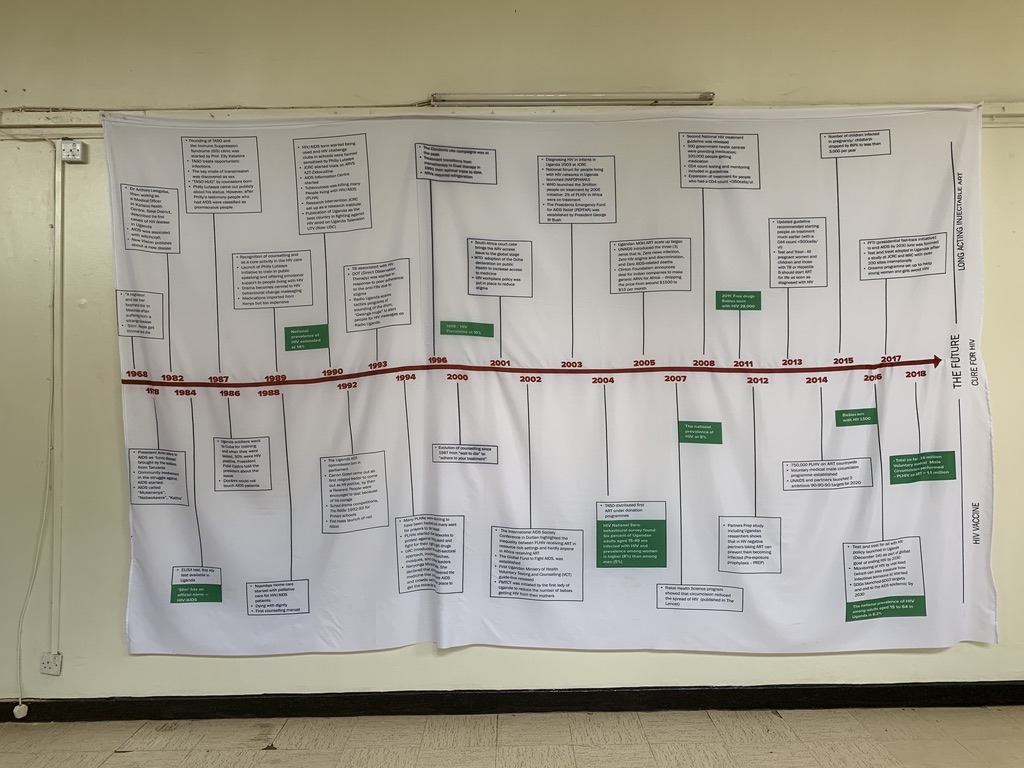
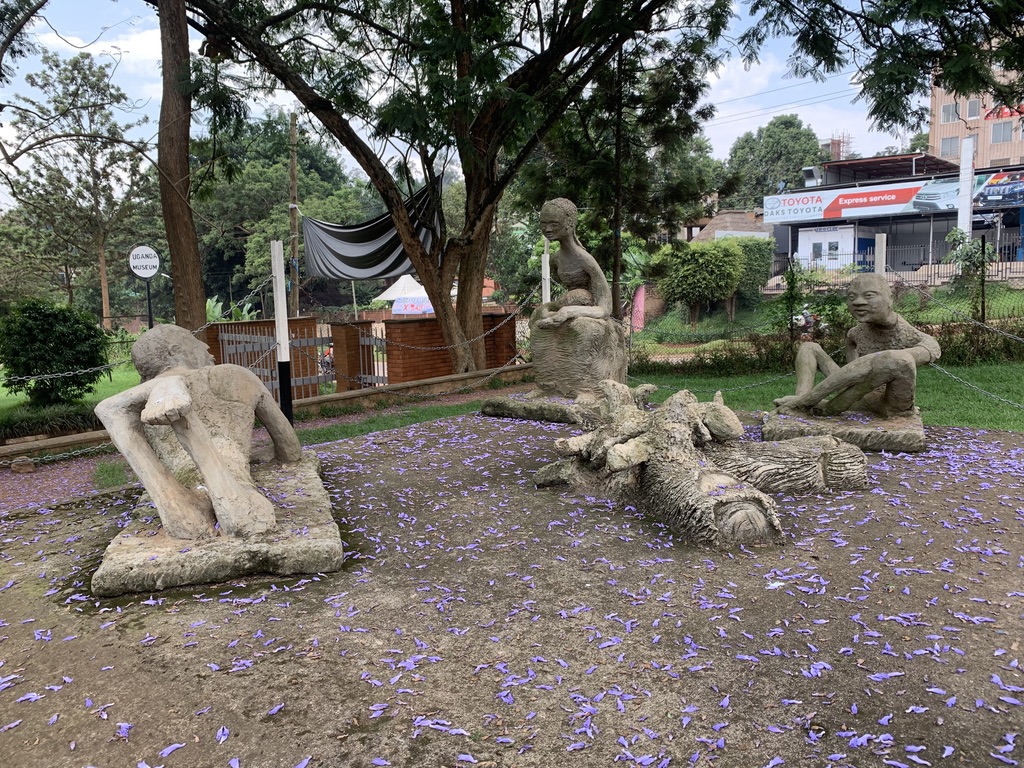
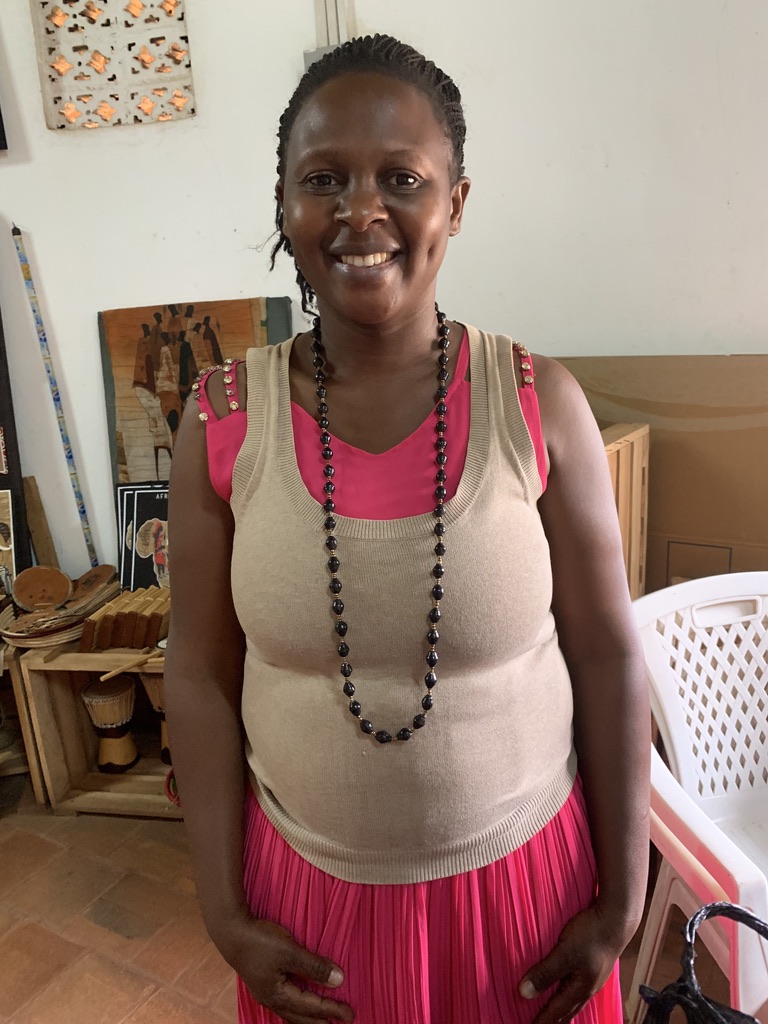
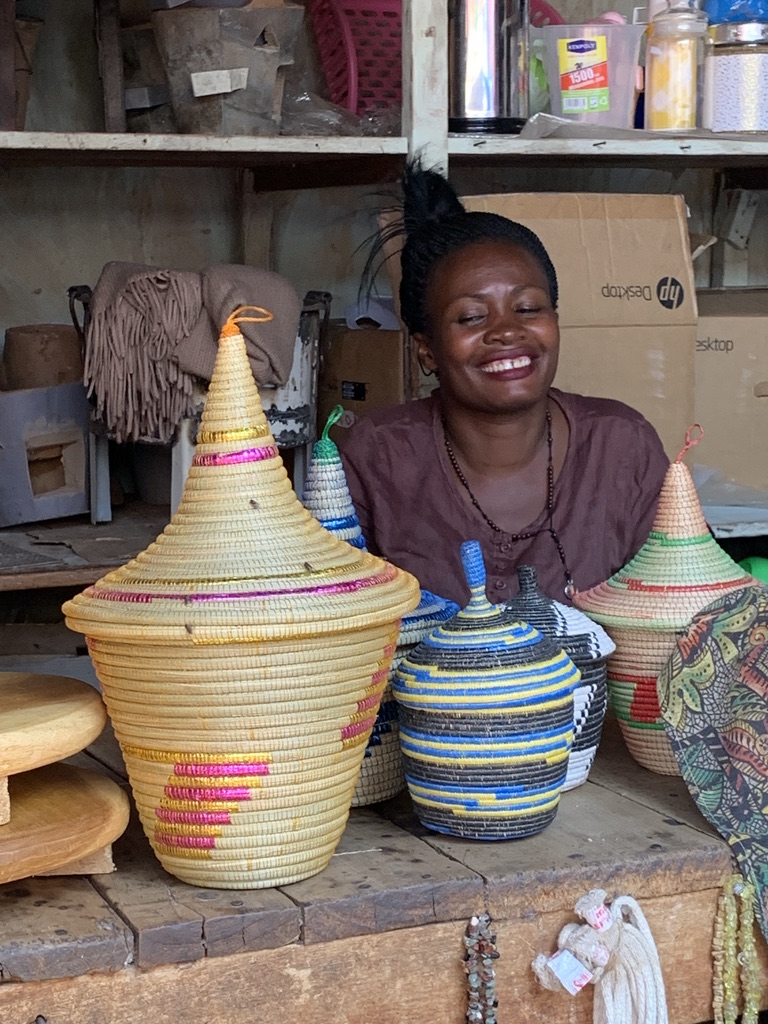
By the time we got to the rather dusty and poorly organized museum, we were exhausted and headed to a little café next door to the museum for fresh fruit smoothies. And we made a short pitstop in a little shop where all the goods were made by women affiliated with various NGOs.
Then we headed to the hotel where we were to meet up with Martin again. Naturally we were a bit late given the traffic, but he, too, needed to face traffic so all was good.
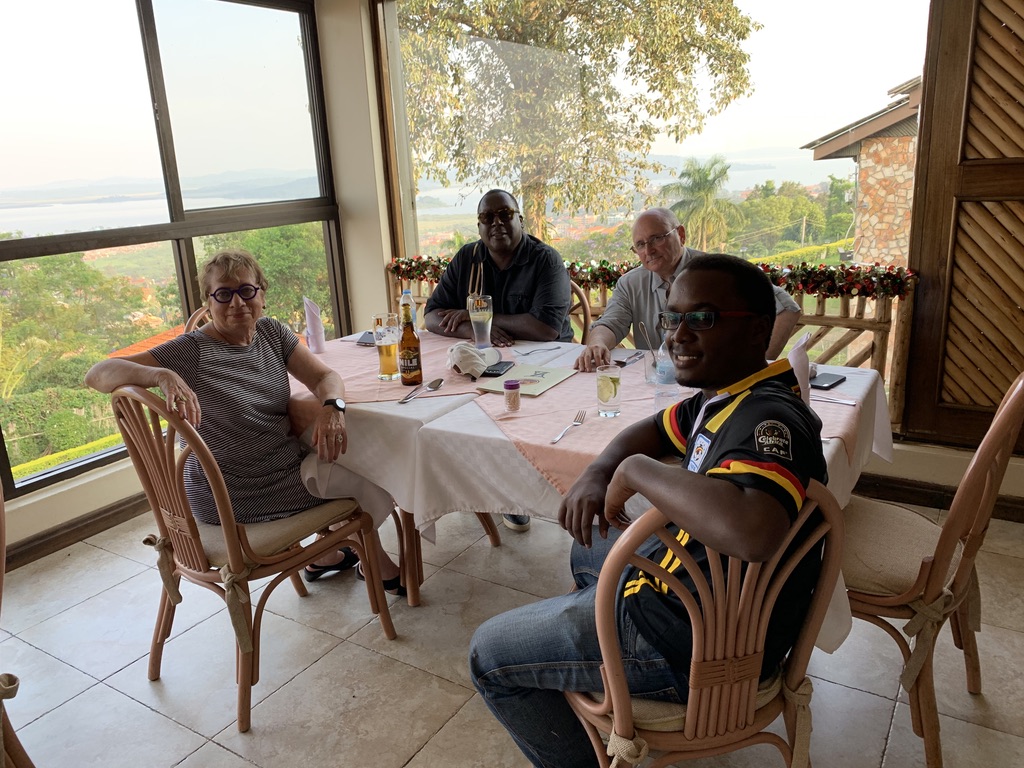
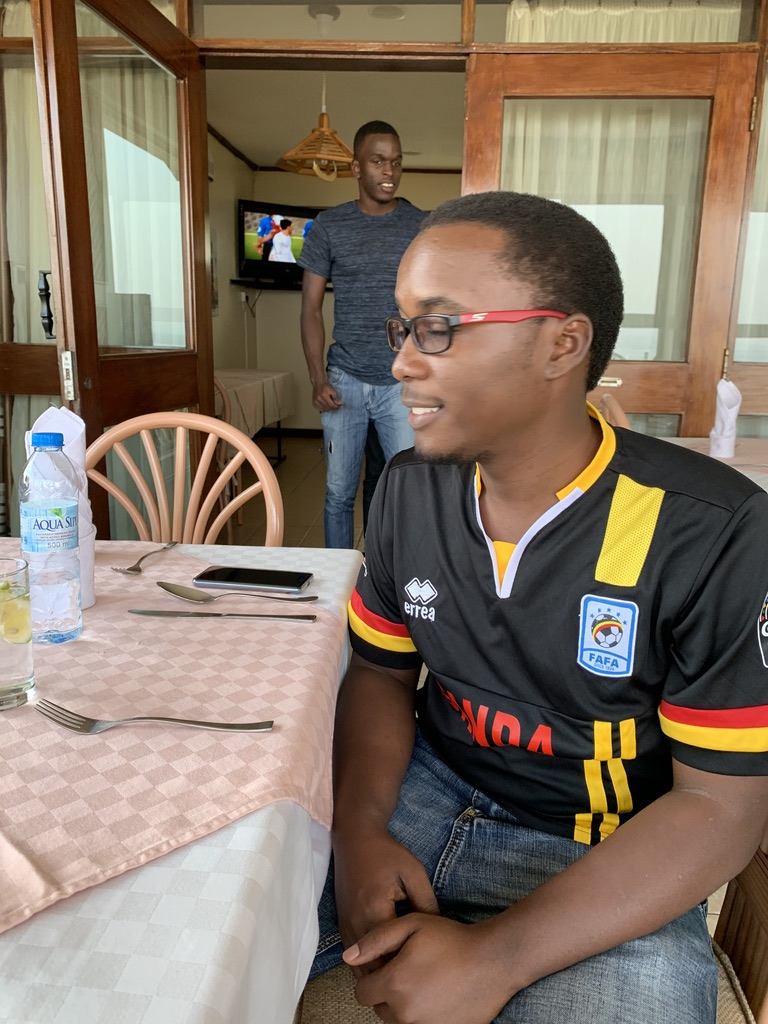
We headed up and down more of the hills and neighborhoods that comprise Kampala. A few facts I haven’t mentioned.
- The climate is much more comfortable than I had imagined given that this is summer time, and we are basically at the equator. The elevation at about 4000 feet helps and the continuous breezes from Lake Victoria save the place.
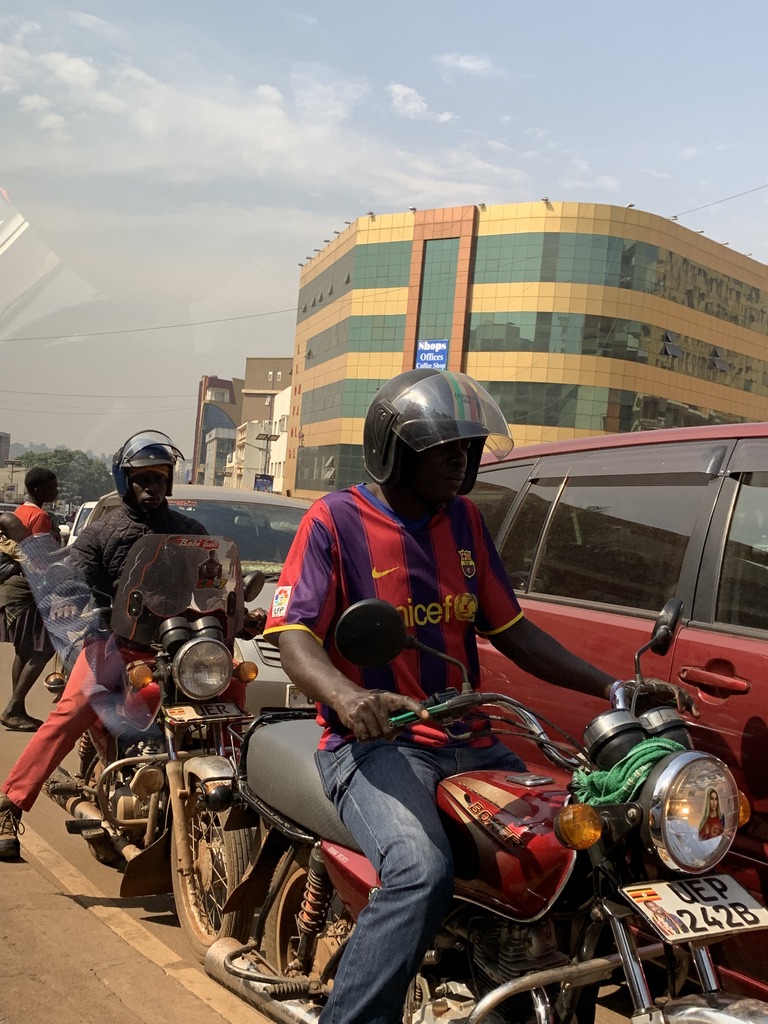
- The roads up and down all these hills are in incredibly poor condition: no lights, deep ditches on either side of the one lane in each direction roads; no striping; potholes that can be as deep as 6 or 8 inches everywhere; bikes, motorbikes, cars, trucks all vying for their space on the road.
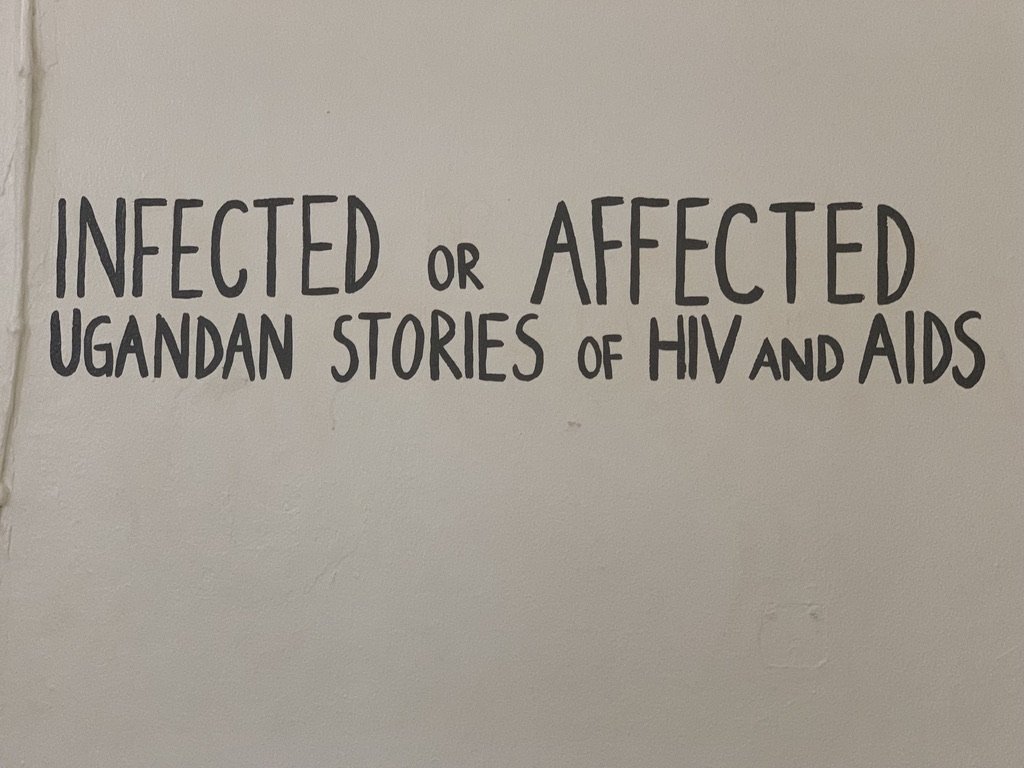
- Radio stations seem to have a large number of public service “stories” that are sandwiched between every two songs. Some are like little telenovelas but with only sound. One was a new mom talking with her husband while the baby cried. The dad says that the mom should do something about the crying baby and the mom says she is washing her hands because she just changed the diaper. The dad says “But the baby is crying” and the mom says “Better for the baby and the rest of the family not to get sick because she was starting to cook and without washing her hands would be worse than letting the baby cry for a while. The mom says something about .. the baby won’t die from crying but could die if the mom didn’t wash her hands before touching food. Obviously, they didn’t get into the fact that the dad could deal with the crying baby…. Step by step.. And there are posters and campaigns everywhere regarding AIDS. Uganda has the highest infection rate in the world, I believe.
- Some great photos I didn’t get included in these posts include women in full burkas on motorcycles (as passengers); in fact I don’t think I’ve seen women driving motorcycles at all.
- Men in the market ask Mike if I am his wife or sister. Then they often ask how many wives Mike has.
- Healthcare in Uganda is almost non-existent.. but more on that in another letter.
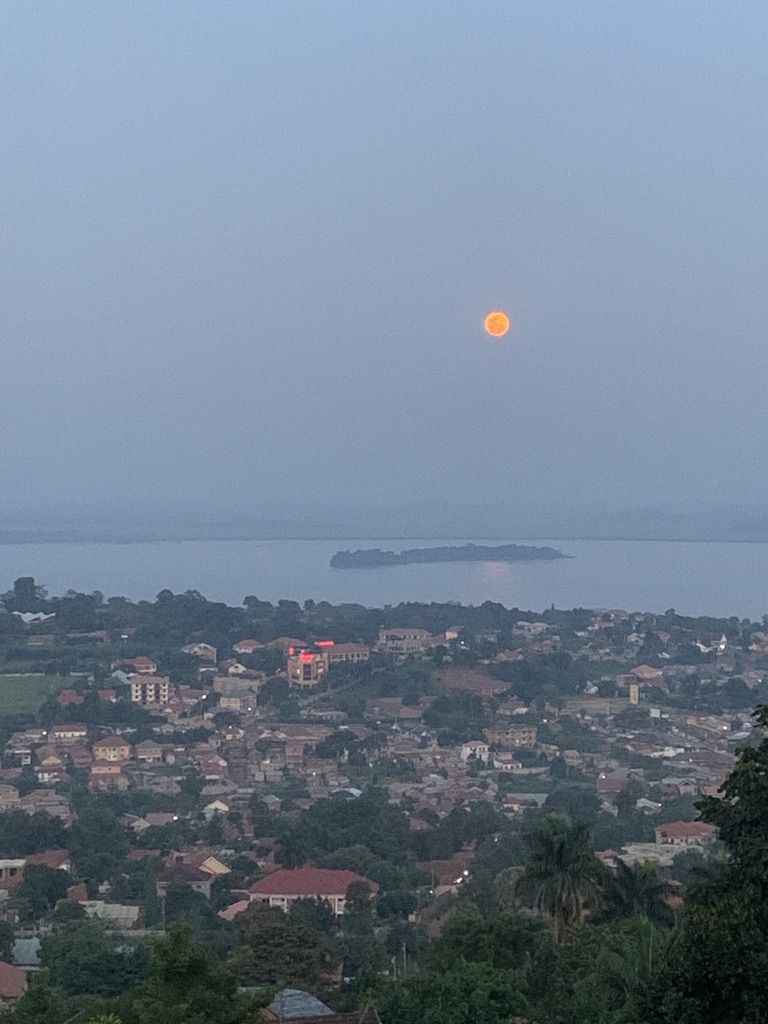
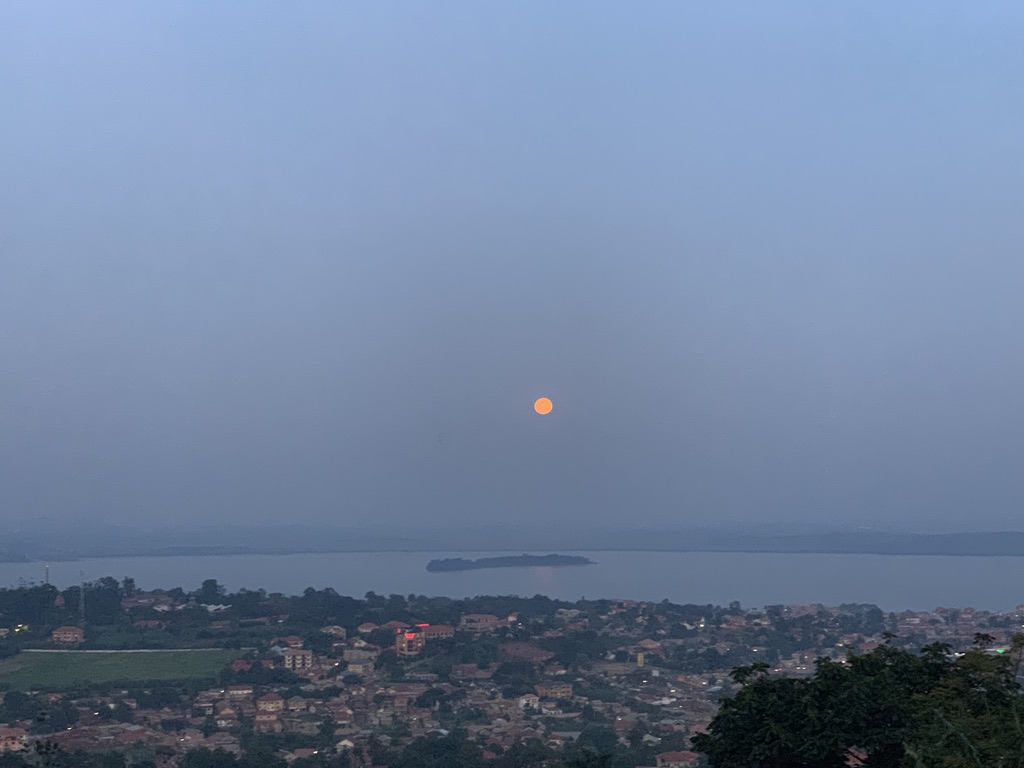
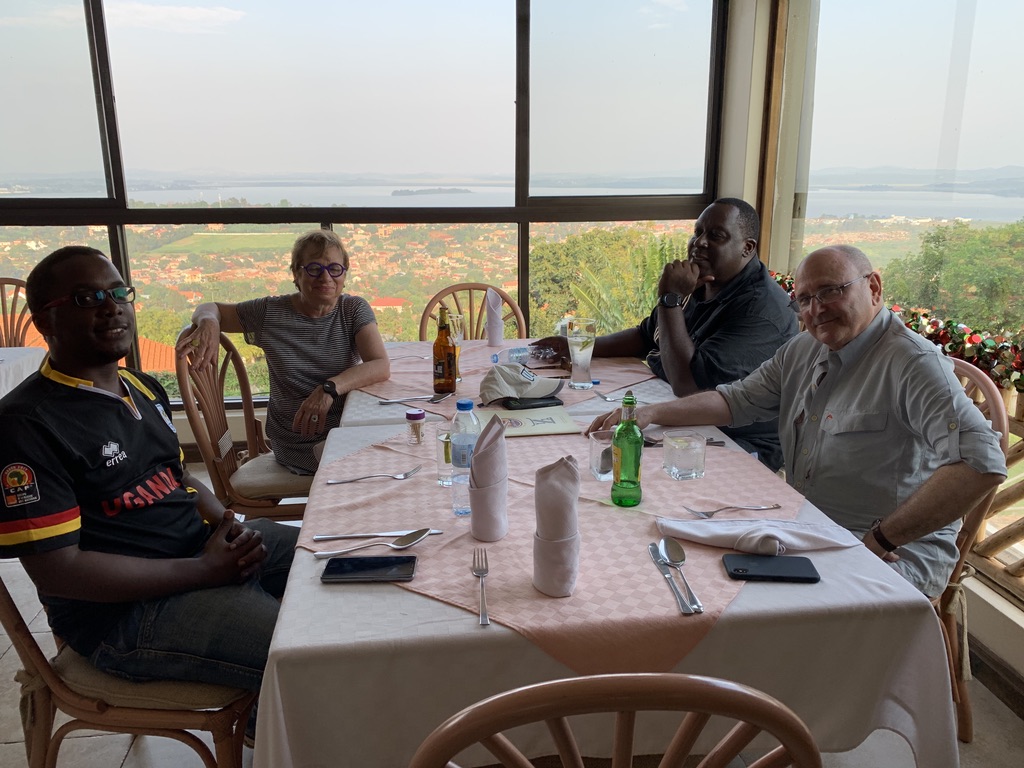
With Martin driving (and an unexpected guest for our drive and dinner – Elliott, a young cousin of Martin (Elliot’s aunt is apparently one of Martin’s father’s several wives) — we headed for a view of Lake Victoria and also dinner. Along the way we had more time to discuss his years in the US (about 12) and his sense of racism in America. He was quite astute about the problems and the history of racism in the states. Eventually (thousands of potholes later), we arrived at Cassia Lodge where we had spectacular views of Lake Victoria and a wonderful sunset with a nearly perfect full moon. After a nice dinner, we bid Martin farewell and headed back to Humura.
Take care –
Fern
 Fern's Travel Notes