October 17 . 2025 . Americans in Montevideo, Uruguay . Day Two .
Greetings from Montevideo / Day Two.
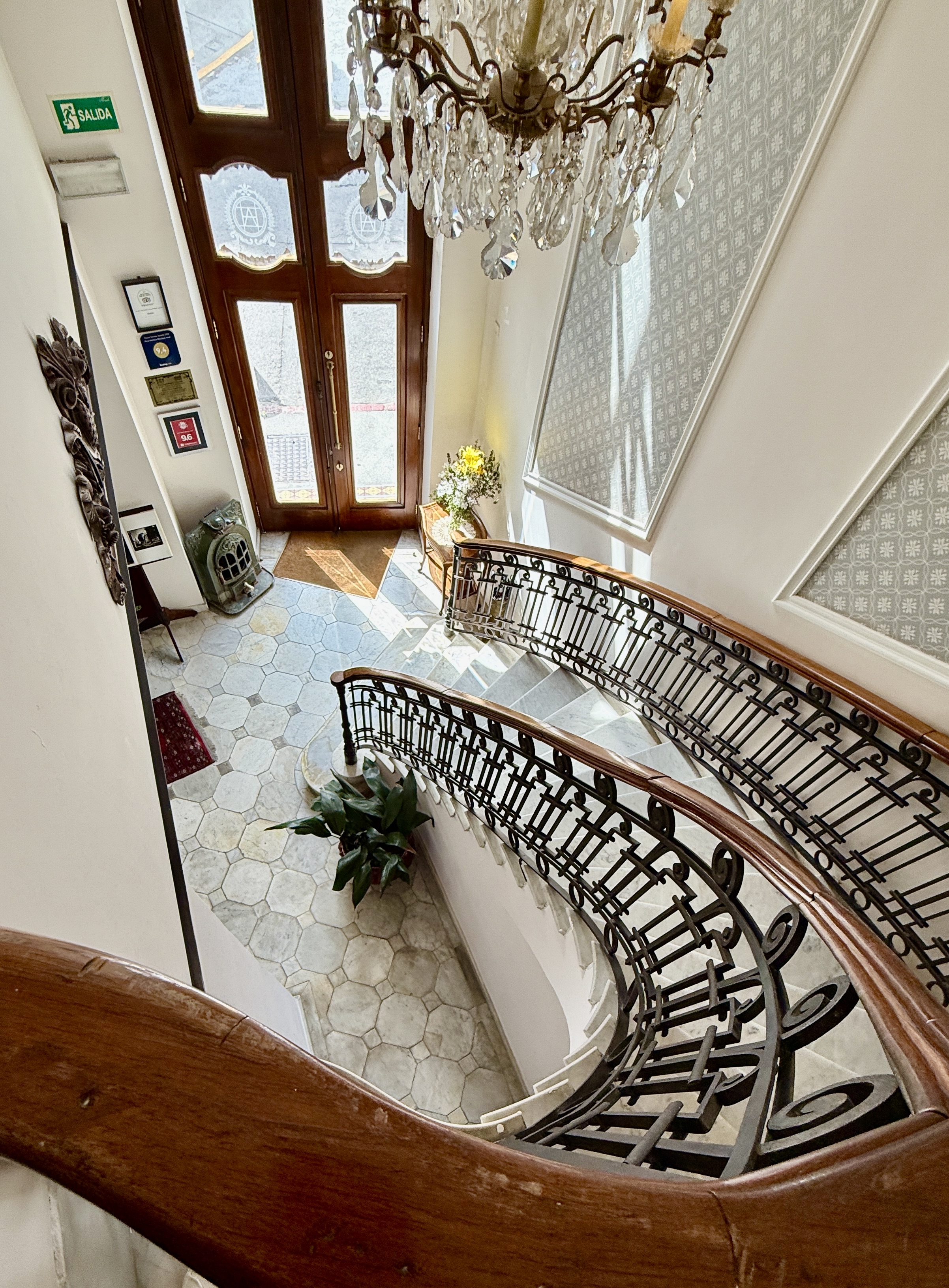
After a really nice breakfast at our hotel: Alma Historico–a restored 1920s townhouse, located in the old center of the city–we set out on foot to explore Montevideo, starting by exploring our neighborhood. Ciudad Vieja (Old Town) is on a peninsula that separates Río de la Plata from the harbor. The area is set up as a grid like many Spanish cities in the “new world.” Before 1829, the area was walled, but only one of those gates remains. Over the years the area became run down and known as home to “bohemians,” artists, poets, and what I suppose we now know as “the creative class. It’s also home to most of the city’s most famous historic buildings–including many stunning art nouveau buildings from the late 1800s and early 1900s.
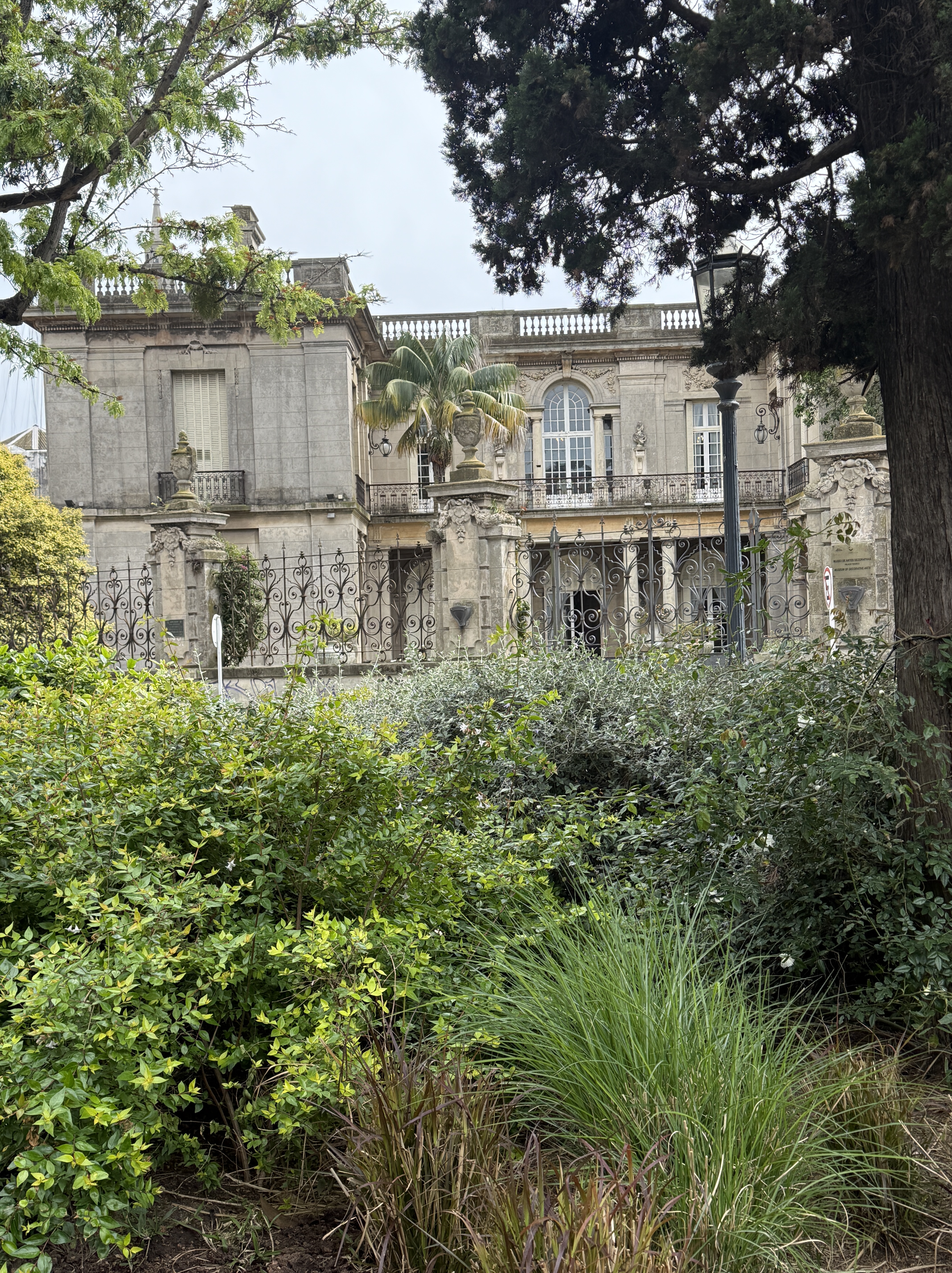
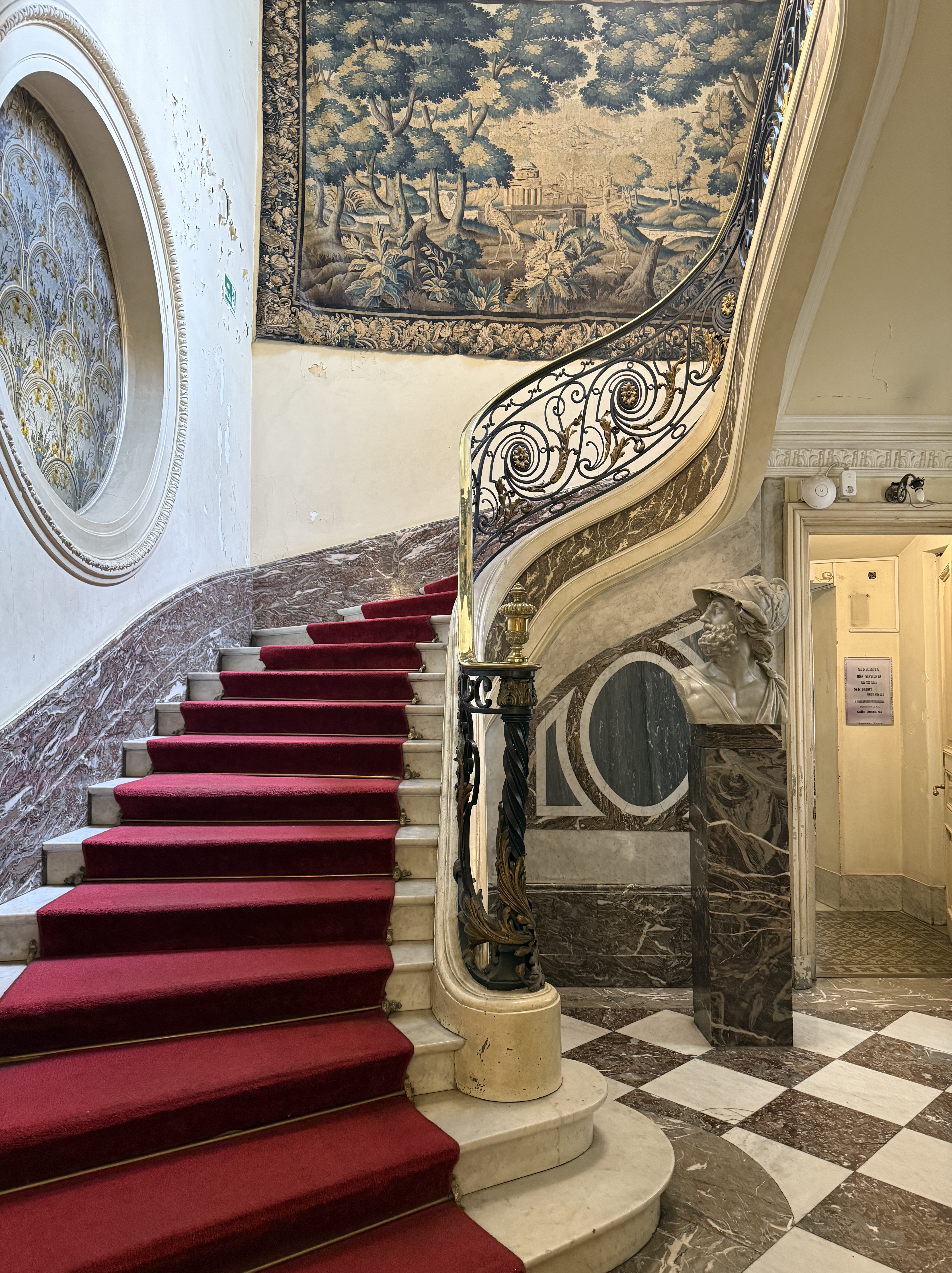
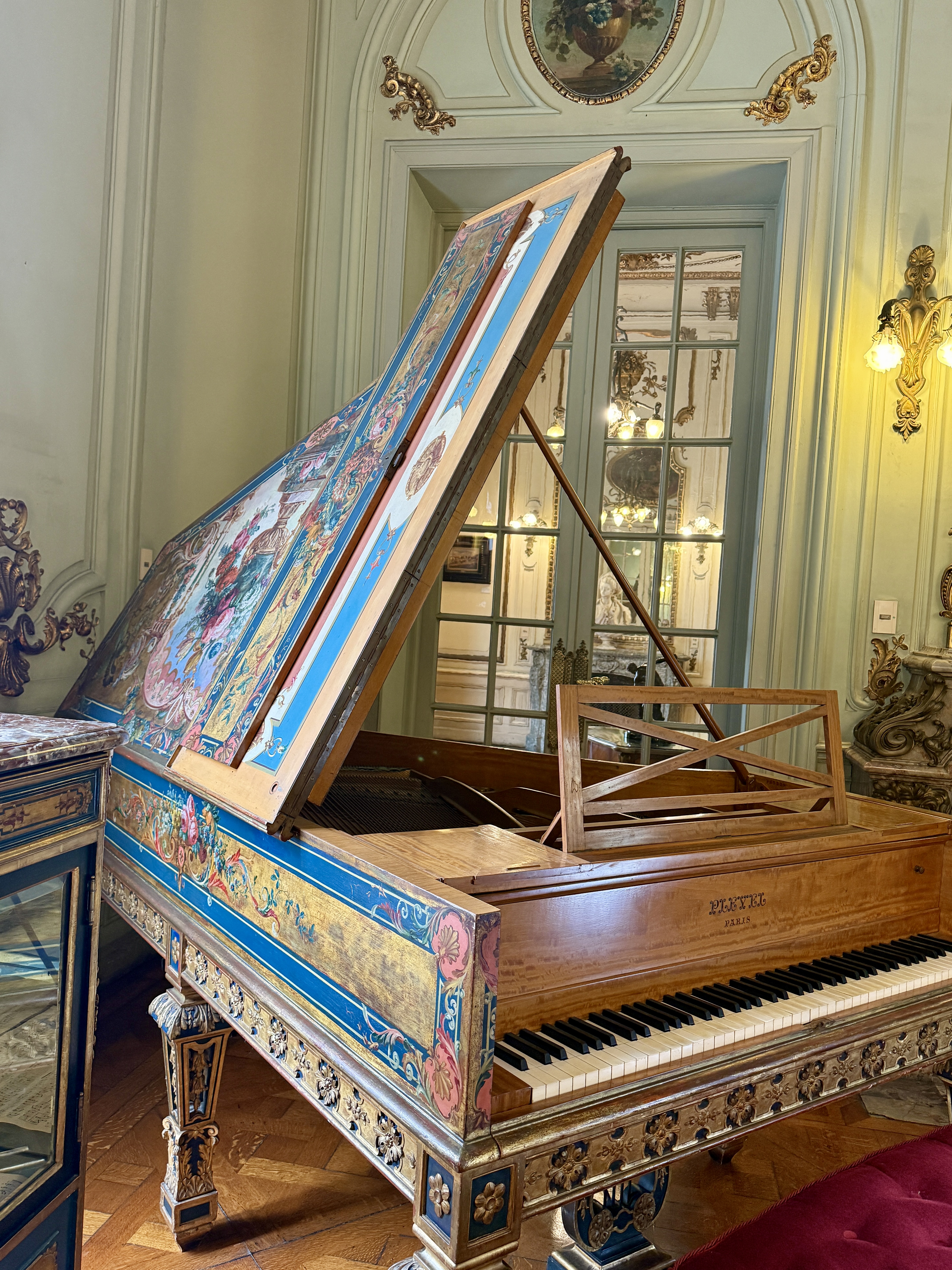
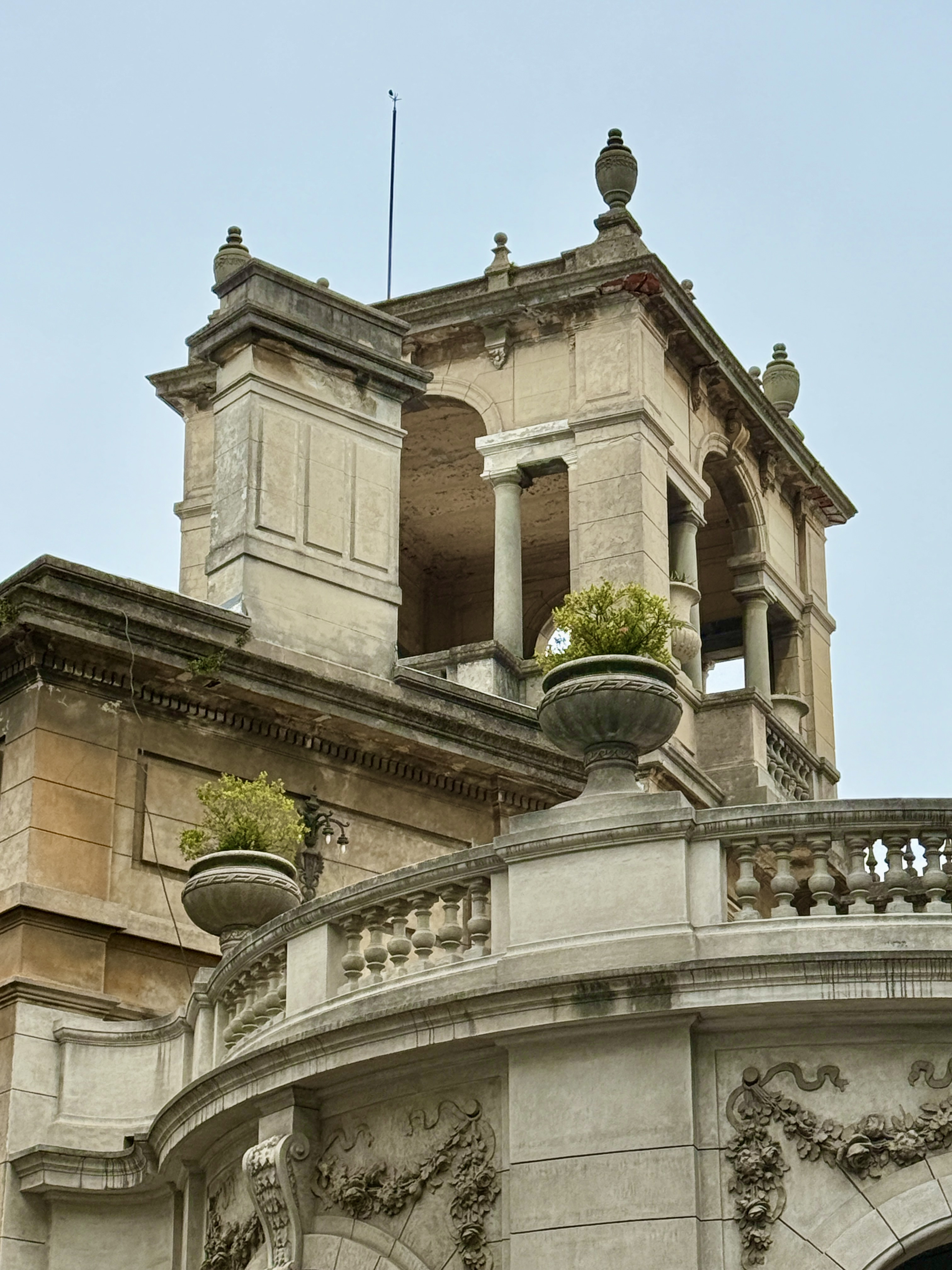
Directly across from our hotel is the Palacio Taranco, which was constructed on the site of Montevideo’s historic theatre from 1793, when a wealthy family commissioned the construction of their “family home!” It became a museum, focused on decorative arts in 1975 and like most museums here entry is free of charge. Inside it’s a bit like the Frick Museum in NY, giving a glimpse of the lives of the wealthy at that time, and includes many paintings, sculptures, textiles, and European furniture. (Not exactly my taste.)


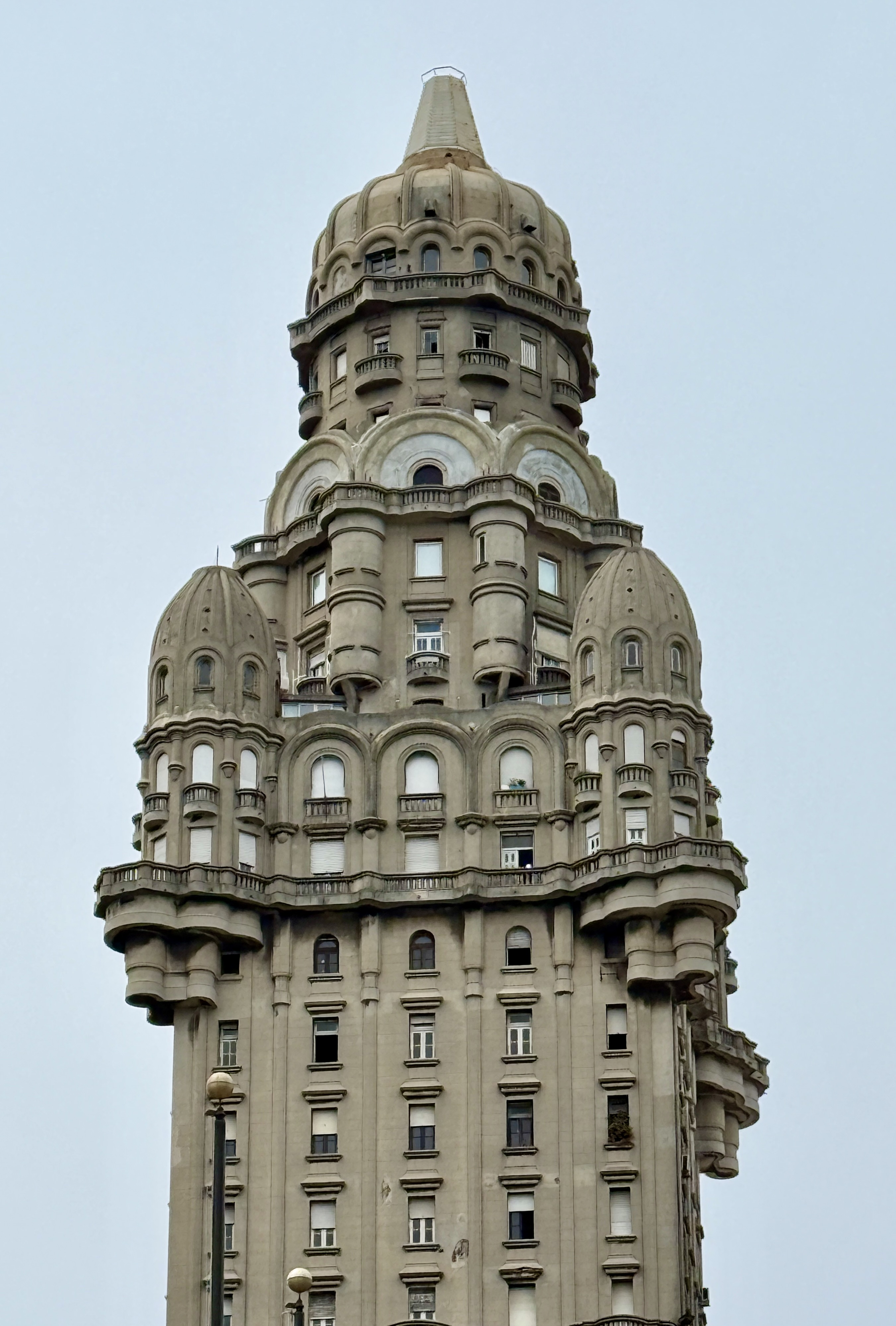
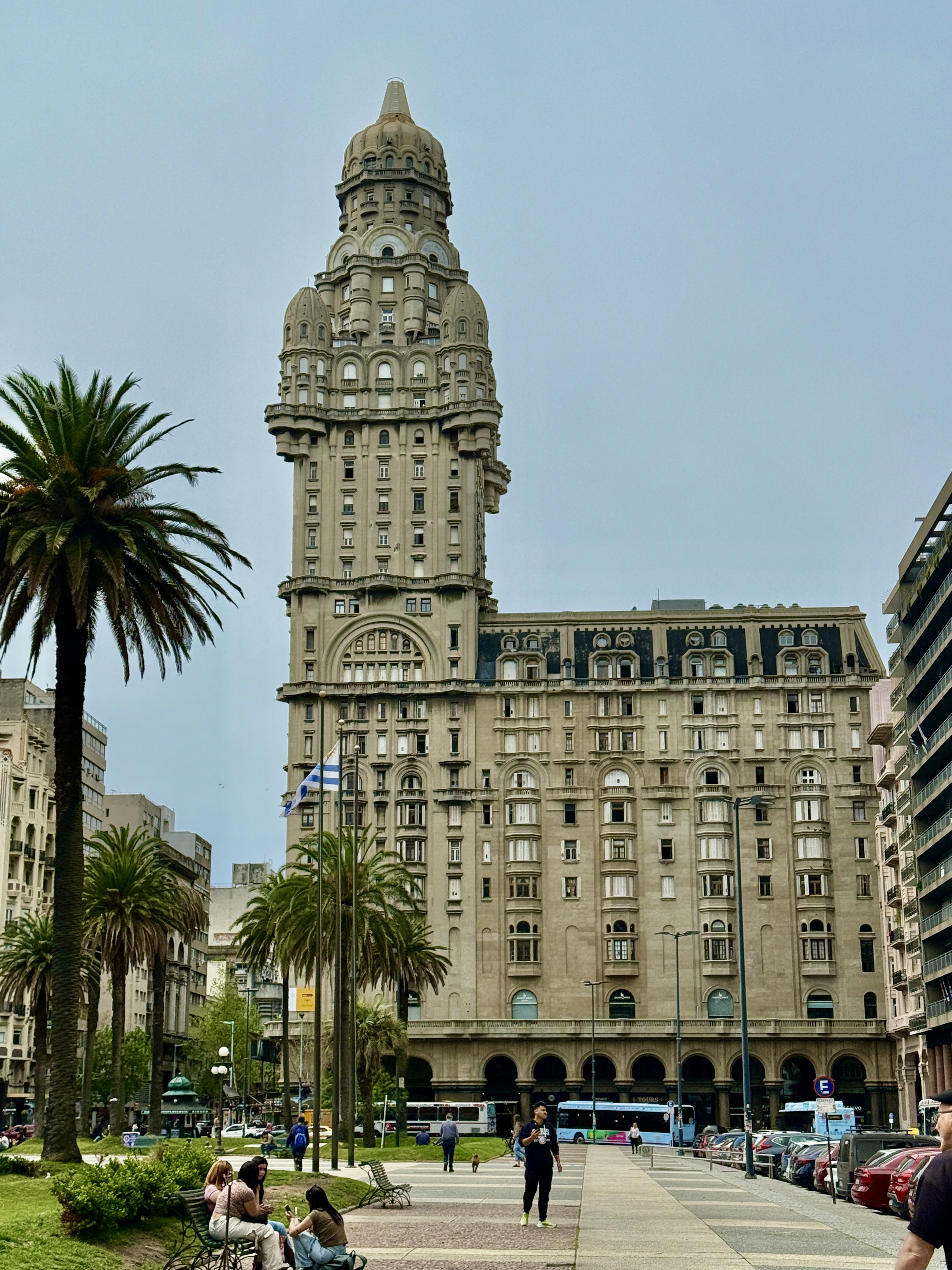
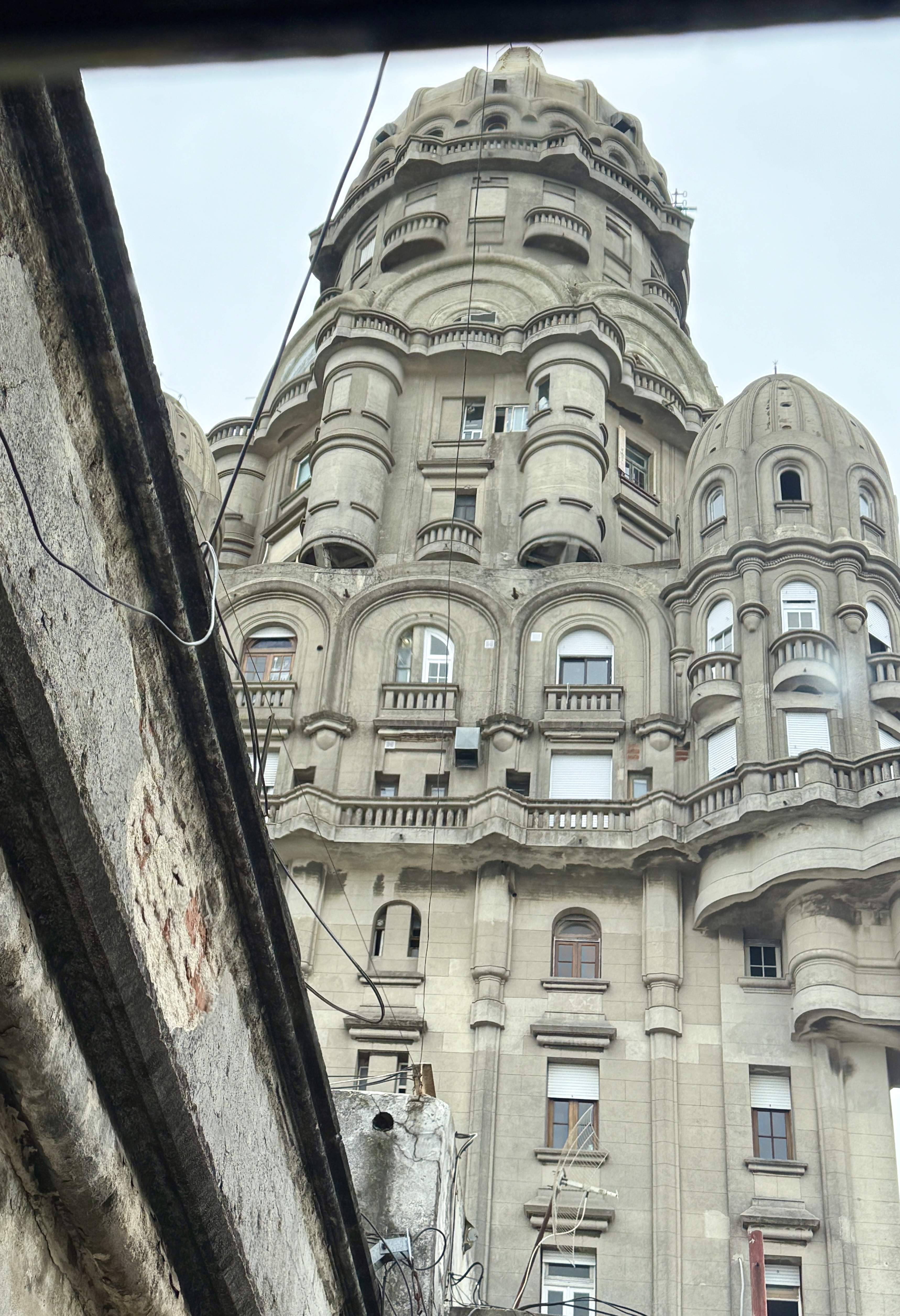
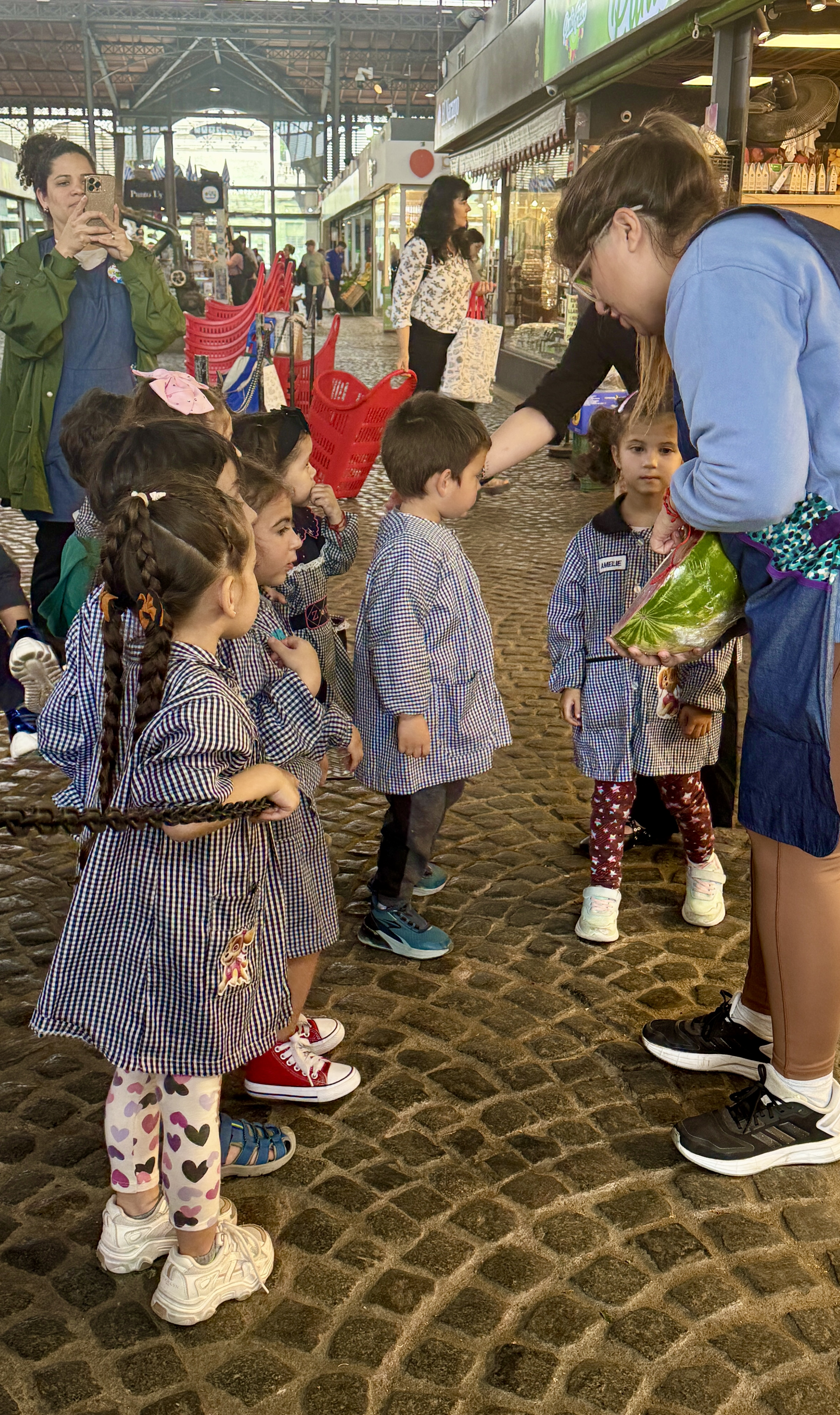
From there, we strolled to the Palacio Salvo —a pretty eclectic 27-story skyscraper built in the late 1920s–walking thorugh several parks and shopping streets (and stopping at the Teatro Solis, which was closed, although school children were getting tours). Public school kids wear these “tunics” on top of their clothes when they go on field trips. The middle school kids seem to wear white coats that look like lab coats and the little kids wear gingham checked tunics.


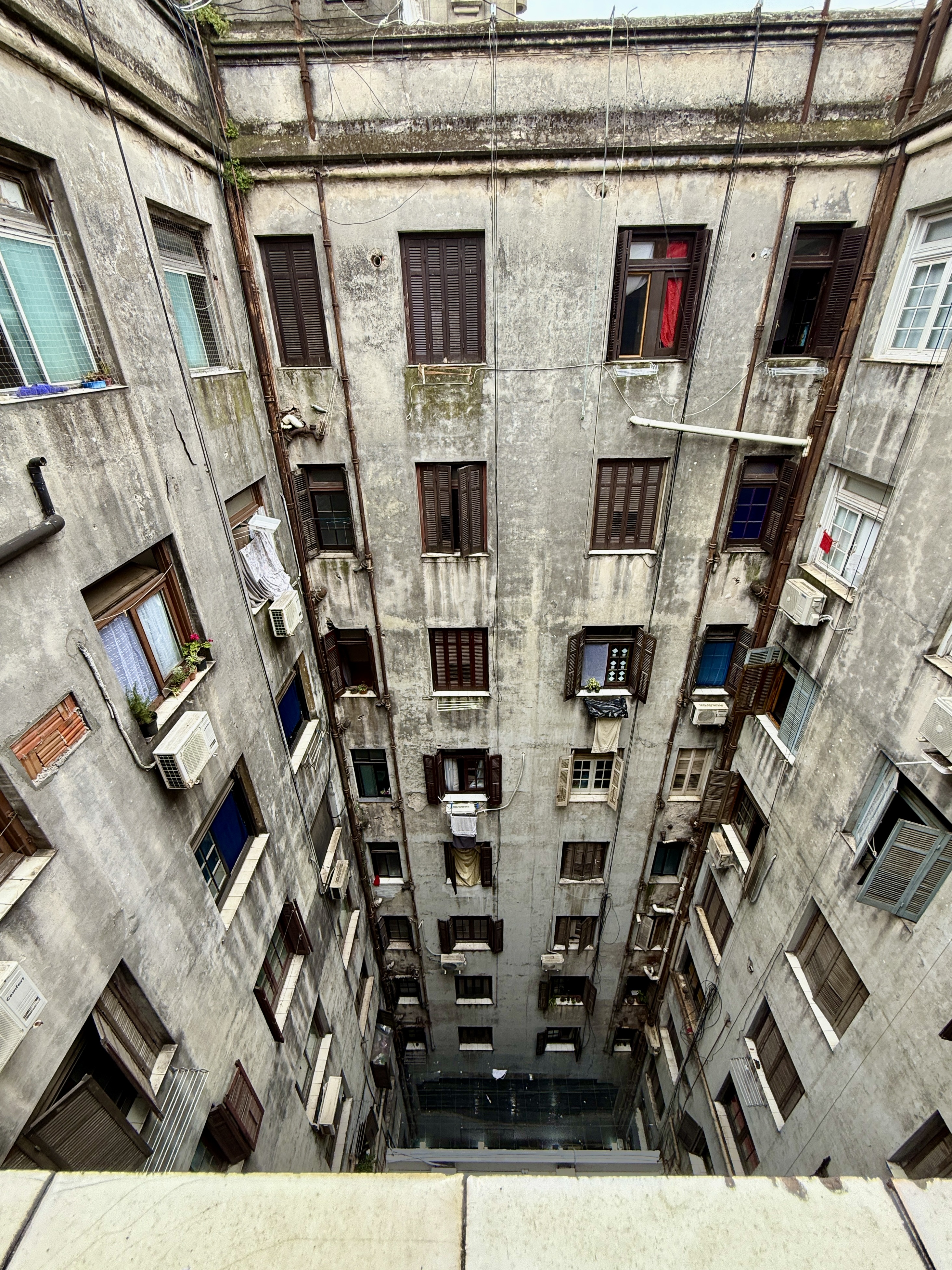
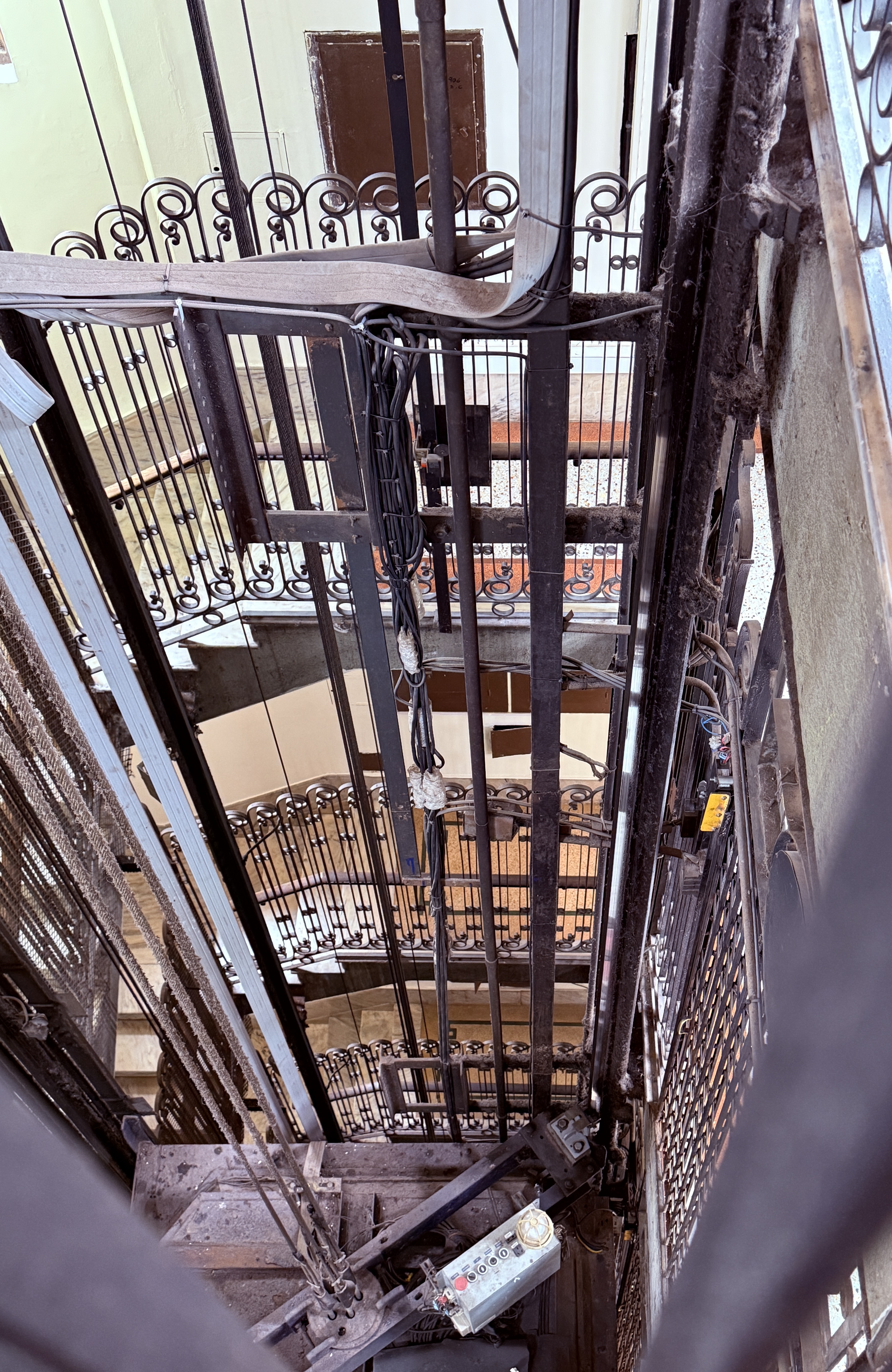
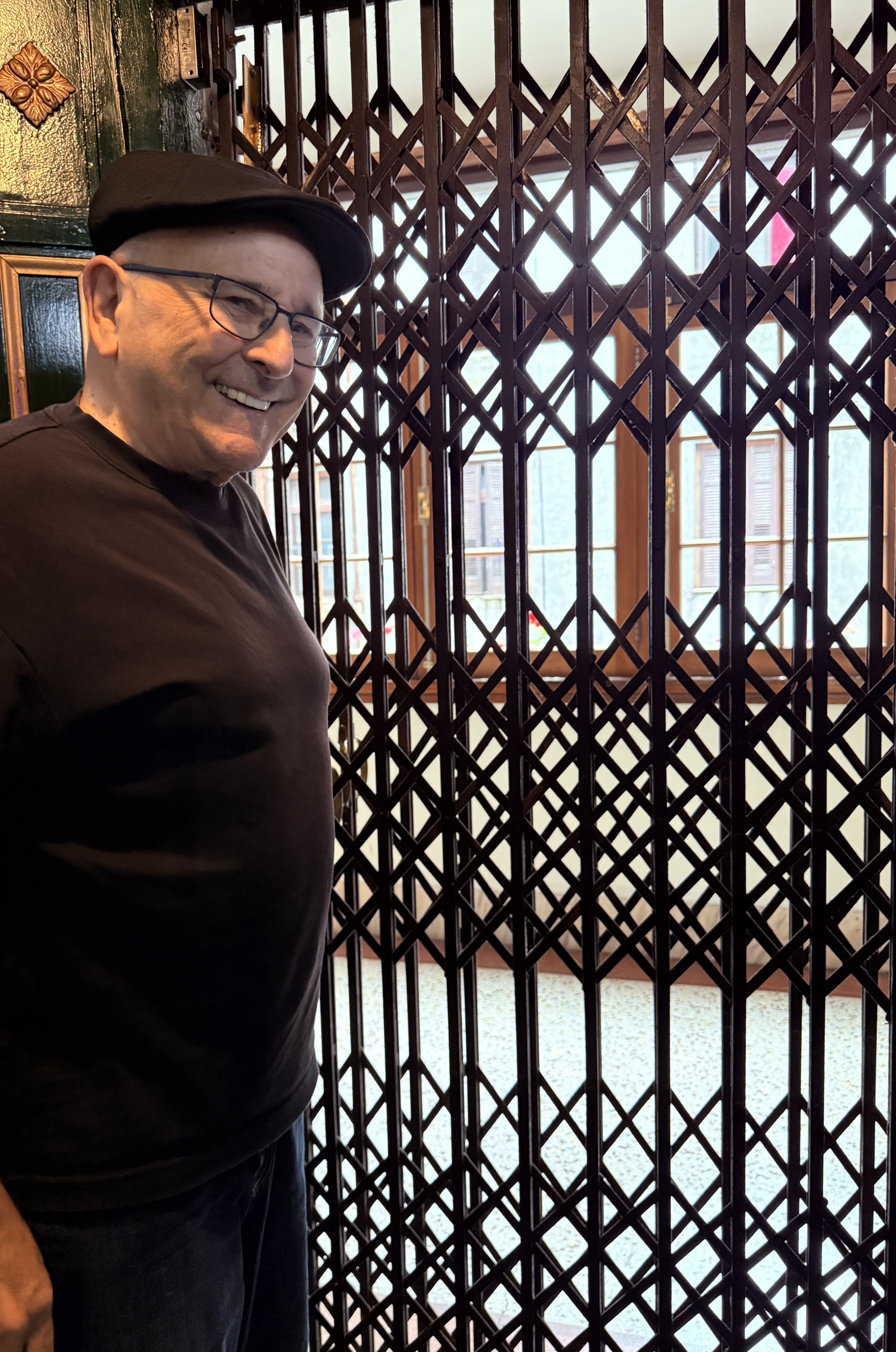
Back to Palacio Salvo… in the 1920s, it was the tallest building in Latin America. While we didn’t take the tour (I hate tours) we were able to get access to all of the floors and to a lot of information along the way. I’m not sure we were really supposed to access all the floors, but no stopped us, so we just went. The building was apparently supposed to be a hotel but that never happened so it’s a strange mix of offices and private residences. Apparently the basement, which is now a garage was once a theater and Josephine Baker and others performed there.
I
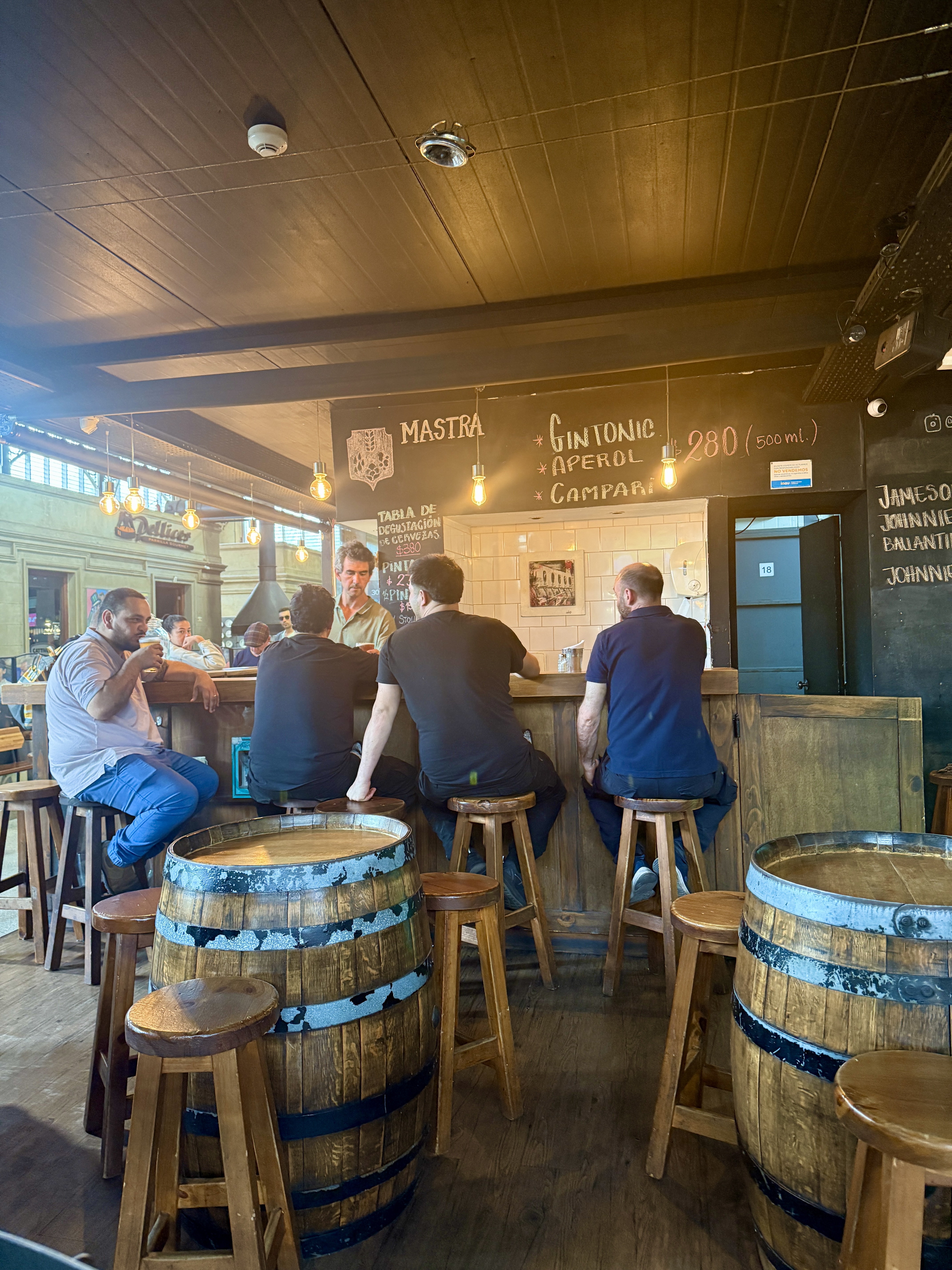
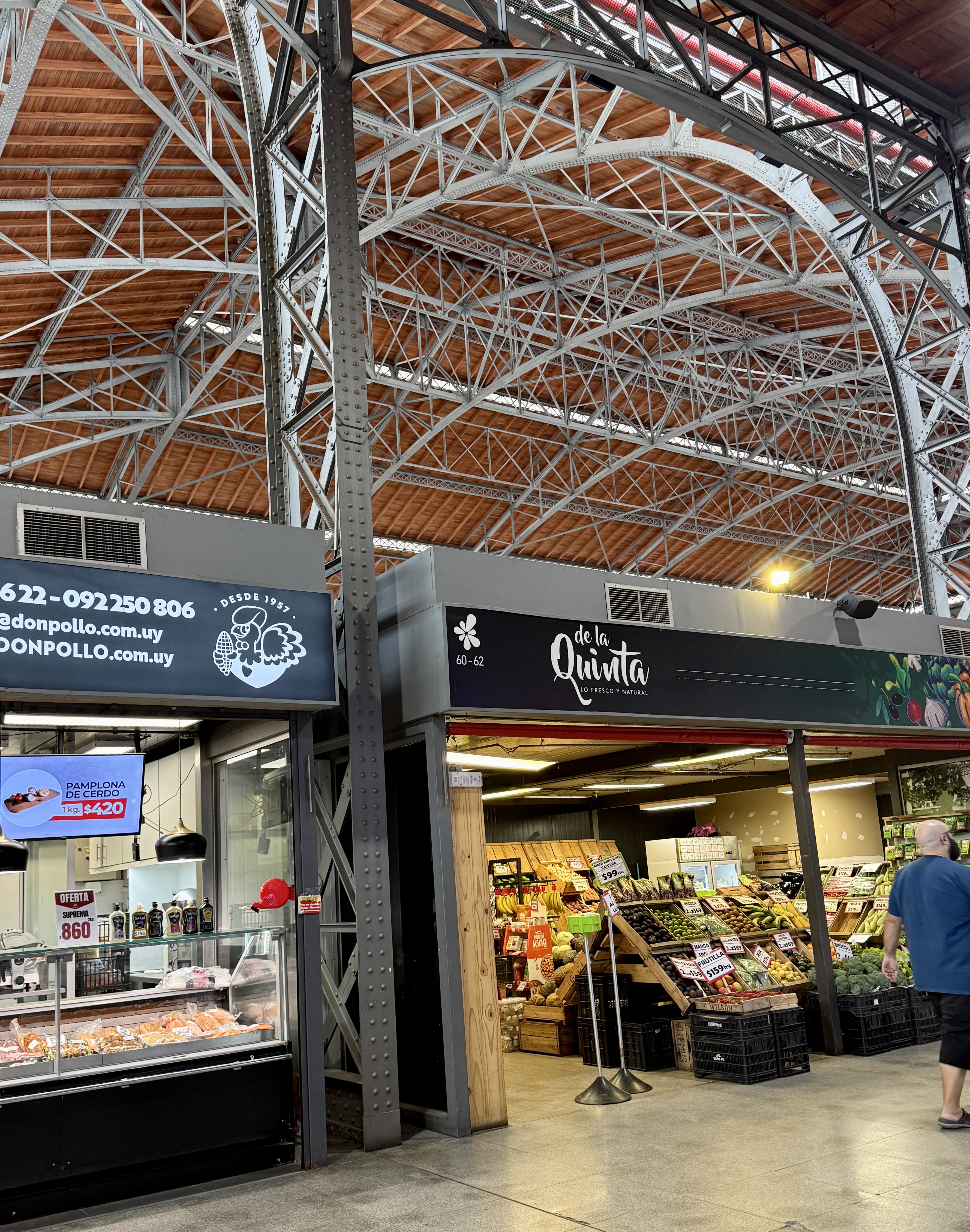
From there, we started to walk to the Mercado Agricolo (the big market), but eventually caved and grabbed a taxi. The market’s interior is an amazingly elegant cast-iron structure from the early 20th century. Lots of Uruguayan produce as well as sauces, jams, and sweets. We grabbed a snack (some kind of spinach fritters that were quite good, and then decided to head to the National Museum of Art which was about an hour’s walk. In the market we ran into a group of school kids (little ones) taking a tour of the market and being told about all the different vegetables.
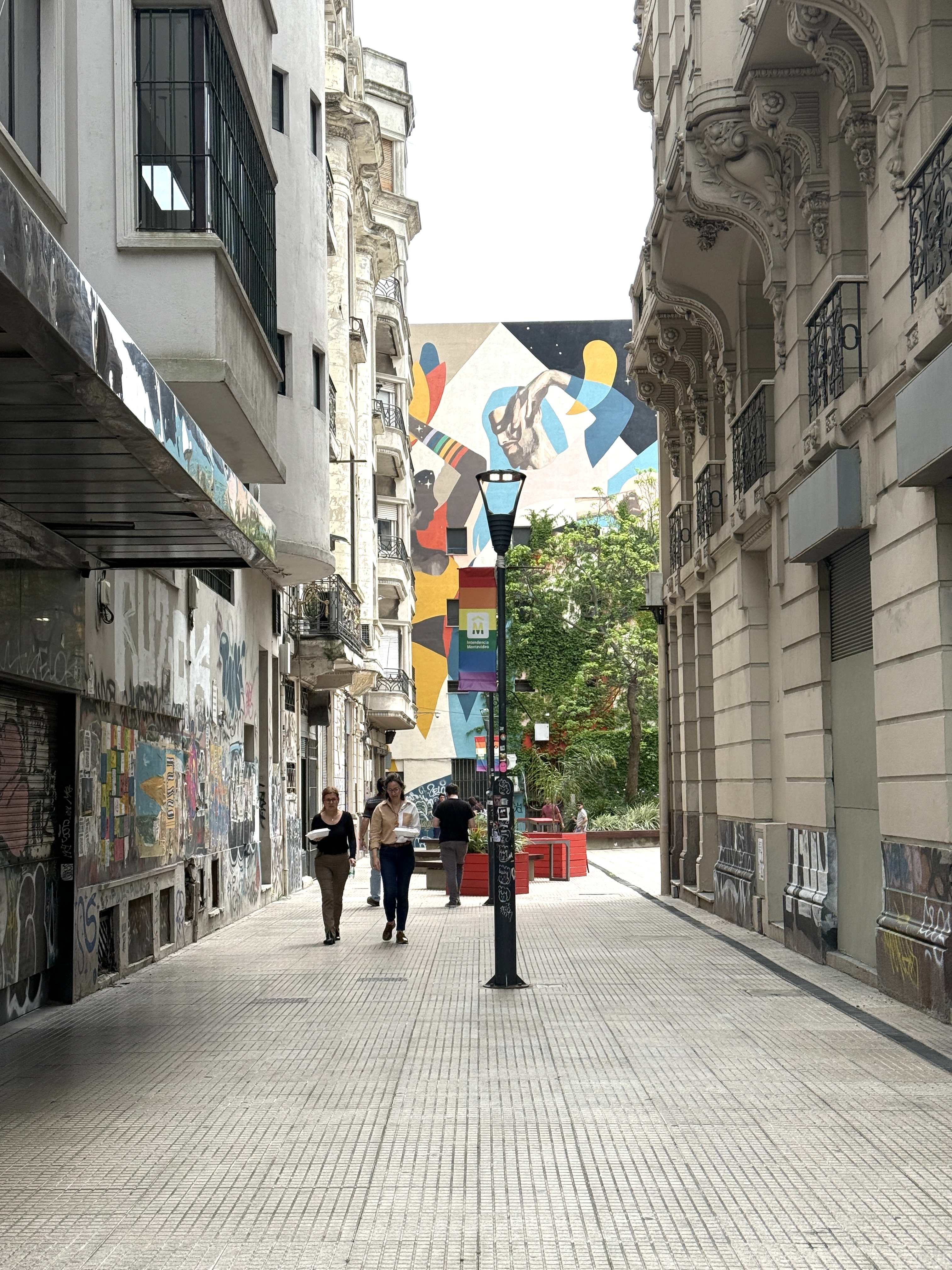
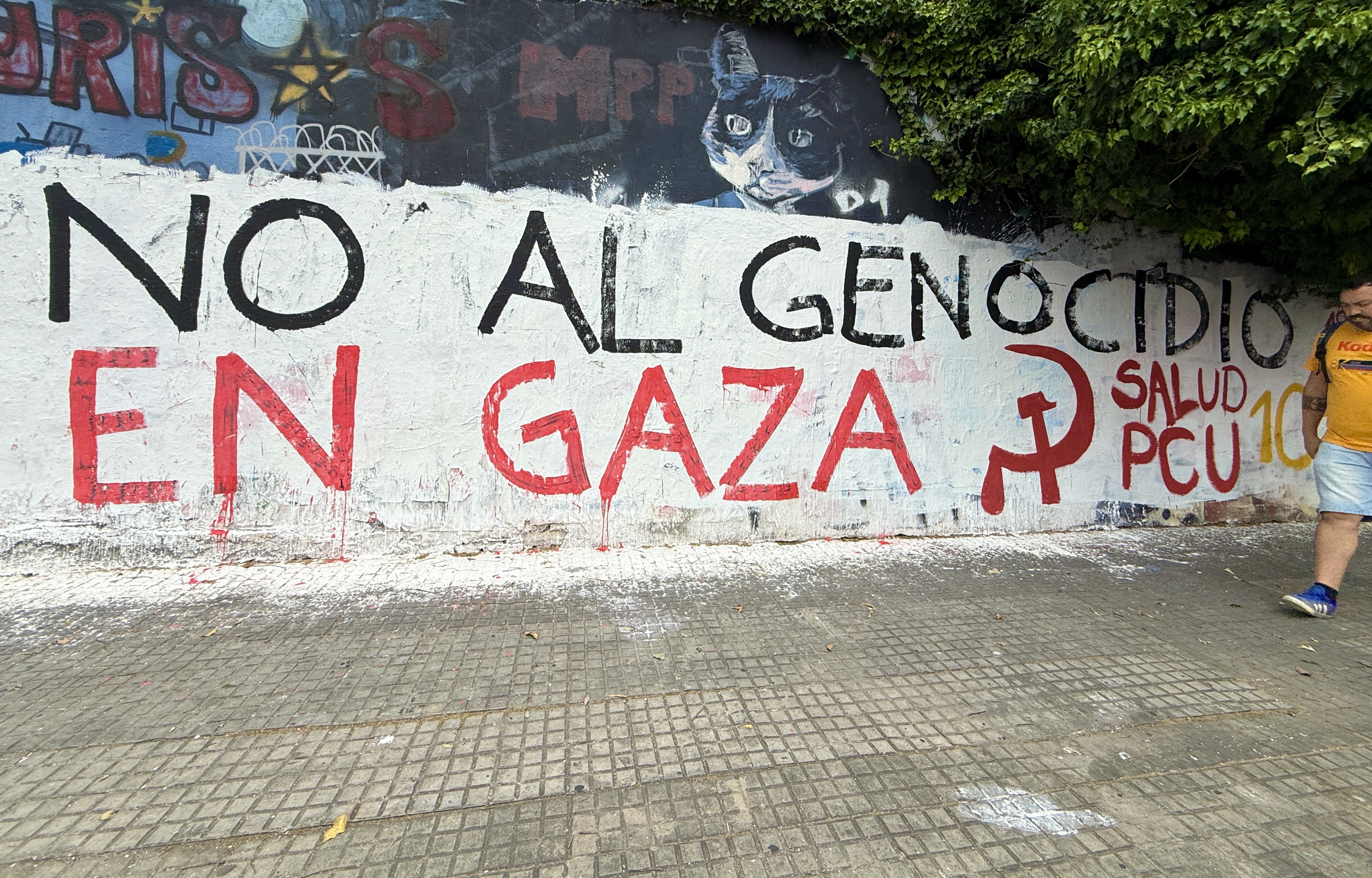
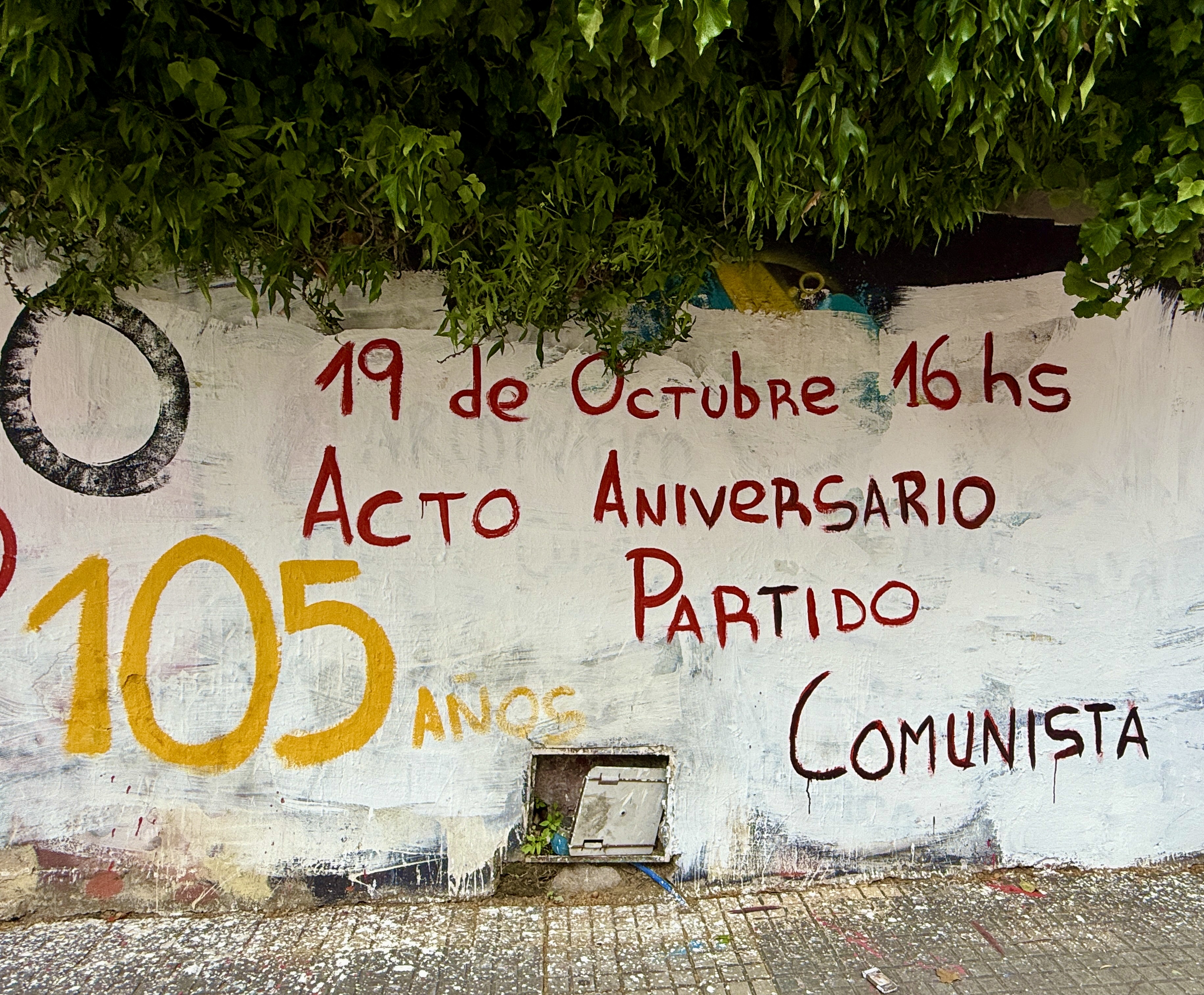
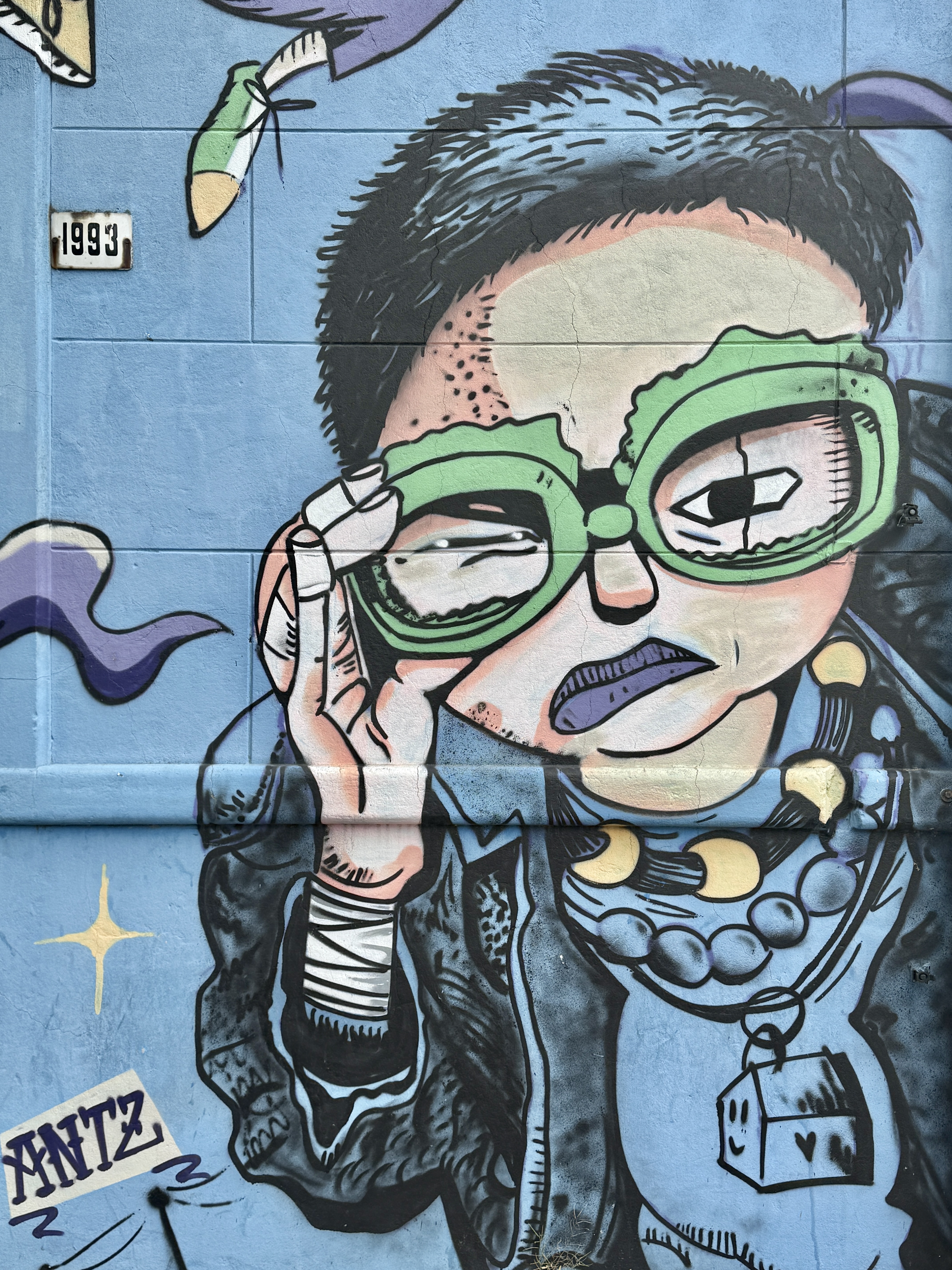
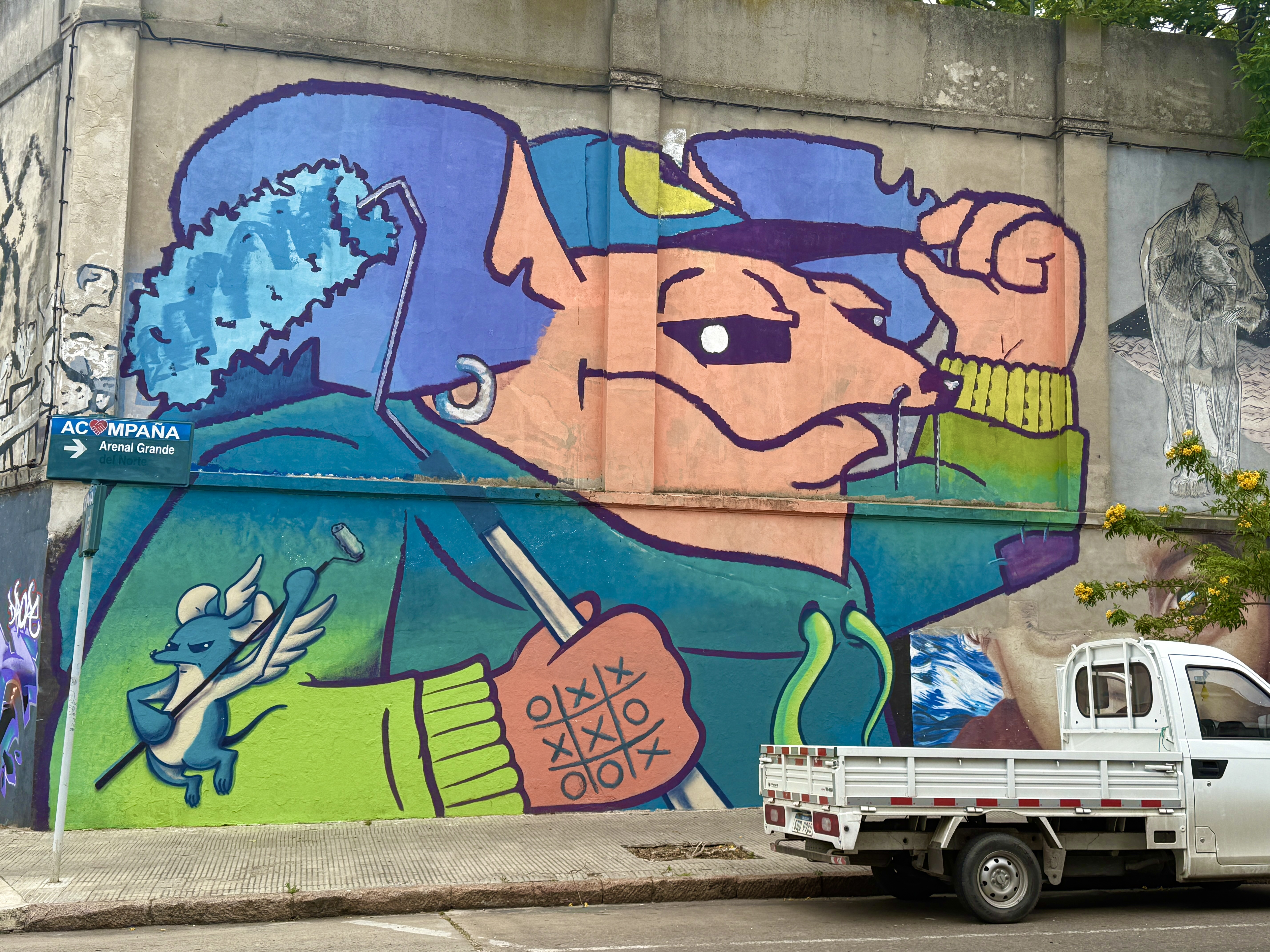
Again, we started the walk through a pretty industrial and definitely lower-income neighborhood and eventually used our nifty new app to get a taxi in Montevideo — “voyentaxi.” And like a pro, we got the cab to take us to the museum, but not before checking out some of the graffitti and murals in the neighborhood.
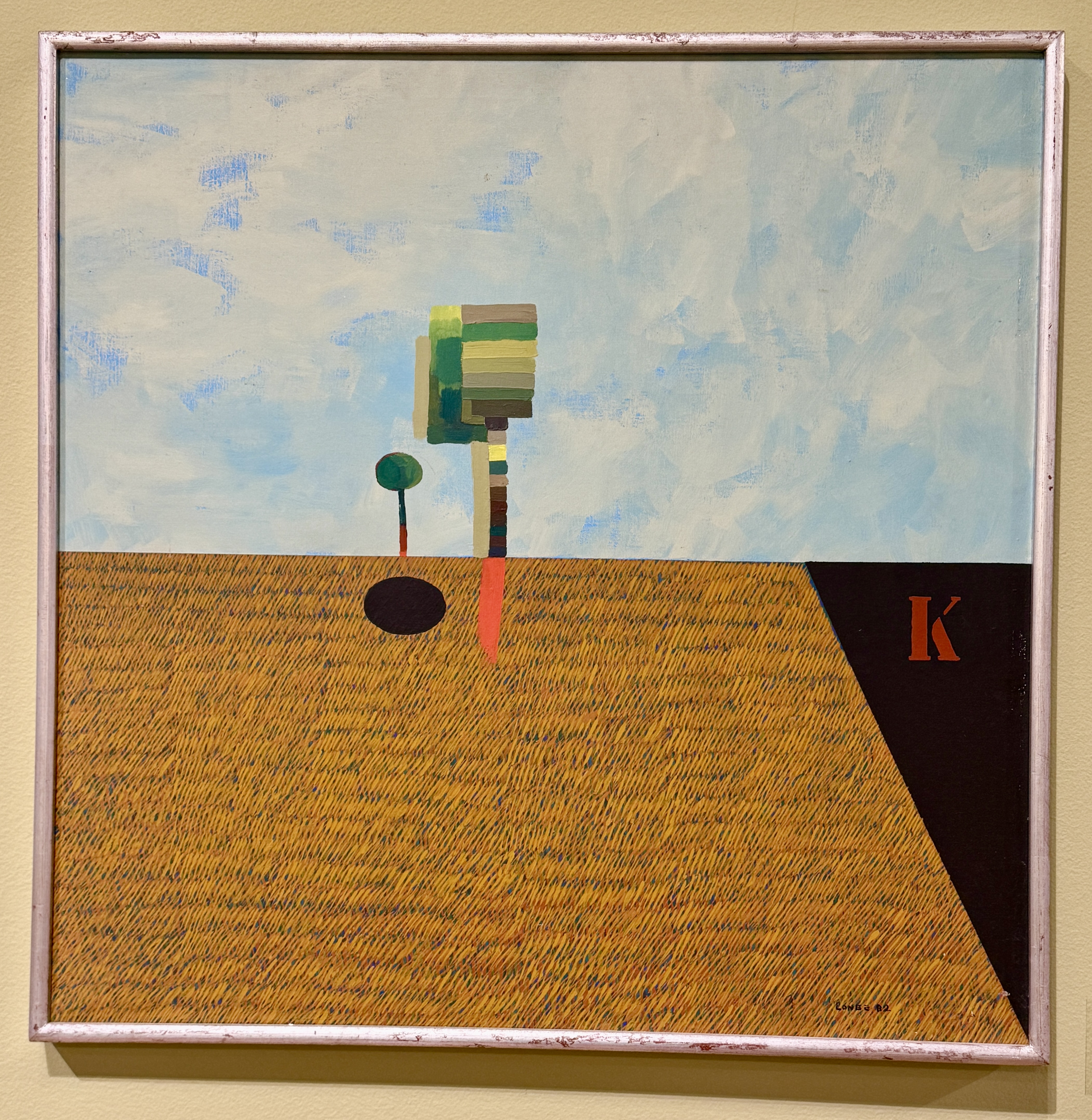
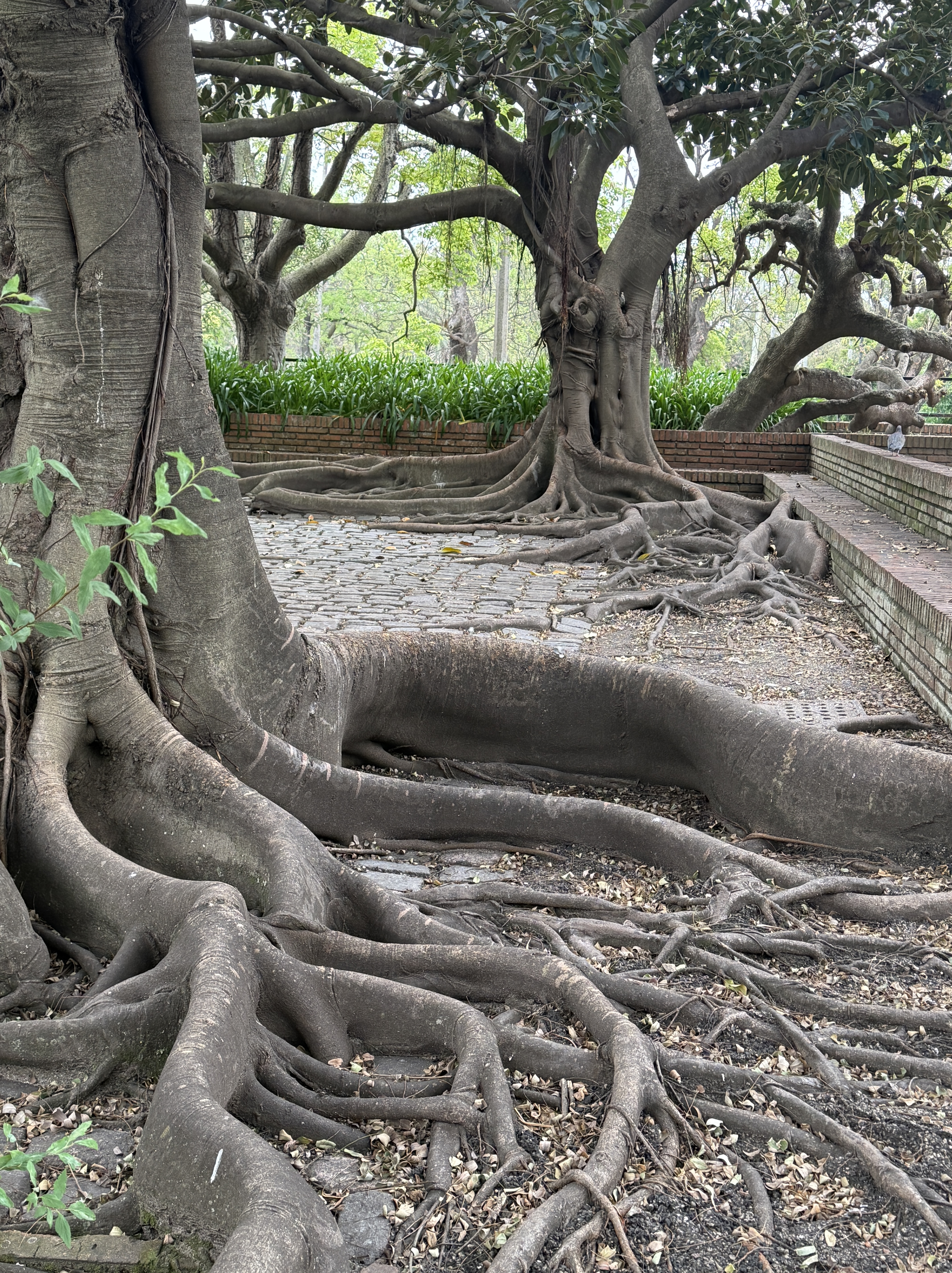
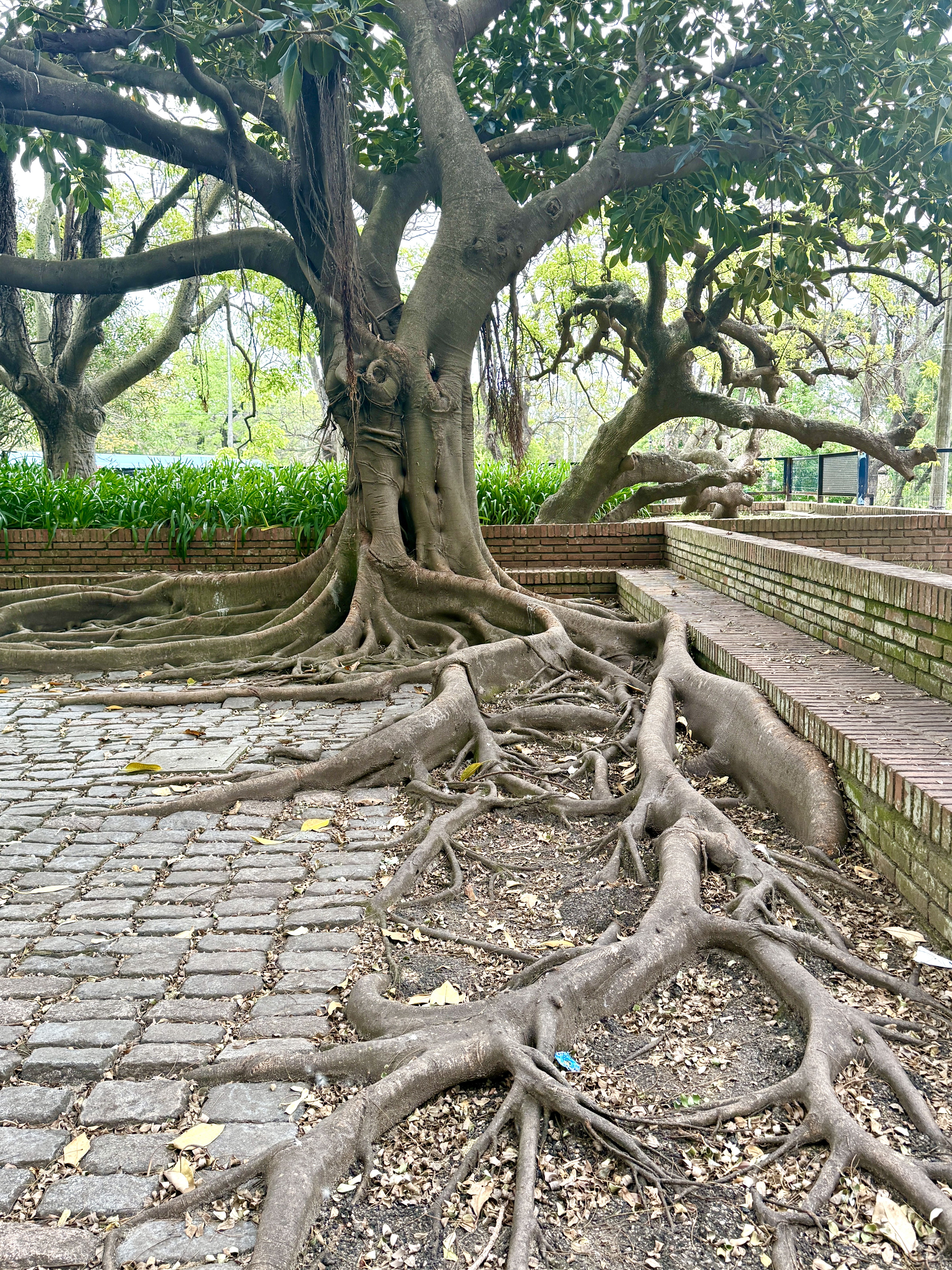
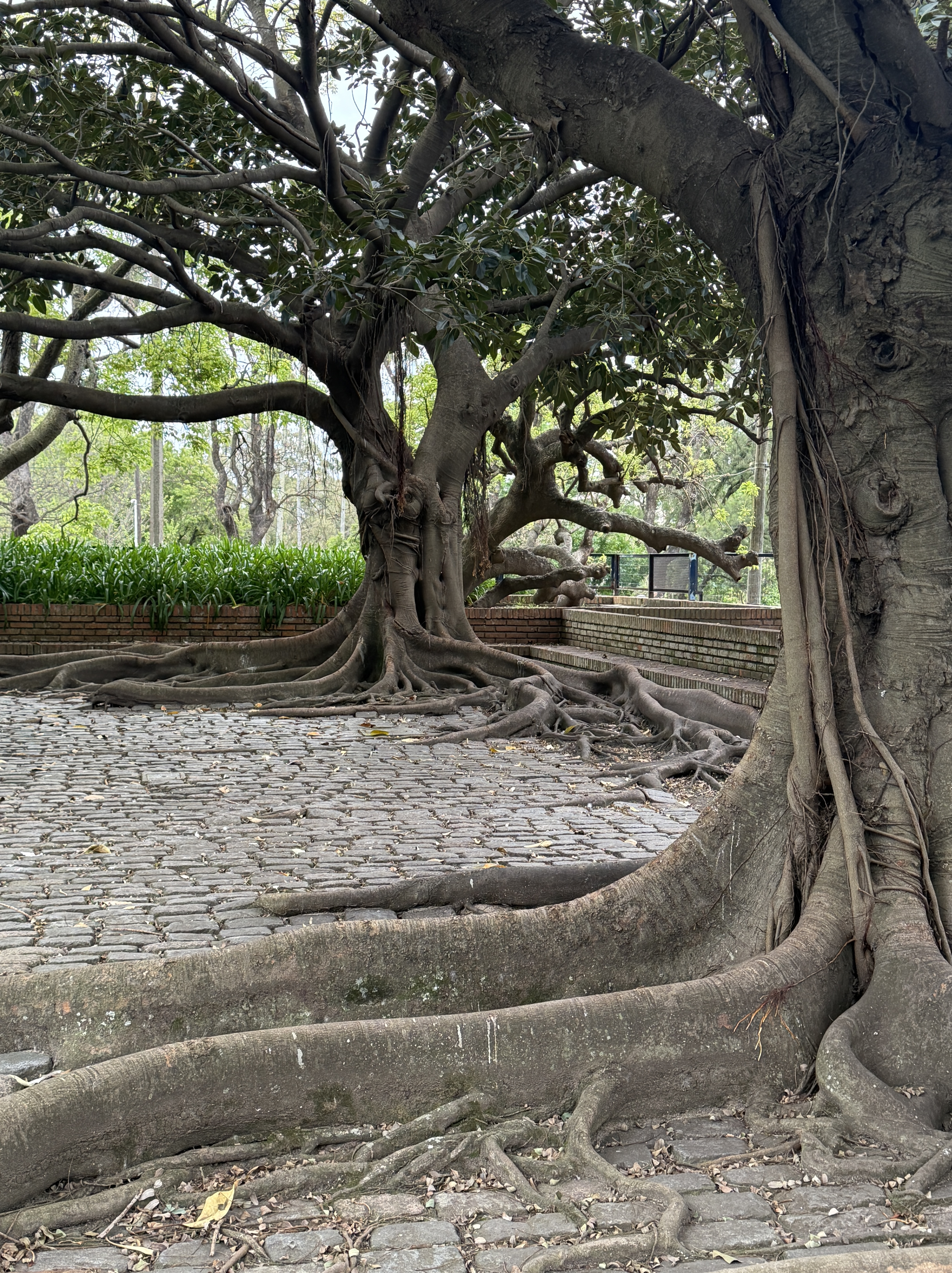
The museum is small and home to the country’s largest public collection of painting and sculpture. and provides a good cross section of Uruguay’s artistic history. The museum is quite lovely on the inside, but the exterior could use some rehab. There’s a small sculpture garden, but I was more taken by the incredible trees and roots than I was with the sculpture.

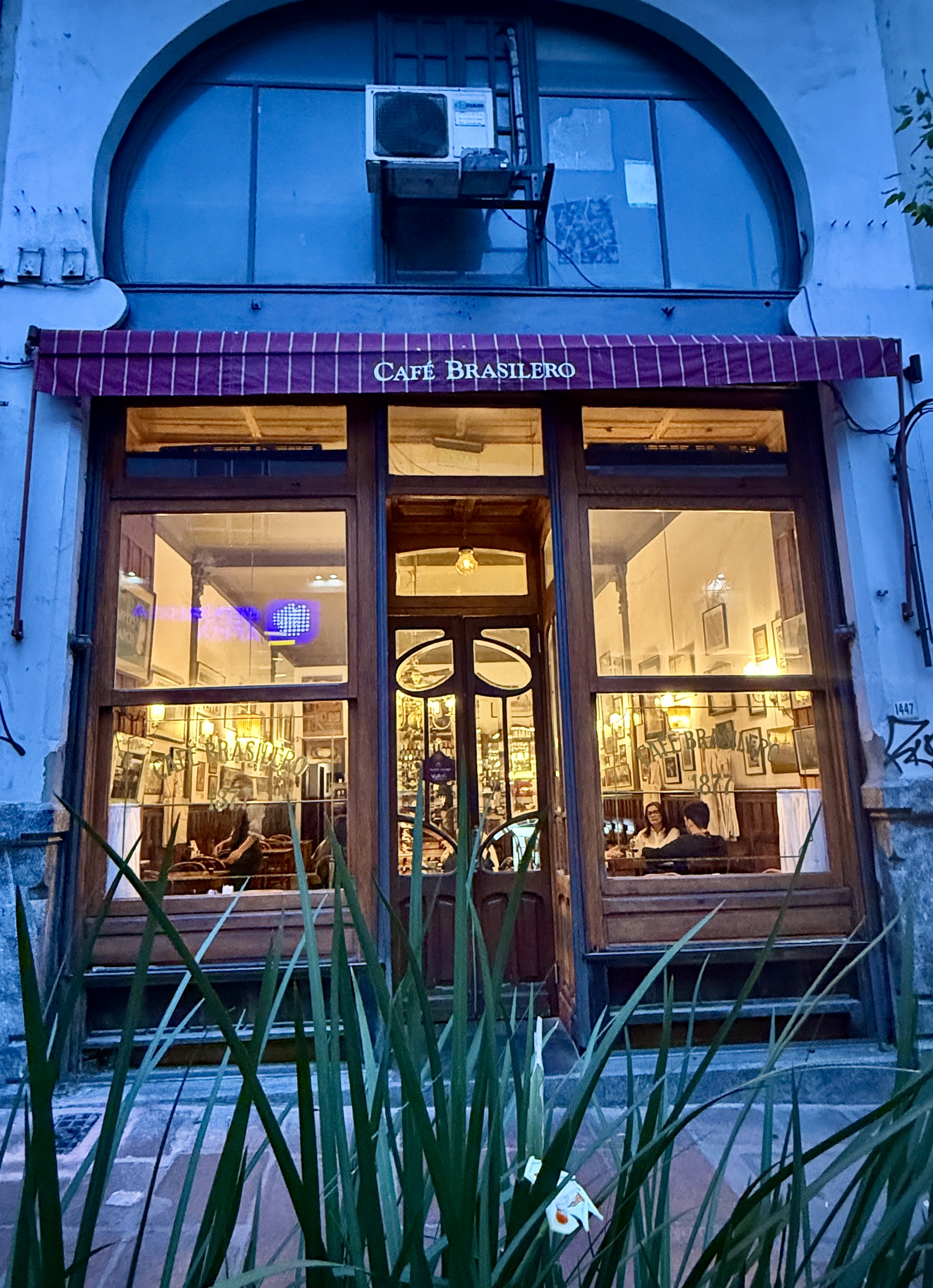
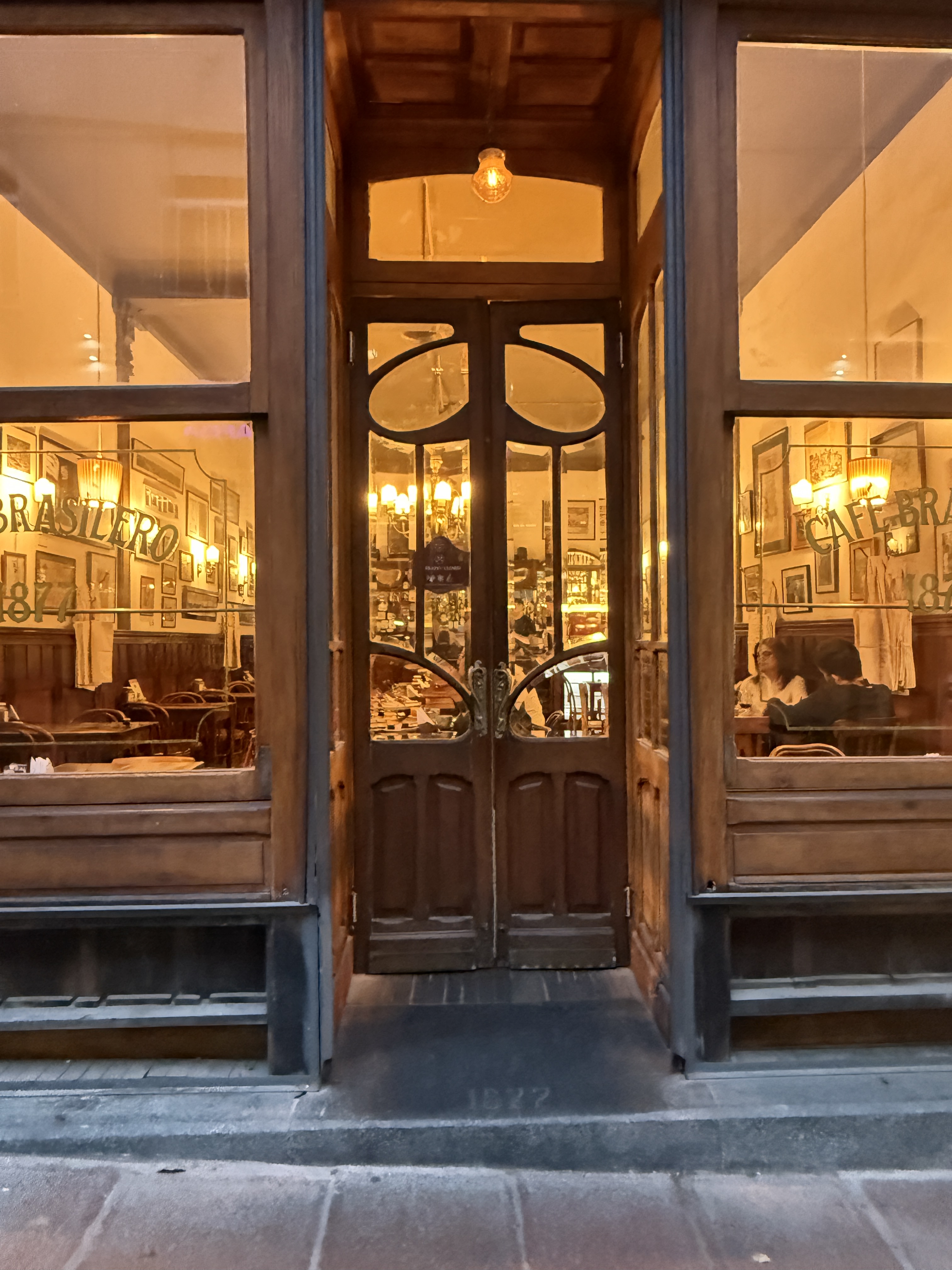
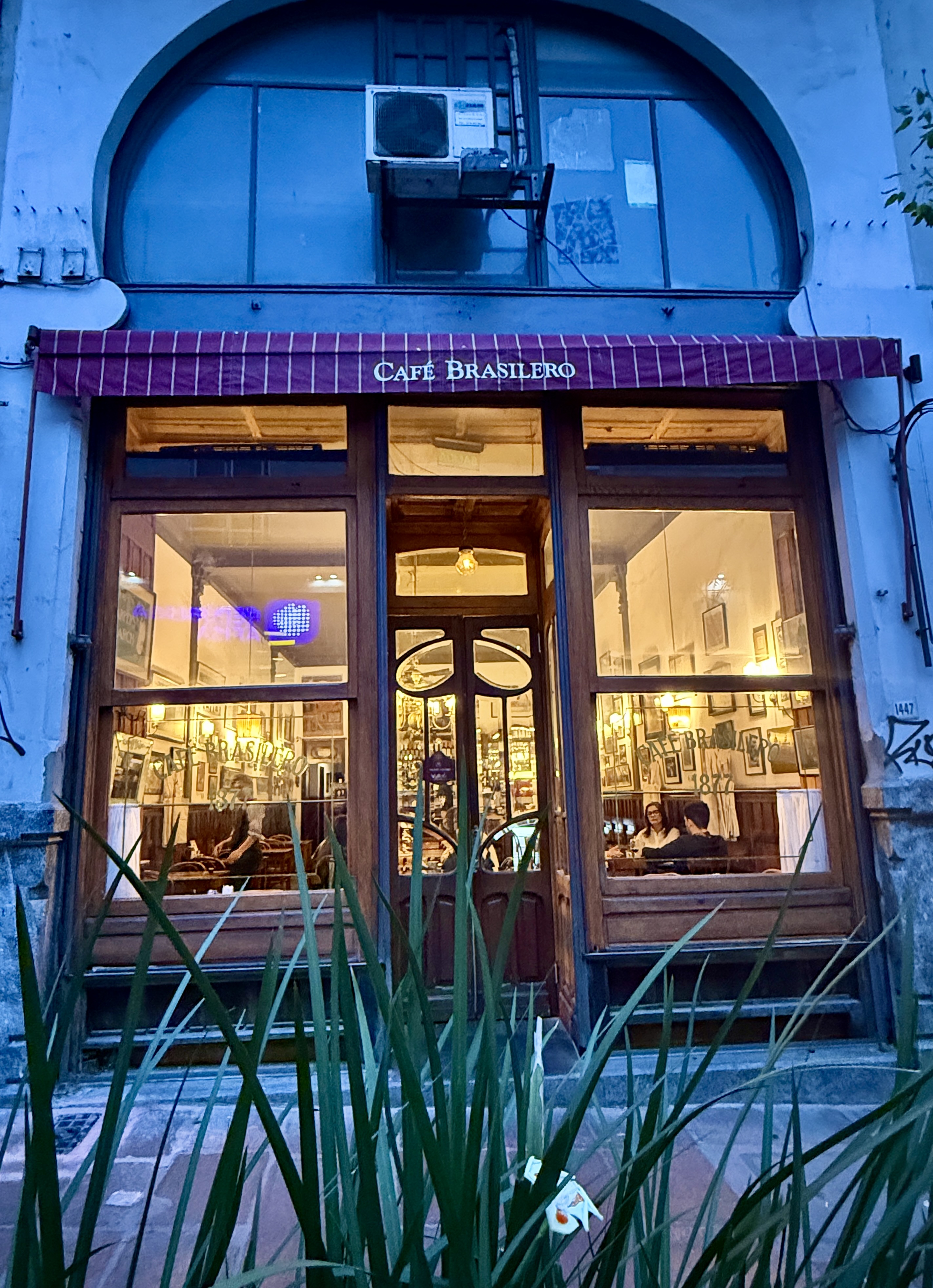
From the museum, we walked to the Rambla where wind was picking up and the temperatures were dropping–prompting the need for another taxi. Once close to the hotel, we stopped into Cafe Brasilerio, the oldest cafe in the city and a haven (in the day) for the artistic crowd. It’s 140 years old and we are told that all sorts of tango masters and singers and authors hung out, performed, and wrote their books right in the small cafe. It was built in 1877 and retains all the details of the day, making it totally charming and a great place for a glass of wine (me) and a hot toddy (Mike). It’s got brass chandeliers and all sorts of Art Nouveau details. Apparently it had been closed for decades and then restored and opened in 2010 and declared a structure and location of “cultural interest” in the city of Montevideo.
Built in 1877, the Brazilian-themed cafe still retains much of its architectural history. The building has preserved its chairs, brass chandeliers and window frames outlining its Art Nouveau-style facade from that earlier era. The walls are also covered with photos, newspaper clippings, and paintings from the cafe’s past.

After a brief stop at the hotel to get warmer clothes we headed out to dinner at Quinquela, a very upscale gourmet restaurant about 5 minutes from our hotel. More on that tomorrow. It’s about 1:00 am and I still need to pack an overnight bag, as we are heading (with Peter and Jairo) to the Jose Ignacio area of Uruguay. Will give the scoop on Quinquela and also the drive and what we are up to on this overnight. We will be back in Montevideo on Sunday night.
 Fern's Travel Notes