October 20, 2025 . Day 5 . Ururguay : Ciudad Viejo .
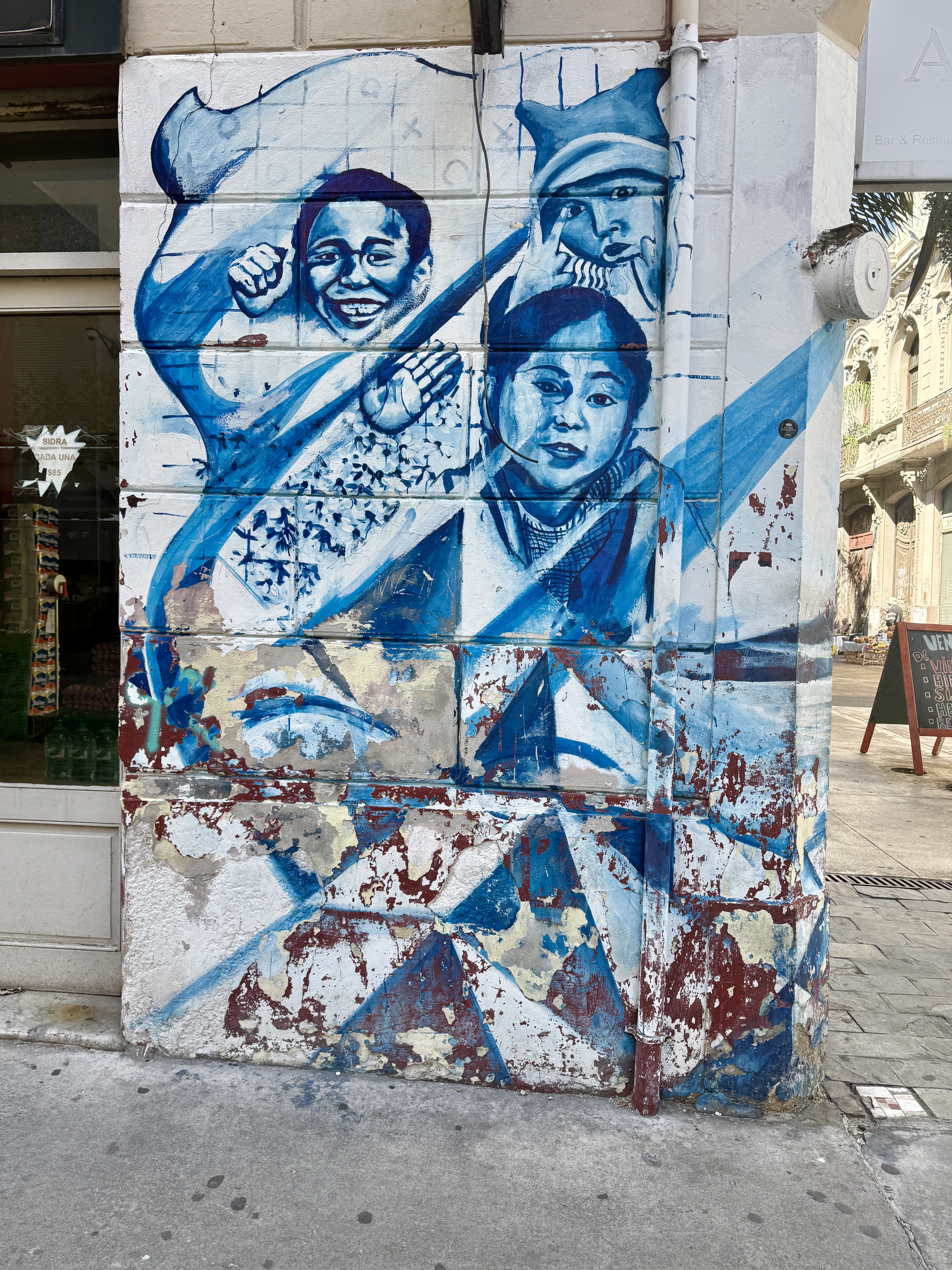
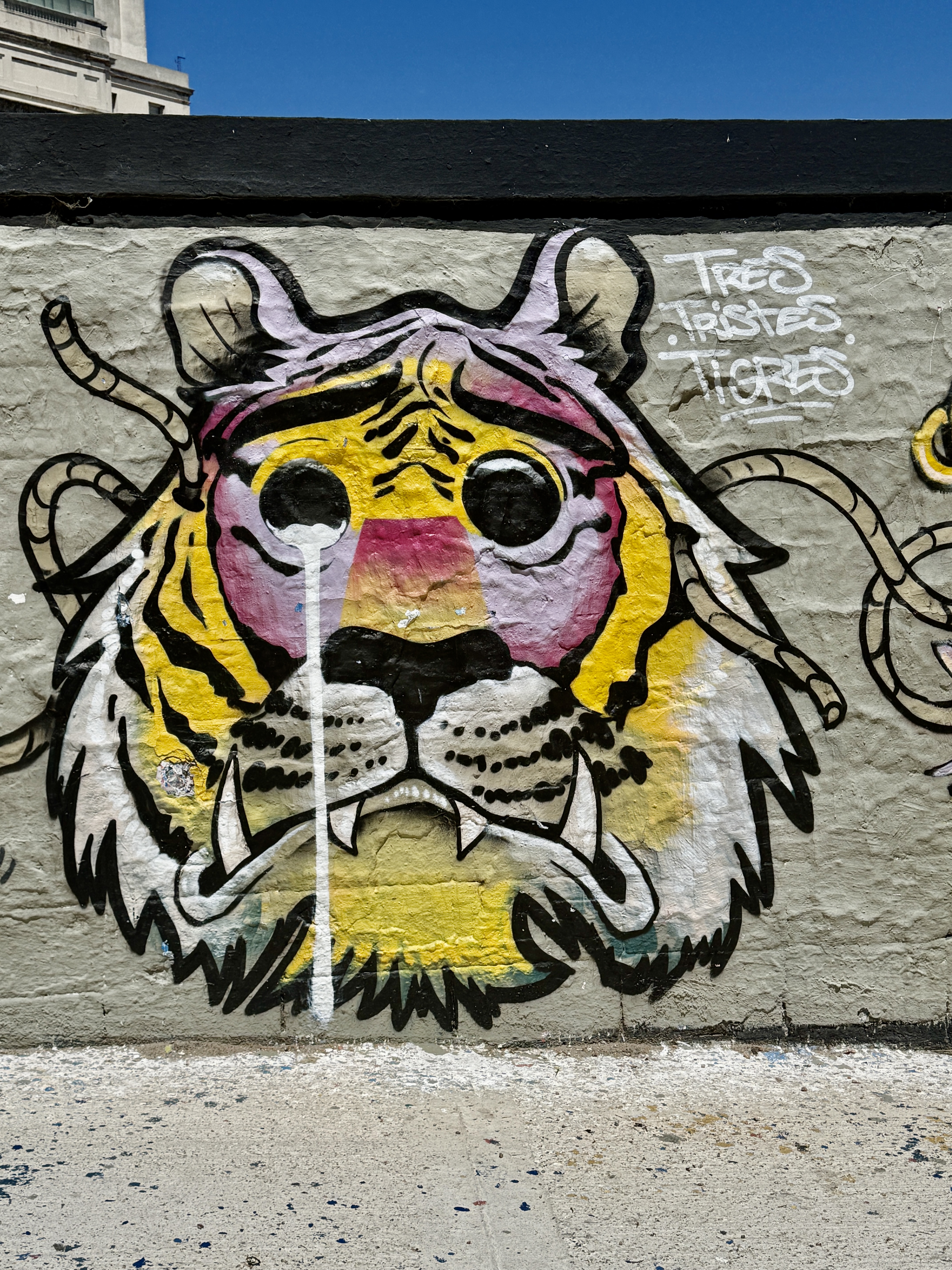
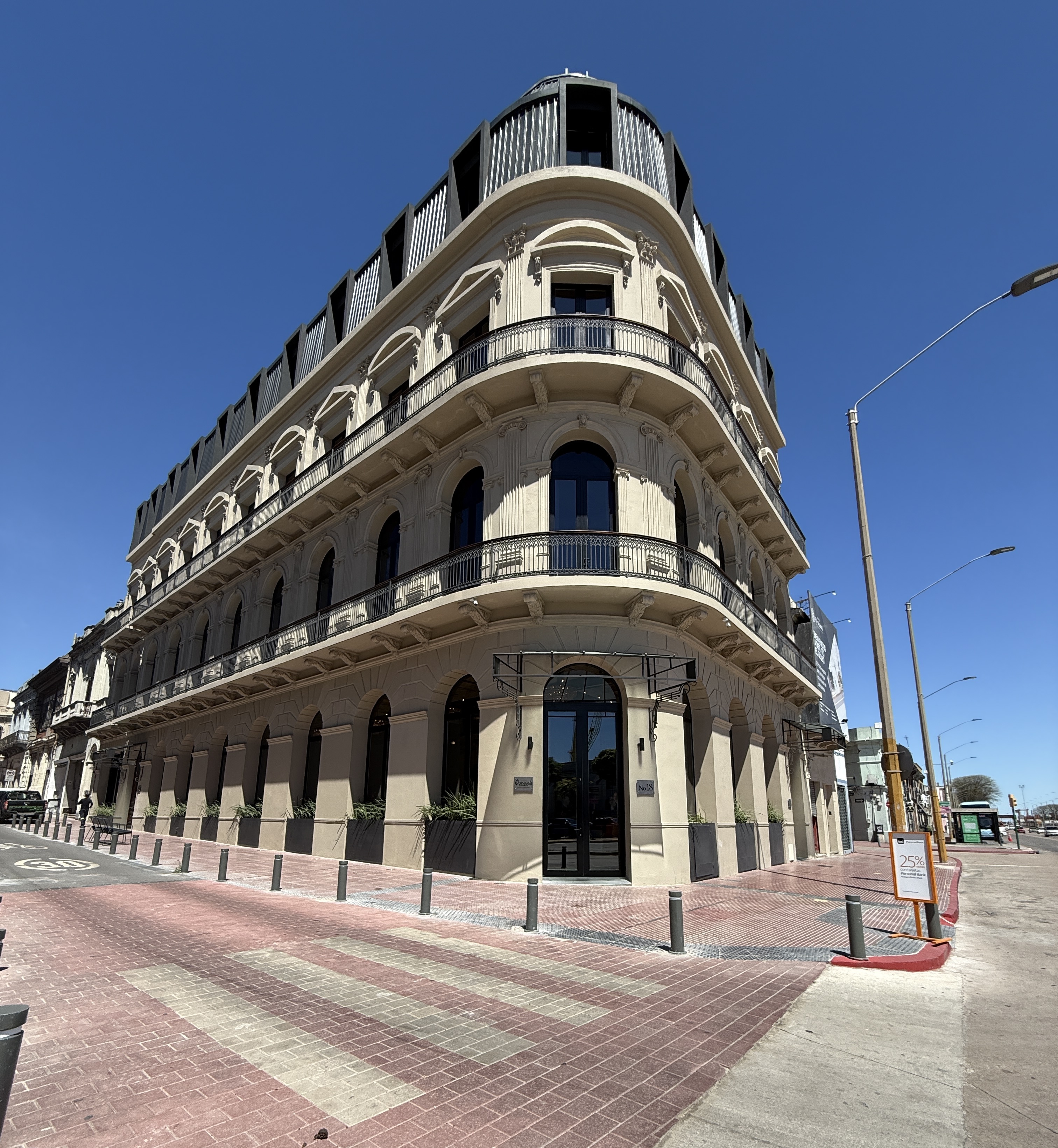
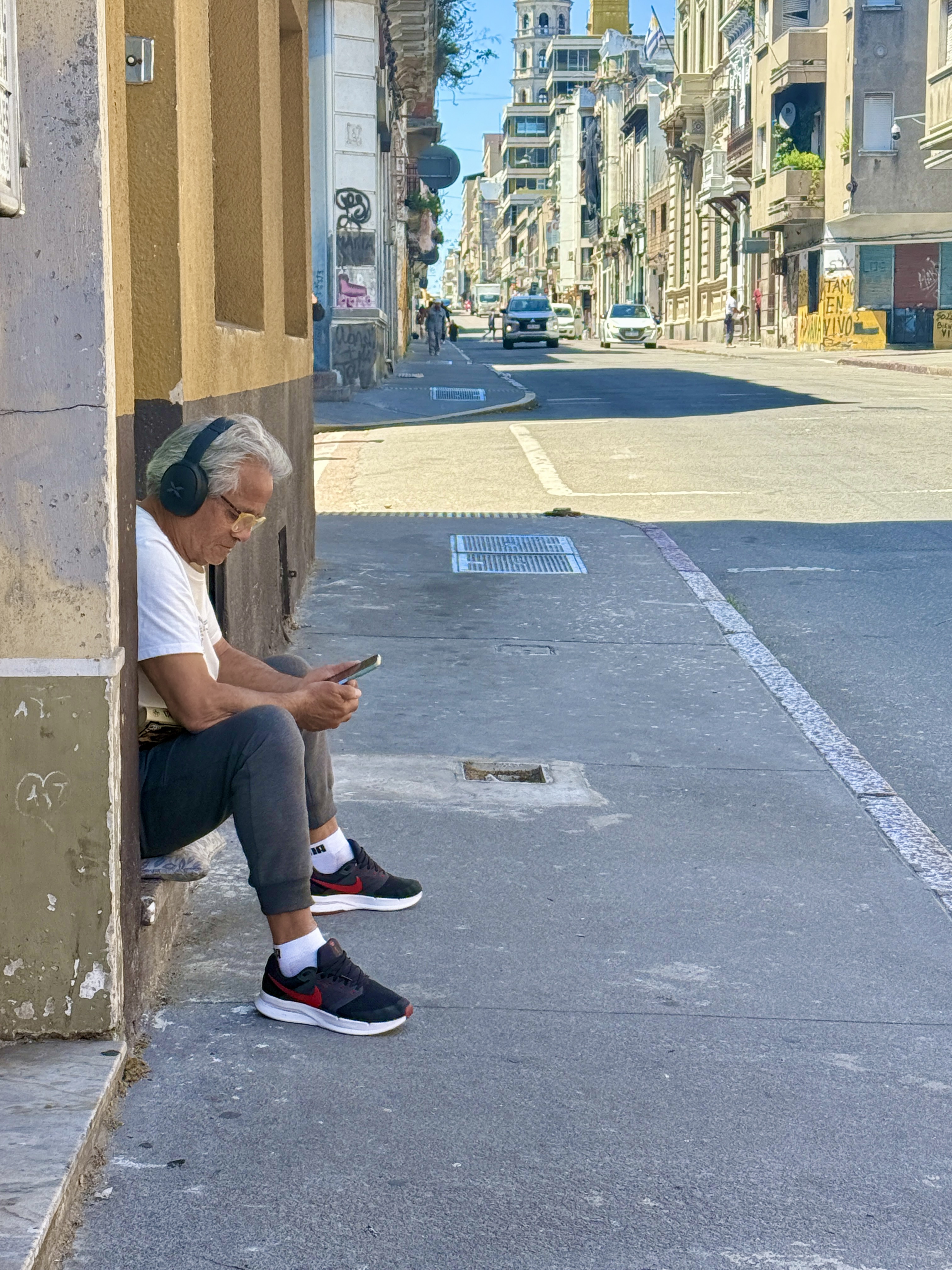
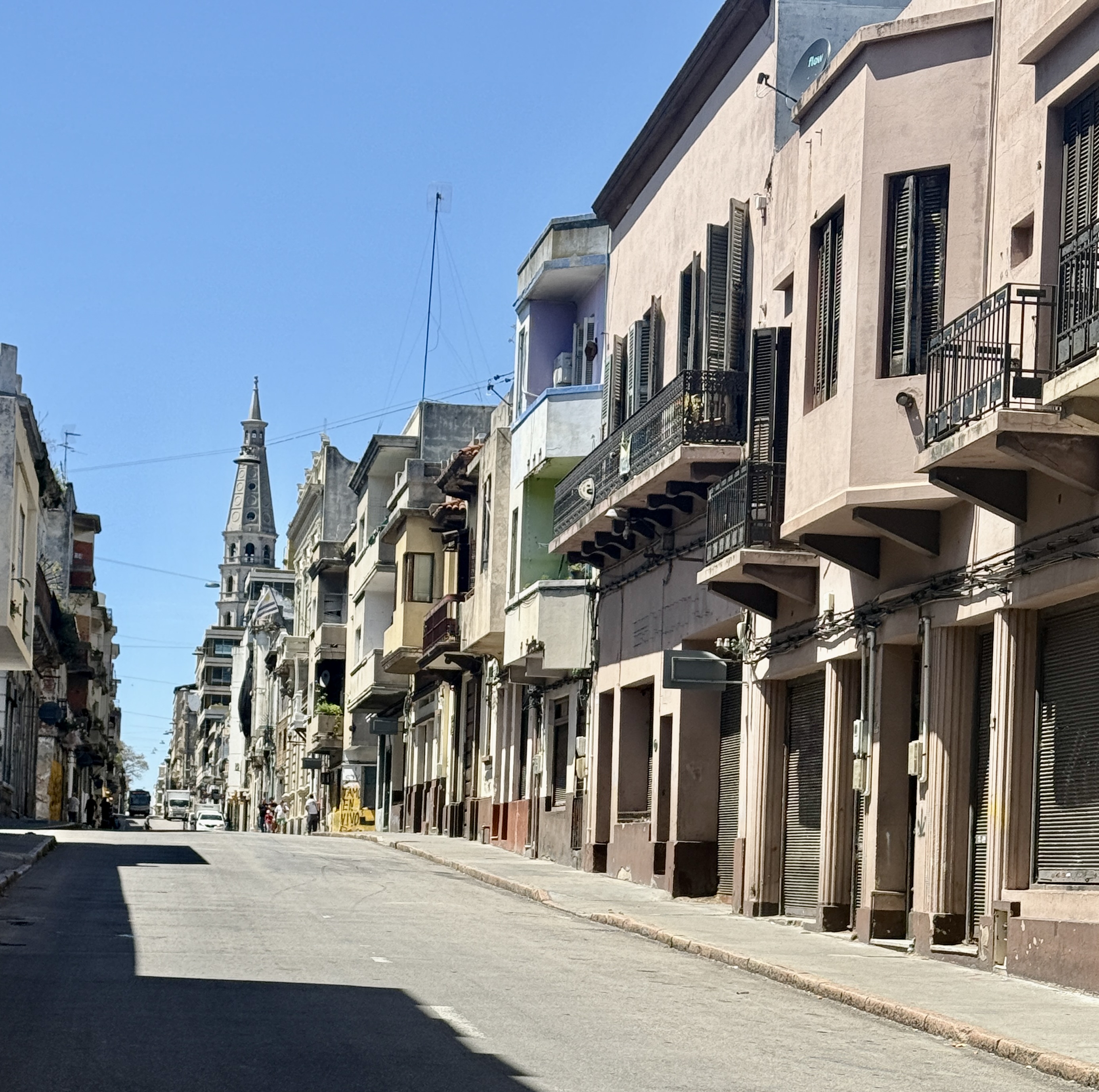
Greetings from Montevideo. We decided to make this an easy day after moving around so much for the past few ddays, and decided to merely explore the Ciudad Vieja (the old city), which surrounds our hotel. We strolled to the port and through several parks, with no real destination in mind. Ciudad Vieja is basically a peninsula at the mouth of the Bay of Montevideo. It was founded in 1724 by Spain. After Uruguay gained independence it becaue a section of the city as the city grew.
The area is the financial center and also the cultural center and has a large concentration of Art Deco and Art Nouveau and neoclassical buildings. Some of the grand buildings were originally residences for the wealthy. Like most cities, this old section becomes very quiet at night, although there is clearly a revival of restaurants and clubs. The neighborhood doesn’t have the residential appeal of the newer sections with modern high rise apartments, although there does seem to be a smattering of artist quarters. We also saw our first two homeless people on the streets here in this neighborhood.

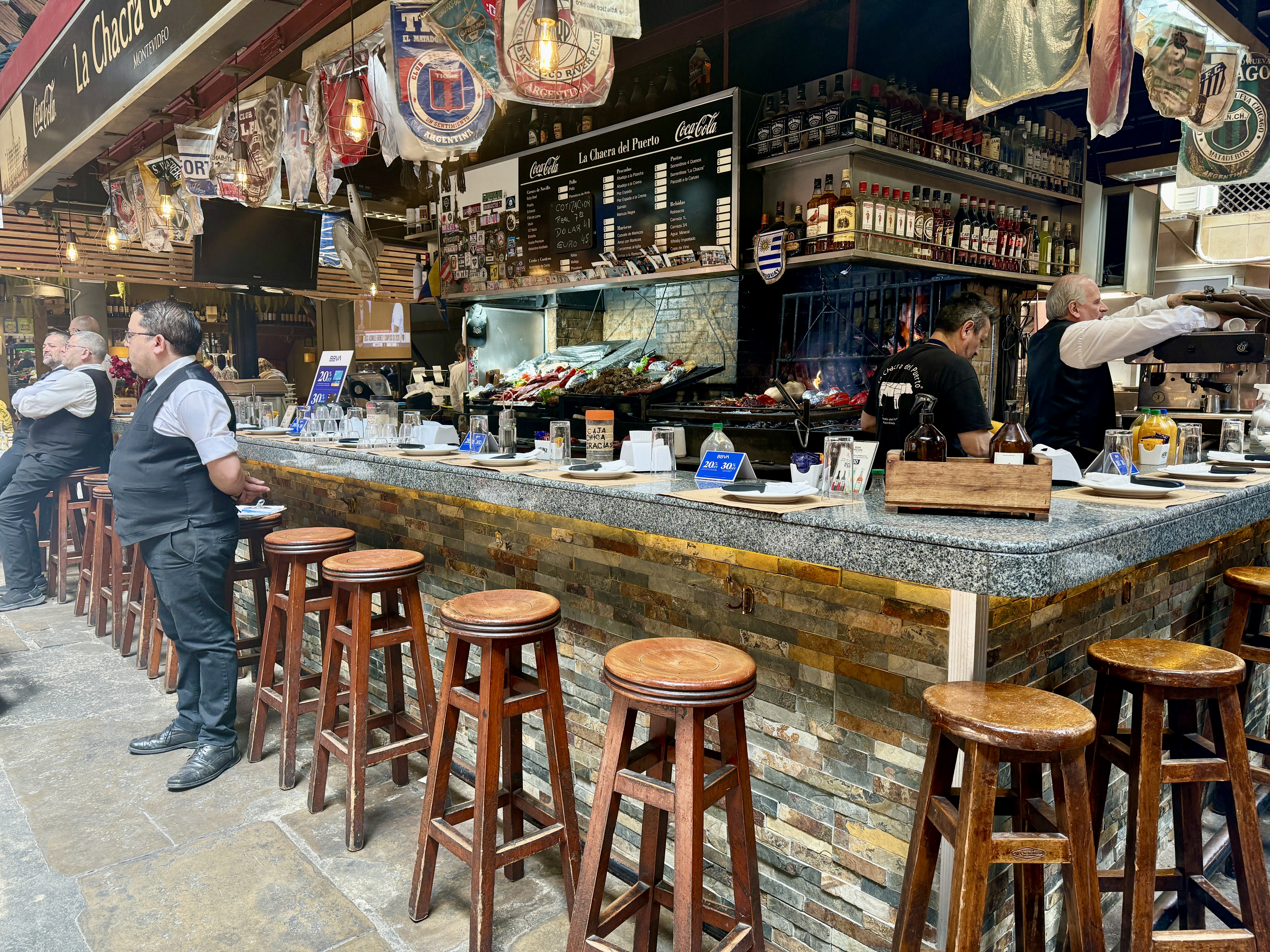
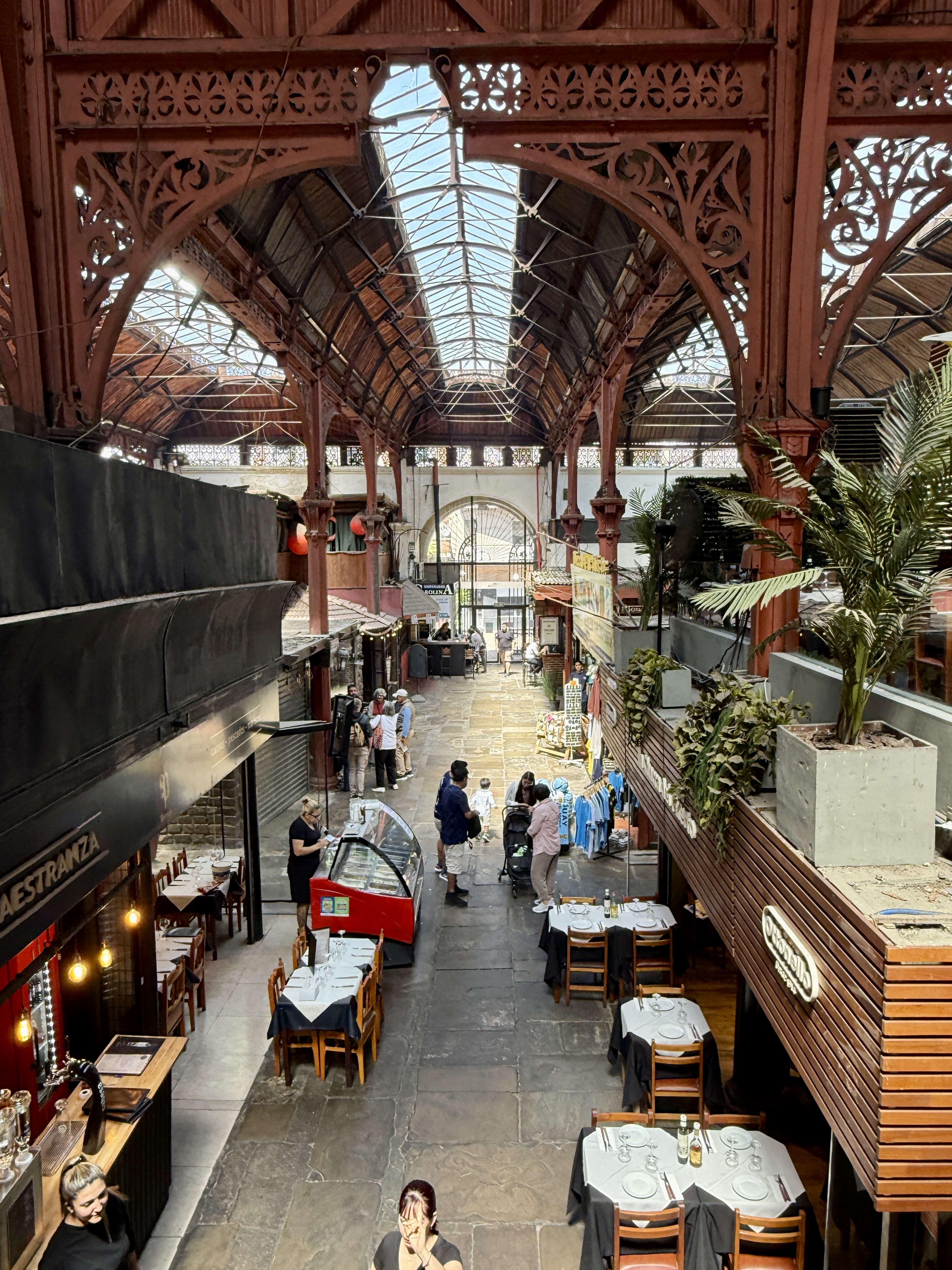
We strolled into the Port Market—a grand 19th Century market building that must have been bustling with locals purchasing meat and fish and vegetables in its day. Today it is filled with small restaurants competing for customers and a few souvenir shops—-as a result of the decline of people living in this area. Still it was great to just see and walk through the building. There’s also some tango dancing at the market, but it wasn’t happening today so no photos of us dancing.
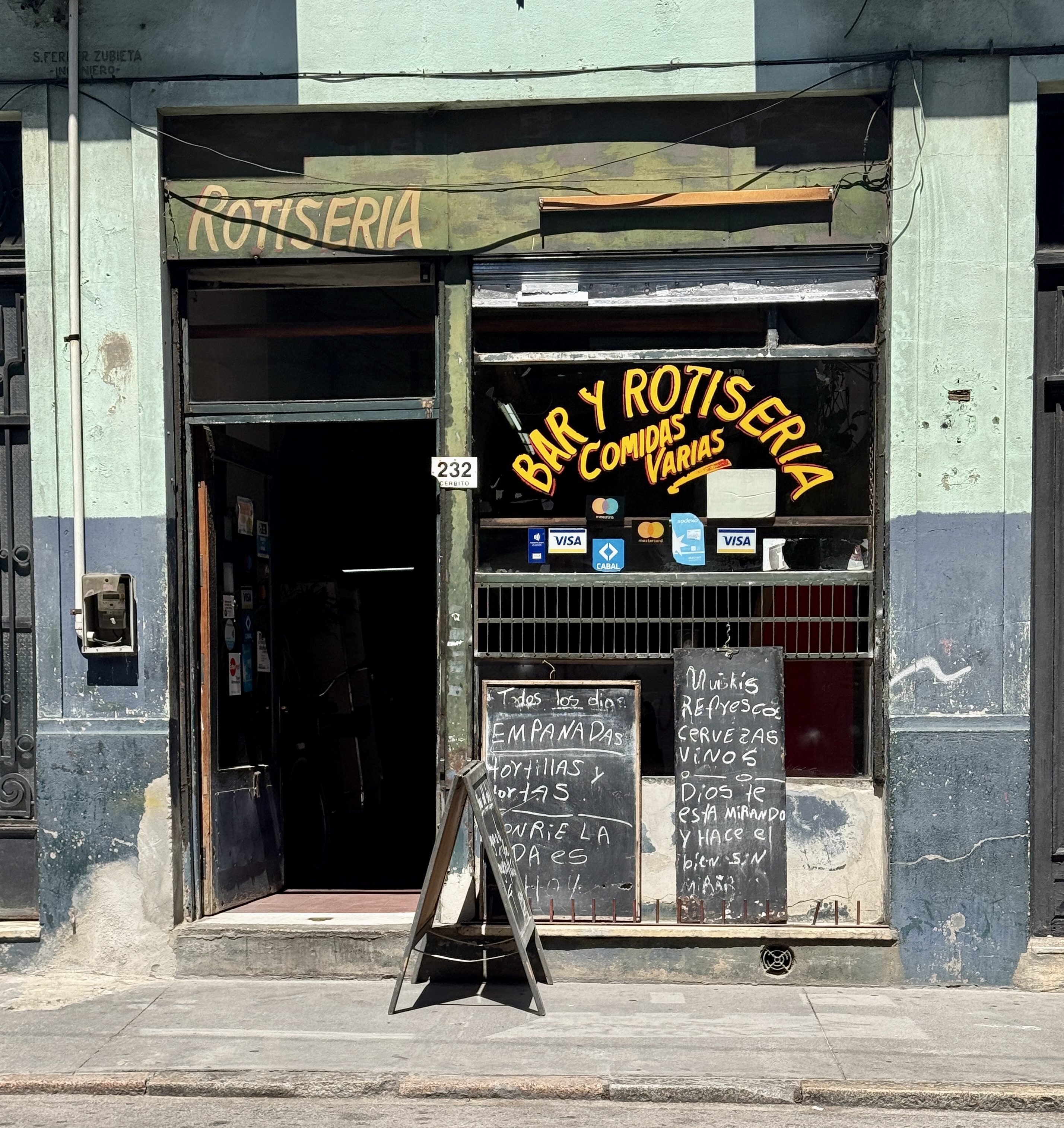
A few things I have not mentioned in previous notes. First, there is very little English spoken in Uruguay. The language that most people know, beyond Spanish, is Portugese, which is what most students learn in school. Since our Spanish is “functional” and not at a level to have any real conversation, our interactions (beyond hotel staff!) is limited. Surprisingly, even restaurant staff do not speak English, so we are on our own figuring out the menu. We also don’t hear any English on the streets so most tourists seem to be from Latin America. I don’t think Uruguay has reached the international destination scene like Argentina has. So maybe we are the trailblazers. I remember when we went to Malta a few years ago, many people were surprised. And now, so many people I know have gone to Malta. So there you have it.
And, if you are thinking—as a result of this travel blog—of moving to Uruguay (temporarily or permanently), especially over the next three years–here’s some information. And it doesn’t seem to be too hard:
- Basic documents (Passport, birth certificate, marriage license—all translated officially and I think notarized; no criminal record for the last five years)…. mmmm, I’d need to do a lot of searching for my papers.
- Proof of income — evidence of sufficient and consistent income—$1,500 USD/month per person–might need CPA verification.
- Vaccination certificates to show you have all the vaccines that Uruguay requires
- Health card (you get that in Uruguay)
- Medical certificate–sounds like it’s a medical exam that you get in Uruguay
- A rental agreement or property ownership (average rent is only about $1,000/month, but a three-bedroom house in an upscale neighborhood could go for about $3,000 to $4,000, And an average apartment price is about $150,000 and larger apartments in better neighborhoods will increase from that… An average house purchase is harder to determine, but certainly is about 50% of Bay area prices—and that would be in a rather upscale neighborhood.
- Visa fee
- And fairly good command of Spanish or you must be willing to pay for translators for any official business.
So, if you’re looking for a haven in a small country that isn’t at war with anyone, that has amazing social welfare programs, has four seasons (in reverse to ours), decent though not exotic foods, a growing number of international restaurants, lots of parks, roadways that are well paved, an “embarcadero” that stretches for about 14 miles, a coast that stretches 310 miles all the way to Buenos Aires, drivers who obey the laws, and close proximity to Buenos Aires and other parts of Latin America—- here it is: Uruguay. Just imagine, no need to listen to the daily comments of the current occupant of the White House. Oh, if you prefer a place like Estancia VIK in Jose Ignacio (as described yesterday), you’ll need to sve up a lot more money before heading to Uruguay!

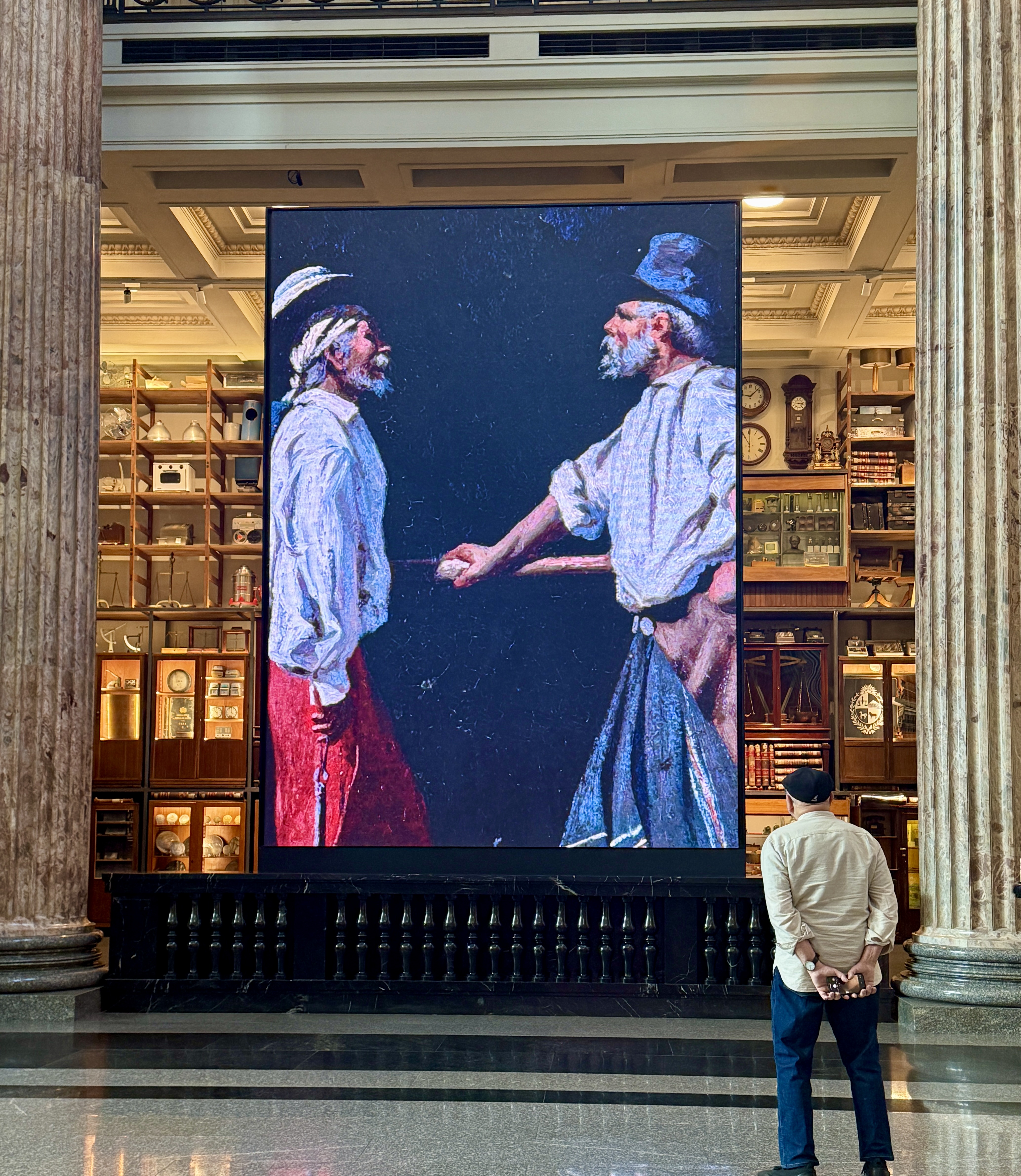
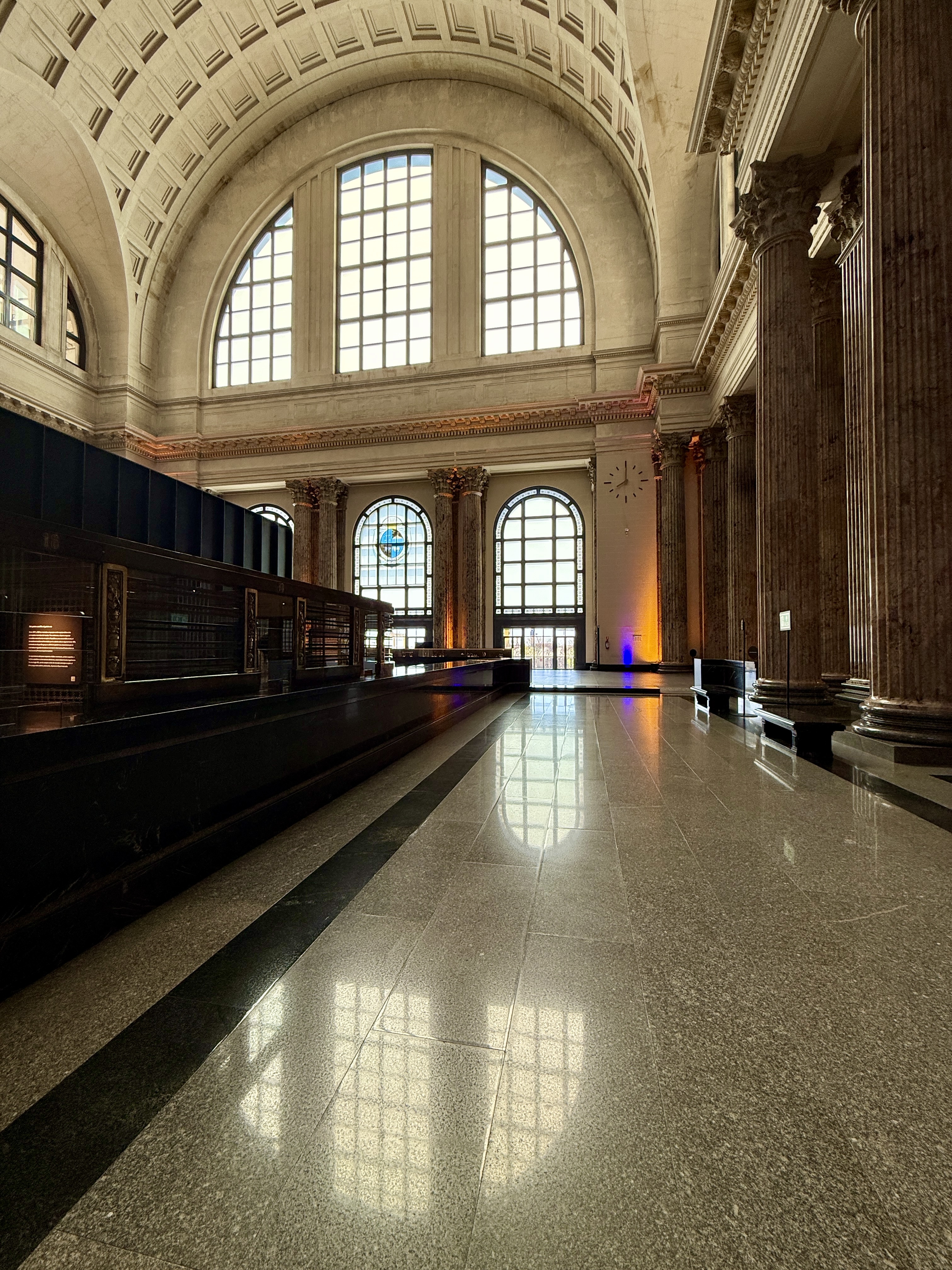
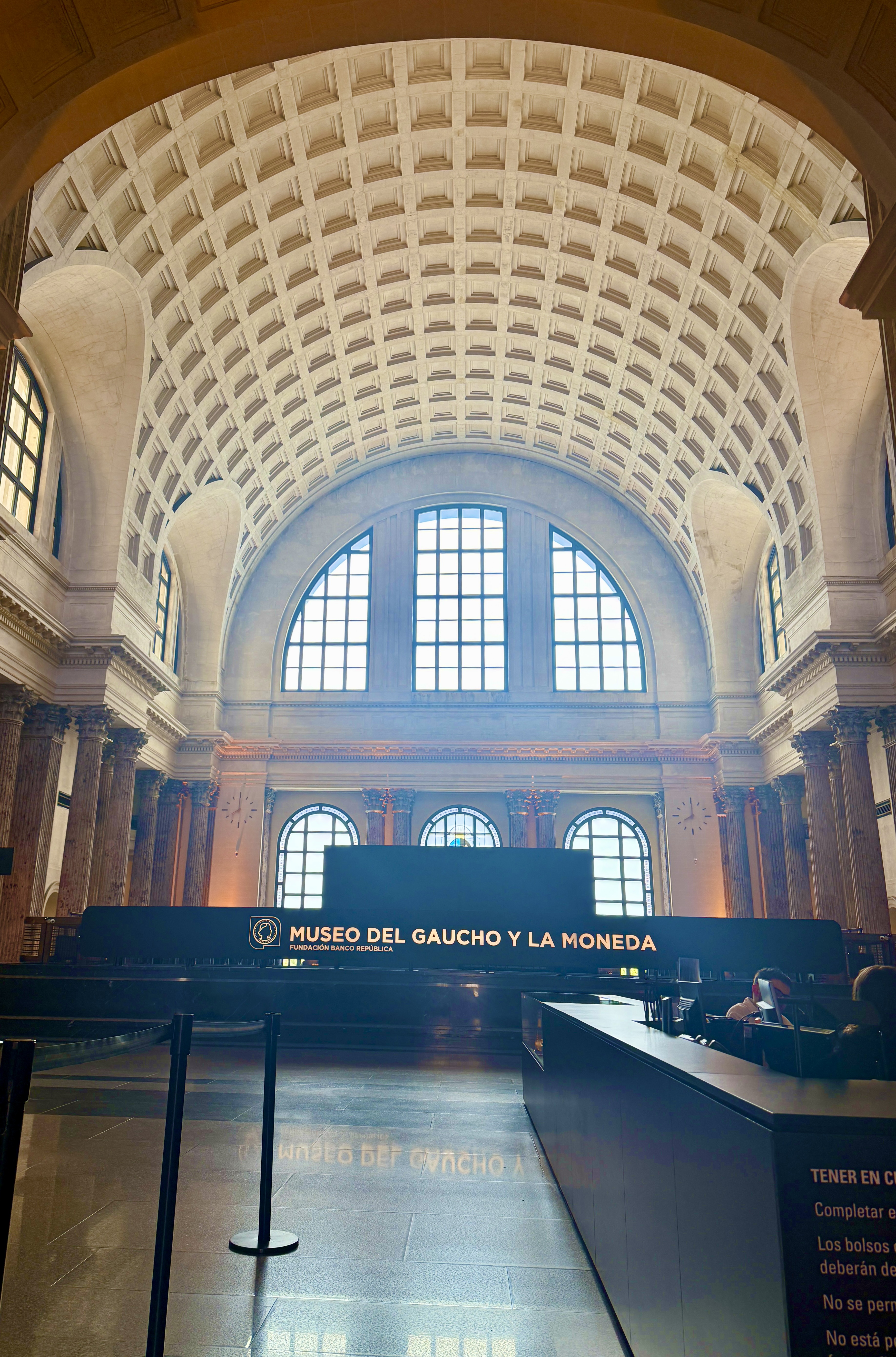
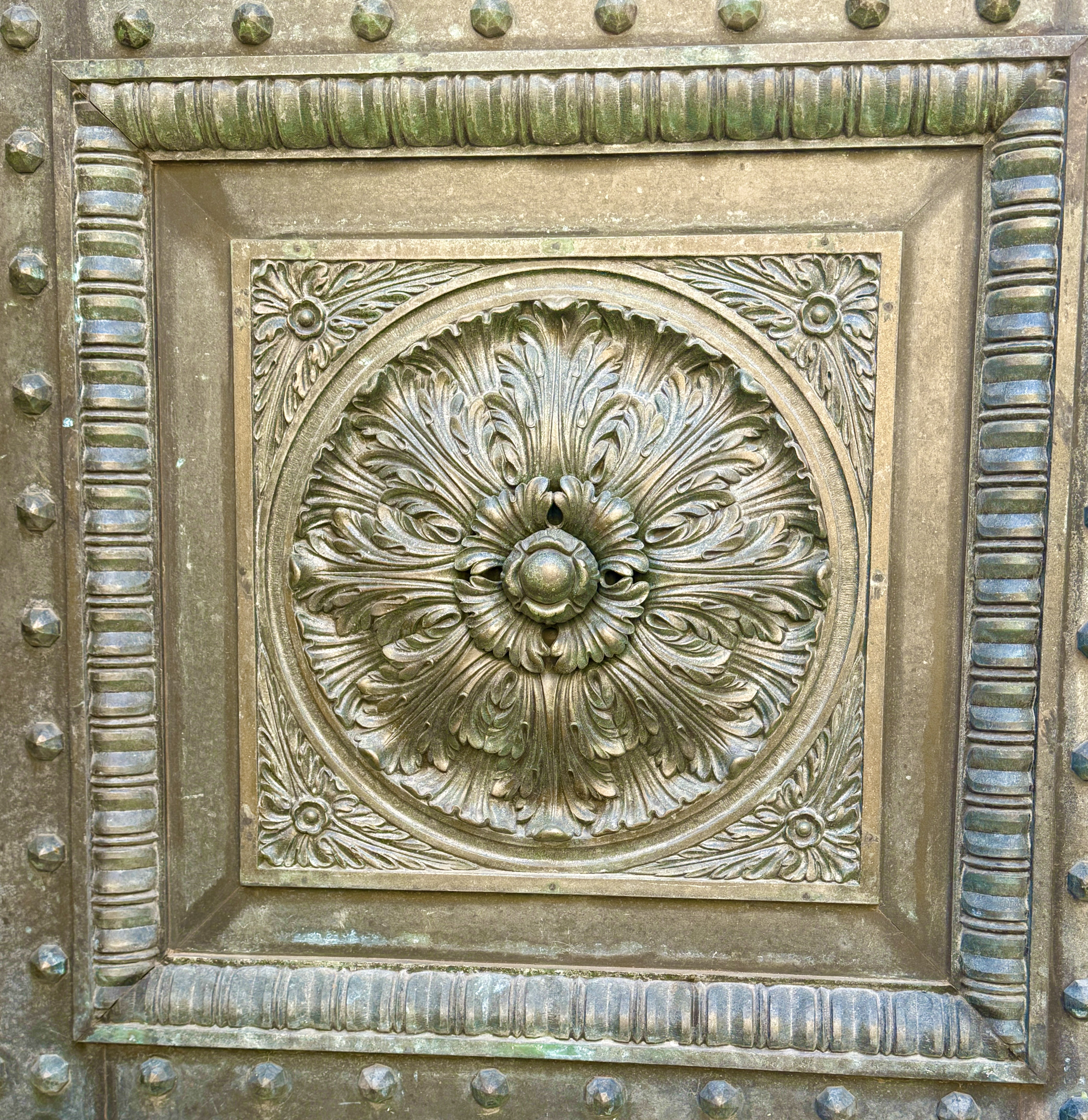
As we strolled, we stumbled on a large bank-looking building. Mike was a bit further ahead, but I decided to wander inside. Turns out the old, grand bank has been converted into a museum about gauchos and also money (interesting mix).. Anyway, it was interesting and the building was great. A strange setting for the story of gauchos. I should also say that the exhibit was pretty fantastic with huge digitized projections that changed continuously at a scale of about 20′ tall–perhaps making the gauchos overpower the banking setting.

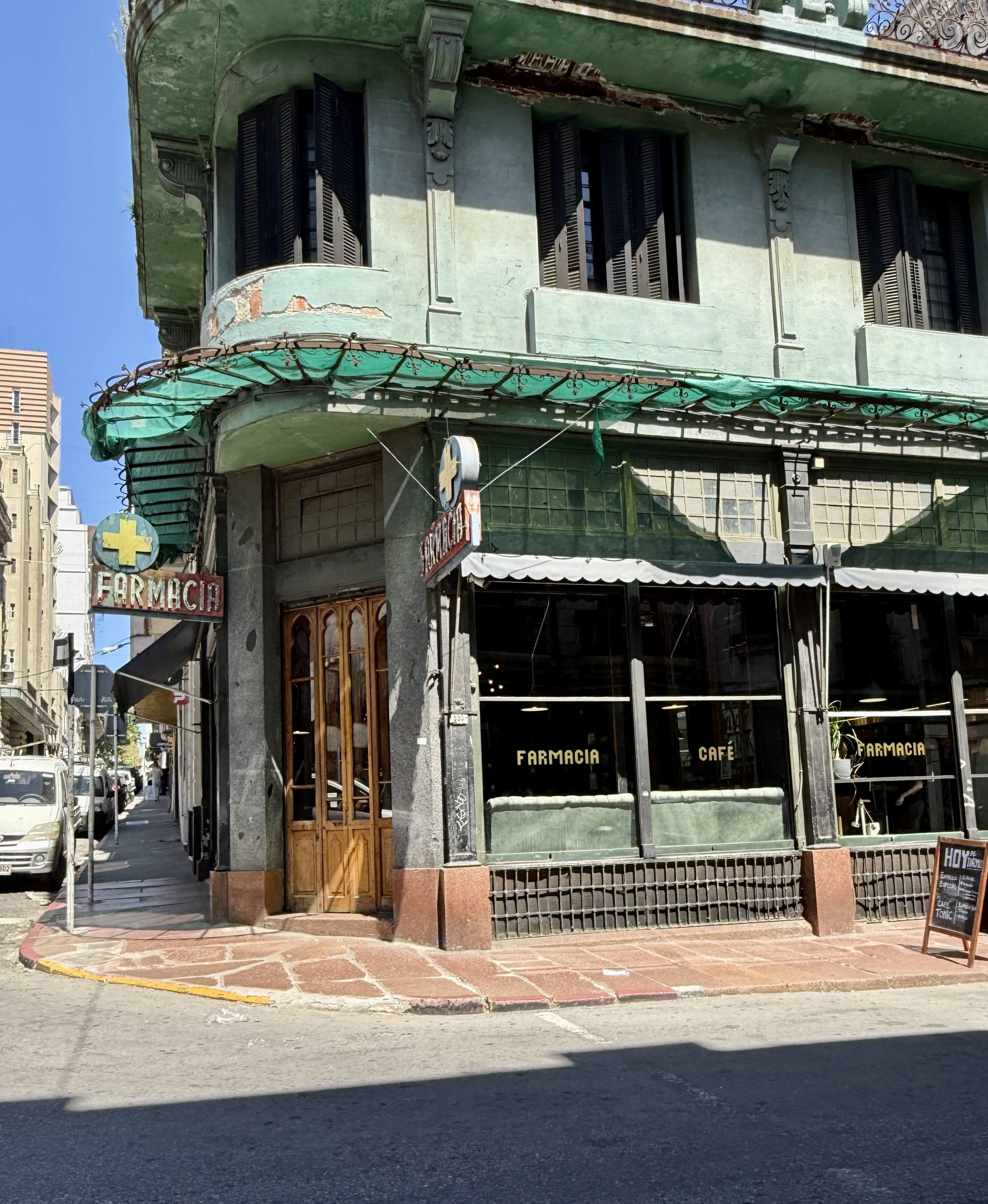
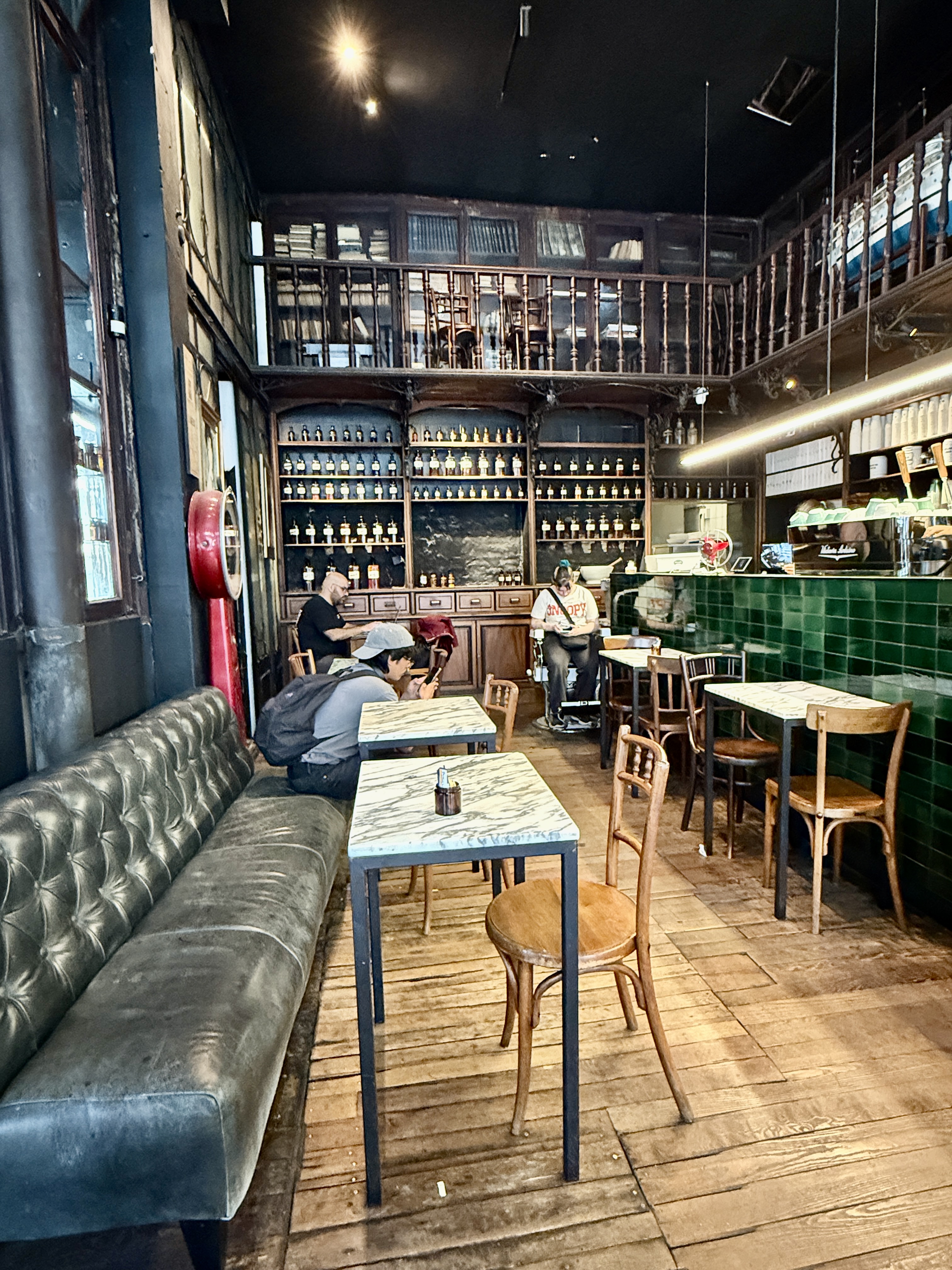
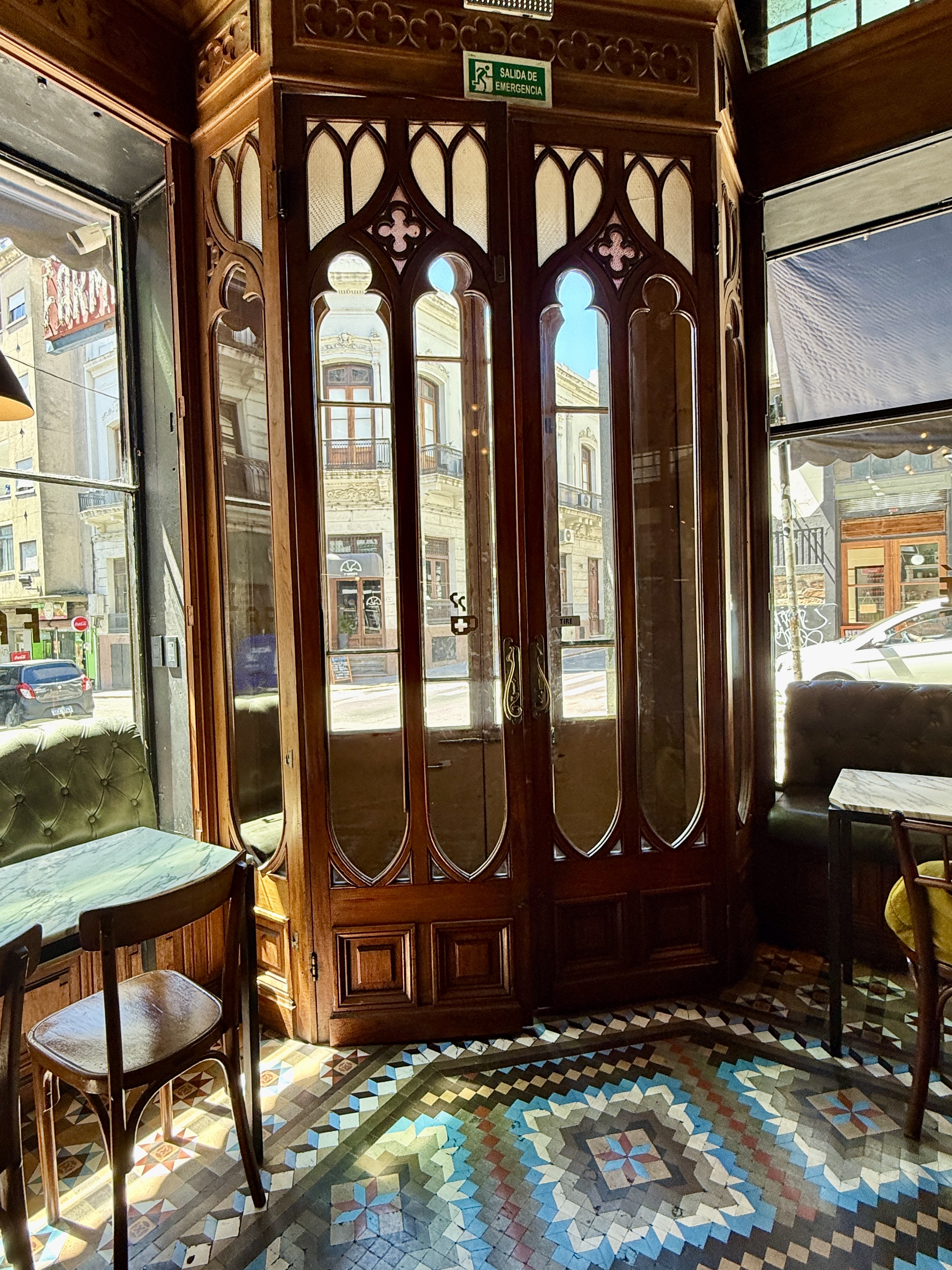
Then we headed to La Farmacia—a restaurant inside an old, 120+ year-old pharmacy that was well preserved and converted into a cafe. It’s a pretty cool interior; we had lunch, and then headed to our next stop. We shared the chicken kabob.

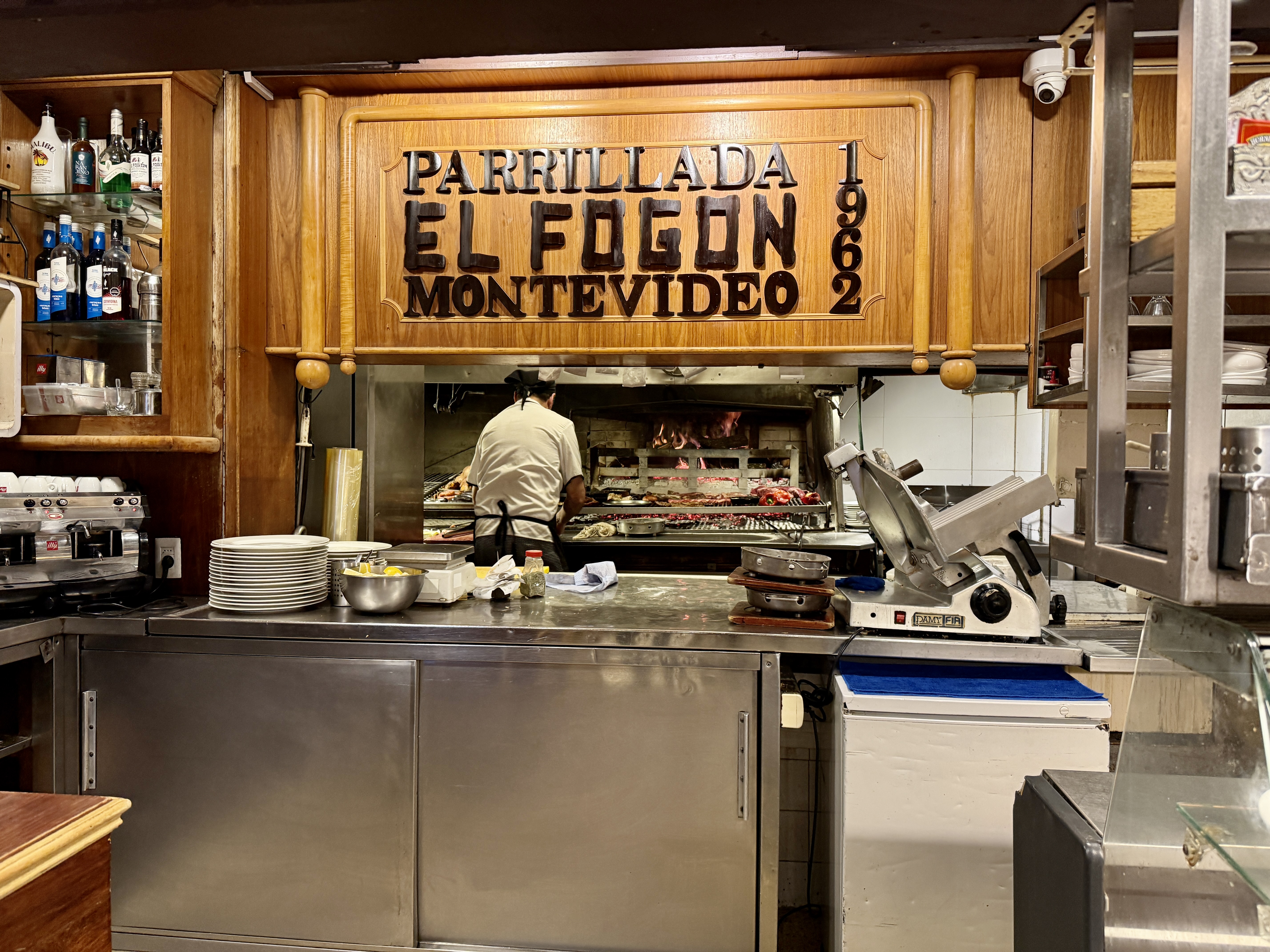
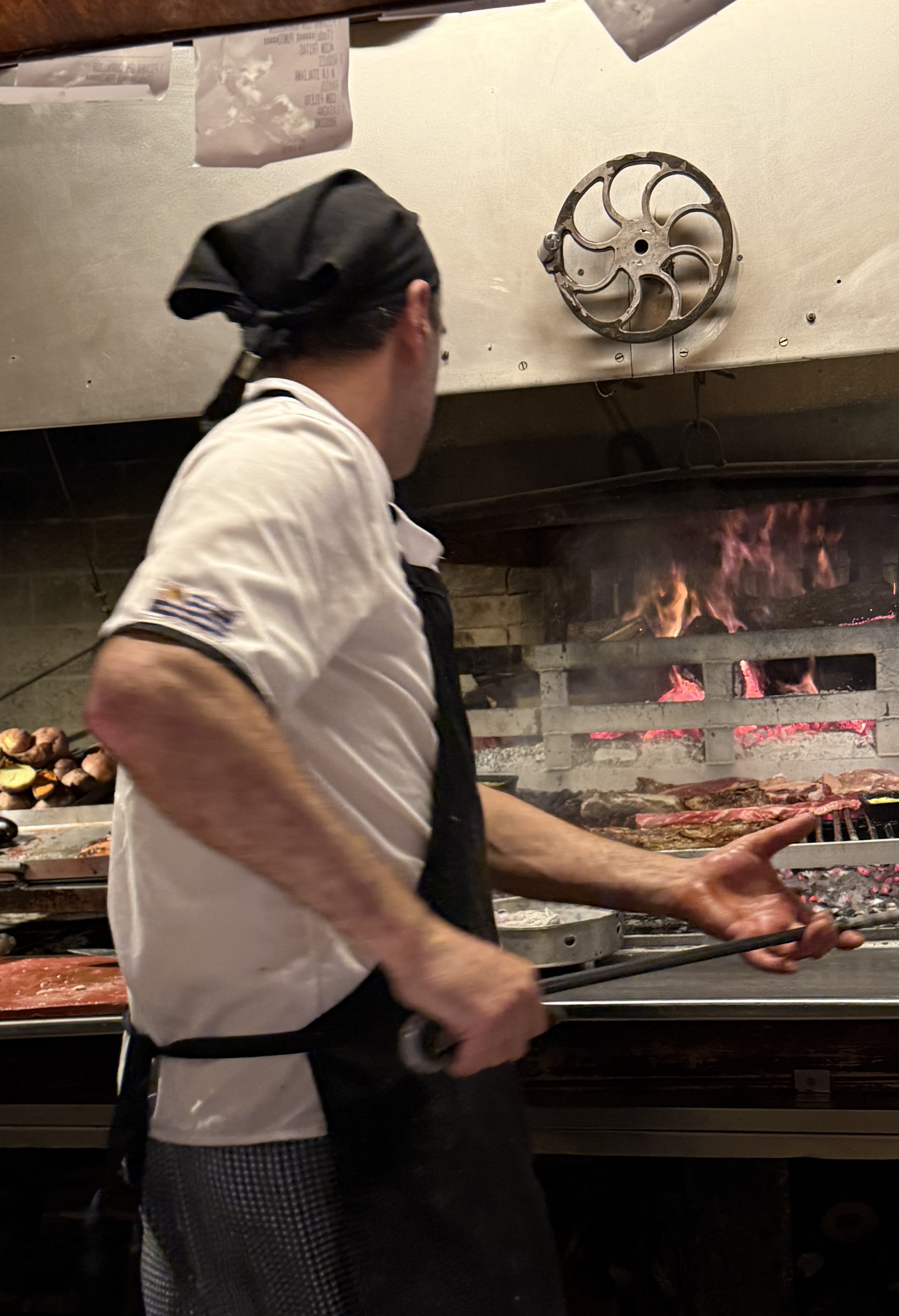
We headed back to the hotel to figure out our next few days and then after a few hours we headed to our dinner reservation at Fogon–a restaurant that pays homage to meat!~– we pigged out on an appetizer of tongue vinagrette which was fantastic, followed by a rack of lamb and a small steak (we shared)… The place was pleasant and packed. Again no english, but after a short time the waiter cam around with a menu in English.
It’s a wrap. All good.
More tomorrow…
 Fern's Travel Notes