October 31, 2025 . The Un-Halloween . Buenos Aires
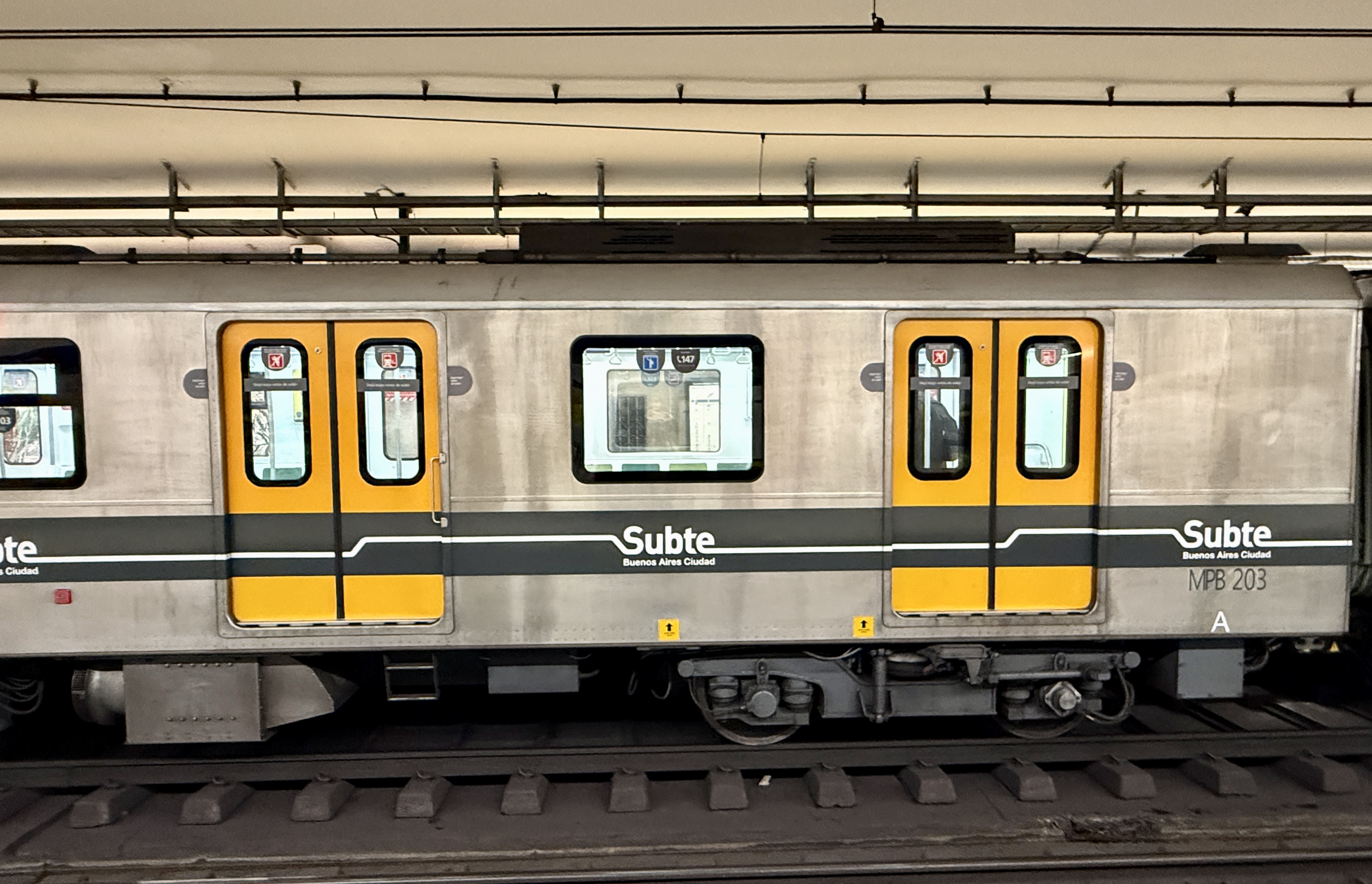
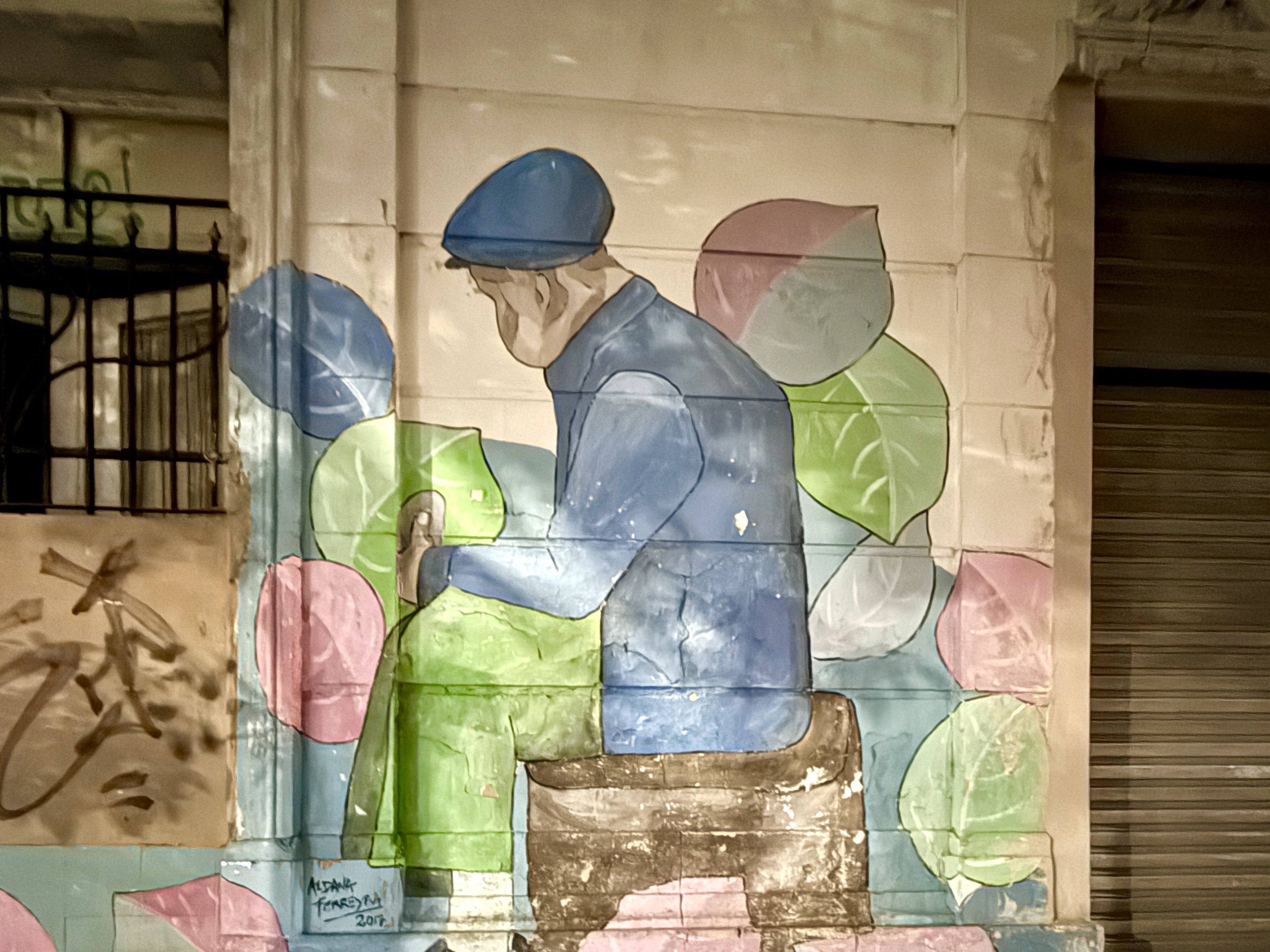
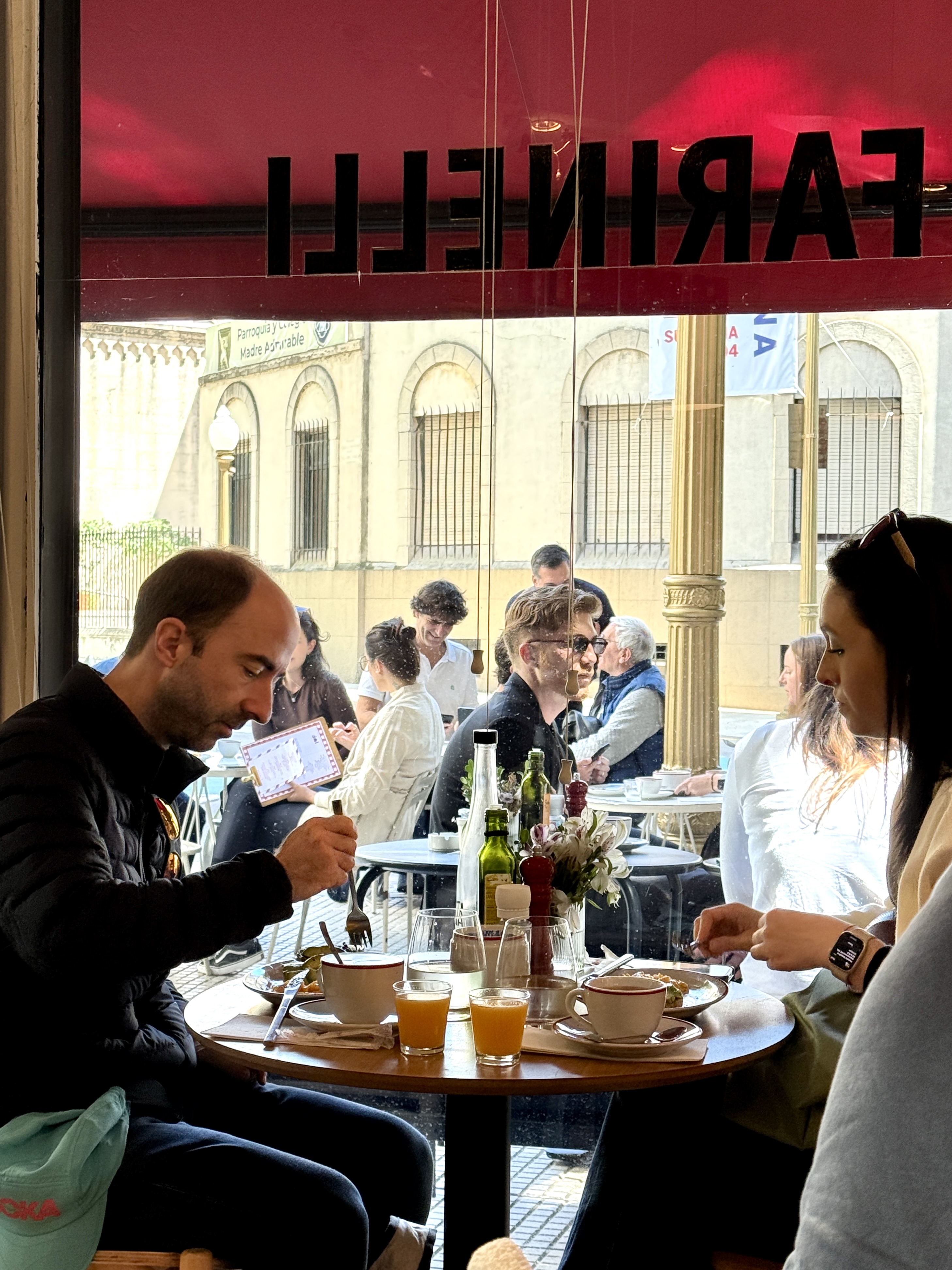
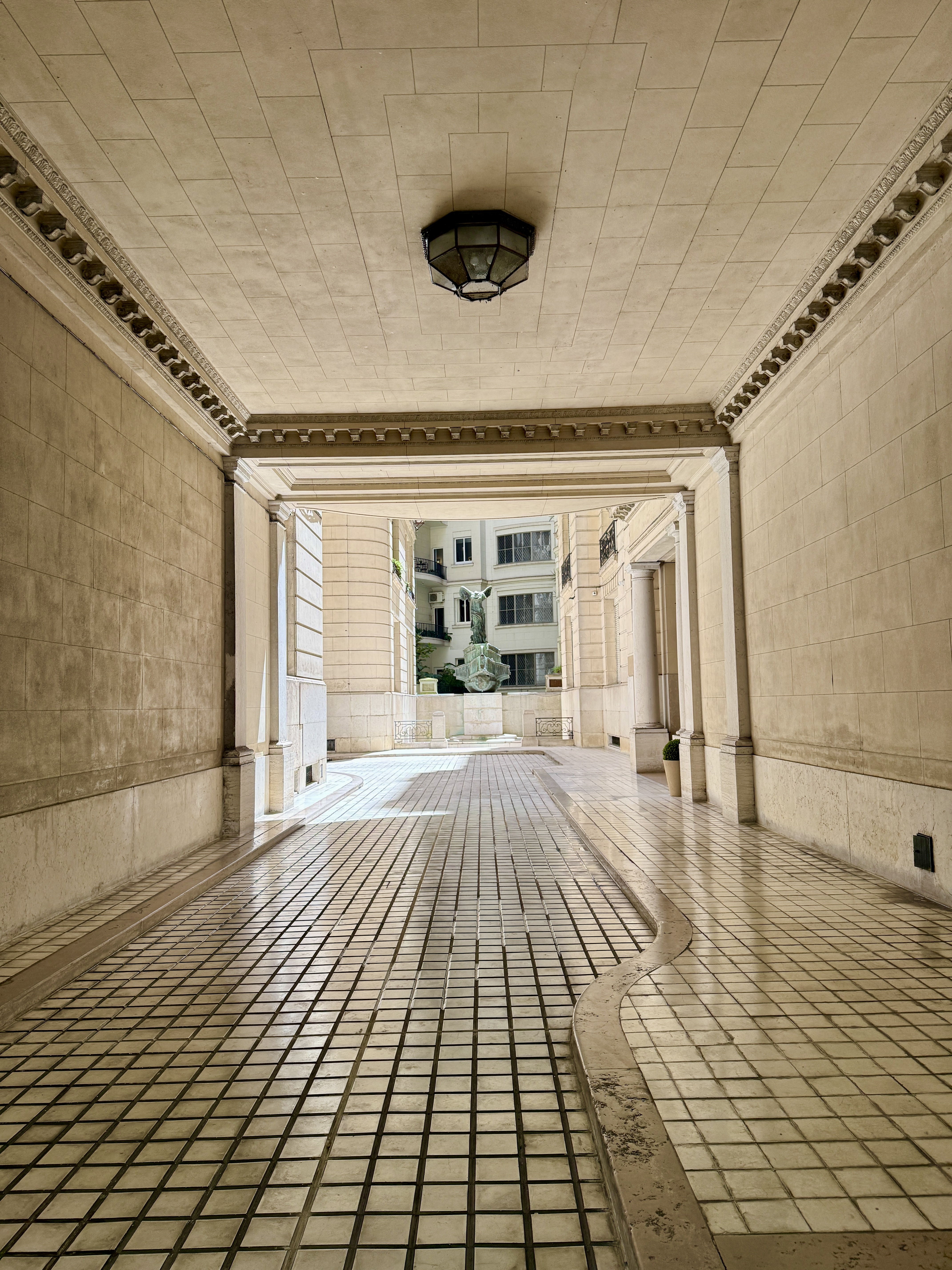
This will be short. It’s about 2 am, and I’ve just finished packing. We leave Buenos Aires in the morning — driving out into the country for two days before we head back to the reality of life in the US in 2025. It was nice to escape for two weeks.
Halloween doesn’t seem to be a thing here in Buenos Aires, and Day of the Dead is taken as a solemn holiday where people remember those who have passed and families have dinner. So, no big to-do here on October 31; frankly I really forgot it even was Halloween. And I’ve never been a big fan of Halloween so this is perfectly fine with me.
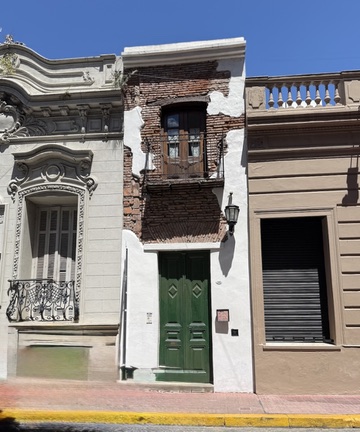
We strolled to breakfast and then went on to San Telmo neighborhood to find the “skinny house”—Casa Minima, the thinnest house in Buenos Aires (and some say in all of South America ??). It’s only 8′ wide on the inside and is wedged between more normal size buildings on the street (San Lorenzo). There are several stories that may or may not be true. Some say that a wealthy landowner who had a slave built the house and gave it to the slave once slaves were freed. But the dates don’t match in that it seems the house pre-dates the freeing of slaves. We couldn’t get inside, so we only saw it from the street. I thikn the full effecct would be from inside.

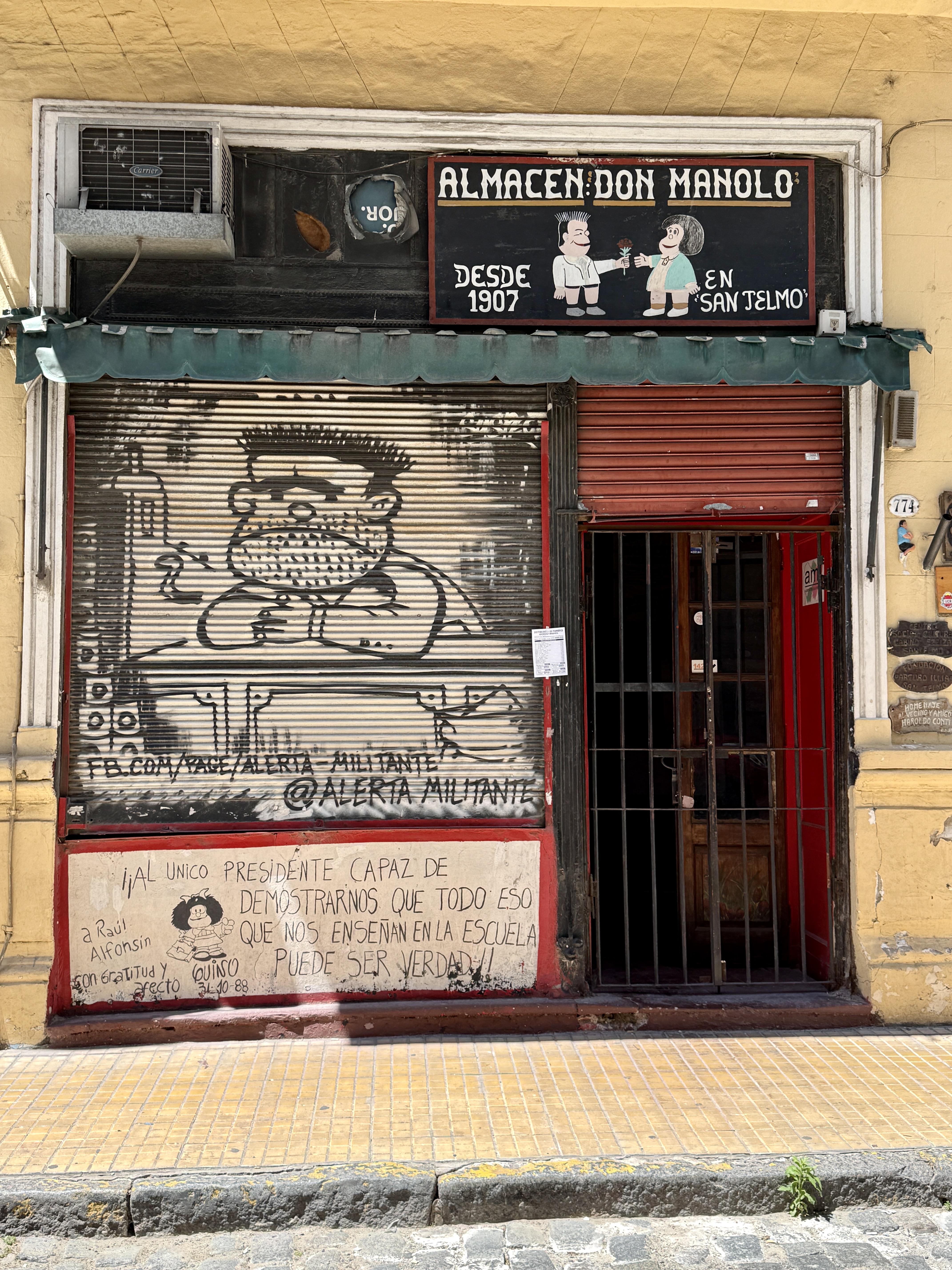
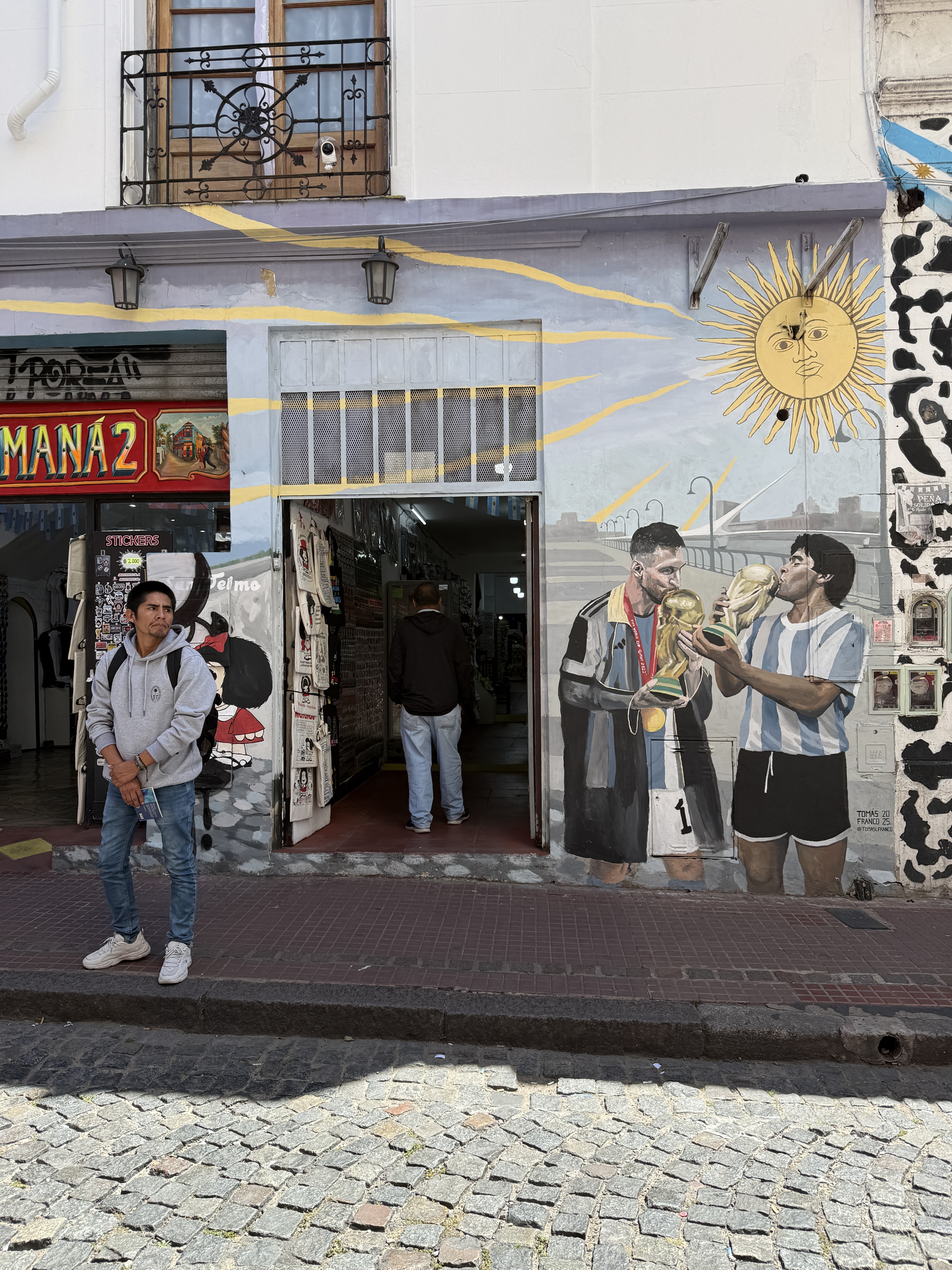
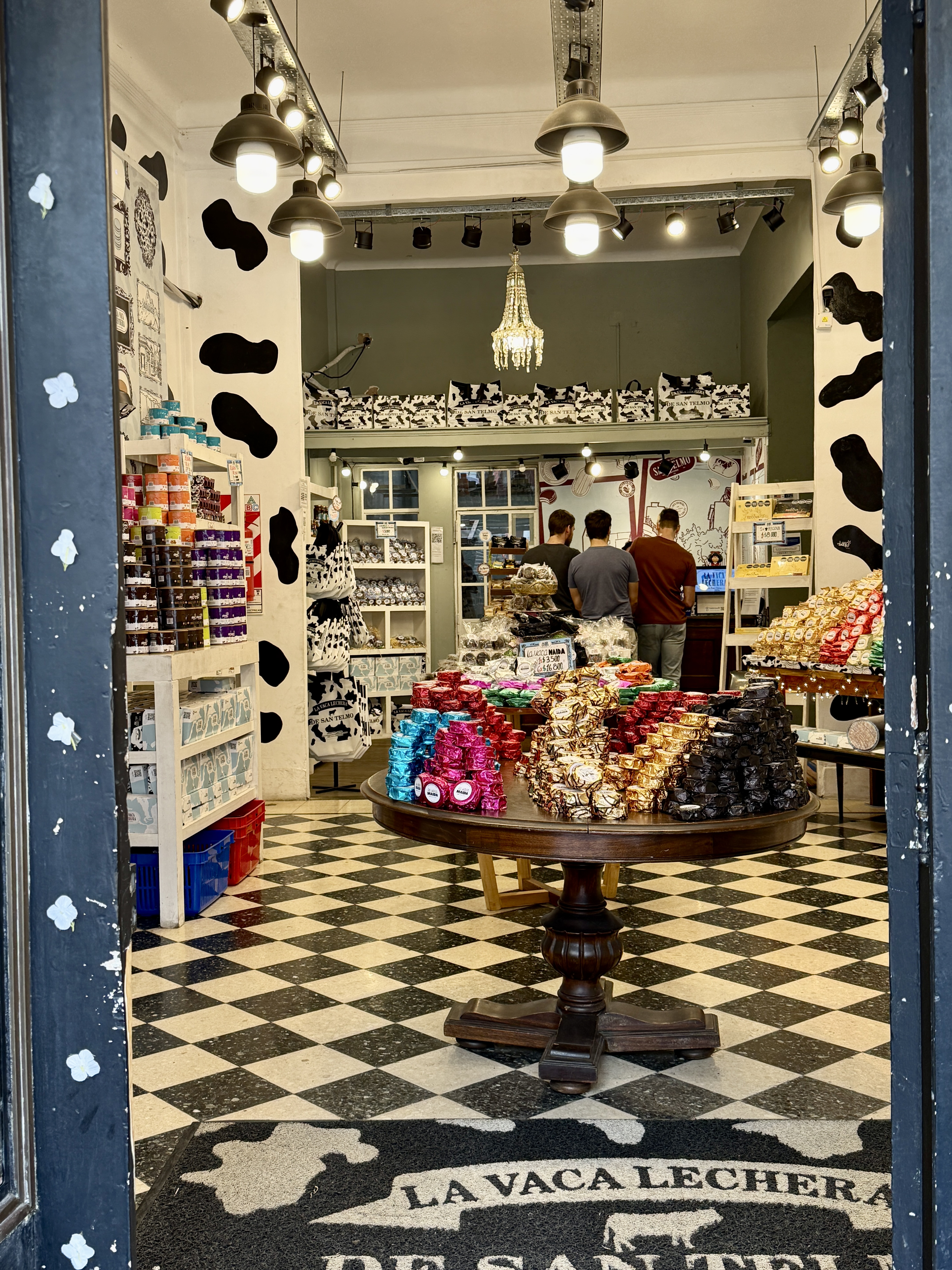
We strolled around San Telmo (again), the oldest barrio in Buenos Aires. It’s quite well-preserved and boasts a large number of old buildings–most of which are well preserved. As the birthplaces of tango, during the mid 20th century, one stumbles upon dancers in the parks. It’s a sort of Bohemian area with lots of galleries, jazz clubs, cafes, antique stores, restaurants, and cobblestone streets.


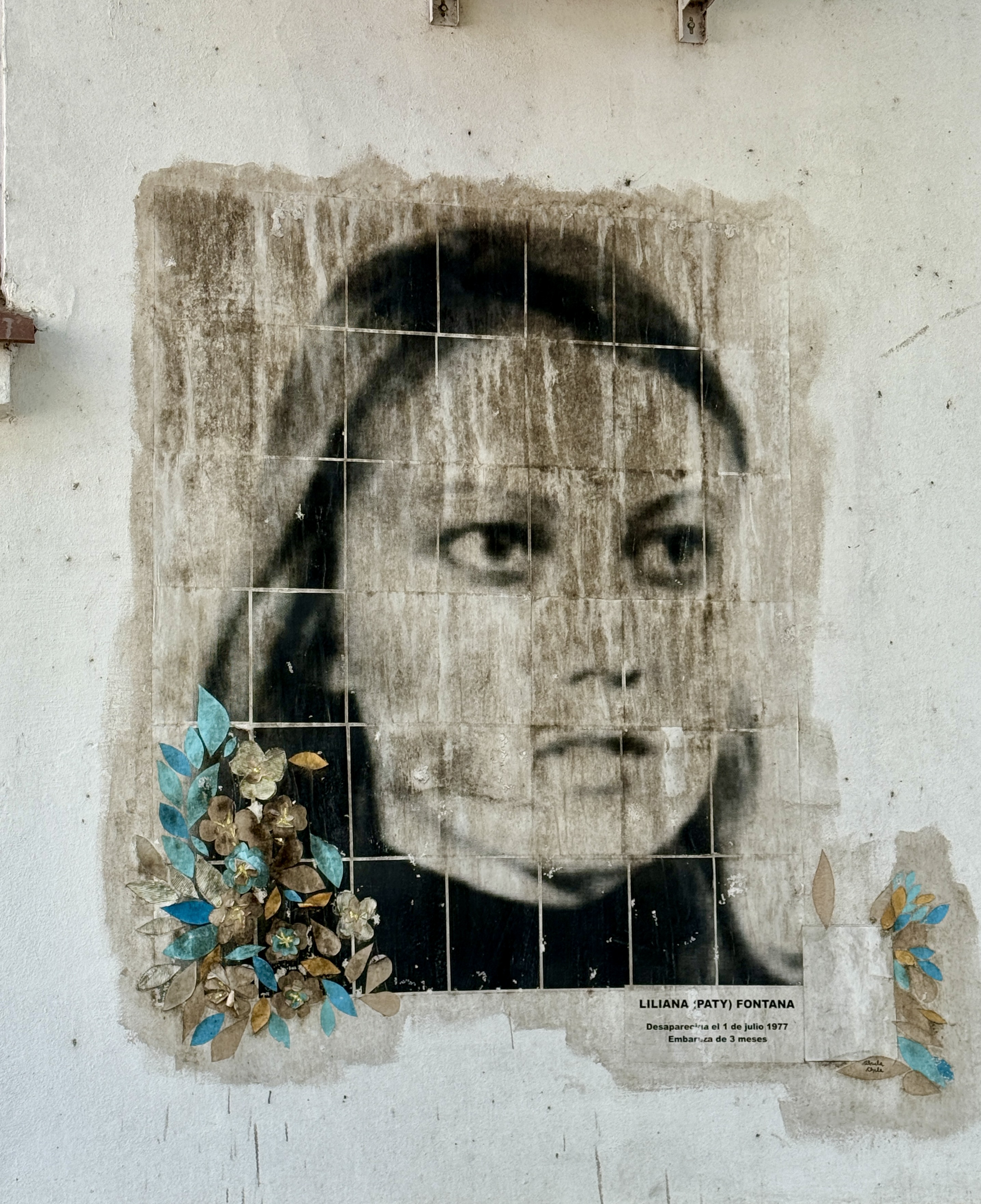
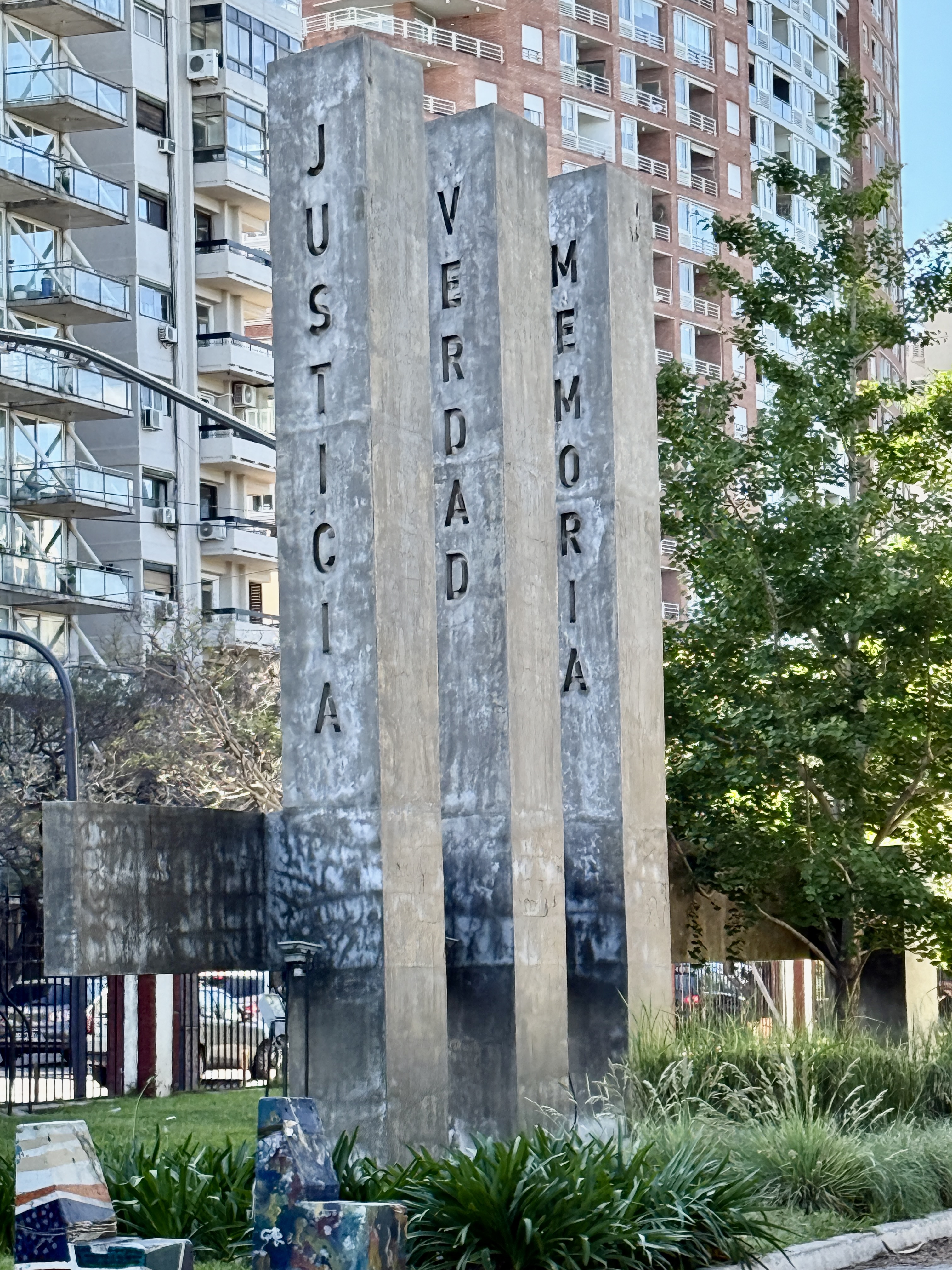
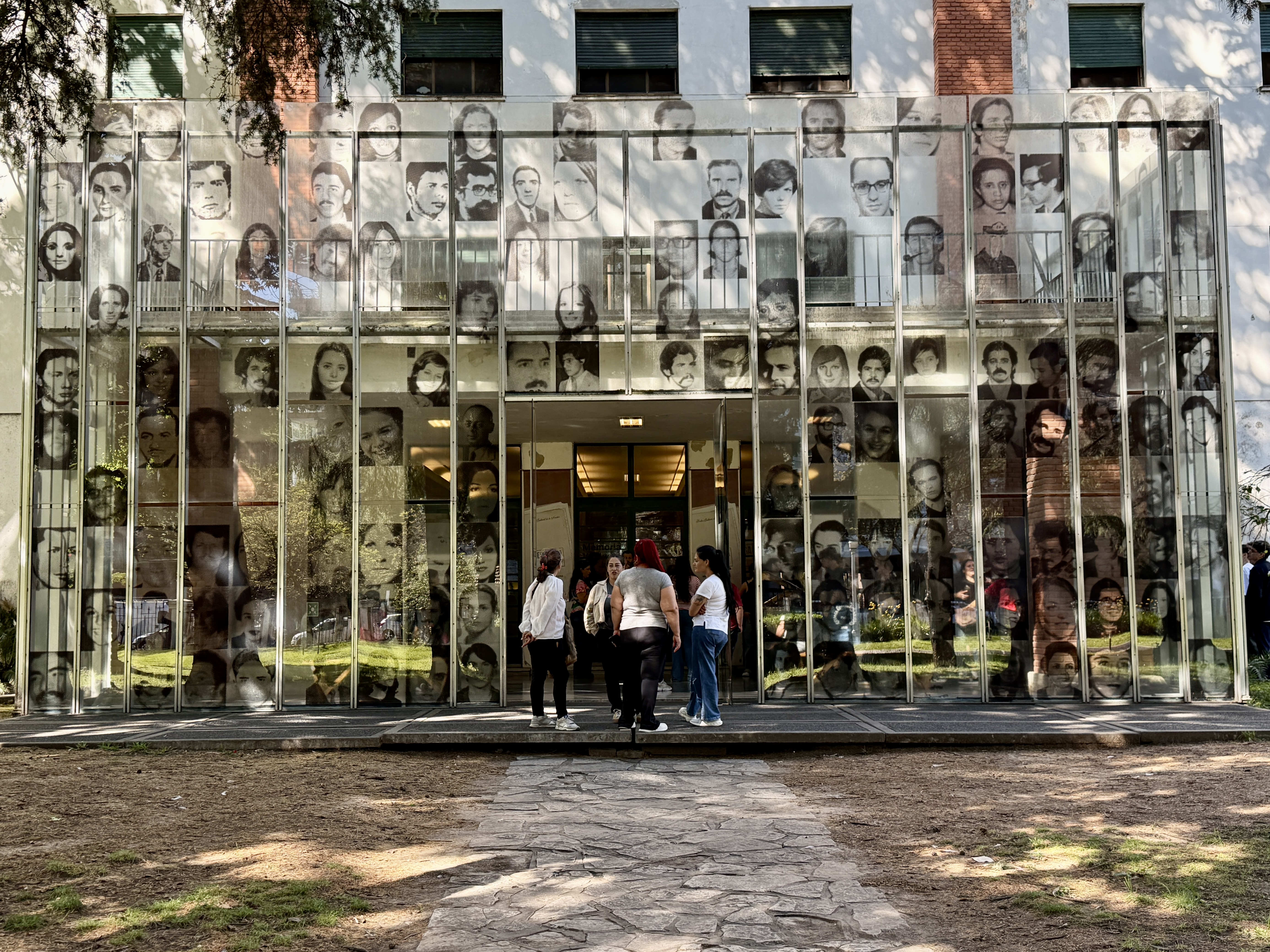
Then we headed to Ex Esma, the Museum of Memory and for the Promotion and Defense of Human Riights. The buildings were used as part of the main clandestine detention centers by the military dictatorship between 1976 and 1983. The complex honors the victims of state terrorism and tries to preserve the critical memory of that period and also has a mission of defending human rights into the future.
Unlike places like the Killing Fields in Cambodia, this museum makes an attempt to look to the future. As a visual experience it was very underwhelming, especially when thinking about the magnitude of the problem during the dictatorships—people being tossed out of airplanes into the ocean; babies being born in detention cells being appropriated by the state; torture of many different kinds. The museum does make efforts to “showcase” photos of a small portion of the people who were detained (most of whom were killed). But there isn’t any real sense of the horror of the period.
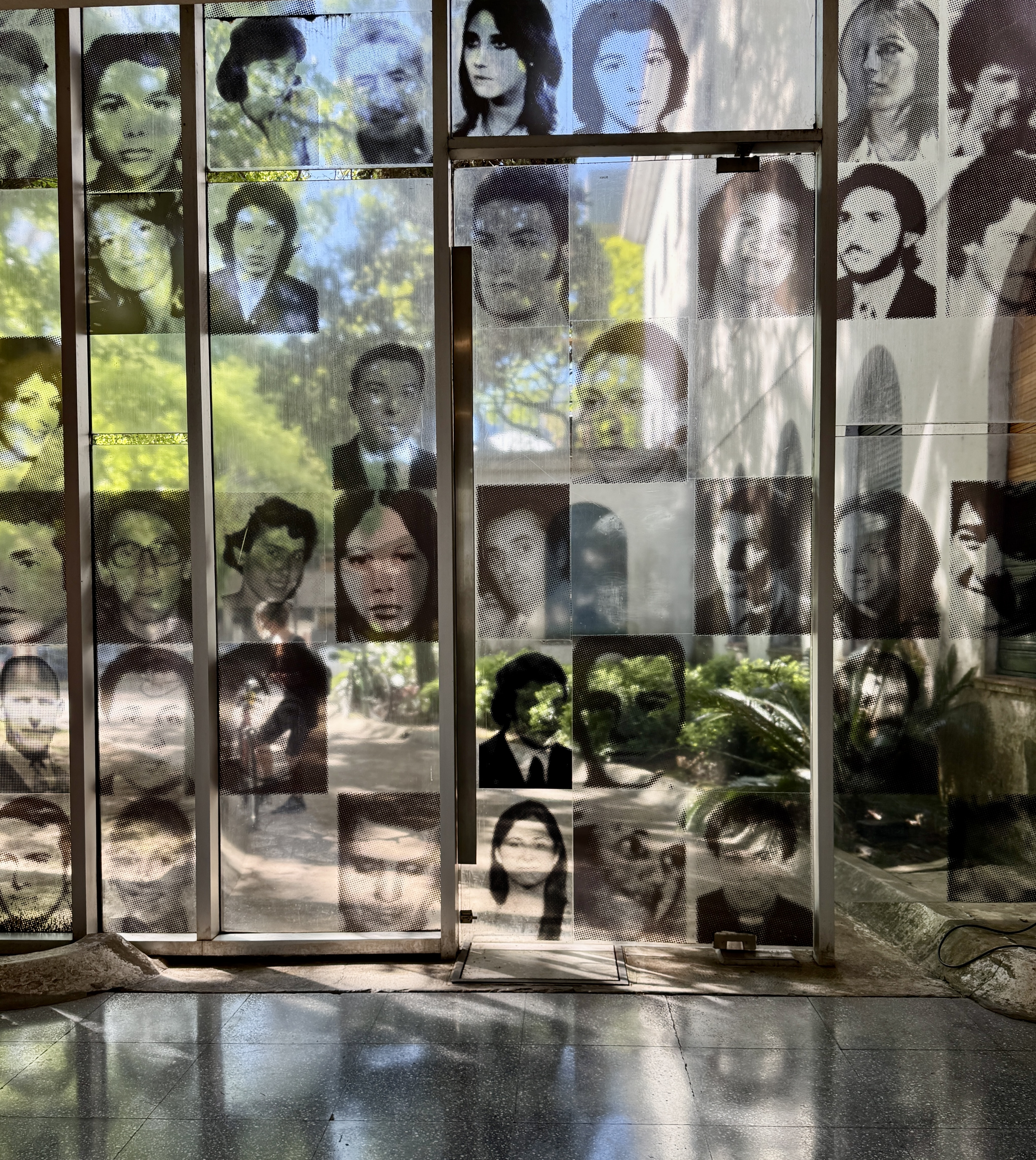
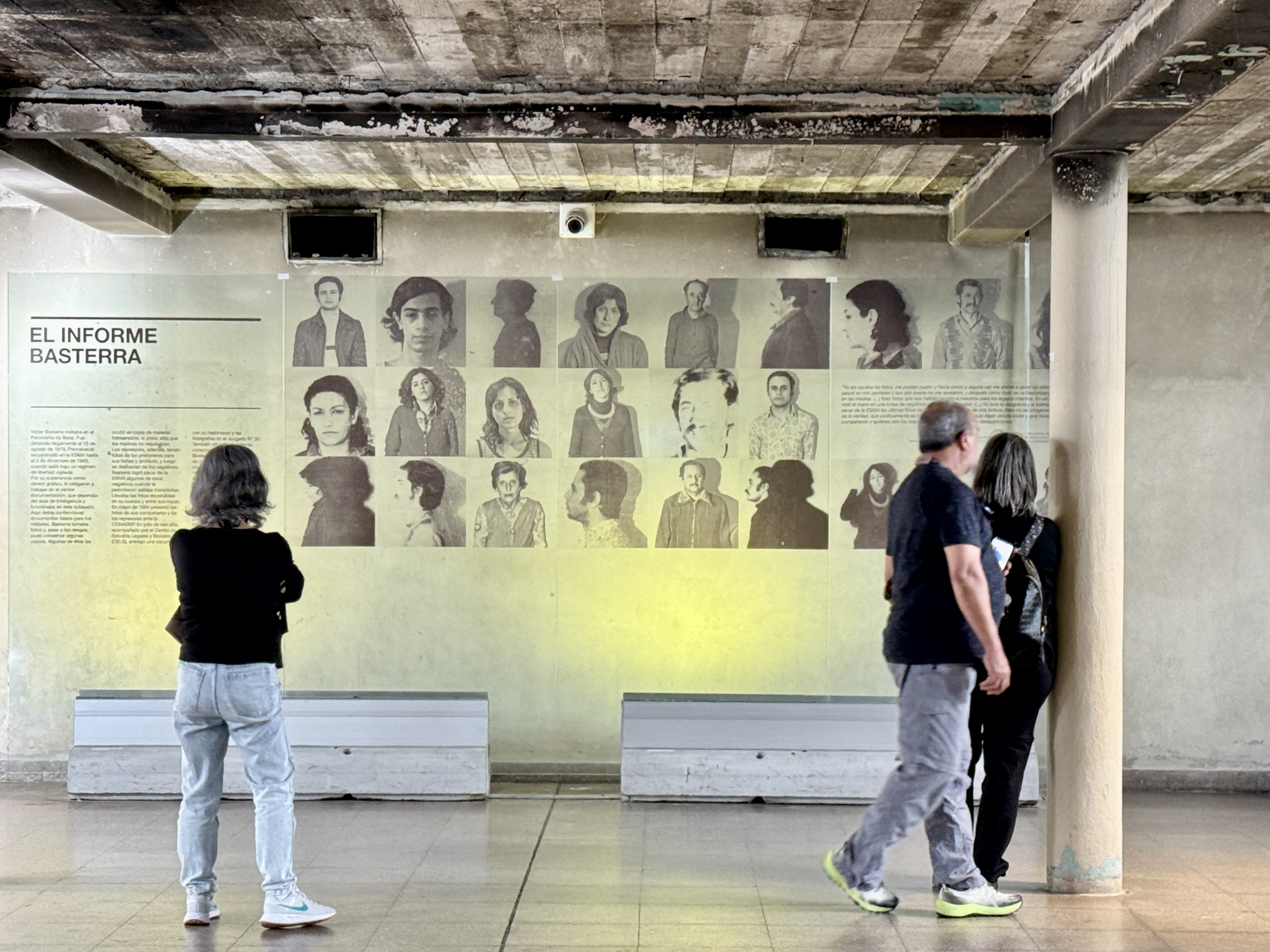
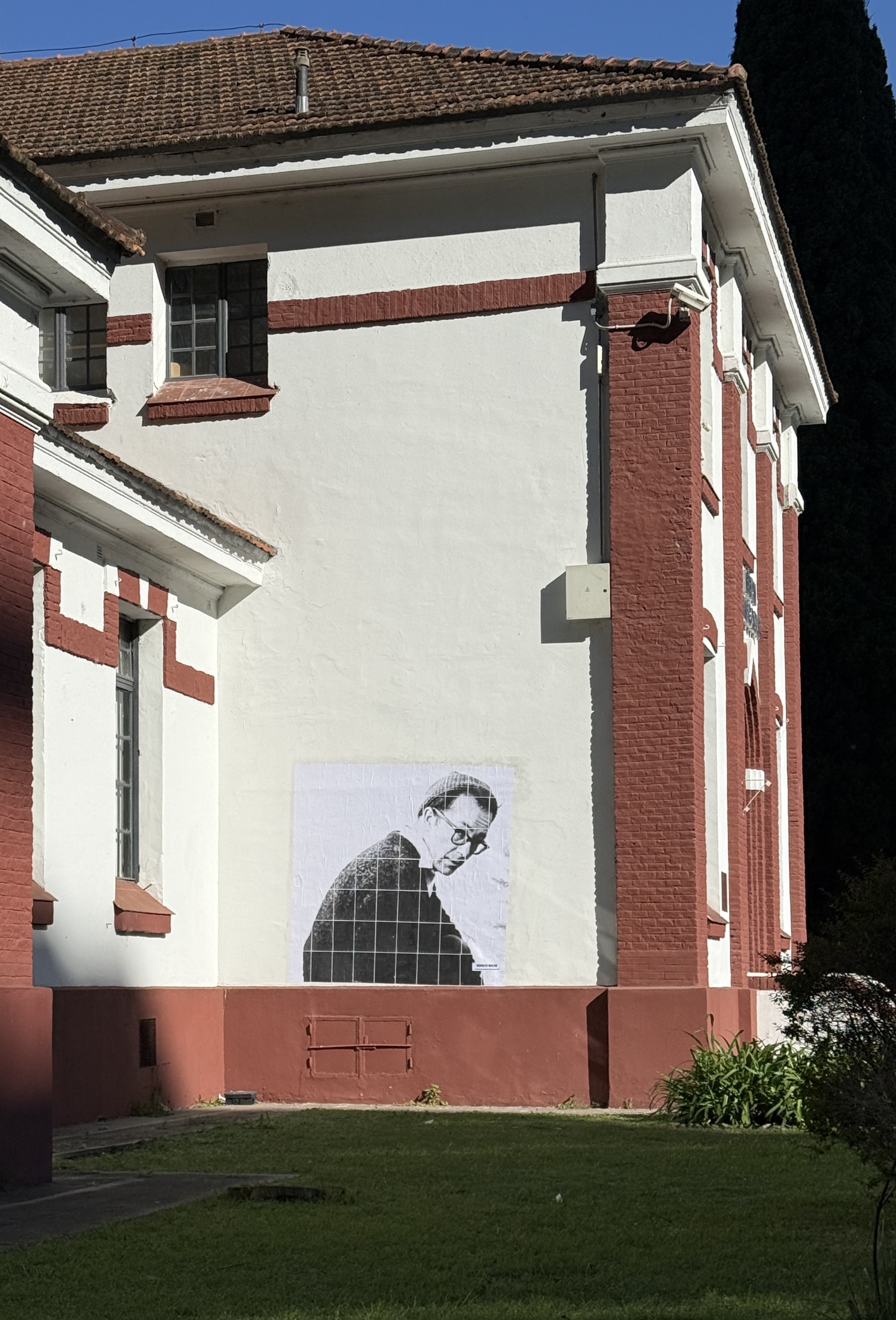

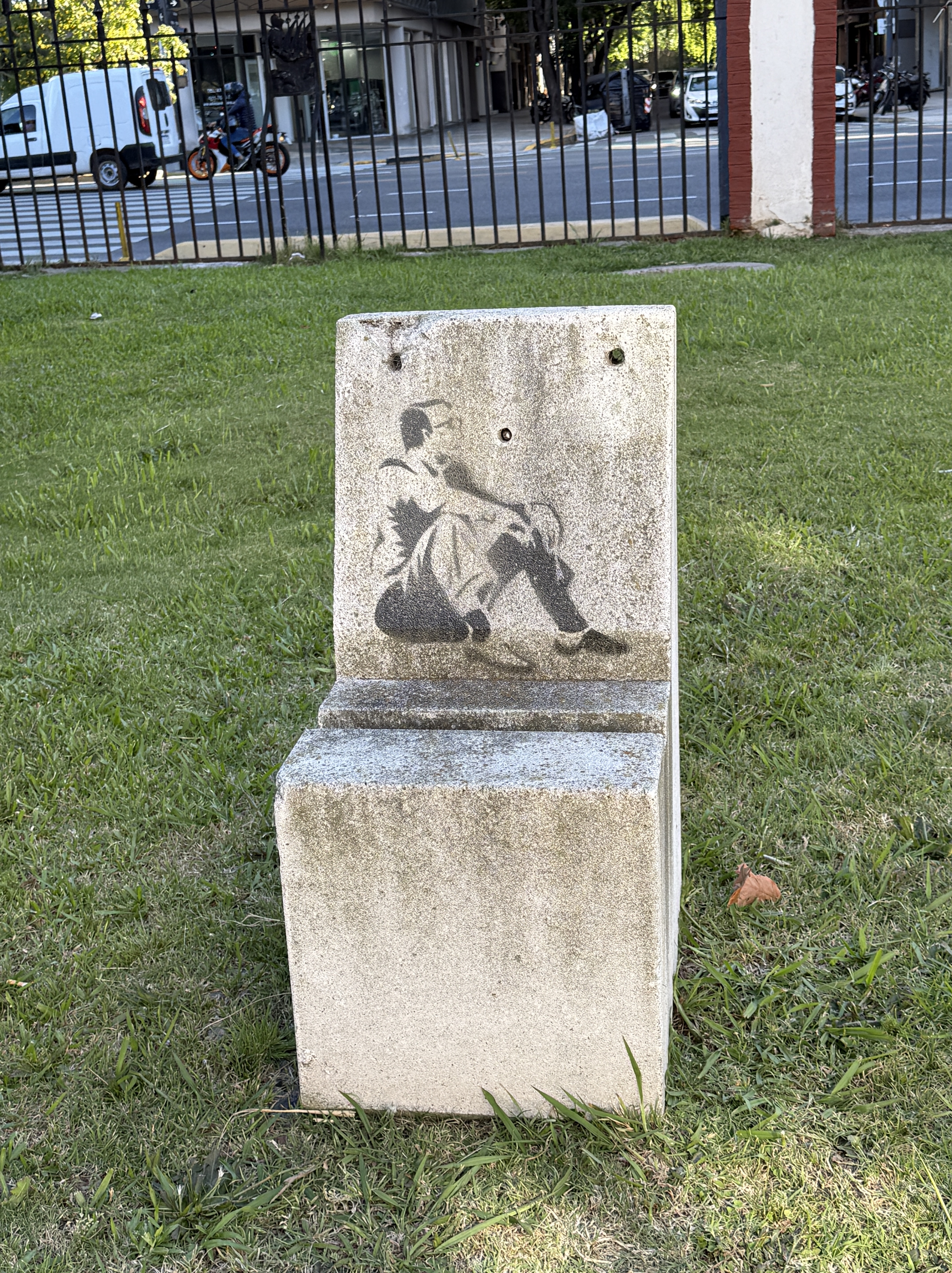
The museum is located at the northernmost part of the city of Buenos Aires, so it’s a trek. We headed back to the hotel to pack, and then to meet up with Jairo and Peter again for dinner and to say our good-byes. We went to a restaurant recommended by one of the concierges here at the hotel and it was a winner–Piedra Pasillo.

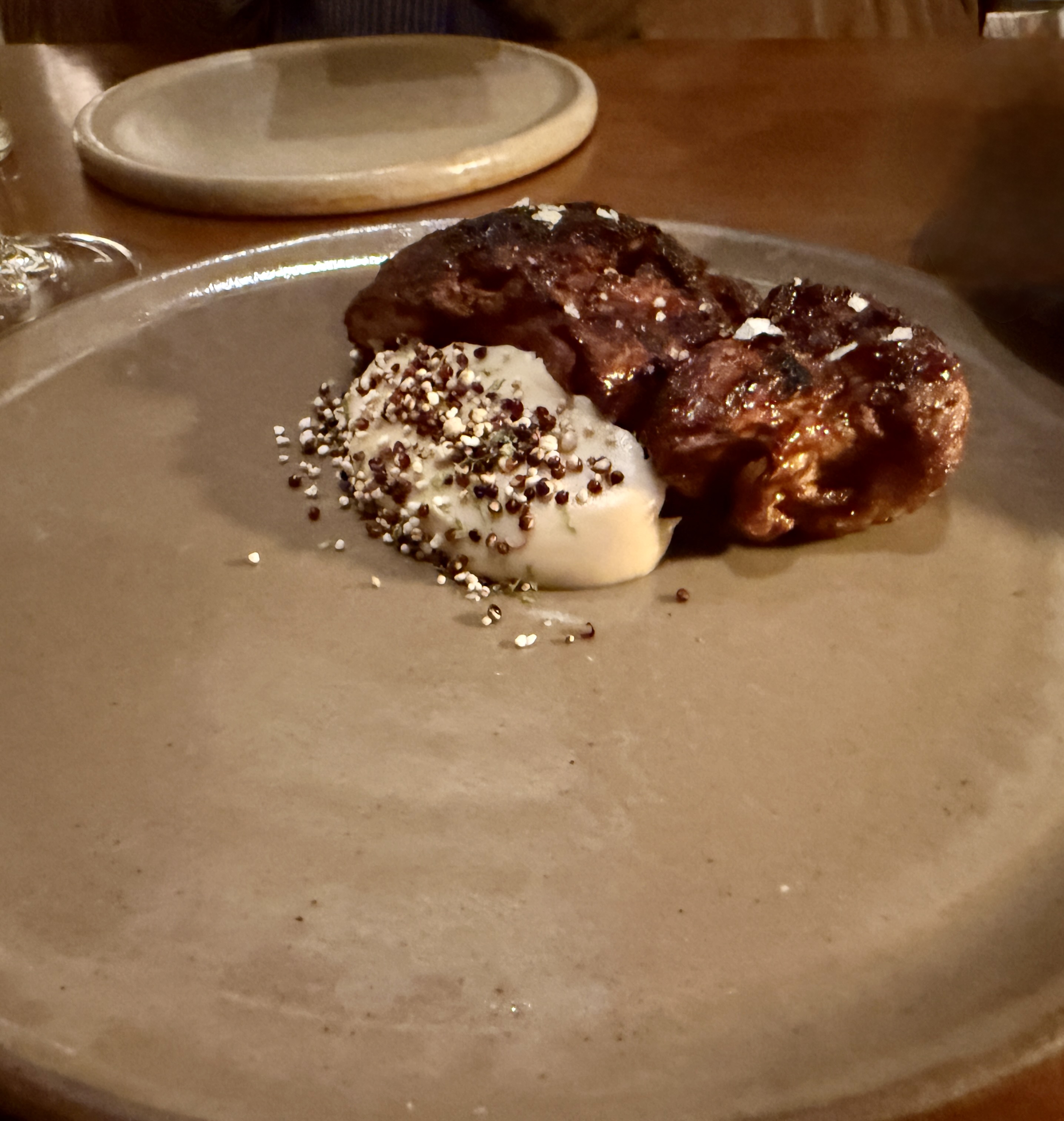
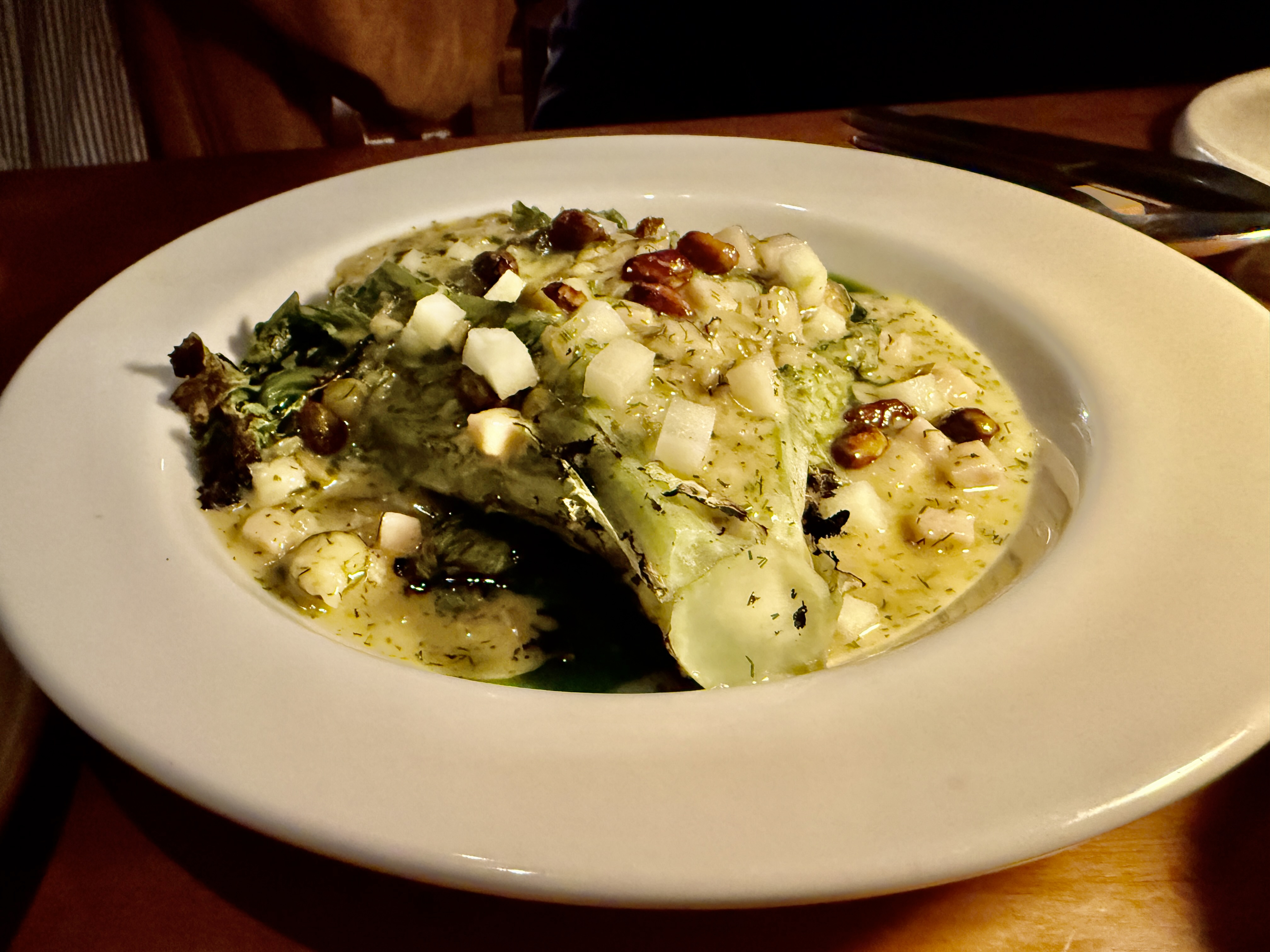
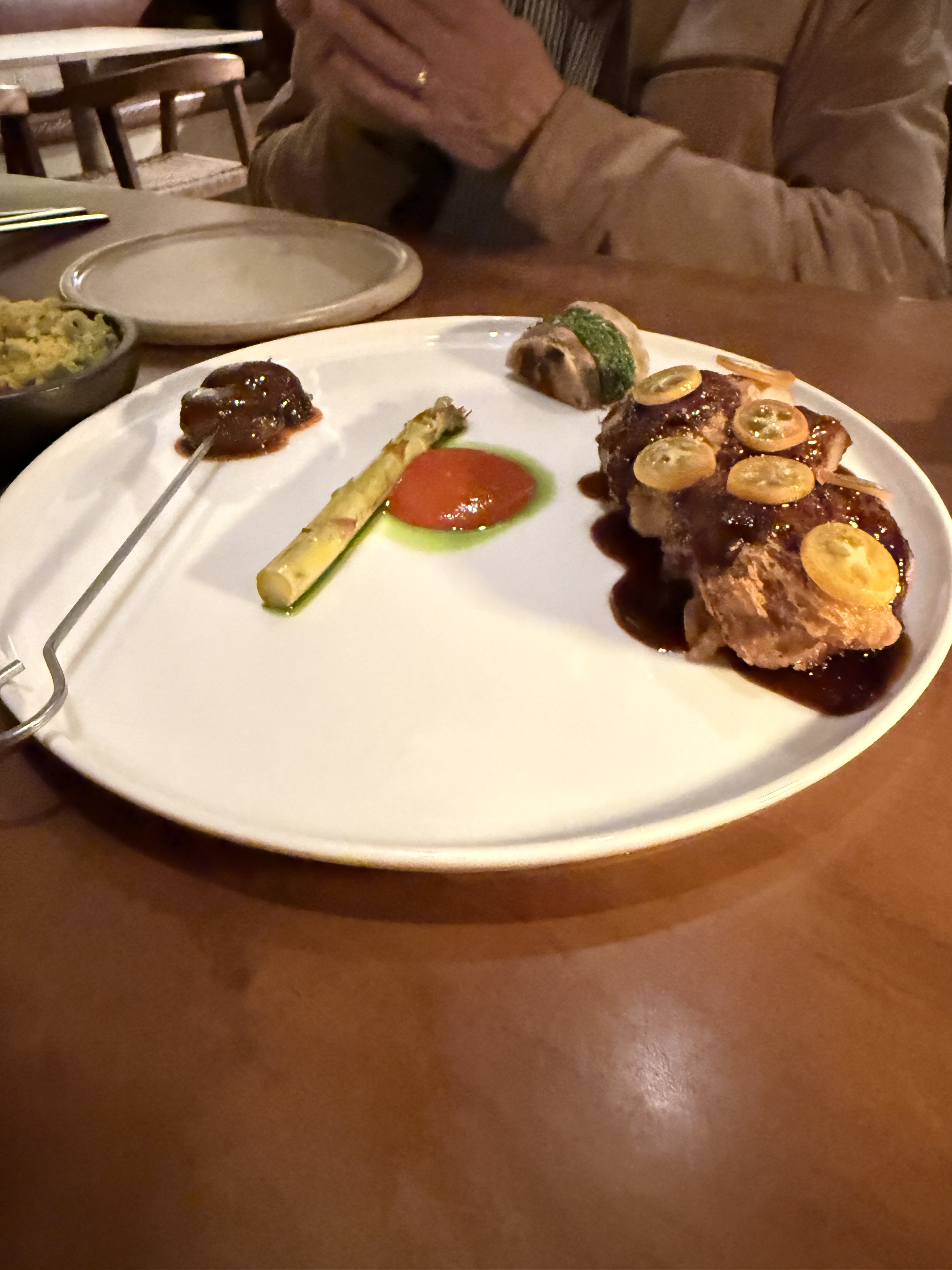
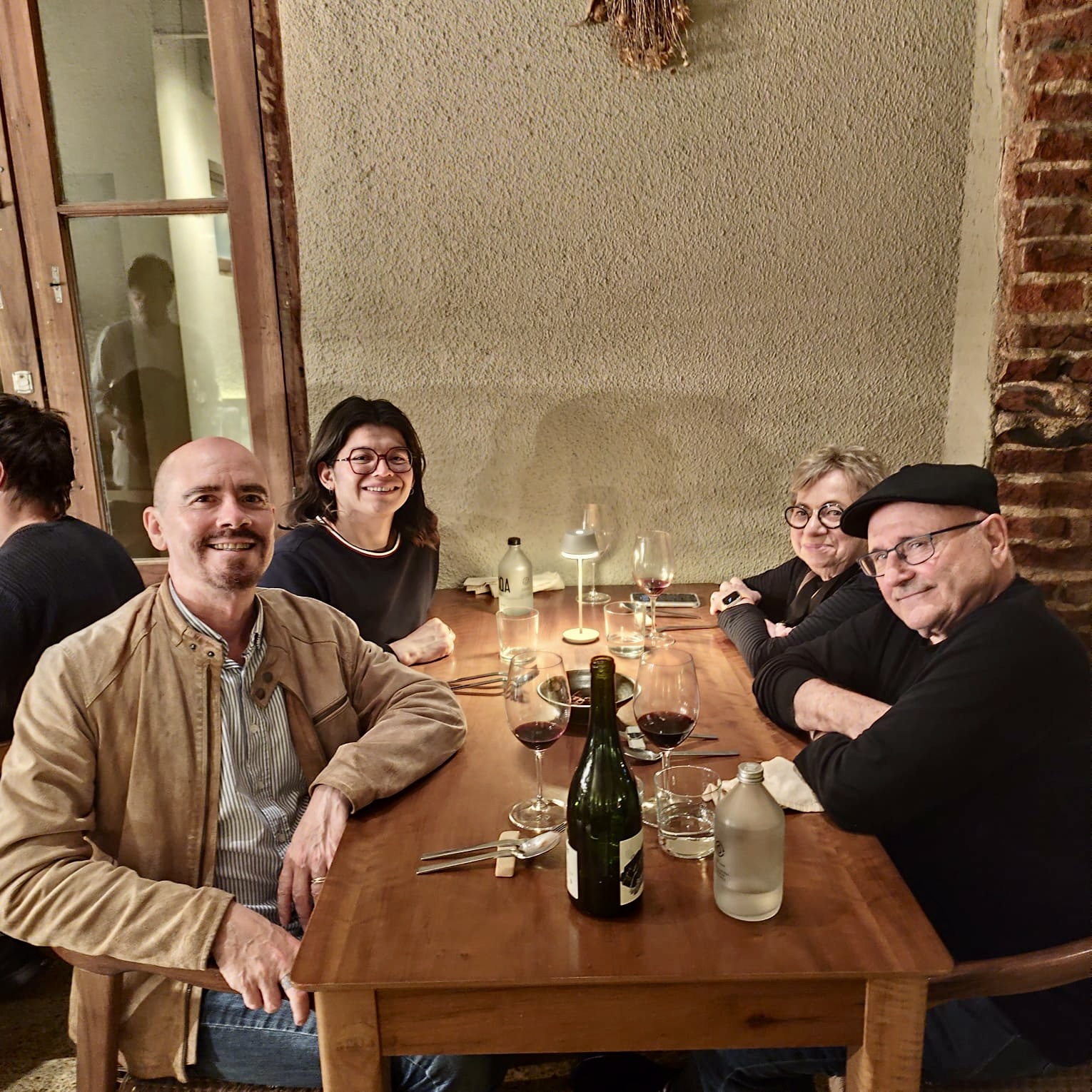
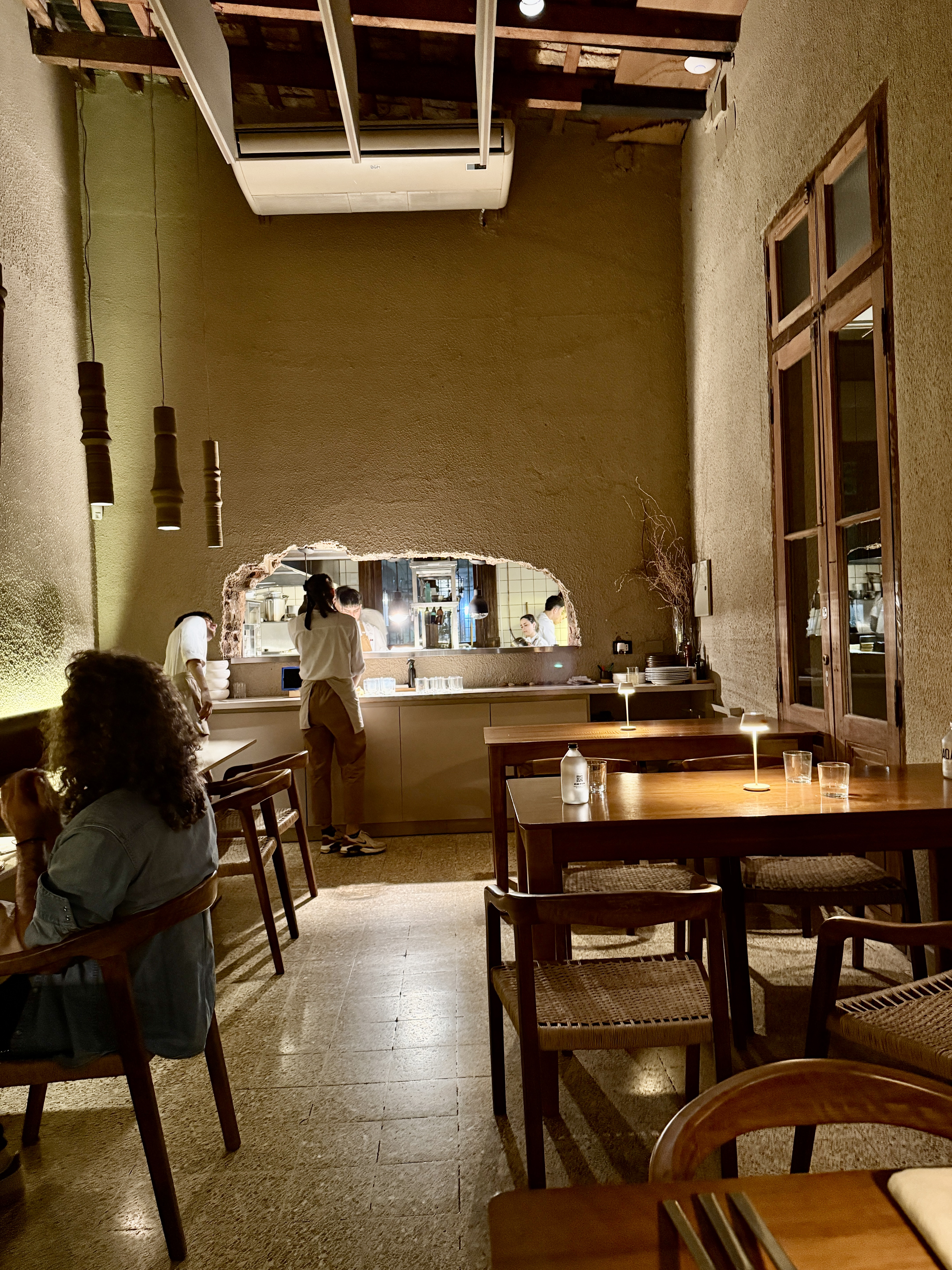
Im fading… Will describe the dinner for the foodies in my post tomorrow from Lobos, Argentina.
 Fern's Travel Notes