Final Days in Bucharest, Romania. April 17-18, 2005
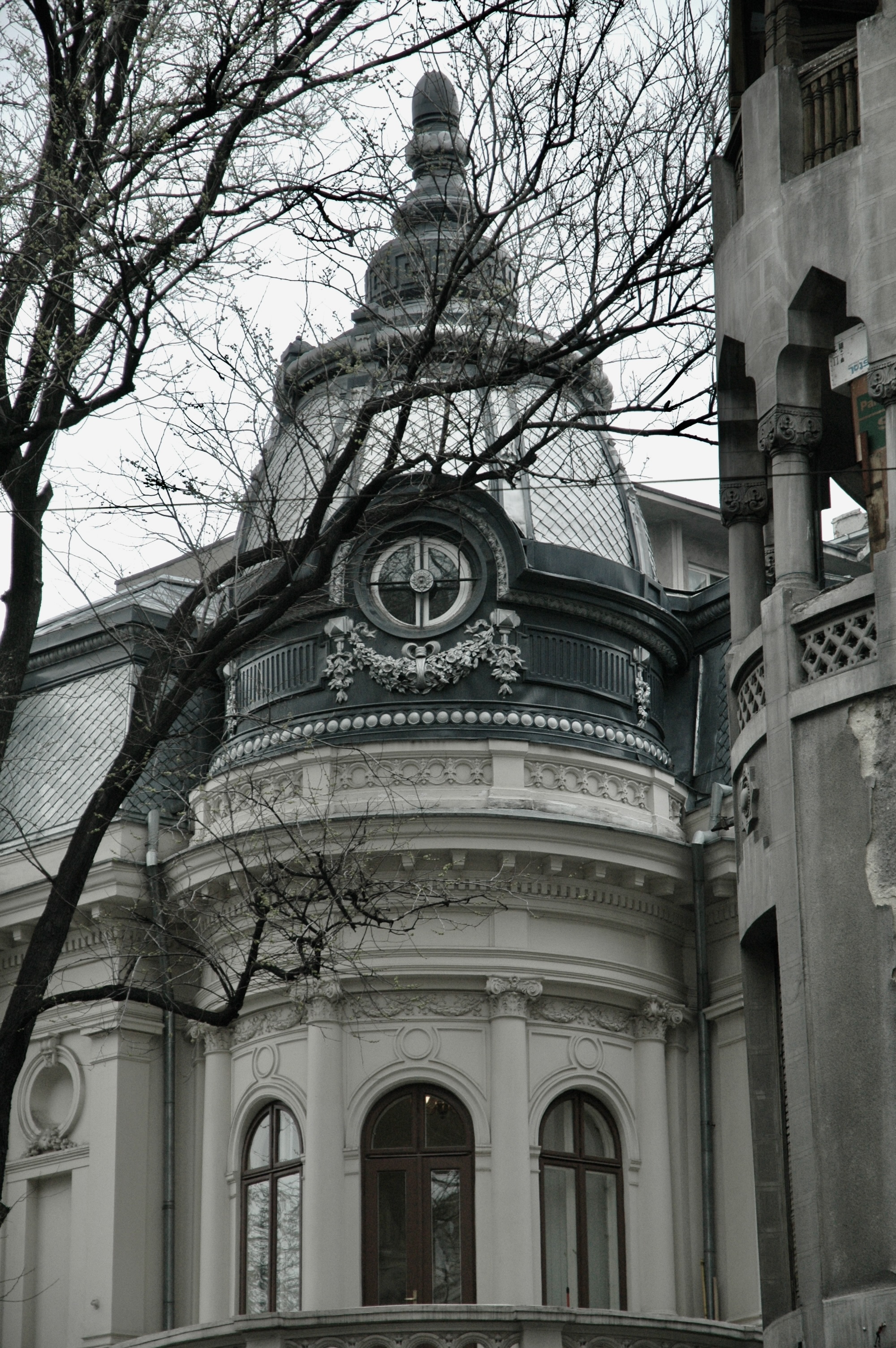
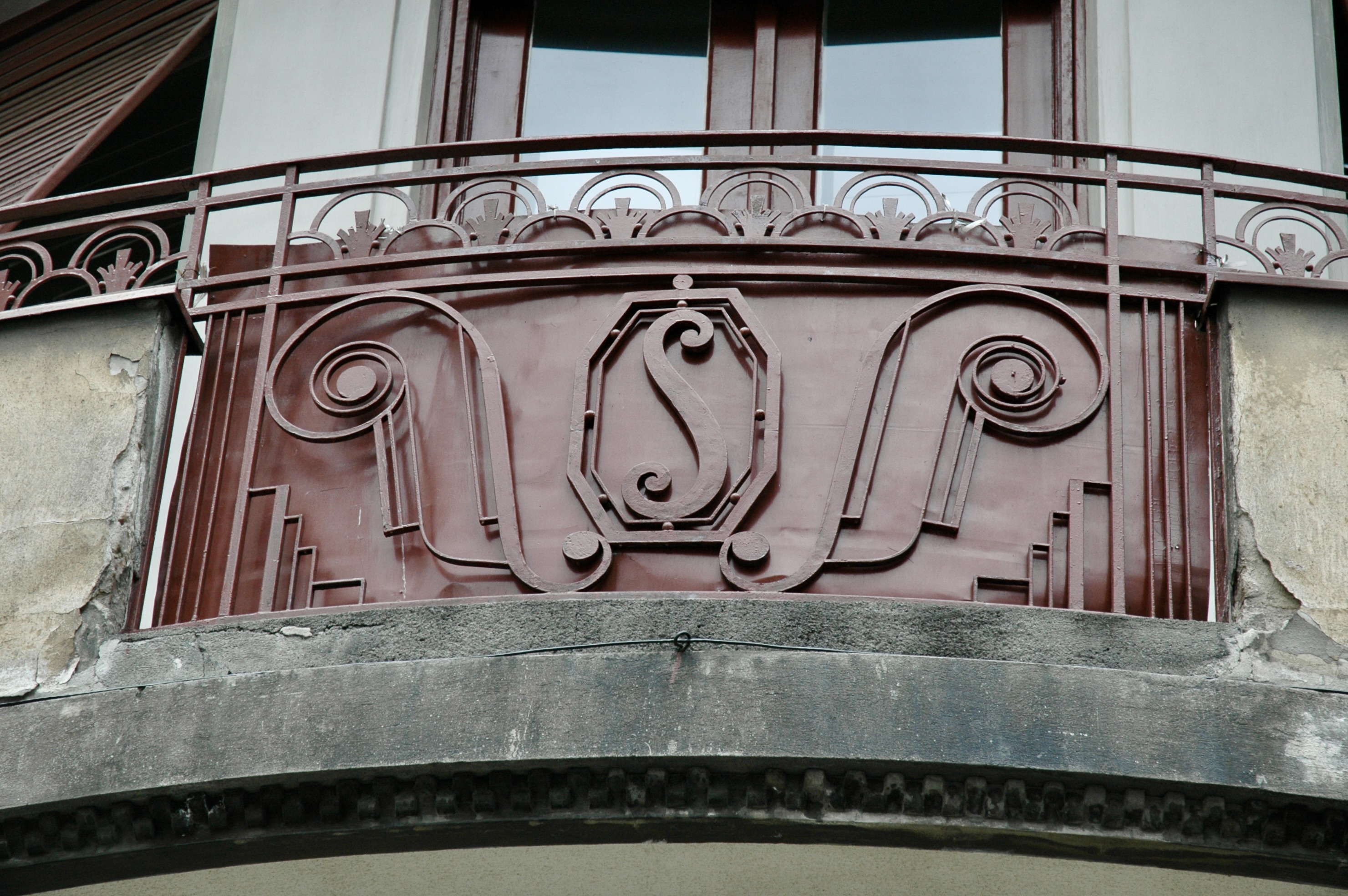
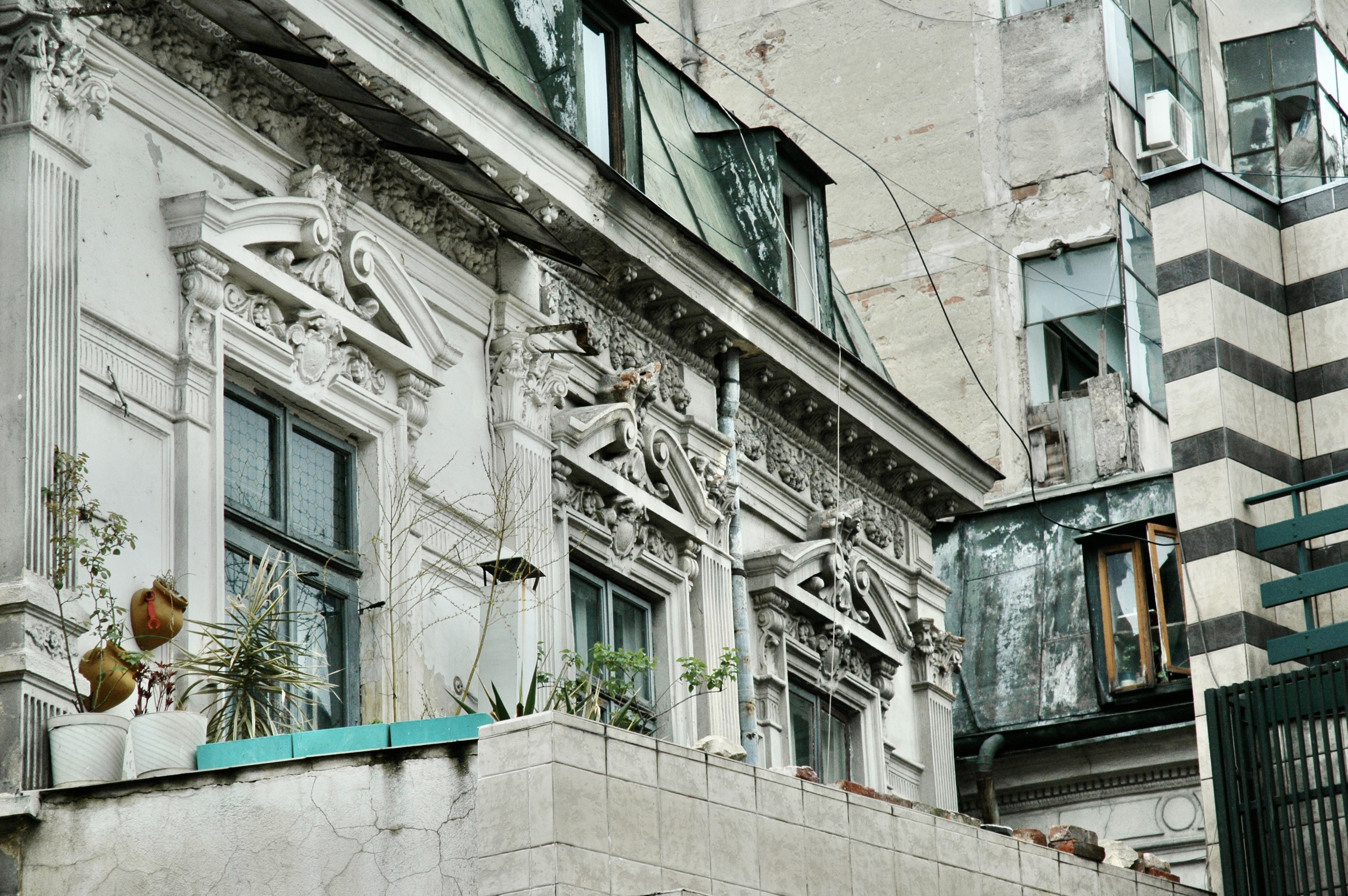
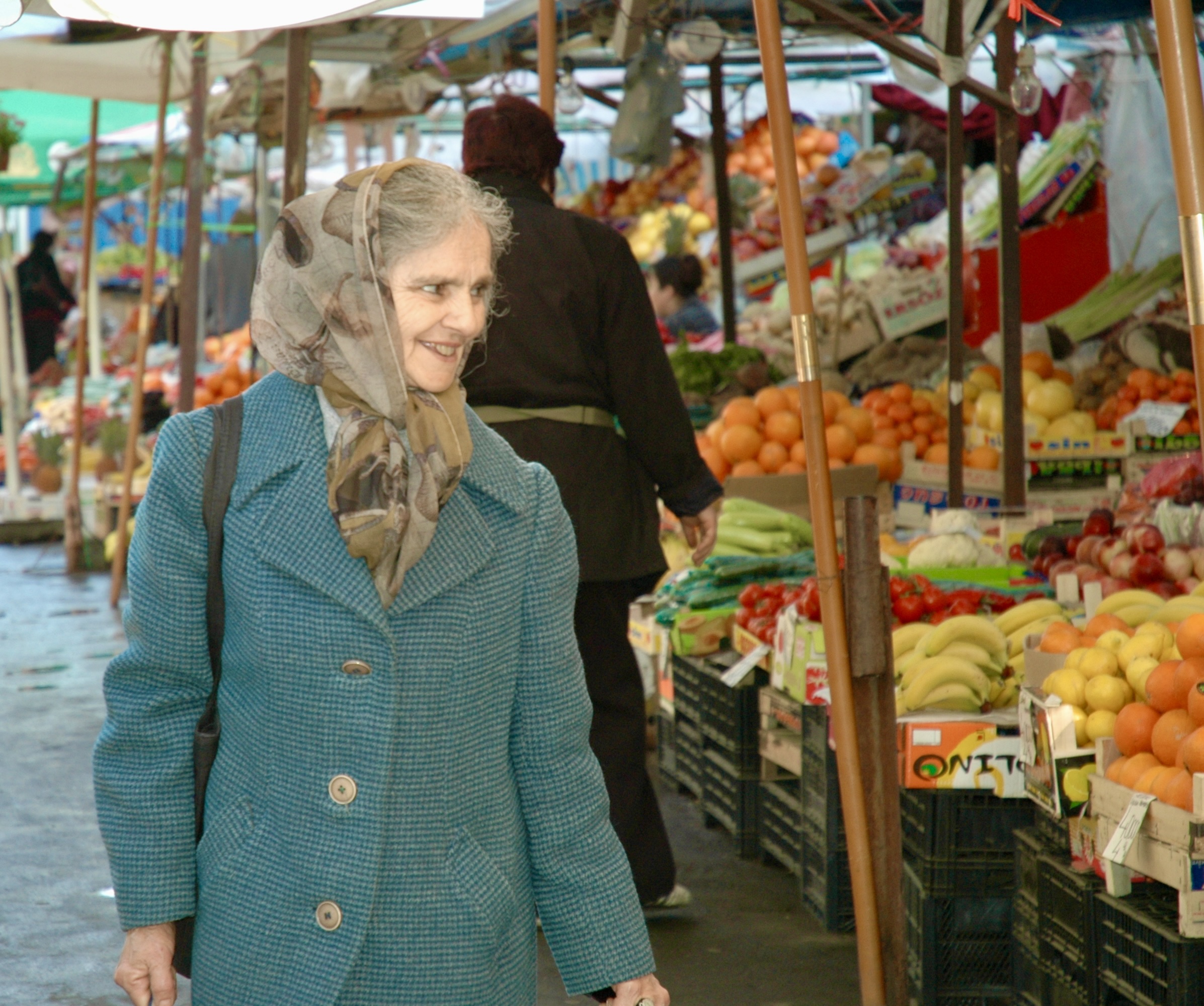
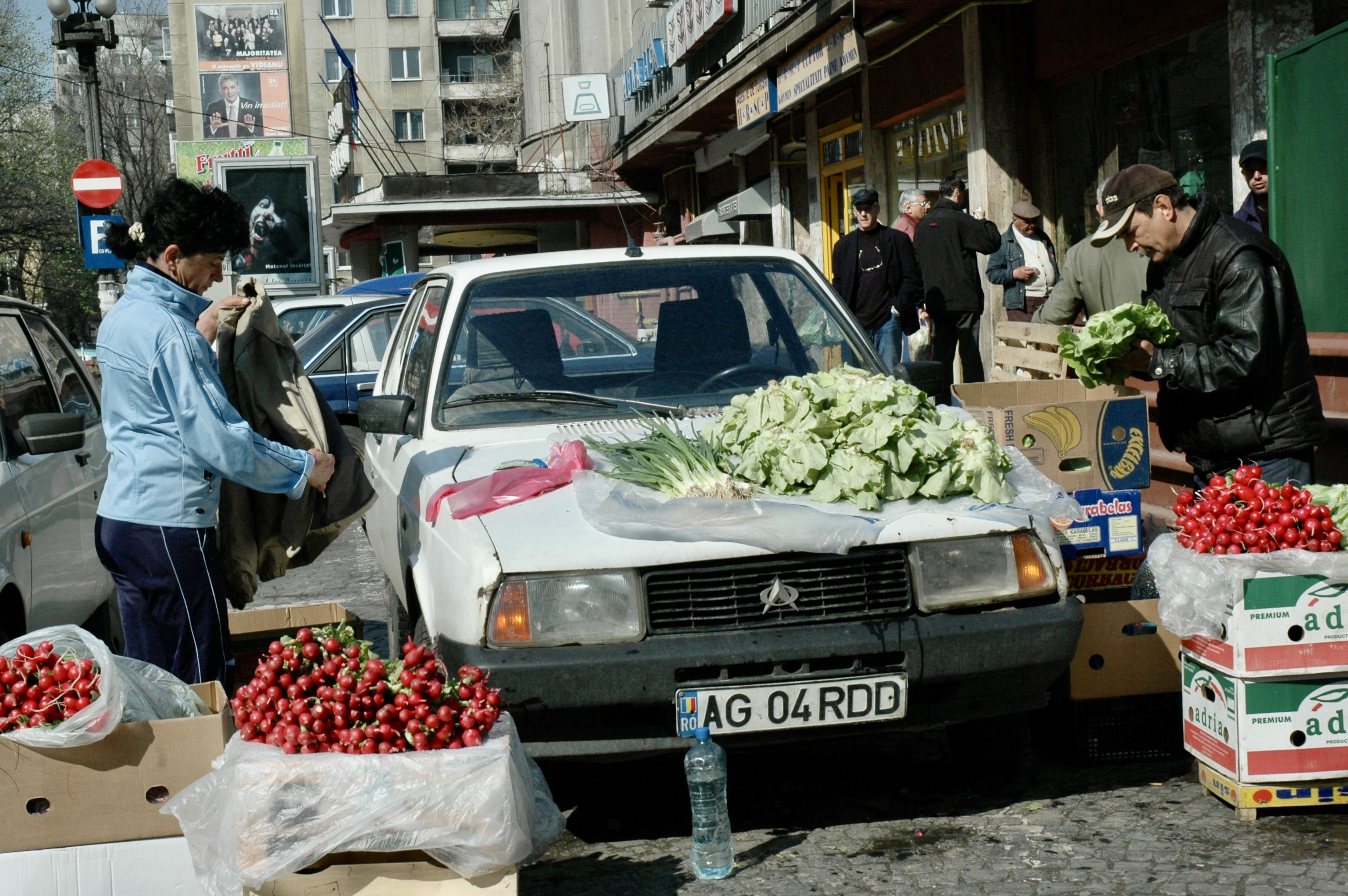
We spent the final days in Bucharest walking around, taking trams, ducking out of the rain, and visiting with some of the friends of friends. We stumbled on a soon-to-be-renovated upscale, hip coffee shop where the proprietor spoke Italian. Apparently there is now a lot of Italian money coming into Bucharest, thinking it will become a new tourist destination. While the cafe wasn’t yet open and there were ladders everywhere, they served us and it looks like the emerging cafe scene will be interesting to watch. It’s important to remember that this was 2005 just about 15 years after the revolution and overthrow (and execution) of Ceaucescu so a new country was emerging, but the physical plant would take years to restore or remake.
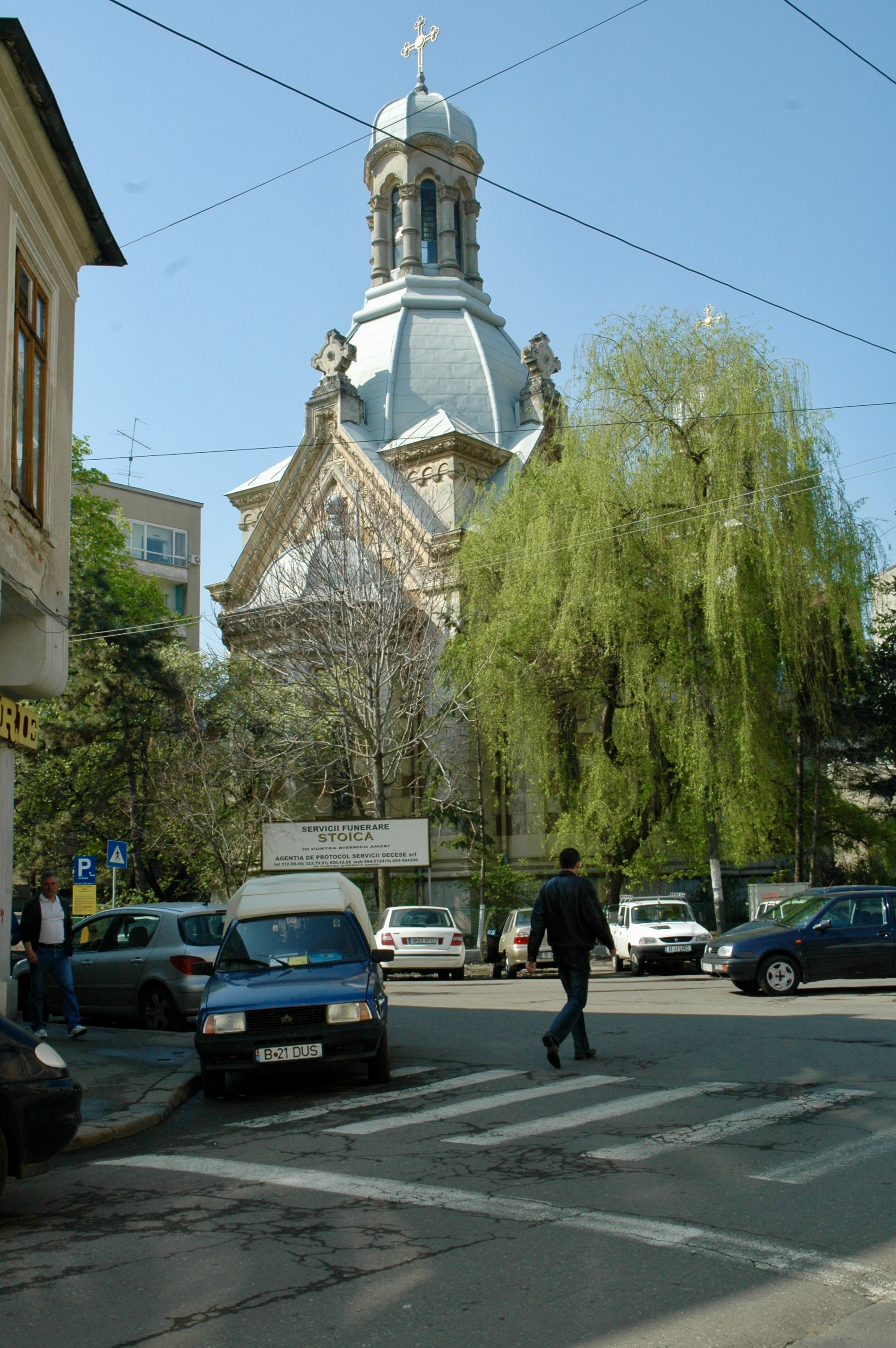
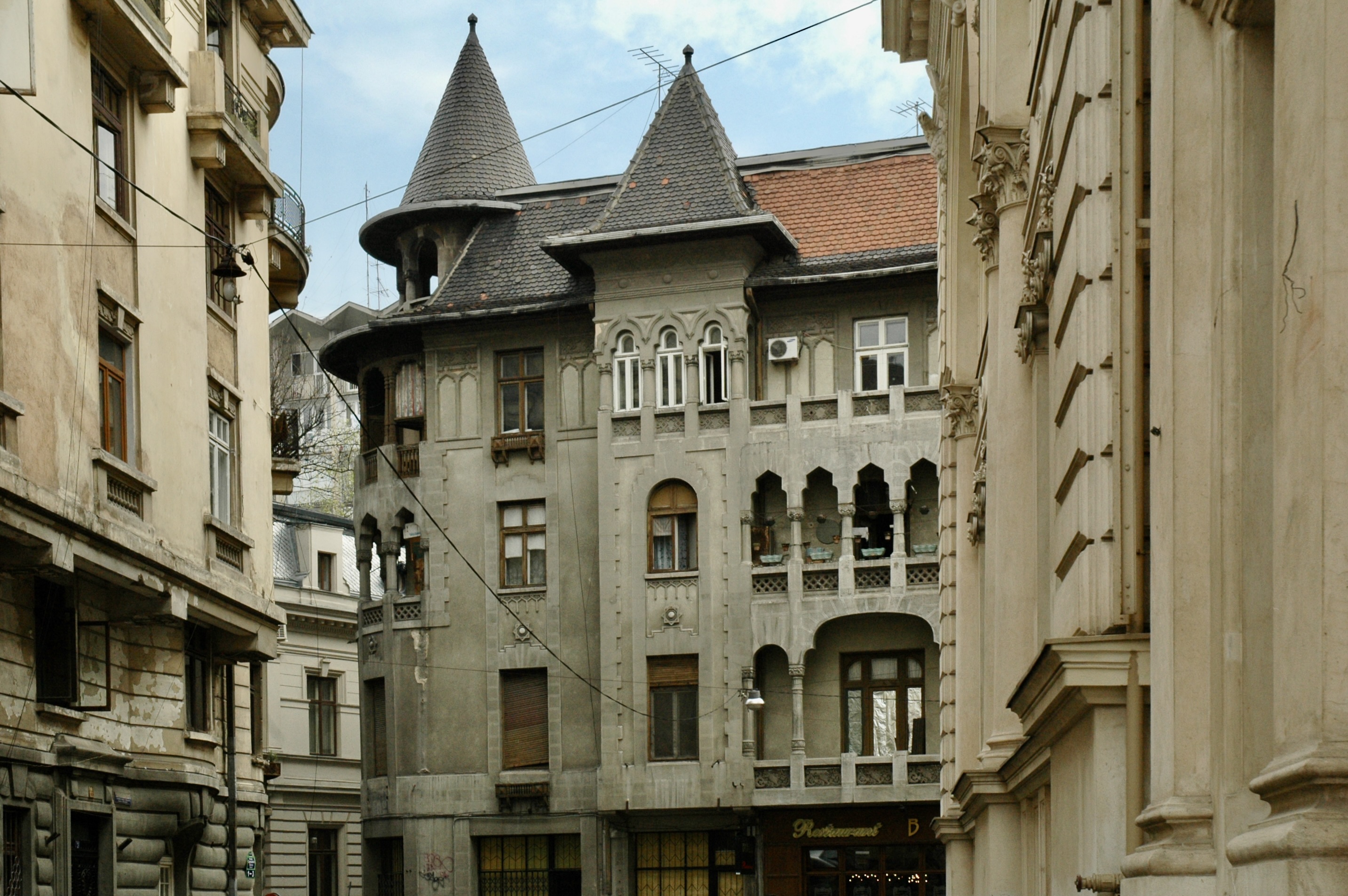
The city of Bucharest, was still haunted by the legacy of the country’s dictator. Roumania has a complex history, a multi-ethnic population, and a rich cultural heritage. Bucharest was gritty (and maybe it still is) and was filled with dreary apartment buildings which overtake some impressive 19th century architecture, when it was called the “Little Paris of the East,” but there’s also a lot of charm. I remember that my grandfather (who arrived in the states around 1912) talked about the beautiful city. But Ceacescu demolished many of those buildings and replaced them with Soviet-style residential areas (long blocks of apartments) as well as the Palace of the Parliament (we only saw it from the outside). While we were told that the “old town” was dangerous, we walked there anyway (without any incidents) and you could see that the bones of this neighborhood had potential. I’m told that it is now a lively nighttime area with restaurants and clubs. The Old Town was deserted and dilapidated during our visit.
I have read that after a visit to North Korea in the 1980s, Ceaușescu tore down 80 percent of the historical center including houses, schools, churches—to create wide boulevards, stone-facade housing blocks, and fountains– like what he had seen in North Korea.
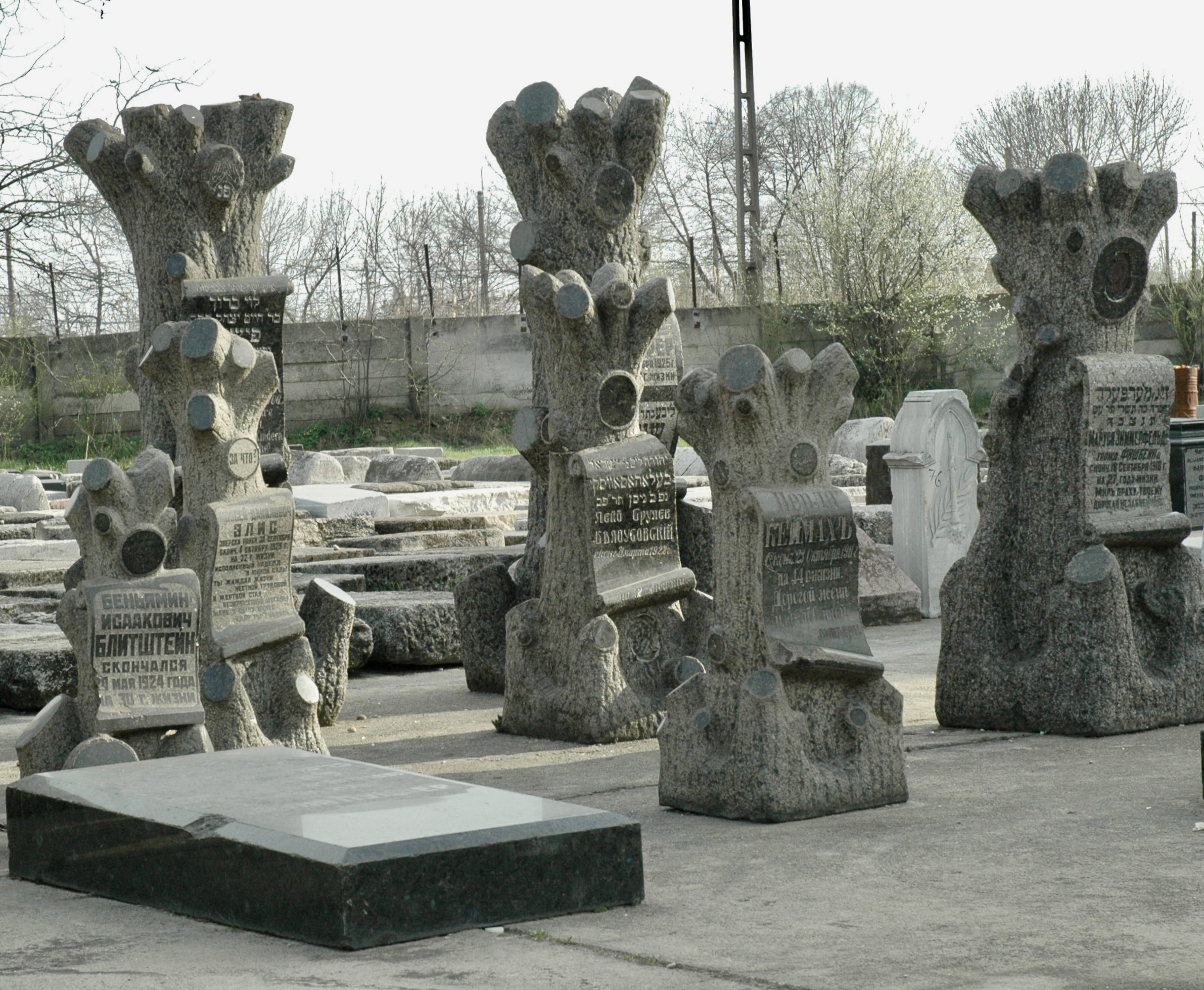
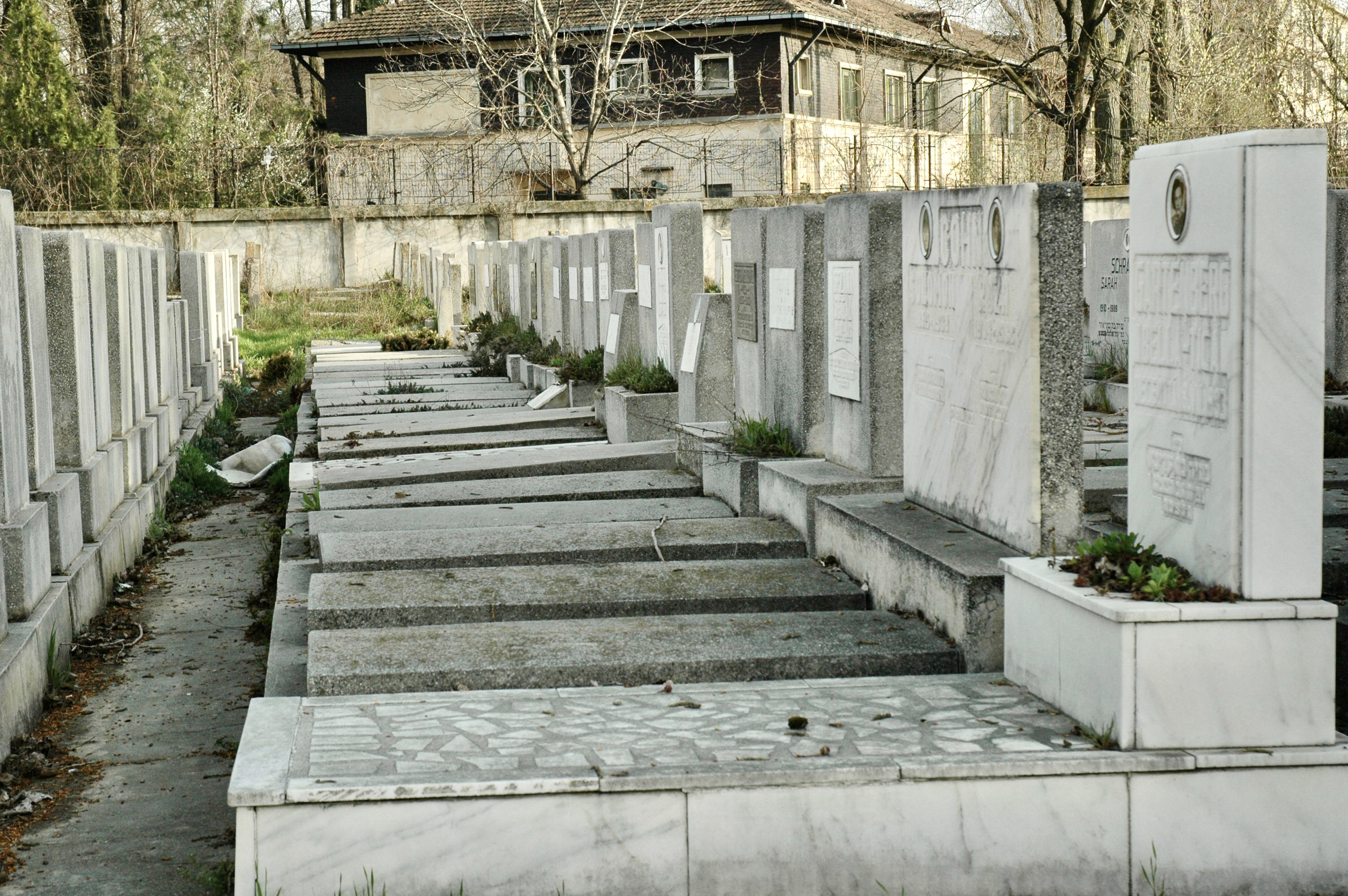
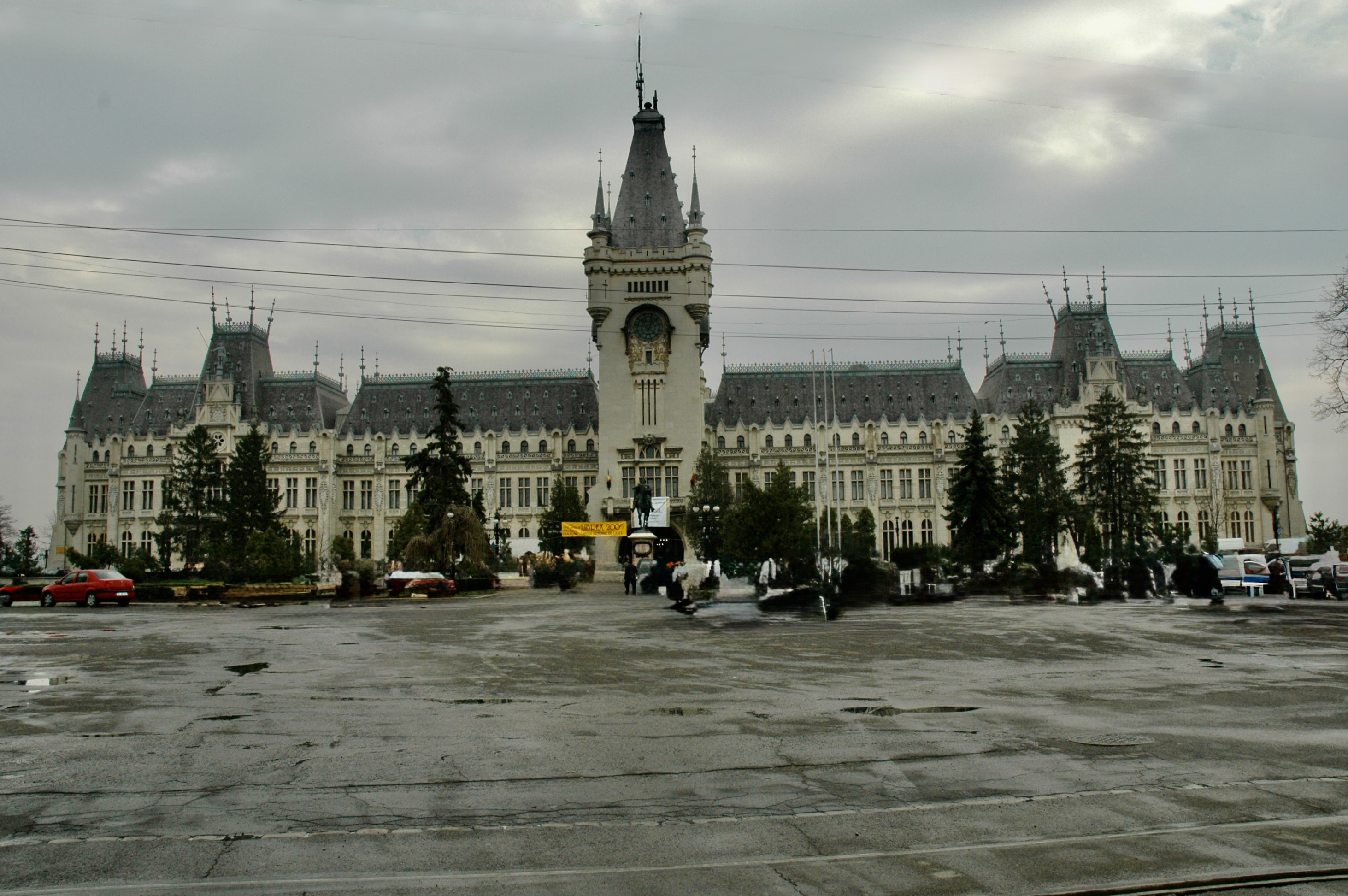
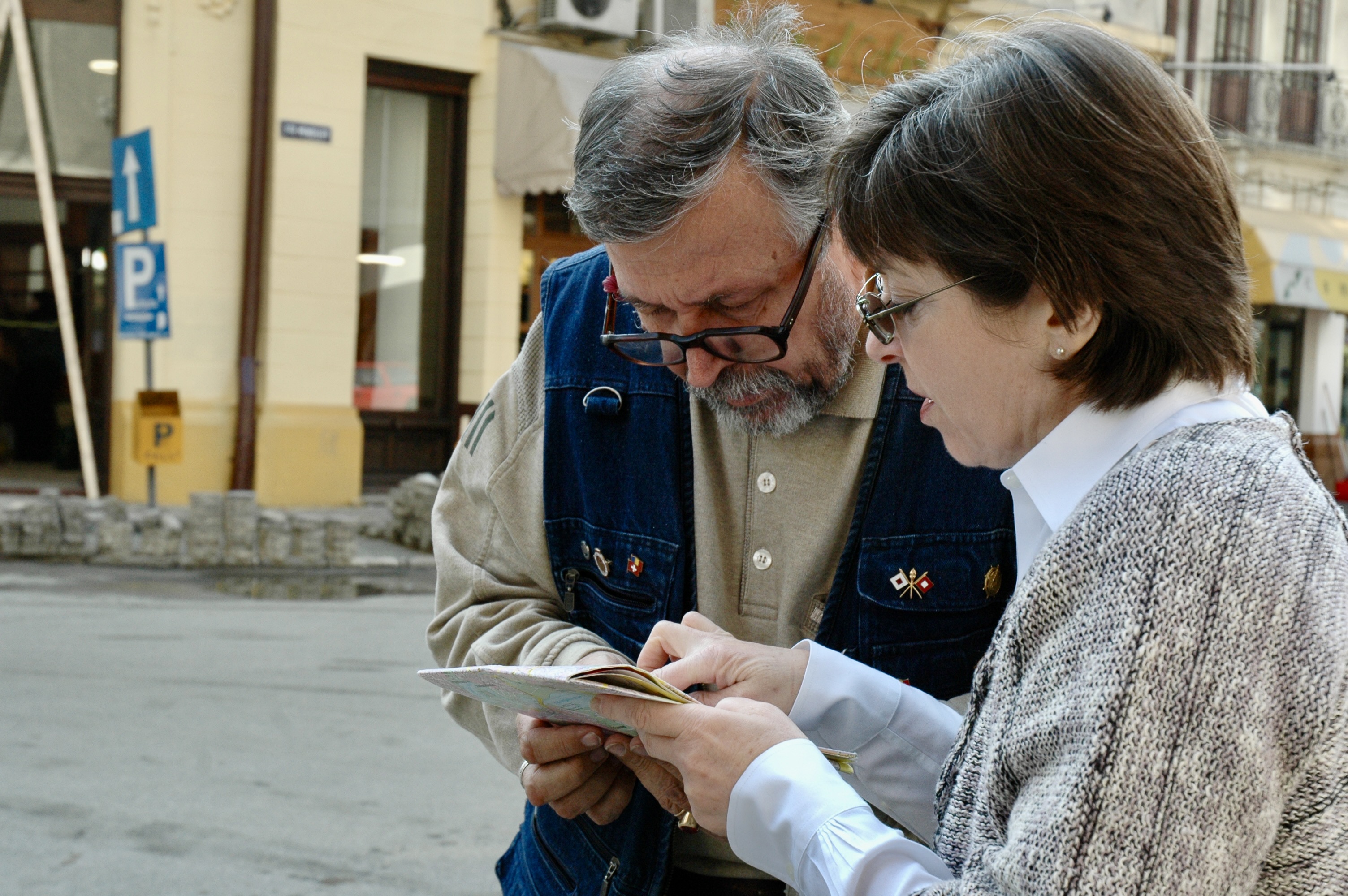
While I’m sure there were some fine museums, we chose to spend our time walking the streets. I guess Ceaușescu feels like ancient history, today, and its entry into the EU probably makes it feel more European than when I was there.
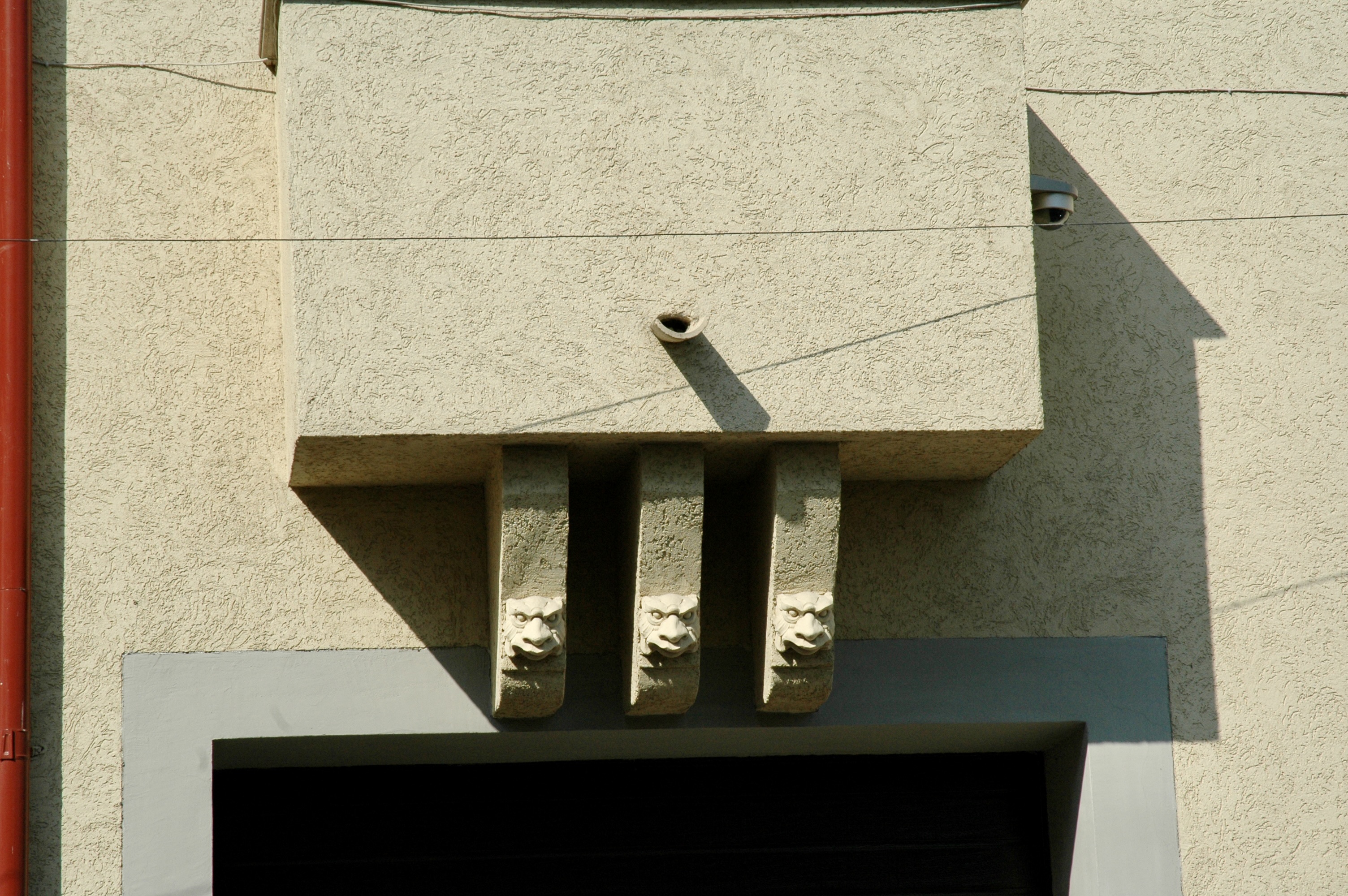
That’s it for Romania. I’m sure I left out a lot… and wish I could find my notes. If I ever do, I will replace the test for these days with the original. But maybe memories are the best way to describe a place anyway. And the response to people who ask if I’d return, the answer is Yes… and I think it is probably a very different place than it was in 2005.
 Fern's Travel Notes