Days One and Two: Korea!
SEPTEMBER 27 AND 28, 2026. Arrival: Planes and Trains and Taxi and Feet! Exploration: Hanoks, Do Ho Suh, and Food!
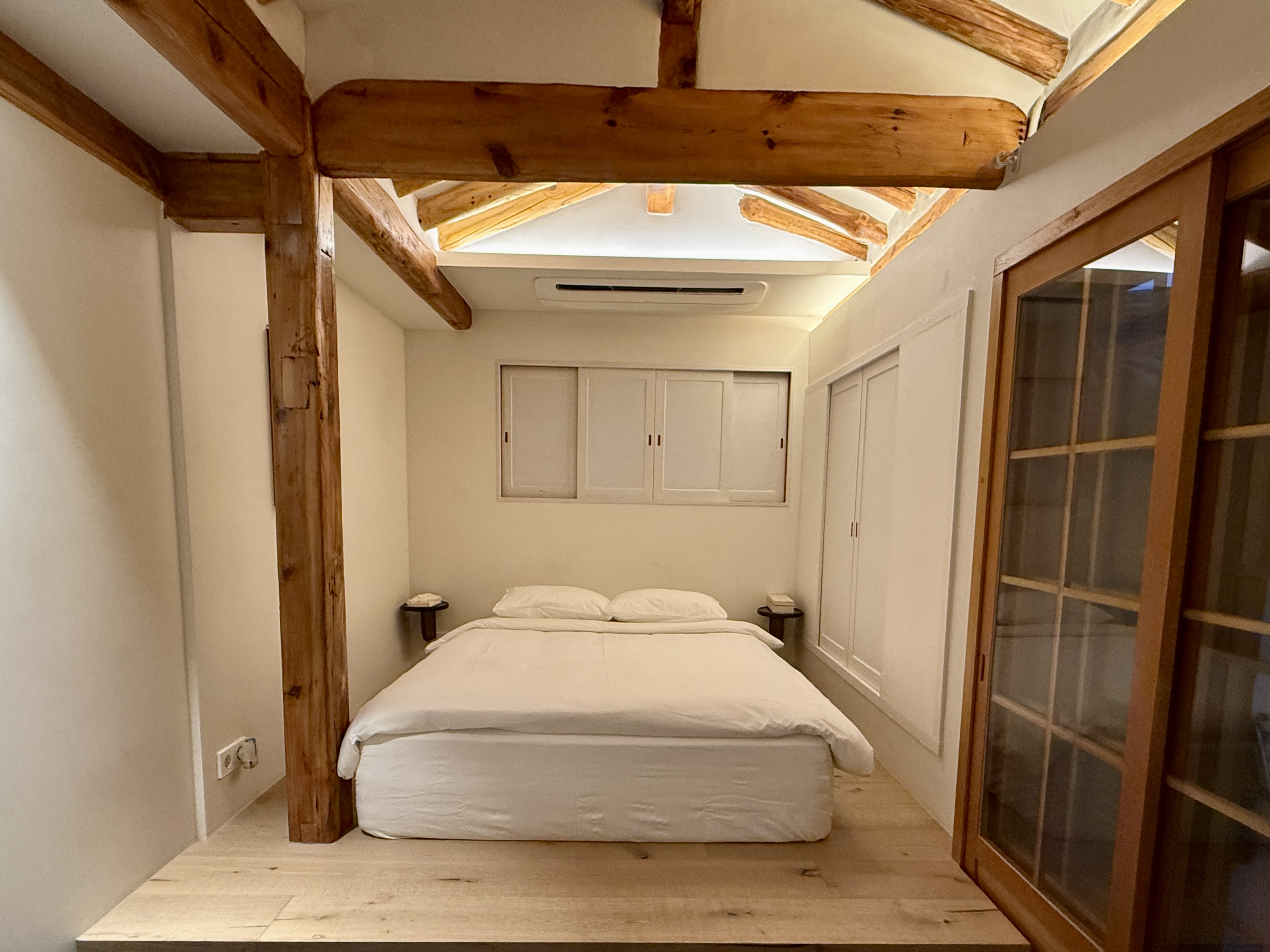
Greetings from Seoul or “Seoul-eseo anbureul jeonhamnida’… as my translation program tells me.
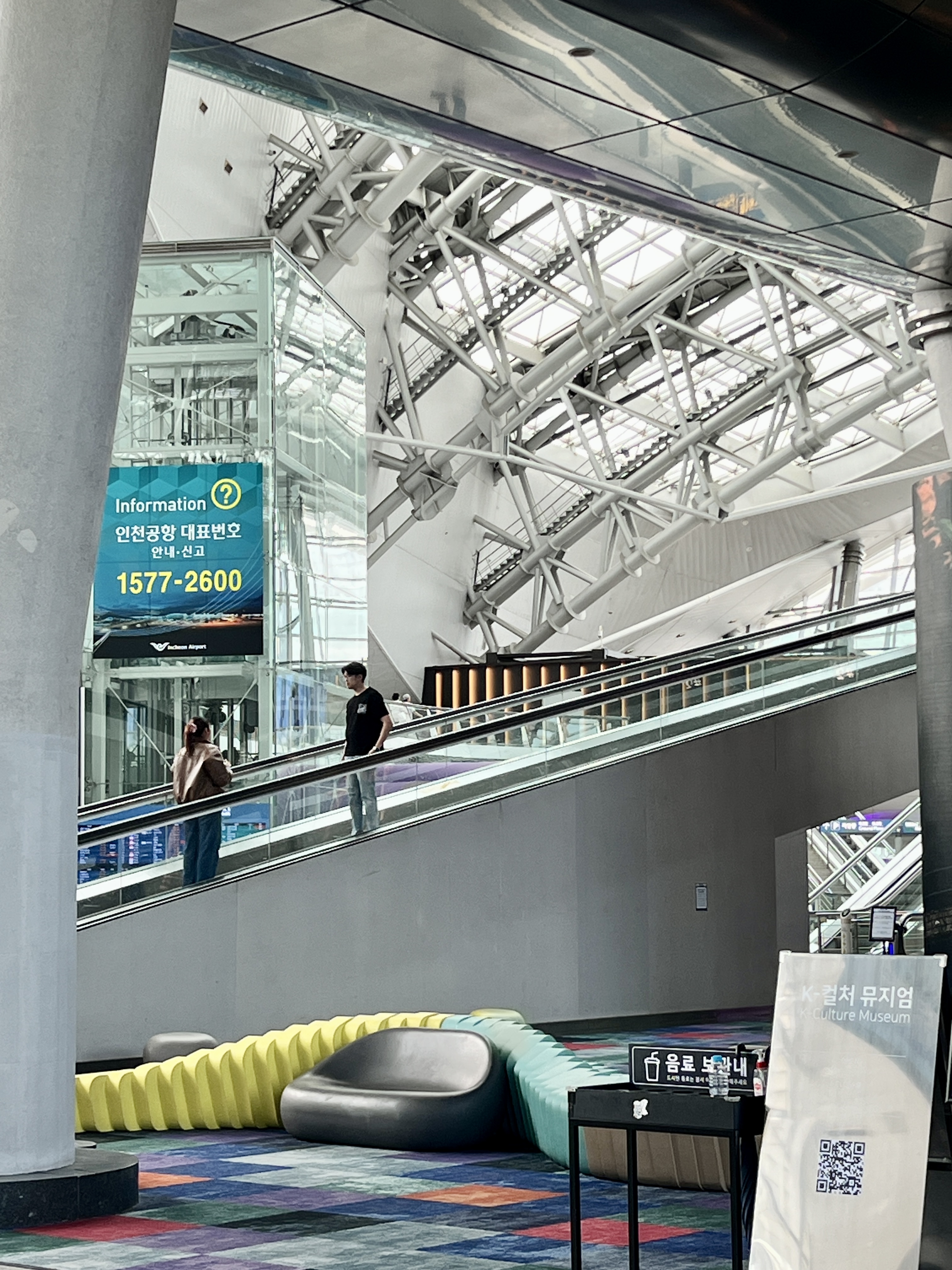
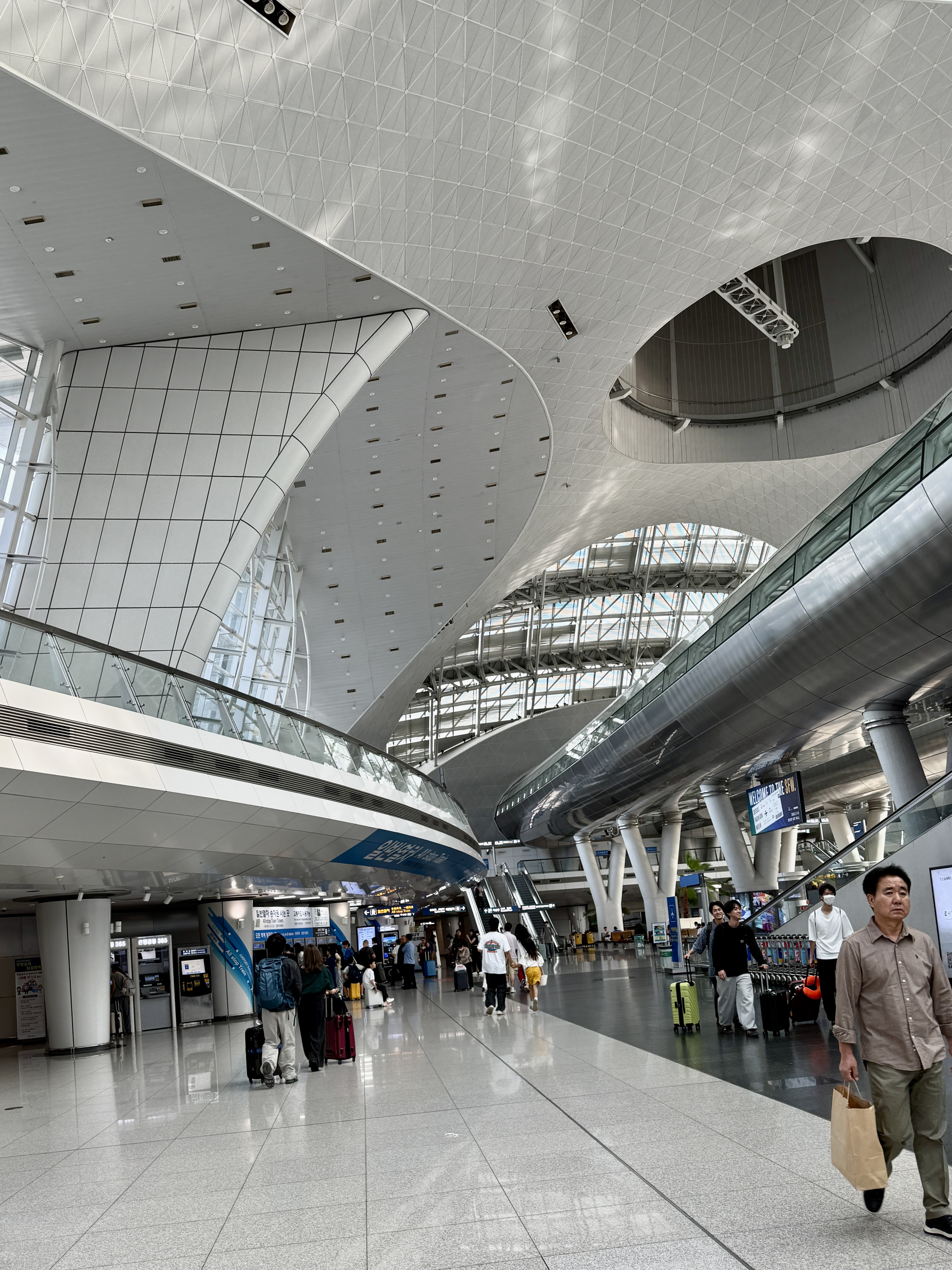
After a twelve-hour flight from San Francisco to Seoul, and an easy path through Korean customs, we headed to find the Express train from the airport to the main Seoul train station. It took a bit to figure out how to get to and find the correct train, but on the whole it was pretty straight forward with reserved seats and we found ourselves on a fast, non-stop, comfortable train to the main station. I should note that the Seoul Airport (Incheon) is incredibly new and well designed; definitely puts nearly all of our US airports to shame.
Once we reached the Seoul main train station we had a few bumps trying to find our way out to a taxi stand. But eventually we found a taxi, but the driver didn’t know how to find our hotel. I wound up calling the hotel and they talked the driver through the instructions and we were on our way. Actually, I’m using the Korea version of WAZE (Naver) and I did shjow that to the drivdr as well.
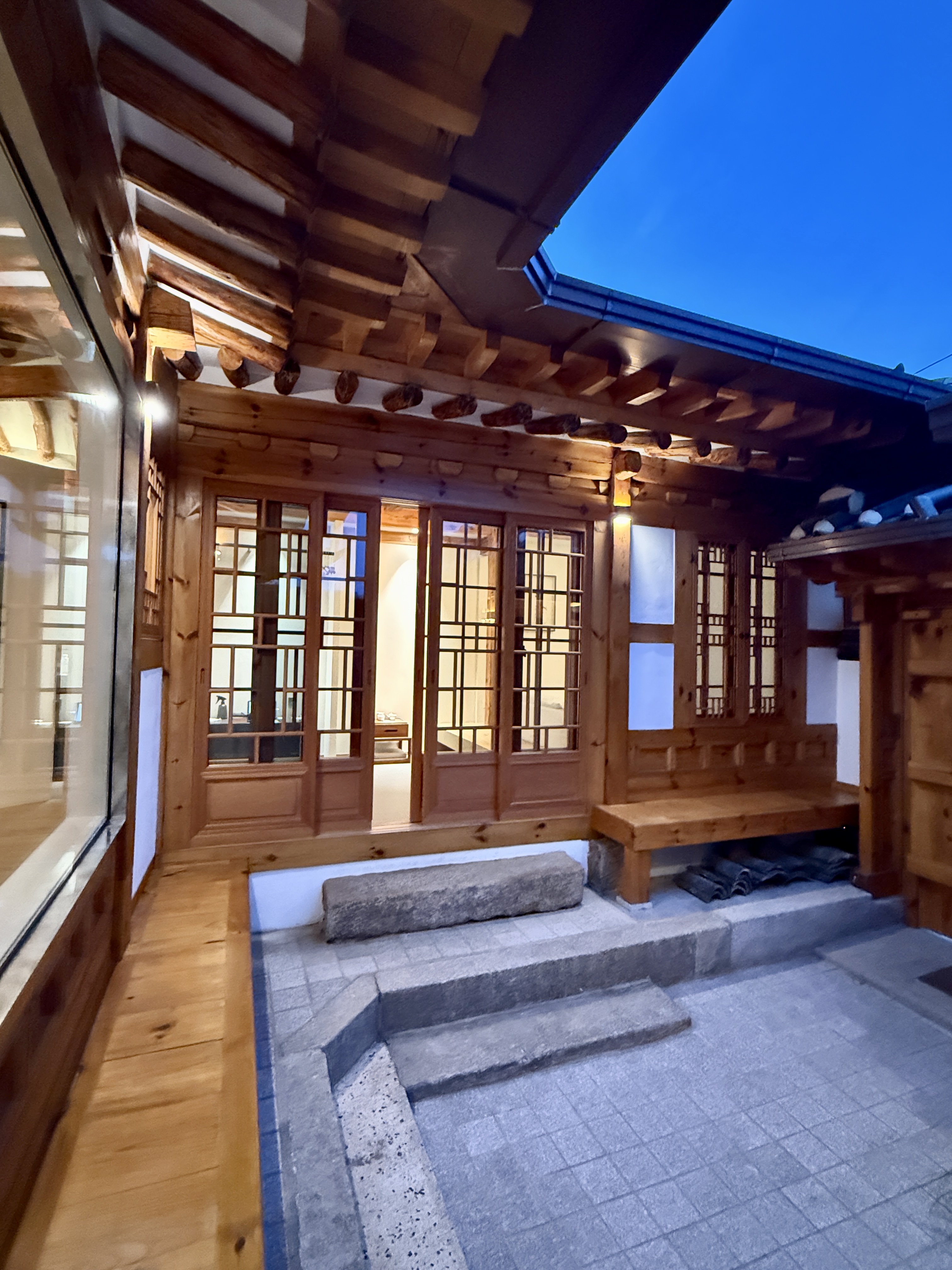
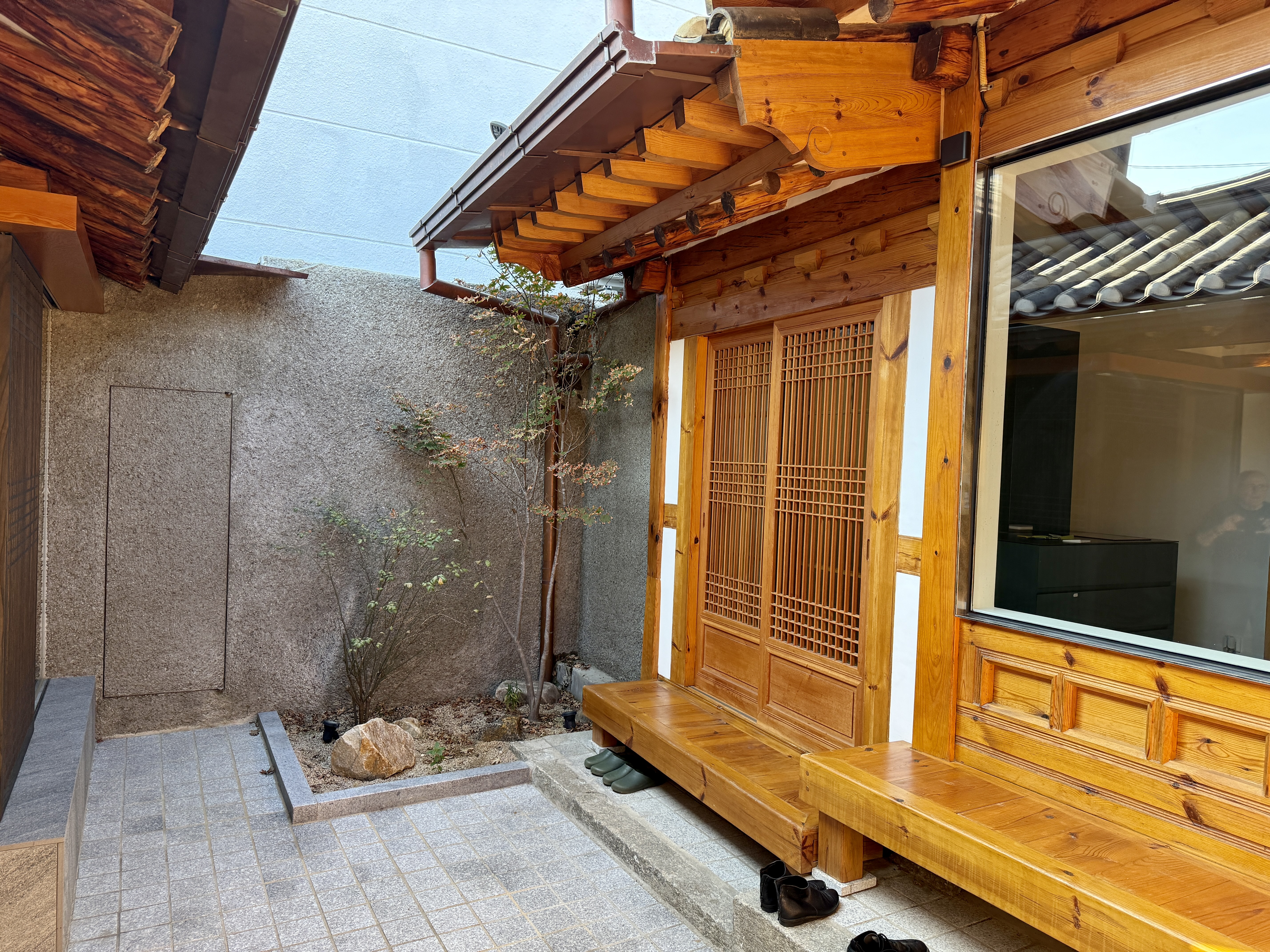
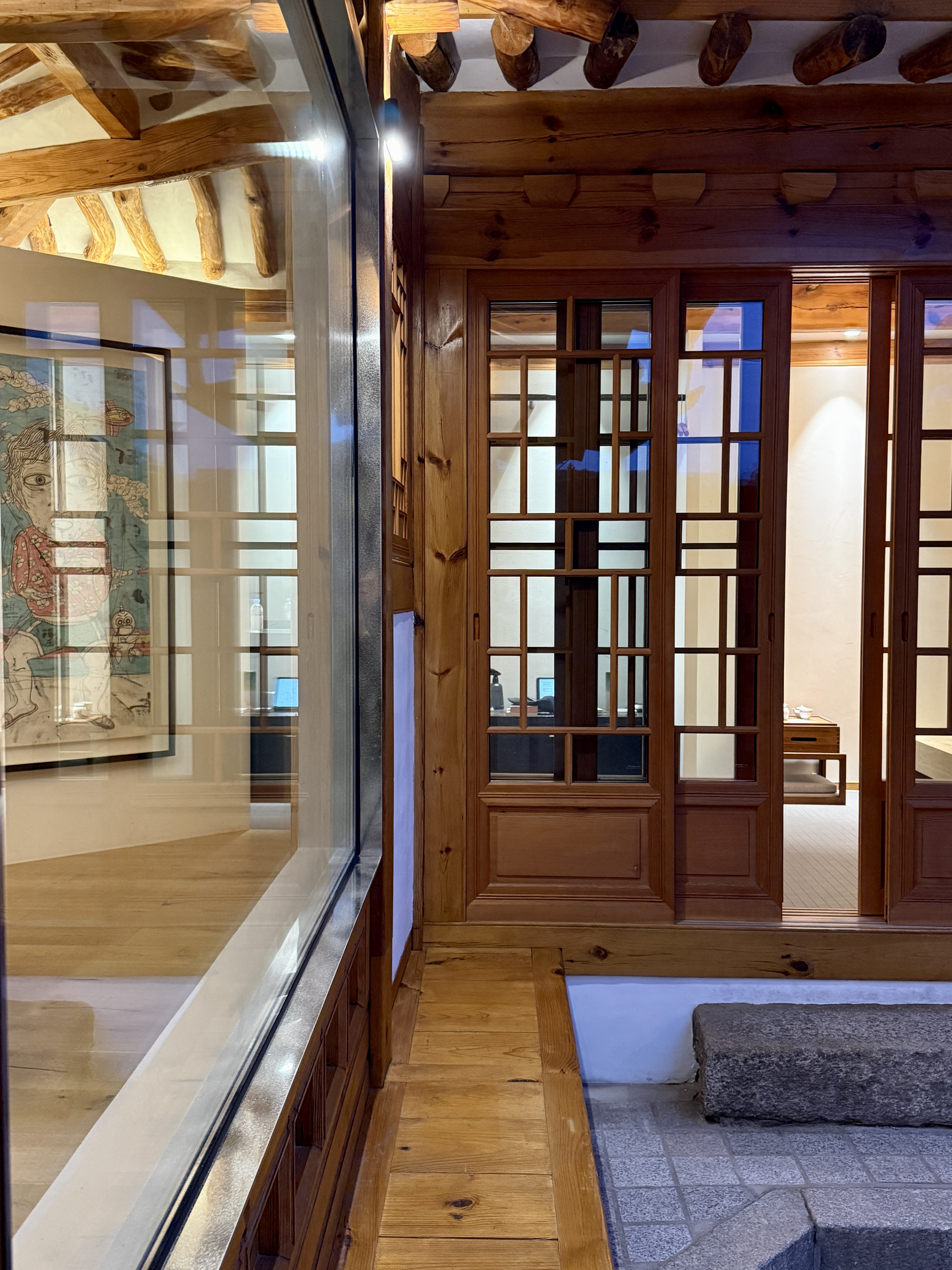
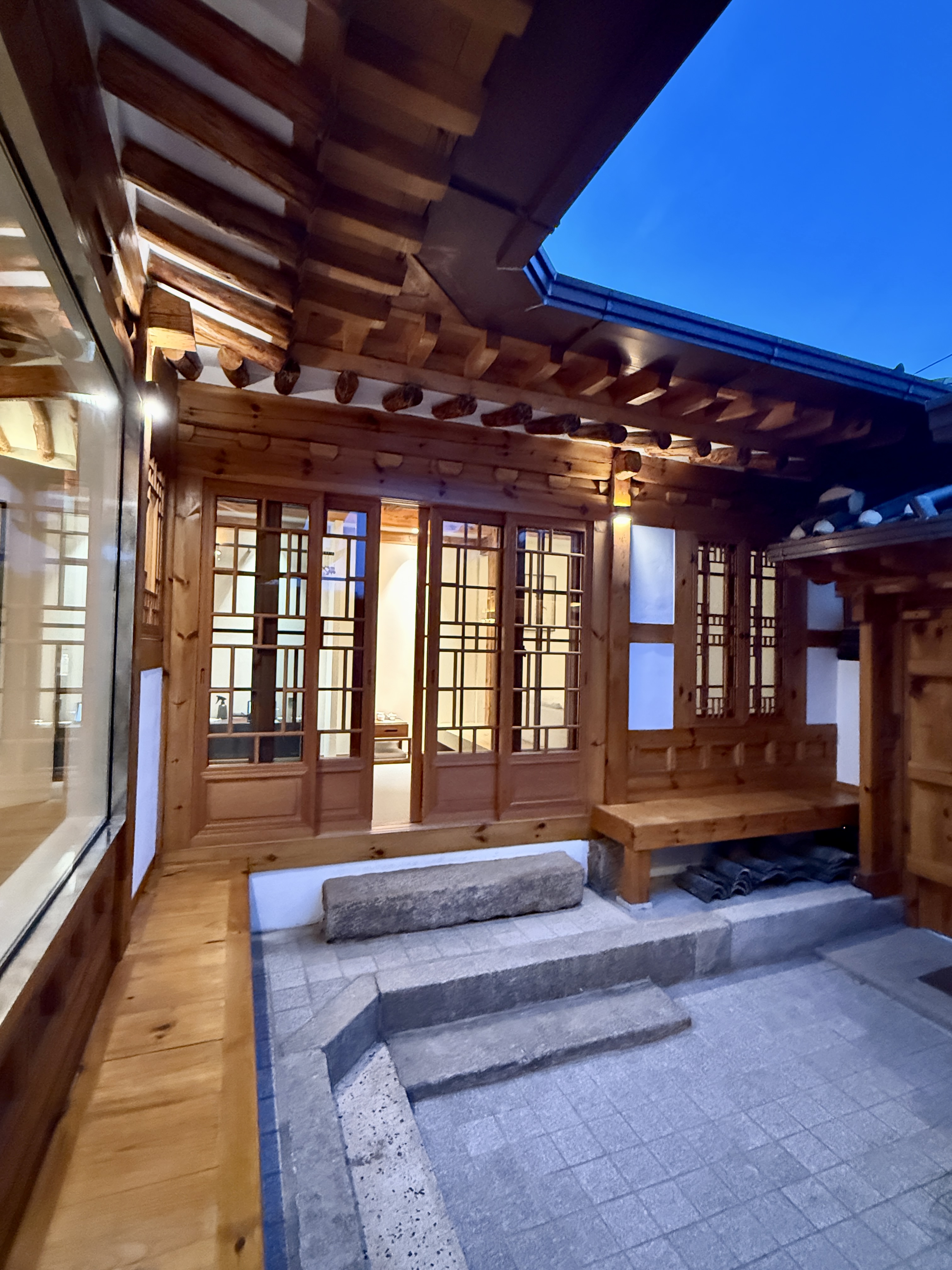
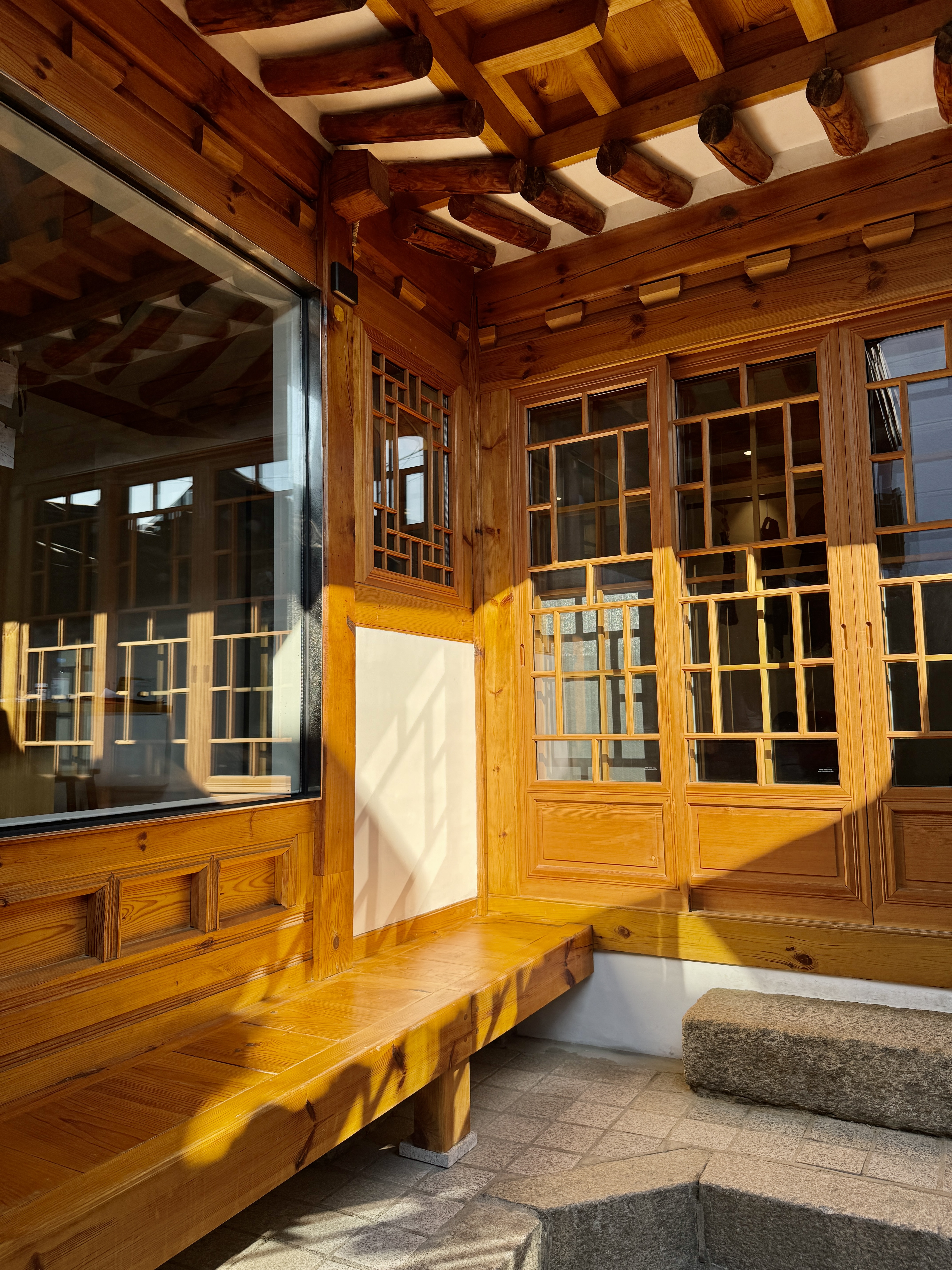
We are staying the first two nights at the Nostalgia Hanok “hotel” in the heart of Bukchon Hanok Village — a residential neighborhood in the Jongno District within Seoul. It has many restored traditional Korean houses, called hanoks (that date to the late 19th Century and early 20th), which has made it.a popular destination for many tourists, including us. As Seoul developed (redeveloped), efforts were made to preserve the hanok. Residents and the local government have put policies in place and notices up to manage problems relating to overtourism. So there really aren’t any “hotels” within the historic area. Since January 2025, visitors that are not staying in the hanok guesthouses in the area can only enter between 10 a.m. and 5 p.m. All visitors are asked to be considerate of people living in the homes. Since we are staying in one of those “hanoks” we are able to come and go as we please, but also have to remember to have our room keys readily available to prove we are guests in the area. This is probably why the driver couldn’t figure out where we were headed.
We have our own little hanok… about 400 + sq ft plus (bedroom, bathroom, compact kitchen, sitting/dining area and beyond this but inside our private zone, a delightful outdoor area, with bath. and more. It’s all designed quite well as an L-shape that wraps around the courtyard, and sits within the frame of an original hanok. The “hotel” isn’t really a hotel in that it doesn’t have a building with rooms. They own about 20 of these hanoks in the area and each is rented separately. Our little abode is called Nook Jae and it is up a winding, narrow pedestrian road that has many other hanoks (some owned by the hotel and others privately owned as residences).
After settling in we strolled to a tiny restaurant and had some kind of pasta with wasabi pesto, a tomato salad and another dish. Not the best–but we were tired and just wanted to eat before we could sleep.
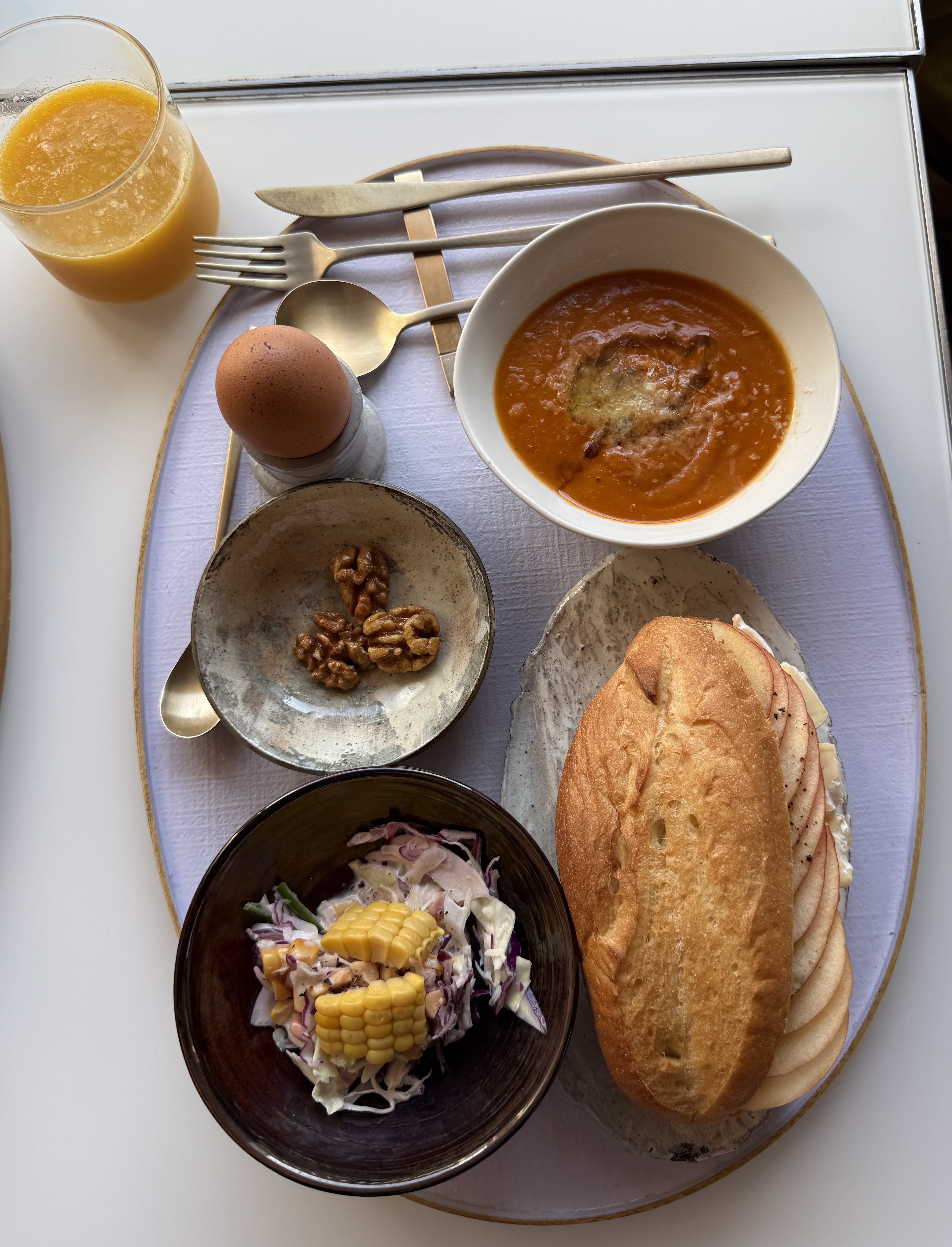
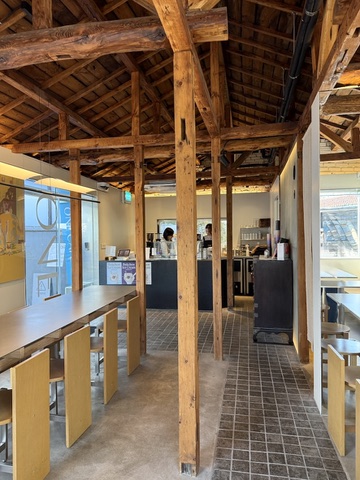
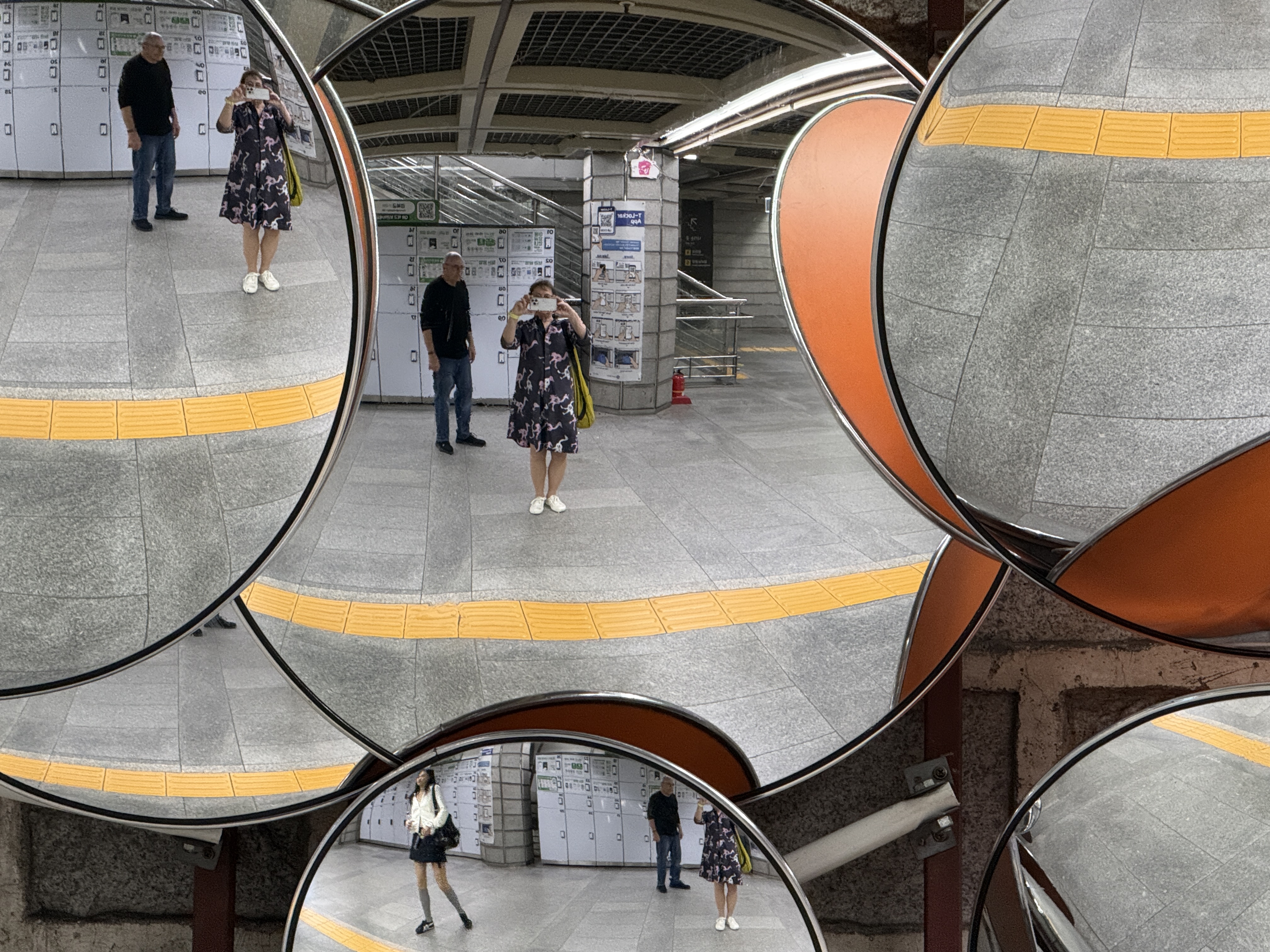
After a charming breakfast at a cafe (Cafe One) near our hanok, we headed out for the day…We intended to visit the big palace– the Gyeongbokgang, but alas, it was closed on Tuesdays, so will visit tomorrow. We headed to went to an area called Seochon–another hanok area that has been renovated but is far less touristy than Bukchon. It seems to be able to blend everyday neighborhood life with hidden indie bookshops, local food spots, and small art galleries. To get there–given that it’s been pretty warm (78 degrees), we decided to navigate Seoul’s subway system. After purchasing our subway card, we walked to the Anguk station and then had to figure out which train to take and where the platform was. We went down two floors (stairs) and then we must have looked pretty perplexed. Although I’m trying to use the translator app on the phone where you just hold the phone to the foreign words and it flashes the translation), we really didn’t know where to go. Some older gentleman then stopped and asked if we needed help. He had very mininimal English, but just wanted to be sure we goit to the correct train. .He “escorted” us down another level (this time with an escalator) and pointed where to go. Once we got through the turnstiles, though, we had several choices. We stoped a woman with a baby and she (like everyone else we would ask questions for the rest of our time) immediately went to her Naver app and then told us which train to take! Unbelievably friendly and helpful, but funny that they all need to rely on the app. And Mike has become a Seoul straphanger!
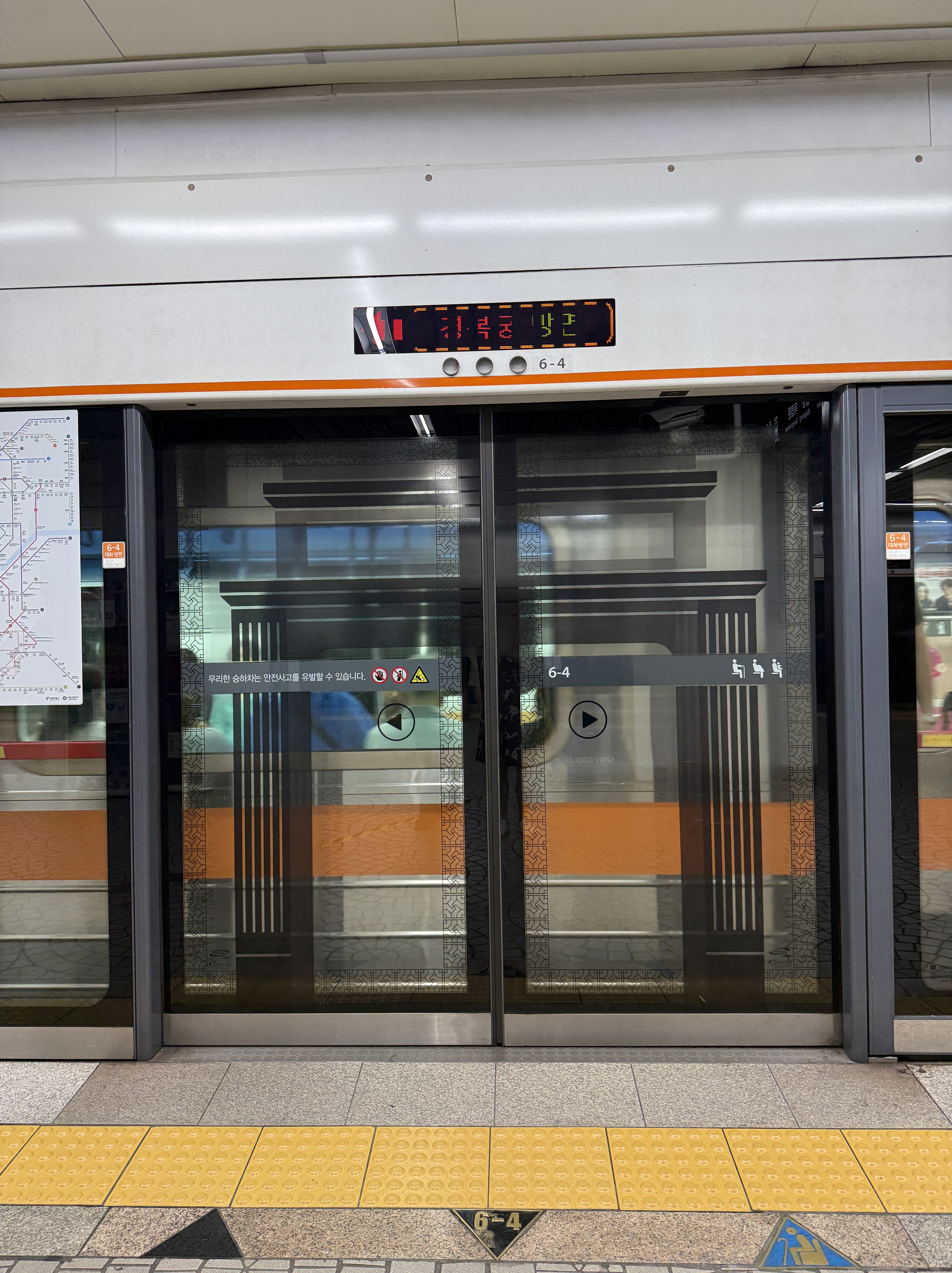
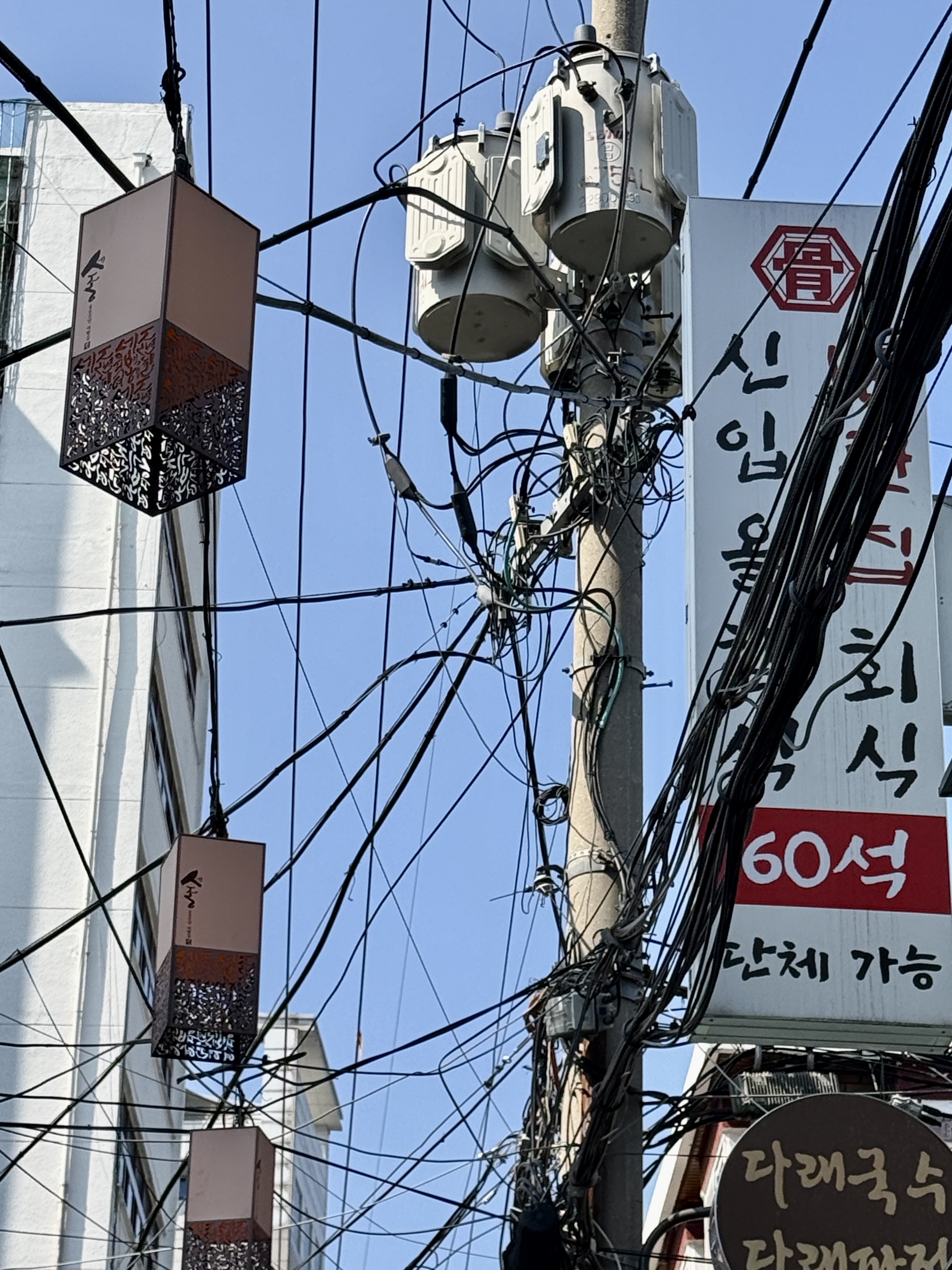
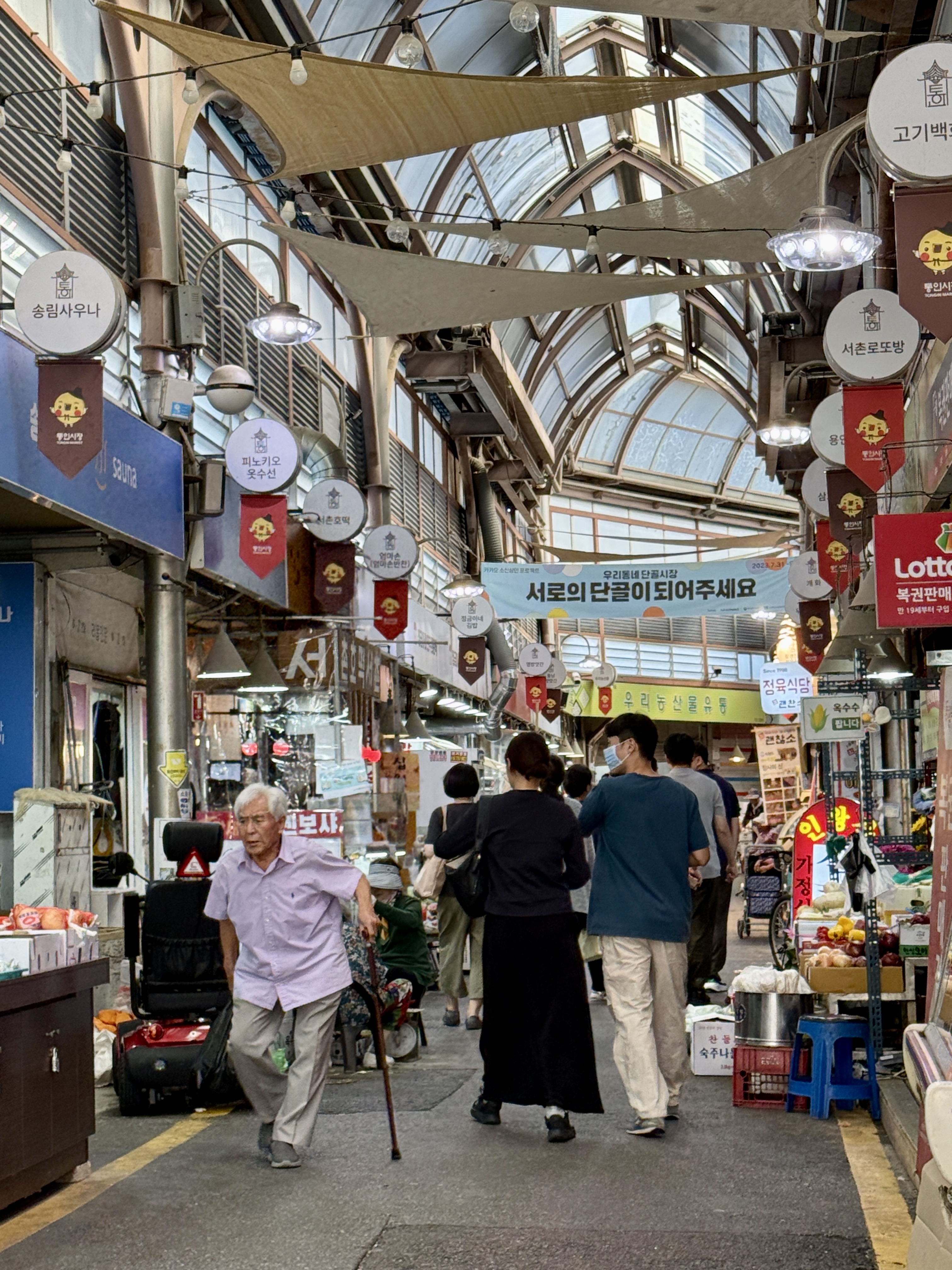
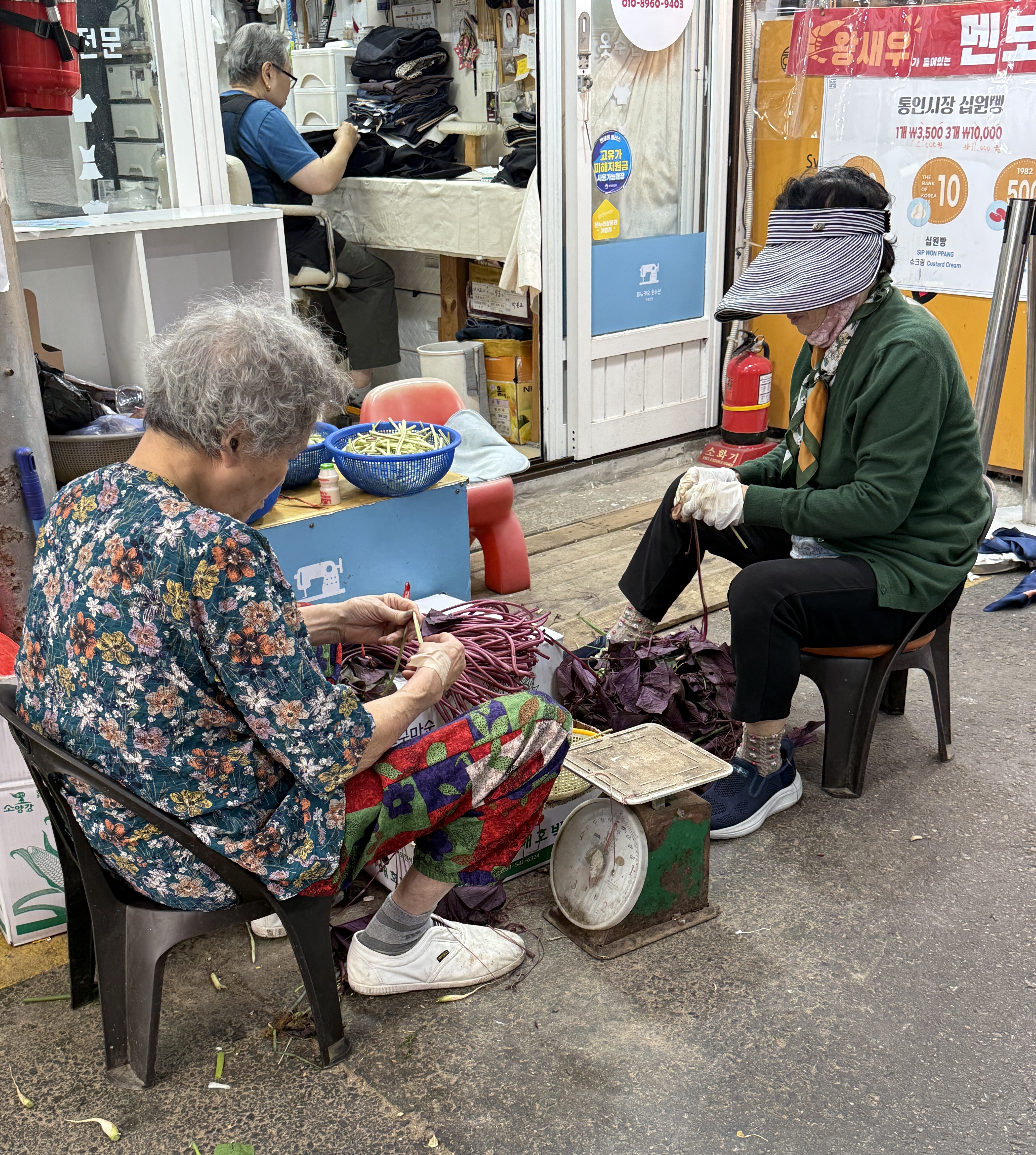
The walk from the sub way provided us with lots of great adventures. We walked the narrow alleys of Seouchon and went through the Tongin Traditional Market–apparently we had drifted into the Jogno District where it is located. It dates back to 1941 as a typical market (for Japanese people living in this area? and after the Korean War as the population expanded, the market did too) serving local needs. It’s really a very long, covered “alleyway” with small shops on either side—mostly food stalls and other goods, as well as tiny eateries. There is some kind of “coin” lunch program whereby you purchase special coins and then can use the coins at different stalls and take your food outside or to a courtyard to eat. We were going to do that, but there was some kind of renovation and you had to go elsewhere to get the coins, and we didn’t totally understand the situation. So instead we decided to try one of those tiny restaurants, where we could get a table.
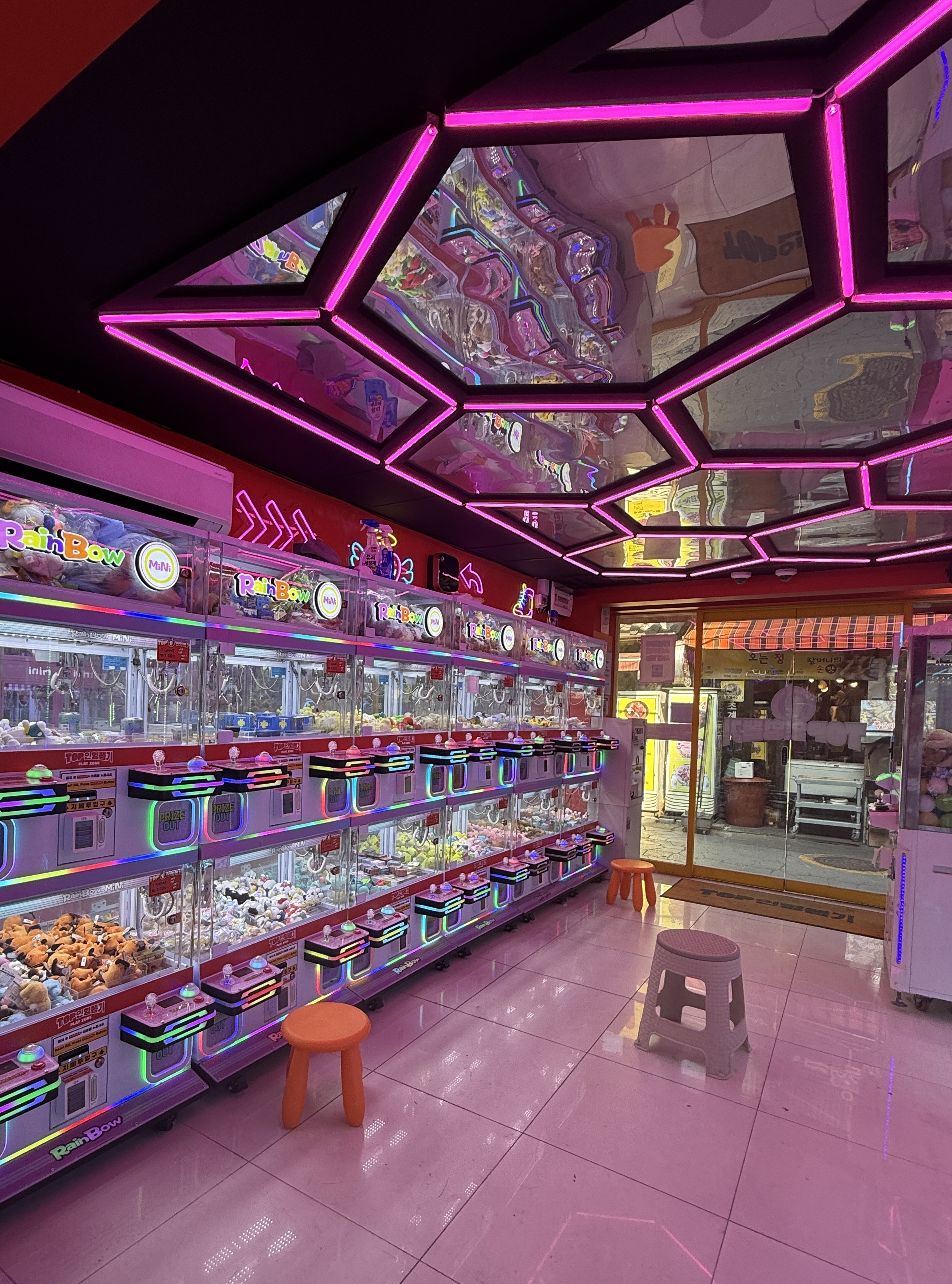
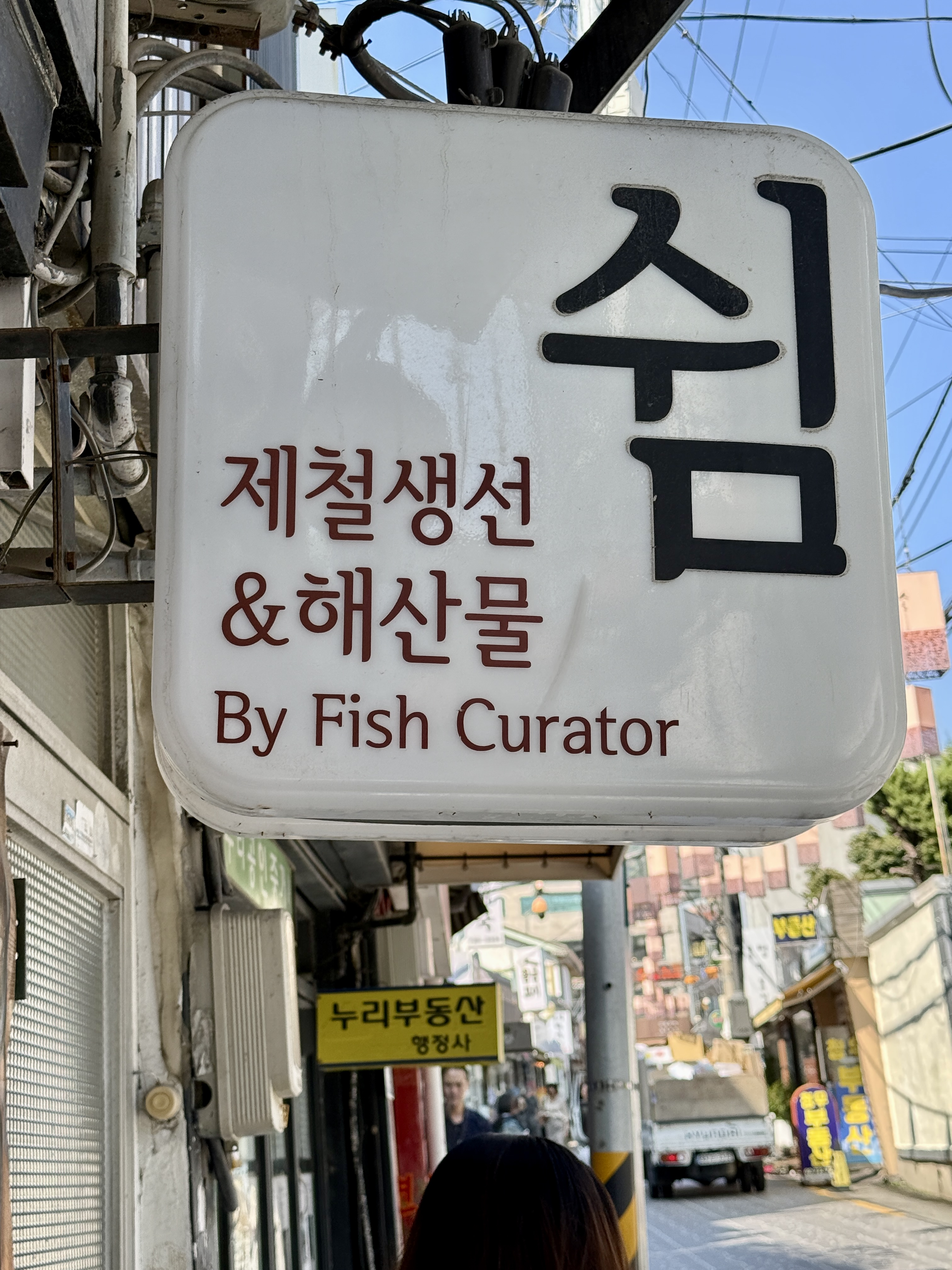
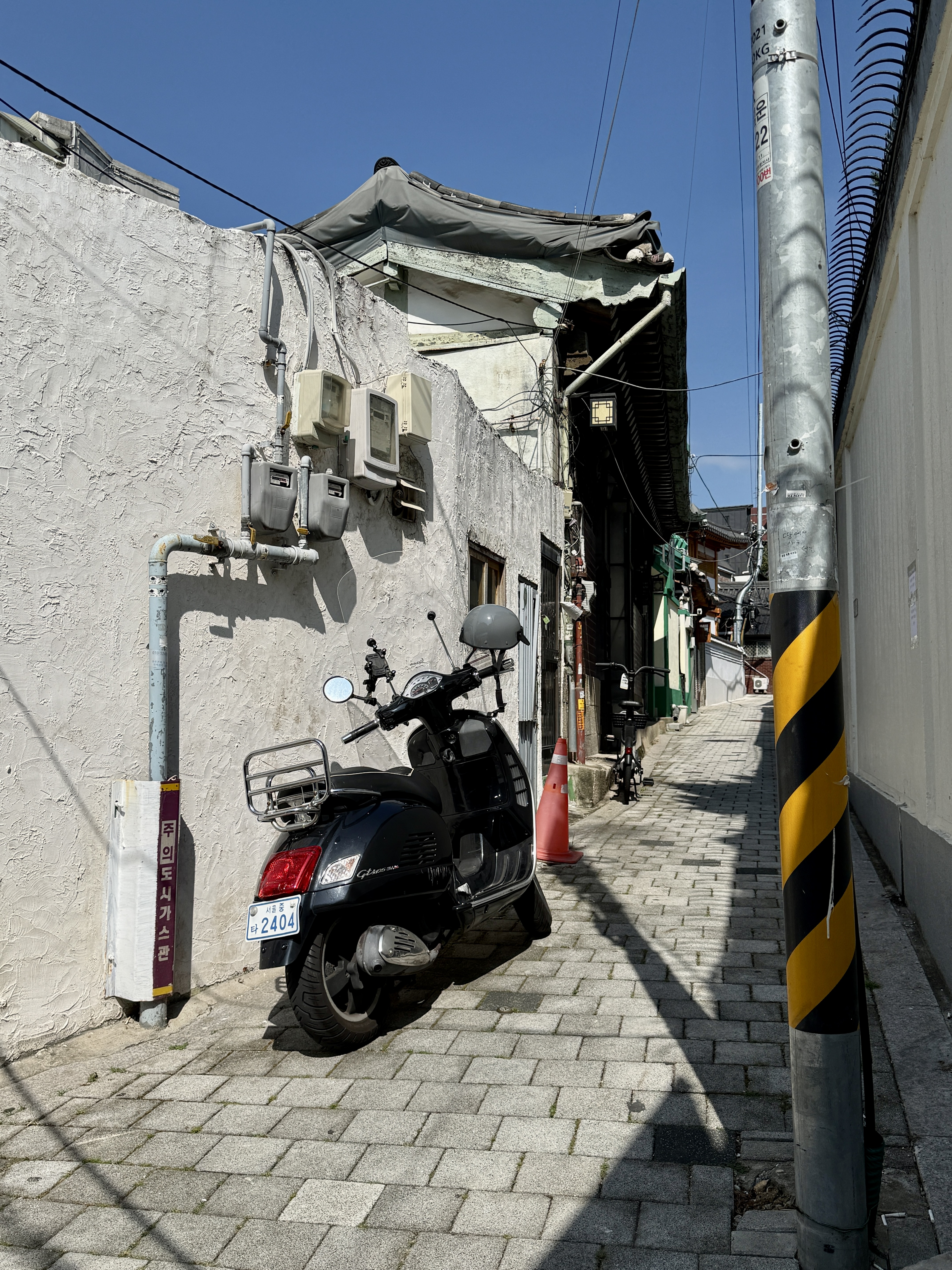
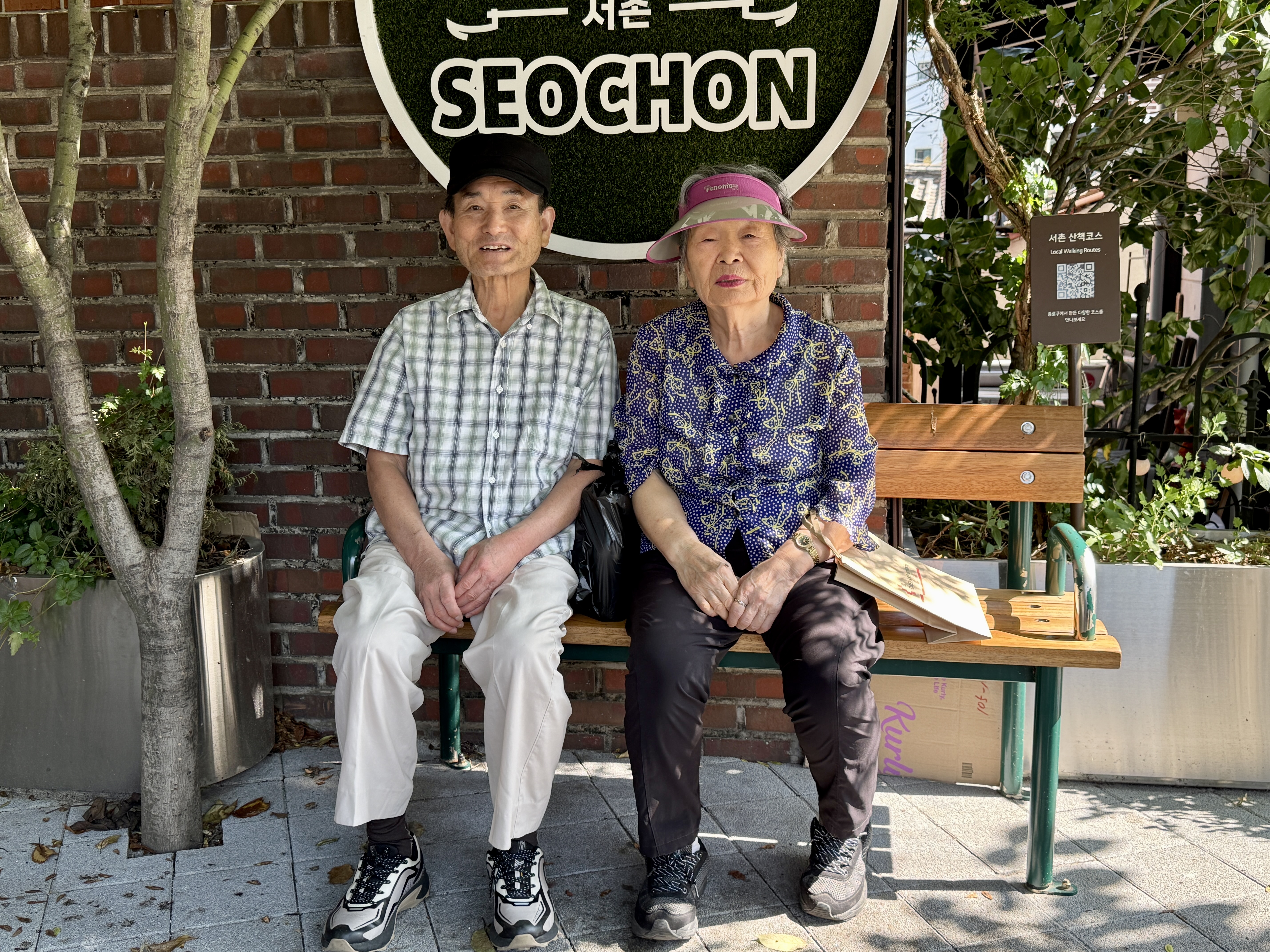
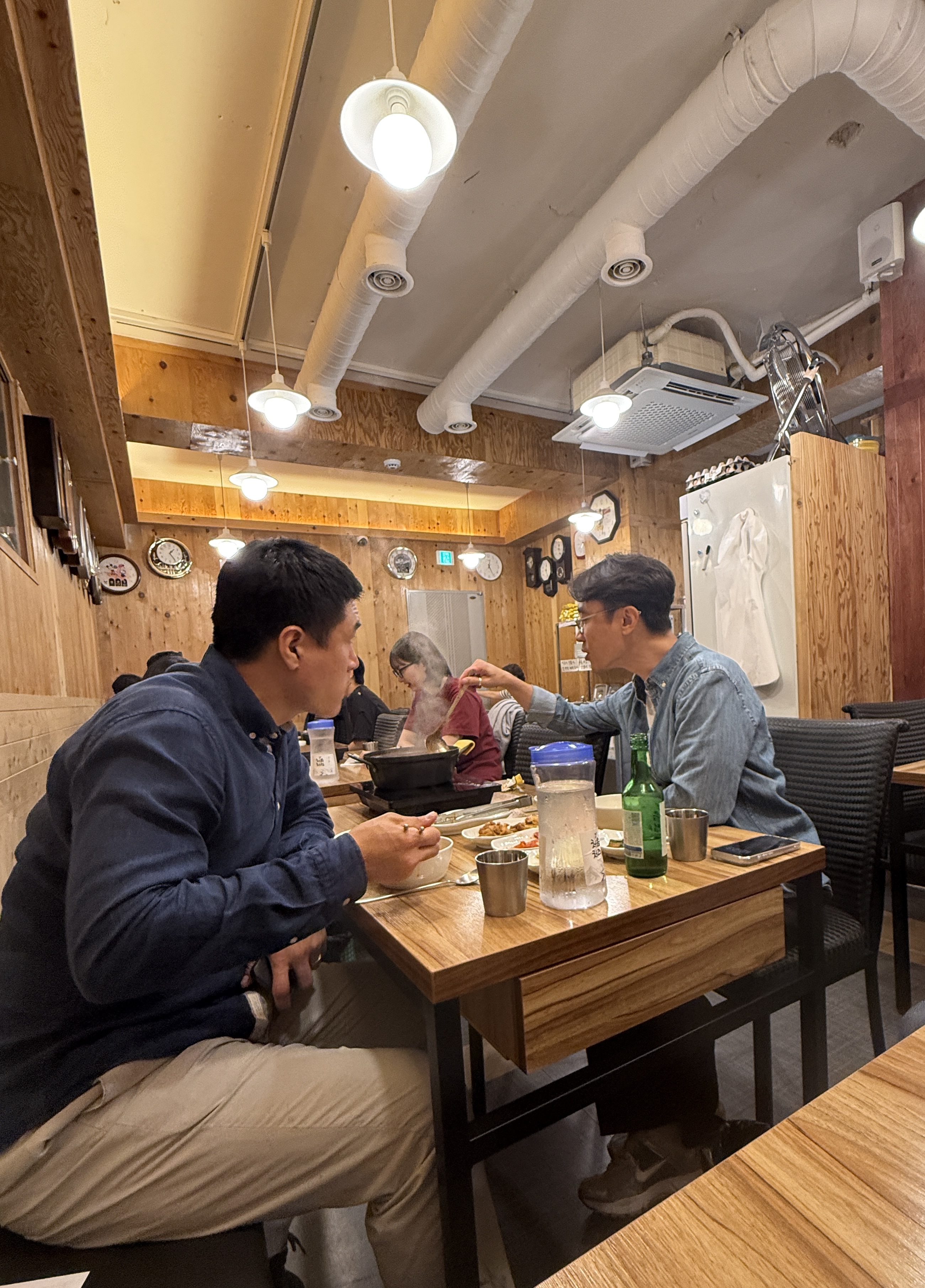
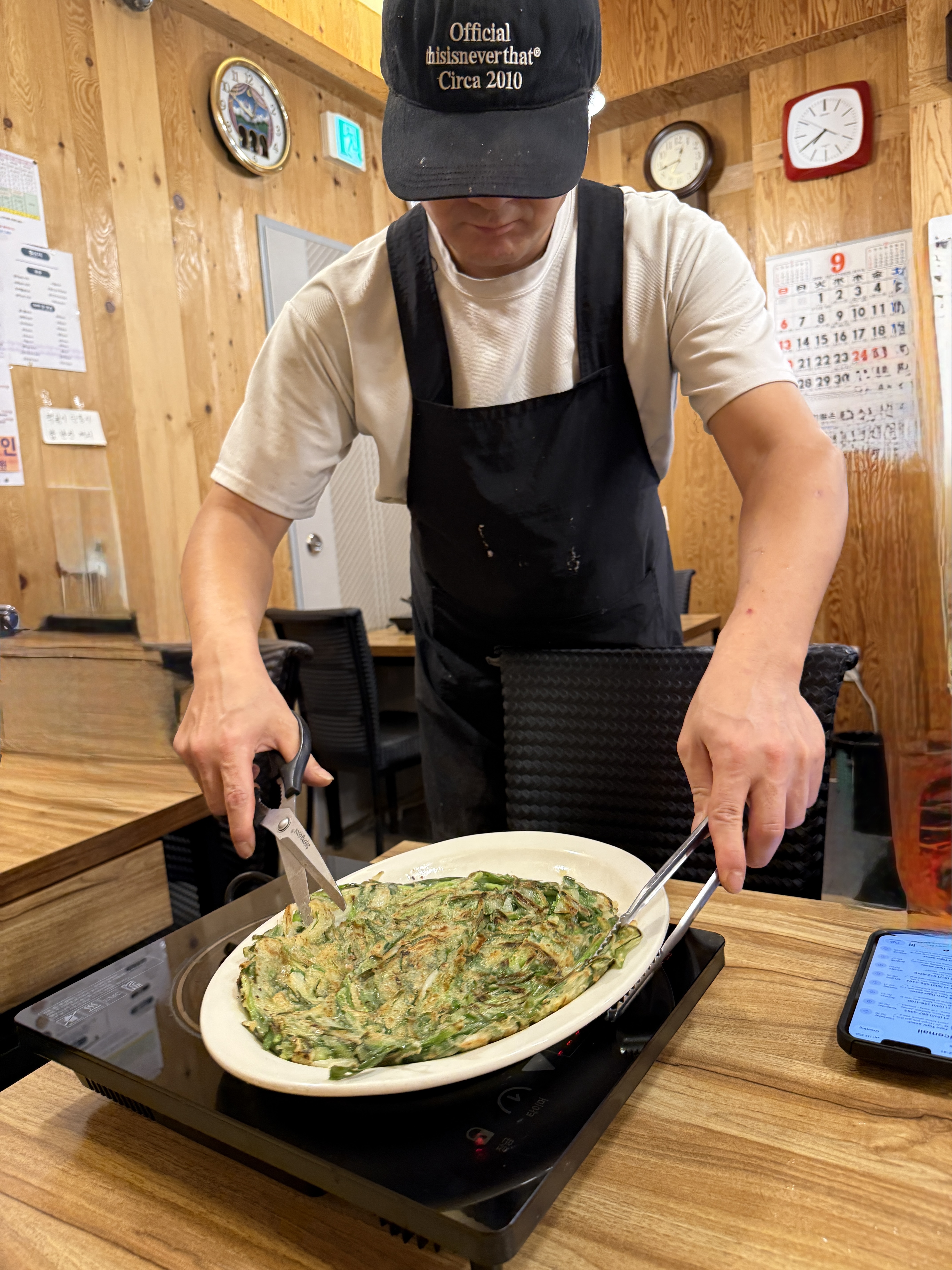
We ordered a vegetable pancake and some other dish, and naturally we got all the condiments that you always get in Korean restaurants.
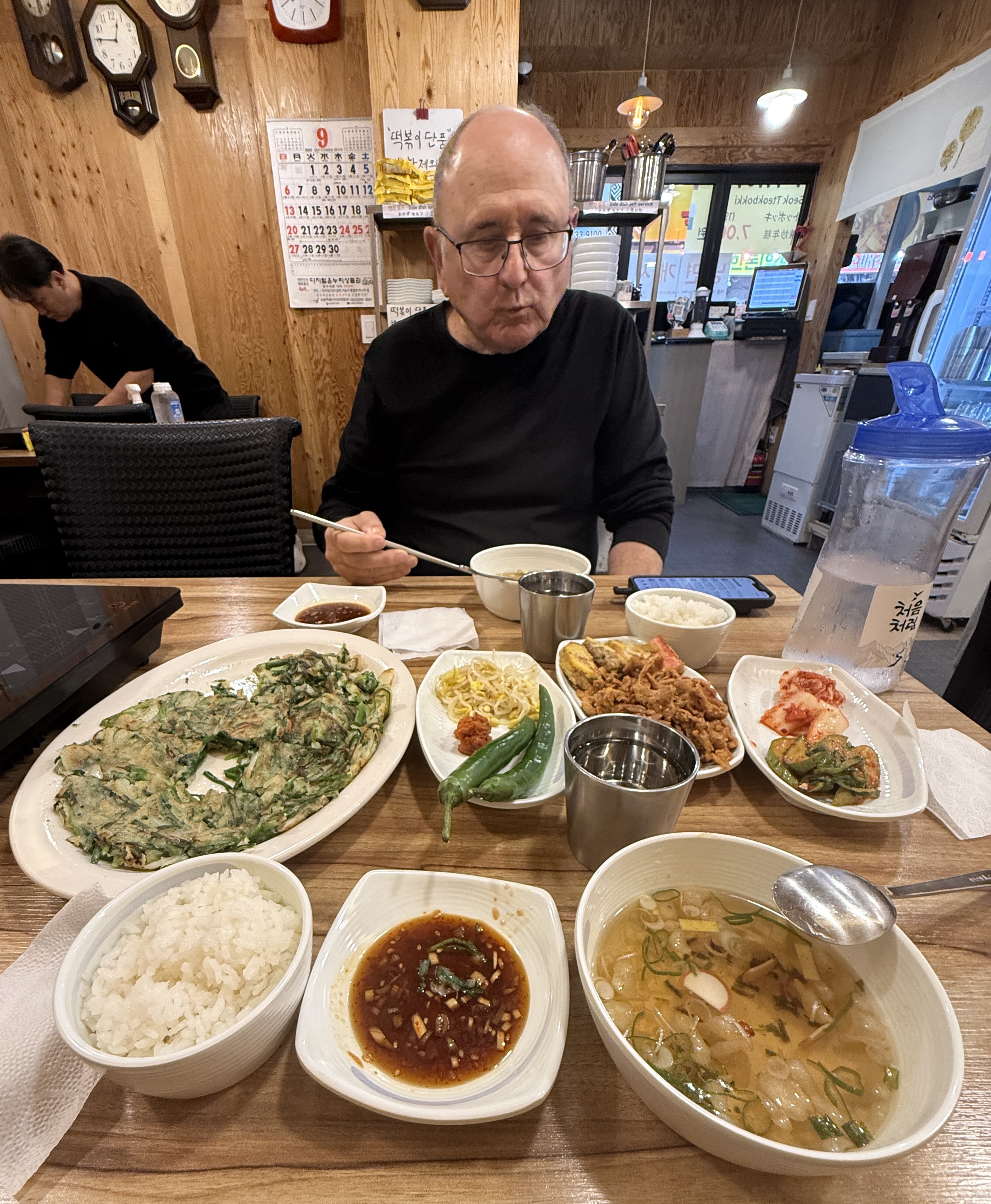
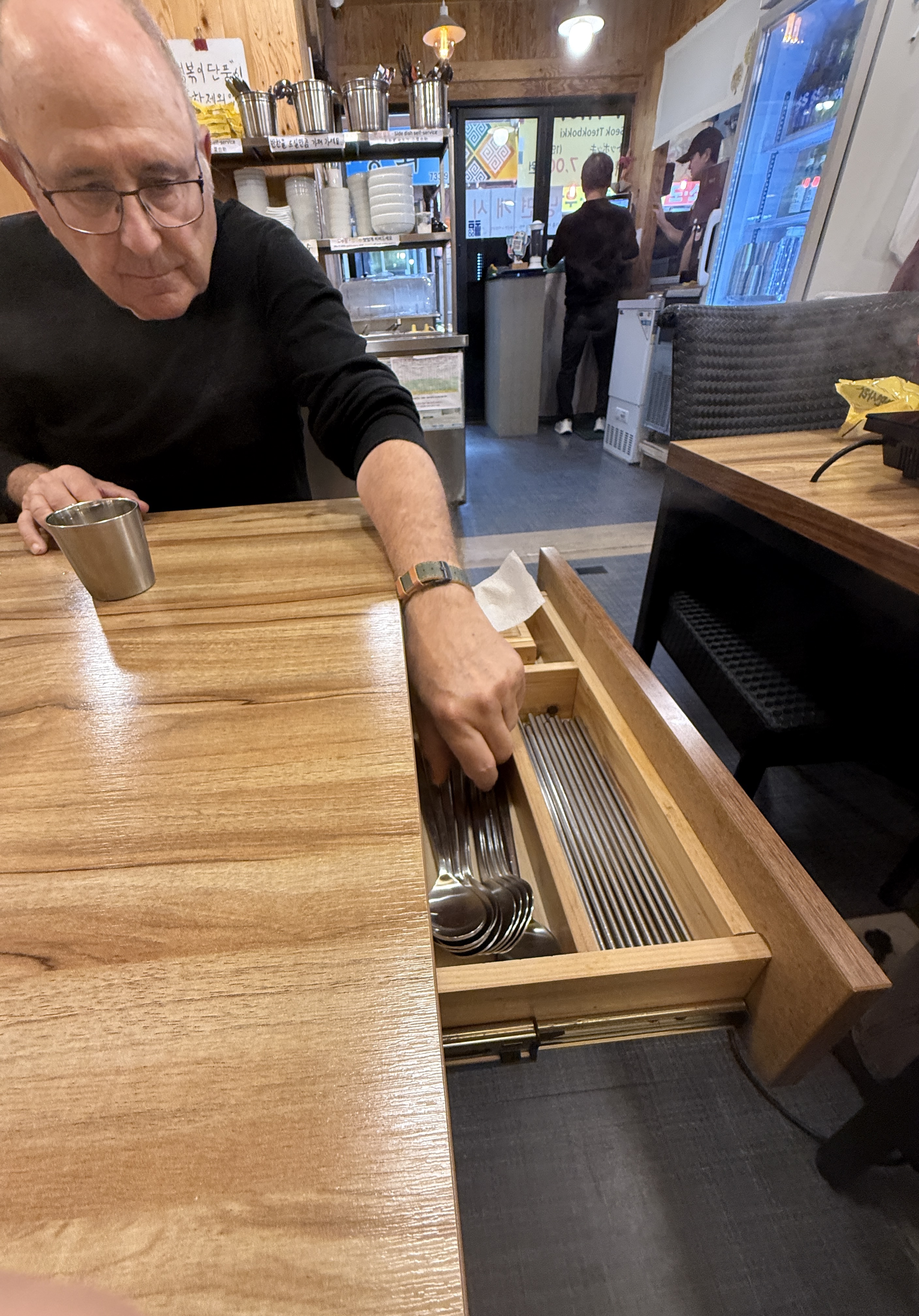
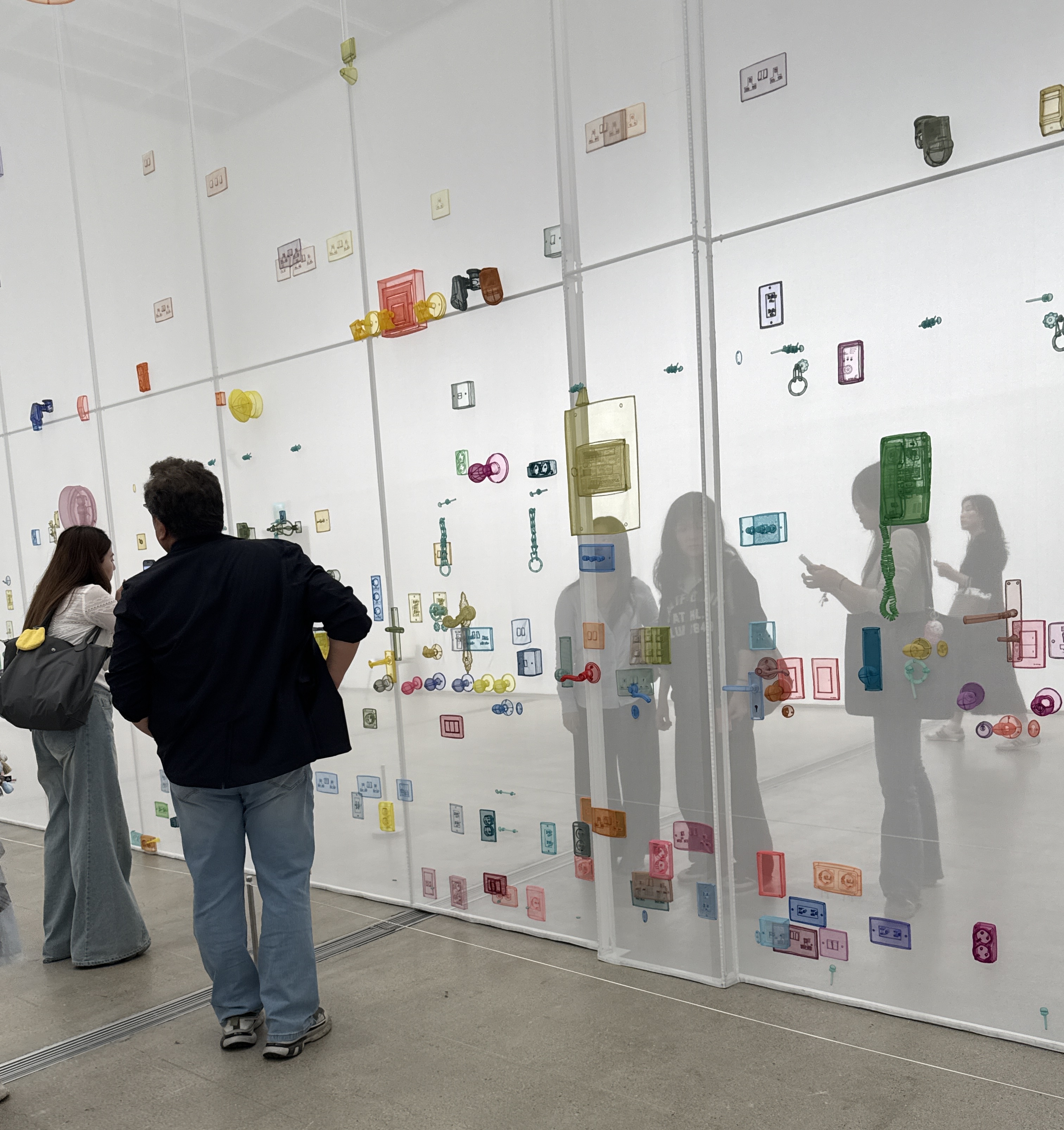
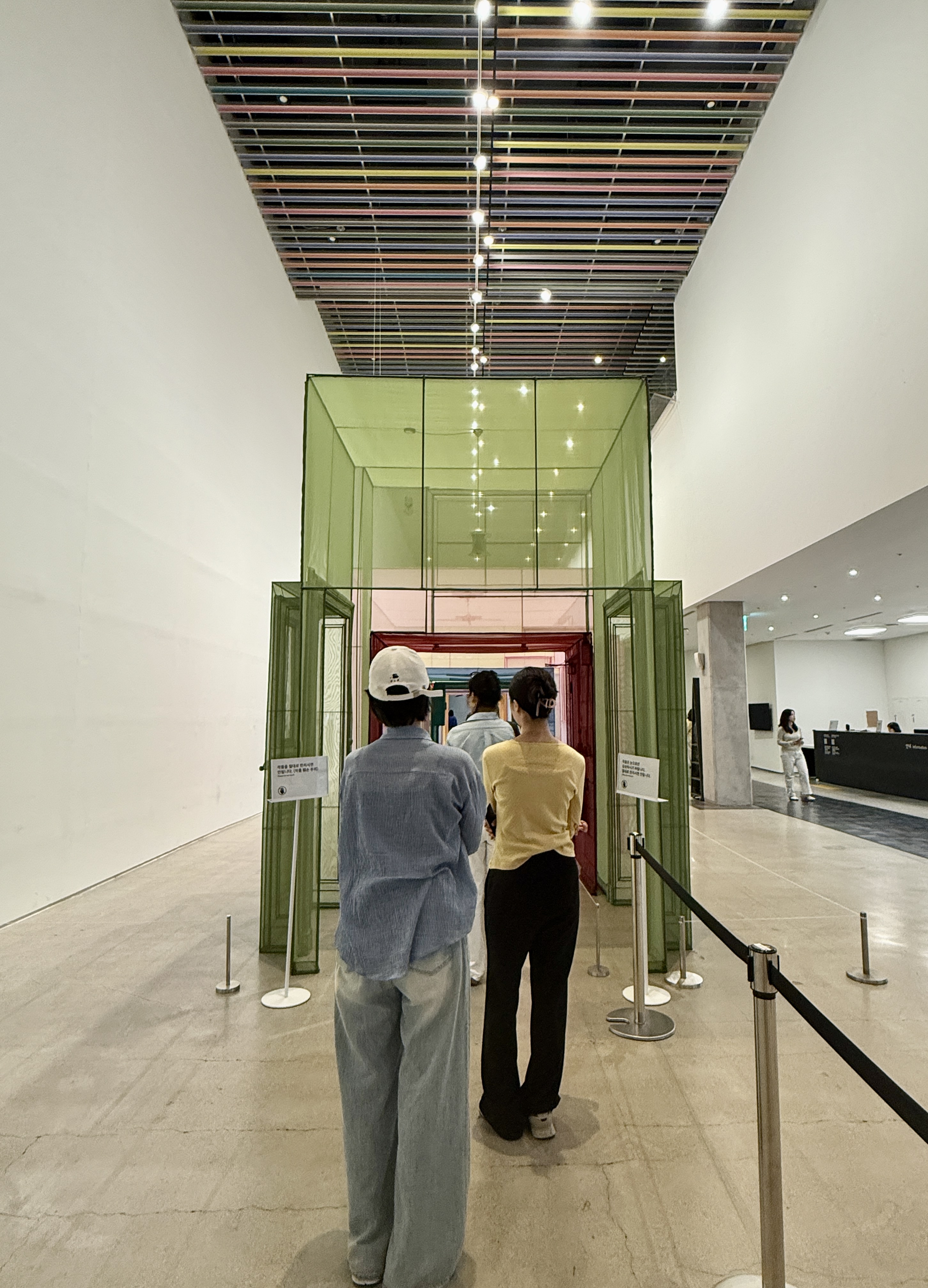
Then we walked to another train station to head to the MMCA–Korea’s Museum of Modern and Contemporary Art to see the Do Ho Suh one-man show. We had seen one amazing piece at LACMA and I thought it was the best thing I had seen in years. So when we heard there was a big exhibition of his work in Seoul, it became a big focus–and it did not disappoint. But first we needed to get to the museum. We got a little lost finding the subway station, but quickly figured that part out.. and the subway was pretty easy this time. However, once we got out of the station, our Naver maps seemed to give us different directions. So, again, we must have looked a bit lost. Some random guy stopped and tried to be helpful, but he didn’t really seem to know where to go and kept using his Naver app, and also his translation program because he clearly wanted to chat. We found out that his sister and brother-in-law went to the states for university and they went to either Washington University (in St. Louis) or University of Washington in Seattle. I agree it’s very confusing. Funny though, since Mike and I both taught at both of those universities, so either way, we could say we knew them well. We began to think he just wanted to talk (using his audio translator app) and we really weren’t getting close to the museum and he himself stopped and asked a few people. Bottom line–the Naver map said we were five minutes away, but this circuitous route took us about 15 minutes. Eventually, once we got to the museum and he was still with us (deciding that he, too, wanted to see the museum), we politely thanked him and said we needed to eat something in the museum cafe. Whew! We almost made a friend for life. About an hour later there he was in the museum sort of walking with us again… but not for very long.
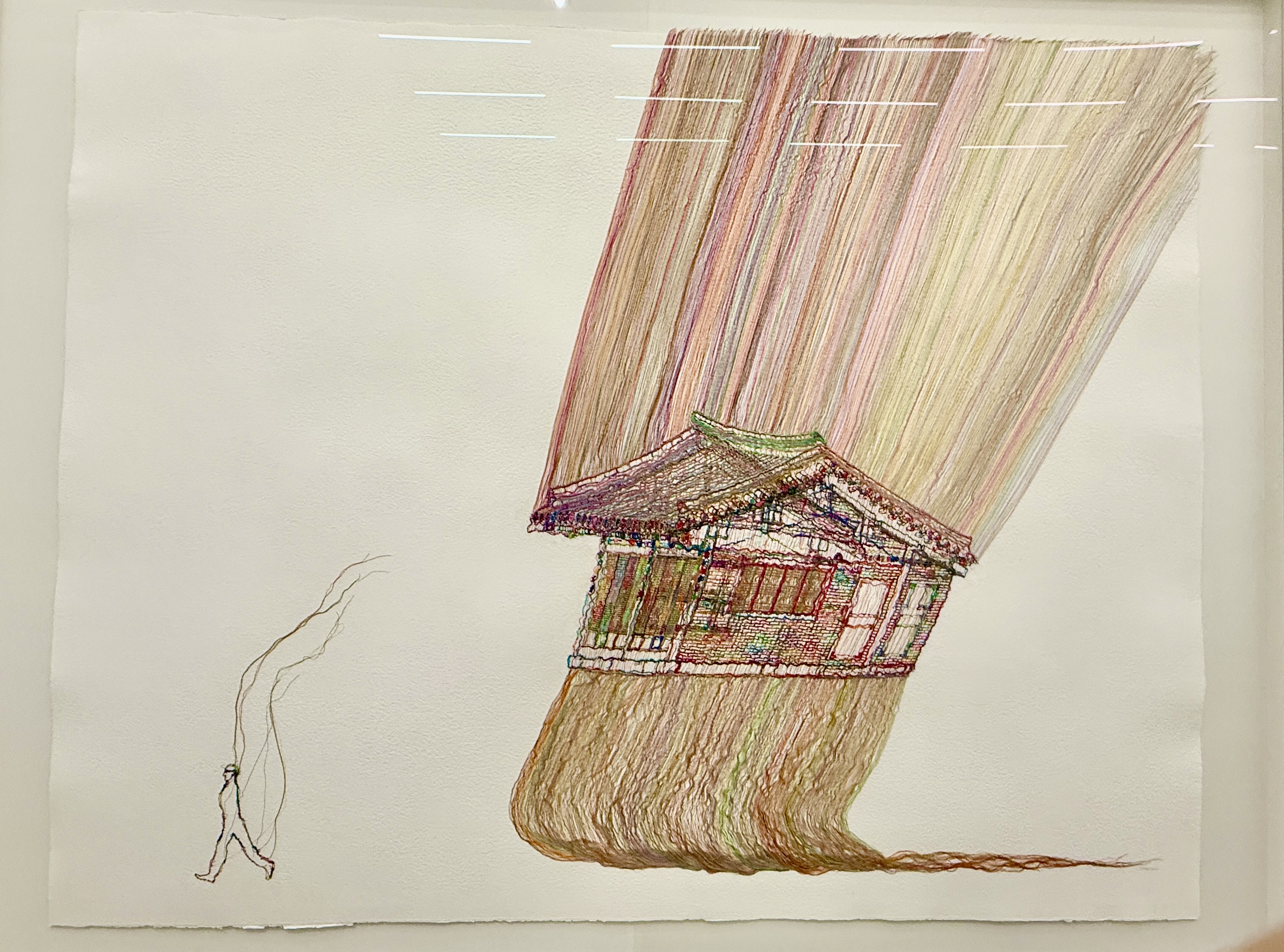
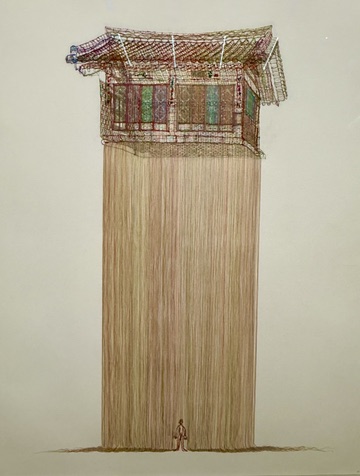
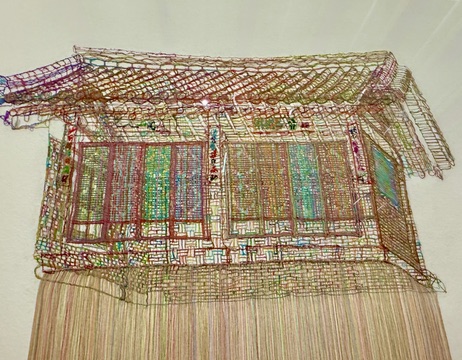
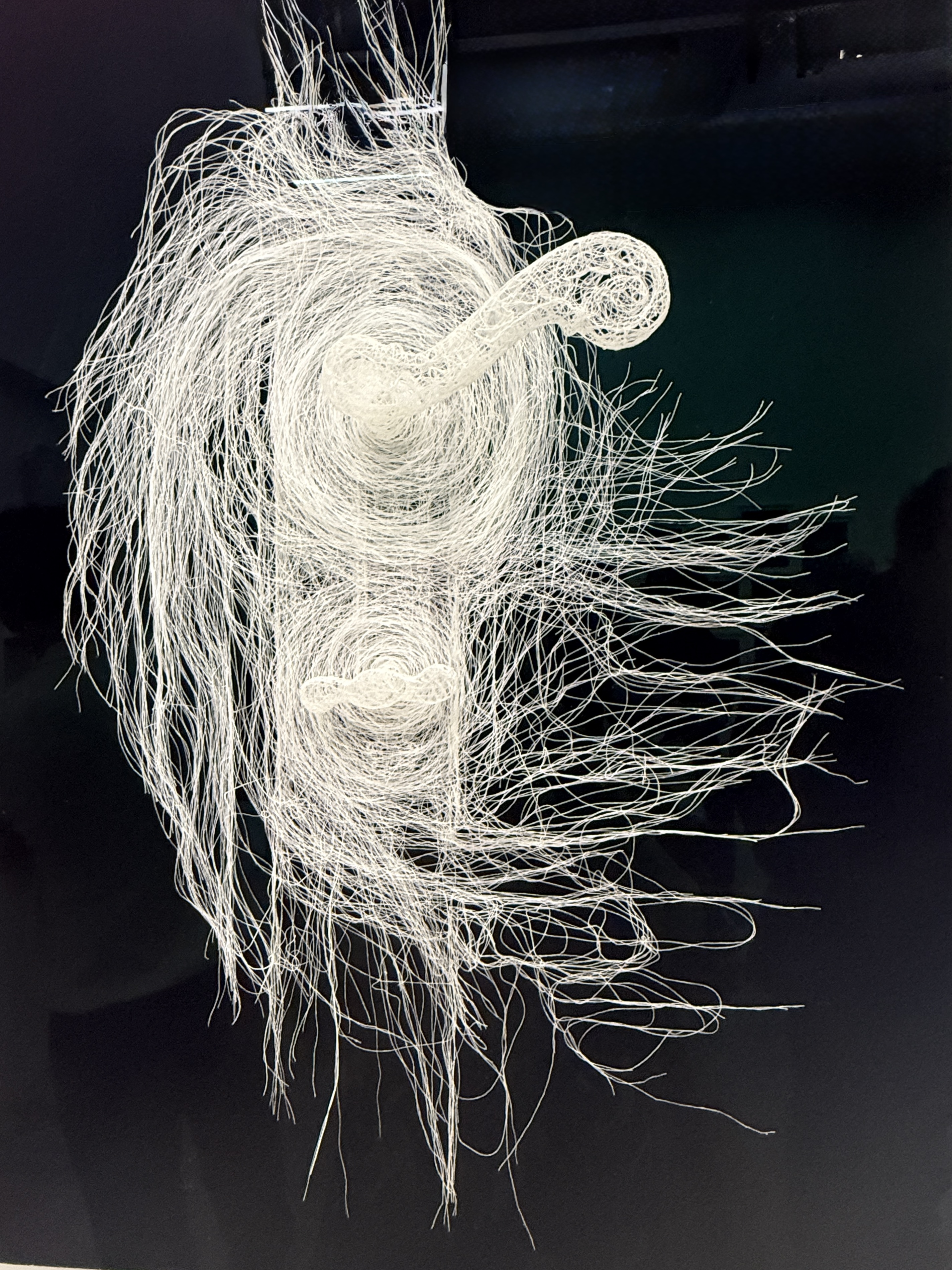
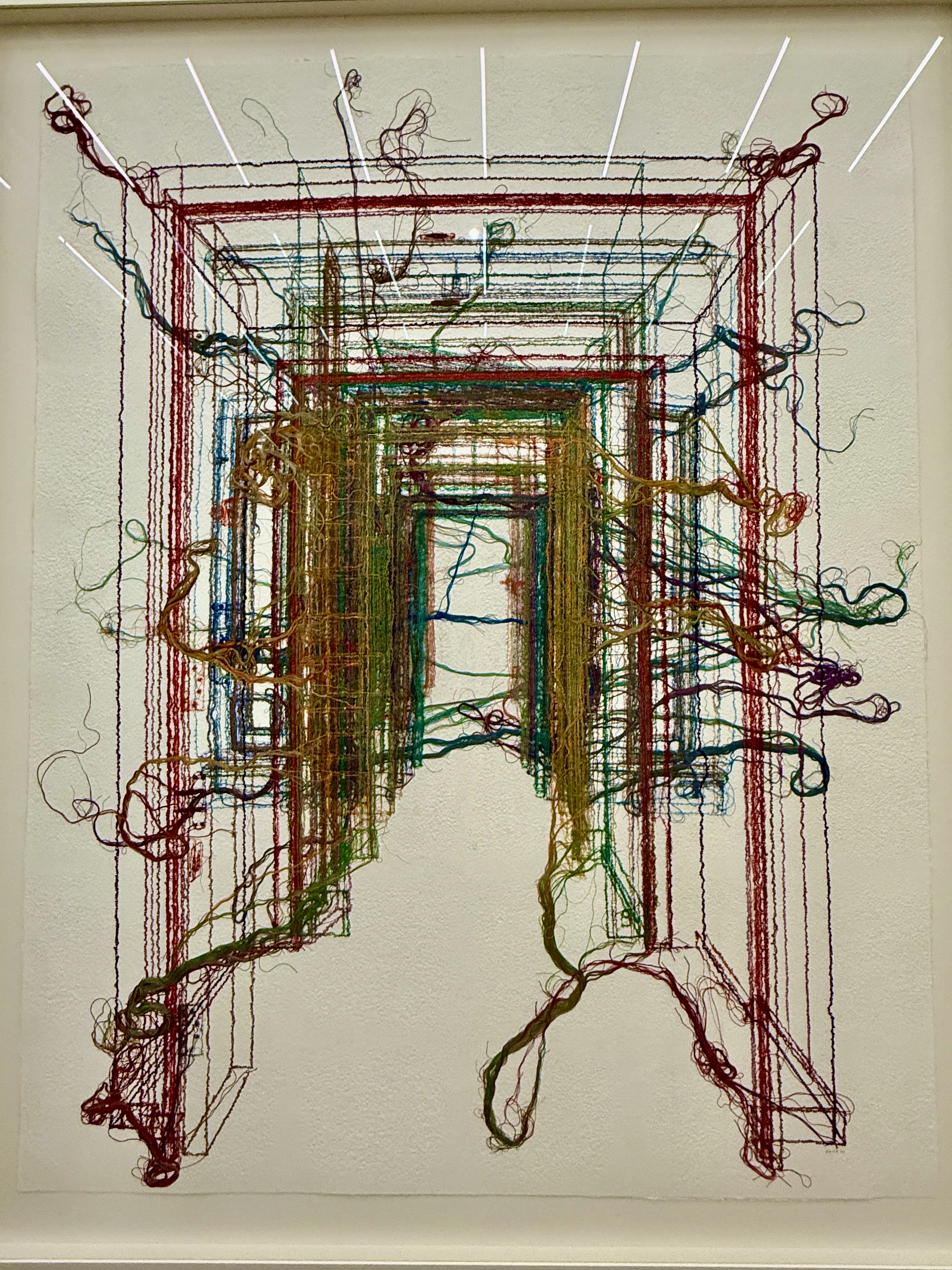
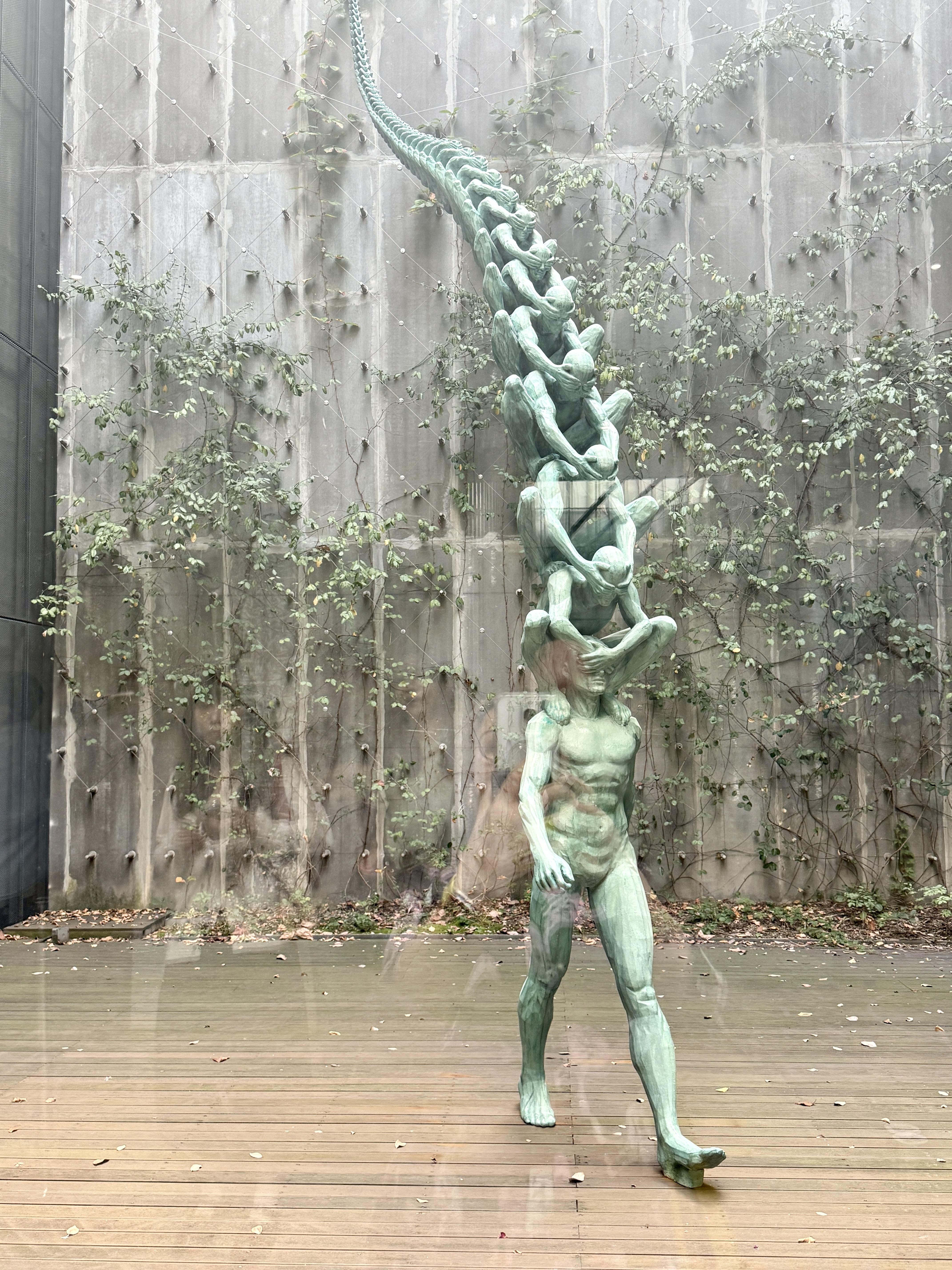
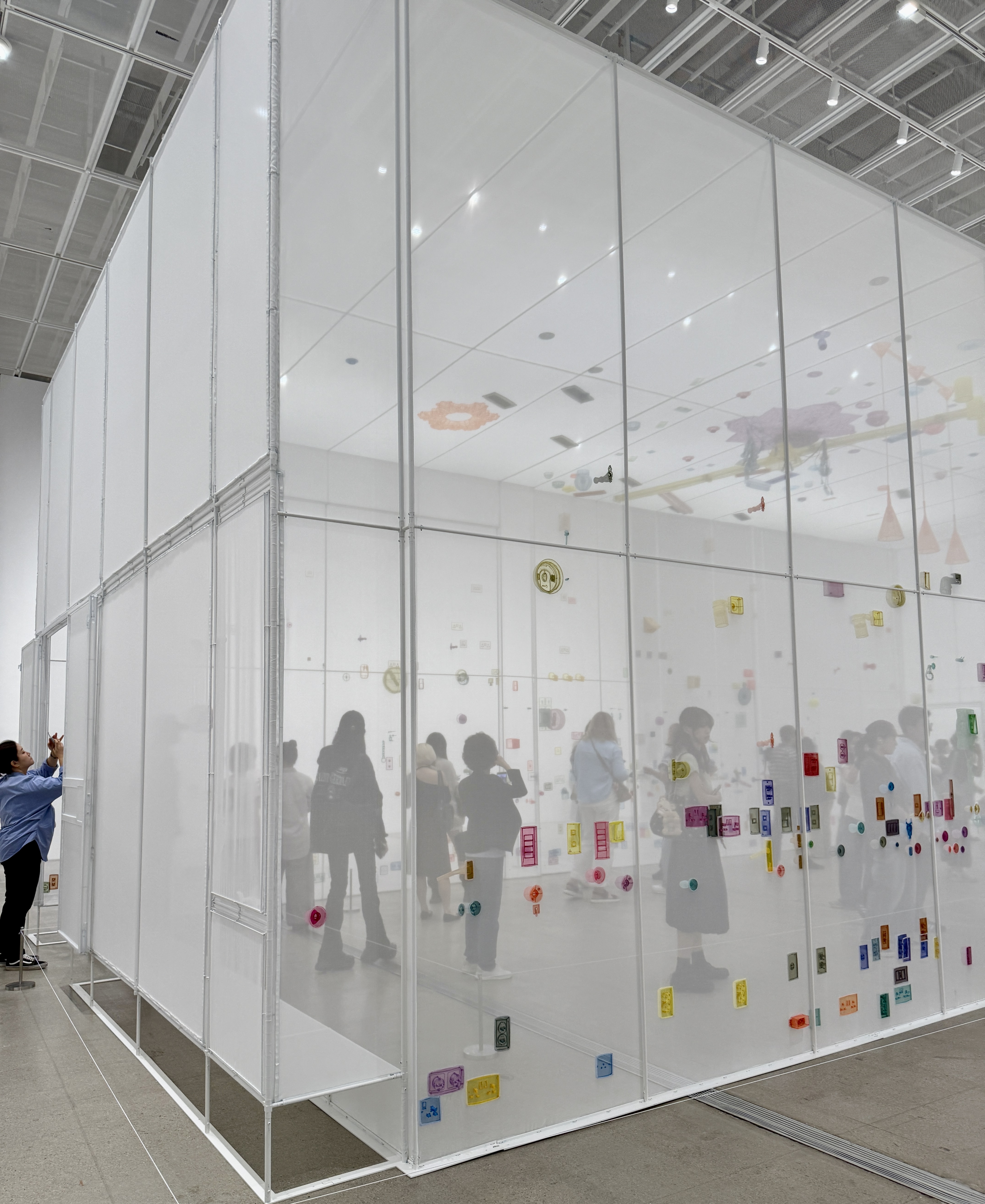
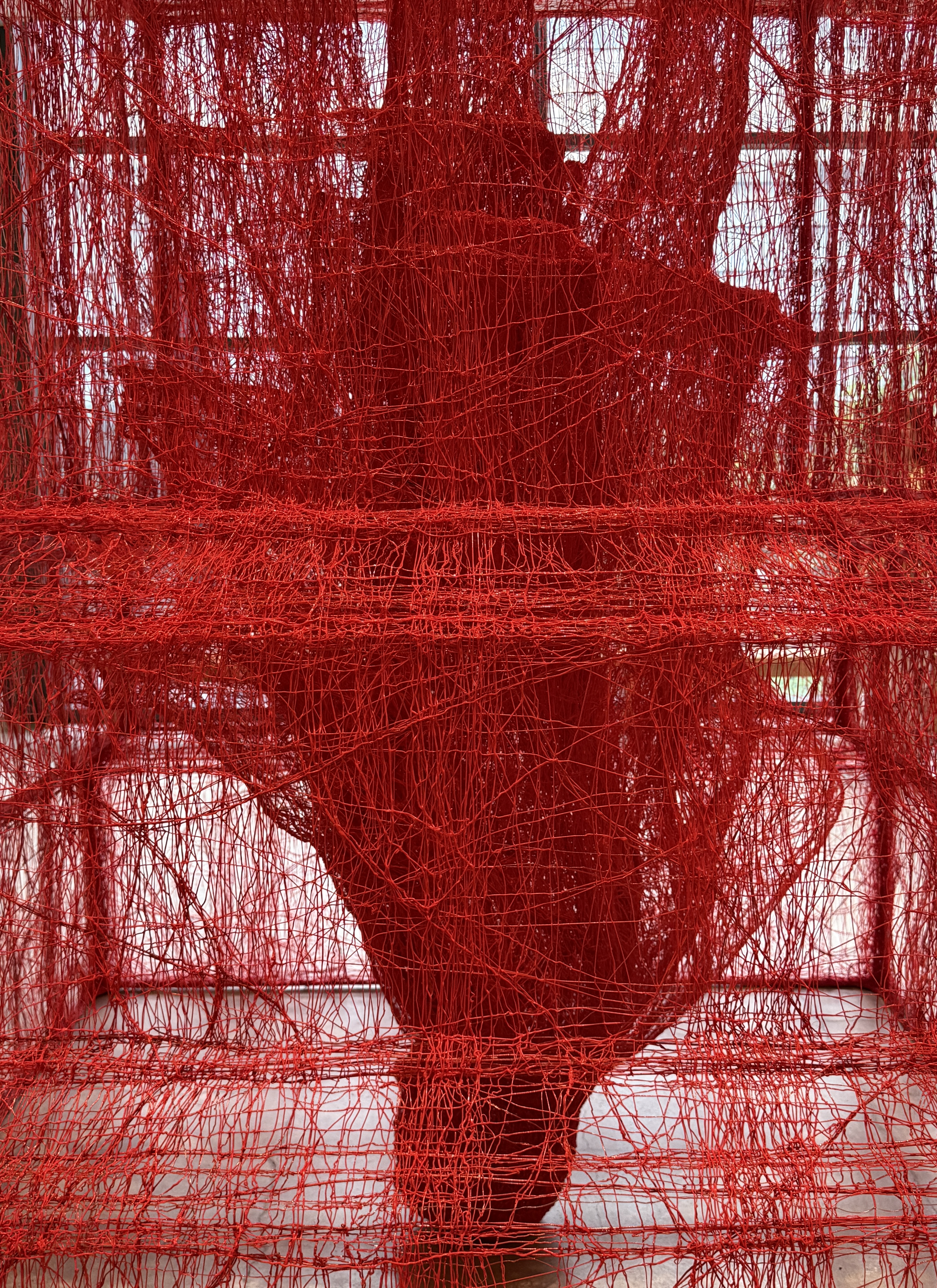
Anyway, the Do Ho Suh exhibit is amazing. Suh is well known for re-creating architectural structures and objects using fabric in what the artist describes as an “act of memorialization.” His large installation pieces sort of blur the line between sculpture and architecture. One of his most famous works is Seoul Home, where he recreated his childhood home using polyester and silk, making a sort of “second skin” so that he can remove that “skin” –fold it up– and transport the parts in order to recreate the structure. He uses rice paper, and a silky (?) fabric that is commonly found in hanoks. The show was enormous; I’ve rarely seen anyone so prolific.
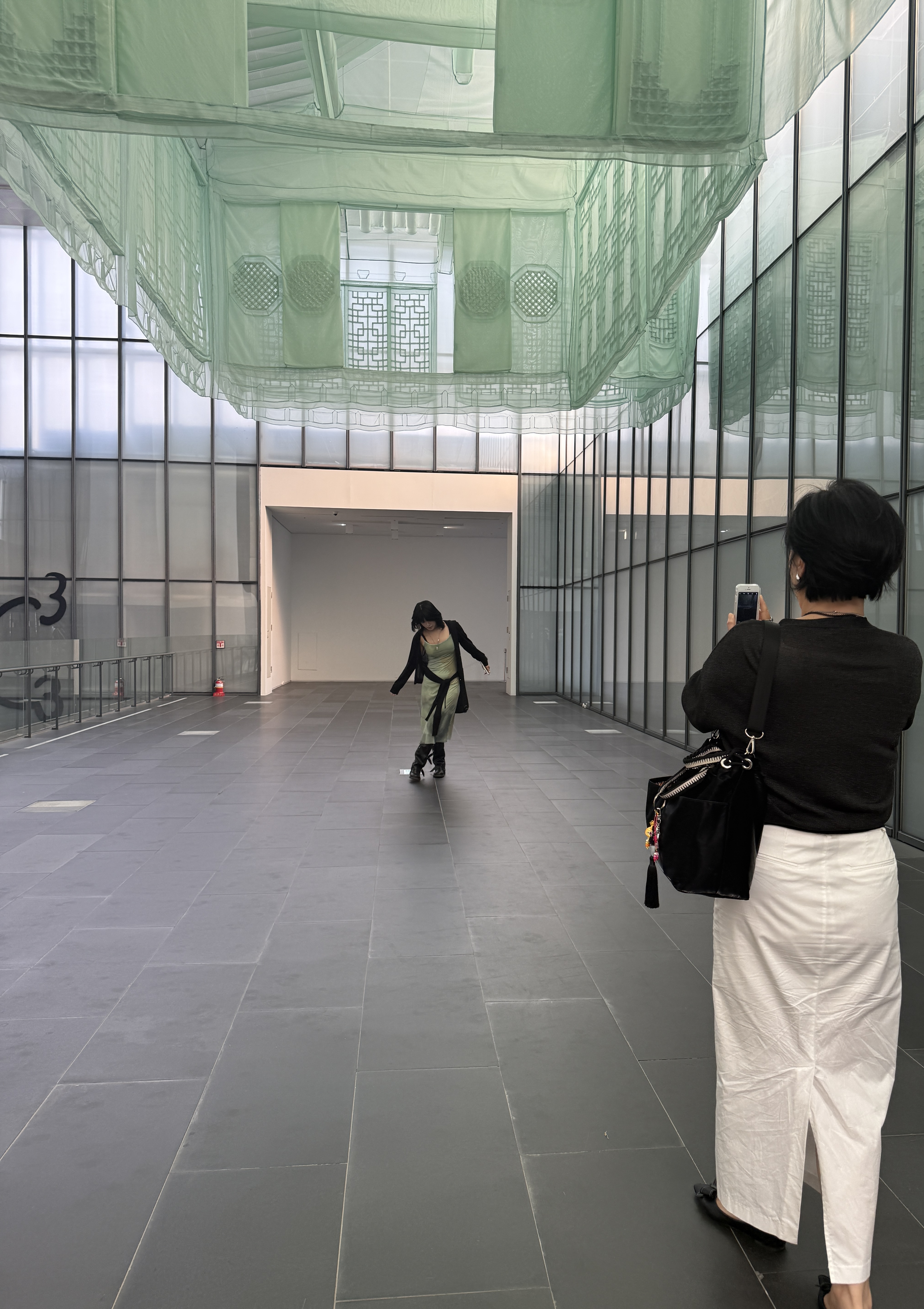
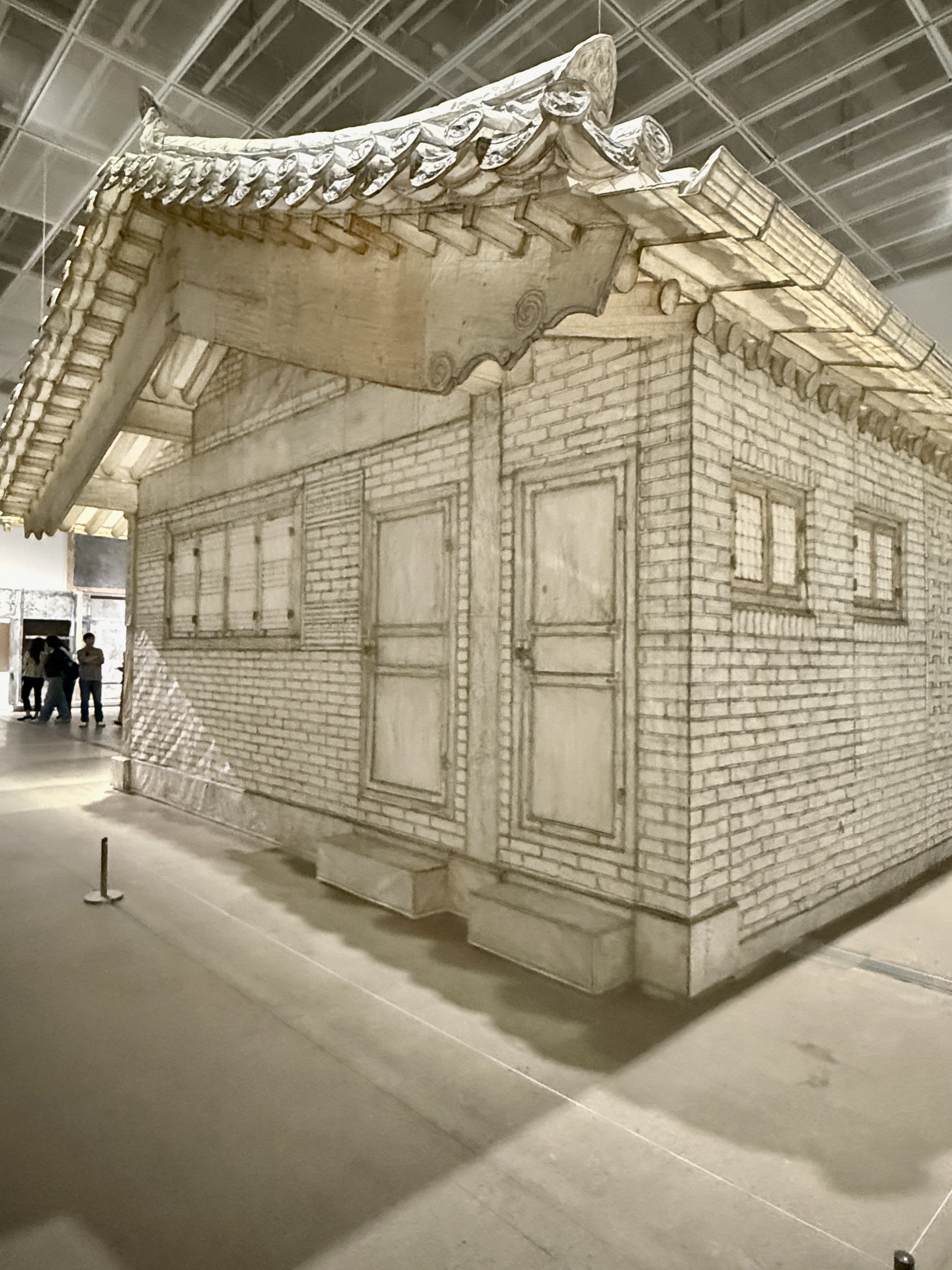
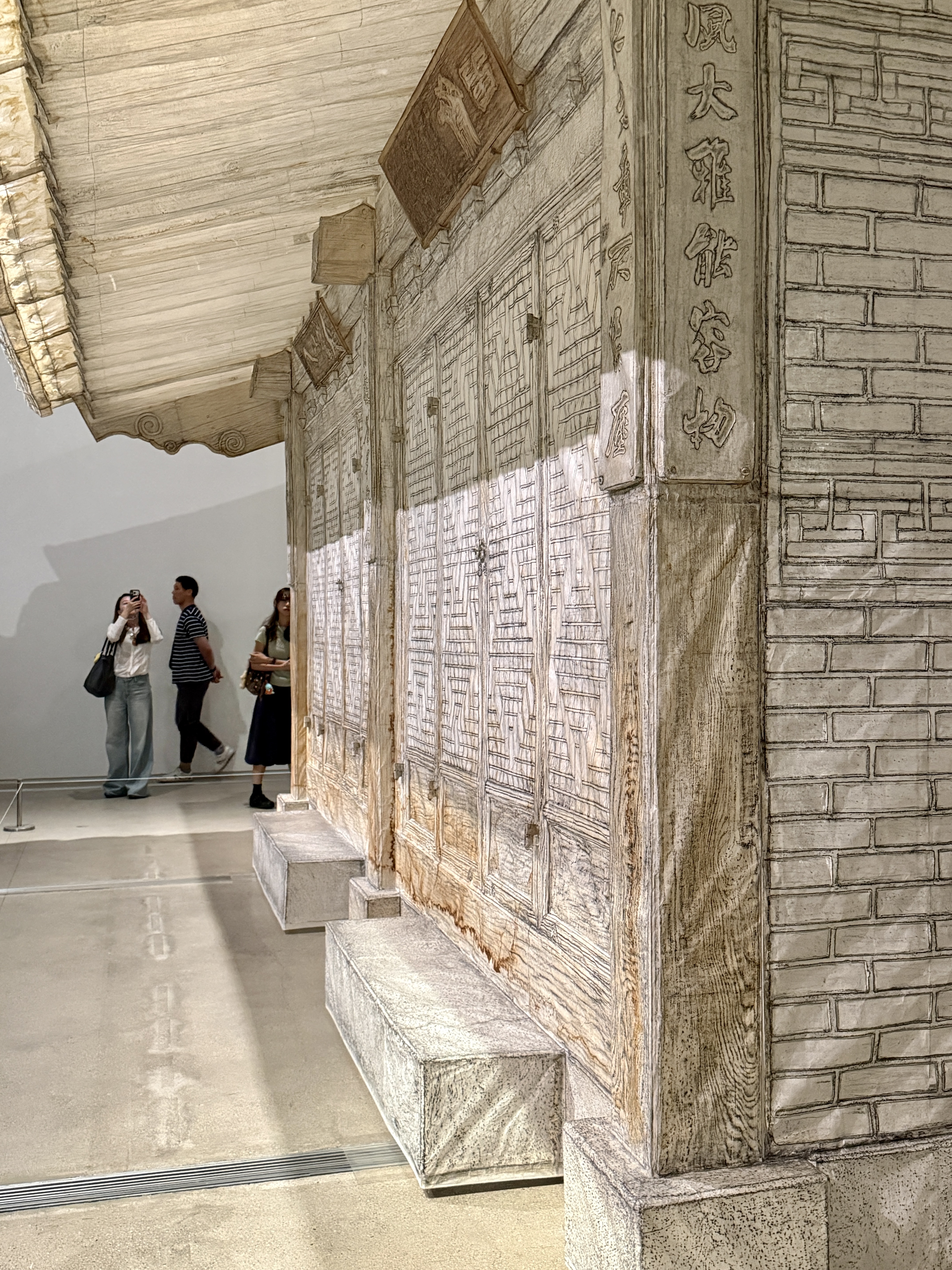
DO HO SUH’s work covers a very broad range of painting, thread drawings, sculpture, installations and more. From what I gathered about his biography, his parents were well known artists and inkmakers (I think) and when Suh didn’t get into the marine biology program at Seould University, he enrolled in the art program, studying traditional art and history. Then he came ot the US and got a second BFA at RISDI and another MFA from Yale, and he then lived in NY for about a decade. It was in the US that his work began to blossom and to have more freedom to explore–but he always thought about Korea and “home” which became the focus of a lot of his work..
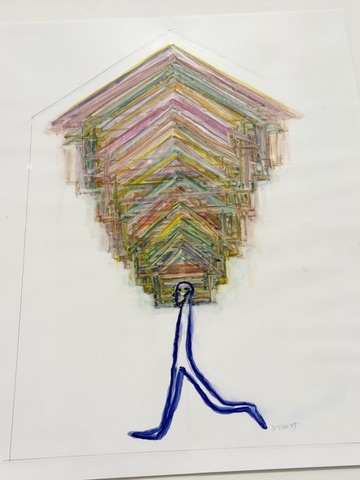
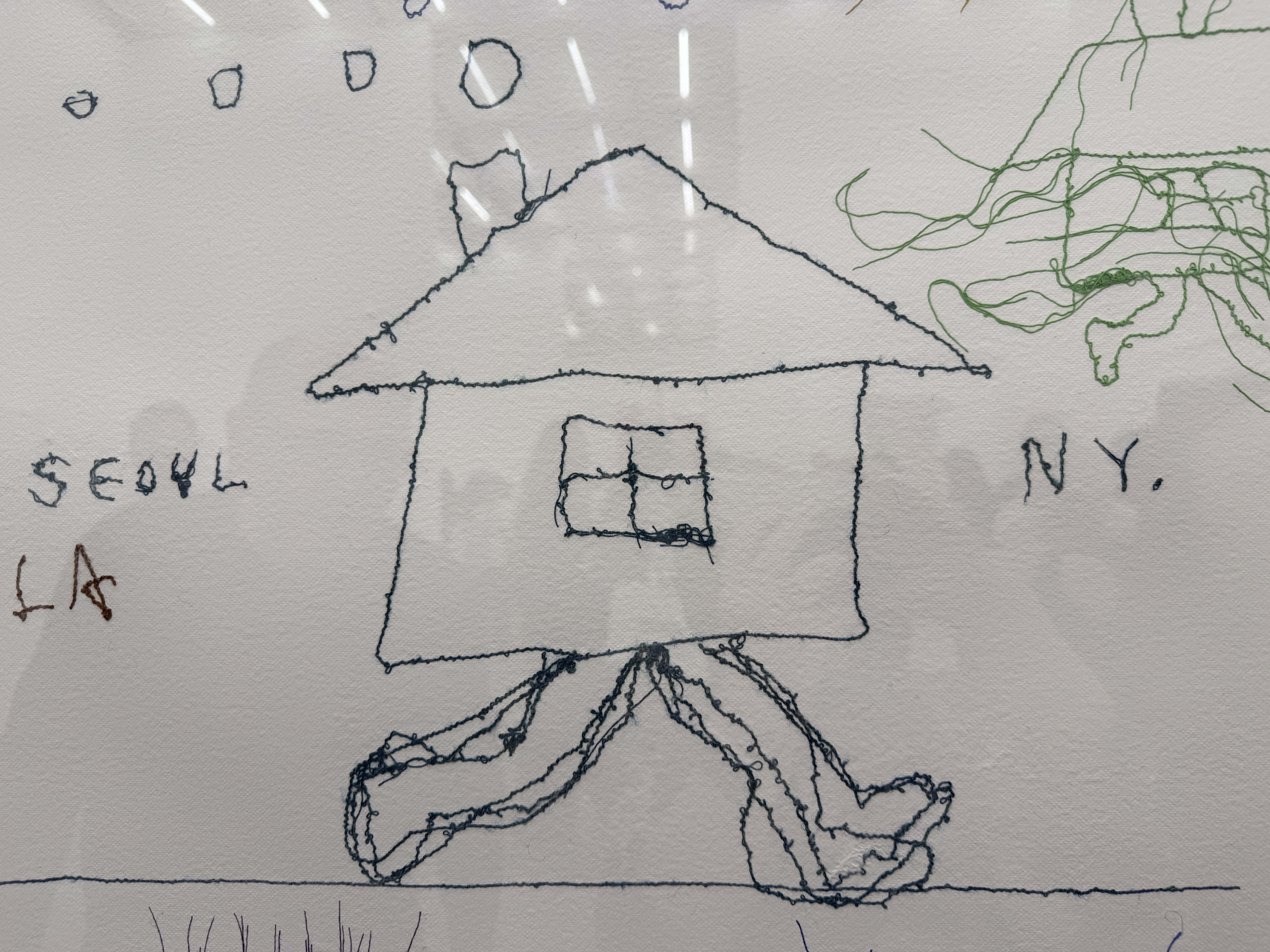
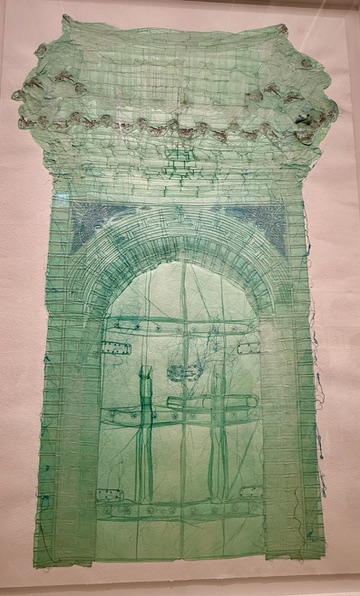
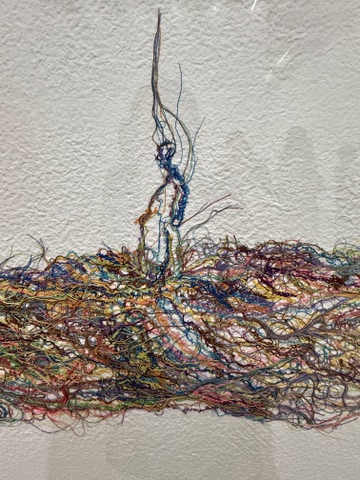
And there is a large collection of “paintings” where instead of using ink,, or paint, or graphite like he does ibn many of his sketchbooks, he has created drawings that use thread embedded in paper. Early experiments involved directly sewing wet paper, as well as sewing thin tissue paper and dissolving the tissue paper before transferring the drawing to thicker paper. Then he began sewing the gelatine paper, attaching the paper to paper pulp that dissolves the gelatine paper, and rubbing the thread in order to bind it to the thicker paper fibers. Or at least this is what I think he does.
I could go on and on about this show.. but I better stop. We had a phenomenal dinner at Galopin and I will write about that in tomorrow’s blog.

