Feliz Navidad: December 25, 2025 – Oaxaca
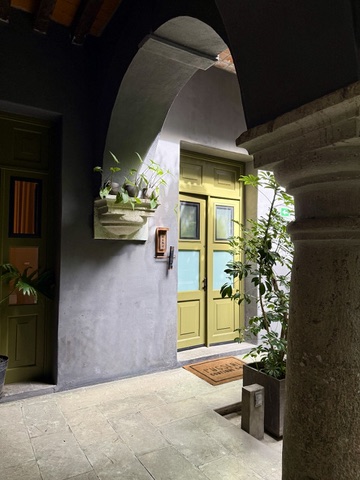
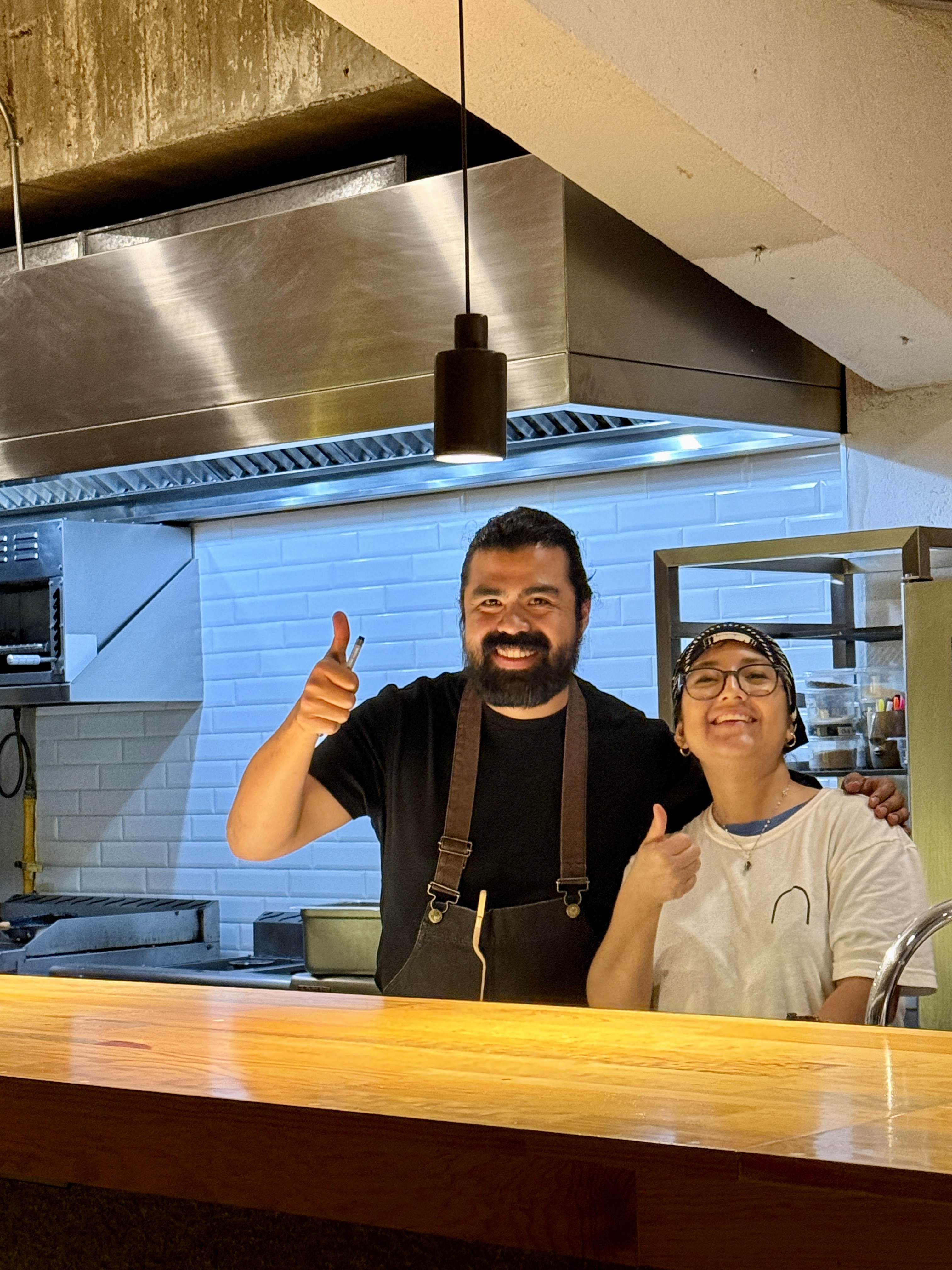
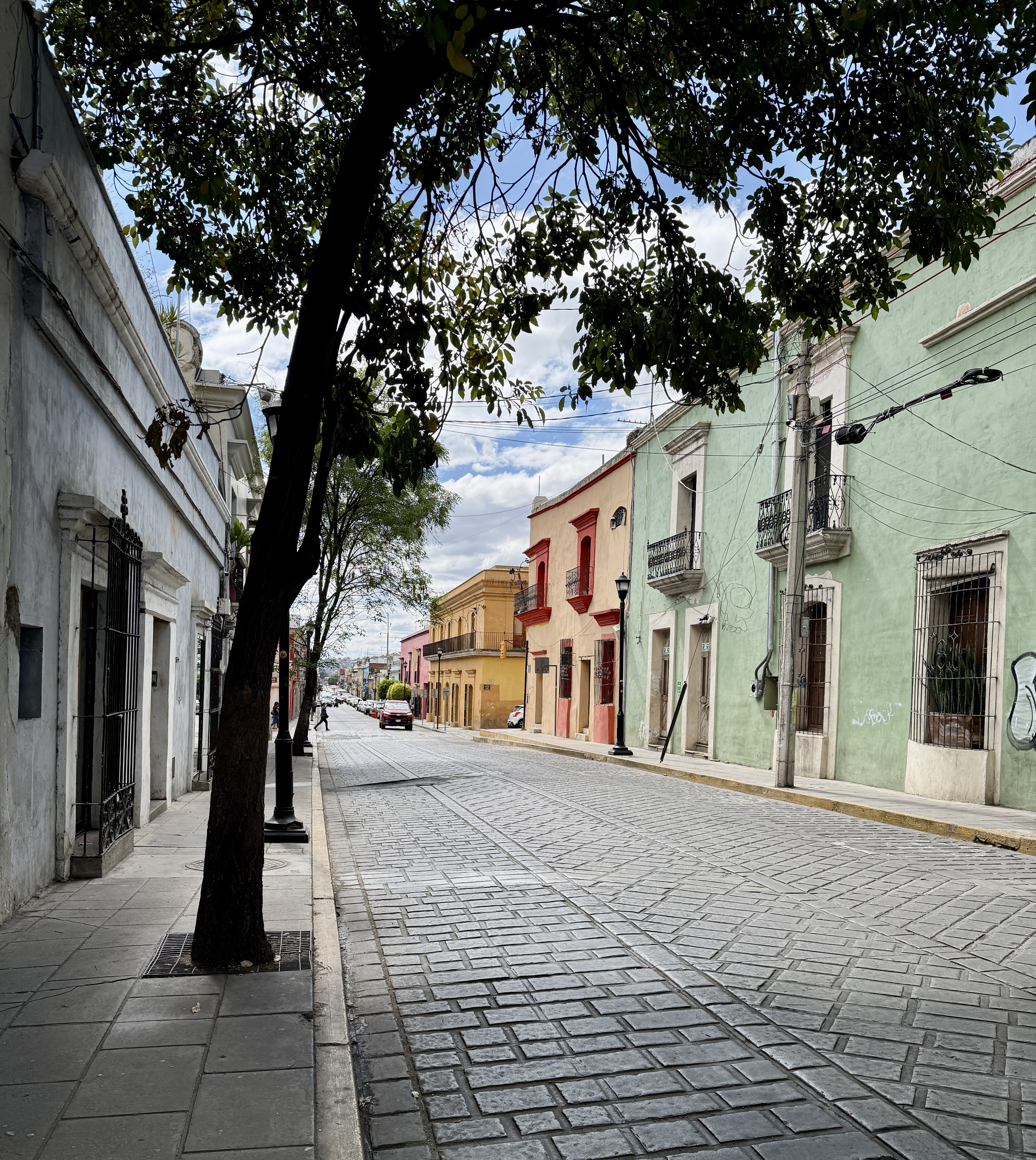
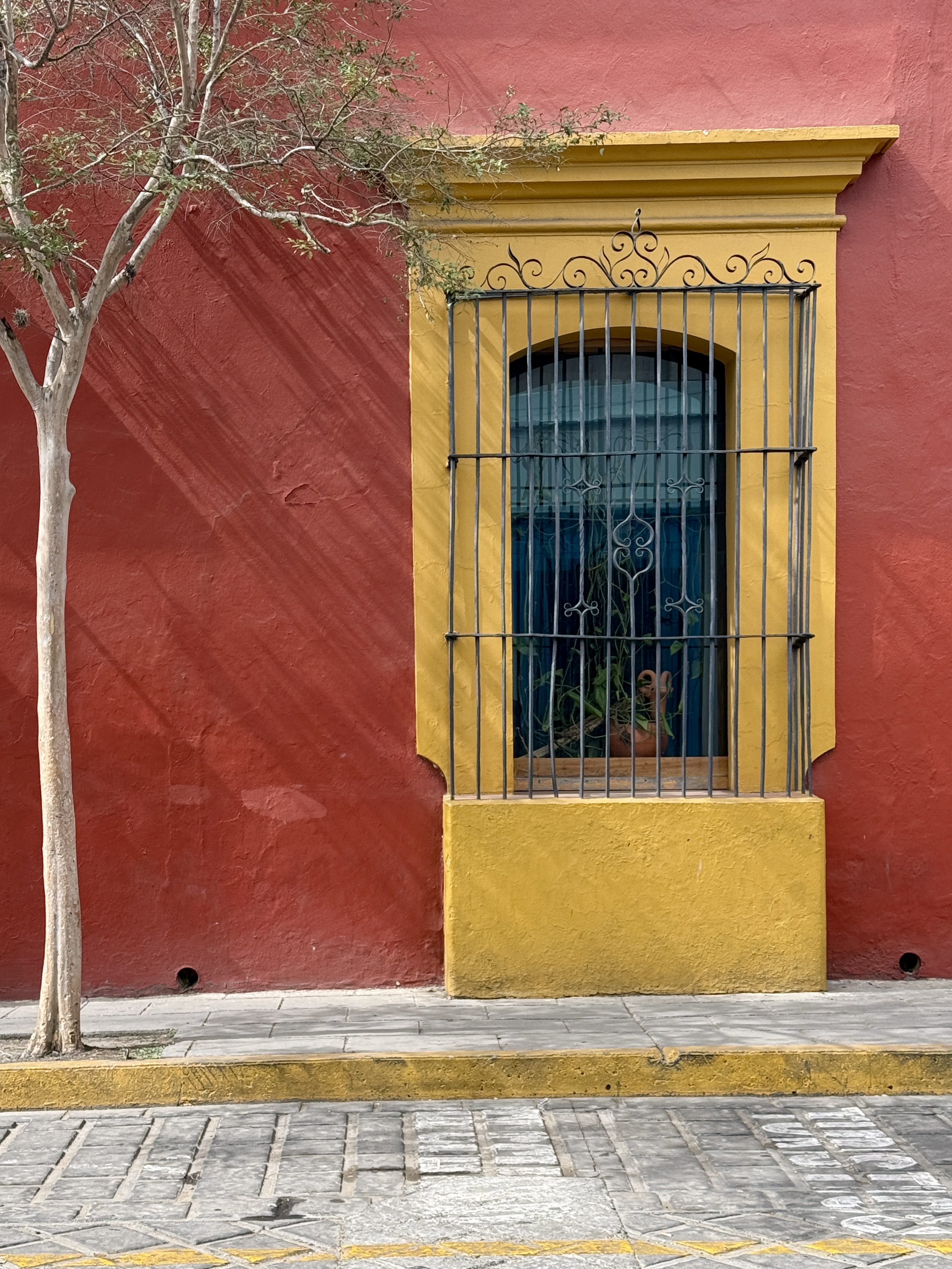
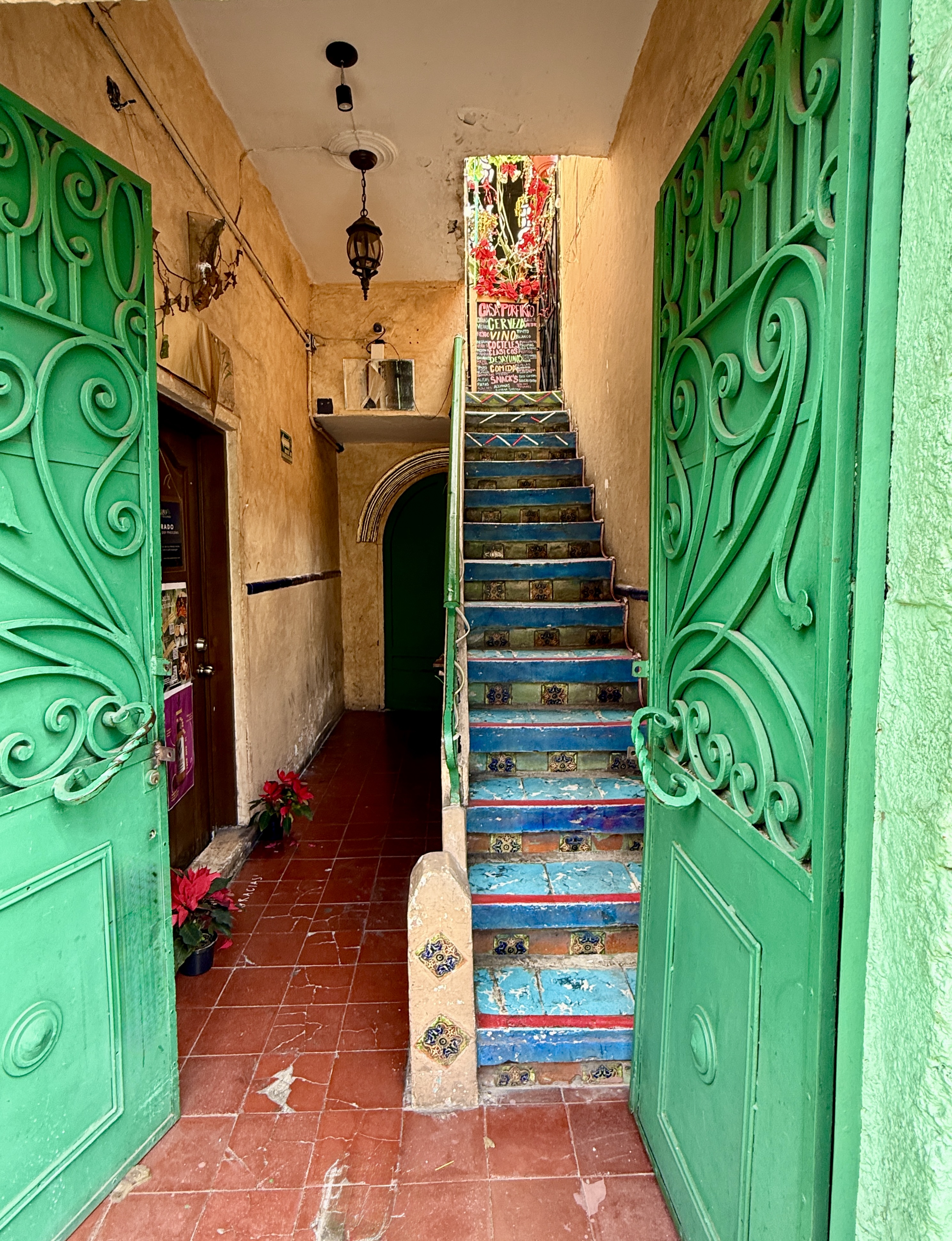
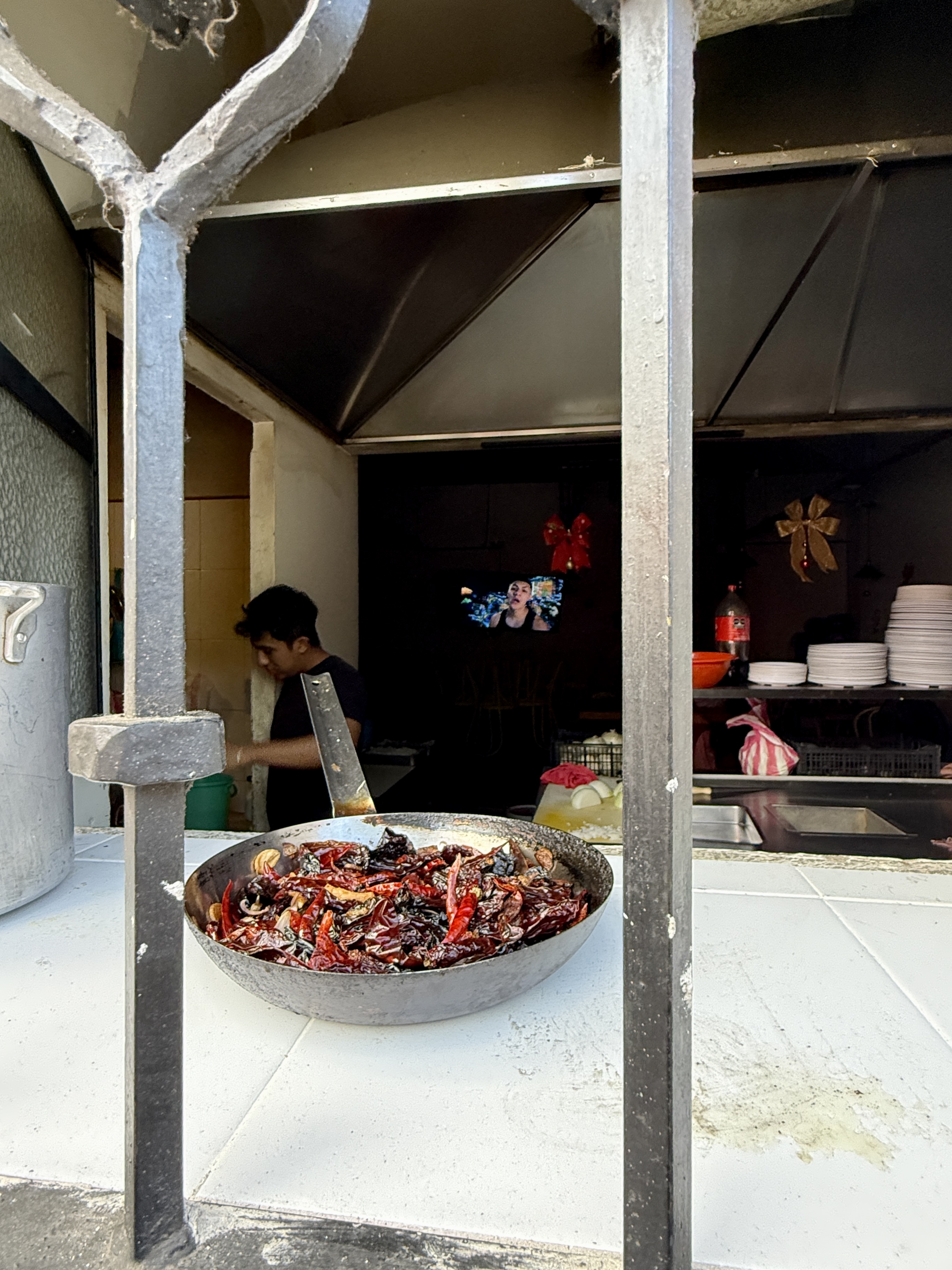
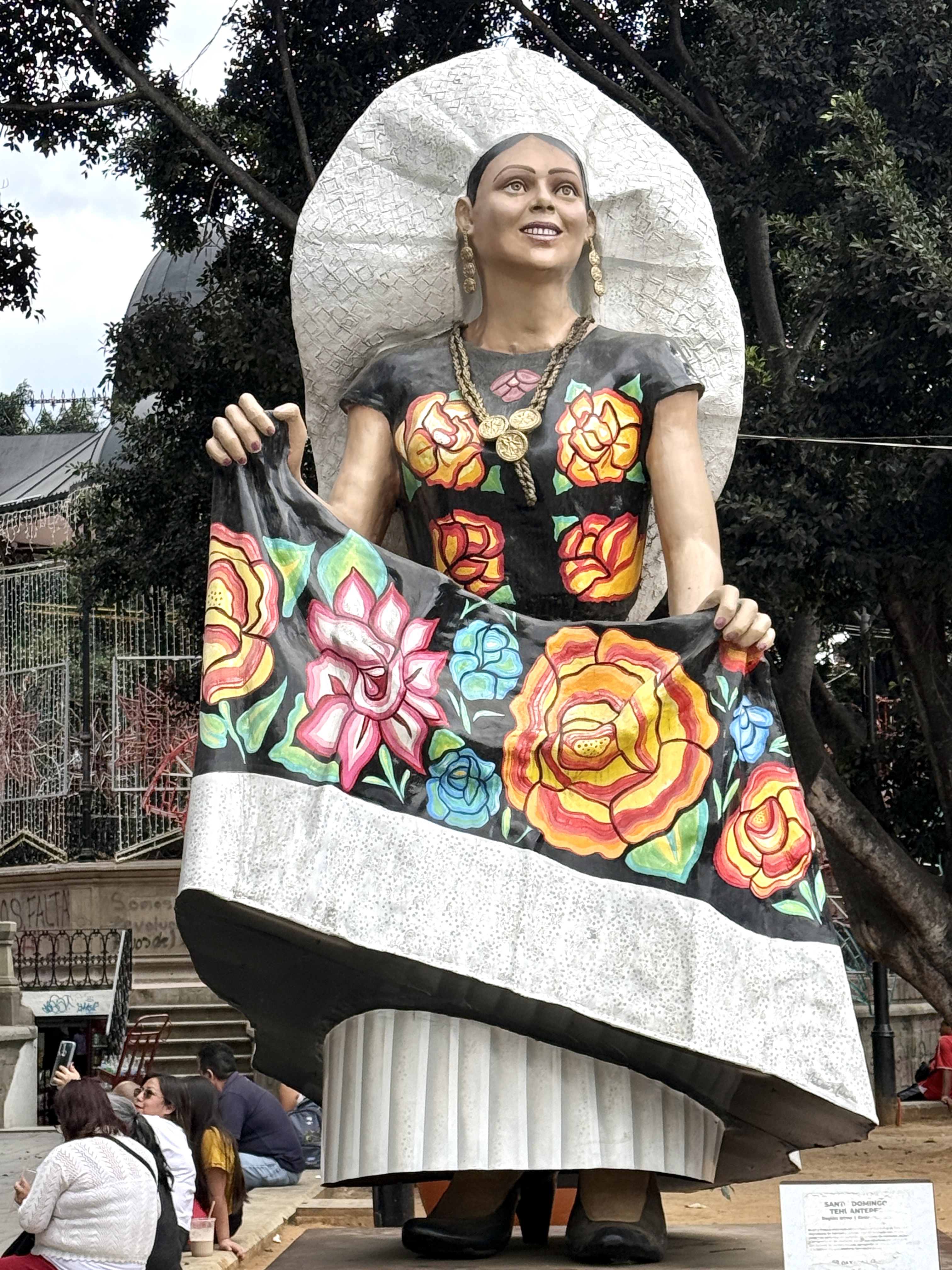
After a leisurely breakfast at Pug Seal, we headed out to explore more of Oaxaca– especially the Christmas markets that line the area near Santo Domingo Church–about a 25-minute walk from our hotel. These are pop-up markets that are open from mid December until early January and are open daily (including today, Christmas Day) until 10:30 pm each night. There are also a lot of permanent small shops along the way—with varying degrees of quality.
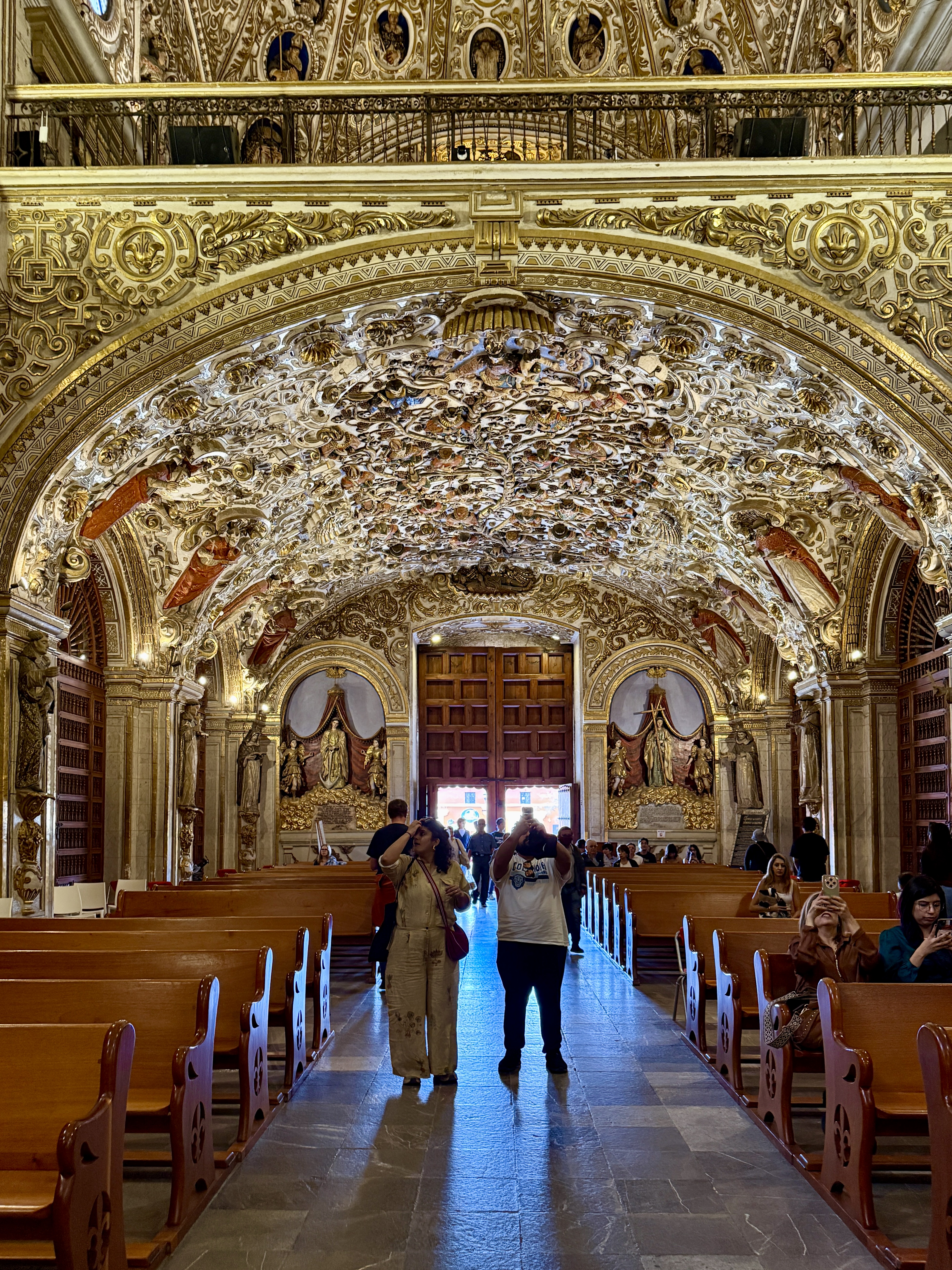
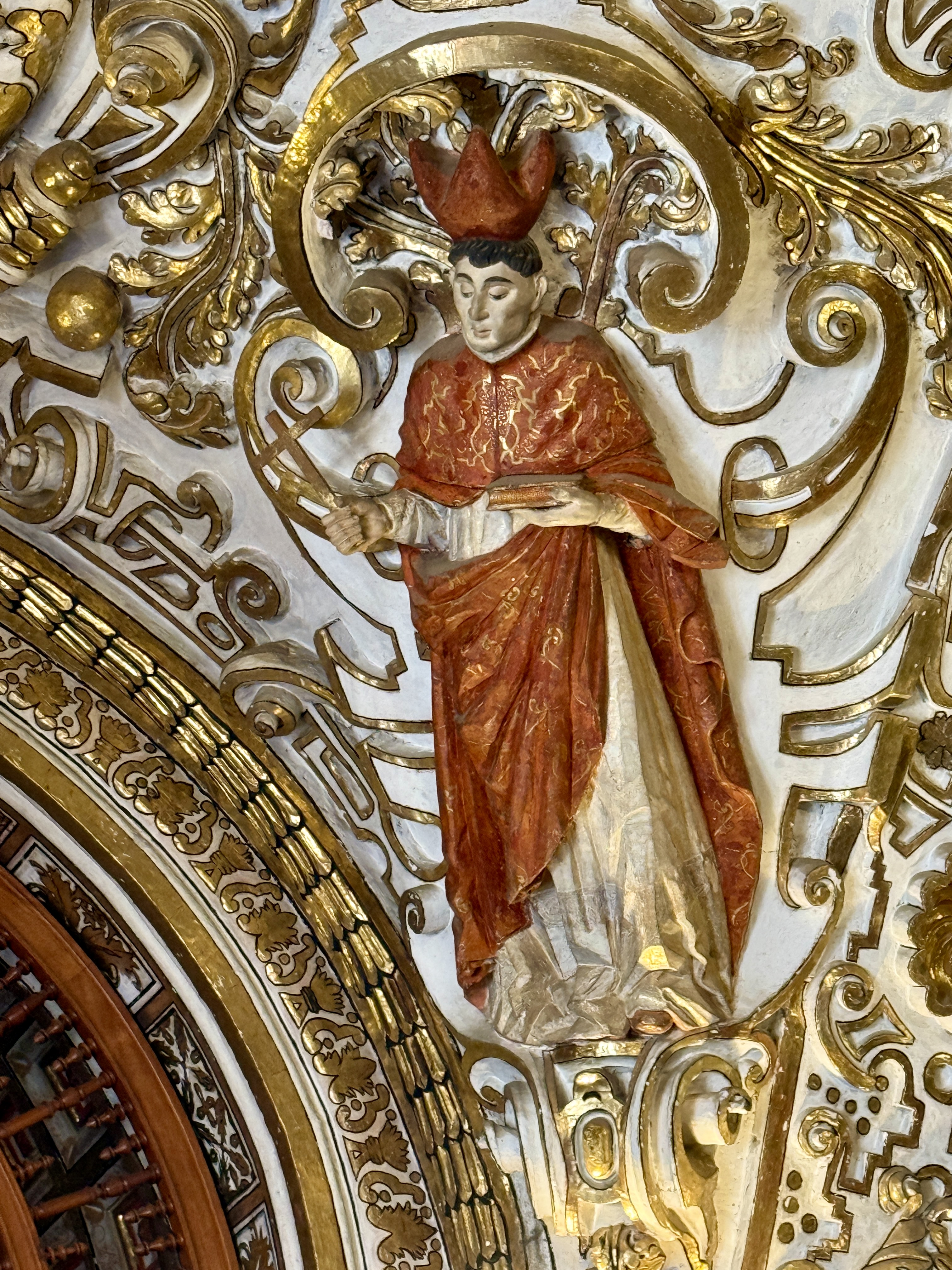
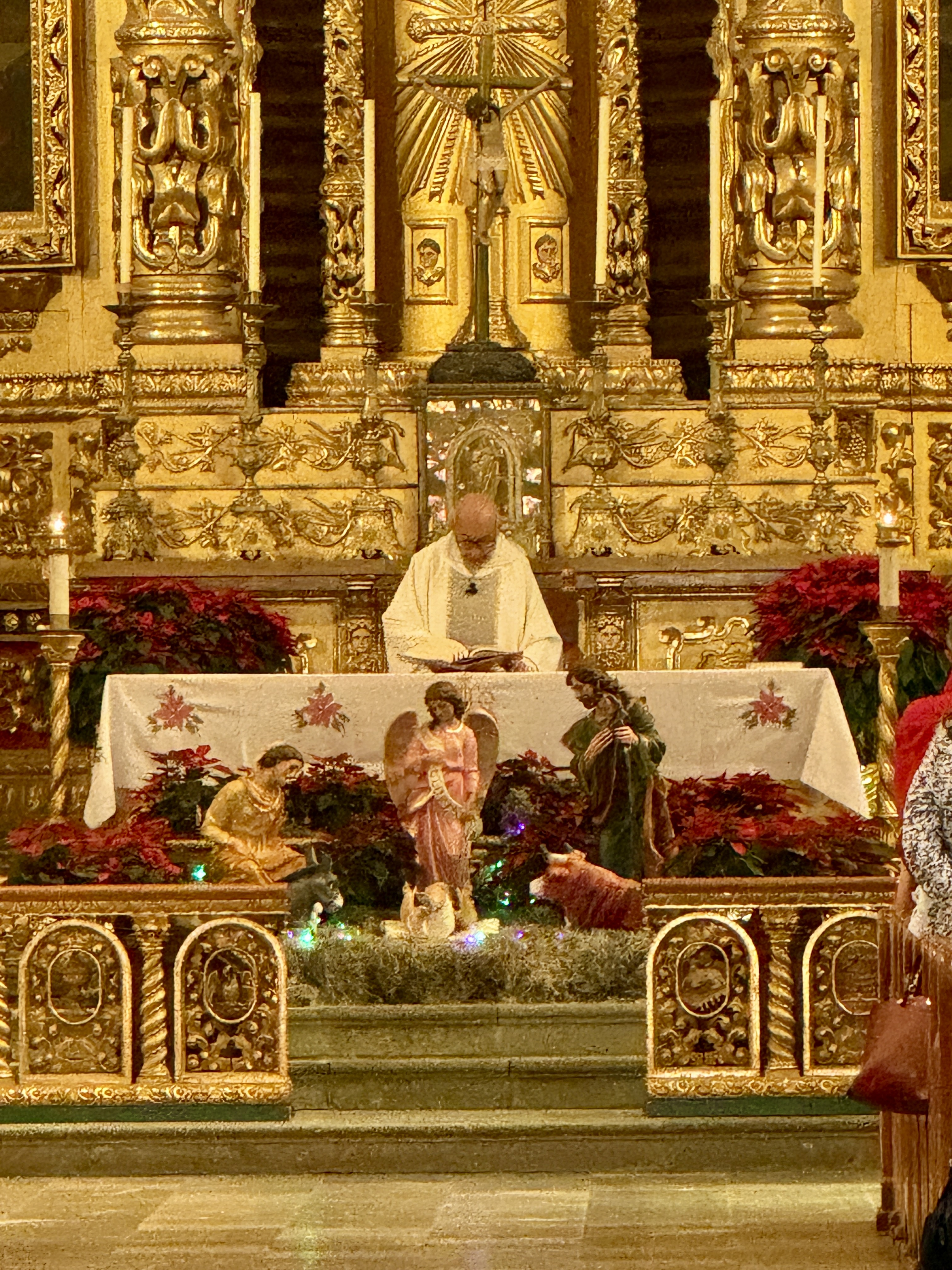
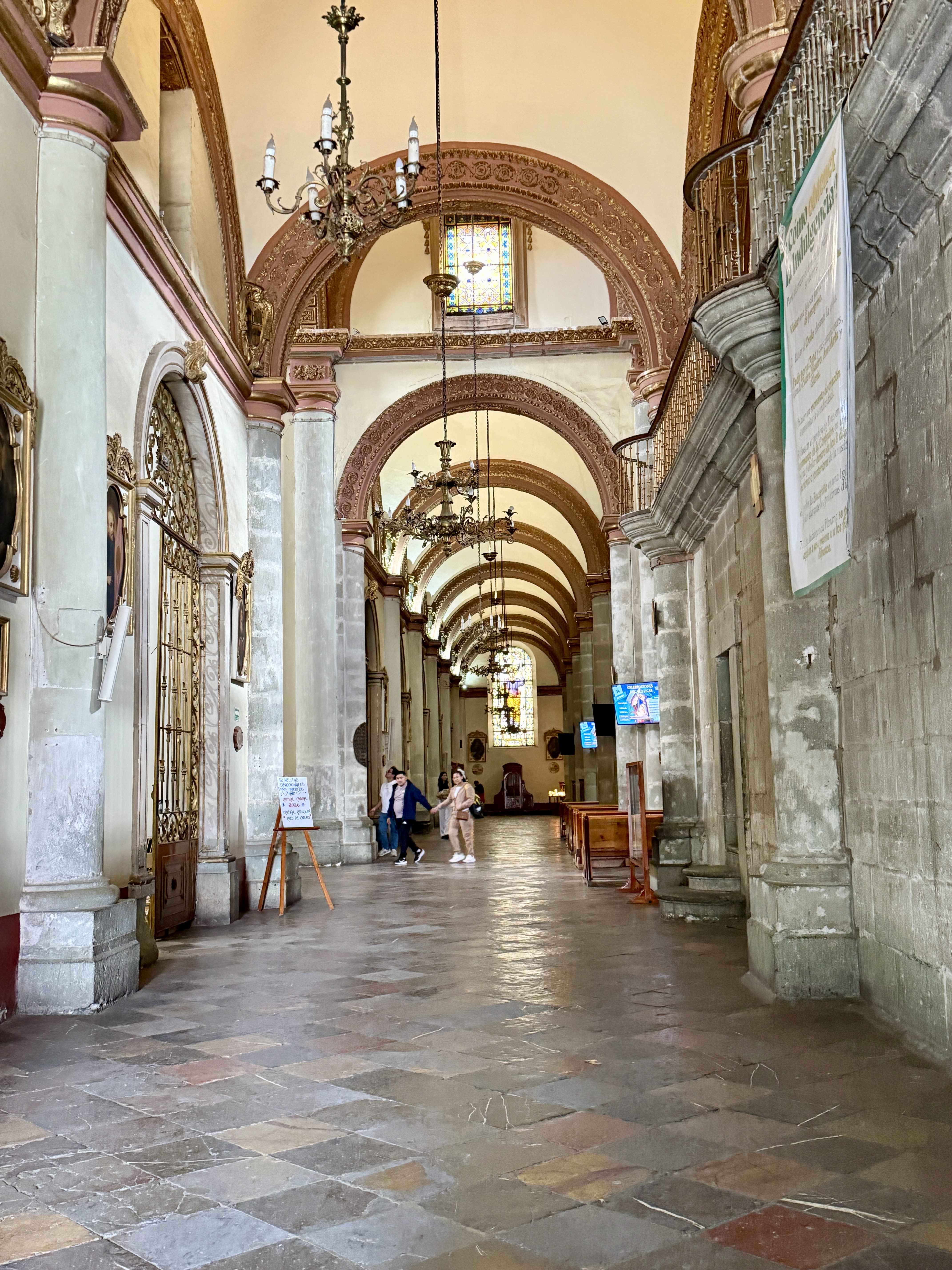
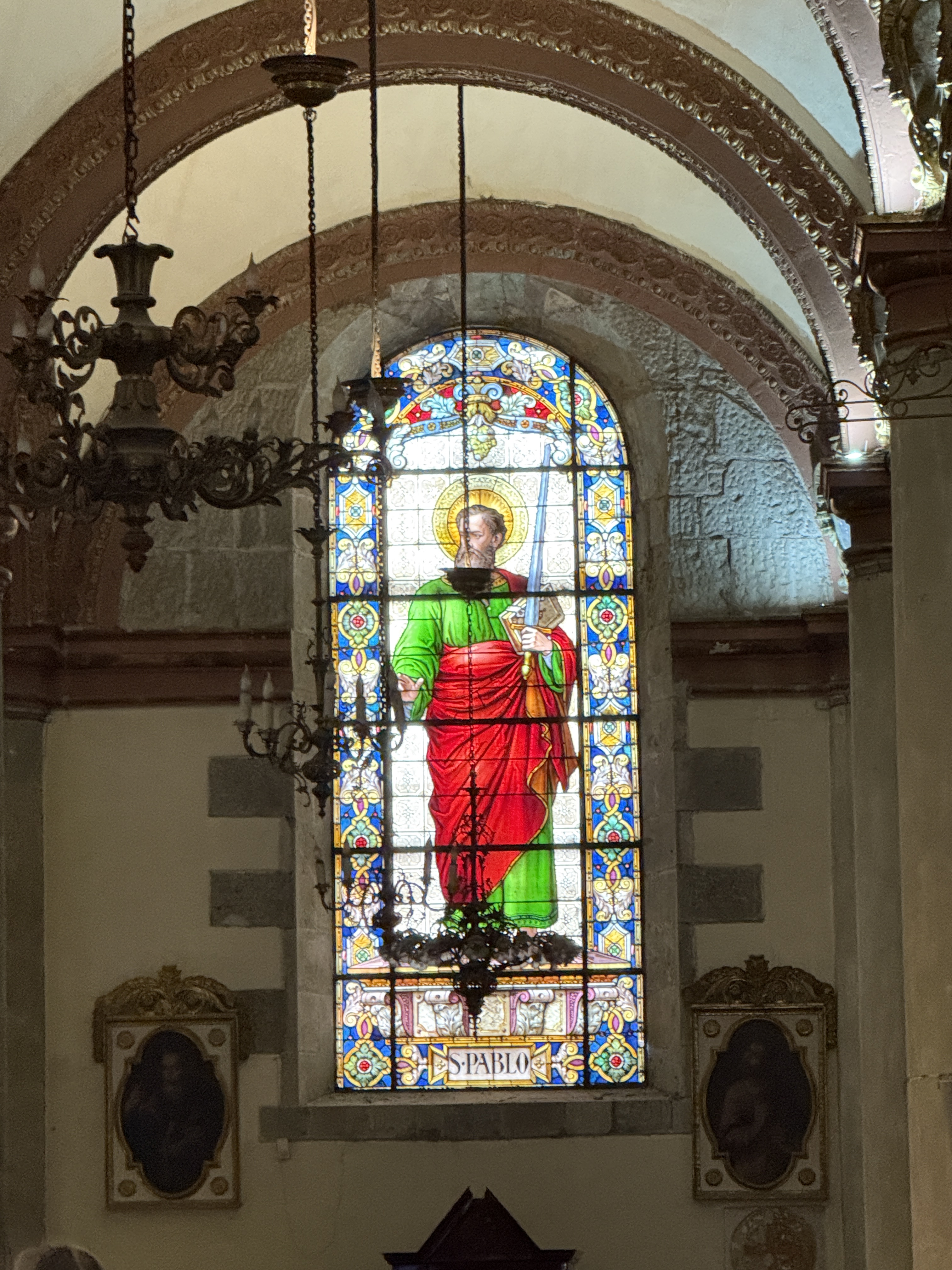
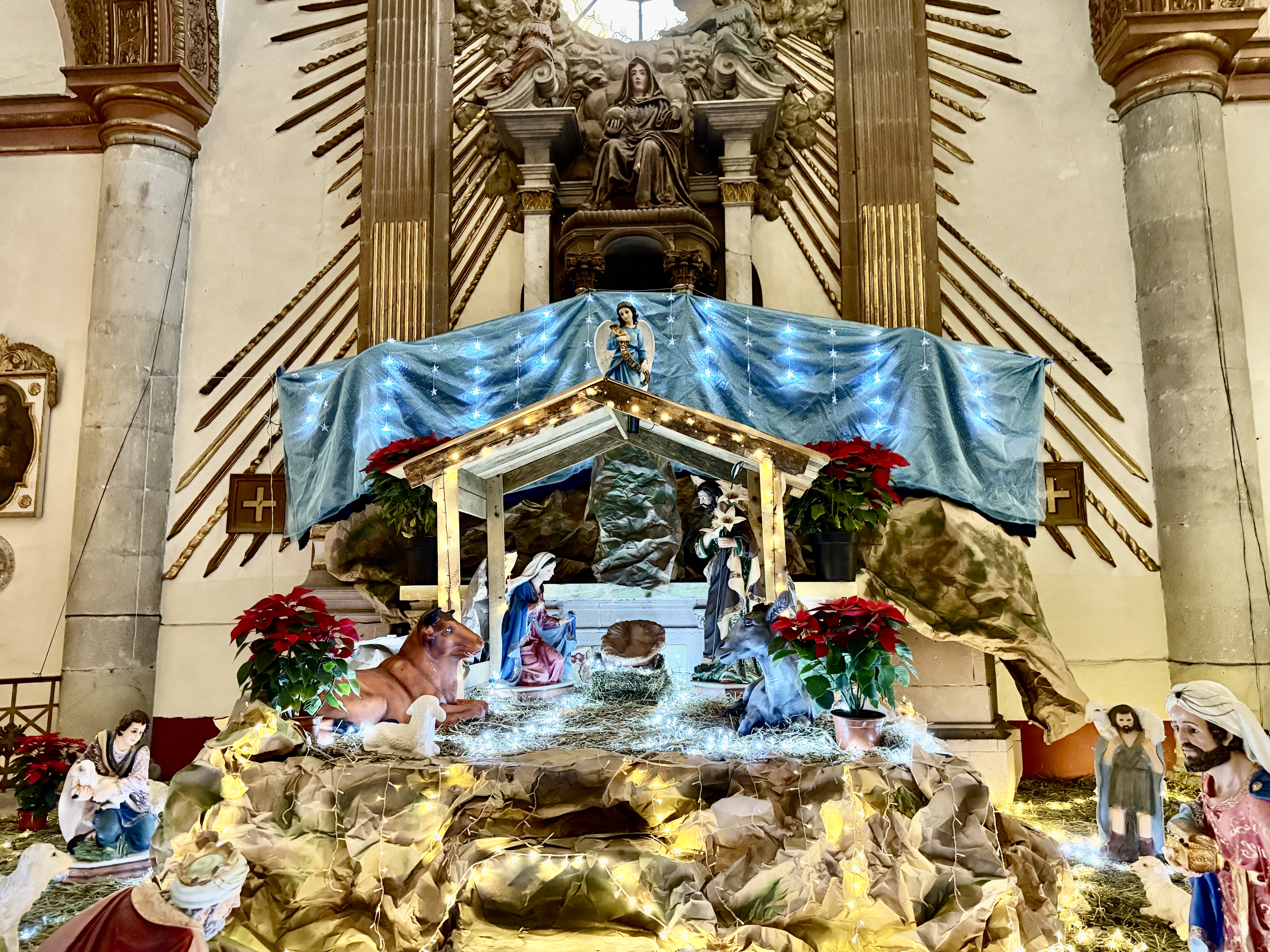
We headed inside Santo Domingo Church, a very Baroque structure that would probably make Trump totally jealous, what with all the gold and glitz. The building dates back to the 1500s when it was established as a convent for the Dominican order. It’s been the site of several different functions and important Mexican events, including a military warehouse and a stable. It was closed to Catholic worship for some decades and later returned to the Church. In 1979, Pope John Paul II visited the church and soon after it was declared a World Heritage Site, along with the entire historic center of Oaxaca.
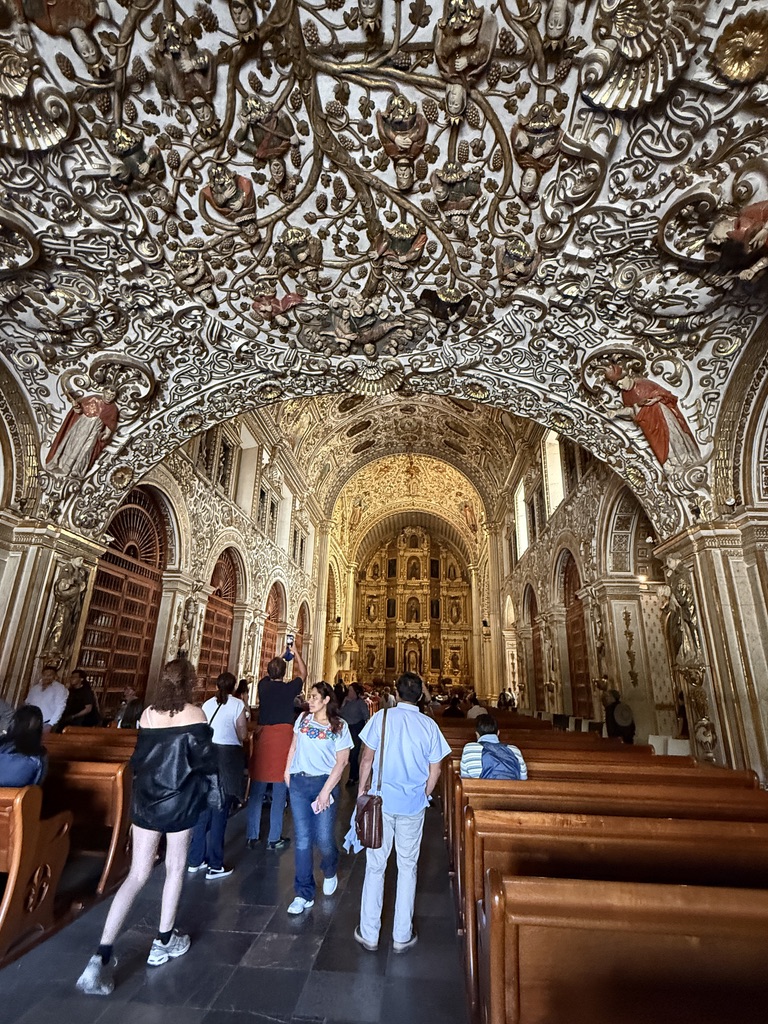
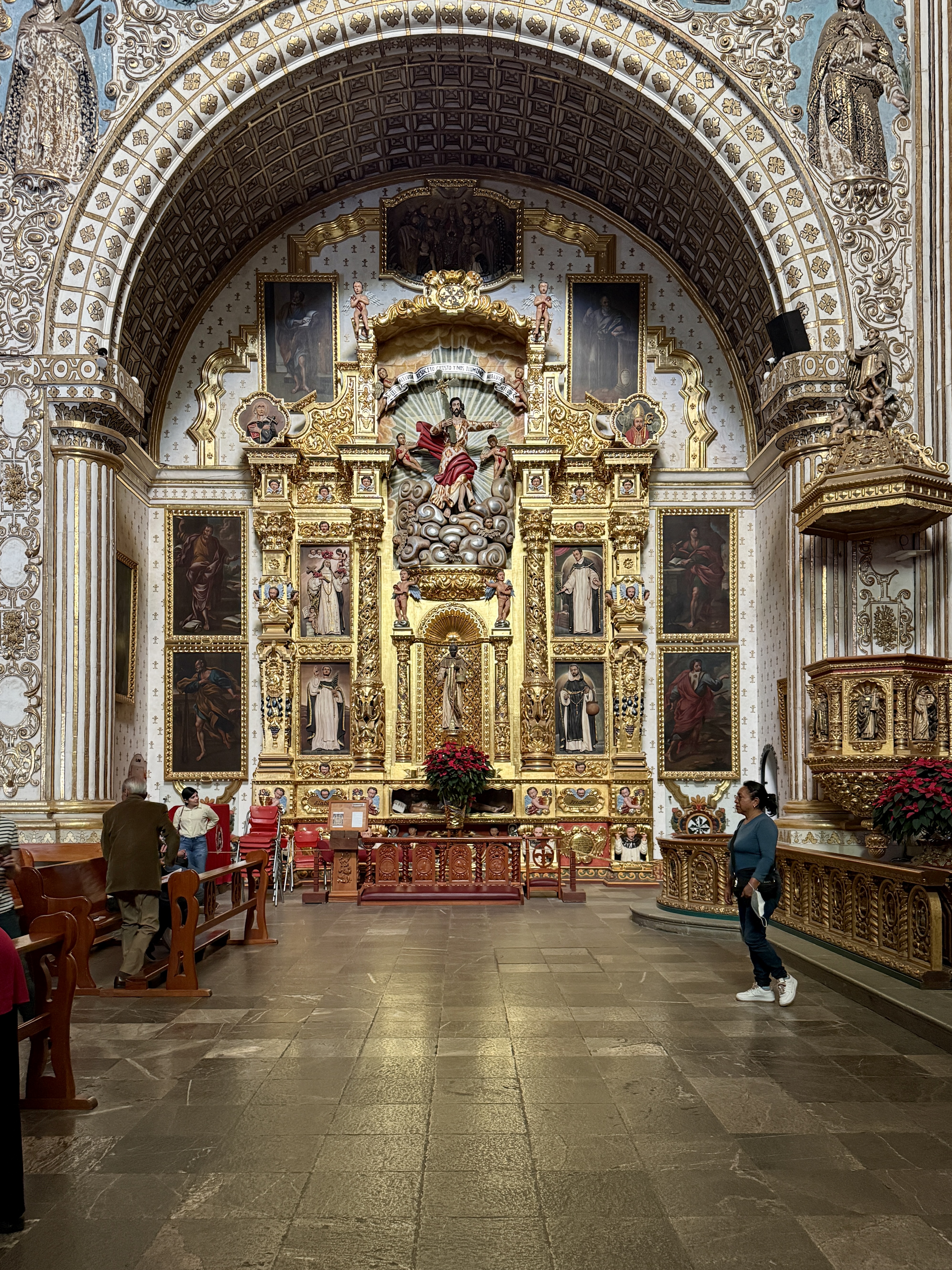
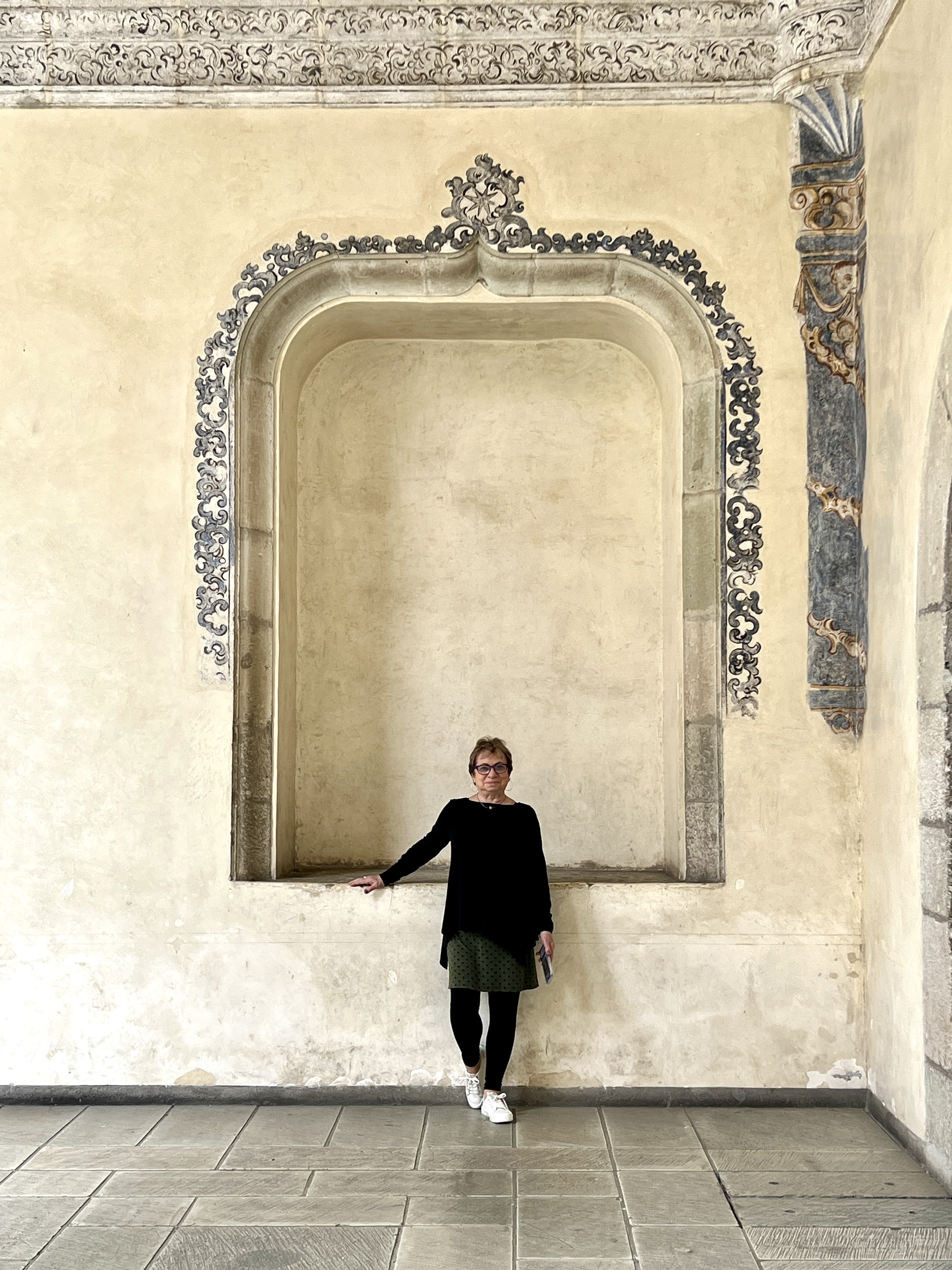
So since Baroque is not my thing, I ventured into the former courtyard of the old convent which was simple and very interesting architecturally. I also went upstairs where there are great views of desert landscape and also of the city of Oaxaca. By then I was done with religious structures. I can only take so much in any one trip.
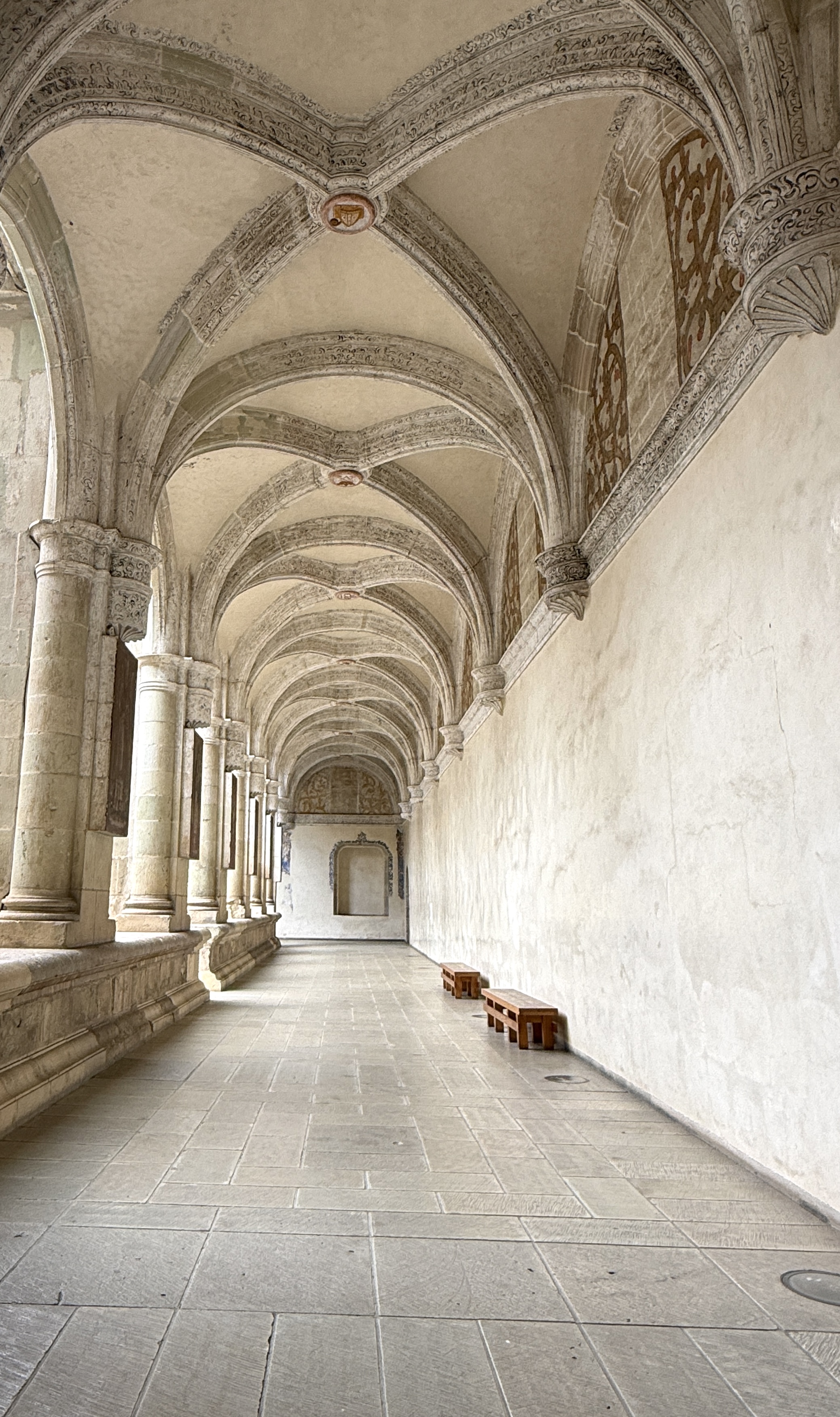
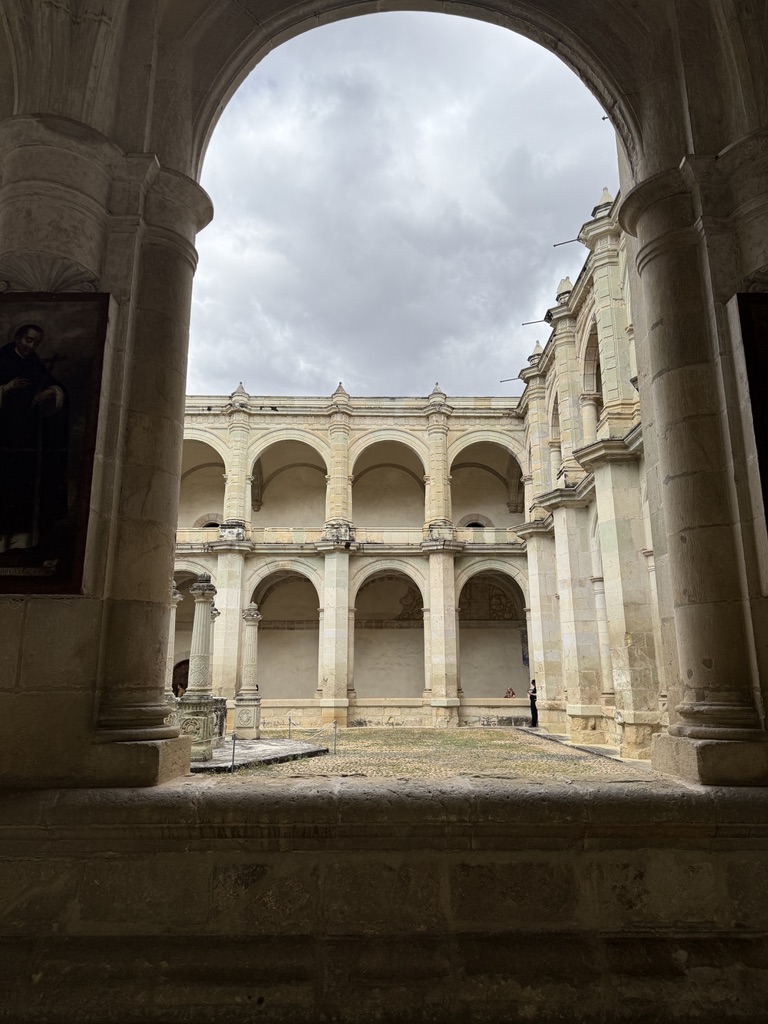
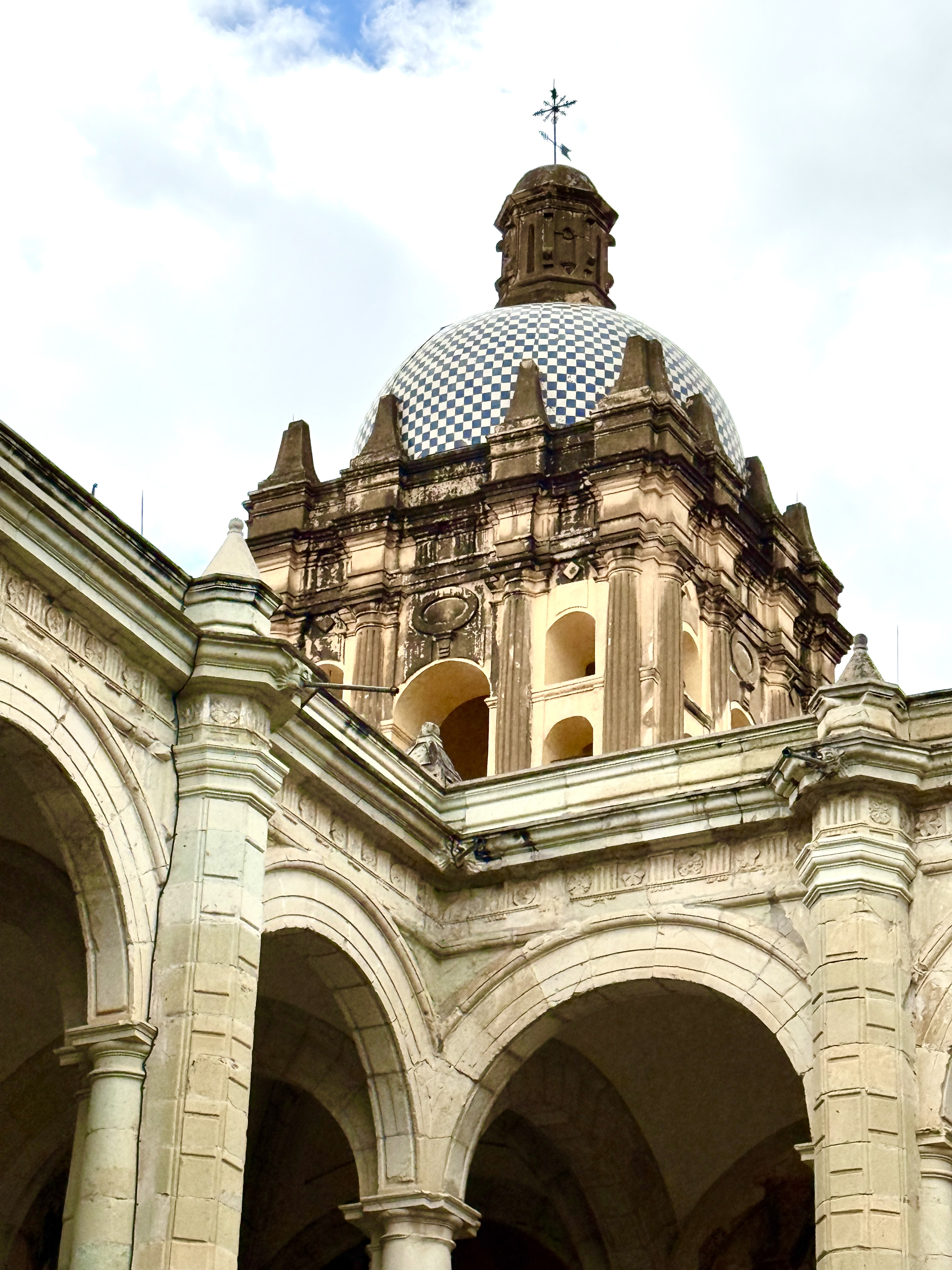

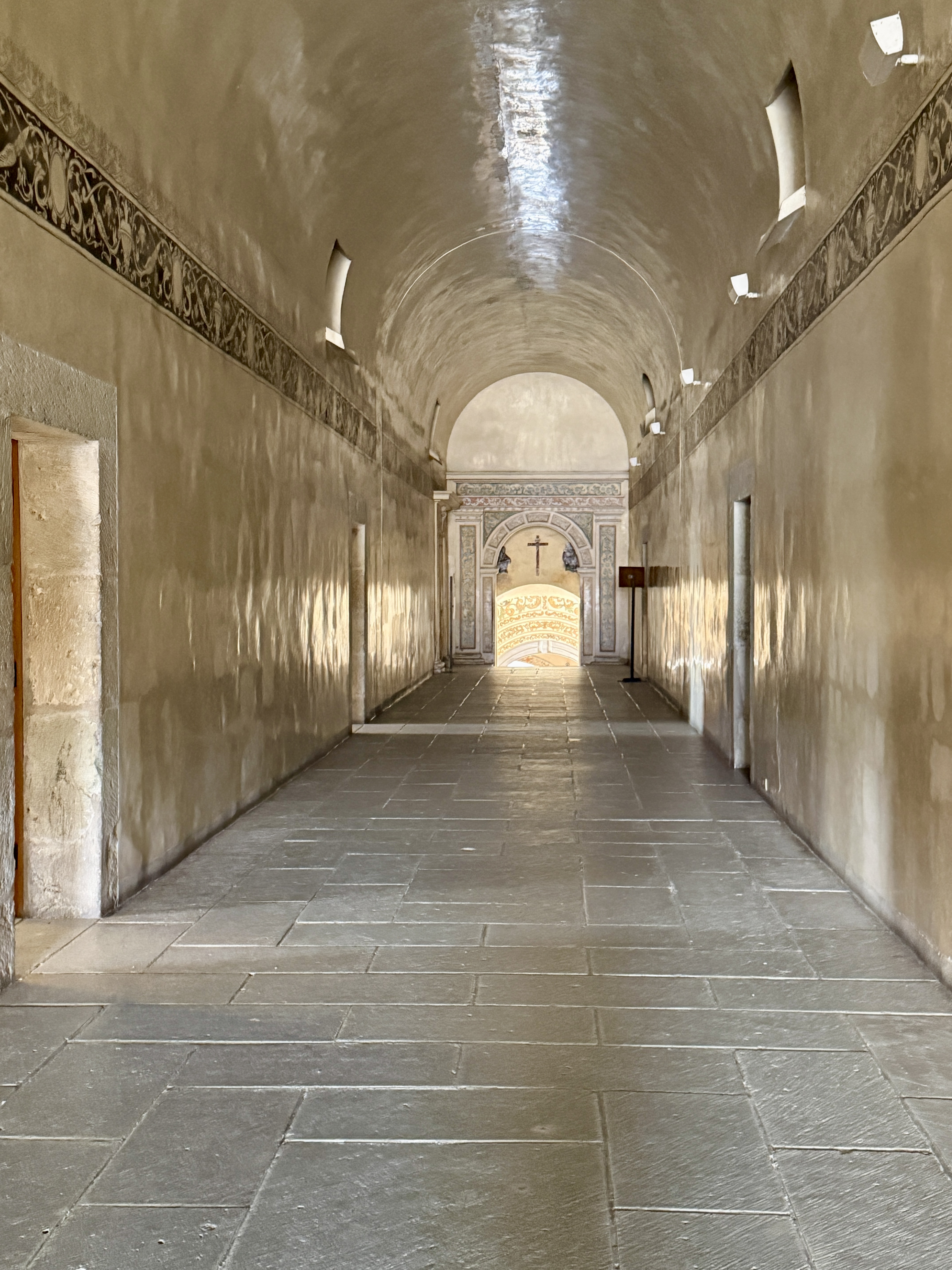
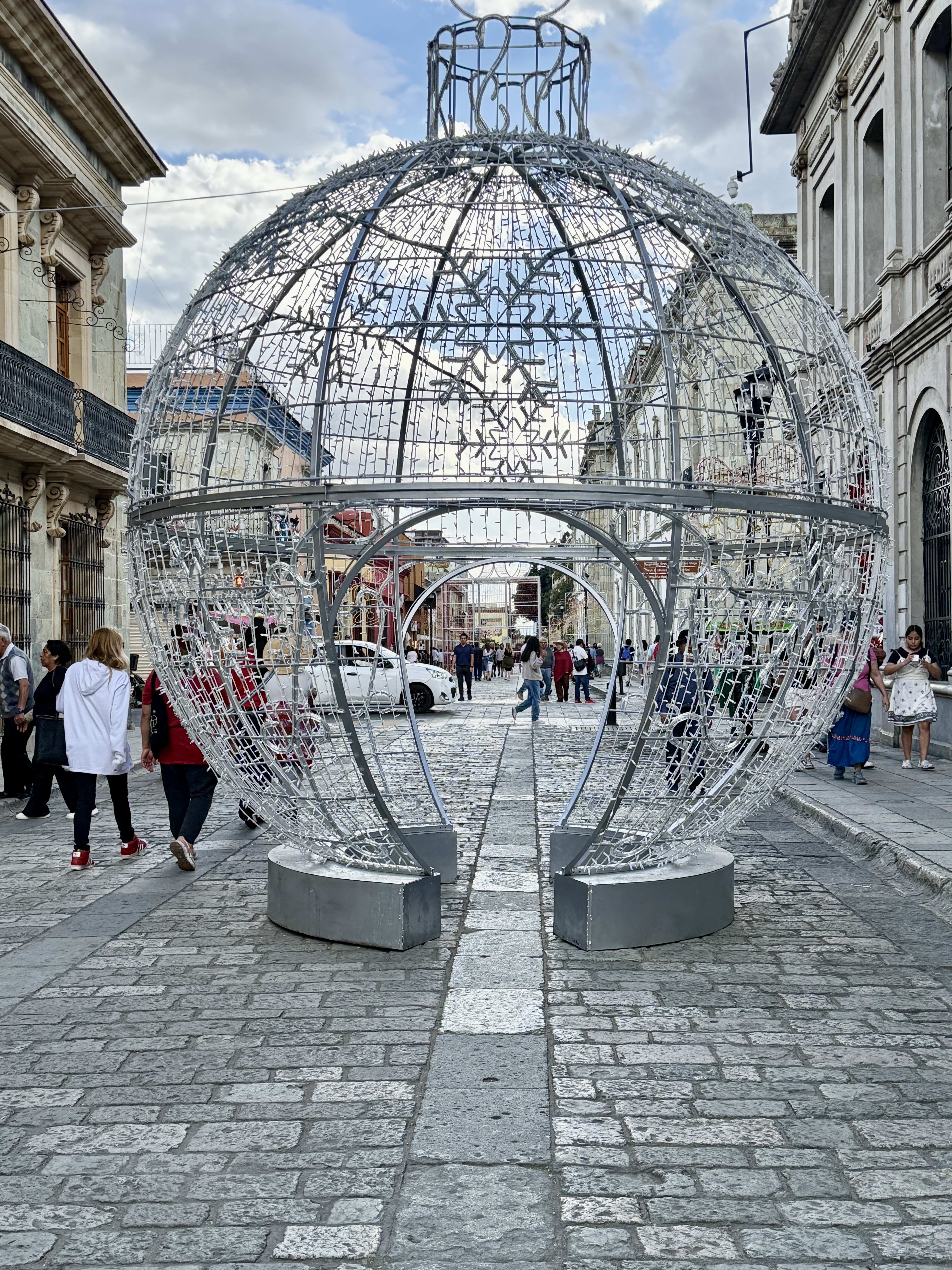
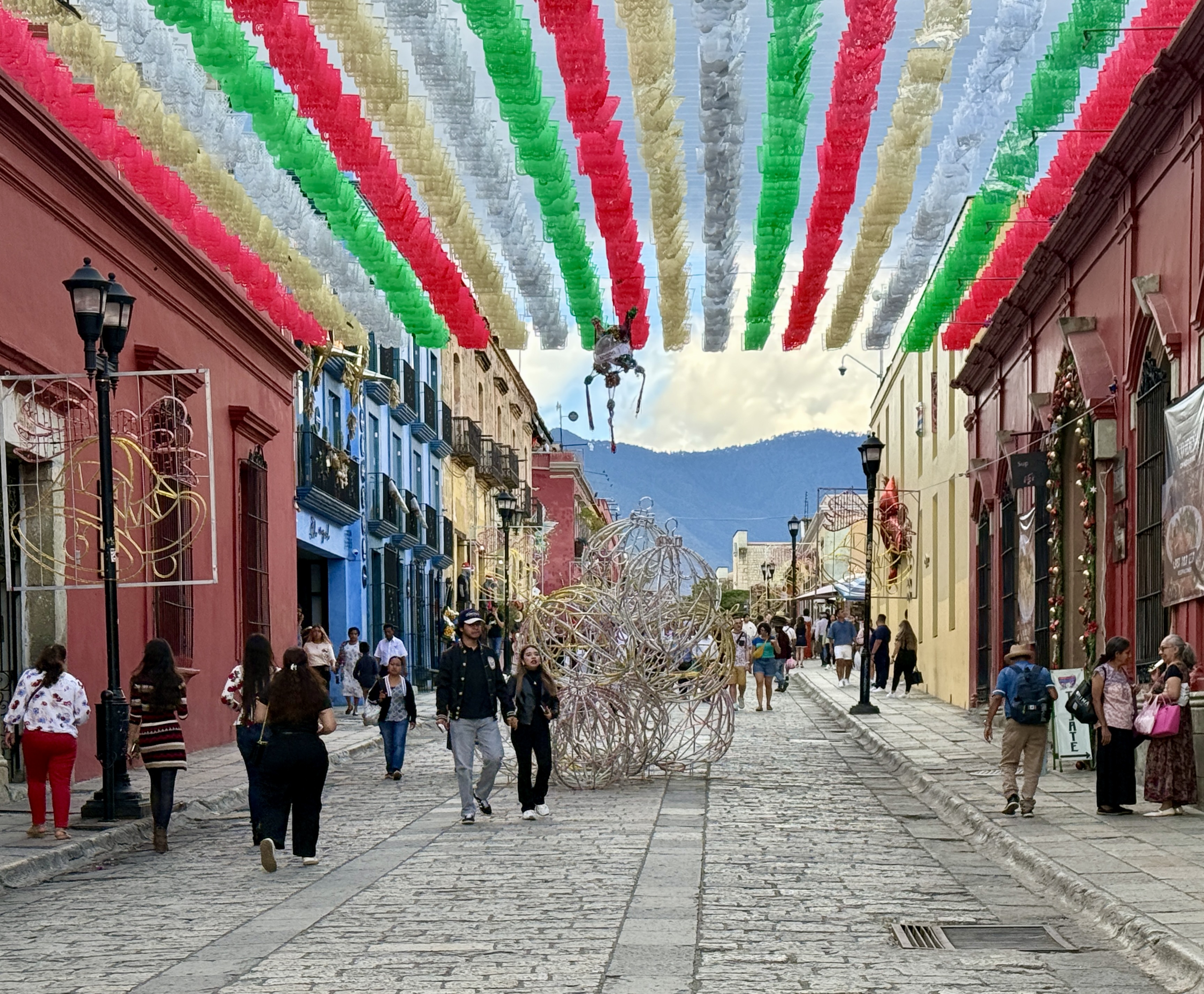
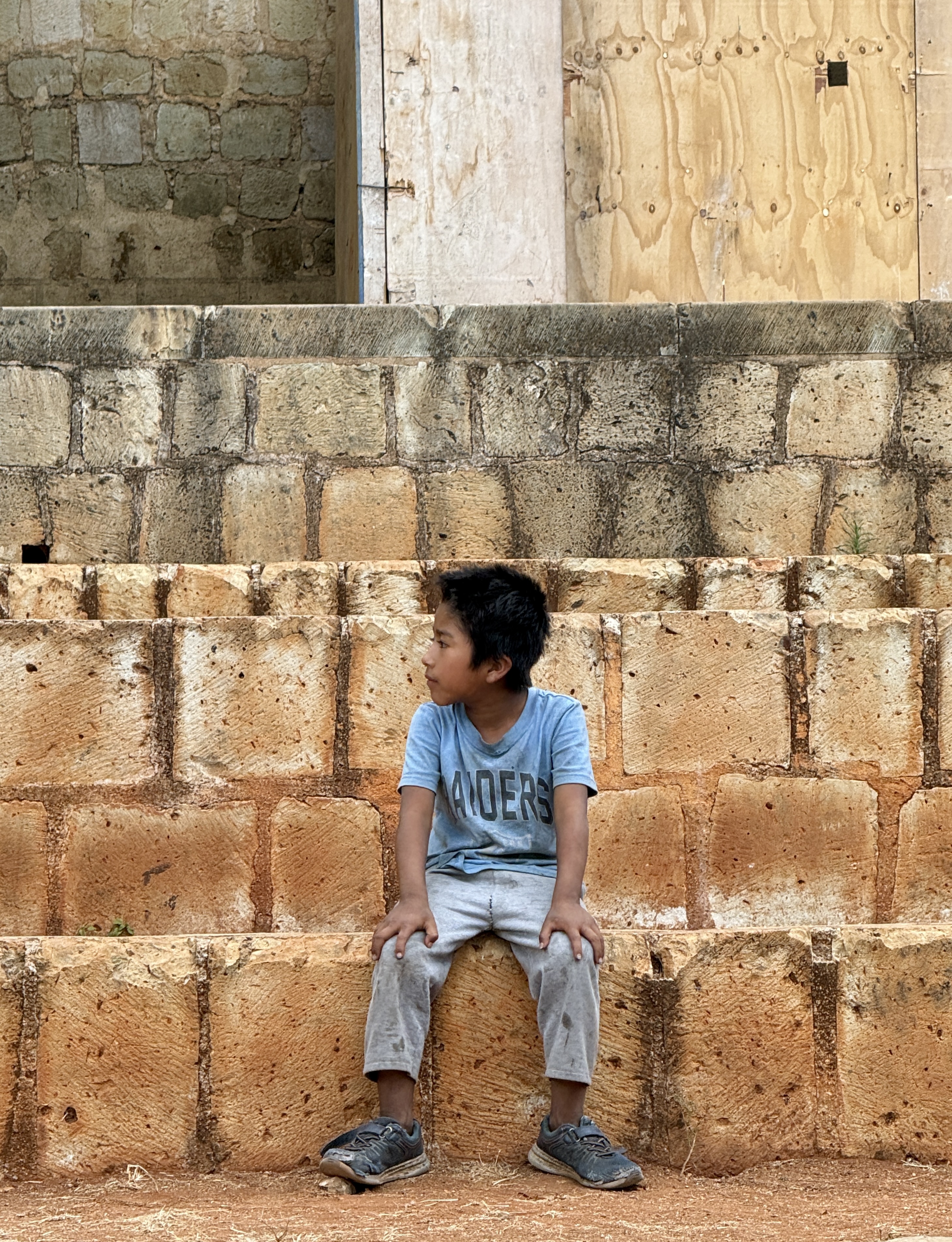
We headed back to the hotel for a short while and then went out again. Oaxaca is among the most photogenic places I know, so apologies if there are too many photos. What you are seeing is probably 2% of what I’ve shot. While strolling in one shop, I heard someone call my name. Lo and behold a friend from Berkeley was here for Christmas also. It is indeed a very very small world–or so it seems at times.

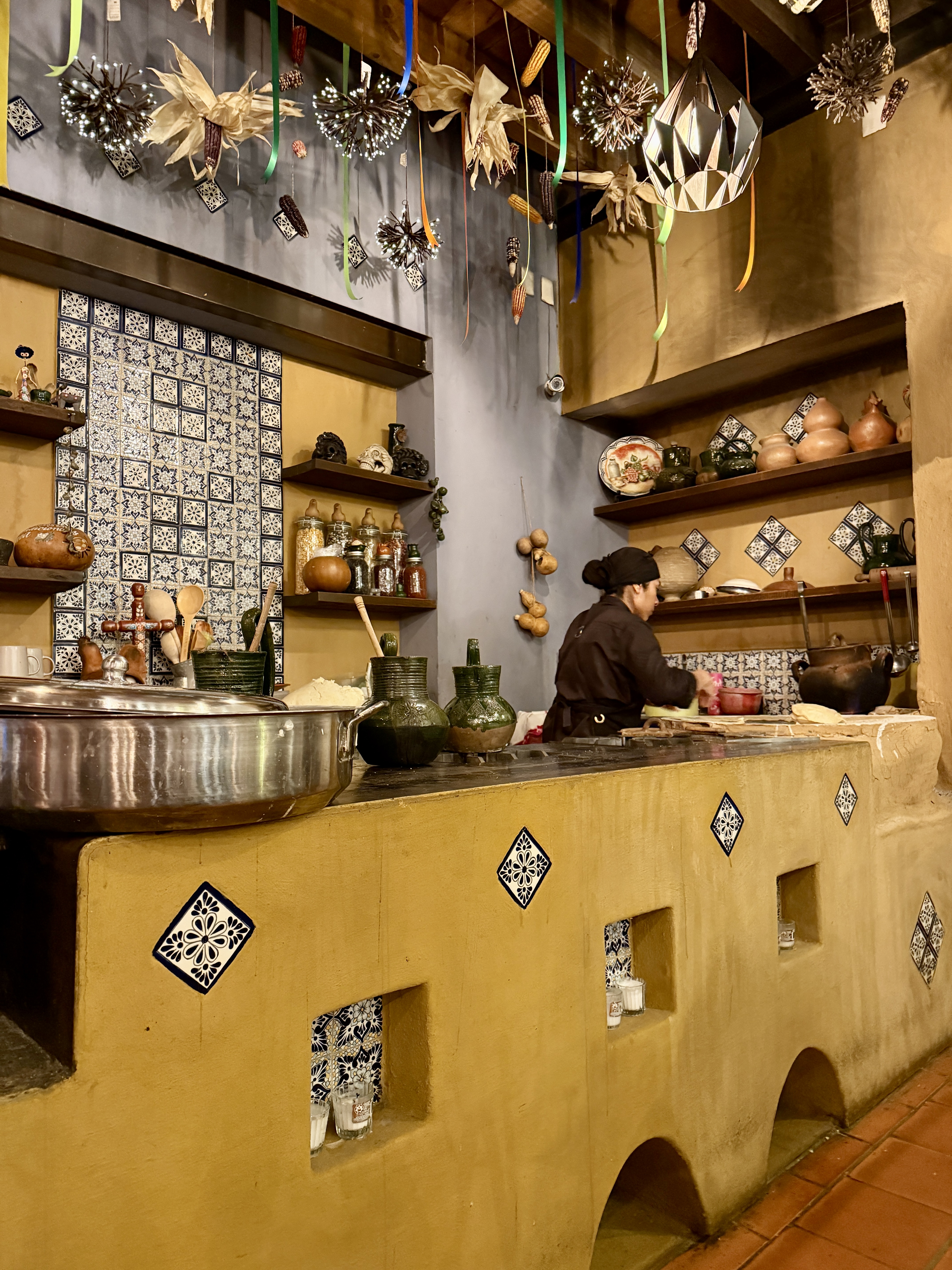
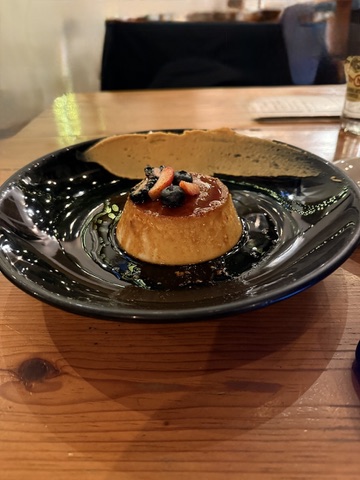
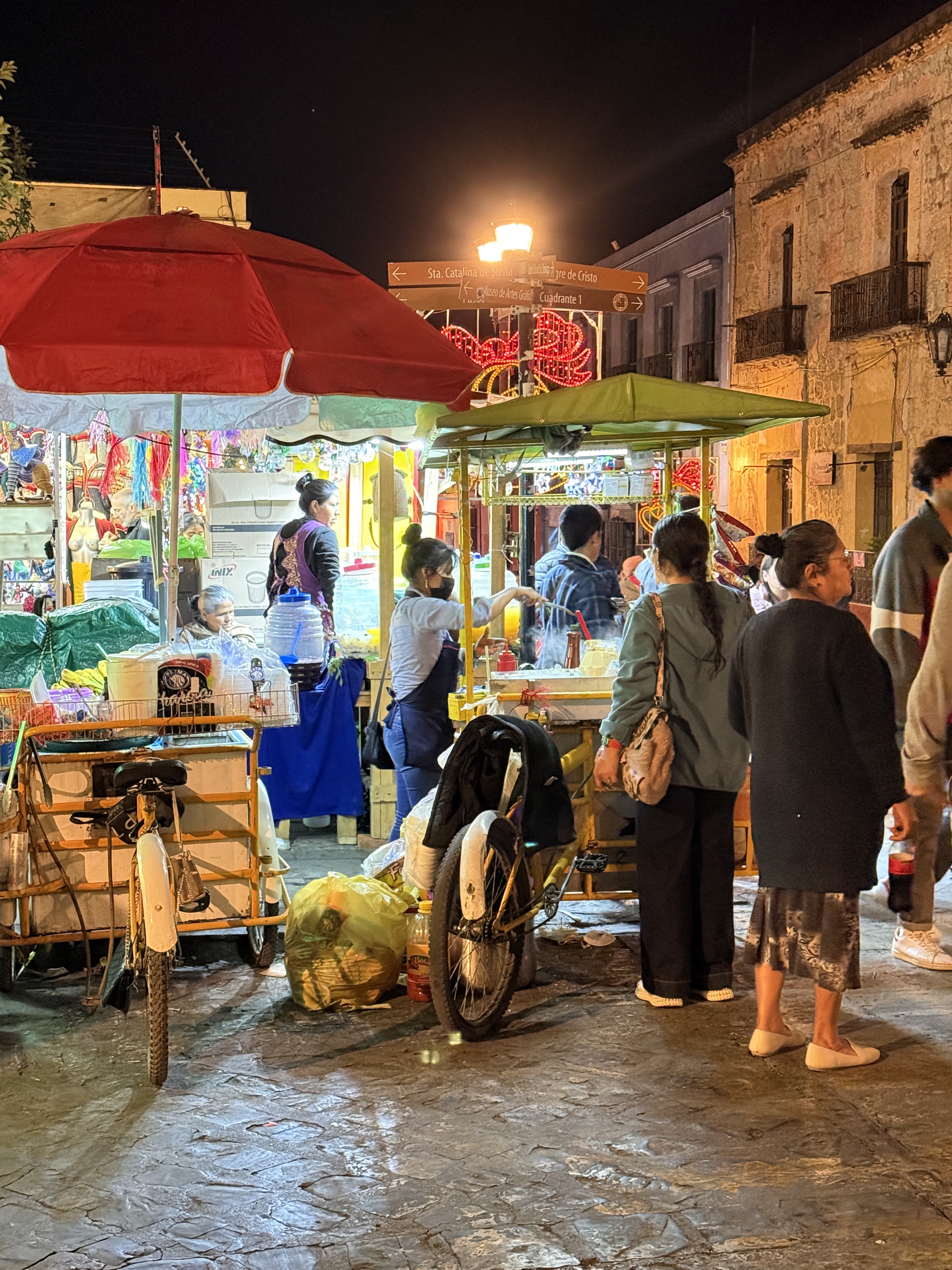
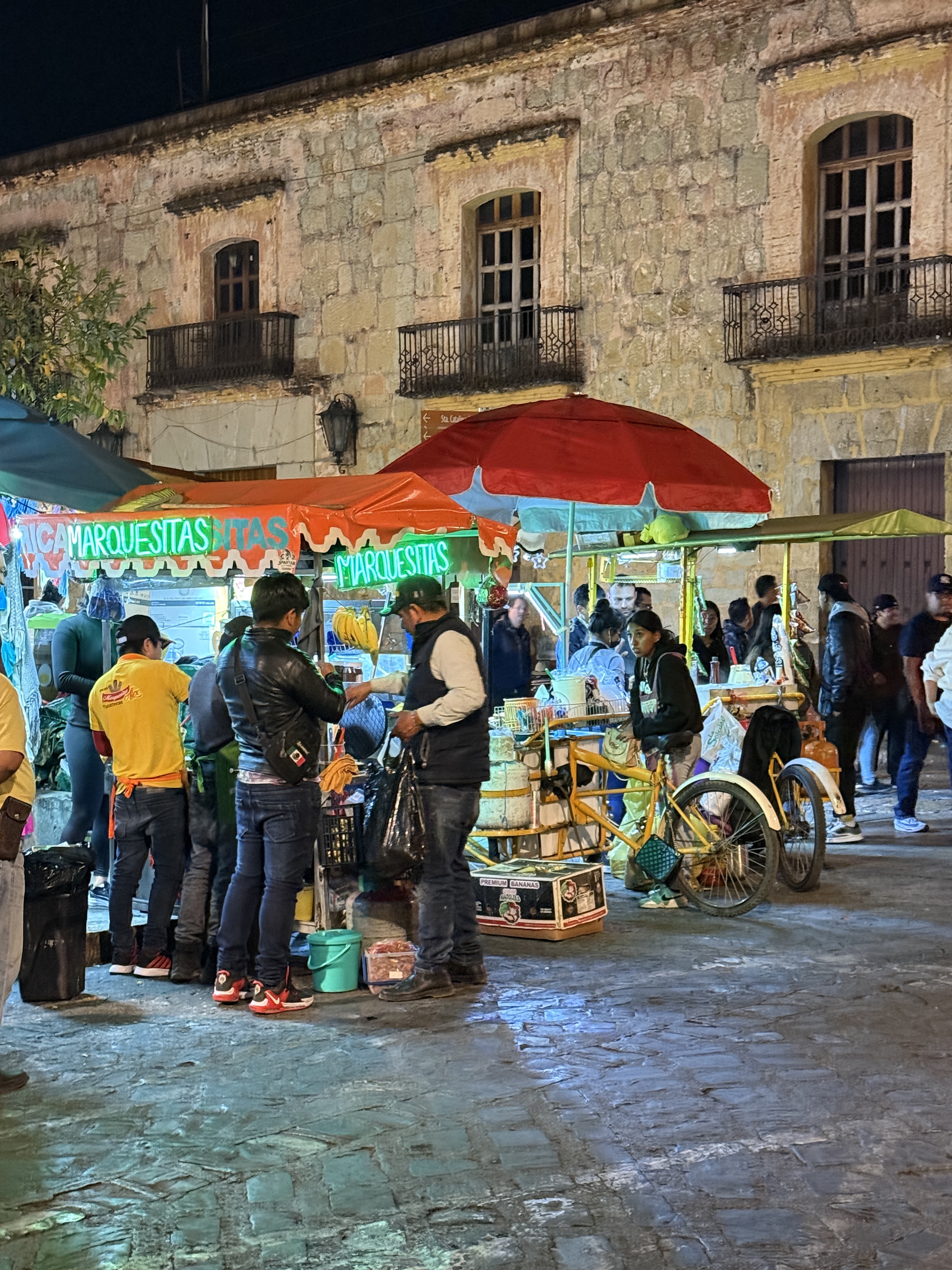
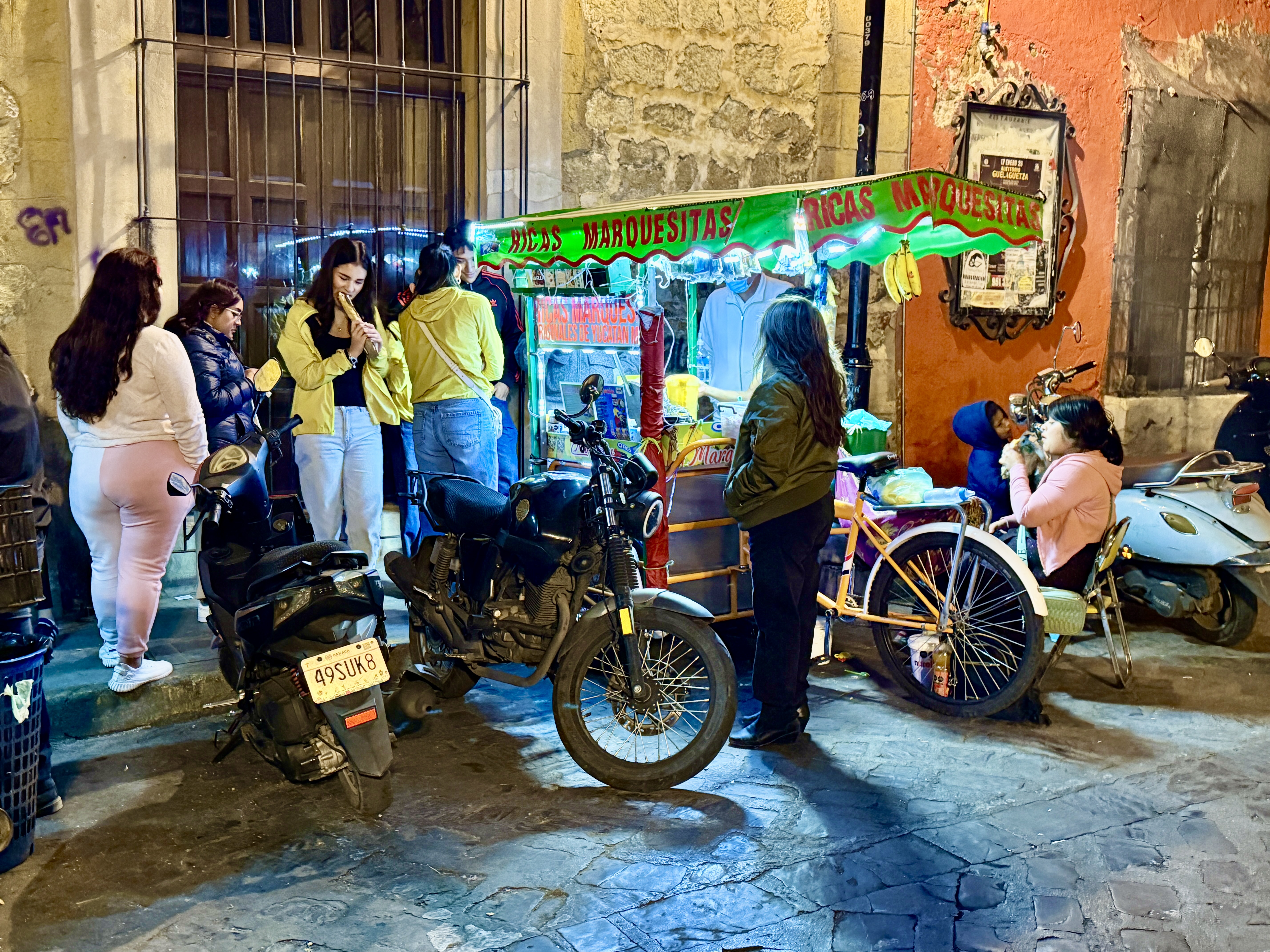
We headed to dinner at Las Quince Letras, a family-owned and family-oriented restaurant about a 15-minute walk from our hotel. Letras is all about mole! The restaurant is about 35 years old and is basically outside, but is partially covered. After margaritas, we opted for a starter of pasilla chiles stuffed with fruity meat and served with fruit sauce and plantains. We followed this with the order of mixed Oaxacan moles–a trio of black, red, and yellow moles, each with a different meat (chicken, beef, pork) alongside rice. Quince Letras is definitely a family place and being Christmas there were big tables with multiple generations enjoying the holiday. Food was quite good and it was definitely a laid back place, especially when compared to Nois last night. We ended the dinner with flan and walked back to the hotel at about 10:30… amid all the corner food stalls lined with people and the craft stores still open. The town is as lively as it can be.


Best –
Fern
Hola from Oaxaca — Christmas Eve, 12/24/25

Merry merry –
Having had our fill of latkes and Hanukah candles we headed to Mexico where Christmas is big!
Since we had been to Uruguay and Argentina (see travel notes) in October, we decided to make our annual Christmas travels simple, and Mexico seemed like a good idea for a shorter than usual Xmas, New Years, and birthday travel. As you know we usually make a stop in Geneva for Christmas with Mike’s family, but they were not planning anything this year and one of his nieces was supposed to be in Cambodia with family…. so we set out for a south-of-the-border journey. We picked Oaxaca because we had been to Mexico many, many times and criss-crossed the country driving several times… but somehow we never stopped in Oaxaca. We were initially just coming for New Years weekend; then realized that Christmas is such a big deal in Mexico. So it became Christmas into New Years in Mexico. Then we thought that maybe that was too long for Oaxaca (which we feared that while charming, had become very touristy) so we figured we’d come to Oaxaca for Christmas and then move on to Managua (Nicaragua) for New Years. But after making those plans, realized that Nicaragua is pretty hot, even in December and I melt at about 80 degrees. So after a lot of discussion, we headed to Oaxaca and the plans are as follows: three nights in Oaxaca, then on to Puebla and drive back from Puebla via Tehuacan (one night) and back in Oaxaca for another three nights (including New Years Eve). So that’s the plan.
And here we are. Arrived at about 2 pm after a midnight flight from SFO to Houston (which was late in leaving because of winds in SF) and then a three-hour layover in Houston (where lots of travelers were in cowboy hats and Christmas garb (interesting mix) and finally on to Oaxaca. So it was about a 14-hour journey. But we are here.

We took a taxi from the airport to the hotel and had some interesting conversation with the driver (using my limited Spanish. He’s lived in Oaxaca for 20 years, having moved here from Mexico City which he finds too large, too noisy, and moving too fast (muy rapido). He loves Oaxaca. When we explained we’d be going to Puebla he told us that Puebla thinks their mole is the best and Oaxaca thinks theirs is the best—some local town rivalry. He, of course, says Oaxacan mole is far superior to Puebla. Oaxacan mole has 32 ingredients and Puebla has just 23 (according to the taxi driver). We also asked about how he likes the president and he siad his whole family likes Scheinbaum. We said we didn’t like our president and he laughed. In another conversation he asked if this was our first time in Mexico. When we mentioned where we’ve traveled in Mexico on prior trips, he said we’ve seen much more of Mexico than he’s seen. But he loves Oaxaca–great climate, culture, people and nice pace.
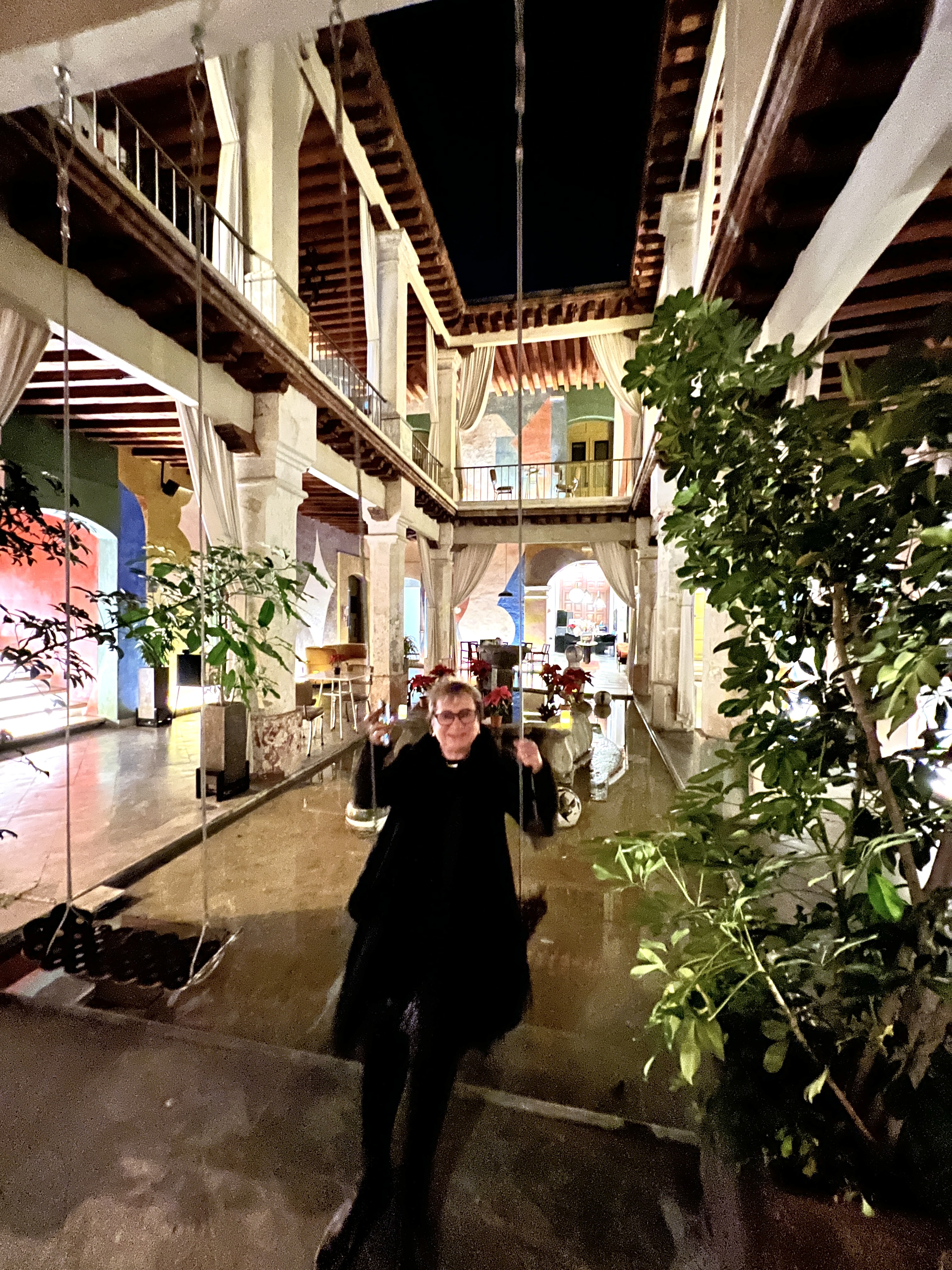
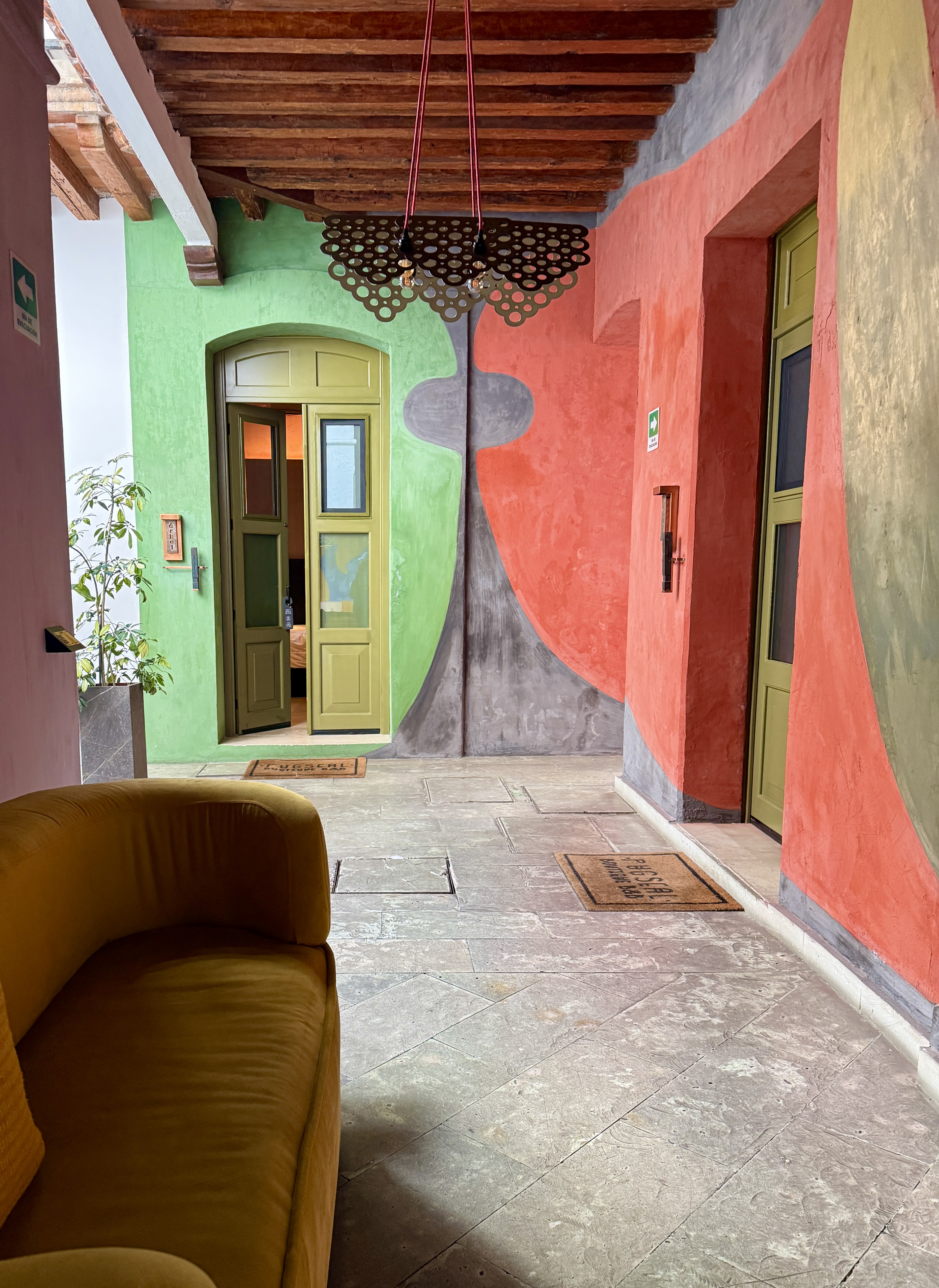
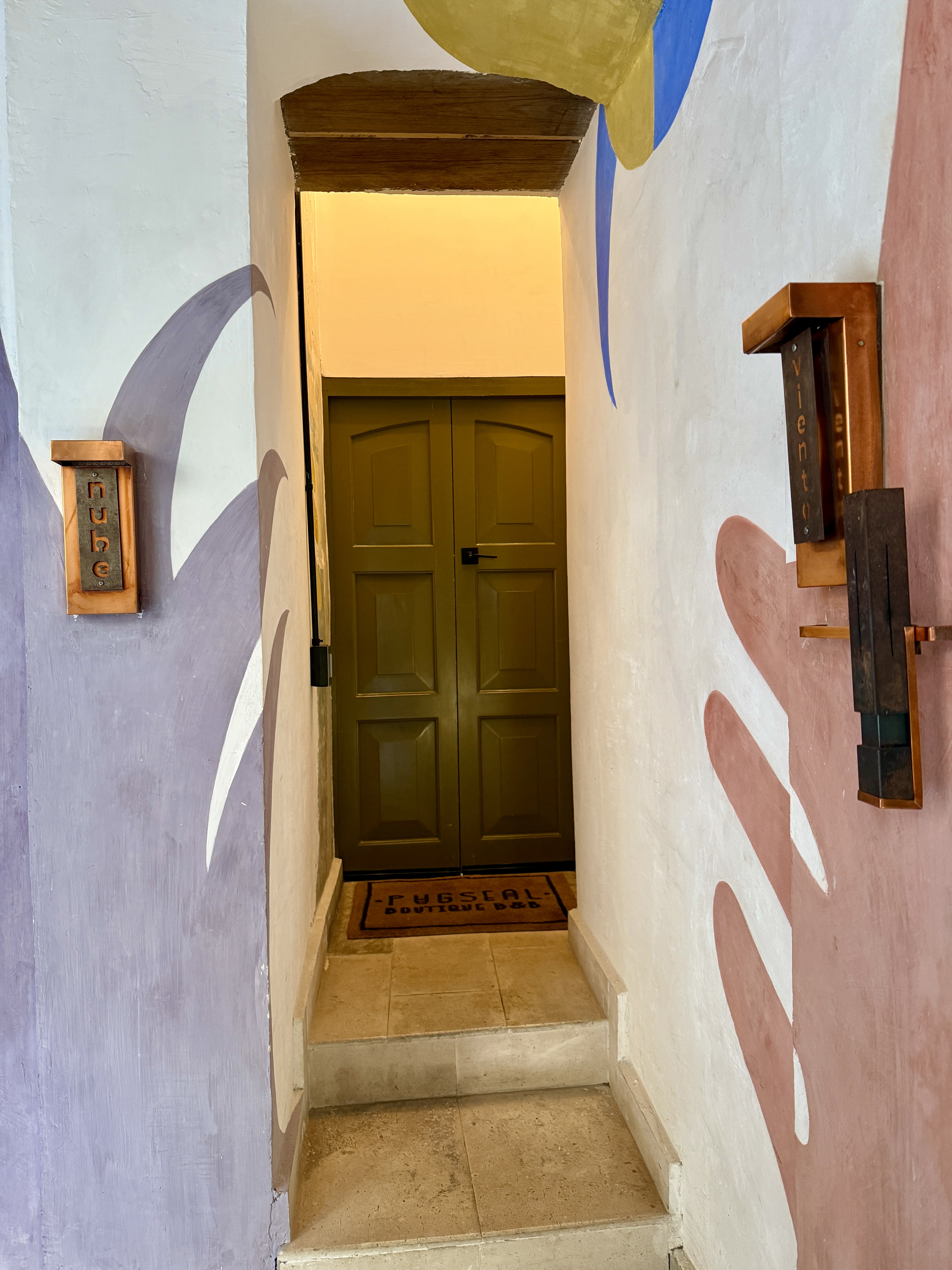

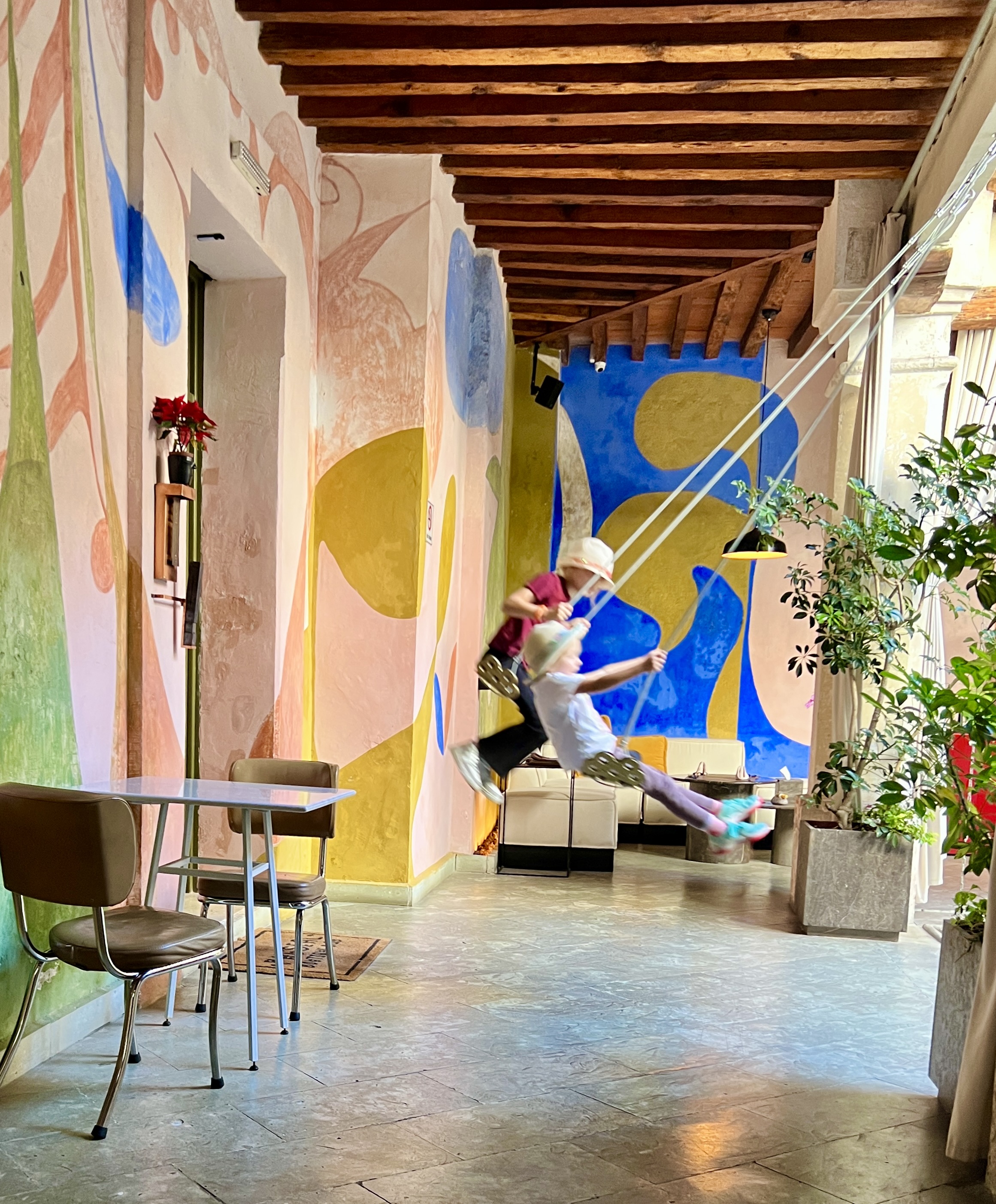
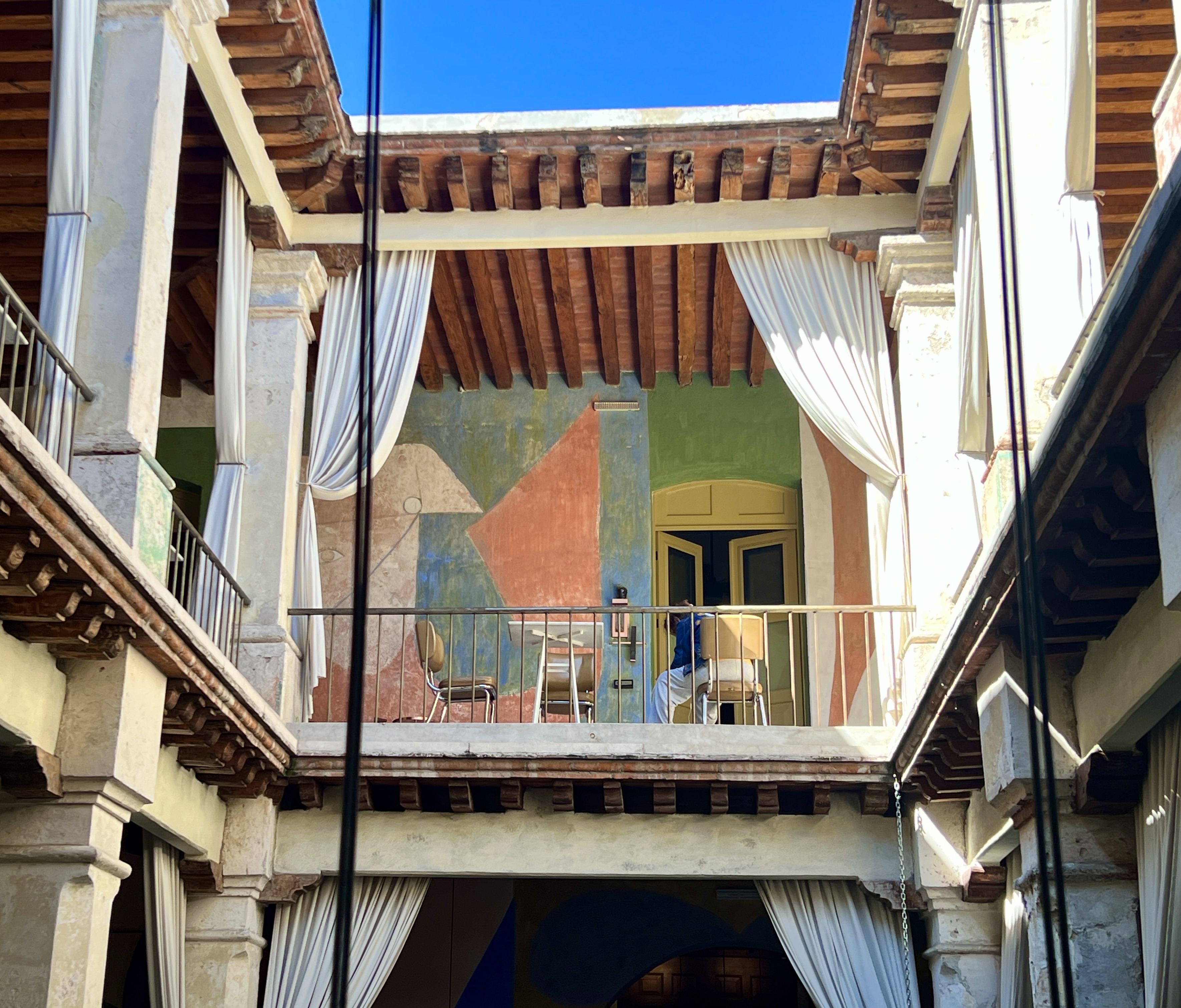
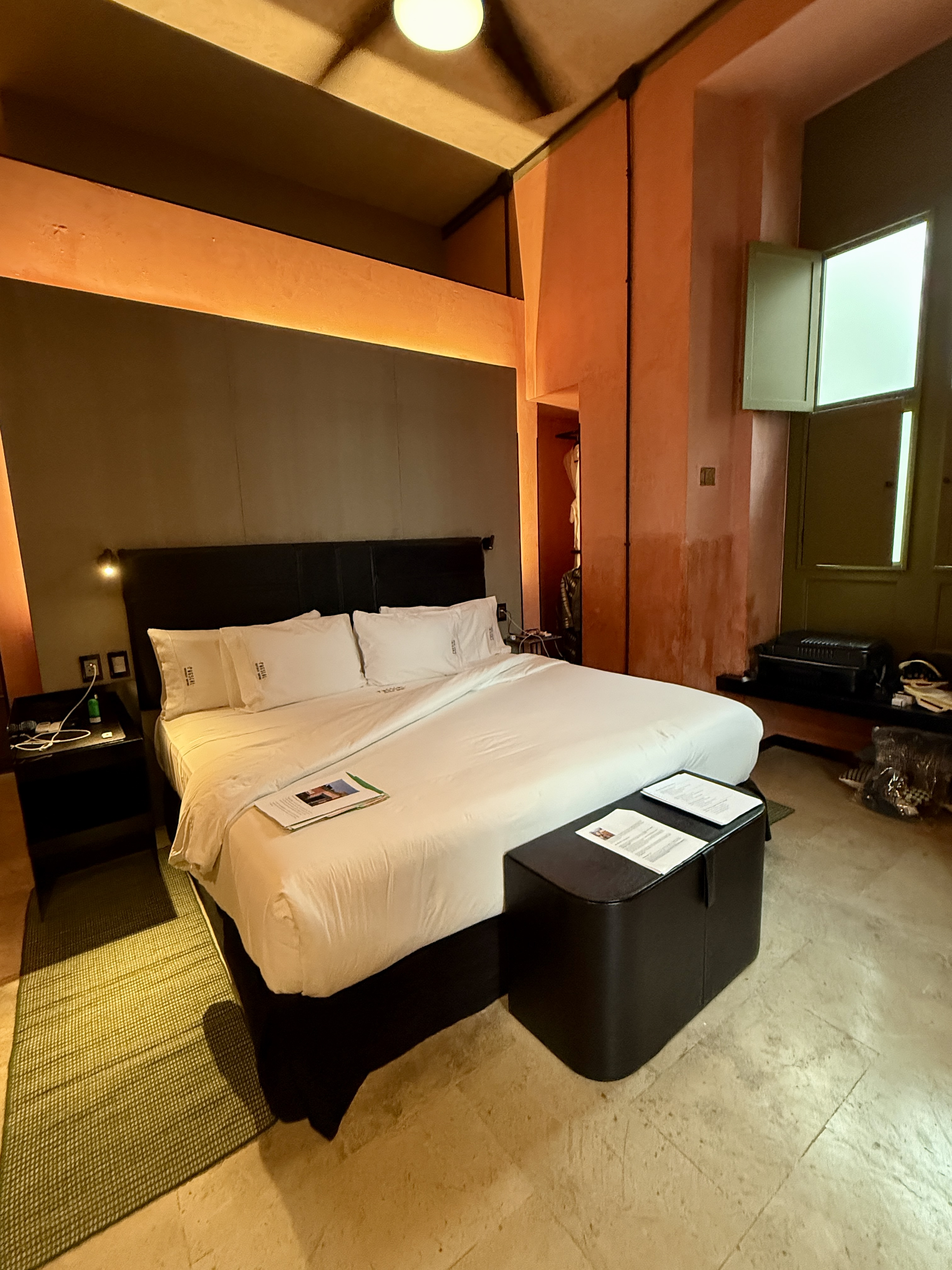
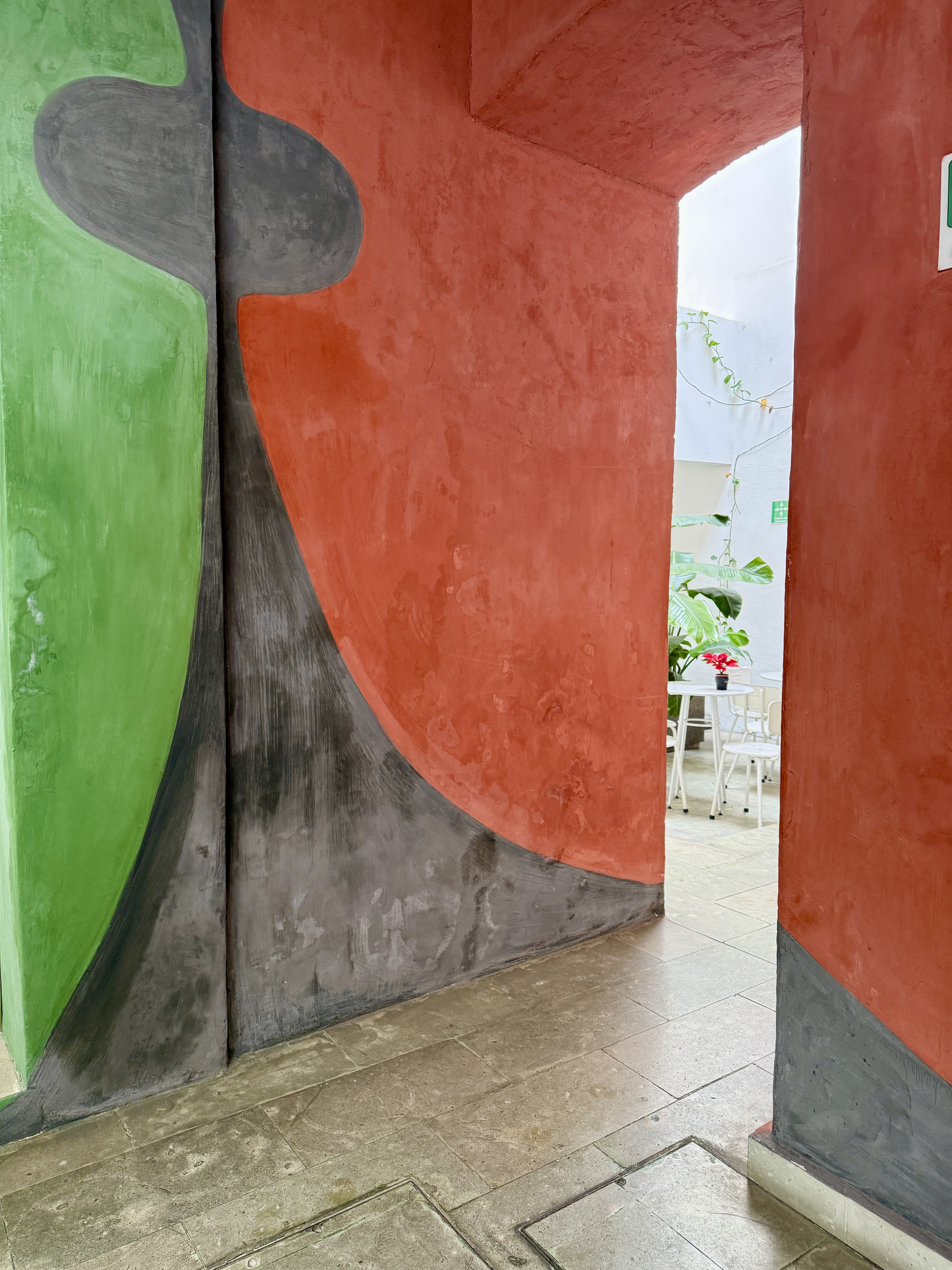
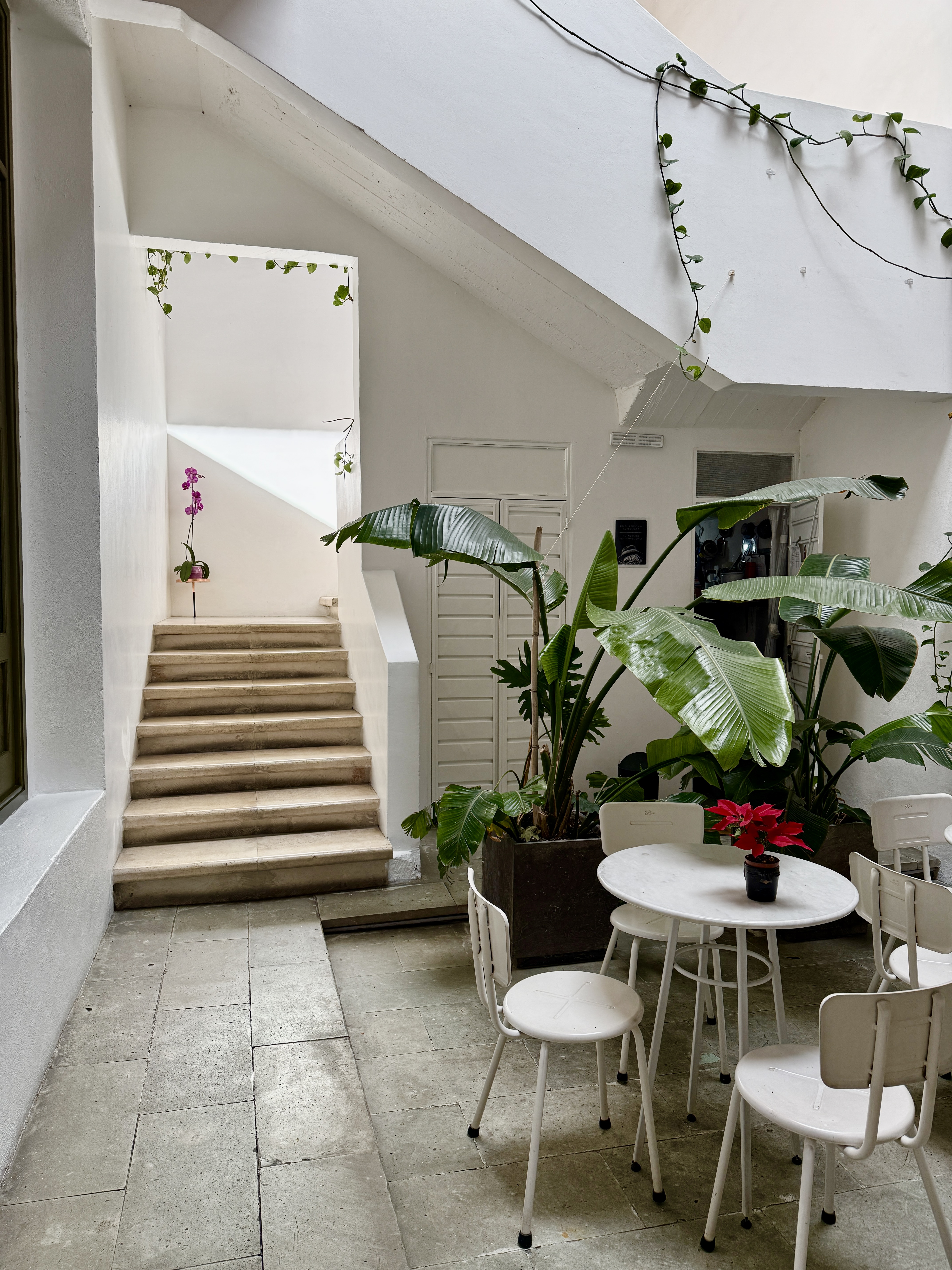
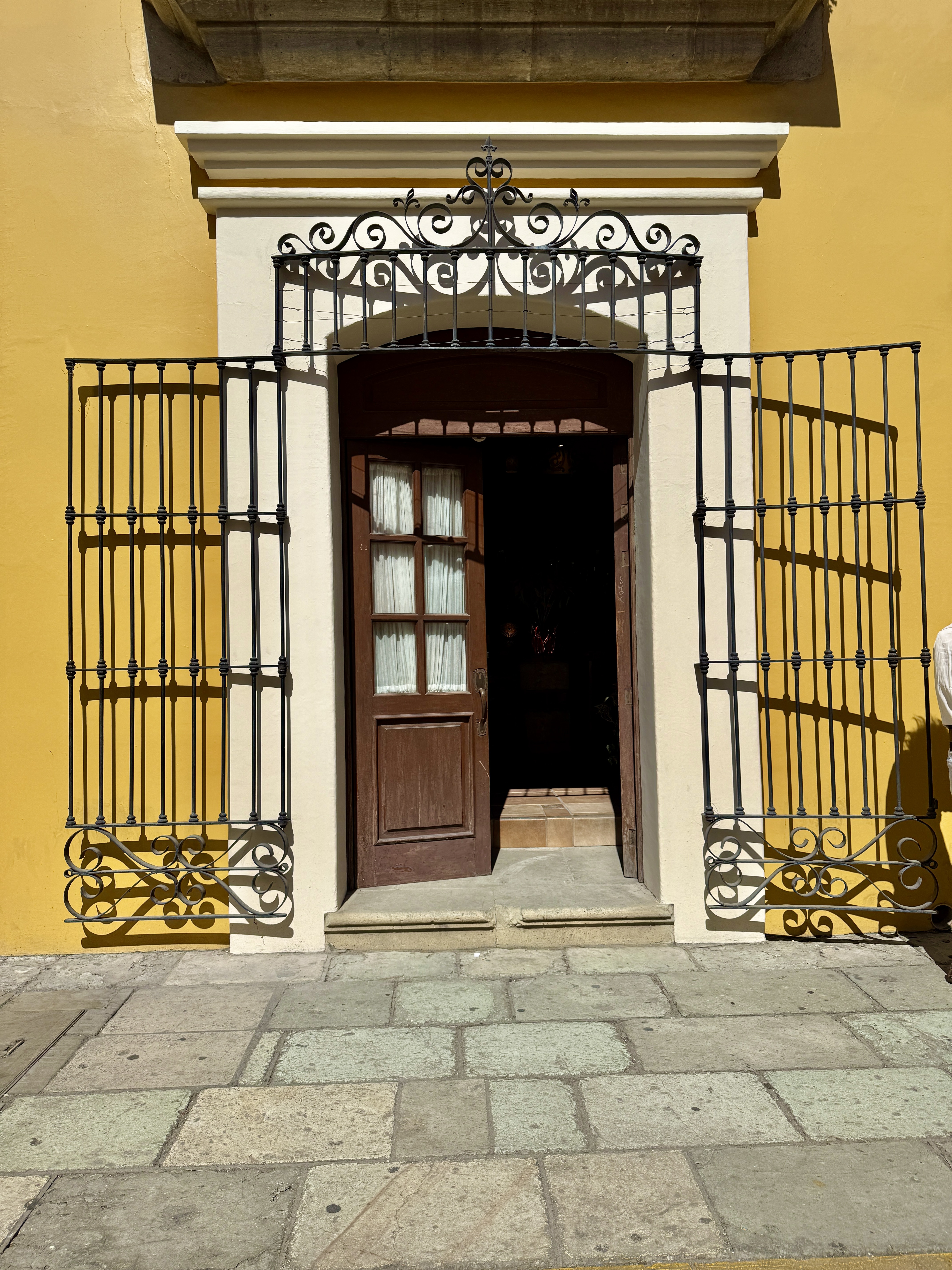
We chose the Pug Seal Hotel which is very conveniently located about a block and a half from the main cathedral and the town square. It’s a sort of hip hotel with what I’d describe as “sophisticated funky” with great colorful graphics and paintings on the walls. The building itself is from the 1800s but the interior is very 2025. The rooms–about 20? (on two levels) are situated around a courtyard with a large decorative pool (not for swimming) and fountain. At one end are two swings. Breakfast is served around the pool.
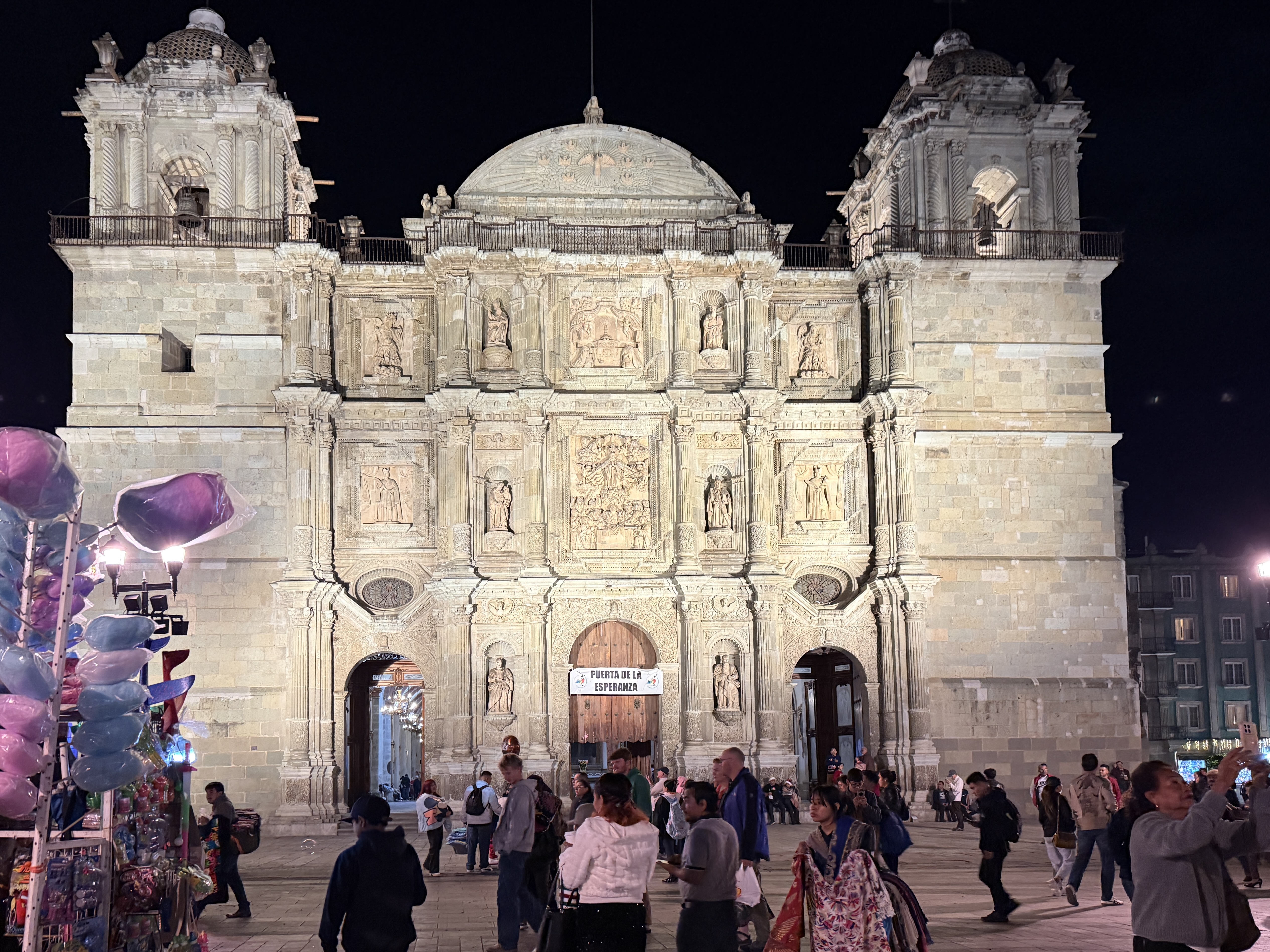
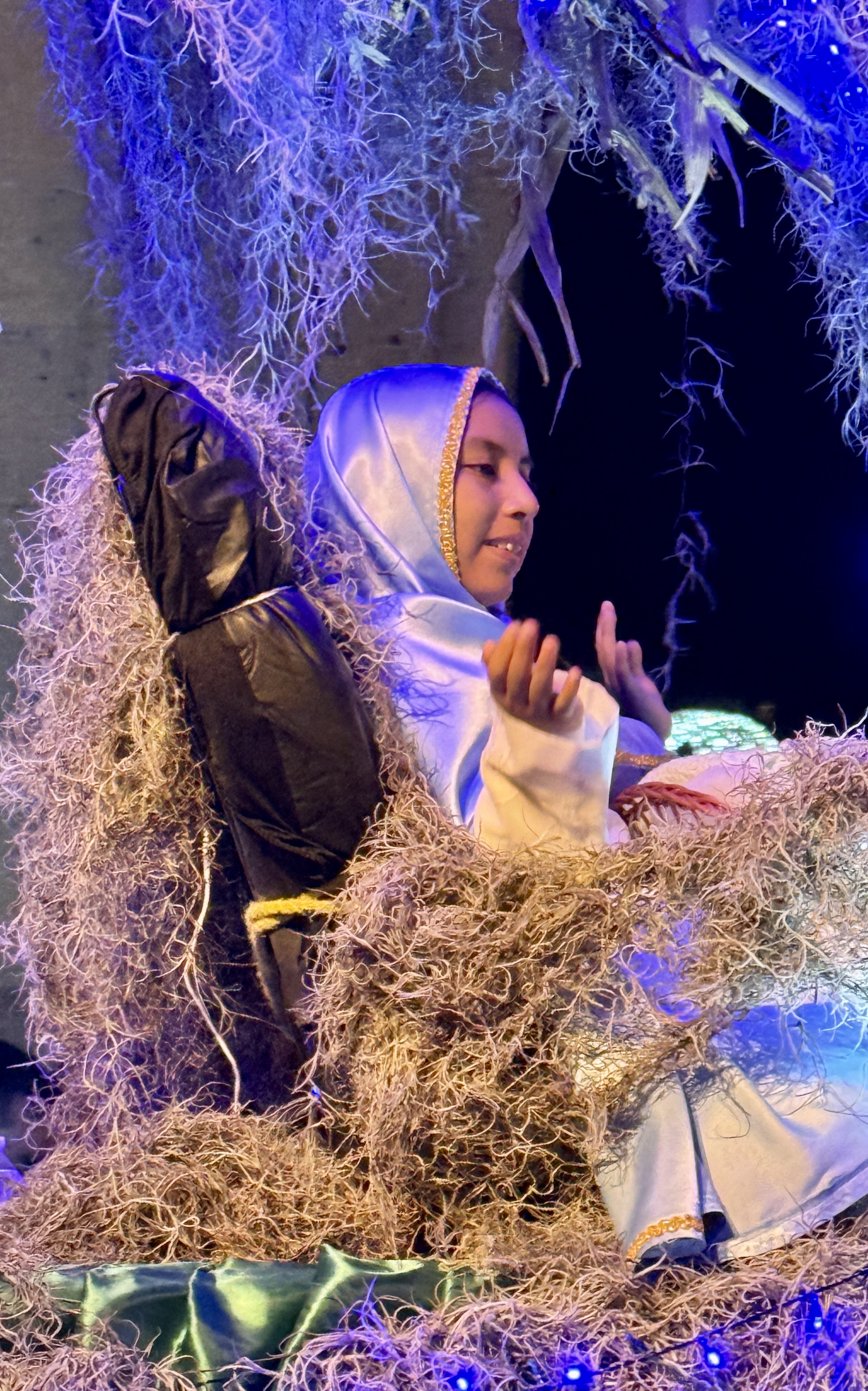
After a quick shower and a little nap, we were off to see the town–focusing on the Zocalo, grabbing a quick bite for lunch, and people watching. The town was buzzing with lots of Christmas decorations, people walking everywhere. We headed back to the hotel to get ready for Christmas Eve dinner (at Nois) and a stop at the main cathedral to see the Christmas doings on La Noche Buena. We managed to catch the “calenda” and also the posada… the parade with floats reenacting the journey to find a place for the birth of baby Jesus (or so I think). Anyway the floats were great and there were bands following behind and lots of people creating a parade throughout the zocalo and throughout parts of town. I think the kids on the float were between 6 and 15 years old.
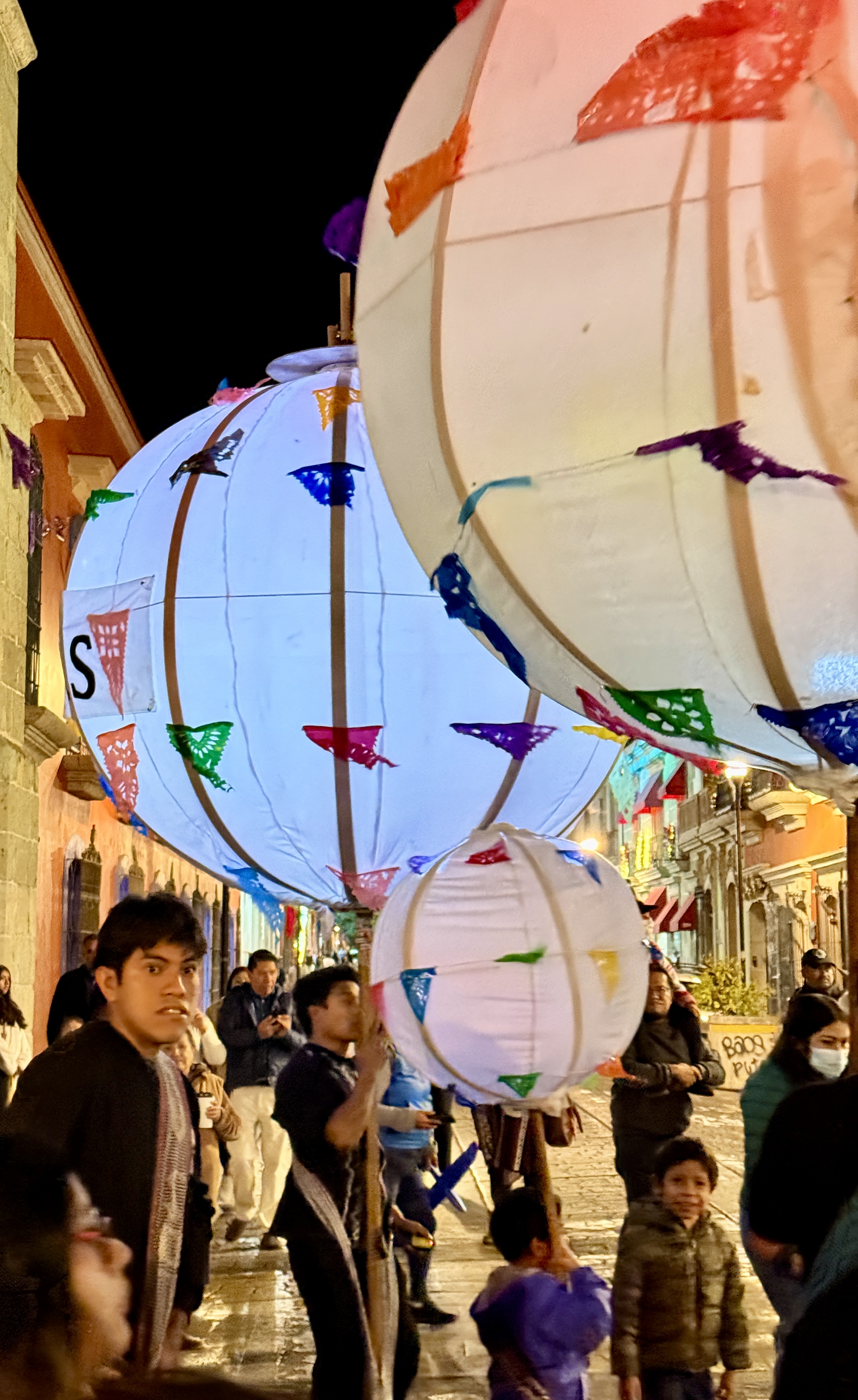
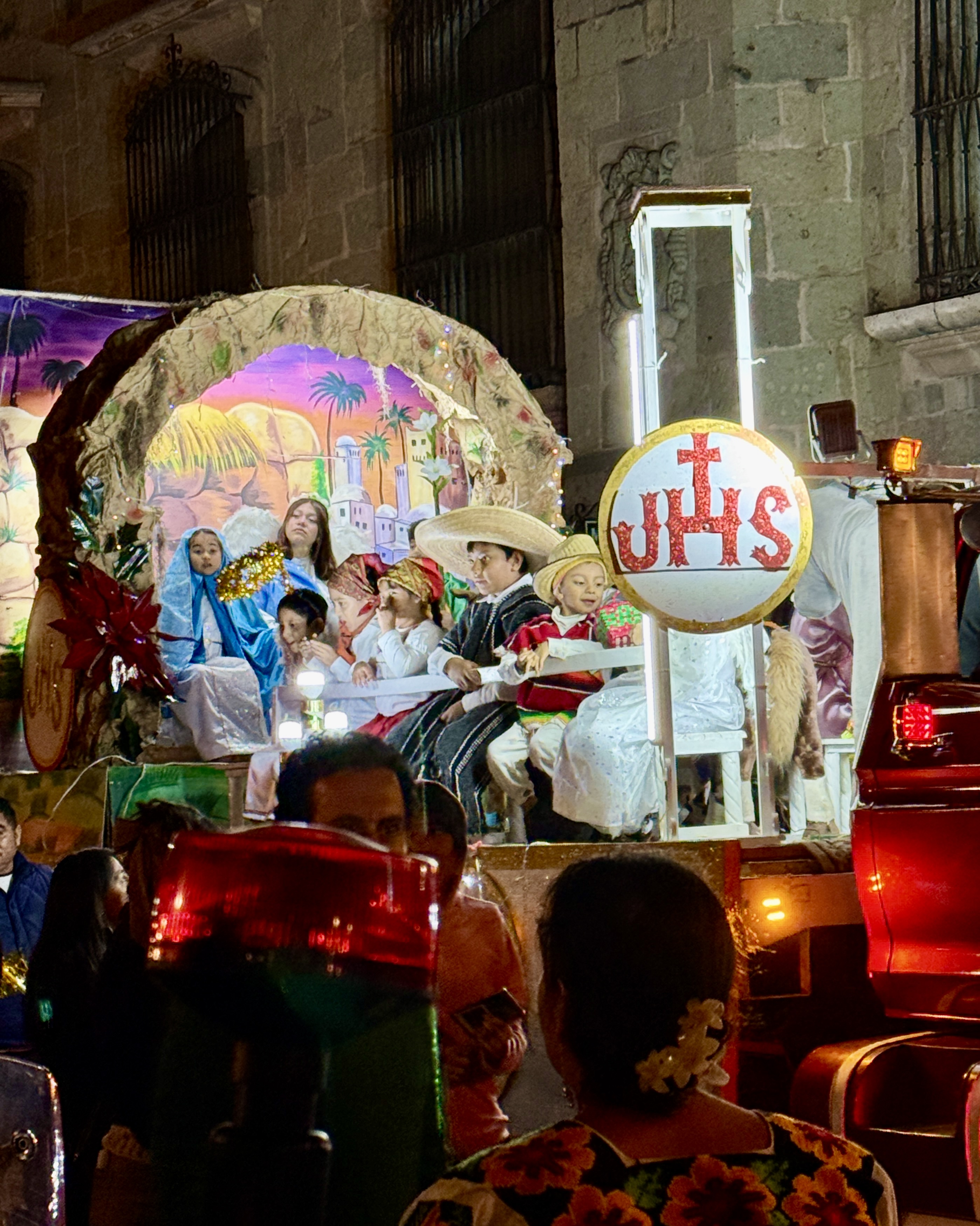
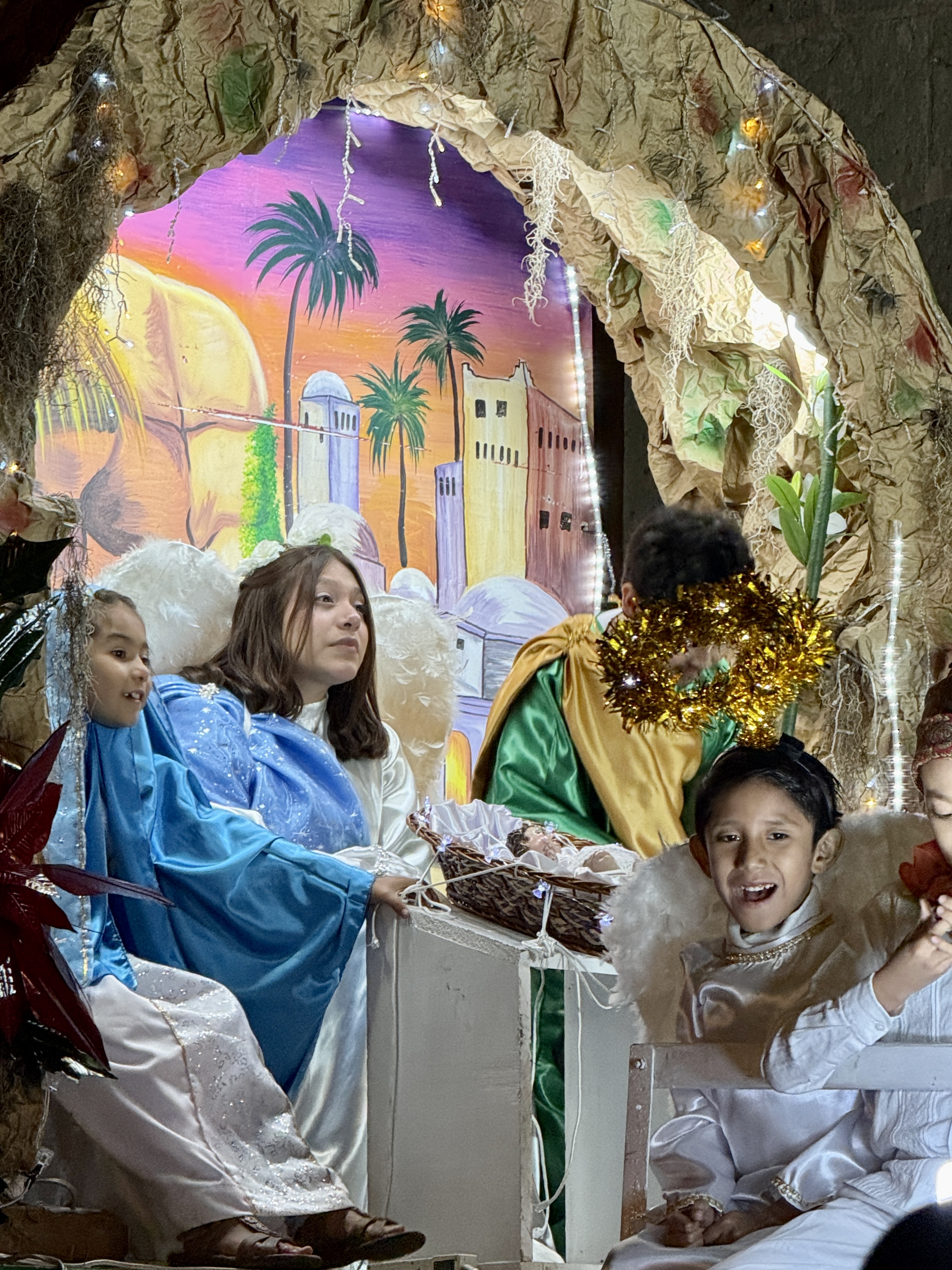
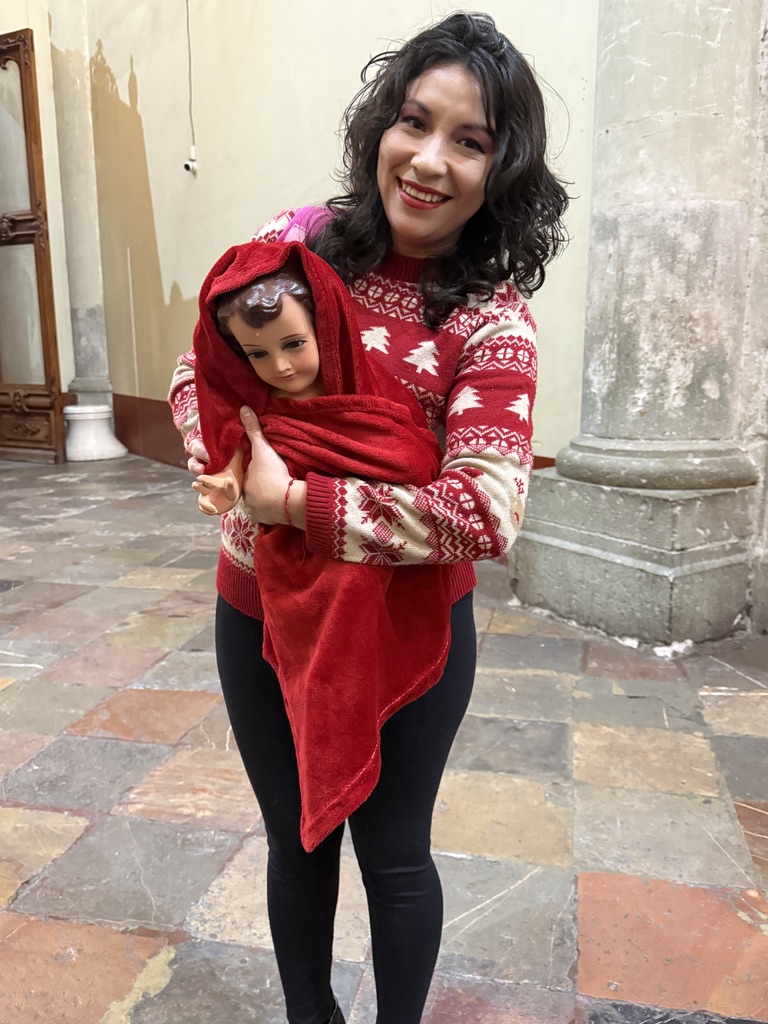
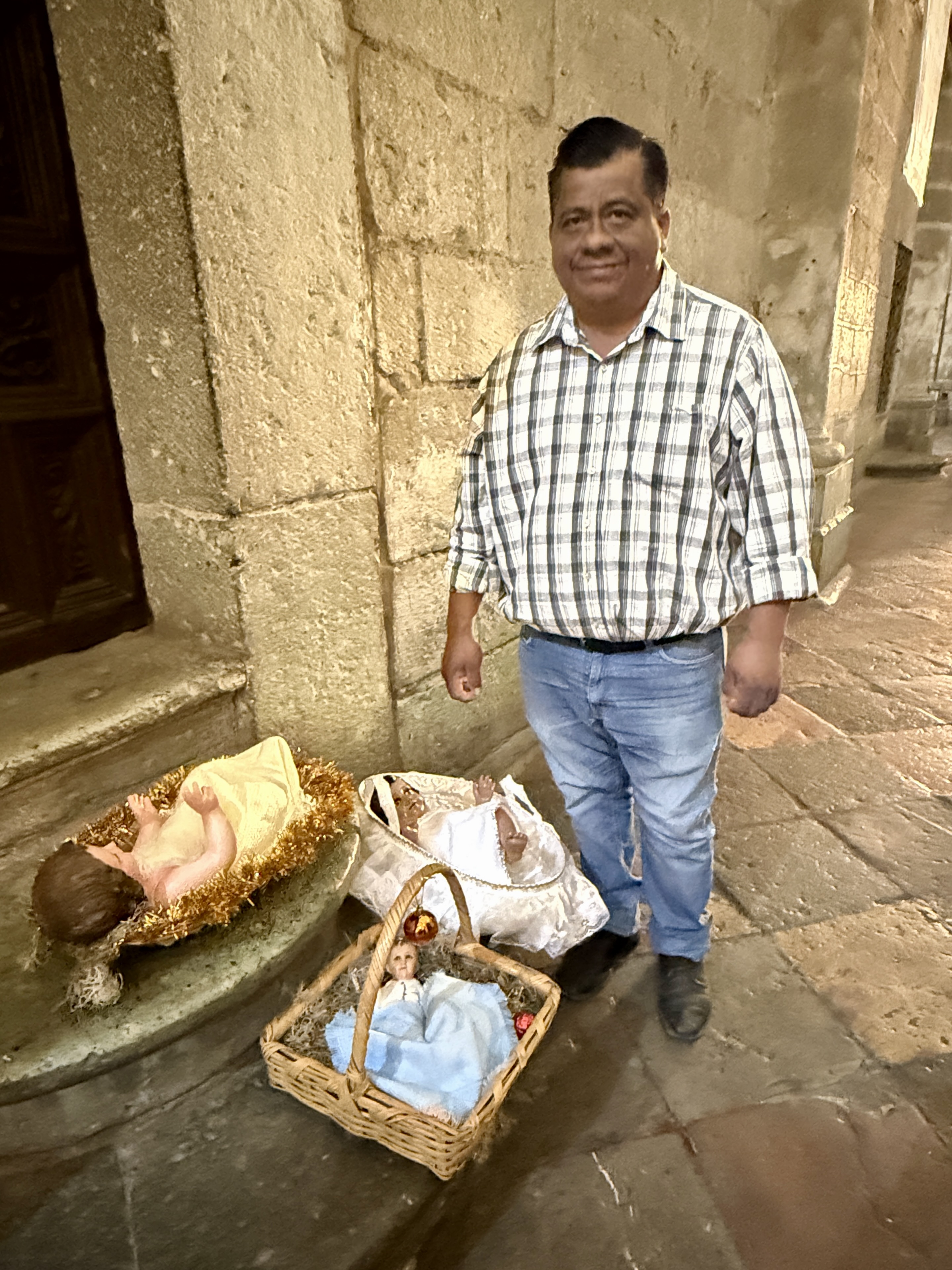
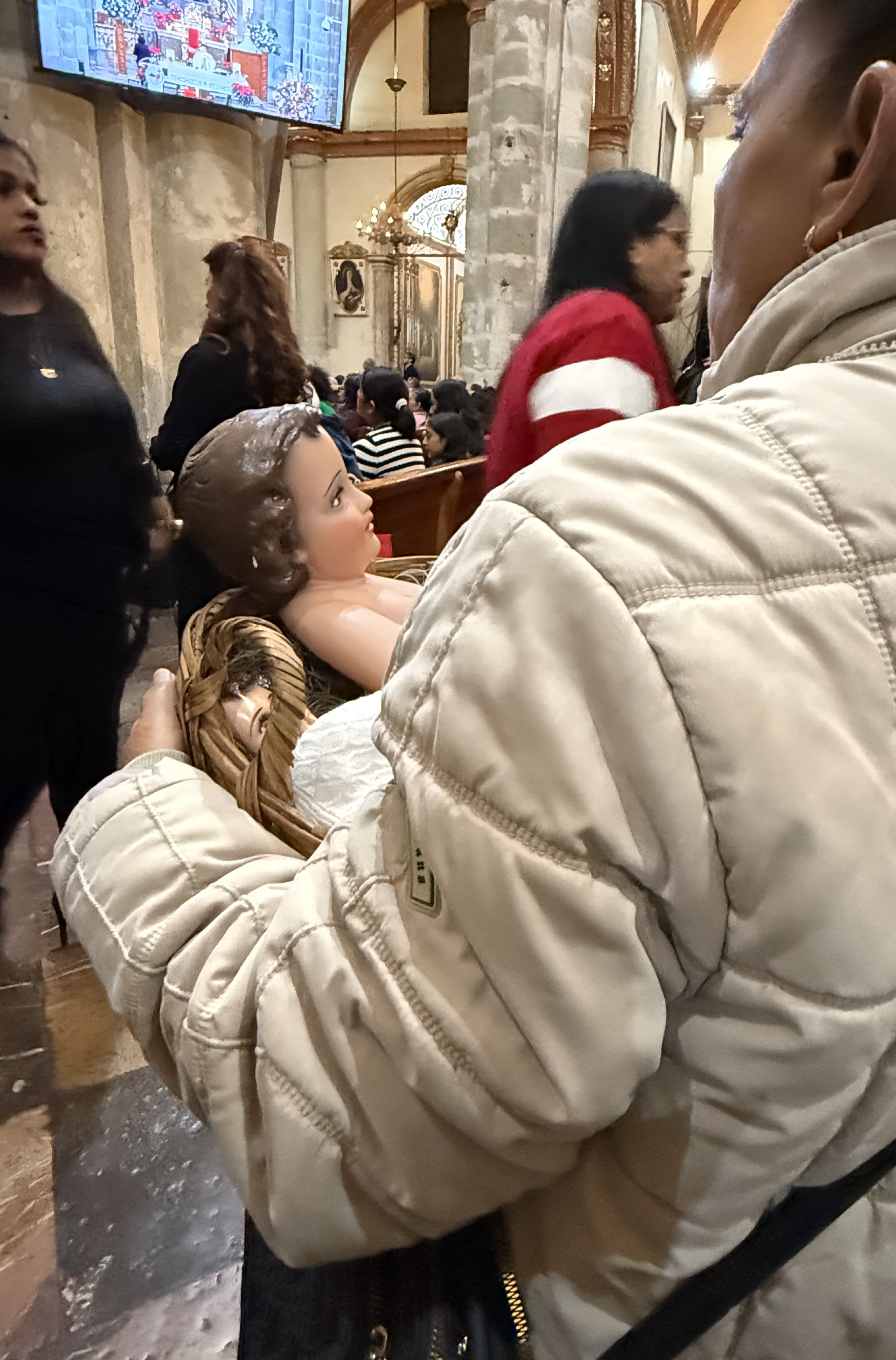
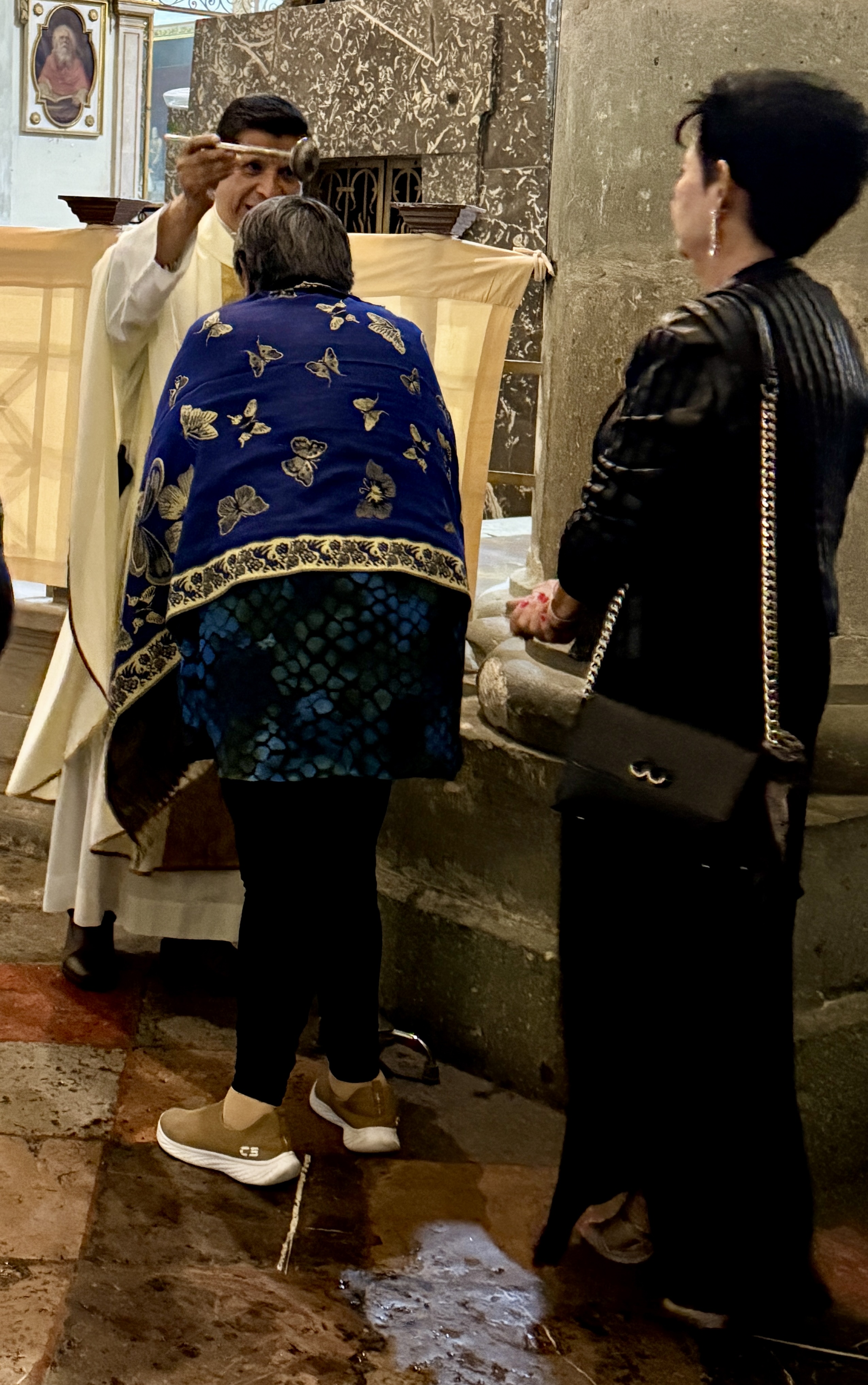
We went inside the cathedral at around 8 pm where a mass was going on and we also saw the “grandmothers” who apparently take care of a baby Jesus (dolls) during the year and then hold these dolls and parade around the zocalo and bring the baby dolls back to their own church and put it in the manger in time for the mass. We saw something similar in Quito when we were there years ago during Christmas. Needless to say, the main cathedral was packed and with many of these baby dolls.

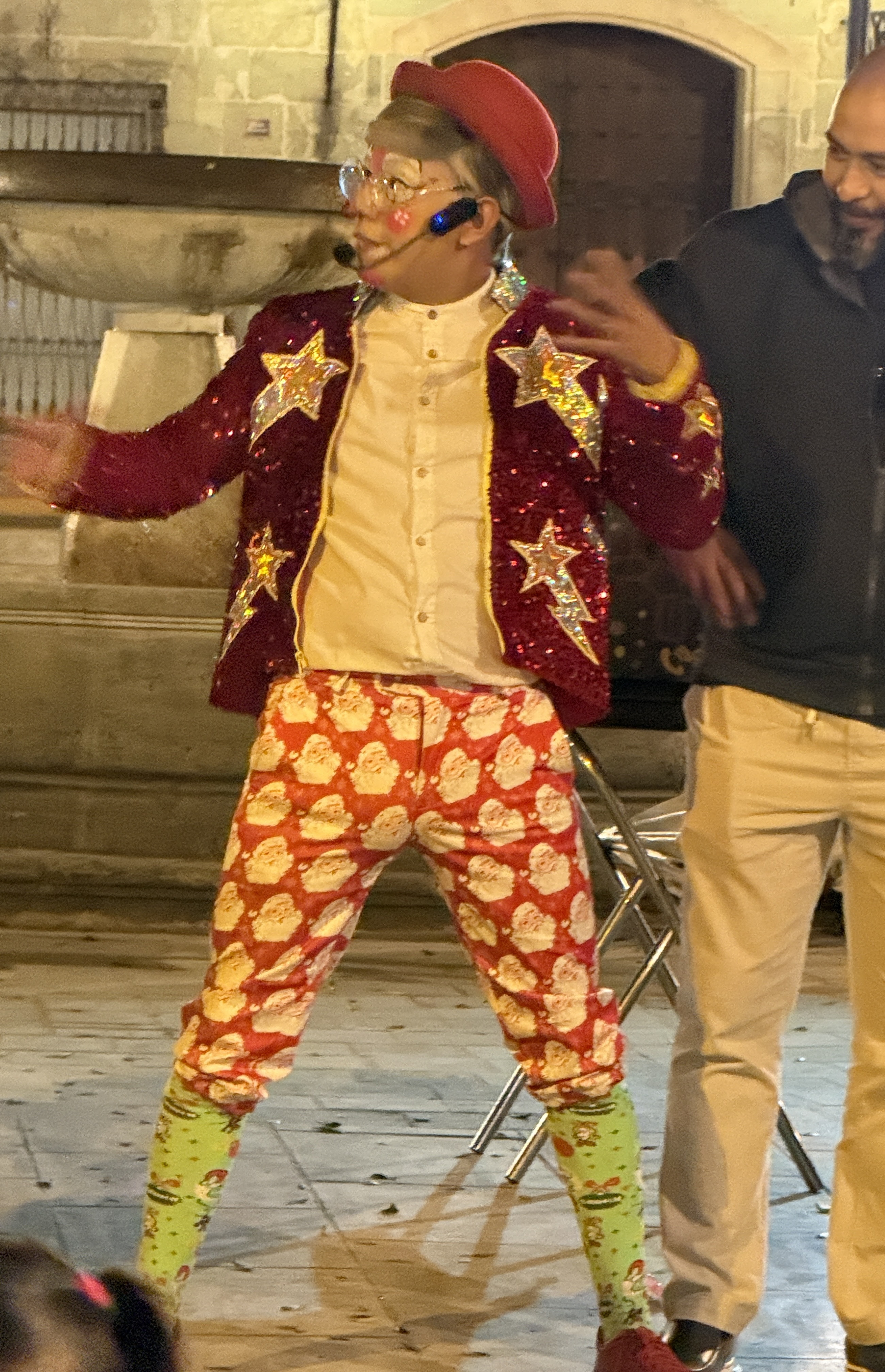
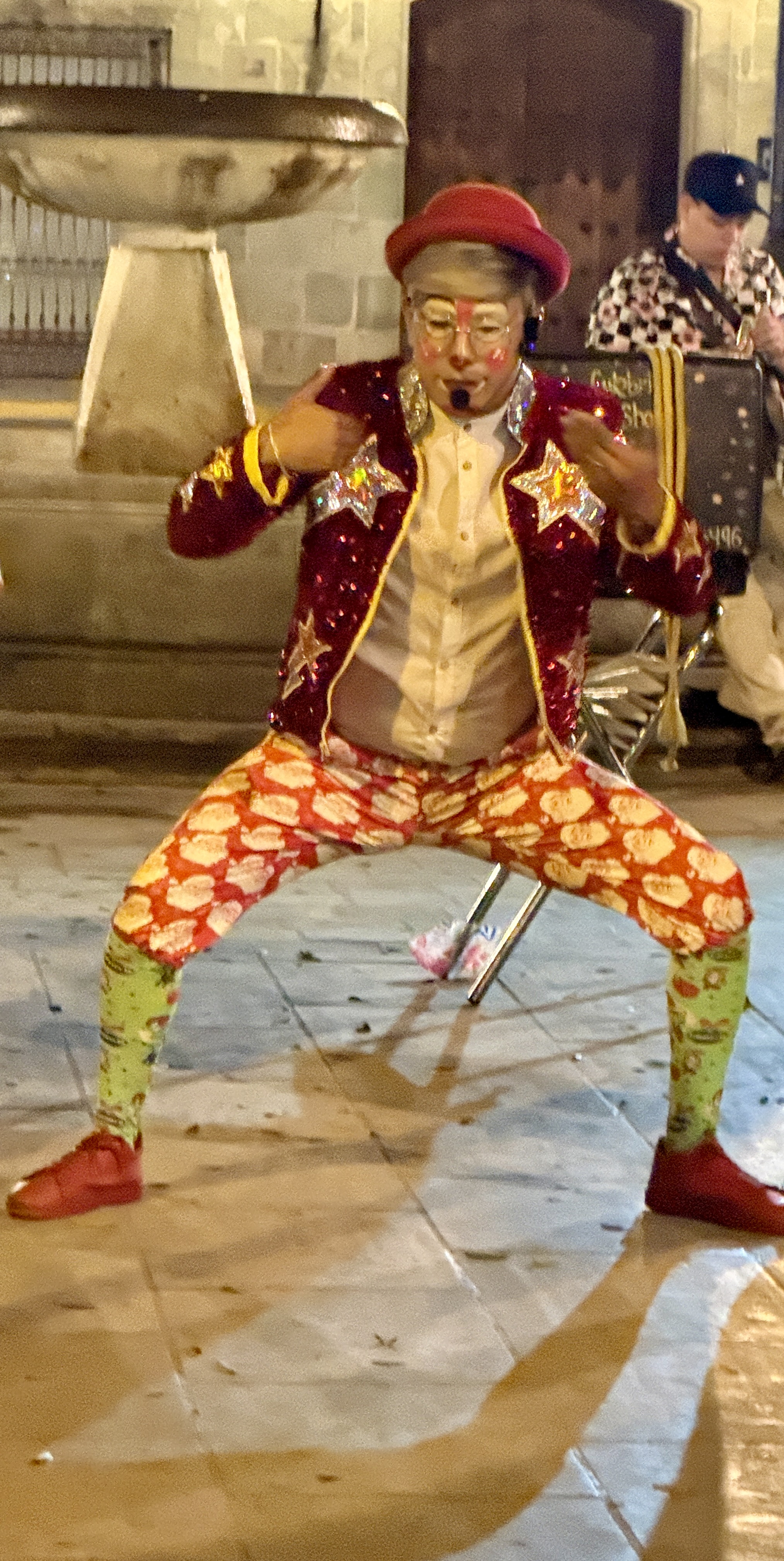
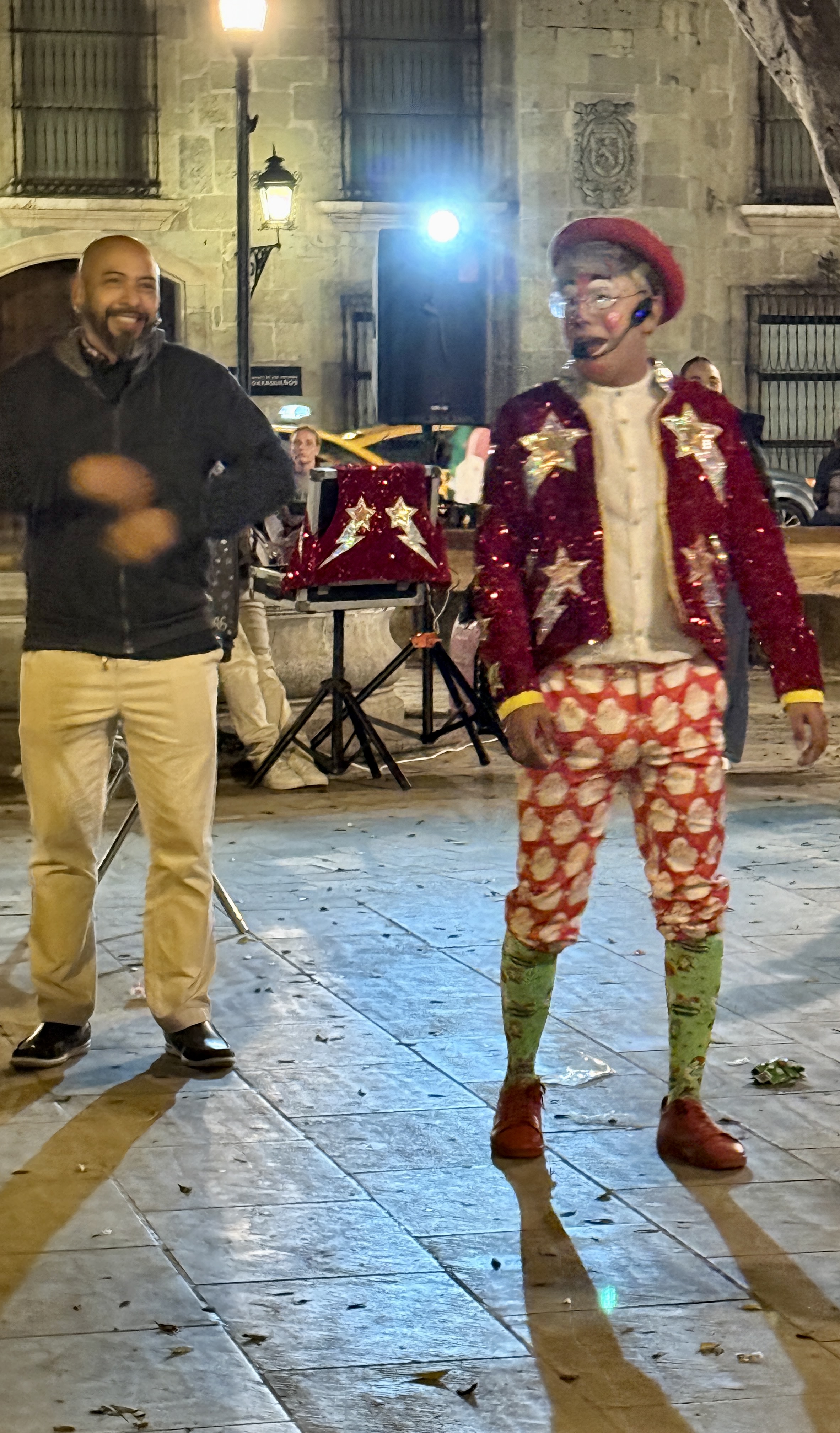
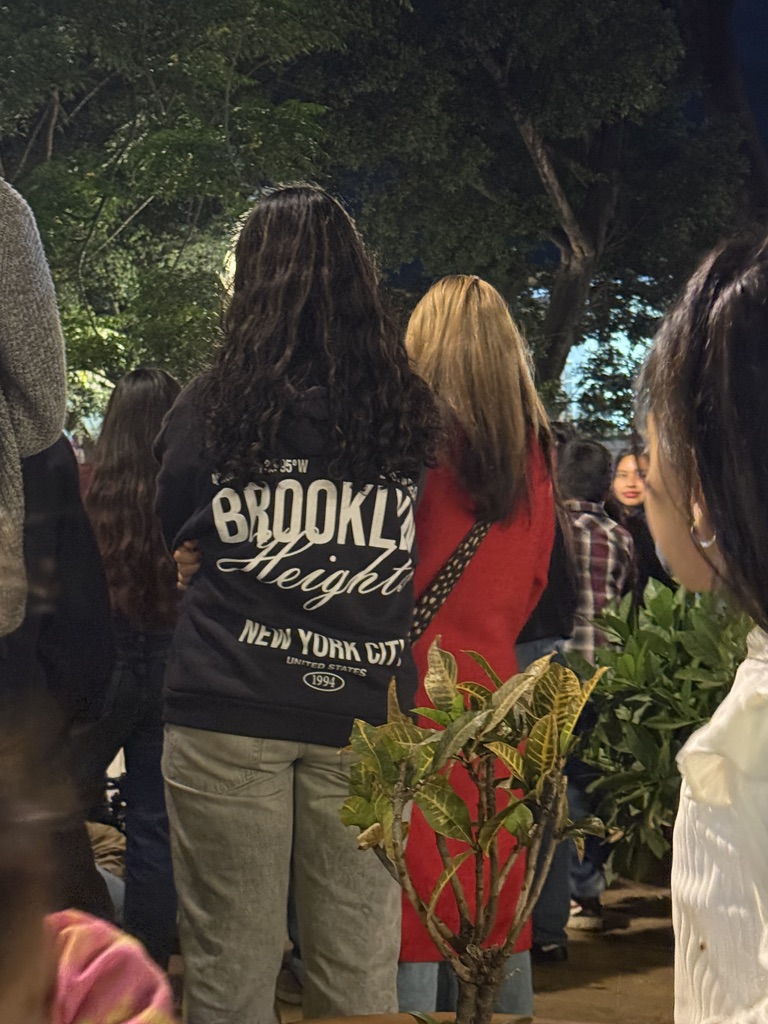
We then lingered at the Zocalo watching all the action—including a hilarious performer who managed to cajole four guys into learning a dance that involved a lot of hip movement. As it turned out when he was asking them questions in front of about 75 people who had gathered around—two of them were Americans and one was German, and the fourth was Spanish-speaking but not from Oaxaca.. I think the Oaxacans who comprised most of the crowd of onlookers knew better than to volunteer. Anyway, the performer had the guys doing dances that involved squats and jumping. The crowd went wild. The performer’s Spanish was very paced and exaggerated, so I did pretty well understanding him.

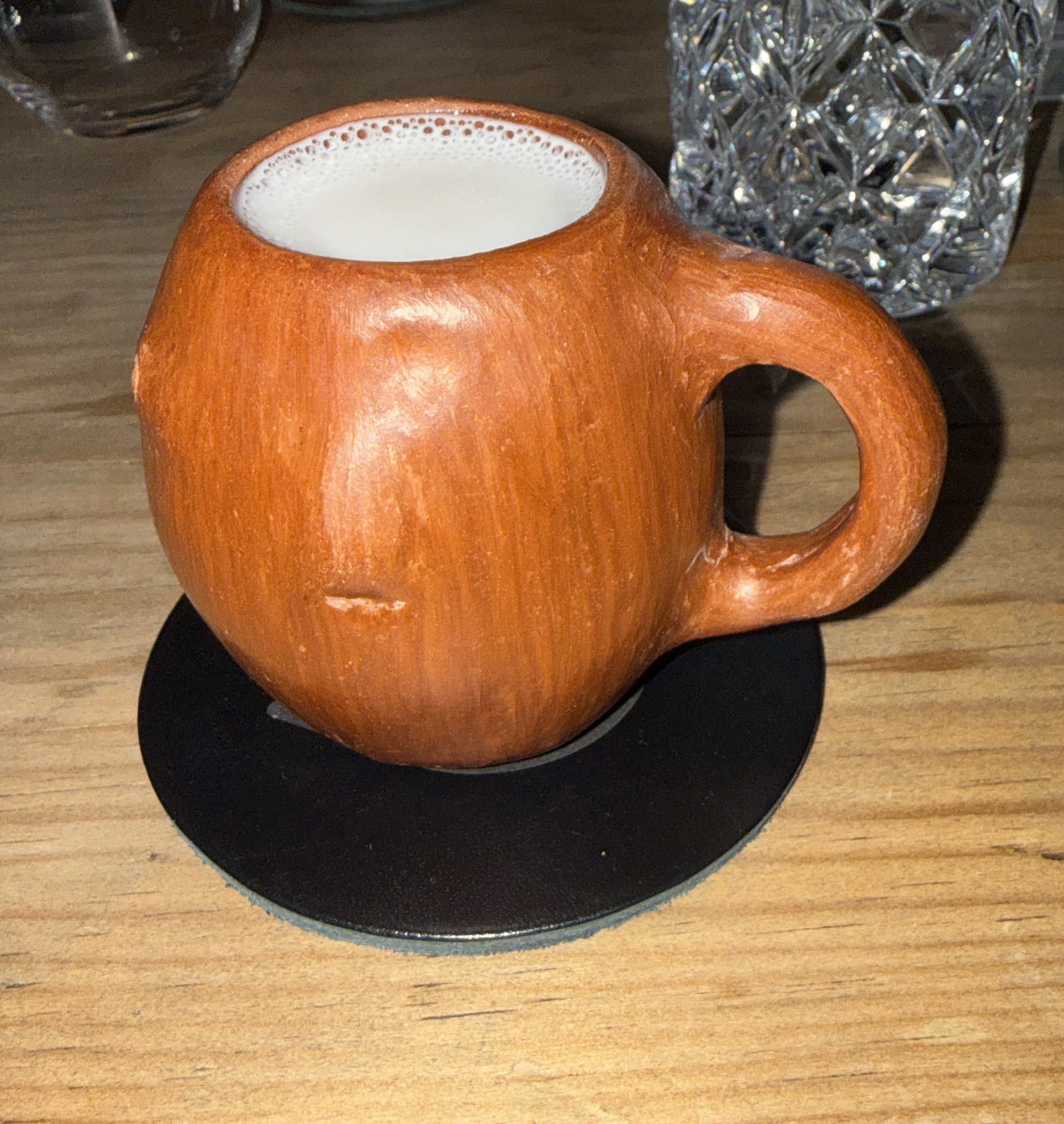
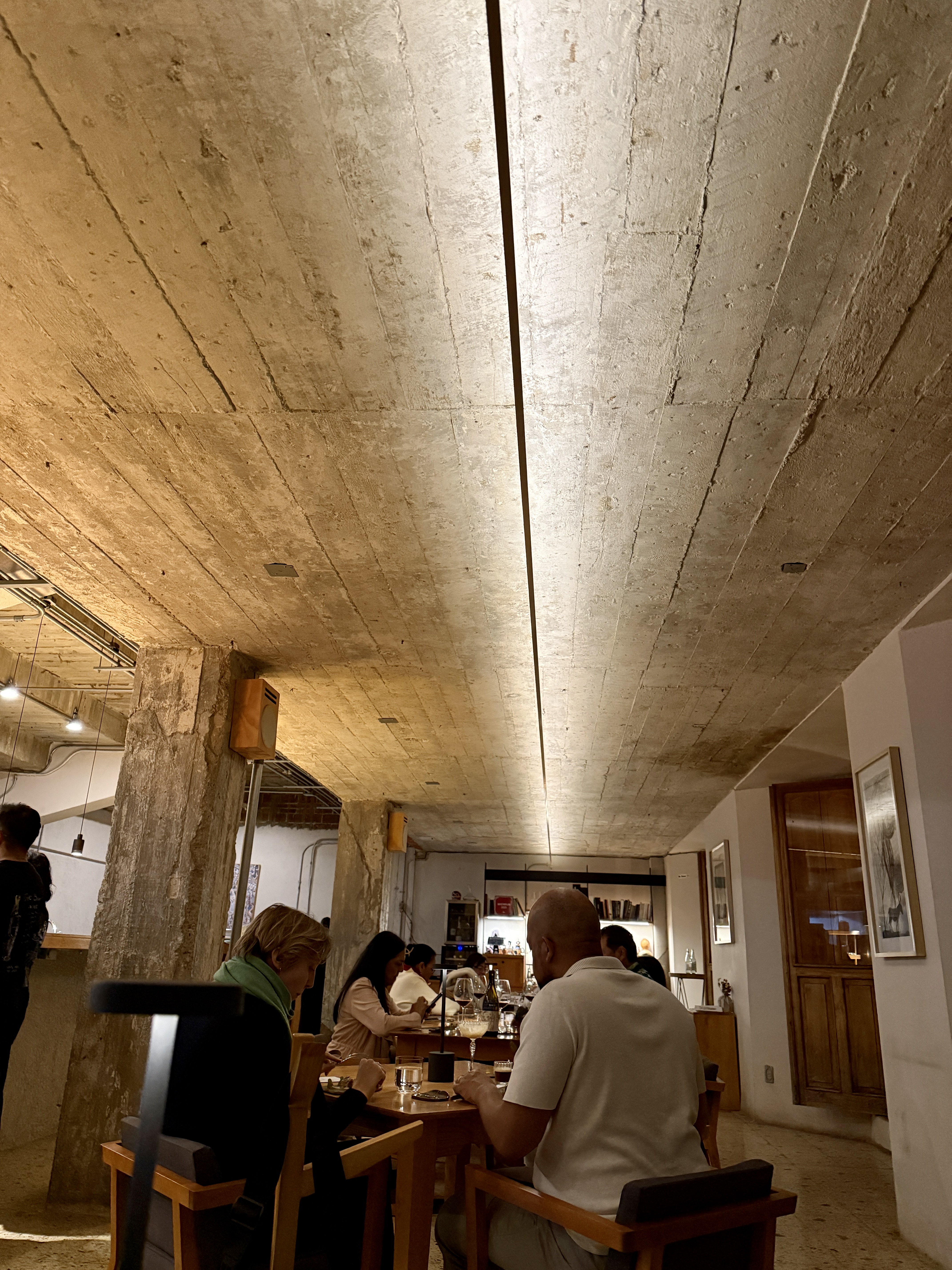
And then it was time to head to our 9:00pm dinner at Nois–a two-story restaurant where the bar occupies the first floor. We climbed the elegant spiral staircase, where there are about 6 tables and then three small tables on a series of outdoor balconies. Initially we had a balcony table, but it got windy and a bit cold so we moved inside, which was a good idea, since the meal takes about 2.5 hours and it would have been really cold by dessert! While the building itself is probably about 200 years old, the interiors have been beautifully modernized by pretty good interior architects. Sheek, simple, concrete and wood, with some copper detailing. There’s an open kitchen with about 7 people moving about… and about an equal number doing the serving for the rather small number of tables. But serving there is a bit of an art… that matches the food. They gave us an English-speaking waitress who learned English by watching “Friends” on TV!
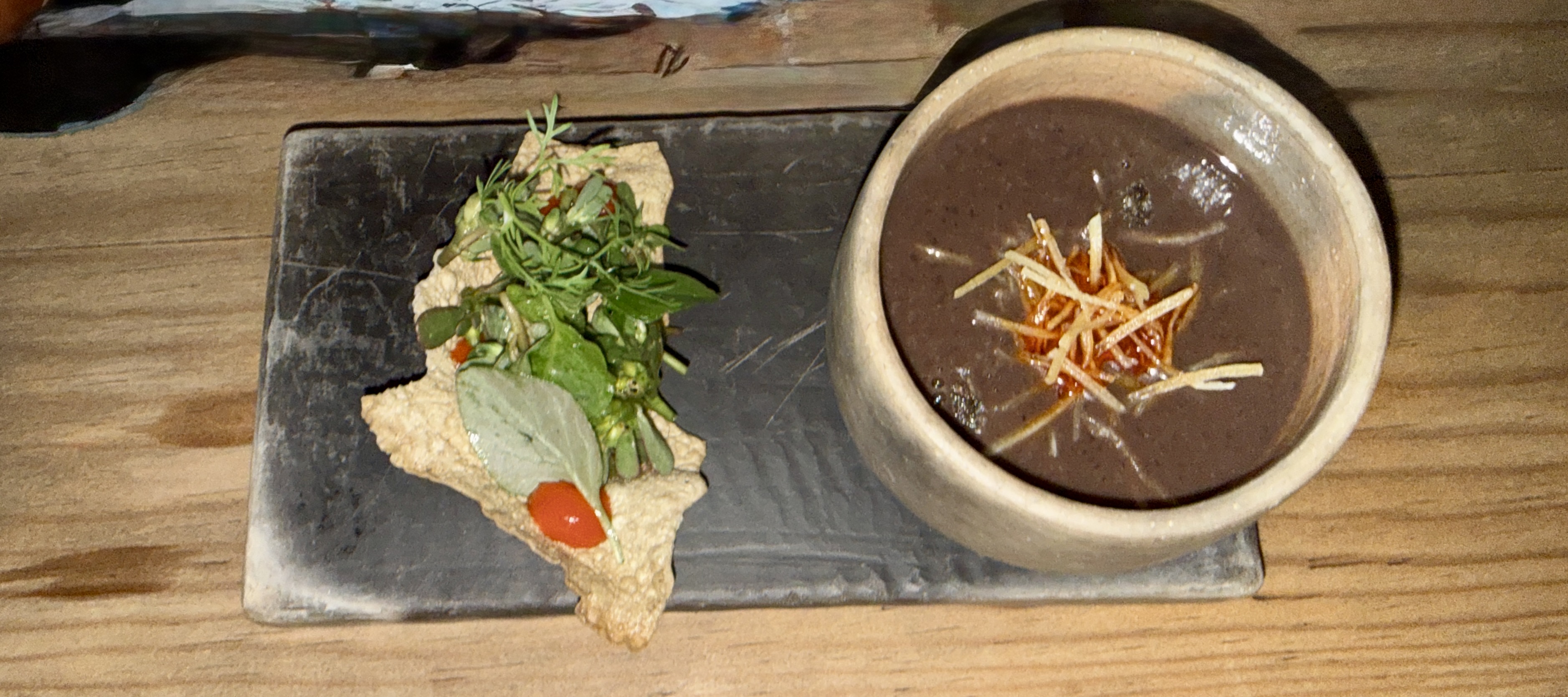
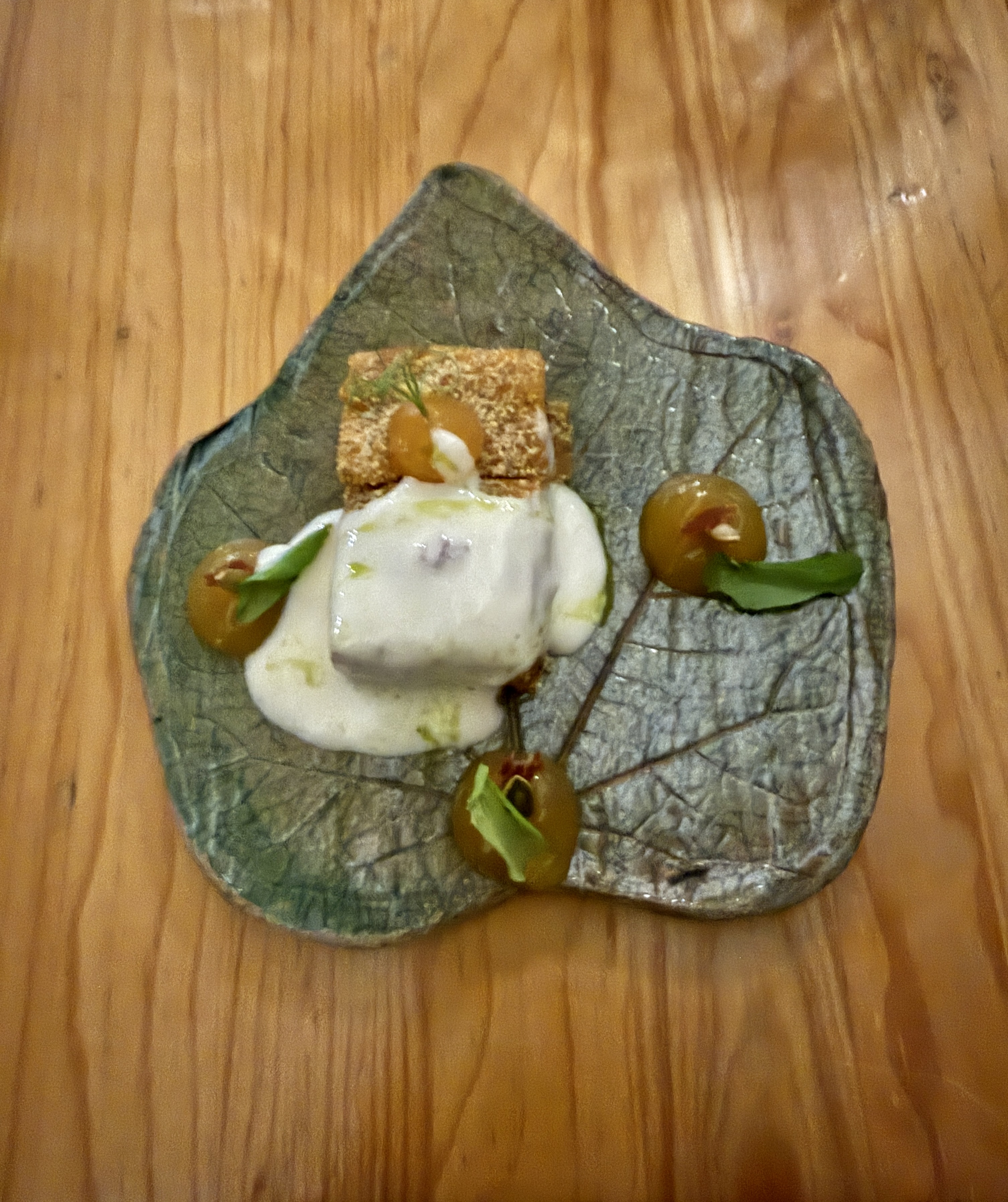
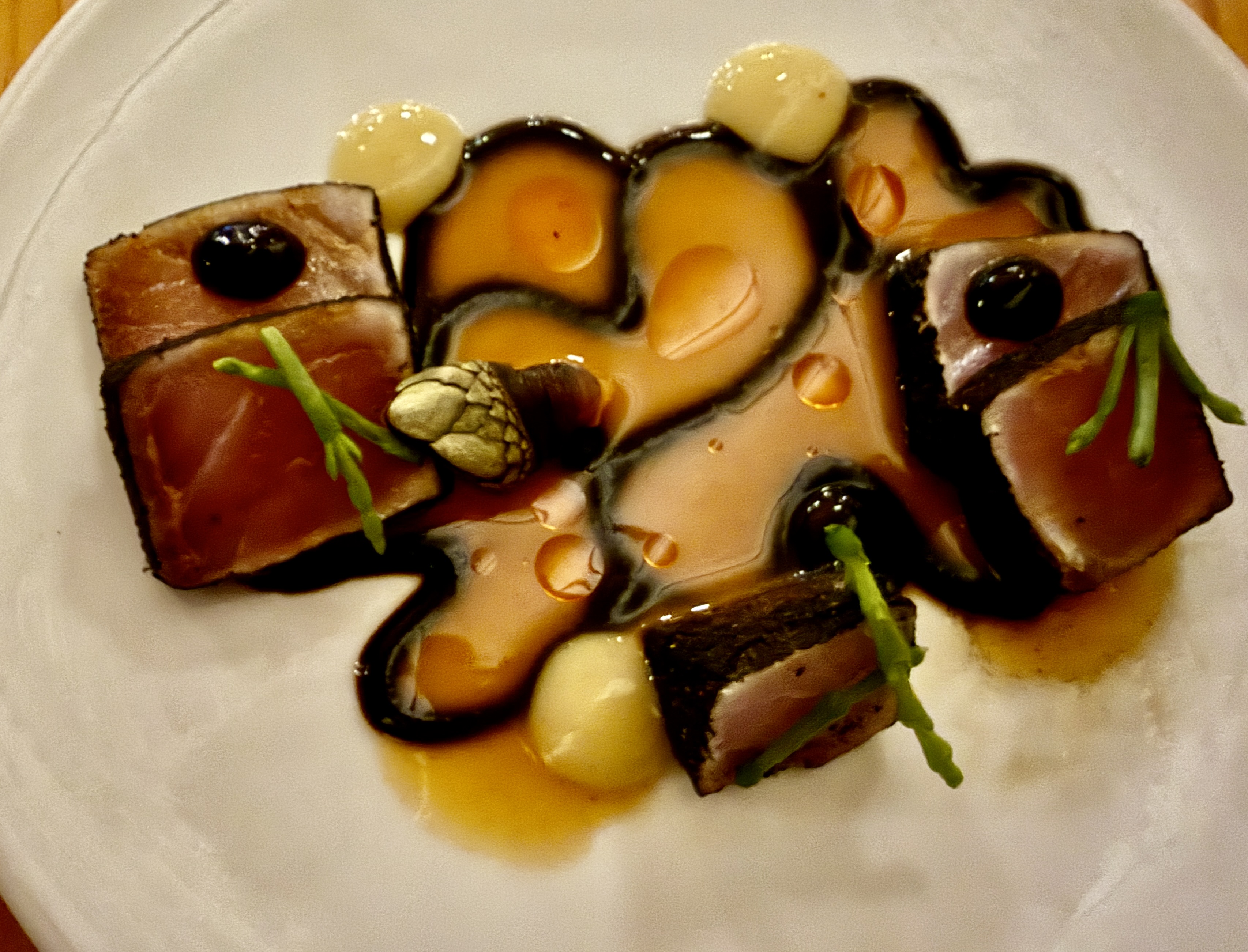
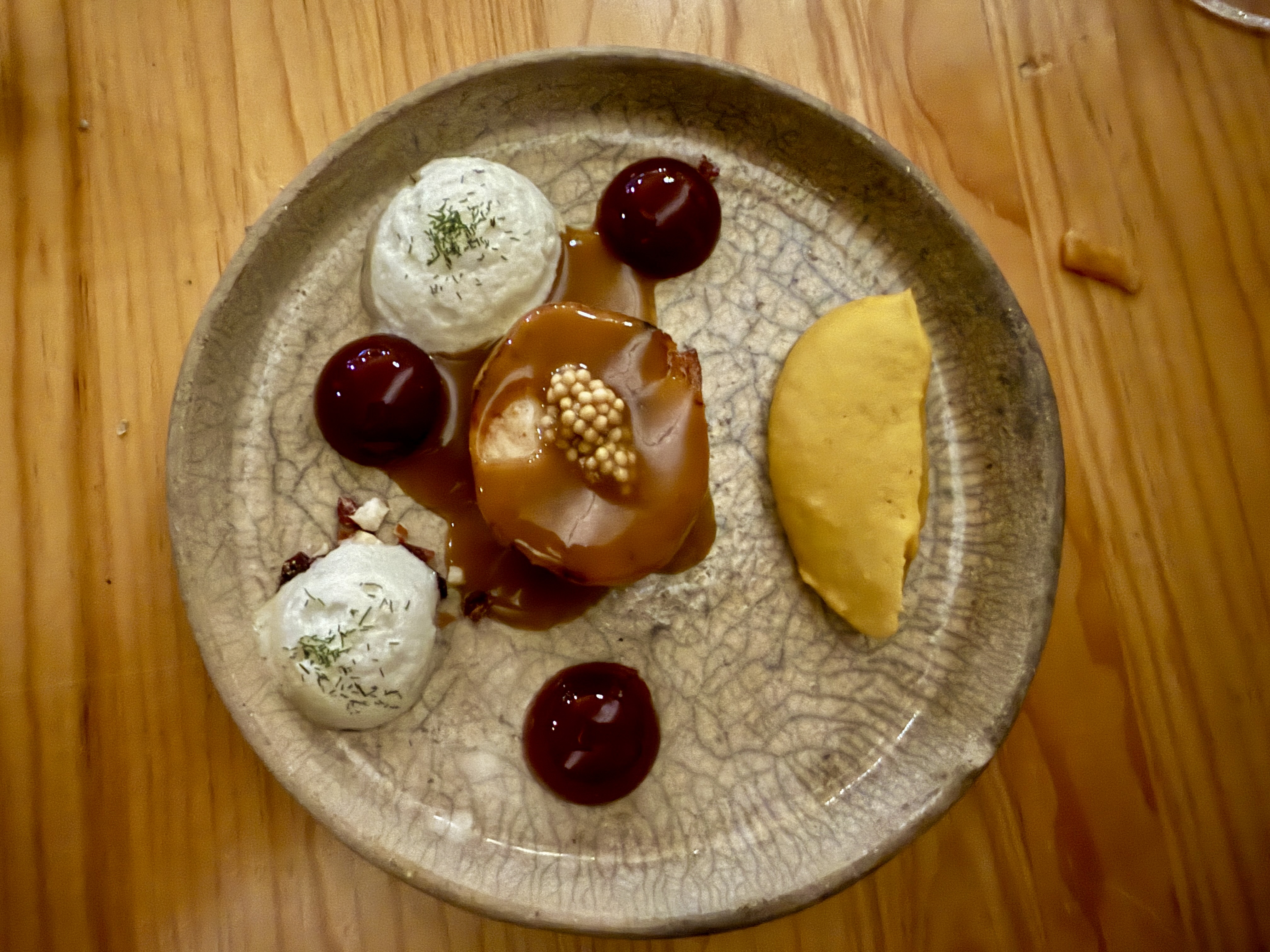
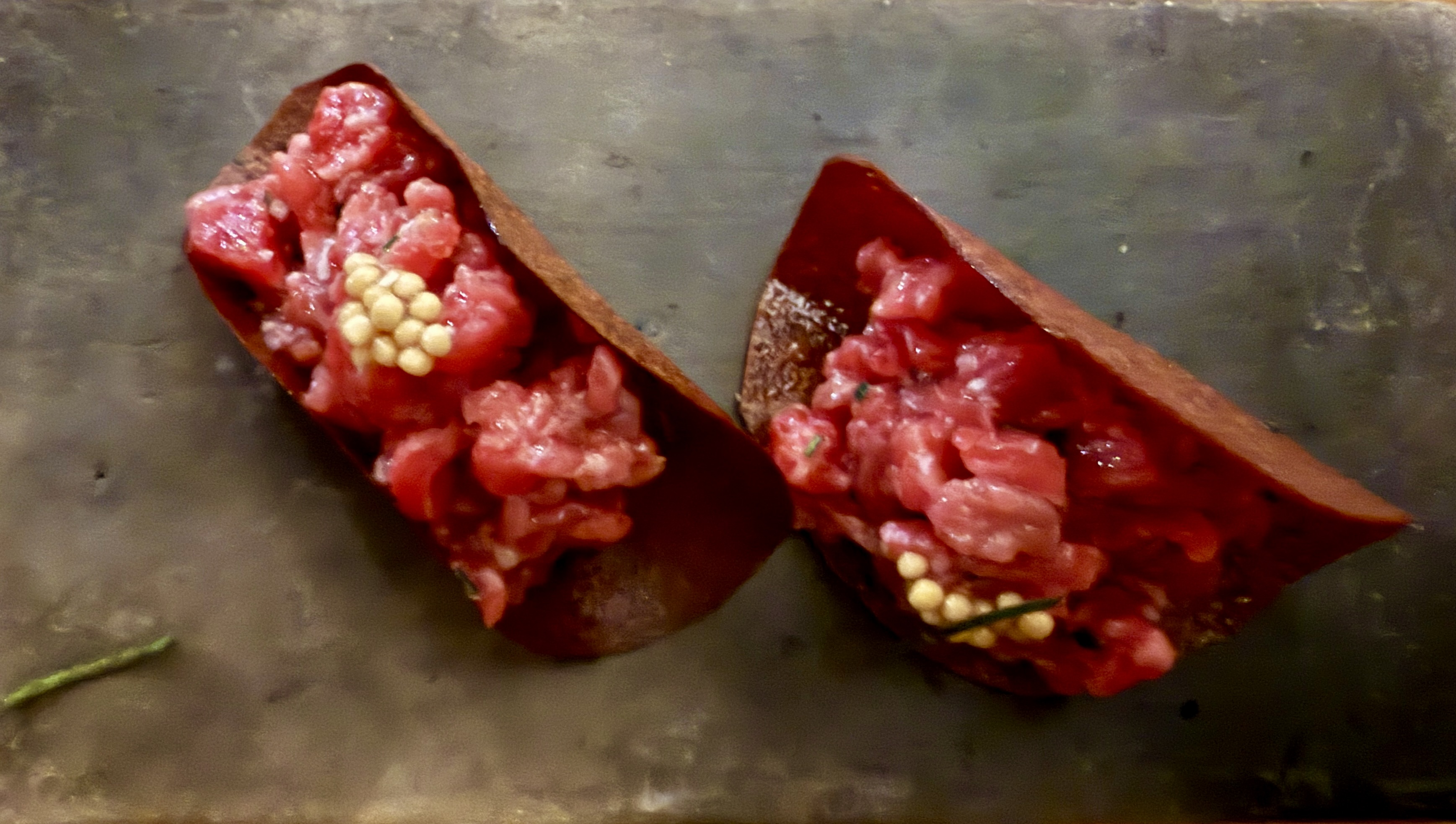
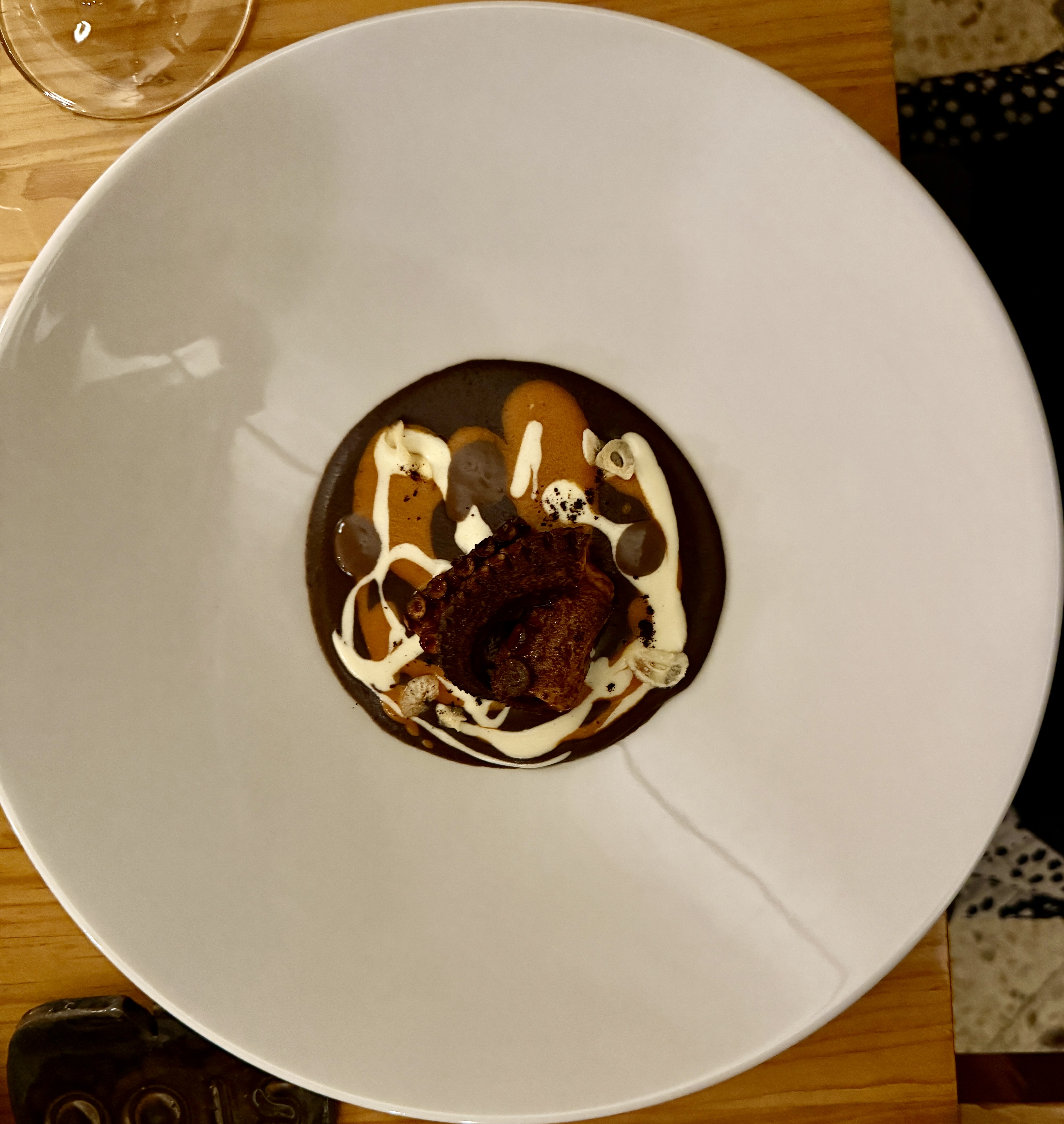
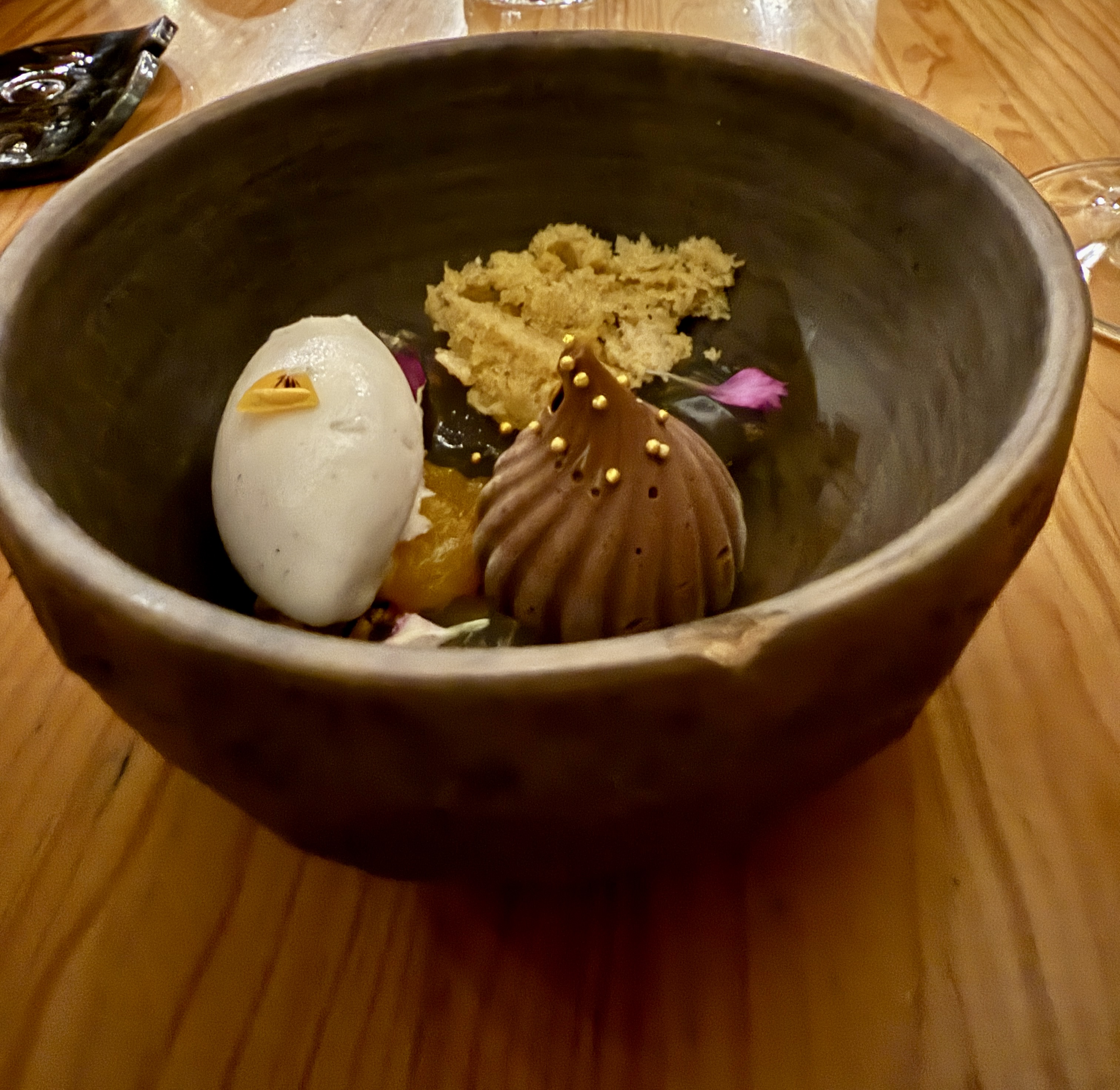
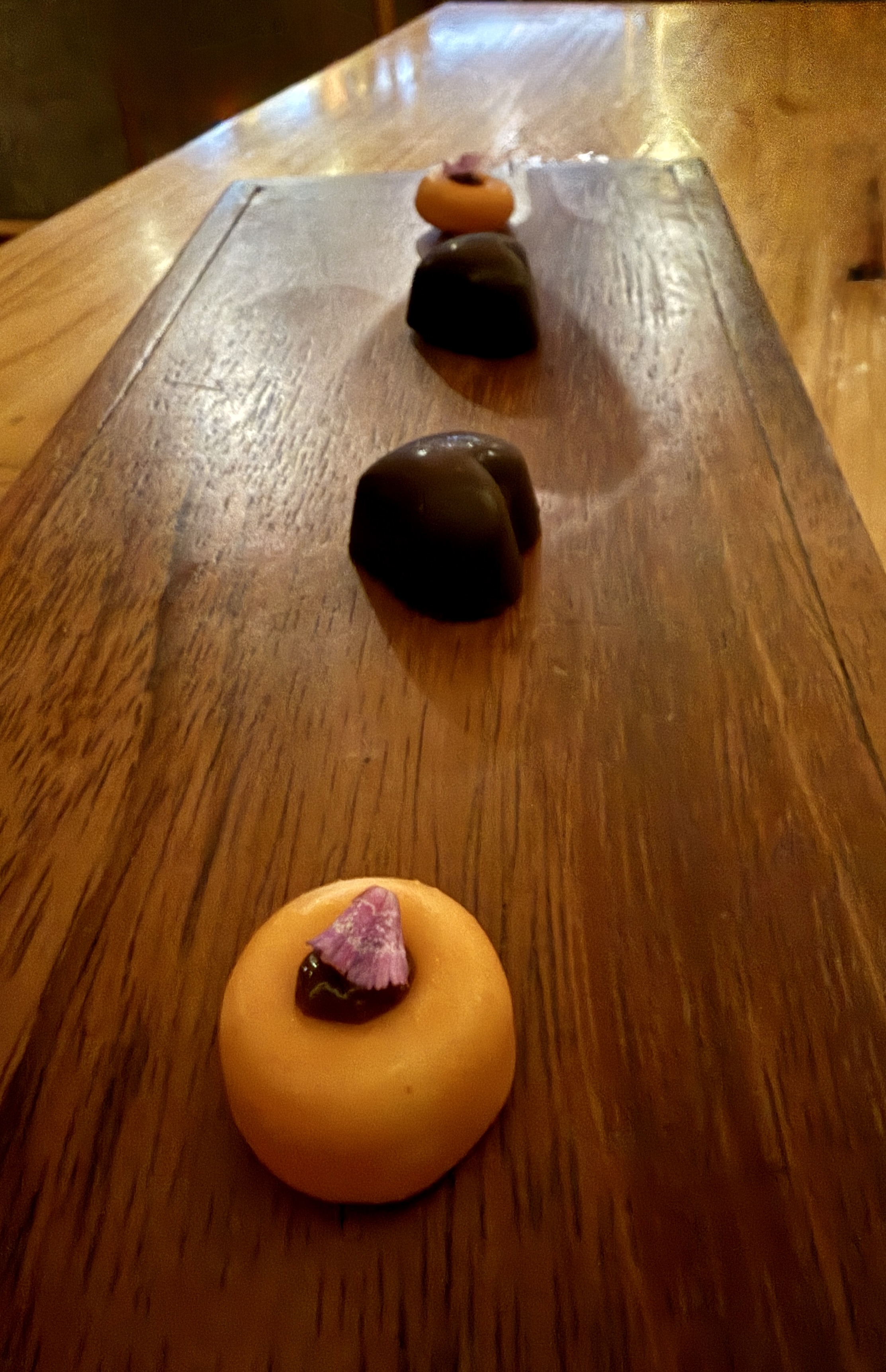
OK — THIS IS FOR THE FOODIES! After cocktails (I had a vodka drink called Arroz con Pollo which uses horchata and some bitters and some herbs), we began the 7-part meal—with all parts being rather tiny (thank goodness). First there was a bean and miso and corn soup accompanied by a decomposed taco with pumpkin and squash. Then we had “Ikejime Tataki with Gooseneck barnacle”. Apparently “Ikejime tataki” refers to a the fact that the fish that has been prepared using a Japanese method and cooked using a tataki technique which results in both a very high quality end product and is a precise and humane method of killing fish (!) that minimizes stress and suffering for the fish. It was very good. Then there was a strange but good turkey thing that was compressed into a cylinder about 1.5″ wide and 1″ tall. There was a mole sauce and cranberries and a perfctly prepared tiny “scoop” of sweet potato (in the shape of a taco)… then there was a tuna tartare taco (again, decomposed… followed by a wonderful Mayan octopus… Then a series of dessert like items: spiked fruit dish, a dish called “chinantla” which was a little like panna cotta but used finely ground white corn. It apparently needs to have constant mixing. There was a very long description and explanation by “Max” our waitress.. All I can tell you is that it was quite wonderful… and then for the finale, we had this thing they called “grandma’s table” which was a tiny (3/4″) cheese cake with some tiny morsels of fruit.. and a little teeny chocolate form. I’m glad they weren’t any larger. But each little bite was excellent.
We then strolled back to Pug Seal and called it a day and a night…
Fern
November 3, 2025 . Argentina: San Antonio de Areco to Buenos Aires and Homeward Bound

Greetings as we depart Buenos Aires for the states; not sure we are totally prepared to face what’s been going on in DC. We are sitting in the lounge at Buenos Aires Airport; we board in about an hour, so this note will be very short.
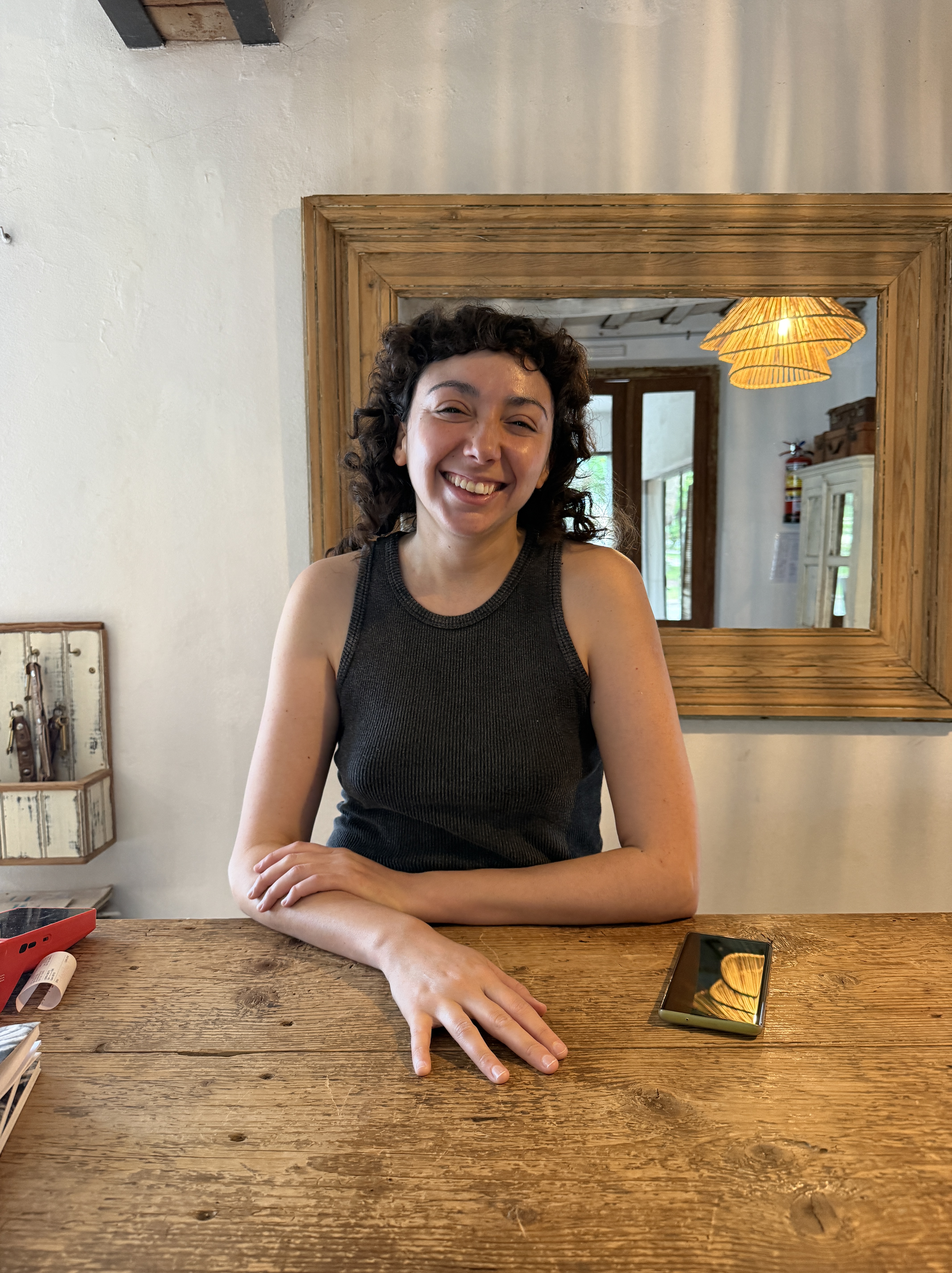
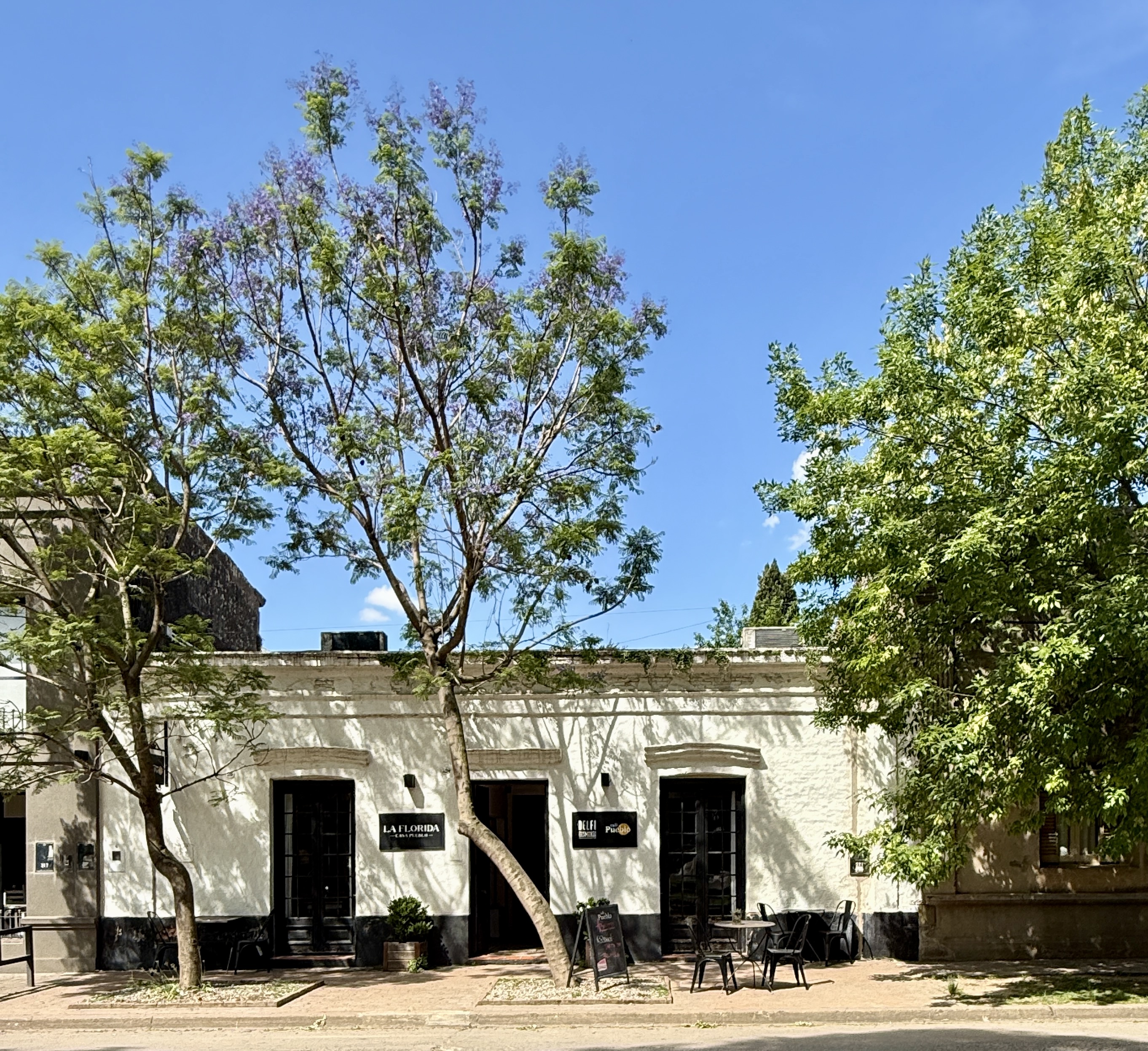
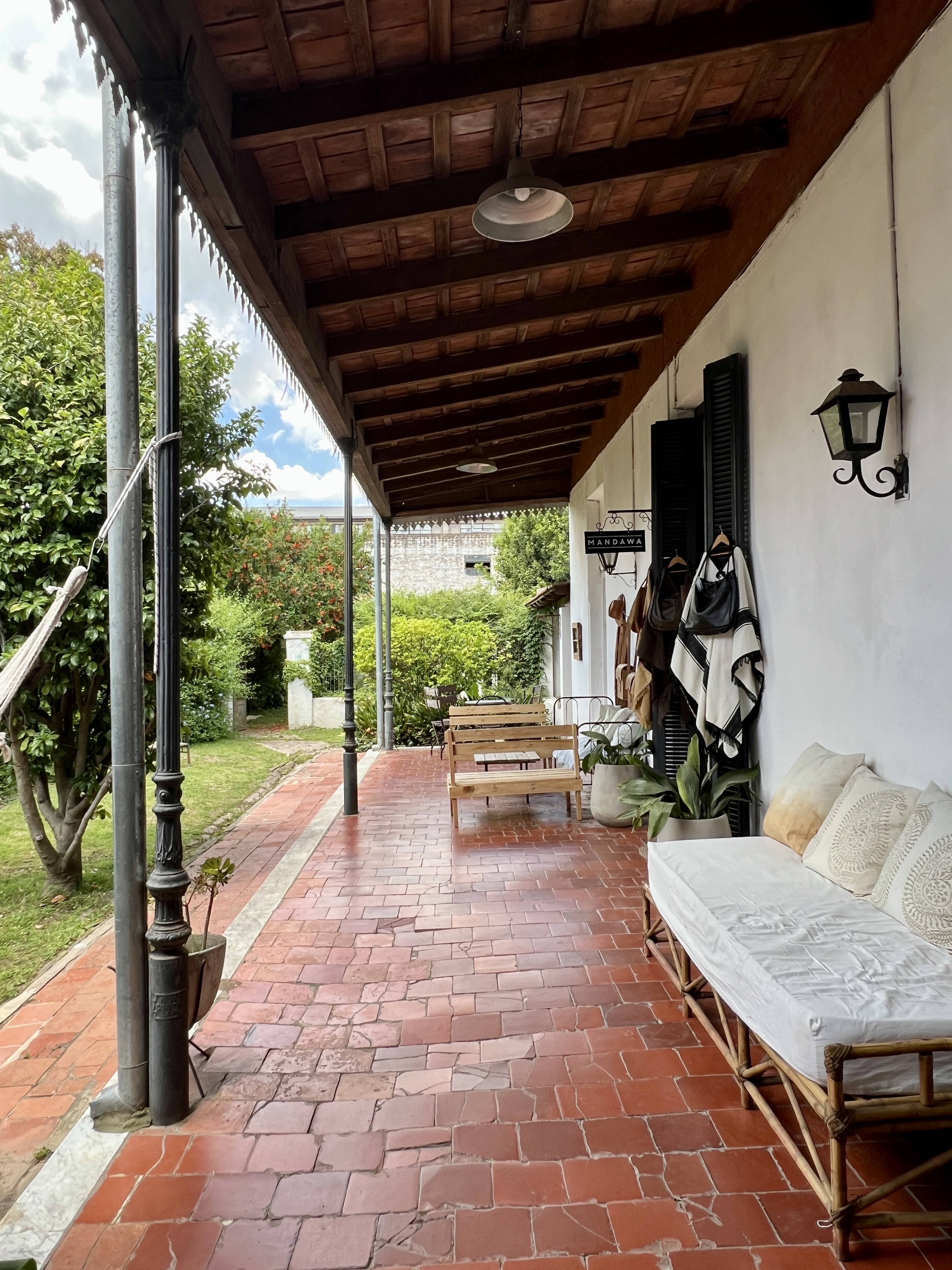
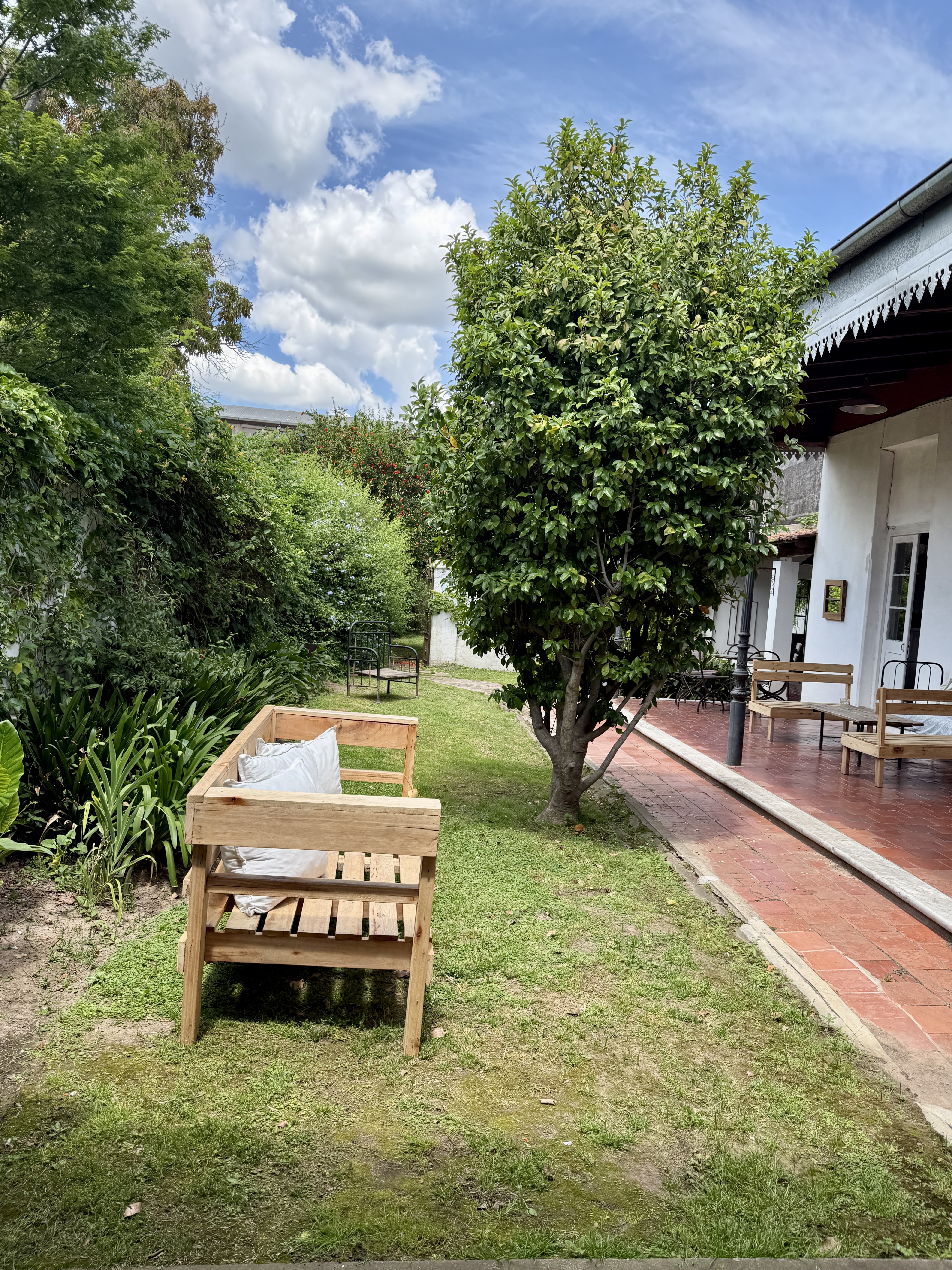
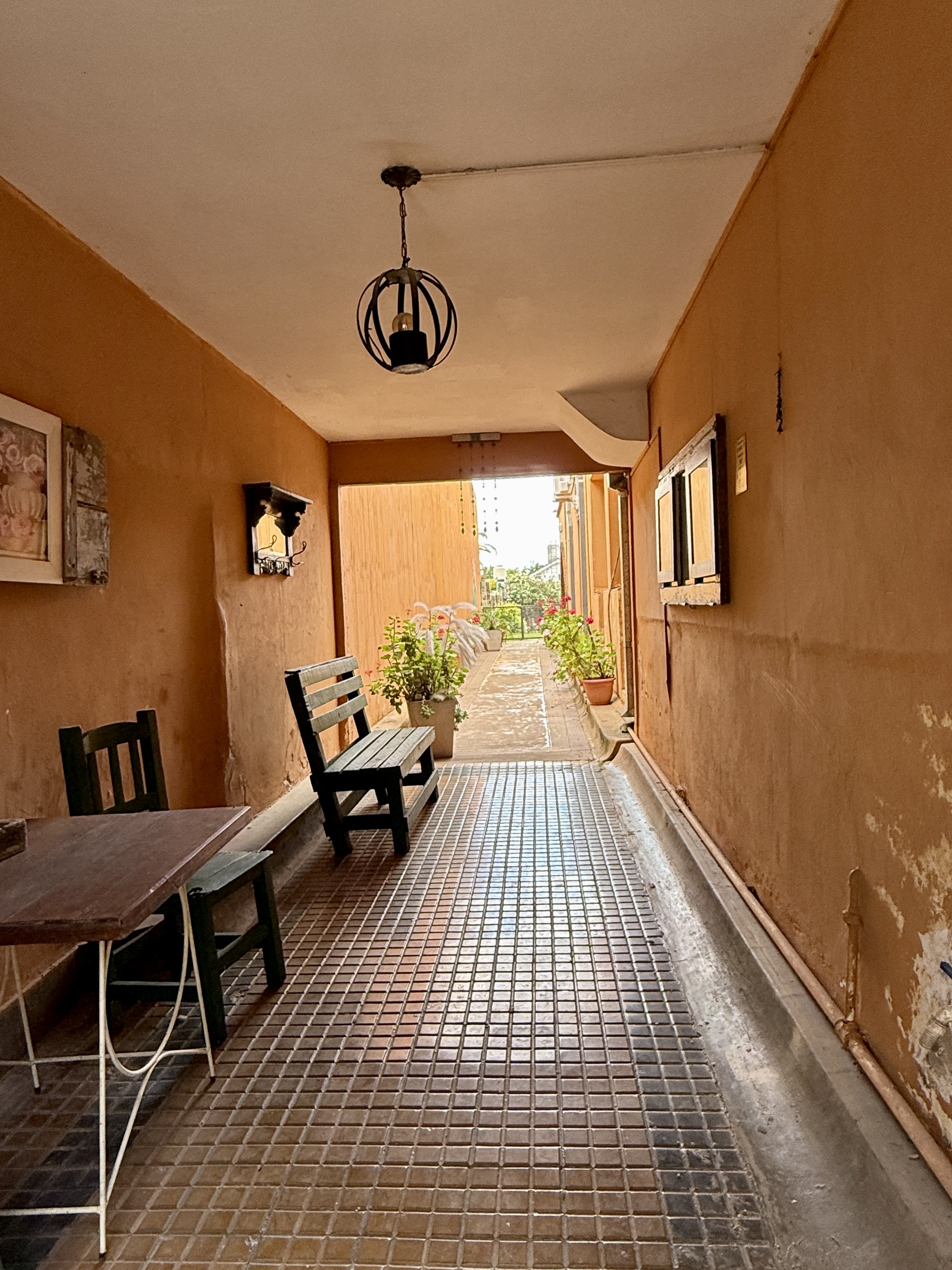
We had a very quiet night at La Florida Pueblo in San Antonio de Areco; the town is safe and quiet and as I mentioned in a previous note, our little four-room hotel was delightful. And staff could not have been better or more helpful. If you’re headed to Areco, I highly recommend you stay here. We had a very nice breakfast (I think the place is based on ecological goals and natural foods): homemade yogurt and granola, eggs, fresh-squeezed OJ, medialuna, scone, etc. And Augustino, who we thought was the owner was there to greet us. He’s actually the owner of the cafe and the store that sells really high quality leather vests and crockery; his friend is the owner of the hotel but they work closely together. After a few minutes, his wife appeared (and her English is excellent) with their 11-month old. She was born and raised in San Antonio de Areco (he is from Buenos Aires). After they were married and she got pregnant they decided to move to her home town because they think it is the best place to raise a child. The front desk woman was also charming and worked really hard to manage with her limited English and my limited Spanish.
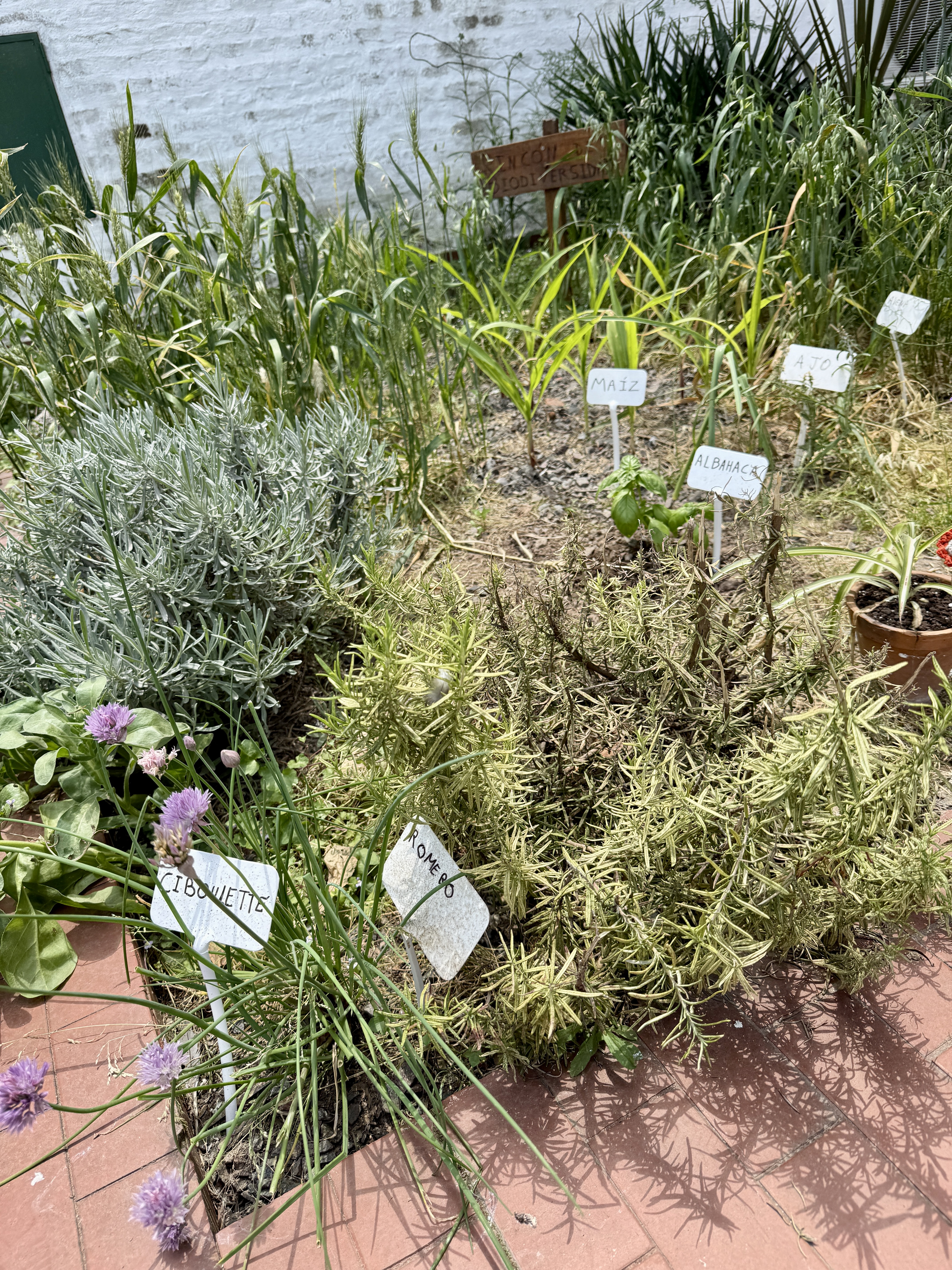
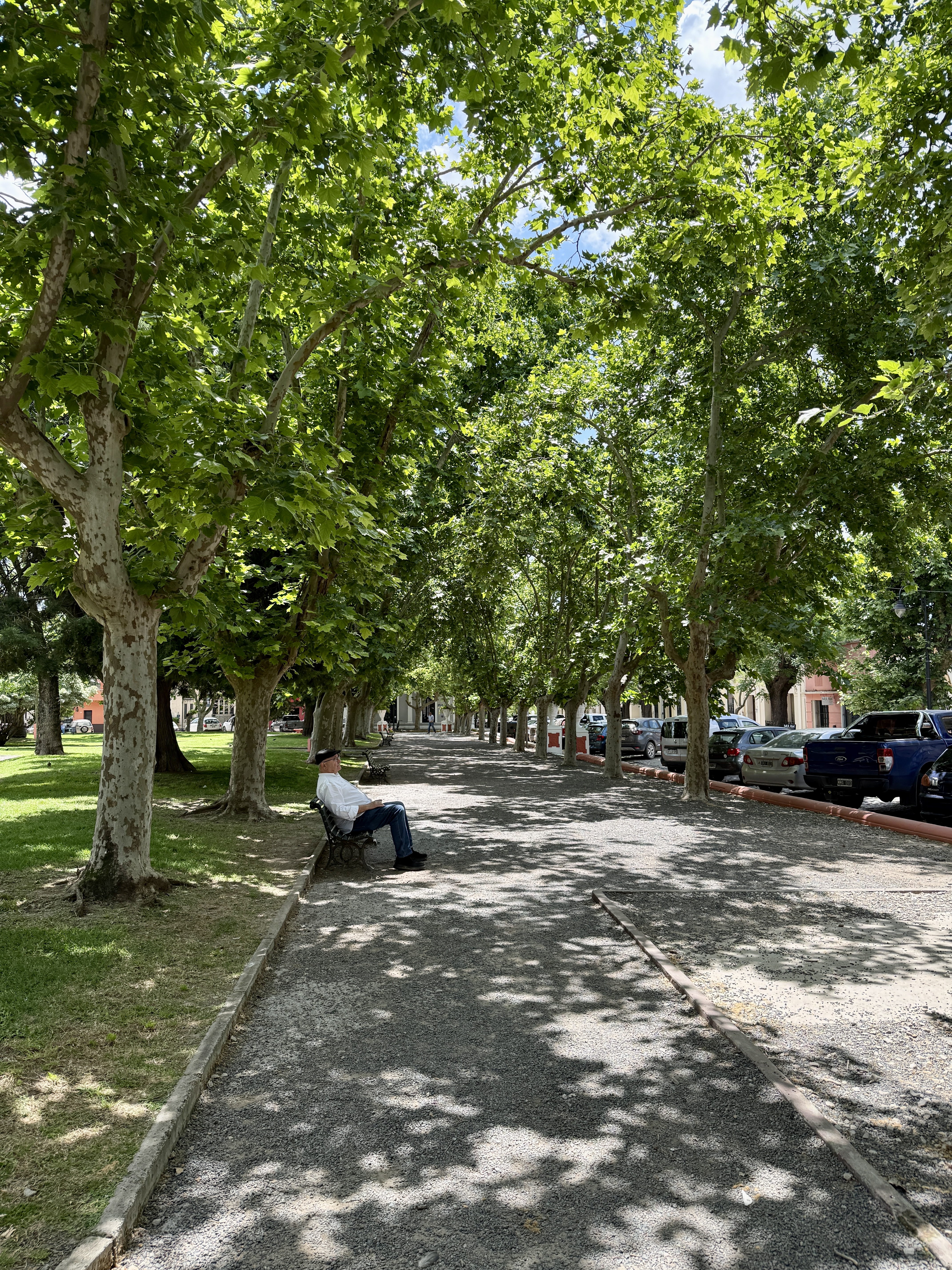
Everything is very casual, so even though our bags were packed and ready to go, we decided to stroll the town again. We just left our bags in the room and said we’d be back in about three hours (well beyond check out time). That was fine with everyone. And so we strolled to the main square and other parts of town, passing a sweet biodiversity garden (or at least that is what the handmade sign said). And we stopped in a few shops that fronted the town square/the plaza. (Well I stopped in a few shops and Mike found a comfortable bench in the square to watch the world go by.)
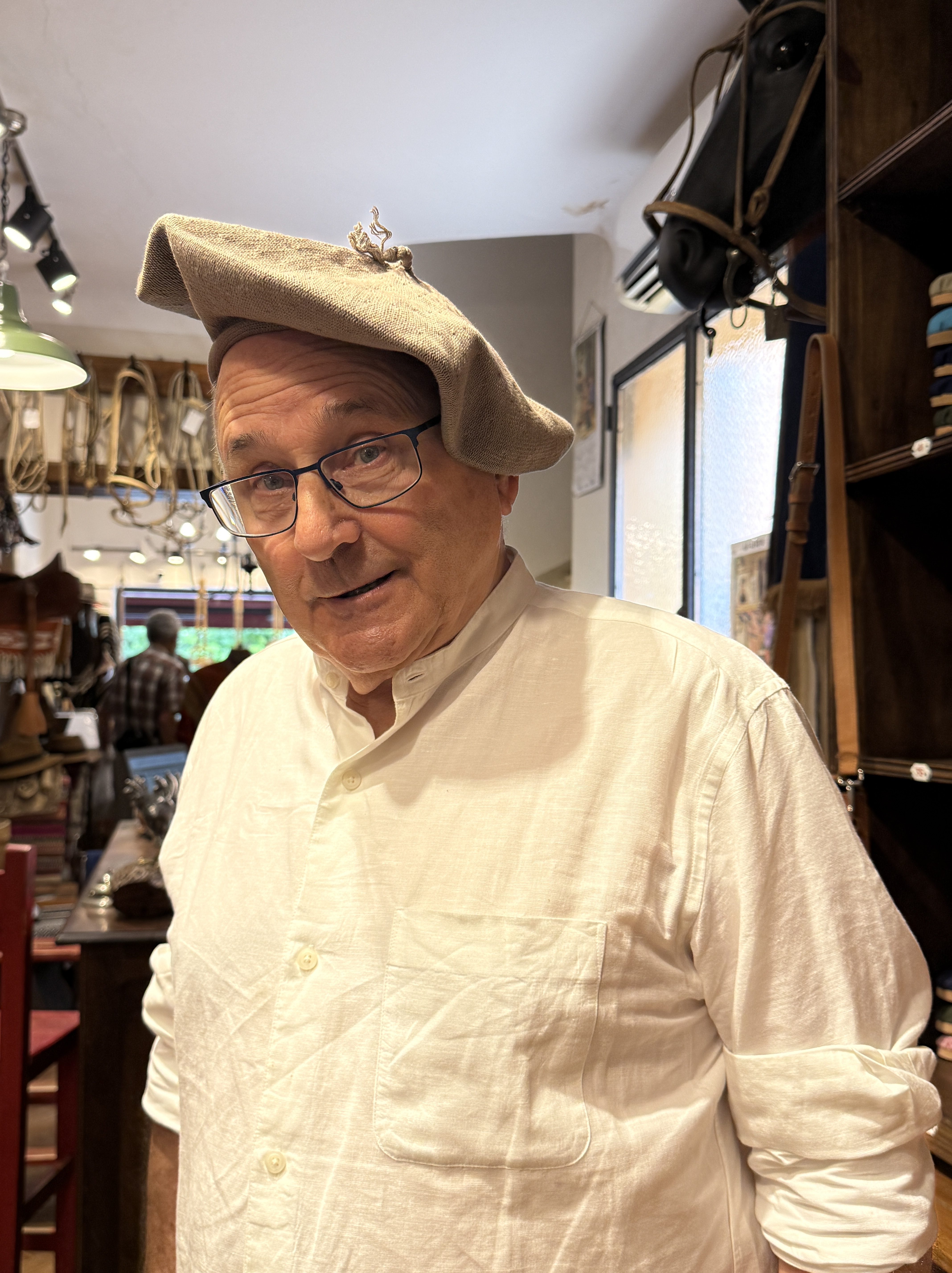
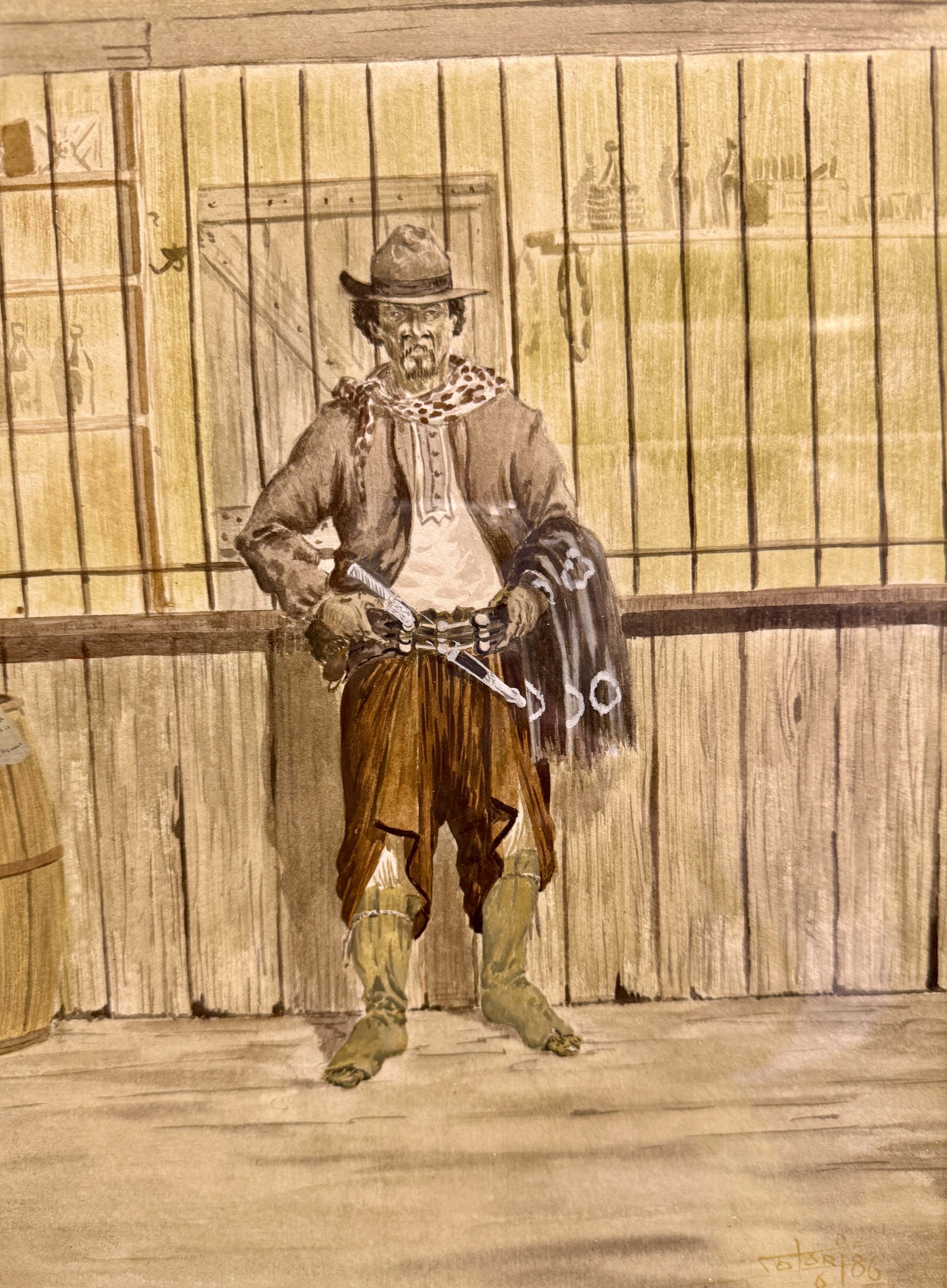
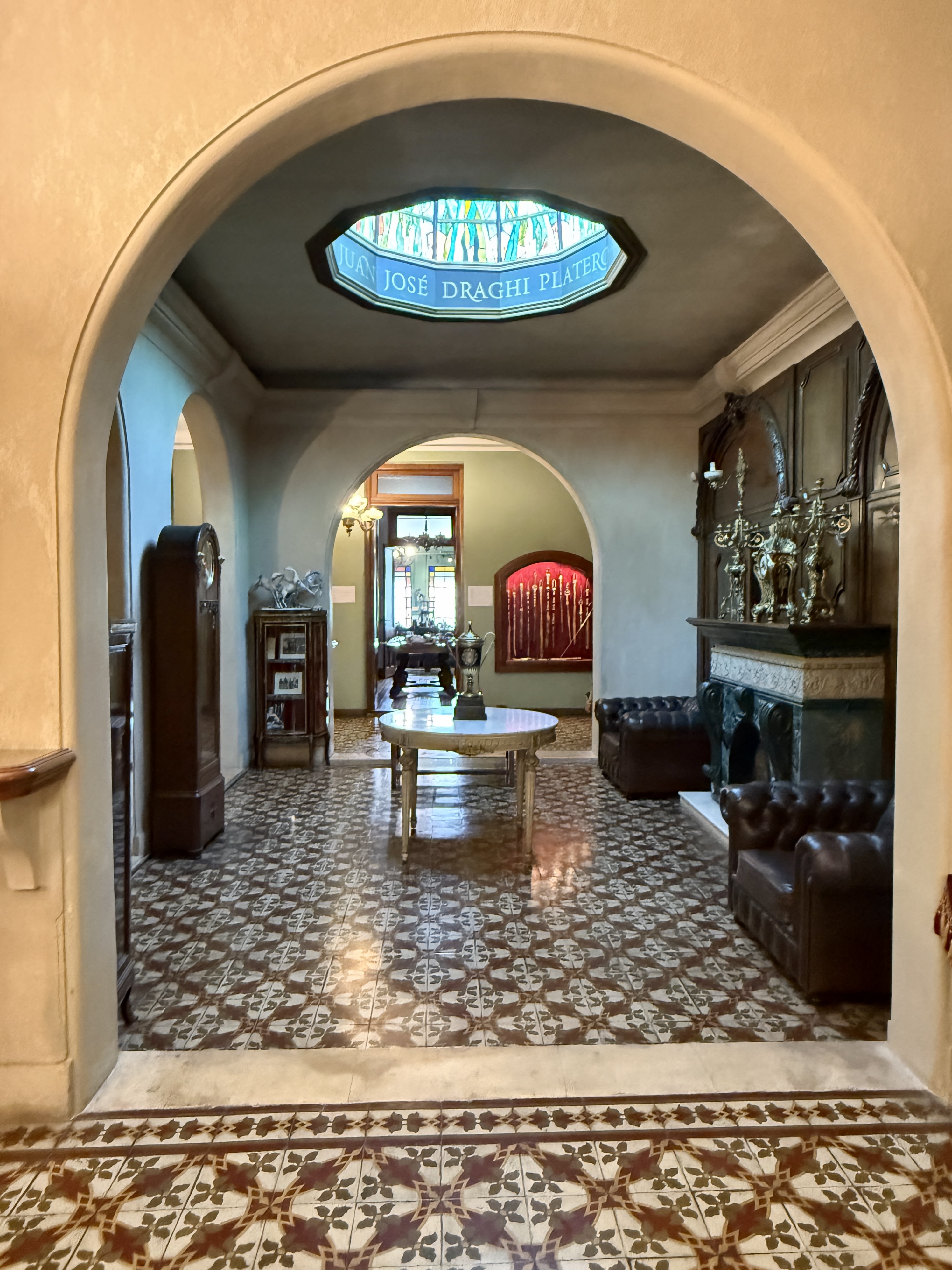
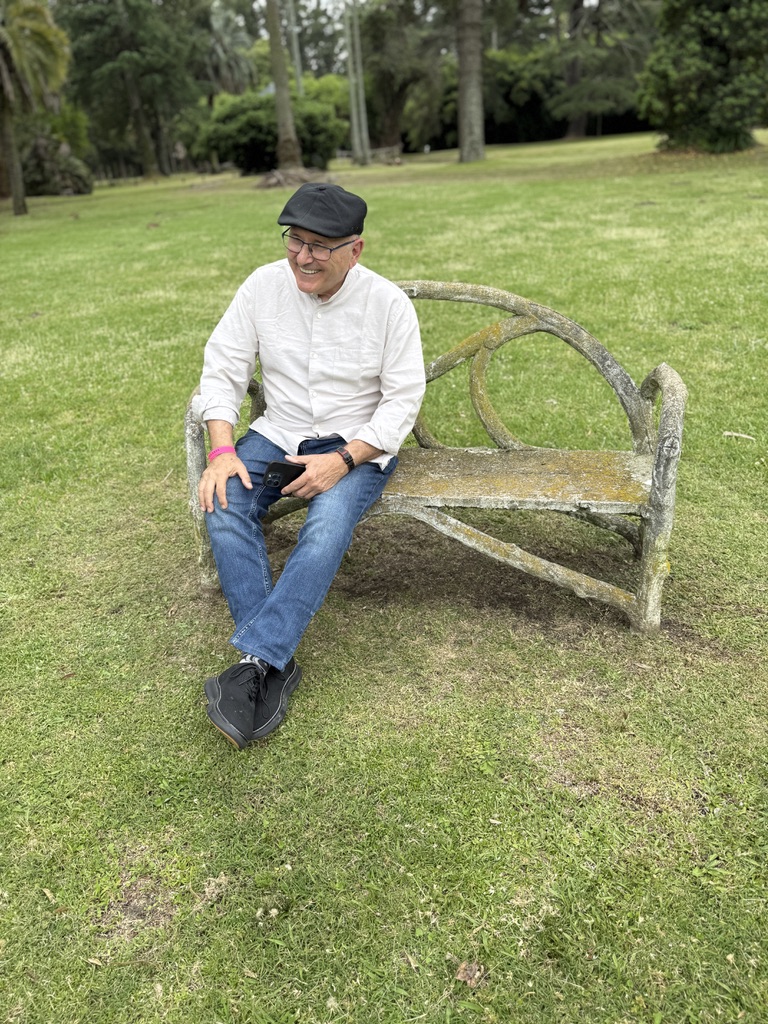
We stopped briefly at the gaucho museum; it was closed, but they let us peek in and also see what they had in the museum store. And I forced Mike to try on one of those ultra large berets that they wear here. We headed to the oldest building in Areco (a bar that serves empanada) to grab lunch, but alas it is closed on Mondays and Tuesdays. We had passed it last night and it was buzzing, crowded, and loud. Seemed like everyone was having a great time. But it was late and we needed to pack. It’s called Bessornart and we were told that the building ks sort of falling over and leaning which we could see from the street. Would have been nice to get inside. Next time!
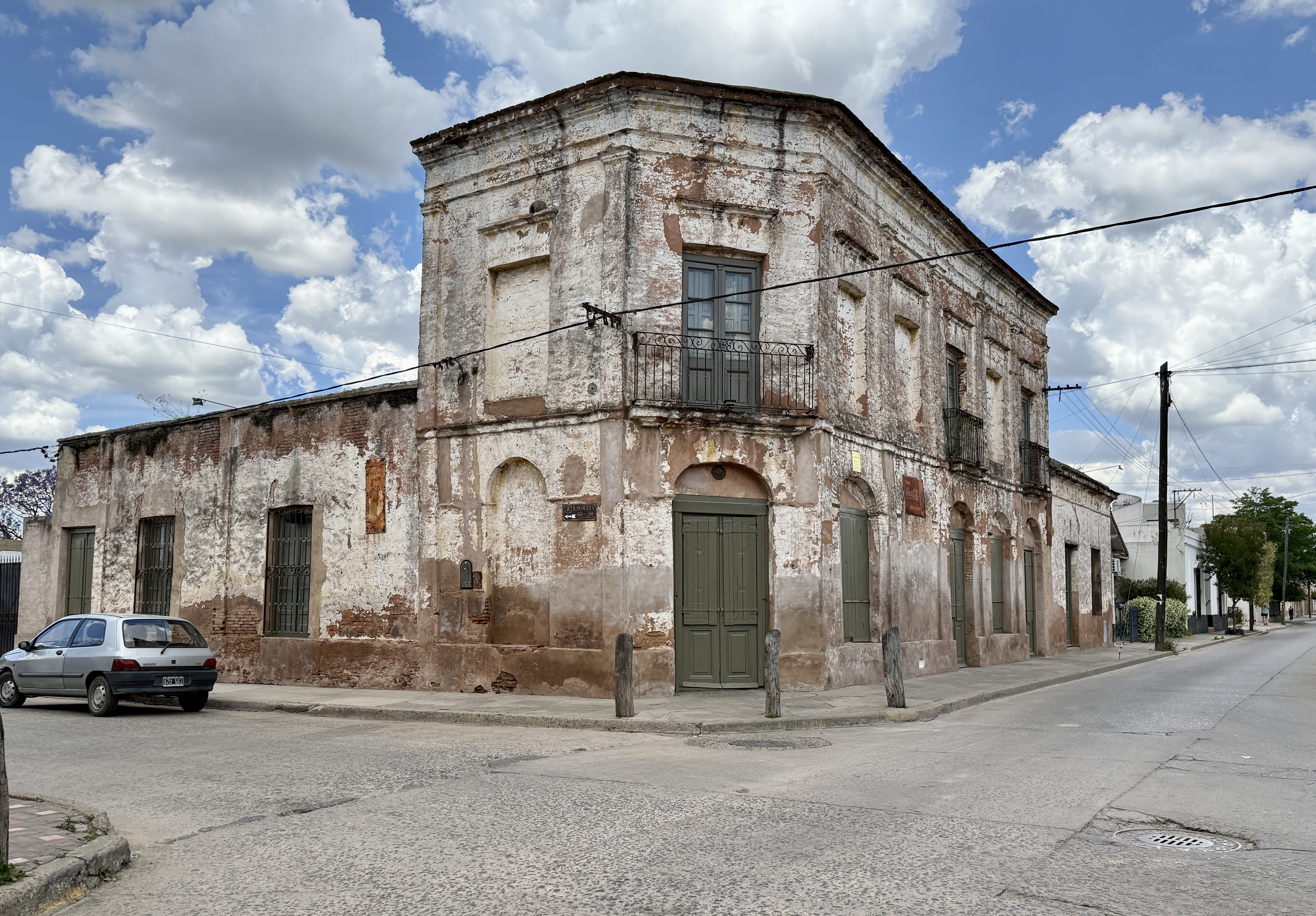
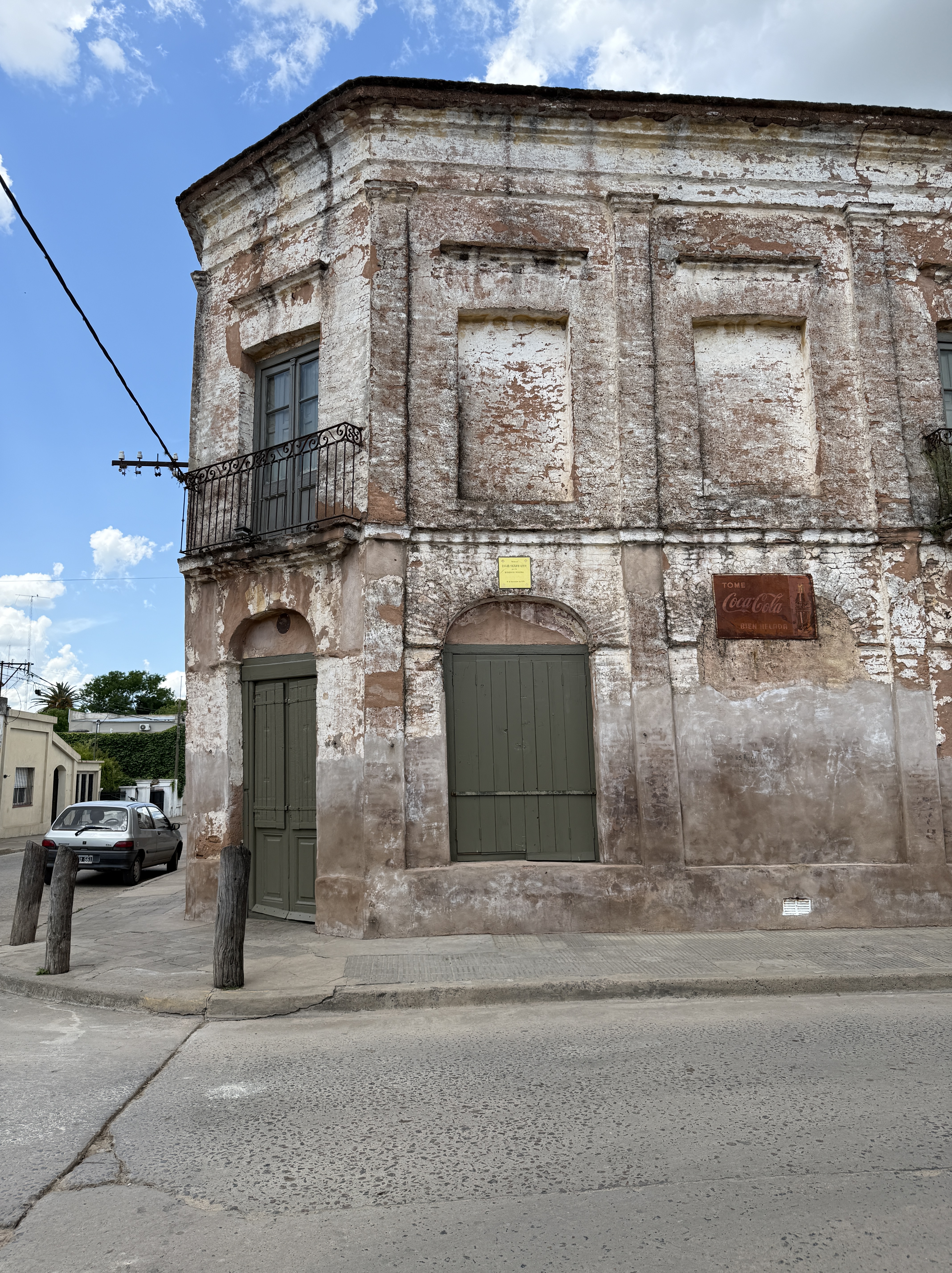

Then we headed back to Buenos Aires–a two hour drive–mostly through agricultural land; got lost only once and managed to go about two miles past the turnoff on the highway. to get to the rental car place; actually we were in the right lane which was an exit lane so we got off the highway and suddenly were in some road that took us under the highway and bypassed all the exits… But the trusty GPS figured it out and we made it to the car rental return (chatted with the clerk whose brother lives in Santa Clara!) and hopped into a taxi with a very nice driver who tried to make conversation. We did learn that he lives near the airport so he was happy with us as passengers since he was going to call it a day and go home right after dropping us off.
There are many more tales to tell and so many more experiences. We totally enjoyed Argentina (and also Uruguay). They are both beautiful countries, friendly people, and so much to more to see.
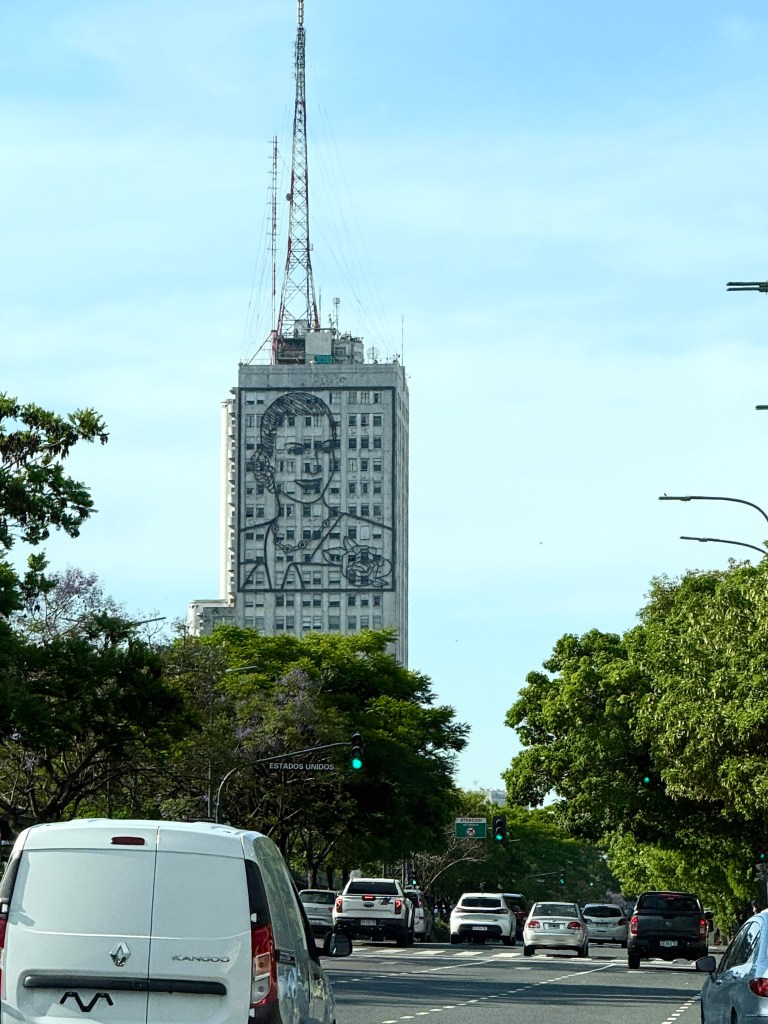
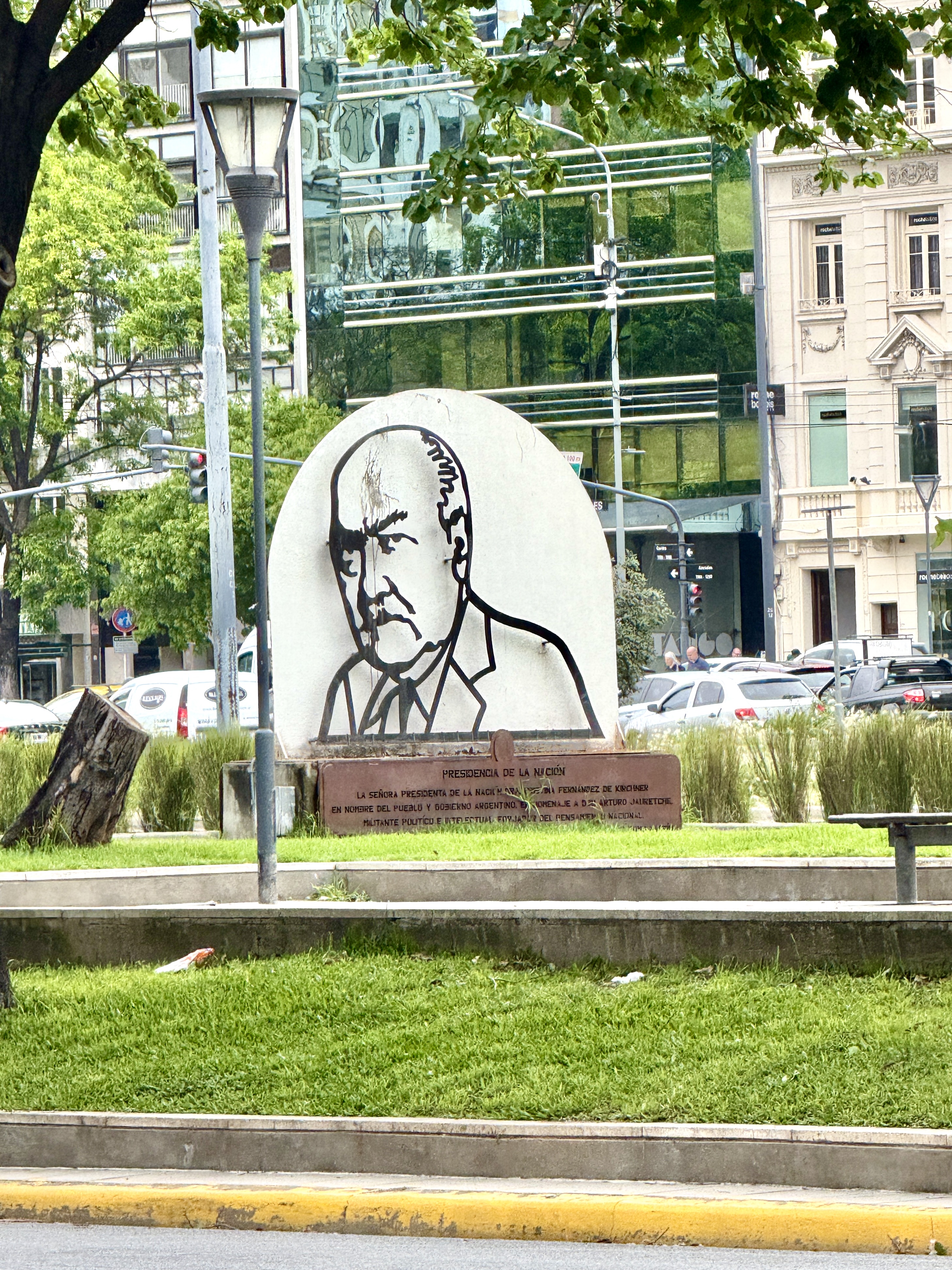
f you’re looking to leave the US, Argentina could be an option, but….. look who might decide to flee to Argentina—— Maybe he things he’ll get a portrait on the side of a building like Eva Peron.

November 2, 2025 . From Lobos to San Antonio de Areco . Argentina
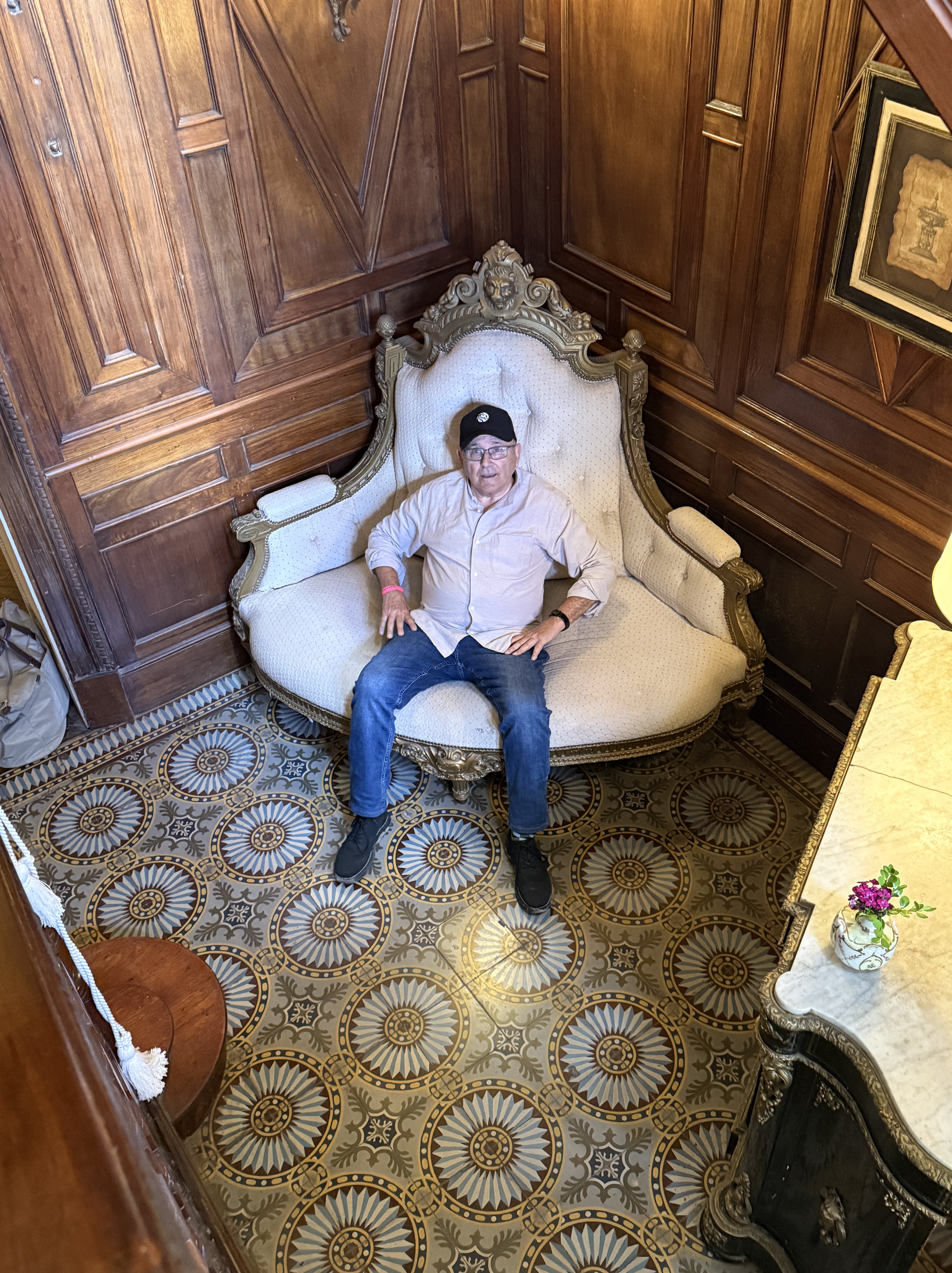
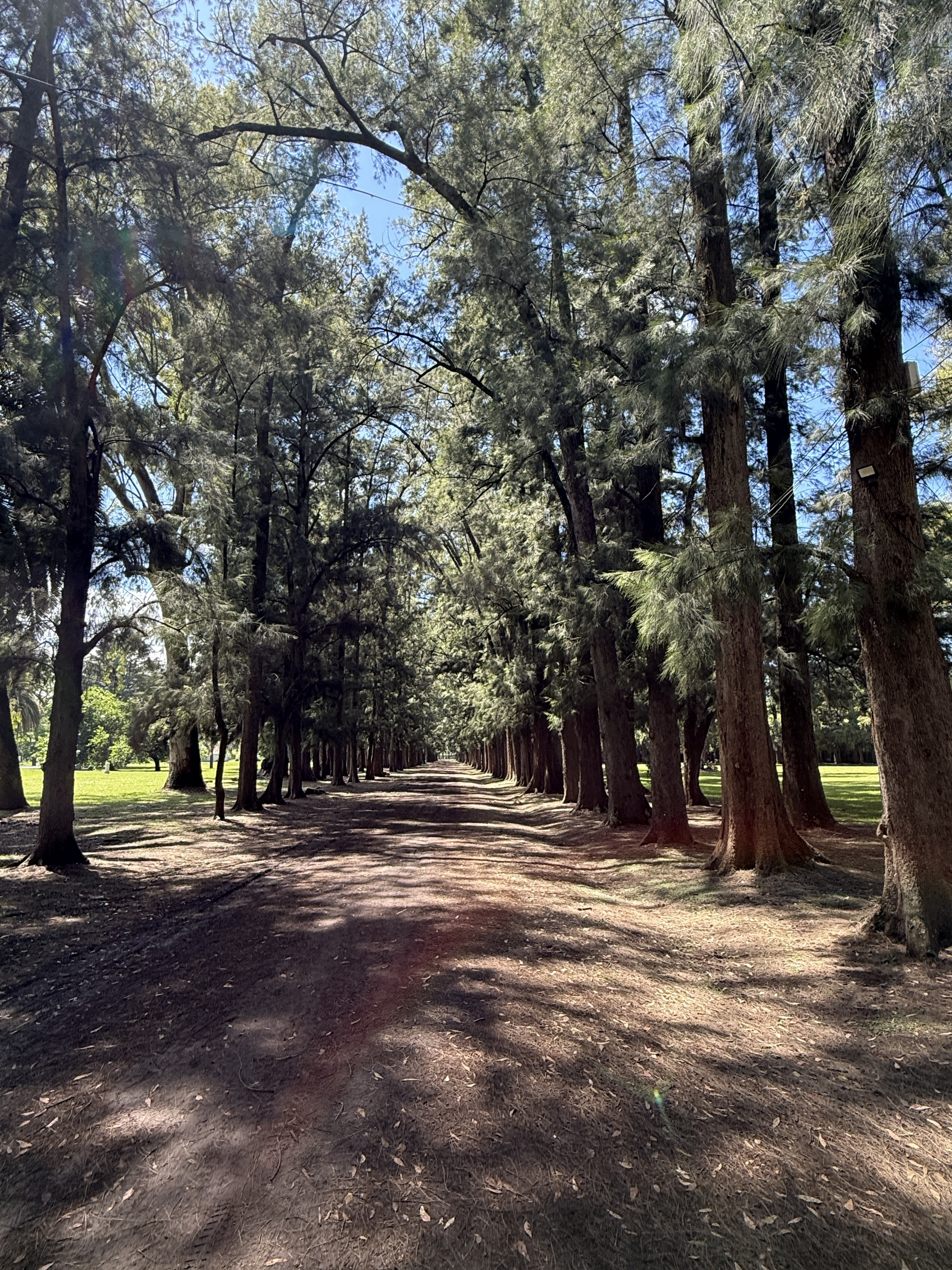
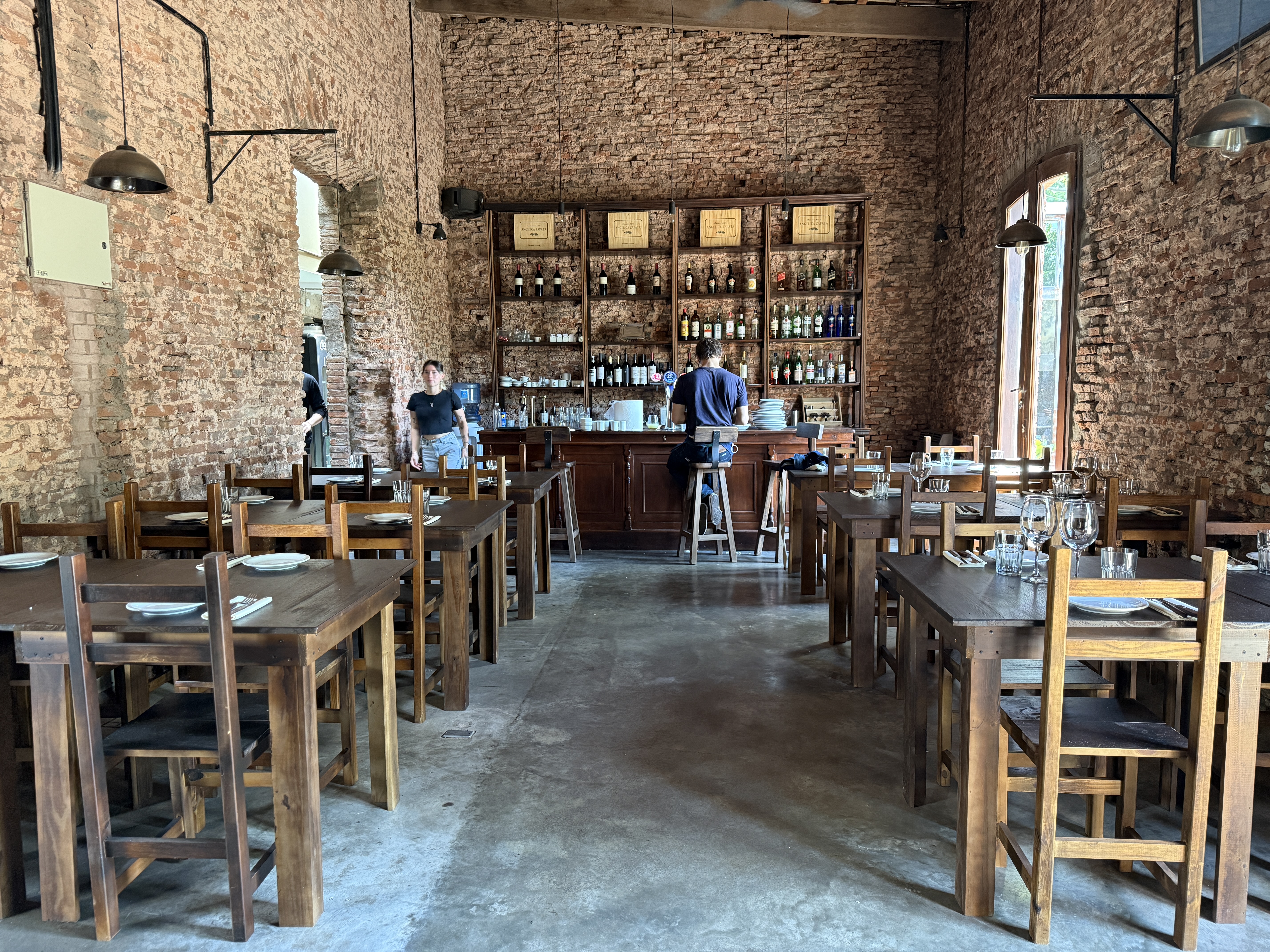

Greetings from San Antonio de Areco, about 70 miles northwest of Buenos Aires. It has a population of about 26,000.
We began our day at the “castle” (see yesterday’s post for information about Estancia La Calendaria) and after breakfast began our two-hour drive, knowing we’d probably make a lot of stops en route. Most of the drive was one lane in each direction, well paved, and flat. Lots of greenery, agriculture, and a few small towns. About 2/3 of the way, we randomly took a turnoff and went to the town of Mercedes — population 65,000. It was very sweet and seems quite prosperous, I assume as a result of the agriculture industry that surrounds the town. Many architecturally designed, fairly new houses. Strolled a bit and then decided to stop for a pizza (!) at a very sweet indoor/outdoor place called “El Triangulo.”
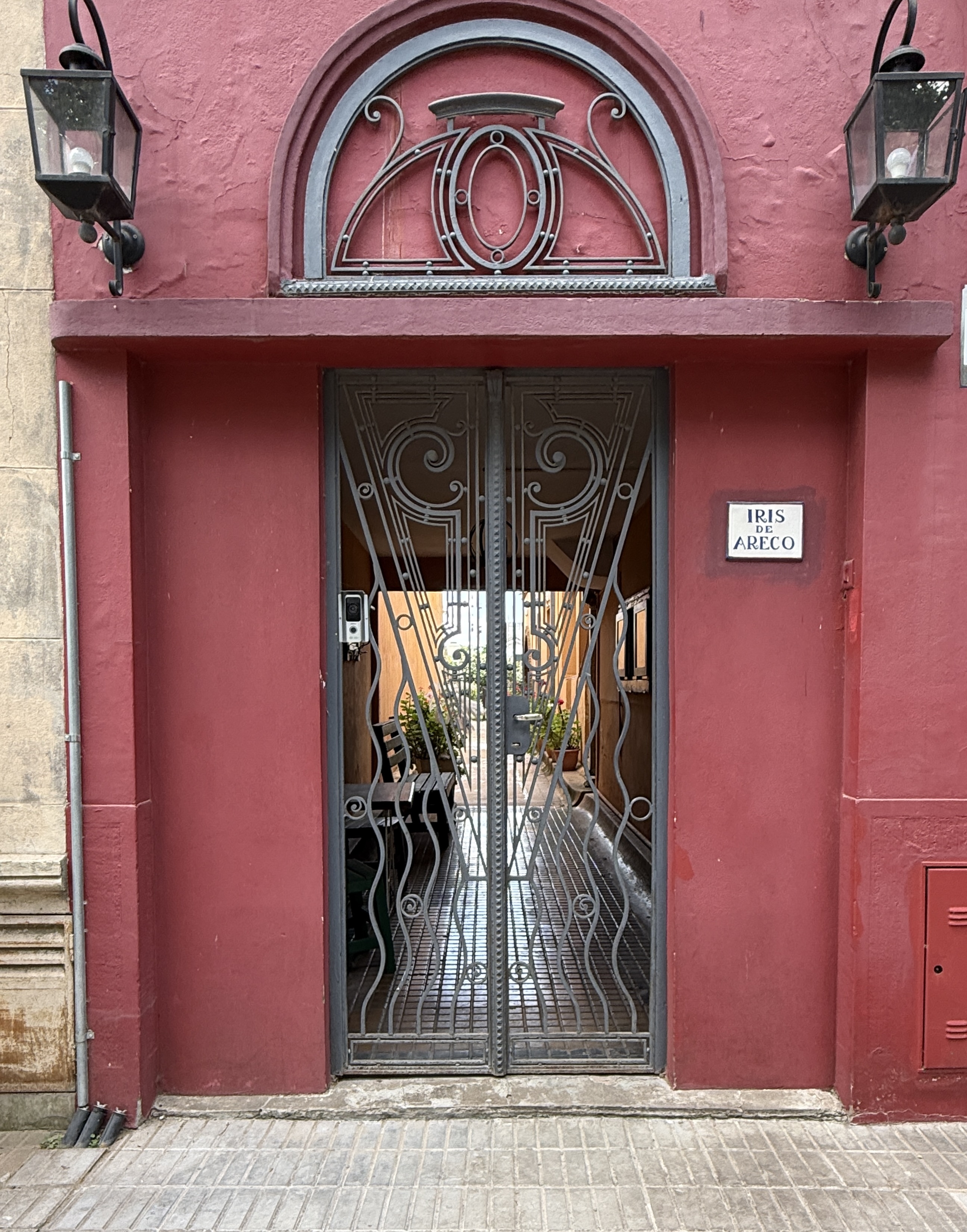
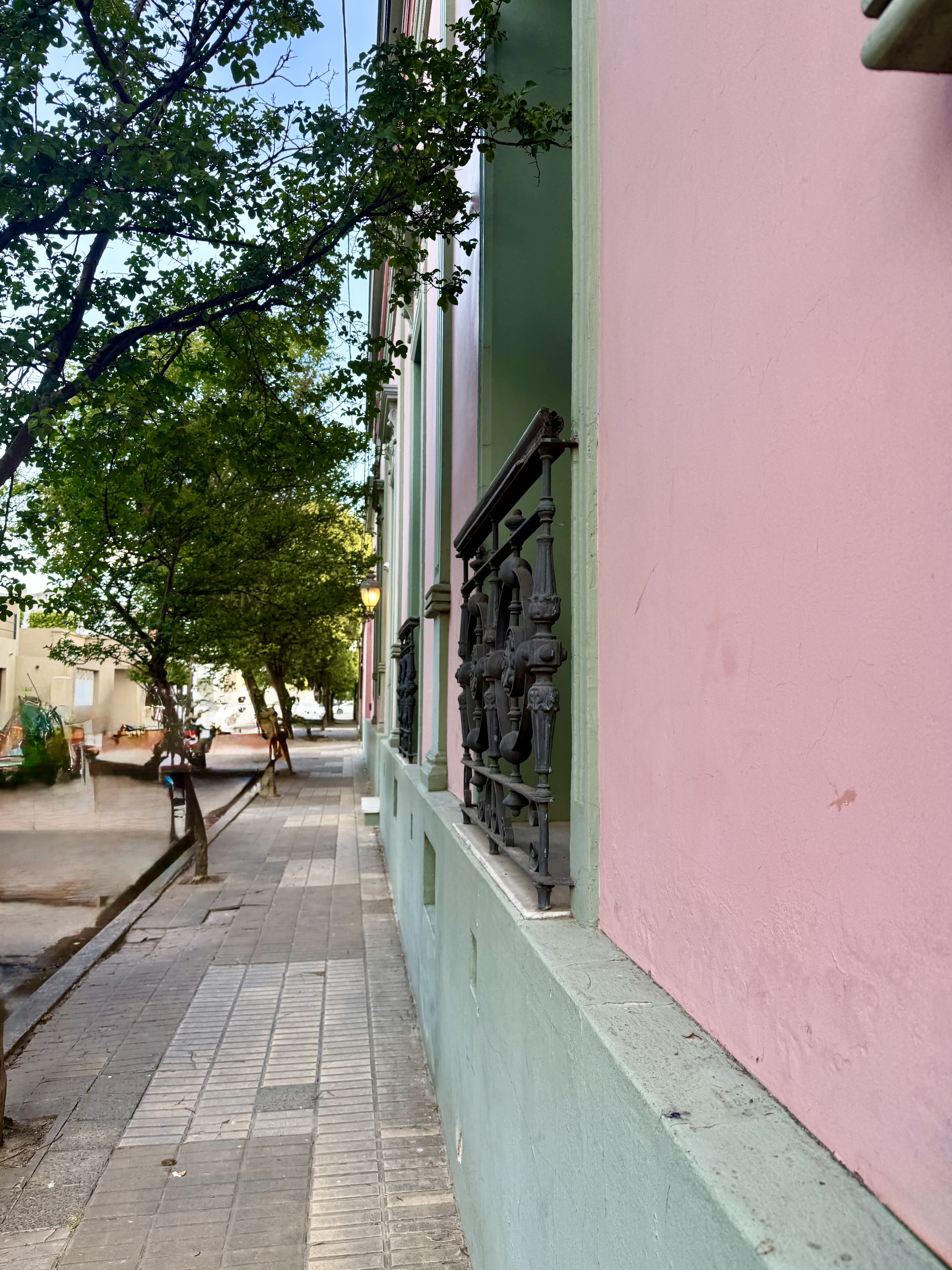
Then we headed back on the main road to San Antonio de Areco, a very old colonial town—with a perfect grid of streets, all one-way streets–where in some ways it seems time has stood still; still in many ways it’s pretty modern. There are a lot of artisans and numerous shops selling wares for the equestrian and gaucho crowd–belts decorated with coins (rastra), silver knives (facón), and leather boots. San Antonio de Areco was given the title “National Capiral of Tradition.”
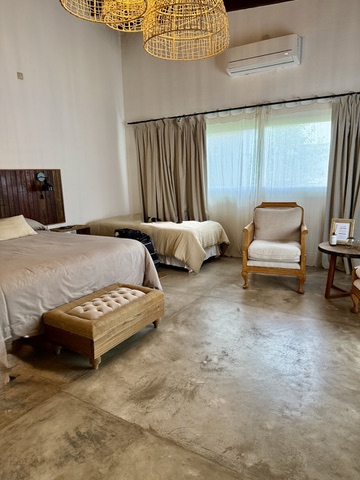
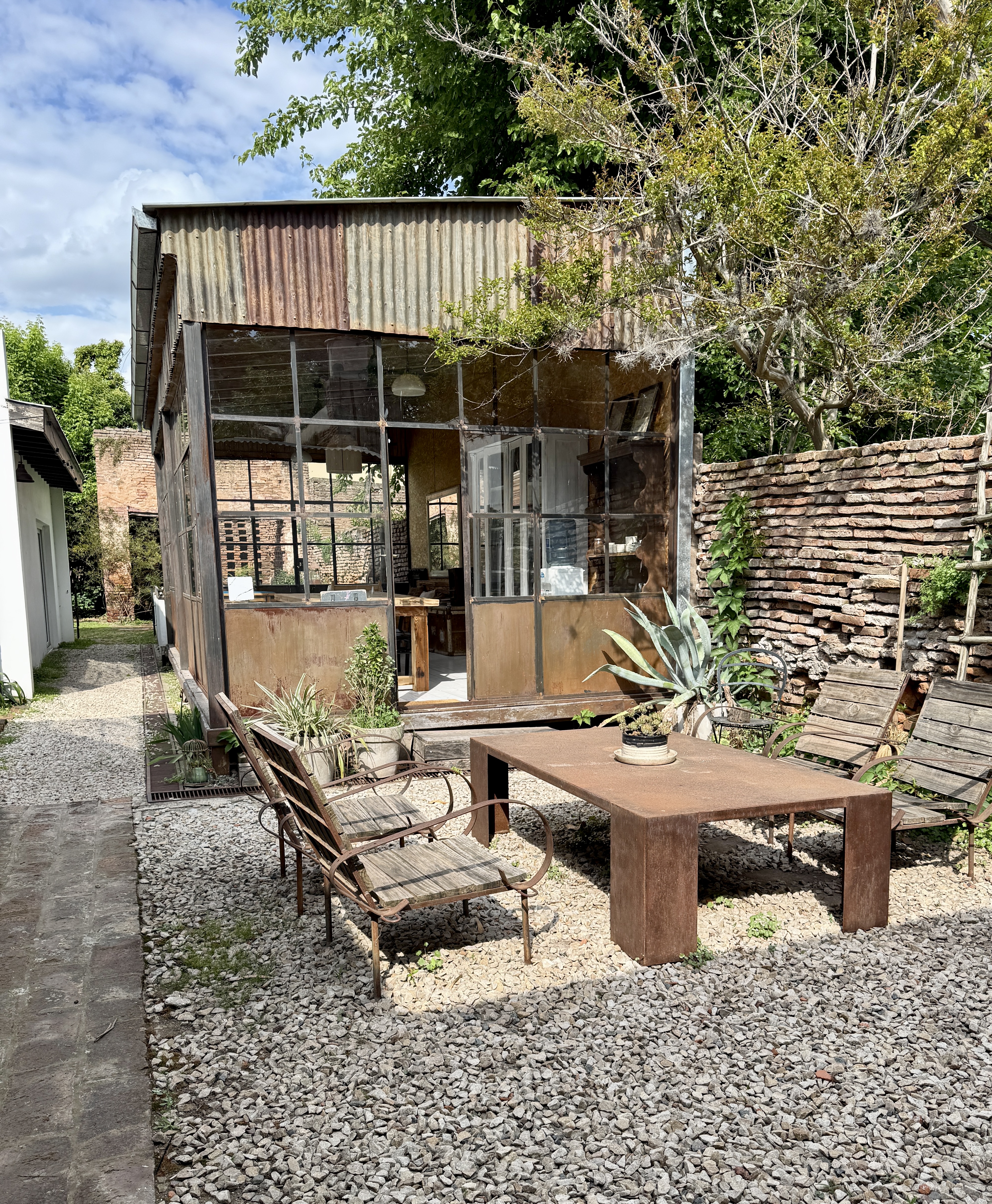
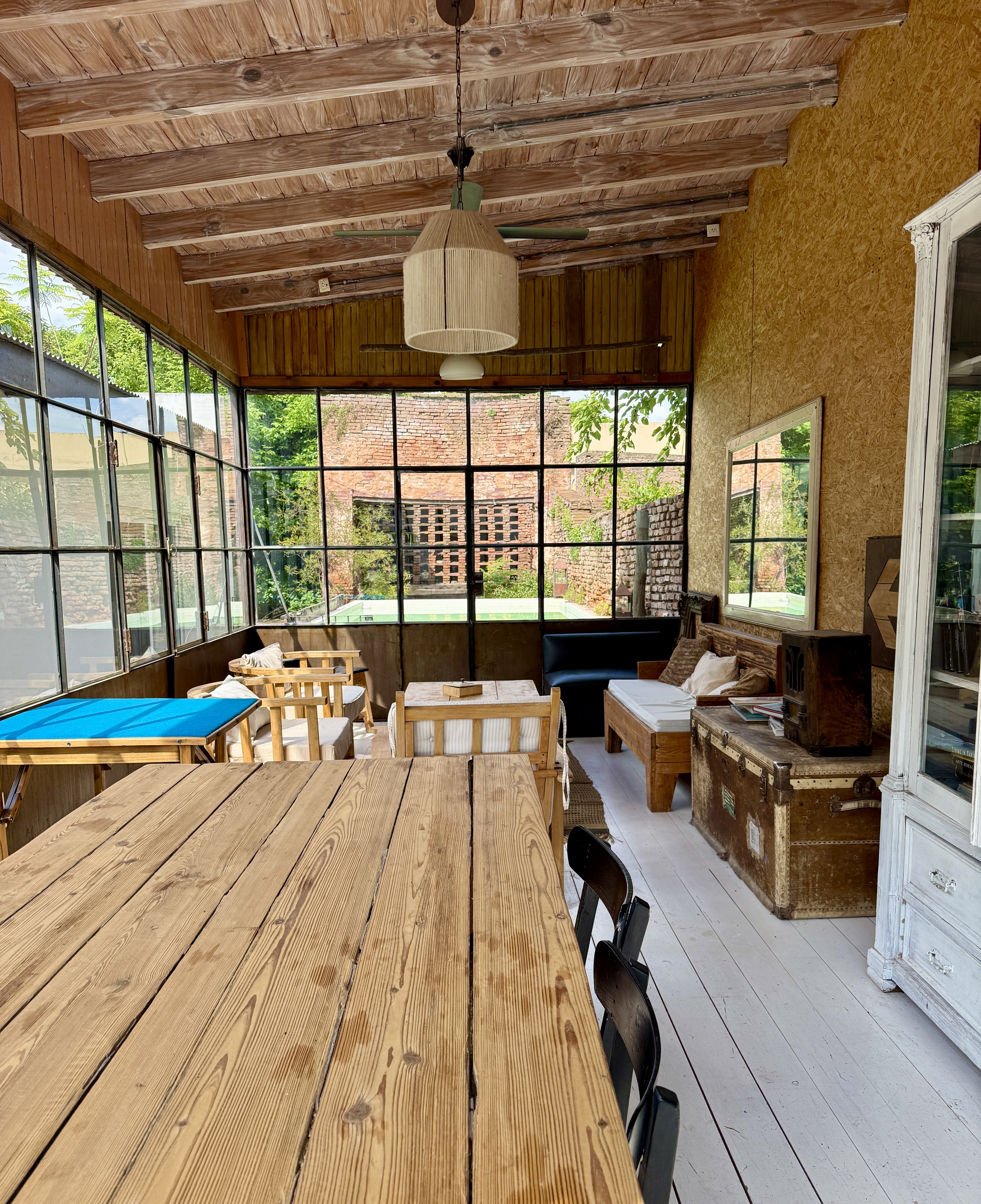
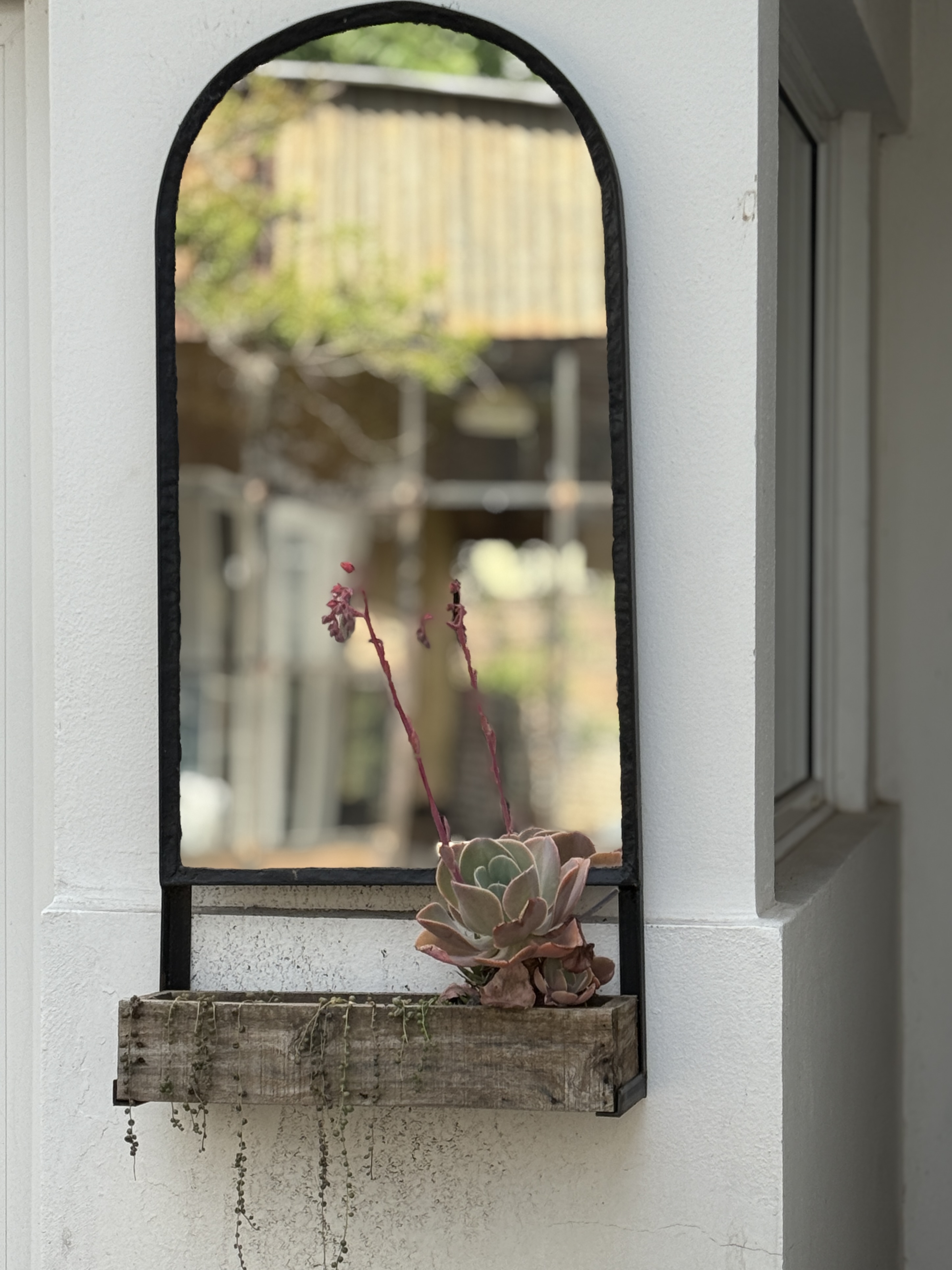
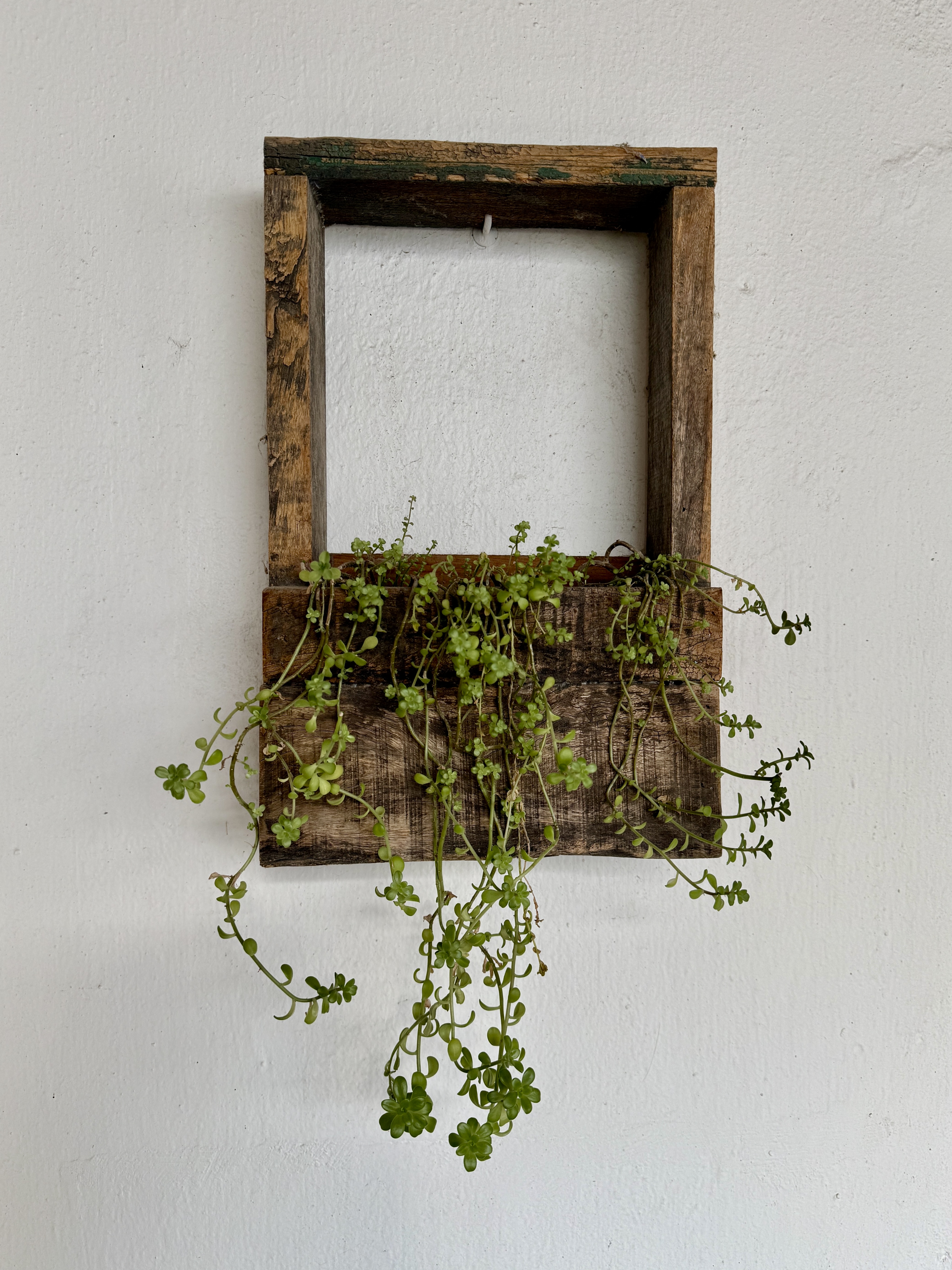
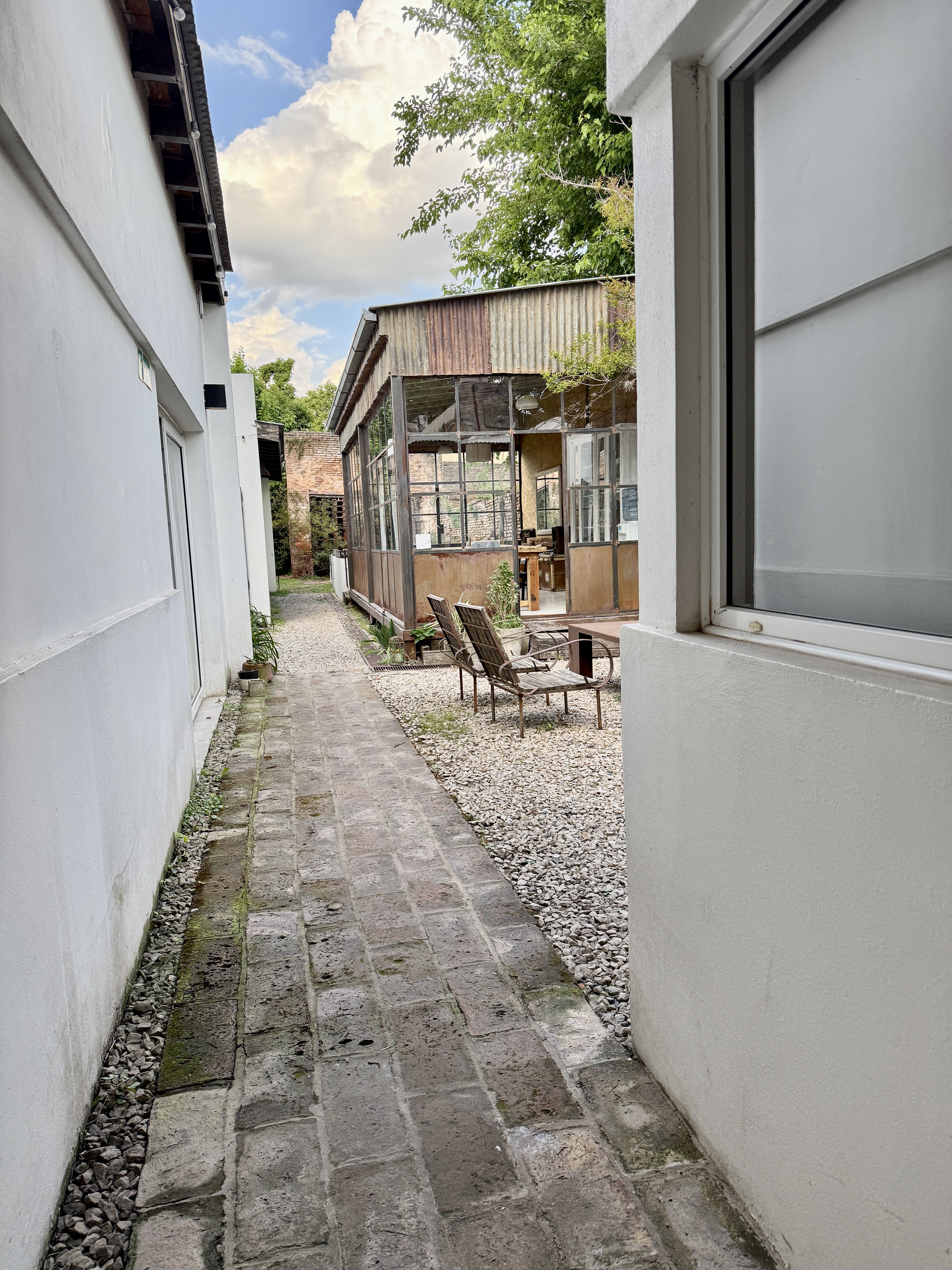
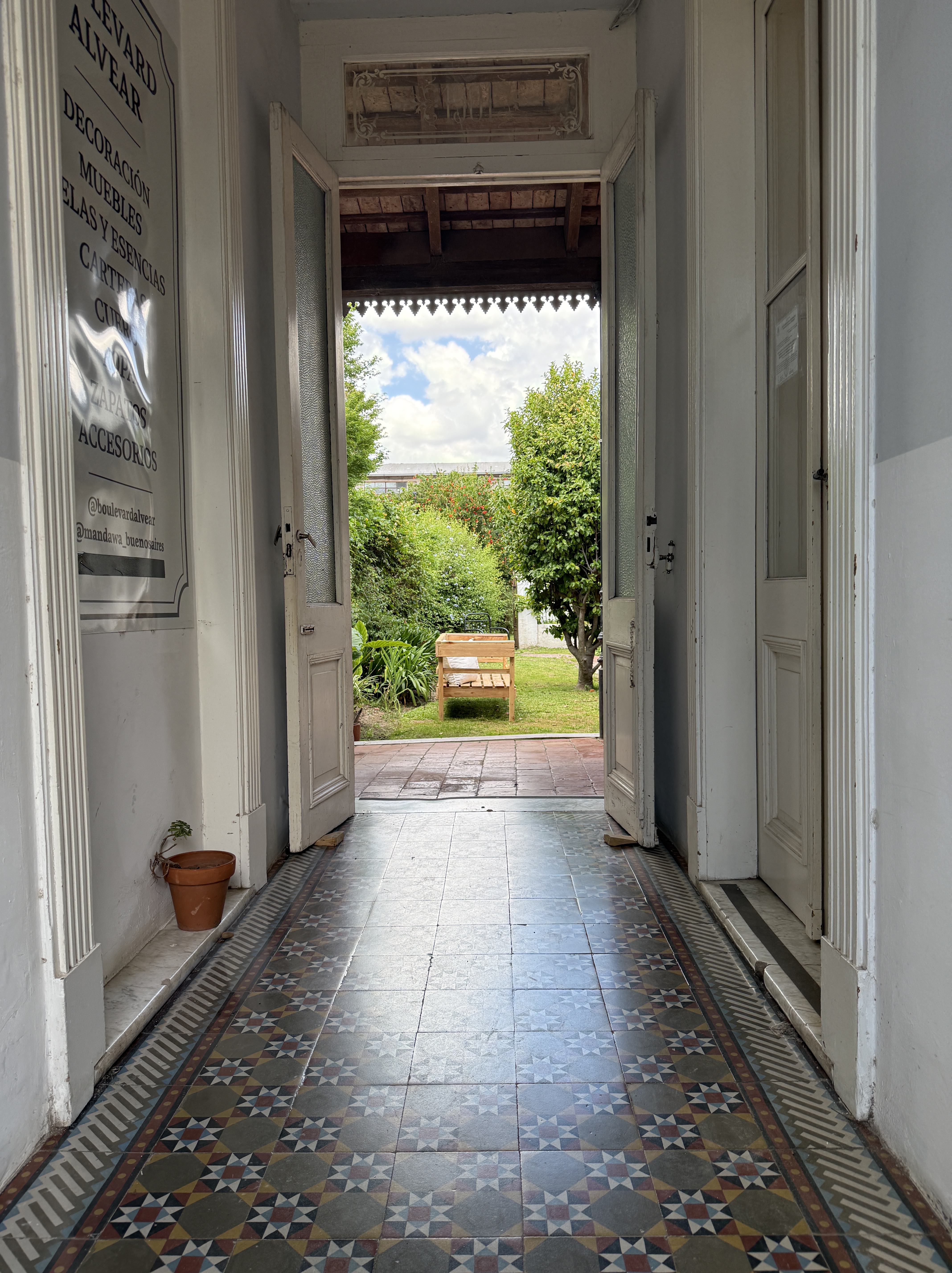
We are staying at a small hotel on the edge of Plaza Gomez; four rooms; totally charming; and very photogenic, as I hope you can see. We are the only guests and the front desk closes at 7:00 pm. so we are truly alone–the only people at the hotel; no staff after 7. Seems like a safe little town, and we have the phone number of the owner…. just in case. Lots of wood and taseful locally-made furniture. They have a lovely shop attached to the hotel and also a coffee shop (where we will have breakfast). The shop sells beautiful leather vests and wool shawls. I’ve already tried on a few but nothing fits me correctly. And most of the other goods are pottery so that’s too difficult to carry back.
First a little history and then I’ll describe the town as we saw it when we walked this afternoon. San Antonio de Areco was founded in 1730, with a chapel dedicated to Saint Anthony of Padua. Before the Spanish conquest, the area was inhabited by various indigenous communities, but once the Spaniards pushed for their form of “civilization,” the indigenous tribes disappeared, and there was intermingling between indigenous people, conquerors, and enslaved Africans. That is supposedly how the Gaucho was born—a mixed-race male with dark skin and they say also with a raging temperament.
The main square used to be the corral for the ranchers who founded this place into a city in the early 1800s. In the mid-1800s a bridge was built that required a toll–supposedly the very first toll in all of Argentina.
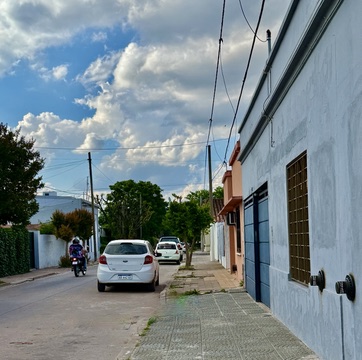
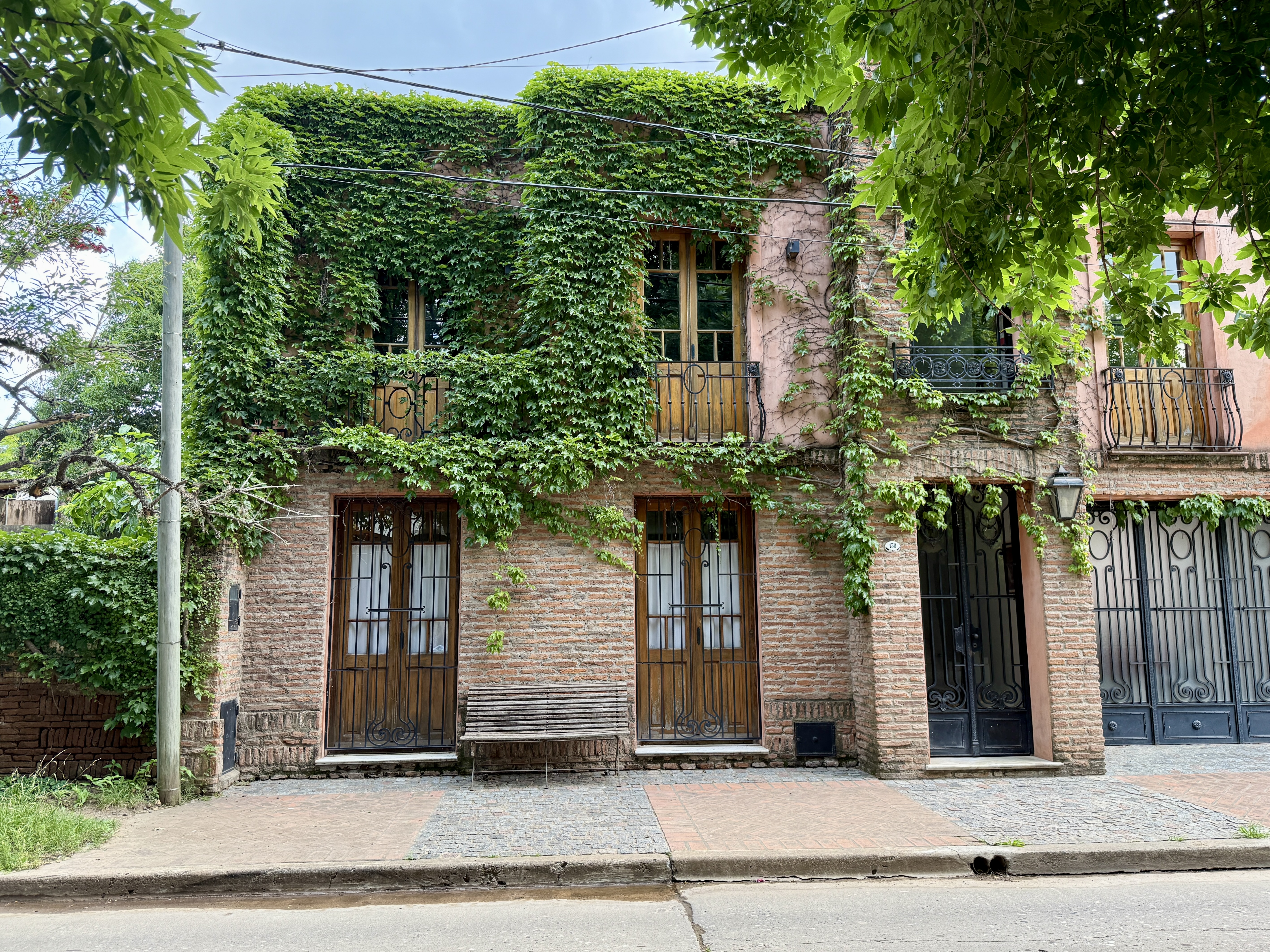
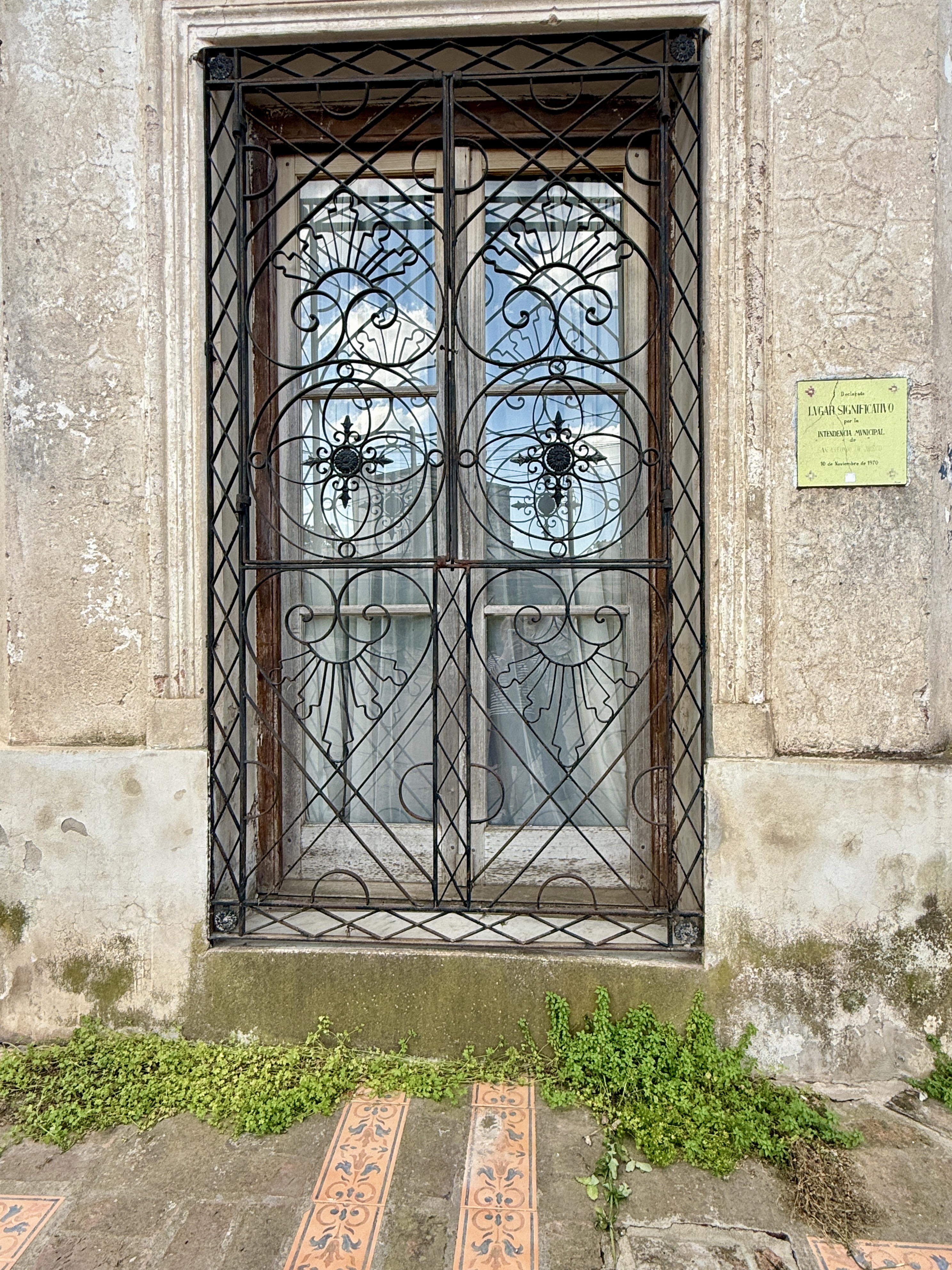
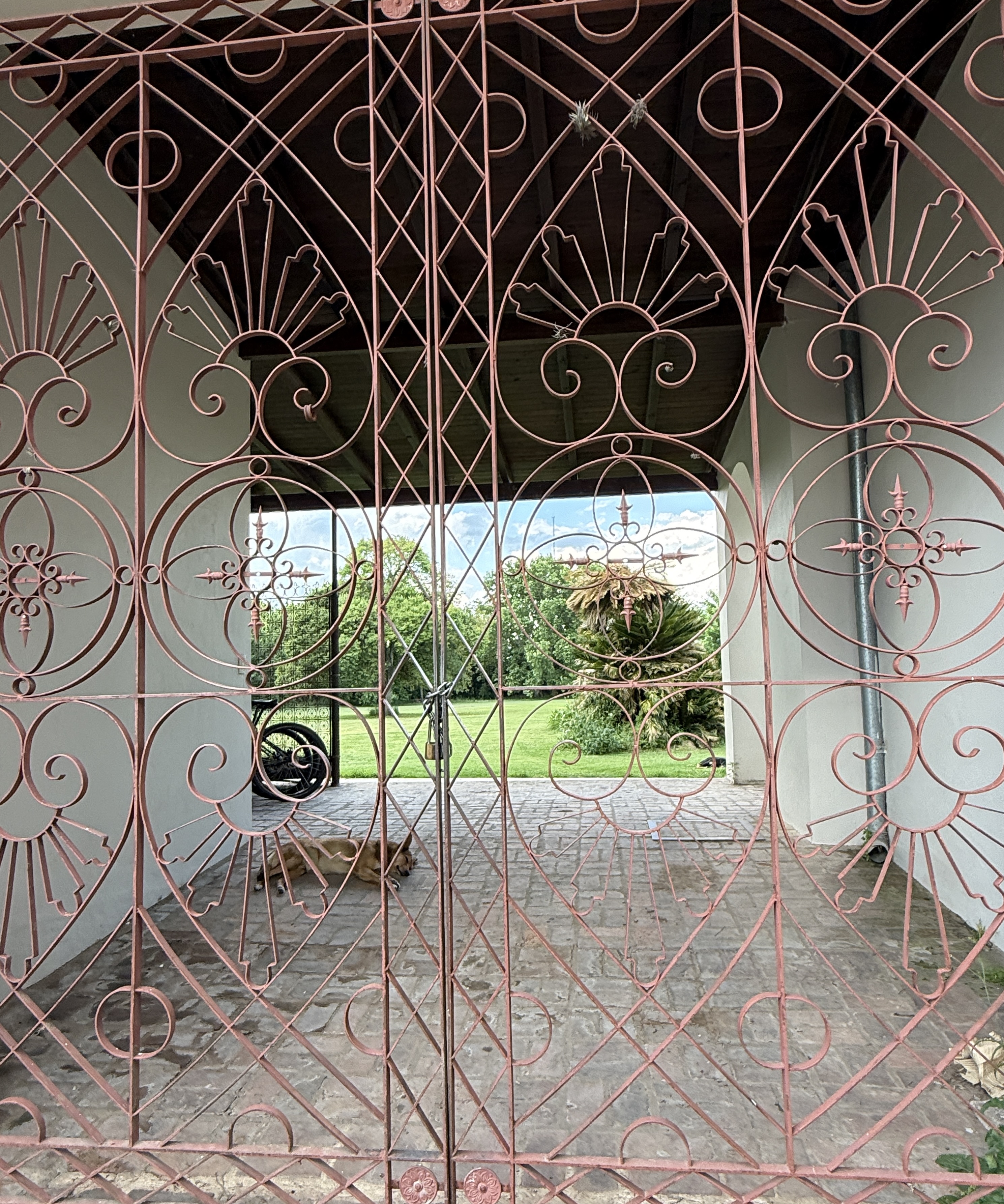
There is a gaucho museum in town; maybe we’ll check it out tomorrow before we head to Buenos Aires. And the town is also famous because of a book that told the story of a gaucho and an orphan, written by a famous Argentine author (Ricardo Guiraldes) who lived in San Antonio de Areco for many years. From what I could glean from very quick research, the book is about a poor man who is “richer” than everyone else because having nothing, he desired nothing more—an idealized vision of poverty. Anyway, the gauchos settled in this area and grew their cattle herds on lands belonging to ranchers.
And we learned that there is an annual gathering of the gauchos which would have been fun to experience. It takes place in about a week. Next time, better planning. The only downside of San Antonio de Areco is that it is pretty muggy due to the river that runs along the edge of the town.

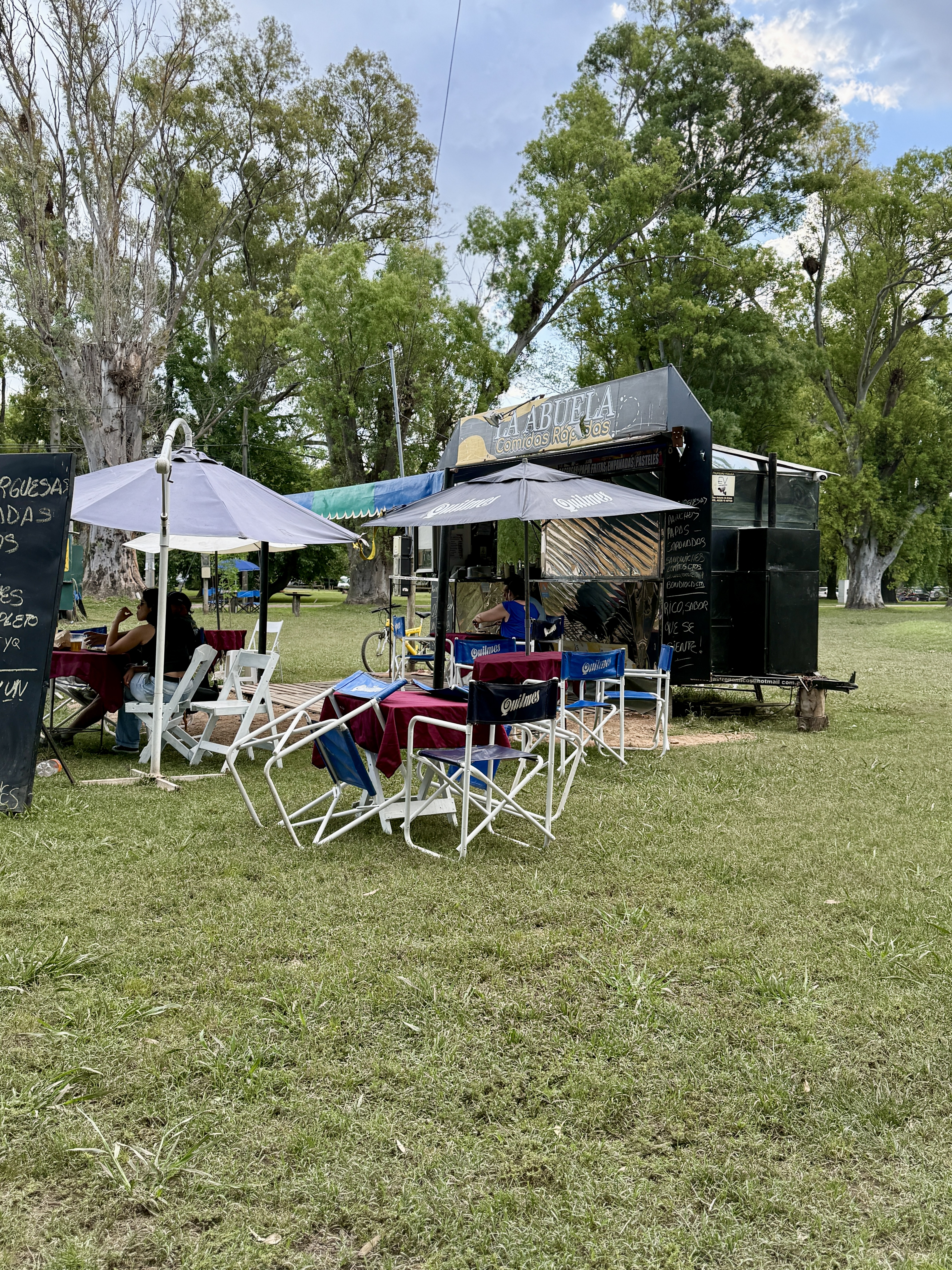
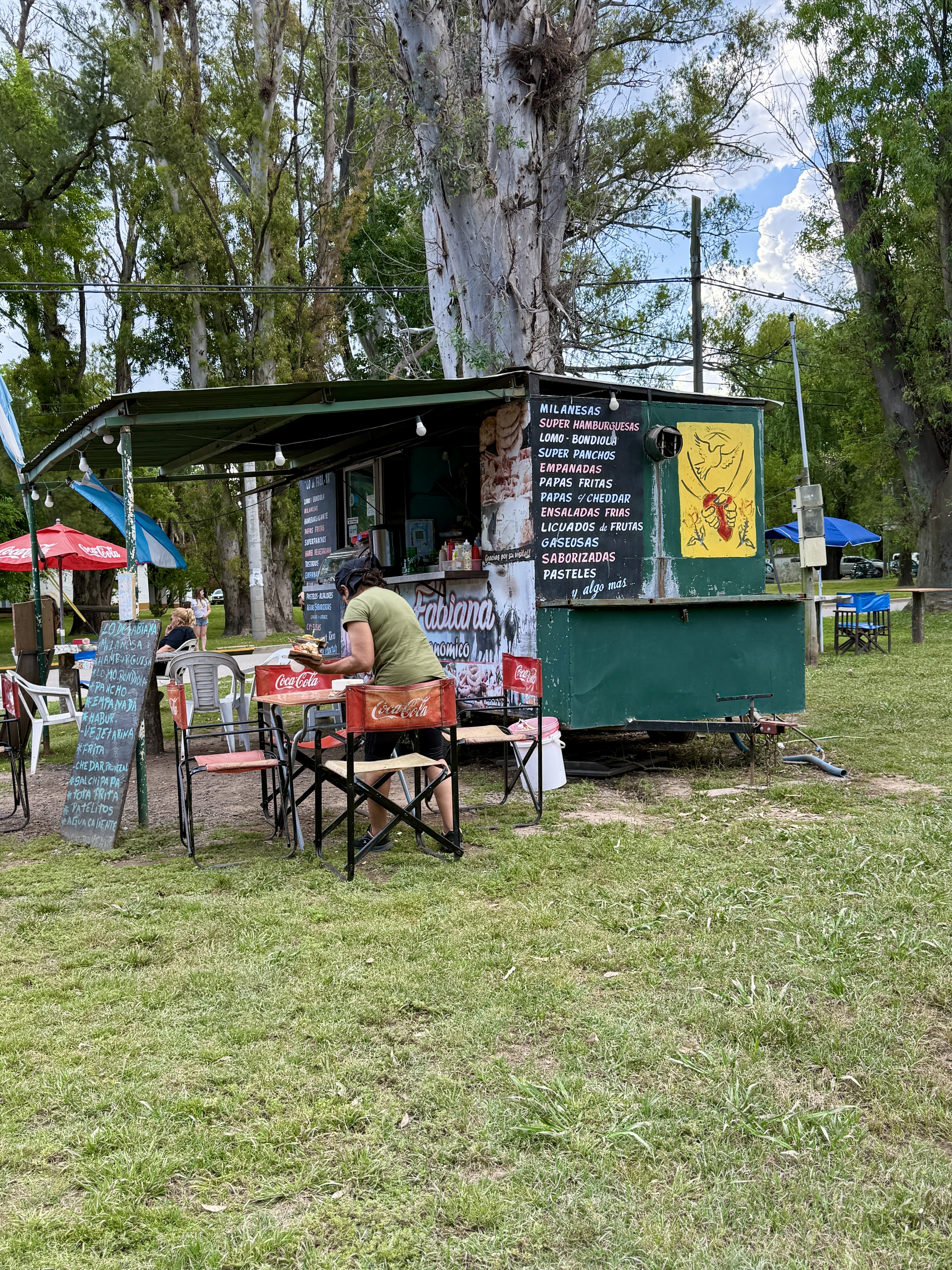

The young woman at the hotel, who tried so hard to explain things in English (we were about equal in terms of my Spanish and her English) suggested some restaurants, including her favorite. Turns out she is vegan so her favorite restaurant serves vegan, vegetarian, and gluten free foods. It’s probably good, but we are in Argentina—land of beef. So funny that she can be vegan in this country! Anyway, she and the young woman in the hotel’s coffee shop made four suggestions. The best one sounded like Colorado, so we decided to stroll there to take a look. But Colorado is closed on Sundays, along with three of the suggestions. So we reluctantly decided to go to Almacen de Ramos Generales.
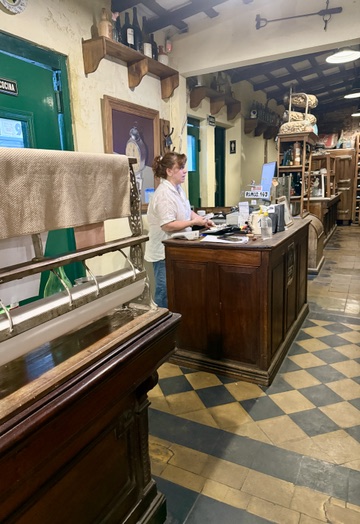
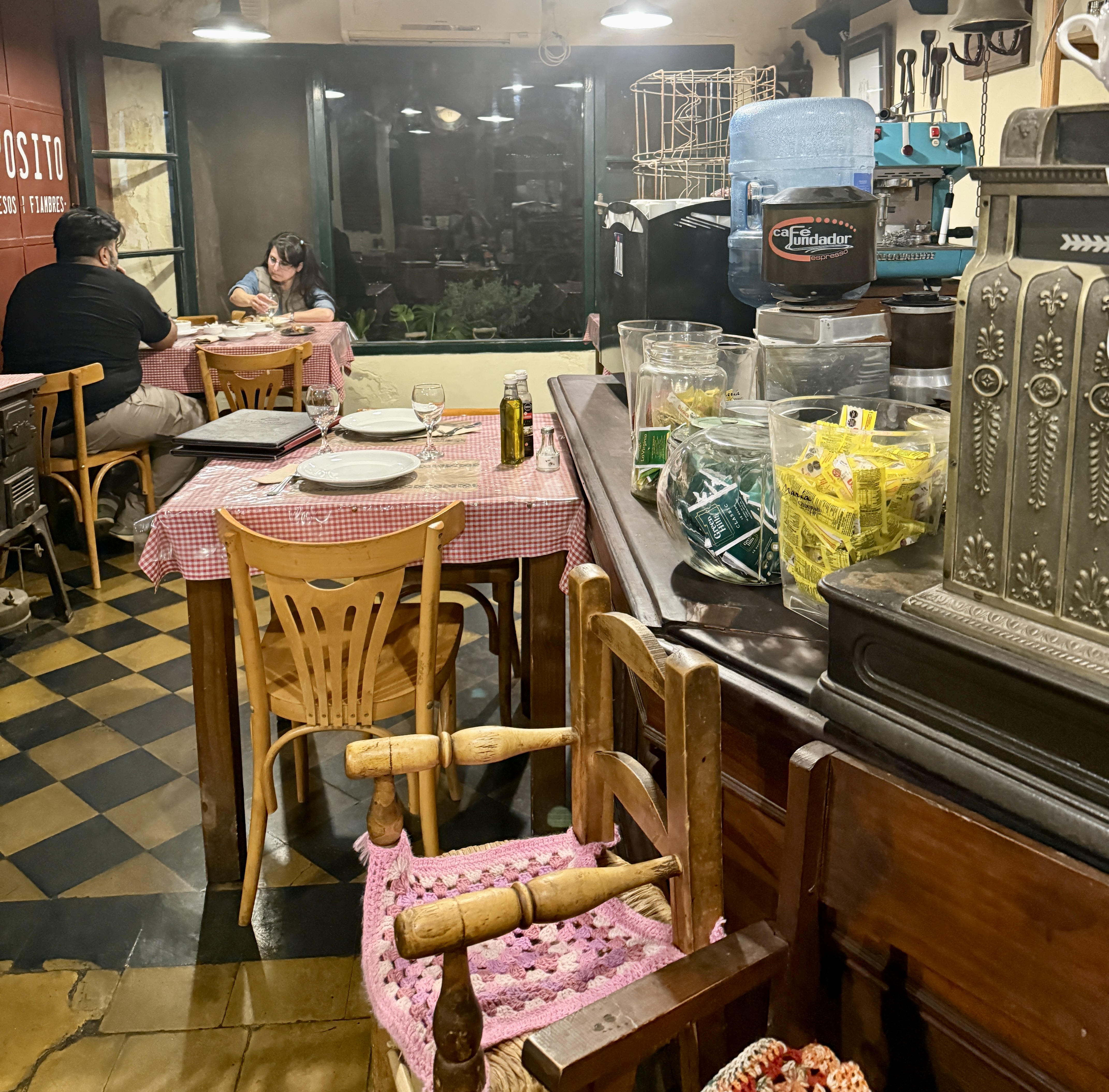
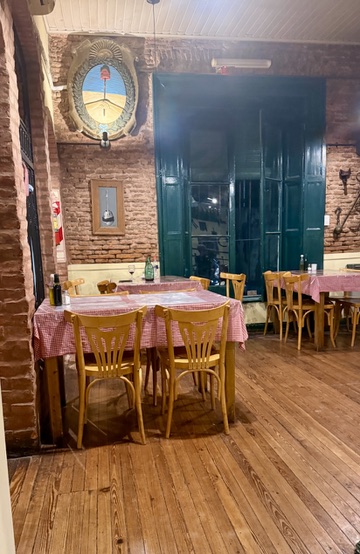

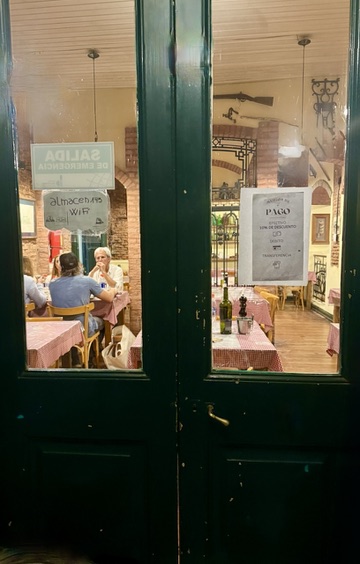
Almacen de Ramos Generales was fine; not great but everyone very attentive. We had (yet again) sweetbreads–one portion that could have served 8 people, and a pasta dish that was somewhat bland… and a chocolate mousse that also could have fed a table of four or five. And a carfe of the house wine which they said had 3-4 glasses, but by my count would have about 6 glasses had we finished it all. We managed to find our way back to the hotel and now we are all alone here. We did meet up with the owner/manager as we were leaving for dinner. Nice guy who said he lived just two blocks away, so if there was any problem to WhatsApp him and he’d be here in 2 minutes. Hopefully we won’t need him.
That’s it… Tomorrow we drive back to Buenos Aires, return the car… and head to the airport. Will likely post a short note tomorrow.. but basically… Argentina—we will return. So much more to see and do.
November 1, 2025 . Amid the horses and cattle in Lobos Argentina.
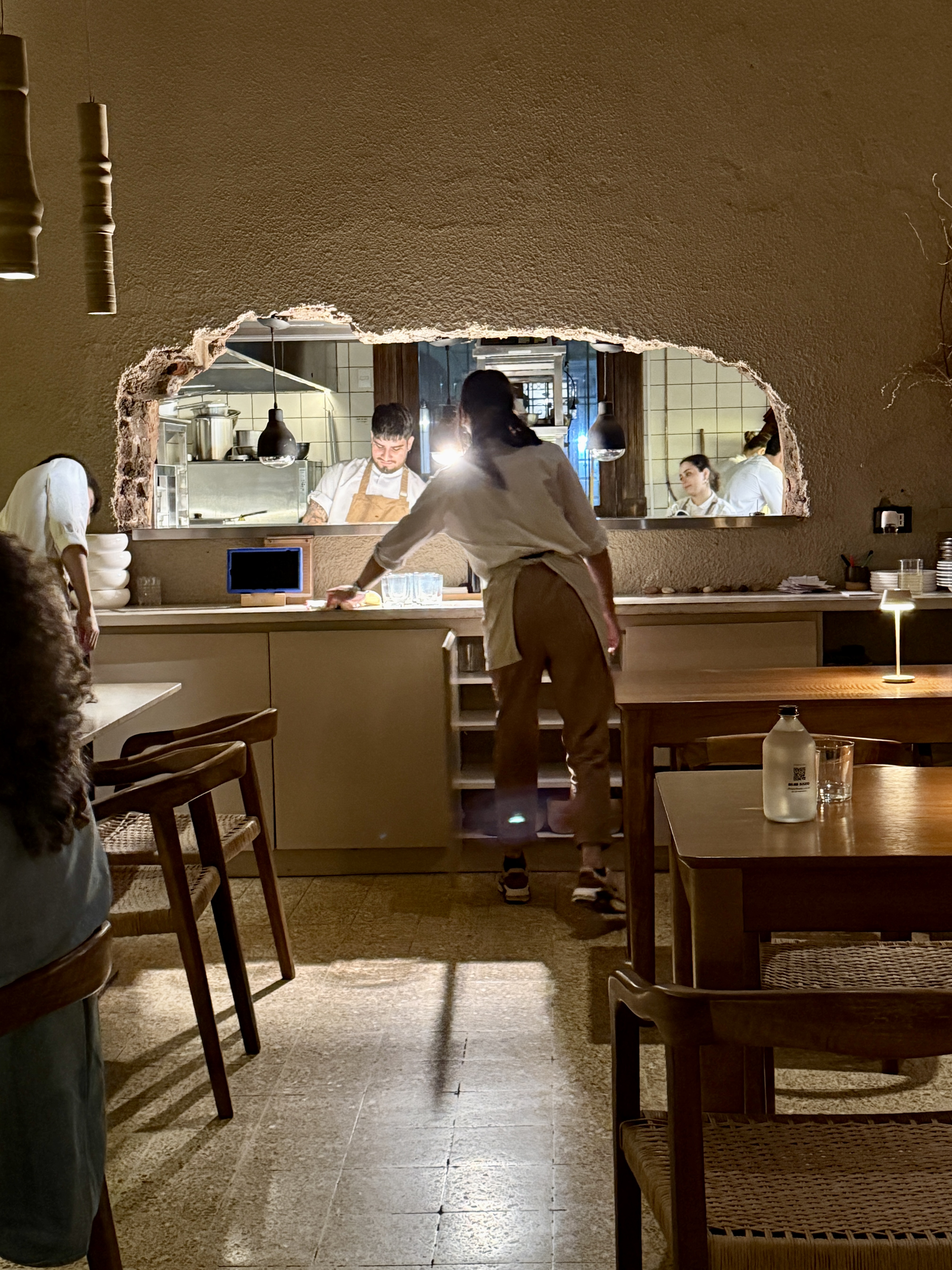
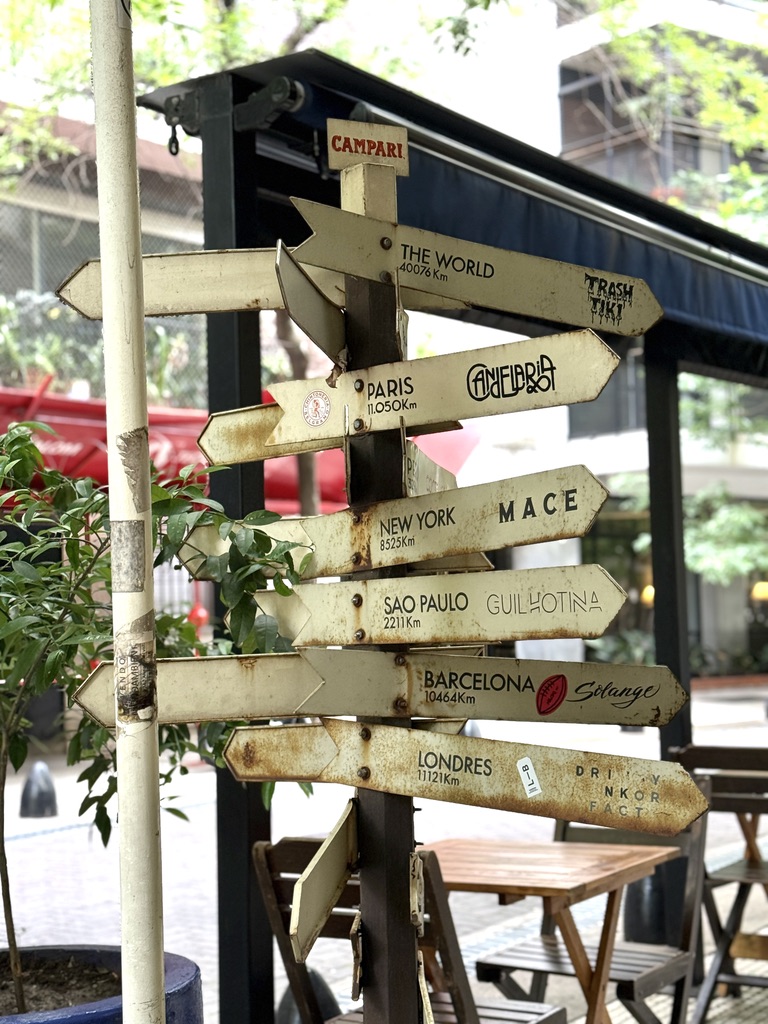
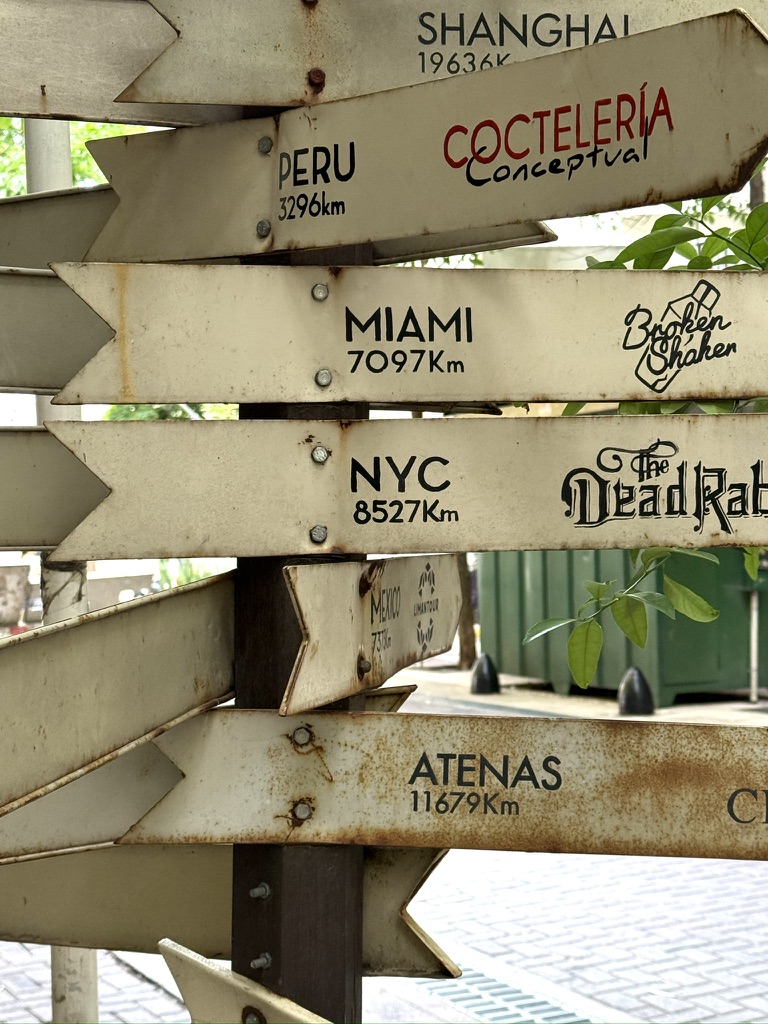
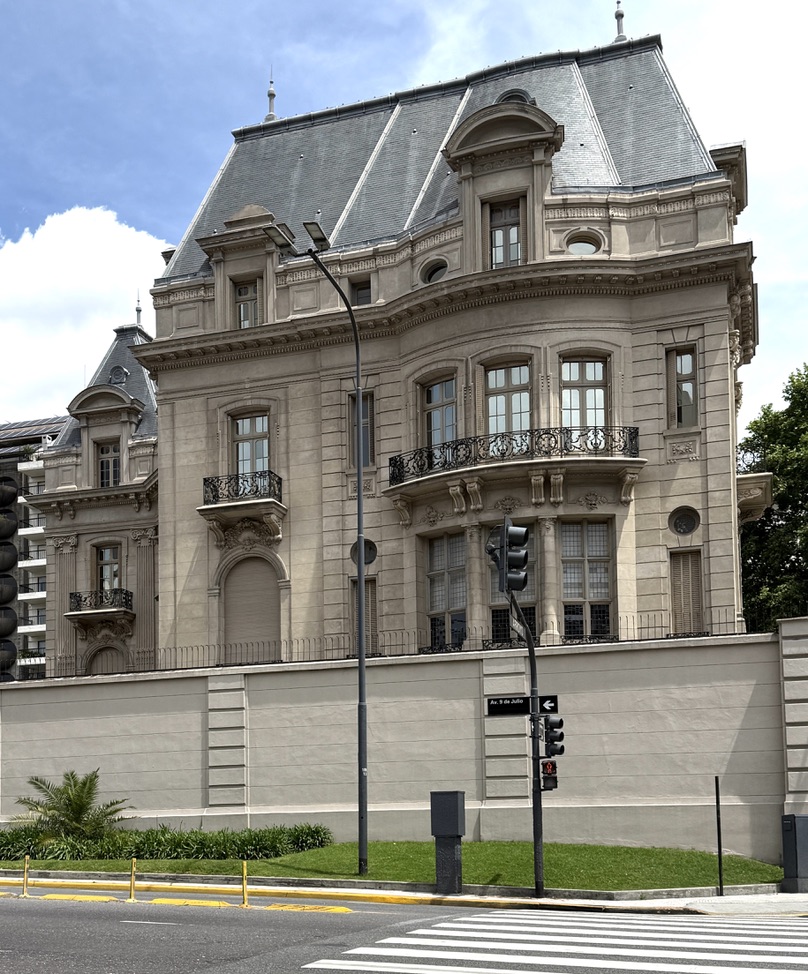
November 1, 2025
My plan was to begin this post describing last night’s meal in Buenos Aires at Piedro Pasillo.. but alas, while I can tell you that it was truly wonderful and very inventive, I actually don’t think I can remember the details. So this post may get updated when I remember the dishes (or if Peter and Jairo remember and let me know).
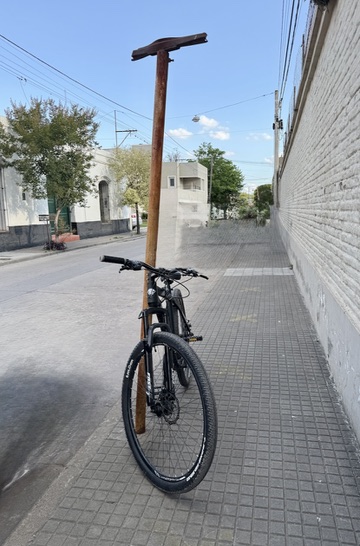
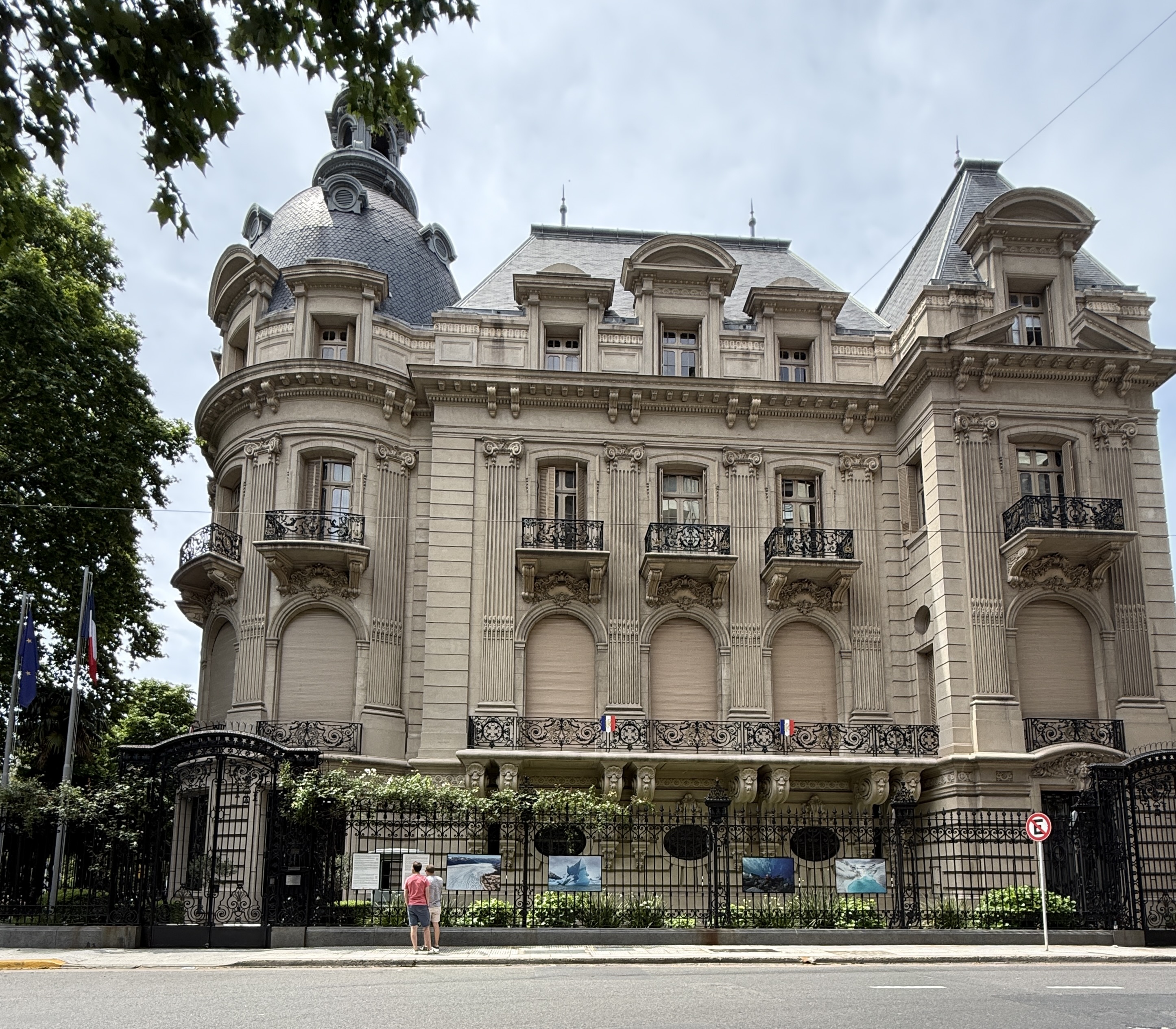
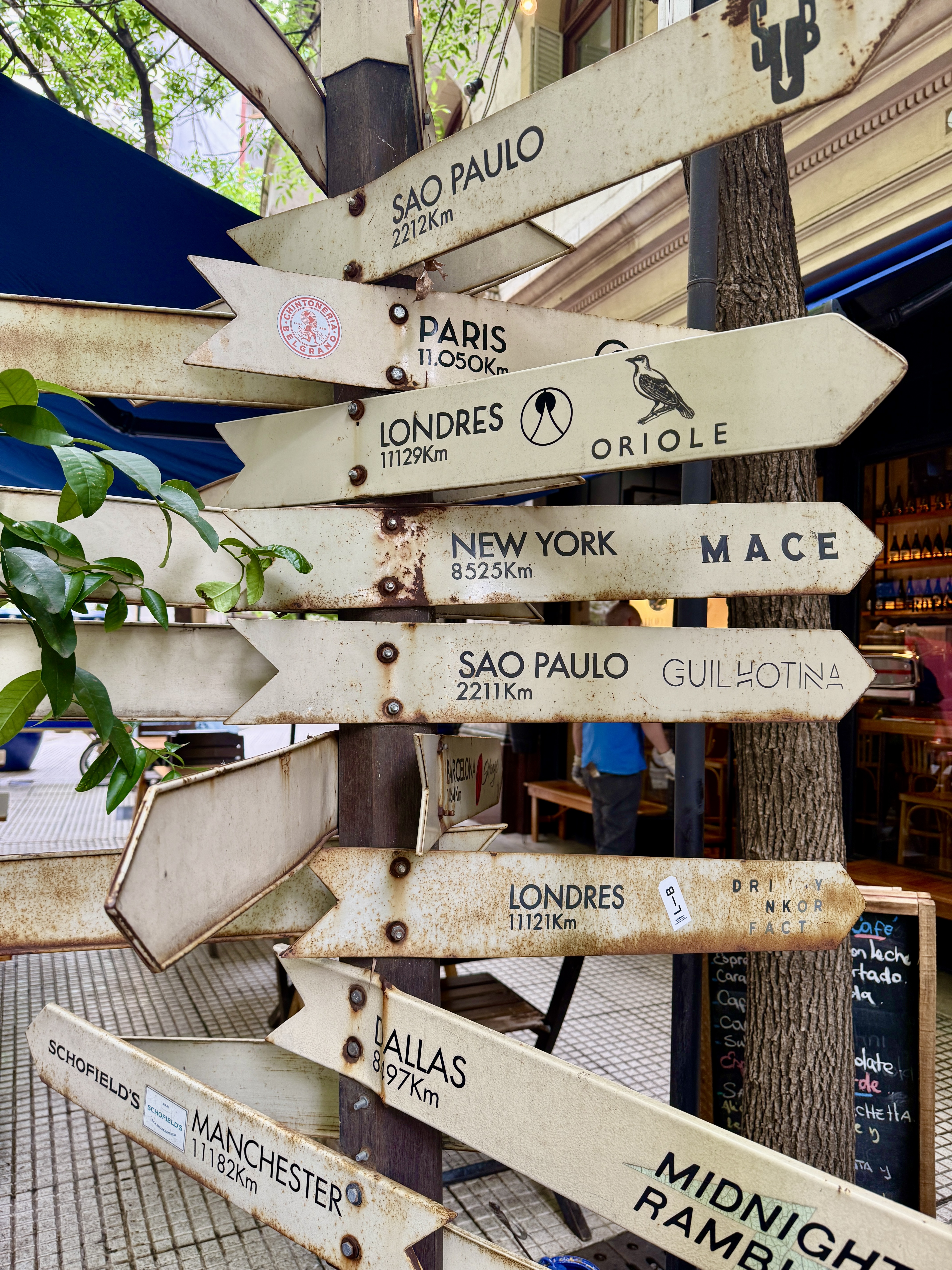
So this morning we had a leisurely brunch and then walked to pick up our rental car from SIXT and to say “Hasta Lluego” to Buenos Aires. Along the way, we spotted and finally figured out what the “direction posts” were that are located toward the end of our street in the Recoletta district. We asumed they were merely giving the distances to great cities around the world. But after a little research—they do that and more. They give the direction and distance to great bars in these cities. And the other post gives the distance to great bartenders around the world. They are conveniently located in front of a really good bar.
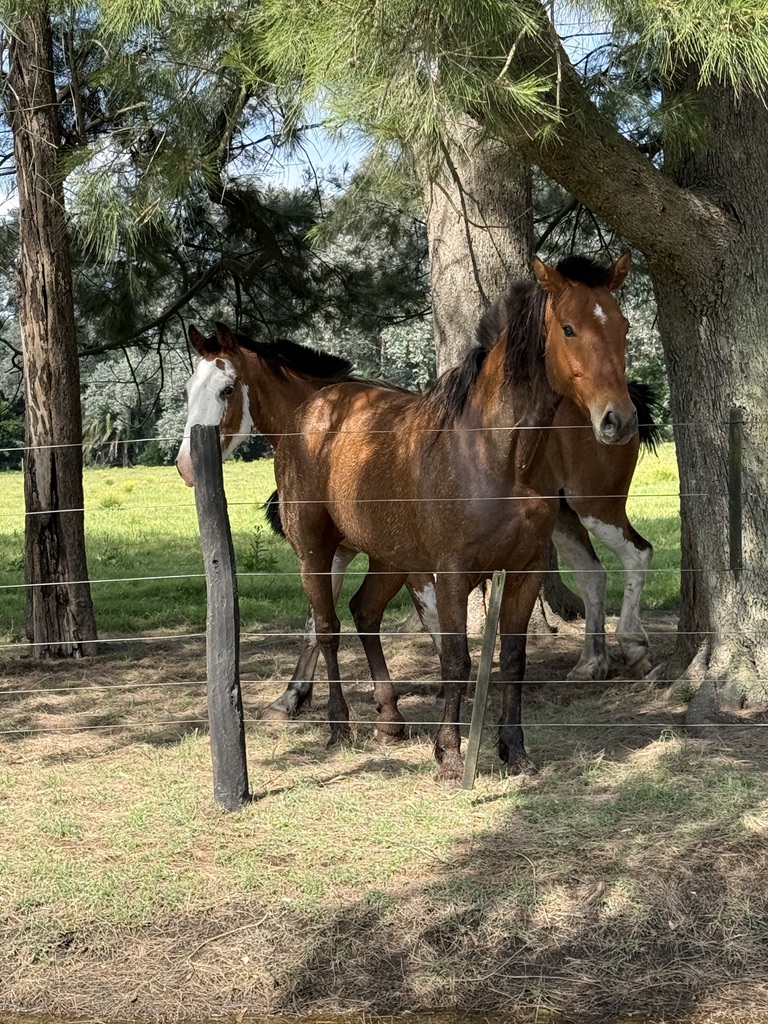
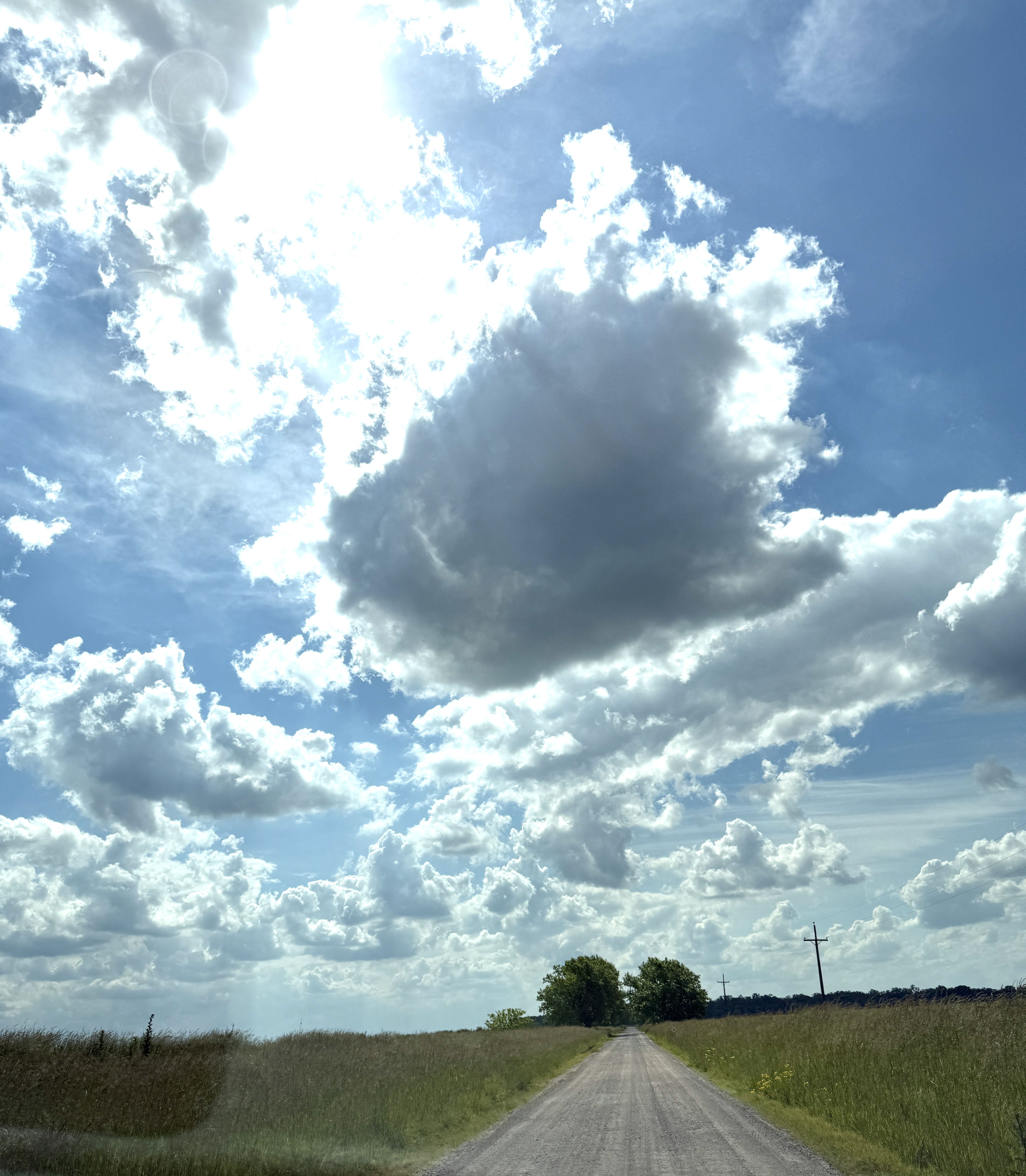
Then we headed north in our cute Renault to see the Argentine countryside. Lobos is about two hours from Buenos Aires and the drive gave us a chance to see just how large and sprawling Buenos Aires is. .. sort of like going from one end of Brooklyn to the other (?) After about an hour we were surrounded by rolling open land, lots of cows grazing, parillas (grills) everywhere and pretty flat. Just us, the cows, grass, trees, and intermittent traffic. We went from the many many-laned Buenos Aires boulevards to a three-lane highway (with tolls) and then to a one-lane (in each direction) country road.
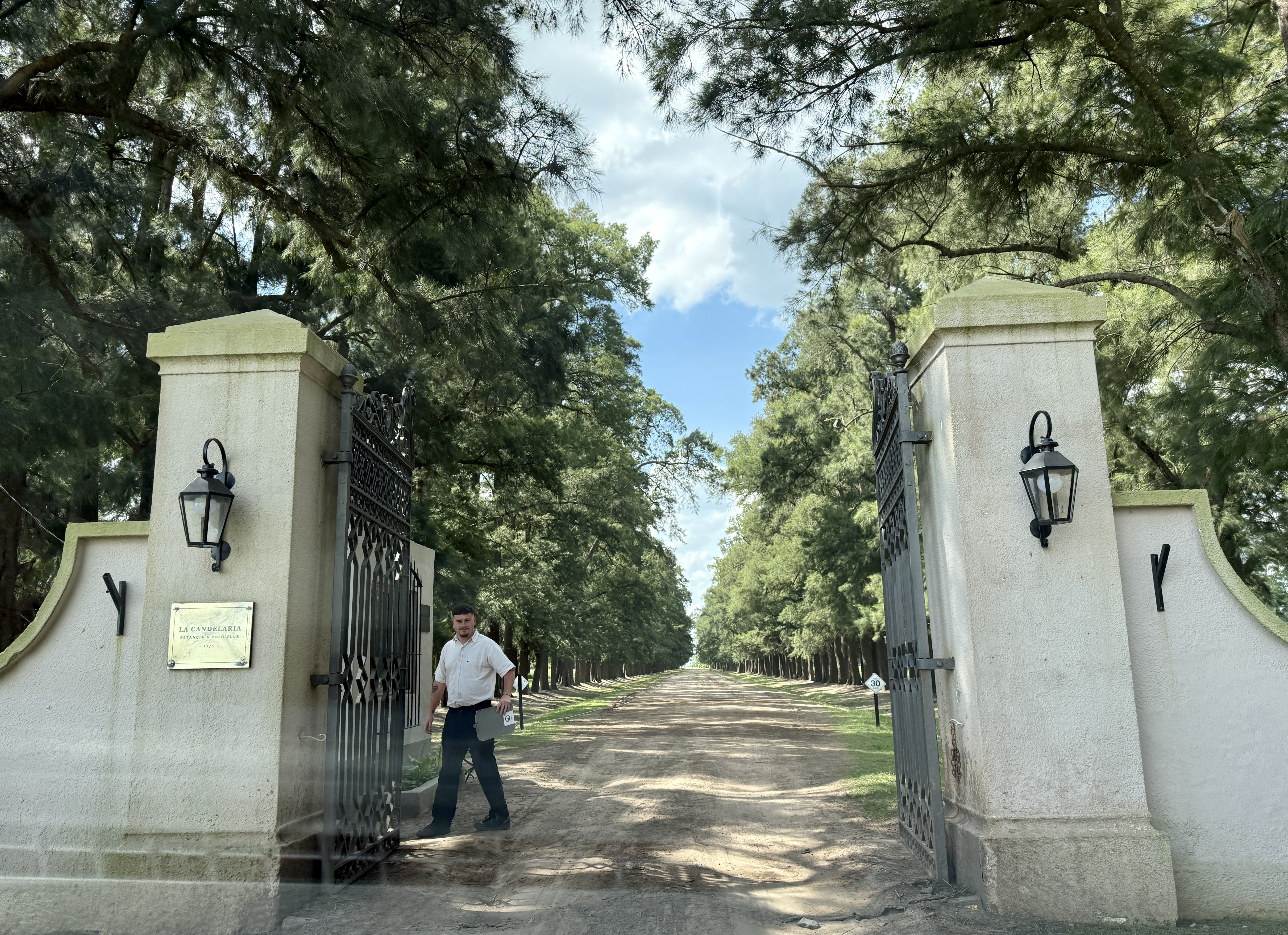
And after passing the turnoff we needed twice, we finally arrived at Estancia La Candelaria—right out of central casting.
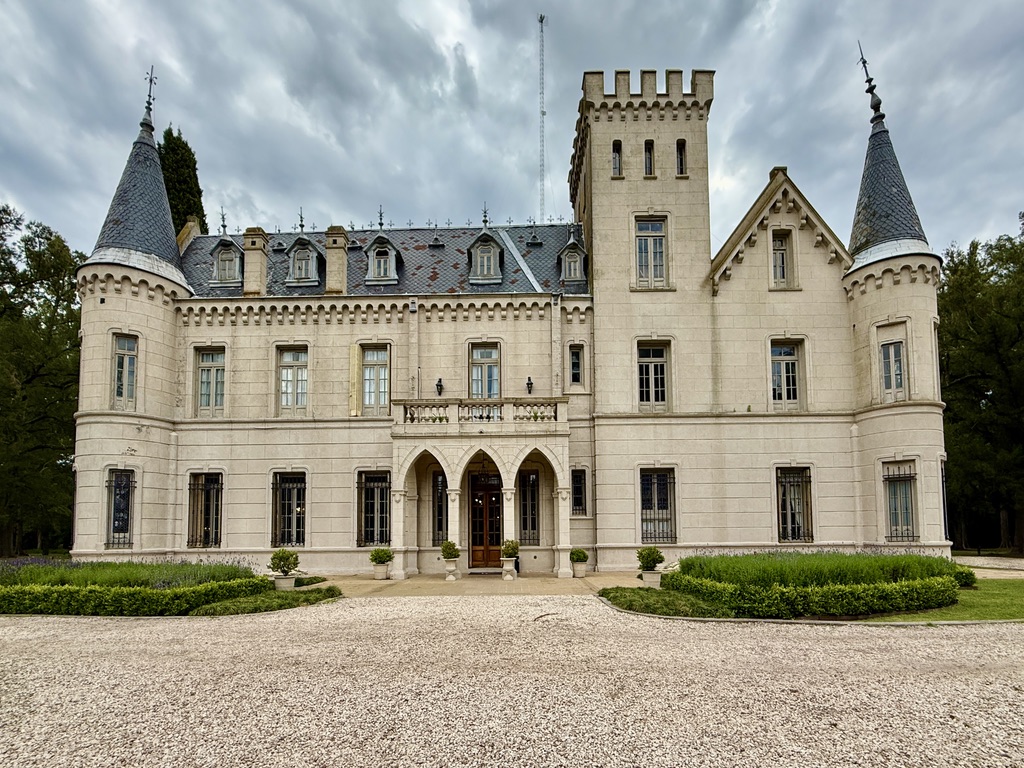
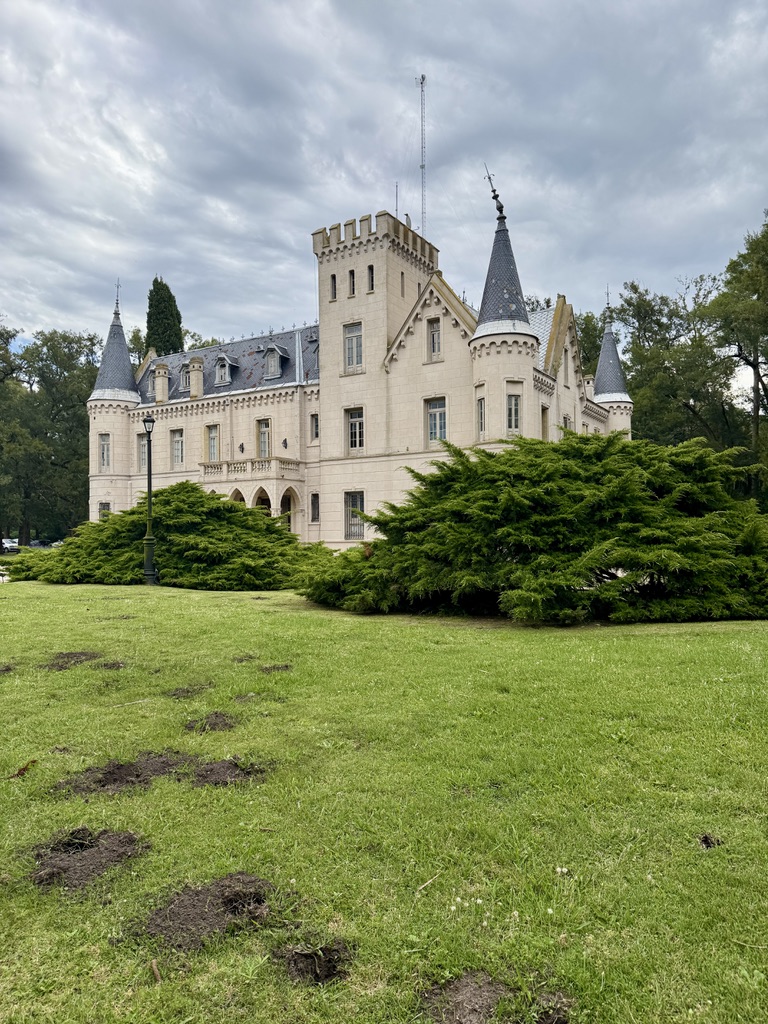
First you enter these large gates, and drive about 1/2 mile down a tree-lined dirt road… with horses roaming about. And then you see “the castle. The story goes that during the honeymoon of Manuel Fraga and Rebeca del Mármol, the two were very impressed by castles they saw in the Loire Valley, France and in 1884 hired a French architect to design a castle on land he had inherited. The “castle” was completed in 1900. I think the original building was about 12,000 sq ft.
Rebeca was devout, and unable to have children, so according to the story told in the materials, she got involved with funding programs for “underprivileged” children and eventually founded the Charitable Brotherhood, which ran a summer camp for these children.
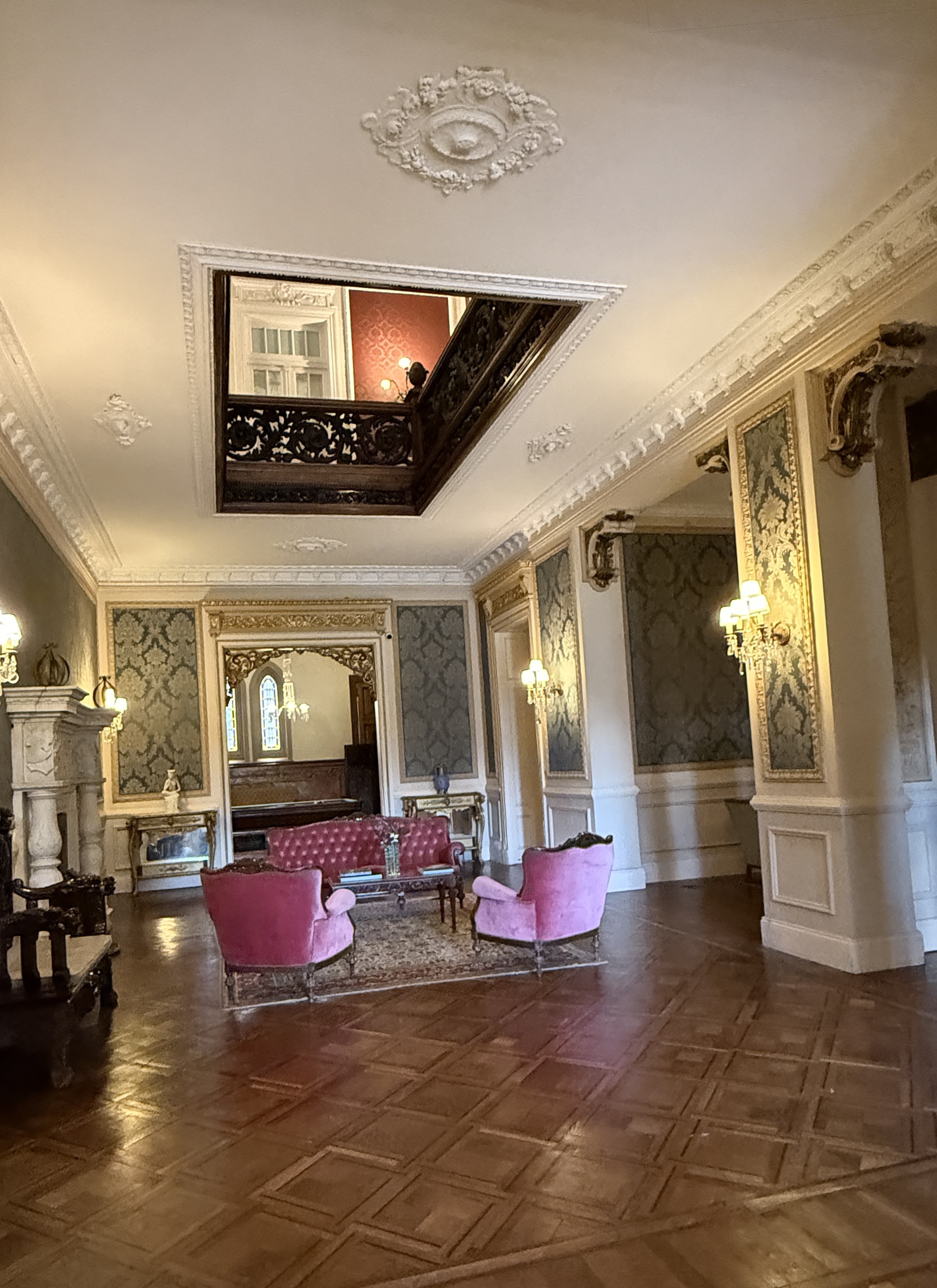
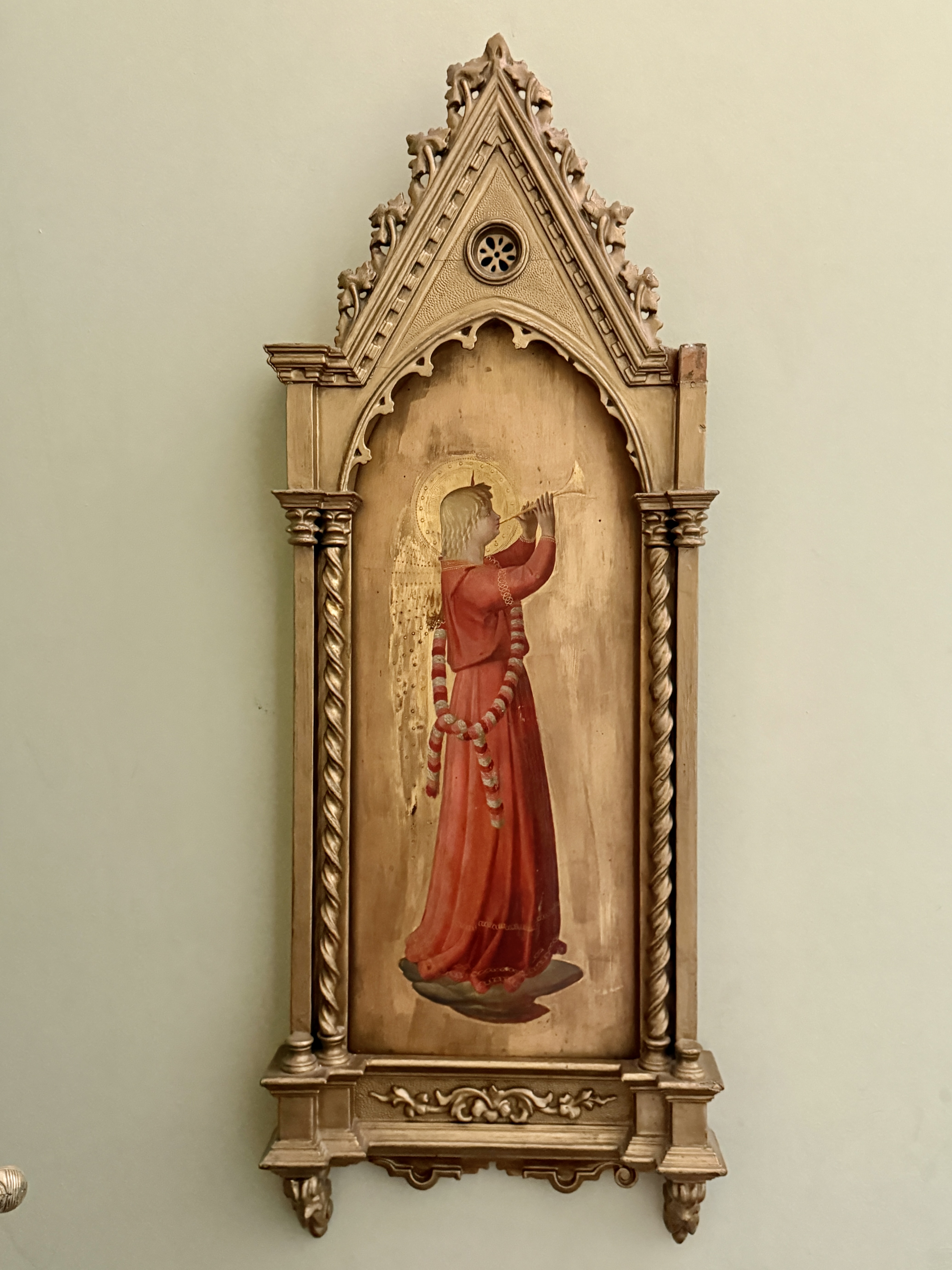
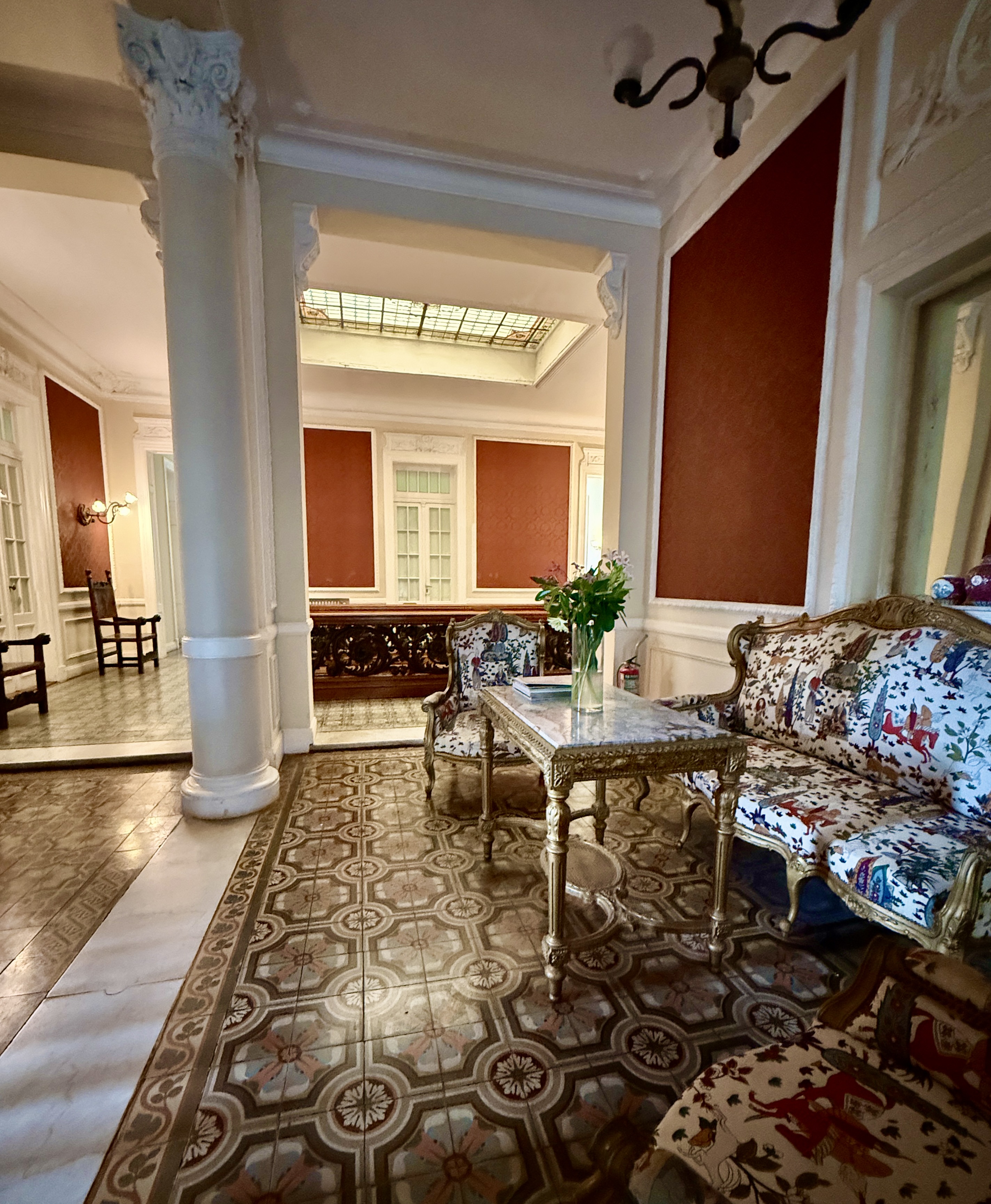
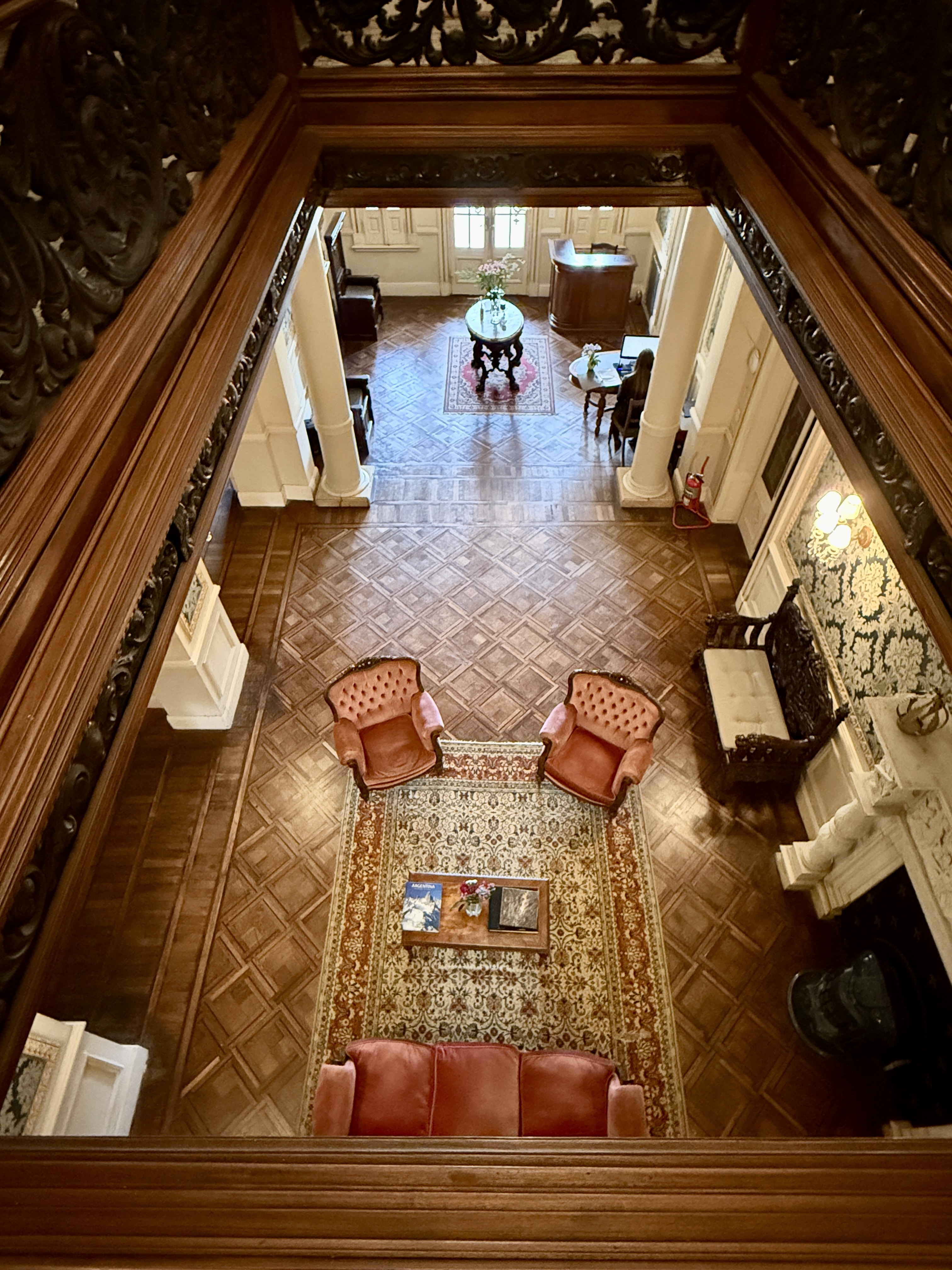
Anyway, the castle is in need of repair; it’s pretty worn; and for me–a bit creepy. I’d also say that –as many of you know–this kind of decor (Trump Baroque, as far as I’m concerned) just doesn’t work for me. Dinner was part of the hotel fee, so we meandered to another building for the worst meal we’ve had in the past 17 days. Not sure how it is possible to ruin Argentine steak, but they did. We had some kind of raviolis as a starter (I didn’t even try them as they looked like paste) followed by a sirloin steak (remember in Argentina, it’s beef, beef, beef.) Mike ordered the chicken in a mustard sauce, which was edible but that’s about it. We had a creme brulee for dinner that didn’t seem to have the burnt sugar top.. We get breakfast in the morning and then we are headed to our final night in Argentina in another small town called San Antonio de Areco. Hope we picked a better place, but not sure. Actually the photos of La Candelaria on the Internet looked amazing (even though I knew the decor would make me nauseous) and the comments were very positive. Aha–the Internet lies.
The grounds are enormous and well maintained. Oh, one last piece of information. There is a chart in the room that shows pictures of several different animals that I suppose you might encounter while walking the grounds, along with information on precautions to take if you do see them. Among the geese, rabbits, and armadillos are also fox and pumas!! So I’ll be glad to get out of here without being eaten alive by the pumas (which we have not yet seen, thankfully).
October 31, 2025 . The Un-Halloween . Buenos Aires
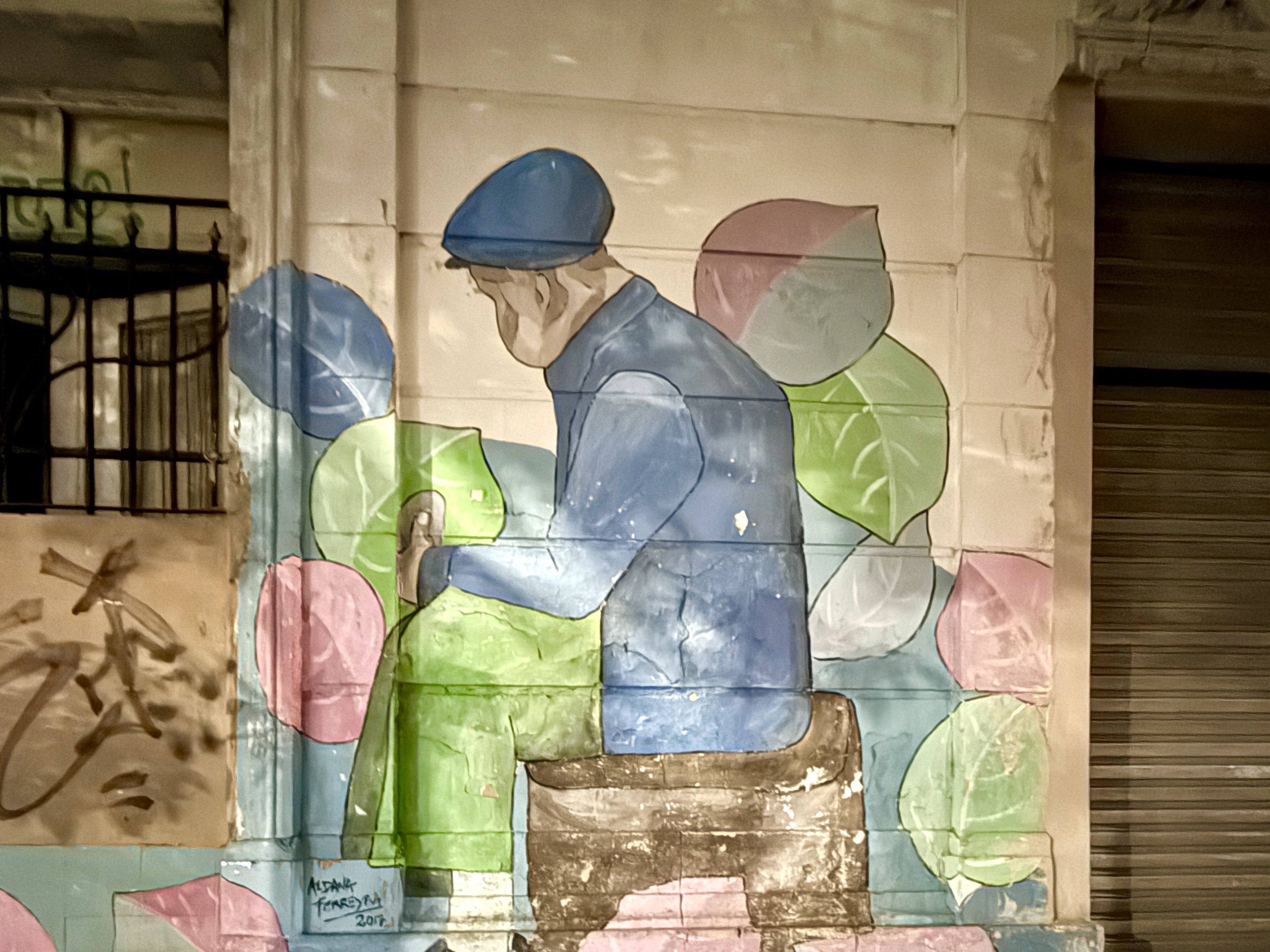
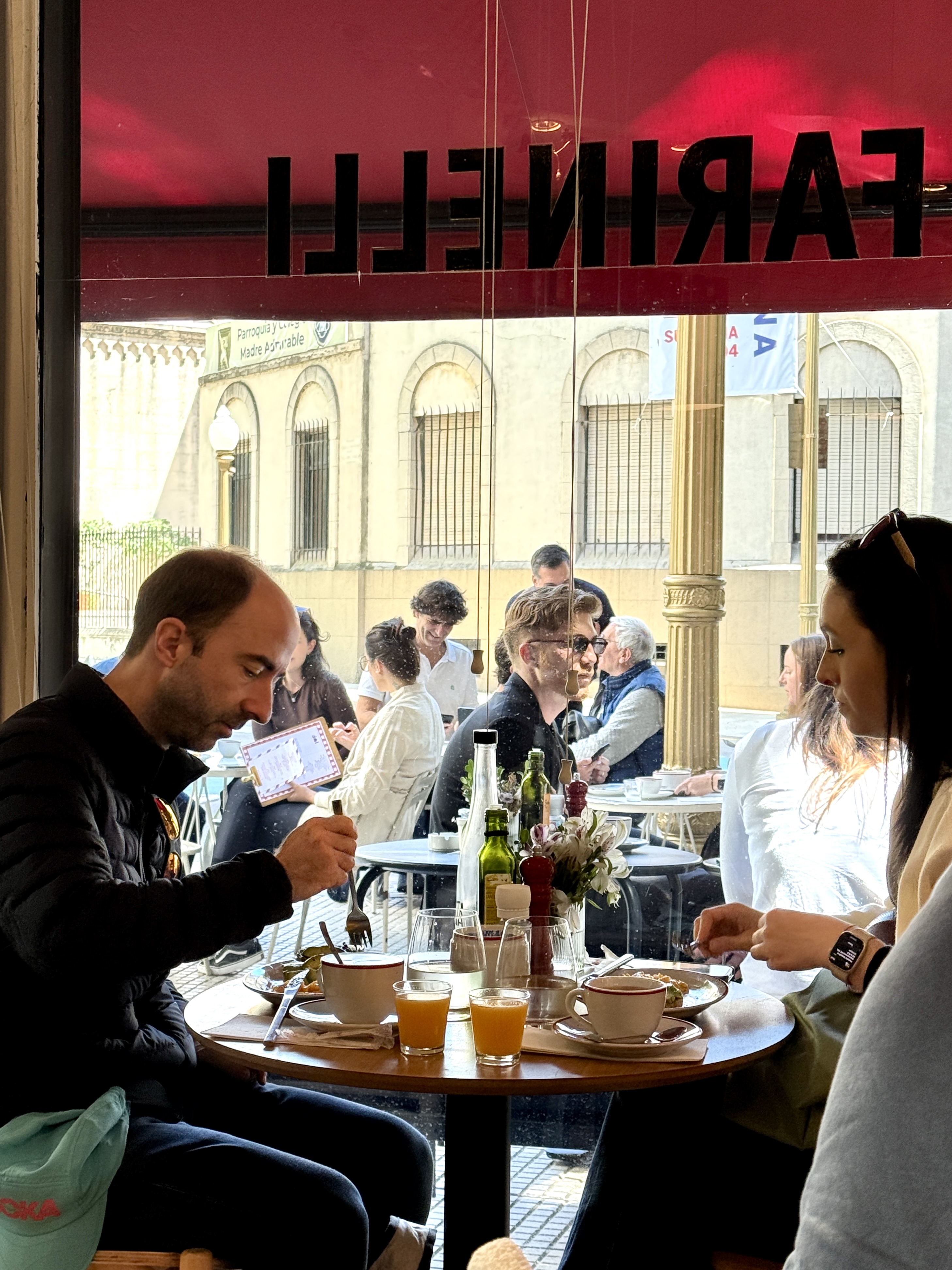
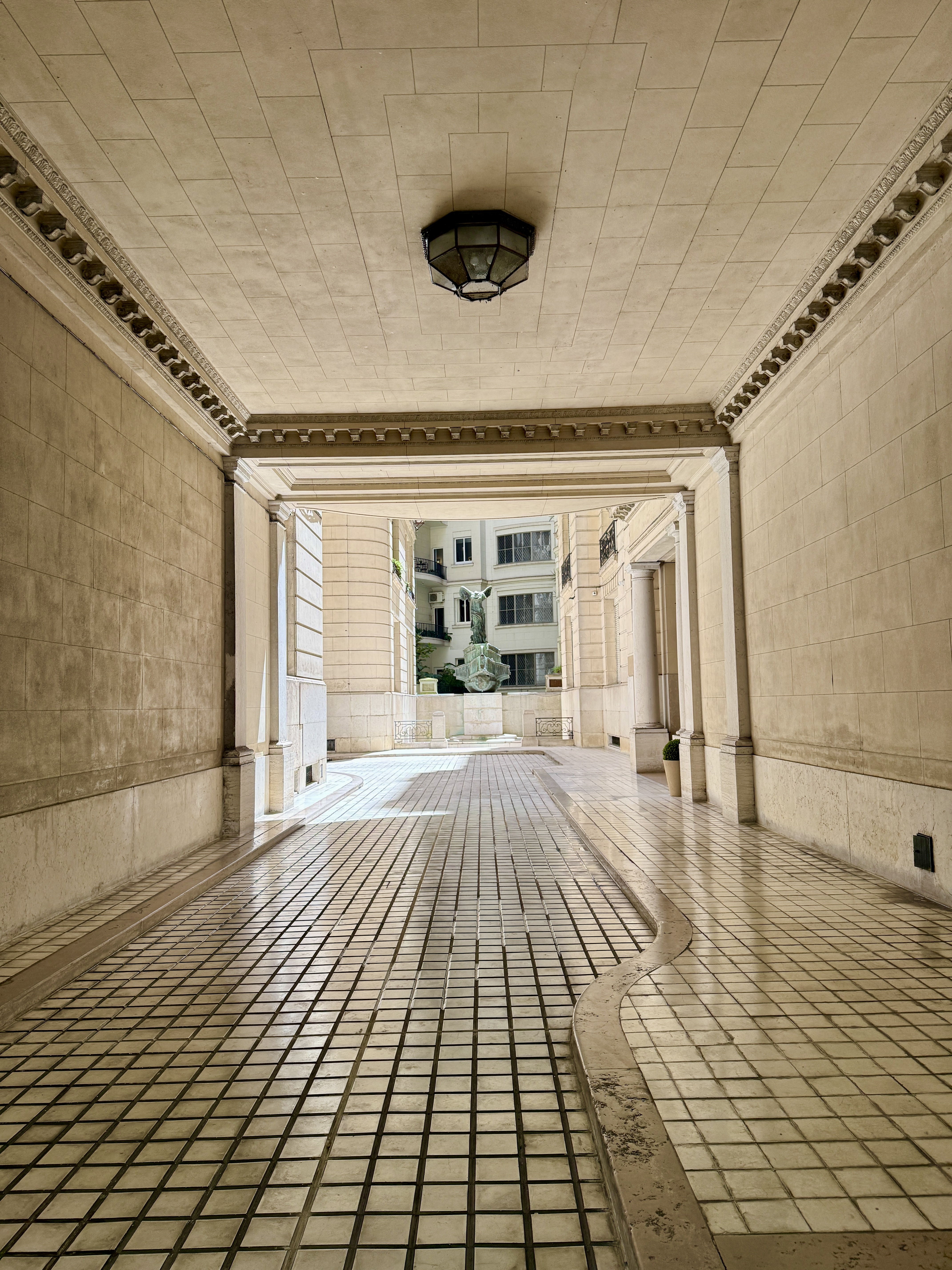
This will be short. It’s about 2 am, and I’ve just finished packing. We leave Buenos Aires in the morning — driving out into the country for two days before we head back to the reality of life in the US in 2025. It was nice to escape for two weeks.
Halloween doesn’t seem to be a thing here in Buenos Aires, and Day of the Dead is taken as a solemn holiday where people remember those who have passed and families have dinner. So, no big to-do here on October 31; frankly I really forgot it even was Halloween. And I’ve never been a big fan of Halloween so this is perfectly fine with me.
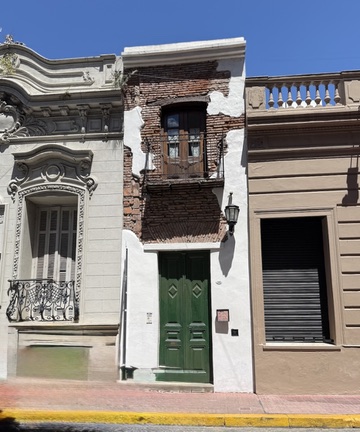
We strolled to breakfast and then went on to San Telmo neighborhood to find the “skinny house”—Casa Minima, the thinnest house in Buenos Aires (and some say in all of South America ??). It’s only 8′ wide on the inside and is wedged between more normal size buildings on the street (San Lorenzo). There are several stories that may or may not be true. Some say that a wealthy landowner who had a slave built the house and gave it to the slave once slaves were freed. But the dates don’t match in that it seems the house pre-dates the freeing of slaves. We couldn’t get inside, so we only saw it from the street. I thikn the full effecct would be from inside.

We strolled around San Telmo (again), the oldest barrio in Buenos Aires. It’s quite well-preserved and boasts a large number of old buildings–most of which are well preserved. As the birthplaces of tango, during the mid 20th century, one stumbles upon dancers in the parks. It’s a sort of Bohemian area with lots of galleries, jazz clubs, cafes, antique stores, restaurants, and cobblestone streets.
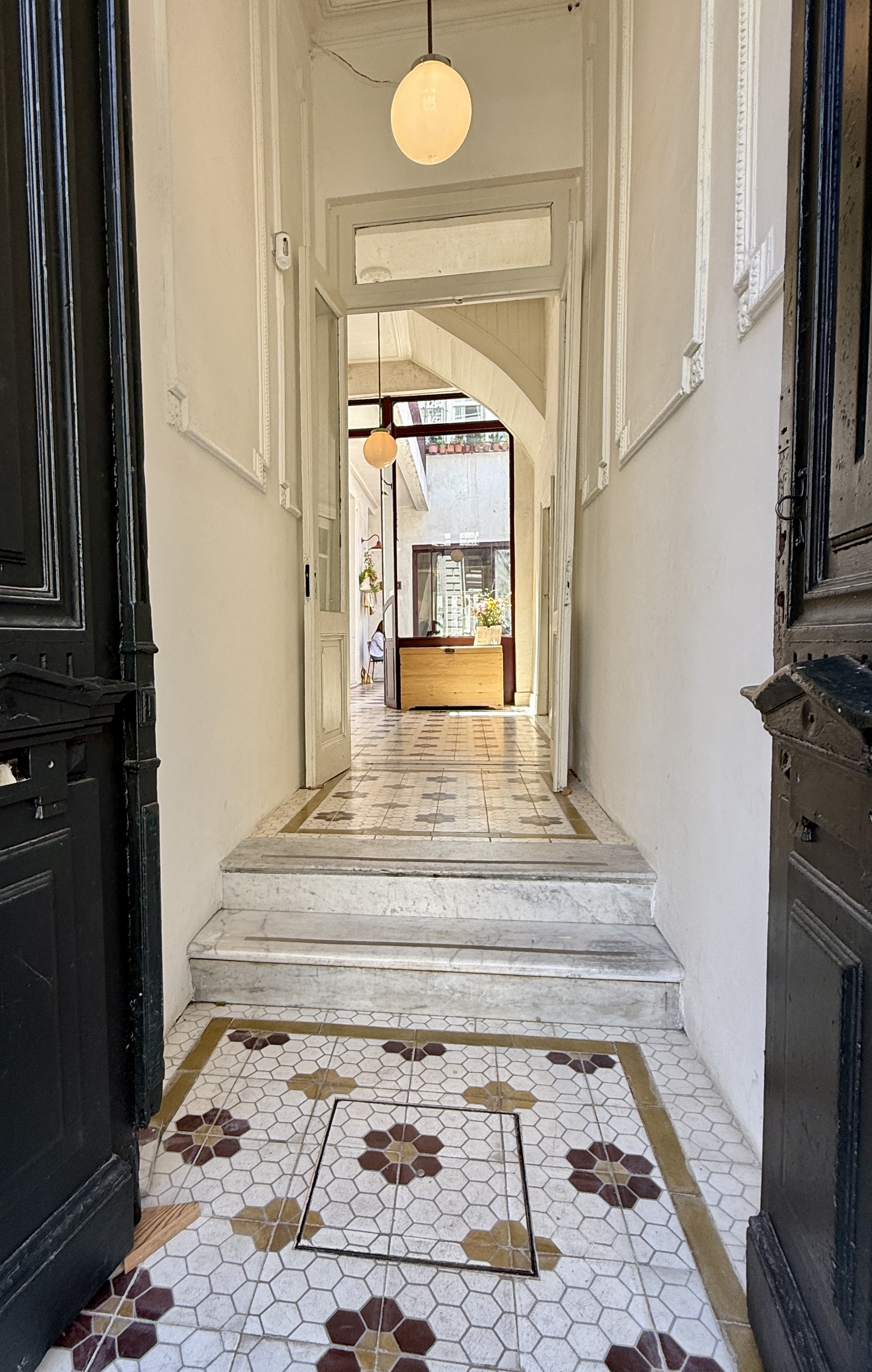
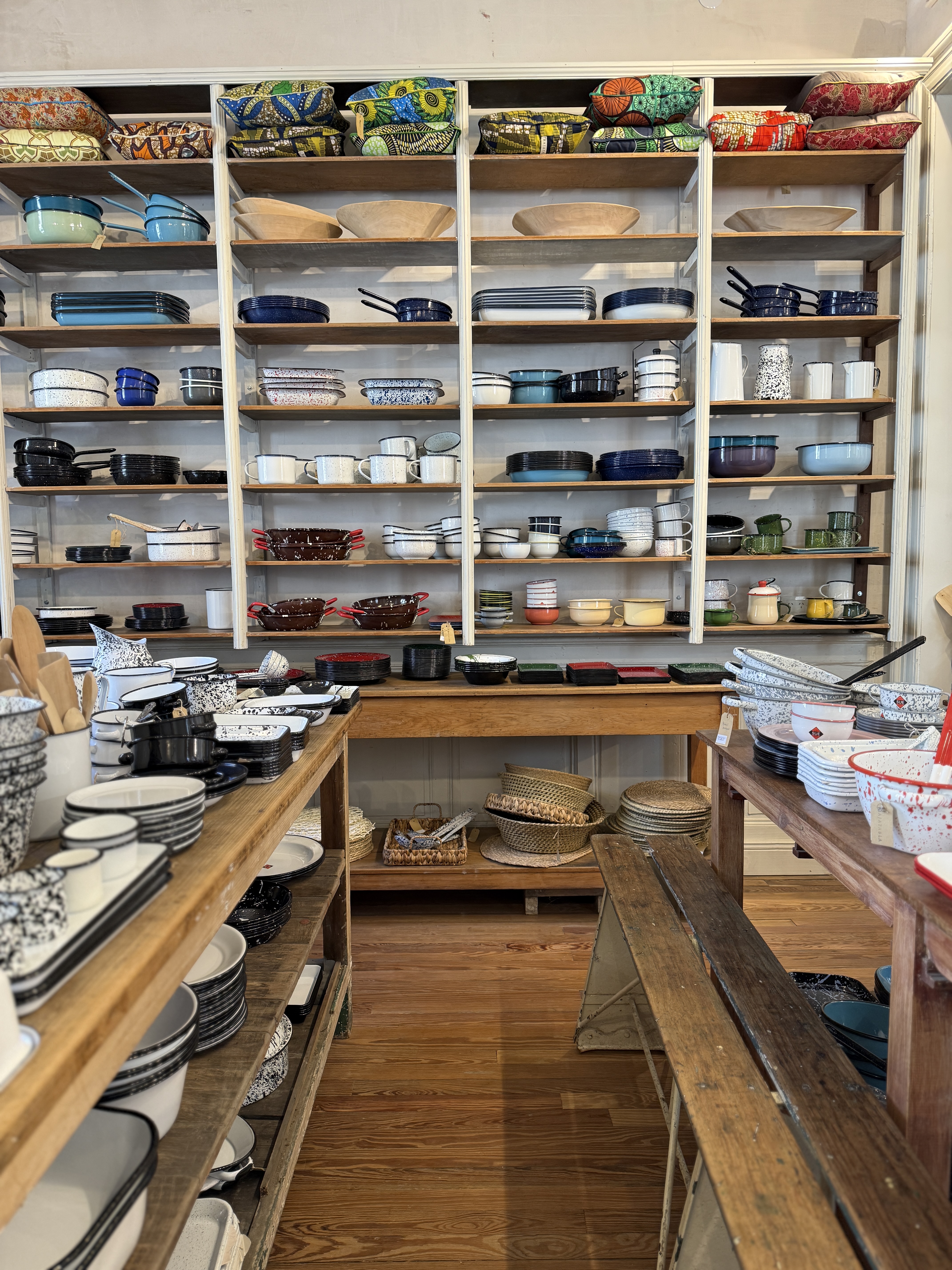
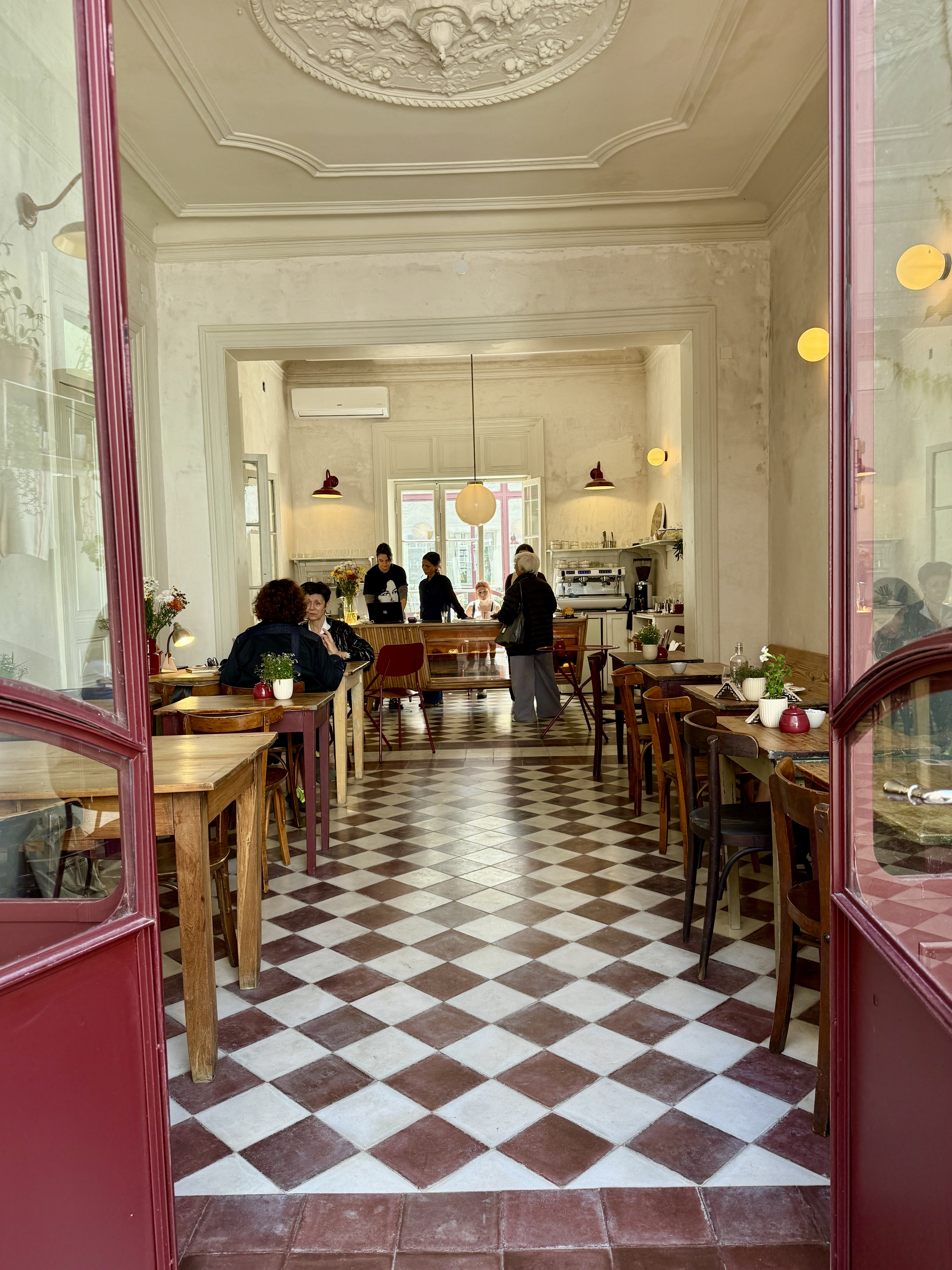
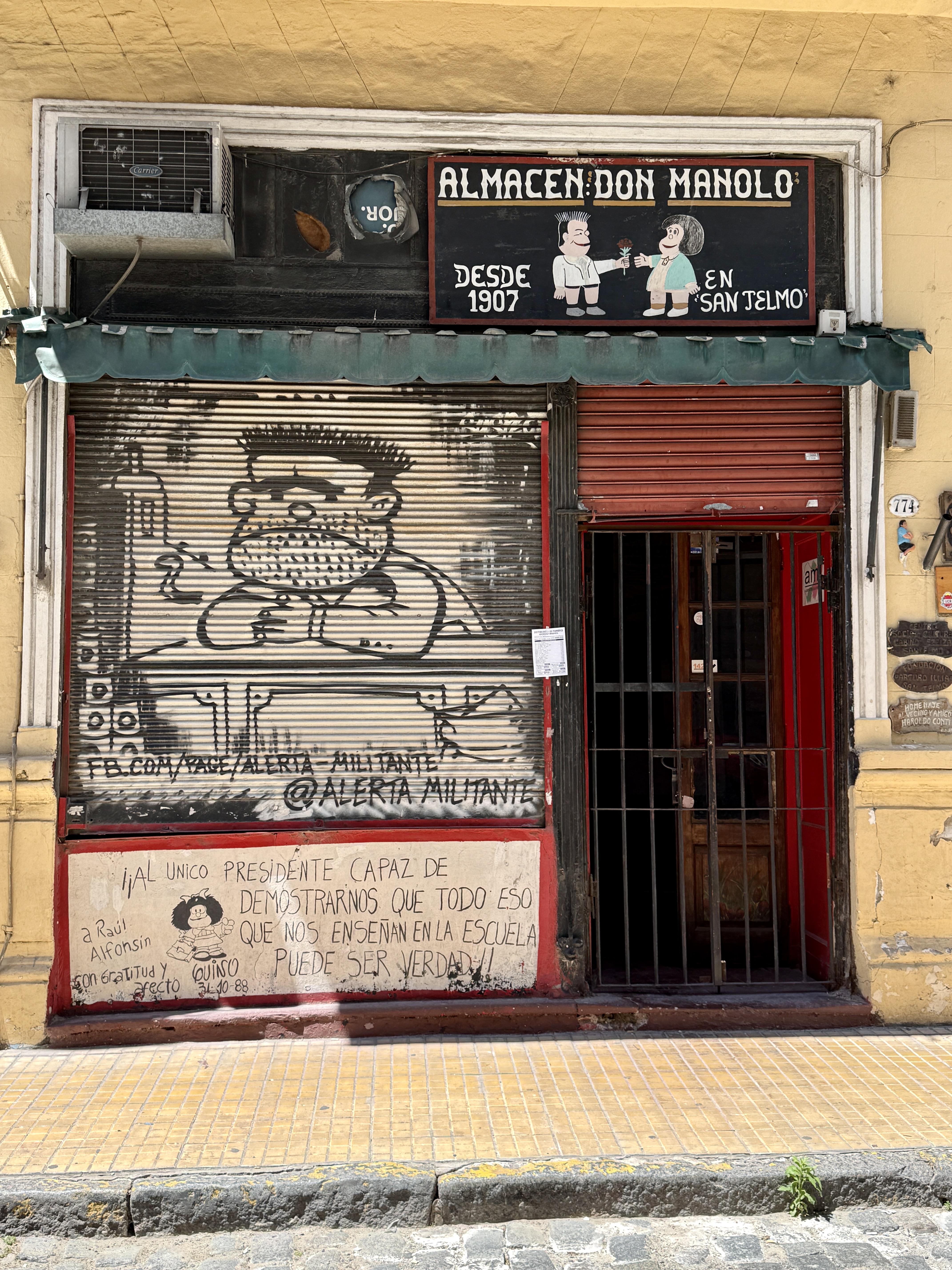
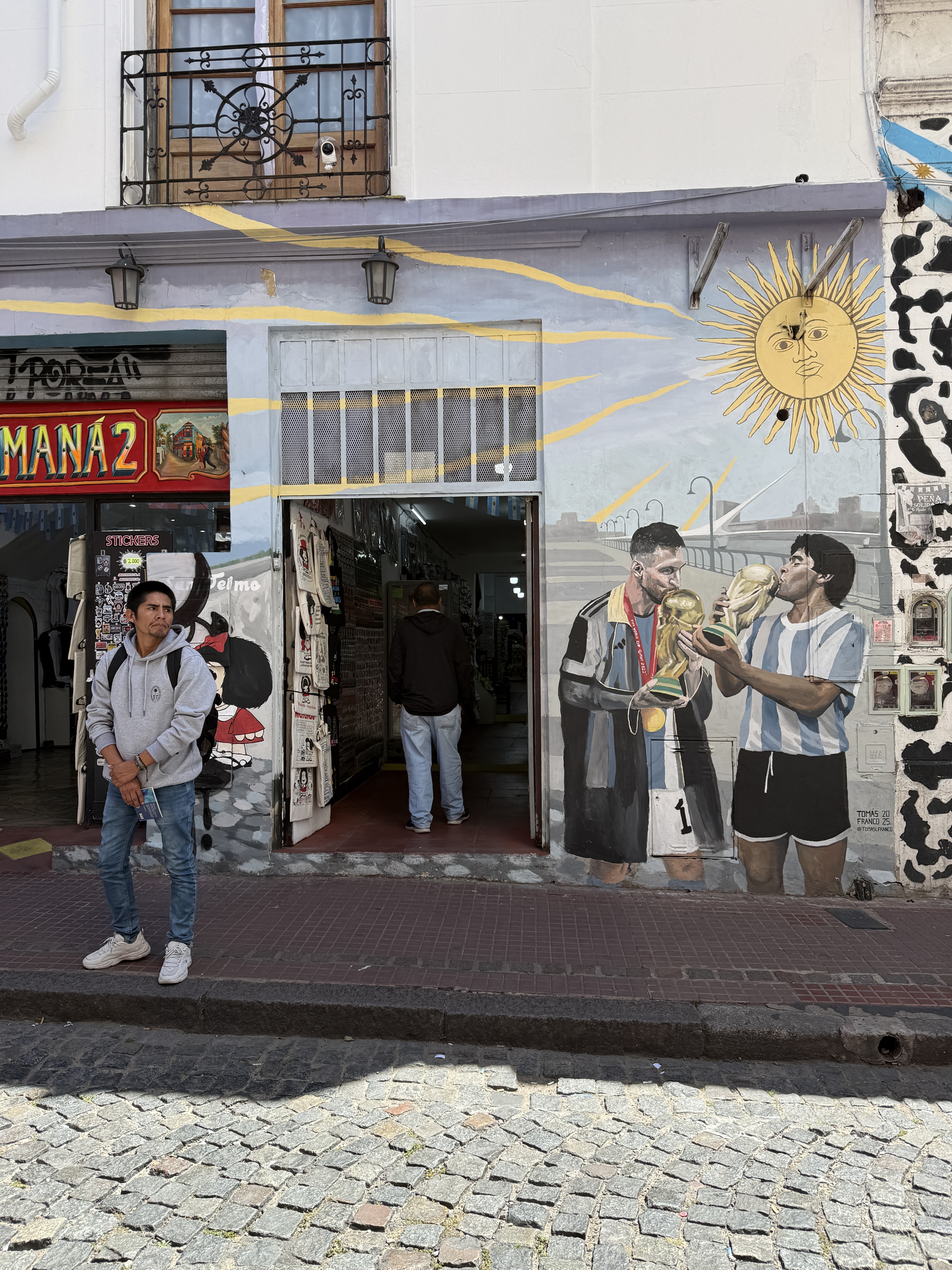


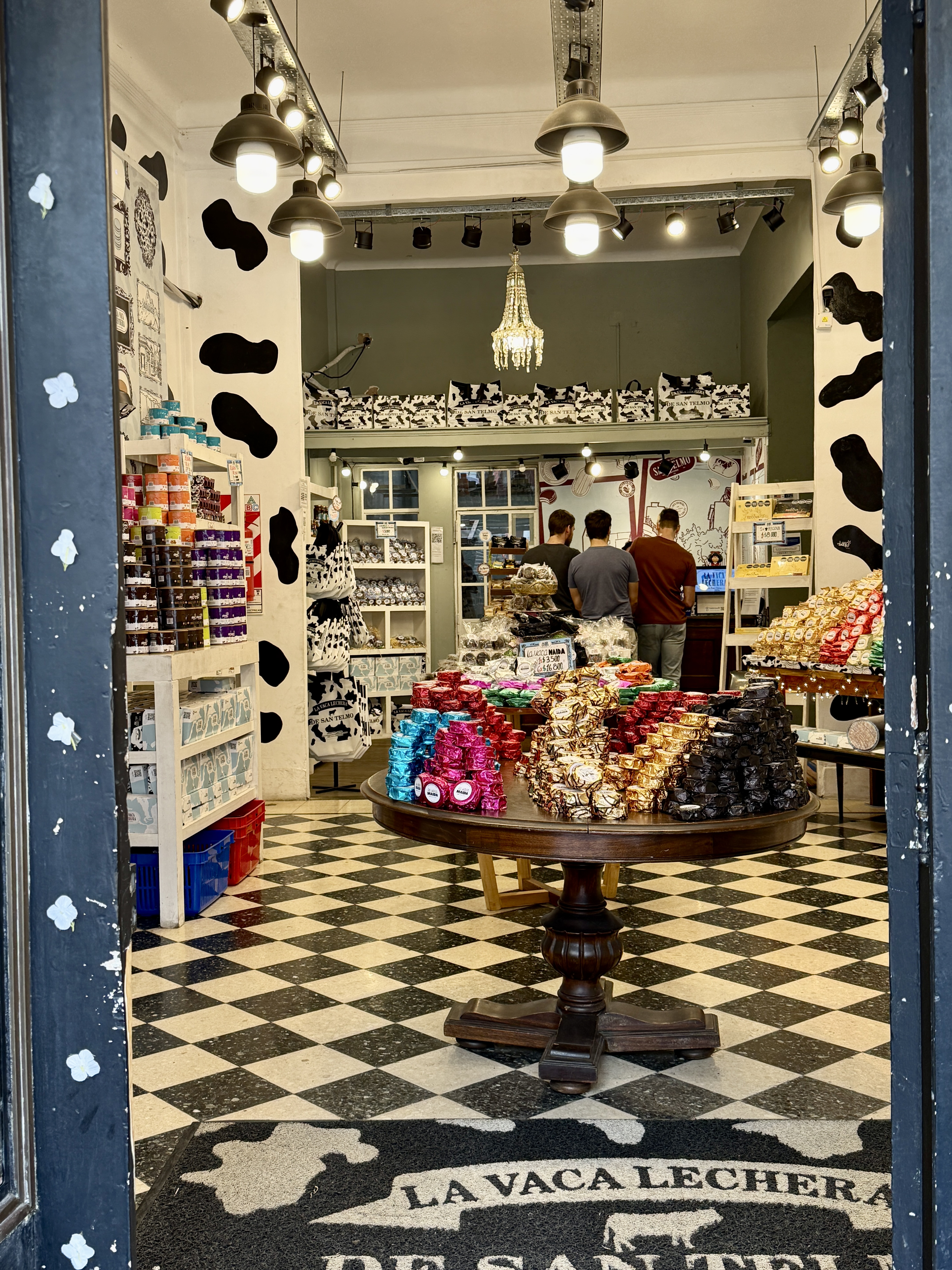
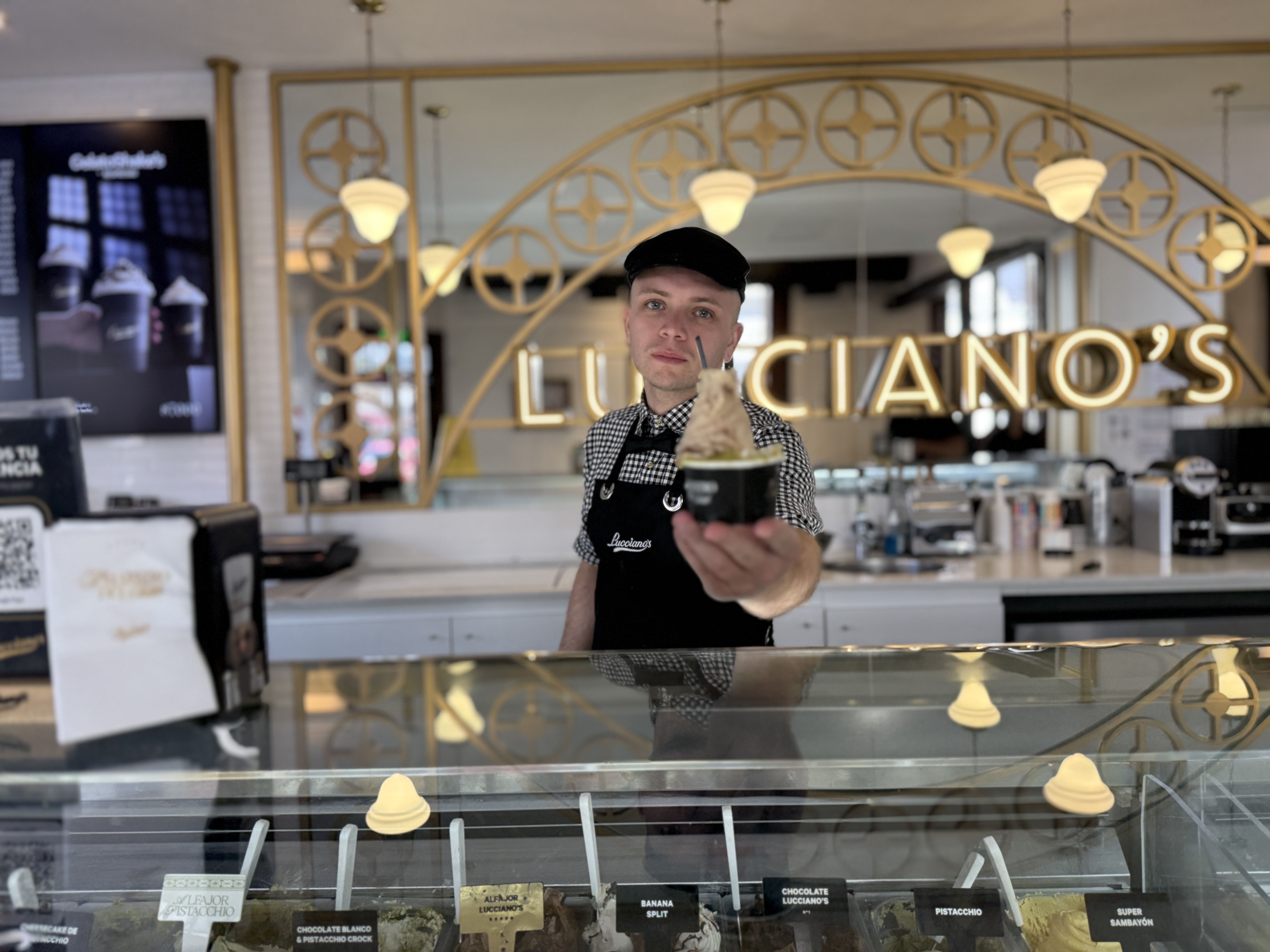
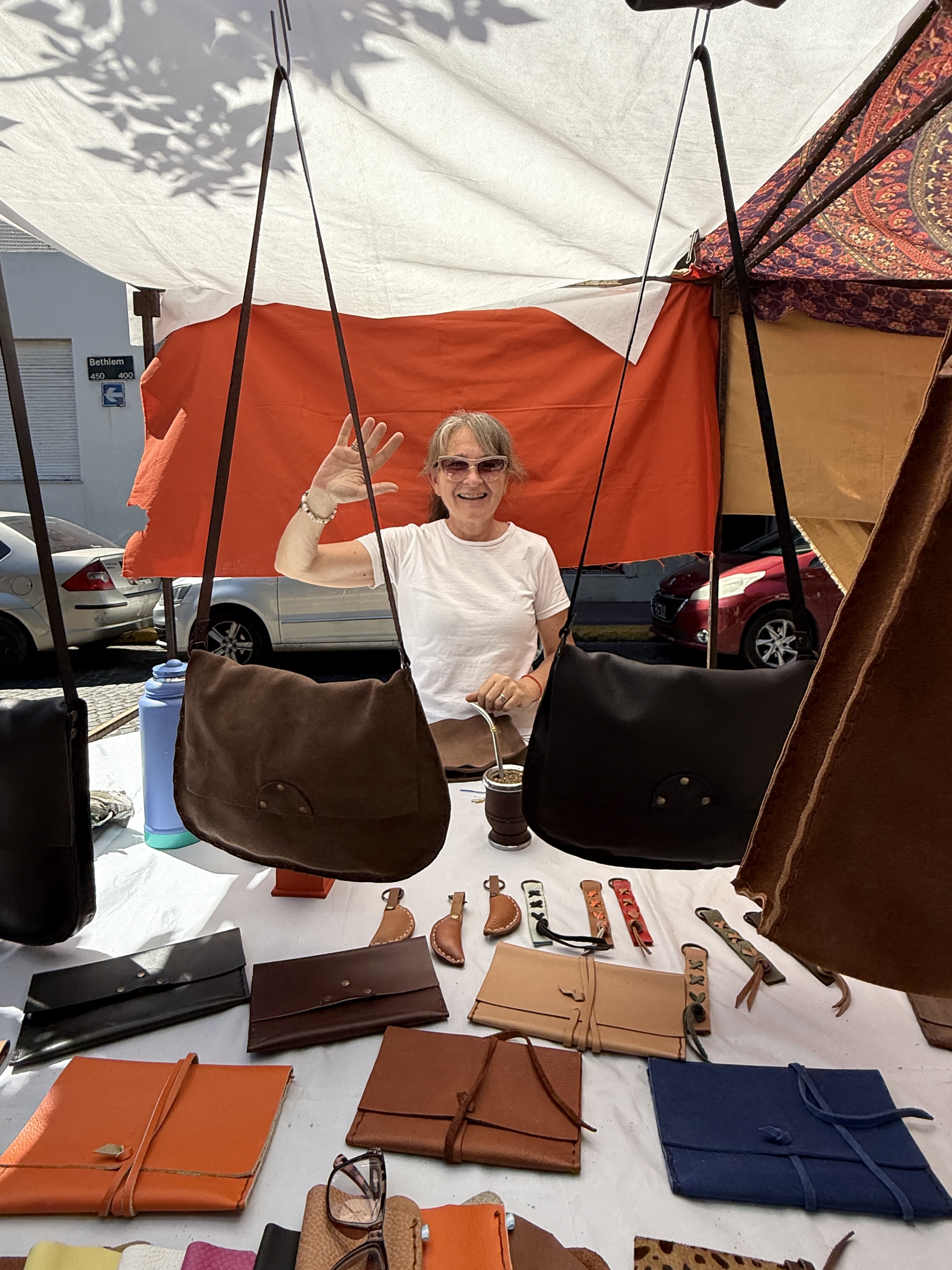
Then we headed to Ex Esma, the Museum of Memory and for the Promotion and Defense of Human Riights. The buildings were used as part of the main clandestine detention centers by the military dictatorship between 1976 and 1983. The complex honors the victims of state terrorism and tries to preserve the critical memory of that period and also has a mission of defending human rights into the future.
Unlike places like the Killing Fields in Cambodia, this museum makes an attempt to look to the future. As a visual experience it was very underwhelming, especially when thinking about the magnitude of the problem during the dictatorships—people being tossed out of airplanes into the ocean; babies being born in detention cells being appropriated by the state; torture of many different kinds. The museum does make efforts to “showcase” photos of a small portion of the people who were detained (most of whom were killed). But there isn’t any real sense of the horror of the period.
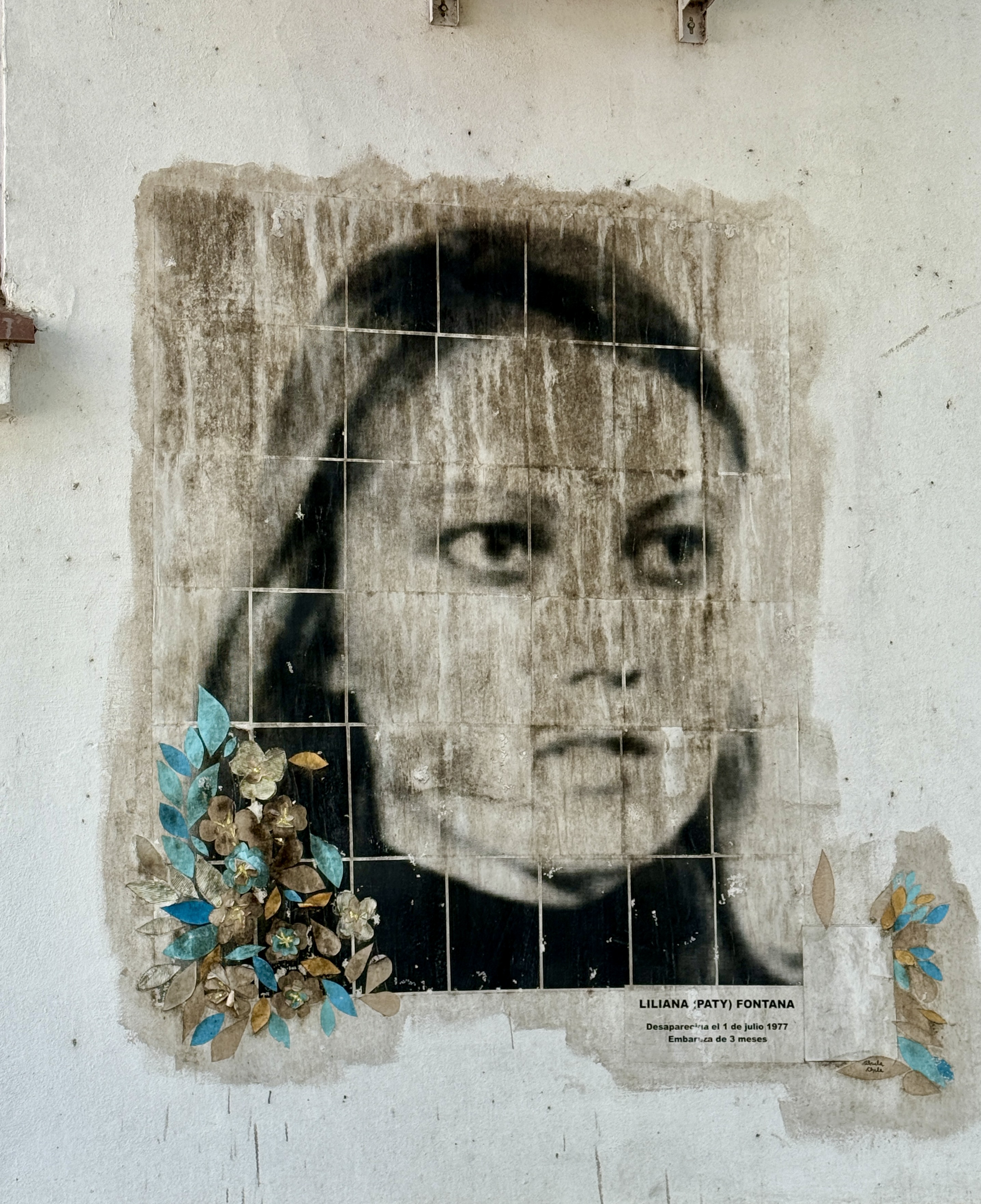
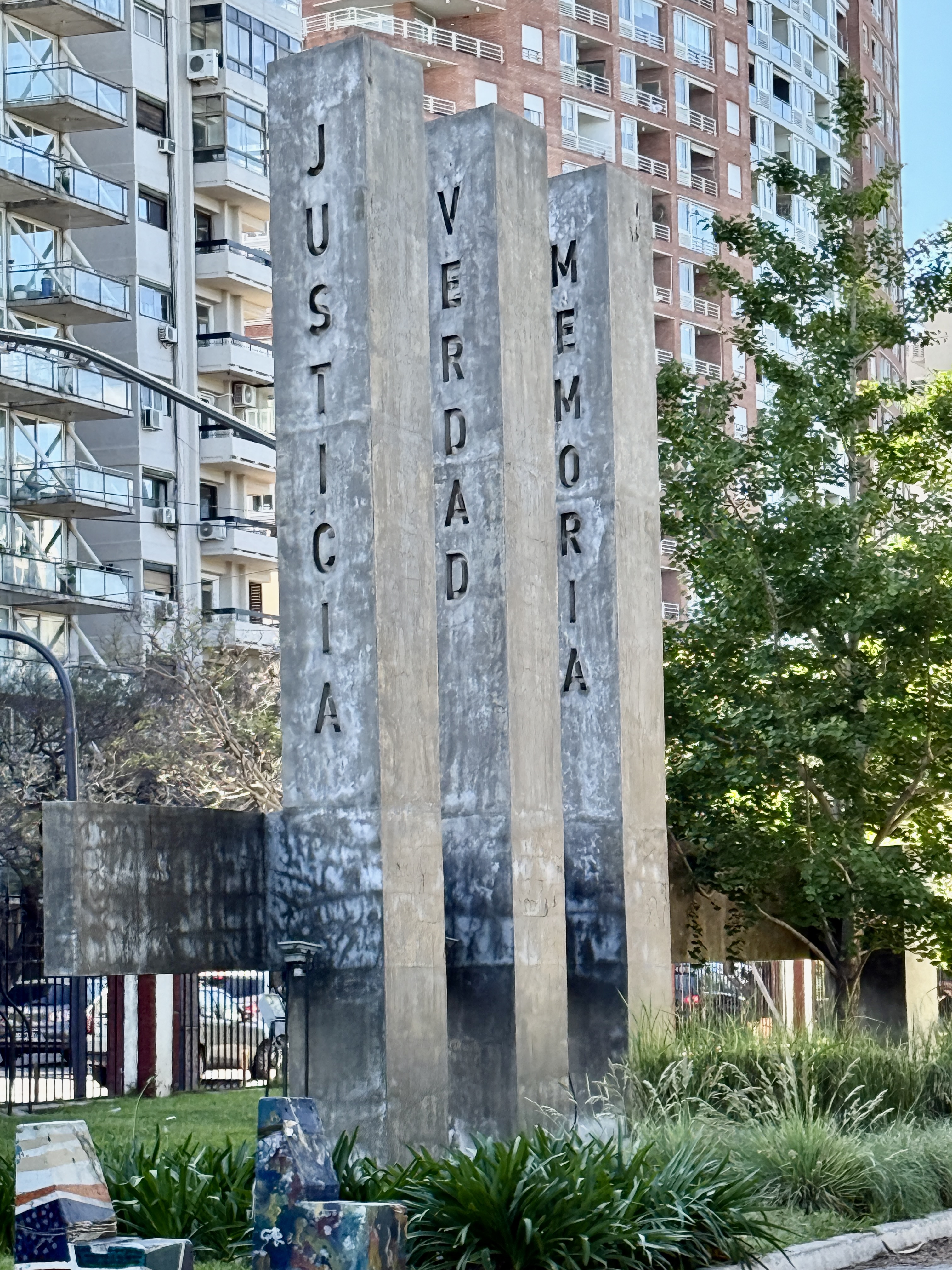
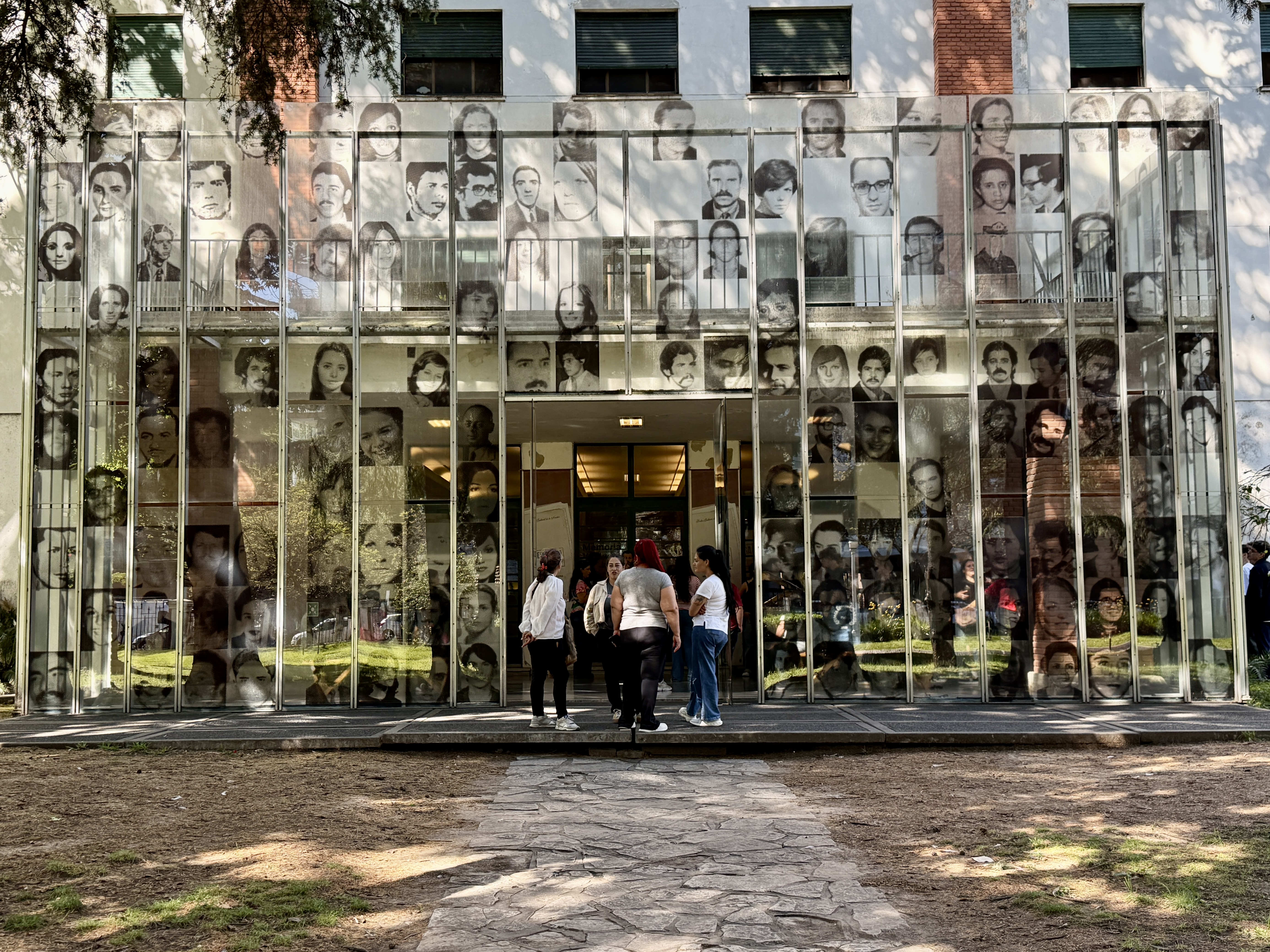
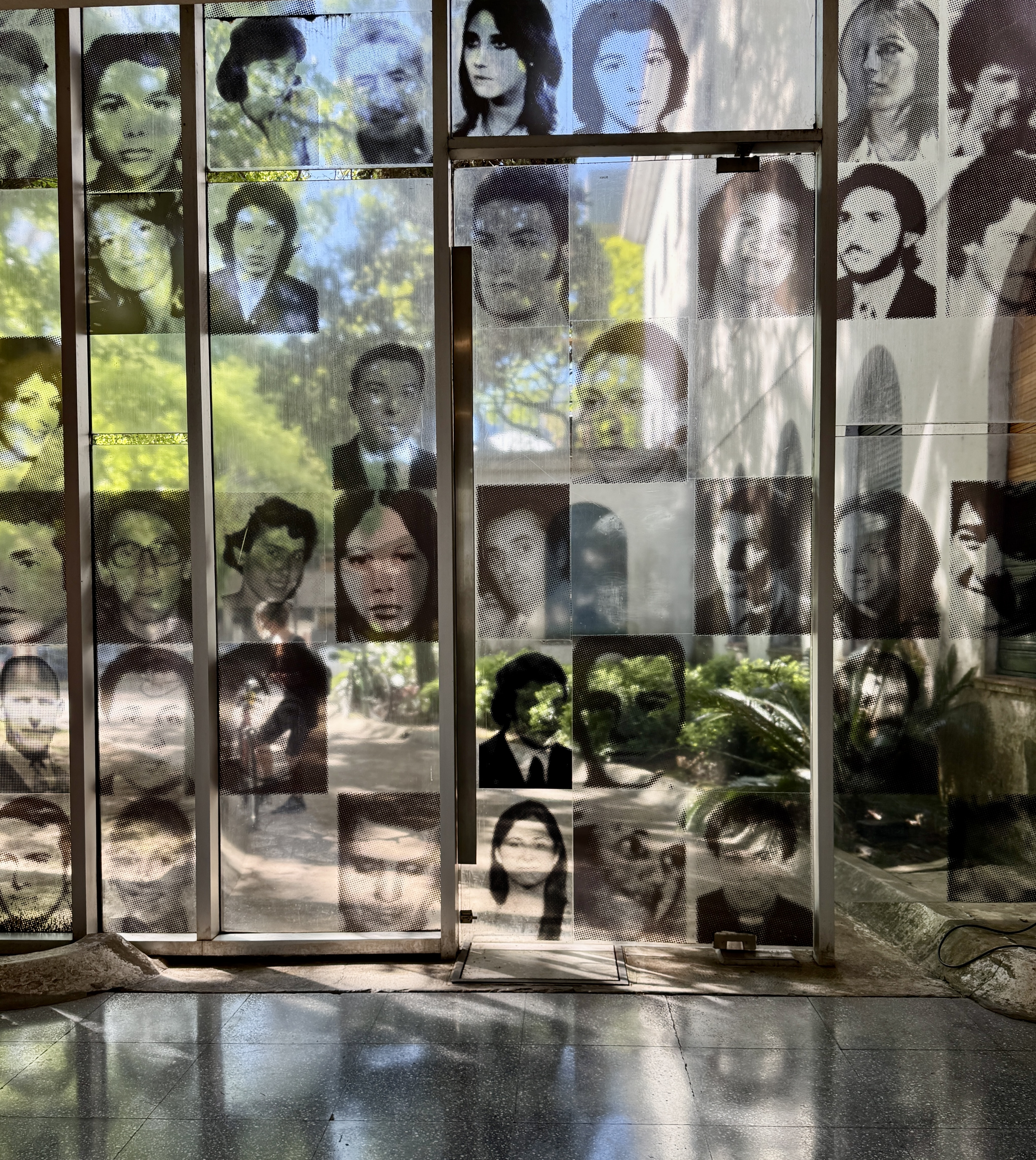
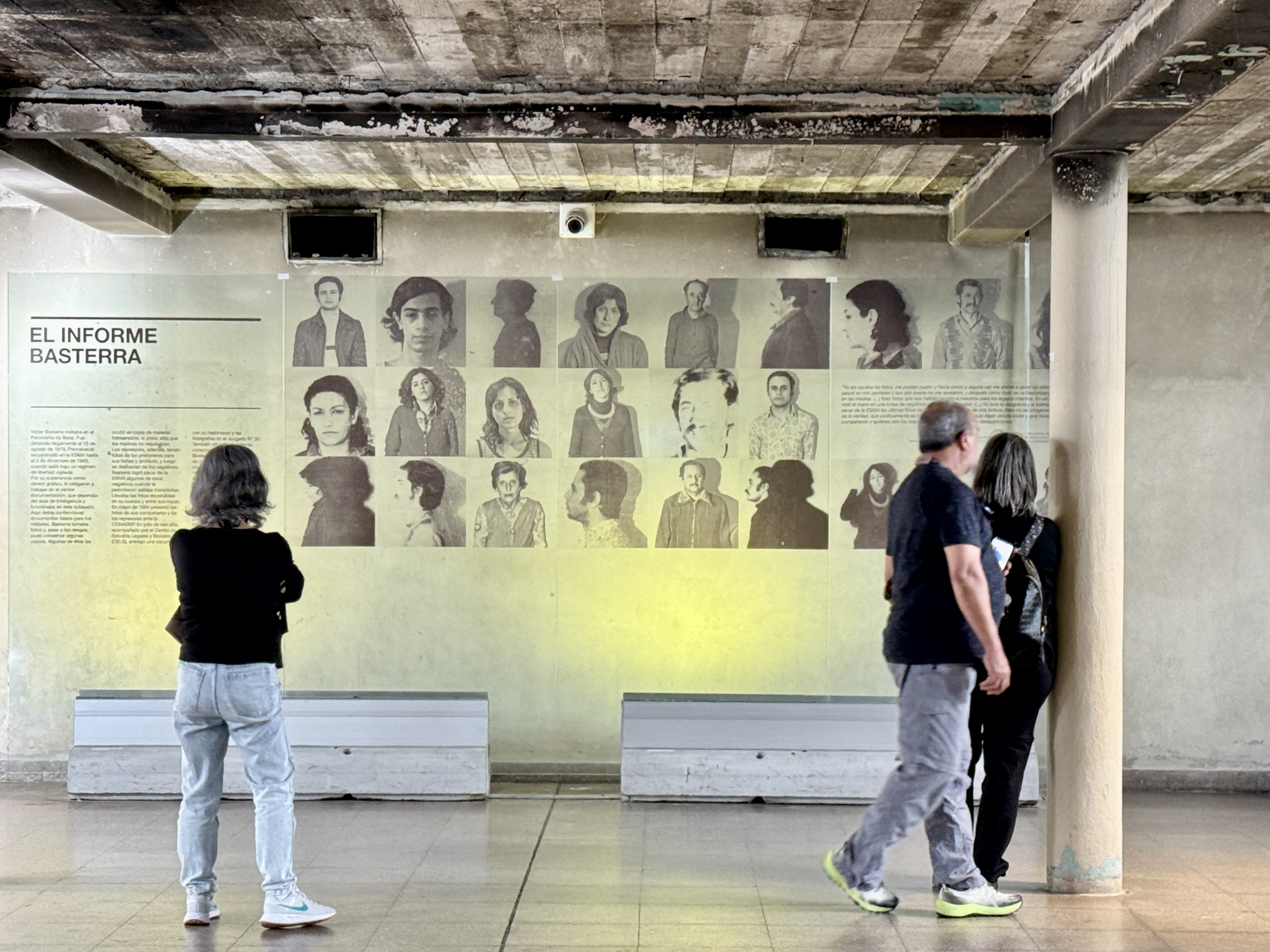
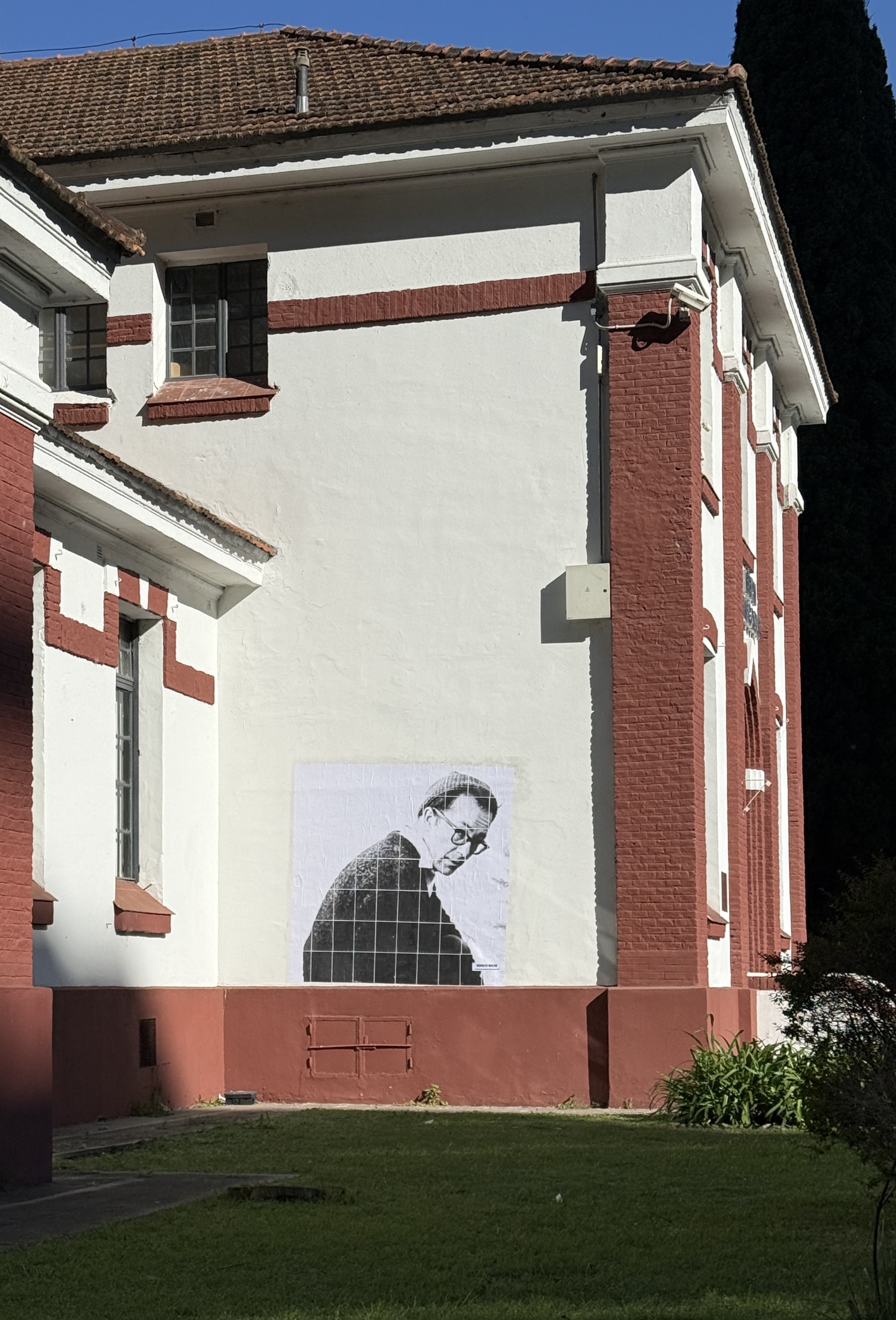

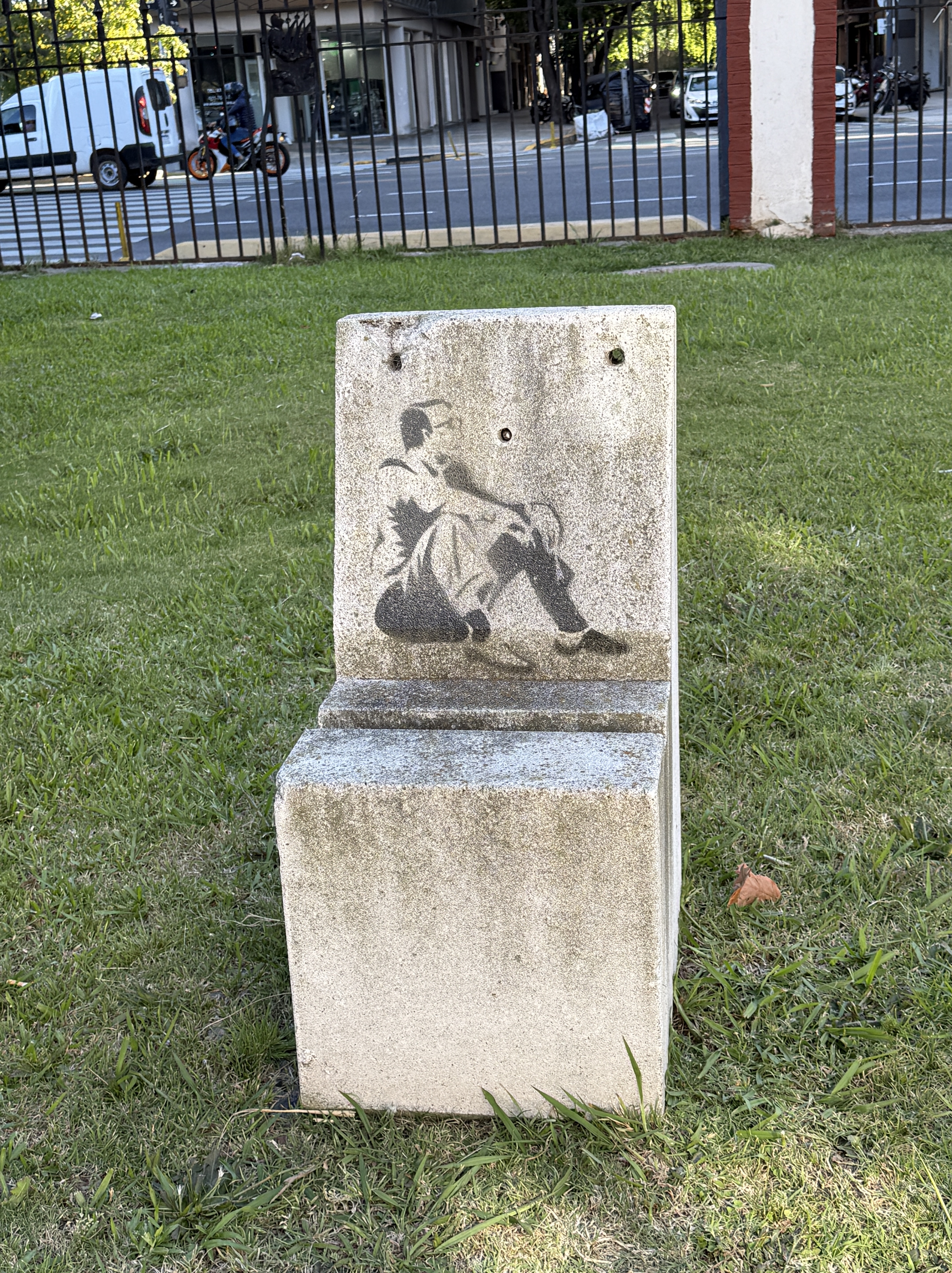
The museum is located at the northernmost part of the city of Buenos Aires, so it’s a trek. We headed back to the hotel to pack, and then to meet up with Jairo and Peter again for dinner and to say our good-byes. We went to a restaurant recommended by one of the concierges here at the hotel and it was a winner–Piedra Pasillo.

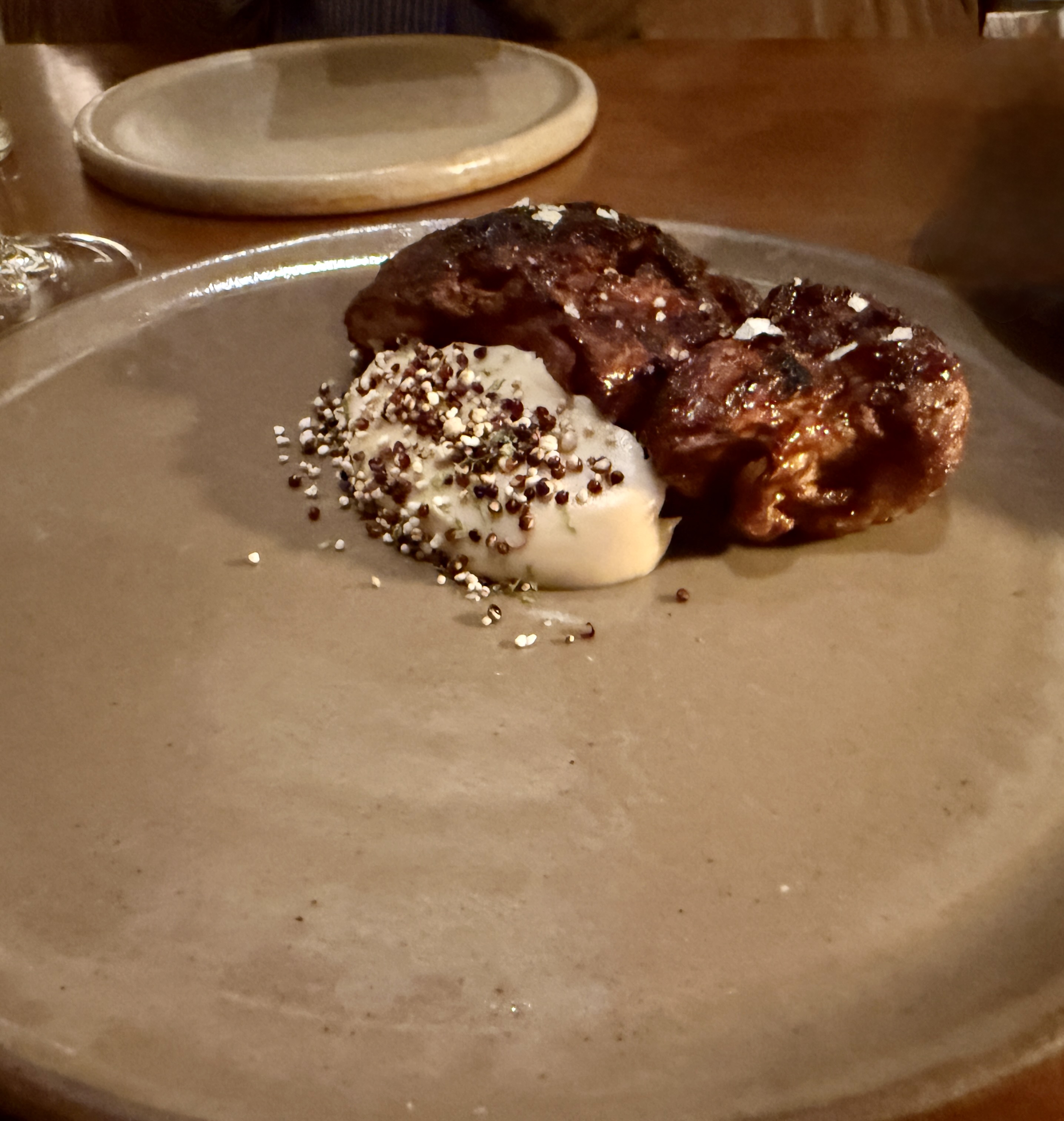
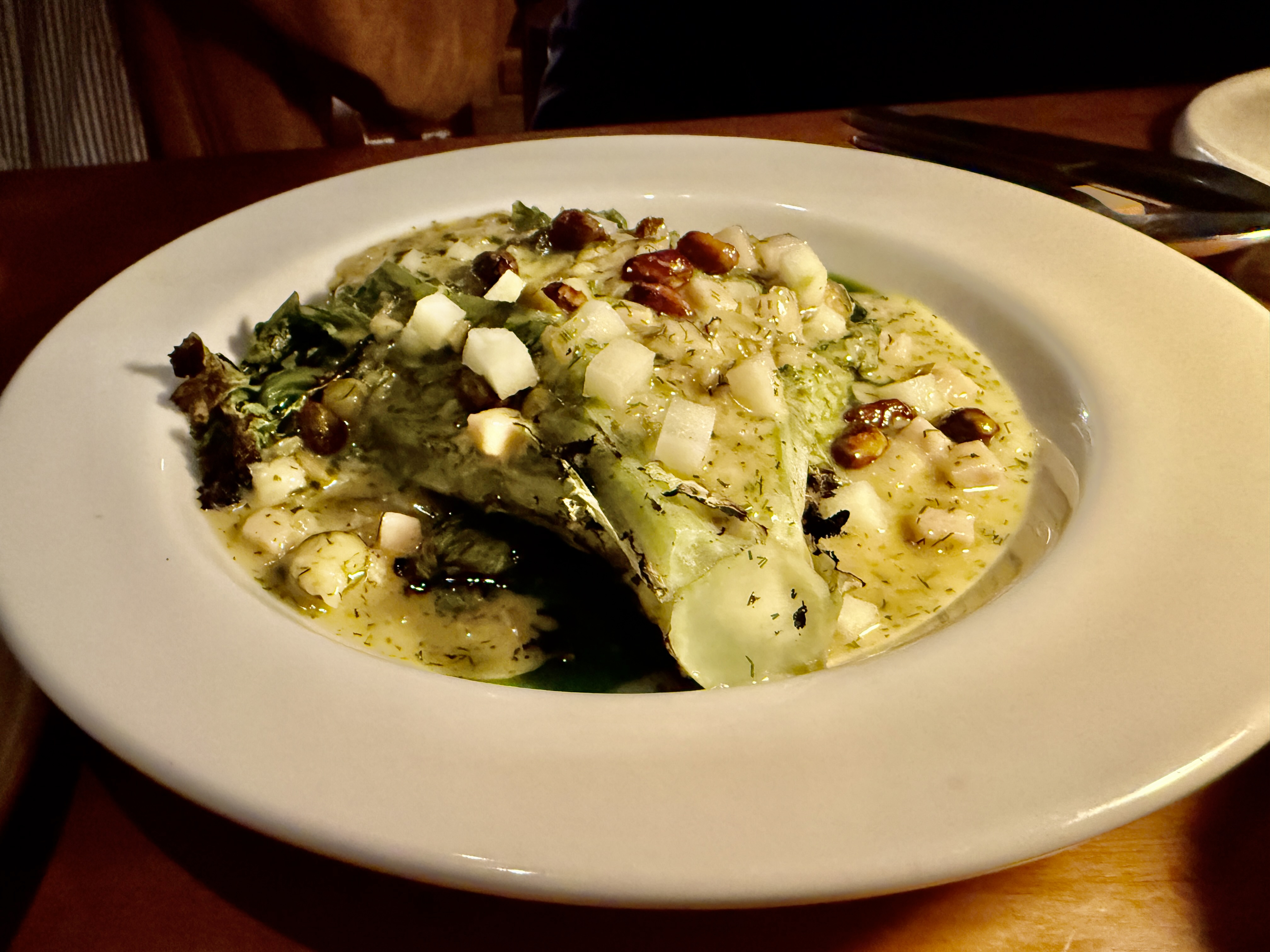
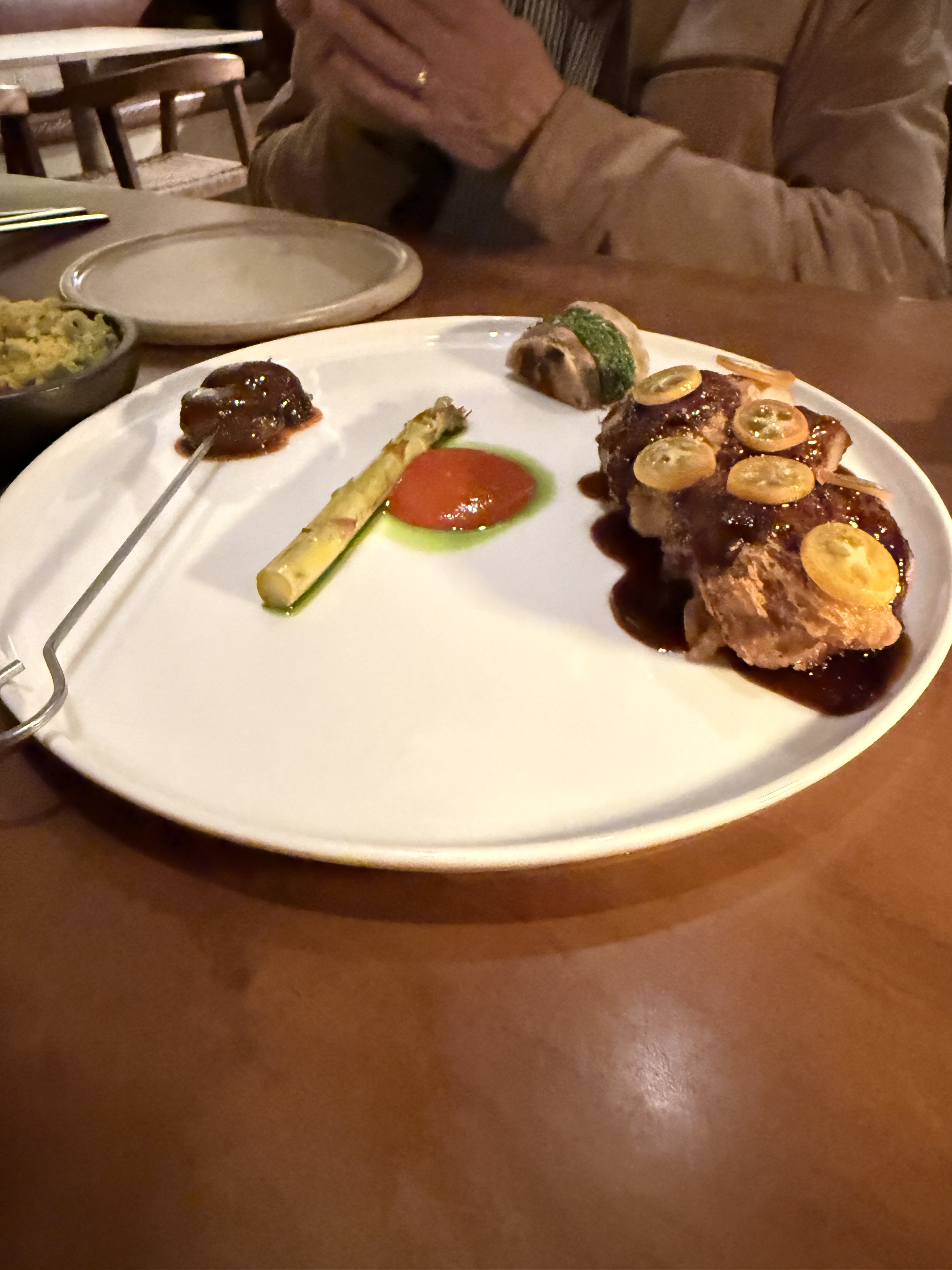
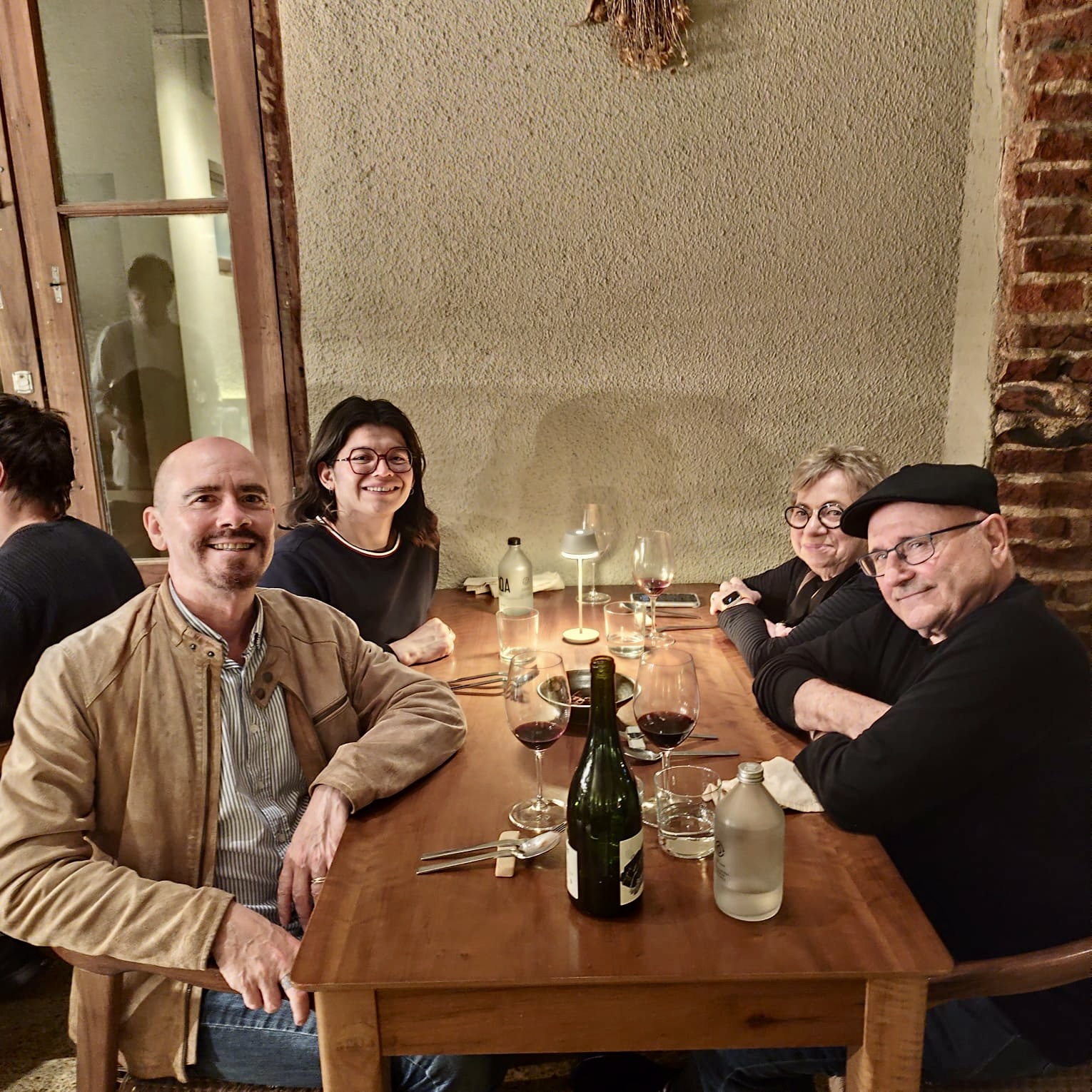
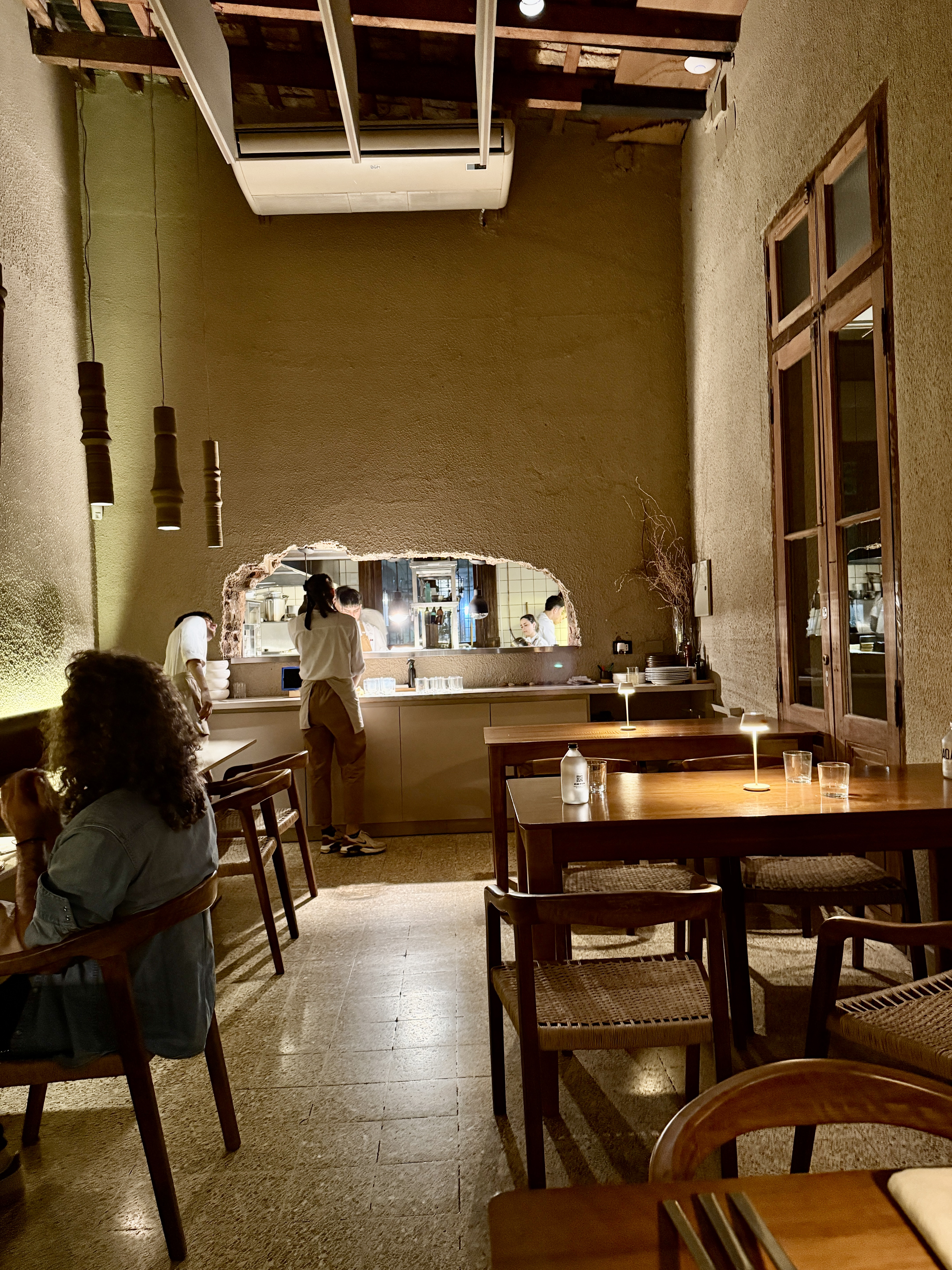
Im fading… Will describe the dinner for the foodies in my post tomorrow from Lobos, Argentina.
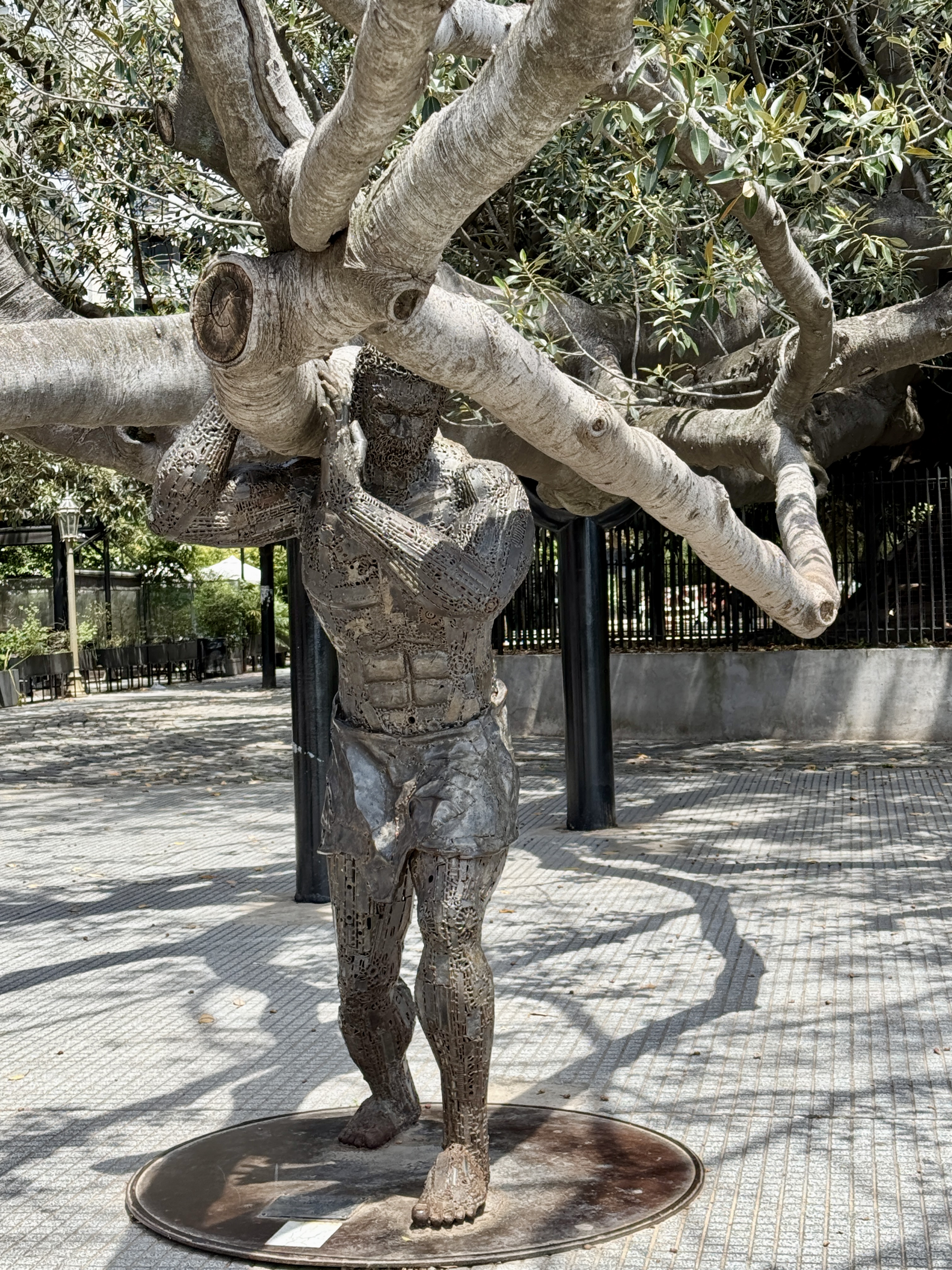
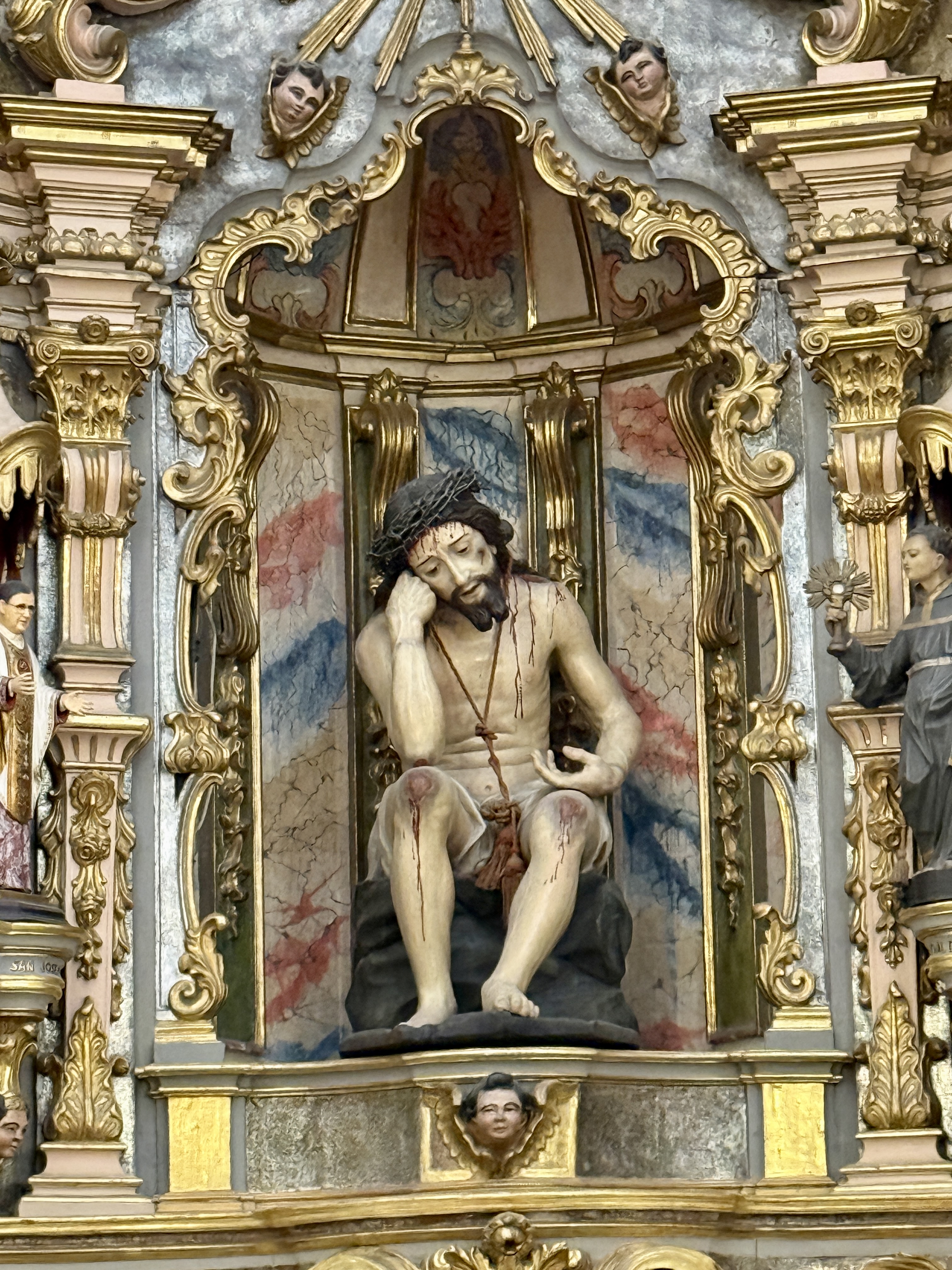
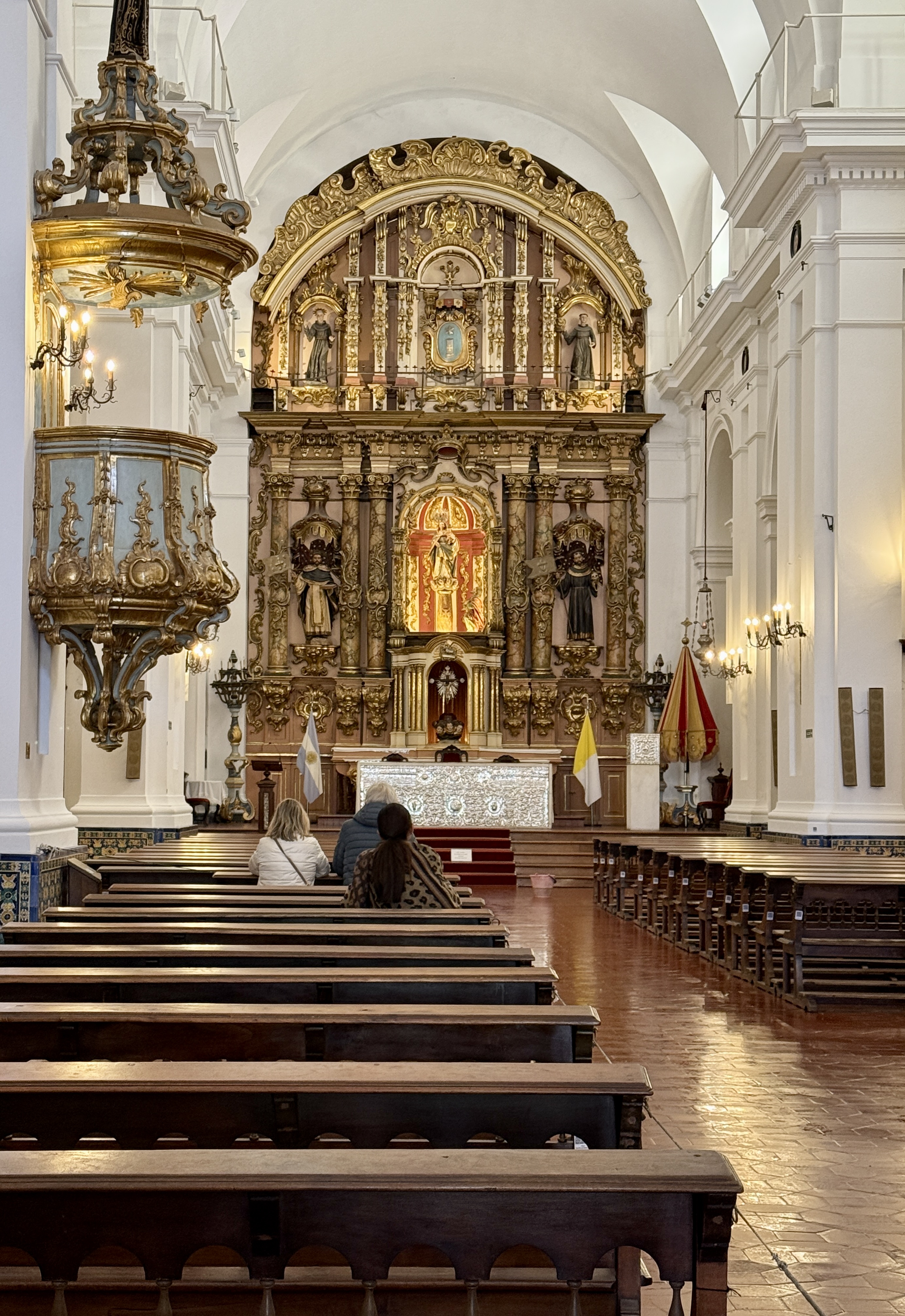
Began the day, as usual, at our little cafe down the street and then headed for the Centro Cultural de Recoletta which appeared to be about a 40-minute walk. We had a lot on our agenda today, given that we lost all of yesterday dealing with the iPhone. So we decided a taxi would be the most efficient way to move around (combined with walking and the metro). The taxi dropped us at what appeared to be the Cultural Center, which was adjacent to a lovely old church, so we poked our head into the church before going to the Center. There was a line to get in and we needed to purchase tickets. Once we got beyond the front door we realized we were in an amazing cemetery… not the cultural center, which was actually on the other side of the church. So we strolled through Cementerio de la Recoleta an incredible cemetery that contains the graves of notable people, including Eva Peron, Nobel Prize winners, presidents of Argentina, and members of Argentina’s wealthiest families over the decades.
It’s like streets lined with large row houses 15′ high and taller. It’s lined with elaborate marble mausoleums that are decorated with statues. The styles of the mausoleums include Art Deco, Art Nouveau, Baroque, and Neo-Gothis. It’s laid out in sections like city blocks, with tree-lined main walkways. Some of the mausoleums are still being used by rich families in Argentina. For comparison, it’s about 1/4 the size of Père Lachaise Cemetery in Paris for those who may have stumbled on, as I did (or purposefully visited) that cemetery. But the feel is very different because it’s very religious and again has this verticality.
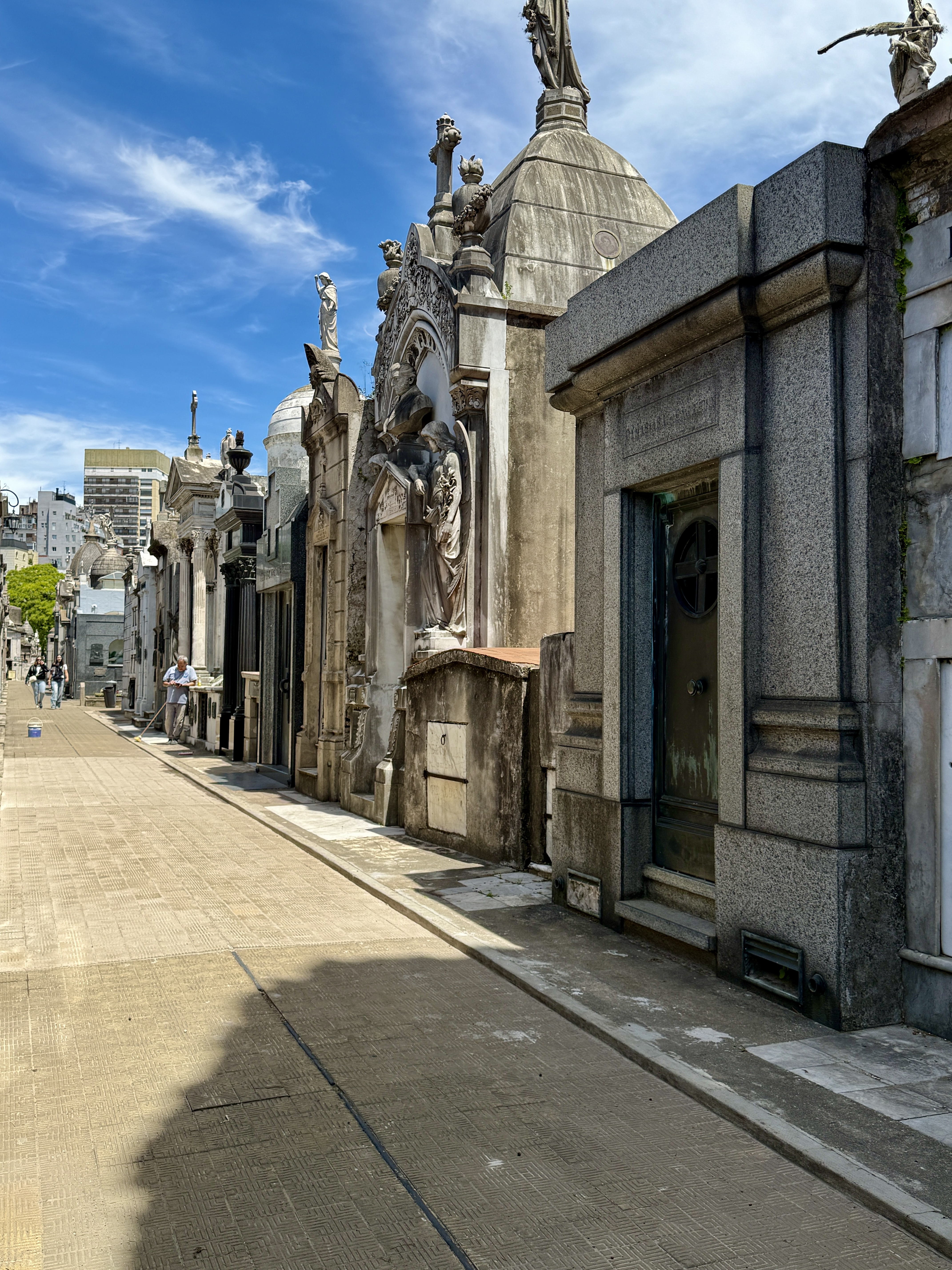

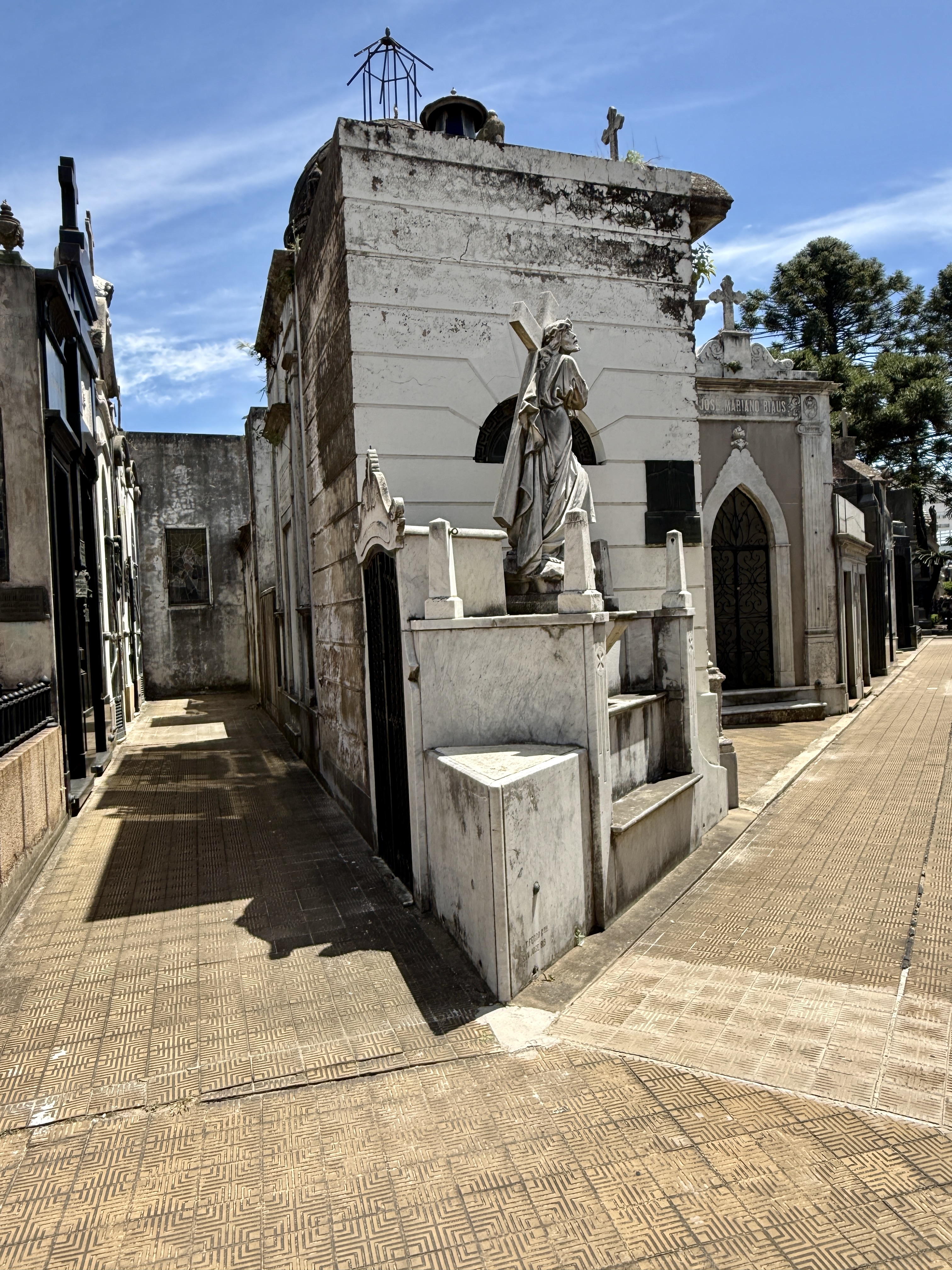
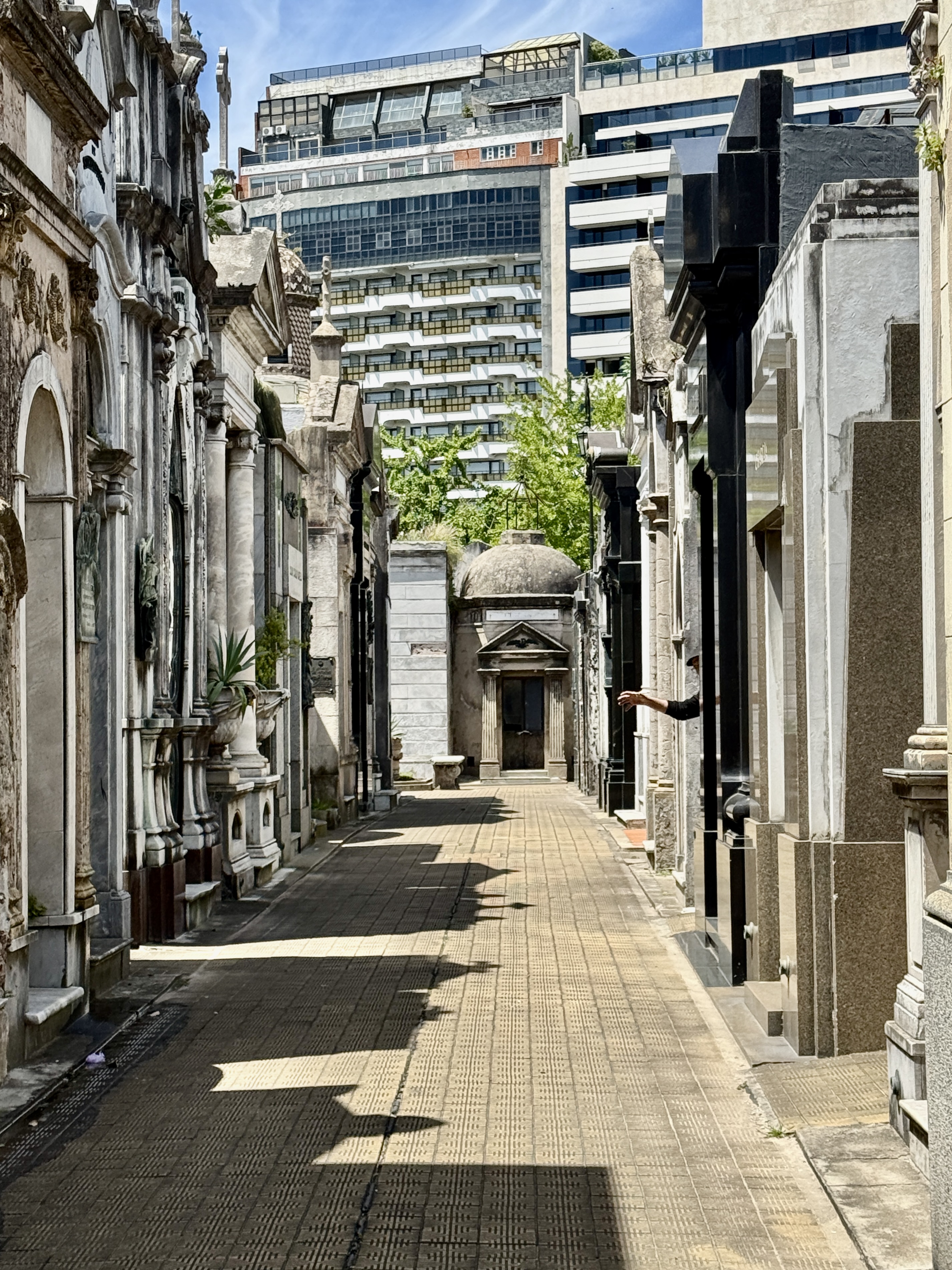
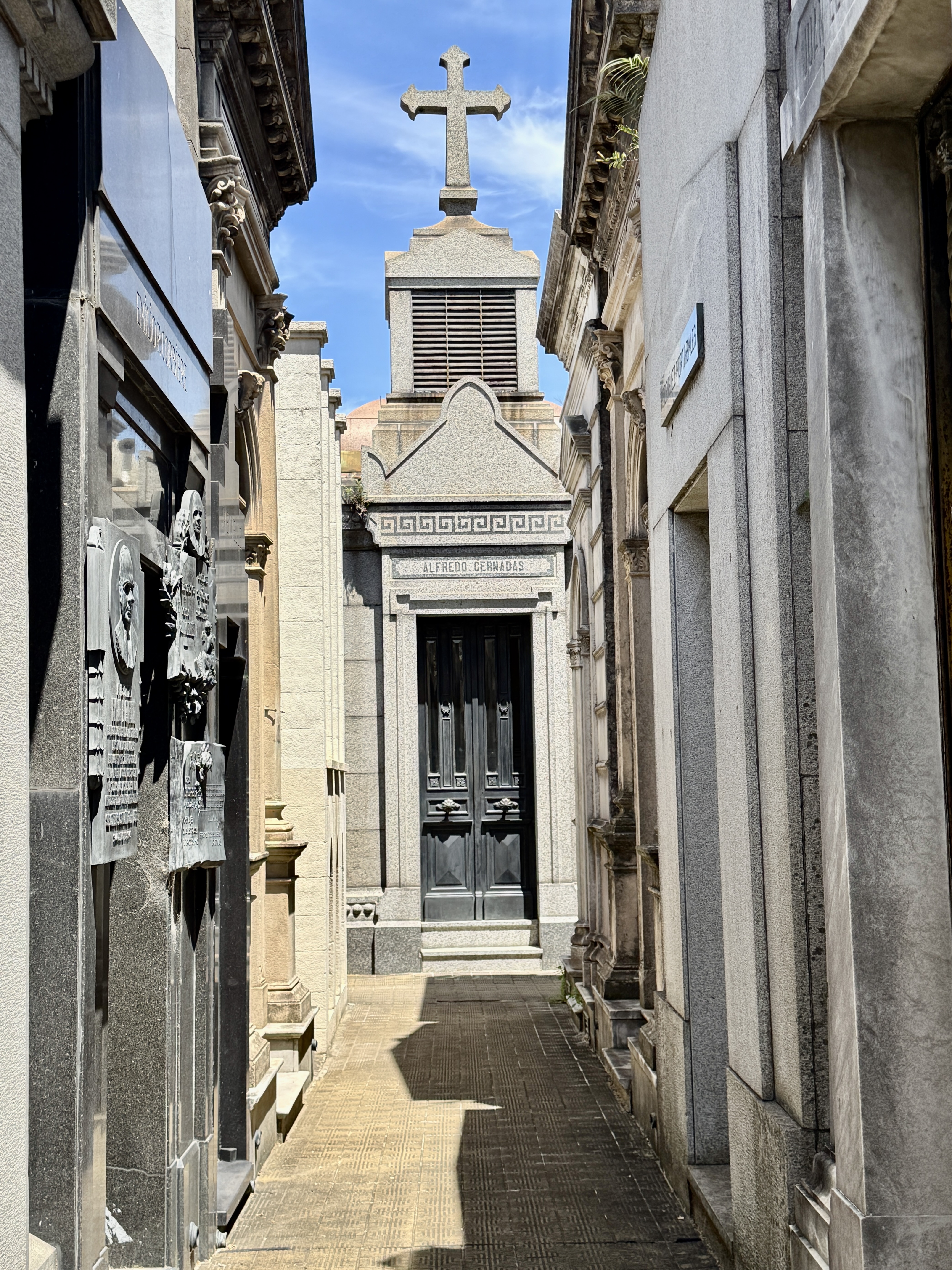
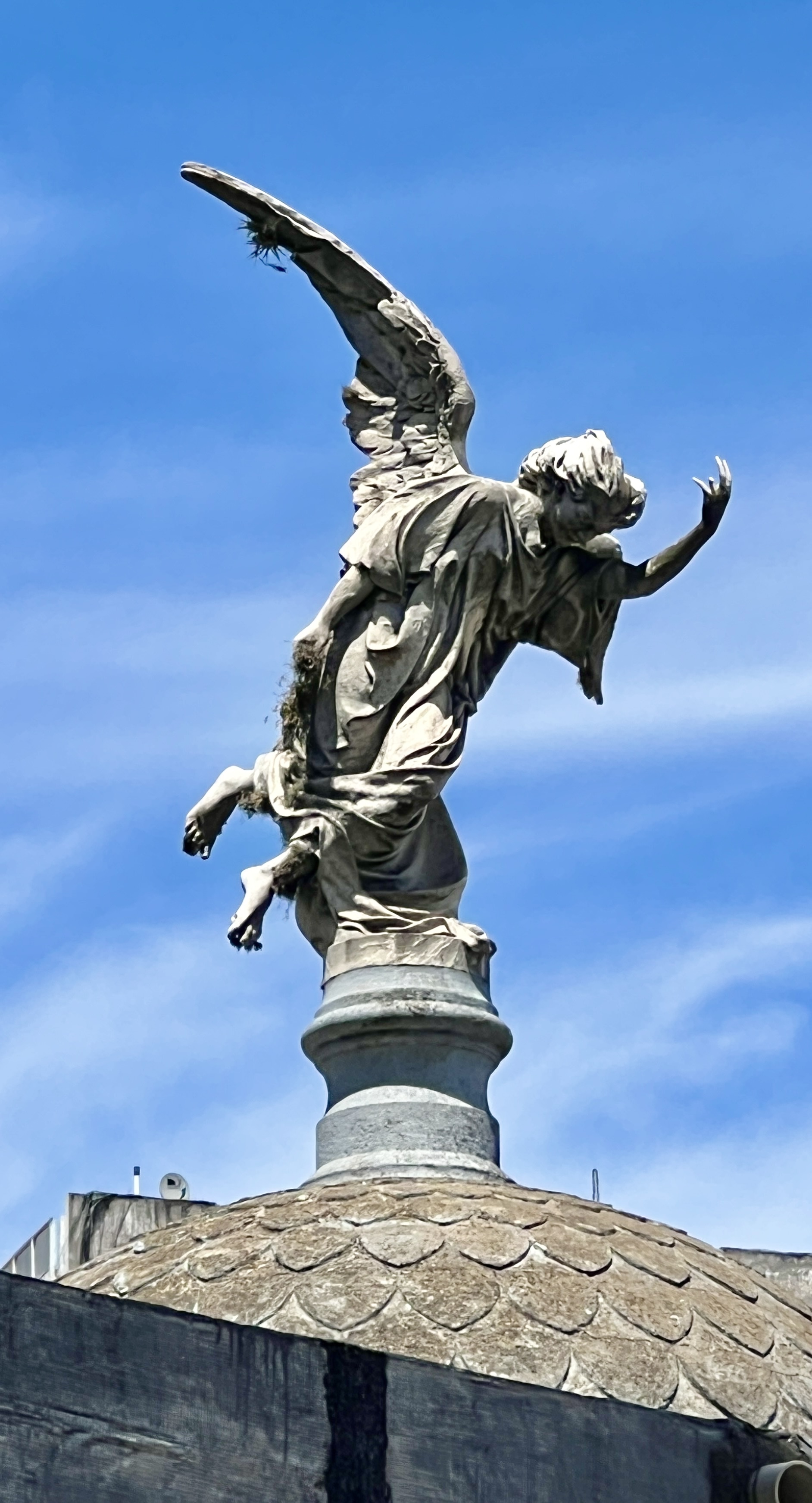
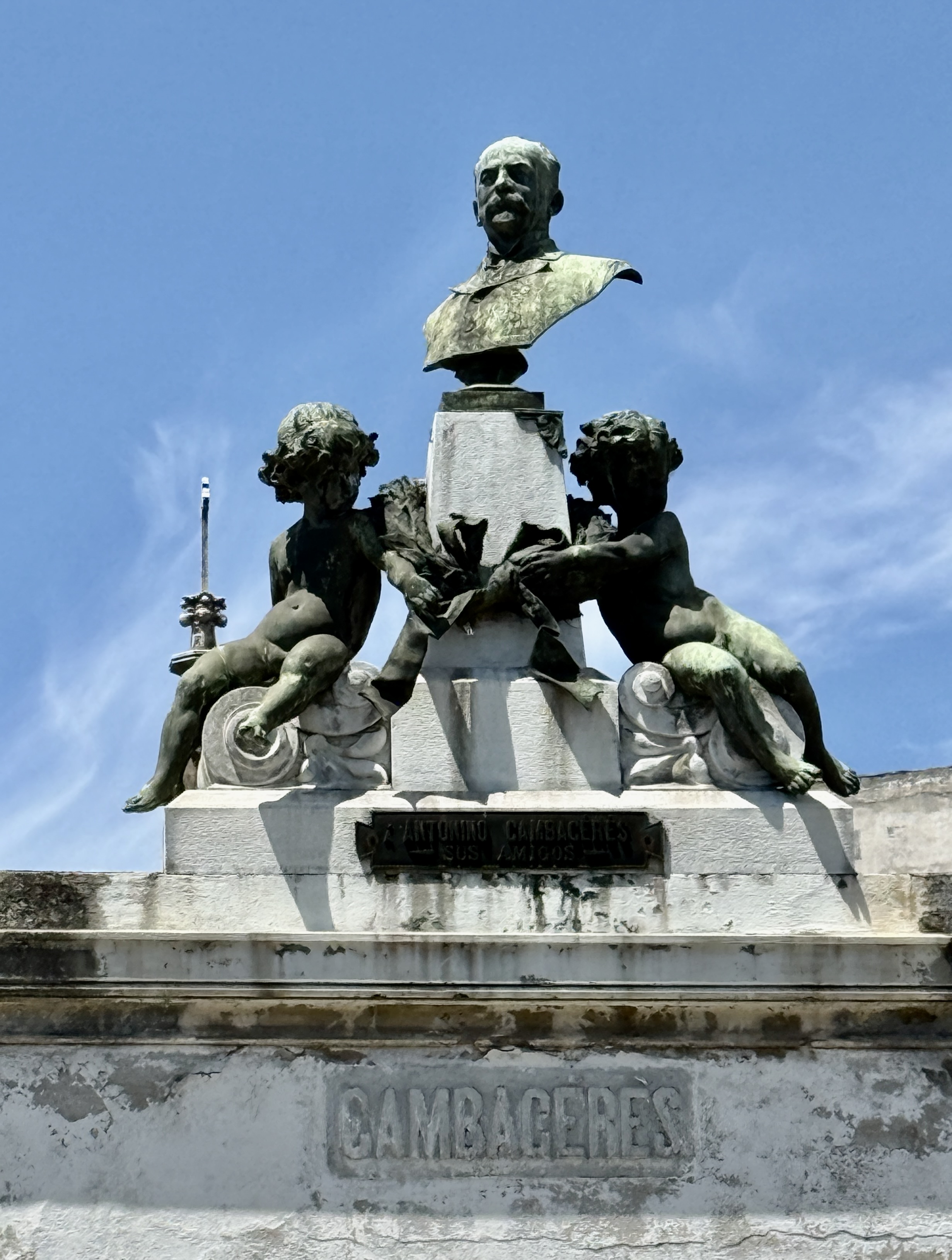
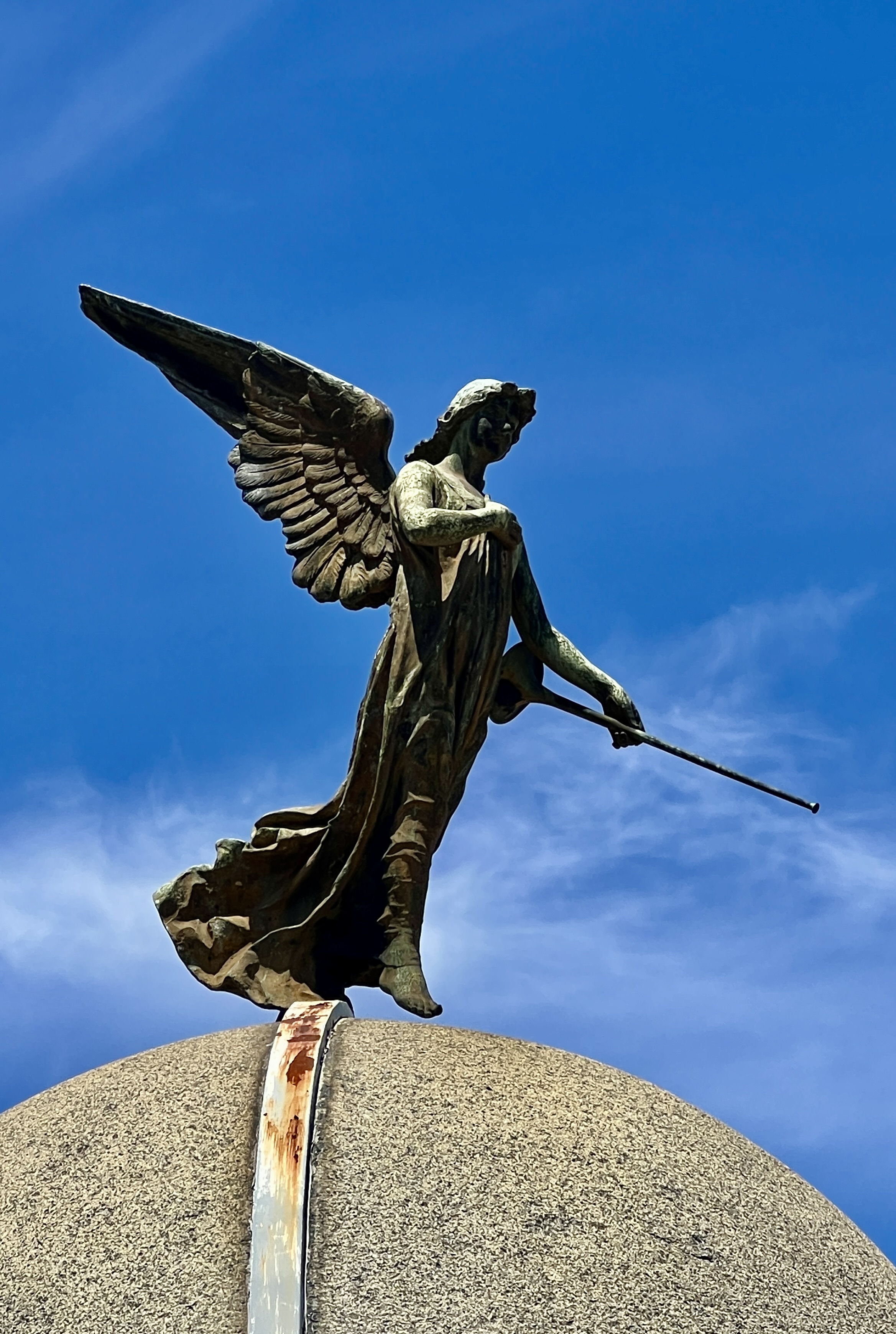
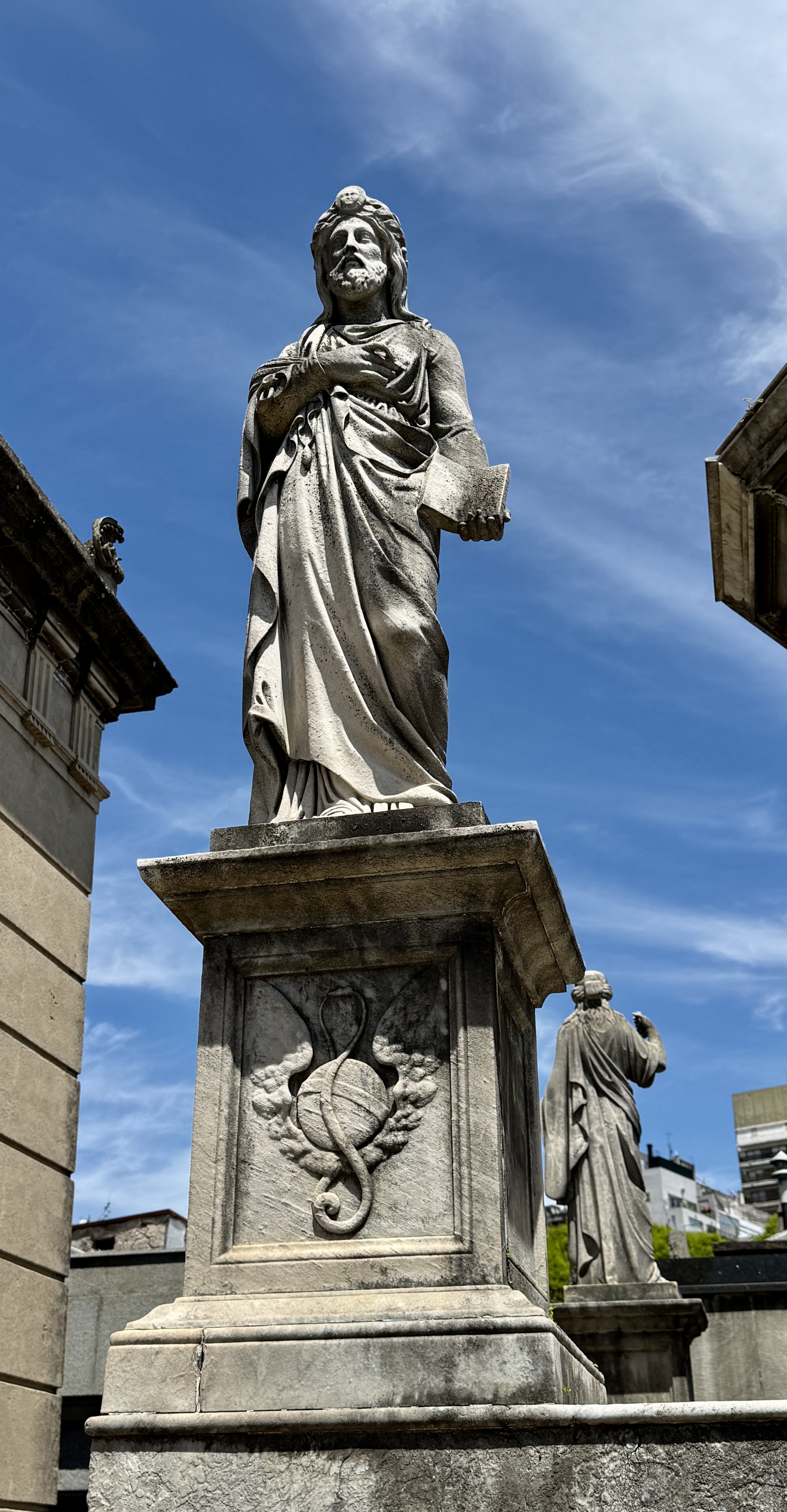
After a quick stroll among the dead we walked to the other sid of the church and arrived at the Culture Center — a contemporary exhibit space that also hosts events, concerts, films, etc. The center was in the midst of hanging two new shows including one for Day of the Dead, so the offerings were slim.
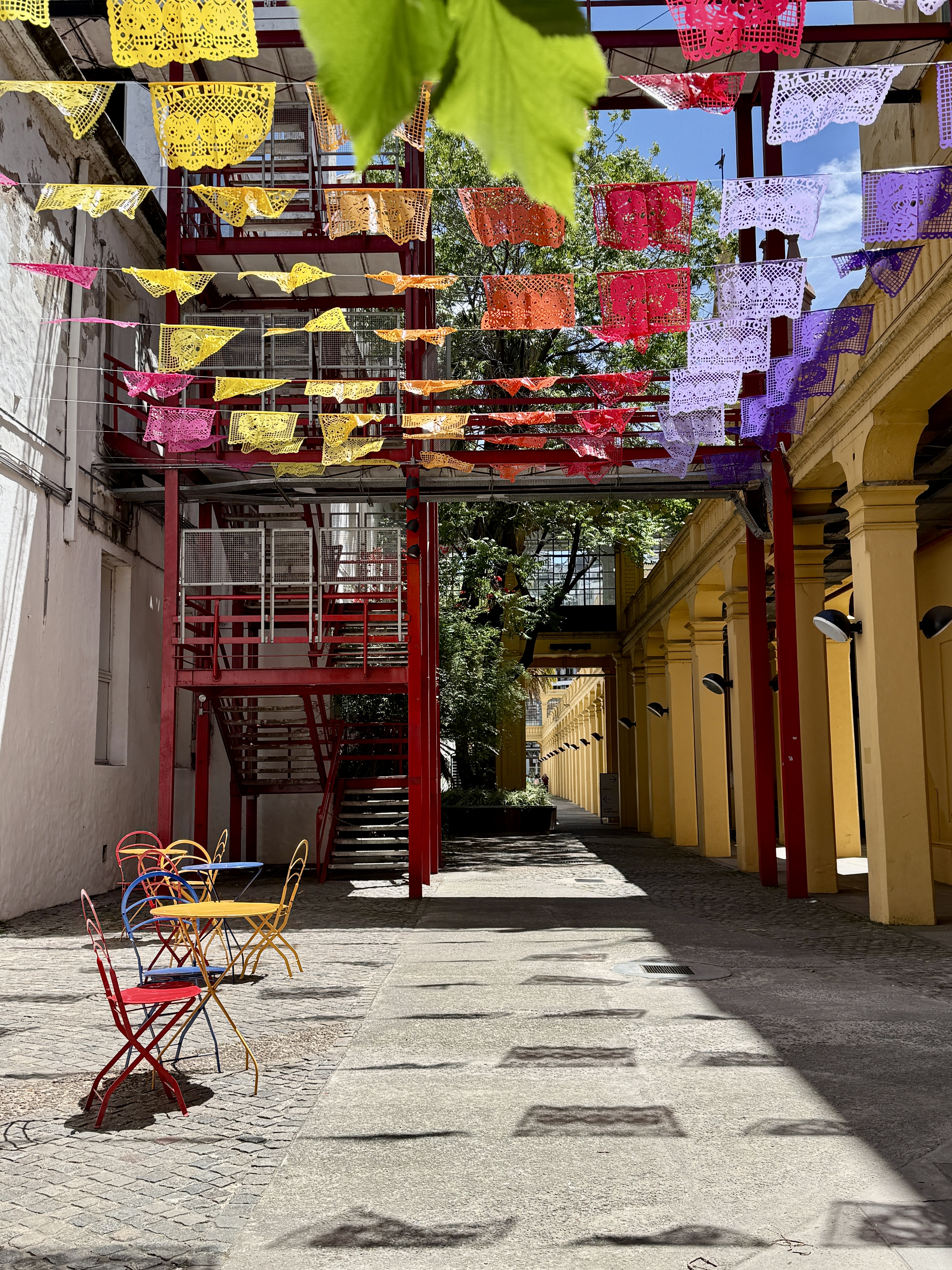

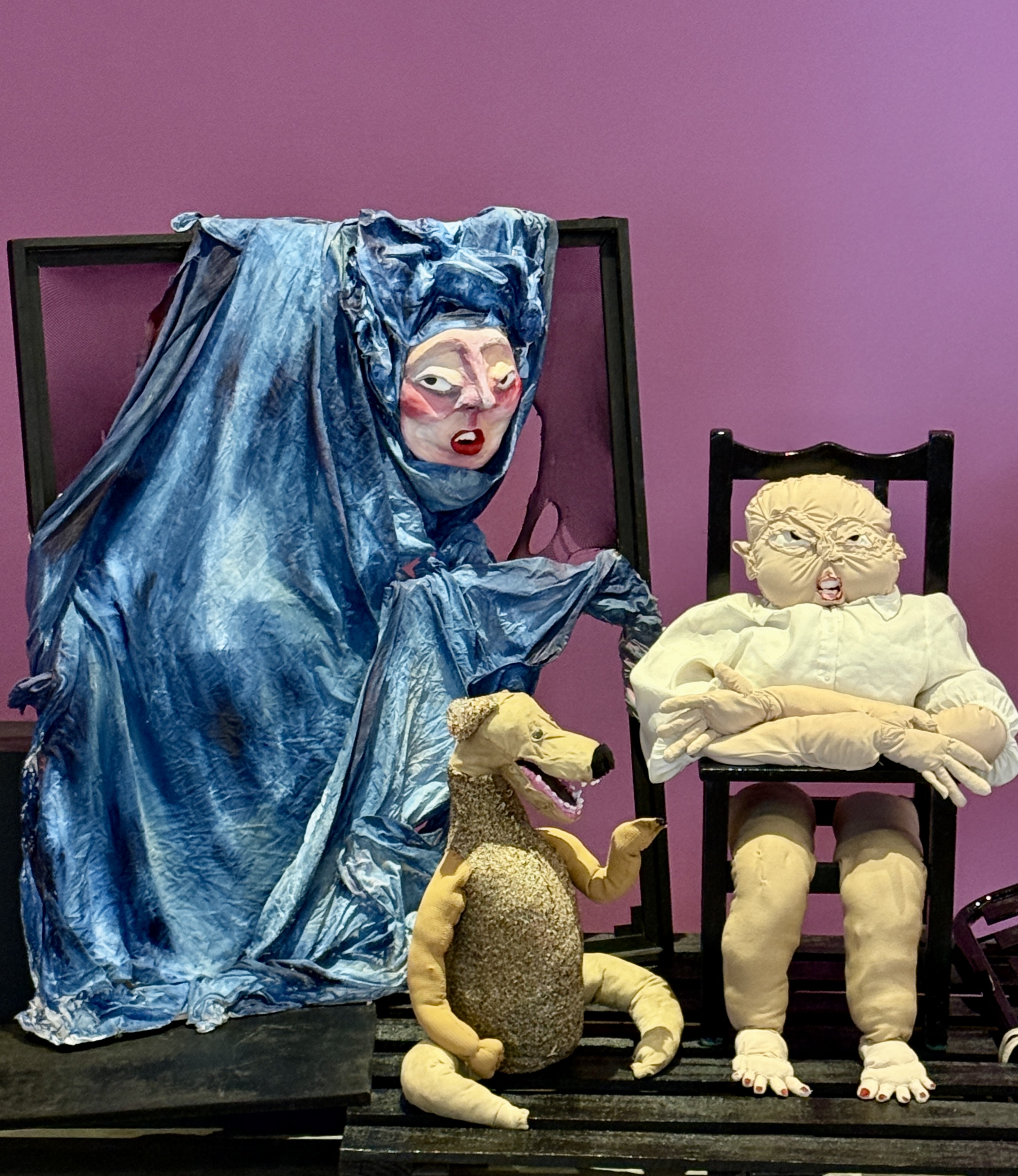
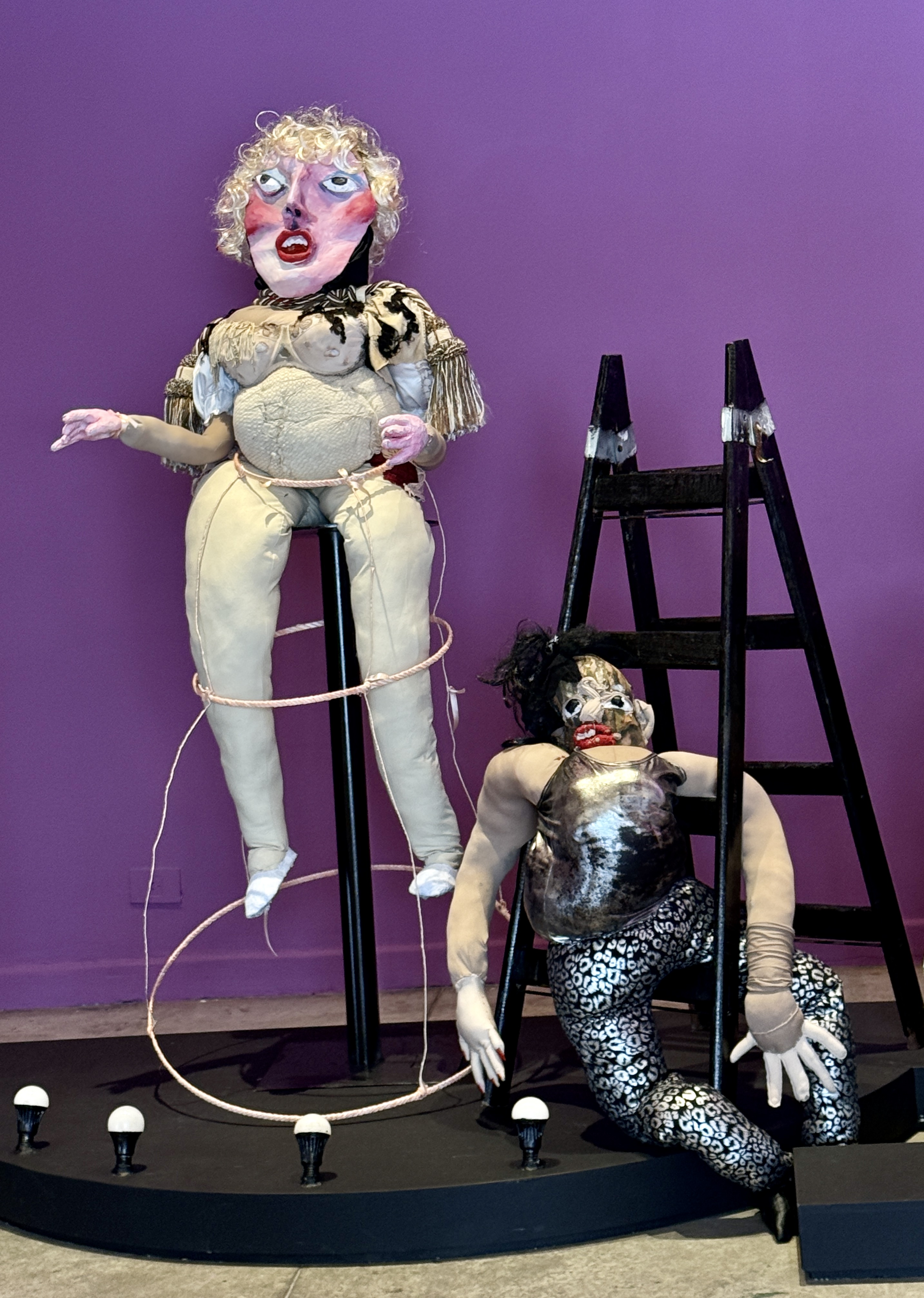
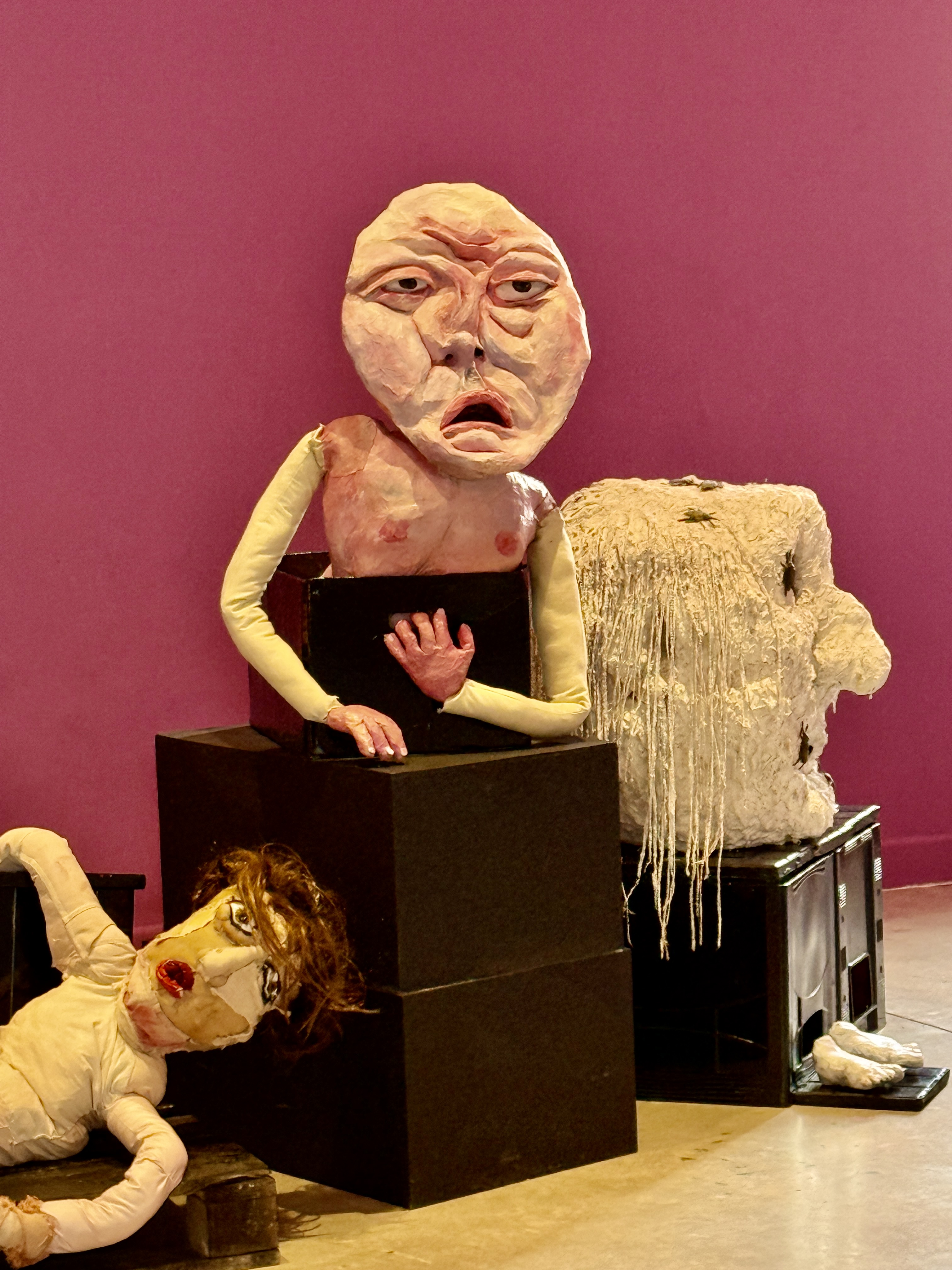
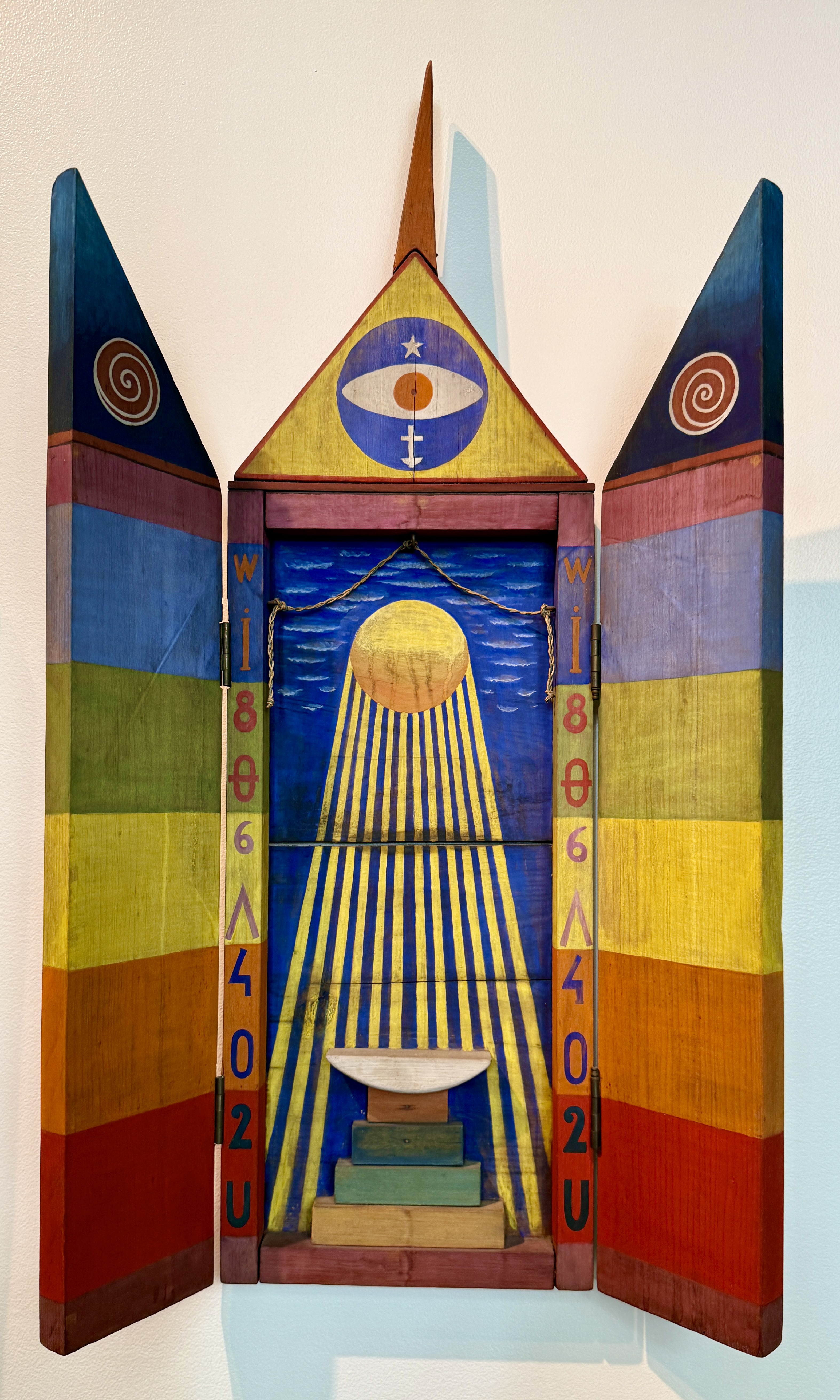
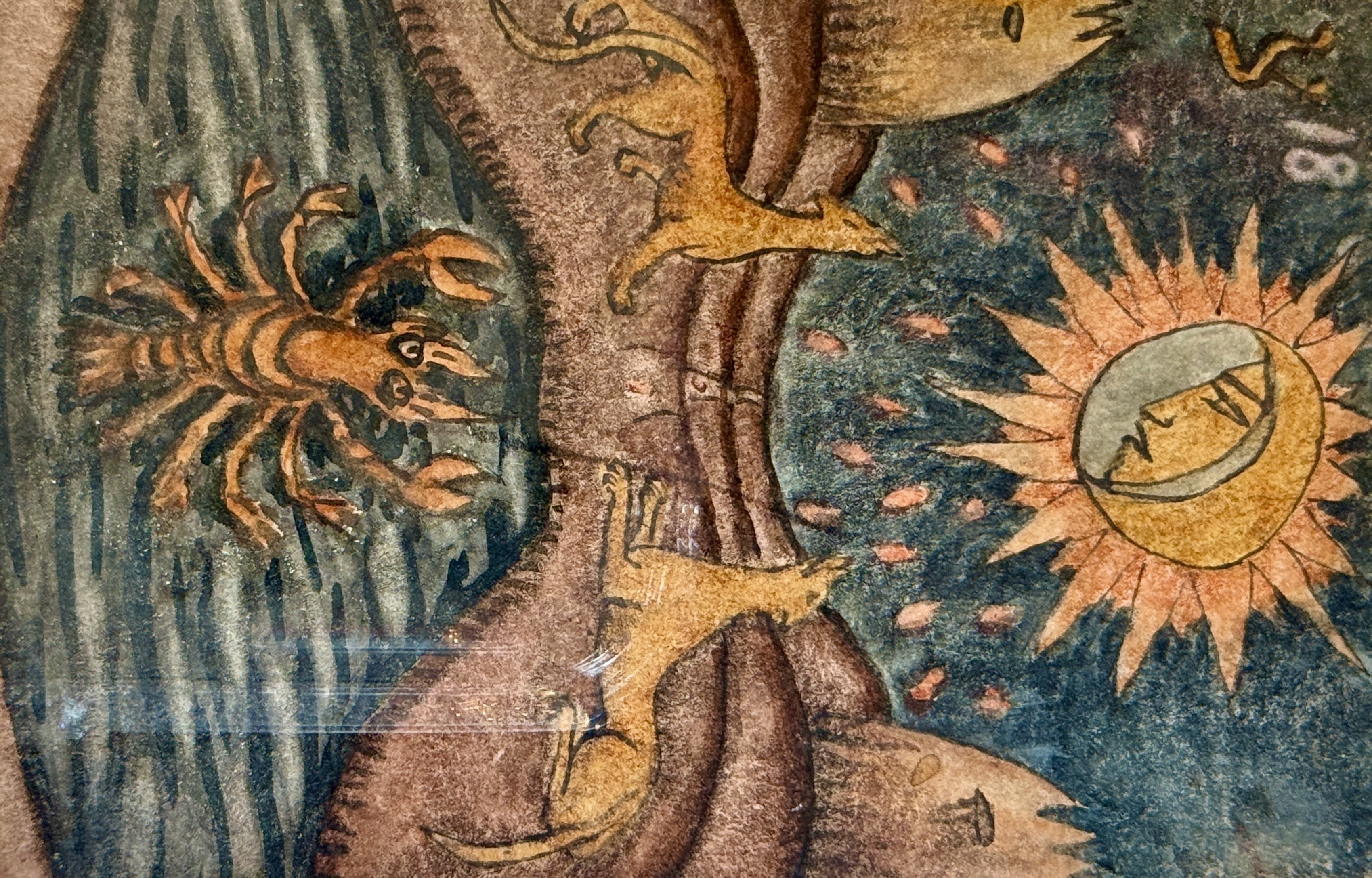
From there we walked a bit and then headed to see a gallery devoted to the work of Xul Solar, a painter and artist who used many different media. He was involved seriously in astrology, linguistics, the occult, and mythology. It is said that he was fluent in 20 languages and went on to create his own language that he considered to be a potential world language. And he created games, a piano with three rows of keys and a a six-note scale.
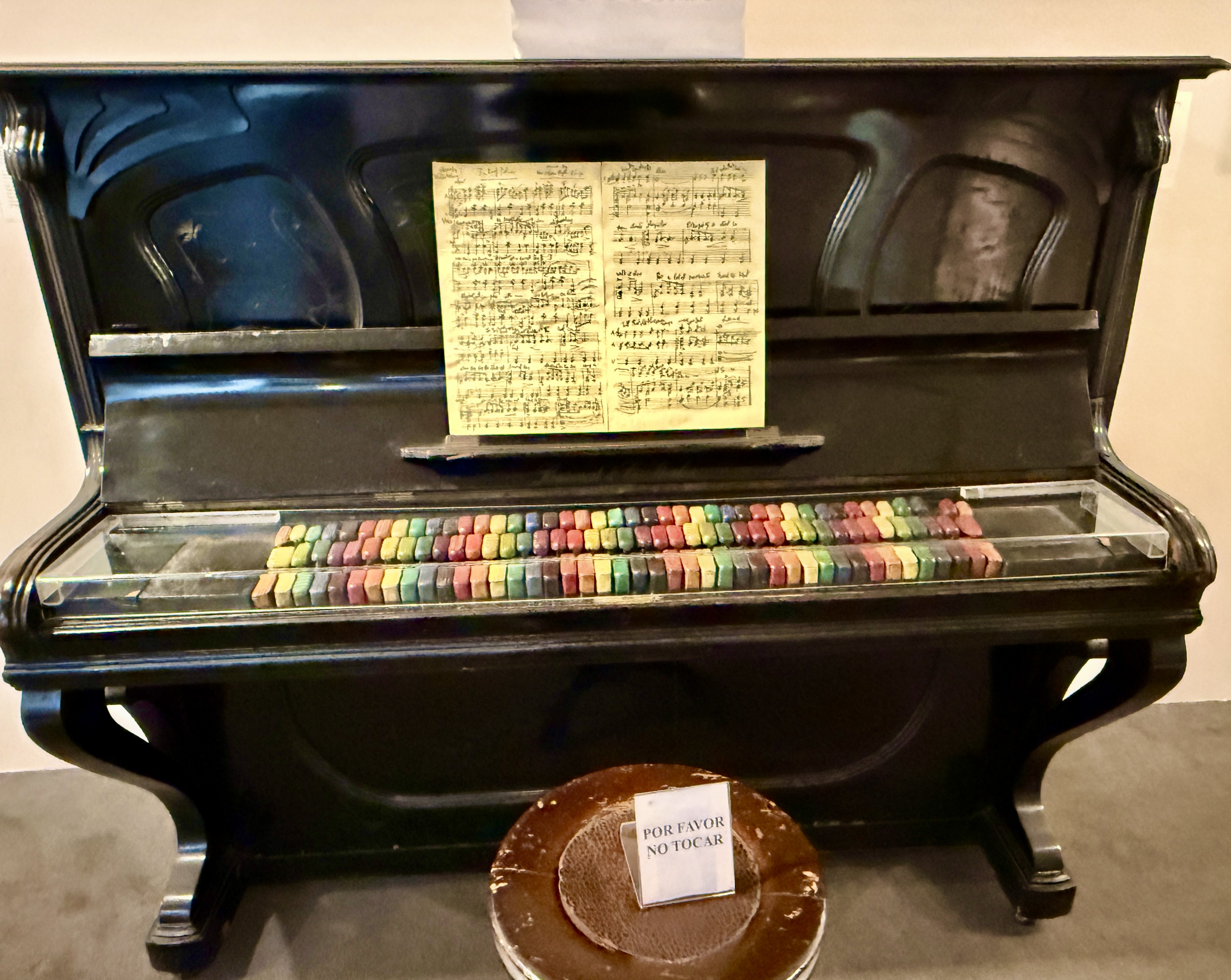
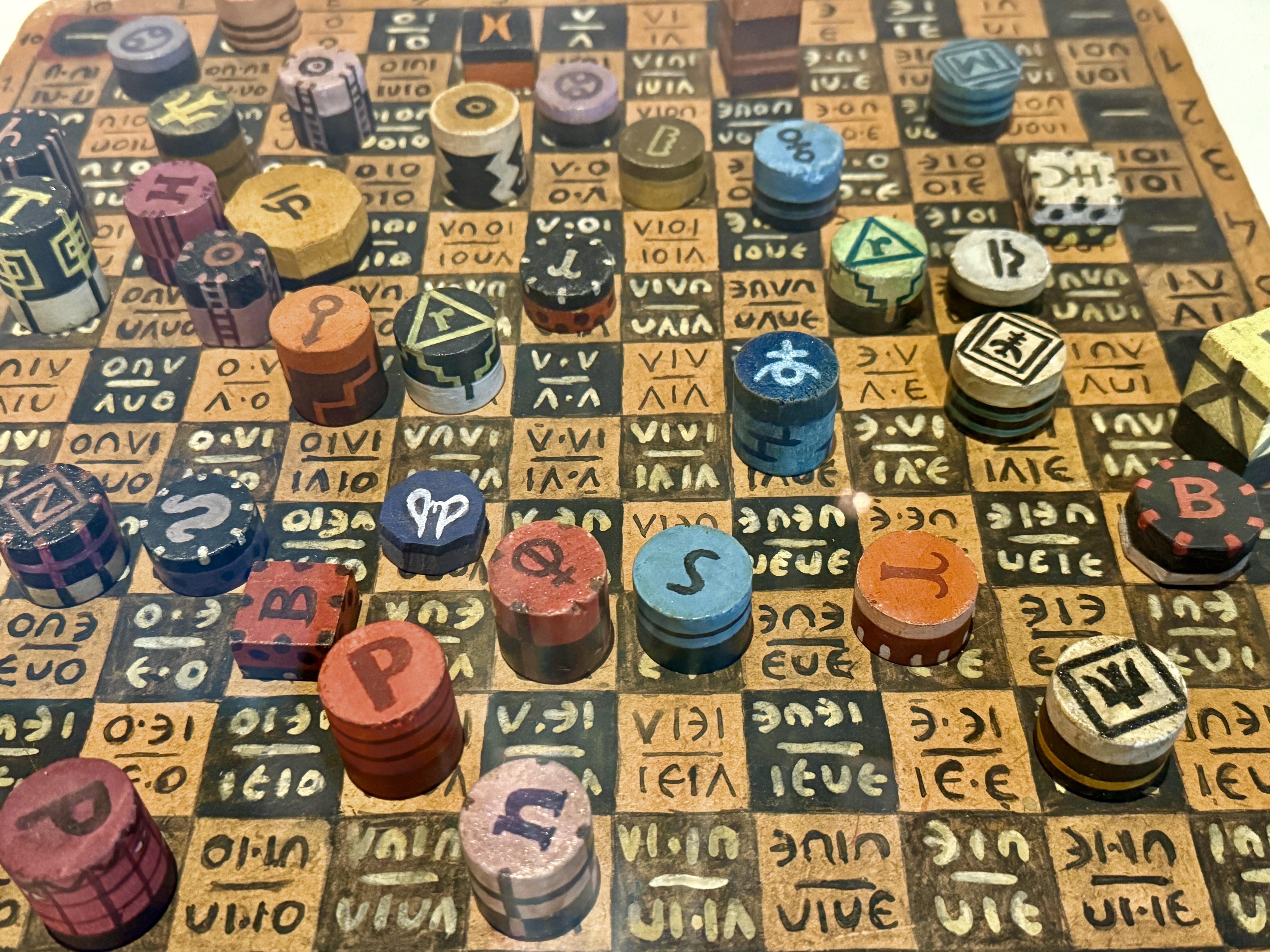
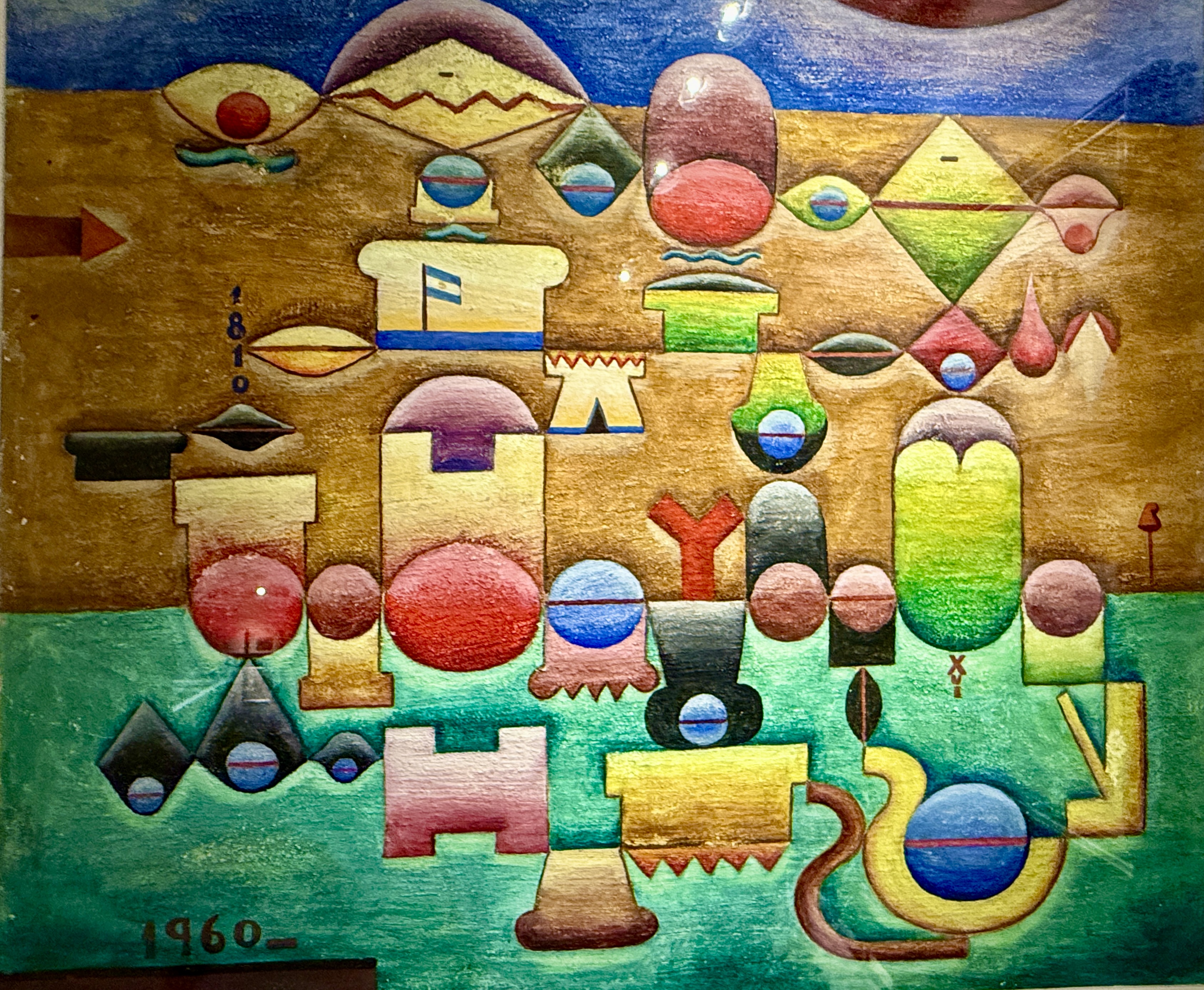
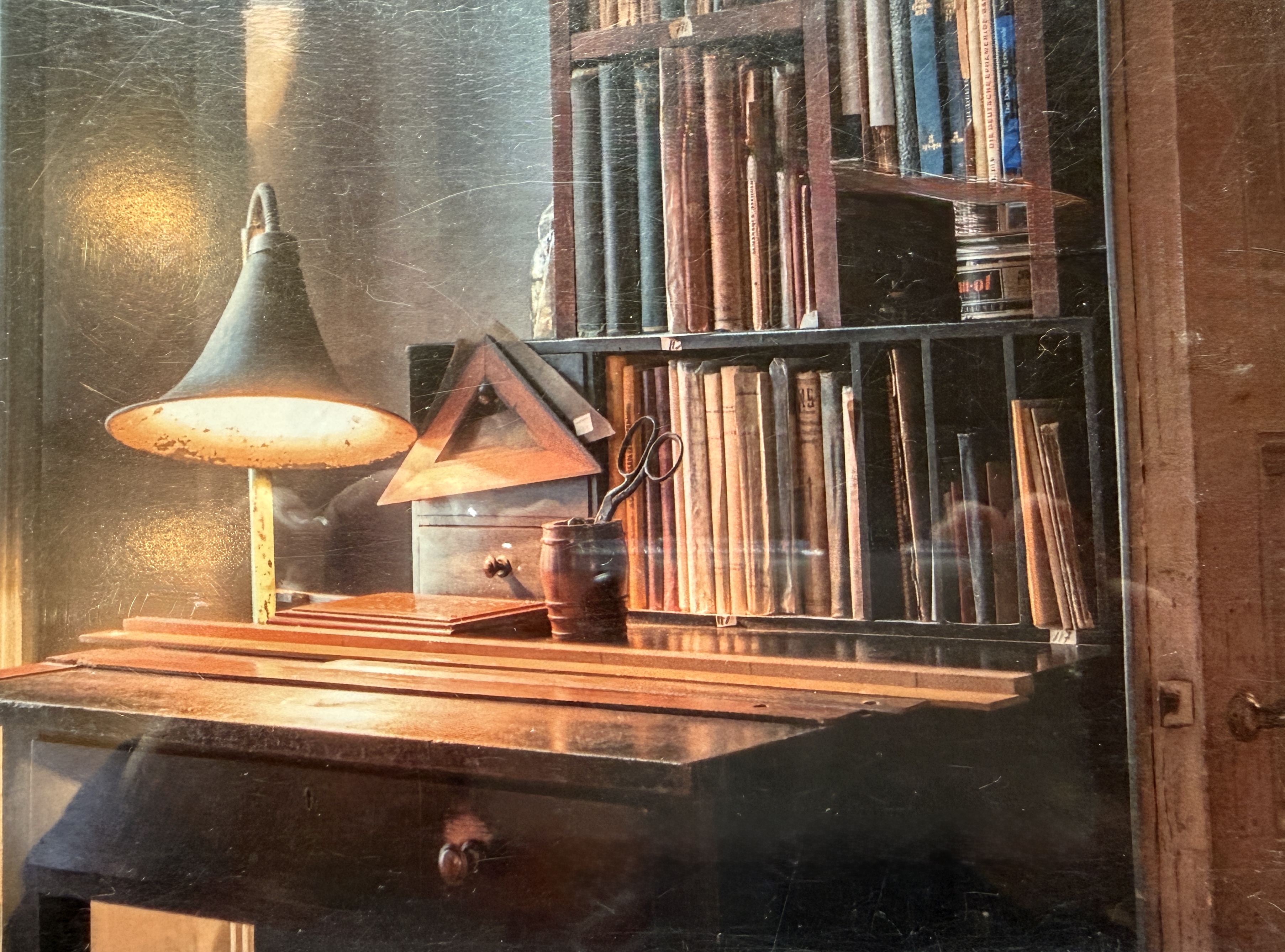
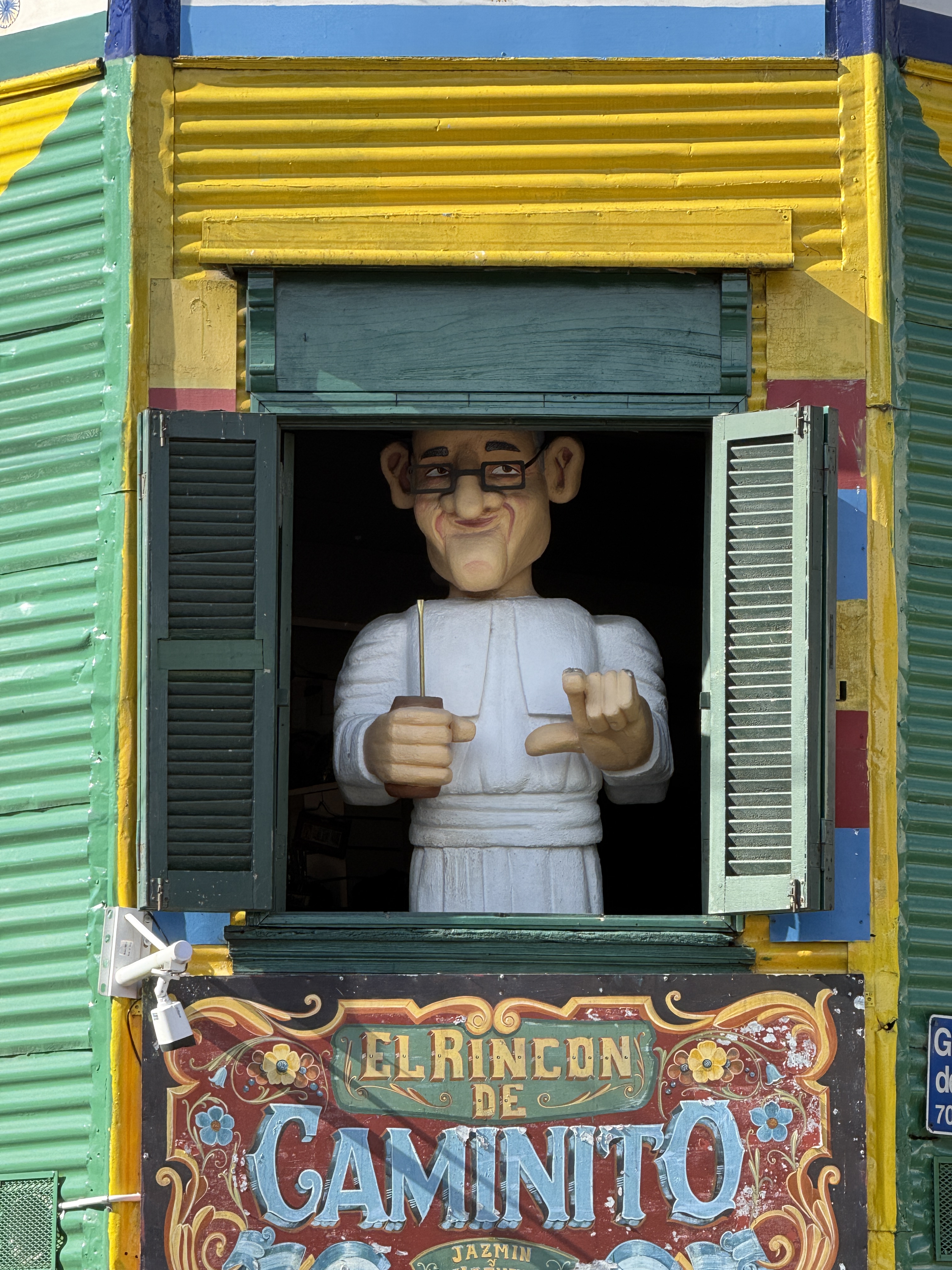
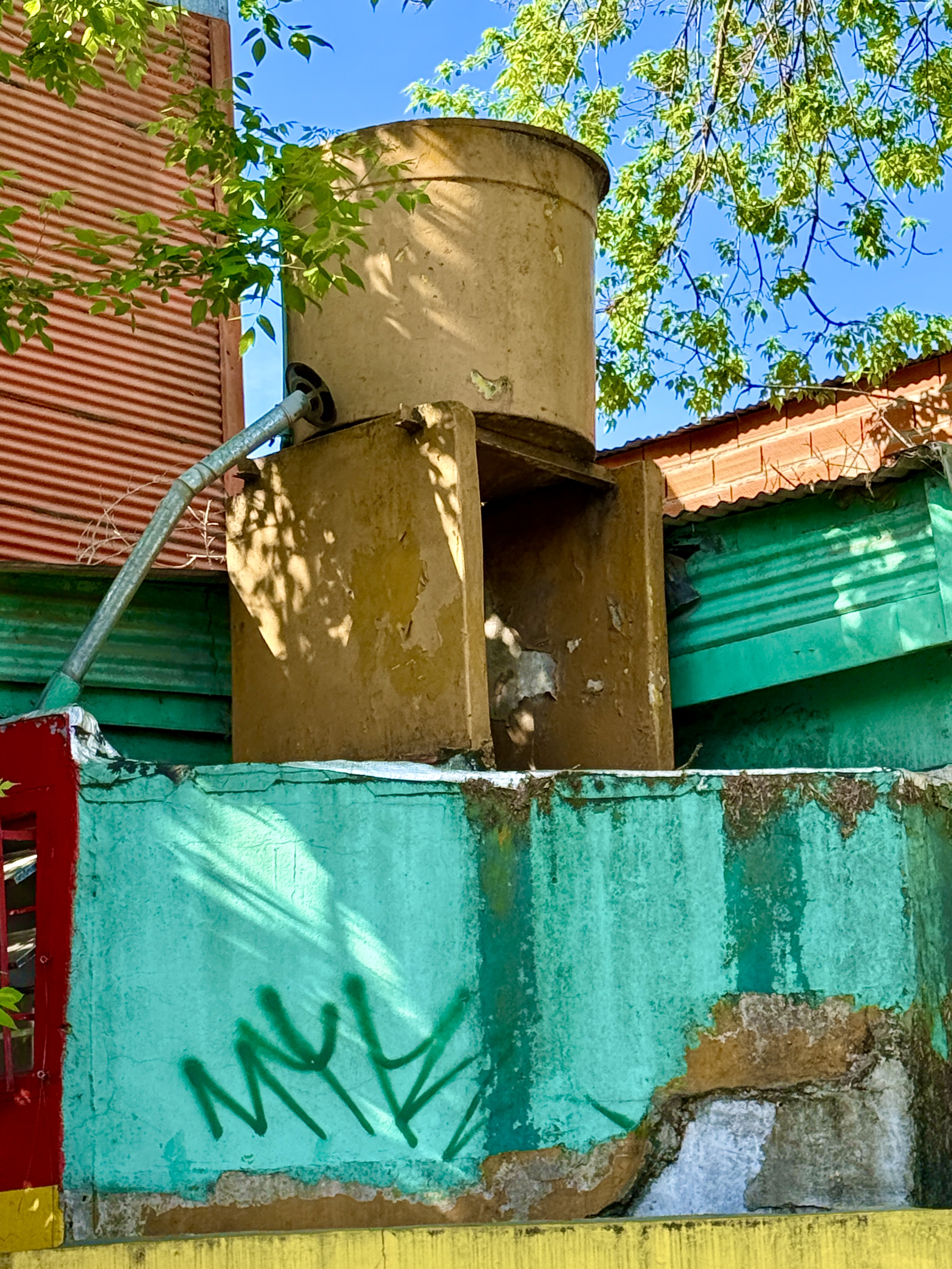
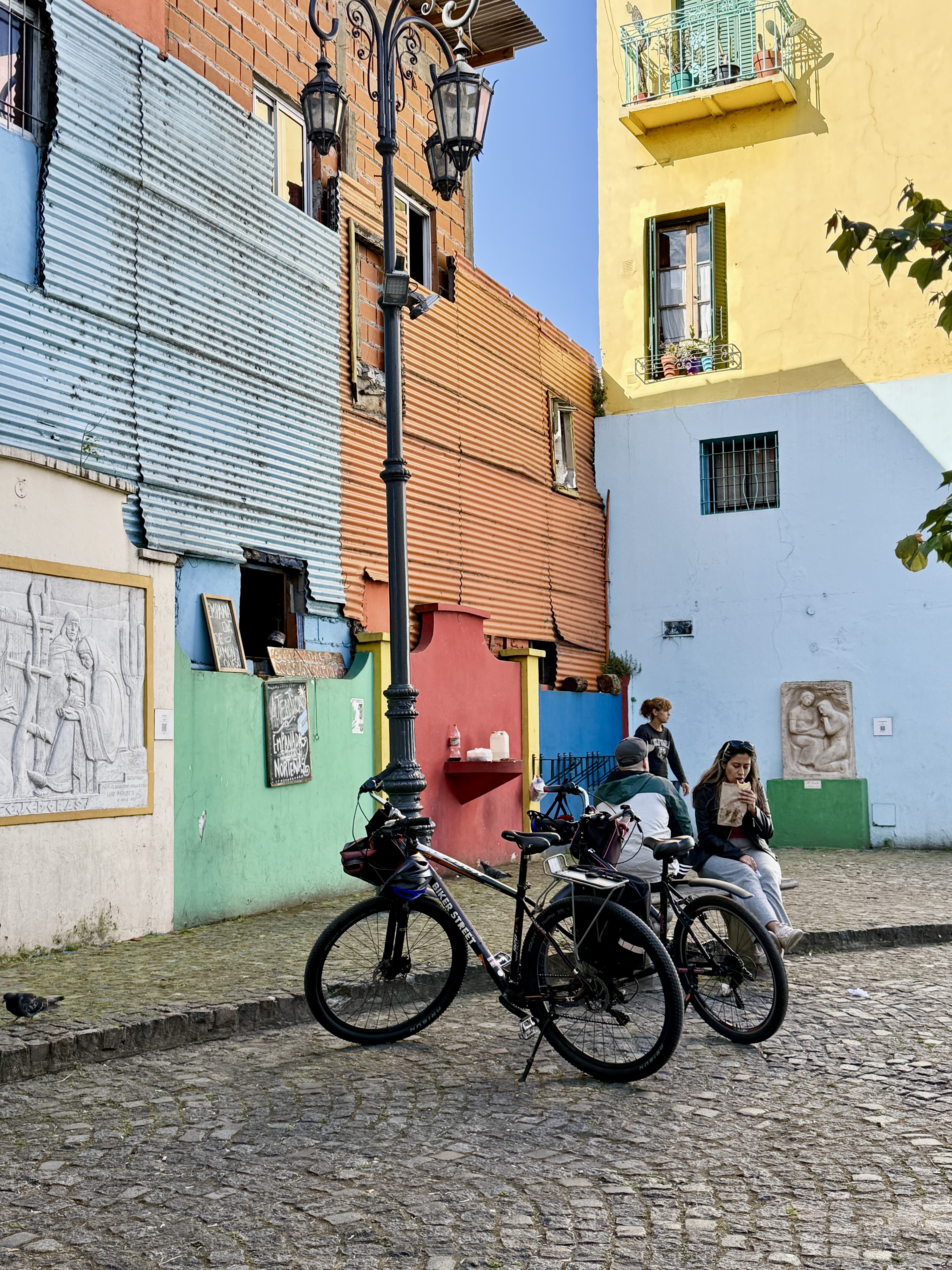
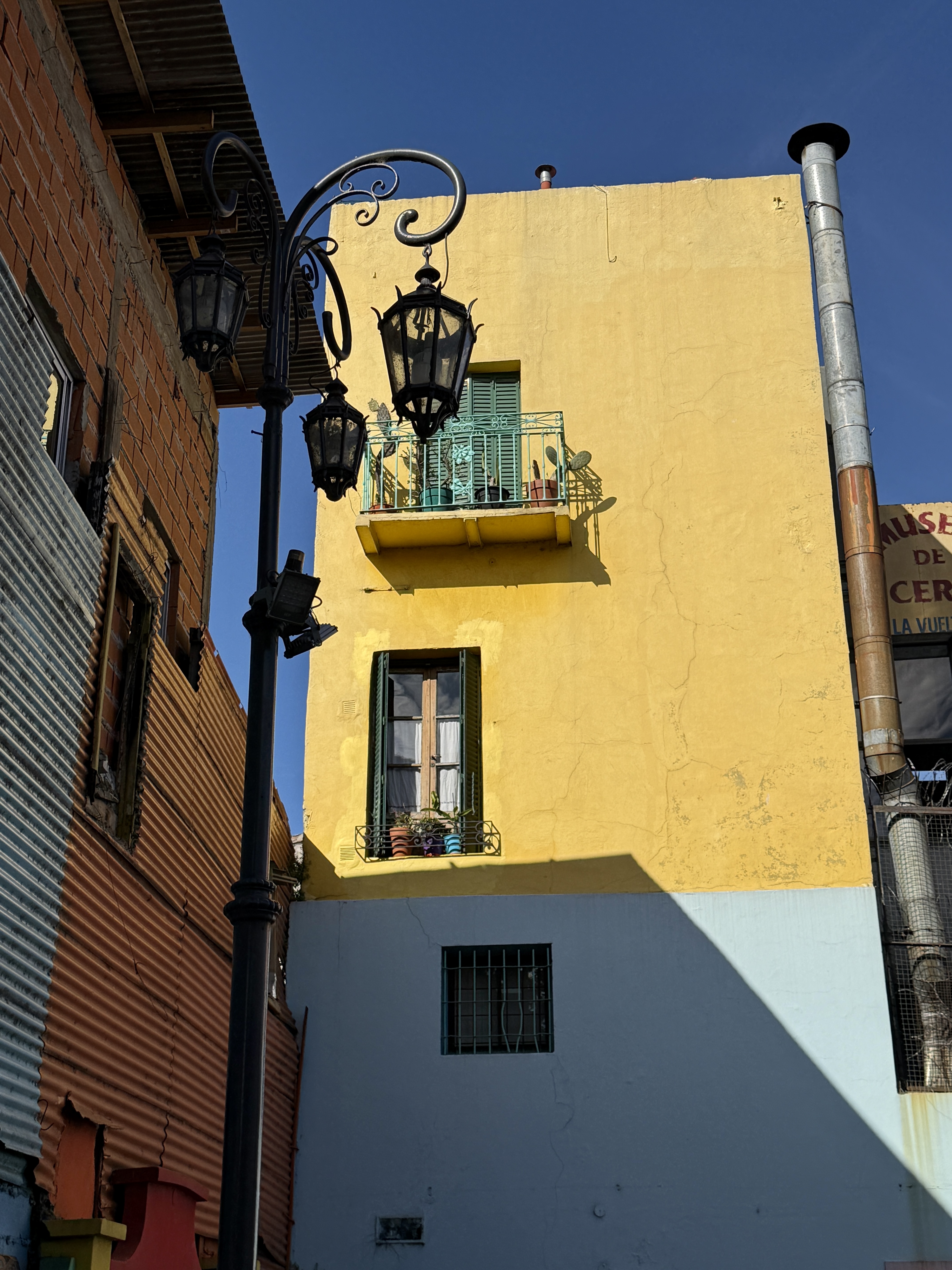
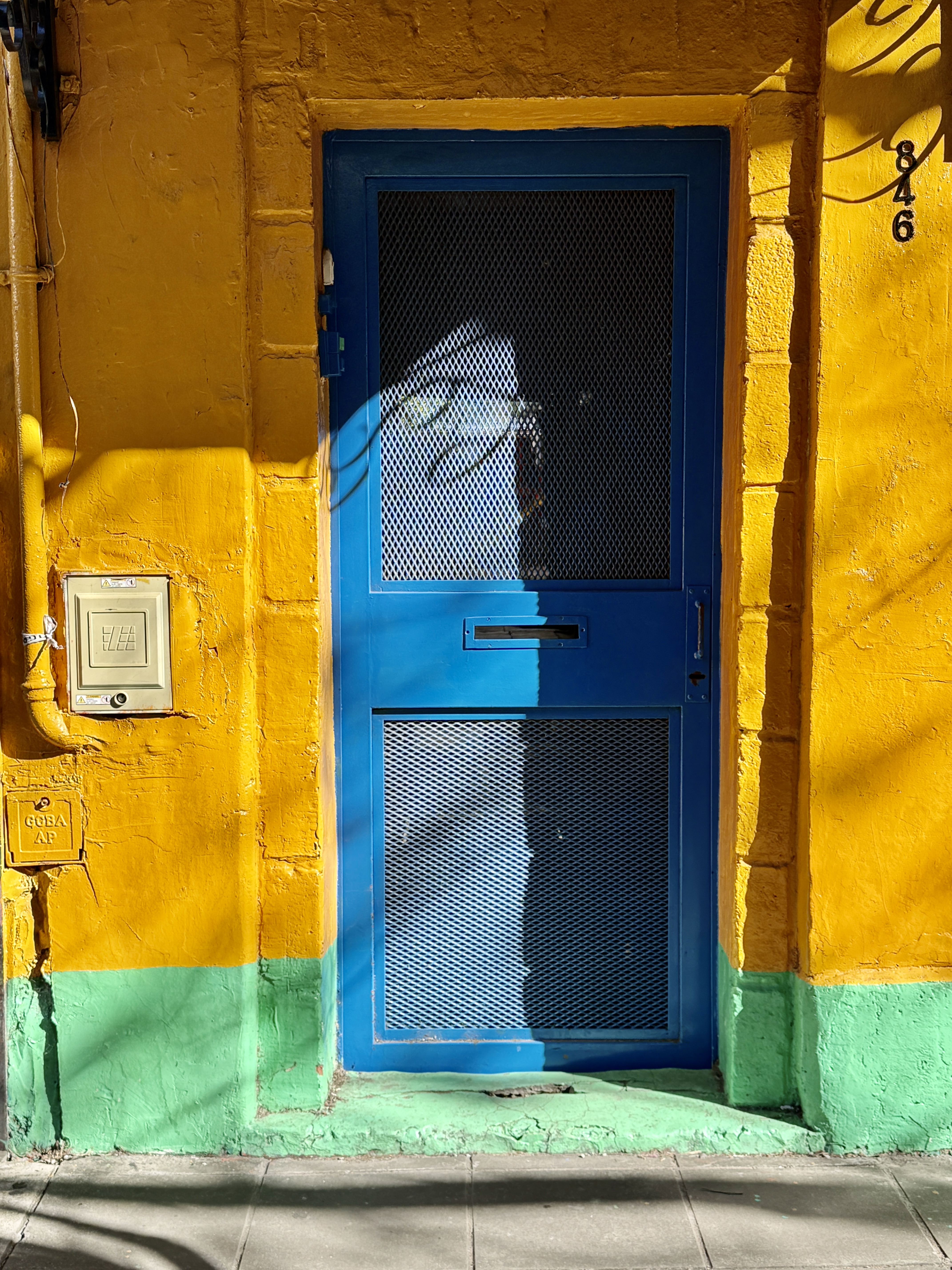
Then we hopped into a taxi to go to see South America’s thinnest house. But while in the taxi, I thought it would be good to see when the house closes for the day. Lo and behold, it wasn’t even open today. Since we were already in the taxi, we just told him to head to Caminito which is in a very different part of the city. Caminito (small walkway) is a street or an alley in the La Boca neighborhood (south of where we are staying. It became famous because supposedly it inspired the music for a famous tango song. As the story goes, there used to be a stream that ran along the route of what is now Caminito. When the stream dried up, railway tracks were put along that route. Then the railroad closed in 1954, and the area became a landfill and an eyesore. And then an Argentine artist prepared the walls facing the street with different colors and then built a stage which eventually became a theater. For more than a century, the neighborhood had been home to immigrants, mostly Italians. Apparently the bright colors that the houses are painted are the result of using leftover paint from the port and shipyard nearby.
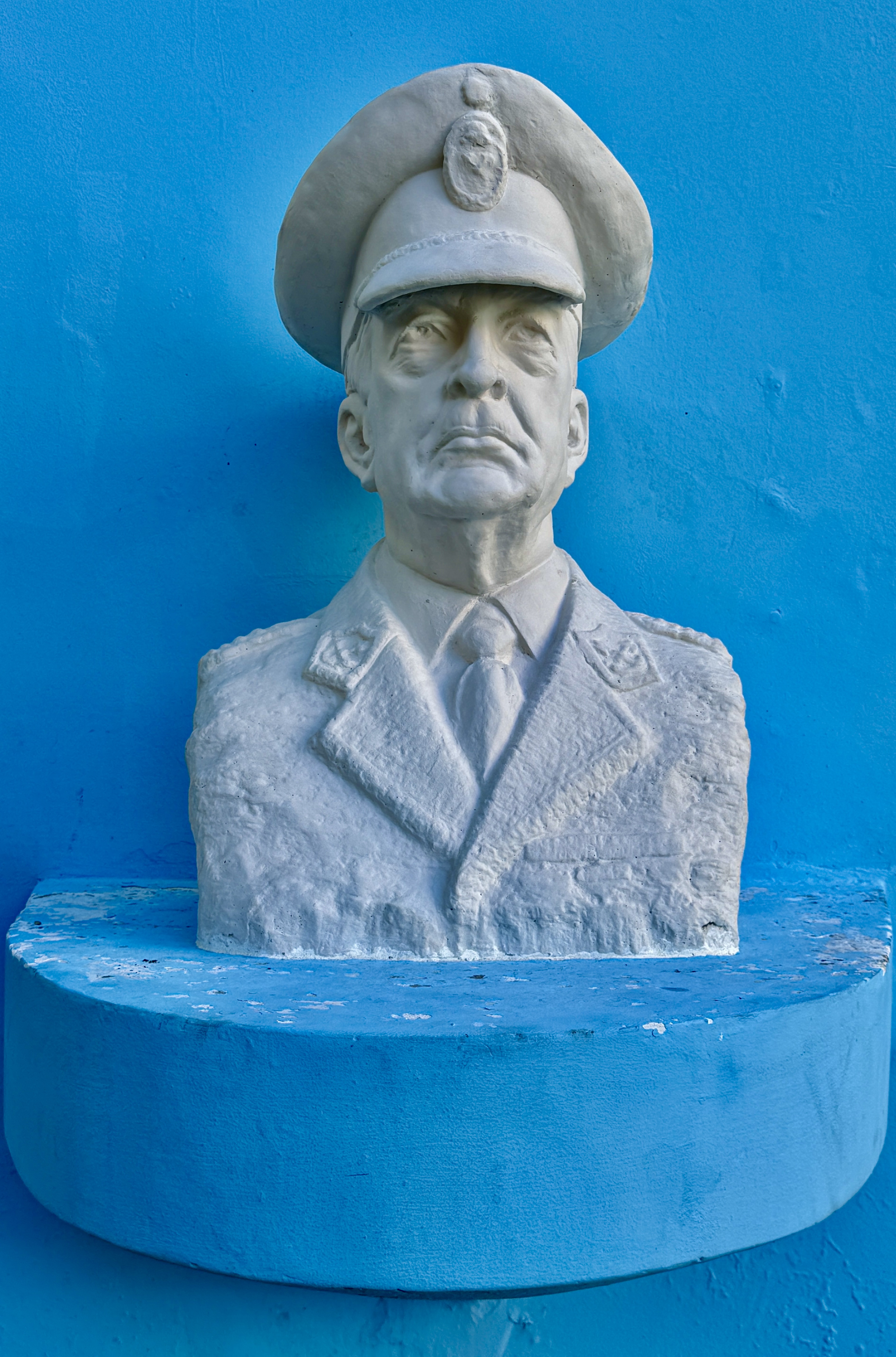
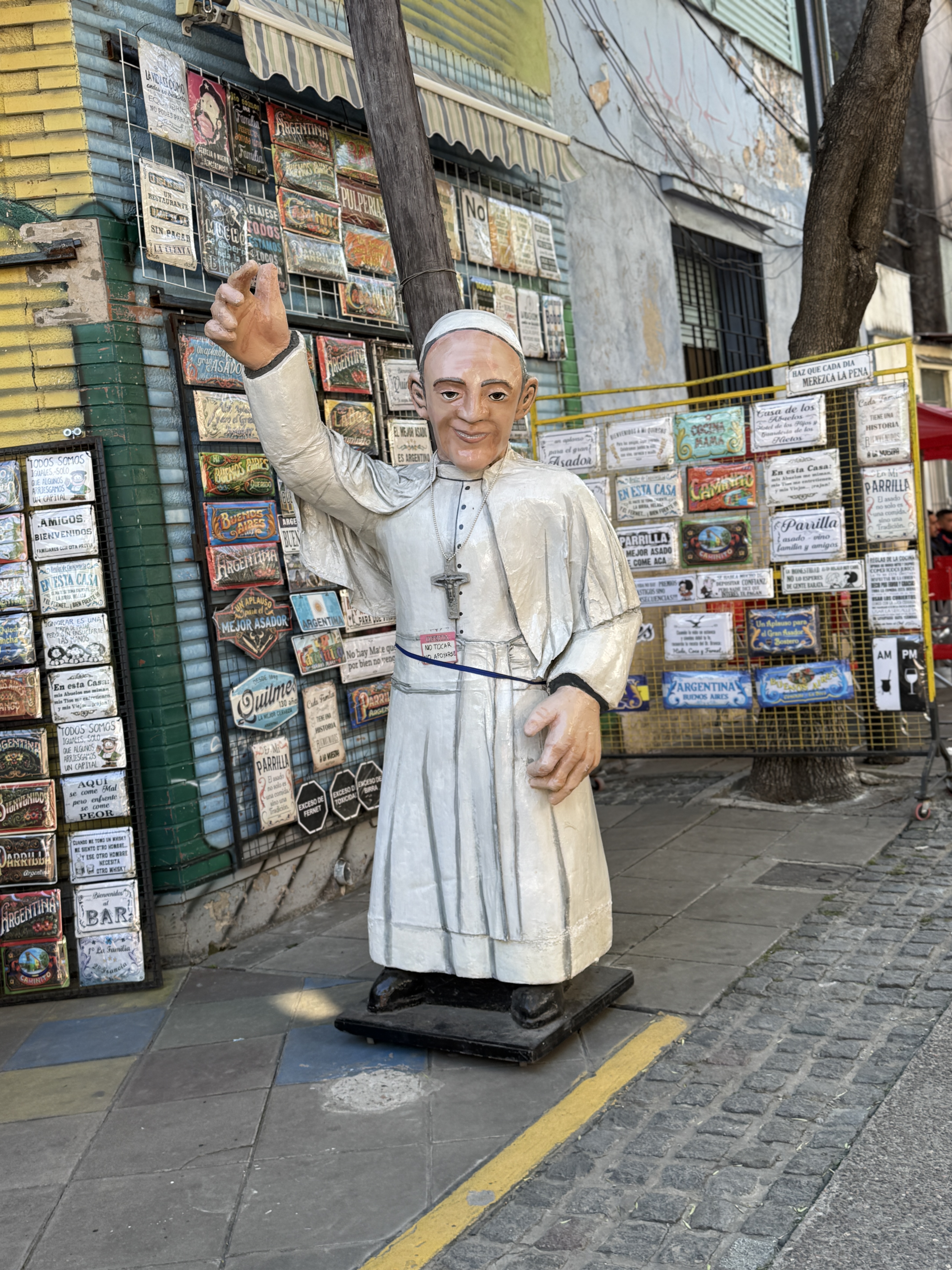
Today, the small area is a bit of a tourist trap with dozens of people taking photographs and selfies. And shopkeepers and landowners have constructed some pretty funny sculptures to make the street even more interesting (and a bit Disney-esque). But still it’s a fun walk.

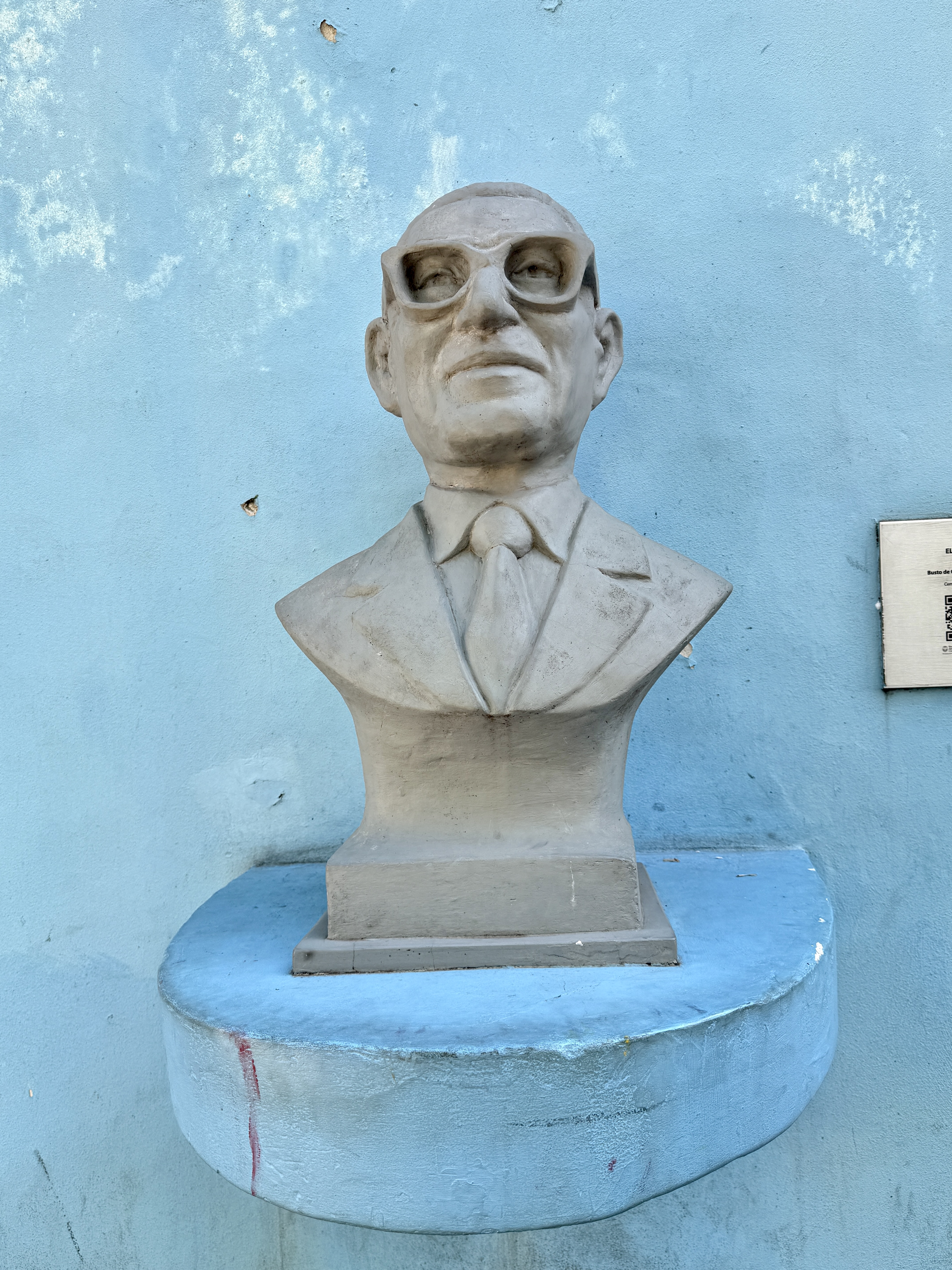
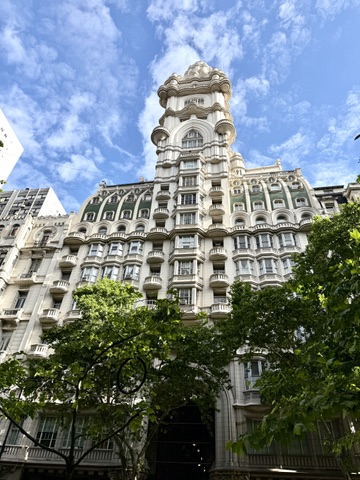
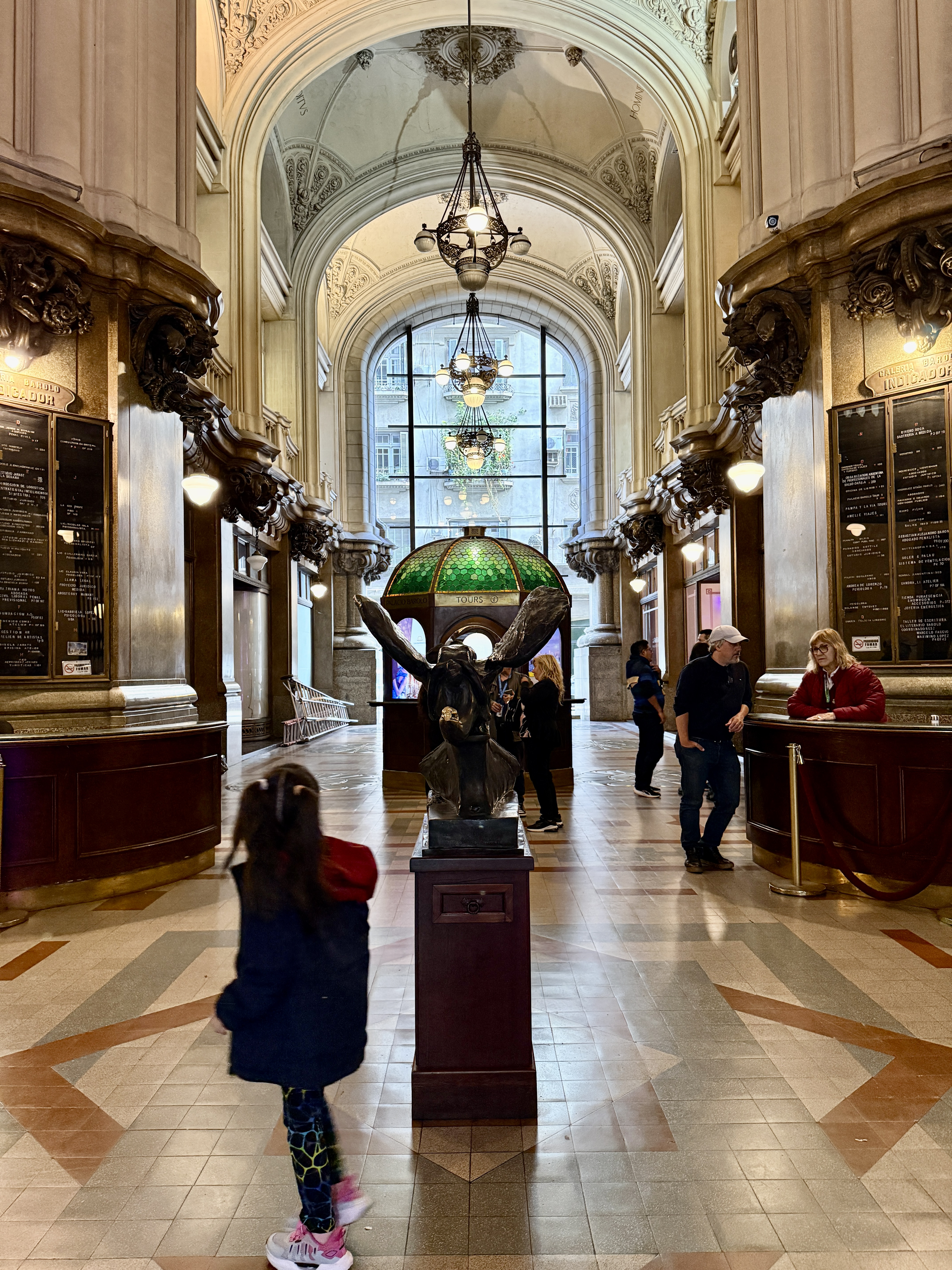
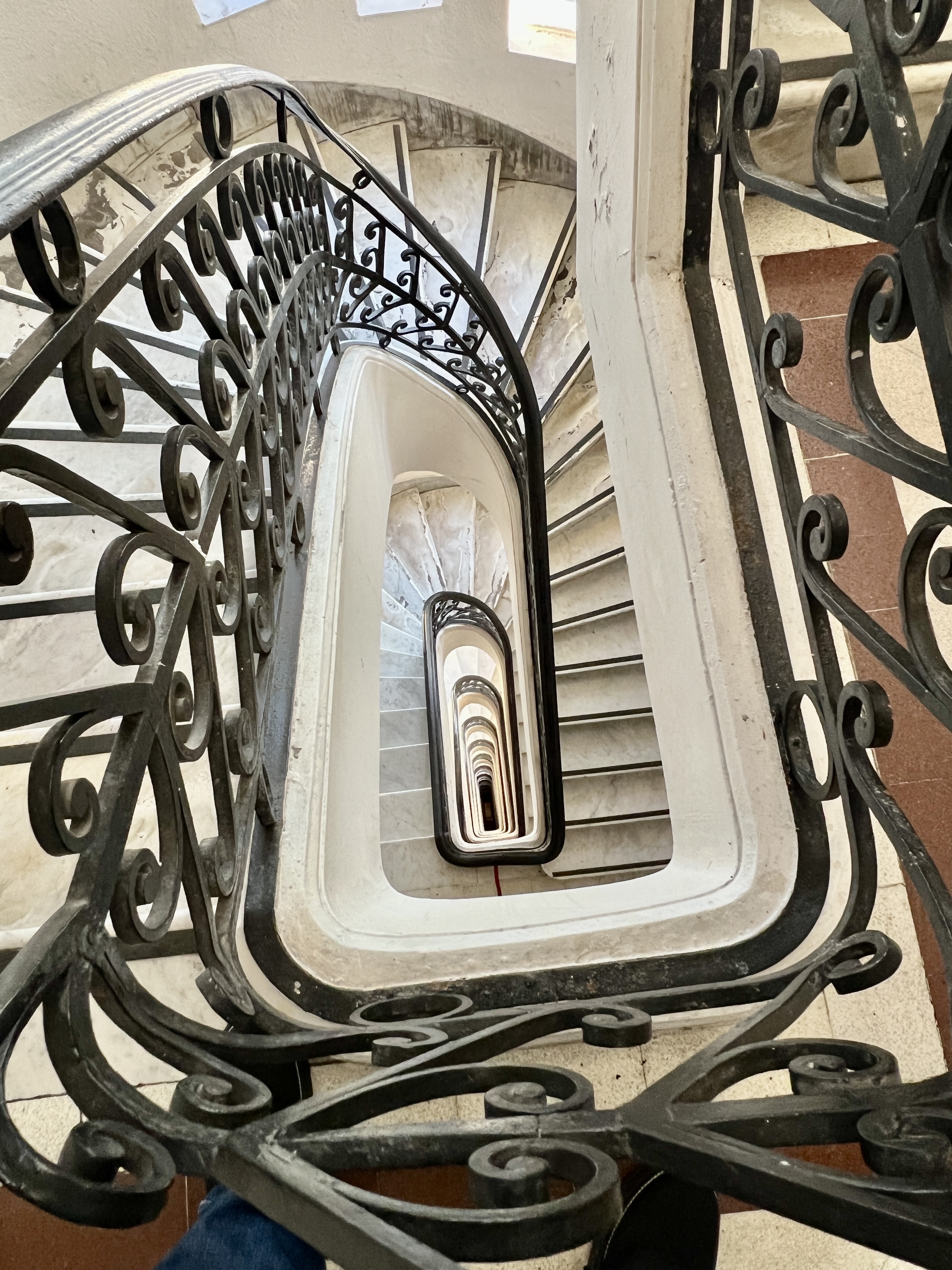
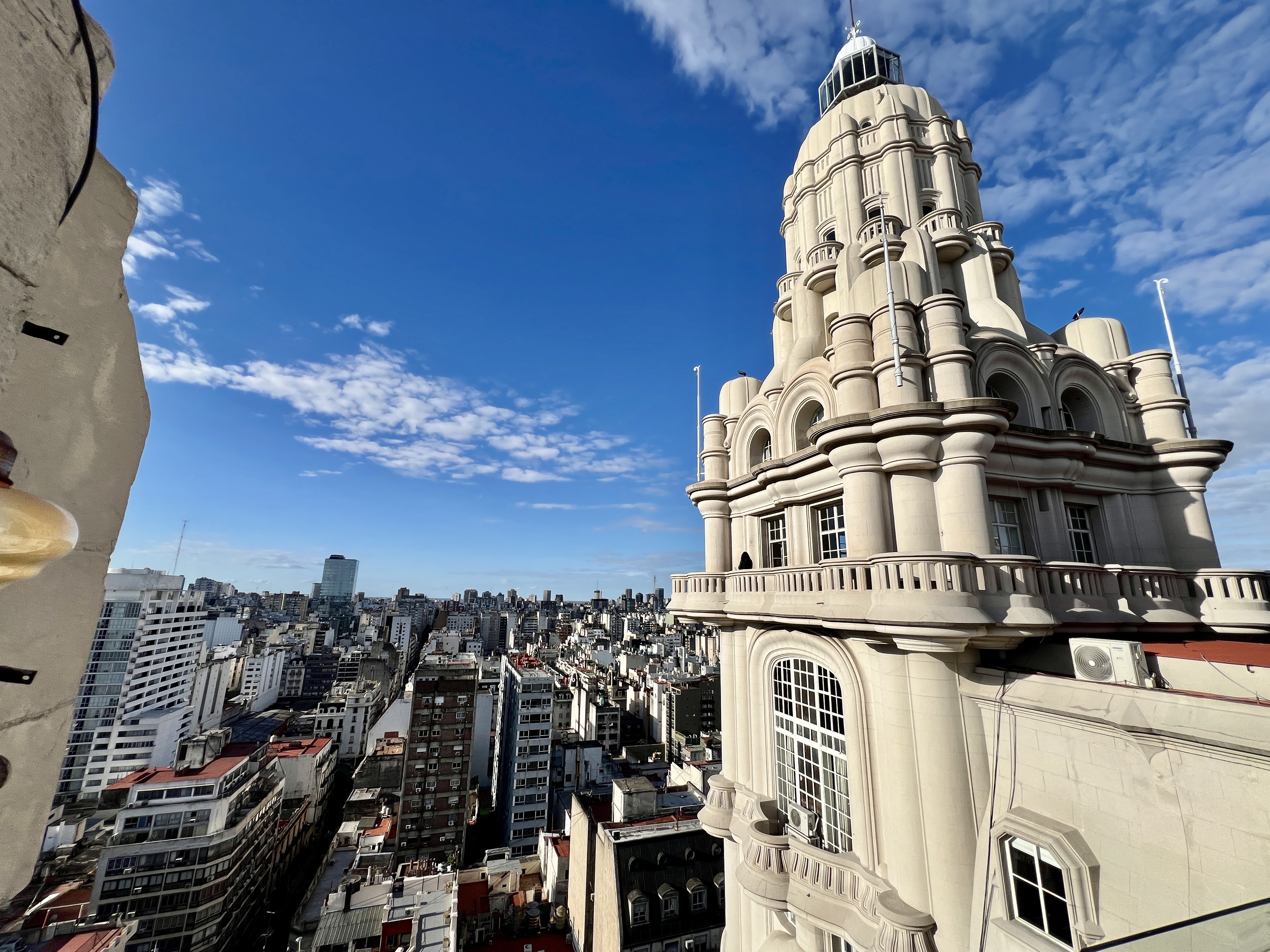
From Caminito, we headed to see Palacio Barolo—an office building, which was Buenos Aires tallest building for more than a decade in the 1930s. It is the sister building to Palacio Salvo that we went to see in Montevideo. It’s just as eclectic as the sister building. The information sheets say that the building was designed according to the cosmology of Dante’s Divine Comedy. 22 floors divided into three sections with the basement serving as hell and the uppermost floors representing heaven.
Since I’ve got a real aversion to tours and guides, we assumed we could just meander throughout the building as we did in Montevideo… But they are much stricter here and the only way we could get beyond the lobby level (Floor 0) was to buy a ticket to go to the bar/cafe on the 16th floor (elevator to the 14th floor and then spiral staircase to the 16th floor). From there you could get great views of the top tower floors. So off we went… for a drink and some cheese and pears.

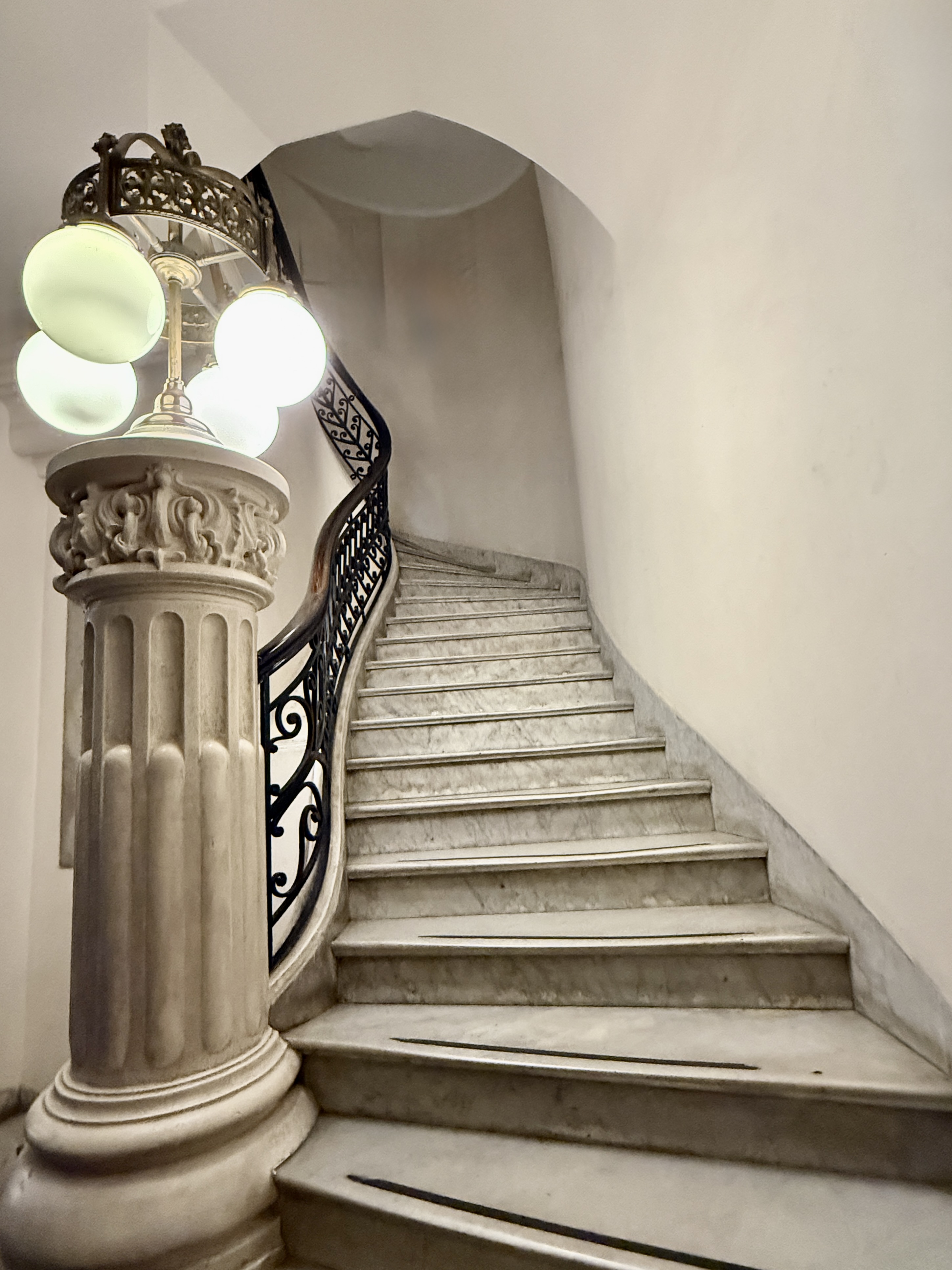
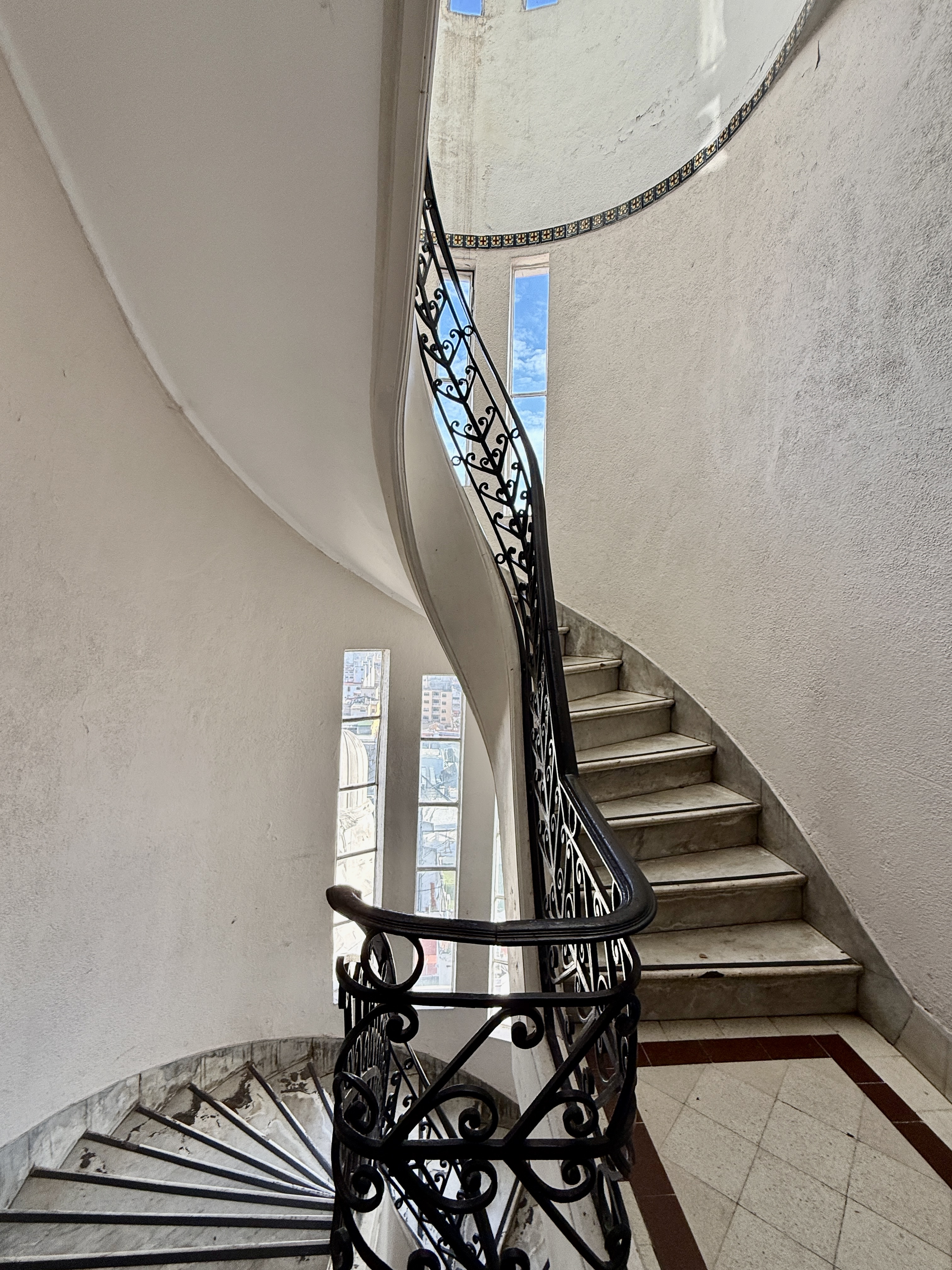
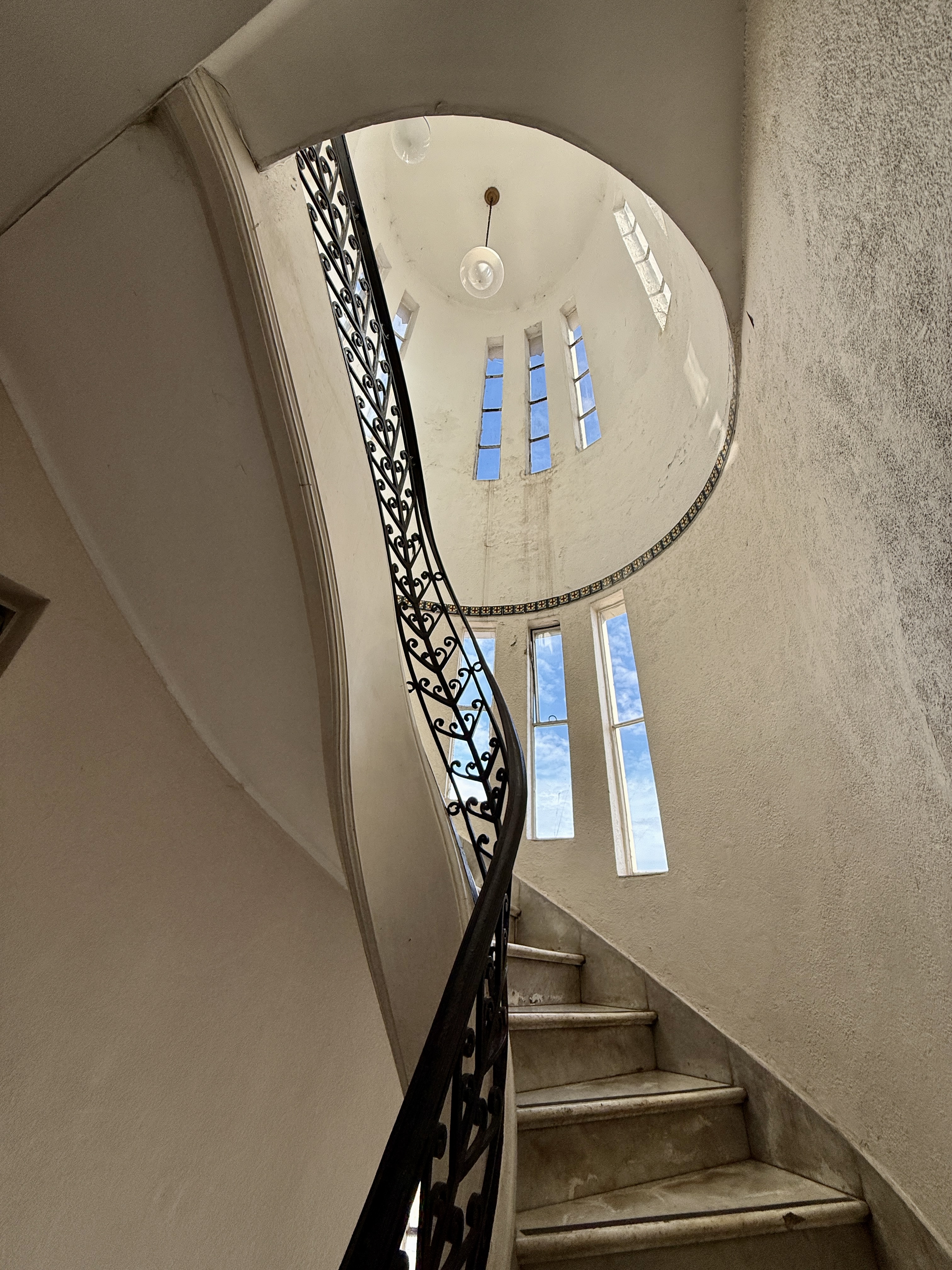
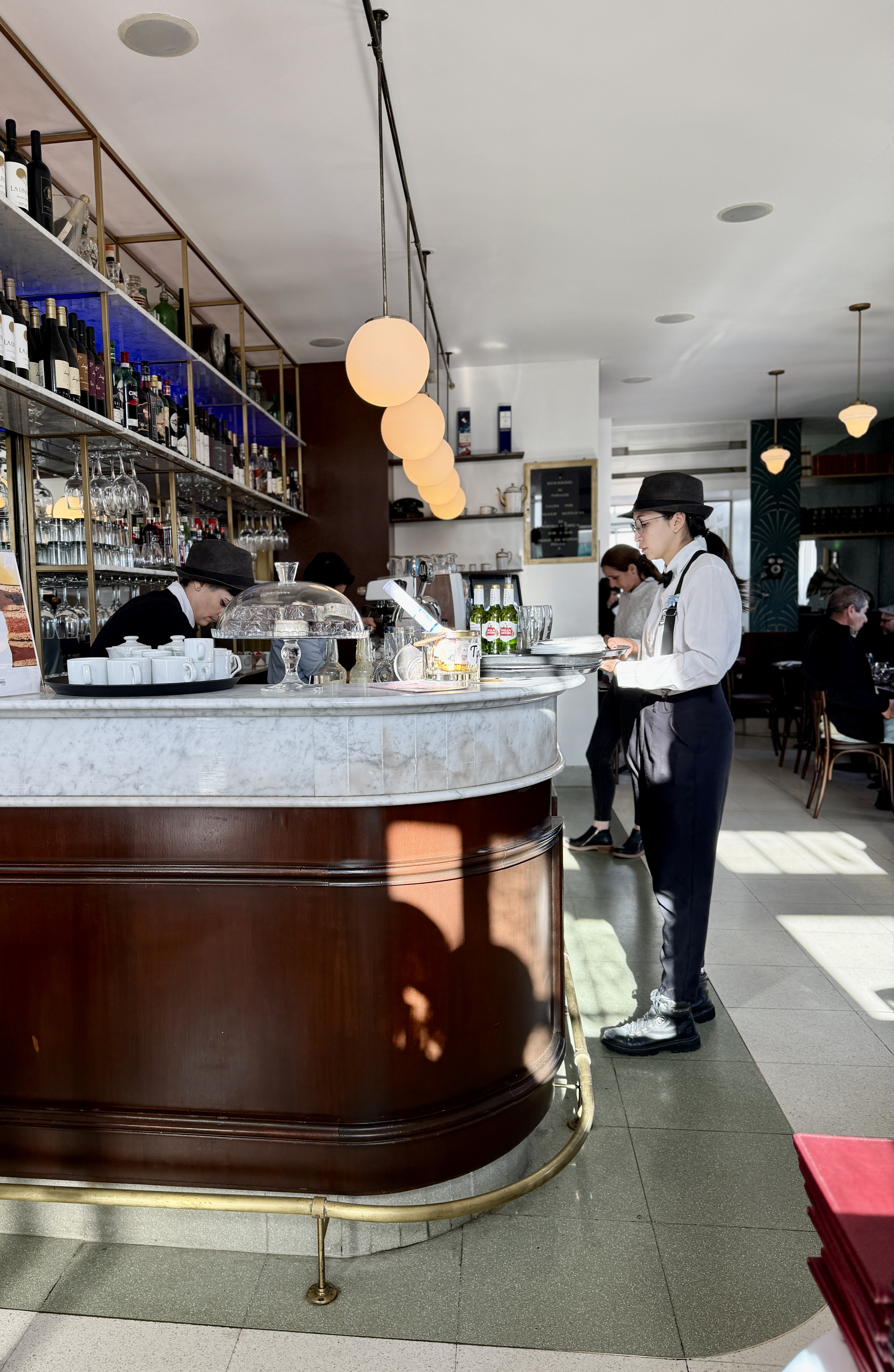
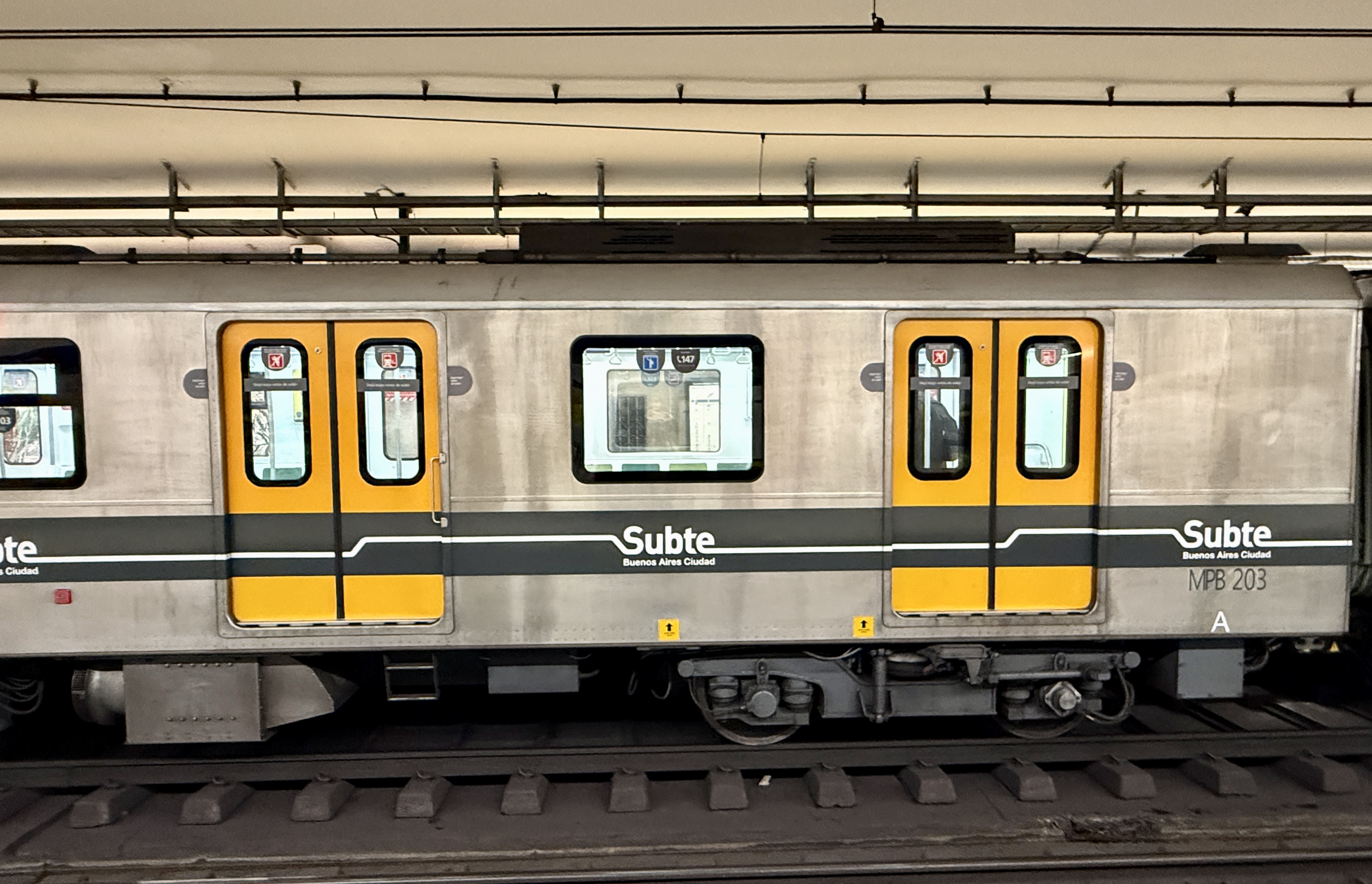
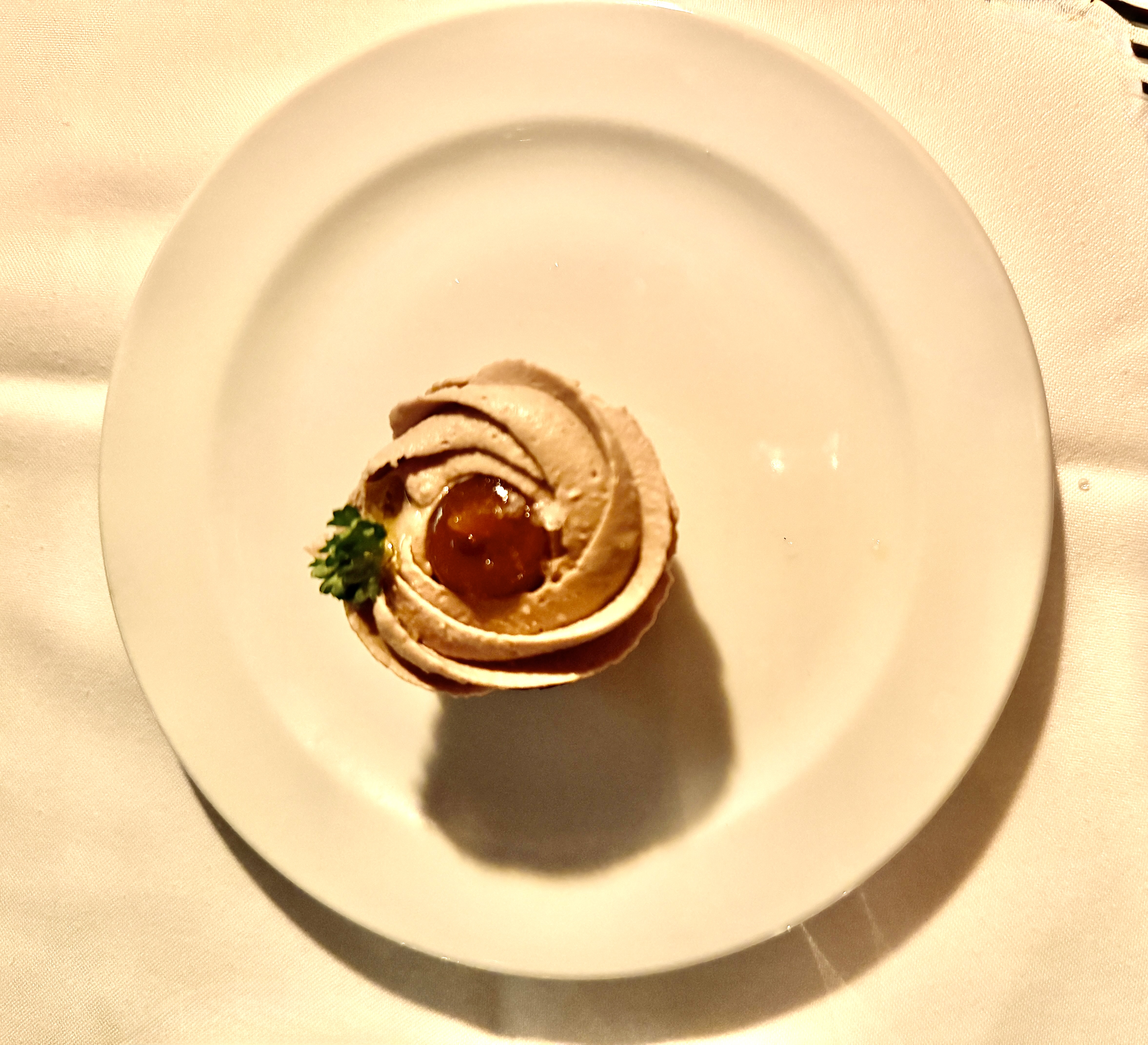
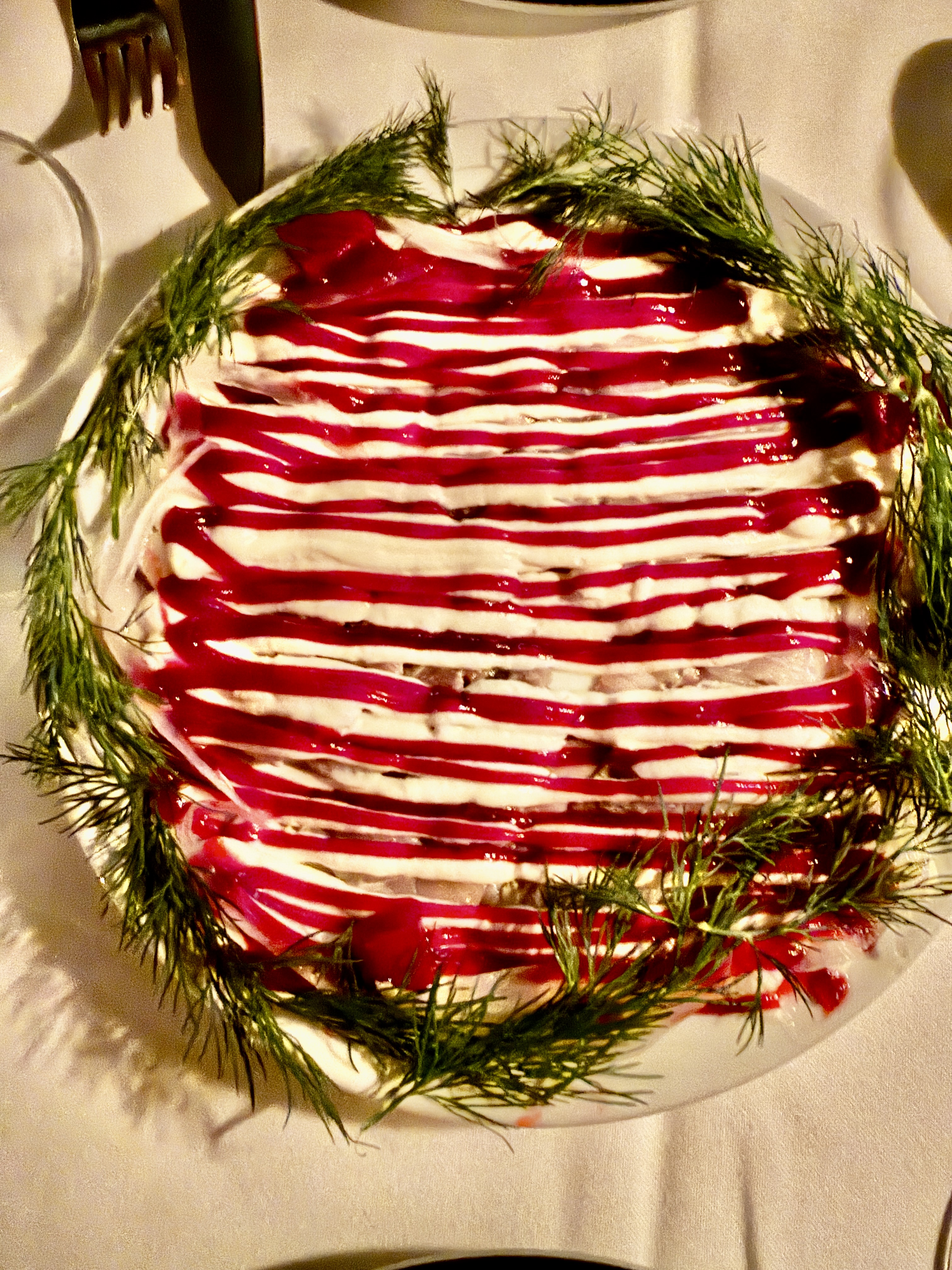
By now it was about 6 om and we had dinner reservations for 8:30. We hopped on the Sube (metro), made one change and then walked from our local station to the hotel. We hadn’t really looked at the distance from the hotel to the restaurant and then suddenly we realized we needed to get going. We took a taxi because it was too far to walk (especially given our 15,000-step day). But the taxi got a bit lost as he punched in the wrong address onto his map program. Anyway, we got there an hour late. Initially they said they couldn’t seat us or we could eat outside. But the temps here are in the 50s at night. Finally, they figured out a table for us. And we were really glad, once the food started coming. Not sure how to describe the menu, but here’s what we had: started with a very tiny luscious pate that was sitting atop a sort of mini-muffin. The bread was on the sweet side. Atop the pate was a little dab of jelly. Taste buds watch out! Then we had a second starter–a cured herring dish that was covered with some kind of creme fraiche and marinated beetroot and with ;ickled onions. It looked fantastic and tasted even better. We followed these starters with our main course–a melt-in-your-mouth sirloin cooked perfectly rare. It was accompanied with a sort of shoestring potato pile. We had some chocolate dessert that was heavenly but we were stuffed and couldn’t finish.
Our days in Buenos Aires are coming to a close. Tomorrow is the last day here. Then we do a little driving loop into the countryside. Sort of sorry that we are missing lots of weekend activities in BA but it will be good to see what happens outside this megalopolis. We leave Argentina on Monday and arrive home on Tuesday…to face whatever craziness is happening in the US. We’ve been following the news online and on BBC, but it’s not the same as living it.
More tomorrow.
October 29, 2025 . Almost Whole Again! . An All-Day Event
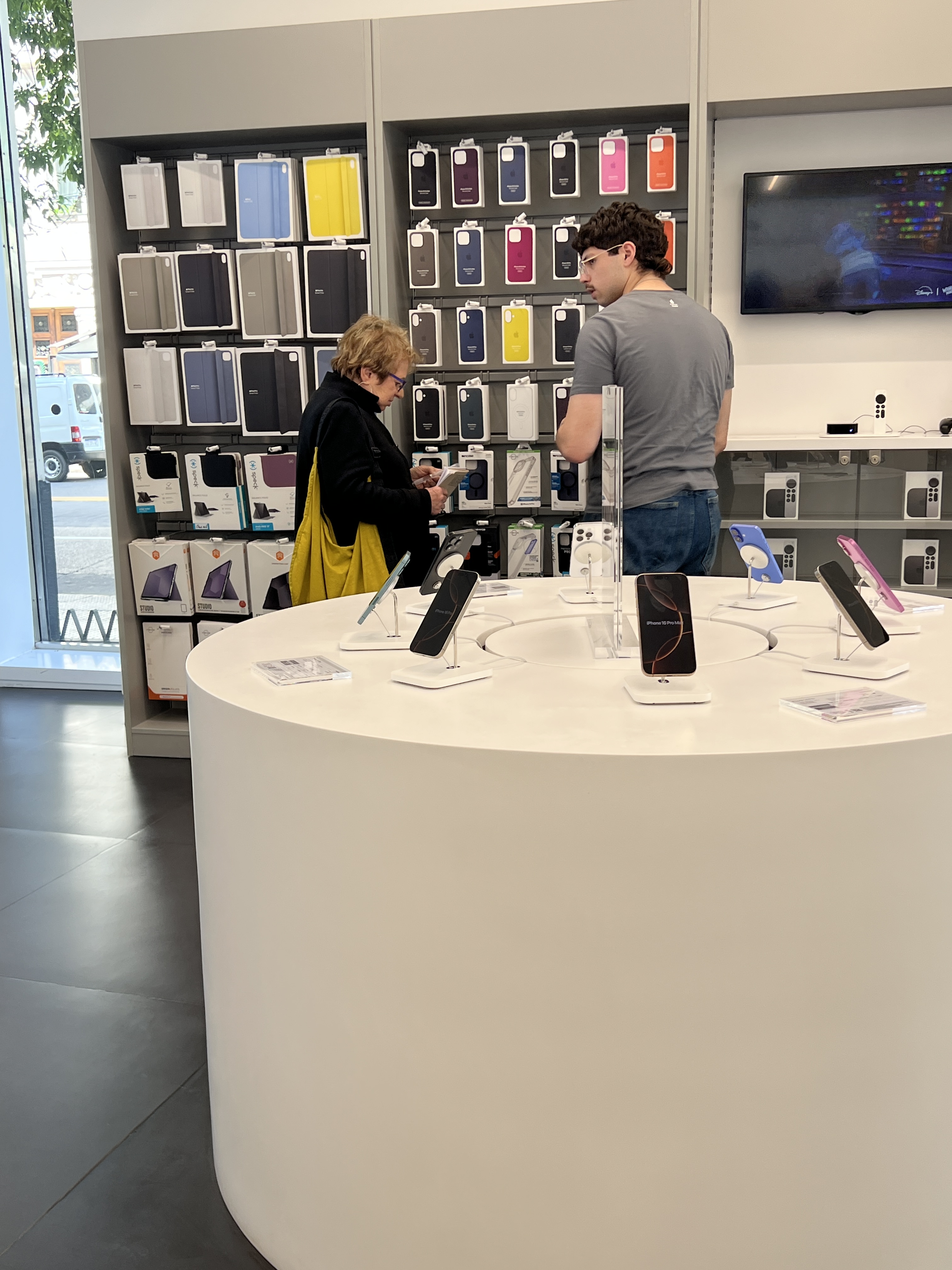
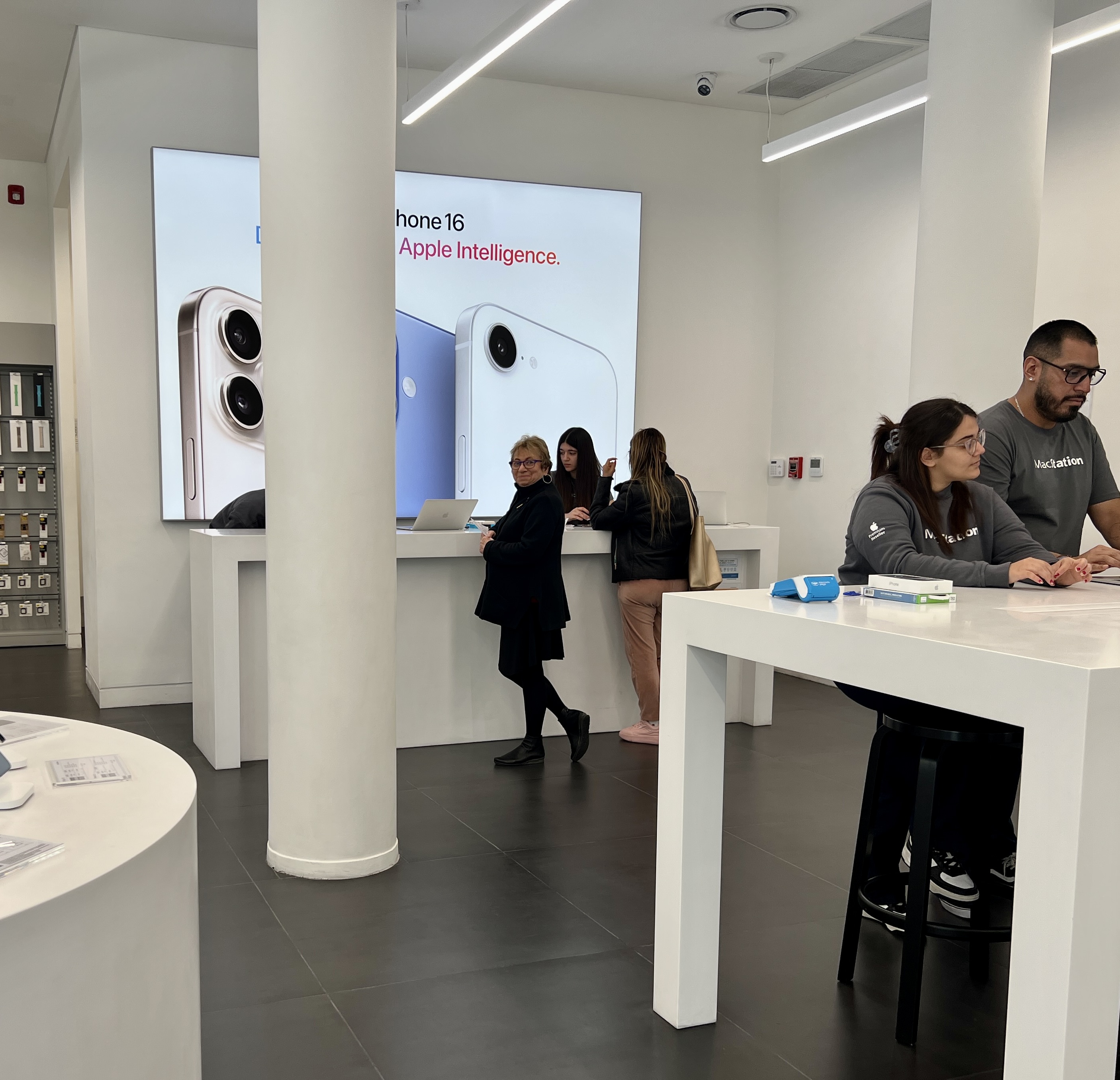

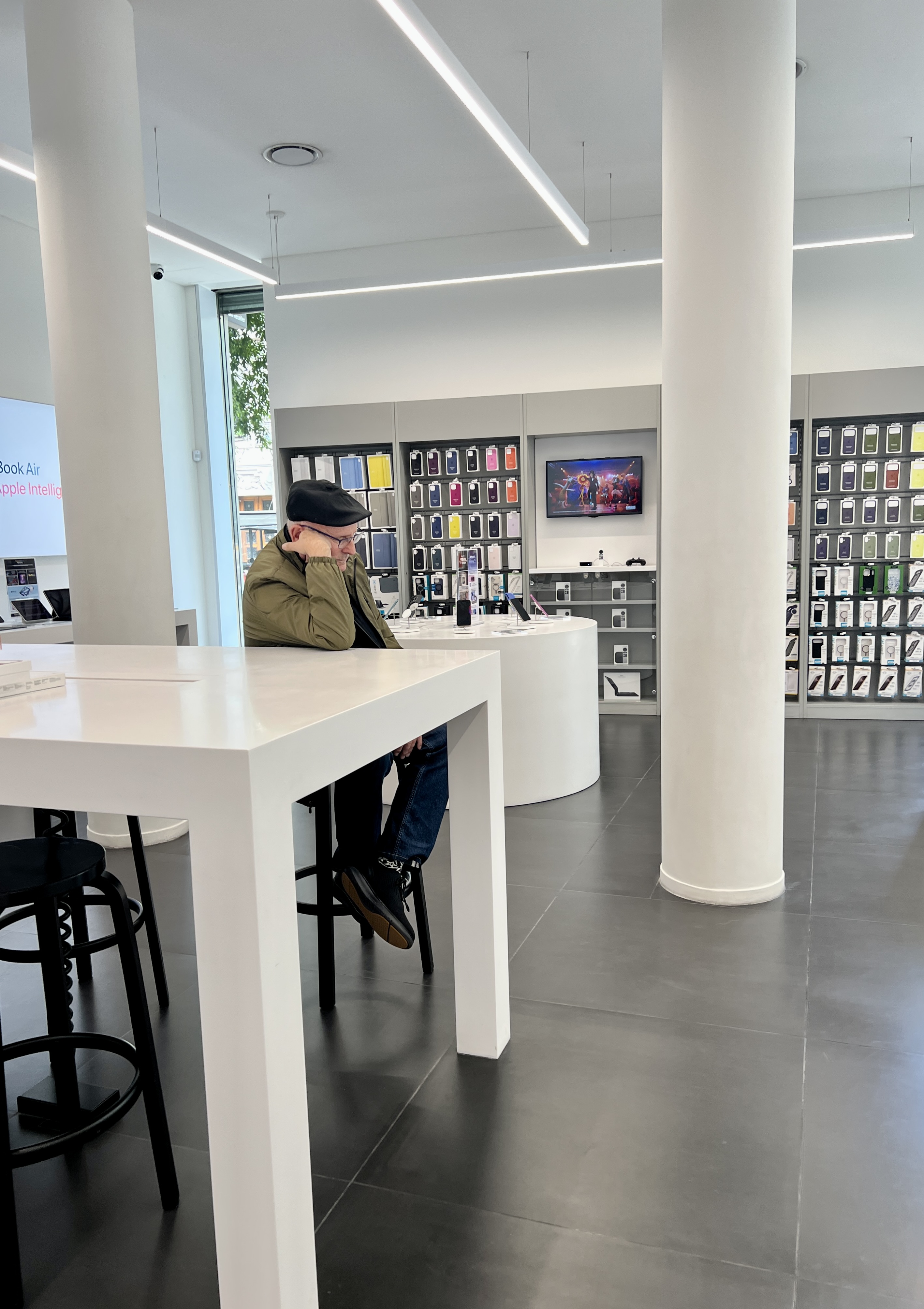
So a bit of a lost day today. After breakfast at our new regular place, I had a long conversation with AT&T to better understand my options with regard to replacing my phone while here in Argentina. Get a new phone and set it up here for the next week. Or go phoneless for a week. I have to admit, just going phoneless for 18 hours was a real challenge. Everytime we left any place, I kept looking around thinking I had left something behind. So, I made the decision to get a new iPhone here. I figure that I can either return it to an Apple store in the Bay Area when I get back and trade it in for a newer model. They only have IPhone 16 here and the largest storage is 256. I had 1T.. But this will do for the immediate moment
So we headed to the Apple store which is not called the Apple Store here. It is called MacStation. Apparently there are no Apple stores here in Argentina, but these stores are licensed to be the official Apple sales locations. The stores look very much like Apple stores and the salespeople are similarly young, wearing the same kind of tee shirts that you’d find in the US stores.
It took quite a while to get the process done. Mostly it was a matter of going through the new phone steps and then syncing and updating software. But all in all it took about three hours and then we grabbed a bite at a nice restaurant across the street from the non-Apple Apple Store. Then headed to the hotel to deal with getting my email set up… working with my IT guy (in Seattle) and then with AT&T. I’m not quite “whole” yet, but substantially better than yesterday.
Finally at about 8:00 we hopped into a taxi and met wup with Peter and Jairo (from Uruguay) who are here in Buenos Aires for the Gay Pride march and parties. Too bad we leave Buenos Aires on Saturday for a little two-day jaunt into rural Argentina, just as the activities begin. We ate at Reliquia which is located in the Palermo neighborhood–a trendy area with lots of eclectic restaurants and shops. Food was good—we all shared an eggplant dish and their special gnocchi. Apparently in Uruguay and Argentina they eat gnocchi on the 28th of every month and put a coin under one’s dish for luck.
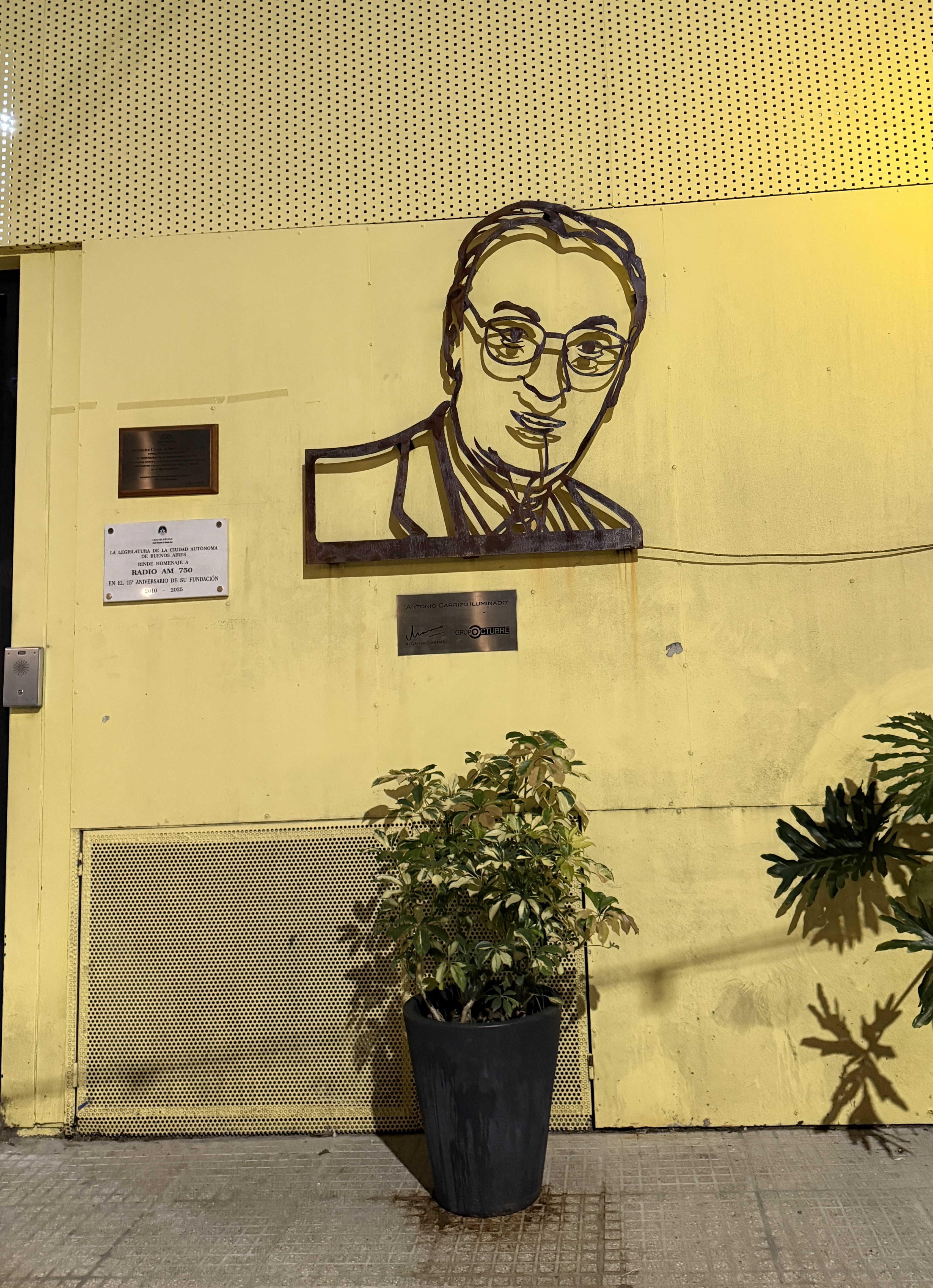
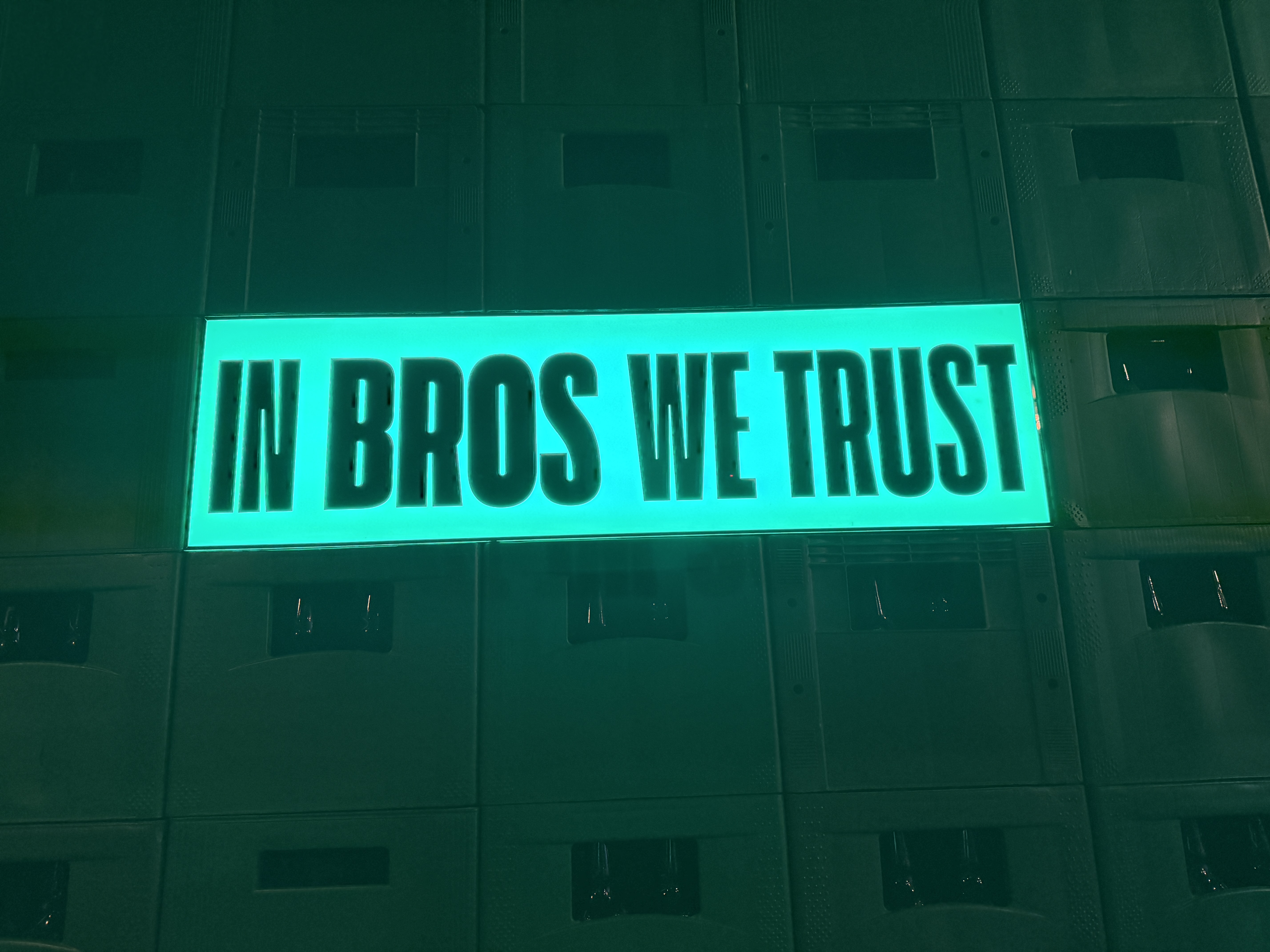
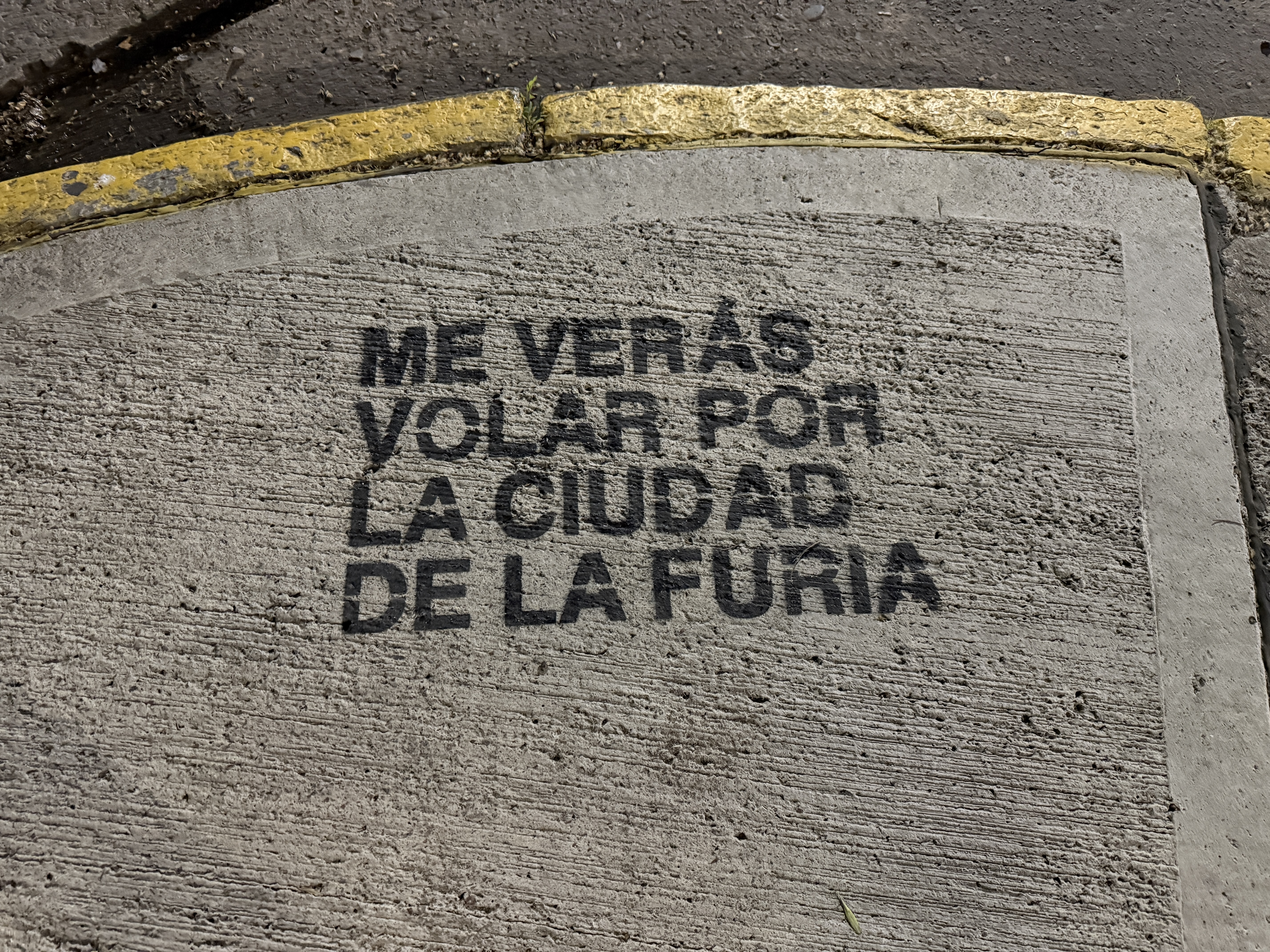
Then Peter and Jairo had steak and Mike and I shared a pasta dish because we were meated out. We all shared a tiramisu and then Jairo wanted to take us to a bar they stumbled on when they were headed to meet us at Reliquia. The bar had a bit of a secret door that led to another room that housed a fun bar. They call it the secret bar. More political conversation and some discussion on what they will be doing over the coming week. And then we taxied to the hotel. It’s late now and I’m calling it a wrap.
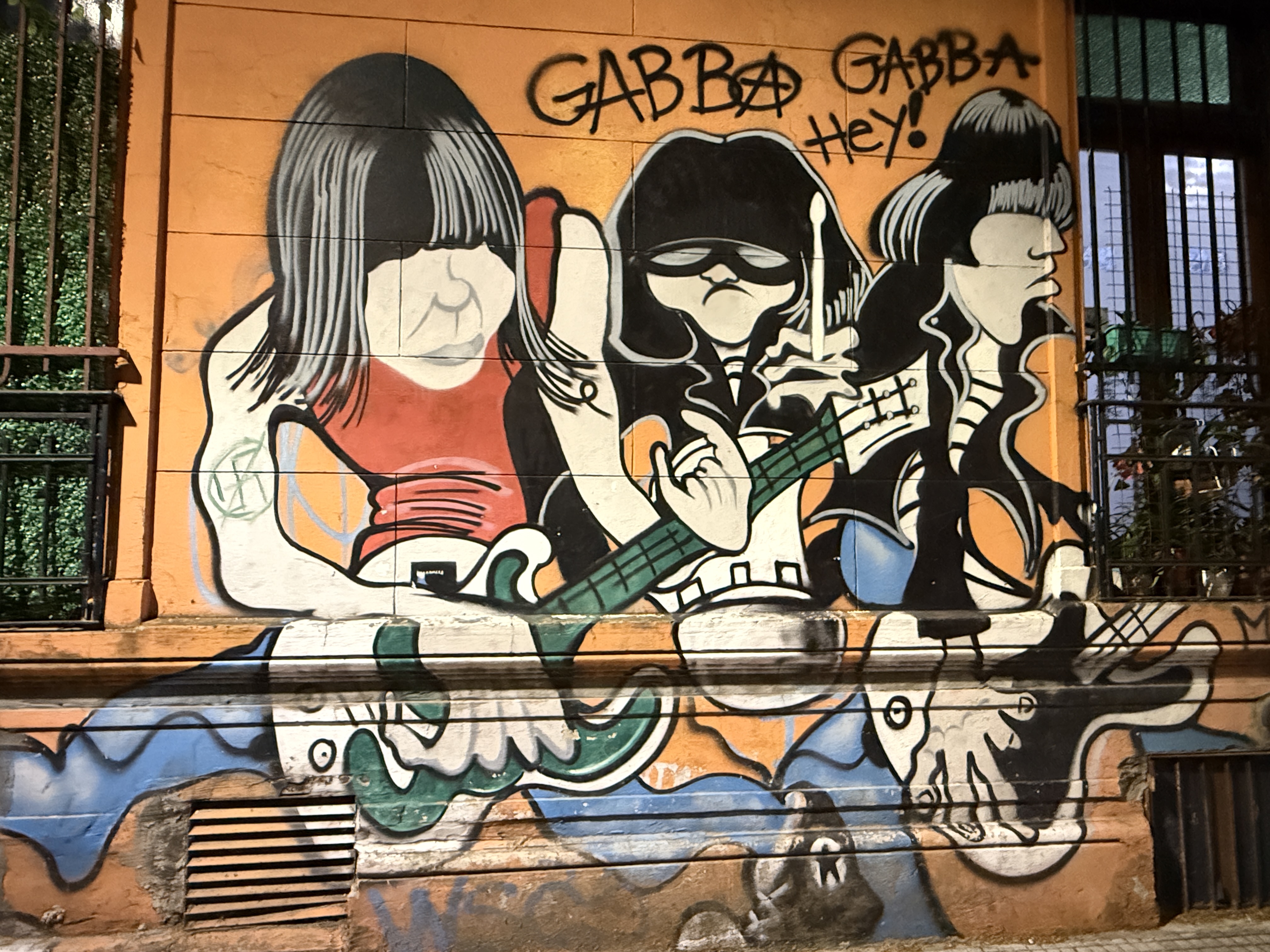
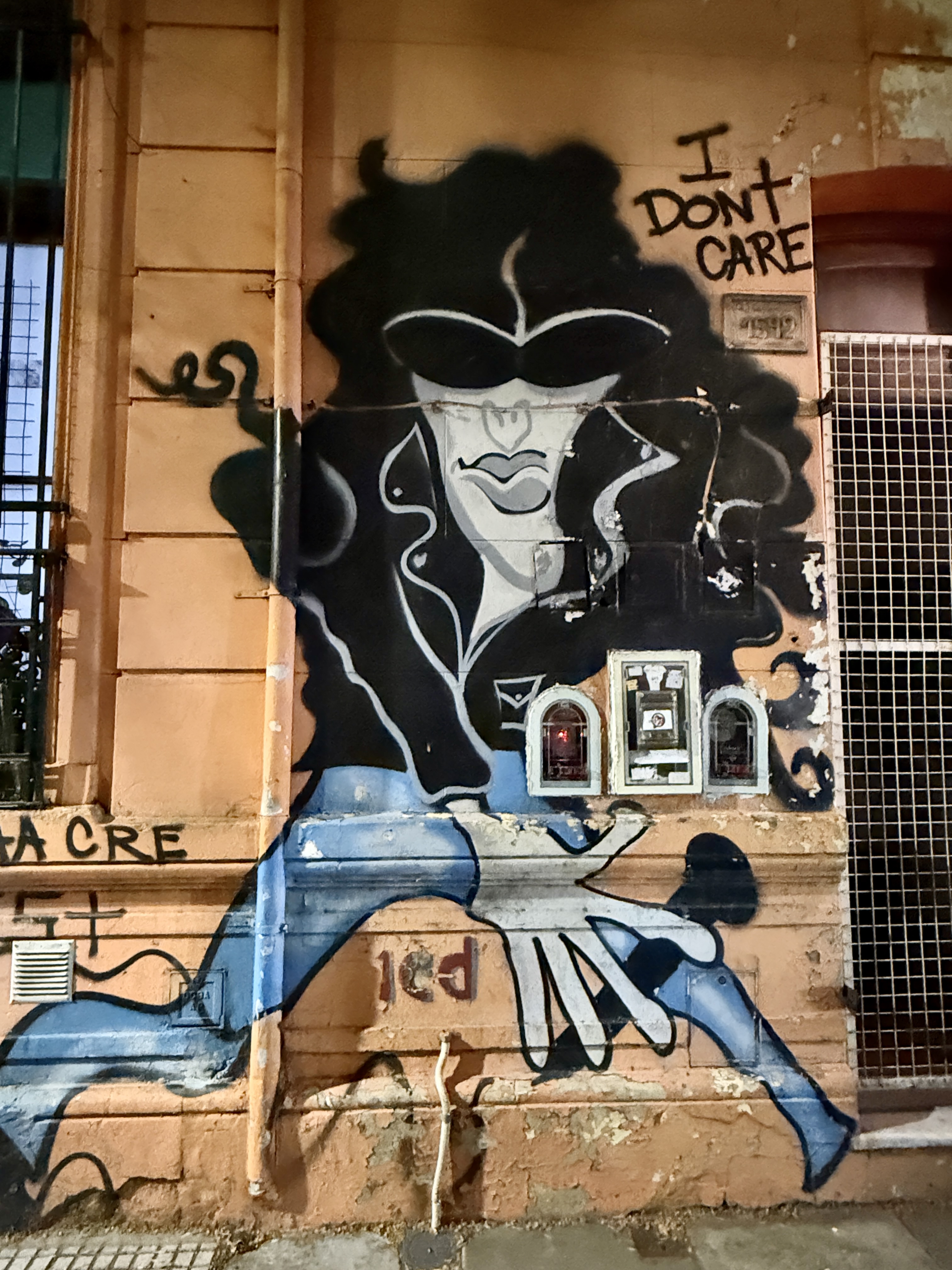

October 28, 2025 . Crisis Averted . New Crisis Emerges .
All photos courtesy of M. Pyatok… read below to find out why.
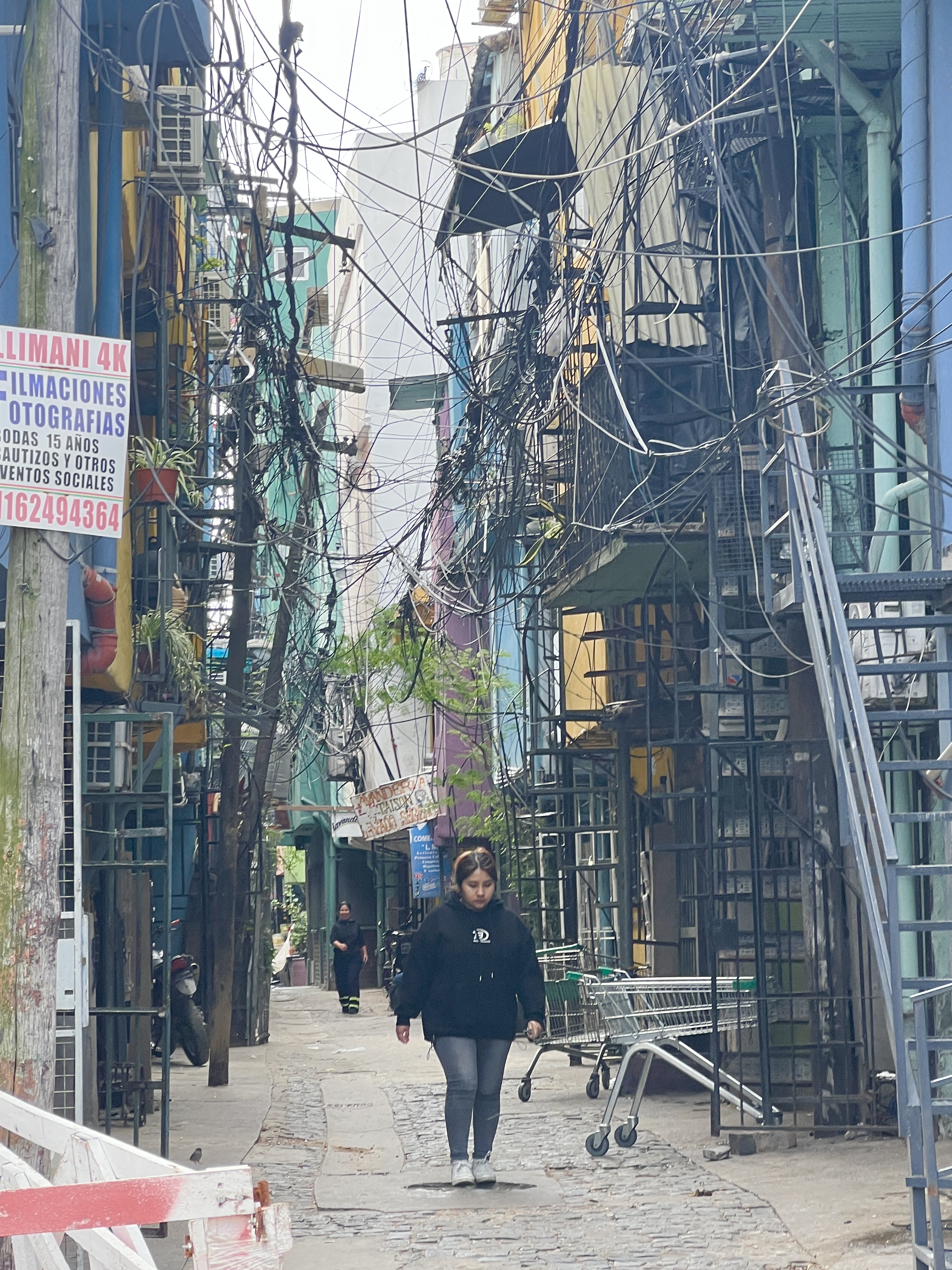
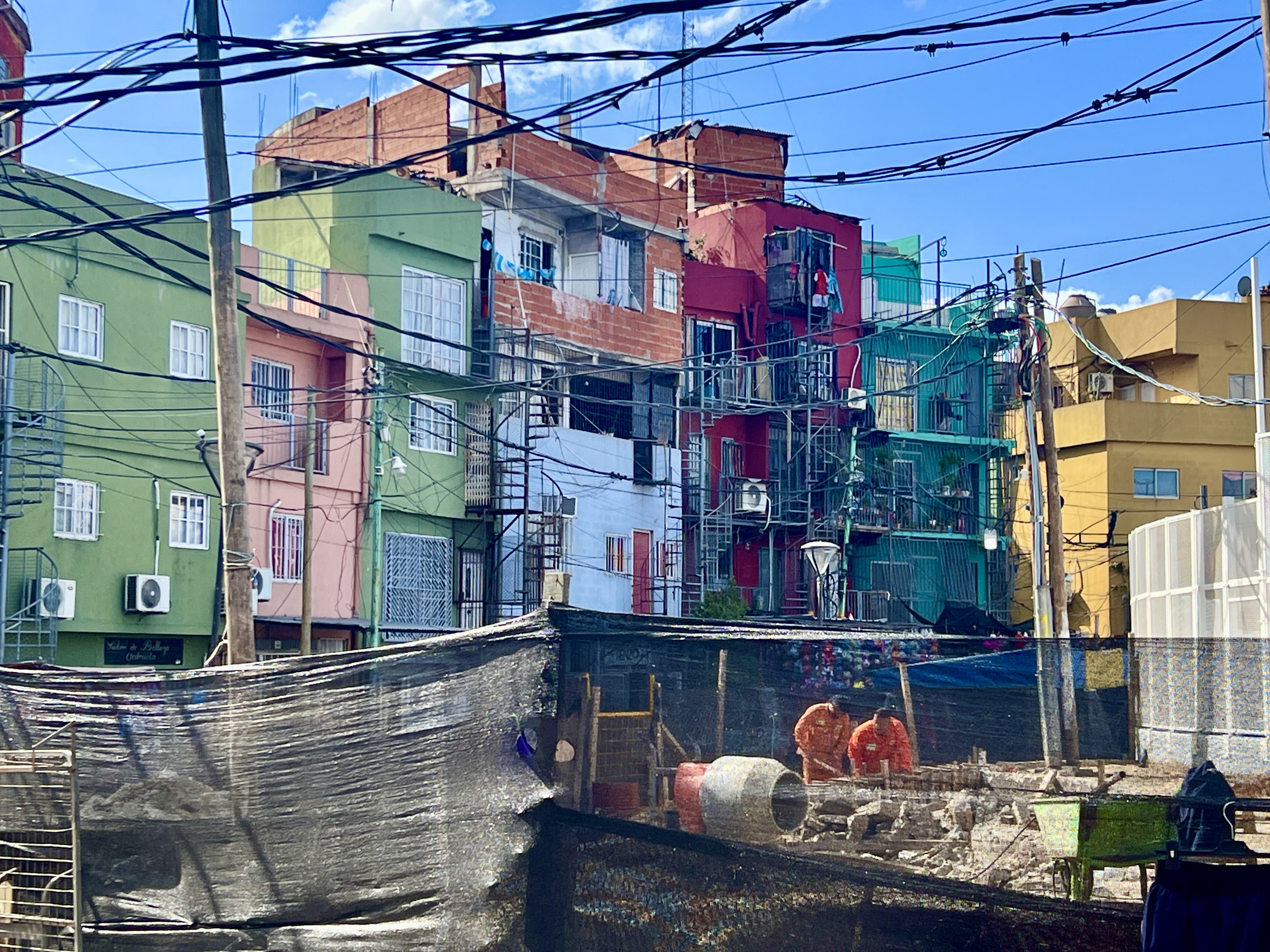

What a day. We set out after breakfast —first to the bank to get some cash (Argentina doesn’t accept credit cards for lots of things, most notably taxis). Then we went back to the hotel to get warmer clothes as the temperature really dropped last night and today–in the 50s. And then we finally headed out. We wanted to go to a very “marginal” neighborhood that is called Padre Mugica (named for a slain priest who dedicated his life to helping those who live in the slums). We can actually see this slum from our hotel window—about a mile away.. we see the tops of the building. Anyway, we went on our way, walking (we had figured out that it was on the other side of the railway station and we could probably walk in less than an hour). First we made some dumb mistake in reading the map and wound up going about five long blocks in the wrong direction. We caught the mistake and reversed our course. Then after walking about 3 miles, I decided I needed to use the bathroom, so I ducked into a little restaurant that was packed and found my way to the ladies room. After about 5 minutes, I thought my purse felt very light so I looked inside and couldn’t find my wallet. Went back to the restaurant but it wasn’t in the bathroom and no one had turned it in. I was freaked. Passport, credit cards, cash, and god knows what else is in that wallet. We went back along the same route all the way to the hotel… and then there was the wallet —in the hotel room. I had taken it out of my purse to take out some unnecessary credit cards and whatever, and I guess I never put it into my purse. Great. Now we could start the day, albeit about 2 hours late. Crisis averted.

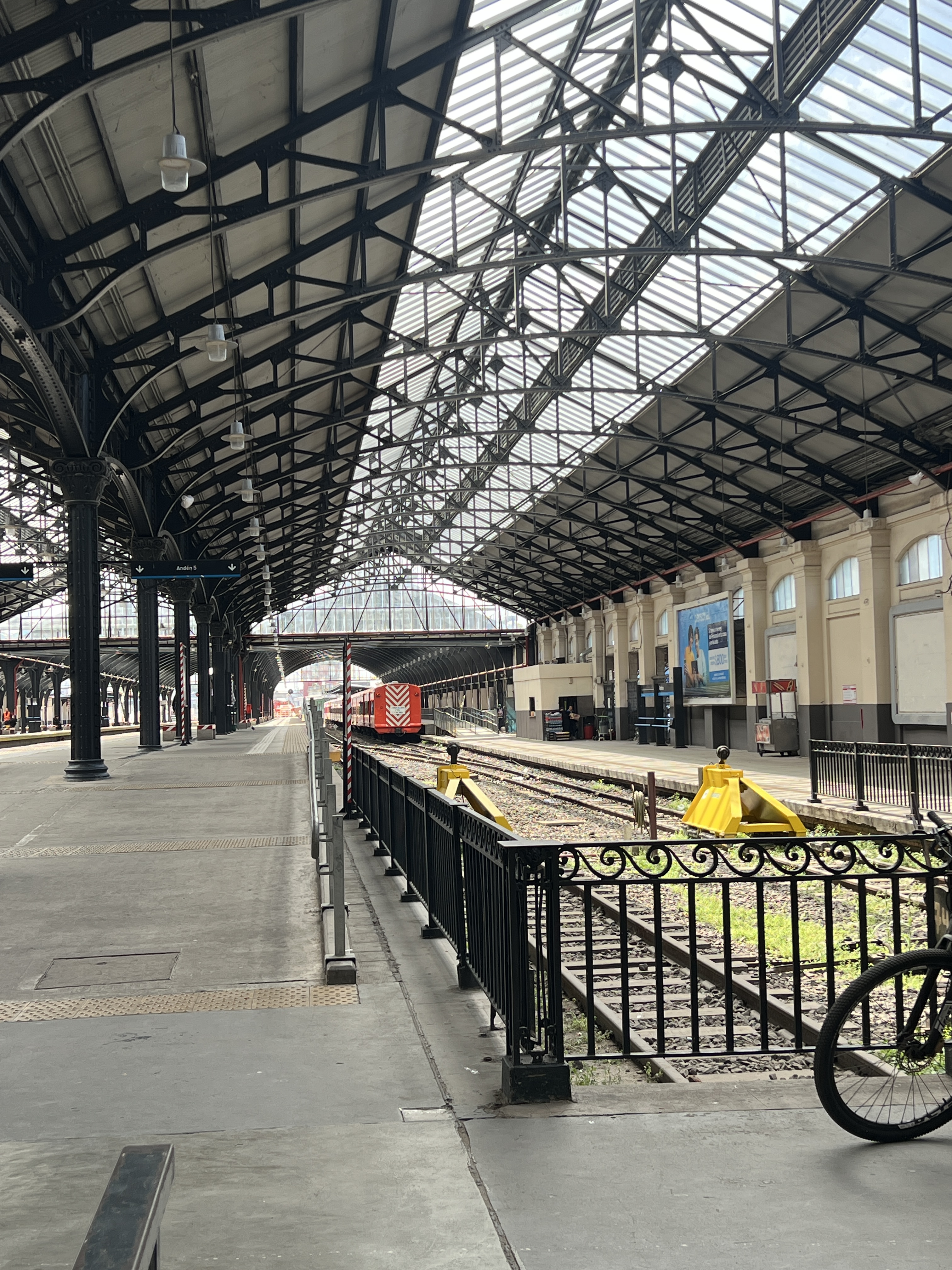
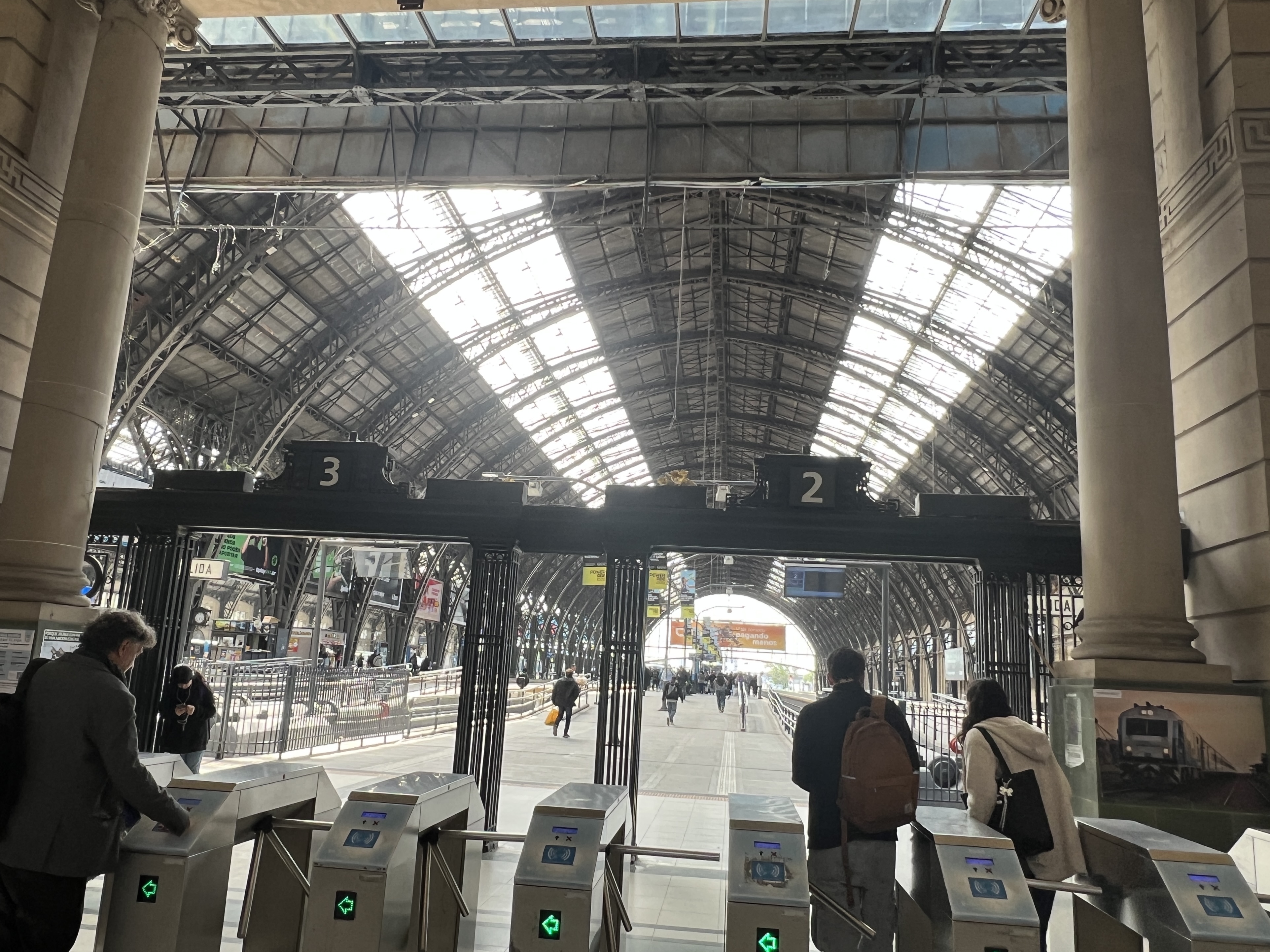
In the interest of time, we hopped into a taxi to take us to where we had been when we turned around–at the railway station. It’s actually a grand old station. As we were photographing we saw several young people hop over or crawl under the turnstiles so as not to pay the fare. Made me think about the bus riders union in LA which managed a campaign called “No Seat, No Fare” and of the many turnstile jumpers there are in NYC.
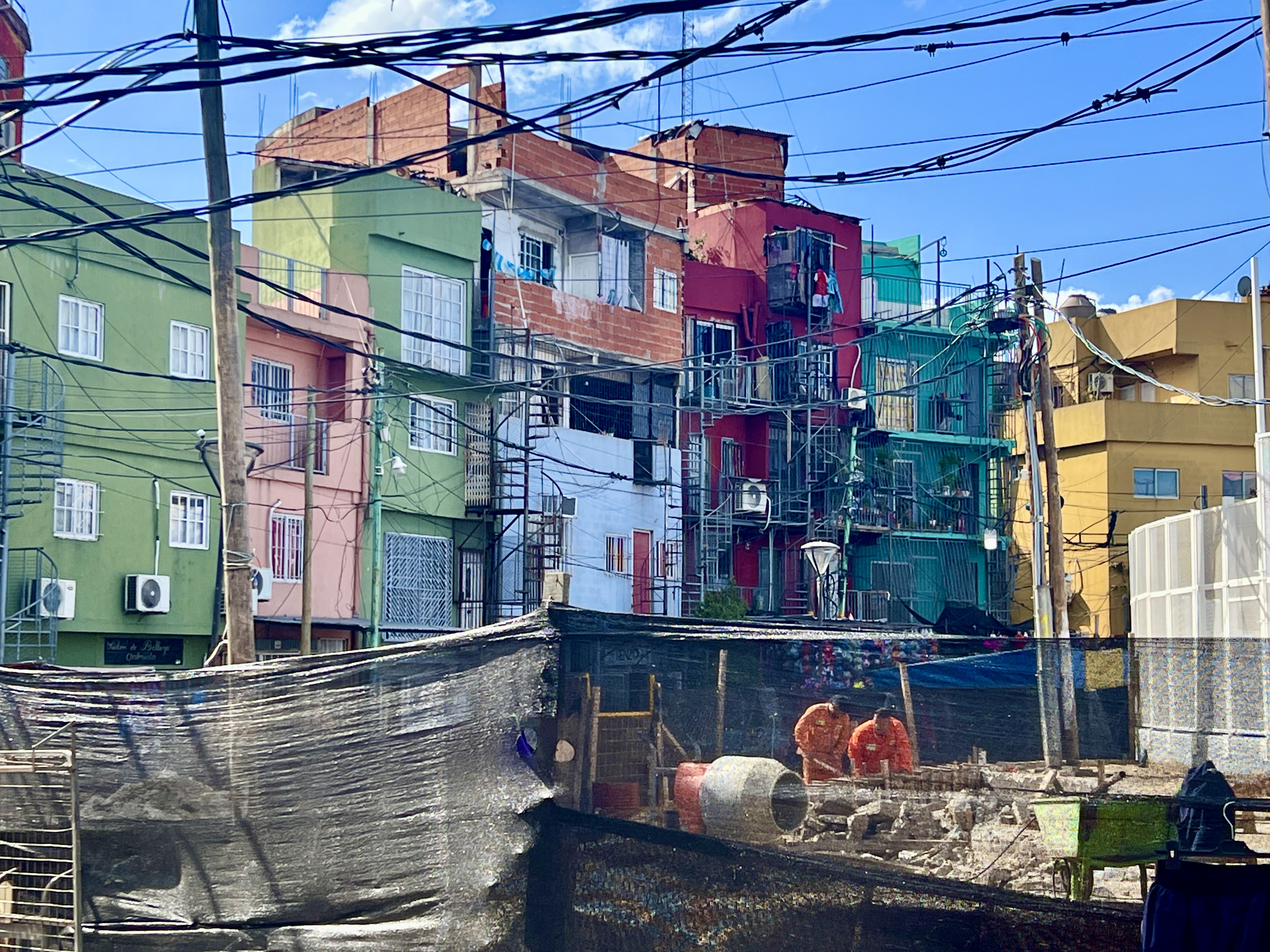
Anyway, just past the railroad station is this neighborhood. Basically it’s clearly a very marginal, low- to no-income area of mostly indigenous people who are clearly living on the edge. It was originally founded by immigrants as a squatter settlement nearly 100 years ago and has probably been transformed and influenced by successive generations of migrants and low income people and families. It’s a squatter settlement that is mostly home-made and grown over the years into 3-5 story self-built concrete structures–constantly under construction. Most have outdoor spiral stairs to connect the different levels. Ground floors are all “businesses” and street vendors—lots of barber shops. The houses are painted in bright colors and the electrical equipment that ties the buildings to the city grid is a web of gerry-rigged connections, much like we saw in Kathmandu and India. I should note that we have visited and photographed in many of these kinds of neighborhoods in South Africa, Chile, Colombia, Mexico, Honduras, Thailand, Guatemala, Kenya, Rwanda, and more—so this wasn’t new to us. That said, things did seem a bit more tense here. Many young men, fewer families (or at least the families weren’t outside), and a fair share of drunk men ambling about.
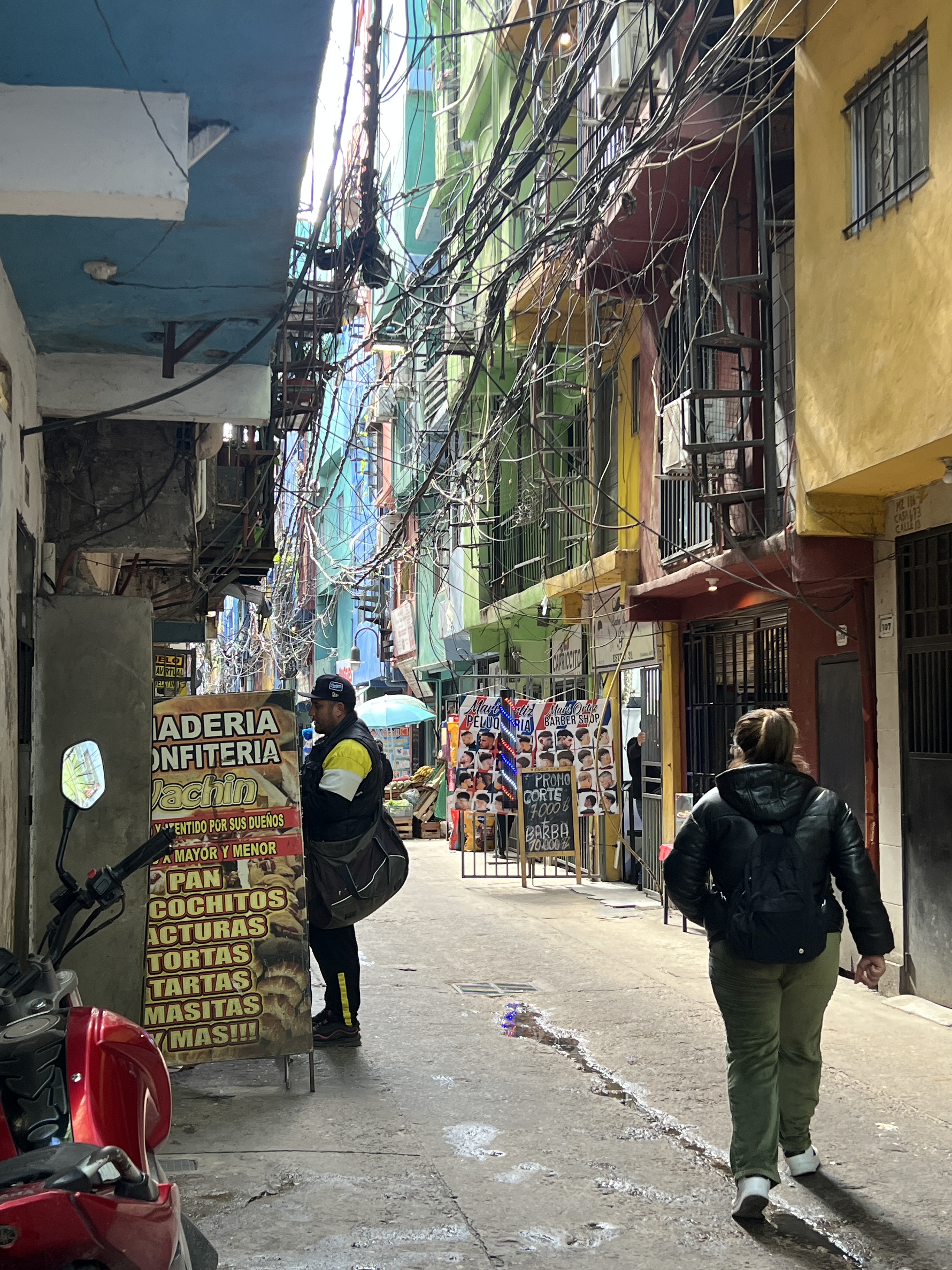
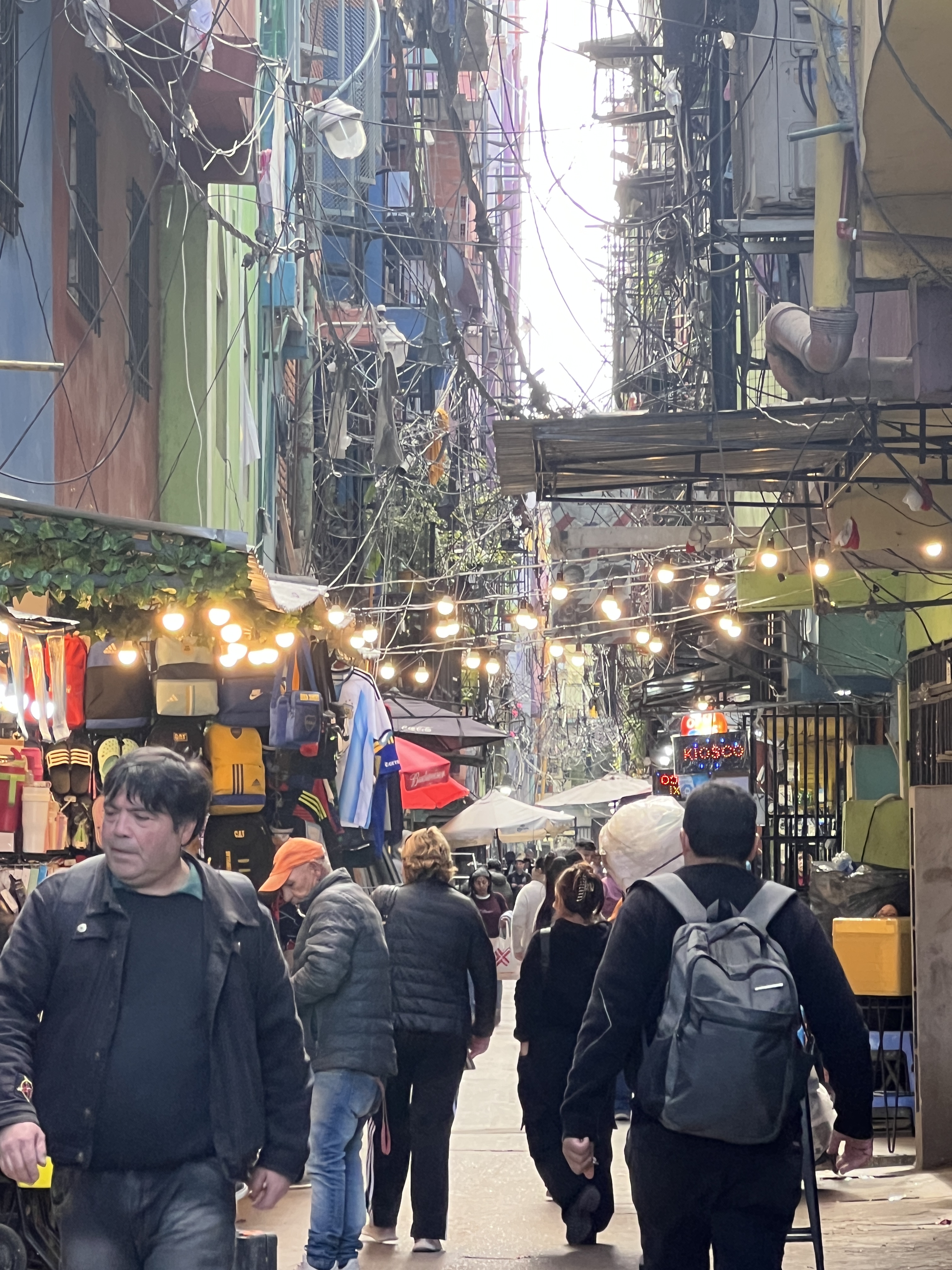

The “neighborhood” or “colonia,” formerly called Colonia 31, is essentially a linear neighborhood wedged between a sea of railroad tracks that converge at the railway station .. and on the other side are the port facilities stacked with thousands of shipping containers. While the numbers of people who live in Mugica are not really known, estimates say there are 40,000 inhabitants. Most are indigenous from Paraguay, Peru, and Bolivia.
As we walked through the area, several people stopped us to say that it was “muy pelligroso” (very dangerous). But we heard that in every other city where we visited the slums. Still we tried to be extra cautious. I had my purse in the cross-body position and kept my phone in my pocket with my hand in my pocket as often as possible—except while photographing. And I’ve been photographing all of my life, so I’m pretty aware of the surroundings… and the iphone is a lot less of a presence than when I carried multiple 35mm cameras and lenses.
We strolled for about 90 minutes and were about to leave the area when I decided to take “just one more shot.” Mike was to my left… and all of a sudden a young guy, maybe 20 years old, ran from behind and grabbed the phone/camera out of my hand and was running at top speed. Mike screamed “Stop that guy!” although I don’t think anyone spoke English… but everyone knew what happened and a big crowd gathered both behind me and also at the other end of the street. One woman found two policemen and they began to run after the guy, but it was hopeless. Frankly, I was glad it was the phone and not my purse and also didn’t knock me over as he grabbed and ran.
I hope he likes reading the NY Times and some of my books on Kindle and enjoys my music selections!
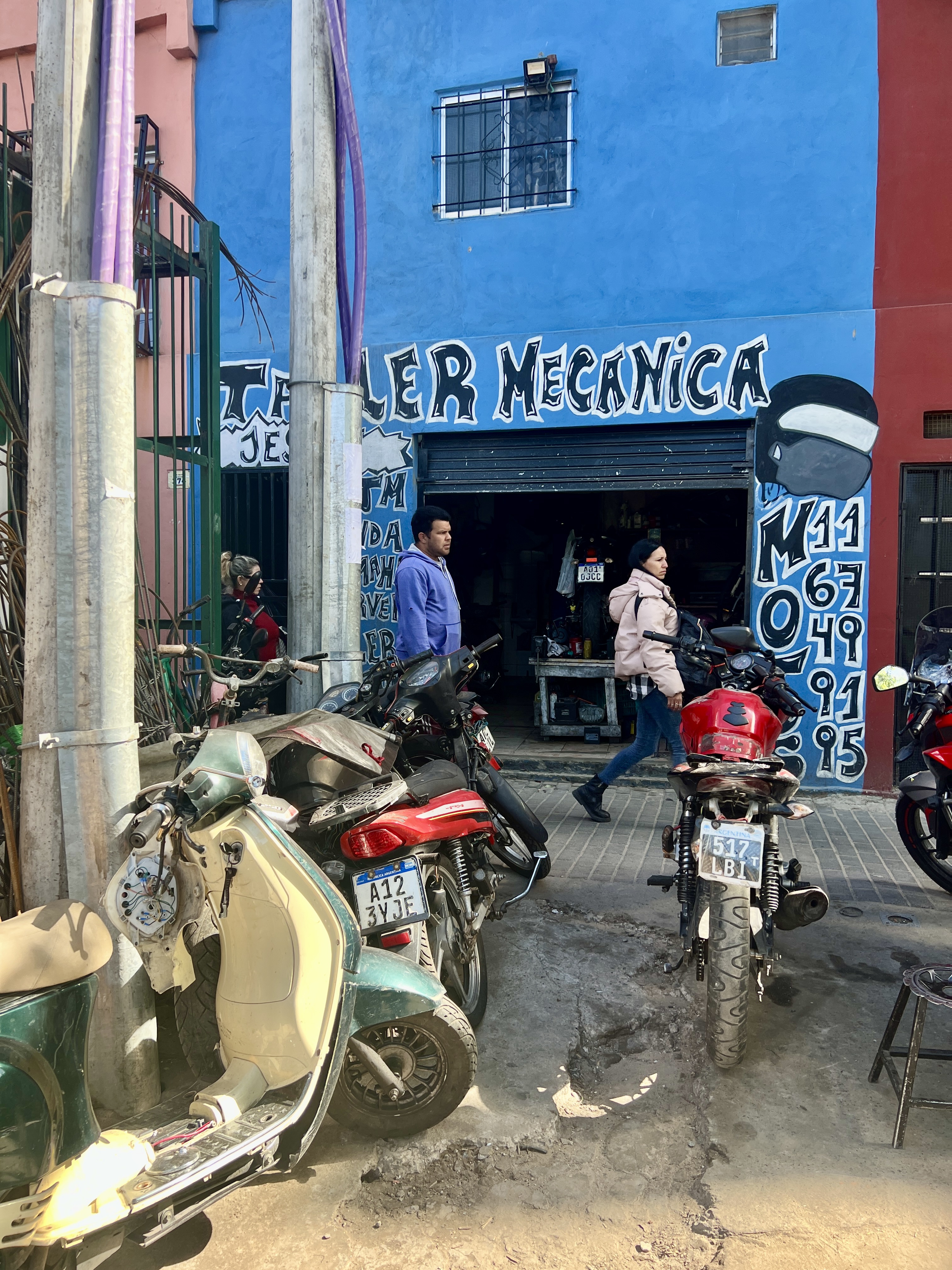
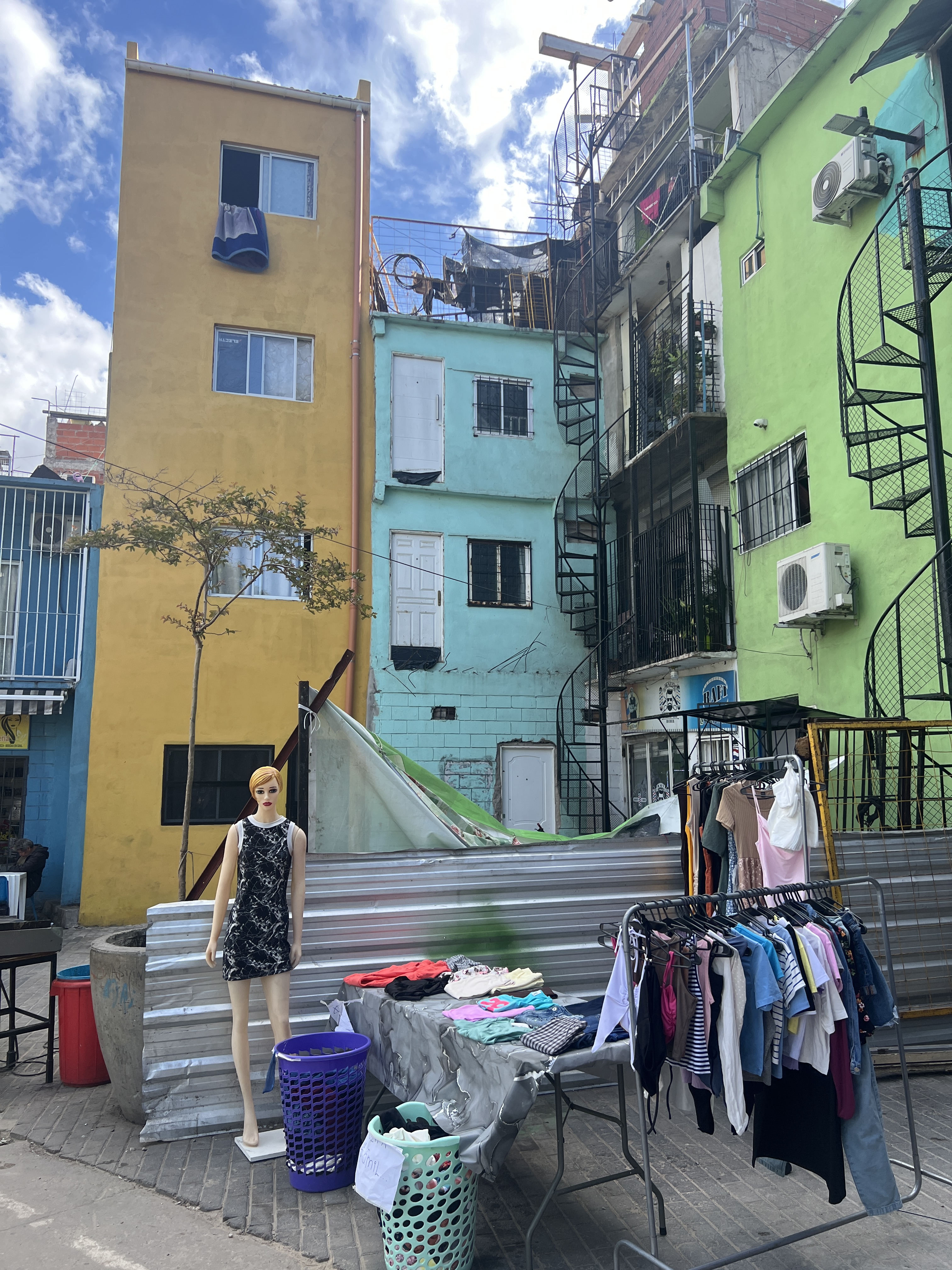
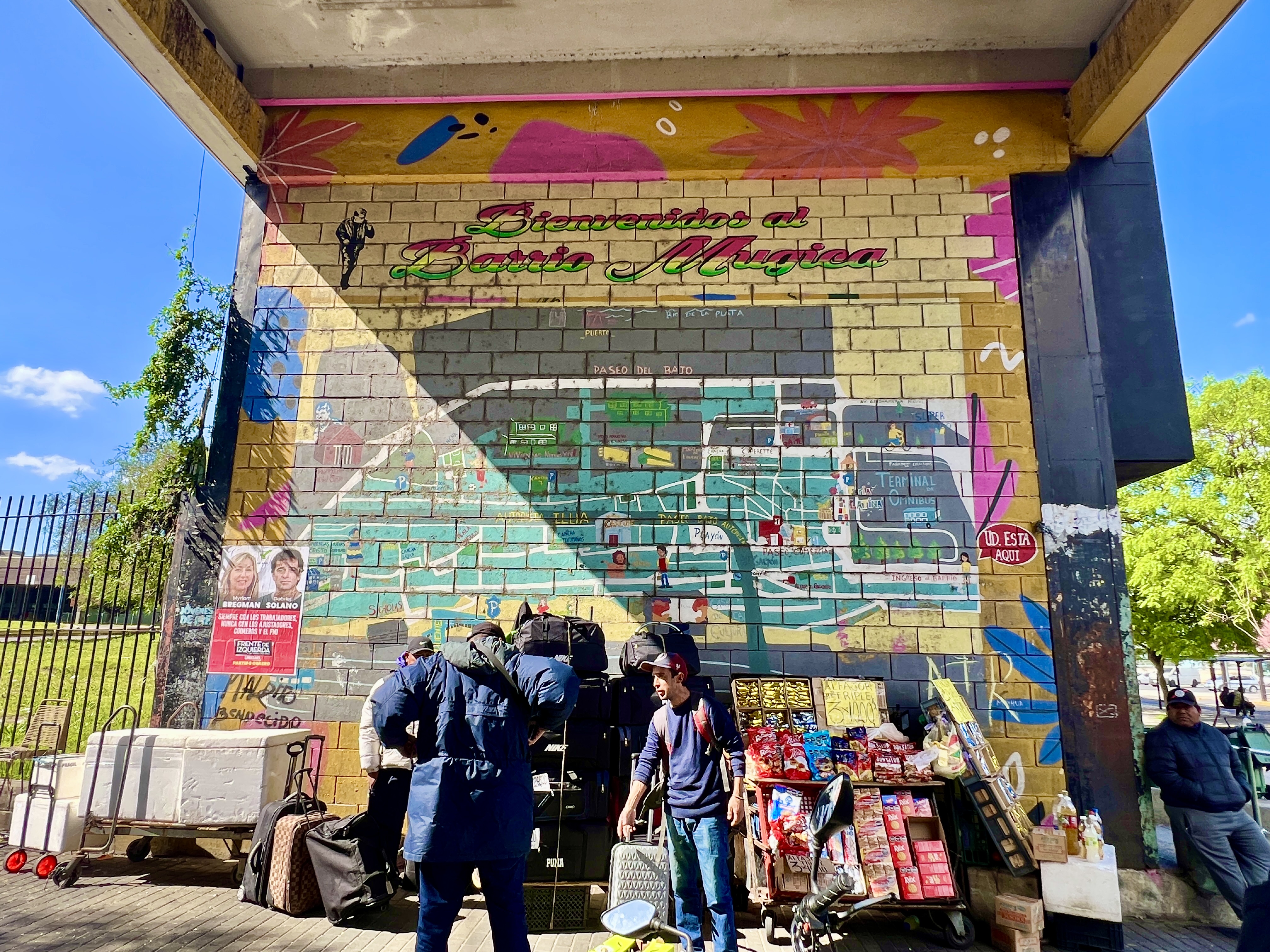
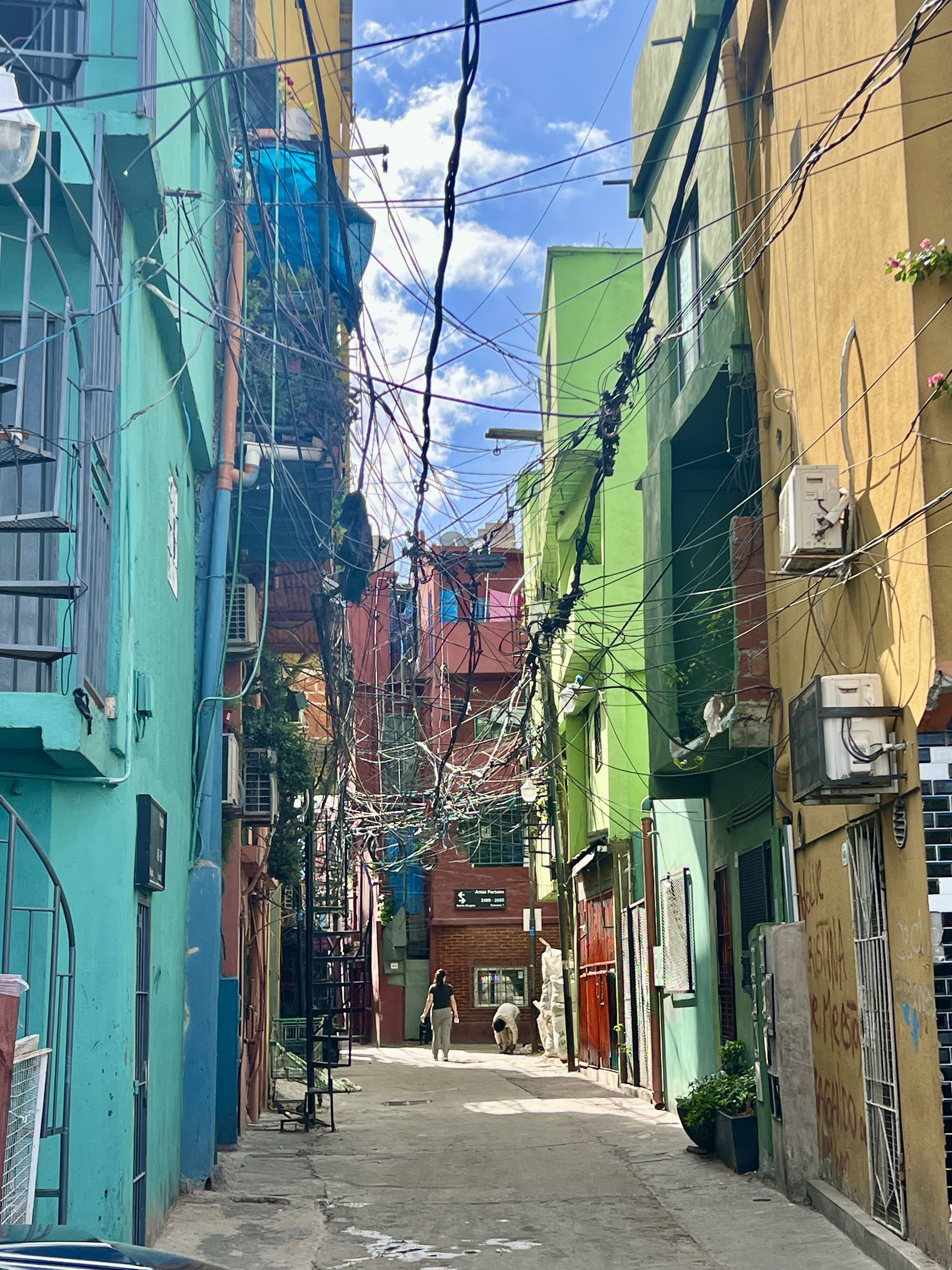
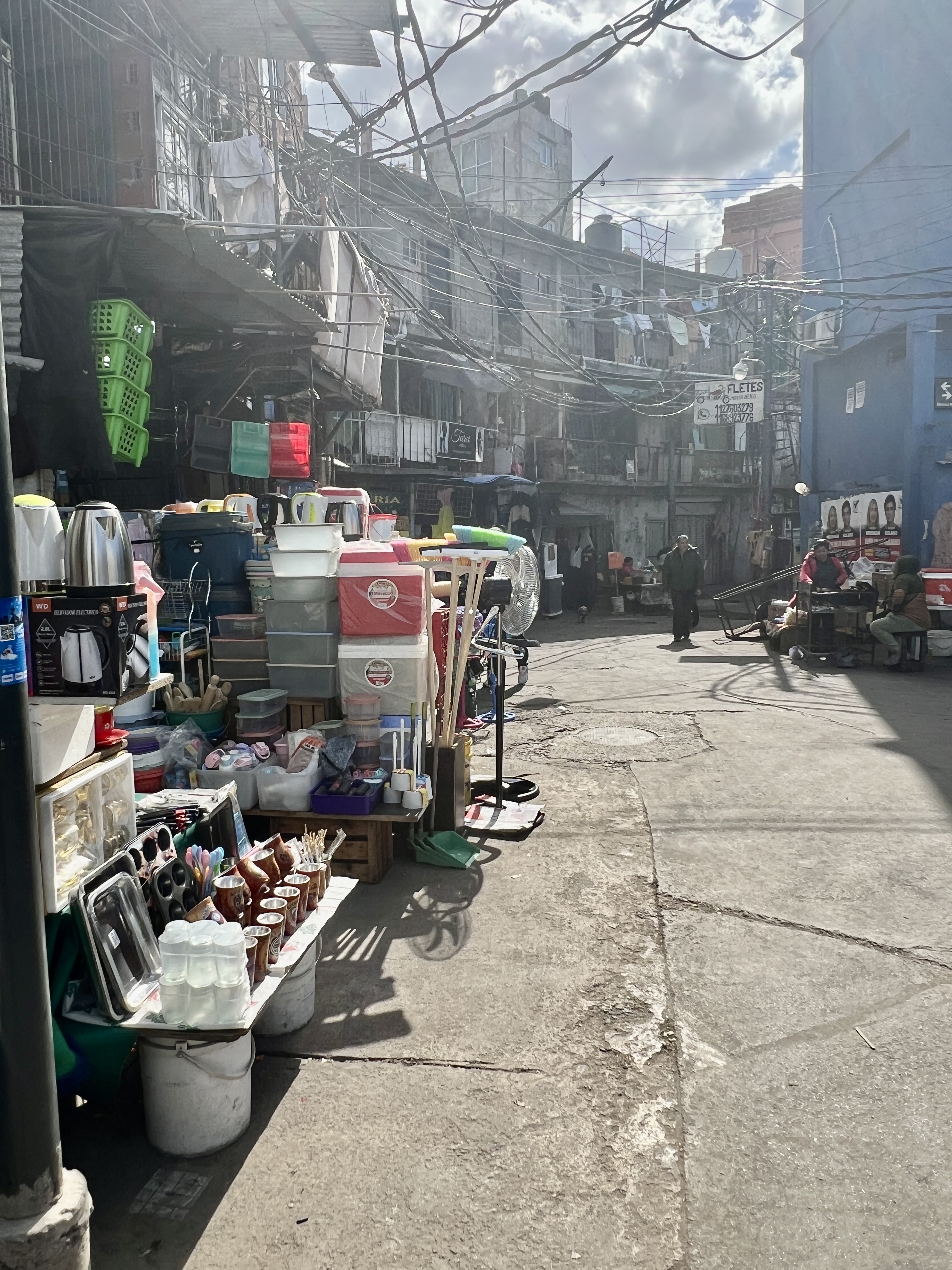
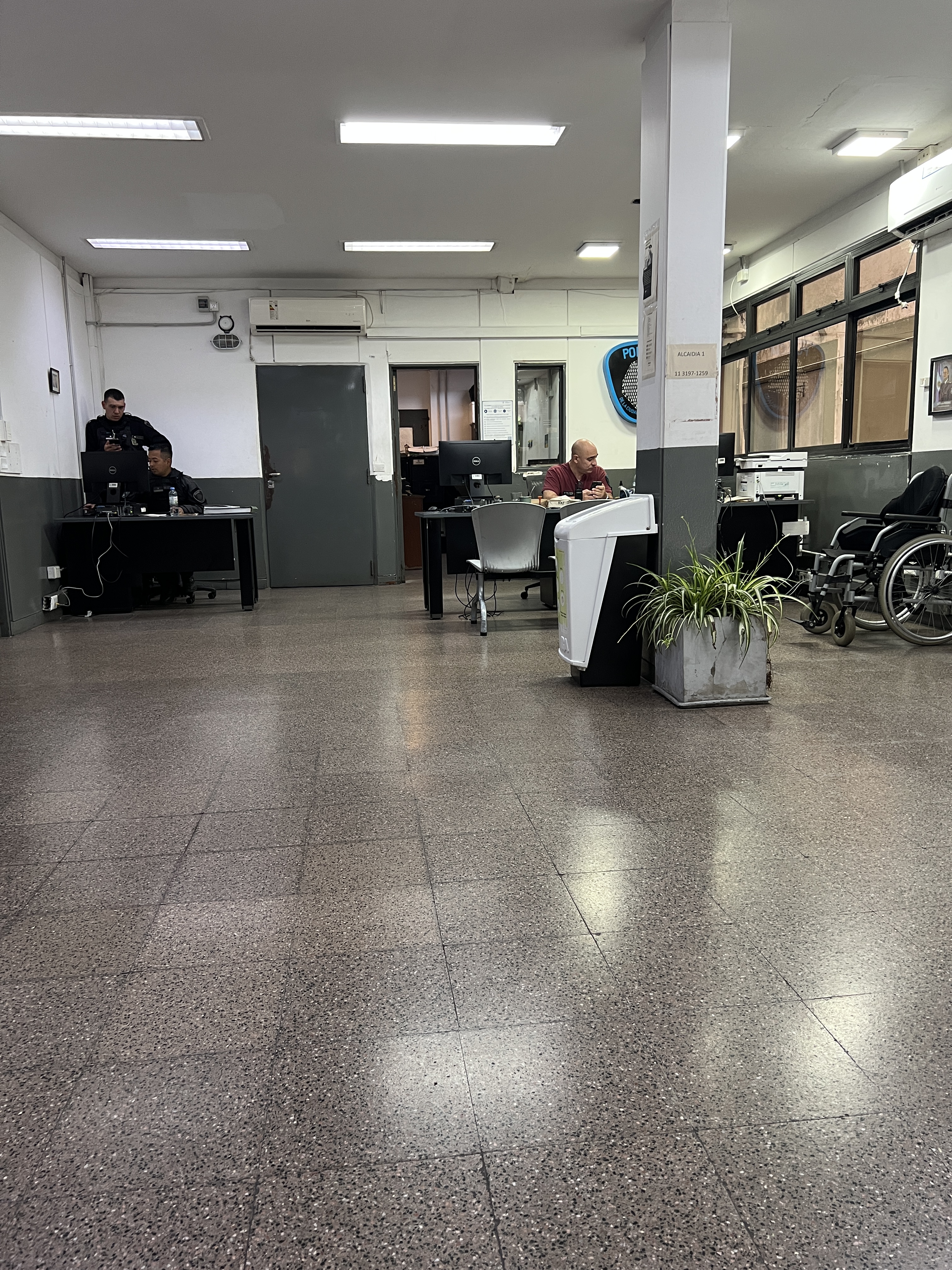
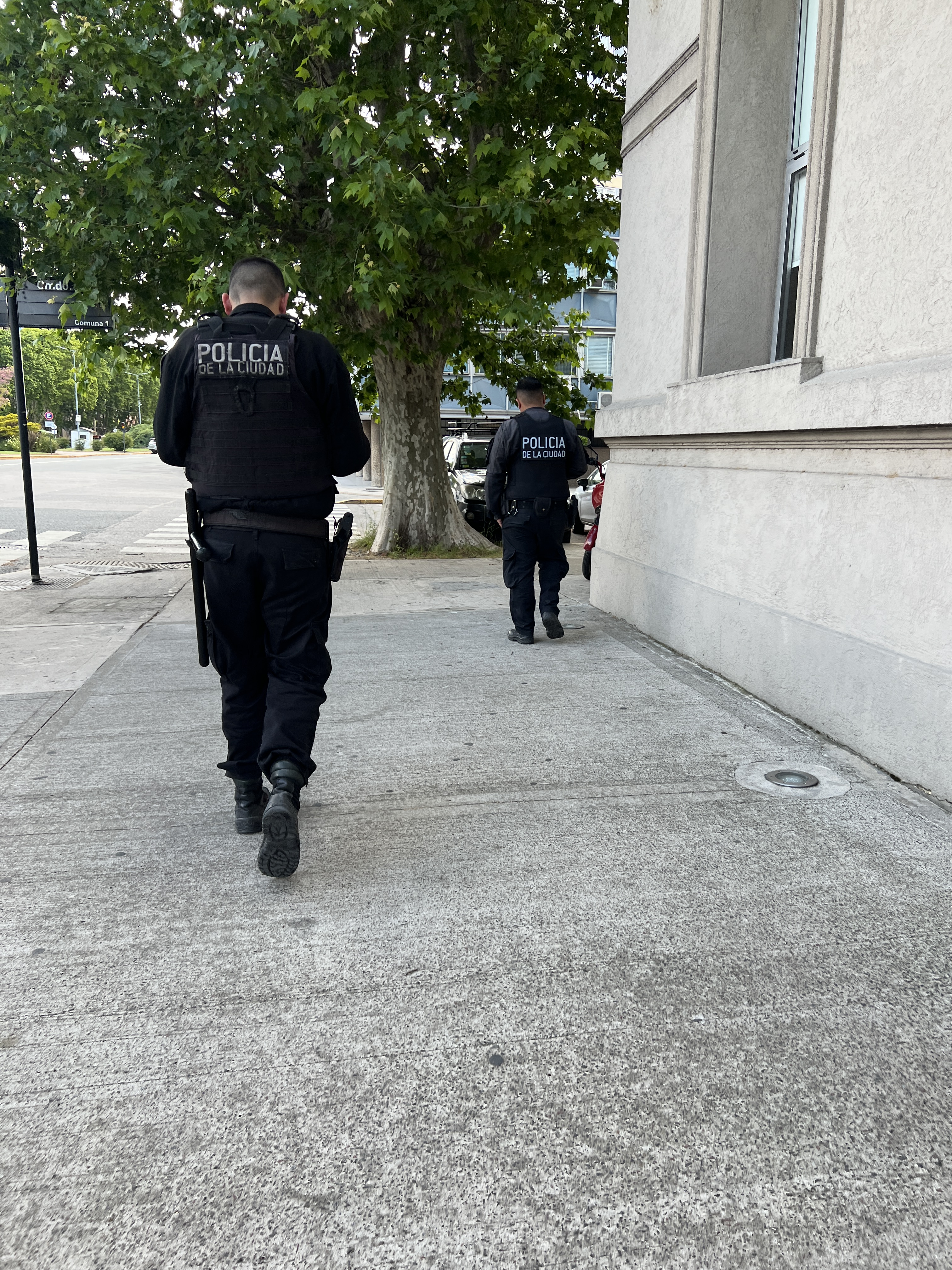
Now the police were involved. Turns out they have a little substation (a trailer of sorts, about 8’x8′) right in the area where the “incident” happened. They ushered us into this little makeshift set up, where the cops have a cat they take care of. One female and two male cops–all fairly young. Not sure what they do all day, but now they had a project—me! They didn’t speak any English and at this point I think I could barely say anything in Spanish. They kept using Google translate, which worked but also got things a bit confused. They kept taking notes. Kept asking if any jewelry was stolen? any clothes stolen? was I hurt… All the answers were “no”… He only took the phone. “Él solo tomó mi teléfono.” They looked at my passport three separate times and Mike’s too. We kept asking what more they wanted or needed, as we were ready to head back to the hotel. The “incident” happened at 4:01 pm. At 5:15, we all got in the police car (unmarked) and headed to a bigger station. They were determined to file this report. They kept telling me it would help with my insurance claim. And they kept calling different police officials. Initially, I thought maybe they were trainees.
We got out at the big police station and went inside but the guy at the reception desk told these two cops we were with that we needed to go to a different station where we would meet with the “tourist police.” Mike says there wasn’t anyone at the headquarters because it was now after 5:00! So off we all went to this other police station located in a nice neighborhood. It was, I think, a local station. We waited in the lobby area for about an hour or more and finally the guy who is the tourism cop showed up. Actually he’s more of a translator or interpreter. He was extremely nice, although occasionally his English was very funny. Like when he asked me if there were any waitresses? I said “like in a restaurant nearby?” and then he checked Google translator and he wanted to say “witnesses.” But when he asked where this all happened and we said we were in Mugica, he nearly fainted.. and just shook his head and rolled his eyes. “Why?” So we explained (using our academic cred as the easiest rationale) that we were very interested in the living conditions of low income people around the world, including in the US. Again he shook his head.
OK… three hours after the incident, we finally left and thanked the police for their hard work. It was clear the phone was long gone. Probably sold for about $10 to someone who might know how to wipe it clean and who will sell it for $100. Tomorrow morning I will head the the Apple Store in Buenos Aires to get a new phone and also to see if they can connect me to email and other digital needs. Not sure this part can happen here in Buenos Aires. We shall see.

Had dinner at Republica del Fuego.. It was fine.. Not great. That’s it for me.
October 27, 2025 . Museums, Metros, Melei, Markets.

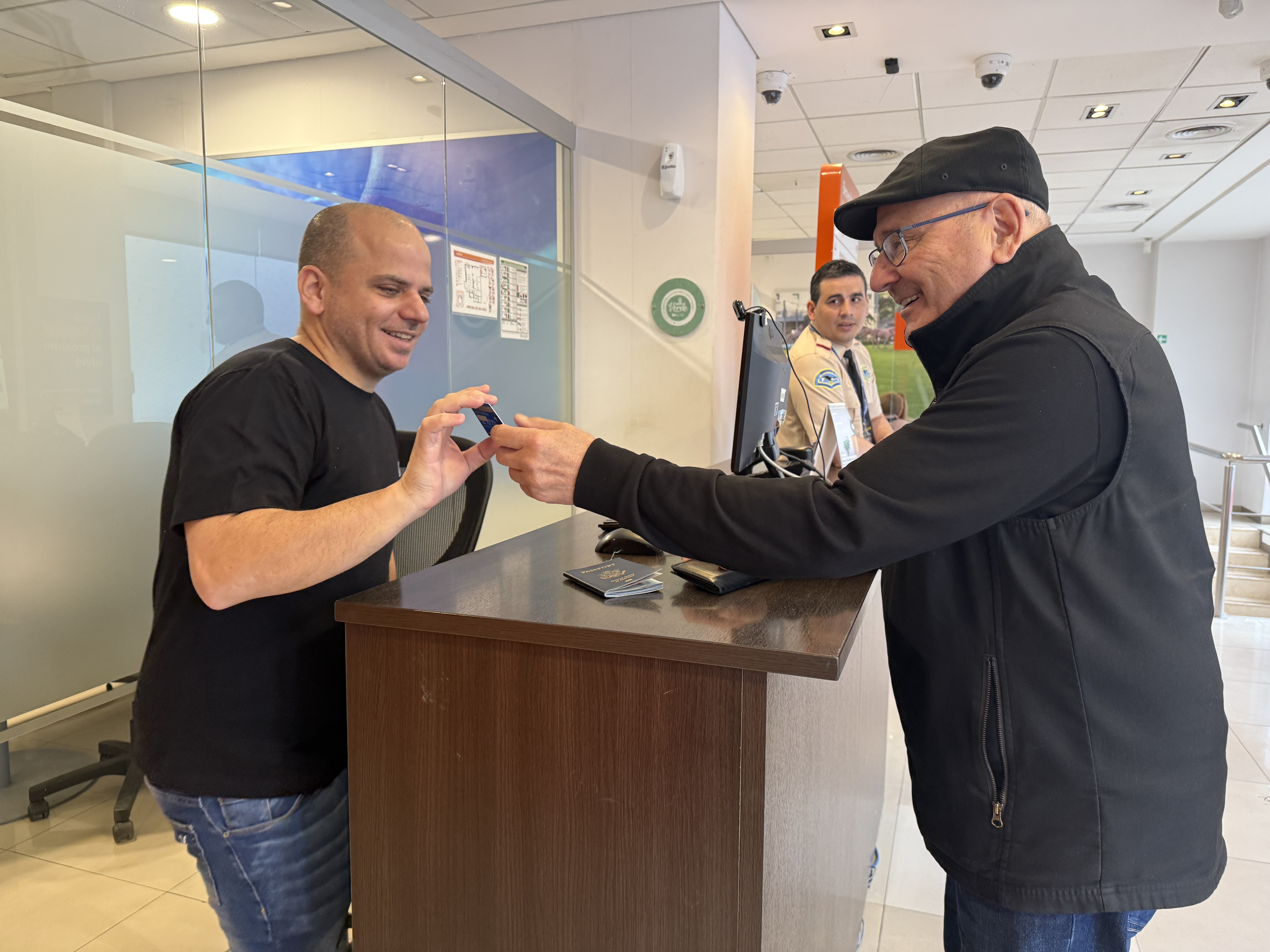
We are now up one ATM card and up one jacket… back to ground zero…except minus one international drivers license.
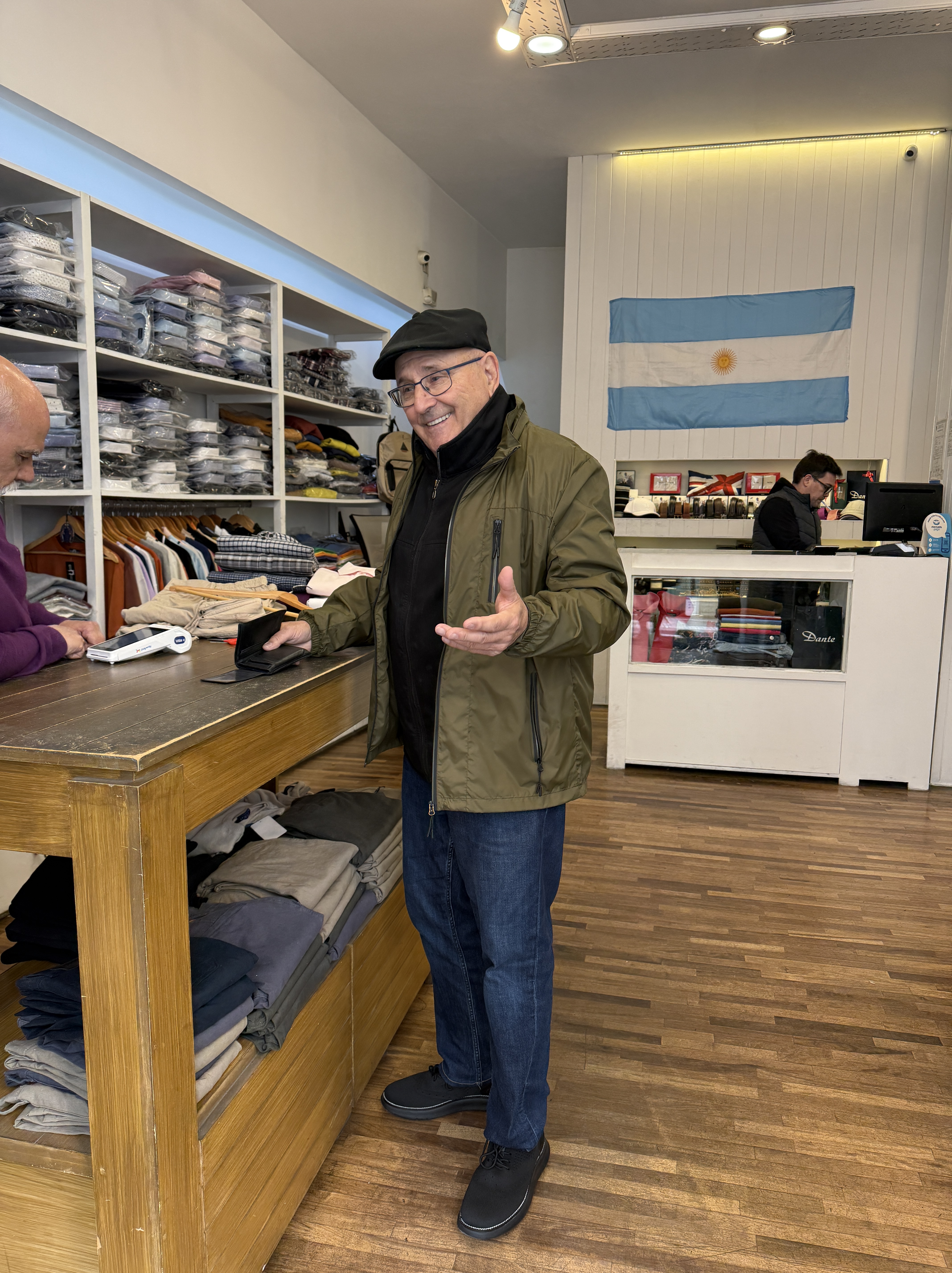
We opted to have breakfast at a little cafe down the street (eggs, medialuna/croissant, yogurt) and then headed to the bank that ate Mike’s ATM card.. We explained what happened and the guy was fairly nonchalant; I think it happens often. We needed to identify which ATM console had the problem and he went in the back… and voila! the ATM card. So Mike is “whole” again. Then as we walked along one of the boulevards we spotted a mens clothing store and Mike bought an inexpensive windbreaker (will probably last a few months) to last him for the remainder of the trip. Good thing, because it suddently got really cold. In the 50s! And this is spring here in Argentina. Seems like it’s going to be like that for the next few days.
From the bank we headed to the metro (Sube) to get to the Museum of Modern Art which is located in the San Telmo neighborhood. We now know the routine so public transit is a snap.
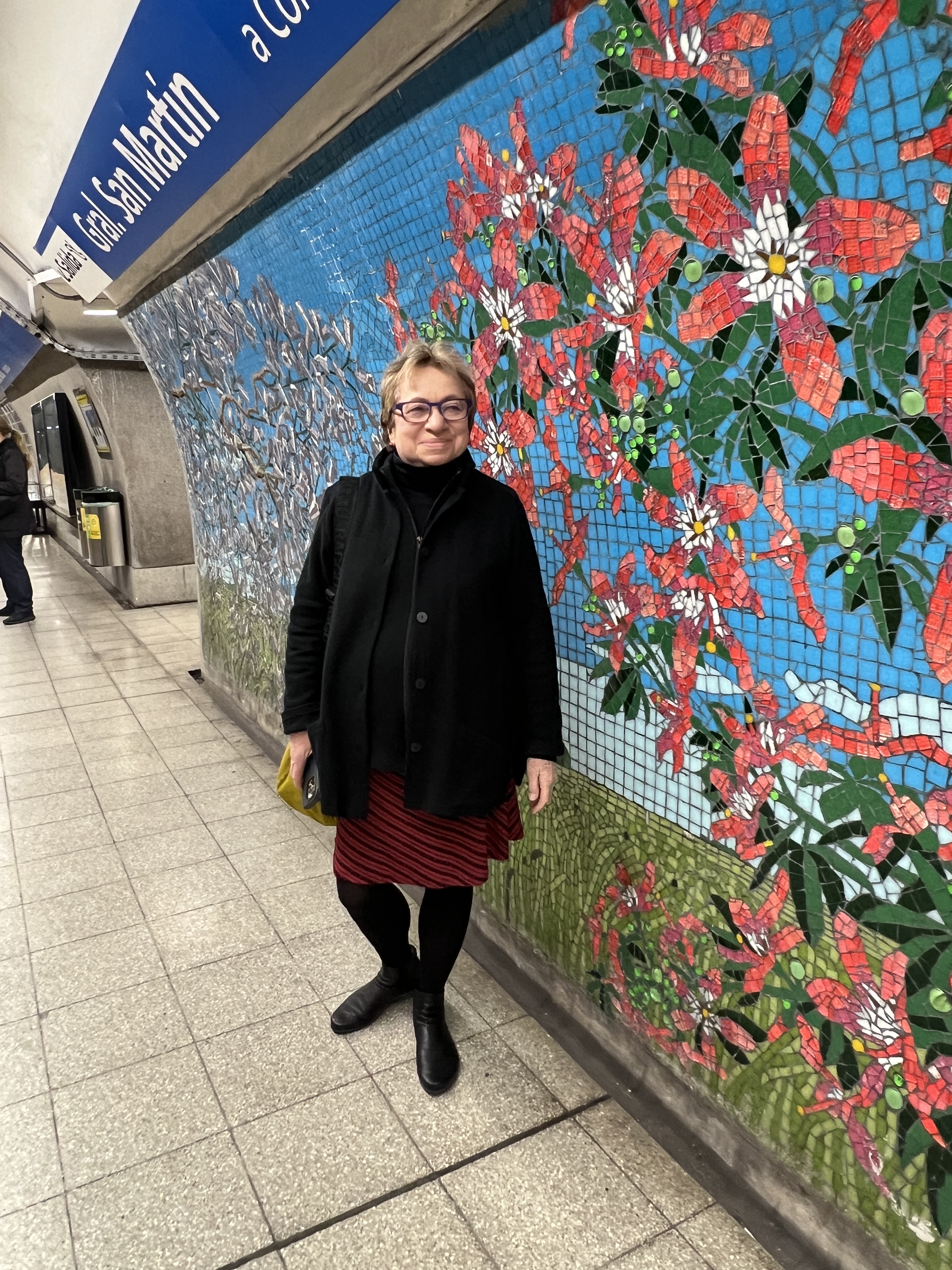

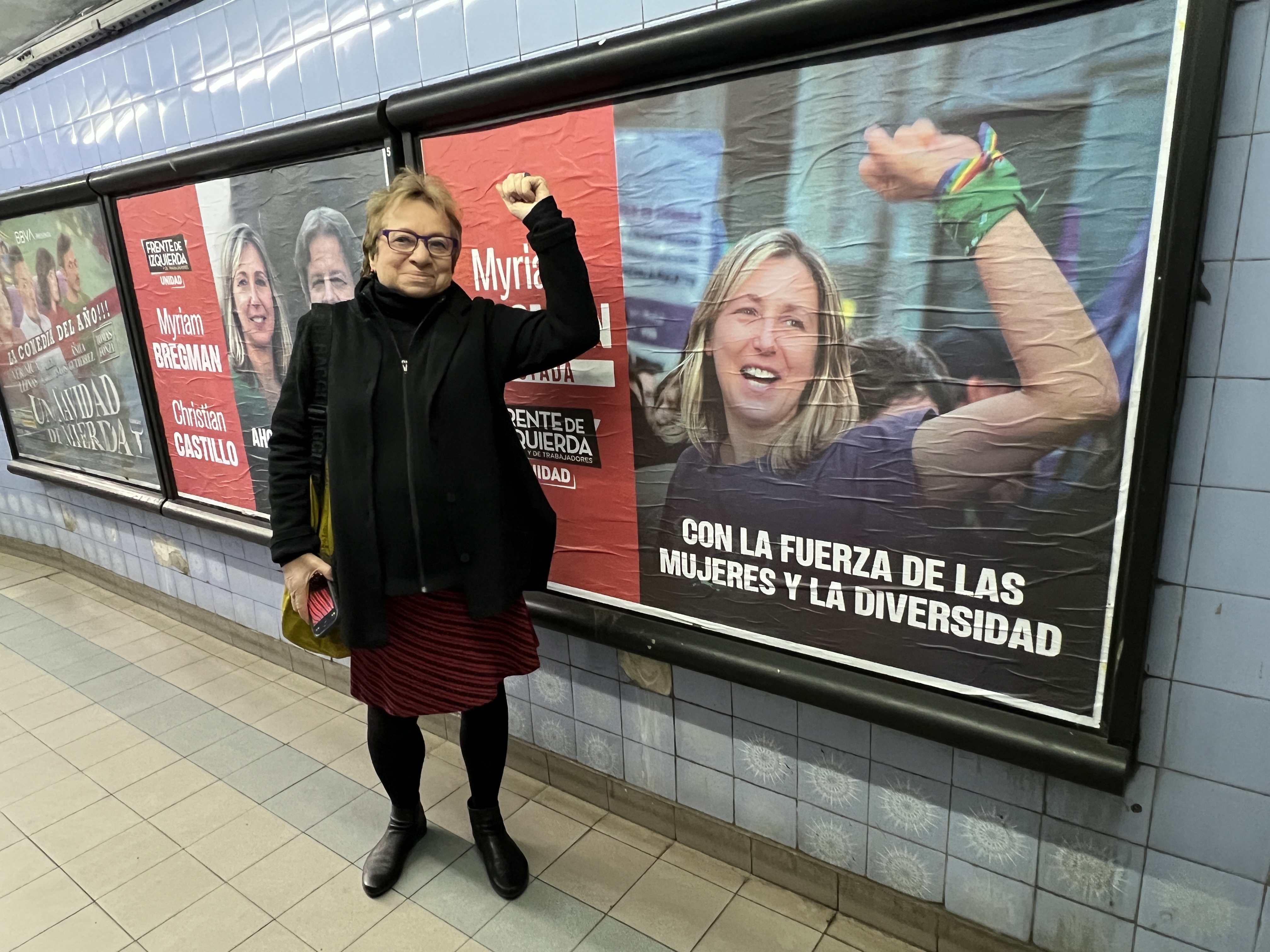
It was about a six block walk from the station to the museum and along the way we could see the remnants of yesterday’s election: lots of signs and posters for different candidates, including for Myriam Bergman, the Jewish Atheist Trotskyite who won reelection by a big margin.

San Telmo is an interesting neighborhood and very different from the Recoletto where we are staying. Clearly lots of artists and political stuff going on here.

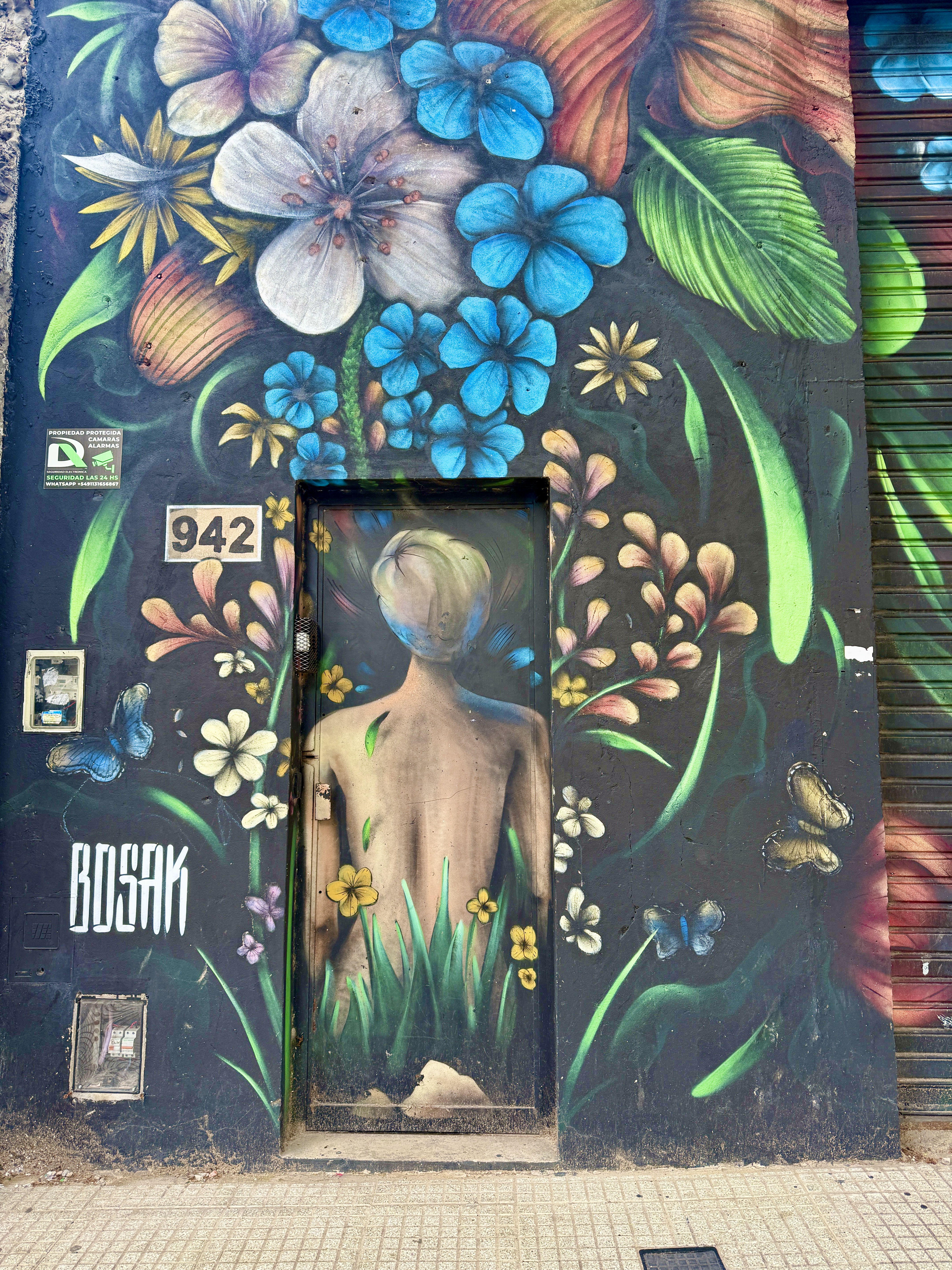
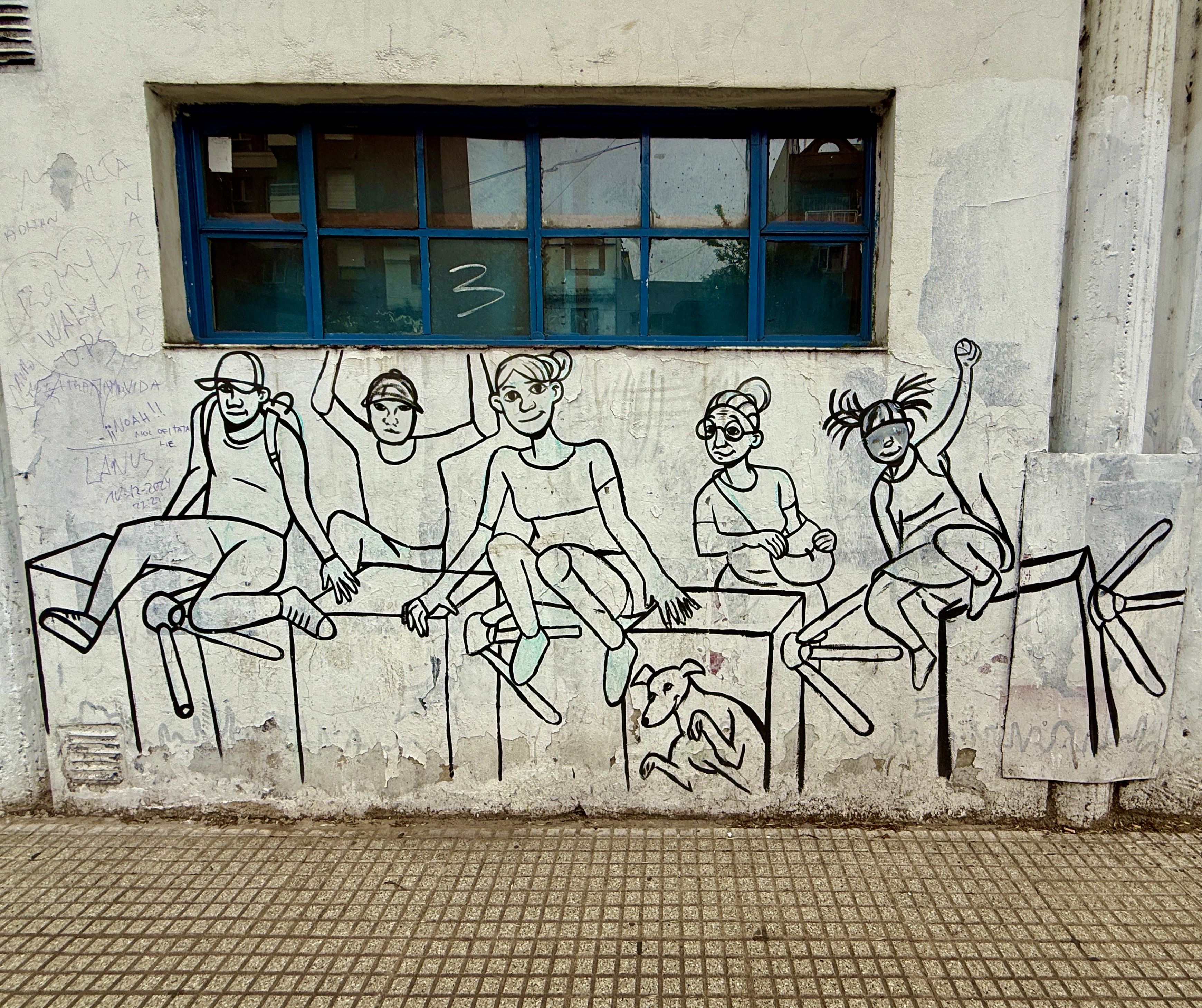
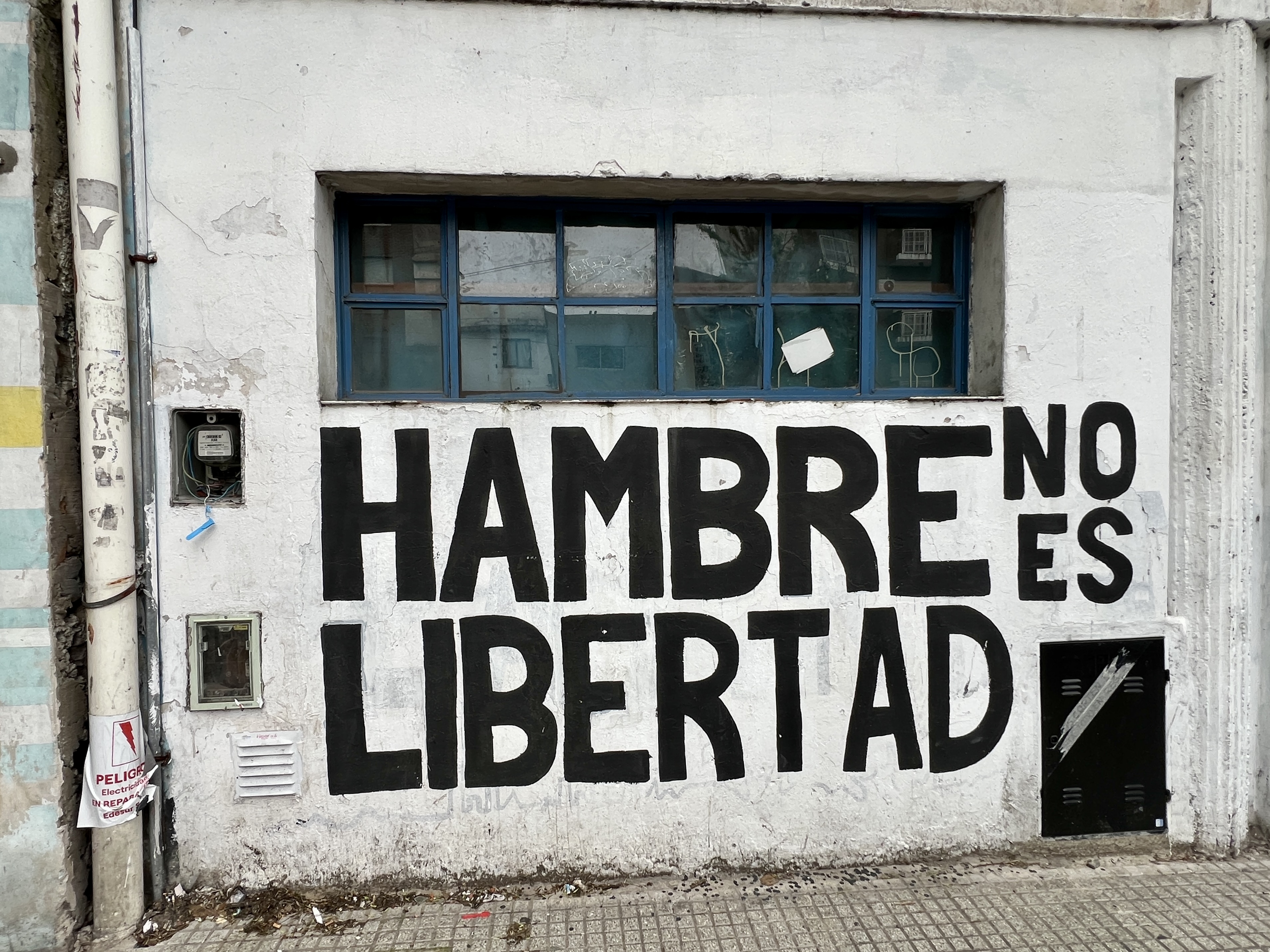
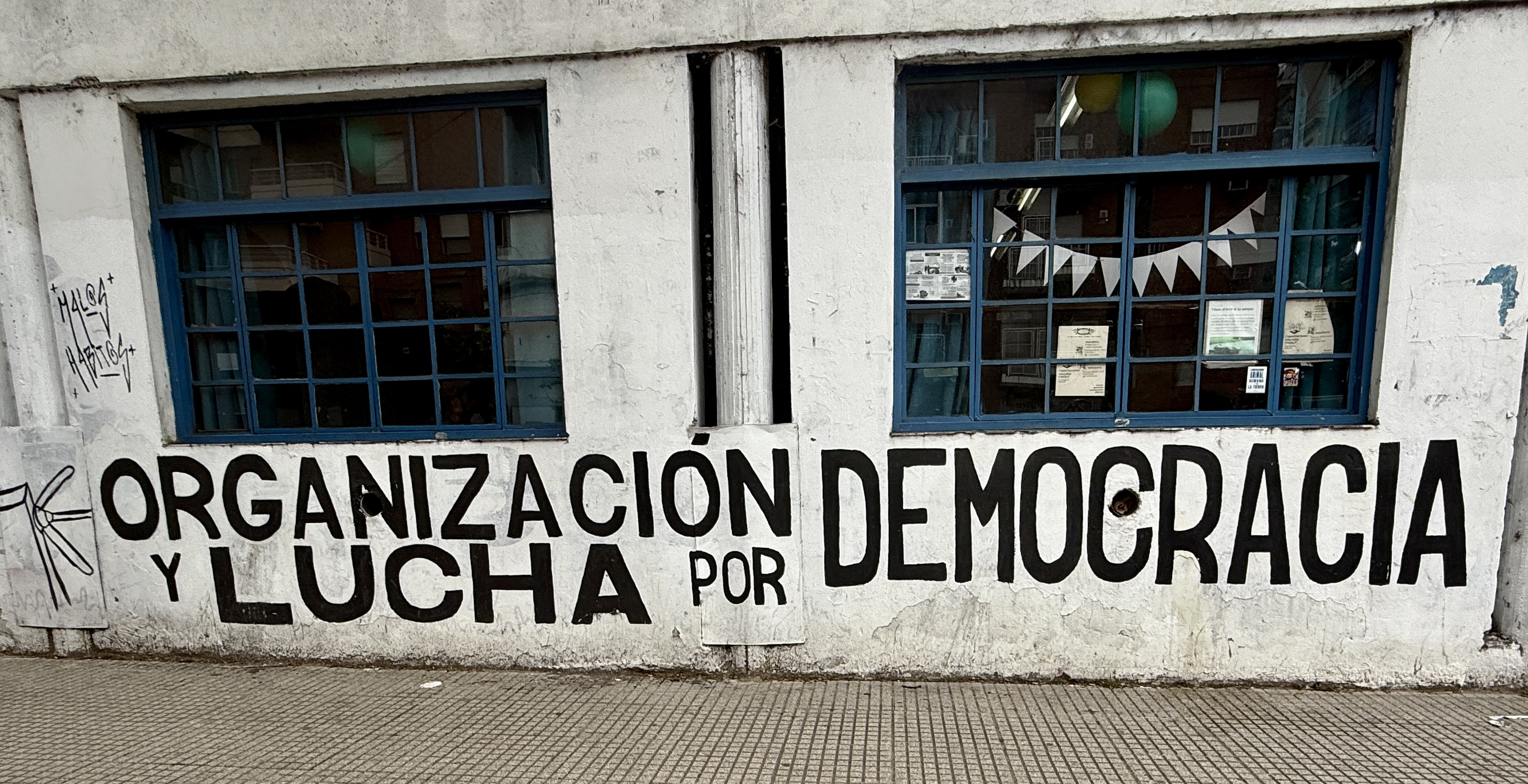
The museum, affectionately called MAMBA, had an interesting show looking into the relationship between visual arts and theater, and some other exhibits. And the museum itself is an interesting structure. It’s a small museum, housed inside a former tobacco factory, so it’s easy to navigate.

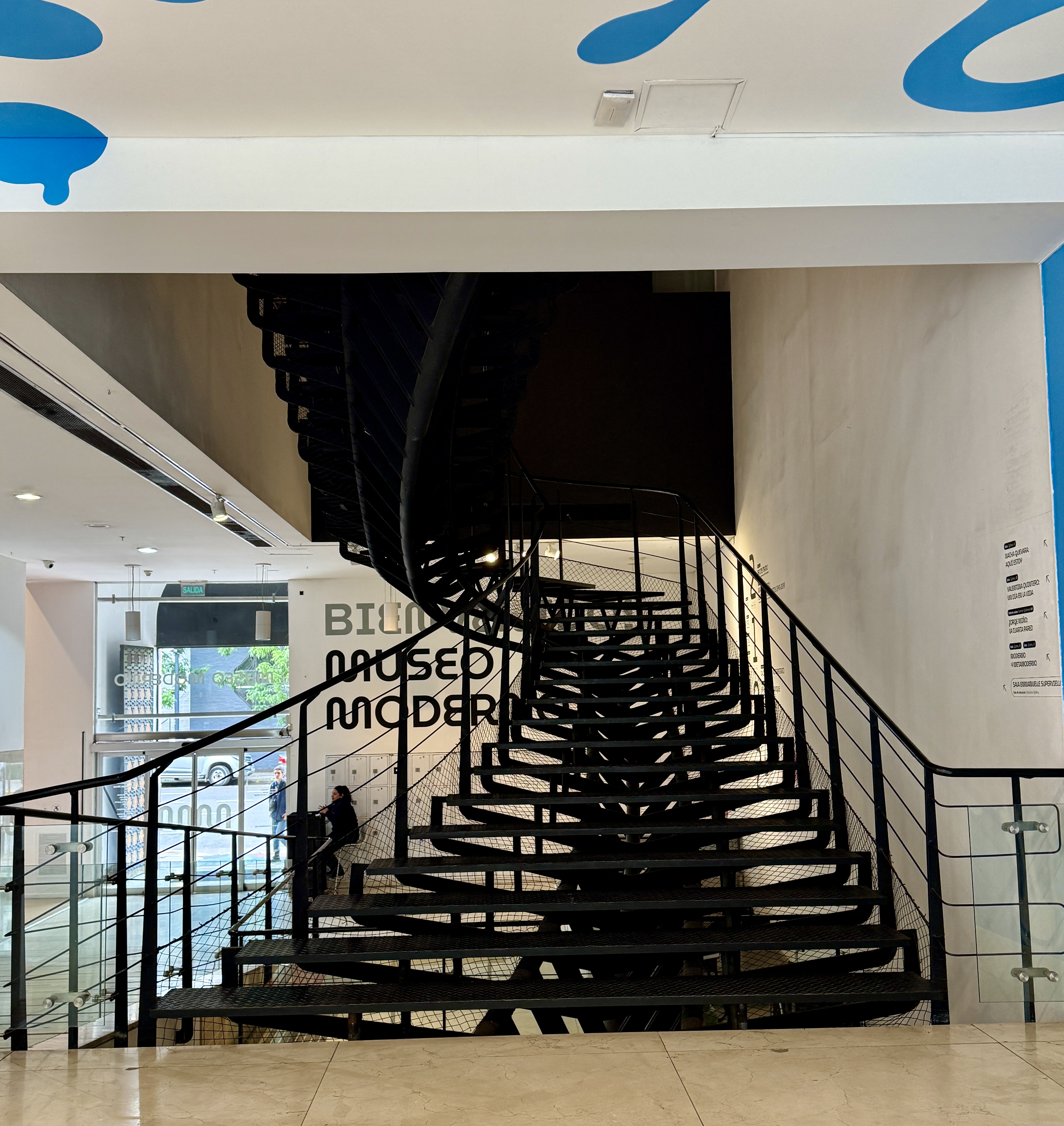
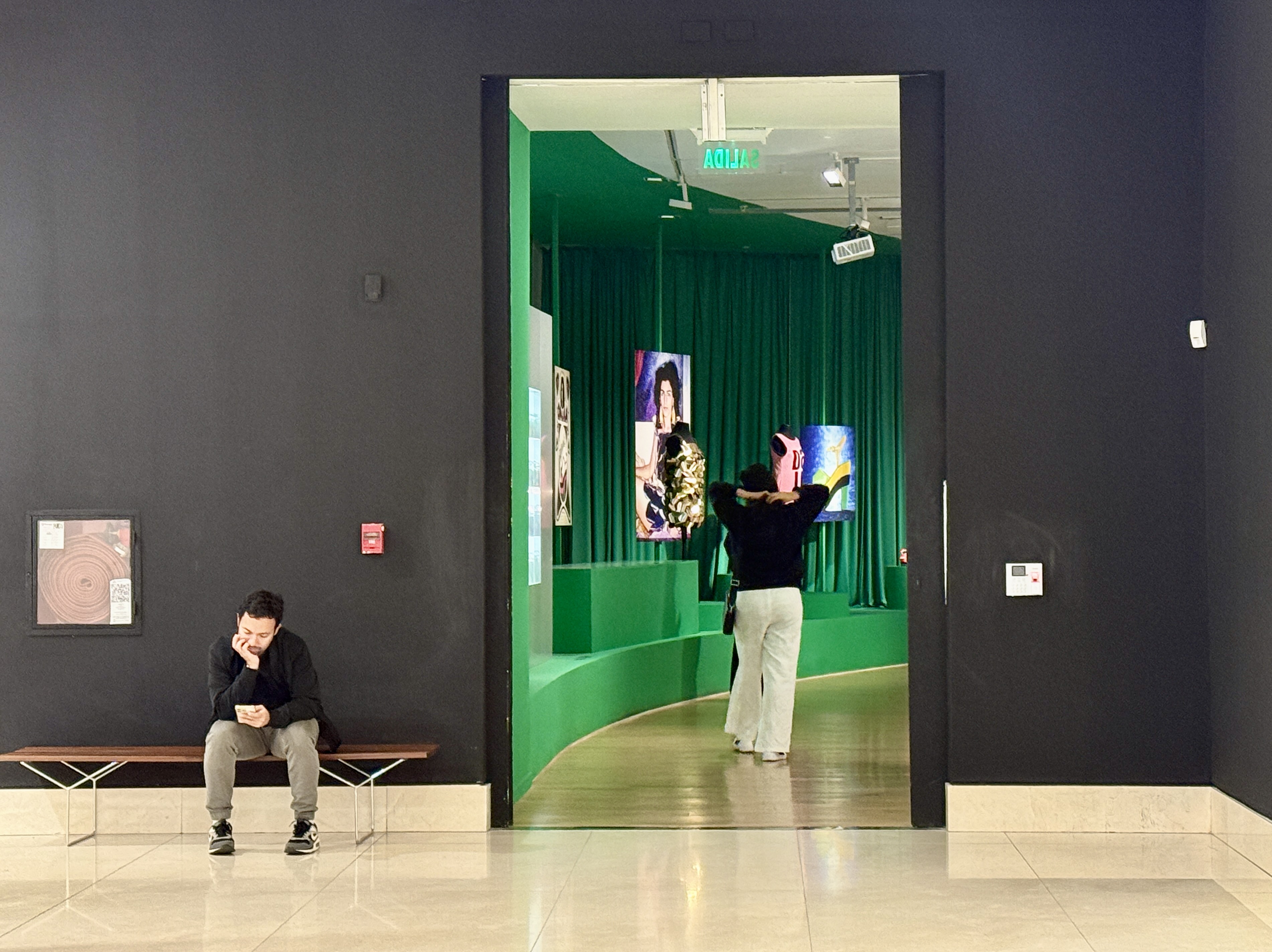
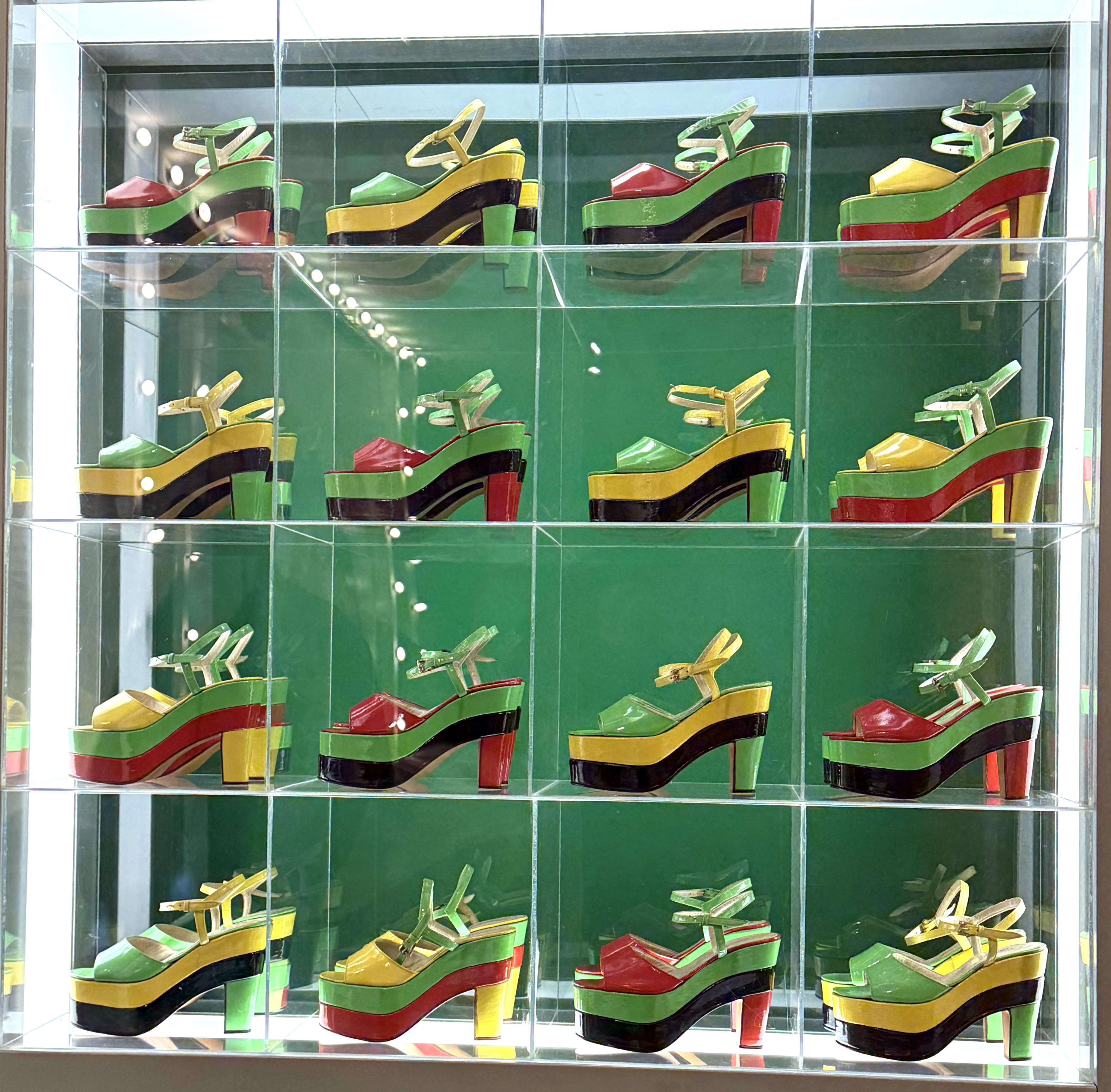
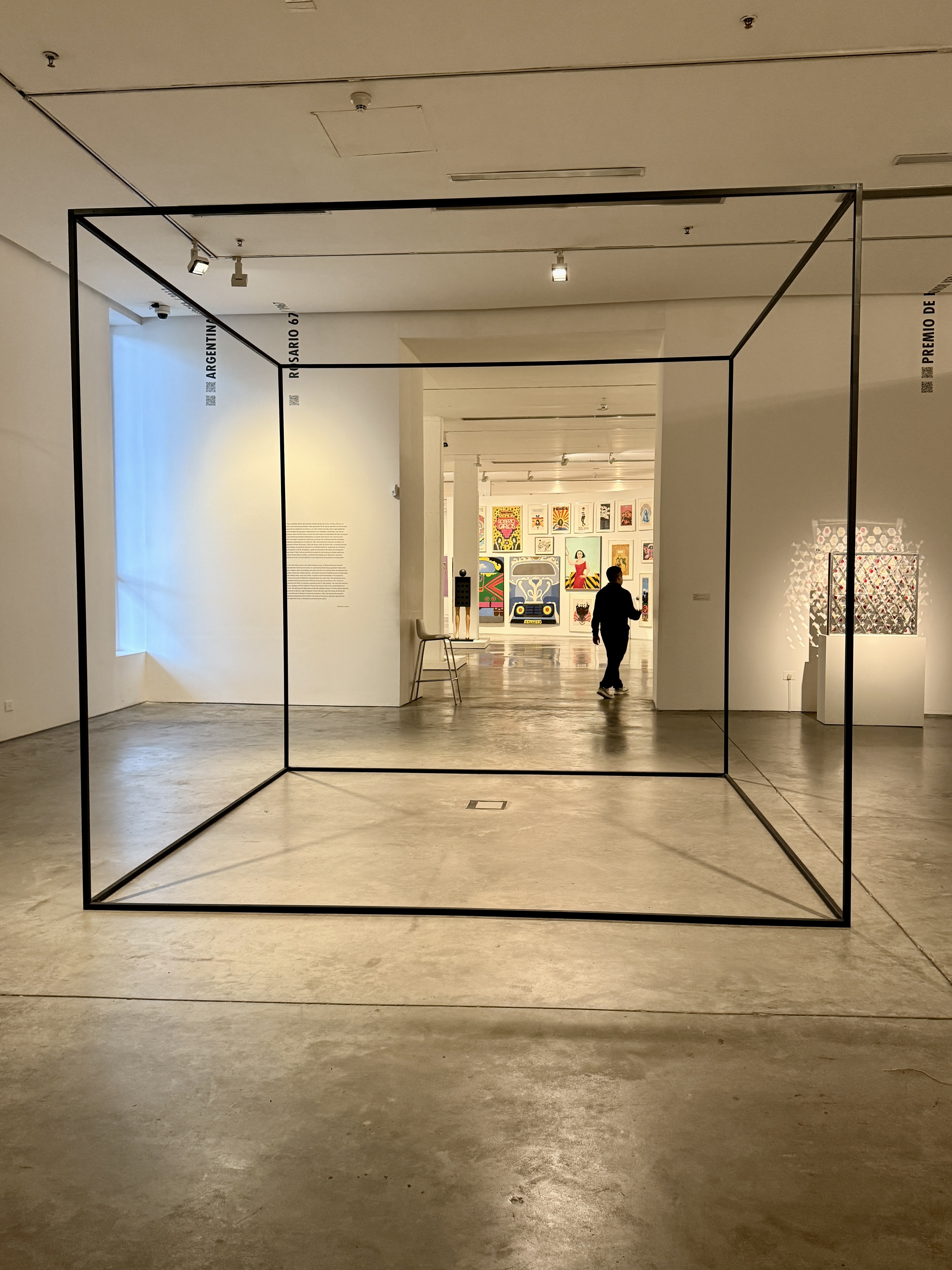
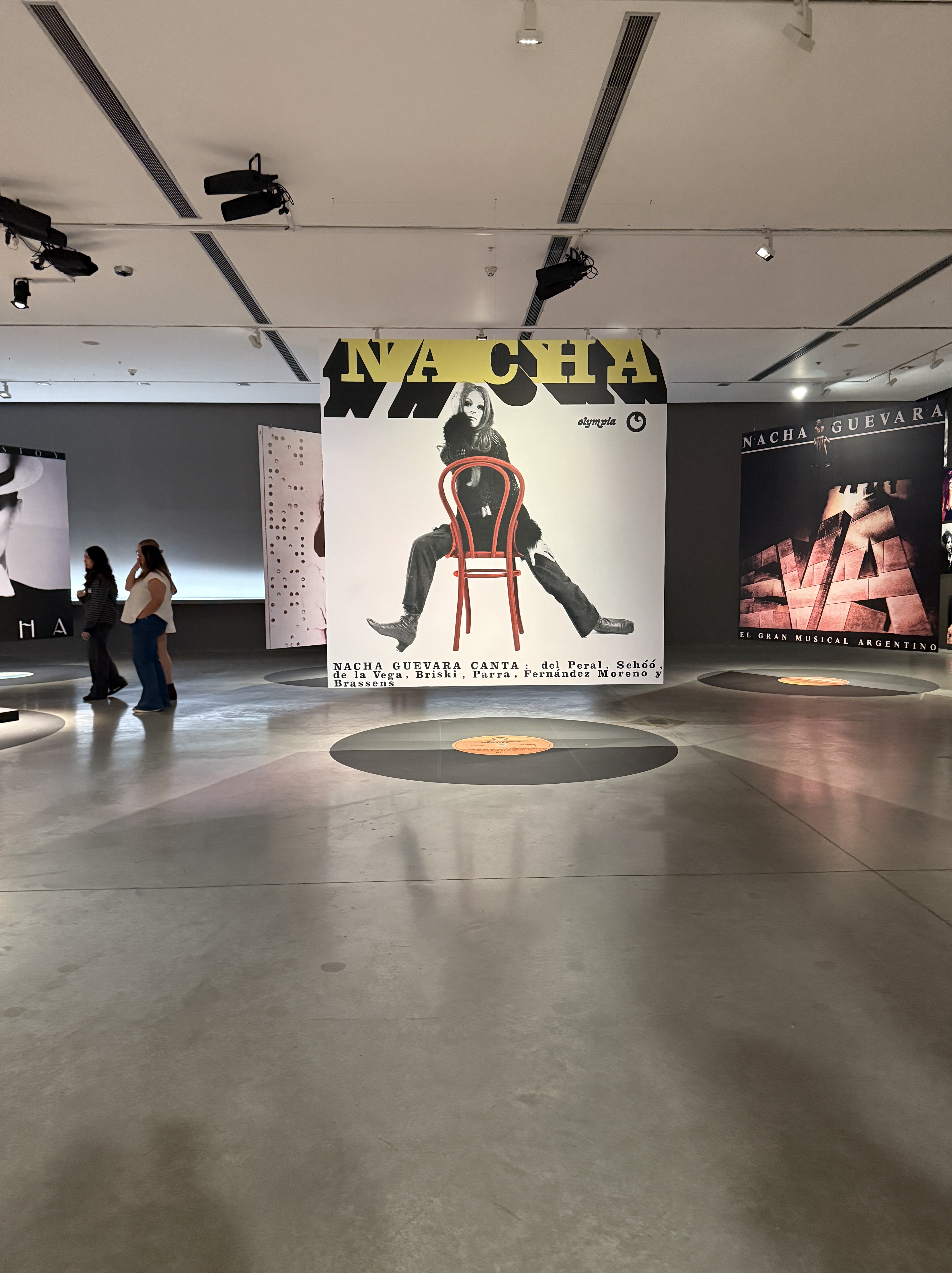
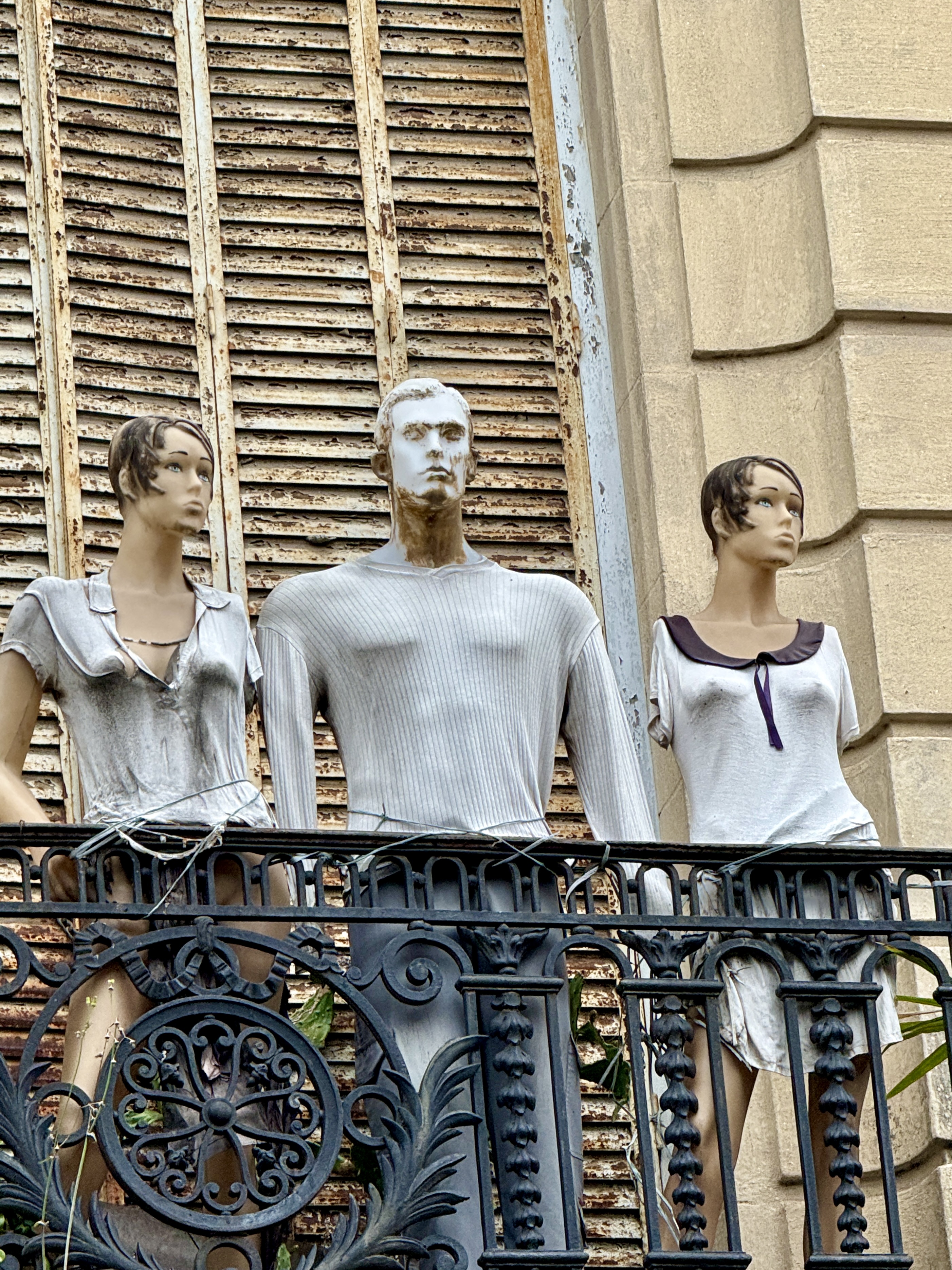
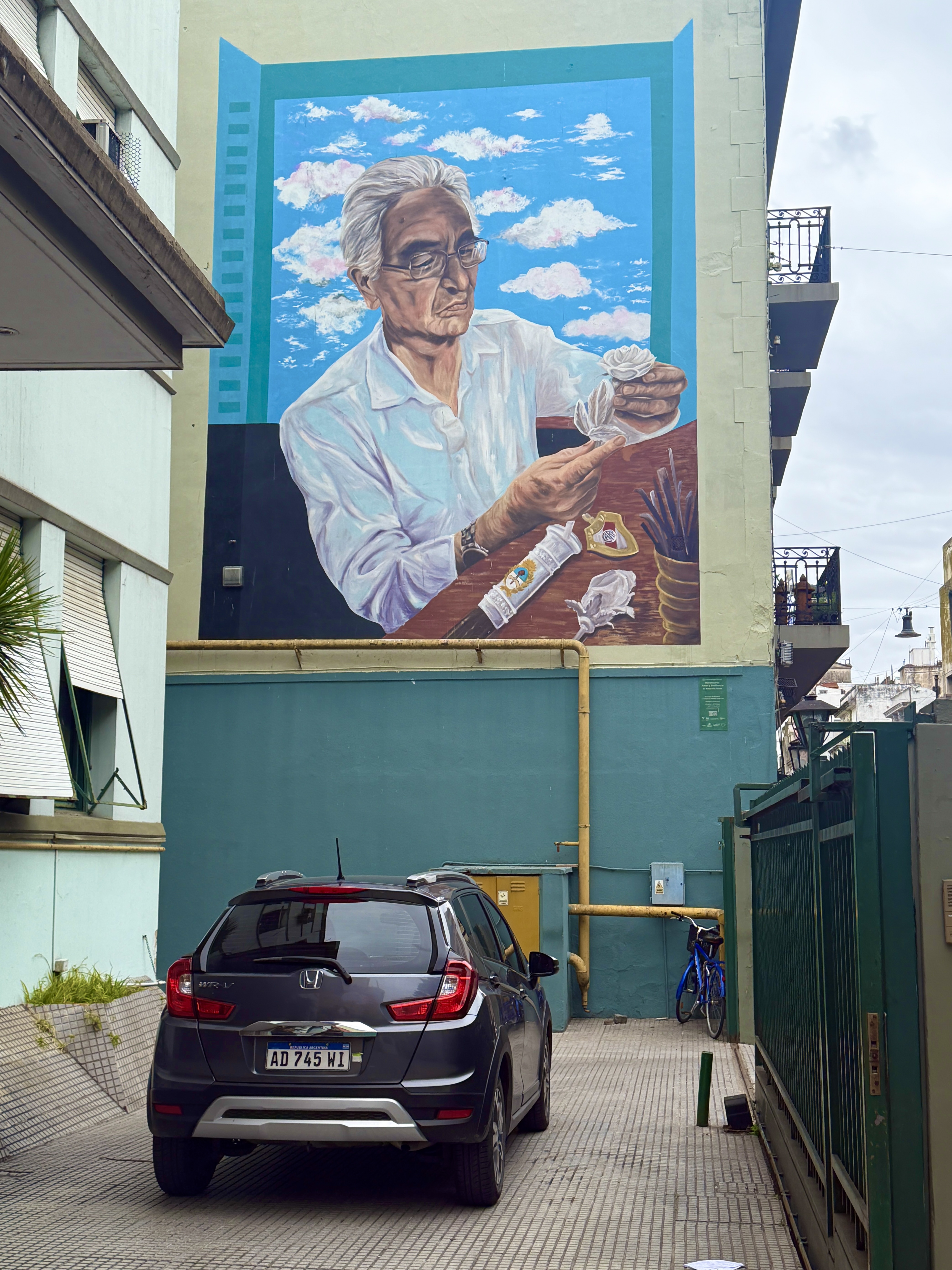
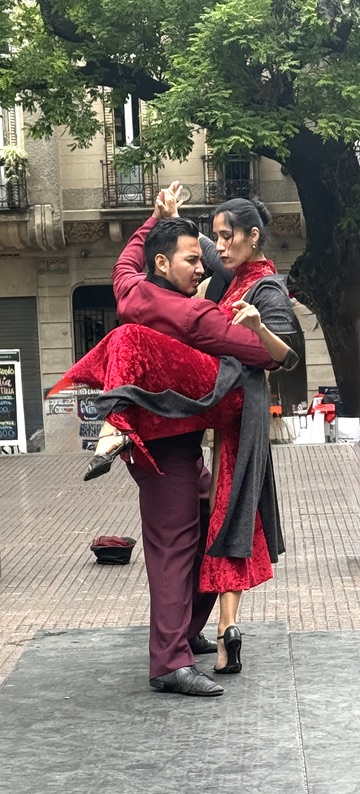
After leaving the museum we strolled through the San Telmo neighborhood to the 100+ year old market, stopping often to walk randomly on small streets. Naturally we stumbled on murals, small shops, and tango dancing in the park. It is said that the tango originated in the San Telmo neighborhood.

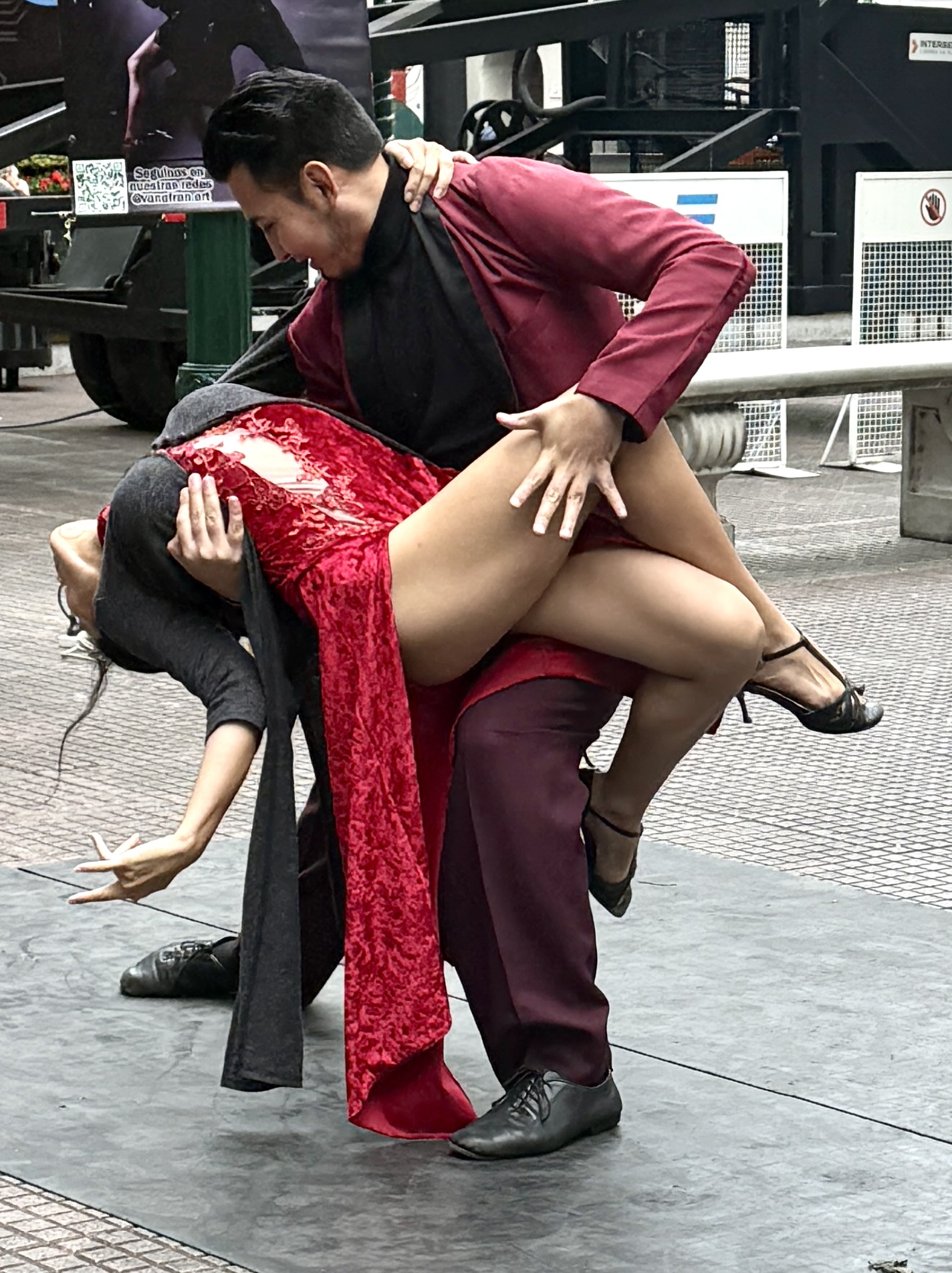
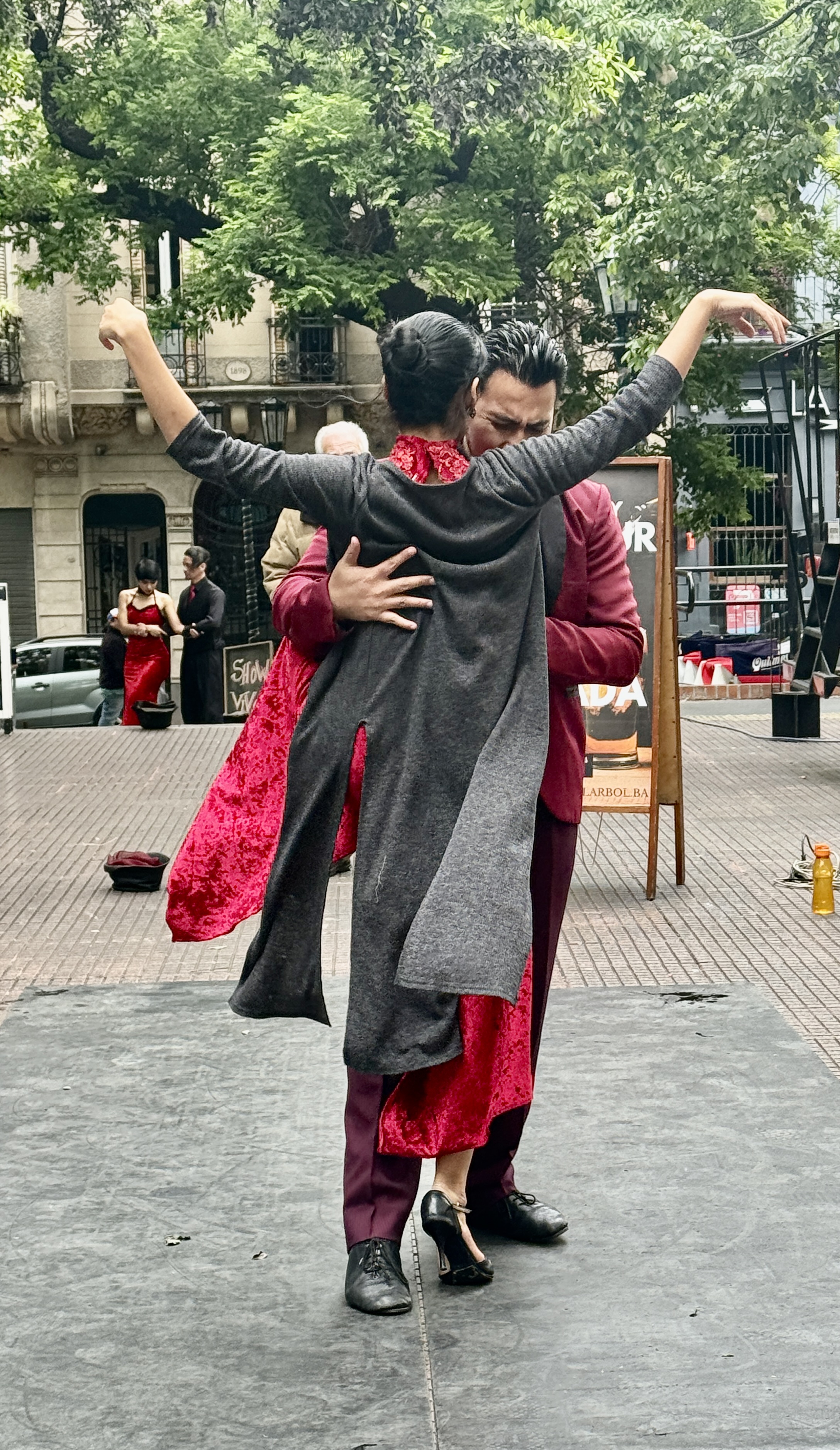
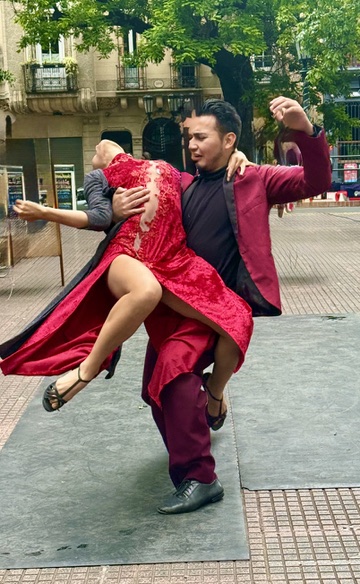
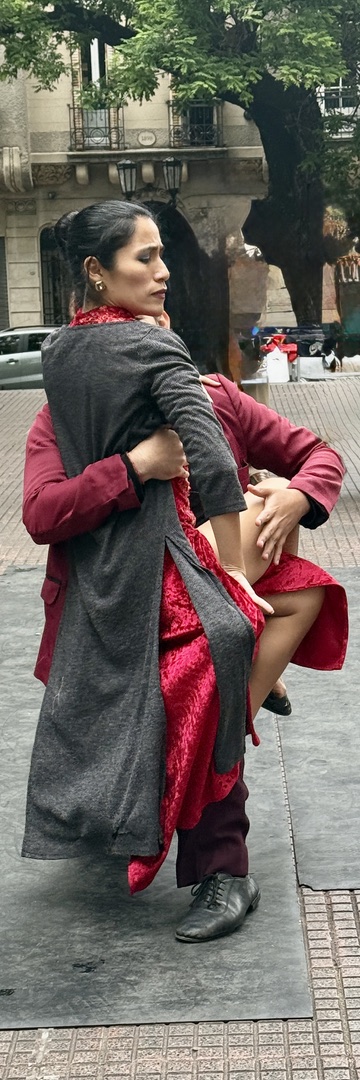
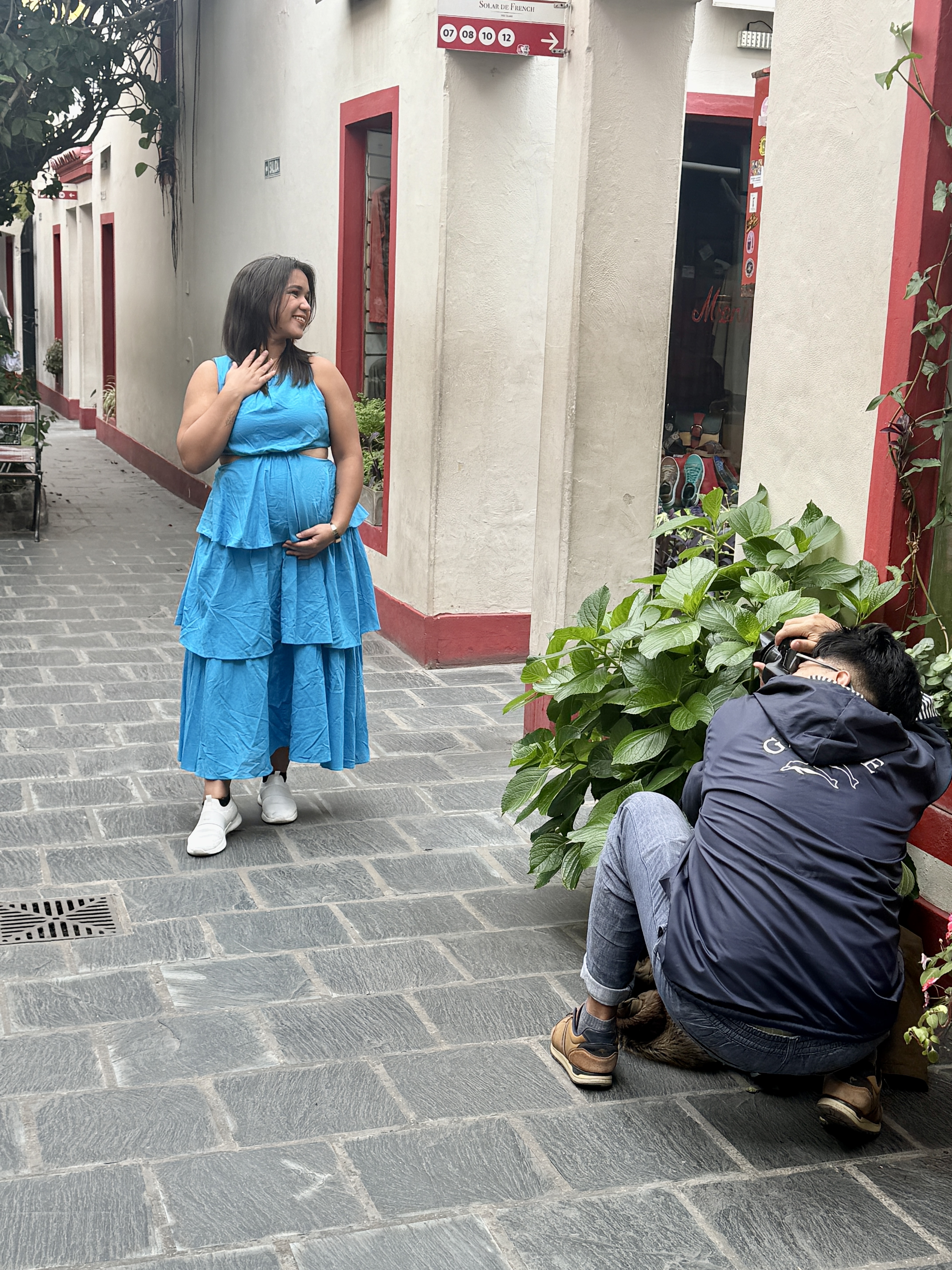
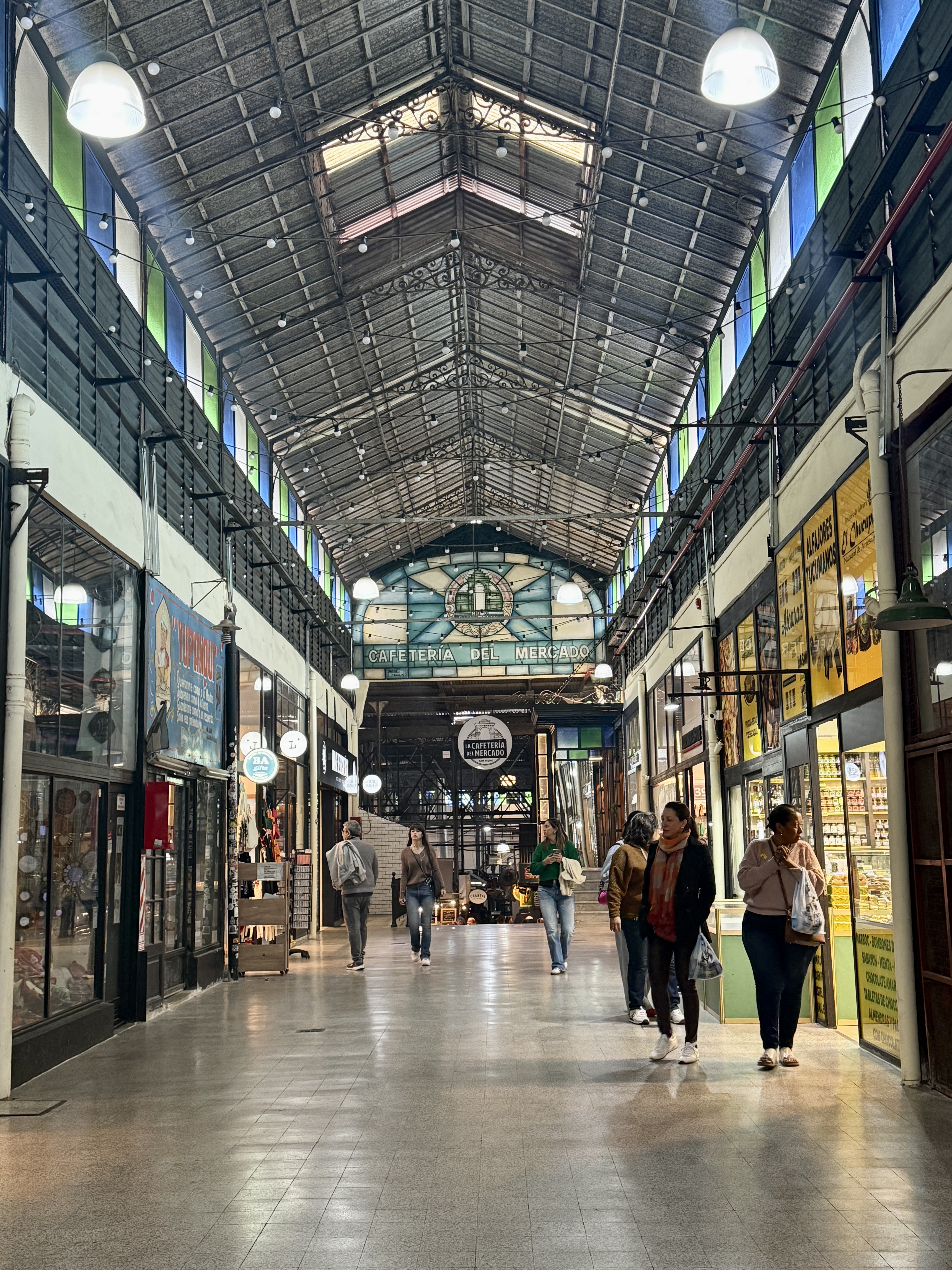
The San Telmo Market must have been amazing in its day. Today, the structure remains, but the interior is filled with restaurants, rather than produce and meat stands. Still it was great to see. And along the way we also found the usual array of “influencers” and wanna be influencers being photographed and doing selfies.
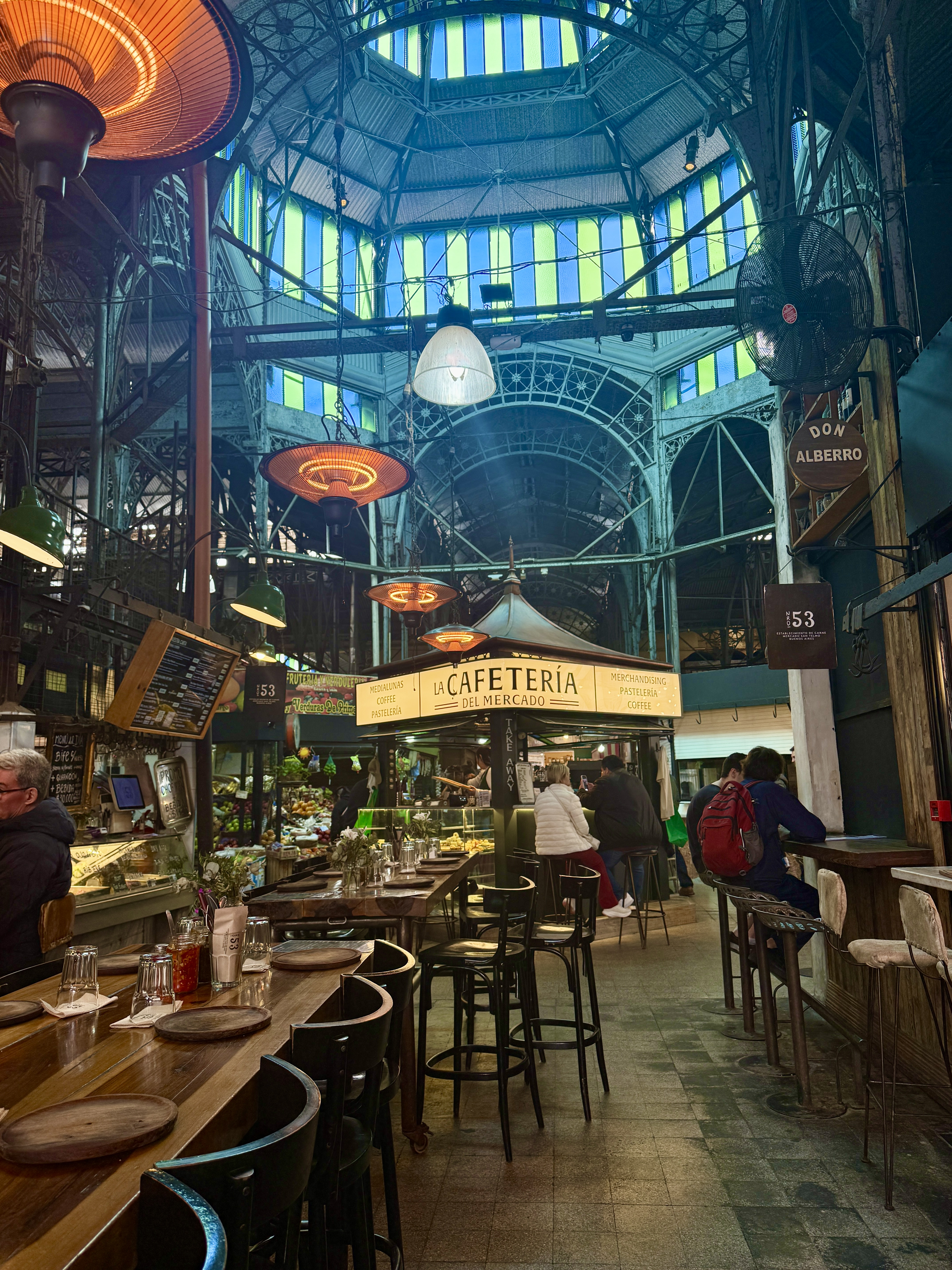
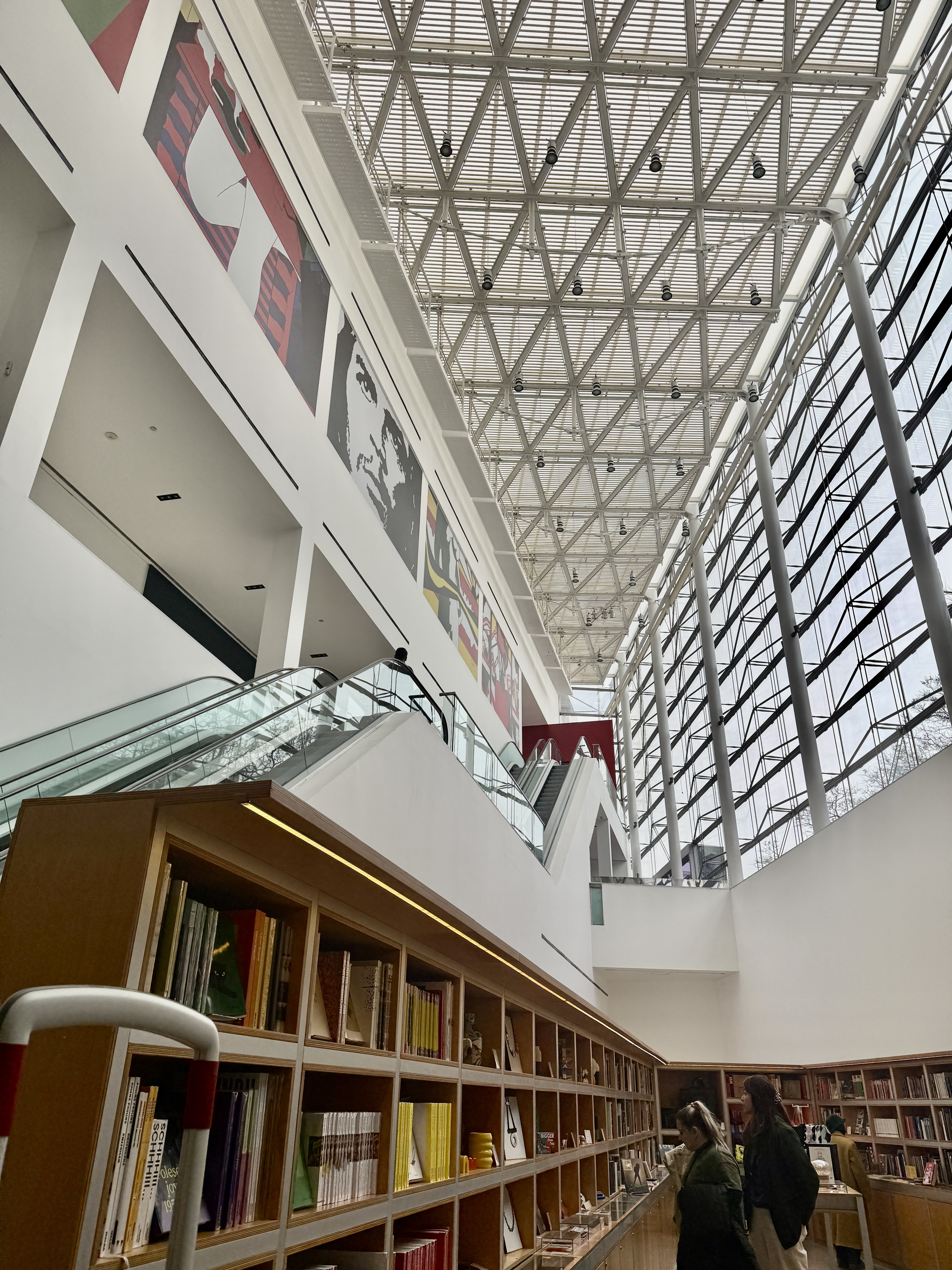
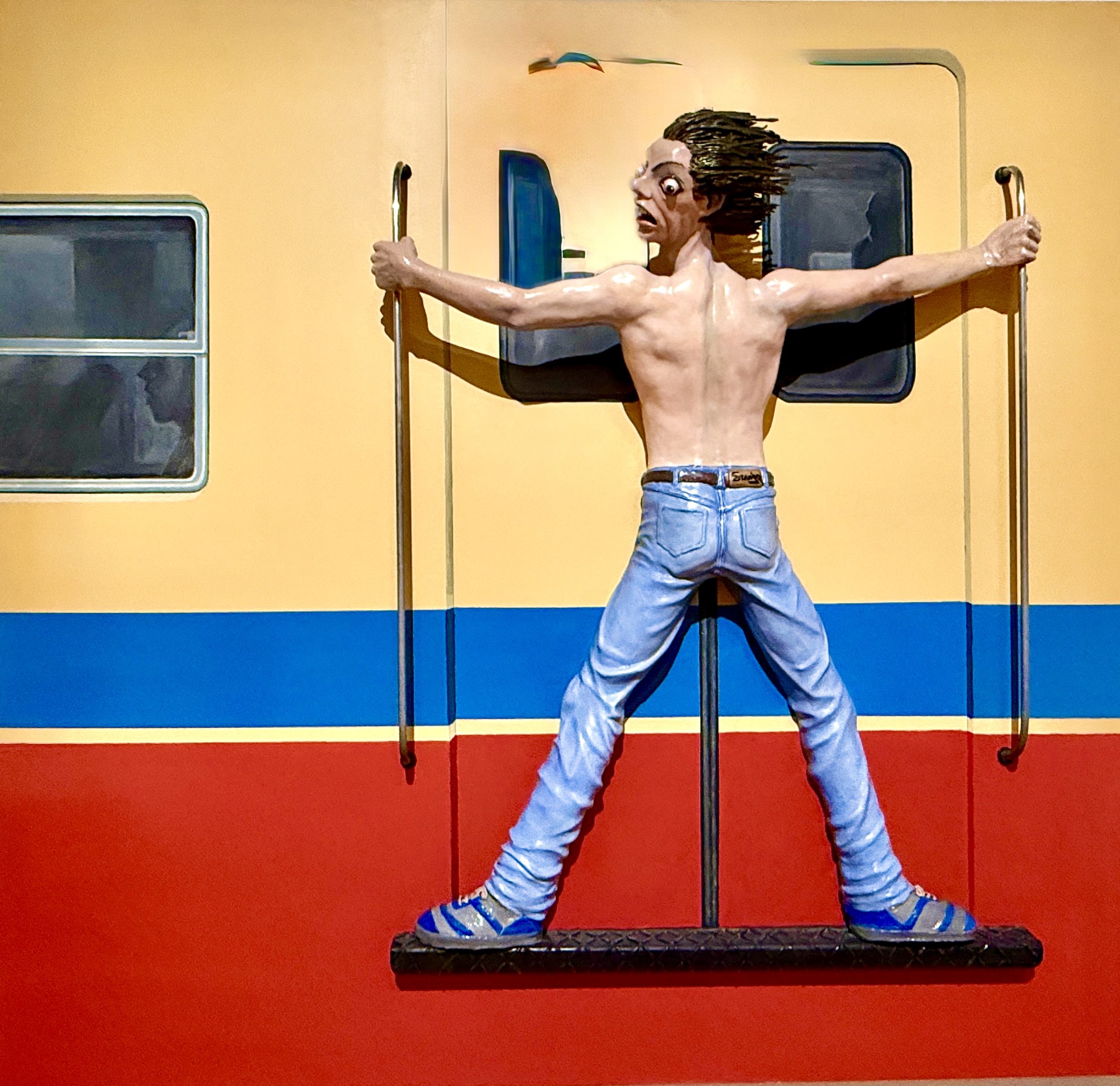
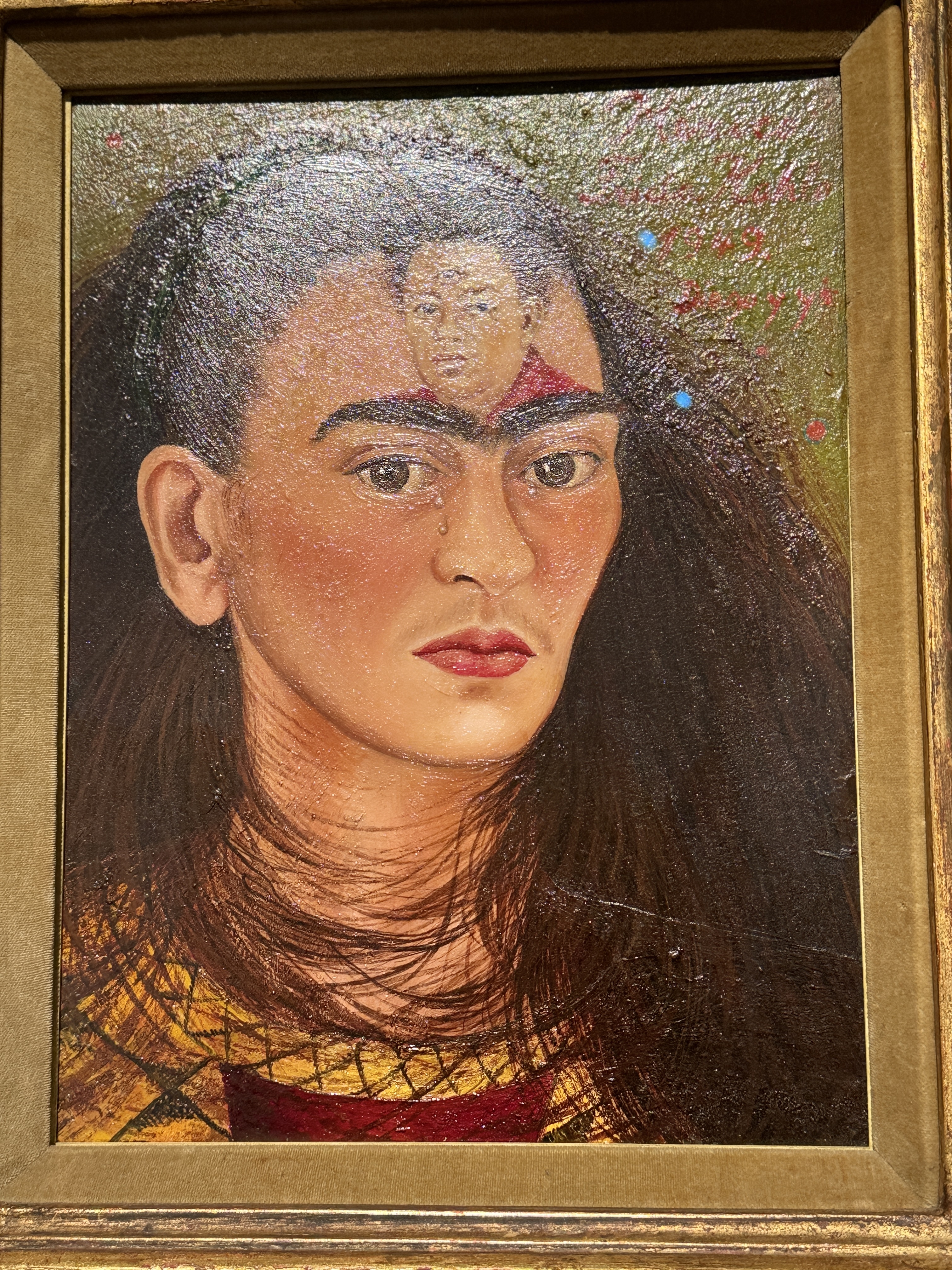
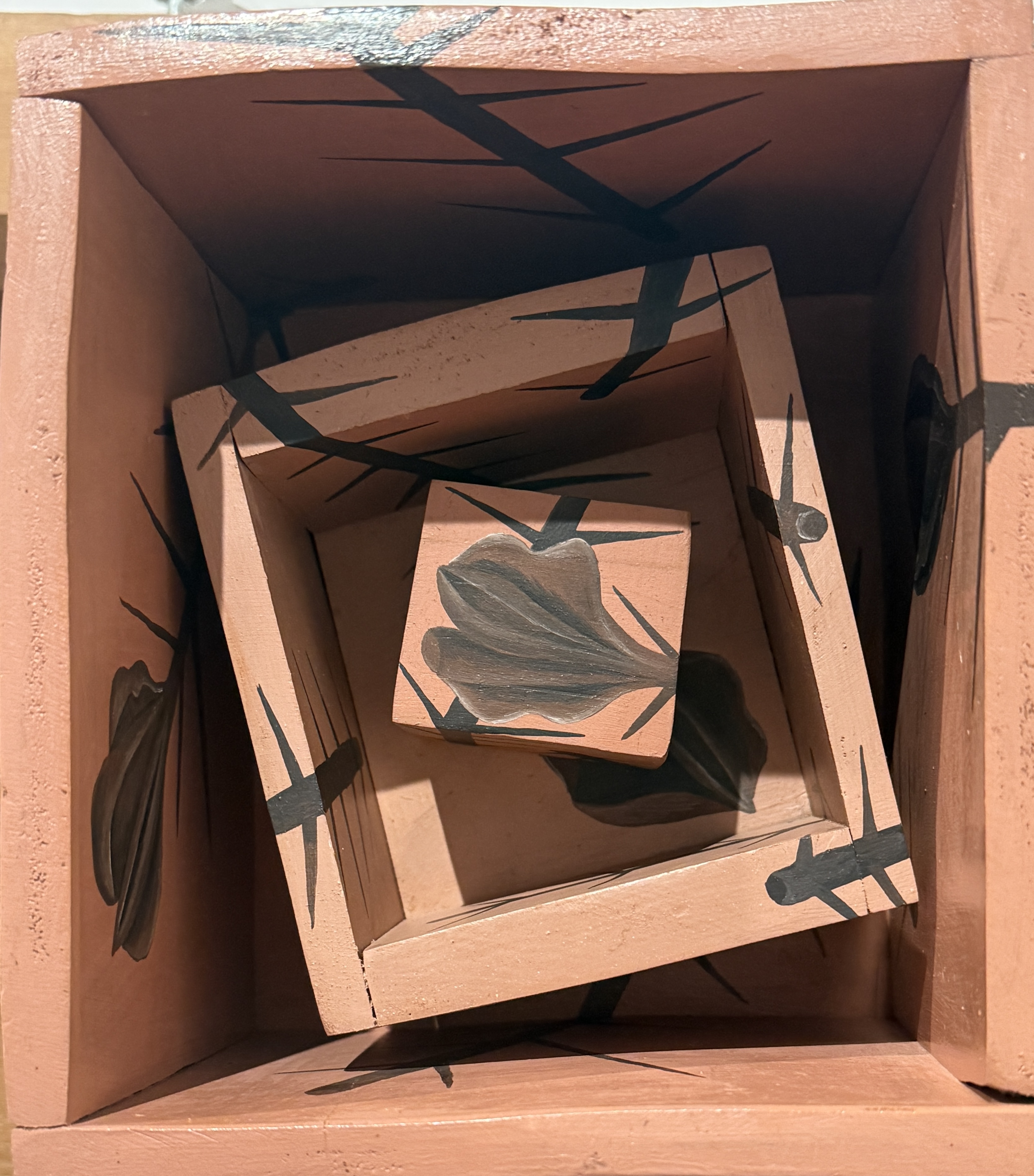
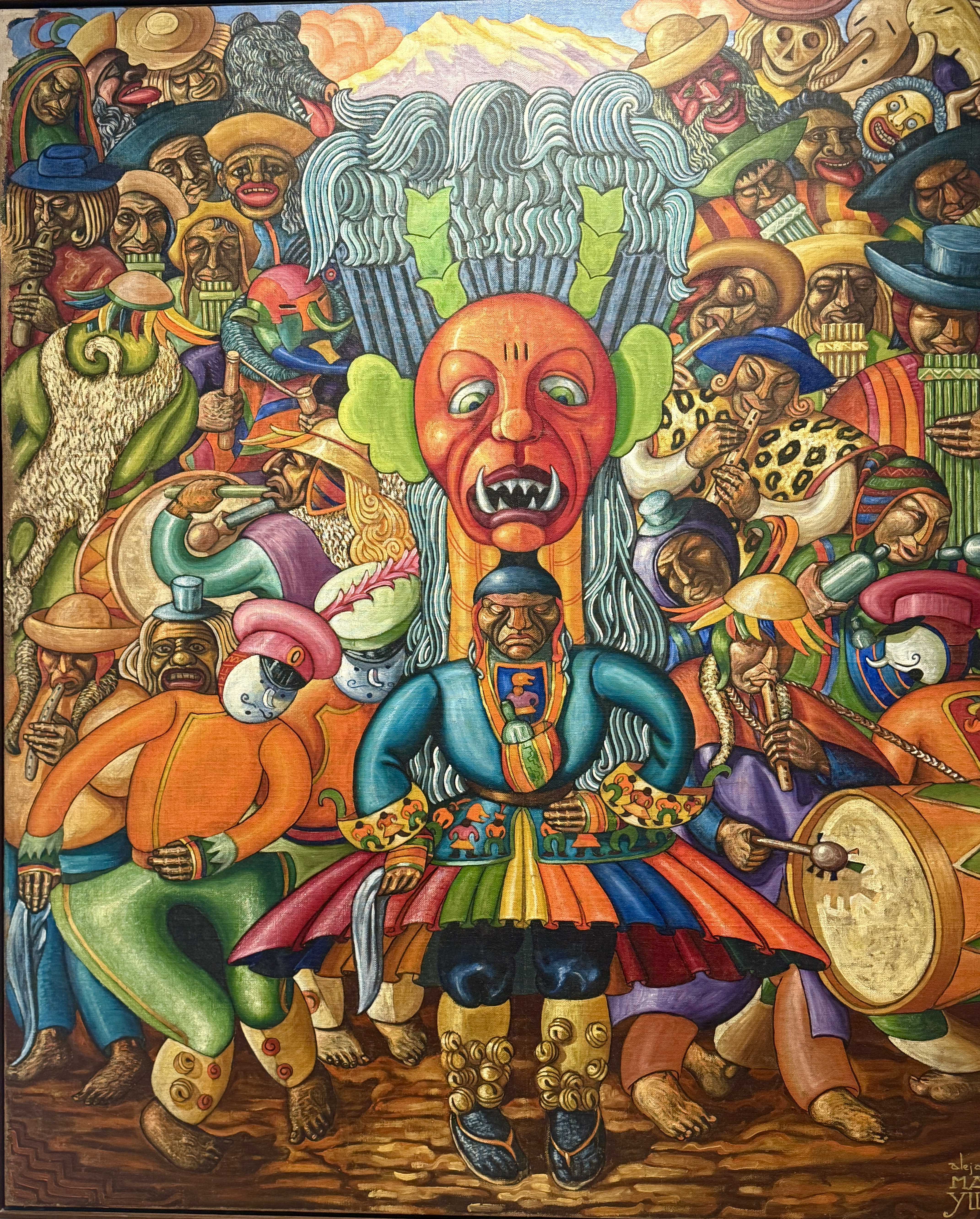
It was now about 4 pm and we hadn’t had any lunch so we grabbed some empanadas at the market and then headed to MALBA, the Museum of Latin American Art / Museo de Arte Latinoamericano de Buenos Aires, was in a completely different neighborhood, across town. The good news is that everything is open late in Buenos Aires, so we were fine. MALBA is a pretty impressive museum, small enough to feel comfortable and intimate with the work, yet impressive enough to anchor decent exhibits. We strolled through the current exhibit, Tercer Ojo, the Third Eye. The title comes from Frida Kahlo’s work (Diego and I) and focuses to some extent on the obsessions of Frida and Diego Rivera also focuses on the kind of vision that goes into collecting art.
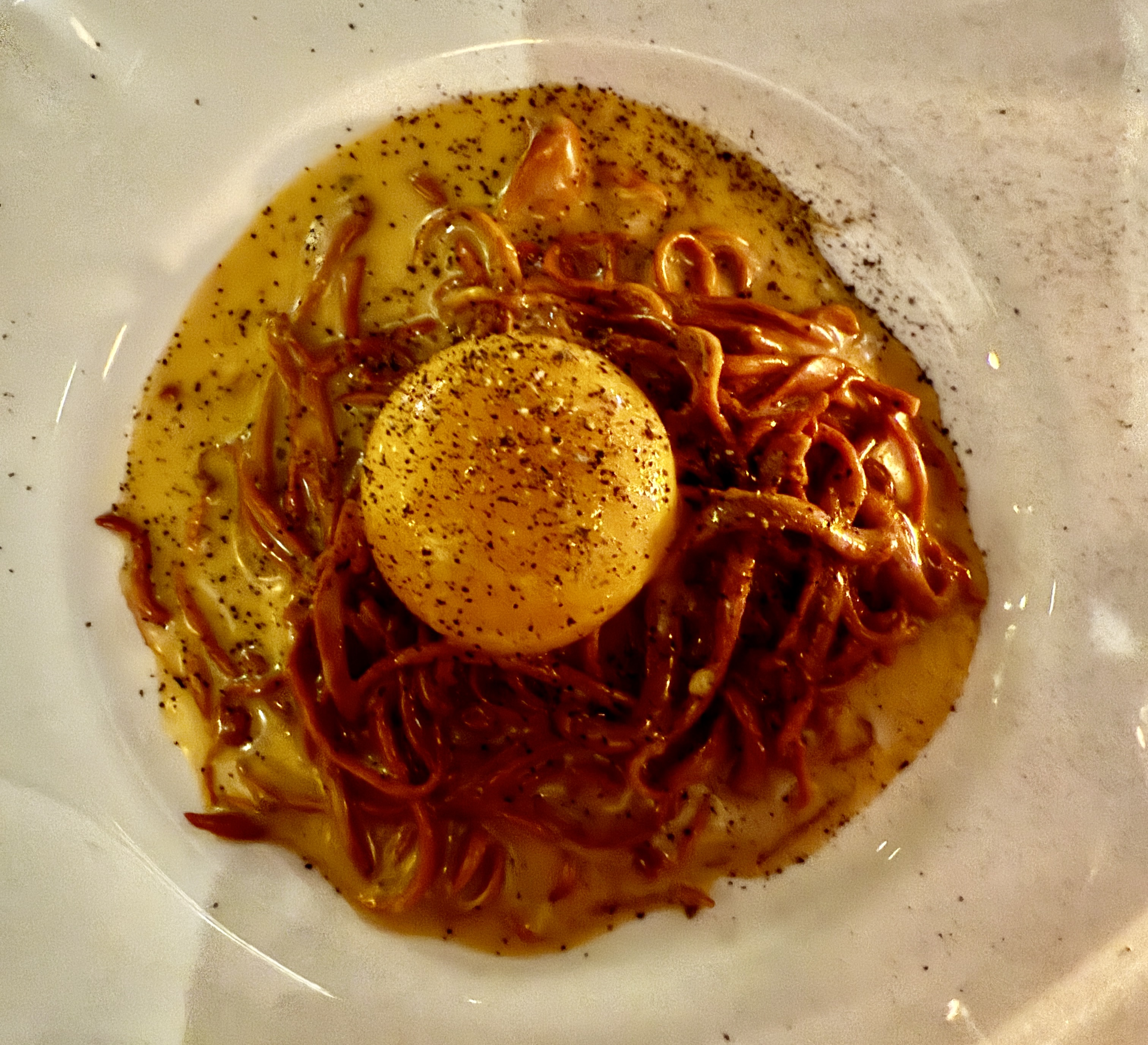
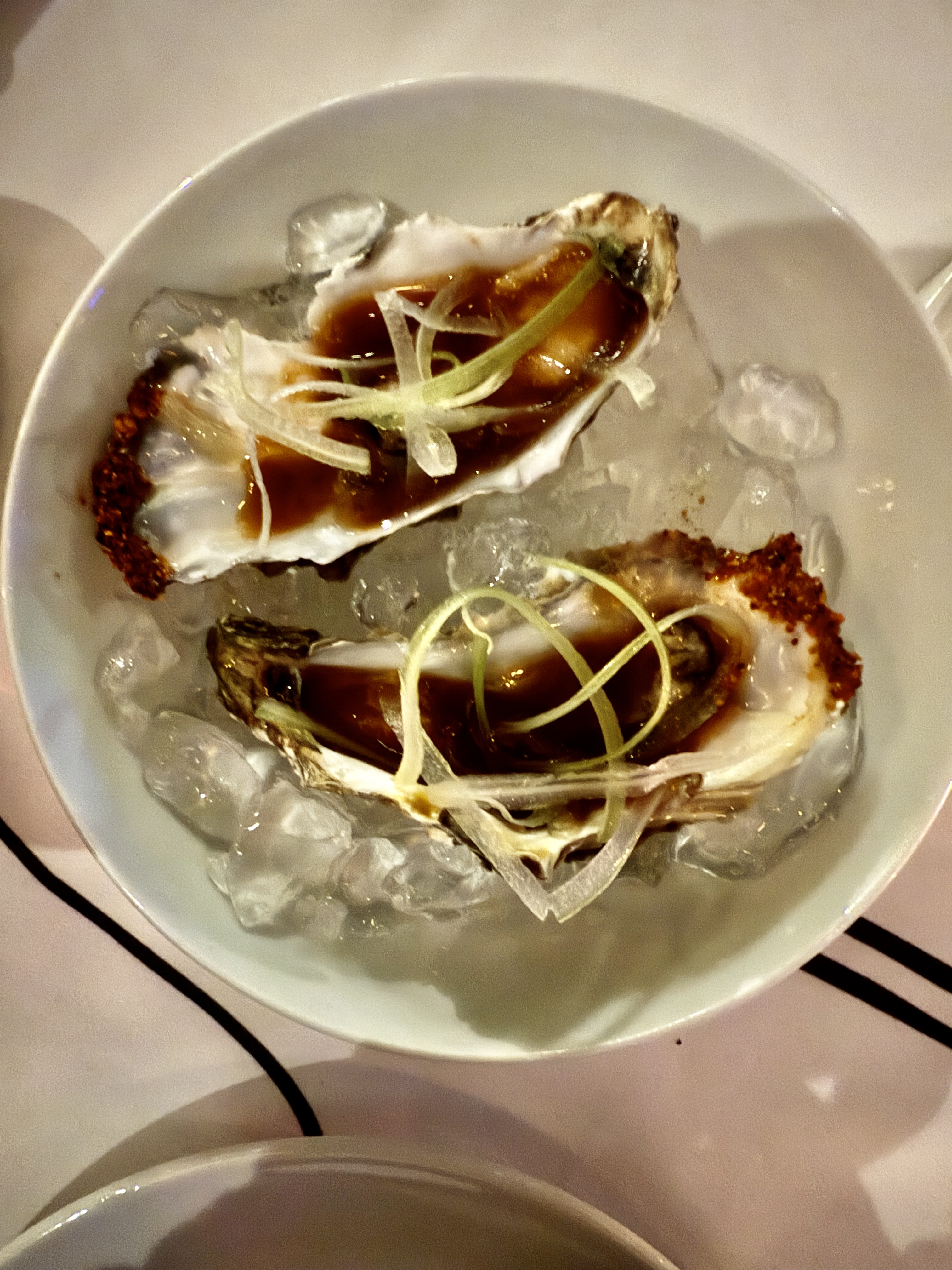
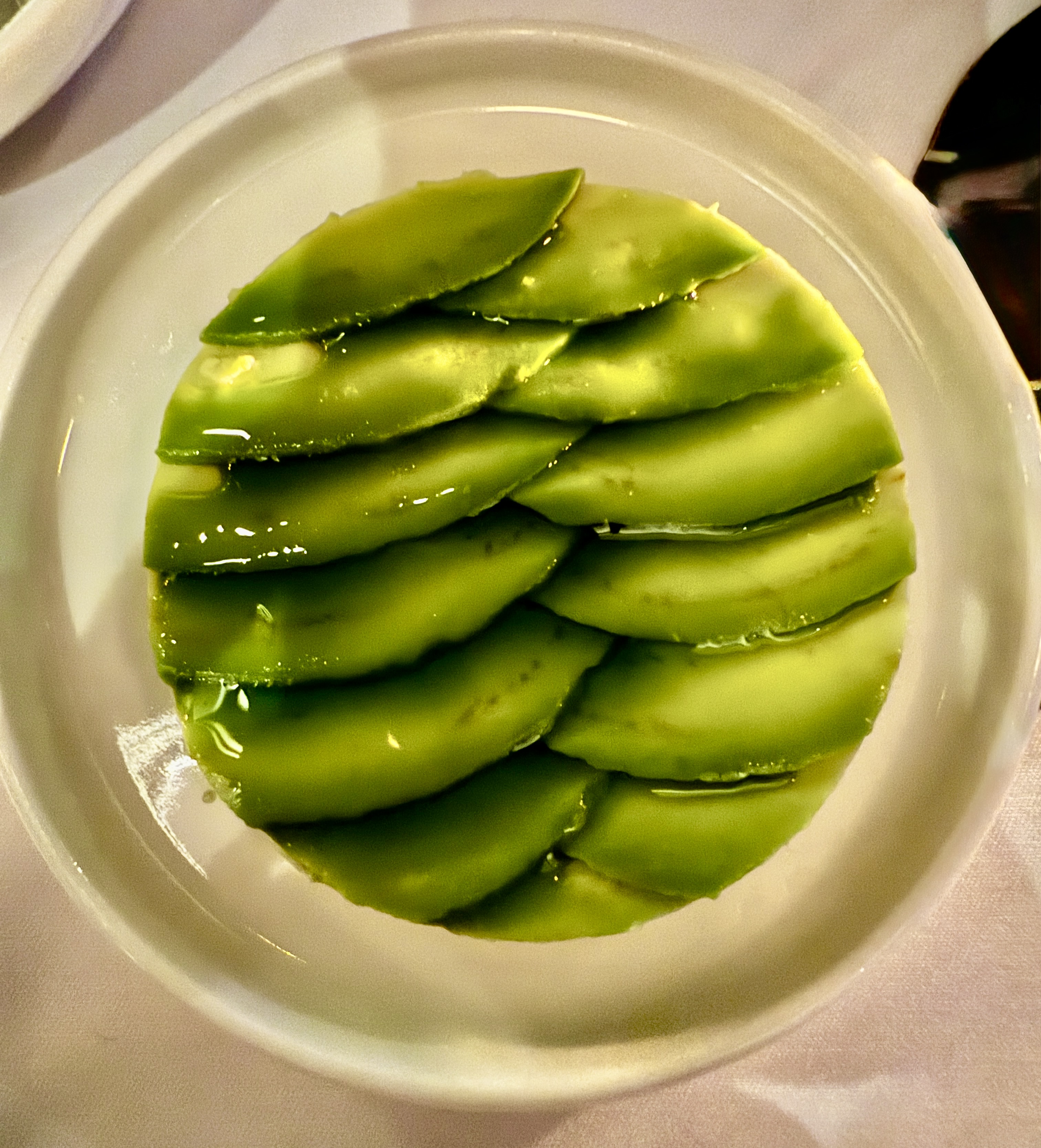
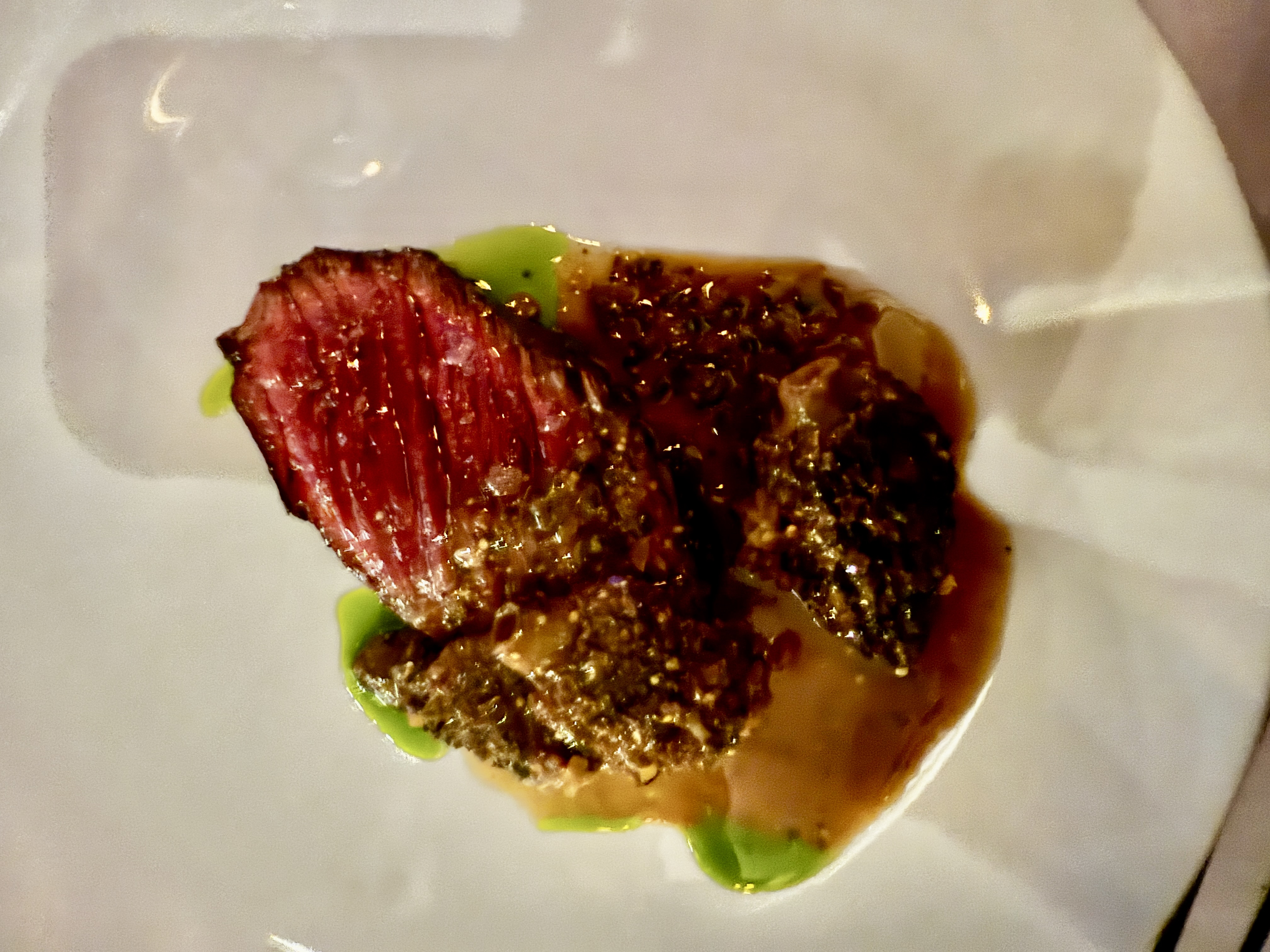
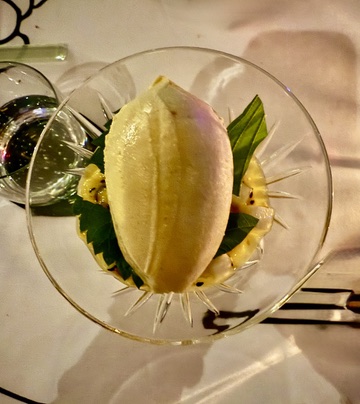
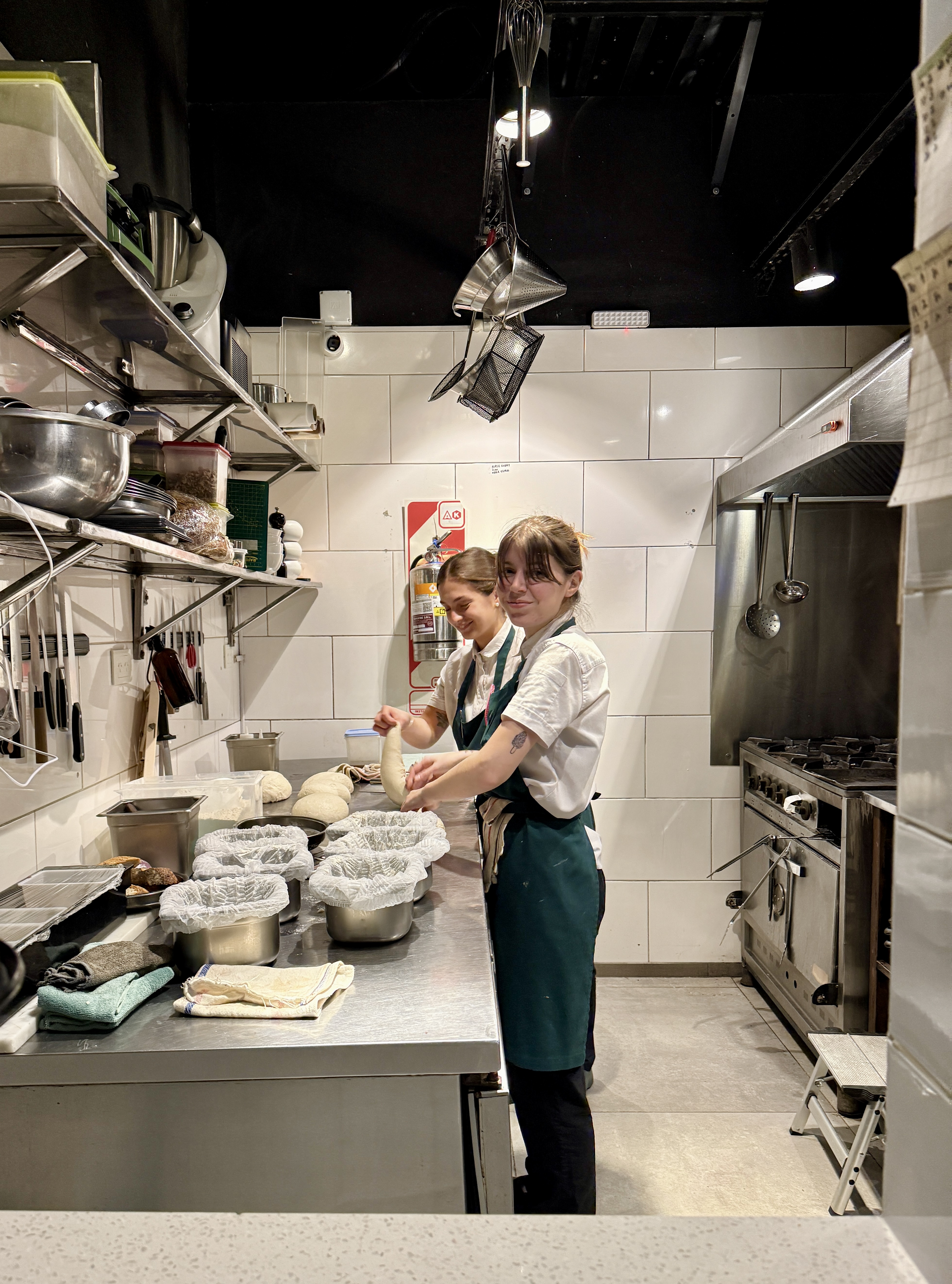
We taxied from MALBA to the hotel and about an hour later headed to dinner at Julia, a small (22 seats), modern bistro-style that says it serves “indie food, which the Argentinians define as experimental, new, not traditional Argentinian food. — “pushing the limits of the minimum”. It’s located in the Villa Crespo neighborhood, which is adjacent or at the edge of the Palermo neighborhood. We had heard about the restaurant somewhere–maybe NY Times?–and booked it from the states. The concierge at the hotel was impressed that we knew of Julia since it is off the beaten path and so tiny. The menu is small and very interesting. We selected the a la carte menu rather than the tasting menu. Started with oysters that were presented as “oysters bloody mary”— spicy with the shell rim having some kind of very spicy salt or maybe a paprika. They were great. Then we had some kind of scallops that were served like a mousse, and then we had carbona cordycep (a mushroom that grows like pasta) which was cooked with some kind of wine or sauce and was seerved with a raw egg yolk on top, making it creamy and delicious. For the main course we shared a flank steak that just melted in your mouth…and we ended with a scoop of curry ice cream and “yellow fruits.” if you’re headed to Buenos Aires, I’d recommend Julia for a special dinner.

By the time we finished dinner it was about 11:15 (some diners were just arriving at the restaurant!), we walked about four blocks to a major street and quickly hailed a taxi. By the way, taxis are incredibly cheap here. Our 20-minute ride cost about $6.00 and there is no tipping in taxis.
OK… maybe too much info on the food for today, but Julia’s was really special. Haven’t figured out tomorrow’s plans but that will come.It’s about 1 am now and I need to get to sleep. Hopefully, not too many typos. I will reread tomorrow and correct.
 Fern's Travel Notes