Greetings from Cairo — ending soon as we need to go to Alexandria tomorrow really early.
We left the hotel and headed for the train station because every article we read said that it was best to purchase train tickets the day before your travels. And boy were they right. We took a taxi to the train station; stuck in traffic most of the time so it took about 45 minutes to go about 3 miles. Probably should have walked (not really since it’s difficult to walk distances because of all the chaos on the streets). Anyway, once we got to the station it was next to impossible to figure out where you go to buy a ticket. It’s a really large station (Ramses Station) with no signage in English and frankly I didn’t see many signs in Arabis either (not that that would have helped us). And I may have mentioned earlier that wherever you go you need to walk through metal detectors that have police or operators standing by. But these detection machines don’t seem to work. We often walk through with our phones and my purse and it doesn’t seem to matter.
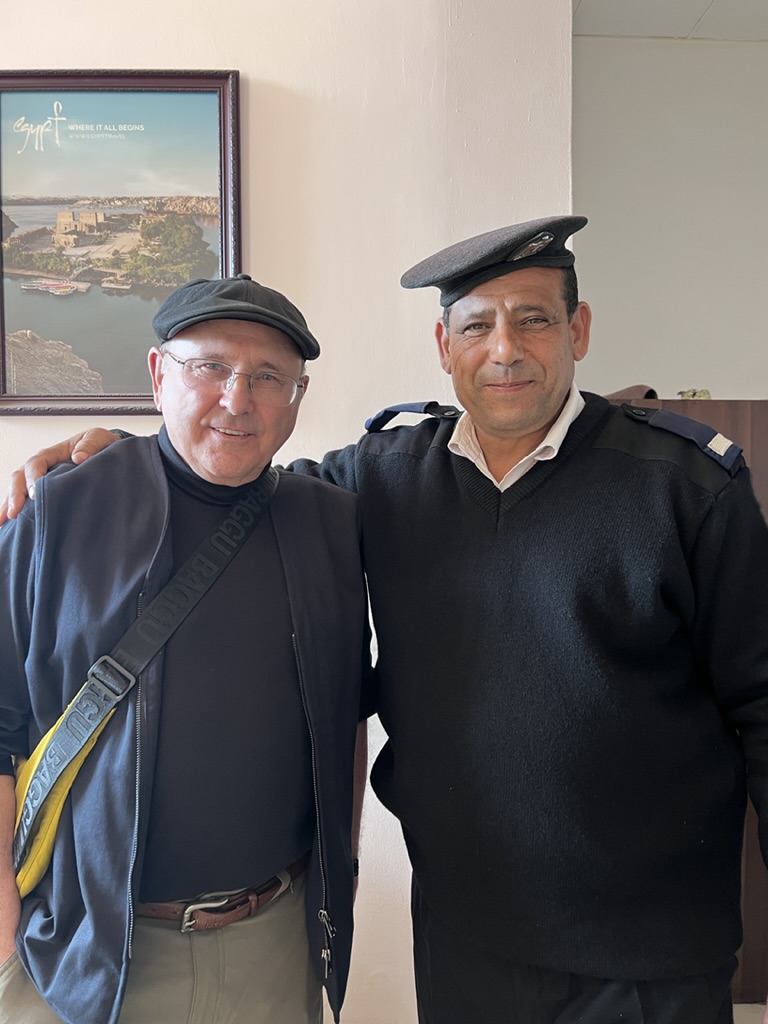
Anyway, we went through the supposed metal detector and then asked the guard about tickets; he pointed somewhere and we headed that way and then asked a policeman. He pointed that we should turn back and go through the detector again in the other direction (totally messing up the process). Then one other cop motioned us to follow him and then we wound up in a little room with the “tourist police.” The cop in that room knew some English so he became our designated “helper.” We explained that we needed round trip train tickets for tomorrow to go to Alexandria. He then looked at what I guess was a schedule (which is impossible to get hold of) and asked what time we wanted to leave; we responded by asking what time the trains go—what are our choices. We did know that there are many different kinds of trains and they each take a different amount of time to reach the location. Some take 2.5 hours; some take up to 6 hours! The “standard” train takes about 4 hours. The VIP train takes 2.5 hours; the express takes about 3 hours. I guess the comfort level of each differs as well as the price. We said we wanted the fastest one which is the VIP. We then said we wanted to leave “around” 9 am. But that is not the VIP train so we’d get there too late. Finally we all understood one another and we said the VIP train at 8 am!
OK.. he then says we must pay in US dollars; and the cost will be $30 per person each way; totaling $120 and it must be cash. We were a bit confused as to why the cop is selling us tickets. Then he says Mike should go with him and I should wait in this little police room. I said I’ll go with them to wherever… Then he calls for a guy who is standing around in the station. He suggests that instead of the train we should have this guy drive us tomorrow and it will be faster and cheaper. The guy will do it for 50% of what the train charges. We said we didn’t want to go by car (can’t even fathom what it would be like to deal with cars and traffic and crazy drivers for several hours); we wanted the train.
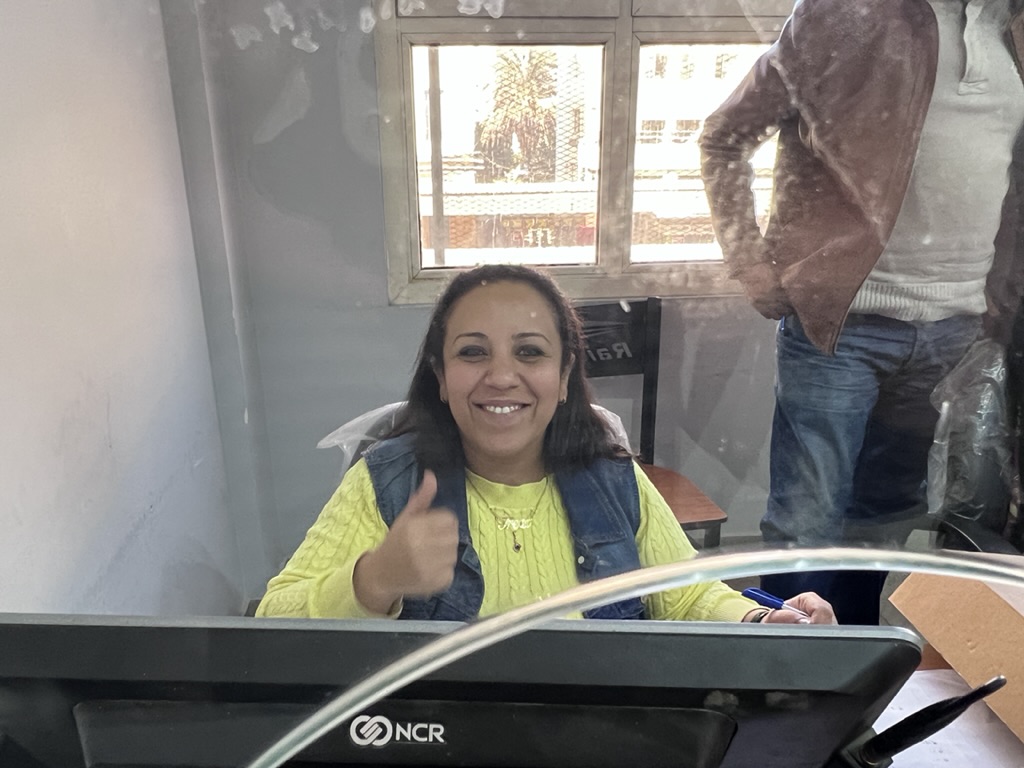
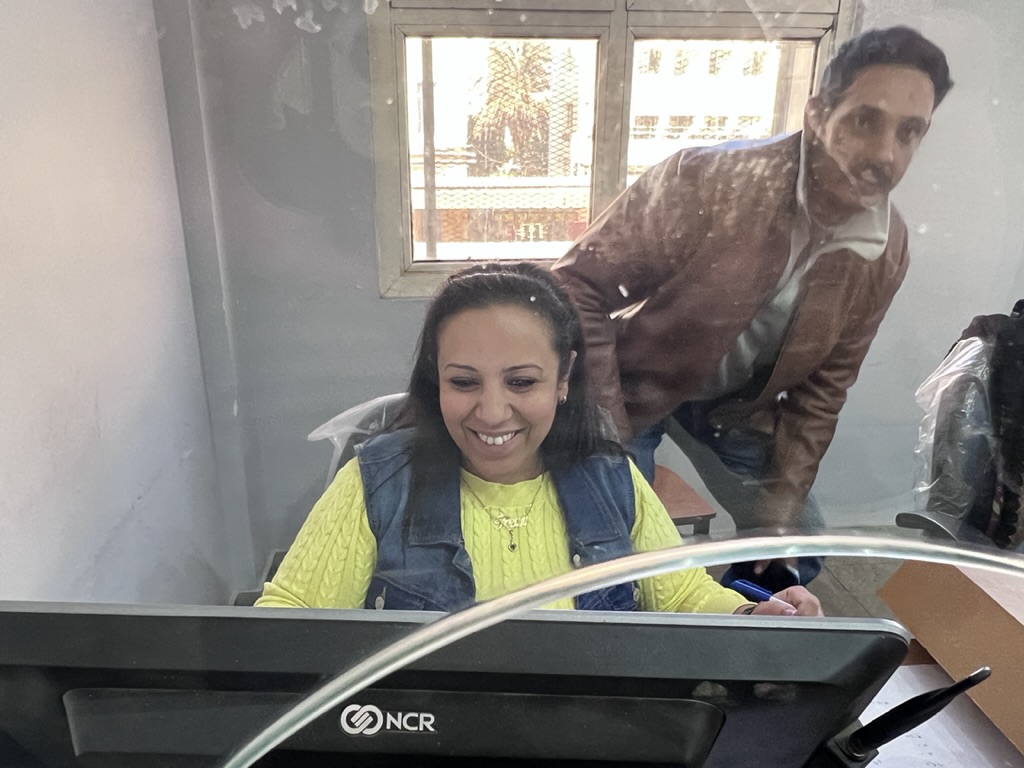
OK.. we make some progress and follow him upstairs into another little office which is supposedly the ticket office but the only ones buying tickets are Mike and me and an Indian guy who was shocked at the prices when he was told that the fares had gone up on December 15; he said he should have bought his ticket on December 14. Us too! Anyway, the cop stays with us and we talk with one of the three women who are the ticket sellers (I think this little room is for foreigners to buy tickets and the prices vary based on where you are from). The woman spoke fairly good English; turns out she had lived in the US as a child and her parents now live in Long Beach CA. She discussed the options and then we choose the first class car on the VIP train (roomier she says and better seats). The cop concurs. She tells us the price is $25 per person each way ($5 less per ticket than the cop told us and which the cop was ready to sell to us! Obviously pocketing $20) We agree to the $100 cost and then learn they don’t have any seats on that train! We are shocked; she says she will call her manager and then miraculously two seats appear. So next step is paying for the tickets. Fortunately, I had American money with me, since I figured we might have to pay cash.
Then the fun began. They didn’t like the “condition” of our money. It was too old; they like crisp new bills, preferably unfolded, and definitely not having any kind of “marking.” One of my $20 bills had a pen mark. I dug deep and found two $10 bills that looked better than one of the 20s. She scrutinized the bills; then her manager scrutinized them and finally we had tickets (hand written). While they were inspecting our money, the cop tells us that we need to “tip” the ticket woman. He tells us to give her 20 EP which is about 80 cents. We didn’t exactly know how to do this.. so we gave him the money and then he gave it to her. She didn’t really want to take it but he said something and she took it.
We then went back into the little police room with him so he could explain where to get the train tomorrow. I whispered to Mike that I suppose we need to “tip” him as well. Mike then said “I’m not sure this is appropriate, but you were very helpful…” And he took the money and said “That’s fine.” He got 50 EP (about $2). Unbelievable, but that’s how the economy rolls here in Egypt.

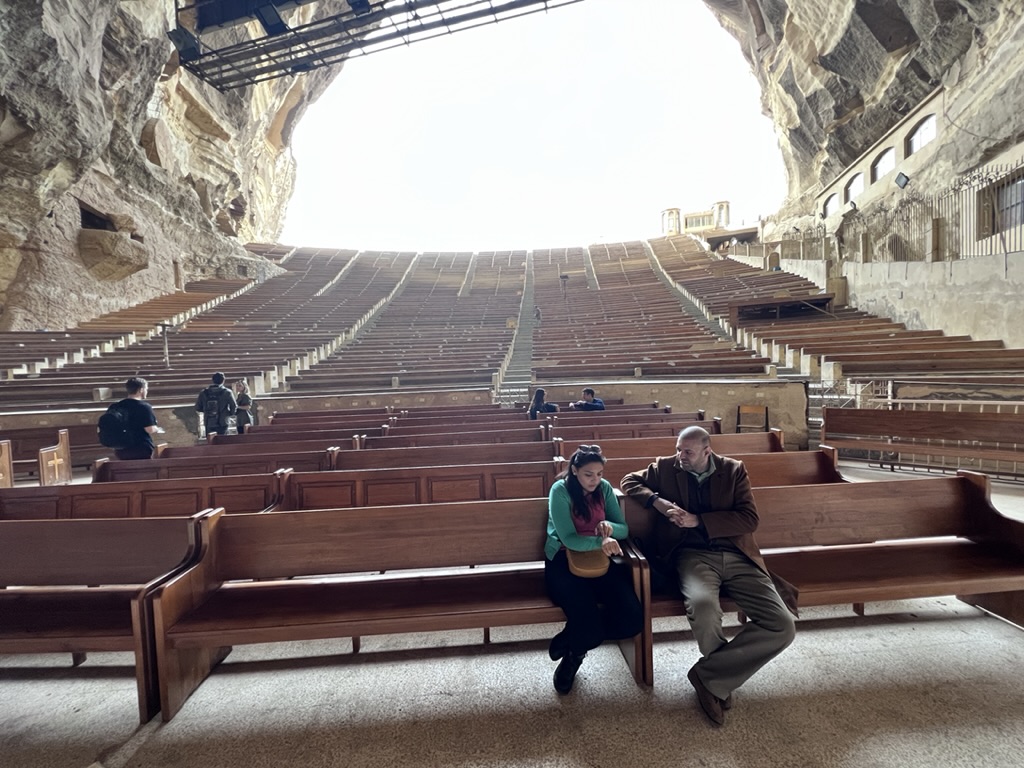
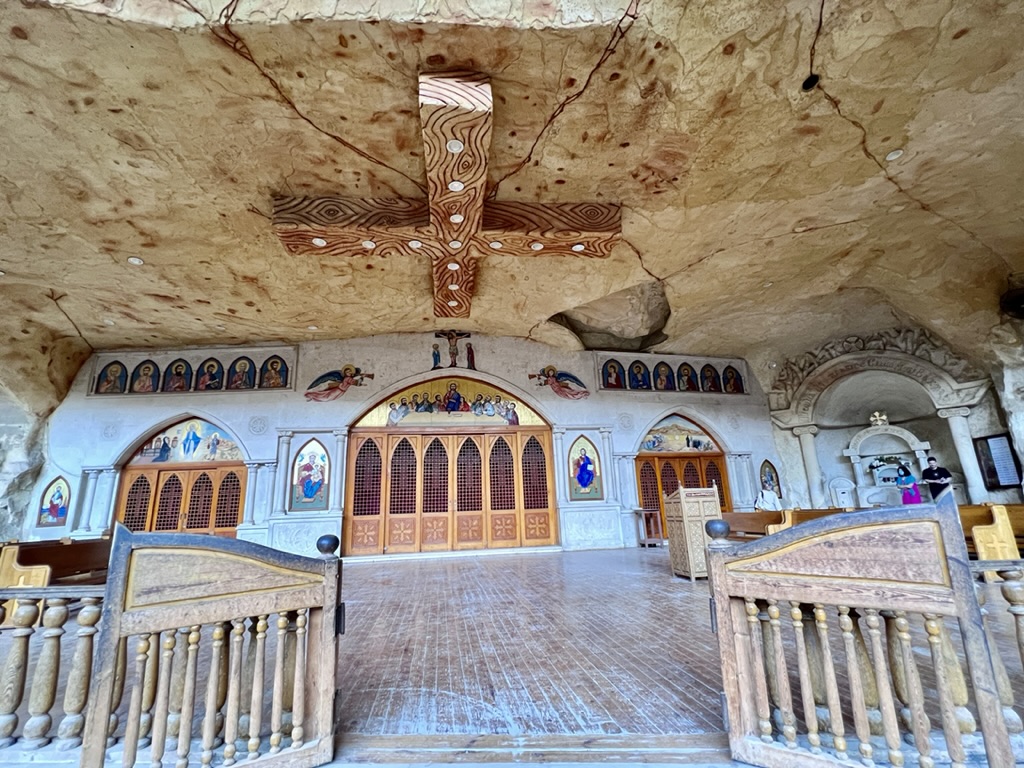
From the station, we took a taxi to head to Manshiyat Naser – commonly called the “Garbage City” – a predominantly Coptic Christian district in Cairo where a very large percent of all of the garbage in Cairo is dropped so that people who live there can sort the garbage and then sell it for new uses—metal scraps, rope, cardboard, plastic, etc. Not exactly a tourist destination, but we always visit “marginal communities” and informal settlements when traveling in developing nations. The driver thought we wanted to see the Cave Church, which is located in the area of the ‘garbage city’ which is inhabited by Zabbaleen who are descendants of farmers who migrated from Upper Egypt to Cairo in the 1940s. We did see the church, but our real destination was the actual community of the Zabbaleens. They came to Cairo looking for work and set-up makeshift settlements around the city. Initially, they continued raising pigs, goats, chickens, etc. within the city, like their ancestors, but eventually found collecting and sorting waste produced by the city residents was a more profitable enterprise. To this day, the Zabbaleen sort through household garbage, salvaging and selling things of value, and use the organic waste to feed their animals.
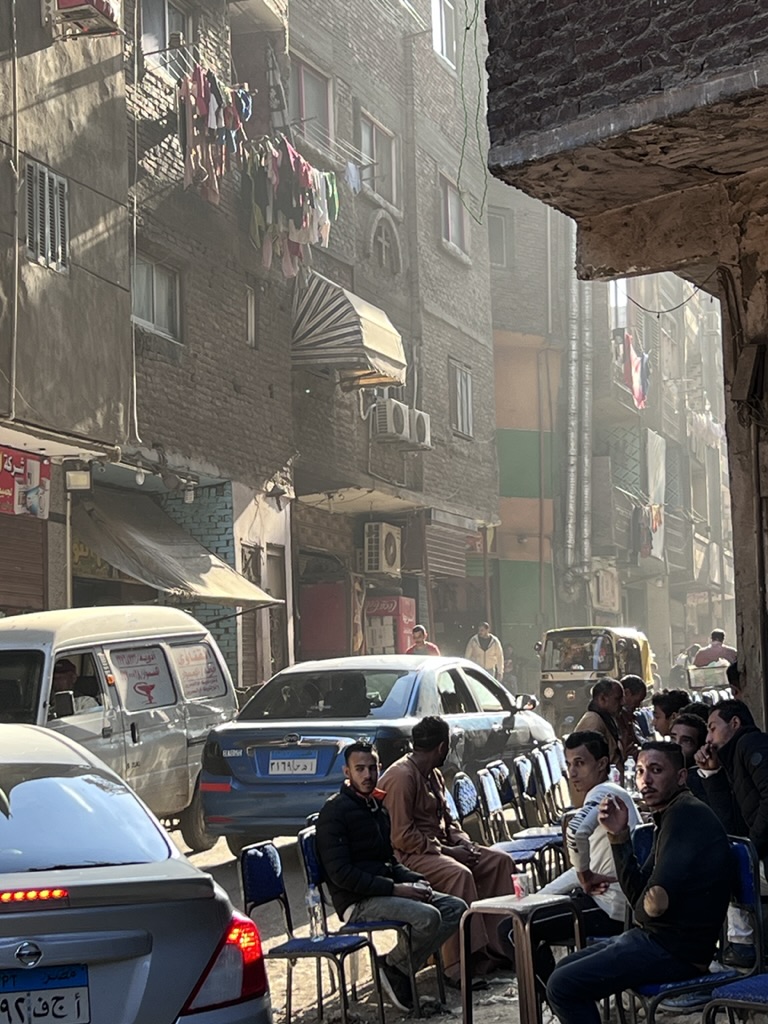
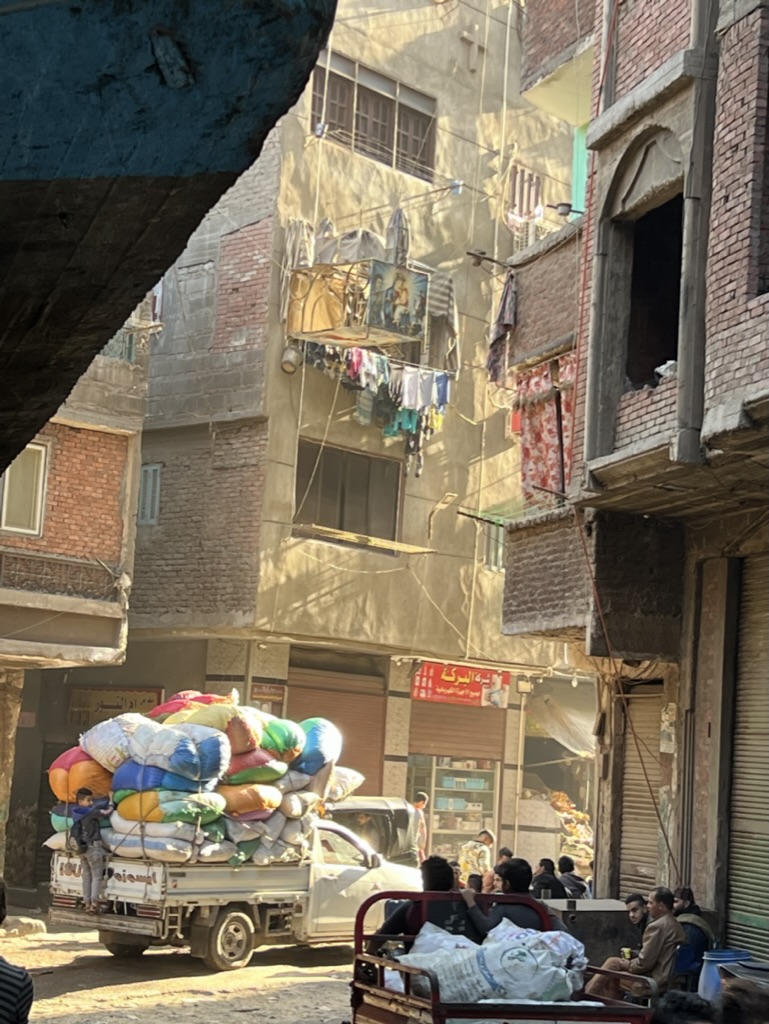
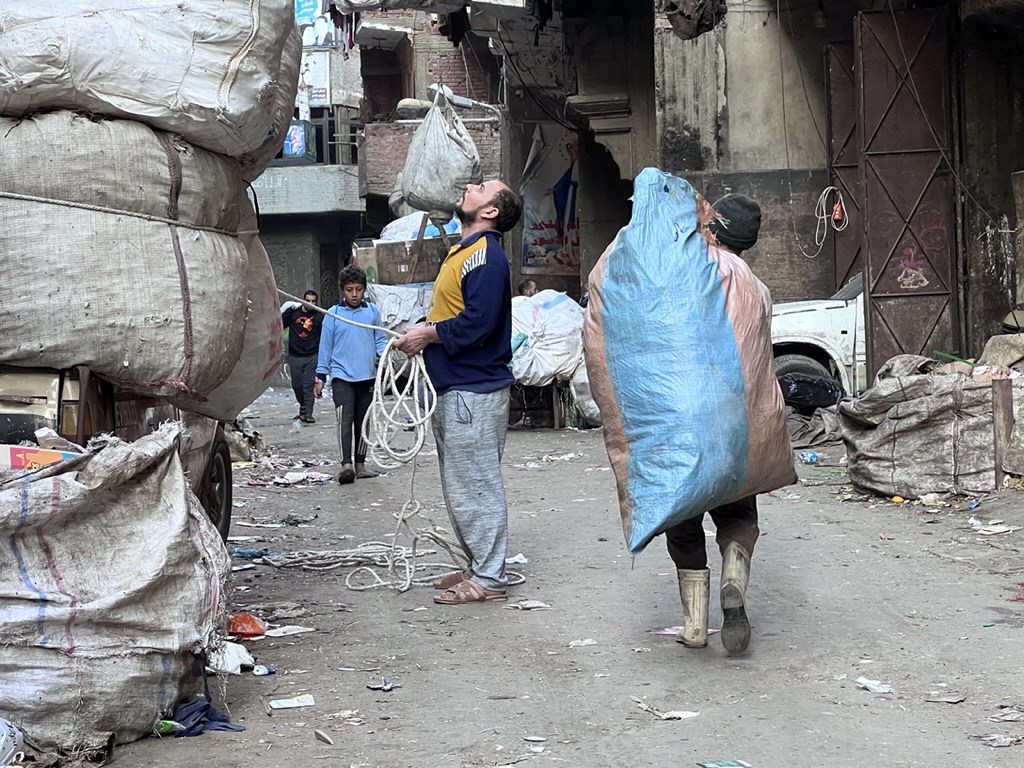
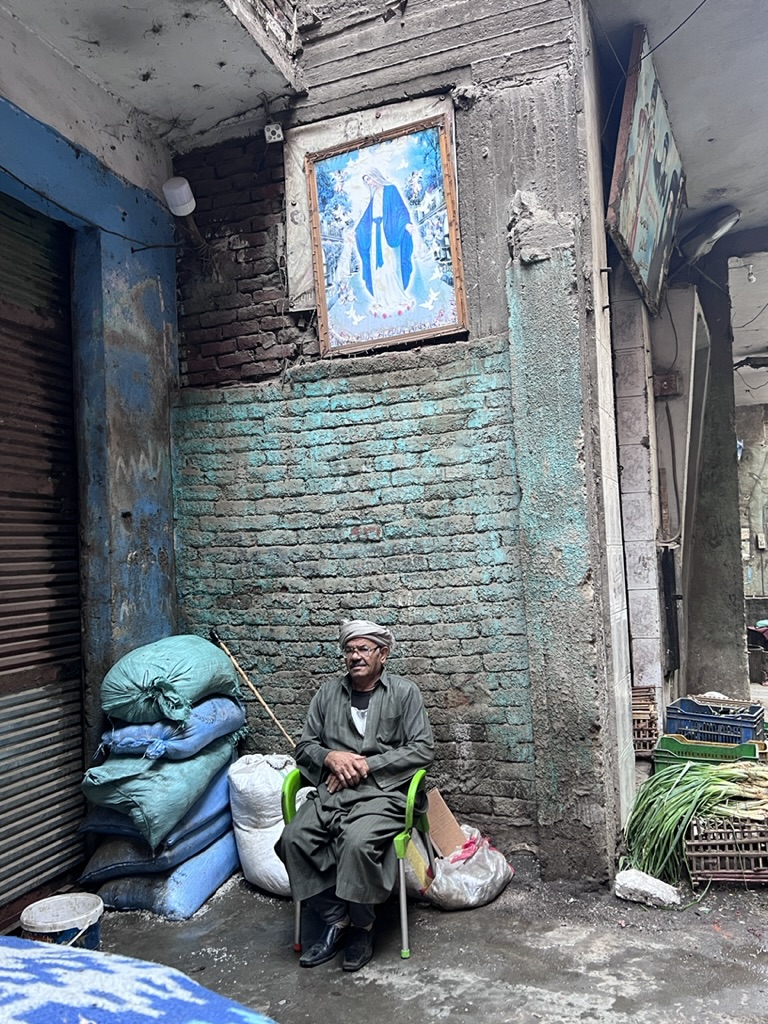

For years, the Zabbaleen had moved around the city, living in makeshift tin huts, trying to avoid the authorities. Then a large group settled under the cliffs of the Mokattam quarries. The area has grown from a population of 8,000 in the early 1980s, into the largest garbage collector community in Cairo, with approximately 60,000 Zabbaleen inhabitants. While Egypt is a Muslim-majority country, the Zabbaleen are Coptic Christians. Because they are discriminated against, even those who can, today, afford to live elsewhere remain in Garbage City because of the tight community.
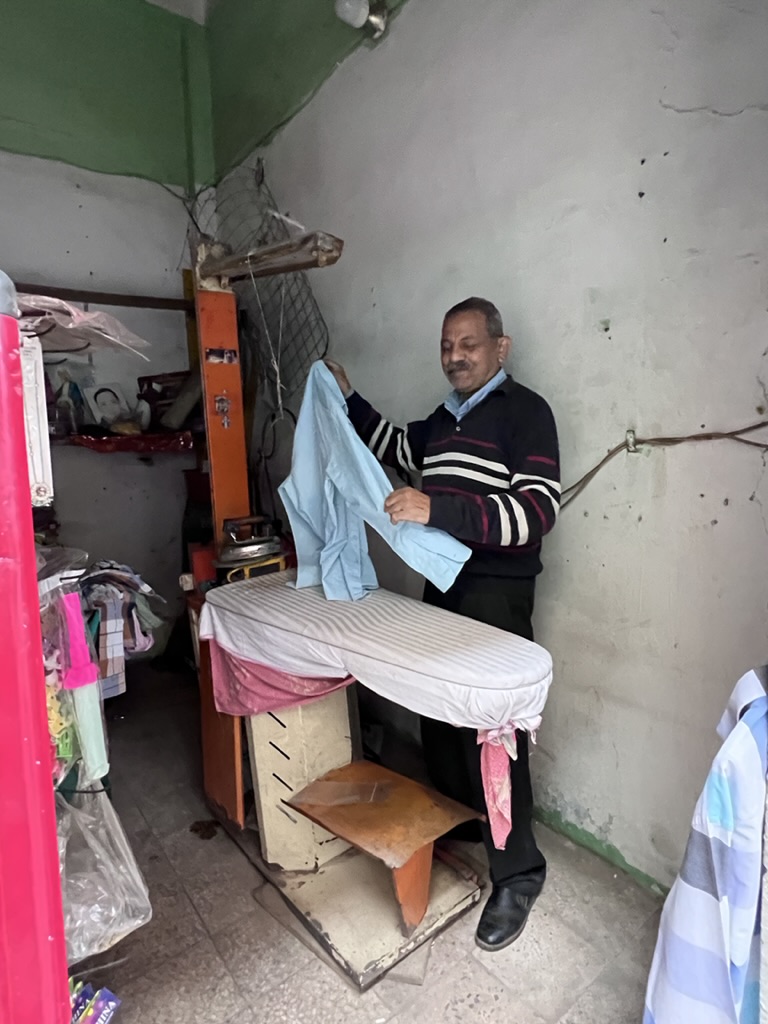
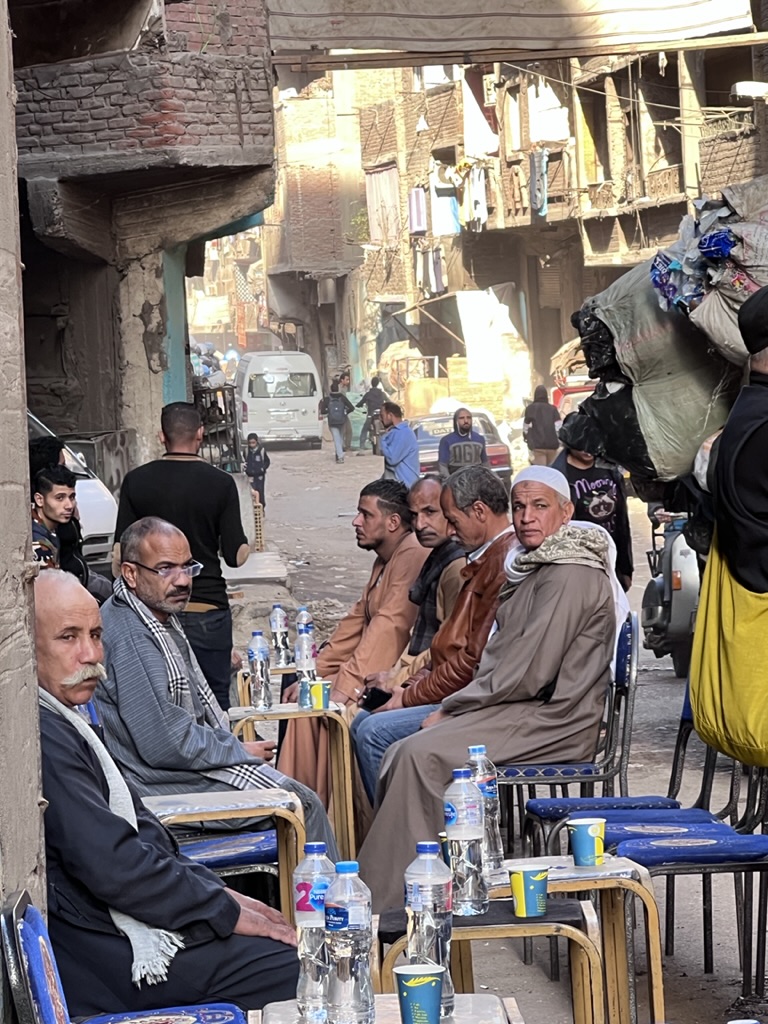
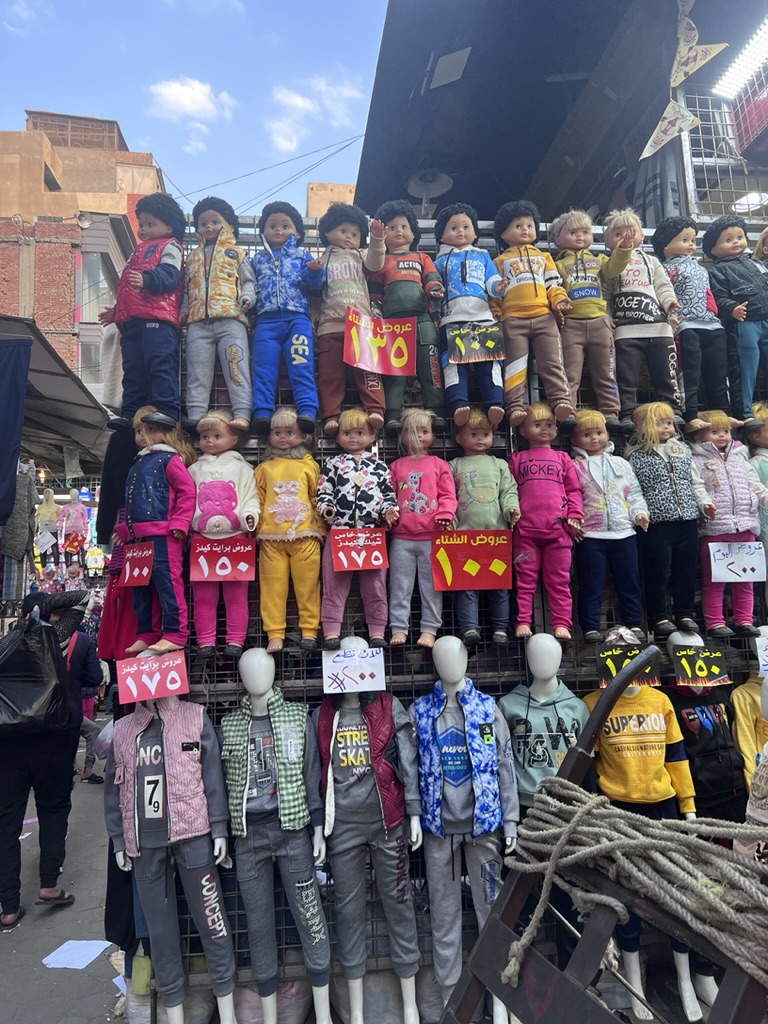
We “strolled” around the area while the taxi waited for us in a designated spot. People were very friendly, although probably curious as to why we were there. We didn’t find anyone who spoke even a word of English, but we smiled and they smiled and we took lots of photos. It was clear that the work was hard and very well organized. It appeared to me that huge bags of garbage were constantly being delivered and then hoisted to “apartments” in 4 or 5 story buildings. Families would sort the contents of the bag and re-bag the contents into different categories and then those new bags would get hoisted down to street level where they were picked up by trucks to go to designated areas.
The neighborhood had all the amenities of thypical neighborhoods: barbershop, café, a few shops, a grocery, etc. all amid piles of garbage and trucks moving about with the garbage. Lots more to say, but we have to get up at 5:00 am to be able to get to the train station to go to Alexandria tomorrow. It was Mike’s birthday today, so in addition to spending it at the local garbage dump, we also went to a very classy and wonderful restaurant called Sachi in a neighborhood called Heliopolis. More on that tomorrow.
And P.S. I’ll tell you our take on the ATMs here it Cairo next time we talk — Fern
Best –
5. Cairo: Metro, Markets, and Mayhem. 12/20/22

Greetings after a totally exhausting day.
Hope you are well and likely either lighting candles or decorating a tree or maybe both! There is very little evidence of either holiday here in Cairo—except if you walk by the large international chain hotels, where you can find Santas and some other Xmas symbols.
Today was a totally hectic day, although that was not the intention.
We set out to visit a bunch of sites, but realized we needed to cash some money or withdraw $ using ATM cards. That turned into quite a production. We walked to the nearest ATM which was about ½ mile from the hotel. It had its own security guard. Mike was able to do his transaction, but after his big withdrawal of $100 in Egyptian pounds when I tried to do the same, the machine was out of money. So we figured we’d wait until we came upon another machine later in the day (they are not seen frequently). We had decided we would try the Metro today (having ridden metros in so many other cities) and take public transit instead of taxis. Finding the Metro station was a lot more difficult than you’d think. Because we had to go to the ATM which was in the opposite direction from the closest Metro station from the hotel, we got a bit turned around and then kept asking “shopkeepers” and pushcart vendors as well as police and passerbys where the metro station was. There is actually very very little English spoken here, except by people in the visitor industry (hotel clerks, servers, etc.) and I suppose if you are circulating among the well-educated and well-heeled elite.
We had a map of Cairo (which is also very rare to find—we bought ours in the museum yesterday—so even the hotel receptionist asked where we got our maps), and GPS so you’d think it would be easy. Most people either didn’t understand what we were asking or didn’t actually know where you do get the Metro. Although it is quite cheap, most marginal people take the very polluting buses or the mini-vans that totally clog the streets but seem to go everywhere without much of a schedule.
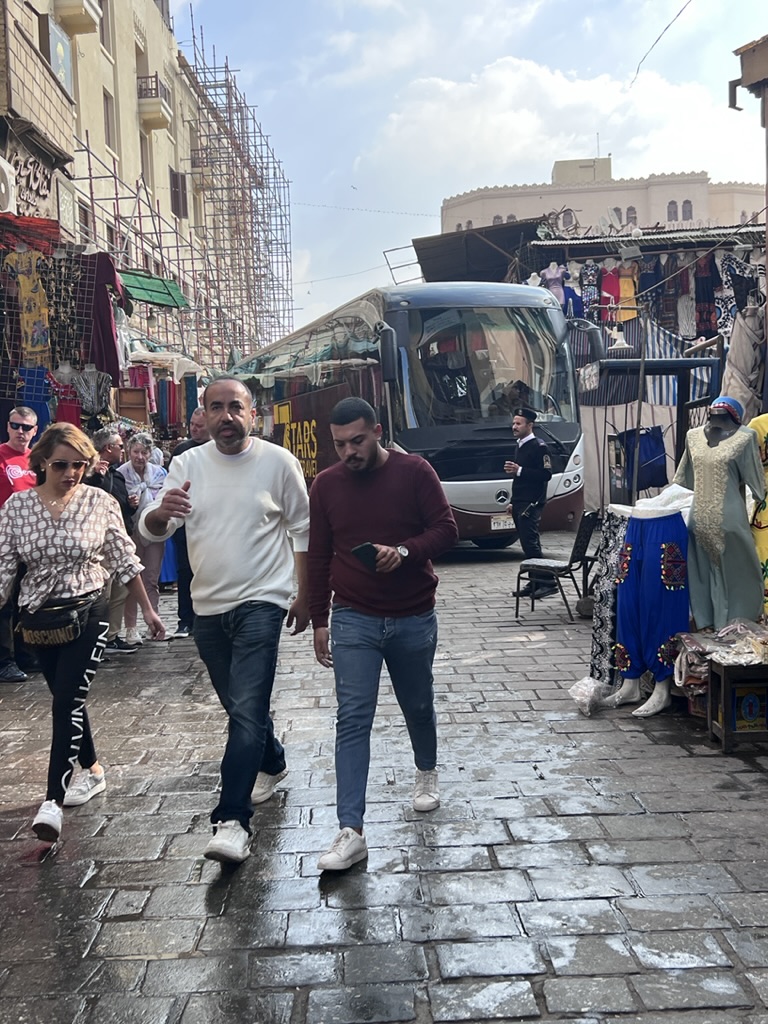
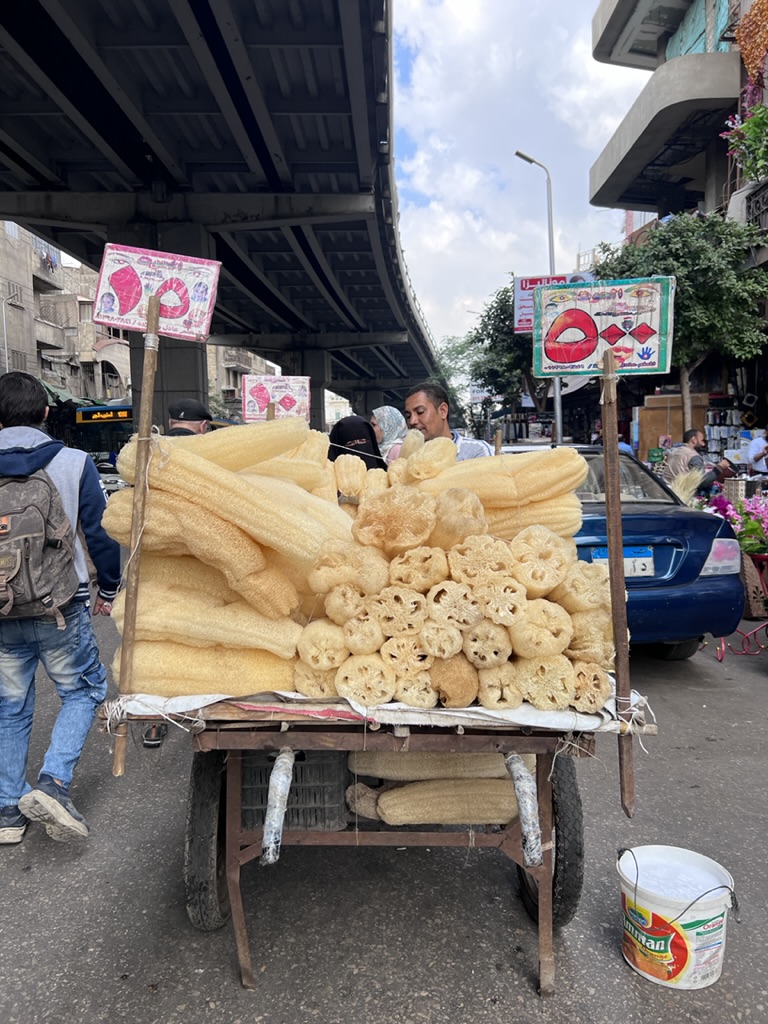
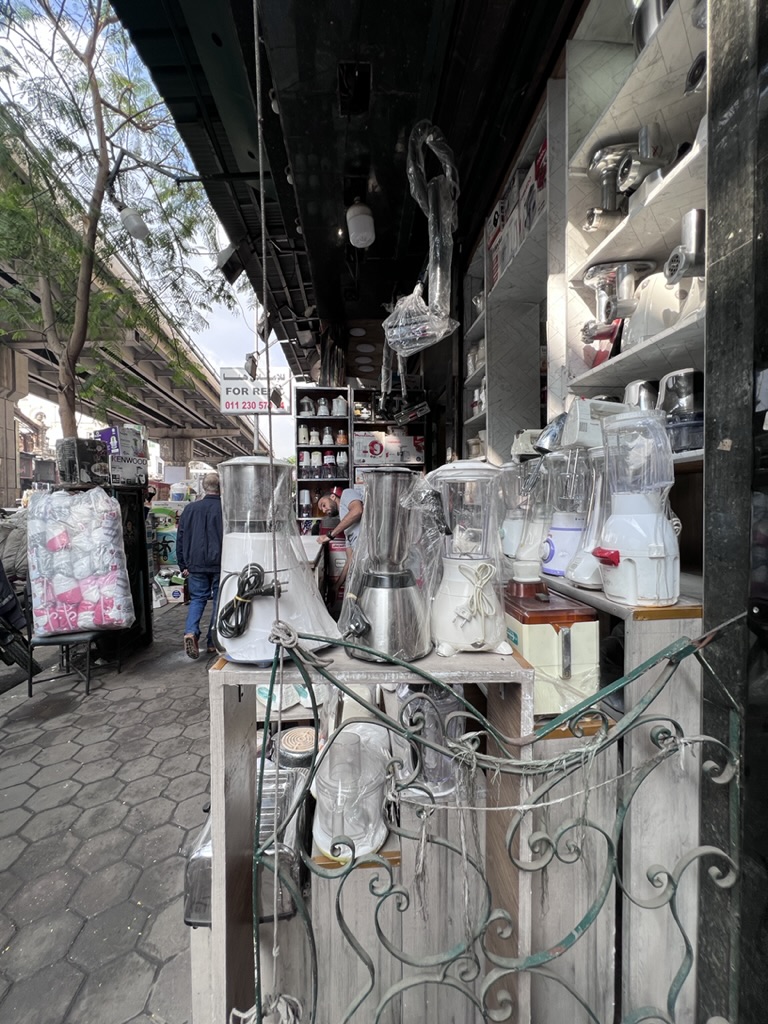
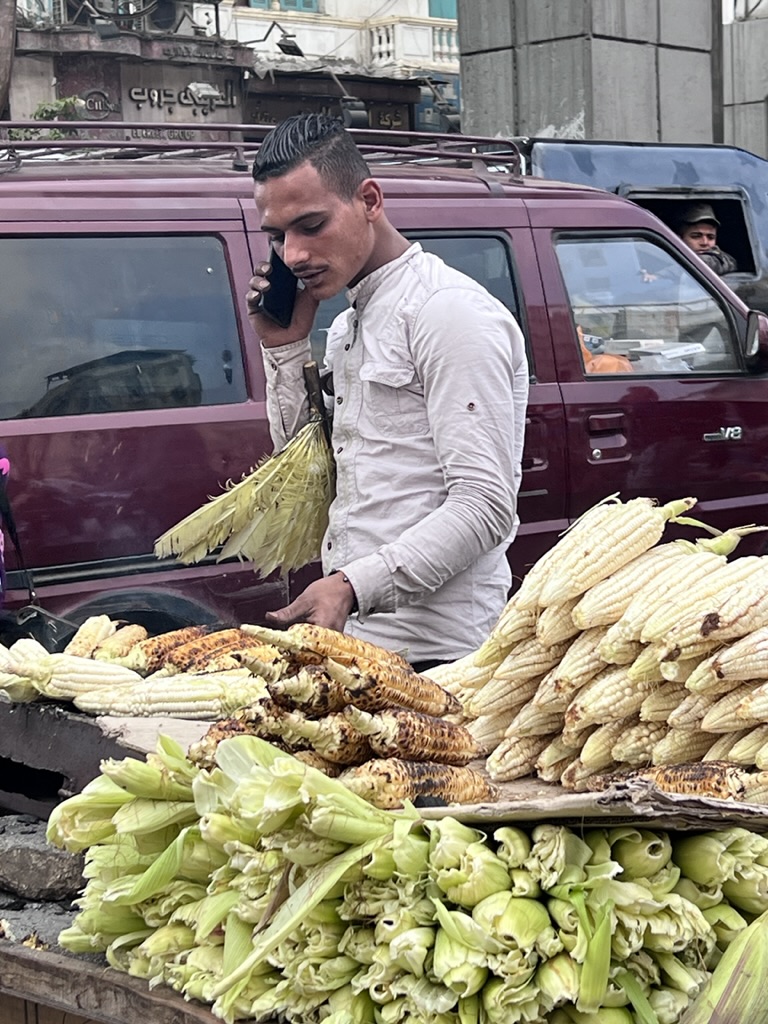
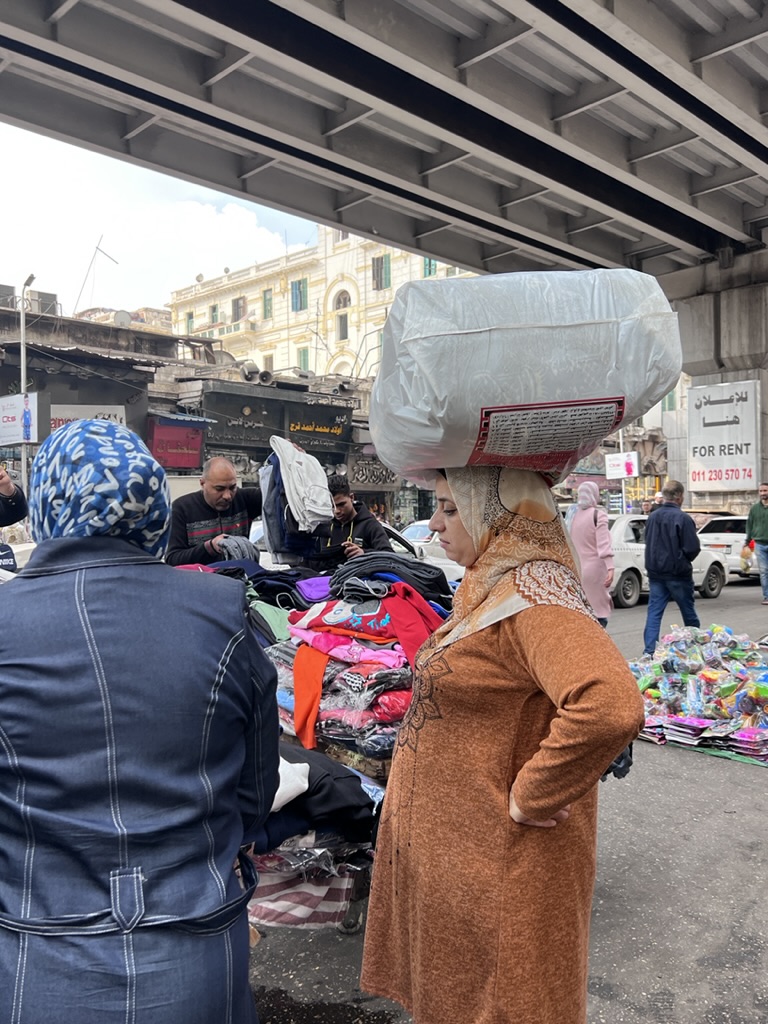
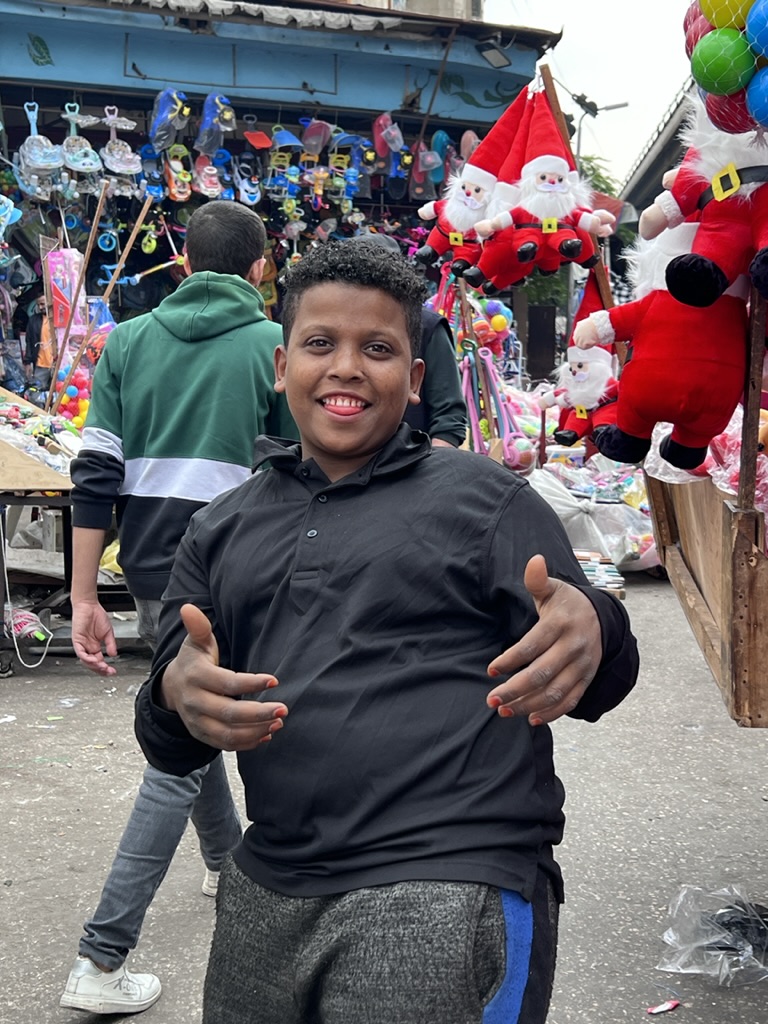
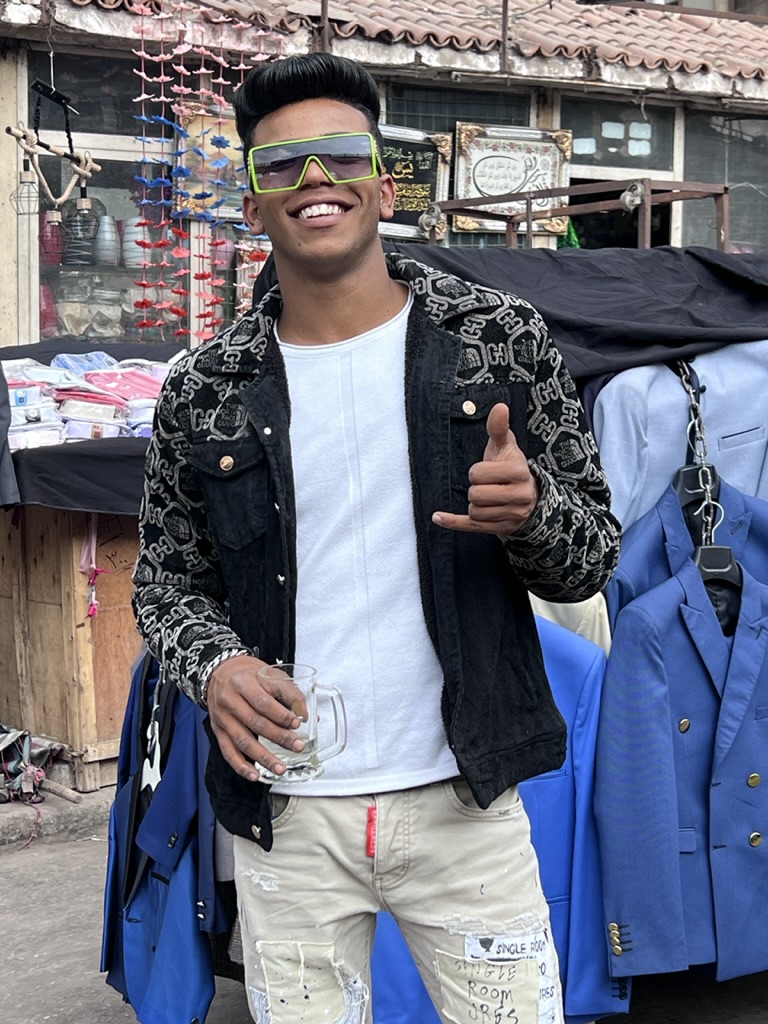
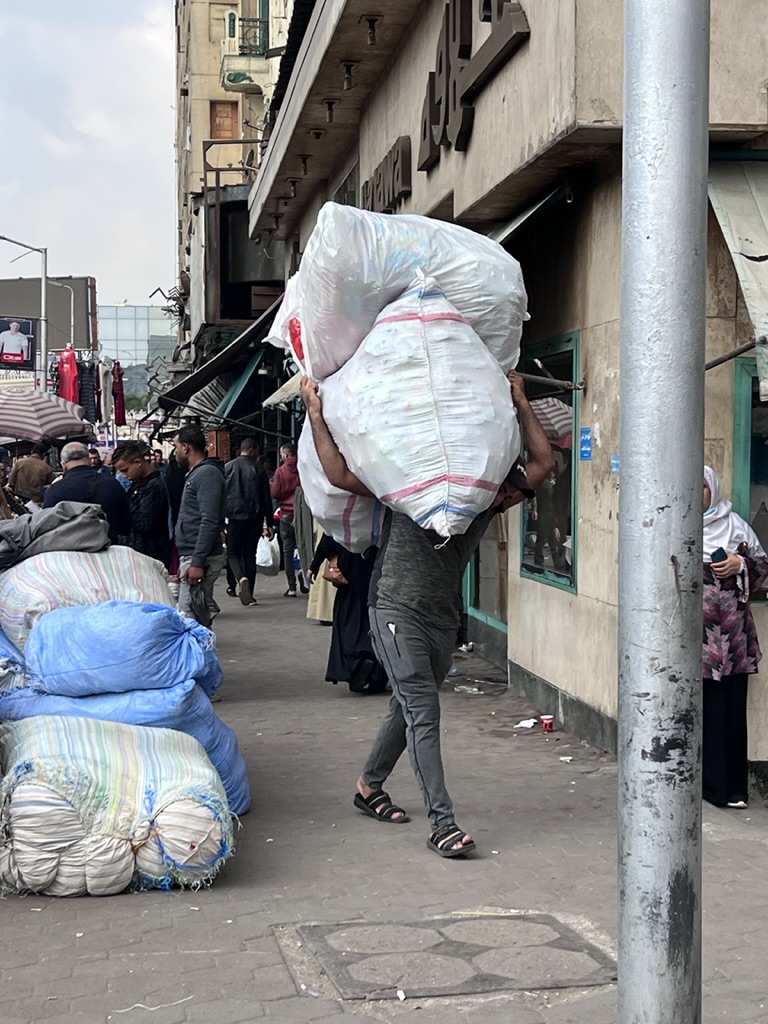
But the walk from the ATM to the Metro which took us about 40 minutes was a site to behold. Every inch of pavement was taken up by vendors selling everything from clothing and shoes to electronics, kitchen supplies, perfume, and any other item you could imagine. At this point we were outside of the walled city and in the thick of daily life. The crowds were unbelievable and we could rarely stay on whatever area remained as sidewalk; and reverted to walking in the streets like everyone else—amid the nightmare of Cairo’s traffic. I think my lung capacity dropped immensely breathing in all the fumes; cannot imagine what level of lung diseases residents here have, especially the traffic “control” people (ha ha) who are out in this all day. Everywhere you walk there are messages from vendors (marketing) blasting from speakers. We finally figured out that they tape their hawker’s pitches and then just play them through a loop on their speaker all day at their cart. So you just hear all these competing messages—very loud to drown out traffic noise. To be honest, we had a great deal of fun watching all of this go by as we sought to find the Metro.
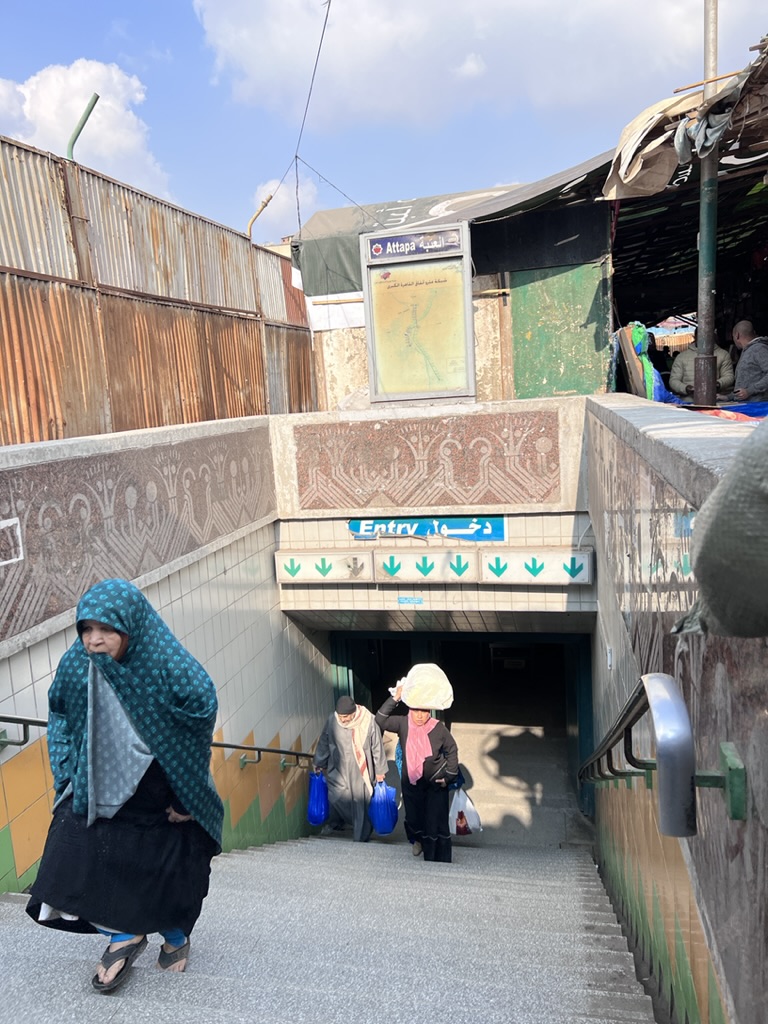
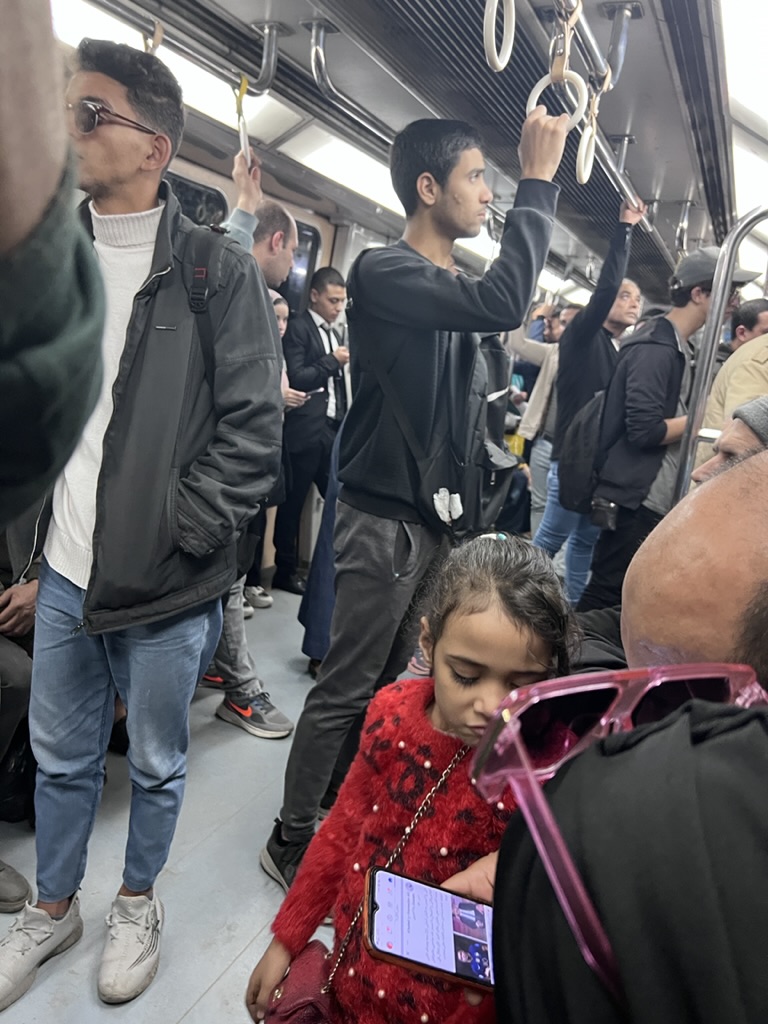
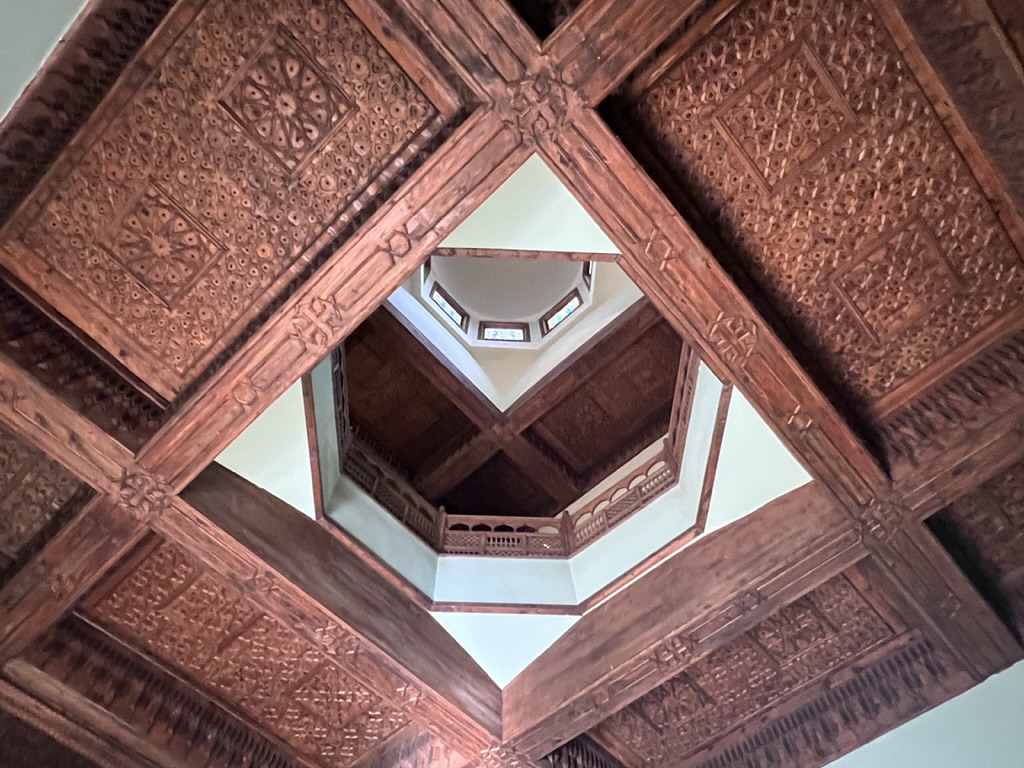
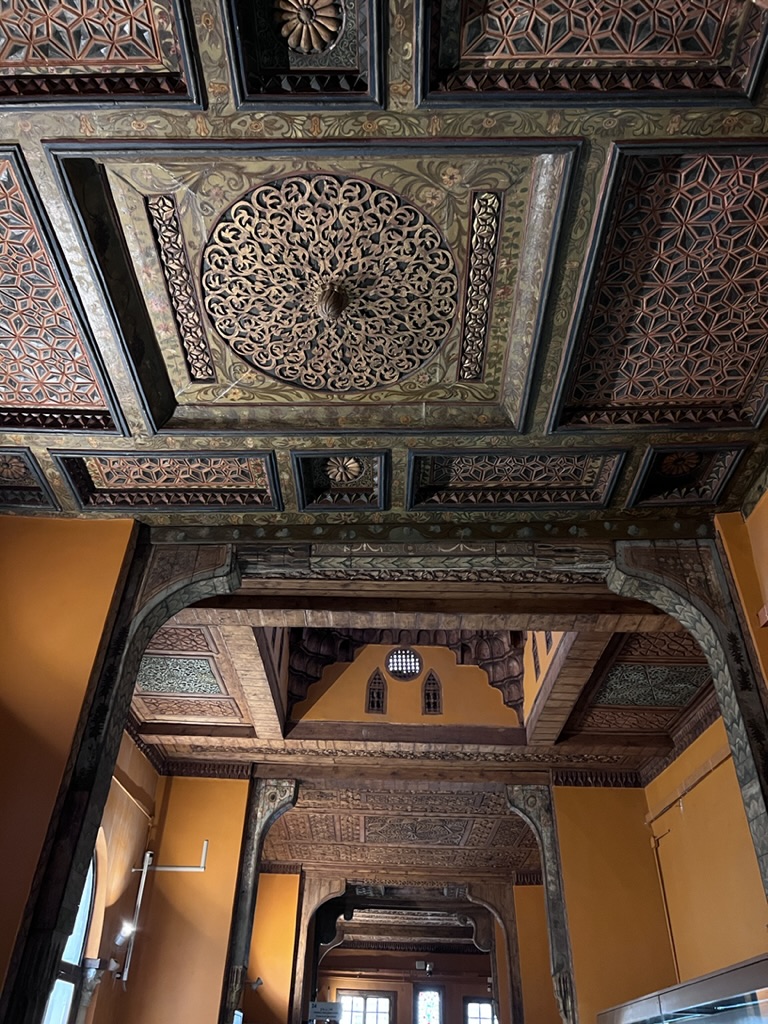
Eventually we found the Attaba station and figured out how to buy tickets (no machines, you line up at the ticket counter) and to figure out the route we needed to get to our first stop—the Coptic Museum. The subways felt much like NY, maybe NY in the 70s! The trains are pretty old and the stations are dreary. Nothing like what we experienced in Uzbekistan a few years ago, where each station was like a museum. Still, it was efficient and we even made changes because we had to go from the green line to the red line to the blue line. We are now quite seasoned Cairo Metro riders. We found our way to what is known as Coptic Cairo—a part of Old Cairo where the Babylon Fortress, the Coptic Museum, the Hanging Church, and many other sites can be found. Coptic Cairo was a stronghold for Christianity in Egypt before and during the Islamic era, and most of its churches were built after the 7th century (such young things!). The Coptic Museum is quite lovely with courtyards and many places to sit and relax. Unfortunately the exhibits are not well lit and there is an unending amount of artifacts such that it sort of all blends together. The best were the wood carved ceilings of the building that graced every room—intricate, delicate wood patterns throughout.

From there we walked to the Church of St George which is circular in plan and then on to the Ben Ezra Synagogue which is also in this same area of Old Cairo. But the synagogue is under renovation so we didn’t see that. Somehow all of these religious institutions seemed to get along and be in close proximity to one another.

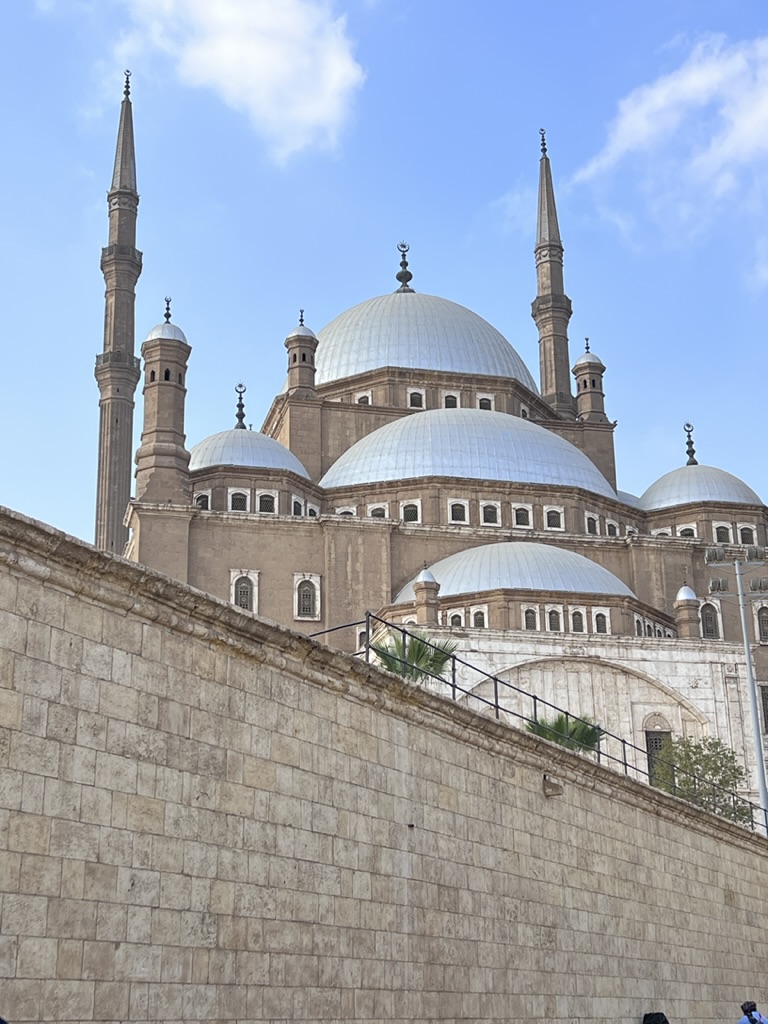
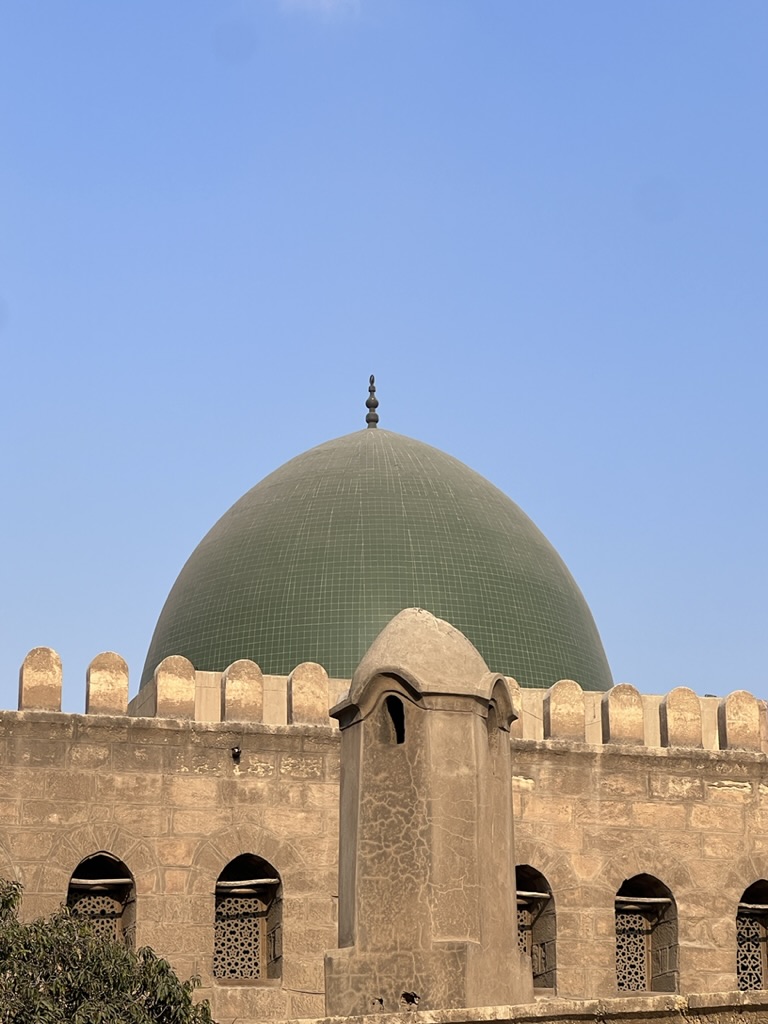
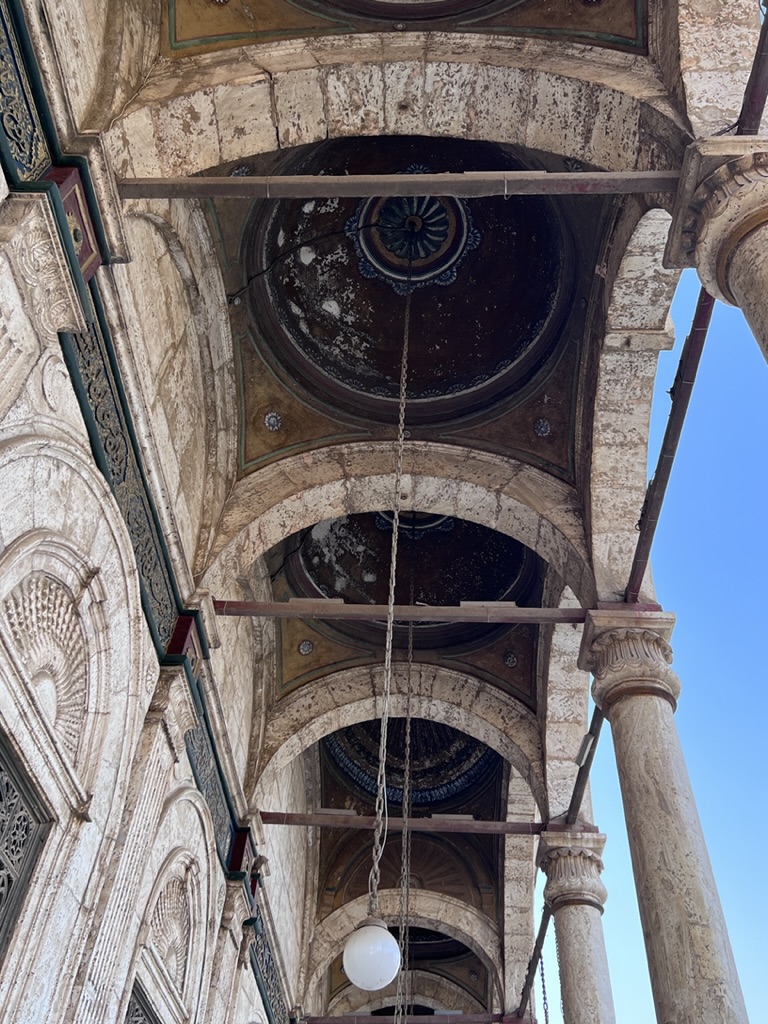
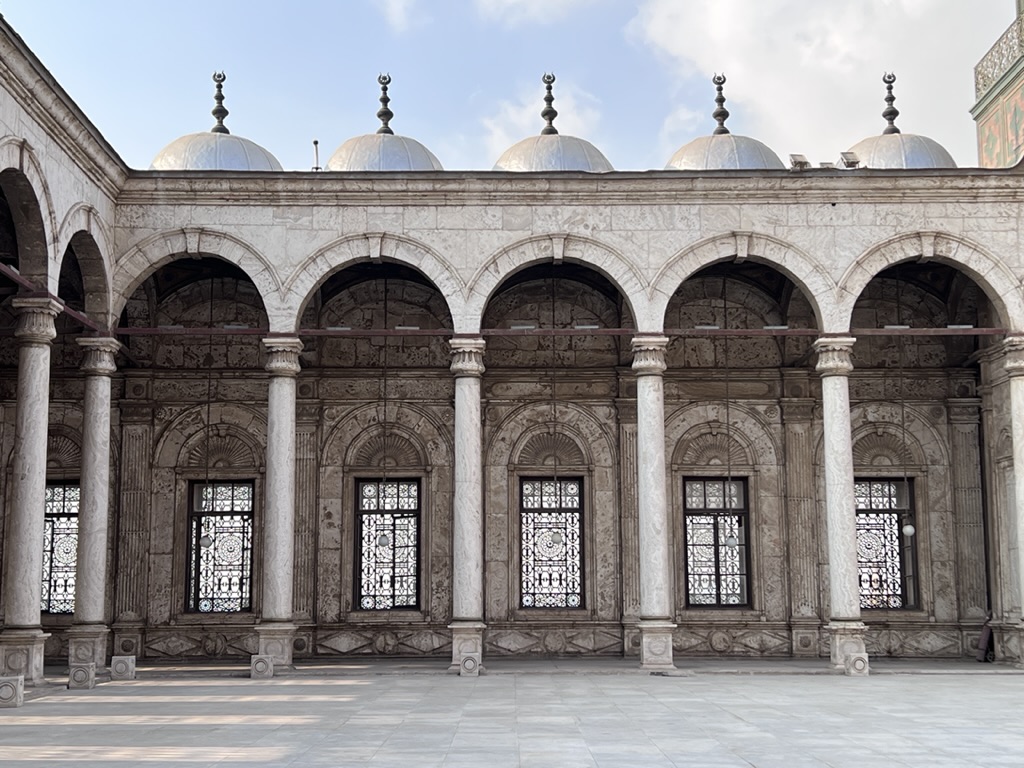
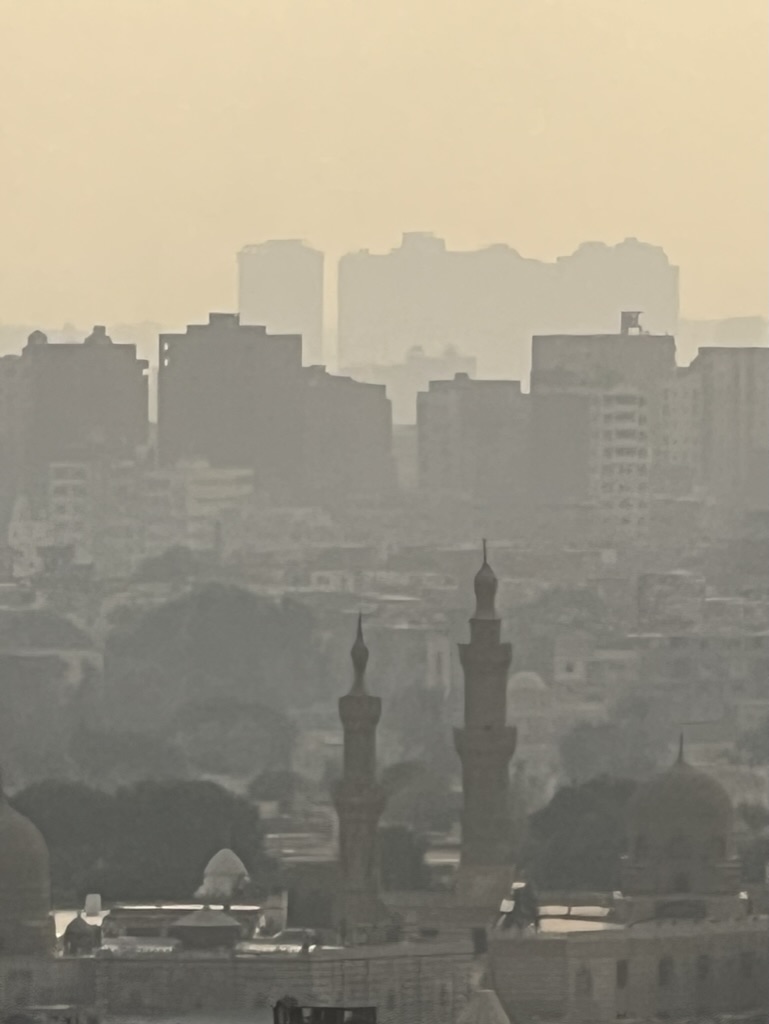
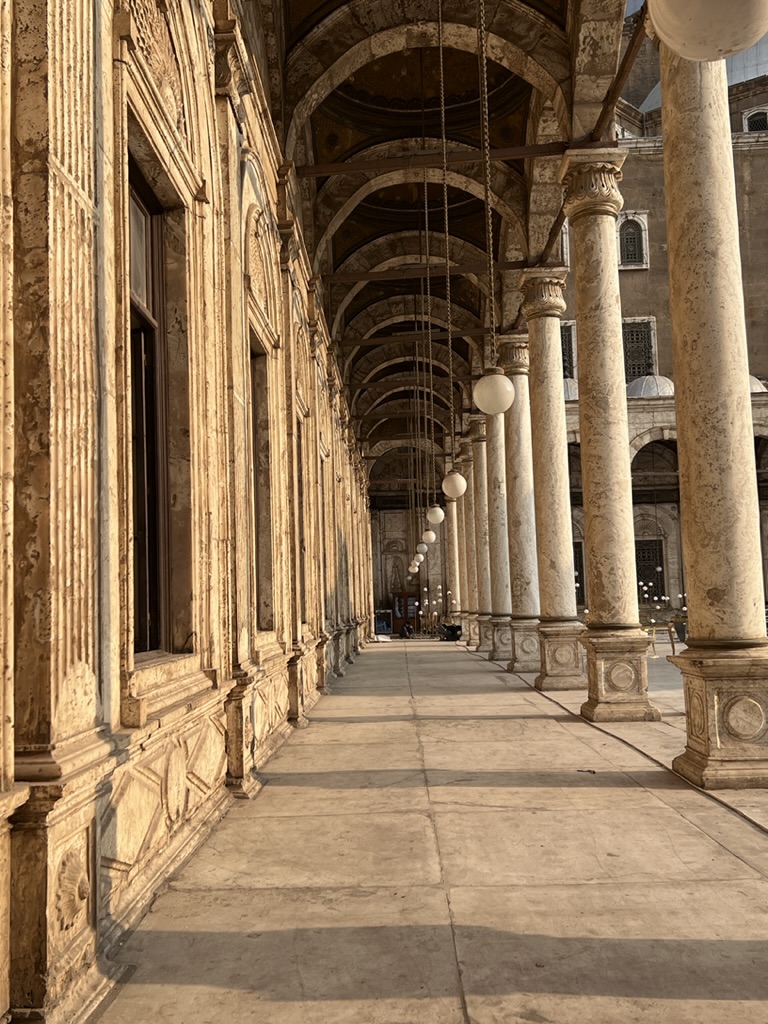
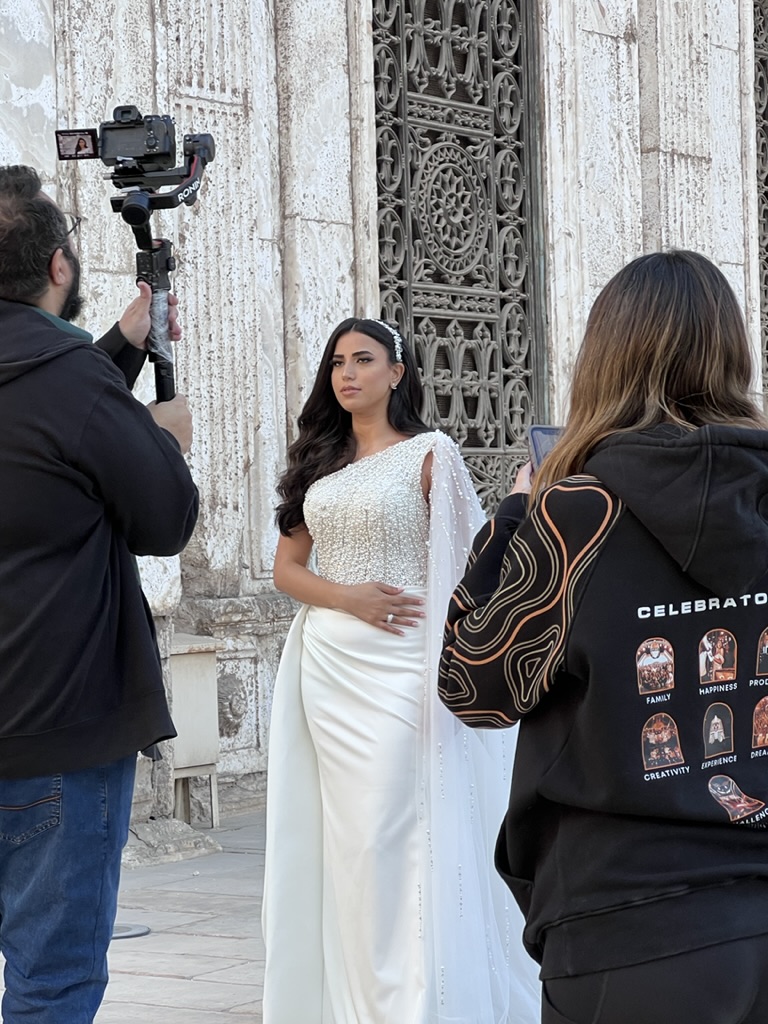
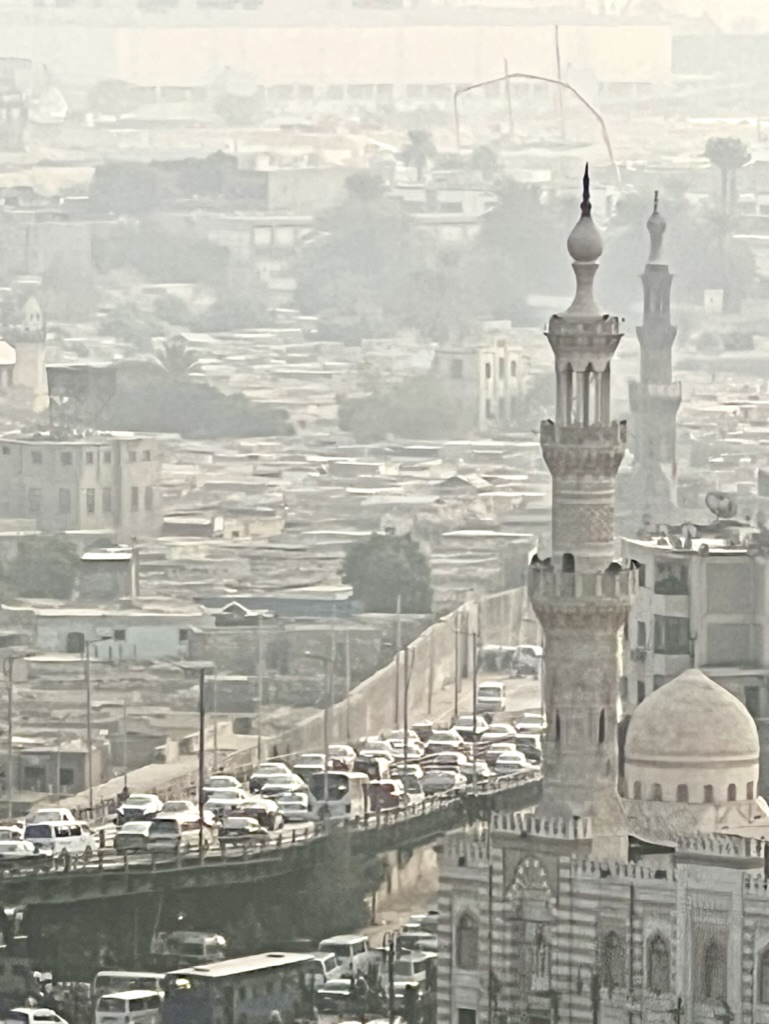
After having our fill, we found a taxi to take us to the Citadel, which was about a 15-minute drive from the Coptic area. As soon as we got out of the taxi, several other taxi drivers called to us to say they could drive us to the top of the hill where the entry to the mosque was. They kept saying it was a long walk and all uphill. But we persevered on our own and the walk was really not that long and not that difficult. The Citadel is a medieval, Islamic-era structure built as a fortification by Saladin and further developed by subsequent Egyptian rulers. It was home to rulers for about 700 years until the 13th Century. It was also the seat of government. Its location on a hill near the center of Cairo commands an incredibly impressive vantage point that overlooks the city and manages to dominate the Cairo skyline. Today it is a preserved site that includes mosques and museums. The largest of the mosques is the Mohammed Ali Mosque. The space is huge with one gigantic dome surrounded by others. There is a huge courtyard from which you can see the whole city for miles around. While we were there they were setting up for what is likely to be an amazing wedding (actually couldn’t believe they “rent” the place out for events!) We managed to get a peek at the bride.
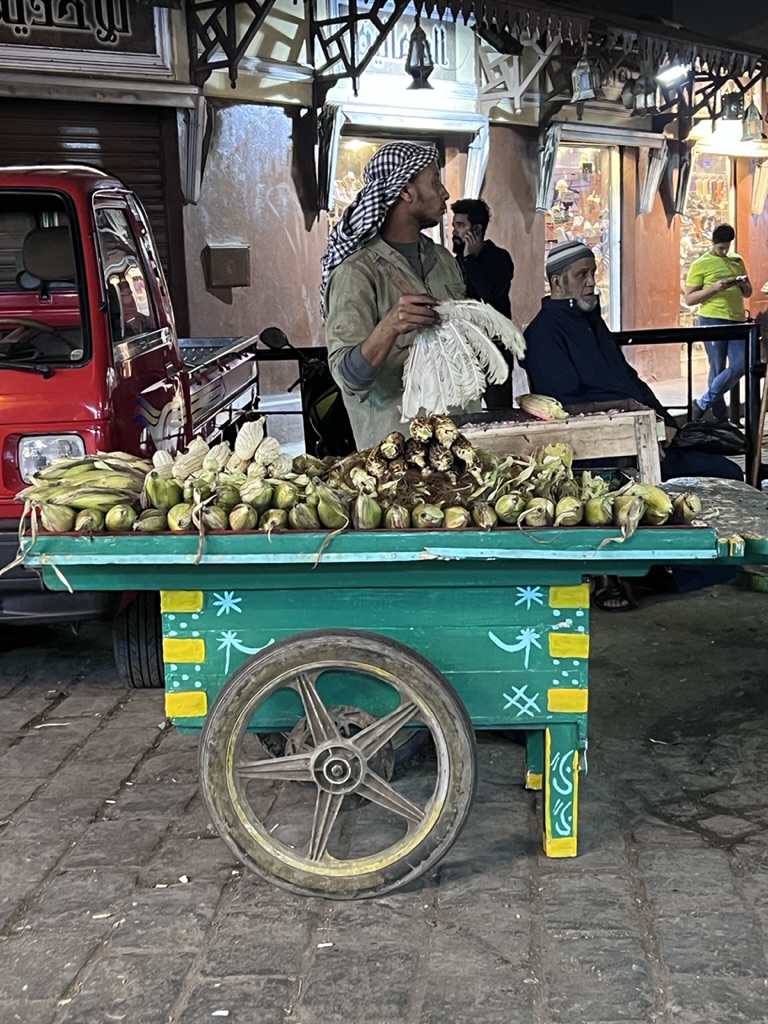

Then we took another taxi (you’re probably shocked at the fact that we need so many taxis, but it’s really the only way to get around, and they are very very reasonable, even with the gigantic tips we give for keeping us alive during the drive.
We headed to Zamalek — an affluent district on the northern part of Gezira Island in the Nile River that is connected to the rest of Cairo by three bridges—sort of like Manhattan, and interestingly one taxi driver said it was the “Manhattan of Cairo.” Despite its affluence exhibited by beautiful and stately residential buildings (probably built in the 1920s) and the chic shops (we got there too late to do any shopping), there’s also a lot of neglect on some of the buildings due to poor maintenance. Apparently, there is some kind of rent control in some buildings and thus there are lower and middle income people living in Zamalek as well as the wealthy. There’s also something called the Egyptian Sports Club that takes up a huge amount of land but keeps the island very green.
We had read about a restaurant that sits right on the Nile at the northern tip and figured that would be a good place to have a cocktail and some appetizers so we asked the taxi to take us there. Must say, this was the best driver ever. He wasn’t talking on the phone the whole time (holding the phone since they don’t have Bluetooth); he wasn’t driving without hands; he wasn’t zipping along. When we got out of the taxi we learned that Sequoia was closed, perhaps for renovations. Fortunately, the driver was still there (probably trying to figure out if he’d find another fare). Didn’t know where to go even though we had read there was an abundance of cafes and bars in Zamalek; we didn’t have time to look anything up for fear we’d lose the driver. So, Mike said he saw a Hilton as we were driving that was pretty close. The driver took us there. We figured there would be some kind of bar at the top where we could have a drink and then do a little research about dinner options.
The Hilton turned out to be from around the ‘70s and was definitely past its prime. There wasn’t anything on the roof and the first floor “restaurant” was pretty seedy. But by then we were also in search of electrical outlets to power our phones (too many photos!) so we hunkered into a table (actually kept moving because it was hard to find outlets). The menu was pretty bleak, so we just talked and once the phones were somewhat charged we decided to leave. No one seemed to care. We spent a little time looking for a restaurant on our phones once we had some power. We didn’t want to go too far, we wanted something good… and somehow we wound up in the most strange of places: described as “Cairo’s premier, award-winning, dining and entertainment venue. Originally a floating palace from the turn of the century, Le Pacha was transformed into a magical place in 1992. Moored off the banks of Zamalek in Cairo, Le Pacha quickly became a landmark on the Nile with its nine restaurants … and spectacular views of the Nile and city.”
I think we were so exhausted that our restaurant radar was down. Normally that kind of description would turn us off.. but I think we had planned to have drinks with a view by the water and so this looked possible. Also, we couldn’t really decide what kind of food we wanted so the nine restaurant options seemed to work since we could delay selecting until we got there. We wound up having drinks in one place (not very good drinks and appetizers not up to par with what we’ve been having – and we were definitely spoiled by Taboula last night) and then going to “Le Steak” for dinner. It was described as a French bistro. It was fine (we shared a chateaubriand which was enough meat to feed six people). At least it was rare. All fine, nothing to write home about.
Naturally, La Pancha didn’t have any “city taxis” waiting at the entrance so we told the “concierge” we needed a taxi and up popped some guy in a fairly new car—definitely not a taxi, but also not Uber. Just a guy and a car. We hopped in and he took us to yet another drop off so we could walk into Gamaleya to our hotel. The route from this drop off took us down a street where they were selling (at 10 pm) restaurant supplies and equipment along with other household goods—selling this stuff out of tiny little spaces with all their products out on the street. Again, motorcycles whizzing by in both directions, an occasional car that got permission to drive inside, kids, pedestrians, dogs, cats – all scurrying about … and us. As we turned one corner horns were blasting (not unusual since horns seem to be the way cars move about given that there aren’t any (or very very few) traffic lights (in a city of 20 million).. .but this was different. There was a large black car and lots of people dressed up and dancing and clapping behind the car. I’m guessing it was a wedding. We sort of joined in with the crowd, and made it “home.”
I figured out that the music in the streets ends at about 2 am when some shops close up—just in time to get ready for the call that alerts you to the first morning prayer at about 5 am.
Tashabuk alsalama – Peace be with you.
Not certain of our agenda for tomorrow, but on Thursday we will take the train to Alexandria and meet up with a former doctoral student of mine from my days at ASU.
Best –
Fern
4. Cairo: Museums and Driving. 12/19/22
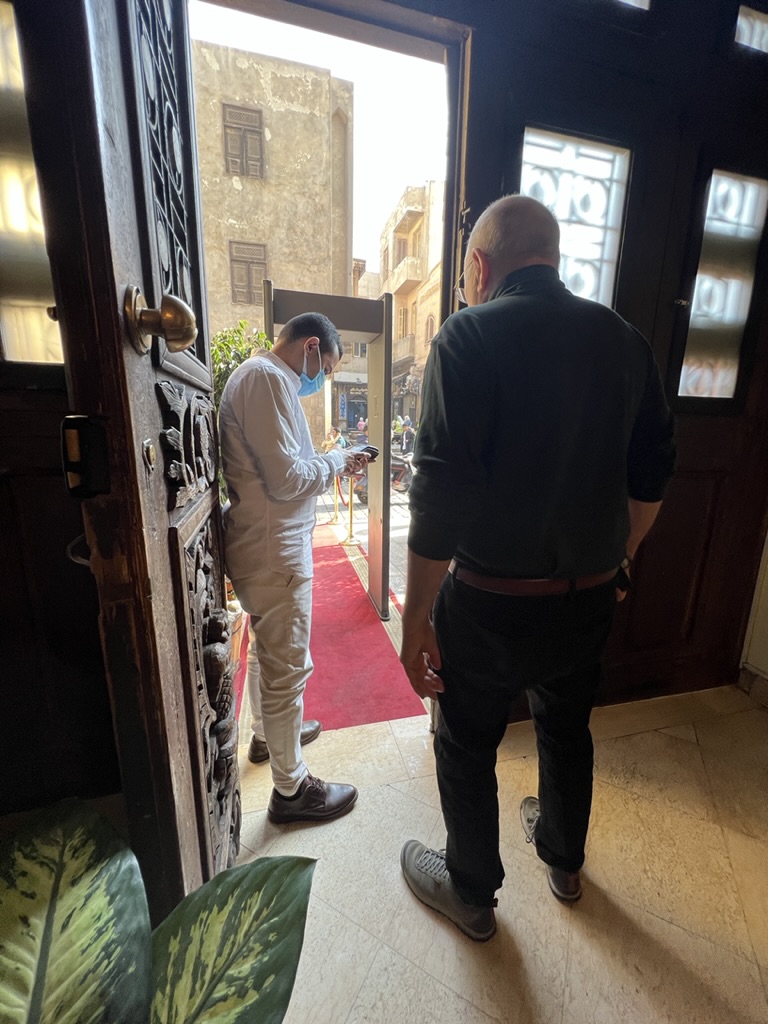
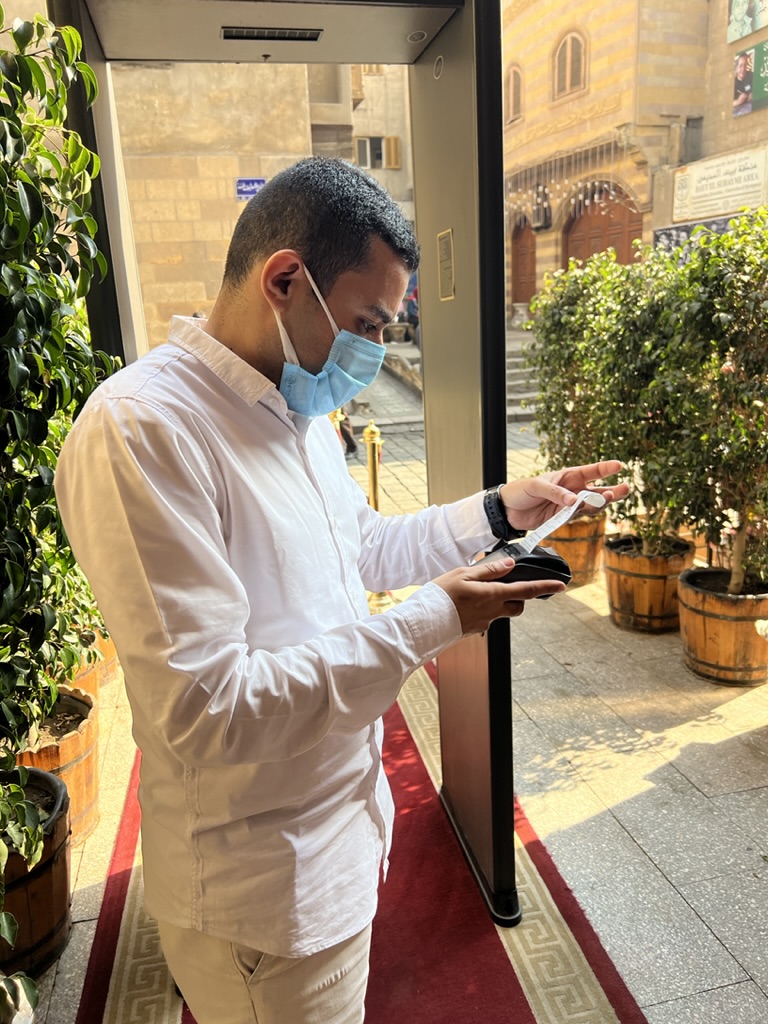
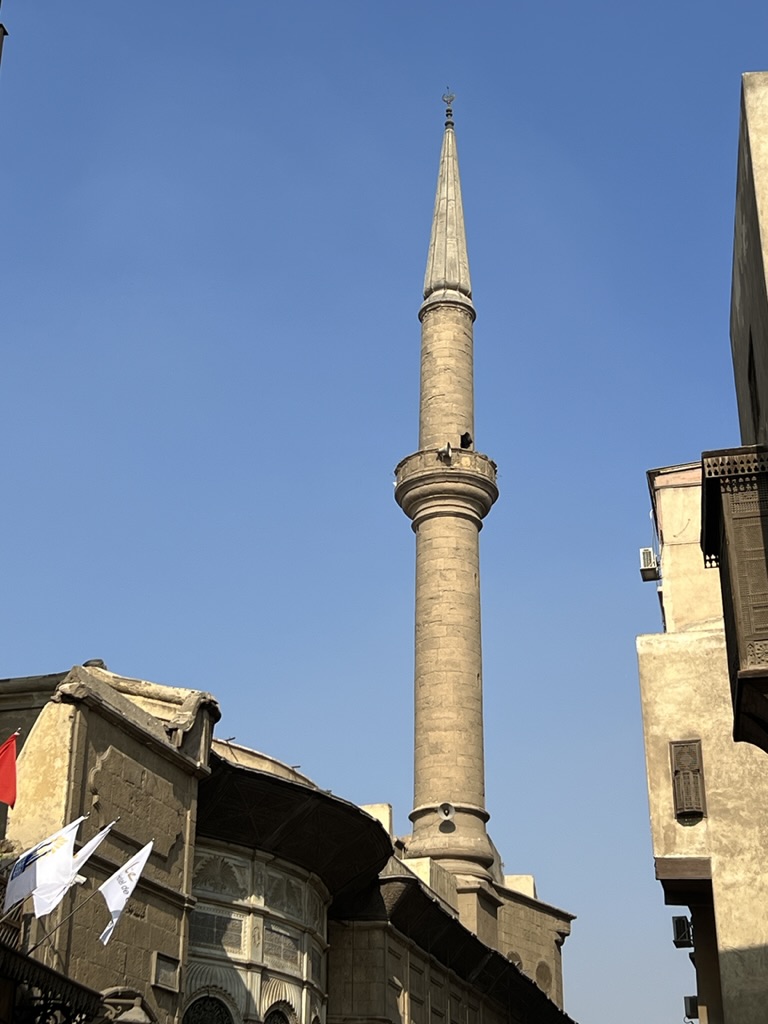
Happy Monday and Happy Hanukah–
Yet another busy day. Decided to just have breakfasts here at Le Riad de Charme. This way we don’t lose a lot of time trying to find breakfast joints and the Riad breakfasts are quite good. Tried the “continental” today: scrambled eggs, Egyptian version of croissants, fruit platter, jams, yogurt, some kind of spreadable cheese with cranberries, and juice— so we were good. Then again, the hotel needed to deal with our charge card and again they had to go outside to get good reception to use their charge machine. Second world interacting with first world.
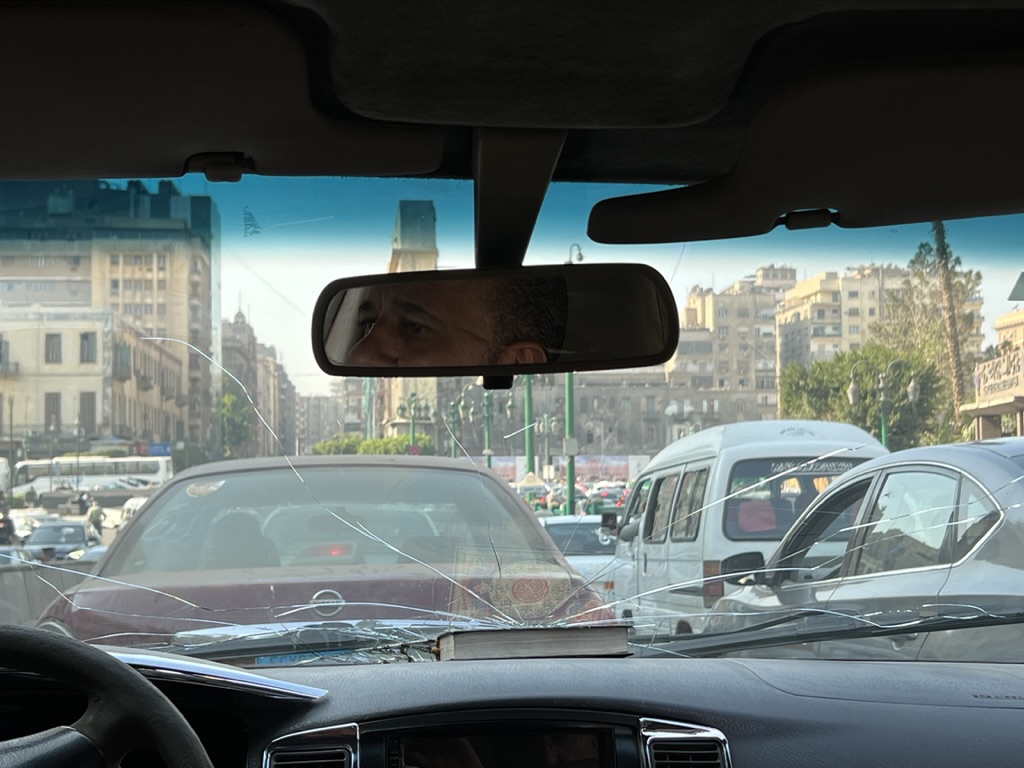
By now we are quite expert at getting outside the Gamaleya to find taxis, so off we went. Got into a pretty beat up one today and once we were in the taxi, we realized the windshield was pretty cracked. But we were only going about two miles, so figured it was fine. The 2 miles took about 30 minutes due to traffic; would have walked if we had realized this. Figured we’d get there faster in taxi but that was probably not correct. Still, it’s amazing to be a passenger as the cars move around like bumper cars in an amusement park. We headed first to Tahrir Square, also known as “Martyr Square,” which has been the location and focus for political demonstrations in the city for decades. The 2011 Revolution as well as the resignation of President Mubarak took place at the Square, which is really more like a traffic circle.
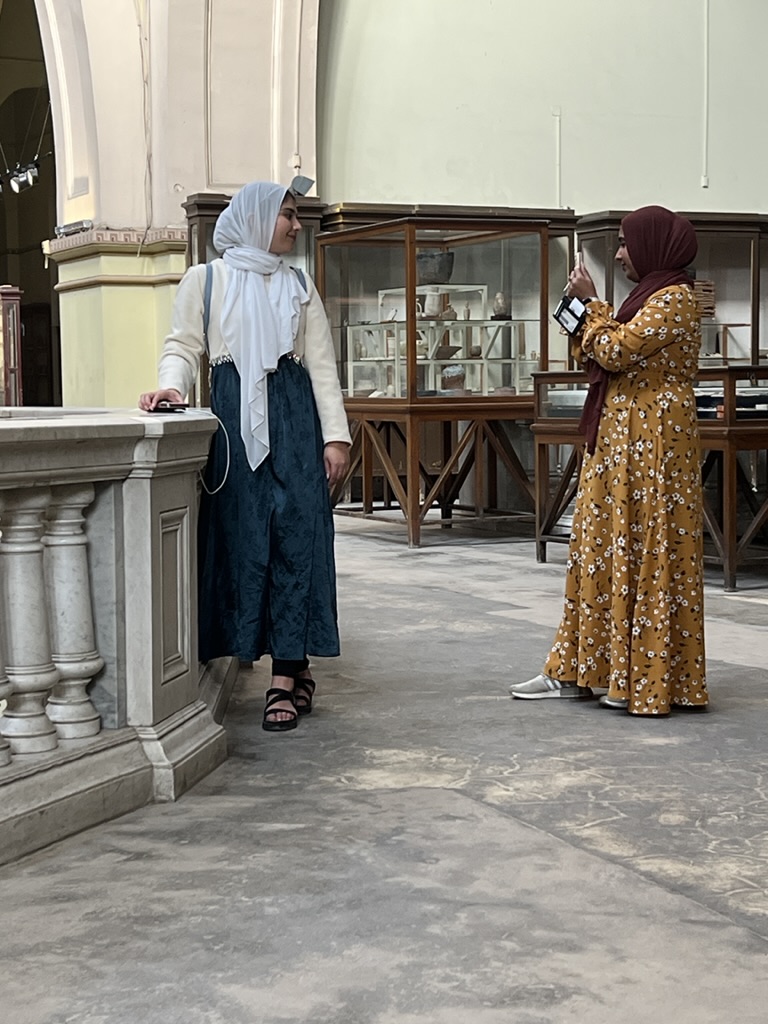
As I noted in yesterday’s piece, today was to be our “museum day,” so we strolled (in the terribly polluted air) from Tahrir Square to the Egyptian Museum (often called the Cairo Museum). It’s the oldest and largest archaeological museum in the Middle East and has the largest collection of Pharaonic antiquities in the world. The building is about 120 years-old. But come 2023, a new museum called the Grand Egyptian Museum (GEM) will open in Giza (not too far from the pyramids) and it will be much larger than this museum. We actually saw the new museum yesterday from the taxi, but it won’t open for a few months, and in reality, I think the opening date may be unknown; the project has been going on for years with many different anticipated opening dates (over many years). It does however look fairly close to complete.
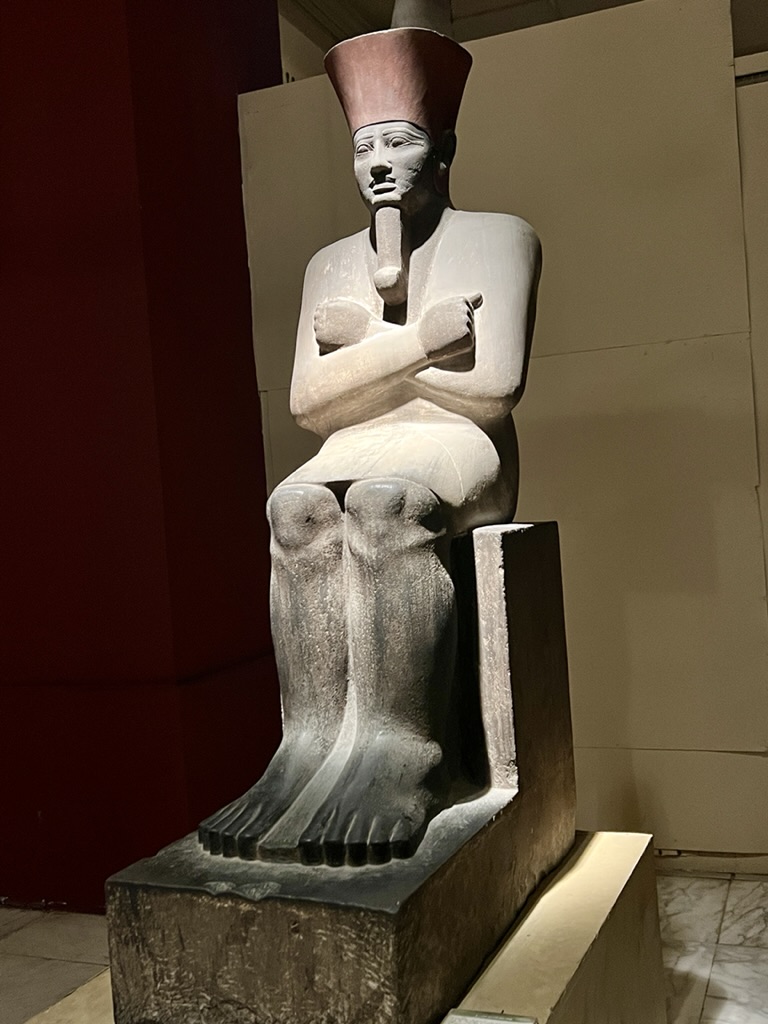
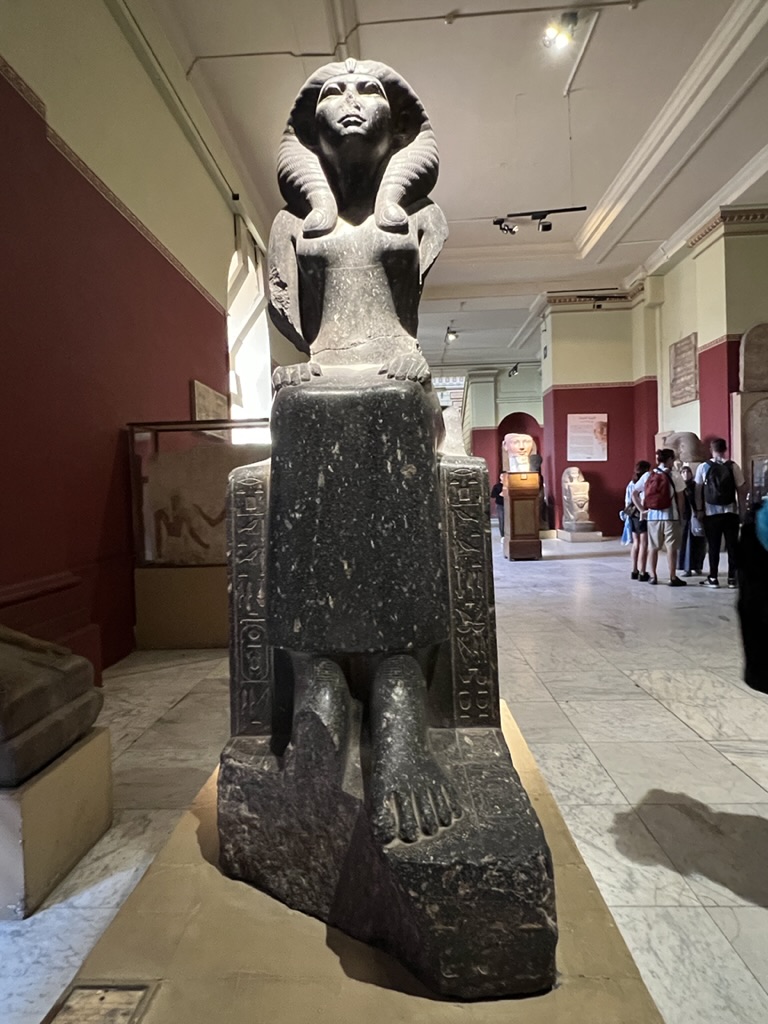
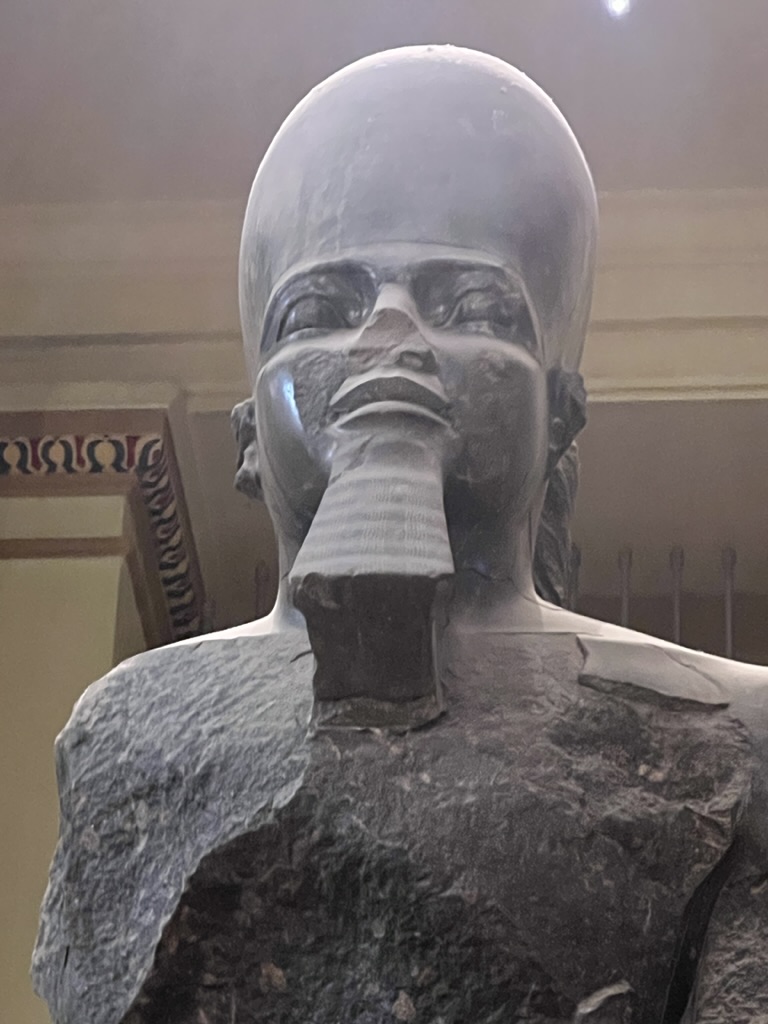


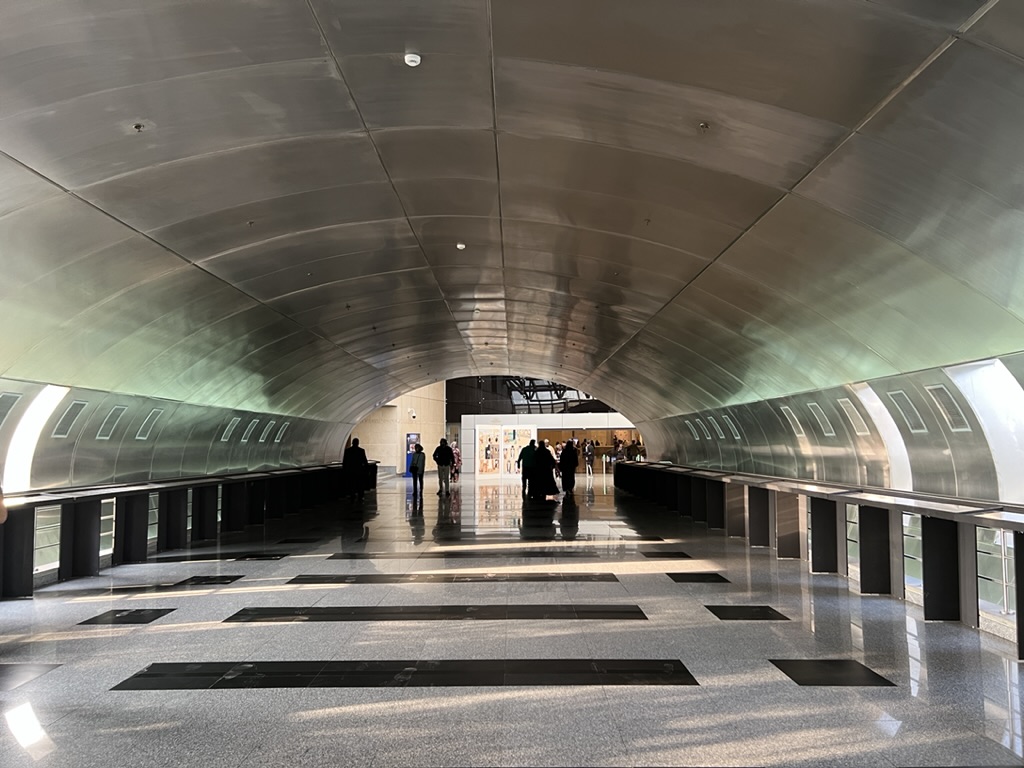
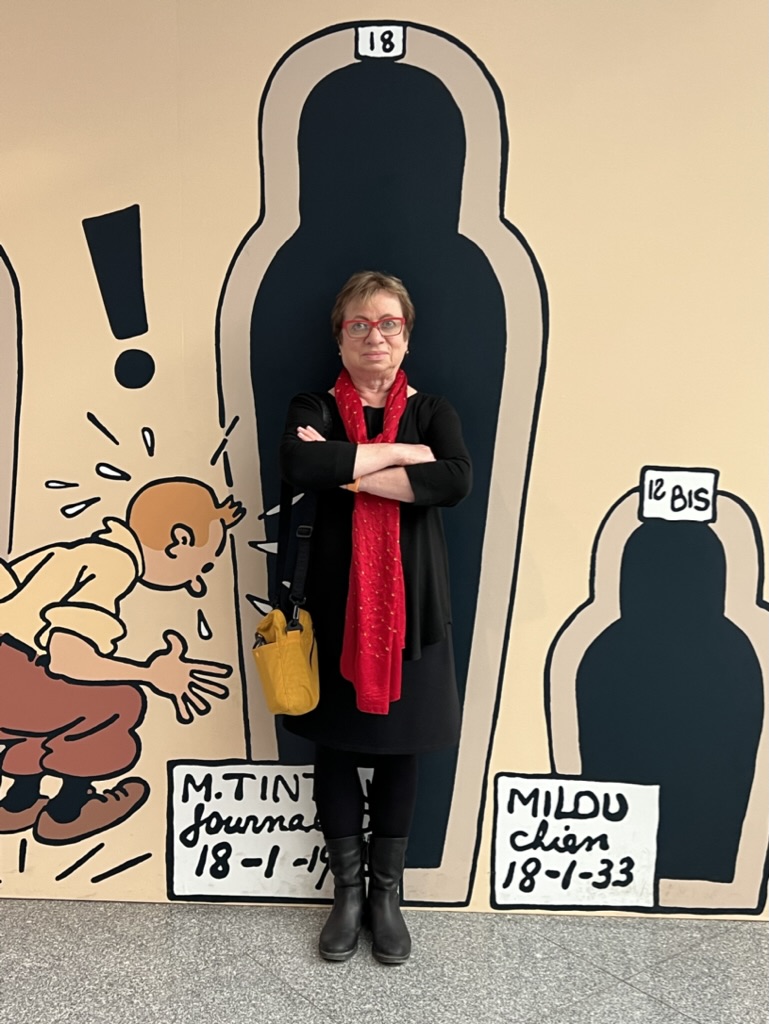
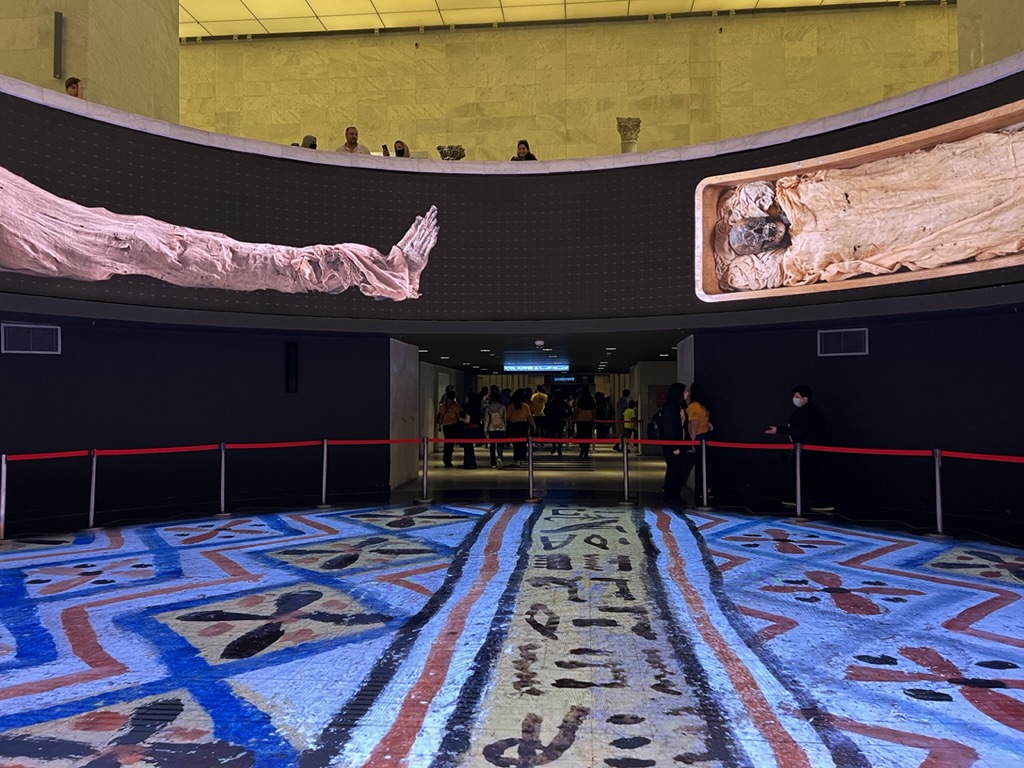
From there, we took another taxi (city taxi, this time without a broken or cracked windshield) to the National Museum of Egyptian Civilization, a new museum situated in the ancient district of Al Fustat. It’s interesting architecturally and also in terms of exhibit design which is fairly interactive and gives a layman’s overview of Egyptian history and civilization. It also now houses the “royal mummies” that were previously exhibited at the Egyptian Museum we had just visited. The NMEC is bright with soaring spaces and many fun ways to understand the history of this complex country.
Mike and I had arranged to meet at the gift shop so that we could go our separate ways inside the museum. I got there first and was sitting on a bench when two women in full burkas sat on the bench with me. They had a young child. I surmised that either one of the women was the sister or was a nanny for the 18-month-old who was being a bit fussy. I smiled at the little girl who was hiding behind her mother’s deep black burka. The kid responded and then the women talked with me. A first for me to talk to someone in a full burka. Turns out they (and the husband who joined them soon after) are from Yemen. Their English was not very good, but we could communicate in simple sentences. I then took pictures of the kid and they took pictures of me! The women did not want to be photographed.


Mike and I left the museum and got into yet another city taxi. This guy should get a medal. As he wove in and out of traffic and between cars with just 6 inches to spare, we noticed that he was driving stick shift, while all the way talking on his phone (which he held in his hand; no one has GPS or Bluetooth for their phones) and also holding Mike’s phone to ensure he was headed in the right direction. Additionally, he talks a lot with his hands. So, I’d say his hands were barely ever on the steering wheel.. We made it alive to the walls of the city and headed to the Riad, exploring yet another way to get to our hotel from outside the walls.
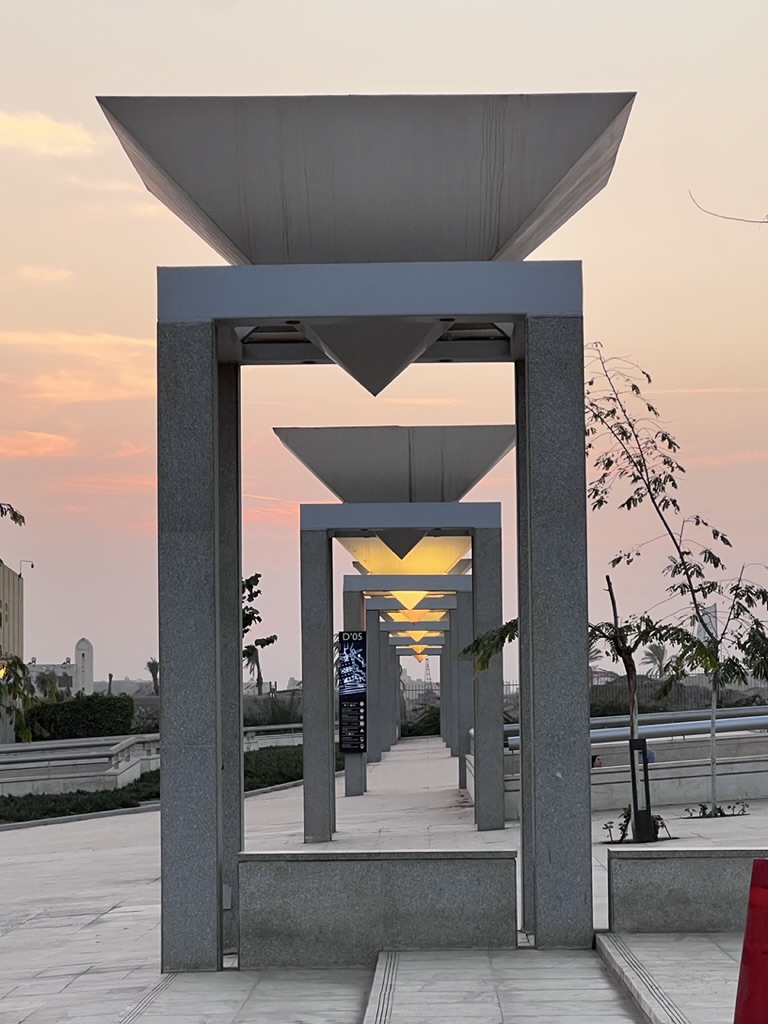
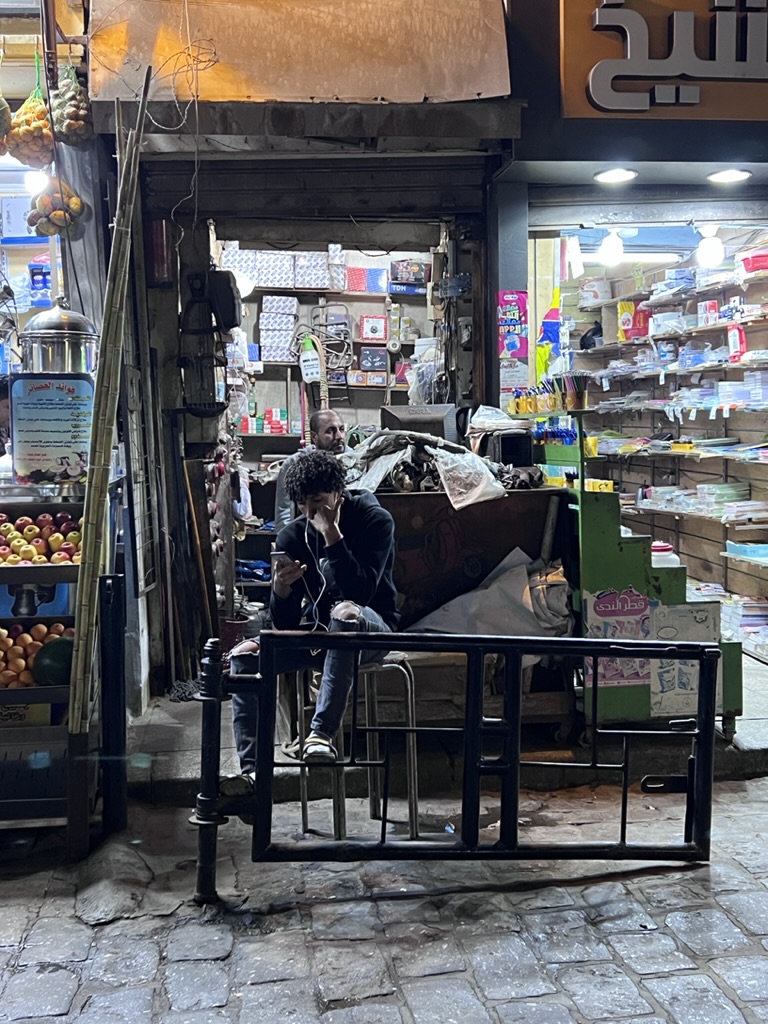
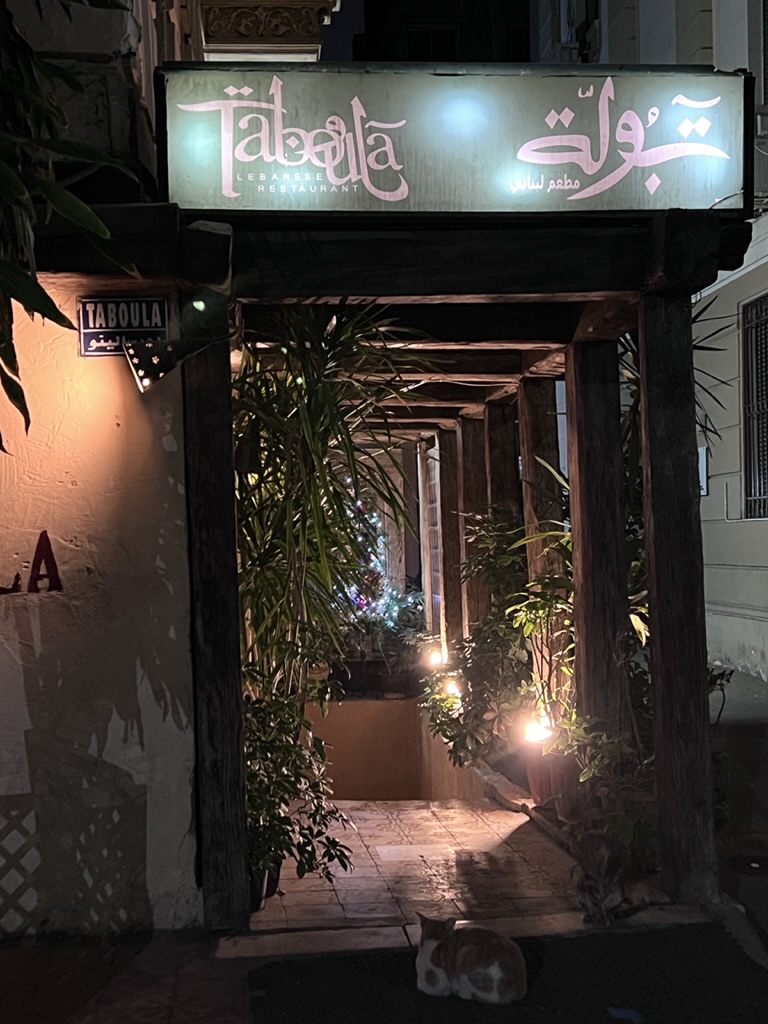
Tonight we caught a cab to have dinner at Taboula, a Lebanese restaurant. Abdul, our taxi driver, was very friendly and chatty. He knew no English, but I think we understood one another. He got us to the little restaurant we wanted to try (Taboula) based on our GPS directions and once we got there was smart enough to ask how long we’d be… so that he can come back to take us “home.”
Food at Taboula was really good and we lingered for dessert. Together we agreed, Abdul should come back to pick us up. He came about 90 minutes later and all was well. More tomorrow.
That’s it for me..
Fer n
3. Cairo, Egypt… 1st, 2nd, 3rd Worlds in 45 Minutes… Avoiding guides and camel poop! 12/18/22
Greetings from Cairo –
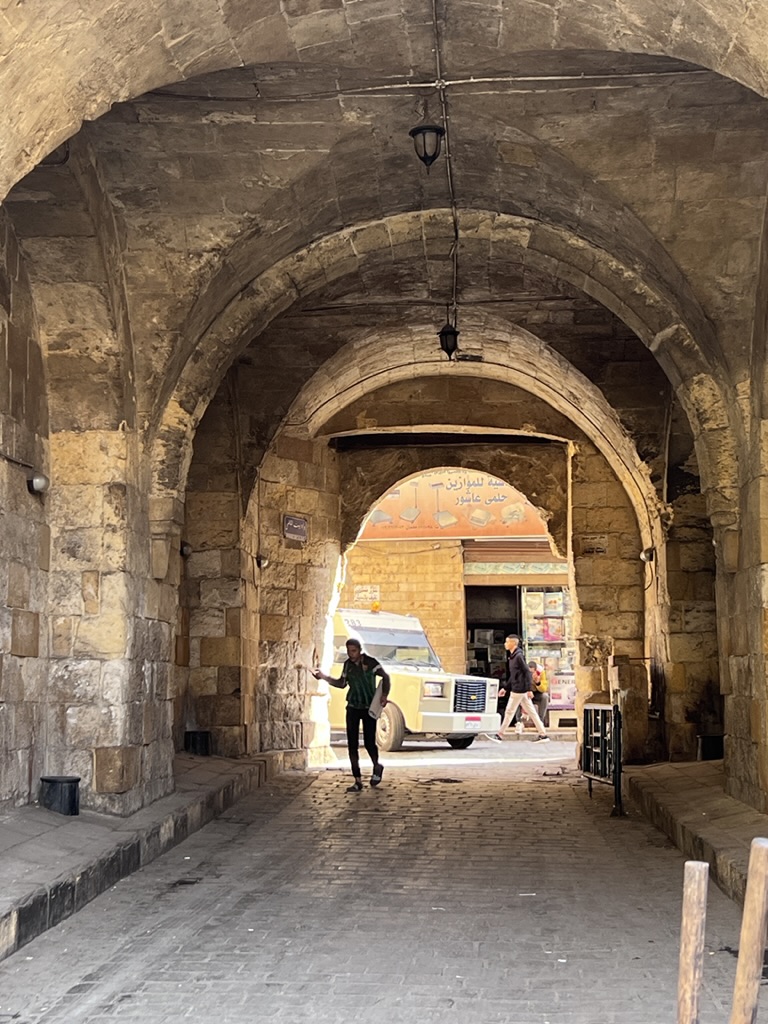
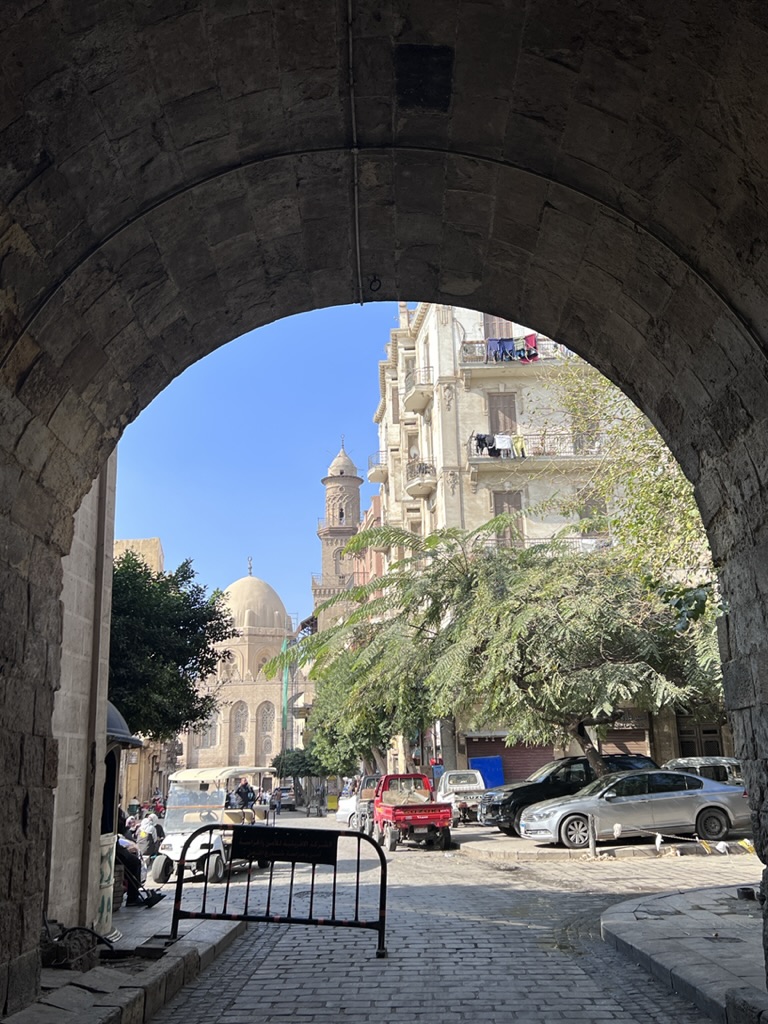
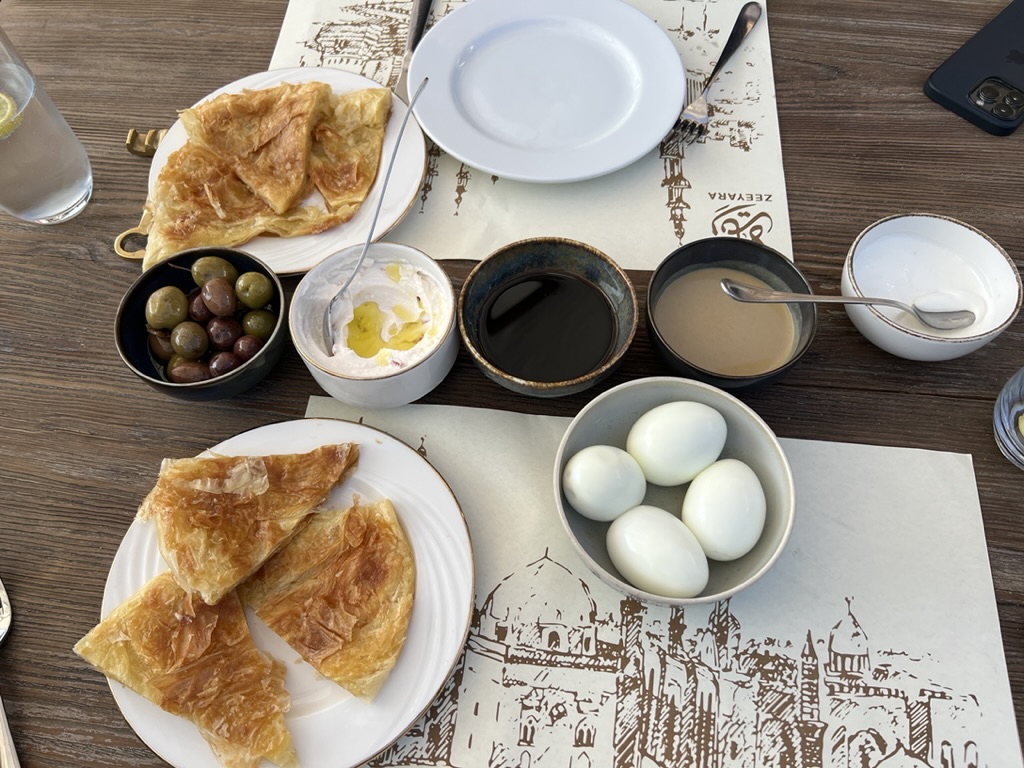
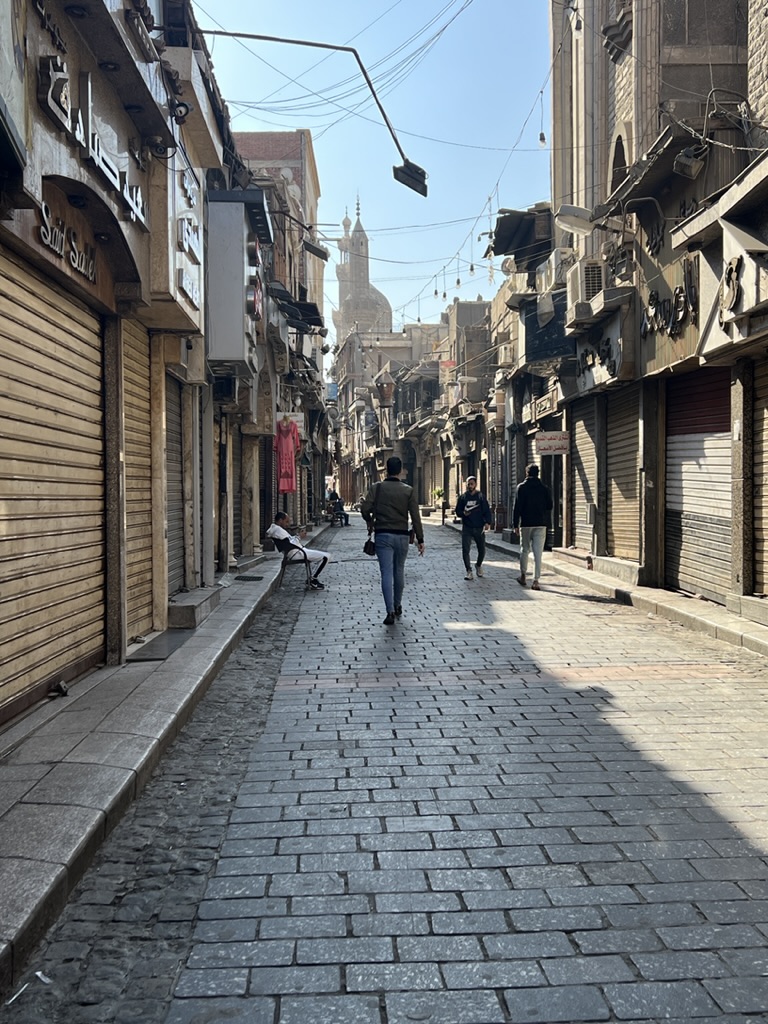
Following breakfast (the Egyptian countryside option, today—but somehow with plain hard-boiled eggs today and absent the hummus replaced with some other spread), we headed out of the Gamaleya (old section of town where we are staying) in search of a taxi. Theoretically, the entire area of Gamaleya is pedestrian-only, although deliveries are made all day, so there are cars, trucks, bikes, and motorbikes (although not really clear that the motorbikes are making deliveries. But, no taxis or private cars are allowed—although as with everything in Cairo (and developing nations), rules are always broken, so you do see cars and somehow Uber reigns supreme so Uber cars seem to be able to get through the barricades. As most of you know, we are very anti-Uber so we walked about 15 minutes or so to the gates of the Old City in search of a real taxi. Actually, there are many different kinds of taxis, including government approved and also private taxis. The government approved ones tend to be pretty old and beat up, but those are our guys, and we’ve been relying on them. They tend to be white with black trim (and don’t have meters)… Everything is “negotiated.”
We got into one taxi, but he was nervous that he didn’t know where we were going although we showed pictures. He called over a cop who spoke some English and the destination (the Pyramids) was confirmed, along with the price (everything is a negotiation!) We agreed on 150 EP (about $6) for a 30-minute drive; the guy should be given a medal for getting through Cairo traffic. We gave him 200 EP and he was totally grateful. Now a few words on traffic— it’s everywhere; there aren’t any striped lanes; and we have yet to see a traffic light, so I don’t think they exist. Because there aren’t any real lanes, it’s like a ballet of cars merging in and out of non-defined “lanes” and always creating a new “lane;” so on big streets there are about 6 lanes where we would have just 3. There are no pedestrian crosswalks so people—like the cars—take their lives in their hands and also do the ballet of getting part way across and then waiting for a short opening and dashing across—baby carriages, shopping carts and all. And of course, as in most developing countries (and NYC) the rule of the roost is the horn. On any given street, it’s a constant honking of horns. So, it’s quite an experience to be either a passenger or a pedestrian.
The drive from our hotel in the 13th Century old section to the Pyramids took us through many different neighborhoods, including the ‘new Cairo,’ which I’d say is pretty first-world with department stores, spiffy hotels that are all part of international chains, decent sidewalks, and classy apartment buildings. It also took us through sections of town that were definitely second-world with dilapidated housing covered with air conditioners hanging every which way amid crumbling infrastructure. And of course, there were the Third World sections with virtually no infrastructure and housing that didn’t have any air conditioning to address the totally horrific heat of the summer. But, streets are clean (despite not having a real garbage collection system), there is minimal begging, and no one visibly sleeping in tents.
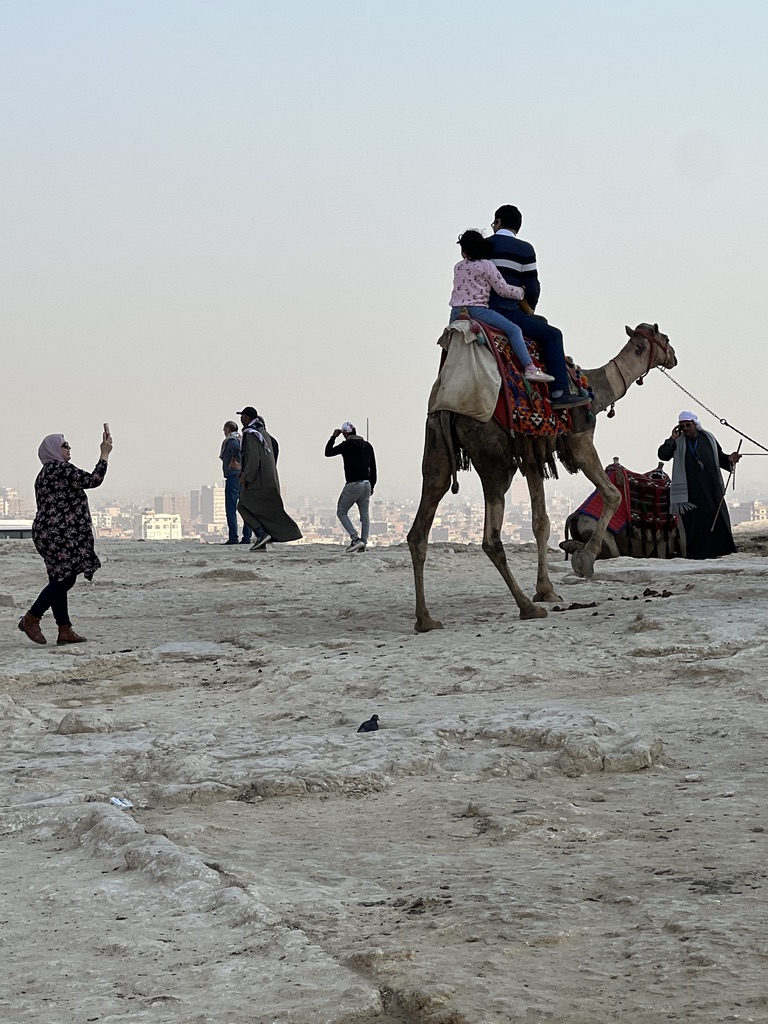

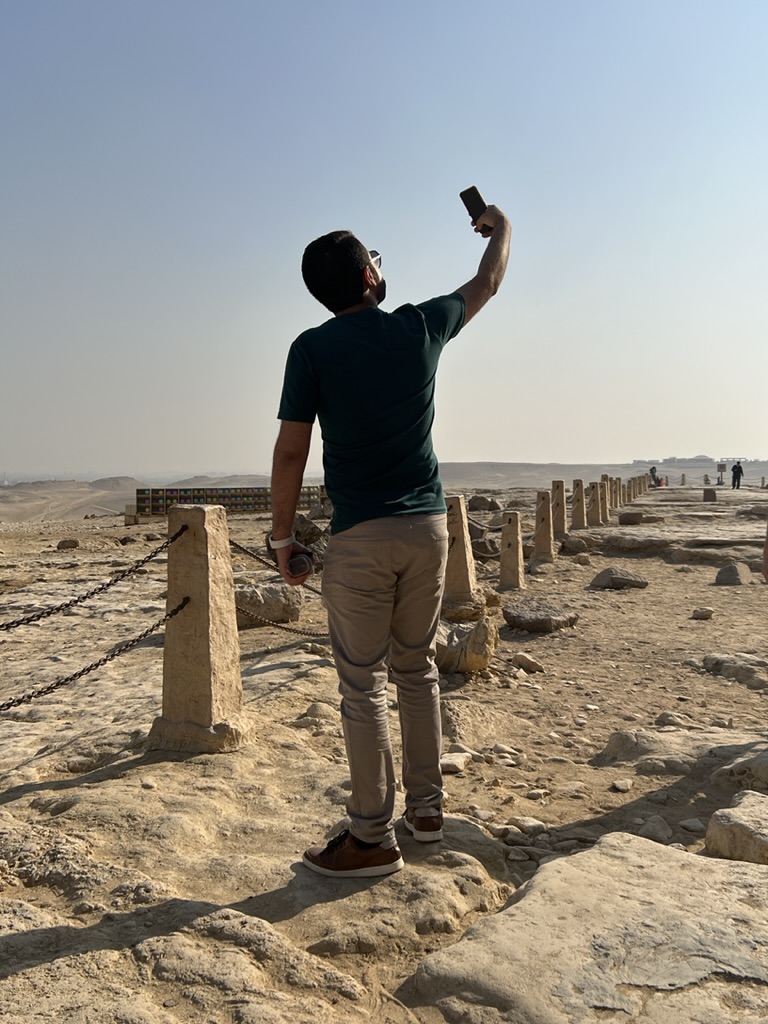
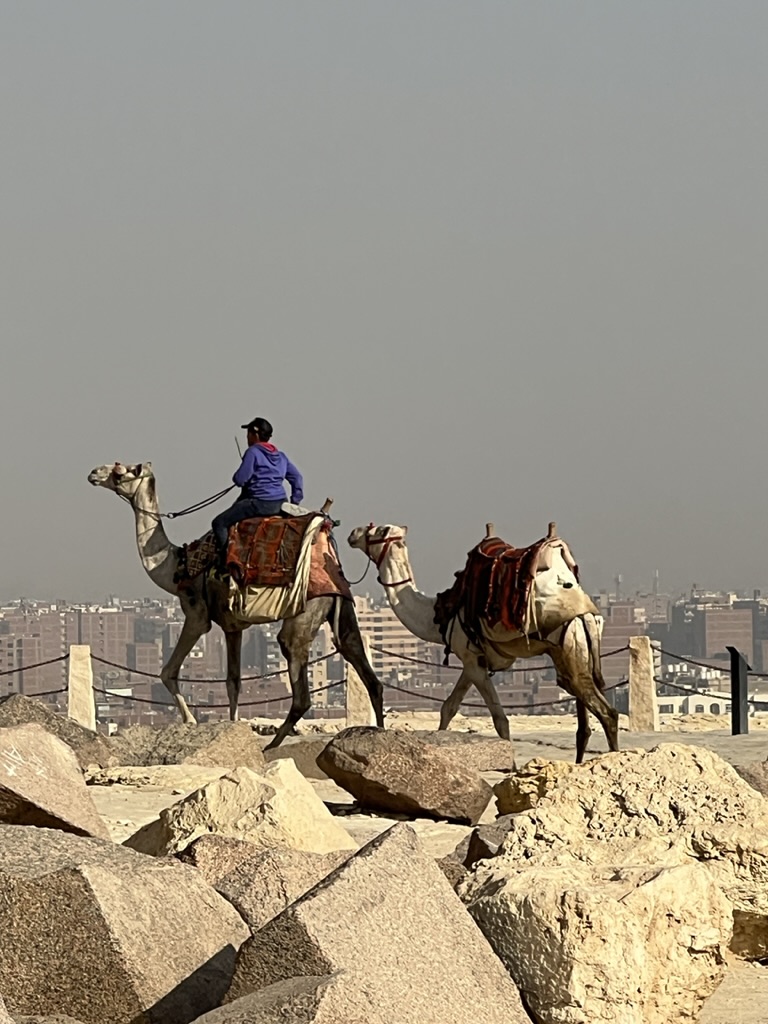
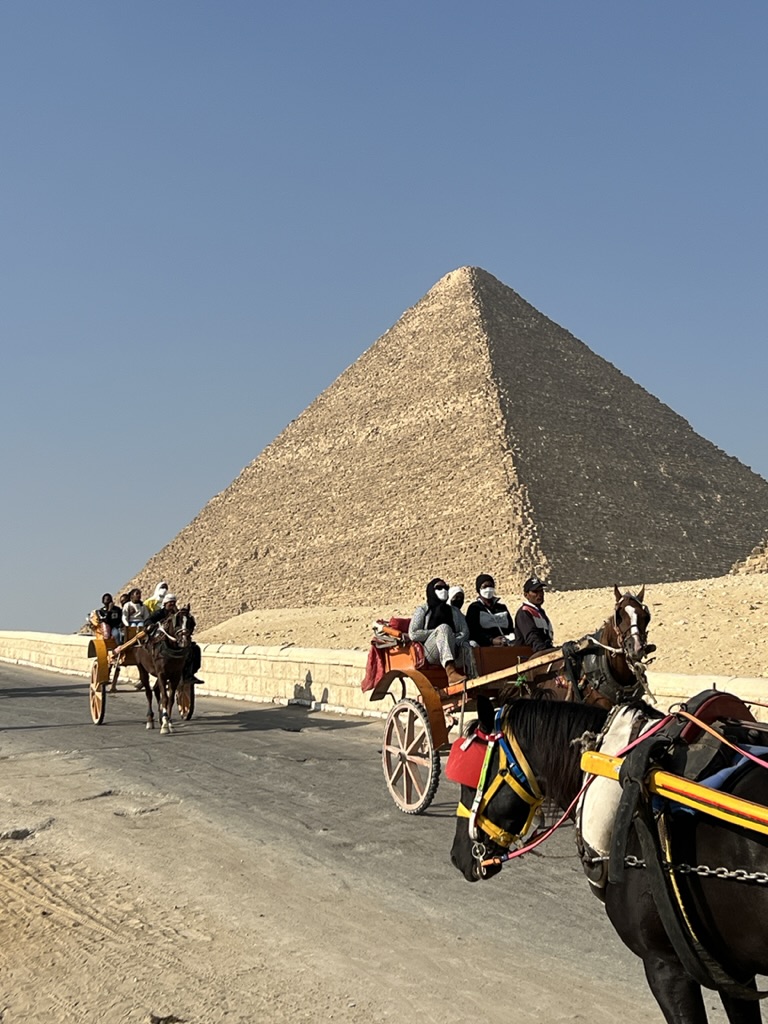
Back to driving: We’ve seen near-impossible driving and walking conditions in India, Thailand, and parts of Latin America… but maybe this one is the most severe. (Or perhaps I say this each time we are traveling!) Anyway, we made it alive to the Pyramids. And then it was even more chaotic—just getting tickets and figuring out where one goes. We were determined not to have a guide, so we needed to navigate this alone. We were practically surrounded by wannabe guides (most of whom had all sorts of credentials around their necks) and by men who wanted to get our tickets for us, for a fee or ‘small tip’ and others telling us what we needed to do and not do. One said, “You cannot go in as a pedestrian; you must use either the “buggy” (horse driven) or a camel.” Naturally we shirked them all off and waited ‘on line ‘ by ourselves to purchase tickets. Well, there really wasn’t any “line”– more like just elbowing your way to the ticket guy, alongside those guys who purchase tickets for a fee.. They are purchasing dozens of tickets at a time. But hey, we are New Yorkers at heart, and we can do this. We got the tickets in just a few minutes. Then you have to figure out where the entrance is. Signage doesn’t exist here! But it was all good fun, although Mike was getting increasingly annoyed at all these guys (and it is just men) who would not let up—trying to get us into a horse drawn carriage. But we persevered and managed to escape guys who take your picture with the pyramids as a backdrop, the camel rides, the horse-drawn carriages, the ever-present “helpers” who “just want to do you a favor”, the guides, and more. By the way, after today, I could easily become a member of PETA (People for the Ethical Treatment of Animals – a group I always saw as fringe), given that those horses (and there are hundreds of them) are being worked to the bones and they don’t appear to have any water areas for them; the camels are scrawny and definitely overworked.
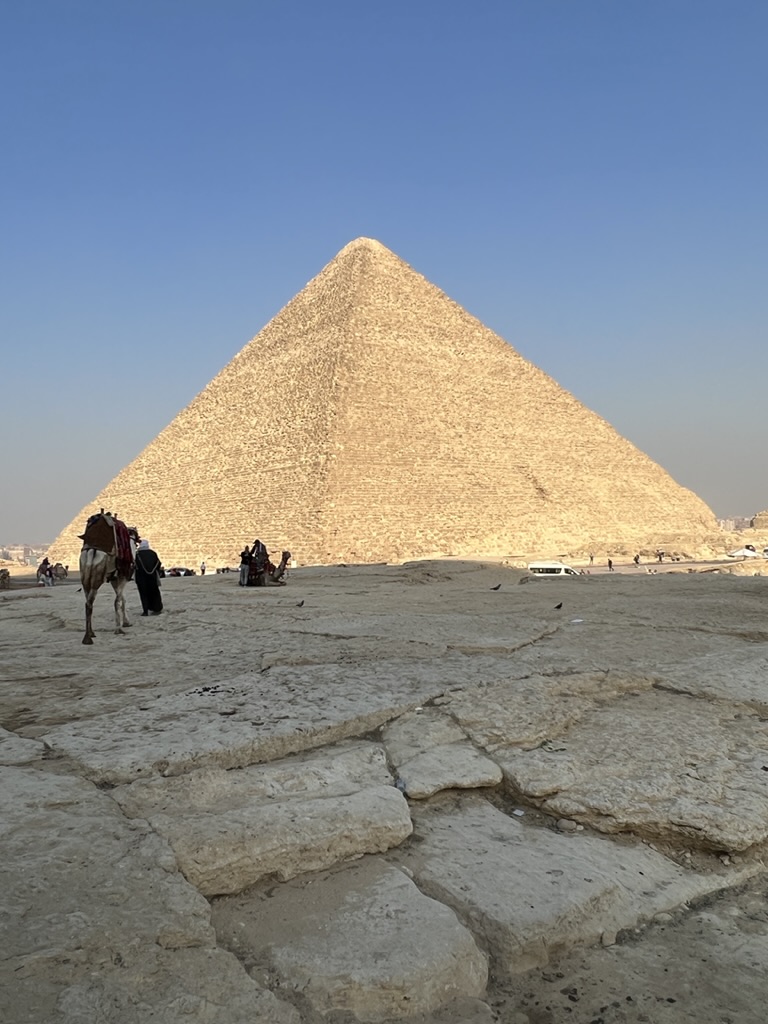
Must say seeing the pyramids was a bit underwhelming—except for the scale and the recognition of the age and what it took to build them. And that was sad, given all the years of art history I endured in college. The site is in pretty bad shape with lots of rubble to climb over and around. Lots of tourists—mostly taking bizarre photos (or having them taken by the “helpers”) where they hold their arms out so that the photo looks as if they are “holding” the pyramid and other such tricks. All the limestone that initially “covered” the pyramids has been removed, and it is apparent that the stone is eroding, which is unfortunate. Without any sort of “path” system or signage, everyone just meanders which made me think that we were all walking on top of some fairly sacred ground and significant architectural areas—and we don’t know what impact that is having. So in some ways, that too, adds to the loss of the sacredness of the place.
I gather the effort to go inside the pyramids and see the interior spaces is a great experience according to many. After reading up on what that experience is like we opted not to do that. I’m a bit claustrophobic and there are a lot of very narrow spaces you need to get through; you also have to crawl through some areas and given Mike’s knees I think that would have been challenging. But more than that, I think we were really turned off by how little has been done to make the experience worthwhile. No brochure when you get your tickets, the only maps are what you might have in your own guidebook, if you have a guidebook; no logical way to move between the sites – you just sort of walk around (and even in December it’s hot in the sun. So, we hiked up to the base of the largest pyramid and walked about half-way around it, and then went to see the sphynx. We also saw a few of the smaller pyramids. And then we hiked down, trying to figure out how to avoid the guys at the entry/exit who were likely to tell us that “they had to find us a taxi.” All of that happened, but we managed to find our own taxi and made a quick decision to head to one of the very well-advertised fancy hotels to get a snack of some sort. We decided on the Marriott Mena House, which as I recalled from the research we had done in selecting a hotel, seemed less obnoxious and less ostentatious as many of the others. So off we went with a very sweet taxi driver who knew no English and who had never been to the Mena House. Because of this two-, three-, or maybe four-tiered taxi system, the “street taxis” (as some call them) cater mostly to locals (and us). Thus, those drivers know the part of the city where real Egyptians live, not the areas tourists frequent. And these “street taxis” don’t have GPS and the drivers don’t have GPS on their phones.
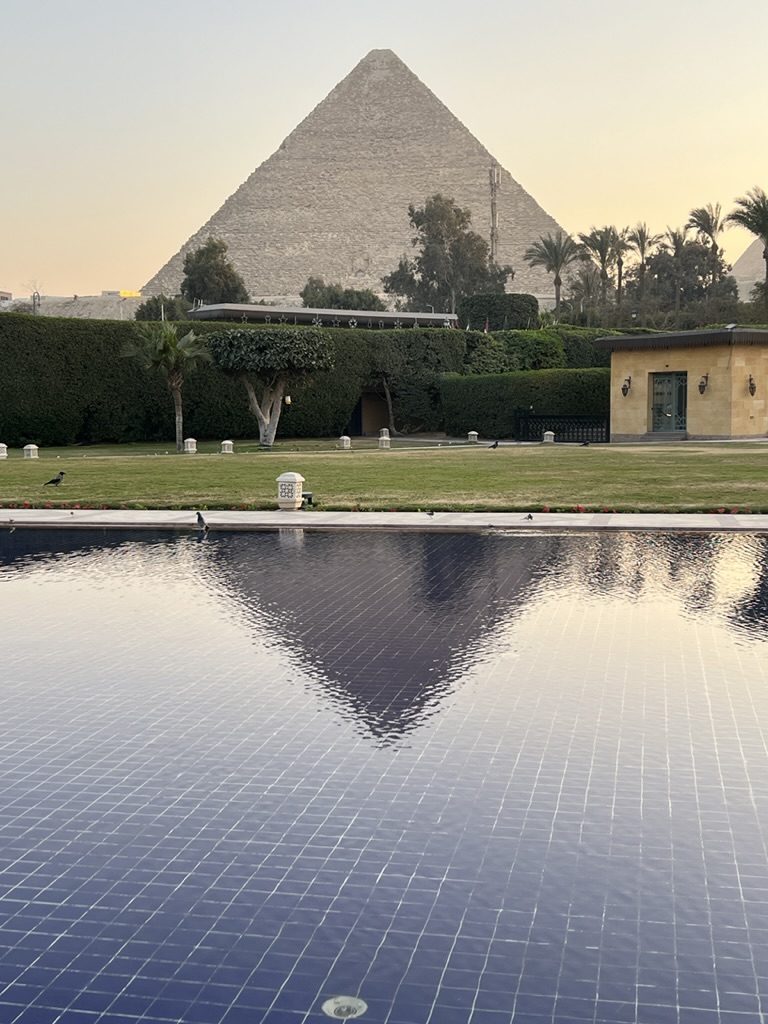
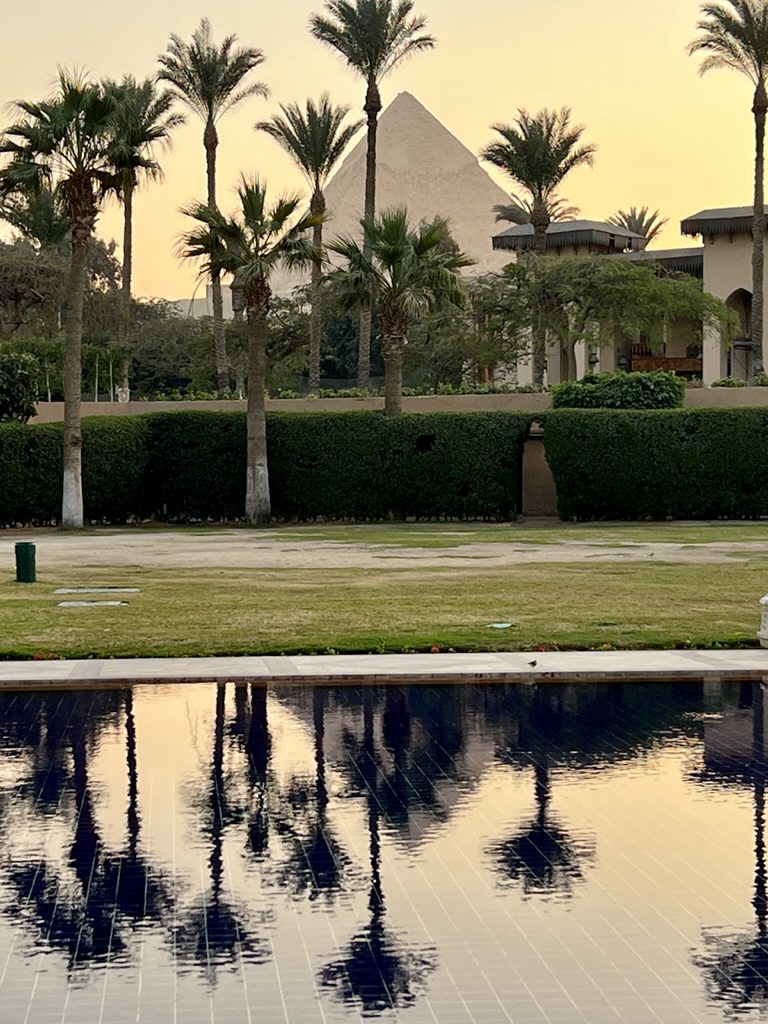
He got us to Mena House, but there were several missed turns, and it took longer to get there than it should. Once we arrived, the driver had to navigate many barriers set up to stop unofficial and unwelcome cars and vehicles (like ours). (We had a similar situation in Bangkok many years ago when we got very attached to hailing “tuk-tuks” as our desired mode of transportation; the drivers would always drop us off about a block from our hotel because tuk-tuks were considered too low class to come to the hotel.) Anyway, after the maze of barricades and the sniffing dog at the Mena House, the driver was directed to let us out of the taxi, and he drove off. We then had to go through two metal detectors as we “entered the grounds” and as we went to the reception area to ask which restaurant might be open. Once we headed to the restaurant, we faced yet another metal detector (although this guy just waved us through). We are white and professional (although might not have looked so great after walking about 4 miles in and out of the pyramid area in the dusty sand), so I’m not sure what others might face. We had a late lunch near a reflecting pool at Mena House and I’d rate it 2.5 out of 5, but the outdoor space was comfortable, and we had great views of the very pyramids we had just seen up close. The photo in this email where the pyramid is reflecting in a pool with palm trees is one of those views—it eliminates all the ground chaos at the pyramid, no camels to be seen, no hawkers, no horse-drawn buggies! Just the splendor of the pyramid form which you can watch while having a martini. Oh, the music playing in the background at Mena House while we ate Perry Como (as compared to the Egyptian Pop we hear at our place.!) So, now we were really happy we were not staying in any of these Giza hotel locations and were grateful for our little and very authentic Riad.
The Marriott was definitely first world. (Guests were mostly Americans but also Middle Easterners (or so it seemed to us).
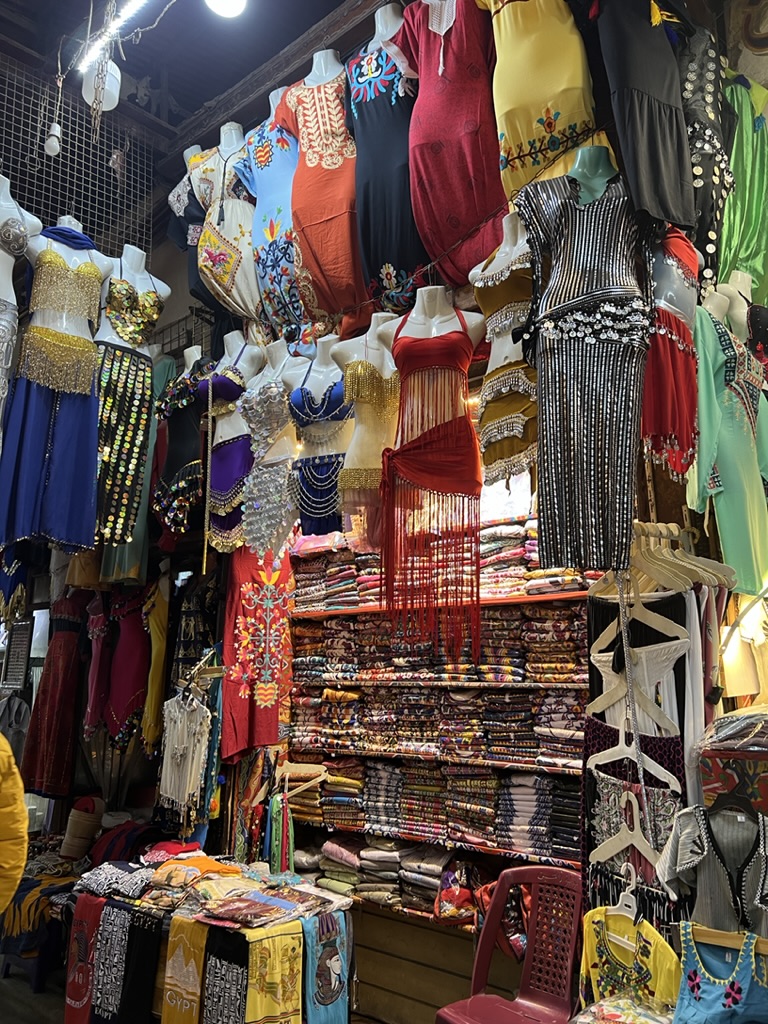
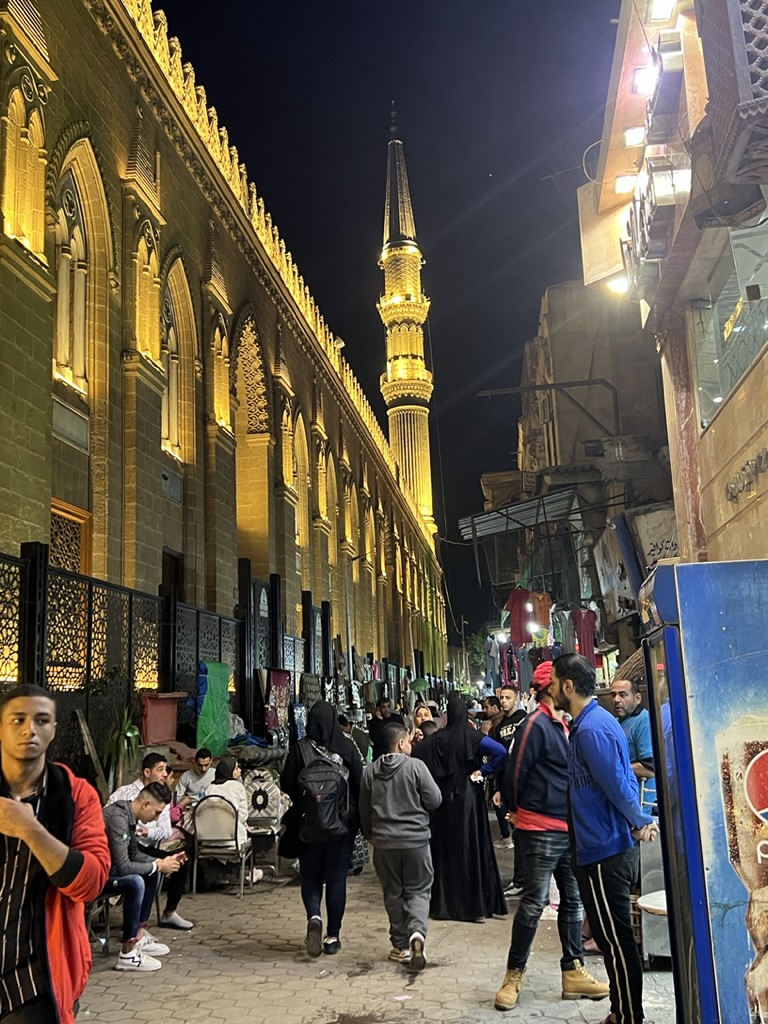
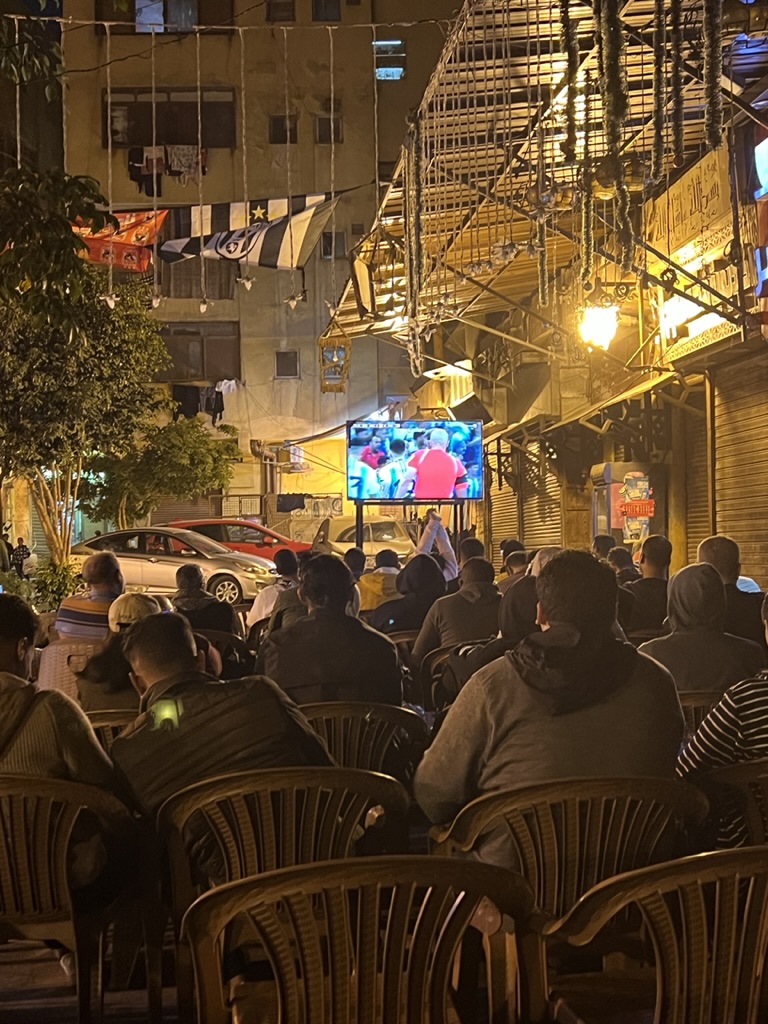
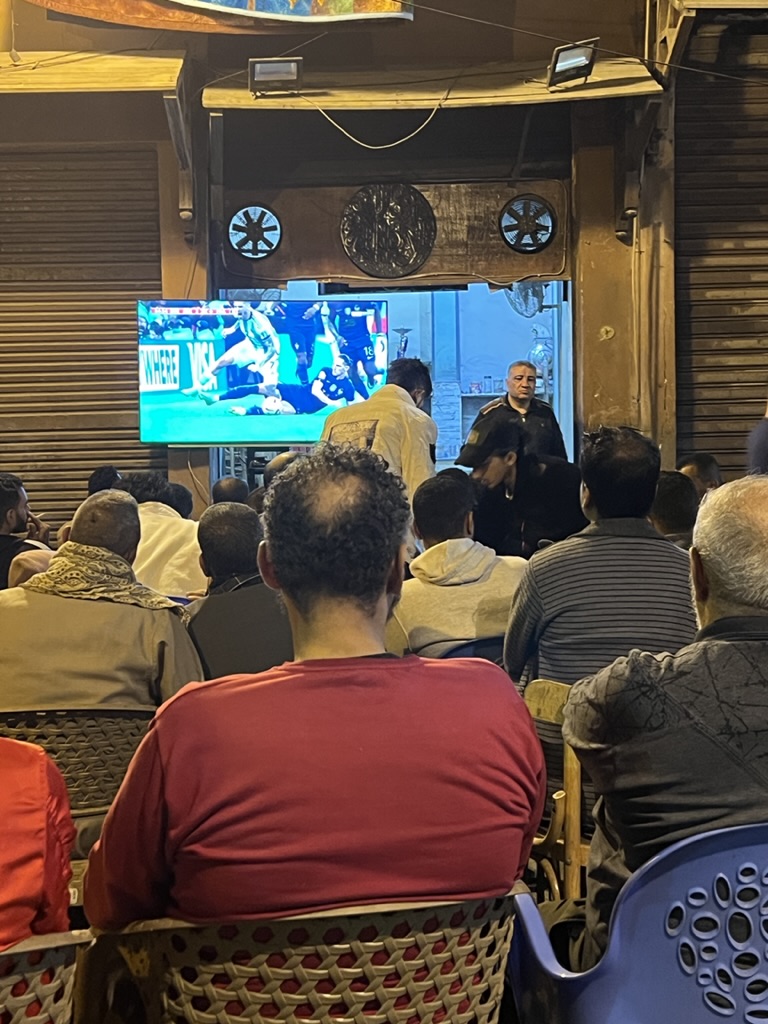

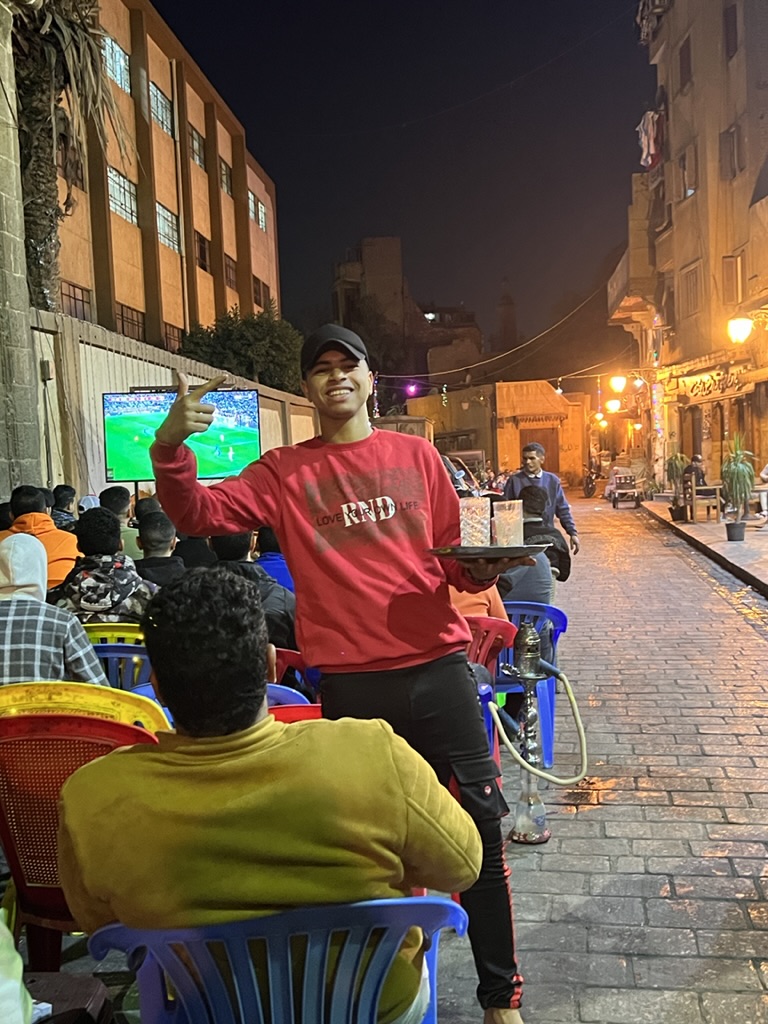
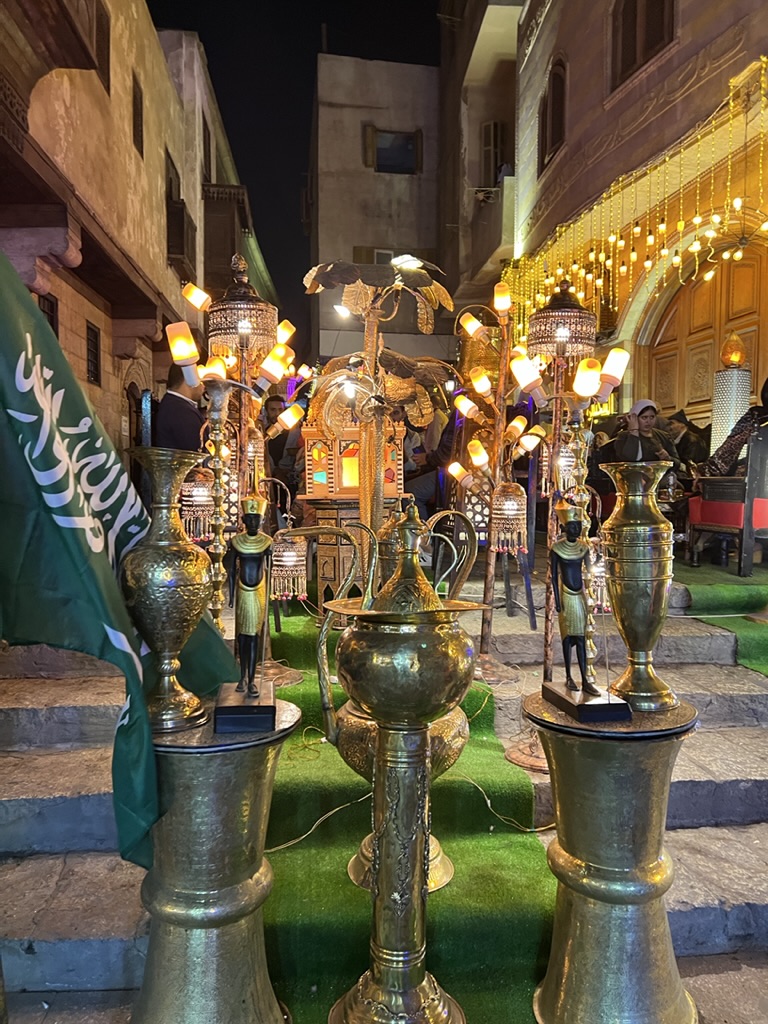
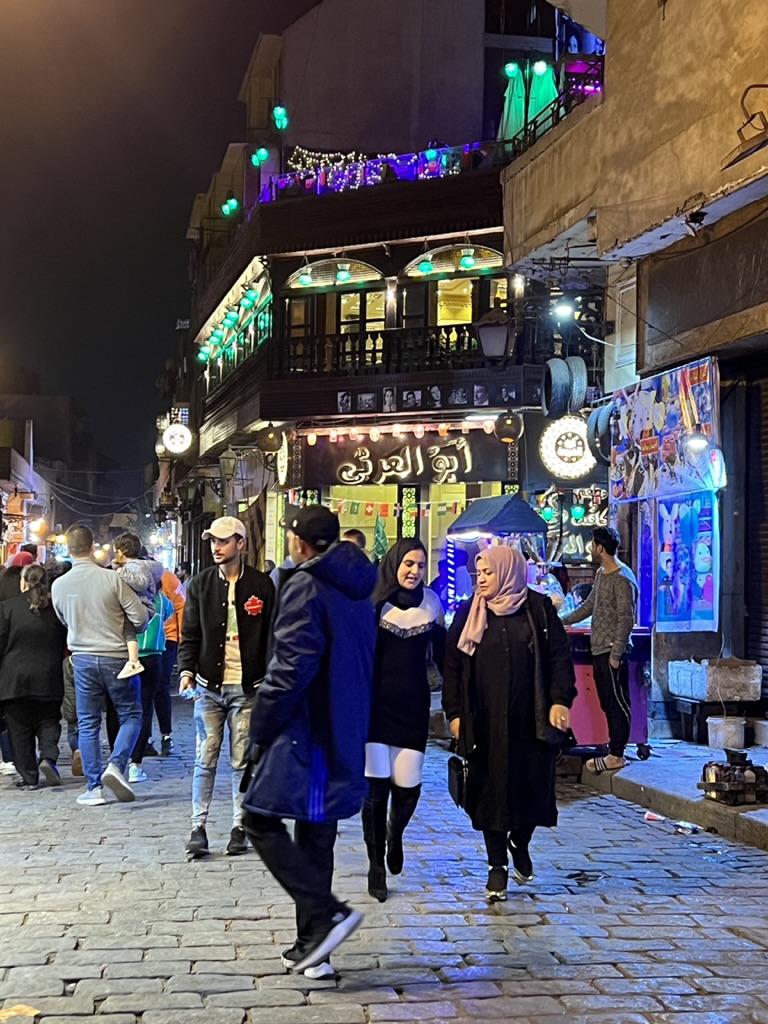
Then the fun started as we left the restaurant and asked about a taxi. The concierge said we could call for an Uber—again with the Uber! We declined and asked for them to get us a taxi. He responded by telling us he could call a limousine for us! We again said a taxi/a city taxi would be ideal. He told us to leave the grounds of the hotel (which by the way is probably one of the original hotels in the area, so it’s a bit aged, and is not all that good of a hotel) and walk onto the public areas where we will find many of these city taxis. The ultimate insult—we were not good enough for a Marriott… perhaps it would be a struggle if it was the Ritz Carlton, but a Marriott? And a total rebuke of their own taxi system. But how would we find a taxi ? By the time we were close to the gates of the Marriott, a guy stopped us and asked where we were headed; he was driving some really big SUV. We explained where we were headed, and he stopped another car that was leaving the Marriott. I think it was a worker from the hotel. He asked if he’d be interested in earning a little extra money; he was not a taxi driver. He graciously drove us to our neighborhood; we paid him what we paid the taxi driver. He couldn’t get into the old city, so we walked through the extremely large market with thousands of stalls and made it back to the hotel. It was especially fun to walk through the market tonight as there were clusters of chairs throughout the market facing television sets so that everyone (actually only men) watched the World Cup. No beer, since the whole Gamaleyan area bans alcohol. But the fans were just as enthusiastic without the buzz.
By then it was about 6:30 and we were totally beat. We opted to eat at our hotel on the roof—we were the only guests; everyone was watching the World Cup and we, too, followed on our phones. When Argentina won, there was a huge cheer from the streets below which continued for hours.
That’s it for me.. Sorry for the length. By the way, it’s now after midnight and the music in the street is still at a pretty high volume (such that we hear it in our 4th floor room) and the streets are still lively. Tomorrow we will visit a few other neighborhoods. We are here for three more full days and then we’ll take a train to Alexandria for the day.
All the best –
Fern
2. Cairo, Egypt. December 17 2022
‘ahlan (أهلا) – or Helo — Apologies for the length. As always, feel free to delete.
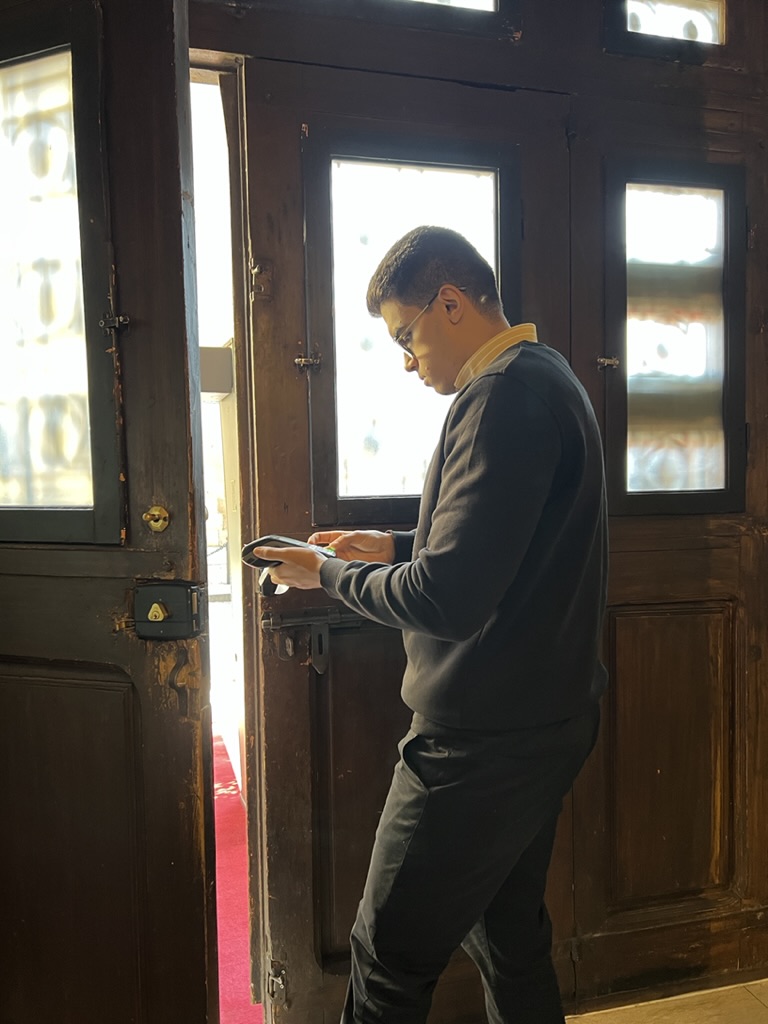
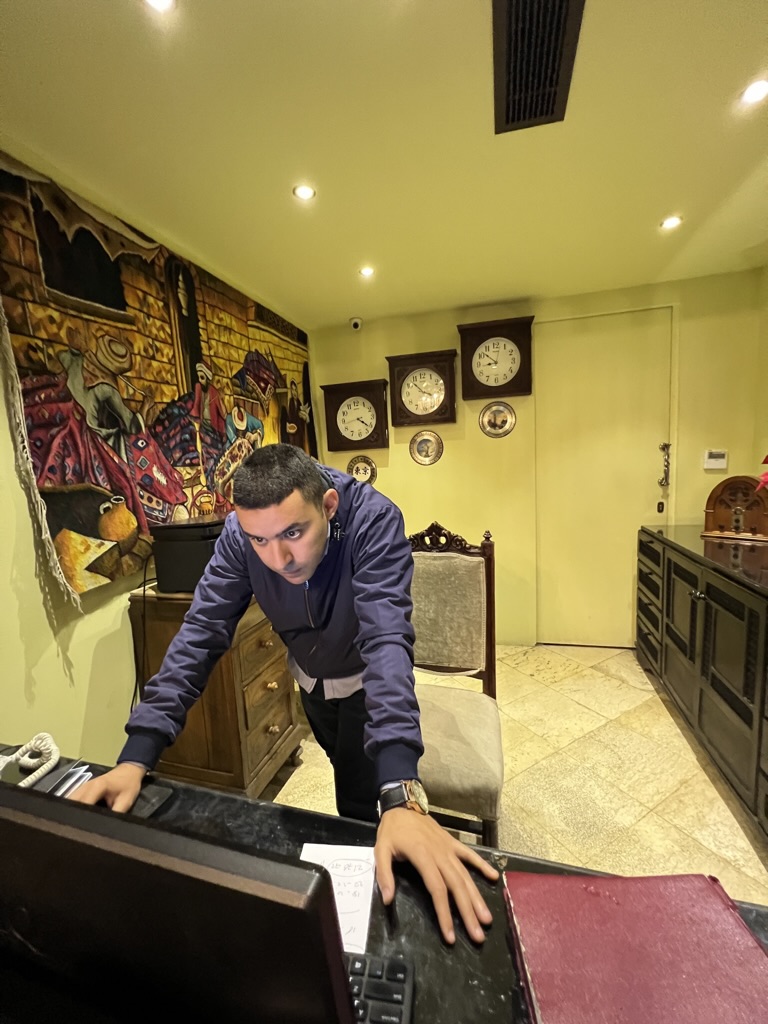
Note photo of front desk guy at hotel, trying to get a signal for the credit card payment machine —by holding the entry door open.
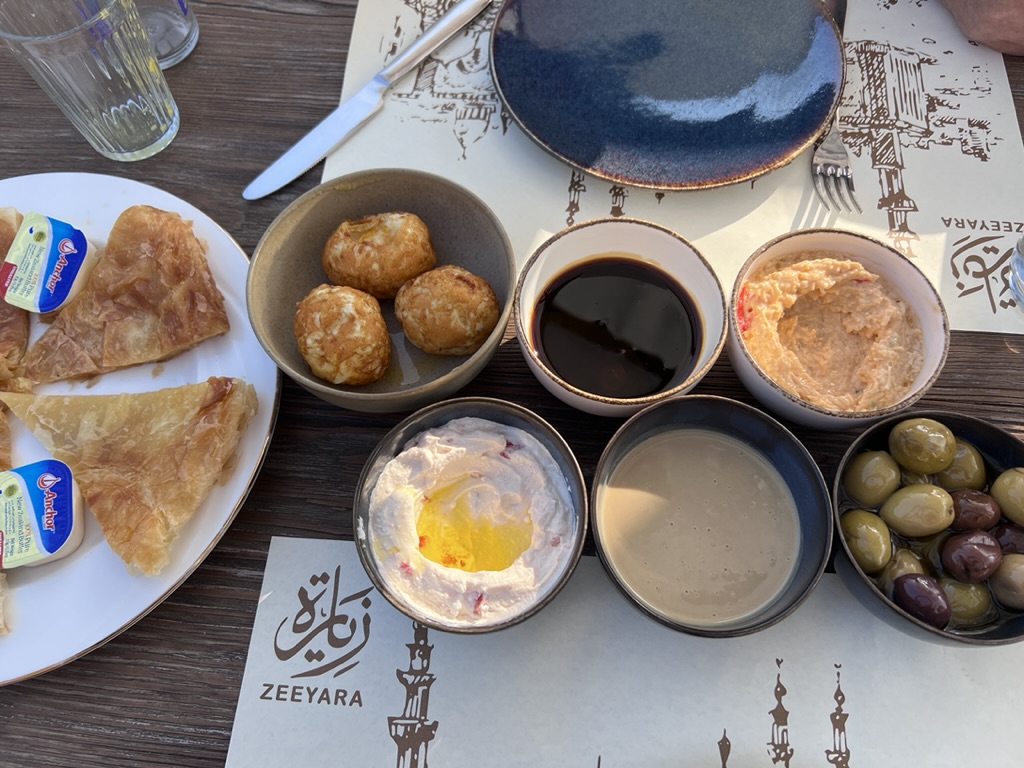
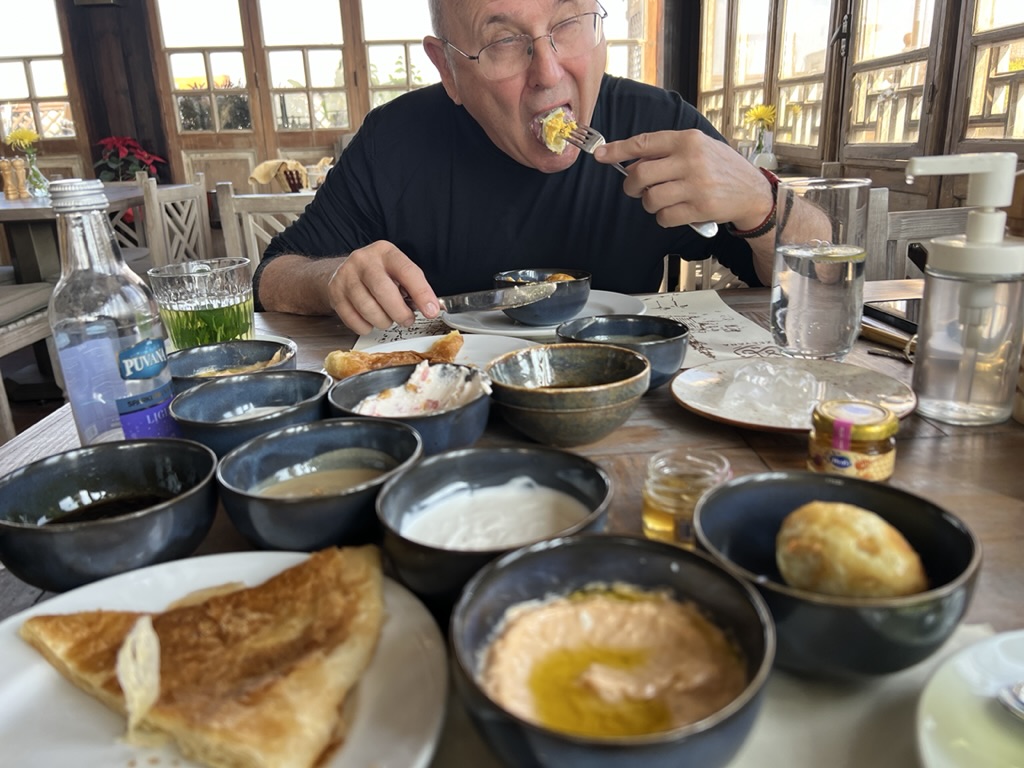
Began our first real day in Cairo with breakfast on the roof of our hotel (apparently, we booked for two days of breakfasts here at the hotel (?), and no breakfasts for the remaining five days; there were three choices: continental (boring); Egyptian country breakfast; and Egyptian breakfast. We both opted for the country breakfast which our waiter (with minimal English) recommended with a big smile. It consisted of about 5 different “spreads:” labneh, a sweet cheese mixed with cranberries (very yummy), hummus (naturally), a sweet sour cream, molasses, and tahini. Along with this came several flaky flat pastry “breads” (to die for) for the spreads, two semi-hard-boiled eggs that must have been deep fried for a quick second and dipped into bread crumbs before the dipping—very tasty. And of course, fresh mint tea—just fresh mint leaves and boiling water.
The restaurant was packed, but we were the only foreigners. There was one large table occupied by women; no men. Mike suspects it’s a women’s group making plans to change social norms. If so, they’ve got a long way to go! One funny thing about the table of Muslim women was that they were all talking at once and in heated discussions with what looked like multiple conversations at the same time. I could close my eyes and absent the hijabs it could be my family or any Jewish family dinner (at least those who grew up in working class Brooklyn).
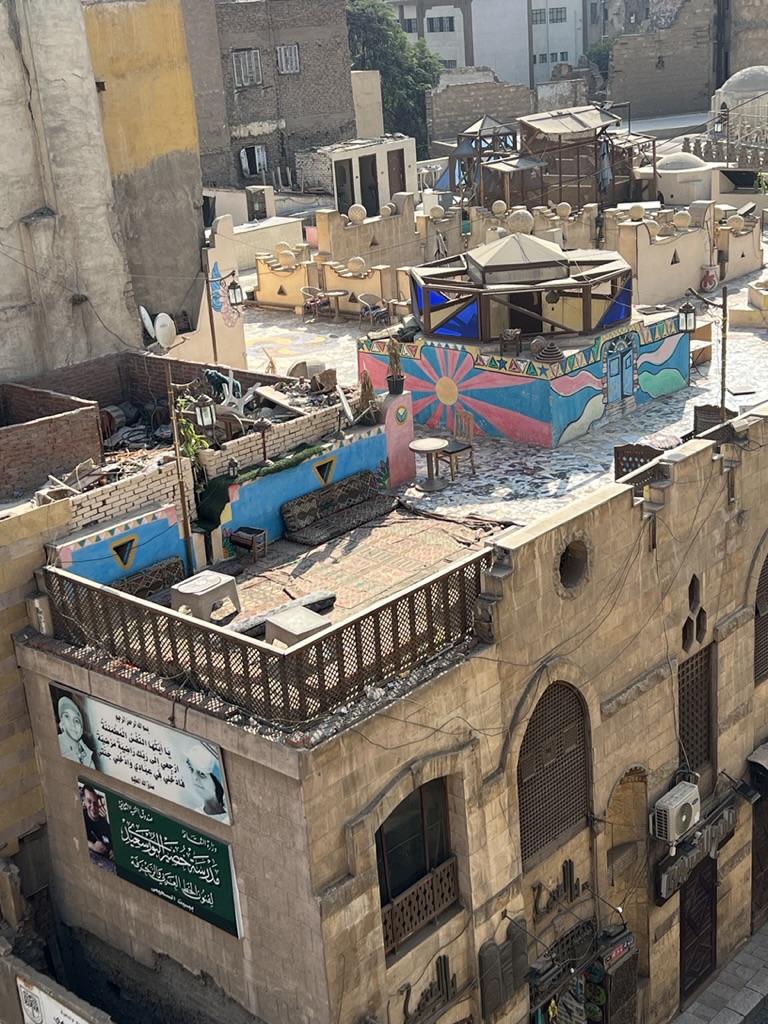
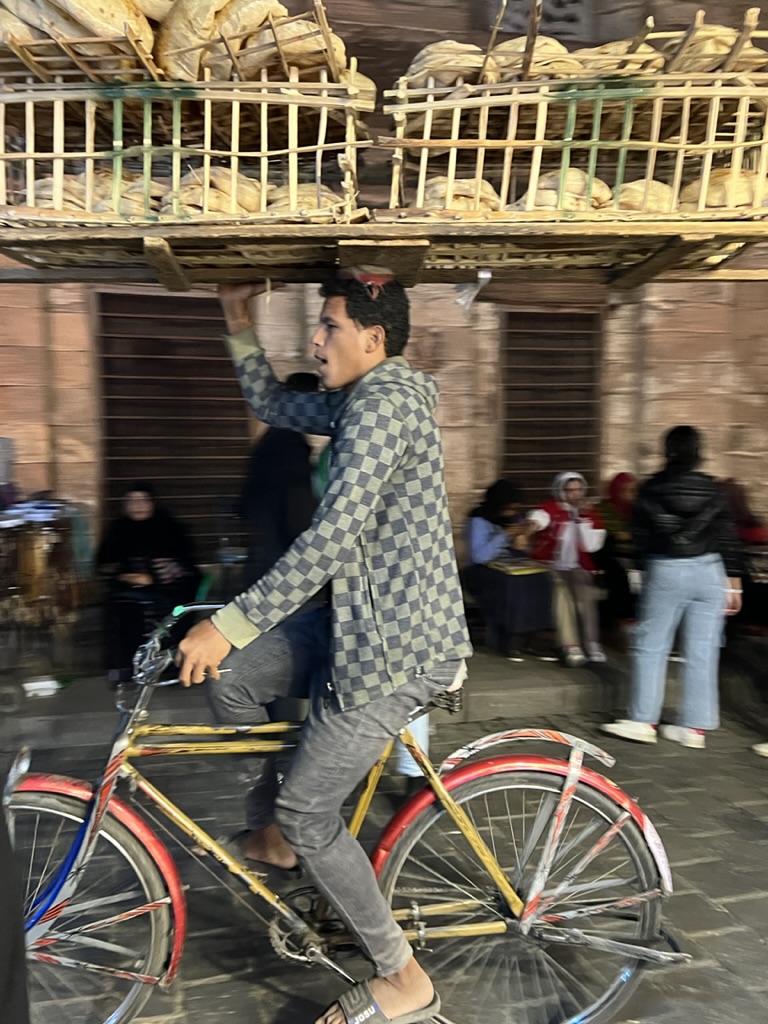
Then we began our day-long journey. We walked through scores of the tiny streets and alleys of our “neighborhood” –- some barely passable— with pedestrians, motorcycles, cars, delivery vehicles, etc. Much of the goods is delivered by young guys on bicycles carrying every imaginable product on their heads (not unlike what we’ve seen in many parts of Southeast Asia).
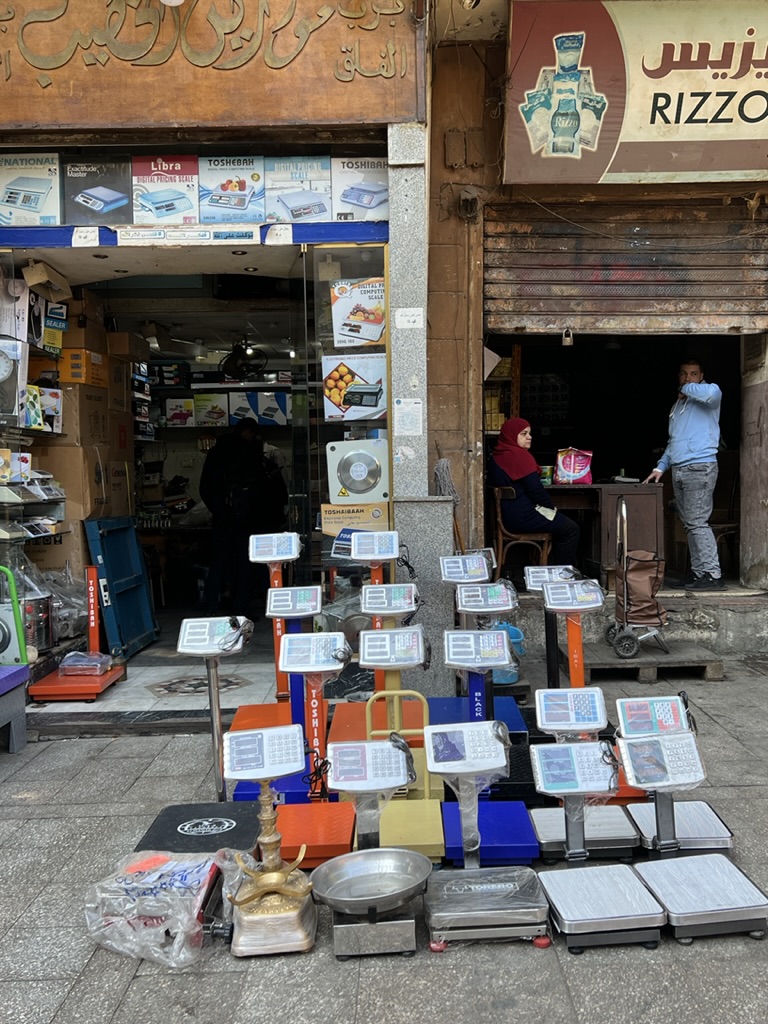
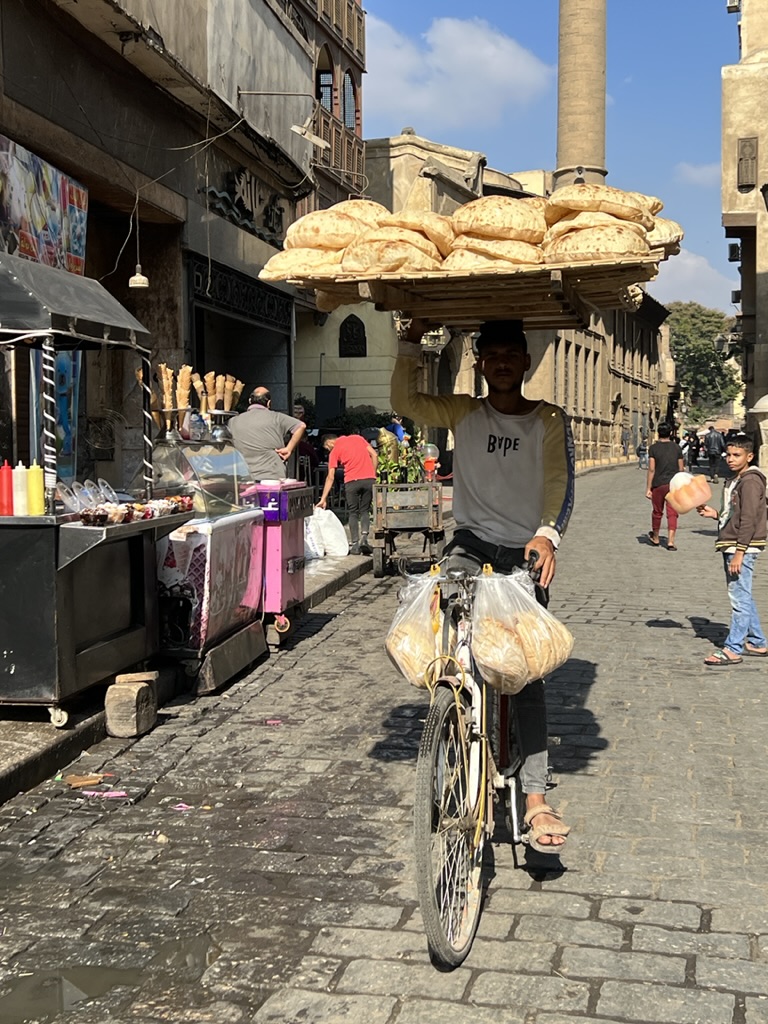
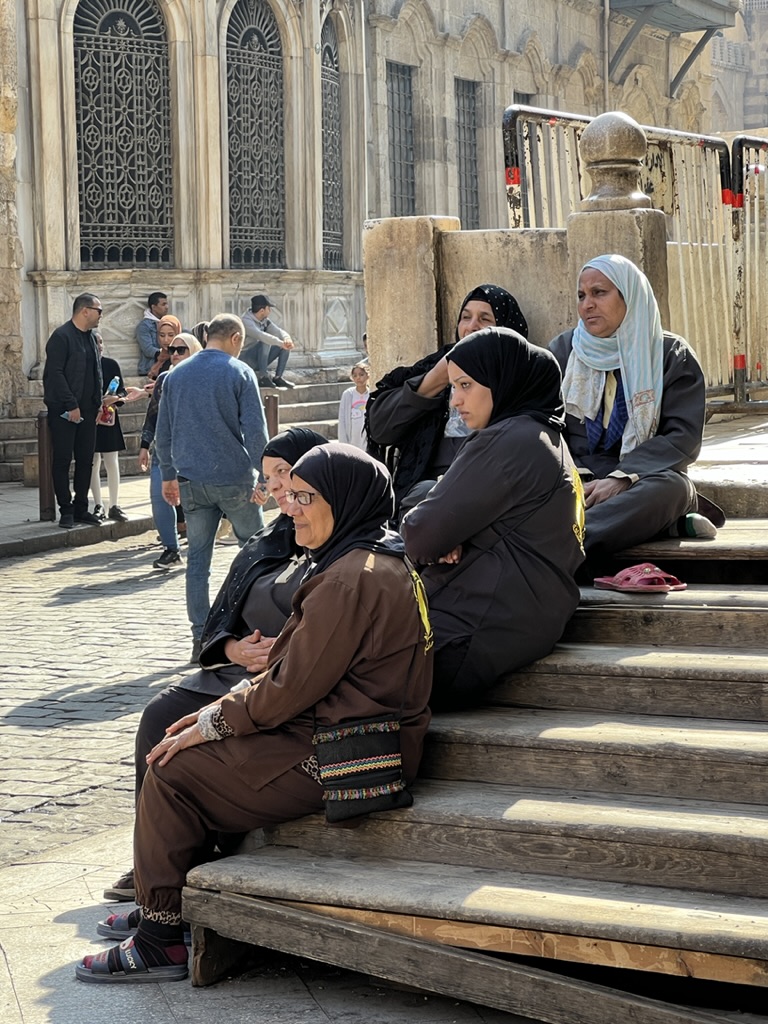
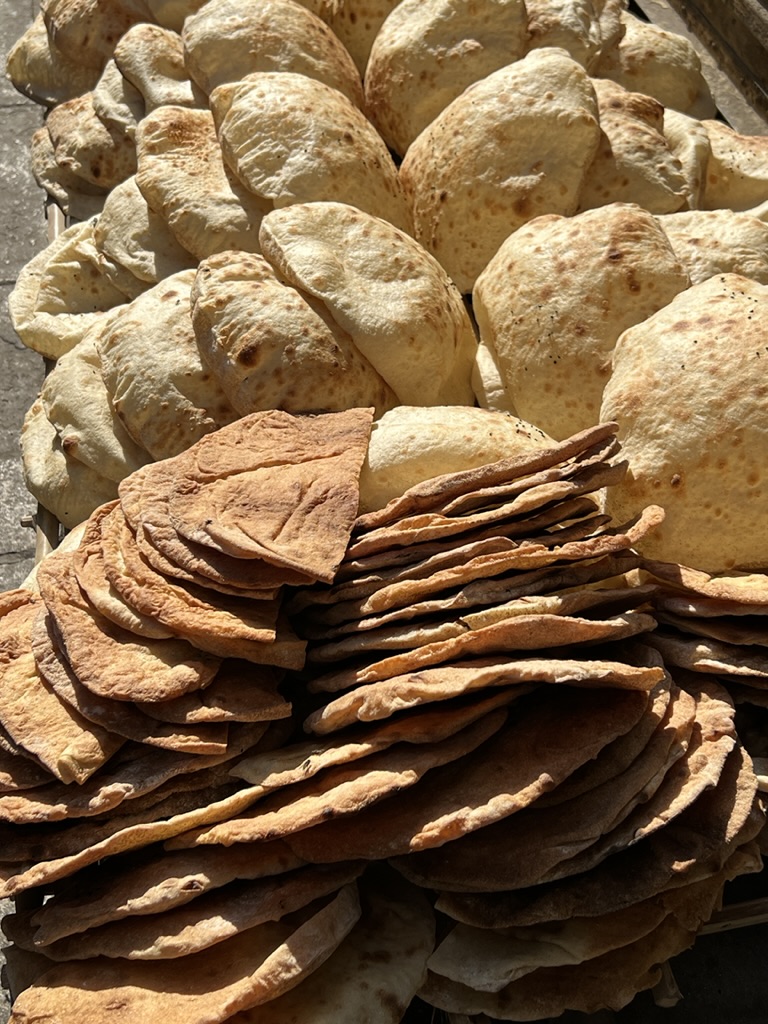

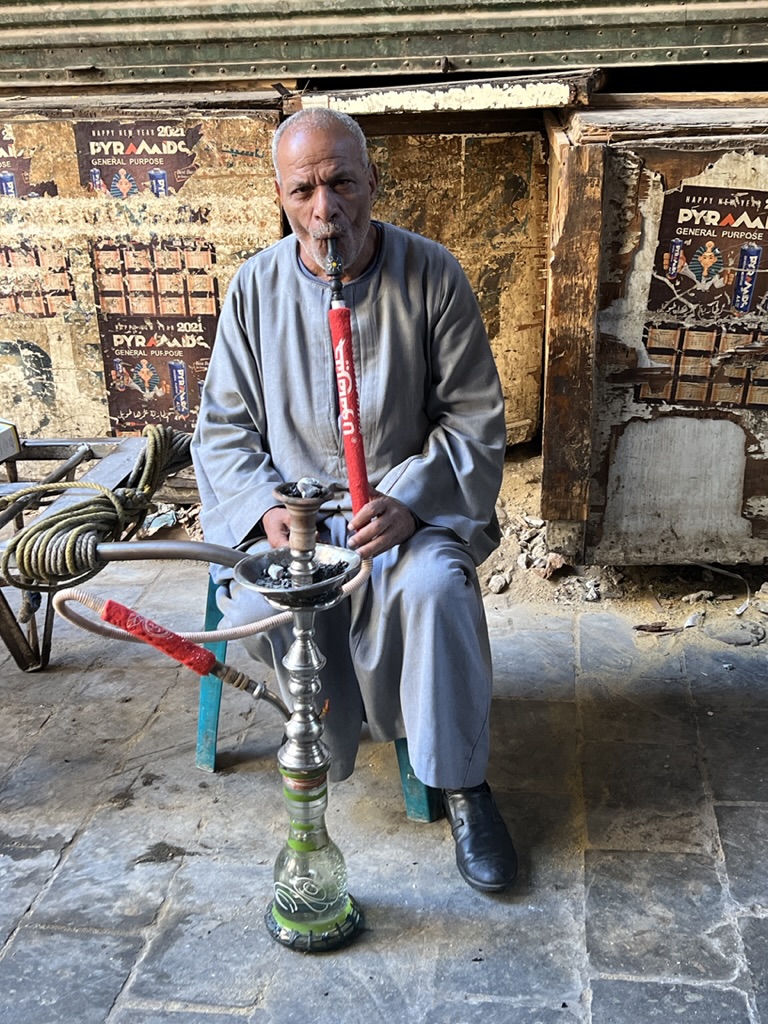

Aside from the amazing smells and visuals, wherever you stroll (and stroll we did to the tune of nearly 13,000 steps today – too bad we’re eating such rich foods I don’t think the walking is having any impact), the real sensual stimulation are the sounds which go well into the wee hours of the night. I think the music in the streets ended at about 2:30 am… just in time to prepare for the call to prayer from the mosques which starts at about 5 a.m.! More than that, some kind of Egyptian pop music is constantly blaring from the little shops and pushcart-style shopping places that line the street. Everyone, and I mean everyone—from kids to parents, to shopkeepers, to school kids, to passersby are on cell phones—women in burkas to teenagers wearing rip-off American jeans and tee-shirts—everyone is on their phone—talking (loudly), or texting, or maybe playing Wordle (in Arabic?). And when they are not on their phones, they are yelling across the way to a shopkeeper in another “store.” Some of the shops are barely 80 square feet. So, the sounds are mesmerizing… and then there is the shuffling of feet that are in slipper style shoes, and the engines of the cars and motorcycles. And people singing in the street!
Walking along those little shops that line the streets and merge into the Khan Khalili souk and Bazaar and the shops that stay open til around midnight, was also a bit of a comparison to my youth where my grandfather had a tiny men’s clothing store in Brooklyn. He loathed the fact that night-time television took customers away and he had to start closing up at around 8 pm, and in later years even earlier.
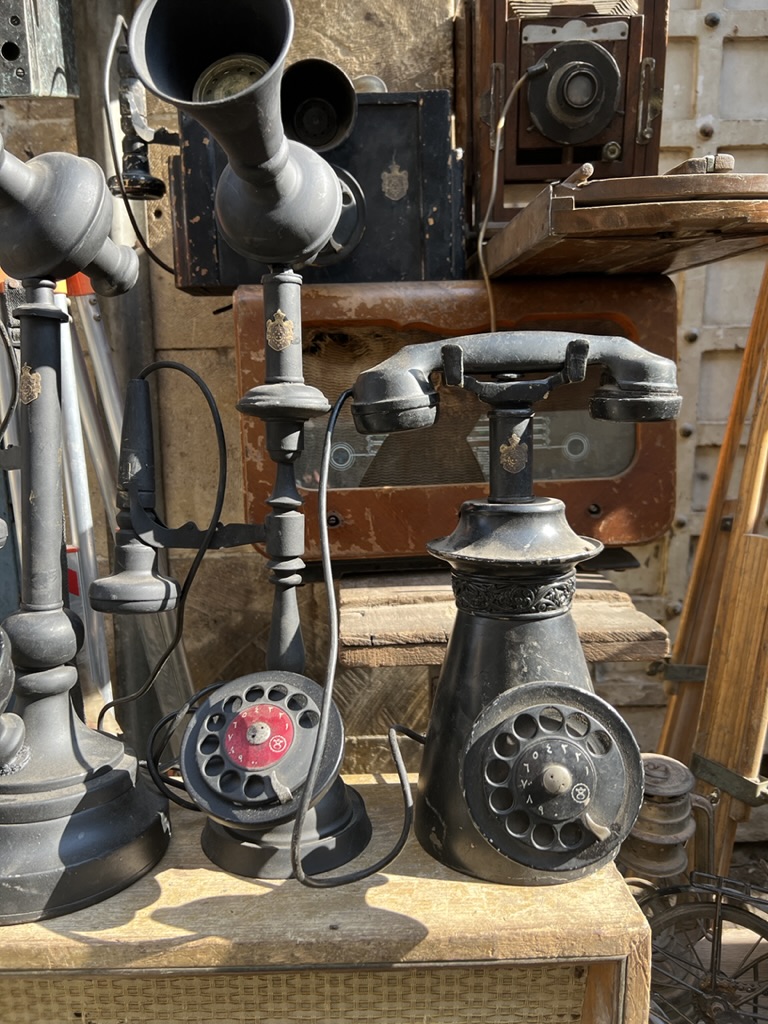
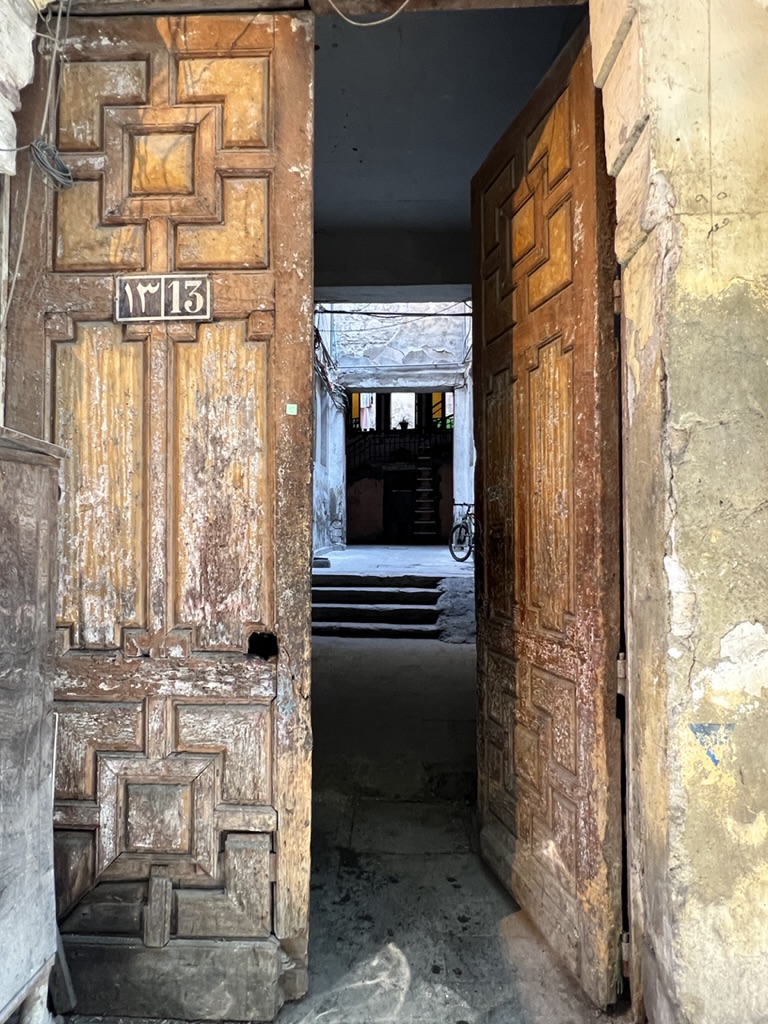

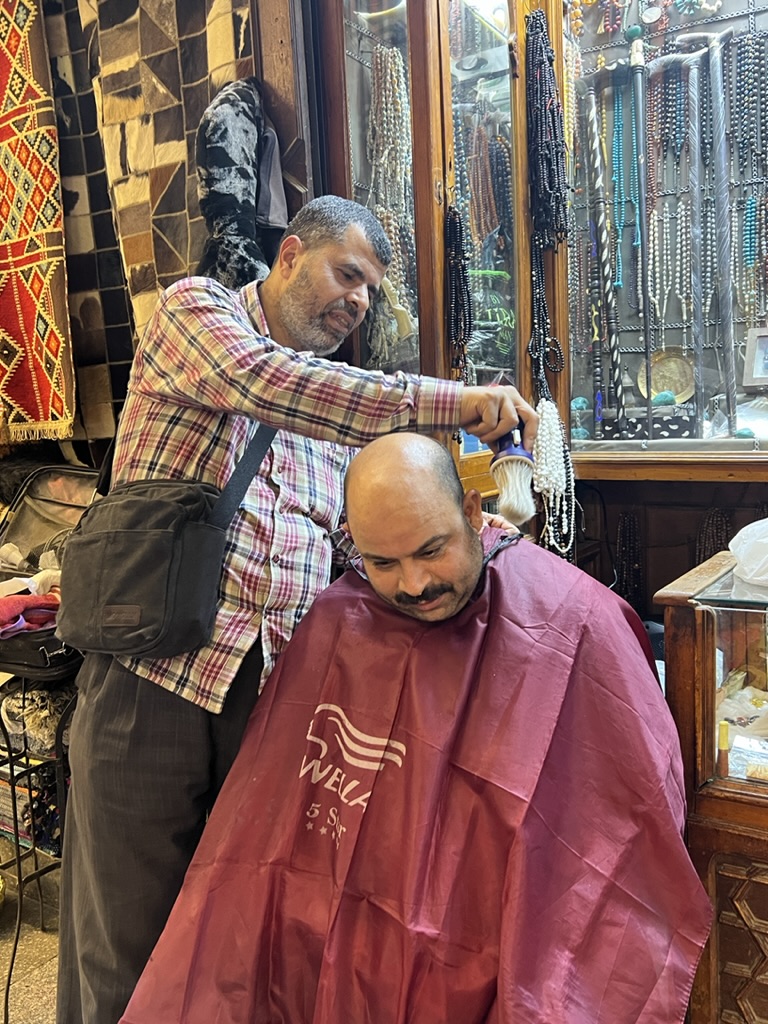
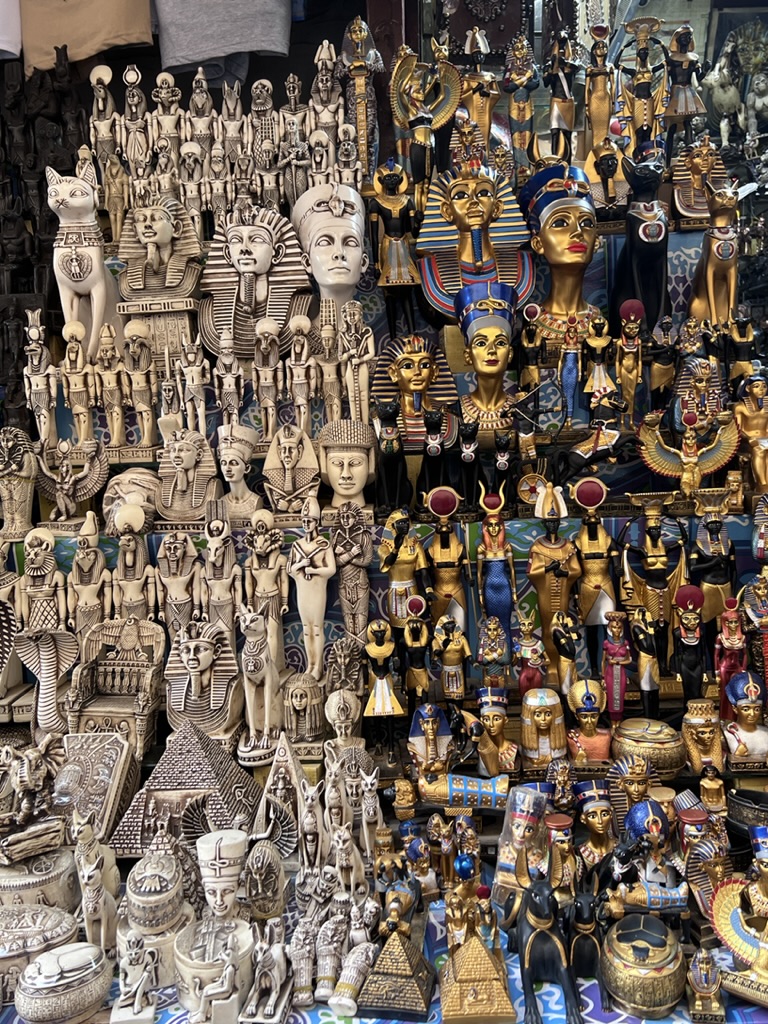
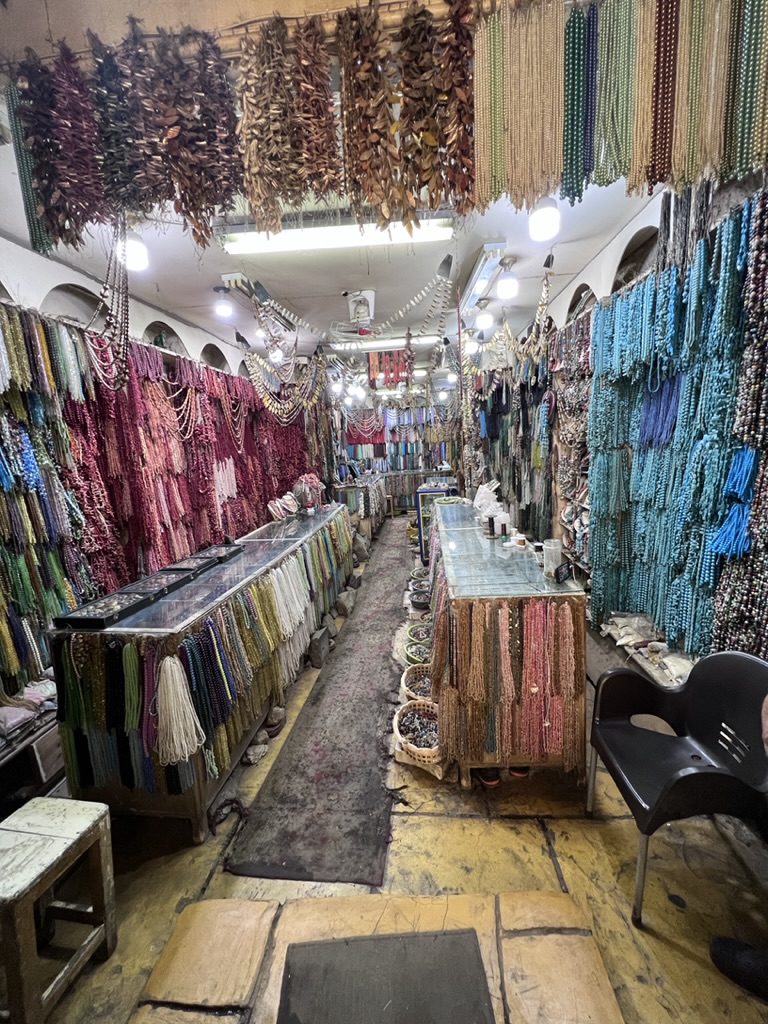
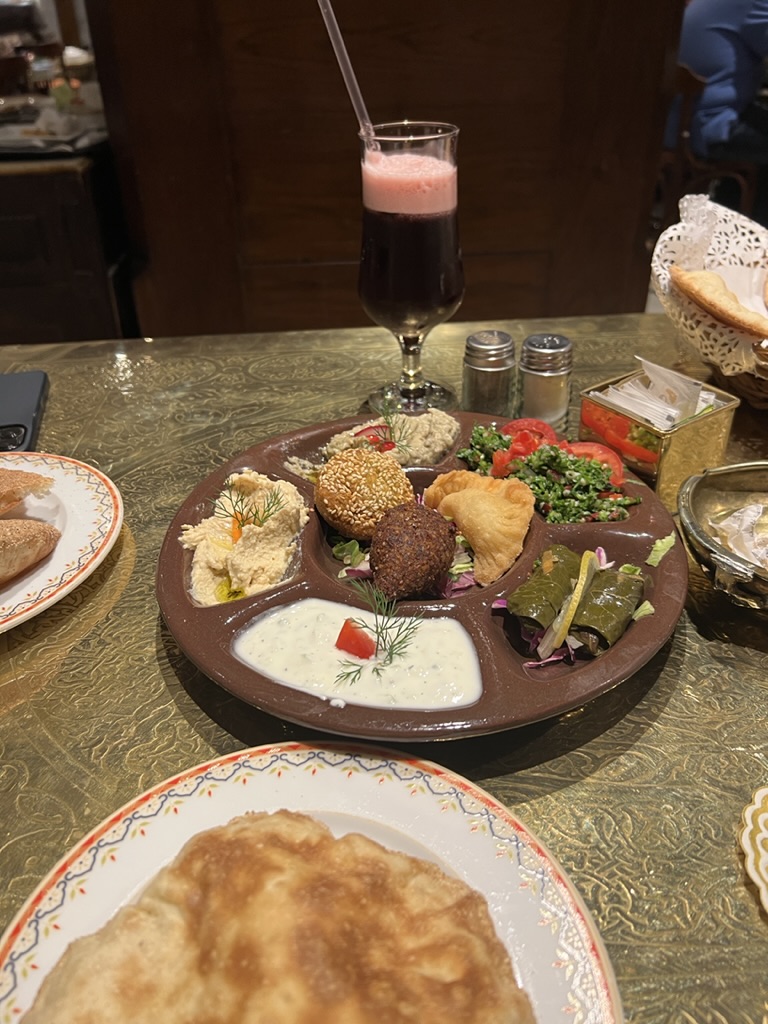
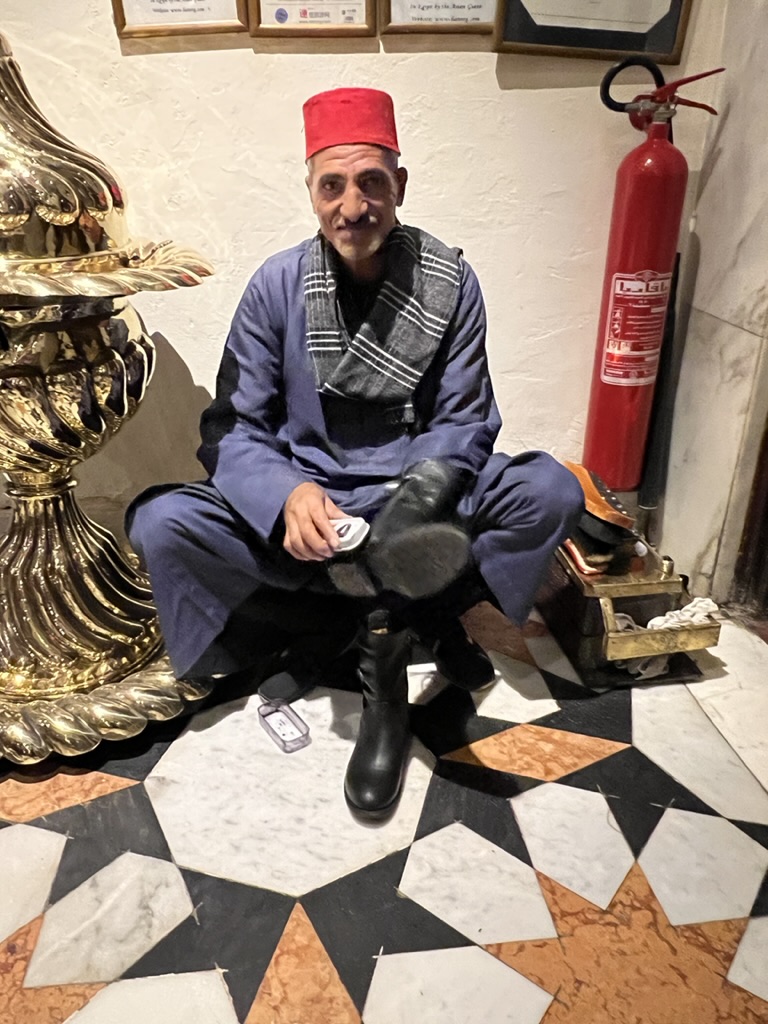
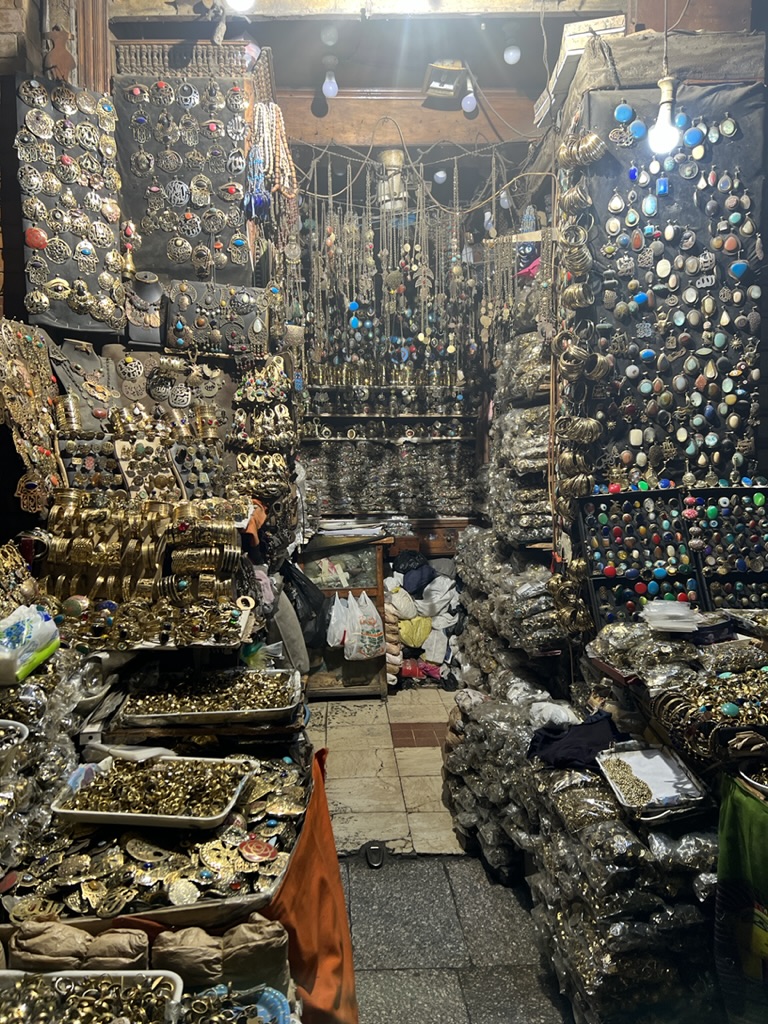
This Khan Kalili market has been the center of trade in Cairo since the 13th Century. It was originally just one building but now refers to the whole area of streets and the maze within the bazaar. They say it is the oldest open-air market in the Middle East. After zigzagging throughout the area, we wound up at Naquib Mahfouz Café which is located near one of the gates to the bazaar. It was recommended by the young receptionist at the hotel. It’s a Moorish building with all sorts of nooks and crannies. We were still full from breakfast so we opted for just the mezze platter to share—more than enough and actually quite good. Oh – one funny thing. Sitting in a little corner of the restaurant, cross-legged on the floor, was a guy shining shoes. No sooner did we sit down at our table, when he sprung into action trying to get to shine my shoes. As I glanced around, I was probably the only one not wearing sneakers, so I was an obvious hit. He told me it would cost (the equivalent of) $8; I agreed and he brought over a little rug for me to put my feet on, while he shined my shoes and while we ate. The cost was about the same as lunch. But I figure the guy needs the money and it was an easy way to “spread the wealth.” Seemed as if he left right after doing my shoes (boots), so maybe he earned his daily quota with that one sale. Funny thing about how there is no market for shoe shiners anymore, any where. Used to be an old guy at the Oakland Airport who had regular customers; he’s been long gone ever since everyone flying is wearing some kind of sneaker (or flip flops).
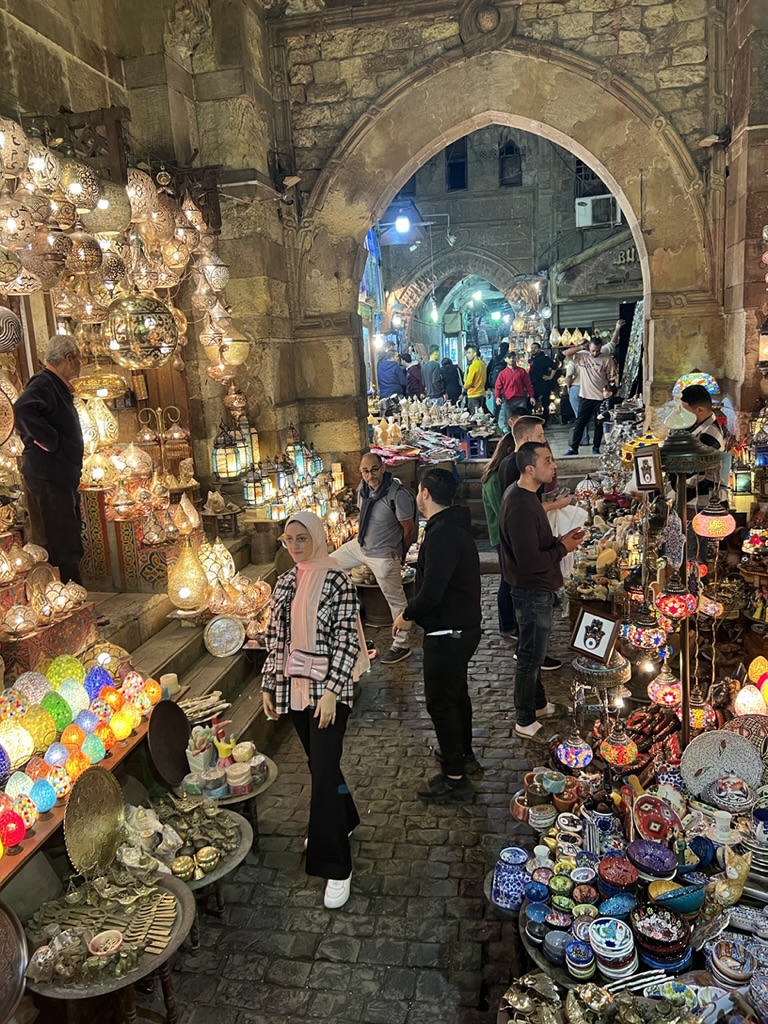
Then we walked more and put our lives in our hands as large tourist buses barreled down many of these very narrow streets with people eating in cafes lining each side of every street. The buses had less than 6” clearance and at one point I was sort of sandwiched between the moving bus and a barricade when someone came and moved the barricade a bit for me to have some breathing room. I guess some tourists “visit” the market from a bus window.
Later in the evening, we decided to venture to an upscale restaurant situated inside the Four Seasons Hotel located on the Nile. We walked to the outer gates of the Gamaliya (where our hotel is) to get a taxi to the Four Seasons. The desk clerk at the hotel said if we got to the gate, we’d find lots of taxis. (He was surprised we didn’t use Uber.) Tried to explain the politics, but then just figured we’d walk to the gate (about 15 minutes). We were prompted to leave the old city for dinner, despite having a really good meal last night, because alcohol of all sorts, including wine, is banned from all but a few parts of Cairo. Naturally, you can get alcohol in these upscale hotels that cater to tourists. We got into a pretty beat up taxi with a nice driver who spoke no English. As we approached the hotel, dogs had to check out the car and guards asked a few questions before they allowed us and the taxi entrance to the hotel grounds. I had forgotten but this same thing happened when we were traveling in Kenya and in Tanzania. Rather insulting and humbling for the driver. They weren’t too interested in us, although when we did get inside the hotel, one of the many doormen literally escorted us into the restaurant. Fortunately, he didn’t pick us up when we were finished eating so we were able to peek around the 5-star digs.

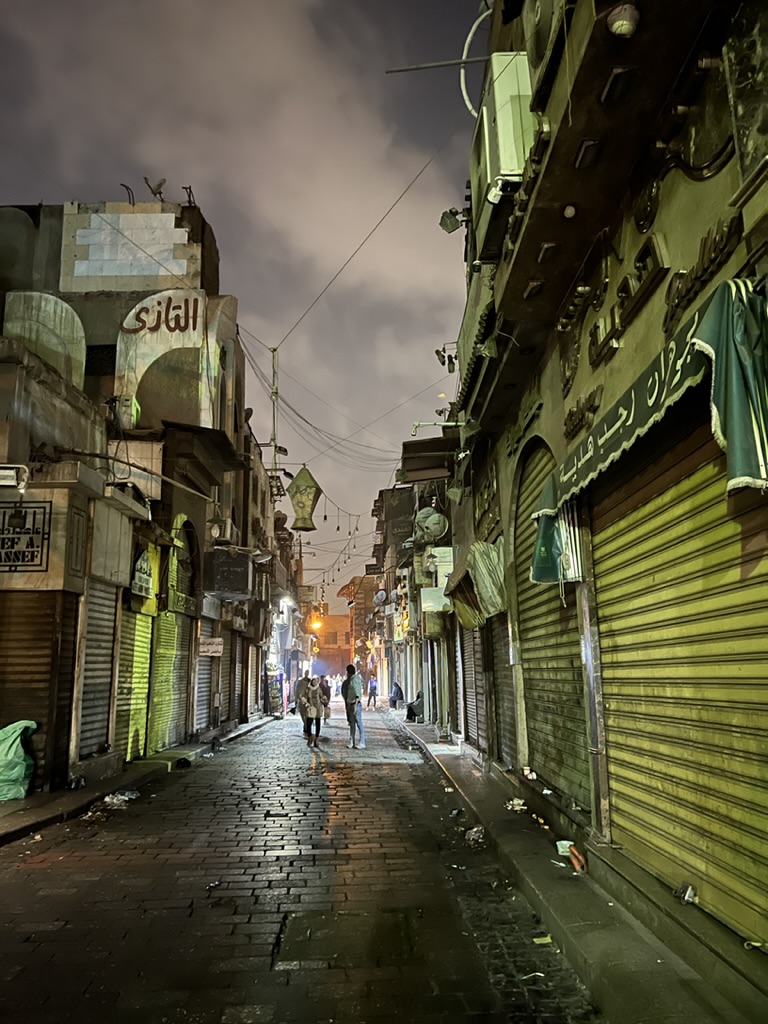
The restaurant, Zitouni, was billed as serving North African food. It was all good, but hardly “spectacular” and of course about four times the price of restaurants in the Gamaliya. But, then again, we did have cocktails and wine! When we exited the hotel, we asked one of the doormen to please get us a taxi (again the Uber conversation), and he proceeded to call for a taxi. We waited a few minutes and a spanking new, very clean white taxi arrived, Since the process is to ask the price of the fare, we did that. (It cost us 70 EP/about $3, to get to the Four Seasons, although we gave a tip equal to an additional 50%.) This guy said “200 pounds” or about $8.50 for the exact same ride. We told the driver we just paid 70 pounds for the same ride and offered 100, but he drove off. He also said he had no idea where our hotel is located. The Four Seasons guy said he’d have to “go onto the streets” to get a “regular city taxi” for us, rather than the “hotel taxi,” and he did. Up drove a beat-up old taxi and we headed to the Riad. We tipped the guy well and he was most grateful for the work. He dropped us at the gate; it was about midnight; and we strolled the now somewhat quieter (and some even deserted) streets of the Gamalya area. Some persistent shopkeepers were still holding court; restaurants and cafes were brimming with locals; and music was playing (loudly) as we neared our hotel (which is often guarded by our own little sphynx – a sleeping cat.
So, we saw the two Cairos. The one where people live and work and serve the others who probably drive folks to the Four Seasons and the one where Egyptians appear to only be the servers, cleaners, and doormen who cater to foreigners (mostly wealthy Arabs it seemed) with lots of money. The Old Cairo and the New Cairo, as the literature around here describes the centuries-old areas with incredible architecture that is in bad need of repair and the upscale neighborhoods filled with new, shiny buildings and modern conveniences.
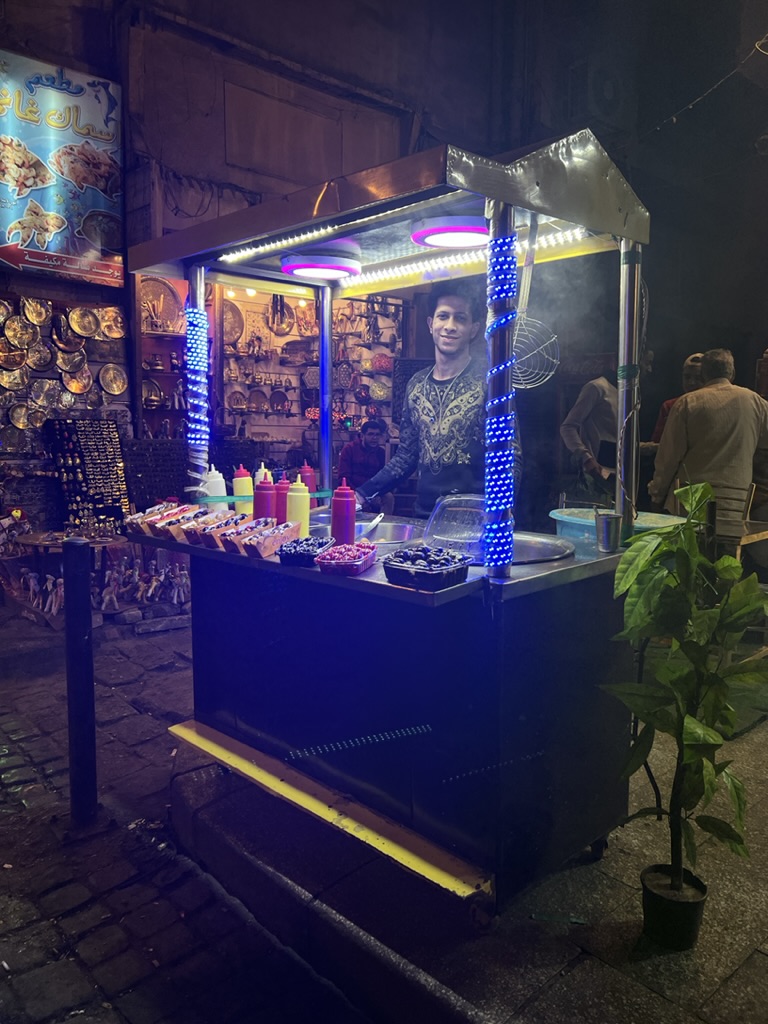
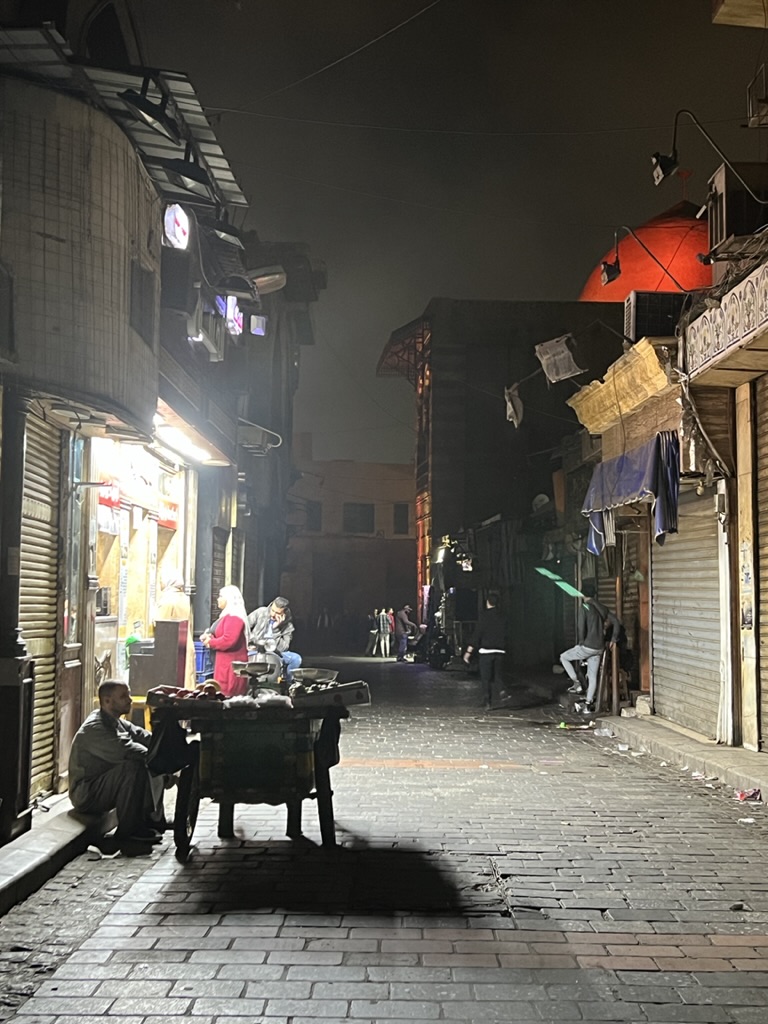
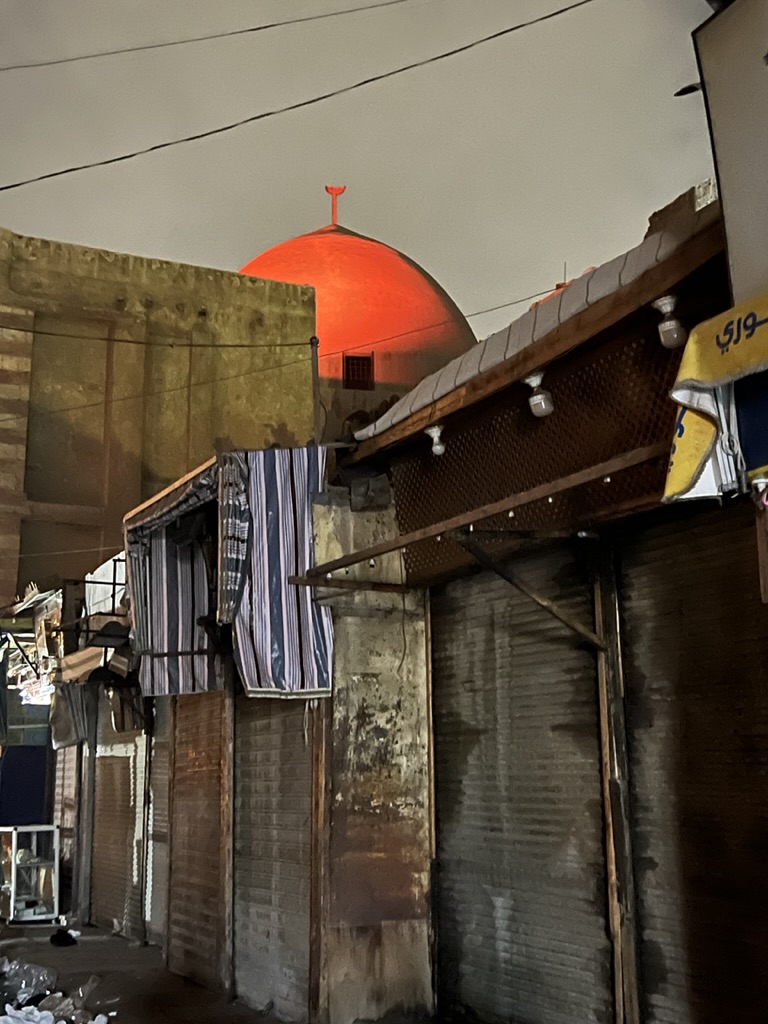

As-Salamu alaikum (Peace be with you); more tomorrow.
PS – funny sign in our rather large and very modern bathroom at our hotel; guess the plumbing isn’t quite up to par.
1. Arrived in Cairo… Very very late: Dec. 15, 2022
Greetings –
The plan (up until just 5 days ago) was to head to Addis Ababa and Lalibela — in Ethiopia, and then to move on to Egypt (Cairo/ Luxor/ Aswan) and to Jordan (Amman and Petra, and one stop along the drive) and then to Israel (a few nights in Jaffa, Jerusalem, and Akko),. And then to Geneva for a very brief family visit to meet very new grandniece. But alas, plans changed by the hour. First, we decided to ditch Geneva and go in the spring—mostly because of the sheer inconvenience of having to pack for winter weather when the rest of the trip would be in the 60s; and we figured that a one-week old baby might not be as interesting as a three or four-month baby (by then I’m sure she’ll be able to chat and play with us!!) So that got changed and shortened the trip by a few days.
Then about 8 days ago I woke up with a strange “lump” on the right side of my face – kind of below the ear and above the chin—a bit like mumps; didn’t hurt at all, but it was visible and I could feel it when I touched it. I wound up in Urgent Care and the doc thought it was some kind of enlarged lymph node brought about by the fact that I had a cold for a few days (not Covid, just plain old virus coughing and sneezing). She did, however, predict that it could take two months or so to disappear. Said to take Advil. Two days later, given that we were headed to places lacking stellar medical facilities, I decided to see my own doc. She agreed with the diagnosis initially, but also felt it might be swollen salivary gland or something called parotitis, which is usually painful. I have no pain. Anyway, they did an ultrasound which came out fine; totally benign, not infected; she said it needed to take its course and that sucking lemons might be an old wives’ tale that could work. So, we were ready to leave on Monday (packing lots of lemons which we trusted TSA would not take as liquids).
Then on Sunday, my doctor called me and said she was concerned because we had not uncovered what this was and how I got it. We talked for a long time (on a Sunday! – how’s that for a good doctor!) and she felt I should get it drained on Monday—and although it would take several days for the results—it was my call whether or not to take the trip. Again, no pain, no anything. But as it turned out, there was no way I could get in to have it “drained” on Monday; the Interventional Radiologists “have their own process” (their words) as to how the work gets scheduled. And they are totally booked, and it’s holiday season. By then we had canceled the Ethiopia part of the trip (thinking they could do the procedure Monday or Tuesday). We changed our tickets to go straight to Cairo and do the trip, just minus Ethiopia—which is unfortunate since we really wanted to go. We are now trying to see if we can go to Ethiopia in April when we will be headed to Geneva (you know just a hop, skip, and jump to another continent).
Mike and I decided we could monitor this as well from here as from home, given that it looked like the appointment would most likely come in January (at which point I am convinced the whole thing will have disappeared – Fern — ever the optimist). And I figure that if it was an emergency, they would have figured out how to get me in right away. Enough about healthcare.
OK.. so here we are in Cairo. I’m just going to give you a feel of what entry into Cairo was like.
Our flight from SFO to Frankfurt was delayed slightly and then the flight from Frankfurt to Cairo was delayed about two hours. We were pretty beat by the time we landed in the chaos of Cairo. It was about 10:45 pm when we arrived at our hotel. Emerging from Customs at Cairo was like coming to most other developing nations—crowds everywhere and drivers and tour guides hawking to get you to come with them. We expected that, so it wasn’t a big surprise. But we had things to do at the airport – like exchange money. So we just ignored all the guys screaming for attention; we also walked past the lines and lines of drivers holding up signs with peoples’ names who had either pre-booked a taxi or driver or were joining some group or were going to meet up with a tour guide, etc. As you know we love being independent travelers wherever we are.
Got our cash – The US dollar is equal to Egyptian 24 pounds; so when you exchange money you get wads of bills. They even have a 1 Egyptian pound bill which is like 4 cents. And then we had to figure out the taxi scene. One guy was just so persistent that we discussed the fare. He said $25 US dollars, but it was also clear he didn’t have a clue where our hotel was located. Most tourists stay in Gezira, which is actually an island on the Nile and is close to most tourist sites. So naturally, we didn’t want to stay there. We did a little research and decided to stay in the El Gamaleya area right in the thick of things; a very old part of the city which is chock full of people and shops. It’s a Muslim part of the old section of Cairo. I called the hotel to have them explain the directions to the taxi guy (he wasn’t too interested in my GPS directions) and then I asked the hotel how much it should cost. They said $8 US dollars. So we negotiated with the driver and paid $12.
Trying to get his car out of the lot where all the drivers sit while the middleman (yes they are all men) negotiates the deal, was hysterical. Took about as long to get out of the parking lot as to drive to the hotel. And the back seats of the car had seat belts but only the straps, not the little gizmo into which you have to put the strap to secure yourself in the seat. Oh well, can’t have it all.
The drive through the tiny narrow streets which were filled with cars, pedestrians cheek to jowl, tuk tuks, push carts with vendors and then sidewalks totally impassable was great. Technically these are all walking streets with no cars allowed! Anyway, we arrived at Hotel Le Riad de Charme which has about 24 rooms and a rooftop restaurant. We have a little (actually a big) suite with a living room, bedroom, bath, sitting area, and foyers large enough to be additional rooms. Each room is decorated differently and we are in the “Calligraphy Room” (appropriate!). The building is hundreds of years old, but has been updated with modern plumbing (sort of) and electrical (although lots of wires hanging about). The staff could not be friendlier and trying to be helpful, although most do not speak English (except for the reception guy who learned English on YouTube, and is thinking about moving to Capetown! )
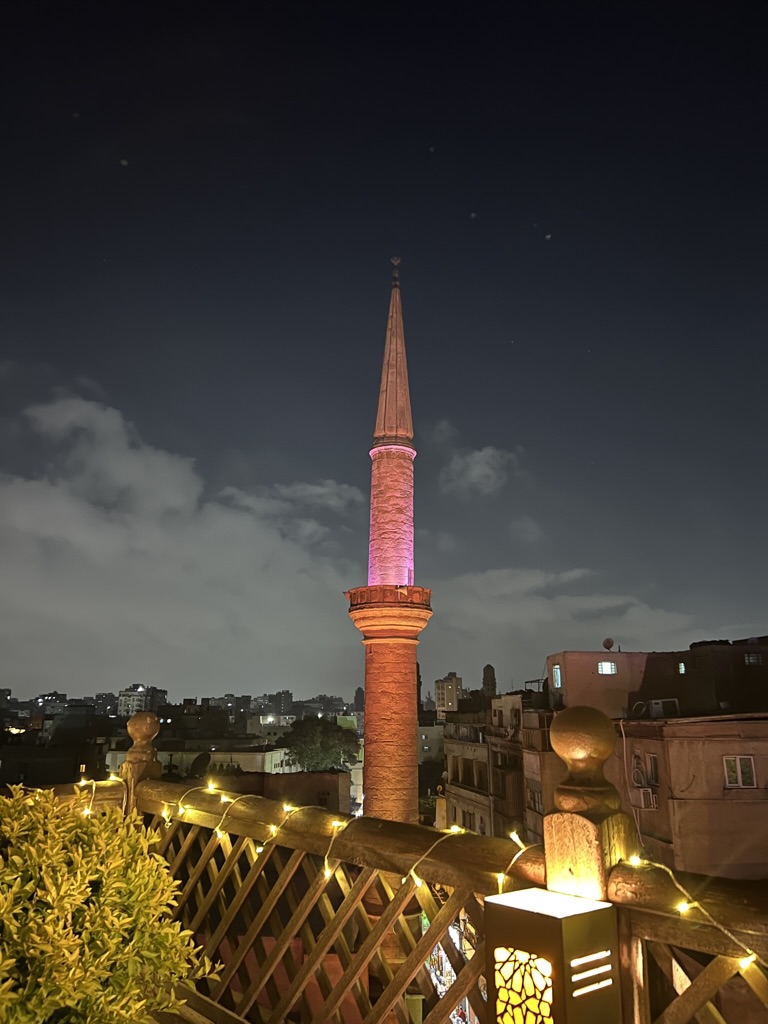
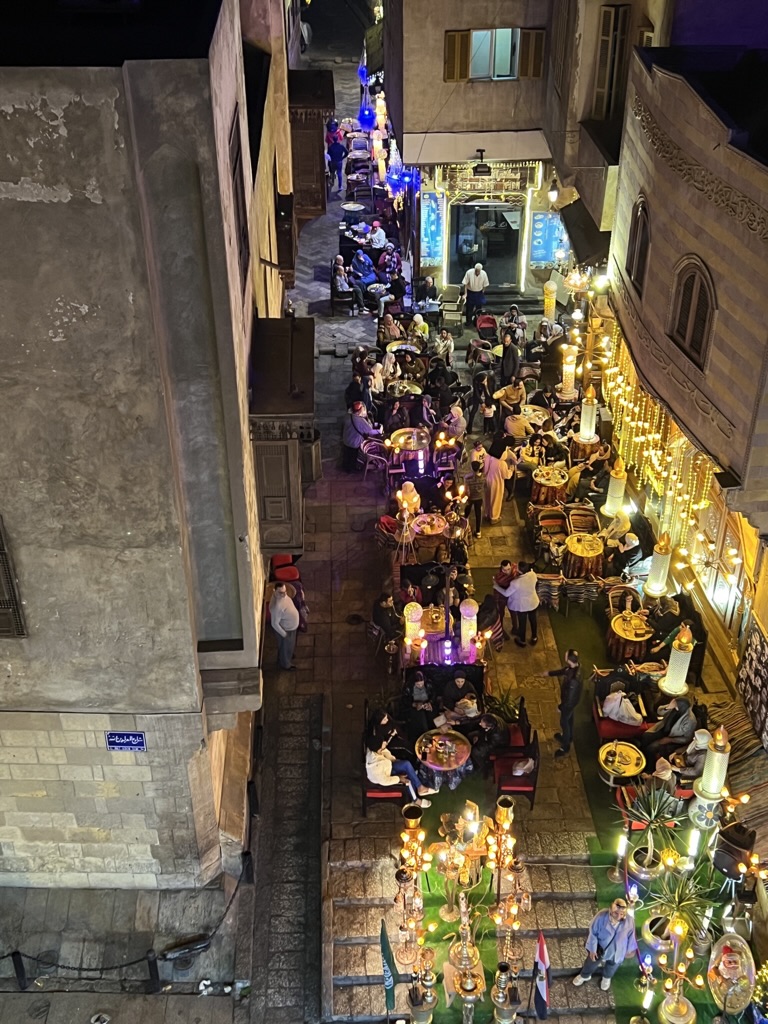

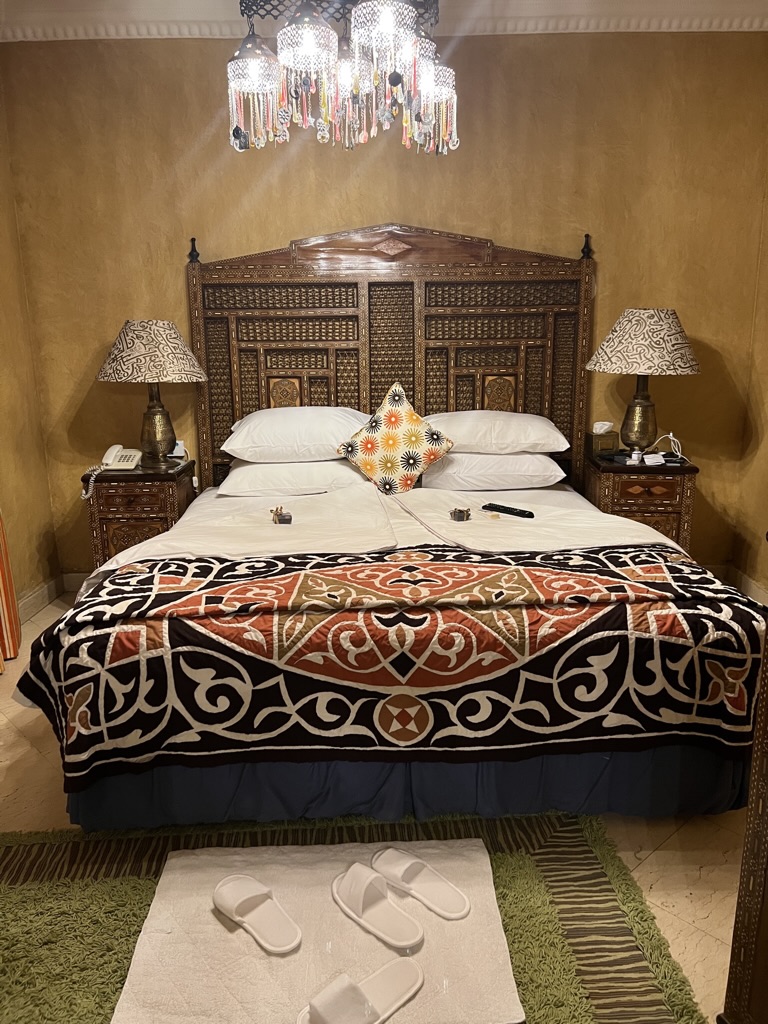
From our little terrace (yes we have a terrace from which we can see quite a few mosques) we can see and hear the life of the city, which we will start exploring tomorrow. We dashed up to the rooftop restaurant to get some dinner; I love Cairo already since even this small restaurant was serving until midnight. My kind of town. And when we finally got to our room at about 12:30 am to settle in and unpack we could hear the crowds below us, selling every imaginable item; eating in little outdoor cafes; and strolling the streets.
And then I needed an emergency call with my IT guy… but turns out it’s just very slow Internet.
If you get this note, then you know the Internet is working and cranking.
Take care. Will be in touch with my daily reports as close to daily as I can.
Best –
Fern
22. Milan. Like a Typical Milanese. May 2 2023.
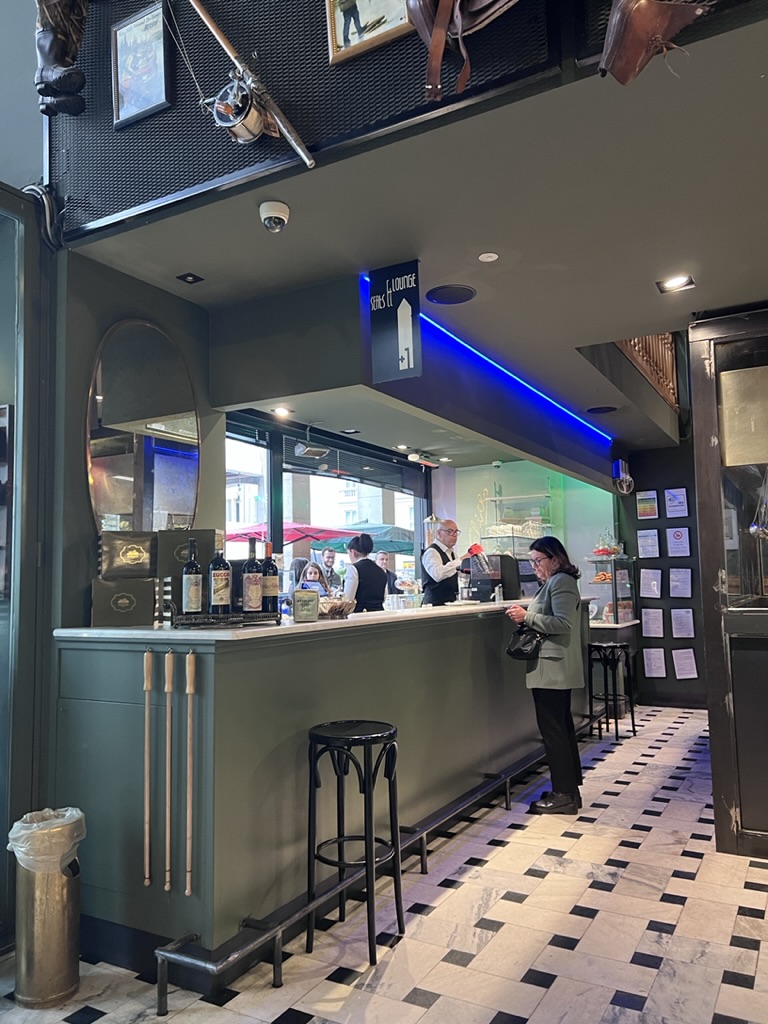
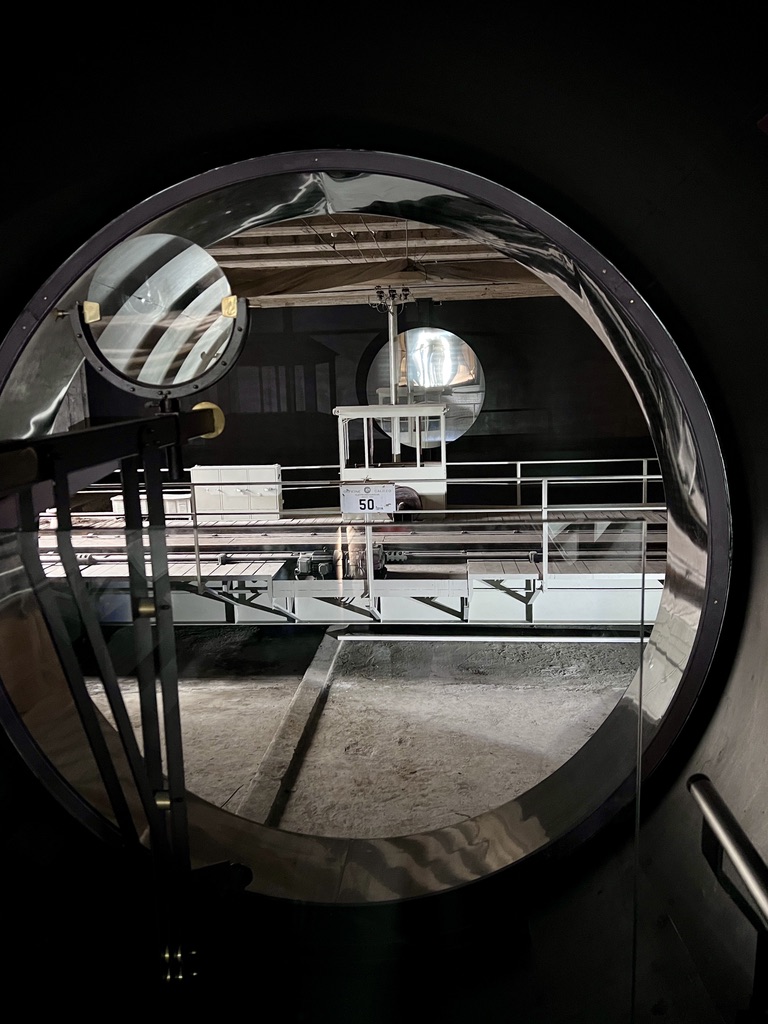
First the really good news…. Mike tested Negative today!!! Just in time to leave Milan, so by the time we leave tomorrow, he will have spent 7 days being in Milan, looking at the four walls of his room… and the weird television shows he’s been watching. Today he said he watched crayfish mate in a stream while raccoons were hunting them. But, all is good. We are going out to dinner tonight and then we leave the hotel at 8 am tomorrow morning (Wednesday); we arrive at SFO around 10 pm same day.
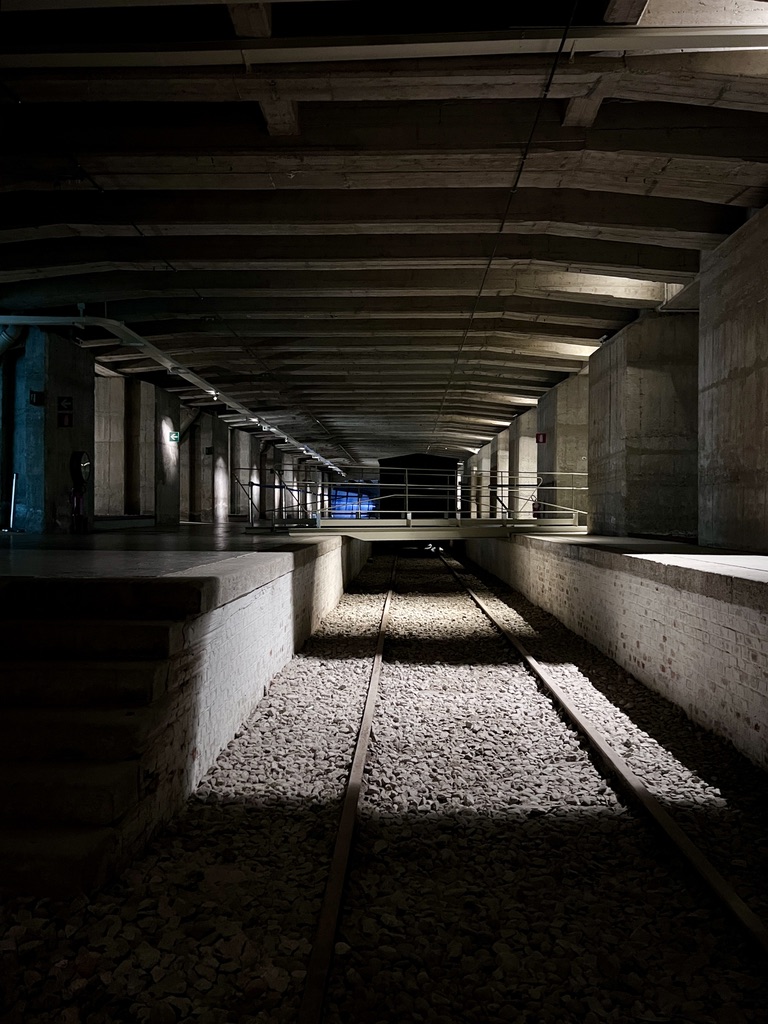
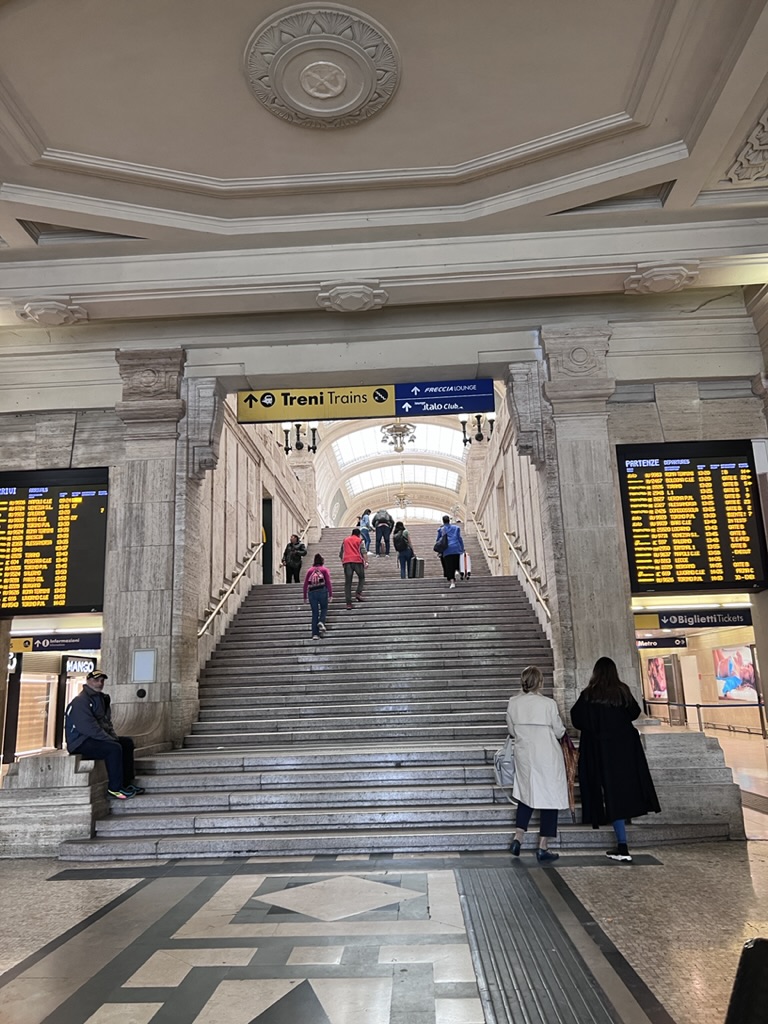
Today it actually didn’t rain so I headed out—first to the Shoah Memorial which is located at the Central Station, in the area where between 1943 and 1945—away from public view and where previously mail was loaded and unloaded. In this area, hundreds of deportees, mostly Jews, were forced onto rail cars that had been used for livestock. The cars were filled body to body with Jews and then raised in a railroad car elevator between tracks 18 and 19 and then deported to concentration camps. The area has remained mostly unchanged physically. It is filled now with some of the original rail cars and then with small viewing areas where videos of documentary interviews with survivors are shown.
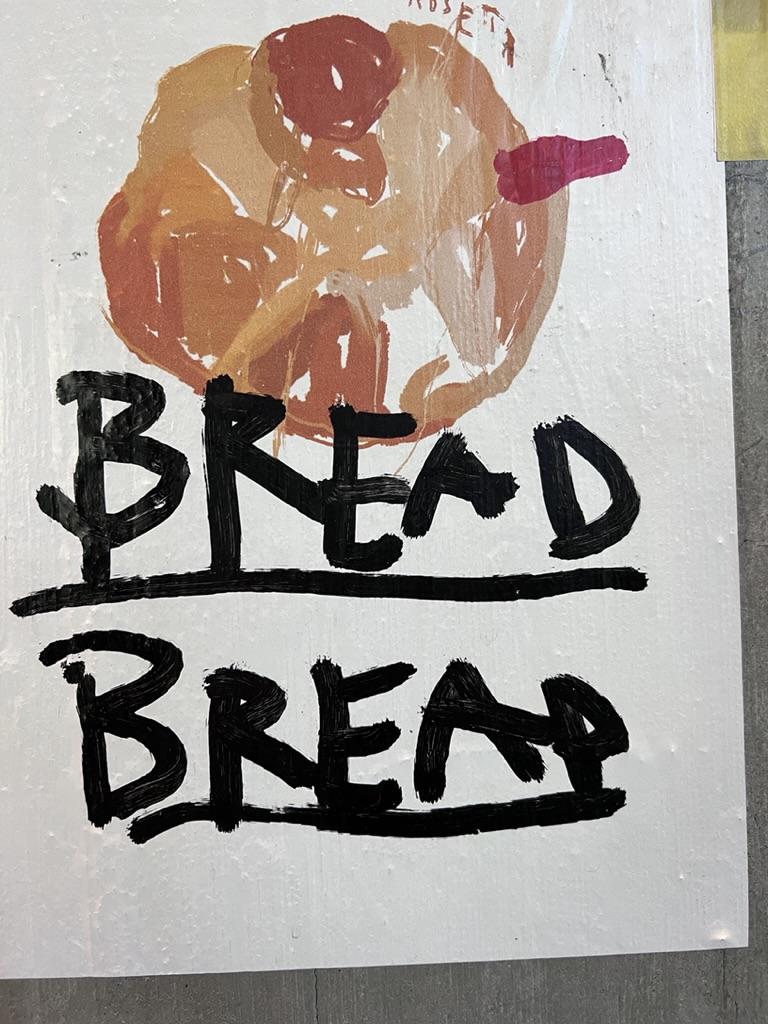
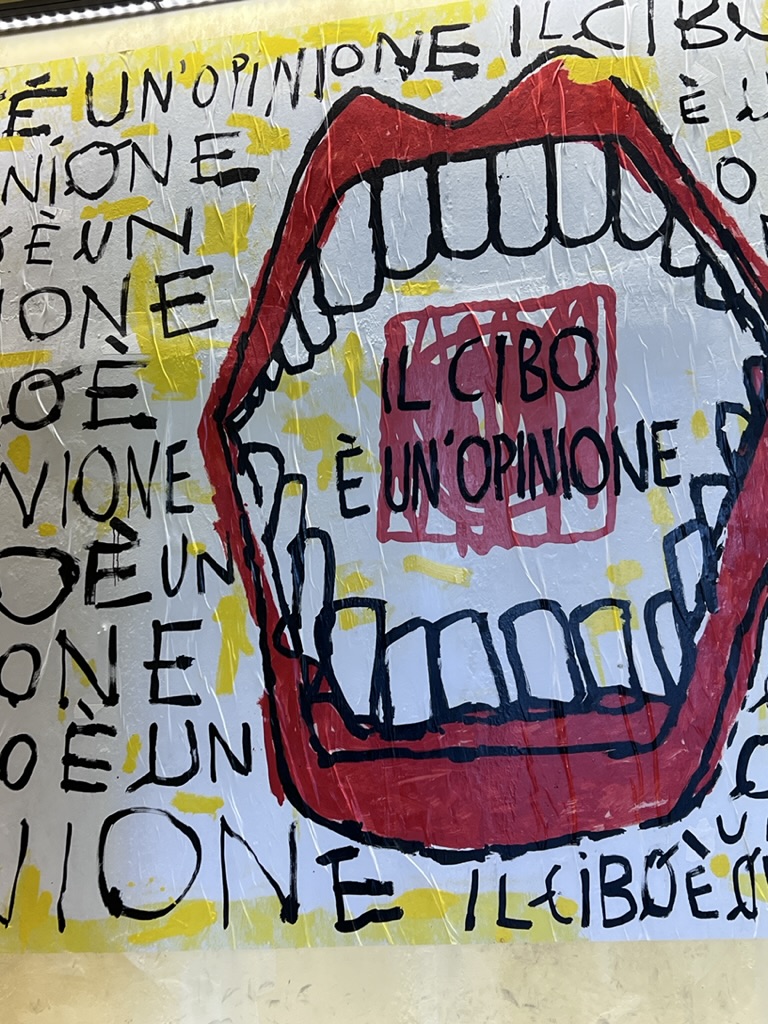
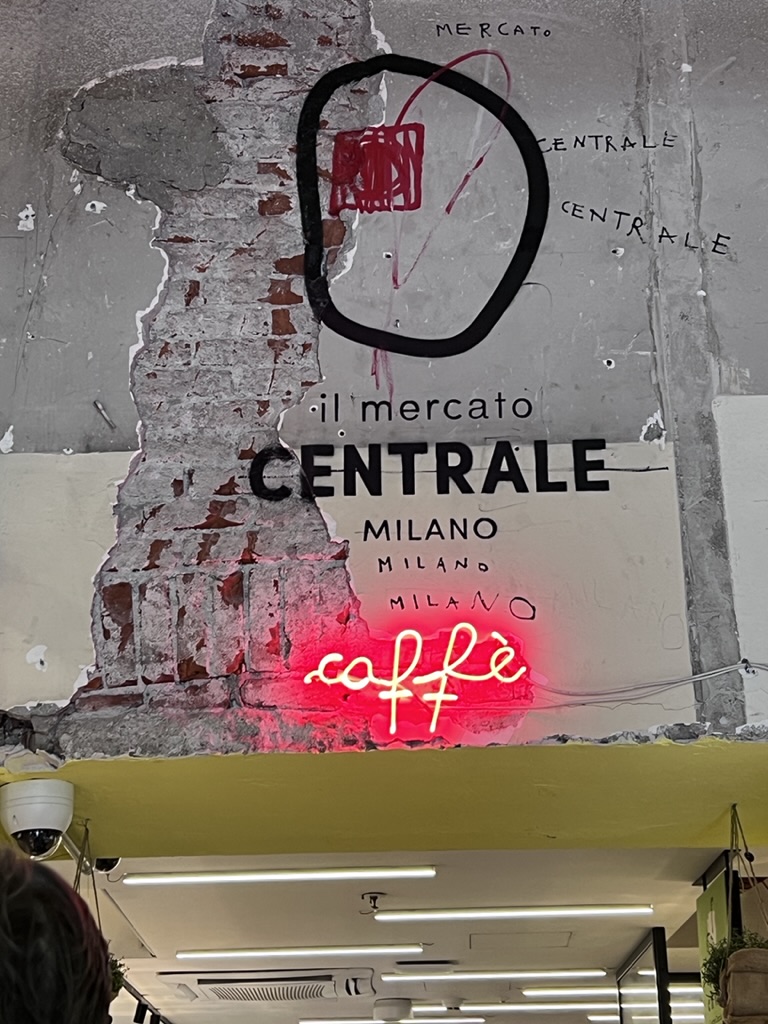
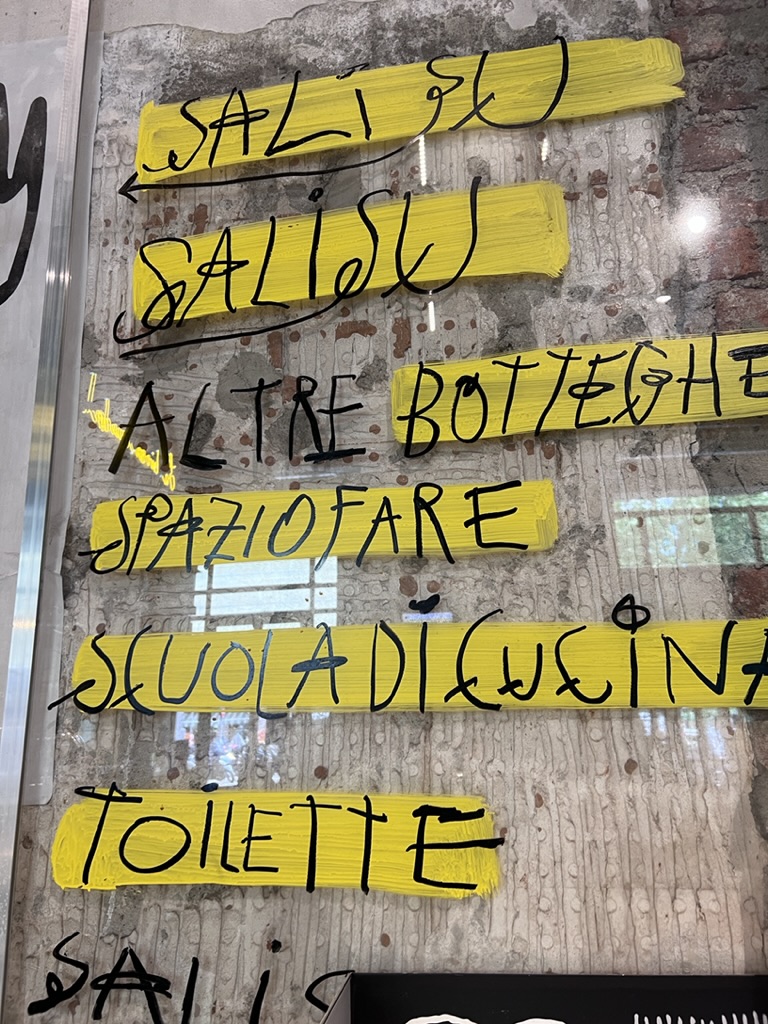
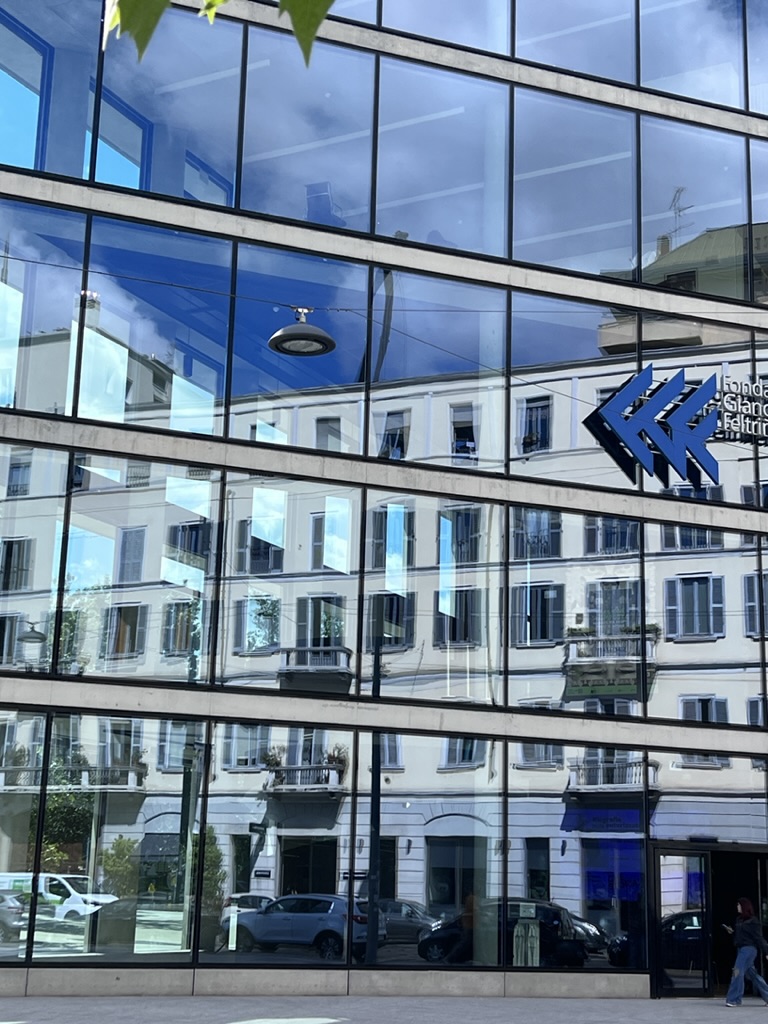
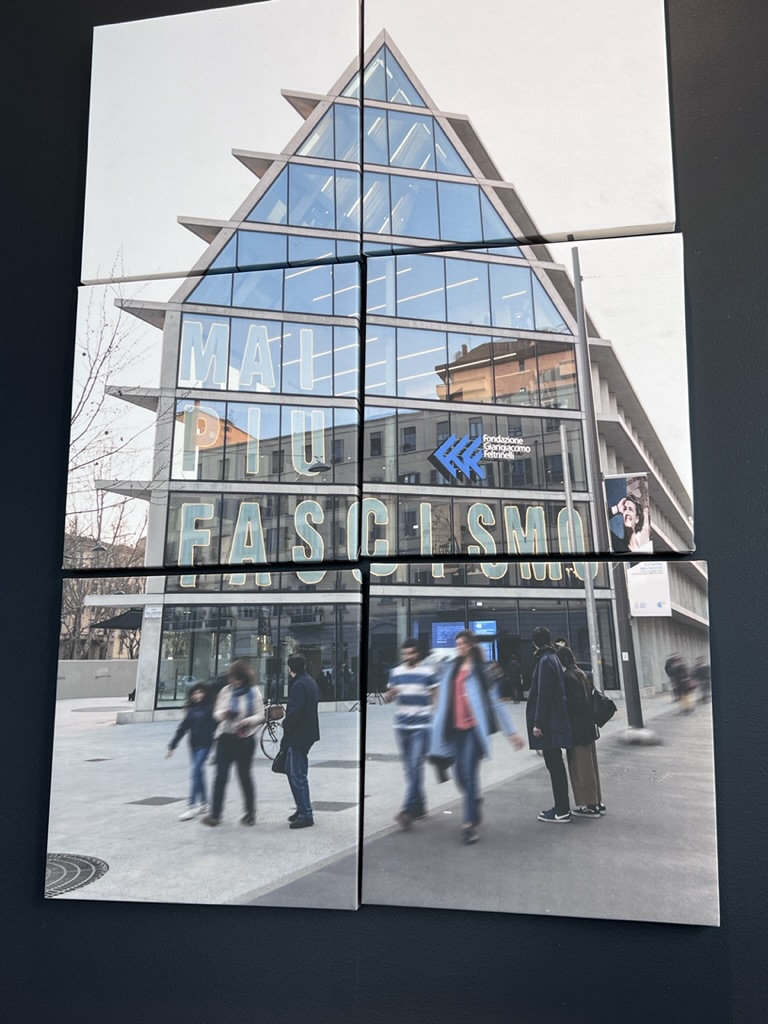
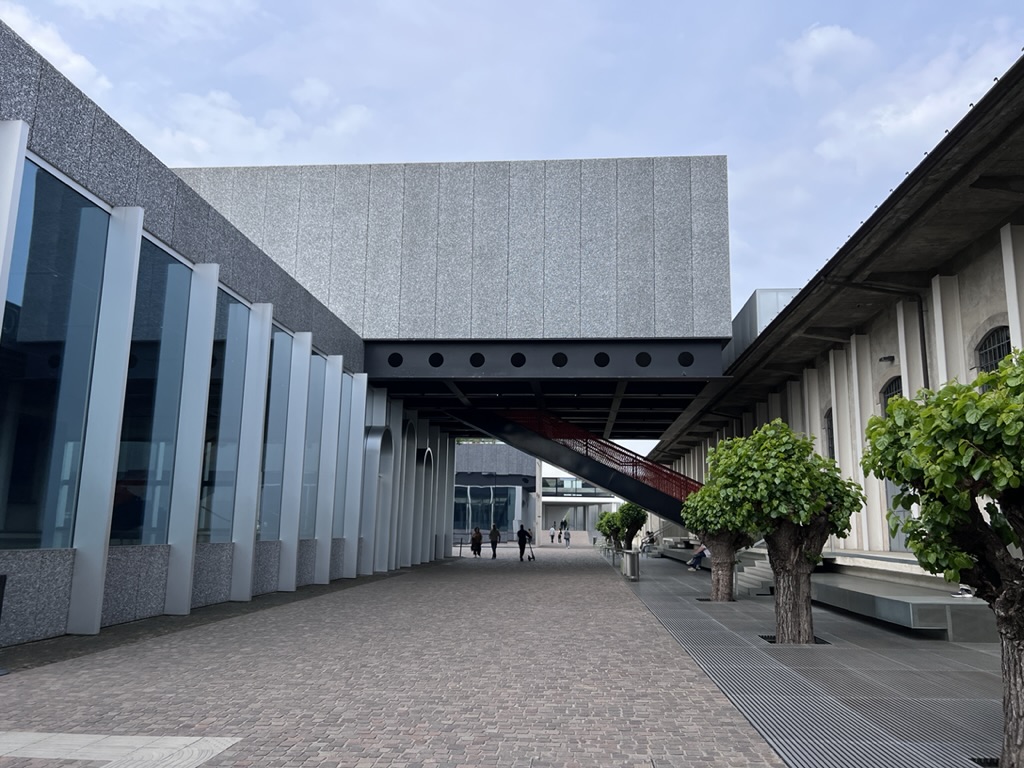
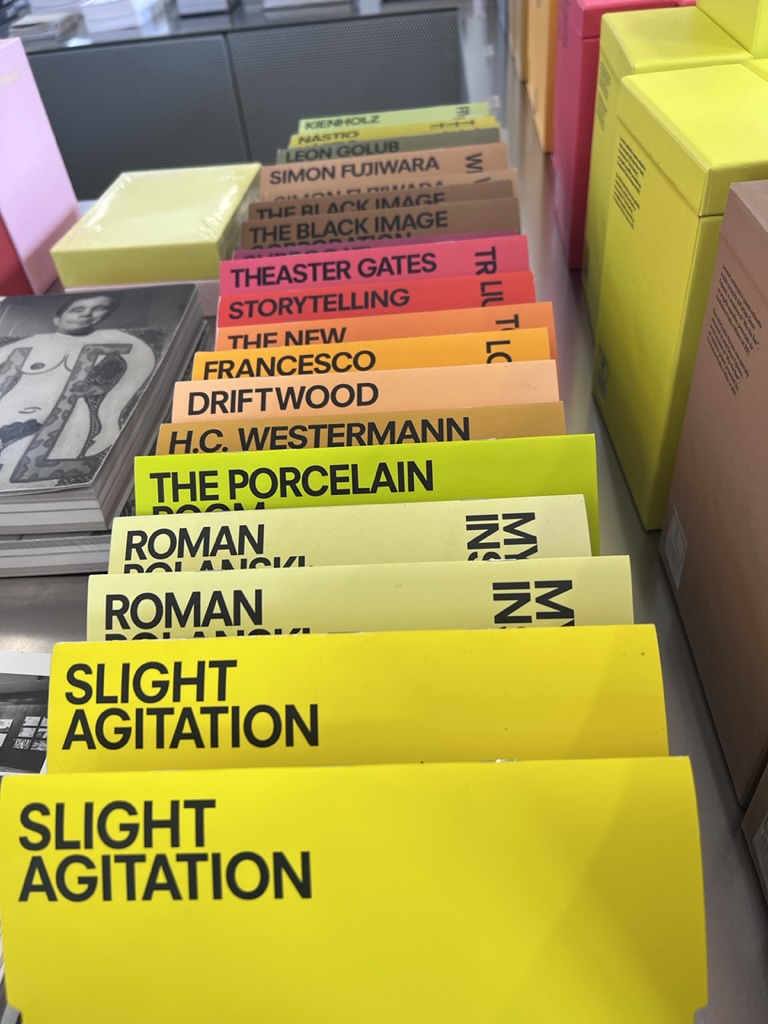
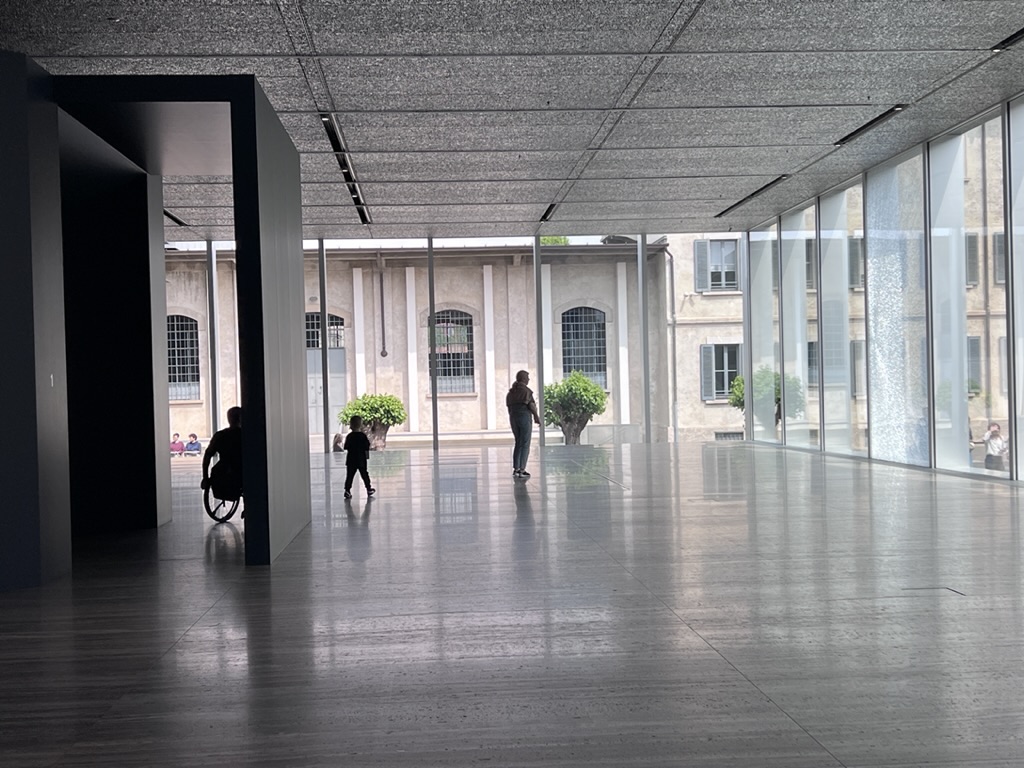
From there I walked about a 1.5 miles to the Fondazione Giangiacomo Feltrinelli, which is dedicated to social practice art. It’s within an interesting building. When I arrived, there weren’t any exhibits (everything was under construction), but the 5th floor was open and there were good views of the city. Then, somewhat exhausted I took a taxi to Peck—a gourmet food shop established in 1883. Pretty amazing place.
Then a little packing, and off to dinner at La Brisa—a charming little restaurant with amazing food. We started (after two different “gifts” from the chef) with the beef diaphragm tartare which was great; shared the pasta with octopus which was prepared perfectly—octopus was soft and tasty; then we had the crispy pig with some veggies; and finally we had the pear tatin which had a bit of whipped ricotta on the side. I had wine; Mike is abstaining for a few ore days until the Paxlovid is out of his system.

That’s it… gotta pack and get up really early to get taxi to the airport.
Be well –
We’re ready to get home; sorry we missed Geneva, but we will figure out when to come—most likely Christmas.
Fern
21. May Day in Milan. May 1 2023. (Day 6 in Milan)

Happy May Day/Workers Day !!
Hope you are all well. Mike seems to be improving. Today he technically completed his 5-day isolation and also his Paxlovid regimen. Still tired, but definitely seems to be moving in the right direction. I’m hopeful he can join me for a really nice dinner tonight and maybe even stroll Milan a bit tomorrow, before we head to the states on Wednesday morning. We’re keeping the two rooms until we leave, as a precaution. Buy shares in Hyatt (or some particular brand of Hyatt called “small luxury hotels.”) Given the number of days we’ve stayed here and the two rooms, stocks are sure to go up. Mike’s been watching Italian television and he’s got a few Italian words now like “dragon” (drago) and “other dragon” (altra drago).
It’s May Day and I reminisced a bit about varioius cities where I have experienced May Day, inlcuding Paris and Helsinki, where May Day is a big deal politically, but also includes a lot of drinking.
Before heading out, I had a little chat with the woman at the hotel who I think is the manager; she’s probably in her late 30s and speaks English very well. She asked a bit about me and always asks how Mike is doing. In reality she probably knows his situation better than me because staff come in with room service food and to clean the room (although he leaves when they come and he goes to sit on a little deck). Anyway, turns out she is from Ukraine and has lived in Milan for about a decade. She went to university in Toronto which explains her English proficiency. We chatted a bit about the situation in Ukraine; her mother came to Italy for a year but has now returned; her grandparents never left; she has many cousins who fled to Italy, Portugal, and other parts of Europe. Her mother went back to Ukraine about a week ago; she was frustrated, had a good job in Ukraine and couldn’t work here in Italy. She says her family is safe. She says the Ukrainians see little hope for any resolution as long as Putin remains. I asked about Zelensky and she said that within the country Ukrainians see him as a god. But she also said that she gets a good perspective on the war because she can read and listen to the news in many languages and from different sources — US, Russia, Ukraine, Italy, etc. which she says enables her to find balance in the reports.
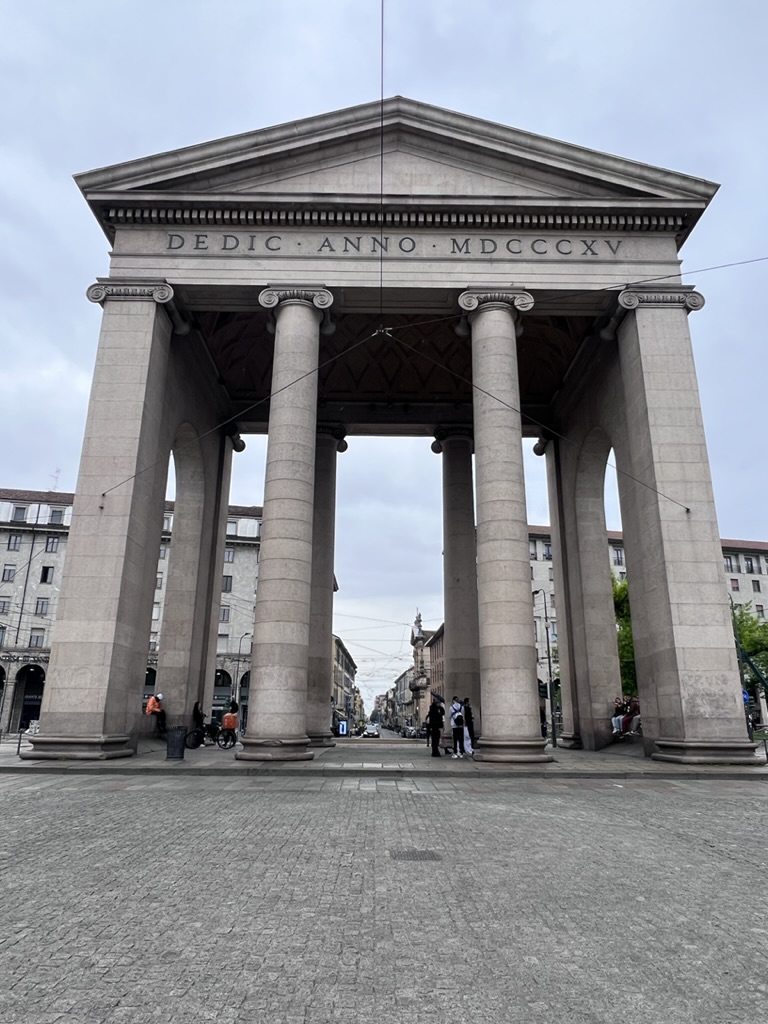
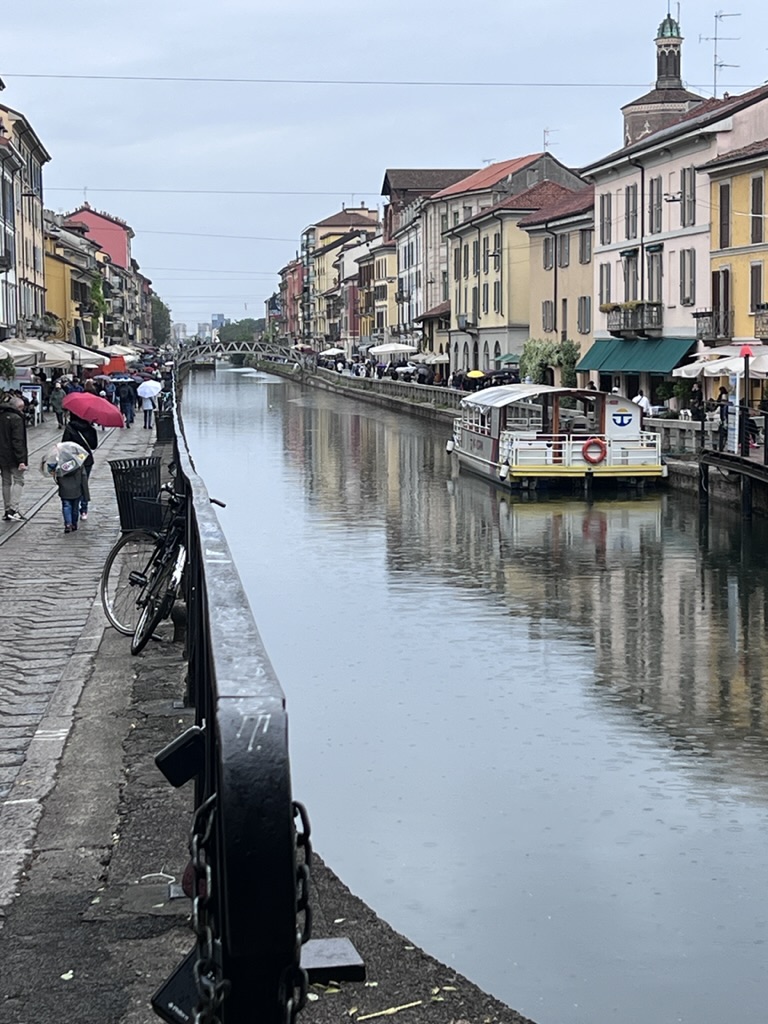
Then, I had my ritual stand-up pastry and juice for breakfast at a little café and since it was raining a bit, I decided to take a taxi to the Arco Porta Ticinese, which is one of three remaining original 12th Century walls of Milan. Wasn’t really that interested in this “gate” but needed some place to tell the taxi to go. I really just wanted to walk in the Navigli neighborhood and also along the canals that line the area. But, for your information, these 12th century walls are gothic style and originally there was a tower on top to watch over the navigable moat. But that part of the canal was filled in over subsequent centuries. The canal is quite lovely and goes a long distance—must be beautiful on a sunny day, which this wasn’t. The Navigli is known as having a lot of quirky charm and also for its active nightlife; basically, I think it’s one of those neighborhoods where people hang out alot—during the day over coffee, and at night over wine and beer. But given that today was a holiday and it was drizzling, the place was pretty quiet which was nice.
Before I say more about the Navigli and my 4-mile walk, around the area and ultimately to Porta Genoa, I need to tell you about my taxi ride from the hotel to the wall. First, it was a female taxi driver, the first one I’ve had in Milan and only the second female taxi driver I’ve had in Italy. But the funny part was that her stepfather is American and his brother lives (or at least lived until about 6 months ago) in Oakland!! Pretty cool, don’t you think—and so very random. She got me to Navigli.
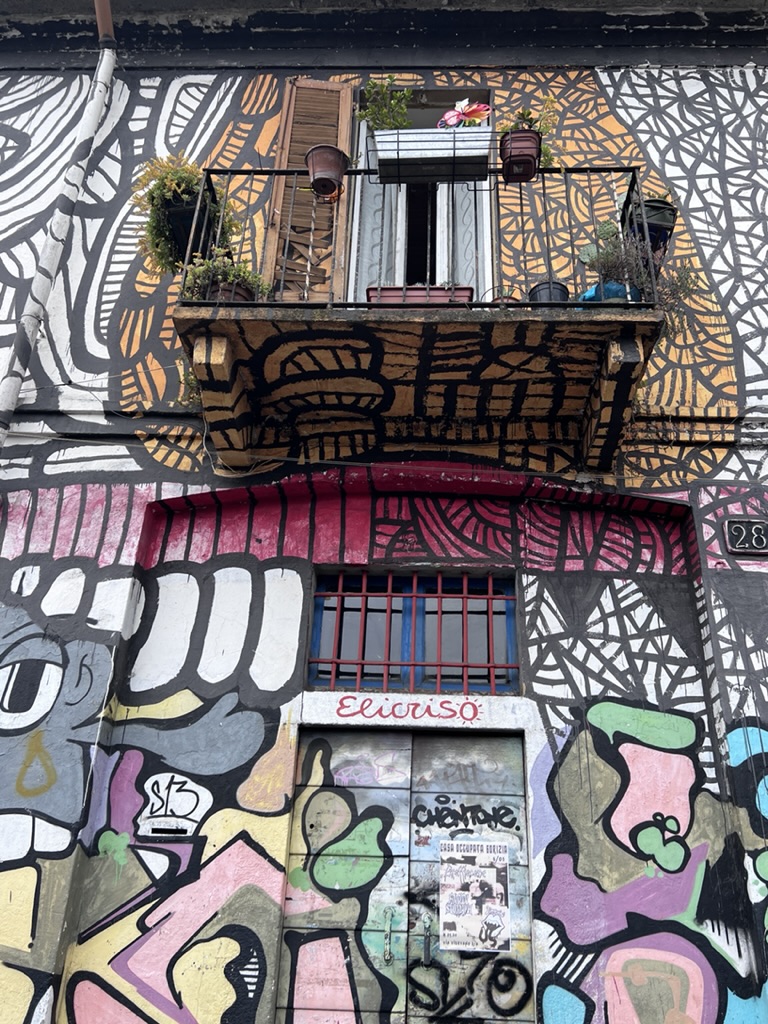
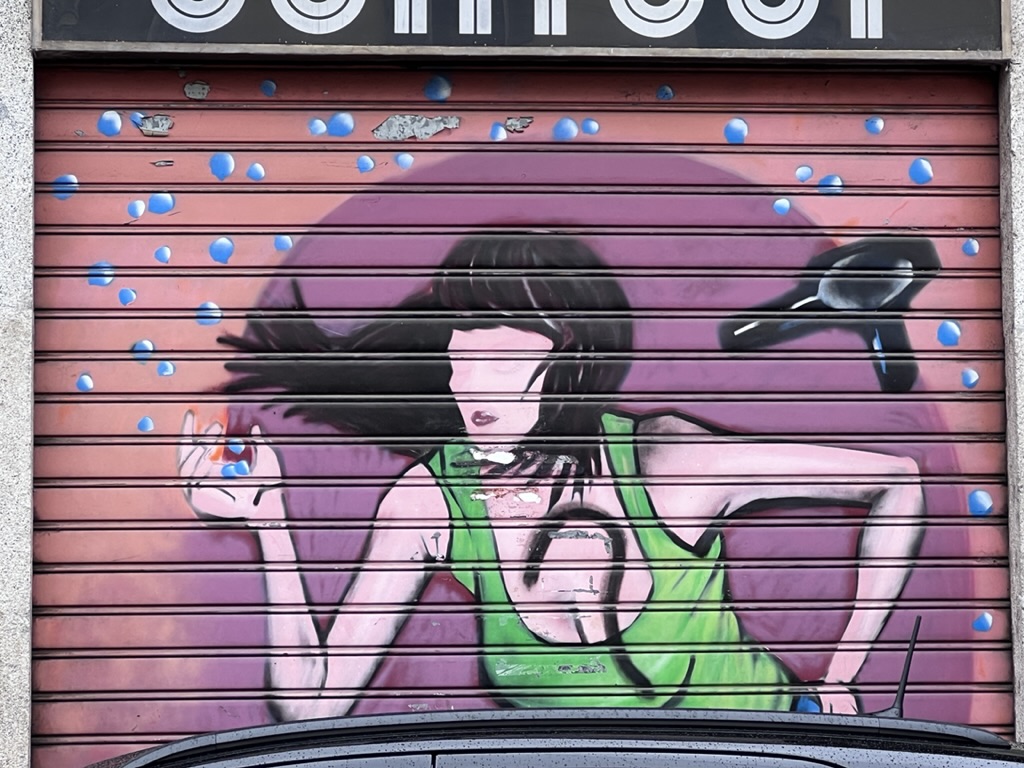
The navigli, which I sense translates to something like navigable is named after the man-made canals that were used for transporting goods and people, and for irrigation too. From what I understand Milan was like a landlocked Venice, crisscrossed by waterways that are now hidden under paved roads. And it was on these waterways that the marble needed for building the Duomo was transported into the center of the city. Most of the canals were filled to make way for cars and trucks, but Navigli remains pretty charming with the few remaining canals. This is an area of Milan where there are buildings where apartments have “shared” balconies.
The waterway is home to many activities like rowing and canoeing and alongside there’s cycling. I also saw someone fishing. I’m told if you are daring you can actually take a dip in the Naviglio… I walked and walked amid the intermittent sprinkles, and thought I’d head to Porta Genoa but got sort of lost and my GPS didn’t seem to direct me to where I thought Porta Genoa was.. so, I decided I’d just head pack to where the taxi dropped me off and find another taxi. But as I walked, I began to see the carabinieri (the national police) blocking streets and clearly preparing for something. They blocked all access across the main street, Macellaria Populare; I figured there was probably going to be a May Day parade.
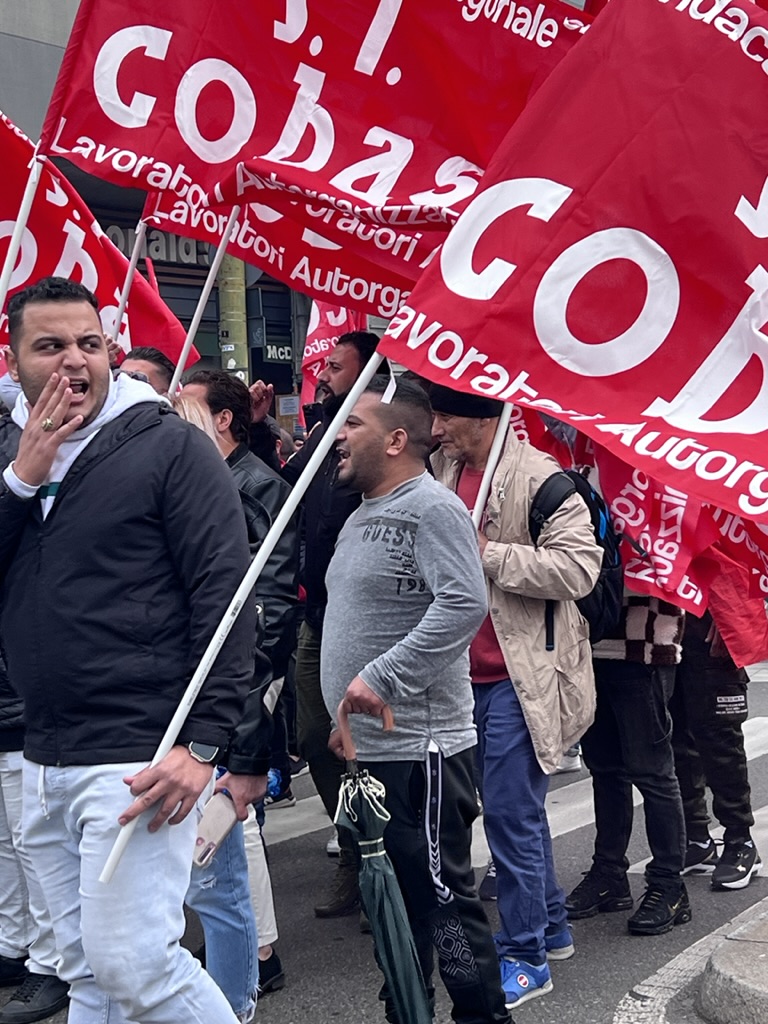
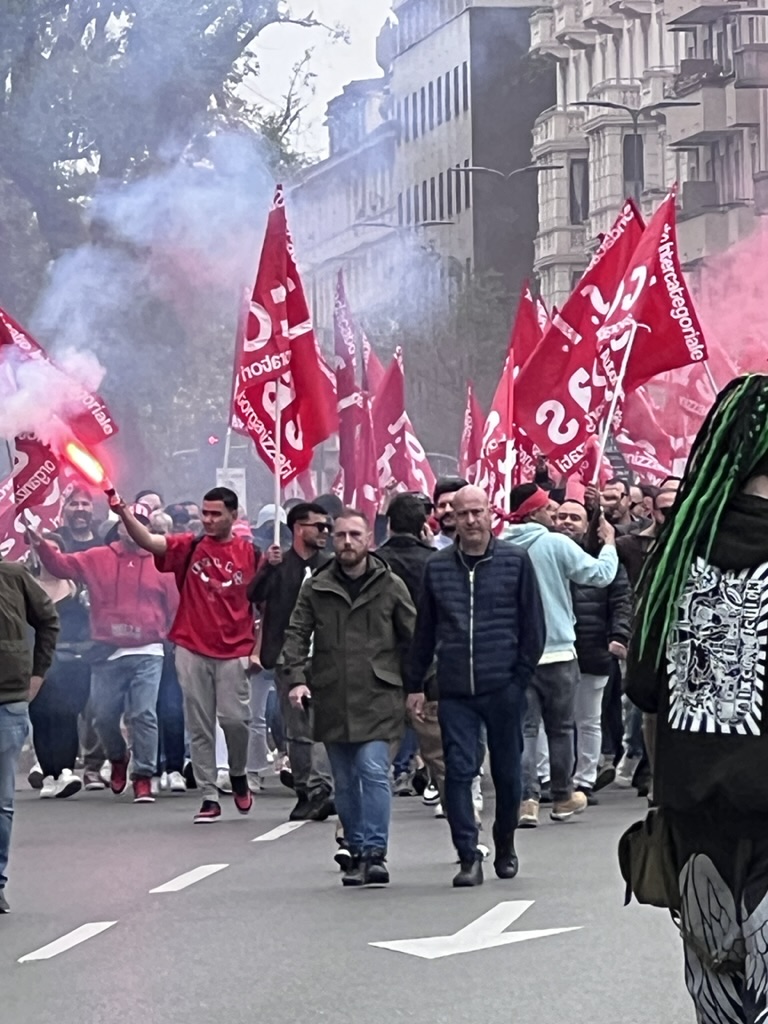
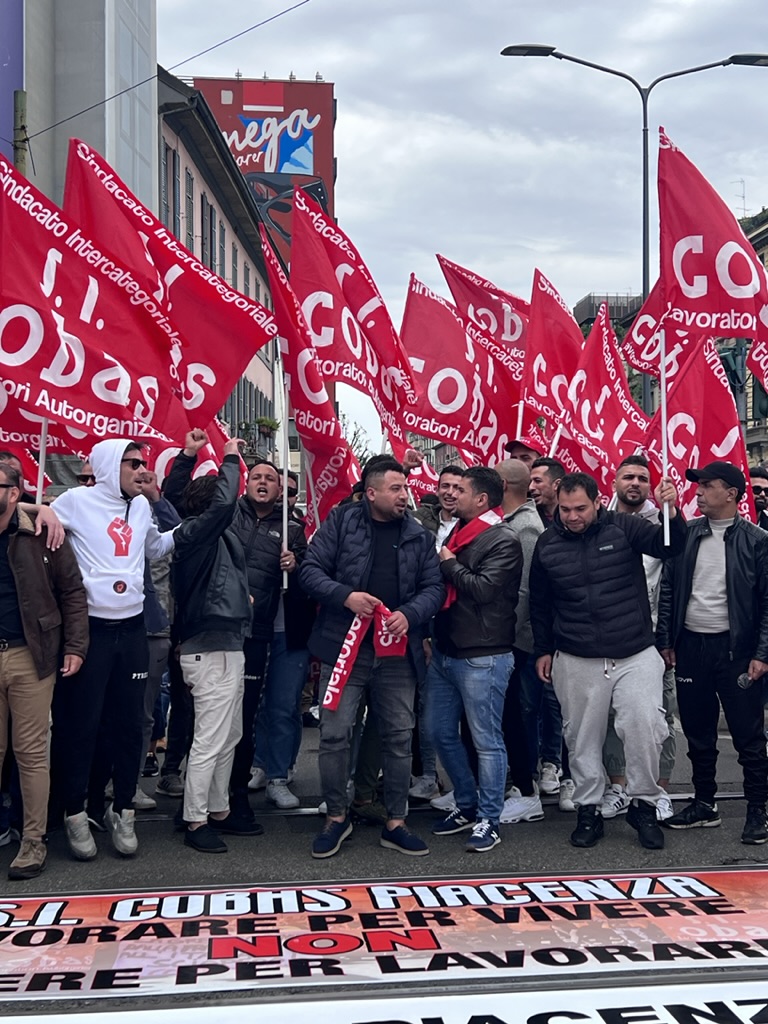
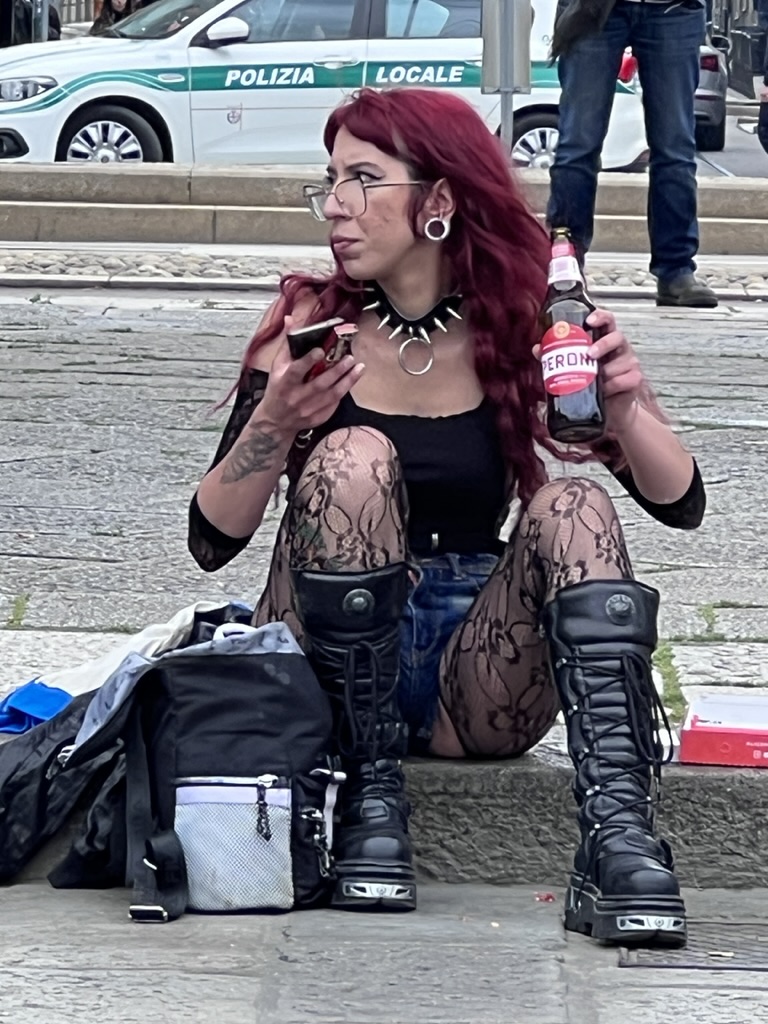
I thought it was an interesting neighborhood for a parade, since it’s definitely not in the center of town. Figured I should hang around, although I was really hungry. As I strolled closer to the start of the avenue, which the police were flanking, I began to see the seeds of a march/demonstration—so I got closer and next thing I was smack in the middle of the May Day demonstration of the Italian Communistas and Socialistas. They had a fairly good turnout and a large percentage of the marchers were people of color and immigrants. They carried signs that talked about repression and unemployment, I think.
And then music started to blast the streets… Bob Marley’s “Get Up Stand Up for Your Rights,” followed by some Italian songs… and they marched. I stayed a while and then decided to head back to the hotel, but no taxi could get to my location because of all the streets being blocked. Finally, I stopped one of the cops to get directions to a taxi stand, but his explanation was unclear and seemed very complicated. Given the rain and the fact that I had already walked about 4 miles, I didn’t want to walk the additional few miles. I stopped another cop (fortunately they were all over the place, although they seemed pretty passive, and the demonstration was quite calm). This next cop spoke some English, so he was able to explain where I had to go to get out of the blocked streets and get a taxi. But first I asked a bit about the march. He said that the “main Workers Day march took place in the morning in the center of town (probably at Piazza del Duomo) and that this was an “alternative parade and demonstration.” I liked his choice of words—“alternative,” so I asked (knowing full well by the pamphlets being distributed) if this was a march of the Communist Party and he said “yes” and again said it was “the alternative” group.
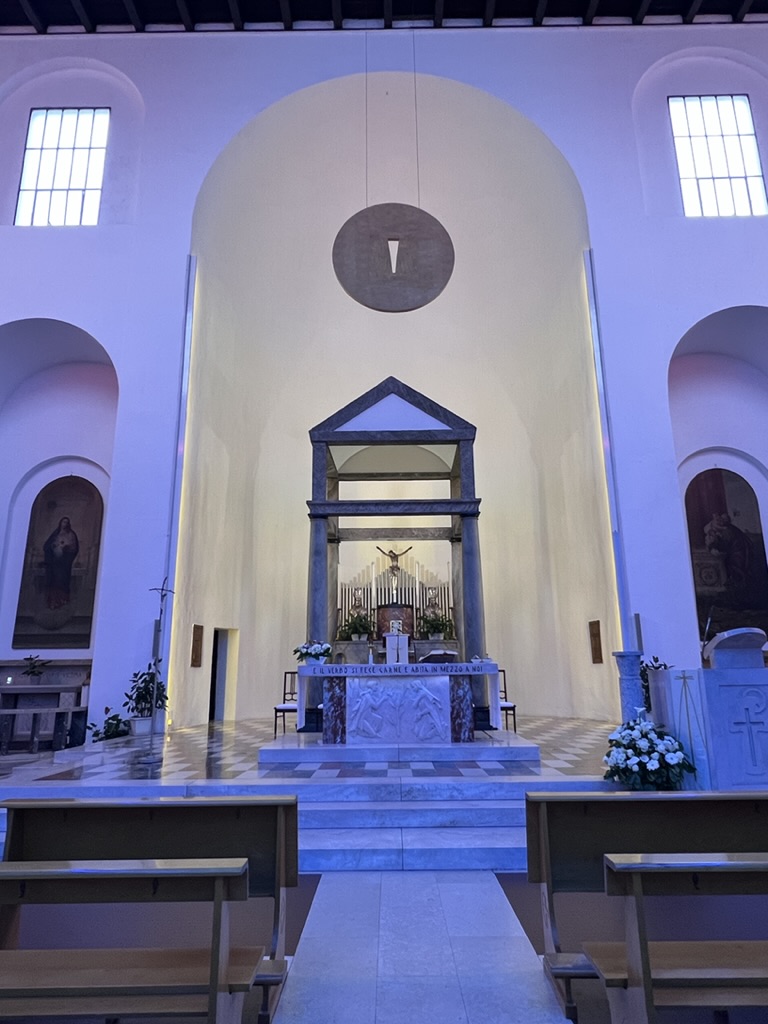
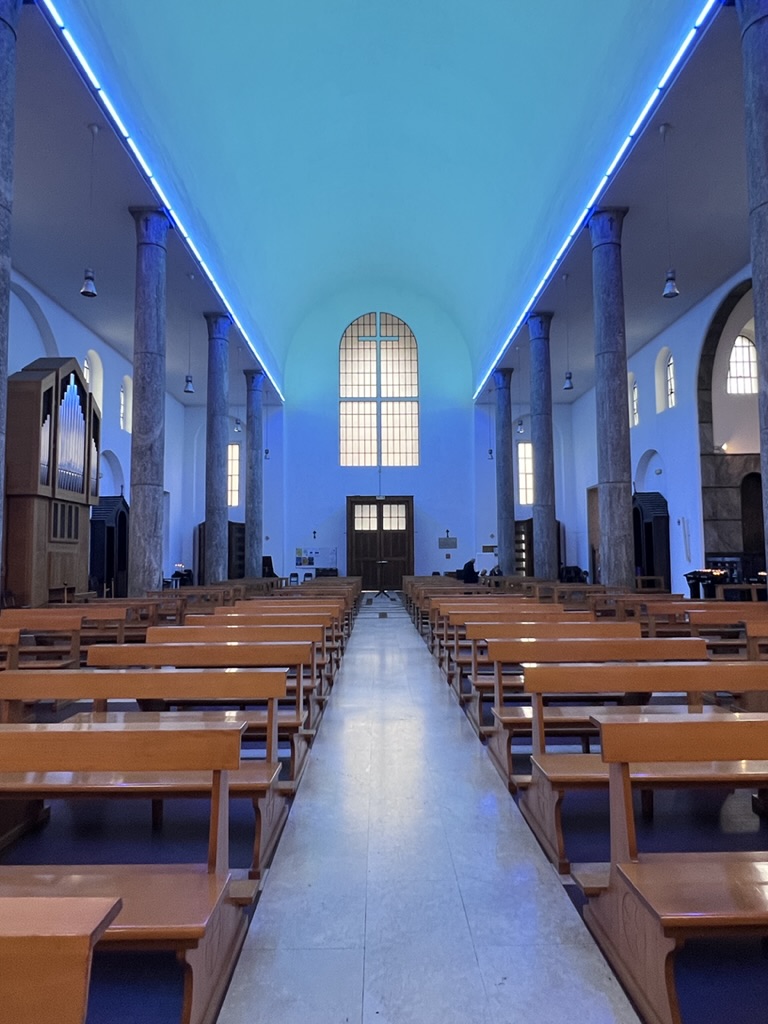
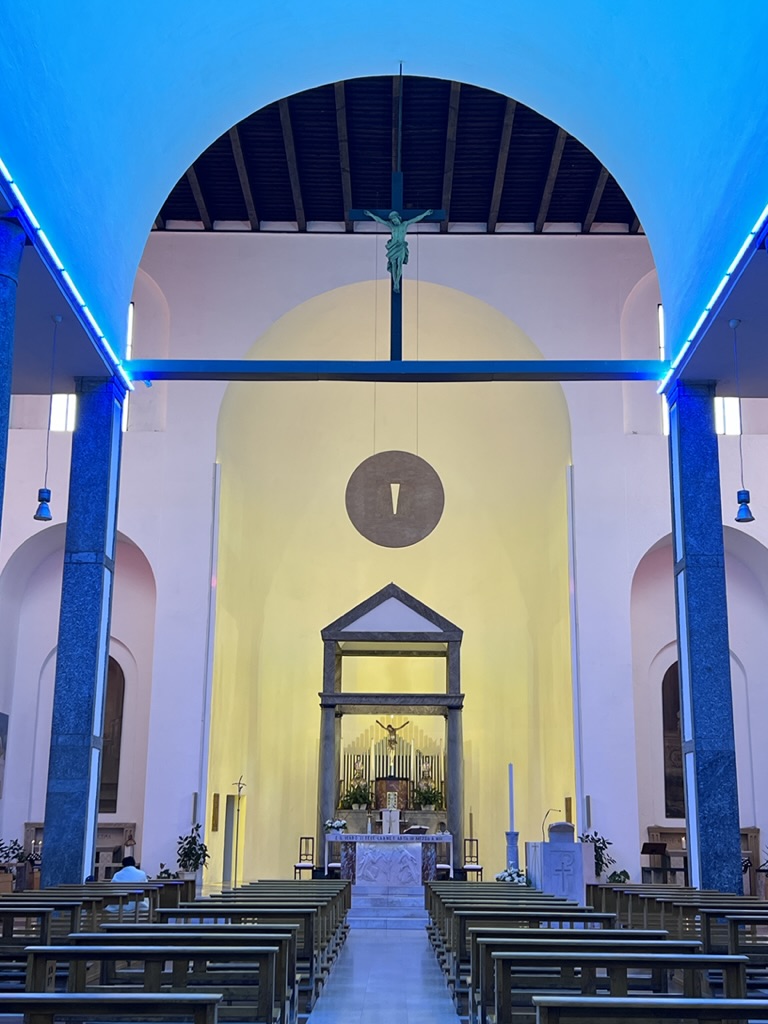
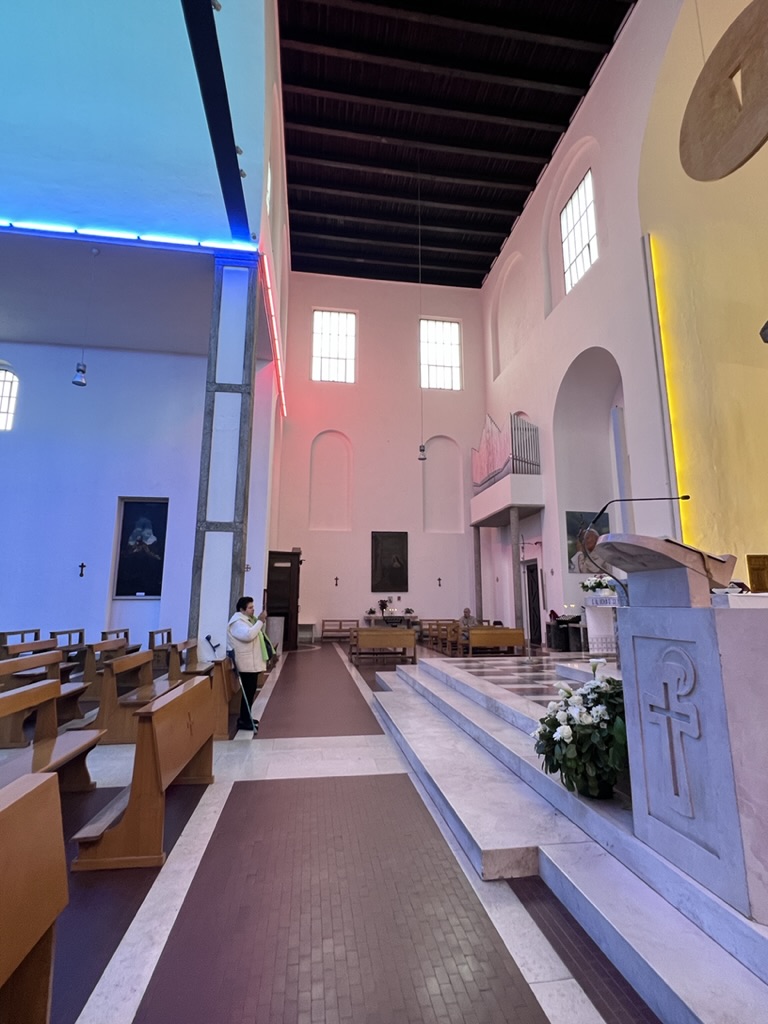
I wound up having to walk to a train station about a mile away and found a taxi. After an hour or so, I headed out again to a small church called Santa Maria Annunciata located in a low-income section of Milan known as Chiesa Rossa (Red Church?) toward the southern part of the city. In the late 1990s, Reverend Giulio Greco invited the American artist Dan Flavin to be part of the restoration and renovation of the church. Flavin’s permanent installation was the centerpiece of the renovation of the 1930s church. I think that Flavin actually died before the installation was actually unveiled (he died two days after the work was completed) and I believe that the Prada Foundation helped fund the artwork.
If you’re not familiar with Flavin’s work, he’s best known for his works that utilize fluorescent light and often does this in relation to specific architectural contexts where the installations will be placed. By using light like the commercially available fluorescent tubes which are linear, he is able to emphasize the structure of the architecture, although at times he purposefully contradicts the architecture. Flavin is considered part of the Minimalist Movement of the 60s/70s. It’s a bit strange for his work to be the centerpiece of a religious building because he has never used any symbolic or spiritual elements in his work. Still, from what I remember from art school days, Flavin does have some kind of religious background. I think his parents wanted him to become a priest and they sent him to some kind of seminary and he was drawn to the drama of the liturgy.

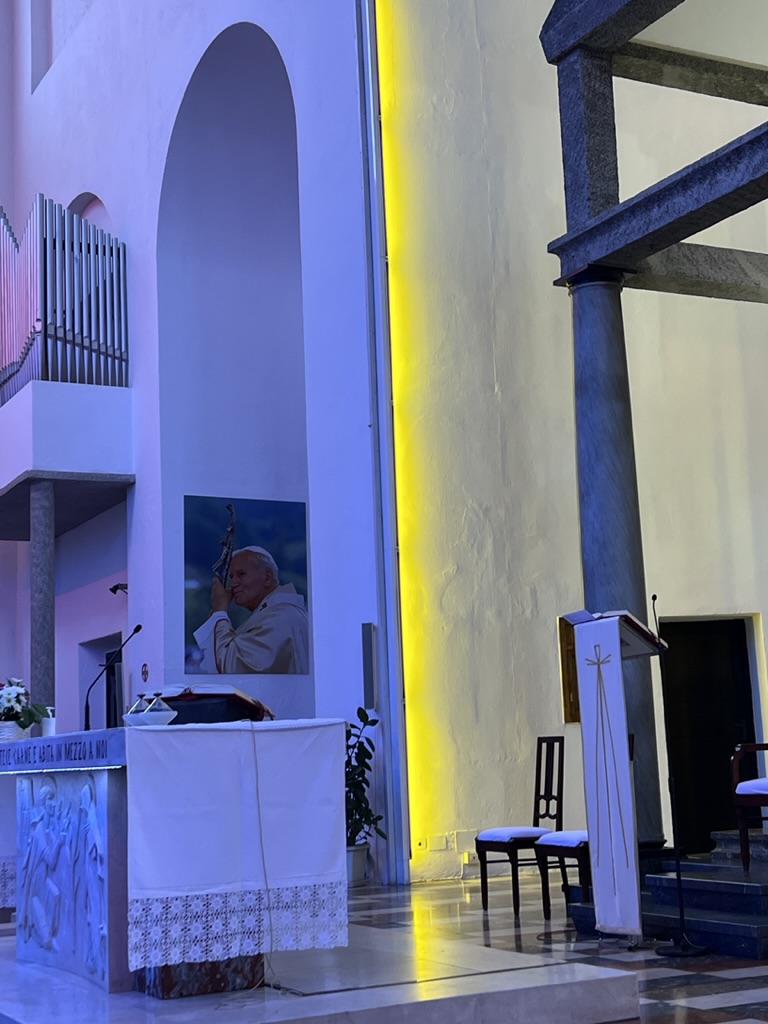
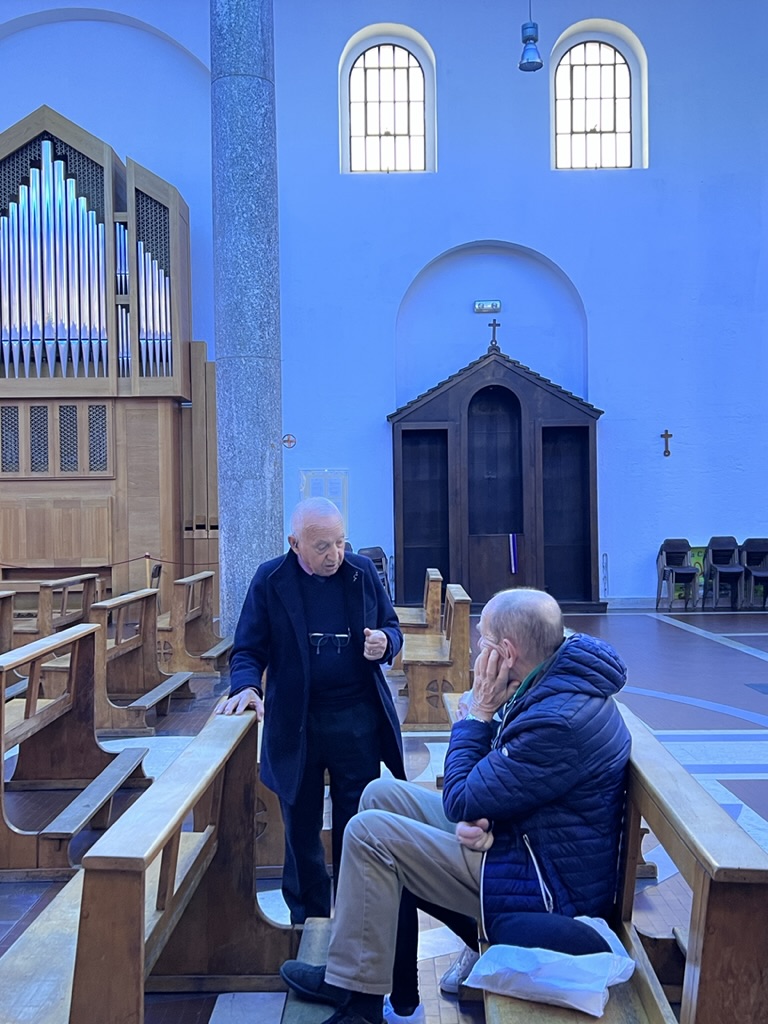
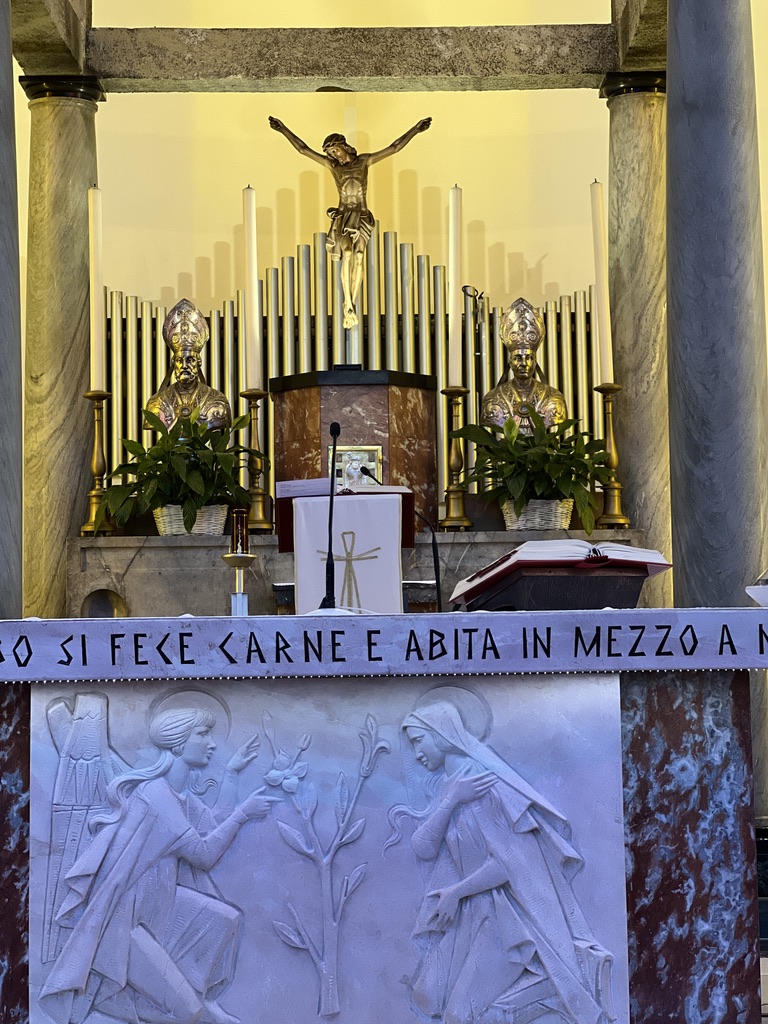
It’s a really wonderful installation — the interior of the church is stark white …. And the placement of the lights brings in green and blue and pink and these ultraviolet lights fill the entire church with chromatic elements that completely change the space and I imagine that the colors and feel are very different at different times of day.
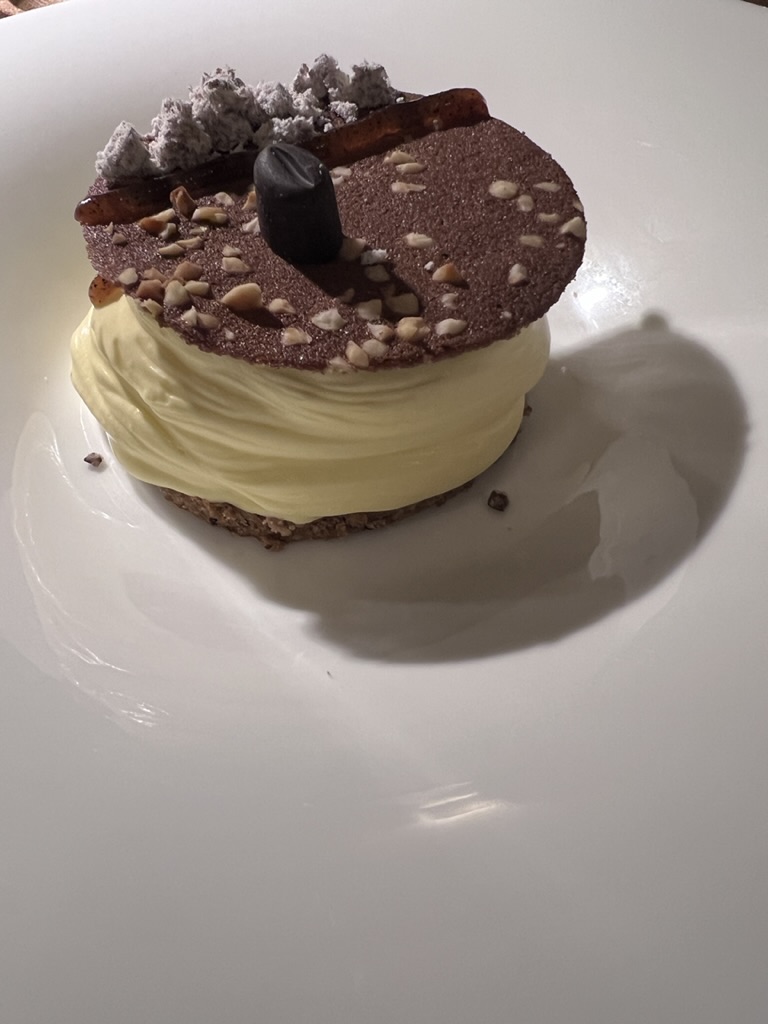
With that, I headed back to the hotel to check on Mike who felt he was up to going out for a real dinner… To celebrate we headed to a Michelin star place called L’Alchemina, where every dish was a little work of art.
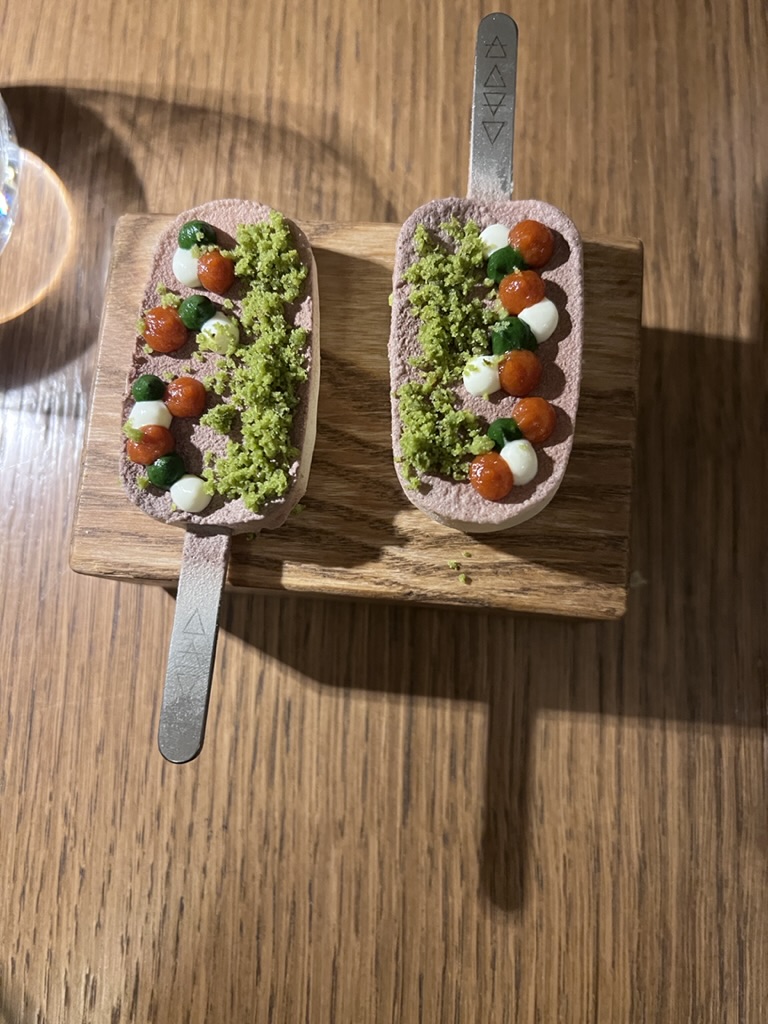
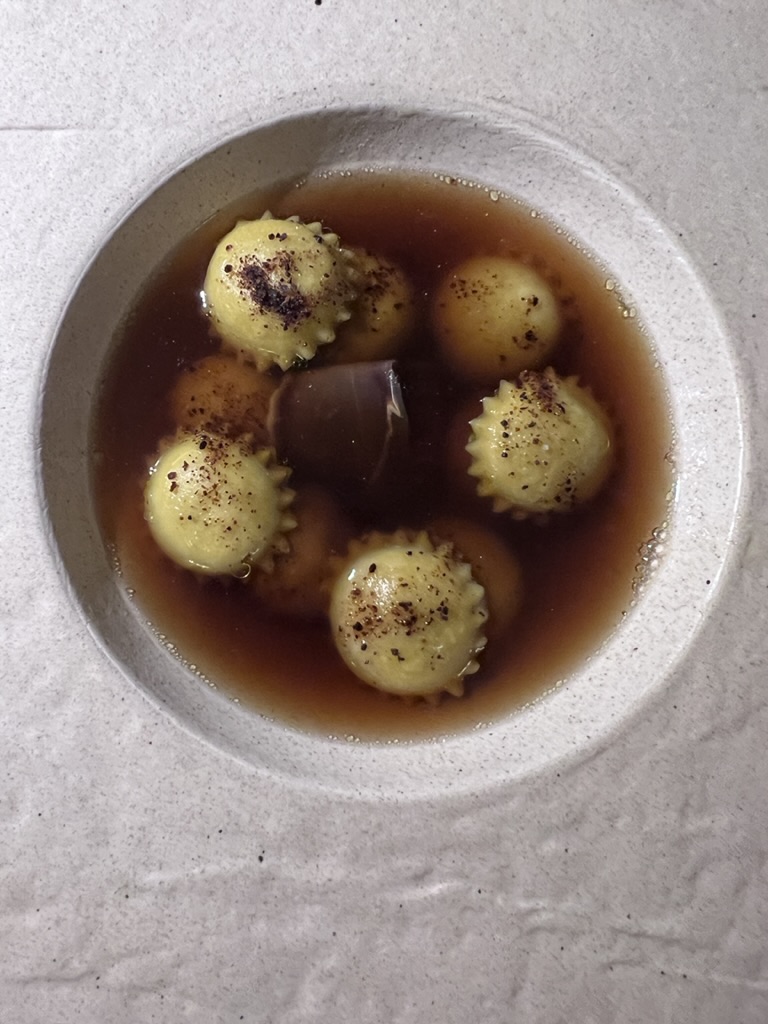
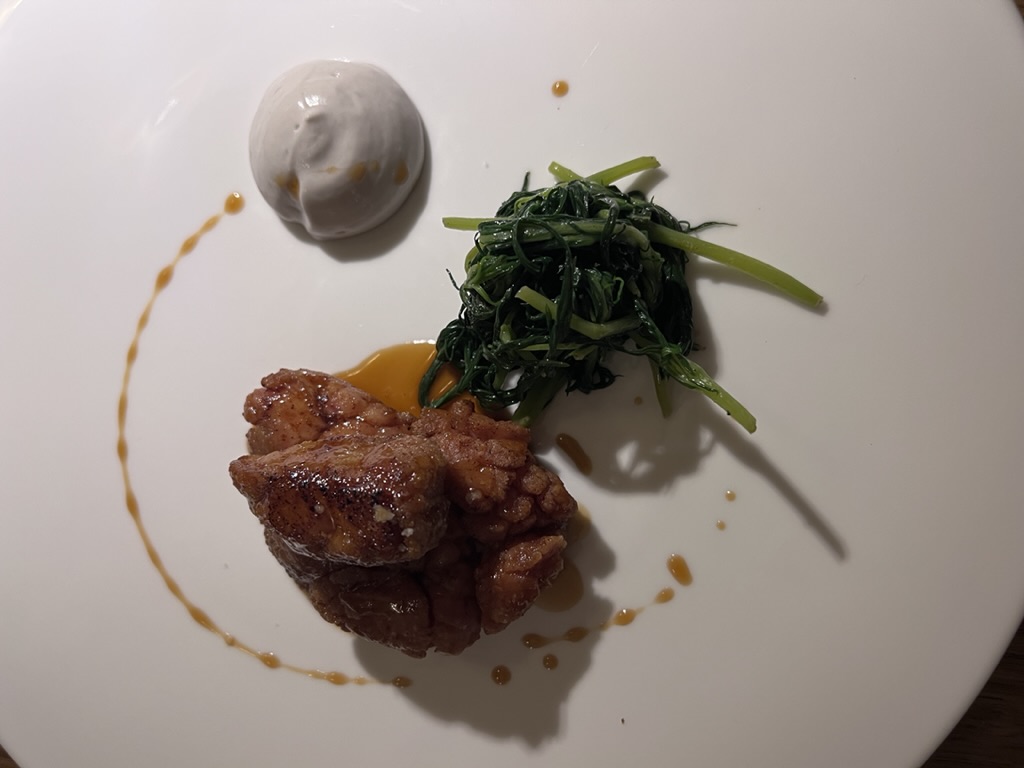
And now I’m back and ready for bed. Tomorrow it is supposed to rain most of the day, so I think my last day will be packing and getting back to my book so that I feel I was productive for at least a little bit during this trip.
All the best.. Maybe more tomorrow if I decide to leave the hotel. I’ve pretty much seen what I want to see here in Milan, but if the weather clears, I may do my favorite thing when I’m traveling—taking the metro and just getting off at random stations and walking those neighborhoods, but no fun if it is raining.
Fern
Hope you are all doing well. We are finally confirmed on flights—leaving from Milan to SFO via Newark—arriving on Wednesday night. We will find time somewhere this year to get to Geneva; maybe Xmas… if we can make it work.
I started my day dealing canceling our reservations for the Geneva hotel and train from Milan to Geneva. Indeed, it feels like we live in Milan (not a bad thing). Yesterday, three different groups of people asked me for directions and one salesperson continued to speak to me in Italian and finally said, in English, “Gee I could have sworn you were Italian; you look Italian.” I took it all as a compliment.
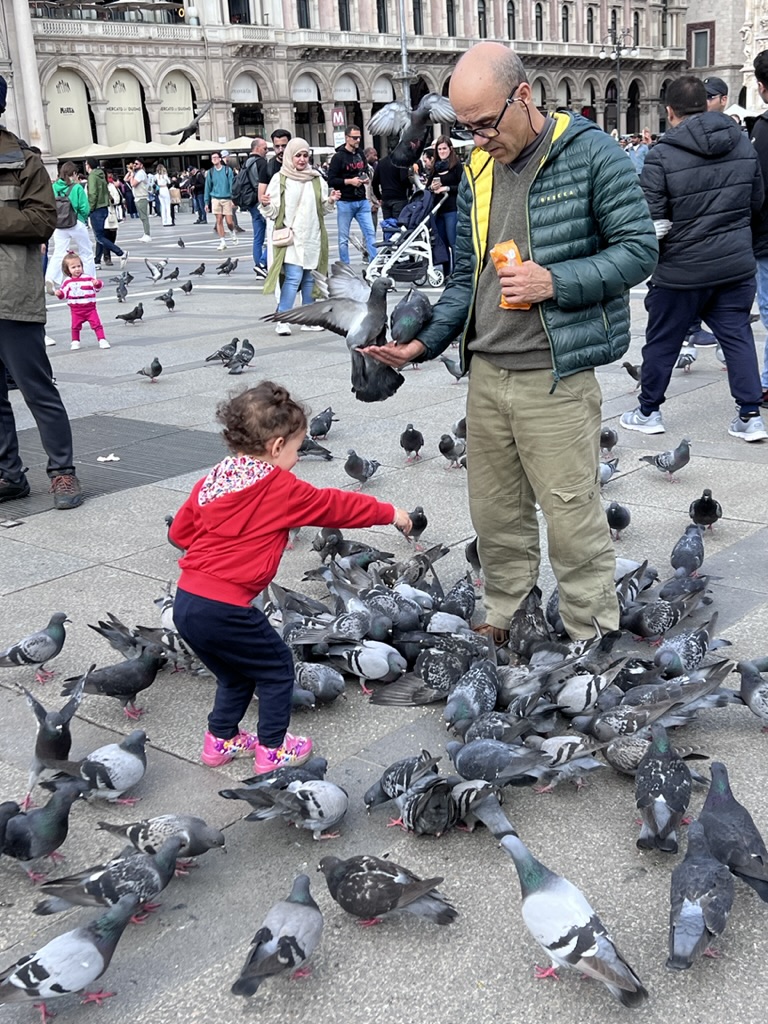
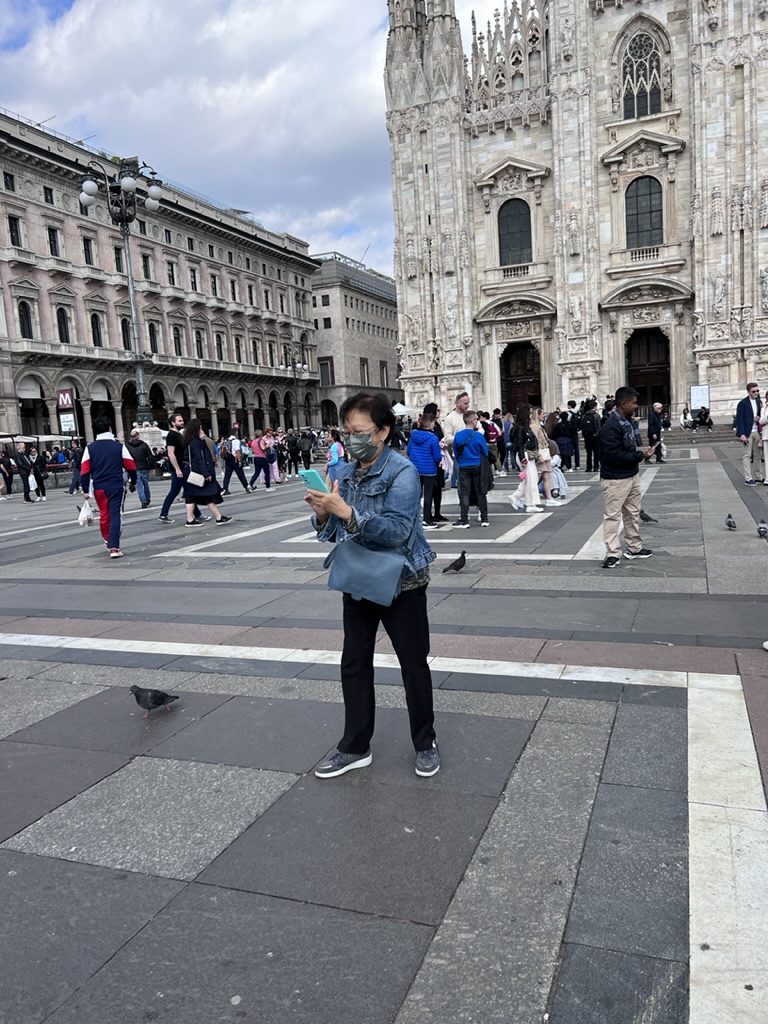
And one note— there are an estimated 4.7 billion photos shot on phones each day (!!); I am convinced that at least a billion of those are taken here in Milan. While everywhere you travel you see people taking photos, especially selfies, with girlfriends, boyfriends, parents, children in front of or next to whatever monument, piazza, restaurant, museum, canal, building or whatever, it does seem like the proliferation is greater here in Milan than anywhere! All over, people are primping as they use all of Milan as a backdrop for pictures of themselves.
Mike is slowly emerging back into the world, but the laryngitis hasn’t gone away yet. Tomorrow, he ends the five days of isolation and the Paxlovid regimen. Hopefully, he’ll have two more days to just rest and maybe stroll before we head back.
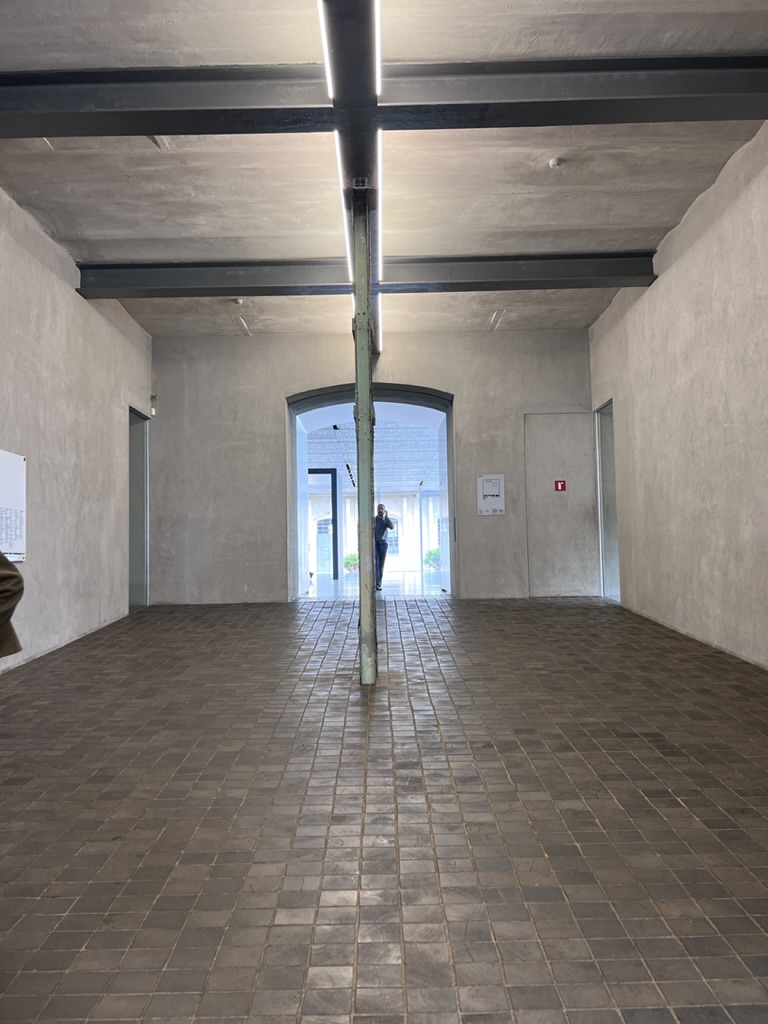

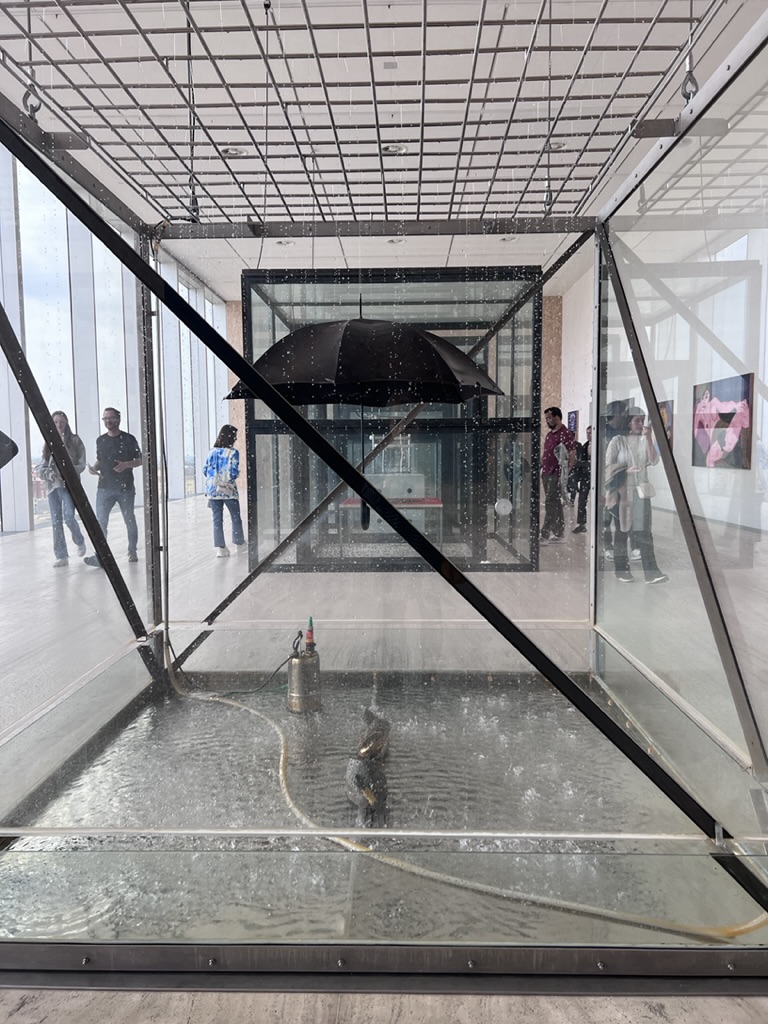
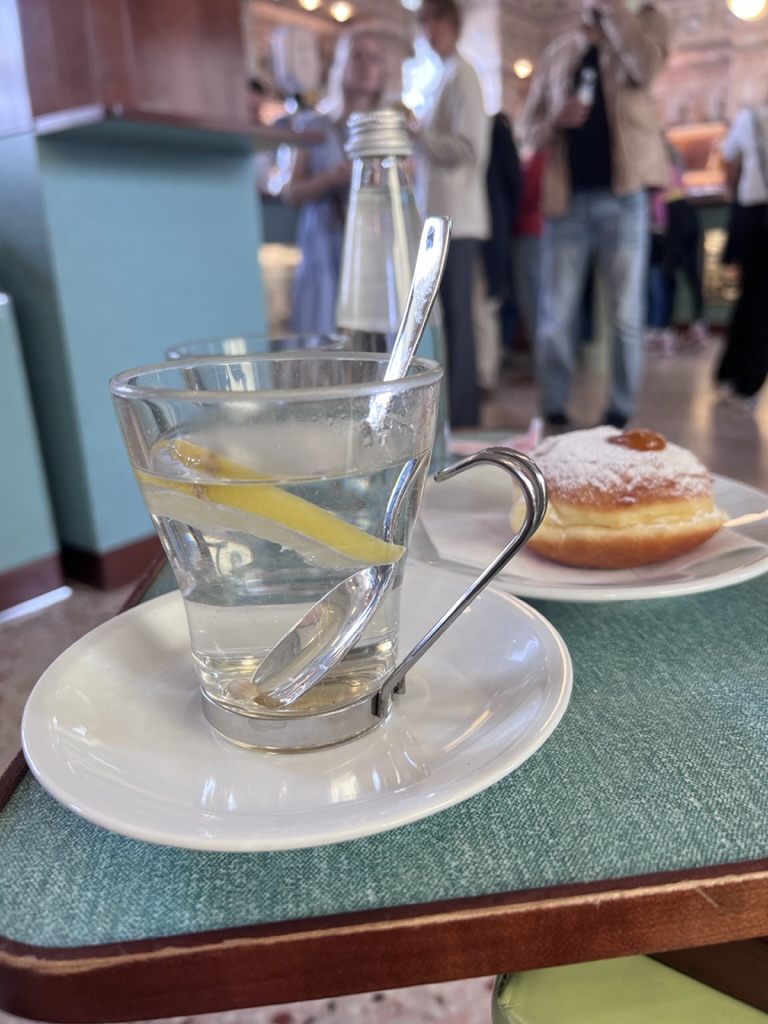
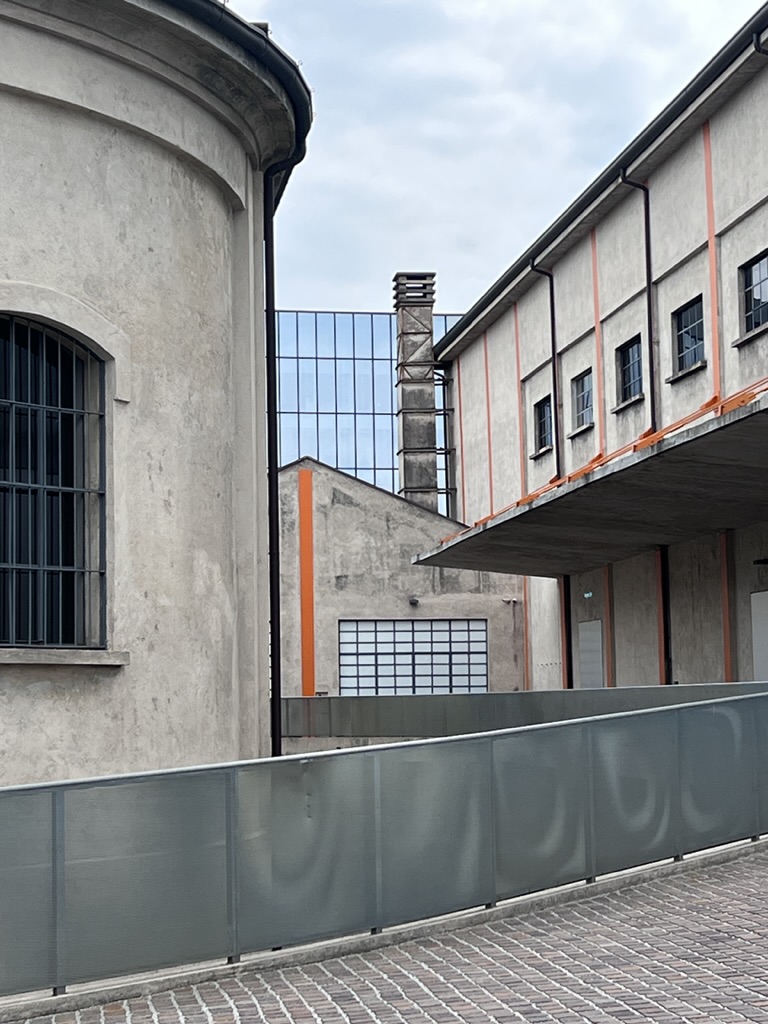
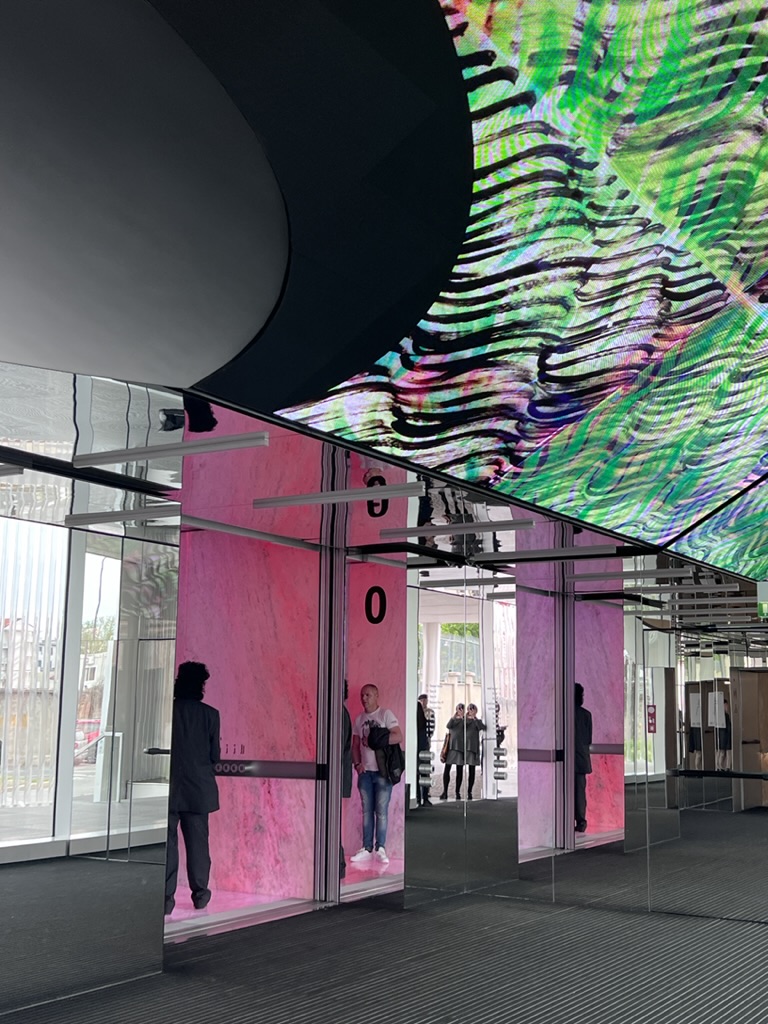
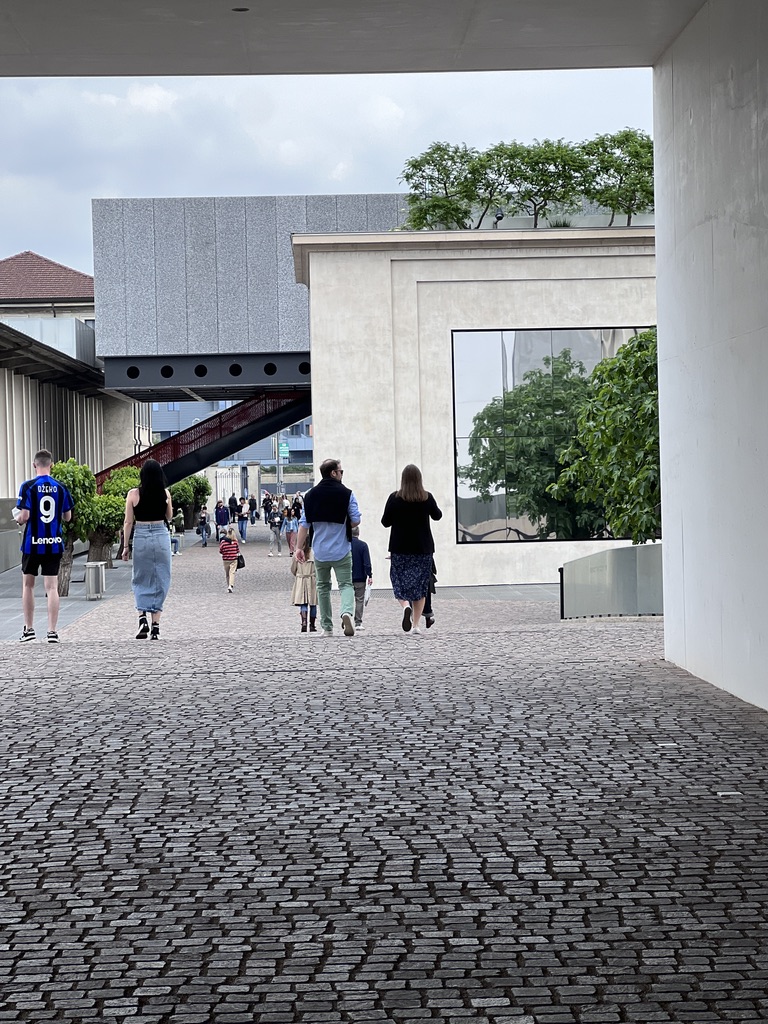
I headed out this morning by taxi to the Fondazione Prada which is in the southern part of Milan. Was going to do Metro, but wanted to get there more quickly as I hadn’t had breakfast and figured the place had a café. I was correct. In fact the café was designed by filmmaker Wes Anderson; it’s sort of kitschy, called Bar Luce and is designed to refer to various landmarks in Milan from the 1950s and 60s, which can be seen in the color palette and various finishes like veneered paneling, formica, and the furniture. Armed with morning pastry, I was ready to view this huge 5-acre complex/campus which had been a distillery in its productive life. Sort of ironic that now it houses artworks from the collection of (or commissioned by) the founder and designer of a luxury fashion house. The historic buildings have been converted to house different activities of the Foundation and also temporary exhibitions (mostly very large scale installations). There are also new buildings. One is called the Tower, one that is covered in gold leaf and is three stories, and the Podium which has huge spaces on each of two floors.

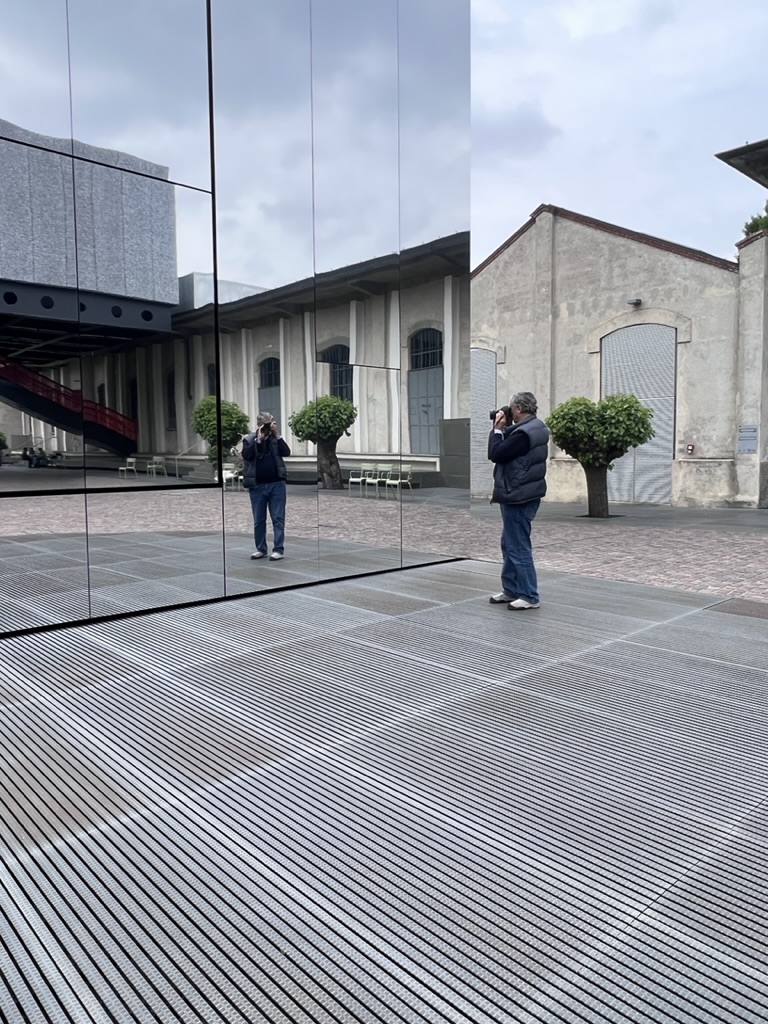
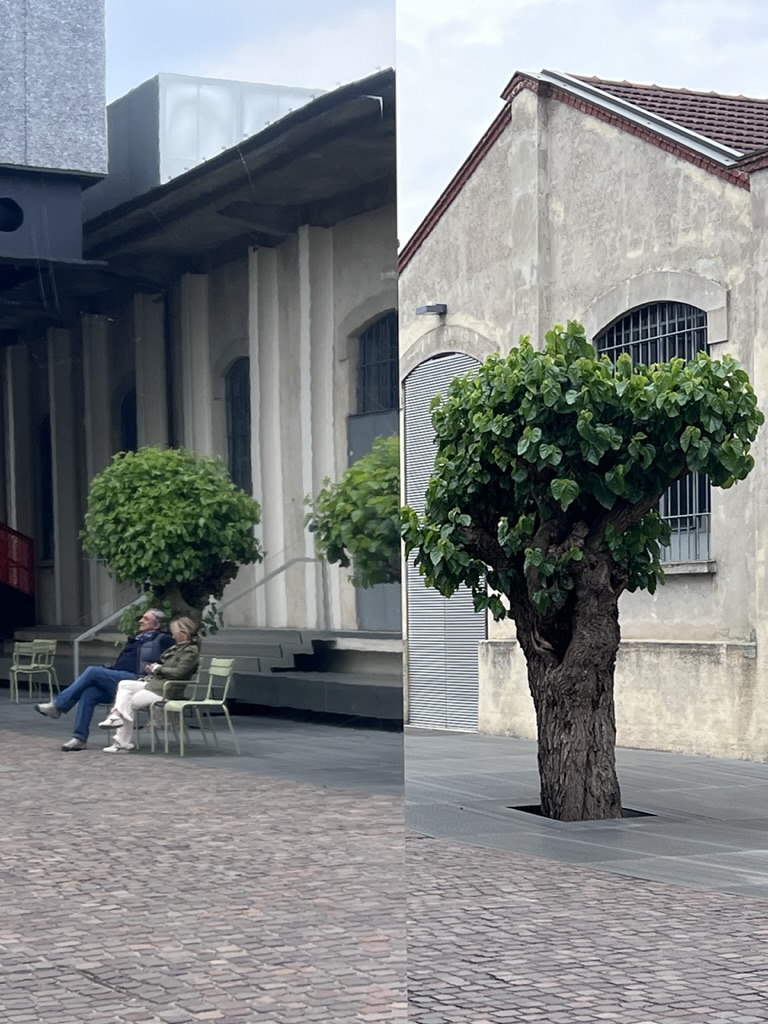
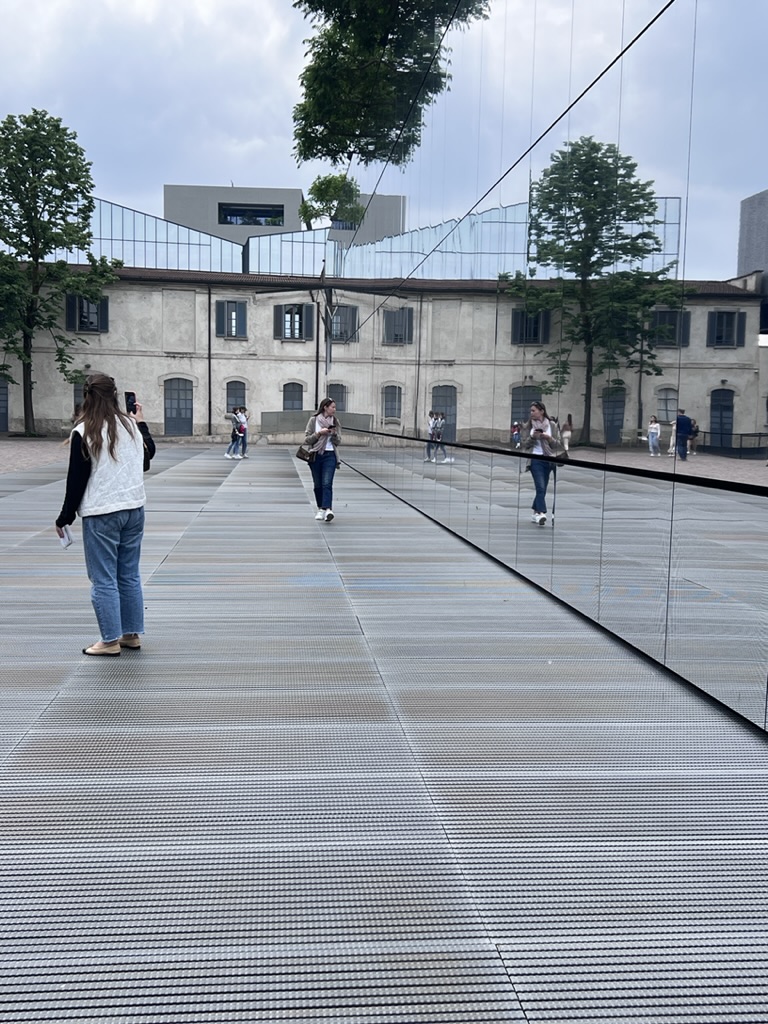
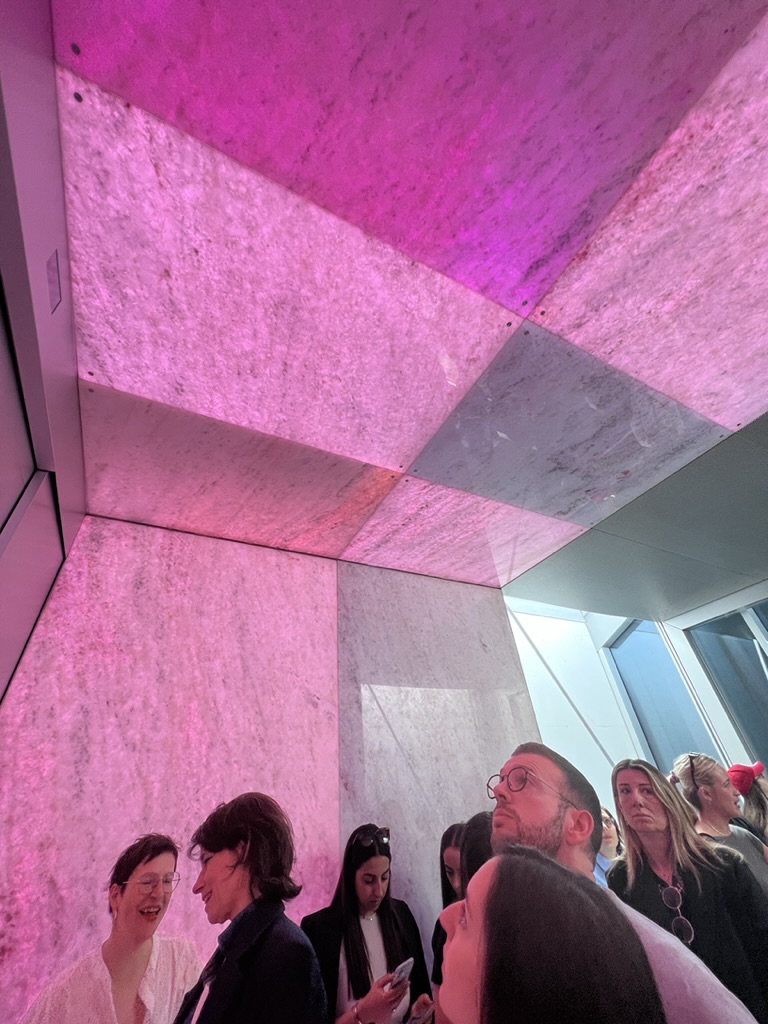
The architect for the project was Rem Koolhaus. I was very mesmerized by the campus which has multiple buildings clad in reflective surfaces, so that you are always looking at reflections showing what is behind you as well as looking ahead. The elevator (which is gigantic) in the tower has some marbleized light red surfaces that change color as the elevator rises, based on how much light is coming into the elevator.
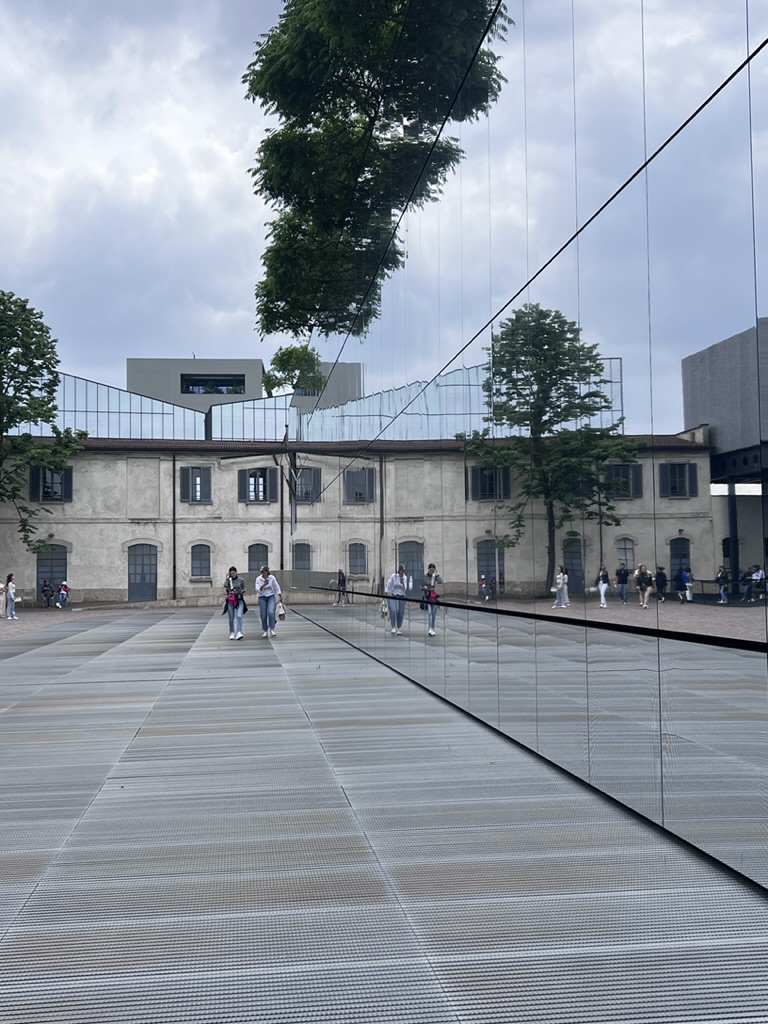
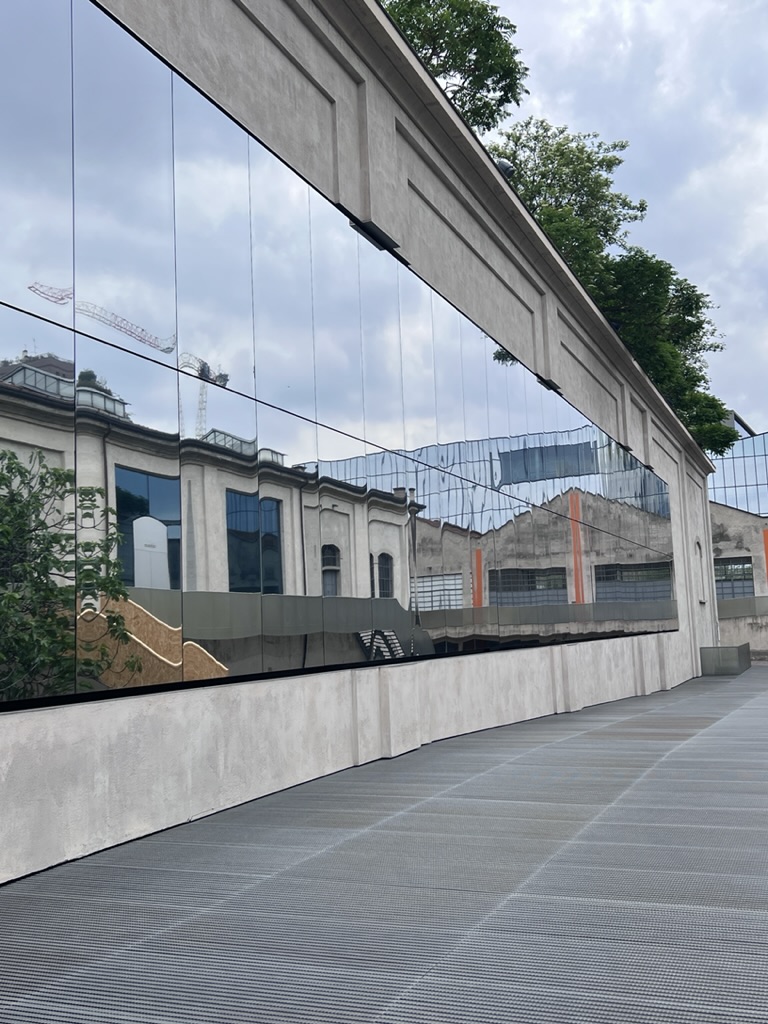
While I actually liked the complex, I found it totally strange that this was once a workplace where people held blue collar jobs, and probably lived close by in what has been described as a “scruffy” neighborhood… Well no more. New buildings are popping up in close proximity and the scale of this campus totally changes whatever community still exists nearby. Must have taken the sale of a lot of Prada handbags to build this complex; the price tag has never been revealed and probably never will be told since it was all private money— as I said lots of handbags! And, it’s amazing what you can do when money is no object. That said, previously industrial buildings have long found new uses as art spaces.
After lunch at the Torre Restaurant at the top of the tower building—a wonderful soaring space with windows and views of the city into the distance. Unfortunately the food doesn’t match the space. I’d give it a 2 out of 5, but with prices that are 5+. Headed back to the hotel since rain was predicted and went to the pharmacy to get Mike some lozenges.
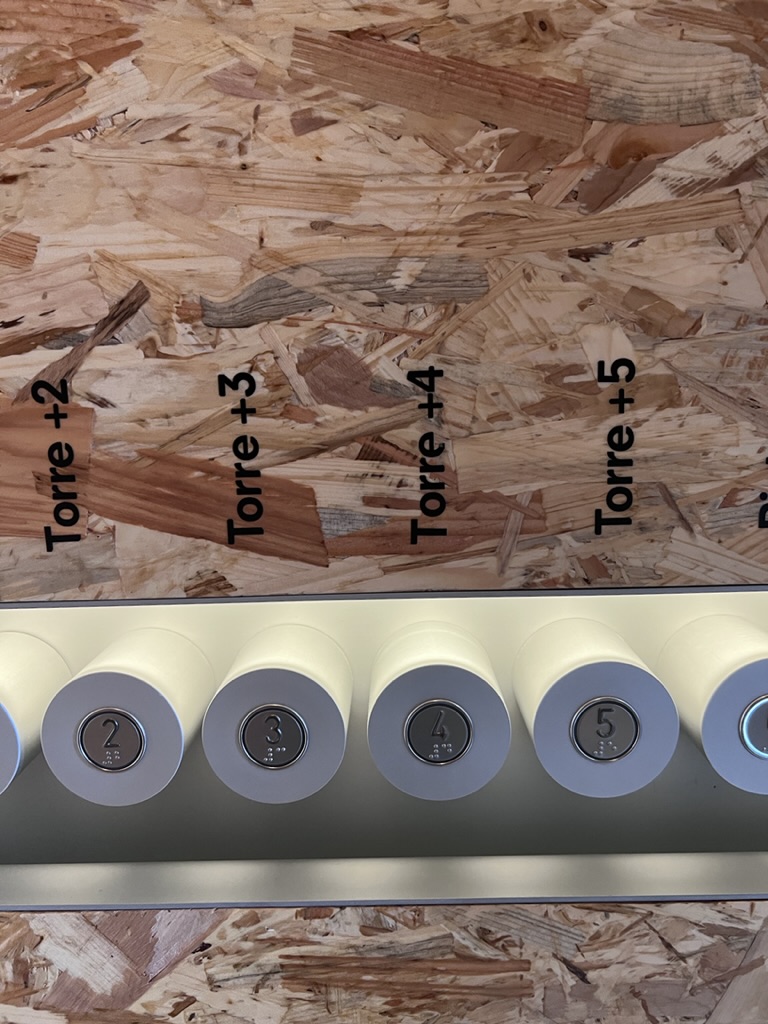
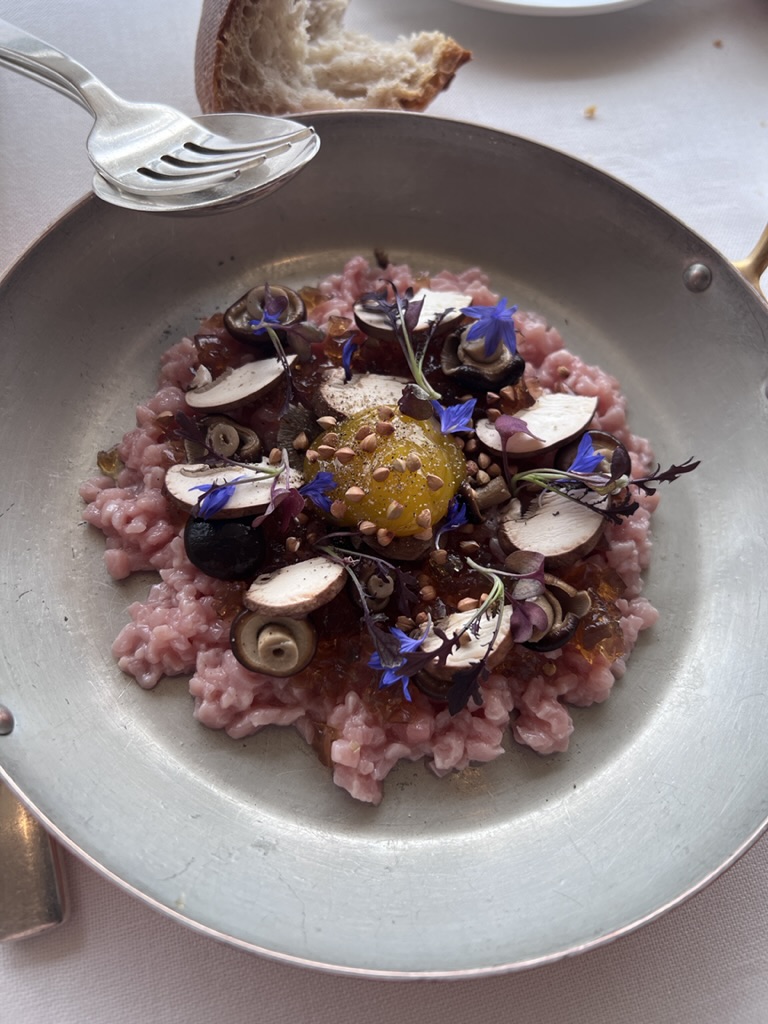


And then got a surprise text from friends from Phoenix—who it turns out were in Milan today. Switched plans (I was going to have dinner at a fusion restaurant called—appropriately—Benoteca, a Japanese/Italian place) and instead found a little hole-in-the-wall place to have dinner with these good friends, who are traveling for 7 weeks through Italy and France, and having a blast. Disappointed Mike couldn’t join in, but he’s been a real trouper. I’m hoping he’ll be able to leave the hotel tomorrow and maybe join me for dinner.
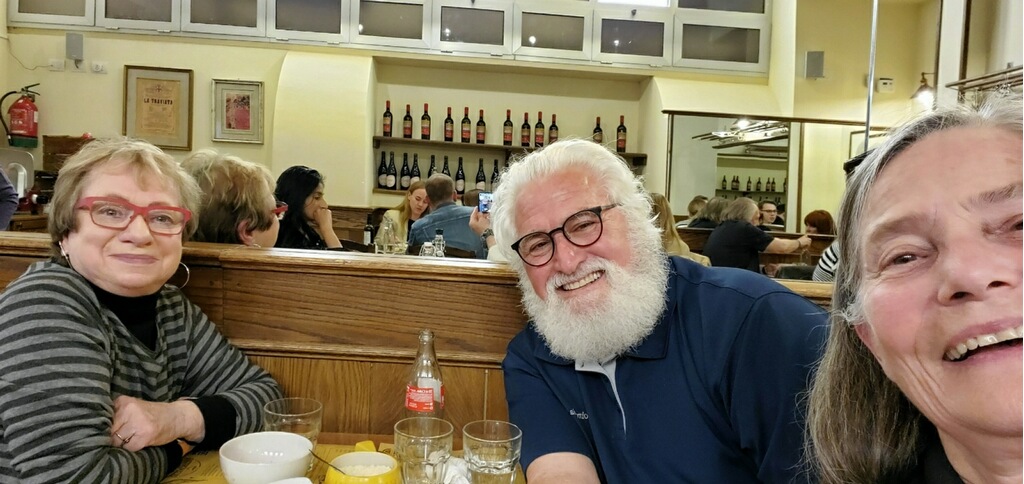
I’m trying to be really careful so that I don’t come down with Covid and that we can leave as planned on Wednesday. So far, so good…
Finally, another observation: on this trip and on other overseas travels over the past 7 years or so, I’ve noticed a definite decline in interest in the US. Years ago, when we traveled abroad, people were curious about the US and they seemed to follow it on the news. Some Europeans, Asians, and others were almost mesmerized by what they saw as this giant, powerful, and wealthy country. Some hated the US (most especially during the Vietnam War when we lived overseas) and some tried to mimic aspects of US culture. Today, I sense minimal interest in the US on the part of Europeans, more of a sense of the failures of the US and its foibles. You can see it on the news—barely a mention of US issues; far deeper interest in global issues and in the events in other parts of the world. I’m glad. When asked where we are from, we never say the US… we always say “California,’ thinking it’s sort of “code” that California is different from the rest of the country. Every so often you’ll spot graffiti that mentions George Floyd or other racial comments. But overall, we are just another country across a very big pond.
Tomorrow, I plan to visit a few more neighborhoods and also to see the Dan Flavin installation at some church… and to see what may or may not happen on May Day, which is a national holiday here in Italy called Festa dei Lavoratori or Festa del Lavoro— Workers Day. I’m guessing parades? Demonstrations? Strikes?
Stay well.
Fern
19. Milano Milano!! April 29 2023.

First the update on Mike: This morning he thought he was on the mend and over the hump, but by late afternoon he was coughing a lot and felt terrible. So we are not going to Geneva (will see if we can go at Xmas).. At this rate, the new baby (Mike’s niece’s third child born in January) will be in college before we see her. But this is for the best, for everyone. After about two hours on the phone with United, we were able to find flights that didn’t require big additions to the cost. We will leave on Wednesday from Milan to Newark and on to SFO; not my preferred route, but it will be fine. Hopefully, by Wednesday Mike will be up for the trip.
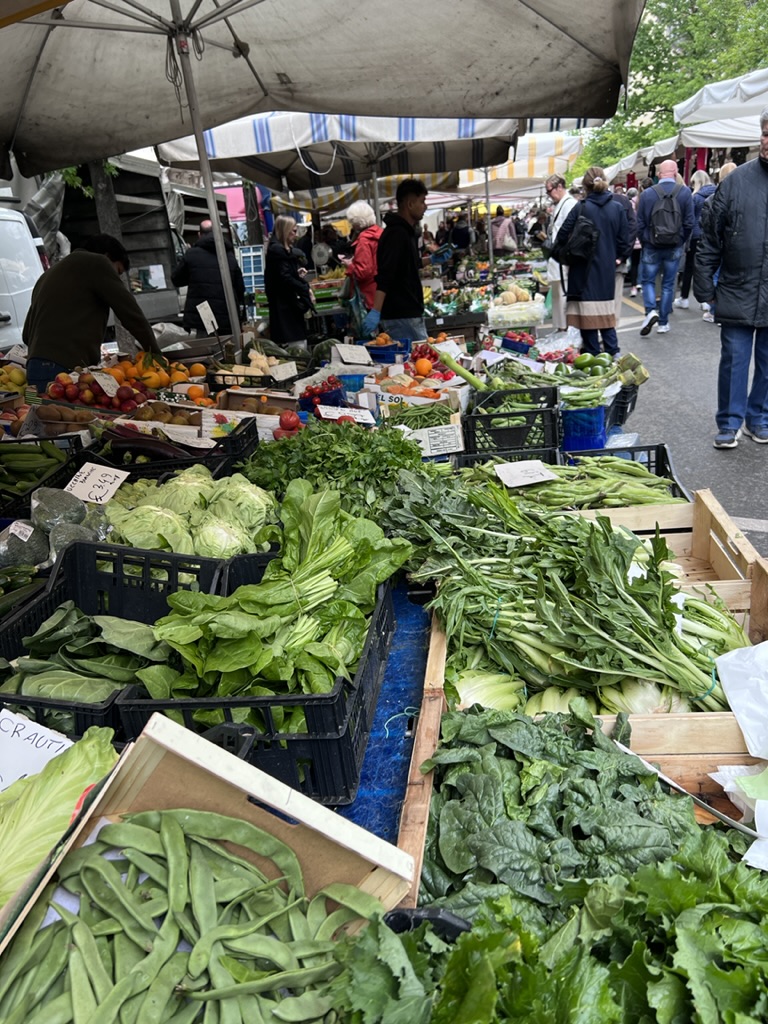
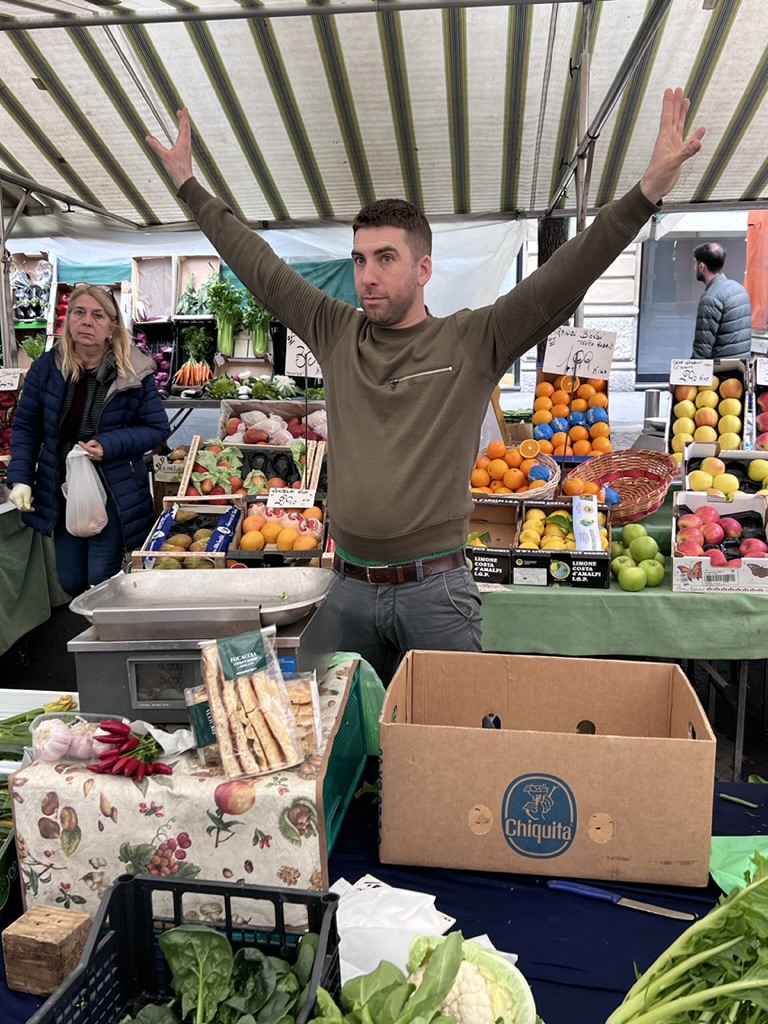
In the meantime, I’ve been explouring (or re-exploring) Milan. I headed directly for the Isola neighborhood after a quick stand-up morning snack at a local café. Took a taxi so that I could then walk around that neighborhood. Isola is one of those “up and coming” (translate—gentrifying) neighborhoods that used to be a working class area and is now hip and full of restaurants and galleries and cute boutiques. They compare it to Rome’s Trastverre but it’s not quite there yet. Today was their market day which stretched for blocks and blocks of fresh veggies and fruits and cheeses and meats and also used clothing and kitchen gear and all sorts of goodies from underwear to toys. I strolled and strolled and strolled. The taxi driver was a little confused as to why I was going to “this” market and told me about others that were “nicer.” He didn’t speak much English but I got the message; he also told me that in “this” neighborhood I needed to be sure to hold my phone and my wallet very close.
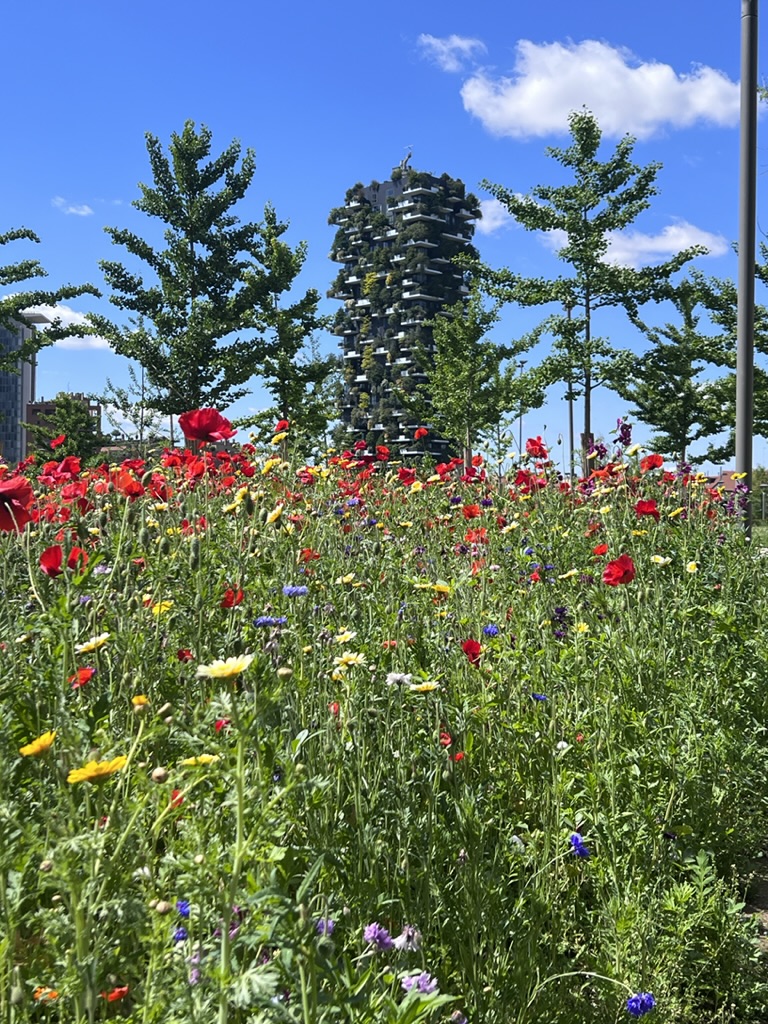
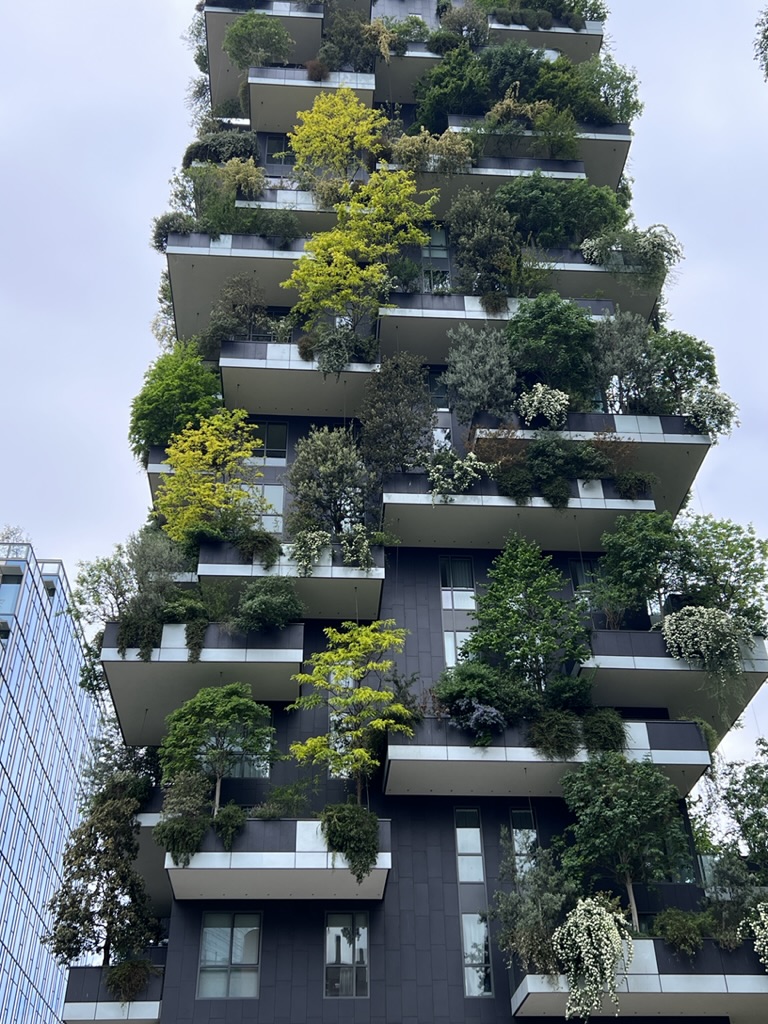
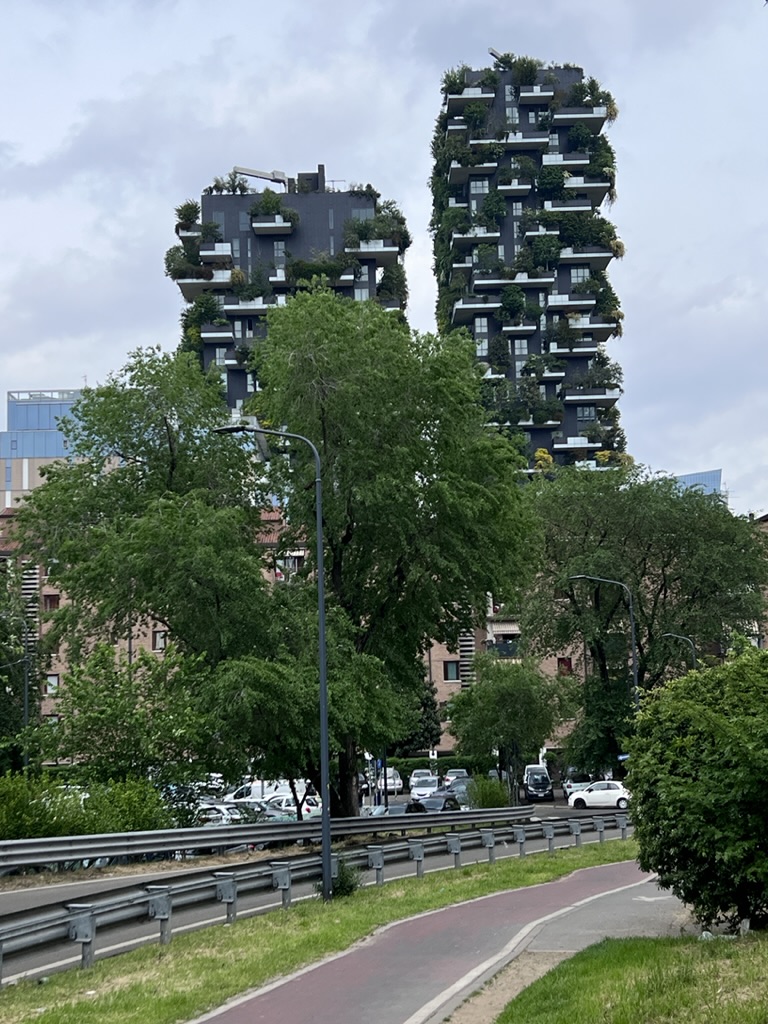
Along the route to Isola, I spotted the Bosco Verticale so I asked the taxi driver to stop for a minute for me to photograph.. Actually it’s very difficult to photograph this high end apartment complex.. The Verticale is supposedly a successful example of green urban development. The building changes as the seasons change; there are more than 15,000 plants and 90 different species of trees, shrubs and floral vegetation.. and the green which I have read is the equivalent of about 8 acres of forest, which is capable of absorbing 30 tons of carbon dioxide per year. The building of the Verticale is one of many ways that the Isola is changing.
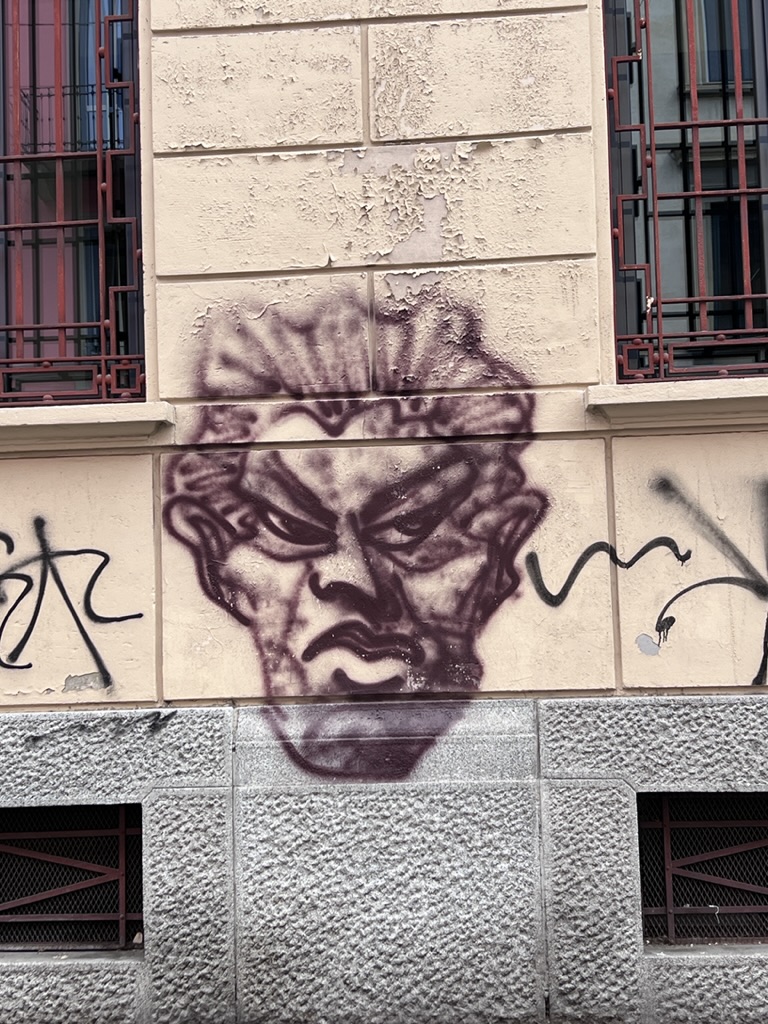
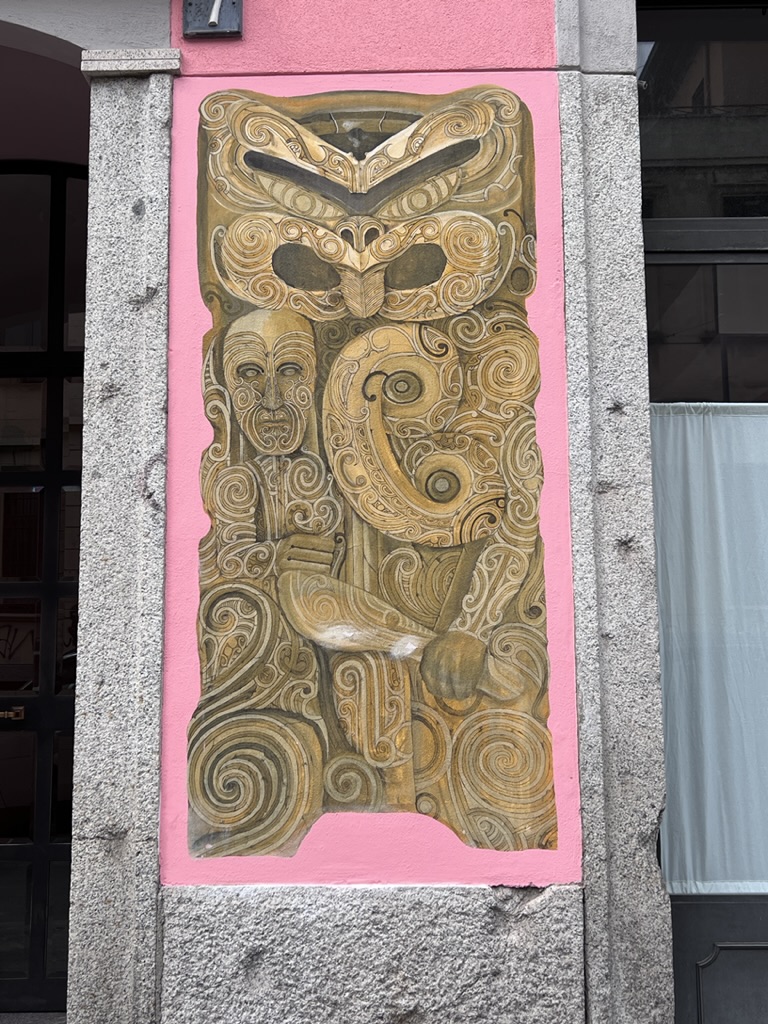
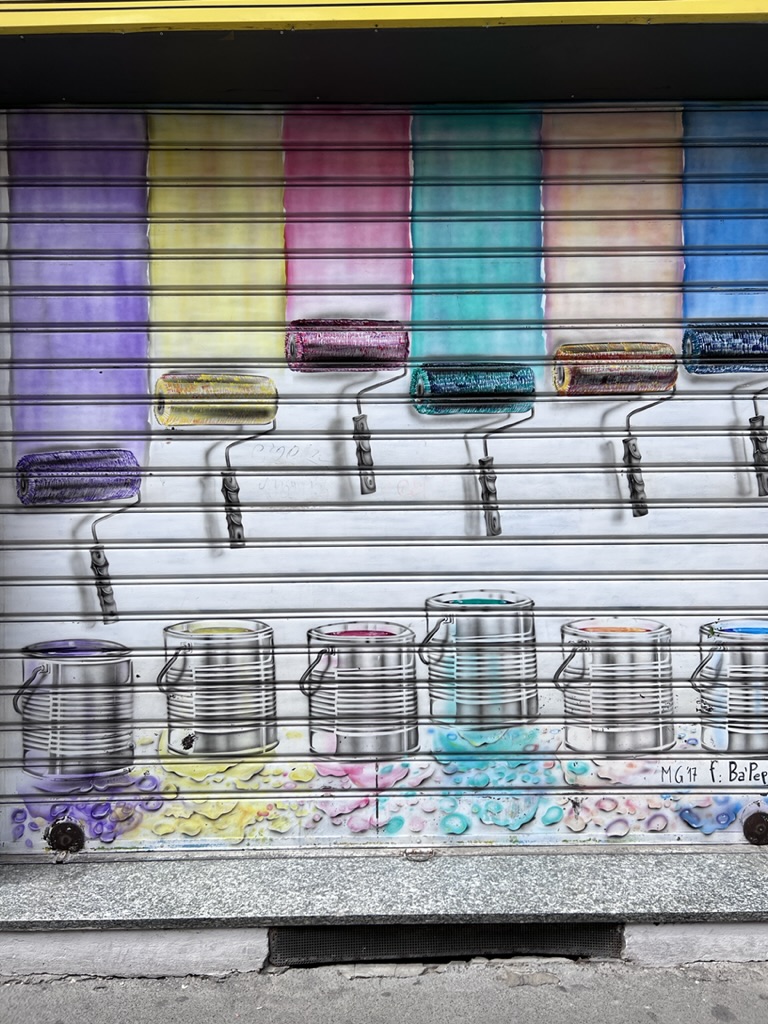
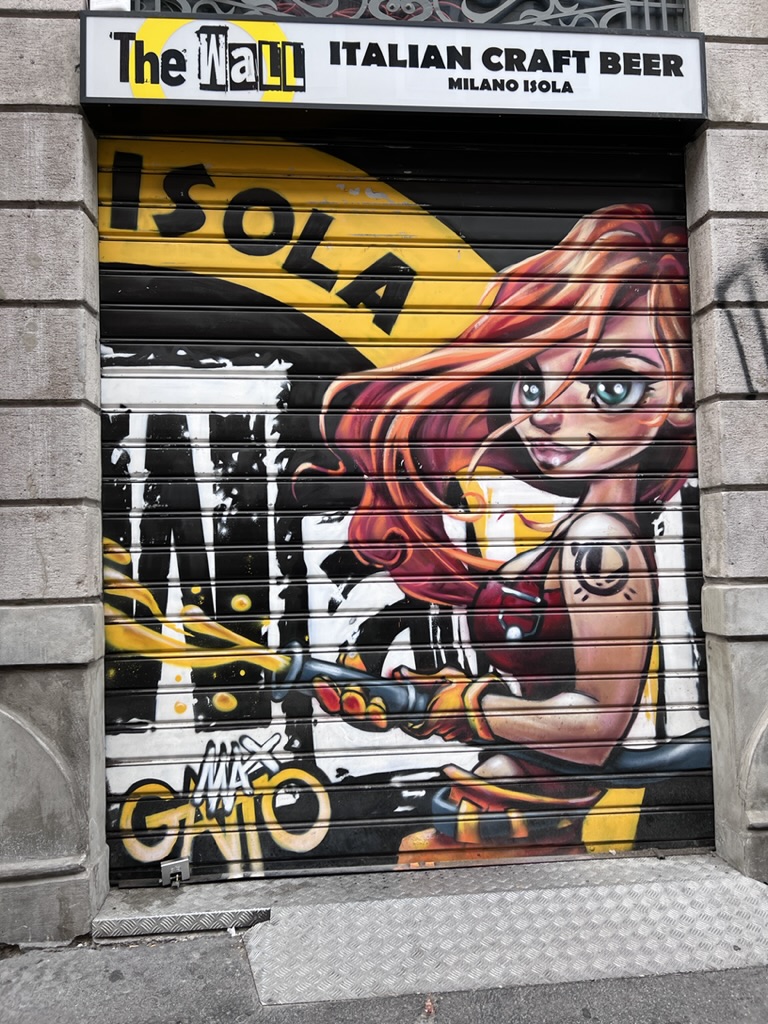
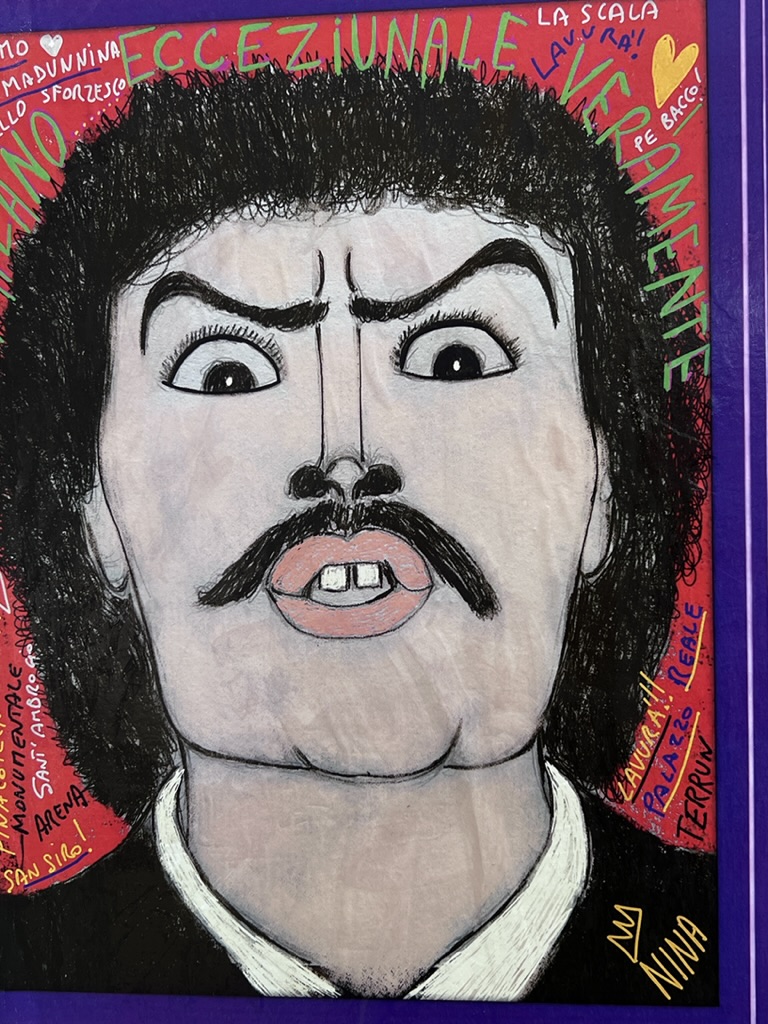
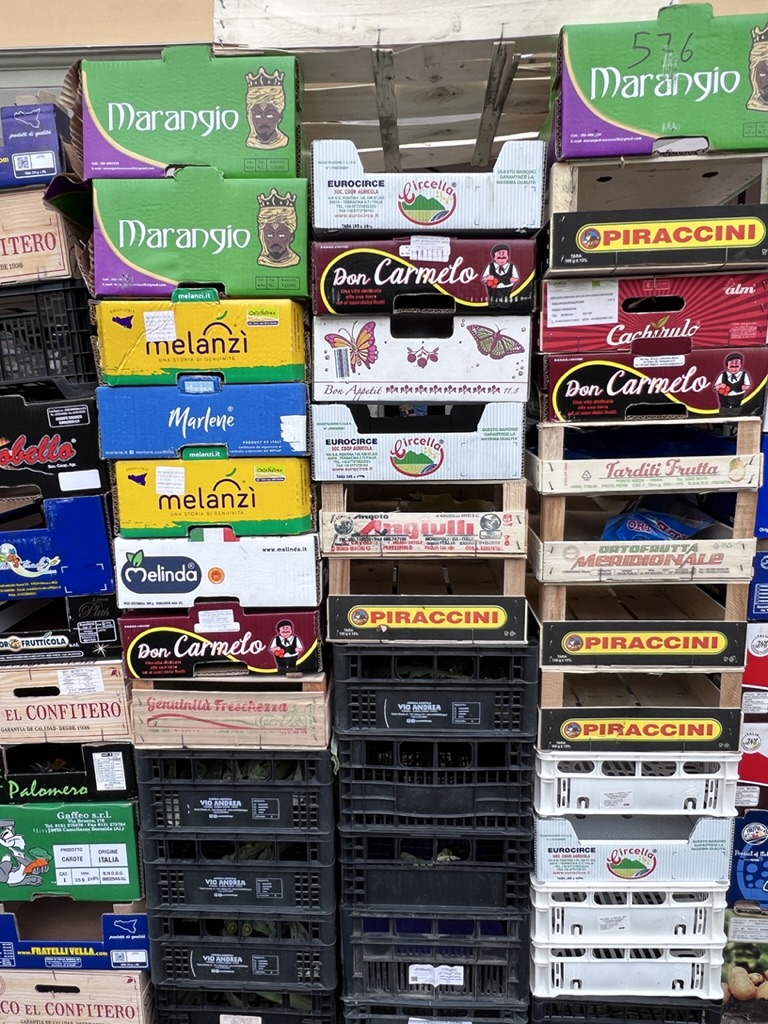
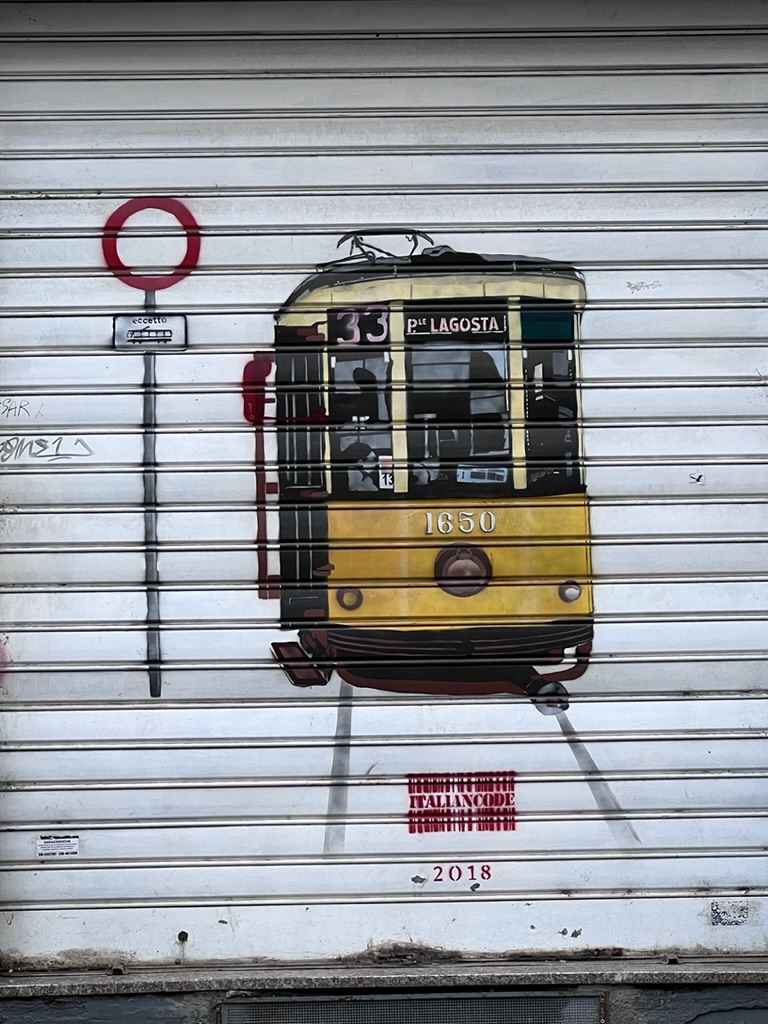
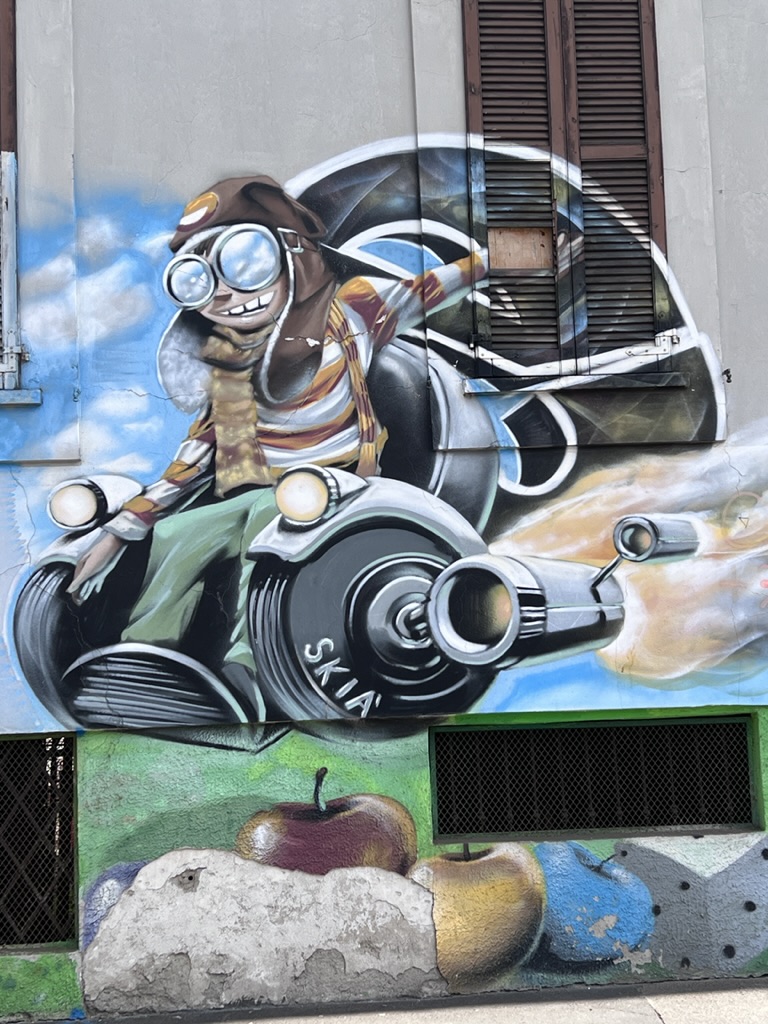
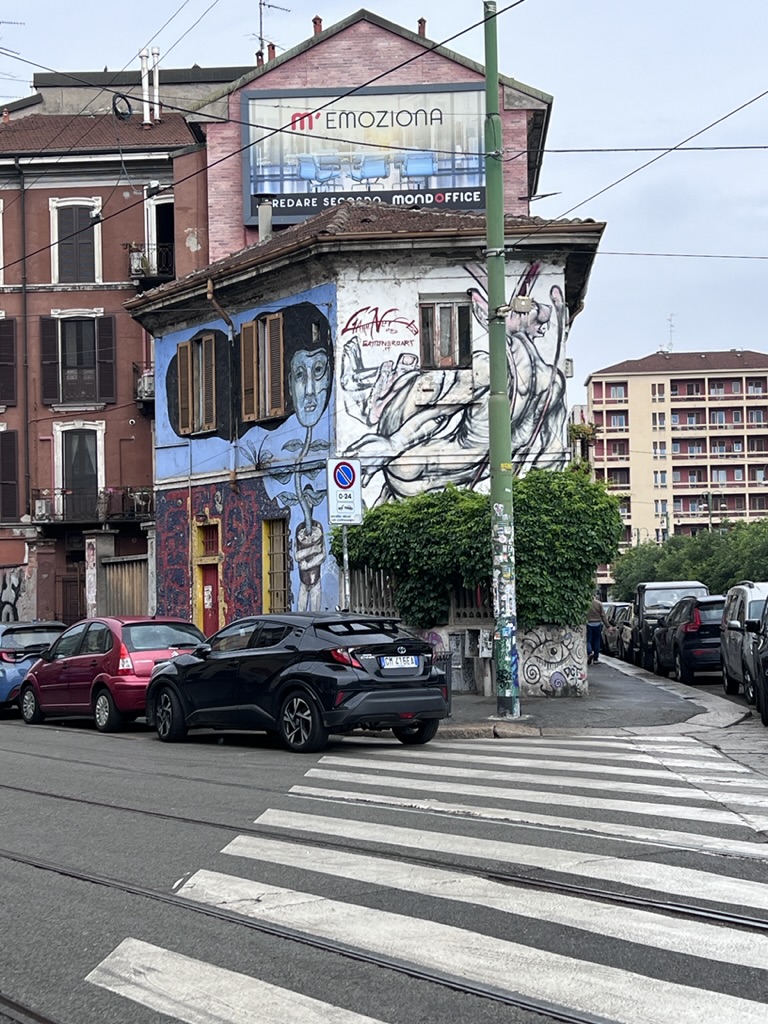
The Isola, like almost every neighborhood in Milan and also throughout the country is filled with murals and graffitti. And Italian cities seem to have absorbed graffitti as a part of life that’s here to stay. After hours bopping around the Isola, I headed to the Metro and took the train back to a stop near the Duomo to visit the Museo del Novecento — an interesting building that is focused on 20th-century Italian art. The museum was designed to show the art works in a linear fashion so that one moves along historically through the different “movements” of the 20th century. The building overlooks the Piazza Duomo and there are great views from each floor.
It’s a good collection and walking through and reading some of the text I was reminded of one of my favorite movies—“Manifesto”—where Cate Blanchett plays 13 different roles—the lead in each of the 13 stories–each of which depicts the writings of 13 different manifestos in the world of politics and art— Futurism, Dadaism, Bauhaus, Communist, etc. It’s a sort of a stew of these artists’ manifestos—and questions the role of artists in society. Among the 13 different personas that Blanchett performs, she’s a school teacher, a puppeteer, a newsreader, a factory worker, and a homeless man. If you haven’t seen this movie and you care about the arts—try to get hold of a copy.

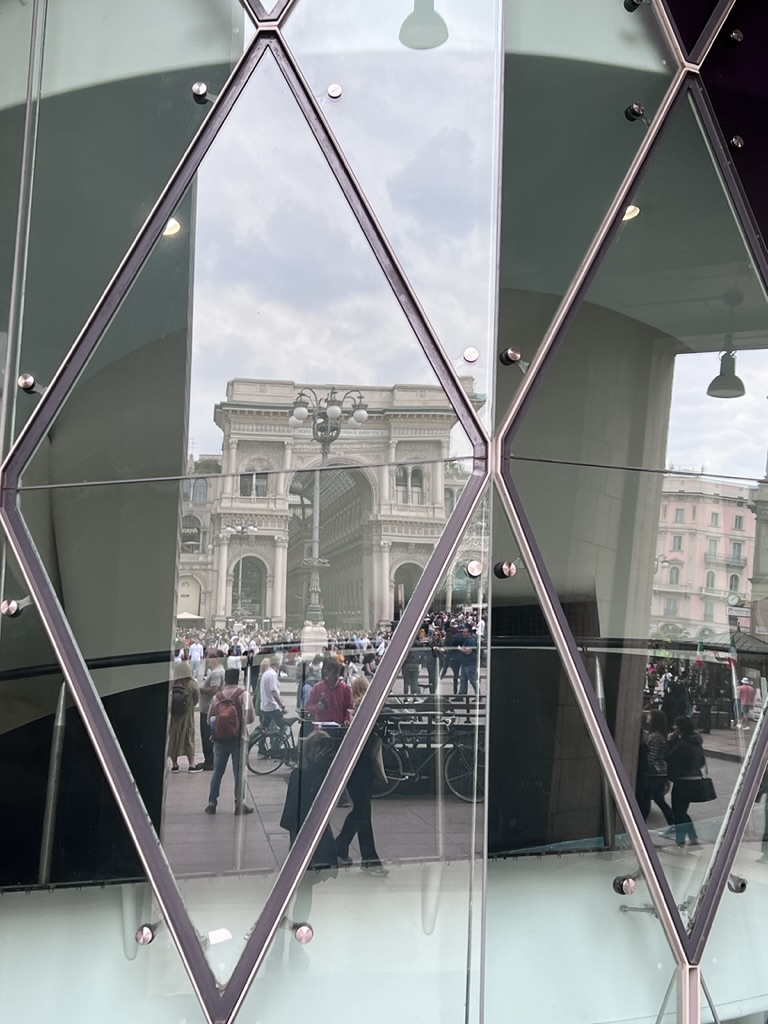

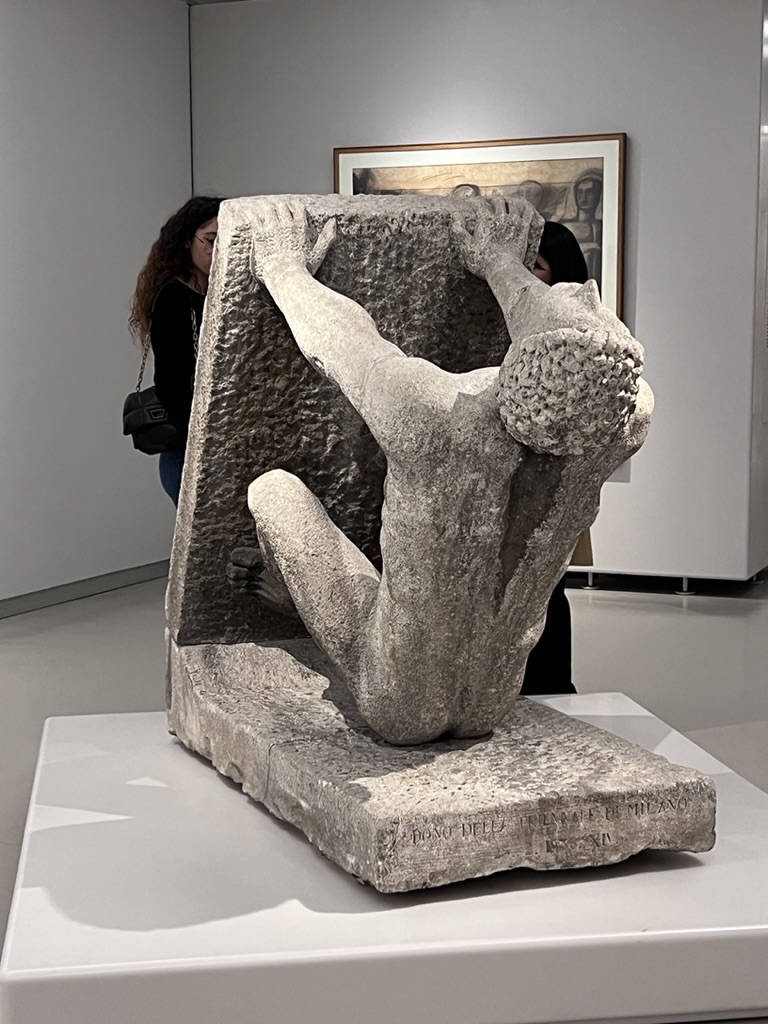
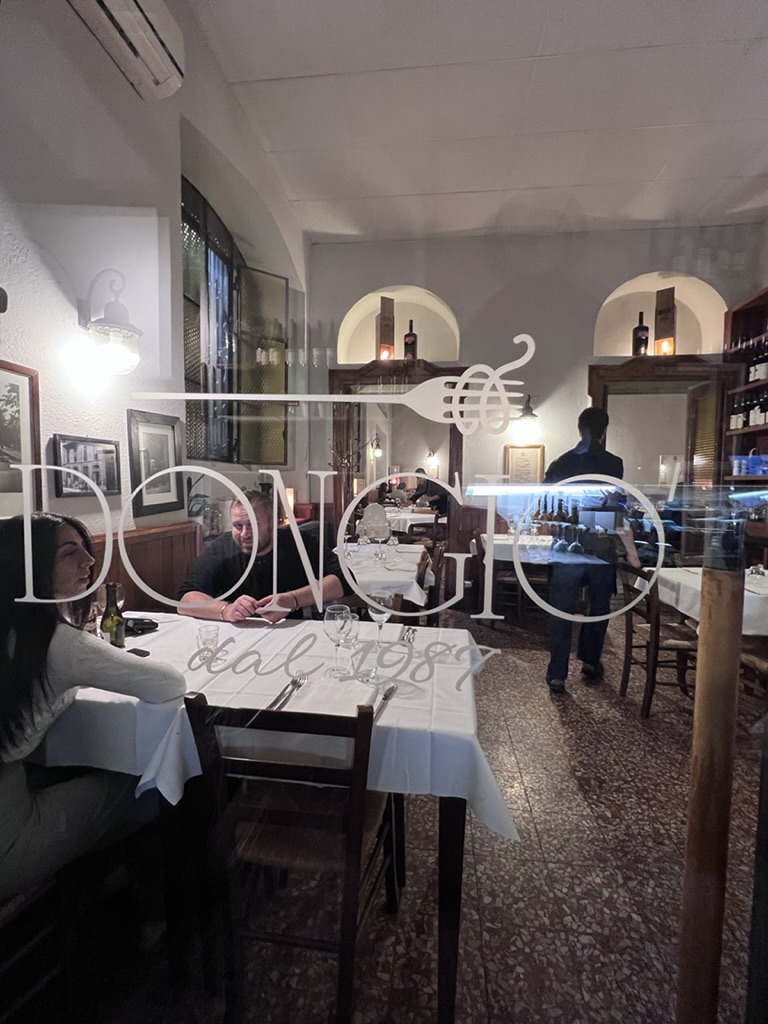
By then it was after 7:00, and I headed back to the hotel. Given Mike’s awful experiences with room service and delivered meals, I went to pick up some sushi for him… The issue about the food is that the hotel is small and doesn’t really have a kitchen or a restaurant. So they bring the food from a “sister hotel” a few blocks away. By the time it gets to the hotel, it’s cold and not so appetizing.
Then I headed for a really late dinner at a family restaurant in the Porta Roman area, which I hope to explore during daylight tomorrow (although the prediction is for rain??!!)
That’s it for me… lots more to tell, but it’s late here (after midnight and time for Wordle) and I’m getting sleepy.
Hope you are doing well.
Fern

