London: Tuesday, May 28, 2019
Greetings
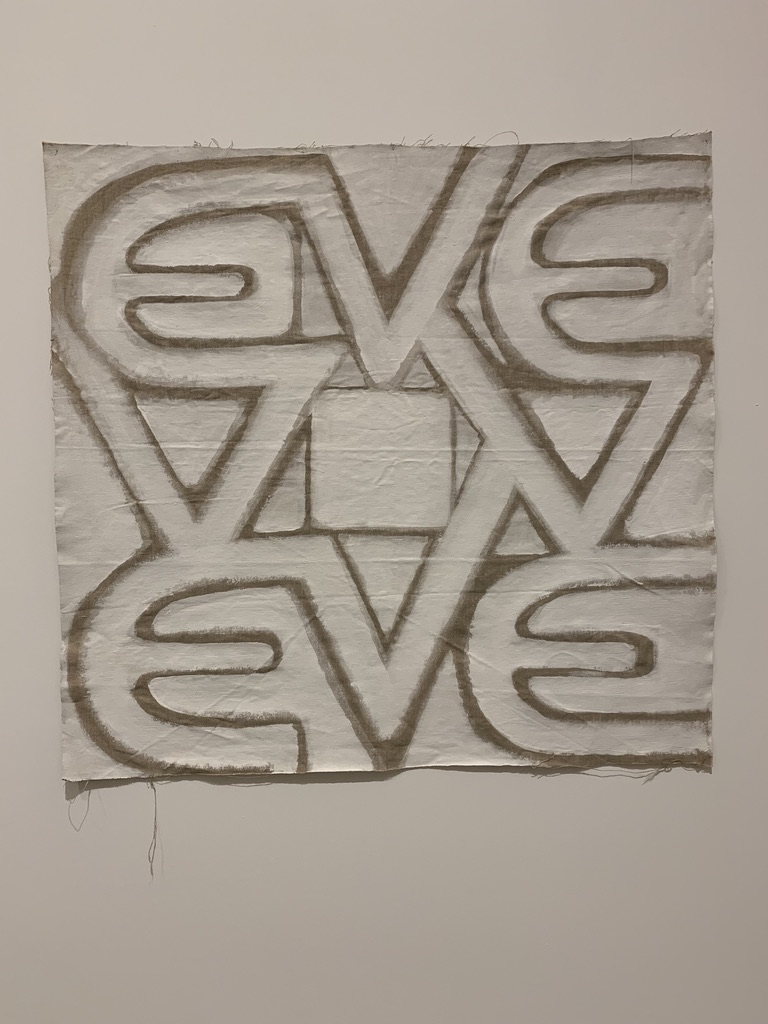
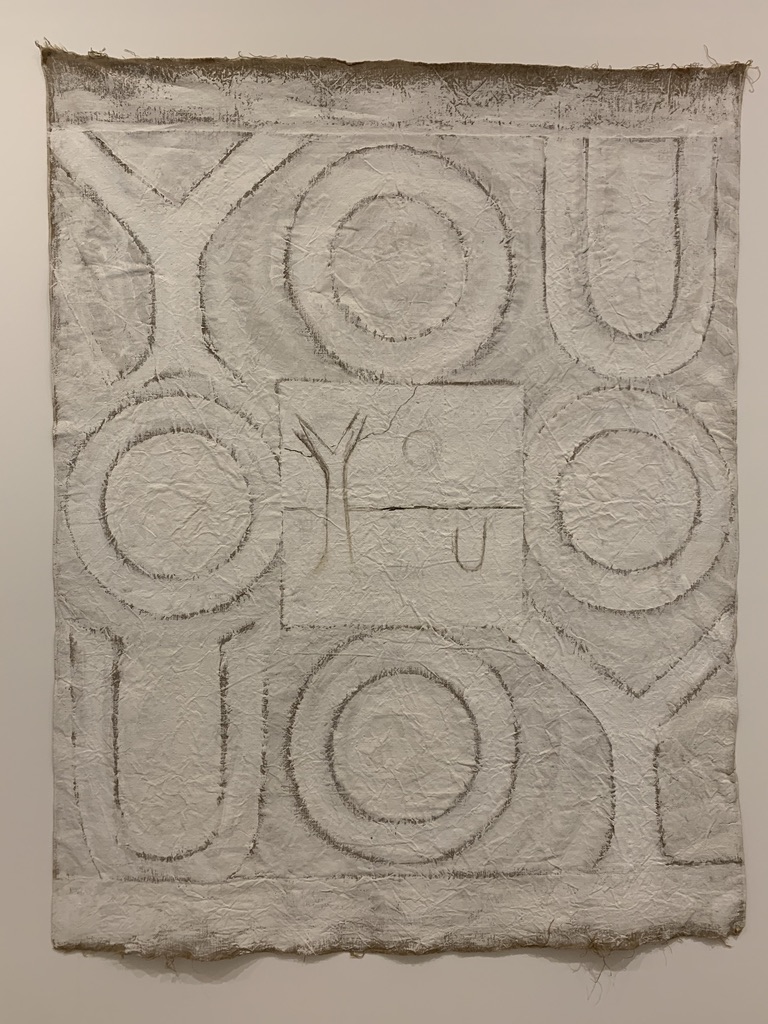
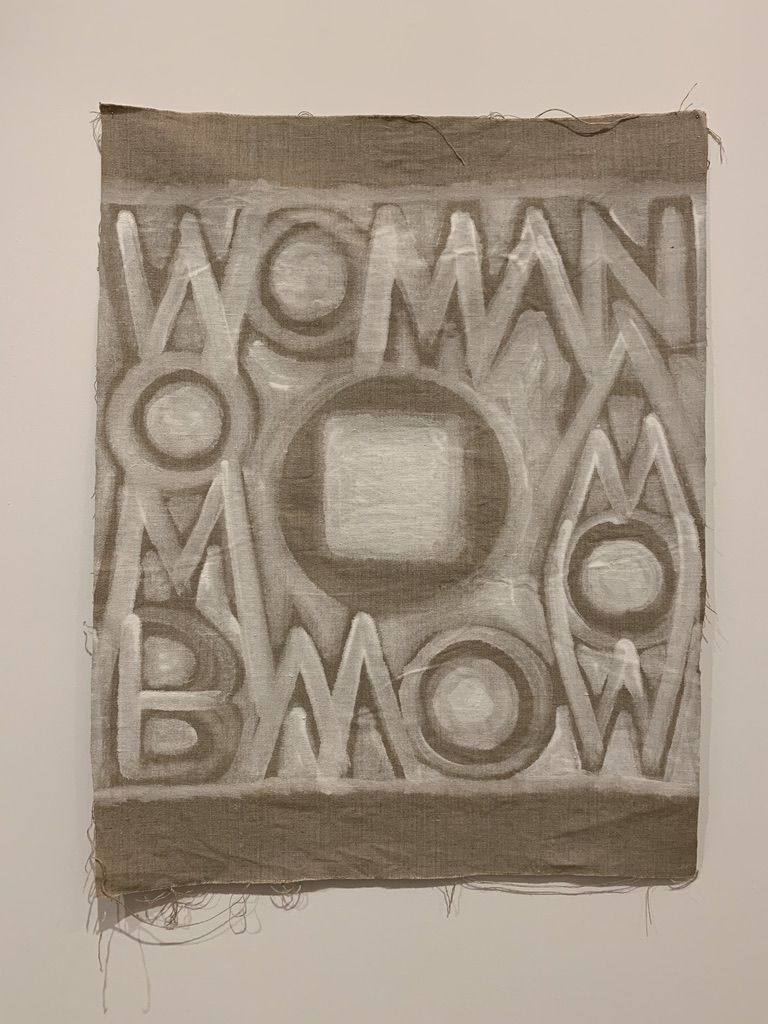
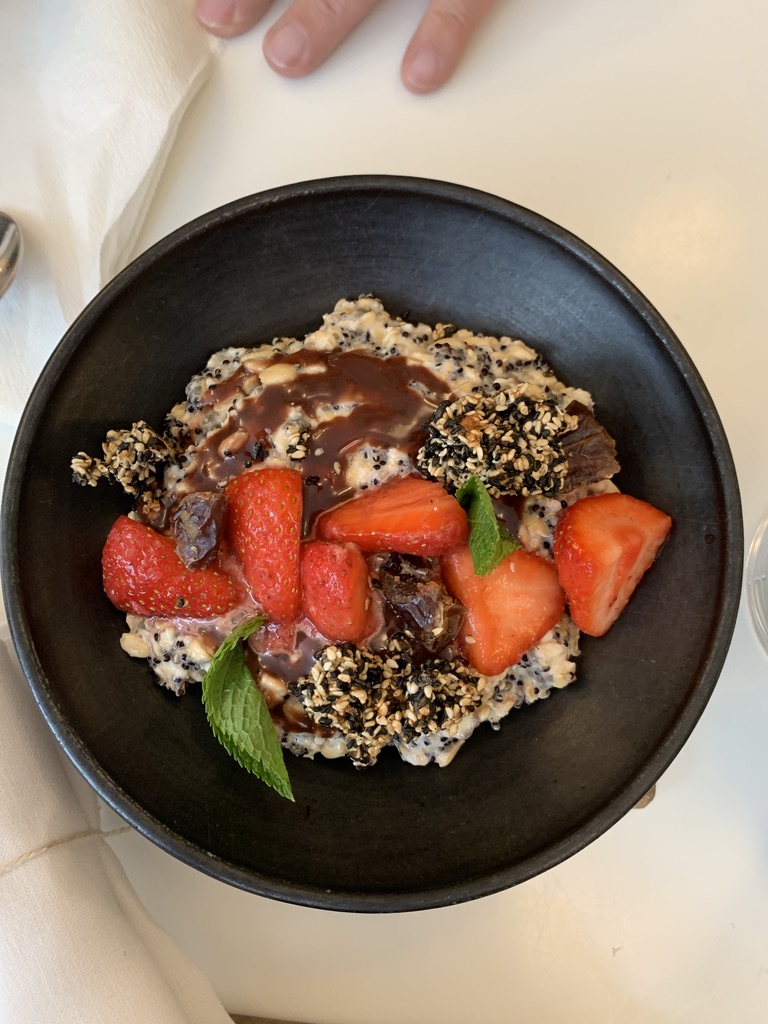
We began Tuesday back at Ottolenghi Spitalfield to grab a quick breakfast (I opted for the unbelievably wonderful dutch pancakes with raspberries and blackberries and some other goodies like yogurt with orange zest, and Mike went for the strawberry and plum birchermuesli)… accompanied by pear basil fresh juice. The plan had been to meet up with Emma, Elizabeth (Emma’s mom), and Finn at the Serpentine Gallery, located in Kensington Gardens. It’s a really small gallery (perfect for me since many of you know I really don’t like museums). They had a one-woman show of the work of Lucretia Hurtado (Venezuelan, but has been living in California for decades). She’s 98-years-old and this was the first one-person showing of her work. Needless to say it spanned about 70 years during which time she went through many different styles.
During breakfast we got a WhatsApp from Emma saying that Elizabeth wasn’t feeling well and decided to hop on the next plane home to Geneva so as not to spread any germs to the baby. Since the gallery was about an hour from Leyton, requiring taking the tube, Emma felt it was too much (would have been the first time on the tube with the baby). Doing it alone seemed tough. So she suggested we meet up for tea late afternoon somewhere near Liverpool Station as she could take the bus which was much easier and she’d already done that alone. We were also supposed to meet up with our god-daughter at the gallery as well. She also lives in London. Quick shift in plans and we all would meet for tea at 3:30 at the Ace Hotel (ultra hip) in Shoreditch in the restaurant called Hoi Polloi (!!).
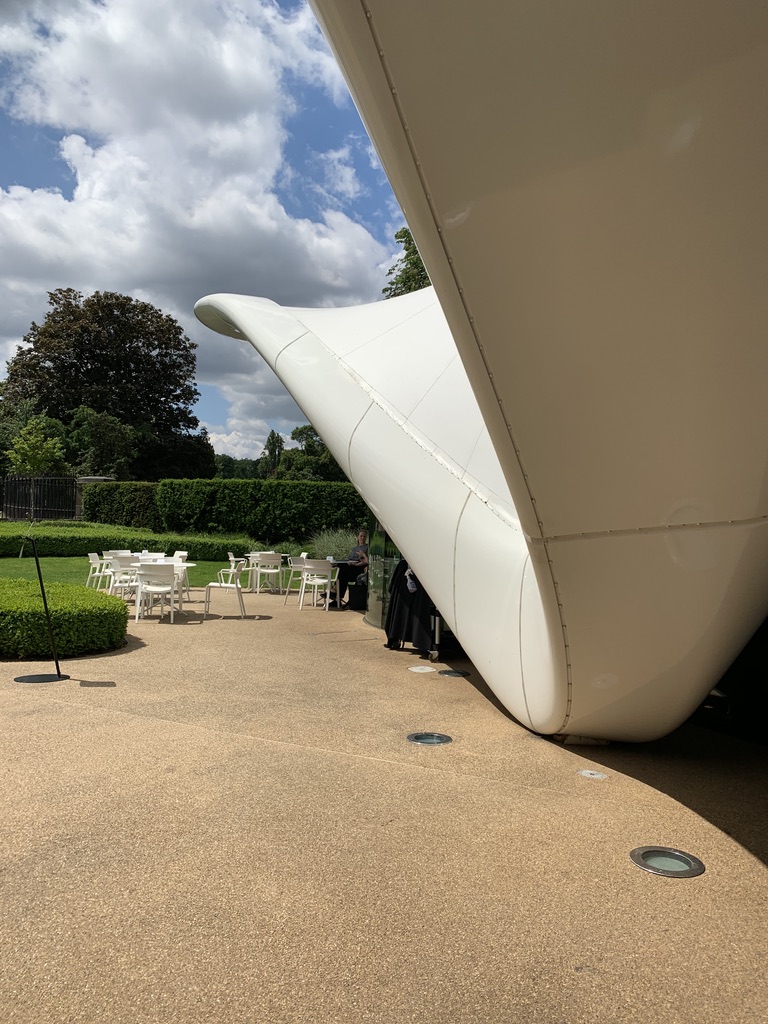
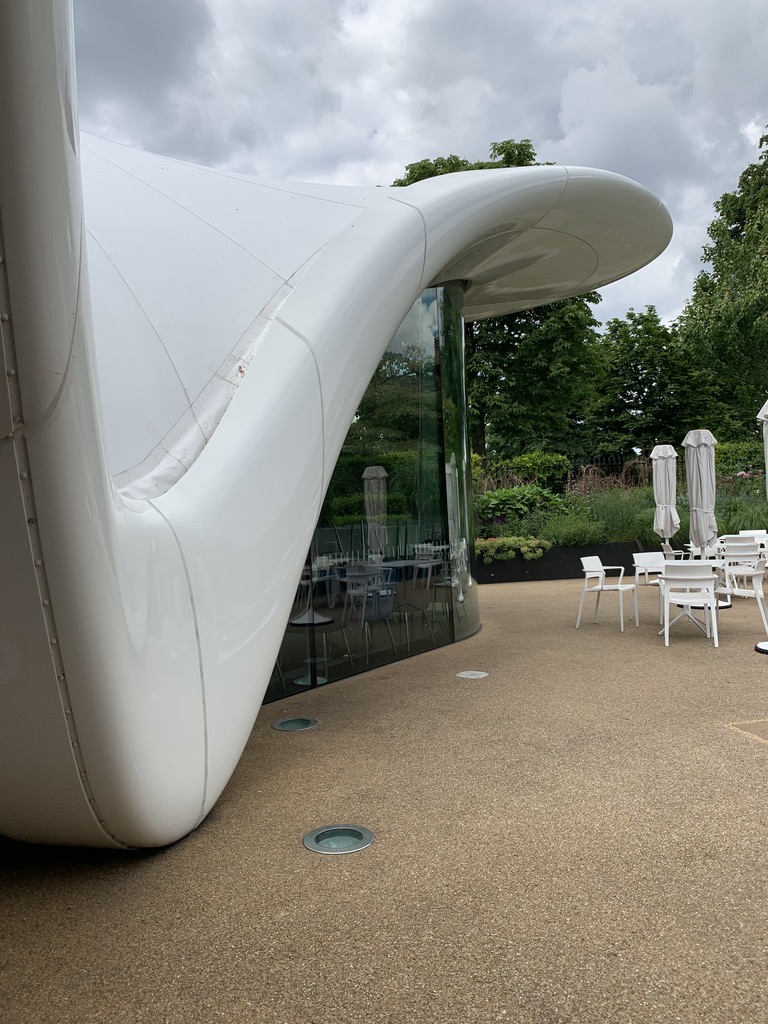

But Mike and I decided to head for the Serpentine anyway–which included a long walk through Hyde Park (we are racking up our walking mile at about 6-7 miles per day, per the trusty app on our phones). We stopped briefly in the restaurant addition to the Serpentine – a very chic space designed by Zaha Hadid – which I actually liked a lot.
From there I dragged Mike to one of my favorite little boutiques on Kensington Church Street, where he proceeded to take a little nap while sitting on their couch – they seemed unperturbed. Chatted with the sales folks a bit – all immigrants (Italy, Latvia, Ecuador). Made a small contribution to the British economy and then we headed back by tube to the Ace Hotel for our tea date.


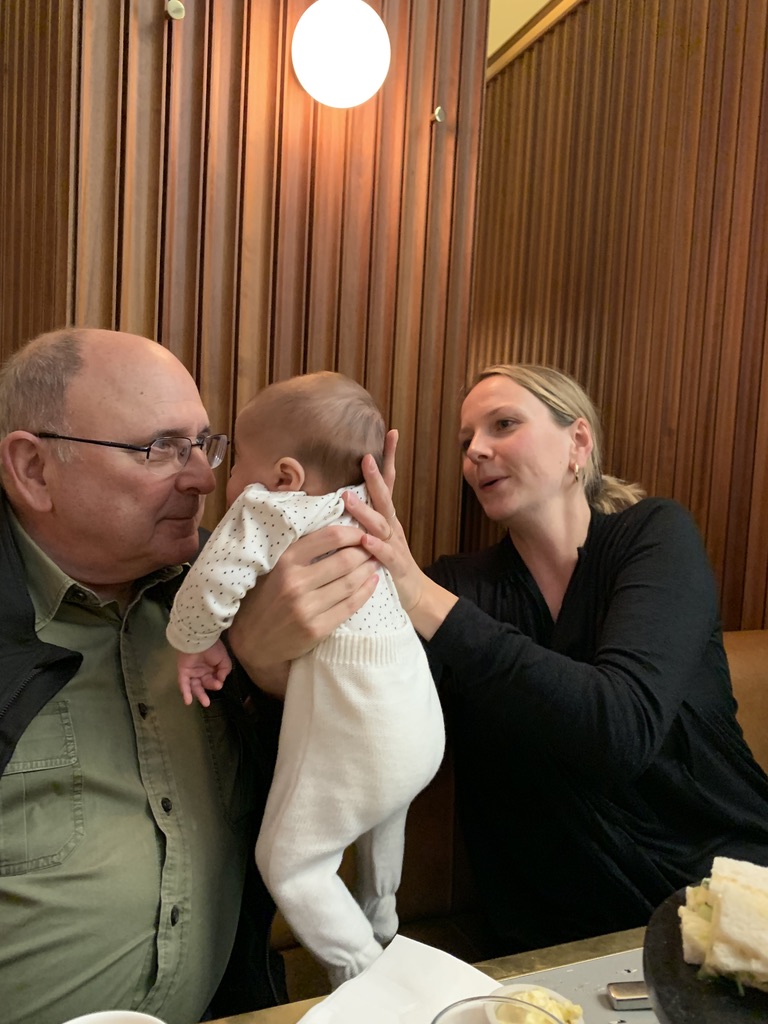
Emma with Finn—who seemed to really like this new environment (trust he might be a little hipster), Lara, Mike, and me. Lots of reconnecting (Lara hadn’t seen Emma in a long time and first time to see the baby). Lara had spent a few weeks one college summer being an au pair for Mike’s nieces (Emma and Julia) when they lived in Copenhagen.
And then we were off to our hotel to get some work done (yes there is always that pesky work issue popping up).
A few hours later we headed to meet Lara and Elliott for dinner at Rovi (near Oxford Circus), a new restaurant and a first for all of us. It was very good. No one particularly liked the interior design, but we came for the food! I’d recommend it. Details in tomorrow’s posting if I can remember.
Tomorrow will be a long and crazy day. We are headed to Paris to meet some old friends from NY for lunch – taking the chunnel both ways in one day; I’ve done it before and it’s fine. It’s a long and interesting story about our friendship. But, they have an apartment in Paris where they live part time, and they just so happened to be arriving in Paris early tomorrow morning. It was the only day we could possible come over to see them, so we decided it could be a plan. We leave on the 9:00 am train and arrive around 1:45 (1 hour time change); we will return on the 9 pm train and arrive back in London around 11 pm. The Eurostar is quite comfortable and I’m planning to get 2.5 hours of uninterrupted work time in each direction. Or so I hope. Mike thinks it’s perfect napping time.
Jusqu’à demain (I think that is the correct term for “until tomorrow”)..
Fern
Quick Trip Across The Pond. 5/27/2019
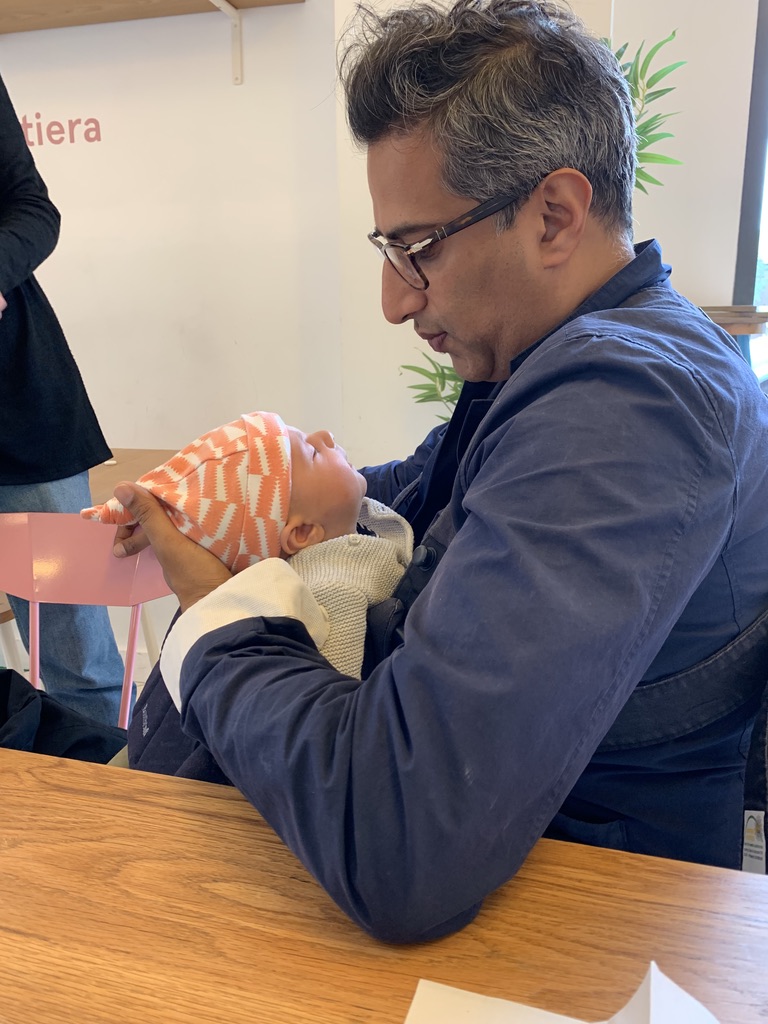
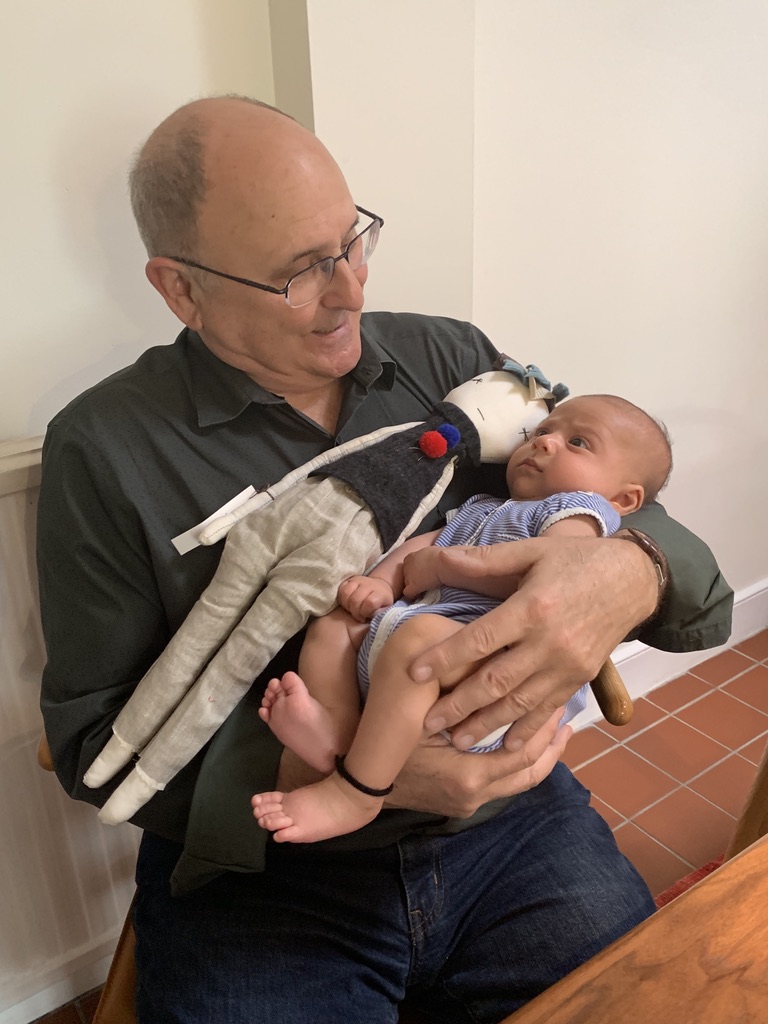

Greetings from London.
As most of you know our big annual trip is in December (stay tuned for Armenia and Uzbekistan — and maybe Tajikistan and Georgia), but we usually take a short trip to Europe in August. But Mike’s niece Emma had a baby about 8 weeks ago, so we flew to meet the new family member named Finley Sam Weber Patel (Finn for short). Warning, these postings will not be as exotic as previous ones over the past years, but perhaps no less interesting. That said, if you don’t like babies you might want to hold off reading until Friday when we depart London for Helsinki!
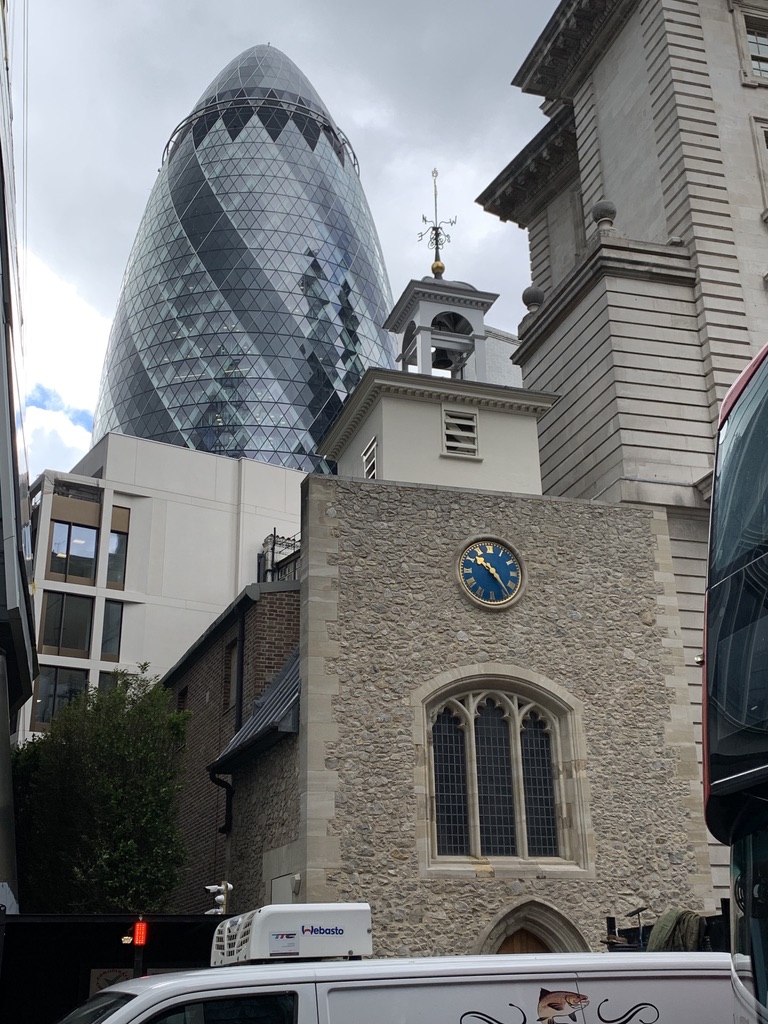
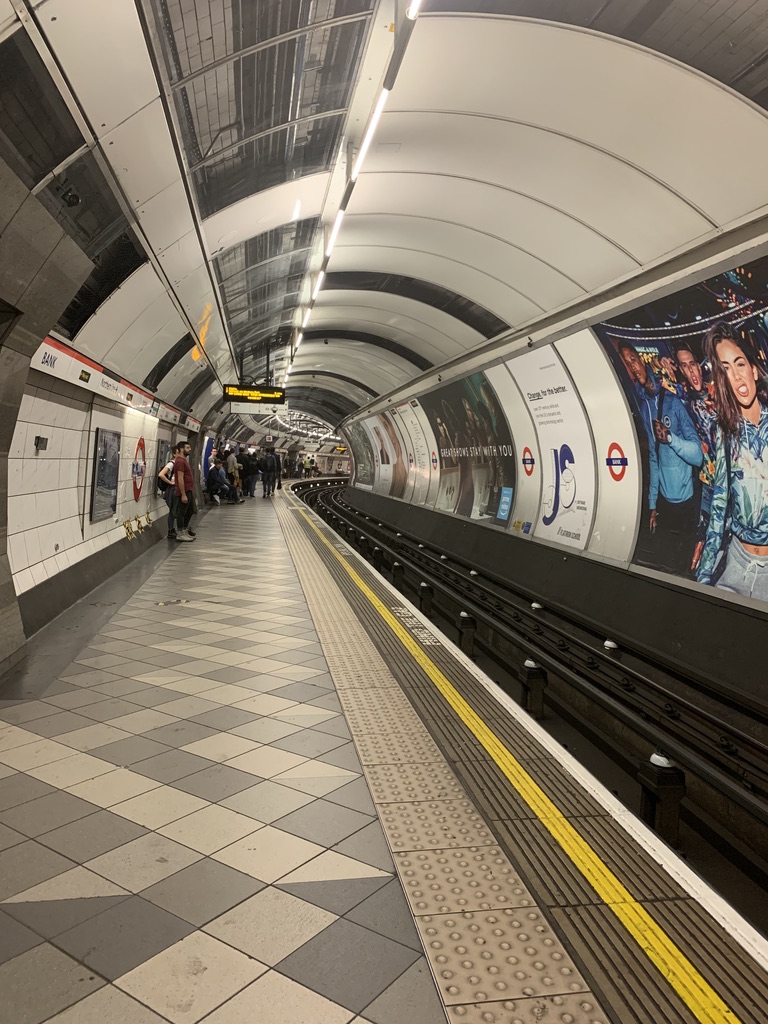
Got to London yesterday early afternoon (Sunday). Flight was fine, and I managed to watch at least two movies before digging into some work and serious napping. We’re staying in the “city” — as Londoners call their one-square mile financial center. We’re at the Threadneedle Hotel (where I’ve stayed several times before – older, business, upscale, with a fantastic domed-lobby). The hotel is conveniently located near Shoreditch and Spitalfield, very quiet on weekends when banks and financial institutions are closed, and very “buzzy” during the week. It’s located within a bevy of narrow, winding streets from another era. Took Heathrow Express from the airport to Paddington and then hopped in a cab for the remaining few miles to the hotel.
Was extremely pleased to be able to use the London FastTrack for entering the UK and avoiding all the lines and the customs guys who always complain that I need to have a completely “clean” page in my passport in order to enter UK. (???) But as I reconnected to the world by turning my phone back on prior to leaving customs area, I noticed I had some messages and a missed call from our burglar alarm company about our house in Oakland. It seems the back door alarm had gone off. Called Bay Alarm and they assured me that the police had come to the house and it was now “secure.” Not sure what that means but I took it that “all was well.” Still, no matter what I did I could not re-alarm the house on the phone (as usual). So, we had very good friends go to the house to see what was up; when they got there they called to say that the back door was left open (not so secure!). They entered the house through that open door while they called us and then the alarm got set off. Anyway, disaster averted; neighborhood safer than we realize; open door and apparently no one inside. Friends locked up and we realarmed remotely. So all good on the homefront.
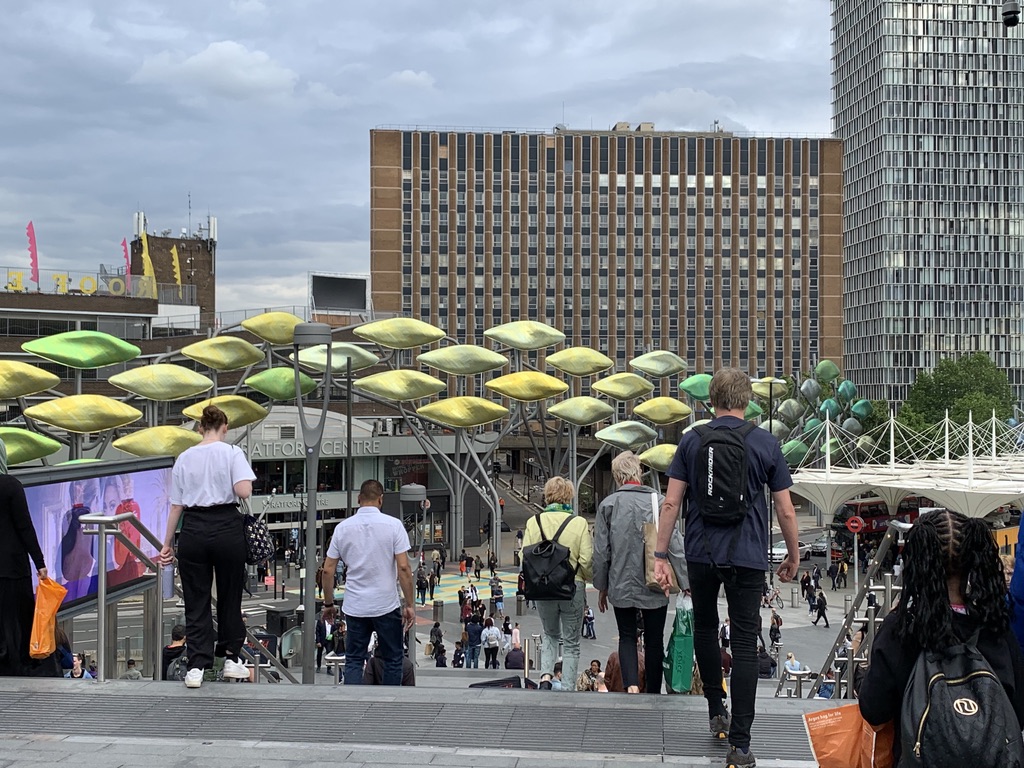
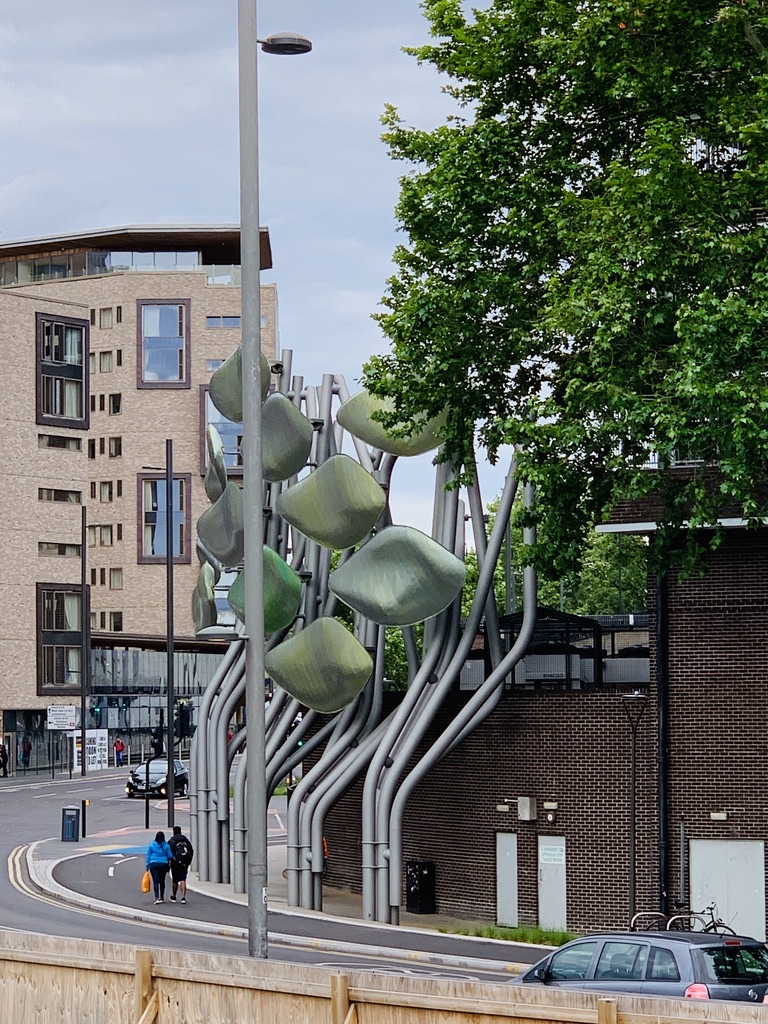
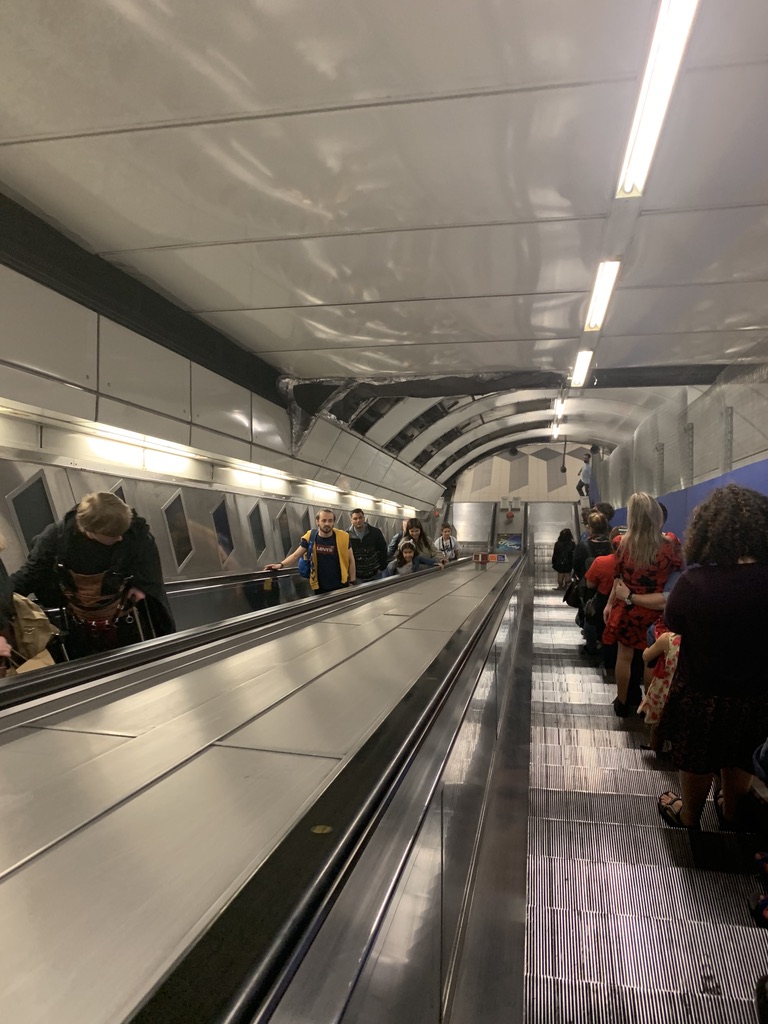
Once settled in, we headed to Leyton where Emma and Hem (and now Finn) live. Easy ride on the Tube (5 stops) and then either a 5-minute bus (#58 or #158), 20 minute walk, or 5 minute taxi. Not seeing any bus, we headed to the taxi stand and took a five minute ride to the house.
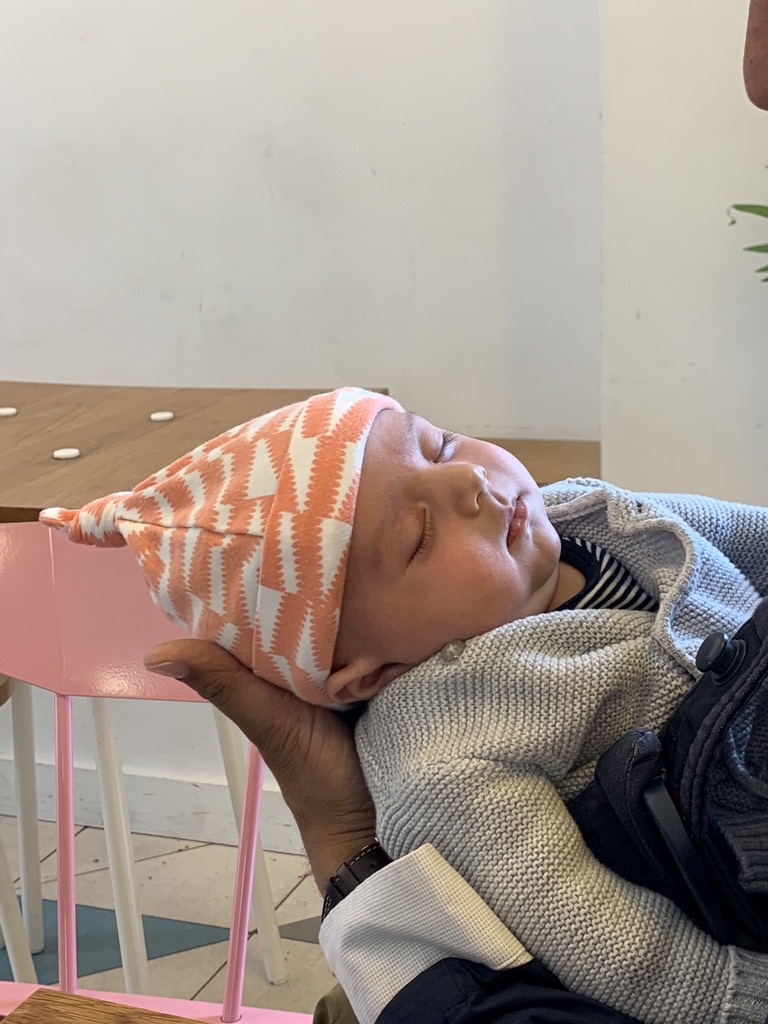
Finn is quite adorable as you can see, and clearly the focus of everyone’s attention.
Leyton is an interesting neighborhood to the east.. and the terminus of the Central Line of the Tube. It has a long history, but in World War I a significant number of houses were damaged by zeppelin raids and so it was then built up as an industrial area apparently becoming quite known for neckties and also for the Thermos factory. During World War II it was a target because it was close to the London Docks and the railyard. This was followed by decline, but has benefitted recently from the development of the Queen Elizabeth Olympic Park and a lot of renovated little neighborhoods, parks, and homes. As part of the development of Olympic Park for the 2012 games, shopfronts were restored and the demography also began to change (with Hem and Em part of the new wave of young professionals seeking affordable homes a bit further out from the center city or even East London (where they had lived previously). But it’s a very mixed demographic with a majority of residents being Black, Asian, Indian, Pakistani, or other ethnic minority — with large numbers of immigrants from Africa, Jamaica, Portugal, Ireland, and more – and very recent immigrants from South Africa, Serbia, and Poland.
Originally blue collar. the area is gentrifying and increasing in price. Indeed, Emma said that some friends recently tried to buy in Leyton but it had increased in price significantly since they had moved in, and the friends needed to move further east and north. We were told that in 2015 Vogue said it was becoming a “hot neighborhood.” Fortunately Em and Hem (who are often called by friends : “Hemma”) bought their house just a bit prior to this proclamation.
Many of the streets, including theirs, are comprised of townhouses from the early 1900s (or so I think). After getting acquainted with the new family addition, Mike and I headed out to dinner – thinking we’d go to Dishoon (Indian/Iranian small plates, in Shoreditch), but the line went on forever, and we hadn’t had any sleep yet. So we opted for Albion across the street, where I had been before several years ago. Dinner was fine.. and then we walked back to our hotel, for a good night’s sleep.
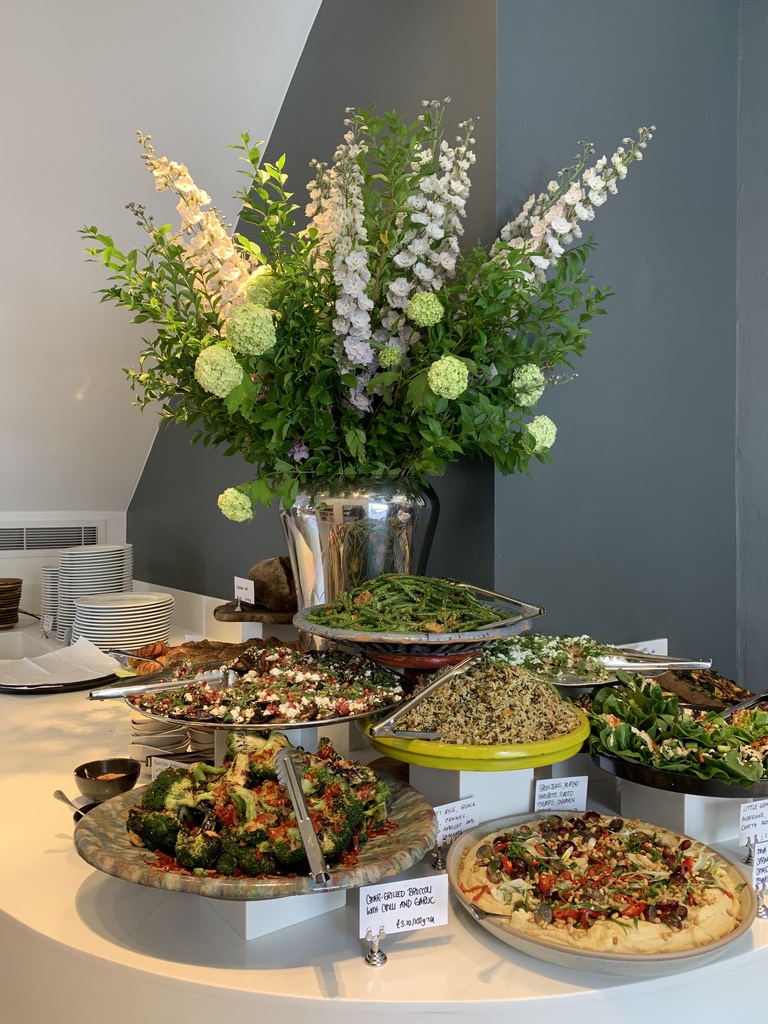
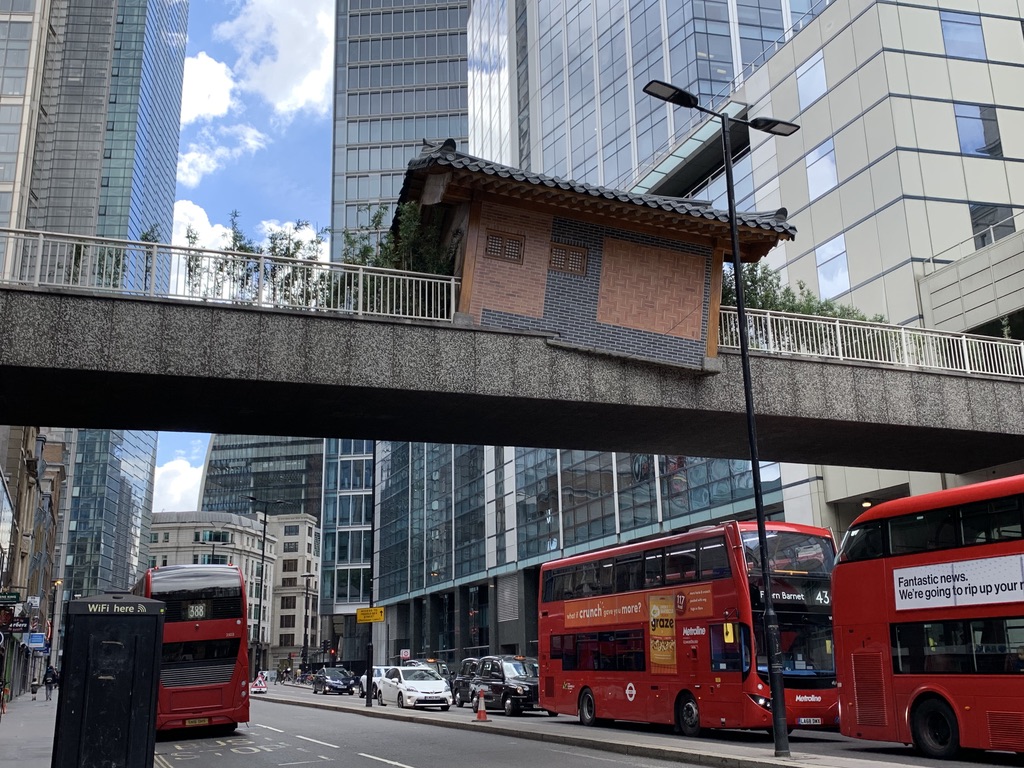
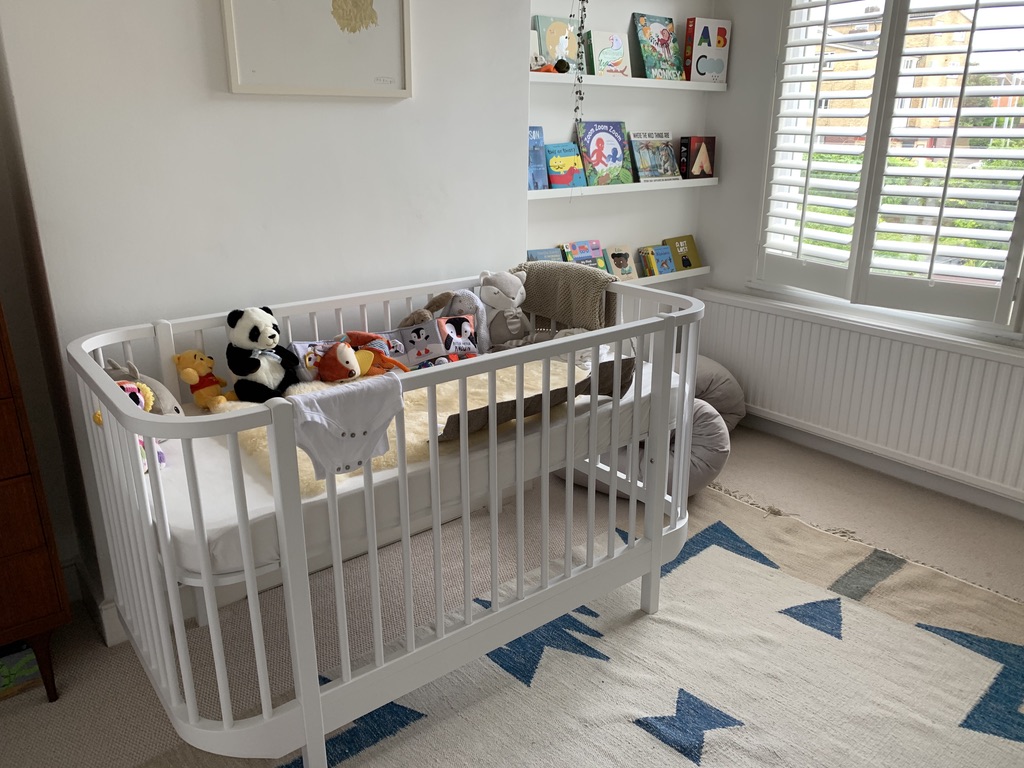
On Monday we opted to skip the hotel breakfast and walked to Ottolenghi Spitalfield (about 10 minutes from our hotel) for a great shakshuka breakfast. Then we headed to Hemma’s for a traditional Indian lunch cooked by Hem’s mom and dad. Totally yummy; you needed to roll us out of the house. After visiting a bit more, we all took a leisurely walk to and through the Olympic Park, with a stop for wonderful gelato and on to Stratford Station where we caught the train back to the city. We returned to our room and realized it had been extremely hot with no air circulating. We changed rooms — a pain in the neck but worth the trouble. And then a few hours later we headed out for dinner… gee do we do anything but eat and baby stare? Since it was a night where the following morning would be a work day, and it was almost 10pm, we figured we could get into Dishoom… Indian again, but perhaps we were inspired by the lunch. Great drinks and some lamb biryani, chicken tikka, some side dishes.. and we were in heaven.
OK.. Tuesday we will actually do more than eat and baby gawk — will tell more.
All the best,
Fern
Lost luggage; Rain; and Still Brussels Shines! 1/5/2019
Saturday Evening. Brussels
So, the luggage has not been located and the likelihood that it will be found is getting slimmer. They said that if it’s not located within 48 hours of our landing (It’s now about 36 hours), then it will be considered totally lost. We’re trying to be hopeful, but I think now that I understand how this luggage tracking works, it’s highly unlikely. Essentially, what we know is that we got a baggage claim check in Dar es Salaam and we saw it go on a conveyor belt (even had one of those very impressive VIP tags that the desk put on when we handed them the bag). But it was never “scanned into the system” as having been put onto a plane and definitely not onto any SwissAir flight. So it seems as if it’s either still at the Dar es Salaam Airport or its somewhere on the streets of Dar (probably being sold on the street to the highest bidder.)
Frankly, when someone opens up the bag they will be mostly disappointed – yes, they will find American clothing (lots of REI stuff), shoes, etc. – but they will also find lots of purchases of wonderful crafts made by different NGOs in each of the countries we visited. Don’t think that will be so appealing if it’s found in Africa. If they dig far enough and open lots of zippers they might find some American money and they will also find keys to our house and to Mike’s car and to his office… so if that person makes a trip to Oakland they will be able to find a nice place to stay!
Anyway, our two days here in Brussels have been great, despite the sadness over losing all of the physical reminders of the trip and the constant rain (drizzle and mist).
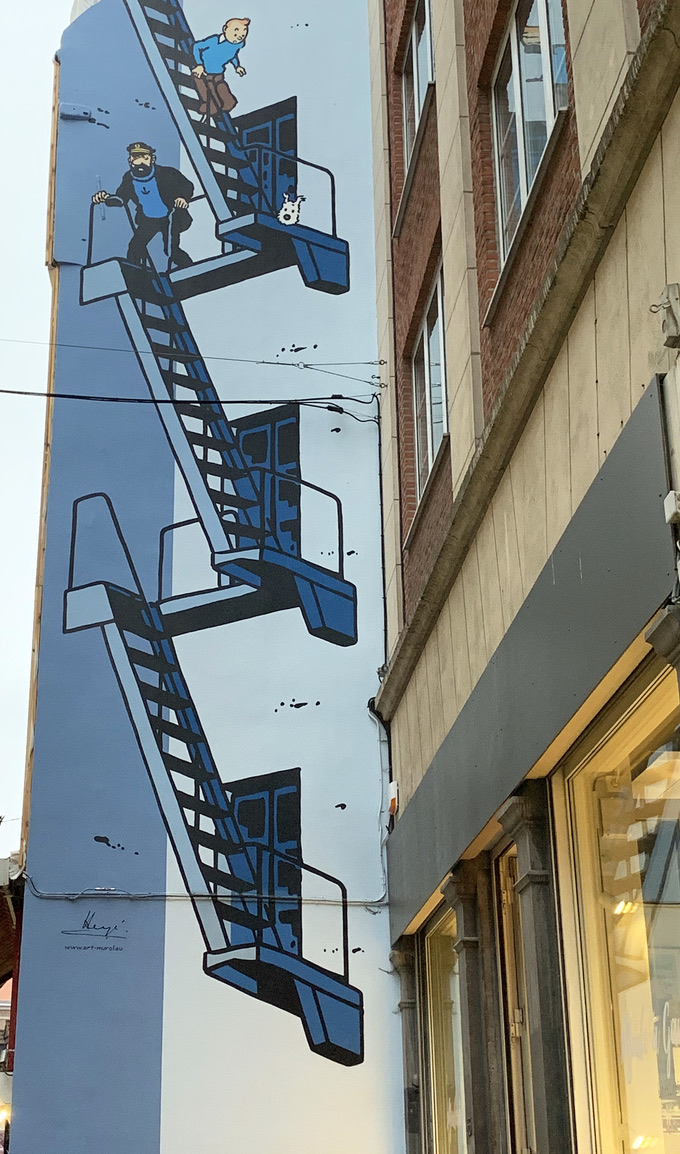
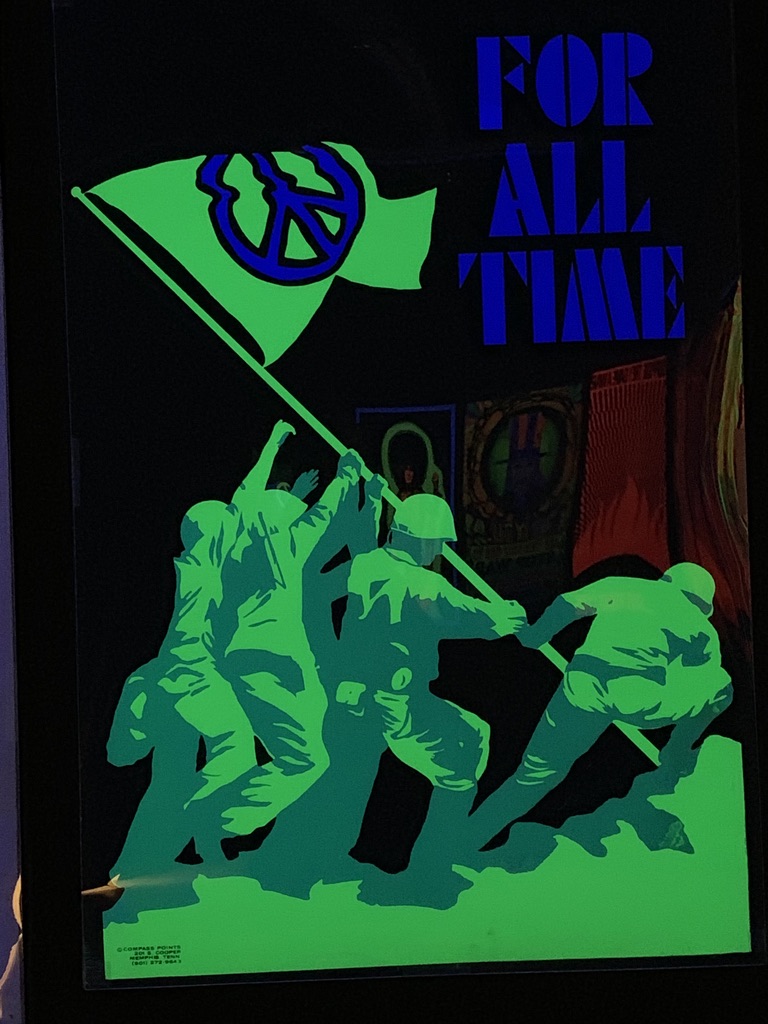
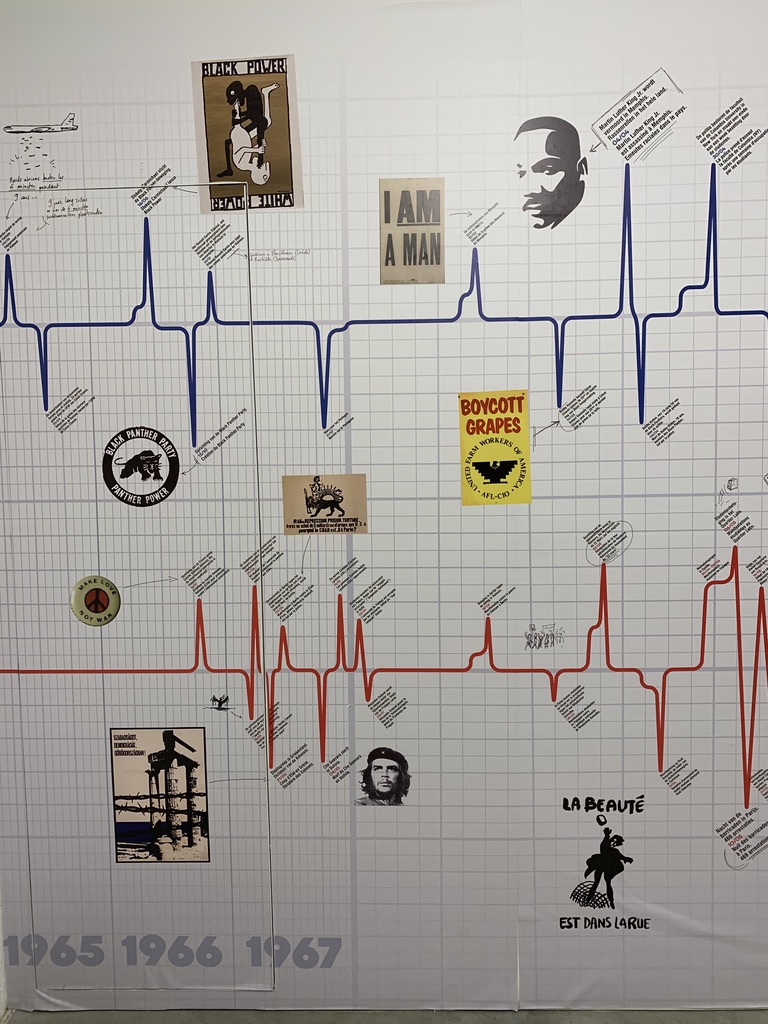
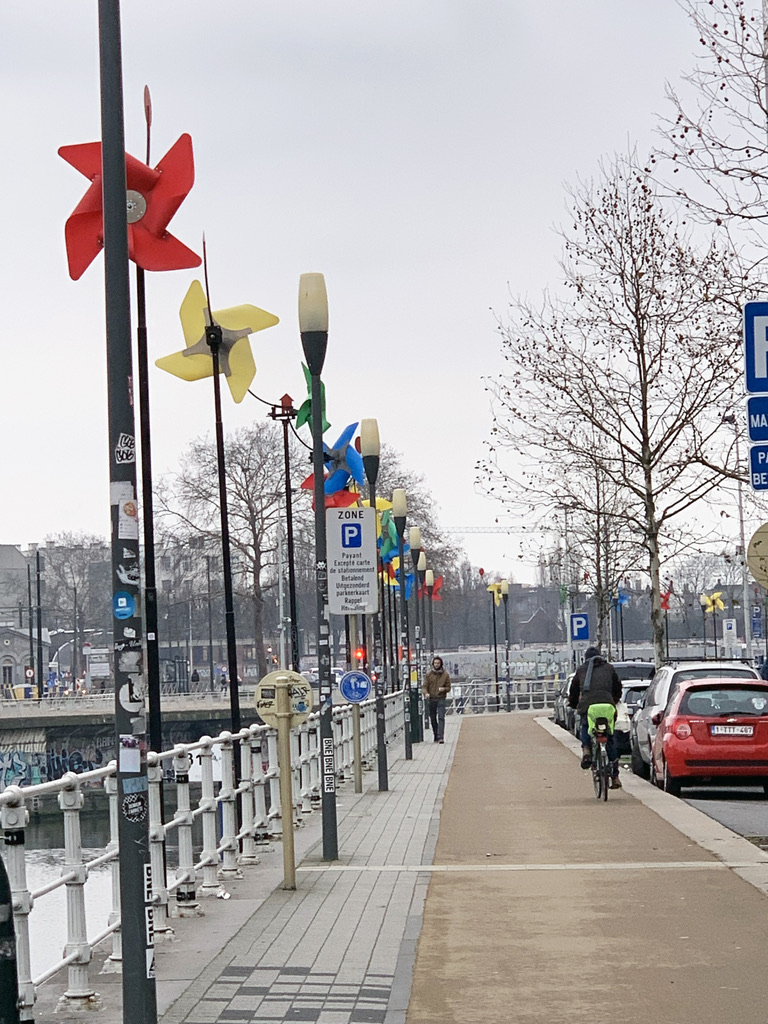

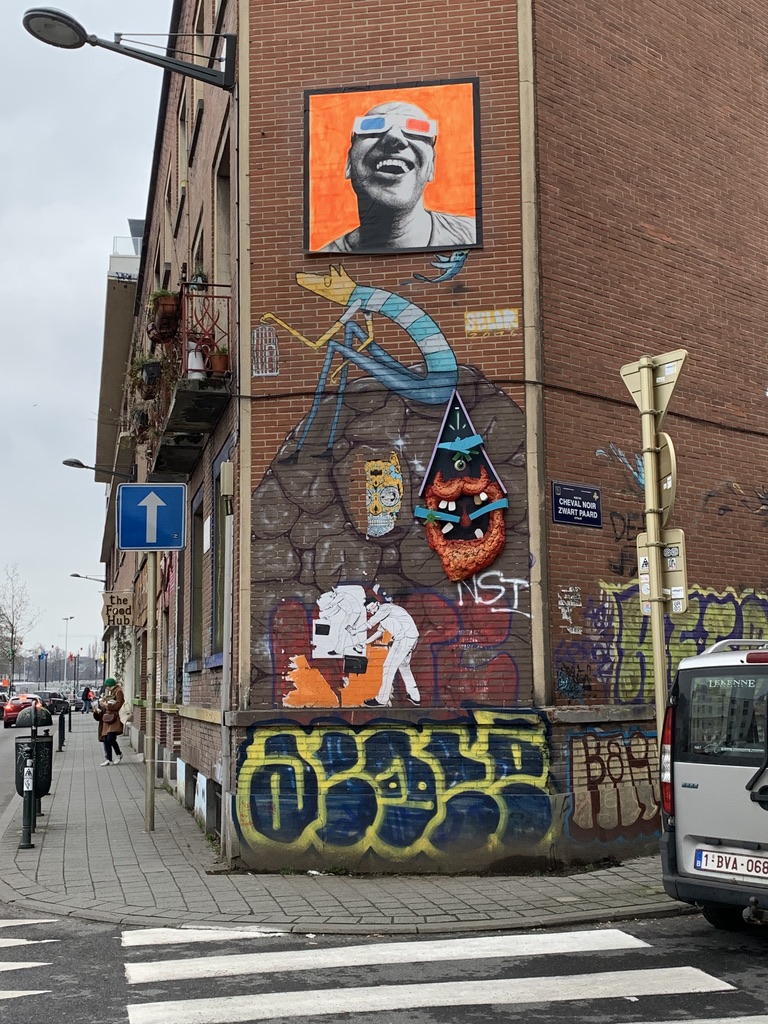
We arrived in Brussels at 9 am on Friday morning after having flown through the night and changed planes at 6 am in Zurich. Took about an hour to deal with the lost bag, and then we headed to the hotel: Le Dixseptiembre – a small place very well located. Mike immediately went to sleep and I showered and walked to the MIMA (Museum of Iconoclastic Modern Art), which focuses on graffiti and graphics. They had a show of protest graphics of the 60s and 70s, which turned out to be predominantly American posters – anti-war, ant-nuke, environment, etc. And although 1968 was a tumultuous year around the globe, most of the imagery was American. The walk to and from the museum (which is across a canal and in a neighborhood that is clearly gentrifying and filled with artist spaces) provided a good cross section of the city.
I met up with Mike at the central square in front of the Grand Palace and we strolled around, with the air wafting of Belgian waffles. There were tons of people – visitors and locals – strolling around in spite of the constant drizzle and mist. It was about 40 degrees.
Then we headed to Le Petits Oignons for a great dinner: snails with mushrooms and tarragon and other spices; Linguini with mullet botargo (roe) and organic lemon; steak tartare with pommes frites; and for dessert – panna cotta with fruit. We strolled back to the hotel and collapsed (but did turn on CNN to get a sense of what we are returning to).
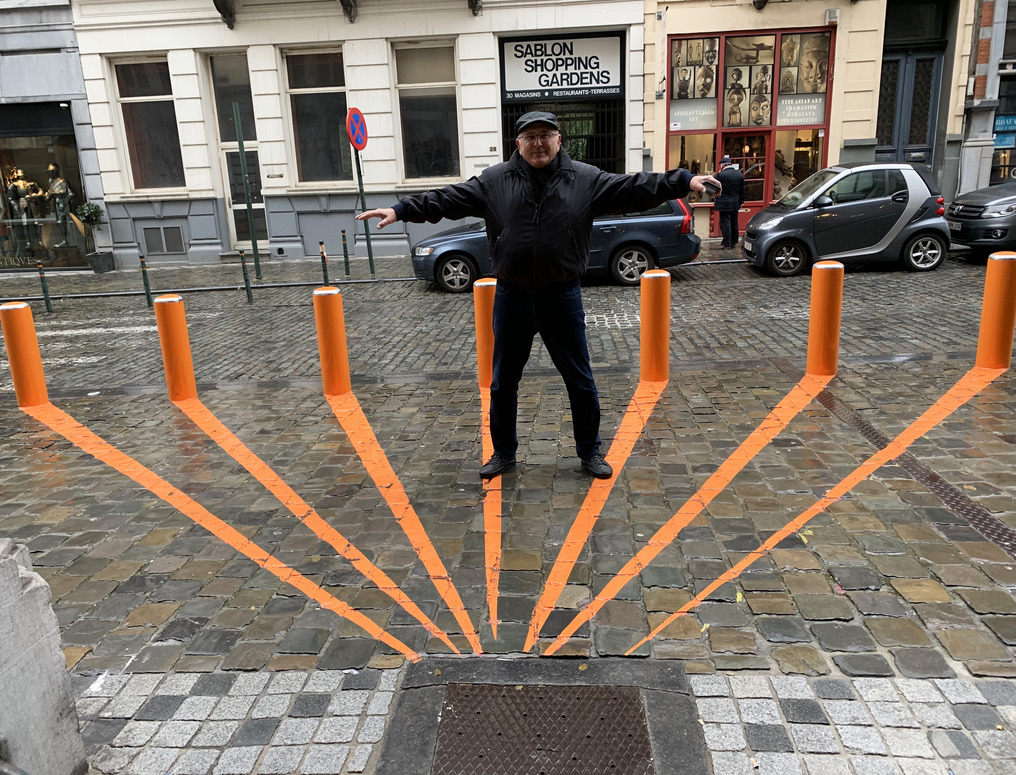
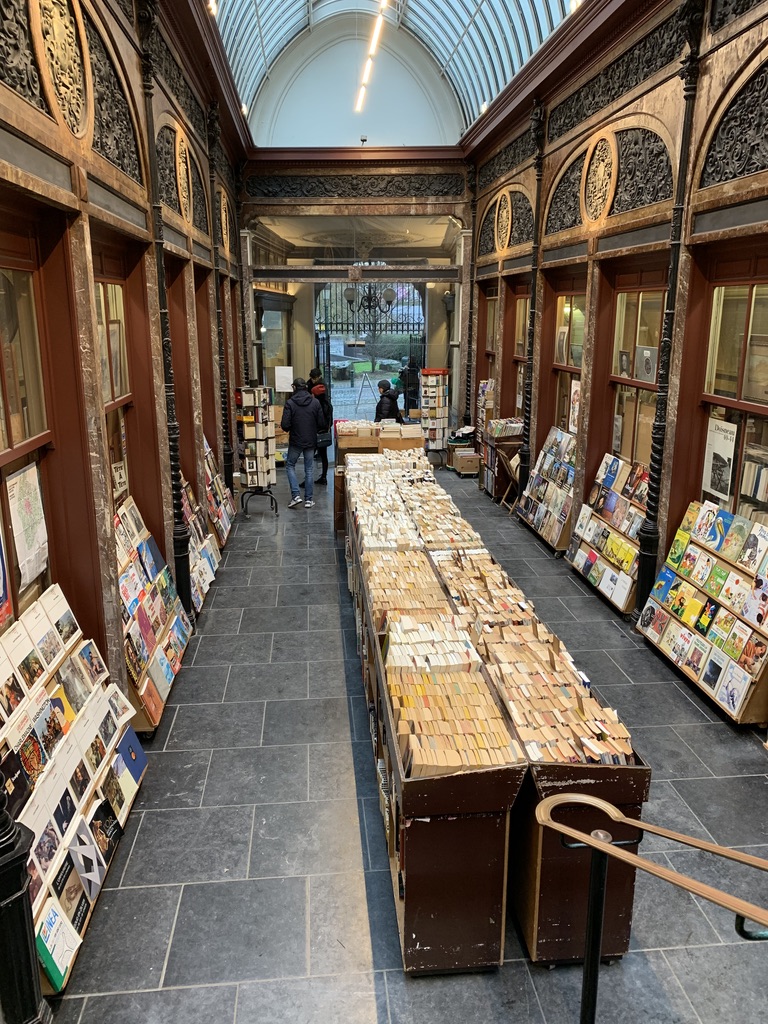
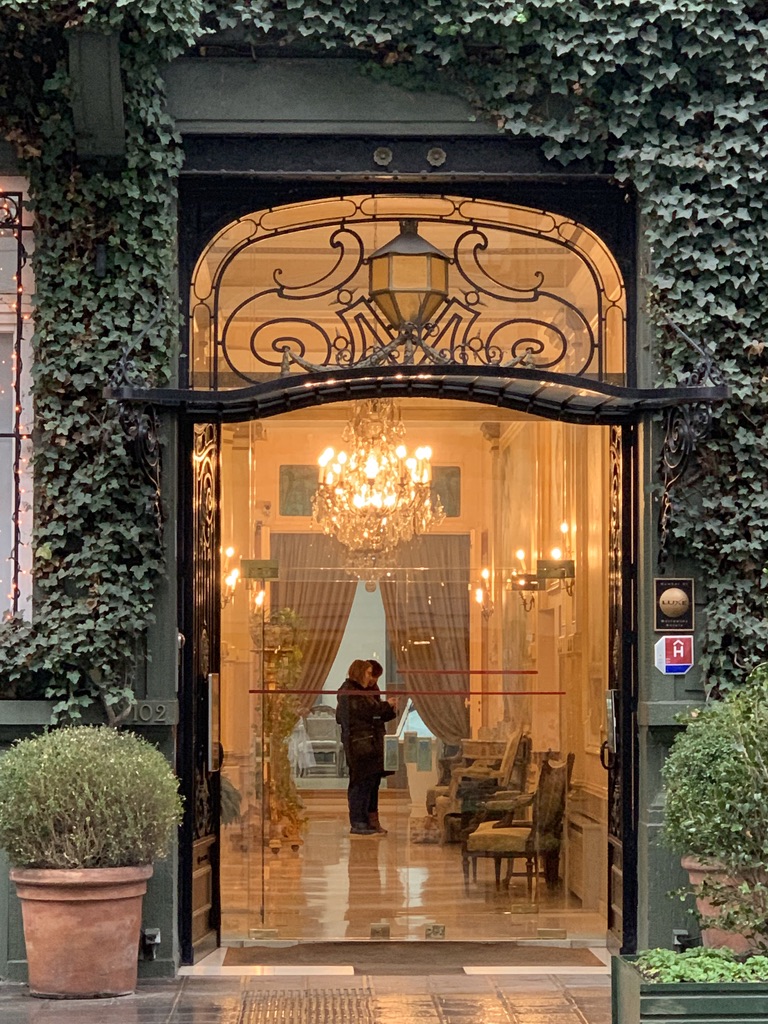
Today we headed to a neighborhood about 3 miles from the hotel (walked) to the Saint Gilles area which is known for having a good many art nouveau buildings. First however we headed to a tiny little restaurant called L’Espicier.. It seats about 22 people and only serves lunch and it is just one meal, no choices. The woman who owns it, does the shopping at the market each day and decides what to cook, does all the cooking, serves the food, and cleans up..
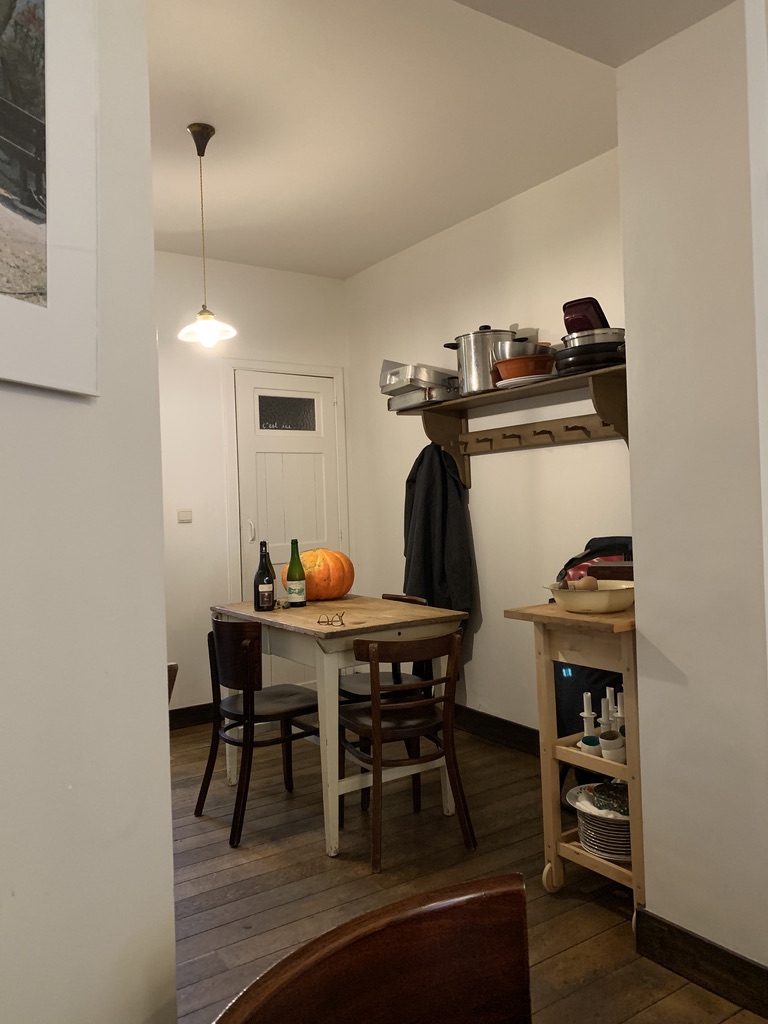
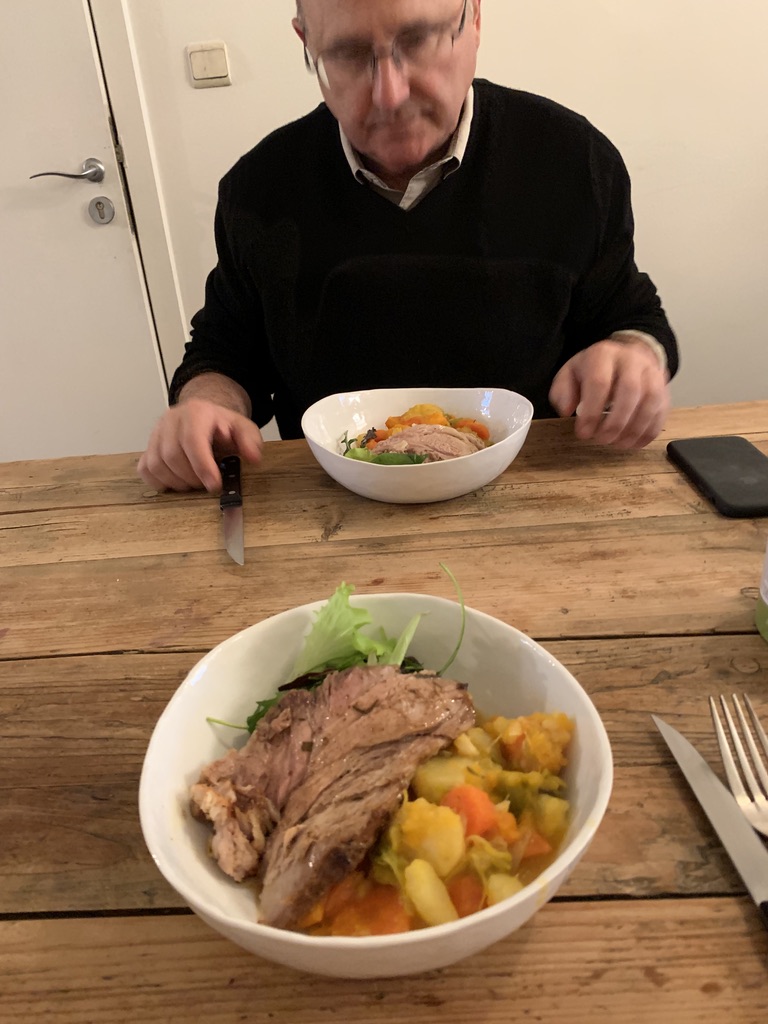
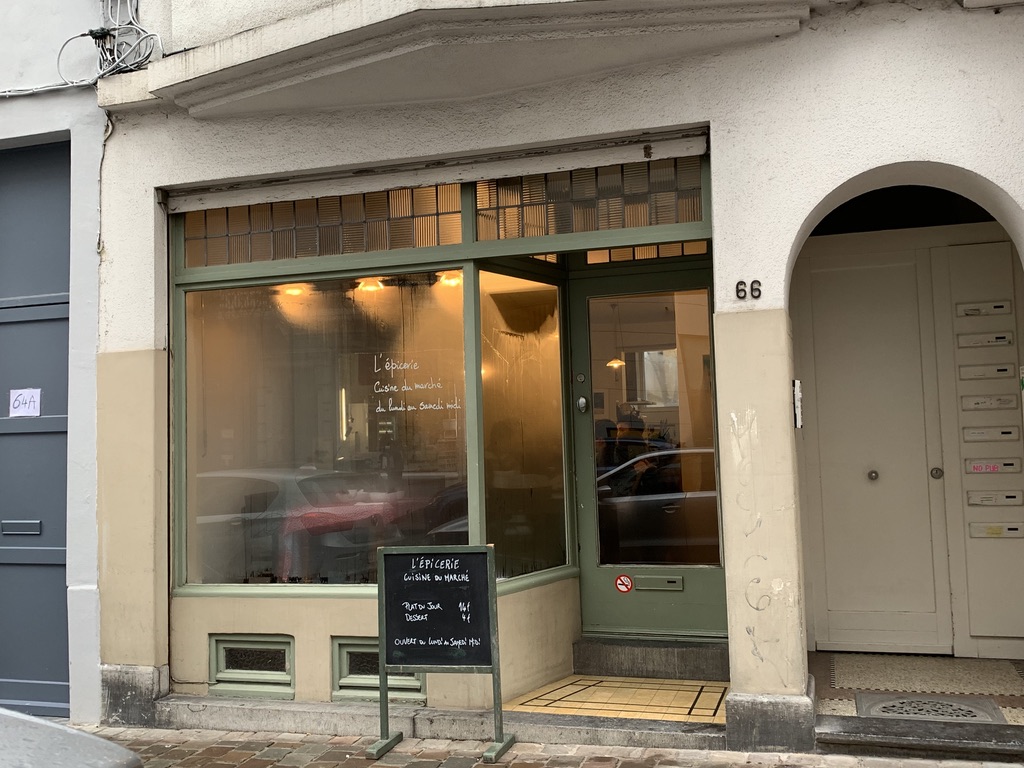
The restaurant is only open from 11:30 to 2:30… We walked past it twice without noticing it, even though we were headed there and trying to find it. It’s about as simpler a place as you can find; used old wood tables; mismatched silverware; mismatched chairs. Food was fantastic.. simple French country home cooking.. all in one dish. Today it was some kind of pork sitting with potatoes and other vegetables. We had a nice red wine and for dessert there was a choice – chocolate cake or crepes; we tried both.
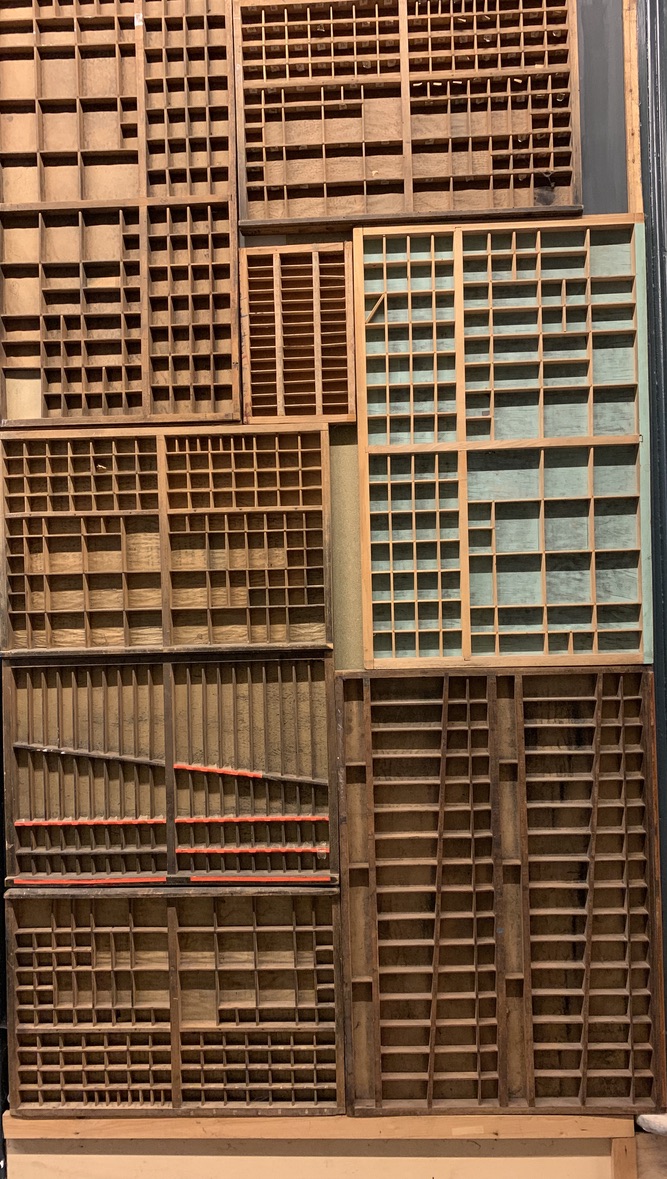
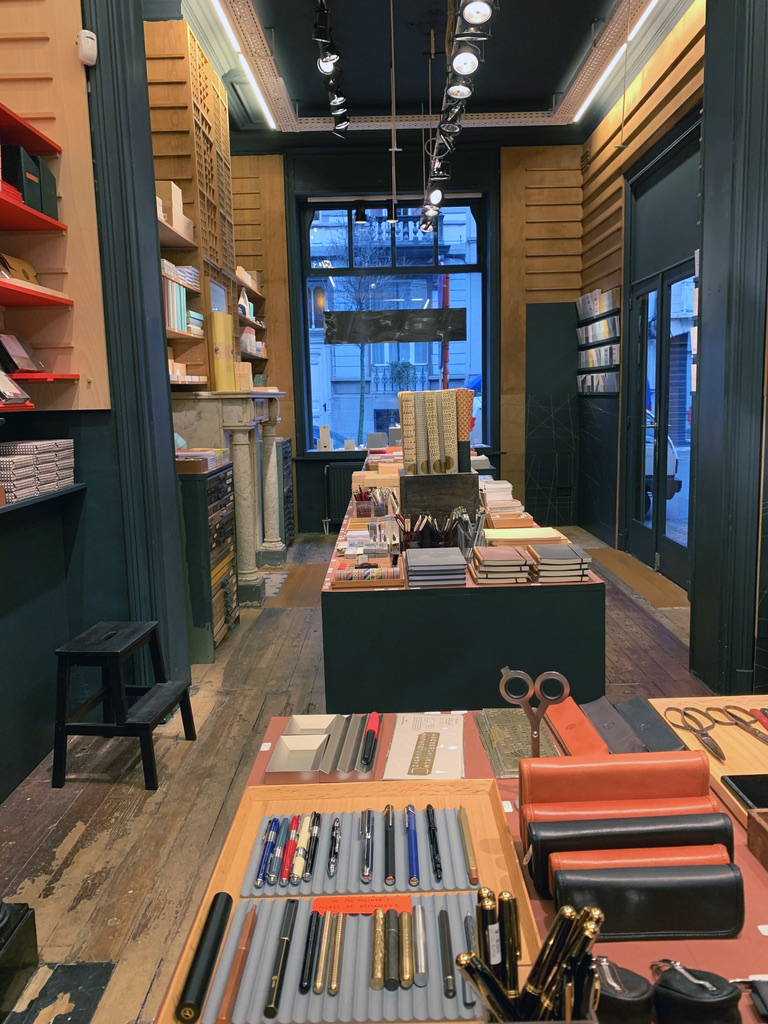
From there we strolled to an amazing shop called Le Typographie – where they have a workshop that does graphics and letterpress, and in the front they have a little shop that sells an amazing assortment of paper goods (some writing papers that they have letterpressed), and tools needed for writing; beautifully displayed, including a wall of the trays used to keep the old wooden letters for printing. And then we walked around the neighborhood to see the art nouveau facades, and finally wound up at the Horta Museum, located in the house that Victor Horta designed and lived in for his adult life. As one of the earliest initiators of Art Nouveau, the house is a remarkable example of the detail and craftsmanship of the era, as well as art nouveau’s respect for shape derived from natural forms. But more, the building uses light in amazing ways. Unfortunately, no photography is allowed and you even need to surrender your iphone before walking through the house.
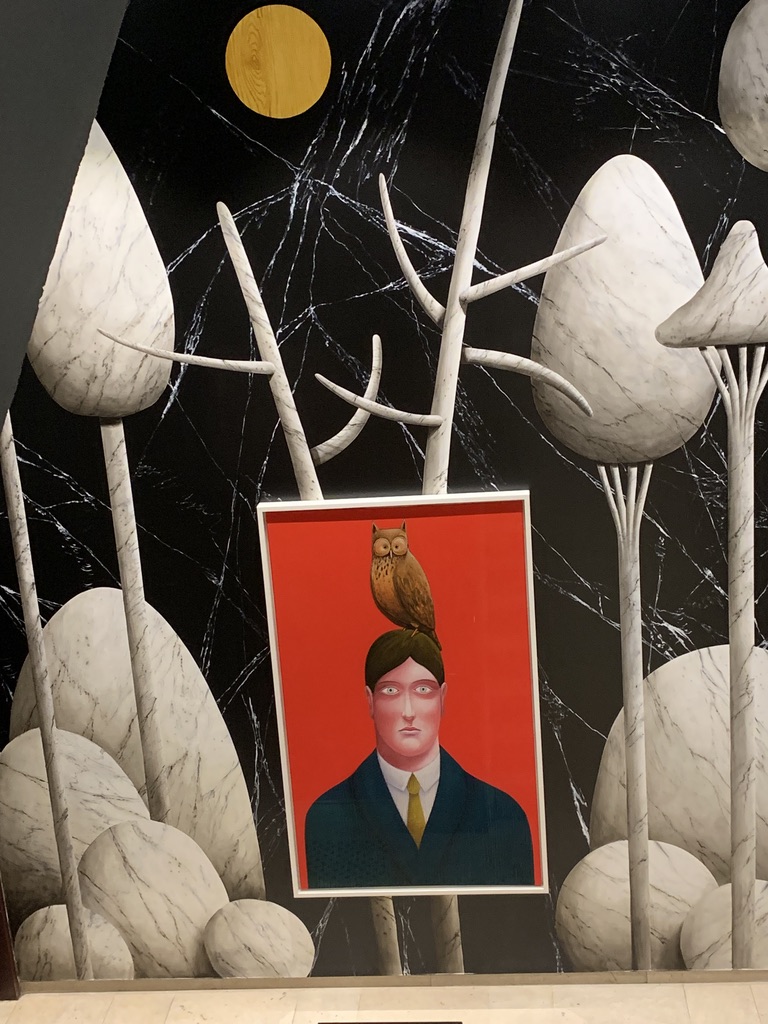
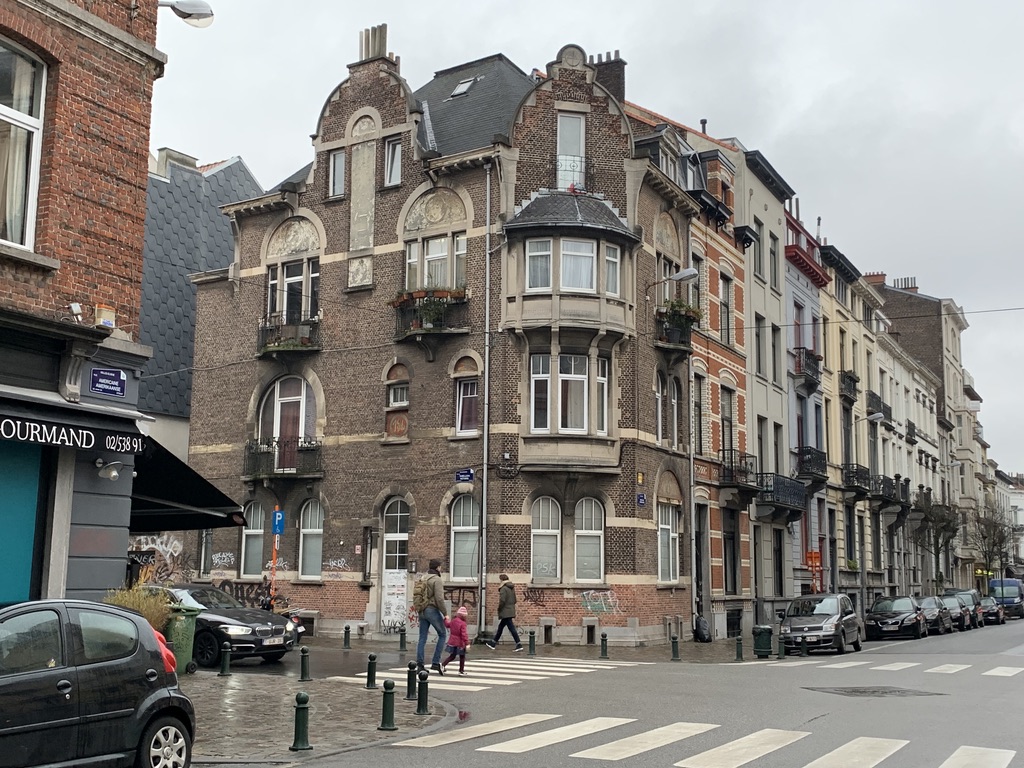
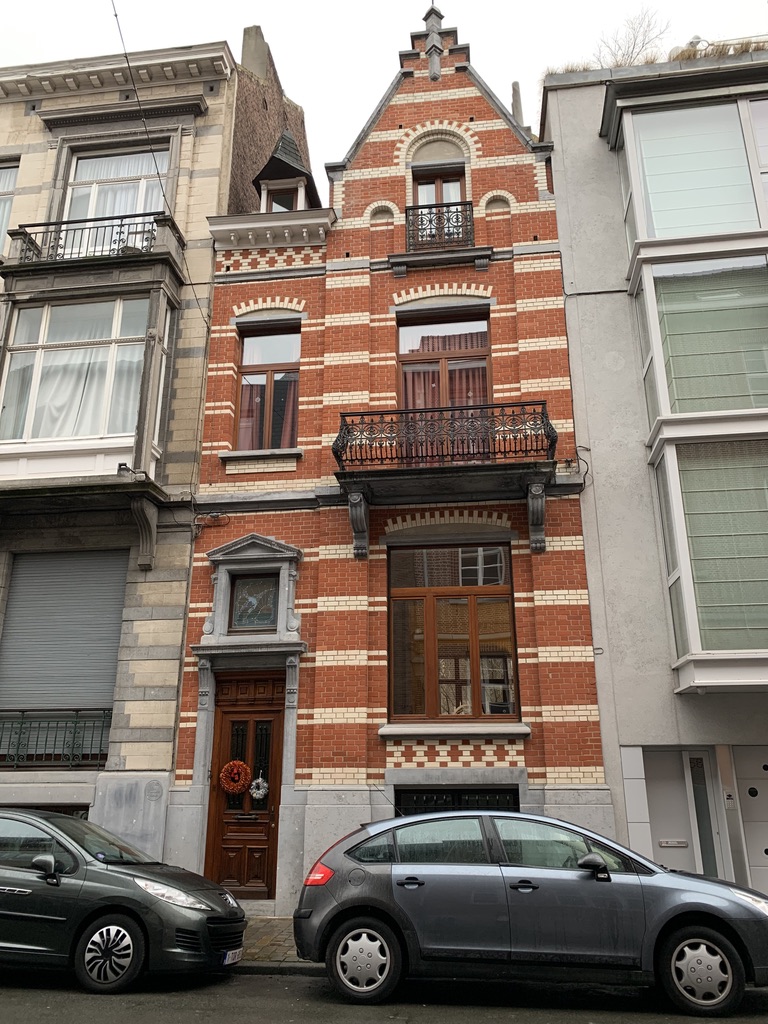
We started to walk back to the hotel, but the rain got worse so we jumped into a taxi and headed to the Magritte Museum, which is actually a building that houses three separate and distinct museums. We opted to just see the Magritte part. They have a wonderful collection of pieces I had never seen, as well as some of the familiar paintings. Best of all, they had several of Magritte’s “films” – all of which were hysterically funny.
We then walked back to the hotel in the rain (because it was really too close to take a taxi –only 8 minute walk. And then after calling SwissAir a few times in the hope of getting more information about the lost bag (without success) and headed to a restaurant we had read about called De Maurice a Olivier, which has a Michelin star. It was a 15-minute drive. When we got there, we thought the driver made a mistake since he pulled up in front of a somewhat trashy magazine store that sold all sorts of magazines and also candy, but the sign said “Librairie — Restaurant.” We peeked in and thought it was a mistake since all we could see were the magazines. But it was too late, the taxi was gone. So we walked in and lo and behold, behind the front section of the “magazine/candy store” is a wonderful French restaurant (so French that no one spoke any English). The meal was served beautifully and the food was fantastic.
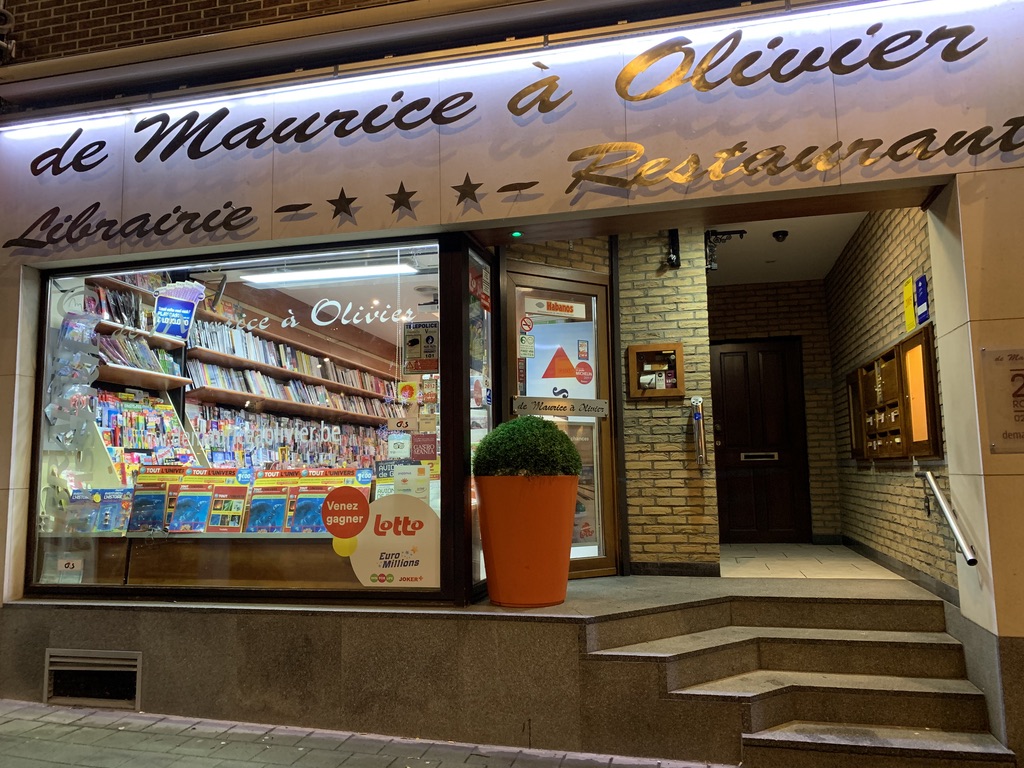
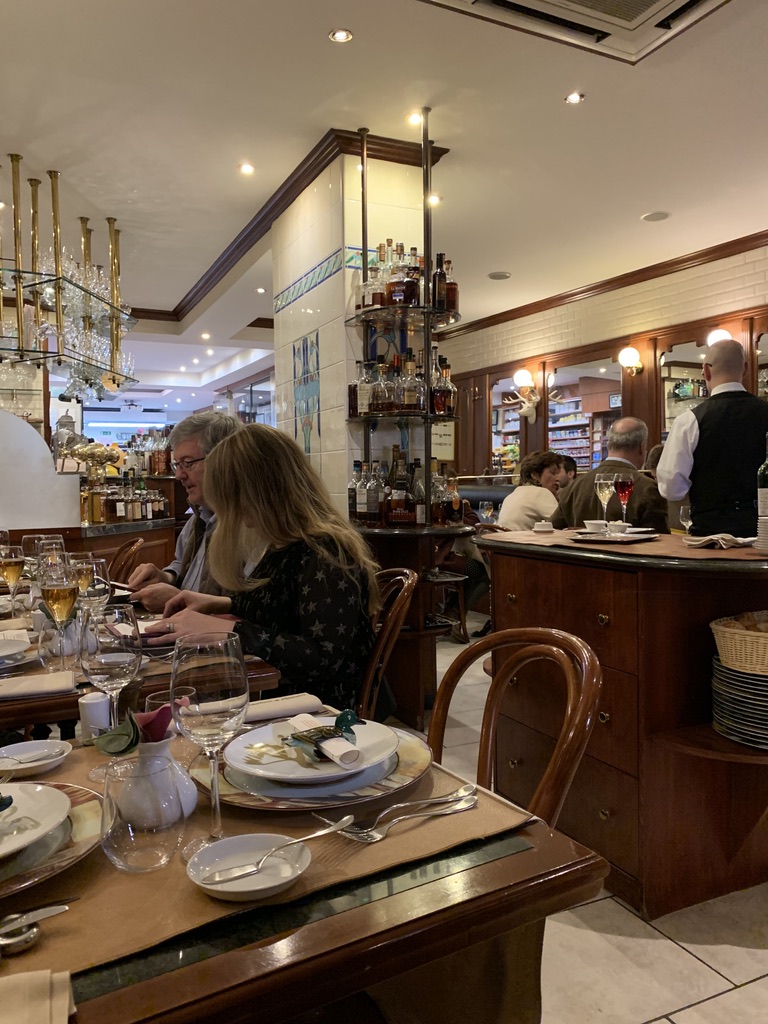
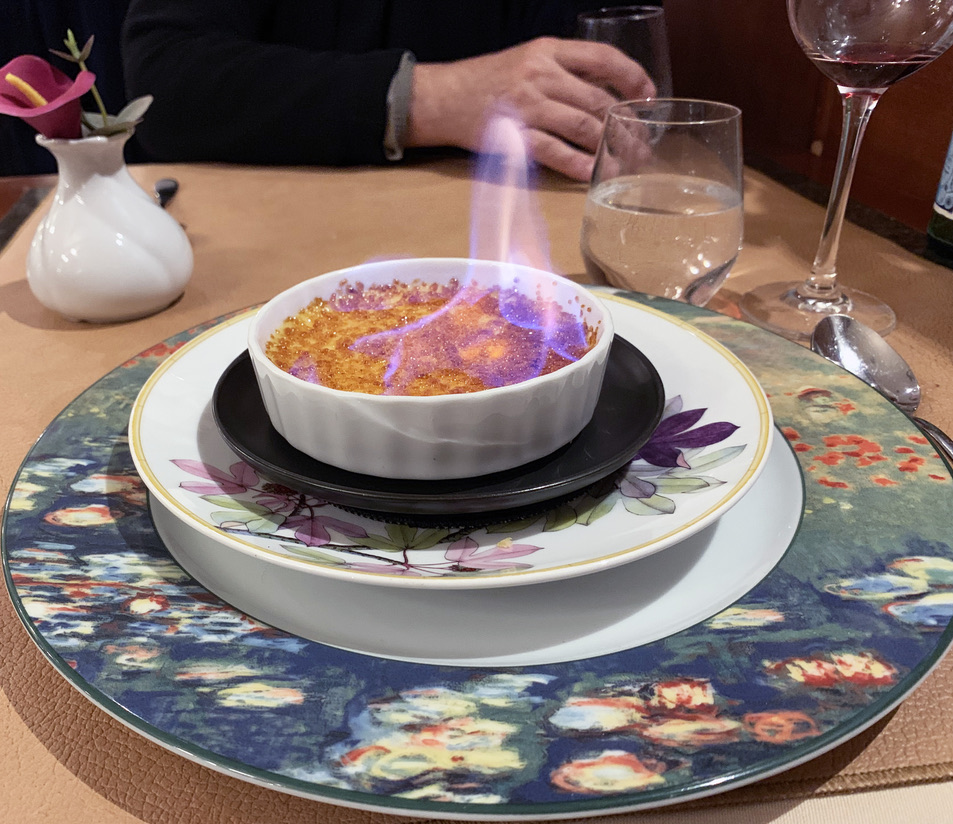

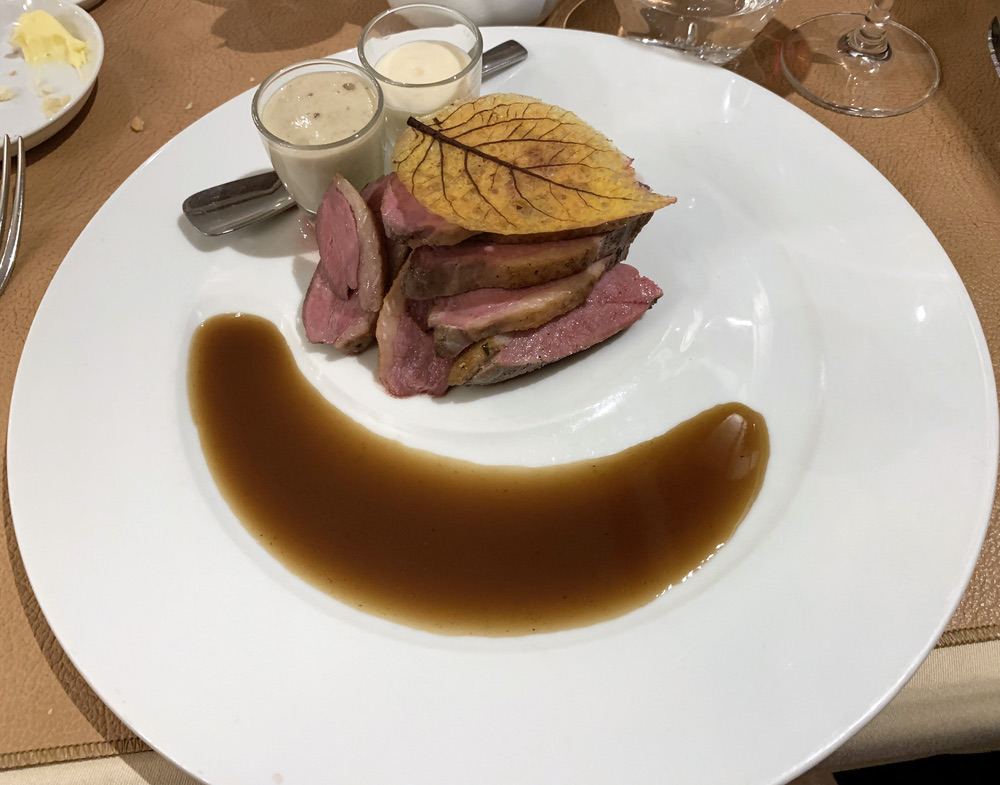
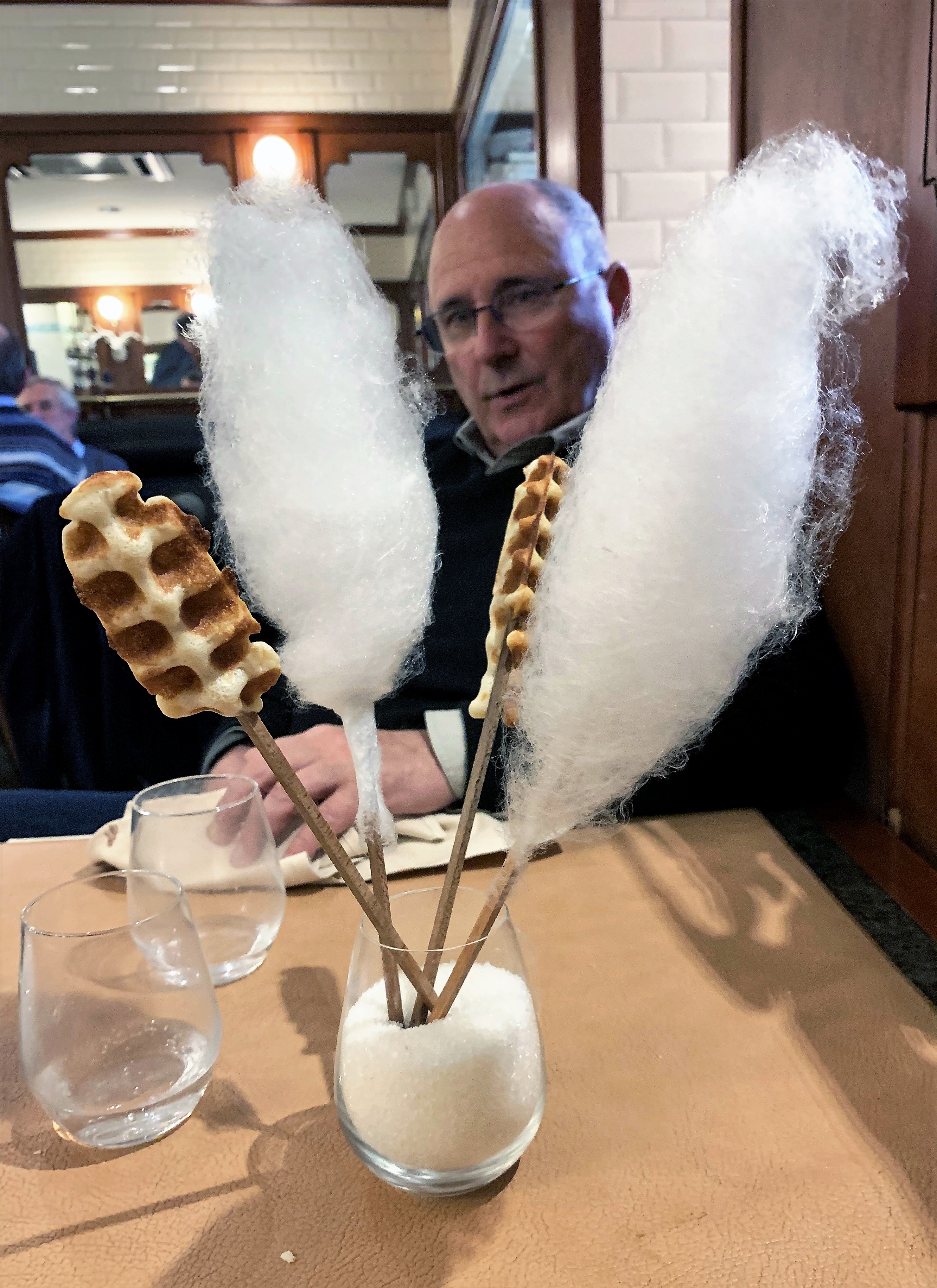
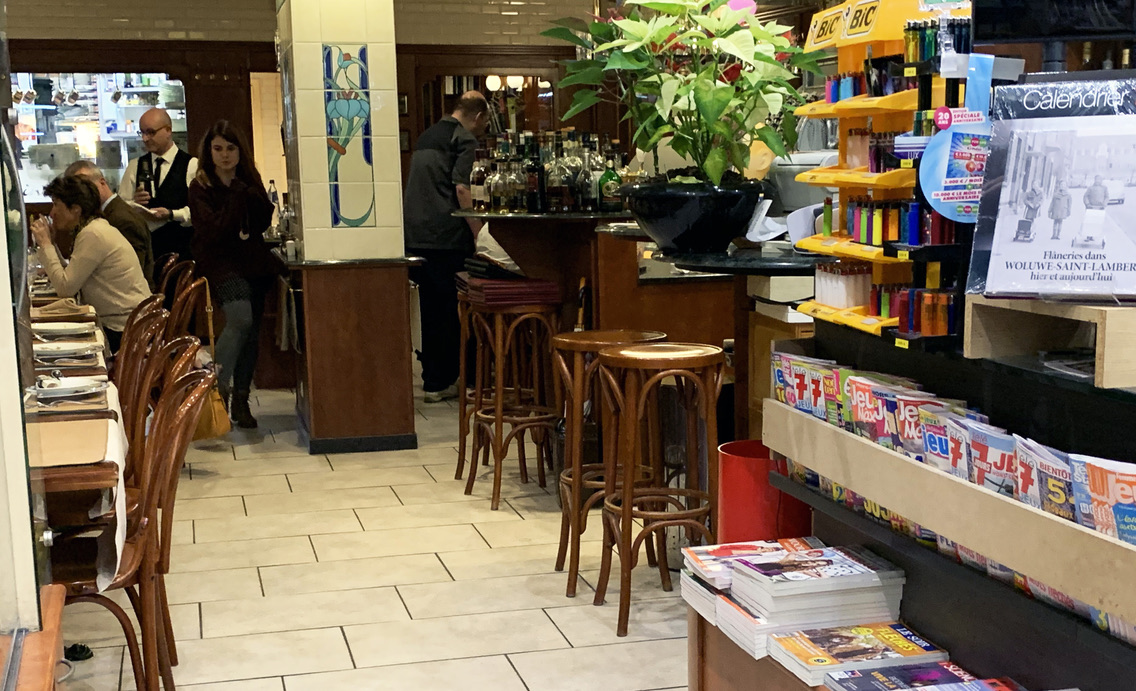
I had some kind of ratatouille with escargot, followed by amazingly tender rare duck served with cooked and peeled pear, some vegetables and a shot glass of mushroom soup. Before the meal began, they brought out a selection of all sorts of tiny treats including a shot glass of cucumber soup, something avocado-y, two wonderful cherry tomatoes in a great olive oil and vinegar, and about five other morsels. We ended with flaming crème brulee. A great surprise meal.
Now I’m signing off for good — packing and sleeping take priority. We leave early in the morning… homeward bound. See you all in the Bay Area. We land around 11 pm tomorrow night (Sunday); can’t believe I’ll be at the office on Monday morning.
All the best –
Fern
1/3-1/4/2019. Final Day in East Africa; easy departure from Dar; rocky arrival in Brussels
Nzuri .. Hadi wakati ujao .. katika Afrika… Goodbye… Until next time.. in Africa

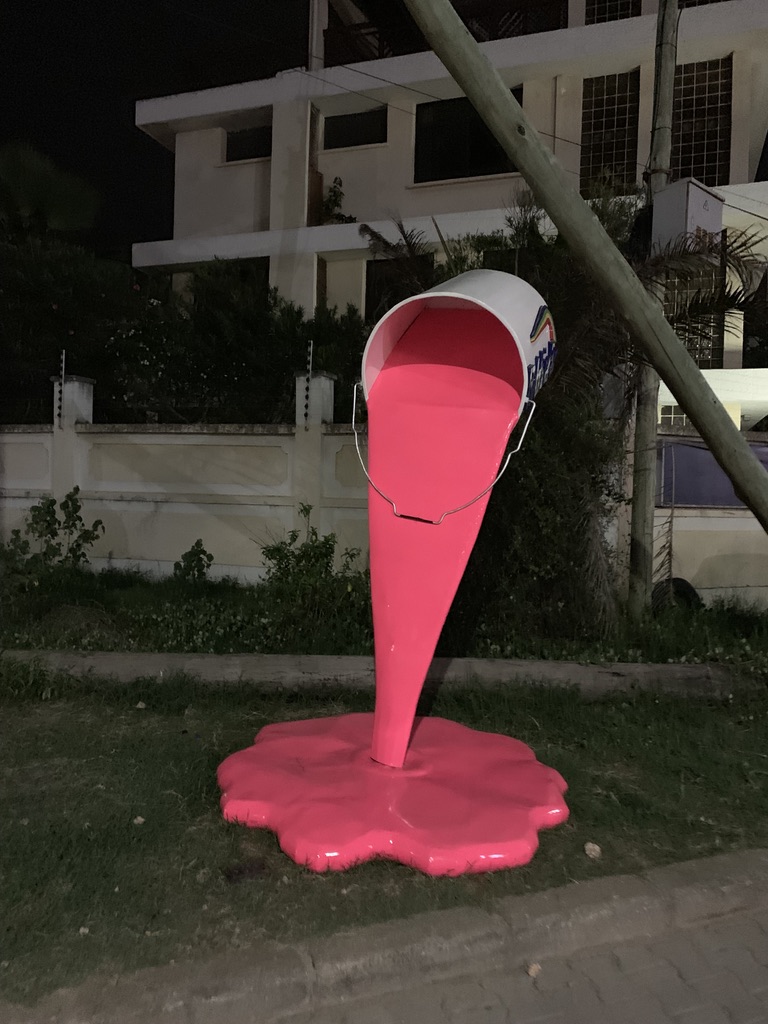
Our final day in East Africa – Dar es Salaam, Tanzania to be specific.
Packed up our stuff and headed to Slipway – a somewhat upscale area on the coast about 15 miles north of the center of Dar. Along the way, you pass very large houses, mansion-like buildings; many under construction. The taxi driver said “this is where rich people live because they think these houses and this area is very safe.” When prodded a bit more he said that the people who live in these very very large new houses are the CEOs of big companies that have headquarters in Dar. He added that all of these people are White. Despite the fact that we were driving slowly and that we had been on this road before, we never saw any people outside these houses. Perhaps they stay inside to take advantage of their air conditioning. It is really hot in Tanzania. If we return, I think we’d go to Arusha which has a much more temperate climate and is at a higher altitude as it is the gateway to Serenghetti.
We had a barbecue lunch and did a bit of shopping. Given the heat, even Mike was open to some shopping since many, but not all, of the stores are air conditioned, or at least have fans. Back to the hotel to do the final packing and head for dinner, and then straight to the airport … our flight is around midnight – Dar to Zurich; Zurich to Brussels where we will stay for two nights and then Brussels to D.C. and D.C. to SFO. Still a ways to go.
No fail, whenever we get this close to the end of a trip I’m really just antsy to get back and my head is now totally spinning with everything I need to do once I return – both personal and work.. But mostly my head is circling around work tasks.
Wanted to go once again to Addis in Dar (still haven’t been there), but they decided to close for one extra day (!!) so we tried a few other restaurants and many were closed as well – long holiday. We went to a place called Ten 0 Six which sounded good, but when we got there (although the Internet said it opened at 6, the sign said it opens at 10 pm). So we just went to a nearby place that was a combo Thai, Japanese, Korean – pretty bad. Then we headed to the Dar Airport (Nayere Airport, officially). Aside from having go through the now-usual four security checks, photos, and Mike got fingerprinted – all 10 fingers – it was pretty smooth. We checked each of our rollies (the ones we usually carry on), and kept each of our computer bags and a shoulder bag that had a lot of odds and ends. I packed with amazing precision (I’m really a pro, even if I have to say so myself). I had separated nearly all of the stuff we purchased into one of the checked bags (Mike’s) and the clothes were all in my bag. That way, once we got to Brussels we didn’t really have to even open Mike’s bag.
We were traveling business class, so we went to the VIP lounge – places to sit and a bar. And then we boarded the Swiss Air flight from Dar to Zurich and transferred to Brussels. All was good. When we landed in both Zurich and Brussels it was the usual shock of arriving in a first world country after being in a developing country for several weeks. The shock of commercialism, glitzy stores, and the gleaming glass and metal structures with vast spaces was just so different from our departure airport. Lots and lots of stores and restaurants. Brussels Airport is large and goes on for quite a while. We made it up and down several escalators (a contraption we hadn’t seen in weeks) and went to get the two checked bags.
OK.. You probably already guessed it. My bag arrived and Mike’s didn’t – the one with all the gifts and memorabilia, along with some small gear and other stuff. We waited and waited and finally realized the bag really hadn’t come. We had been joking about this as we waited – since checking bags is not our usual mode. But when they announced that all bags from the Zurich to Brussels flight had been unloaded, we realized the joke was on us. Found the Lost Baggage counter (where there was actually a line of about 15 people, but not sure which flights they had been on). Made it to the person with whom you have to describe the bag, etc. She found it in the computer system as having been checked in Dar, but her computer didn’t give any more information than that. It never got scanned in Zurich or in Brussels, according to the system. So, now we wait for a phone call or email telling us the disposition of the bag. She said that if we didn’t get any news by the time we left Brussels (Sunday morning) we need to come to the desk with a list of the contents of the bag. Not sure whether to hold out much hope.
My guess is that either it never left Dar (and is sitting there somewhere) or it got onto another plane in Dar (there was one headed to Amsterdam around the same time), or it got lost in Zurich (the most hopeful of the possibilities). I was forced to check a bag in Rome one year en route to London and the bag didn’t show up. It was delivered to my hotel in London about 36 hours later. And one time I had to check my bag on a very small plane headed to SFO and it was not there when I arrived – but it showed up about 45 minutes later. So much for all these rules that the bags and the passengers cannot be separated on a plane.
Keep your fingers crossed.
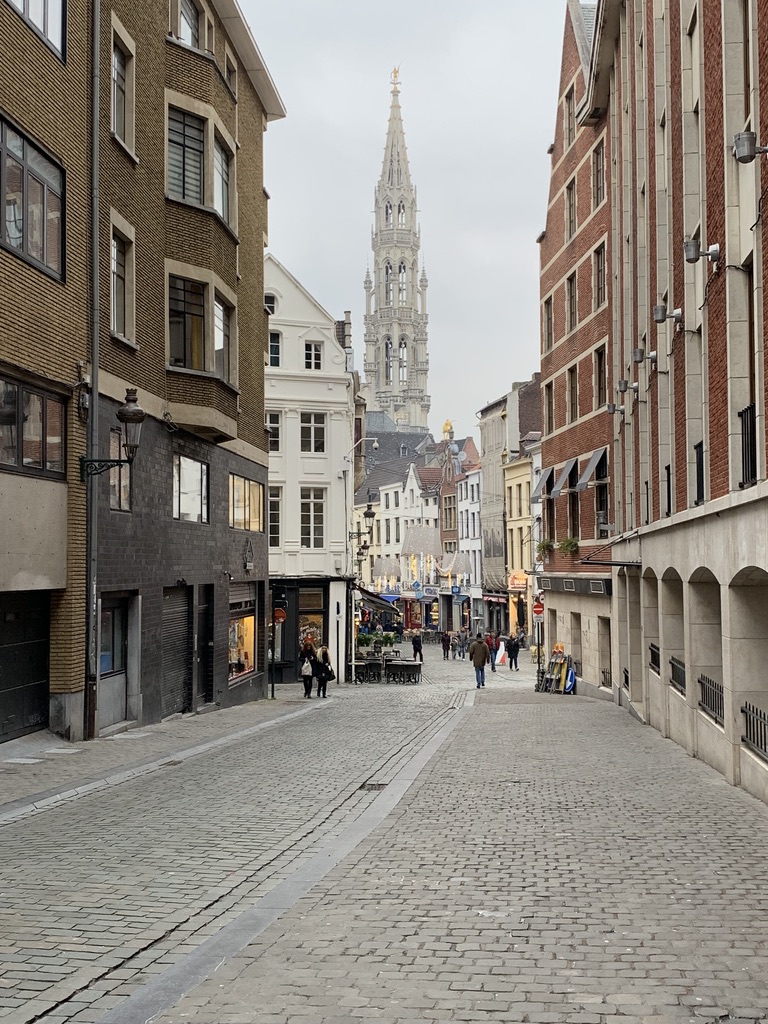
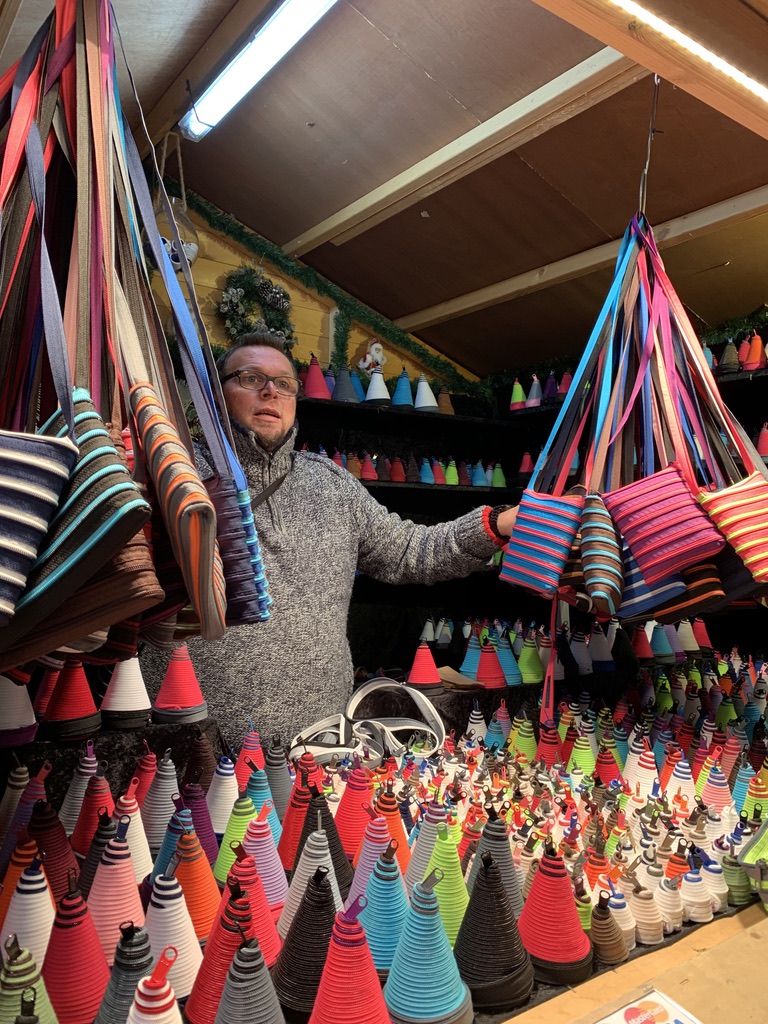
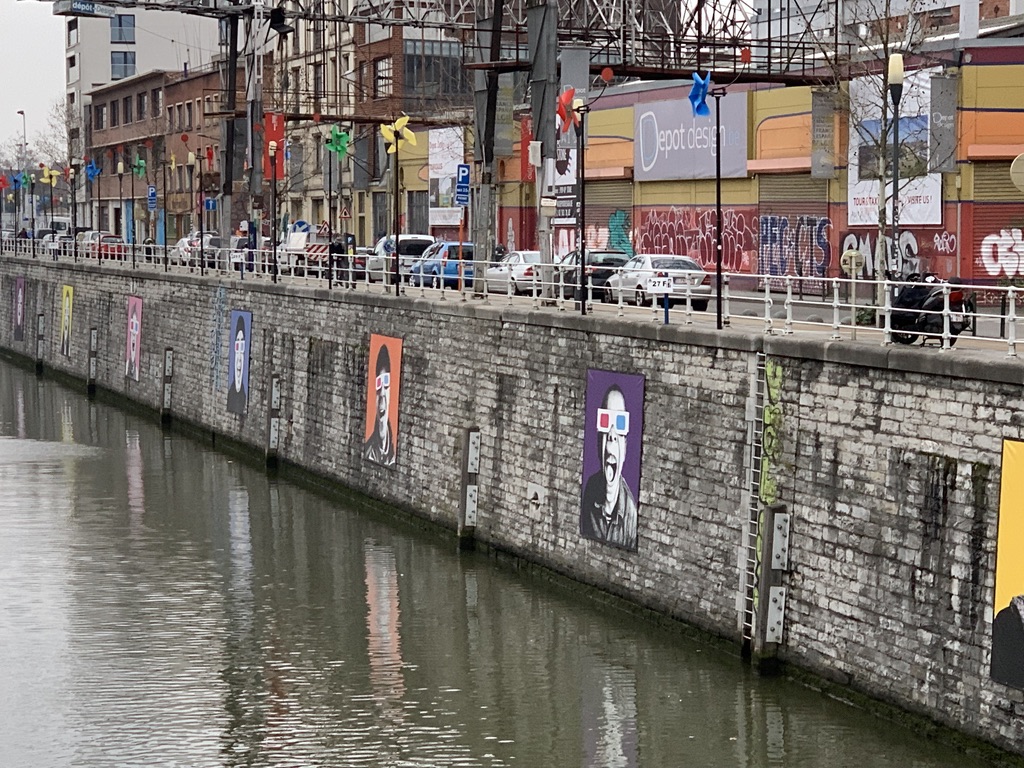
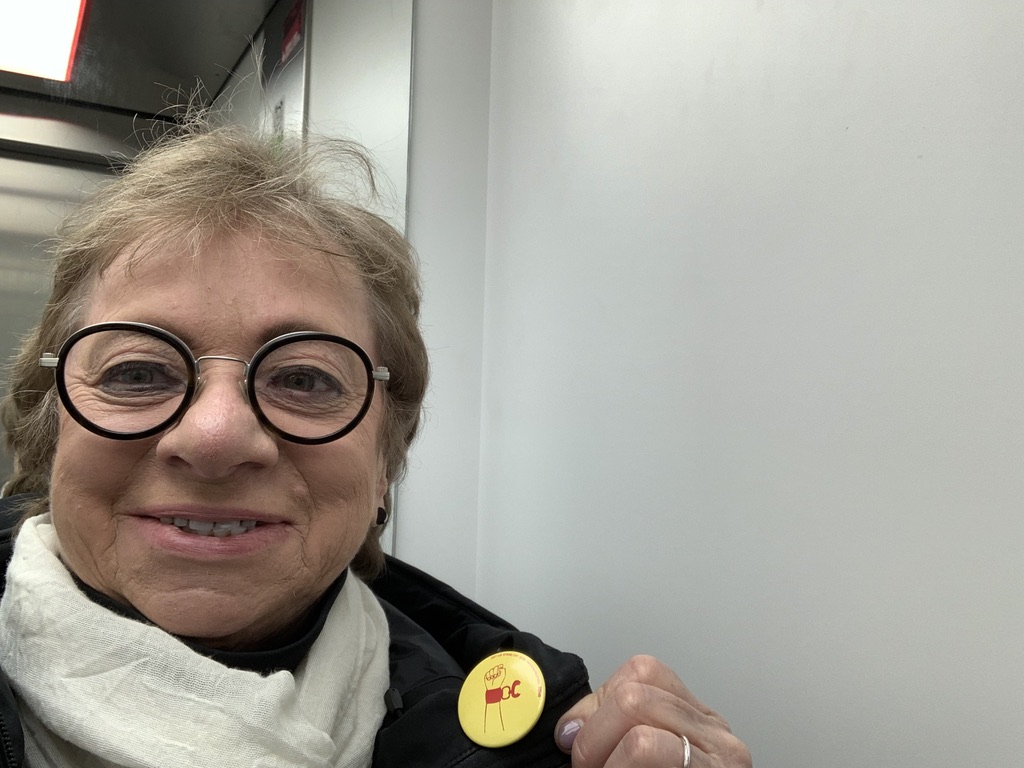
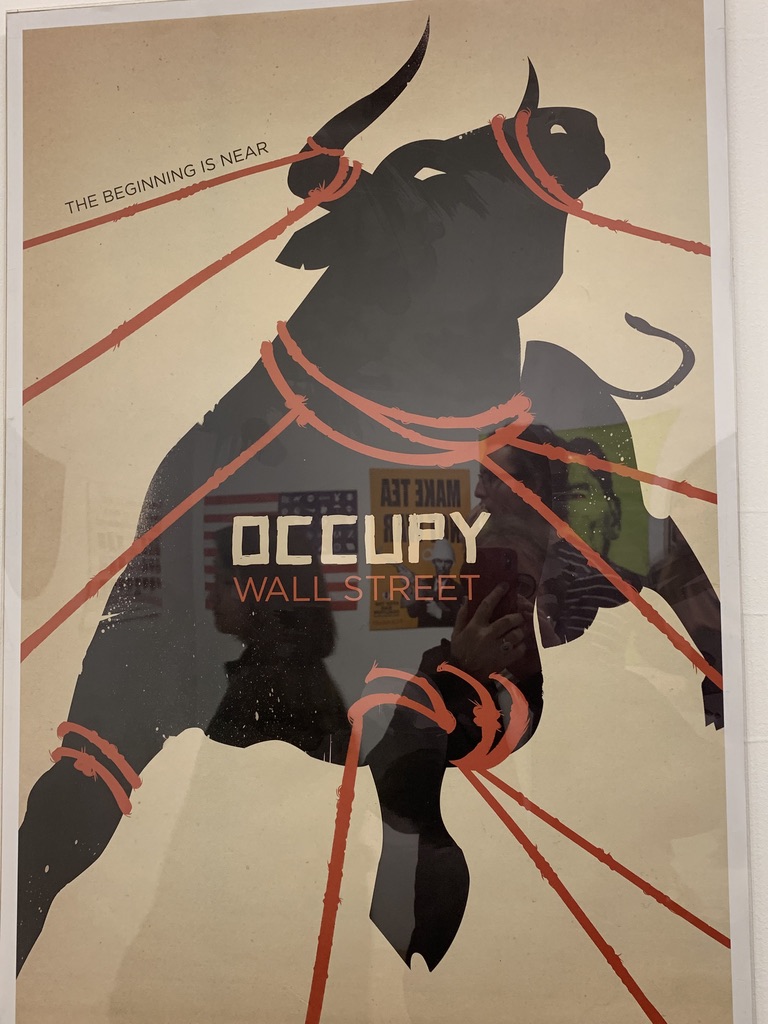
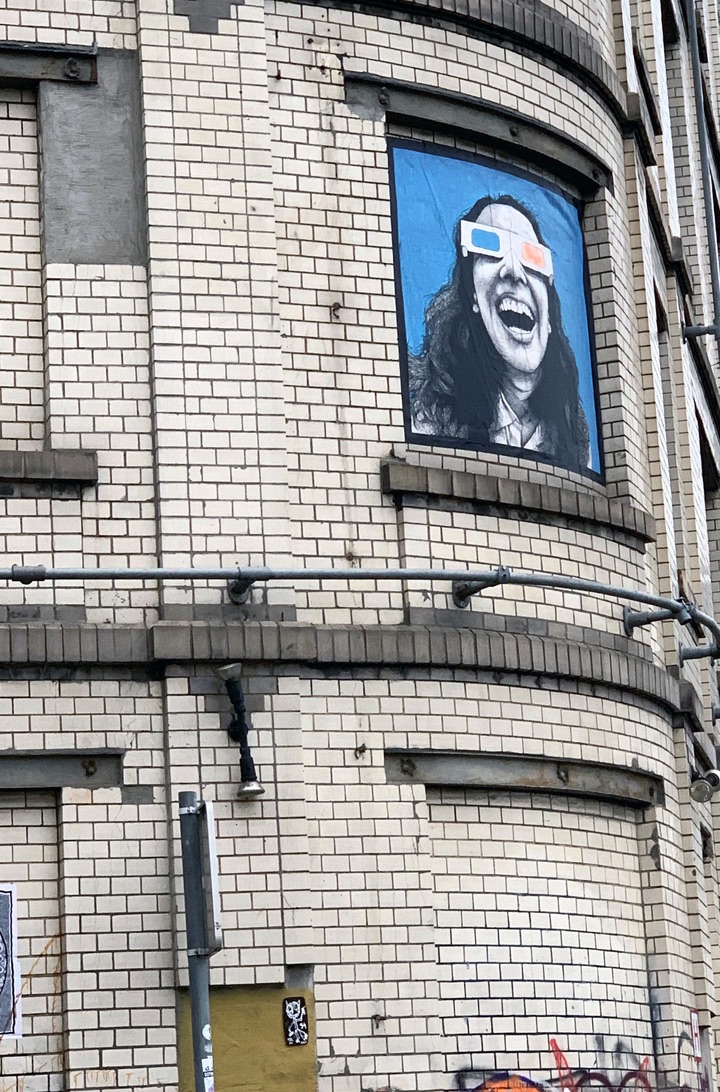
Anyway, we are in Brussels.. It’s 11 am… We’ve been traveling since 10 pm last night (and a two hour time change). Mike hit the bed in record time. I’m headed out to walk the streets of Brussels – haven’t been here in ages… and so much has changed, from what I saw from the taxi. And there is a Christmas market that is still running.. so I’m off to check it out.
All the best – Fern
Farewell Zanzibar; Hello again, Dar es Salaam. 1/2/2019
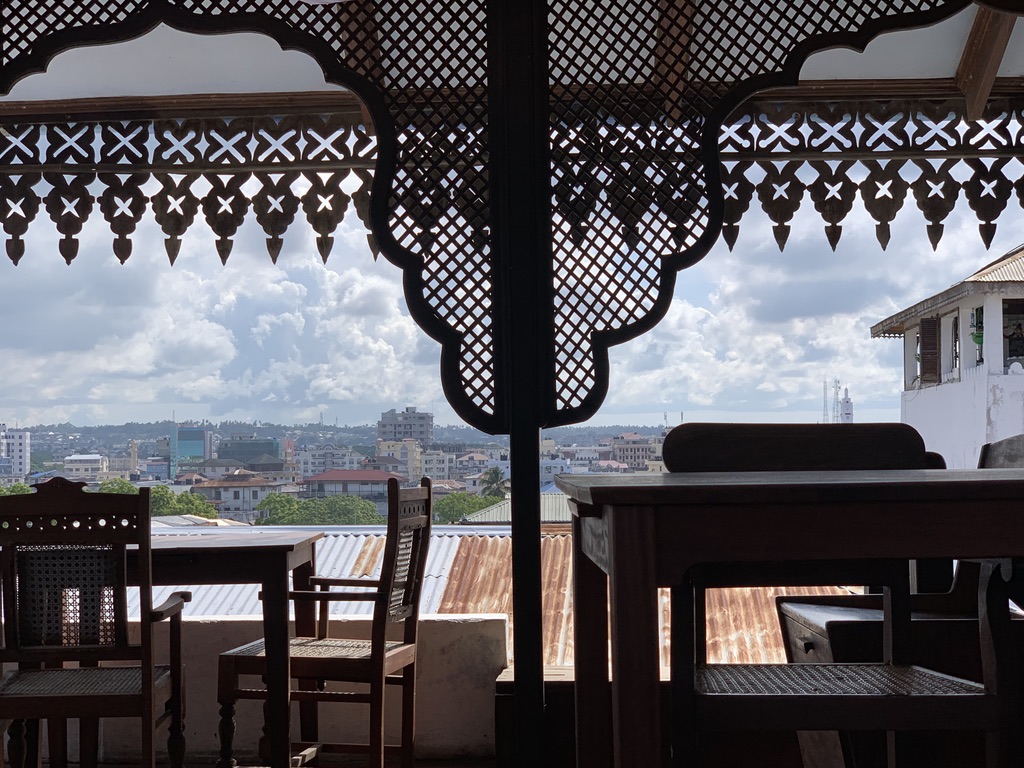
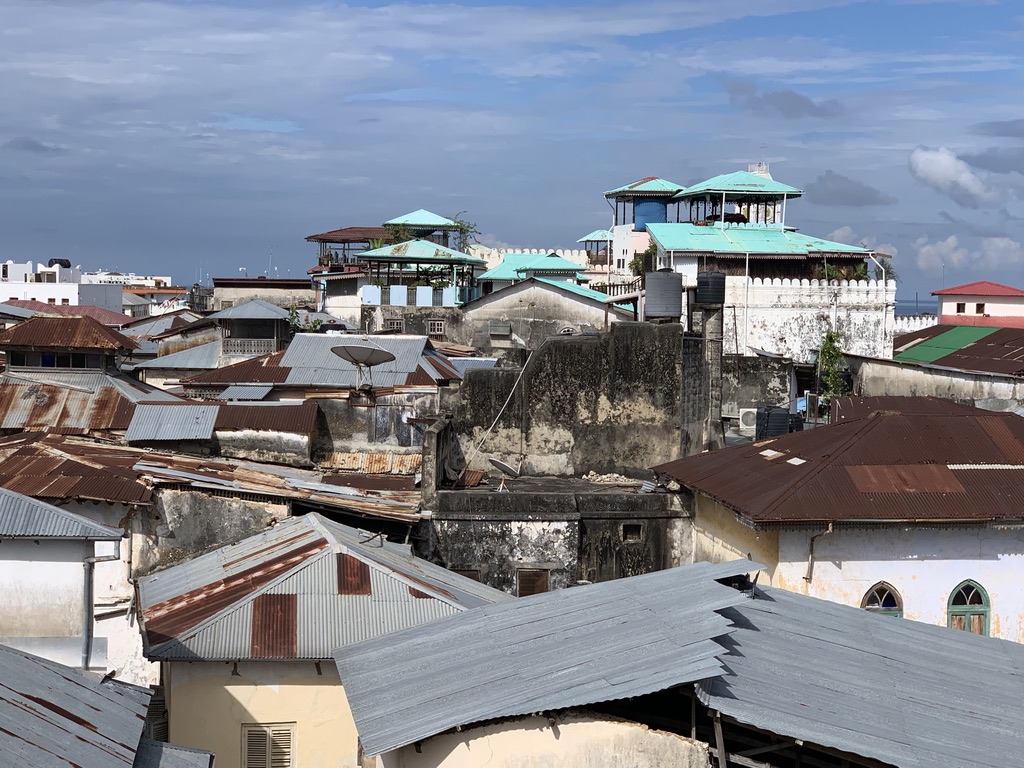

After breakfast we walked to the Slave Market Exhibit located at the Anglican Church in Zanzibar, which is actually built atop the original slave quarters. Probably would have been best to view all of this on the first day to put our walks and what we were seeing into greater context… but somehow we didn’t do that.
It’s a pretty dark history with Zanzibar being the region’s main slave-trading port and one of the last slave markets in the world to close. Here enslaved men and women were confined in dark, virtually airless, underground chambers before being sold to do hard work on the Island’s clove plantations or being sold and transported to distant locations – mostly by Arabs. The exhibit is not just a history (extremely well put together, by the way), but also a real reminder of the atrocities that people were subjected to. And the exhibit doesn’t let us forget contemporary slavery – defined as bonded labor, forced labor, child slavery, forced marriage, and descent-based slavery. Indeed the exhibit also reminds us that “Products made by modern day slaves flow into the global supply chain and eventually into our homes, leaving most of us unaware of our contribution to supporting it.”
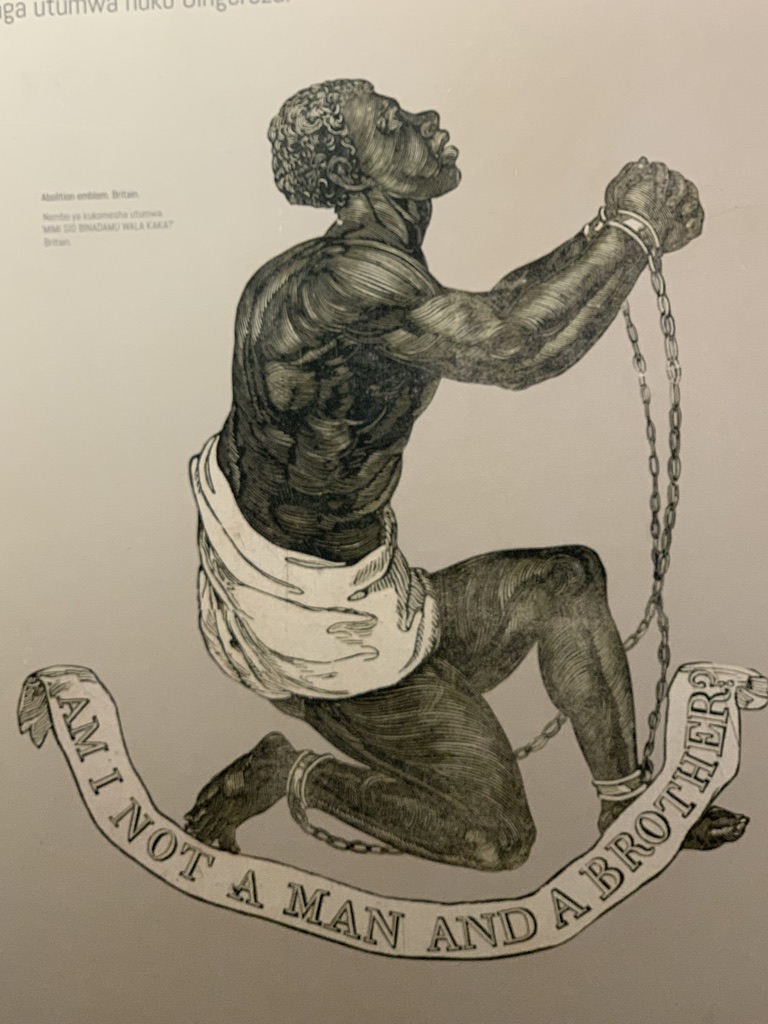
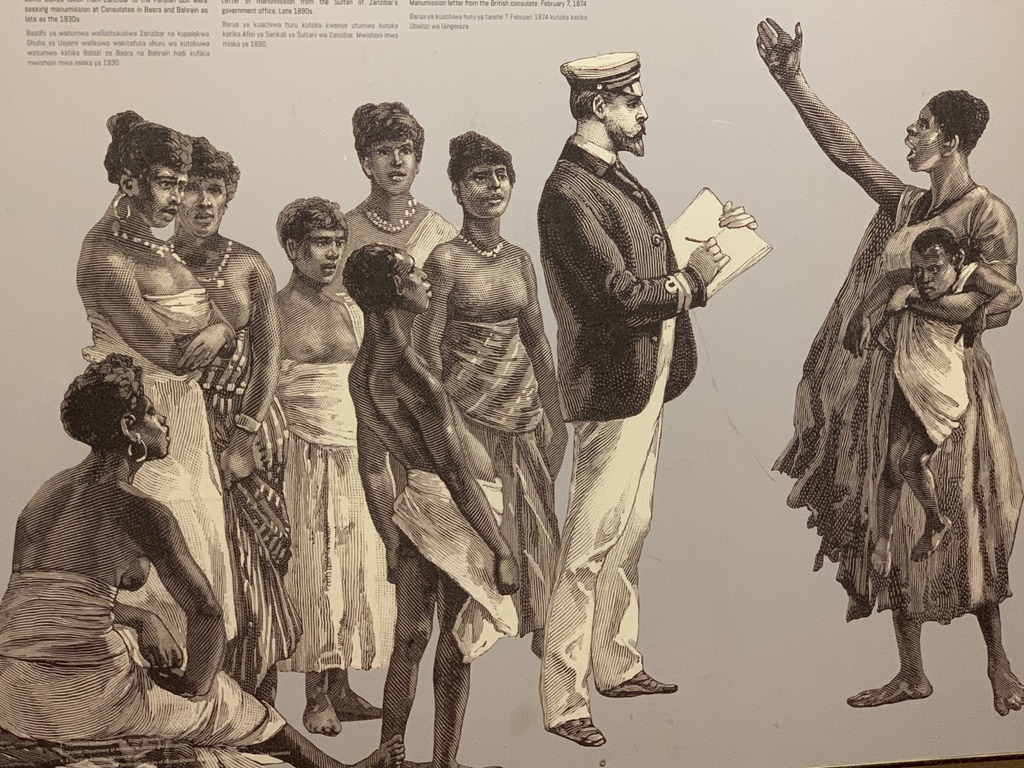
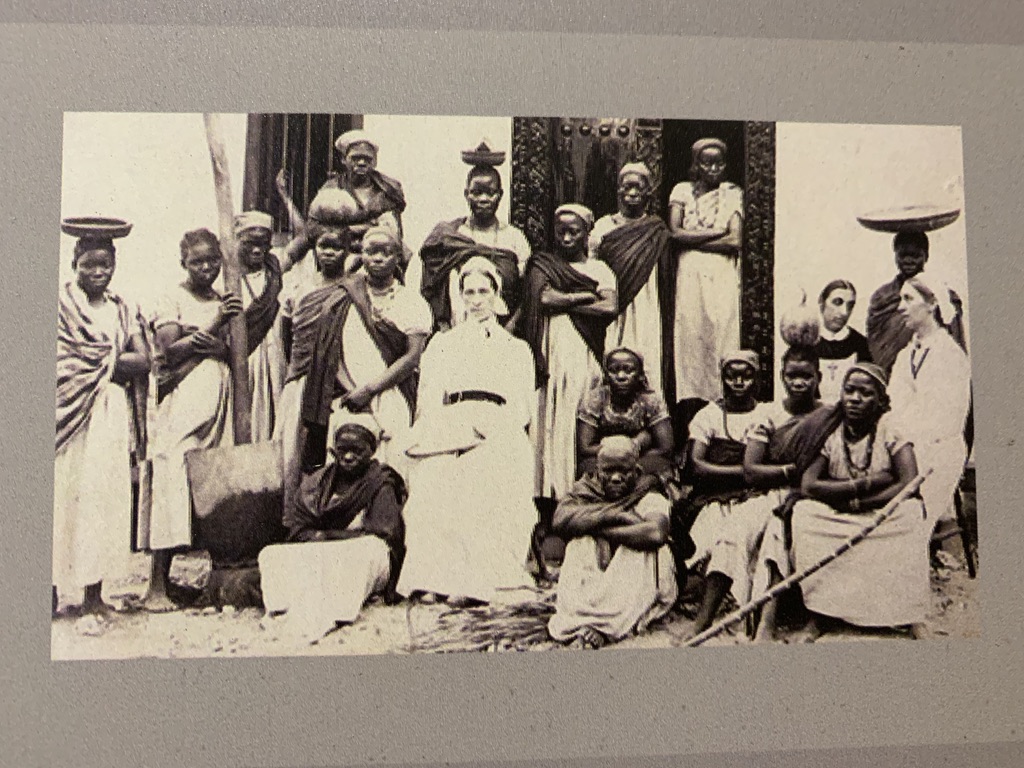
The exhibit ends with a graphic map of the world showing that 61% of those living in modern day slavery are in 5 countries: India, China, Pakistan, Uzbekistan, and Russia. But the majority of the exhibit traces the history of African slaves with Zanzibar as the hum for trading and buying slaves. It’s clear from the exhibit and the strong text that in the 1850s Zanzibar was filled with slaves — some in transit to other locations and others brought to Zanzibar to work in plantations, including in the labor-intensive clove plantations (which had become a major product and economic driver for the country). But slave trading was the major economic driver.
Some female slaves were brought in from other continents to be part of the harems of various sultans. White and Middle Eastern slaves were among the most prized. Two thirds of the population of Zanzibar was comprised of slaves. It was so much a part of the society that slaves who earned wages actually bought slaves themselves or invested in the slave industry.
One quote in the exhibit is interesting: ‘A woman came into the court and accused a man of having unjustly enslaved her. Evidence was produced and the woman liberated. The man was fined 40 rupees and 20 rupees were handed to the woman as compensation. She was asked shortly afterwards what she was going to do with the 20 rupees. She at once answered; I will buy a slave with it’
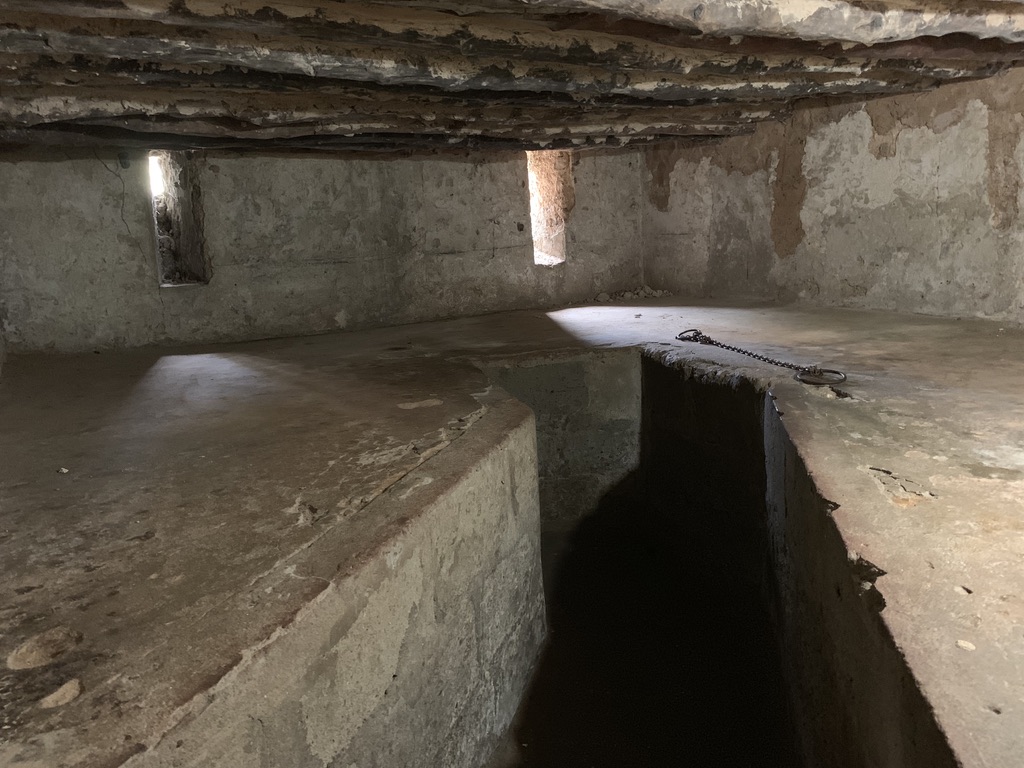

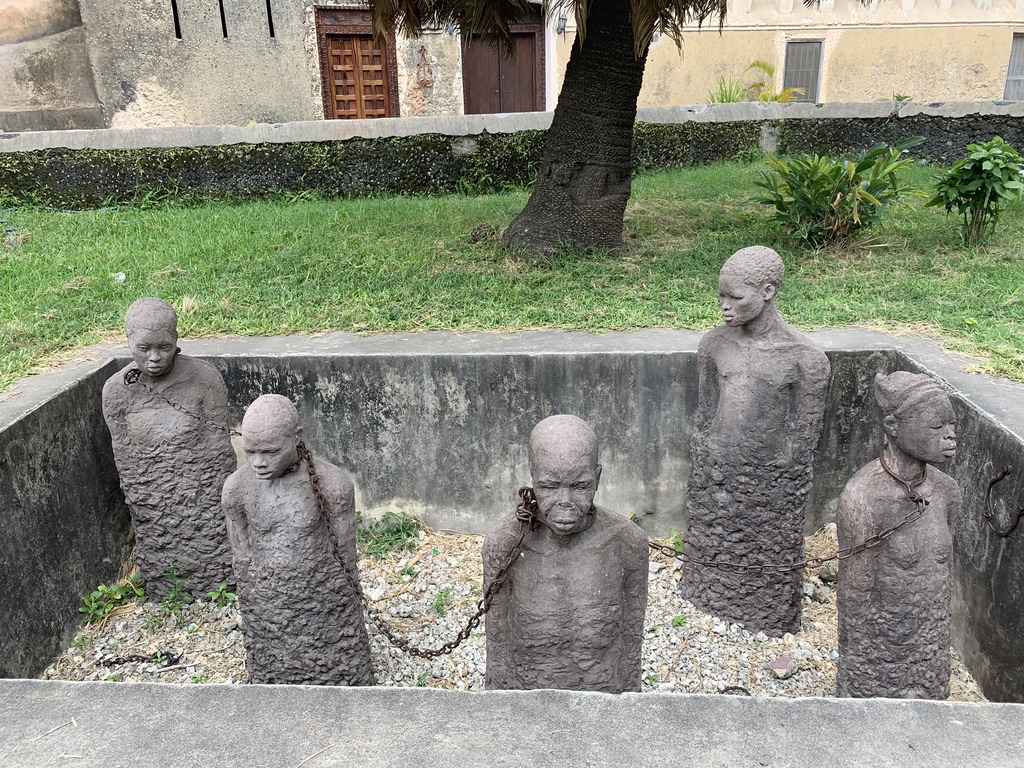
Underneath the hostel is the old slave chambers. The two underground rooms were used to keep slaves before being taken to the market for auction. There was only one small window at the end of the chamber.
The slave trade industry was abolished in 1873 but slavery as an institution continued in Zanzibar until 1909. And in reality, master/slave relations and clandestine kidnappings continued at least 2 decades beyond that.
Outside, there is a monument to the slaves who had been sold on the site. It shows five slaves – men, women, young, old — chained inside a pit. They look worn down, but maybe also somewhat uncooperative.
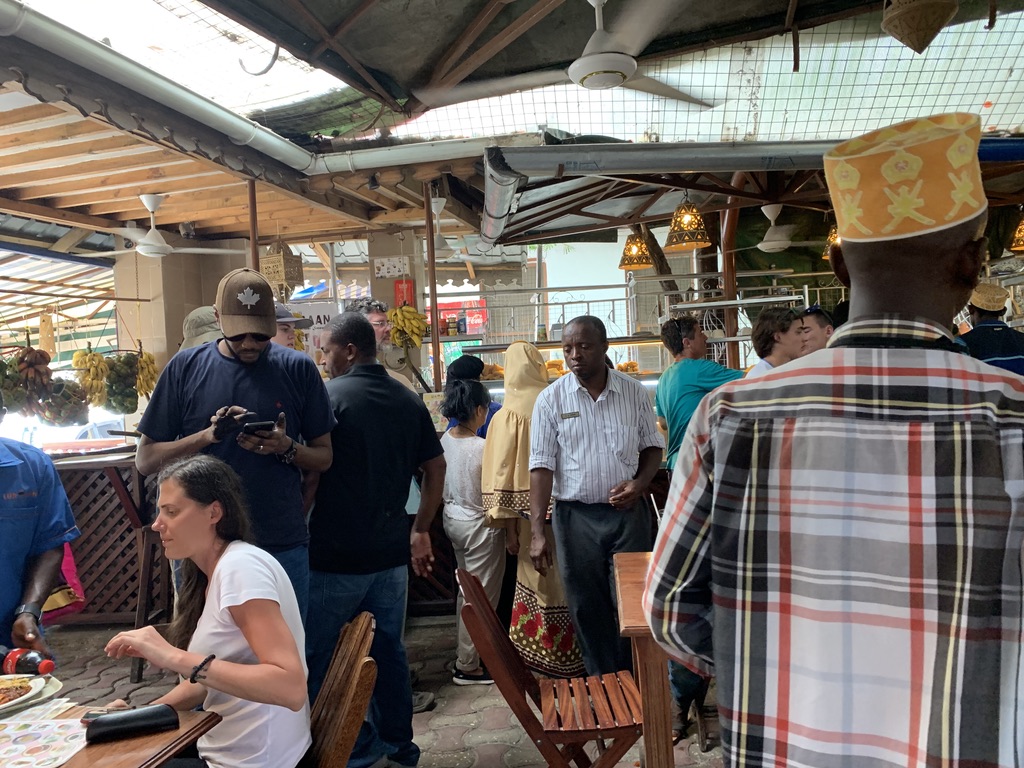

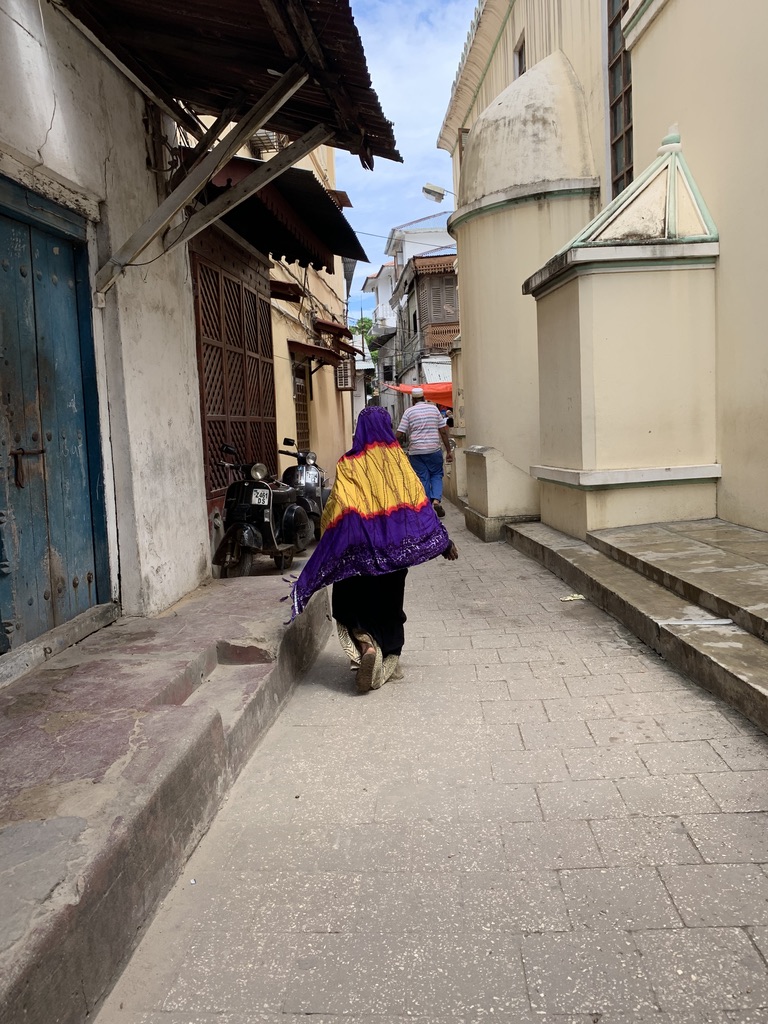

From there we walked to the Lukmaan Restaurant – a local Swahili place that seems to attract everyone from Zanzibaran workers to upscale Muslims to a handful of tourists. It’s a complicated set up… You sort of stroll around the “display” of foods and then tell someone what you want and how much and someone scoops it into bowls and then you try to find a table (not such an easy task). The cooking part seems to be “inside” and the eating is “outside but covered over. We had chicken in some kind of curry-like sauce and some kind of mixed vegetables in a spicy tomato sauce.. maybe a little like spicy ratatouille… Nothing alcoholic is sold.
From there we meandered our way back to the hotel to get our bags and head to the ferry. By now we sort of know our way around the immediate area of the hotel, but it seems as if we never take the same alleyway twice, so it’s hard to be sure you’re going in the right direction.
Checked out of the hotel and headed to the ferry, which once again was a bit of a challenge. Given our experience four days ago with the “cage” for luggage, we were determined to keep our bags with us on the ferry. But our two bags (one bag and one computer bag) were heavy and you have to climb a winding flight of stairs to get to the upper deck. Once again, we had been advised to get “first class” tickets which made sense (assigned seats, air conditioned place to wait for the ferry to board, and first to board the boat). So, when we got to the “first class lounge” (a pretty basic room), we talked with one of the guys who worked there and he agreed to bring our bags upstairs (good tip involved!) We were surprised that we were the only non-Africans in first class. I think that many of the Europeans who visit Zanzibar fly, so not too many non-Africans use the ferry. The crossing was a little rough (definitely much rougher than coming in the other direction). But the two hours went quickly, especially for Mike who was able to see (but not hear) the movie they were showing (Charlie Chaplin). I did some work.
The arrival in Dar was a little easier now that we had experienced it once already. We quickly located a somewhat legitimate taxi and headed back to the Serena where we had left our other bag. We were super-impressed when everyone from the doorman to the reception desk to the concierge remembered us by name (good training). Settled in quickly and headed to dinner on the coast at Karembezi. It was fine, not great. Still hoping to go to Addis (the supposed super good Ethiopian restaurant that has been closed for the holidays. We think it opens tomorrow so we might make it — on the way to the airport.
That’s it. We now have TV again (no TV in Zanzibar), so we are catching up on whatever has been going on (or not going on) beyond what we could see on our phones and computers.
We have all day in Dar tomorrow; our flight is at 11:30 pm; we arrive in Brussels the next morning at 9 am.
Best –
Fern
New Years Eve — Closing Out 2018 and Opening 2019. 12/31/2018
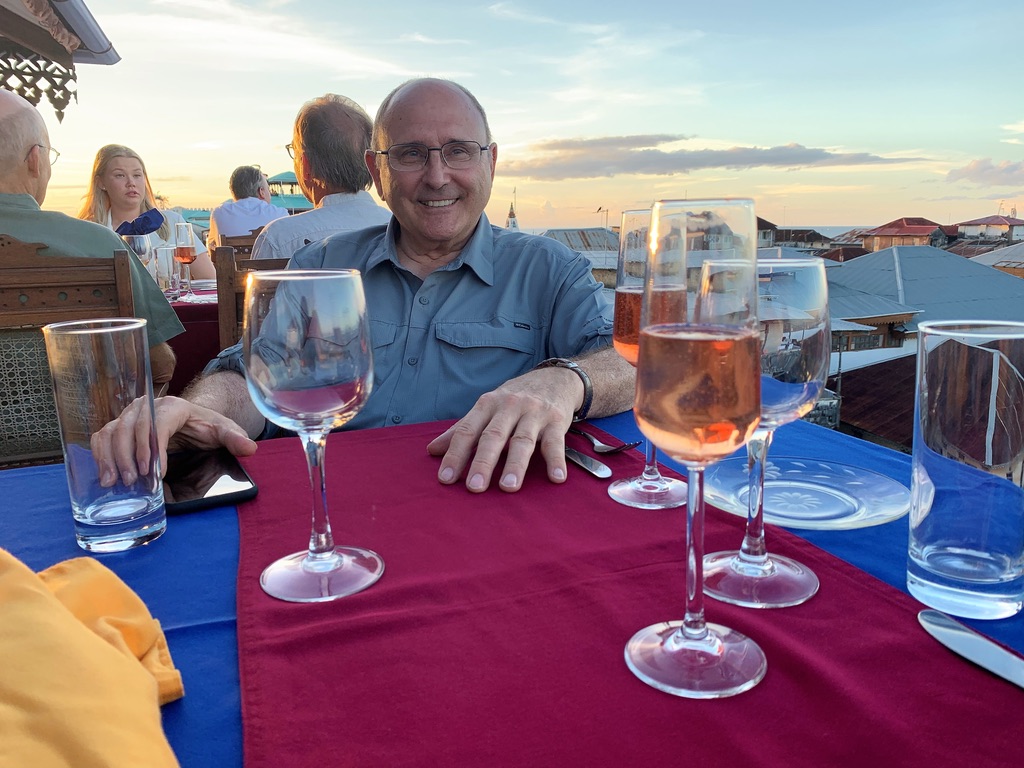
Happy New Year from Zanzibar –
Greetings and warm wishes on this last day of 2018 – May 2019 bring health and happiness, a renewed sense of civility and an overhaul (complete overhaul) of the Executive Branch. It’s amazing how much the world is watching.
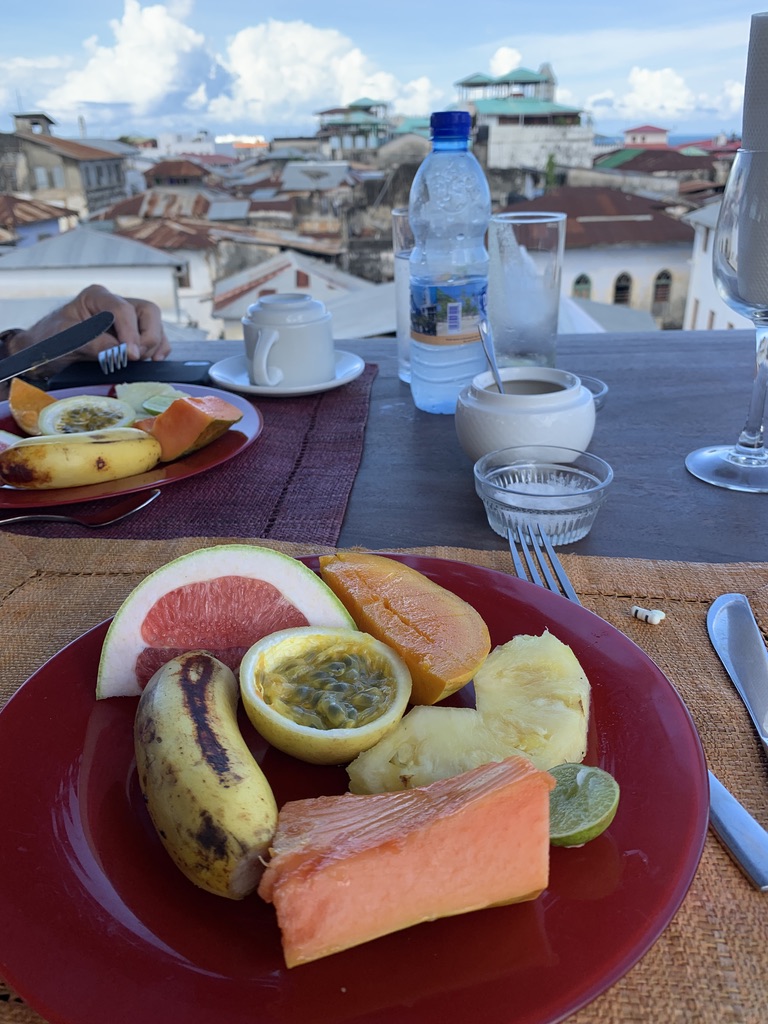
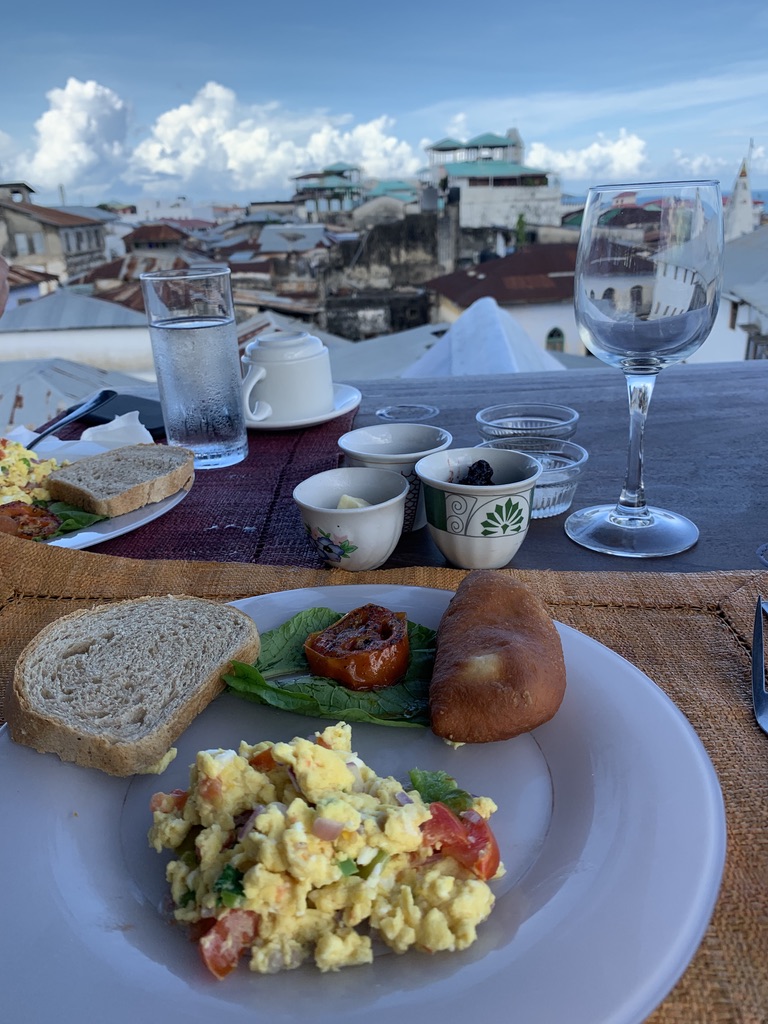
We awoke this morning to the call to prayer from what seem to be competing mosques within earshot at sunrise. For us it was a signal that we could turn over and get some more sleep. We had breakfast up on the rooftop – lots of fresh fruits and eggs. And then we were off.
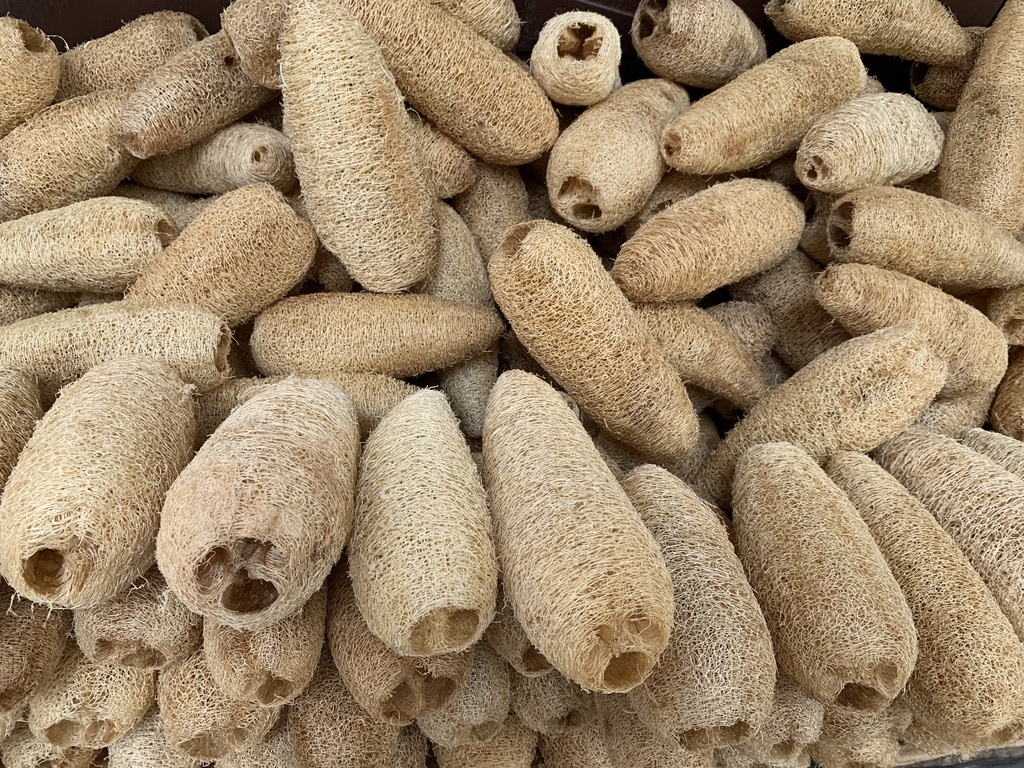
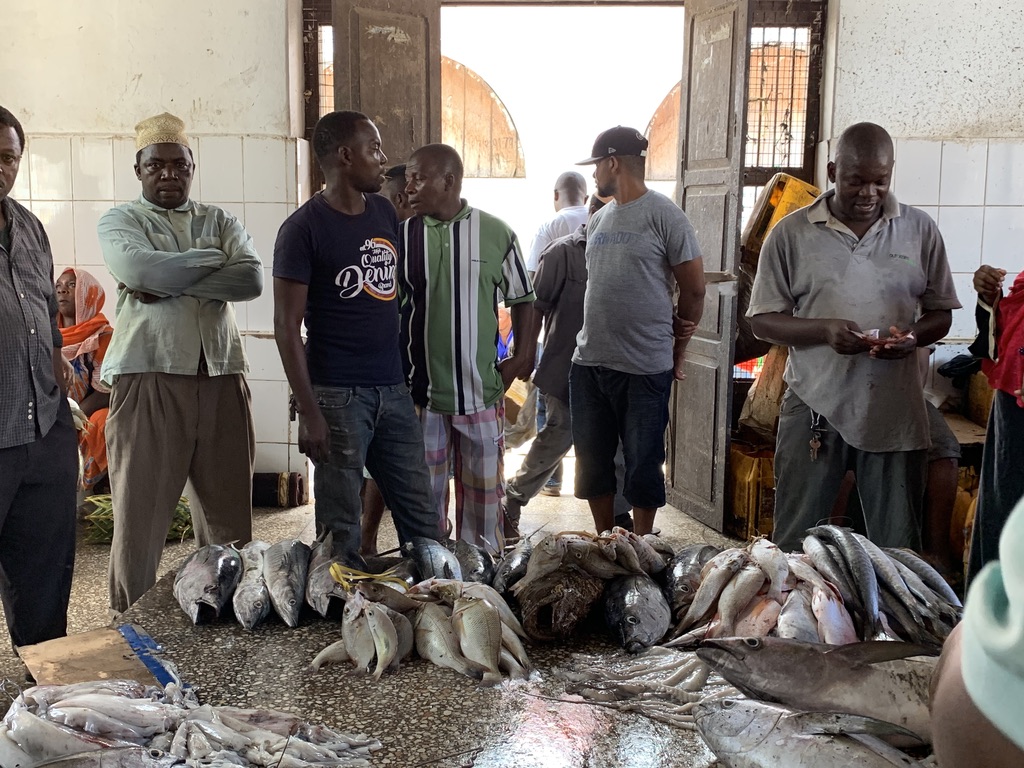
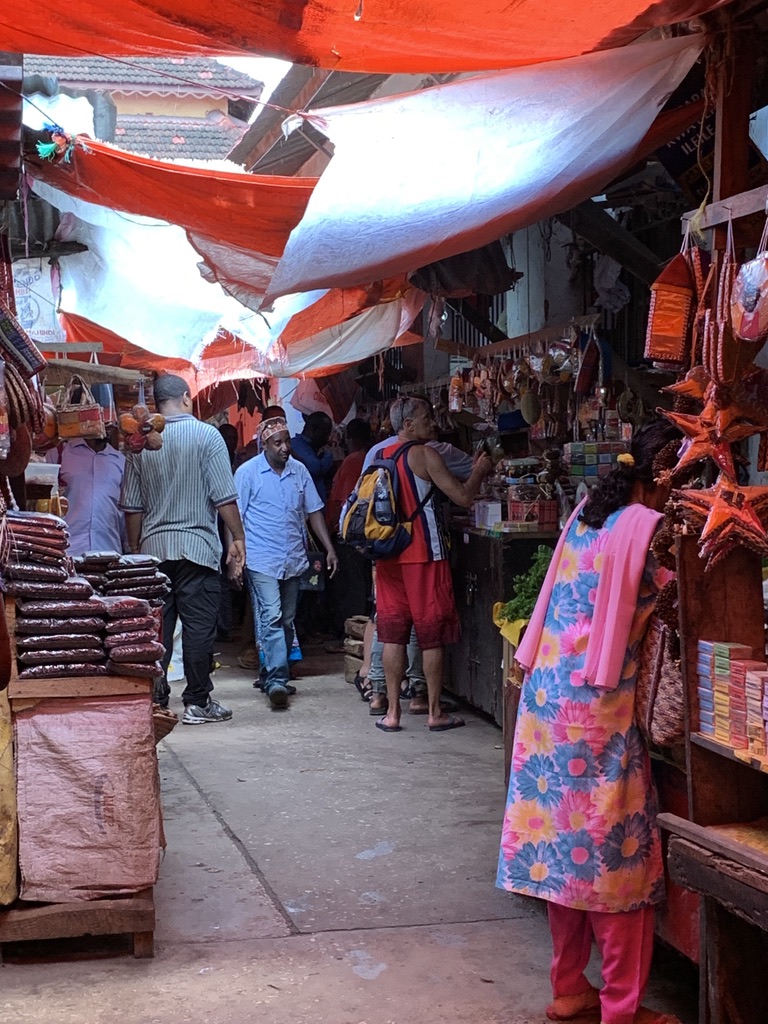
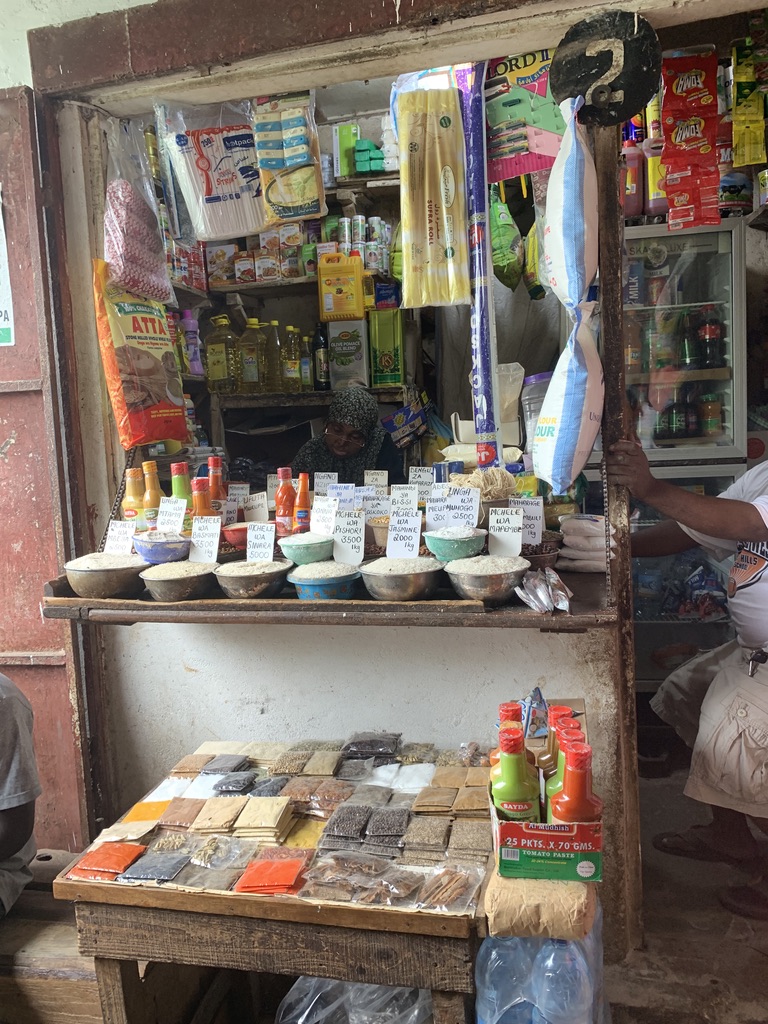
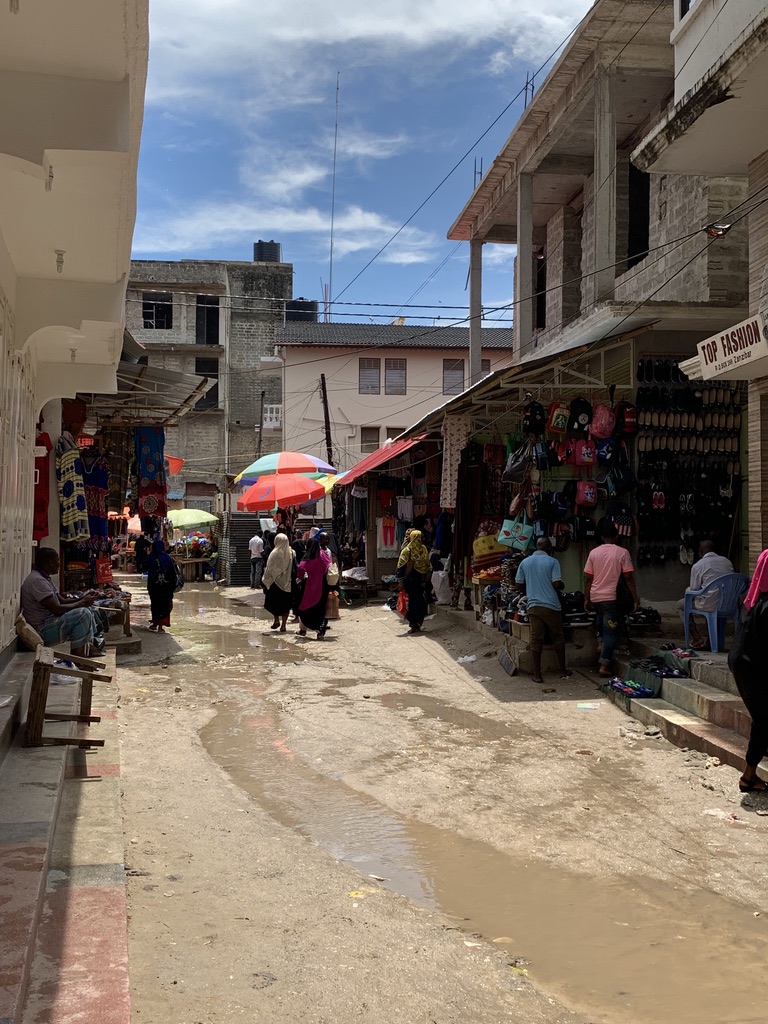
We headed (naturally) to the big market – Darajani where you can buy and barter for everything from fresh fish to soaps to hardware to vegetables to cloth to shoes to spices. Spices occupy a whole section of the market. Unlike the markets in Morocco, Turkey, and Tunisia where the spices are all out in the open carved into high pyramids, spices are sold either by bulk from inside a barrel or in pre-set packages. Still the aroma of the spices is strong and wonderful. We navigated through the fish market section where the smell is not so wonderful and where they are constantly hauling in large fish and cutting them up for sale – octopus, prawns, tuna, kingfish, etc. As elsewhere the market is sort of organized-chaos. I realized that I’ve used the word “chaos” many times in describing daily activities on this trip. I want to clarify that I’m not using it as a negative or derogatory term; rather as a simple adjective referring perhaps to a randomness (especially as perceived by outsiders). For years in art school and in the immediate subsequent years, I did a lot of research and actual creation of work in which I tried to understand order and chaos, and sought to find order within what we might call chaos.
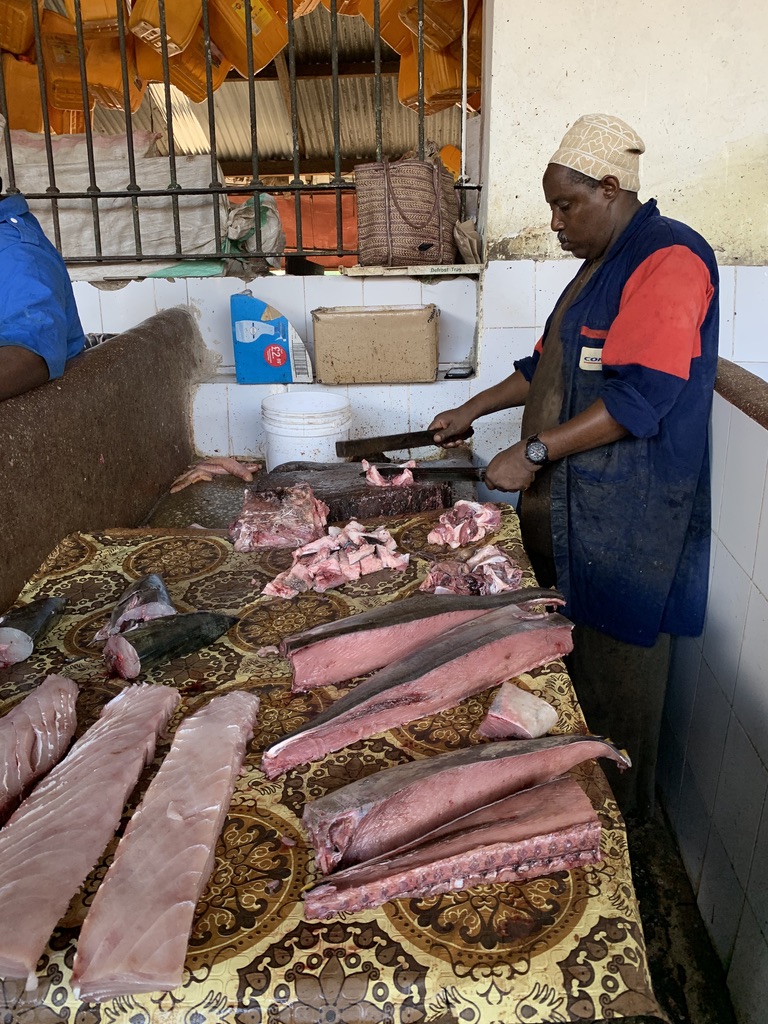
But here, it’s clear that the order is understood – but perhaps not well by those of us who are not part of this social structure. I think, even at the ferry, there was order, it just wasn’t the order that we Americans are accustomed to or would create given our backgrounds and history. Anyway, the market was lots of fun, but without much warning the afternoon downpour suddenly fell. There’s not a lot of overhead protection at the market. Many vendors have large plastic sheets above their stalls, but most of those plastic sheets have holes and the water becomes heavy and tips the plastic anyway. We stood in several “doorways” and under the plastic sheets like everyone else and eventually decided to wing it. Not a good decision as the rain became heavier. We found an area under a hanging roof and settled there for a while, and then realized that someone must be selling umbrellas close by – so we asked (very little English is spoken in Zanzibar, so we use a home-made sign language which worked) and found out that about 10 stalls to the right there would be umbrellas for sale. Sure enough. Armed with two new umbrellas that we will donate somewhere before we leave, we meandered to a café to get a snack and head to the hotel to change clothes. We were drenched from head to toe. Indeed little rivers formed in the streets that we had to navigate and of necessity had to walk through.
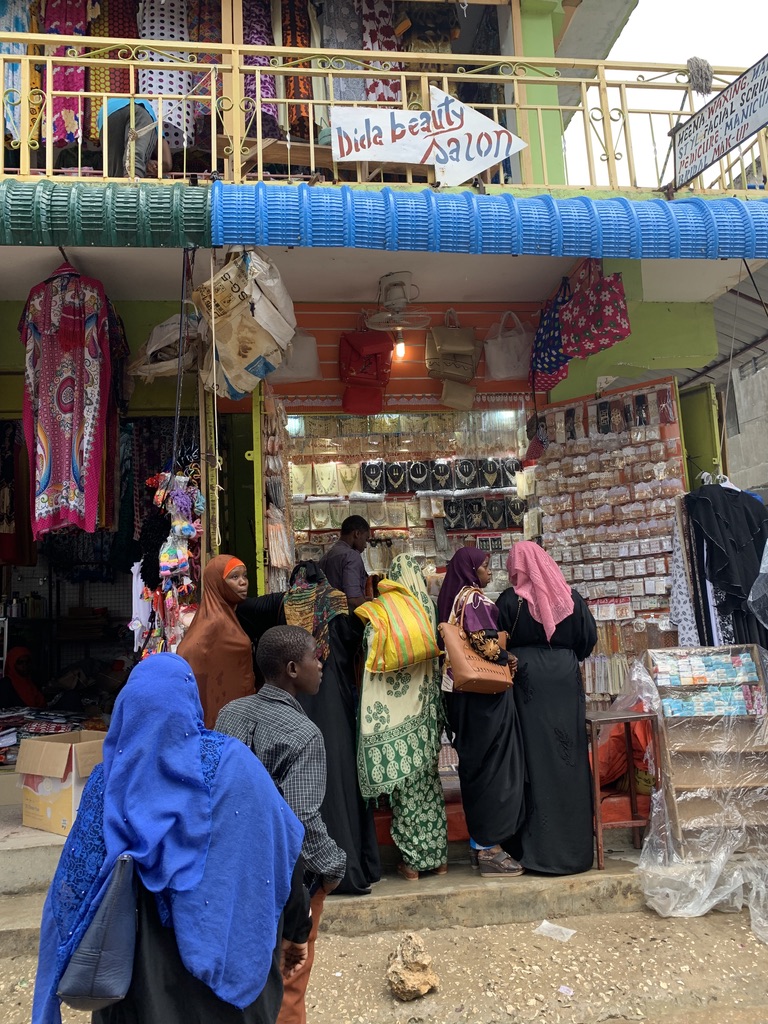
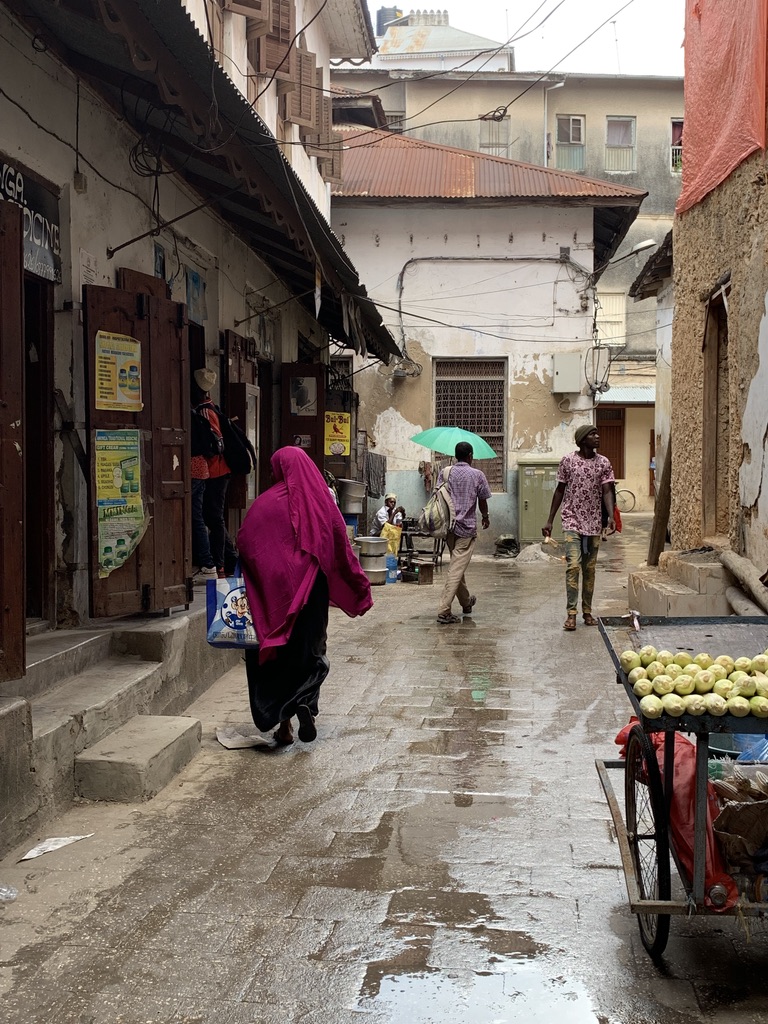
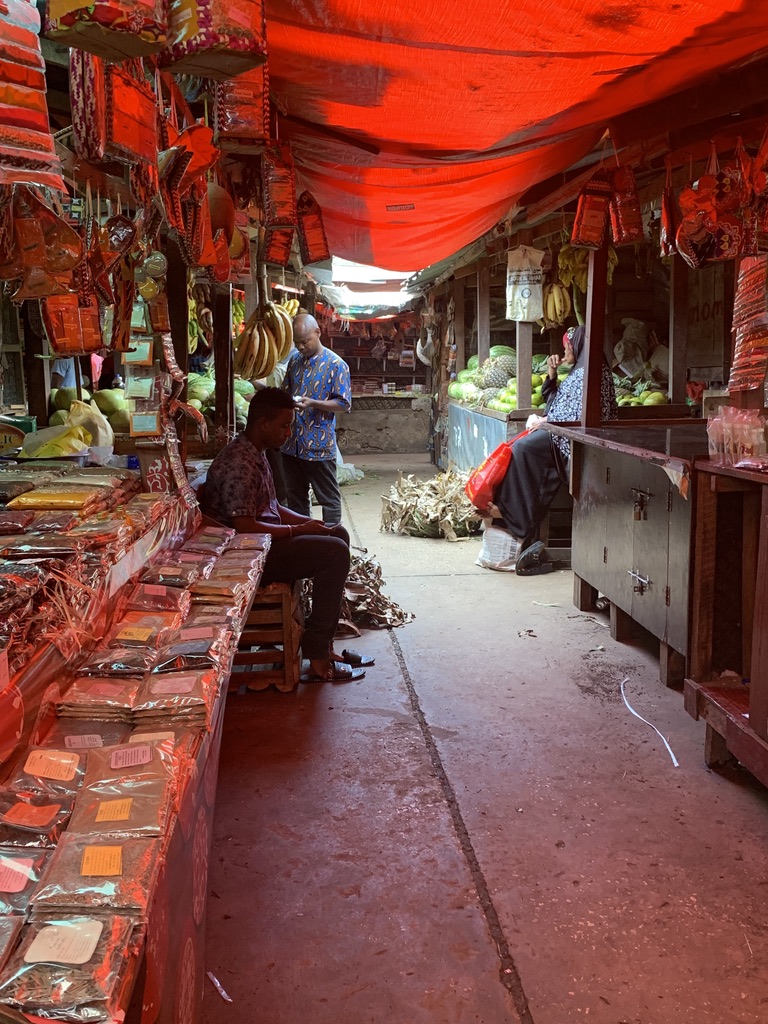
We stopped back at the hotel to dry off and change clothes and then headed out for another rather random walk through the streets without any real destination (the best way to go!) I left first and then met up with Mike after I stopped into a few women-run sewing shops. We realized we were both running out of Tanzanian shillings and unlike Dar es Salaam and the other cities we’ve been traveling in – no one here takes credit cards – very very few shops, none of the small local restaurants. I suppose they take credit cards at the larger hotels (although there really aren’t any big hotels here).
The hotel had mentioned that there was an ATM about a 10-minute walk. We figured it was a good idea to be armed with cash. Took a while to find, but we asked at nearly every juncture and finally we found one – a sort of tiny shop on the first floor of a building, with a guard inside – 4 ATM machines, and one chair (for the guard). There was a pretty long line of people so we figured out the end of the line and queued up. After a while we realized there were really two lines for the ATM – one for men and one for women, although none of the women said anything to me as I stood on the obvious male line with Mike. First we thought that the guard calls people in one at a time, one from the male line and then one from the female line; then we thought maybe only women could be inside together and only men so they had to sort things out; then we thought it seemed as if every time a woman stepped out a woman would go inside and every time a man stepped out a man would replace him. We kept trying to peek inside to see why it was taking so long – and learned that only one machine was working. Many of the women waiting in line wore niqabs and many were in extremely high fashion hijabs and shaylas (at least I think that was the range).
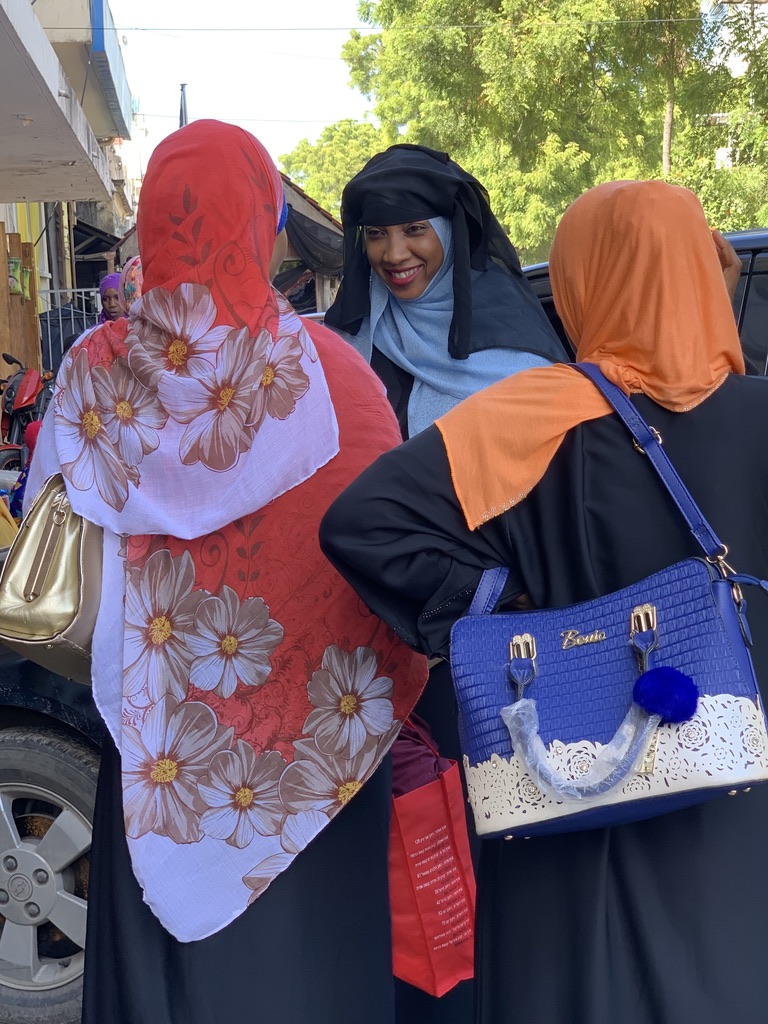
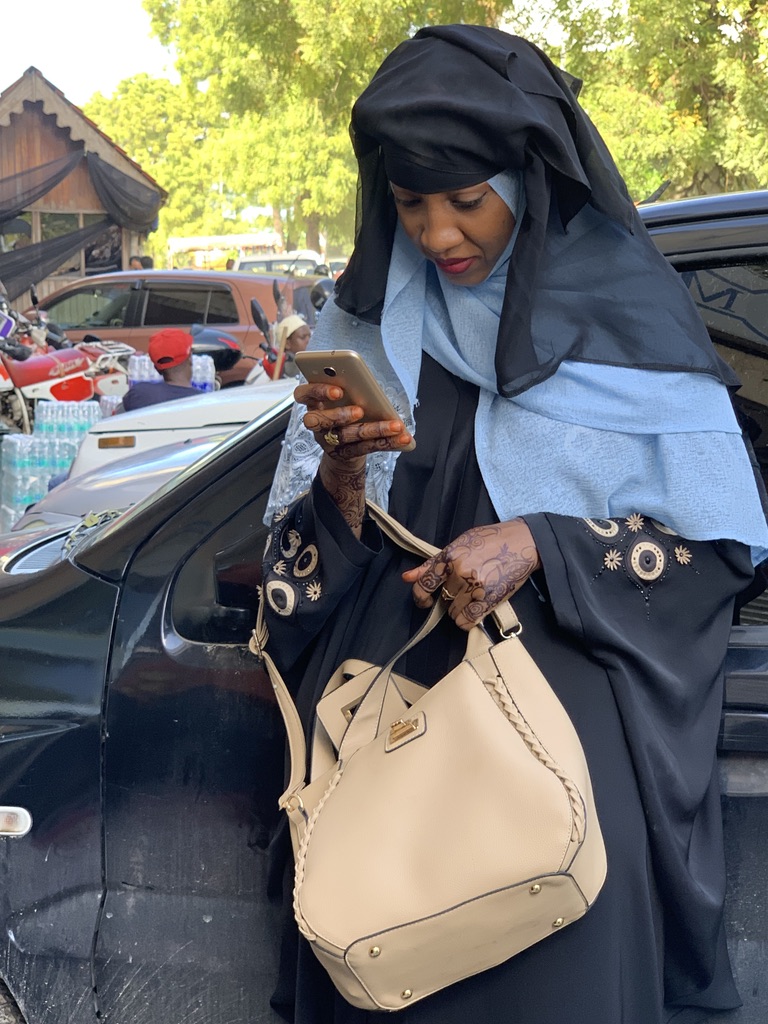
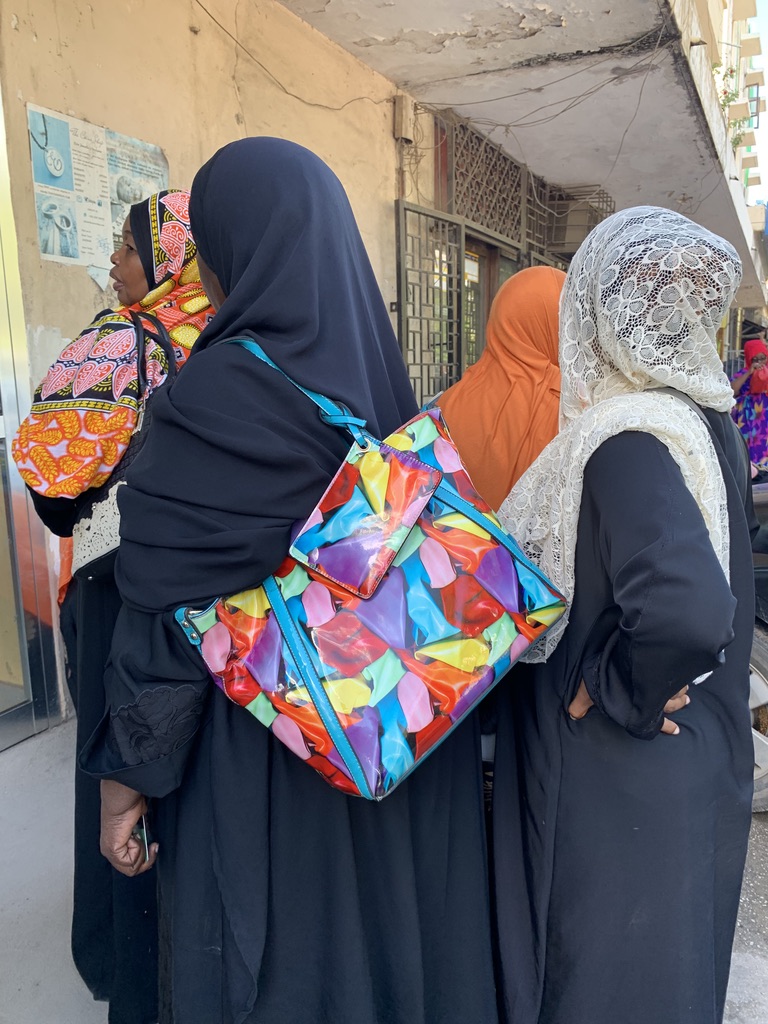
After about 20 minutes in line, a man standing behind Mike came to me and said politely that I needed to go on the other line, which would mean I’d add another 20 minutes to my waiting time (in that 95 degree heat and 100% humidity) as I’d have to go to the end of the women’s line. I thanked him for the information but said I had been waiting all this time. Frankly, I’m surprised none of the women told me to change lines. It had been hard to tell that there were two lines at the onset (or that they were designated by gender) because the women were all in small clusters talking, so we didn’t really know they were in line. They also seemed to go on and off the line to do some errands while I suppose their place was held by a female friend.
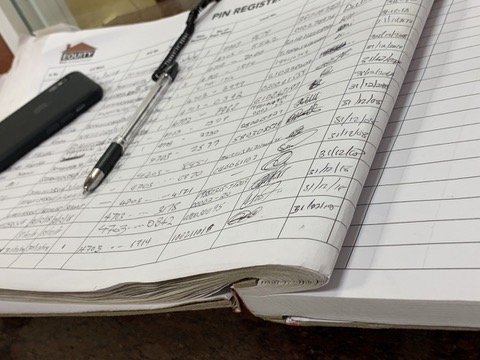
After about 30 minutes it was finally my turn to enter the room with the ATM machine. The guard said my card would not work, but I said I wanted to try, since I’ve been using the ATMs all over East Africa. Well, naturally he was correct. Apparently the ATMs in Zanzibar only work for local bank cards, not foreign ones. We asked the guard (again with our limited conversation skills) where we could find a bank and he motioned in a direction. We decided to find a taxi and ask the taxi to take us to a bank, which he did. We went to three different banks (some with ATMs); none could take our ATM card and at least one was closed. Now we were literally an hour into finding cash. We saw a Barclays Bank and asked the taxi to stop, figuring that was a big international bank. It was closed and their ATM machine wouldn’t take our cards either. But the guard at that bank (complete with some kind of old sawed off semi-automatic, told the taxi driver to take us to some other bank which he did. That one didn’t work either, but we saw that across the street there was yet another bank (Equity Bank) and we figured it couldn’t hurt to try just one more bank. There, the ATM was broken, but the bank was still open so we went inside. One of us went on the “foreign exchange” line and the other went on the PIN line (thinking maybe this is like a manual ATM). Took a while as each transaction is done by hand; customers get fingerprinted and the transactions all appear to be handwritten. When my turn came at the PIN line, the woman tried so hard to help (and she did). They could not take our ATM card, but she could exchange cash. I had an assortment of Euros and Dollars. She disappeared for a while and then came back, telling me that she will exchange the Euros (although I needed to come back in 10 or 15 minutes for that) but that we should go down the street to an “exchange office,” where the US dollars could be exchanged at a better rate (at least that is what we think she was saying).
As an aside – Obama reigns strong here… Like in Dar and in each of the countries we visited, there is a Barack Obama street or boulevard. Don’t think they will be naming anything for #45.
The bank lady pointed to a woman with a baby sitting on some steps down the road and said the door to the exchange was where they were sitting. We headed to the exchange where we did our transaction for the dollars and went back (to the Peoples Bank of Zanzibar) to collect on the Euros. The taxi guy was still waiting for us. Ninety minutes from start to finish – but mission accomplished; we now had cash. We strolled through Stone Town to arrive back at the hotel to freshen up for New Year’s Eve Dinner. The bank tour (!!) brought us to several places outside the old section of Stone Town (where we were staying and where we basically had spent all of our time walking and eating. The bank situation enabled us to see life beyond the usual confines of the historic 19th Century area.
A bit about Stone Town – its real name is Mji Mkongwe, which is Swahili for “old town” and is part of Zanzibar City, the main urban area in Zanzibar. The newer part of the city is called Ng’ambo meaning “other side.” Zanzibar was the center of a flourishing spice trade and also slave trace in the 19th century. We will head to the Slave Museum tomorrow. It’s my understanding that when Tanganyika and Zanzibar “united” to become the United Republic of Tanzania, Zanzibar kept an autonomous status, with Stone Town as the local government center. For this reason, among others, many things here in Zanzibar are different from the rest of the country. Zanzibar retains its own “president” and revolutionary council.
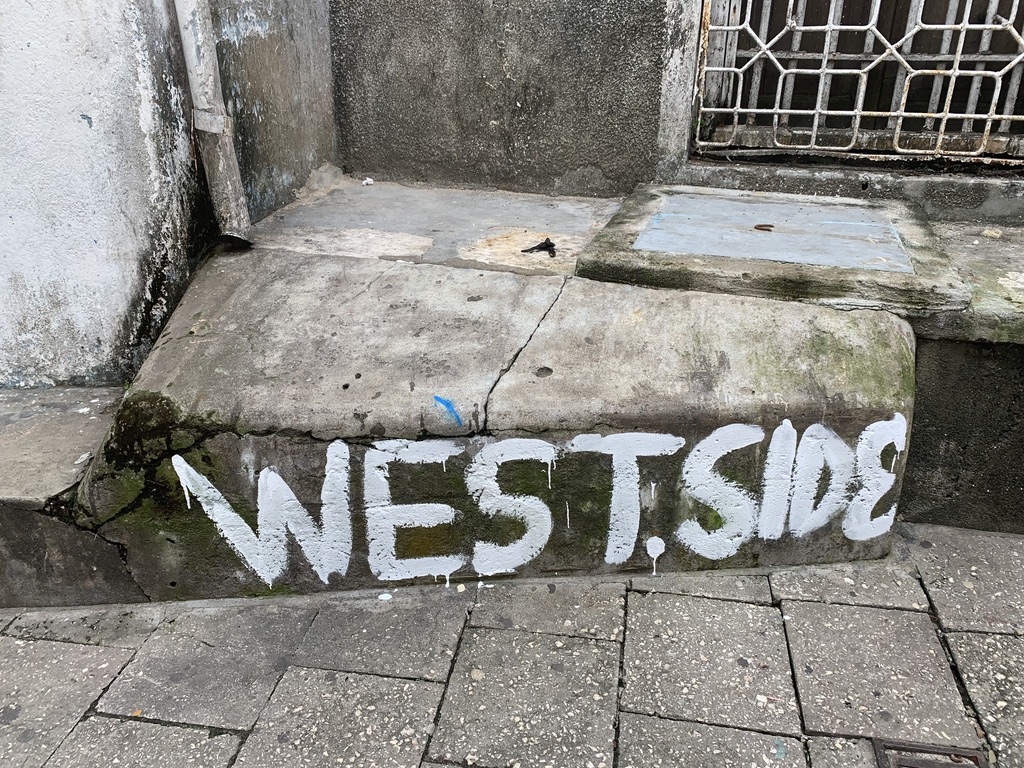
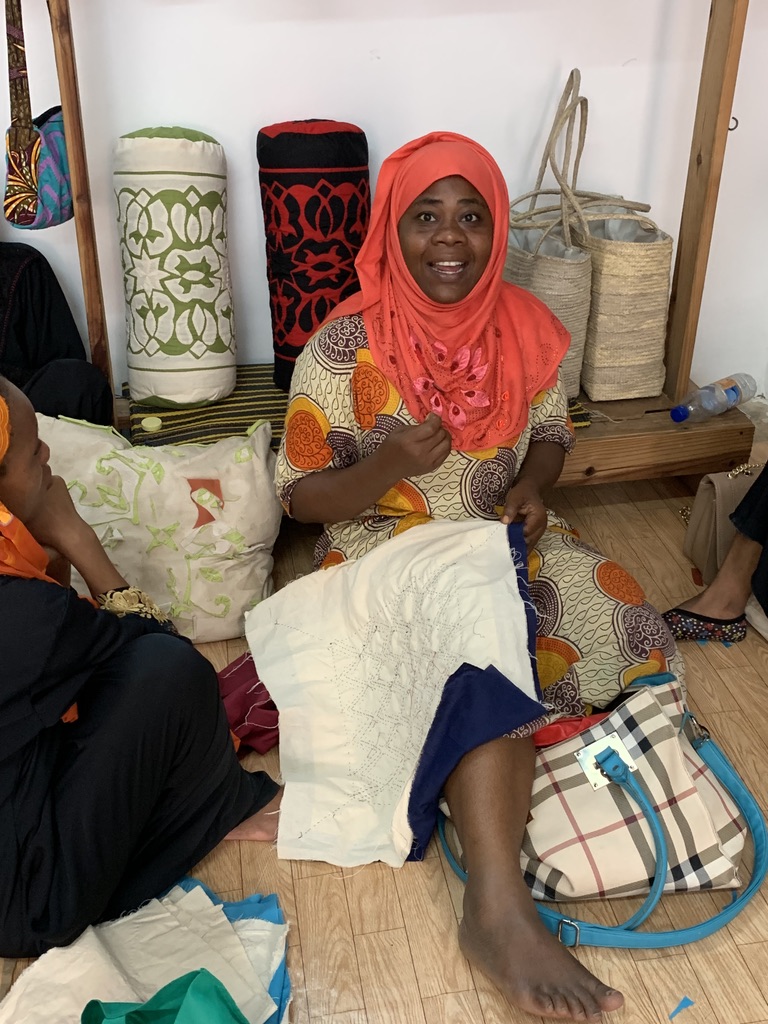

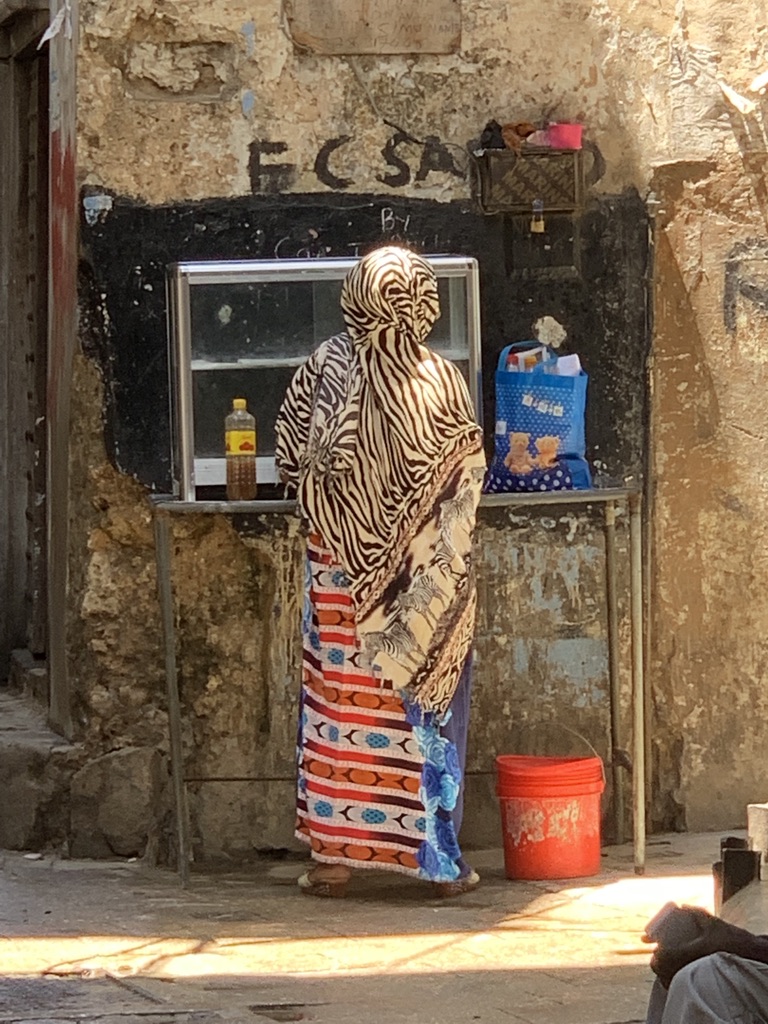
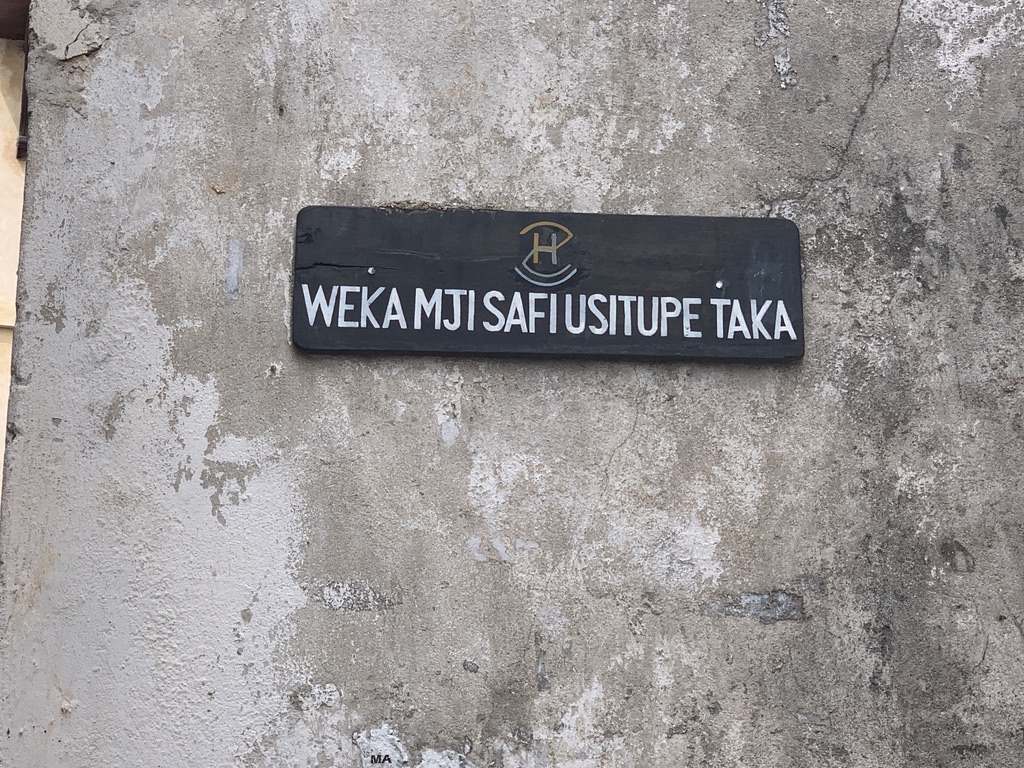
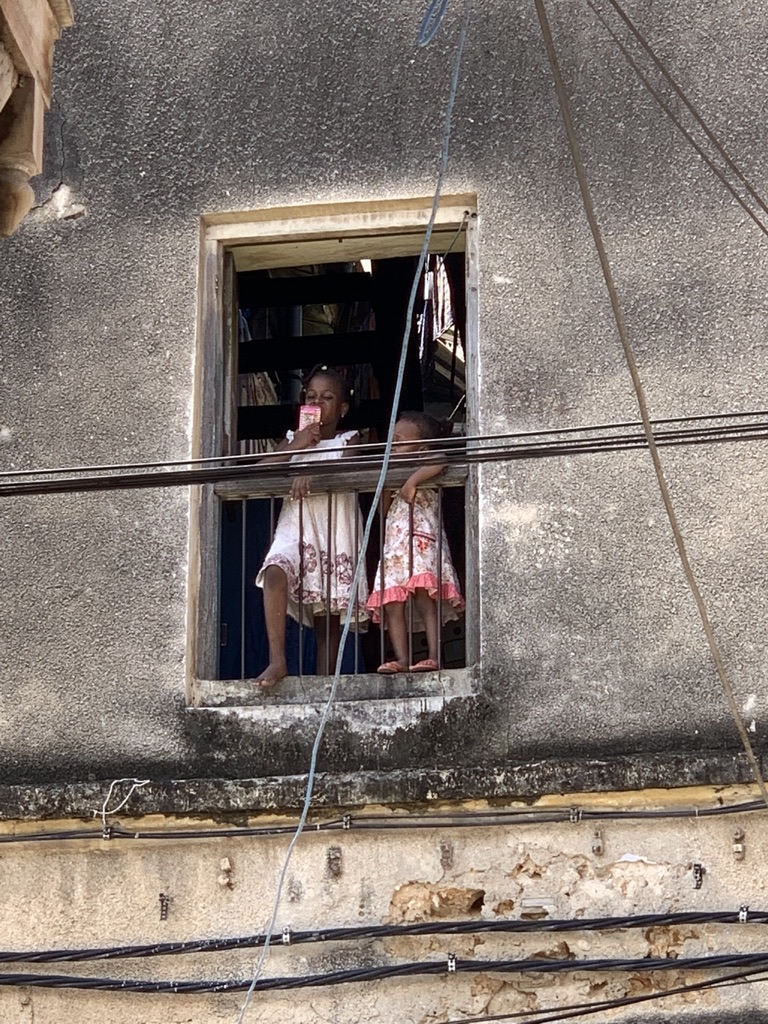
All of Stone Town is a UNESCO Heritage Site. Pretty much all of Stone Town is a maze of alleyways lined by shops, mosques, and houses, not unlike the medinas of Morocco and Tunisia. The alleys are too narrow for cars, so the mode of transportation is motorcycle or walking or bicycling. The whole area reflects the mix of Arab, Persian, Indian, European, and African traditions that came together here.
New Year’s Eve: Ushering in 2019…
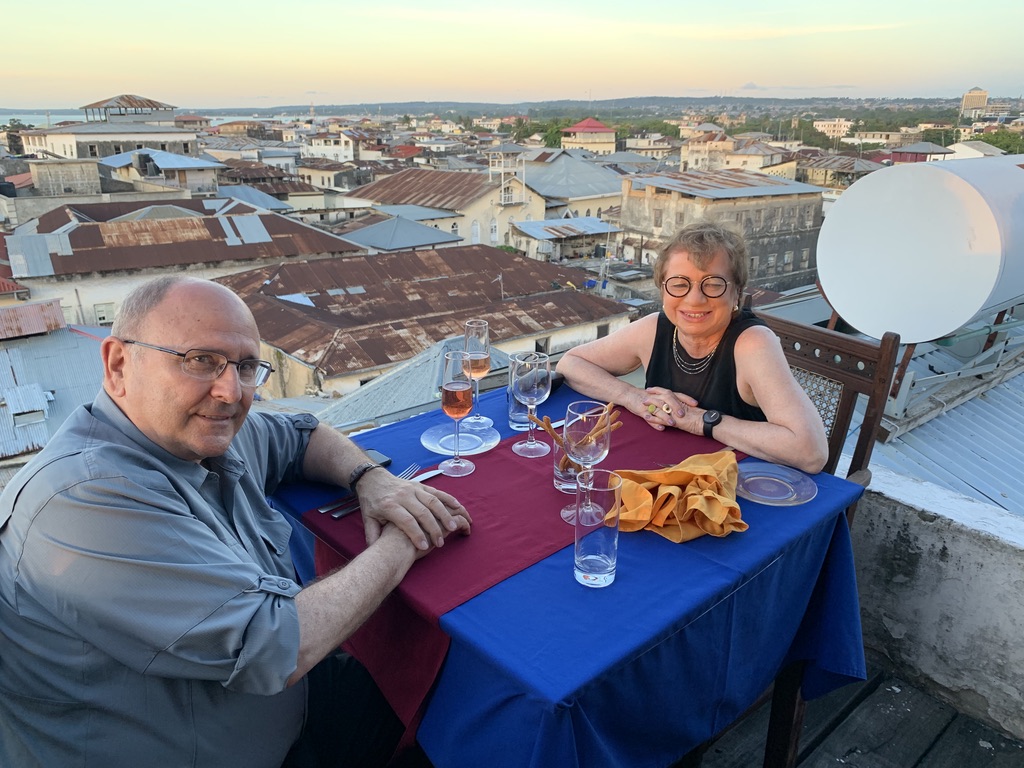
We had dinner at Emerson Spice (second night in a row). They served kir royales as starter drinks, although we opted after a quick toast, for our now standard dawa. The rooftop holds about 32 people and they only had one seating. The New Years Eve menu was carefully planned. As we sat savoring the sunset and the view (we had requested the front corner table, so we could really see the town), we could hear the languages being spoken and it sounded to us like several Scandinavian languages. Although it was difficult for us to identify which language, we knew it wasn’t Finnish (having lived in Helsinki for a year, many years ago).
The dinner was great – starting with a tasting plate of some kind of a spinach leaf that had been fried or cooked so that it was crunchy and retained its leaf form, a fruit, and ceviche (not sure what fish, but fantastic); next plate was a small piece of tuna with cumin, arugula salad, and a kind of eggplant; then came wonderful ginger prawns in the shell, a red cabbage salad, and a melon/squash-like vegetable cooked with coconut milk and cinnamon (called mung’unye); then came a fish they called Kole kole (which I think is kingfish), along with beetroot and cardamom rice, and something called mbibimbi achari… finally dessert was a date crème, a star anise apple.. I think they somehow infused the anise into the apple which was super crisp and ripe, and there was a sesame cookie.
OK.. I didn’t have to remember all of the above because they provided a written menu to keep. Food was great. Each of the plates always had bites of each of three items, except for the main course (in this case the prawns) which was larger.
During the dessert course, the woman at the next table asked me what kind of fruit we were having in the dessert course, which opened the door to ask what language they had been speaking. They were Norwegians, along with two other tables. They also said that another table (the one behind us) were Swedes. Apparently Zanzibar is a new hangout in the dead of the Scandinavian winter for all these Nordic folks. Seems easy to understand. As we finished dessert we got into a rather lengthy conversation with this Norwegian couple – he is a partner at Deloitte (!!) and his territory seems to cover much of the Middle East as well as Scandinavia; she is the head of a primary school (grades K-7). Though a businessman (deep in the thick of a world I generally question), he’s also coming from a country rooted with democratic socialist values. Our conversation naturally drifted to Trump and the Norwegian’s concern about the damage Trump is doing globally, but his strong feeling that the US will survive even this. We talked a lot about taxes, health care, education, and more – with their feeling that it was hard to conceive that the US does not have universal health care and the best education possible. The Norwegians were more optimistic than us about the direction of our country. We chatted until the church bells rang out and the official siren went off noting the year had passed and we were on to the next. Happy New Year.
1/1/2019. Beginning the year (2019) in Zanzibar.
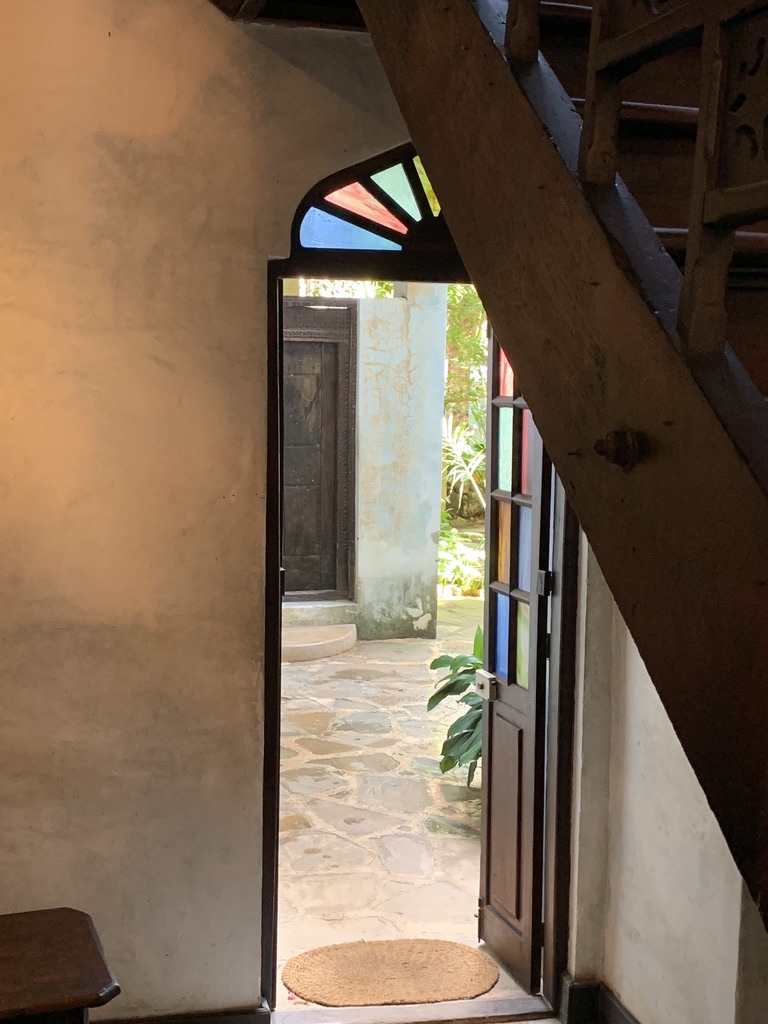
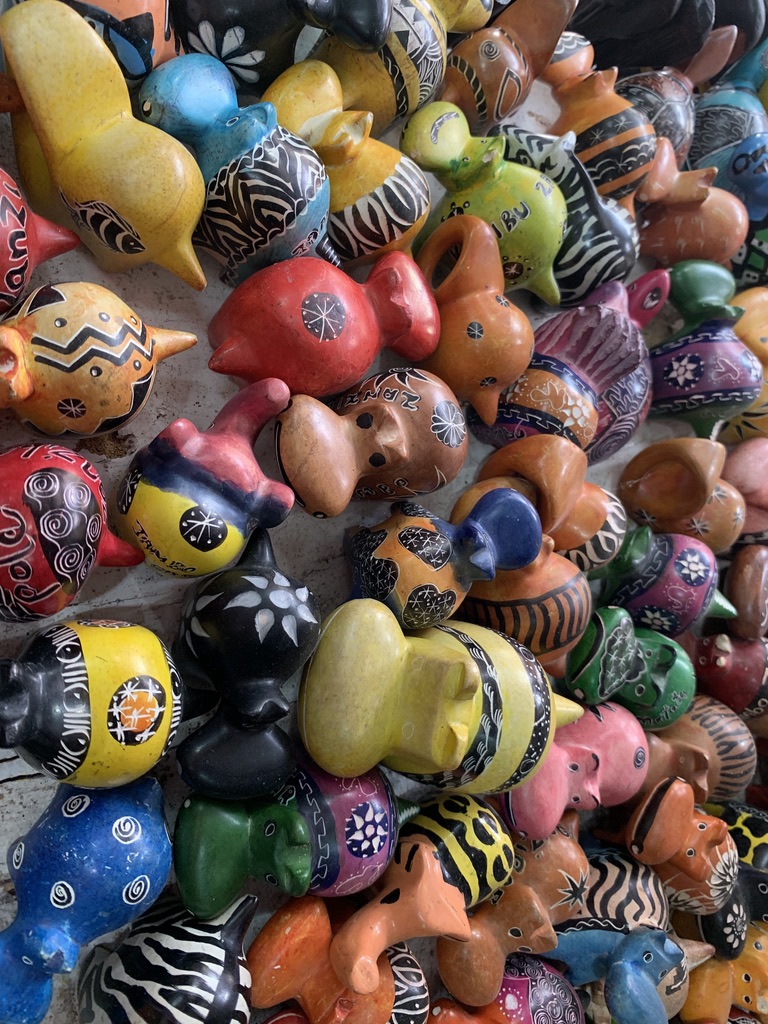
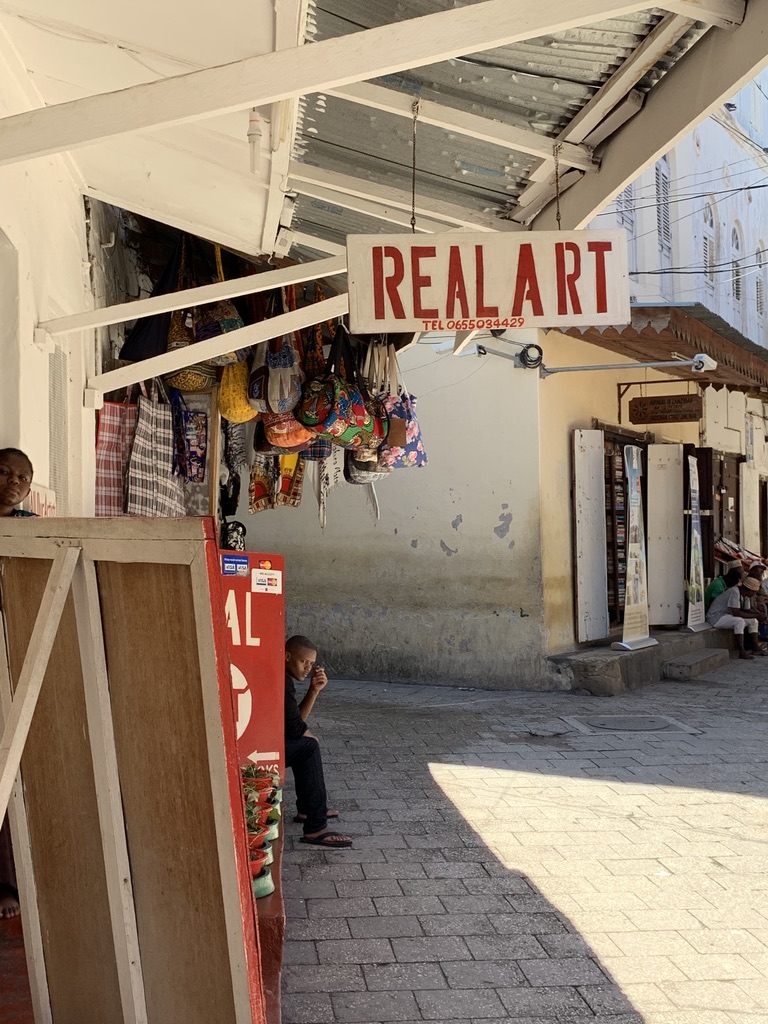

We again woke to the call to prayer and the call for us to roll over and sleep a bit more. At breakfast, we again heard several languages (no American English though), and suddenly we spotted Finnish! I stopped at the table and think I startled the two people (enjoying their coffee), when I said “Hyvää huomenta.” – Finnish for ”Good Morning.” .. probably the extent of the Finnish I remember. So this truly is THE place for Scandinavians. After breakfast, we ventured in a totally different direction from where we had gone before – to reach the port and see more of the daily life in the town. We strolled and checked out new winding pathways leading to the Old Fort and to various mosques, small hotels, cafes, and stores run by NGOs. We thought we were heading to the Forodhani Gardens, but we never saw them – even though according to the GPS we were there!
The heat and humidity make the days slow and tiring. A one-mile walk seems to take forever. Again, we ventured into several interesting women’s coops – each developing a different craft and skill; each making products to sell to tourists. Tourism is a major economic driver here in Zanzibar. And these coops have the best goods.
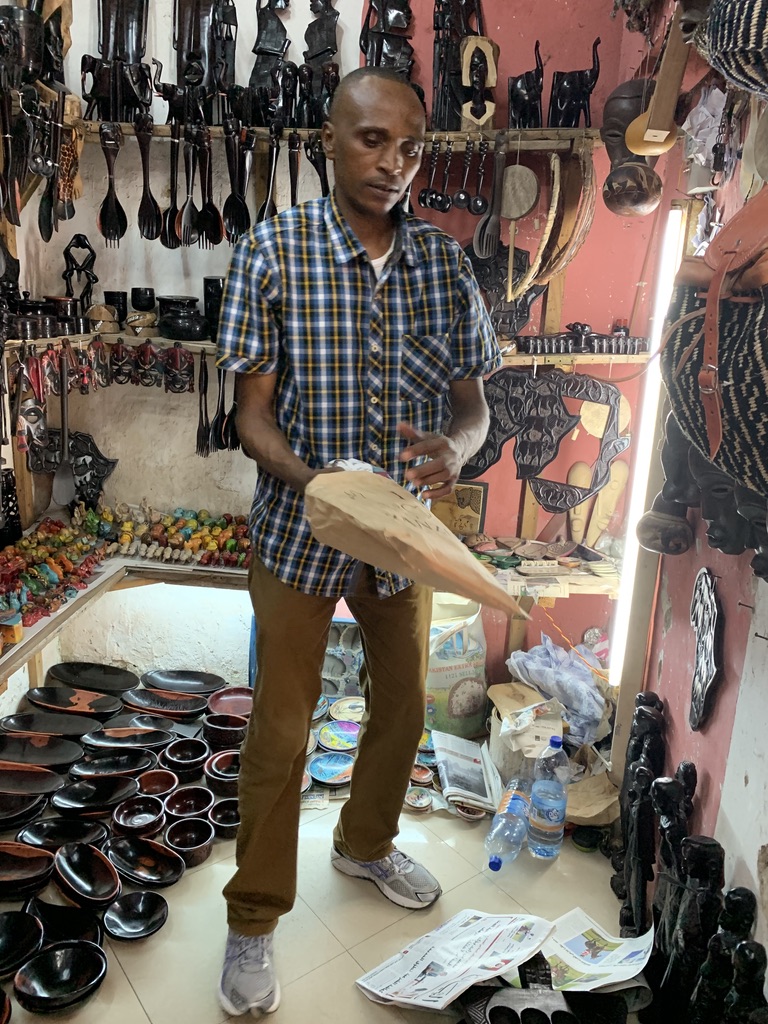
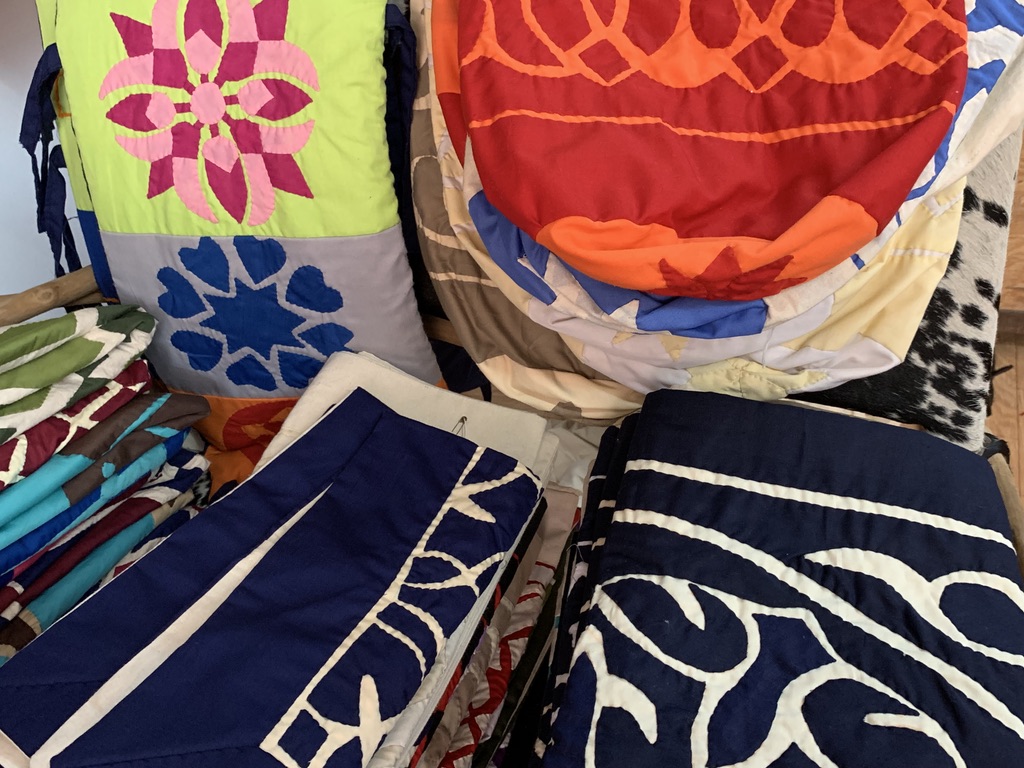

Eventually we reached the sea and saw a restaurant overhanging the water so we were sold. It was a pretty basic place appropriately called Floating Restaurant. We shared a simple grilled calamari steak which came with fries. Actually, except in the upscale restaurant, everything comes with fries.
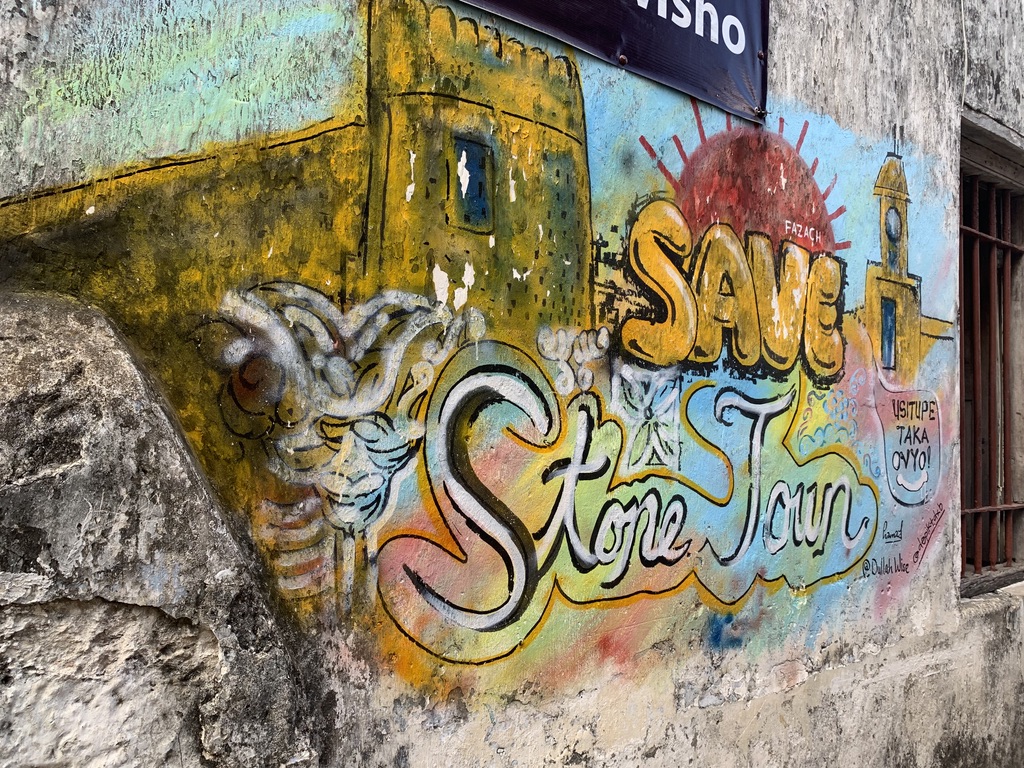
As we walked we spotted some graffiti (first we’ve really seen) with a political message about the future of Stone Town. Apparently although it is a UNESCO Heritage Site, many of the buildings are crumbling and need significant repair. Funding has been received to protect the institutional buildings but not the everyday ones that frame the interior and make it what it is. Indeed most of the institutional buildings are on the edge of the town and ring the waterfront.
More walking and finally we returned to the hotel to get off our feet, figure out our dinner plans, as well as what to do tomorrow on our last day in Zanzibar. We decided we’d head to the Night Market Food Stalls — just to look and then head to the Lukmaan Restaurant, which we heard has typical Swahili food. You need to queue up to make your selections and then they warm things up, and bring it to your table.
We walked to the Night Market which is actually where we had walked this afternoon to get to the waterfront – but this time we took a more direct route. The Night Market – like those in many other cities (Xian, Tunis, Hong Kong, Beijing, etc.) are always fun and this was no exception. Lots of food booths selling kebabs, shwarama, juice made from cane sugar where they put the whole stalk through a hand driven machine that squeezes the liquid out, “pizza” which is really a concoction made of two crepes inside of which they put whatever ingredients you want – mostly sweets (not sure why it’s called pizza).
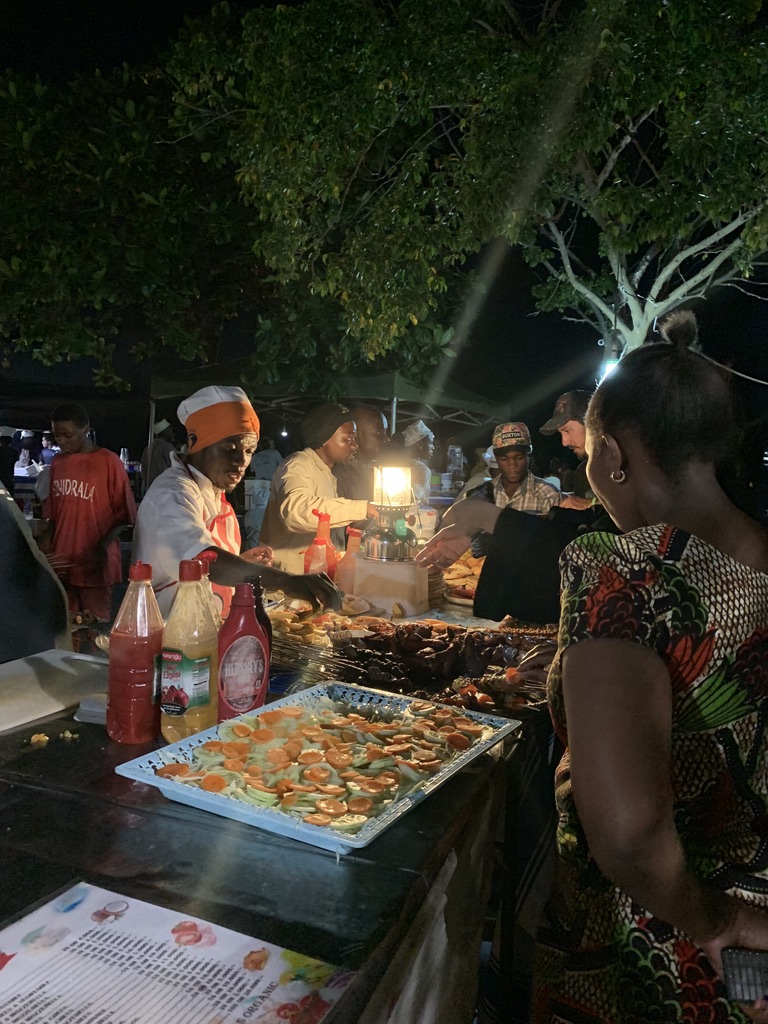
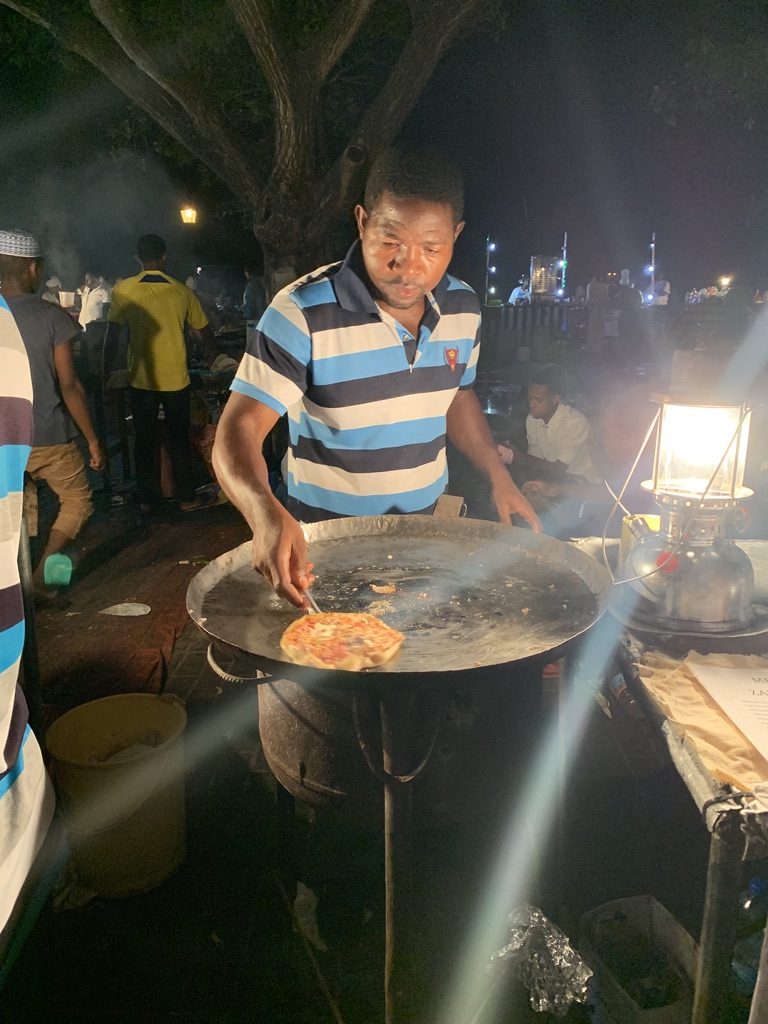
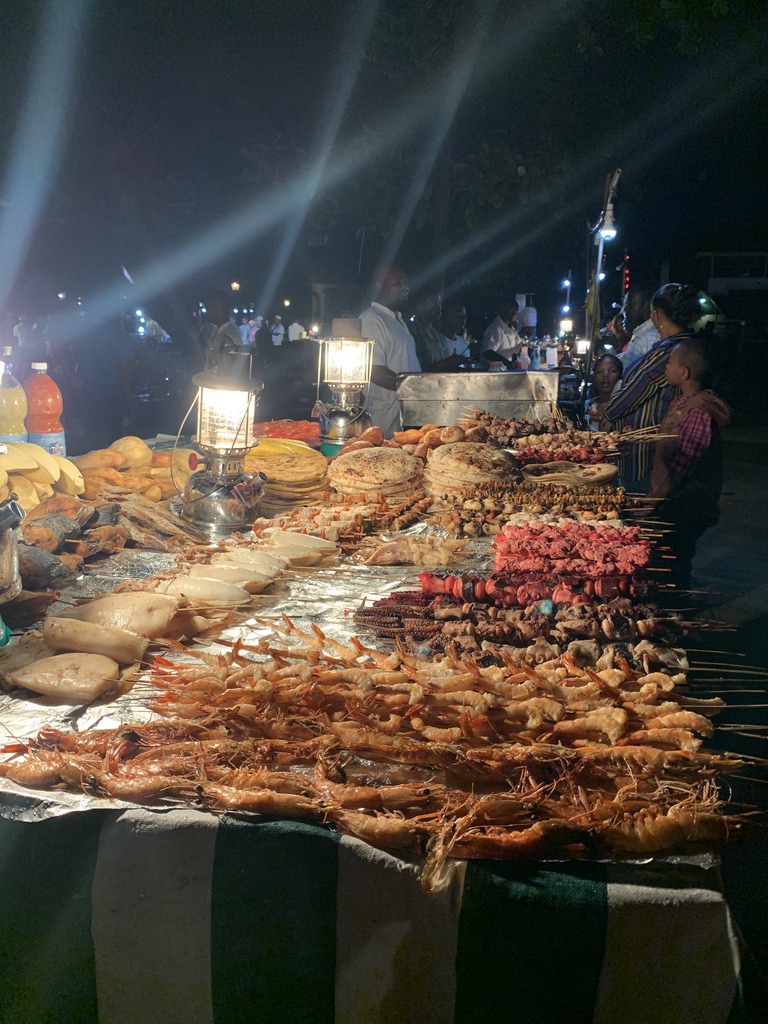
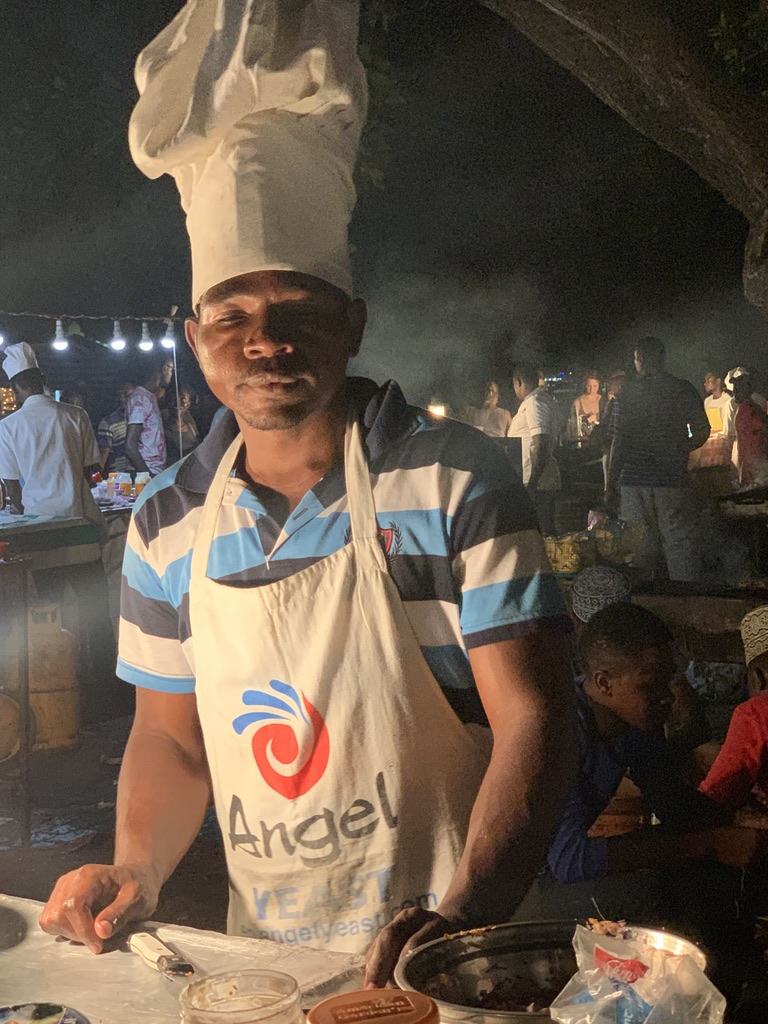
Lots of families, hordes of little kids – dressed up, perhaps because today was a holiday. We caved in and got chicken schwarma and kebobs and a coconut naan… and gave up on the restaurant idea. Vendors and their “assistants” walking into crowds trying to convince customers that theirs is the best schwarma or the best kebob.. Many vendors approached us – always asking where we are from. Tonight one was totally convinced I came from Italy. But then when I said US – he immediately said “Obama-land.” We strolled the whole market.. and then it was time for a beer (no alcohol is served at any of these night markets), so we wound up back at that Floating Restaurant. Actually thought we’d have wine and a dessert, but although the menu had a few desserts listed they didn’t have any of them. So we settled for a beer. By then it was about 9:00 pm and we navigated our way back through those winding nameless alleys. Frankly the GPS has been a lifesaver. Hard to believe it can track every one of these tiny alleyways, but it does. And amazing that we can get a signal here in these tiny alleys. And we certainly don’t stand out… Everyone here – from ages 12 and up seems to be on a phone. So it’s pretty easy to take photographs and to be walking reading a GPS map. Hard to remember the days when we had paper maps (and we actually found our way!)
About halfway to the hotel (which was only – according to GPS – a 7 minute walk), we stopped at a hotel to try to get that longed-for dessert. But after trekking up three flights to their rooftop restaurant they didn’t have any of the desserts on the menu. So, we just had bottled water and went on our way.
Back to Emerson Spice for the night. Tomorrow late afternoon (after we go to the Slave Museum), we take the ferry back to Dar es Salaam for our very last night in East Africa. We leave on Thursday for Brussels.
I’ll let you know how the final day unfolds.
Again Best in 2019 –
Fern
Fern
Goodbye Dar; Hello Zanzibar. 12.30.2018
Morning in Dar; Evening in Zanzibar
First, apologies for not crediting my knowledge of mancala yesterday – It was Roberta Green who taught me when she was about 5 or 6 years old (She’s now about to graduate from college); maybe we’ll pick it up again some time!
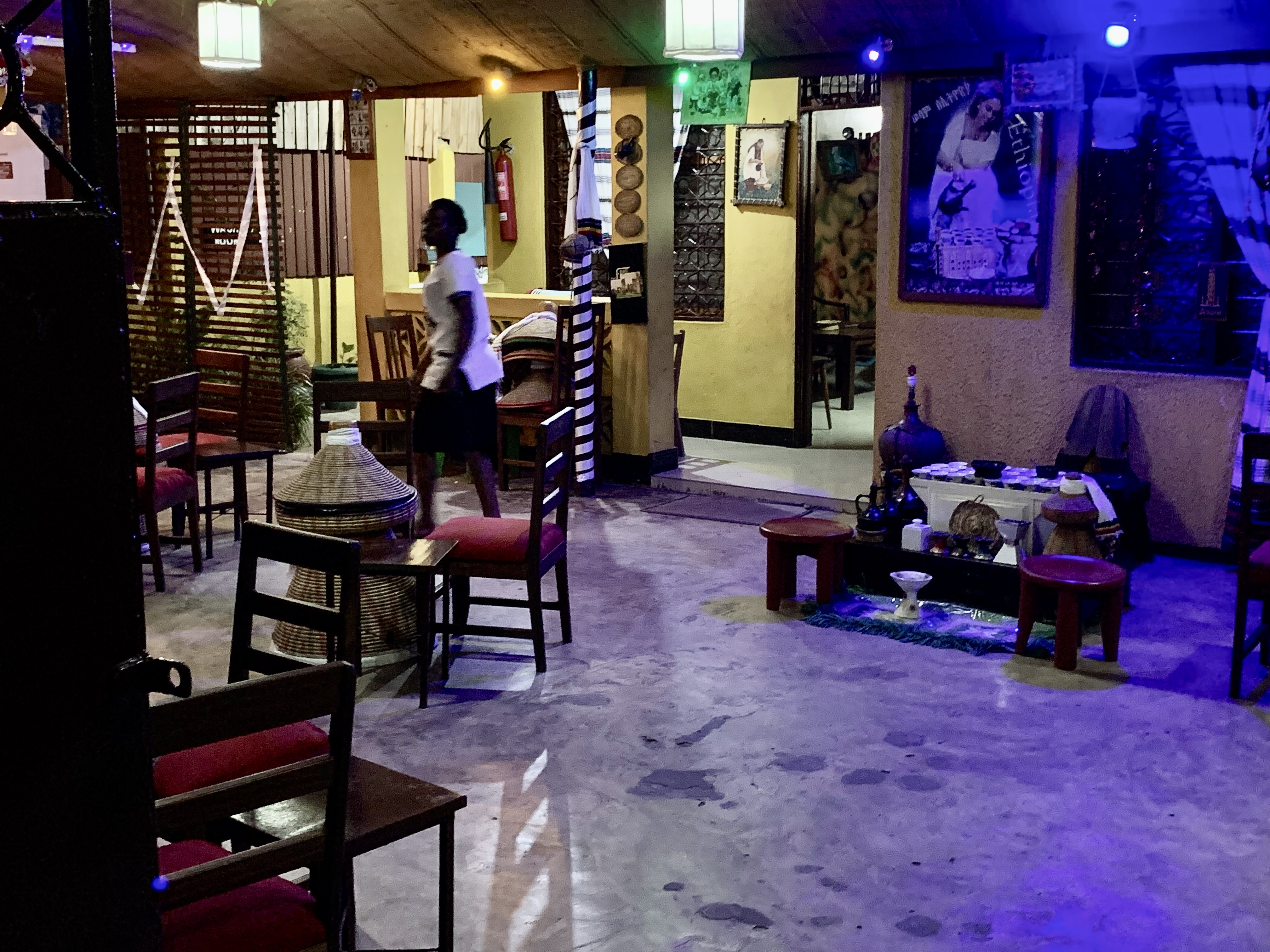
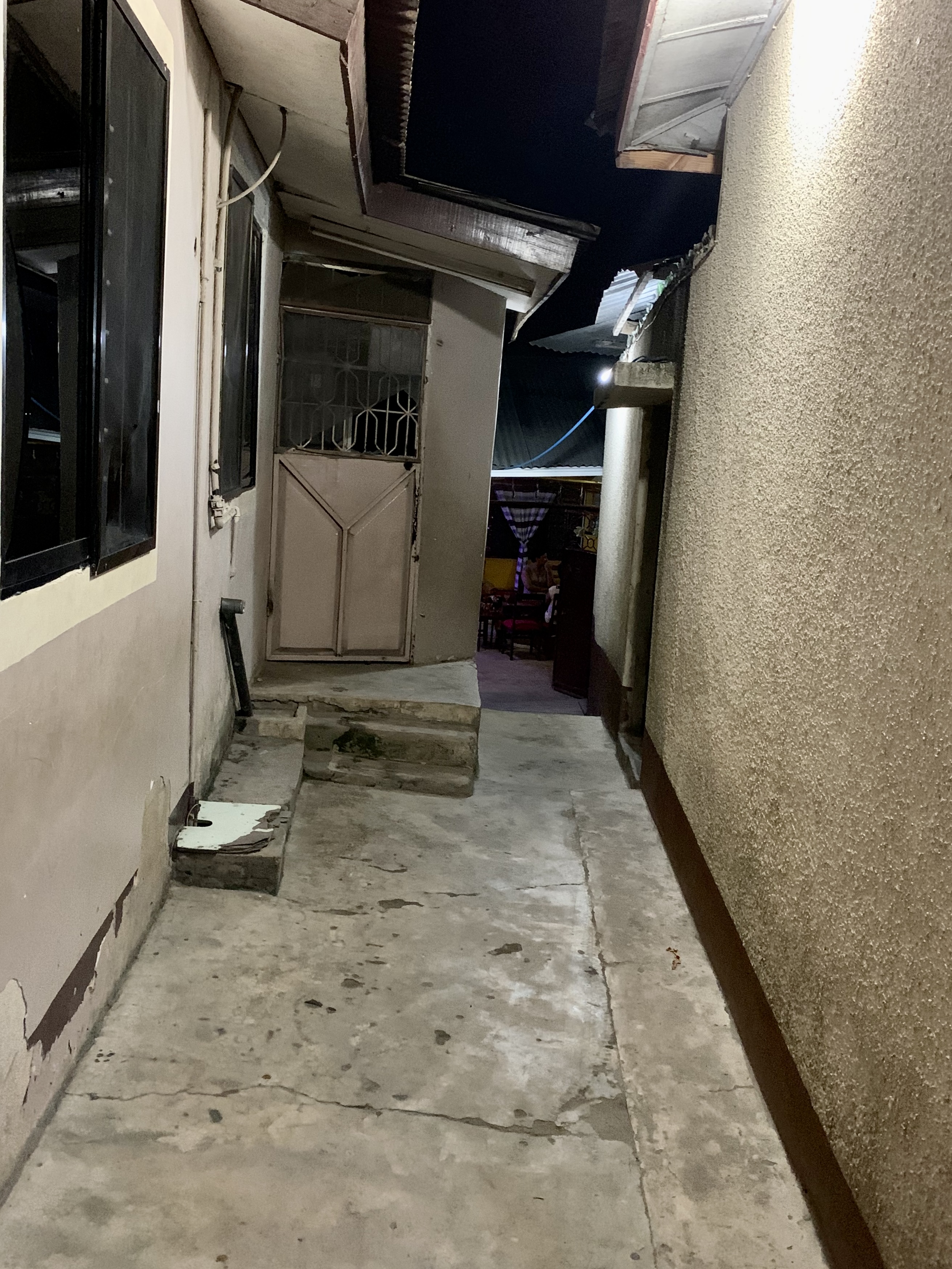
Last night we decided to find an Ethiopian restaurant for dinner. The best one is Addis in Dar, which was recommended by everyone we met en route; alas it is closed for the entire week. So we did some research (thank goodness for computers and Internet, where every little hole in the wall place seems to be listed). We found Rohobot; mentioned it to the concierge who said he had never been and he was very reluctant to recommend it. (possibly a good sign?) Anyway, hopped in a taxi who didn’t know it either and seemed not to know the route. But, trusty GPS!! We guided him. It was only a 10-minute drive on a major road, until the end. So after the main road, he needed to make a U-Turn, which we had trouble communicating, and it turns out that they don’t make U-turns the way we do – need to make a full turn and then go about a half-block, and then turn again. All good. Within about a minute we had to make a left turn onto a dirt road totally full of deep potholes, mud, and rocks. But he persevered and also told us that some new housing (for rich people) is being built along this road. Finally we arrived at Rohobot – a totally sweet little house (had to walk a bit down an alley to get there), converted into a restaurant; very friendly staff; light injera. We opted for four veggies and doro wat; decided to avoid our much loved kitfo because Mike’s stomach was a little queasy (he’s fine now – maybe the Ethiopian food was a cure!
Taxied back and packed – very complicated as we are only taking one bag on the boat to Zanzibar and leaving everything else here at Serena to pick up when we return.
This morning we headed to the dreaded chaos of boarding the boat to Zanzibar (a two-hour trip). We already had our tickets. There are three classes on the boat (although the sheet you get to decide what kind of a ticket to purchase shows five different levels). The hotel suggested we do First Class (They said there was actually just Economy, First Class, and Royal First Class.) We went with their recommendation; good call. We took a taxi from the hotel to the ferry terminal (about 6 minutes from the hotel) and as soon as we got there the real fun began.
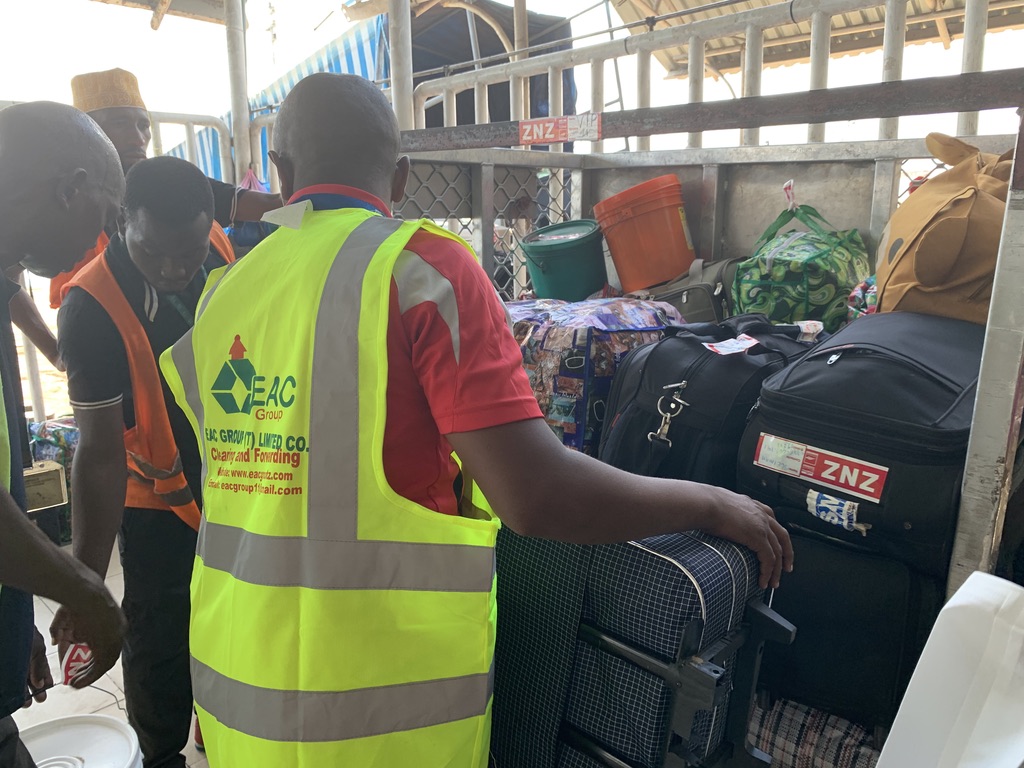
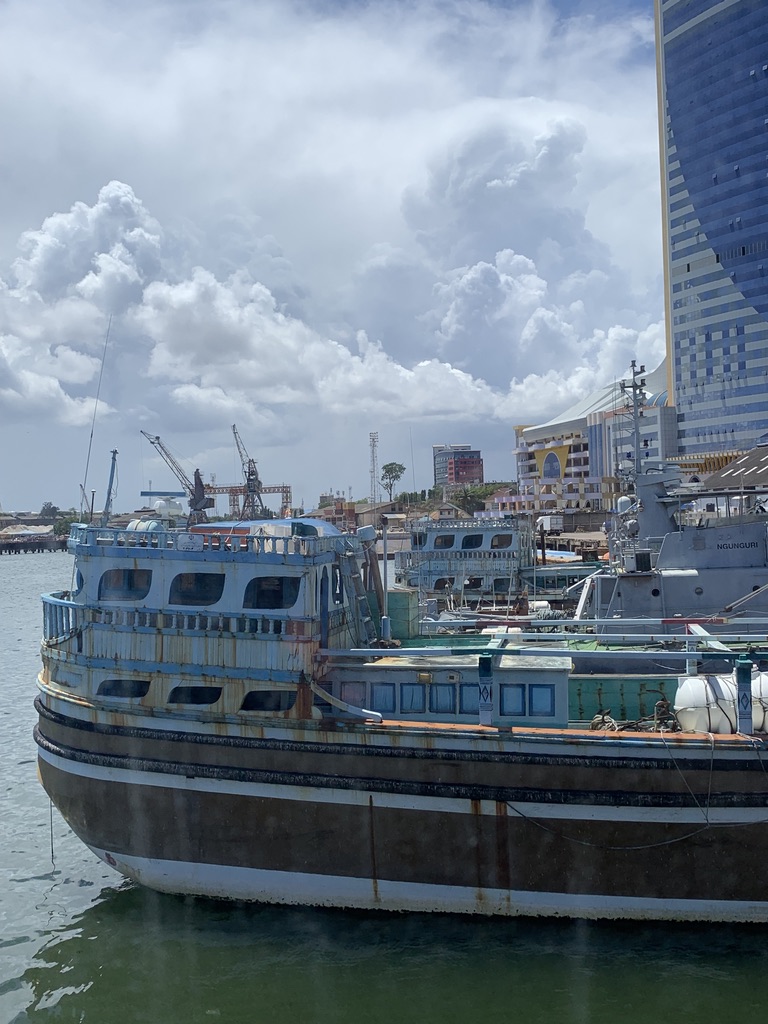

We were surrounded by dozens of guys wearing different kinds of vests and name tags – all purporting to be “official” porters who would take the bags through to the boat. Given that we could really manage our bags ourselves, we tried to decline but it was next to impossible. It was also really difficult to navigate the process of getting from the taxi to the boarding area and we figured there was probably security to tackle and some way to check the baggage. The taxi driver realized what was going on so he got out of the car to help us and looked at some of the name badges and pointed to one guy and told us to go with him. There was a lot of hubbub and then some of the guys disappeared. We tried to stay very close to the one who was supposedly the taxi driver’s choice. He wove through the crowds with skill that must come from both years of practice and a hunger to get paid for the job and move onto the next sucker (sorry, the next “client”). The bags went through some kind of rickety security machine, as did we, and we kept as close to the guy as we could. We said we wanted to keep the bags on the boat with us (especially sensing the chaos that would ensue at the other end). But our guy said that all roller bags needed to be put into these “cages” and that we could not carry anything but my purse or a backpack onto the boat. So we said goodbye to the roller bag and computer roller bag as they were piled into “cage #4”… The guy wrote a crude number 4 on our boarding pass and then “Beg 2” meaning two bags, we think. No tags, no identifying numbers to locate the bags. But so be it. He then pointed us in the direction of a little room off the fray of the masses of humanity who we figured were the economy passengers. The room was air conditioned and had WiFi so we were happy campers. But as we sat in this VIP “lounge,” we kept seeing passenger after passenger enter with roller bags far larger than our own. So we realized we probably could have had our stuff with us. We then took bets on the likelihood of finding “cage #4” at the other end of the journey.
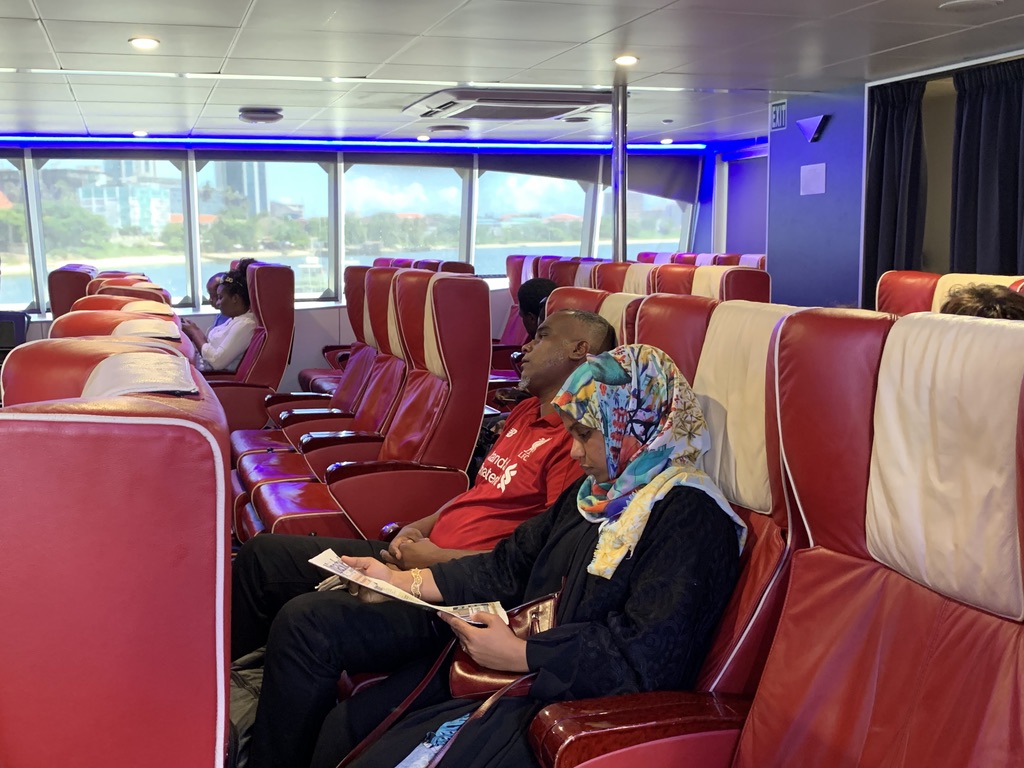
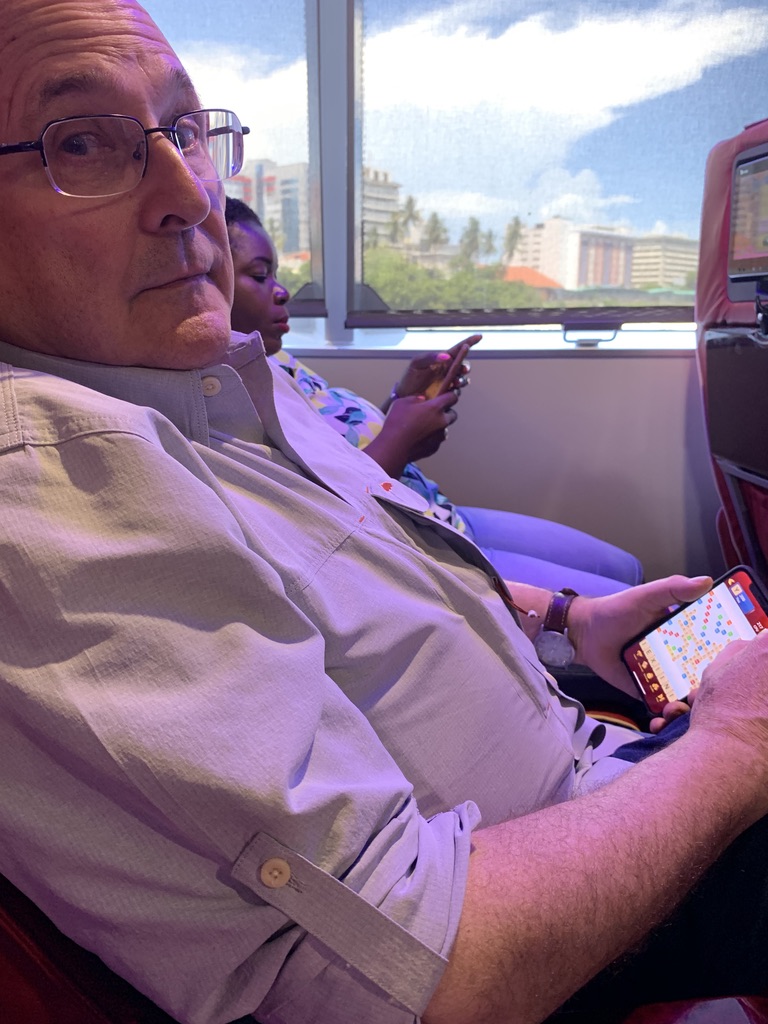
The trip was fine, fairly smooth, and first class seats were comfortable. The passengers were predominantly Muslim, I’d guess about 90% African, and a small percentage European or North American. There was some kind of movie playing starring Emma Thompson and Rowan Atkinson (“Johnny English Strikes Again” I think), but our headphones were in the bags that got “checked.”
When we arrived in Zanzibar it was even more chaotic than when we departed. We had to find cage #4… which took a while as they first deboard first class and then economy (total mess) and then the “cages”… which I assume are in a locked area because the individual cages are really just open carts piled high with bags, in no particular order. We waited and naturally cage 4 was the last to come off the boat. Our bags were there.. and then the fun began.. Mobs of people merging to go through “security” and also “immigration” (even though Zanzibar is part of Tanzania; but there are lasting tensions between the mainland and the archipelago). So,l we had to have our passports reviewed and stamped and of course our bags had to be inspected again. They also ask for proof of malaria vaccination – odd, since in order to get the visa to Tanzania you need to show proof of malaria vaccination; had to dig mine out of my roller bag).
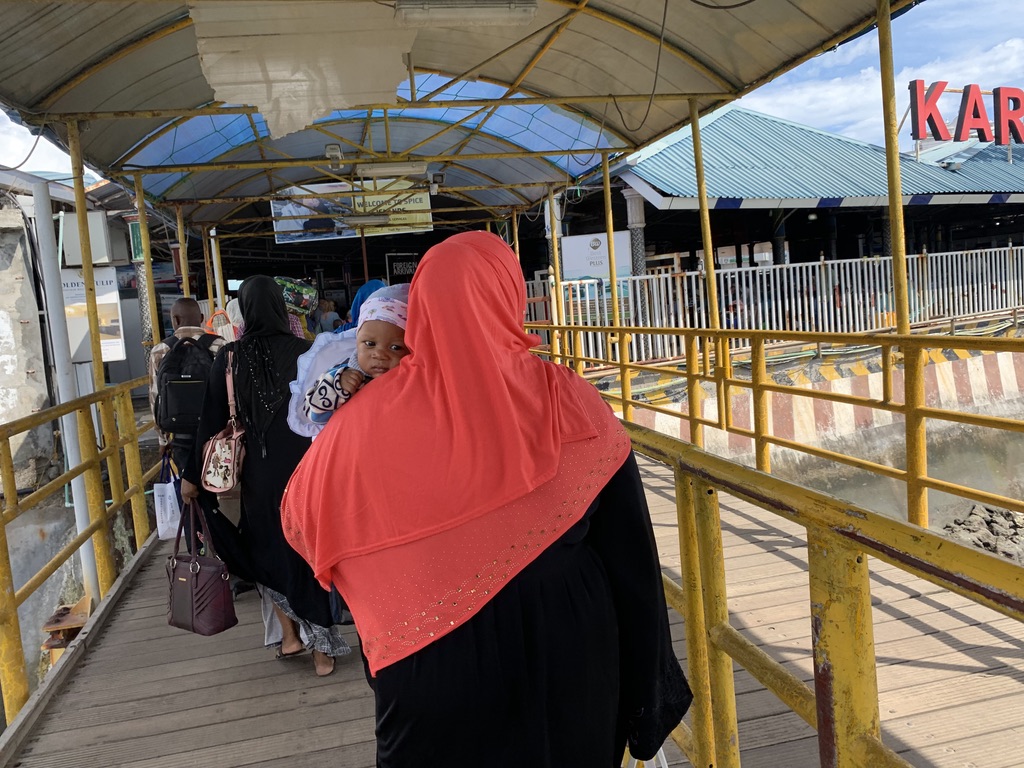

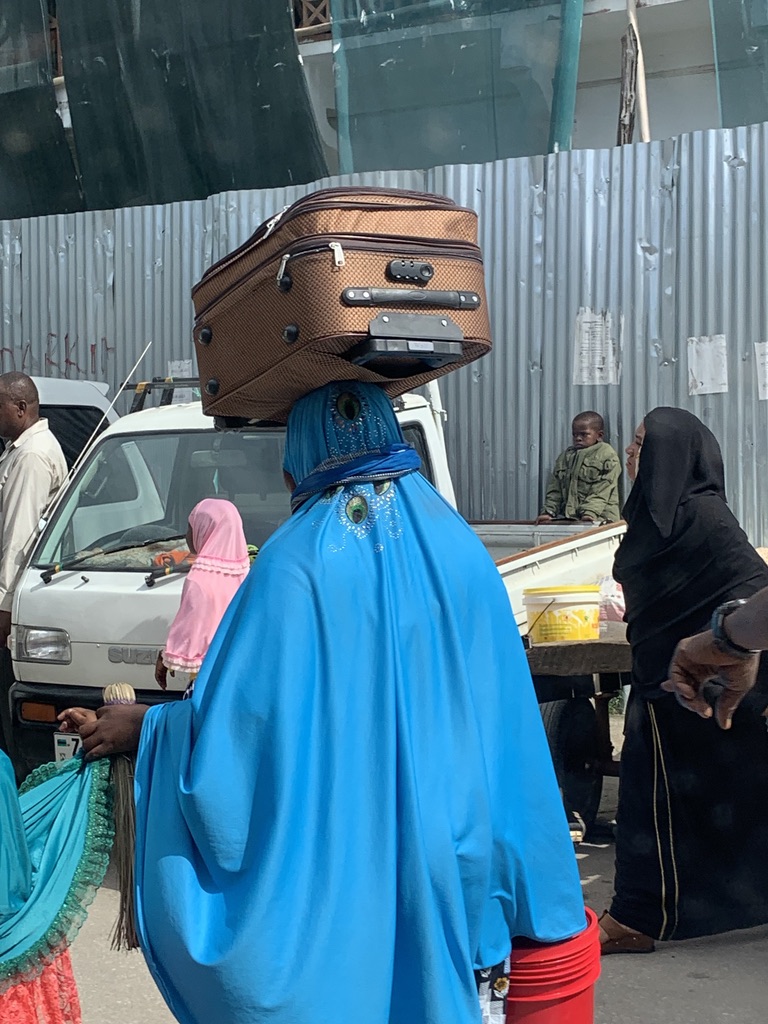
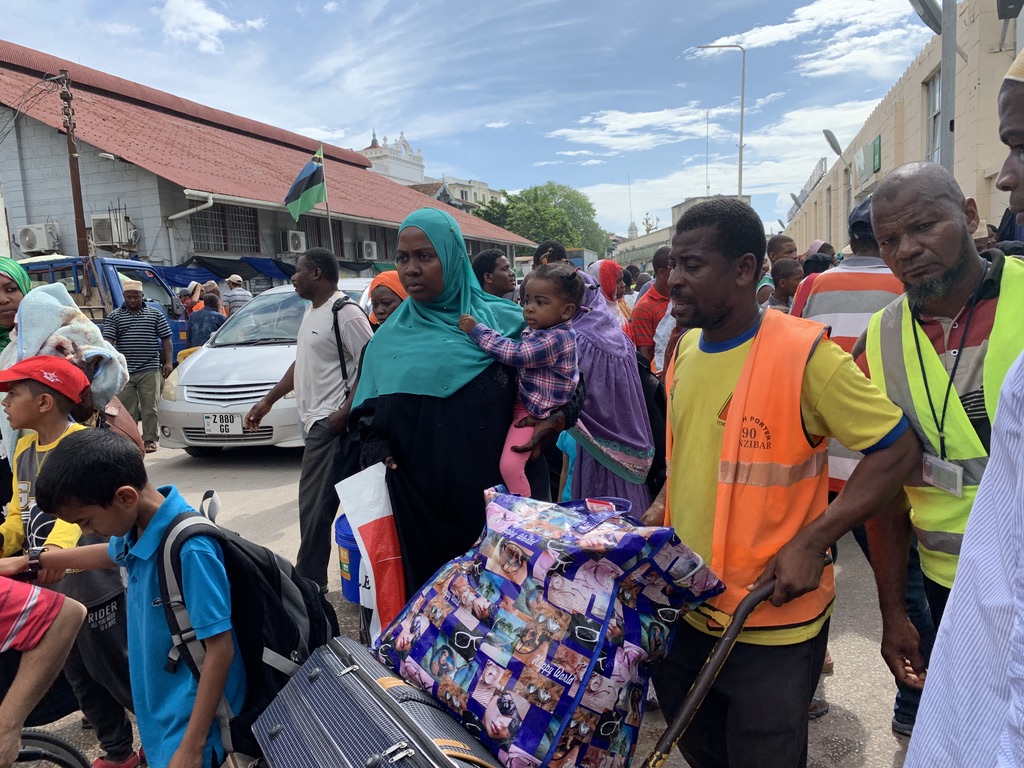
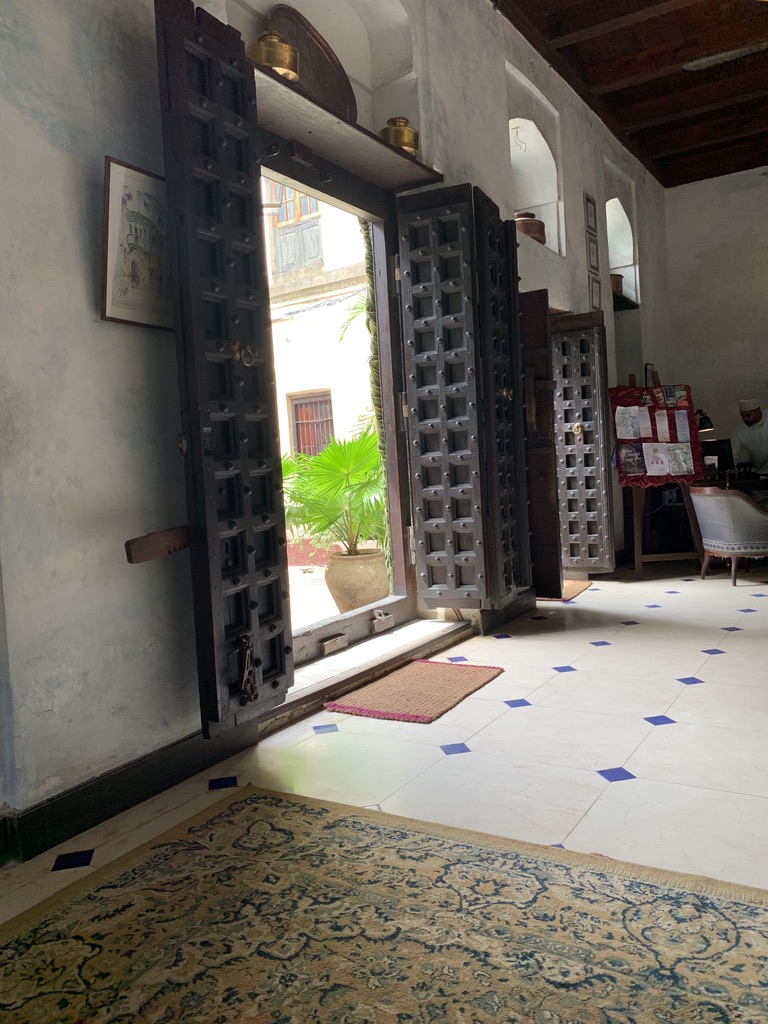
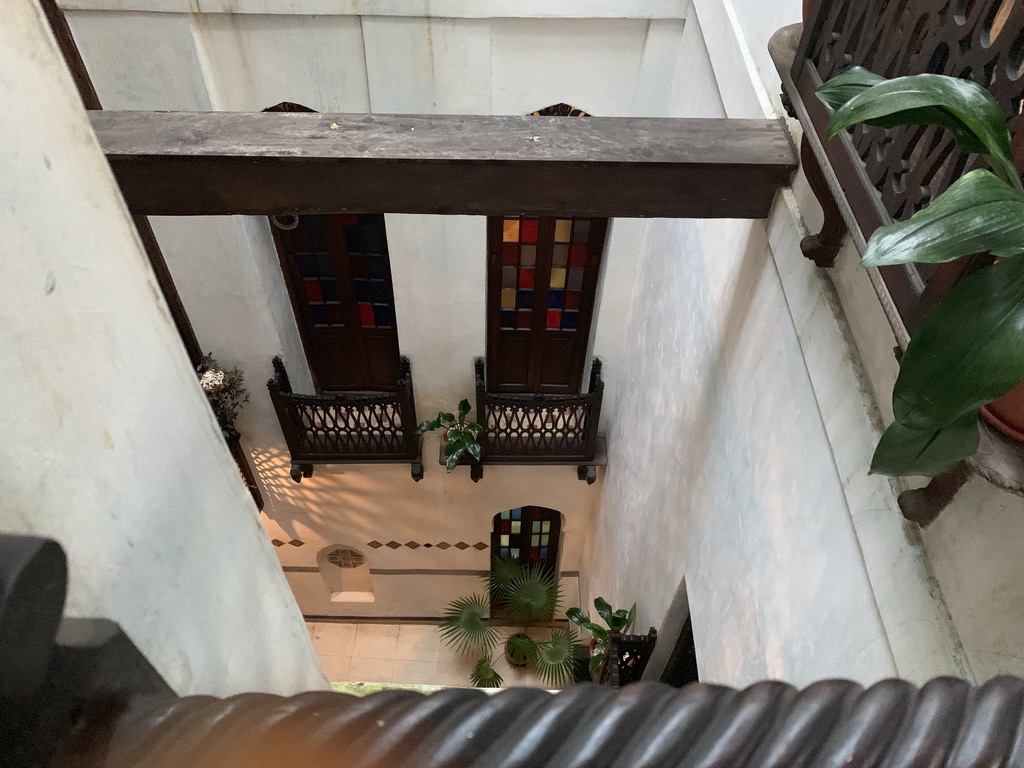
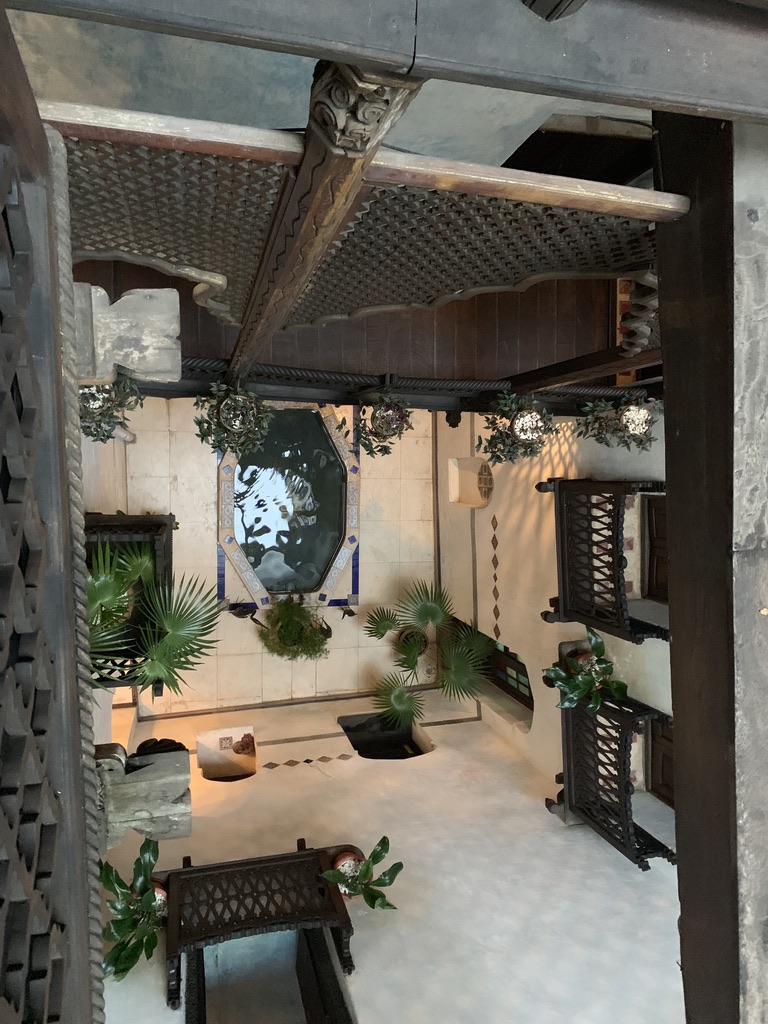
Our hotel (Emerson Spice) had offered to pick us up at the ferry; we generally hate arriving and seeing a sign with our name, but after seeing the chaos at the dock in Dar, we responded affirmatively and they said there would be a bonafide taxi waiting for us after we leave the gated area. We headed out to yet more chaos with people getting off two boats and people trying to board our boat which was headed back to Dar… lots of pushing and shoving, and it felt like it was about 120 degrees and very humid (actually just 85 and humid!). We were surrounded by supposed taxi drivers and we did see some signs with names on them, but none with our name. We waited about 20 minutes and then decided to take a “taxi”.. and off we went to the hotel. We traversed dozens of narrow pathways not really big enough for the taxi into the thick of the old center of Stonestown (just a few minutes from the ferry) and we were here; the taxi could not go all the way so he walked us into the warren of streets to find the 19th century building.. which is fairly non-descript on the outside and unbelievable on the inside.
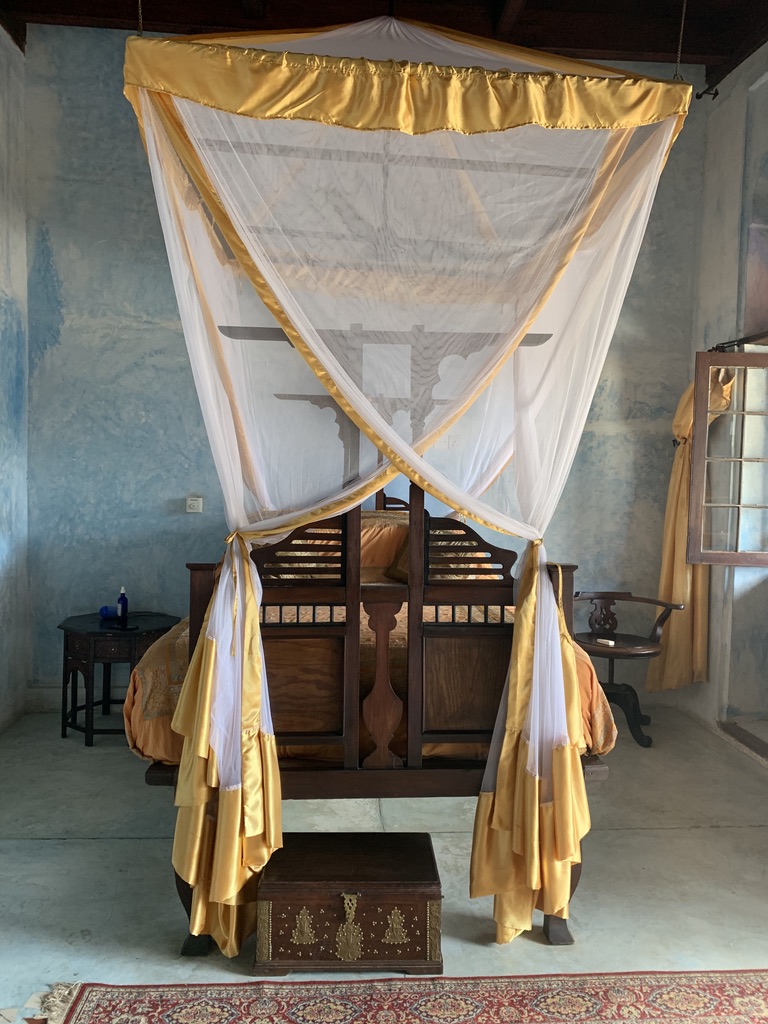
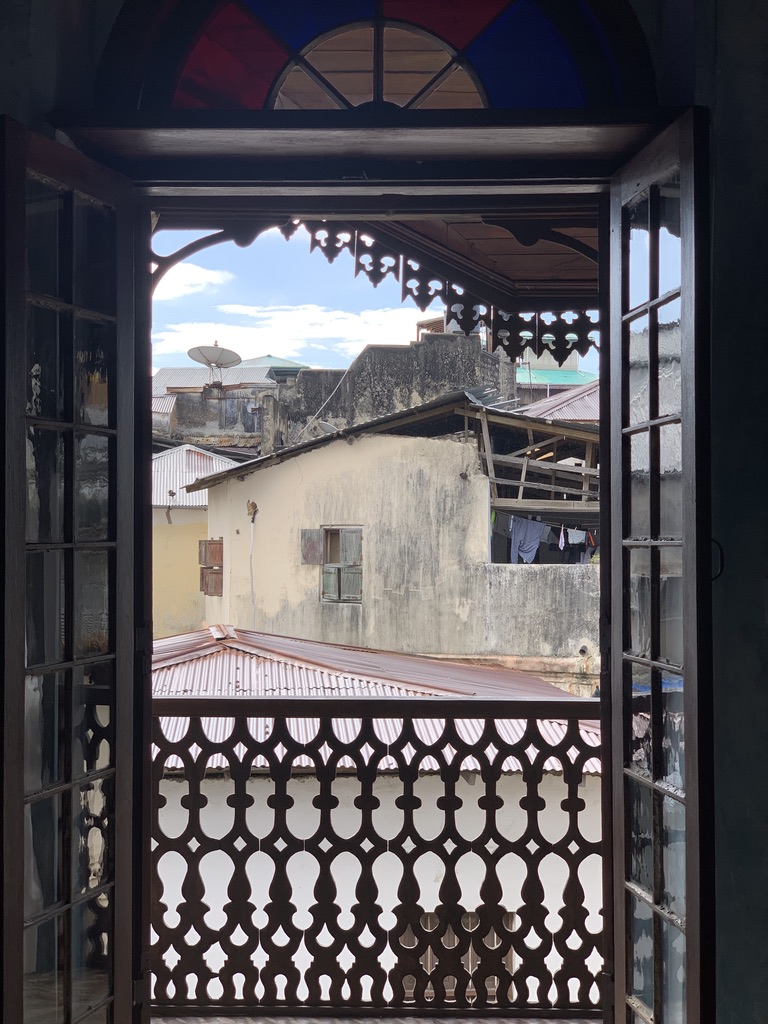
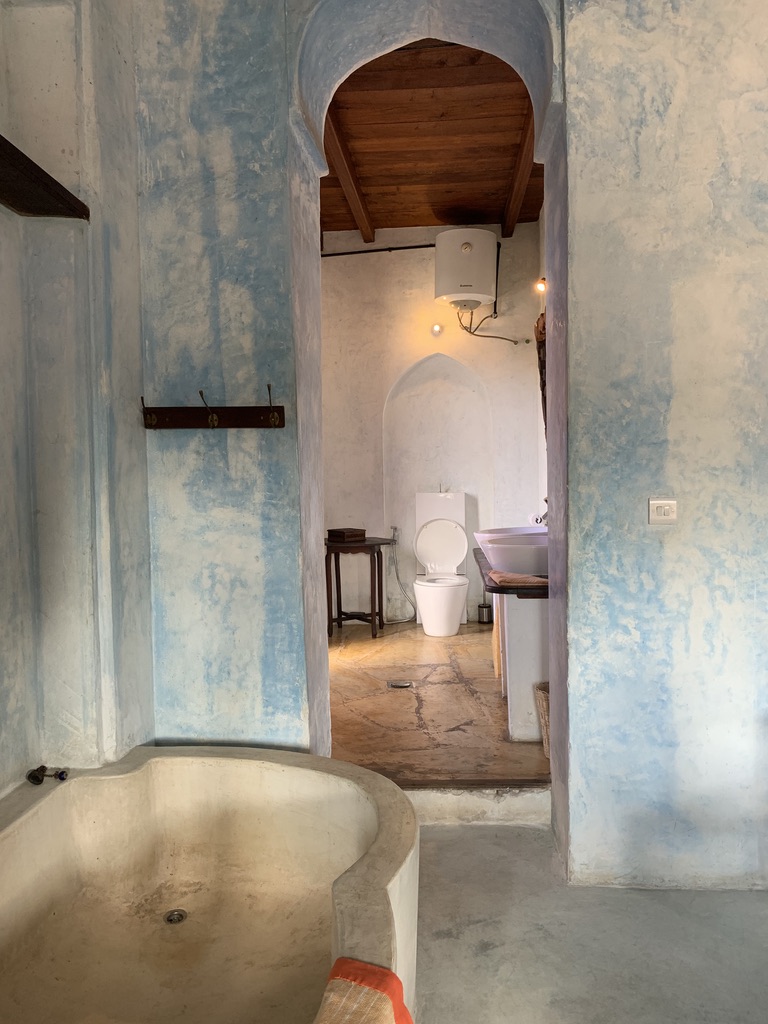
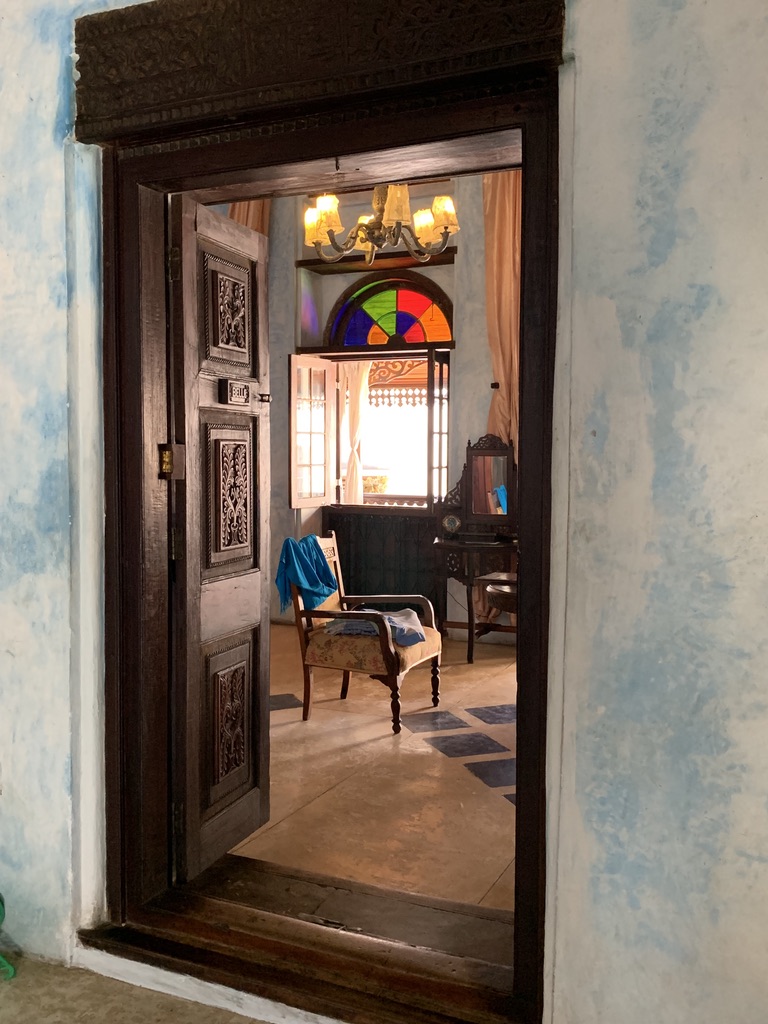
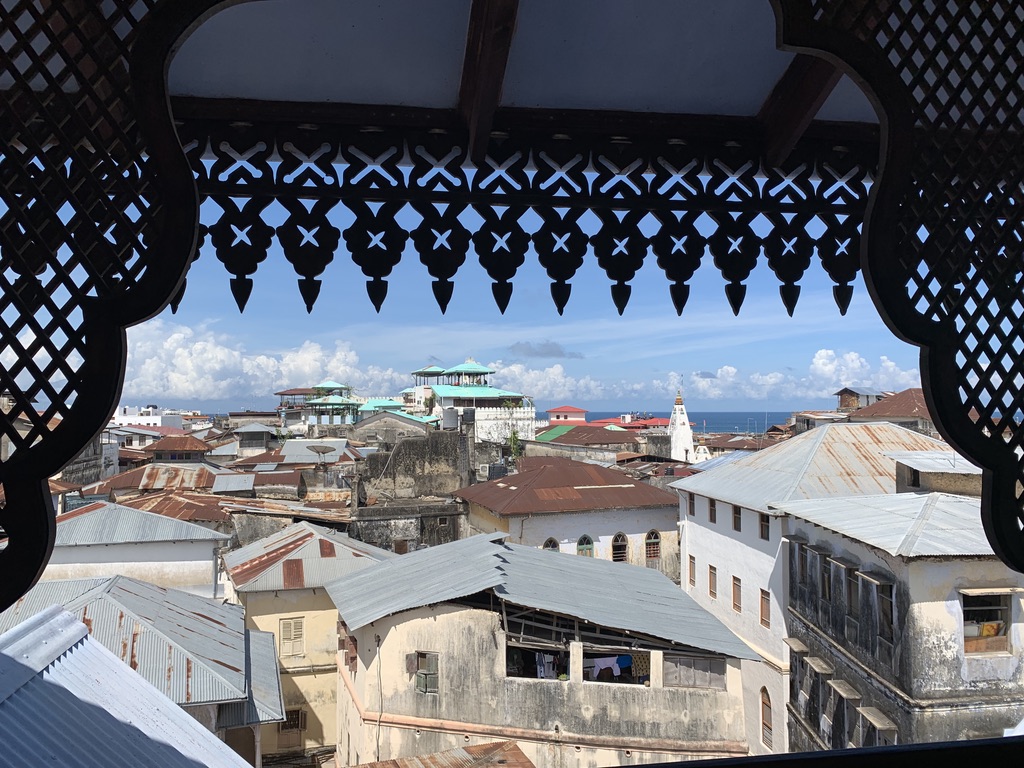
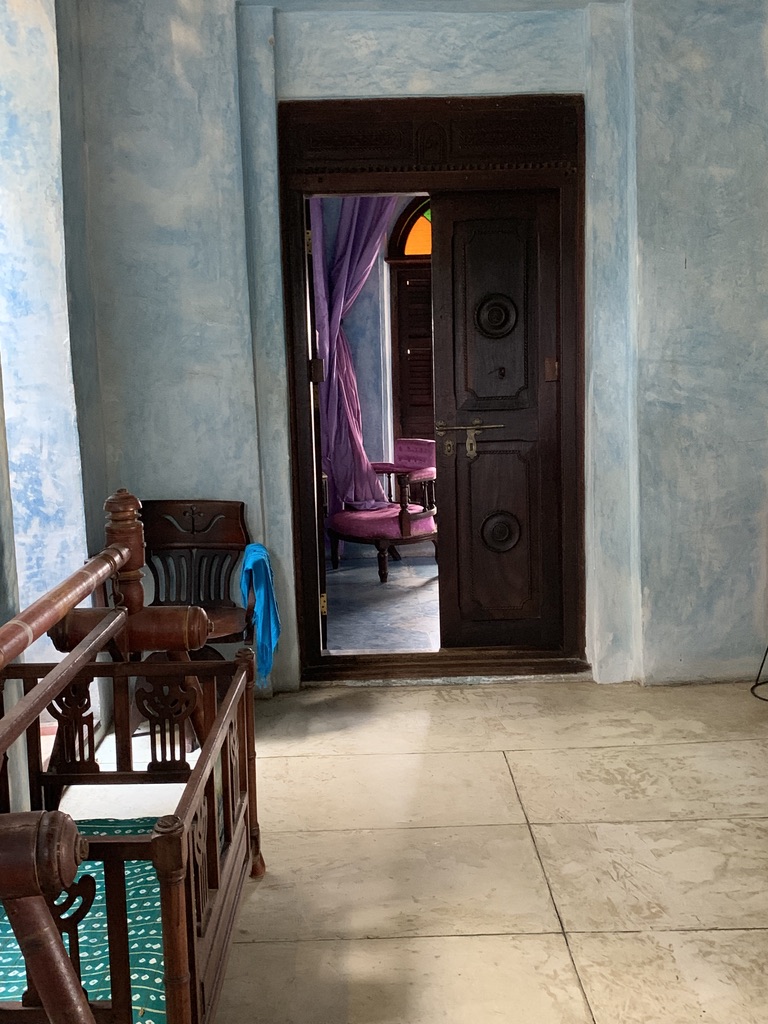
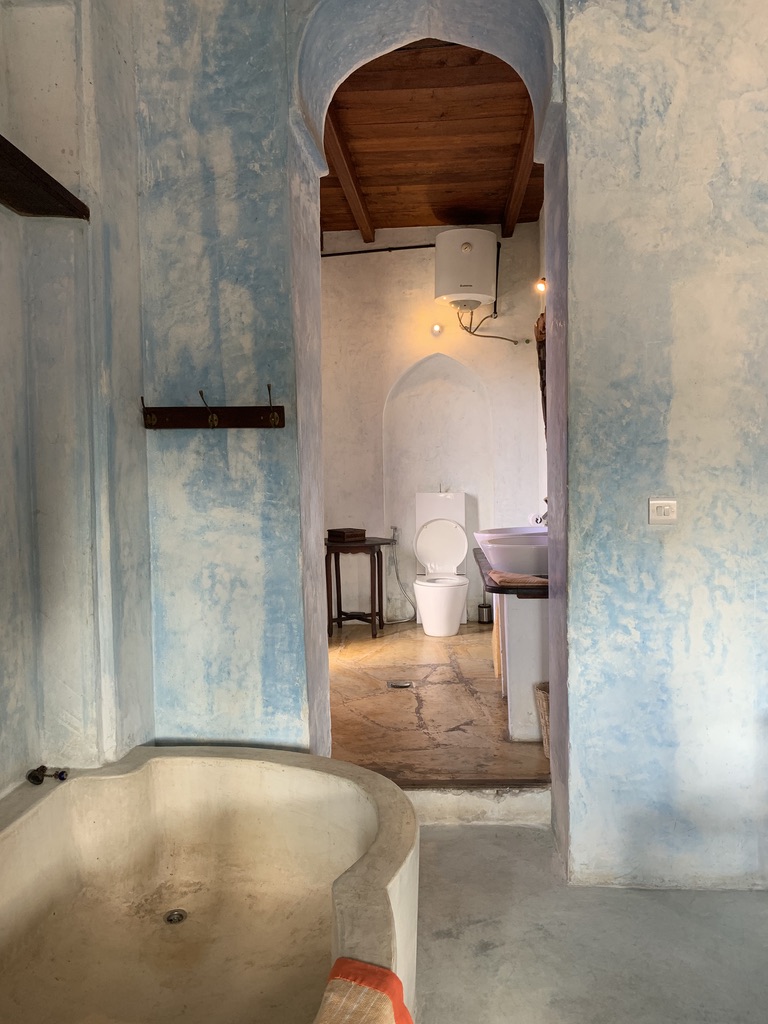
There are three adjoining World Heritage site buildings in the Kasbah. Two parts face a square at the end of Tharia Street, a walking street; the third façade looks toward the Cathedral and the slave market. There is also a private courtyard that they call the secret garden. The main building, where we are is the restored Merchant’s House. From our room we can hear the call to prayer from the many mosques that are around us. The room is great and so photogenic that I can sit here and take photos all day.. Actually, it’s sort of like being in the middle of a water color.. the light, the colors, the washed walls… But we do want to see the town.
It’s still pretty hot, but we’ve got a great bottle of chilled South African white wine that they brought as a welcome (and apology for the taxi mess up); we have fruits in the room, including a giant papaya.. so we’re good until dinner.
We opted to have dinner at the rooftop Tea House Restaurant above Emerson Spice Hotel. We were hot, tired, and hungry. All research said it was the best restaurant in Zanzibar and it has great views. No building is tall, so the rooftop of our four-story hotel (with high-ceilinged rooms) located in the center of the oldest section of Zanzibar provides good views from about 280 degrees. The research proved accurate. Dinner was great.. slow paced.. with excellent service. It’s a fixed five-course menu that changes every night.
I started with my now favorite drink – the Dawa – Need to learn how to make it: vodka, honey, ginger, lime, and a little club soda – I think. Will experiment when I return. Mike stuck with Gin and Tonic. Then the food feast began.. I think we had:
- Fish pate, coconut relish, and a little fish cake
- A tuna timbale, pineapple chutney, African okra
- Lemongrass calamari, pumpkin with spices, salad
- Kingfish with a baobob sauce, rice with turmeric, and some kind of pickle (but I think it was a pickled vegetable)
- For dessert we had cardamom mango, a peanut something, and some kind of pudding
Each dish was plated beautifully.
We added a nice South African red wine from the Stellenbosch region… Couldn’t ask for a more peaceful way to end a very hectic day.
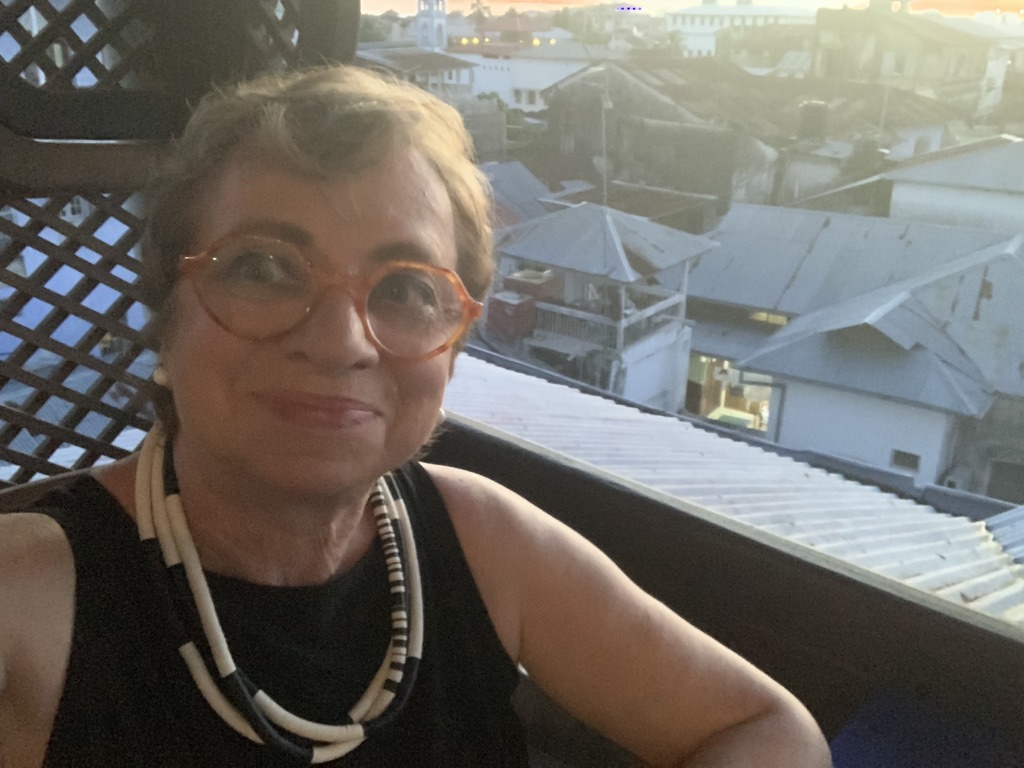

The rooftop views are great as we could see to the sea, and also view the city from above to sense both the order and the chaos of the plan of the old city. The sunset was a firey-red, and the call to prayers from the many mosques was a reminder of the deep-seeded Muslim routes of the area. But we knew that the peacefulness of the rooftop belies the realities of the streets below. Still it was great to have such a moment of relaxation (and great food). Our table was tucked into a corner of the rooftop so we couldn’t see or hear much of the other guests. All appeared to be tourists, nearly all we guessed from European countries and possibly Australia.
Interestingly, while Tanzania as a country is predominantly Christian, Zanzibar is predominantly Muslim. We’re also learning more about the rift between the mainland of Tanzania and the archipelago of Zanzibar. More on that later.
As we finished dinner we tried to plan our “activities” for the following day – the last of 2018.
All the best… as we approach 2019.
Fern
On with Dar es Salaam… 12/29/2018
Greetings
Has California seceded yet? From this distance, it just looks either comic or pathetic. But on with Dar es Salaam.
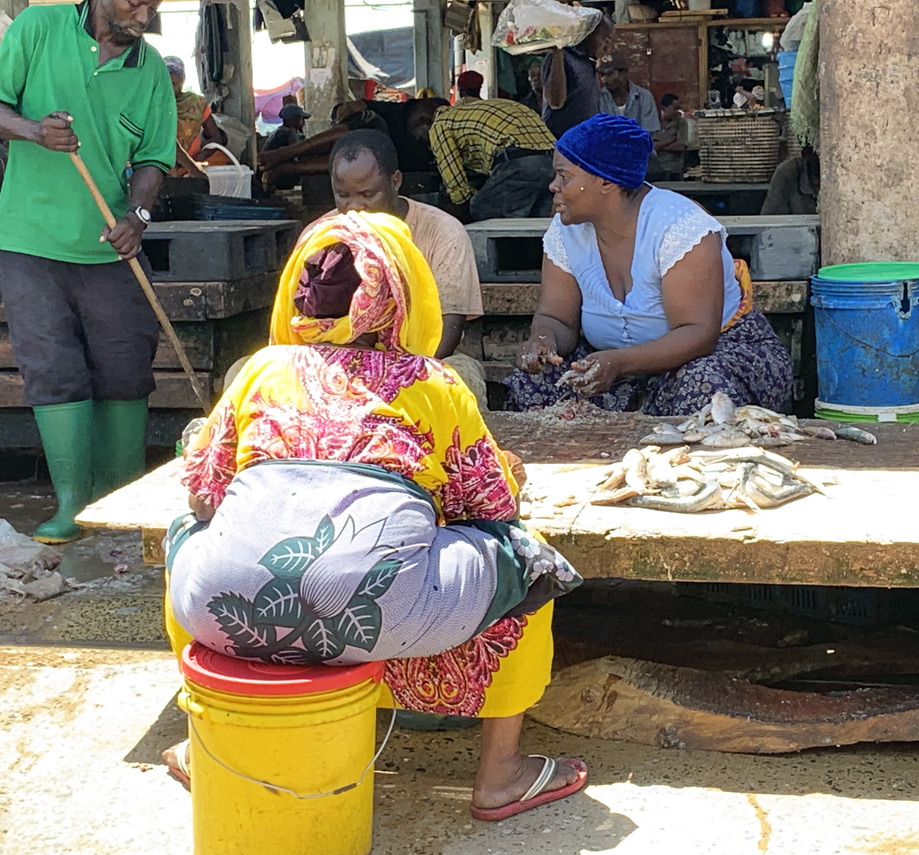
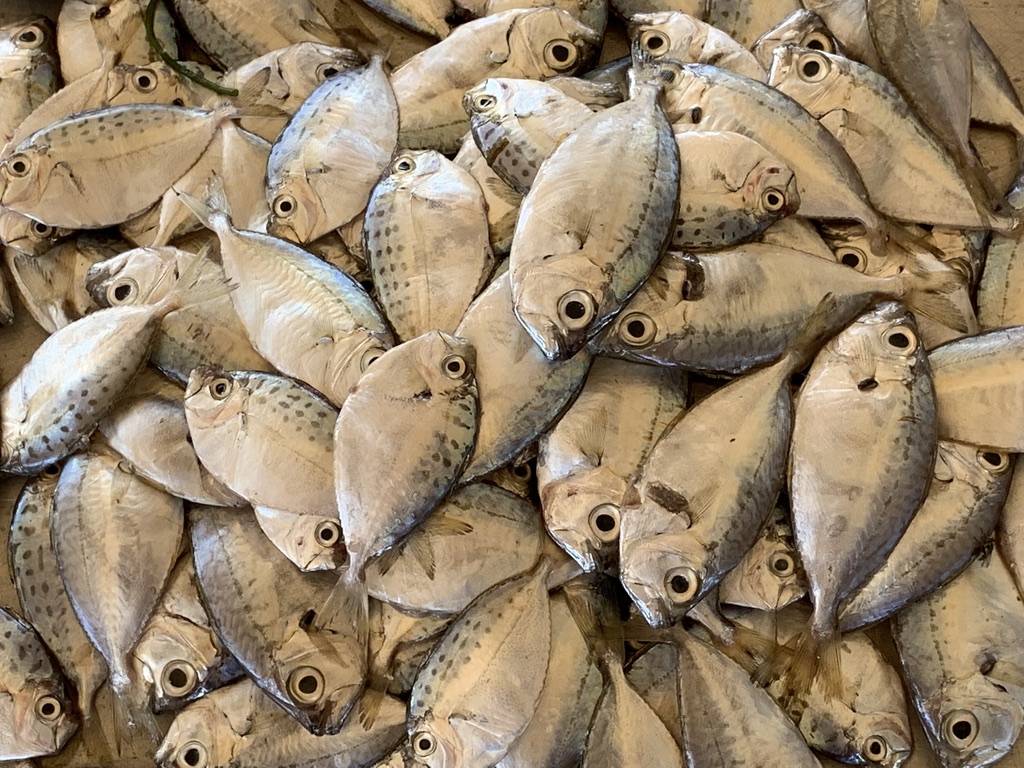
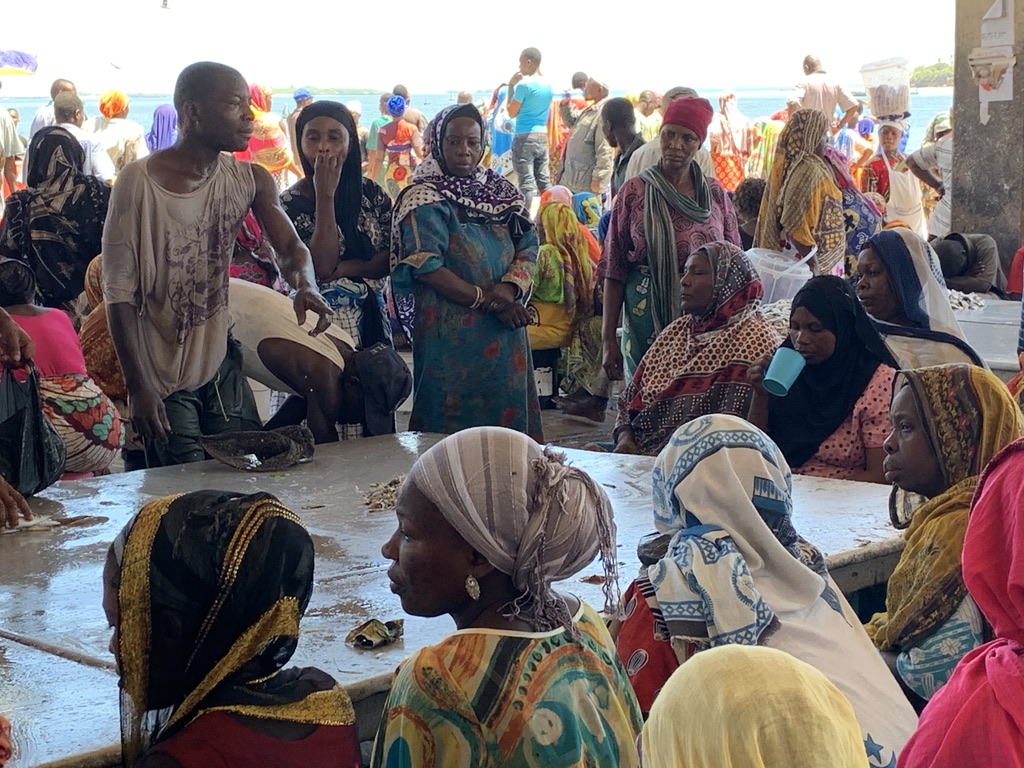
Probably already guessed that we didn’t get up at 5:00 am to get to the fish market by 6:30 am to see the big fish auctions. But once we did get up and have a quick breakfast, we took a taxi from the hotel directly to the Kivukuni Fish Market which is an amazing scene (and quite different from the Tsukiji Market in Tokyo, which also has the early morning fish auction and complicated buying and selling of fish). The taxi driver dropped us off and we began to roam. There are a series of stalls inside of which are large tables that can probably seat about 40 people around. Since the major auction was already over, all sorts of fishermen seem to have designated tables and they are selling the fish to women (all the buyers are women) who are seated on upside down plastic pails (all in brightly colored garb; all Muslim). They say a price or they toss some money to the fisherman who stands at the opposite side and then he scoops up an amount of fish equal to the amount of money they tossed… or at least this is what I think was going on. Even though it is supposed to be an early morning event, the place was pretty packed but definitely not with chefs from major restaurants; rather it was packed with very low-income locals getting fish for their families.
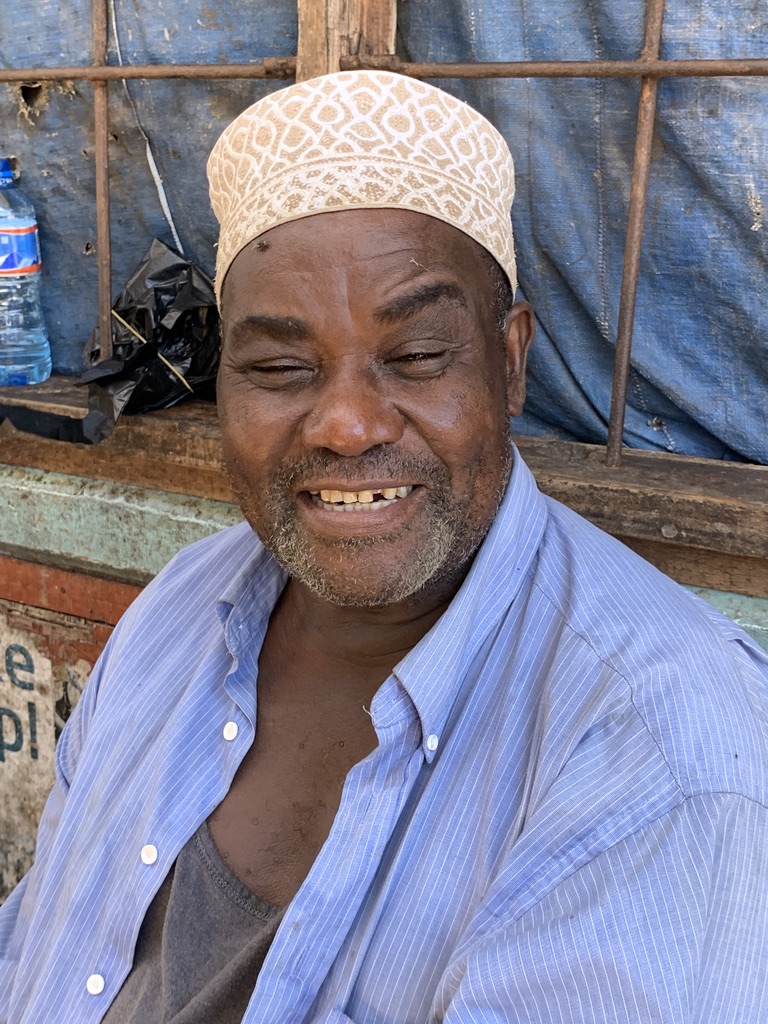
The men fish; the women buy the fish. As you might imagine, the smell is pretty strong. Many of the fisherman and those scaling or chopping the fish with amazingly large and very sharp knives, were happy to have their photo taken; the women less so.
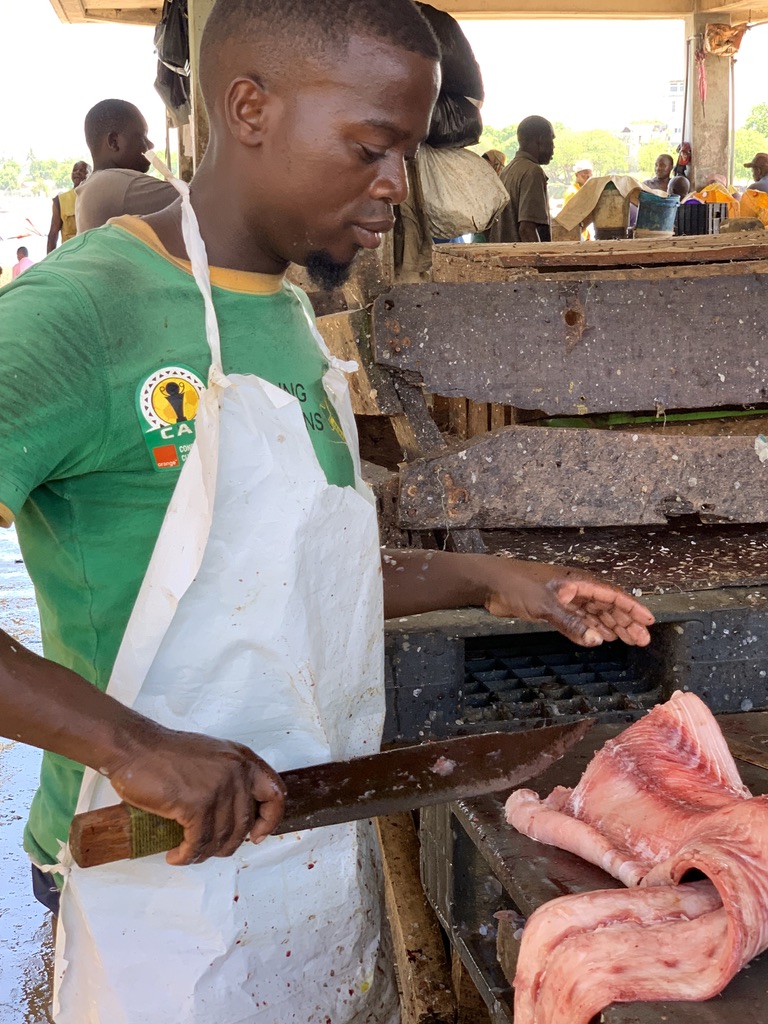
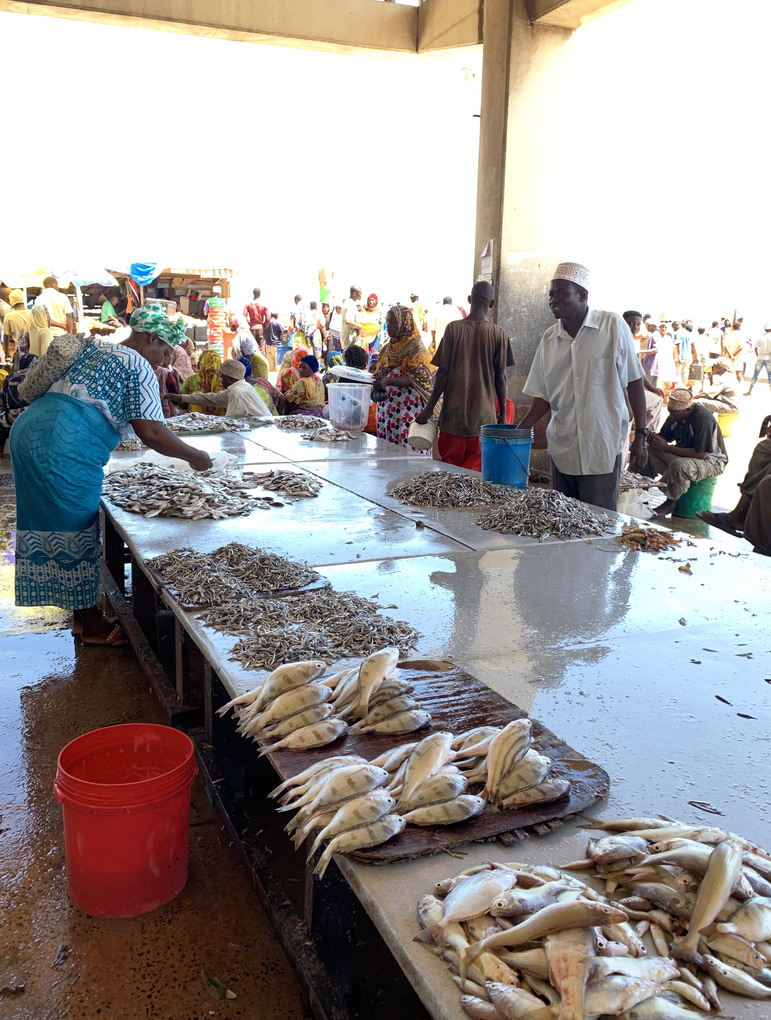
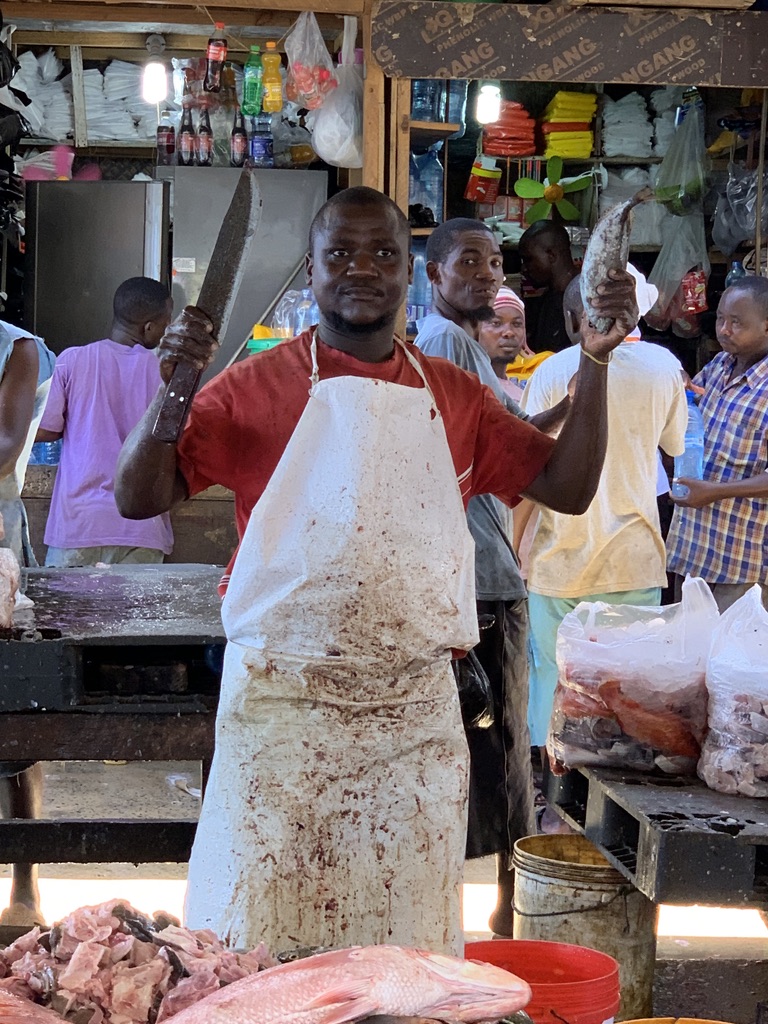
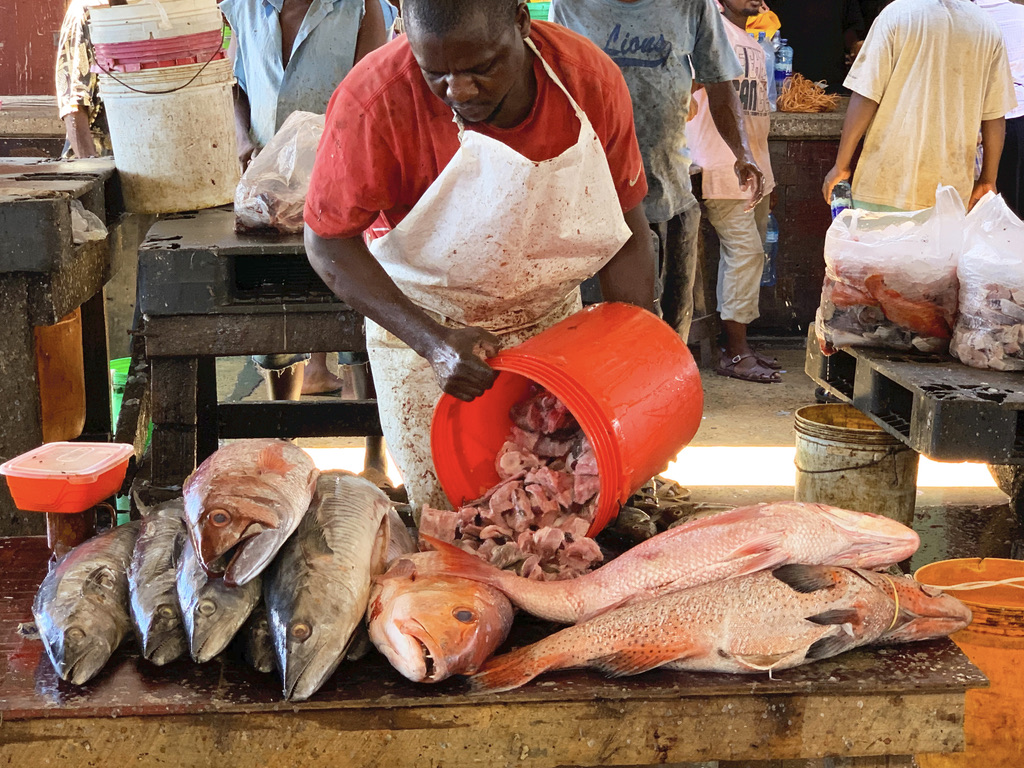
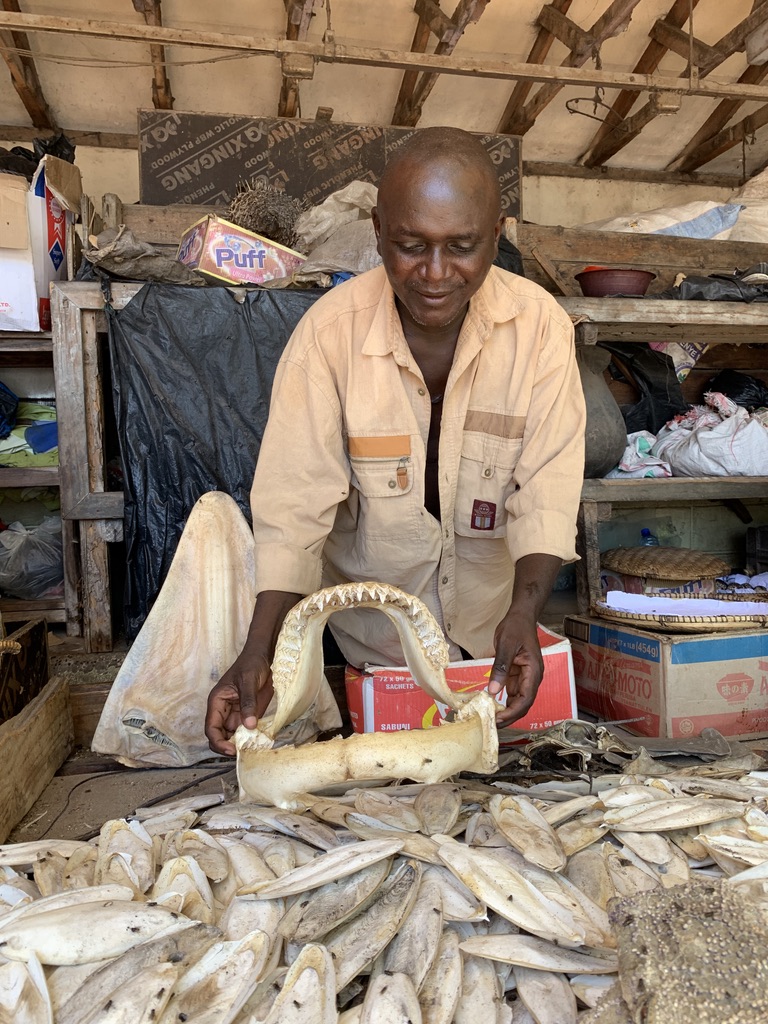
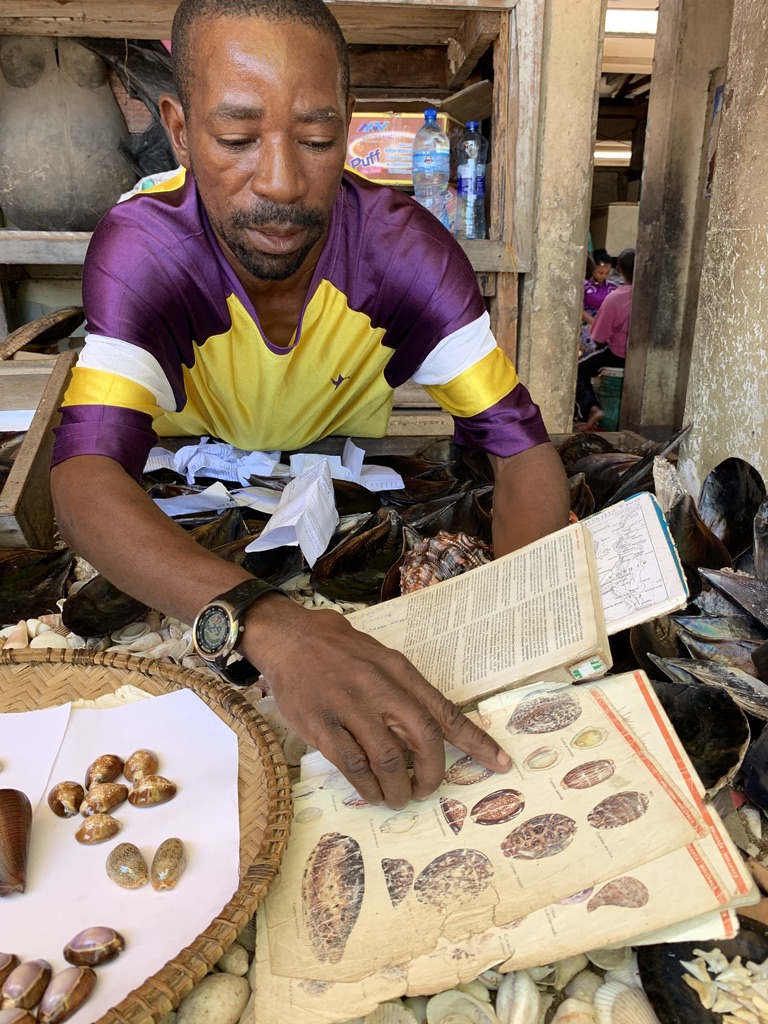
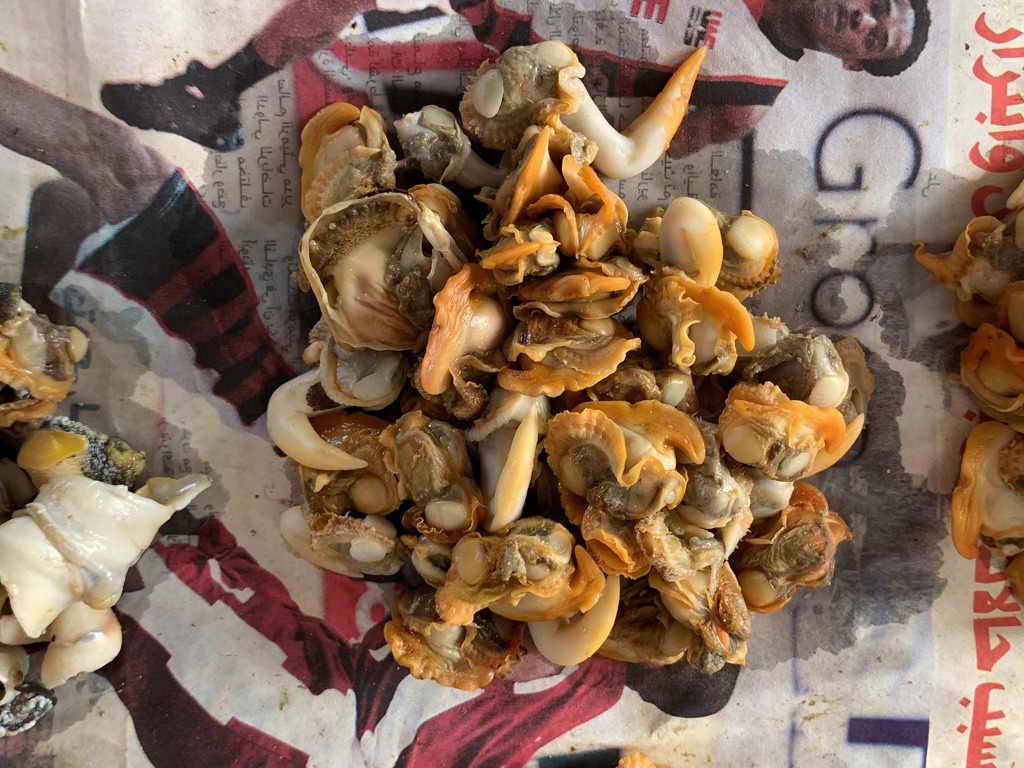
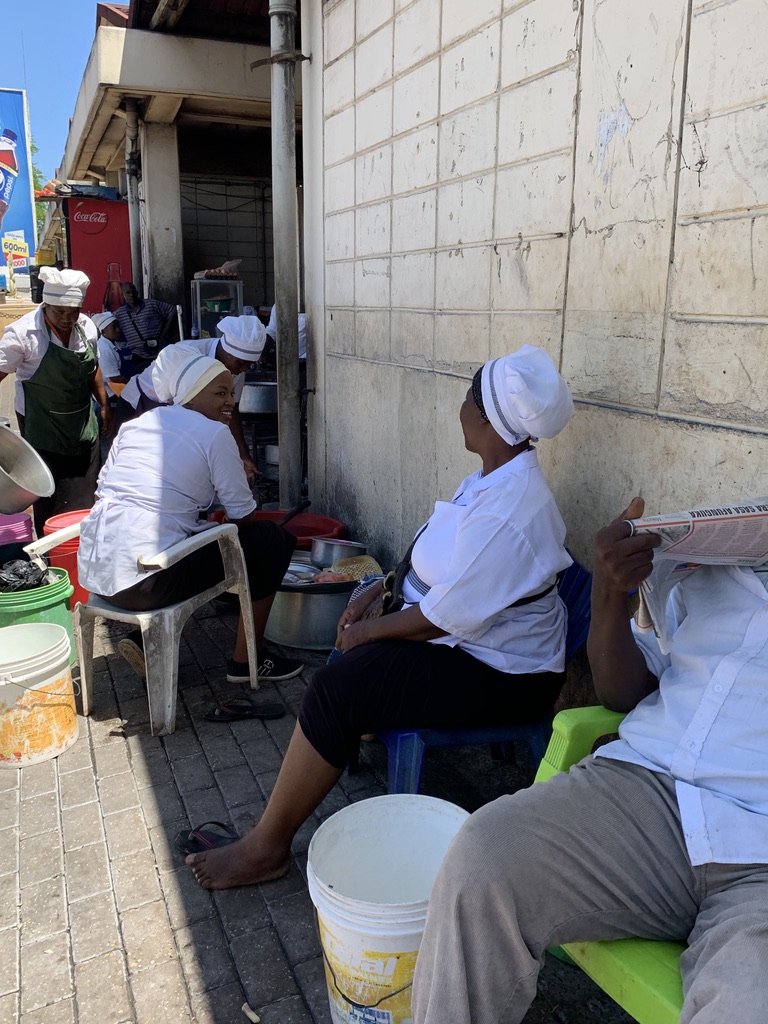
We moved from area to area and finally wound up in a section where there are scores of women, dressed in white cooking the fish. While it was tempting, we held back – mostly because the area where the cooking is done made the temperature soar about 15 degrees warmer than it already was. Once we had our fill of the fish market, we began to stroll outside the center of it to find a “bajaji” (the three wheeled motorcycle outfitted to carry two – and sometimes more – passengers; just like the “tuk tuks” we used throughout Asia for short distances). But before we could get to the street, we found ourselves in a little passageway with stands selling amazing seashells. No sooner did we look than we were taken… and at each of five stalls in a single row, we purchased a few shells. (I hope this doesn’t become our story in Turkey of NOT buying a rug.)
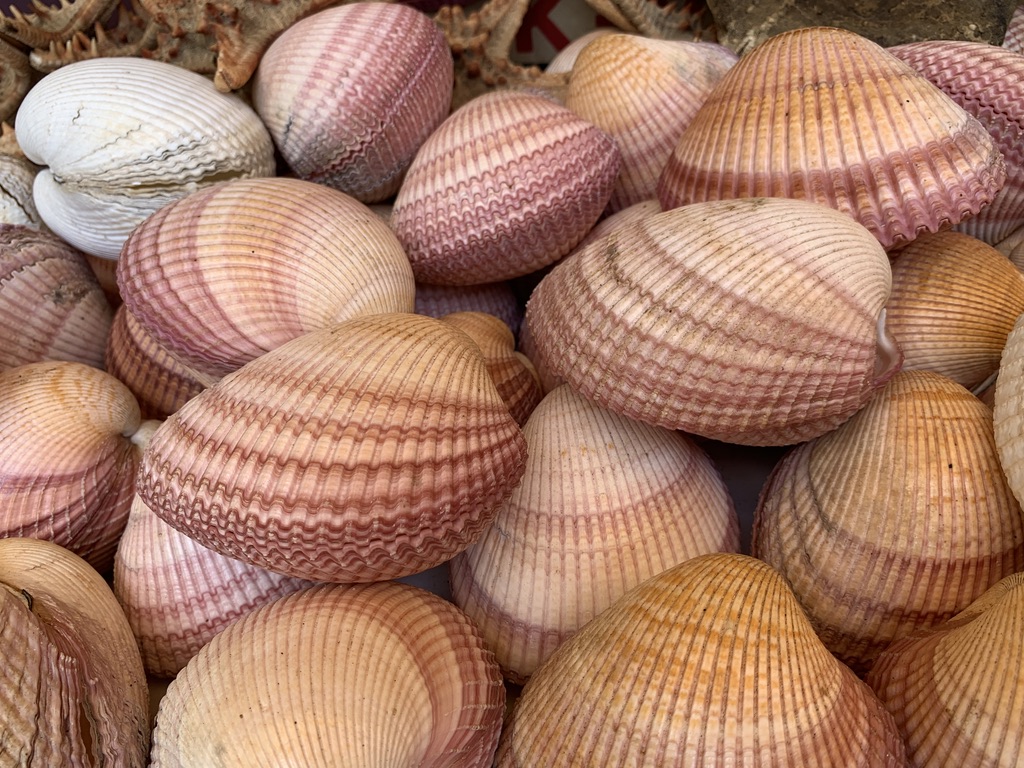
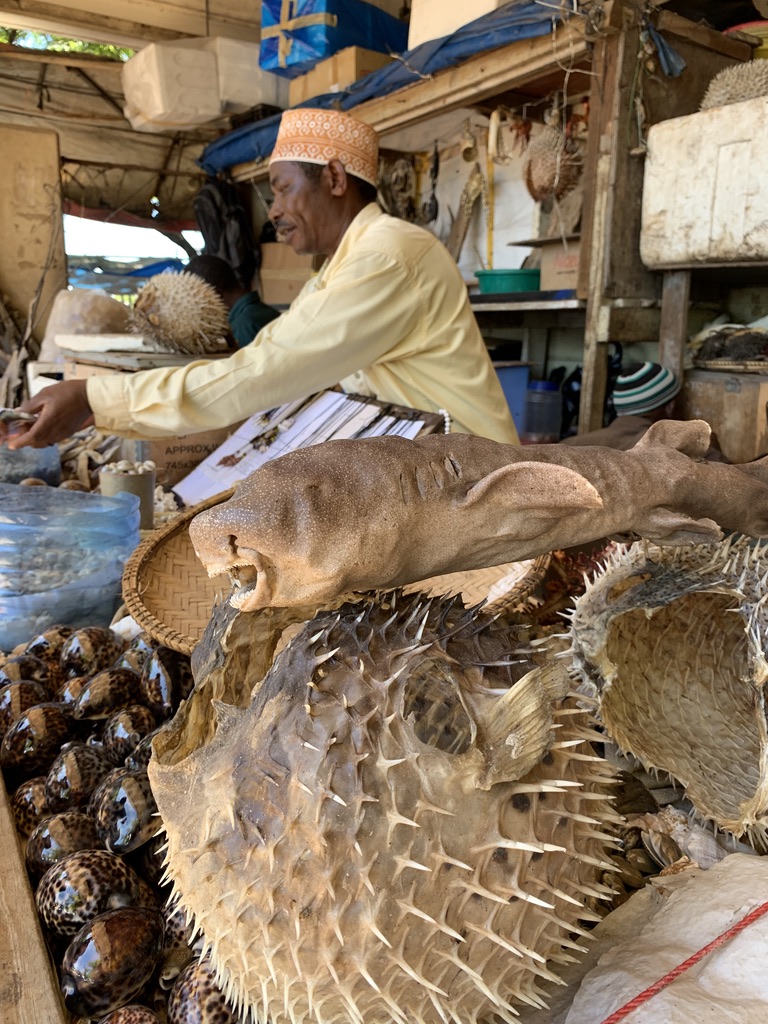
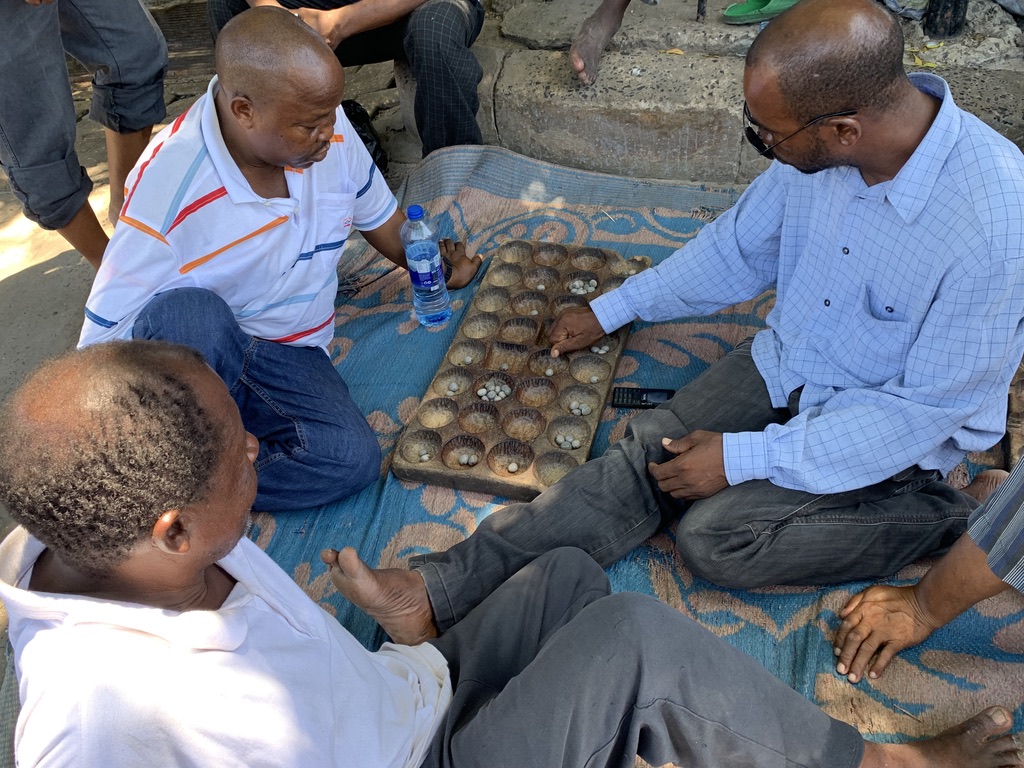
Each of the sellers has shells displayed and then “special” ones in little bags made of newspaper. Naturally they thought we’d like those special ones. Not sure what we will do with these shells, but now we have them. At least we stuck to little ones. Each seller also has an incredibly worn/torn yellowed copy of an American-published book on sea shells, and they can turn (well most of the pages are no longer bound in the book, but they do keep these books and seem to have pride in owning them) to a page with each of the shells and tell you the name of the shell. As we walked, we spotted groups of men playing some version of mancala (which I recognized because this used to be a popular–perhaps still is–game played by kindergarteners in the Berkeley schools. Our god-daughter, Roberta played it many years ago and taught both Mike and me to play. But here in Tanzania, their version is like a double board of the game and it seemed a lot more complicated. The men were totally into it and moving fast.
With our little (but bigger than I had hoped) bag of shells in hand we finally emerged from Kivukoni Market and hopped into one of the bajaji.

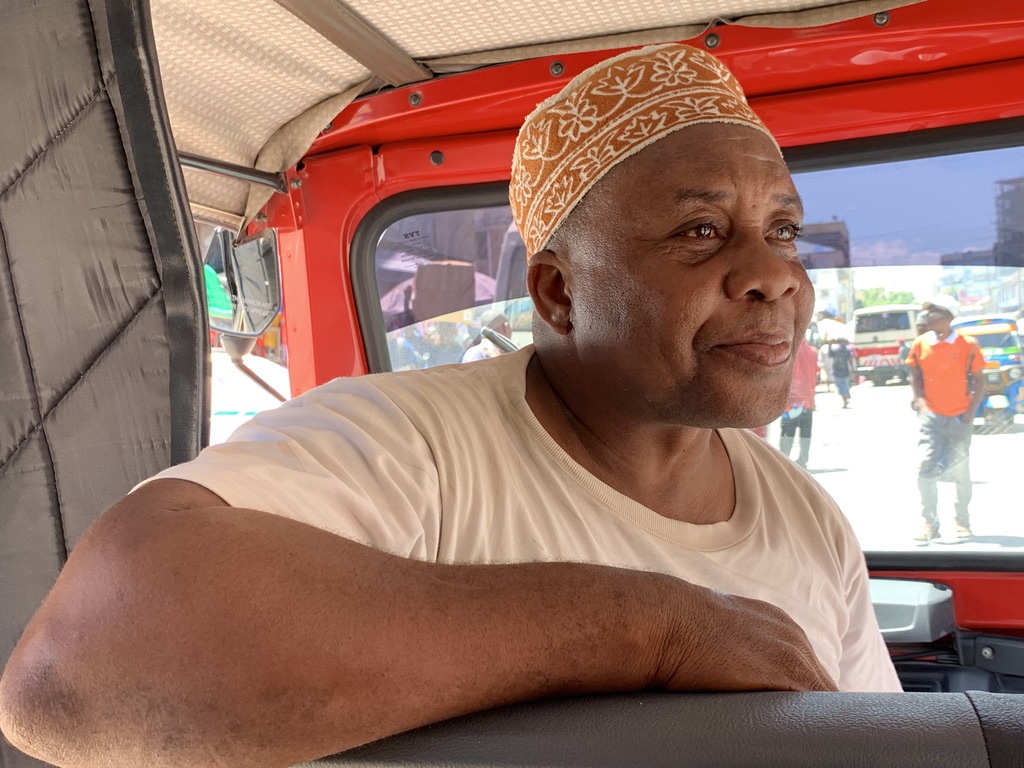
We decided to head back to Kariakoo Market because there were whole sections we hadn’t seen. Actually we hadn’t yet been inside the three story structure at the center of Kari. The bajaji drivers can meander their way around crowds and traffic since they are so much smaller and nimbler than cars and taxis. We were up for the challenge because the sun didn’t seem as strong as yesterday and if you can find shade (from buildings or the umbrellas shading the vendors, we figured we could withstand the heat and humidity). This part of the market (the indoor section) sells all sorts of equipment: old fashioned pedal power sewing machines, rain or maybe fishing boots, hardware, and lots of seeds for growing vegetables; outside the building and going on for several blocks they are selling vegetables and also bras and women’s underwear which several vendors kept offering to me.
By the way I think there are more tee shirts with NY or other US trademarks here in Dar than there are in New York.
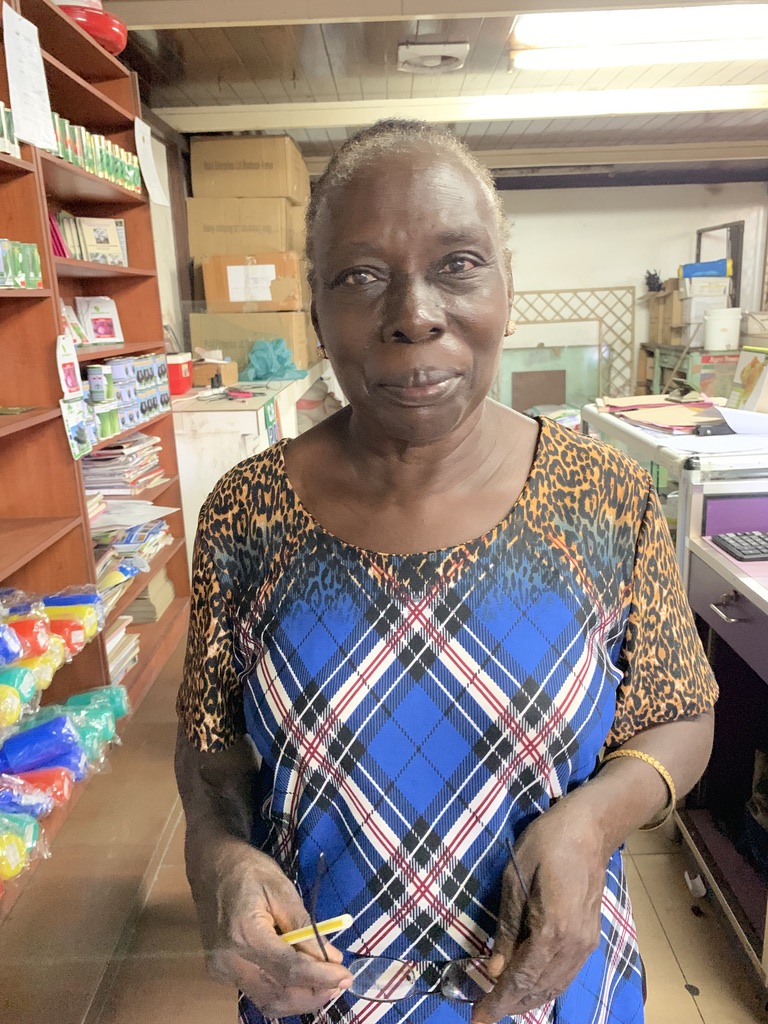
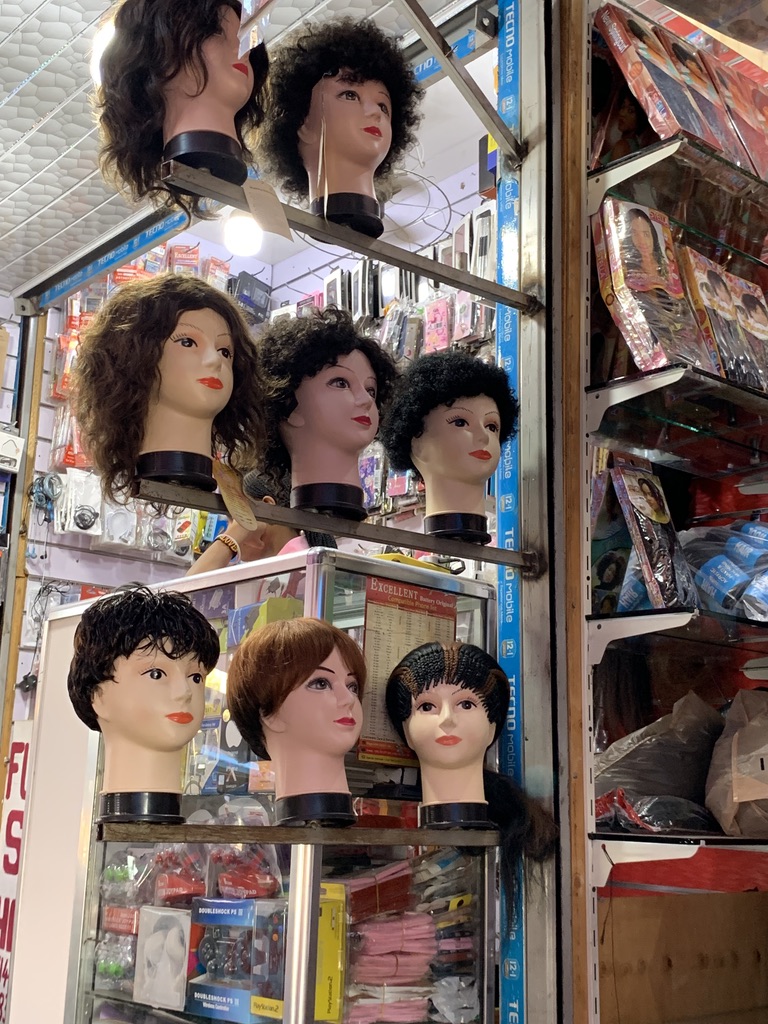
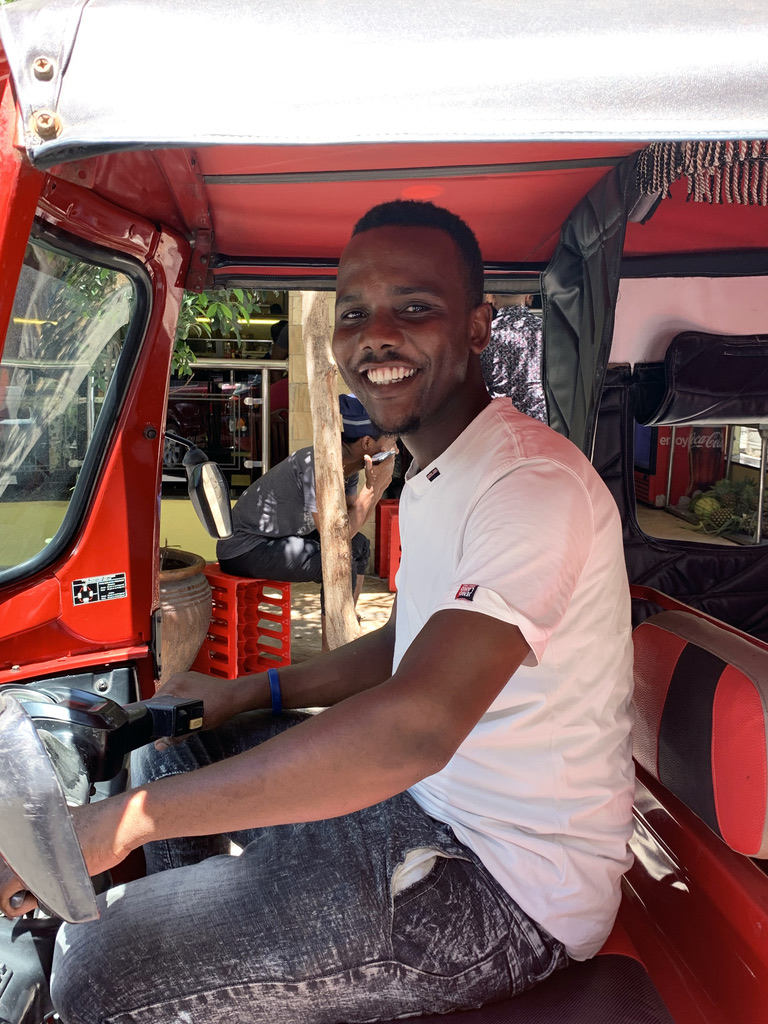
We hopped in another bajaji that we found near Kariakoo and (after doing a little iPhone research in the shadow of the market) asked to go to “Chef Table” which was listed as an old-time restaurant serving both Chinese and Indian food. Not sure where the name came from, and the sign at the front just says “Chef”.. but we went inside and got a covered outside table. We were the only non-Asian, non-African customers. Took us a little time to figure out the menu, which is problematic here since the waiters here generally give you a menu and then wait for you to place your order. If you don’t know what you want in about 60 seconds, they move on and it’s not so easy to get them back. I think it was Muslim owned because they didn’t serve any beer. Funny thing, as we pondered the menu, some older guy just sat down at one of the empty chairs at our table for four, ordered immediately, got his food and ate it (not sure what he had ordered), before we actually ordered. We got barbecued boneless chicken kabobs, rice, and some naan. We wanted fried bananas, but they were out of them. Everyone drinks Coke, which we don’t so we just opted for bottled water. It was quite good, too much food, and very very spicy, which was also fine with us.
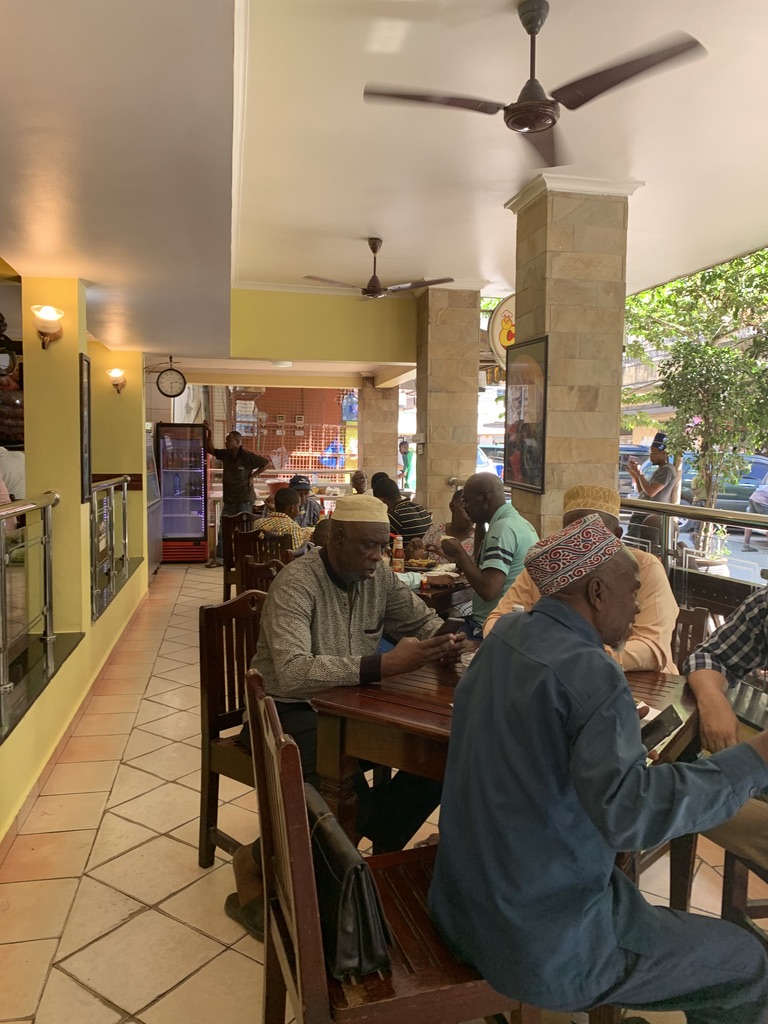

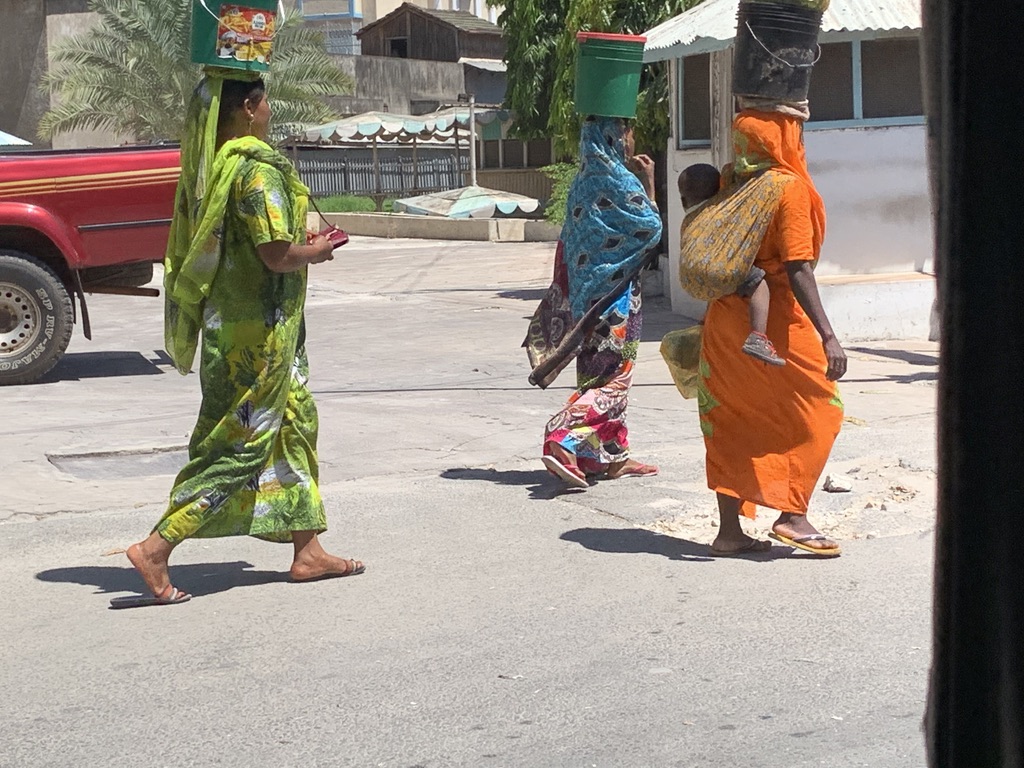
We finished and headed to find another bajaji, but saw a local street taxi (you know they are available because they keep the back passenger door open. And we headed back to the hotel for some cool air and very fresh, very cold, homemade watermelon juice. I put the bag of shells on the bed for about a second and suddenly smelled fish… so now all the shells are sitting in soapy water in the bathroom.. Don’t know how long that will take. But certainly don’t want them in our luggage until they are nice and clean and dry. But, I will admit, they are quite beautiful.
I’m signing off now, as I’m going to do some real work (that I am woefully behind in), and then in a few hours we are going to try an Ethiopian restaurant (the one everyone raves about is closed for the week); will let you know how it is. We are suckers for Ethiopian food, but I’ll have to assess the place before deciding whether or not to try the kitfo. Also have to pack to go to Zanzibar tomorrow. We will leave by ferry at about noon. We end the year in Zanzibar. But you’ll hear more from me on each of the coming days.
One piece of good news (for us). We got word, finally, that our box of winter clothing arrived at our Brussels hotel. Our return flight was making a stop in Brussels – a city we have not been to in decades – so we decided to pop in for about 48 hours before continuing on to SFO. It all sounded great when we were making the arrangements—a sort of intermediate stop to acclimate our return. But as the departure date got closer we realized how cold it would be in Brussels. No way was I going to lug boots and a down coat through Africa. We remembered that this had been a problem on a few other trips where we had extreme climate changes, and we had shipped a box of clothing. And while the option of shopping would certainly work for me, the thought of going shopping in sandals in the snow wasn’t so appealing. So we packed a box with winter needs – coat, hat, scarf, boots, sweaters, etc. But as we tracked the box, it was taking really long – in part due to strikes in Europe. Anyway we got word now that the box is safely in the hands of the hotel. So we just need to make it to the hotel after we land without getting frostbite.
All the best on these final days of 2018.
Fern
Dar es Salaam. 12/28/2018
Temperature about 88; Humidity about 125%!! Greetings from hot and humid Dar es Salaam –
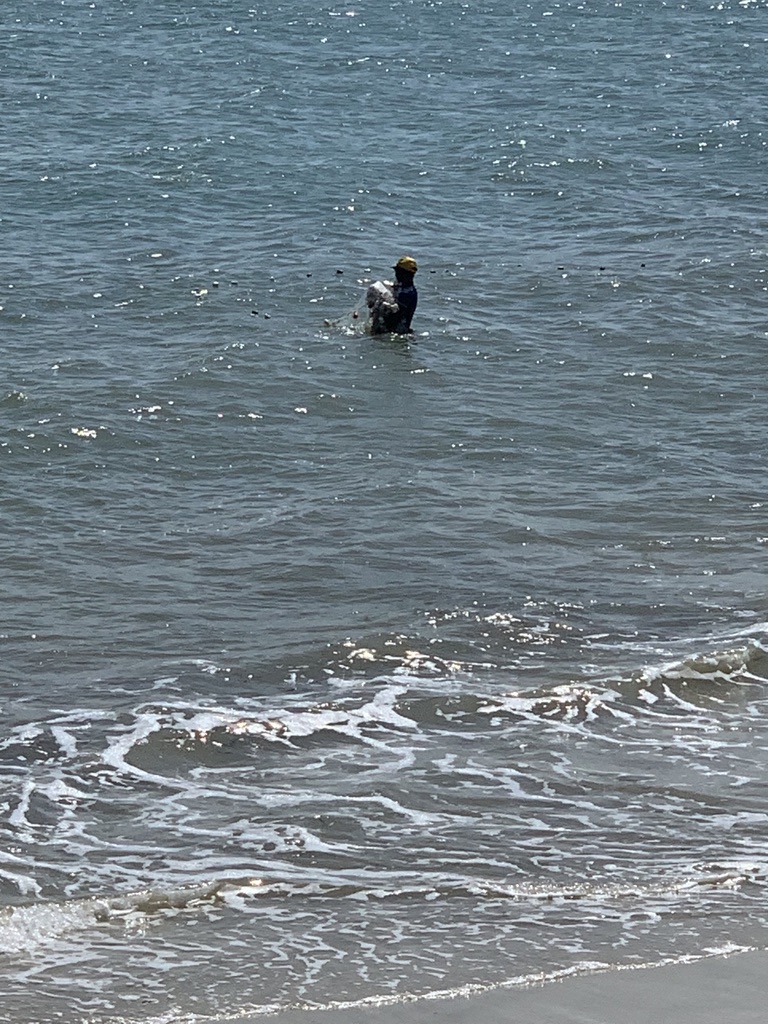
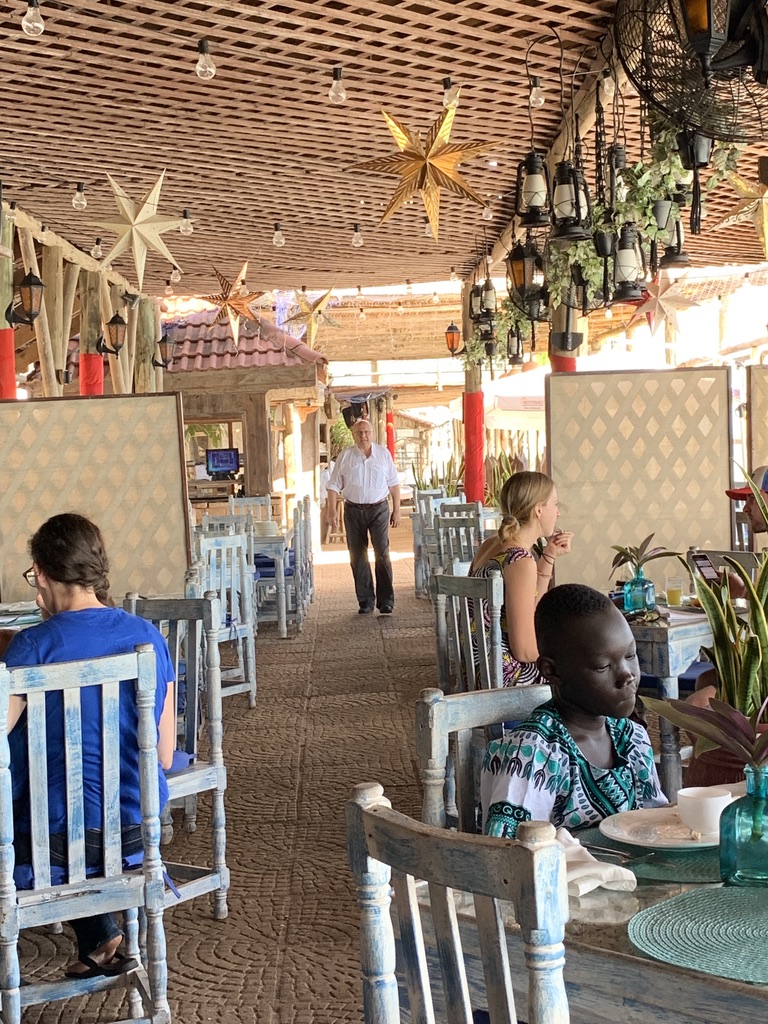
We had breakfast at Mediterraneo outside on a deck perched just at the edge of (a bay that links to?) the Indian Ocean. It was quite pleasant and there were definitely moments when we thought we should just remain and have a relaxing two days; but after breakfast, off we went by taxi to the overly luxurious Serena Hotel. The hotel is in amazingly good shape for being about 30 years old (and having gone through many changes of ownership. I think the most recent incarnation as a Serena Hotel (which is a chain in Asia and Africa), was probably a nod to the ownership by the Aga Khan and an attempt to make it have some Muslim touches, but it didn’t work.
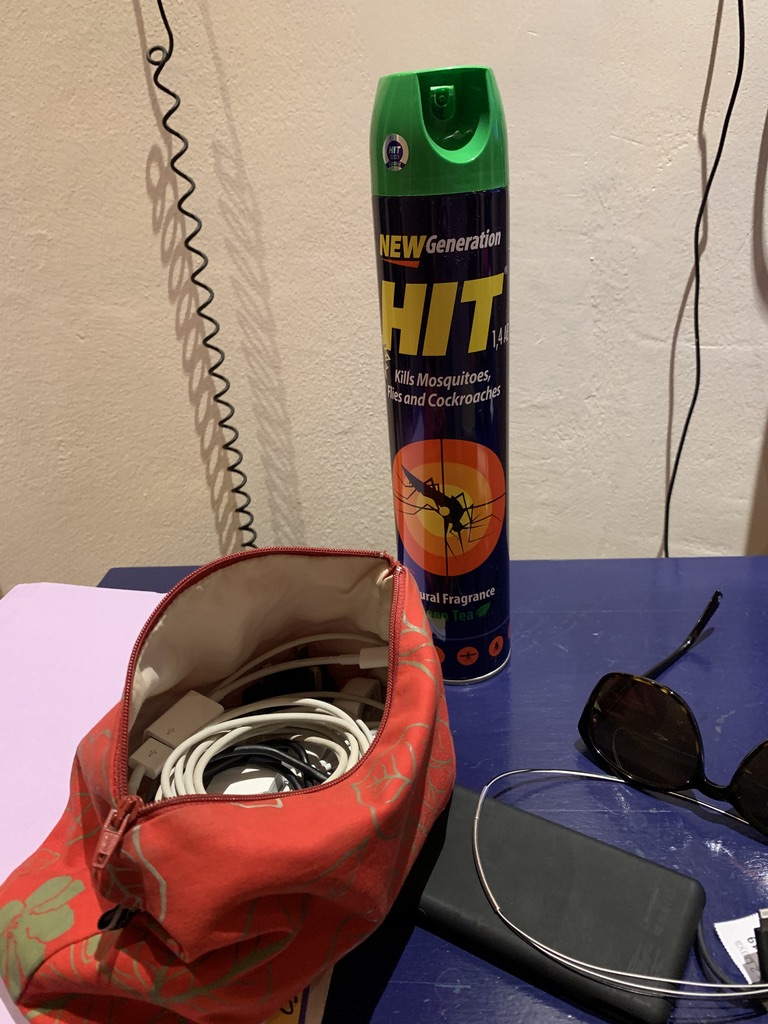
In any case it is delightful to have working air conditioning and a working toilet… and not having to sleep under mosquito netting (although we have gotten used to it having had it for the past two weeks). Mostly, I love not having to stare at the extra extra super-size can of bug spray that we had in our room — just in case we needed it. Forgot to mention that they only give out one key card, and you need to use that card in order to get the air conditioning going; so when you leave the room, you need to take the card in order to be able to get back into your room. (It is a way of preserving the use of electricity, but given the heat and the humidity and how long it takes to get the room even moderately cool, we didn’t want to chance having it turned off when we went for dinner last night.. So we tried a few credit cards, and then lo and behold our Clipper Cards (for BART) worked just fine, and the room was at least on the cooler side.)
But still, it’s over the top here at the Serena … although they seem to be training locals to manage and run the hotel, as every single staff person and manager we have met – from the waiters to the concierge to the cooks are all African.
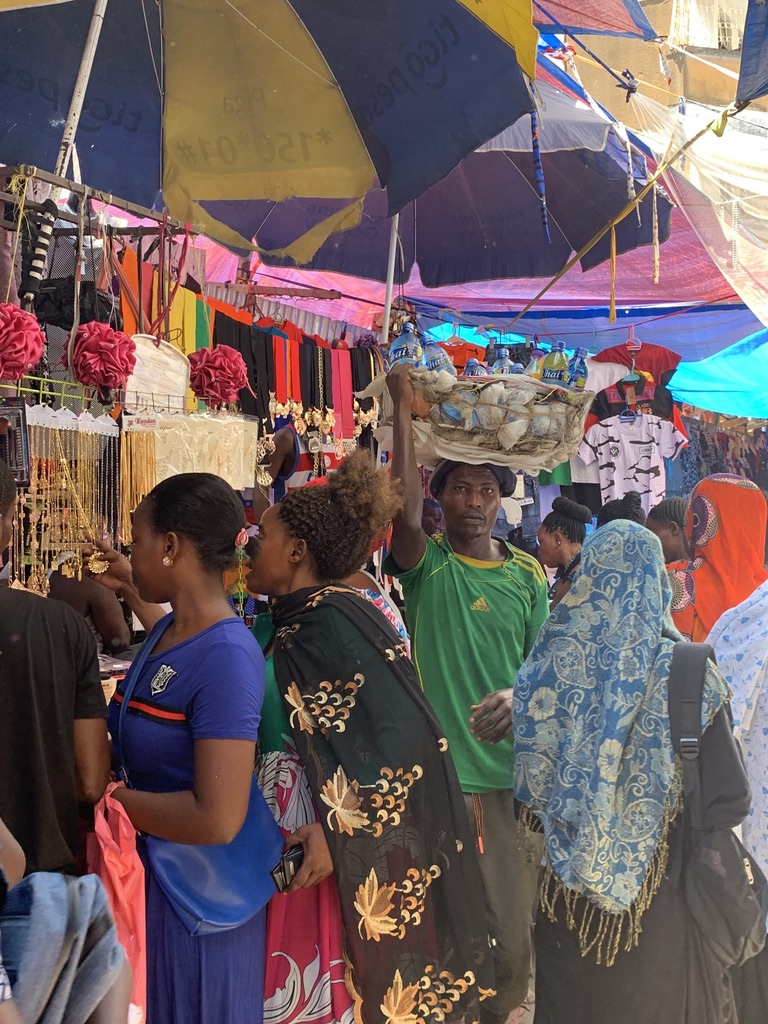
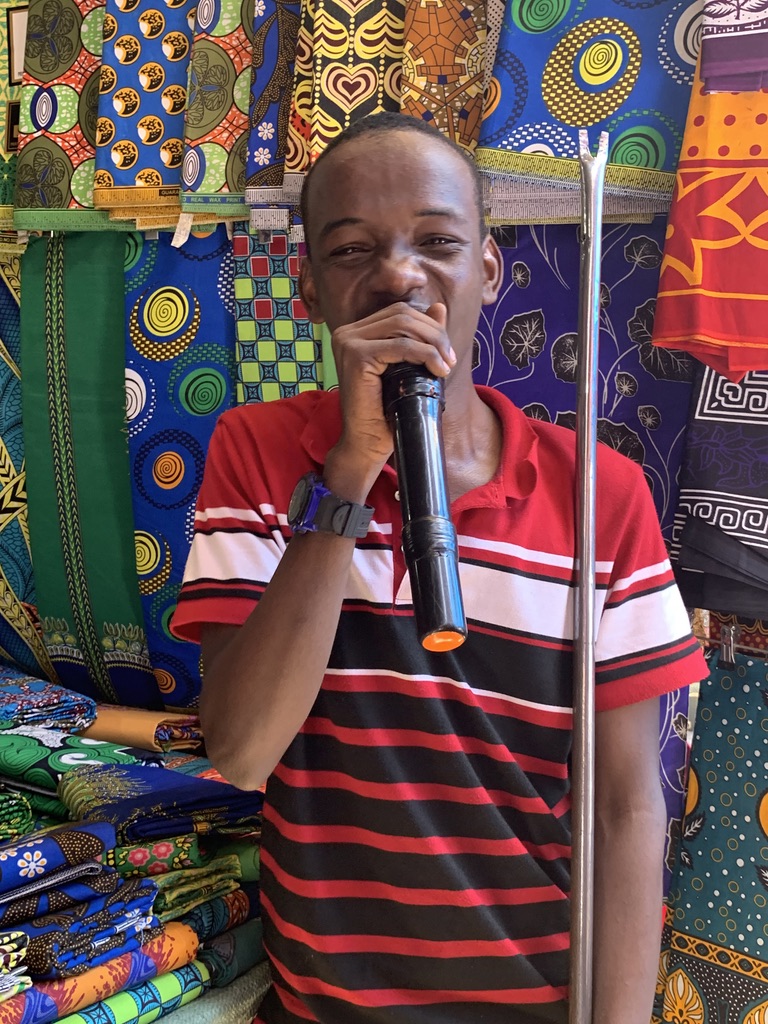
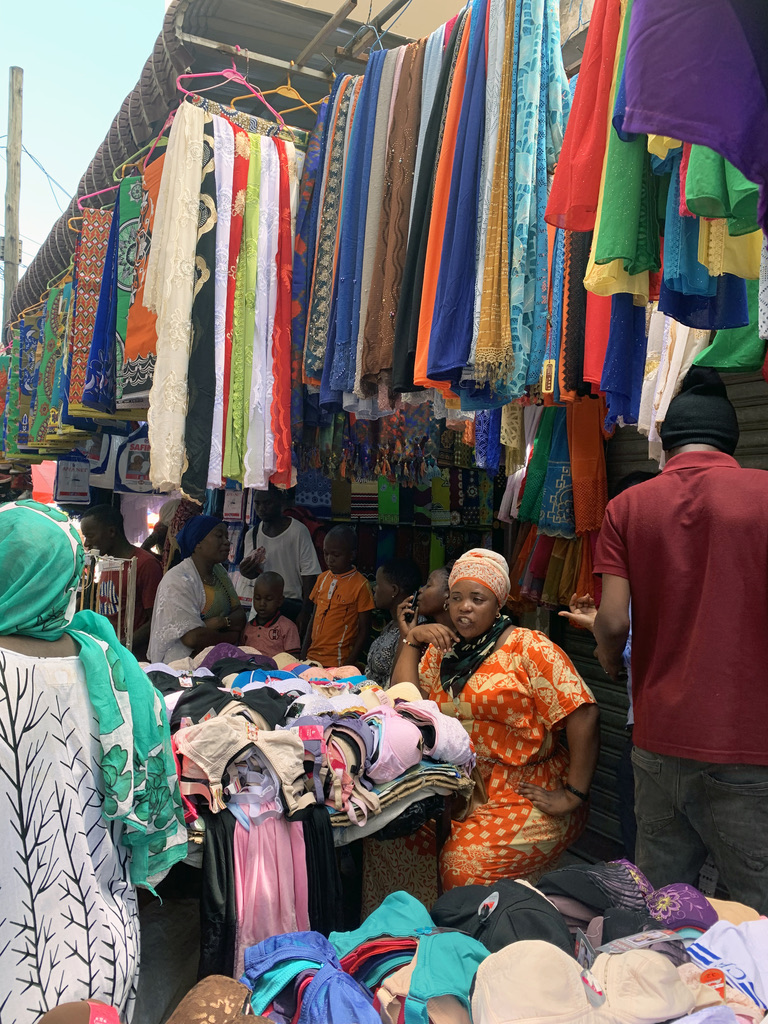
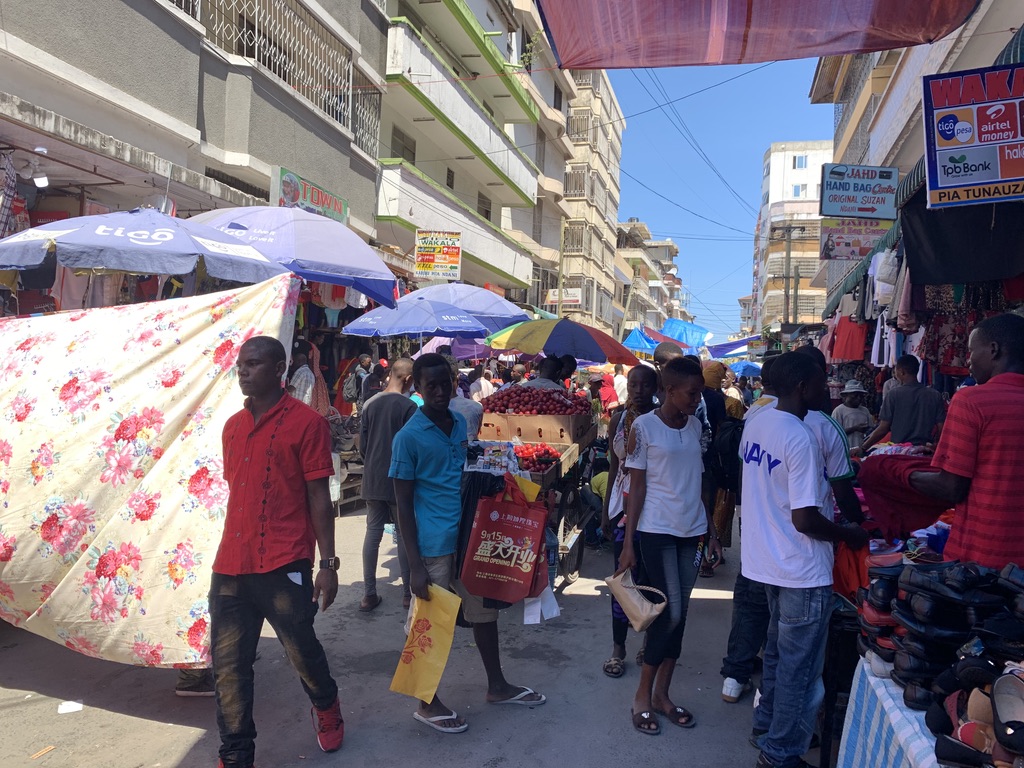
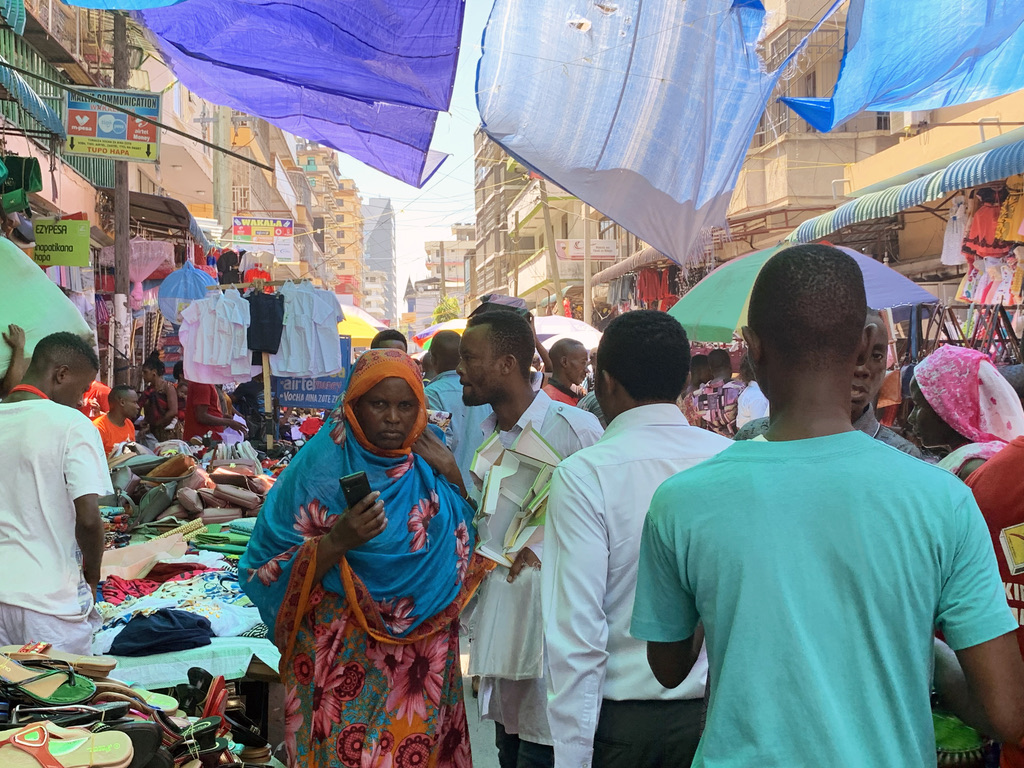
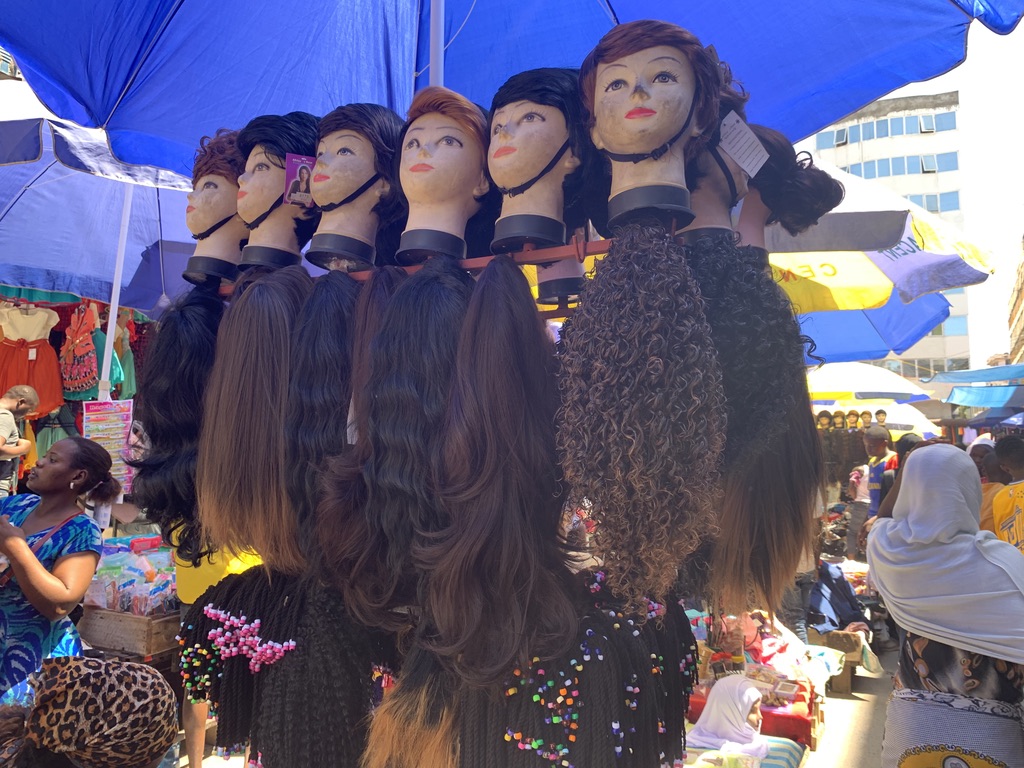
We checked in and headed out immediately (didn’t even unpack) for the Kariakoo Market – which made the Owino Market in Kampala seem calm and organized. There is a building (3 stories) and it is surrounded for about six square blocks – maybe more with two rows of shops and stalls on either side of each block, leaving a passage way of about two feet to walk – body to body. Guys carrying huge volumes of goods on their heads are also walking in this two foot passageway.
And hawkers are clicking coins together to announce that they have things to sell also! The clicking of the coins was funny because in Oakland’s Jingletown neighborhood men would come home on Friday nights (or so the story goes) clicking their coins (and “jingling them”) because they had been paid for their week’s work. A few guys had microphones so they were announcing something trying to attract customers but their volume was deafening.

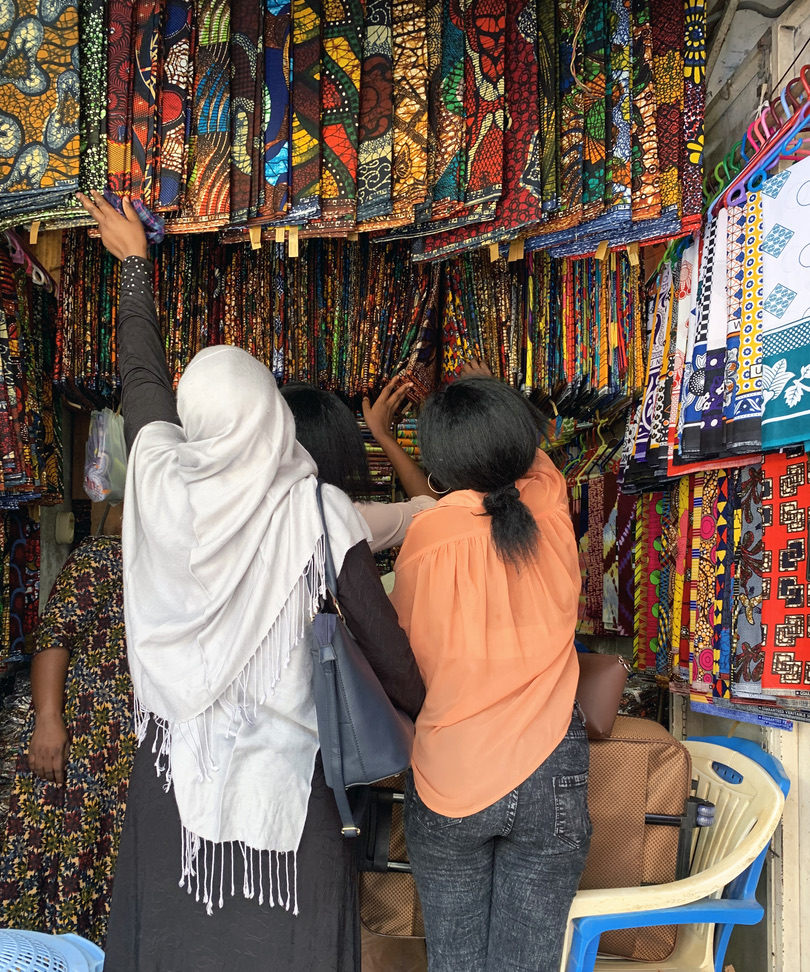
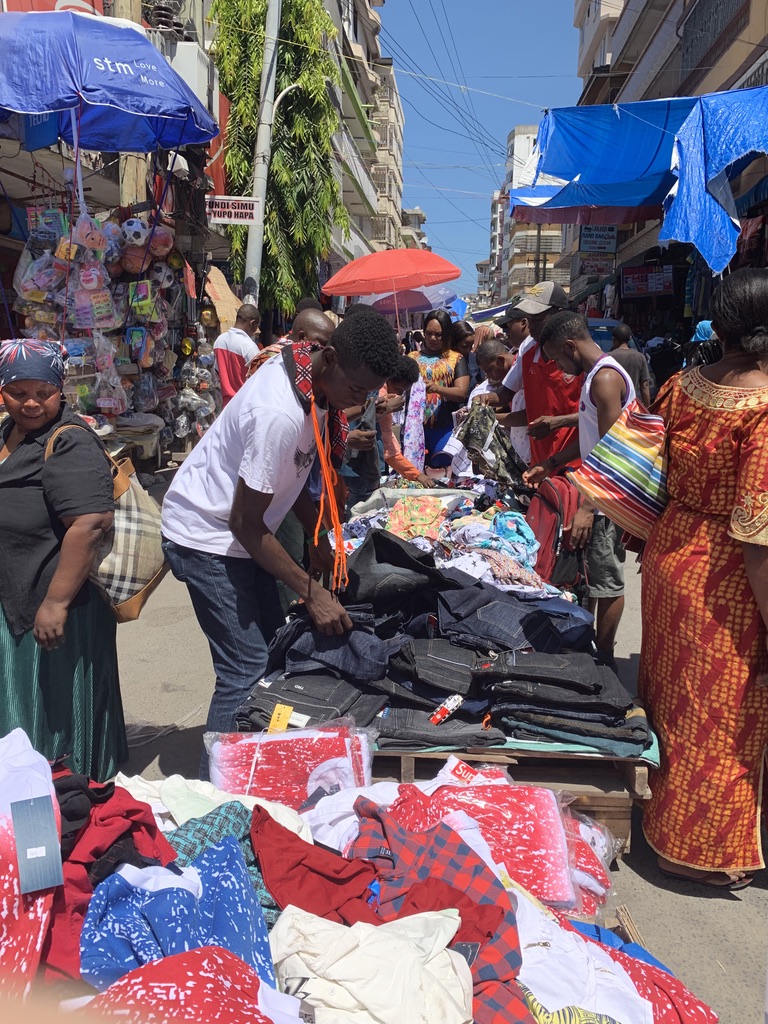
Anyway, given the unbelievably close quarters and the heat and humidity, walking two or three blocks in Kari (as the locals call it), was exhausting. We walked for about two hours until we thought we would drop – we were both dripping wet. We also had the ridiculous notion that we’d find a restaurant in all of this – since we hadn’t had any lunch. After two hours (buying nothing but being ever fascinated at the smells, the sounds, the interactions between people, and the unbearable climate), we headed to a taxi whose roof light was pretty much a bunch of wires hanging from the top of the car. Somehow he got the car off the sidewalk where it and a whole bunch of other taxis were located, and off we went – back to the Serena where the staff was a bit surprised to see us arrive in such an unfashionable (to put it mildly) vehicle. By the way, we saw many Muslim women in burkas or Burka-like outfits; cannot imagine how they fare in this heat.
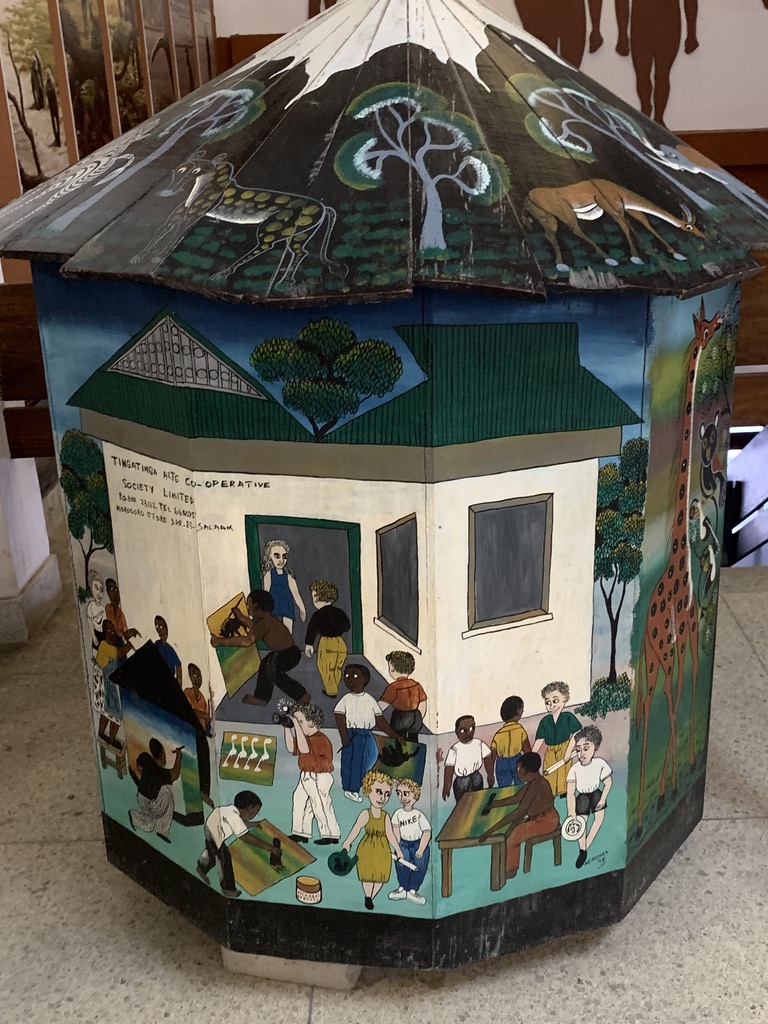
We freshened up a bit and headed to the National Museum in a spiffy taxi that is among the “approved” taxis at the hotel. The Museum houses a lot of the history of Tanzania and several of the bones that were found by Leaky. The museum and the exhibits could use a bit of renovation. It’s unfortunate because they have several interesting pieces. One interesting note, the museum housed a structure that was about 3.5 feet tall. According to a plaque, this structure was holding hundreds of drawings made by children ages 5-7 in Tanzania. The “box” will be opened in 50 years (2063, I think) and researchers hope to see if children 50 years from now will be drawing in the same manner as they are today.
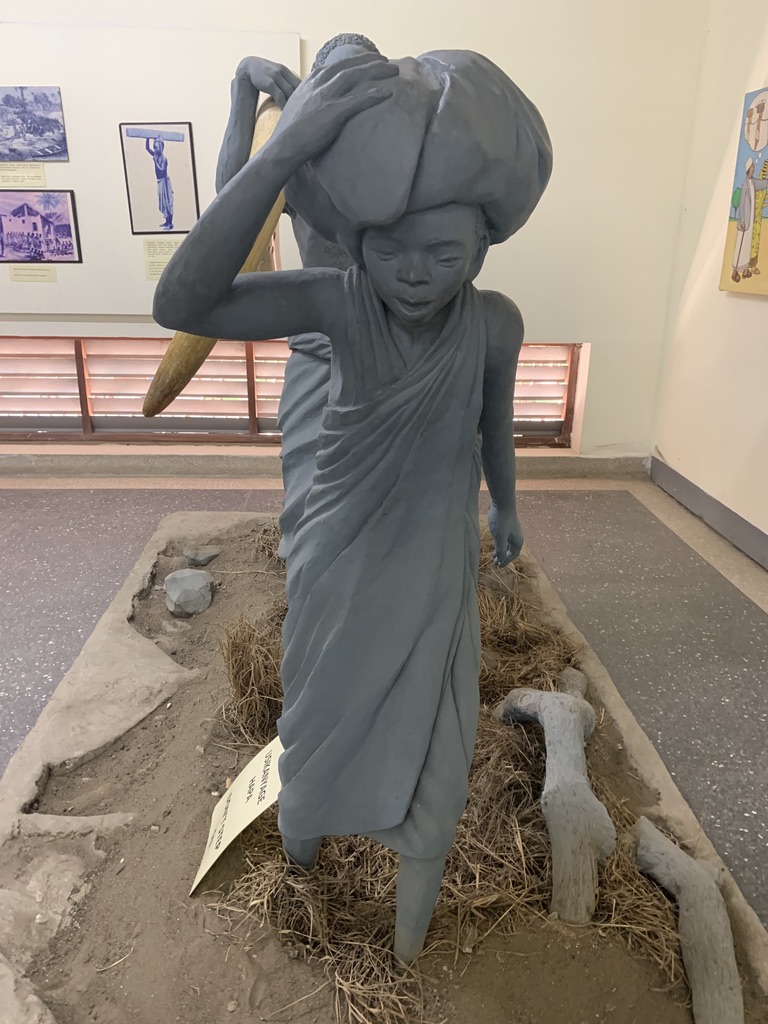
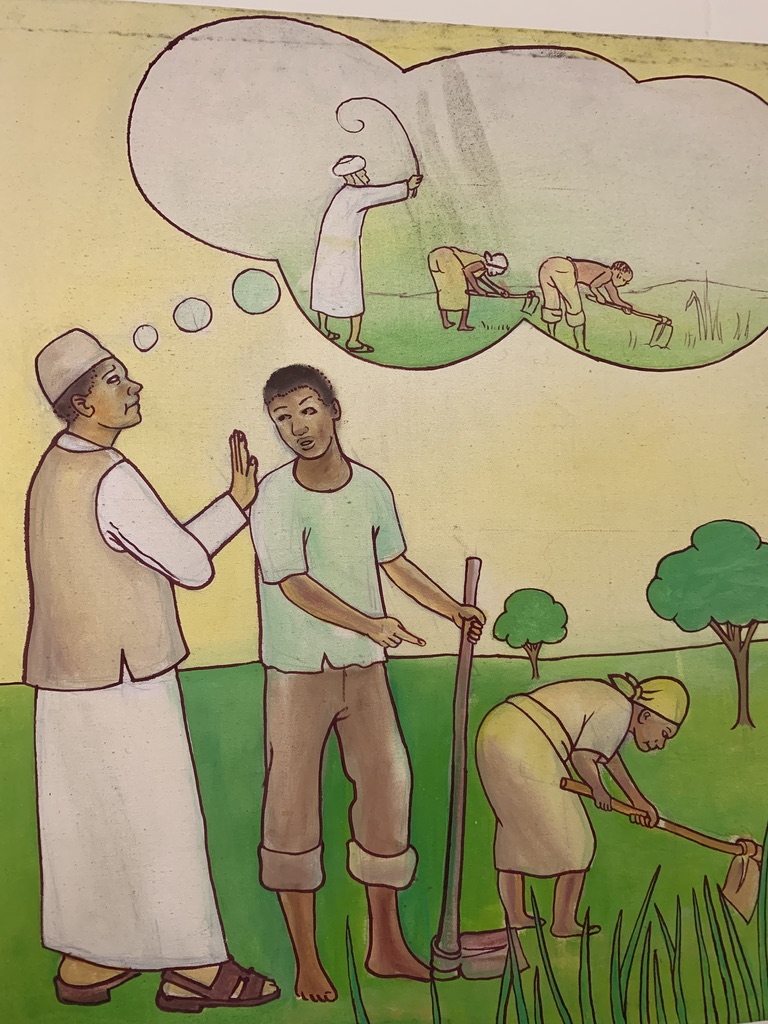
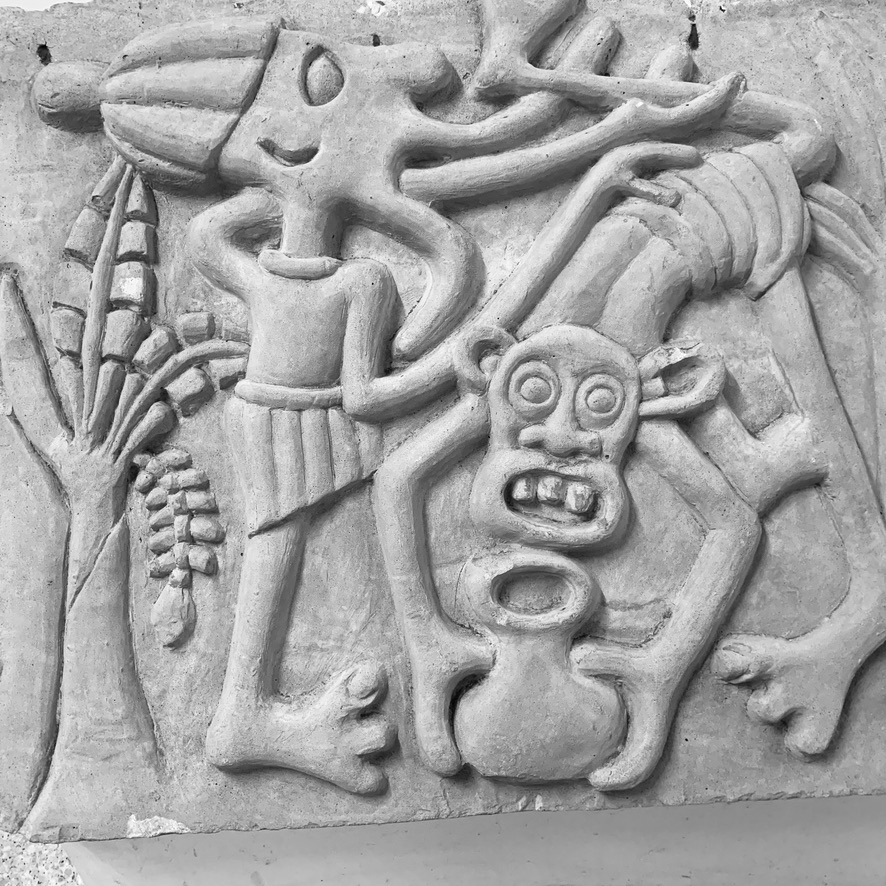
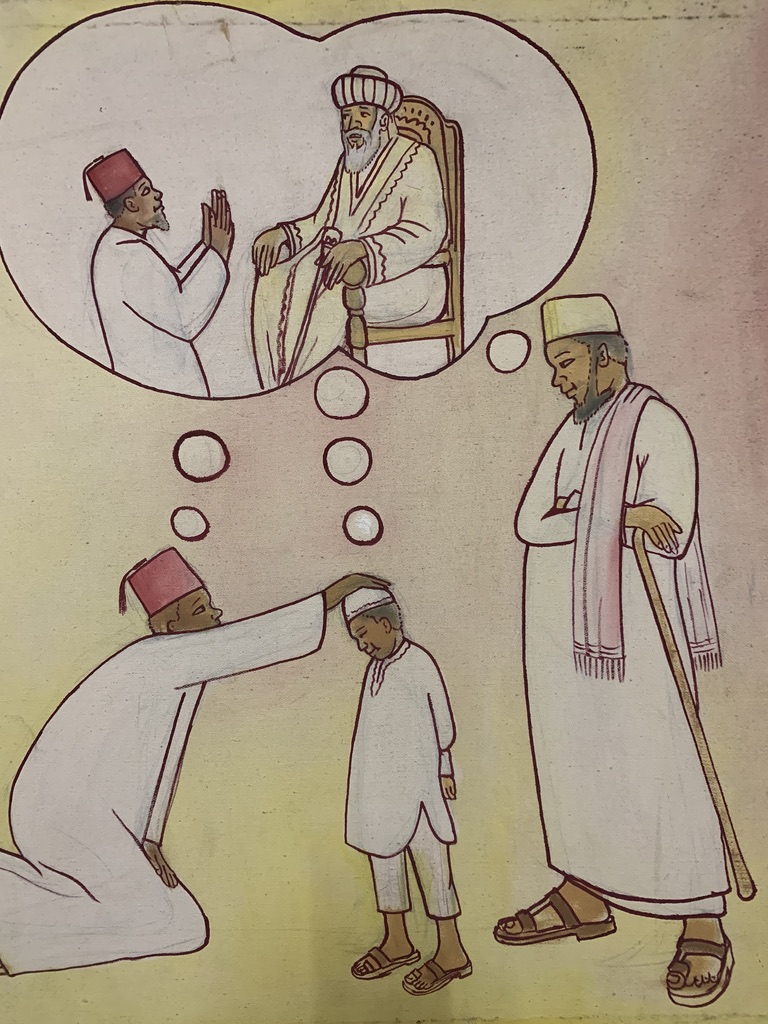
As we left the museum, we noted that on our GPS it was only about a 20 minute walk back to the hotel. So we decided to hoof it. While the temperature hadn’t changed and the humidity was still high, but the sun was down and there was a slight breeze in the air so we thought we’d give it a try. Along the walk we passed an interesting poster in front of a building. Turns out that the building is their fashion school (according to the guard who was very curious that we were studying this sign. He explained using very limited English that the top two rows show “good dress” and the bottom two rows show “bad dress.” Very interesting.
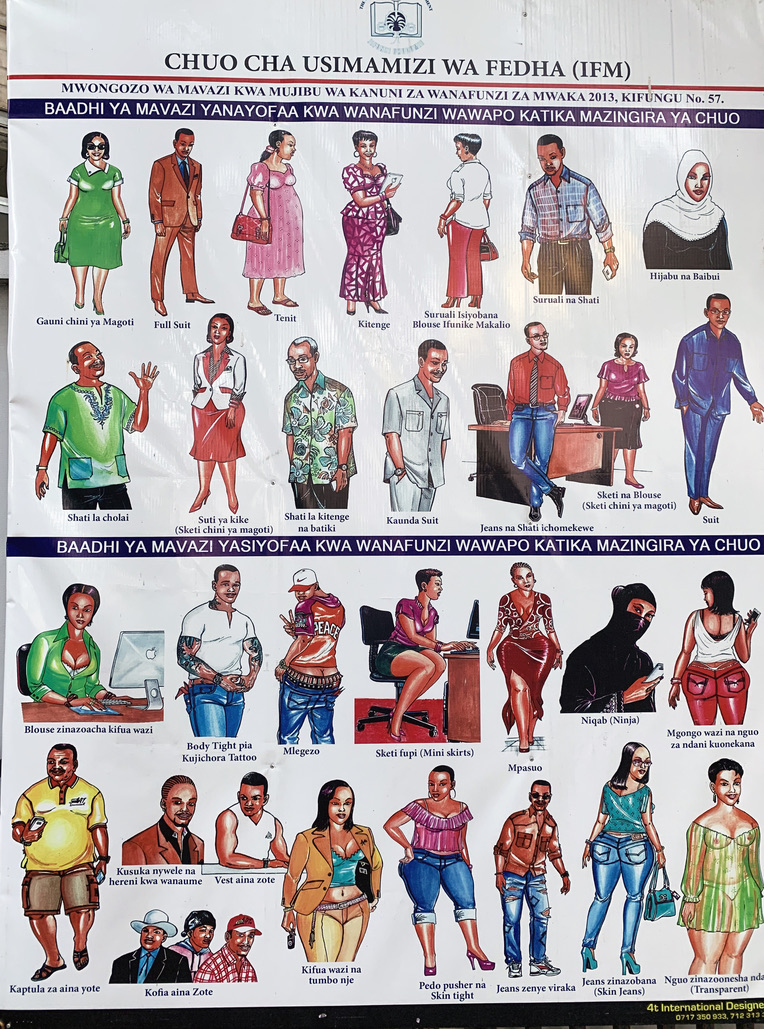
We truly strolled, back to the Serena, had ice cold fresh watermelon juice and then headed to our room to freshen up and off we went for dinner. We opted to take the easy way out since many of the restaurants we had hoped to try, including what is considered a really fantastic Ethiopian restaurant mentioned to us in Kigali, were closed for the holiday week. We went to Cape Town Fish Market about 15 minutes from the hotel on Oyster Bay. It was a lively place – totally packed when we arrived, but we got the one remaining open table. Again the crowd was quite mixed and actually mostly Tanzanian. Indeed once a table of about 18 with young Canadians left, there were very few foreigners. After dinner we asked where to walk for a taxi, and again one of the wait staff decided to earn some extra money so we hopped into his car and he drove us to the hotel. English is really pretty tough to come by here in Dar. People all know a few words but that’s about it. This guy had a beat up old car, but was quite sweet. I think the hotel must really wonder where we are finding these guys.
Tomorrow we are hoping to get up very very early (not promising anything) to head to the fish market where they have auctions for the latest catches that morning; it’s supposed to be quite fascinating. But the auction time is 6:30 am. Not really sure we will make that. We missed the famous Tokyo fish auctions when we were there because we overslept. Who know we may miss two fish auctions. We shall see.
All the best –
Fern
PS – We are watching CNN International and Al Jazeera in the evenings and are seeing what foreigners are hearing about what is going on in the US and they must be totally appalled.
 Fern's Travel Notes