Farewell to Poland. Almost 48 Hours in Warsaw
September 30, 2014
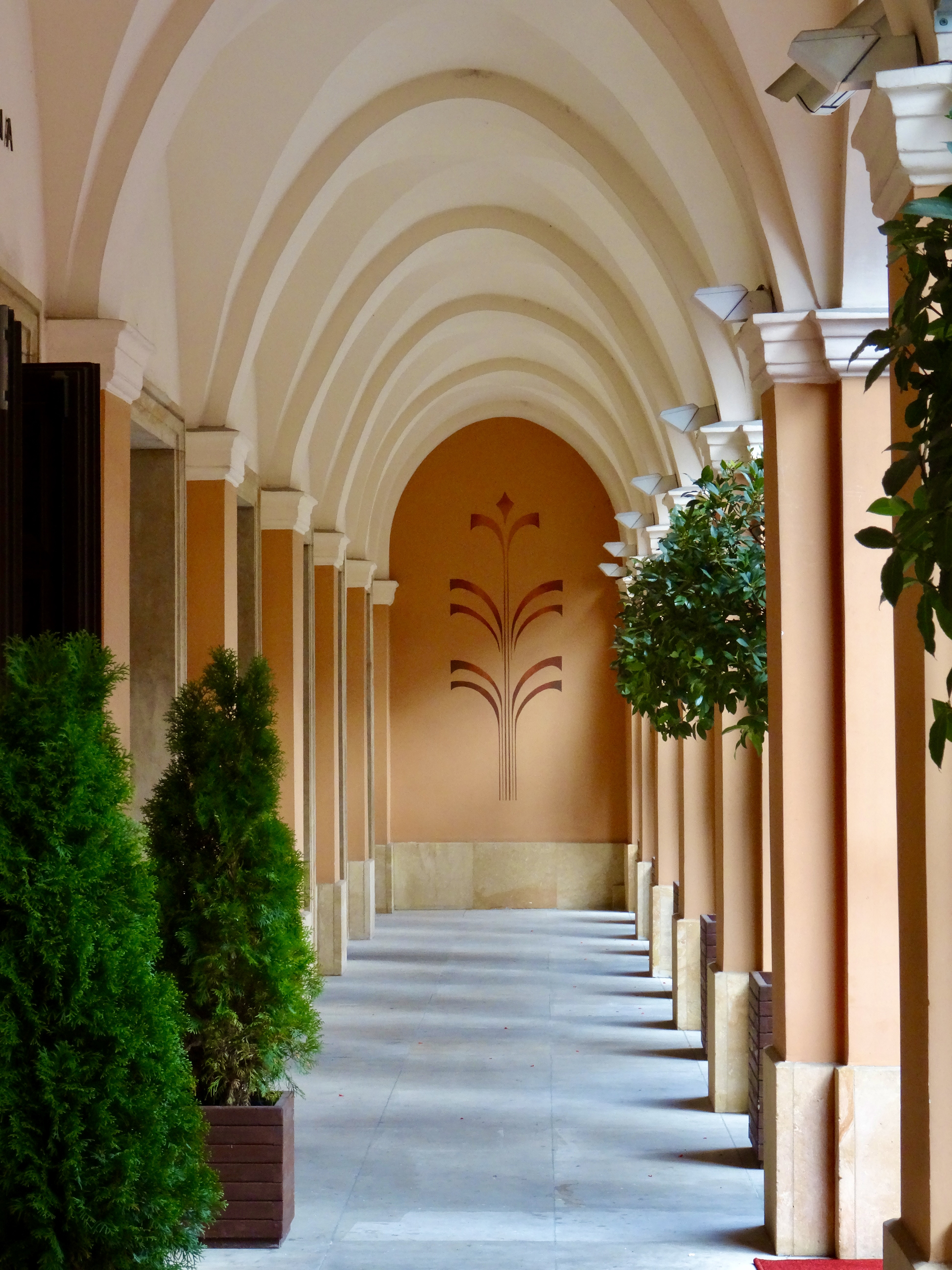
Left the Bristol Hotel in Rzeszow at 5:45 am (although I could have left an hour later; airport is very tiny and also very close to downtown). Arrived in Warsaw at about 10 and took taxi to the Hotel La Regina. The 30-minute drive gave me my first glimpse of the city I hadn’t visited in 30 years. Frankly, I didn’t remember or recognize anything. The La Regina is a small, boutique hotel located on the edge of the “old town” — it’s upscale, tasteful, and one of the hotels where you just know the service will be impeccable which it was.
I decided to stop in Warsaw on my way back to the Bay Area (even though it would be very brief — under 48 hours) because I could connect with an old friend who lives in the city. She is the widow of someone who taught with me at Penn State many years ago. We’ve kept in touch and visited them when they were at University of Texas Arlington. Barbara moved back to Warsaw three years ago when her husband Andrej died. It was good to know someone who knew the city so well — having gone to the University there and maintaining close relations with family and friends in the city over the 20+ years she resided in the US. During all those years, she also kept her small apartment — the one she had during her student days. Some years after the “transformation,” she and her husband bought another apartment in the same neighborhood (which she says has changed drastically since the government decided to build the soccer (football) stadium just a few blocks away.
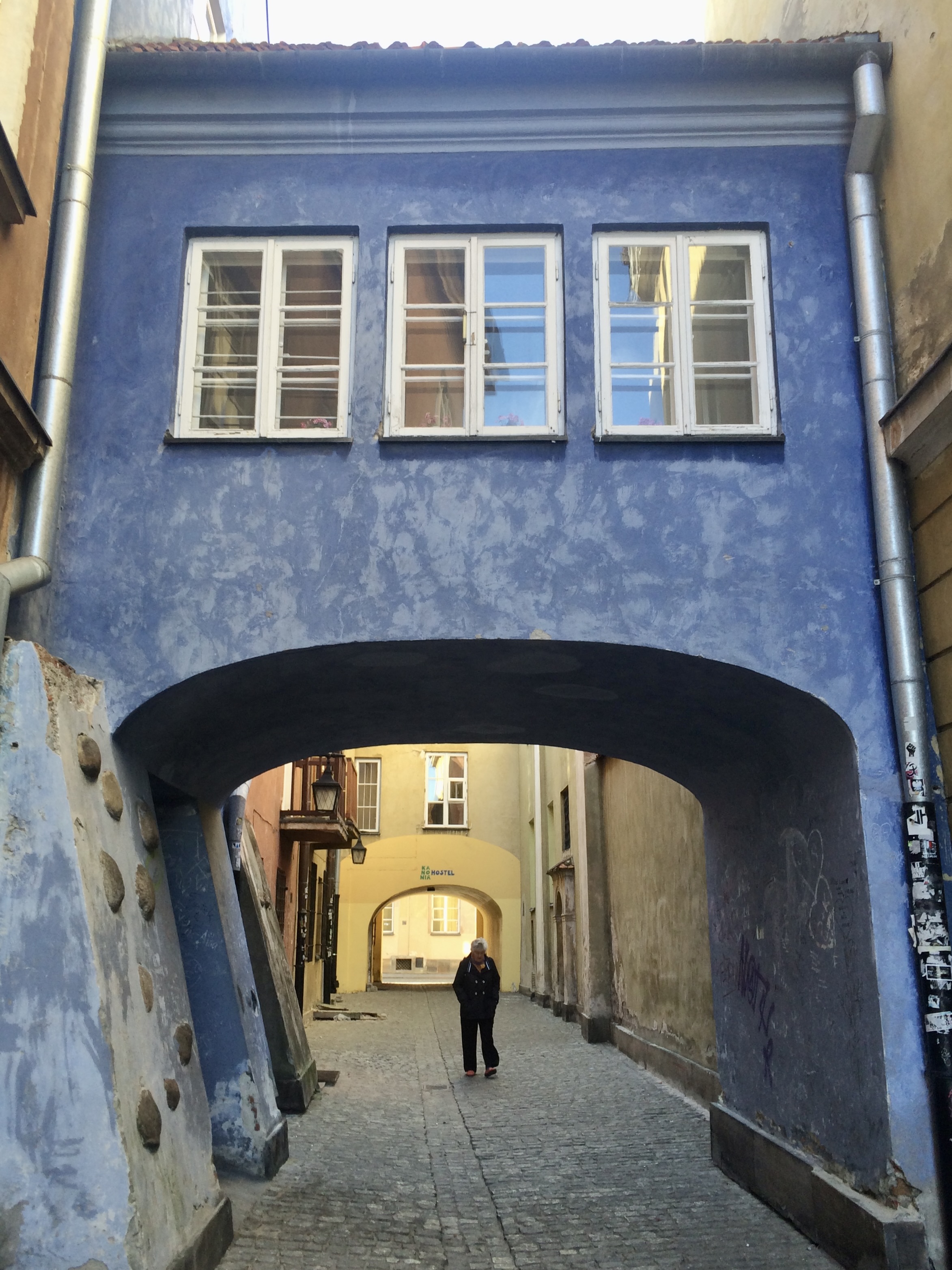
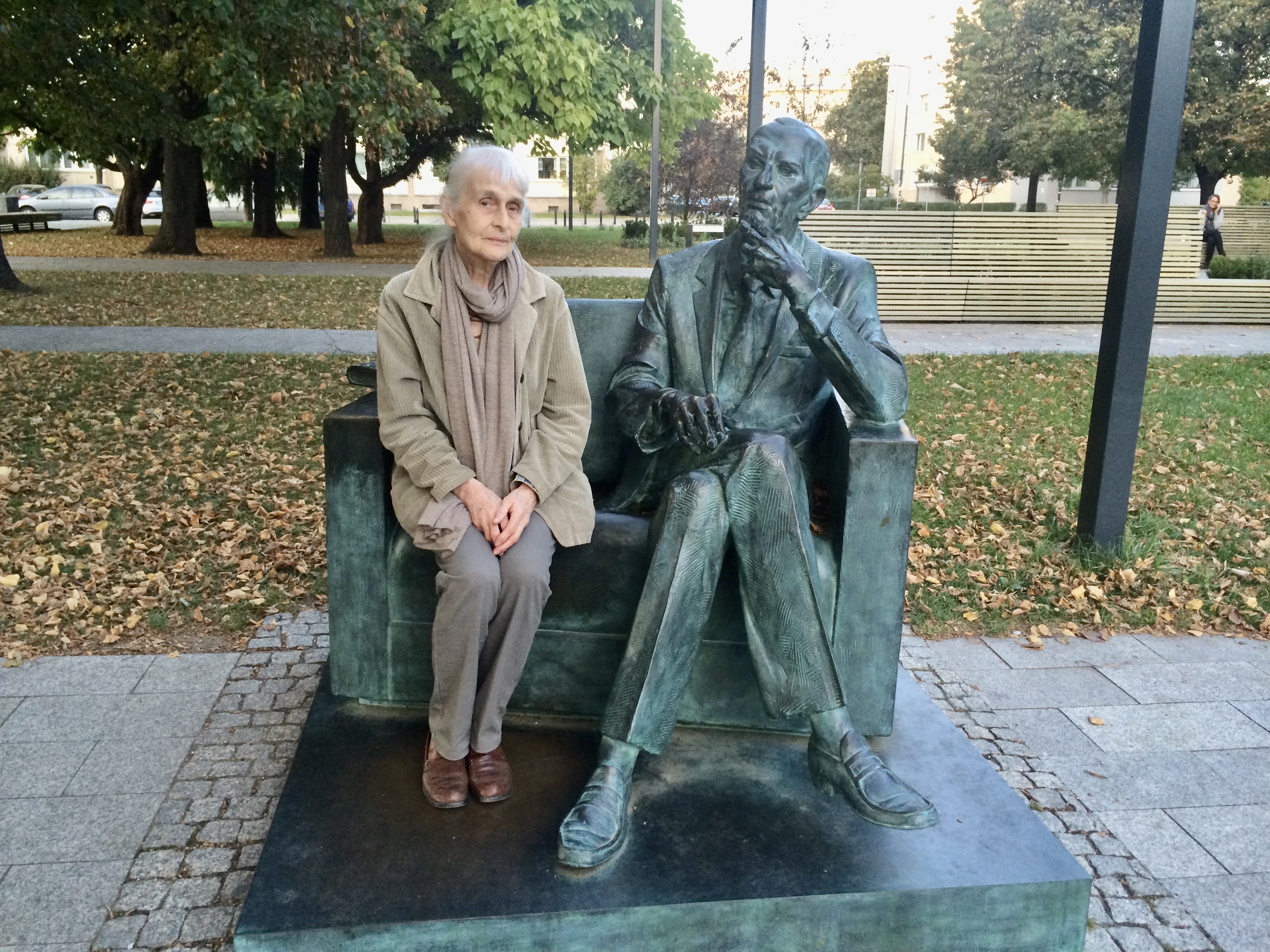
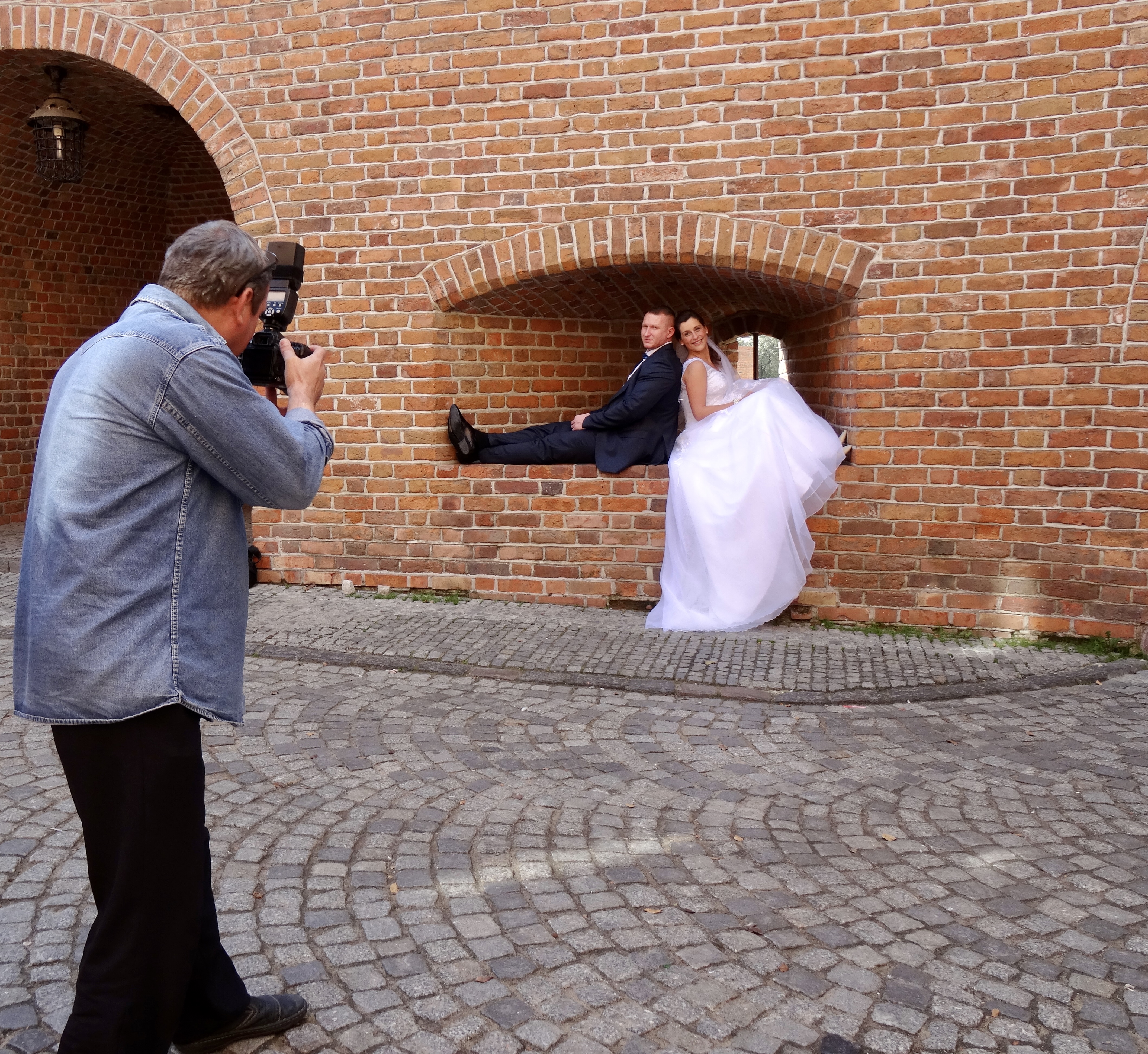
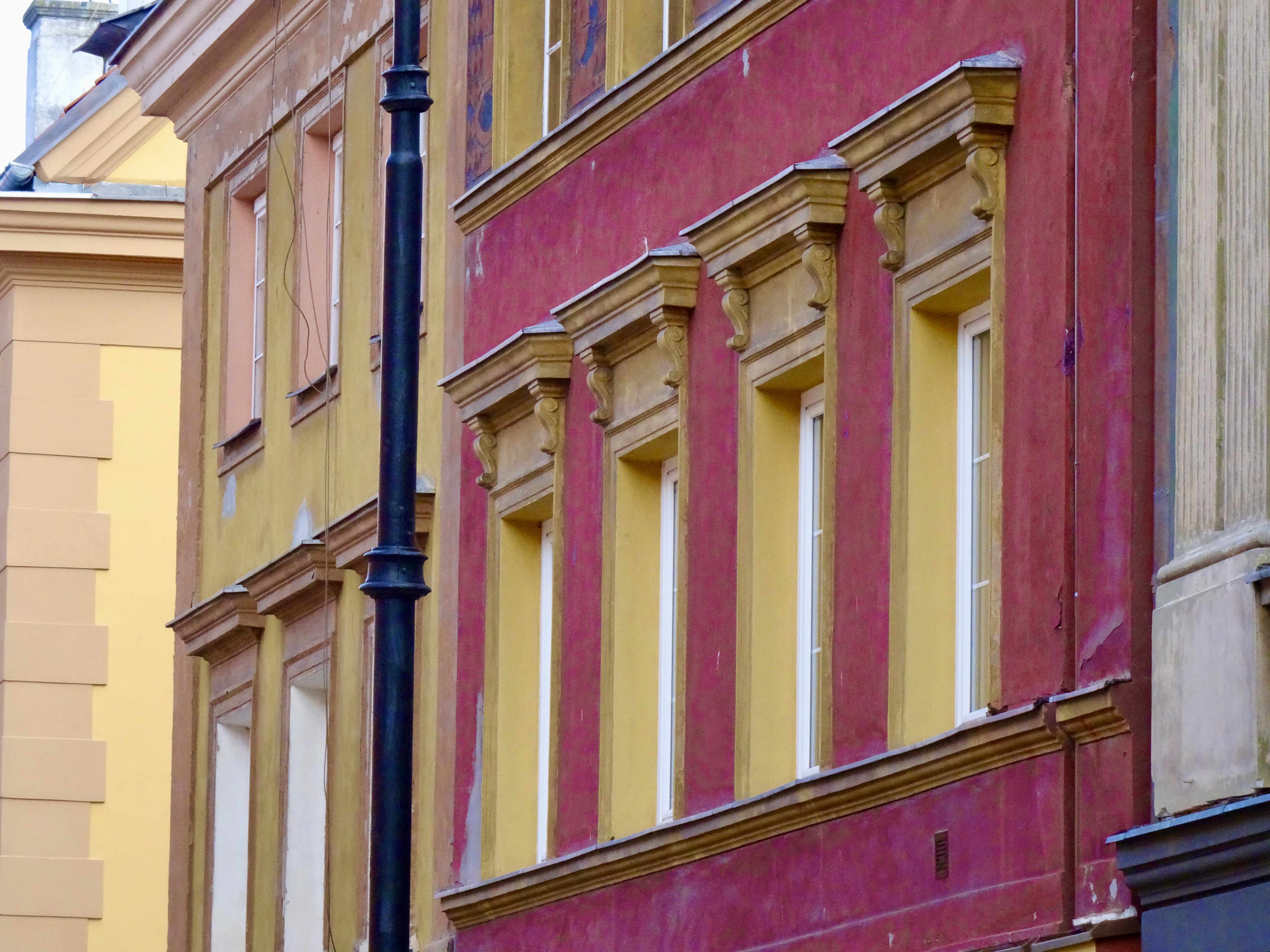
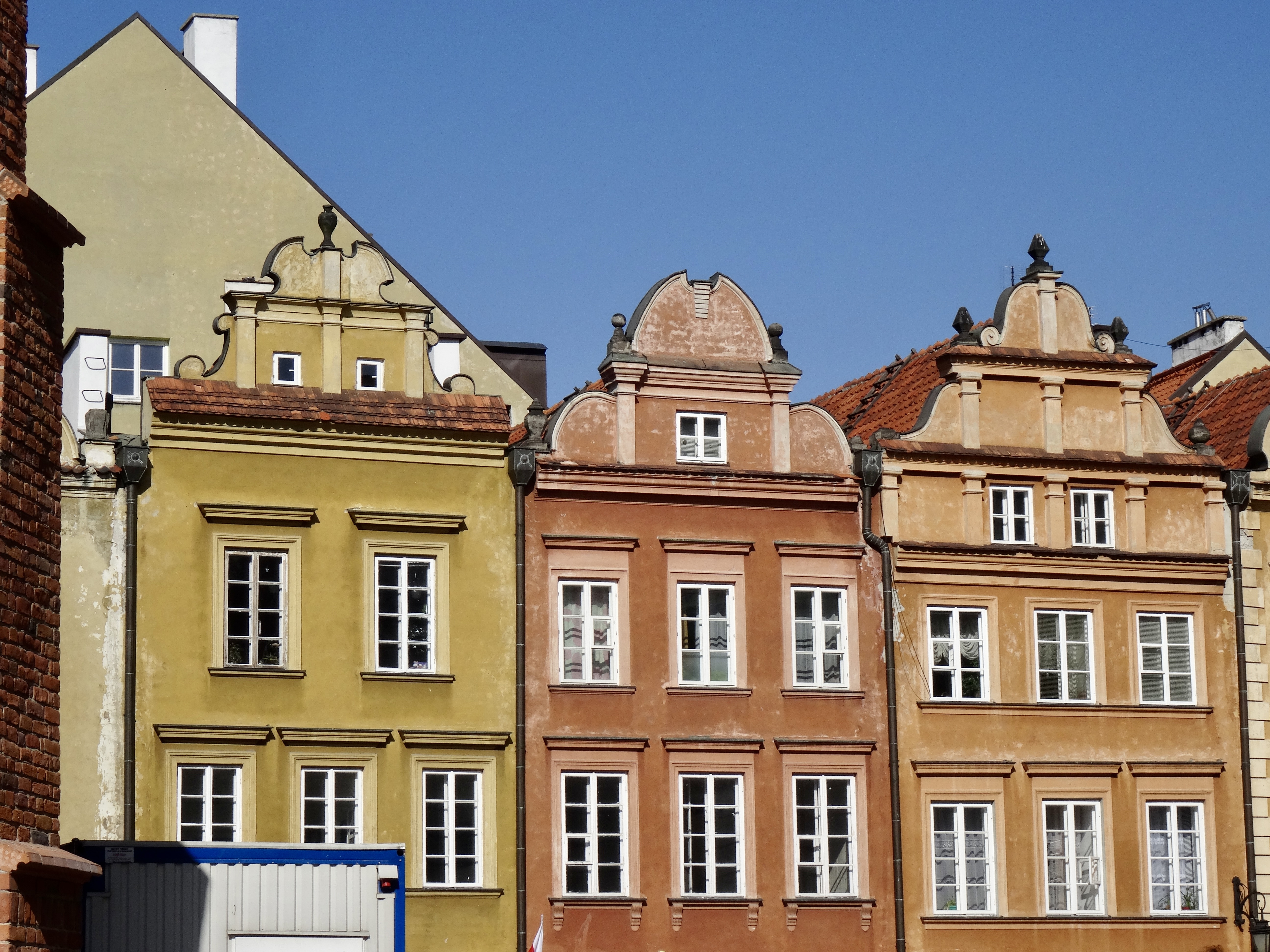
Anyway, we sort of miscommunicated in that she thought I was going to call as soon as I got to the hotel, but somehow she forgot to send me her phone number. Thus, it took a few hours until we met up with each other. So I took the opportunity to walk to the old town. The La Regina (part of a group of hotels called Mamaison) which is located at the edge of the old section of the city. Now, when I say “old” it is an important term to consider here in Poland. The Old section of the city (dating to 1300s and 1400s in part and then 1700s in other parts) was completely destroyed during WWII (including the Royal Palace which is a huge multi-story structure that stretches about two square blocks and was constructed in parts over a few centuries beginning in the 14th Century). Anyway, after the war there was much discussion about what to do with the old section (then-non-existent) and in 1971 a decision was made to completely reconstruct it (including the palace) in its original form using all the skills and craft from the original construction.
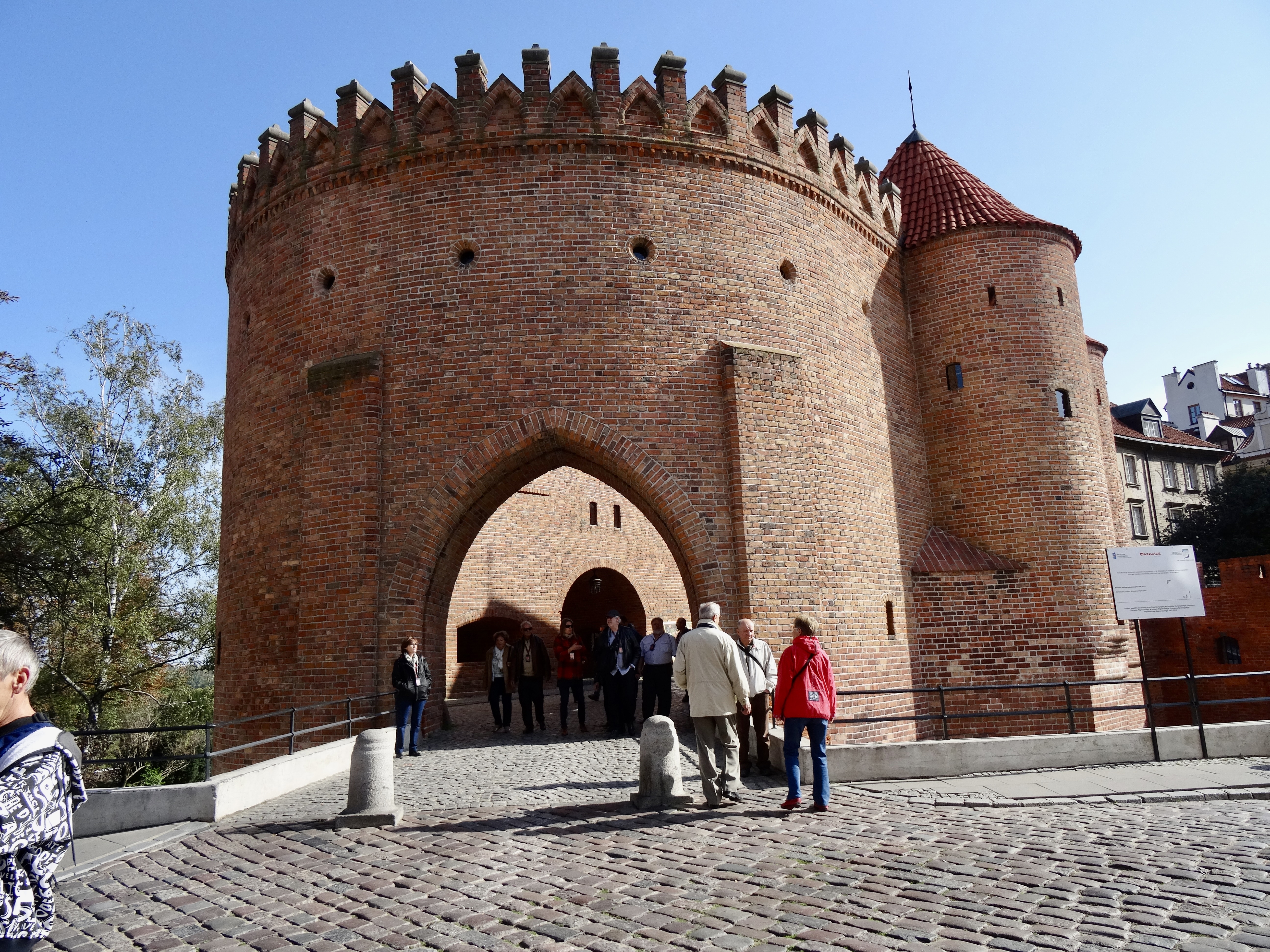
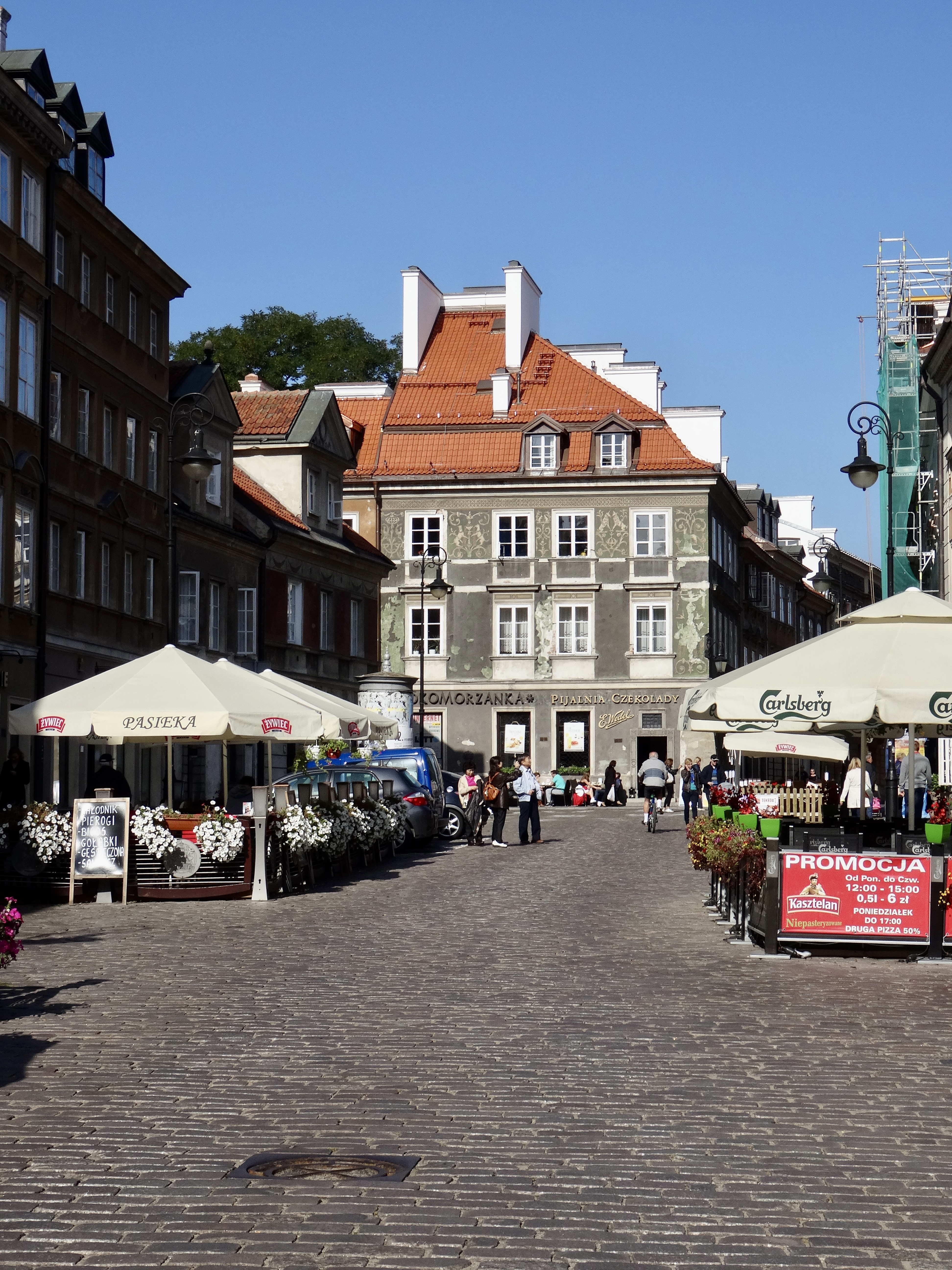
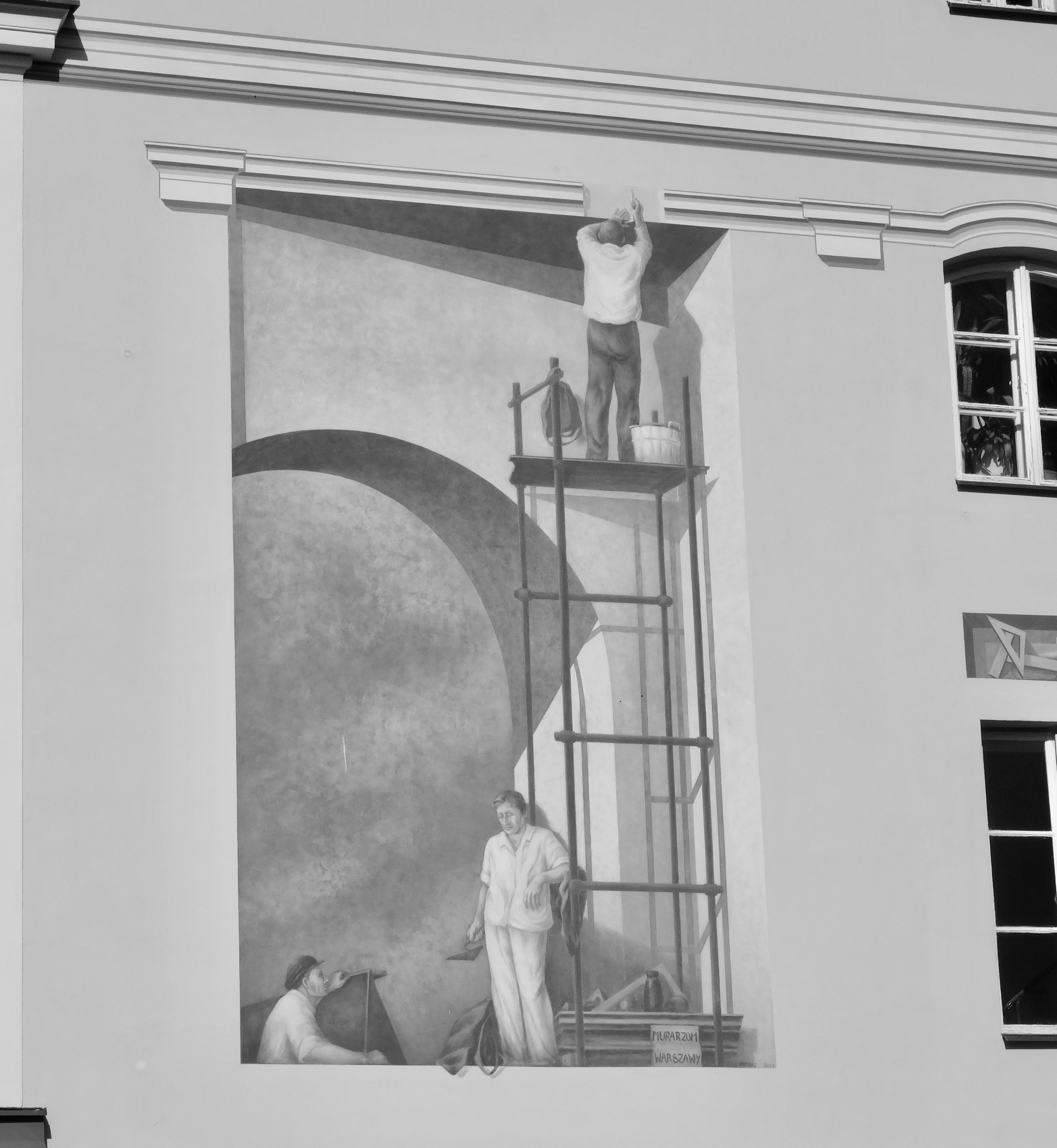
Factories and ateliers were created to make the fabrics and the gilded frames and the furniture in the same techniques of what was being replaced. And the entire section of town was made to look like it looked when it was destroyed. Disneyland? Well maybe, but it was done so well and with such finesse and with such an effort to make the center of town look as if it had survived all those centuries that I have to admit I was a bit perplexed as to how I actually felt about it all. The Poles are very proud of the decision and of the skill that went into do the recreation (not rehab and not renovation since all of it was totally rubble after 1945). Apparently Hitler had a plan for the site, including the location of the palace — to create a very special Aryan village.
I roamed around a bit and then Barbara (my friend who lives in Warsaw phoned me –she realized I didn’t have her number–and we connected, naturally in front of the palace. I hadn’t gone inside when I was strolling (in my boot!), but she really wanted me to see it and I was glad she insisted. I was shocked that such a building replete with details that could only be done by craftsmen trained in every conceivable sort of trade — trades and skills that I thought had long disappeared. Barbara was obviously extremely proud of the effort and the results. I was in awe.
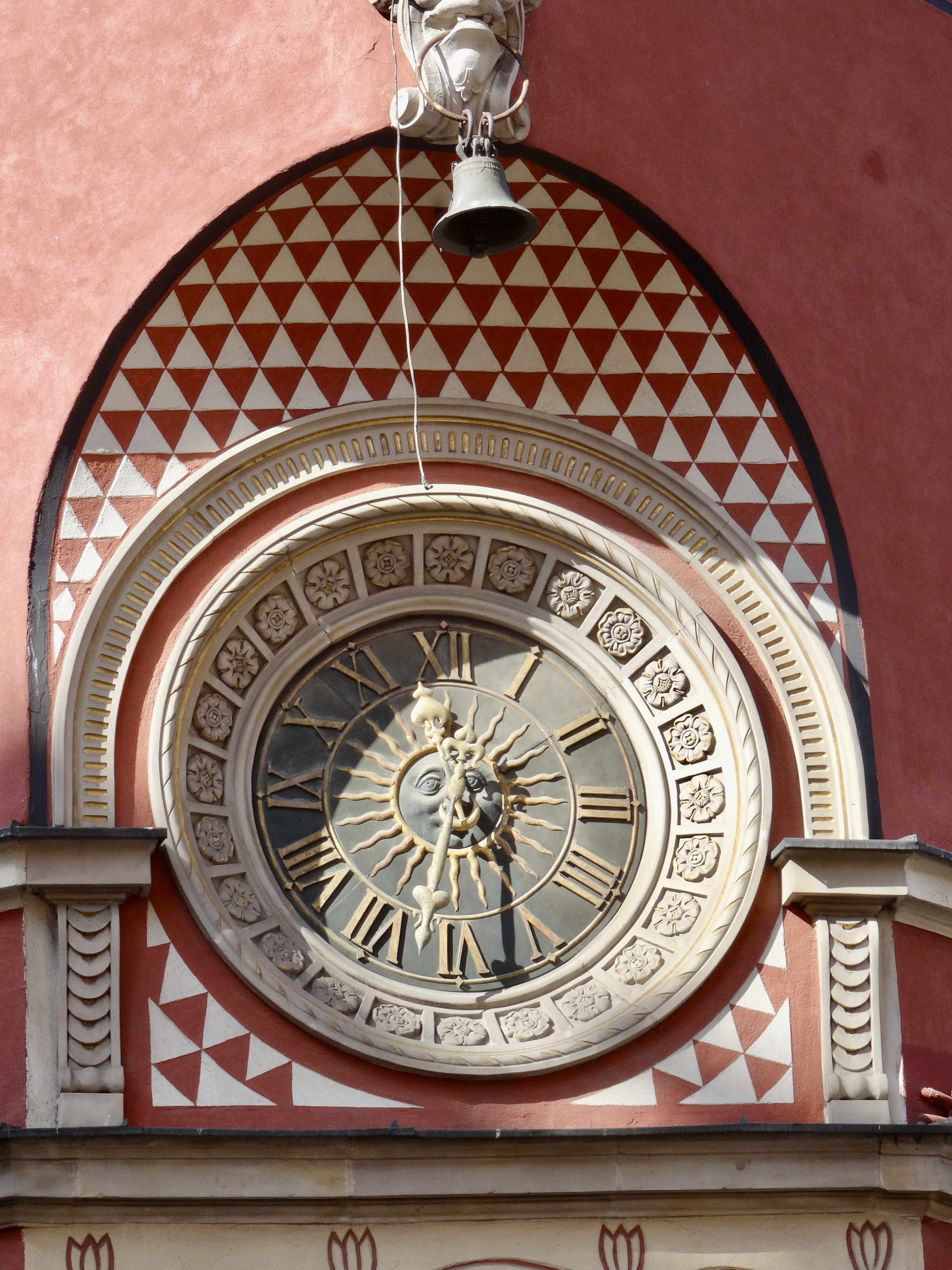
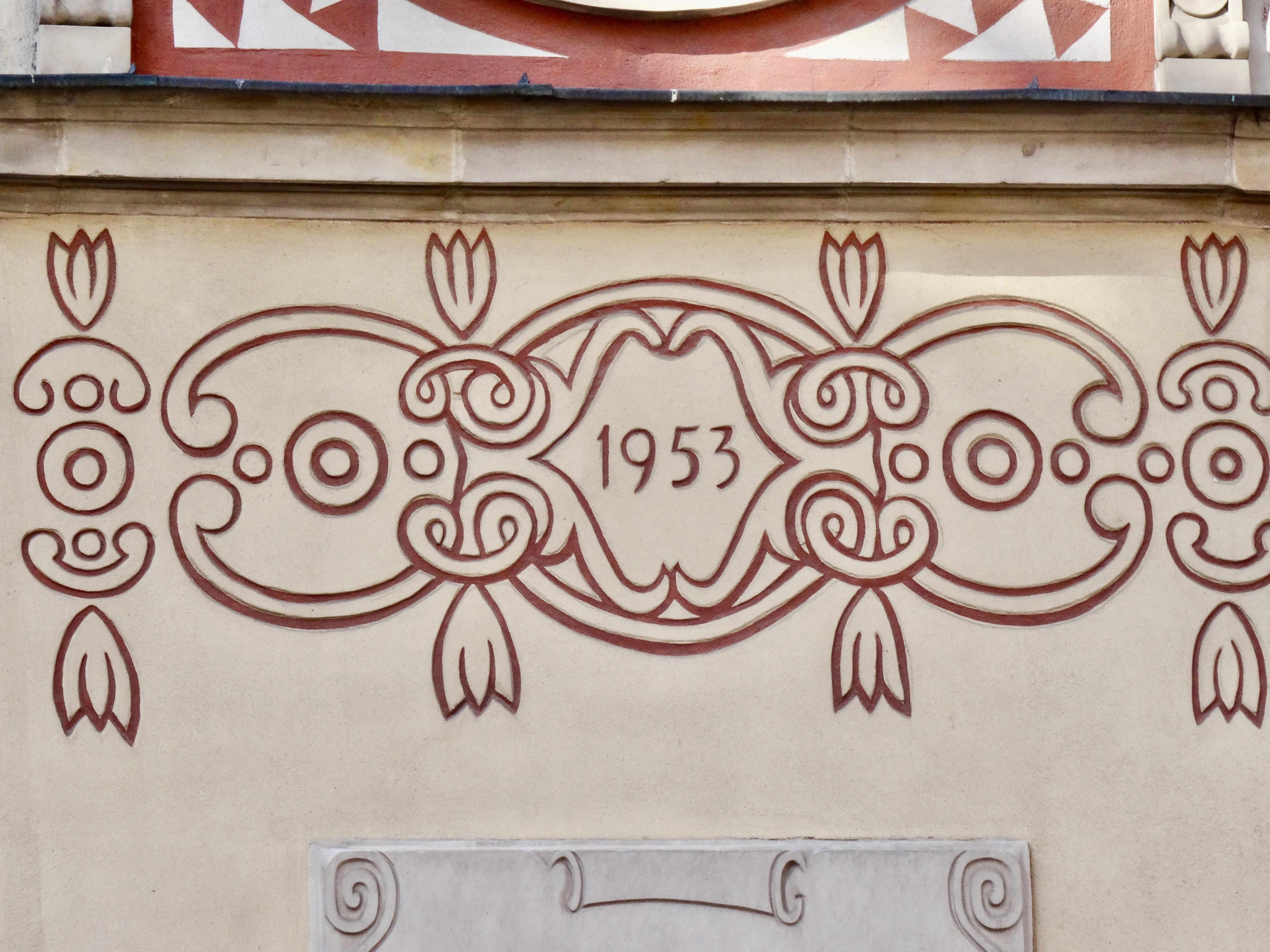
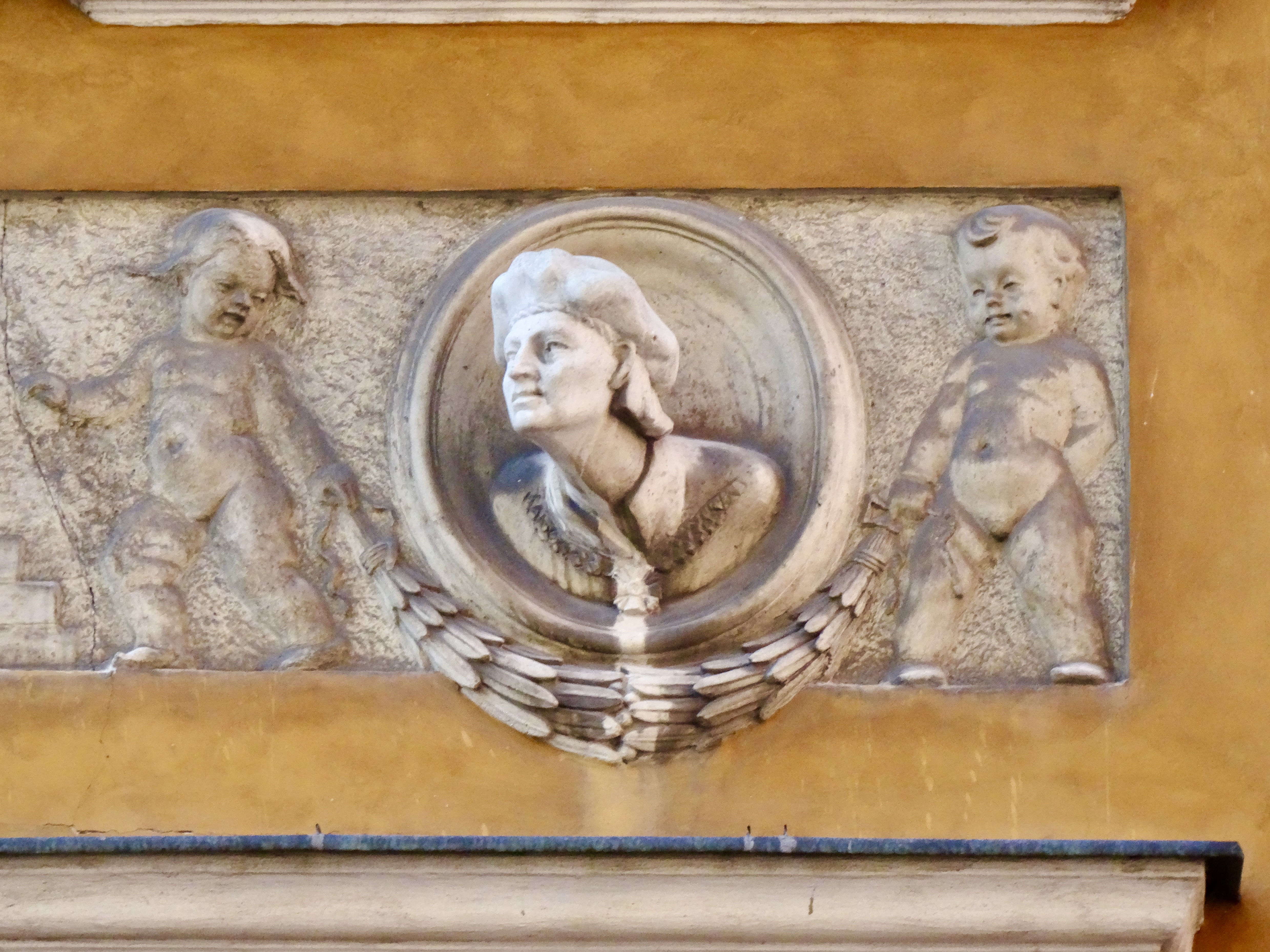
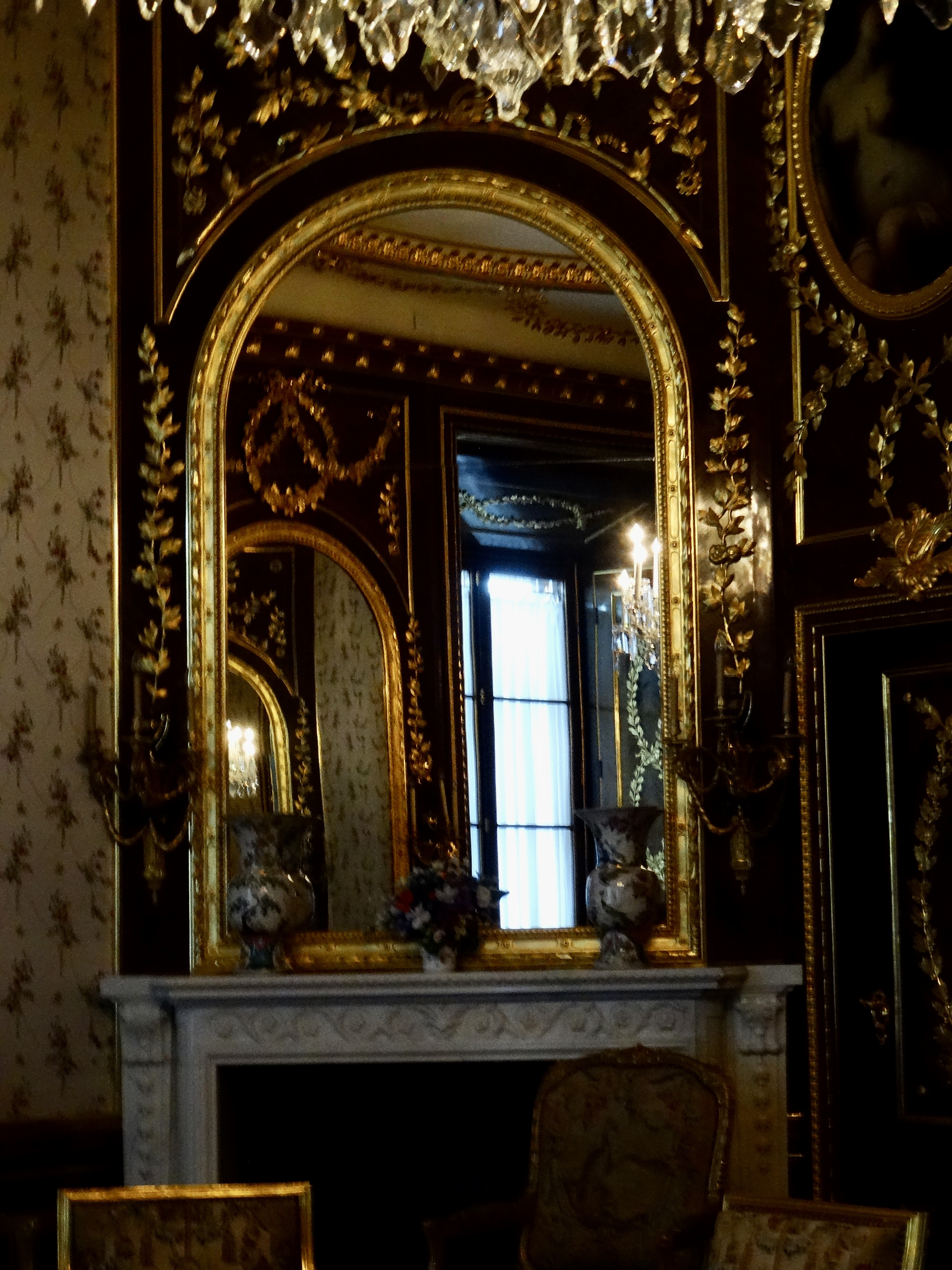
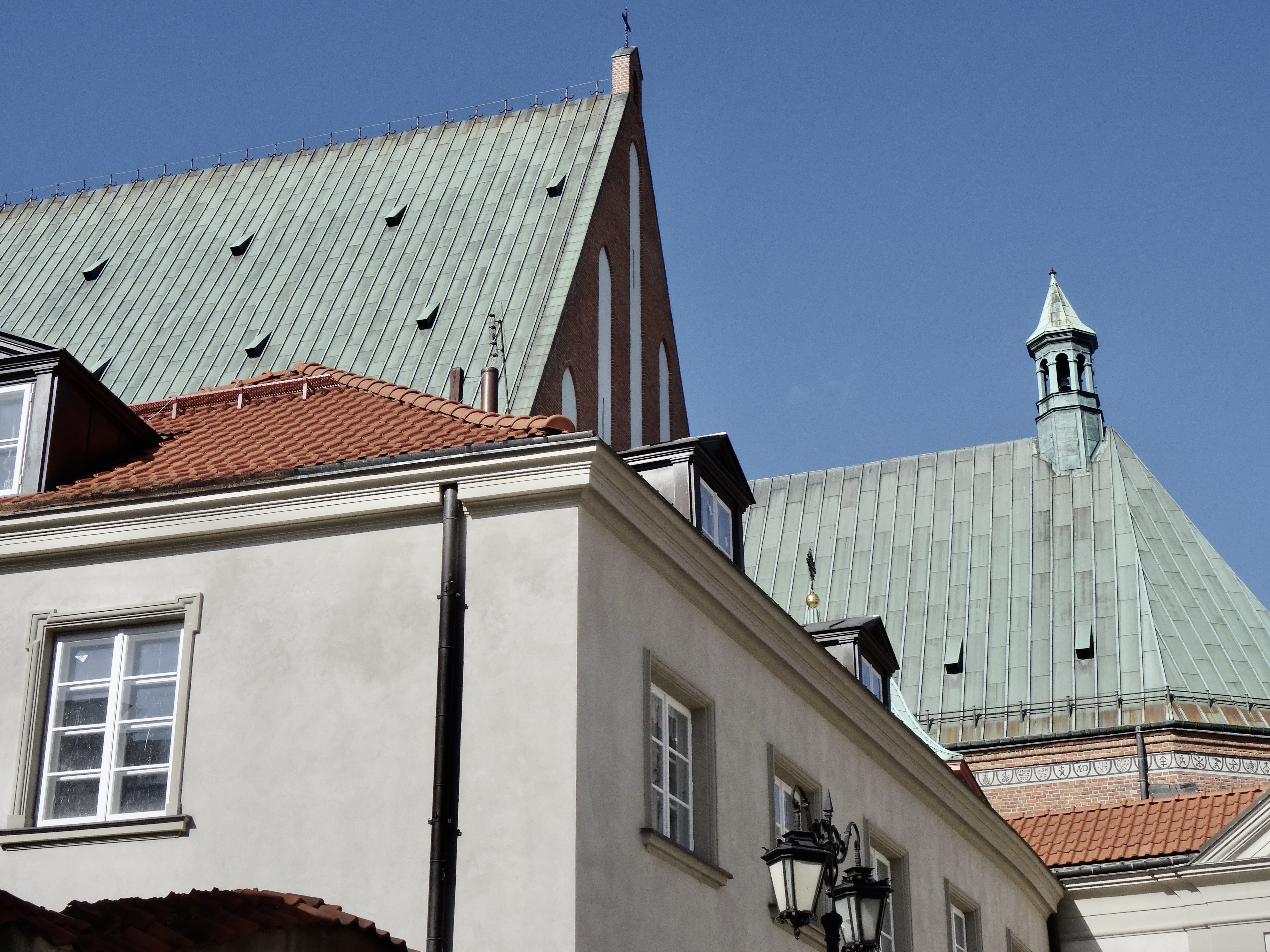
The palace has put together an interesting exhibit (in the basement since every nook and cranny of the upper floors have been built to match exactly what was there in the 1930s) that takes you through the history of the creation of the palace and through the destruction, which is what makes the experience even more amazing. Barbara is very opinionated and I think as a senior “stateswoman” feels she can comment about everything, even in public. So she was quick to criticize the last part of the exhibit/film which takes you through the period from 1971 (the decision to reconstruct in the exact form) to 1980s when the palace reopened. She was correct in her criticism. The early years from 13th century to 1945 (it’s actually split into two different rooms and two different styles of presentation/multi-media) were powerful with incredible graphics, photography, Chopin, and a very good script and voice-over/narration. But when they did the third part of the exhibit (the reconstruction), there was no fanfare, no sense of importance, and no sense of the jubilation. But Barbara described vividly the day the decision was made and the excitement of the completion of the project. Interesting. (And certainly a political decision). Barbara said that nearly every Pole (especially those in Warsaw) volunteered to help the craftspeople.. and that they donated money and also objects to help outfit the Palace (e.g. crystal from particular periods that their families had stashed away — to replace the artifacts that were destroyed.)
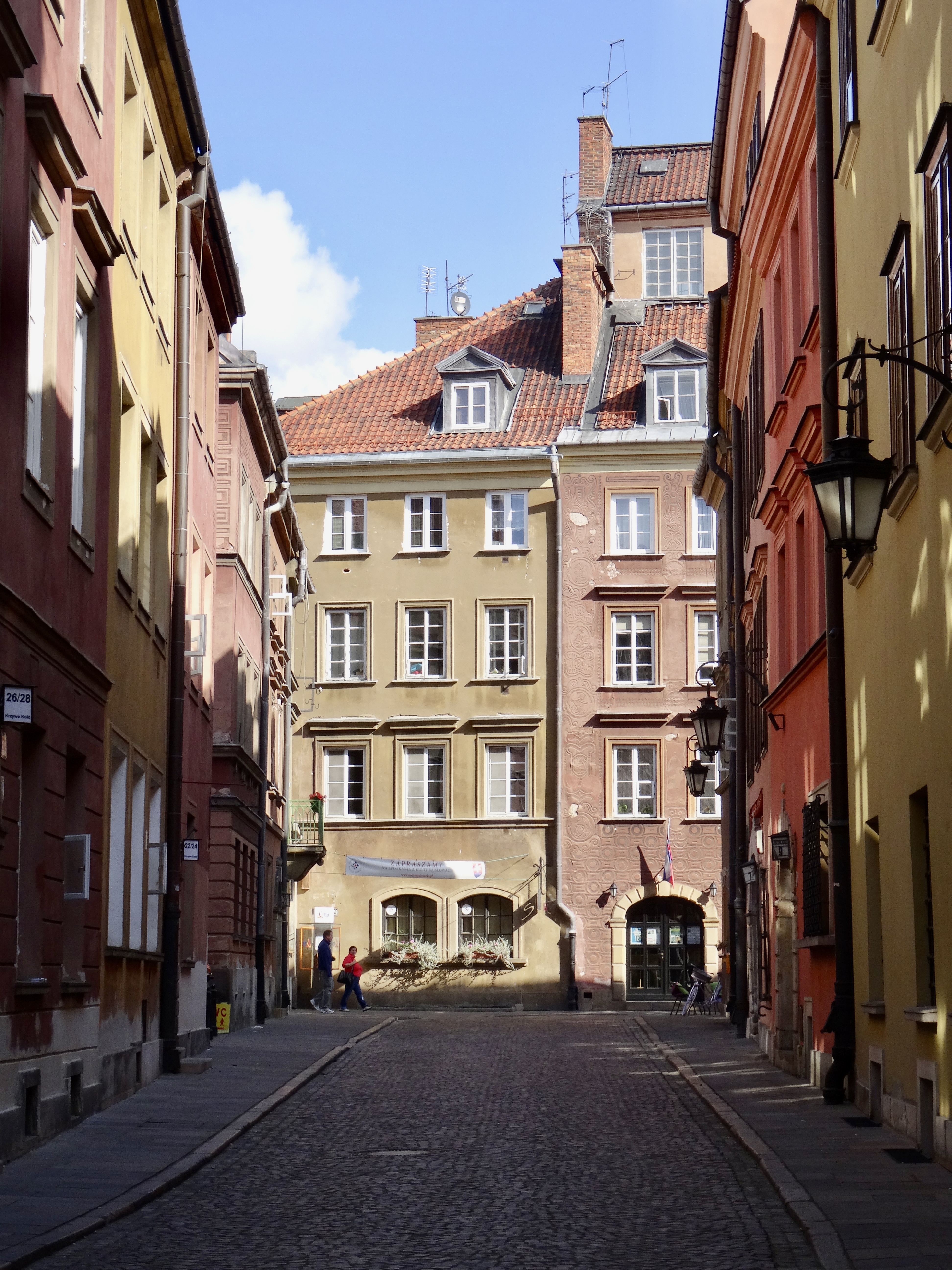
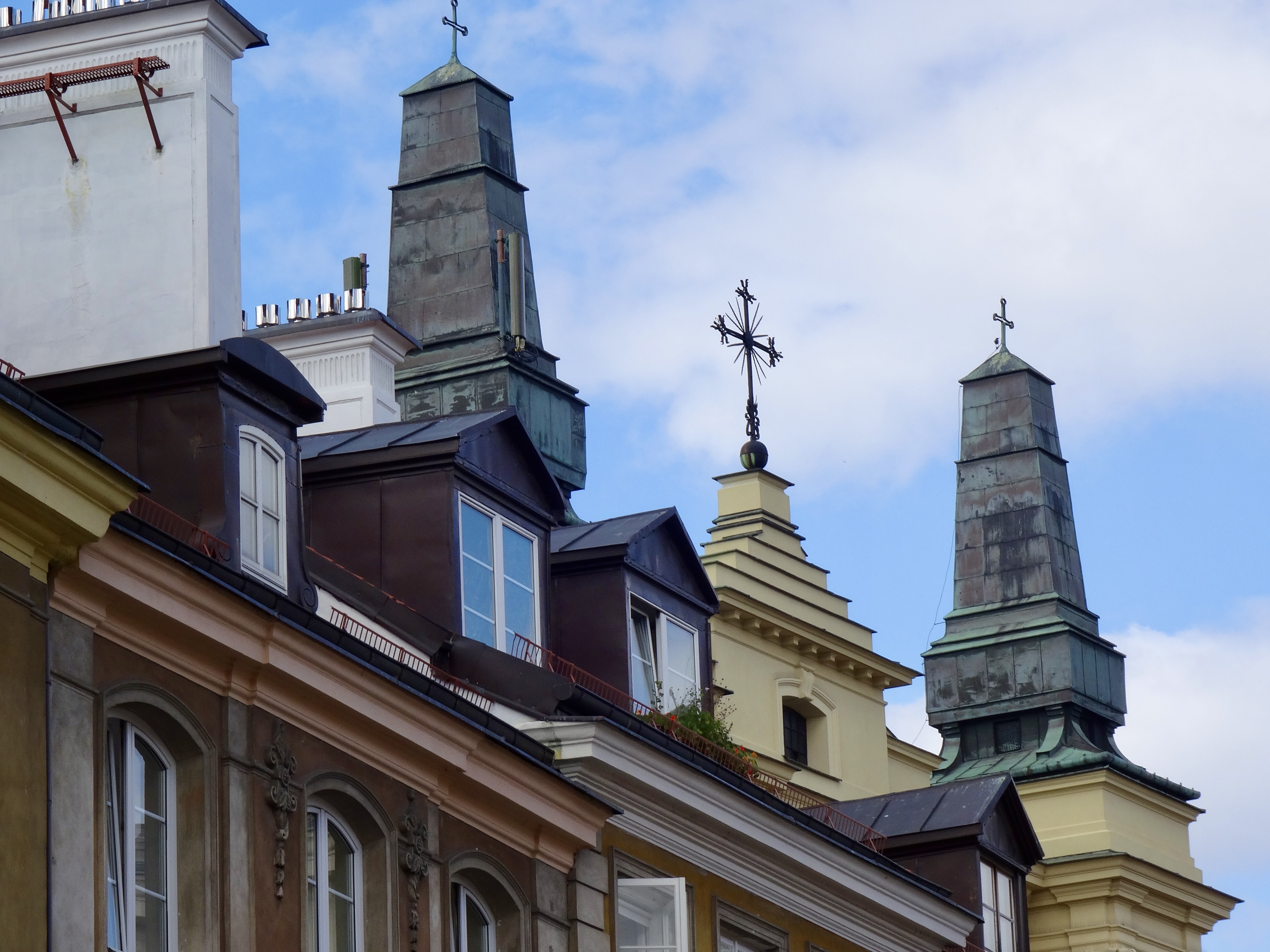


But the most fascinating thing to me was how they had all the drawings of what had been — in order to recreate it. So here’s what I know:
- Architecture students over the years had been drawing and measuring every nook and cranny of the palace for decades; somehow those drawings were hidden, preserved somewhere and they were used as the base for the construction.
- The old town section had been painted many times by an Italian painter who loved Warsaw. His paintings were used as the base for scale and color and detail for the town center.
- Once the war began, the curator of the palace began to hide paintings and as many artifacts as he could in people’s attics and basements all over the country, so a portion of the objects were preserved, but certainly not all of them.
- The curator snipped samples of fabrics and wallpaper and other details and saved all of this (making it possible to recreate bolts of fabric to match originals).
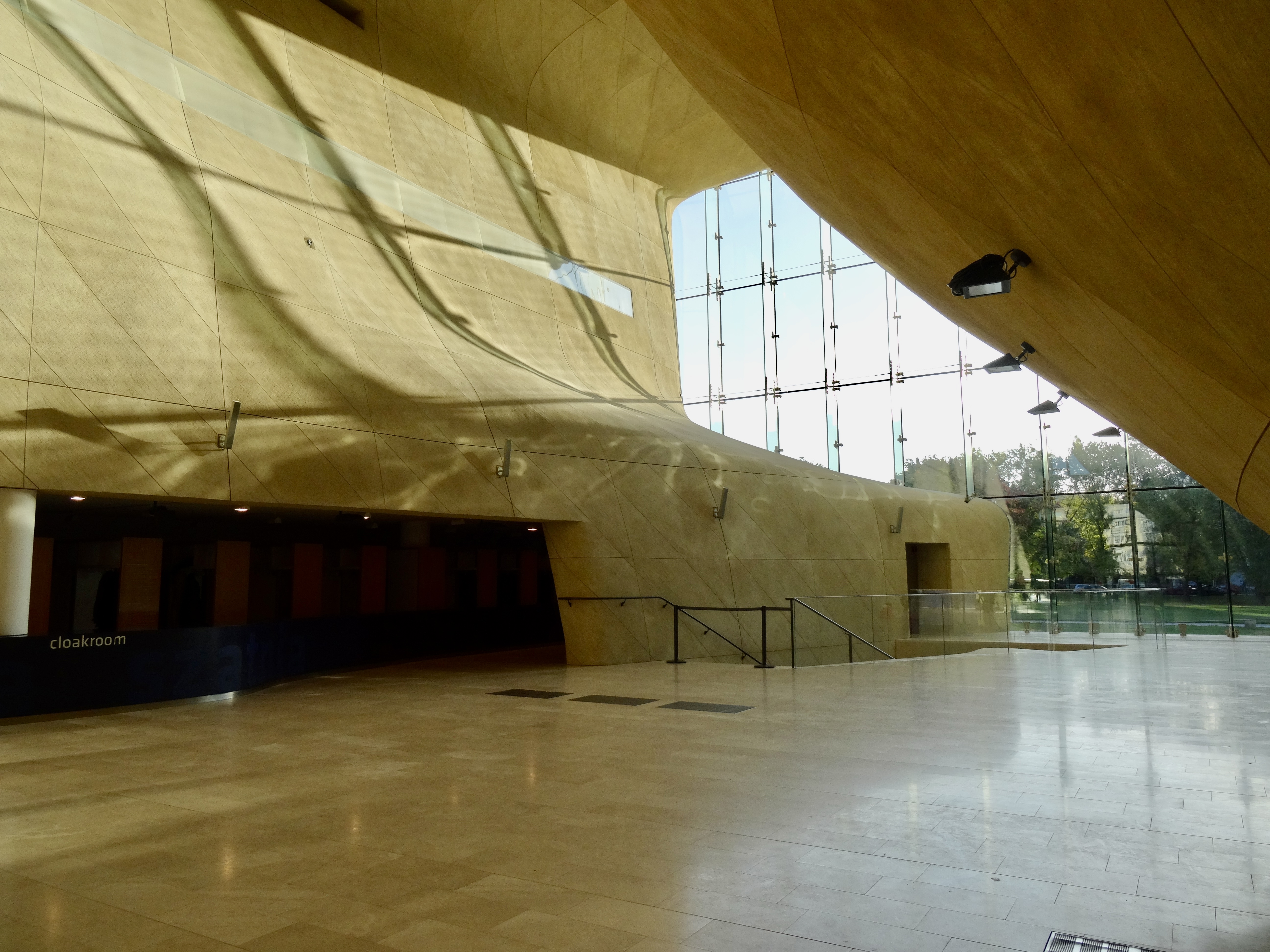
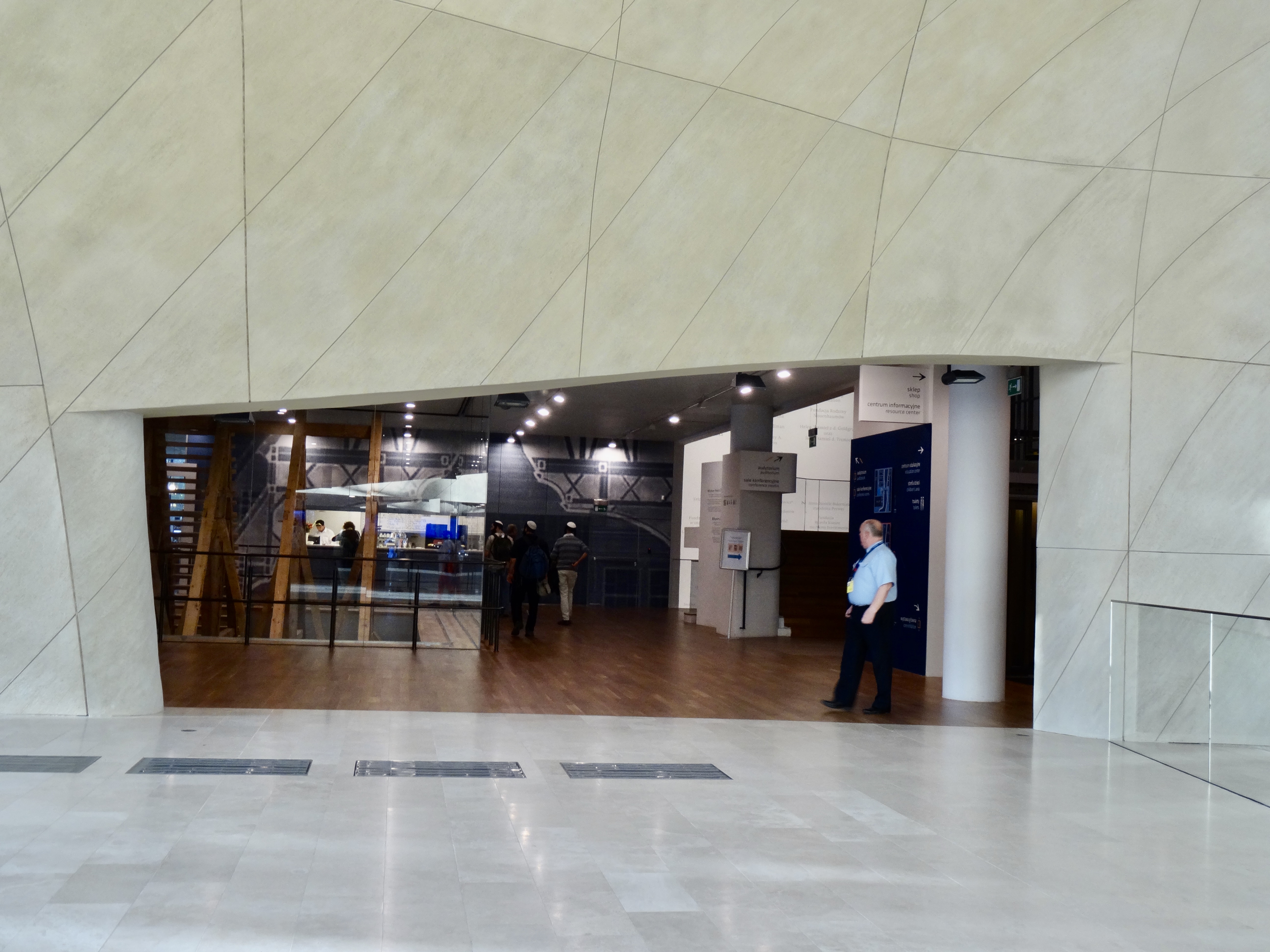
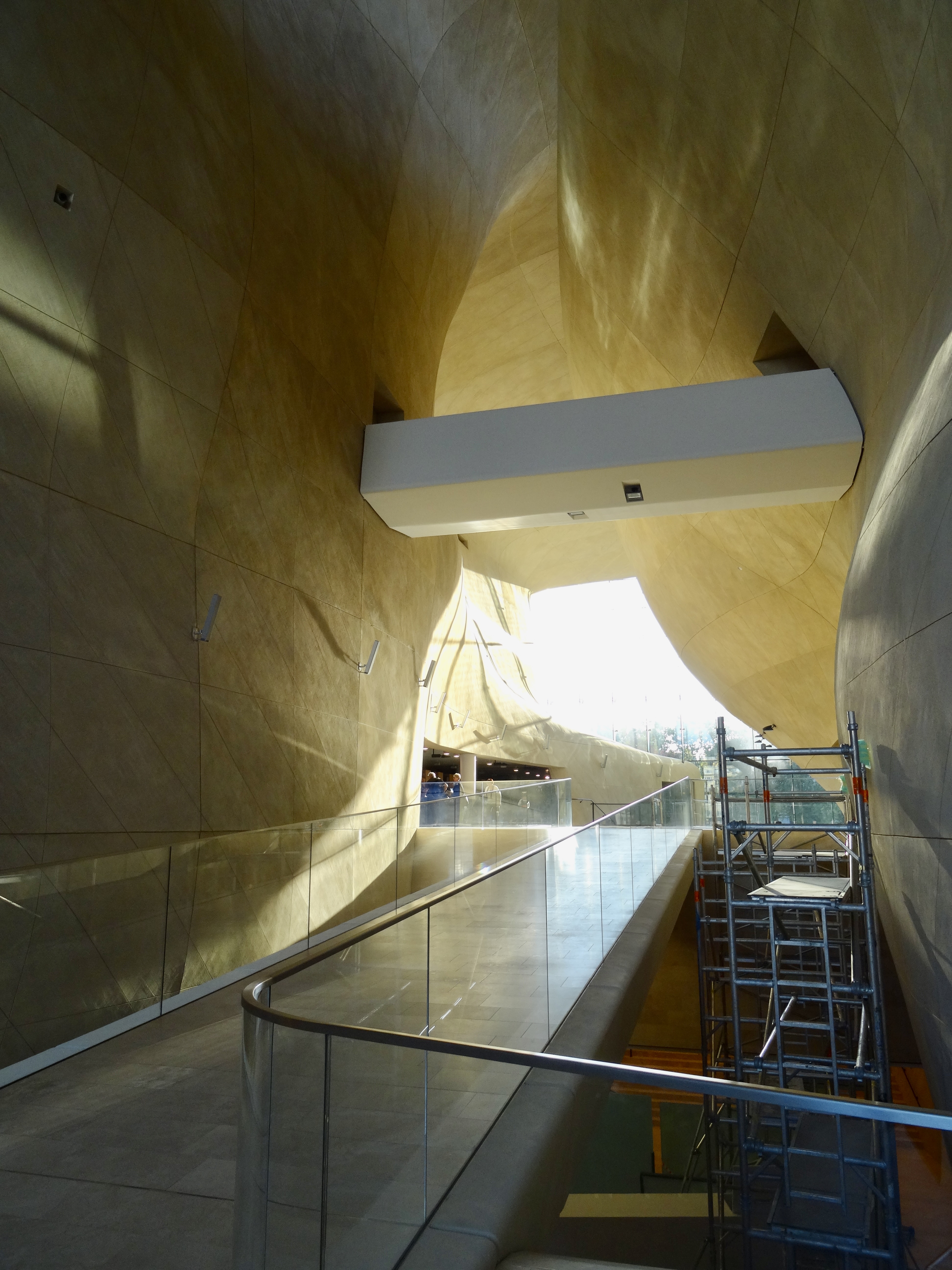
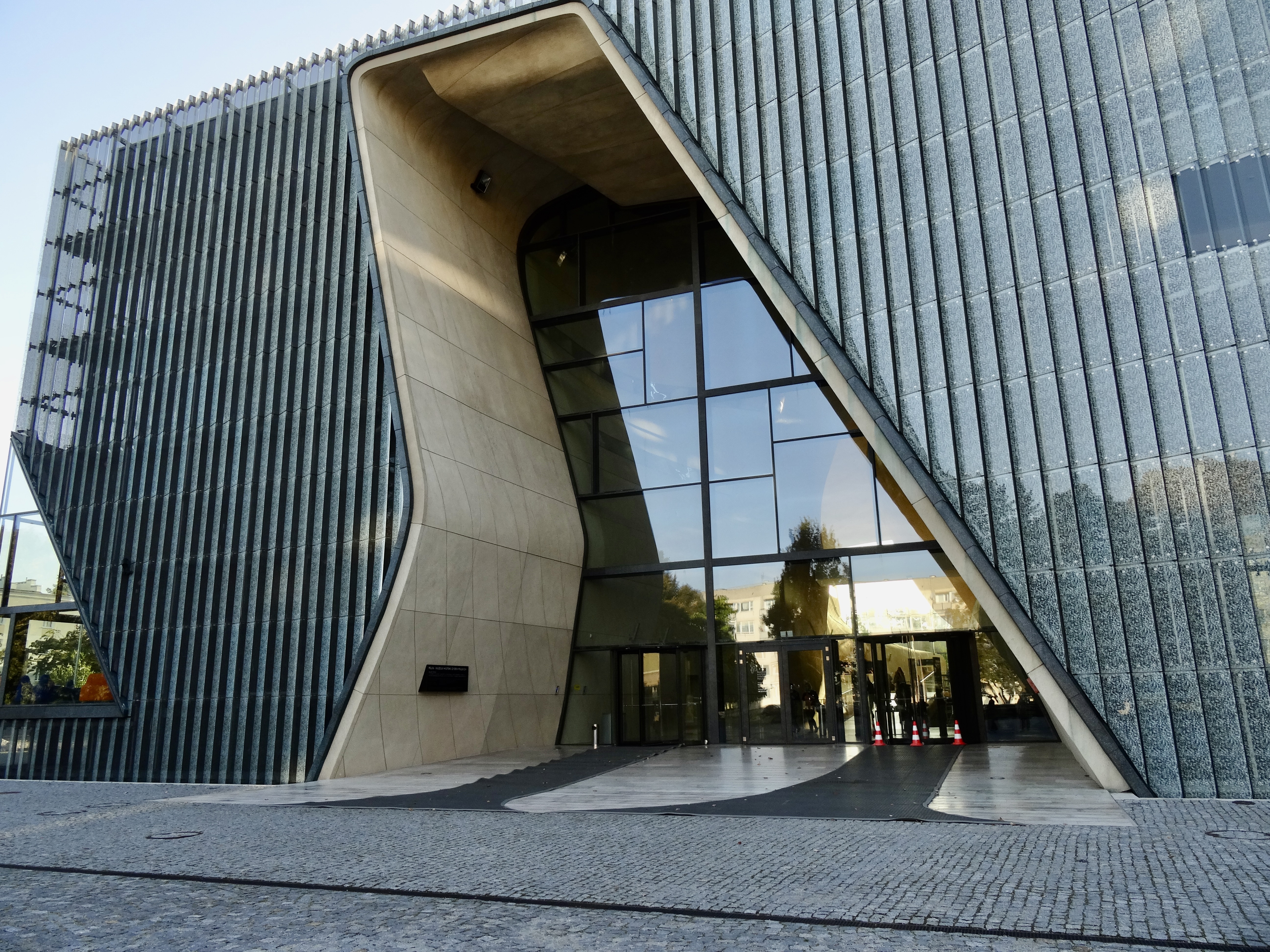
After the Palace, we headed over to a new Jewish Museum that had recently been opened in Warsaw (in the neighborhood of the old ghetto). It was designed by a Finnish architectural firm (and you know how I’m all things Finnish) and Barbara thought I’d like the architecture. Must say that I never experienced so many “Jewish” places in my life, before this trip. My very unaffiliated position has not exactly made me a frequent observer of these things.. But the building, Called POLIN, was quite stunning. And it was definitely still in the earliest days of opening as only one exhibit section was open with signs announcing when the rest of the exhibits would open. The architects were Rainer Mahlamäki and Ilmari Lahdelma. By the way I didn’t like the façade pattern that was made of letters (Hebrew and Polish) that said “Polin” or Poland. The building has a huge entry area… and the intention of the museum is to be the whole history of Polish Jewry.. not just the period during the war.. so it’s a large undertaking for the exhibits. By the way, on the donor wall the Koret Foundation (SF) has a very prominent place. After this, we headed to a special pierogi restaurant… Zapiecek.. which was located on Aleje Jerozolimskie (that’s the street name).. just off Nowy Swiat which is a happening street with cafes and coffee shops and close proximity to the University. We shared a “small order” or savory pierogis (9 of the medium sized dumplings filled with things like spinach and mushrooms and cheeses) and a “small order” of the sweet ones (filled with sweet cheeses, apples and raisins, jams, berries, etc). We also had soup as a starter.. You could have rolled me out of there… But pierogis are the thing to have… along with Polish beer.
We talked well into the night and closed the place down at close to midnight when Barbara (who refuses to take taxis) realized that the tram line would be ending soon. So off we went.. Me to the hotel and Barbara to her apartment.
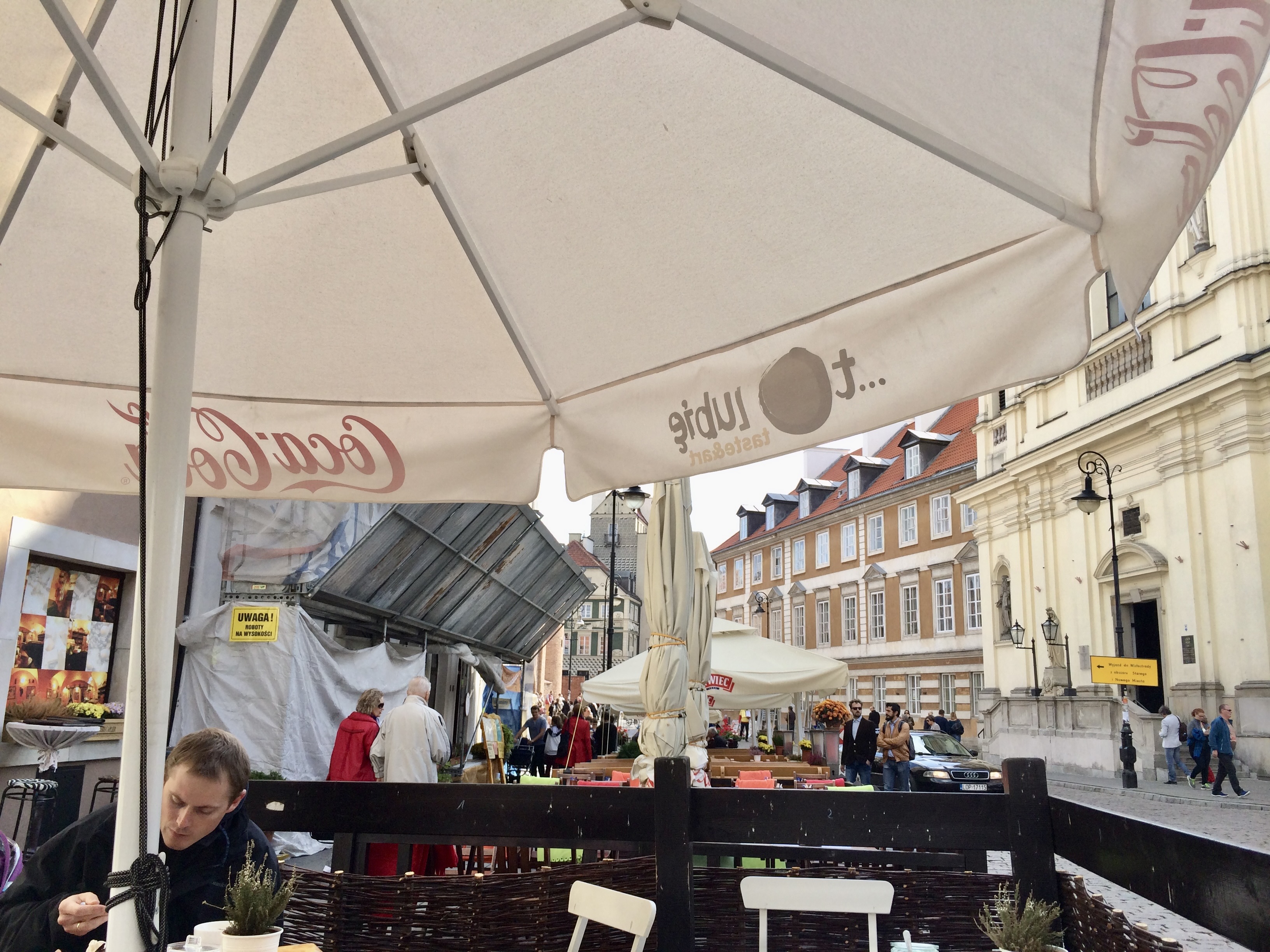
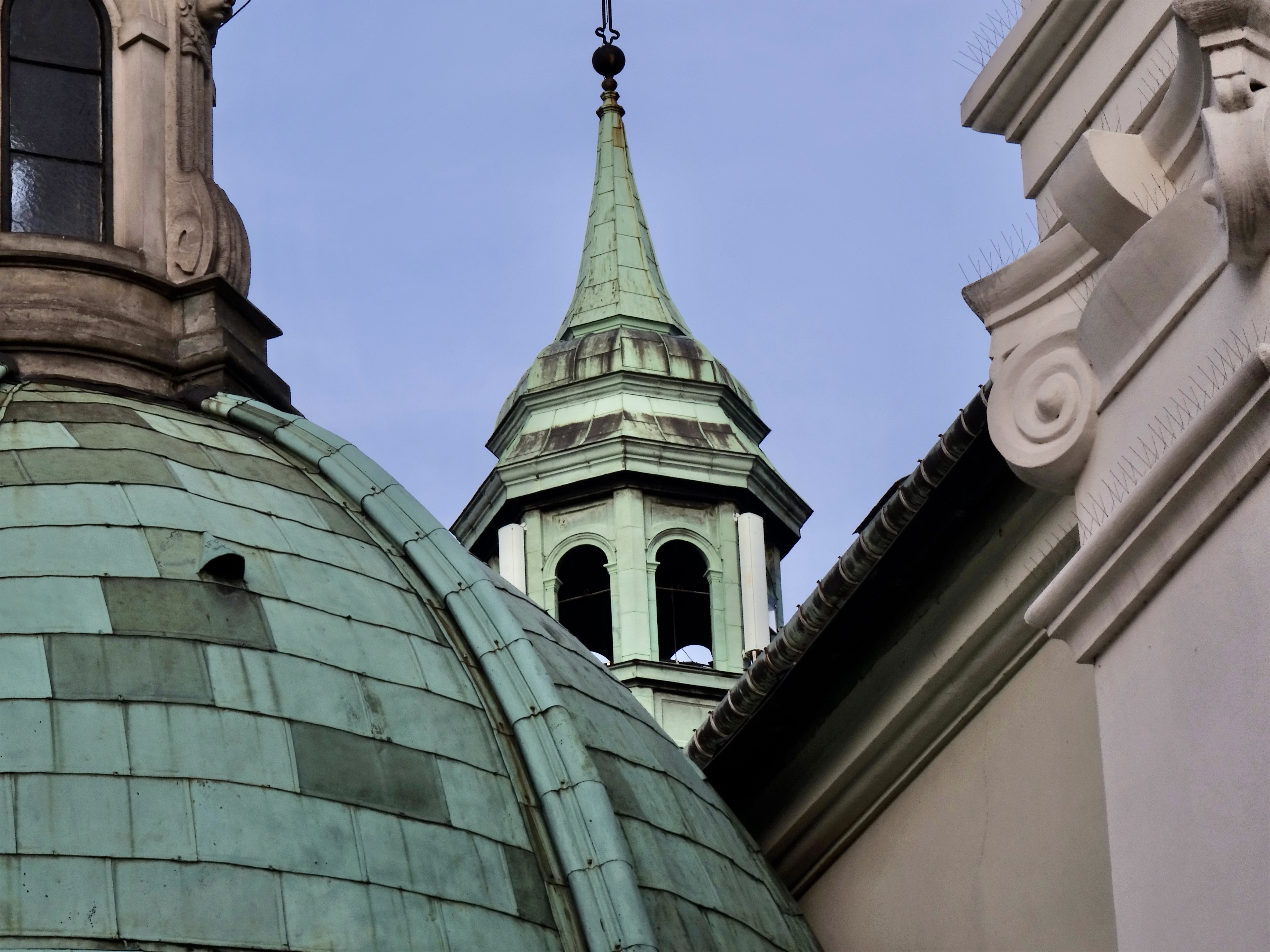
The next morning (my final day in Warsaw and in Poland), we met mid-day so that I could have a few hours to catch up on work and also to do a little gift shopping (which didn’t turn out to be too productive –just four very nice hand painted small plates).. and some decorated Polish eggs for people at the office back in Oakland. After I woke up, I headed to my newly found breakfast café, a few blocks from the hotel.. (I had eaten there the day before, so I was sort of a regular already)… The café plays Beatles and Rolling Stones music.. Actually it was a great little place with just about four seats inside and about 10 outside under a canopy… They baked their own breads and made their own jams.. I was in heaven… It’s called To Lubię.. and they have a sign outside that says “Life’s too short, eat cookies” It’s actually built into the bell tower of a Dominican church… Supposedly all their recipes come from the monks from the monastery located behind the church.. including the liqueurs which seemed really interesting, but it was breakfast! (I believe that “To lubię” means “I like it!” They serve lunch and also I believe light dinners.
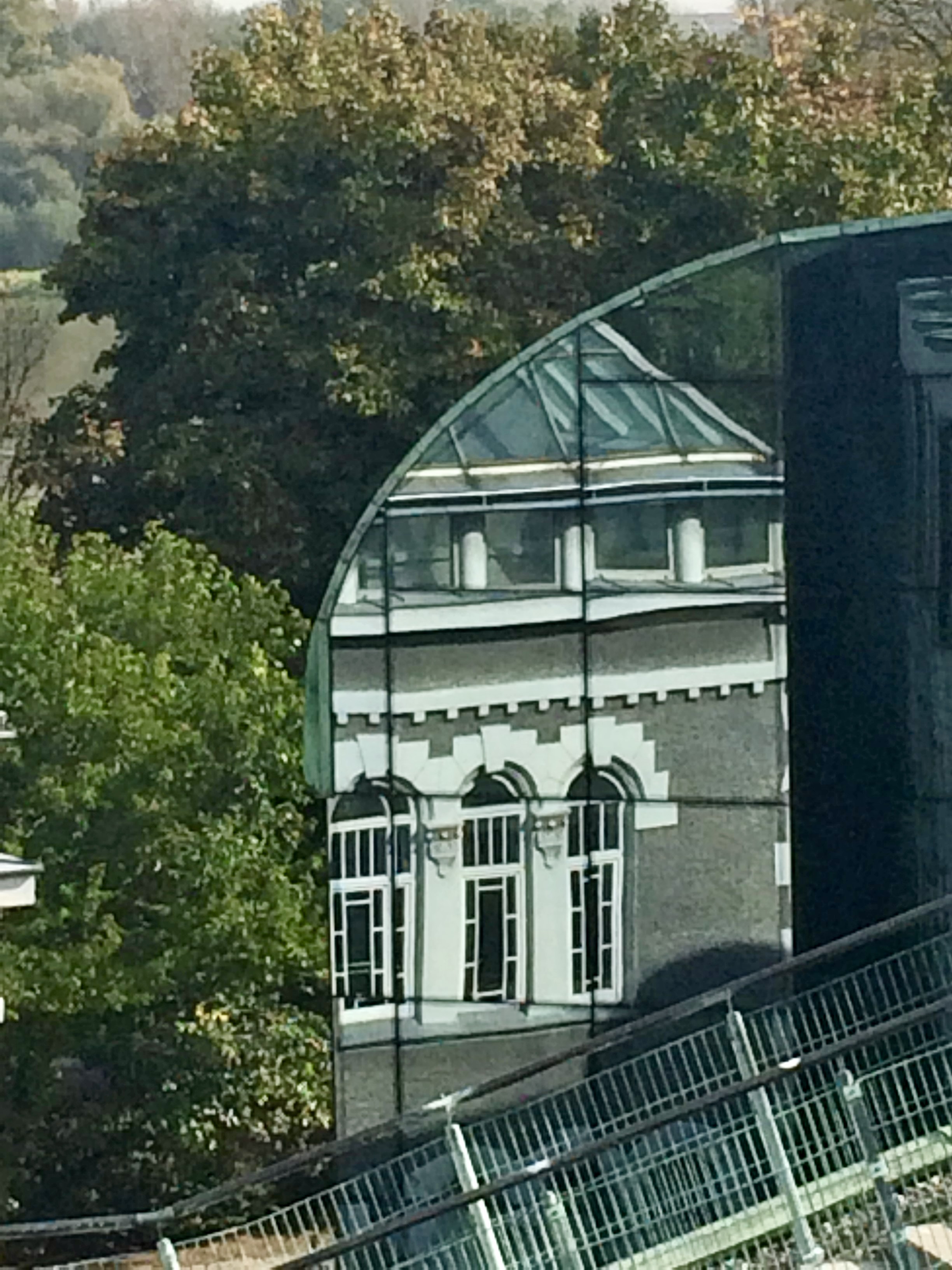
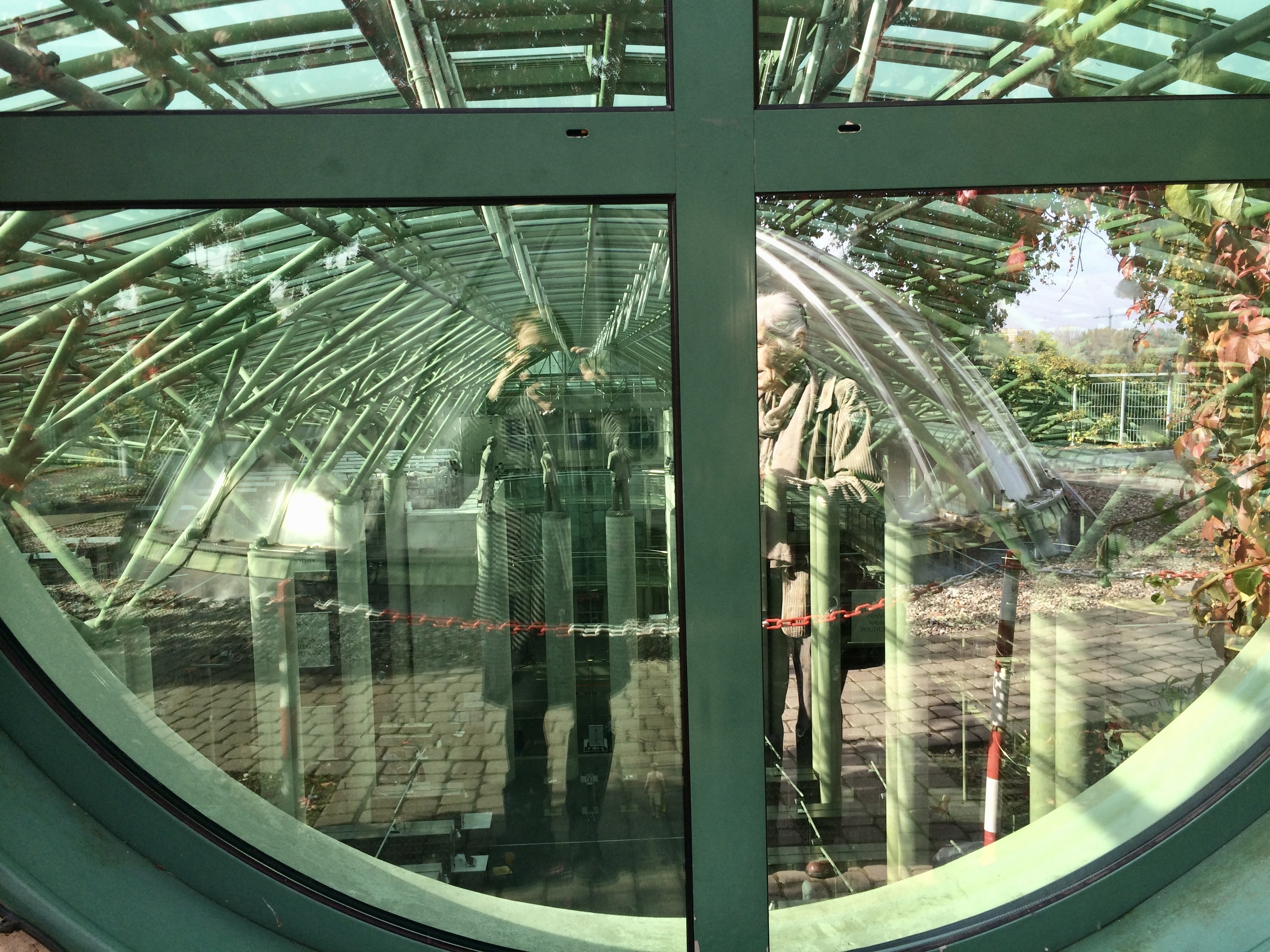
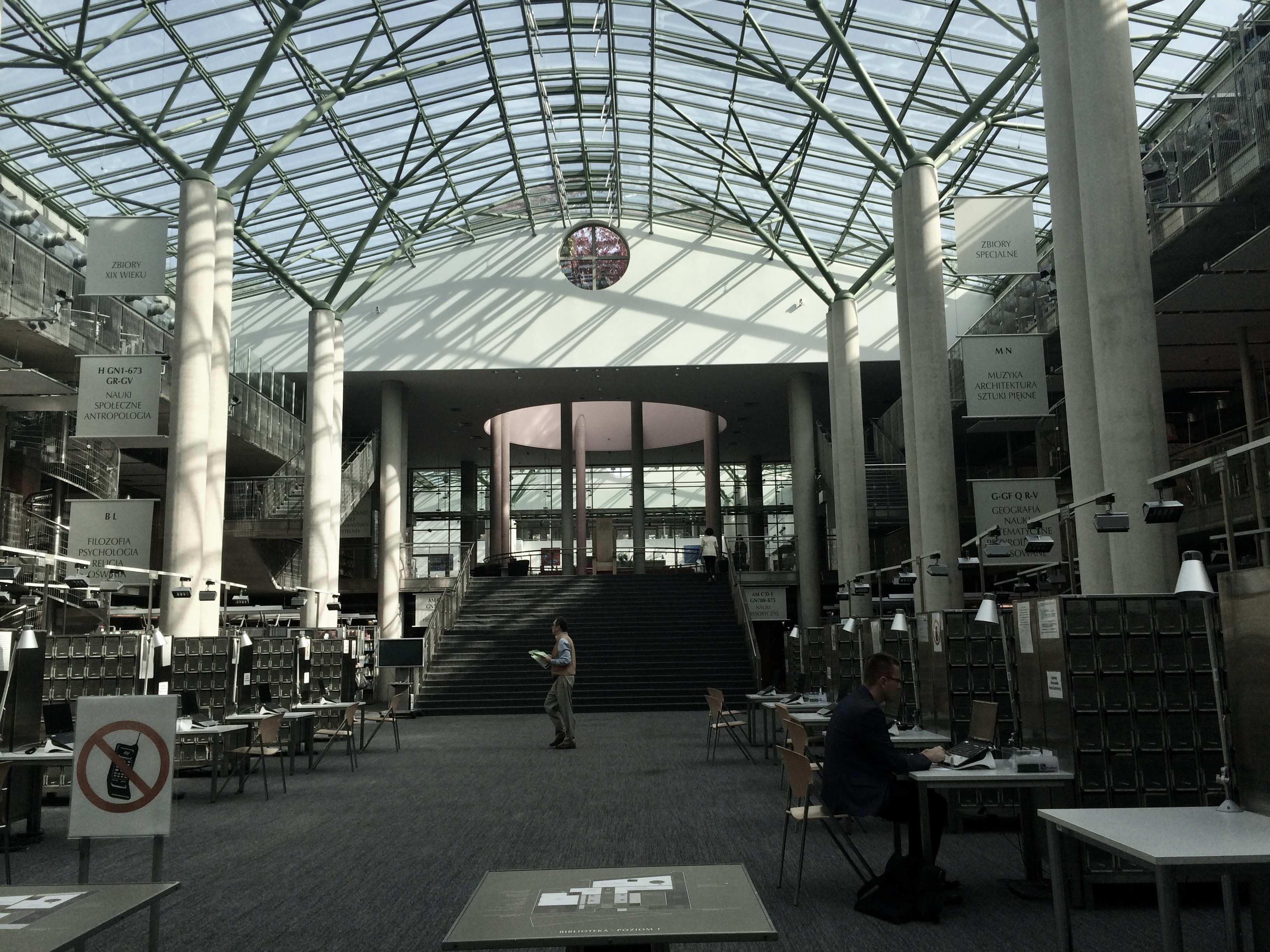
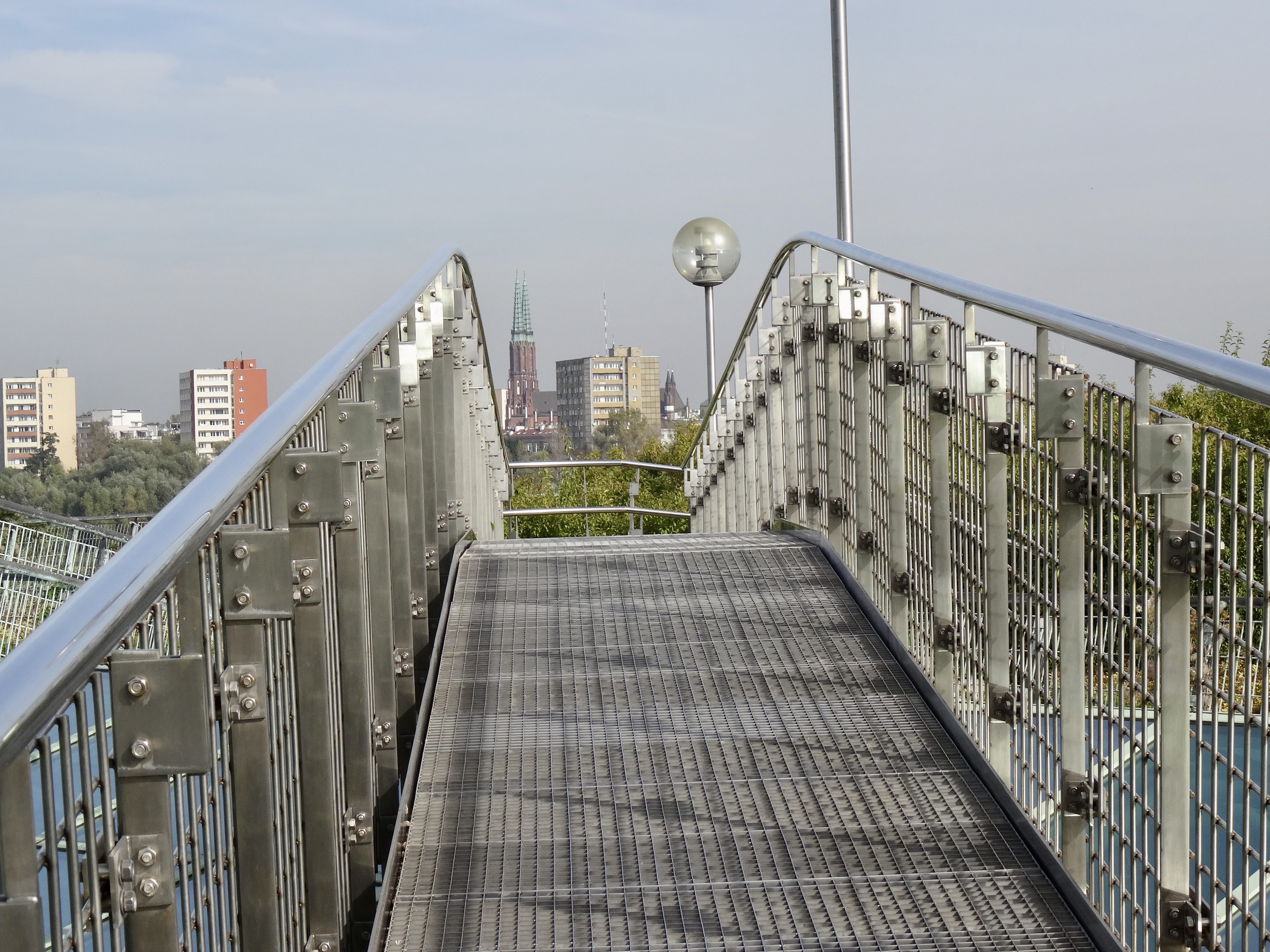
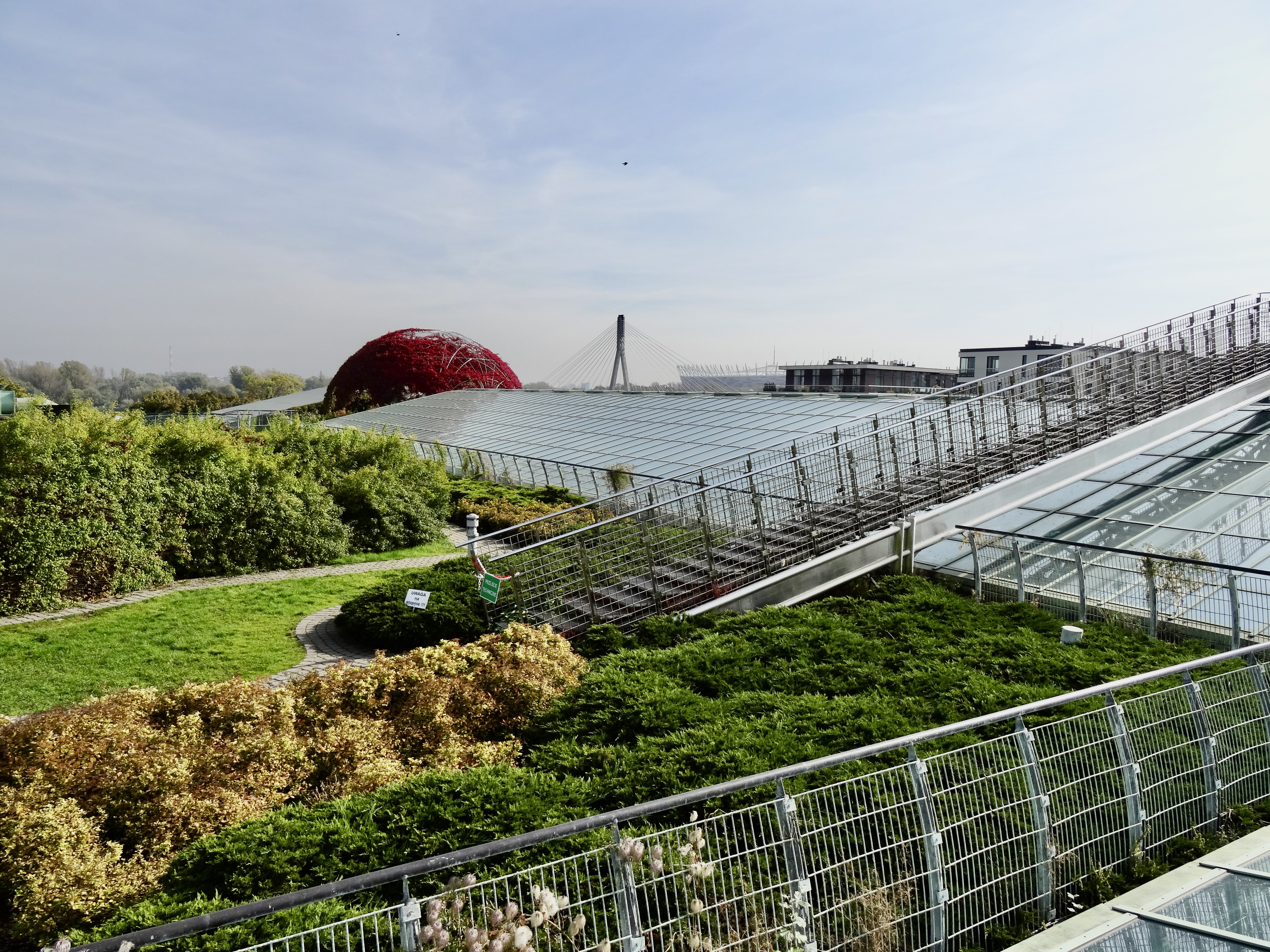
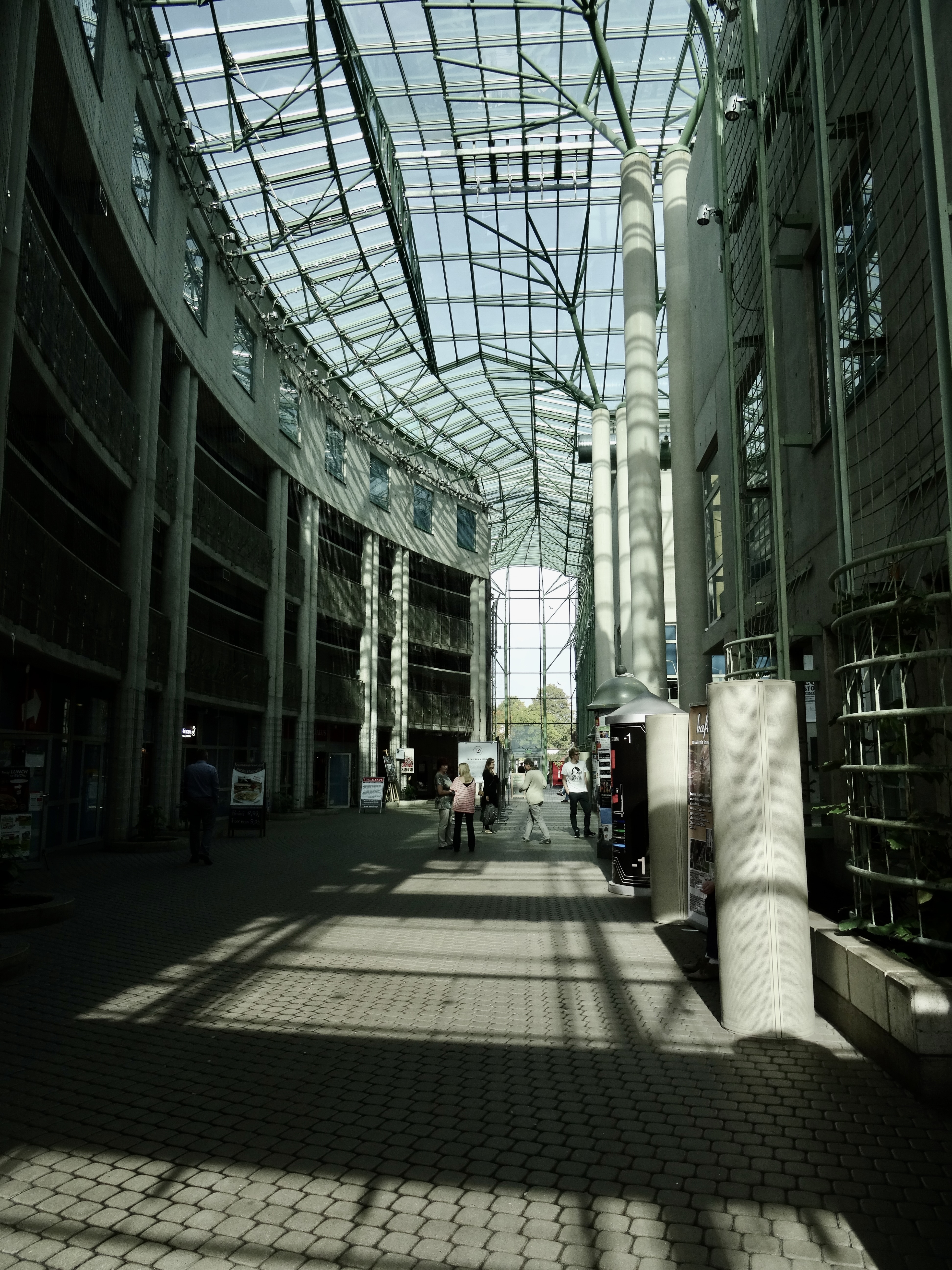
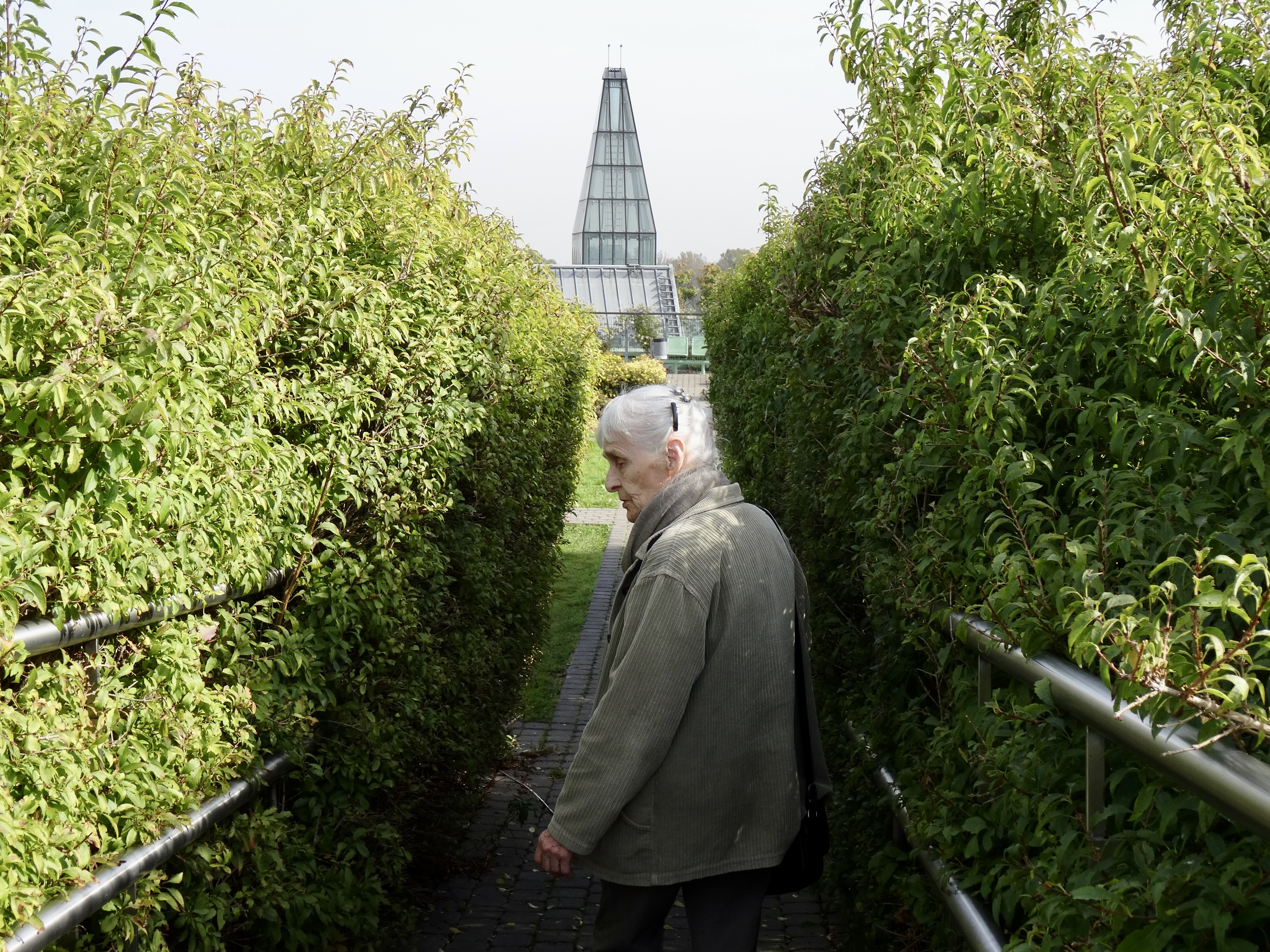
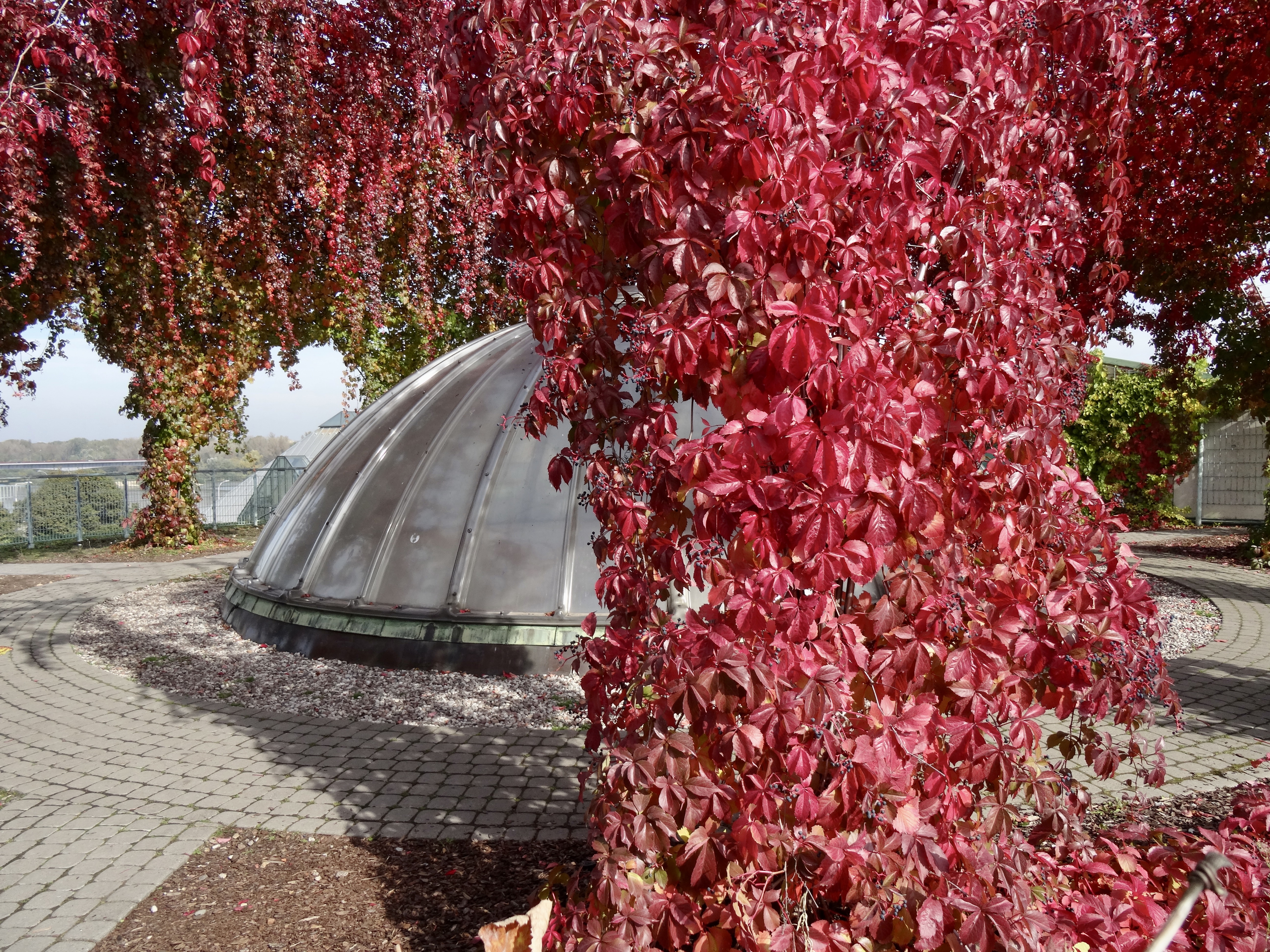
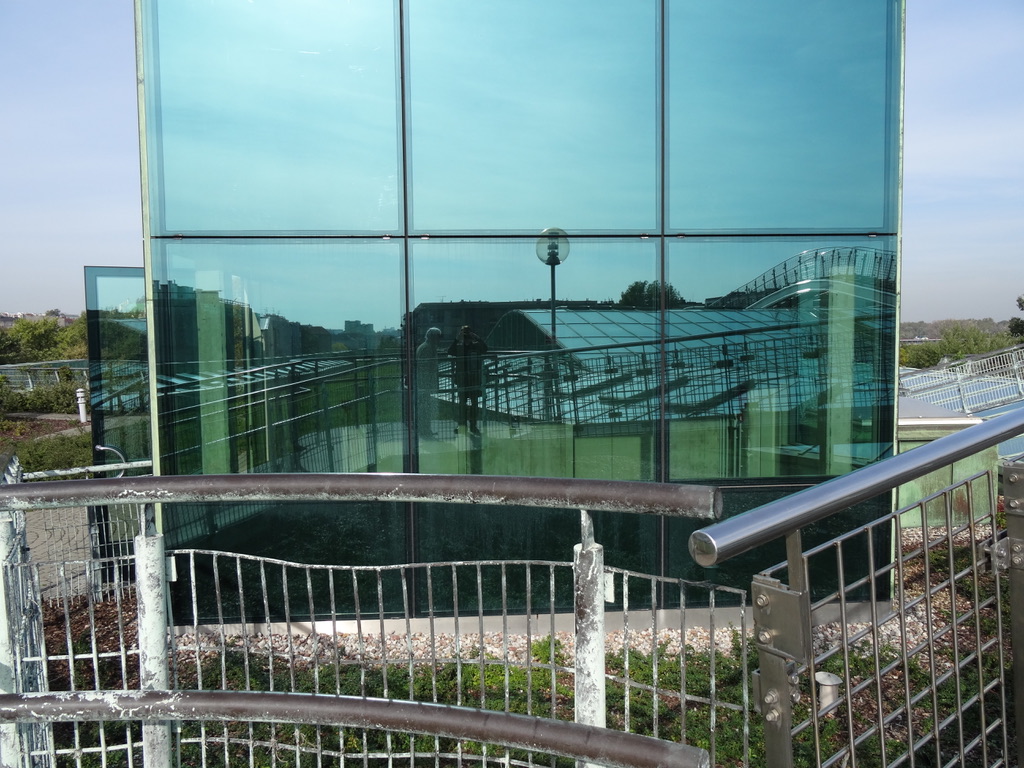
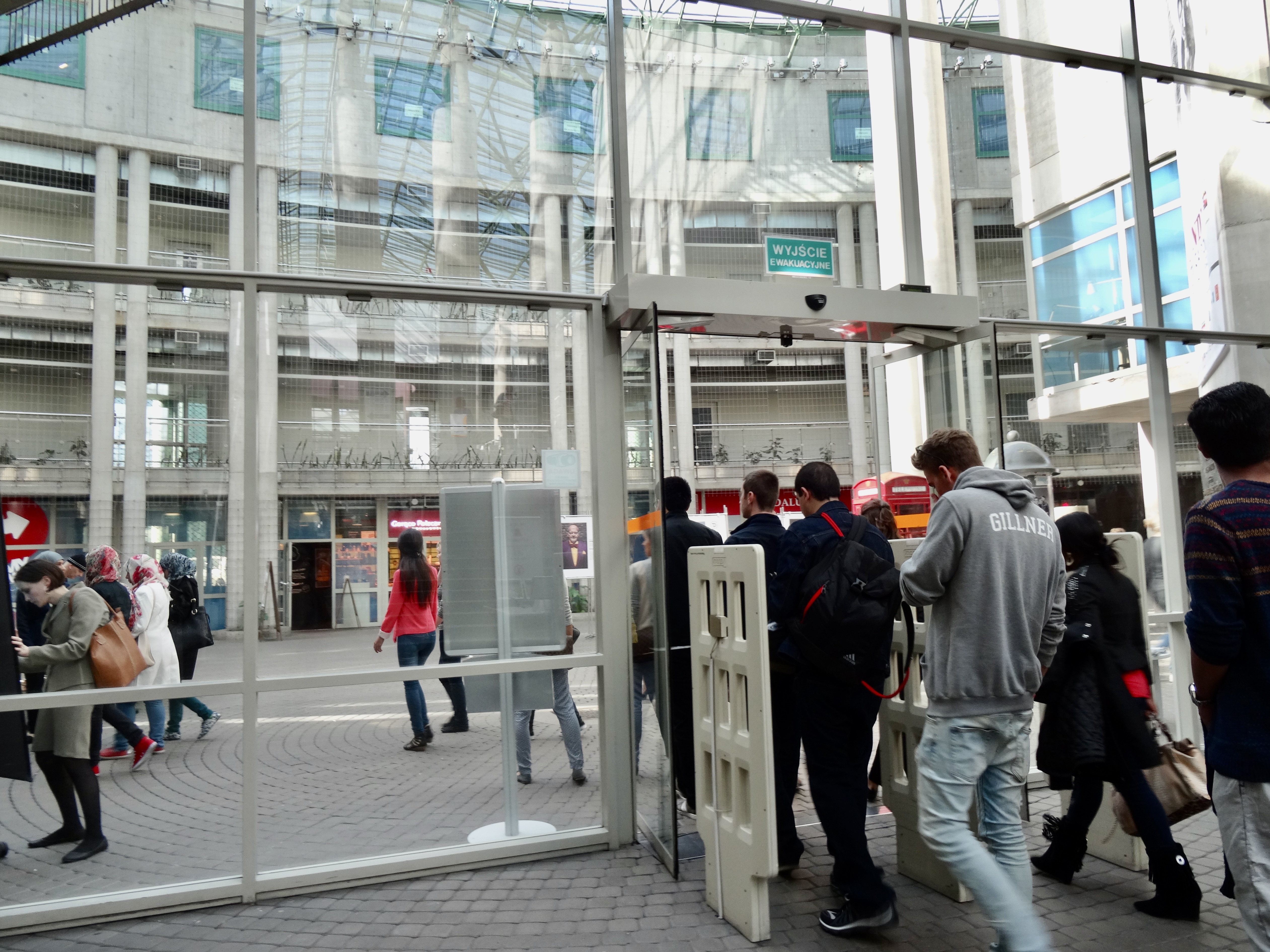
I then met up with Barbara at the University of Warsaw Library.. which I had read about and which was supposed to have very interesting gardens on the roof and also good views of Warsaw from that roof. Well the building is rather strange. Barbara hates it.( remember she is very very opinionated and given that she is well into her 80s I think she feels she has the right to articulate her feelings—about everything) She thinks it is a total waste of space and that it doesn’t feel like a library inside.. but she does prefer books and the library is obviously geared to a lot of new technologies. Anyway, like many university libraries these days, the first floor entrance area is like a commercial street with shops and cafes.. and then you enter the library..
It was designed by two Polish architects after a competition for the selection (Budzyński and Badowski ).. and it was opened around 2000. I’m told it was blessed by Pope John Paul II. The rooftop garden wasn’t what I expected.. it is accessible to everyone and you can actually walk up a series of ramps from the street and not go through the library to get to it.. (although given my “boot” they let me take an elevator to the garden).. But the garden isn’t really tended and there aren’t many places to sit.. I had envisioned a series of vegetable gardens and great areas to sit outside and read/study.. But that was not the case. We walked to a little bookstore café to get a snack.. and then I headed to the hotel to pack before meeting up with Barbara for dinner. Our conversations got deeper and deeper into contemporary Polish politics and the situation in this “post-transformation period.” In general, many people feel that Lech Walesa was “used” and that soon after the transformation, factories closed and the economy and services deteriorated.. They say they have “freedom”.. but what does that mean.. freedom to travel, yes.. but no money to go anywhere.. Unemployment is very high and the Poles have become the cheap labor source for wealthier nations.. Many Poles have been relocating to places like Ireland to find work. Complicated…
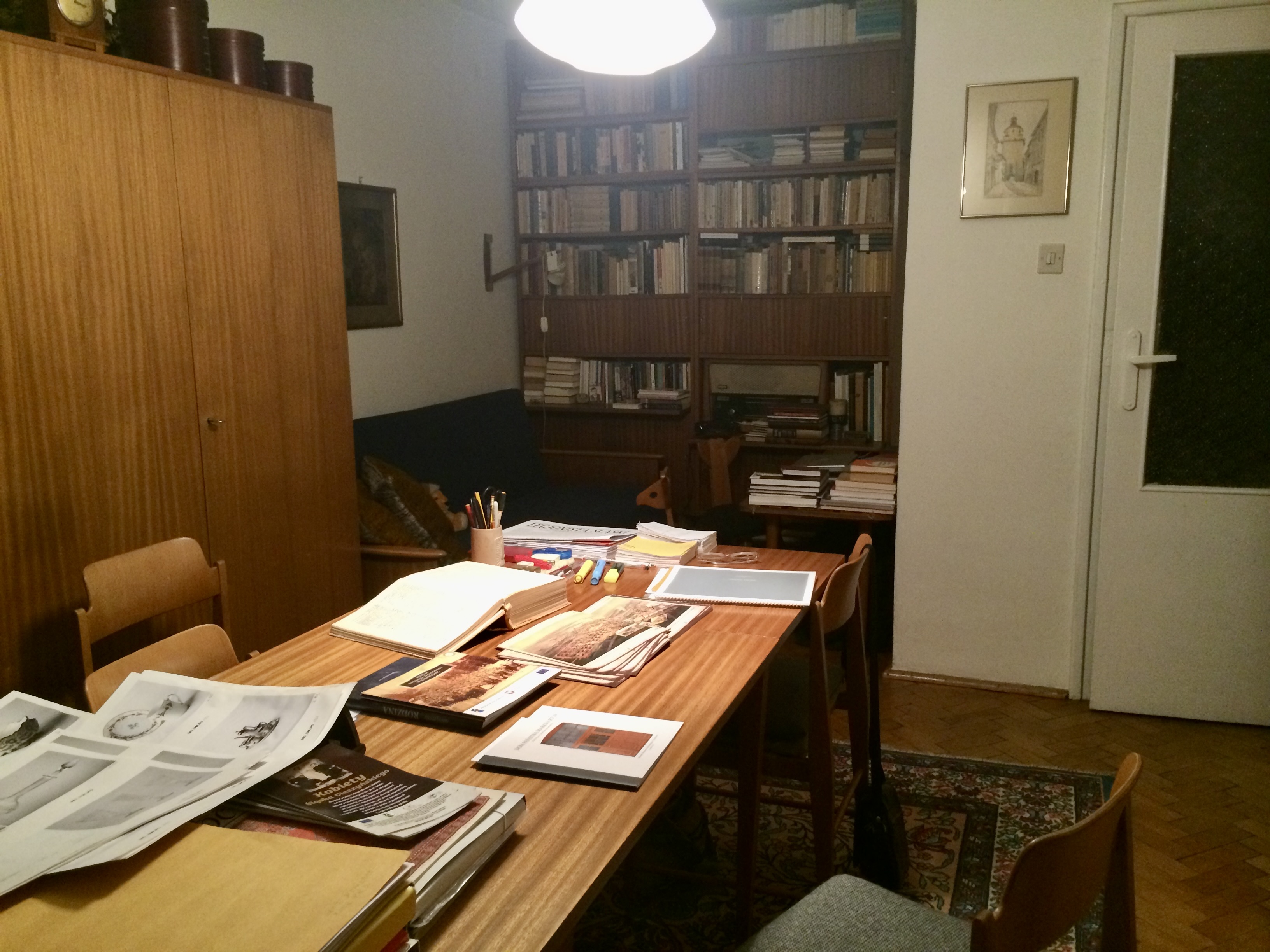
So a few hours later I took a taxi across the bridge to Barbara’s apartment. It is a total of 170 sq. ft.… one room essentially and very very well organized. She has lots of books so in addition to the walls of bookshelves that make the apartment feel even smaller.. if you open any cabinet — even in the bathroom — it’s filled with books. But she manages to sleep, cook, eat, and work on a wide assortment of projects.. all in this little space. I’m in awe as I can never have enough space. She’s been working on a catalogue of an exhibit of her late husband’s things.. and she showed me the catalogue for a wonderful exhibit that she curated that showcased the company town where her grandfather worked.. He was in a factory that made linen. Amazing archival photos and actual implements that had been handed down to her from her grandparents and parents. The catalogue is a gem.
We headed to an Italian restaurant for dinner.. Pasta.. more carbs.. and starch… and wine.
And after a lot more talking… I headed to the hotel at about midnight.. to await my 4:30 am wake up call.
That’s it.. I’m heading back now… See you in California or Washington.
Best.. Fern
The Interesting Discovery — follow up to September 27, 2013 missive
Since several of you have asked what the discovery was… so here it is, and I won’t discuss it tomorrow.
About 30 years ago when Mike and I went to then-Czechoslovakia for the second time — visiting a Czech planner (Lallin) who had lived in Finland when we lived there — our friend, Lallin, took us on an unexpected journey. We had visited him and his family a few years before and when we met his parents they asked where Mike’s family is from since they recognized the (somewhat Anglicized) name “Pyatok” (probably Piatek). Mike didn’t know, but when we returned to the states he asked his mother and she said that Mike’s grandparents (both paternal and maternal) were from a place called Maly Lipnik. So, when we reappeared a few years later, Lallin set us on a journey that he took with us.. and unknown to us, he plotted a route to get us to Maly Lipnik (a place he had never visited). When we got there.. and saw the village sign on the roadside we laughed, took pictures and figured that was that.. But Lallin had bigger plans. He wanted to knock on doors in this tiny, very old-fashioned town and see if he could find Mike’s relatives.
So he knocked on doors and speaking Czech was able to engage in conversations.. At one door, the woman seemed very animated and Lallin was talking a lot, so we thought we had uncovered a long lost relative.. but alas Lallin said that the woman was so excited that someone had come to visit from Brno (second largest city in Czech), since apparently the village had been long forgotten in its mountain location and being quite Catholic and not pro-Communist… so he couldn’t even tell her about us because he thought she’d have a heart attack. Anyway, we did find a cousin or something on Mike’s father’s side. The town was divided by a creek.. on the day we were there, the men were involved in horse trading (much of the agricultural work was being done by horse) and the women were washing clothes in the stream! (just imagine Mike trading horses and me washing clothes in the stream!).. anyway, it was an interesting trip.
So, as I planned this journey to Bukowsko… and was looking at the location on the map, it dawned on me that the town was very very close to the Slovakian border. Mike then got interested in the location and its proximity to Maly Lipnik. Turns out that (by the way the crow flies), the two villages (Bukowsko, Poland and Maly Lipnik, Slovakia) are about 60 km apart. So perhaps we met in another life.. but I don’t think I was the one washing the clothes in the stream. Perhaps I was the woman protesting the fact that the women were doing the washing while the men were having a good time, drinking and supposedly trading horses.
That’s it.
Fern
Finding My Roots – September 27 2014
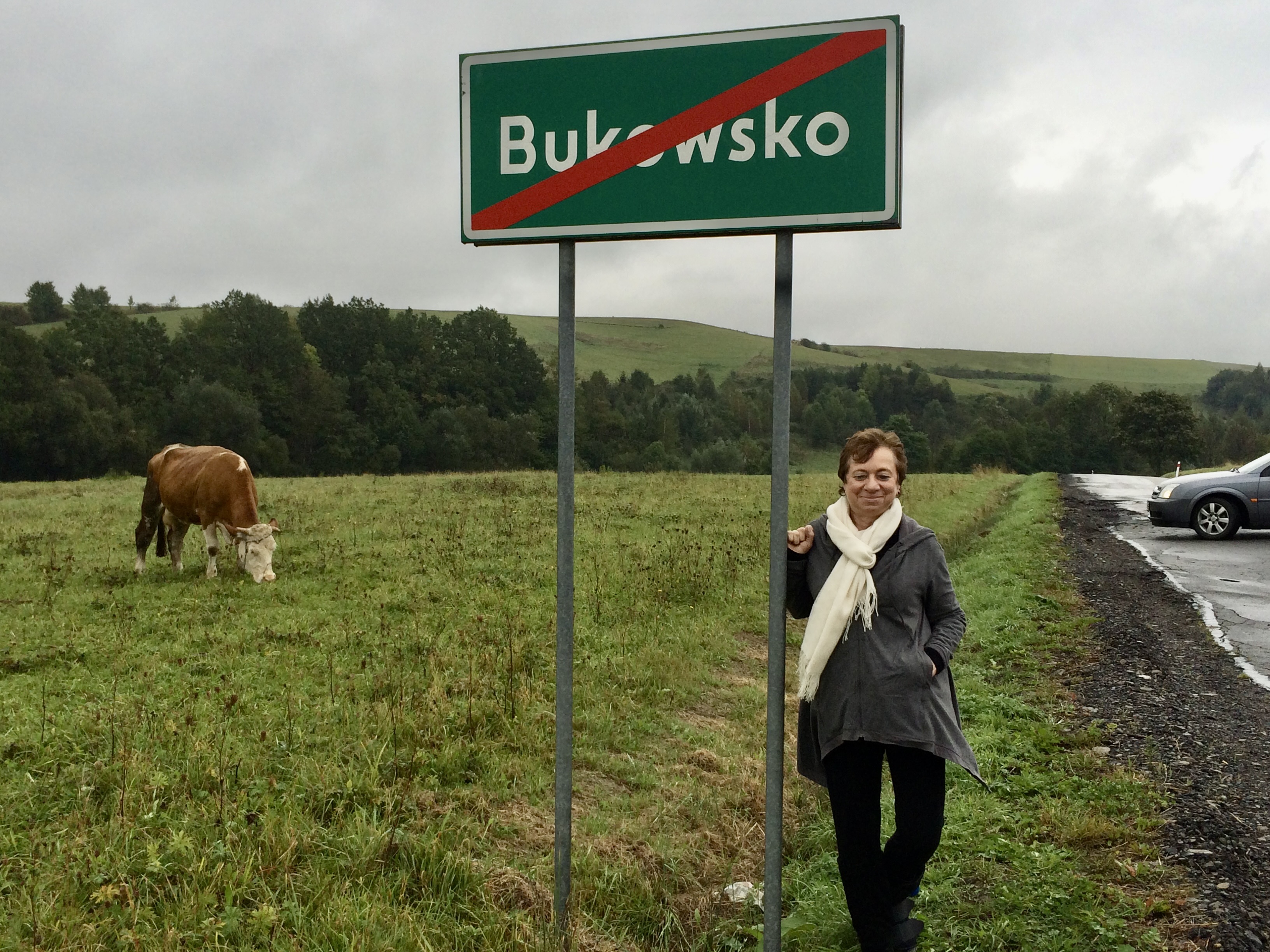
September 27, 2014 (#3 in the Poland Travelogue). Rzeszow – Lesko – Bukowsko, Poland and parts in between.
First a bit of background explanation before telling you about today’s expedition.
As the time got closer to my departure to Poland and I thought about whether to add a few days onto the conference (which would end on a Friday so it made sense to go somewhere for the weekend), I began to think about the fact that I was last in Poland when it was part of the Eastern Bloc under control of the Russians, then called Soviets.. and the fact that I was told as a child that my grandparents on my father’s side were Polish. So while I really wanted to visit Torun (and I sort of planned a driving trip from Gdansk to Torun to Lodz to Krakow), I decided to see if I could find out anything about where in Poland my paternal grandparents were from. This little genealogy study began about six weeks ago. My father died at the age of 60, before I turned 30 and as a family we were much closer to my mother’s side — so I started with just about zero information. My paternal grandfather died before I was born; my paternal grandmother didn’t speak much English and she wasn’t a very warm, nurturing grandmother. Indeed, I only saw her a few times a year and I know I thought she came from another century (which she did). In any case, my starting point was pretty minimal.
So I began by seeking out my cousins on my father’s side. While I’m very close to the cousins on my mother’s side, I hadn’t seen or heard from my other cousins in years — in fact decades. My brother and I are the youngest of the six grandchildren on my father’s side. About six years ago I was in Philadelphia and contacted the oldest cousin who I knew had gone to U-Penn and on to Penn Law School and remained in Philly his whole life. I hadn’t seen him since I was a child. We had a pleasant dinner and I gave him a publication about my office, and that was the last time I had any contact with anyone from that family. Well a few years ago he died and I got an email from his daughter. She said that when she was clearing out his things she found this publication and she figured we must be related because of the last name.. and so she wanted me to know the news. I thanked her and that was it.
Now, I thought I should ask her. Maybe her father or her grandparents (my aunt and uncle) who lived longer than my father, told her things about the family roots. Most important, I wanted to know the name before it got changed to “Tiger,” since I always figured this was not the original name and was given to my grandfather at Ellis Island. She responded quickly saying she had no information, but that she forwarded my email to another cousin (her first cousin, my second cousin, I believe) whom she said knew some facts because her son (relation to me?) had to do a family history when he was having his bar mitzvah. This information was forwarded to me — imagine starting out with heavy research done by a 13-year-old who is now at Tulane! Well the kid found out what year and what boat my grandparents came on and also the years of birth and death. From that I went searching on ancestry.com and some Jewish genealogy site for Poland.. and found the name of the town where my grandparents (both of them, as far as I can figure out) came from. I also learned that the name might actually have been “Tiger” well before they came to the US (although I don’t really trust that information). It appeared that my grandparents were from a place called Bukowsko. After googling and finding more than one Bukowsko my life got complicated. But eventually, it became obvious that it was a very small village in southeast Poland — extremely rural and impoverished, but with a very long history of Jews (dating back to the 16th century). This all made sense since my mom always said that while her parents came from big cities and were therefore supposedly “sophisticated,” my dad’s parents came from a little shtetl in a rural part of Poland.
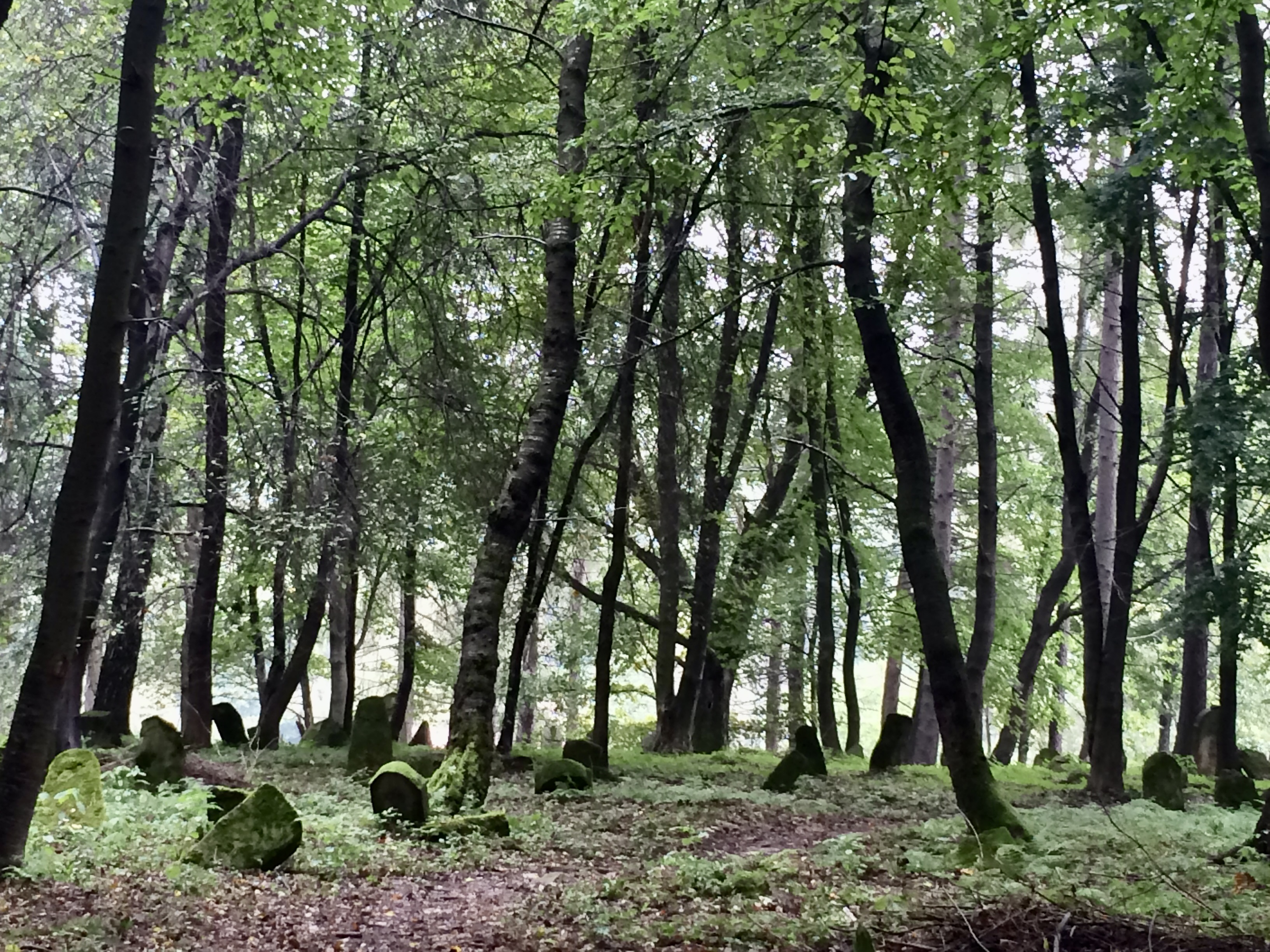
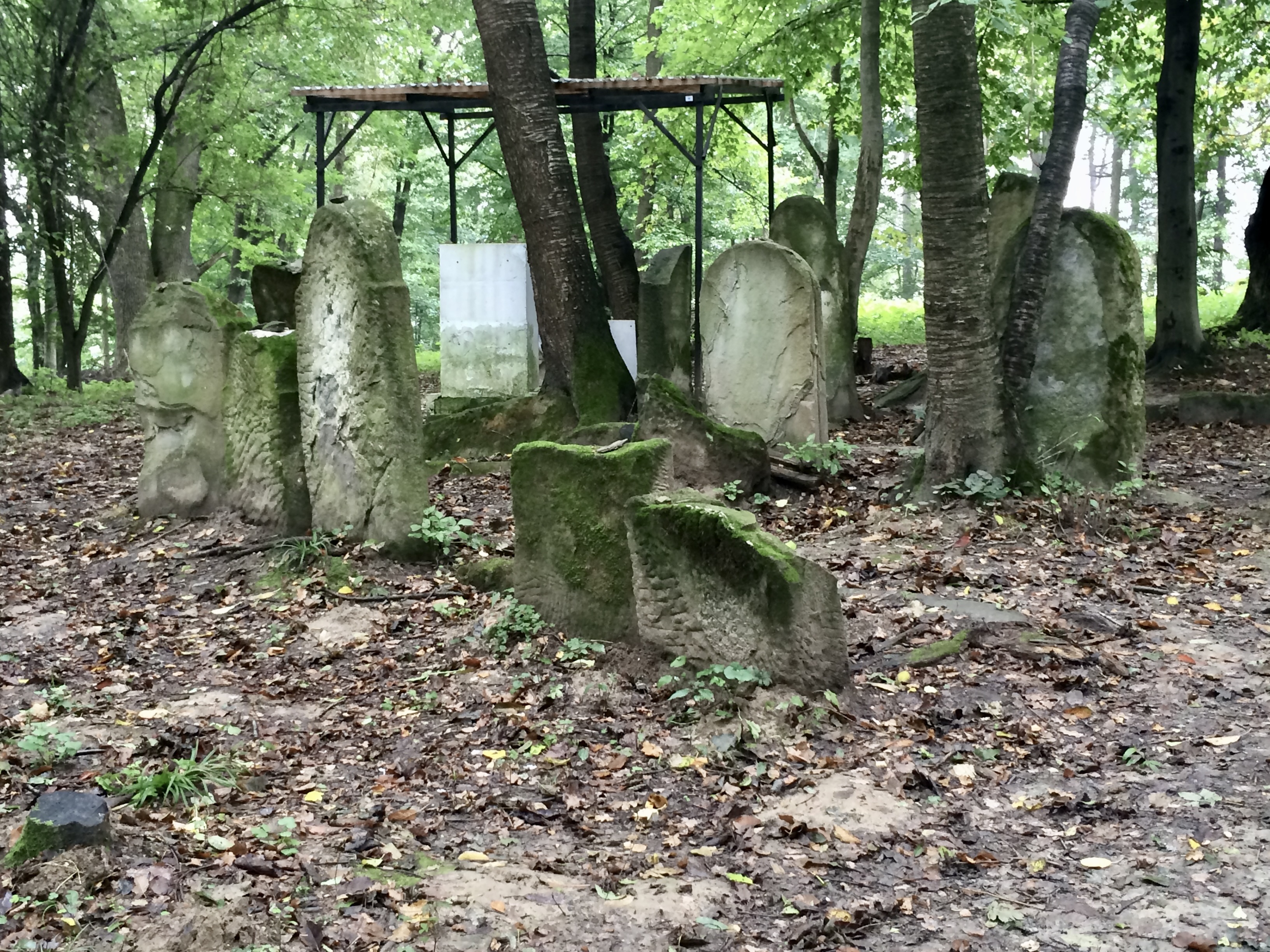
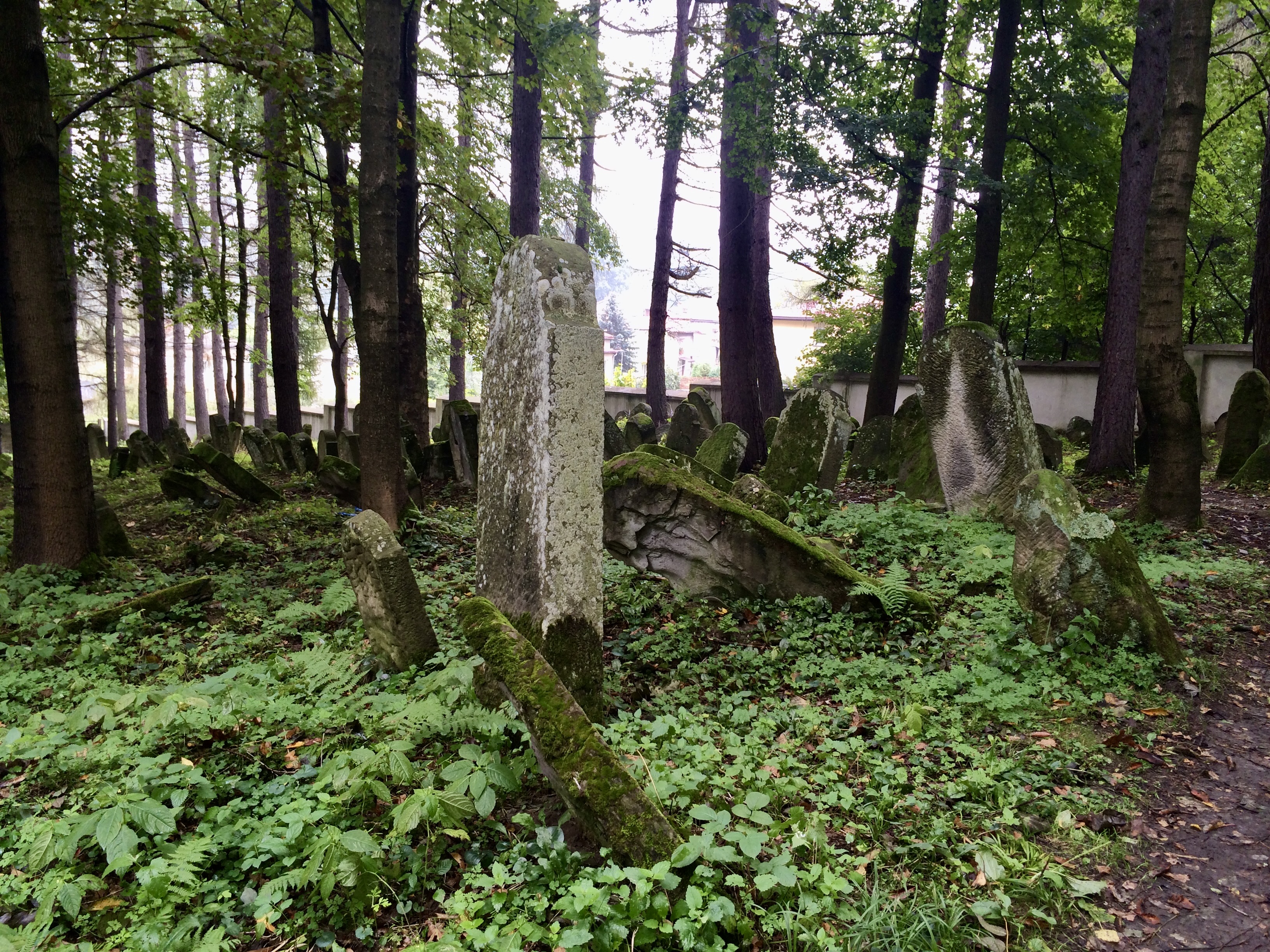
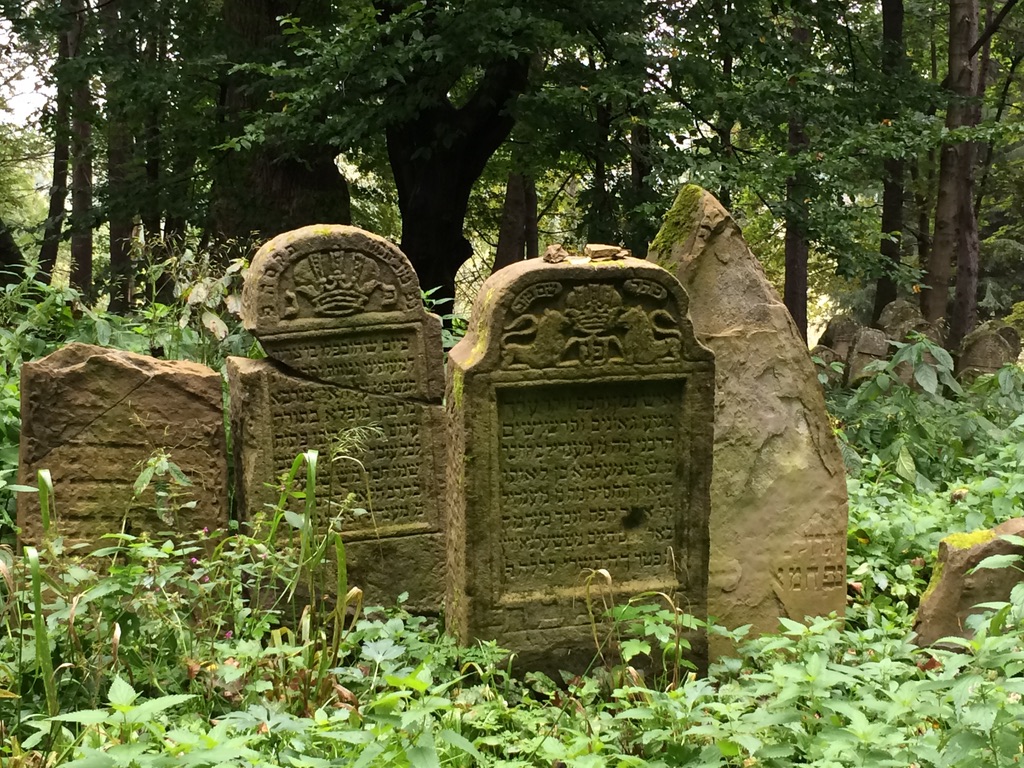
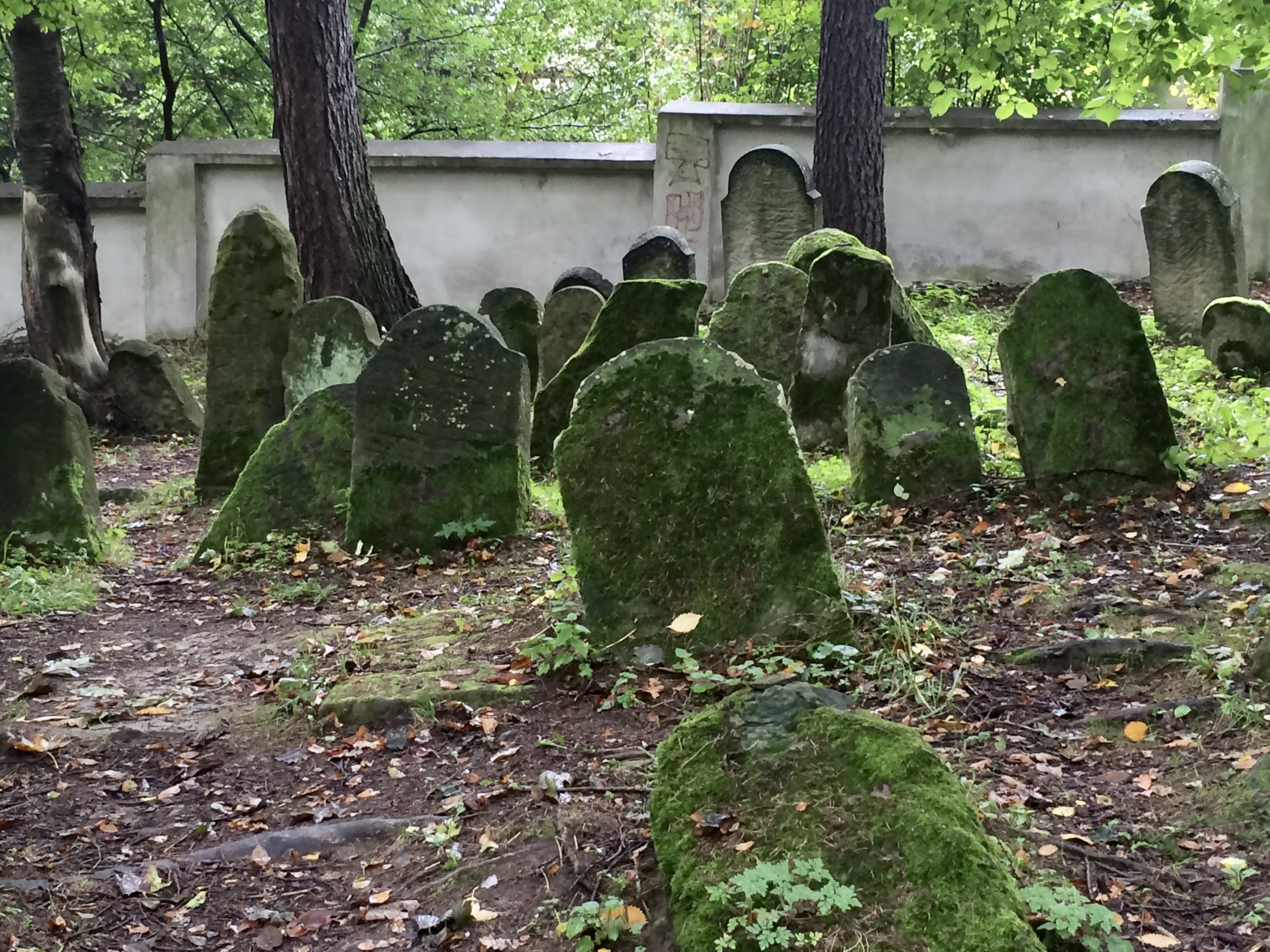
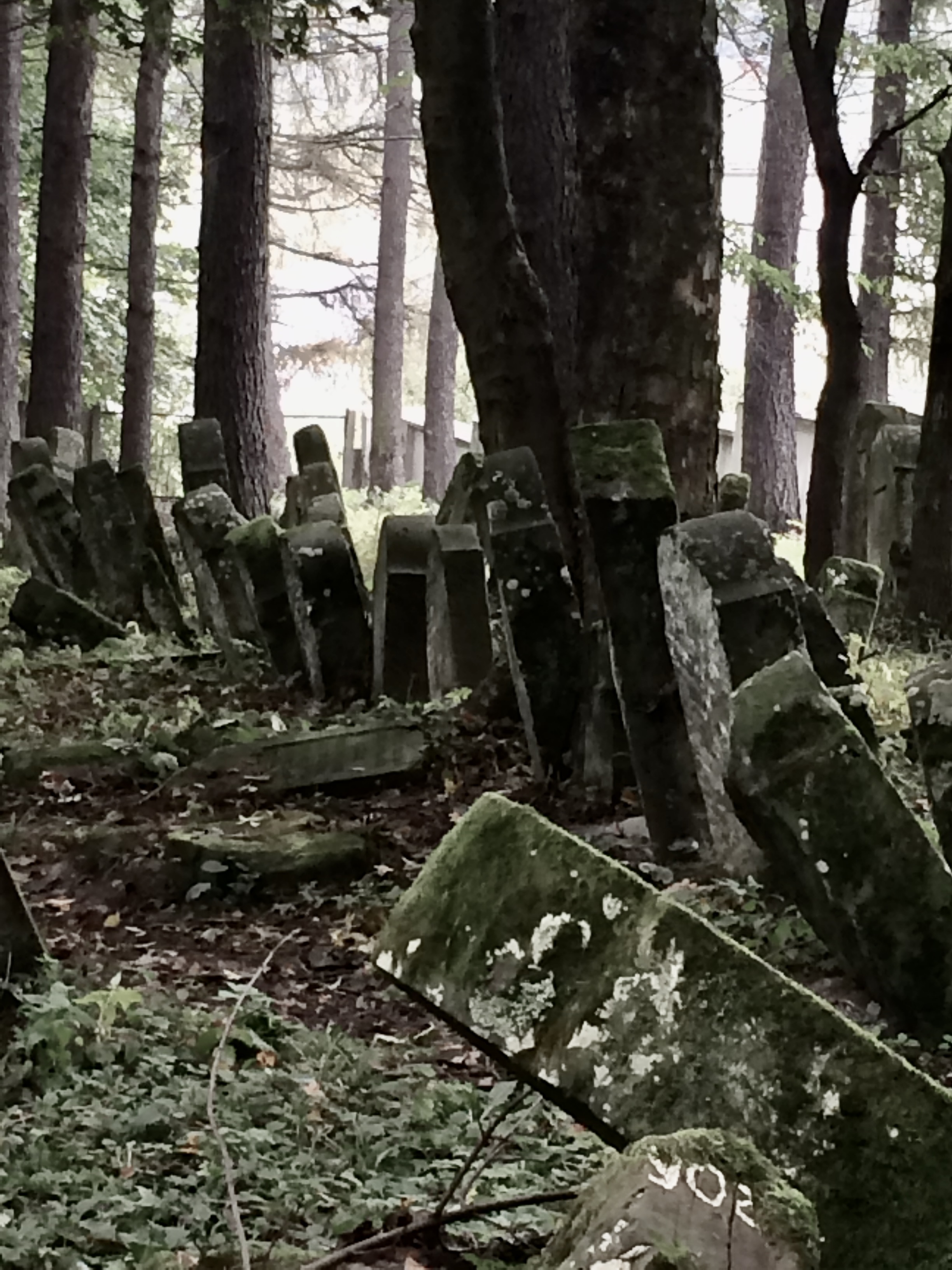
With that information, I decided to ditch Turon (a UN Heritage city) and Lodz and Krakow.. and go to Bukowsko, in spite of the fact that clearly there was absolutely nothing to see in Bukowsko! I did learn that there is a very large Jewish cemetery in Lesko which is about 20 minutes away. So I added that to my itinerary. Initially I planned to fly from Gdansk to Krakow and drive to Bukowsko (about 3 hours or more), but then I searched and found out that there was an airport in Rzeszow (remember pronounced jeshjue) and that would make my drive to Bukowsko only about 1.5 hours. I was set. Then as the date came closer and I looked at my “booted” foot, I thought I might need another driver or at the least someone to come along and share the driving. But who? I decided to contact the University of Rzeszow and see if any faculty member might be interested in spending the day with me. Actually, I figured that they might suggest a graduate student who would want to practice English. i said I would pay. This led me to Anna, with whom I began an email conversation. .. and then today at 8 am she and her cousin Mihal and I ventured to Bukowsko and Lesko. (Anna is a PhD in Political Science and a lecturer at the University — 31 years old, extremely bright with an amazing capacity to speak English and quite knowledgeable about both Polish social issues as well as EU programs being implemented in Poland. Mihal is probably about the same age and is in the Polish Army. His English was halting but he was quite friendly and pleasant — and he had the car!) Initially I said I’d rent the car and I could drive if she just gave me directions. But she said the roads are bad and that if would be difficult for me, so her cousin was the answer. Anna does not drive.
First about the journey and then later more about Anna and Mihal.
We left the center of Rzeszow and headed southeast, through many small towns and villages and agricultural communities — frankly pretty non-descript through what they refer to as the Sub Carpathian (or Podkarpacie Province) Area. .. Anna and me talking the whole time — finding out about how the University works, her research topics, life in Poland today, the region we were traveling, etc. While she and Mihal were from cities only about two hours from Bukowsko and Lesko, neither of them had ever been there, so it was in many ways an adventure for them as well as for me.
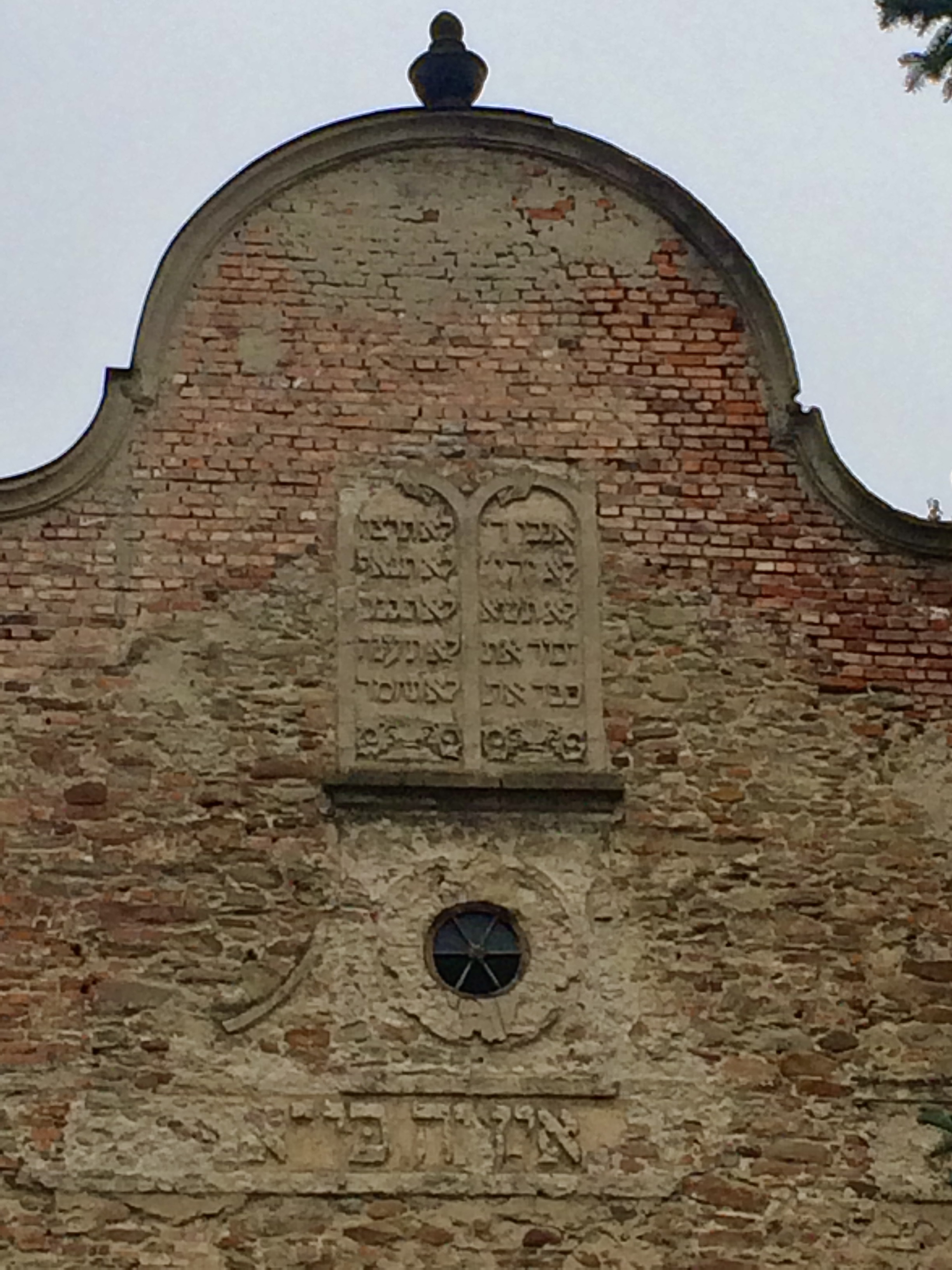
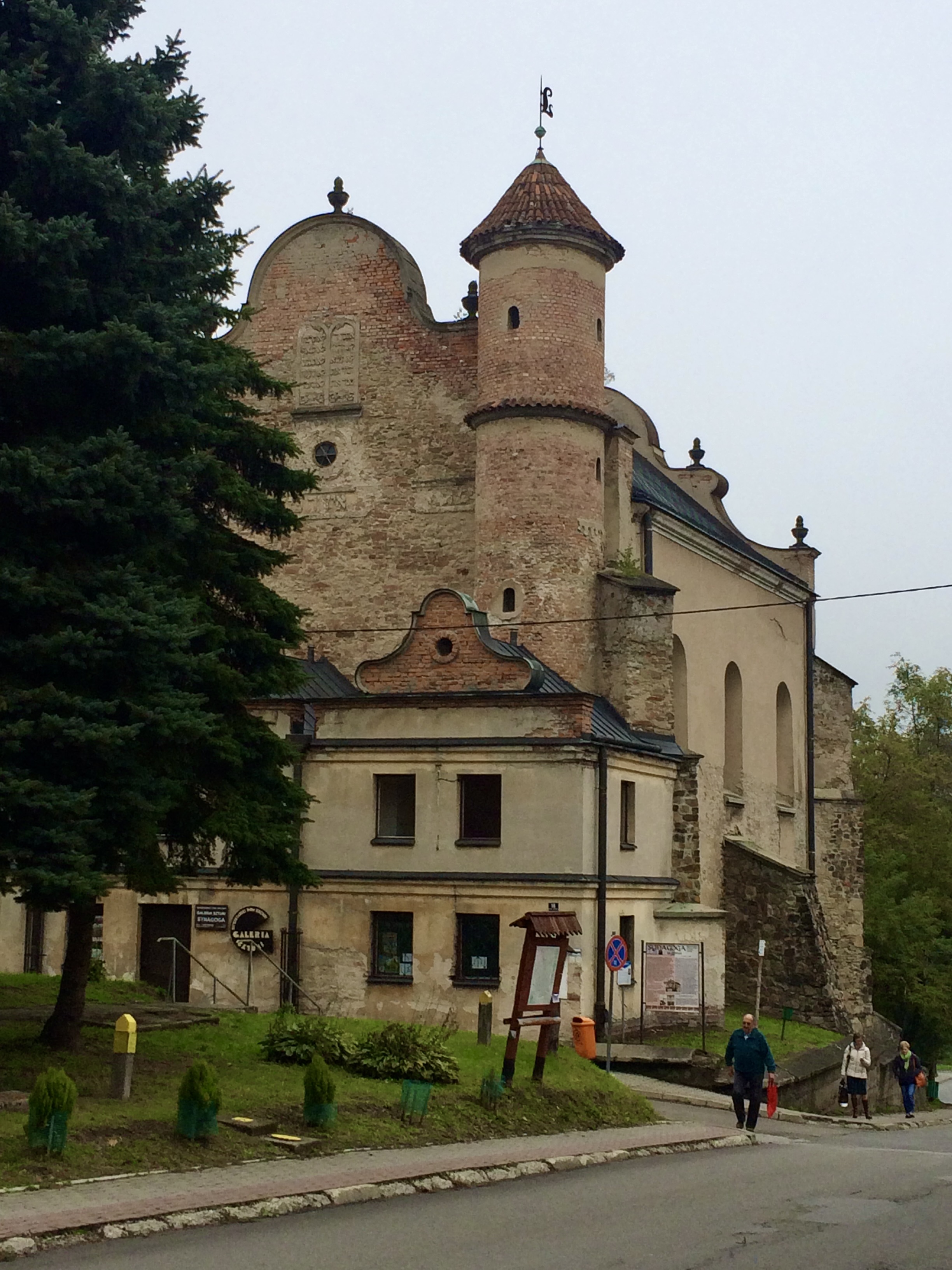
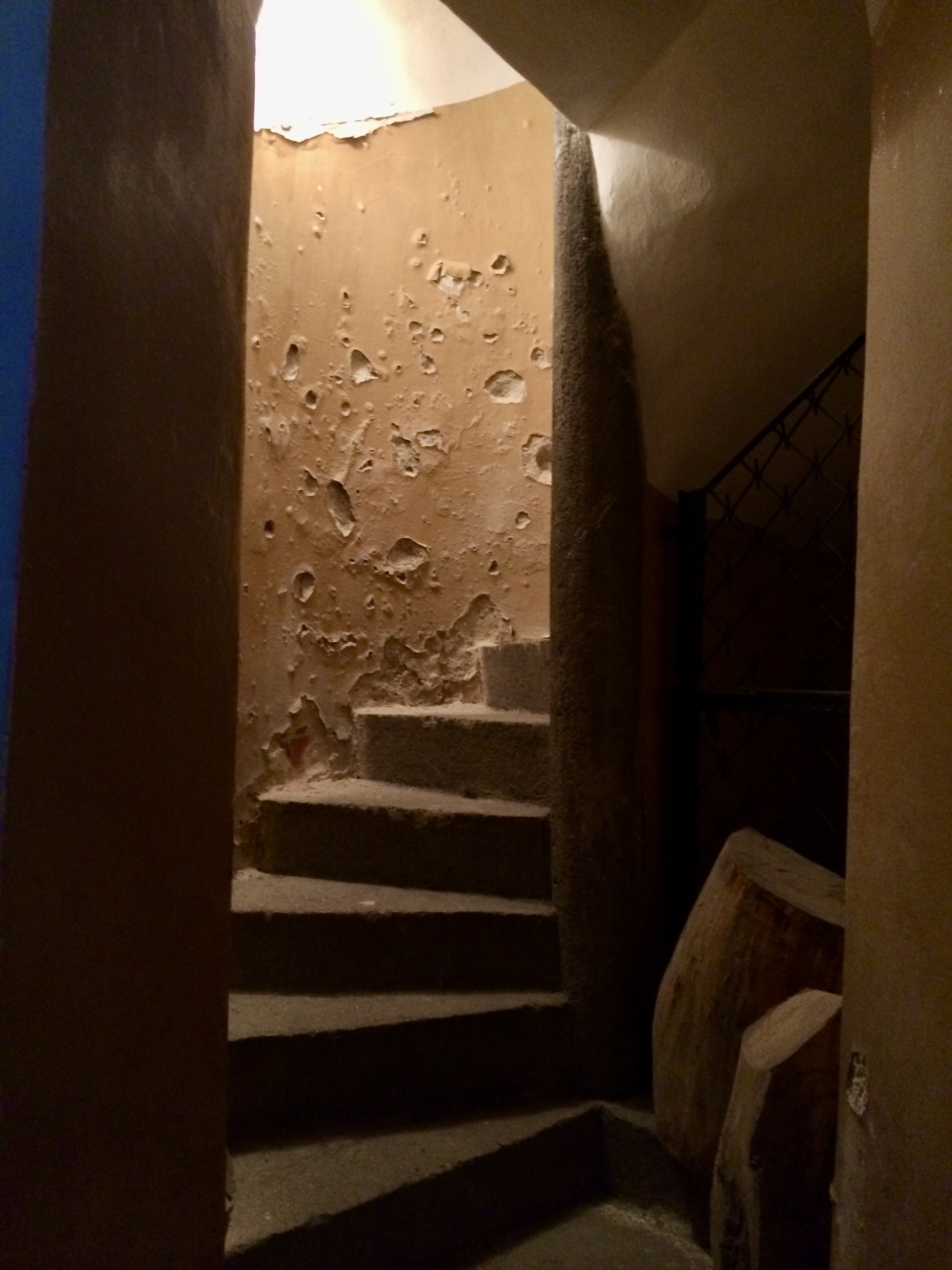
About 90 minutes later we were in Lesko (population about 6,000) and home to a synagogue (now a sort of “art gallery” which was more like a flea market) and a very large Jewish cemetery. Apparently by the 1930s about 60% of the population in the area was Jewish. The synagogue dates to the 1600s. After the war there were no longer any Jews. We parked the car and walked about 5 blocks (not so easy with the boot) in the very misty (and moody) atmosphere of the town. After walking through the former synagogue, we headed to the cemetery — another two blocks — which is situated on a wooded hillside. We soon found the “gatekeeper” — a local guy who was smoking and apparently keeps the key to the gate. We walked the stairs — about two stories high — stone steps covered with moss and wet leaves (another challenge for the boot!) to view the “remains” of more than 2,000 graves — mostly falling over and worn with age. Still, many graves were visible and some were half-buried or covered over with tree roots. Most were sinking. Not being able to read Hebrew I cannot say if any Tigers were located there — although I would imagine they are. Without any Jewish community in close proximity (the entire population of Poland has only 25,000 Jews today), there isn’t any one to care for the graves and the area is totally overgrown. We trodded through the hillside and then reversed our steps down the hill and stairs and to the car. Naturally, I left a few little stones on some of the monuments.
We then took a bypass to see Lake Solina a manmade lake (and dam) that is a popular summer destination. Today, however was cold and damp so there weren’t very many people. And then we went to Sanok (a town that would probably be quite charming on a summer day) for a late lunch because Anna knew a restaurant there. We ate at Stary Kredens where the chef is apparently quite well known and appears on a television channel much like our Food Network. I had the traditional Polish soup — Żurek which is made from fermented rye flour, and contains various meats, like pork and Polish sausage as well as potatoes (naturally) and mushrooms. It has a sour taste and was actually quite good, followed by an overly large portion of duck with cherries accompanied by cabbage, which Anna and I agreed we should have shared instead of getting two orders.
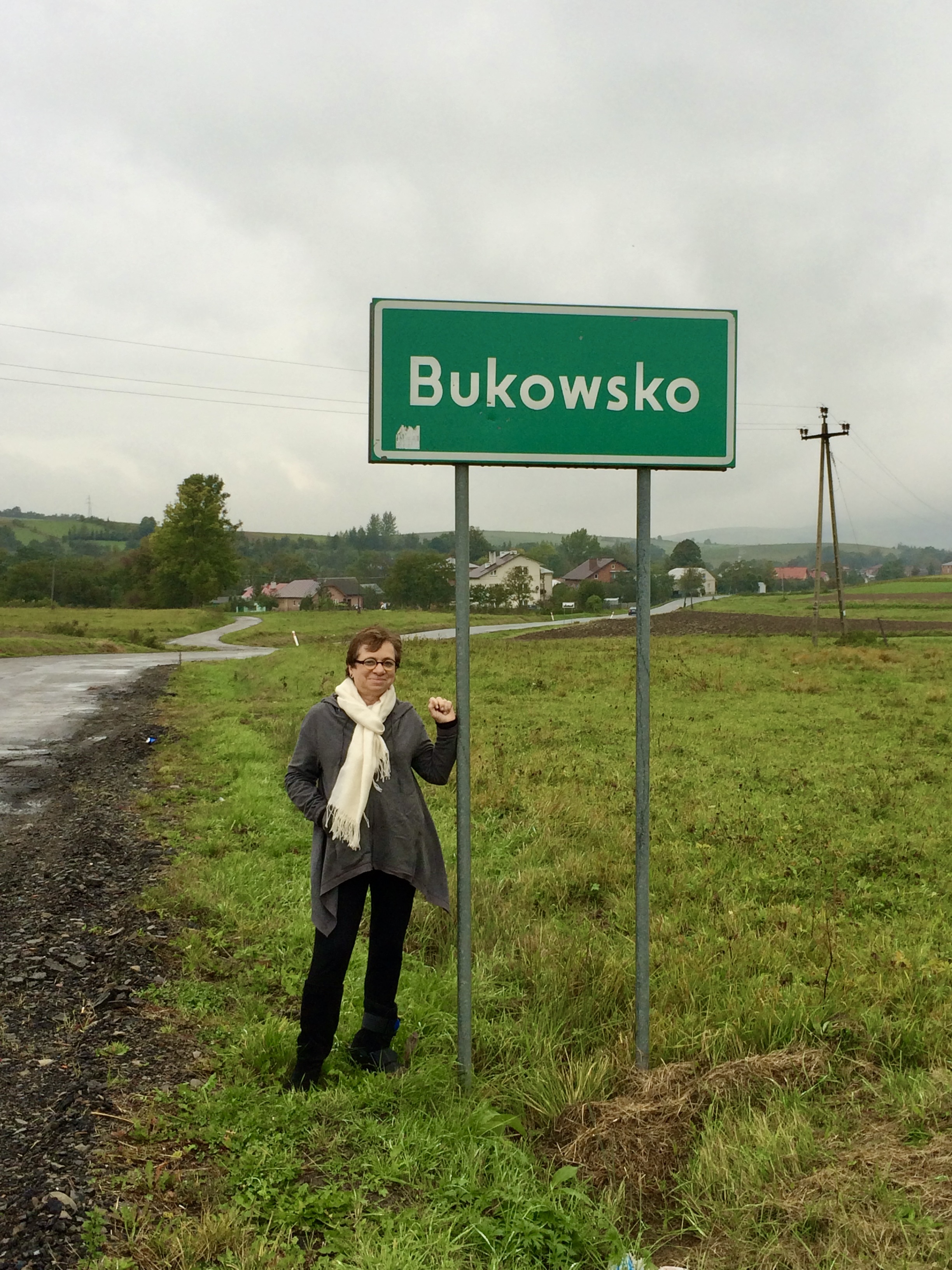
Then it was onward to Bukowsko in the misty rain. Well, not much to say. The town — if you can call it that — is really just a road that winds for about three miles with houses that look as if they were built in the last two decades. People in Bukowsko seem prosperous as the houses are quite large. Clearly any trace of history has been long gone. Took some photos standing by the Bukowsko road sign and headed back to Rzeszow.. tired and ever more curious about my roots and the fact that family histories in some families are very strong and preserved and in others somewhat fleeting.
This has gotten so long, I will sign off now, but I do have more to say about the area, its proximity to Slovakia, and an interesting discovery. More tomorrow. It’s 8:45 and I have to eat dinner and pack. I leave at the crack of dawn tomorrow for Warsaw — 36 hours and then I’m back to the US.
Fern
Gdynia to Gdansk to Rzeszow, via Warsaw — September 26, 2014
Since my Polish doesn’t seem to be kicking in.. I’ll just start with — Greetings from Poland
It’s Friday night and I am in Rzeszow (pronounced — Jeshjoo — Who’d know?). I realized I was pronouncing it incorrectly since what I had read indicated that the university here was quite new and growing, but when I said that to someone at the conference (after I pronounced it Reshow) he must have thought I was talking about a different city and university because he said “Oh no.. that university is several hundred years old.”
Anyway, for a day that was supposed to be very simple and mostly travel it turned out to be quite a day!

I packed more than I needed since the weather was so unpredictable (based on weather.com before I left).. and my shoe situation (needing to have only right shoes, since the left is in the boot and needing to balance the boot with the right size heel… ) and then I picked up some books at the conference.. and the conference proceedings weigh a ton.. so I decided it would be good to ship back a box with heavy things (mostly the books, but padded with some clothes I clearly didn’t need). I’ve shipped things back from all over the world on various travels.. even from Kathmandu and South Africa and all over Latin America.. thus I figured it would be easy in Poland. I talked with the hotel reception desk several times and it seemed to be a very complicated process (or so they thought).. But I persevered and last night I thought it was all arranged. But this morning when I came down to reception they said I had to fill out all sorts of papers and that it had to go by DHL (who wouldn’t take a credit card and said I had to be present to transfer the box to them) and it went on and on.
I decided to head to the final conference session and figure it out when I got back to pick up my bags before going to the airport. In the meantime, the reception desk called DHL again and printed out the forms and then said I needed to talk to DHL, which was complicated since the first two phone people didn’t speak English and as you know my Polish is not quite up to par! Finally an English speaking person came on and the reception desk gave me the forms. But the forms were all in Polish. Just as I was beginning to show — just a bit — of frustration, a guy showed up at the reception area, who acted like he knew me — Tomasz — who asked if he could help. Turns out he is an architect interested in city planning and he was volunteering at the conference. He was in the lobby at that moment because he was gathering all the conference goers together to get on the bus to go to the conference center (The conference has buses that go back and forth most of the day between the various hotels and the center.)
He talked with the reception and with DHL (in Polish) and then said — “Forget it.. We can find a better and cheaper way to do this — with the Post Office.” I had asked that of the reception desk yesterday but they made that seem like it was impossible. Anyway, Tomasz took the box and we went on the bus to the conference.. He sweet talked (he’s quite a charmer) the conference desk to hold the box while I went to the final session (to hear Alex Krieger from Harvard give a very good talk on waterfront development challenges and opportunities).. and then I went to the lobby to meet up with Tomasz. He was on the phone with his mother who was going to go to the post office to get a number and stay in line so that when we got there we wouldn’t have to wait!! I was a bit embarrassed but Tomasz said it was no problem .. his mother goes to the post office all the time and she knows “the ladies” there. And that whenever Tomasz travels he sends picture postcards to “the ladies” in the post office so they know him and his mother.
OK.. off we go in a taxi to the post office and to meet his mom. Lots of negotiating seemed to go on, but the cost of shipping the package dropped by 80%! Indeed DHL was going to charge the equivalent of $180.00 (which seemed awful, but I was actually desperate as the bag was too heavy for me with that stuff in it. So now it cost only $20 or something and it is coming to the US at the same time as DHL would have delivered it. Well, that is if you really believe it will make it to the US at all. I had valued the box at $500, but the post office lady told Tomasz I should put “no value” because if it said $500 USD it would seem very valuable and good chance it wouldn’t make it to the states. Someone would steal it. I’m not guaranteeing anything.
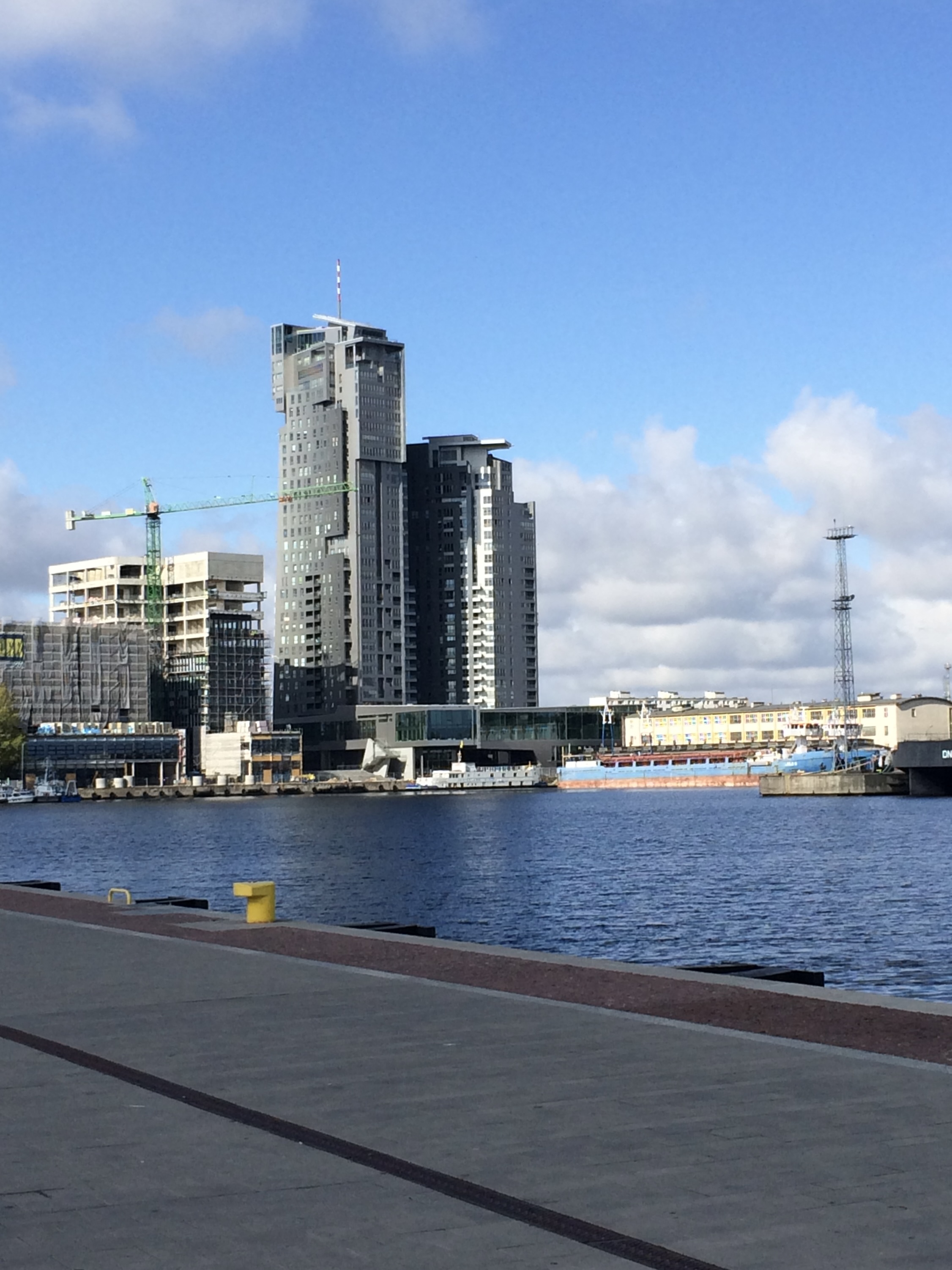
Then Tomasz decided that there was enough time to give me a little tour of Gdynia. I actually had seen very little as by the time the conference ended each day it was dark. So we did a driving tour, after we went to get his car.
By the way, it turns out that Tomasz is the one who asked the question at my talk about my coming to Poland to become the President of the country to get things moving in the right direction! So he followed this up by telling me that everyone in his row (I assume all Poles) were “wowed” (his word) about the process I explained in the talk. He said they couldn’t believe it was done.. wanted all sorts of information. Tomasz did his schooling in Australia so his English is obviously excellent. He started out as a jeweler, had a business making original jewelry (silver and gold), went to Australia and then had to come back to Poland because his father was dying.. then returned to Australia to go to architecture school.. and eventually returned in the past few years. Anyway, he’s very fixated on the Gdynia waterfront and what he sees as terrible decisions on the part of officials. (I think he’s right, but it’s obvious that economics is driving decision-making and that private investment can do whatever it wants in Poland).. We had an interesting talk about these “very very rich people” in Poland that he talked about — who they are and how since the fall of Communism they amassed this money. Tomasz’s answer which is a lot like the information we got from our friends in Czech Republic many years ago is that the former Communist leaders were able to get themselves into high positions, to make lots of money, and to hold on to assets..
As a result there is a bit of a backlash against heroes like Lech Walesa, who many Poles feel turned on them.. knowing full well that while it all looked like the fall of Communism, in reality those people still have great power in the new capitalist system. Apparently Poland is more extreme than the other former eastern bloc countries.
So then I went to the Gdansk Airport, but my plane was about an hour late, meaning I would miss my connection to Rzeszow.. Wasn’t sure what I would do, but figured it was best to just proceed as planned. The LOT flight to Warsaw from Gdansk was fine (once we boarded), but there were stairs to walk and I had my carry-on bag with computer which was sort of heavy.. When we arrived in Rzeszow more stairs.. If there were lifts, I couldn’t find them and language is more difficult than I expected. While I was in a sea of English at the conference despite participants from more than 30 countries, on the streets of Poland most people do not know English. It’s interesting since English is very common now in other eastern European countries. Even the airlines people were hesitant in English. And few taxi drivers spoke any English. I think it probably also reflects the fact that they don’t get as many American or British tourists as other countries.
The flight from Warsaw was fortunately late as well, so I made the connection.. and went on a small turbo prop from Warsaw to Rzeszow.. kind of like flying from San Francisco to Fresno. Arrived in Rzeszow — more stairs.. (not easy with my foot in that damn boot). Checked into the Bristol Hotel.. a large old hotel on the town square. The hotel has a casino in the basement. I needed to get cash and they said there was a bank machine on the lower floor.. Suddenly there I was in the Vegas of Rzeszow.. small mostly slot machines.. I think I’ll skip it.
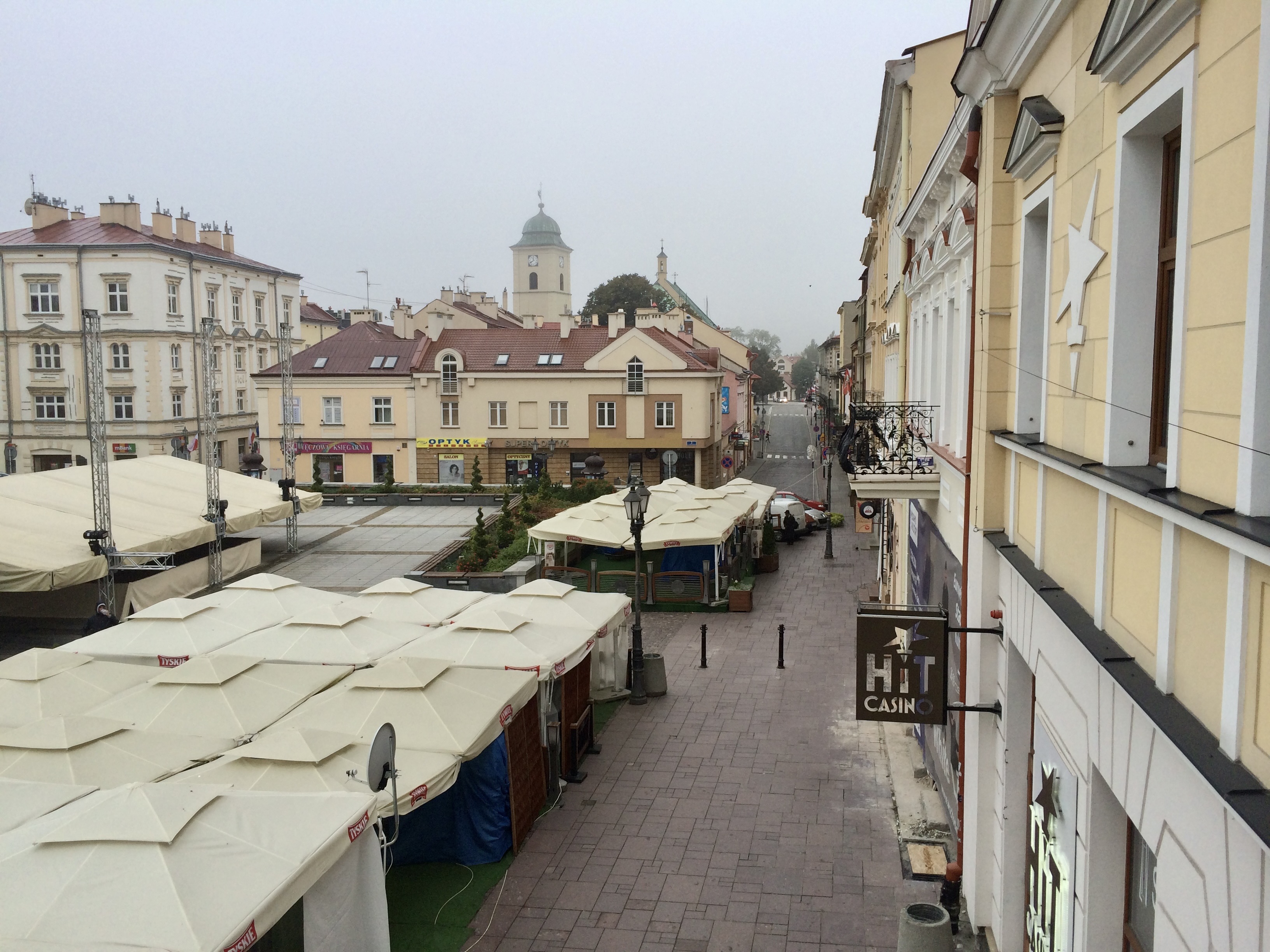
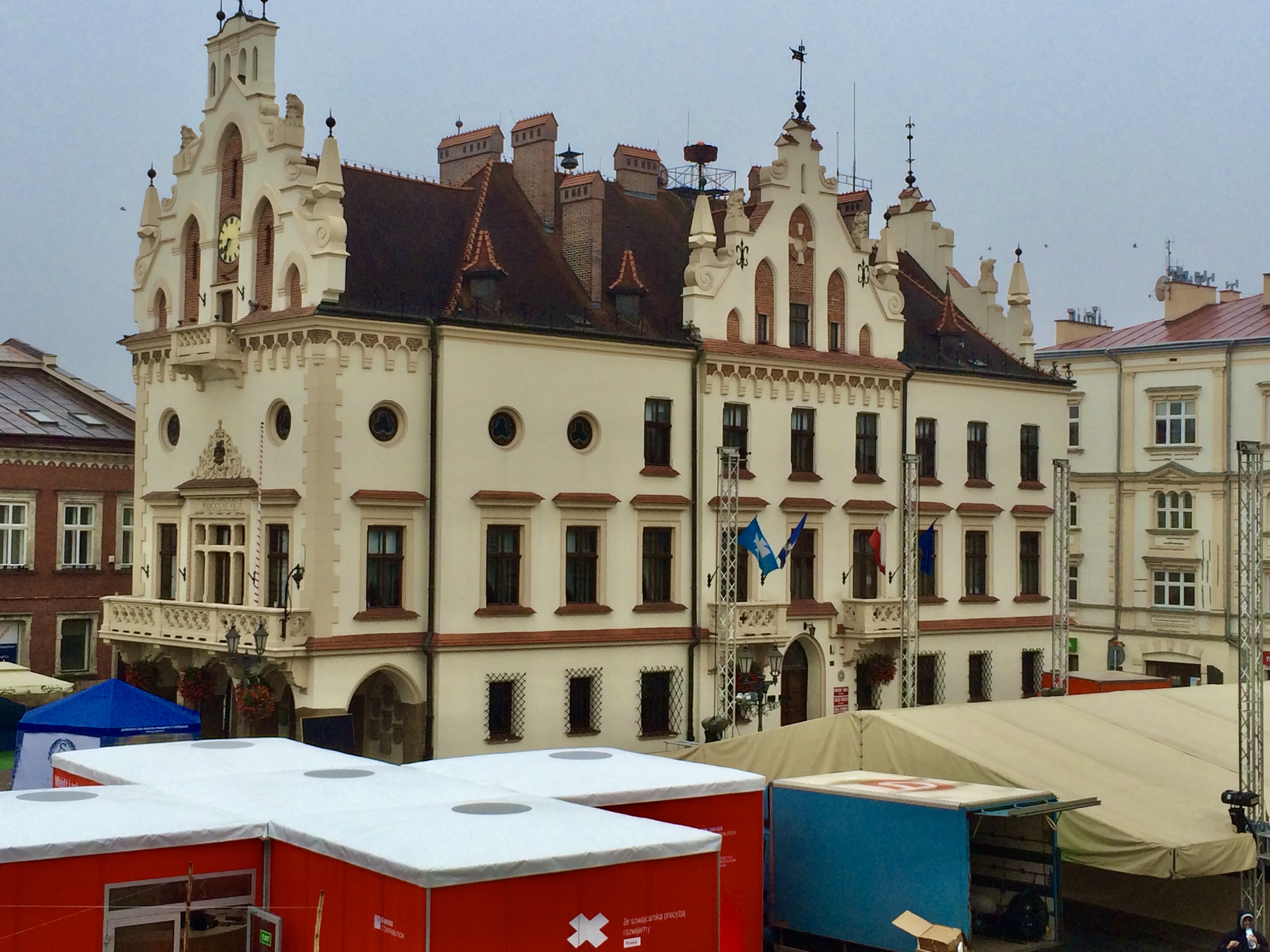
Went for Italian food at DaVinci’s… Perhaps Leonardo is turning in his grave. My advice would be not to come to Poland for the cuisine. Their national foods are starchy and very high carb… the international stuff are attempts, but somehow they just use too many ingredients.. like at DaVinci the lasagna had meat and salami (but I think they meant sausage) and all sorts of additional ingredients beyond typical lasagna. (I didn’t order that).. Again, prices are very low.. I had a salmon tartare (lox) appetizer that had more lox than you’d serve to three people; pasta (supposedly with an arabiata sauce, but not quite as it was pretty bland and lots of onions.. that’s another thing.. they love onions.. they put them on everything); a very very large beer that I couldn’t come close to finishing; and a bottle of sparkling water… The bill was about $18.00… By the way, I had beer because when I asked about wine.. by the glass.. he said there were two red wines.. one was sweet and the other was sweeter.. Beer sounded really good.
Given the prices.. Maybe retirement in Poland? (just forget about gourmet foods). Tomorrow it’s my day to find my roots… More then –
Best –
Fern
September 25 2014 – Poland
Witam z Polski (Hello from Poland).. actually from Gdynia to be more accurate.
First, a few things I left out of yesterday’s note: Warning — if you are coming to Poland, don’t book a “single room” (which in the US would mean one person to the room and maybe a double bed instead of king?). In Poland it means a room big enough for one person and a single bed size. I feel like I’m in an old-fashioned college dorm. Actually the Rozany Gaj is very nice and simple and well located for the conference, but single room meant single size bed. Good thing I’m small. But I must admit I keep thinking if I roll over I’ll be on the floor!
Also — forgot to mention this: Yesterday, one of the speakers from Shenzen China (she was young) said her city had just 25,000 residents (a village) in 1985. Today it has 16 million people and growing fast. Will grow one million per year for foreseeable future at least until its 25th anniversary in 2020. It’s close to Hong Kong. Unreal. The photos make it look like a model — not a real city.
And there won’t be too many photos since it’s a little difficult to photograph while in “the boot” and stay balanced if there isn’t a good sidewalk.
I was up pretty late last night (until about 1 am) dealing with emails and work and calls to the office… and hadn’t had more than about 5 hours sleep in the previous 36 hours… so this morning, I woke up at 5 am and couldn’t fall back asleep. Eventually got up, showered, went down for breakfast, and was about to head to the conference when I realized I was super tired. So I went back to bed for two hours — missed the opening daily remarks — and got to the conference in time for the actual sessions. Kind of like playing hooky!
Figured it would look bad if I just showed up for my own session which was at 2:30.
The papers are really quite interesting and it’s stunning how little the US (or North America in general) is referred to or used as a model for any of the work being presented. So I’m a bit exotic here! And the range of topics is quite wide. Today there were two from Brazil dealing with water in the favelas and also water as a driver of economic development; questions about whether water as a driver is a long-time strategy and the impact on gentrification was a big topic throughout. An interesting presentation on Doha (and their fabricated Disneyland waterways), one from Calcutta, and one from France, and one on Tazmania. It’s global for sure!
Weather has been pretty good, until tonight when it started to rain. I hope that’s not an omen for the remainder of my trip which I will explain in a minute.
Anyway, my presentation began at 2:30. I had been selected as the keynote for the track. There are 6 different tracks, so six keynotes. Apparently the reviewers read all the papers (abstracts at that point, I believe) and first make selections as to which papers will be accepted for presentation. Then they decide which track each paper goes to (which is pretty complicated since no one is writing for a particular track and the track topics are broad — I was in the “policy, community, governance” track ??) and then another group reads the selected papers and decides which paper will be the keynote for each track. I guess it was a bigger deal than I thought. I had been pretty quiet (mostly because I was so tired) all day yesterday and just listened to each paper in my track (glad I went on the second day so I could see how they structured each session). So this afternoon, when I appeared at the correct room they made a big deal about the keynote… Got more time to present, more time for questions, and other speakers who followed me referred to “as the keynote speaker said…” Anyway, there was one funny comment/question at the end of my question period. A Pole asked “Can you come to Poland and become President so that we can have good community engagement and get things done here!” OK.. over and done.. with my part. Tomorrow is the finale and the final closing speech. There’s also a gala dinner tomorrow night but I’m headed out to Rzeszow.
Once I got back to the hotel, I packed and headed to dinner at a restaurant that is rated highly… I had perch.. naturally with potatoes… and some mushrooms. The menu was interesting, especially the translations… but I also learned that the Poles think fish is ok in a vegan diet. The menu noted vegan meals with a little leaf symbol and all of the fish dishes had that icon! It also appears that they like to keep the restaurants brightly lit.. None of that problem of having to use your flashlight app on your iPhone to read the menu! Prices are staggeringly low compared to what we know. This was considered one of the three best restaurants in Gdynia. I had the main course (tonight’s special) – perch with potatoes and mushrooms, two glasses of wine, and a scoop of pear ice cream for dessert.. There was also a little appetizer bar with pickled vegetables, great bread, etc…. The bill was USD $35.
So tomorrow, after the morning sessions, I head to Gdansk Airport and fly to Rzeszow.. in the south. I change planes in Warsaw. (Flying on LOT – Polish Airlines — no jokes please). I’m going to go from Rzeszow to Bukowsko and Lesko in the far south east — very close to Slovakia border — to see the village (which doesn’t really exist anymore) where my grandparents on my father’s side are from. I’ll explain more in a subsequent write-up.. I don’t really know that much about my father’s side of the family so it took a lot to get this much info. Bukowsko is the village name.. they were in a stetl there (or so I believe). And 20 miles away or maybe 20 KM away is a Jewish cemetery which still exists (but I’m sure is in terrible condition). I’ll visit that as well. I’m being accompanied by two faculty from the University of Rzeszow. More about them on Saturday when I meet them.
Time to call it a day..
Dobranoc (good night!)
Fern
Poland Day One and Two – September 24 2014
Pozdrowienia (Greetings)
So for starters don’t even try to pronounce anything that you see written in Polish!
Arrived in Gdansk on Tuesday night (much later than expected, since there were delays out of Frankfurt which was my connecting city). Originally I was planning to rent a car in Gdansk and drive to Gdynia where I am speaking at a conference (the 50th Annual Congress of the International Society of City and Regional Planners – ISOCARP). And, I was supposed to come Monday night but given my fractured foot (read all about that one in the Berlin/Helsinki trip last month), I decided to come a day later — giving me lots of time (not really) to finish various projects.
Flight was uneventful except for the delay. As the plane touched down in Poland, I realized I was last here about 35 years ago when the world was a very different place. Gdansk Airport is quite new, very modern… but like all European airports they hide the elevators (lifts) — no signage for it and out of the way.. and often require a key. Because of my “boot,” it’s easier to take the lifts rather than stairs (especially with baggage), but that’s always an extra step. Decided to take a taxi from Gdansk to Gdynia; too dark to see anything. Unfortunately, I really won’t get to see much of anything due to both the conference and also the fact that walking isn’t so easy on cobblestone streets with the boot. Can’t wait for it to be off.. (I think I’m back to shoes in about two weeks.. or so I hope).
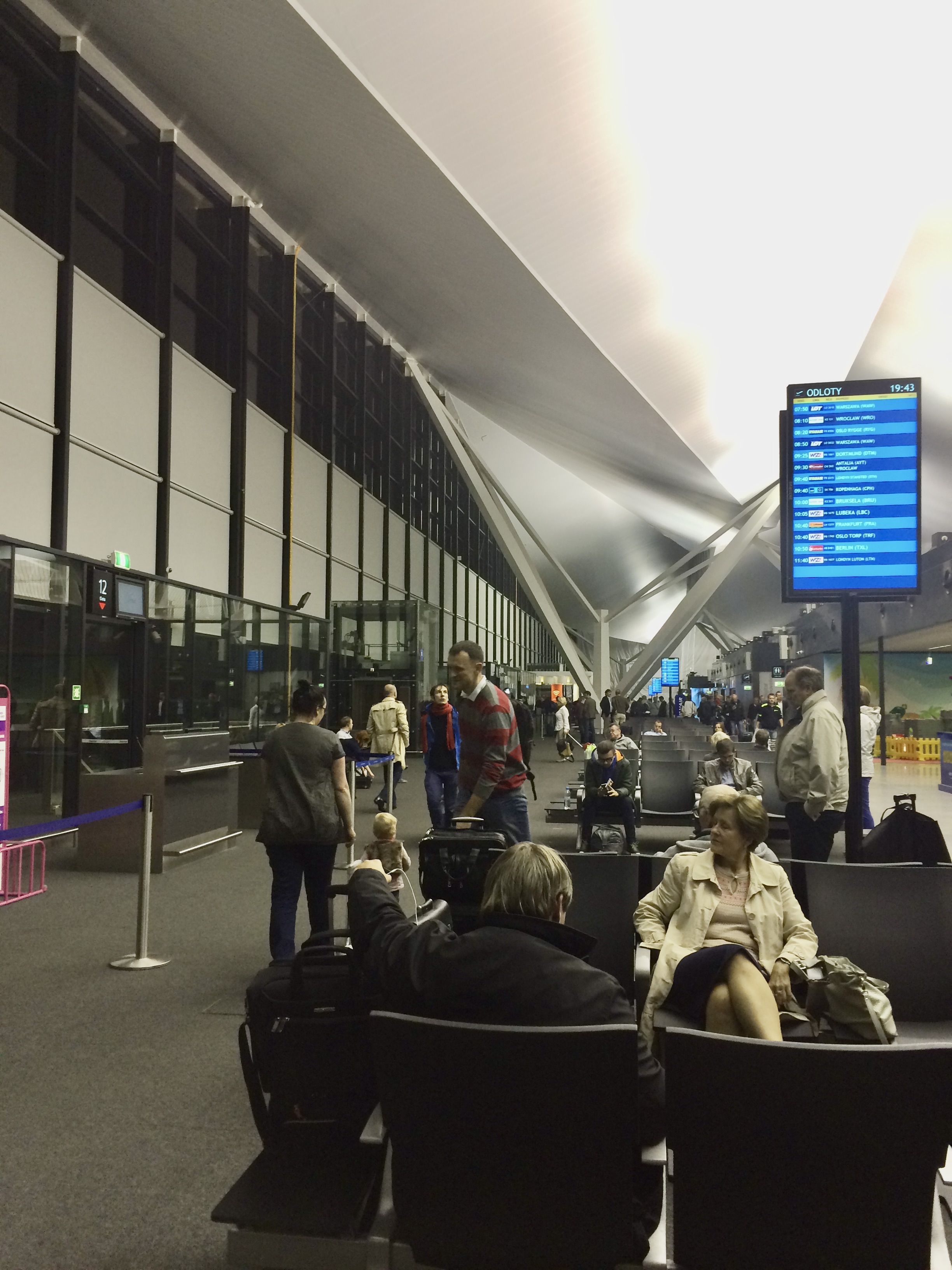
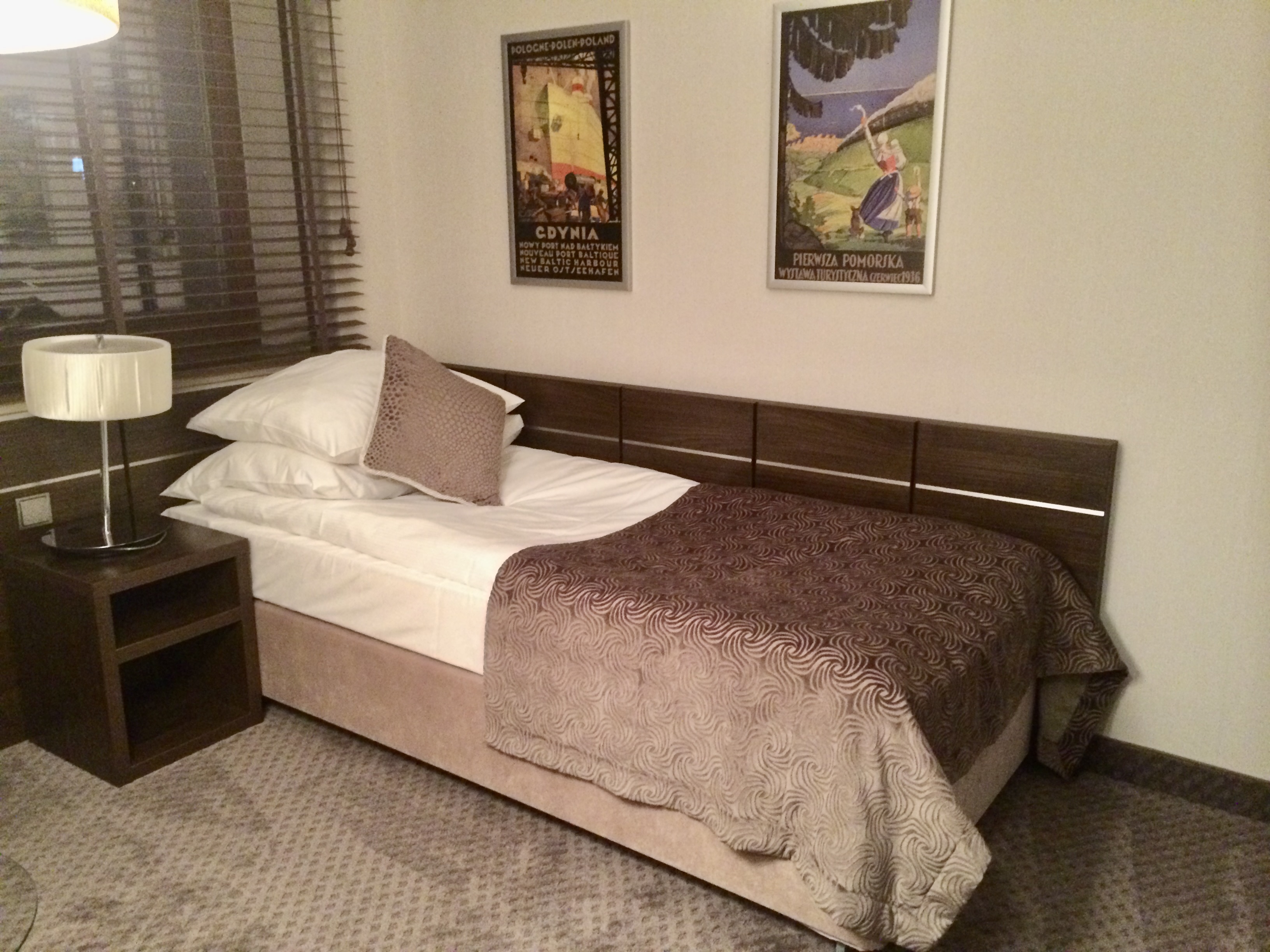
Decided to eat at the hotel after my late arrival. I was the only one in the hotel restaurant. Food was pretty good.. better than when I was in Poland a long time ago. From what little I’ve seen thus far, in general, Gdynia is a new city… with a large seaport and waterfront that includes a broad promenade, a boardwalk, and lots of areas to exercise, run, walk, do par courses, and also eat at a handful of fish restaurants.
Eventually, I fell asleep.. and then woke up to attend the first day of sessions (today, Wednesday) at the conference which is about Urban Waterfronts. I focused on the sessions that are in the “track” where I am the keynote speaker — Community, governance, and policy for waterfronts.
The conference participants seem interesting (I don’t know a single person!) — predominantly from Africa, China, South America, and all over Europe. Only four Americans including me, one Canadian, two or three Brits — but the official conference language is English. This morning they had an interesting “presentation marathon” with 10 participants presenting their projects (architecture and planning) to the whole conference. They had exactly 10 minutes, and as soon as the 10 minutes was up the slide switched to the first slide for the next presenter. They did a good job, but most were cut off before they finished. The audience all voted for the best presentation. Then the sessions began. It’s an interesting mix of topics and papers — with some of the African participants discussing access to water (meaning clean drinking water and an adequate supply for bathing, cleaning, and cooking) to others focused on the “design” track where they are discussing state of the art architecture and master planning for waterfronts. But most of the presentations are dealing with real projects and challenges.
Lunch was what I remembered Polish food to be — starchy and lots of carbs. They always seem to serve meat or fish and always rice AND potatoes AND bread, and just a tiny amount of salad. Tonight I went to a restaurant fairly close to the hotel (which is called Rozany Gaj — and which I think is pronounced “rajnee-gay). The restaurant was called Barracuda and it was on the walking area of the waterfront. The driver couldn’t go all the way to the front door since it was located in a pedestrian only area.. so I walked about two blocks, which was really nice.. people exercising in the dark; doing some kind of group exercises; skateboarding; inline skating, etc. Close your eyes and it could have been Venice (CA). I ordered the baramundi which is a local fish (without a translatable name). And naturally it came on a bed of risotto (beet root) and potatoes, and about two limp asparagus. Vegetables still don’t have a leg up here.
By the way, there were a few throwbacks to my earlier trip… when I checked into the conference, the woman was so frazzled because two people wanted to use credit cards instead of cash! She literally told one of them to come back in an hour when she finished with the first person. They’re in the EU but they don’t use Euros; costs are pretty low (not like the rest of Europe); and you can see some remnants of life from 50 years ago..
More tomorrow; I’m fading (It’s 11:30 pm) and tomorrow is a long day.
Best –
Fern
Wrap up — Helsinki . August 28 2014

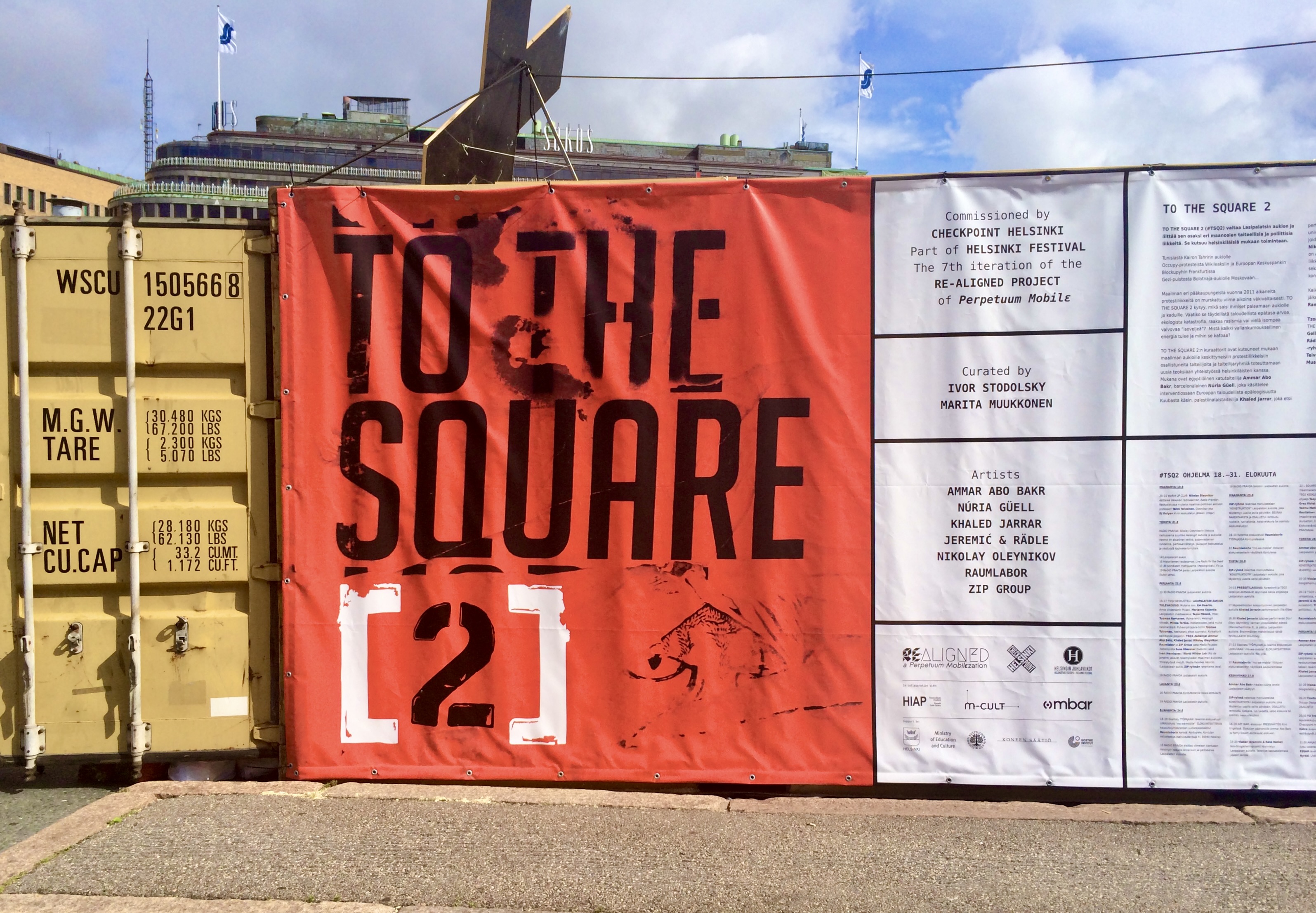
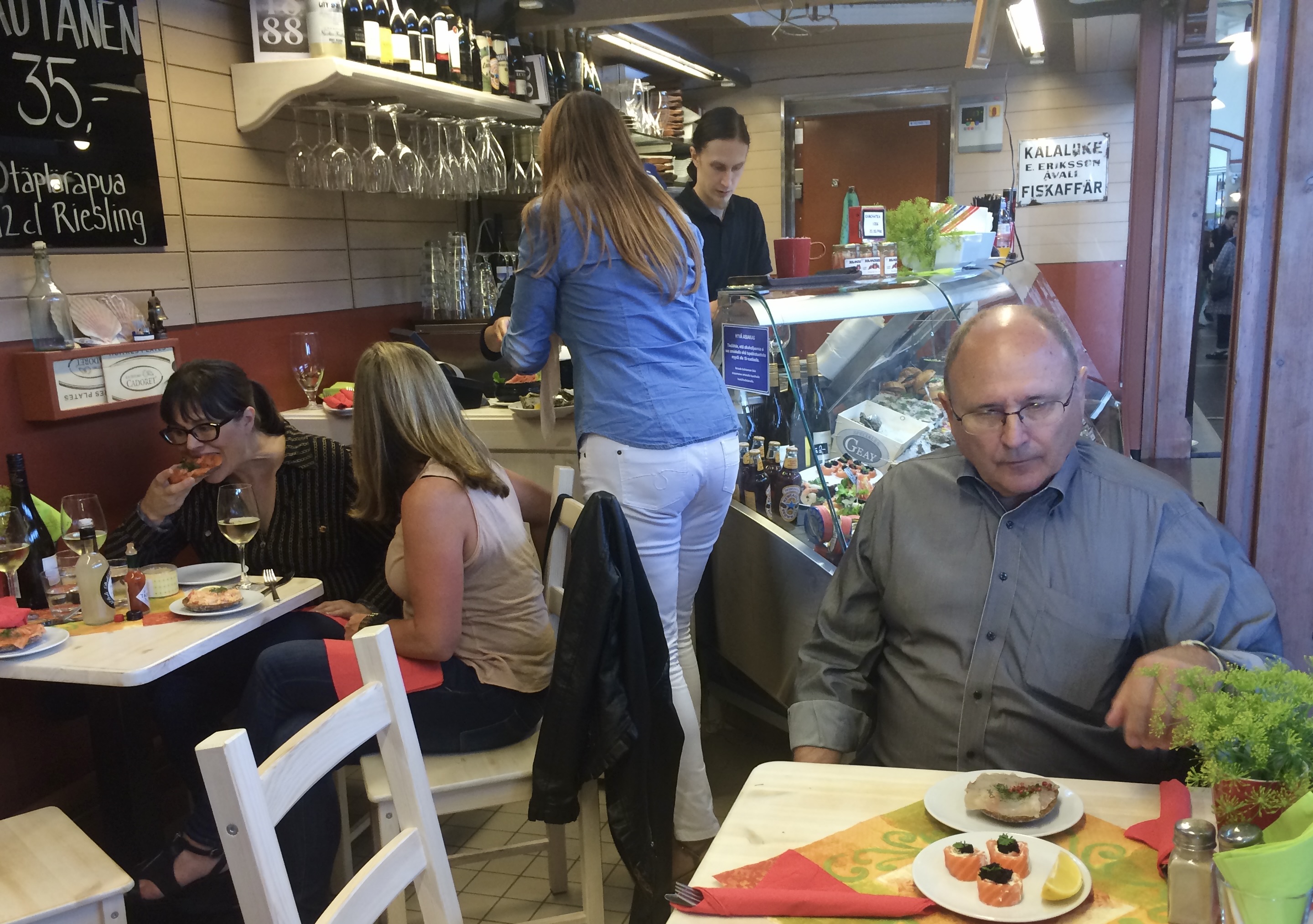
Terve Terve –
I’m sitting at the Frankfurt Airport waiting for our flight to SFO. It’s already been a long day — wake up call at 4:30 am; out the door at 5:30 to what we thought would be a taxi — but it turned out that all taxis were occupied as were all “comfort cars (limos)” and so the company sent a bus! An 18-seater for just the two of us. Seemed ridiculous, but no choice. So off we went in the bus that had dark windows. Very cushy.. but totally crazy.
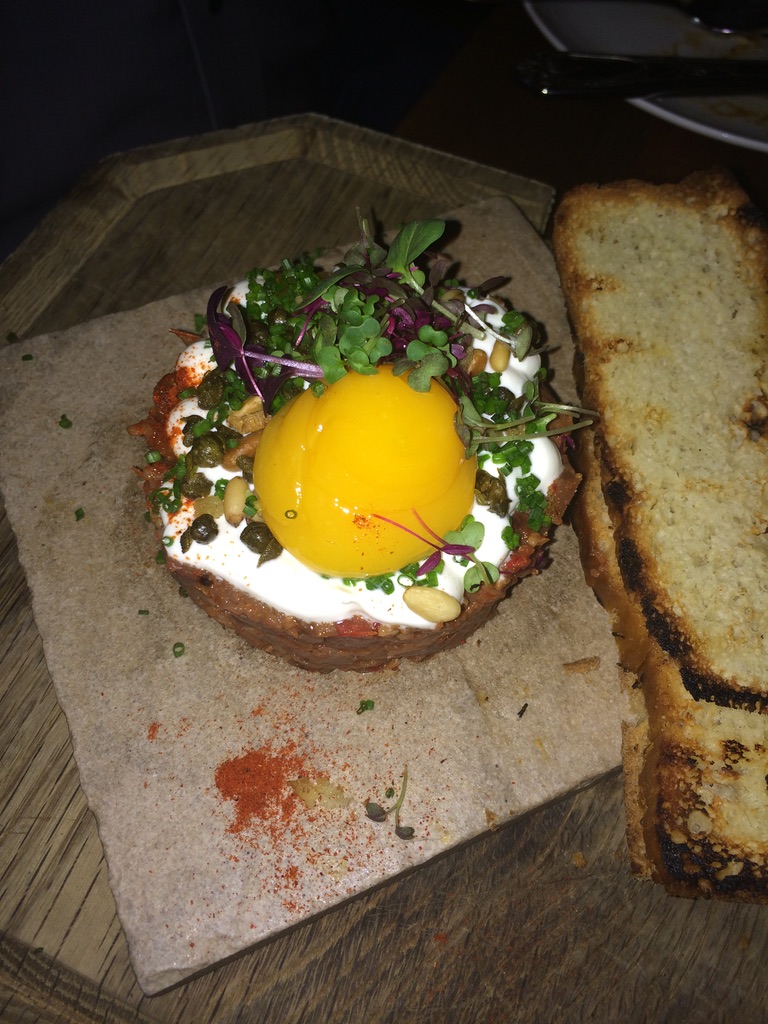
Our last dinner was quite wonderful — at Boulevard Social — a modern twist on Mediterranean cooking with recipes from Tunisia, Greece, Morocco, Lebanon… Started with some of their signature drinks. I had the Tsatziki Stan (vodka, yogurt liqueur, cucumber, pepper, lemon). Started with some small plates including a Moroccan “pizza”, green gazpacho shrimp cocktail, and mini lamb kebabs… For main course we chose the beef tartare MUHAMMARA (with roasted walnuts, red pepper, garlic, capers, and crispy bread). Dashed to the hotel by about 11 and packed.. so it was a tough night and morning..
OK.. the wrap up on Helsinki and Finland. Briefly…
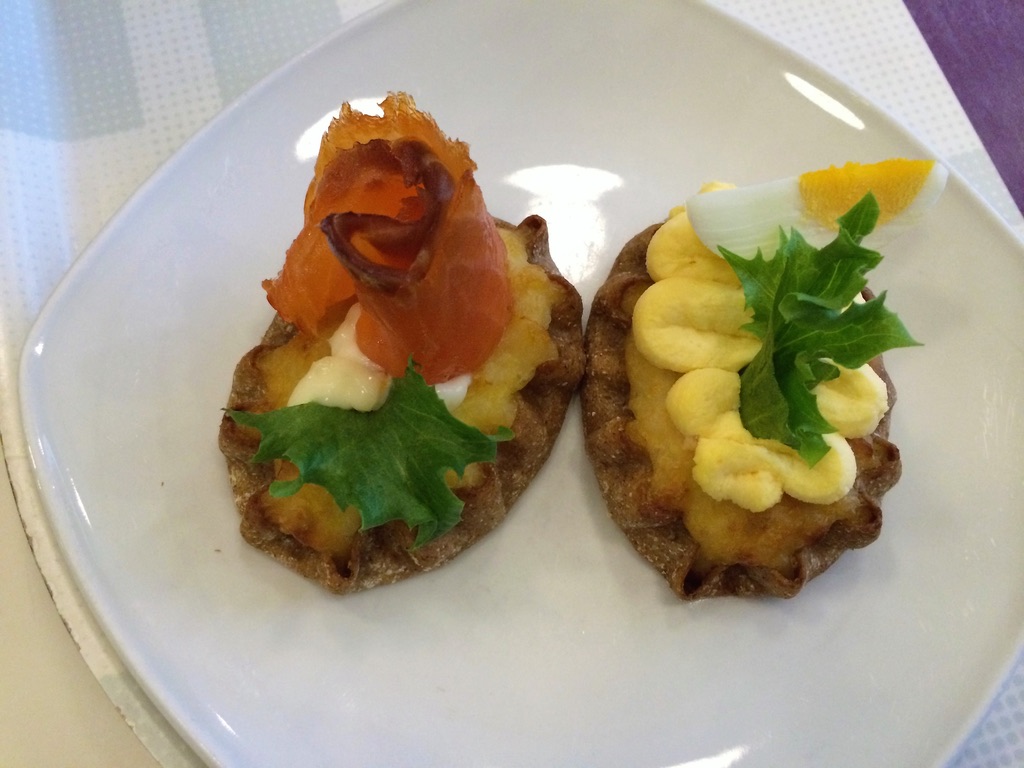

First what’s different and changed over the years (progressively over the decades, not necessarily since 2009):
- it’s more diverse (when we lived in Helsinki everyone was a Finn; I can remember that one African American guy – an artist – moved to Helsinki from the US and he was so exotic that he practically attracted crowds in the streets and the Finnish women with their fair skin and blonde hair were all over him) — diverse racially and ethnically.. Not huge numbers but it is pretty common now to see Africans, Muslims, Indians, Pakistanis, Asians.
- more diverse food and very good restaurants (when we lived in Helsinki the only non-Finnish food was in one or two Russian restaurants); food was always fresh but not very inventive.. and the staples were potatoes and cauliflower (and naturally lots of fish but always baked with lemon and herbs); and they had a lot of stews and also reindeer. But now, it’s got really inventive food and great restaurants — always using locally sourced ingredients
- it’s impossibly expensive. Europe on the whole (big cities, London, Paris, Berlin, etc. ) are all expensive, but Scandinavia is shocking. A simple taxi — base price before having the taxi move one iota — starts at 9 EU (about $11); simple Metro ticket for the day is about $4 (and remember that the Metro has only one line going back and forth); coffee and simple breakfast pastry is about $8; Iitala (glassware made in Finland that was unbelievably cheap when we lived there).. a simple glass runs about $25… Dinner for two with two glasses of wine (one each), two small plates, one main course to share, one dessert to share comes to about $120 in a nice (but not most elegant) restaurant.. a simple lunch in a basic café is about $50. So, if you plan to visit Helsinki — and you should — start saving now! (a University of Helsinki tee shirt in the student bookstore costs $30)
- some things have disappeared — corner flower stalls that used to proliferate in every neighborhood are gone; little “baaris” that were at nearly every corner (serving coffee or wine or beer, simple sandwiches, pastries) are gone — replaced by more upscale cafes.
- more people overall — while the nation’s population has not increased much, the population of Helsinki has increased significantly.. people are moving from rural areas into the cities
- Metro (when we lived there, the Metro hadn’t yet been built)
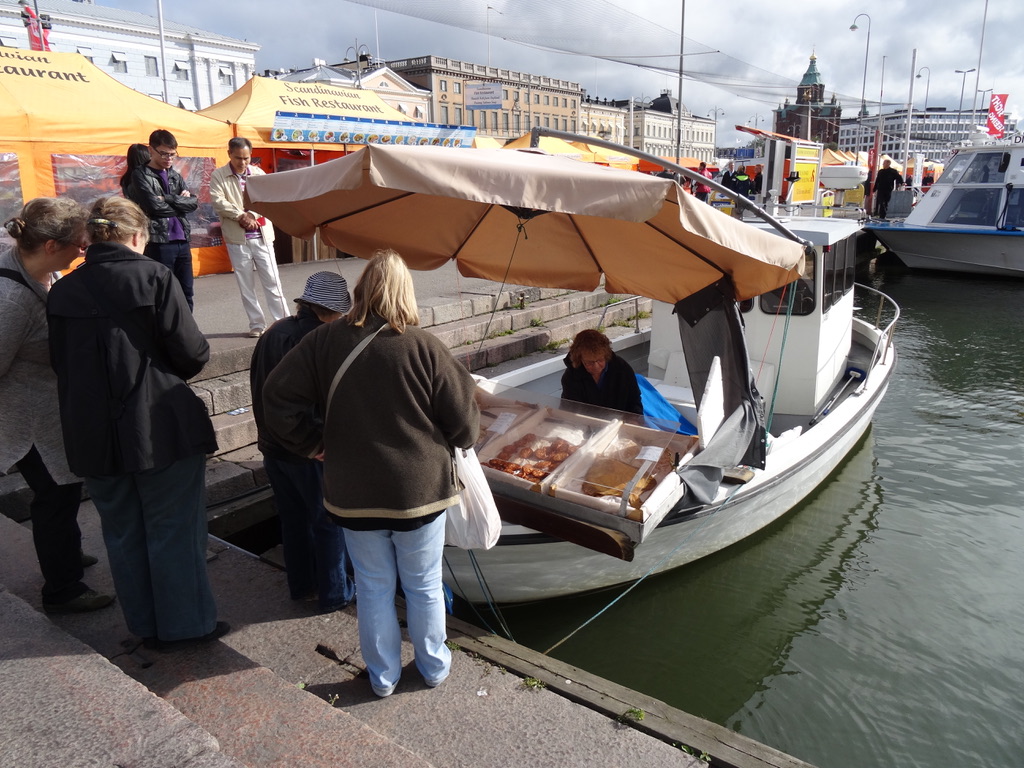
- Waterfront small boats that pull to the shore and sell fish right off the boat replaced by larger ships picking up tourists to cruise to Scandinavia and Russia
- Everyone can speak English (especially in the city), as well as an assortment of several other languages
Second what’s stayed the same:
- It’s a wonderfully thoughtful country that maintains a steady position
- The preservation of design and keeping crafts alive are secure and respected
- A sense of place and purpose, a concern about the environment, a strong K-12 education system
- Financial support for the arts, architecture, healthcare, publishing (One of our friends who recently retired as a Professor of Sociology was funded to write a book on his evolution of his thinking methods as a sociologist)
- Bookstores everywhere, including one of the largest in the world — Akateeminen Kirjakauppa..
- A prevailing sense of calm, although there is a wide variety of activities in which to partake (music, theater, art, outdoor activities)
- It’s clean; you never see trash or graffiti (unless it’s purposeful art), no litter, and if there is homelessness it’s very very tiny..(and with services)
- Low income people live side by side with wealthier people in wonderfully designed housing
- No sprawl and no “fake communities”
- Finland has a strong multi-party system and coalition governments that form as a result of the largest party. Parties not part of the government are called opposition parties. The system has been stable for about 100 years..
But what you really realize is that with a 35 – 45% tax rate on income (for professionals and those in the middle class — higher percentage for those making more money) and no military budget to speak of and no wars to support, Finland is able to be an amazingly human and humanistic nation. They can fund a superb healthcare system, public education (K-12 cited over and again as the model for the world — although I’d have some questions about that), a strong university system, the arts, infrastructure, etc. Of course it’s a small country.. 5,000,000 people +/-.. .. And the spread between the rich and poor is not like in the US.. and you don’t see the trappings of wealth and/or poverty like you see easily in the US. I don’t think there’s a lot of “old money” and the few highly successful and very very well paid entrepreneurs (like the founder of Rovio – Angry Birds or the founder of Nokkia) don’t seem to be the models for what one wants to be). To live in Finland (to really live in Finland) means to love the countryside, to revel in the small nation’s successes, to agree that healthcare, child care, and good housing are rights, and to see the arts (poetry, visual, audio, etc.) as an important ingredient for life. In Finland, women get an automatic 6 months with pay for maternity leave; 6 additional months if you want with 50% pay, and up to 18 months’ time off with your job secured for your return. University faculty are part of the civil employees union. So it’s easy to see where your tax dollars go, and that must feel good.
It was good to return to Helsinki even for such a short time. We know the city well and we’ve traveled throughout the country several times. So it feels like home.. but a very different home than we have in the US. Everyone should experience it, but it’s a difficult place to visit for just a short time as I’ve always felt that without the particular excitement and focused attractions of other cities (London’s theater and Paris’ food, etc.), Helsinki may at first appear dull.. But it’s definitely not that once you know it.
Take care..
Headed to board the Frankfurt to SFO flight
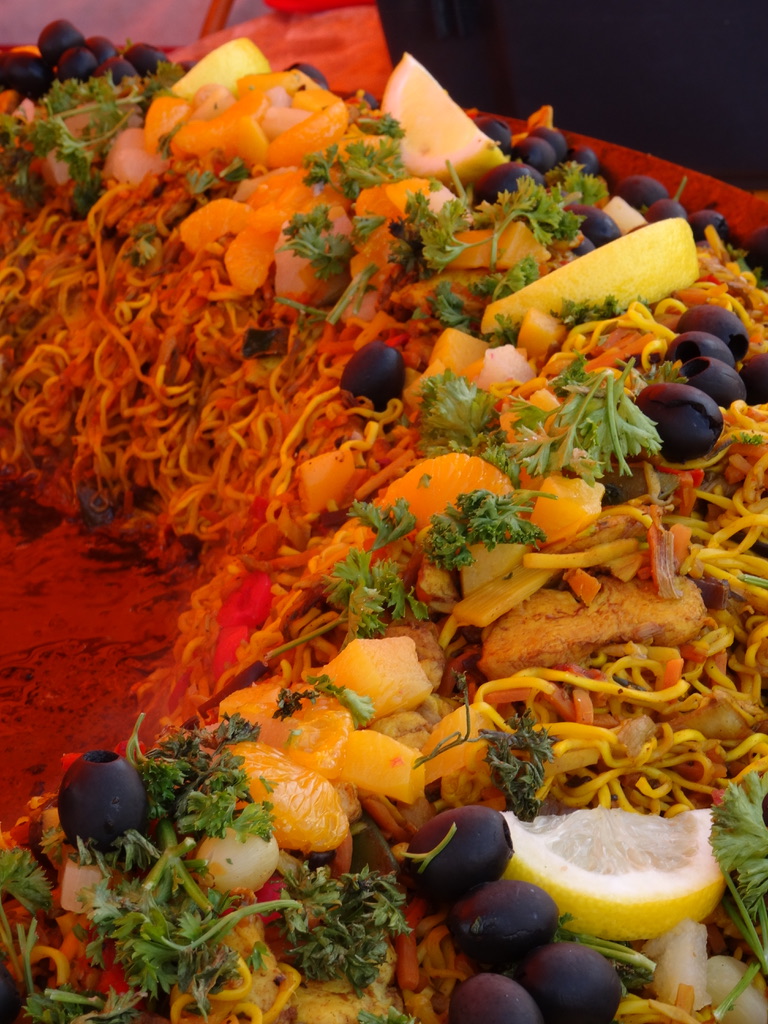
Viime päivä (Last Day) in Helsinki…
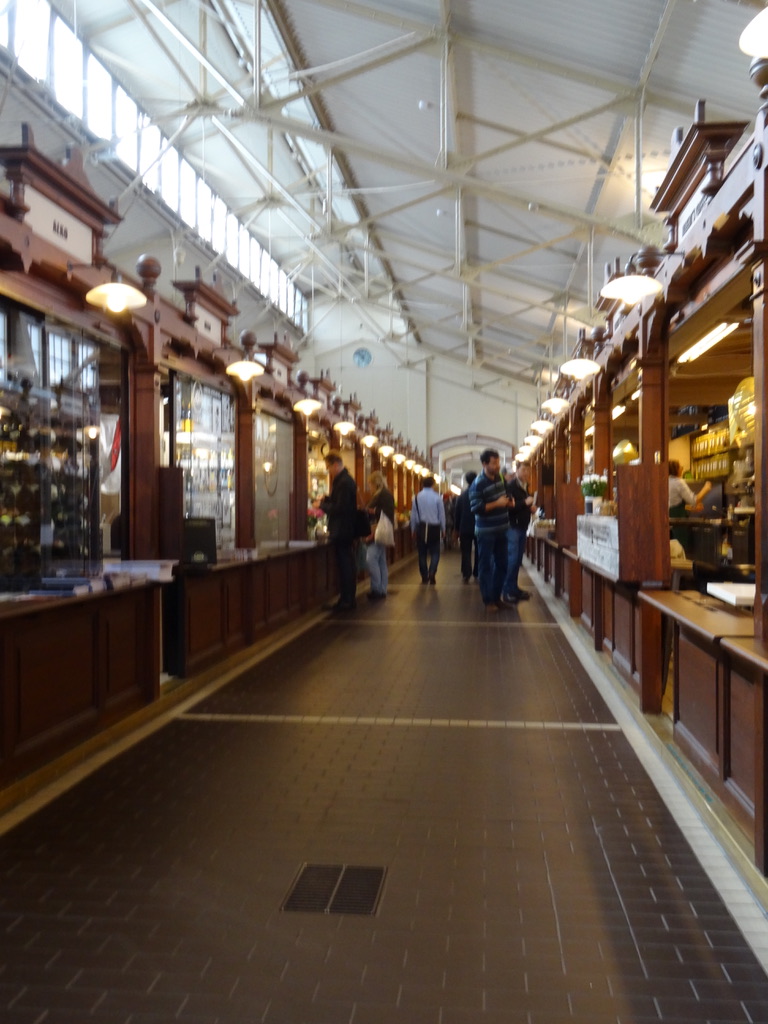
Jäähyväiset Helsinki ja Suomi : Farewell to Helsinki and Finland (for now — until 2019) It’s Friday evening.. just about to head out for dinner to Boulevard Social.. owned by the same folks who have Gaijin restaurant which was quite wonderful. I ate at Boulevard Social when I was here in October. Took off early this morning for Market Square.. walked around (I still have the cane — which I’ve already lost twice in shops and cafes).. We remembered the market fondly having spent a lot of time there getting our food since in those days we didn’t have a freezer and we had only a very very little refrigerator.. and yes, we did eat at home nearly every night. We were pretty poor (living on Fulbright stipend).
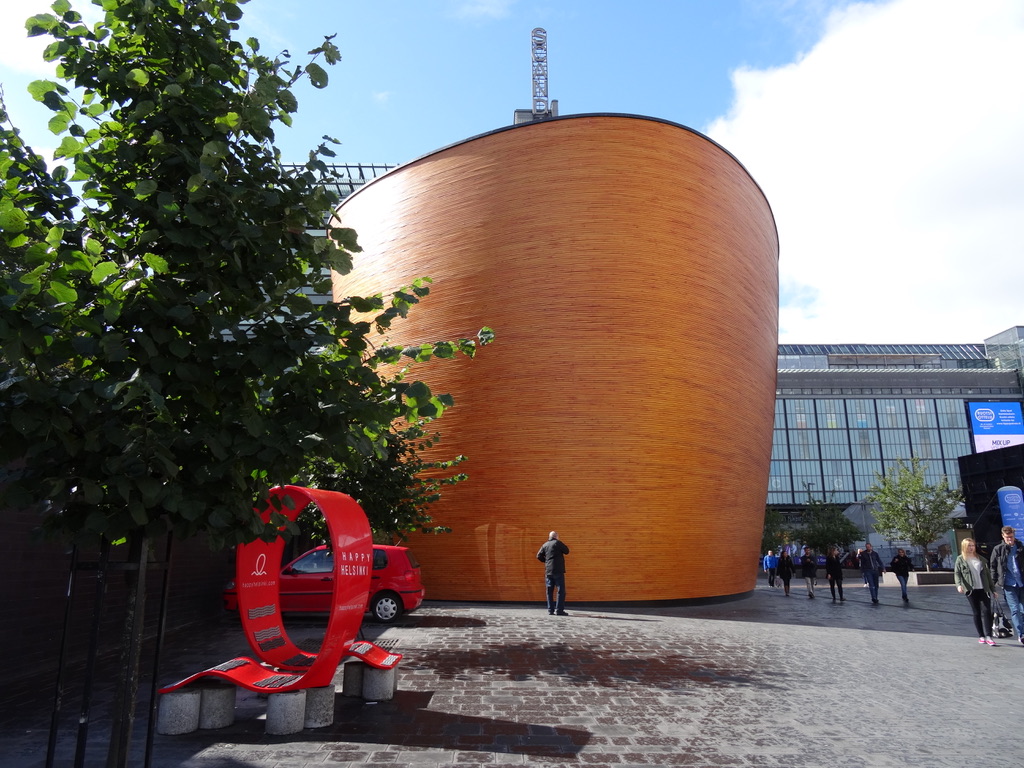
Anyway, parts of the market remain unchanged.. but there are now goodies for tourists and more places to eat.. and Helsinki also has one of those ridiculous ferris wheels that all cities (including Seattle) seem to be installing. It’s a broad outdoor market that edges the waterfront so it’s a great space surrounded by city streets and slightly up the hill (about three blocks) in one direction are the grand buildings of the University of Helsinki and off to another end just in the distance is the old Russian Orthodox Church, complete with glittering gold ogee domes. It’s a wonderfully urban waterfront. We also strolled through the Vanha Kauppa Halle (Old market hall) which has been renovated completely. It was originally built as a complete indoor market in 1888 (and when we lived here it was just that).. fish mongers, meat stalls, vegetables, etc. It’s still wonderful but very different. The renovated version (impeccably done as only the Finns can do it) houses some meat and fish and vegetable stalls, but also wine bars, and little tiny restaurants, and coffee section, etc. We immediately decided we’d come back later in the day for a nice simple lunch (perhaps choose from one of about 20 different kinds of smoked salmons??) We then headed off to see a newly constructed small non-denominational chapel — Kamppi Chapel — right in downtown (we walked by the way.. had planned on taxi, but it just didn’t happen as we kept walking as we talked about maybe getting a taxi to preserve my foot.)
It’s quite innovative and uses only wood. The main hall is quite imposing and serene.. about 40′ high… It’s amazingly spartan and serene with the curving wood wall in a seamless movement.. and funny since it sits in a totally bustling area with buses and taxis and department stores all around… But all of that is blocked out.. the only light comes from above and you really feel the warmth of the wood.. The façade is made of horizontal spruce strips, bent at different radiuses. The wood is glazed with a special wax utilizing nanotechnology. The frame was made with huge gluelam beams, which were cut to shape.
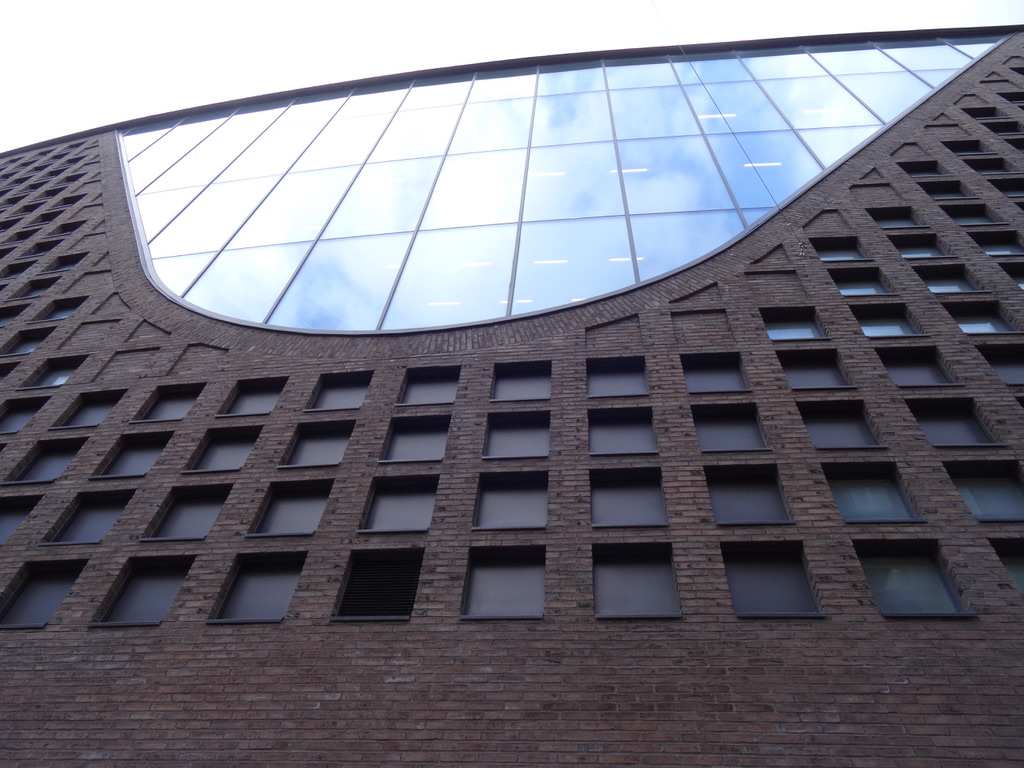

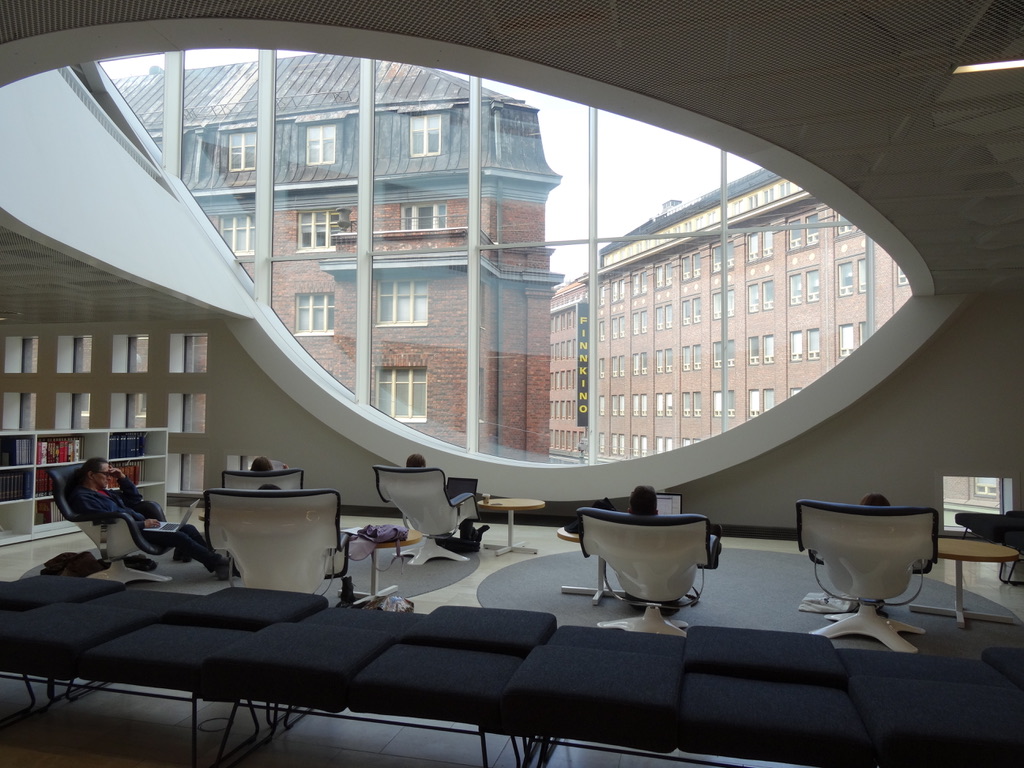
Then we went to visit the new university library which is also a really interesting building with a supermarket on the ground floor, a connection to the Metro at the first level, lobby is a café, and about 7 floors of books and meeting rooms with incredible light coming through some oval shape skylights high above.. The building also has open spaces and decks and is situated smack in the center of the city.. It is contiguous to housing and office buildings that have nothing to do with the university..

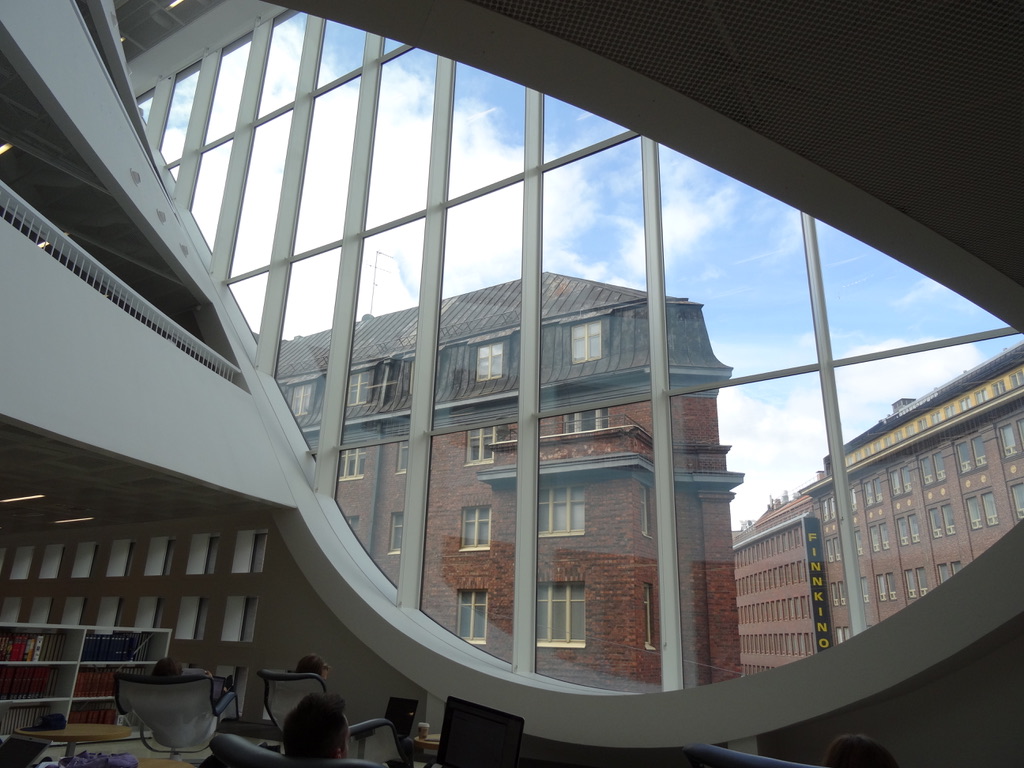
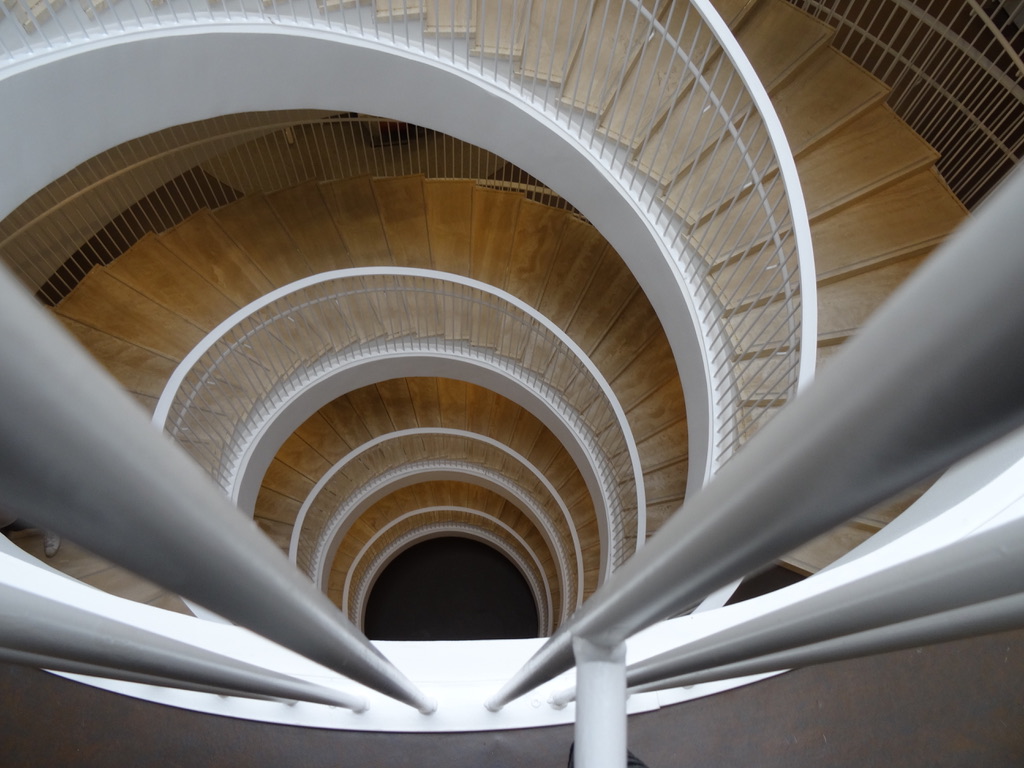
OK.. we did the architecture bit!
On to have lunch at the market hall.. Then we just walked the town.. in between the rain.. And now we’re headed out to eat..
I’m going to write one last note tomorrow with some thoughts about Finland — a country that doesn’t have to pay for a military.. and what that means from a social standpoint.
Best to all.. We’re headed home tomorrow (Saturday).
Fern
Helsinki. August (Elokuu) 29, 2014
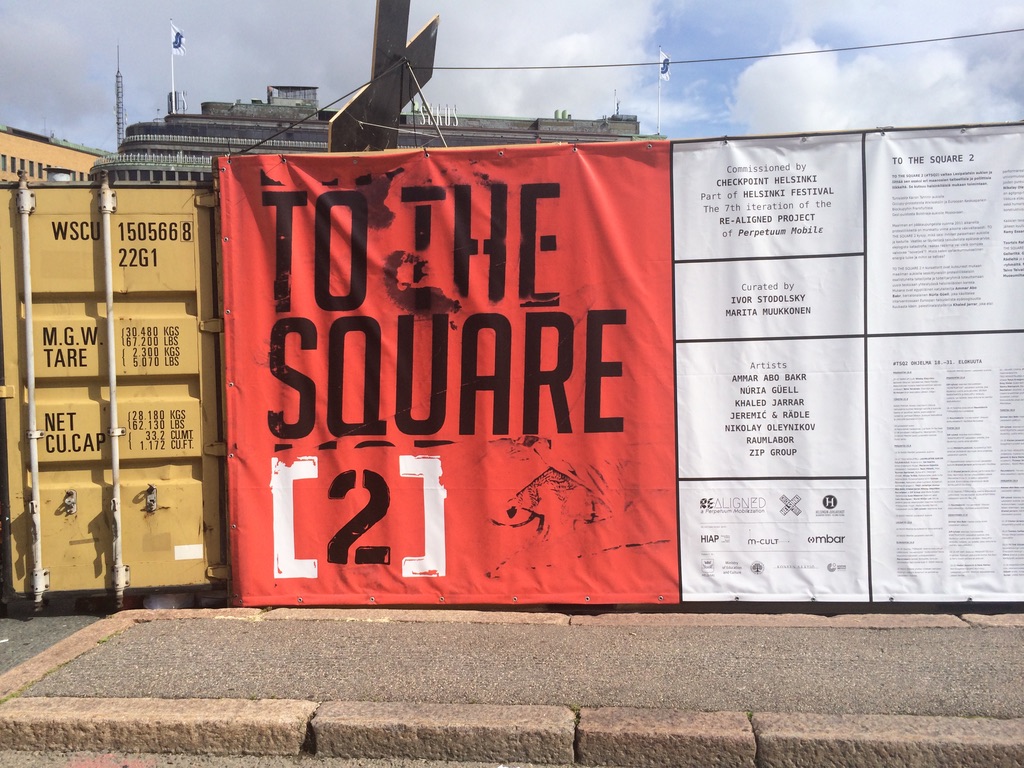

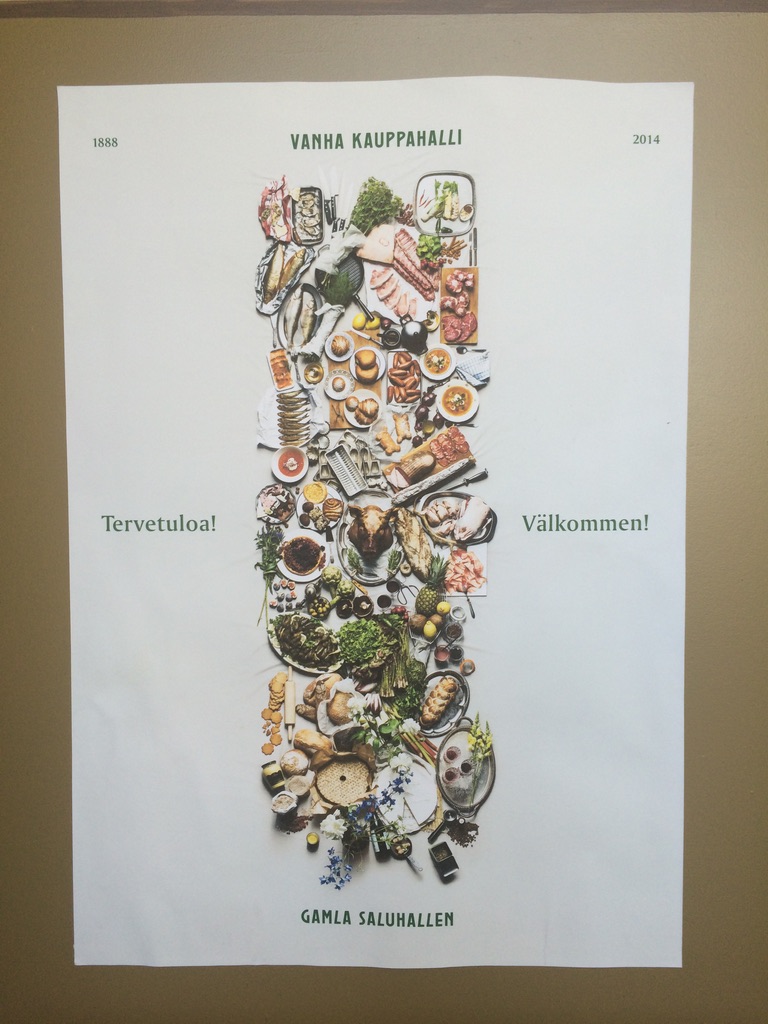
Terve Terve –
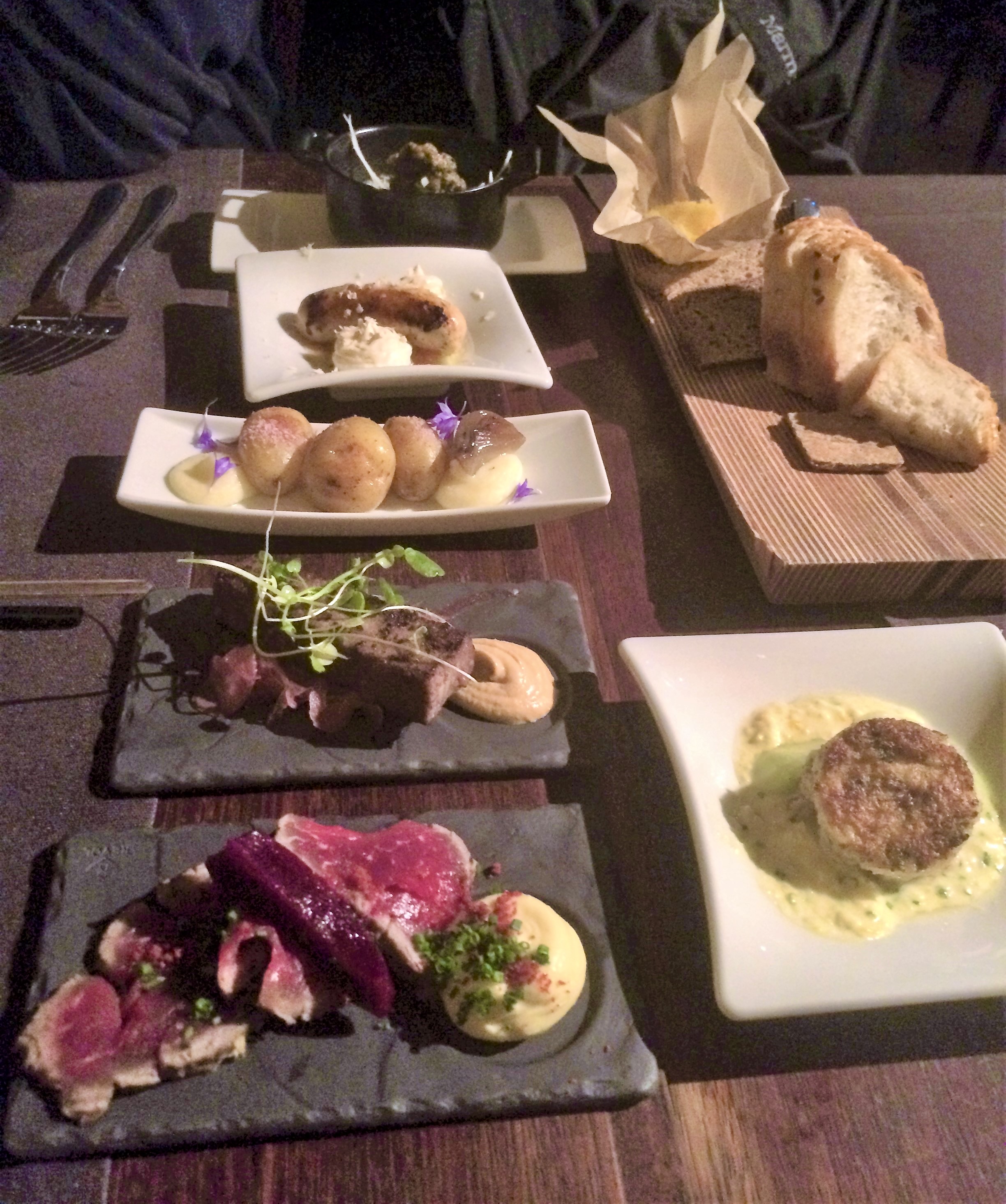
For the foodies.. our sapas were quite wonderful, although small and requiring at least one main course (which we shared)… Began the meal with cocktails.. me: gin with some spruce sprig and gooseberry soda.. Mike a traditional scotch. We shared a bunch of “sapas” including: Trout sausage with roe and horseradish; Baked porridge with smoked Baltic herring and cucumber; potatoes from Herttoniemi with onion; “Cabbage pie” with kohlrabi; Organic beef, dill and beetroot; and beef on a stick with fennel.. and for the main course we had some kind of pork with black currant leaf and marinated onions.. followed by a dessert which was a “cheese” cake (not actually cheese) with local berries.
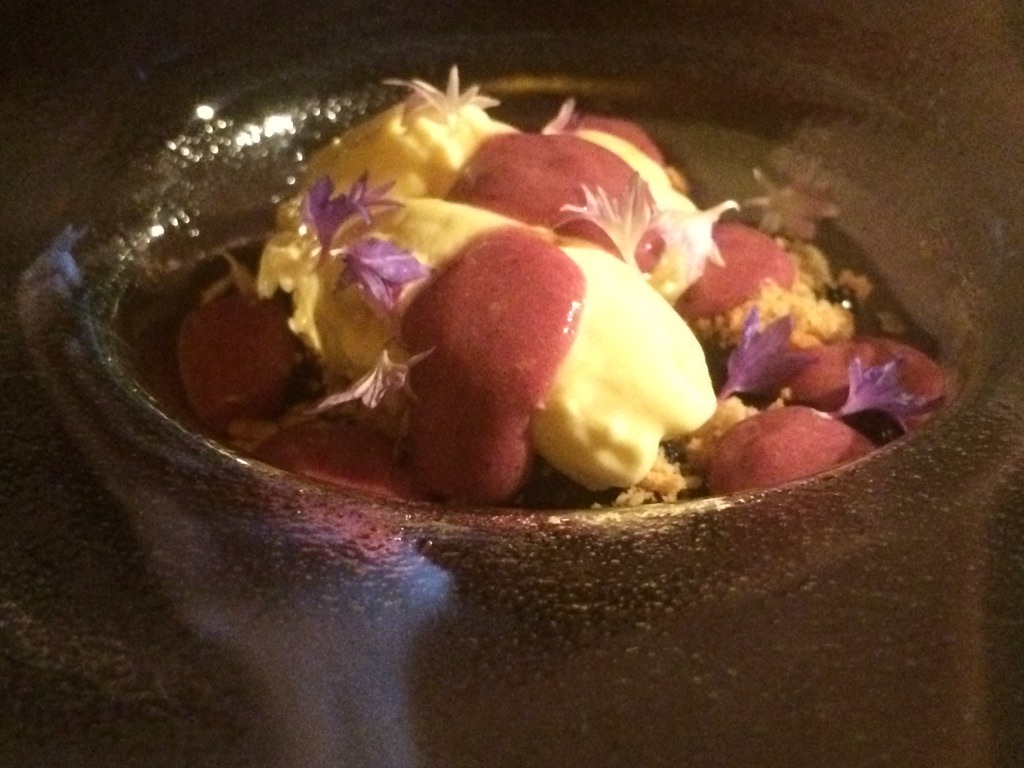
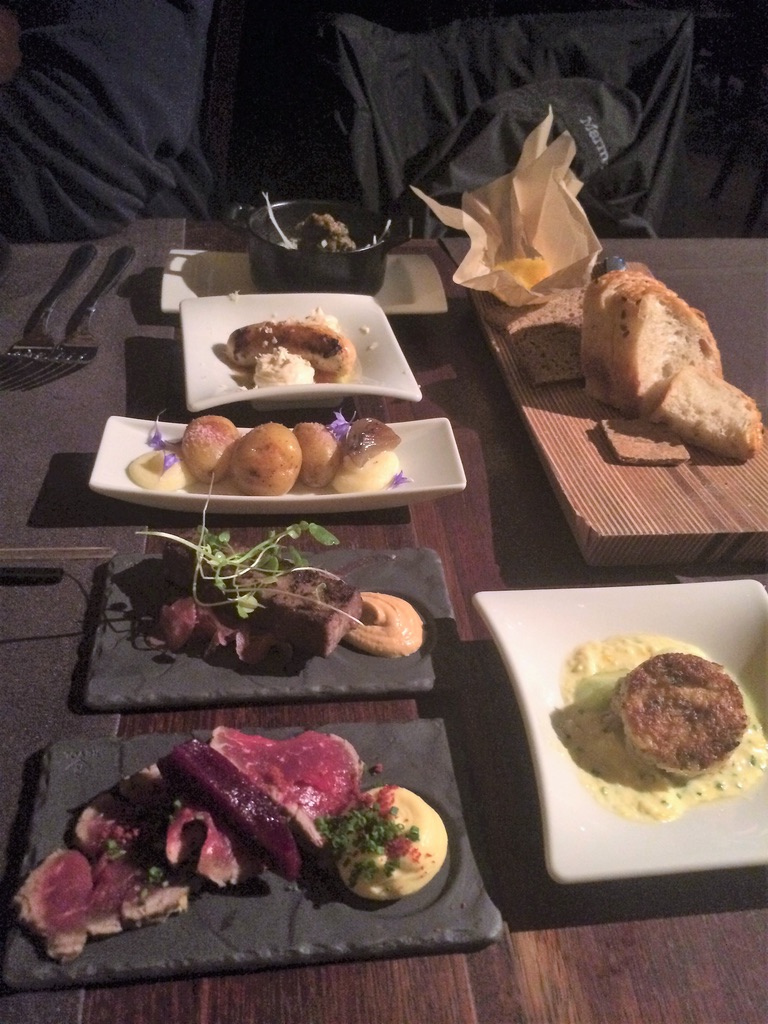
That was dinner.. in a very cute, neighborhood place with a name chef (something unheard of when we lived here and food was quite basic.. meat and potatoes or fish and potatoes.. and maybe cauliflower soup.. )
On to Friday (perjantai).. our last day in Helsinki (viime päivä)… By the way, absolutely everyone speaks English now.. and I mean everyone.. and they speak it very well. When we lived here only a few (mostly the most educated) spoke English. It’s useless for us to even try to use what little Finnish we remember as everyone immediately flips to English.. It’s embarrassing. Especially since most of them speak other languages well (beyond English.. and they all speak Swedish fluently.. that’s a requirement.) I might have mentioned earlier that since Finland is a bilingual country.. all signs are in both Finnish and Swedish.. and if you go to a town where the Swedish Finns are the majority the signage is in Swedish first and Finnish second.. But when you are in a city where the Finns are the majority Finnish is on top.. and Swedish second. Same in the cinema where the titles are also in both languages and priority is based on majority population. It’s been wonderful to be back.. It does feel like a second home.

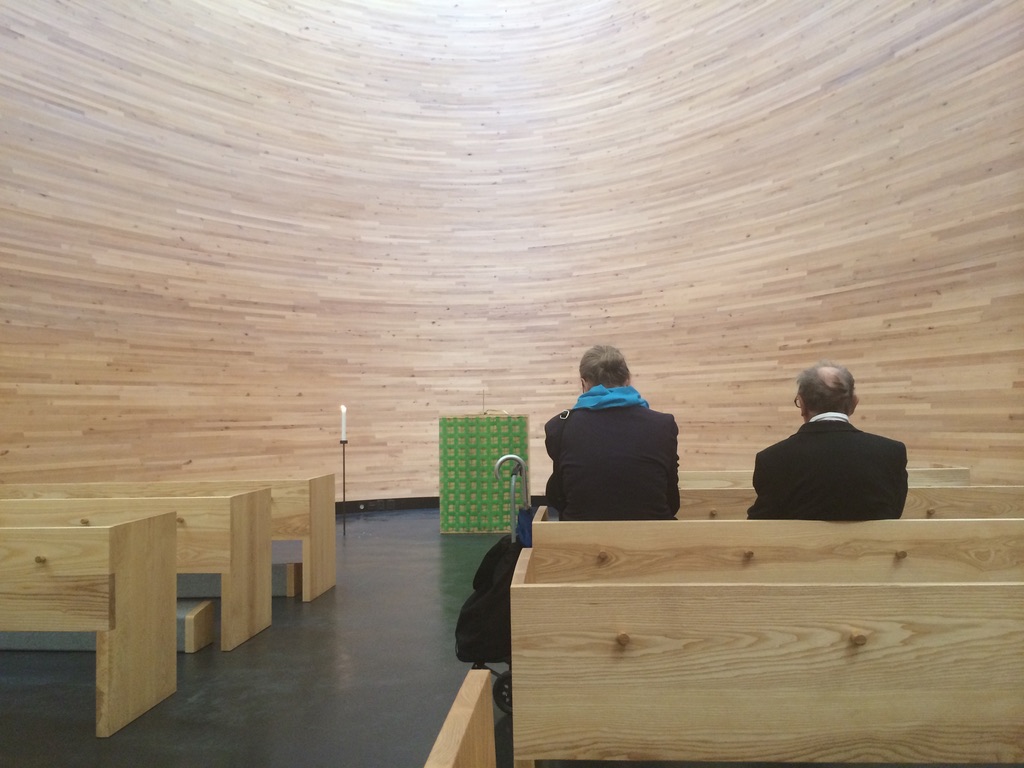
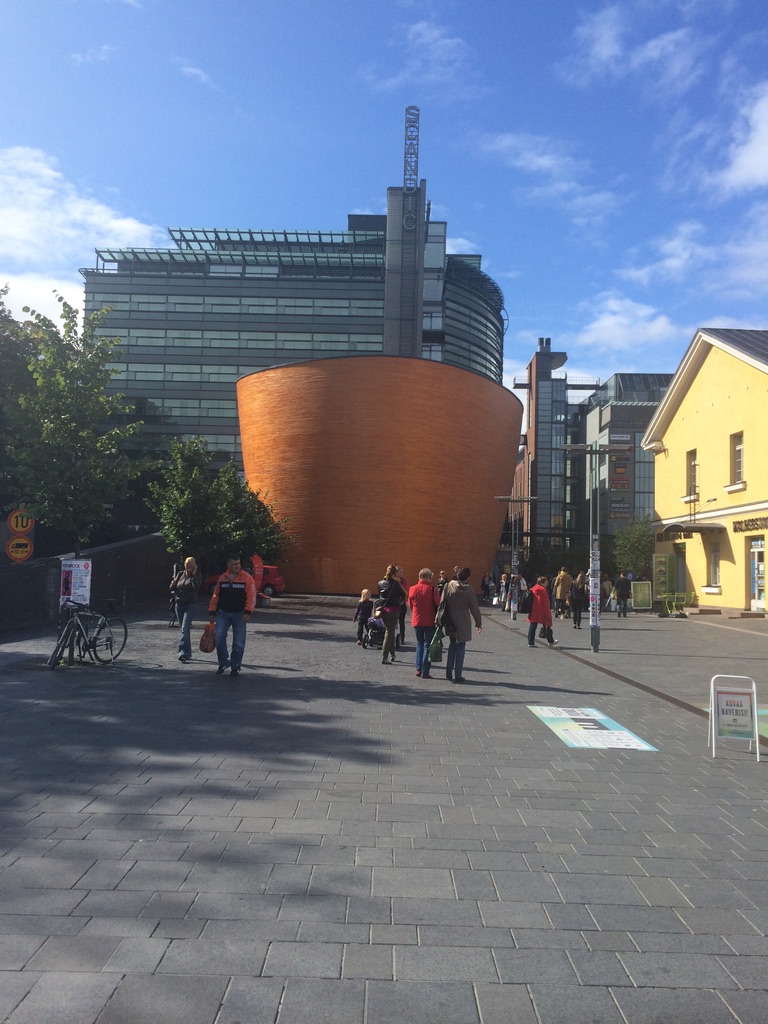

Today we are off to see a new library for the University, a new church in the downtown which is the result of an architectural competition (as are many of the building here).. and to the market and random places in between. Hopefully no more shoes (especially ones that I am unlikely to wear after my foot heals). By the way, yesterday, as we were in the taxi, the Presidential “motorcade” passed by and traffic stopped.. Motorcade consists of the president’s car and one other car.. Not much of a big deal. The taxi driver was laughing as we couldn’t figure out where the President was coming or going.. “so maybe,” said the taxi driver, “he’s just going shopping” as he was very close to Stockmann’s, the major department store!
Fern
August 28 2014. Helsinki
Terve Terve
Hope all is well in the states and wherever you may be.
Started out this morning at the Clinic Mehiläinen — a private clinic with every kind of specialty you can imagine. Took a number (you take numbers for everything in Finland) and was called up in less than five minutes. After filling out a simple form and paying 150 EU, I was sent to wait in front of an examining room and the doctor (in jeans and sneakers and somewhat unshaven in a sexy way.. oh had a lab coat on too) came out to greet me about a minute later. Looked at my foot and decided I should get x-rays — down the hall. I was called for the x-ray immediately and they shot three angles.. then went back to the doctor who looked at the x-rays with me on the computer. So I have a fracture in the fifth metatarsal (but in his words “in a very good position”). I think this means that it is not near a joint so there is room to heal. He suggested I wear some shoes with thick rubber soles and take it easy, but did not say I needed to be bedridden. I left with a CD of the x-rays.. and had to pay an additional 75 EU. (I could have gone to the ER at the public hospital and been treated for free, but I would have to wait, so this seemed the easiest.
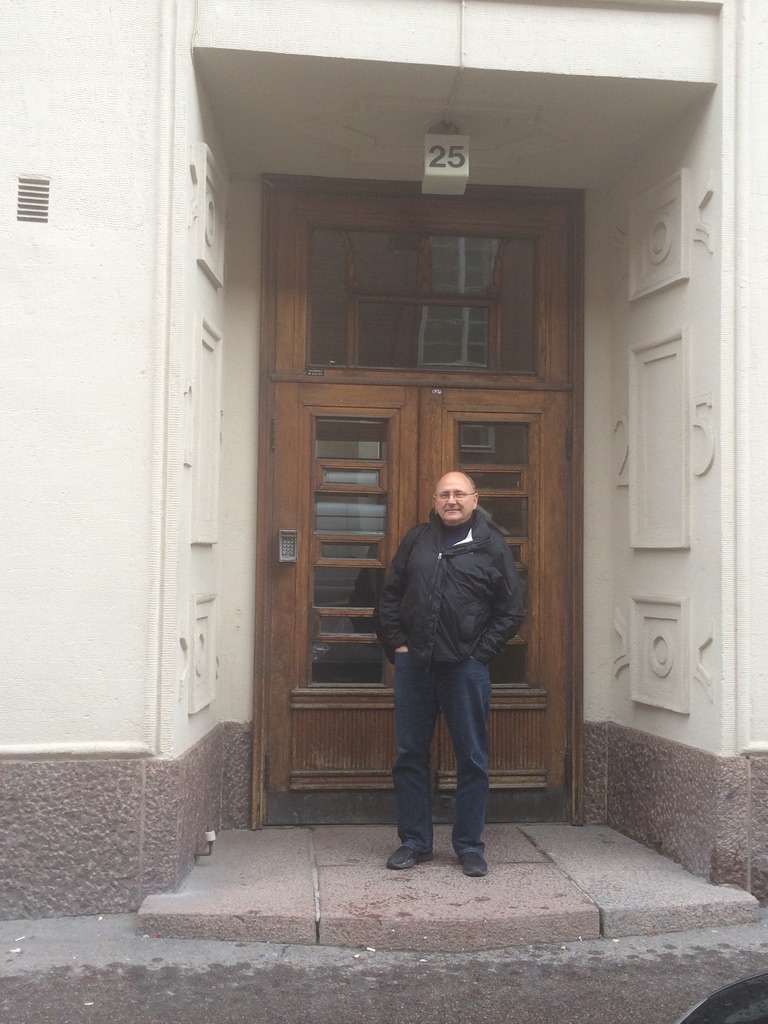
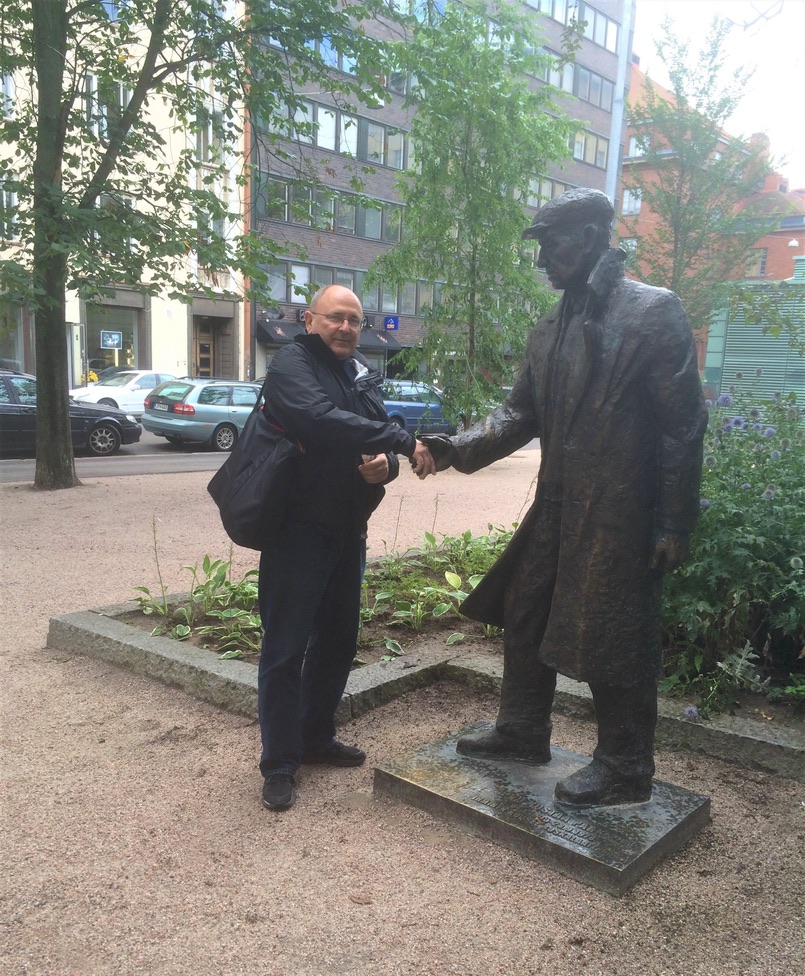
From the Clinic, we stopped at a shoe store and I picked up a rather nice pair of black shoes (Campers) that have a soft thick sole.. I wore them out of the store.. Then we headed by taxi to Eerikinkatu 25B where we had an apartment when we lived in Helsinki. We’ve returned to take pictures in front of the building every time we’ve visited. The building hasn’t changed at all, but the neighborhood is much more upscale than when we lived there. The neighborhood is called Kamppi and because of its proximity to both downtown and to the harbor (which at the time we lived there, was a working harbor) it was known for its high number of “pulijokis” (drunks). Indeed in the little park (a small triangle area formed by the convergence of some angled streets) there is now a statue to Arvo Parkkila (a formerly homeless alcoholic) who formed a support group for other homeless alcoholics and helped them find food, shelter, and emergency care. (So who knows, I might have met Arvo when I lived there as we came upon many drunkards on the street when arriving home late.)
Because of my foot, we walked slowly — covering less ground than I would have liked, but still we walked from Eerikinkatu (which is no longer the haven of the homeless and alcoholics but rather the center of the Finnish Design District with lots of small stores of artisans, jewelers, craftspeople, weavers, and clothing and furniture designers!!) So we strolled the area in a somewhat pre-determined route because there were definitely a few places we (maybe I) wanted to get to, including the atelier of Vuokko a wonderful Finnish fabric and clothing designer with a long history in Helsinki — designing her own collection since the 60s and before that she was a major player in developing the artistic style of Marimekko, as the head designer. In my opinion, her work is much truer to the origins of the Marimekko line than the Marimekko we see today. Indeed, she was responsible for the simple Marimekko stripe shirts. Vuokko Nurmesniemi’s signature design was the simple red and white striped shirt named Jokapoika. At 84, she’s still a strong designer and working away! Anyway, while I’ve been to the shop many times over the years it is rare that I can buy anything for myself as her designs are for much taller women.. But… Mike bought a great shirt! Watch out.. here comes Mike the fashionista!! (Oh it’s just grey and black stripes.. but quite wonderful)..
After about an hour or so, I felt the new shoes were actually hurting my foot… so we stumbled on some weird shop that was having a sale with piles of shoes in random sizes and styles all over the place.. and I purchased another pair of shoes.. sort of black sneaker-type shoes made in Sweden for 10 EU.. A total bargain.. I’m sure the place is a front for something.. So then I wore those shoes for the rest of the day.
Along the way we stopped for a light lunch.. at Maxell.. a small café not too far from the Design Center.. shared a salad that had (naturally) grilled salmon, a variety of lettuces, cucumbers, avocado, ginger, and a wasabi dressing.. and wonderful black bread with fruit baked inside. Yummy.
Made a brief stop at the Architecture Design Museum, which is in a wonderful Deco-ish building (Helsinki has a large number of fantastic buildings from the 1920s that are beautifully preserved, with a great deal of stone carvings and interesting graphics).. They had an exhibit of the award winning architecture for the year. Finnish design — always well done (except for that Radisson Hotel we stayed at for the first two nights), lots of wood and glass, strong geometry, great sense of place and space. Eventually meandered back to the hotel just as the rain started. Just as we settled into the room to relax, the sun came out.. Considered strolling to Market Square at the water, but decided not to risk it since it looked like rain would start again.. And it did — about 30 minutes later. I had a conference call to take with a Miami group.. So now we are both working (me– as soon as I finish this note), and will head out for dinner in an hour or so. I think we are going to a new place (lots of interesting new young chefs in Helsinki creating very fascinating fusion cooking) We’re headed to a place called Juuri.. serving “sapas” which are like tapas (but maybe smaller?).. but named after the chef I believe.
Will let you know the results of the meal.. tomorrow.
Back to work.
Fern
 Fern's Travel Notes