Americans in Uruguay . Day 7 . October 22, 2025 . Montevideo to Colonia de Sacramento .

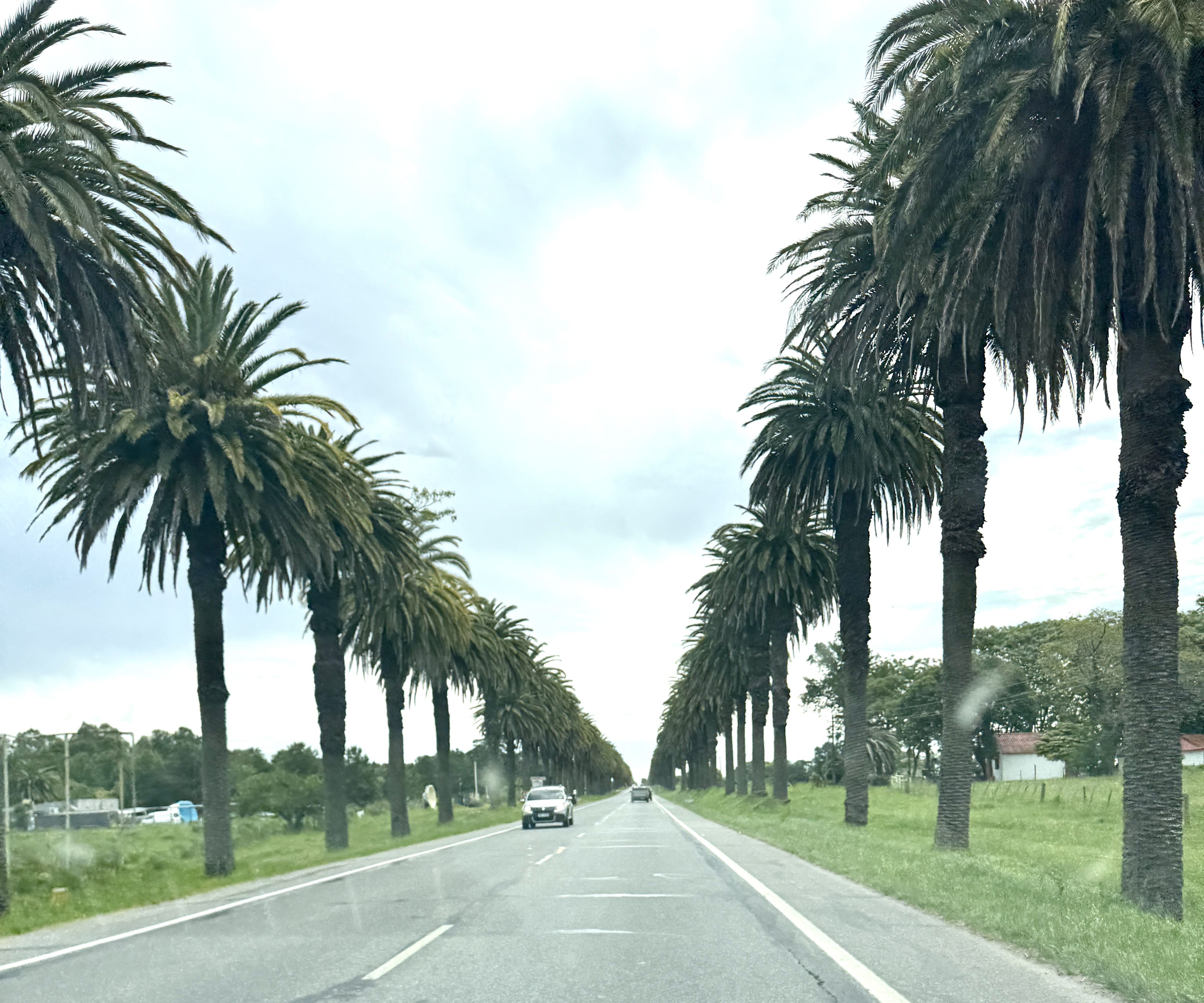
By the end of 7 nights at Alma Historica Hotel, every item from our suitcases was somewhere in the room. So packing up was a project–a time consuming project. After a quick breakfast (that included the daily rituals of Spelling Bee, Wordle, and Connections), we picked up our rental car and headed out of Montevideo, basically about two hours west—directly across from Buenos Aires. Most people come for the day, but we are actually staying three nights and then taking the ferry to BA. We arrived at around 3:45, after taking a detour to try to find a place for lunch that the rental car guy told us was really great. We had the name and all of our map programs plotted it, but when we got to the location there wasn’t any restaurant. Finally, we decided to head directloy to Colonia and grab a bite once we arrived.
Before going into any first impressions of Colonia, a few points about the social/political history of Uruguay. I’m prompted to think about this given that our hotel has CNN and I’m watching images of the bulldozing of the East Wing and descriptions of the $300M (probably will be about $500M before it’s done) construction of a ballroom, which is beyond belief. The images made me think about what I’ve heard about José “Pepe” Mujica, president of Uruguay from 2010 to 2015. He was a guerrilla fighter who spent 14 years in prison during Uruguay’s military dictatorship in the 1970s and ’80s—ten of them in solitary confinement. After democracy was restored, he co-founded the Popular Movement (MPP), served as Minister of Agriculture and then a senator, and ultimately ran for president under the Broad Front (Frente Amplio) coalition.
After winning the election, Mujica ushered in sweeping progressive reforms—legalizing abortion, same-sex marriage, and marijuana; strengthening trade unions; expanded and raised the minimum wage—while presiding over steady economic and social gains, implemented an eight-hour workday for rural workers and required farm owners to provide medical coverage. Beyond this he managed to institute more progressive taxation, support technical education provide all students in public schools with laptops; and invested heavily in public schools,
Pepe, as he was called continued to live on his farm with his wife just outside Montevideo. He never lived in the president’s palace. He donated 90% of his salary to organizations that helped the poor. He drove himself to work each day, in his 22-year-old VW bug. His only security was a local cop and his three-legged dog. Humble, witty, and unwavering in his ideals, Mujica governed and spoke like a neighbor or someone you’d chat with at a bar… not like a politician. According to Uruguayans, he never courted wealth or power, kept his promises, and gracefully stepped aside to make room for younger leaders. In Uruguay you cannot run for consecutive terms, but you can run again after waiting through a five-year term. He seems to be a rare example of integrity, simplicity, and conviction in modern politics. He was proudly known as “the poorest president in the world.” When reporters asked him about this and suggested that it was odd that he was so different from other world leaders, he responded: “Really, I don’t think I’m odd, I think they are odd.”
Mmmmmm does this make you think how a particular American leader would respond to hearing this approach, especially while building his ballroom?
Anyway, quick observations of Colonia, which we will explore in depth tomorrow. HIstorically, it was settled by the Portuguese and is a delightful cobble-stoned town that sits on Rio de La Plata—directly across from Buenos Aires (an hour by ferry). There are a lot of tourists, most of whom come for the day by ferry from Buenos Aires. It has a population of about 32,000.
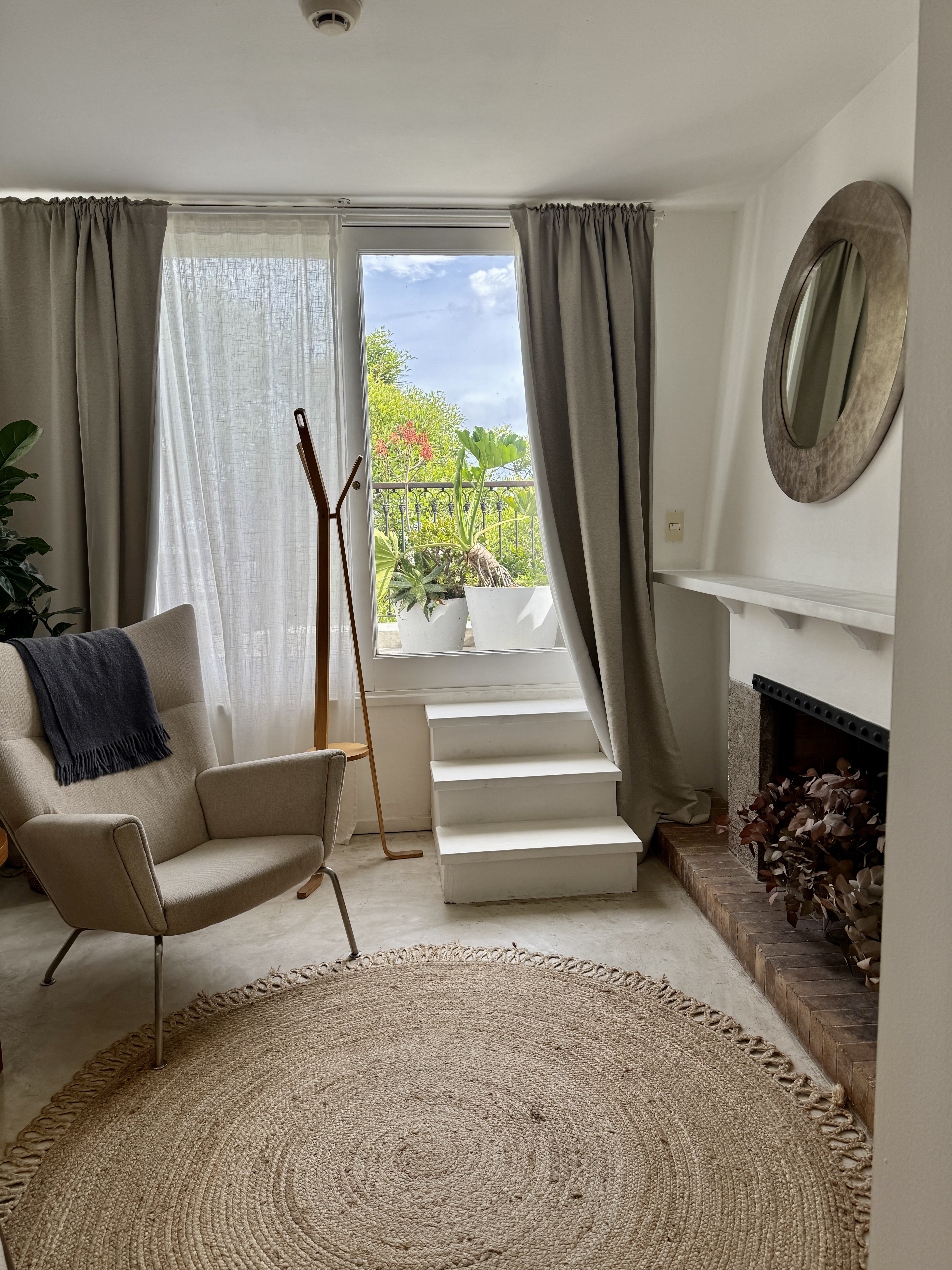
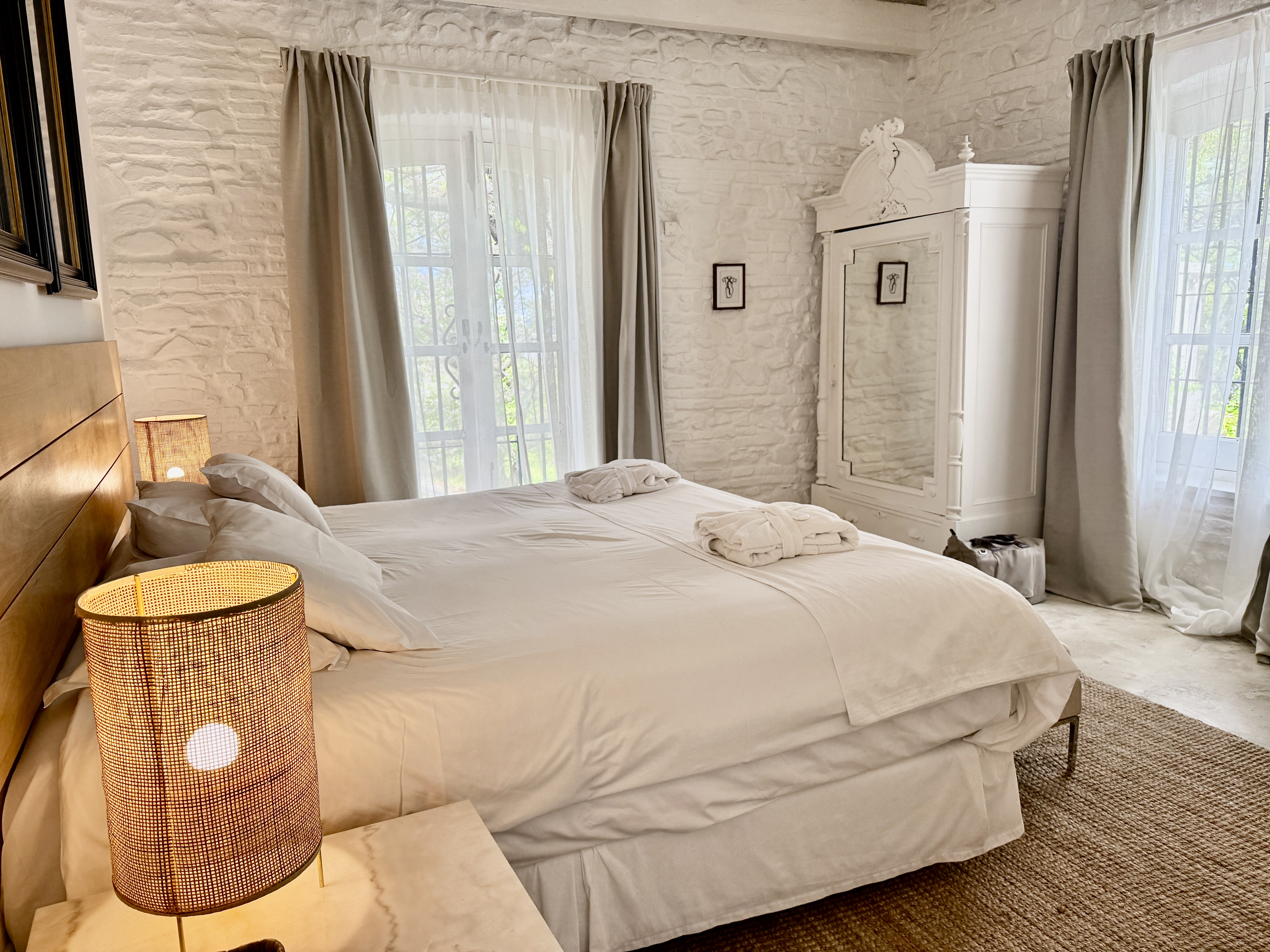
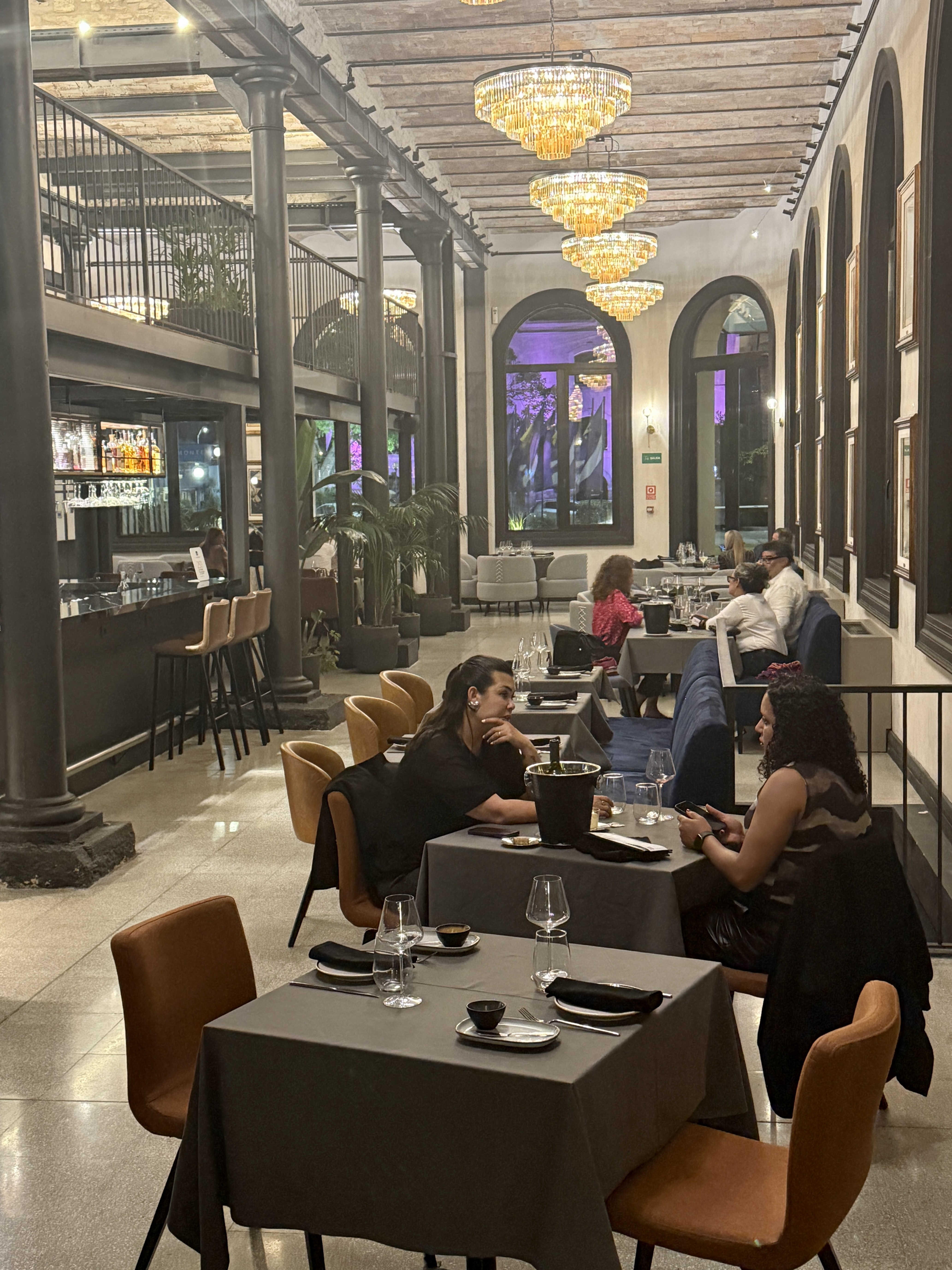
We are staying in a delightful small hotel called Charco and have a truly lovely room with a private deck in the oldest section of the building.
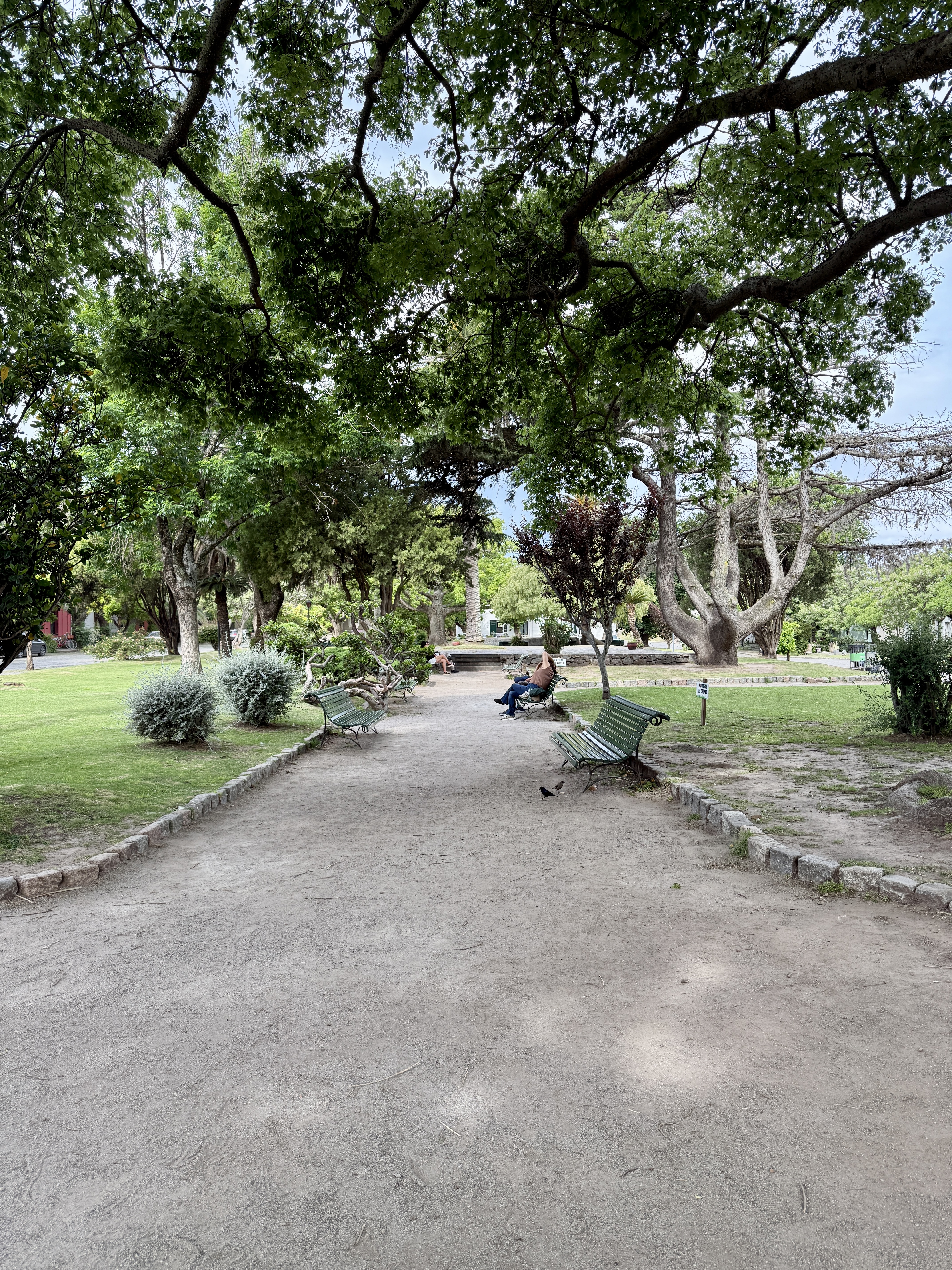
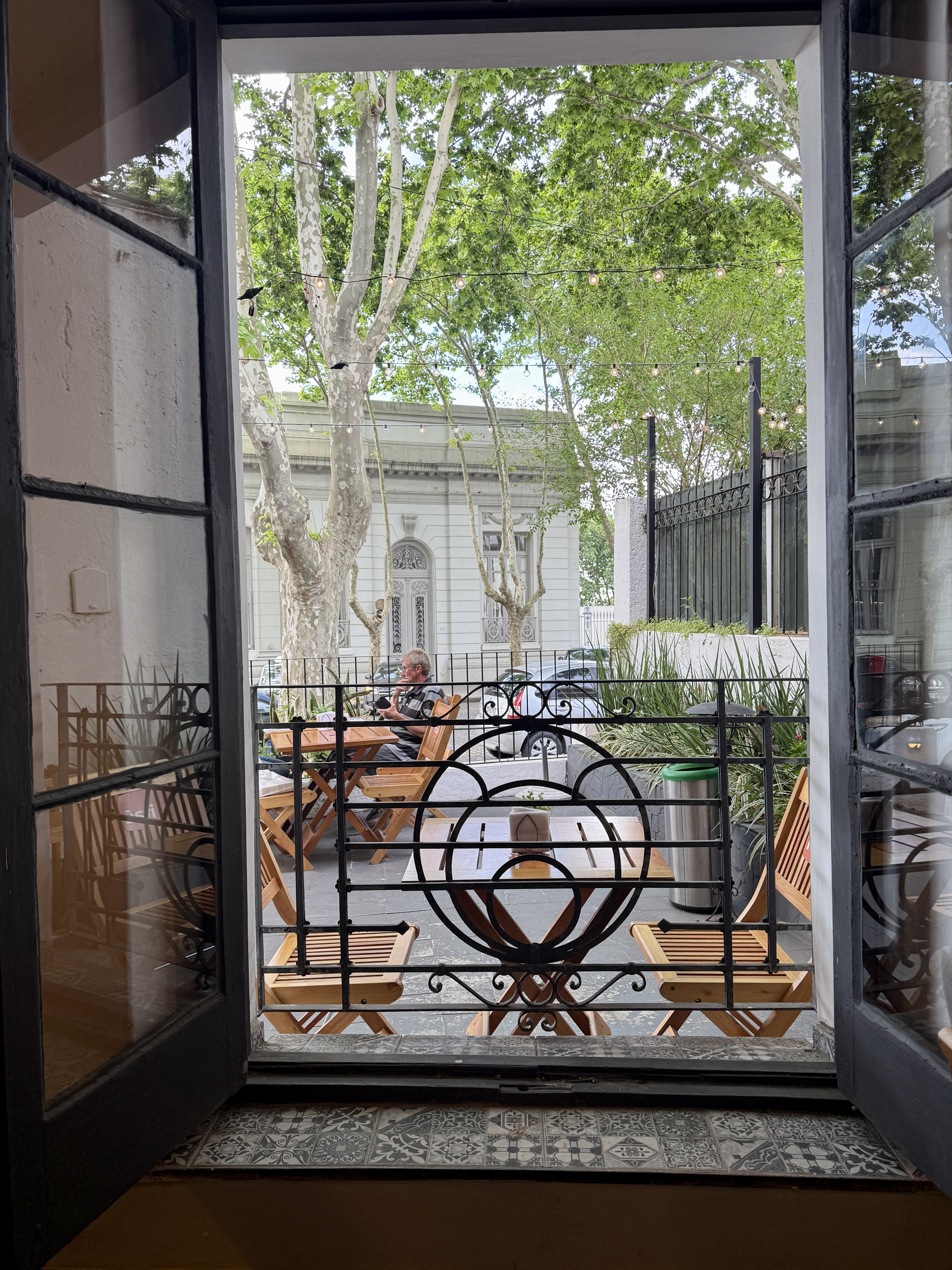
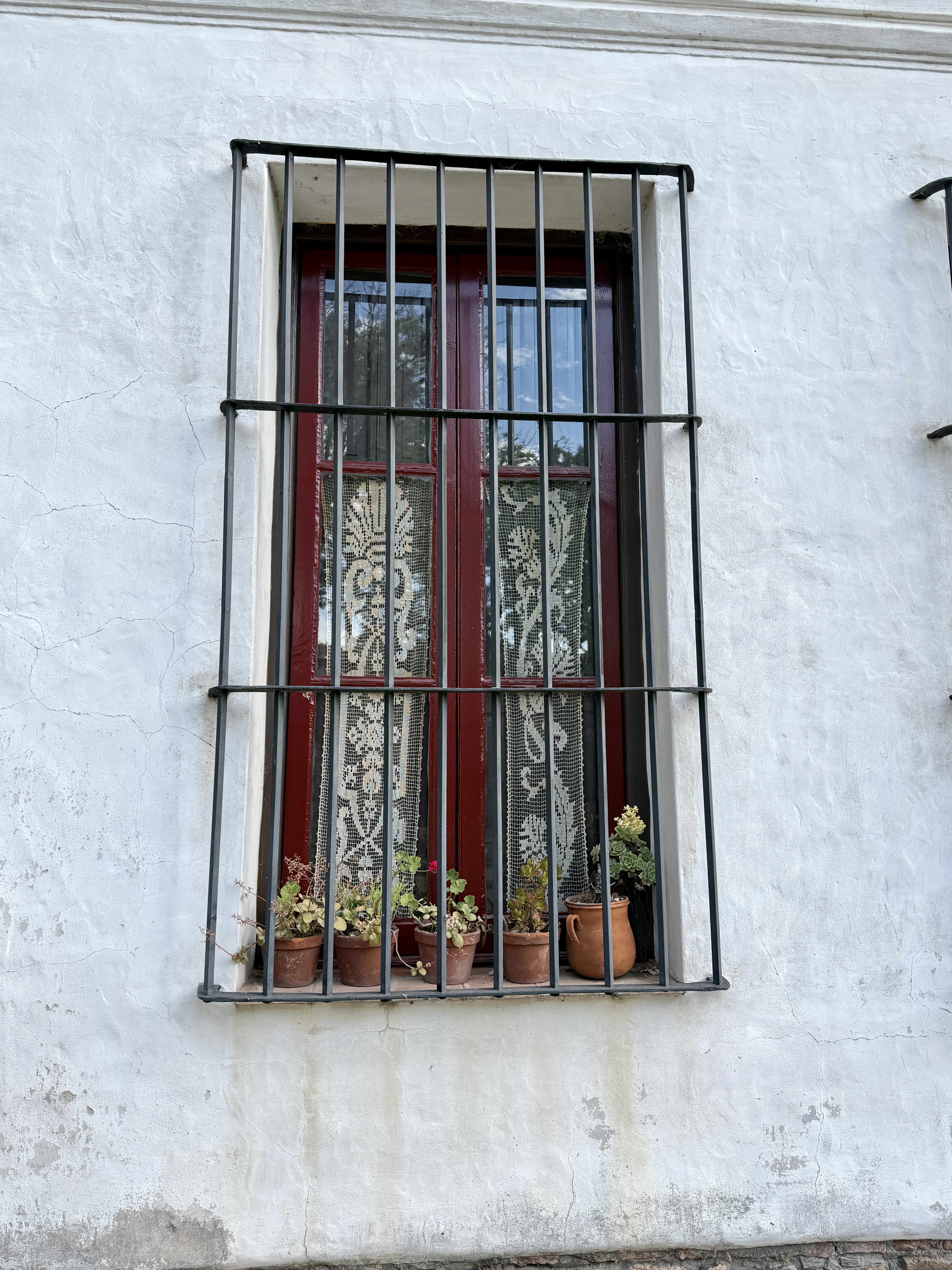
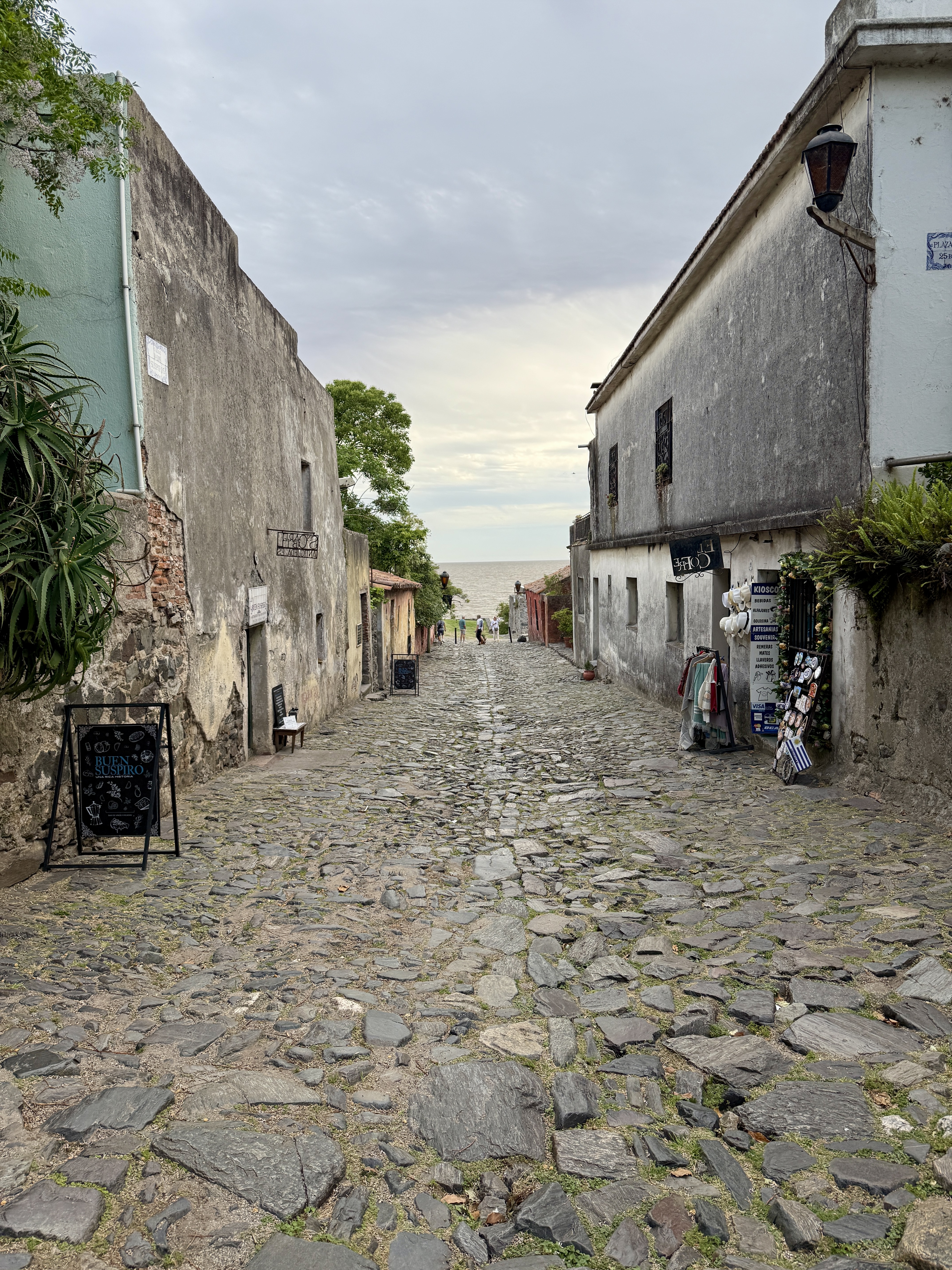
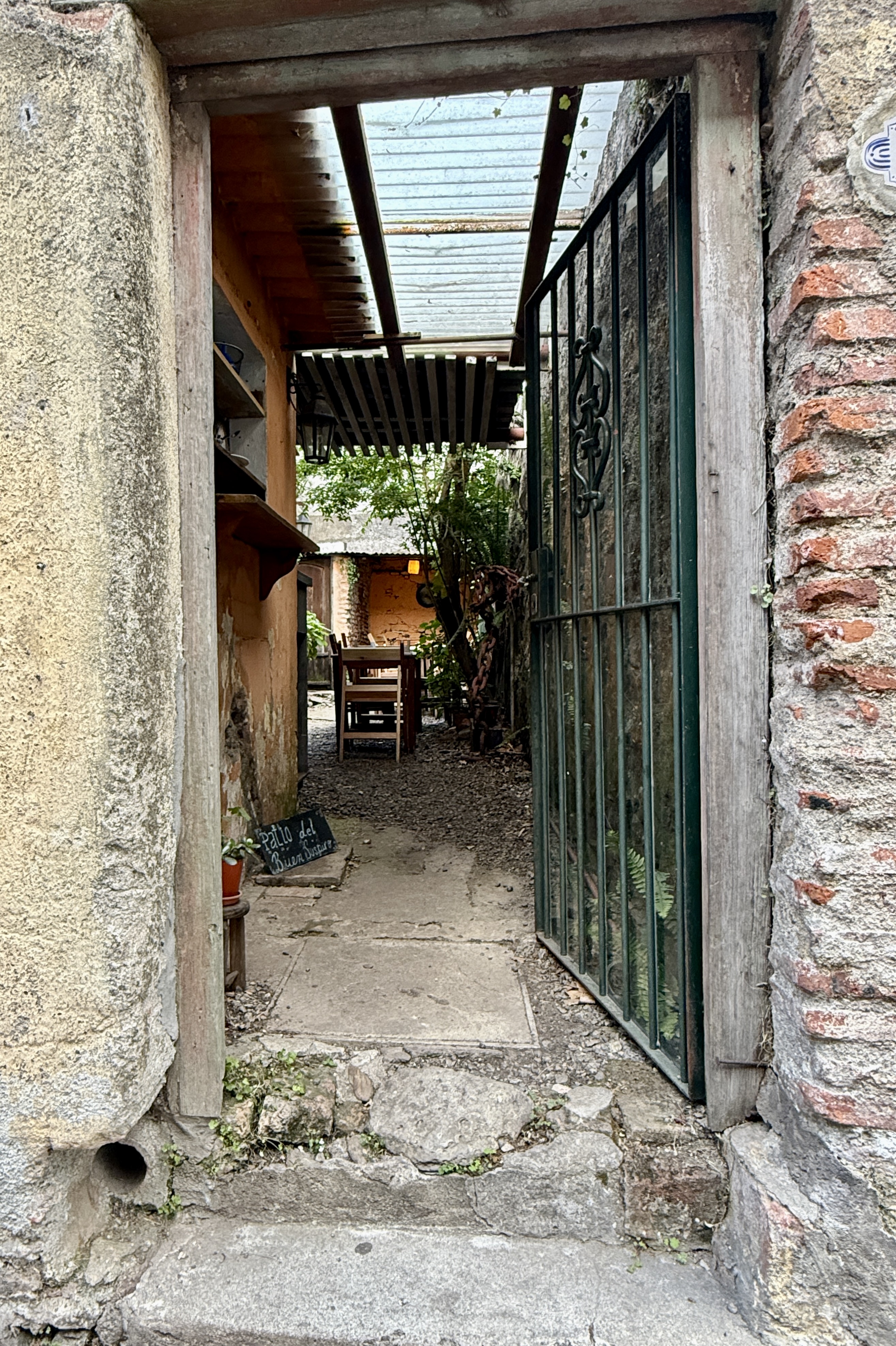

We had a late dinner at the hotel’s restaurant—a grilled shrimp starter with mango and salsa, followed by a nice salad, and then a fettuccini with fresh pesto and little tomatoes….and then dessert. It was all quite wonderful, and now we are ready to call it a day. It is after midnight.
Day Six . October 21, 2025 . Montevideo in all its Oddity!
Greetings on Tuesday, October 21, 2025 from Montevideo (our last night here in the city)-
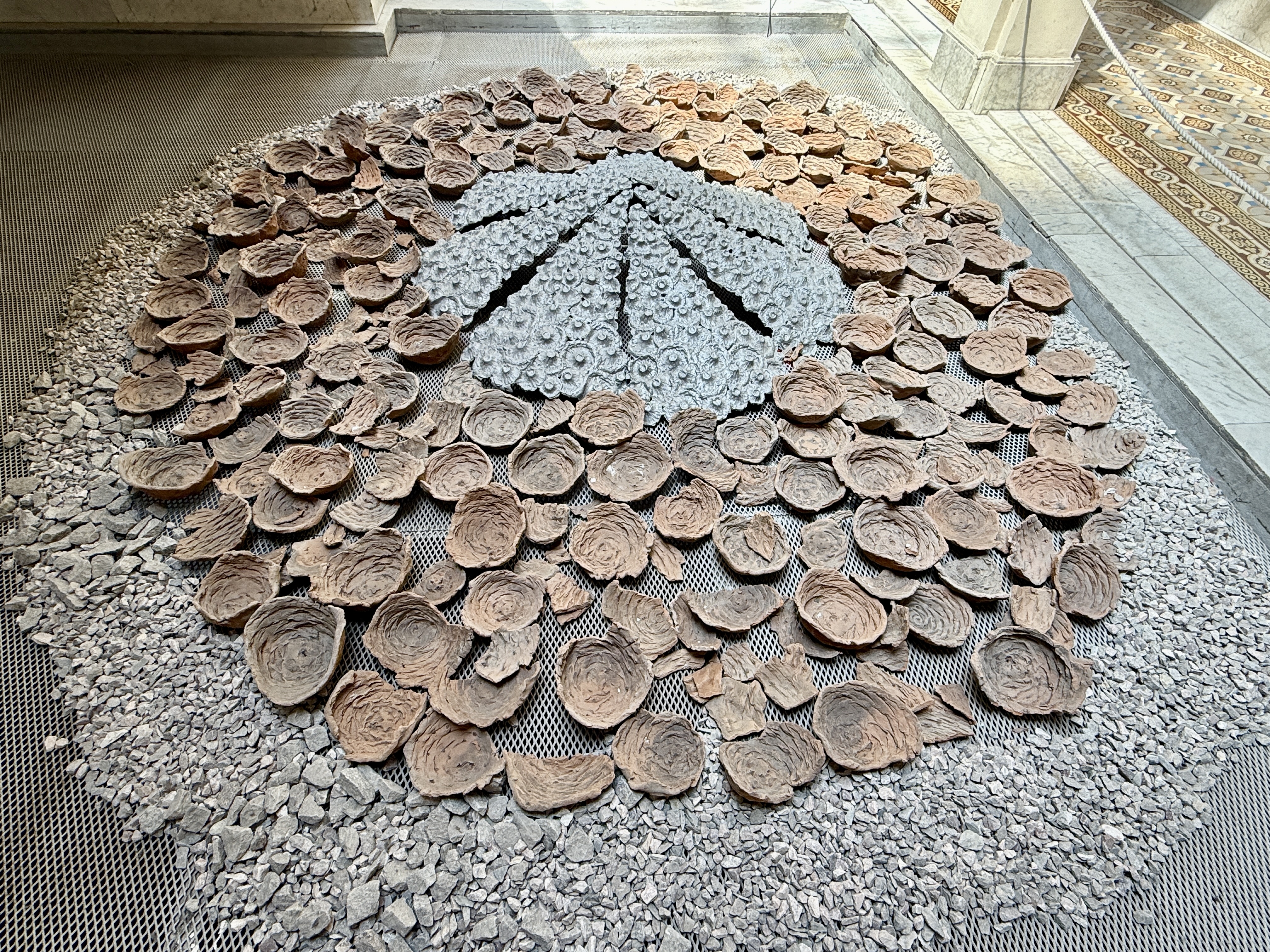
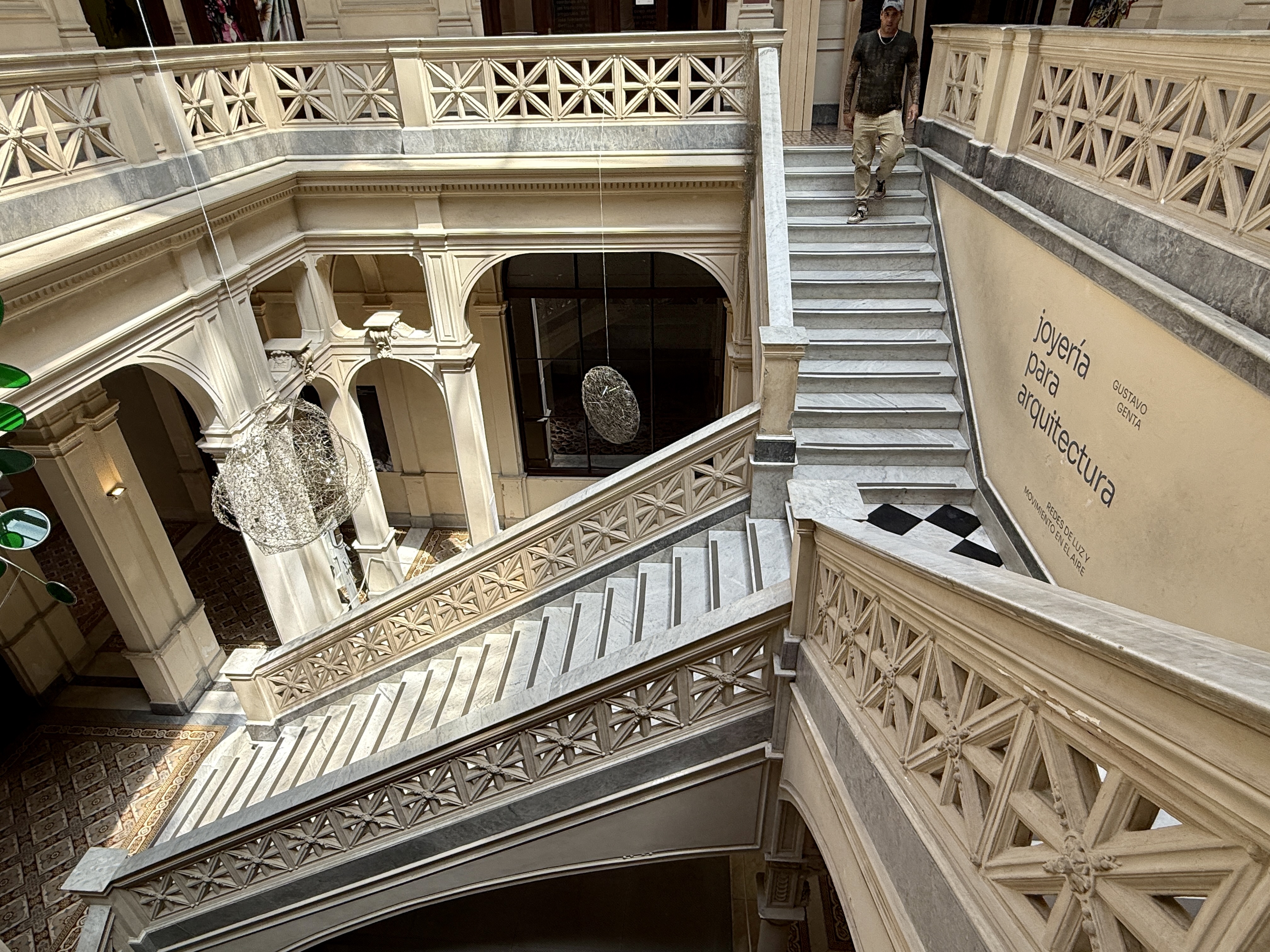
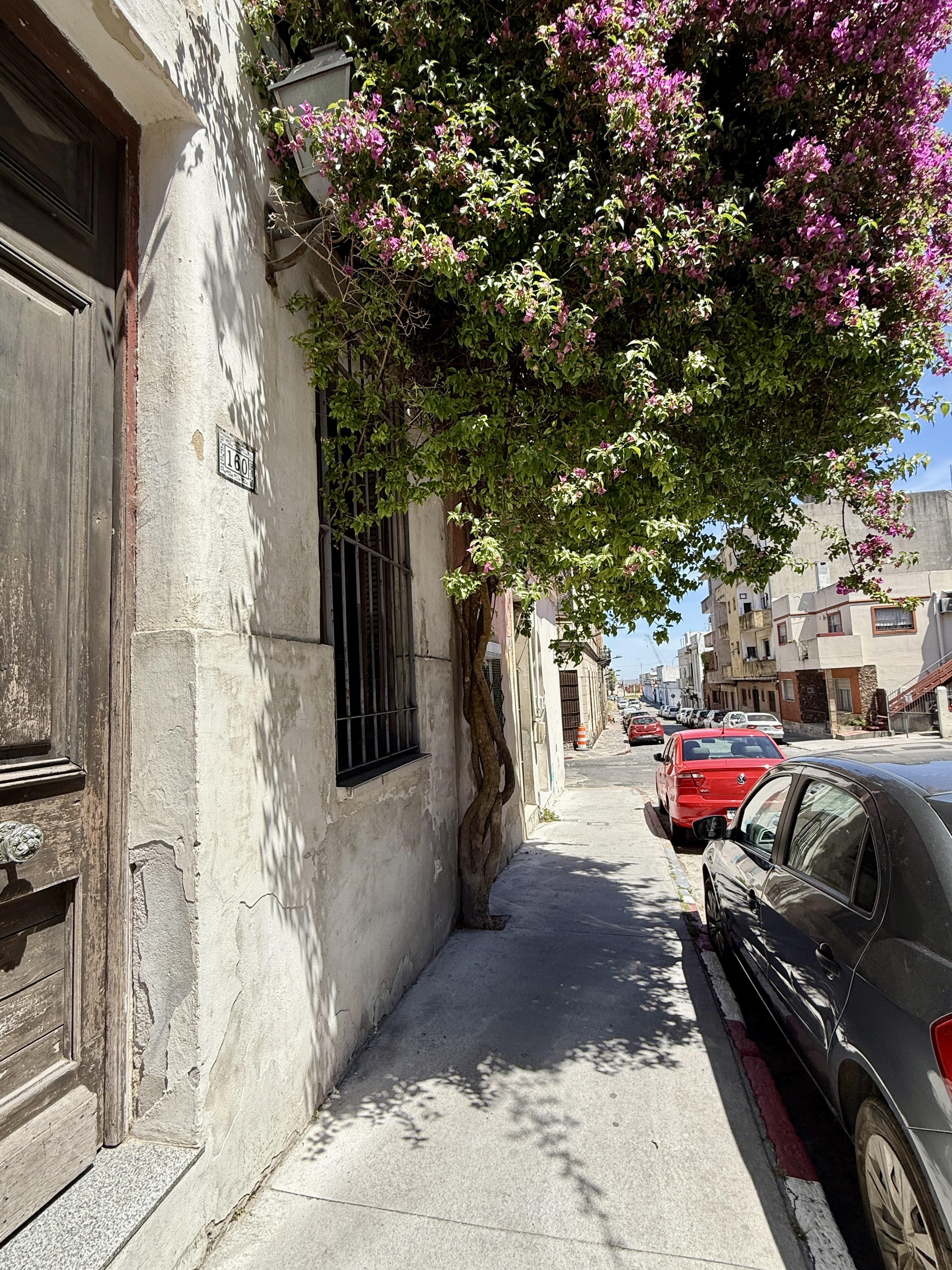
We headed out right after breakfast and strolled through the old city yet again, toward the Rambla (referred to by some as the world’s longest sidewalk), which by the way has different names depicting different sections, including some named for different countries and other sections named after important individuals including Franklin Delano Roosevelt. But en route we detoured at the impressive building that is home to the Museum of Pre-Columbian and Indigenous Arts. They had a fantastic exhibit of masks throughout time.
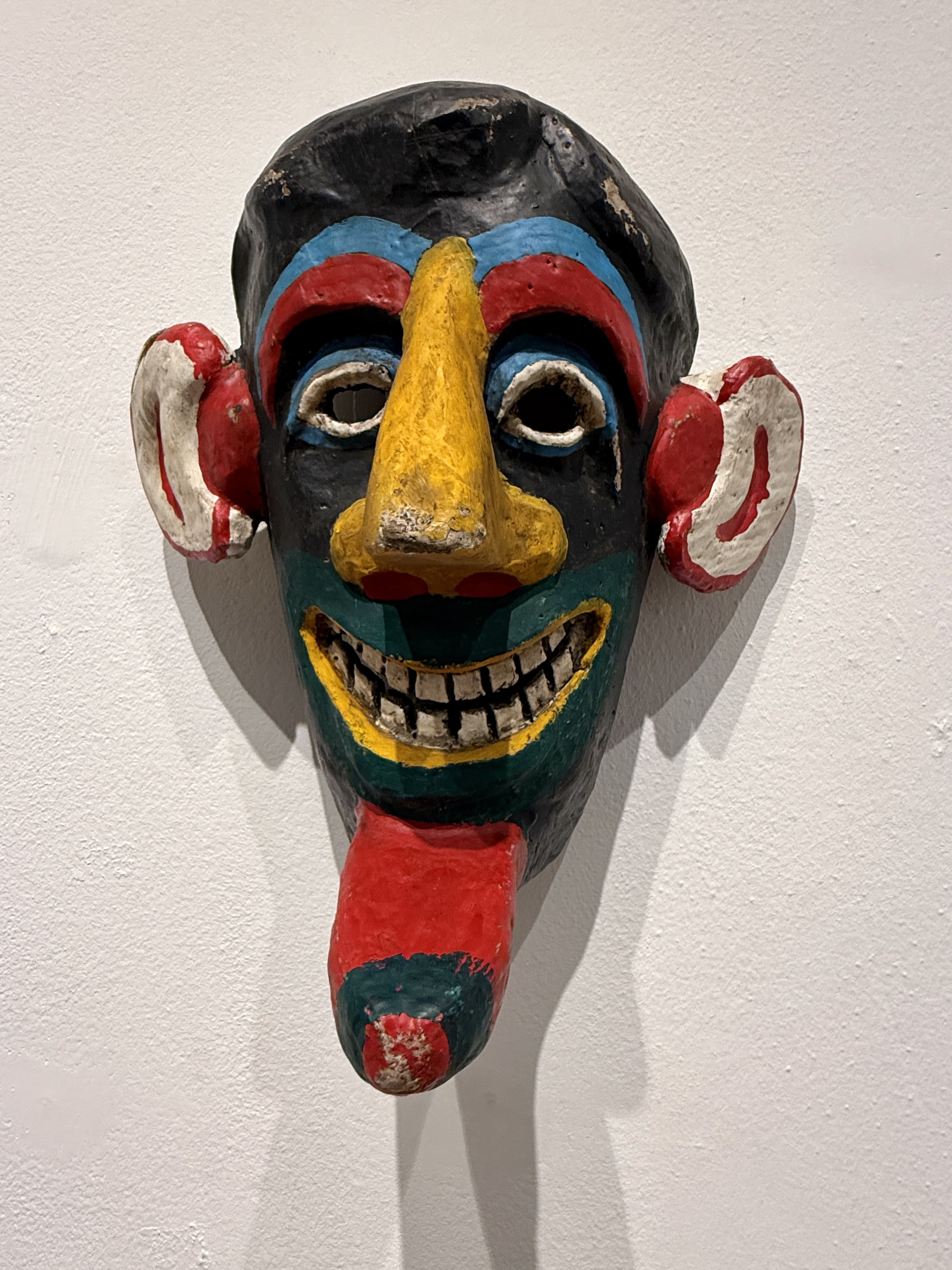
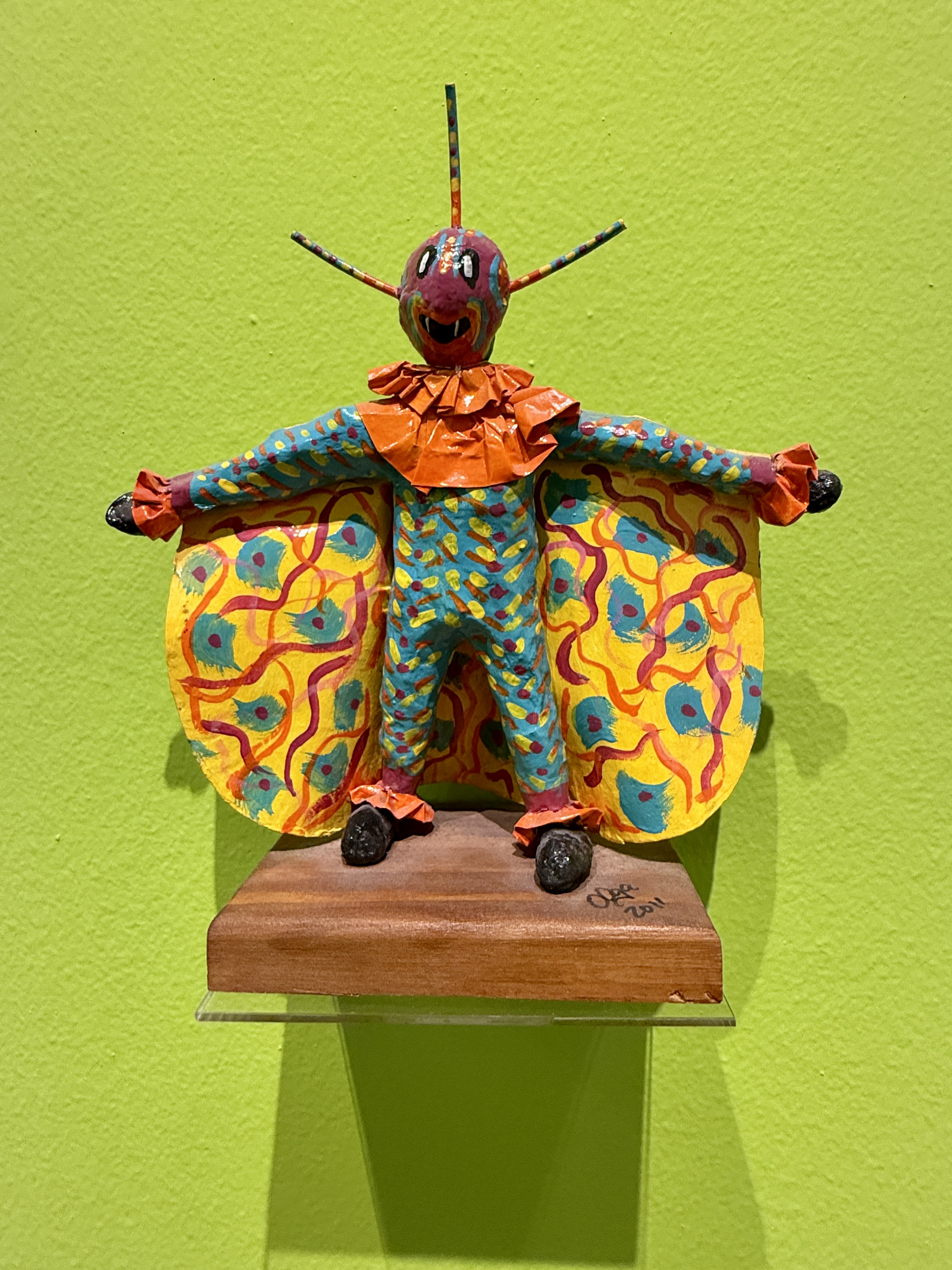
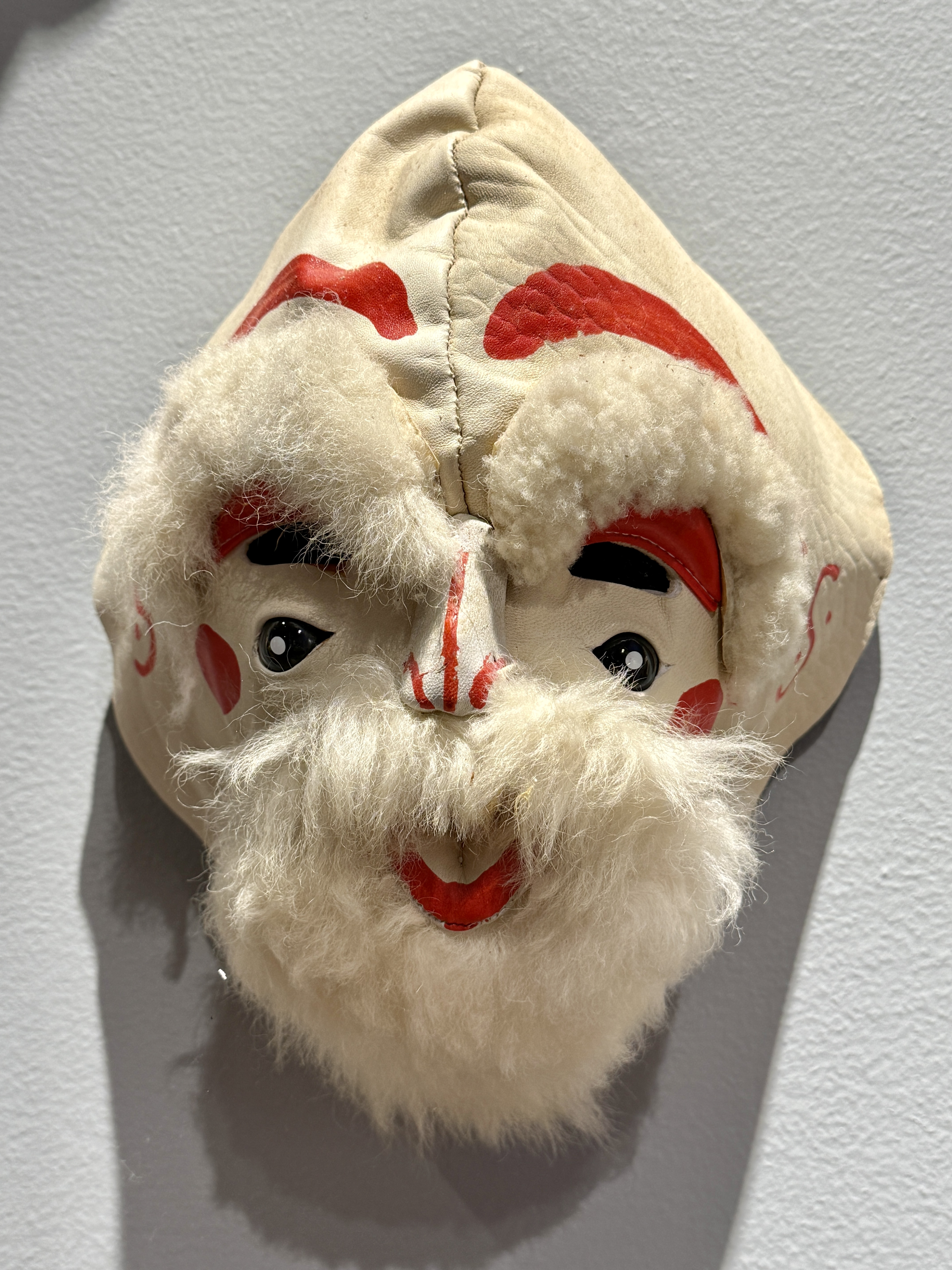
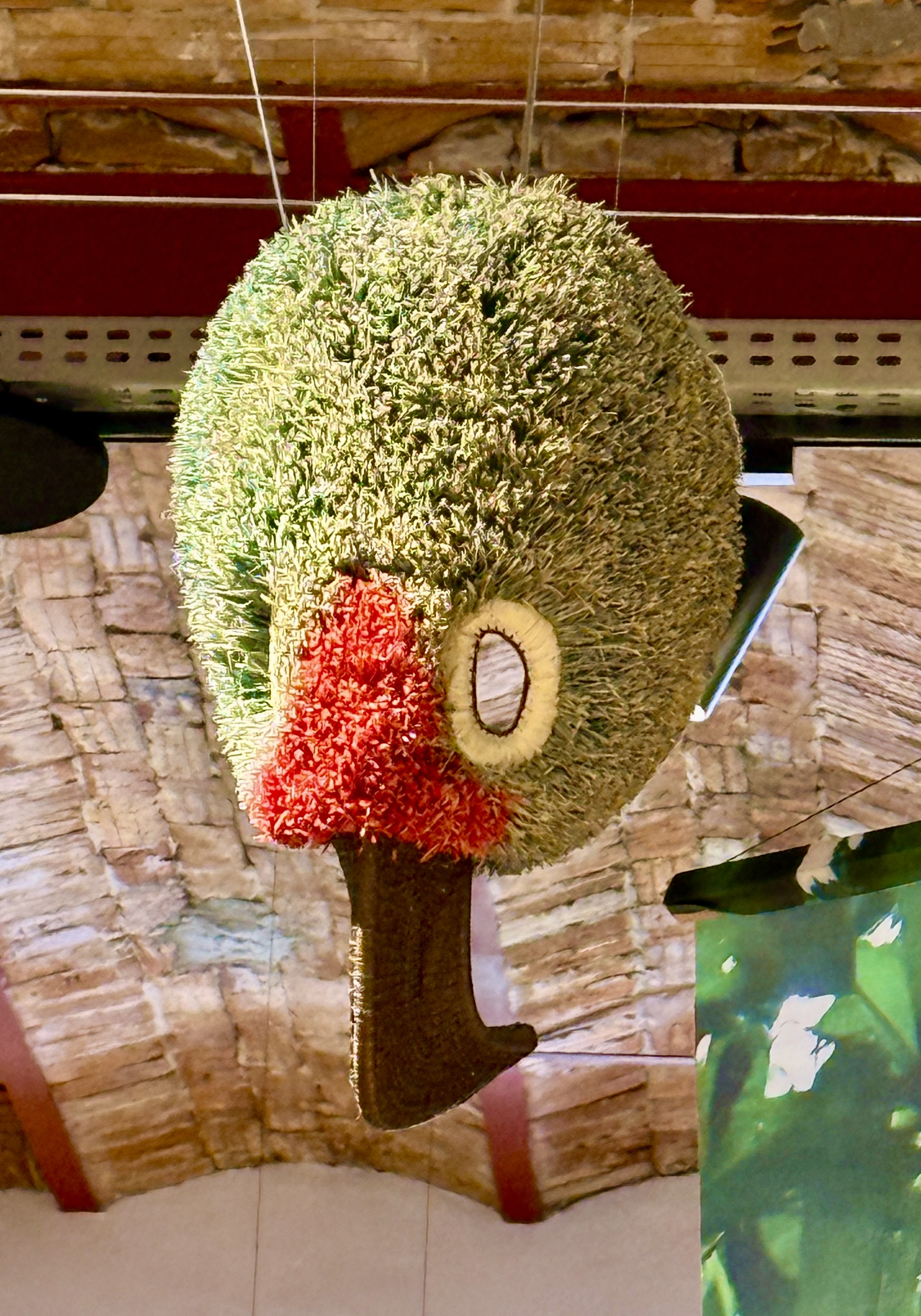
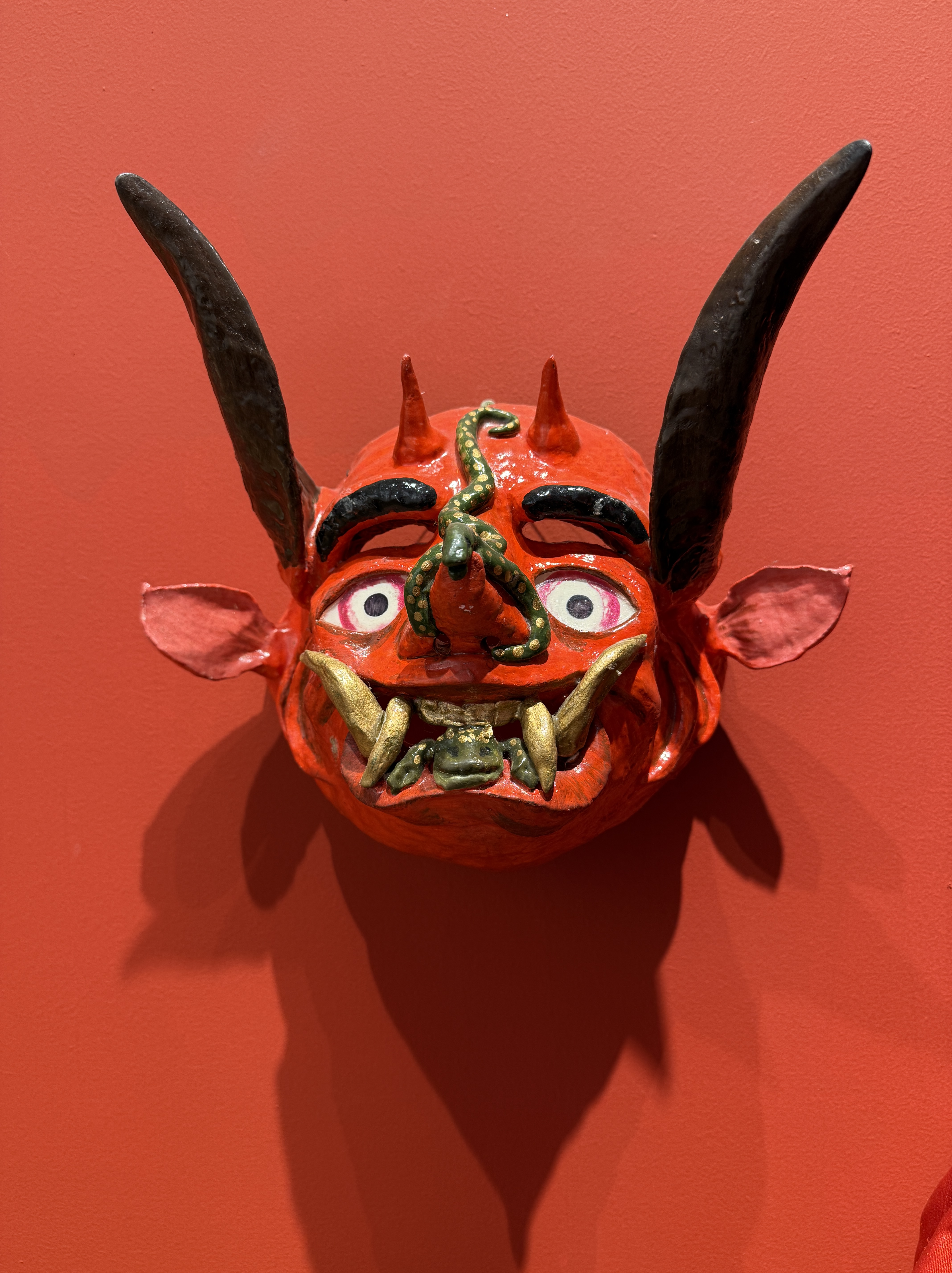
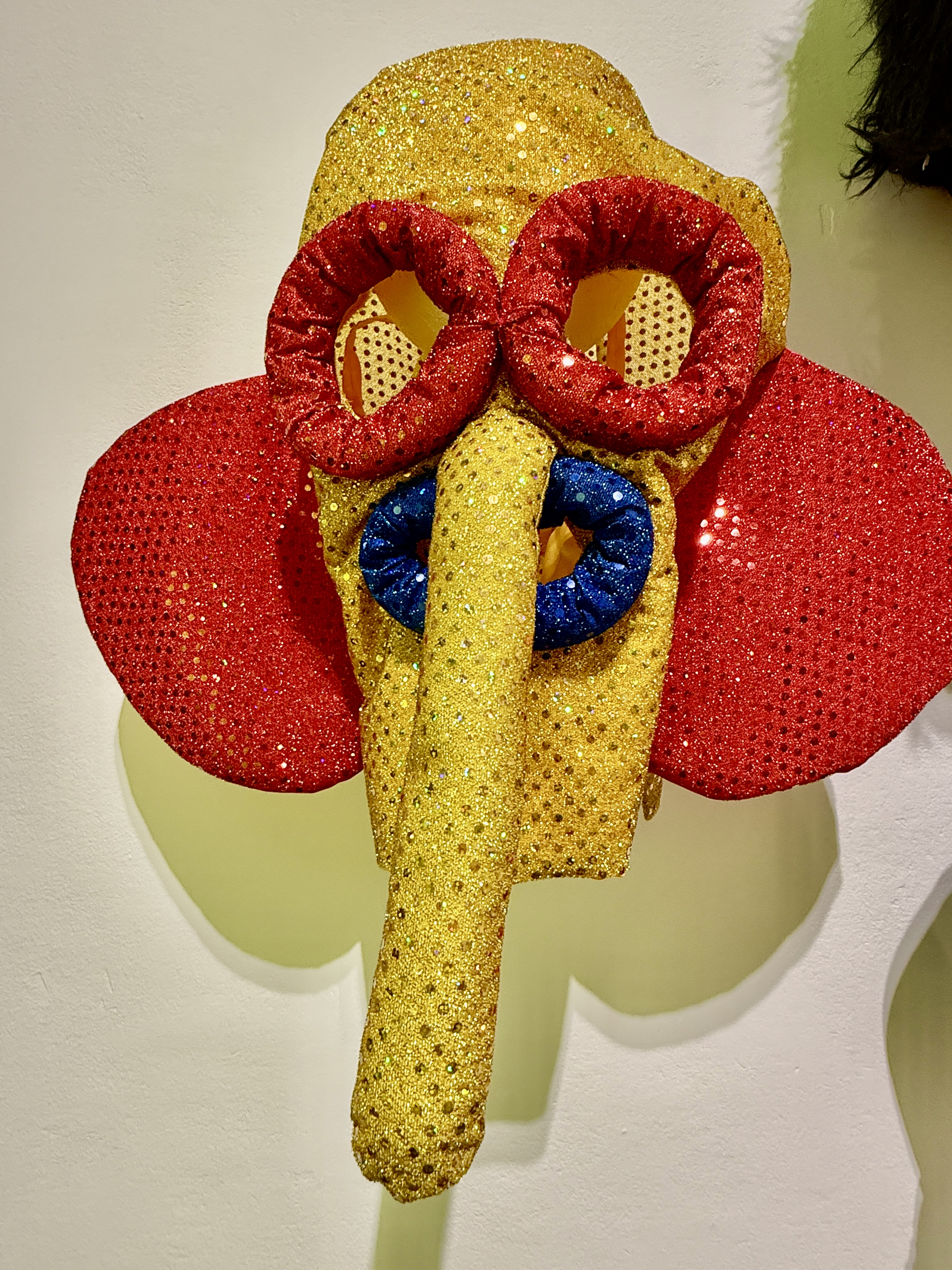
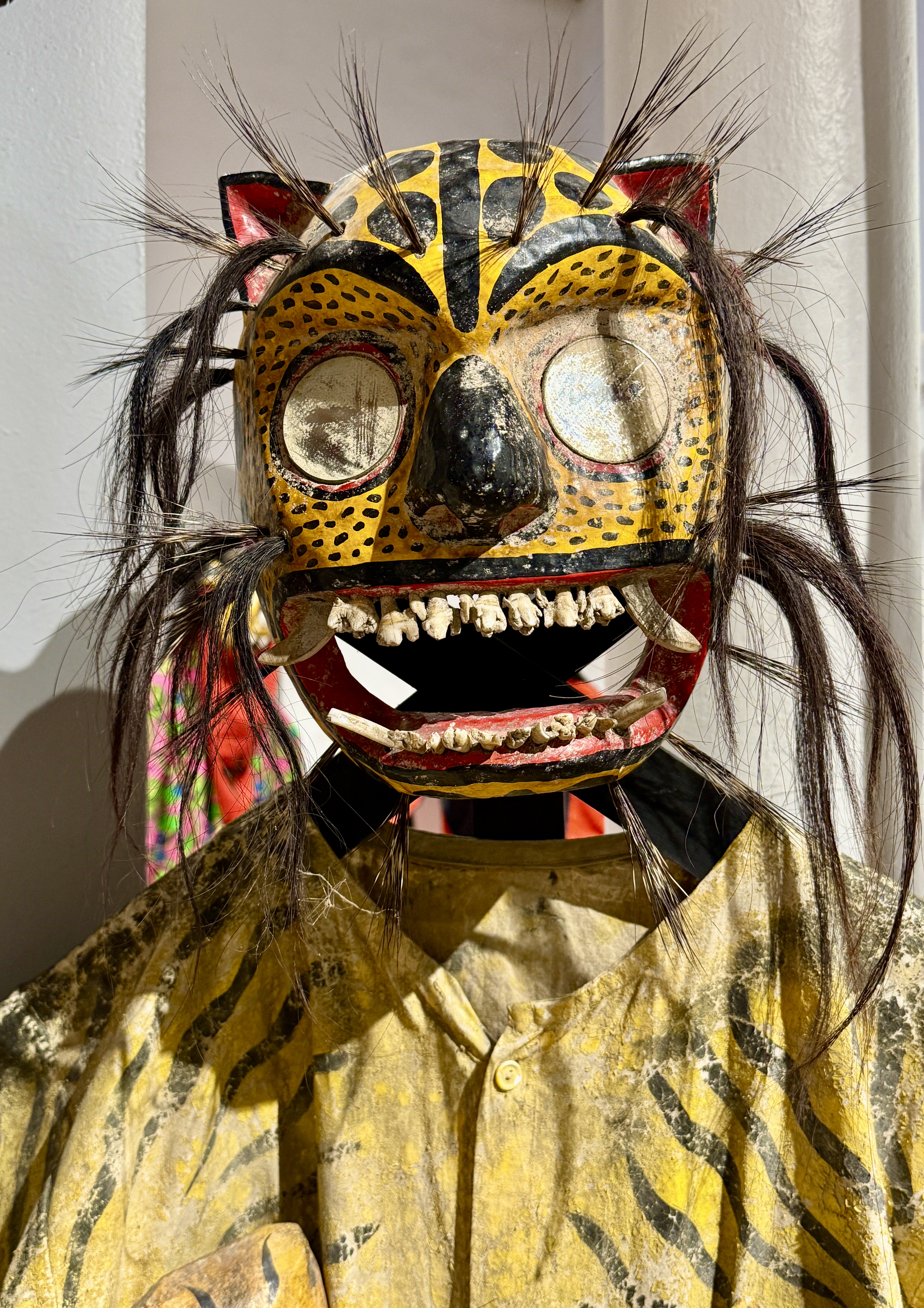
Our real destination was at the Mahatma Gandhi section of the Rambla–about a 90 minute walk. That seemed fine, except it was quite hot today and there’s not much shade along the Rambla so after a while we used the nifty Voyentaxi app and headed (far more quickly) to our destination. The goal was to go to 633 Rambla Mahatma Gandhi–where a bizarre building, created by the architect and self-acclaimed alchemist, Pittamiglio, is located. His “house” (begun construction in 1910 and was supposedly near official completion by 1911 or 12, but in reality it was a lifetime project and he added detail after detail and extensions throughout his life until he died in 1966. The house is squooshed between buildings from the 50s and 60s that sort of dwarf the physical building but not the extreme peculiarity of the building and its designer-inhabitant.
While it seems that there is not that much known about Humberto Pittamiglio (a Uruguayan born to poor Italian parents). As the receptionist said when I asked a few questons in my minimal Spanish–as we were leaving–he was an architect, alchemist, “out”-homsexual, artist, politician (?), visionary, Catholic, impresario, businessman, and more. At the age of 23, he bought the land (not sure how he got the funds) to build a castle.
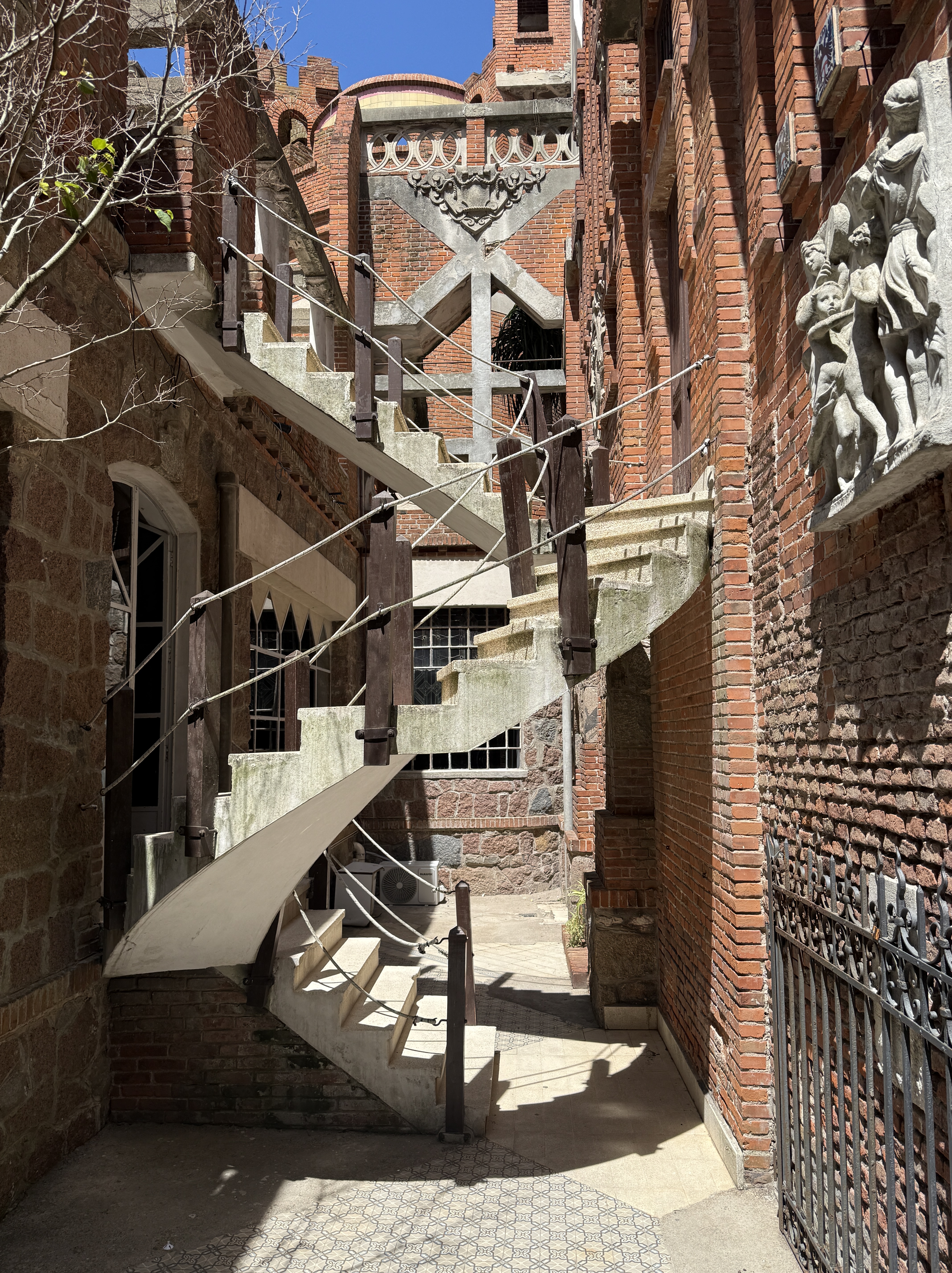

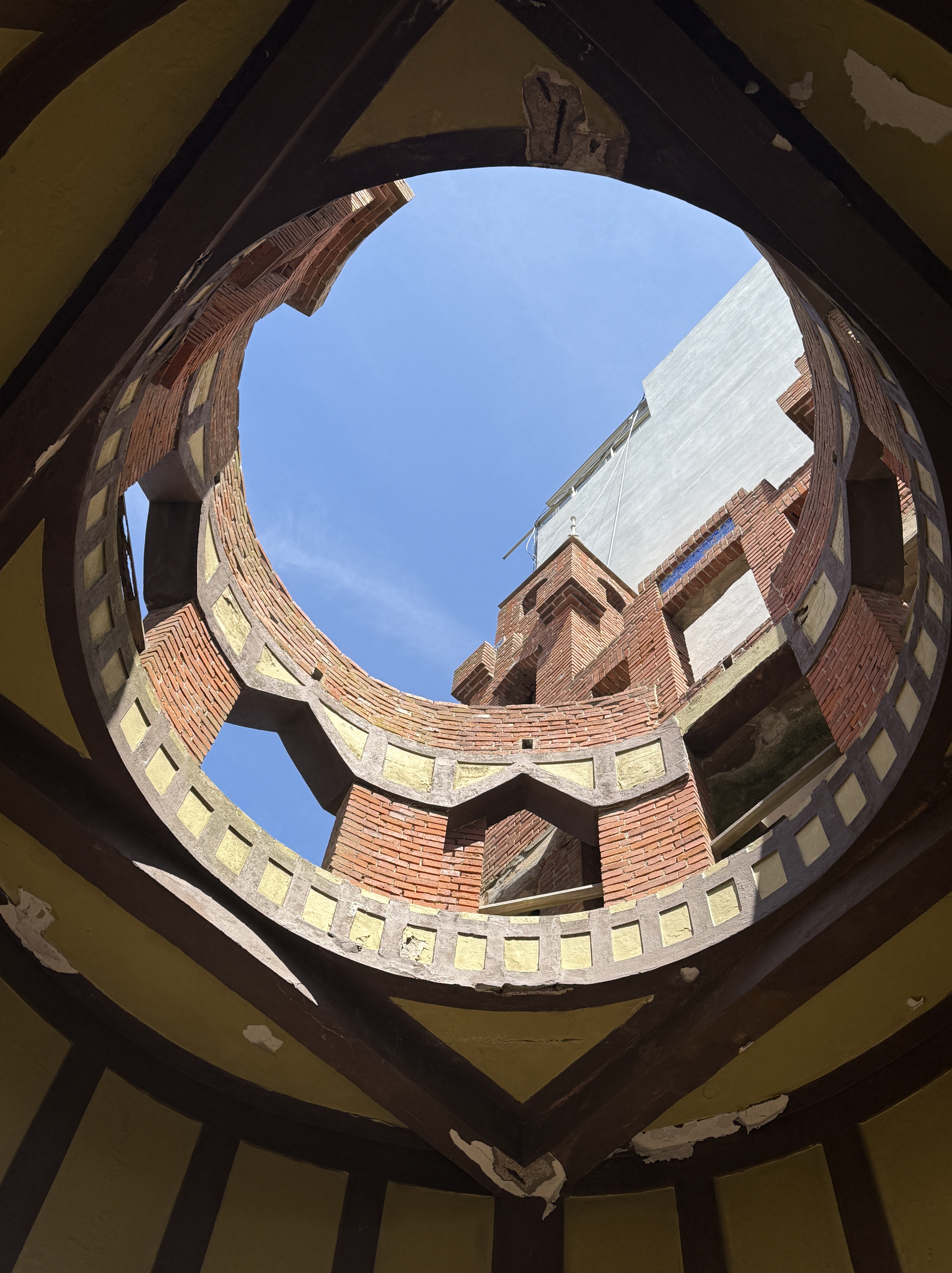
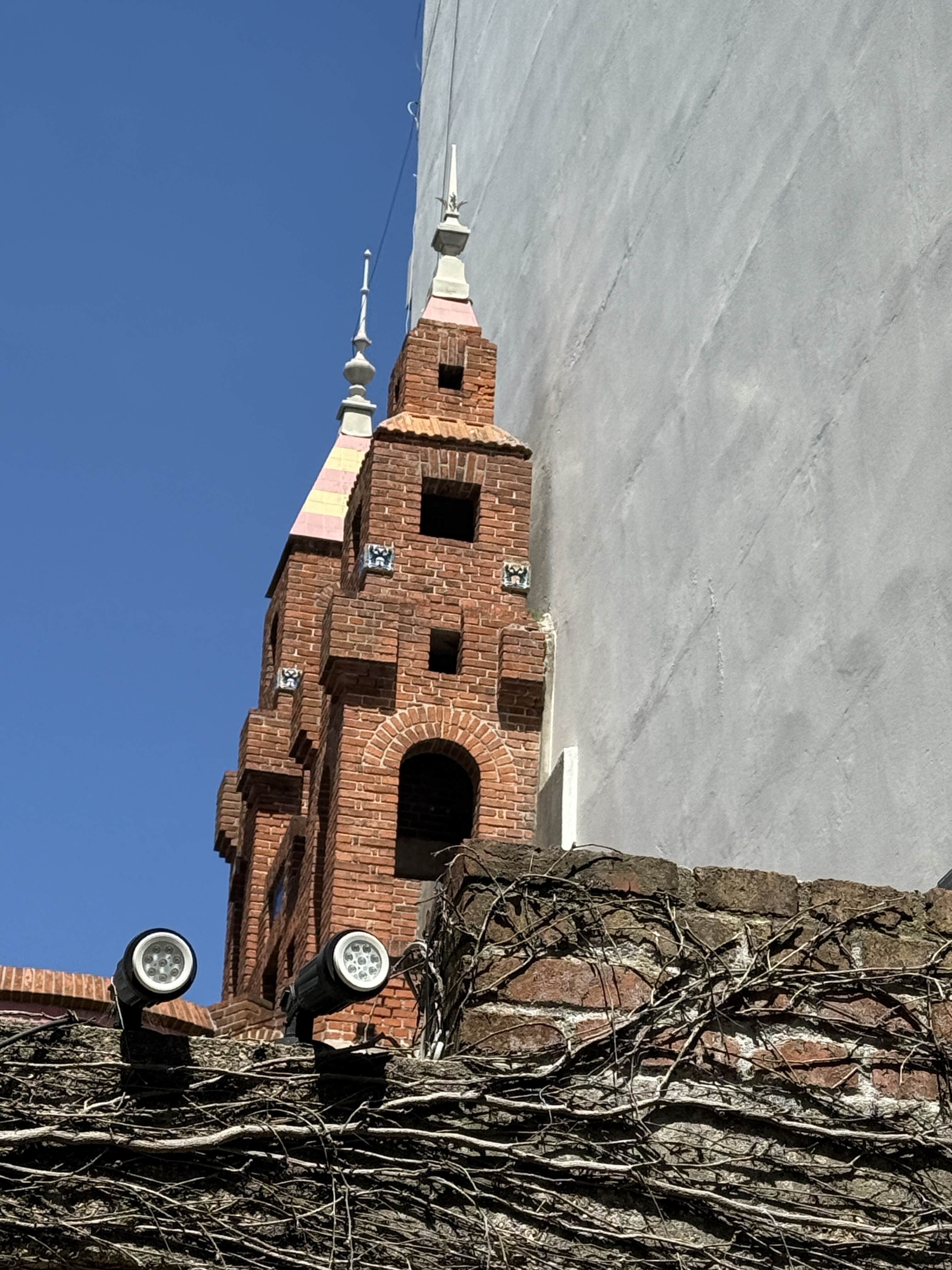
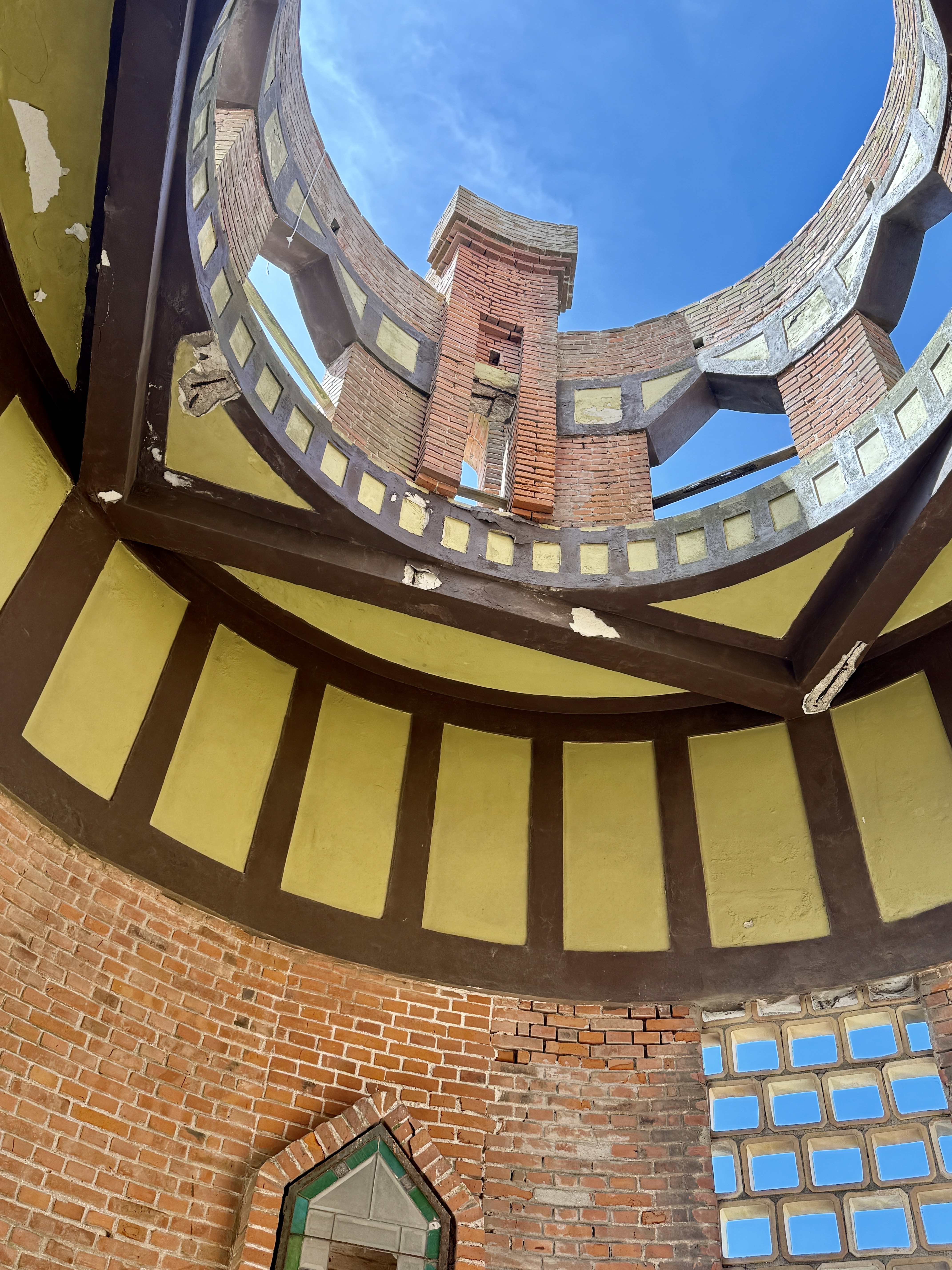
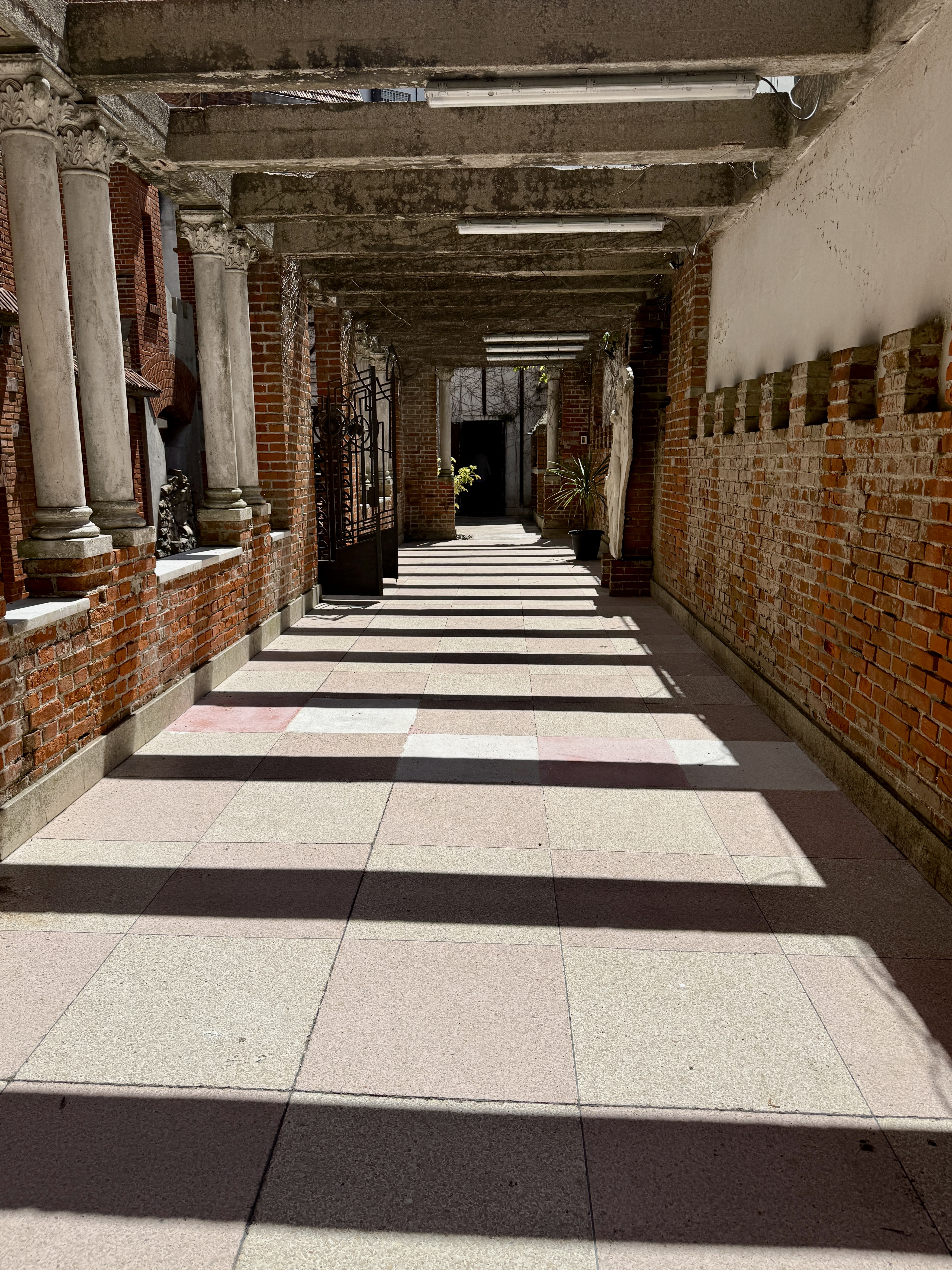
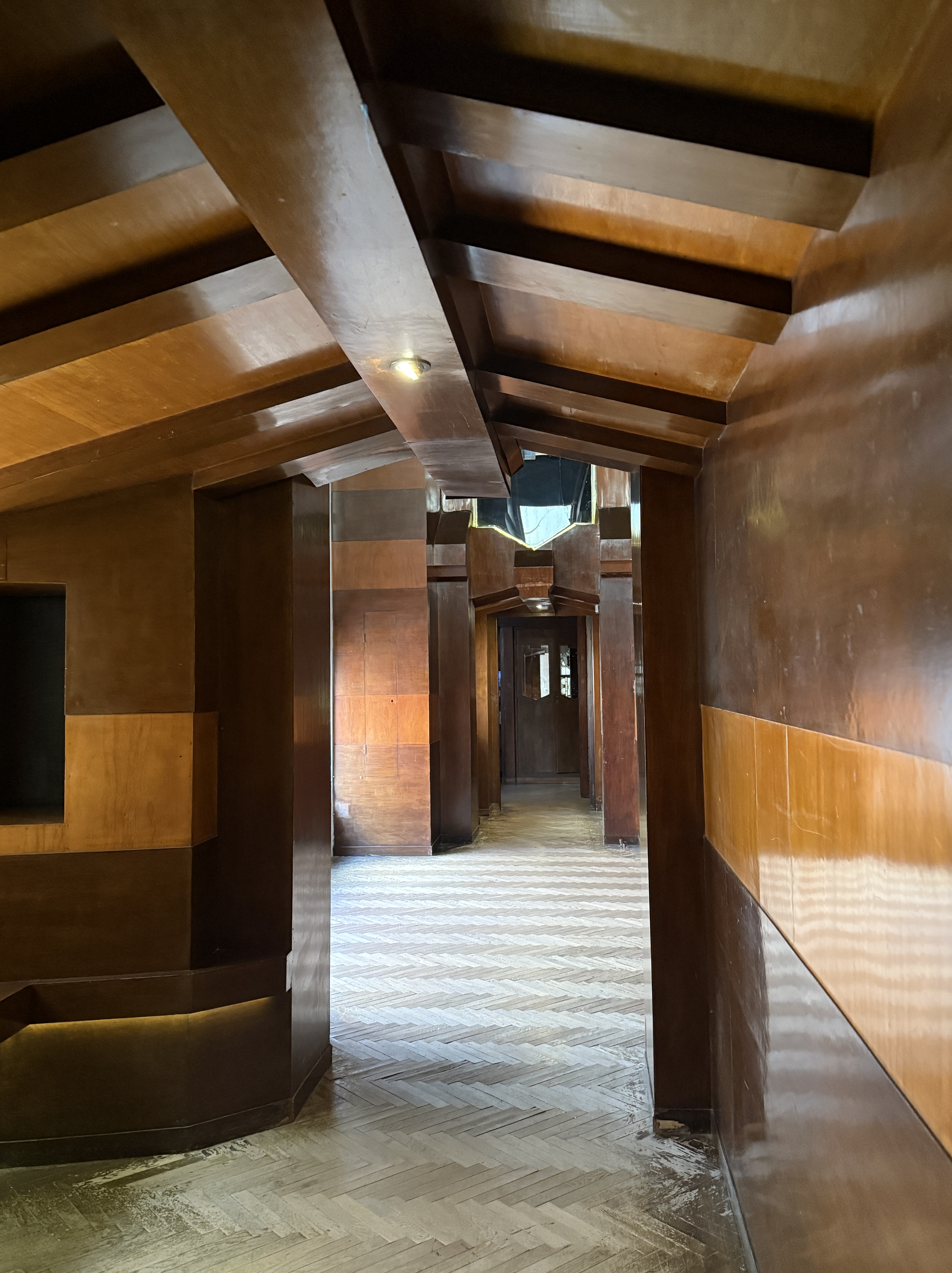

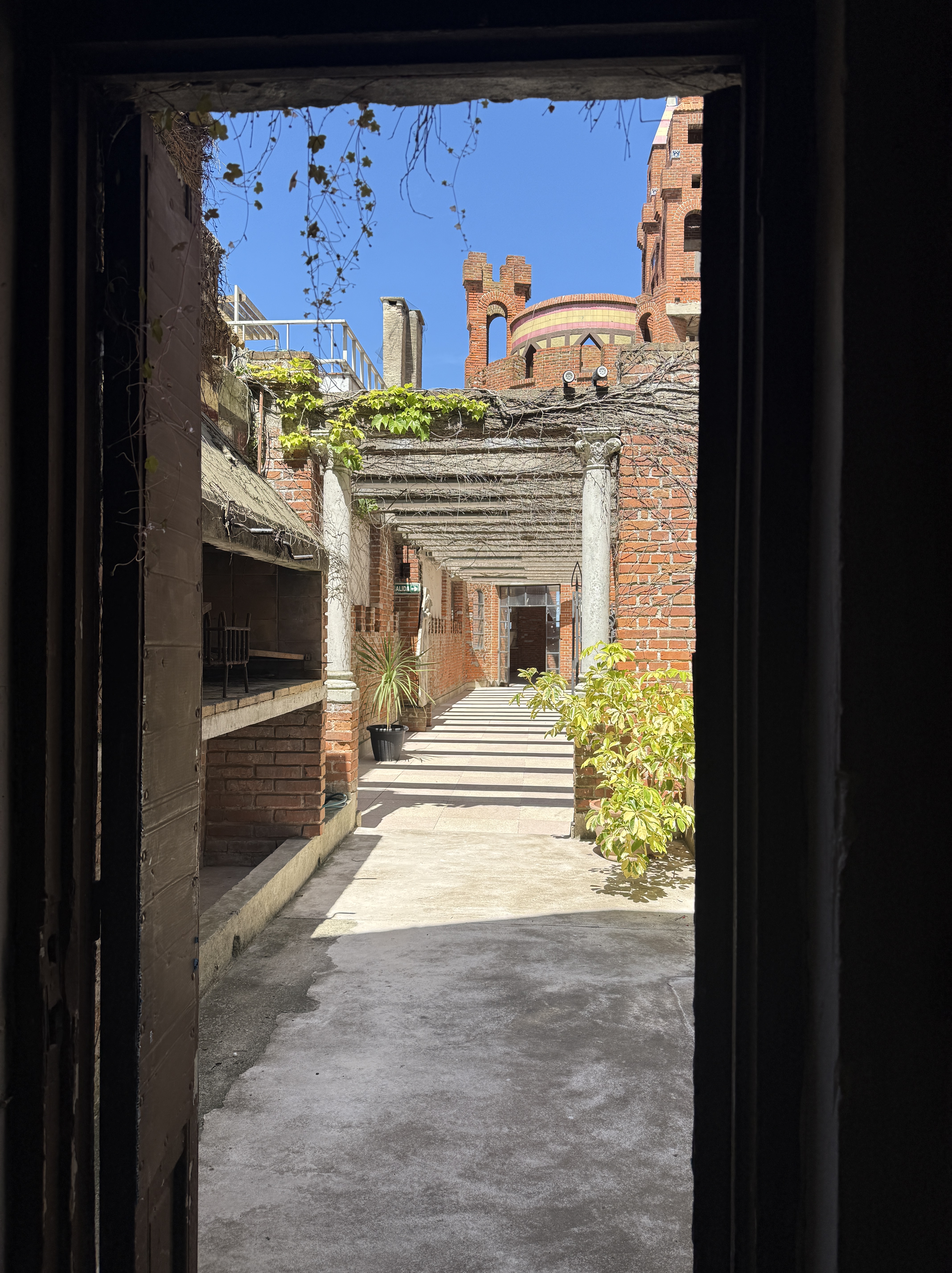
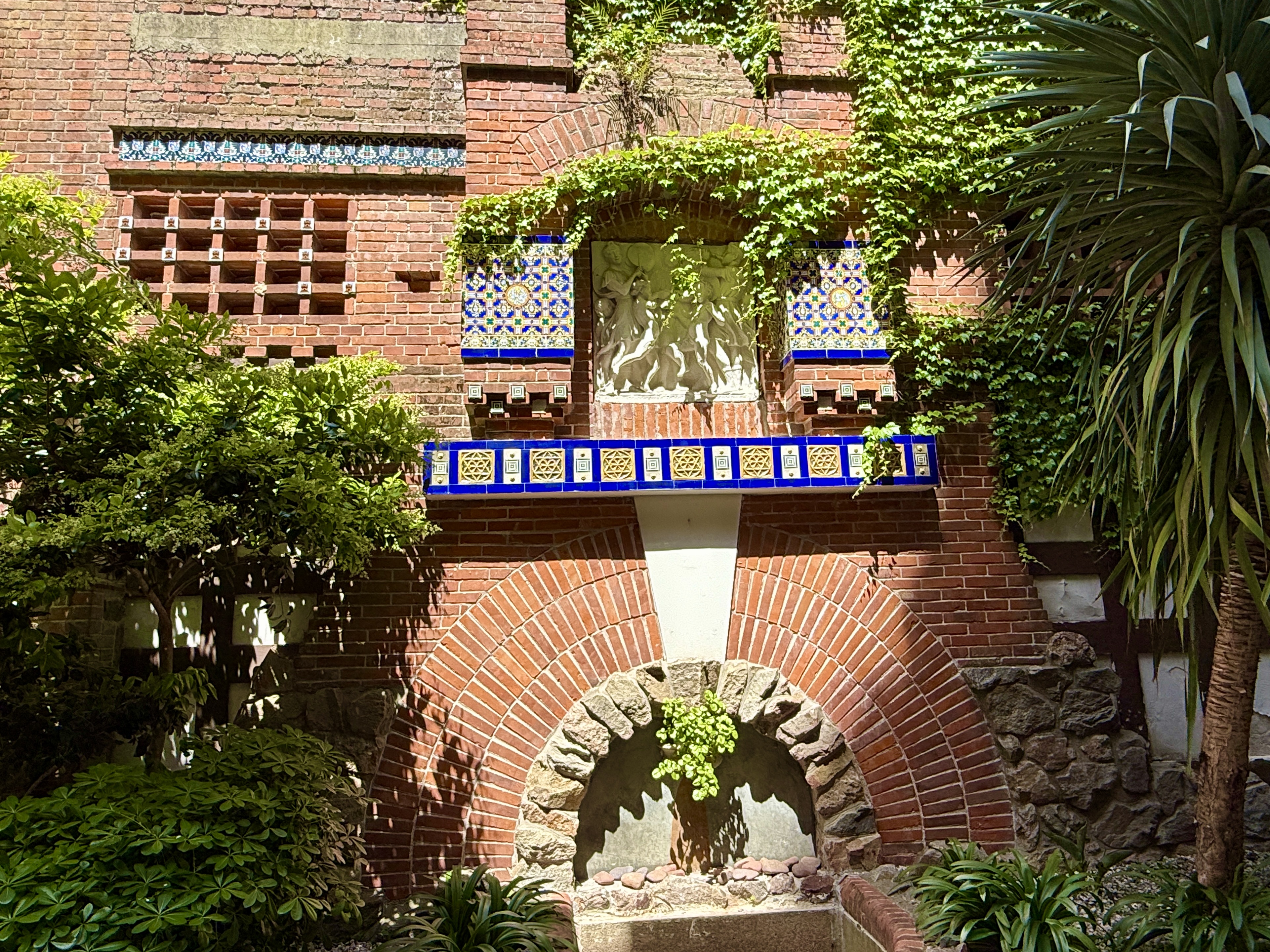
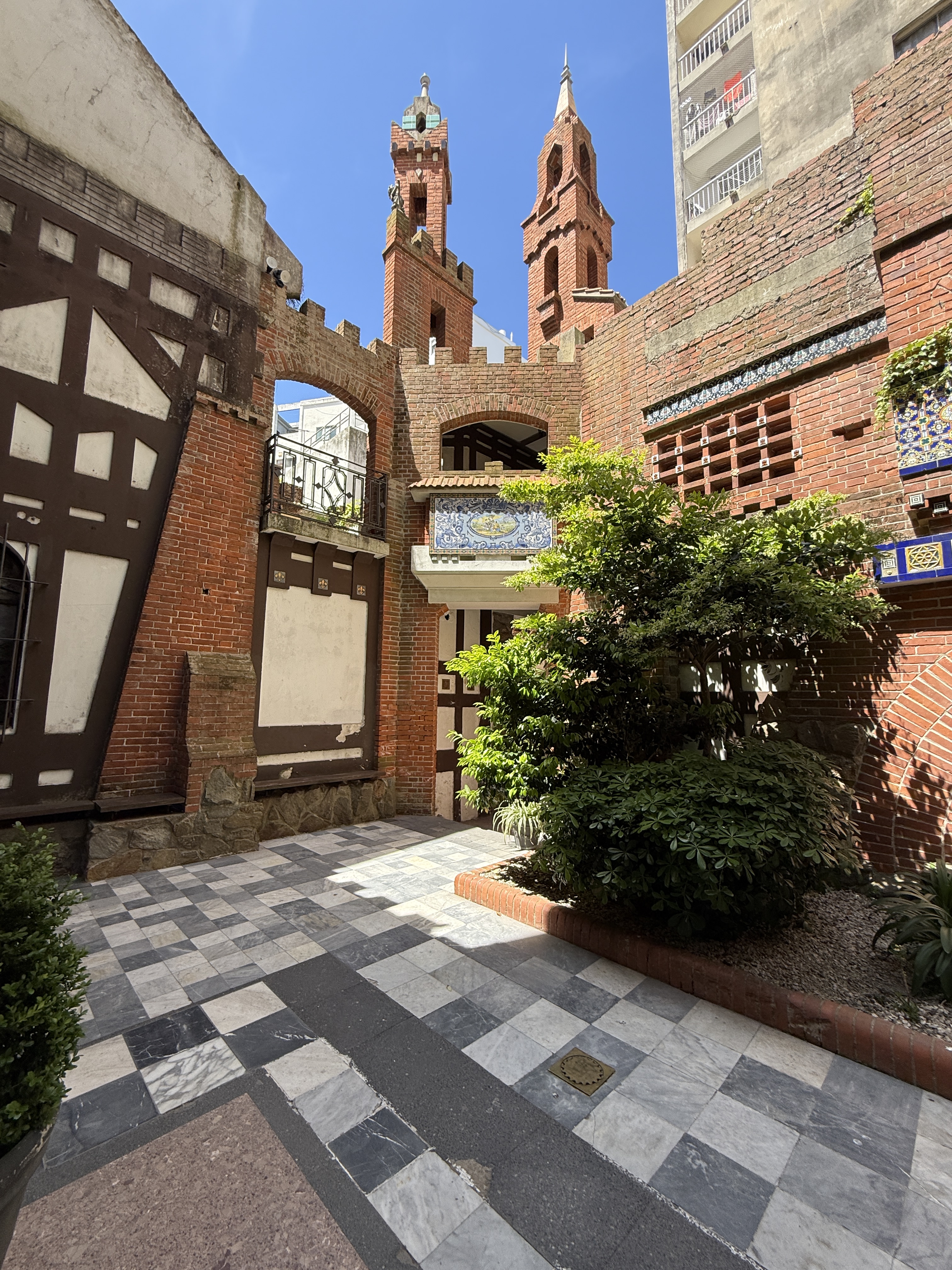
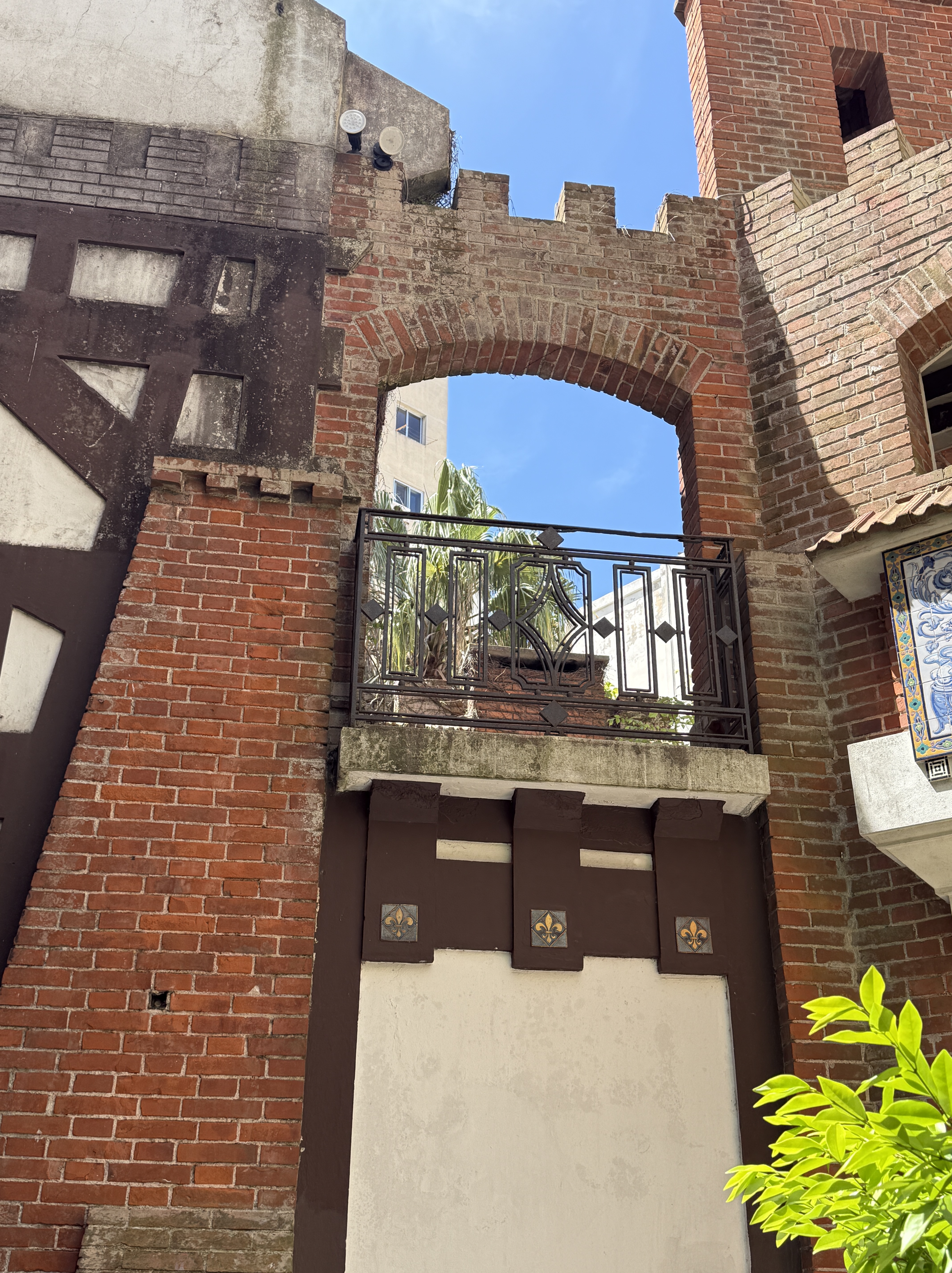

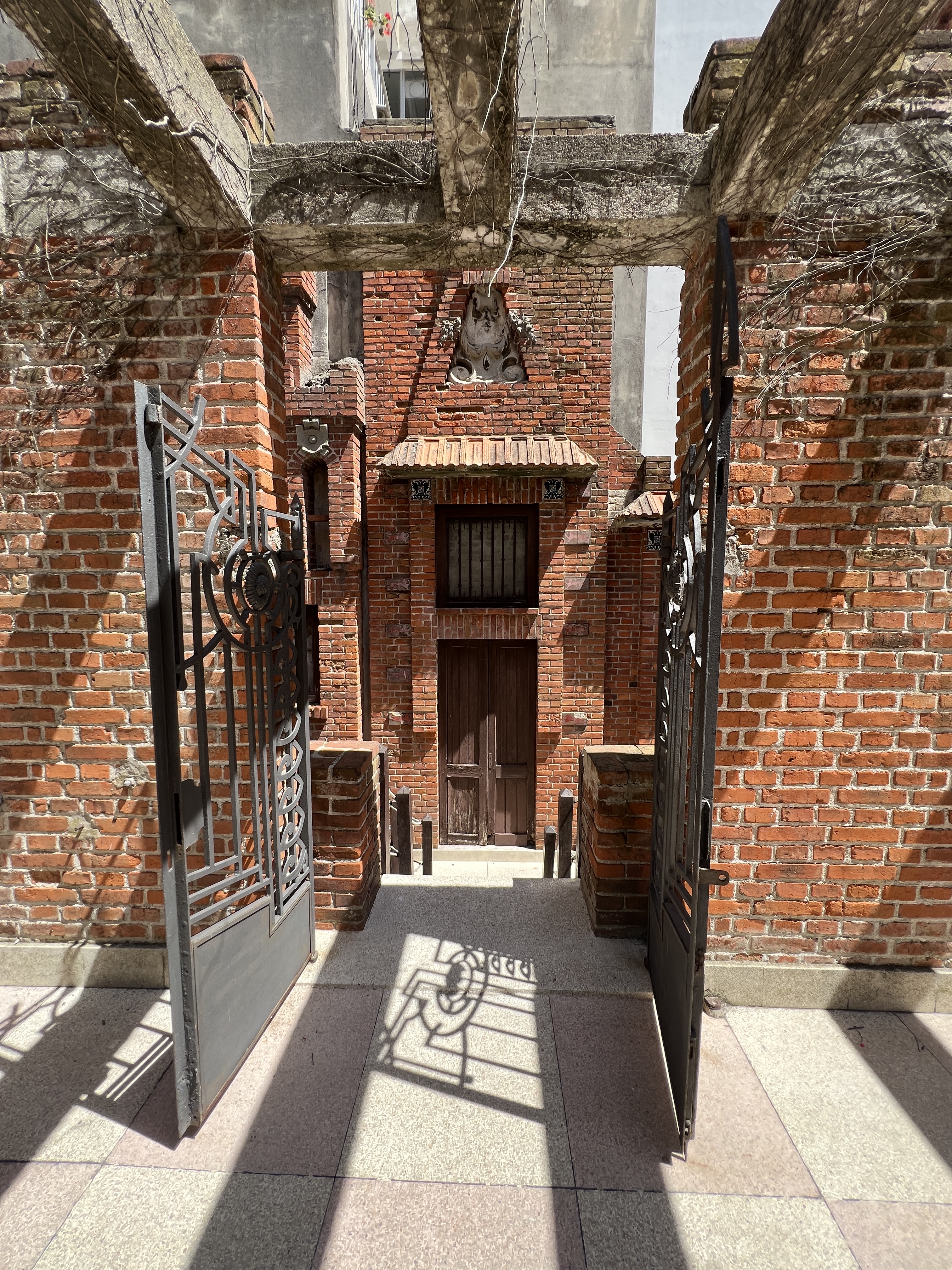
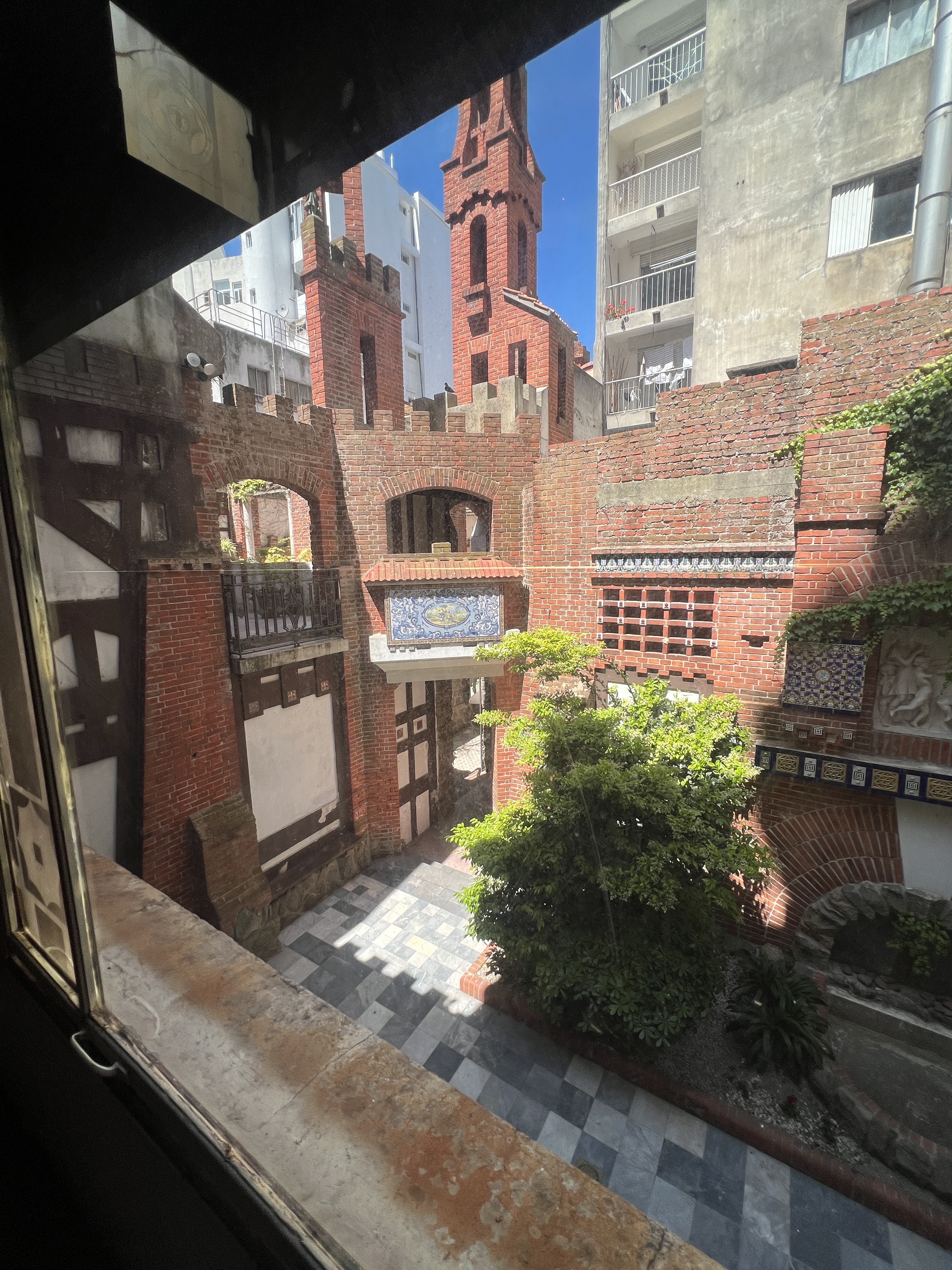
As the story goes, he was deeply religious, fascinated by the mysteries of alchemy as practiced by a renowned Uruguayan. His name was really Umberto, but he added thee H so that his name would have 8 letters because of some symbolism. The neighbors were afraid of him because at night he would walk around the area wearing a red cape. He died in 1966, single and without children. At that time he owned more than 400 properties that he bequeathed to the state and philanthropic institutions. Supposedly he designed his casket in a way that it could only be opened from the inside (??) and believed he would never die. He was buried in 1966.
We walked in the neighborhood a bit and then decided to go to a plaza where there is a bench with a statue of Einstein talking with a famous Uruguayn philosopher… We walked the whole plaza but no such bench. Then we saw a plaque marking the spot of the conversation.. but no bench. So the “sculpture” must be damaged and being repaired or something.
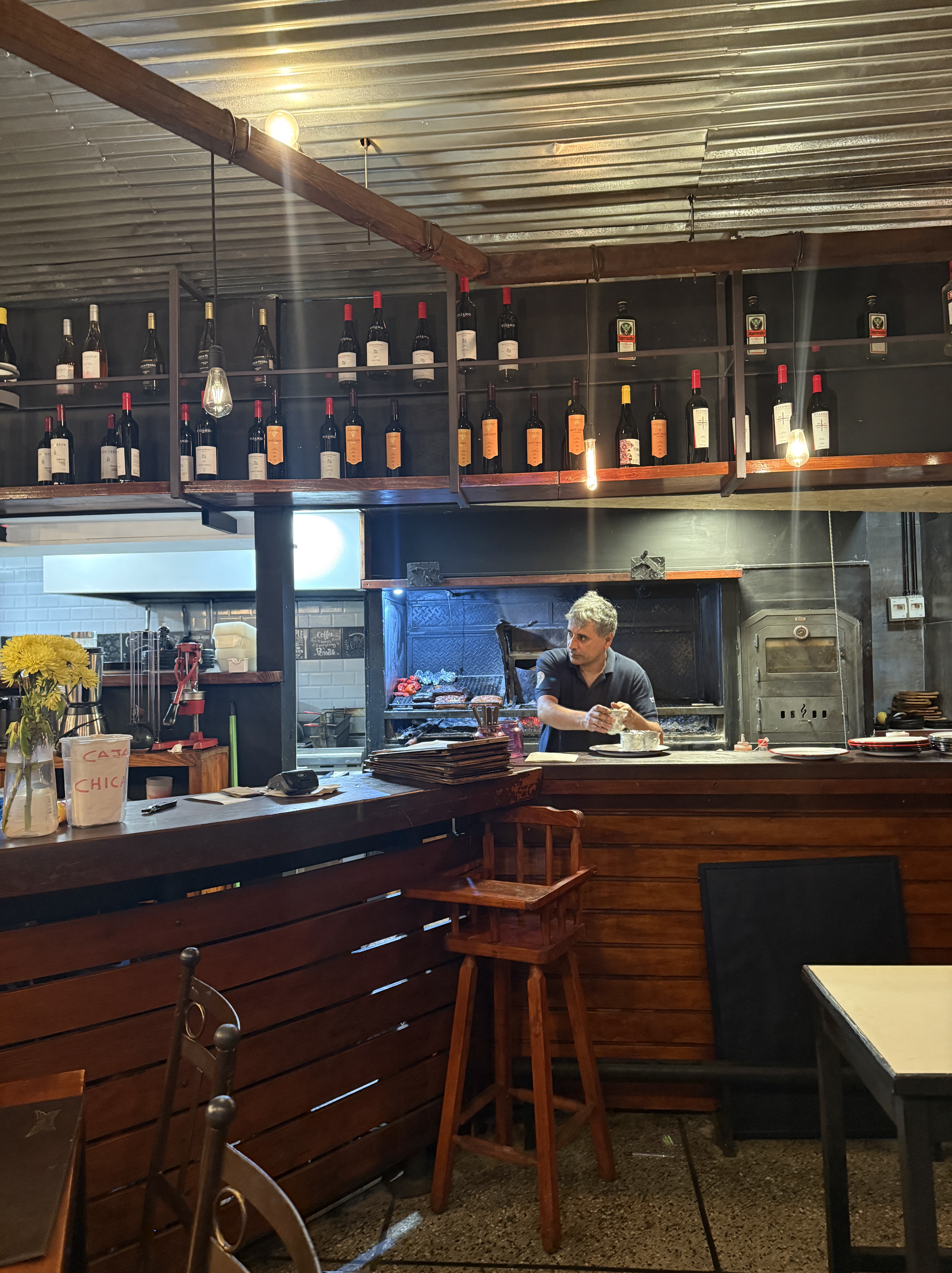
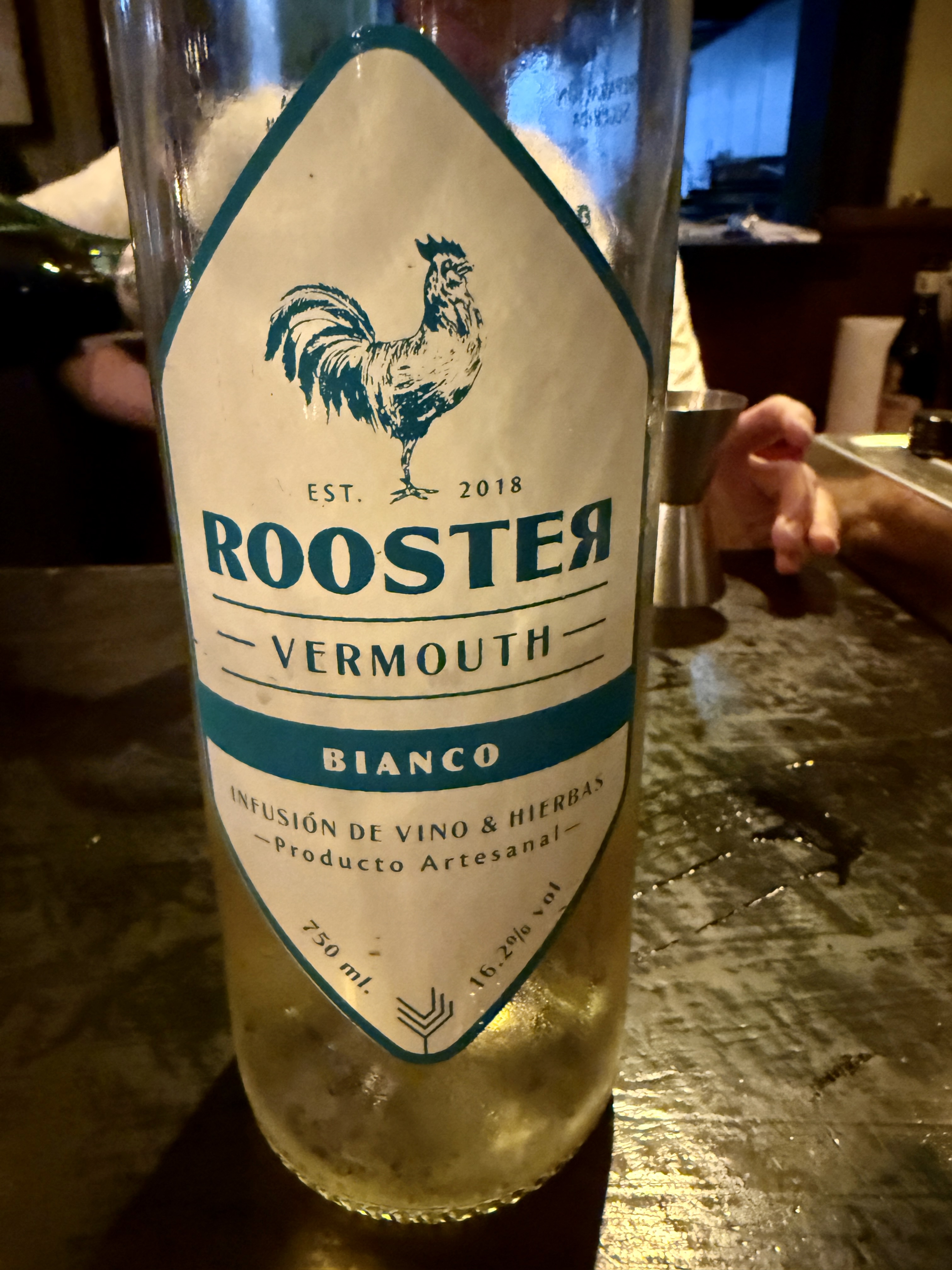
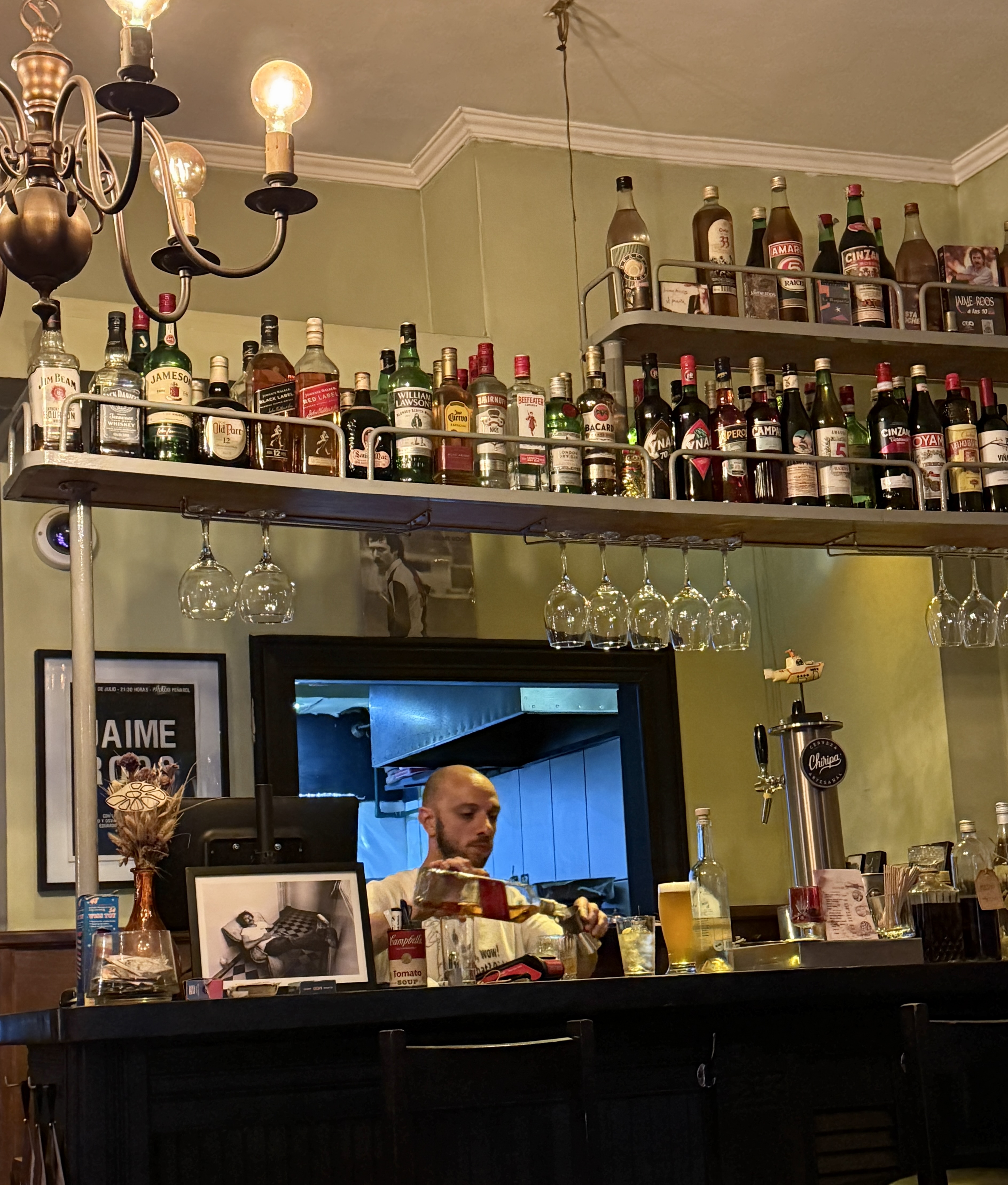
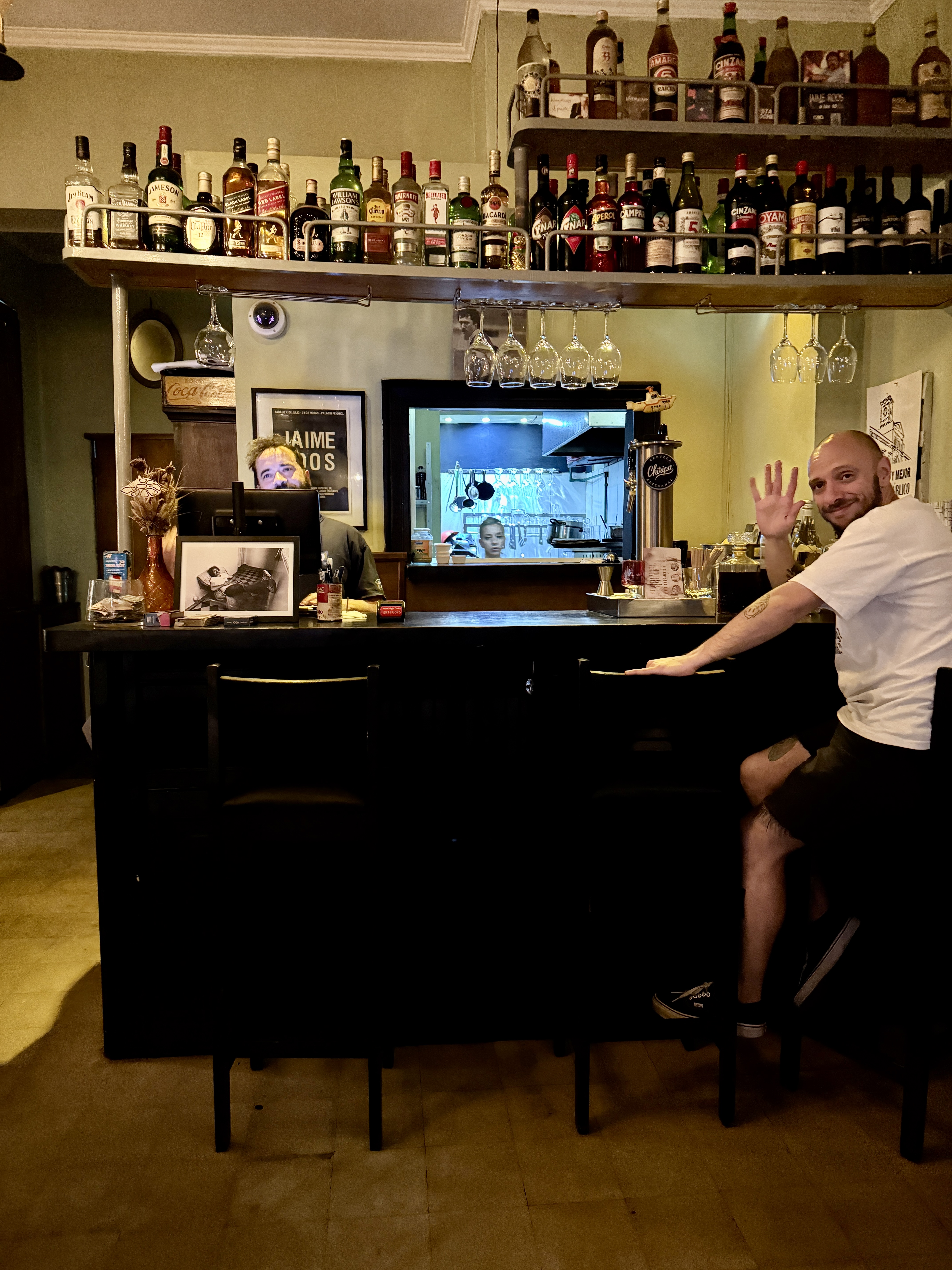

After a brief stop at the hotel to begin to pack, we headed out to meet Peter at a local neighborhod bar called Bar Ducan. I tried a really nice Uruguayan vermouth called Rooster. And then we walked to a local restaurant to have a typical Uruguayan dinner —meat, meat, and more meat. Jairo was meeting us there, having cut short his rehearsal to join us. We had some more good conversation and wrapped up our visit to Montevideo.
Onward to Colonia de Sacramento.
October 20, 2025 . Day 5 . Ururguay : Ciudad Viejo .
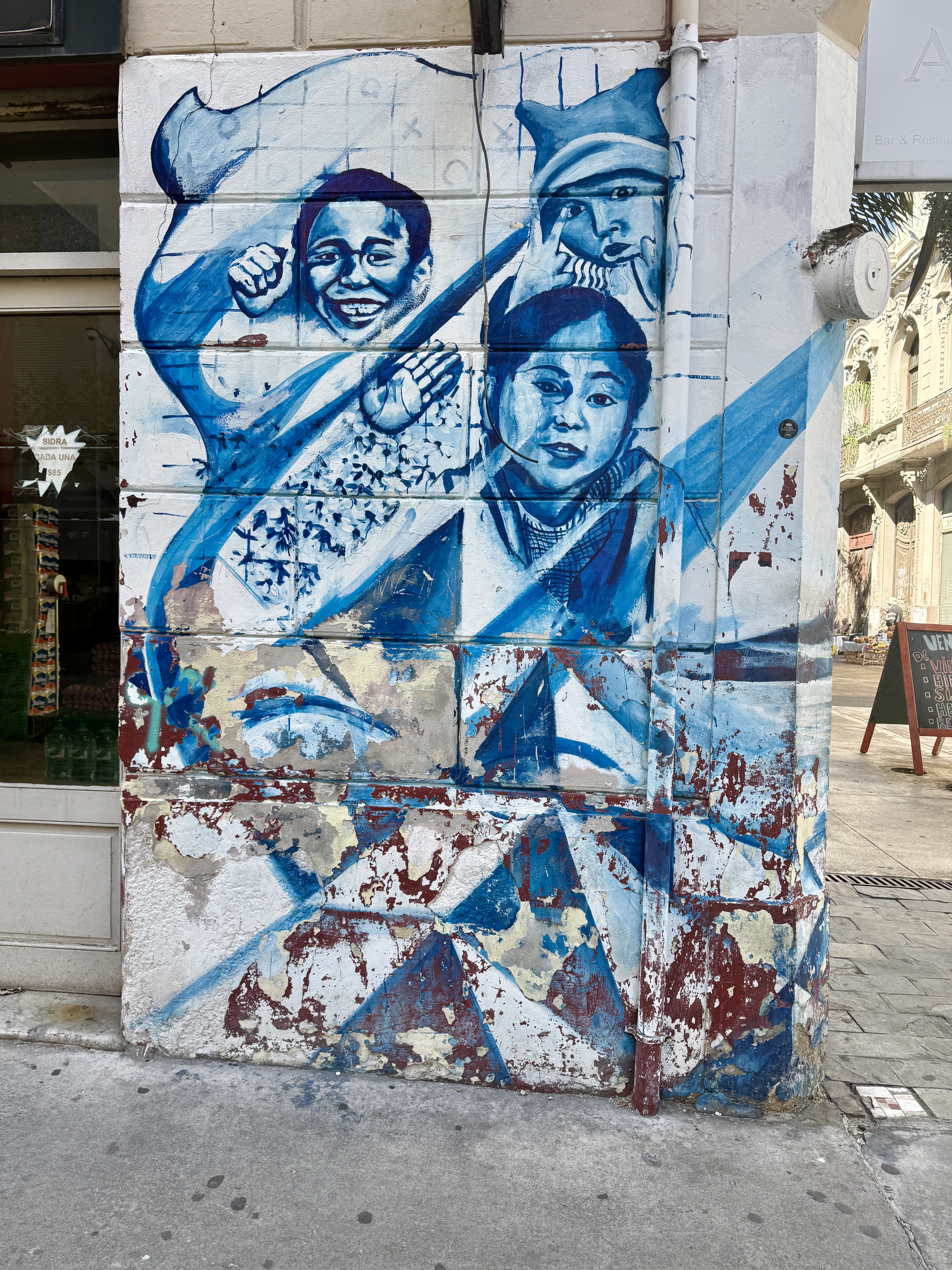
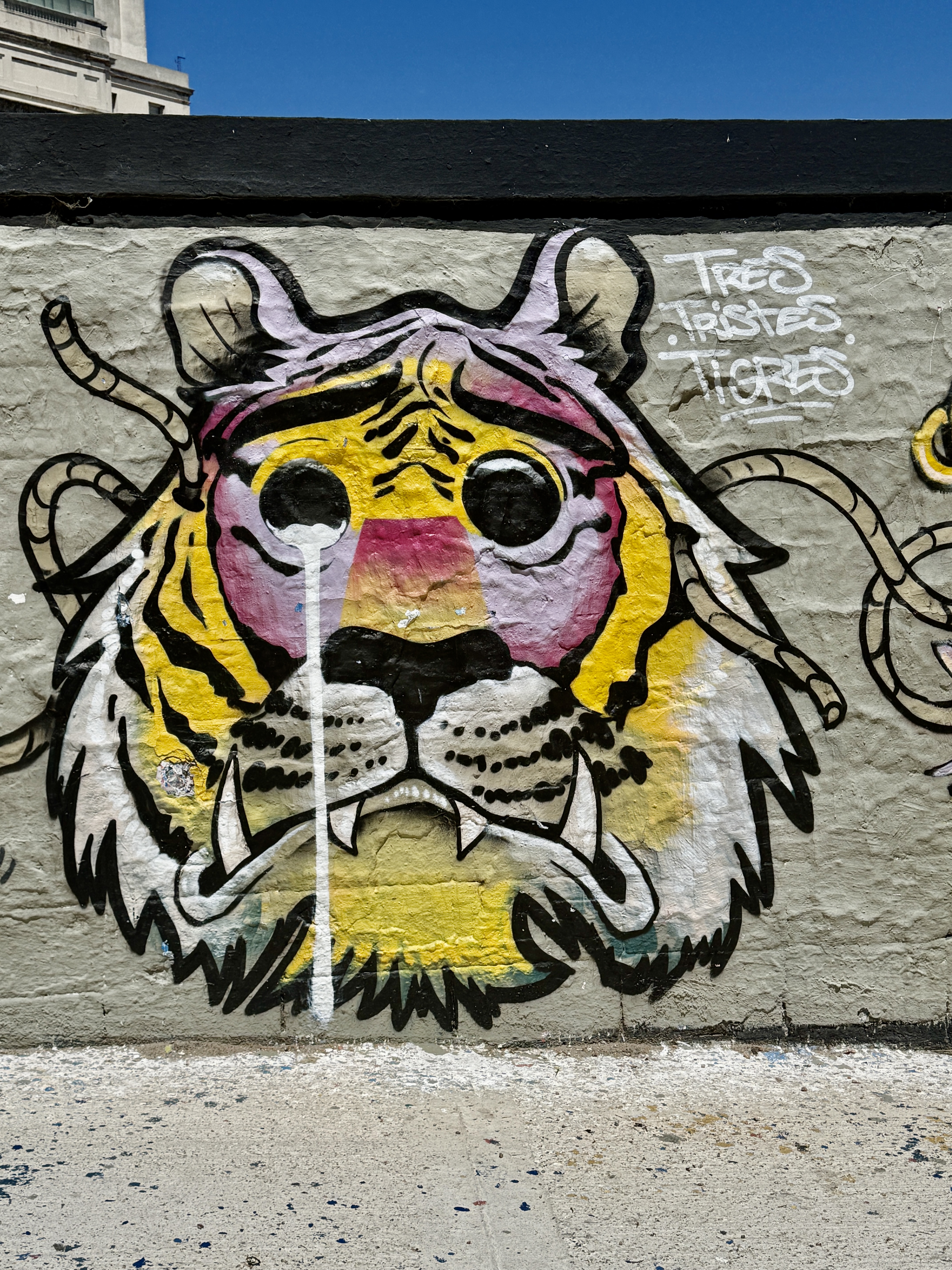
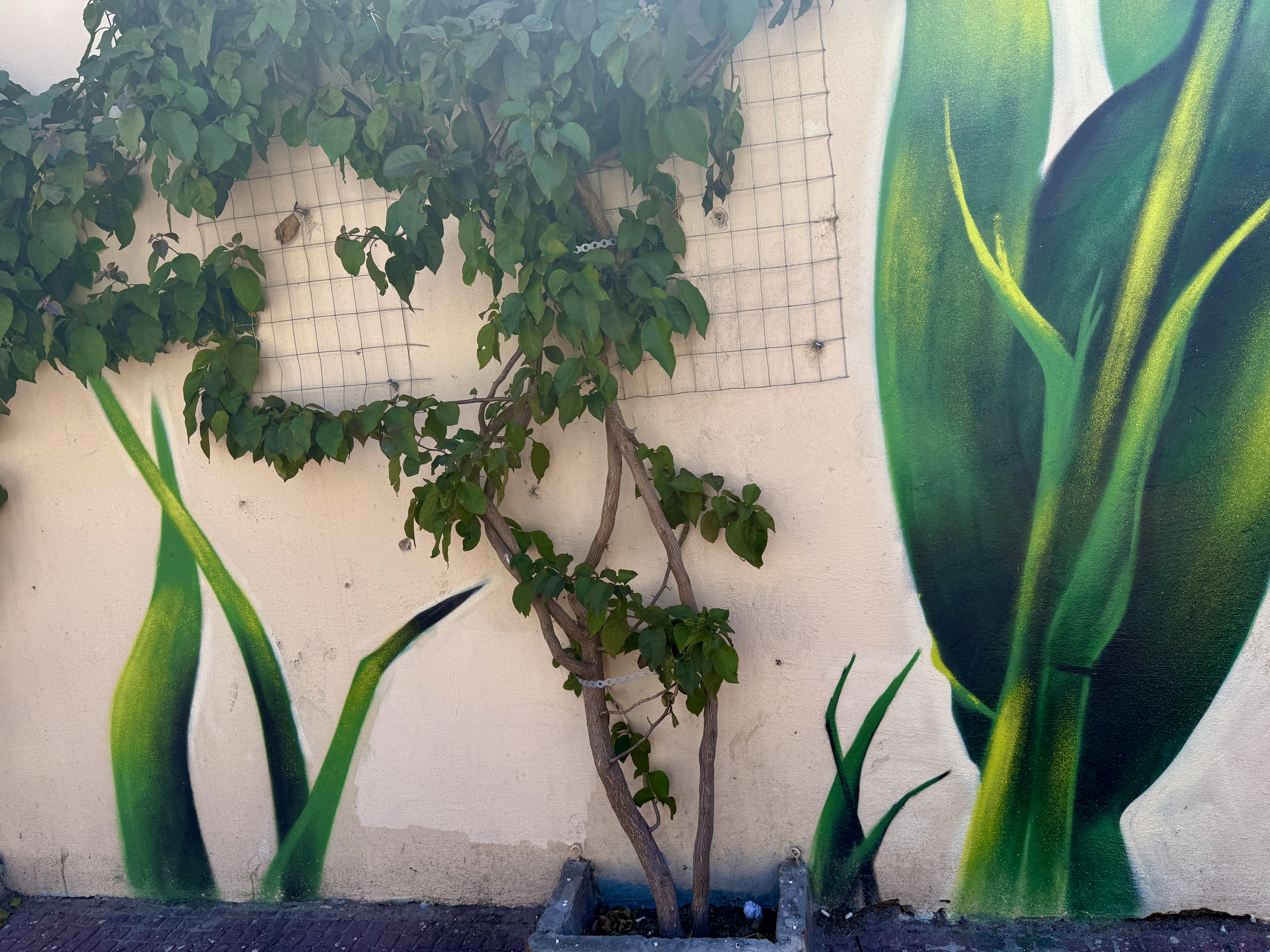
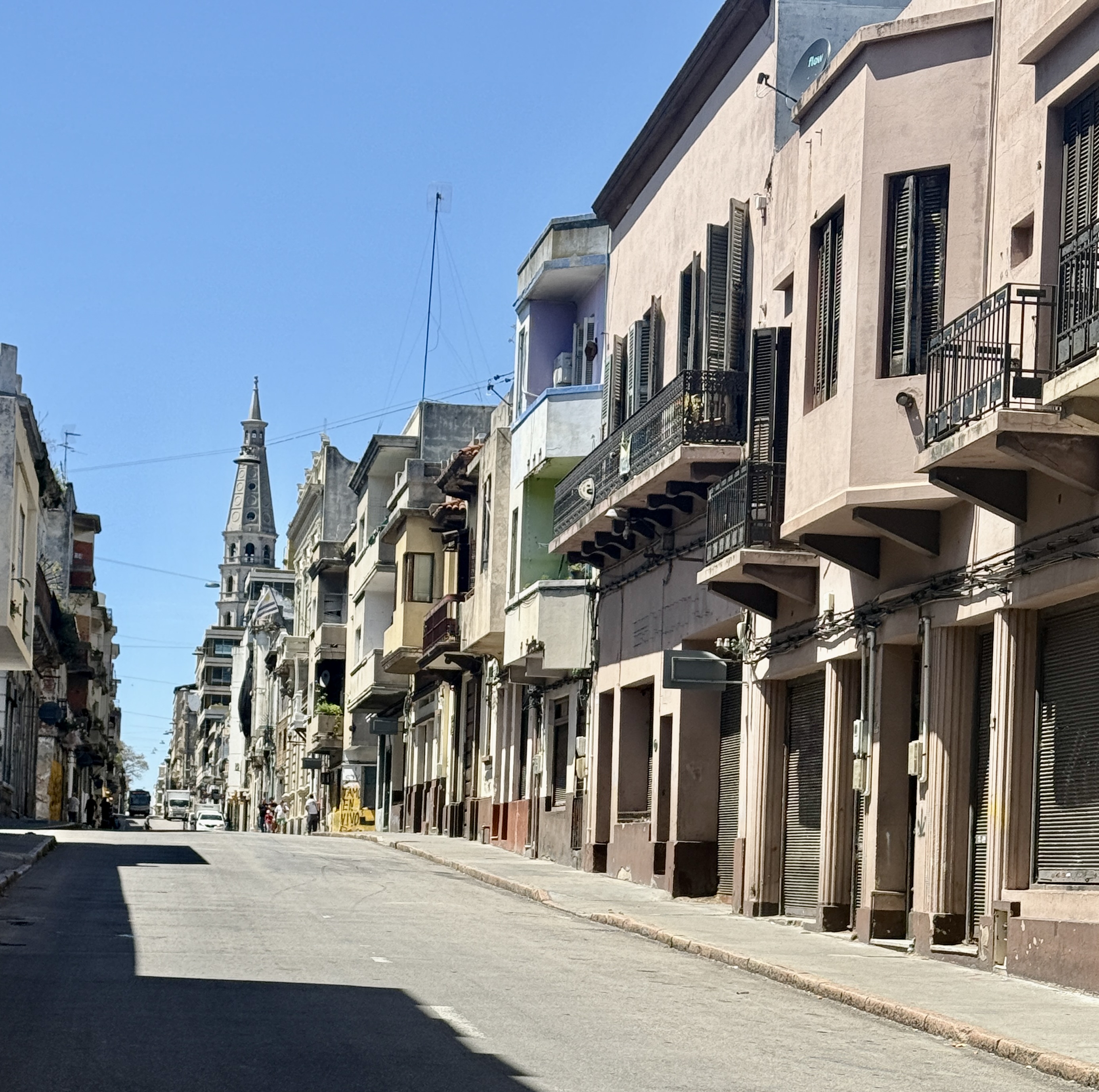
Greetings from Montevideo. We decided to make this an easy day after moving around so much for the past few ddays, and decided to merely explore the Ciudad Vieja (the old city), which surrounds our hotel. We strolled to the port and through several parks, with no real destination in mind. Ciudad Vieja is basically a peninsula at the mouth of the Bay of Montevideo. It was founded in 1724 by Spain. After Uruguay gained independence it becaue a section of the city as the city grew.
The area is the financial center and also the cultural center and has a large concentration of Art Deco and Art Nouveau and neoclassical buildings. Some of the grand buildings were originally residences for the wealthy. Like most cities, this old section becomes very quiet at night, although there is clearly a revival of restaurants and clubs. The neighborhood doesn’t have the residential appeal of the newer sections with modern high rise apartments, although there does seem to be a smattering of artist quarters. We also saw our first two homeless people on the streets here in this neighborhood.

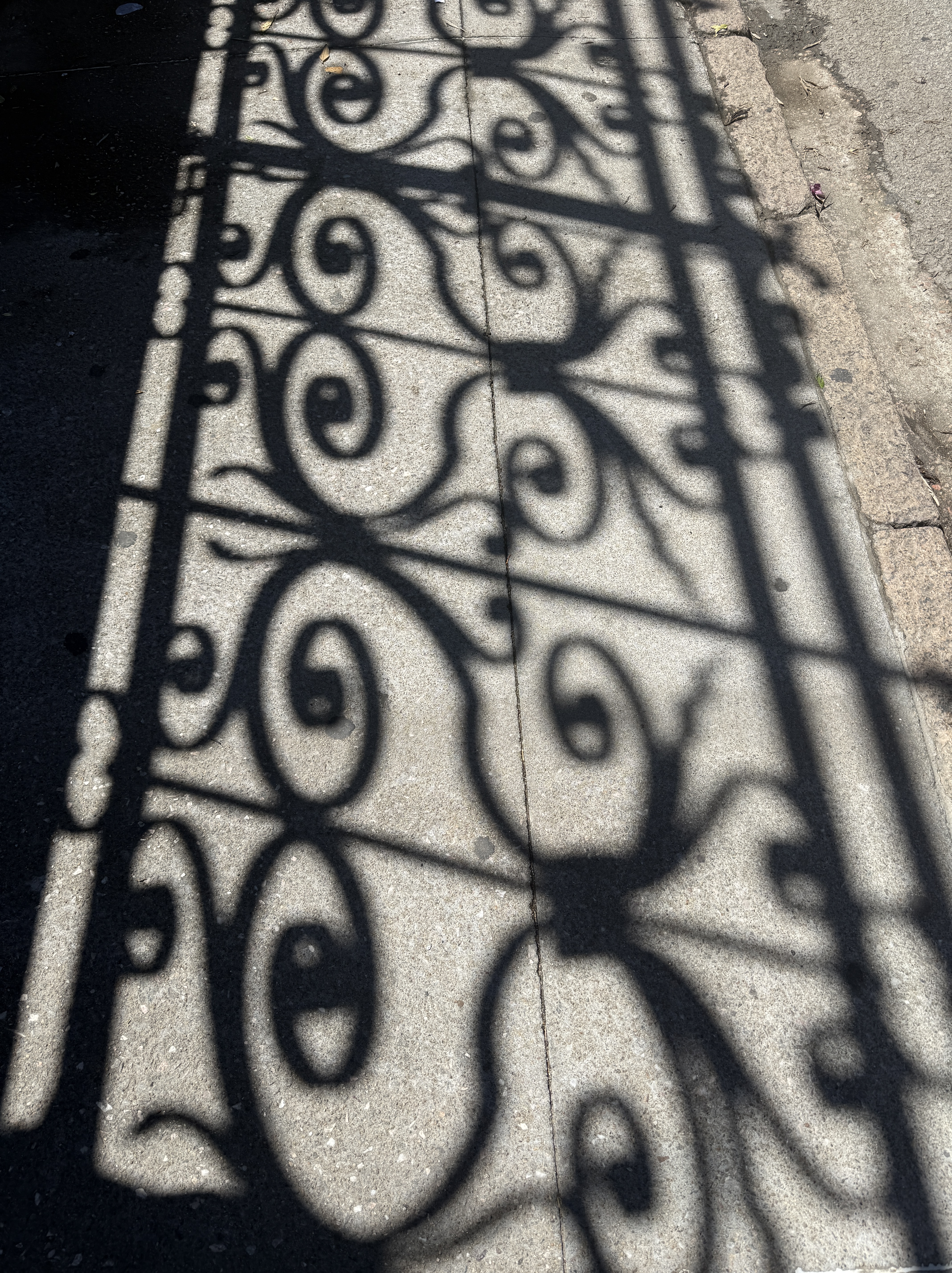
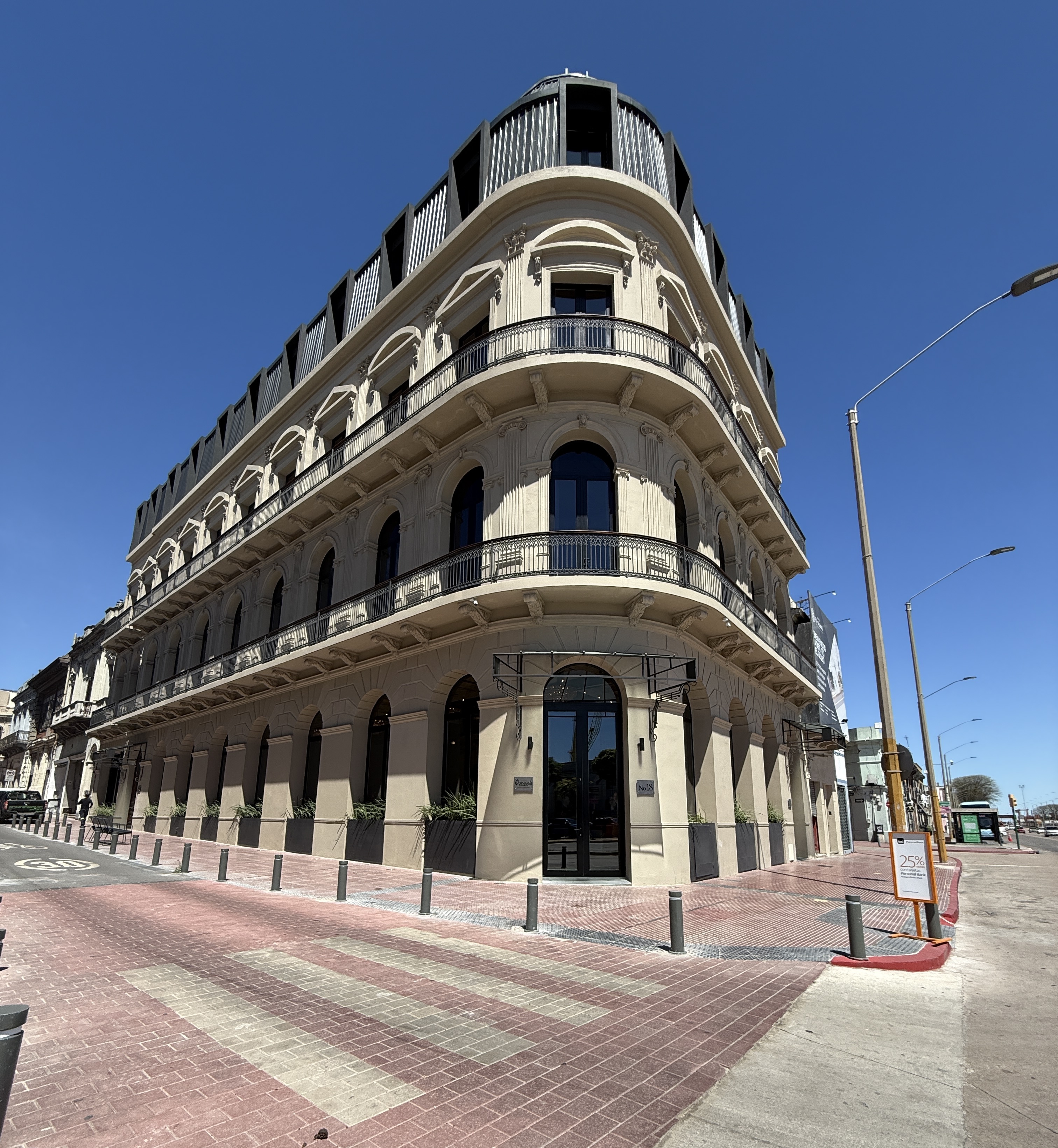
We strolled into the Port Market—a grand 19th Century market building that must have been bustling with locals purchasing meat and fish and vegetables in its day. Today it is filled with small restaurants competing for customers and a few souvenir shops—-as a result of the decline of people living in this area. Still it was great to just see and walk through the building. There’s also some tango dancing at the market, but it wasn’t happening today so no photos of us dancing.
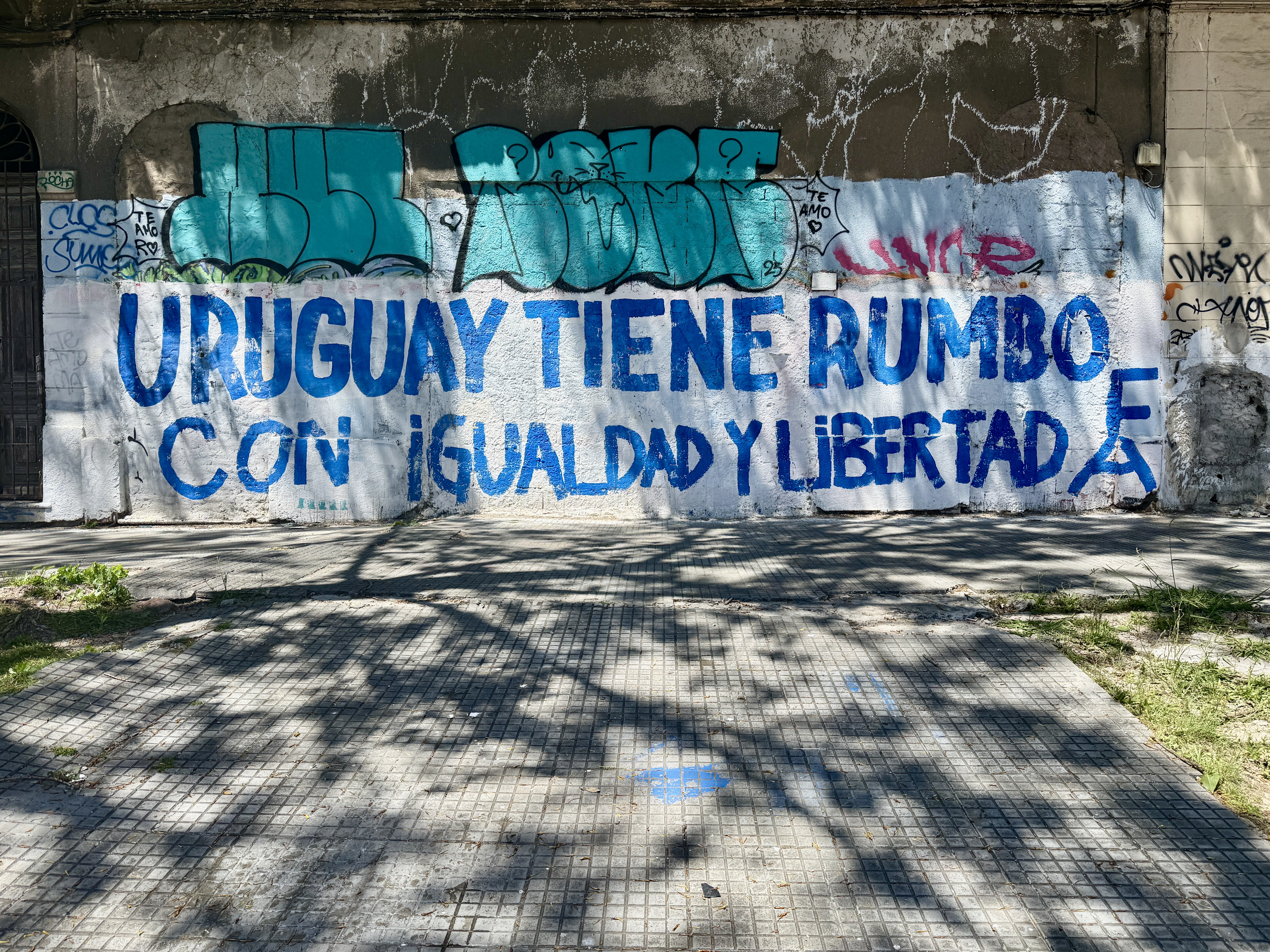
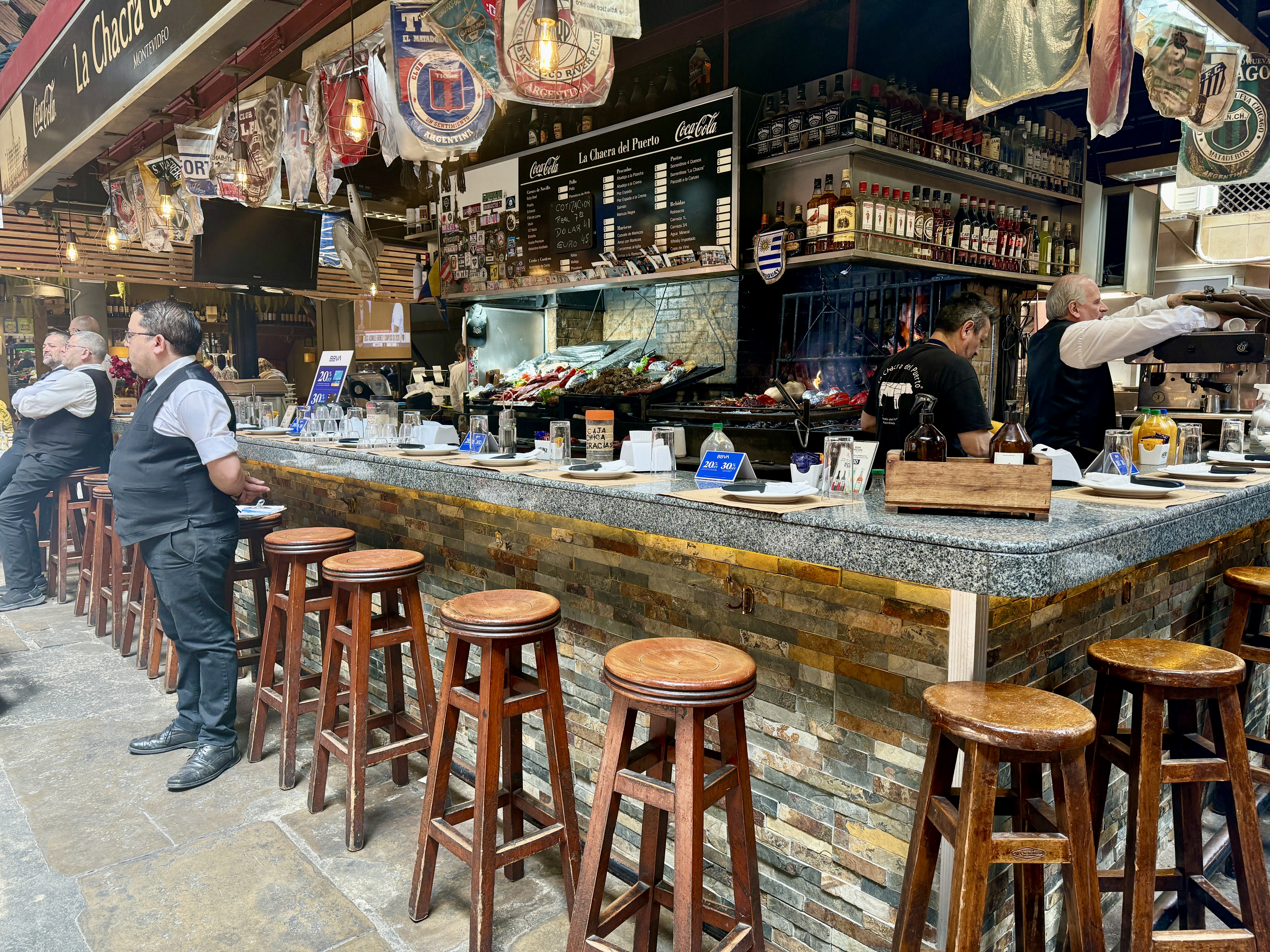
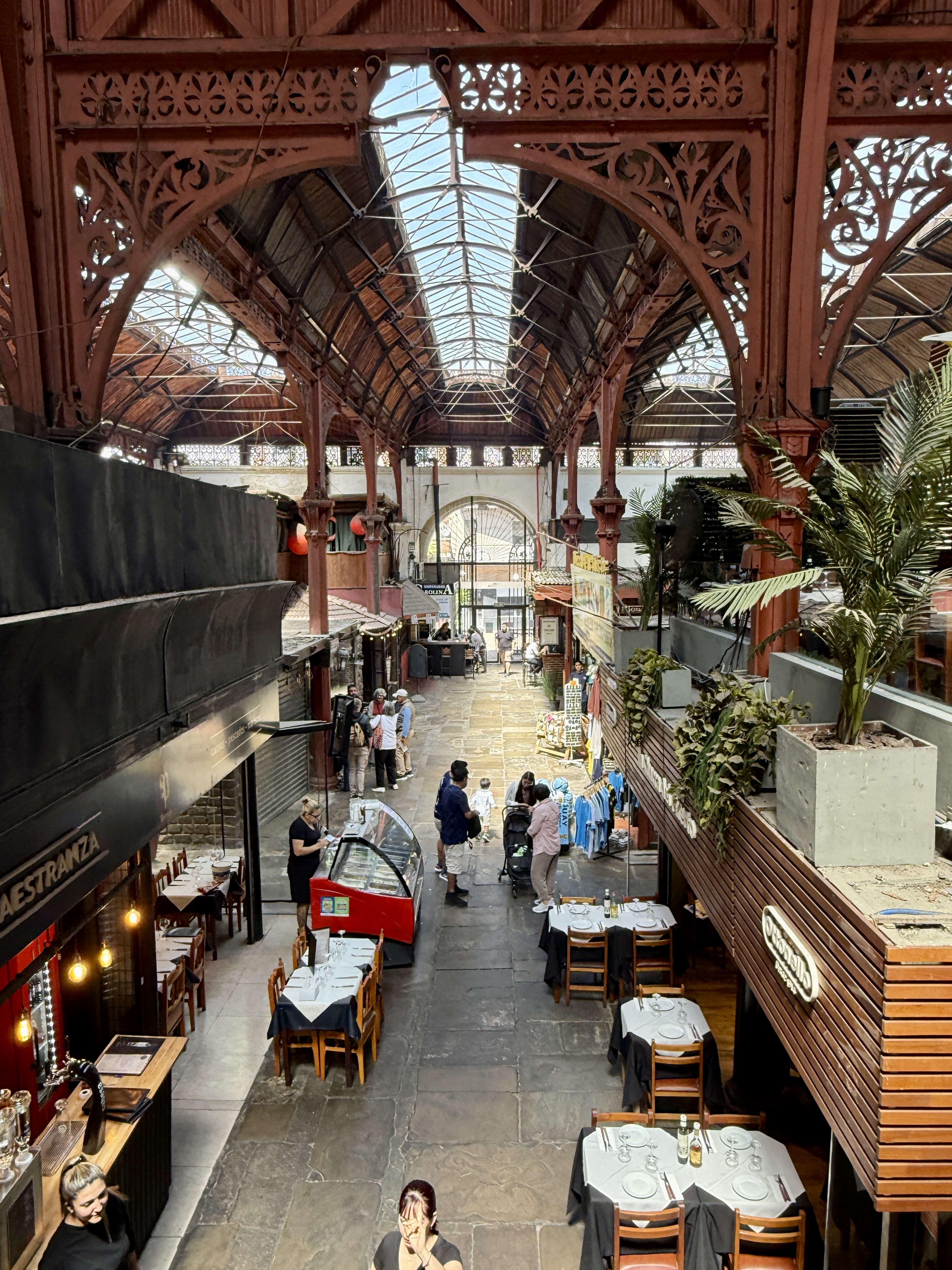
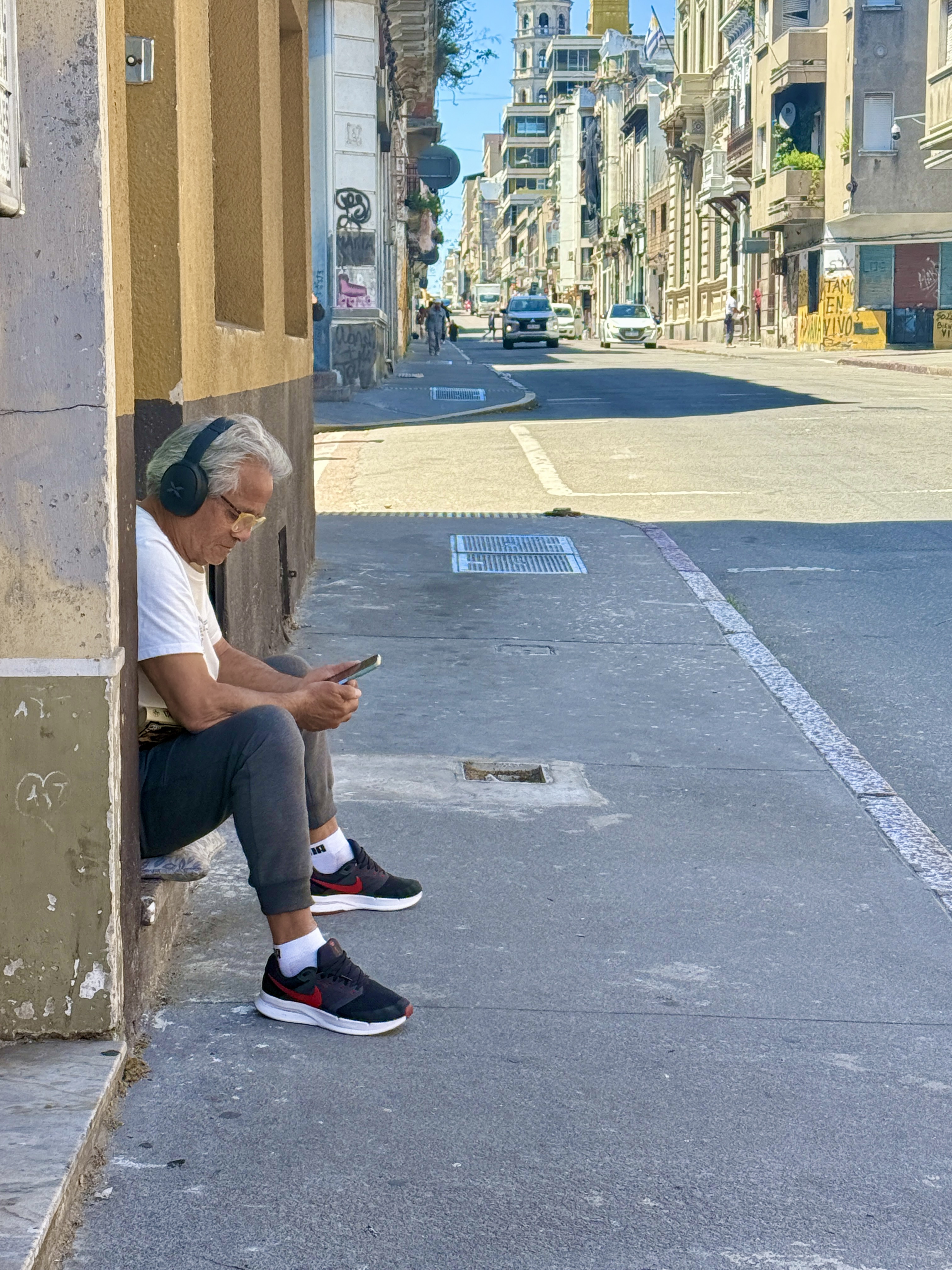
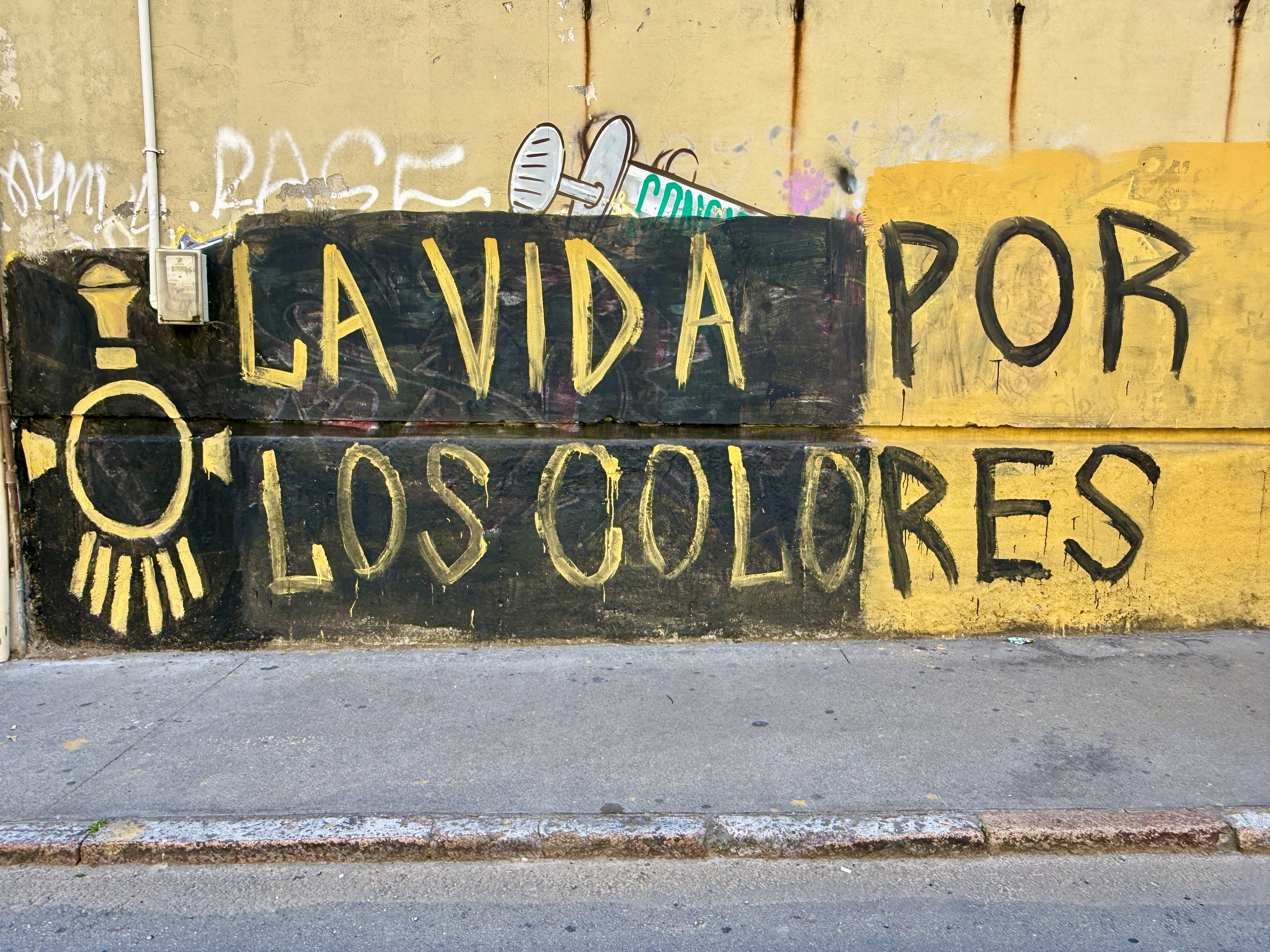
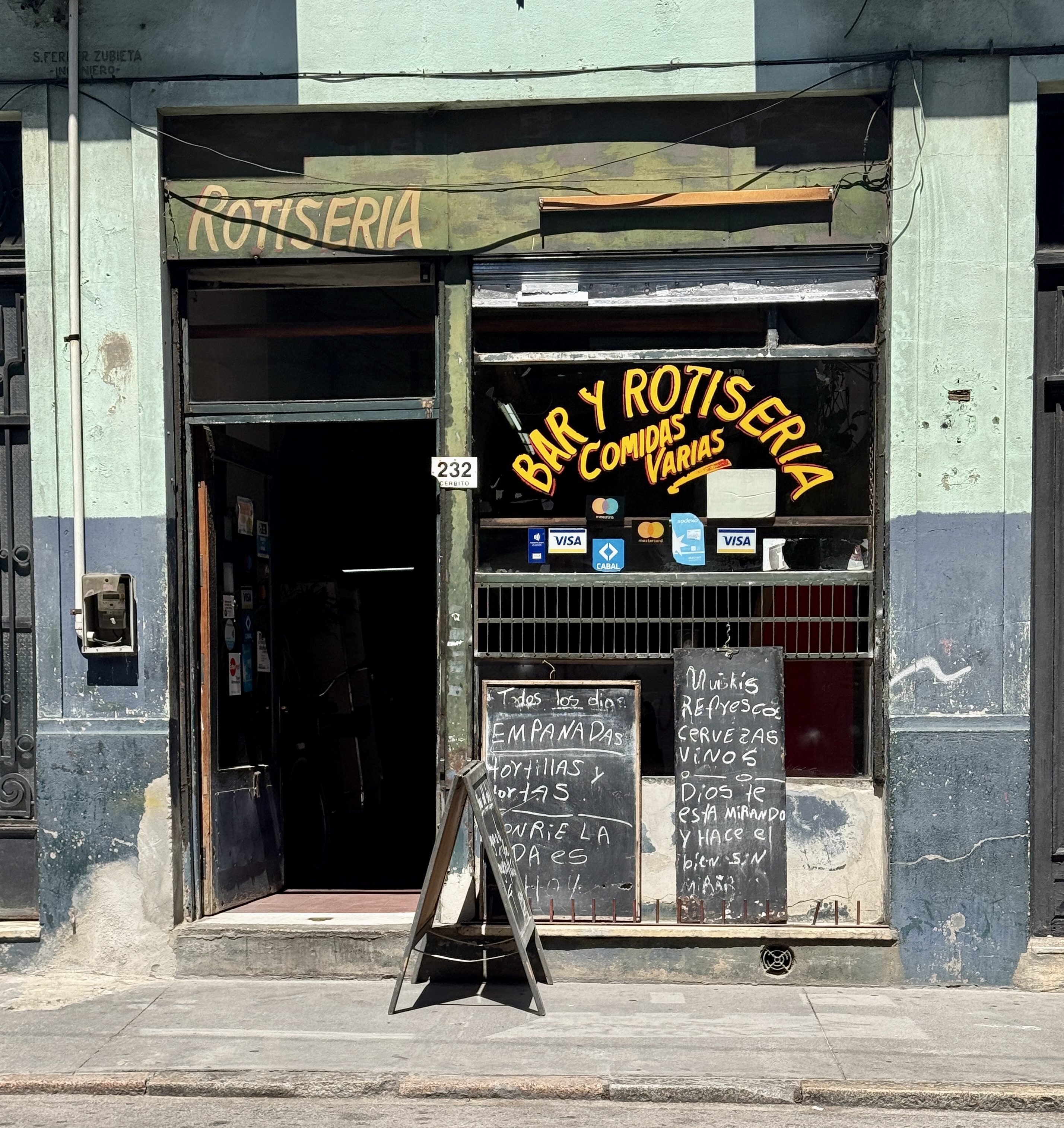
A few things I have not mentioned in previous notes. First, there is very little English spoken in Uruguay. The language that most people know, beyond Spanish, is Portugese, which is what most students learn in school. Since our Spanish is “functional” and not at a level to have any real conversation, our interactions (beyond hotel staff!) is limited. Surprisingly, even restaurant staff do not speak English, so we are on our own figuring out the menu. We also don’t hear any English on the streets so most tourists seem to be from Latin America. I don’t think Uruguay has reached the international destination scene like Argentina has. So maybe we are the trailblazers. I remember when we went to Malta a few years ago, many people were surprised. And now, so many people I know have gone to Malta. So there you have it.
And, if you are thinking—as a result of this travel blog—of moving to Uruguay (temporarily or permanently), especially over the next three years–here’s some information. And it doesn’t seem to be too hard:
- Basic documents (Passport, birth certificate, marriage license—all translated officially and I think notarized; no criminal record for the last five years)…. mmmm, I’d need to do a lot of searching for my papers.
- Proof of income — evidence of sufficient and consistent income—$1,500 USD/month per person–might need CPA verification.
- Vaccination certificates to show you have all the vaccines that Uruguay requires
- Health card (you get that in Uruguay)
- Medical certificate–sounds like it’s a medical exam that you get in Uruguay
- A rental agreement or property ownership (average rent is only about $1,000/month, but a three-bedroom house in an upscale neighborhood could go for about $3,000 to $4,000, And an average apartment price is about $150,000 and larger apartments in better neighborhoods will increase from that… An average house purchase is harder to determine, but certainly is about 50% of Bay area prices—and that would be in a rather upscale neighborhood.
- Visa fee
- And fairly good command of Spanish or you must be willing to pay for translators for any official business.
So, if you’re looking for a haven in a small country that isn’t at war with anyone, that has amazing social welfare programs, has four seasons (in reverse to ours), decent though not exotic foods, a growing number of international restaurants, lots of parks, roadways that are well paved, an “embarcadero” that stretches for about 14 miles, a coast that stretches 310 miles all the way to Buenos Aires, drivers who obey the laws, and close proximity to Buenos Aires and other parts of Latin America—- here it is: Uruguay. Just imagine, no need to listen to the daily comments of the current occupant of the White House. Oh, if you prefer a place like Estancia VIK in Jose Ignacio (as described yesterday), you’ll need to sve up a lot more money before heading to Uruguay!

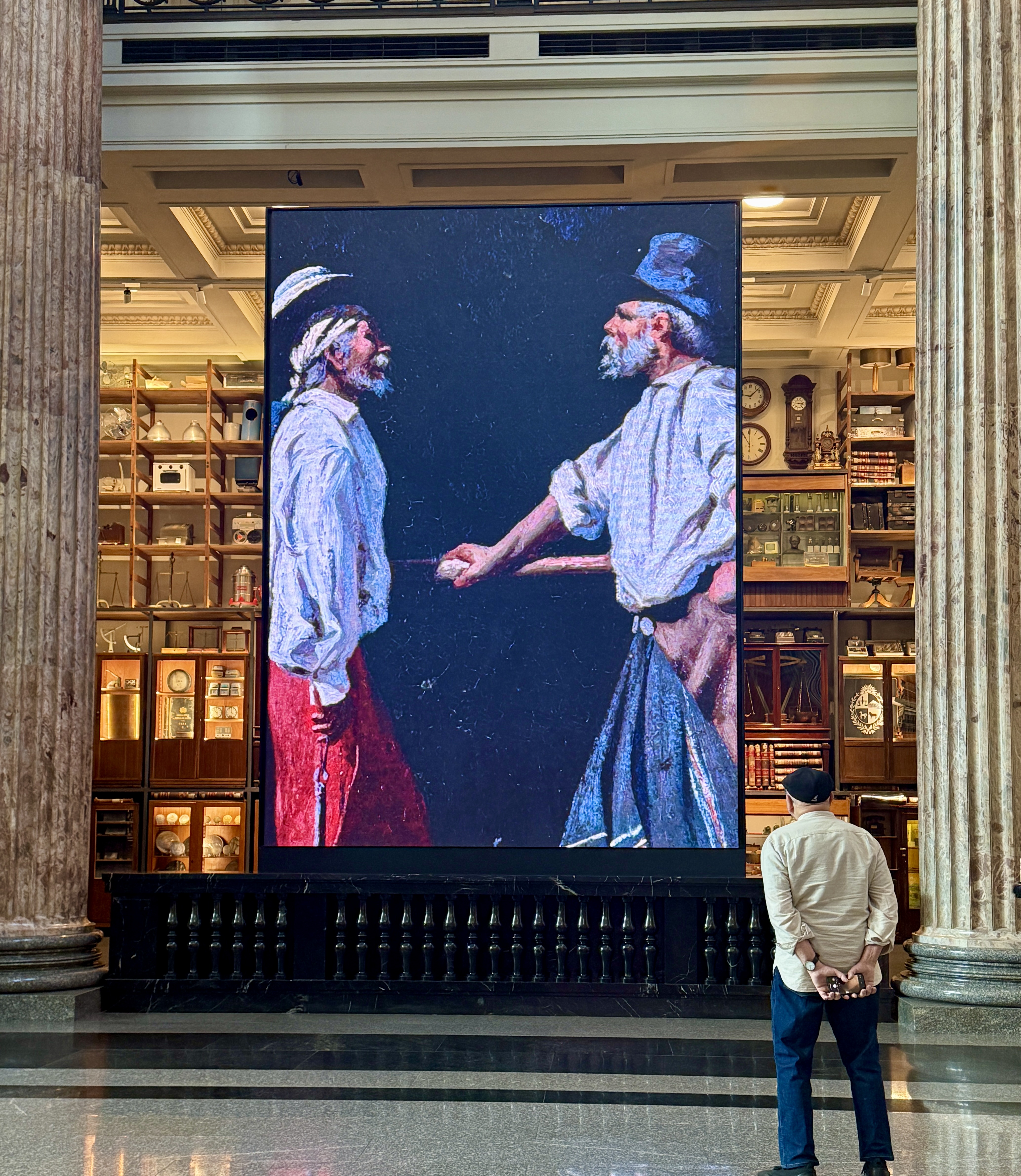
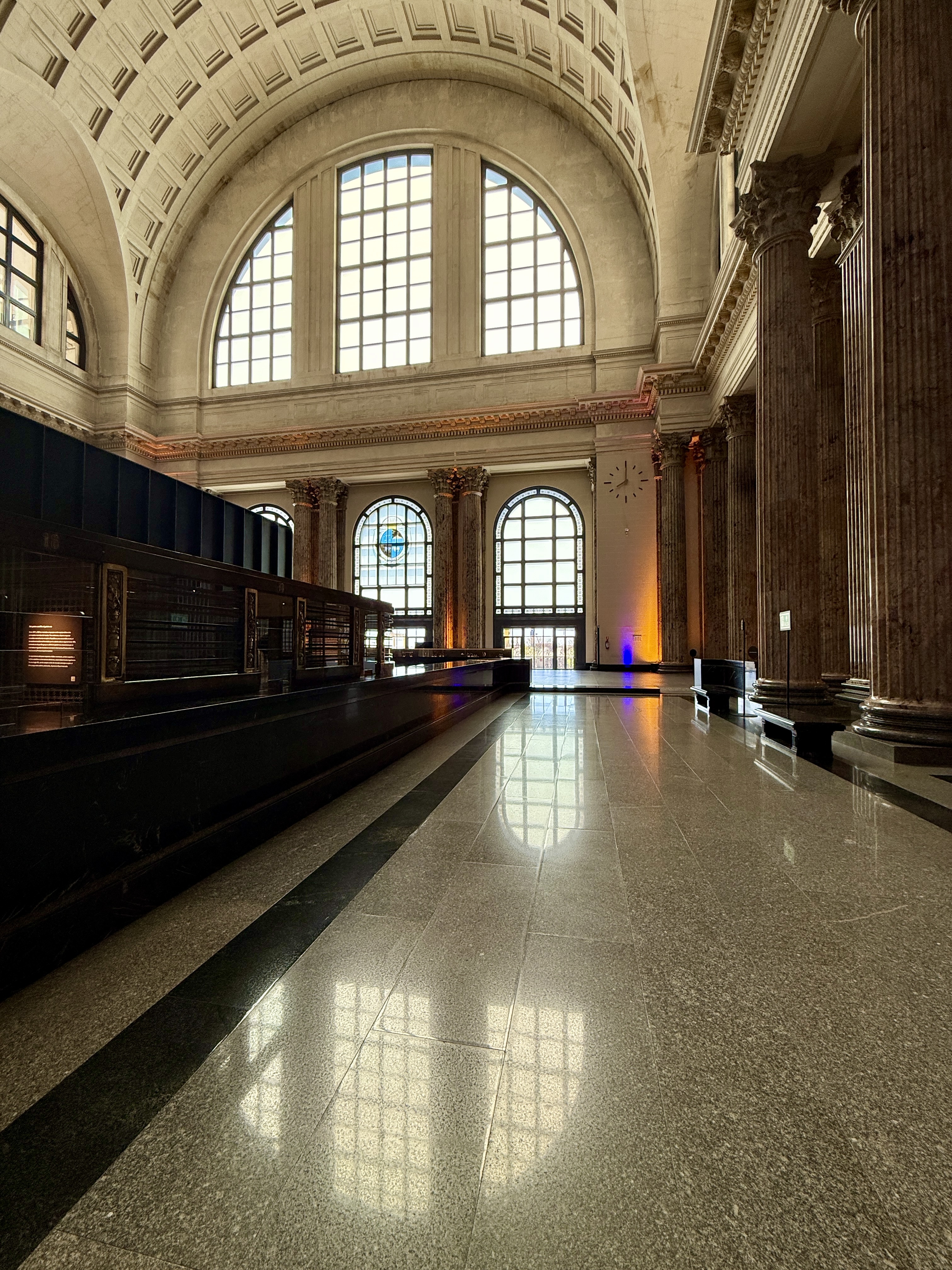
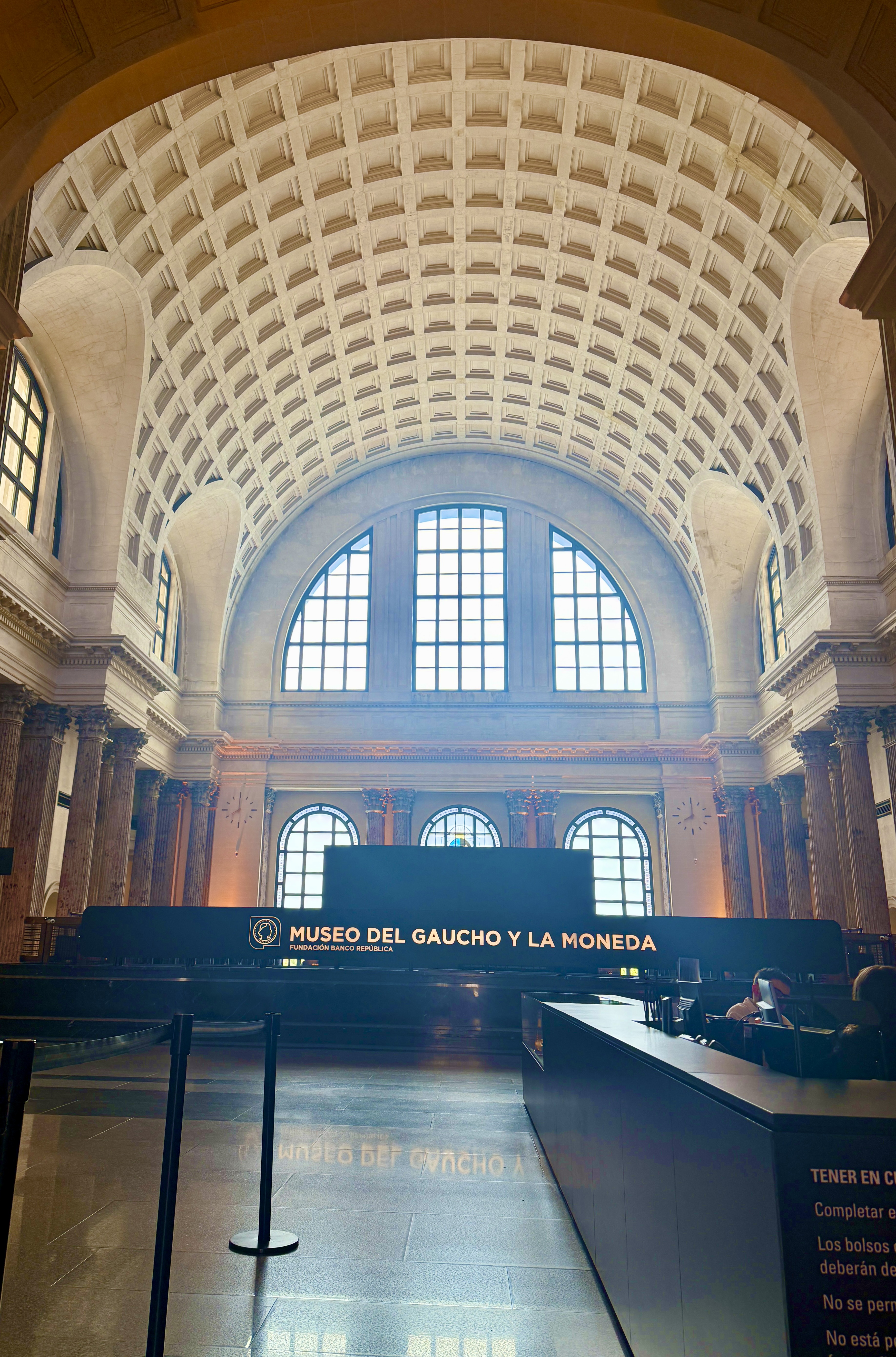
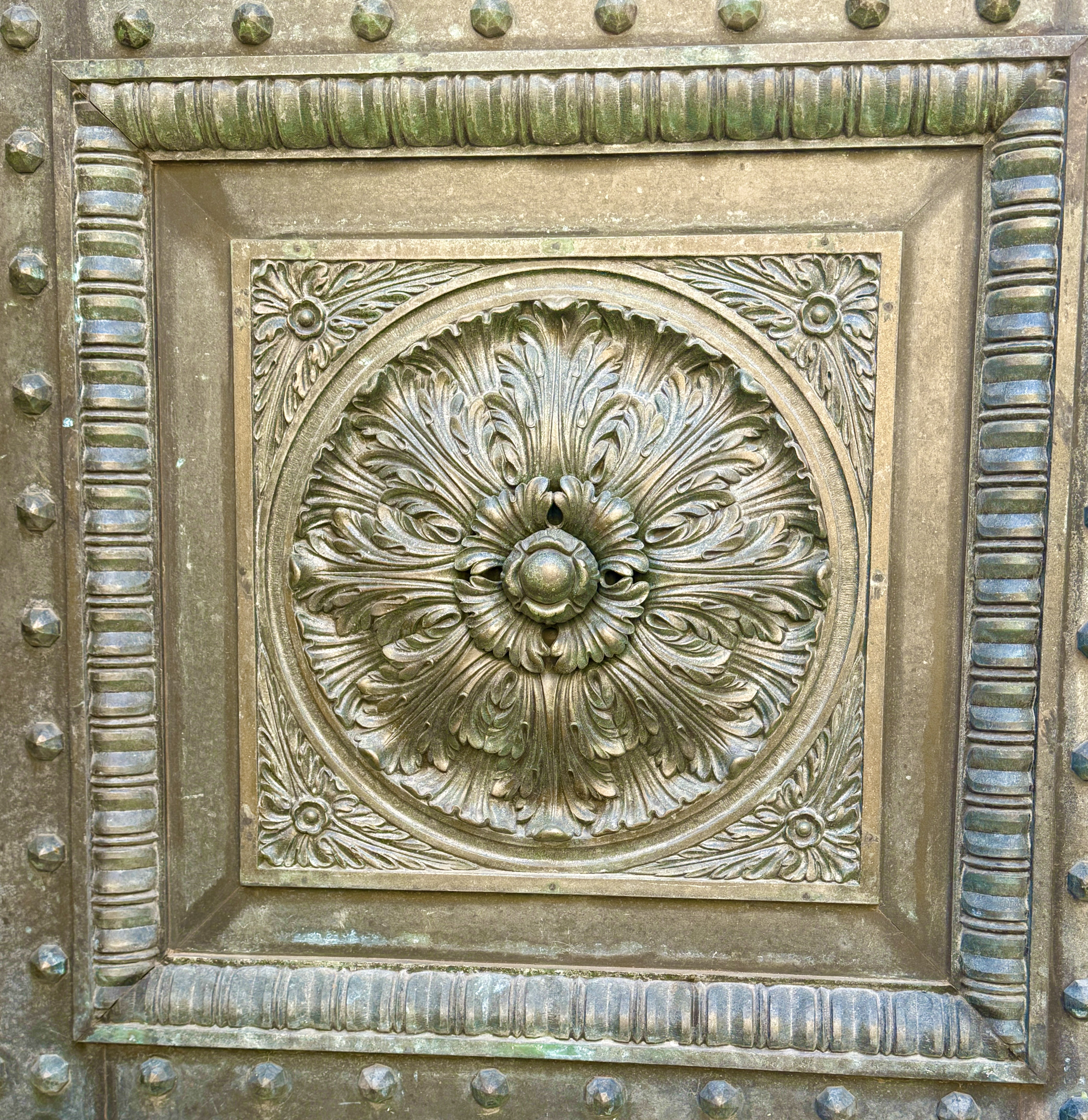
As we strolled, we stumbled on a large bank-looking building. Mike was a bit further ahead, but I decided to wander inside. Turns out the old, grand bank has been converted into a museum about gauchos and also money (interesting mix).. Anyway, it was interesting and the building was great. A strange setting for the story of gauchos. I should also say that the exhibit was pretty fantastic with huge digitized projections that changed continuously at a scale of about 20′ tall–perhaps making the gauchos overpower the banking setting.

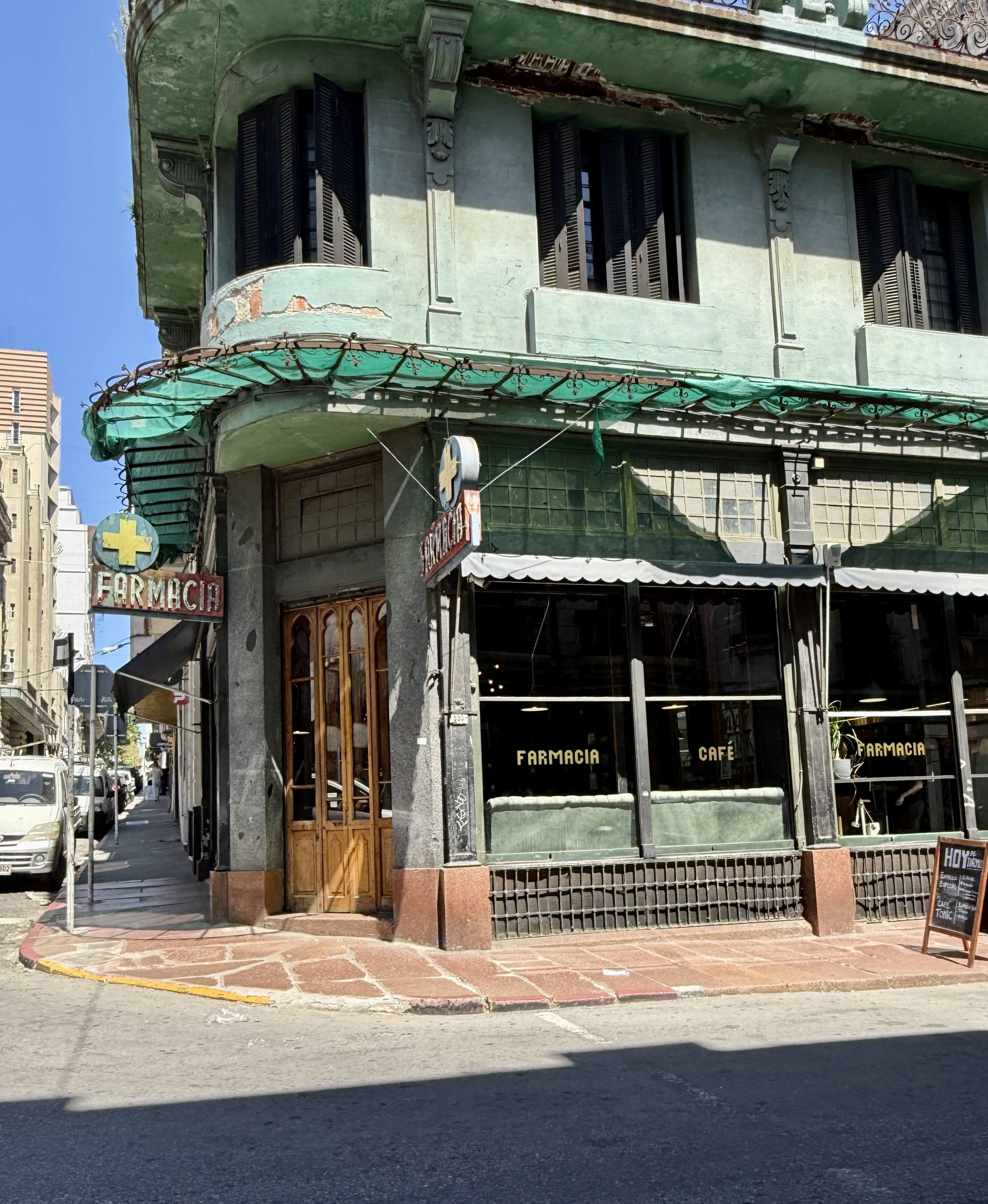
Then we headed to La Farmacia—a restaurant inside an old, 120+ year-old pharmacy that was well preserved and converted into a cafe. It’s a pretty cool interior; we had lunch, and then headed to our next stop. We shared the chicken kabob.
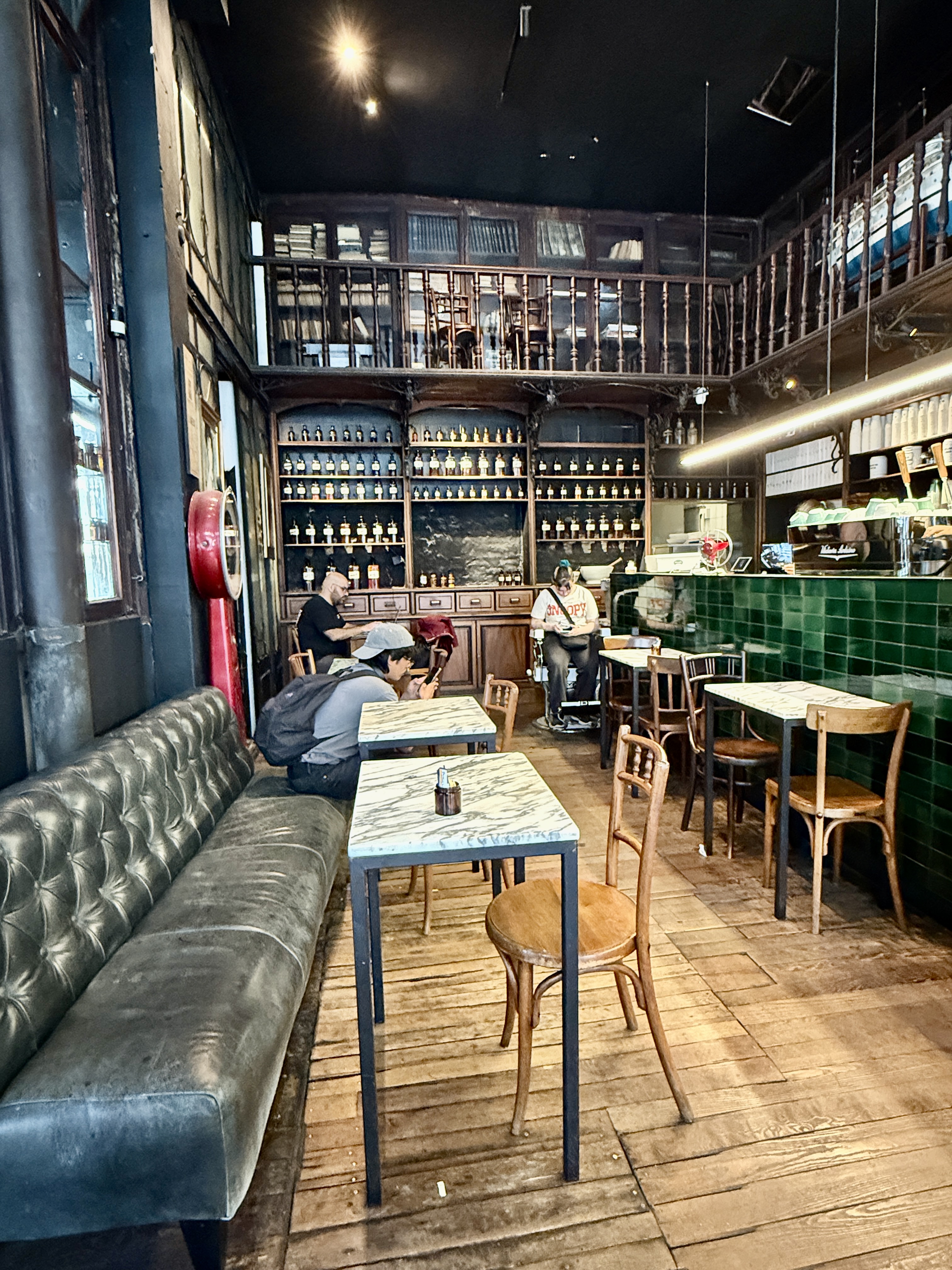
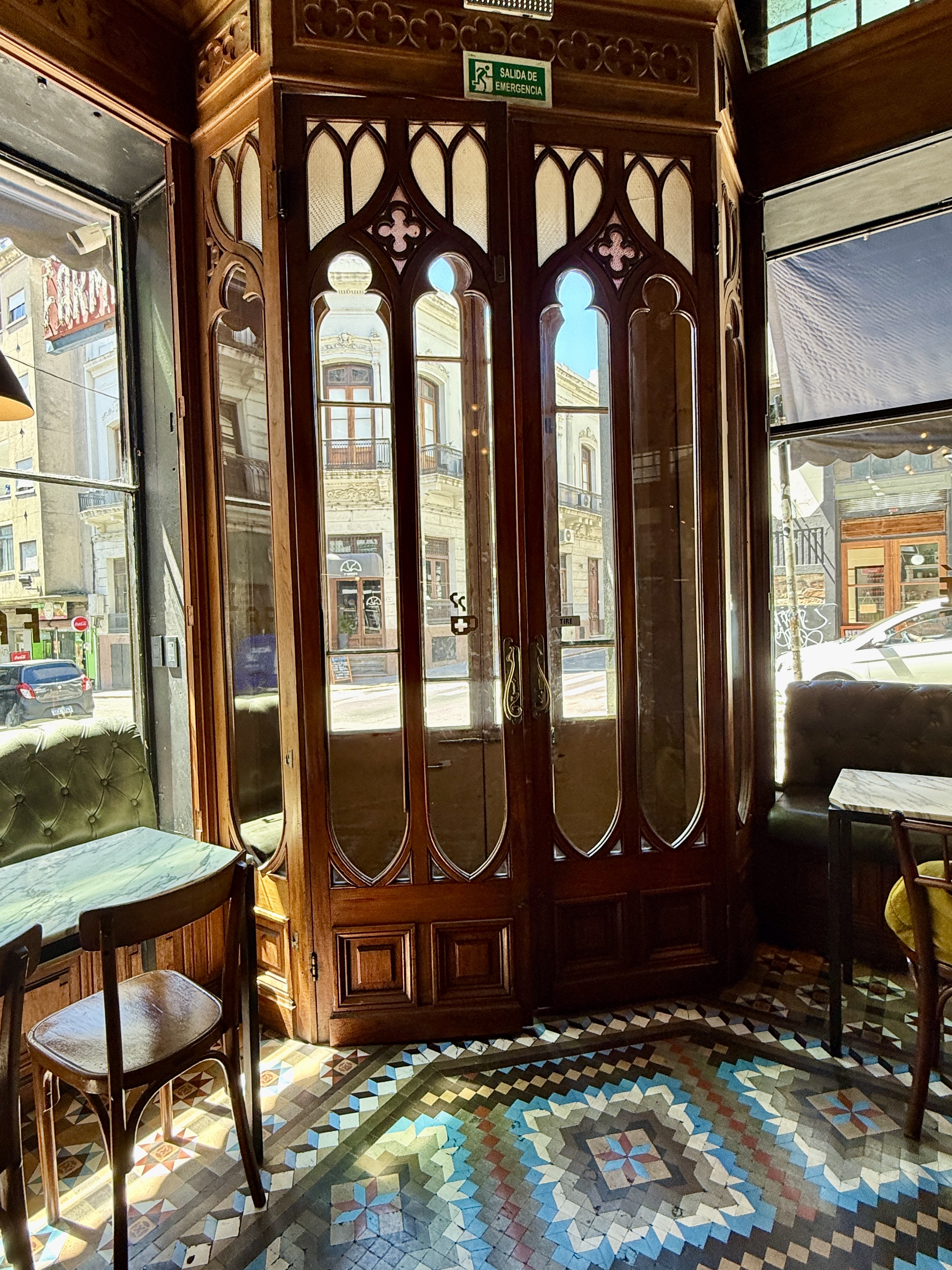

We headed back to the hotel to figure out our next few days and then after a few hours we headed to our dinner reservation at Fogon–a restaurant that pays homage to meat!~– we pigged out on an appetizer of tongue vinagrette which was fantastic, followed by a rack of lamb and a small steak (we shared)… The place was pleasant and packed. Again no english, but after a short time the waiter cam around with a menu in English.
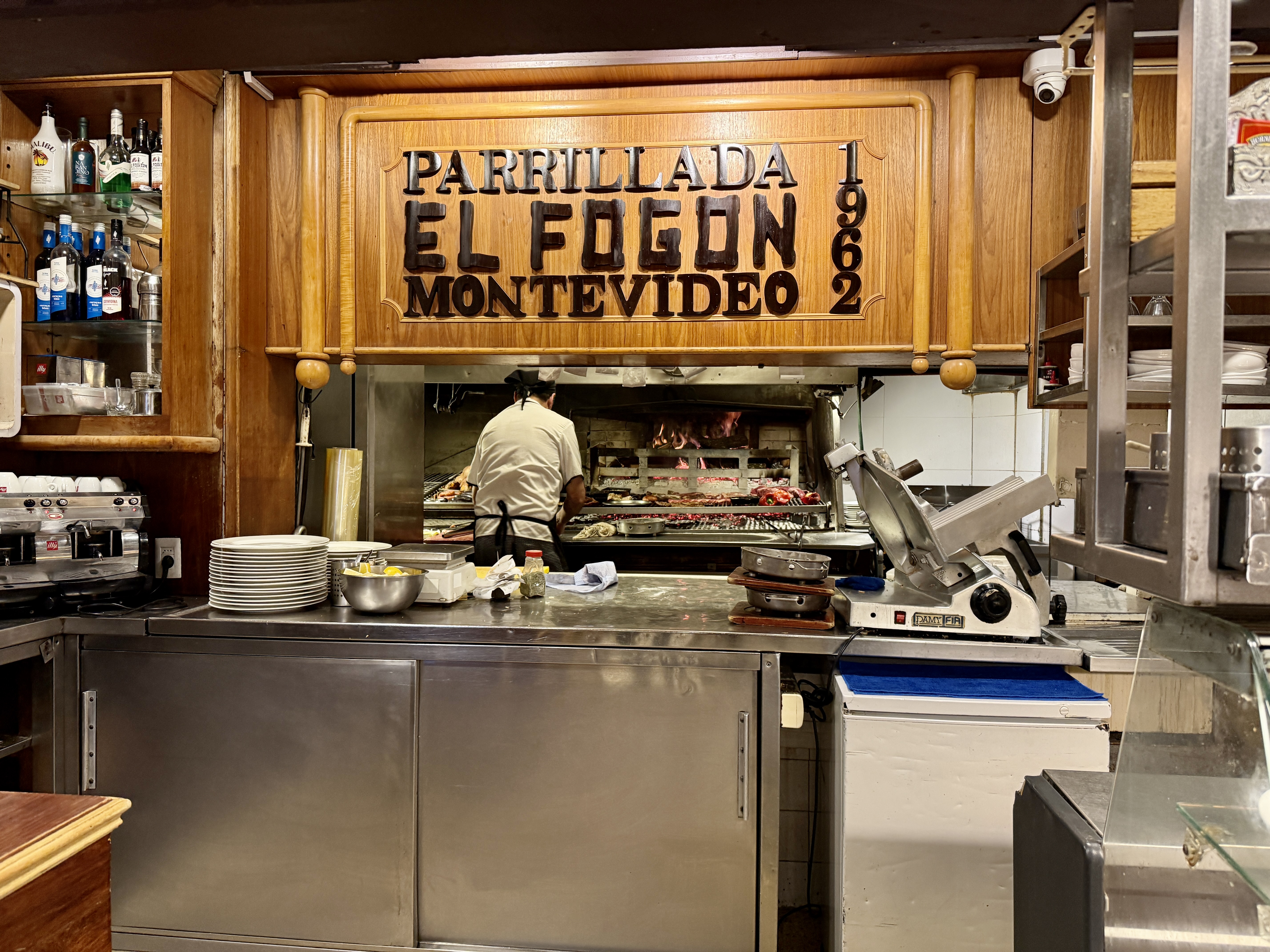
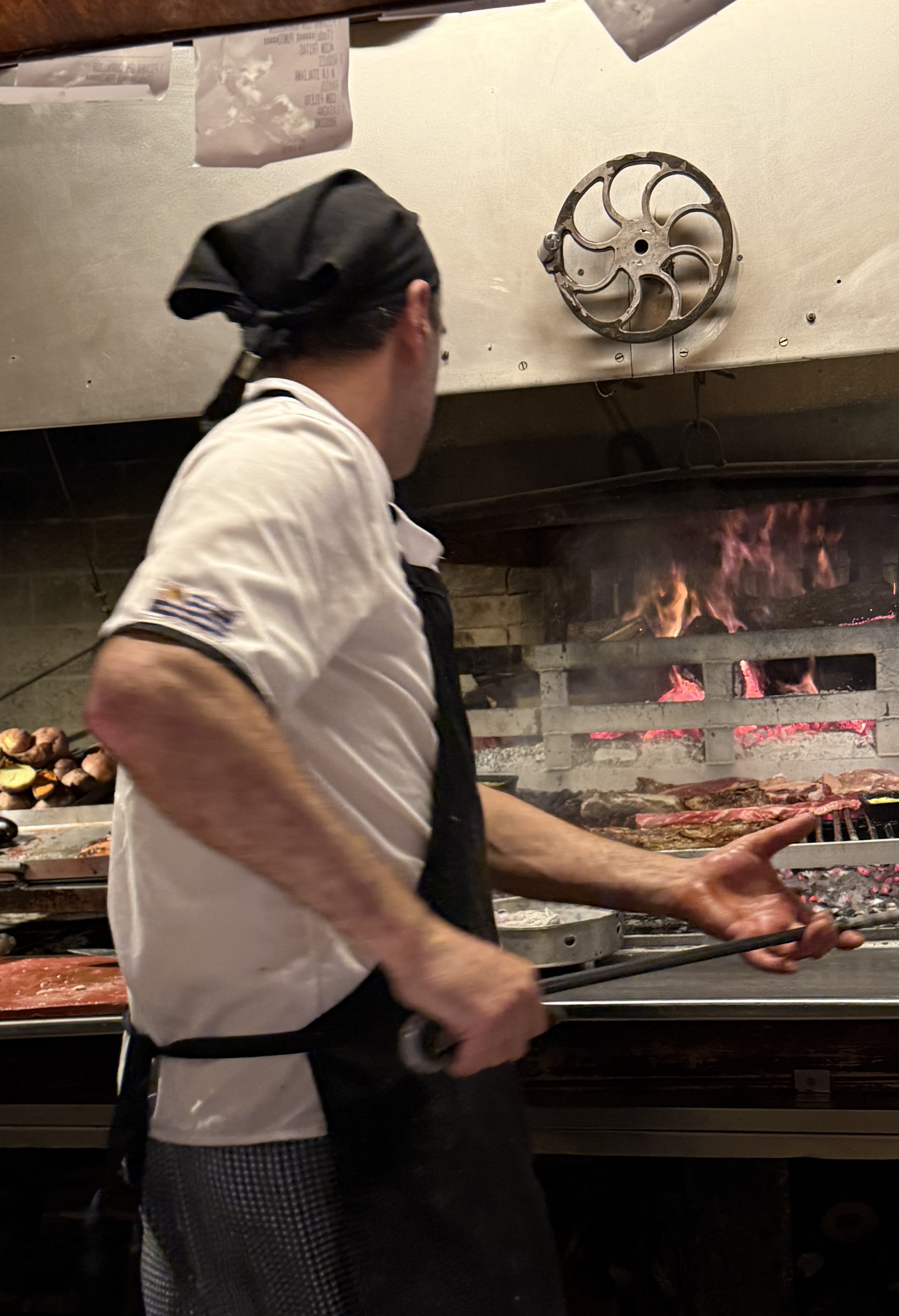
It’s a wrap. All good.
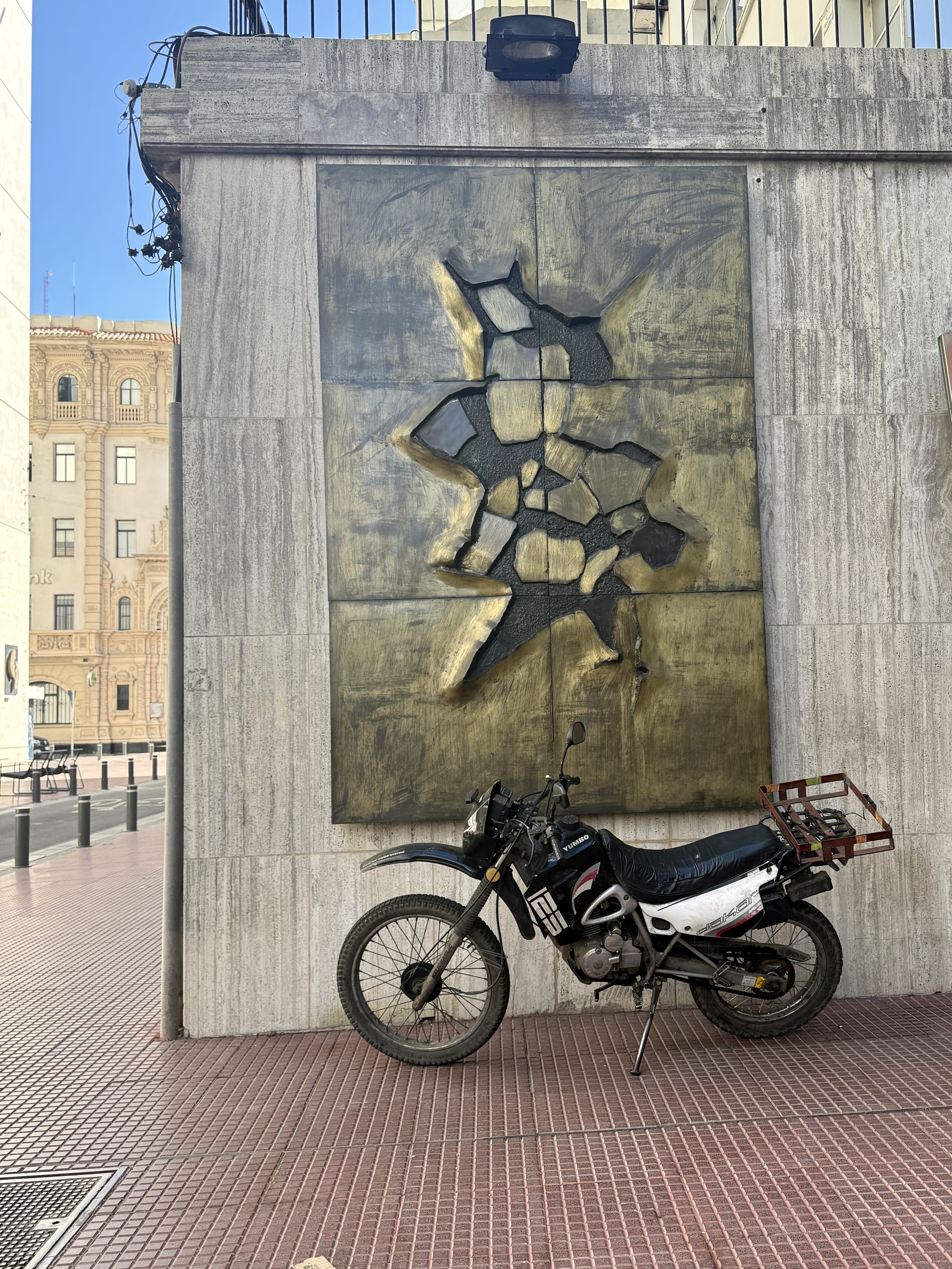
More tomorrow…
October 19, 2025 . Americans in Uruguay . Day 4: 5* Hotels, Wineries, and Celebration of Workers!
Greetings from Montevideo–We followed the NO Kings demonstrations as best we could and thank all of you for participating on our behalf. We were with you in spirit!
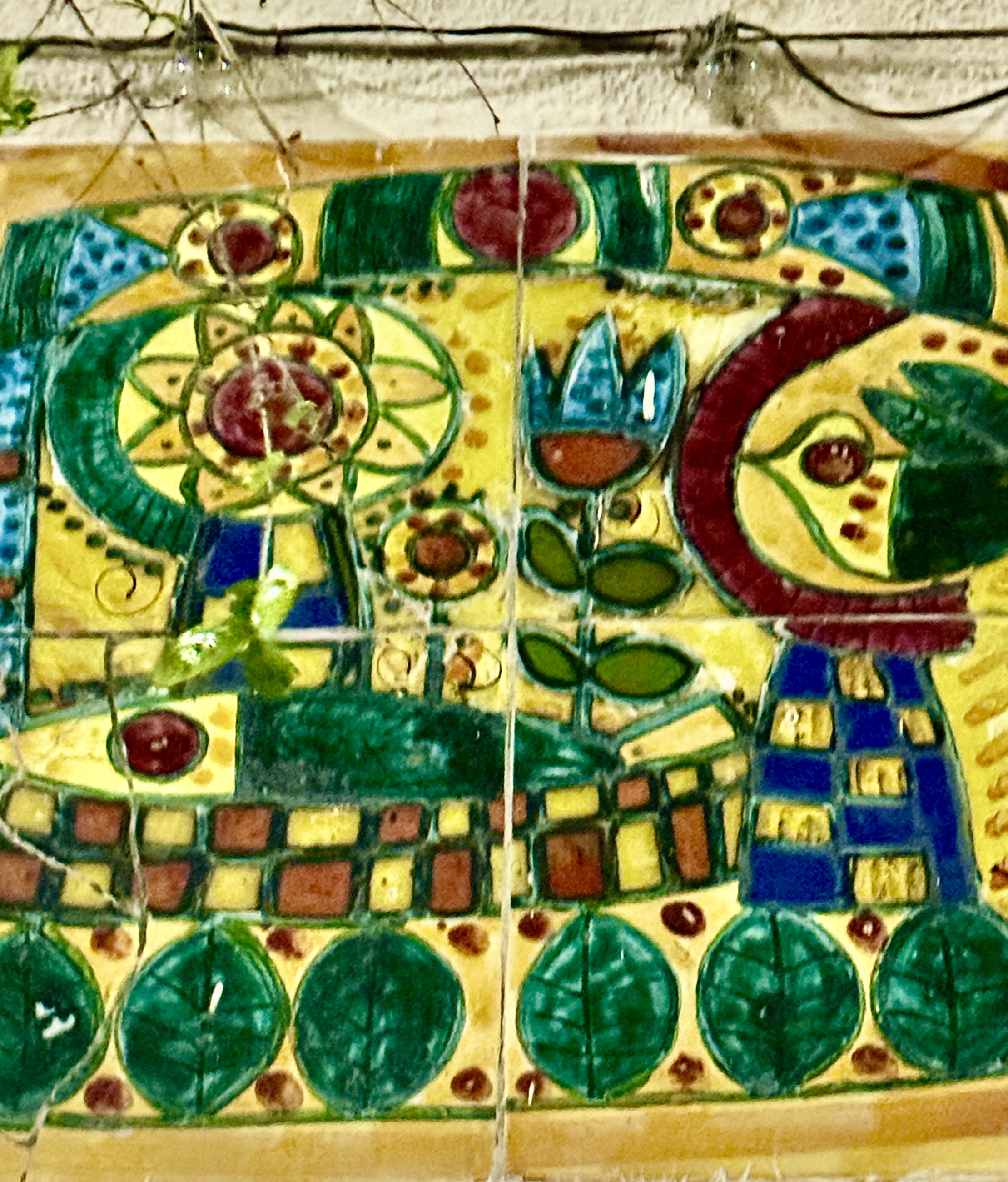
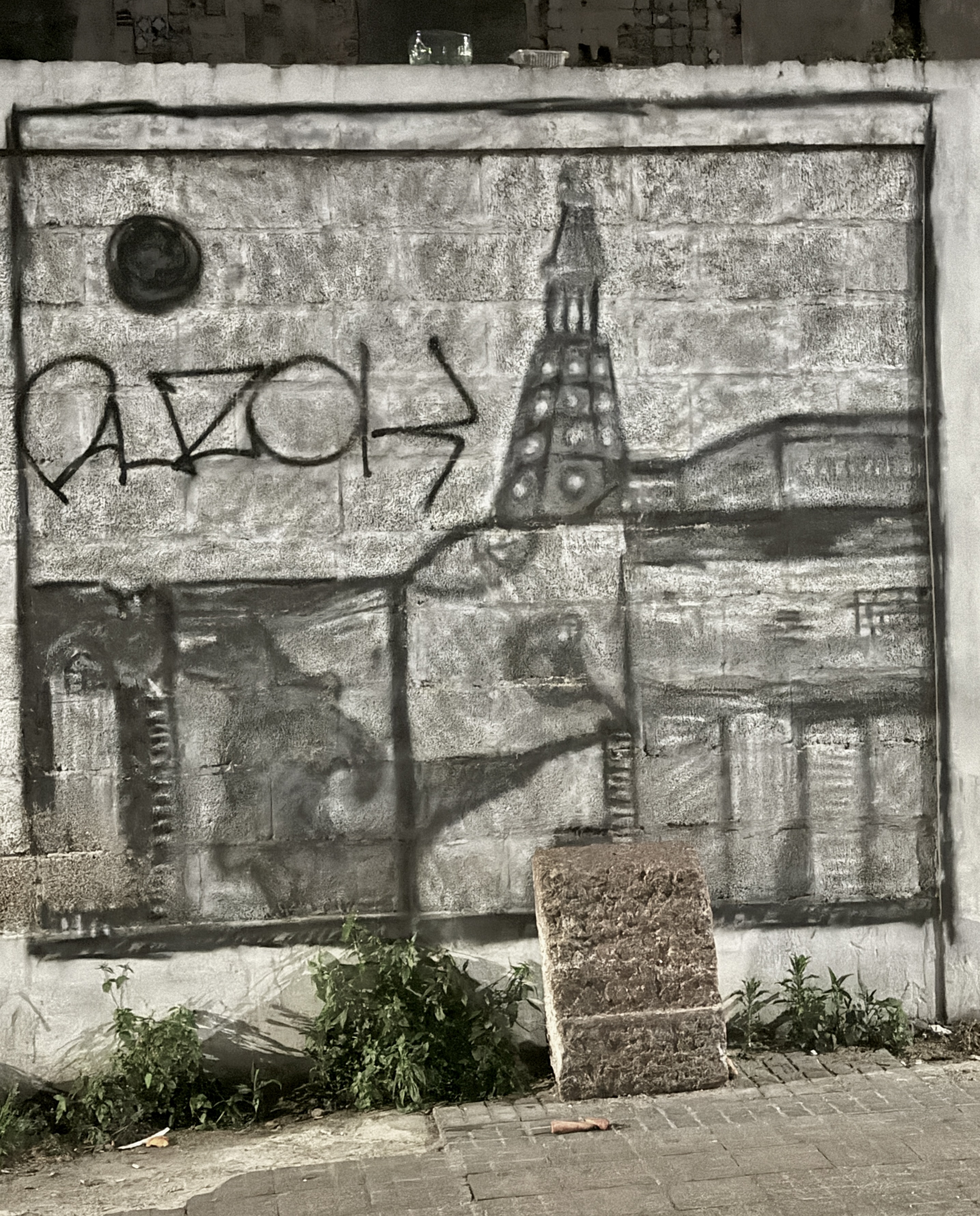
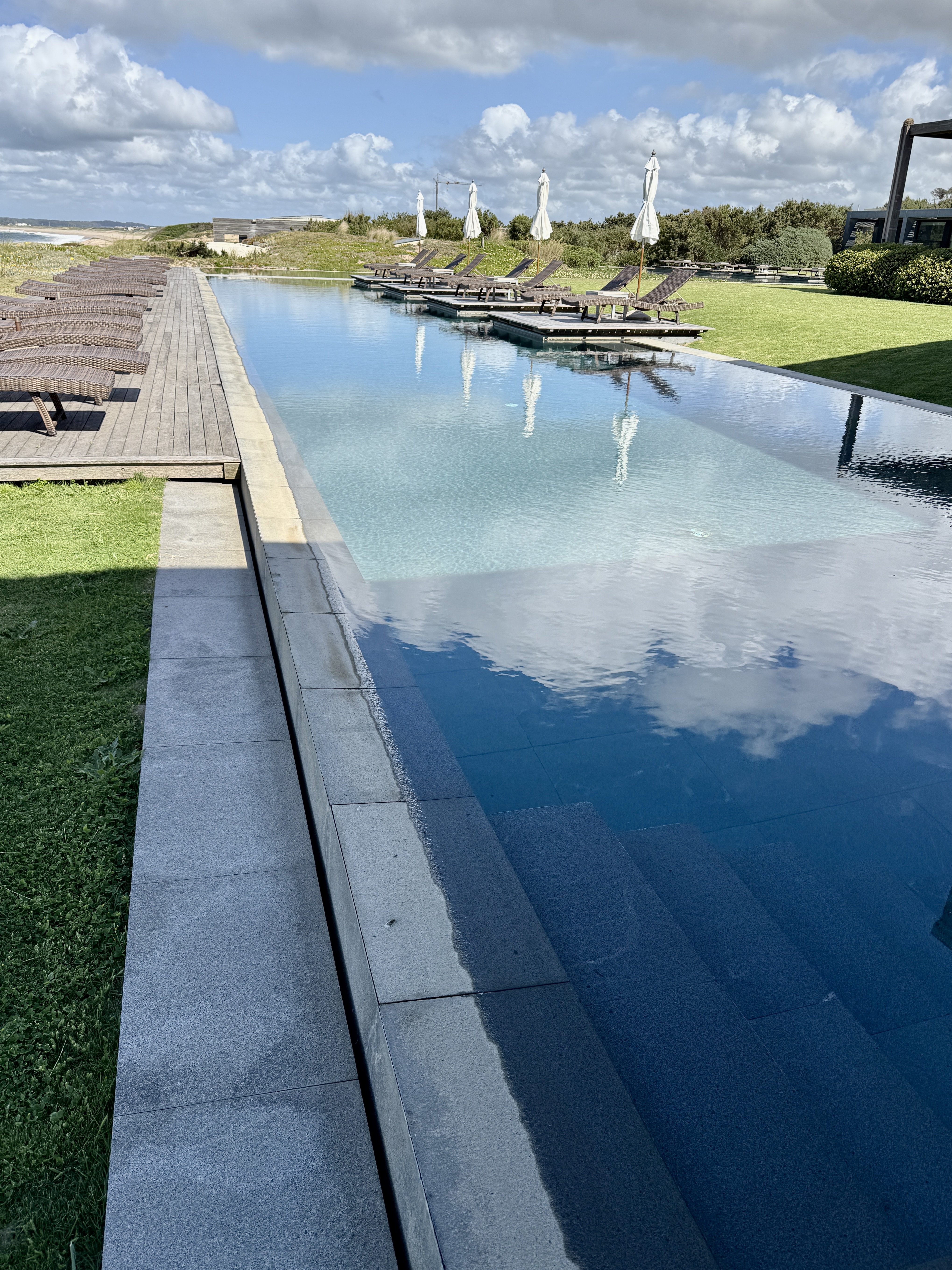
Wow – what a day. It’s now Sunday night (around midnight) and we are back in Montevideo at our charming, old Hotel Alma Historico. We began the day in the lap of luxury and modernity, with breakfast at Bahia Vik, and checking out the hotels pool(s). We then met up with Peter and Jairo, and headed out to visit the Bodega Garzon, a winery located about 30 miles from the town of Jose Ignacio, where our hotel was. But on the way, we wanted to see another hotel we had seen online that is also a “Vik hotel” that we had really wanted to stay at but the price was a bit beyond our lifestyle, and it was further from where Peter and Jairo were staying. So we decided to check it out before we left town, and given that we were staying at a Vik hotel, we figured visiting would be easy.
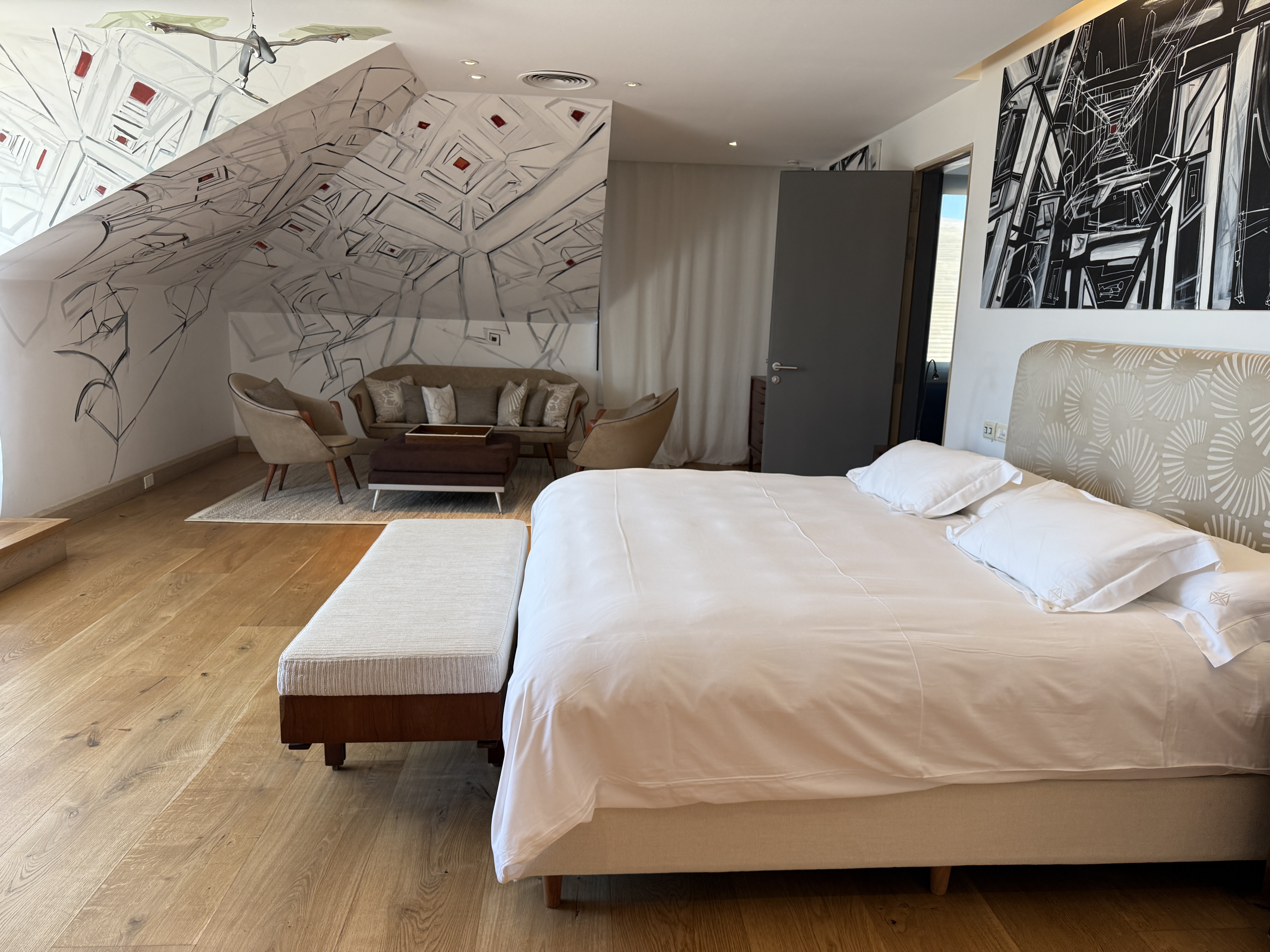
We drove north, about 10 minutes, onto a very long and impressive driveway and there we were — at Estancia Vik, where we met the manager, an energetic woman who seemed full of information and very willing to show us all around. While Bahia Vik was quite wonderful, upscale, and hip… Estancia Vik was beyond description. Just 12 rooms (about 500+ sq ft each, and two that are 900 sq ft) in a main building of about 50,000 sq ft (which includes about 20,000 sq ft of patios, covered walkways, and covered courtyards. The floor of the main swimming pool (65′ long) has fiber optic lights that mirror the constellations in the sky above.
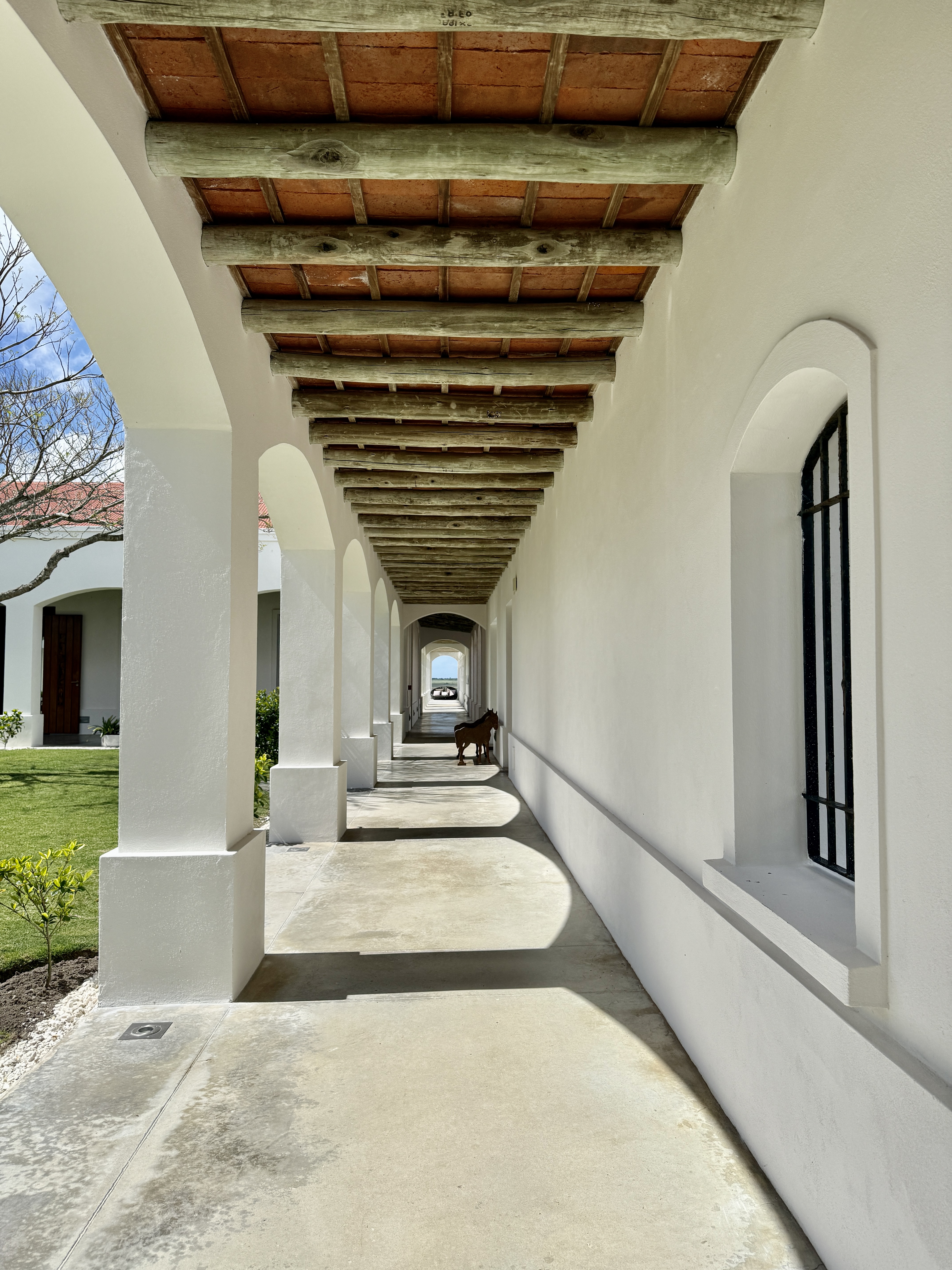
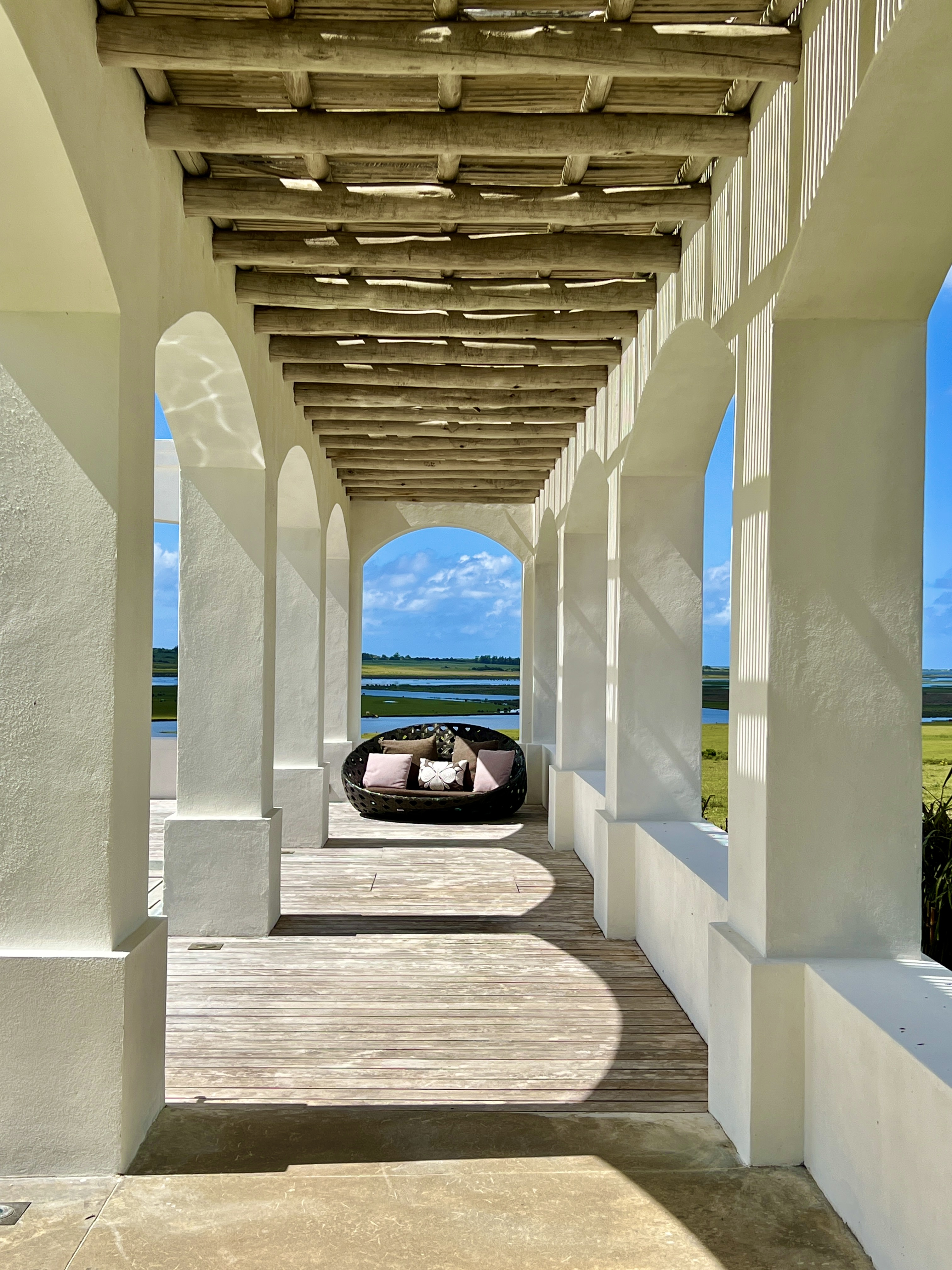
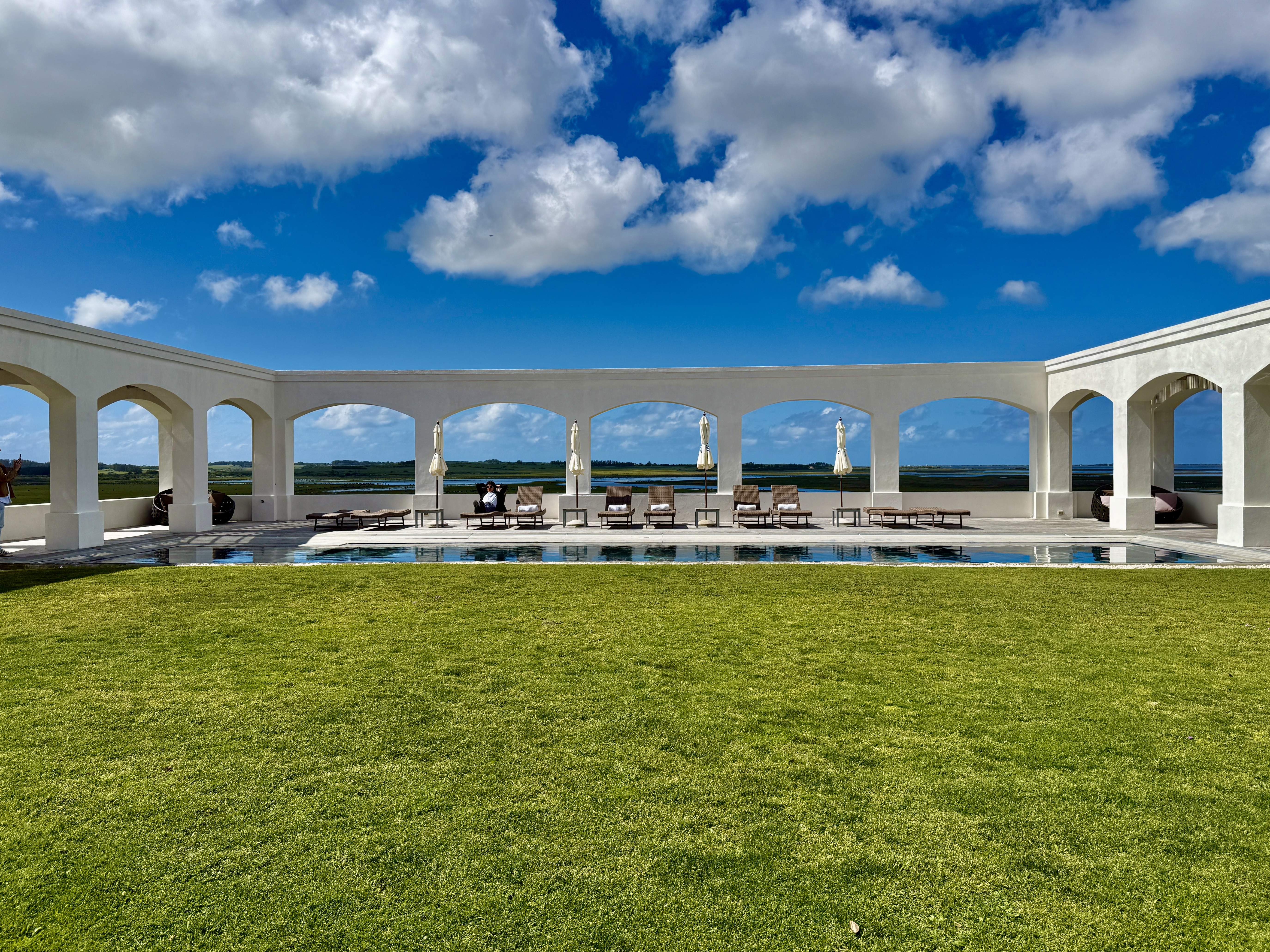
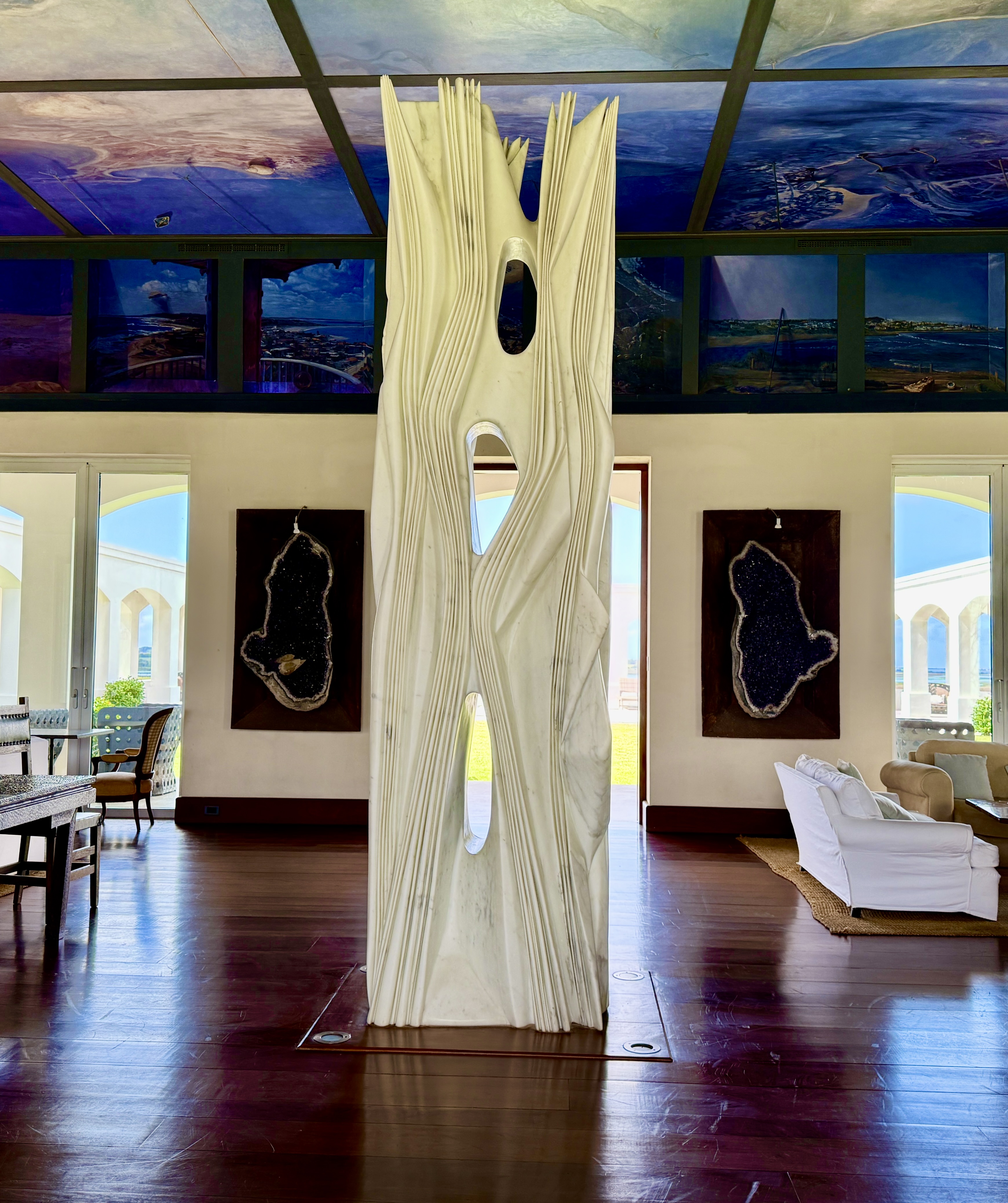
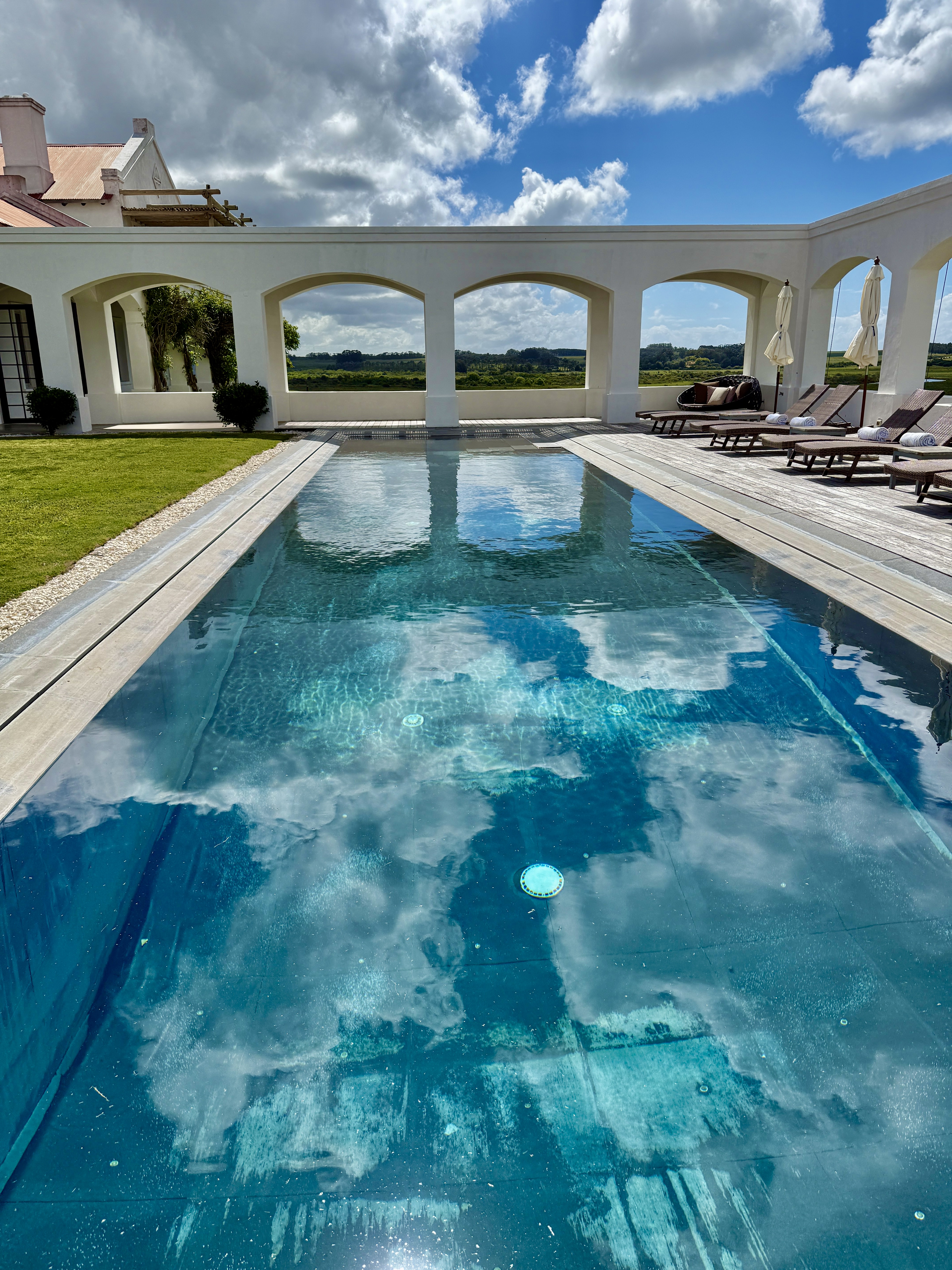
The public spaces are filled with works of art by famous Uruguayan artists at scales that required some rooms to be built around sculptures that would be too large to install after construction was complete. Estancia is a ranch with more than 4,000 acres—complete with stables, private polo grounds, and more. Of course if I stayed here, I’d need to take polo lessons! We got to see two of the rooms—each room was designed as a collaboration between the architect and a Uruguayan artist. Mike has already identified a couch at the end of one of the covered walkways that he feels he could spend the rest of his life at…just sitting and thinking.
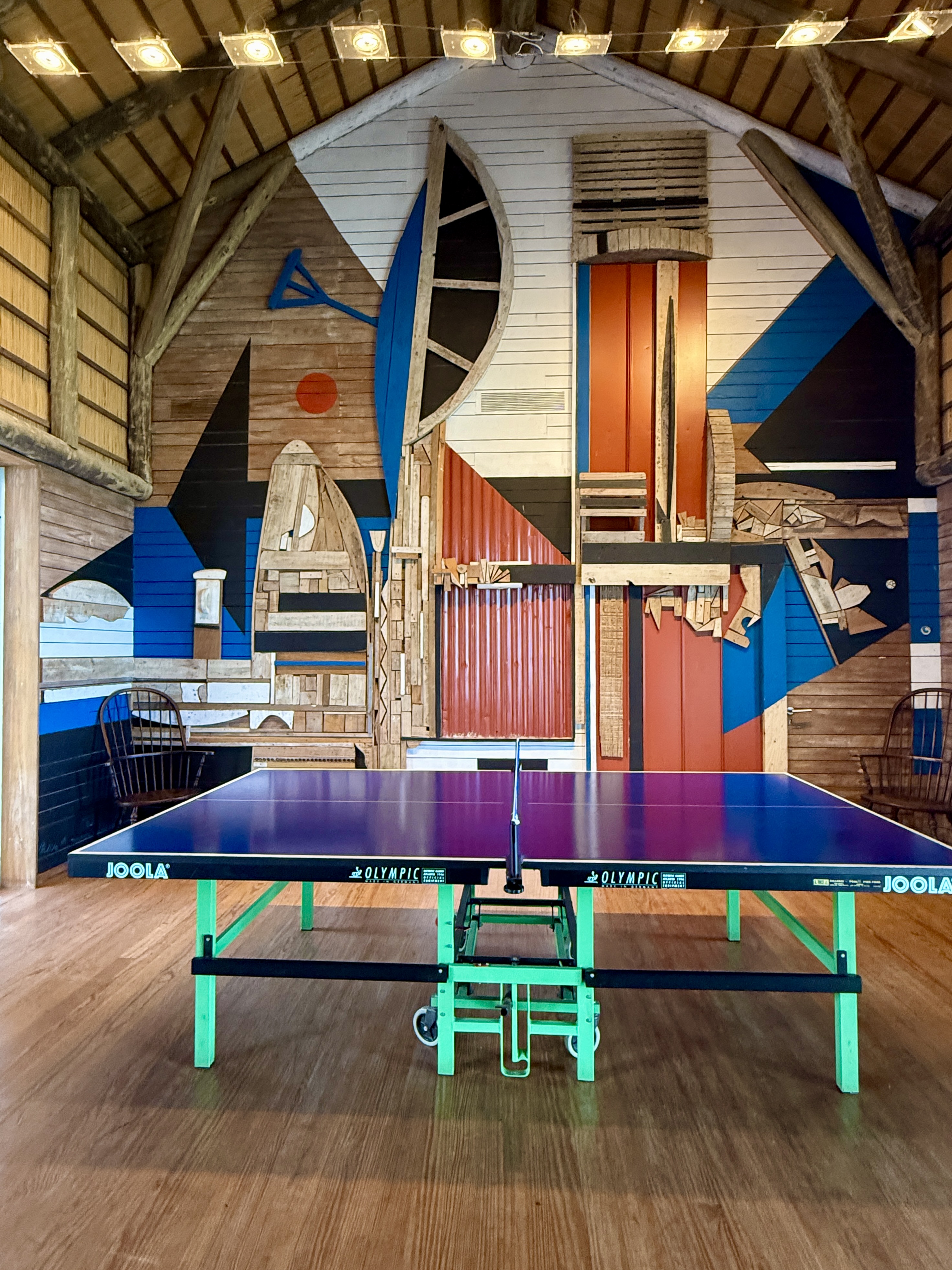
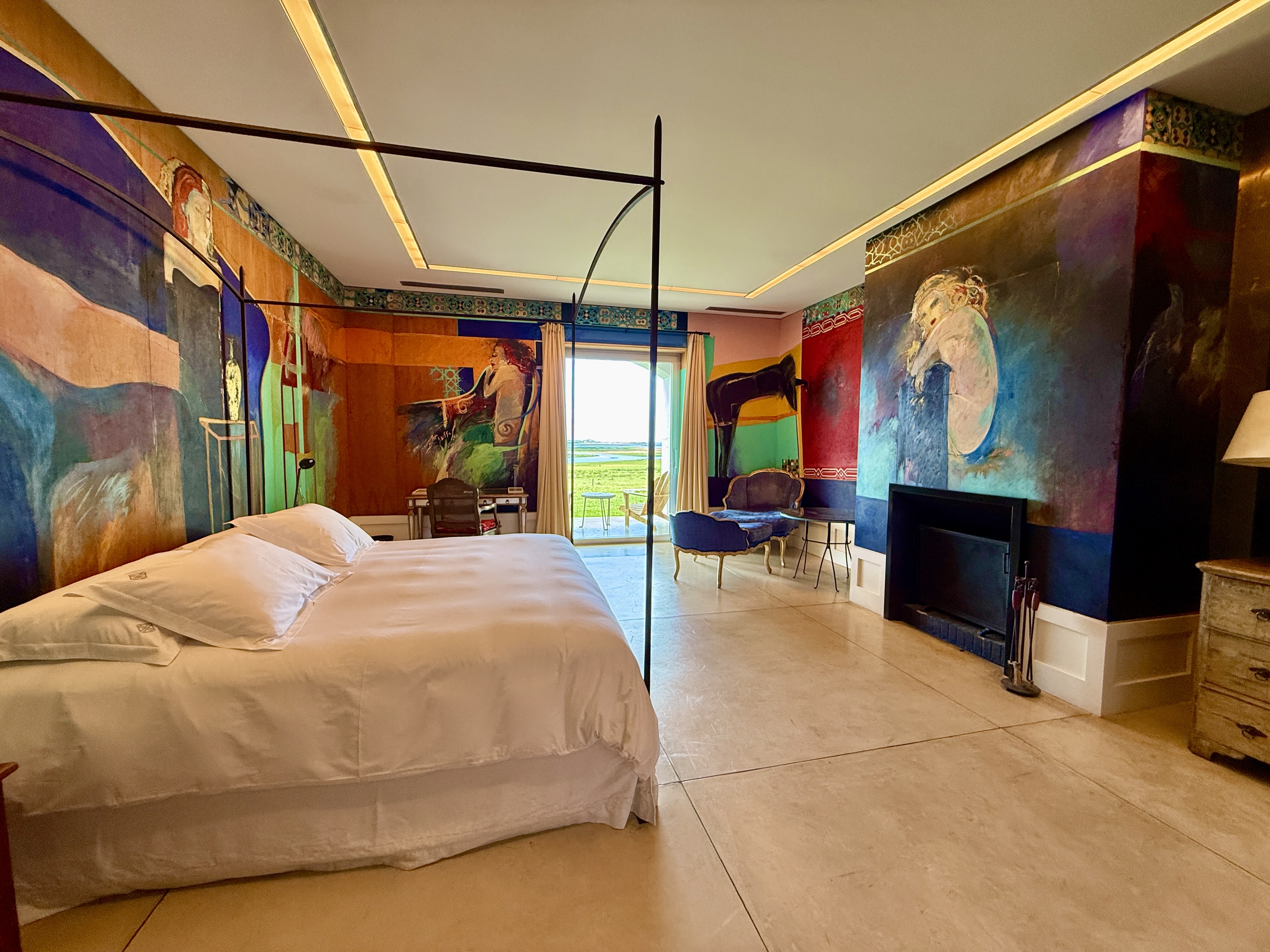
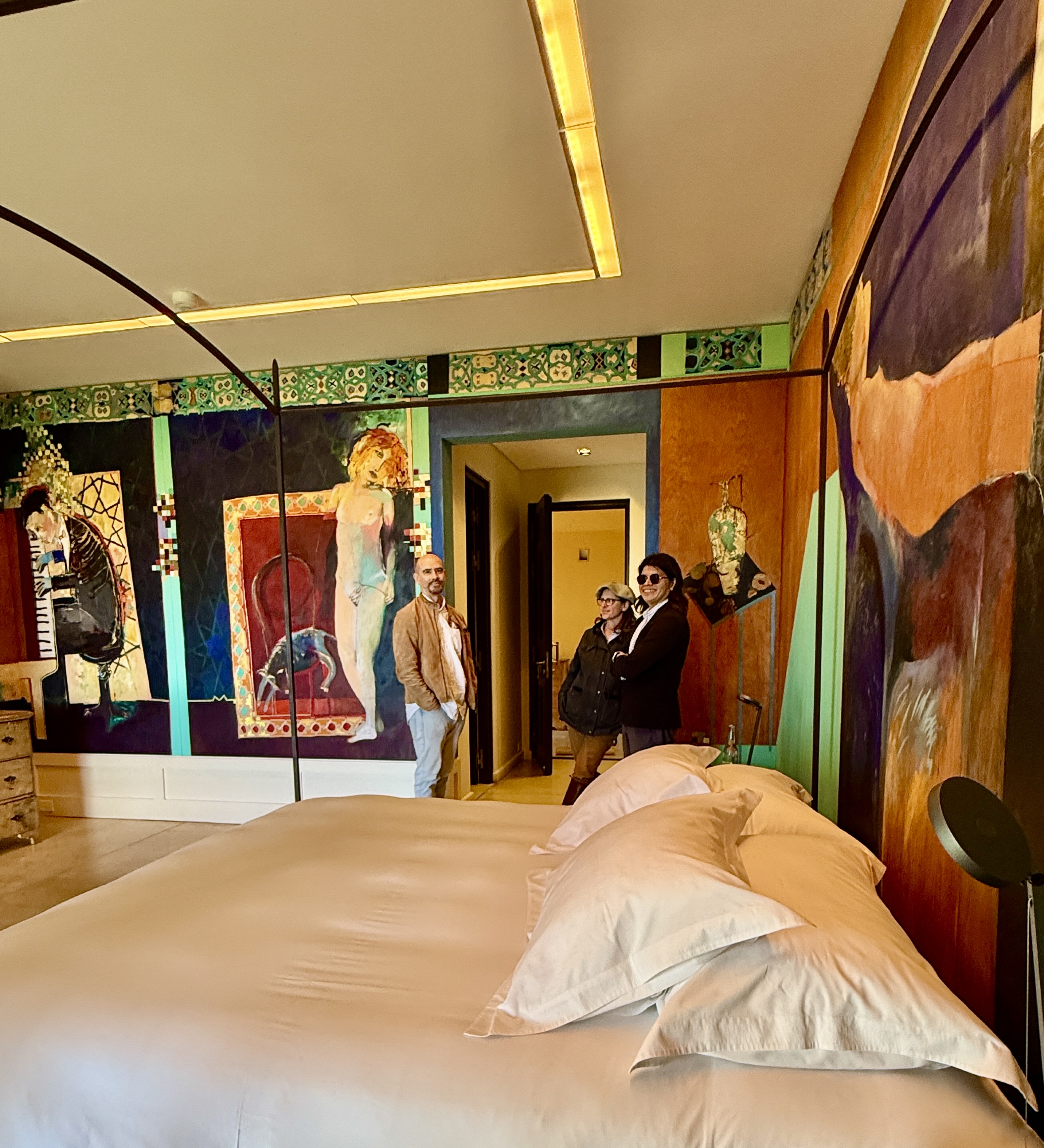
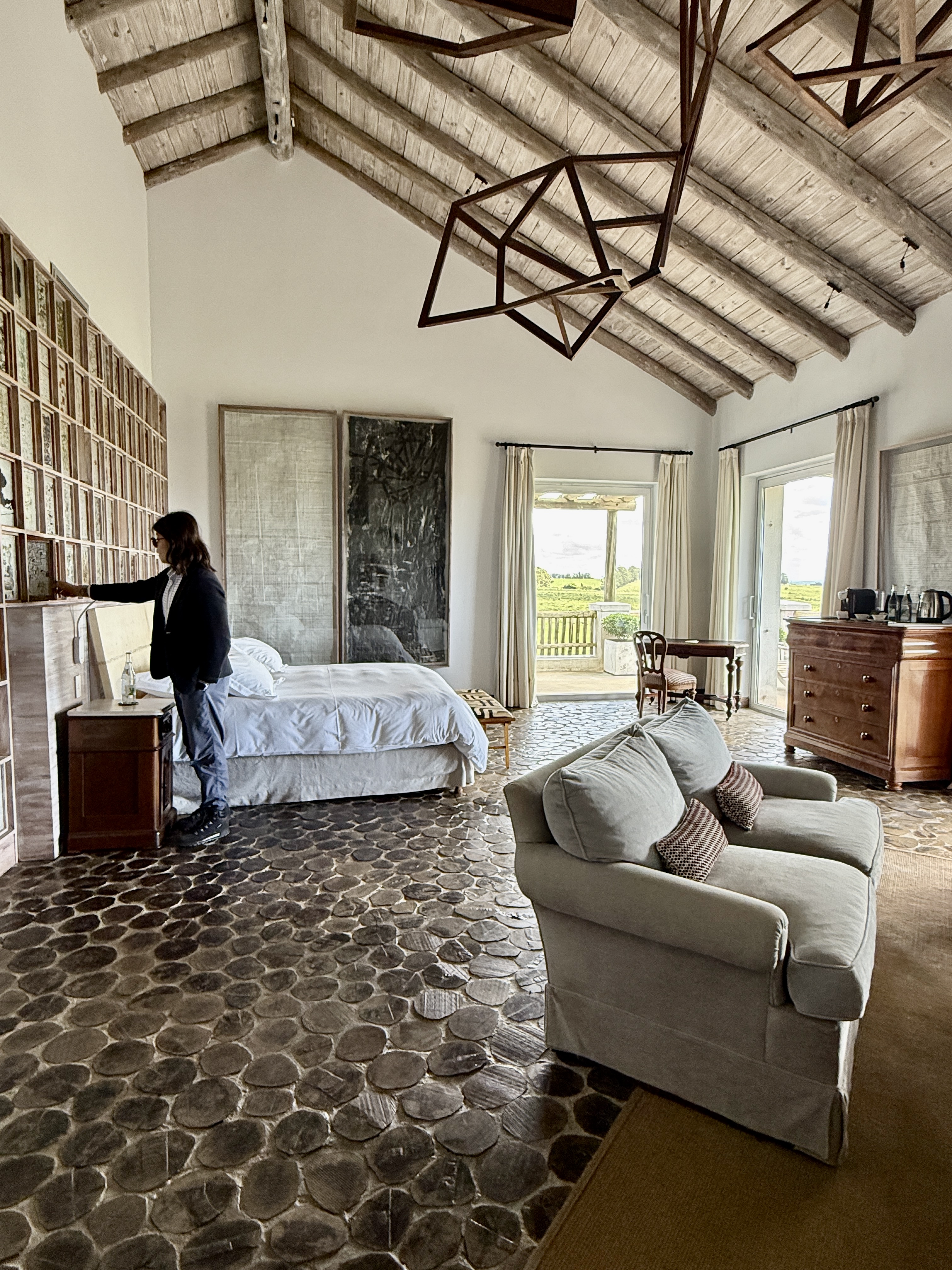
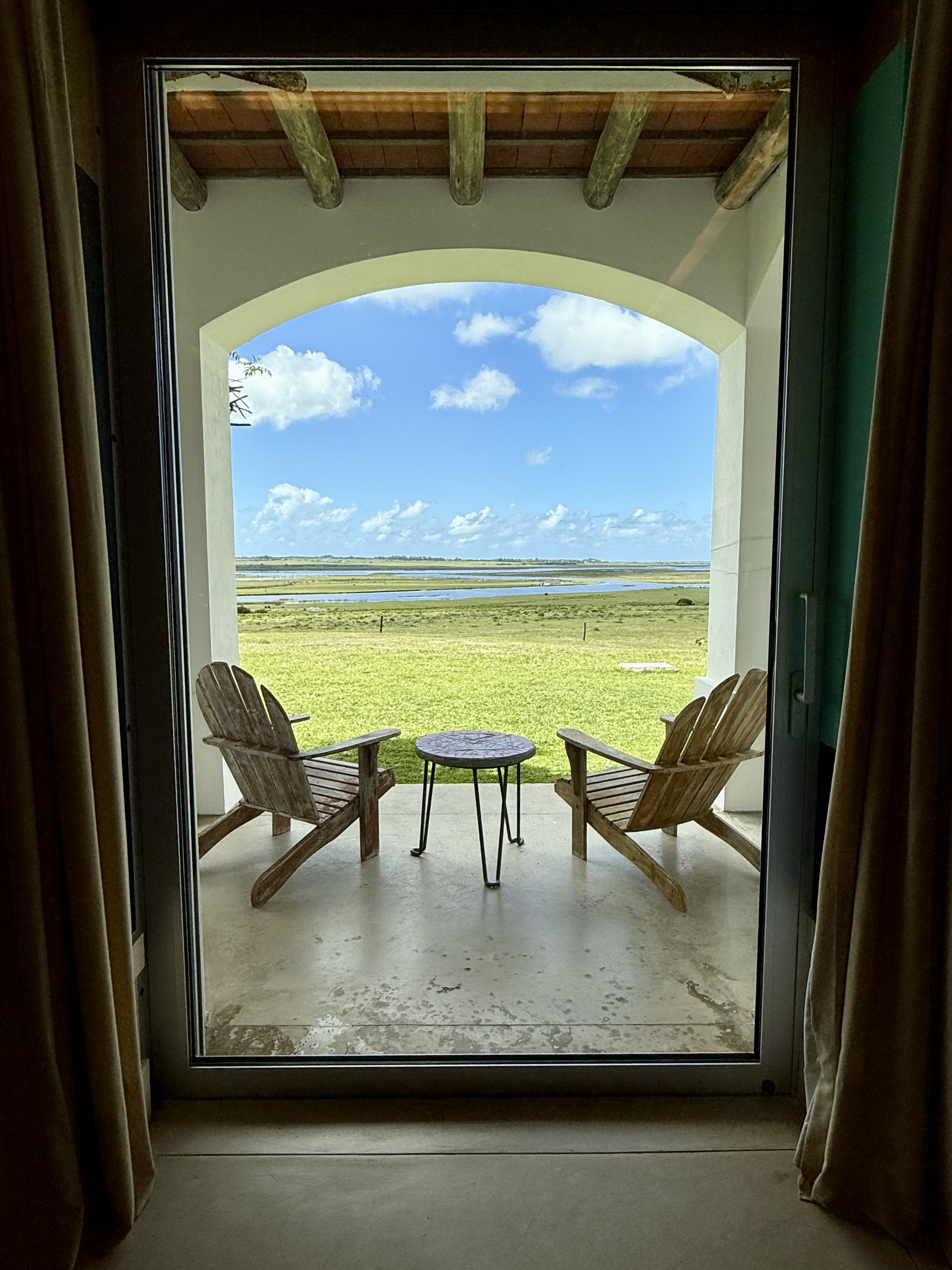
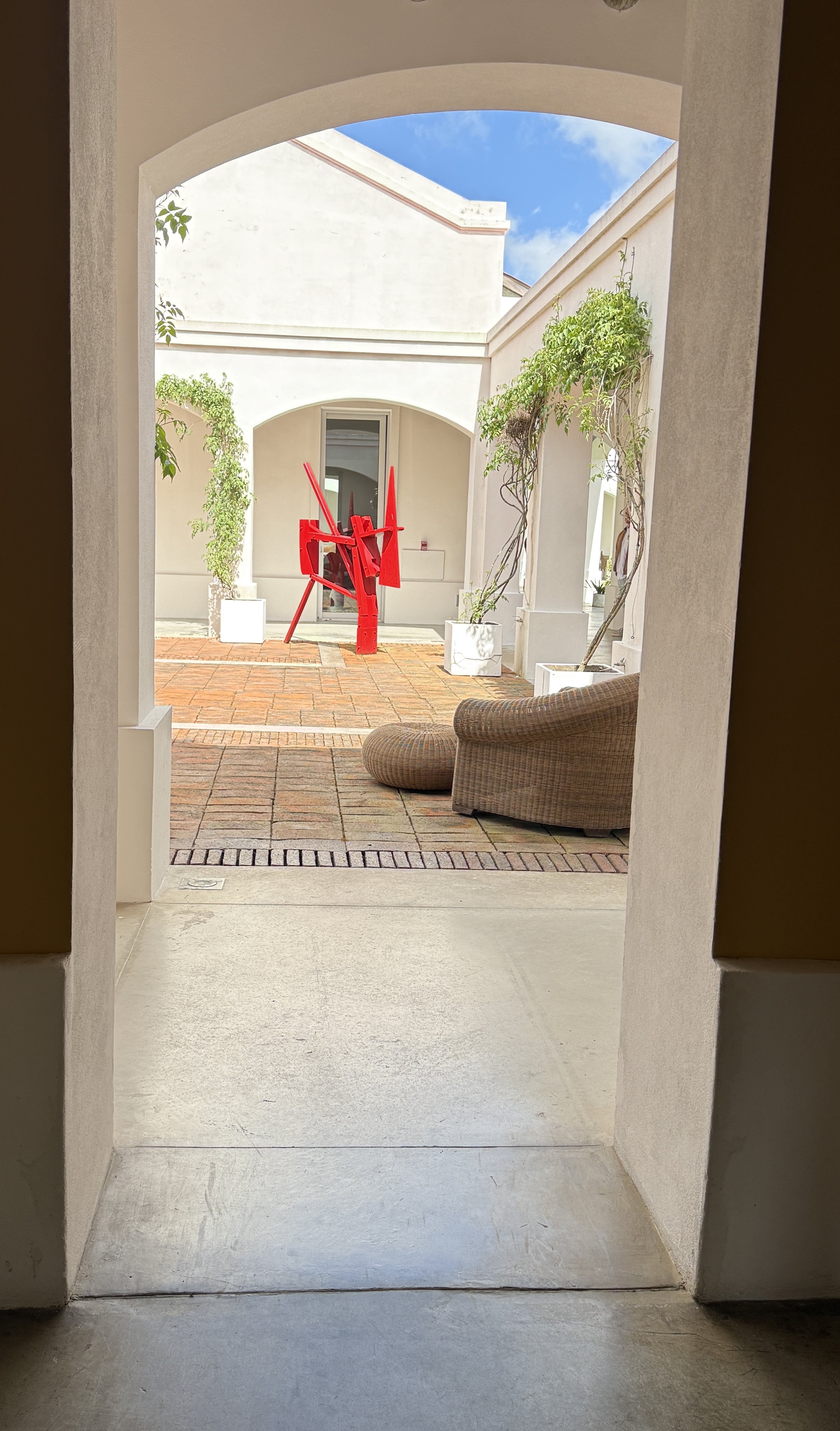
But the story of Estancia Vik and all the Vik hotels is also interesting. If I have it right—the owner/developers are a Norwegian couple with ties to Uruguay because his mother was Uruguayan and the daughter of the Uruguayan ambassador to Norway. They initially developed the first property (Estancia) to be their home in Uruguay but then decided to expand the idea and develop a hotel that merged art, architecture, and nature (as the promo pieces say). OK.. enough about this luxurious hotel for the ultra wealthy.
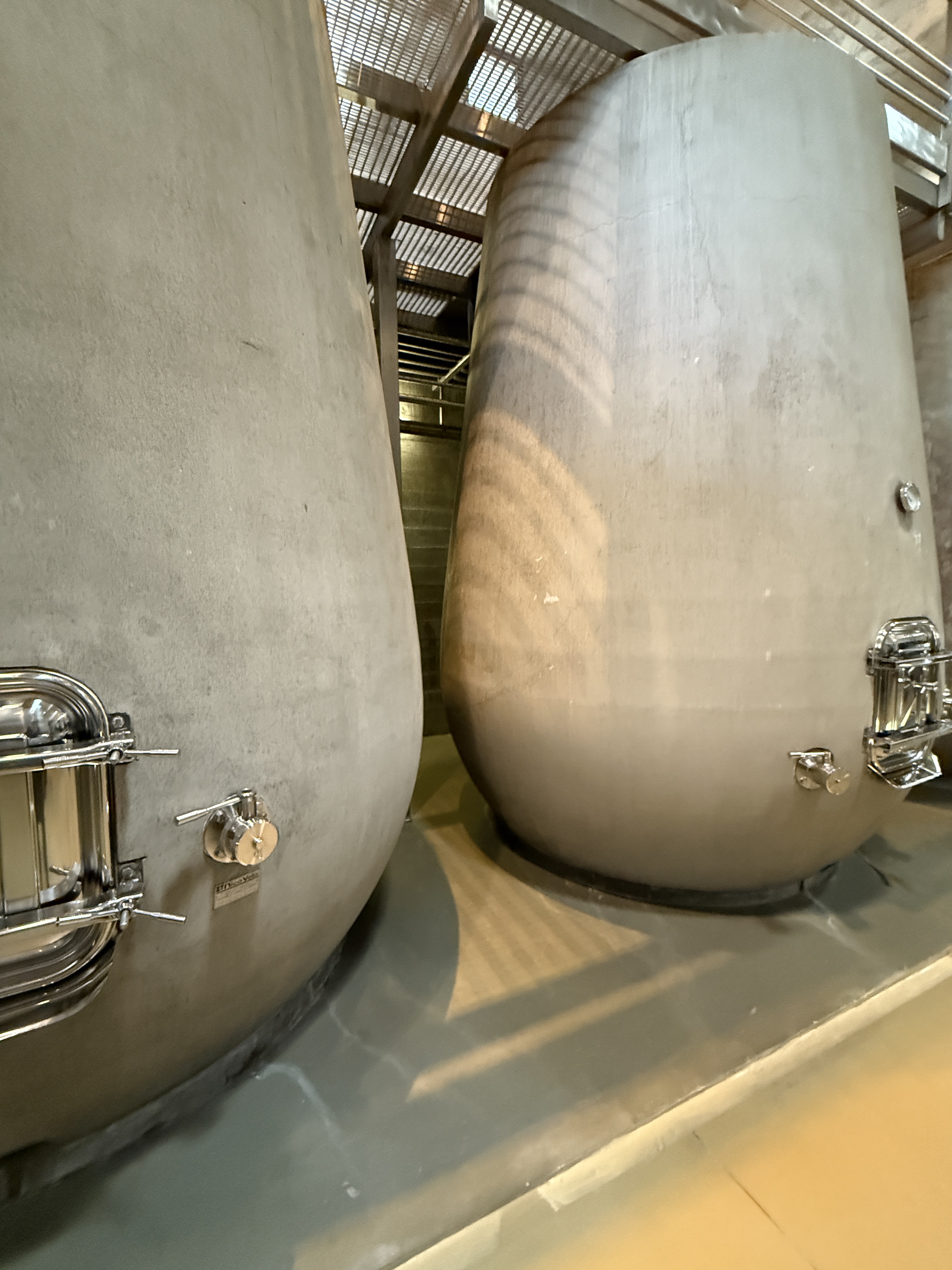
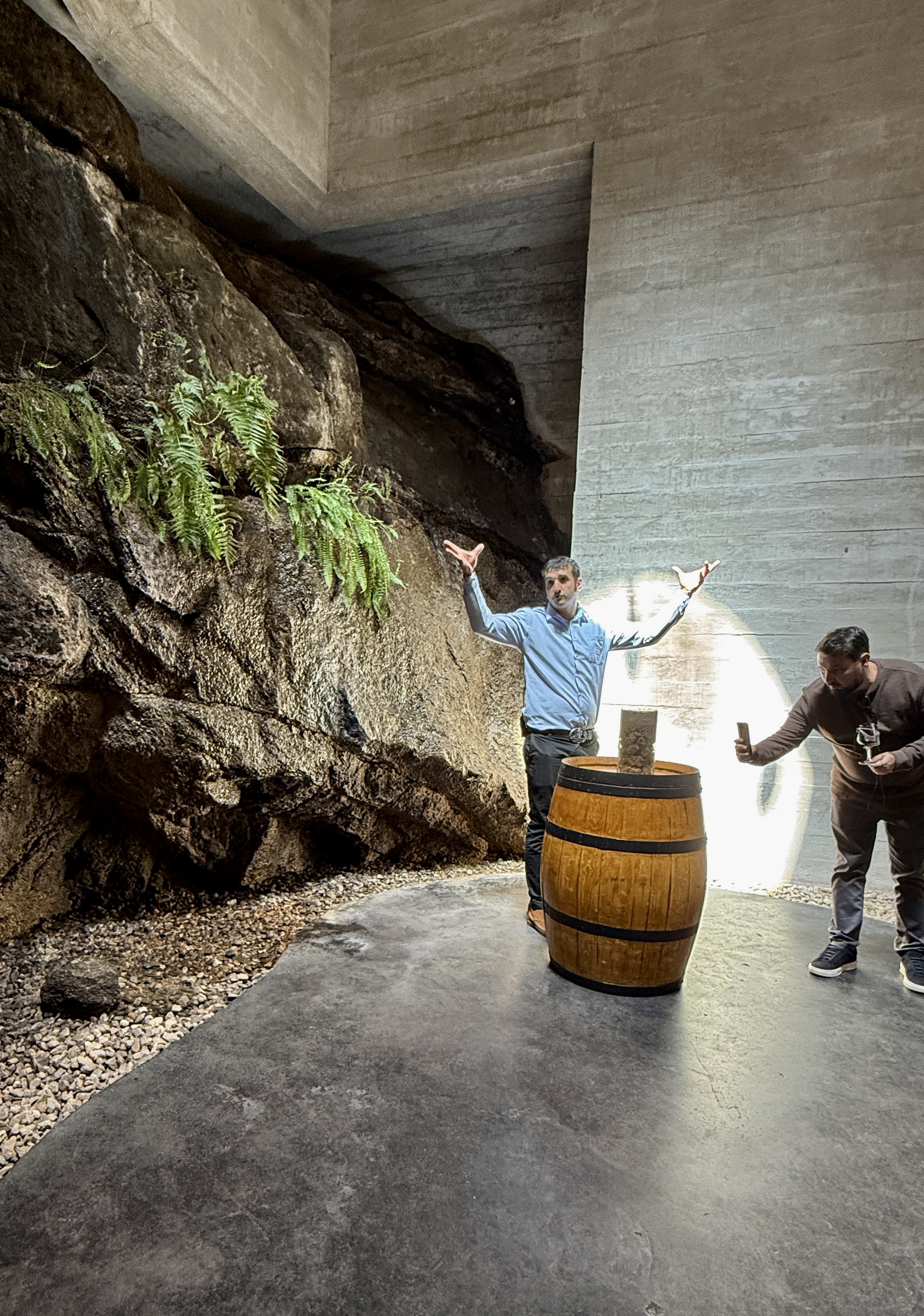
We then headed to Bodega Garzon, a vineyard located near (really not that near) Uruguay’s “riviera!,” Punto del Este. Apparently the soil in the area is among the oldest in the world and this helps the quality of the grapes. The vineyard is huge and includes ancient rocks that protrude into the underground cellars, and form part of the unique architecture. We arrived a bit late, but Peter really wanted us to see the winery and without taking the tour you can only see the lobby and entry area. He and Jairo had already taken the tour during a prior visit. Frankly we would have been fine just seeing the building, but we wouldn’t have been allowed beyond the lobby without the tour. So off we went. The building is pretty interesting and the tour included tastes of 4 different Garzon wines so that made it good. Also we learned about corks versus screw top wine bottles. Beyond that Mike and I mostly drifted around looking at the building–which is very impressive. And the wine was quite good. Tannat wine–made from a grape that was grown historically in Southwest France is now one of the most prominent grapes in Uruguay, and is the main wine served at all restaurants.
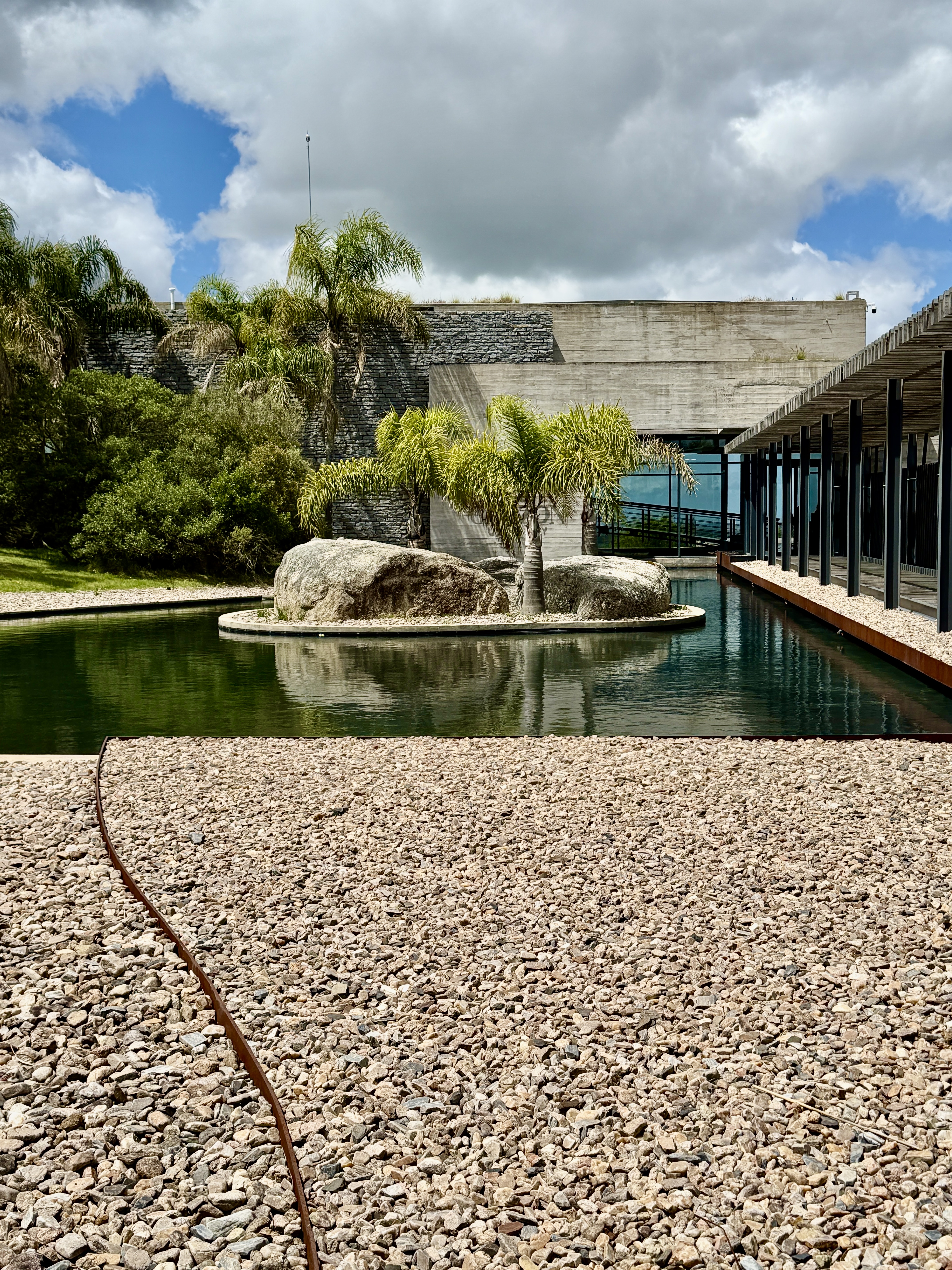
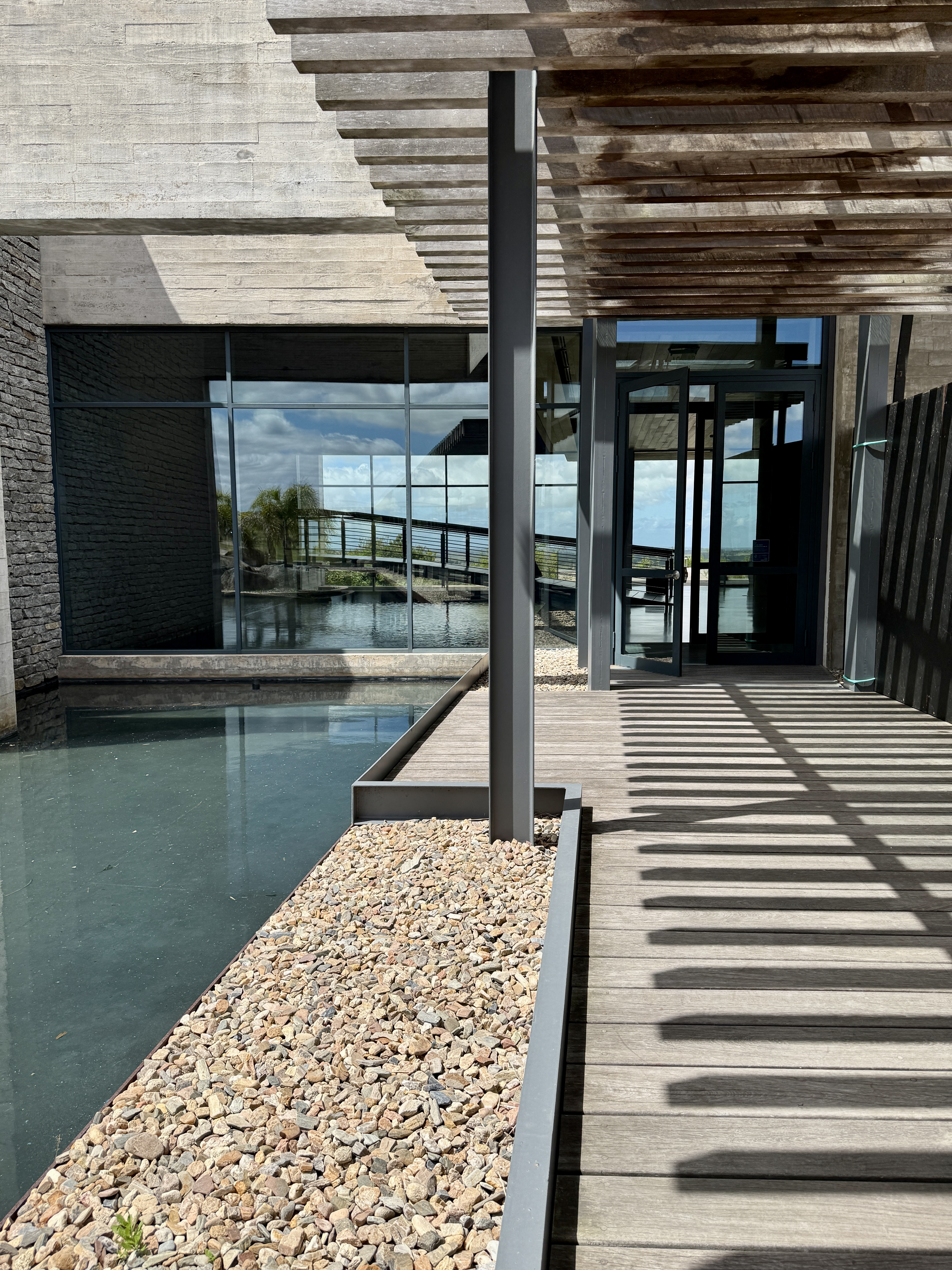
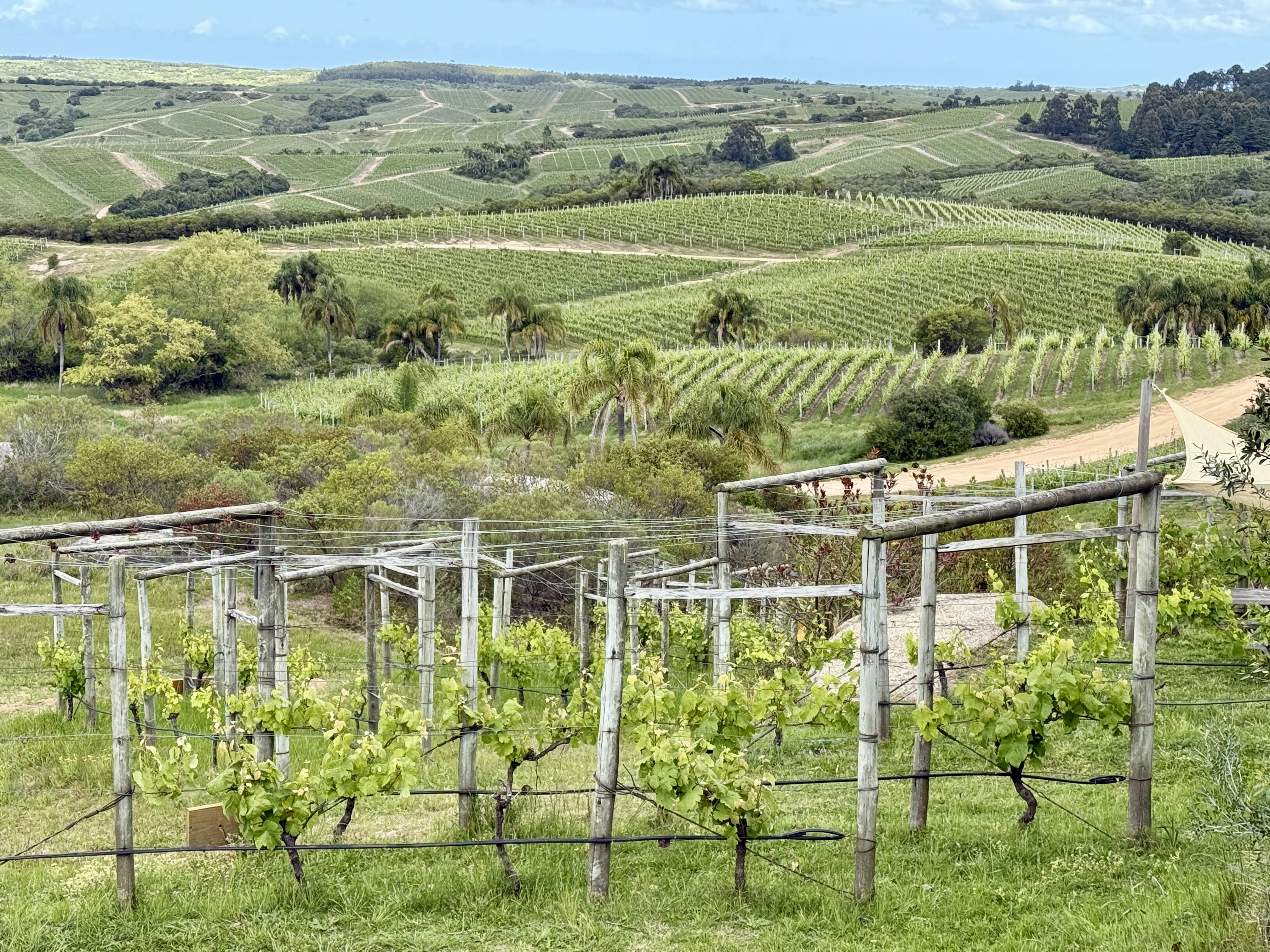
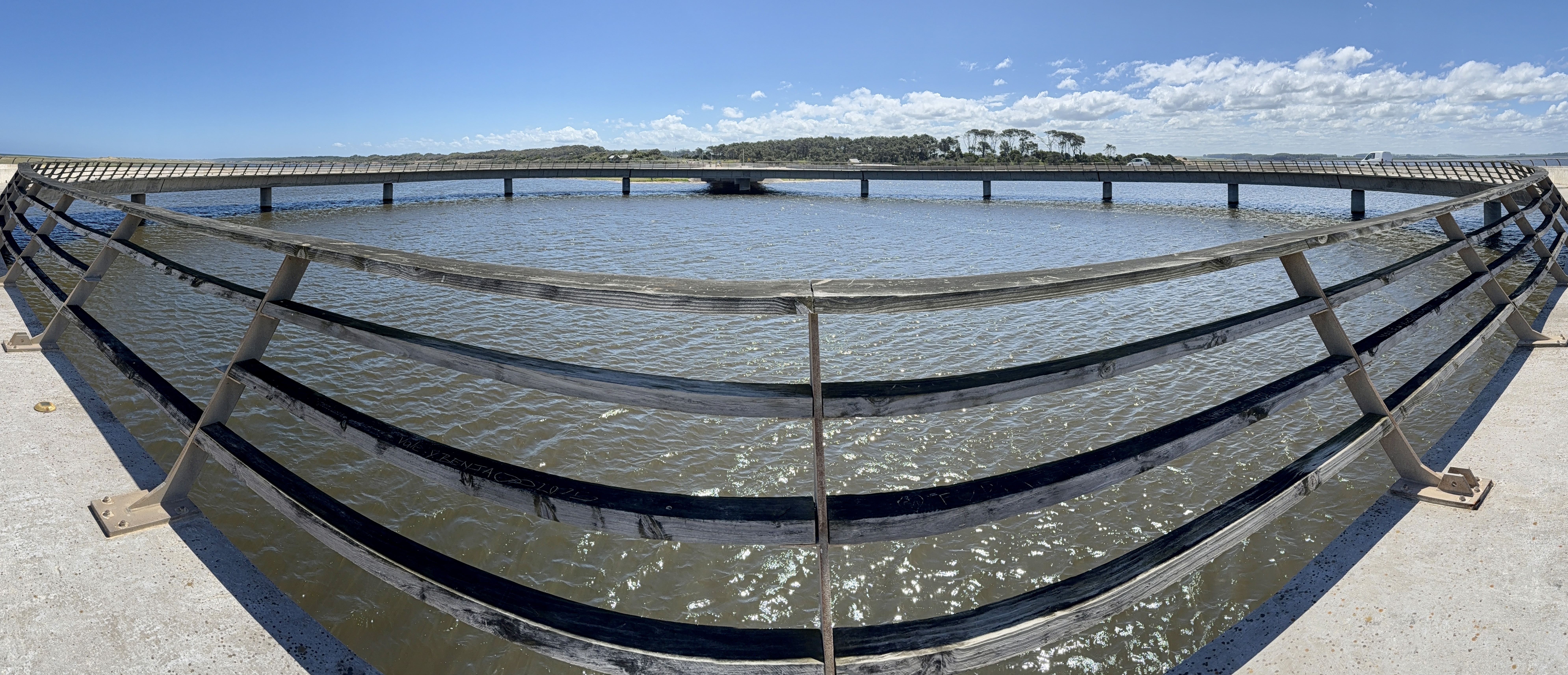
From there we headed back to Jose Ignacio to walk across/around the round bridge at the lagoon, which we had seen last night in the dark. It is next to impossible to photograph the bridge without a drone, so if you are interested, I’d recommend you search the Internet for images of Laguna Garzon Bridge. It is said that it is round so that drivers slow down to accommodate pedestrians who can cross to the other side and also for drivers (and bicycles and pedestrians) to take the time to appreciate the panoramic views and enjoy the pristine landscapes of the Uruguayan coast. How civil!
We then headed through Punto del Este and Maldonado to a lovely place for lunch where we had a great view of the sea and didn’t have to actually walk on the sand.

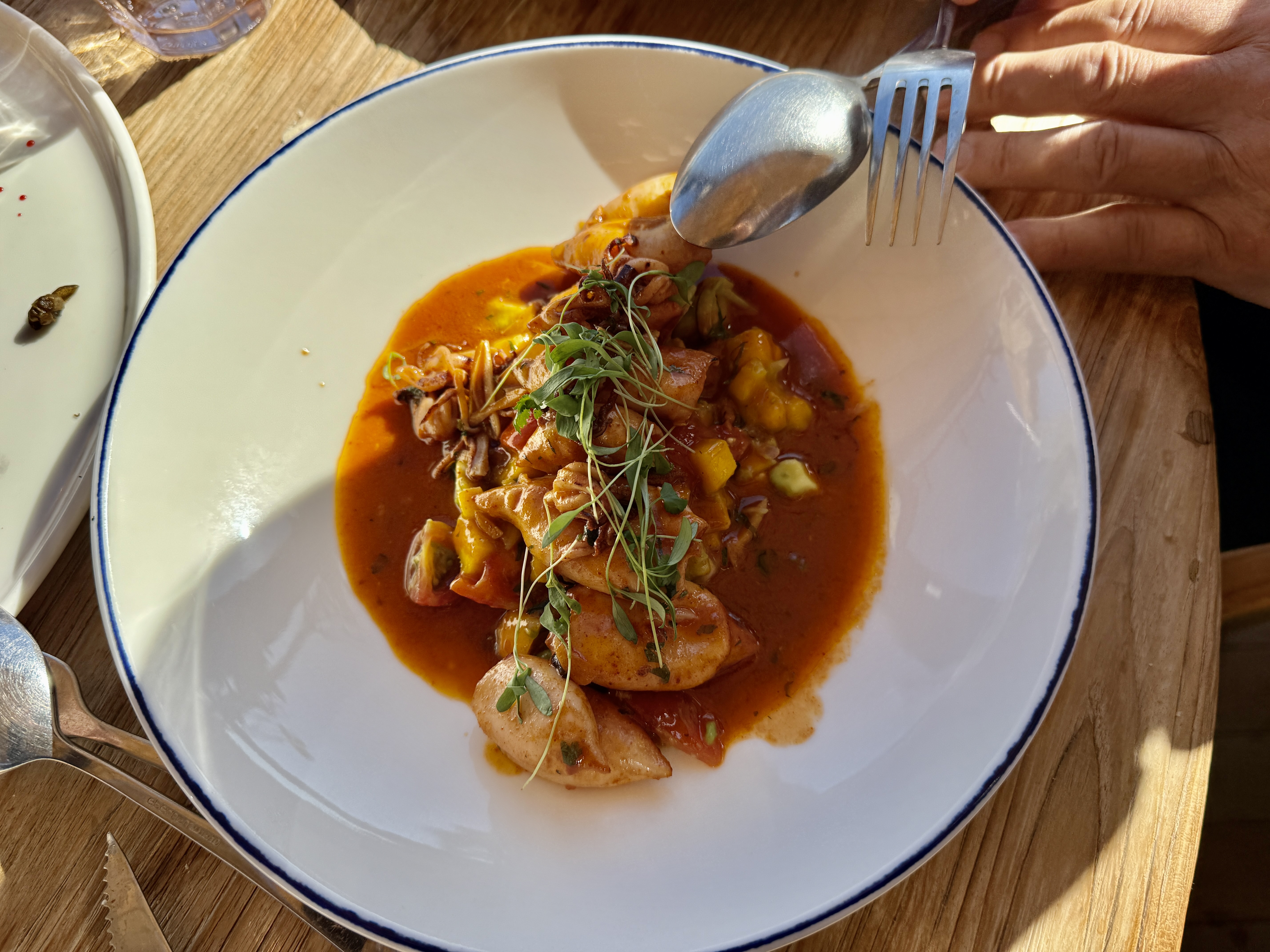
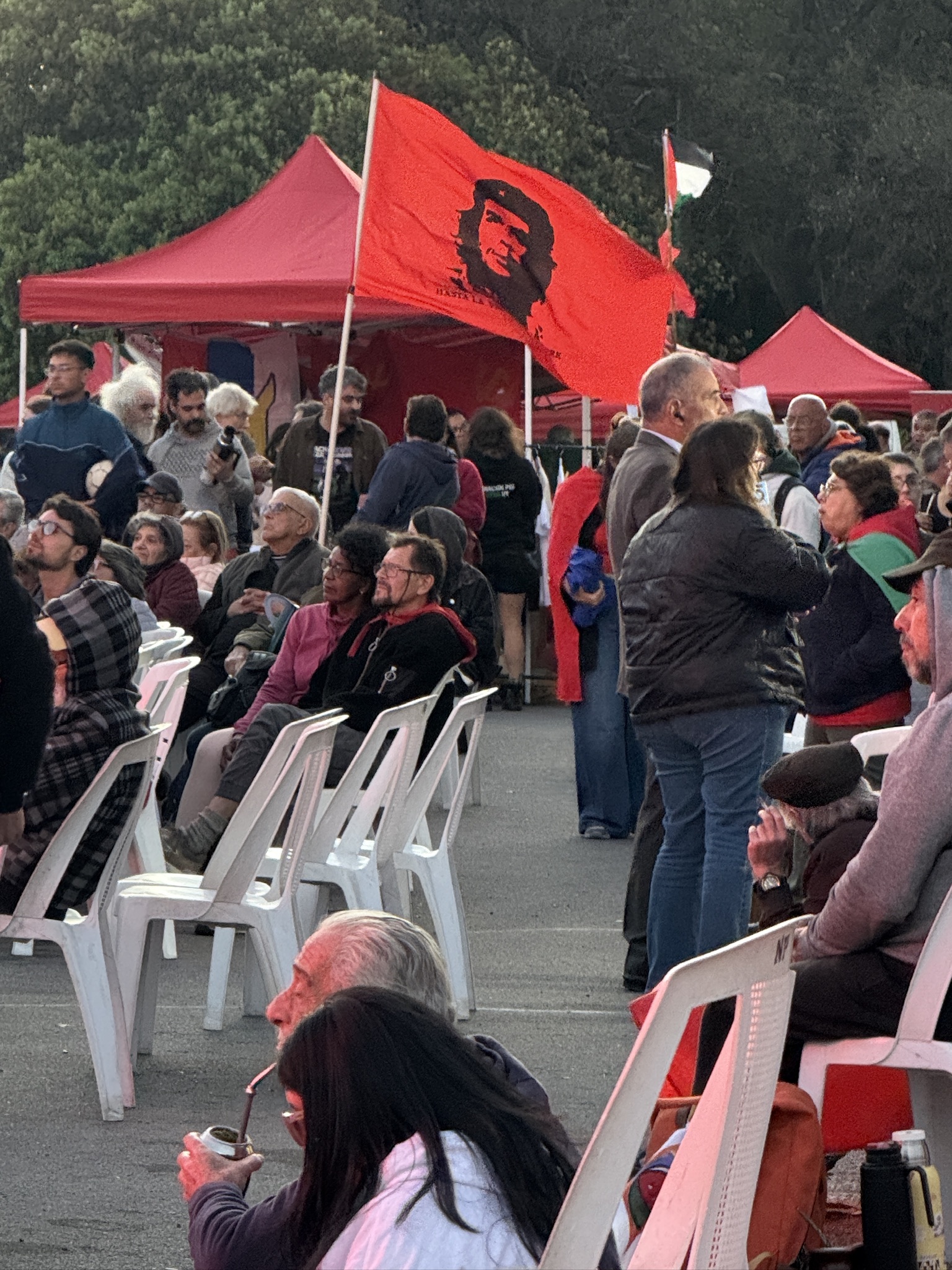
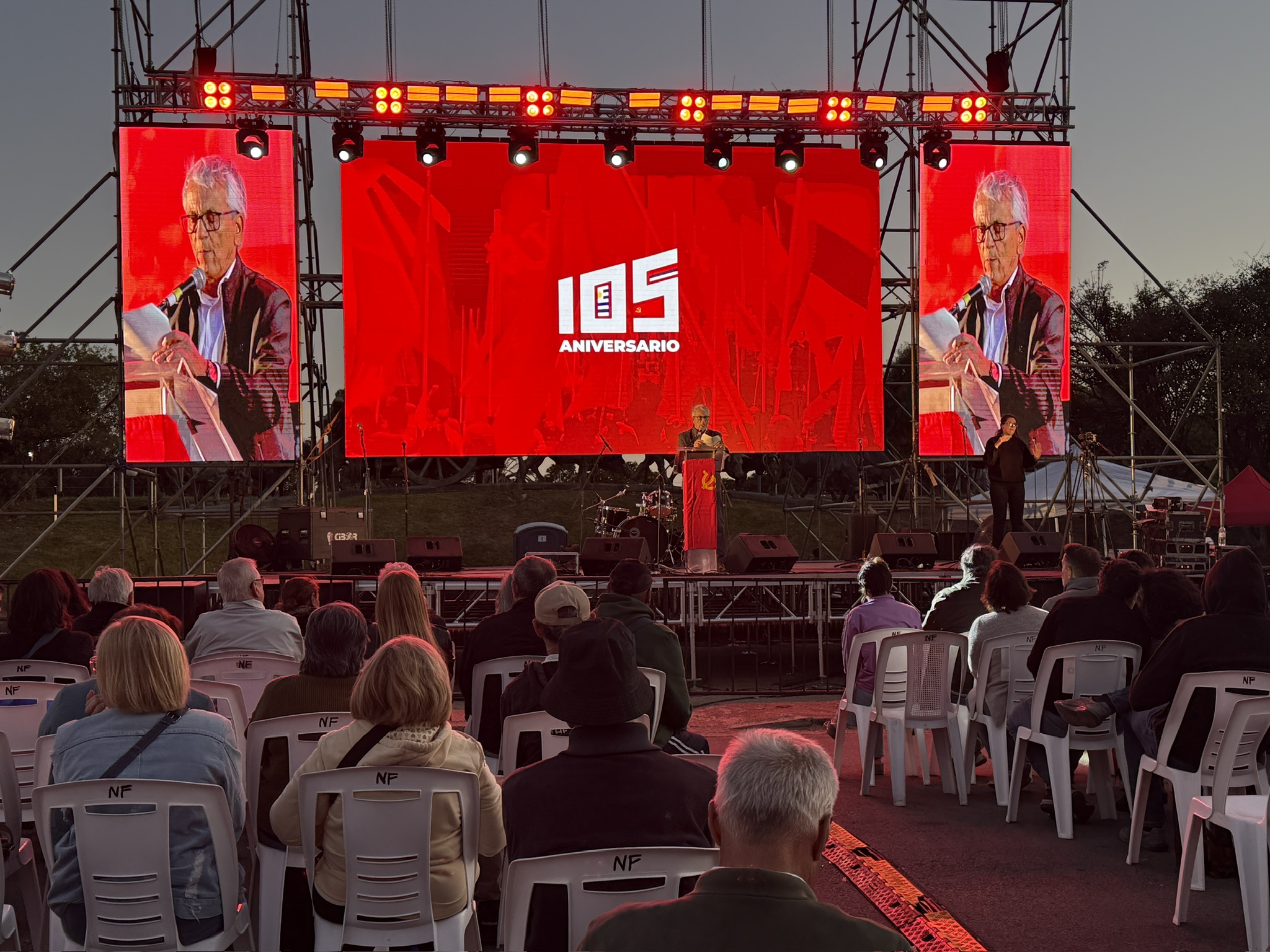
Then we headed back to Montevideo, hoping to join the celebration for the 105th anniversary of the Communist Party! It was held in a big park, and although it should have been over by the time we arrived, in typical Latin time, the event was going strong when we arrived, so we managed to catch the major speaker–the head of the party who is also (I think) the Labor Minister for the country. My Spanish wasn’t good enough to really get all of what he was saying, but he was definitely a powerful and inspiring speaker. We strolled around the event for a while before returning to Hotel Alma Historico… and then headed out for dinner (just Mike and me). We ate at a small restaurant just about four blocks from our hotel called Es Mercat (a fish restaurant) and the food was great. We started with some kind of tuna sashimi with a sauce. The dish was called Tiradot. And our second starter was a roasted squid. For the main course we shared the black sea bass which was very good.. simply prepared but perfect.. And ended with tiramisu. And white wine.. Directly across the street from our restaurant was another restaurant/bar that was packed and very very noisy with live music that spilled onto the street. At first we thought that was the restaurant that we were going to, but fortunately Es Mercat was quiet, with brick lined walls, and no music. At the other restaurant the crowd was probably in their 20s and there was a lot of dancing–but the Uruguayans do not appear to be great dancers, so I’d say there was a lot of “swaying bakc and forth” and an occasional “hop.” Our friends say, the Uruguayans really like to party with Brazilians because they can really dance!


Sorry for the length. It was a packed day.
October 18, 2025 . Americans in Uruguay . Day Three .
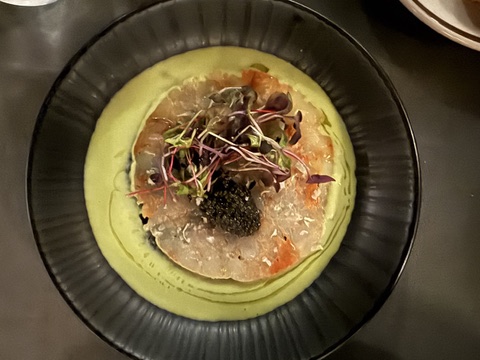
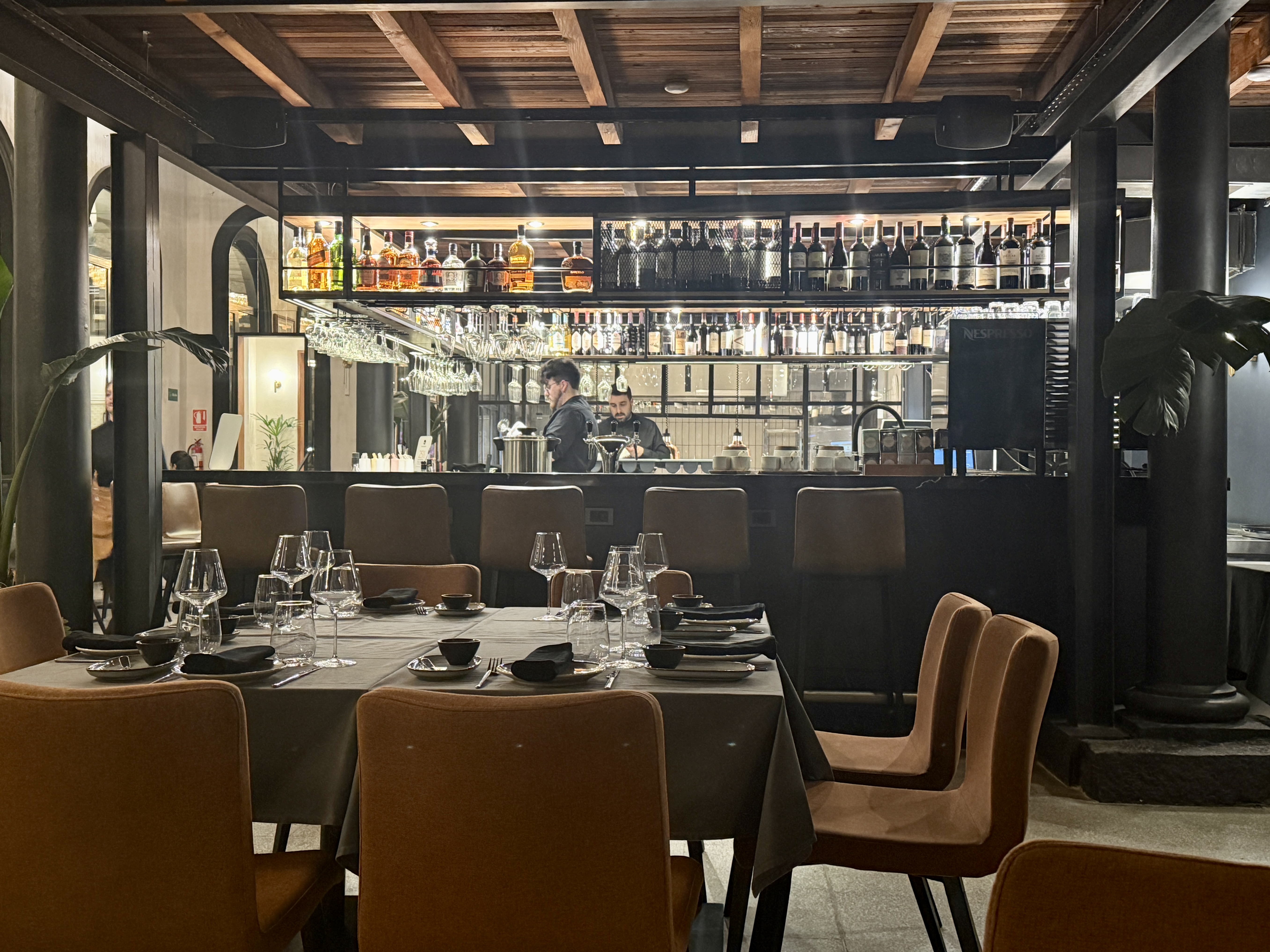
Lat night’s dinner at Quinquela showed us a side of the upscale Uruguay and where wealthy Montevideans (and visiting Argentinians) eat. Quinquela was quite good, although I think we should have ordered a different main course. We started with a shrimp crudo topped with caviar and some sea foam. We then shared a small pappardelle that had roasted shrimp sitting on top with some kind of spicy chestnuts and chopped carmelized nuts. It was great. Then we shared the short rib dish which was good, but not fantastic, although the waitress raved about it and said it was the signature dish. We ended with a simple flan which was quite yummy. The other desserts were just too over the top. The waitress then gave us a tour of the restaurant and some private spaces decorated with Uruguayan art. Apparently the owner is Argentinian and has big plans for not just this restaurant but another one that he is planning to open across the street.
Now…. it’s about 6:15 pm and we are on the coast (a short overnight trip with Peter and Jairo).. Greetings from Bahia Vik in Jose Ignacio on the Atlantic coast of Uruguay (more on that soon). I have about 30 minutes before we meet up with the guys so I thought I’d get a head start on today’s meanderings. Peter and Jairo are staying at another place about 5 minutes from us, but we opted for a bit more luxury.
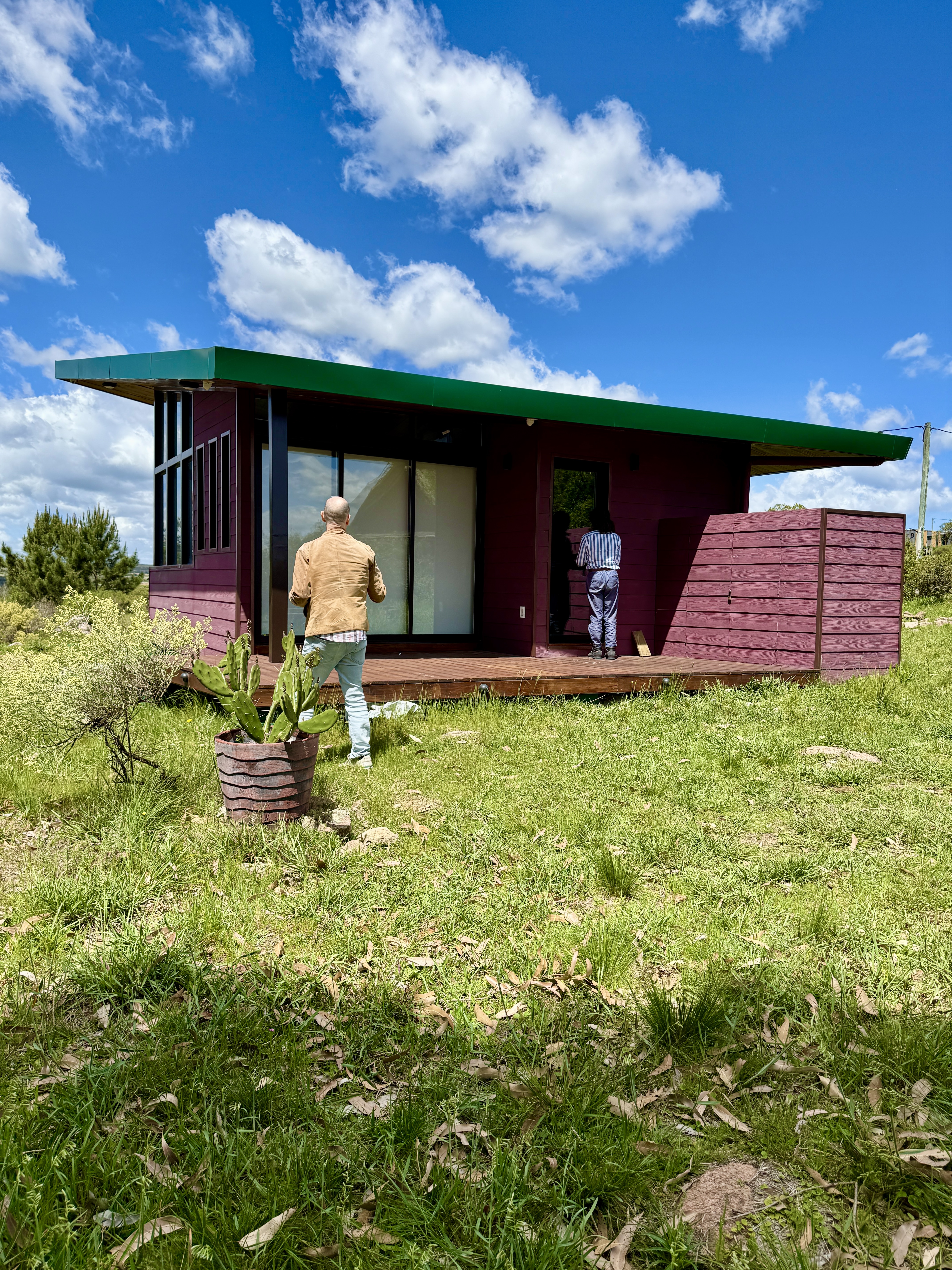
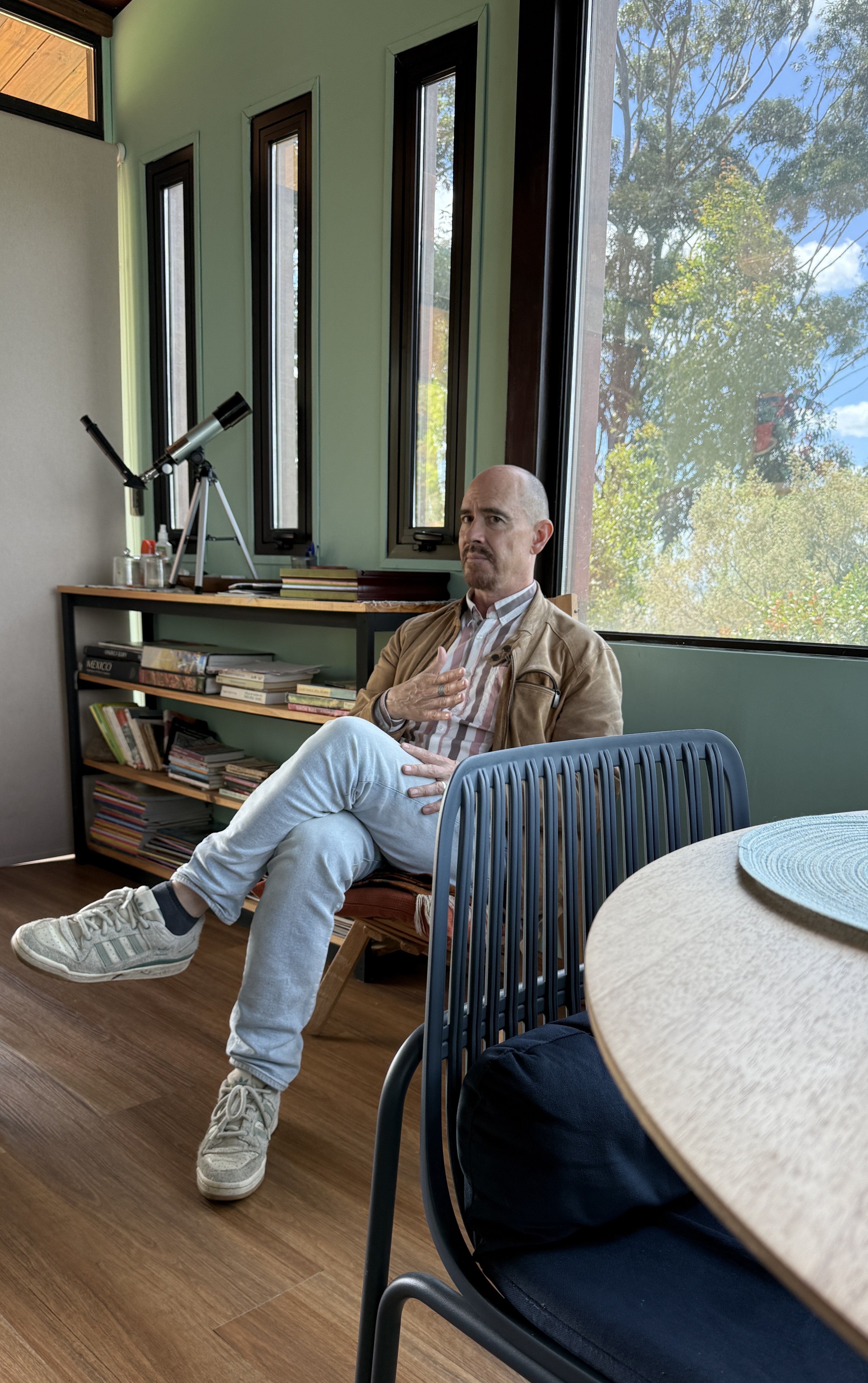
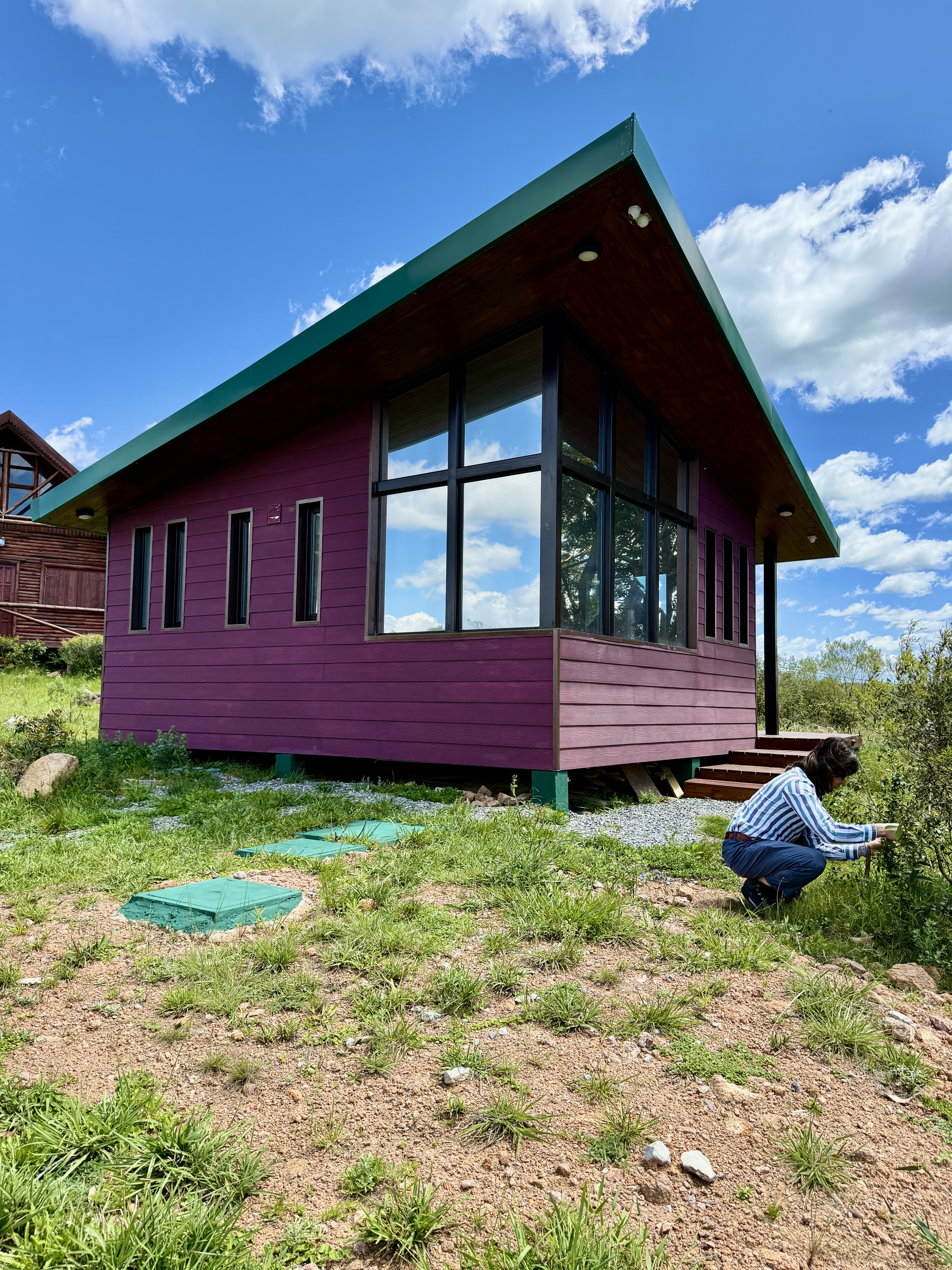
We left Montevideo at about 9 am with Peter driving in his Citroen. We set out for their cabin which is located in the “hilly” part of Uruguay, about two+ hours from Montevideo. Since the country is very flat, calling the area “hilly’ or “mountainous” is a bit of a stretch. It’s probably about 700′ above sea level. “Lower than the Berkeley hills” Peter said, comparing it to where he grew up. We took a pretty roundabout route so that Peter could show us several small towns and parts of his adopted country that he wanted to share. Eventually we arrived at the cabin which they use for weekends and also rent out from time to time. It’s quite charming and Peter worked really hard to encourage the architect to model it on some of the (vastly larger) ski houses his father designed throughout Tahoe. The house boasts a set of original drawings by Mike, which Peter framed and proudly displays on the bedroom wall! The drawings (simple line drawings) depict a series of changes that occur in a town–starting with a forest and then someone takes down trees and builds a gas station and some other facilities and soon a city emerges and the forest is gone; the little general store remains and in each section the protest signs change.. the city eventually disappears as a result of climate change and finally nature takes over and the growth covers the town. The little general store from the onset remains throughout and the last sign on the building is “Eco Resort!”

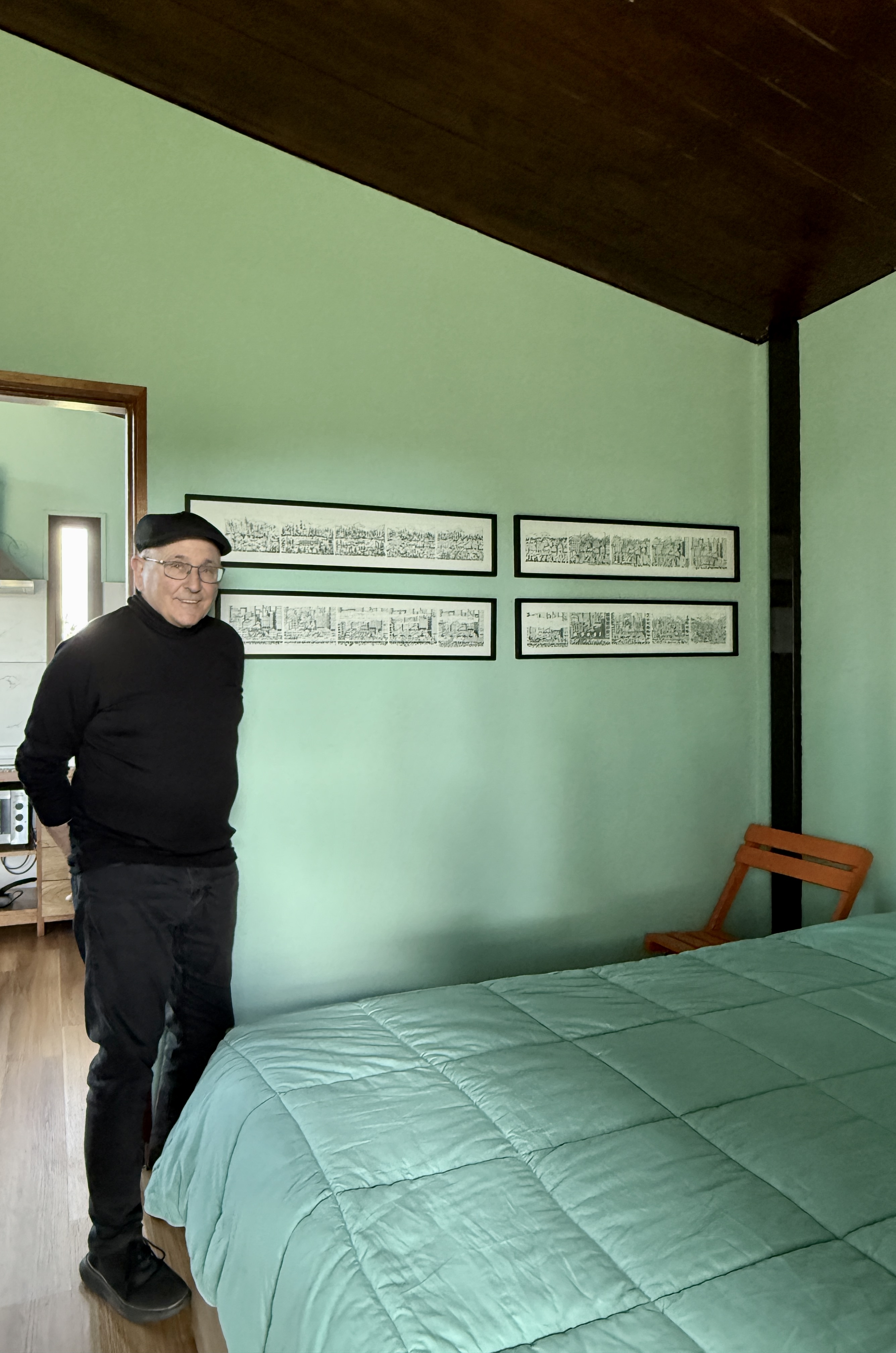
From the cabin we went to a sweet simple restaurant for lunch, and then we drove through numerous little towns and villages as we meandered our way to the ocean.
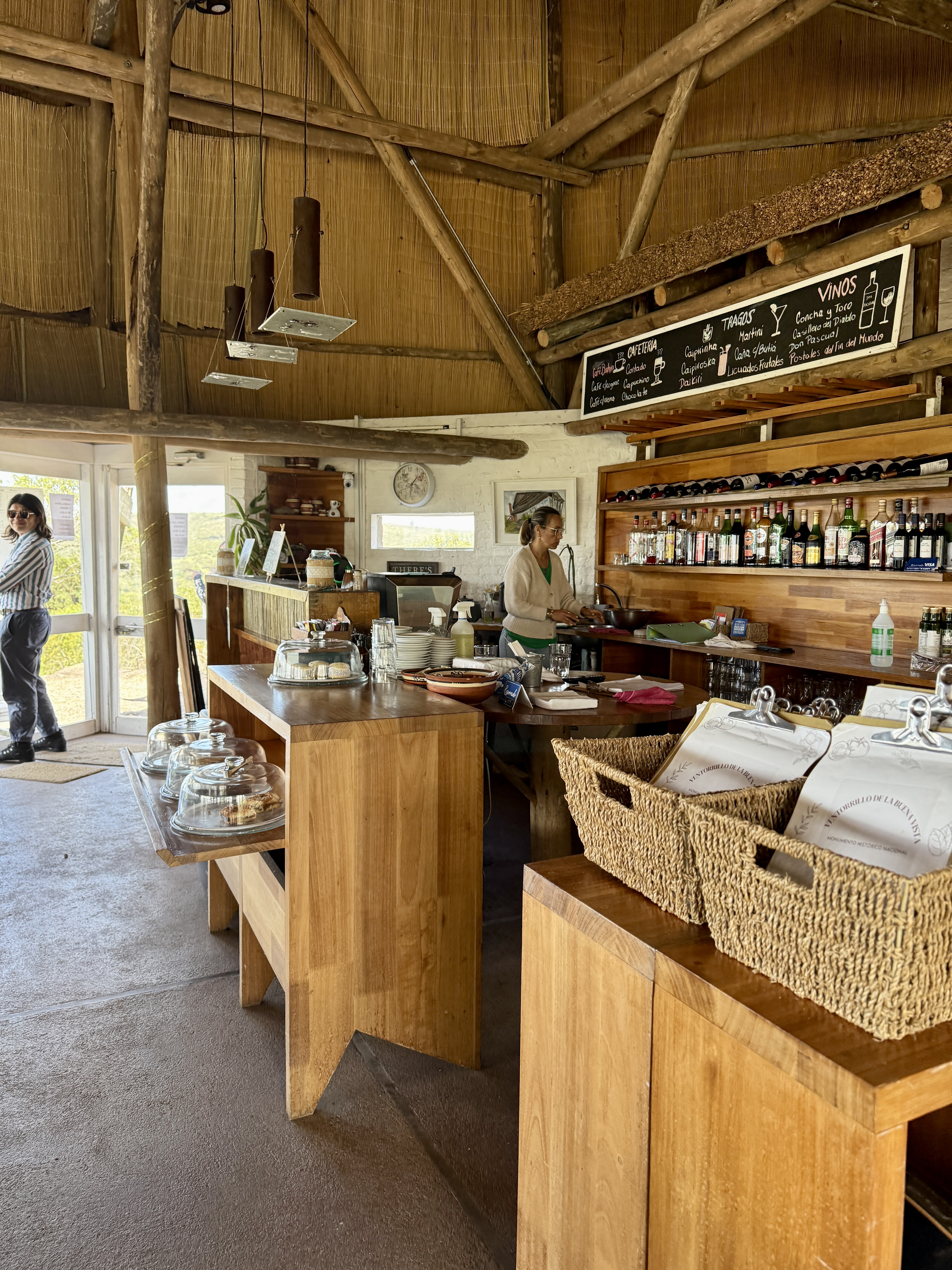
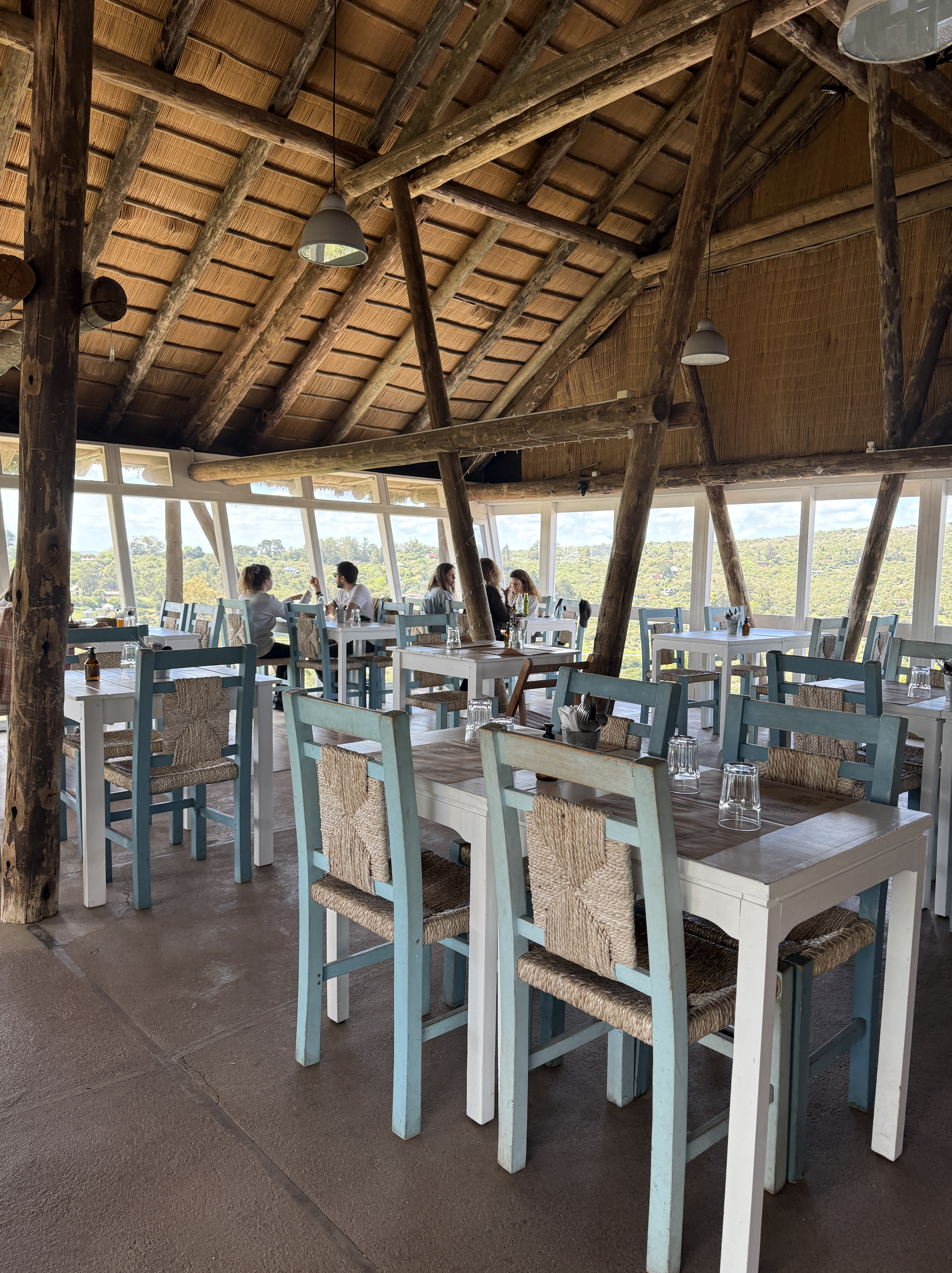
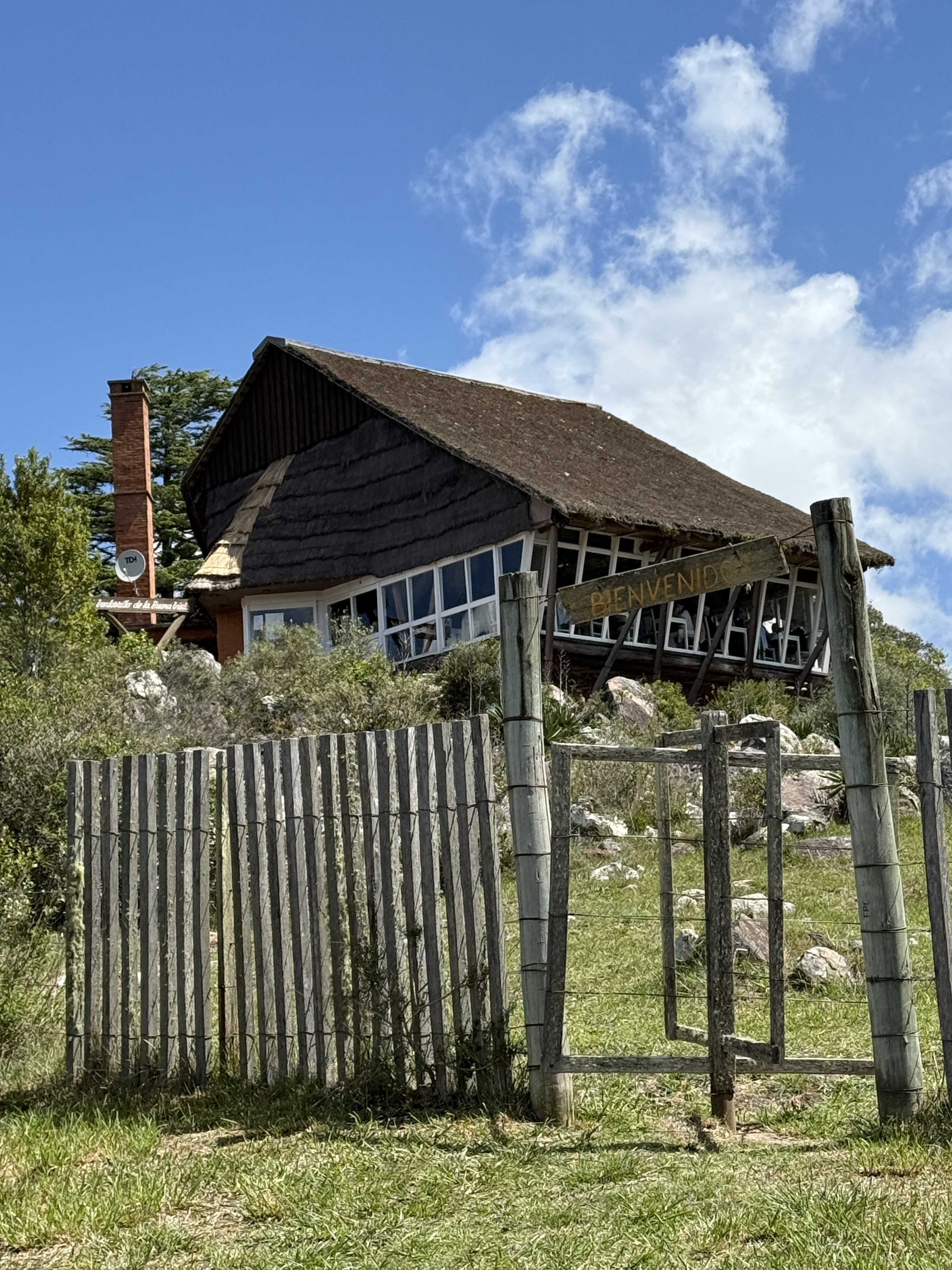
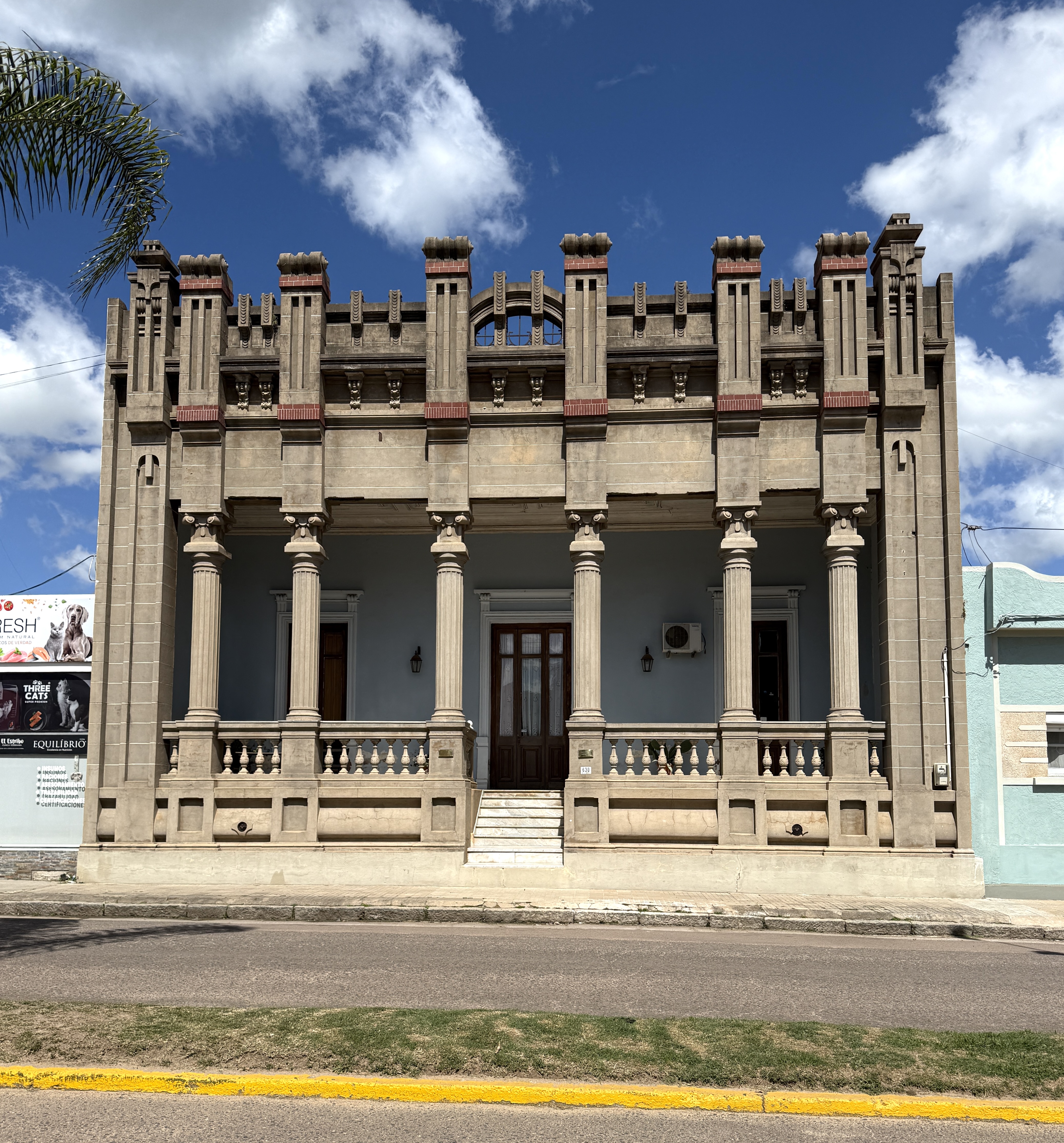
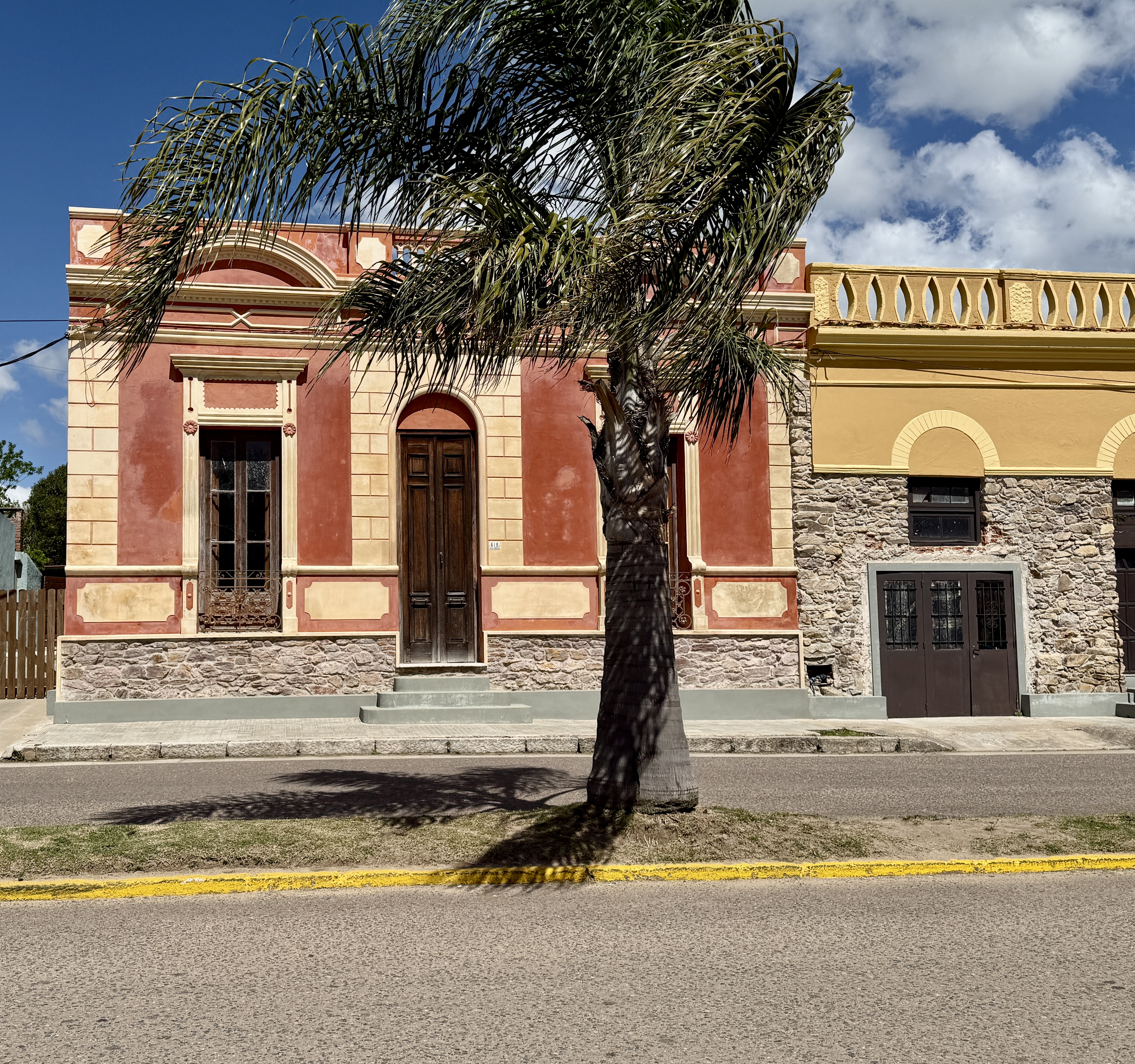
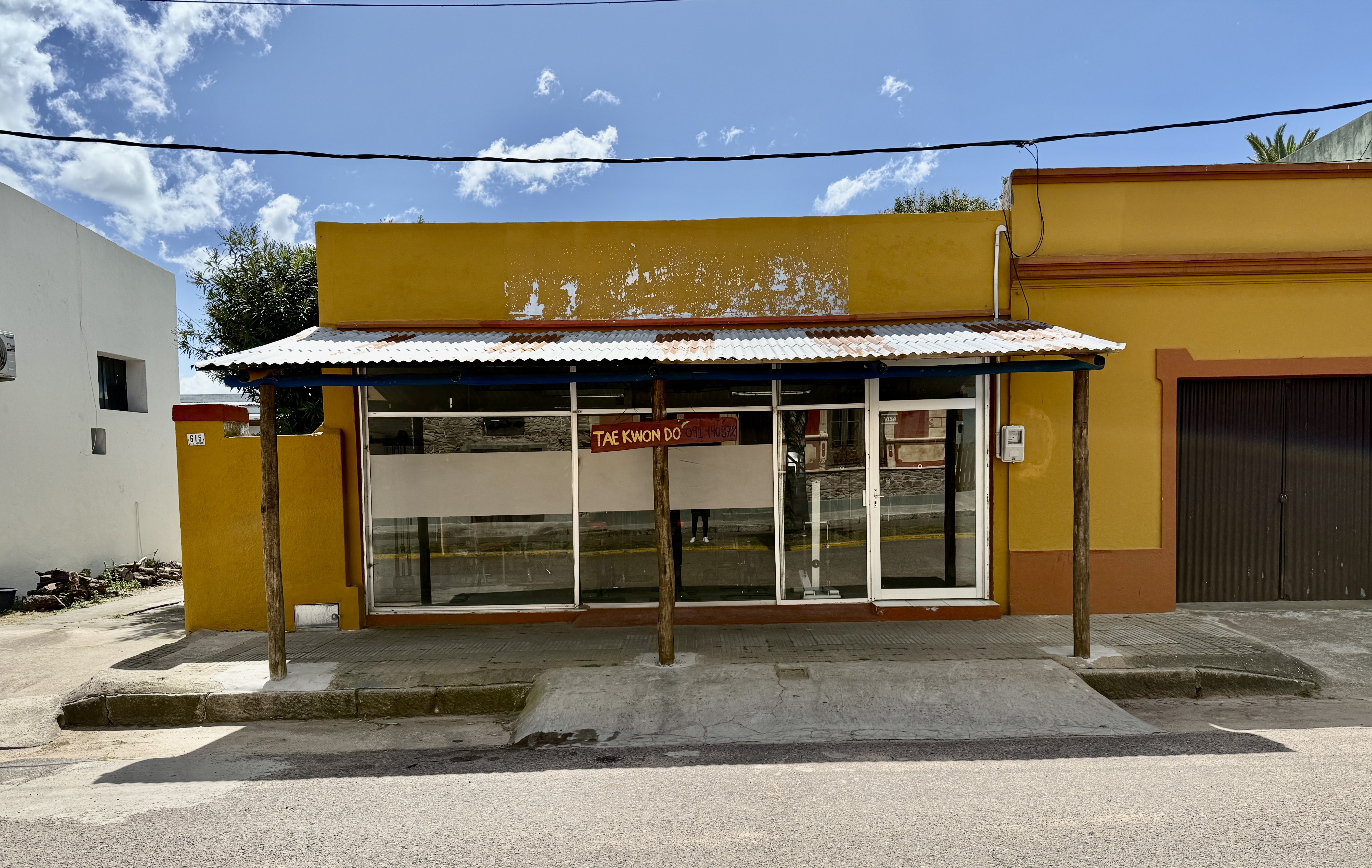
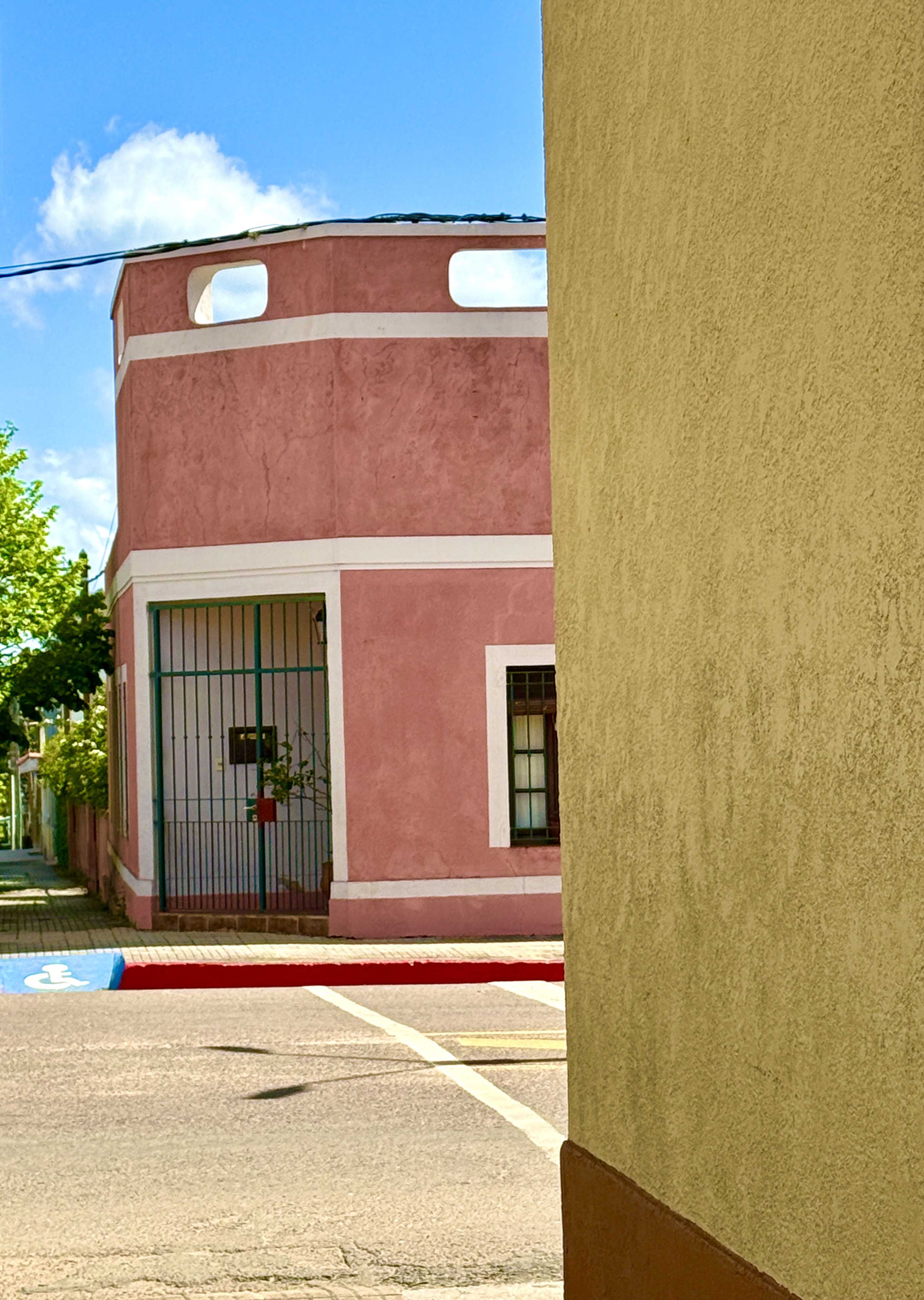
Then we headed to the Atchugarry Museum of Contemporary Art which is the largest museum in the country. It’s located in the resort town of Punta del Este. It’s a huge complex with sprawling outdoor spaces surrounding a giant exhibit building with a permanent collection (donated by the Uruguayan artist , Atchugarry for whom the museum is named). It’s my understanding that Atchugarry also put up the majority of the funds for the entire project. The museum is both a showcase of his work and the work of other Uruguayan artists, but it also has works by artists throughout Latin America and a small collection that includes contemporary art from around the world.
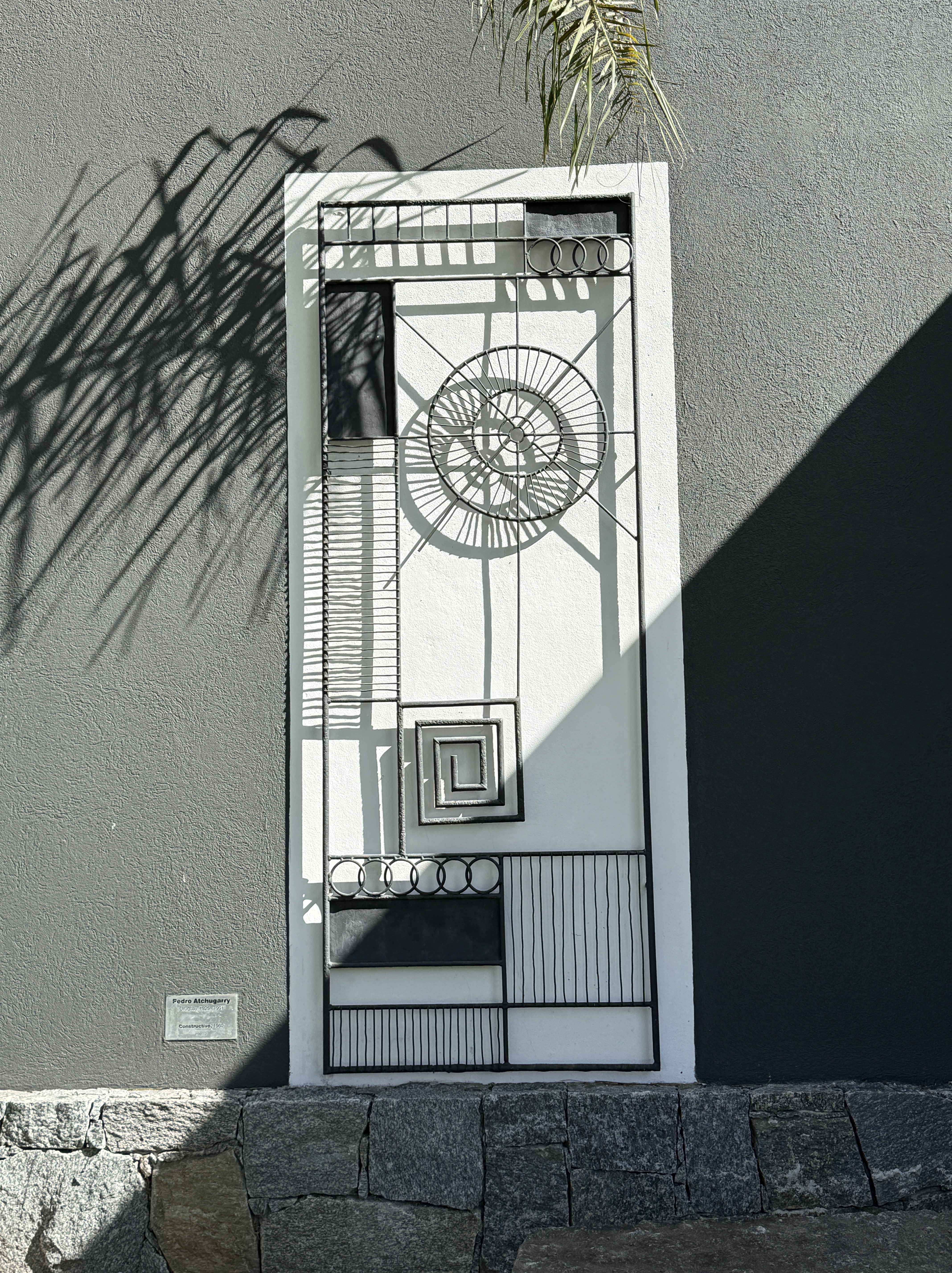


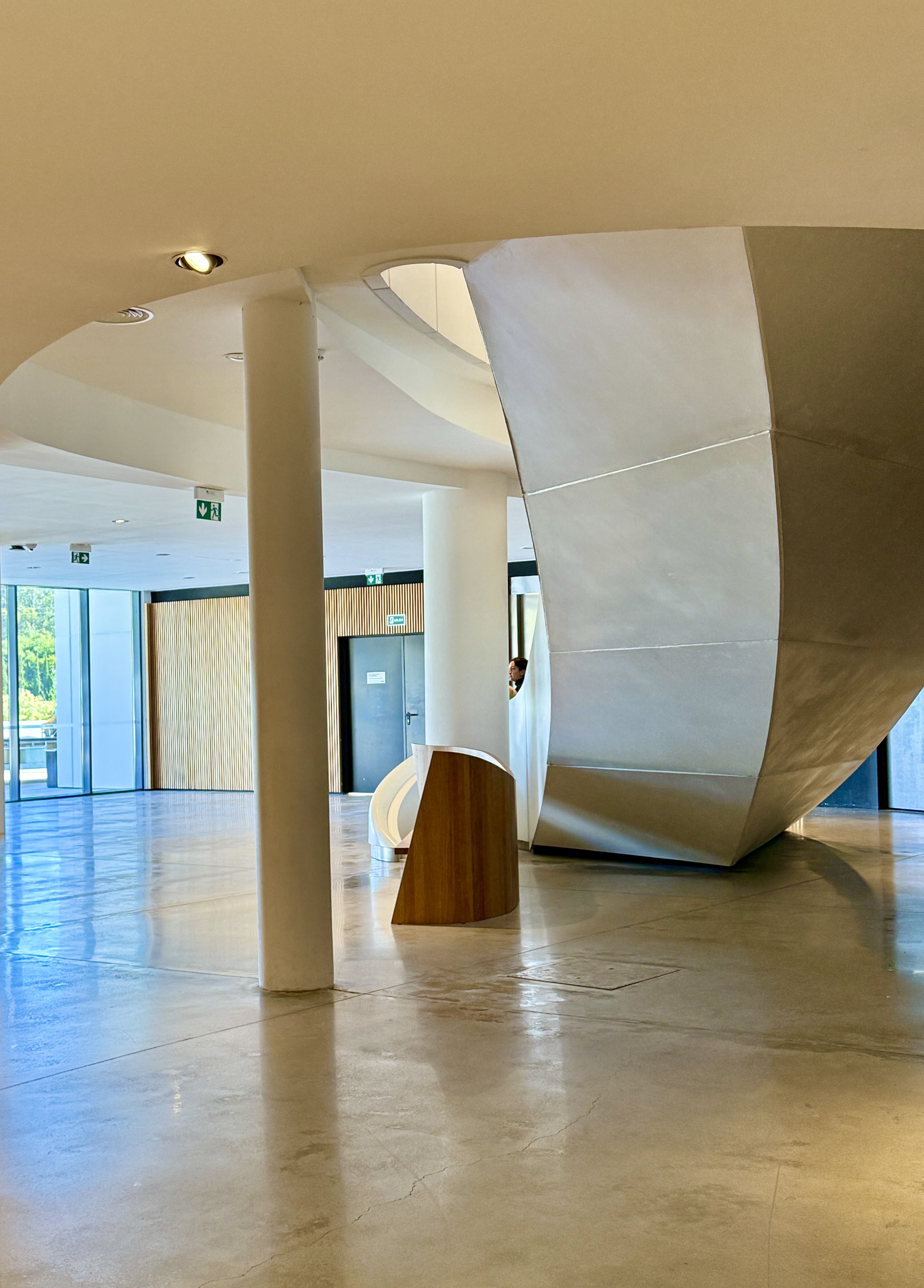
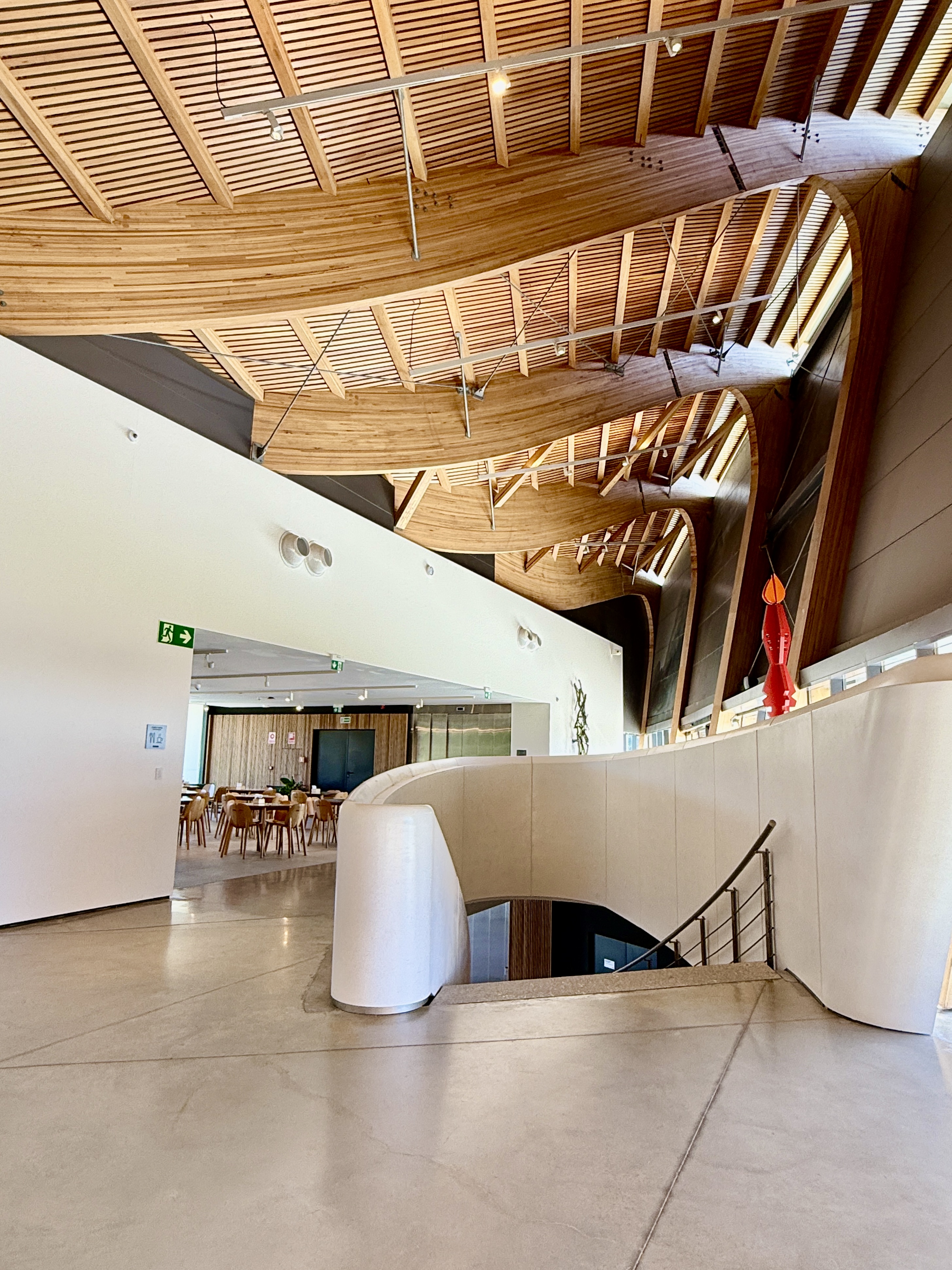
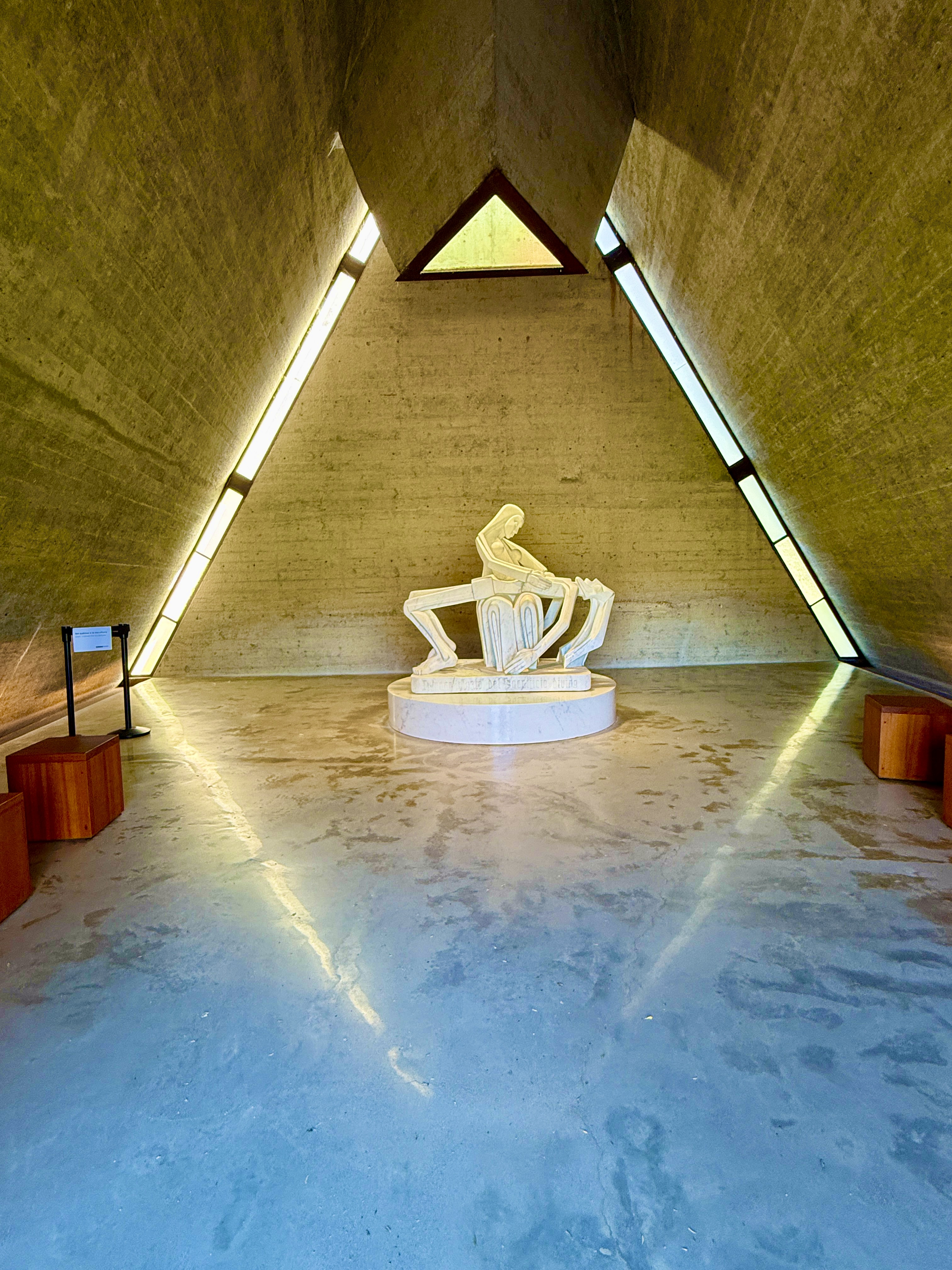
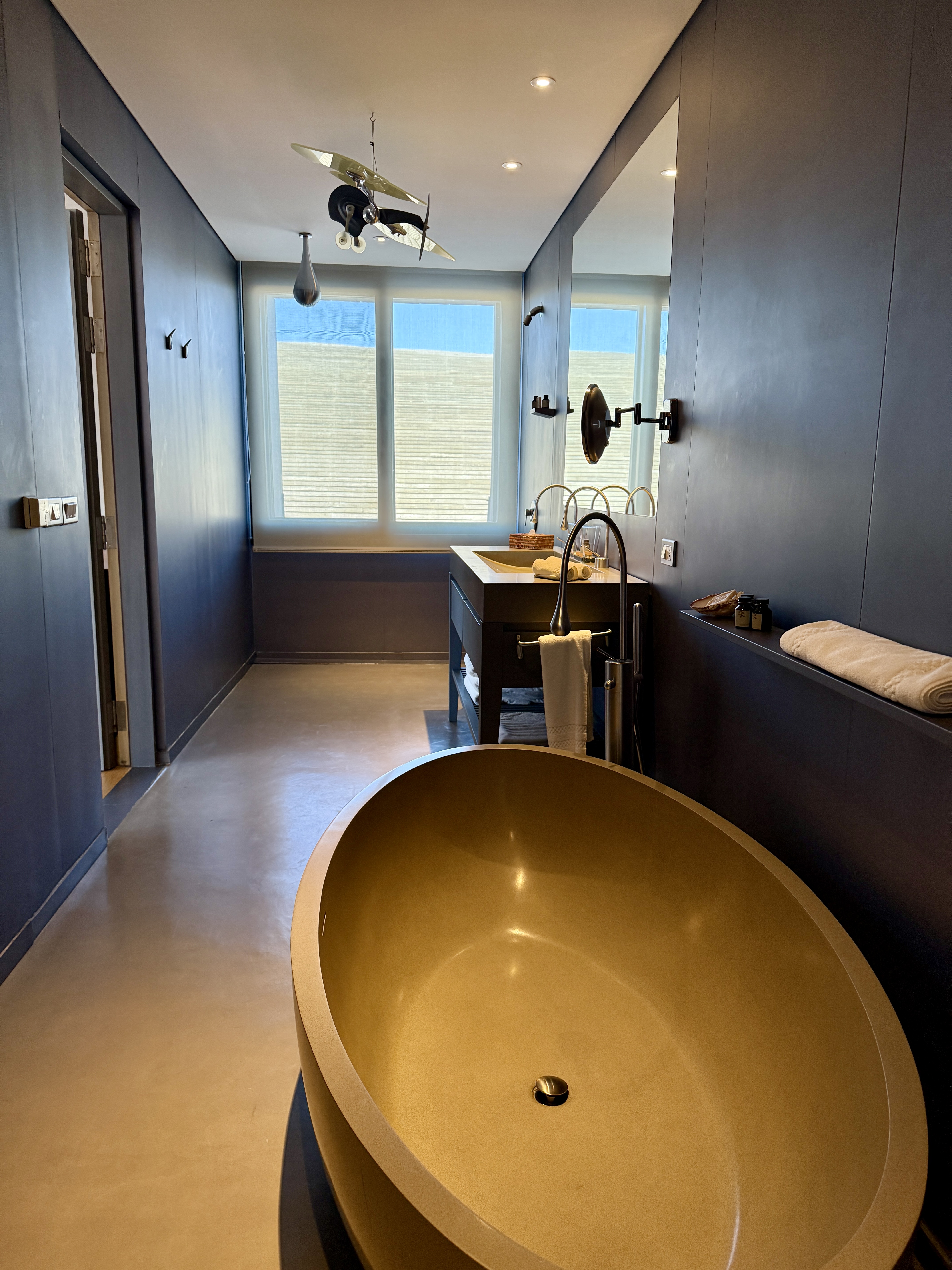
From the museum we headed to the town of Jose Ignacio—a fishing village turned into a resort area that is attracting wealthy visitors and even celebrities to its beaches, surfing, and yoga. After settling into our huge room with huge bathroom, we met Peter and Jairo and headed to Parador Huella for dinner,… after a quick spin to the “round bridge” designed by Rafael Vinoly. At the restaurant, Mike decided that it would be good to order a hot toddy (hot water, scotch, and honey—to help ease his lingering sore throat. He ordered one yesterday at Cafe Brasilero — agua caliente con “scotch” con miel— it was great and cost $5.00. Somehow here they asked what kind of scotch and theyt suggested Johnie Walker “azul” and Mike said “fine.” When we got the bill his simple hot toddy was $100. I guess Johnnie Walker Blue is a pretty special brand. And then we ate and I’m now back at the hotel….totally beat.

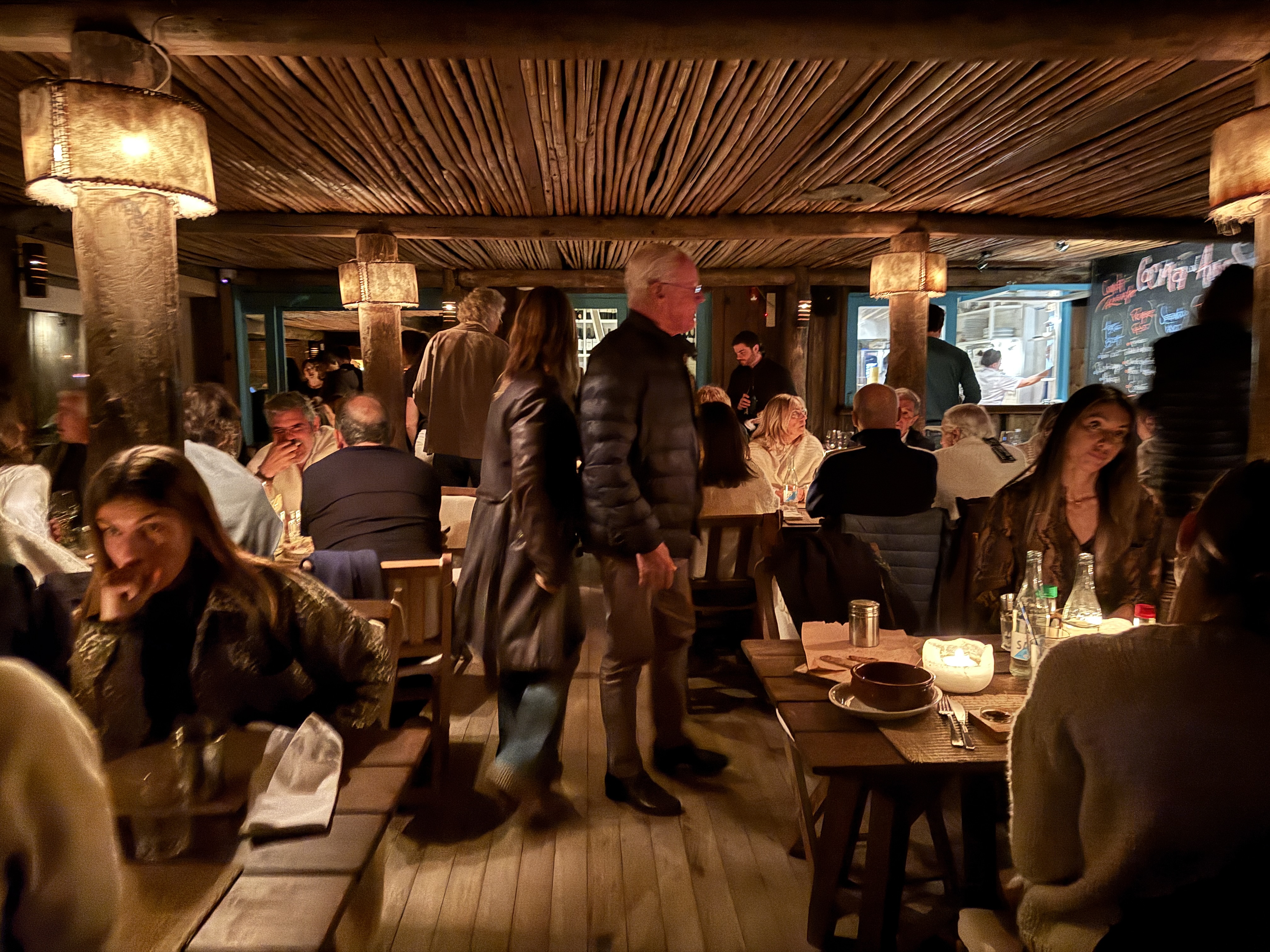

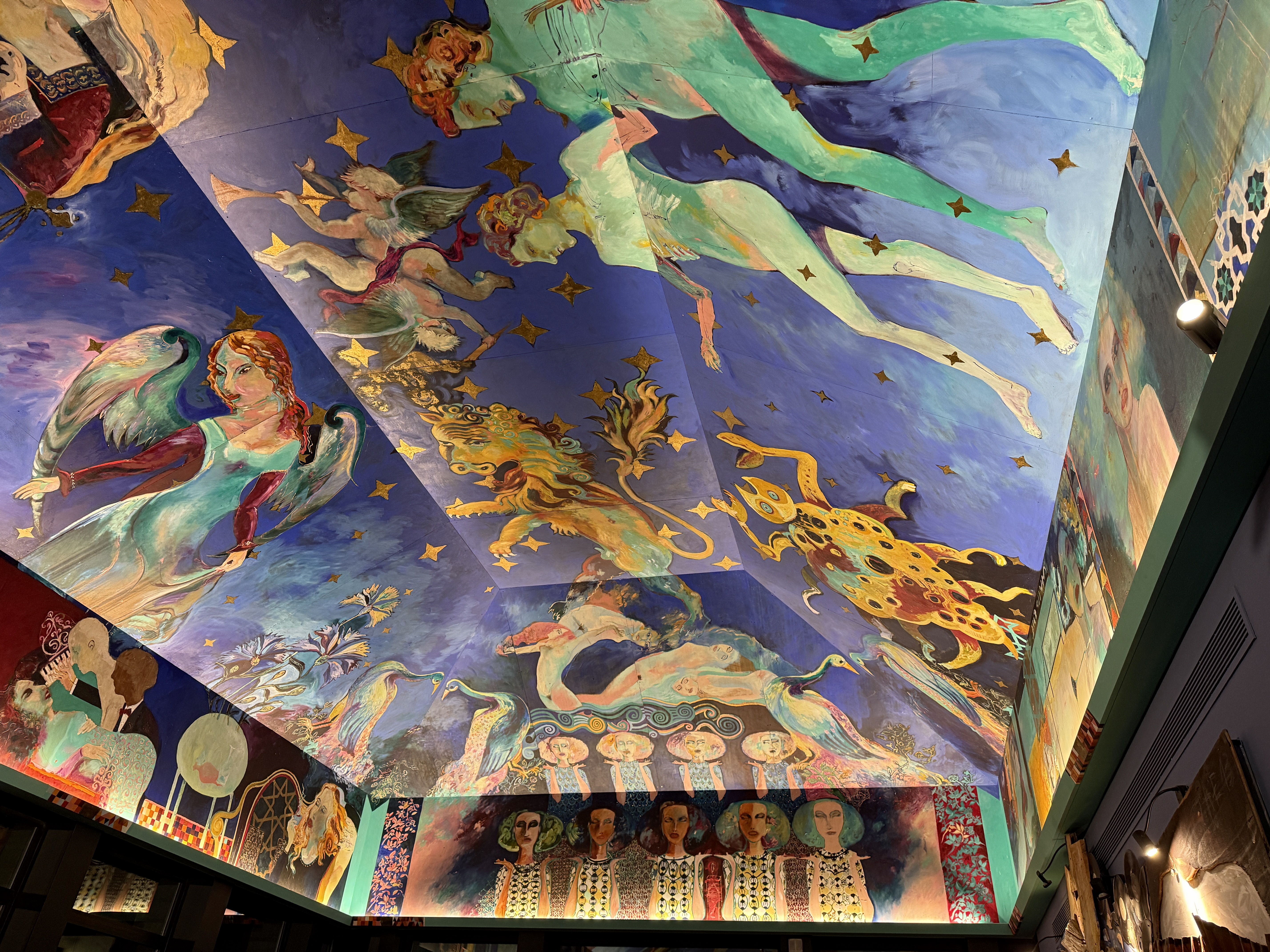
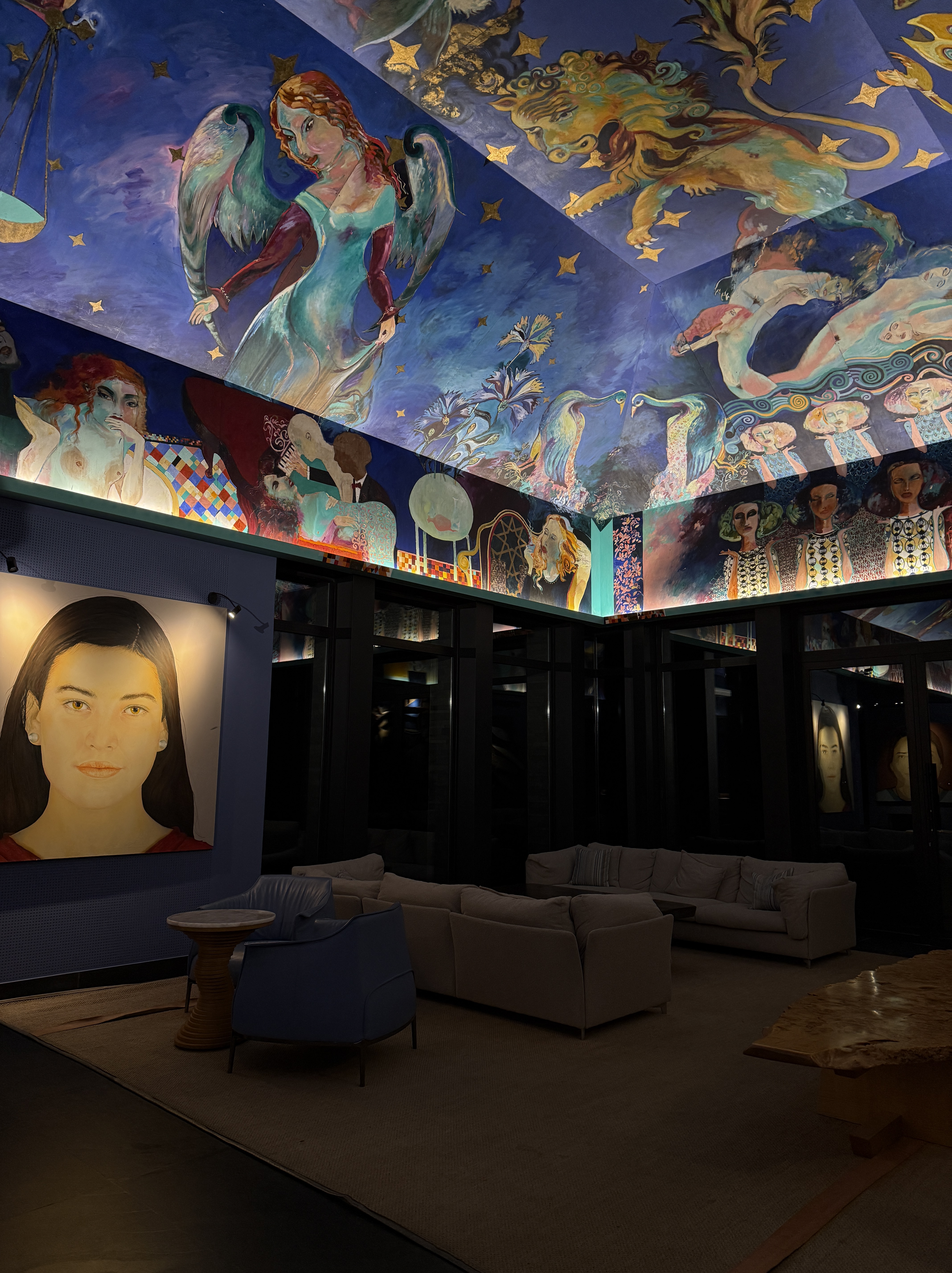
One thing I keep forgetting to mention—-all across Uruguay, you hear 1970s and 1980s Americn music… sometimes the 60s. It’s sort of funny, and makes you feel like you’ve been here before!
More tomorrow. Hasta Luega.
October 17 . 2025 . Americans in Montevideo, Uruguay . Day Two .
Greetings from Montevideo / Day Two.
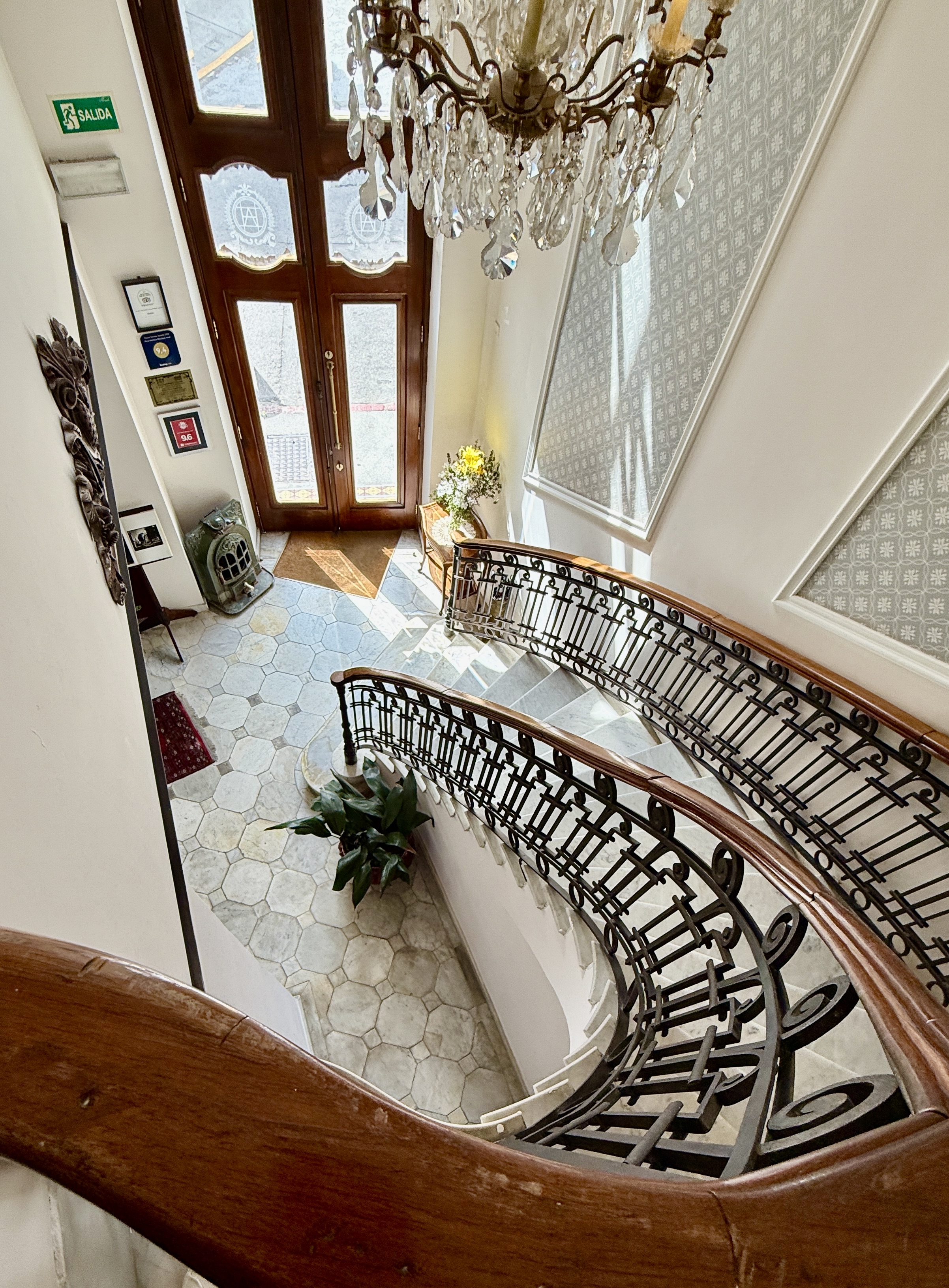
After a really nice breakfast at our hotel: Alma Historico–a restored 1920s townhouse, located in the old center of the city–we set out on foot to explore Montevideo, starting by exploring our neighborhood. Ciudad Vieja (Old Town) is on a peninsula that separates Río de la Plata from the harbor. The area is set up as a grid like many Spanish cities in the “new world.” Before 1829, the area was walled, but only one of those gates remains. Over the years the area became run down and known as home to “bohemians,” artists, poets, and what I suppose we now know as “the creative class. It’s also home to most of the city’s most famous historic buildings–including many stunning art nouveau buildings from the late 1800s and early 1900s.
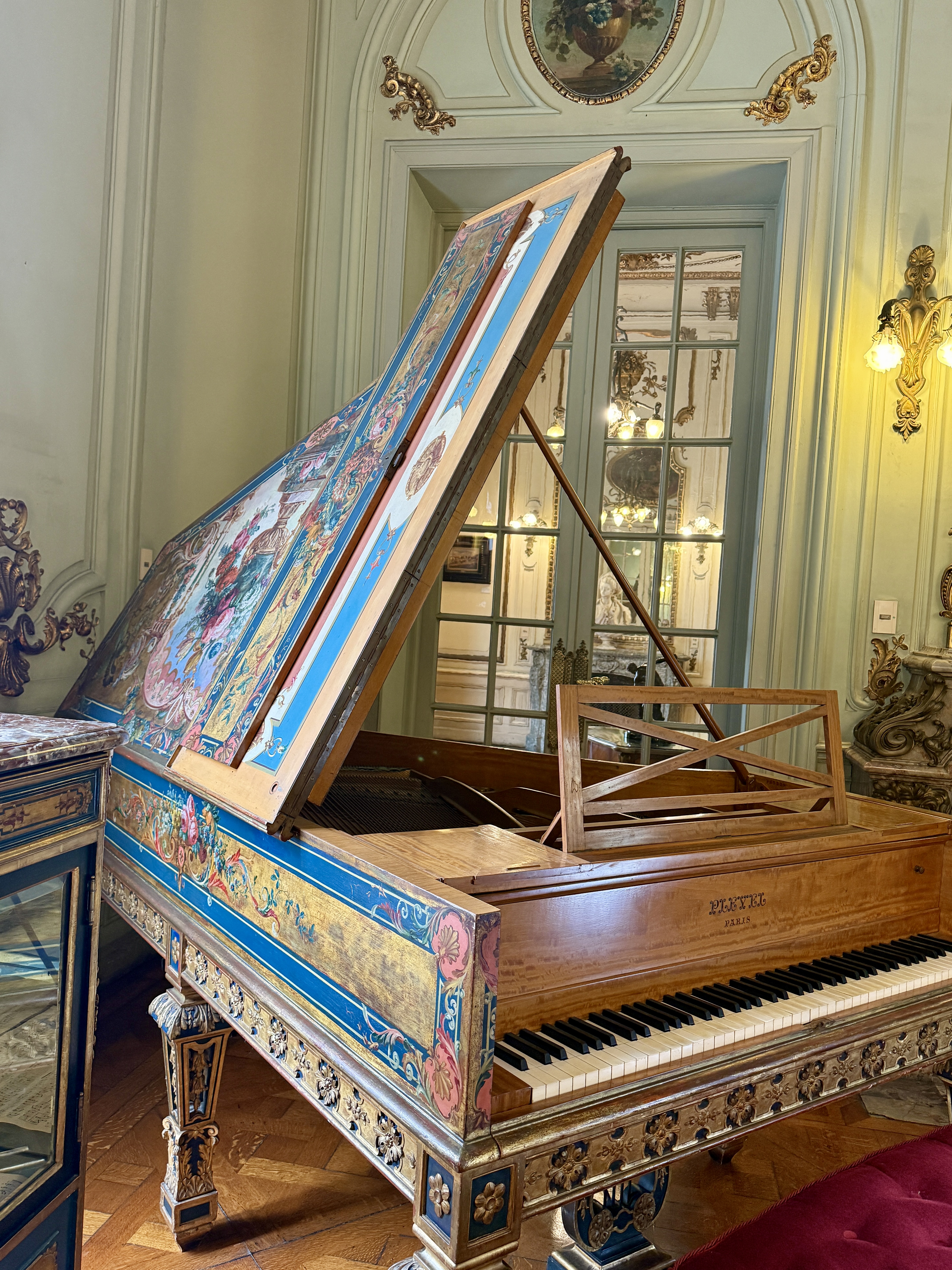
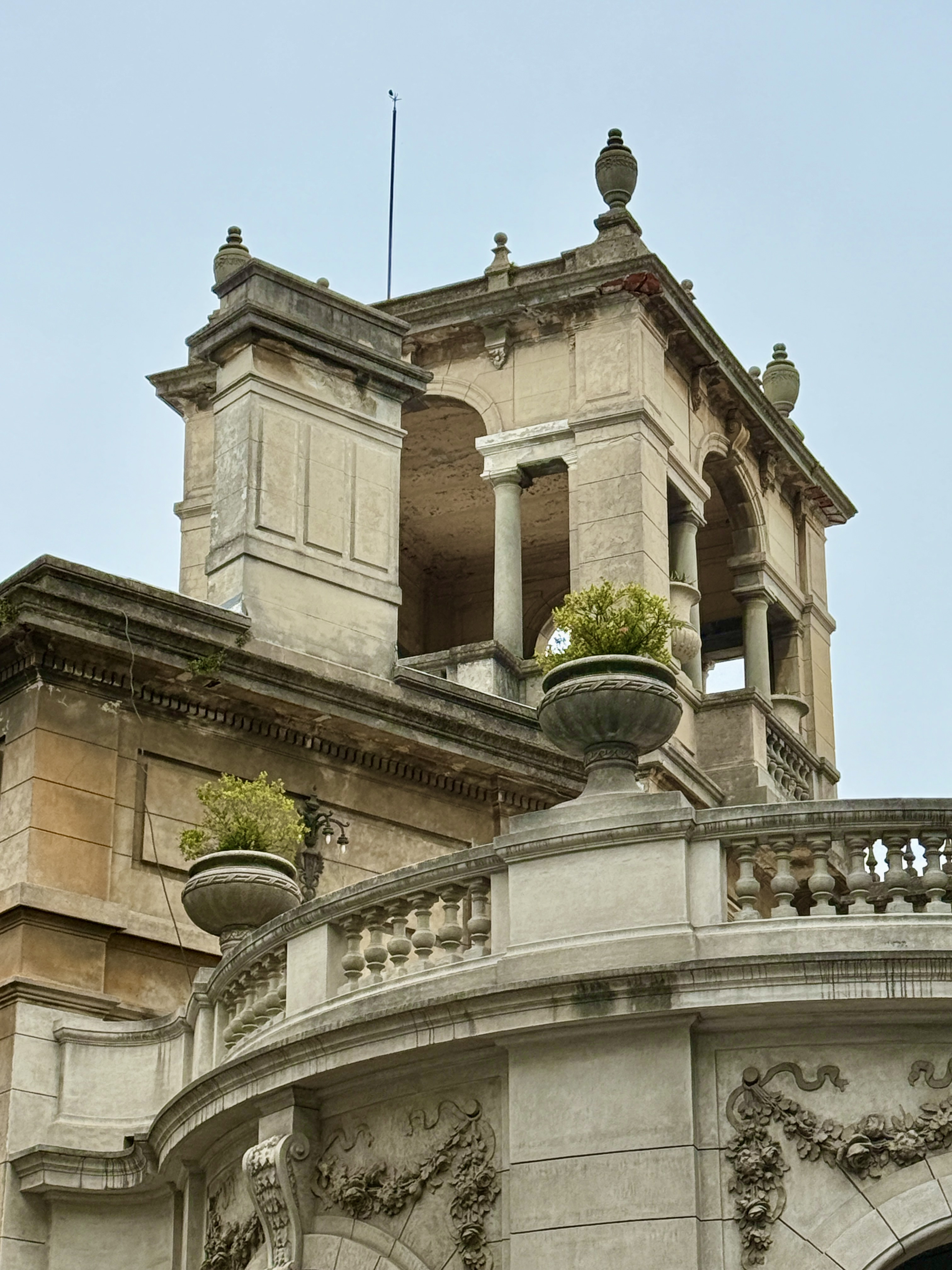
Directly across from our hotel is the Palacio Taranco, which was constructed on the site of Montevideo’s historic theatre from 1793, when a wealthy family commissioned the construction of their “family home!” It became a museum, focused on decorative arts in 1975 and like most museums here entry is free of charge. Inside it’s a bit like the Frick Museum in NY, giving a glimpse of the lives of the wealthy at that time, and includes many paintings, sculptures, textiles, and European furniture. (Not exactly my taste.)
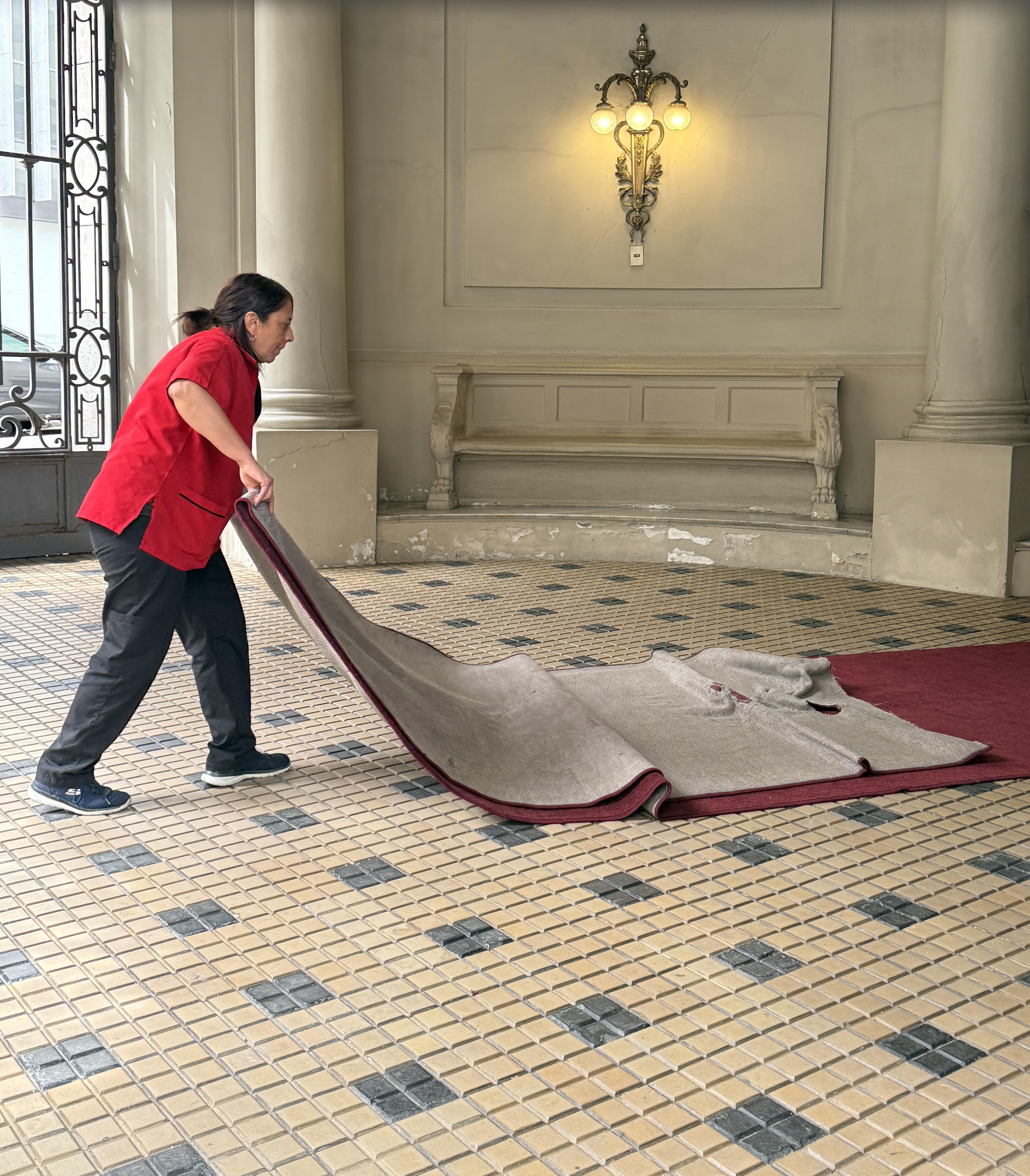

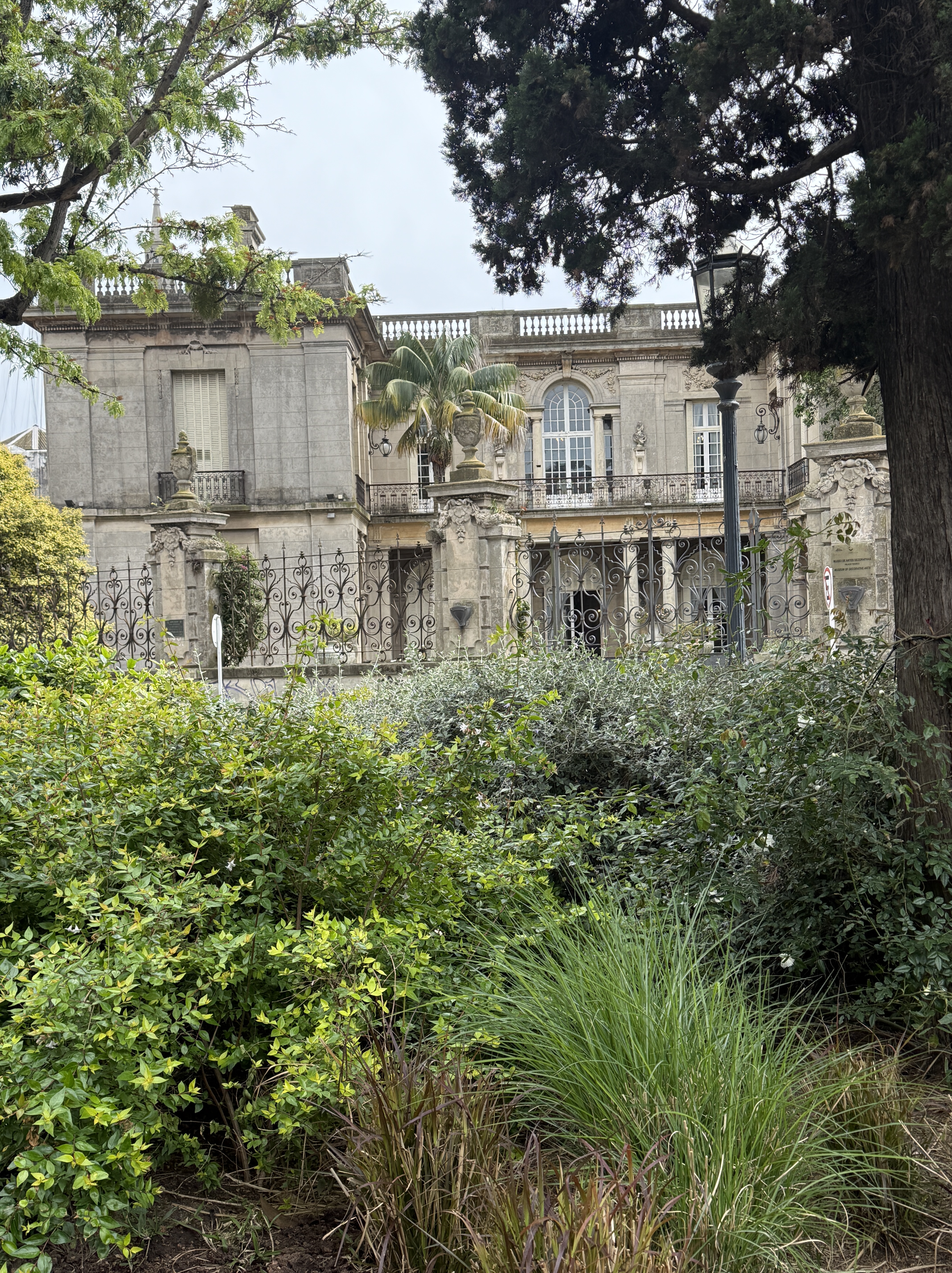
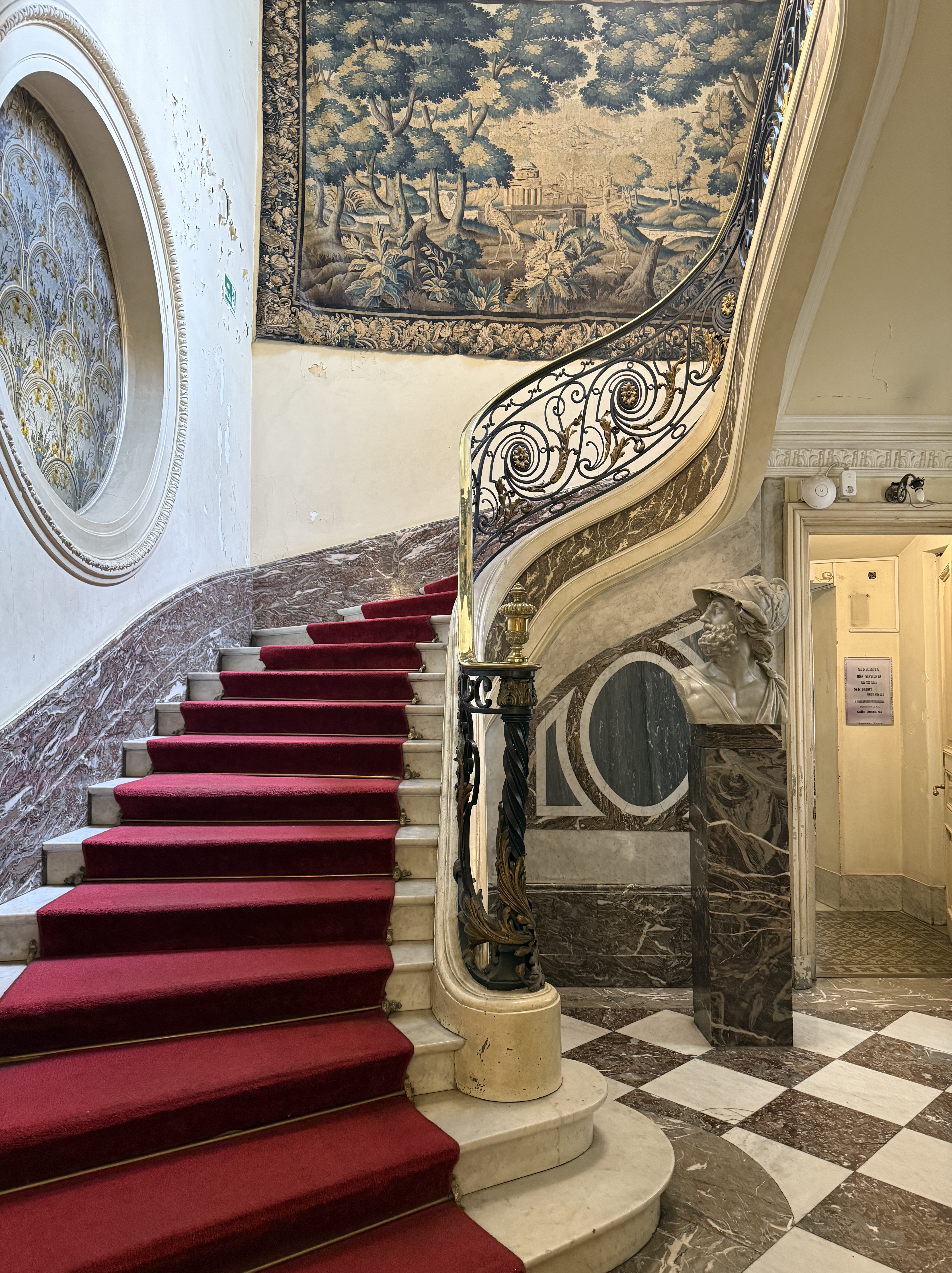

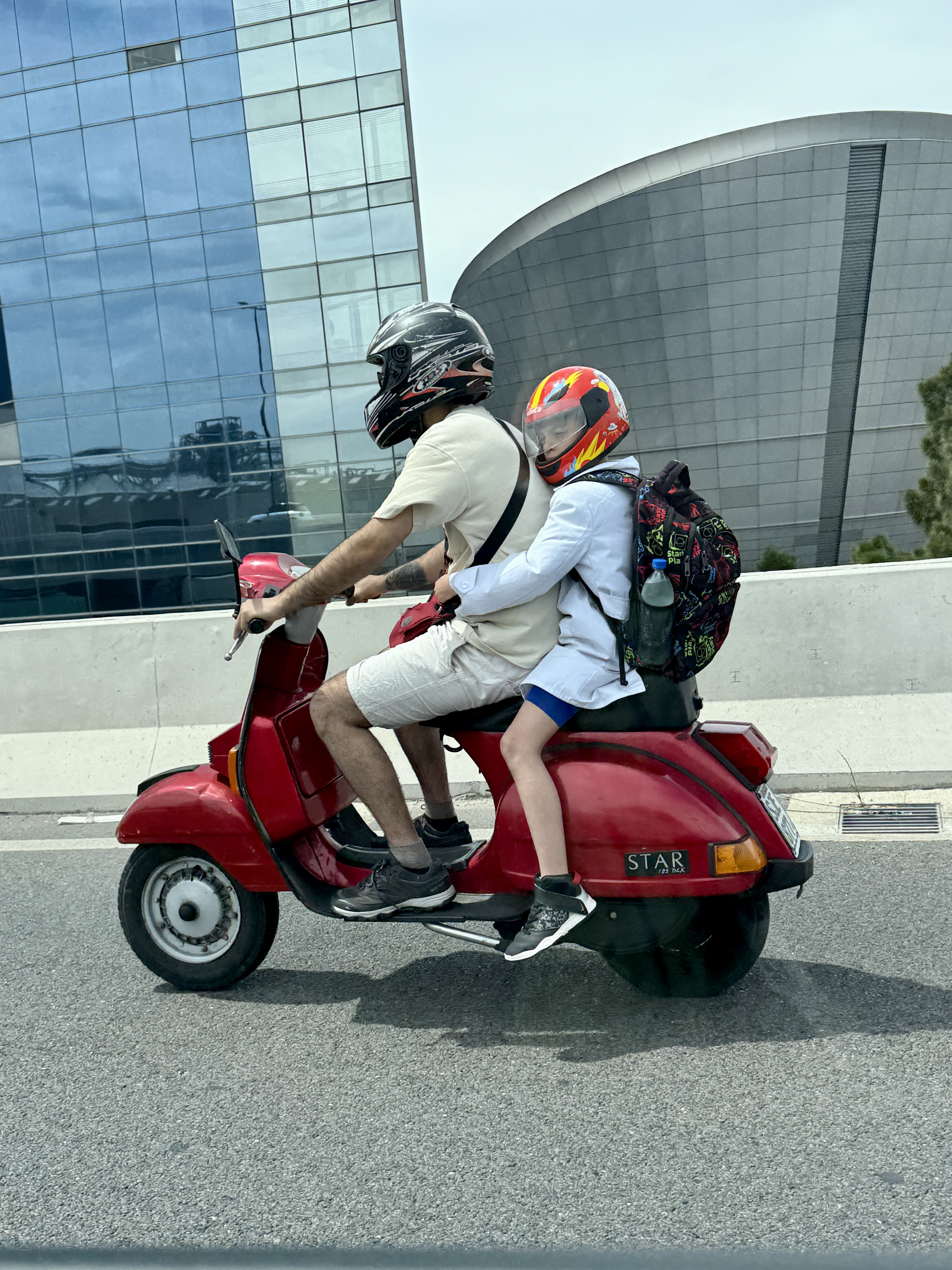
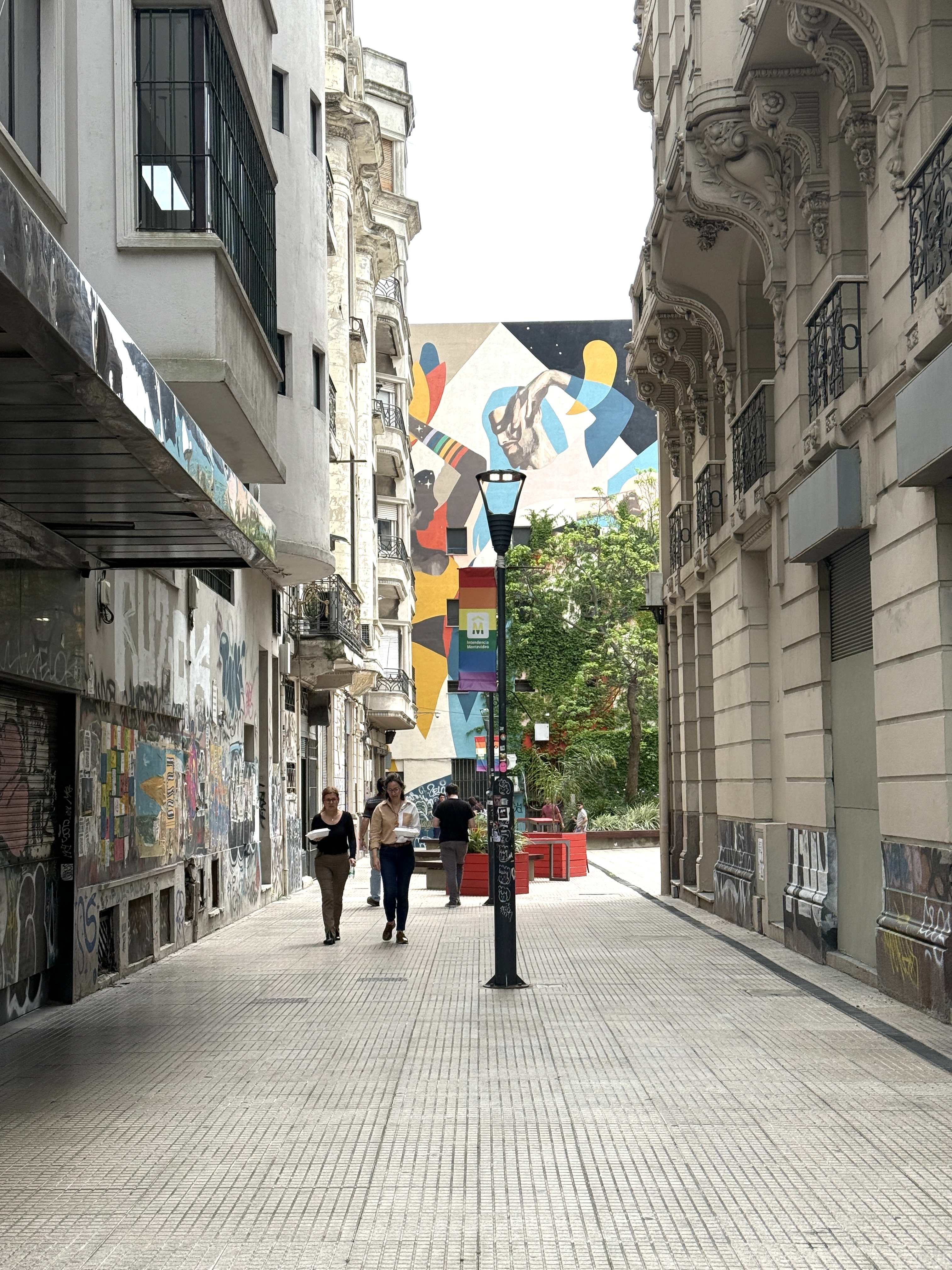
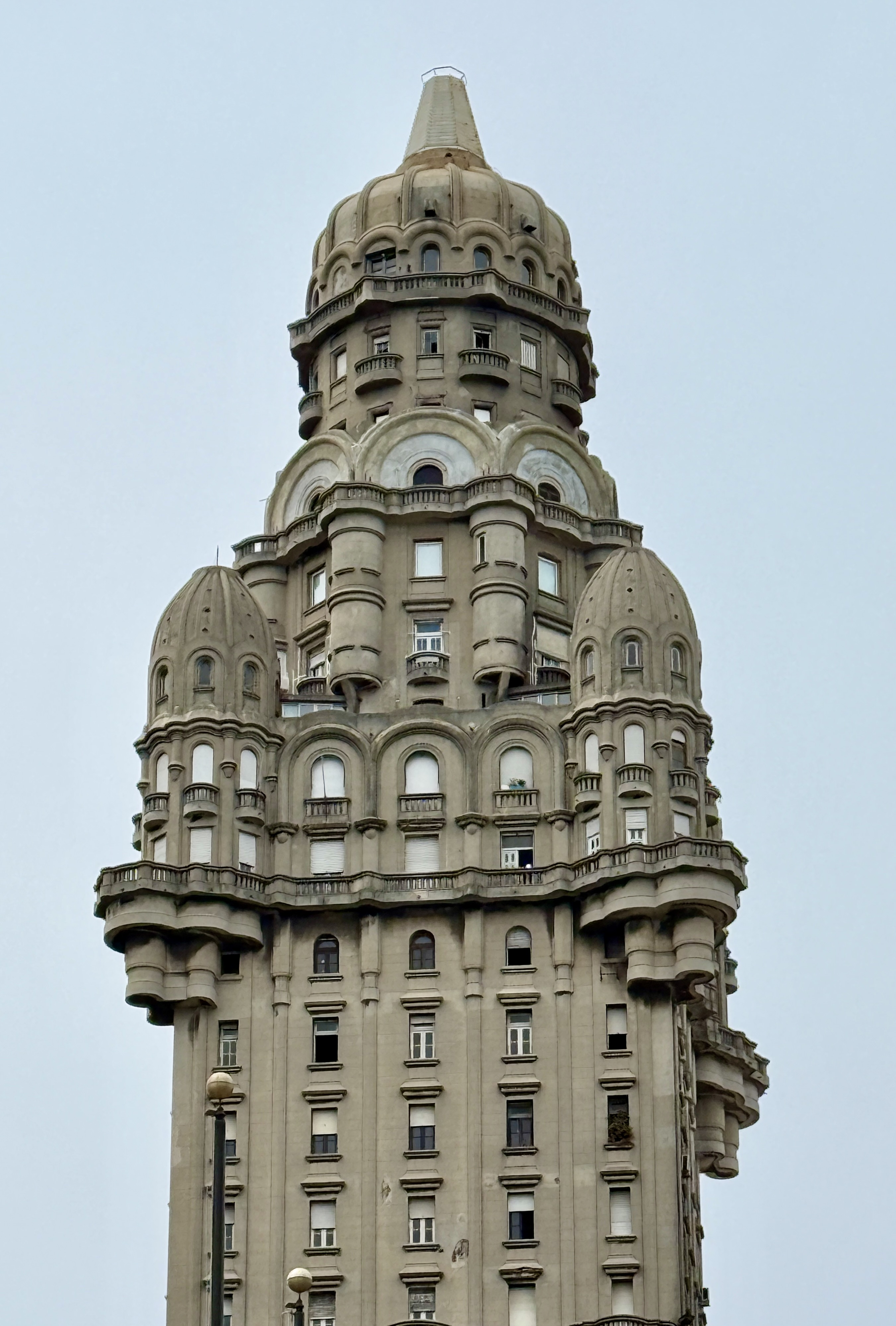
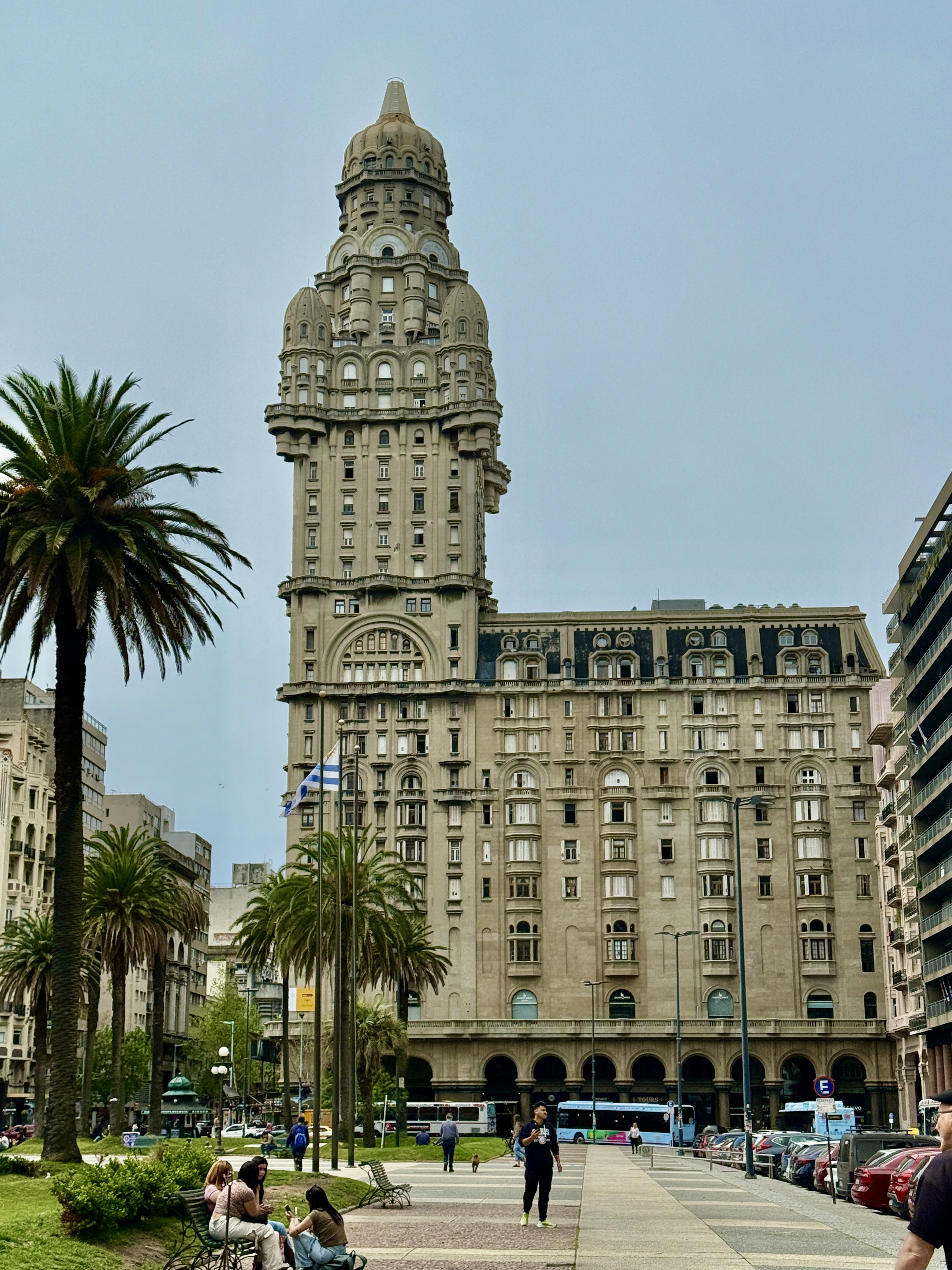
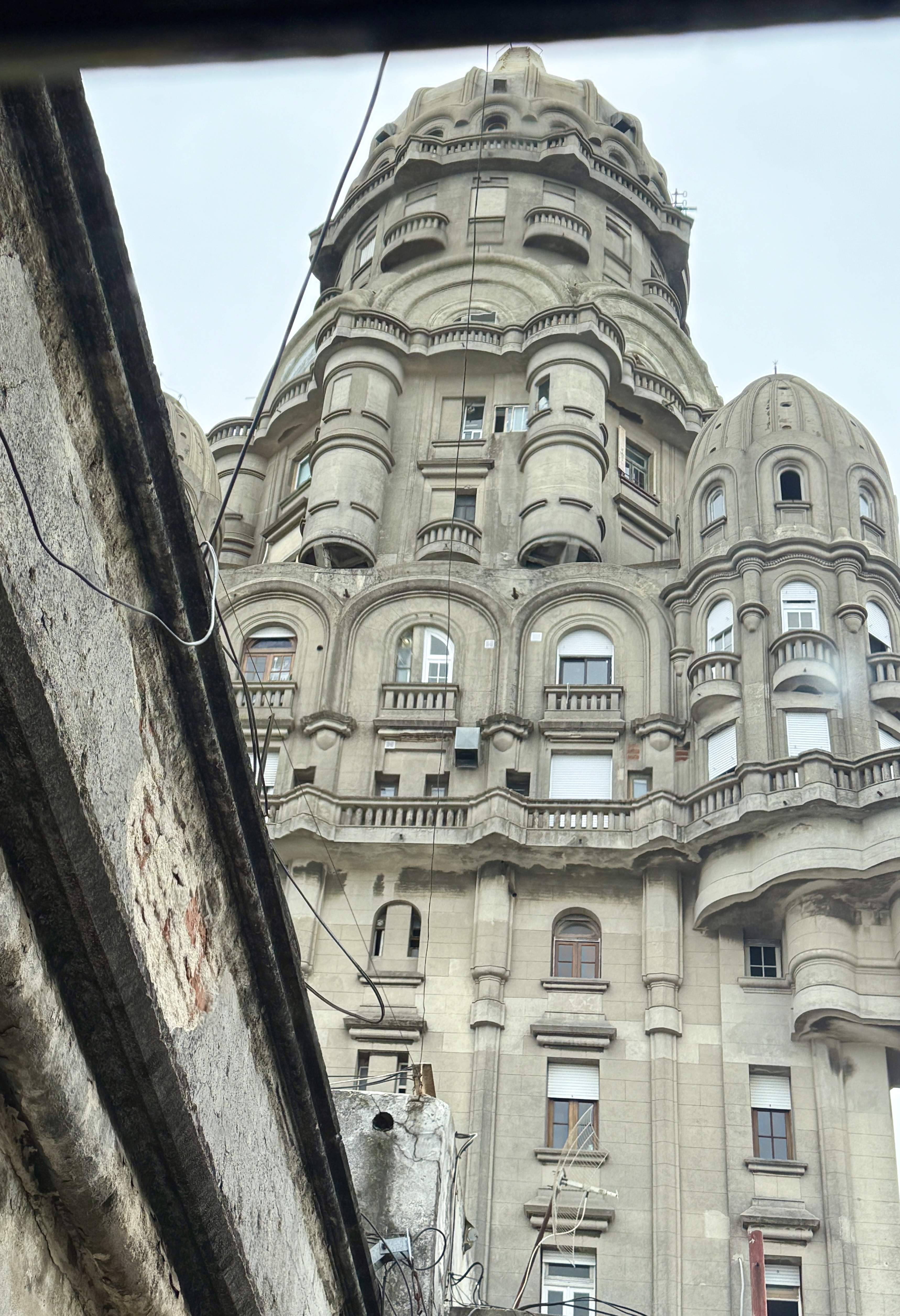
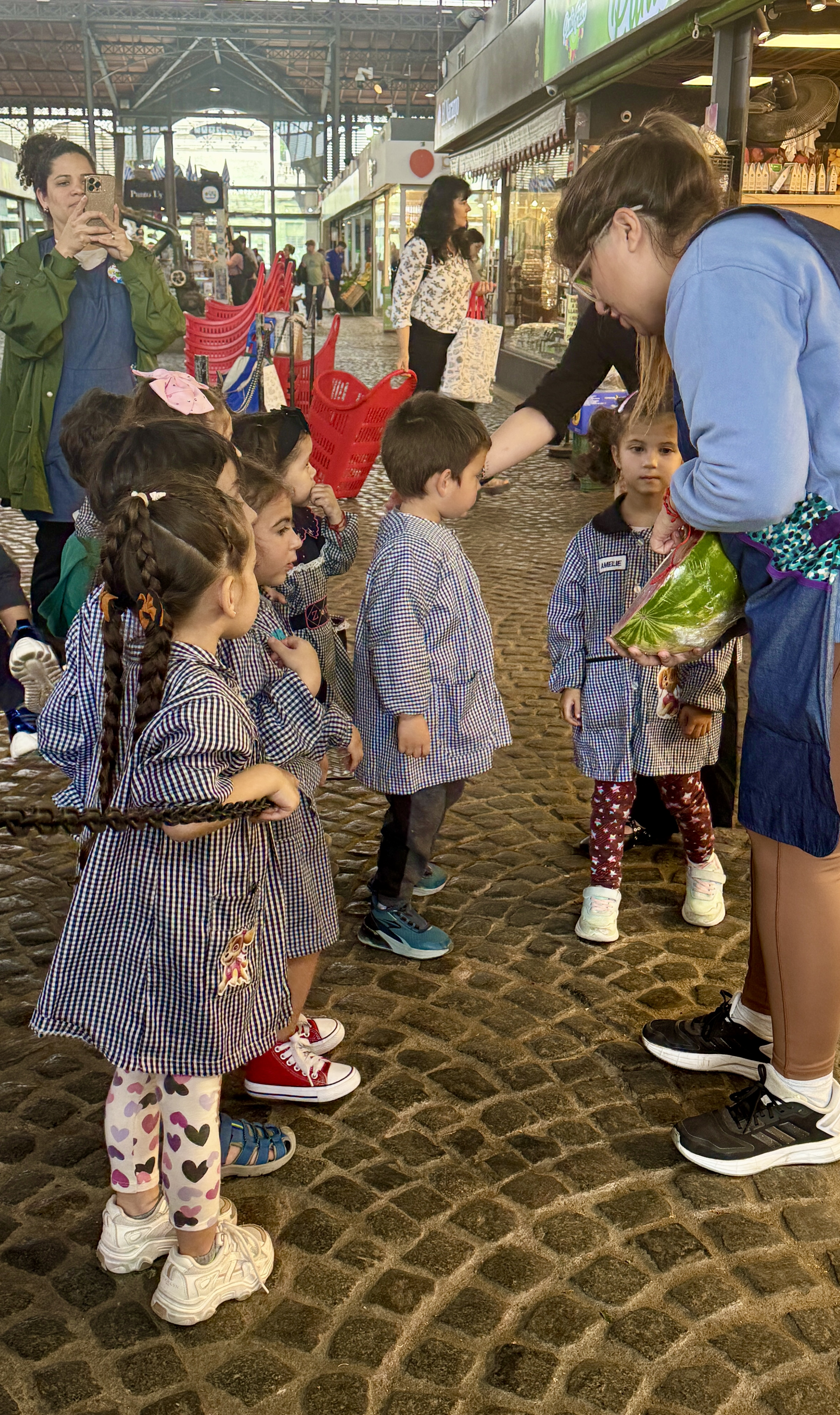
From there, we strolled to the Palacio Salvo —a pretty eclectic 27-story skyscraper built in the late 1920s–walking thorugh several parks and shopping streets (and stopping at the Teatro Solis, which was closed, although school children were getting tours). Public school kids wear these “tunics” on top of their clothes when they go on field trips. The middle school kids seem to wear white coats that look like lab coats and the little kids wear gingham checked tunics.


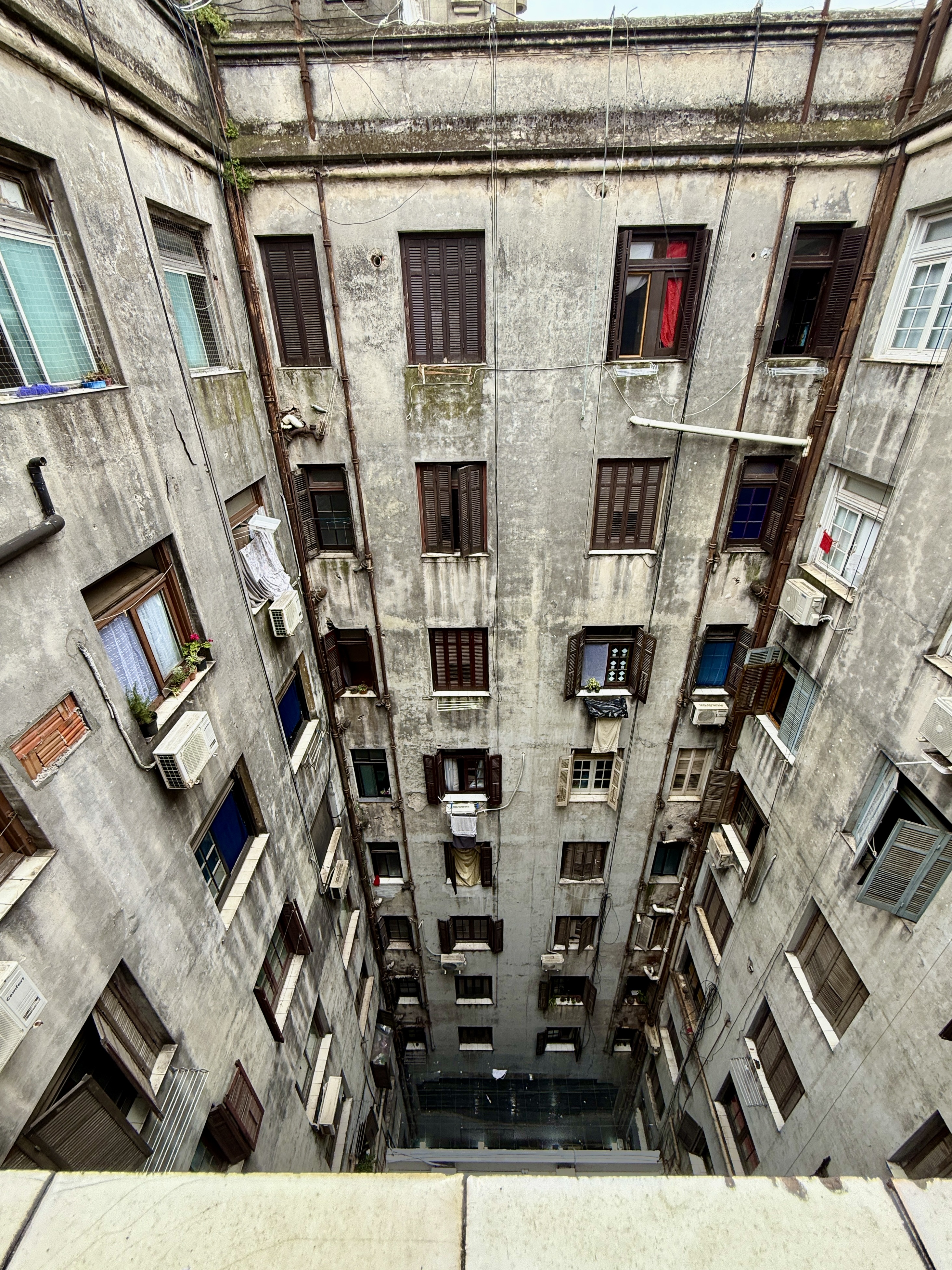
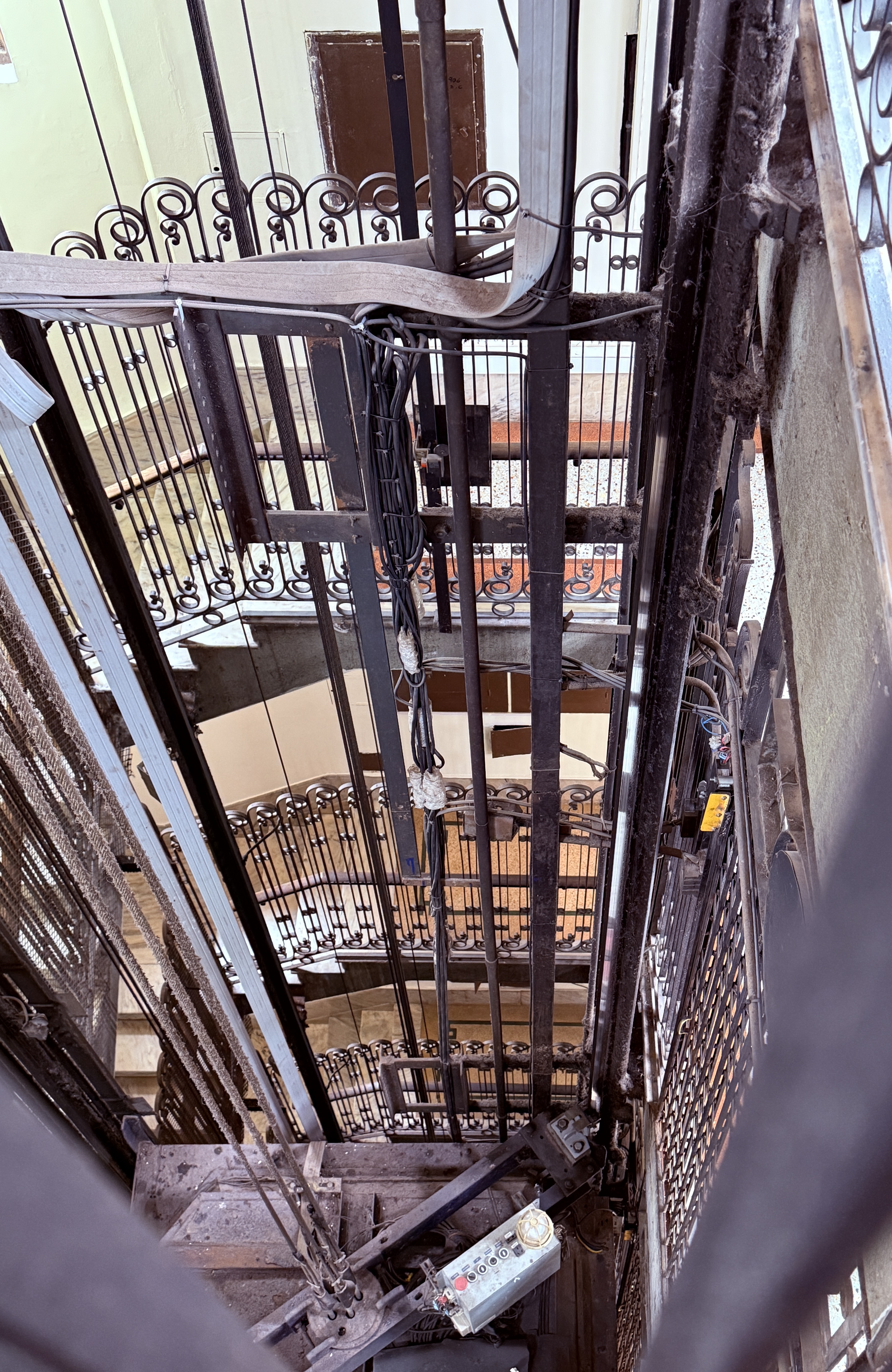
Back to Palacio Salvo… in the 1920s, it was the tallest building in Latin America. While we didn’t take the tour (I hate tours) we were able to get access to all of the floors and to a lot of information along the way. I’m not sure we were really supposed to access all the floors, but no stopped us, so we just went. The building was apparently supposed to be a hotel but that never happened so it’s a strange mix of offices and private residences. Apparently the basement, which is now a garage was once a theater and Josephine Baker and others performed there.
I
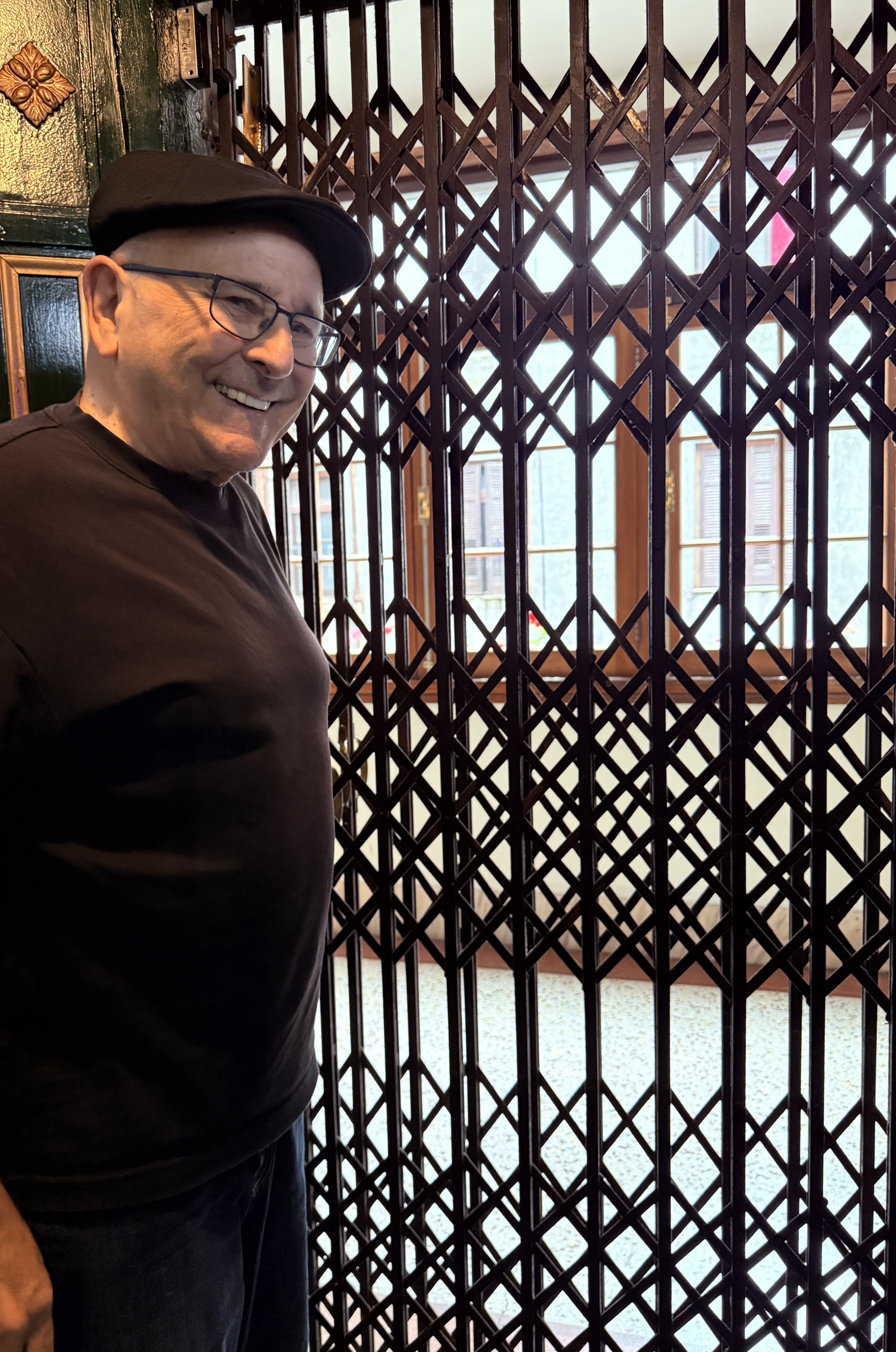
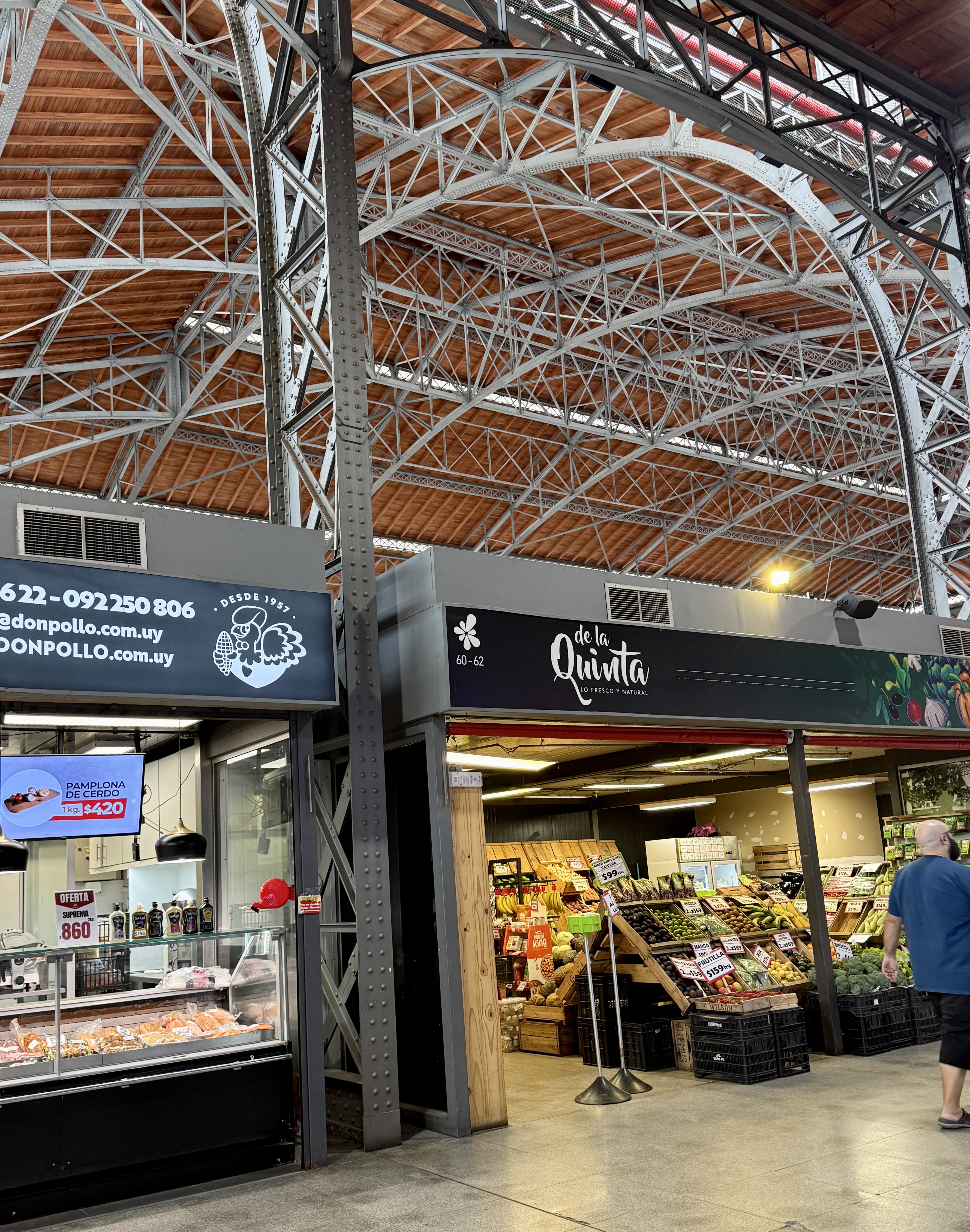
From there, we started to walk to the Mercado Agricolo (the big market), but eventually caved and grabbed a taxi. The market’s interior is an amazingly elegant cast-iron structure from the early 20th century. Lots of Uruguayan produce as well as sauces, jams, and sweets. We grabbed a snack (some kind of spinach fritters that were quite good, and then decided to head to the National Museum of Art which was about an hour’s walk. In the market we ran into a group of school kids (little ones) taking a tour of the market and being told about all the different vegetables.
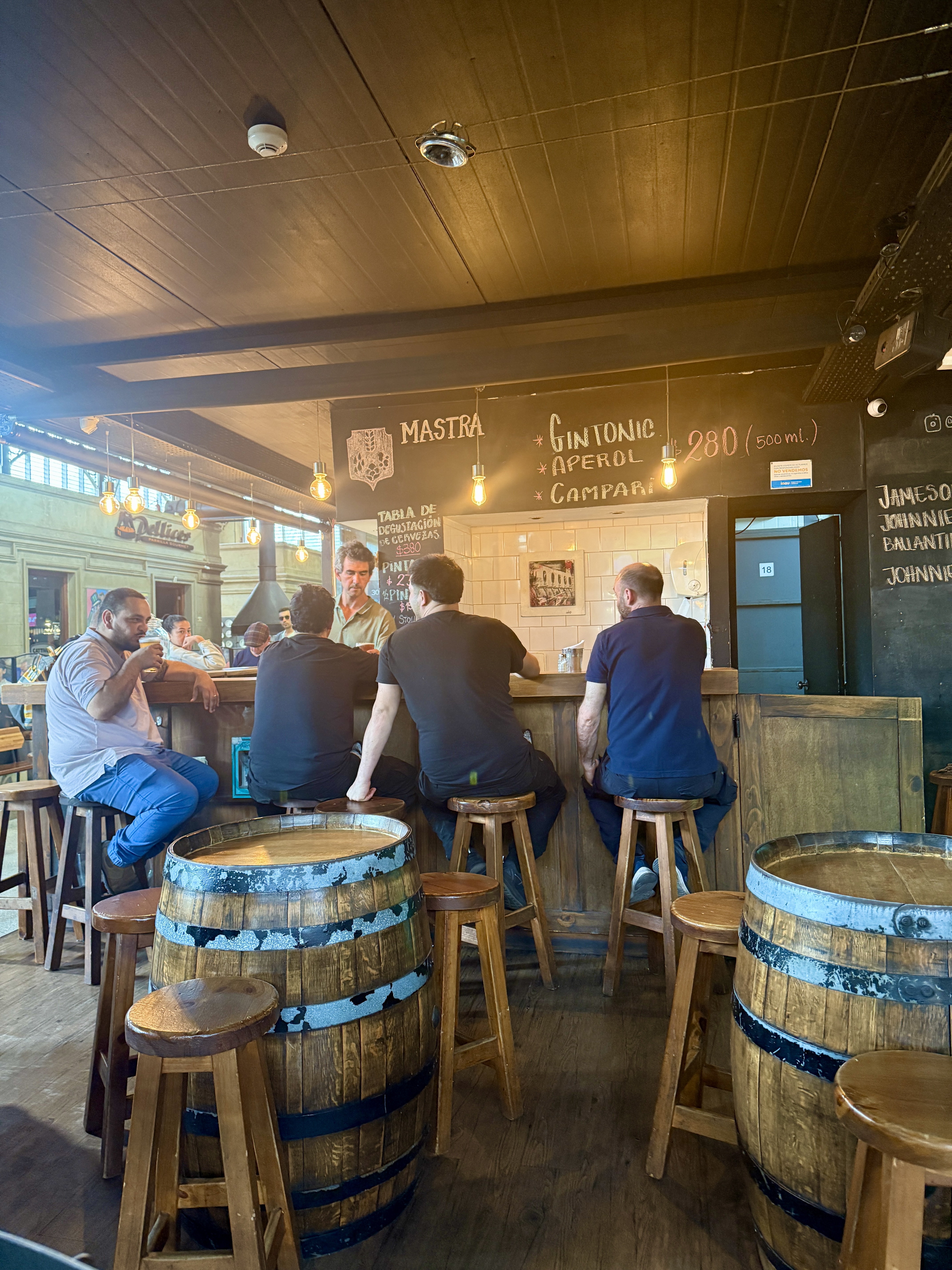
Again, we started the walk through a pretty industrial and definitely lower-income neighborhood and eventually used our nifty new app to get a taxi in Montevideo — “voyentaxi.” And like a pro, we got the cab to take us to the museum, but not before checking out some of the graffitti and murals in the neighborhood.
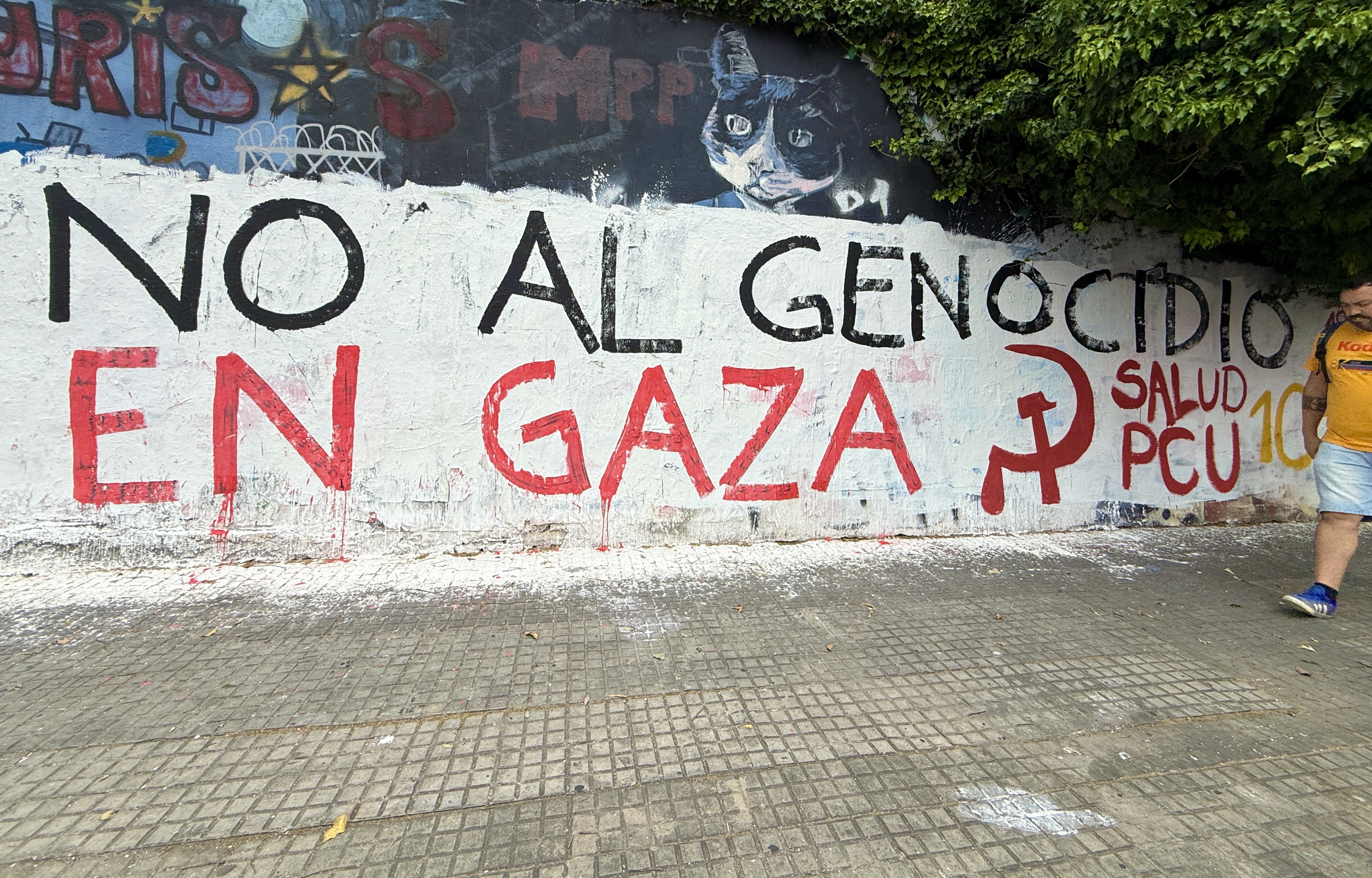
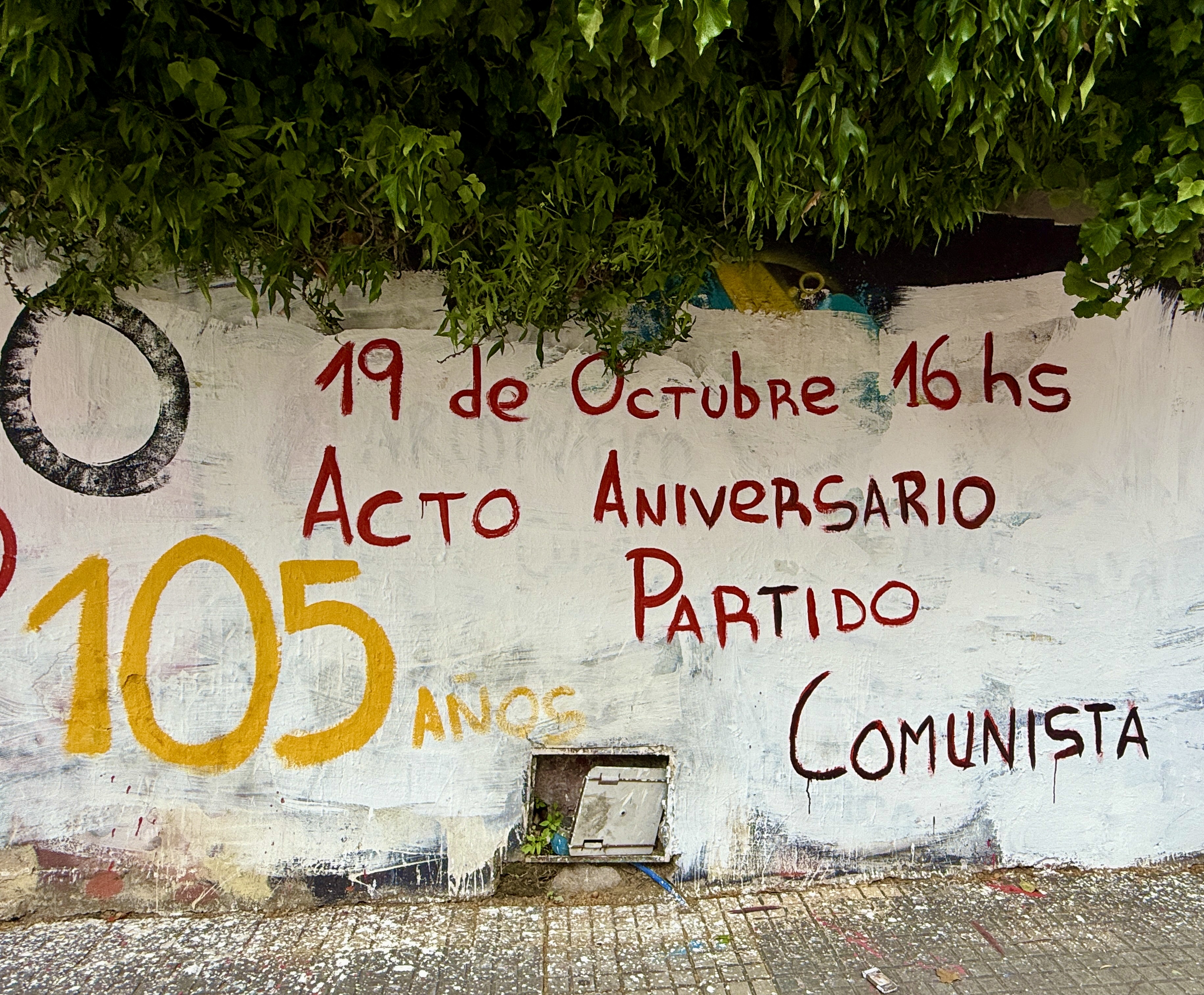
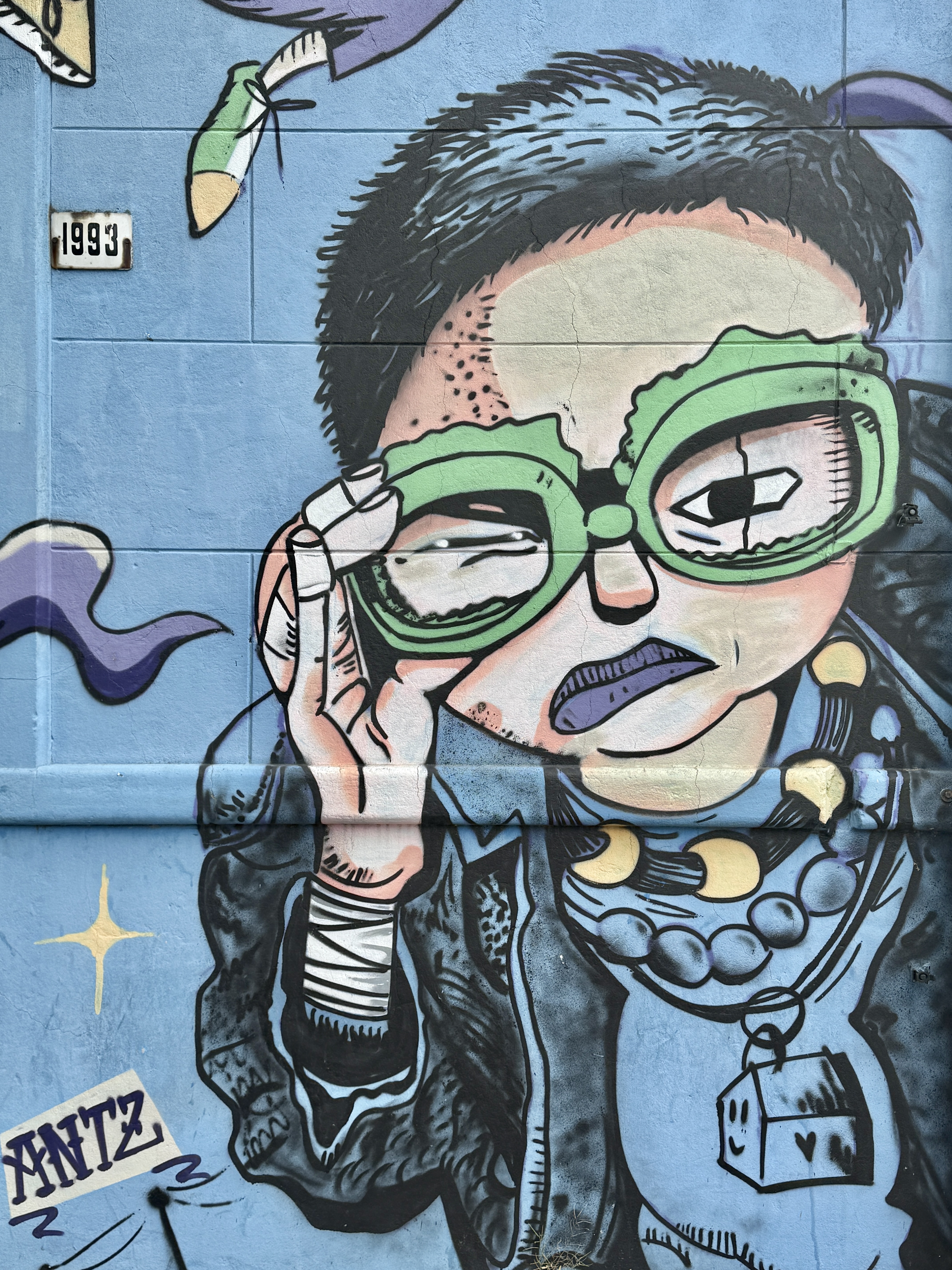
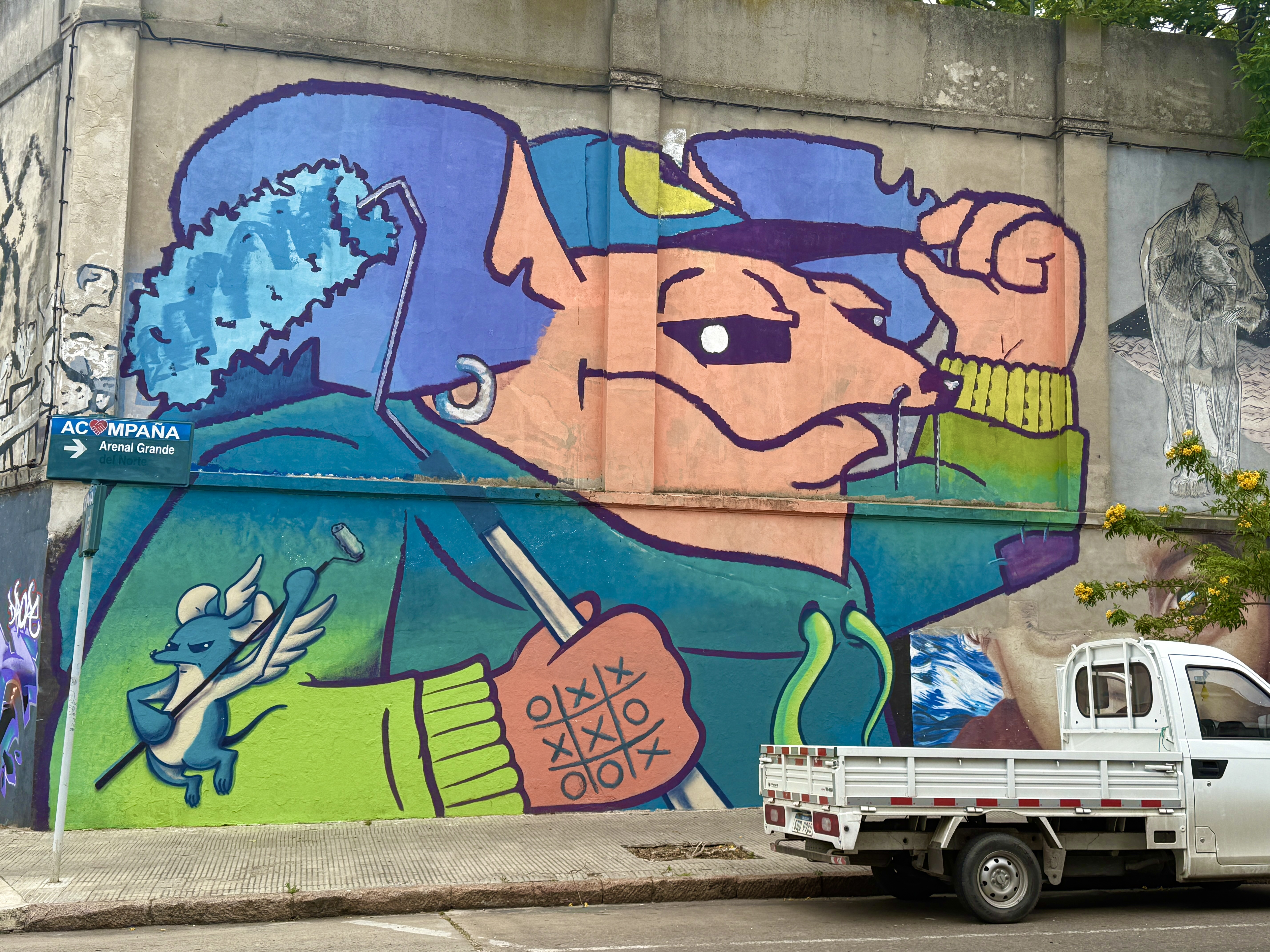
The museum is small and home to the country’s largest public collection of painting and sculpture. and provides a good cross section of Uruguay’s artistic history. The museum is quite lovely on the inside, but the exterior could use some rehab. There’s a small sculpture garden, but I was more taken by the incredible trees and roots than I was with the sculpture.
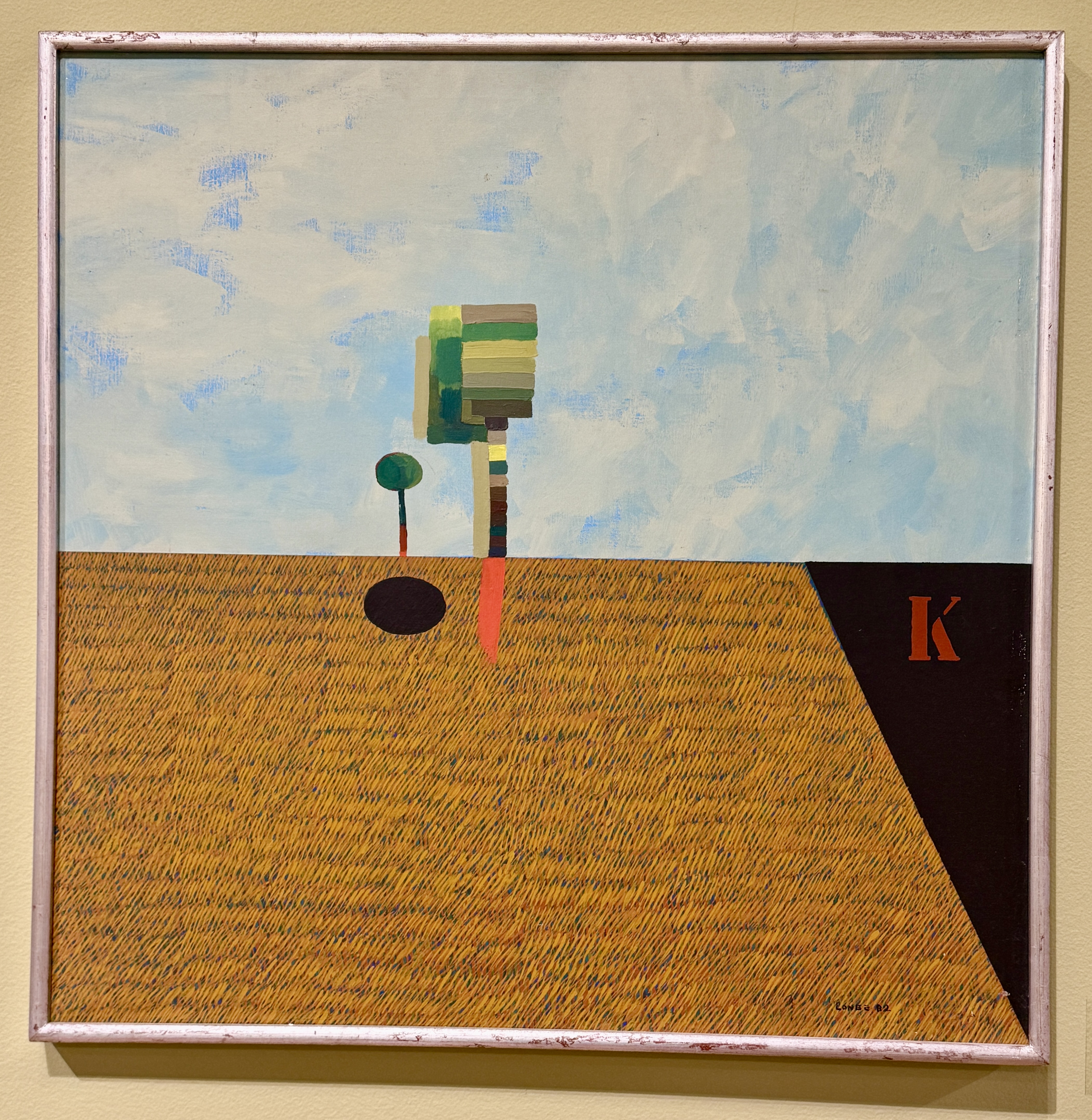

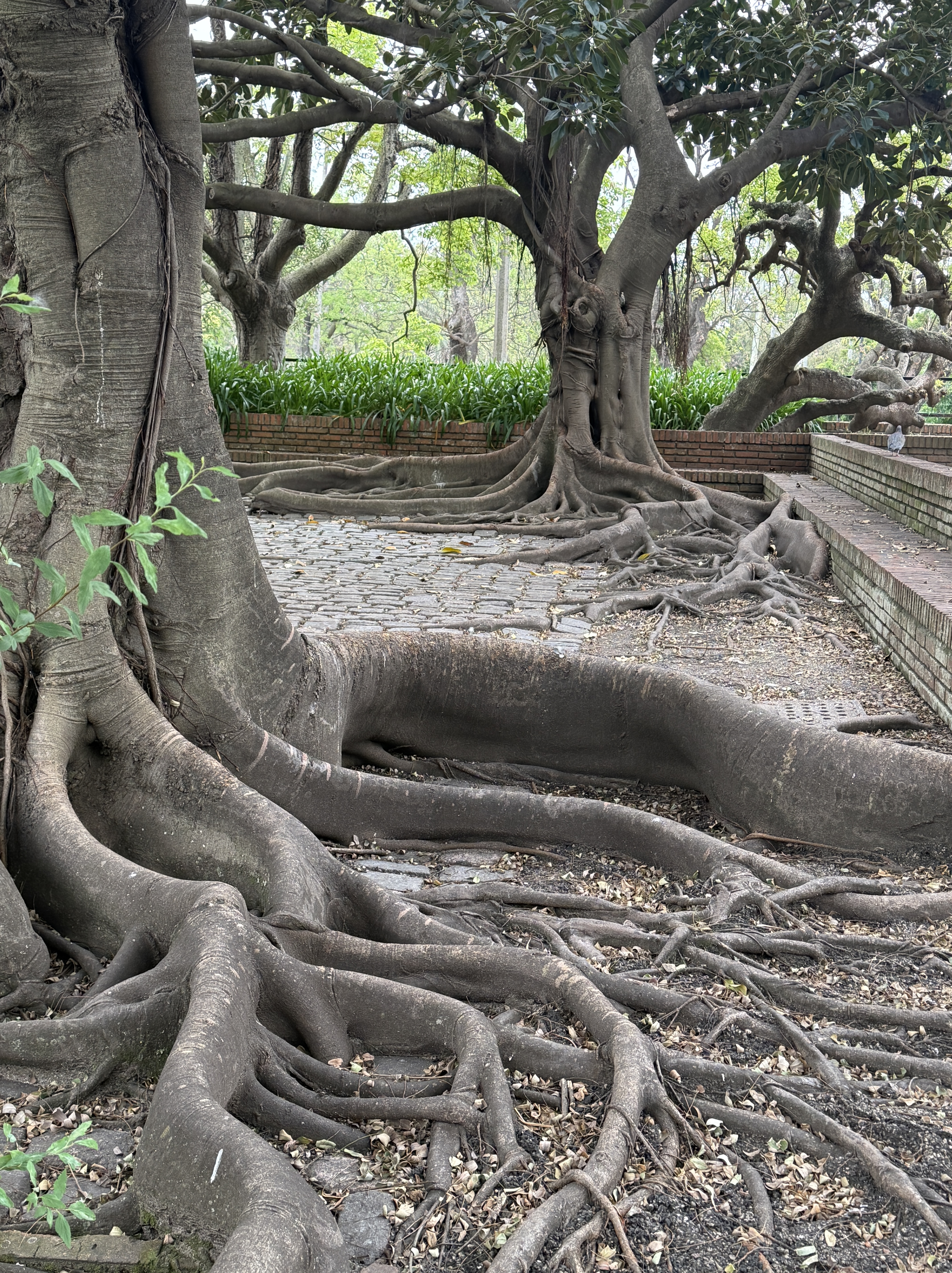
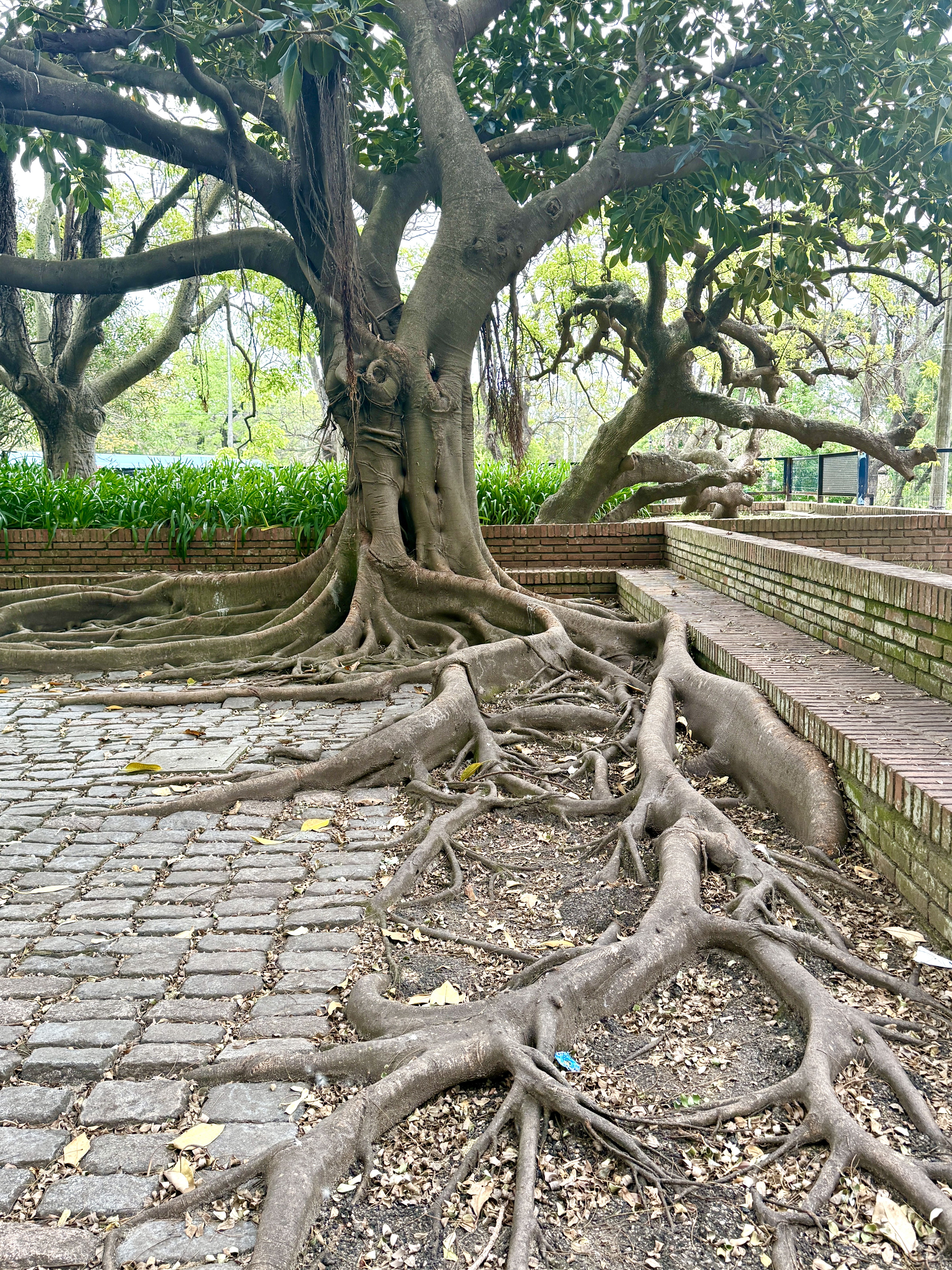
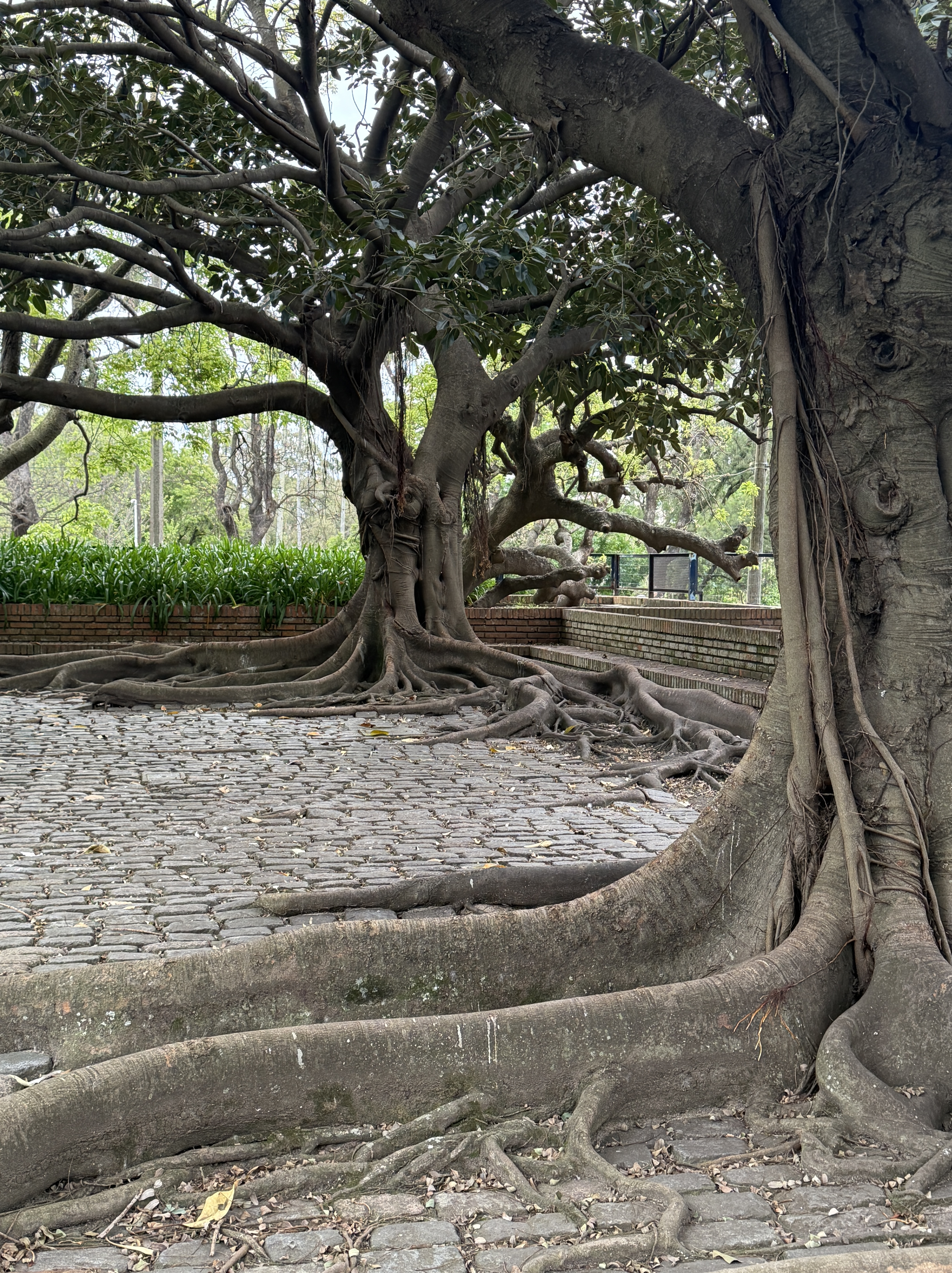
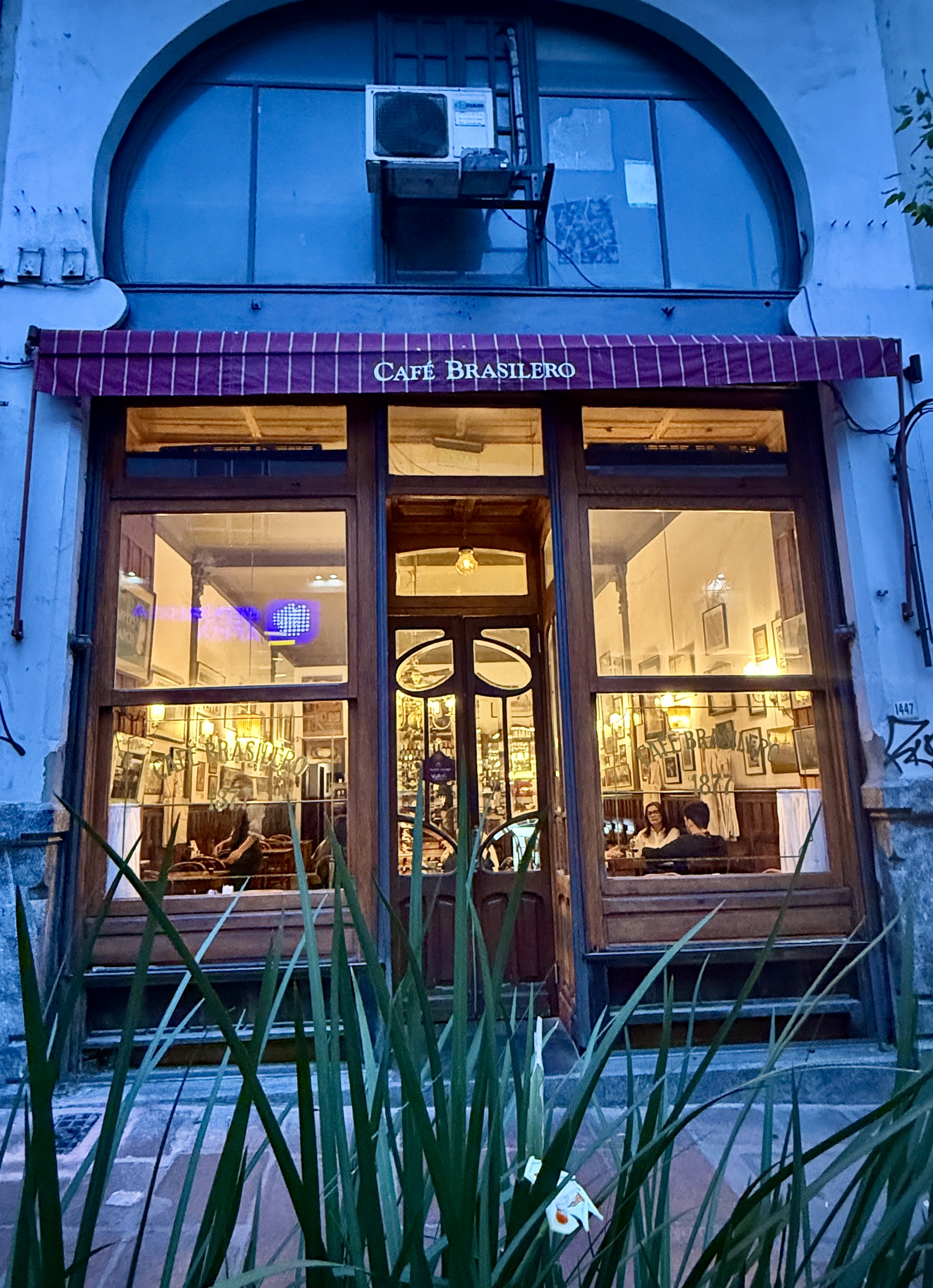
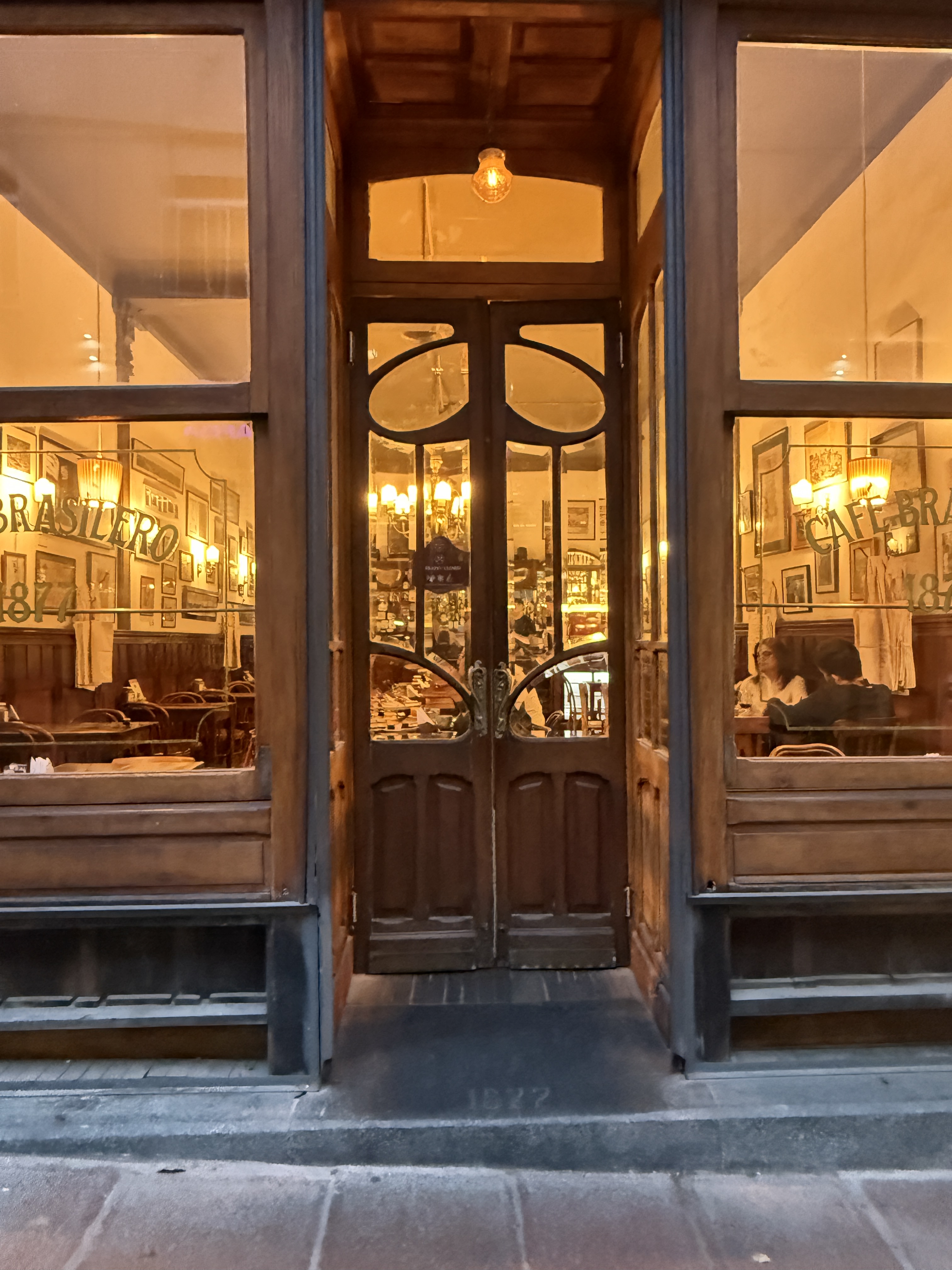
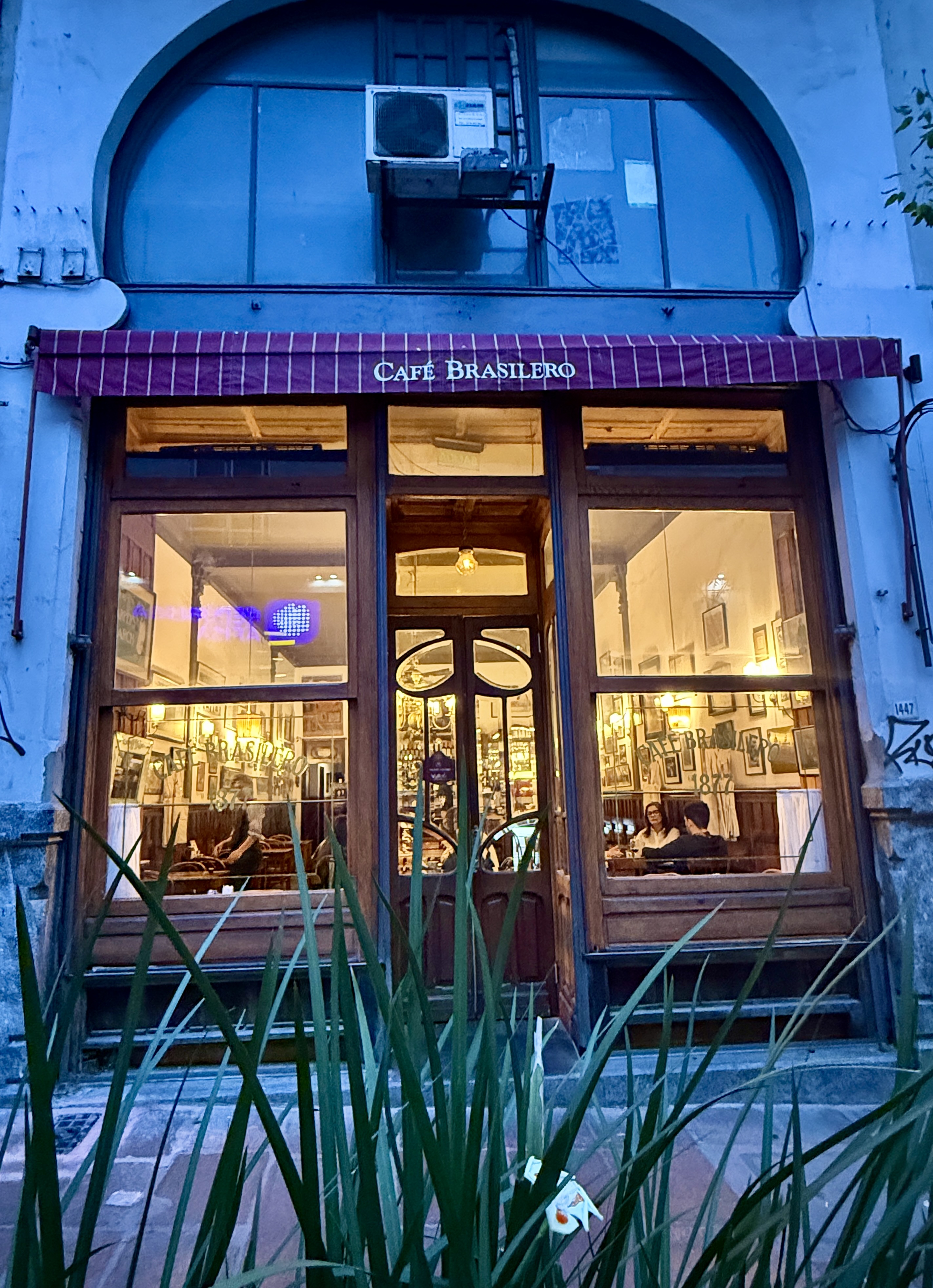
From the museum, we walked to the Rambla where wind was picking up and the temperatures were dropping–prompting the need for another taxi. Once close to the hotel, we stopped into Cafe Brasilerio, the oldest cafe in the city and a haven (in the day) for the artistic crowd. It’s 140 years old and we are told that all sorts of tango masters and singers and authors hung out, performed, and wrote their books right in the small cafe. It was built in 1877 and retains all the details of the day, making it totally charming and a great place for a glass of wine (me) and a hot toddy (Mike). It’s got brass chandeliers and all sorts of Art Nouveau details. Apparently it had been closed for decades and then restored and opened in 2010 and declared a structure and location of “cultural interest” in the city of Montevideo.
Built in 1877, the Brazilian-themed cafe still retains much of its architectural history. The building has preserved its chairs, brass chandeliers and window frames outlining its Art Nouveau-style facade from that earlier era. The walls are also covered with photos, newspaper clippings, and paintings from the cafe’s past.

After a brief stop at the hotel to get warmer clothes we headed out to dinner at Quinquela, a very upscale gourmet restaurant about 5 minutes from our hotel. More on that tomorrow. It’s about 1:00 am and I still need to pack an overnight bag, as we are heading (with Peter and Jairo) to the Jose Ignacio area of Uruguay. Will give the scoop on Quinquela and also the drive and what we are up to on this overnight. We will be back in Montevideo on Sunday night.
October 16, 2025 . Americans in Uruguay . Day One .

Greetings from Montevideo.
It’s been a really long (and tiring) day (40+ hours!). We left Oakland on Wednesday at about 7 am. Had a messy travel day (taxi dropped us at the United international terminal at SFO (G gates)–as usual–and after looking at the board, we noticed that our flight to Panama City was leaving out of the A terminal, which was strange; turns out because of construction at SFO, United is using both G and A terminals, which they failed to mention at check in and on our boarding pass… we had to walk nearly 3 miles inside the airport, going through terminals G, F, E, D, C, and B in order to get to A…there is no connection from G to A going in the other direction…all the while walking with our carry on luggage..meaning ALL of our luggage.) Then we flew to Panama City (7 hours) and had a two hour layover before boarding a very nice COPA (7-hour) flight from there to Montevideo.
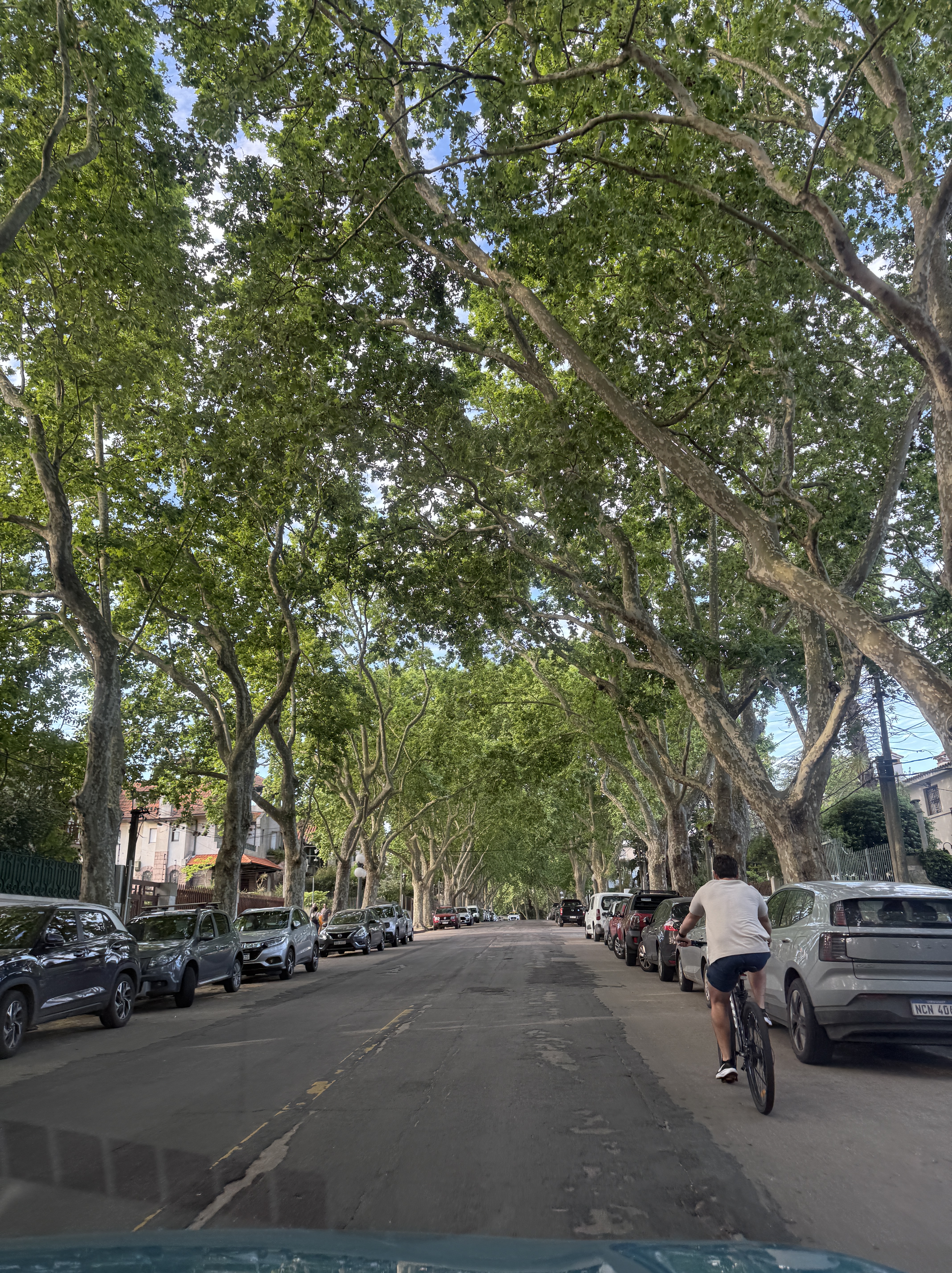
The taxi ride from the airport to our hotel (about 40 minutes, costing I believe about $40) was pleasant as the driver took the route along the waterfront (the Rambla) nearly the entire way. Unlike arrivals into many US airports (especially all the NYC airports), the roads were very well paved, traffic moved smoothly, and the city appears to have many parks that dot the various neighborhoods, including a really large park that we passed on the route. Since this is just our first day, this will mostly be first impressions.
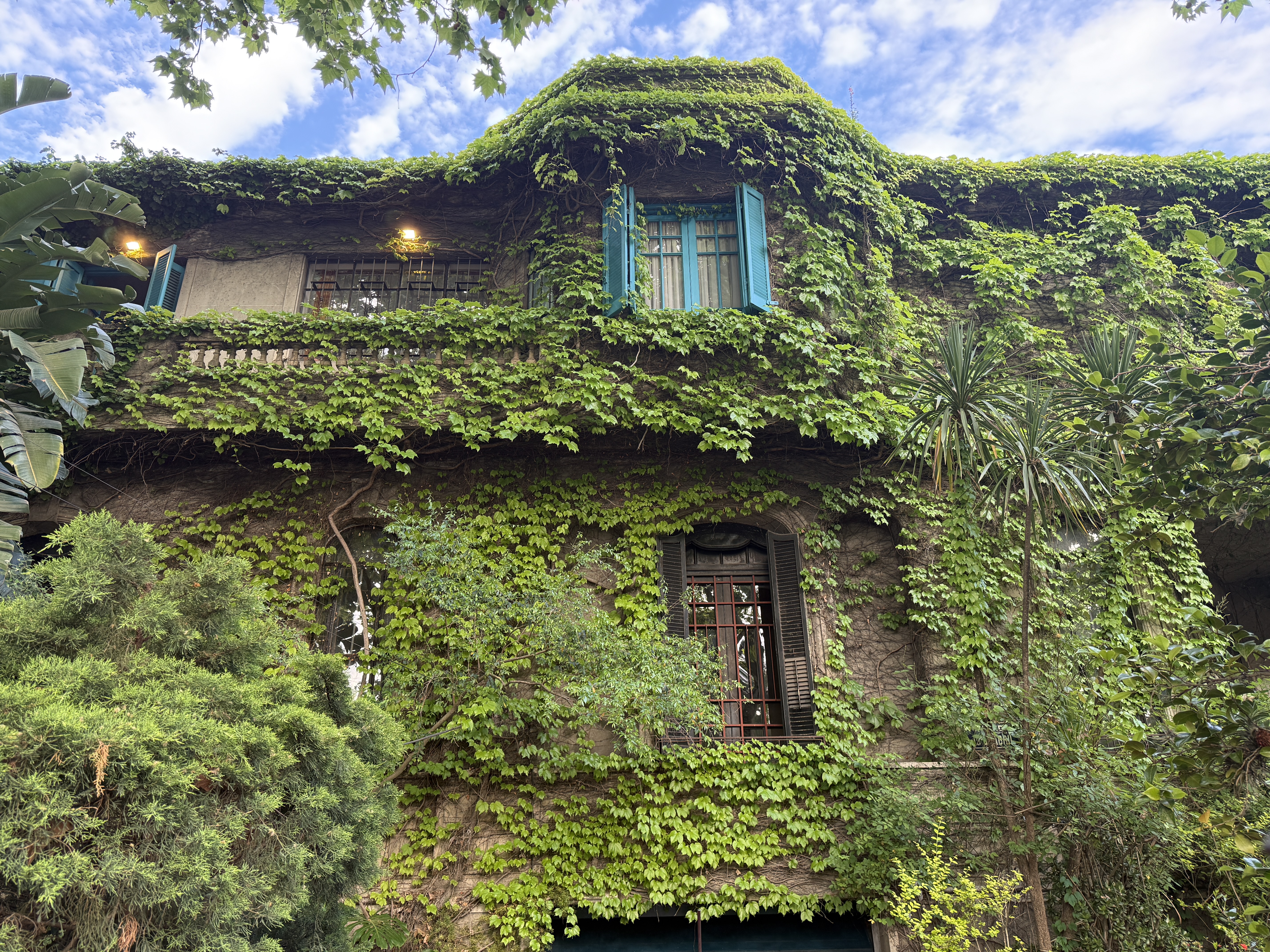
We checked into the hotel at about 9 am, had a quick hotel breakfast and headed to our room to take a much needed nap. We are staying at the Alma Historico Hotel in the “ciudad vieja” (old city). So while we saw mostly 20th and 21st century buildings all along the route, we are in the very old section of the city with more winding streets and a lot of cobblestone and colonial-era architecture, lots of landmarks, museums, palaces, and more.
Although we had lay-flat seats, it was still hard to get any meaningful rest on either flight. Somehow, it’s easier to sleep on one of those really long flights (like from SFO to Australia) than it is to catch any ZZZs when you know you have to get up and deplane and then trek through another airport… or so I think. Instead, I did a little work, played some games, watched a movie and listened to music.
We got up, showered and met our friend Peter (who has been living in Montevideo for several years and is now a “very proud” Uruguayan citizen) at 3:00. We’ve known Peter for decades, going back to his high school years in Berkeley. He’s lived in Latin America for many, many years, and we visited him in Mexico City several times when he lived there. Full disclosure—Peter’s dad was Mike’s boss when he worked at a downtown SF architecture firm in the late 1970s. Peter wanted to take us on an “overview driving tour” of the city so that we’d have the big picture of the layout and different neighborhoods before we head out on our own tomorrow.
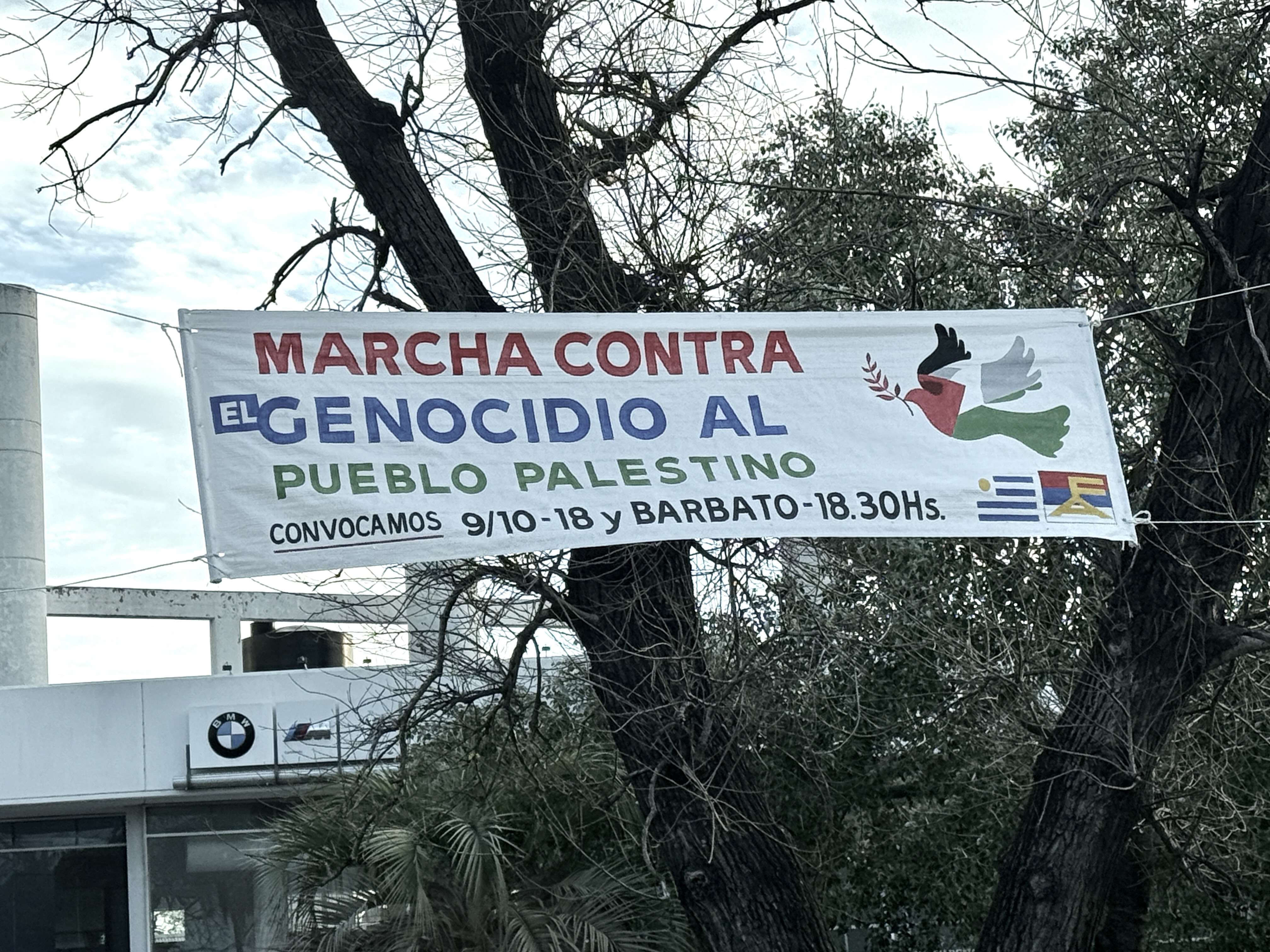
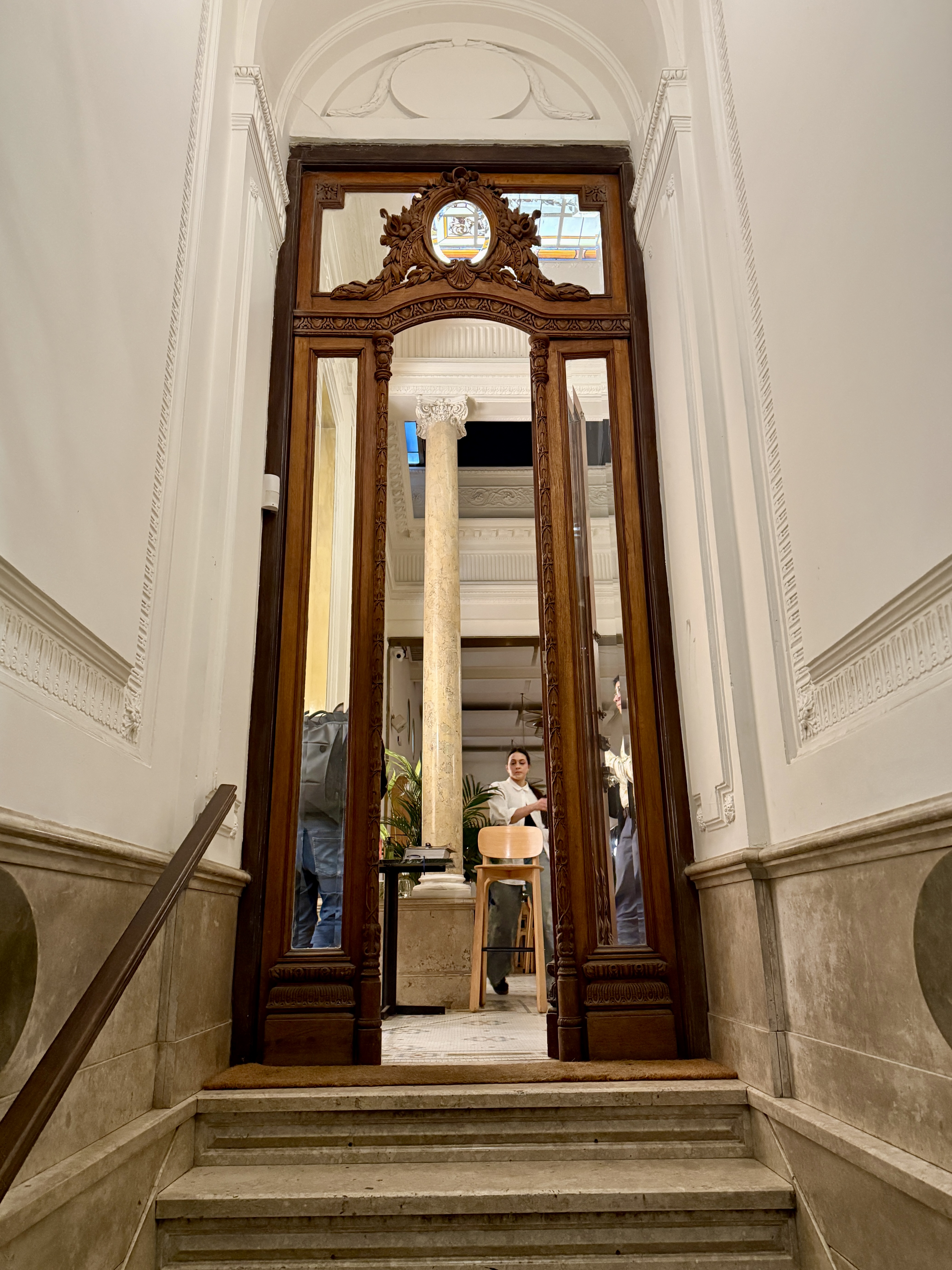
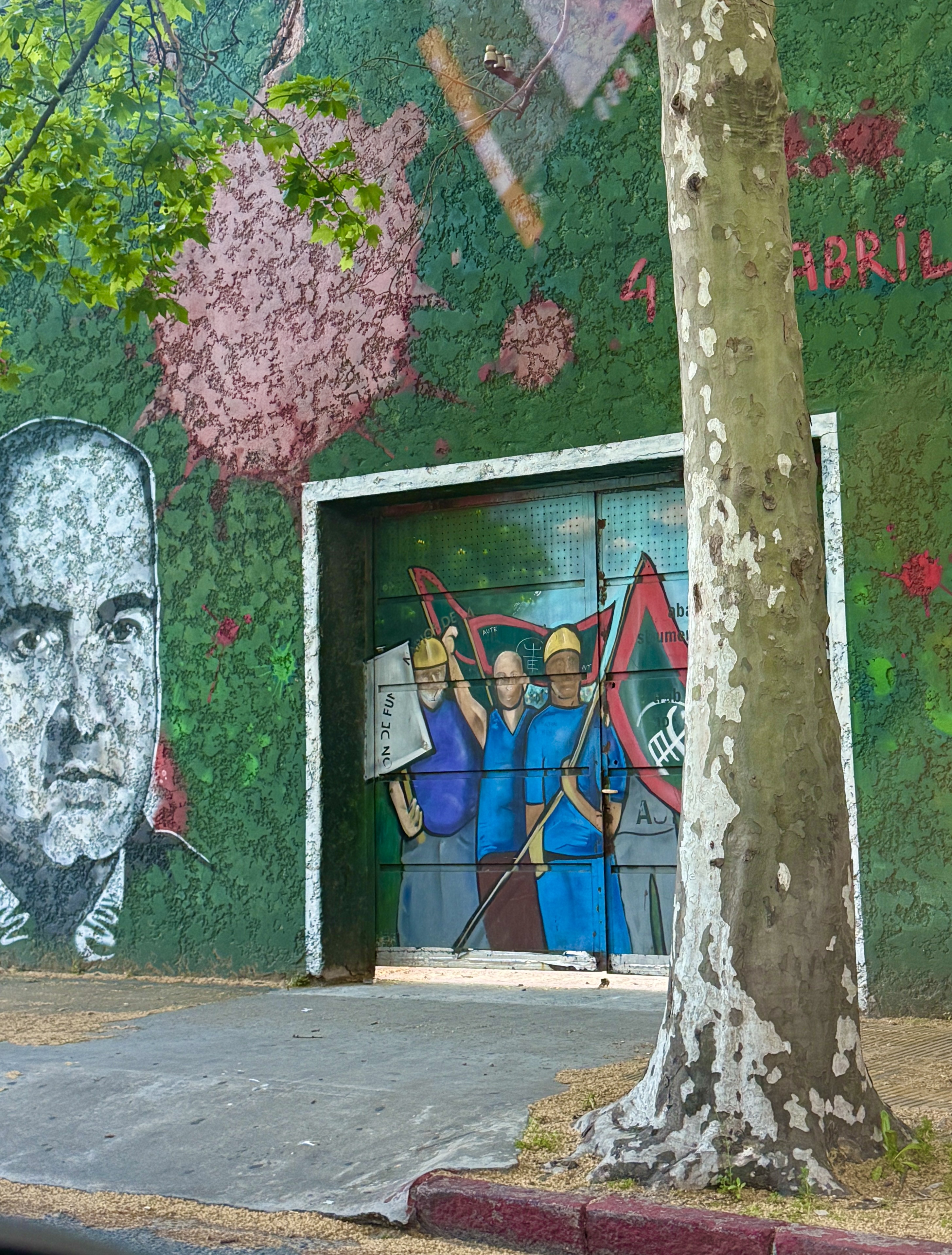
Since we were in the car most of the time, I don’t have a lot of images to share… but that will come in the upcoming days. We ended our “tour” at Peter’s and Jairo’s co-op apartment where we could see the sunset over the Rambla and the sea. Basically the Rambla is a coastal avenue or boulevard that hugs the coast for about 15 miles–stretching the whole length of the city. It’s pretty wide in most places and people are walking, biking, jogging, fishing, and relaxing. It was a beautiful day so you could see lots of activities.
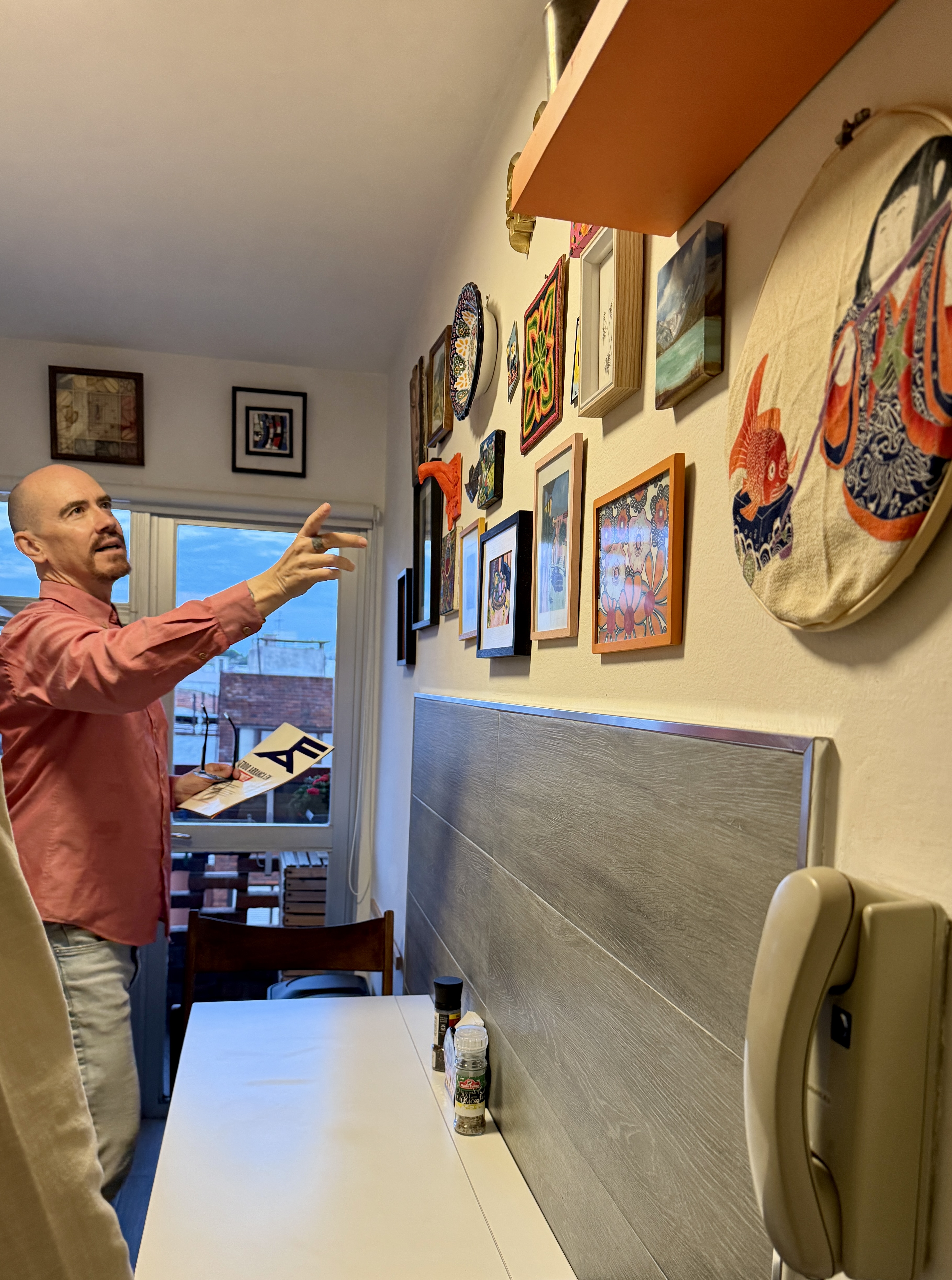
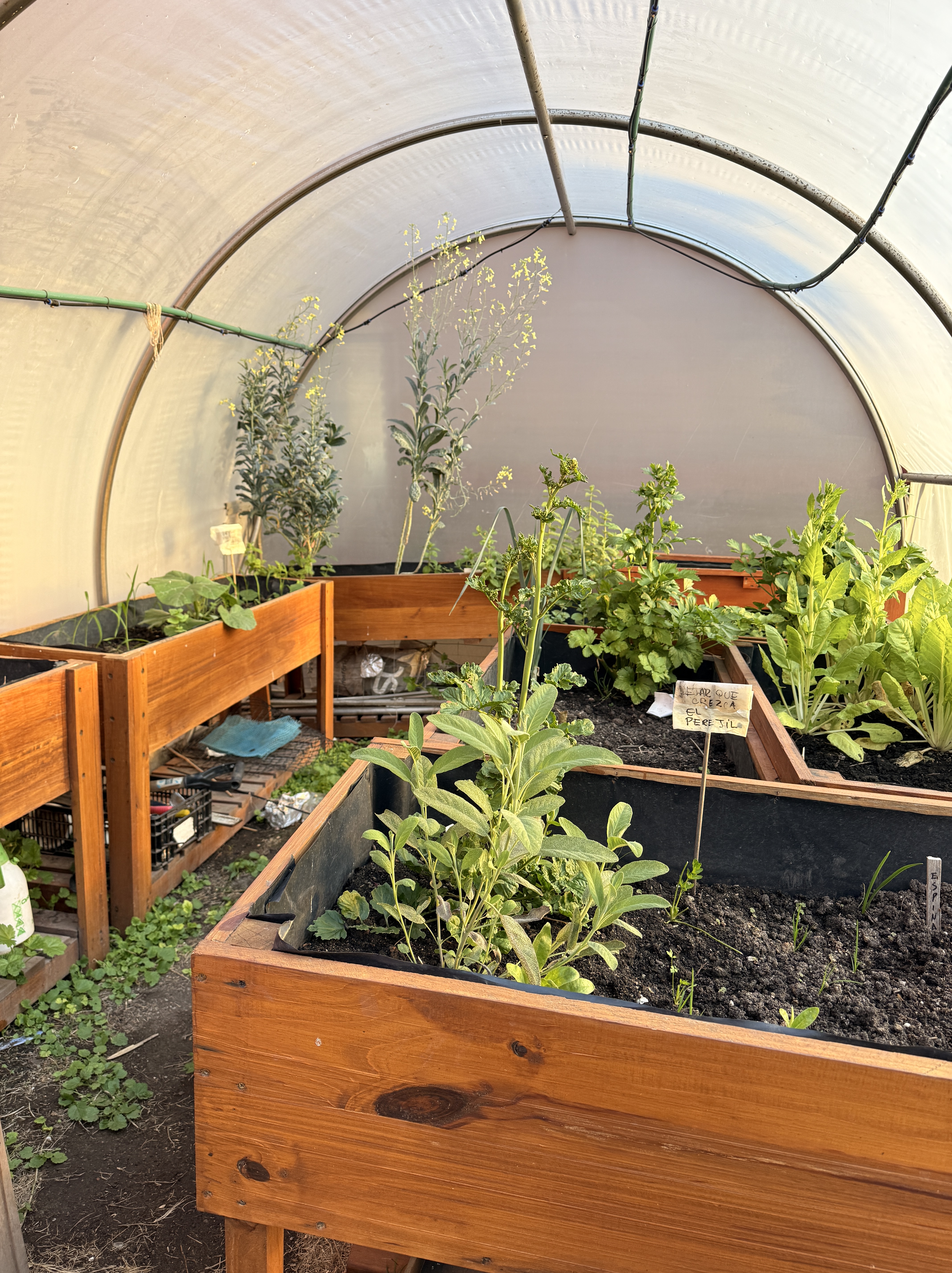
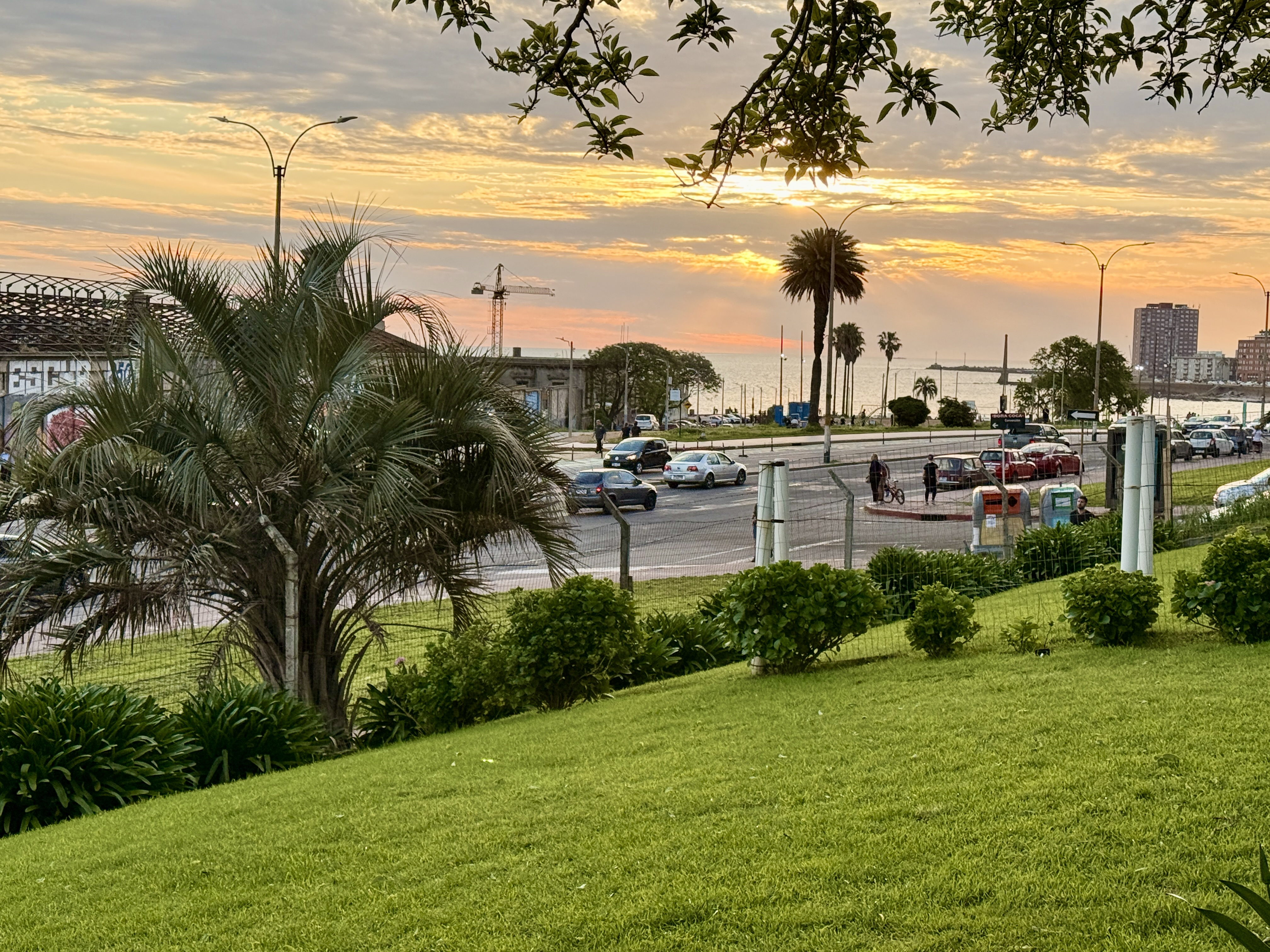
Peter’s co-op apartment is small and functional, with two bedrooms and a small deck. We ran into several neighbors (fellow-co-op members) who were incredibly friendly and immediately did the one cheek kiss! We had some Uruguayan wine (quite good), got caught up on family, travel, and of course politics—Peter’s favorite topic. And we learned a lot about Uruguay from both Peter and Jairo. More on that in the coming posts. Their building is close to all amenities, so they walk to nearly evrything and it is only a block or so from the Rambla–an amazing amenity. The co-op seems to be a tight knit group and they’ve had a lot of group activities, including the creation of a greenhouse adjacent to the building.
Then we headed to a wonderful “tapas” dinner at a local (upscale restaurant)—more talking.
So my first impressions: the city seems to be well run; people are out and about and hanging out at cafes and bars; we didn’t see any trash on the streets; there’s a very interesting mix of architectural styles; there’s a big effort to preserve historic buildings; there’s a good deal of construction going on; and from what we heard, the country’s public program–such as healthcare– are working well. And whatever party is in power, the social democratic principles related to social programs are “givens” and are supported — so Uruguay is different from other countries with more divisive rhetoric around terms like neoliberalism or socialism. Thus, topics like gay and trans rights are not even debated; they are givens. There were a lot of banners and graffitti supporting Palestine and it’s evident here that the Communist Party is about to celebrate its 105th anniversary (lots of signs).
Much more to come as we navigate the city. There’s a lot to take in.
Greetings from Brooklyn- Happy October (although the latest news from DC is foreboding and scary)
And then there were two; Adrienne headed back to Chicago to be sure to make it in time for Yom Kippur. Carol and I decided to have breakfast at the hotel and I had a very interesting conversation with the waiter who was from Albania. Clearly over-educated for his job and very interested in both Albanian politics and the state of American politics. Having visited Albania about 7 years ago, we chatted about the places I had been and the timing of my trip and what’s changed since my visit. Maybe it’s time for a return trip to Albania!.
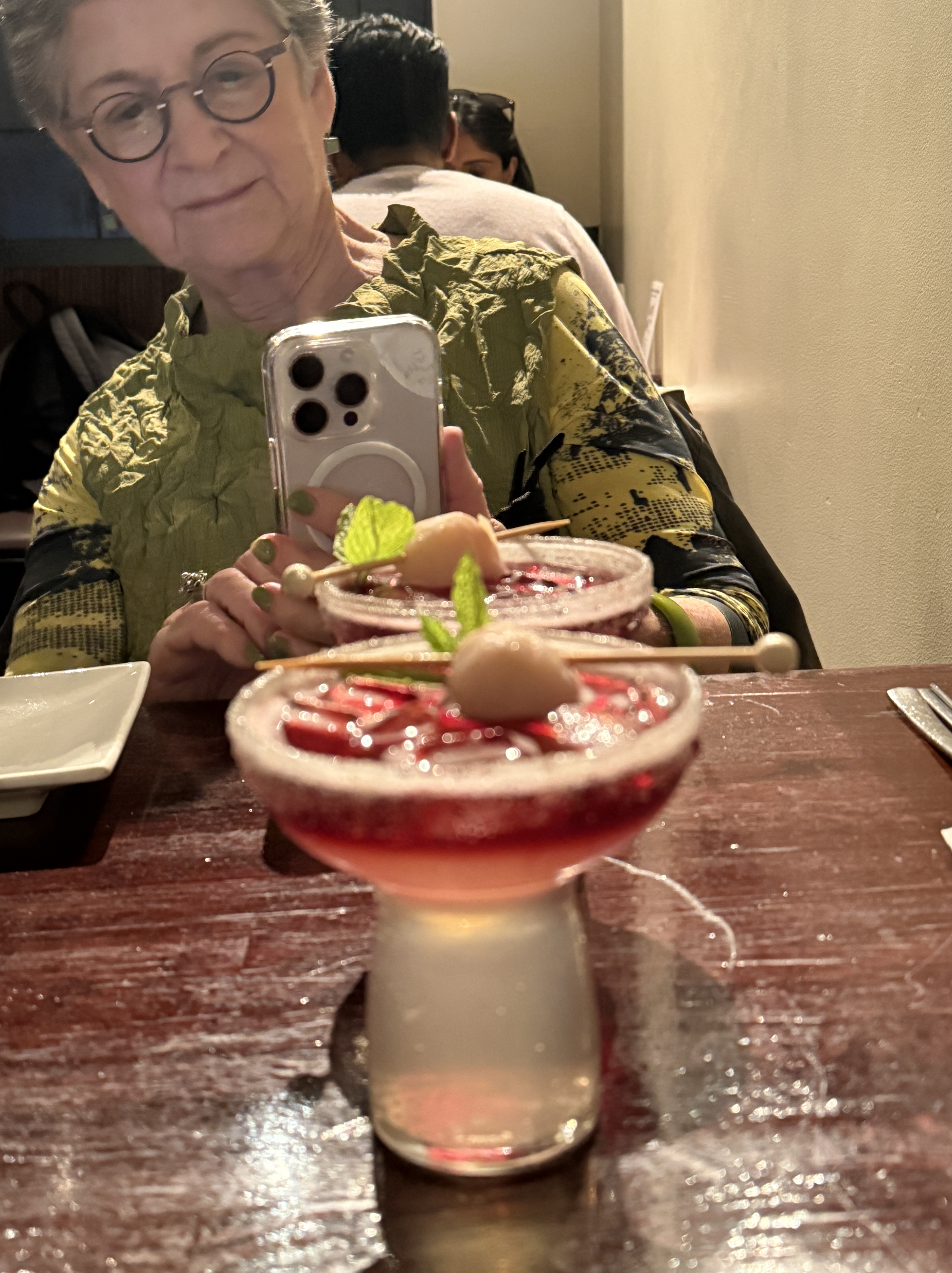
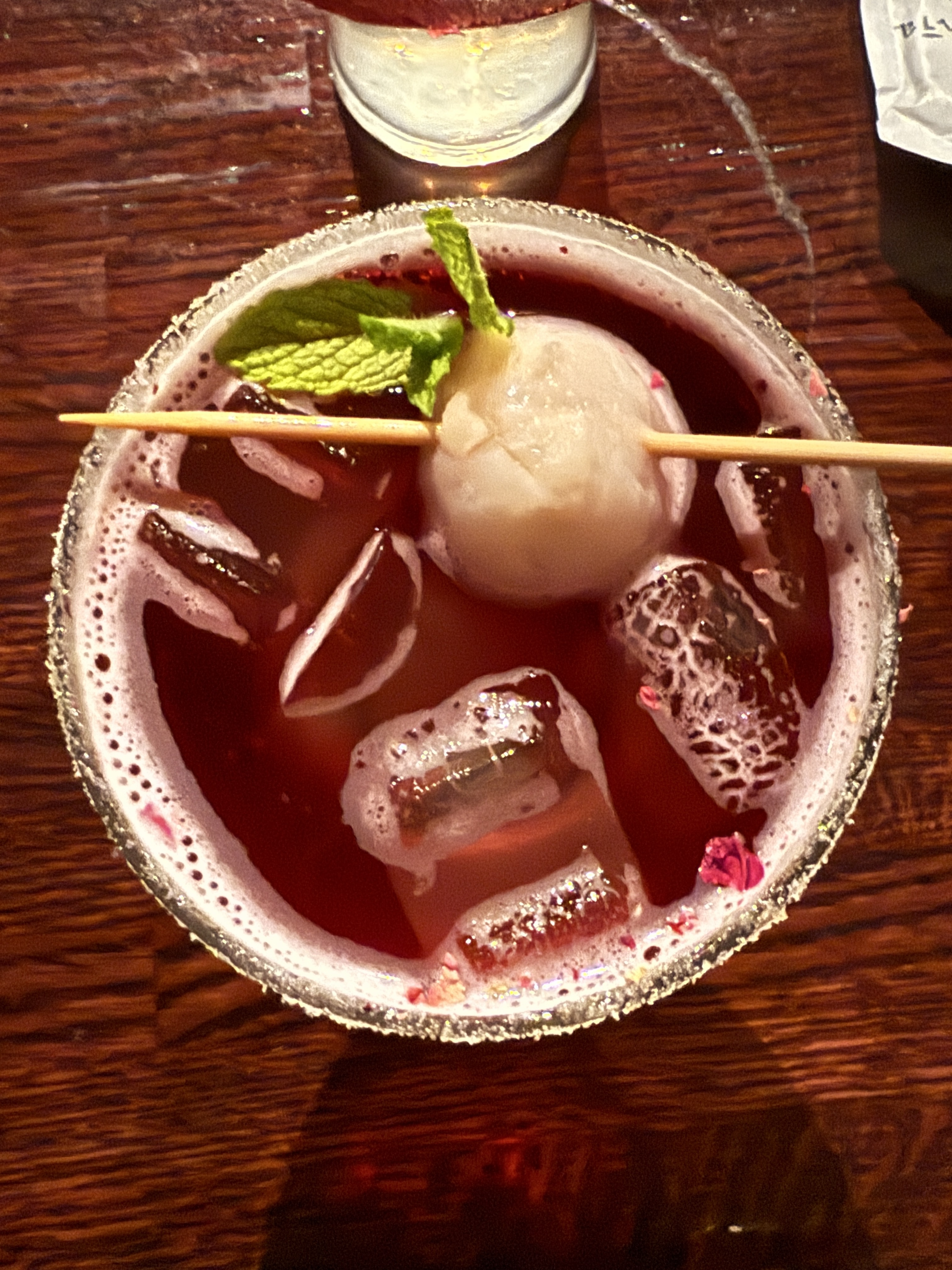
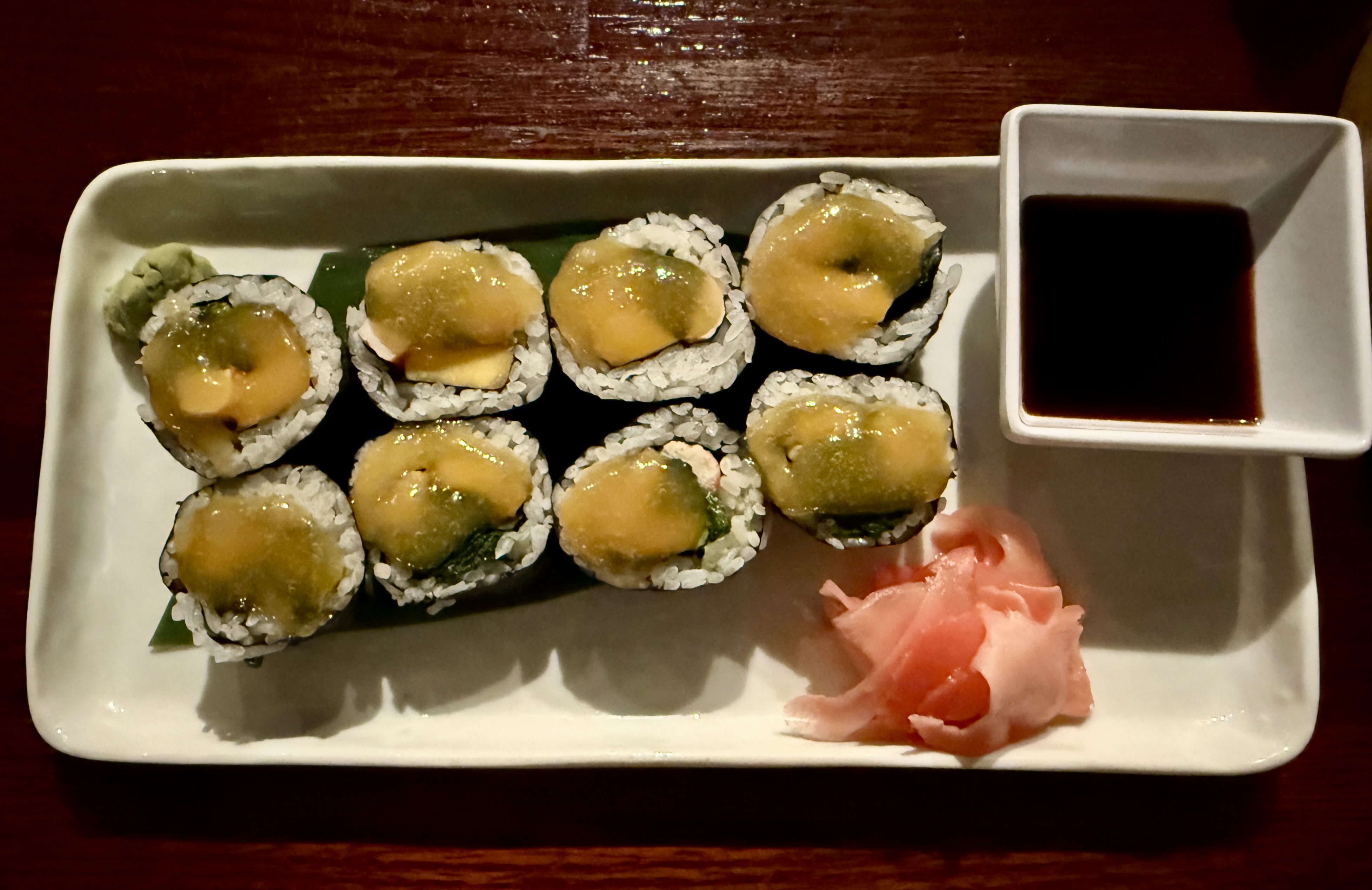
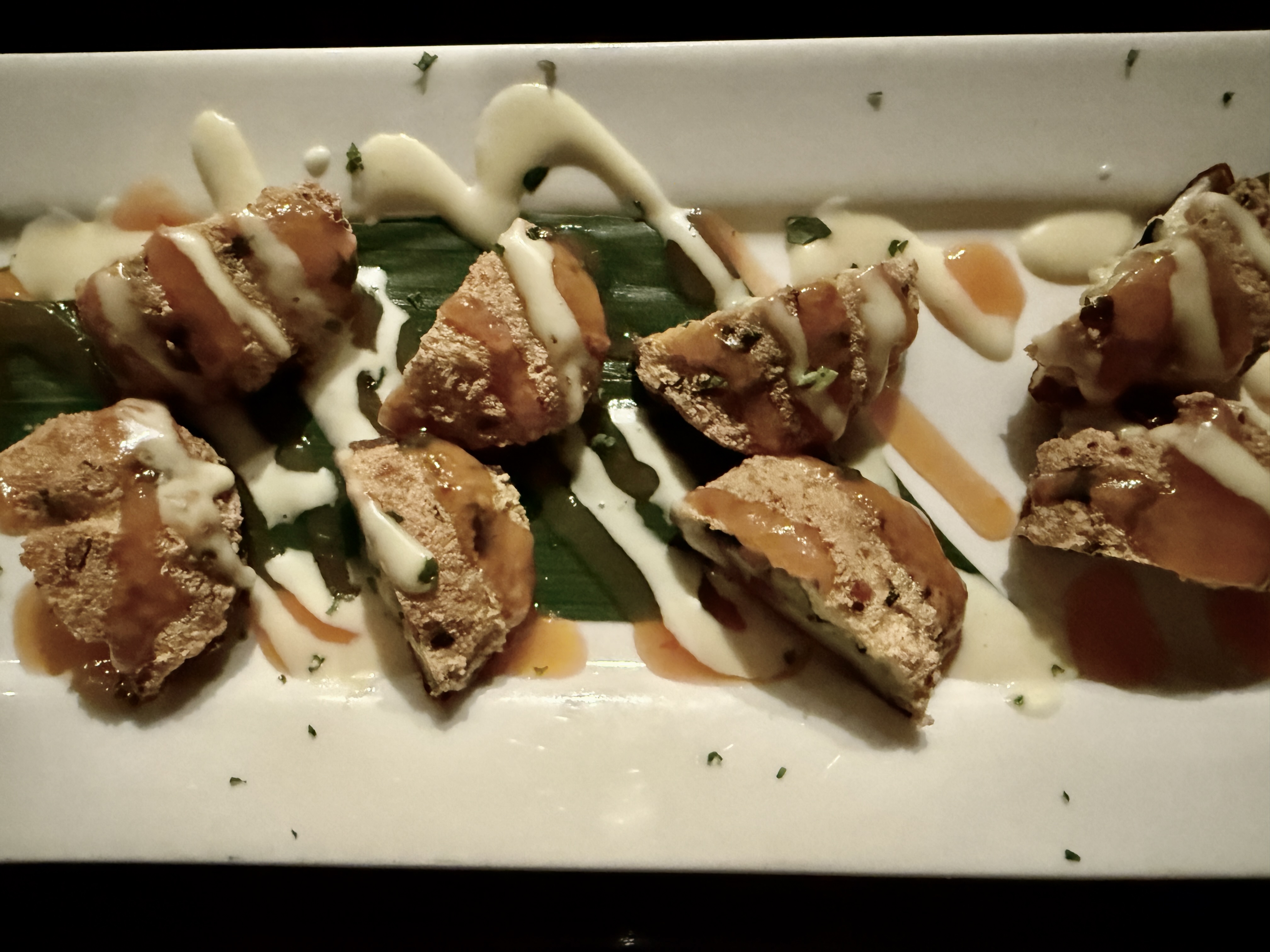
Carol and I strolled the neighborhood (Boerum Hill) a bit, and then headed to Hertz to return the car. From there we took the subway to Manhattan for lunch at Franchia–a unique Korean vegan restaurant that I’ve eaten at before (even thought I’m no where near a vegan!). It’s a multi-level small space located on Park Avenue near 34th Street–traditional Korean decor with a mural ceiling. It’s got some great dishes and everything is presented beautifully, including the drinks (we had mocktails: raspberry lychee with some kind of fizzy water).
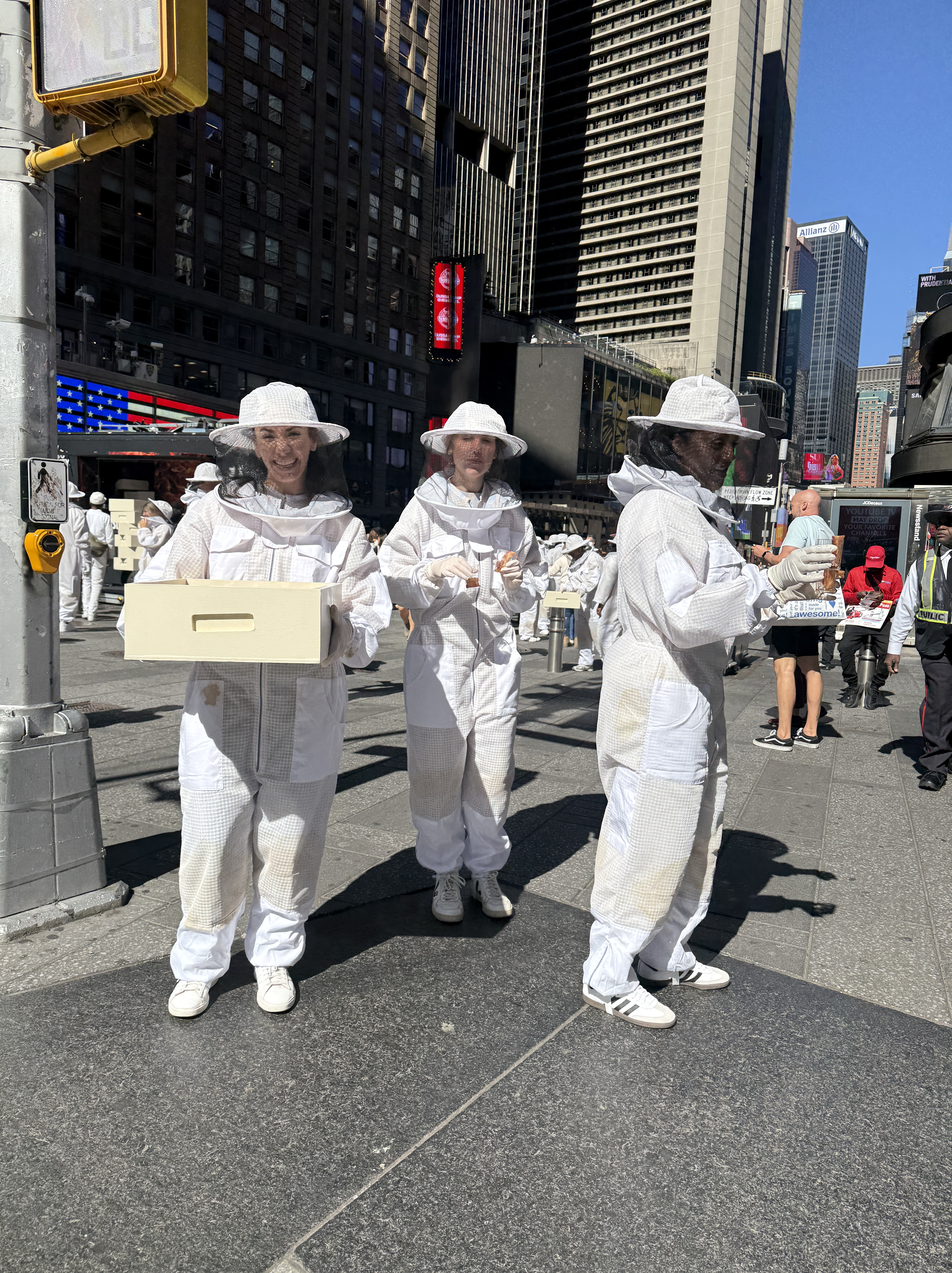
We strolled for a while, passing a crew of young people in beekeeper outfits near Times Square. Turns out they were promoting and giving samples of some kind of bacon and honey dish. I declined.

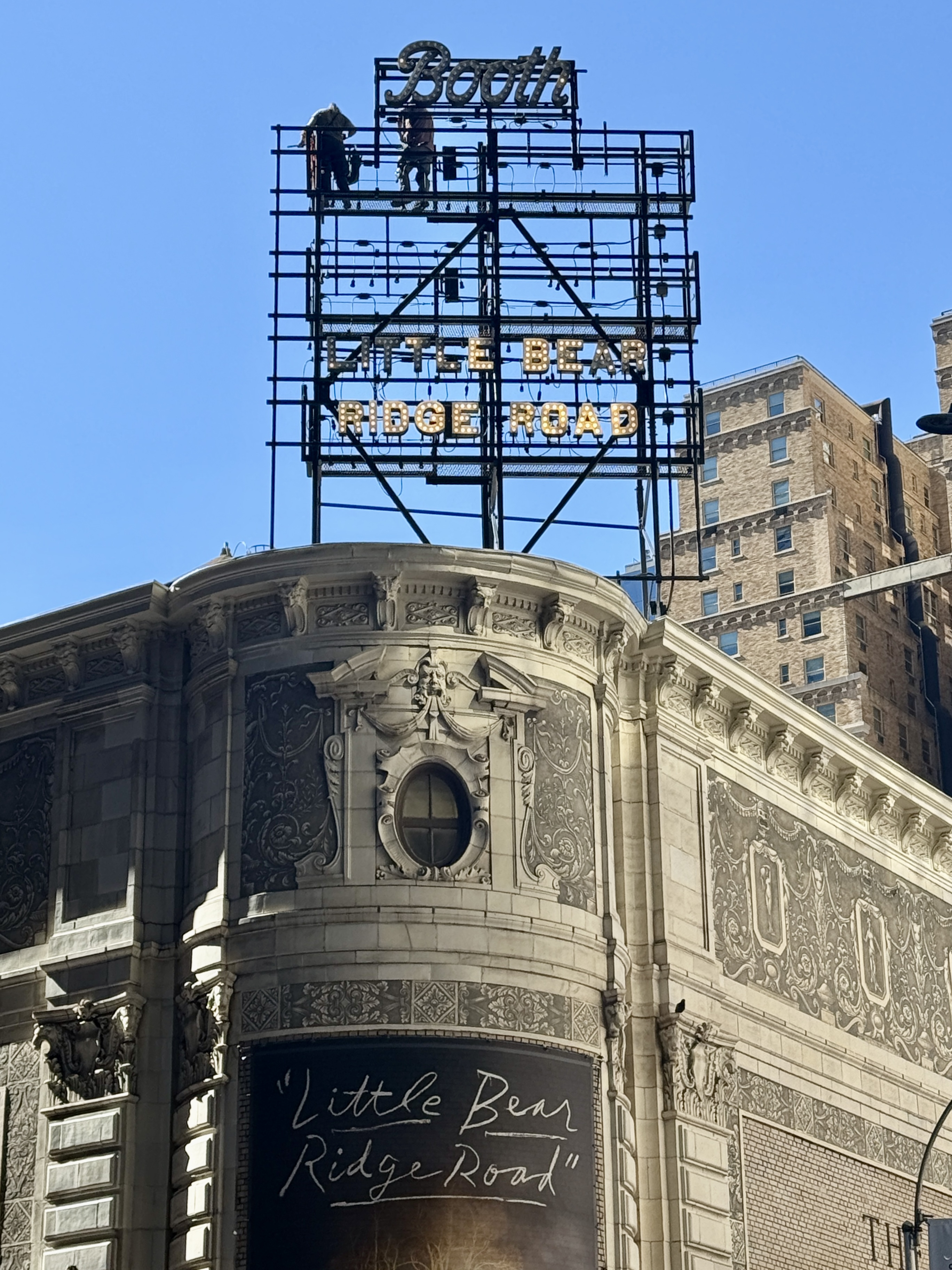
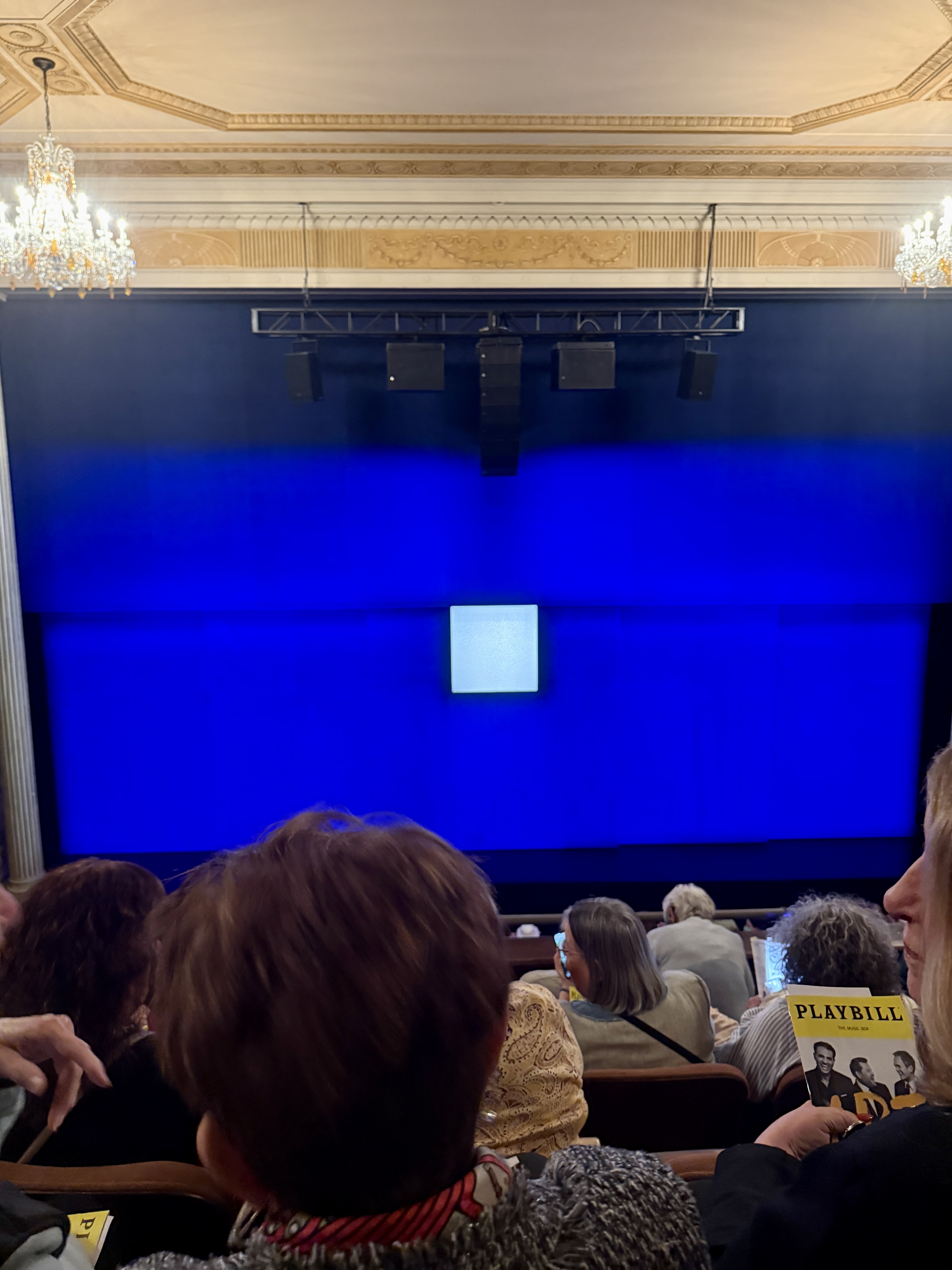
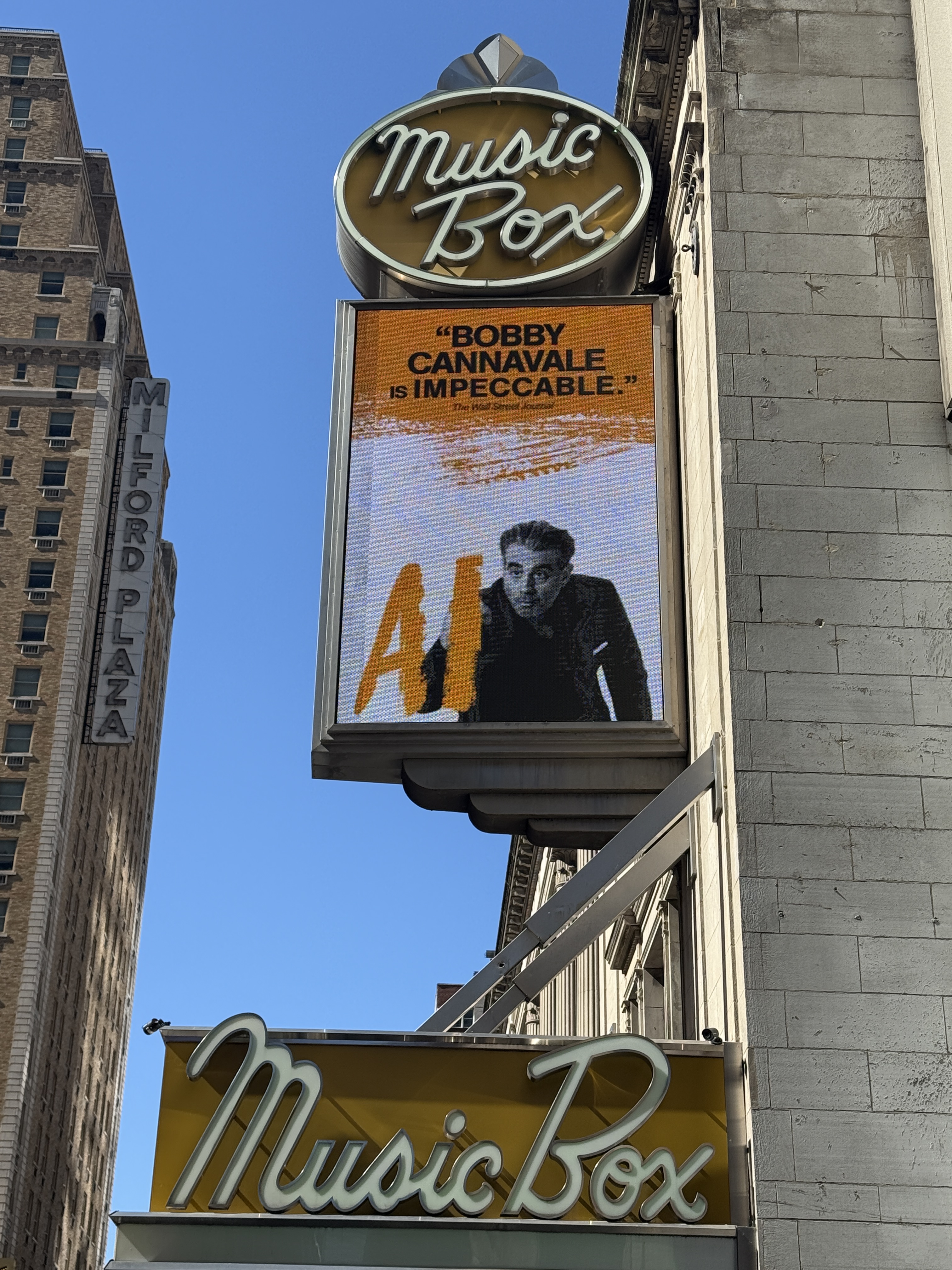
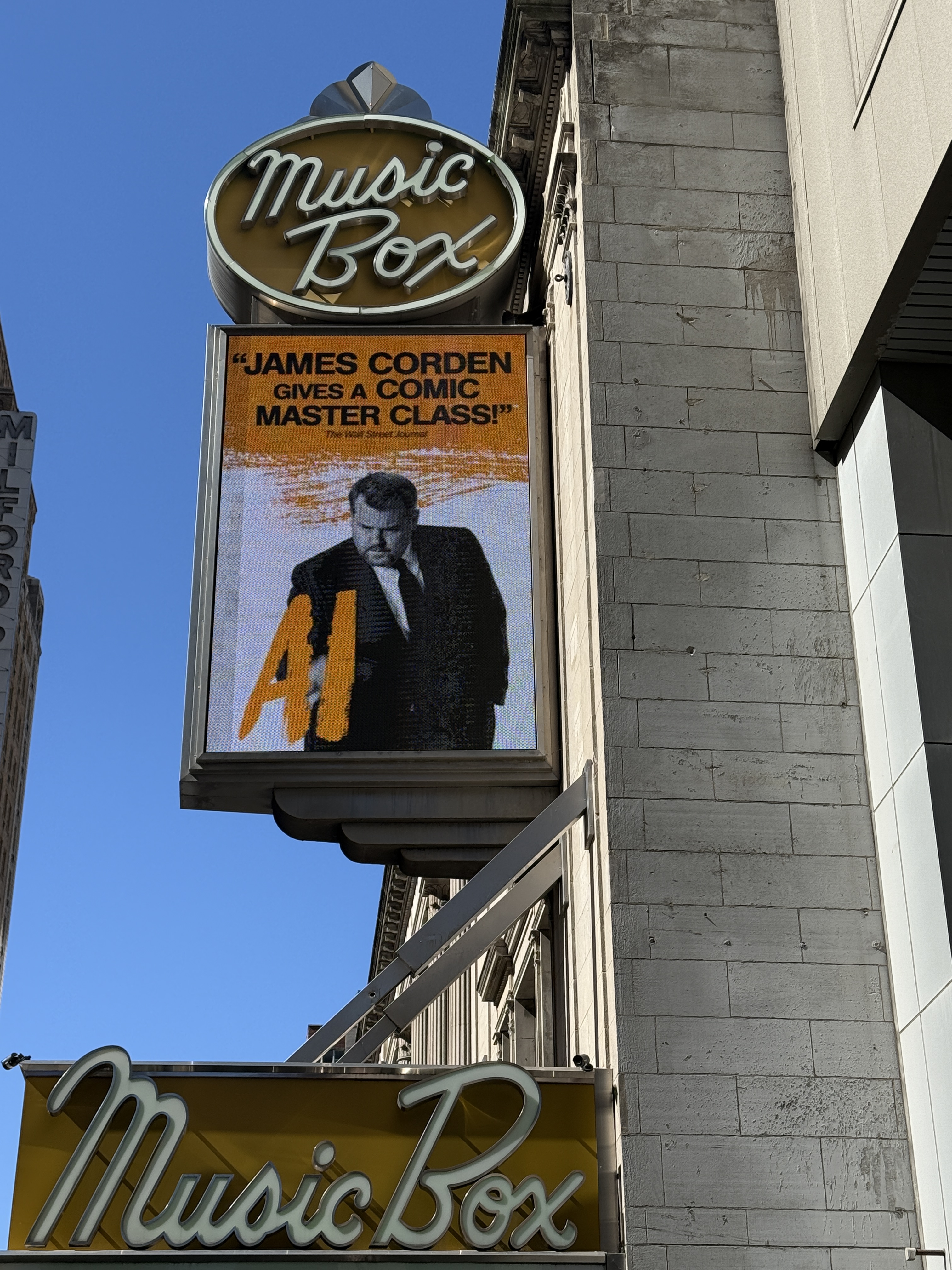
And then we walked (13,200 steps so far today; 5.1 miles) to the Music Box Theater to see “ART” with James Corden, Bobby Cannavale, and Neil Patrick Harris. I had seen this Yasmina Reza play on Broadway in the late 1990s when Alan Alda played one of the roles. This was a revival. The story revolves around three male friends (a dermatologist, an engineer, and a paper salesman)—one of them (the dermatologist) purchases an expensive, all-white painting which leads to debates with the friends about the painting’s value and then the nature of art itself. It’s lively, well written, funny, but also a commentary on friendship, as well as art, possessions, and the “value” of things.
After the play, we strolled to the St Regis to have cocktails at the King Cole Bar. The “King Cole” is home to the famous mural by Maxfield Parish. The mural was originally at the Knickerbocker Hotel bar and had been comnmissioned by John Jacob Astor. It shows a jovial King Cole on his throne, with humorous, subtle details of him passing gas. The bar is–supposedly–the place where the “Bloody Mary” was invented. Thus, the bar had a list of about a dozen different types of Bloody Marys. The mural was moved to the St. Regis Hotel in 1932.
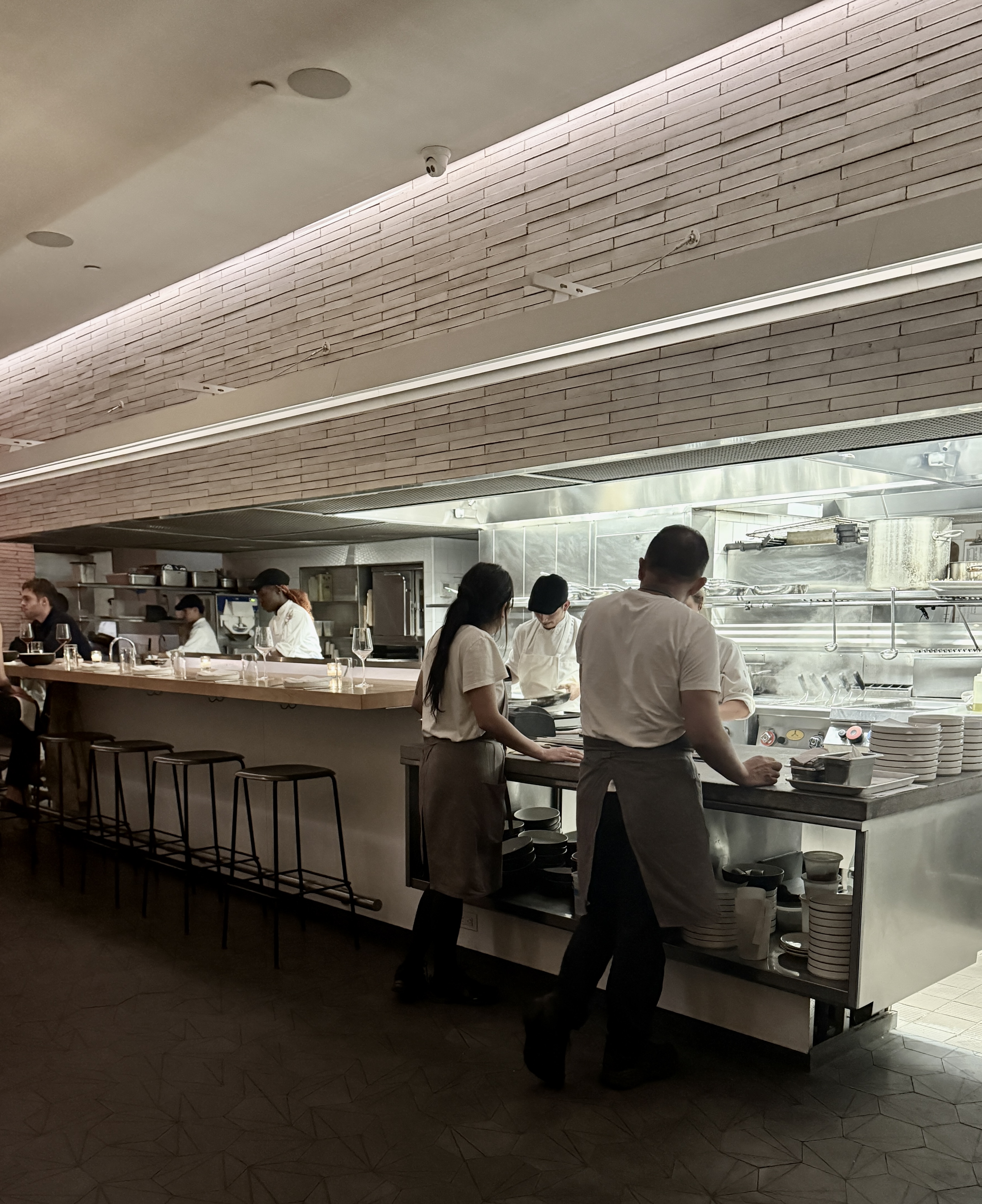
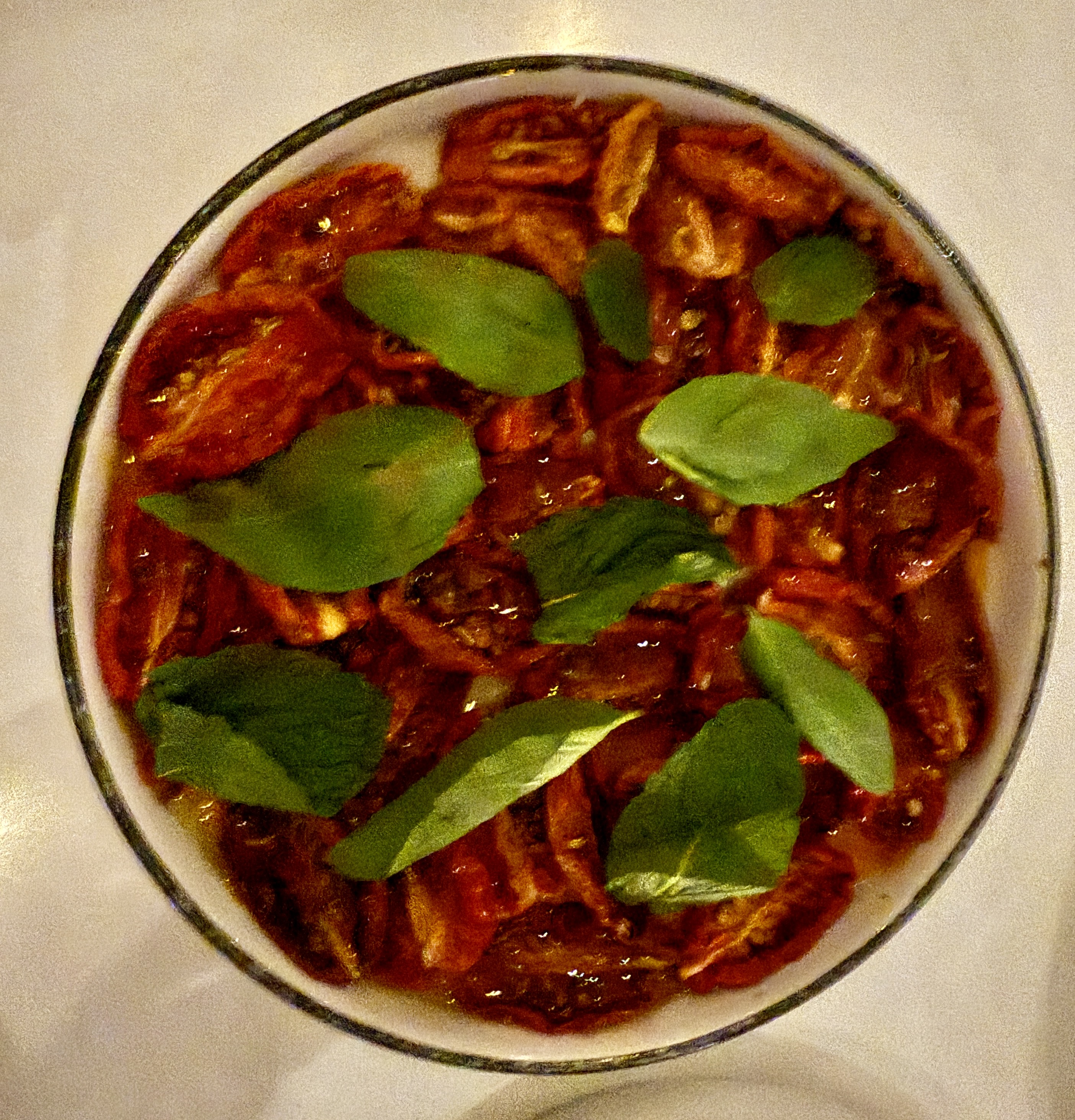
Tonight we ate at Misi in Williamsburg. Food was quite good (Italian-ish) and the space was modern and loud! It was also larger than any of the other restaurants we’ve been in during this trip, so that was interesting. We ordered two appetizers: a slow-roasted tomato salad with “hot” honey; a roasted eggplant salad—followed by a pasta dish—bucatini with tomatoes. .. followed by great gelato (we shared pistachio).

Taxied back to the ACE… I leave tomorrow. Back to Oakland. Carol will move to Manhattan and stay another two days (at the Manhattan ACE). And as they say in Brooklyn — “Later” or “Be seein ya” or “Peace out.”
Take care. La Shana Tova.
Day 5 Brooklyn: September 30, 2025
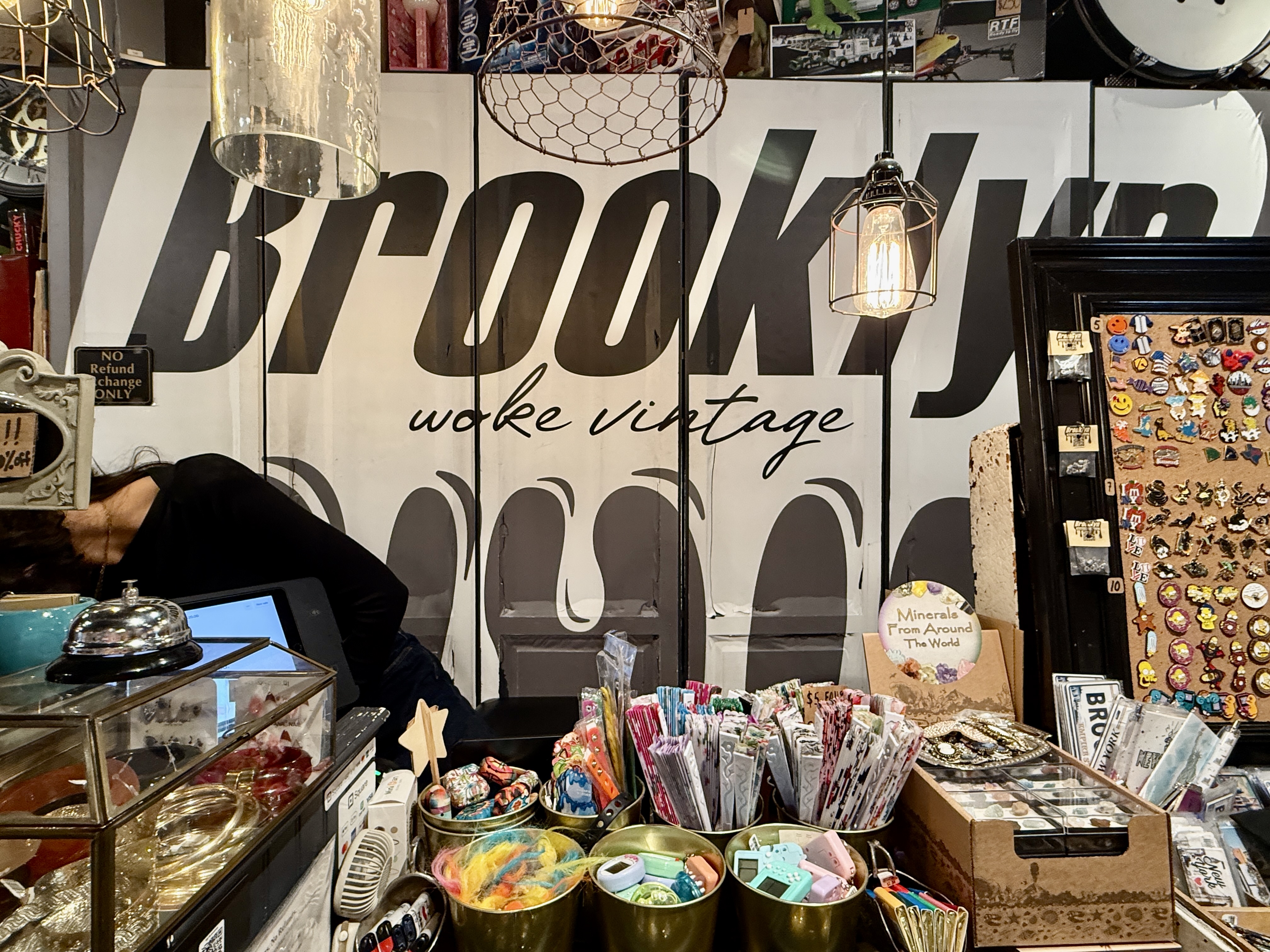
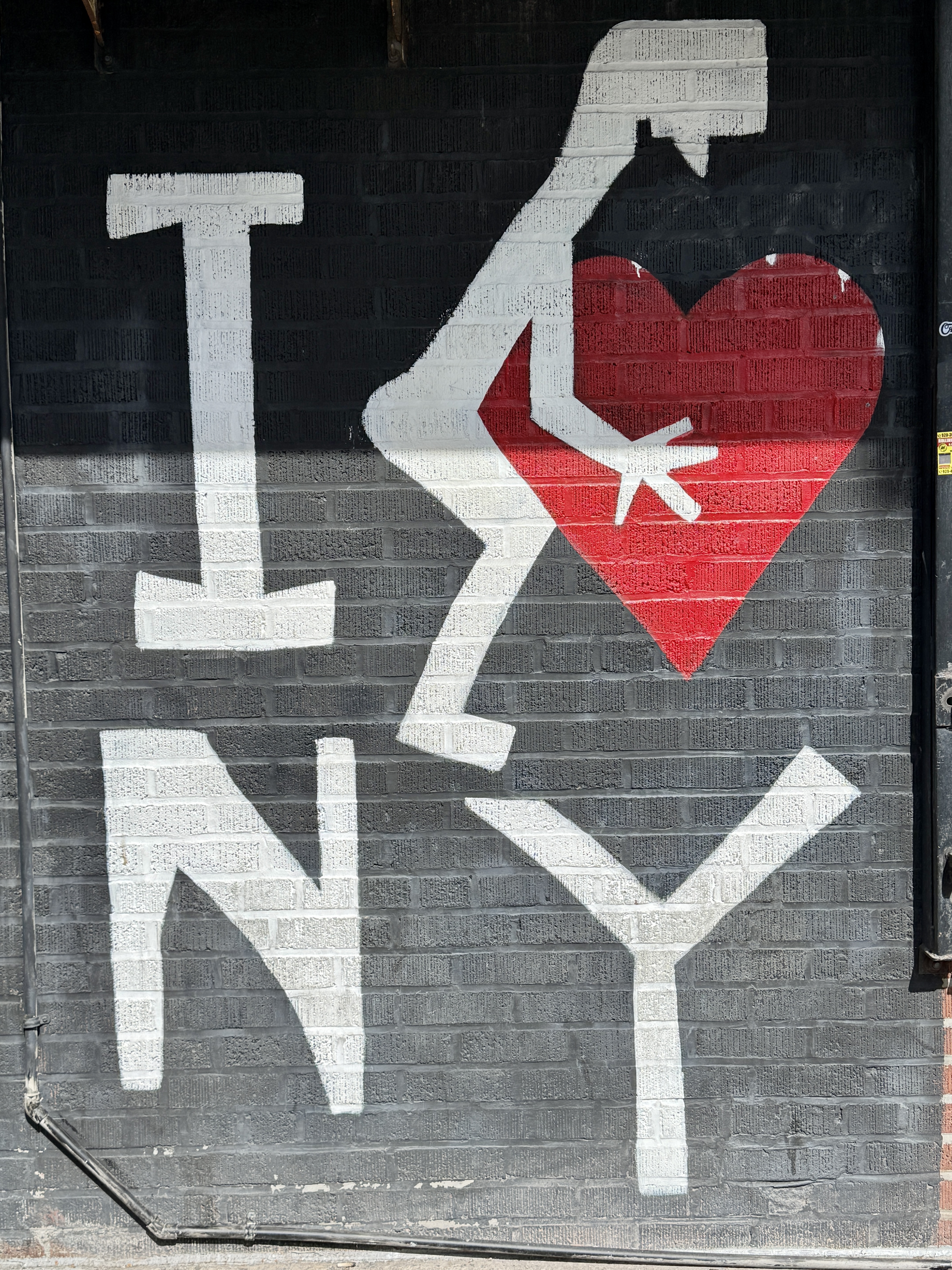
Greetings from Brooklyn—where the deep-fried Twinkie originated, along with tootsie rolls, Sweet ‘n’ Low, the first bank credit card, the roller coaster, and teddy bears. And over the course of these travel blogs about Brooklyn, I failed to mention that:
- If Brooklyn was a city, it would be the fourth largest city in the US (with a population of more than 2.5 million); it is the most populous borough of the city (Manahttan population is just 1.6 million)
- Celebrities born in Brooklyn include Larry David, Woody Allen, Barbara Streisland, Judge Judy, Eddie Murphy, Spike Lee, Al Capone, Adam Sandler, Lena Horne, Marisa Tomei, Anne Hathaway, Mel Brooks, Mickey Rooney, and Rosie Perez… among many others.
- Brooklyn’s density is about 38,000 per square mile (Manhattan density is about 72,000 per square mile)
- Brooklyn is significantly larger than Manhattan, covering about 70 square miles compared to about 23 square miles)
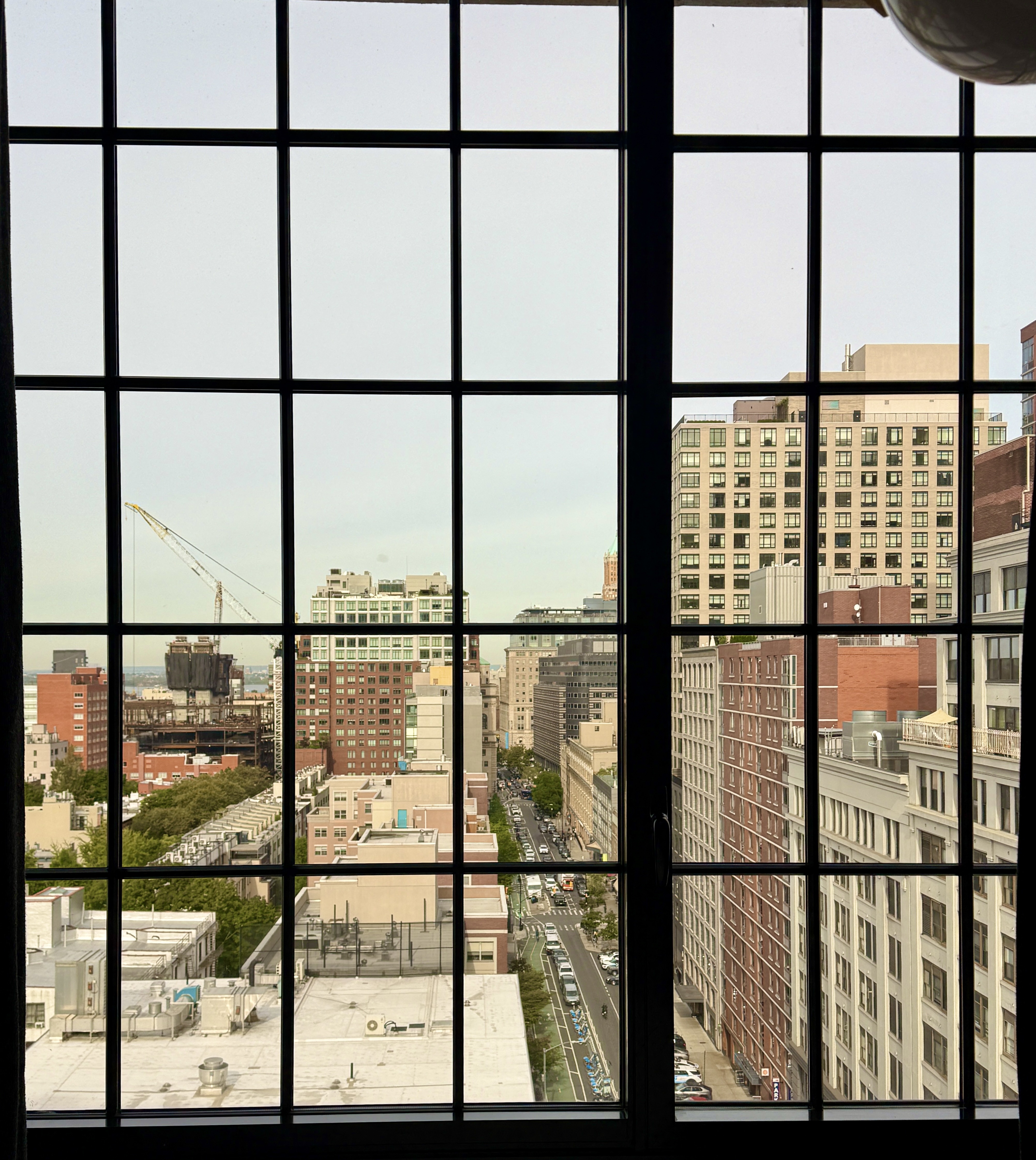
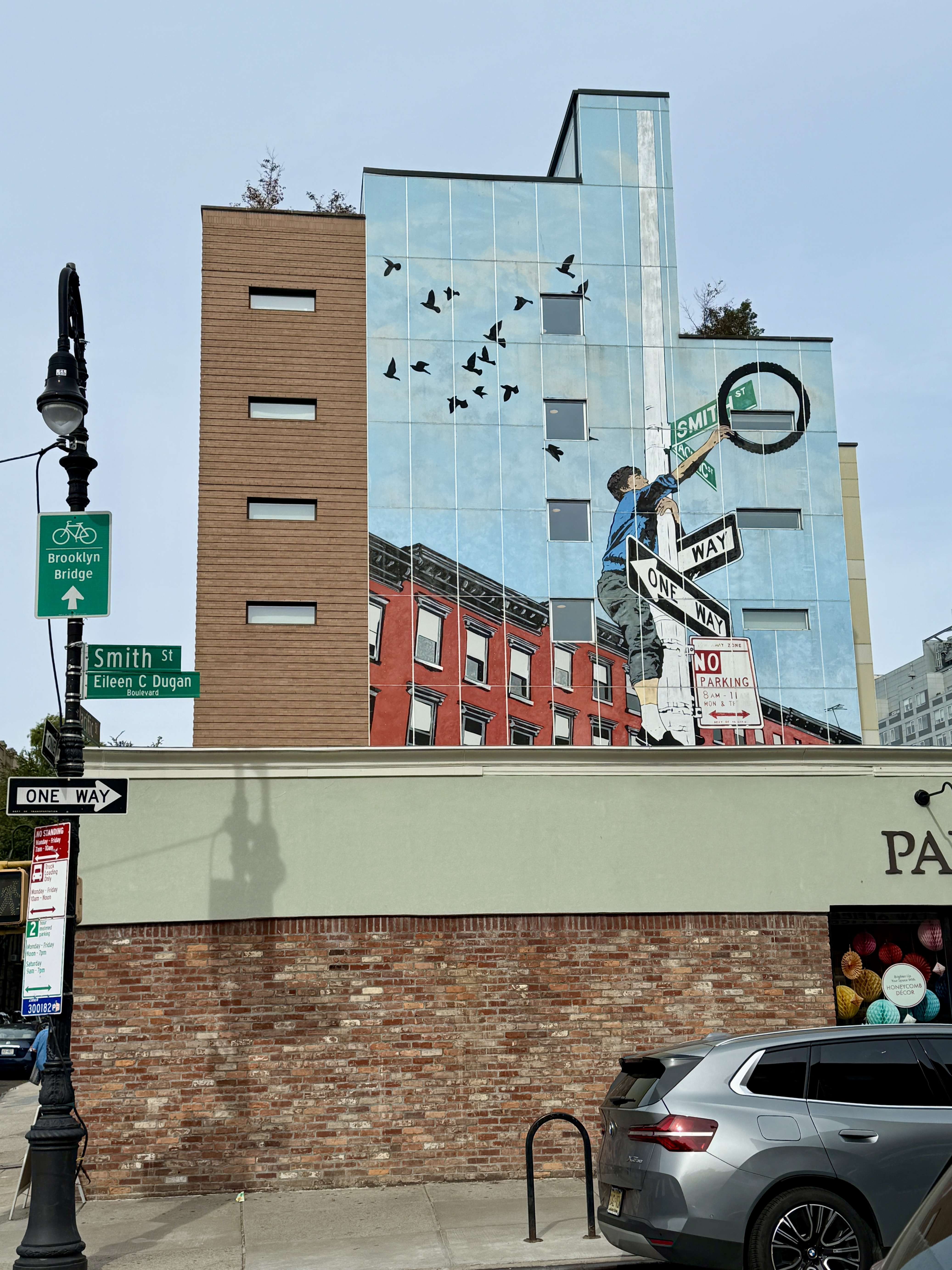
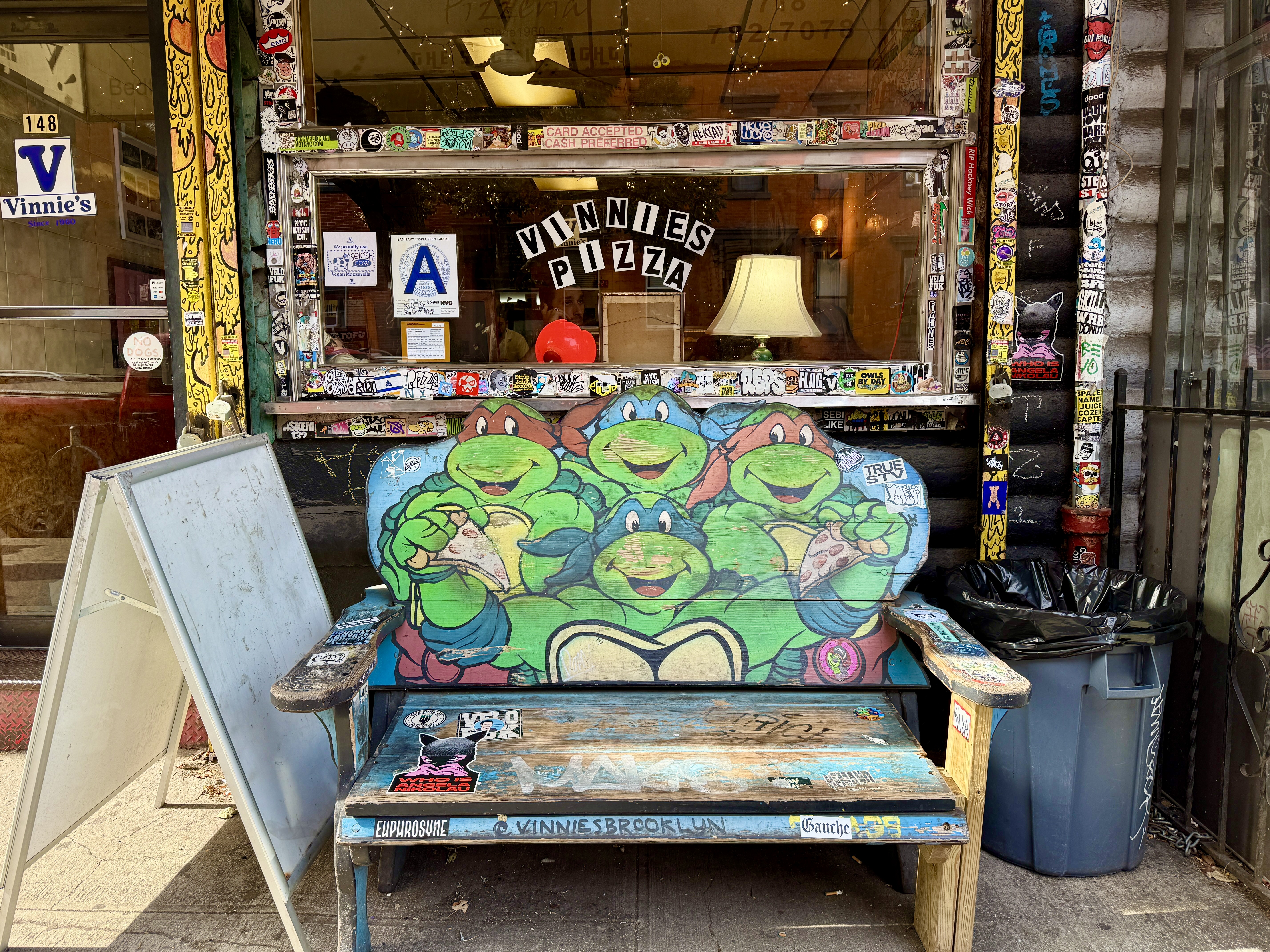

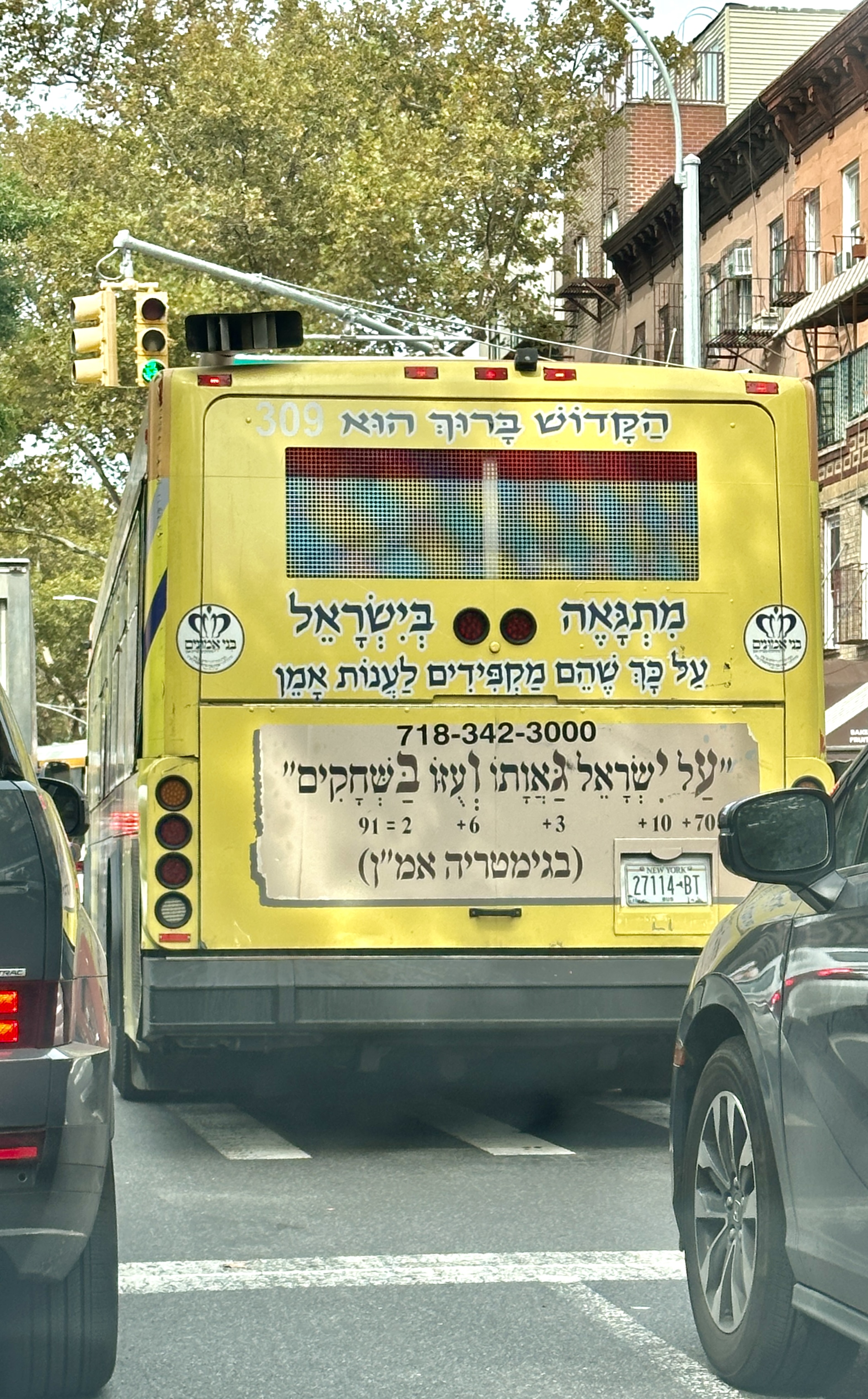
We started our day in Williamsburg at a little breakfast place I knew called Sunday in Brooklyn (but they are open every day!) Driving from the hotel to Williamsburg—a mere 2 miles–took about 25 mihutes with traffic and double parked cars, emergency vehicles whizzing by with sirens, and one way streets. But it gave me a chance to show Carol and Adrienne some different neighborhoods and streets and the Hasidic part of Williamsburg merging with the totally gentrified section of Williamsburg. Quite a contrast, but they all seem to make it work. And it’s sort of funny to see Hasidic women shopping in Muji!
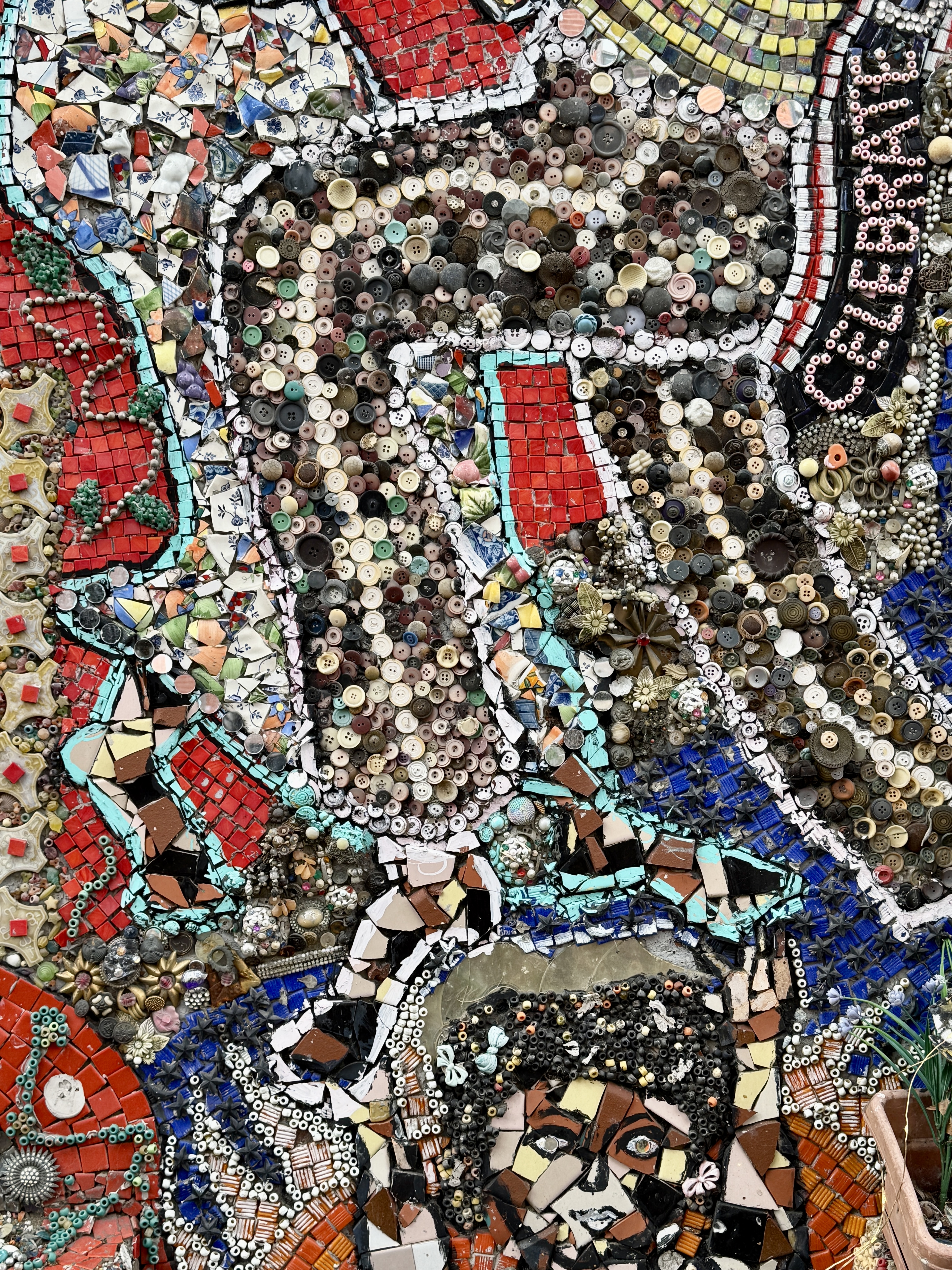
But, I digress — before we drove to Williamsburg we walked to see the “mosaic house,” an amazing 1860 townhouse owned by the artist Susan Gardner who has transformed the exterior of the house (maybe the inside as well, but I’ve never been inside!) into a work of art. The facade is encrusted with little pieces of ceramic and old CDs and buttons and crockery, and glass that create images of people and angels and landscape and spirits. Because I think Gardner actually has art training, the parts actually flow well together and create a total image that pull together the many parts. And beyond the visual, the fence surrounding the little “garden area” is covered with anti-Trump signs and slogans, feminist statements, and strong anti-racism posters–which all add to complement the artwork.
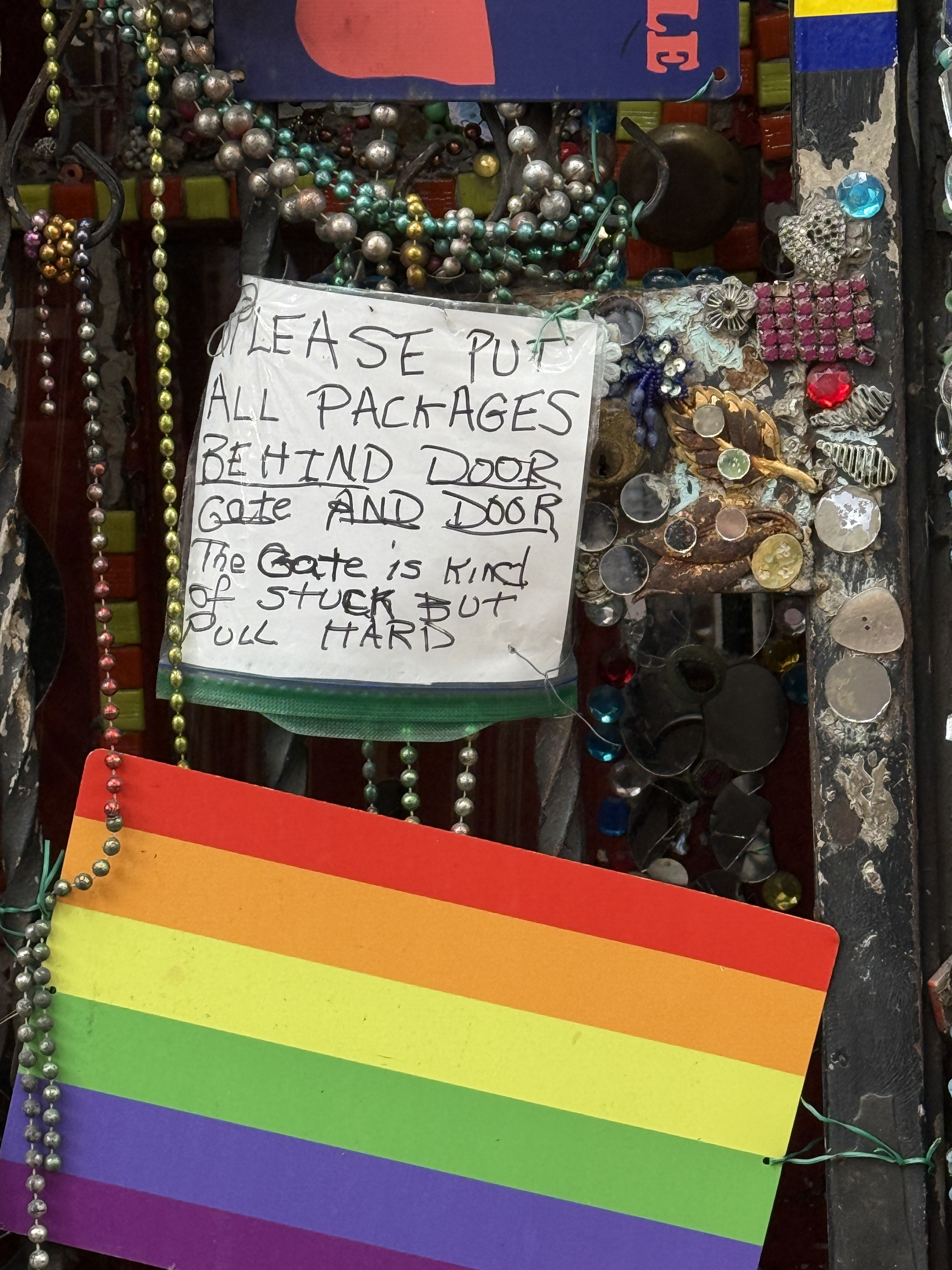
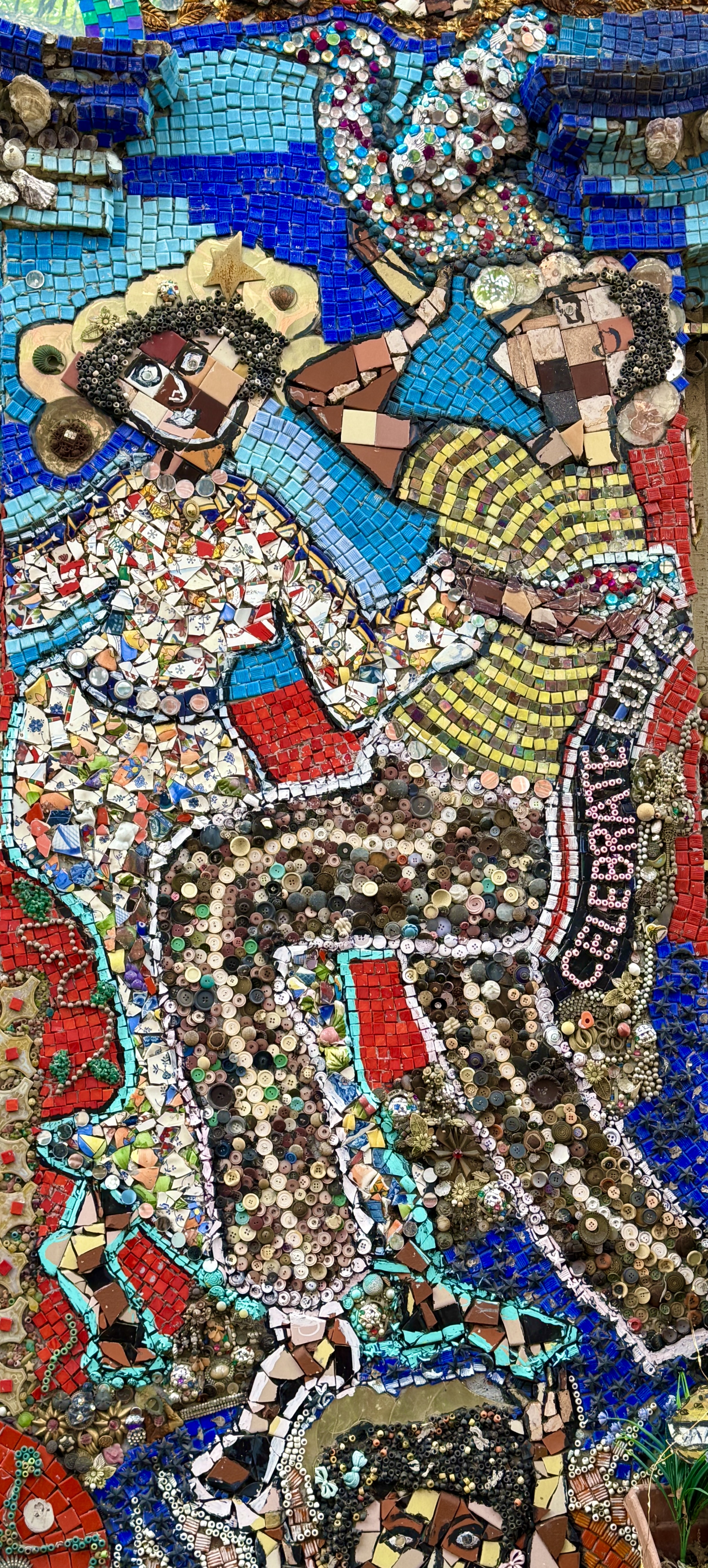


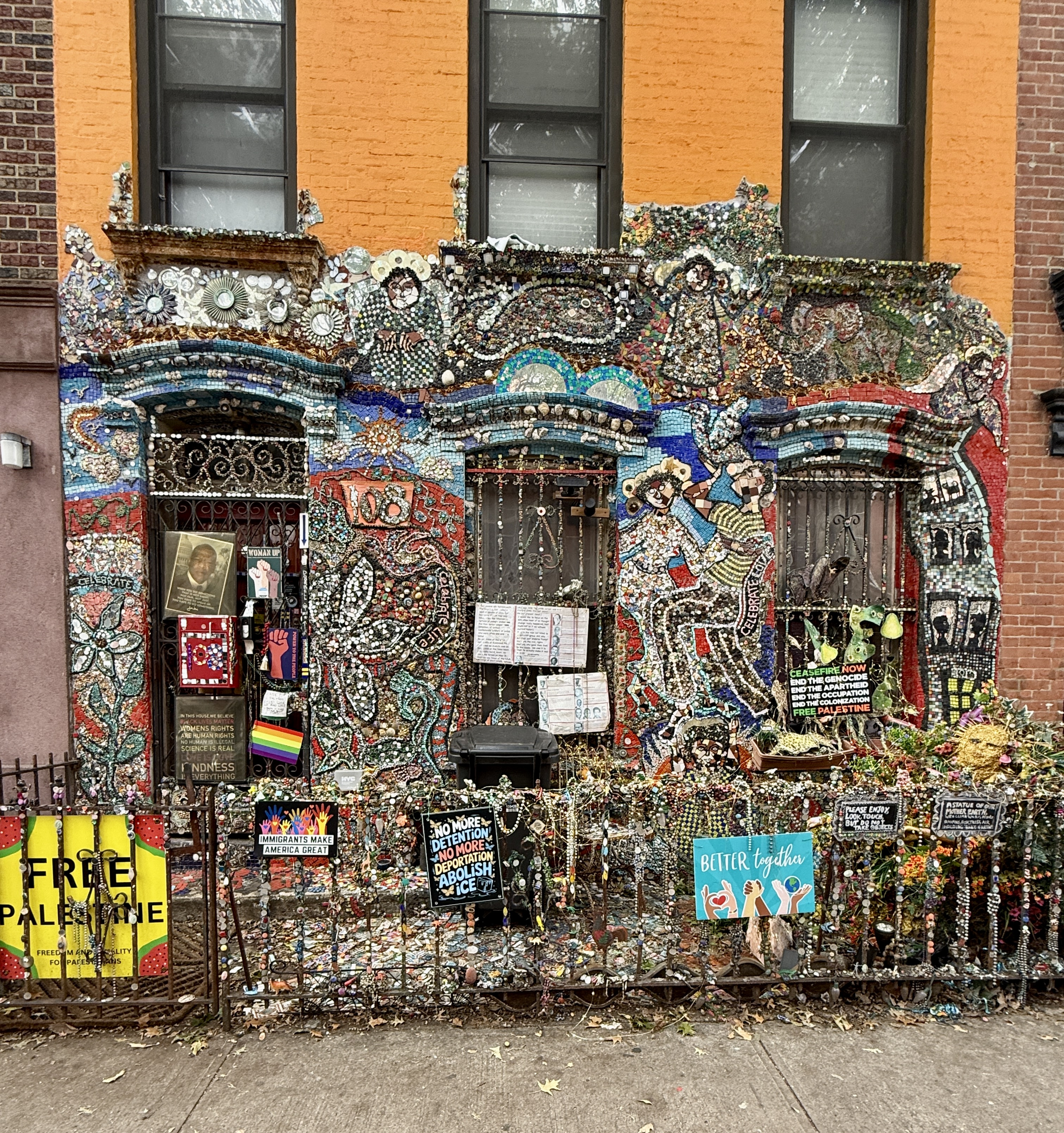
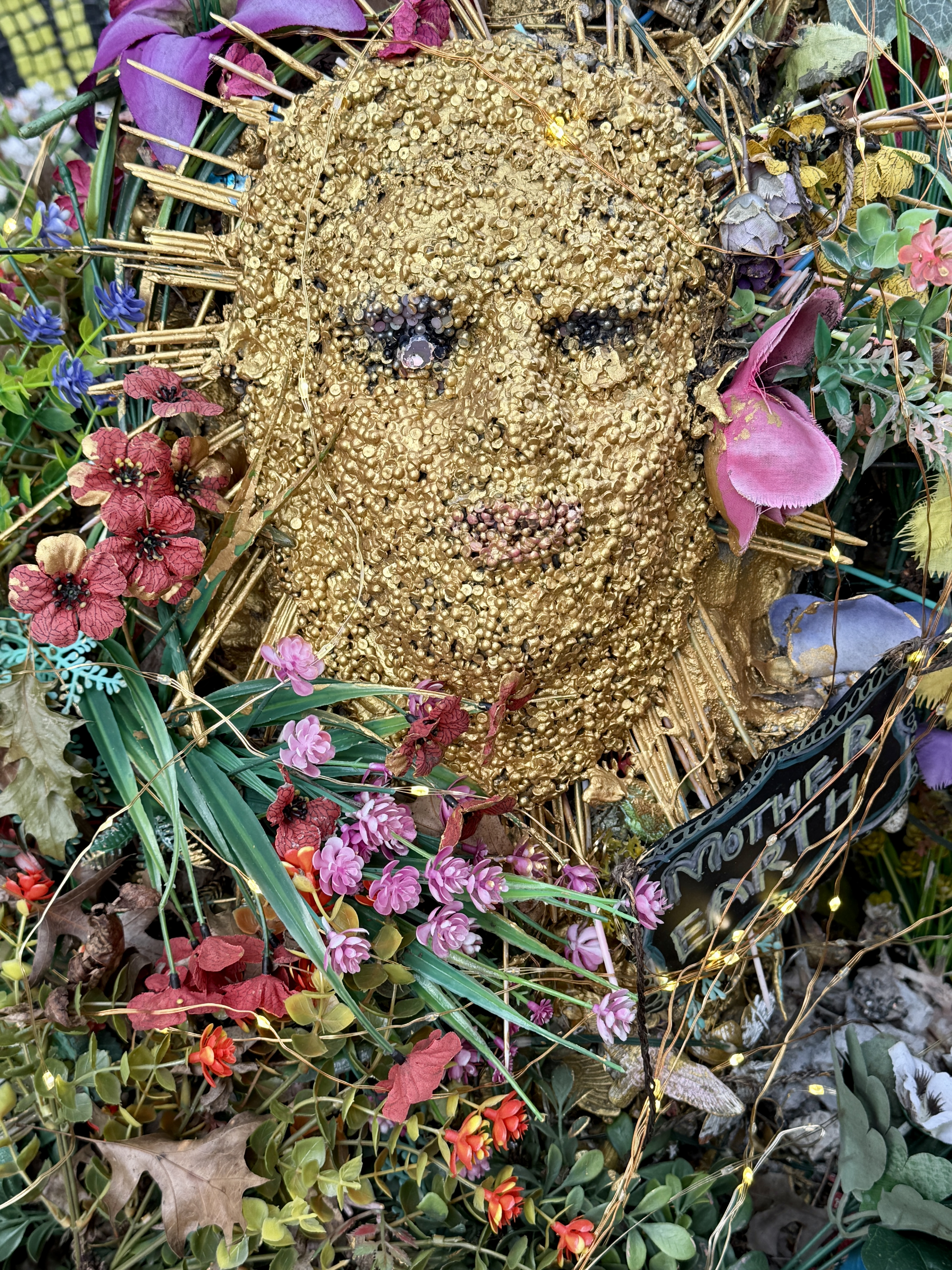
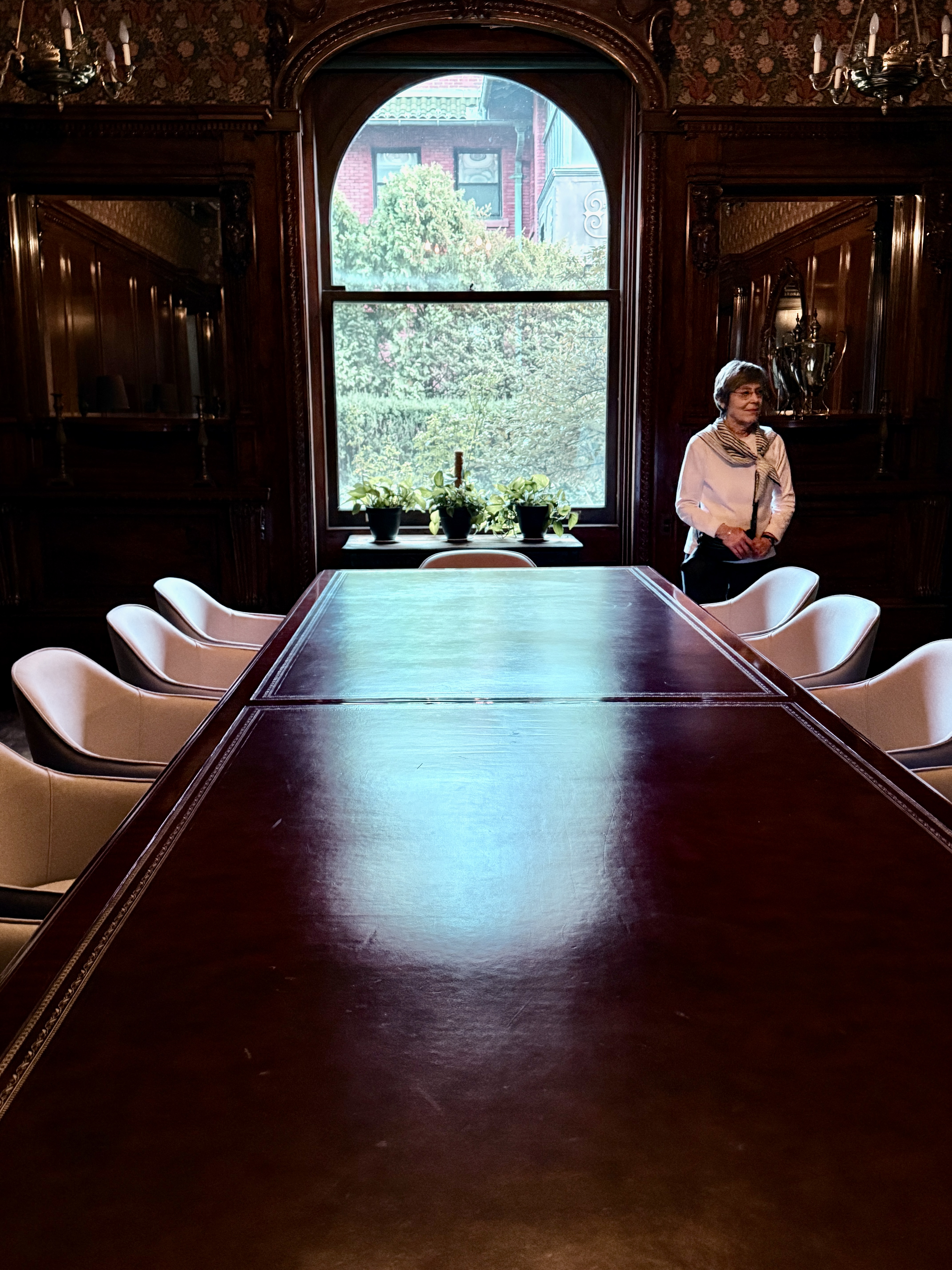
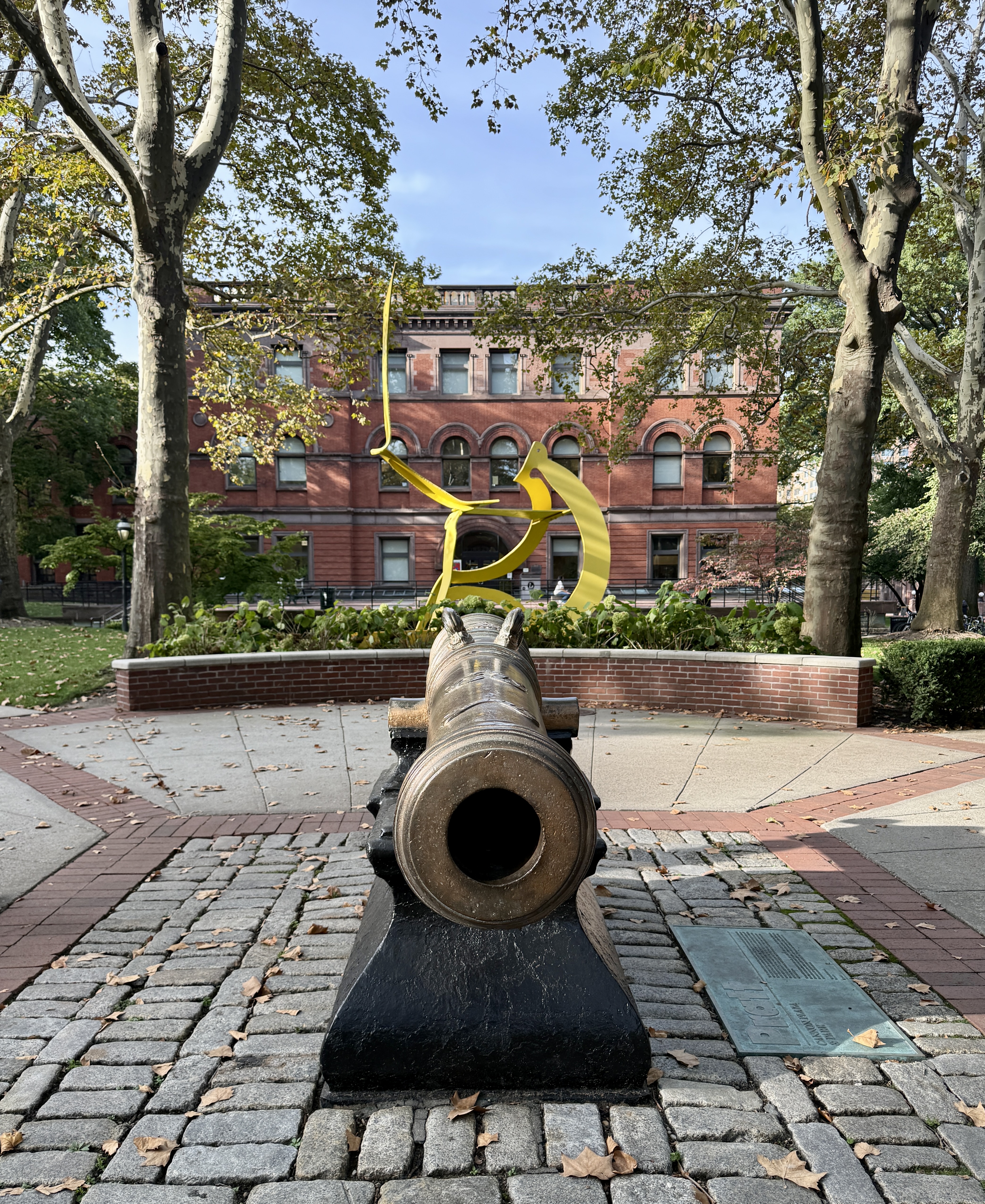
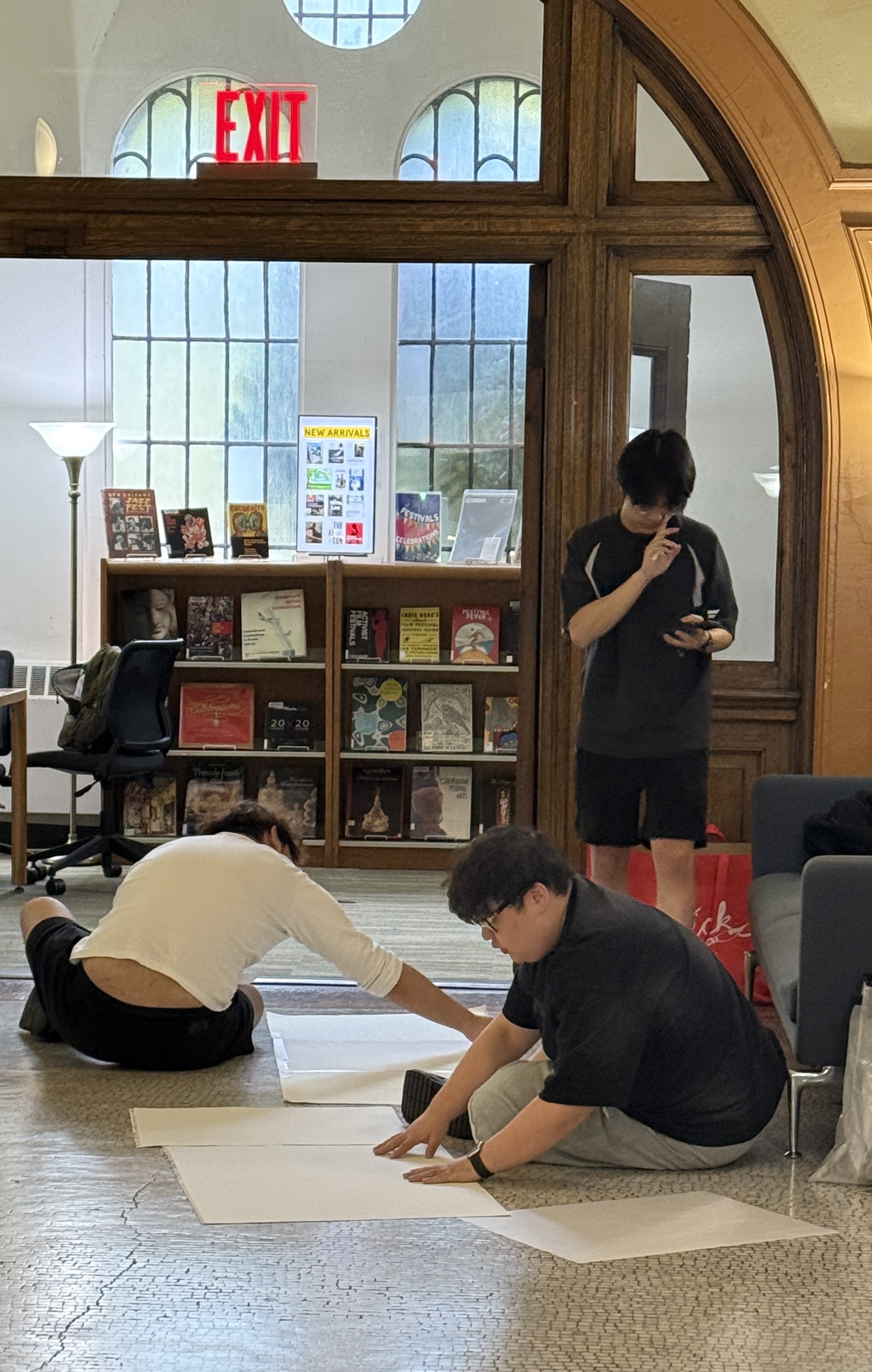
We strolled around Williamsburg for several houses; checked out some vintage shops and some cool boutiques, stopped for really good ice cream and finally headed to Fort Greene/Clinton Hill (home of my alma mater). We circled the campus as I tried to explain the neighborhood and then strolled through the sculpture garden, stopped in the wonderful library (opened in 1896) with glass block floors at the stacks, and then headed to meet up with the President (Frances Bronet) who is a friend. She gave us a marvelous tour of the campus (bringing back a lot of memories), and then took us to the President’s house (The Caroline Ladd Pratt House)–all 22,000 sq feet with 9 bathrooms. The house is a sort of Georgian style/Renaissance Revival with a wonderful side yard such that the house does not sit in the center of the lot.
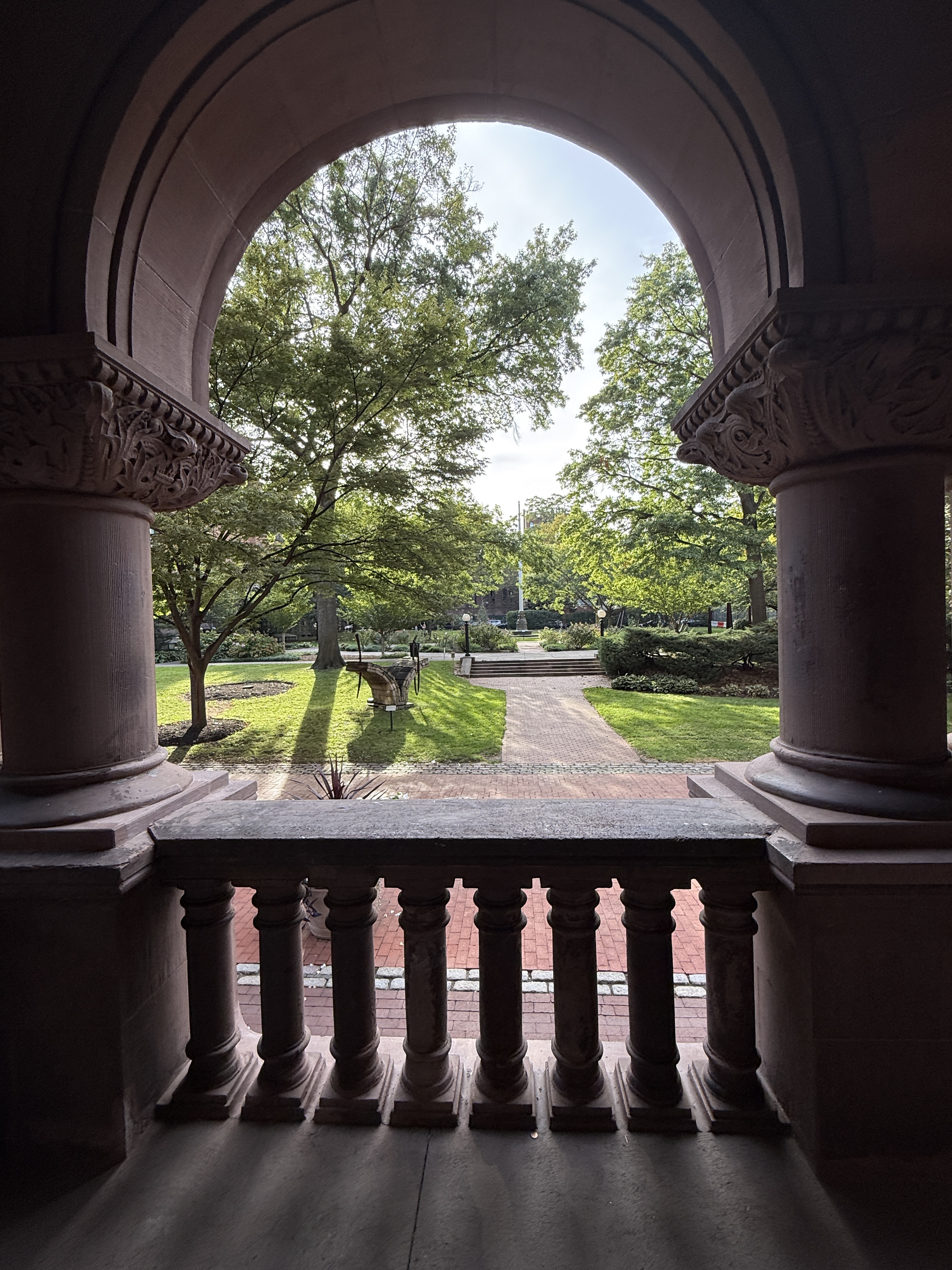
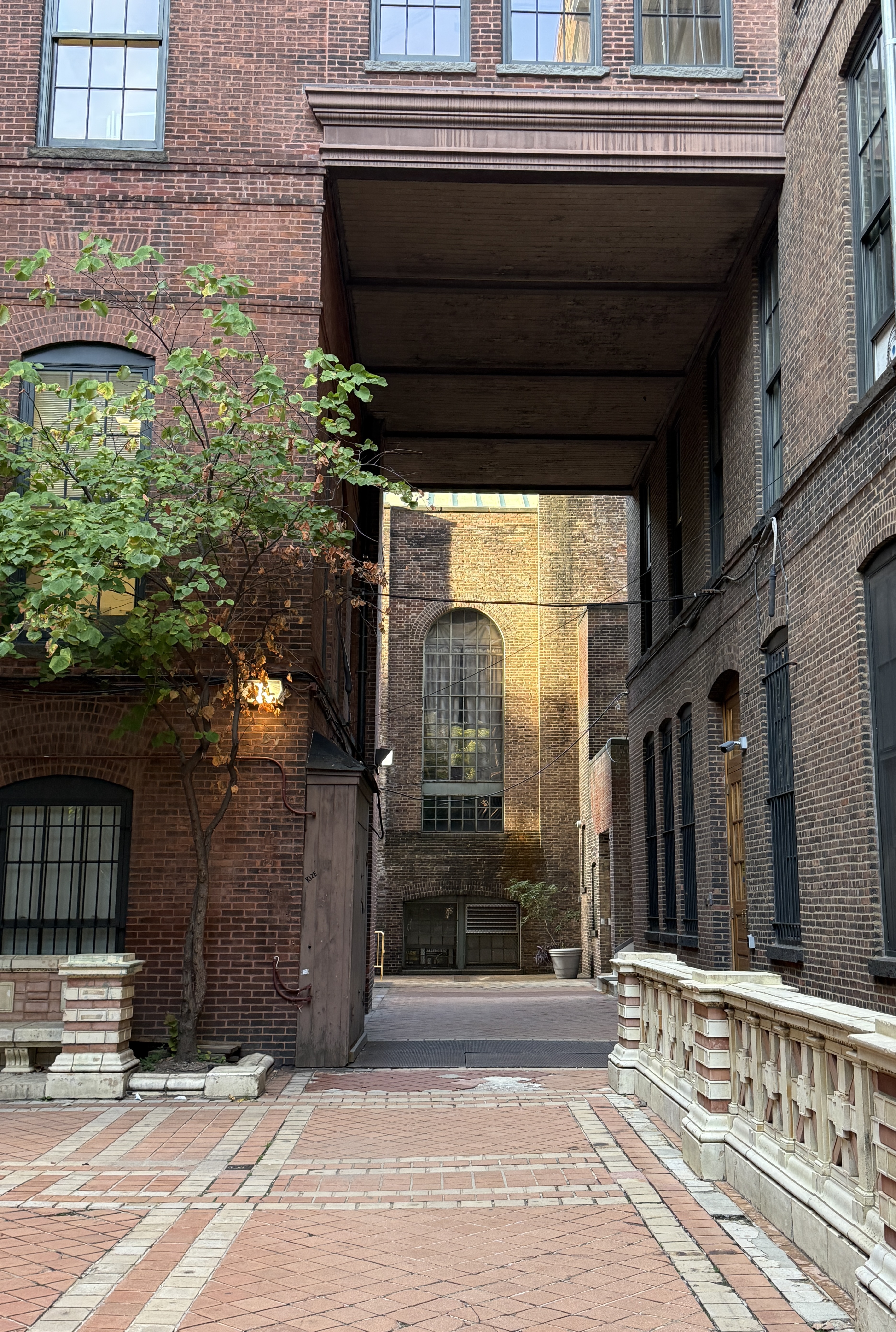
After a really nice visit, we headed to the hotel and then we were off for dinner at a tiny place called Fradei, on South Portland Street (actually sort of close to Pratt)–which means “brothers” in Italian (Venetian dialect). I’d say the food (which is fantastic) has a bit of a French flair, and they use only locally-sourced products. We started with two small salads: a creamy dill cucmber and an heirloom tomato with herbs and a dreamy olive oil, sitting on a bed of what I think was labneh, but maybe some kind of goat cheese. We paired that with a great scallop crudo and then we shared a delicate pasta dish and also a main course: halibut that melted in your mouth. Ended it all with a sponge cake with creme fraiche and raspberry drizzle. And we had a nice French Orange wine.
That’s it for today… More tomorrow.
Day 4 Brooklyn: September 29, 2025
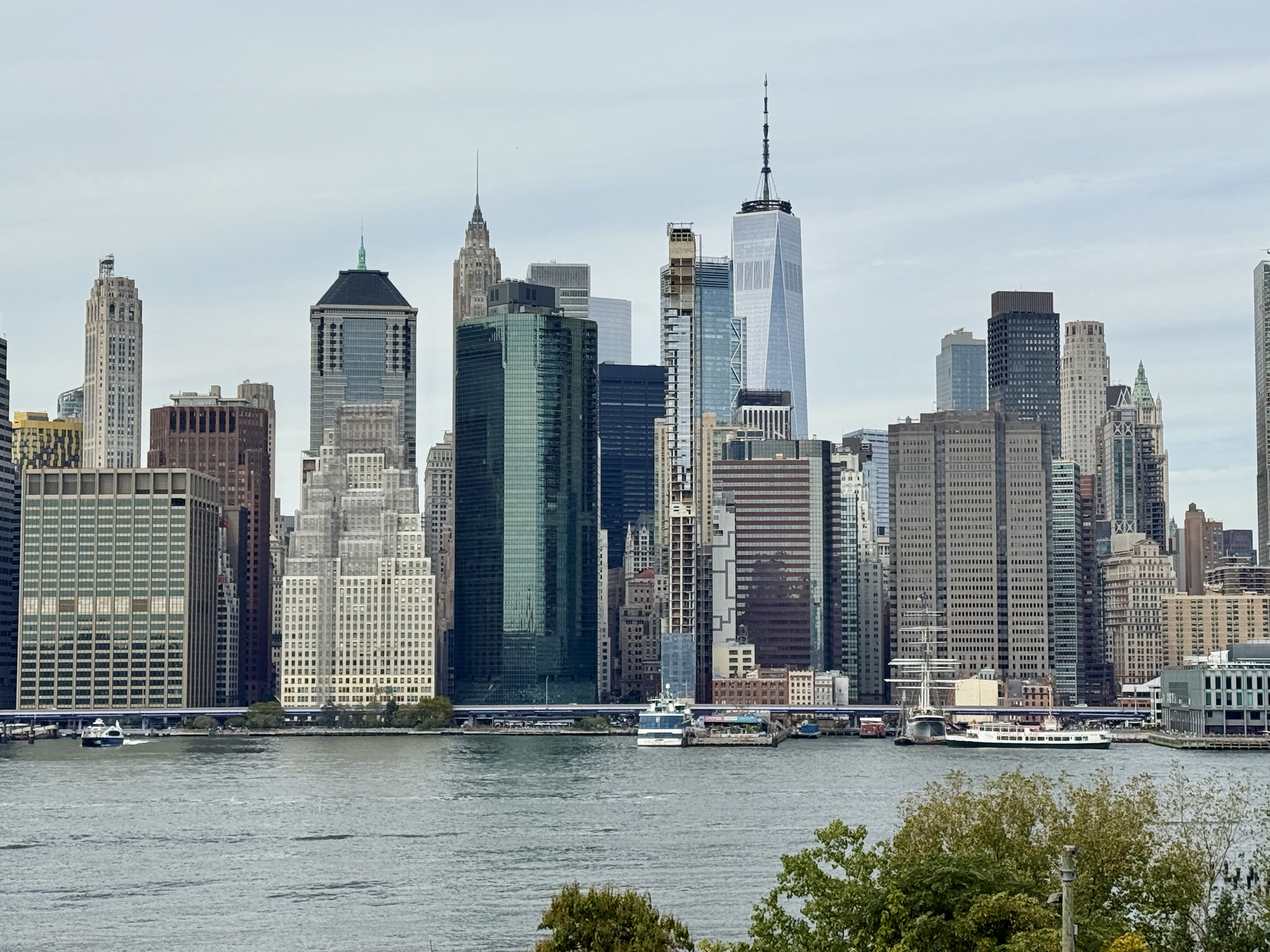
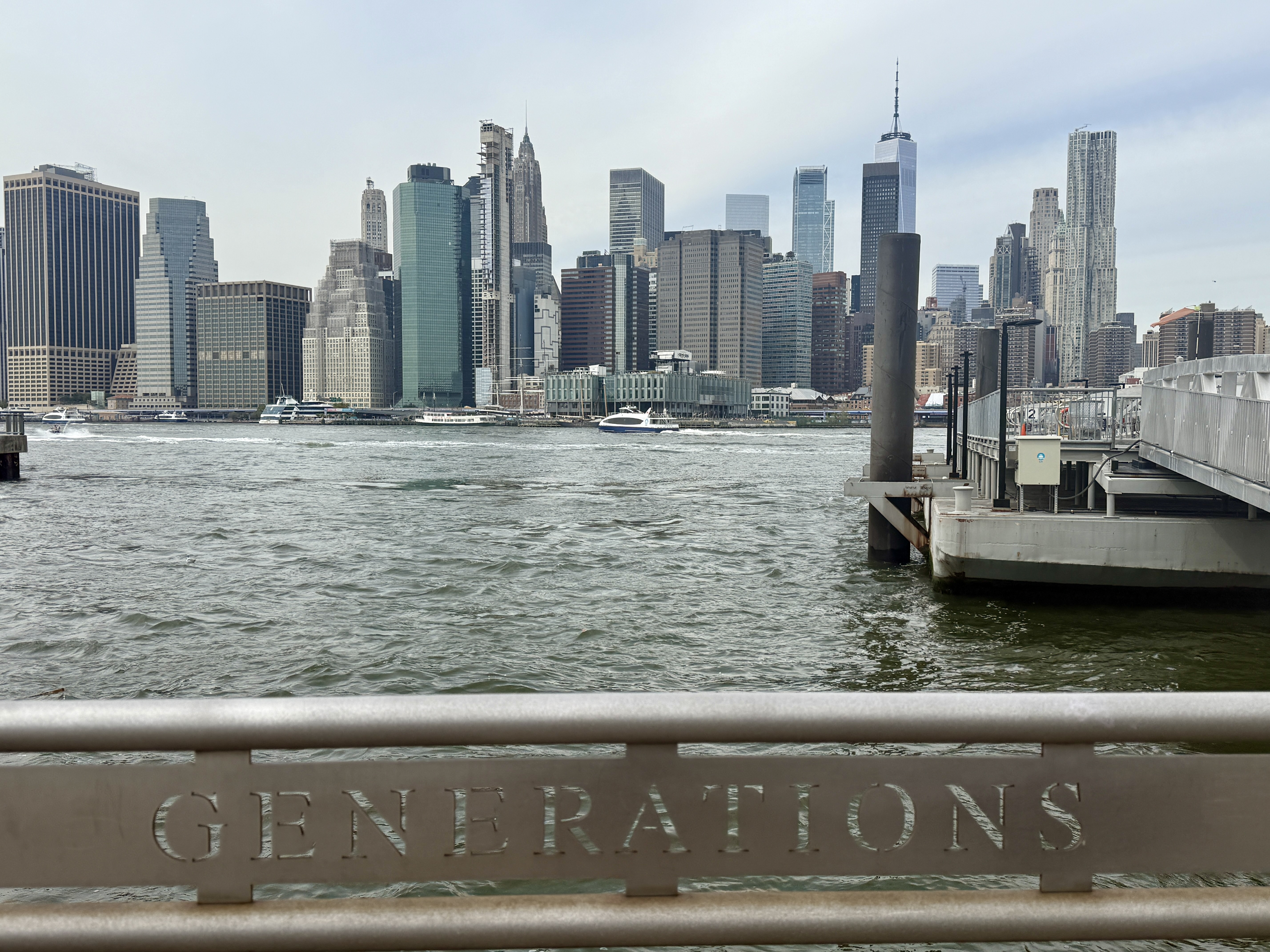

Monday, September 29, 2025. nearly 16,000 steps.
Go Mamdani! Voting has begun in NY. Keeping fingers crossed.
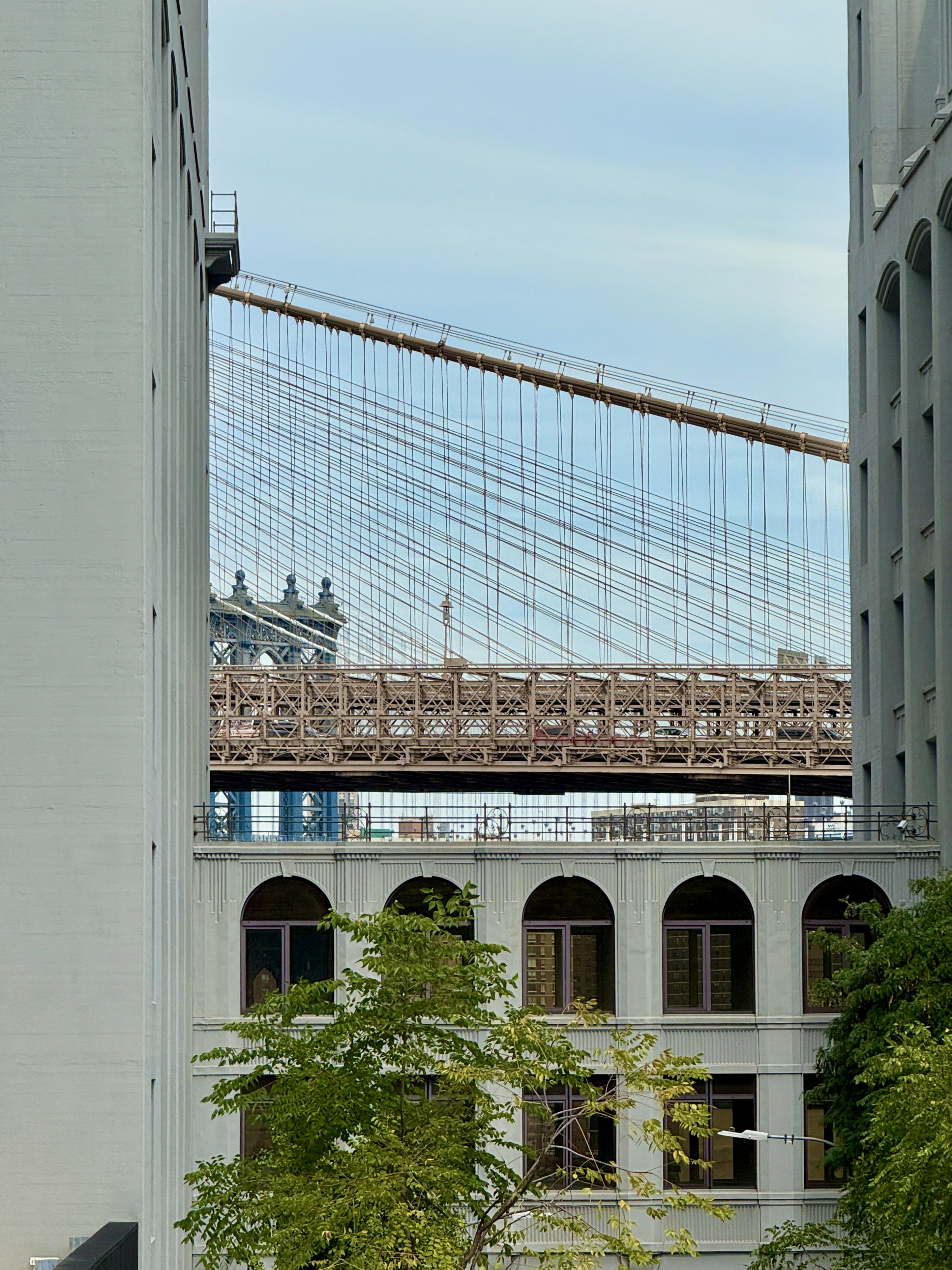
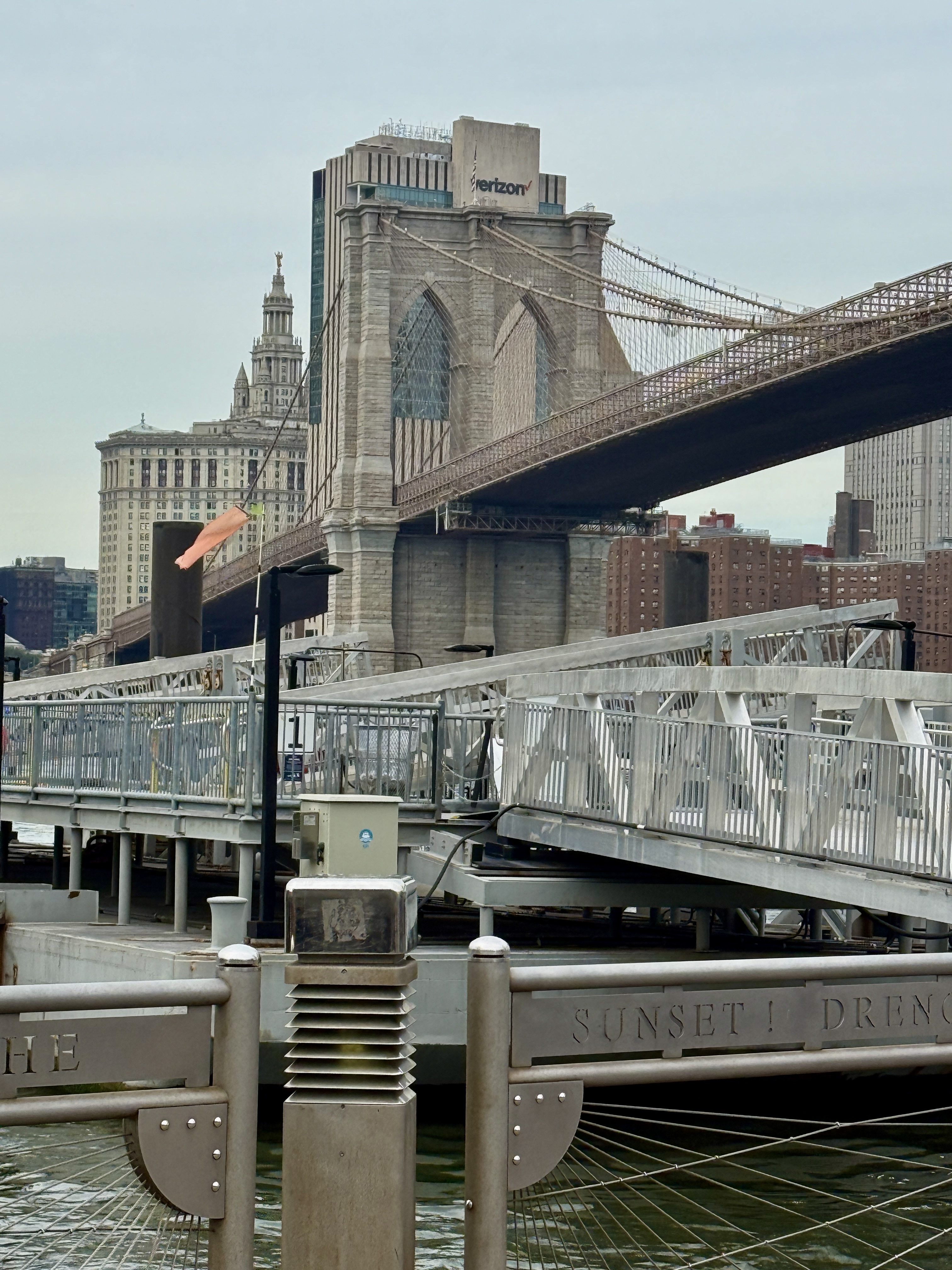
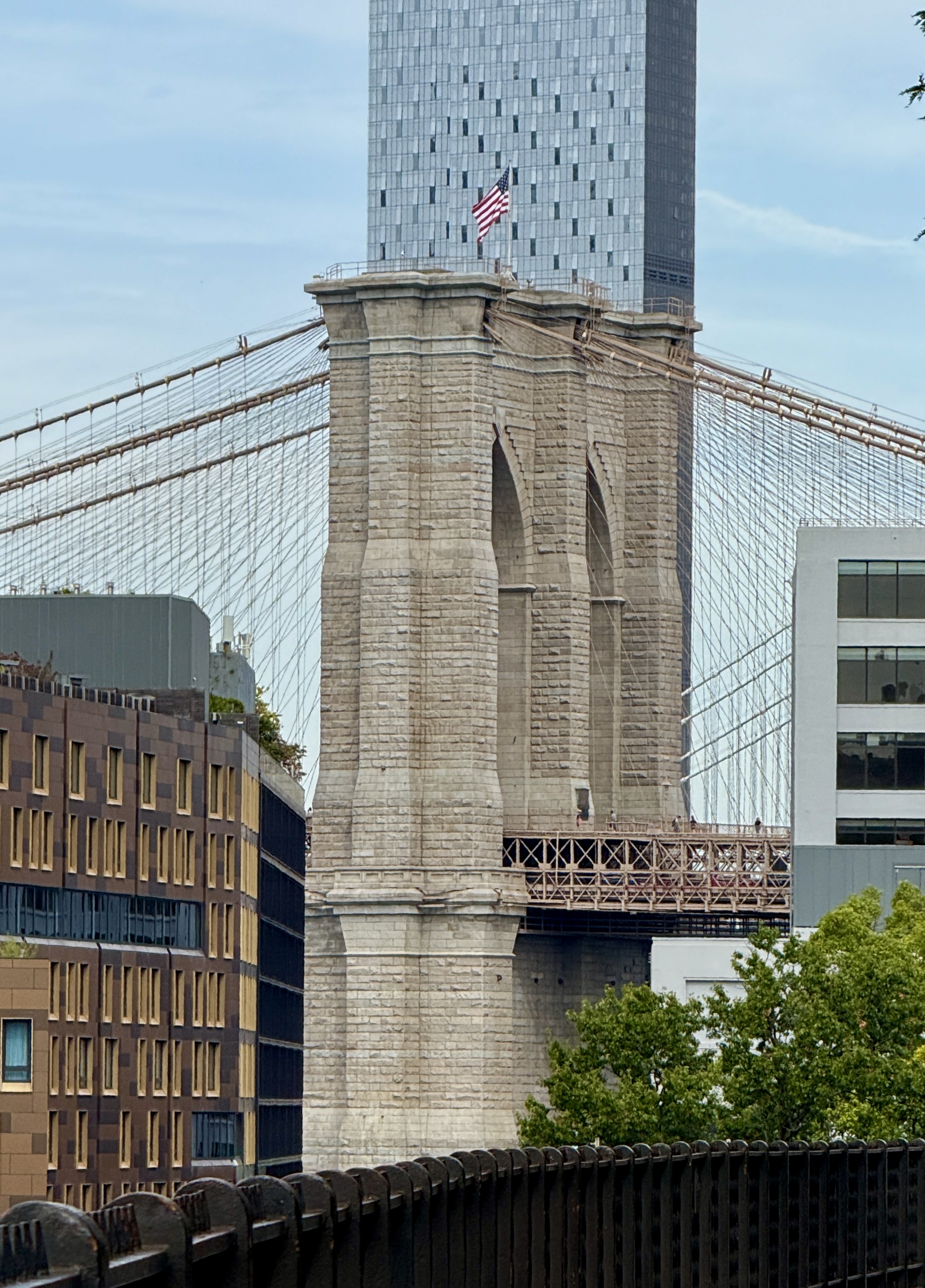
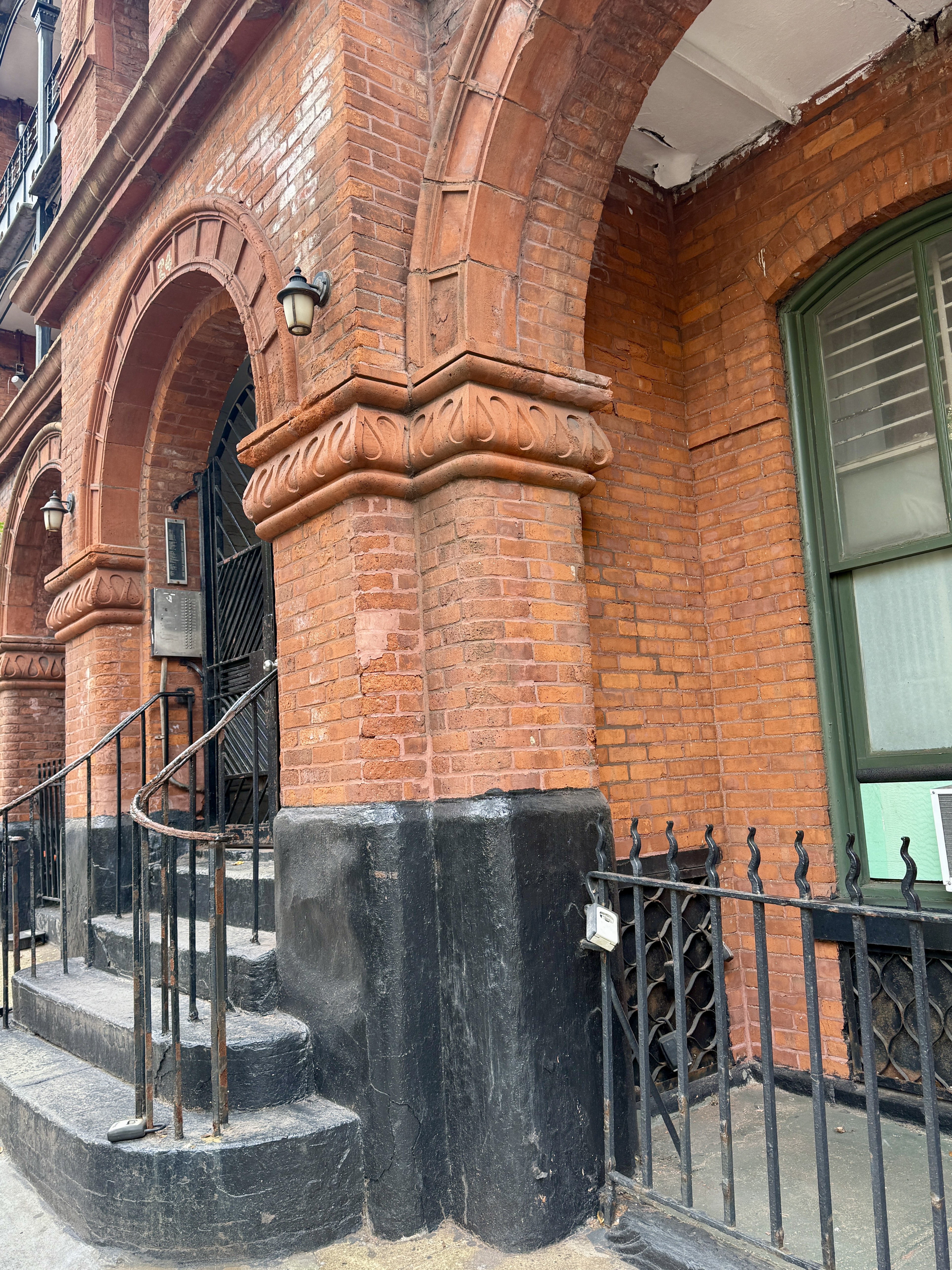
Began the day with a room change here at the ACE Hotel and I am now on the very top floor with a corner room! But I’m not in the room much althoughit is wonderful to see the sun rise over Manhattan and the East River. Anyway, after a nice, quick, and later-than-usual breakfast at the Ace, we headed to the wonderful, iconic, elevated Brooklyn Heights Promenade, driving through the wonderfully tree-lined streets of the Heights and marveling (swooning over) the 19th Century. brownstones and row houses. The walk on the promenade was–as always–delightful, exposing the best views of the Manhattan skyline. We walked to the end and dipped down into Brooklyn Bridge Park–getting close to and under the Brooklyn Bridge.
We p[arked the car right at Cadman Plaza Park which forced us to take a wonderful walk through Brooklyn Heights as we meandered to the Promenade.
Along the way, we decided we needed a little bathroom break, but Brooklyn Heights doesn’t have a lot of commercial streets, so we decided to go into the NY Supreme Court building on Adams Street and see if we could use a rest room. There were about 7 guards, including two who looked like theyr were in full gear including bulletproof vests. But they couldn’t have been more friendly and quickly gave us access to the facilities!
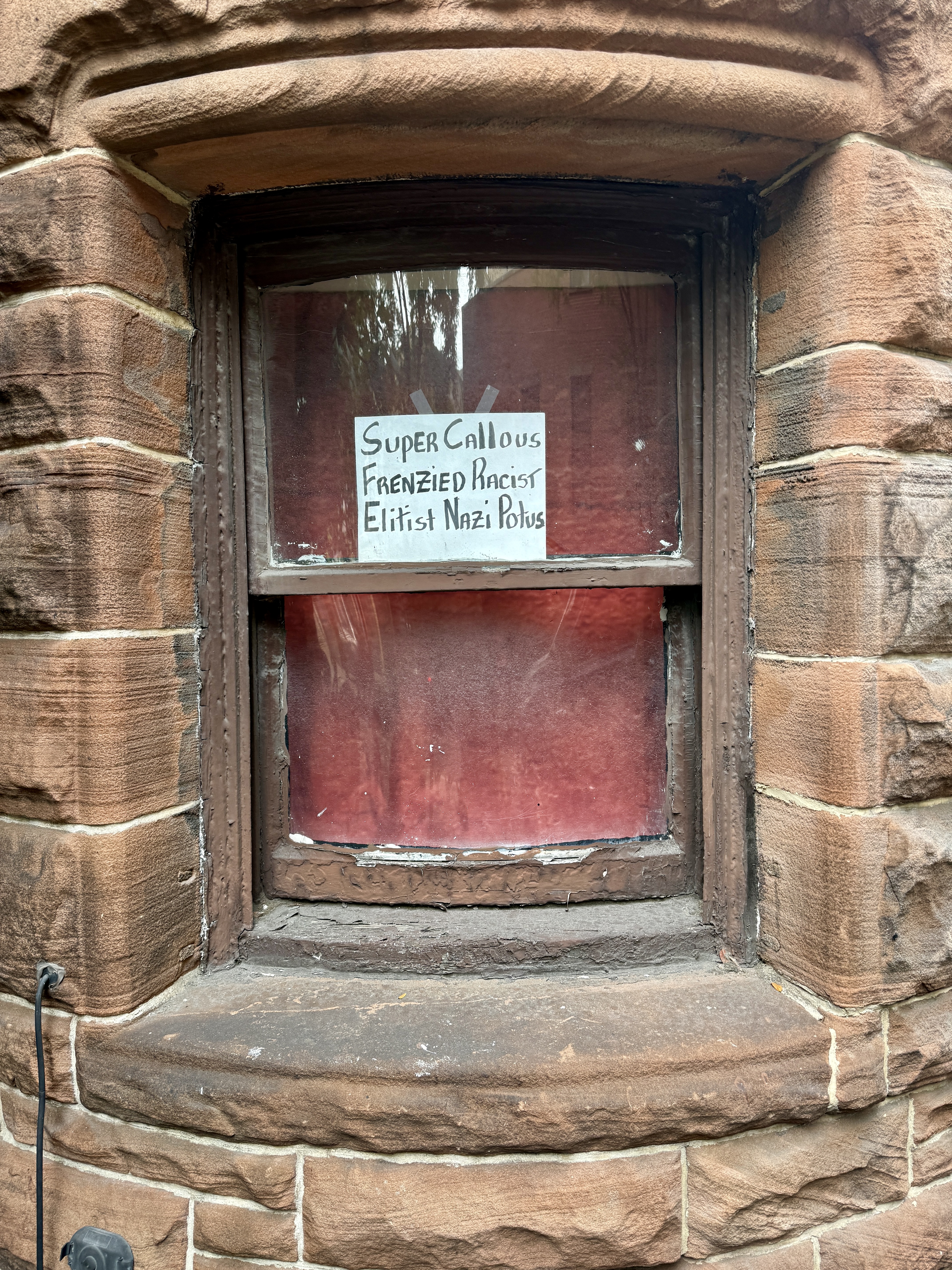
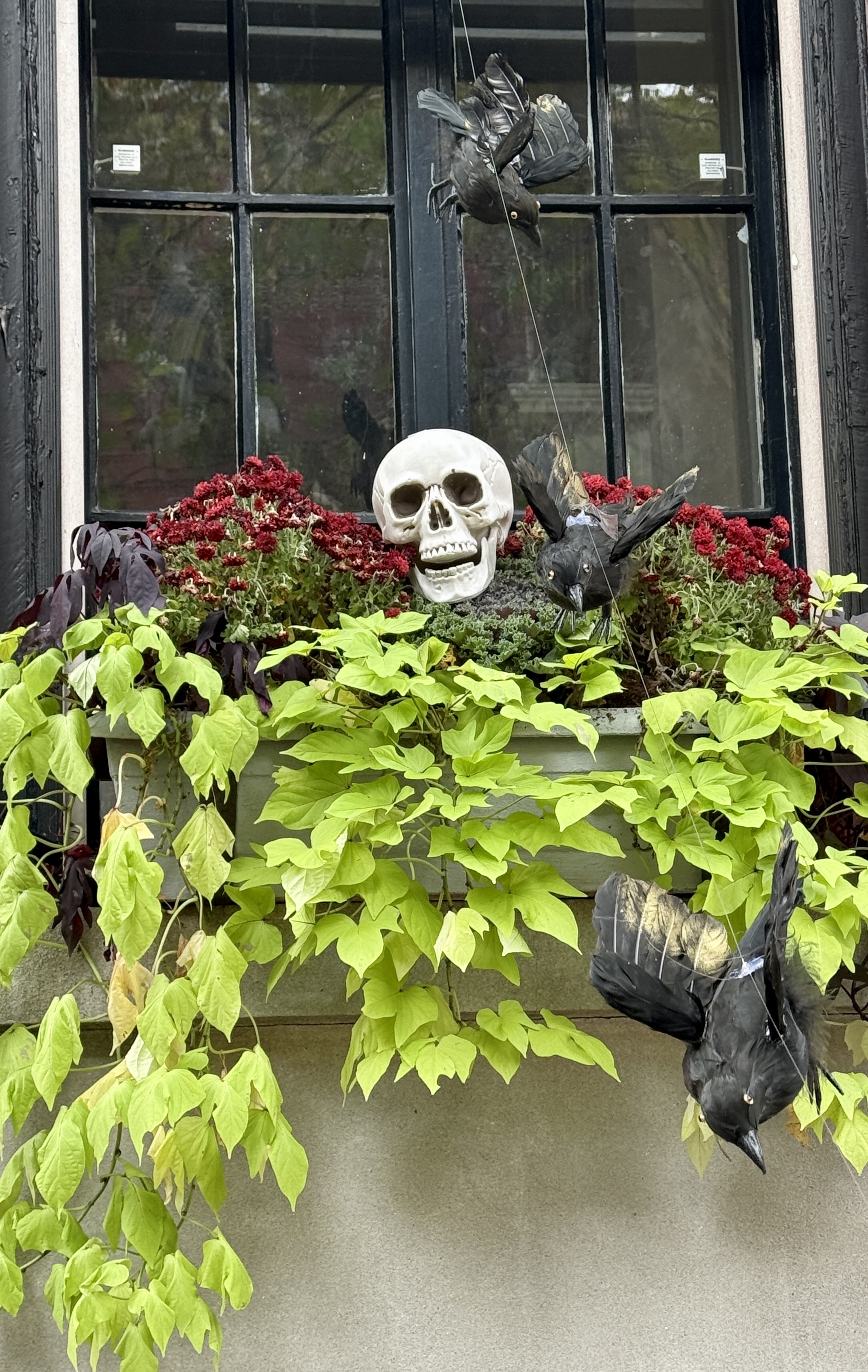
After enjoying a scoop of ice cream at some place that falsely said its product was “world famous,” we got on the ferry to get back to the Cadman Plaza Park area where we had left the car. And then we drove to the Jay Street MetroCenter to head to Roosevelt Island to see the Ai Weiwei installation in honor of the 80th anniversary of the UN.
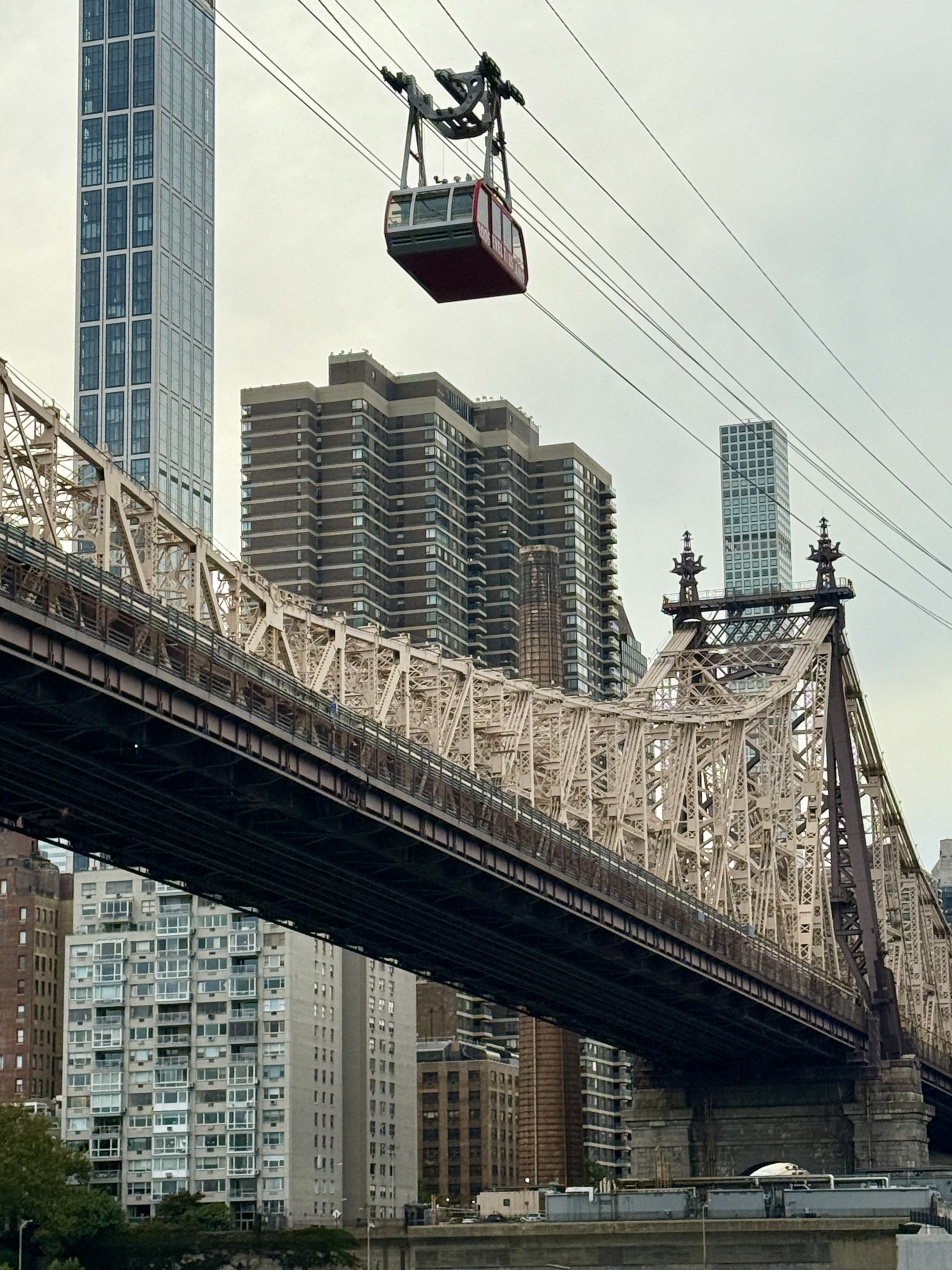
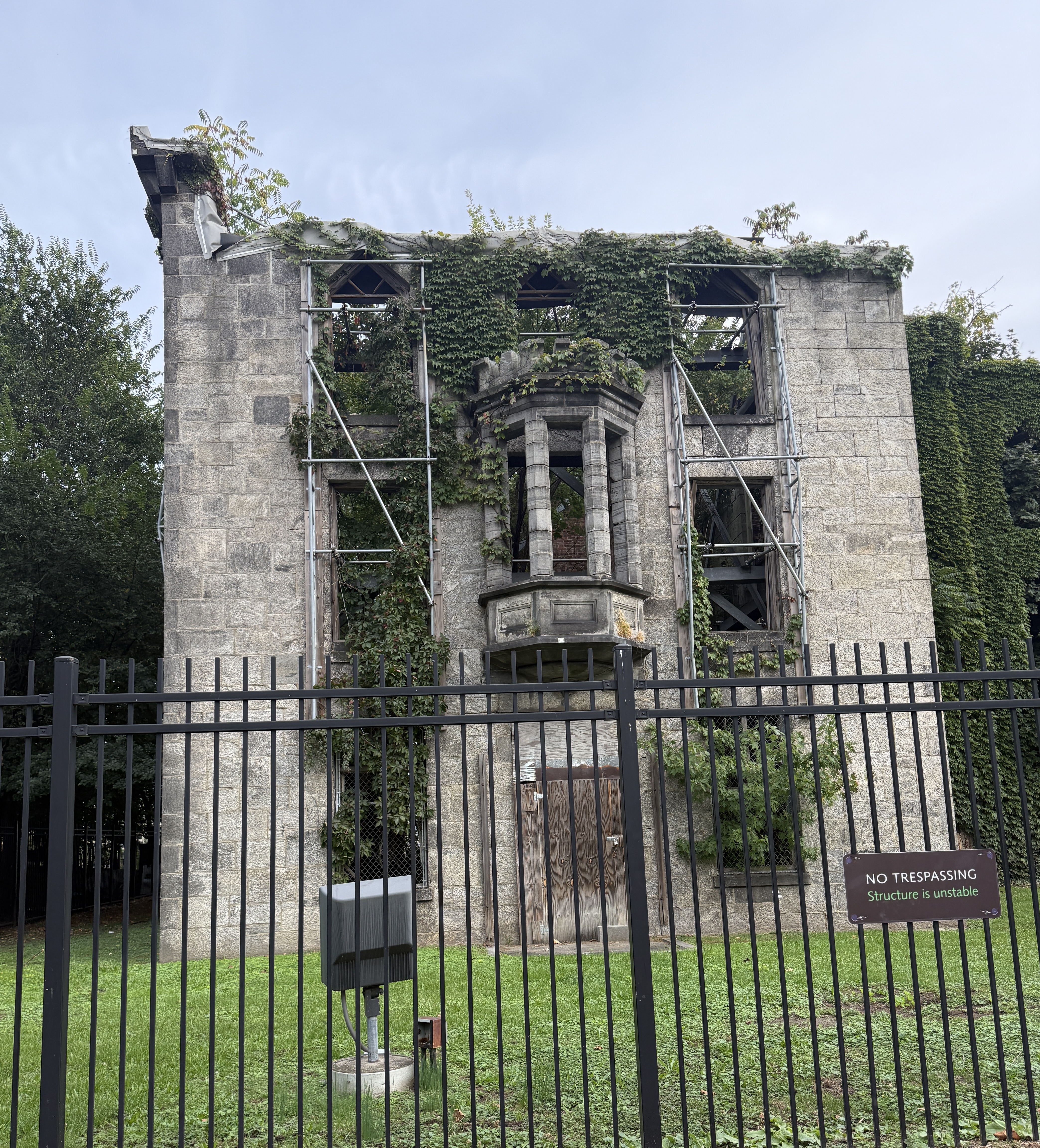
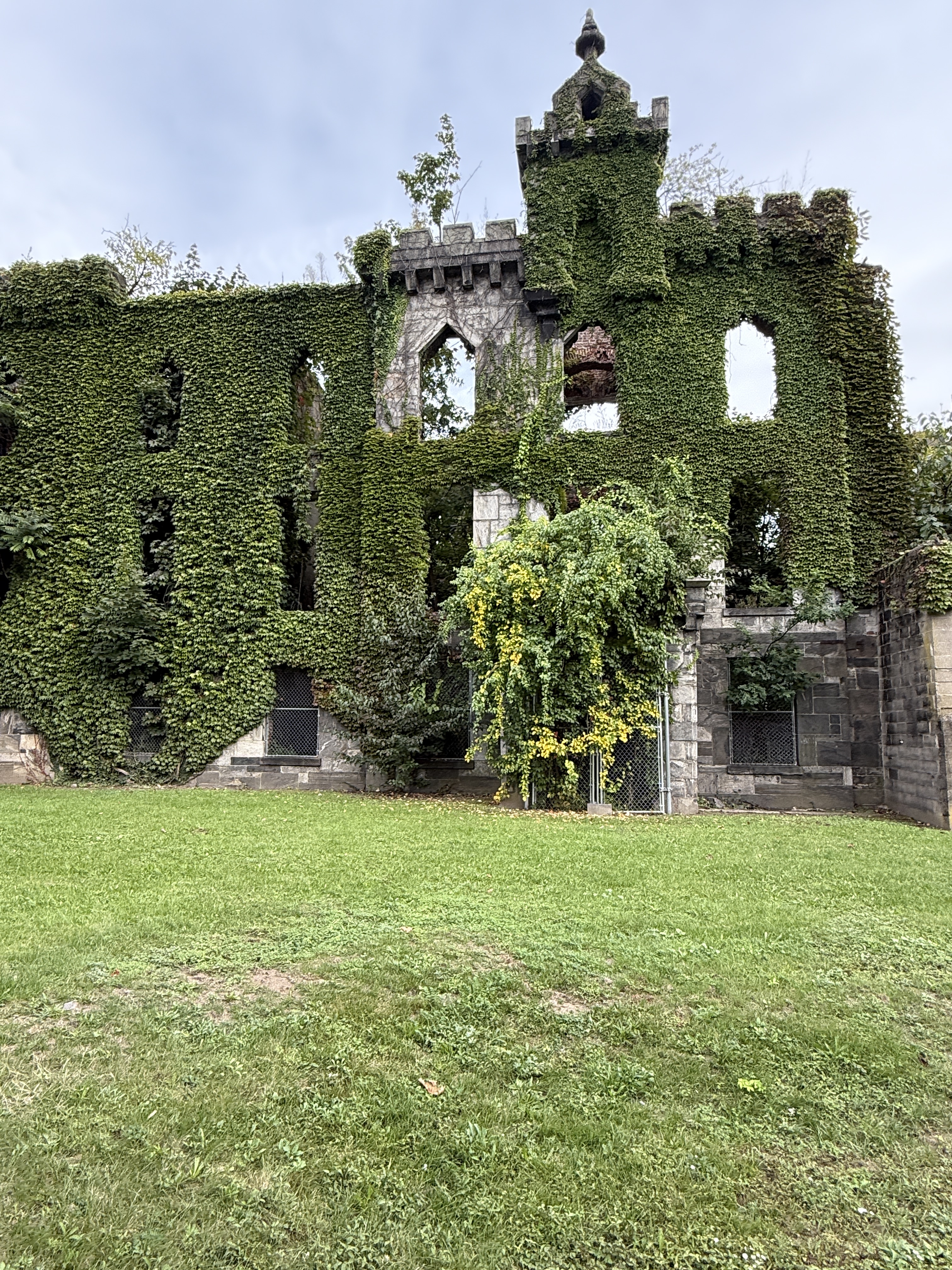
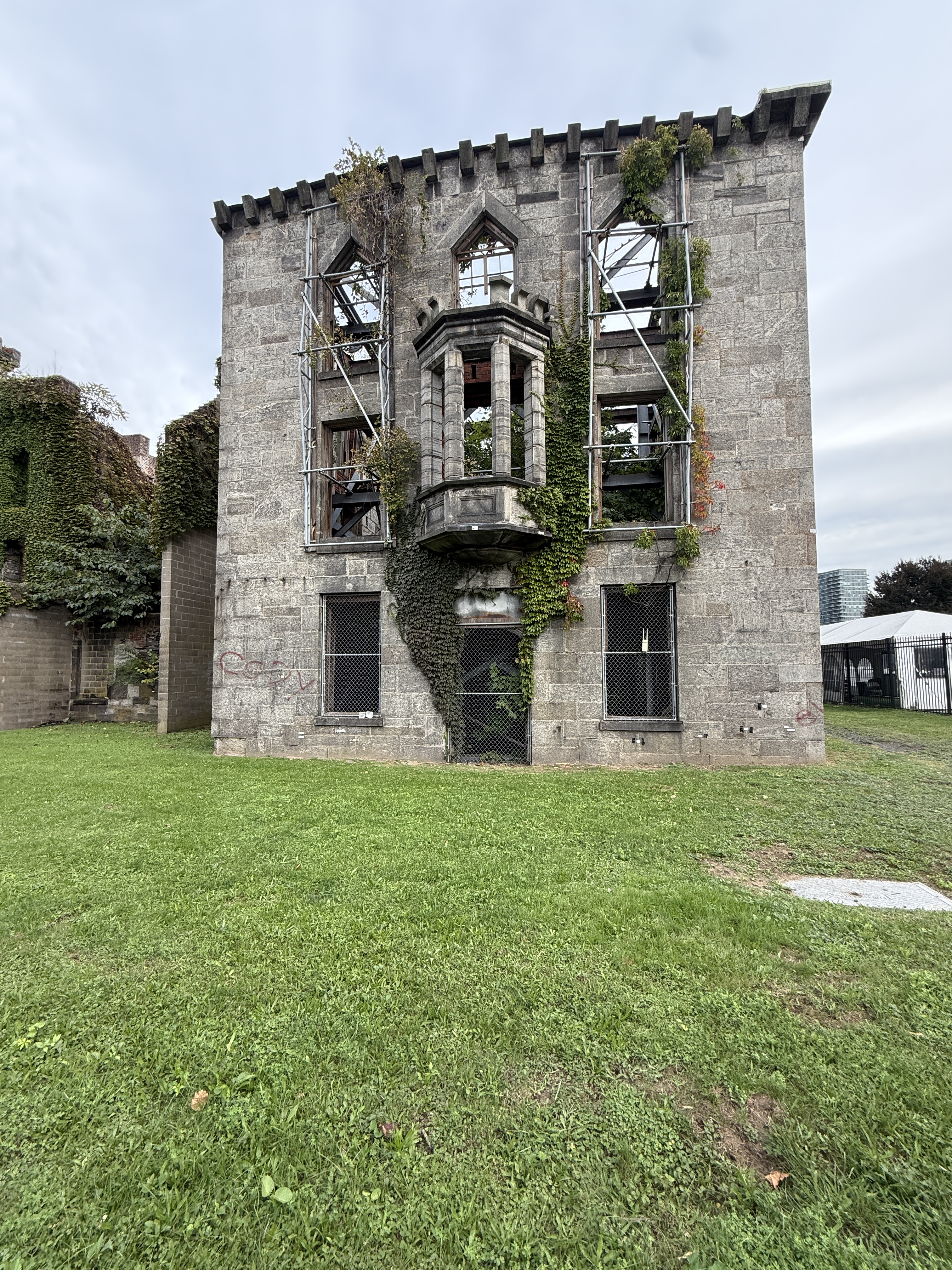
It was a long subway ride on the F Local. Growing up in Brooklyn, I recall the development of Roosevelt Island (which had been called Welfare Island until 1973). There had been a long abandoned smallpox hospital on the island and historically there had been a penetentiary (which had been built by prisoners), a mental asylum where conditions were horrific and exposed by the press, and perhaps some other buildings and activities. Then in the 70s a residential community was established and the major route for getting to the island was on the aerial “tramway”which you picked up on 59th St and it ran alongside the Queensboro Bridge. Today, you can take the subway to Roosevelt Island, where about 12,000 people live. It’s also the location of a very super-modern tech campus for Cornell University and the Tata Innovation Center. And you can still see the abandoned smallpox hospital and the remains of some other structures including the “lunatic asylum.”
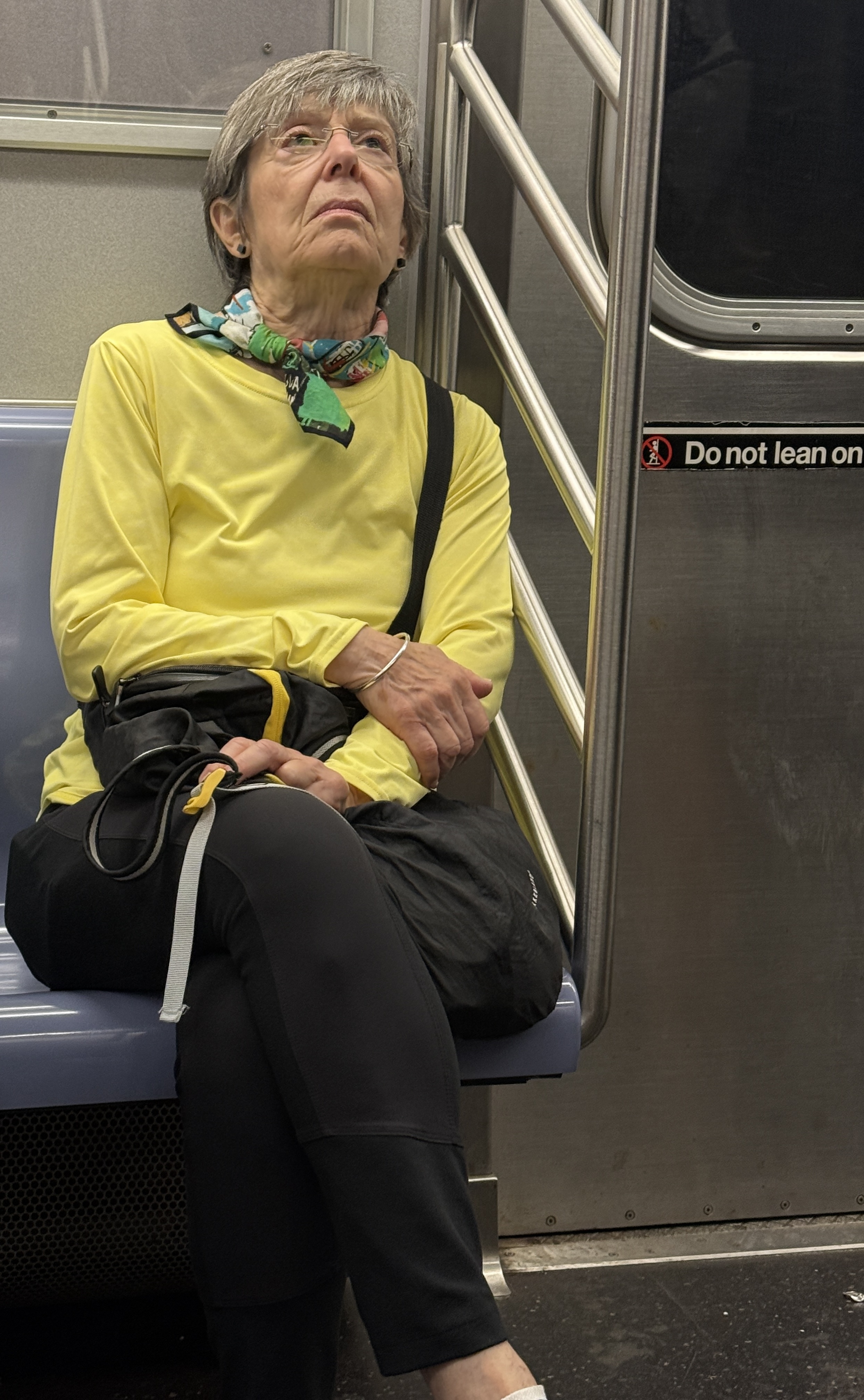
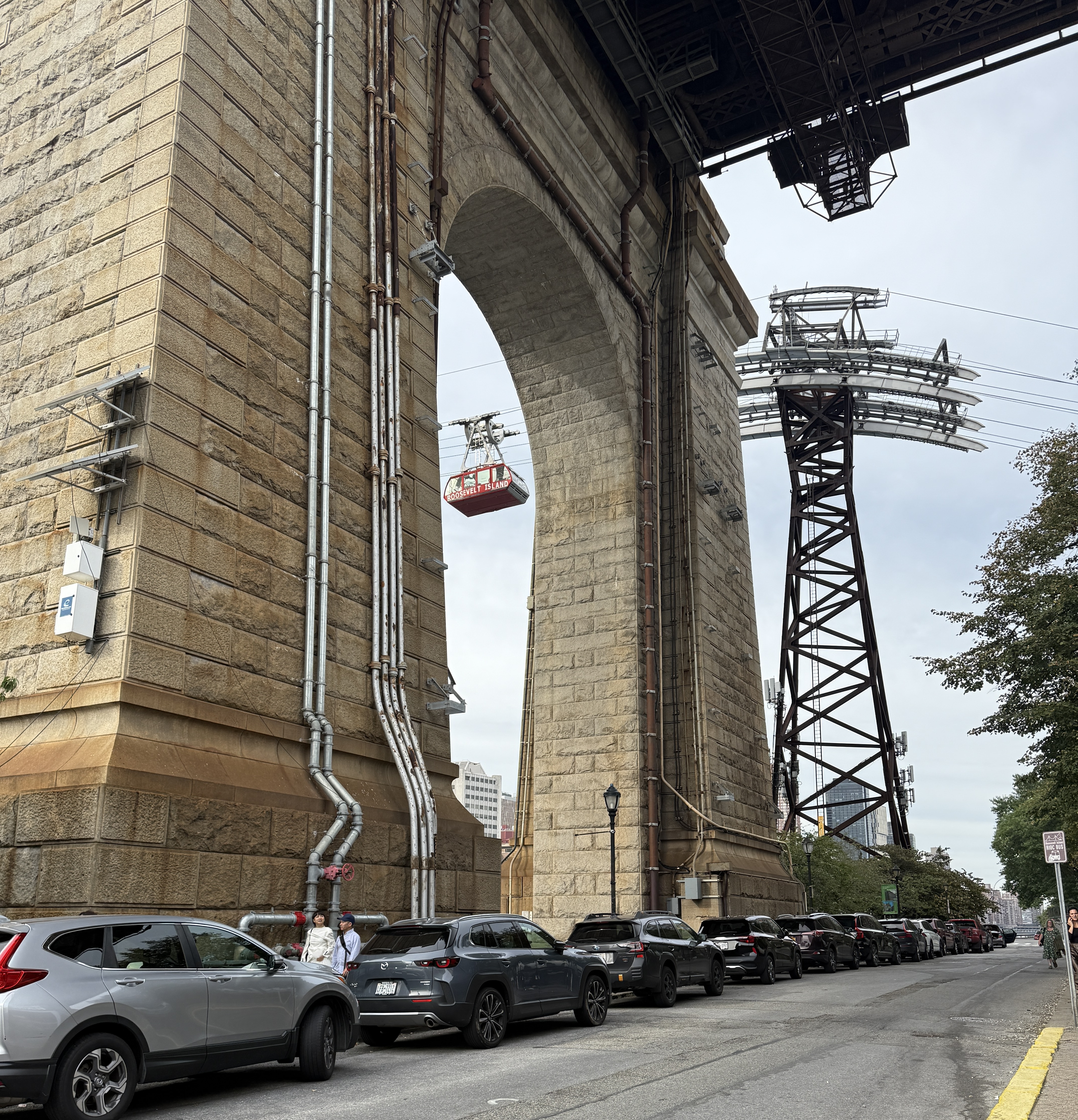
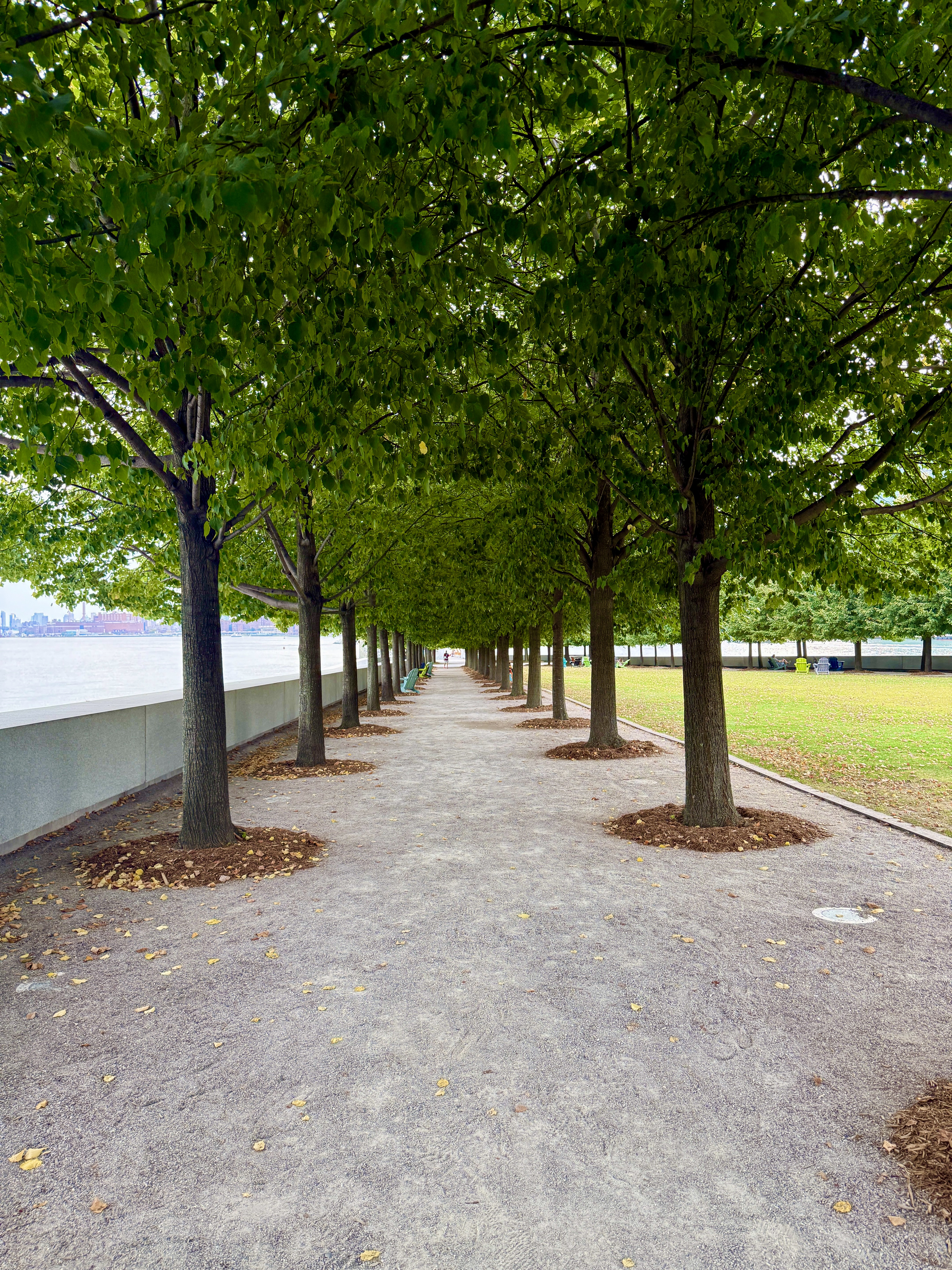
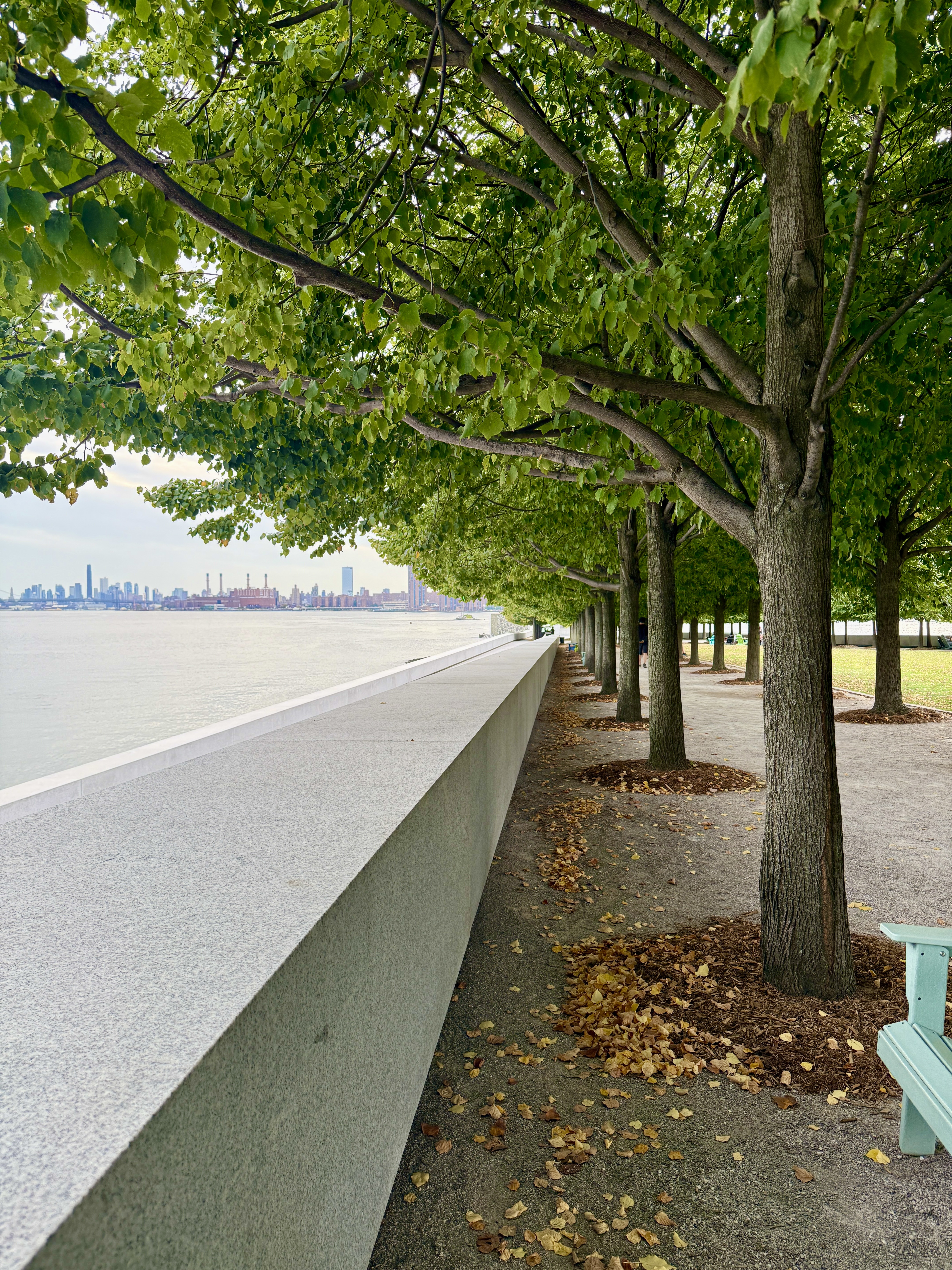
We had come to Roosevelt Island to see the Ai Weiwei installation “Camouflage” — at the Four Freedoms Park, developed in conjunction with the 80th anniversary of the UN. Supposedly the work deals with truth and freedom and the impact of war. I was underwhelmed to say the least. Not worth all the effort to get there. But the layout of the park (which I had never vistied before) was really beautiful. So that was good.

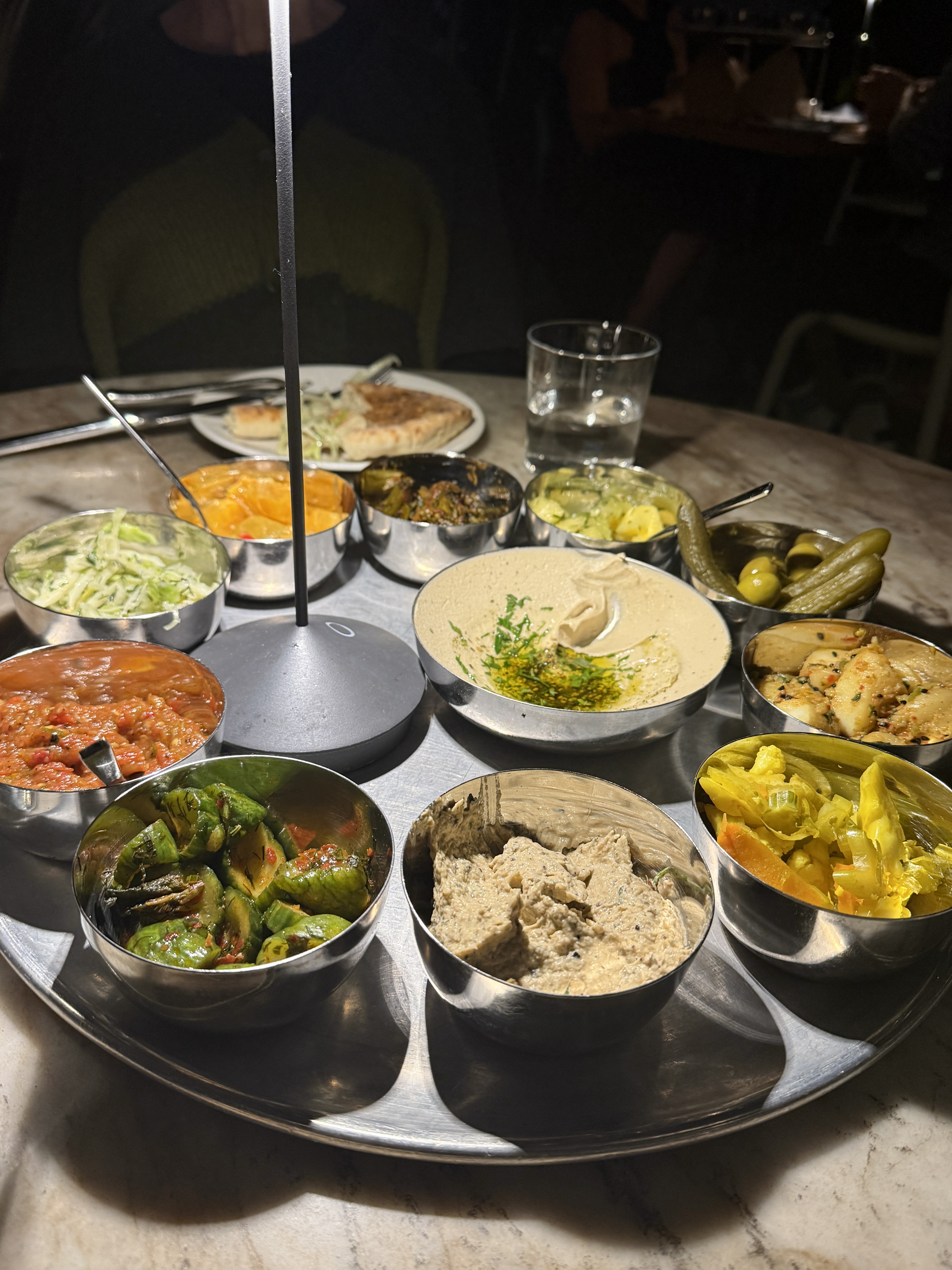
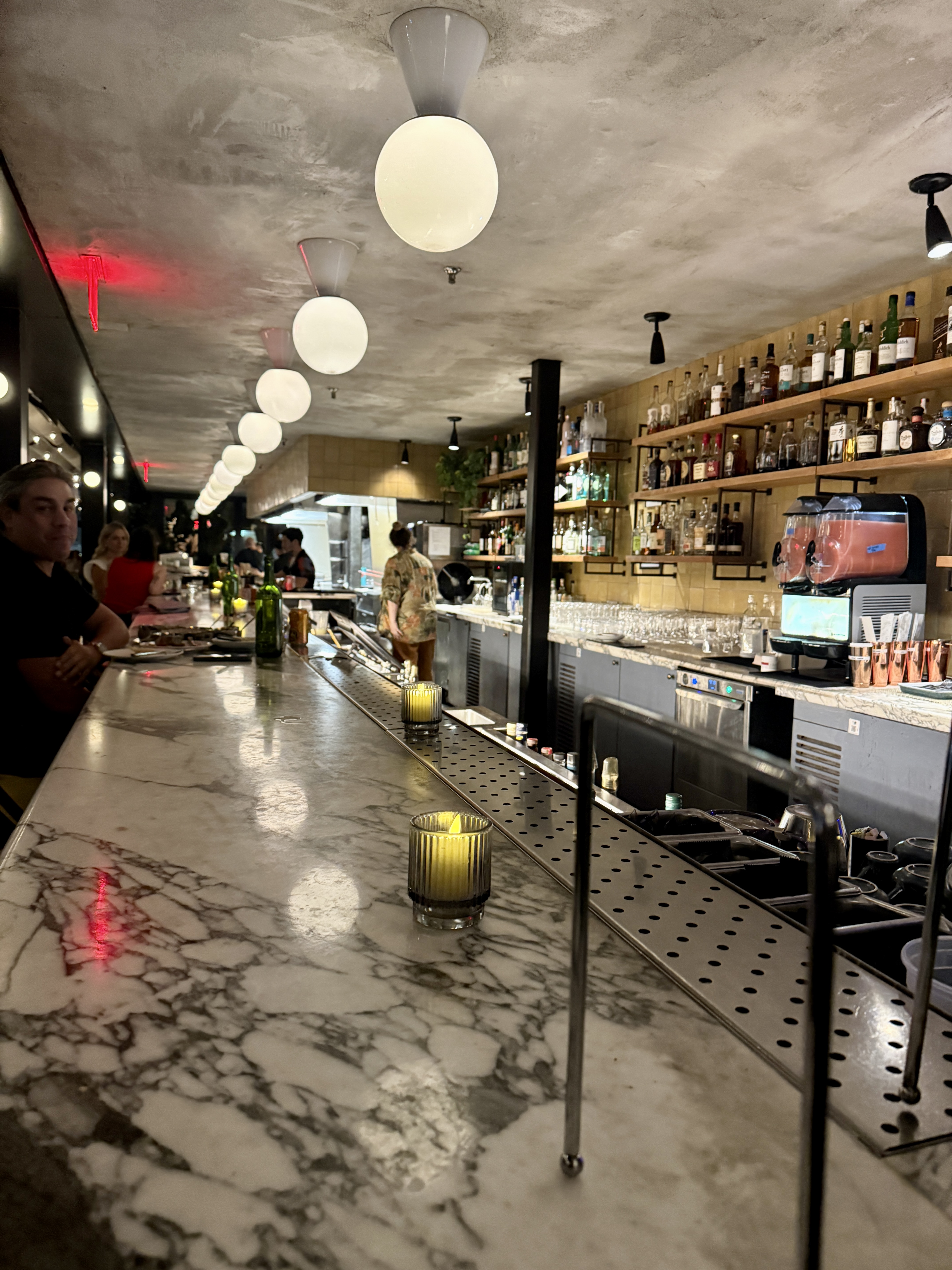
After a brief stop at the hotel, we headed to Laser Wolf for dinner. The restaurant is on the top of the Hoxton Hotel in Williamsburg with great views that surround the whole restaurant. Laser Wolf is considred a “skewer house”–serving a bunch of different kebabs and skewers surrounded by 10 different items in their “salatim” (things like hummus and babaganoush and pineapples with celery and Israeli pickles and spicy cucumbers and Tunisian potatoes, etc. etc. Food was good but not nearly as good as Sofreh (still my favorite of all the Middle Eastern restaurants).
We taxied back and now I’m beat and calling it a day.
Fern

