October 1, 2026: Times Square on Steroids (Hongdae); Seoul Day Four
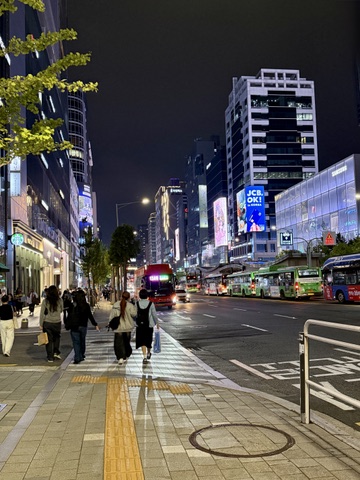
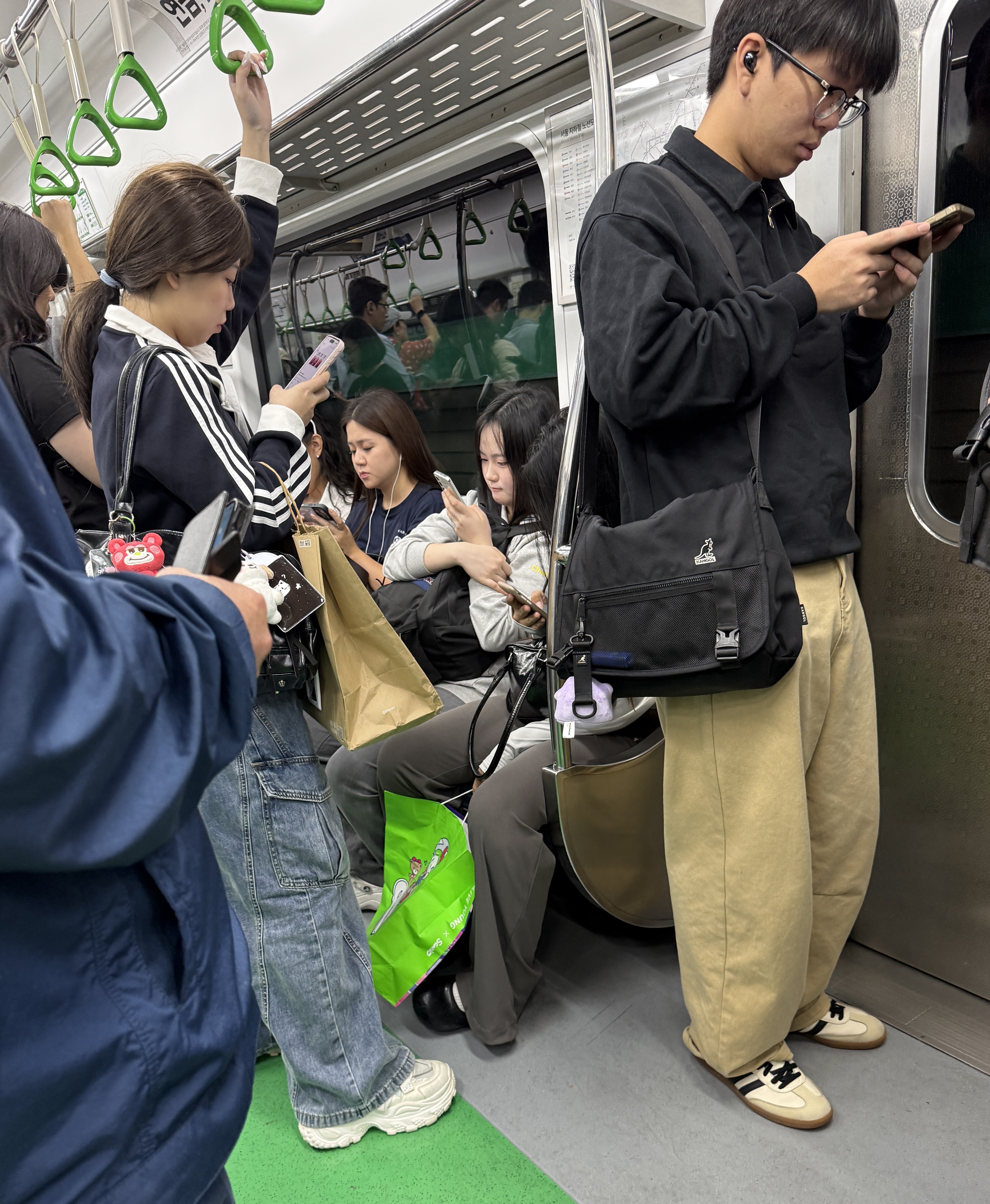
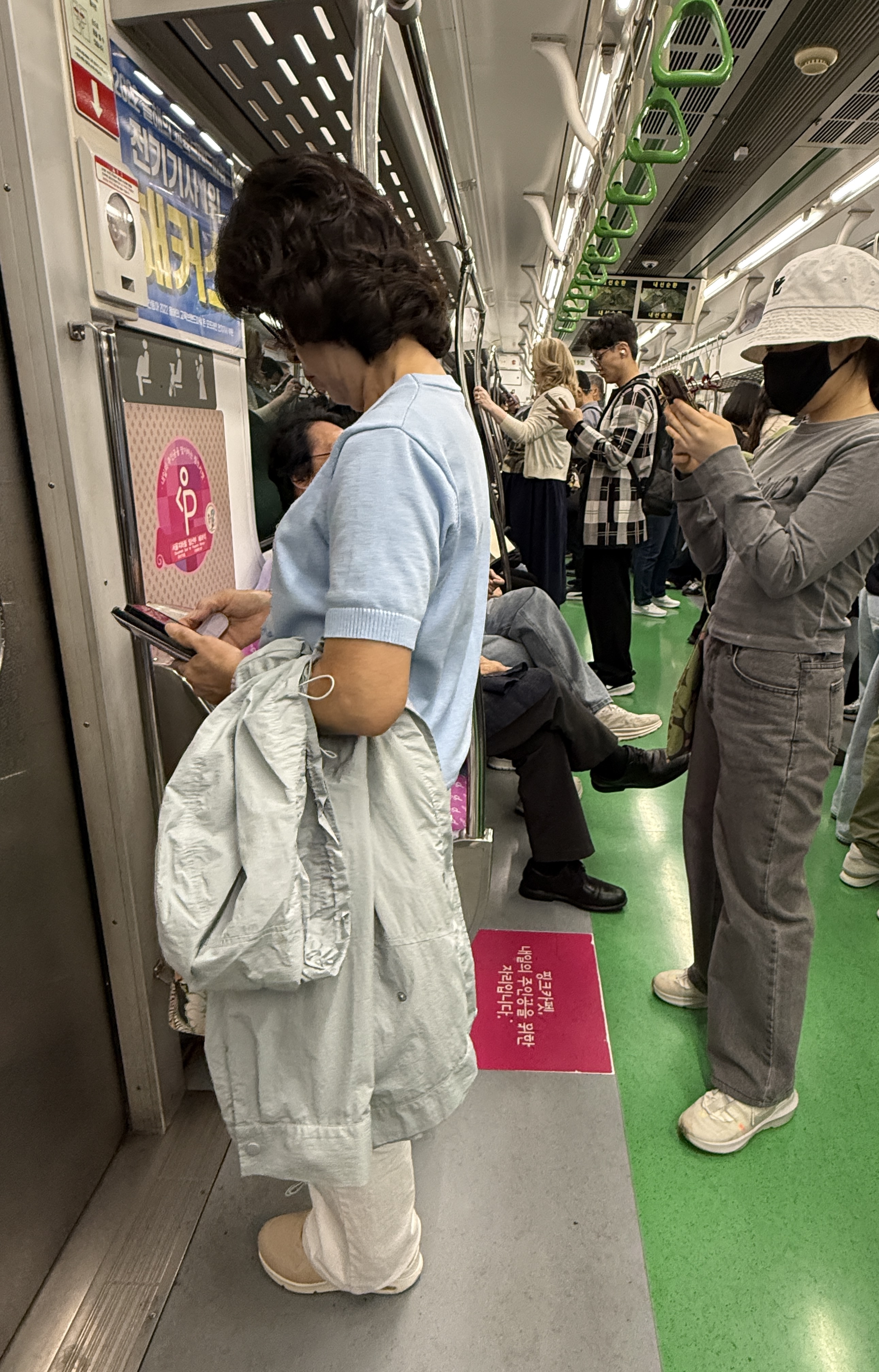
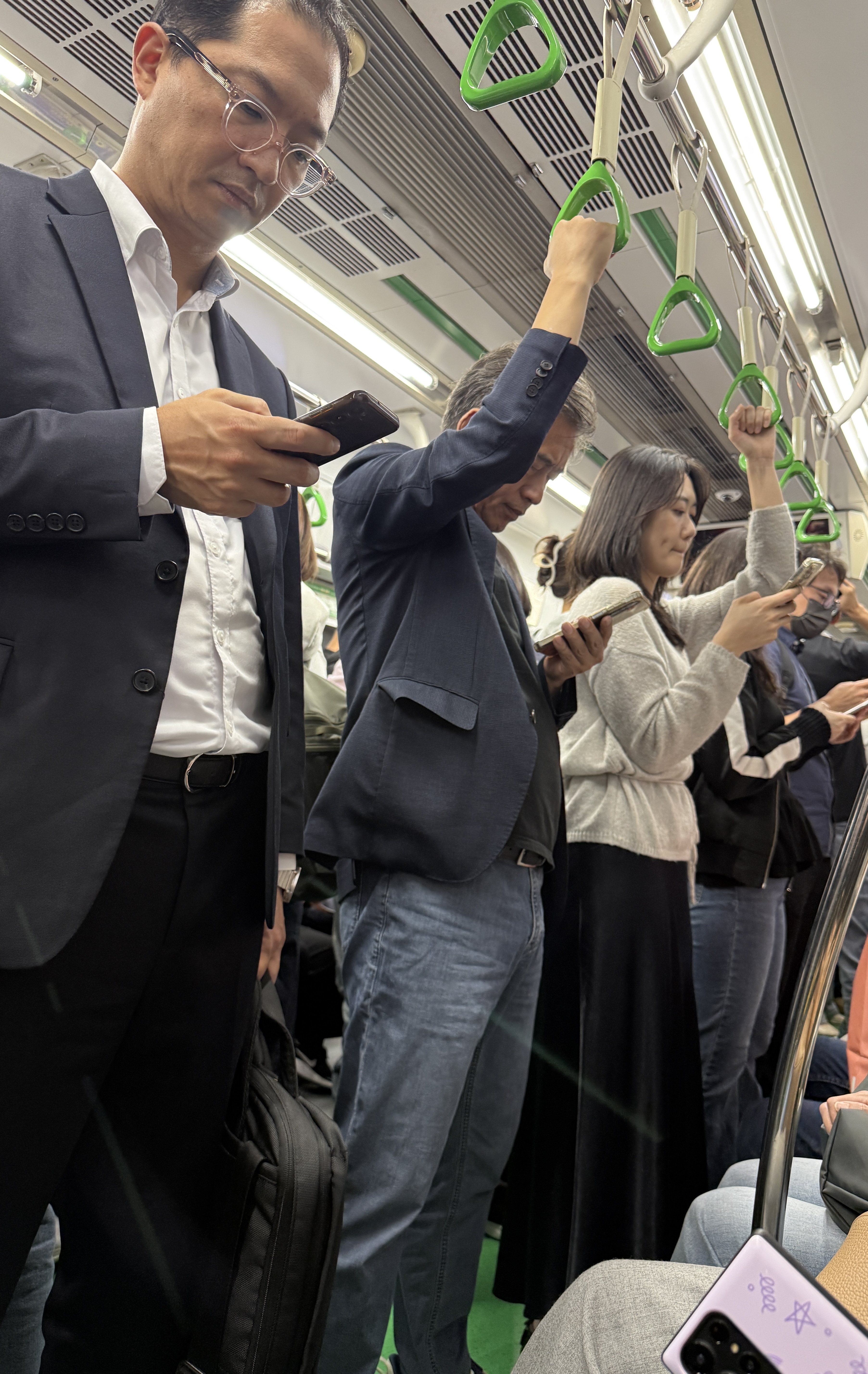
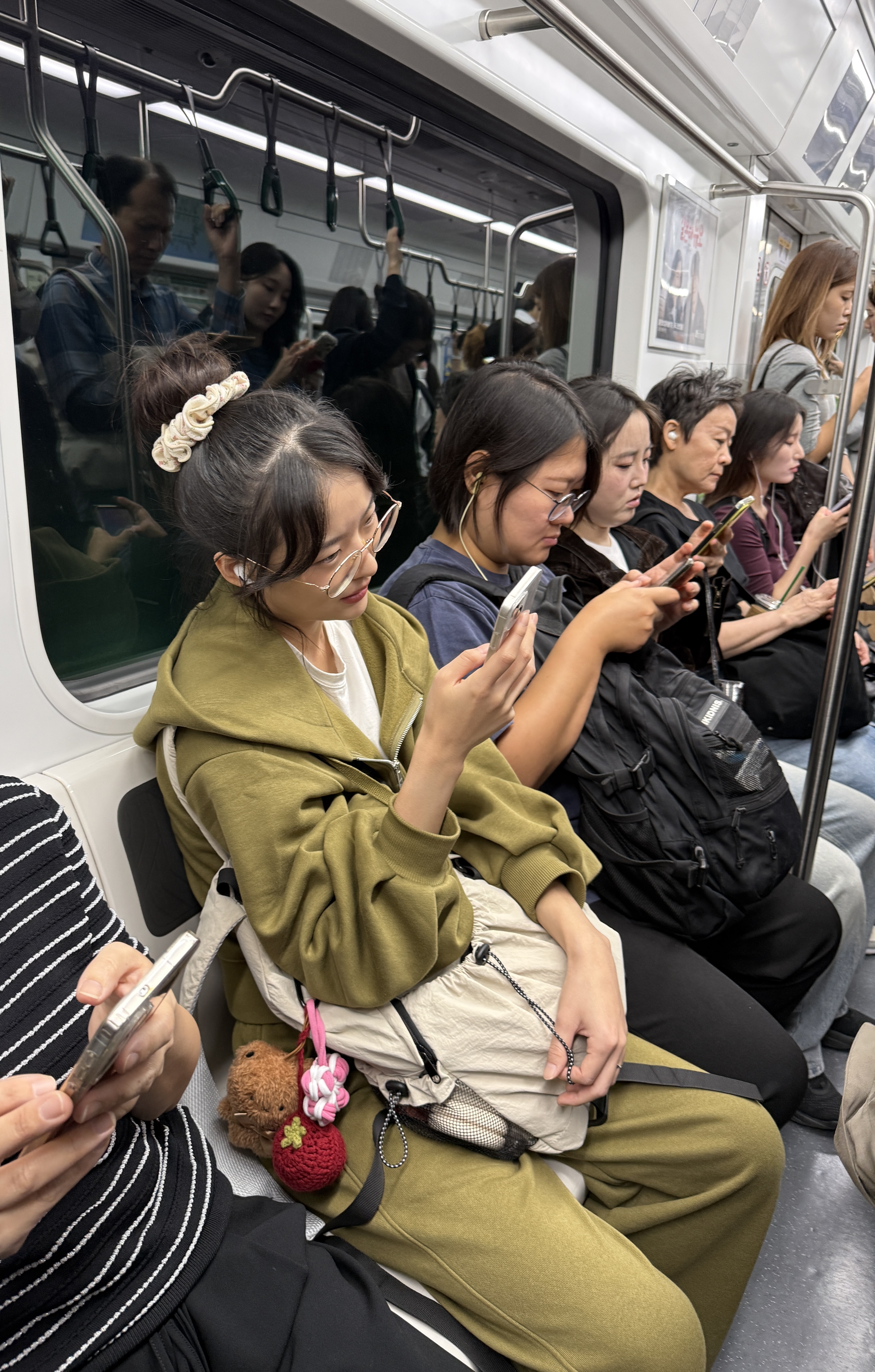
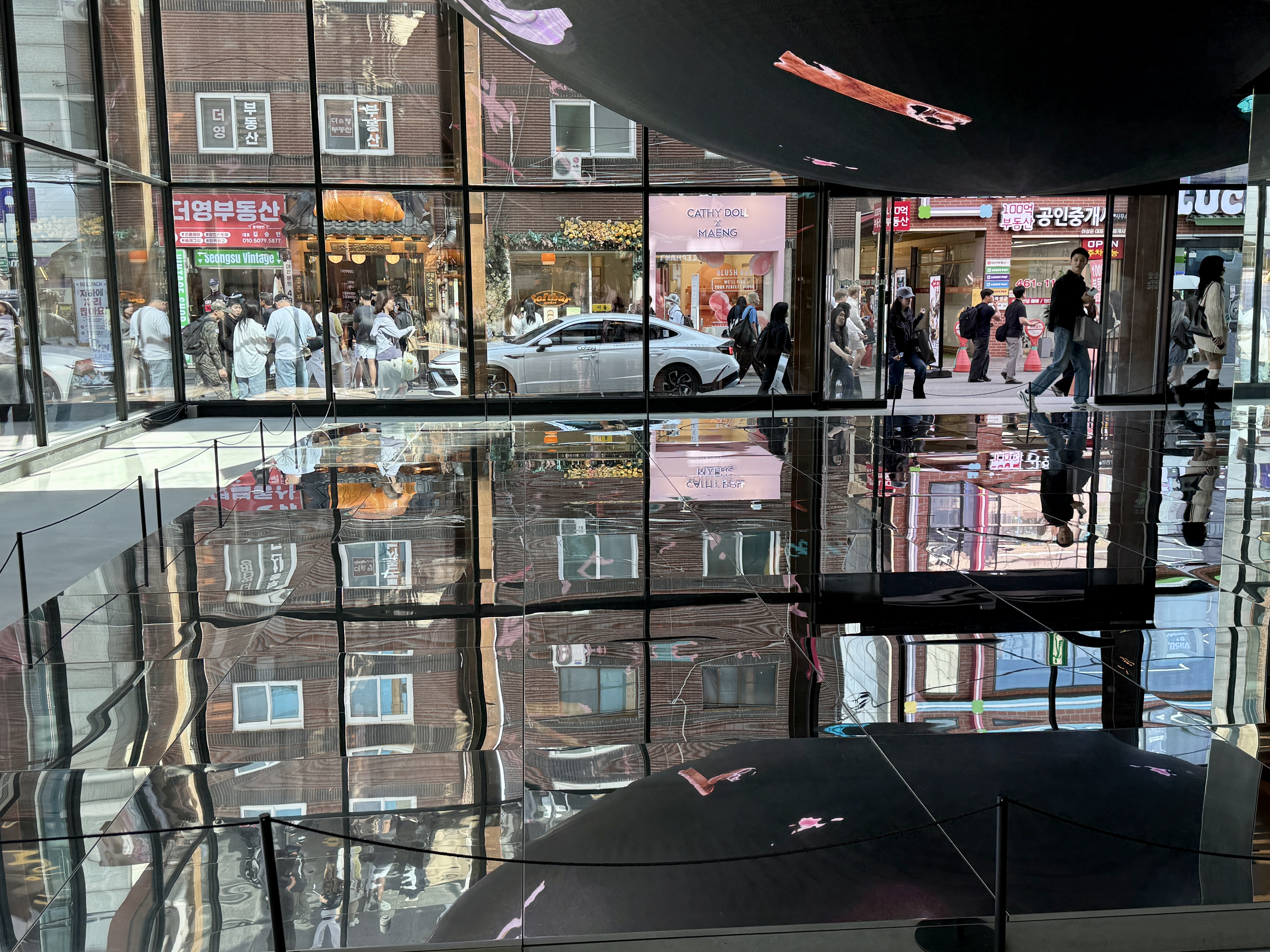
We moved from the bucolic Bukchon neighborhood and our simple, tasteful little hanok where everything was wood and stone… to the Hongdae area which is clear across town and about a million miles away in every conceivable way. Hongdae is a consumer’s haven–flashy store after flashy store. Bright lights, bustling street life and the clatter of people under 30 (maybe even under 25). So we fit right in. Everyone is on a cell phone, everywhere. It’s a bit like Times Square absent the theaters, the trash, and the graffiti. We are at the Ryse Hotel which is fine, and the subway is just a block away. We’ve become quite adept at using the train so we are regulars at our station.
We had an OK meal last night at what was described online as a rooftop restaurant, good for date nights (!!) — Moochaeseck, but the rooftop was on the 4th floor of a nondescript building which had virtually no view and was wrapped in plastic to keep out the wind and rain (neither of which materialized). We ordered a spicy noodle dish with clams and an octopus dish. Food was ok but the service was pretty funny. You could only order on their iPads (Seoul is very tech savvy and many stores operate only with digital service and credit cards) and use QR codes. We were fine because there was a translation app with the QR code. But somehow our order didn’t seem to get through, so a real live human appeared to redo our order. But it still didn’t go through and she finally tried on her own phone but it wasn’t successful either. So she took the order and then kept going into the back room. It all worked out eventually. Then at the end, she appeared with the bill and said we should go to the 3rd floor to pay. Obviously we could have just left. We must have seemed perplexed so she decided to take our credit card and deal with the transaction there.
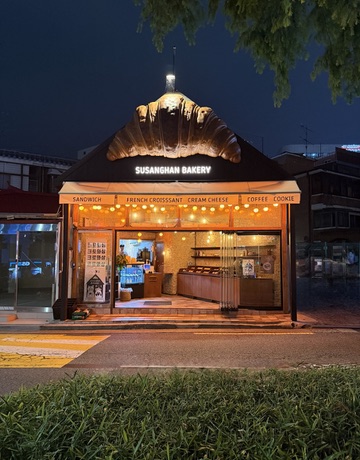
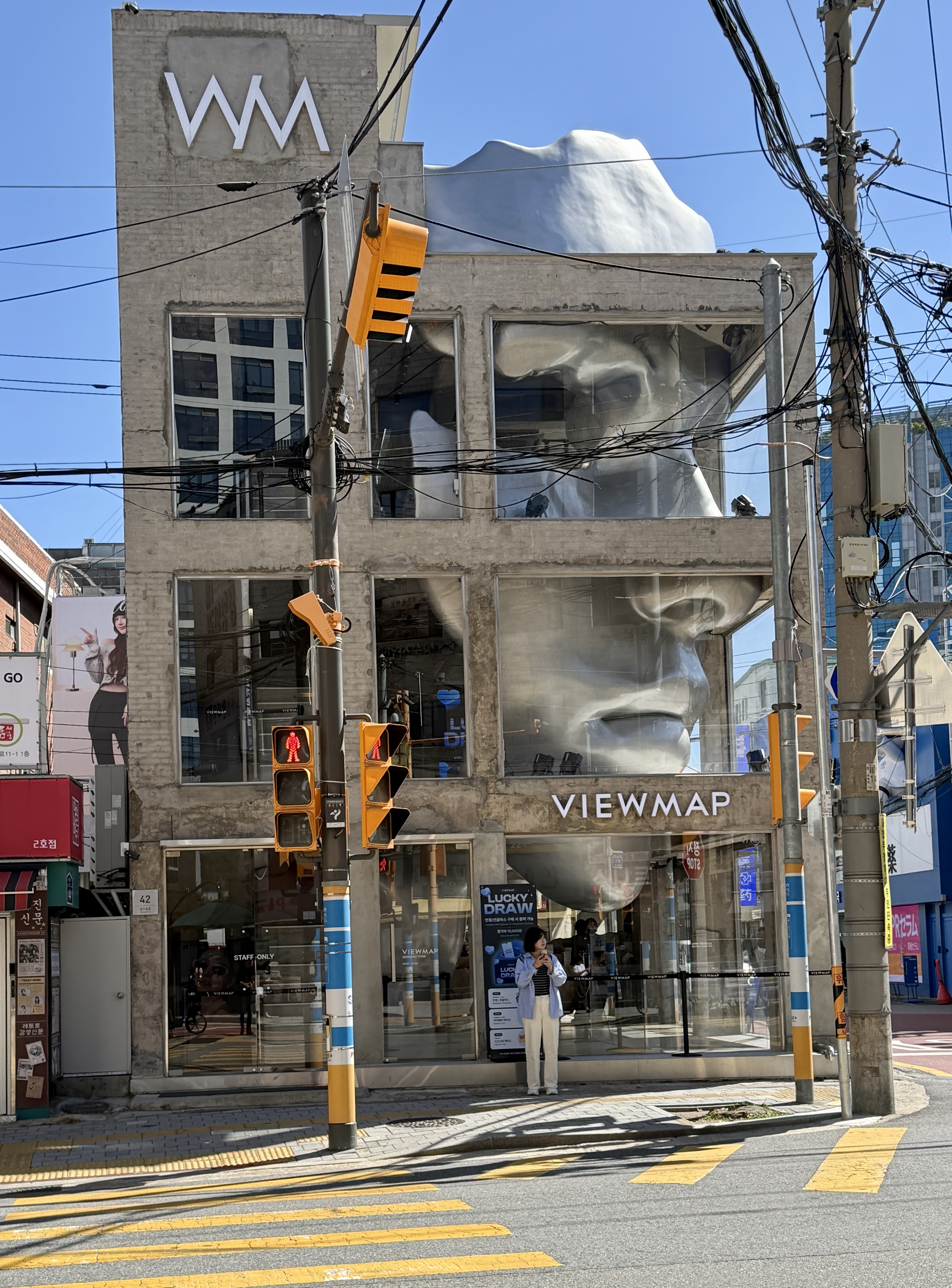
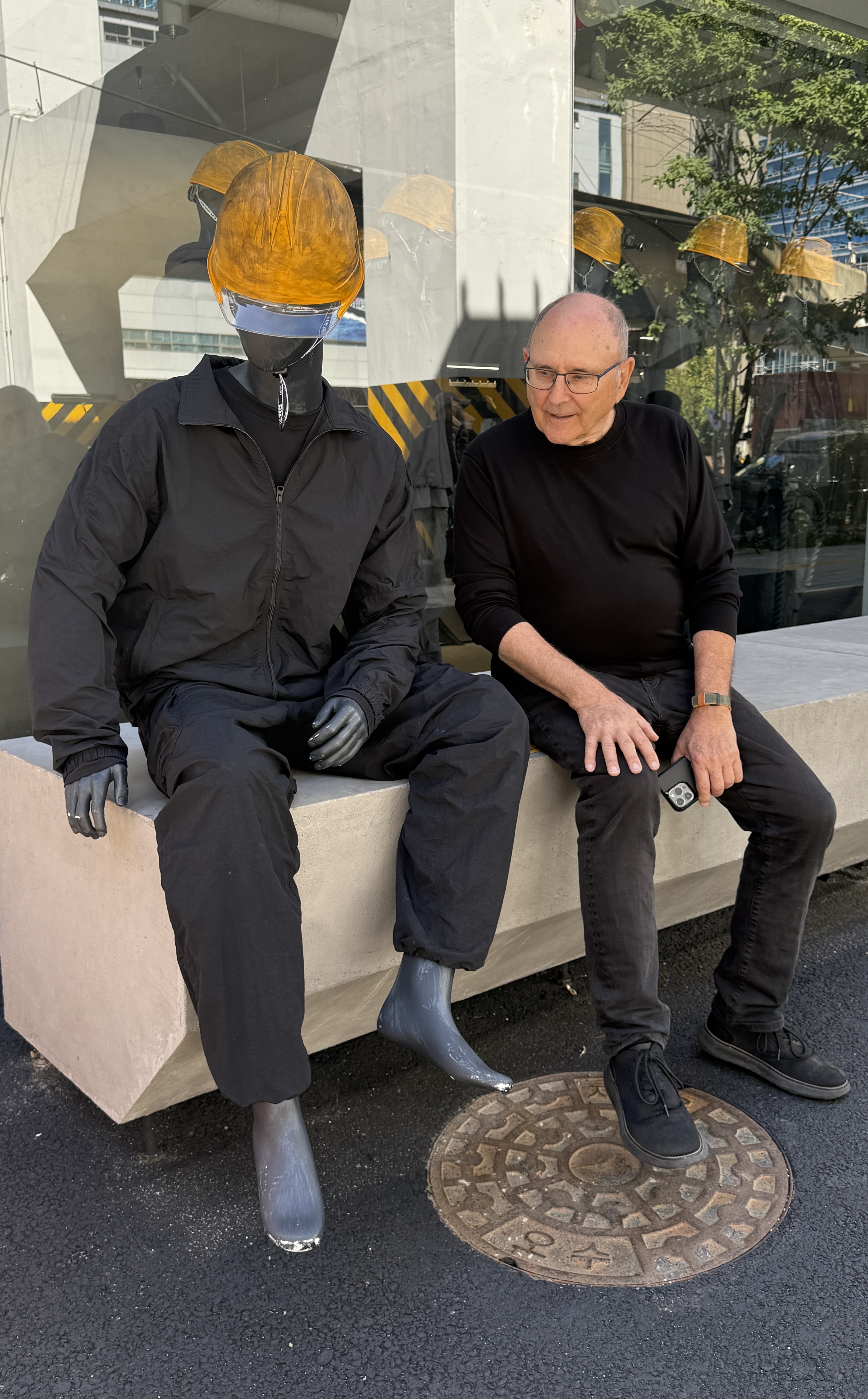
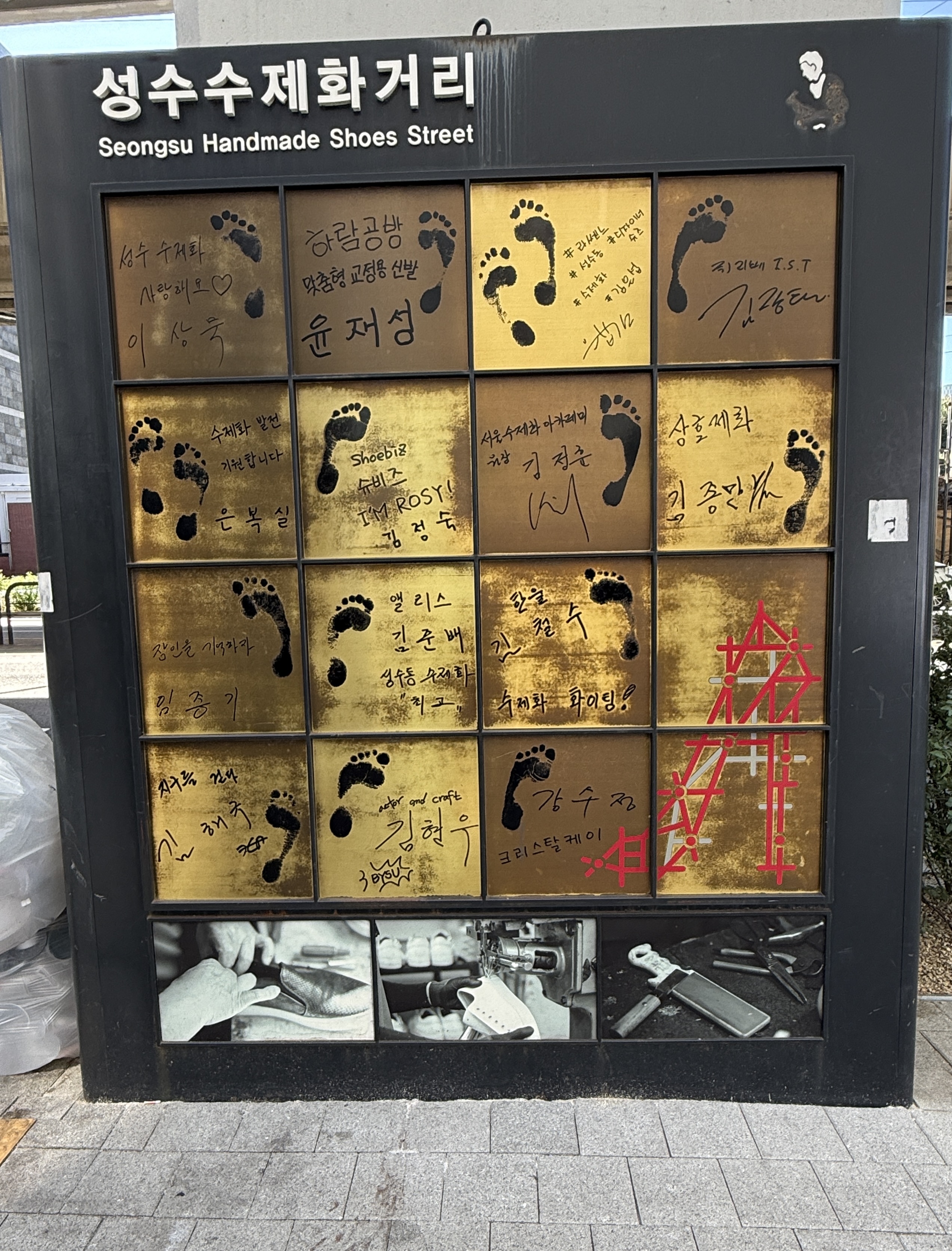
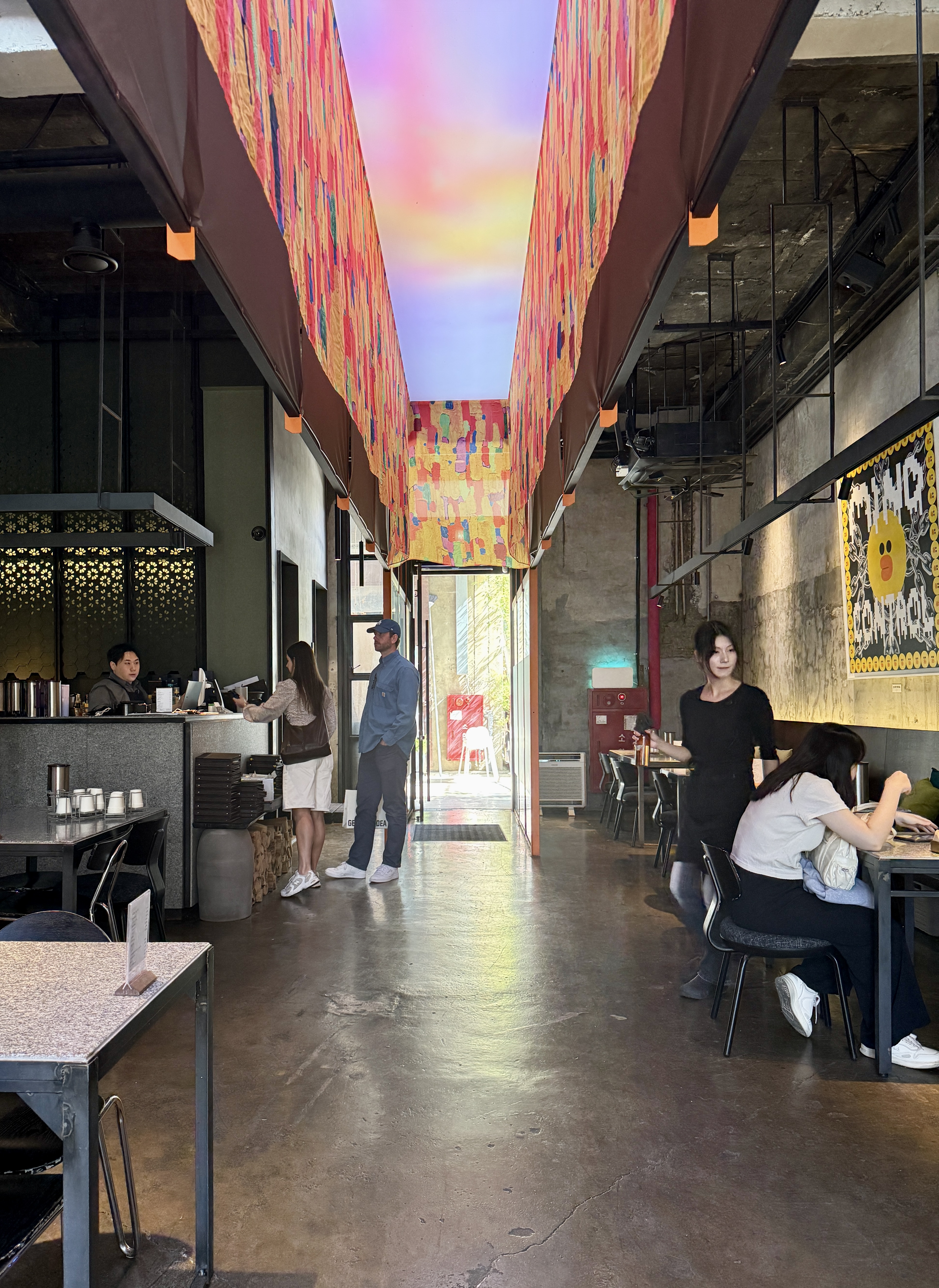
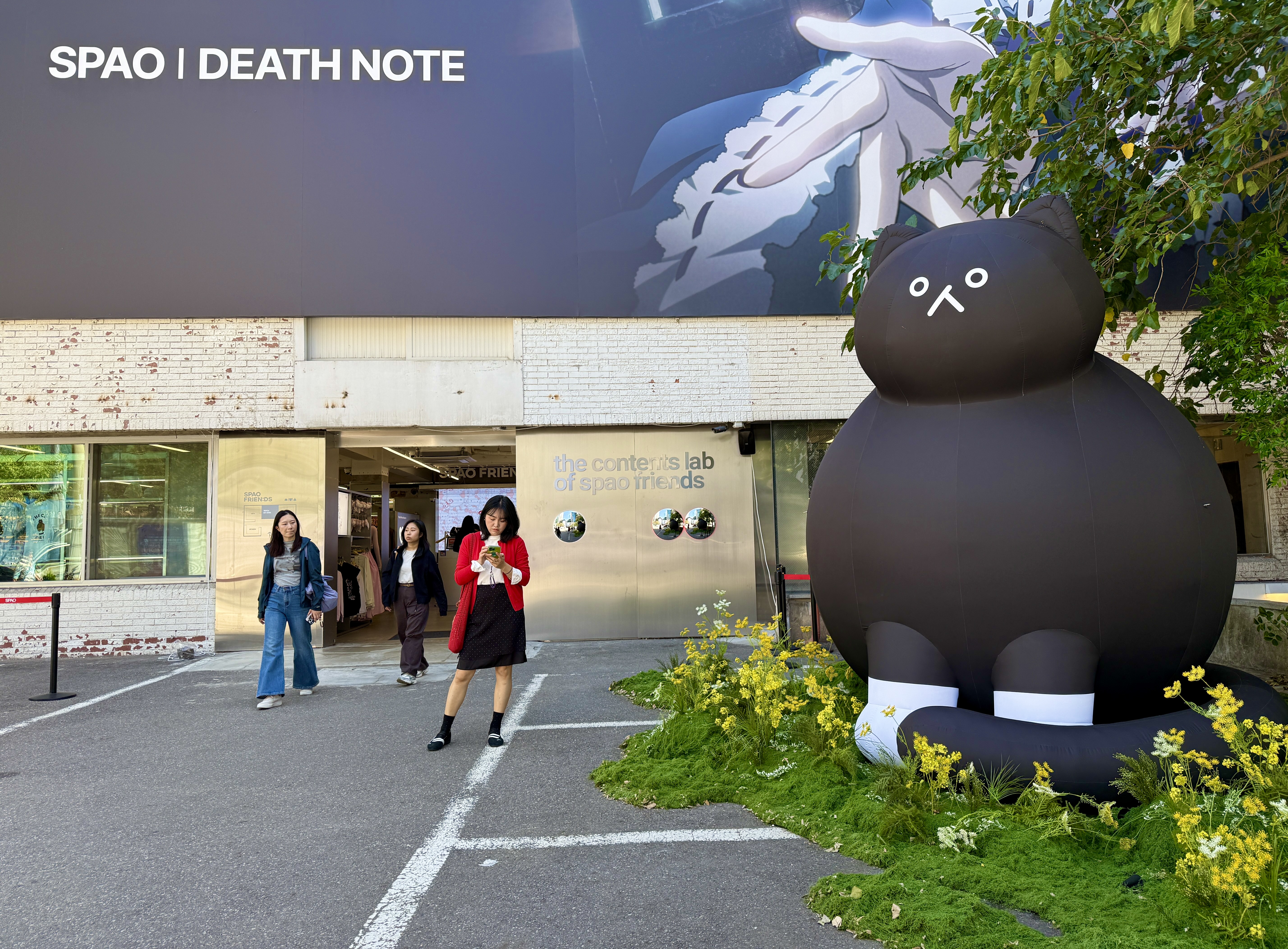
After a quick breakfast across from the hotel, we headed to Seongsu-dong — Seoul’s answer to Brooklyn, specifically the Williamsburg variety. The neighborhood was once packed with shoe factories; now those same buildings house concept stores, restaurants, and lifestyle brands. As a born-and-bred Brooklynite I both get the reference and laugh at it — Brooklyn today bears almost no resemblance to the Brooklyn I grew up in. And I assume that when they say it’s like modern-day Brooklyn they also mean the soaring rents and the gentrification brought about by the upending of all the housing and mom and pop shops..
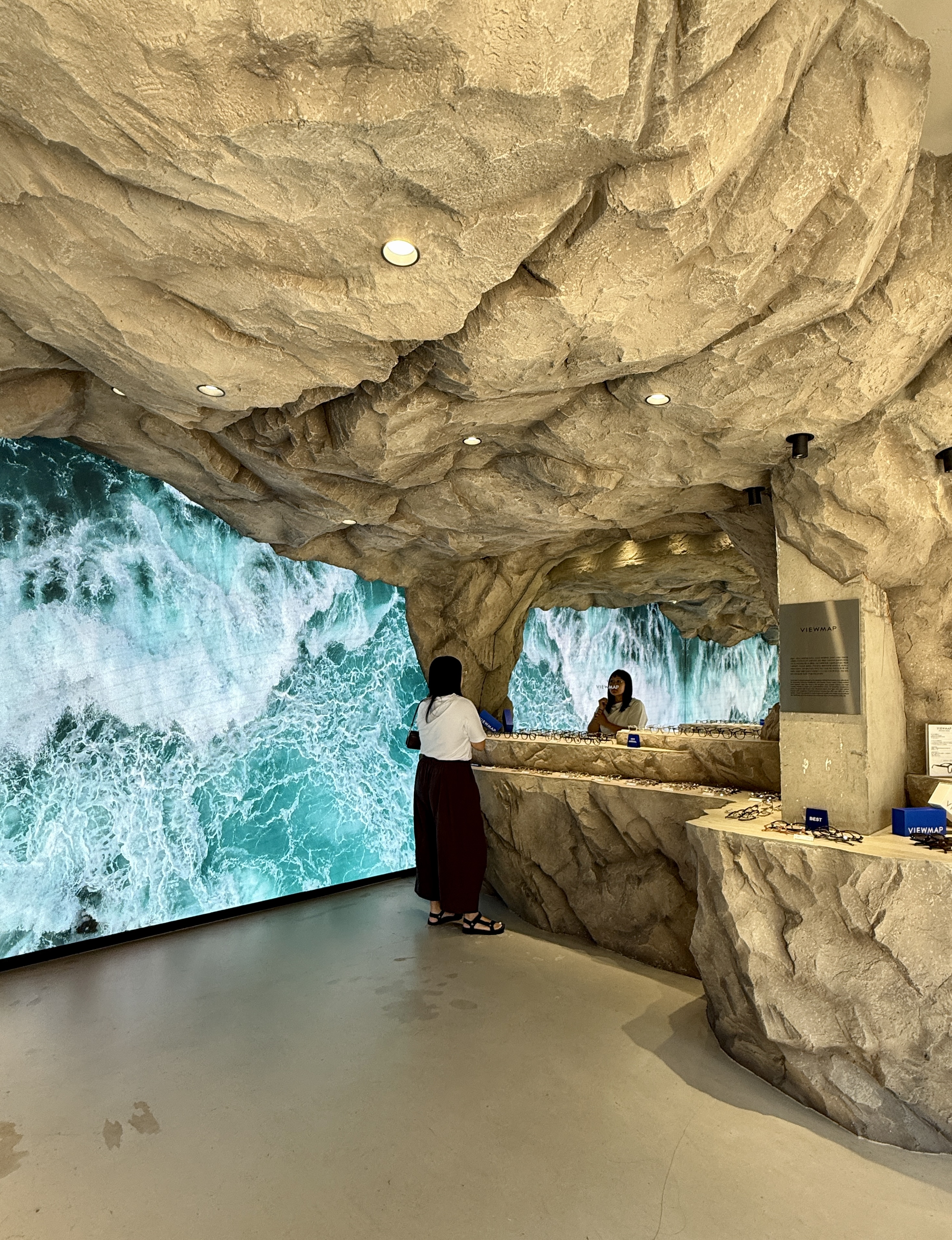
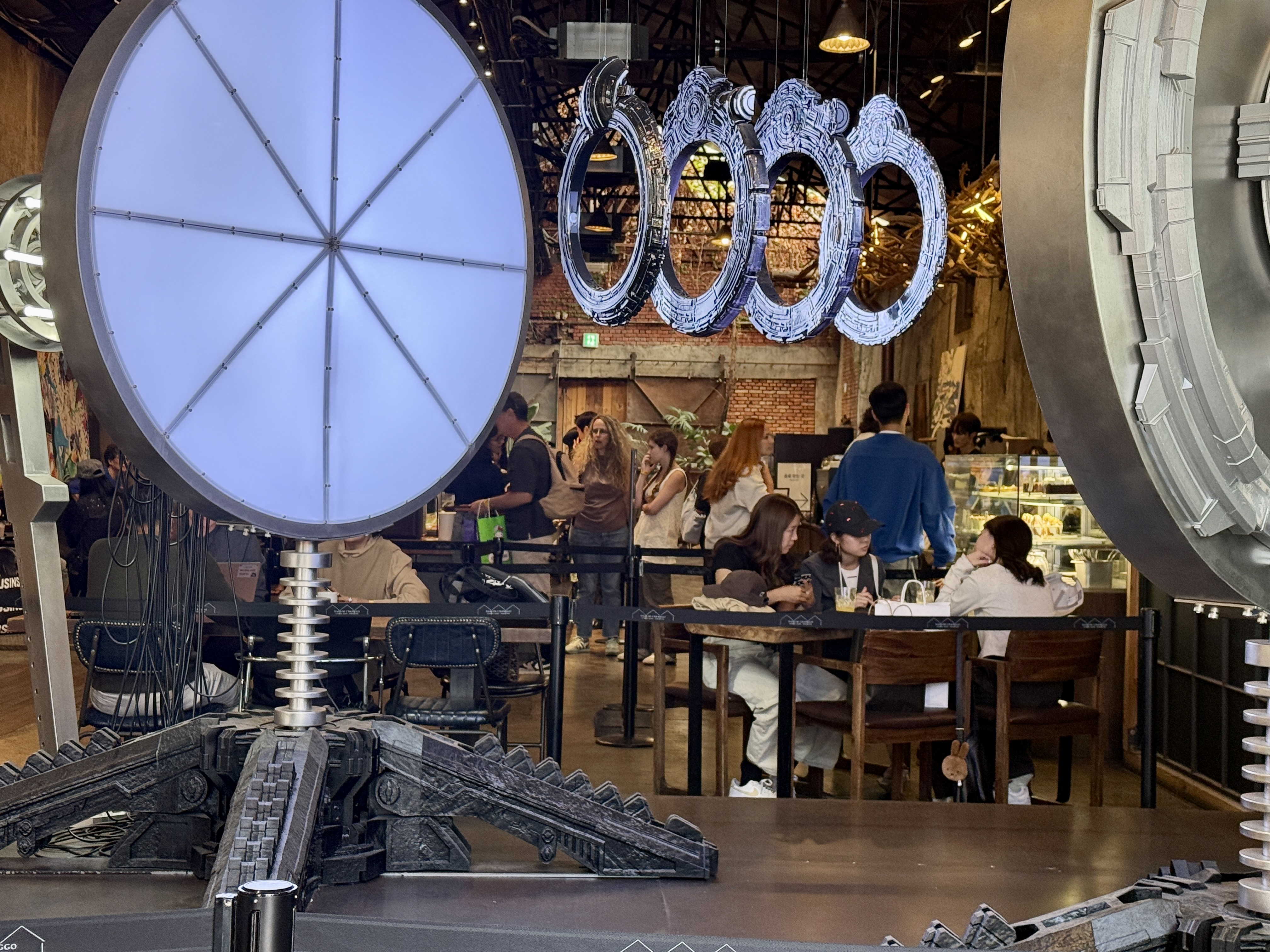
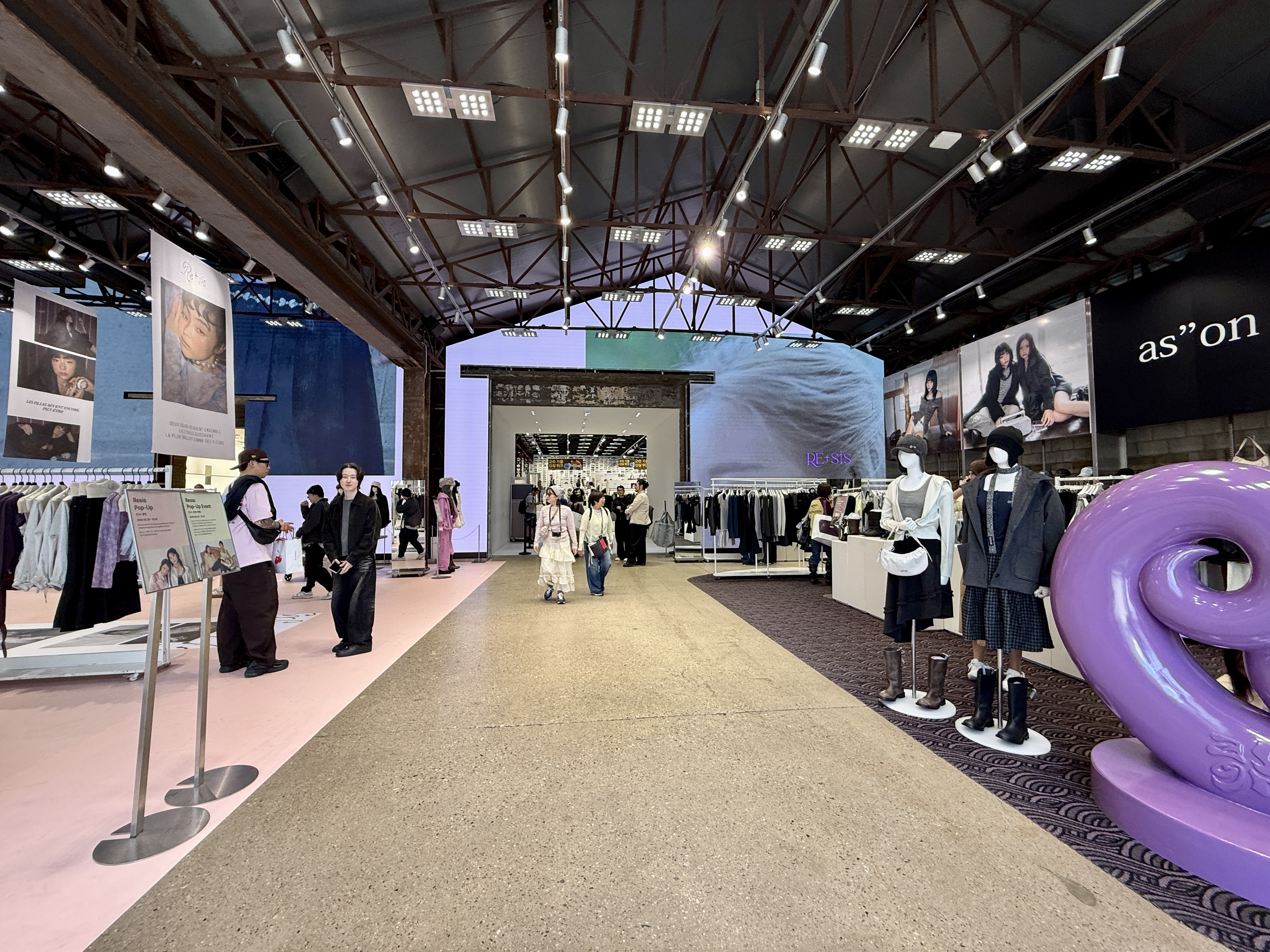
Lunch was at Daelim Changgo, a former warehouse turned lifestyle complex and café. The whole area could easily be Williamsburg or Emeryville — except multiply it by about 50. We wandered into buildings without knowing what they were selling — vast, beautifully designed spaces devoted to contemporary eyeglass frames, or some other singular object. Every place was packed. We even ended up in a spot calling itself an “ultra-fresh gelato lab” — long lines, fast-moving, and genuinely excellent. I went with tiramisu and pistachio; Mike played it safe with vanilla, though to his credit it was black pepper vanilla.
There’s an irony worth noting about all this adaptive reuse: the factories that came before actually made things. These places just sell things made elsewhere — things nobody strictly needs. What they’re really selling is lifestyle. And business, apparently, is booming.
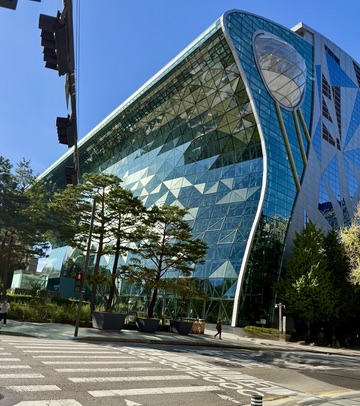
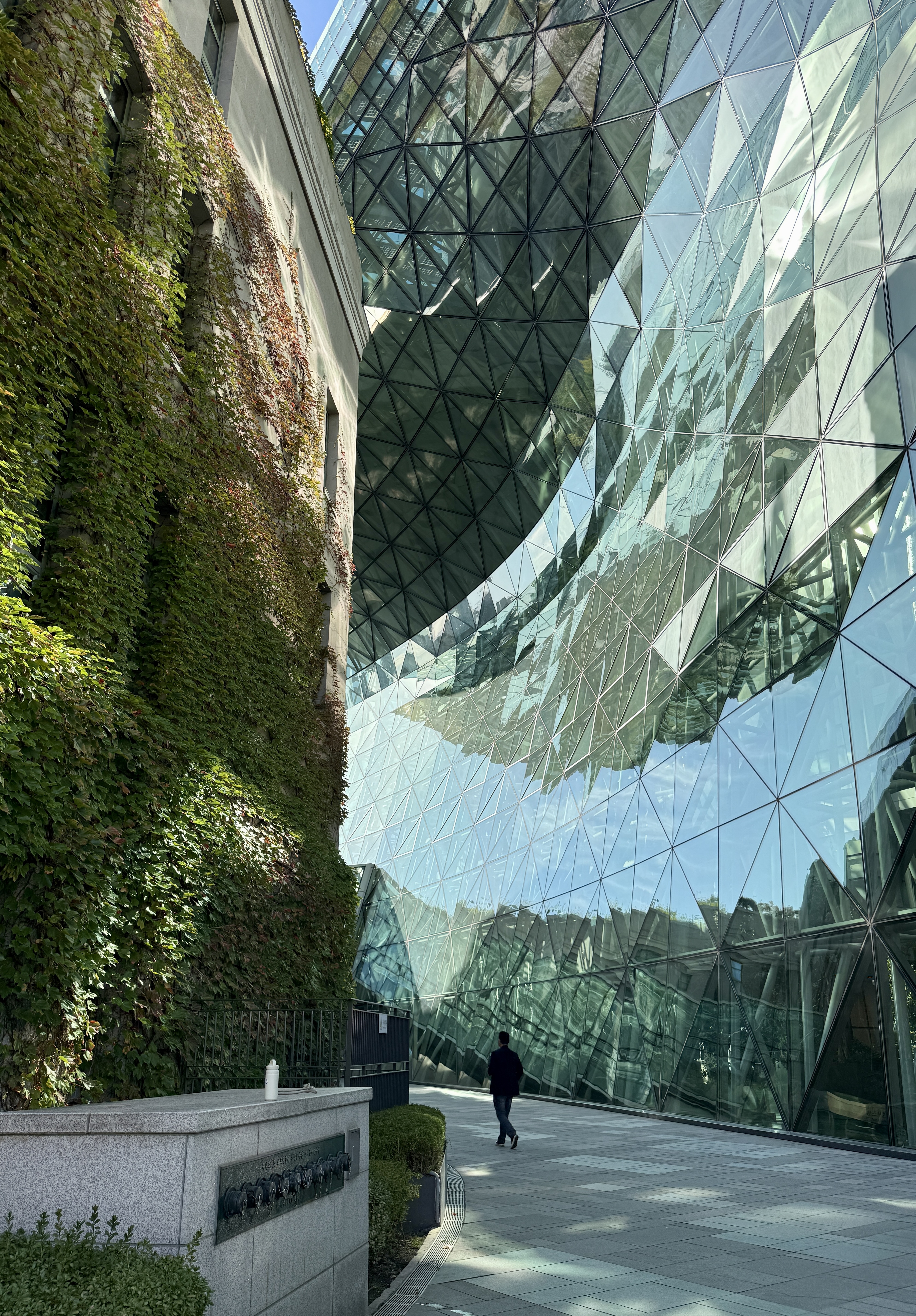
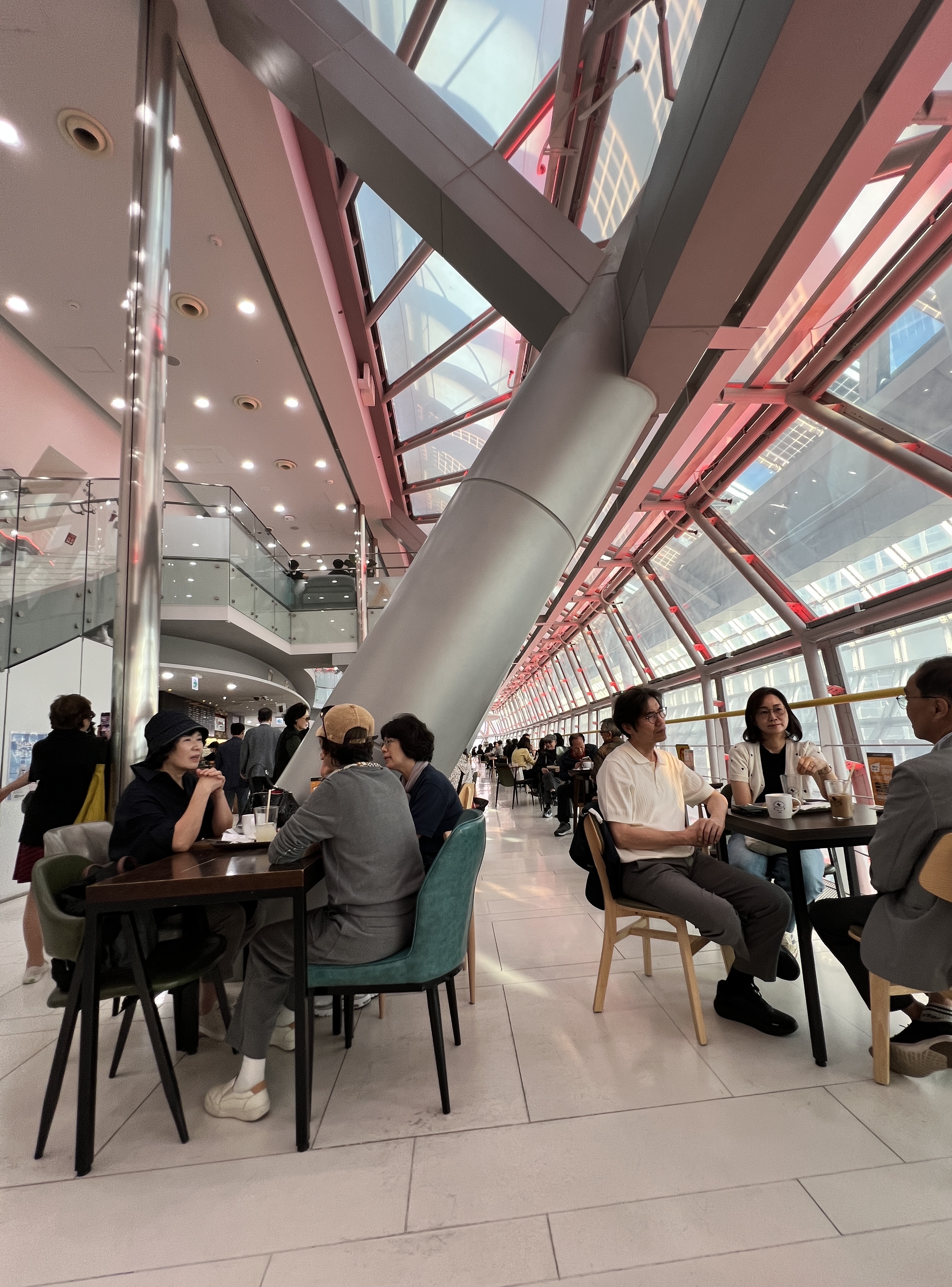
From the capitalist immersion, we took the subway — elevated in this part of town — to Seoul City Hall, an interesting piece of architecture and an exciting use of public space. The 13-story glass building, opened in 2012, and it curves in a wave-like form—seen by many as a deliberate contrast to the colonial-era stone City Hall directly in front of it, which is now dwarfed by its sleek successor and converted into the Seoul Metropolitan Library. The new building’s contorted shape was partly designed to accommodate the old one.
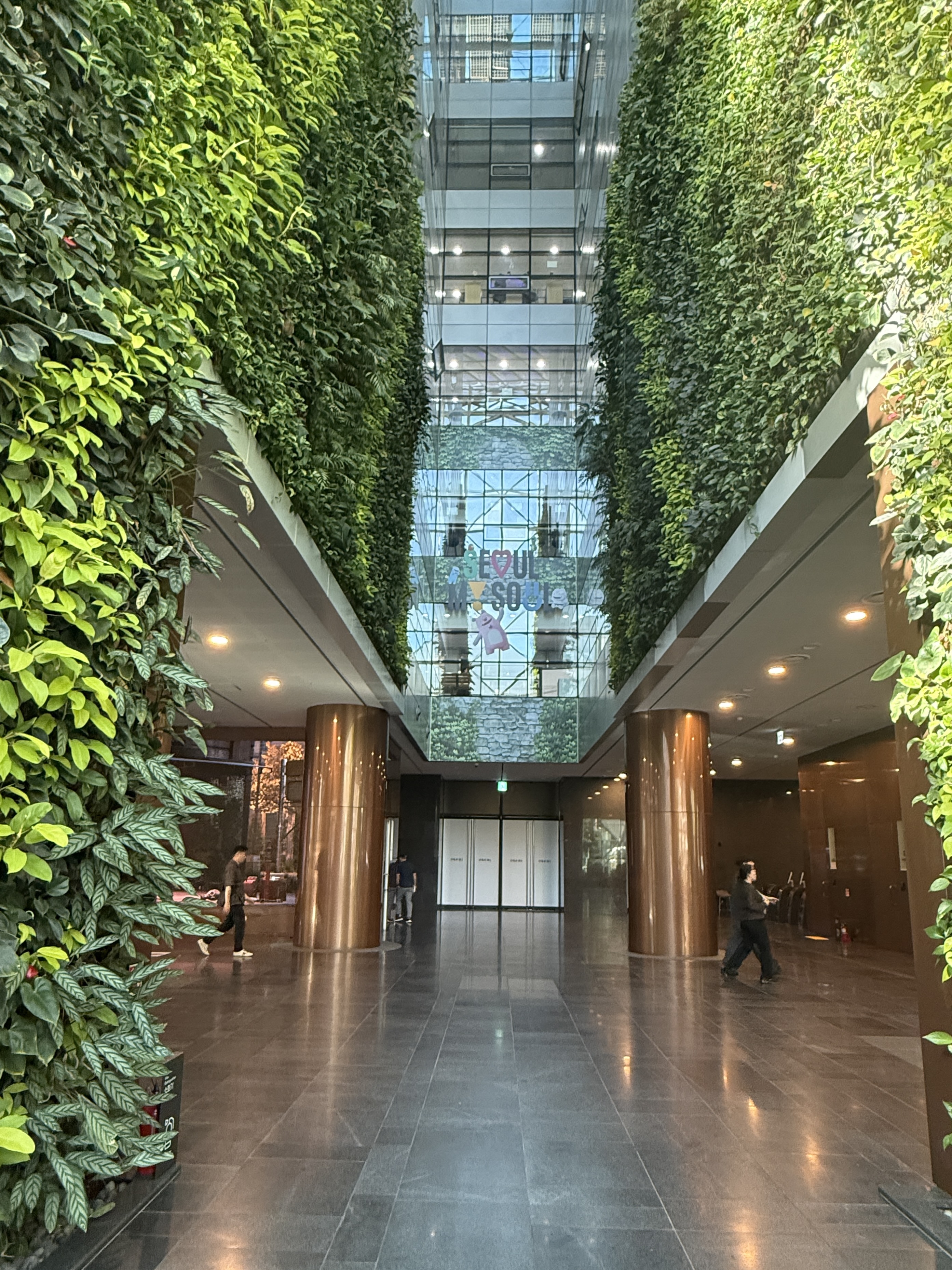
Inside it feels genuinely like a people’s place — cafes, public lounges, exhibit spaces, with the actual government offices tucked away on the back side. Lots of people just hanging out, having coffee.
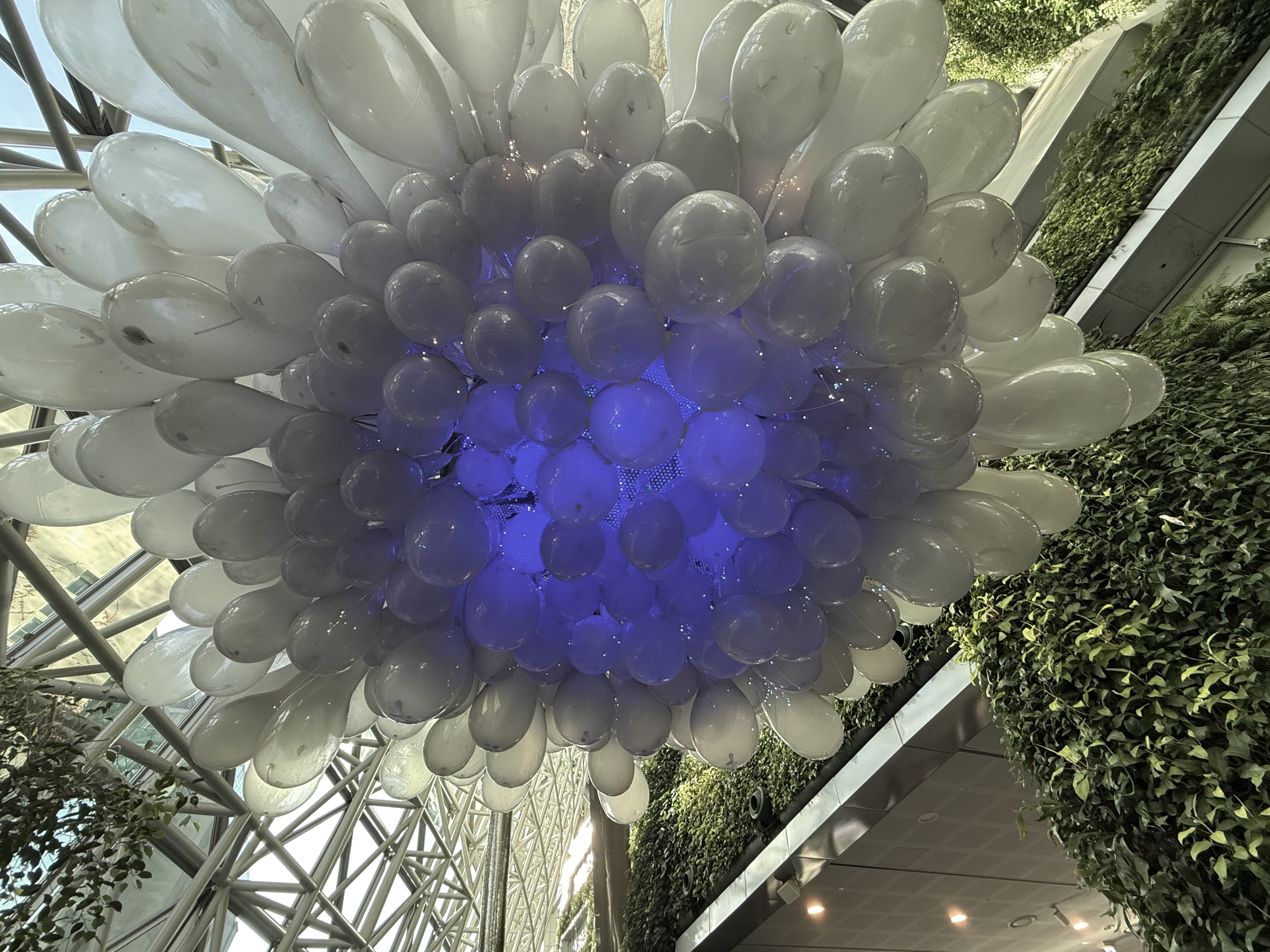
The building was controversial from the start — some residents called it “an ugly spaceship,” others were furious about the near-demolition of the old City Hall (the compromise of preserving it as a library quieted some of that anger). Supporters point to its glass transparency as a symbol of open, democratic governance. And the one thing almost everyone agrees on: the soaring indoor vertical garden, which is in the Guinness World Record as the world’s largest.
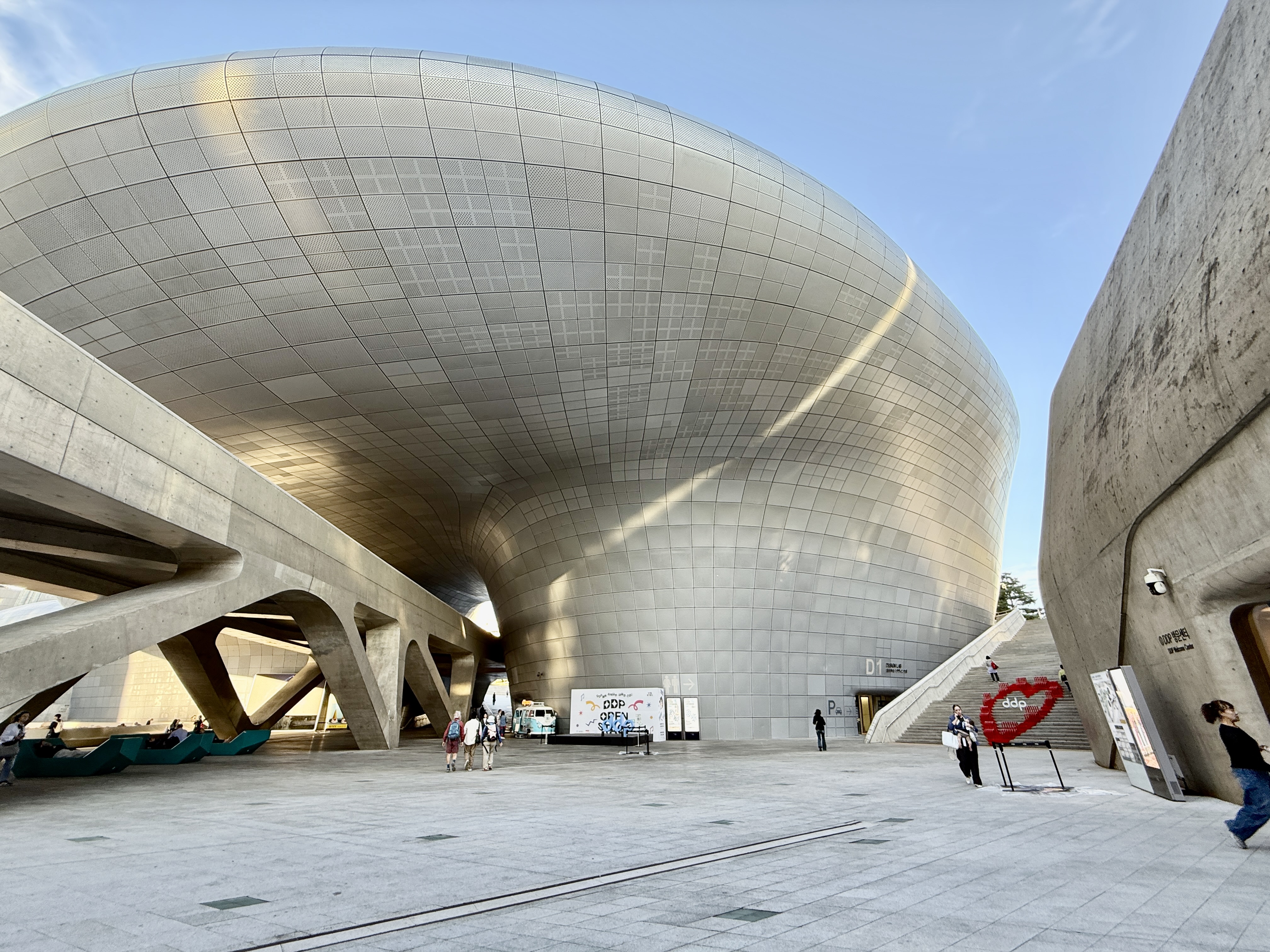
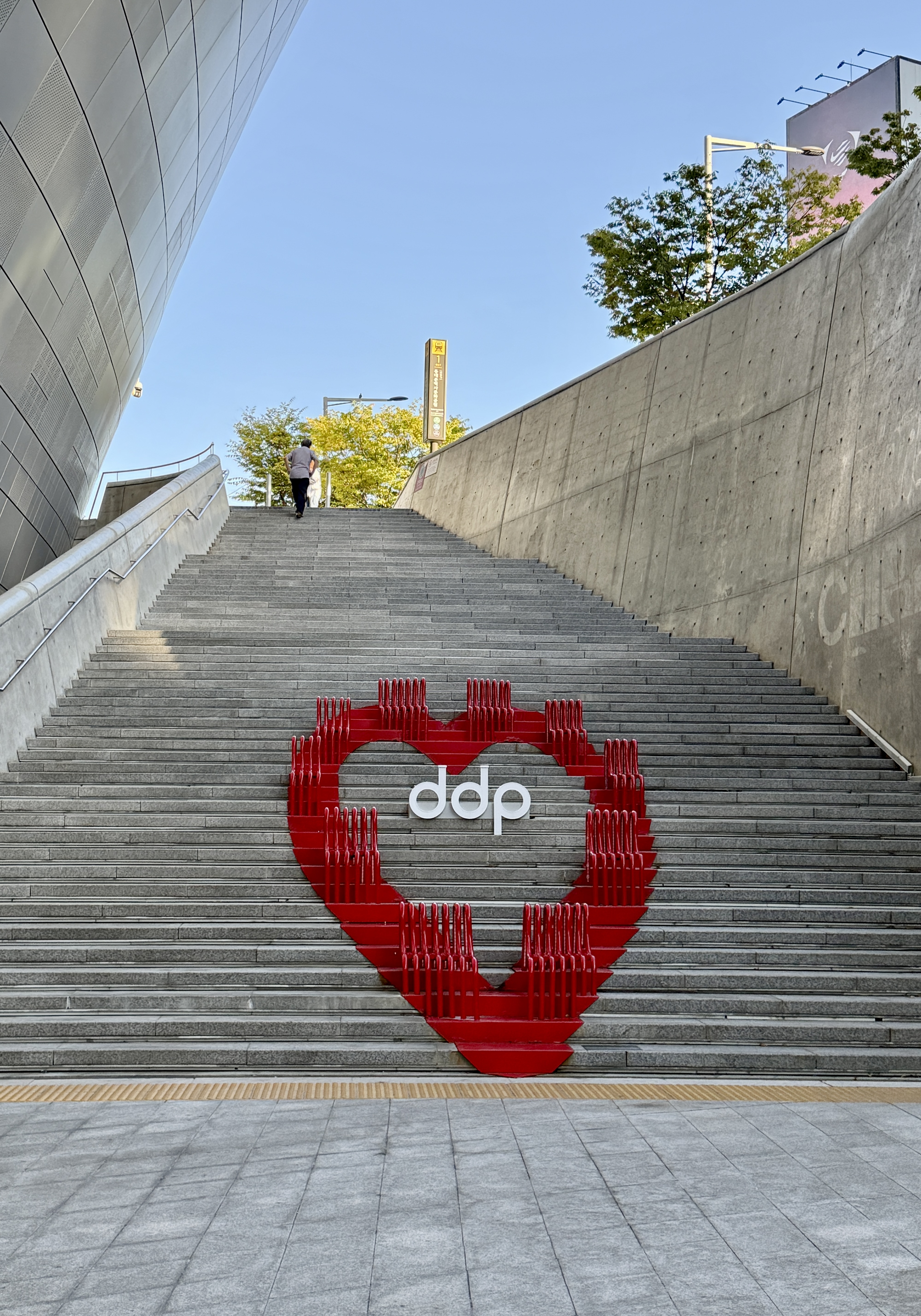
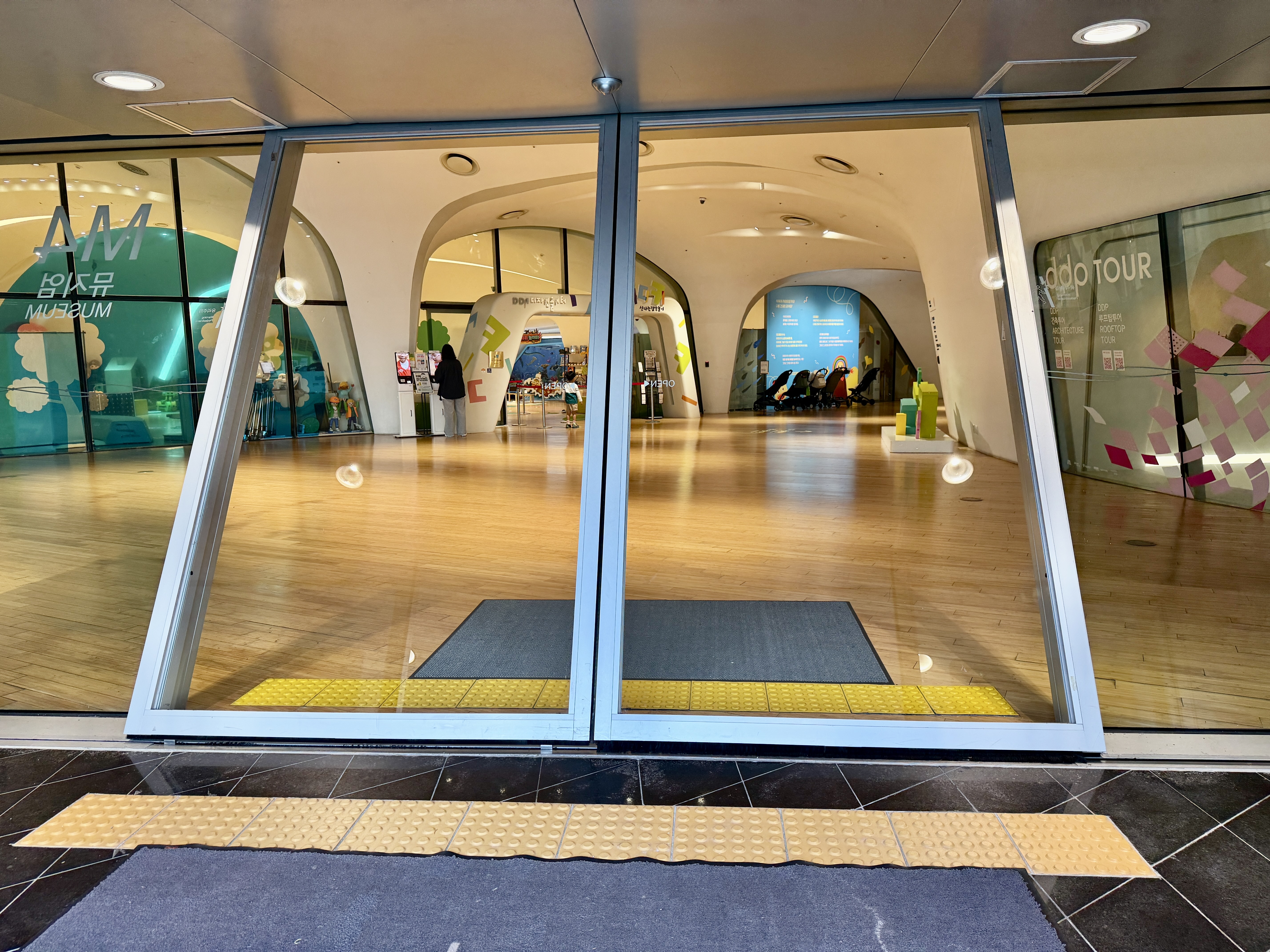
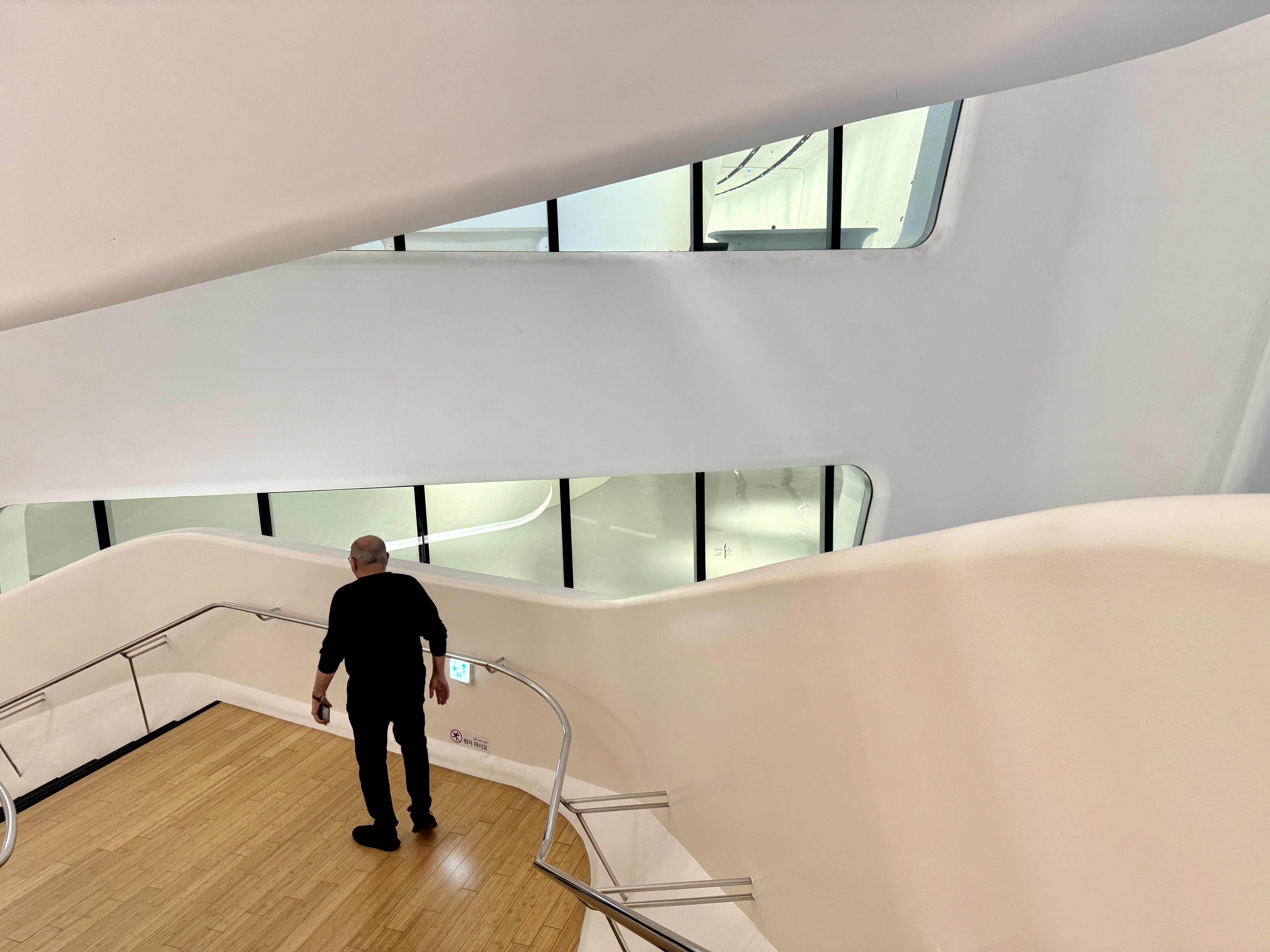
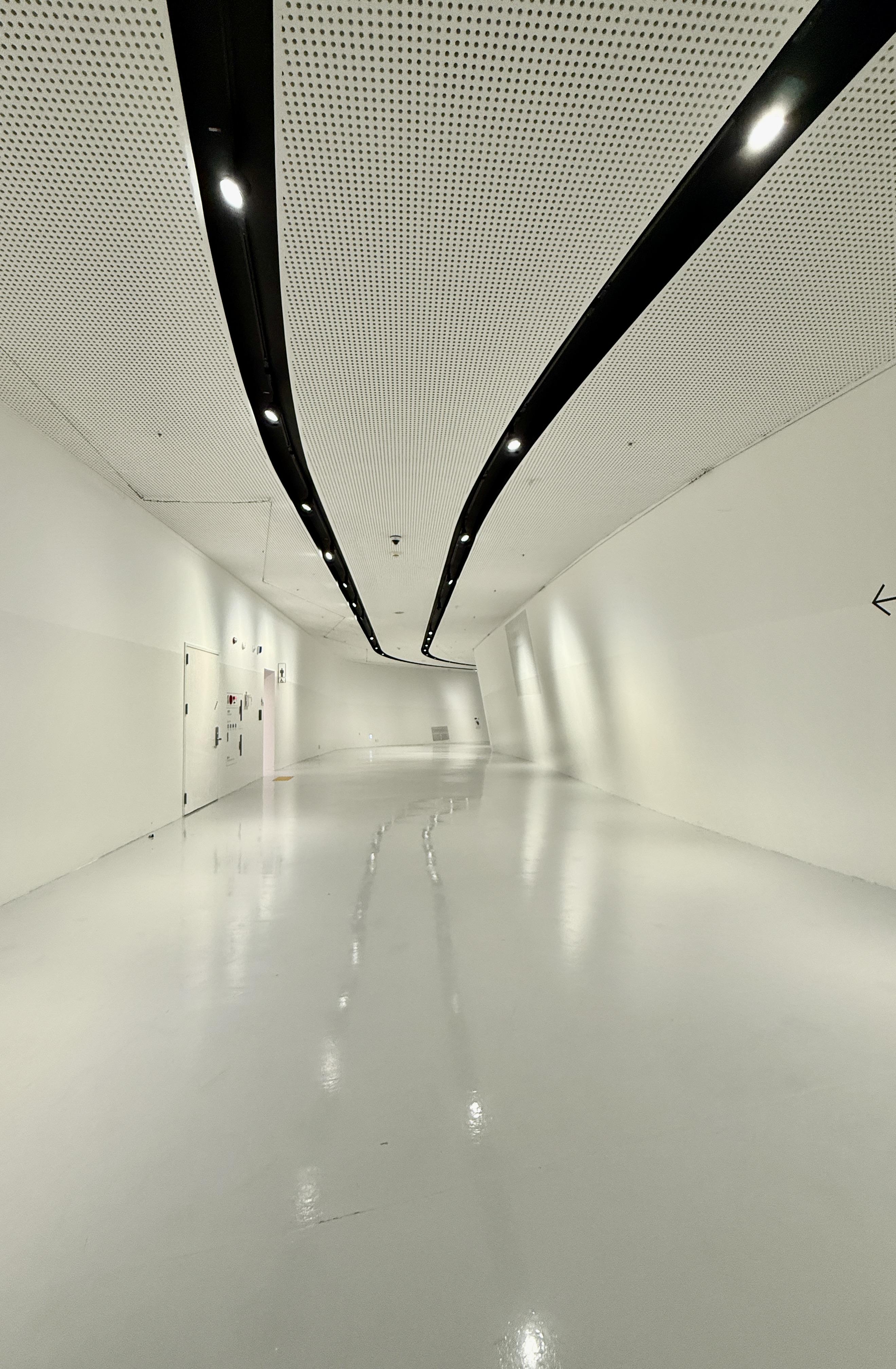
From City Hall we headed to the DDP which was deigned by Zaha Hadid about 20 years ago and sort of set the standards and a new look for Korean buildings. It is primarily an exhibition space and sits playfully in a surrounding park. Seems to me to be a bit challenging as an exhibit space since so much of it is sloped. But it’s an interesting building, which I gather cost twice as much tobuild than the original projected cost. Really it’s just a big sculpture. But that’s what all of her work is, in my opinion.
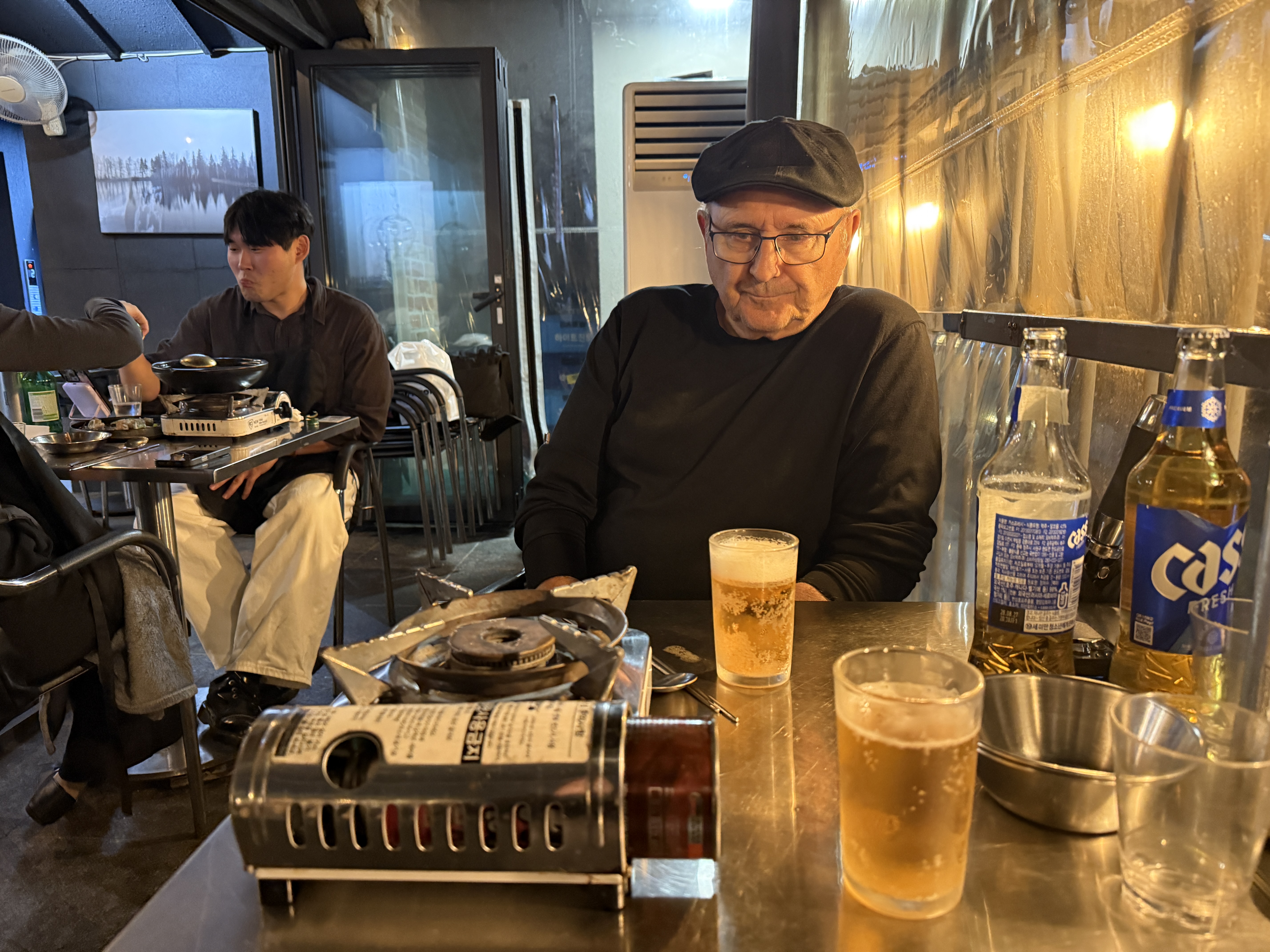
Then we took the train again, back to the hotel to freshen up and soon after, head for dinner at a Korean BBG place. By the time we headed to dinner it was chilly. It took us a while to find Taechogalbi — a traditional Korean BBQ place which was ust a few blocks away but on the second floor with minimal signage. All good.. for carnivores.
More tomorrow.
Fern

